EP2787672A1 - Downlink communication with repetition transmissions - Google Patents
Downlink communication with repetition transmissions Download PDFInfo
- Publication number
- EP2787672A1 EP2787672A1 EP20130305449 EP13305449A EP2787672A1 EP 2787672 A1 EP2787672 A1 EP 2787672A1 EP 20130305449 EP20130305449 EP 20130305449 EP 13305449 A EP13305449 A EP 13305449A EP 2787672 A1 EP2787672 A1 EP 2787672A1
- Authority
- EP
- European Patent Office
- Prior art keywords
- index
- channel
- user equipment
- transmissions
- base station
- Prior art date
- Legal status (The legal status is an assumption and is not a legal conclusion. Google has not performed a legal analysis and makes no representation as to the accuracy of the status listed.)
- Granted
Links
Images

Classifications
-
- H—ELECTRICITY
- H04—ELECTRIC COMMUNICATION TECHNIQUE
- H04L—TRANSMISSION OF DIGITAL INFORMATION, e.g. TELEGRAPHIC COMMUNICATION
- H04L1/00—Arrangements for detecting or preventing errors in the information received
- H04L1/0001—Systems modifying transmission characteristics according to link quality, e.g. power backoff
- H04L1/0009—Systems modifying transmission characteristics according to link quality, e.g. power backoff by adapting the channel coding
- H04L1/001—Systems modifying transmission characteristics according to link quality, e.g. power backoff by adapting the channel coding applied to control information
-
- H—ELECTRICITY
- H04—ELECTRIC COMMUNICATION TECHNIQUE
- H04L—TRANSMISSION OF DIGITAL INFORMATION, e.g. TELEGRAPHIC COMMUNICATION
- H04L1/00—Arrangements for detecting or preventing errors in the information received
- H04L1/004—Arrangements for detecting or preventing errors in the information received by using forward error control
- H04L1/0072—Error control for data other than payload data, e.g. control data
-
- H—ELECTRICITY
- H04—ELECTRIC COMMUNICATION TECHNIQUE
- H04L—TRANSMISSION OF DIGITAL INFORMATION, e.g. TELEGRAPHIC COMMUNICATION
- H04L1/00—Arrangements for detecting or preventing errors in the information received
- H04L1/004—Arrangements for detecting or preventing errors in the information received by using forward error control
- H04L1/0075—Transmission of coding parameters to receiver
-
- H—ELECTRICITY
- H04—ELECTRIC COMMUNICATION TECHNIQUE
- H04L—TRANSMISSION OF DIGITAL INFORMATION, e.g. TELEGRAPHIC COMMUNICATION
- H04L1/00—Arrangements for detecting or preventing errors in the information received
- H04L1/08—Arrangements for detecting or preventing errors in the information received by repeating transmission, e.g. Verdan system
Definitions
- MTC1 requires a 20 dB improvement and MTC2 requires a 13 dB coverage improvement, so the number of repetitions for MTC2 is 4 times less than that of MTC1.
- the amount of resource saving from using less than the maximum number of repetitions for MTC2 is significant since the maximum number ofrepetitions is large (i.e. in the hundreds), thereby improving spectral efficiency significantly.
- providing different levels of coverage extension for MTC devices is desirable.
- different channels will experience different levels of attenuation and so will require different numbers of repetitions in each coverage extension region.
- the index identifies a number of times that transmissions are repeated by each of the at least one other channel. Accordingly, the index may identify how many times the transmissions are repeated by each of the other channels in order to achieve a desired level of coverage. In this way, a single index may identify the repetitions used by each of a number of different channels, which reduces the amount of signalling overhead required to provide this information separately for each of the different channels.
- the step of selecting comprises selecting the index with another of the plurality of values in response to a request to change the value from user equipment.
- the user equipment may indicate to the base station that it wishes to change the value of the index.
- the base station may assess whether such a change is permitted and, if so, may select the requested value of the index.
- the other channels comprise at least one of Physical Downlink Control Channel, Physical Downlink Shared Channel, Physical Uplink Control Channel, Physical Uplink Shared Channel and Physical Random Access Channel.
- the eNB may wish to phase its services to the MTC devices by first serving MTC devices up to a 10 dB coverage extension, followed by those at 16 dB and then those at 20 dB. This can be accomplished by setting the maximum repetition index according to the intended coverage level.
- a default repetition index is used as the maximum repetition index.
- An example of a default repetition index is the highest repetition index (i.e. corresponding to the largest coverage extension of 20 dB).
- Table 2 shows an example of the repetition index values and their corresponding repetition characteristics for uplink channels.
- Each repetition characteristic gives the amount of repetition required for each uplink physical channel.
- PRACH physical random access channel
- MTC1 attempts to blindly decode the PBCH assuming a 2x repetition and successfully decodes the PBCH.
- any block diagrams herein represent conceptual views of illustrative circuitry embodying the principles of the invention.
- any flow charts, flow diagrams, state transition diagrams, pseudo code, and the like represent various processes which may be substantially represented in computer readable medium and so executed by a computer or processor, whether or not such computer or processor is explicitly shown.
Landscapes
- Engineering & Computer Science (AREA)
- Computer Networks & Wireless Communication (AREA)
- Signal Processing (AREA)
- Quality & Reliability (AREA)
- Mobile Radio Communication Systems (AREA)
Abstract
Description
- The present invention relates to wireless telecommunications methods, a computer program product and network nodes.
- Wireless telecommunications systems are known. In a cellular system, radio coverage is provided to user equipment, for example, mobile phones, by areas known as cells. A base station is located in each cell to provide the radio coverage. User equipment in each cell receives information and data from the base station and transmits information and data to the base station.
- Information and data transmitted by the base station to the user equipment occurs on channels of radio carriers known as downlink channels. Information and data transmitted by user equipment to the base station occurs on channels of radio carriers known as uplink channels. Although the deployment of base stations is largely controllable by the network operator, the deployment of user equipment is not. The deployment of user equipment within the network can cause unexpected consequences.
- Accordingly, it is desired to provide an improved technique for communicating with user equipment.
- According to a first aspect, there is provided a wireless telecommunication network base station method, comprising: encoding, on a first downlink channel between the base station and user equipment, an index identifying a number of times that transmissions are repeated by at least one other channel between the base station and user equipment.
- The first aspect recognizes that an increasing problem with the deployment of user equipment is that they can become deployed in areas suffering from high attenuation. This high attenuation can cause the user equipment to be unable to decode downlink configuration information, which is essential for being able to access appropriate downlink traffic. This means that when deployed in these areas of high attenuation, the user equipment is effectively unable to receive traffic from the base station. The first aspect also recognizes that existing standards fail to provide an adequate technique for providing this downlink configuration information in high attenuation deployments, which means that user equipment implementing those standards are unable to communicate with the network during such deployment. The first aspect further recognizes that whilst this is inconvenient for some user equipment when located in these high attenuation areas, coverage is restored when the user equipment moves to a lower attenuation area but that there is an emerging class of user equipment (such as machine type communication devices such as, for example, smart meters) which are immobile once installed; for those user equipment no network coverage is provided.
- Existing solutions target a 20 dB coverage improvement for such devices. Repetition of a message at the physical layer is one technique providing such coverage improvement. In order to achieve a 20 dB improvement, the theoretical number of repetitions needed is 100 times more than currently used. In reality, this amount of repetition is likely going to need to be even higher due to imperfect channel estimation, fading, frequency error, etc. Although repetition is a simple way to improve the coverage, it is highly inefficient in utilizing the spectrum especially when the amount of repetitions is very high (in the hundreds).
- However, the first aspect recognizes that in an actual deployment, not all MTC devices would require 20 dB coverage improvements.
Figure 1 shows the coverage of a cell which consists of the existing (termed as 'normal') coverage and the targeted coverage extension (due to MTC located at the cell edge and in a basement). For those MTC devices in the normal coverage, no additional coverage enhancement is required. For those MTC devices in the extended coverage region as shownFigure 1 , not all MTC devices require as much as 20 dB coverage extension. Some MTC devices (e.g. MTC 2 located in the region shaded inFigure 1 ) will require coverage extension that is less than 20 dB and hence a message to/from these devices would require less repetitions compared to a MTC device in the 20 dB region. As an example, inFigure 1 , MTC1 requires a 20 dB improvement and MTC2 requires a 13 dB coverage improvement, so the number of repetitions for MTC2 is 4 times less than that of MTC1. The amount of resource saving from using less than the maximum number of repetitions for MTC2 is significant since the maximum number ofrepetitions is large (i.e. in the hundreds), thereby improving spectral efficiency significantly. Hence, providing different levels of coverage extension for MTC devices is desirable. Also, different channels will experience different levels of attenuation and so will require different numbers of repetitions in each coverage extension region. - Accordingly, a base station method is provided. The method may comprise the step of encoding an index. The index may be encoded on a first downlink channel between the base station and user equipment. The index may identify a number of times that transmissions are repeated on one or more other channels between the base station and the user equipment. This provides an efficient and reliable technique for controlling and identifying the number of times that transmissions are repeated by other channels in order to extend their coverage. In other words, by utilizing a particular index, a desired amount ofrepetition can be made in order to achieve a desired amount of coverage extension.
- In one embodiment, the index identifies a number of times that transmissions are repeated by each of the at least one other channel. Accordingly, the index may identify how many times the transmissions are repeated by each of the other channels in order to achieve a desired level of coverage. In this way, a single index may identify the repetitions used by each of a number of different channels, which reduces the amount of signalling overhead required to provide this information separately for each of the different channels.
- In one embodiment, the index identifies that transmissions are repeated a different number of times by each of the at least one other channel. Accordingly, a single index may identify that transmissions are repeated differing numbers of times on each of the other channels. That is to say that the number of repetitions on the first channel may be a first value, whilst the number of repetitions on the second channel may be a second value, where the first and second values differ. Again, this enables a detailed set of different numbers of repetitions to be communicated in an efficient manner through the transmission of a single index.
- In one embodiment, the index comprises one of a plurality of values, each value identifying a different number of times that that transmissions are repeated by the at least one other channel. Accordingly, the index may comprise different values, each different value being associated with a different set of repetitions to be made by each of the other channels. For example, a first value of the index may indicate one set of repetitions to be made by the channels, whilst another value may indicate a different set of repetitions to be made by each of the other channels. In one embodiment, each value is associated with a desired level of coverage, each value identifying a set of repetitions for the channels intended to provide reliable communication between the base station and user equipment when experiencing that level of coverage. For example, one value of the index may indicate a coverage extension of X dB and the index, when encoded with that value, indicates the number of repetitions required for each of the channels in order to achieve an extended coverage of X dB. Likewise, if a value of the index is intended to provide a coverage of Y dB, then the set of repetitions for each of the channels associated with that value of the index is intended to provide reliable communications between the user equipment and the base station with an extended coverage of YdB.
- In one embodiment, the other channels comprise at least one data channel and at least one control channel and the index identifies that transmissions are repeated a different number of times by each of the at least one data channel and the at least one control channel. Accordingly, the number of repetitions for both control channels and data channels may be specified using the index. It will be appreciated that the number of repetitions will typically differ.
- In one embodiment, the index identifies that transmissions are repeated on at least one of a downlink and an uplink. Accordingly, the index may specify the number of repetitions performed on either or both uplink and downlink. In one embodiment, the numbers of repetitions on downlink and uplink may be one of the same and different.
- In one embodiment, the index identifies a first number of repetitions for use in uplink transmissions for a first period and at least one subsequent number of repetitions for use in uplink transmission for at least one subsequent period. Accordingly, the index may identify an initial number of repetitions to be used in uplink, but also identify other numbers of repetitions to be used subsequently in uplink.
- In one embodiment, the index identifies a first number of repetitions for use in a first attempted RACH procedure and at least one subsequent number of repetitions for use in at least one subsequent attempted RACH procedure. Accordingly, the index may identify an initial number of repetitions to be used on initiating a RACH procedure, but also specify other numbers of repetitions to be used should the RACH procedure fail.
- In one embodiment, the method comprises selecting the index to serve different user equipment. Accordingly, different indexes may be used for different user equipment, which may be located in different coverage areas.
- In one embodiment, the method comprises selecting and encoding the index with another of the plurality of values. Accordingly, the value of the index may change dynamically in response to changing conditions.
- In one embodiment, the step of selecting comprises selecting the index with another of the plurality of values in response to a request to change the value from user equipment. Accordingly, the user equipment may indicate to the base station that it wishes to change the value of the index. The base station may assess whether such a change is permitted and, if so, may select the requested value of the index.
- In one embodiment, the method comprises transmitting channels with repetitions indicated by the index.
- In one embodiment, the method comprises decoding received channels with repetitions indicated by the index.
- In one embodiment, the first downlink channel comprises a physical broadcast channel.
- In one embodiment, the other channels comprise at least one of Physical Downlink Control Channel, Physical Downlink Shared Channel, Physical Uplink Control Channel, Physical Uplink Shared Channel and Physical Random Access Channel.
- In one embodiment, in the absence of an encoded index, a default value of the index is utilised.
- According to a second aspect there is provided a wireless telecommunication network base station, comprising: encoding logic operable to encode, on a first downlink channel between the base station and user equipment, an index identifying a number of times that transmissions are repeated by at least one other channel between the base station and user equipment.
- In one embodiment, the index identifies a number of times that transmissions are repeated by each of the at least one other channel.
- In one embodiment, the index identifies that transmissions are repeated a different number of times by each of the at least one other channel.
- In one embodiment, the index comprises one of a plurality of values, each value identifying a different number of times that that transmissions are repeated by the at least one other channel.
- In one embodiment, the other channels comprise at least one data channel and at least one control channel and the index identifies that transmissions are repeated a different number of times by each of the at least one data channel and the at least one control channel.
- In one embodiment, the index identifies that transmissions are repeated on at least one of a downlink and an uplink. In one embodiment, the numbers of repetitions on downlink and uplink may be one of the same and different.
- In one embodiment, the index identifies a first number of repetitions for use in uplink transmissions for a first period and at least one subsequent number of repetitions for use in uplink transmission for at least one subsequent period.
- In one embodiment, the index identifies a first number of repetitions for use in a first attempted RACH procedure and at least one subsequent number of repetitions for use in at least one subsequent attempted RACH procedure.
- In one embodiment, the base station comprises selecting logic operable to select the index to serve different user equipment.
- In one embodiment, the selecting logic is operable to select and the encoding logic is operable to encode the index with another of the plurality of values.
- In one embodiment, the selecting logic is operable to select the index with another of the plurality of values in response to a request to change the value from user equipment.
- In one embodiment, the base station comprises transmission logic operable to transmit channels with repetitions indicated by the index.
- In one embodiment, the base station comprises decoding logic operable to decode received channels with repetitions indicated by the index.
- In one embodiment, the first downlink channel comprises a physical broadcast channel.
- In one embodiment, the other channels comprise at least one of Physical Downlink Control Channel, Physical Downlink Shared Channel, Physical Uplink Control Channel, Physical Uplink Shared Channel and Physical Random Access Channel..
- In one embodiment, in the absence of an encoded index, a default value of the index is utilised.
- According to a third aspect, there is provided a wireless telecommunication network user equipment method, comprising: decoding, on a first downlink channel between the base station and user equipment, an index identifying a number of times that transmissions are repeated by at least one other channel between the base station and user equipment.
- In one embodiment, the index identifies a number of times that transmissions are repeated by each of the at least one other channel.
- In one embodiment, the index identifies that transmissions are repeated a different number of times by each of the at least one other channel.
- In one embodiment, the index comprises one of a plurality of values, each value identifying a different number of times that that transmissions are repeated by the at least one other channel.
- In one embodiment, the other channels comprise at least one data channel and at least one control channel and the index identifies that transmissions are repeated a different number of times by each of the at least one data channel and the at least one control channel.
- In one embodiment, the index identifies that transmissions are repeated on at least one of a downlink and an uplink. In one embodiment, the numbers of repetitions on downlink and uplink may be one of the same and different.
- In one embodiment, the index identifies a first number of repetitions for use in uplink transmissions for a first period and at least one subsequent number of repetitions for use in uplink transmission for at least one subsequent period.
- In one embodiment, the index identifies a first number of repetitions for use in a first attempted RACH procedure and at least one subsequent number of repetitions for use in at least one subsequent attempted RACH procedure.
- In one embodiment, the method comprises decoding the index with another of the plurality of values.
- In one embodiment, the method comprises transmitting a request to change the value of the index.
- In one embodiment, the method comprises transmitting channels with repetitions indicated by the index.
- In one embodiment, the method comprises decoding received channels with repetitions indicated by the index.
- In one embodiment, the first downlink channel comprises a physical broadcast channel.
- In one embodiment, the other channels comprise at least one of Physical Downlink Control Channel, Physical Downlink Shared Channel, Physical Uplink Control Channel, Physical Uplink Shared Channel and Physical Random Access Channel..
- In one embodiment, in the absence of an encoded index, a default value of the index is utilised.
- According to a fourth aspect, there is provided a wireless telecommunication network user equipment, comprising: decoding logic operable to decode, on a first downlink channel between a base station and the user equipment, an index identifying a number of times that transmissions are repeated by at least one other channel between the base station and user equipment.
- In one embodiment, the index identifies a number of times that transmissions are repeated by each of the at least one other channel.
- In one embodiment, the index identifies that transmissions are repeated a different number of times by each of the at least one other channel.
- In one embodiment, the index comprises one of a plurality of values, each value identifying a different number of times that that transmissions are repeated by the at least one other channel.
- In one embodiment, the other channels comprise at least one data channel and at least one control channel and the index identifies that transmissions are repeated a different number of times by each of the at least one data channel and the at least one control channel.
- In one embodiment, the index identifies that transmissions are repeated on at least one of a downlink and an uplink. In one embodiment, the numbers of repetitions on downlink and uplink may be one of the same and different.
- In one embodiment, the index identifies a first number of repetitions for use in uplink transmissions for a first period and at least one subsequent number of repetitions for use in uplink transmission for at least one subsequent period.
- In one embodiment, the index identifies a first number of repetitions for use in a first attempted RACH procedure and at least one subsequent number of repetitions for use in at least one subsequent attempted RACH procedure.
- In one embodiment, the decoding logic is operable to decode the index with another of the plurality of values.
- In one embodiment, the user equipment comprises transmission logic operable to transmit a request to change the value of the index.
- In one embodiment, the transmission logic is operable to transmit channels with repetitions indicated by the index.
- In one embodiment, the decoding logic is operable to decode received channels with repetitions indicated by the index.
- In one embodiment, the first downlink channel comprises a physical broadcast channel.
- In one embodiment, the other channels comprise at least one of Physical Downlink Control Channel, Physical Downlink Shared Channel, Physical Uplink Control Channel, Physical Uplink Shared Channel and Physical Random Access Channel..
- In one embodiment, in the absence of an encoded index, a default value of the index is utilised.
- According to a fifth aspect, there is provided a computer program product operable, when executed on a computer, to perform the method steps of the first or the third aspect.
- Further particular and preferred aspects are set out in the accompanying independent and dependent claims. Features of the dependent claims may be combined with features of the independent claims as appropriate, and in combinations other than those explicitly set out in the claims.
- Where an apparatus feature is described as being operable to provide a function, it will be appreciated that this includes an apparatus feature which provides that function or which is adapted or configured to provide that function.
- Embodiments of the present invention will now be described further, with reference to the accompanying drawings, in which:
-
Figure 1 illustrates the coverage of a cell which consists of an existing coverage and a targeted coverage extension; and -
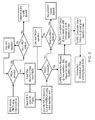
Figure 2 is a flow chart illustrating the procedure followed to connect an MTC device to an eNB according to one embodiment. - Before discussing the embodiments in any more detail, first an overview will be provided. Embodiments recognise that in the absence of increasing the transmit power, the simplest method of extending the coverage is to perform repetition of the physical channels. Embodiments introduce a repetition (or coverage) index, where each index points to a specific repetition characteristic. A repetition characteristic gives typically the amount of repetition for all the physical channels except for the primary and secondary synchronization signals (PSS/ SSS) and physical broadcast channel (PBCH). The repetition index is typically broadcast on a broadcast channel. This broadcasted repetition index indicates the amount of repetition to be used on multiple channels, the aim being to provide sufficient repetition for an intended coverage level. For example, in order to achieve a coverage extension of 16dB, the repetition index may indicate a first number of repetitions for a control channel and a second number of repetitions for a data channel. Where the repetition index is not broadcast or is omitted, a default value of the repetition index may be assumed.
- Embodiments recognise that that the arrangement of the PBCH for MTC coverage extension is to be redesigned. Consequently, the PBCH will need to be repeated. The number of repetitions performed on the PBCH need not match the repetition characteristic of any of the channels indicated by the repetition index. For example, the PBCH may be configured for coverage extension of 20dB, whilst the channels whose repetition levels are indicated by the repetition index may be configured for coverage extension of only 16dB. This can be used, for example, when a base station (eNB) repeats the PBCH such that all MTC devices in a coverage hole of up to 20 dB can attach to it (but not all MTC devices can connect to it). However, the eNB may wish to phase its services to the MTC devices by first serving MTC devices up to a 10 dB coverage extension, followed by those at 16 dB and then those at 20 dB. This can be accomplished by setting the maximum repetition index according to the intended coverage level.
- In one embodiment, if the PBCH used for MTC coverage extension (i.e. the redesigned PBCH) did not contain a maximum repetition index, then a default repetition index is used as the maximum repetition index. An example of a default repetition index is the highest repetition index (i.e. corresponding to the largest coverage extension of 20 dB).
- In one embodiment, the uplink channels and downlink channels use different repetition indices. That is, the uplink channels may have a repetition characteristic that has a different targeted coverage to that of the downlink. This embodiment may be useful if the uplink and downlink radio have very different characteristics or if the uplink and downlink are served by different nodes (e.g. the uplink is served by a small cell whilst the downlink is served by a macro cell).
- In one embodiment, the repetition index can be changed whilst the MTC device is connected. This is useful if the MTC device has a more favourable coverage than that broadcast by the eNB and hence the MTC device may request (e.g. during a radio resource connect (RRC) Connection) to change the repetition index to one that has fewer number of repetitions in the physical channel. However, the eNB may choose not to obey the MTC device's request to change its repetition characteristic (e.g. the eNB may wish to change the power spectral density instead). Similarly, the eNB may change the (uplink) repetition index if it deemed that the MTC device can benefit from such a change. The change to the repetition index can be done via RRC signalling.
- Table 1 shows an example of the repetition index values and their corresponding repetition characteristics for some downlink channels. Each repetition characteristics (indicated by a repetition index) would give the amount of repetitions required for each downlink physical channel. Each repetition index would correspond to approximately a required coverage extension.
Table 1: Repetition index and characteristic for downlink physical channels Repetition Index Amount of Repetition Coverage Ext (dB) (for information only-not explicitly indicated by the repetition index) PDCCH PDSCH 0 1 1 0 1 3 4 10 2 12 14 16 3 29 34 20 - Table 2 shows an example of the repetition index values and their corresponding repetition characteristics for uplink channels. Each repetition characteristic gives the amount of repetition required for each uplink physical channel. For the physical random access channel (PRACH), three different levels of repetitions are given for each repetition characteristic. This is to allow the MTC device to use an initial (lower) repetition level for PRACH and, if that fails, to proceed to a higher level of repetition.
Table 2: Repetition index and characteristics for uplink physical channels Repetition Index Amount of Repetition Coverage Ext (dB) (for information only - not explicitly indicated by the repetition index) PUCCH PUSCH PRACH 1st 2nd 3rd 0 1 1 N/A N/A N/A 0 1 3 10 2 4 8 10 2 9 40 8 16 32 16 3 23 100 20 40 80 20 -
Figure 2 is a flow chart illustrating the procedure followed to connect an MTC device to an eNB. In this example it is assumed that the eNB sets its repetition index to 2 (corresponding to a 16 dB coverage extension). This repetition index is sent using the PBCH. Different levels of repetitions can be used for PBCH to target different levels of coverage. The level of repetitions used on the PBCH is summarized in Table 3. The PBCH is repeated for the level required for 16 dB of coverage extension which in this example is six times. It will be appreciated that the repetition level for PBCH need not correspond to the maximum repetition index.Table 3: PBCH repetition PBCH Repetition Coverage Ext (dB) 1 0 2 10 6 16 15 20 - In this example, two MTC devices, MTC1 and MTC2 are in an 8 dB and an 18 dB coverage hole, respectively. With reference to the procedure in
Figure 2 , the following steps are performed: - MTC1 attempts to blindly decode the PBCH assuming a 2x repetition and successfully decodes the PBCH.
- Meanwhile MTC2 attempts to blind decode the PBCH assuming a 6x repetition but fails to decode the PBCH. MTC2 then tries the next repetition level, i.e. 15x, in which case it will fail. Having reached the maximum possible repetition level on PBCH, MTC2 failed to attach to the eNB and would retry at another time (hoping that the eNB would increase its coverage).
- MTC1 reads the repetition index from PBCH (i.e., repetition index = 2)
- MTC1 attempts to decode the SIBs using 12x and 14x repetitions on the Physical Downlink Control Channel (PDCCH) and Physical Downlink Shared Channel (PDSCH) respectively as per repetition index of 2 (see Table 1). From the SIB it extracts the set of RACH resource where it can perform repetition of its PRACH.
- MTC1 transmits its PRACH with 8× repetitions. It fails the PRACH process after failing to receive any response from the network. It then uses the next level of repetition at 16x, in which case it successfully gets a response from the network. The RAR (Random Access Response) carried by the PDSCH is repeated 14x, which corresponds to the max repetition index.
- MTC1 proceeds to send a RRC Connection Request. In the RRC Connection Request, it indicates that it prefers a downlink repetition index of 1 (since it is in a coverage hole less than 10 dB but more than 0 dB). The RRC Connection Request is sent using the Physical Uplink Shared Channel (PUSCH) which is repeated 40×.
- The eNB response with a RRC Connection Setup message, indicating that it can accept the UE repetition index of 1. In addition to that the eNB indicates that the UE uses an uplink repetition index of 1. The RRC Connection Setup message is repeated 14×, i.e. corresponding to the max repetition index, since at this point the UE still have not got the OK to decode the PDSCH using repetition index of 1 (i.e. 4x)
- MTC1 sends its RRC Connection Setup Complete message to the eNB using PUSCH using 10× repetitions, which corresponds to repetition index of 1.
- The exchanges of messages would therefore use repetition characteristic corresponding to repetition index 1 in the uplink and downlink.
- It should be noted that:
- The eNB decides the final repetition index in the downlink for the UE. For example, if the MTC device asks for a downlink repetition index of 3, the eNB may give it a repetition index of 2 but then increase its transmission power accordingly to achieve the desired coverage.
- The downlink repetition index and uplink repetition index need not be the same. The requested downlink repetition index from the UE may be sent using a different RRC message, e.g. it can be sent using the RRC Connection Setup Complete message.
- This method allows different level of coverage extension to be managed by the eNB by using a maximum repetition index. Furthermore it can fine tune the coverage on a per MTC device basis.
- Allowing different level of coverage improves the spectral efficiency compared to a single level of coverage extension.
- A person of skill in the art would readily recognize that steps of various above-described methods can be performed by programmed computers. Herein, some embodiments are also intended to cover program storage devices, e.g., digital data storage media, which are machine or computer readable and encode machine-executable or computer-executable programs of instructions, wherein said instructions perform some or all of the steps of said above-described methods. The program storage devices may be, e.g., digital memories, magnetic storage media such as a magnetic disks and magnetic tapes, hard drives, or optically readable digital data storage media. The embodiments are also intended to cover computers programmed to perform said steps of the above-described methods.
- The functions of the various elements shown in the Figures, including any functional blocks labelled as "processors" or "logic", may be provided through the use of dedicated hardware as well as hardware capable of executing software in association with appropriate software. When provided by a processor, the functions may be provided by a single dedicated processor, by a single shared processor, or by a plurality of individual processors, some of which may be shared. Moreover, explicit use of the term "processor" or "controller" or "logic" should not be construed to refer exclusively to hardware capable of executing software, and may implicitly include, without limitation, digital signal processor (DSP) hardware, network processor, application specific integrated circuit (ASIC), field programmable gate array (FPGA), read only memory (ROM) for storing software, random access memory (RAM), and non volatile storage. Other hardware, conventional and/ or custom, may also be included. Similarly, any switches shown in the Figures are conceptual only. Their function may be carried out through the operation of program logic, through dedicated logic, through the interaction of program control and dedicated logic, or even manually, the particular technique being selectable by the implementer as more specifically understood from the context.
- It should be appreciated by those skilled in the art that any block diagrams herein represent conceptual views of illustrative circuitry embodying the principles of the invention. Similarly, it will be appreciated that any flow charts, flow diagrams, state transition diagrams, pseudo code, and the like represent various processes which may be substantially represented in computer readable medium and so executed by a computer or processor, whether or not such computer or processor is explicitly shown.
- The description and drawings merely illustrate the principles of the invention. It will thus be appreciated that those skilled in the art will be able to devise various arrangements that, although not explicitly described or shown herein, embody the principles of the invention and are included within its spirit and scope. Furthermore, all examples recited herein are principally intended expressly to be only for pedagogical purposes to aid the reader in understanding the principles of the invention and the concepts contributed by the inventor(s) to furthering the art, and are to be construed as being without limitation to such specifically recited examples and conditions. Moreover, all statements herein reciting principles, aspects, and embodiments of the invention, as well as specific examples thereof, are intended to encompass equivalents thereof.
Claims (15)
- A wireless telecommunication network base station method, comprising:encoding, on a first downlink channel between said base station and user equipment, an index identifying a number of times that transmissions are repeated by at least one other channel between said base station and user equipment.
- The method of claim 1, wherein said index identifies a number of times that transmissions are repeated by each of said at least one other channel.
- The method of claim 1 or 2, wherein said index identifies that transmissions are repeated a different number of times by each of said at least one other channel.
- The method of any preceding claim, wherein said index comprises one of a plurality of values, each value identifying a different number of times that that transmissions are repeated by said at least one other channel.
- The method of any preceding claim, wherein said other channels comprise at least one data channel and at least one control channel and said index identifies that transmissions are repeated a different number of times by each of said at least one data channel and said at least one control channel.
- The method of any preceding claim, wherein said index identifies that transmissions are repeated on at least one of a downlink and an uplink.
- The method of any preceding claim, wherein said index identifies a first number of repetitions for use in uplink transmissions for a first period and at least one subsequent number ofrepetitions for use in uplink transmission for at least one subsequent period.
- The method of any preceding claim, wherein said index identifies a first number of repetitions for use in a first attempted RACH procedure and at least one subsequent number ofrepetitions for use in at least one subsequent attempted RACH procedure.
- The method of any preceding claim, comprising:selecting said index to serve different user equipment.
- The method of any preceding claim, comprising:selecting and encoding said index with another of said plurality of values.
- The method claim 10, wherein said step of selecting comprises selecting said index with another of said plurality of values in response to a request to change said value from user equipment.
- A wireless telecommunication network base station, comprising:encoding logic operable to encode, on a first downlink channel between said base station and user equipment, an index identifying a number of times that transmissions are repeated by at least one other channel between said base station and user equipment.
- A wireless telecommunication network user equipment method, comprising:decoding, on a first downlink channel between said base station and user equipment, an index identifying a number of times that transmissions are repeated by at least one other channel between said base station and user equipment.
- Wireless telecommunication network user equipment, comprising:decoding logic operable to decode, on a first downlink channel between a base station and said user equipment, an index identifying a number of times that transmissions are repeated by at least one other channel between said base station and user equipment.
- A computer program product operable, when executed on a computer, to perform the method steps of any one of claims 1 to 11 or 13.
Priority Applications (6)
| Application Number | Priority Date | Filing Date | Title |
|---|---|---|---|
| EP13305449.4A EP2787672B1 (en) | 2013-04-05 | 2013-04-05 | Downlink communication with repetition transmissions |
| CN201480028894.3A CN105393478B (en) | 2013-04-05 | 2014-03-12 | It is a kind of for the method for communication, base station, user equipment and computer readable storage medium |
| KR1020157031557A KR101780886B1 (en) | 2013-04-05 | 2014-03-12 | Downlink communication with repetition transmissions |
| PCT/EP2014/000663 WO2014161631A1 (en) | 2013-04-05 | 2014-03-12 | Downlink communication with repetition transmissions |
| JP2016505725A JP6513633B2 (en) | 2013-04-05 | 2014-03-12 | Downlink communication |
| TW103109904A TW201503751A (en) | 2013-04-05 | 2014-03-17 | Downlink communication |
Applications Claiming Priority (1)
| Application Number | Priority Date | Filing Date | Title |
|---|---|---|---|
| EP13305449.4A EP2787672B1 (en) | 2013-04-05 | 2013-04-05 | Downlink communication with repetition transmissions |
Publications (2)
| Publication Number | Publication Date |
|---|---|
| EP2787672A1 true EP2787672A1 (en) | 2014-10-08 |
| EP2787672B1 EP2787672B1 (en) | 2016-08-10 |
Family
ID=48193230
Family Applications (1)
| Application Number | Title | Priority Date | Filing Date |
|---|---|---|---|
| EP13305449.4A Active EP2787672B1 (en) | 2013-04-05 | 2013-04-05 | Downlink communication with repetition transmissions |
Country Status (6)
| Country | Link |
|---|---|
| EP (1) | EP2787672B1 (en) |
| JP (1) | JP6513633B2 (en) |
| KR (1) | KR101780886B1 (en) |
| CN (1) | CN105393478B (en) |
| TW (1) | TW201503751A (en) |
| WO (1) | WO2014161631A1 (en) |
Cited By (6)
| Publication number | Priority date | Publication date | Assignee | Title |
|---|---|---|---|---|
| CN105210317A (en) * | 2014-04-23 | 2015-12-30 | 华为技术有限公司 | Data transmission method and apparatus |
| EP3051728A1 (en) * | 2015-01-30 | 2016-08-03 | Alcatel Lucent | Method for providing a repetition rate |
| WO2016120028A1 (en) * | 2015-01-30 | 2016-08-04 | Sony Corporation | Telecommunications apparatus and method |
| EP3123814A4 (en) * | 2014-03-24 | 2017-09-06 | Intel Corporation | Techniques and configurations associated with operation of an evolved node b at multiple coverage enhancement levels |
| US10097309B2 (en) | 2013-08-07 | 2018-10-09 | Alcatel Lucent | User equipment and method to report CQI when interference cancellation is supported at the receiver |
| WO2019195376A1 (en) * | 2018-04-04 | 2019-10-10 | Qualcomm Incorporated | On-demand coverage extended broadcast signal |
Families Citing this family (12)
| Publication number | Priority date | Publication date | Assignee | Title |
|---|---|---|---|---|
| CN104348580A (en) * | 2013-08-06 | 2015-02-11 | 夏普株式会社 | Downlink physical channel transmitting and receiving methods, base station and user equipment |
| WO2016114626A1 (en) * | 2015-01-16 | 2016-07-21 | 엘지전자 주식회사 | Method and device for transmitting and receiving shared control message in wireless access system supporting machine type communication |
| EP3051894B1 (en) * | 2015-01-30 | 2017-10-11 | Alcatel Lucent | Reducing signalling overhead for machine type communications (MTC) |
| US9918344B2 (en) * | 2015-04-09 | 2018-03-13 | Intel IP Corporation | Random access procedure for enhanced coverage support |
| HUE049649T2 (en) * | 2015-05-15 | 2020-09-28 | Ericsson Telefon Ab L M | Communicating a transport block in a wireless network |
| CN107211455B (en) * | 2015-05-28 | 2020-10-30 | 广州配天通信技术有限公司 | Paging method, base station, core network equipment and user equipment |
| CN109803389A (en) * | 2017-11-17 | 2019-05-24 | 展讯通信(上海)有限公司 | Configuration method, device and the base station of Idle state control resource set |
| US11411672B2 (en) | 2019-09-03 | 2022-08-09 | Electronics And Telecommunication Research Institute | Method and apparatus for data transmission in wireless communication system |
| WO2022025038A1 (en) * | 2020-07-30 | 2022-02-03 | シャープ株式会社 | Terminal device, base station device, and communication method |
| JP2022025801A (en) * | 2020-07-30 | 2022-02-10 | シャープ株式会社 | Terminal device, base station device, and communication method |
| KR20220015839A (en) | 2020-07-31 | 2022-02-08 | 삼성전자주식회사 | Method and apparatus for transmission and reception of control information in wireless cooperative communication system |
| US12495413B2 (en) * | 2021-01-14 | 2025-12-09 | Samsung Electronics Co., Ltd. | Method and apparatus for transmission of uplink channels |
Citations (1)
| Publication number | Priority date | Publication date | Assignee | Title |
|---|---|---|---|---|
| US20120004002A1 (en) * | 2007-08-10 | 2012-01-05 | Panasonic Corporation | Terminal device and base station device |
Family Cites Families (6)
| Publication number | Priority date | Publication date | Assignee | Title |
|---|---|---|---|---|
| JPH11355854A (en) * | 1998-06-10 | 1999-12-24 | Matsushita Electric Ind Co Ltd | Digital data transmitting / receiving method, base station apparatus used for transmitting / receiving digital data, and mobile terminal apparatus used for transmitting / receiving digital data |
| CN101883423B (en) * | 2009-05-07 | 2012-07-04 | 电信科学技术研究院 | Method, system and device for determining position information of terminal |
| CN102045644B (en) * | 2009-10-22 | 2013-12-25 | 电信科学技术研究院 | Method and equipment for covering physical downlink control channel |
| US8929306B2 (en) * | 2010-05-26 | 2015-01-06 | Lg Electronics Inc. | NAS-based signaling protocol for overload protection of random access in massive machine type communication |
| KR20120041932A (en) * | 2010-10-22 | 2012-05-03 | 한국전자통신연구원 | Transmission method of base station for random access resource allocation, transmission method of terminal for using the random access resource allocation, and apparatus for thereof |
| US9094987B2 (en) * | 2011-09-26 | 2015-07-28 | Electronics And Telecommunications Research Institute | Method for generating random access signal of machine type communication device using narrow bandwidth |
-
2013
- 2013-04-05 EP EP13305449.4A patent/EP2787672B1/en active Active
-
2014
- 2014-03-12 KR KR1020157031557A patent/KR101780886B1/en active Active
- 2014-03-12 WO PCT/EP2014/000663 patent/WO2014161631A1/en not_active Ceased
- 2014-03-12 JP JP2016505725A patent/JP6513633B2/en active Active
- 2014-03-12 CN CN201480028894.3A patent/CN105393478B/en active Active
- 2014-03-17 TW TW103109904A patent/TW201503751A/en unknown
Patent Citations (1)
| Publication number | Priority date | Publication date | Assignee | Title |
|---|---|---|---|---|
| US20120004002A1 (en) * | 2007-08-10 | 2012-01-05 | Panasonic Corporation | Terminal device and base station device |
Non-Patent Citations (2)
| Title |
|---|
| NEW POSTCOM: "Proposals on Down Link Coverage Enhancement for Low Cost MTC", vol. RAN WG1, no. St Julian; 20130128 - 20130201, 18 January 2013 (2013-01-18), XP050663361, Retrieved from the Internet <URL:http://www.3gpp.org/ftp/tsg_ran/WG1_RL1/TSGR1_72/Docs/> [retrieved on 20130118] * |
| RENESAS MOBILE EUROPE LTD: "Physical channels coverage enhancements for MTC", vol. RAN WG1, no. St Julian; 20130128 - 20130201, 19 January 2013 (2013-01-19), XP050663706, Retrieved from the Internet <URL:http://www.3gpp.org/ftp/tsg_ran/WG1_RL1/TSGR1_72/Docs/> [retrieved on 20130119] * |
Cited By (16)
| Publication number | Priority date | Publication date | Assignee | Title |
|---|---|---|---|---|
| US10097309B2 (en) | 2013-08-07 | 2018-10-09 | Alcatel Lucent | User equipment and method to report CQI when interference cancellation is supported at the receiver |
| EP3123814A4 (en) * | 2014-03-24 | 2017-09-06 | Intel Corporation | Techniques and configurations associated with operation of an evolved node b at multiple coverage enhancement levels |
| US10075953B2 (en) | 2014-03-24 | 2018-09-11 | Intel Corporation | Techniques and configurations associated with operation of an evolved node B at multiple coverage enhancement levels |
| CN105210317A (en) * | 2014-04-23 | 2015-12-30 | 华为技术有限公司 | Data transmission method and apparatus |
| EP3128693A4 (en) * | 2014-04-23 | 2017-03-01 | Huawei Technologies Co., Ltd. | Data transmission method and apparatus |
| US11044716B2 (en) | 2015-01-30 | 2021-06-22 | Sony Corporation | Telecommunications apparatus and method |
| WO2016120028A1 (en) * | 2015-01-30 | 2016-08-04 | Sony Corporation | Telecommunications apparatus and method |
| WO2016120109A1 (en) * | 2015-01-30 | 2016-08-04 | Alcatel Lucent | Method for providing a number of repetitions, a node and a computer program product |
| US10448382B2 (en) | 2015-01-30 | 2019-10-15 | Sony Corporation | Telecommunications apparatus and method |
| EP3051728A1 (en) * | 2015-01-30 | 2016-08-03 | Alcatel Lucent | Method for providing a repetition rate |
| WO2019195376A1 (en) * | 2018-04-04 | 2019-10-10 | Qualcomm Incorporated | On-demand coverage extended broadcast signal |
| CN112205062A (en) * | 2018-04-04 | 2021-01-08 | 高通股份有限公司 | On-demand coverage extension broadcast signals |
| US11019504B2 (en) | 2018-04-04 | 2021-05-25 | Qualcomm Incorporated | On-demand coverage extended broadcast signal |
| US11722910B2 (en) | 2018-04-04 | 2023-08-08 | Qualcomm Incorporated | On-demand coverage extended broadcast signal |
| EP4231762A1 (en) * | 2018-04-04 | 2023-08-23 | QUALCOMM Incorporated | On-demand coverage extended broadcast signal |
| CN112205062B (en) * | 2018-04-04 | 2024-04-26 | 高通股份有限公司 | Extended broadcast signal coverage on demand |
Also Published As
| Publication number | Publication date |
|---|---|
| CN105393478A (en) | 2016-03-09 |
| CN105393478B (en) | 2019-06-07 |
| TW201503751A (en) | 2015-01-16 |
| KR20150140332A (en) | 2015-12-15 |
| WO2014161631A1 (en) | 2014-10-09 |
| JP2016518059A (en) | 2016-06-20 |
| JP6513633B2 (en) | 2019-05-15 |
| EP2787672B1 (en) | 2016-08-10 |
| KR101780886B1 (en) | 2017-09-21 |
Similar Documents
| Publication | Publication Date | Title |
|---|---|---|
| EP2787672B1 (en) | Downlink communication with repetition transmissions | |
| EP2903195B1 (en) | Communication techniques using a repetition regime in a coverage enhanced region | |
| US11917659B2 (en) | Telecommunications apparatus and methods including selecting a TBS based on an indicated maximum TBS | |
| CN103222329B (en) | Mobile terminal, base station and methods therein | |
| EP2787671B1 (en) | Downlink communication with repetition transmissions | |
| US9596660B2 (en) | Method for transmitting and receiving random access preamble and device therefor | |
| KR102154605B1 (en) | Methods and apparatus for device-to-device communications system | |
| EP3605931B1 (en) | Method for terminal transmitting signals for v2x communication in wireless communication system and terminal using the method | |
| EP3429281A1 (en) | Power control method and device | |
| US20150358914A1 (en) | Bs and ue, and power control methods used in the same | |
| KR20160058804A (en) | System and method for coverage enhancements of broadcast channels | |
| EP3785473B1 (en) | Synchronization signal block indexing | |
| KR102849325B1 (en) | Power control parameters indication | |
| EP2557863B1 (en) | Method, apparatus and computer program for a mobile transceiver and for a base station transceiver | |
| KR20190021997A (en) | Apparatus and method for tranasmitting packets in wireless communication system | |
| EP3531769B1 (en) | Information transmission method and access network device | |
| EP2854452A1 (en) | Wireless telecommunications network nodes and methods |
Legal Events
| Date | Code | Title | Description |
|---|---|---|---|
| PUAI | Public reference made under article 153(3) epc to a published international application that has entered the european phase |
Free format text: ORIGINAL CODE: 0009012 |
|
| 17P | Request for examination filed |
Effective date: 20140604 |
|
| AK | Designated contracting states |
Kind code of ref document: A1 Designated state(s): AL AT BE BG CH CY CZ DE DK EE ES FI FR GB GR HR HU IE IS IT LI LT LU LV MC MK MT NL NO PL PT RO RS SE SI SK SM TR |
|
| AX | Request for extension of the european patent |
Extension state: BA ME |
|
| RBV | Designated contracting states (corrected) |
Designated state(s): AL AT BE BG CH CY CZ DE DK EE ES FI FR GB GR HR HU IE IS IT LI LT LU LV MC MK MT NL NO PL PT RO RS SE SI SK SM TR |
|
| GRAP | Despatch of communication of intention to grant a patent |
Free format text: ORIGINAL CODE: EPIDOSNIGR1 |
|
| INTG | Intention to grant announced |
Effective date: 20160308 |
|
| GRAS | Grant fee paid |
Free format text: ORIGINAL CODE: EPIDOSNIGR3 |
|
| GRAA | (expected) grant |
Free format text: ORIGINAL CODE: 0009210 |
|
| AK | Designated contracting states |
Kind code of ref document: B1 Designated state(s): AL AT BE BG CH CY CZ DE DK EE ES FI FR GB GR HR HU IE IS IT LI LT LU LV MC MK MT NL NO PL PT RO RS SE SI SK SM TR |
|
| REG | Reference to a national code |
Ref country code: GB Ref legal event code: FG4D |
|
| REG | Reference to a national code |
Ref country code: CH Ref legal event code: EP Ref country code: AT Ref legal event code: REF Ref document number: 819893 Country of ref document: AT Kind code of ref document: T Effective date: 20160815 |
|
| REG | Reference to a national code |
Ref country code: IE Ref legal event code: FG4D |
|
| REG | Reference to a national code |
Ref country code: DE Ref legal event code: R096 Ref document number: 602013010255 Country of ref document: DE |
|
| REG | Reference to a national code |
Ref country code: LT Ref legal event code: MG4D |
|
| REG | Reference to a national code |
Ref country code: NL Ref legal event code: MP Effective date: 20160810 |
|
| REG | Reference to a national code |
Ref country code: AT Ref legal event code: MK05 Ref document number: 819893 Country of ref document: AT Kind code of ref document: T Effective date: 20160810 |
|
| PG25 | Lapsed in a contracting state [announced via postgrant information from national office to epo] |
Ref country code: IS Free format text: LAPSE BECAUSE OF FAILURE TO SUBMIT A TRANSLATION OF THE DESCRIPTION OR TO PAY THE FEE WITHIN THE PRESCRIBED TIME-LIMIT Effective date: 20161210 Ref country code: LT Free format text: LAPSE BECAUSE OF FAILURE TO SUBMIT A TRANSLATION OF THE DESCRIPTION OR TO PAY THE FEE WITHIN THE PRESCRIBED TIME-LIMIT Effective date: 20160810 Ref country code: NO Free format text: LAPSE BECAUSE OF FAILURE TO SUBMIT A TRANSLATION OF THE DESCRIPTION OR TO PAY THE FEE WITHIN THE PRESCRIBED TIME-LIMIT Effective date: 20161110 Ref country code: NL Free format text: LAPSE BECAUSE OF FAILURE TO SUBMIT A TRANSLATION OF THE DESCRIPTION OR TO PAY THE FEE WITHIN THE PRESCRIBED TIME-LIMIT Effective date: 20160810 Ref country code: HR Free format text: LAPSE BECAUSE OF FAILURE TO SUBMIT A TRANSLATION OF THE DESCRIPTION OR TO PAY THE FEE WITHIN THE PRESCRIBED TIME-LIMIT Effective date: 20160810 Ref country code: IT Free format text: LAPSE BECAUSE OF FAILURE TO SUBMIT A TRANSLATION OF THE DESCRIPTION OR TO PAY THE FEE WITHIN THE PRESCRIBED TIME-LIMIT Effective date: 20160810 Ref country code: RS Free format text: LAPSE BECAUSE OF FAILURE TO SUBMIT A TRANSLATION OF THE DESCRIPTION OR TO PAY THE FEE WITHIN THE PRESCRIBED TIME-LIMIT Effective date: 20160810 Ref country code: FI Free format text: LAPSE BECAUSE OF FAILURE TO SUBMIT A TRANSLATION OF THE DESCRIPTION OR TO PAY THE FEE WITHIN THE PRESCRIBED TIME-LIMIT Effective date: 20160810 |
|
| PG25 | Lapsed in a contracting state [announced via postgrant information from national office to epo] |
Ref country code: SE Free format text: LAPSE BECAUSE OF FAILURE TO SUBMIT A TRANSLATION OF THE DESCRIPTION OR TO PAY THE FEE WITHIN THE PRESCRIBED TIME-LIMIT Effective date: 20160810 Ref country code: AT Free format text: LAPSE BECAUSE OF FAILURE TO SUBMIT A TRANSLATION OF THE DESCRIPTION OR TO PAY THE FEE WITHIN THE PRESCRIBED TIME-LIMIT Effective date: 20160810 Ref country code: LV Free format text: LAPSE BECAUSE OF FAILURE TO SUBMIT A TRANSLATION OF THE DESCRIPTION OR TO PAY THE FEE WITHIN THE PRESCRIBED TIME-LIMIT Effective date: 20160810 Ref country code: ES Free format text: LAPSE BECAUSE OF FAILURE TO SUBMIT A TRANSLATION OF THE DESCRIPTION OR TO PAY THE FEE WITHIN THE PRESCRIBED TIME-LIMIT Effective date: 20160810 Ref country code: PL Free format text: LAPSE BECAUSE OF FAILURE TO SUBMIT A TRANSLATION OF THE DESCRIPTION OR TO PAY THE FEE WITHIN THE PRESCRIBED TIME-LIMIT Effective date: 20160810 Ref country code: PT Free format text: LAPSE BECAUSE OF FAILURE TO SUBMIT A TRANSLATION OF THE DESCRIPTION OR TO PAY THE FEE WITHIN THE PRESCRIBED TIME-LIMIT Effective date: 20161212 Ref country code: GR Free format text: LAPSE BECAUSE OF FAILURE TO SUBMIT A TRANSLATION OF THE DESCRIPTION OR TO PAY THE FEE WITHIN THE PRESCRIBED TIME-LIMIT Effective date: 20161111 |
|
| REG | Reference to a national code |
Ref country code: FR Ref legal event code: PLFP Year of fee payment: 5 |
|
| PG25 | Lapsed in a contracting state [announced via postgrant information from national office to epo] |
Ref country code: RO Free format text: LAPSE BECAUSE OF FAILURE TO SUBMIT A TRANSLATION OF THE DESCRIPTION OR TO PAY THE FEE WITHIN THE PRESCRIBED TIME-LIMIT Effective date: 20160810 Ref country code: EE Free format text: LAPSE BECAUSE OF FAILURE TO SUBMIT A TRANSLATION OF THE DESCRIPTION OR TO PAY THE FEE WITHIN THE PRESCRIBED TIME-LIMIT Effective date: 20160810 |
|
| REG | Reference to a national code |
Ref country code: DE Ref legal event code: R097 Ref document number: 602013010255 Country of ref document: DE |
|
| PG25 | Lapsed in a contracting state [announced via postgrant information from national office to epo] |
Ref country code: CZ Free format text: LAPSE BECAUSE OF FAILURE TO SUBMIT A TRANSLATION OF THE DESCRIPTION OR TO PAY THE FEE WITHIN THE PRESCRIBED TIME-LIMIT Effective date: 20160810 Ref country code: SK Free format text: LAPSE BECAUSE OF FAILURE TO SUBMIT A TRANSLATION OF THE DESCRIPTION OR TO PAY THE FEE WITHIN THE PRESCRIBED TIME-LIMIT Effective date: 20160810 Ref country code: BE Free format text: LAPSE BECAUSE OF FAILURE TO SUBMIT A TRANSLATION OF THE DESCRIPTION OR TO PAY THE FEE WITHIN THE PRESCRIBED TIME-LIMIT Effective date: 20160810 Ref country code: DK Free format text: LAPSE BECAUSE OF FAILURE TO SUBMIT A TRANSLATION OF THE DESCRIPTION OR TO PAY THE FEE WITHIN THE PRESCRIBED TIME-LIMIT Effective date: 20160810 Ref country code: SM Free format text: LAPSE BECAUSE OF FAILURE TO SUBMIT A TRANSLATION OF THE DESCRIPTION OR TO PAY THE FEE WITHIN THE PRESCRIBED TIME-LIMIT Effective date: 20160810 Ref country code: BG Free format text: LAPSE BECAUSE OF FAILURE TO SUBMIT A TRANSLATION OF THE DESCRIPTION OR TO PAY THE FEE WITHIN THE PRESCRIBED TIME-LIMIT Effective date: 20161110 |
|
| PLBE | No opposition filed within time limit |
Free format text: ORIGINAL CODE: 0009261 |
|
| STAA | Information on the status of an ep patent application or granted ep patent |
Free format text: STATUS: NO OPPOSITION FILED WITHIN TIME LIMIT |
|
| 26N | No opposition filed |
Effective date: 20170511 |
|
| PG25 | Lapsed in a contracting state [announced via postgrant information from national office to epo] |
Ref country code: SI Free format text: LAPSE BECAUSE OF FAILURE TO SUBMIT A TRANSLATION OF THE DESCRIPTION OR TO PAY THE FEE WITHIN THE PRESCRIBED TIME-LIMIT Effective date: 20160810 |
|
| REG | Reference to a national code |
Ref country code: CH Ref legal event code: PL |
|
| REG | Reference to a national code |
Ref country code: IE Ref legal event code: MM4A |
|
| PG25 | Lapsed in a contracting state [announced via postgrant information from national office to epo] |
Ref country code: MC Free format text: LAPSE BECAUSE OF FAILURE TO SUBMIT A TRANSLATION OF THE DESCRIPTION OR TO PAY THE FEE WITHIN THE PRESCRIBED TIME-LIMIT Effective date: 20160810 |
|
| PG25 | Lapsed in a contracting state [announced via postgrant information from national office to epo] |
Ref country code: LI Free format text: LAPSE BECAUSE OF NON-PAYMENT OF DUE FEES Effective date: 20170430 Ref country code: LU Free format text: LAPSE BECAUSE OF NON-PAYMENT OF DUE FEES Effective date: 20170405 Ref country code: CH Free format text: LAPSE BECAUSE OF NON-PAYMENT OF DUE FEES Effective date: 20170430 |
|
| REG | Reference to a national code |
Ref country code: FR Ref legal event code: PLFP Year of fee payment: 6 |
|
| PG25 | Lapsed in a contracting state [announced via postgrant information from national office to epo] |
Ref country code: IE Free format text: LAPSE BECAUSE OF NON-PAYMENT OF DUE FEES Effective date: 20170405 |
|
| PG25 | Lapsed in a contracting state [announced via postgrant information from national office to epo] |
Ref country code: MT Free format text: LAPSE BECAUSE OF NON-PAYMENT OF DUE FEES Effective date: 20170405 |
|
| PG25 | Lapsed in a contracting state [announced via postgrant information from national office to epo] |
Ref country code: AL Free format text: LAPSE BECAUSE OF FAILURE TO SUBMIT A TRANSLATION OF THE DESCRIPTION OR TO PAY THE FEE WITHIN THE PRESCRIBED TIME-LIMIT Effective date: 20160810 |
|
| PG25 | Lapsed in a contracting state [announced via postgrant information from national office to epo] |
Ref country code: HU Free format text: LAPSE BECAUSE OF FAILURE TO SUBMIT A TRANSLATION OF THE DESCRIPTION OR TO PAY THE FEE WITHIN THE PRESCRIBED TIME-LIMIT; INVALID AB INITIO Effective date: 20130405 |
|
| PG25 | Lapsed in a contracting state [announced via postgrant information from national office to epo] |
Ref country code: CY Free format text: LAPSE BECAUSE OF FAILURE TO SUBMIT A TRANSLATION OF THE DESCRIPTION OR TO PAY THE FEE WITHIN THE PRESCRIBED TIME-LIMIT Effective date: 20160810 |
|
| PG25 | Lapsed in a contracting state [announced via postgrant information from national office to epo] |
Ref country code: MK Free format text: LAPSE BECAUSE OF FAILURE TO SUBMIT A TRANSLATION OF THE DESCRIPTION OR TO PAY THE FEE WITHIN THE PRESCRIBED TIME-LIMIT Effective date: 20160810 |
|
| PG25 | Lapsed in a contracting state [announced via postgrant information from national office to epo] |
Ref country code: TR Free format text: LAPSE BECAUSE OF FAILURE TO SUBMIT A TRANSLATION OF THE DESCRIPTION OR TO PAY THE FEE WITHIN THE PRESCRIBED TIME-LIMIT Effective date: 20160810 |
|
| PGFP | Annual fee paid to national office [announced via postgrant information from national office to epo] |
Ref country code: DE Payment date: 20250305 Year of fee payment: 13 |
|
| PGFP | Annual fee paid to national office [announced via postgrant information from national office to epo] |
Ref country code: GB Payment date: 20260312 Year of fee payment: 14 |
|
| PGFP | Annual fee paid to national office [announced via postgrant information from national office to epo] |
Ref country code: FR Payment date: 20260309 Year of fee payment: 14 |