EP2787080A1 - Promoter derived from human gene - Google Patents
Promoter derived from human gene Download PDFInfo
- Publication number
- EP2787080A1 EP2787080A1 EP12853220.7A EP12853220A EP2787080A1 EP 2787080 A1 EP2787080 A1 EP 2787080A1 EP 12853220 A EP12853220 A EP 12853220A EP 2787080 A1 EP2787080 A1 EP 2787080A1
- Authority
- EP
- European Patent Office
- Prior art keywords
- polynucleotide
- seq
- sequence
- foreign gene
- sequence listing
- Prior art date
- Legal status (The legal status is an assumption and is not a legal conclusion. Google has not performed a legal analysis and makes no representation as to the accuracy of the status listed.)
- Granted
Links
Images








Classifications
-
- C—CHEMISTRY; METALLURGY
- C12—BIOCHEMISTRY; BEER; SPIRITS; WINE; VINEGAR; MICROBIOLOGY; ENZYMOLOGY; MUTATION OR GENETIC ENGINEERING
- C12N—MICROORGANISMS OR ENZYMES; COMPOSITIONS THEREOF; PROPAGATING, PRESERVING, OR MAINTAINING MICROORGANISMS; MUTATION OR GENETIC ENGINEERING; CULTURE MEDIA
- C12N15/00—Mutation or genetic engineering; DNA or RNA concerning genetic engineering, vectors, e.g. plasmids, or their isolation, preparation or purification; Use of hosts therefor
- C12N15/09—Recombinant DNA-technology
- C12N15/63—Introduction of foreign genetic material using vectors; Vectors; Use of hosts therefor; Regulation of expression
- C12N15/79—Vectors or expression systems specially adapted for eukaryotic hosts
- C12N15/85—Vectors or expression systems specially adapted for eukaryotic hosts for animal cells
-
- C—CHEMISTRY; METALLURGY
- C12—BIOCHEMISTRY; BEER; SPIRITS; WINE; VINEGAR; MICROBIOLOGY; ENZYMOLOGY; MUTATION OR GENETIC ENGINEERING
- C12P—FERMENTATION OR ENZYME-USING PROCESSES TO SYNTHESISE A DESIRED CHEMICAL COMPOUND OR COMPOSITION OR TO SEPARATE OPTICAL ISOMERS FROM A RACEMIC MIXTURE
- C12P21/00—Preparation of peptides or proteins
- C12P21/02—Preparation of peptides or proteins having a known sequence of two or more amino acids, e.g. glutathione
-
- C—CHEMISTRY; METALLURGY
- C07—ORGANIC CHEMISTRY
- C07K—PEPTIDES
- C07K14/00—Peptides having more than 20 amino acids; Gastrins; Somatostatins; Melanotropins; Derivatives thereof
- C07K14/435—Peptides having more than 20 amino acids; Gastrins; Somatostatins; Melanotropins; Derivatives thereof from animals; from humans
- C07K14/46—Peptides having more than 20 amino acids; Gastrins; Somatostatins; Melanotropins; Derivatives thereof from animals; from humans from vertebrates
- C07K14/47—Peptides having more than 20 amino acids; Gastrins; Somatostatins; Melanotropins; Derivatives thereof from animals; from humans from vertebrates from mammals
-
- C—CHEMISTRY; METALLURGY
- C07—ORGANIC CHEMISTRY
- C07K—PEPTIDES
- C07K16/00—Immunoglobulins [IG], e.g. monoclonal or polyclonal antibodies
-
- C—CHEMISTRY; METALLURGY
- C07—ORGANIC CHEMISTRY
- C07K—PEPTIDES
- C07K16/00—Immunoglobulins [IG], e.g. monoclonal or polyclonal antibodies
- C07K16/18—Immunoglobulins [IG], e.g. monoclonal or polyclonal antibodies against material from animals or humans
-
- C—CHEMISTRY; METALLURGY
- C12—BIOCHEMISTRY; BEER; SPIRITS; WINE; VINEGAR; MICROBIOLOGY; ENZYMOLOGY; MUTATION OR GENETIC ENGINEERING
- C12N—MICROORGANISMS OR ENZYMES; COMPOSITIONS THEREOF; PROPAGATING, PRESERVING, OR MAINTAINING MICROORGANISMS; MUTATION OR GENETIC ENGINEERING; CULTURE MEDIA
- C12N15/00—Mutation or genetic engineering; DNA or RNA concerning genetic engineering, vectors, e.g. plasmids, or their isolation, preparation or purification; Use of hosts therefor
- C12N15/09—Recombinant DNA-technology
- C12N15/63—Introduction of foreign genetic material using vectors; Vectors; Use of hosts therefor; Regulation of expression
-
- C—CHEMISTRY; METALLURGY
- C12—BIOCHEMISTRY; BEER; SPIRITS; WINE; VINEGAR; MICROBIOLOGY; ENZYMOLOGY; MUTATION OR GENETIC ENGINEERING
- C12P—FERMENTATION OR ENZYME-USING PROCESSES TO SYNTHESISE A DESIRED CHEMICAL COMPOUND OR COMPOSITION OR TO SEPARATE OPTICAL ISOMERS FROM A RACEMIC MIXTURE
- C12P21/00—Preparation of peptides or proteins
-
- C—CHEMISTRY; METALLURGY
- C07—ORGANIC CHEMISTRY
- C07K—PEPTIDES
- C07K2317/00—Immunoglobulins specific features
- C07K2317/20—Immunoglobulins specific features characterized by taxonomic origin
- C07K2317/24—Immunoglobulins specific features characterized by taxonomic origin containing regions, domains or residues from different species, e.g. chimeric, humanized or veneered
-
- C—CHEMISTRY; METALLURGY
- C12—BIOCHEMISTRY; BEER; SPIRITS; WINE; VINEGAR; MICROBIOLOGY; ENZYMOLOGY; MUTATION OR GENETIC ENGINEERING
- C12N—MICROORGANISMS OR ENZYMES; COMPOSITIONS THEREOF; PROPAGATING, PRESERVING, OR MAINTAINING MICROORGANISMS; MUTATION OR GENETIC ENGINEERING; CULTURE MEDIA
- C12N2830/00—Vector systems having a special element relevant for transcription
- C12N2830/80—Vector systems having a special element relevant for transcription from vertebrates
- C12N2830/85—Vector systems having a special element relevant for transcription from vertebrates mammalian
Definitions
- the present invention relates to a transfected mammalian host cell whose foreign protein transcriptional activity has been enhanced by using a foreign gene expression vector having a promoter derived from a human gene and a method for producing the foreign protein using the host cell.
- antibody drugs can have high specificity without causing an adverse immunoreaction when administered to the human body, and therefore, the development thereof has been actively pursued.
- a microorganism As a host by which a pharmaceutical protein product typified by an antibody drug is produced, a microorganism, a yeast, an insect, an animal or plant cell, a transgenic animal or plant cell, or the like can be used.
- post-translational modification such as folding or glycosylation is essential. Therefore, a microorganism, with which complicated post-translational modification cannot be performed, or a plant, having a different glycan structure, is not suitable as the host.
- a cultured mammalian cell such as a CHO (Chinese hamster ovary) cell, which is from a species closely related to humans, is the current standard considering that such a cell has a glycan structure similar to that of humans and is safe, and post-translational modification can be performed using such a cell.
- CHO Choinese hamster ovary
- NPL 2 and NPL 3 Improvement of the production amount in the cultured mammalian cell expression system is an effective method for reducing the production cost (NPL 2 and NPL 3). Accordingly, in order to improve the productivity of a foreign gene in a cultured mammalian cell, various approaches based on promoters, enhancers, antibiotic selection markers, gene amplification, culturing engineering techniques, and the like have been investigated. In cases where a CHO cell is used as a host cell to express a foreign gene, i.e. to produce a pharmaceutical protein product, a virus-derived, human cytomegalovirus major immediate early promoter (hereinafter referred to as "CMV promoter”) is generally used (NPL 4, NPL 5, and NPL 6).
- CMV promoter virus-derived, human cytomegalovirus major immediate early promoter
- a polynucleotide upstream of the transcription start site of a human ribosomal protein gene such as RPL32 or RPS11 can be used as a DNA element for the protein expression in a CHO cell, in combination with another heterologous promoter (NPL 7 and PLT 1).
- An object of the invention is to provide a method for increasing the production of a foreign protein to be used in a pharmaceutical protein product, using a promoter having a high activity to enhance foreign gene expression in a host cell such as a cultured mammalian cell.
- the present inventors made intensive studies in order to solve the above problems, and found that a polynucleotide starting at a nucleotide located about 2 kbp upstream of the transcription start site and ending at a nucleotide immediately upstream of a nucleotide sequence corresponding to the start codon of a human ribosomal protein gene has a high promoter activity. They found that the promoter activity can significantly improve the production of a foreign protein which is to be expressed in a cultured mammalian cell, and thus completed the invention.
- the invention includes the following aspects.
- a foreign gene expression vector using a promoter derived from a human gene of the invention into a mammalian host cell, the expression of a foreign gene of a therapeutic protein, an antibody, or the like can be significantly enhanced. Further, by using the promoter of the invention in combination with a DNA element, the expression of a foreign gene of a therapeutic protein, an antibody, or the like can be further enhanced.
- gene refers to a segment which is transcribed into an mRNA and then translated into a protein, and includes not only a DNA, but also an mRNA thereof, cDNA thereof, and an RNA thereof.
- polynucleotide as used herein is used in the same meaning as nucleic acid and also includes DNA, RNA, probe, oligonucleotide, and primer.
- polypeptide and “protein” as used herein are used without distinction.
- gene expression refers to a phenomenon in which an mRNA is transcribed from a gene and/or a phenomenon in which a protein is translated from the mRNA.
- foreign gene refers to a gene which is artificially introduced into a host cell.
- foreign protein refers to a protein encoded by a foreign gene.
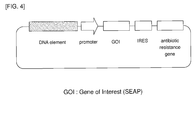
- gene expression unit refers to a polynucleotide having, in the direction of the reading frame of transcription, at least a promoter region, a foreign gene, and a transcription terminator region (poly (A) addition signal).
- activity to enhance foreign gene expression refers to the activity to enhance the production of a foreign protein in a host cell by creating an environment advantageous to transcription in any DNA around the gene expression unit containing a foreign gene and significantly improving the transcription efficiency.
- promoter refers to a region to which a transcription factor involved in the initiation of transcription from DNA into RNA can bind, and is sometimes referred to as “promoter region” in this description.
- promoter region examples include a polynucleotide starting at a nucleotide located about 2 kbp upstream of a transcription start site and ending at a nucleotide immediately upstream of a nucleotide sequence corresponding to the start codon, and the promoter may contain a 5'-UTR and an intron.
- promoter activity refers to an activity in which a transcription factor binds to a promoter and initiates transcription to produce a protein encoded by a gene. It can be assayed by using the activity of a protein encoded by a reporter gene such as secretory alkaline phosphatase (SEAP) as an index.
- SEAP secretory alkaline phosphatase
- phrases "having a promoter activity" as used herein refers to having the activity of expressing SEAP equivalent to or higher than that of a CMV promoter under the same conditions as those described below (Example 3) for evaluating a promoter activity by using the expression level of SEAP as an index.
- DNA element refers to a polynucleotide having the activity of enhancing foreign gene expression in cases where the polynucleotide is located in the vicinity of a gene expression unit or in a foreign gene expression vector containing a gene expression unit.
- the term "functional fragment of an antibody” as used herein refers to a partial fragment of an antibody having an antigen-binding activity and includes Fab, F(ab') 2 , and the like. However, the term is not limited to these molecules as long as the fragment has a binding affinity for an antigen.
- identity refers to a relationship between the sequences of two or more nucleotide sequences or amino acid sequences determined by comparing the sequences, as known in the art.
- identity may also refer to the degree of sequence relatedness between nucleic acid molecules or between polypeptides as determined by the match between strings of two or more nucleotide sequences or two or more amino acid sequences.
- the “identity” can be evaluated by calculating the percentage of identical matches between the smallest of the two or more sequences with gapped alignments (if any) addressed by a specific mathematical model or computer program (i.e., "algorithms").
- the identity can be evaluated by using software such as Clustal W2 provided by European Molecular Biology Laboratory-European Bioinformatics Institute (EMBL-EBI), but the software is not limited thereto and any can be used as long as it is used by those skilled in the art.
- EBL-EBI European Molecular Biology Laboratory-European Bioinformatics Institute
- hybridized under stringent conditions refers to hybridization under conditions in which a so-called specific hybrid is formed but a non-specific hybrid is not formed.
- the conditions include conditions in which a complementary strand of a nucleic acid comprising a nucleotide sequence having an identity of 80% or more, preferably 90% or more, more preferably 95% or more, most preferably 99% or more to another nucleic acid hybridizes, and a complementary strand of a nucleic acid comprising a nucleotide sequence having a lower identity does not hybridize.
- hybridization is effected at 68°C in a commercially available hybridization solution ExpressHyb Hybridization Solution (manufactured by Clontech, Inc.) or hybridization is effected under conditions such that hybridization is performed at 68°C in the presence of 0.7 to 1.0 M NaCl using a filter having DNA immobilized thereon, followed by washing at 68°C using 0.1 to 2 x SSC solution (1 x SSC solution is composed of 150 mM NaCl and 15 mM sodium citrate) or under conditions equivalent thereto.
- a commercially available hybridization solution ExpressHyb Hybridization Solution manufactured by Clontech, Inc.
- hybridization is effected under conditions such that hybridization is performed at 68°C in the presence of 0.7 to 1.0 M NaCl using a filter having DNA immobilized thereon, followed by washing at 68°C using 0.1 to 2 x SSC solution (1 x SSC solution is composed of 150 mM NaCl and 15 mM sodium citrate)
- promoter of the invention As a promoter derived from a human gene of the invention (hereinafter sometimes also referred to as a "promoter of the invention"), a polynucleotide starting at a nucleotide located about 2 kbp upstream of the transcription start site and ending at a nucleotide immediately upstream of a nucleotide sequence corresponding to the start codon of a human ribosomal protein gene is preferred.
- the promoter derived from a human gene may be a polynucleotide starting at a nucleotide located about 1 kbp or about 0.5 kbp upstream of the transcription start site and ending at a nucleotide immediately upstream of a nucleotide sequence corresponding to the start codon sequence of a human ribosomal protein gene.
- the human ribosomal protein gene is preferably a human ribosomal protein S7 gene (hereinafter referred to as "RPS7"), a human ribosomal protein L32 gene (hereinafter referred to as “RPL32”), or a human ribosomal protein L34 gene (hereinafter referred to as "RPL34").
- RPS7 human ribosomal protein S7 gene
- RPL32 human ribosomal protein L32 gene
- RPL34 human ribosomal protein L34 gene
- the promoter of the invention is preferably a promoter of RPS7, RPL32, or RPL34, more preferably a polynucleotide represented by any of SEQ ID NOS : 1 to 9 in the Sequence Listing, and particularly preferably a polynucleotide represented by any of SEQ ID NOS: 1 to 3.
- the nucleotide sequences of SEQ ID NOS: 1, 2, and 3 are sequences starting at a nucleotide located about 2 kbp upstream of the transcription start site and ending at a nucleotide immediately upstream of a nucleotide sequence corresponding to the start codon of RPS7, RPL32, and RPL34, respectively.
- the nucleotide sequences of SEQ ID NOS : 4, 6, and 8 are sequences starting at a nucleotide located about 1 kbp upstream of the transcription start site and ending at a nucleotide immediately upstream of a nucleotide sequence corresponding to the start codon of RPS7, RPL32, and RPL34, respectively.
- nucleotide sequences of SEQ ID NOS: 5, 7, and 9 are sequences starting at a nucleotide located about 0.5 kbp upstream of the transcription start site and ending at a nucleotide immediately upstream of a nucleotide sequence corresponding to the start codon of RPS7, RPL32, and RPL34, respectively.
- the promoter of the invention may be a polynucleotide which comprises a nucleotide sequence having an identity of 80% or more, preferably 90% or more, more preferably 95% or more, most preferably 99% or more to any one of the nucleotide sequences represented by SEQ ID NOS: 1 to 9, and has a promoter activity.
- the promoter of the invention may be a polynucleotide which hybridizes to a polynucleotide comprising a nucleotide sequence complementary to a polynucleotide comprising any one nucleotide sequence selected from the group consisting of the nucleotide sequences represented by SEQ ID NOS: 1 to 9 under stringent conditions and has a promoter activity.
- the promoter of the invention may be a polynucleotide which is a mutated polynucleotide comprising a nucleotide sequence in which one or more, preferably 1 to 300, more preferably 1 to 30 nucleotides have been deleted, substituted, and/or added in any one nucleotide sequence selected from the group consisting of the nucleotide sequences represented by SEQ ID NOS: 1 to 9, and has a promoter activity.
- a mutation introduction kit utilizing a site-directed mutagenesis method such as Mutant-K (manufactured by TaKaRa Bio, Inc.) or Mutant-G (manufactured by TaKaRa Bio, Inc.), an LA PCR in vitro Mutagenesis series kit (manufactured by TaKaRa Bio, Inc.) can be used.
- a mutated polynucleotide can also be used as the promoter of the invention.
- the activity of the promoter of the invention to enhance foreign gene expression can be assayed by using the activity of a protein encoded by a reporter gene such as SEAP as an index.
- a reporter gene such as SEAP
- the activity of a reporter protein when using the promoter of the invention is equivalent to or higher than when using a CMV promoter, preferably, the activity being increased by 1.2 times or more, more preferably by 1.5 times or more, the promoter can be judged to have the activity of enhancing foreign gene expression. Even in cases where the activity is increased by about 1. 2 times or more, it is expected that this will reduce the cell culture scale, the cell culture time, and the purification step, making it possible to increase the yield and reduce the cell culture cost. If the yield is increased, then it is possible to supply stably a foreign protein to be used as a pharmaceutical product. In addition, if the cell culture cost is reduced, the cost for the foreign protein to be used as a pharmaceutical product is reduced.
- the promoter of the invention can also be used for enhancing the expression of an endogenous gene of a host cell by introducing the promoter into the host cell using a method well known to those skilled in the art.
- the foreign gene expression unit of the invention (hereinafter sometimes also referred to as “gene expression unit of the invention") has, in the direction of the reading frame of transcription, at least the promoter of the invention described in the above item "1", a foreign gene, and a transcription terminator region (poly(A) addition signal).
- poly (A) addition sequence may be a sequence having the activity to cause transcription termination for the transcription from the promoter, and may be a sequence from a gene identical to or different from that of the promoter.
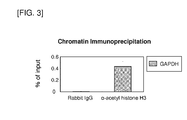
- the DNA element to be used in combination can be obtained by using the interaction between acetylated histone H3 and the element as an index as described in Example 6.
- H3 and H4 the acetylation of histones
- two major theories have been advocated.
- One theory is that the acetylation of histones is associated with a change in nucleosome conformation in such a manner that histone tails are acetylated so as to be electrically neutralized, weakening DNA-histone interactions ( Mellor J.
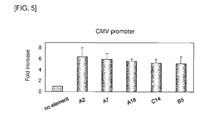
- A2 is an example of the DNA element to be used in combination with the promoter of the invention for enhancing foreign gene expression.
- A2 is located in the region from 80966429 to 80974878 of human chromosome 15 and is an 8450 bp polynucleotide having an AT content of 62.2%.
- the nucleotide sequence of A2 is represented by SEQ ID NO: 10 in the Sequence Listing.
- A7, A18, B5, and C14 are examples of similar DNA elements.
- A7 is located in the region from 88992123 to 89000542 of human chromosome 11 and is an 8420 bp polynucleotide having an AT content of 64.52%.
- the nucleotide sequence of A7 is represented by SEQ ID NO: 11 in the Sequence Listing.
- A18 is located in the region from 111275976 to 111284450 of human chromosome 4 and is an 8475 bp polynucleotide having an AT content of 62.54%.
- the nucleotide sequence of A18 is represented by SEQ ID NO: 12 in the Sequence Listing.
- B5 is located in the region from 143034684 to 143043084 of human chromosome 1 and is an 8401 bp polynucleotide having an AT content of 66.37%.
- the nucleotide sequence of B5 is represented by SEQ ID NO: 13 in the Sequence Listing.
- C14 is located in the region from 46089056 to 46097482 of human chromosome 11 and is an 8427 bp polynucleotide having an AT content of 63.81%.
- the nucleotide sequence of C14 is represented by SEQ ID NO: 14 in the Sequence Listing.
- the activity of enhancing foreign gene expression of the DNA element to be used in combination with the promoter of the invention can be assayed by using the activity of a protein encoded by a reporter gene such as SEAP as an index.
- any one of the above DNA elements may be used alone, or two or more copies of one type of the DNA element may be used. Alternatively, two or more different types of the above DNA elements may be used in combination.
- A2, A7, A18, B5, and C14 are preferred examples of the DNA element to be used in combination with the promoter of the invention.
- the DNA element to be used in the invention may be a nucleotide sequence which comprises a nucleotide sequence having an identity of 80% or more, preferably 90% or more, more preferably 95% or more, most preferably 99% or more to any of the nucleotide sequences represented by SEQ ID NOS: 10 to 14 and has the activity of enhancing foreign gene expression.
- the nucleotide sequence homology search can be performed against, for example, the DNA Databank of Japan or the like using a program such as FASTA or BLAST.
- the DNA element to be used in combination with the promoter of the invention may be a DNA element which hybridizes to a polynucleotide comprising a nucleotide sequence complementary to a polynucleotide comprising a nucleotide sequence selected from the group consisting of the nucleotide sequences represented by SEQ ID NOS: 10 to 14 under stringent conditions and has the activity of enhancing foreign gene expression.
- a mutation introduction kit utilizing a site-directed mutagenesis method such as Mutant-K (manufactured by TaKaRa Bio, Inc.), Mutant-G (manufactured by TaKaRa Bio, Inc.), or an LA PCR in vitro Mutagenesis series kit (manufactured by TaKaRa Bio, Inc.), or the like can be used.
- a mutated polynucleotide can also be used as the DNA element of the invention.
- a partial fragment comprising at least 3000 or at least 2000 consecutive nucleotides of a nucleotide sequence represented by any one of SEQ ID NOS: 10 to 14 in the Sequence Listing can be used.
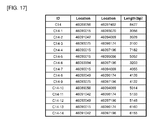
- Examples of such a partial fragment include: A2-1 to A2-17 which are partial fragments of A2; A7-1 to A7-18 which are partial fragments of A7; A18-1 to A18-4 which are partial fragments of A18; B5-1 to B5-6 which are partial fragments of B5; and C14-1 to C14-14 which are partial fragments of C14.
- the DNA element is not limited to these partial fragments as long as it has the activity of enhancing foreign gene expression.
- any one of the above partial fragments may be used alone, and also two or more copies of one type of the partial fragment may be used. Alternatively, two or more different types of the partial fragments may be used in combination. Further, a full-length sequence and a partial fragment of any of the above-mentioned DNA elements may be used in combination. In the above combination, the full-length sequence and the partial fragment may be derived from the same DNA element or from different DNA elements.
- A2-1 corresponds to the polynucleotide sequence of nucleotides 1 to 3000 of SEQ ID NO: 10 in the Sequence Listing
- A2-2 corresponds to the polynucleotide sequence of nucleotides 2801 to 5800 of SEQ ID NO: 10 in the Sequence Listing
- A2-3 corresponds to the polynucleotide sequence of nucleotides 5401 to 8450 of SEQ ID NO: 10 in the Sequence Listing
- A2-4 corresponds to the polynucleotide sequence of nucleotides 701 to 2700 of SEQ ID NO: 10 in the Sequence Listing
- A2-5 corresponds to the polynucleotide sequence of nucleotides 701 to 2200 of SEQ ID NO: 10 in the Sequence Listing
- A2-6 corresponds to the polynucleotide sequence of nucleotides 701 to 3700 of SEQ ID NO: 10 in the Sequence Listing
- A2-7 corresponds
- A7-1 corresponds to the polynucleotide sequence of nucleotides 601 to 3600 of SEQ ID NO: 11 in the Sequence Listing;
- A7-2 corresponds to the polynucleotide sequence of nucleotides 3601 to 8420 of SEQ ID NO: 11 in the Sequence Listing;
- A7-3 corresponds to the polynucleotide sequence of nucleotides 5401 to 8420 of SEQ ID NO: 11 in the Sequence Listing;
- A7-4 corresponds to the polynucleotide sequence of nucleotides 3401 to 6400 of SEQ ID NO: 11 in the Sequence Listing;
- A7-5 corresponds to the polynucleotide sequence of nucleotides 1501 to 4500 of SEQ ID NO: 11 in the Sequence Listing;
- A7-6 corresponds to the polynucleotide sequence of nucleotides 4401 to 7400 of SEQ ID NO: 11 in the Sequence Listing;
- A18-1 corresponds to the polynucleotide sequence of nucleotides 1 to 5040 of SEQ ID NO: 12 in the Sequence Listing
- A18-2 corresponds to the polynucleotide sequence of nucleotides 1001 to 6002 of SEQ ID NO: 12 in the Sequence Listing
- A18-3 corresponds to the polynucleotide sequence of nucleotides 2001 to 7000 of SEQ ID NO: 12 in the Sequence Listing
- A18-4 corresponds to the polynucleotide sequence of nucleotides 3000 to 7000 of SEQ ID NO: 12 in the Sequence Listing.
- B5-1 corresponds to the polynucleotide sequence of nucleotides 1 to 4001 of SEQ ID NO: 13 in the Sequence Listing
- B5-2 corresponds to the polynucleotide sequence of nucleotides 1 to 3200 of SEQ ID NO: 13 in the Sequence Listing
- B5-3 corresponds to the polynucleotide sequence of nucleotides 2491 to 5601 of SEQ ID NO: 13 in the Sequence Listing
- B5-4 corresponds to the polynucleotide sequence of nucleotides 5373 to 8401 of SEQ ID NO: 13 in the Sequence Listing
- B5-5 corresponds to the polynucleotide sequence of nucleotides 901 to 4001 of SEQ ID NO: 13 in the Sequence Listing
- B5-6 corresponds to the polynucleotide sequence of nucleotides 4001 to 7000 of SEQ ID NO: 13 in the Sequence Listing.
- C14-1 corresponds to the polynucleotide sequence of nucleotides 960 to 4015 of SEQ ID NO: 14 in the Sequence Listing
- C14-2 corresponds to the polynucleotide sequence of nucleotides 1987 to 5014 of SEQ ID NO: 14 in the Sequence Listing
- C14-3 corresponds to the polynucleotide sequence of nucleotides 4020 to 7119 of SEQ ID NO: 14 in the Sequence Listing
- C14-4 corresponds to the polynucleotide sequence of nucleotides 960 to 8141 of SEQ ID NO: 14 in the Sequence Listing
- C14-5 corresponds to the polynucleotide sequence of nucleotides 960 to 6011 of SEQ ID NO: 14 in the Sequence Listing
- C14-6 corresponds to the polynucleotide sequence of nucleotides 4939 to 8141 of SEQ ID NO: 14 in the Sequence Listing
- C14-6 corresponds to the polynucleotide sequence
- a polynucleotide containing a foreign gene encoding a foreign protein can be obtained by common procedures as described below.
- a polynucleotide can be isolated by screening a cDNA library derived from cells or tissues expressing the foreign gene using a DNA probe synthesized from a fragment of the foreign gene.
- mRNA therefor can be prepared by methods commonly used in the art.
- poly (A) + RNA is obtained by an affinity column method using an oligo (dT) cellulose column or a poly U-Sepharose column containing Sepharose 2B, or the like, as a carrier or by a batch method.
- the poly(A)+ RNA may further be fractionated by sucrose density-gradient centrifugation or the like. Then, single-stranded cDNA is synthesized using the thus obtained mRNA as a template, oligo dT primers, and a reverse transcriptase.
- double-stranded cDNA is synthesized using DNA polymerase I, DNA ligase, RNase H, and the like.
- the thus synthesized double-stranded cDNA is blunted using T4 DNA polymerase, followed by ligation to an adapter (such as EcoRI adapter), phosphorylation, and the like, and the resulting DNA is incorporated into a lambda phage such as ⁇ gt11 to achieve in vivo packaging, whereby a cDNA library is prepared.
- an adapter such as EcoRI adapter
- phosphorylation phosphorylation
- genomic DNA is extracted from a cell line of an organism to be used as a collection source, and the polynucleotide is selected and isolated.
- the extraction of genomic DNA can be performed according to, for example, the method of Cryer et al. (Methods in Cell Biology, 12, 39-44 (1975 )) or the method of P. Philippsen et al. (Methods Enzymol., 194, 169-182 (1991 )).
- the target promoter, DNA element or polynucleotide containing a foreign gene can also be obtained by, for example, the PCR method (PCR Technology. Henry A. Erlich, Atockton press (1989 )).
- PCR method PCR Technology. Henry A. Erlich, Atockton press (1989 )
- 20- to 30-mer synthetic single-stranded DNAs are used as primers and genomic DNA is used as a template.
- genomic DNA is used as a template.
- the amplified gene is used after the polynucleotide sequence of the gene is confirmed.
- a genomic DNA library such as a bacterial artificial chromosome (BAC)-library can be used as the template for PCR.
- the polynucleotide containing a foreign gene whose sequence is not known can be obtained by (a) preparing a gene library according to a common procedure, and (b) selecting a desired polynucleotide from the prepared gene library and amplifying the polynucleotide.
- the gene library can be prepared by partially digesting chromosomal DNA obtained by a common procedure from a cell line of an organism to be used as a collection source using an appropriate restriction enzyme to fragment the chromosomal DNA, ligating the obtained fragments to an appropriate vector, and introducing the vector into an appropriate host.
- the gene library can also be prepared by extracting mRNA from the cells, synthesizing cDNA from the mRNA, ligating the cDNA to an appropriate vector, and introducing the vector into an appropriate host.
- a vector to be used in such preparation a plasmid generally known as a vector for gene library preparation can be used, and also a phage vector, a cosmid, or the like can be used.
- a host suitable for the type of the above-mentioned vector may be used.
- the polynucleotide containing the foreign gene is selected from the above-mentioned gene library by a colony hybridization method, a plaque hybridization method, or the like using a labeled probe containing a sequence specific for the foreign gene.
- the polynucleotide containing the foreign gene can also be produced by total chemical synthesis.
- the gene can be synthesized by a method in which two pairs of complementary oligonucleotides are prepared and annealed, a method in which several annealed DNA strands are ligated by a DNA ligase, a method in which several partially complementary oligonucleotides are prepared and gaps are filled by PCR, or the like.
- the determination of a polynucleotide sequence can be performed by a conventional technique, for example, a dideoxy method ( Sanger et al., Proc. Natl. Acad. Sci., USA, 74, 5463-5467 (1977 )), or the like. Further, the above determination of a polynucleotide sequence can also be easily performed using a commercially available sequencing kit or the like.
- a vector containing the foreign gene expression unit described in the above item "2" containing the promoter of the invention described in the above item “1” is provided.
- the foreign gene expression vector of the invention may contain one type of the DNA elements described in the above item "3", two or more copies of one type of the above-mentioned DNA elements, or two or more different types of the above-mentioned DNA elements in combination.
- the DNA element When a foreign gene is expressed in a host cell using the above-mentioned foreign gene expression vector, the DNA element may be located immediately upstream or downstream of the gene expression unit, or may be located at a position away from the gene expression unit. Further, one foreign gene expression vector containing a plurality of such DNA elements may be used. Incidentally, the DNA element may be inserted in either forward or reverse orientation with respect to the gene expression unit.
- a vector containing one type of the above-mentioned DNA elements, two or more copies of one type of the above-mentioned DNA elements, or two or more different types of the above-mentioned DNA elements in combination, and containing no gene expression unit (hereinafter referred to as an "element vector") is also included.
- an element vector can be used in combination with the above-mentioned foreign gene expression vector containing the DNA element or a foreign gene expression vector containing no DNA element and containing only the foreign gene expression unit.
- the expression of the foreign gene is enhanced as compared with cases where the foreign gene expression vector is used alone and, therefore, the combination of the above-mentioned vectors is also included within the foreign gene expression vector of the invention.
- the foreign gene is not particularly limited, but examples thereof include reporter genes such as the genes of secretory alkaline phosphatase (SEAP), a green fluorescent protein (GFP), and luciferase; various enzyme genes such as an ⁇ -amylase gene and an ⁇ -galactosidase gene; genes of various interferons which are pharmaceutically useful and physiologically active proteins such as interferon ⁇ and interferon y; genes of various interleukins such as IL-1 and IL-2; various cytokine genes such as an erythropoietin (EPO) gene and a granulocyte colony-stimulating factor (G-CSF) gene; a growth factor gene; and a gene encoding a multimeric protein such as a gene encoding a heteromultimer which is an antibody or a functional fragment thereof. These genes maybe obtained by any method.
- SEAP secretory alkaline phosphatase
- GFP green fluorescent protein
- luciferase various enzyme genes
- the "functional fragment of an antibody” refers to a partial fragment of an antibody having an antigen-binding activity and includes Fab, F(ab')2, Fv, scFv, diabodies, linear antibodies, polyspecific antibodies formed from antibody fragments, and the like.
- the functional fragment of an antibody also includes Fab' which is a monovalent fragment of a variable region of an antibody obtained by treating F(ab')2 under reducing conditions.
- the functional fragment is not limited to these molecules as long as the fragment has a binding affinity for an antigen.
- these functional fragments include not only a fragment obtained by treating a full-length molecule of an antibody protein with an appropriate enzyme, but also a protein produced in an appropriate host cell using a genetically modified antibody gene.
- the foreign gene expression vector and the element vector of the invention can each contain a selection marker for selecting a transformant.
- a selection marker for selecting a transformant.
- an antibiotic resistant marker which imparts resistance to an antibiotic such as cerulenin, aureobasidin, Zeocin, canavanine, cycloheximide, hygromycin, puromycin, blasticidin, tetracycline, kanamycin, ampicillin, or neomycin, a transformant can be selected.
- a transformant can also be selected.
- the foreign gene expression vector and the element vector of the invention may each be a vector which is not incorporated into the chromosomal DNA.
- the foreign gene expression vector is transfected into a host cell, and thereafter randomly incorporated into the chromosome.
- a constituent component derived from a mammalian virus such as simian virus 40 (SV40), a papillomavirus (BPV, HPV), or EBV
- the vector can be used as an episomal vector which is self-replicable in the transfected host cell.
- a vector containing an SV40-derived replication origin and a sequence encoding an SV40 large T antigen which is a trans-acting factor a vector containing an EBV-derived oriP and a sequence encoding EBNA-1, and the like are widely used.
- the DNA element can effectively exhibit the activity of enhancing foreign gene expression regardless of the type of vector or the presence or absence of incorporation thereof into the chromosome.
- the transformed cell of the invention is a transformed cell into which the foreign gene expression vector described in the above item "5" has been introduced.
- the foreign gene expression vector (A) only a foreign gene expression vector containing no DNA element may be introduced, or (B) a foreign gene expression vector containing no DNA element and an element vector may be introduced in combination.
- (C) a foreign gene expression vector containing a DNA element may be introduced, or (D) a foreign gene expression vector containing a DNA element and an element vector may be introduced in combination.
- the expression of a foreign gene in a host cell by the combination described in the above (B) or (D) can be performed according to, for example, the method of Girod et al. (Biotechnology and Bioengineering, 91, 2-11 (2005 )) and the method of Otte et al. (Biotechnol. Prog., 2007, 23, 801-807 (2007 )) .
- Examples of the host cell to be transformed include a eukaryotic cell, preferred examples thereof include a mammalian cell, and more preferred examples include a cell derived from humans, mice, rats, hamsters, monkeys, or cattle.
- Examples of such a mammalian cell include a COS-1 cell, a 293 cell, and a CHO cell (CHO-K1, DG44, CHO dhfr-, CHO-S), but the host cell is not limited thereto.
- any method may be used for introducing the expression vector into the host cell as long as the method allows the introduced gene to be stably present in the host cell and to be adequately expressed therein.
- the method which is generally used include a calcium phosphate method ( Ito et al., (1984) Agric. Biol. Chem., 48, 341 ), an electroporation method ( Becker, D. M. et al., 1990; Methods. Enzymol., 194, 182-187 ), a spheroplast method ( Creggh et al., Mol. Cell. Biol., 5, 3376 (1985 )), a lithium acetate method ( Ito, H. (1983) J. Bacteriol. 153, 163-168 ), and a lipofection method.
- a foreign protein can be produced by culturing the transformed cell described in the above item "6", into which a gene encoding the foreign protein has been introduced, by a known method, collecting the protein from the resulting culture product, followed by purification of the protein.
- culture product refers to cultured cells or a cell homogenate in addition to a culture supernatant.
- the foreign protein which can be produced using the transformed cell described in the above item "6” not only a monomeric protein, but also a multimeric protein can be selected. In cases where a heteromultimeric protein formed of a plurality of different subunits is produced, it is necessary to introduce a plurality of genes encoding these subunits into the host cell described in the above item "6", respectively.
- the method for culturing the transformed cell can be performed according to conventional methods for culturing host cells.
- the cell is cultured under conditions of, for example, 37°C and 5% or 8% CO 2 for a culture time of about 24 to 1000 hours.
- the culturing can be performed through batch culture, fed-batch culture, continuous culture, or the like under static, shaking, stirring, or aeration conditions.
- the confirmation of the expression product of the gene encoding the foreign protein from the above-mentioned culture product (culture solution) can be performed by SDS-PAGE, a Western analysis, ELISA, or the like.
- a conventional protein isolation and purification method may be used.
- the cells are homogenized using an ultrasonic homogenizer, a French press, a Manton-Gaulin homogenizer, DYNO-MILL, or the like, thereby obtaining the target protein. Further, in cases where the target protein is produced outside the cells, the culture solution is used as such, or the cells are removed by centrifugation or the like.
- the target protein is collected by extraction or the like using an organic solvent, and then the collected target protein may be isolated and purified by using techniques such as various chromatography techniques (hydrophobic chromatography, reverse-phase chromatography, affinity chromatography, ion exchange chromatography, etc.), gel filtration using a molecular sieve, or electrophoresis using a polyacrylamide gel or the like, alone or in combination according to need.
- various chromatography techniques hydrophobic chromatography, reverse-phase chromatography, affinity chromatography, ion exchange chromatography, etc.
- gel filtration using a molecular sieve or electrophoresis using a polyacrylamide gel or the like, alone or in combination according to need.
- the above-mentioned culturing methods and purification methods are only examples, and the methods are not limited thereto.
- the amino acid sequence of the purified gene product can be confirmed by a known amino acid analysis technique such as automated amino acid sequencing using the Edman degradation method.
- an antibody protein can be exemplified.
- the antibody protein is a tetrameric protein comprising two molecules of heavy chain polypeptides and two molecules of light chain polypeptides. Accordingly, in order to obtain such an antibody protein in a state of maintaining an antigen-binding affinity, it is necessary to introduce both heavy and light chain genes into the transformed cell described in the above item "6". In this case, the heavy and light chain gene expression units may be present on the same expression vector or different expression vectors.
- an antibody prepared by immunizing an experimental animal such as a rabbit, a mouse, or a rat with a desired antigen can be exemplified.
- a chimeric antibody and a humanized antibody obtained by using the above-mentioned antibody as a starting material can be also exemplified as the antibody to be produced in the invention.
- a human antibody obtained using a genetically modified animal or a phage display method is also included in the antibody to be produced in the invention.
- the antibody gene to be used for the production of the antibody is not limited to an antibody gene having a specific polynucleotide sequence as long as the combination of the heavy chain polypeptide and the light chain polypeptide to be transcribed and translated from the antibody gene has the activity of binding to a given antigen protein.
- the antibody gene encodes the full-length molecule of the antibody, and a gene encoding a functional fragment of the antibody can be used.
- a gene encoding a functional fragment thereof can be obtained by genetically modifying a gene encoding the full-length molecule of an antibody protein.
- Examples of the foreign protein to be produced using the production method of the invention include, in addition to the above-mentioned antibodies, various proteins derived from humans or non-humans, functional fragments thereof, and modified products thereof.
- proteins and the like include peptide hormones such as atrial natriuretic peptide (ANP), brain natriuretic peptide (BNP), C-type natriuretic peptide (CNP), vasopressin, somatostatin, growth hormone (GH), insulin, oxytocin, ghrelin, leptin, adiponectin, renin, calcitonin, osteoprotegerin, and insulin-like growth factor (IGF); cytokines such as interleukin, chemokine, interferon, tumor necrosis factors (such as TNF- ⁇ , TNF- ⁇ , and TNF super family), nerve growth factors (such as NGF), cell growth factors (such as EGF, FGF, PDGF, HGF, and TGF
- the plasmids, restriction enzymes, DNA modification enzymes, and the like to be used in the Examples of the invention are commercially available products and can be used according to common procedures. Further, procedures used for DNA cloning, polynucleotide sequencing, transformation of a host cell, culturing of a transformed host cell, collection of a protein from the resulting culture product, purification of a protein, and the like are also well known to those skilled in the art or can be found in the literature.
- the evaluation of promoter activity was performed by using the expression of SEAP as an index, and a vector for use in the evaluation was constructed.
- the cDNA of SEAP was amplified by PCR using primers in which an NheI site was added immediately upstream of the start codon ATG, and a BglII site was added immediately downstream of the stop codon and KOD -Plus- (TOYOBO).
- pSEAP2-control (Clontech) was used.
- the obtained fragment was digested with NheI and BglII, and then purified using a MinElute Reaction Kit (Qiagen).
- EEF2, YBX1, PPIA, PSAP, RAN, PRL32, PRL34, RPLP1, RPS7, RPS24, TMSB4X, UBC, YWHAE, ARPC2, and SERBP1 were selected by using mRNA level as an index, and cloning of the promoter region of each gene was performed.
- the obtained plasmids were used for the evaluation of promoter activity in Example 3.
- the promoter region of RPS7 was amplified by PCR using E. coli artificial chromosome clone RP11-644P19 (GenoTechs) as a template, and also using the following primer set and KOD -Plus- (TOYOBO), and then purified using MinElute Reaction Kit (Qiagen). After CMV/pSeapIRESpuro was digested with SpeI and NheI and the CMV promoter was removed, the promoter region of RPS7 was integrated at the SpeI-NheI site using an In-Fusion Advantage PCR Cloning Kit (Clontech), whereby RPS7/pSeapIRESpuro was constructed.
- the nucleotide sequence of the cloned promoter region of RPS7 is represented by SEQ ID NO: 1 in the Sequence Listing. Primer Set for RPS7:
- the promoter region of RPL32 was amplified by PCR using E. coli artificial chromosome clone RP11-767C1 (GenoTechs) as a template, and also using the following primer set and KOD -Plus- (TOYOBO), and then purified using a MinElute Reaction Kit (Qiagen). After CMV/pSeapIRESpuro was digested with SpeI and NheI and the CMV promoter was removed, the promoter region of RPL32 was integrated at the SpeI-NheI site using an In-Fusion Advantage PCR Cloning Kit (Clontech), whereby RPL32/pSeapIRESpuro was constructed.
- the nucleotide sequence of the cloned promoter region of RPL32 is represented by SEQ ID NO: 2 in the Sequence Listing. Primer Set for RPL32:
- RPL34 As the promoter region of RPL34, with reference to the mRNA sequence registered under accession number NM_033625.2 in GenBank, a sequence starting at a nucleotide located about 2 kbp upstream of the transcription start site and ending at the nucleotide immediately upstream of the nucleotide sequence corresponding to the start codon sequence of RPL34 was used.
- the promoter region of RPL34 was amplified by PCR using E. coli artificial chromosome clone RP11-462C24 (GenoTechs) as a template, and also using the following primer set and KOD -Plus- (TOYOBO), and then purified using a MinElute Reaction Kit (Qiagen). After CMV/pSeapIRESpuro was digested with SpeI and NheI and the CMV promoter was removed, the promoter region of RPL34 was integrated at the SpeI-NheI site using an In-Fusion Advantage PCR Cloning Kit (Clontech), whereby RPL34/pSeapIRESpuro was constructed.
- the nucleotide sequence of the cloned promoter region of RPL34 is represented by SEQ ID NO: 3 in the Sequence Listing. Primer Set for RPL34:
- CHO-K1 cells ATCC were subcultured in 5% CO 2 at 37°C using F-12 nutrient mixture medium (GIBCO) containing 10% Ultra-Low IgG FBS (GIBCO).
- the CHO-K1 cells were seeded onto a 6-well plate (IWAKI) at 5 x 10 5 cells/well.
- IWAKI 6-well plate
- the cells were collected from the 6-well plate by a trypsin treatment, the total amount of the collected cells was seeded into a 6-cm dish (Nunc), and also puromycin (Clontech) was added to the medium at a final concentration of 8 ⁇ g/ml to start antibiotic selection.
- the transfected polyclonal cell line was collected with trypsin, and the number of cells was counted. Then, the cells were seeded onto a 24-well plate (IWAKI) at 1 x 10 5 cells/mL/well. After 24 hours, the culture supernatant was collected, and the activity of SEAP in the culture supernatant was measured using SensoLyteTM pNPP Secreted Alkaline Phosphatase Reporter Assay (ANASPEC).
- ANASPEC SensoLyteTM pNPP Secreted Alkaline Phosphatase Reporter Assay
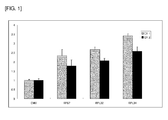
- the activity of SEAP was higher under the control of each of the promoter regions of RPS7, RPL32, and RPL34 than under the control of the CMV promoter (CMV/pSeapIRESpuro) serving as the control, and the activity of SEAP was 1.7 times or more, 2.0 times or more, and 2.5 times or more higher than that of the control, respectively ( FIG. 1 ). Meanwhile, the activity of SEAP was lower under the control of each of the promoter regions of EEF2, YBX1, PPIA, PSAP, RAN, PRL32, PRL34 RPLP1, RPS7, RPS24, TMSB4X, UBC, YWHA, ARPC2, and SERBP1 than under the control of the CMV promoter.
- RPS7T1 and RPS7T2 were amplified by PCR using RPS7/pSeapIRESpuro constructed in 2-1) as a template, and also using the following primer set and KOD -Plus- (TOYOBO), and then purified using a MinElute Reaction Kit (Qiagen).
- each of the promoter regions of RPS7T1 and RPS7T2 was integrated at the SpeI-NheI site using an In-Fusion Advantage PCR Cloning Kit (Clontech), whereby RPS7T1/pSeapIRESpuro and RPS7T2/pSeapIRESpuro were constructed.
- the nucleotide sequences of the cloned promoter regions of RPS7T1 and RPS7T2 are represented by SEQ ID NOS: 4 and 5 in the Sequence Listing, respectively.
- RPL32T1 and RPL32T2 were amplified by PCR using RPL32/pSeapIRESpuro constructed in 2-2) as a template, and also using the following primer set and KOD -Plus- (TOYOBO), and then purified using a MinElute Reaction Kit (Qiagen).
- each of the promoter regions of RPL32T1 and RPL32T2 was integrated at the SpeI-NheI site using an In-Fusion Advantage PCR Cloning Kit (Clontech), whereby RPL32T1/pSeapIRESpuro and RPL32T2/pSeapIRESpuro were constructed.
- the nucleotide sequences of the cloned promoter regions of RPL32T1 and RPL32T2 are represented by SEQ ID NOS: 6 and 7 in the Sequence Listing, respectively.
- RPL34T1 and RPL34T2 were amplified by PCR using RPL34/pSeapIRESpuro constructed in 2-3) as a template, and also using the following primer set and KOD -Plus- (TOYOBO), and then purified using a MinElute Reaction Kit (Qiagen).
- each of the promoter regions of RPL34T1 and RPL34T2 was integrated at the SpeI-NheI site using an In-Fusion Advantage PCR Cloning Kit (Clontech), whereby RPL34T1/pSeapIRESpuro and RPL34T2/pSeapIRESpuro were constructed.
- the nucleotide sequences of the cloned promoter regions of RPL34T1 and RPL34T2 are represented by SEQ ID NOS: 8 and 9 in the Sequence Listing, respectively.
- CHO-K1 cells ATCC were subcultured in 5% CO 2 at 37°C using F-12 nutrient mixture medium (GIBCO) containing 10% Ultra-Low IgG FBS (GIBCO).
- the CHO-K1 cells were seeded onto a 6-well plate (IWAKI) at 2 ⁇ 10 5 cells/well.
- the cells were collected from the 6-well plate by a trypsin treatment, and the total amount of the collected cells was seeded into a 6-cm dish (Nunc), and also puromycin (Clontech) was added to the medium at a final concentration of 8 ⁇ g/ml to start antibiotic selection.
- each transfected polyclonal cell line was collected with trypsin, and the number of cells was counted. Then, the cells were seeded onto a 24-well plate (IWAKI) at 1 ⁇ 10 5 cells/mL/well. After 24 hours, the culture supernatant was collected, and the activity of SEAP in the culture supernatant was measured using the SensoLyte (registered trademark) pNPP Secreted Alkaline Phosphatase Reporter Assay (ANASPEC). The measurement results are shown in FIG. 2 .
- the activity of SEAP was higher under the control of each of the truncated promoters than under the control of the CMV promoter (CMV/pSeapIRESpuro) serving as the control, and thus, it was shown that these promoters have a higher promoter activity than the CMV promoter.
- ChIP using an anti-acetylated histone antibody was performed using EZ ChIP (Upstate) according to the following procedure. Incidentally, unless otherwise stated, Upstate's products were used as the antibodies, buffers, and the like in the following procedure.
- 293F cells were cultured using GIBCO (registered trademark) FreeStyleTM 293 Medium (Invitrogen) under conditions of 37°C and 8% CO 2 , followed by centrifugation (1000 rpm, 5 min, room temperature), whereby cells in the growth phase were collected. After 2 ⁇ 10 7 cells were stirred in a medium containing 1% formaldehyde for 10 minutes, 10x glycine was added thereto, followed by stirring at room temperature for 5 minutes. After centrifugation (3000 rpm, 5 min, 4°C), the supernatant was removed, and PBS was added to the cell pellet to suspend the cells.
- GIBCO registered trademark
- FreeStyleTM 293 Medium Invitrogen
- Reagents A, B, and C were added thereto in an amount 5 times greater than that of the solution obtained by the treatment with Proteinase K, followed by centrifugation (10000 rpm, 30 sec, room temperature) using a spin filter, whereby chromatin-immunoprecipitated DNA was purified.
- each ChIP sample obtained in (6-1) was amplified.
- the procedure was in accordance with Sigma's protocol accompanying the Kit.
- GAPDH glycelaldehyde-3-phosphate dehydrogenase
- SEAP2-control (Clontech) as a template
- the SEAP gene was amplified by the PCR method (94°C for 30 sec and 68°C for 2 min x 40 cycles) using the following primers and KOD -Plus- (TOYOBO).
- the amplified SEAP fragment was separated by agarose gel electrophoresis and cut out from the gel, followed by purification using a QIAquick Gel Extraction Kit (Qiagen).
- the thus obtained DNA fragment was used as an insert.
- the insert was digested with the restriction enzymes NheI and BglII, and a vector pIRES hyg3 (Clontech) was digested with the restriction enzymes NheI and BamHI.
- the resulting DNA fragments were subjected to agarose gel electrophoresis to separate the target fragments, respectively, and the target fragments were cut out from the gel, followed by purification. Then, a ligation reaction and transformation were performed.
- the ligation reaction was performed using the LigaFast Rapid DNA Ligation System (Promega).
- the transformation was performed as follows. First, frozen competent cells JM109 (TAKARA) were thawed, 10 ⁇ l of a solution obtained after the ligation reaction was added to a solution of the thawed cells, and the resulting mixture was left to stand on ice for 30 minutes. Thereafter, a heat shock (42°C, 45 sec) was applied to the mixture, and the mixture was cooled on ice for 5 minutes. To this cell suspension, 1 ml of LB medium was added, and the resulting mixture was shaken at 37°C for 1 hour.
- the mixture was plated on an LB plate containing 0.1 mg/ml ampicillin, and the plate was incubated at 37°C for 14 to 16 hours. Thereafter, by alkaline lysis, a target plasmid was collected from colonies cultured on the LB plate. Finally, the polynucleotide sequence of SEAP in the plasmid obtained by alkaline lysis was determined, whereby pCMV/SEAP ires Hygro was constructed.
- each of the DNA elements extracted in Example 6 was cloned from a bacterial artificial chromosome (BAC) containing a polynucleotide sequence corresponding to the DNA element into the SEAP expression vector obtained in (7-1) using a BAC SUBCLONING Kit (Gene Bridges).
- BAC bacterial artificial chromosome
- pCMV/SEAP ires Hygro obtained in (7-1) was digested with the restriction enzyme SpeI for several hours, followed by ethanol precipitation, and the precipitate was dissolved in sterile water.
- the PCR method (94°C for 15 sec, 55°C for 30 sec, and 68°C for 10 min x 30 cycles) was performed using the following primers and KOD -Plus- (TOYOBO).
- BAC clones corresponding to the 5 sequences extracted in Example 6 are as follows. [Table 1] Extracted sequence Corresponding BAC clone A2 RP11-152F13 A7 RP11-643G5 A18 RP11-115A14 B5 RP11-640M9 C14 RP11-702F3
- each colony thus obtained was inoculated into 1 ml of a medium (containing tetracycline and chloramphenicol at final concentrations of 3 ⁇ g/ml and 15 ⁇ g/ml, respectively), and incubated overnight at 30°C.
- 30 ⁇ l of the culture solution was transferred to 1.4 ml of a medium (containing tetracycline and chloramphenicol at final concentrations of 3 ⁇ g/ml and 15 ⁇ g/ml, respectively), and incubated at 30°C for 2 hours.
- 50 ⁇ l of 10% L-arabinose was added thereto, and incubation was further performed at 37°C for 1 hour.
- Each plasmid constructed in (7-2) was evaluated using the host cell CHO-K1 (ATCC) and the transfection reagent Lipofectamine 2000 (Invitrogen).
- Antibiotic selection with hygromycin at 800 ⁇ g/ml was performed for about 2 weeks starting 2 days after transfection, whereby a stably expressing polyclonal cell line was established.
- the thus established cell line was subjected to medium replacement on the day before measurement, and a given number of the cells were seeded onto a 24-well plate (IWAKI).
- IWAKI 24-well plate
- the culture supernatant was collected, and the activity of SEAP was measured.
- the activity of SEAP in the culture supernatant was measured using SensoLyteTM pNPP Secreted Alkaline Phosphatase Reporter Assay
- the promoter of the vector used in the evaluation of the DNA elements in Example 7 was a CMV promoter, and thus the use of DNA elements in combination with other general promoters was studied.
- the SEAP gene was amplified by the PCR method (94°C for 30 sec and 68°C for 2 min x 40 cycles) using the primers described in (7-1) and KOD -Plus-.
- the amplified SEAP gene was prepared as an insert in the same manner as in (7-1).
- the insert was digested with the restriction enzymes NheI and BglII, and a pIRES puro3 vector (Clontech) was digested with the restriction enzymes NheI and BamHI, and pCMV/SEAP ires Puro was constructed in the same manner as in (7-1).
- an EF-1 ⁇ promoter was amplified by the PCR method (94°C for 15 sec, 60°C for 30 sec, and 68°C for 2 min x 30 cycles) using the following primers and KOD -Plus-. 5'-AAAACTAGTCAGAGAGGAATCTTTGCAGCTAATGGACC-3' 5'-AAAGATATCCCTAGCCAGCTTGGGTGGTACCAAGC-3'
- an SV40 promoter was amplified by the PCR method (94°C for 15 sec, 60°C for 30 sec, and 68°C for 1 min x 30 cycles) using the following primers and KOD -Plus-. 5'-AAAACTAGTCTGTGGAATGTGTGTCAGTTAGGGTG-3' 5'-AAAGATATCAGCTTTTTGCAAAAGCCTAGGCCTC-3'
- pEF/SEAP ires Puro and pSV40/SEAP ires Puro were digested with the restriction enzyme SpeI for several hours, followed by ethanol precipitation, and the precipitate was dissolved in sterile water.
- DNA for transfection was prepared by the PCR method (94°C for 15 sec, 55°C for 30 sec, and 68°C for 10 min x 30 cycles) using the following primers and KOD -Plus-.
- the DNA element A2 or A7 was cloned into the vector described in (8-1). Incidentally, the procedure was performed according to the method described in (7-2).
- Each plasmid constructed in (8-2) was evaluated using the host cell CHO-K1 (ATCC) and the transfection reagent Lipofectamine 2000 (Invitrogen).
- Antibiotic selection with puromycin at 8 ⁇ g/ml was performed for about 2 weeks starting 2 days after transfection, whereby a stably expressing polyclonal cell line was established.
- the thus established cell line was subjected to medium replacement on the day before measurement, and a given number of the cells were seeded onto a 24-well plate.
- the culture supernatant was collected, and the activity of SEAP was measured.
- the activity of SEAP in the culture supernatant was measured using SensoLyteTM pNPP Secreted Alkaline Phosphatase Reporter Assay
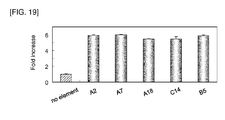
- the measurement results are shown in FIG. 6 .
- the DNA element A2 or A7 exhibited an expression-enhancing effect such that the activity of SEAP was two times or more higher in the case of use with the EF-1 ⁇ promoter, and four times or more higher in the case of use with the SV40 promoter than that of the control. Based on these results, it was confirmed that these DNA elements exhibit the effect of enhancing foreign gene expression when used in combination with a general promoter.
- fragment A a DNA fragment between position 2174 (immediately downstream of BGHpA) and position 2958 (SmaI) (a DNA fragment containing an f1 origin of replication and an SV40 promoter and origin of replication, hereinafter referred to as "fragment A", the polynucleotide sequence of fragment A being represented by SEQ ID NO: 15 in the Sequence Listing) was obtained by the PCR method using the following primers and KOD -Plus-. 5'-CCACGCGCCCTGTAGCGGCGCATTAAGC-3' 5'-AAACCCGGGAGCTTTTTGCAAAAGCCTAGG-3'
- fragment A a DNA fragment containing a DNA sequence encoding a human ⁇ chain secretory signal, a human ⁇ chain constant region, and a human poly(A) addition signal (hereinafter referred to as "fragment B") were ligated by overlapping PCR.
- DNA fragment in which fragment A and fragment B were ligated was digested with the restriction enzymes KpnI and SmaI, and the resulting fragment was ligated to plasmid pEF6/V5-HisB (Invitrogen) which was digested with the restriction enzymes KpnI and SmaI, whereby a human light chain expression vector pEF6KCL having a signal sequence, a cloning site, a human ⁇ chain constant region, and a human poly(A) addition signal sequence downstream of the EF-1 ⁇ promoter was constructed.
- a DNA fragment obtained by digesting the pEF6KCL prepared by the above-mentioned method with the restriction enzymes KpnI and SmaI was ligated to pEF1/myc-HisB (Invitrogen) which was digested with KpnI and SmaI, followed by transformation, alkaline lysis, and sequencing, whereby a plasmid pEF1KCL was constructed.
- a DNA fragment (the polynucleotide sequence of this DNA fragment is represented by SEQ ID NO: 16 in the Sequence Listing) containing a DNA sequence encoding a human IgG1 signal sequence and a constant region amino acid sequence was digested with the restriction enzymes NheI and PmeI, and the resulting fragment was ligated to a plasmid pEF1KCL which was digested with NheI and PmeI, whereby a human heavy chain expression vector pEF1FCCU having a signal sequence, a cloning site, a human heavy chain constant region, and a human poly (A) addition signal sequence downstream of the EF-1 ⁇ promoter was constructed.
- a restriction enzyme SalI site was added by the PCR method to both ends of the gene expression unit: one upstream of the promoter and the other downstream of the poly(A) of pEF1KCL. Agarose gel electrophoresis, cutting out of a desired DNA fragment from the gel, and purification of the DNA fragment were then performed, whereby an insert was prepared.
- the vector was linearized at the SalI site located upstream of the gene expression unit. Then, the linearized vector was ligated to the above insert, followed by transformation, alkaline lysis, and sequencing, whereby a single humanized antibody expression vector (pEF_LHN (lacking a variable region)) was constructed.
- oligonucleotides were diluted to 5 pmol, and by using T4 Polynucleotide Kinase (TAKARA), a reaction was allowed to proceed at 37°C for 1 hour. Then, 10x H buffer (TAKARA) was added thereto, and annealing was performed by a reaction at 96°C for 1 minute and then at room temperature for 30 minutes.
- T4 Polynucleotide Kinase T4 Polynucleotide Kinase
- 10x H buffer TAKARA
- annealing was performed by a reaction at 96°C for 1 minute and then at room temperature for 30 minutes.
- variable region of the humanized antibody gene X By integrating a variable region of the humanized antibody gene X into the above-constructed universal vector (pEF_LHN# (lacking a variable region)), the construction of a single humanized antibody gene X expression vector (humanized antibody gene X/pEF_LHN#) was completed.
- L-chain variable region of the humanized antibody gene X was amplified by the PCR method (94°C for 15 sec, 55°C for 30 sec, and 68°C for 1 min x 30 cycles).
- L-chain variable region 5'-AAACATATGGCGACATCCAGATGAC-3' 5'-AAACGTACGCTTGATCTCCACCTTGG-3'
- the amplified L-chain variable region fragment and the universal vector (pEF_LHN# (lacking a variable region)) were digested with the restriction enzymes NdeI and BsiWI, followed by agarose gel electrophoresis, cutting out of a desired fragment from the gel, purification, ligation reaction, transformation, alkaline lysis, and sequencing, whereby the L-chain variable region was integrated into the vector.
- an H-chain variable region of the humanized antibody gene X was amplified by the PCR method (94°C for 15 sec, 55°C for 30 sec, and 68°C for 1 min x 30 cycles).
- H-chain variable region 5'-AAAGCTGAGCCAGGTGCAGCTGCAGG-3' 5'-AAAGCTGAGCTCACGGTCACCAGGGTTC-3'
- the amplified H-chain variable region fragment and the vector having the L-chain variable region inserted therein were digested with the restriction enzyme BlpI, followed by agarose gel electrophoresis, cutting out of a desired fragment from the gel, purification, ligation reaction, transformation, alkaline lysis, and sequencing, whereby the H-chain variable region was integrated into the vector and a single humanized antibody gene X expression vector (humanized antibody gene X/pEF_LHN#) was constructed.
- a CMV promoter fragment was amplified by the PCR method (94°C for 30 sec and 68°C for 3 min x 40 cycles) using the following primers and KOD -Plus-.
- Upstream of H-chain was amplified by the PCR method (94°C for 30 sec and 68°C for 3 min x 40 cycles) using the following primers and KOD -Plus-.
- the restriction enzyme DpnI was added, and a reaction was allowed to proceed at 37°C for 1 hour, followed by purification using a MinElute reaction Cleanup kit (Qiagen), whereby a sample for use in In-Fusion was prepared.
- the humanized antibody gene X/pEF_LHN# was digested with the restriction enzymes HindIII, NheI, NdeI, and FseI, followed by agarose gel electrophoresis, whereby two large fragments among the resulting fragments were separated. Each of the fragments was cut out from the gel, and the DNA was extracted from the gel, whereby a sample for use in In-Fusion was prepared.
- A7 was selected from the 5 types of DNA element which had been confirmed to have the effect of enhancing SEAP expression, and cloned into an antibody expression vector.
- the DNA element A7 was cloned into the single humanized antibody gene X expression vectors described in (9-3) and (9-4).
- a schematic view of the vector construct is shown in FIG. 7 . Incidentally, the procedure was performed according to the method described in (7-2).
- Each plasmid constructed in (9-5) was evaluated using the host cell CHO-K1 (ATCC) and the transfection reagent Lipofectamine 2000 (Invitrogen).
- Antibiotic selection with Geneticin (Roche) at 800 ⁇ g/ml was performed for about 2 weeks starting 2 days after transfection, whereby a stably expressing polyclonal cell line was established.
- the thus established cell line was subjected to medium replacement on the day before measurement, and a given number of the cells were seeded onto a 24-well plate.
- the culture supernatant was collected, and the expression level of the antibody in the culture supernatant was measured by the ELISA method.
- the ELISA was performed as follows.
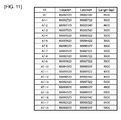
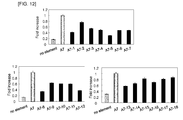
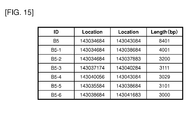
- the details of the DNA elements having different sequence lengths which were designed based on the full length of each of the DNA elements A2, A7, A18, B5, and C14 are shown in FIGS. 9 , 11 , 13 , 15 , and 17 , respectively.
- the pCMV/SEAP ires Hygro described in (7-1) was digested with the restriction enzyme SpeI for several hours, followed by ethanol precipitation, and the precipitate was dissolved in sterile water.
- DNA for transfection was prepared by the PCR method (94°C for 15 sec, 55°C for 30 sec, and 68°C for 10 min x 30 cycles) using the following primers and KOD -Plus-.
- each DNA element having a different sequence length was cloned into the pCMV/SEAP ires Hygro described in (7-1). Incidentally, the procedure was performed according to the method described in (7-2).
- A2-1 corresponds to the polynucleotide sequence of nucleotides 1 to 3000 of SEQ ID NO: 10 in the Sequence Listing
- A2-2 corresponds to the polynucleotide sequence of nucleotides 2801 to 5800 of SEQ ID NO: 10 in the Sequence Listing
- A2-3 corresponds to the polynucleotide sequence of nucleotides 5401 to 8450 of SEQ ID NO: 10 in the Sequence Listing
- A2-4 corresponds to the polynucleotide sequence of nucleotides 701 to 2700 of SEQ ID NO: 10 in the Sequence Listing
- A2-5 corresponds to the polynucleotide sequence of nucleotides 701 to 2200 of SEQ ID NO: 10 in the Sequence Listing
- A2-6 corresponds to the polynucleotide sequence of nucleotides 701 to 3700 of SEQ ID NO: 10 in the Sequence Listing
- A2-7 corresponds
- A7-1 corresponds to the polynucleotide sequence of nucleotides 601 to 3600 of SEQ ID NO: 11 in the Sequence Listing;
- A7-2 corresponds to the polynucleotide sequence of nucleotides 3601 to 8420 of SEQ ID NO: 11 in the Sequence Listing;
- A7-3 corresponds to the polynucleotide sequence of nucleotides 5401 to 8420 of SEQ ID NO: 11 in the Sequence Listing;
- A7-4 corresponds to the polynucleotide sequence of nucleotides 3401 to 6400 of SEQ ID NO: 11 in the Sequence Listing;
- A7-5 corresponds to the polynucleotide sequence of nucleotides 1501 to 4500 of SEQ ID NO: 11 in the Sequence Listing;
- A7-6 corresponds to the polynucleotide sequence of nucleotides 4401 to 7400 of SEQ ID NO: 11 in the Sequence Listing;
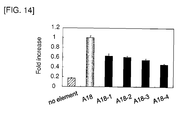
- A18-1 corresponds to the polynucleotide sequence of nucleotides 1 to 5040 of SEQ ID NO: 12 in the Sequence Listing
- A18-2 corresponds to the polynucleotide sequence of nucleotides 1001 to 6002 of SEQ ID NO: 12 in the Sequence Listing
- A18-3 corresponds to the polynucleotide sequence of nucleotides 2001 to 7000 of SEQ ID NO: 12 in the Sequence Listing
- A18-4 corresponds to the polynucleotide sequence of nucleotides 3000 to 7000 of SEQ ID NO: 12 in the Sequence Listing.
- B5-1 corresponds to the polynucleotide sequence of nucleotides 1 to 4001 of SEQ ID NO: 13 in the Sequence Listing
- B5-2 corresponds to the polynucleotide sequence of nucleotides 1 to 3200 of SEQ ID NO: 13 in the Sequence Listing
- B5-3 corresponds to the polynucleotide sequence of nucleotides 2491 to 5601 of SEQ ID NO: 13 in the Sequence Listing
- B5-4 corresponds to the polynucleotide sequence of nucleotides 5373 to 8401 of SEQ ID NO: 13 in the Sequence Listing
- B5-5 corresponds to the polynucleotide sequence of nucleotides 901 to 4001 of SEQ ID NO: 13 in the Sequence Listing
- B5-6 corresponds to the polynucleotide sequence of nucleotides 4001 to 7000 of SEQ ID NO: 13 in the Sequence Listing.
- C14-1 corresponds to the polynucleotide sequence of nucleotides 960 to 4015 of SEQ ID NO: 14 in the Sequence Listing
- C14-2 corresponds to the polynucleotide sequence of nucleotides 1987 to 5014 of SEQ ID NO: 14 in the Sequence Listing
- C14-3 corresponds to the polynucleotide sequence of nucleotides 4020 to 7119 of SEQ ID NO: 14 in the Sequence Listing
- C14-4 corresponds to the polynucleotide sequence of nucleotides 960 to 8141 of SEQ ID NO: 14 in the Sequence Listing
- C14-5 corresponds to the polynucleotide sequence of nucleotides 960 to 6011 of SEQ ID NO: 14 in the Sequence Listing
- C14-6 corresponds to the polynucleotide sequence of nucleotides 4939 to 8141 of SEQ ID NO: 14 in the Sequence Listing
- C14-6 corresponds to the polynucleotide sequence
- Each plasmid constructed in (10-1) was evaluated using the host cell CHO-K1 (ATCC) and the transfection reagent Lipofectamine 2000.
- the measurement results are shown in FIGS. 10 , 12 , 14 , 16 , and 18 . It was confirmed that not only the full-length DNA elements, but also clones having a sequence length shorter than the full length have an effect on enhancement of expression. Based on the results, it was confirmed that DNA elements A2, A7, A18, B5, and C14 have the activity of enhancing foreign gene expression even in cases where they have a sequence length shorter than the full length. However, they exhibit the highest effect when the sequence length is the full length.
- a CHO cell line was used as the cell line in the evaluation in Examples 7 to 10. However, in Example 11, an HEK293 cell line was selected as a cell line other than the CHO cell line.
- the HEK293 cell line was subjected to static culture at 37°C in the presence of 5% CO 2 using DMEM medium (Invitrogen) containing 10% FCS, and a given number of the cells were seeded onto a 6-well plate on the day before transfection.
- DMEM medium Invitrogen
- transfection was performed using each plasmid and the transfection reagent Lipofectamine 2000 (Invitrogen).
- Antibiotic selection with hygromycin was performed for about 2 weeks starting 2 days after transfection, whereby a stably expressing polyclonal cell line was established.
- the thus established cell line was subjected to medium replacement on the day before measurement, and a given number of the cells were seeded onto a 24-well plate.
- the culture supernatant was collected, and the activity of SEAP was measured.
- the activity of SEAP in the culture supernatant was measured using the SensoLyteTM pNPP Secreted Alkaline Phosphatase Reporter Assay
- each DNA element is also highly effective in enhancing the expression of a foreign gene (SEAP) in the HEK293 cell line.
Landscapes
- Chemical & Material Sciences (AREA)
- Health & Medical Sciences (AREA)
- Life Sciences & Earth Sciences (AREA)
- Organic Chemistry (AREA)
- Genetics & Genomics (AREA)
- Engineering & Computer Science (AREA)
- Zoology (AREA)
- Wood Science & Technology (AREA)
- General Health & Medical Sciences (AREA)
- Biochemistry (AREA)
- Molecular Biology (AREA)
- General Engineering & Computer Science (AREA)
- Bioinformatics & Cheminformatics (AREA)
- Biotechnology (AREA)
- Biophysics (AREA)
- Proteomics, Peptides & Aminoacids (AREA)
- Microbiology (AREA)
- Biomedical Technology (AREA)
- Medicinal Chemistry (AREA)
- Immunology (AREA)
- Chemical Kinetics & Catalysis (AREA)
- Physics & Mathematics (AREA)
- General Chemical & Material Sciences (AREA)
- Plant Pathology (AREA)
- Toxicology (AREA)
- Gastroenterology & Hepatology (AREA)
- Micro-Organisms Or Cultivation Processes Thereof (AREA)
- Preparation Of Compounds By Using Micro-Organisms (AREA)
Abstract
Description
- The present invention relates to a transfected mammalian host cell whose foreign protein transcriptional activity has been enhanced by using a foreign gene expression vector having a promoter derived from a human gene and a method for producing the foreign protein using the host cell.
- Due to the development of genetic recombination techniques, the market for protein pharmaceutical products such as therapeutic proteins and antibody drugs has rapidly expanded. In particular, antibody drugs can have high specificity without causing an adverse immunoreaction when administered to the human body, and therefore, the development thereof has been actively pursued.
- As a host by which a pharmaceutical protein product typified by an antibody drug is produced, a microorganism, a yeast, an insect, an animal or plant cell, a transgenic animal or plant cell, or the like can be used. In order for the pharmaceutical protein product to have biological activity or immunogenicity, post-translational modification such as folding or glycosylation is essential. Therefore, a microorganism, with which complicated post-translational modification cannot be performed, or a plant, having a different glycan structure, is not suitable as the host. The use of a cultured mammalian cell such as a CHO (Chinese hamster ovary) cell, which is from a species closely related to humans, is the current standard considering that such a cell has a glycan structure similar to that of humans and is safe, and post-translational modification can be performed using such a cell.
- In cases where a cultured mammalian cell is used as the host, there are problems that the growth rate is low, the productivity is low, the cost is high, etc., as compared with a microorganism or the like (NPL 1). In addition, in order to use a pharmaceutical protein product clinically, it is necessary to administer a large amount of the product. Therefore, the lack of production ability thereof is another worldwide problem. When a pharmaceutical protein product is produced in a cultured mammalian cell expression system, the production cost is high as compared with a low molecular weight synthetic pharmaceutical product. Accordingly attempts have been made to reduce the production cost by improving the respective production steps. Improvement of the production amount in the cultured mammalian cell expression system is an effective method for reducing the production cost (
NPL 2 and NPL 3). Accordingly, in order to improve the productivity of a foreign gene in a cultured mammalian cell, various approaches based on promoters, enhancers, antibiotic selection markers, gene amplification, culturing engineering techniques, and the like have been investigated. In cases where a CHO cell is used as a host cell to express a foreign gene, i.e. to produce a pharmaceutical protein product, a virus-derived, human cytomegalovirus major immediate early promoter (hereinafter referred to as "CMV promoter") is generally used (NPL 4, NPL 5, and NPL 6). Further, it is known that a polynucleotide upstream of the transcription start site of a human ribosomal protein gene such as RPL32 or RPS11 can be used as a DNA element for the protein expression in a CHO cell, in combination with another heterologous promoter (NPL 7 and PLT 1). - PTL 1:
WO 2006/123097 -
- NPL 1: Florian M. Wurm., Nat. Biotechnol. 22(11): 1393-1398, 2004
- NPL 2: Farid SS., J Chromatogr B Analyt Technol Biomed Life Sci. 848(1): 8-18, 2007
- NPL 3: Werner RG. Economic aspects of commercial manufacture of biopharmaceuticals. J Biotechnol. 113(1-3): 171-182, 2004
- NPL 4: Durocher Y et al., Curr Opin Biotechnol. 20(6): 700-707, 2009
- NPL 5: Boshart M et al., Cell. 41(2): 521-530, 1985
- NPL 6: Foecking MK et al., Gene. 45(1): 101-105, 1986
- NPL 7: Hoeksema F. et al., Biotechnology Research International, Volume 2011, Article ID 492875, 11 pages
- An object of the invention is to provide a method for increasing the production of a foreign protein to be used in a pharmaceutical protein product, using a promoter having a high activity to enhance foreign gene expression in a host cell such as a cultured mammalian cell. By identifying a promoter having a promoter activity equivalent to or higher than that of a CMV promoter in a CHO cell or the like, a method for stably achieving high foreign gene expression in a mammalian cell is provided, and a method for contributing to the improvement of production levels, in other words, reduction in the production costs of a pharmaceutical protein product in a cultured mammalian cell expression system can be provided.
- The present inventors made intensive studies in order to solve the above problems, and found that a polynucleotide starting at a nucleotide located about 2 kbp upstream of the transcription start site and ending at a nucleotide immediately upstream of a nucleotide sequence corresponding to the start codon of a human ribosomal protein gene has a high promoter activity. They found that the promoter activity can significantly improve the production of a foreign protein which is to be expressed in a cultured mammalian cell, and thus completed the invention. The invention includes the following aspects.
- (1) A polynucleotide comprising a nucleotide sequence represented by SEQ ID NO: 1 in the Sequence Listing.
- (2) A polynucleotide comprising a nucleotide sequence represented by SEQ ID NO: 2 in the Sequence Listing.
- (3) A polynucleotide comprising a nucleotide sequence represented by SEQ ID NO: 3 in the Sequence Listing.
- (4) A polynucleotide comprising a nucleotide sequence having an identity of 95% or more to the nucleotide sequence of the polynucleotide according to any one of the above (1) to (3) and having a promoter activity.
- (5) A polynucleotide comprising a nucleotide sequence having an identity of 99% or more to the nucleotide sequence of the polynucleotide according to any one of the above (1) to (3) and having a promoter activity.
- (6) A polynucleotide which hybridizes to a polynucleotide comprising a nucleotide sequence complementary to the nucleotide sequence of the polynucleotide according to any one of the above (1) to (3) under stringent conditions and has a promoter activity.
- (7) A foreign gene expression unit comprising the polynucleotide according to any one of the above (1) to (6).
- (8) The foreign gene expression unit according to the above (7), wherein the foreign gene is a gene encoding a multimeric protein.
- (9) The foreign gene expression unit according to the above (7), wherein the foreign gene is a gene encoding a heteromultimeric protein.
- (10) The foreign gene expression unit according to the above (7), wherein the foreign gene is a gene encoding an antibody or a functional fragment thereof.
- (11) A foreign gene expression vector comprising the foreign gene expression unit according to any one of the above (7) to (10).
- (12) A foreign gene expression vector comprising the foreign gene expression unit according to any one of the above (7) to (10), and one or more polynucleotides selected from polynucleotides described in (a) to (i) in the following Group A:
- Group A
- (a) a polynucleotide comprising a nucleotide sequence represented by SEQ ID NO: 10 in the Sequence Listing;
- (b) a polynucleotide comprising a nucleotide sequence represented by SEQ ID NO: 11 in the Sequence Listing;
- (c) a polynucleotide comprising a nucleotide sequence represented by SEQ ID NO: 12 in the Sequence Listing;
- (d) a polynucleotide comprising a nucleotide sequence represented by SEQ ID NO: 13 in the Sequence Listing;
- (e) a polynucleotide comprising a nucleotide sequence represented by SEQ ID NO: 14 in the Sequence Listing;
- (f) a polynucleotide comprising at least 3000 consecutive nucleotides of a nucleotide sequence represented by any one of SEQ ID NOS: 10 to 14 in the Sequence Listing;
- (g) a polynucleotide comprising at least 2000 consecutive nucleotides of a nucleotide sequence represented by any one of SEQ ID NOS: 10 to 14 in the Sequence Listing;
- (h) a polynucleotide comprising a polynucleotide sequence having an identity of 95% or more to the nucleotide sequence of the polynucleotide according to any one of the above (a) to (g), and having the activity of enhancing foreign gene expression; and
- (i) a polynucleotide comprising a nucleotide sequence having an identity of 99% or more to the nucleotide sequence of the polynucleotide according to any one of the above (a) to (g), and having the activity of enhancing foreign gene expression.
- Group A
- (13) A transformed cell into which the foreign gene expression vector according to the above (11) or (12) has been introduced.
- (14) A transformed cell into which the foreign gene expression vector according to the above (11) or (12) and an element vector have been introduced.
- (15) The transformed cell according to the above (13) or (14), wherein the cell is a cultured cell derived from a mammal.
- (16) The transformed cell according to the above (15), wherein the cultured cell derived from a mammal is a COS-1 cell, a 293 cell, or a CHO cell.
- (17) A method for producing a protein characterized by comprising culturing the transformed cell according to any one of the above (13) to (16) and obtaining a protein derived from a foreign gene from the resulting culture product.
- (18) Use of the polynucleotide sequence according to any one of the above (1) to (6) for expressing a foreign gene in a transformed cell.
- (19) Use of the foreign gene expression vector according to the above (11) or (12) for expressing a foreign gene in a transformed cell.
- By introducing a foreign gene expression vector using a promoter derived from a human gene of the invention into a mammalian host cell, the expression of a foreign gene of a therapeutic protein, an antibody, or the like can be significantly enhanced. Further, by using the promoter of the invention in combination with a DNA element, the expression of a foreign gene of a therapeutic protein, an antibody, or the like can be further enhanced.
-
- [
FIG. 1] FIG. 1 shows a graph in which the activity of promoters was evaluated by using the activity of SEAP as an index in transfected CHO-K1 polyclonal cells. The graph shows the activity of SEAP for each promoter, with the value for a CMV promoter normalized to 1. The results of two independent experiments are shown (n = 3, mean ± SD). - [
FIG. 2] FIG. 2 shows a graph in which the activity of truncated promoters was evaluated by using the activity of SEAP as an index in transfected CHO-K1 polyclonal cells. The graph shows the activity of each promoter, with the value for a CMV promoter normalized to 1 (n = 3, mean ± SD). - [
FIG. 3] FIG. 3 shows a graph in which it was confirmed by the amplification of a GAPDH region that a sample subjected to ChIP-on-chip was chromatin-immunoprecipitated specifically with an anti-acetylated histone H3 antibody. - [
FIG. 4] FIG. 4 is a schematic view of an SEAP expression vector into which a DNA element has been inserted. - [
FIG. 5] FIG. 5 shows a graph in which the expression-enhancing effects of DNA elements A2, A7, A18, B5, and C14 were confirmed by using the activity of SEAP expressed by a CMV promoter as an index in a transfected CHO cell line. - [
FIG. 6] FIG. 6 shows graphs in which the expression-enhancing effects of DNA elements A2 and A7 were confirmed by using the activity of SEAP expressed by an EF-1α or an SV40 promoter as an index in a transfected CHO cell line. - [
FIG. 7] FIG. 7 is a schematic view of an antibody expression (antibody gene X heavy chain and light chain co-expression) vector into which a DNA element has been inserted. - [
FIG. 8] FIG. 8 shows graphs in which the expression-enhancing effect of DNA element A7 was confirmed by using the level of production (measured by an ELISA method) of an antibody expressed by a CMV or an EF-1α promoter as an index in a transfected CHO cell line. - [
FIG. 9] FIG. 9 is a table showing the sequence lengths of DNA element A2 and related sequences. - [
Fig. 10] FIG. 10 shows graphs in which the expression-enhancing effects of DNA element A2 and related sequences were confirmed by using the activity of SEAP as an index in a transfected CHO cell line. - [
FIG. 11] FIG. 11 is a table showing the sequence lengths of DNA element A7 and related sequences. - [
FIG. 12] FIG. 12 shows graphs in which the expression-enhancing effects of DNA element A7 and related sequences were confirmed by using the activity of SEAP as an index in a transfected CHO cell line. - [
FIG. 13] FIG. 13 is a table showing the sequence lengths of DNA element A18 and related sequences. - [
FIG. 14] FIG. 14 shows a graph in which the expression-enhancing effects of DNA element A18 and related sequences were confirmed by using the activity of SEAP as an index in a transfected CHO cell line. - [
FIG. 15] FIG. 15 is a table showing the sequence lengths of DNA element B5 and related sequences. - [
FIG. 16] FIG. 16 shows a graph in which the expression-enhancing effects of DNA element B5 and related sequences were confirmed by using the activity of SEAP as an index in a transfected CHO cell line. - [
FIG. 17] FIG. 17 is a table showing the sequence lengths of DNA element C14 and related sequences. - [
FIG. 18] FIG. 18 shows graphs in which the expression-enhancing effects of DNA element C14 and related sequences were confirmed by using the activity of SEAP as an index in a transfected CHO cell line. - [
FIG. 19] FIG. 19 shows a graph in which the expression-enhancing effects of DNA elements A2, A7, A18, B5, and C14 were confirmed by using the activity of SEAP as an index in a transfected HEK293 cell line. - [
FIG. 20] FIG. 20 is a table showing nucleotides at the start and end points on the basis of the full-length sequence of DNA element A2, A7, or A18. - [
FIG. 21] FIG. 21 is a table showing nucleotides at the start and end points on the basis of the full-length sequence of DNA element B5 or C14. - Hereinafter, the invention will be specifically described.
- The term "gene" as used herein refers to a segment which is transcribed into an mRNA and then translated into a protein, and includes not only a DNA, but also an mRNA thereof, cDNA thereof, and an RNA thereof.
- The term "polynucleotide" as used herein is used in the same meaning as nucleic acid and also includes DNA, RNA, probe, oligonucleotide, and primer.
- The terms "polypeptide" and "protein" as used herein are used without distinction.
- The term "gene expression" as used herein refers to a phenomenon in which an mRNA is transcribed from a gene and/or a phenomenon in which a protein is translated from the mRNA.
- The term "foreign gene" as used herein refers to a gene which is artificially introduced into a host cell.
- The term "foreign protein" as used herein refers to a protein encoded by a foreign gene.
- The term "gene expression unit" as used herein refers to a polynucleotide having, in the direction of the reading frame of transcription, at least a promoter region, a foreign gene, and a transcription terminator region (poly (A) addition signal).
- The term "activity to enhance foreign gene expression" as used herein refers to the activity to enhance the production of a foreign protein in a host cell by creating an environment advantageous to transcription in any DNA around the gene expression unit containing a foreign gene and significantly improving the transcription efficiency.
- The term "promoter" as used herein refers to a region to which a transcription factor involved in the initiation of transcription from DNA into RNA can bind, and is sometimes referred to as "promoter region" in this description. Examples of the promoter include a polynucleotide starting at a nucleotide located about 2 kbp upstream of a transcription start site and ending at a nucleotide immediately upstream of a nucleotide sequence corresponding to the start codon, and the promoter may contain a 5'-UTR and an intron.
- The term "promoter activity" as used herein refers to an activity in which a transcription factor binds to a promoter and initiates transcription to produce a protein encoded by a gene. It can be assayed by using the activity of a protein encoded by a reporter gene such as secretory alkaline phosphatase (SEAP) as an index.
- The phrase "having a promoter activity" as used herein refers to having the activity of expressing SEAP equivalent to or higher than that of a CMV promoter under the same conditions as those described below (Example 3) for evaluating a promoter activity by using the expression level of SEAP as an index.
- The term "DNA element" as used herein refers to a polynucleotide having the activity of enhancing foreign gene expression in cases where the polynucleotide is located in the vicinity of a gene expression unit or in a foreign gene expression vector containing a gene expression unit.
- The term "functional fragment of an antibody" as used herein refers to a partial fragment of an antibody having an antigen-binding activity and includes Fab, F(ab')2, and the like. However, the term is not limited to these molecules as long as the fragment has a binding affinity for an antigen.
- The term "identity" as used herein refers to a relationship between the sequences of two or more nucleotide sequences or amino acid sequences determined by comparing the sequences, as known in the art. In the art, the term "identity" may also refer to the degree of sequence relatedness between nucleic acid molecules or between polypeptides as determined by the match between strings of two or more nucleotide sequences or two or more amino acid sequences. The "identity" can be evaluated by calculating the percentage of identical matches between the smallest of the two or more sequences with gapped alignments (if any) addressed by a specific mathematical model or computer program (i.e., "algorithms"). Specifically, the identity can be evaluated by using software such as Clustal W2 provided by European Molecular Biology Laboratory-European Bioinformatics Institute (EMBL-EBI), but the software is not limited thereto and any can be used as long as it is used by those skilled in the art.
- The phrase "hybridized under stringent conditions" as used herein refers to hybridization under conditions in which a so-called specific hybrid is formed but a non-specific hybrid is not formed. Examples of the conditions include conditions in which a complementary strand of a nucleic acid comprising a nucleotide sequence having an identity of 80% or more, preferably 90% or more, more preferably 95% or more, most preferably 99% or more to another nucleic acid hybridizes, and a complementary strand of a nucleic acid comprising a nucleotide sequence having a lower identity does not hybridize. More specifically, it means that hybridization is effected at 68°C in a commercially available hybridization solution ExpressHyb Hybridization Solution (manufactured by Clontech, Inc.) or hybridization is effected under conditions such that hybridization is performed at 68°C in the presence of 0.7 to 1.0 M NaCl using a filter having DNA immobilized thereon, followed by washing at 68°C using 0.1 to 2 x SSC solution (1 x SSC solution is composed of 150 mM NaCl and 15 mM sodium citrate) or under conditions equivalent thereto.
- As a promoter derived from a human gene of the invention (hereinafter sometimes also referred to as a "promoter of the invention"), a polynucleotide starting at a nucleotide located about 2 kbp upstream of the transcription start site and ending at a nucleotide immediately upstream of a nucleotide sequence corresponding to the start codon of a human ribosomal protein gene is preferred. The promoter derived from a human gene may be a polynucleotide starting at a nucleotide located about 1 kbp or about 0.5 kbp upstream of the transcription start site and ending at a nucleotide immediately upstream of a nucleotide sequence corresponding to the start codon sequence of a human ribosomal protein gene.
- The human ribosomal protein gene is preferably a human ribosomal protein S7 gene (hereinafter referred to as "RPS7"), a human ribosomal protein L32 gene (hereinafter referred to as "RPL32"), or a human ribosomal protein L34 gene (hereinafter referred to as "RPL34").
- The promoter of the invention is preferably a promoter of RPS7, RPL32, or RPL34, more preferably a polynucleotide represented by any of SEQ ID NOS : 1 to 9 in the Sequence Listing, and particularly preferably a polynucleotide represented by any of SEQ ID NOS: 1 to 3.
- The nucleotide sequences of SEQ ID NOS: 1, 2, and 3 are sequences starting at a nucleotide located about 2 kbp upstream of the transcription start site and ending at a nucleotide immediately upstream of a nucleotide sequence corresponding to the start codon of RPS7, RPL32, and RPL34, respectively. The nucleotide sequences of SEQ ID NOS : 4, 6, and 8 are sequences starting at a nucleotide located about 1 kbp upstream of the transcription start site and ending at a nucleotide immediately upstream of a nucleotide sequence corresponding to the start codon of RPS7, RPL32, and RPL34, respectively. The nucleotide sequences of SEQ ID NOS: 5, 7, and 9 are sequences starting at a nucleotide located about 0.5 kbp upstream of the transcription start site and ending at a nucleotide immediately upstream of a nucleotide sequence corresponding to the start codon of RPS7, RPL32, and RPL34, respectively.
- Further, the promoter of the invention may be a polynucleotide which comprises a nucleotide sequence having an identity of 80% or more, preferably 90% or more, more preferably 95% or more, most preferably 99% or more to any one of the nucleotide sequences represented by SEQ ID NOS: 1 to 9, and has a promoter activity.
- The promoter of the invention may be a polynucleotide which hybridizes to a polynucleotide comprising a nucleotide sequence complementary to a polynucleotide comprising any one nucleotide sequence selected from the group consisting of the nucleotide sequences represented by SEQ ID NOS: 1 to 9 under stringent conditions and has a promoter activity.
- The promoter of the invention may be a polynucleotide which is a mutated polynucleotide comprising a nucleotide sequence in which one or more, preferably 1 to 300, more preferably 1 to 30 nucleotides have been deleted, substituted, and/or added in any one nucleotide sequence selected from the group consisting of the nucleotide sequences represented by SEQ ID NOS: 1 to 9, and has a promoter activity.
- Introduction of a mutation (deletion, substitution, and/or addition) into the above-mentioned nucleotide sequence can be performed by a method known in the art such as a Kunkel method or a gapped duplex method, or an equivalent method. For example, a mutation introduction kit utilizing a site-directed mutagenesis method such as Mutant-K (manufactured by TaKaRa Bio, Inc.) or Mutant-G (manufactured by TaKaRa Bio, Inc.), an LA PCR in vitro Mutagenesis series kit (manufactured by TaKaRa Bio, Inc.) can be used. Such a mutated polynucleotide can also be used as the promoter of the invention.
- The activity of the promoter of the invention to enhance foreign gene expression can be assayed by using the activity of a protein encoded by a reporter gene such as SEAP as an index. In cases where the activity of a reporter protein when using the promoter of the invention is equivalent to or higher than when using a CMV promoter, preferably, the activity being increased by 1.2 times or more, more preferably by 1.5 times or more, the promoter can be judged to have the activity of enhancing foreign gene expression. Even in cases where the activity is increased by about 1. 2 times or more, it is expected that this will reduce the cell culture scale, the cell culture time, and the purification step, making it possible to increase the yield and reduce the cell culture cost. If the yield is increased, then it is possible to supply stably a foreign protein to be used as a pharmaceutical product. In addition, if the cell culture cost is reduced, the cost for the foreign protein to be used as a pharmaceutical product is reduced.
- Further, the promoter of the invention can also be used for enhancing the expression of an endogenous gene of a host cell by introducing the promoter into the host cell using a method well known to those skilled in the art.
- The foreign gene expression unit of the invention (hereinafter sometimes also referred to as "gene expression unit of the invention") has, in the direction of the reading frame of transcription, at least the promoter of the invention described in the above item "1", a foreign gene, and a transcription terminator region (poly(A) addition signal).
- Further, the poly (A) addition sequence may be a sequence having the activity to cause transcription termination for the transcription from the promoter, and may be a sequence from a gene identical to or different from that of the promoter.
- By using the gene expression unit of the invention described in the above item "2" and a DNA element in combination, the expression of a foreign gene can be further enhanced. The DNA element to be used in combination can be obtained by using the interaction between acetylated histone H3 and the element as an index as described in Example 6. In general, it is said that the acetylation of histones (H3 and H4) is associated with the activation of transcription, and two major theories have been advocated. One theory is that the acetylation of histones is associated with a change in nucleosome conformation in such a manner that histone tails are acetylated so as to be electrically neutralized, weakening DNA-histone interactions (Mellor J. (2006) Dynamic nucleosomes and gene transcription. Trends Genet. 22(6): 320-329). The other theory is that the acetylation of histones is associated with the recruitment of various transcription factors (Nakatani Y. (2001) Histone acetylases-versatile players. Genes Cells. 6(2): 79-86). According to either theory, there is a high possibility that the acetylation of histones is associated with the activation of transcription, and by performing chromatin immunoprecipitation (ChIP) using an anti-acetylated histone H3 antibody, it is possible to concentrate a DNA element that interacts with acetylated histone H3.
- A2 is an example of the DNA element to be used in combination with the promoter of the invention for enhancing foreign gene expression. A2 is located in the region from 80966429 to 80974878 of human chromosome 15 and is an 8450 bp polynucleotide having an AT content of 62.2%. The nucleotide sequence of A2 is represented by SEQ ID NO: 10 in the Sequence Listing.
- A7, A18, B5, and C14 are examples of similar DNA elements. A7 is located in the region from 88992123 to 89000542 of human chromosome 11 and is an 8420 bp polynucleotide having an AT content of 64.52%. The nucleotide sequence of A7 is represented by SEQ ID NO: 11 in the Sequence Listing.
- A18 is located in the region from 111275976 to 111284450 of
human chromosome 4 and is an 8475 bp polynucleotide having an AT content of 62.54%. The nucleotide sequence of A18 is represented by SEQ ID NO: 12 in the Sequence Listing. - B5 is located in the region from 143034684 to 143043084 of
human chromosome 1 and is an 8401 bp polynucleotide having an AT content of 66.37%. The nucleotide sequence of B5 is represented by SEQ ID NO: 13 in the Sequence Listing. - Finally, C14 is located in the region from 46089056 to 46097482 of human chromosome 11 and is an 8427 bp polynucleotide having an AT content of 63.81%. The nucleotide sequence of C14 is represented by SEQ ID NO: 14 in the Sequence Listing.
- The activity of enhancing foreign gene expression of the DNA element to be used in combination with the promoter of the invention can be assayed by using the activity of a protein encoded by a reporter gene such as SEAP as an index.
- In cases where the DNA element is used in combination with the promoter of the invention, any one of the above DNA elements may be used alone, or two or more copies of one type of the DNA element may be used. Alternatively, two or more different types of the above DNA elements may be used in combination.
- A2, A7, A18, B5, and C14 are preferred examples of the DNA element to be used in combination with the promoter of the invention.
- The DNA element to be used in the invention may be a nucleotide sequence which comprises a nucleotide sequence having an identity of 80% or more, preferably 90% or more, more preferably 95% or more, most preferably 99% or more to any of the nucleotide sequences represented by SEQ ID NOS: 10 to 14 and has the activity of enhancing foreign gene expression. The nucleotide sequence homology search can be performed against, for example, the DNA Databank of Japan or the like using a program such as FASTA or BLAST.
- The DNA element to be used in combination with the promoter of the invention may be a DNA element which hybridizes to a polynucleotide comprising a nucleotide sequence complementary to a polynucleotide comprising a nucleotide sequence selected from the group consisting of the nucleotide sequences represented by SEQ ID NOS: 10 to 14 under stringent conditions and has the activity of enhancing foreign gene expression.
- A person skilled in the art can easily obtain such a homologue gene with reference to Molecular Cloning (Sambrook, J. et al., Molecular Cloning: a Laboratory Manual 2nd ed., Cold Spring Harbor Laboratory Press, 10 Skyline Drive Plainview, N.Y. (1989)) or the like. Further, the identity of the above-mentioned nucleotide sequence can be determined by a FASTA search or BLAST search in the same manner.
- Introduction of a mutation (deletion, substitution, and/or addition) into the above-mentioned polynucleotide can be performed by a method known in the art such as a Kunkel method or a gapped duplex method, or an equivalent method. For example, a mutation introduction kit utilizing a site-directed mutagenesis method such as Mutant-K (manufactured by TaKaRa Bio, Inc.), Mutant-G (manufactured by TaKaRa Bio, Inc.), or an LA PCR in vitro Mutagenesis series kit (manufactured by TaKaRa Bio, Inc.), or the like can be used. Such a mutated polynucleotide can also be used as the DNA element of the invention.
- As the DNA element to be used in combination with the promoter of the invention, a partial fragment comprising at least 3000 or at least 2000 consecutive nucleotides of a nucleotide sequence represented by any one of SEQ ID NOS: 10 to 14 in the Sequence Listing can be used. Examples of such a partial fragment include: A2-1 to A2-17 which are partial fragments of A2; A7-1 to A7-18 which are partial fragments of A7; A18-1 to A18-4 which are partial fragments of A18; B5-1 to B5-6 which are partial fragments of B5; and C14-1 to C14-14 which are partial fragments of C14. However, the DNA element is not limited to these partial fragments as long as it has the activity of enhancing foreign gene expression.
- In the invention, any one of the above partial fragments may be used alone, and also two or more copies of one type of the partial fragment may be used. Alternatively, two or more different types of the partial fragments may be used in combination. Further, a full-length sequence and a partial fragment of any of the above-mentioned DNA elements may be used in combination. In the above combination, the full-length sequence and the partial fragment may be derived from the same DNA element or from different DNA elements.
- As for the polynucleotide sequences of the respective fragments of A2, A2-1 corresponds to the polynucleotide sequence of nucleotides 1 to 3000 of SEQ ID NO: 10 in the Sequence Listing; A2-2 corresponds to the polynucleotide sequence of nucleotides 2801 to 5800 of SEQ ID NO: 10 in the Sequence Listing; A2-3 corresponds to the polynucleotide sequence of nucleotides 5401 to 8450 of SEQ ID NO: 10 in the Sequence Listing; A2-4 corresponds to the polynucleotide sequence of nucleotides 701 to 2700 of SEQ ID NO: 10 in the Sequence Listing; A2-5 corresponds to the polynucleotide sequence of nucleotides 701 to 2200 of SEQ ID NO: 10 in the Sequence Listing; A2-6 corresponds to the polynucleotide sequence of nucleotides 701 to 3700 of SEQ ID NO: 10 in the Sequence Listing; A2-7 corresponds to the polynucleotide sequence of nucleotides 2001 to 5000 of SEQ ID NO: 10 in the Sequence Listing; A2-8 corresponds to the polynucleotide sequence of nucleotides 4001 to 7000 of SEQ ID NO: 10 in the Sequence Listing; A2-9 corresponds to the polynucleotide sequence of nucleotides 1 to 3700 of SEQ ID NO: 10 in the Sequence Listing; A2-10 corresponds to the polynucleotide sequence of nucleotides 2001 to 5800 of SEQ ID NO: 10 in the Sequence Listing; A2-11 corresponds to the polynucleotide sequence of nucleotides 2801 to 7000 of SEQ ID NO: 10 in the Sequence Listing; A2-12 corresponds to the polynucleotide sequence of nucleotides 701 to 5800 of SEQ ID NO: 10 in the Sequence Listing; A2-13 corresponds to the polynucleotide sequence of nucleotides 2001 to 7000 of SEQ ID NO: 10 in the Sequence Listing; A2-14 corresponds to the polynucleotide sequence of nucleotides 2801 to 8450 of SEQ ID NO: 10 in the Sequence Listing; A2-15 corresponds to the polynucleotide sequence of nucleotides 1 to 5800 of SEQ ID NO: 10 in the Sequence Listing; A2-16 corresponds to the polynucleotide sequence of nucleotides 701 to 7000 of SEQ ID NO: 10 in the Sequence Listing; and A2-17 corresponds to the polynucleotide sequence of nucleotides 2001 to 8450 of SEQ ID NO: 10 in the Sequence Listing.
- As for the polynucleotide sequences of the respective fragments of A7, A7-1 corresponds to the polynucleotide sequence of nucleotides 601 to 3600 of SEQ ID NO: 11 in the Sequence Listing; A7-2 corresponds to the polynucleotide sequence of nucleotides 3601 to 8420 of SEQ ID NO: 11 in the Sequence Listing; A7-3 corresponds to the polynucleotide sequence of nucleotides 5401 to 8420 of SEQ ID NO: 11 in the Sequence Listing; A7-4 corresponds to the polynucleotide sequence of nucleotides 3401 to 6400 of SEQ ID NO: 11 in the Sequence Listing; A7-5 corresponds to the polynucleotide sequence of nucleotides 1501 to 4500 of SEQ ID NO: 11 in the Sequence Listing; A7-6 corresponds to the polynucleotide sequence of nucleotides 4401 to 7400 of SEQ ID NO: 11 in the Sequence Listing; A7-7 corresponds to the polynucleotide sequence of nucleotides 2401 to 5400 of SEQ ID NO: 11 in the Sequence Listing; A7-8 corresponds to the polynucleotide sequence of nucleotides 1 to 3600 of SEQ ID NO: 11 in the Sequence Listing; A7-9 corresponds to the polynucleotide sequence of nucleotides 1501 to 5400 of SEQ ID NO: 11 in the Sequence Listing; A7-10 corresponds to the polynucleotide sequence of nucleotides 2401 to 6400 of SEQ ID NO: 11 in the Sequence Listing; A7-11 corresponds to the polynucleotide sequence of nucleotides 3401 to 7400 of SEQ ID NO: 11 in the Sequence Listing; A7-12 corresponds to the polynucleotide sequence of nucleotides 4401 to 8420 of SEQ ID NO: 11 in the Sequence Listing; A7-13 corresponds to the polynucleotide sequence of nucleotides 1 to 5400 of SEQ ID NO: 11 in the Sequence Listing; A7-14 corresponds to the polynucleotide sequence of nucleotides 1501 to 6400 of SEQ ID NO: 11 in the Sequence Listing; A7-15 corresponds to the polynucleotide sequence of nucleotides 2401 to 7400 of SEQ ID NO: 11 in the Sequence Listing; A7-16 corresponds to the polynucleotide sequence of nucleotides 3401 to 8420 of SEQ ID NO: 11 in the Sequence Listing; A7-17 corresponds to the polynucleotide sequence of nucleotides 1 to 6400 of SEQ ID NO: 11 in the Sequence Listing; and A7-18 corresponds to the polynucleotide sequence of nucleotides 1501 to 7400 of SEQ ID NO: 11 in the Sequence Listing.
- As for the polynucleotide sequences of the respective fragments of A18, A18-1 corresponds to the polynucleotide sequence of
nucleotides 1 to 5040 of SEQ ID NO: 12 in the Sequence Listing; A18-2 corresponds to the polynucleotide sequence ofnucleotides 1001 to 6002 of SEQ ID NO: 12 in the Sequence Listing; A18-3 corresponds to the polynucleotide sequence ofnucleotides 2001 to 7000 of SEQ ID NO: 12 in the Sequence Listing; and A18-4 corresponds to the polynucleotide sequence ofnucleotides 3000 to 7000 of SEQ ID NO: 12 in the Sequence Listing. - As for the polynucleotide sequences of the respective fragments of B5, B5-1 corresponds to the polynucleotide sequence of
nucleotides 1 to 4001 of SEQ ID NO: 13 in the Sequence Listing; B5-2 corresponds to the polynucleotide sequence ofnucleotides 1 to 3200 of SEQ ID NO: 13 in the Sequence Listing; B5-3 corresponds to the polynucleotide sequence ofnucleotides 2491 to 5601 of SEQ ID NO: 13 in the Sequence Listing; B5-4 corresponds to the polynucleotide sequence ofnucleotides 5373 to 8401 of SEQ ID NO: 13 in the Sequence Listing; B5-5 corresponds to the polynucleotide sequence ofnucleotides 901 to 4001 of SEQ ID NO: 13 in the Sequence Listing; and B5-6 corresponds to the polynucleotide sequence ofnucleotides 4001 to 7000 of SEQ ID NO: 13 in the Sequence Listing. - As for the polynucleotide sequences of the respective fragments of C14, C14-1 corresponds to the polynucleotide sequence of nucleotides 960 to 4015 of SEQ ID NO: 14 in the Sequence Listing; C14-2 corresponds to the polynucleotide sequence of nucleotides 1987 to 5014 of SEQ ID NO: 14 in the Sequence Listing; C14-3 corresponds to the polynucleotide sequence of nucleotides 4020 to 7119 of SEQ ID NO: 14 in the Sequence Listing; C14-4 corresponds to the polynucleotide sequence of nucleotides 960 to 8141 of SEQ ID NO: 14 in the Sequence Listing; C14-5 corresponds to the polynucleotide sequence of nucleotides 960 to 6011 of SEQ ID NO: 14 in the Sequence Listing; C14-6 corresponds to the polynucleotide sequence of nucleotides 4939 to 8141 of SEQ ID NO: 14 in the Sequence Listing; C14-7 corresponds to the polynucleotide sequence of nucleotides 960 to 5014 of SEQ ID NO: 14 in the Sequence Listing; C14-8 corresponds to the polynucleotide sequence of nucleotides 2994 to 7119 of SEQ ID NO: 14 in the Sequence Listing; C14-9 corresponds to the polynucleotide sequence of nucleotides 4020 to 8141 of SEQ ID NO: 14 in the Sequence Listing; C14-10 corresponds to the polynucleotide sequence of nucleotides 1 to 5014 of SEQ ID NO: 14 in the Sequence Listing; C14-11 corresponds to the polynucleotide sequence of nucleotides 1987 to 7119 of SEQ ID NO: 14 in the Sequence Listing; C14-12 corresponds to the polynucleotide sequence of nucleotides 2994 to 8141 of SEQ ID NO: 14 in the Sequence Listing; C14-13 corresponds to the polynucleotide sequence of nucleotides 960 to 7119 of SEQ ID NO: 14 in the Sequence Listing; and C14-14 corresponds to the polynucleotide sequence of nucleotides 1987 to 8141 of SEQ ID NO: 14 in the Sequence Listing.
- In the invention, a polynucleotide containing a foreign gene encoding a foreign protein, the production of which is to be increased, which will be described later, can be obtained by common procedures as described below. For example, such a polynucleotide can be isolated by screening a cDNA library derived from cells or tissues expressing the foreign gene using a DNA probe synthesized from a fragment of the foreign gene. mRNA therefor can be prepared by methods commonly used in the art. For example, the cells or tissues are treated with a guanidine reagent, a phenol reagent, etc., thereby obtaining total RNA, and thereafter, poly (A) + RNA (mRNA) is obtained by an affinity column method using an oligo (dT) cellulose column or a poly U-Sepharose column containing Sepharose 2B, or the like, as a carrier or by a batch method. Also, the poly(A)+ RNA may further be fractionated by sucrose density-gradient centrifugation or the like. Then, single-stranded cDNA is synthesized using the thus obtained mRNA as a template, oligo dT primers, and a reverse transcriptase. From the thus obtained single-stranded cDNA, double-stranded cDNA is synthesized using DNA polymerase I, DNA ligase, RNase H, and the like. The thus synthesized double-stranded cDNA is blunted using T4 DNA polymerase, followed by ligation to an adapter (such as EcoRI adapter), phosphorylation, and the like, and the resulting DNA is incorporated into a lambda phage such as λgt11 to achieve in vivo packaging, whereby a cDNA library is prepared. It is also possible to prepare a cDNA library using a plasmid vector instead of lambda phages. Thereafter, a clone containing the target DNA (a positive clone) may be selected from the cDNA library.
- In cases where the above-mentioned promoter, a polynucleotide containing a terminator region, the above-mentioned DNA element, or a polynucleotide containing a foreign gene to be used for producing a protein is isolated from genomic DNA, according to a common procedure (Molecular Cloning (1989), Methods in Enzymology 194 (1991)), genomic DNA is extracted from a cell line of an organism to be used as a collection source, and the polynucleotide is selected and isolated. The extraction of genomic DNA can be performed according to, for example, the method of Cryer et al. (Methods in Cell Biology, 12, 39-44 (1975)) or the method of P. Philippsen et al. (Methods Enzymol., 194, 169-182 (1991)).
- The target promoter, DNA element or polynucleotide containing a foreign gene can also be obtained by, for example, the PCR method (PCR Technology. Henry A. Erlich, Atockton press (1989)). In the amplification of a polynucleotide using the PCR method, 20- to 30-mer synthetic single-stranded DNAs are used as primers and genomic DNA is used as a template. The amplified gene is used after the polynucleotide sequence of the gene is confirmed. As the template for PCR, a genomic DNA library such as a bacterial artificial chromosome (BAC)-library can be used.
- On the other hand, the polynucleotide containing a foreign gene whose sequence is not known can be obtained by (a) preparing a gene library according to a common procedure, and (b) selecting a desired polynucleotide from the prepared gene library and amplifying the polynucleotide. The gene library can be prepared by partially digesting chromosomal DNA obtained by a common procedure from a cell line of an organism to be used as a collection source using an appropriate restriction enzyme to fragment the chromosomal DNA, ligating the obtained fragments to an appropriate vector, and introducing the vector into an appropriate host. The gene library can also be prepared by extracting mRNA from the cells, synthesizing cDNA from the mRNA, ligating the cDNA to an appropriate vector, and introducing the vector into an appropriate host. As the vector to be used in such preparation, a plasmid generally known as a vector for gene library preparation can be used, and also a phage vector, a cosmid, or the like can be used. As the host to be transformed or transfected, a host suitable for the type of the above-mentioned vector may be used. The polynucleotide containing the foreign gene is selected from the above-mentioned gene library by a colony hybridization method, a plaque hybridization method, or the like using a labeled probe containing a sequence specific for the foreign gene.
- Further, the polynucleotide containing the foreign gene can also be produced by total chemical synthesis. For example, the gene can be synthesized by a method in which two pairs of complementary oligonucleotides are prepared and annealed, a method in which several annealed DNA strands are ligated by a DNA ligase, a method in which several partially complementary oligonucleotides are prepared and gaps are filled by PCR, or the like.
- The determination of a polynucleotide sequence can be performed by a conventional technique, for example, a dideoxy method (Sanger et al., Proc. Natl. Acad. Sci., USA, 74, 5463-5467 (1977)), or the like. Further, the above determination of a polynucleotide sequence can also be easily performed using a commercially available sequencing kit or the like.
- As a foreign gene expression vector of the invention, a vector containing the foreign gene expression unit described in the above item "2" containing the promoter of the invention described in the above item "1" is provided. The foreign gene expression vector of the invention may contain one type of the DNA elements described in the above item "3", two or more copies of one type of the above-mentioned DNA elements, or two or more different types of the above-mentioned DNA elements in combination. When a foreign gene is expressed in a host cell using the above-mentioned foreign gene expression vector, the DNA element may be located immediately upstream or downstream of the gene expression unit, or may be located at a position away from the gene expression unit. Further, one foreign gene expression vector containing a plurality of such DNA elements may be used. Incidentally, the DNA element may be inserted in either forward or reverse orientation with respect to the gene expression unit.
- Further, as the vector to be used in the invention, a vector containing one type of the above-mentioned DNA elements, two or more copies of one type of the above-mentioned DNA elements, or two or more different types of the above-mentioned DNA elements in combination, and containing no gene expression unit (hereinafter referred to as an "element vector") is also included. Such an element vector can be used in combination with the above-mentioned foreign gene expression vector containing the DNA element or a foreign gene expression vector containing no DNA element and containing only the foreign gene expression unit. By allowing the element vector to coexist with the foreign gene expression vector, the expression of the foreign gene is enhanced as compared with cases where the foreign gene expression vector is used alone and, therefore, the combination of the above-mentioned vectors is also included within the foreign gene expression vector of the invention.
- The foreign gene is not particularly limited, but examples thereof include reporter genes such as the genes of secretory alkaline phosphatase (SEAP), a green fluorescent protein (GFP), and luciferase; various enzyme genes such as an α-amylase gene and an α-galactosidase gene; genes of various interferons which are pharmaceutically useful and physiologically active proteins such as interferon α and interferon y; genes of various interleukins such as IL-1 and IL-2; various cytokine genes such as an erythropoietin (EPO) gene and a granulocyte colony-stimulating factor (G-CSF) gene; a growth factor gene; and a gene encoding a multimeric protein such as a gene encoding a heteromultimer which is an antibody or a functional fragment thereof. These genes maybe obtained by any method.
- The "functional fragment of an antibody" refers to a partial fragment of an antibody having an antigen-binding activity and includes Fab, F(ab')2, Fv, scFv, diabodies, linear antibodies, polyspecific antibodies formed from antibody fragments, and the like. The functional fragment of an antibody also includes Fab' which is a monovalent fragment of a variable region of an antibody obtained by treating F(ab')2 under reducing conditions. However, the functional fragment is not limited to these molecules as long as the fragment has a binding affinity for an antigen. Further, these functional fragments include not only a fragment obtained by treating a full-length molecule of an antibody protein with an appropriate enzyme, but also a protein produced in an appropriate host cell using a genetically modified antibody gene.
- Further, the foreign gene expression vector and the element vector of the invention can each contain a selection marker for selecting a transformant. By using, for example, an antibiotic resistant marker which imparts resistance to an antibiotic such as cerulenin, aureobasidin, Zeocin, canavanine, cycloheximide, hygromycin, puromycin, blasticidin, tetracycline, kanamycin, ampicillin, or neomycin, a transformant can be selected. Further, where a gene which imparts resistance to a solvent such as ethanol, resistance to the osmotic pressure of glycerol, a salt, or the like, resistance to a metal ion such as a copper ion, or the like is used as a marker, a transformant can also be selected.
- The foreign gene expression vector and the element vector of the invention may each be a vector which is not incorporated into the chromosomal DNA. In general, the foreign gene expression vector is transfected into a host cell, and thereafter randomly incorporated into the chromosome. However, by using a constituent component derived from a mammalian virus such as simian virus 40 (SV40), a papillomavirus (BPV, HPV), or EBV, the vector can be used as an episomal vector which is self-replicable in the transfected host cell. For example, a vector containing an SV40-derived replication origin and a sequence encoding an SV40 large T antigen which is a trans-acting factor, a vector containing an EBV-derived oriP and a sequence encoding EBNA-1, and the like are widely used. The DNA element can effectively exhibit the activity of enhancing foreign gene expression regardless of the type of vector or the presence or absence of incorporation thereof into the chromosome.
- The transformed cell of the invention is a transformed cell into which the foreign gene expression vector described in the above item "5" has been introduced. As the foreign gene expression vector, (A) only a foreign gene expression vector containing no DNA element may be introduced, or (B) a foreign gene expression vector containing no DNA element and an element vector may be introduced in combination. Alternatively, (C) a foreign gene expression vector containing a DNA element may be introduced, or (D) a foreign gene expression vector containing a DNA element and an element vector may be introduced in combination.
- The expression of a foreign gene in a host cell by the combination described in the above (B) or (D) can be performed according to, for example, the method of Girod et al. (Biotechnology and Bioengineering, 91, 2-11 (2005)) and the method of Otte et al. (Biotechnol. Prog., 2007, 23, 801-807 (2007)) .
- Examples of the host cell to be transformed include a eukaryotic cell, preferred examples thereof include a mammalian cell, and more preferred examples include a cell derived from humans, mice, rats, hamsters, monkeys, or cattle. Examples of such a mammalian cell include a COS-1 cell, a 293 cell, and a CHO cell (CHO-K1, DG44, CHO dhfr-, CHO-S), but the host cell is not limited thereto.
- In the invention, any method may be used for introducing the expression vector into the host cell as long as the method allows the introduced gene to be stably present in the host cell and to be adequately expressed therein. Examples of the method which is generally used include a calcium phosphate method (Ito et al., (1984) Agric. Biol. Chem., 48, 341), an electroporation method (Becker, D. M. et al., 1990; Methods. Enzymol., 194, 182-187), a spheroplast method (Creggh et al., Mol. Cell. Biol., 5, 3376 (1985)), a lithium acetate method (Ito, H. (1983) J. Bacteriol. 153, 163-168), and a lipofection method.
- In the invention, a foreign protein can be produced by culturing the transformed cell described in the above item "6", into which a gene encoding the foreign protein has been introduced, by a known method, collecting the protein from the resulting culture product, followed by purification of the protein. The term "culture product" as used herein refers to cultured cells or a cell homogenate in addition to a culture supernatant. Incidentally, as the foreign protein which can be produced using the transformed cell described in the above item "6", not only a monomeric protein, but also a multimeric protein can be selected. In cases where a heteromultimeric protein formed of a plurality of different subunits is produced, it is necessary to introduce a plurality of genes encoding these subunits into the host cell described in the above item "6", respectively.
- The method for culturing the transformed cell can be performed according to conventional methods for culturing host cells.
- In cases where the transformed cell is a mammalian cell, the cell is cultured under conditions of, for example, 37°C and 5% or 8% CO2 for a culture time of about 24 to 1000 hours. The culturing can be performed through batch culture, fed-batch culture, continuous culture, or the like under static, shaking, stirring, or aeration conditions.
- The confirmation of the expression product of the gene encoding the foreign protein from the above-mentioned culture product (culture solution) can be performed by SDS-PAGE, a Western analysis, ELISA, or the like. In order to isolate and purify the produced protein, a conventional protein isolation and purification method may be used. After completion of the culturing, in cases where the target protein is produced in the cells, the cells are homogenized using an ultrasonic homogenizer, a French press, a Manton-Gaulin homogenizer, DYNO-MILL, or the like, thereby obtaining the target protein. Further, in cases where the target protein is produced outside the cells, the culture solution is used as such, or the cells are removed by centrifugation or the like. Thereafter, the target protein is collected by extraction or the like using an organic solvent, and then the collected target protein may be isolated and purified by using techniques such as various chromatography techniques (hydrophobic chromatography, reverse-phase chromatography, affinity chromatography, ion exchange chromatography, etc.), gel filtration using a molecular sieve, or electrophoresis using a polyacrylamide gel or the like, alone or in combination according to need.
- The above-mentioned culturing methods and purification methods are only examples, and the methods are not limited thereto. The amino acid sequence of the purified gene product can be confirmed by a known amino acid analysis technique such as automated amino acid sequencing using the Edman degradation method.
- As the heteromultimeric protein to be produced using the production method described in the above item "7", an antibody protein can be exemplified. The antibody protein is a tetrameric protein comprising two molecules of heavy chain polypeptides and two molecules of light chain polypeptides. Accordingly, in order to obtain such an antibody protein in a state of maintaining an antigen-binding affinity, it is necessary to introduce both heavy and light chain genes into the transformed cell described in the above item "6". In this case, the heavy and light chain gene expression units may be present on the same expression vector or different expression vectors.
- As the antibody to be produced in the invention, an antibody prepared by immunizing an experimental animal such as a rabbit, a mouse, or a rat with a desired antigen can be exemplified. Further, a chimeric antibody and a humanized antibody obtained by using the above-mentioned antibody as a starting material can be also exemplified as the antibody to be produced in the invention. Further, a human antibody obtained using a genetically modified animal or a phage display method is also included in the antibody to be produced in the invention.
- The antibody gene to be used for the production of the antibody is not limited to an antibody gene having a specific polynucleotide sequence as long as the combination of the heavy chain polypeptide and the light chain polypeptide to be transcribed and translated from the antibody gene has the activity of binding to a given antigen protein.
- Further, it is not necessary that the antibody gene encodes the full-length molecule of the antibody, and a gene encoding a functional fragment of the antibody can be used. Such a gene encoding a functional fragment thereof can be obtained by genetically modifying a gene encoding the full-length molecule of an antibody protein.
- Examples of the foreign protein to be produced using the production method of the invention include, in addition to the above-mentioned antibodies, various proteins derived from humans or non-humans, functional fragments thereof, and modified products thereof. Examples of such proteins and the like include peptide hormones such as atrial natriuretic peptide (ANP), brain natriuretic peptide (BNP), C-type natriuretic peptide (CNP), vasopressin, somatostatin, growth hormone (GH), insulin, oxytocin, ghrelin, leptin, adiponectin, renin, calcitonin, osteoprotegerin, and insulin-like growth factor (IGF); cytokines such as interleukin, chemokine, interferon, tumor necrosis factors (such as TNF-α, TNF-β, and TNF super family), nerve growth factors (such as NGF), cell growth factors (such as EGF, FGF, PDGF, HGF, and TGF), hematopoietic growth factors (such as CSF, G-CSF, and erythropoietin), and adipokine; receptors such as TNF receptors; enzymes such as lysozyme, protease, proteinase, and peptidase; functional fragments thereof (fragments having part or all of the biological activity of the original protein), and fusion proteins comprising any of these proteins. However, the proteins are not limited thereto.
- Hereinafter, the invention will be specifically described with reference to the Examples. However, these Examples do not limit the technical scope of the invention. The plasmids, restriction enzymes, DNA modification enzymes, and the like to be used in the Examples of the invention are commercially available products and can be used according to common procedures. Further, procedures used for DNA cloning, polynucleotide sequencing, transformation of a host cell, culturing of a transformed host cell, collection of a protein from the resulting culture product, purification of a protein, and the like are also well known to those skilled in the art or can be found in the literature.
- The evaluation of promoter activity was performed by using the expression of SEAP as an index, and a vector for use in the evaluation was constructed.
- The cDNA of SEAP was amplified by PCR using primers in which an NheI site was added immediately upstream of the start codon ATG, and a BglII site was added immediately downstream of the stop codon and KOD -Plus- (TOYOBO). As a template, pSEAP2-control (Clontech) was used. The obtained fragment was digested with NheI and BglII, and then purified using a MinElute Reaction Kit (Qiagen).
The used primers: - SEAPF: AAAGCTAGCATGCTGCTGCTGCTGCTGCTGCTGGGCC
- SEAPR: AAAAGATCTTCATGTCTGCTCGAAGCGGCCGGCCGC
- After a pIRESpuro3 (Clontech) vector was digested with NheI and BamHI, the SEAP fragment prepared in 1-1) was integrated thereinto by a ligation reaction. The obtained plasmid was named "CMV/pSeapIRESpuro".
- As human genes considered to contain a promoter having a high transcriptional activity, EEF2, YBX1, PPIA, PSAP, RAN, PRL32, PRL34, RPLP1, RPS7, RPS24, TMSB4X, UBC, YWHAE, ARPC2, and SERBP1 were selected by using mRNA level as an index, and cloning of the promoter region of each gene was performed. The obtained plasmids were used for the evaluation of promoter activity in Example 3.
- As the promoter region of RPS7, with reference to the mRNA sequence registered under accession number NM_001011.3 in GenBank, a sequence starting at a nucleotide located about 2 kbp upstream of the transcription start site and ending at a nucleotide immediately upstream of the nucleotide sequence corresponding to the start codon sequence of RPS7 was used.
- The promoter region of RPS7 was amplified by PCR using E. coli artificial chromosome clone RP11-644P19 (GenoTechs) as a template, and also using the following primer set and KOD -Plus- (TOYOBO), and then purified using MinElute Reaction Kit (Qiagen). After CMV/pSeapIRESpuro was digested with SpeI and NheI and the CMV promoter was removed, the promoter region of RPS7 was integrated at the SpeI-NheI site using an In-Fusion Advantage PCR Cloning Kit (Clontech), whereby RPS7/pSeapIRESpuro was constructed. The nucleotide sequence of the cloned promoter region of RPS7 is represented by SEQ ID NO: 1 in the Sequence Listing.
Primer Set for RPS7: - RPS7-F: TTGATTATTGACTAGTATTTATGTATATTAACAGCACATTAACAGC
- RPS7-R: GCAGCAGCATGCTAGCGGCTTTCTCCTGGGAGAACTGAAGGCACAGCGG
- As the promoter region of RPL32, with reference to the mRNA sequence registered under accession number NM_000994.3 in GenBank, a sequence starting at a nucleotide located about 2 kbp upstream of the transcription start site and ending at the nucleotide immediately upstream of the nucleotide sequence corresponding to the start codon sequence of RPL32 was used.
- The promoter region of RPL32 was amplified by PCR using E. coli artificial chromosome clone RP11-767C1 (GenoTechs) as a template, and also using the following primer set and KOD -Plus- (TOYOBO), and then purified using a MinElute Reaction Kit (Qiagen). After CMV/pSeapIRESpuro was digested with SpeI and NheI and the CMV promoter was removed, the promoter region of RPL32 was integrated at the SpeI-NheI site using an In-Fusion Advantage PCR Cloning Kit (Clontech), whereby RPL32/pSeapIRESpuro was constructed. The nucleotide sequence of the cloned promoter region of RPL32 is represented by SEQ ID NO: 2 in the Sequence Listing.
Primer Set for RPL32: - RPL32-F: TTGATTATTGACTAGTCTAAAGTGATTCCTAAAGAATTCTTCCC
- RPL32-R: GCAGCAGCATGCTAGCGATGCCTTTTGGGGAAGAAGCGGCCCC
- As the promoter region of RPL34, with reference to the mRNA sequence registered under accession number NM_033625.2 in GenBank, a sequence starting at a nucleotide located about 2 kbp upstream of the transcription start site and ending at the nucleotide immediately upstream of the nucleotide sequence corresponding to the start codon sequence of RPL34 was used.
- The promoter region of RPL34 was amplified by PCR using E. coli artificial chromosome clone RP11-462C24 (GenoTechs) as a template, and also using the following primer set and KOD -Plus- (TOYOBO), and then purified using a MinElute Reaction Kit (Qiagen). After CMV/pSeapIRESpuro was digested with SpeI and NheI and the CMV promoter was removed, the promoter region of RPL34 was integrated at the SpeI-NheI site using an In-Fusion Advantage PCR Cloning Kit (Clontech), whereby RPL34/pSeapIRESpuro was constructed. The nucleotide sequence of the cloned promoter region of RPL34 is represented by SEQ ID NO: 3 in the Sequence Listing.
Primer Set for RPL34: - RPL34-F: TTGATTATTGACTAGTATGGTGGCACAATCATGGTTCACTGCAGCC
- RPL34-R: GCAGCAGCATGCTAGCTCTGAGTGCCTAAATTAAGAATAGAGTAACATC
- Cloning of each of the promoter regions of EEF2, YBX1, PPIA, PSAP, RAN, PRL32, PRL34, RPLP1, RPS7, RPS24, TMSB4X, UBC, YWHA, ARPC2, and SERBP1 was performed according to the method described in the above 2-1), whereby pSeapIRESpuro containing the cloned polynucleotide was constructed.
- CHO-K1 cells (ATCC) were subcultured in 5% CO2 at 37°C using F-12 nutrient mixture medium (GIBCO) containing 10% Ultra-Low IgG FBS (GIBCO).
- The CHO-K1 cells were seeded onto a 6-well plate (IWAKI) at 5 x 10⁵ cells/well. On the subsequent day, 2 µg of each of CMV/pSeapIRESpuro, RPS7/pSeapIRESpuro, RPL32/pSeapIRESpuro, RPL34/pSeapIRESpuro, or the like constructed in Examples 1) and 2) was transfected using Lipofectamine 2000 (Invitrogen).
- Two days after transfection, the cells were collected from the 6-well plate by a trypsin treatment, the total amount of the collected cells was seeded into a 6-cm dish (Nunc), and also puromycin (Clontech) was added to the medium at a final concentration of 8 µg/ml to start antibiotic selection.
- After 11 days from the start of antibiotic selection, the transfected polyclonal cell line was collected with trypsin, and the number of cells was counted. Then, the cells were seeded onto a 24-well plate (IWAKI) at 1 x 10⁵ cells/mL/well. After 24 hours, the culture supernatant was collected, and the activity of SEAP in the culture supernatant was measured using SensoLyte™ pNPP Secreted Alkaline Phosphatase Reporter Assay (ANASPEC). The activity of SEAP was higher under the control of each of the promoter regions of RPS7, RPL32, and RPL34 than under the control of the CMV promoter (CMV/pSeapIRESpuro) serving as the control, and the activity of SEAP was 1.7 times or more, 2.0 times or more, and 2.5 times or more higher than that of the control, respectively (
FIG. 1 ). Meanwhile, the activity of SEAP was lower under the control of each of the promoter regions of EEF2, YBX1, PPIA, PSAP, RAN, PRL32, PRL34 RPLP1, RPS7, RPS24, TMSB4X, UBC, YWHA, ARPC2, and SERBP1 than under the control of the CMV promoter. - By using as the truncated promoters of RPS7, RPL32, and RPL34, a nucleotide sequence (T1) starting at a nucleotide located about 1 kb upstream of the transcription start site and ending at the nucleotide immediately upstream of the nucleotide sequence corresponding to the start codon of each gene, and a nucleotide sequence (T2) starting at a nucleotide located about 0.5 kb upstream of the transcription start site and ending at the nucleotide immediately upstream of the nucleotide sequence corresponding to the start codon of each gene, cloning of the truncated promoters was performed.
- RPS7T1 and RPS7T2 were amplified by PCR using RPS7/pSeapIRESpuro constructed in 2-1) as a template, and also using the following primer set and KOD -Plus- (TOYOBO), and then purified using a MinElute Reaction Kit (Qiagen). After CMV/pSeapIRESpuro was digested with SpeI and NheI and the CMV promoter was removed, each of the promoter regions of RPS7T1 and RPS7T2 was integrated at the SpeI-NheI site using an In-Fusion Advantage PCR Cloning Kit (Clontech), whereby RPS7T1/pSeapIRESpuro and RPS7T2/pSeapIRESpuro were constructed. The nucleotide sequences of the cloned promoter regions of RPS7T1 and RPS7T2 are represented by SEQ ID NOS: 4 and 5 in the Sequence Listing, respectively.
Primer set for RPS7T1 - RPS7-T1: TTGATTATTGACTAGTCCTAGTGTGGCTTCTGCATTTTTCACAGTGC
- RPS7-R: GCAGCAGCATGCTAGCGGCTTTCTCCTGGGAGAACTGAAGGCACAGCGG
- RPS7-T2: TTGATTATTGACTAGTCCTCGGCTCACGGCAGCCTCGACCTTTCGGC
- RPS7-R: GCAGCAGCATGCTAGCGGCTTTCTCCTGGGAGAACTGAAGGCACAGCGG
- RPL32T1 and RPL32T2 were amplified by PCR using RPL32/pSeapIRESpuro constructed in 2-2) as a template, and also using the following primer set and KOD -Plus- (TOYOBO), and then purified using a MinElute Reaction Kit (Qiagen). After CMV/pSeapIRESpuro was digested with SpeI and NheI and the CMV promoter was removed, each of the promoter regions of RPL32T1 and RPL32T2 was integrated at the SpeI-NheI site using an In-Fusion Advantage PCR Cloning Kit (Clontech), whereby RPL32T1/pSeapIRESpuro and RPL32T2/pSeapIRESpuro were constructed. The nucleotide sequences of the cloned promoter regions of RPL32T1 and RPL32T2 are represented by SEQ ID NOS: 6 and 7 in the Sequence Listing, respectively.
Primer set for RPL32T1 - RPL32T1: TTGATTATTGACTAGTCCTCTCGAGTAACTGGGACTACAGGCATGC
- RPL32-R: GCAGCAGCATGCTAGCGATGCCTTTTGGGGAAGAAGCGGCCCC
- RPL32T2: TTGATTATTGACTAGTGCAGTTTCGCCCAGTGGTTAGAAGCGTGG
- RPL32-R: GCAGCAGCATGCTAGCGATGCCTTTTGGGGAAGAAGCGGCCCC
- RPL34T1 and RPL34T2 were amplified by PCR using RPL34/pSeapIRESpuro constructed in 2-3) as a template, and also using the following primer set and KOD -Plus- (TOYOBO), and then purified using a MinElute Reaction Kit (Qiagen). After CMV/pSeapIRESpuro was digested with SpeI and NheI and the CMV promoter was removed, each of the promoter regions of RPL34T1 and RPL34T2 was integrated at the SpeI-NheI site using an In-Fusion Advantage PCR Cloning Kit (Clontech), whereby RPL34T1/pSeapIRESpuro and RPL34T2/pSeapIRESpuro were constructed. The nucleotide sequences of the cloned promoter regions of RPL34T1 and RPL34T2 are represented by SEQ ID NOS: 8 and 9 in the Sequence Listing, respectively.
Primer set for RPL34T1 - RPL34T1: TTGATTATTGACTAGTGCTTCCTGGAGGTGCATTCTAAGAGCGCTCCCC
- RPL34-R: GCAGCAGCATGCTAGCTCTGAGTGCCTAAATTAAGAATAGAGTAACATC
- RPL34T2: TTGATTATTGACTAGTGTAAAGCTTGTGCTCTGAATAAATGACAAGG
- RPL34-R: GCAGCAGCATGCTAGCTCTGAGTGCCTAAATTAAGAATAGAGTAACATC
- CHO-K1 cells (ATCC) were subcultured in 5% CO2 at 37°C using F-12 nutrient mixture medium (GIBCO) containing 10% Ultra-Low IgG FBS (GIBCO).
- The CHO-K1 cells were seeded onto a 6-well plate (IWAKI) at 2 × 10⁵ cells/well. On the subsequent day, 2 µg of each of CMV/pSeapIRESpuro, RPS7/pSeapIRESpuro, RPS7T1/pSeapIRESpuro, RPS7T2/pSeapIRESpuro, RPL32/pSeapIRESpuro, RPL32T1/pSeapIRESpuro, RPL32T2/pSeapIRESpuro, RPL34/pSeapIRESpuro, RPL34T1/pSeapIRESpuro, and RPL34T2/pSeapIRESpuro constructed in Examples 1), 2), and 4) was transfected using Fugene 6 (Roche Applied Science).
- Two days after transfection, the cells were collected from the 6-well plate by a trypsin treatment, and the total amount of the collected cells was seeded into a 6-cm dish (Nunc), and also puromycin (Clontech) was added to the medium at a final concentration of 8 µg/ml to start antibiotic selection.
- After 11 days from the start of antibiotic selection, each transfected polyclonal cell line was collected with trypsin, and the number of cells was counted. Then, the cells were seeded onto a 24-well plate (IWAKI) at 1 × 10⁵ cells/mL/well. After 24 hours, the culture supernatant was collected, and the activity of SEAP in the culture supernatant was measured using the SensoLyte (registered trademark) pNPP Secreted Alkaline Phosphatase Reporter Assay (ANASPEC). The measurement results are shown in
FIG. 2 . The activity of SEAP was higher under the control of each of the truncated promoters than under the control of the CMV promoter (CMV/pSeapIRESpuro) serving as the control, and thus, it was shown that these promoters have a higher promoter activity than the CMV promoter. - ChIP using an anti-acetylated histone antibody was performed using EZ ChIP (Upstate) according to the following procedure. Incidentally, unless otherwise stated, Upstate's products were used as the antibodies, buffers, and the like in the following procedure.
- First, 293F cells (Invitrogen) were cultured using GIBCO (registered trademark) FreeStyle™ 293 Medium (Invitrogen) under conditions of 37°C and 8% CO2, followed by centrifugation (1000 rpm, 5 min, room temperature), whereby cells in the growth phase were collected. After 2 × 10⁷ cells were stirred in a medium containing 1% formaldehyde for 10 minutes, 10x glycine was added thereto, followed by stirring at room temperature for 5 minutes. After centrifugation (3000 rpm, 5 min, 4°C), the supernatant was removed, and PBS was added to the cell pellet to suspend the cells. Then, the cell suspension was centrifuged again to remove PBS, and thereafter an SDS lysis buffer was added to the cell pellet to suspend and lyse the cells. Each sample obtained by cell lysis was subjected to DNA fragmentation using an ultrasonic homogenizer (BRANSON) while cooling the sample with ice water, and a dilution buffer containing a protease inhibitor cocktail and Protein G-immobilized agarose were added thereto. The resulting mixture was stirred at 4°C for 1 hour, followed by centrifugation, and then the supernatant was collected. Subsequently, 10 µg of normal rabbit IgG or an α-acetyl histone H3 antibody was added thereto, followed by stirring overnight at 4°C. To the resulting solution, Protein G-immobilized agarose was added, and the resulting mixture was stirred at 4°C for 1 hour, followed by centrifugation, and then the pellet was collected. The thus obtained pellet was washed twice with Low Salt Immune Complex Wash Buffer, twice with High Salt Immune Complex Wash Buffer, twice with LiCl Immune Complex Wash Buffer, and finally four times with TE Buffer. Then an elution buffer (containing 20 µl of 1 M sodium hydrogen carbonate, 10 µl of SDS, and 170 µl of sterile water) was added thereto. After 30 minutes, the mixture was centrifuged, and the supernatant was collected.
- Subsequently, 5 M sodium chloride was added to the supernatant, and the resulting mixture was heated overnight at 65°C. Then RNase A was added thereto, and the resulting mixture was incubated at 37°C for 30 minutes. Then 0.5 M EDTA, 1 M Tris-HCl, and Proteinase K were added thereto, and the resulting mixture was incubated at 45°C for 2 hours.
- Finally, Reagents A, B, and C were added thereto in an amount 5 times greater than that of the solution obtained by the treatment with Proteinase K, followed by centrifugation (10000 rpm, 30 sec, room temperature) using a spin filter, whereby chromatin-immunoprecipitated DNA was purified.
- By using a GenomePlex Complete Whole Genome Amplification (WGA) Kit (Sigma), each ChIP sample obtained in (6-1) was amplified. The procedure was in accordance with Sigma's protocol accompanying the Kit.
- In order to confirm ChIP, by using 320 ng of each DNA amplified by WGA as a template, and also using the following primers and SYBR (registered trademark) Premix Ex Taq™ (Perfect Real Time) (TAKARA), a glycelaldehyde-3-phosphate dehydrogenase (GAPDH) gene was internally amplified by the PCR method (95°C for 5 sec and 60°C for 20 sec x 45 cycles). Incidentally, GAPDH is a house keeping gene to be used as a positive control for confirming whether a DNA element is enriched by ChIP, and the PCR method was performed using primers attached to an EZ ChIP (Upstate).
5'-TACTAGCGGTTTTACGGGCG-3'
5'-TCGAACAGGAGGAGCAGAGAGCGA-3' - As a result, it was confirmed that GAPDH was amplified specifically in the sample subjected to immunoprecipitation with an anti-acetylated histone H3 antibody (
FIG. 3 ). Each of the DNA samples amplified by WGA was subjected to microarray analysis (NimbleGen) to perform Chromatin Immunoprecipitation-on-chip (ChIP-on-chip). "ChIP-on-chip" is a technique for identifying each DNA element by subjecting DNA enriched in (6-1) to microarray analysis. - Based on the results of the ChIP-on-chip analysis obtained in (6-2), 5 sequences having an AT content of 62% or more were extracted.
A2: chromosome 15 (80966429 to 80974878)
A7: chromosome 11 (88992123 to 89000542)
A18: chromosome 4 (111275976 to 111284450)
B5: chromosome 1 (143034684 to 143043084)
C14: chromosome 11 (46089056 to 46097482) - By using pSEAP2-control (Clontech) as a template, the SEAP gene was amplified by the PCR method (94°C for 30 sec and 68°C for 2 min x 40 cycles) using the following primers and KOD -Plus- (TOYOBO).
5'-AAAGCTAGCATGCTGCTGCTGCTGCTGCTGCTGGGCC-3'
5'-AAAAGATCTTCATGTCTGCTCGAAGCGGCCGGCCGC-3' - Subsequently, the amplified SEAP fragment was separated by agarose gel electrophoresis and cut out from the gel, followed by purification using a QIAquick Gel Extraction Kit (Qiagen). The thus obtained DNA fragment was used as an insert. The insert was digested with the restriction enzymes NheI and BglII, and a vector pIRES hyg3 (Clontech) was digested with the restriction enzymes NheI and BamHI. The resulting DNA fragments were subjected to agarose gel electrophoresis to separate the target fragments, respectively, and the target fragments were cut out from the gel, followed by purification. Then, a ligation reaction and transformation were performed. The ligation reaction was performed using the LigaFast Rapid DNA Ligation System (Promega). The transformation was performed as follows. First, frozen competent cells JM109 (TAKARA) were thawed, 10 µl of a solution obtained after the ligation reaction was added to a solution of the thawed cells, and the resulting mixture was left to stand on ice for 30 minutes. Thereafter, a heat shock (42°C, 45 sec) was applied to the mixture, and the mixture was cooled on ice for 5 minutes. To this cell suspension, 1 ml of LB medium was added, and the resulting mixture was shaken at 37°C for 1 hour. Then, the mixture was plated on an LB plate containing 0.1 mg/ml ampicillin, and the plate was incubated at 37°C for 14 to 16 hours. Thereafter, by alkaline lysis, a target plasmid was collected from colonies cultured on the LB plate. Finally, the polynucleotide sequence of SEAP in the plasmid obtained by alkaline lysis was determined, whereby pCMV/SEAP ires Hygro was constructed.
- Subsequently, each of the DNA elements extracted in Example 6 was cloned from a bacterial artificial chromosome (BAC) containing a polynucleotide sequence corresponding to the DNA element into the SEAP expression vector obtained in (7-1) using a BAC SUBCLONING Kit (Gene Bridges).
- First, pCMV/SEAP ires Hygro obtained in (7-1) was digested with the restriction enzyme SpeI for several hours, followed by ethanol precipitation, and the precipitate was dissolved in sterile water. By using the vector digested with SpeI as a template, the PCR method (94°C for 15 sec, 55°C for 30 sec, and 68°C for 10 min x 30 cycles) was performed using the following primers and KOD -Plus- (TOYOBO).
A2D:A2R: A7D:
A7D: A7R:
A7R: A18D:
A18D: A18R:
A18R: B5D:
B5D: B5R:
B5R: C14D:
C14D: C14R:
C14R:

- After the amplification was confirmed by agarose gel electrophoresis using a portion of the reaction solution, the rest of the reaction solution was subjected to ethanol precipitation. The precipitate was dissolved in sterile water, and the resulting solution was used as DNA for transformation.
- Subsequently, preparation of Escherichia coli for transformation was performed.
- BAC clones corresponding to the 5 sequences extracted in Example 6 are as follows.
[Table 1] Extracted sequence Corresponding BAC clone A2 RP11-152F13 A7 RP11-643G5 A18 RP11-115A14 B5 RP11-640M9 C14 RP11-702F3 - 10 µl of the above-mentioned BAC clone (Advanced GenoTechs Co.), which had been thawed, was inoculated into 1 ml of a medium (containing chloramphenicol at a final concentration of 15 µg/ml) and incubated overnight at 37°C. 30 µl of the culture solution was transferred to 1.4 ml of a medium (containing chloramphenicol at a final concentration of 15 µg/ml) and incubated at 37°C for 2 hours. Centrifugation and washing with sterile water were repeated twice, and the cells were suspended in 20 µl of sterile water. To a cooled cuvette (0.1cm), 1 µl of pRED/ET (Gene Bridges) and Escherichia coli were added, followed by electroporation (1350 V, 10 µF). Then, 1 ml of SOC medium was added thereto, and the resulting mixture was incubated at 30°C for 70 minutes. 100 µl of the culture solution was plated on an LB plate (containing tetracycline and chloramphenicol at final concentrations of 3 µg/ml and 15 µg/ml, respectively), and incubated overnight at 30°C. On the subsequent day, each colony thus obtained was inoculated into 1 ml of a medium (containing tetracycline and chloramphenicol at final concentrations of 3 µg/ml and 15 µg/ml, respectively), and incubated overnight at 30°C. 30 µl of the culture solution was transferred to 1.4 ml of a medium (containing tetracycline and chloramphenicol at final concentrations of 3 µg/ml and 15 µg/ml, respectively), and incubated at 30°C for 2 hours. Then, 50 µl of 10% L-arabinose was added thereto, and incubation was further performed at 37°C for 1 hour. Thereafter, washing with sterile water was repeated twice, and Escherichia coli, which was suspended in 30 µl of sterile water, and 1 µl of the DNA for transfection were added to a cooled cuvette (0.1 cm), followed by electroporation (1350 V, 10 µF). Then, 1 ml of SOC medium was added thereto, and the resulting mixture was incubated at 37°C for 90 minutes. The total amount of the culture solution was plated on an LB plate (containing 100 µg/ml ampicillin), and the plate was incubated. Thereafter, a target plasmid was obtained by alkaline lysis. Finally, the sequence of the obtained plasmid and the restriction enzyme sites thereof were confirmed, whereby a target plasmid was constructed (
FIG. 4 ). - Each plasmid constructed in (7-2) was evaluated using the host cell CHO-K1 (ATCC) and the transfection reagent Lipofectamine 2000 (Invitrogen).
- Antibiotic selection with hygromycin at 800 µg/ml was performed for about 2 weeks starting 2 days after transfection, whereby a stably expressing polyclonal cell line was established. The thus established cell line was subjected to medium replacement on the day before measurement, and a given number of the cells were seeded onto a 24-well plate (IWAKI). At 24 hours after plating the cells, the culture supernatant was collected, and the activity of SEAP was measured. The activity of SEAP in the culture supernatant was measured using SensoLyte™ pNPP Secreted Alkaline Phosphatase Reporter Assay
- The measured results are shown in
FIG. 5 . When the activity of SEAP in the control with no element was normalized to 1, the activity of SEAP in the culture supernatant of the stably expressing CHO cell line having the DNA element A2, A7, A18, B5, or C14 showed a numerical value five times or more higher than that of the control. Based on the results, it was confirmed that all the 5 types of DNA elements dramatically enhance SEAP expression. Incidentally, the polynucleotide sequences of the above 5 types of DNA elements are represented by SEQ ID NOS: 10 to 14 in the Sequence Listing, respectively. - The promoter of the vector used in the evaluation of the DNA elements in Example 7 was a CMV promoter, and thus the use of DNA elements in combination with other general promoters was studied.
- By using pSEAP2-control (Clontech) as a template, the SEAP gene was amplified by the PCR method (94°C for 30 sec and 68°C for 2 min x 40 cycles) using the primers described in (7-1) and KOD -Plus-. The amplified SEAP gene was prepared as an insert in the same manner as in (7-1). The insert was digested with the restriction enzymes NheI and BglII, and a pIRES puro3 vector (Clontech) was digested with the restriction enzymes NheI and BamHI, and pCMV/SEAP ires Puro was constructed in the same manner as in (7-1).
- Subsequently, by using pEF1/V5-His A (Invitrogen) as a template, an EF-1α promoter was amplified by the PCR method (94°C for 15 sec, 60°C for 30 sec, and 68°C for 2 min x 30 cycles) using the following primers and KOD -Plus-.
5'-AAAACTAGTCAGAGAGGAATCTTTGCAGCTAATGGACC-3'
5'-AAAGATATCCCTAGCCAGCTTGGGTGGTACCAAGC-3' - By using the above-constructed pCMV/SEAP ires Puro as a vector, digestion with the restriction enzymes SpeI and EcoRV was performed for the vector and the promoter, and pEF/SEAP ires Puro was constructed according to the method described in (7-1).
- Similarly, by using pcDNA3. 1+ (Invitrogen) as a template, an SV40 promoter was amplified by the PCR method (94°C for 15 sec, 60°C for 30 sec, and 68°C for 1 min x 30 cycles) using the following primers and KOD -Plus-.
5'-AAAACTAGTCTGTGGAATGTGTGTCAGTTAGGGTG-3'
5'-AAAGATATCAGCTTTTTGCAAAAGCCTAGGCCTC-3' - By using the above-constructed pCMV/SEAP ires Puro as a vector, digestion with the restriction enzymes SpeI and EcoRV was performed for the vector and the promoter, and pSV40/SEAP ires Puro was constructed according to the method described in (7-1).
- Subsequently, cloning of the DNA element A2 or A7 was performed using the pEF/SEAP ires Puro and pSV40/SEAP ires Puro constructed in (8-1) as basic structures.
- First, pEF/SEAP ires Puro and pSV40/SEAP ires Puro were digested with the restriction enzyme SpeI for several hours, followed by ethanol precipitation, and the precipitate was dissolved in sterile water. By using the respective vectors digested with SpeI as templates, DNA for transfection was prepared by the PCR method (94°C for 15 sec, 55°C for 30 sec, and 68°C for 10 min x 30 cycles) using the following primers and KOD -Plus-.
A2 (EF/D):A2 (SV40/D): A2 (EF and SV40/R):
 A7 (EF/D) :
 A7 (SV40/D):
 A7 (EF and SV40/R):

- By using the thus prepared DNA for transfection and a BAC transfected with pRed/ET, the DNA element A2 or A7 was cloned into the vector described in (8-1). Incidentally, the procedure was performed according to the method described in (7-2).
- Each plasmid constructed in (8-2) was evaluated using the host cell CHO-K1 (ATCC) and the transfection reagent Lipofectamine 2000 (Invitrogen).
- Antibiotic selection with puromycin at 8 µg/ml was performed for about 2 weeks starting 2 days after transfection, whereby a stably expressing polyclonal cell line was established. The thus established cell line was subjected to medium replacement on the day before measurement, and a given number of the cells were seeded onto a 24-well plate. At 24 hours after plating the cells, the culture supernatant was collected, and the activity of SEAP was measured. The activity of SEAP in the culture supernatant was measured using SensoLyte™ pNPP Secreted Alkaline Phosphatase Reporter Assay
- The measurement results are shown in
FIG. 6 . When the activity of SEAP in the control with no element was normalized to 1, the DNA element A2 or A7 exhibited an expression-enhancing effect such that the activity of SEAP was two times or more higher in the case of use with the EF-1α promoter, and four times or more higher in the case of use with the SV40 promoter than that of the control. Based on these results, it was confirmed that these DNA elements exhibit the effect of enhancing foreign gene expression when used in combination with a general promoter. - By using the plasmid pEF6/V5-HisB (Invitrogen) as a template, a DNA fragment between position 2174 (immediately downstream of BGHpA) and position 2958 (SmaI) (a DNA fragment containing an f1 origin of replication and an SV40 promoter and origin of replication, hereinafter referred to as "fragment A", the polynucleotide sequence of fragment A being represented by SEQ ID NO: 15 in the Sequence Listing) was obtained by the PCR method using the following primers and KOD -Plus-.
5'-CCACGCGCCCTGTAGCGGCGCATTAAGC-3'
5'-AAACCCGGGAGCTTTTTGCAAAAGCCTAGG-3' - The obtained fragment A and a DNA fragment containing a DNA sequence encoding a human κ chain secretory signal, a human κ chain constant region, and a human poly(A) addition signal (hereinafter referred to as "fragment B") were ligated by overlapping PCR. The thus obtained DNA fragment in which fragment A and fragment B were ligated was digested with the restriction enzymes KpnI and SmaI, and the resulting fragment was ligated to plasmid pEF6/V5-HisB (Invitrogen) which was digested with the restriction enzymes KpnI and SmaI, whereby a human light chain expression vector pEF6KCL having a signal sequence, a cloning site, a human κ chain constant region, and a human poly(A) addition signal sequence downstream of the EF-1α promoter was constructed.
- A DNA fragment obtained by digesting the pEF6KCL prepared by the above-mentioned method with the restriction enzymes KpnI and SmaI was ligated to pEF1/myc-HisB (Invitrogen) which was digested with KpnI and SmaI, followed by transformation, alkaline lysis, and sequencing, whereby a plasmid pEF1KCL was constructed.
- A DNA fragment (the polynucleotide sequence of this DNA fragment is represented by SEQ ID NO: 16 in the Sequence Listing) containing a DNA sequence encoding a human IgG1 signal sequence and a constant region amino acid sequence was digested with the restriction enzymes NheI and PmeI, and the resulting fragment was ligated to a plasmid pEF1KCL which was digested with NheI and PmeI, whereby a human heavy chain expression vector pEF1FCCU having a signal sequence, a cloning site, a human heavy chain constant region, and a human poly (A) addition signal sequence downstream of the EF-1α promoter was constructed.
- By ligating the L-chain or H-chain expression vector constructed in (9-1) or (9-2), a single antibody expression vector (pEF_LHN (lacking a variable region)) was constructed.
- A restriction enzyme SalI site was added by the PCR method to both ends of the gene expression unit: one upstream of the promoter and the other downstream of the poly(A) of pEF1KCL. Agarose gel electrophoresis, cutting out of a desired DNA fragment from the gel, and purification of the DNA fragment were then performed, whereby an insert was prepared. By digesting the vector pEF1FCCU constructed in (9-2) with the restriction enzyme SalI, the vector was linearized at the SalI site located upstream of the gene expression unit. Then, the linearized vector was ligated to the above insert, followed by transformation, alkaline lysis, and sequencing, whereby a single humanized antibody expression vector (pEF_LHN (lacking a variable region)) was constructed.
- Subsequently, the following oligonucleotides were introduced into an AatII site of the vector pEF_LHN (lacking a variable region).
5'-CGCGGCCGCACTAGTGACGT-3'
5'-CACTAGTGCGGCCGCGACGT-3' - The respective oligonucleotides were diluted to 5 pmol, and by using T4 Polynucleotide Kinase (TAKARA), a reaction was allowed to proceed at 37°C for 1 hour. Then, 10x H buffer (TAKARA) was added thereto, and annealing was performed by a reaction at 96°C for 1 minute and then at room temperature for 30 minutes. These oligonucleotides and the vector pEF_LHN which was digested with the restriction enzyme AatII were ligated, followed by transformation, alkaline lysis, and sequencing, whereby pEF_LHN# (lacking a variable region) was constructed.
- By integrating a variable region of the humanized antibody gene X into the above-constructed universal vector (pEF_LHN# (lacking a variable region)), the construction of a single humanized antibody gene X expression vector (humanized antibody gene X/pEF_LHN#) was completed.
- First, by using the following primers and KOD -Plus-, an L-chain variable region of the humanized antibody gene X was amplified by the PCR method (94°C for 15 sec, 55°C for 30 sec, and 68°C for 1 min x 30 cycles). L-chain variable region:
5'-AAACATATGGCGACATCCAGATGAC-3'
5'-AAACGTACGCTTGATCTCCACCTTGG-3' - The amplified L-chain variable region fragment and the universal vector (pEF_LHN# (lacking a variable region)) were digested with the restriction enzymes NdeI and BsiWI, followed by agarose gel electrophoresis, cutting out of a desired fragment from the gel, purification, ligation reaction, transformation, alkaline lysis, and sequencing, whereby the L-chain variable region was integrated into the vector. In the same manner, by using the following primers and KOD -Plus-, an H-chain variable region of the humanized antibody gene X was amplified by the PCR method (94°C for 15 sec, 55°C for 30 sec, and 68°C for 1 min x 30 cycles).
H-chain variable region:
5'-AAAGCTGAGCCAGGTGCAGCTGCAGG-3'
5'-AAAGCTGAGCTCACGGTCACCAGGGTTC-3' - The amplified H-chain variable region fragment and the vector having the L-chain variable region inserted therein were digested with the restriction enzyme BlpI, followed by agarose gel electrophoresis, cutting out of a desired fragment from the gel, purification, ligation reaction, transformation, alkaline lysis, and sequencing, whereby the H-chain variable region was integrated into the vector and a single humanized antibody gene X expression vector (humanized antibody gene X/pEF_LHN#) was constructed.
- By using the single humanized antibody gene X expression vector (humanized antibody gene X/pEF_LHN#) constructed in (9-3) as a basic vector structure, another single humanized antibody gene X expression vector (humanized antibody gene X/pCMV_LHN#) was constructed by replacing the promoter according to the following procedure.
- By using pIRES puro3 as a template, a CMV promoter fragment was amplified by the PCR method (94°C for 30 sec and 68°C for 3 min x 40 cycles) using the following primers and KOD -Plus-.
Upstream of H-chain: - 5'-CTTTTGCAAAAAGCTTCGCGTTACATAACTTACGGTAAATGGCC-3'
- 5'-TTCATGGTGGCGCTAGCCCGCAGATATCGATCCGAGCTCGGTA-3'
- 5'-TGACGTCGACAAGCTTCGCGTTACATAACTTACGGTAAATGGCC-3'

- To the PCR reaction solution, the restriction enzyme DpnI was added, and a reaction was allowed to proceed at 37°C for 1 hour, followed by purification using a MinElute reaction Cleanup kit (Qiagen), whereby a sample for use in In-Fusion was prepared. Meanwhile, the humanized antibody gene X/pEF_LHN# was digested with the restriction enzymes HindIII, NheI, NdeI, and FseI, followed by agarose gel electrophoresis, whereby two large fragments among the resulting fragments were separated. Each of the fragments was cut out from the gel, and the DNA was extracted from the gel, whereby a sample for use in In-Fusion was prepared. All the samples for use in In-Fusion were put together, and cloning was performed using an In-Fusion™ Advantage PCR Cloning Kit (TAKARA), followed by transformation, alkaline lysis, and sequencing, whereby a single humanized antibody gene X expression vector (humanized antibody gene X/pCMV_LHN#) was constructed.
- A7 was selected from the 5 types of DNA element which had been confirmed to have the effect of enhancing SEAP expression, and cloned into an antibody expression vector.
- In the same manner as in (7-2), by using each of the single humanized antibody gene X expression vectors (humanized antibody gene X/pEF_LHN# and humanized antibody gene X/pCMV_LHN#) digested with the restriction enzyme NotI as a template, DNA for transfection was prepared by the PCR method (94°C for 15 sec, 55°C for 30 sec, and 68°C for 11 min x 30 cycles) using the following primers and KOD -Plus-. Humanized antibody gene X/pEF_LHN# D:Humanized antibody gene X/pEF_LHN# R:


- Humanized antibody gene X/pCMV_LHN# D:
- Humanized antibody gene X/pEF_LHN# D was used.
- Humanized antibody gene X/pCMV_LHN# R:
- Humanized antibody gene X/pEF_LHN# R was used.
- By using the above-prepared DNA for transfection and a BAC transfected with pRed/ET, the DNA element A7 was cloned into the single humanized antibody gene X expression vectors described in (9-3) and (9-4). A schematic view of the vector construct is shown in
FIG. 7 . Incidentally, the procedure was performed according to the method described in (7-2). - Each plasmid constructed in (9-5) was evaluated using the host cell CHO-K1 (ATCC) and the transfection reagent Lipofectamine 2000 (Invitrogen).
- Antibiotic selection with Geneticin (Roche) at 800 µg/ml was performed for about 2 weeks starting 2 days after transfection, whereby a stably expressing polyclonal cell line was established. The thus established cell line was subjected to medium replacement on the day before measurement, and a given number of the cells were seeded onto a 24-well plate. At 24 hours after plating the cells, the culture supernatant was collected, and the expression level of the antibody in the culture supernatant was measured by the ELISA method. Incidentally, the ELISA was performed as follows. In a 96-well plate coated with anti-kappa light chain at 50 ng/well, 100 µl of the cell-free culture supernatant was added to each well, and the plate was incubated at 37°C for 1 hour. Subsequently, the sample (culture supernatant) was removed, and each well was washed with 200 µl of PBS-Tween (0.05%). Then, 100 µl of HRP-labeled anti-human IgG (Fc) was added to each well and the plate was incubated at 37°C for an additional 1 hour. Thereafter, the HRP-labeled anti-human IgG (Fc) was removed, and each well was washed with PBS-Tween (0.05%). Then, a color was developed using a POD Substrate ABTS Kit (Nacalai), and the absorbance at a measurement wavelength of 405 nm was measured. For the dilution of the anti-kappa light chain, the anti-human IgG (Fc), and the sample, PBS-Tween (0.05%) was used. By using human IgG serially diluted to 12 ng, 6 ng, 3 ng, 1.5 ng, 0.75 ng, 0.375 ng, and 0.1875 ng as a standard, the concentration of the sample was calculated.
- The results are shown in
FIG. 8 . It was confirmed that the sample having the DNA element A7 has a greater effect of enhancing antibody production as compared with a control with no element when the EF-1α promoter or the CMV promoter was used in the antibody expression vector. - Based on the length of the sequence used in Example 7, vectors containing each of the DNA elements but having different sequence lengths were constructed.
- The details of the DNA elements having different sequence lengths which were designed based on the full length of each of the DNA elements A2, A7, A18, B5, and C14 are shown in
FIGS. 9 ,11 ,13 ,15 , and17 , respectively. The pCMV/SEAP ires Hygro described in (7-1) was digested with the restriction enzyme SpeI for several hours, followed by ethanol precipitation, and the precipitate was dissolved in sterile water. By using the vector digested with SpeI as a template, DNA for transfection was prepared by the PCR method (94°C for 15 sec, 55°C for 30 sec, and 68°C for 10 min x 30 cycles) using the following primers and KOD -Plus-. By using the thus prepared DNA for transfection and the corresponding BAC transfected with pRed/ET, each DNA element having a different sequence length was cloned into the pCMV/SEAP ires Hygro described in (7-1). Incidentally, the procedure was performed according to the method described in (7-2).
A2-1D:A2-1R: A2-2D:
 A2-2R:
 A2-3D:
 A2-3R:
 A2-4D:
 A2-4R:
 A2-5D:
 A2-5R:
- A2-4R was used.
- A2-4R was used.
- A2-6D was used.
- A2R was used.
- A2-2D was used.
- A2-7R was used.
- A2-8D was used.
- A2-2R was used.
- A2-2D was used.
- A2-4R was used.
- A2-8D was used.
- A2-7R was used.
- A2D was used.
- A2-2R was used.
- A2-2D was used.
- A2R was used.
- A2-8D was used.
- A2-4R was used.
- A2D was used.
- A2-7R was used.
- A7-2D was used.
- A7-1D was used.
- A7R was used.
- A7-7D was used.
- A7-5R was used.
- A7-4D was used.
- A7-7R was used.
- A7-6D was used.
- A7-4R was used.
- A7-2D was used.
- A7-6R was used.
- A7-7D was used.
- A7R was used.
- A7-4D was used.
- A7-5R was used.
- A7-6D was used.
- A7-7R was used.
- A7-2D was used.
- A7-4R was used.
- A7-4D was used.
- A7R was used.
- A7-6D was used.
- A7-5R was used.
- A18R was used.
- A18-3D was used.
- B5R was used.
- B5R was used.
- B5D was used.
- B5-1D was used.
- C14-1R was used.
- C14-1R was used.
- C14-4D was used.
- C14-2D was used.
- C14-1R was used.
- C14-3D was used.
- C14-4D was used.
- C14-3R was used.
- C14-2D was used.
- C14R was used.
- C14-3D was used.
- C14-2R was used.
- C14-4D was used.
- C14-8R was used.
- C14-3D was used.
- C14-1R was used.
- C14-4D was used.
- C14-2R was used.
- As for the polynucleotide sequences of the respective fragments of A2, A2-1 corresponds to the polynucleotide sequence of nucleotides 1 to 3000 of SEQ ID NO: 10 in the Sequence Listing; A2-2 corresponds to the polynucleotide sequence of nucleotides 2801 to 5800 of SEQ ID NO: 10 in the Sequence Listing; A2-3 corresponds to the polynucleotide sequence of nucleotides 5401 to 8450 of SEQ ID NO: 10 in the Sequence Listing; A2-4 corresponds to the polynucleotide sequence of nucleotides 701 to 2700 of SEQ ID NO: 10 in the Sequence Listing; A2-5 corresponds to the polynucleotide sequence of nucleotides 701 to 2200 of SEQ ID NO: 10 in the Sequence Listing; A2-6 corresponds to the polynucleotide sequence of nucleotides 701 to 3700 of SEQ ID NO: 10 in the Sequence Listing; A2-7 corresponds to the polynucleotide sequence of nucleotides 2001 to 5000 of SEQ ID NO: 10 in the Sequence Listing; A2-8 corresponds to the polynucleotide sequence of nucleotides 4001 to 7000 of SEQ ID NO: 10 in the Sequence Listing; A2-9 corresponds to the polynucleotide sequence of nucleotides 1 to 3700 of SEQ ID NO: 10 in the Sequence Listing; A2-10 corresponds to the polynucleotide sequence of nucleotides 2001 to 5800 of SEQ ID NO: 10 in the Sequence Listing; A2-11 corresponds to the polynucleotide sequence of nucleotides 2801 to 7000 of SEQ ID NO: 10 in the Sequence Listing; A2-12 corresponds to the polynucleotide sequence of nucleotides 701 to 5800 of SEQ ID NO: 10 in the Sequence Listing; A2-13 corresponds to the polynucleotide sequence of nucleotides 2001 to 7000 of SEQ ID NO: 10 in the Sequence Listing; A2-14 corresponds to the polynucleotide sequence of nucleotides 2801 to 8450 of SEQ ID NO: 10 in the Sequence Listing; A2-15 corresponds to the polynucleotide sequence of nucleotides 1 to 5800 of SEQ ID NO: 10 in the Sequence Listing; A2-16 corresponds to the polynucleotide sequence of nucleotides 701 to 7000 of SEQ ID NO: 10 in the Sequence Listing; and A2-17 corresponds to the polynucleotide sequence of nucleotides 2001 to 8450 of SEQ ID NO: 10 in the Sequence Listing.
- As for the polynucleotide sequences of the respective fragments of A7, A7-1 corresponds to the polynucleotide sequence of nucleotides 601 to 3600 of SEQ ID NO: 11 in the Sequence Listing; A7-2 corresponds to the polynucleotide sequence of nucleotides 3601 to 8420 of SEQ ID NO: 11 in the Sequence Listing; A7-3 corresponds to the polynucleotide sequence of nucleotides 5401 to 8420 of SEQ ID NO: 11 in the Sequence Listing; A7-4 corresponds to the polynucleotide sequence of nucleotides 3401 to 6400 of SEQ ID NO: 11 in the Sequence Listing; A7-5 corresponds to the polynucleotide sequence of nucleotides 1501 to 4500 of SEQ ID NO: 11 in the Sequence Listing; A7-6 corresponds to the polynucleotide sequence of nucleotides 4401 to 7400 of SEQ ID NO: 11 in the Sequence Listing; A7-7 corresponds to the polynucleotide sequence of nucleotides 2401 to 5400 of SEQ ID NO: 11 in the Sequence Listing; A7-8 corresponds to the polynucleotide sequence of nucleotides 1 to 3600 of SEQ ID NO: 11 in the Sequence Listing; A7-9 corresponds to the polynucleotide sequence of nucleotides 1501 to 5400 of SEQ ID NO: 11 in the Sequence Listing; A7-10 corresponds to the polynucleotide sequence of nucleotides 2401 to 6400 of SEQ ID NO: 11 in the Sequence Listing; A7-11 corresponds to the polynucleotide sequence of nucleotides 3401 to 7400 of SEQ ID NO: 11 in the Sequence Listing; A7-12 corresponds to the polynucleotide sequence of nucleotides 4401 to 8420 of SEQ ID NO: 11 in the Sequence Listing; A7-13 corresponds to the polynucleotide sequence of nucleotides 1 to 5400 of SEQ ID NO: 11 in the Sequence Listing; A7-14 corresponds to the polynucleotide sequence of nucleotides 1501 to 6400 of SEQ ID NO: 11 in the Sequence Listing; A7-15 corresponds to the polynucleotide sequence of nucleotides 2401 to 7400 of SEQ ID NO: 11 in the Sequence Listing; A7-16 corresponds to the polynucleotide sequence of nucleotides 3401 to 8420 of SEQ ID NO: 11 in the Sequence Listing; A7-17 corresponds to the polynucleotide sequence of nucleotides 1 to 6400 of SEQ ID NO: 11 in the Sequence Listing; and A7-18 corresponds to the polynucleotide sequence of nucleotides 1501 to 7400 of SEQ ID NO: 11 in the Sequence Listing.
- As for the polynucleotide sequences of the respective fragments of A18, A18-1 corresponds to the polynucleotide sequence of
nucleotides 1 to 5040 of SEQ ID NO: 12 in the Sequence Listing; A18-2 corresponds to the polynucleotide sequence ofnucleotides 1001 to 6002 of SEQ ID NO: 12 in the Sequence Listing; A18-3 corresponds to the polynucleotide sequence ofnucleotides 2001 to 7000 of SEQ ID NO: 12 in the Sequence Listing; and A18-4 corresponds to the polynucleotide sequence ofnucleotides 3000 to 7000 of SEQ ID NO: 12 in the Sequence Listing. - As for the polynucleotide sequences of the respective fragments of B5, B5-1 corresponds to the polynucleotide sequence of
nucleotides 1 to 4001 of SEQ ID NO: 13 in the Sequence Listing; B5-2 corresponds to the polynucleotide sequence ofnucleotides 1 to 3200 of SEQ ID NO: 13 in the Sequence Listing; B5-3 corresponds to the polynucleotide sequence ofnucleotides 2491 to 5601 of SEQ ID NO: 13 in the Sequence Listing; B5-4 corresponds to the polynucleotide sequence ofnucleotides 5373 to 8401 of SEQ ID NO: 13 in the Sequence Listing; B5-5 corresponds to the polynucleotide sequence ofnucleotides 901 to 4001 of SEQ ID NO: 13 in the Sequence Listing; and B5-6 corresponds to the polynucleotide sequence ofnucleotides 4001 to 7000 of SEQ ID NO: 13 in the Sequence Listing. - As for the polynucleotide sequences of the respective fragments of C14, C14-1 corresponds to the polynucleotide sequence of nucleotides 960 to 4015 of SEQ ID NO: 14 in the Sequence Listing; C14-2 corresponds to the polynucleotide sequence of nucleotides 1987 to 5014 of SEQ ID NO: 14 in the Sequence Listing; C14-3 corresponds to the polynucleotide sequence of nucleotides 4020 to 7119 of SEQ ID NO: 14 in the Sequence Listing; C14-4 corresponds to the polynucleotide sequence of nucleotides 960 to 8141 of SEQ ID NO: 14 in the Sequence Listing; C14-5 corresponds to the polynucleotide sequence of nucleotides 960 to 6011 of SEQ ID NO: 14 in the Sequence Listing; C14-6 corresponds to the polynucleotide sequence of nucleotides 4939 to 8141 of SEQ ID NO: 14 in the Sequence Listing; C14-7 corresponds to the polynucleotide sequence of nucleotides 960 to 5014 of SEQ ID NO: 14 in the Sequence Listing; C14-8 corresponds to the polynucleotide sequence of nucleotides 2994 to 7119 of SEQ ID NO: 14 in the Sequence Listing; C14-9 corresponds to the polynucleotide sequence of nucleotides 4020 to 8141 of SEQ ID NO: 14 in the Sequence Listing; C14-10 corresponds to the polynucleotide sequence of nucleotides 1 to 5014 of SEQ ID NO: 14 in the Sequence Listing; C14-11 corresponds to the polynucleotide sequence of nucleotides 1987 to 7119 of SEQ ID NO: 14 in the Sequence Listing; C14-12 corresponds to the polynucleotide sequence of nucleotides 2994 to 8141 of SEQ ID NO: 14 in the Sequence Listing; C14-13 corresponds to the polynucleotide sequence of nucleotides 960 to 7119 of SEQ ID NO: 14 in the Sequence Listing; and C14-14 corresponds to the polynucleotide sequence of nucleotides 1987 to 8141 of SEQ ID NO: 14 in the Sequence Listing.
- The start and end points of the respective fragments on the full-length sequence are also shown in
FIGS. 20 and21 . - Each plasmid constructed in (10-1) was evaluated using the host cell CHO-K1 (ATCC) and the
transfection reagent Lipofectamine 2000. - In the same manner as in (7-3), antibiotic selection with hygromycin was performed after transfection, whereby a stably expressing polyclonal cell line was established. The thus established cell line was subjected to medium replacement on the day before measurement, and a given number of the cells were seeded onto a 24-well plate. At 24 hours after plating the cells, the culture supernatant was collected, and the activity of SEAP was measured.
- The measurement results are shown in
FIGS. 10 ,12 ,14 ,16 , and18 . It was confirmed that not only the full-length DNA elements, but also clones having a sequence length shorter than the full length have an effect on enhancement of expression. Based on the results, it was confirmed that DNA elements A2, A7, A18, B5, and C14 have the activity of enhancing foreign gene expression even in cases where they have a sequence length shorter than the full length. However, they exhibit the highest effect when the sequence length is the full length. - A CHO cell line was used as the cell line in the evaluation in Examples 7 to 10. However, in Example 11, an HEK293 cell line was selected as a cell line other than the CHO cell line. The HEK293 cell line was subjected to static culture at 37°C in the presence of 5% CO2 using DMEM medium (Invitrogen) containing 10% FCS, and a given number of the cells were seeded onto a 6-well plate on the day before transfection. In order to evaluate the SEAP expression vector containing each DNA element constructed in (8-2), transfection was performed using each plasmid and the transfection reagent Lipofectamine 2000 (Invitrogen). Antibiotic selection with hygromycin was performed for about 2 weeks starting 2 days after transfection, whereby a stably expressing polyclonal cell line was established. The thus established cell line was subjected to medium replacement on the day before measurement, and a given number of the cells were seeded onto a 24-well plate. At 24 hours after plating the cells, the culture supernatant was collected, and the activity of SEAP was measured. The activity of SEAP in the culture supernatant was measured using the SensoLyte™ pNPP Secreted Alkaline Phosphatase Reporter Assay
- The measurement results are shown in
FIG. 19 . In the same manner as in Example 3, it was confirmed that each DNA element is also highly effective in enhancing the expression of a foreign gene (SEAP) in the HEK293 cell line. - By introducing the foreign gene expression unit using a promoter according to the invention, or the foreign gene expression vector according to the invention, into mammalian host cells, it becomes possible to improve the production of a foreign gene of a therapeutic protein, an antibody, or the like.






A2-11D:






A18-1:

A18-2D:





C14-10D:
Claims (19)
- A polynucleotide comprising a nucleotide sequence represented by SEQ ID NO: 1 in the Sequence Listing.
- A polynucleotide comprising a nucleotide sequence represented by SEQ ID NO: 2 in the Sequence Listing.
- A polynucleotide comprising a nucleotide sequence represented by SEQ ID NO: 3 in the Sequence Listing.
- A polynucleotide comprising a nucleotide sequence having an identity of 95% or more to the nucleotide sequence of the polynucleotide according to any one of claims 1 to 3 and having a promoter activity.
- A polynucleotide comprising a nucleotide sequence having an identity of 99% or more to the nucleotide sequence of the polynucleotide according to any one of claims 1 to 3 and having a promoter activity.
- A polynucleotide which hybridizes to a polynucleotide comprising a nucleotide sequence complementary to the nucleotide sequence of the polynucleotide according to any one of claims 1 to 3 under stringent conditions and has a promoter activity.
- A foreign gene expression unit comprising the polynucleotide according to any one of claims 1 to 6.
- The foreign gene expression unit according to claim 7, wherein the foreign gene is a gene encoding a multimeric protein.
- The foreign gene expression unit according to claim 7, wherein the foreign gene is a gene encoding a heteromultimeric protein.
- The foreign gene expression unit according to claim 7, wherein the foreign gene is a gene encoding an antibody or a functional fragment thereof.
- A foreign gene expression vector comprising the foreign gene expression unit according to any one of claims 7 to 10.
- A foreign gene expression vector comprising the foreign gene expression unit according to any one of claims 7 to 10, and one or more polynucleotides selected from polynucleotides described in (1) to (9) in the following Group A:Group A(1) a polynucleotide comprising a nucleotide sequence represented by SEQ ID NO: 10 in the Sequence Listing;(2) a polynucleotide comprising a nucleotide sequence represented by SEQ ID NO: 11 in the Sequence Listing;(3) a polynucleotide comprising a nucleotide sequence represented by SEQ ID NO: 12 in the Sequence Listing;(4) a polynucleotide comprising a nucleotide sequence represented by SEQ ID NO: 13 in the Sequence Listing;(5) a polynucleotide comprising a nucleotide sequence represented by SEQ ID NO: 14 in the Sequence Listing;(6) a polynucleotide comprising at least 3000 consecutive nucleotides of a nucleotide sequence represented by any one of SEQ ID NOS: 10 to 14 in the Sequence Listing;(7) a polynucleotide comprising at least 2000 consecutive nucleotides of a nucleotide sequence represented by any one of SEQ ID NOS: 10 to 14 in the Sequence Listing;(8) a polynucleotide comprising a polynucleotide sequence having an identity of 95% or more to the nucleotide sequence of the polynucleotide according to any one of the above (1) to (7), and having the activity of enhancing foreign gene expression; and(9) a polynucleotide comprising a nucleotide sequence having an identity of 99% or more to the nucleotide sequence of the polynucleotide according to any one of the above (1) to (7), and having the activity of enhancing foreign gene expression.
- A transformed cell into which the foreign gene expression vector according to claim 11 or 12 has been introduced.
- A transformed cell into which the foreign gene expression vector according to claim 11 or 12 and an element vector have been introduced.
- The transformed cell according to claim 13 or 14, wherein the cell is a cultured cell derived from a mammal.
- The transformed cell according to claim 15, wherein the cultured cell derived from a mammal is a COS-1 cell, a 293 cell, or a CHO cell.
- A method for producing a protein characterized by comprising culturing the transformed cell according to any one of claims 13 to 16 and obtaining a protein derived from a foreign gene from the resulting culture product.
- Use of the polynucleotide sequence according to any one of claims 1 to 6 for expressing a foreign gene in a transformed cell.
- Use of the foreign gene expression vector according to claim 11 or 12 for expressing a foreign gene in a transformed cell.
Applications Claiming Priority (2)
| Application Number | Priority Date | Filing Date | Title |
|---|---|---|---|
| JP2011258724 | 2011-11-28 | ||
| PCT/JP2012/080532 WO2013080934A1 (en) | 2011-11-28 | 2012-11-27 | Promoter derived from human gene |
Publications (3)
| Publication Number | Publication Date |
|---|---|
| EP2787080A1 true EP2787080A1 (en) | 2014-10-08 |
| EP2787080A4 EP2787080A4 (en) | 2015-08-12 |
| EP2787080B1 EP2787080B1 (en) | 2018-03-21 |
Family
ID=48535389
Family Applications (1)
| Application Number | Title | Priority Date | Filing Date |
|---|---|---|---|
| EP12853220.7A Active EP2787080B1 (en) | 2011-11-28 | 2012-11-27 | Promoter derived from human gene |
Country Status (16)
| Country | Link |
|---|---|
| US (1) | US9862969B2 (en) |
| EP (1) | EP2787080B1 (en) |
| JP (1) | JP6025745B2 (en) |
| KR (1) | KR101931404B1 (en) |
| CN (1) | CN104066839B (en) |
| AU (1) | AU2012344855C1 (en) |
| BR (1) | BR112014012682A2 (en) |
| CA (1) | CA2857210A1 (en) |
| ES (1) | ES2670894T3 (en) |
| HK (1) | HK1199064A1 (en) |
| IL (1) | IL232848A0 (en) |
| IN (1) | IN2014CN03882A (en) |
| RU (1) | RU2014121383A (en) |
| SG (1) | SG11201402476XA (en) |
| TW (3) | TW201632624A (en) |
| WO (1) | WO2013080934A1 (en) |
Families Citing this family (5)
| Publication number | Priority date | Publication date | Assignee | Title |
|---|---|---|---|---|
| EP2591113B1 (en) * | 2010-07-07 | 2016-01-20 | Daiichi Sankyo Company, Limited | Dna element having the activity of enhancing foreign gene expression |
| JP2018038333A (en) * | 2016-09-08 | 2018-03-15 | ライフテクノロジーズジャパン株式会社 | Method of producing cells, expression vector and cell |
| JP7382138B2 (en) * | 2016-10-03 | 2023-11-16 | 第一三共株式会社 | Hspa5 gene promoter |
| AU2019318910A1 (en) * | 2018-08-09 | 2021-02-18 | Daiichi Sankyo Company, Limited | Promotor for Hspa8 gene |
| WO2023210607A1 (en) | 2022-04-26 | 2023-11-02 | 第一三共株式会社 | PROMOTER OF Eno1 GENE |
Family Cites Families (9)
| Publication number | Priority date | Publication date | Assignee | Title |
|---|---|---|---|---|
| AU725340B2 (en) | 1995-12-22 | 2000-10-12 | Gist-Brocades B.V. | Improved methods for transforming Phaffia strains, transformed Phaffia strains so obtained and recombinant DNA in said methods |
| US20030232056A1 (en) * | 1999-09-10 | 2003-12-18 | Corixa Corporation | Compositions and methods for the therapy and diagnosis of ovarian cancer |
| JP4676639B2 (en) * | 2001-04-17 | 2011-04-27 | 月桂冠株式会社 | A novel promoter from the genus Aspergillus |
| PT2332972T (en) * | 2003-06-24 | 2018-04-17 | Genzyme Corp | Novel beta-actin and rps21 promoters and uses thereof |
| GB0509965D0 (en) | 2005-05-17 | 2005-06-22 | Ml Lab Plc | Improved expression elements |
| CN101605900B (en) * | 2007-01-12 | 2014-04-23 | 阿克图杰尼斯公司 | Lactococcus promoters and uses thereof |
| WO2009155950A1 (en) * | 2008-06-27 | 2009-12-30 | King Faisal Specialist Hospital And Research Centre | Cloning-free method of generating transcriptionally and post-transcriptionally controllable expression active linear reporter constructs |
| EP2591113B1 (en) * | 2010-07-07 | 2016-01-20 | Daiichi Sankyo Company, Limited | Dna element having the activity of enhancing foreign gene expression |
| CN103180443B (en) * | 2010-09-01 | 2016-01-13 | 萨拉基尼克有限公司 | For the nucleic acid fragment from ribosomal protein promotor of reinforcing gene expression |
-
2012
- 2012-11-27 CN CN201280068236.8A patent/CN104066839B/en active Active
- 2012-11-27 SG SG11201402476XA patent/SG11201402476XA/en unknown
- 2012-11-27 JP JP2013547145A patent/JP6025745B2/en active Active
- 2012-11-27 TW TW105118071A patent/TW201632624A/en unknown
- 2012-11-27 WO PCT/JP2012/080532 patent/WO2013080934A1/en not_active Ceased
- 2012-11-27 IN IN3882CHN2014 patent/IN2014CN03882A/en unknown
- 2012-11-27 TW TW101144256A patent/TW201329234A/en unknown
- 2012-11-27 EP EP12853220.7A patent/EP2787080B1/en active Active
- 2012-11-27 HK HK14112671.5A patent/HK1199064A1/en unknown
- 2012-11-27 CA CA 2857210 patent/CA2857210A1/en not_active Abandoned
- 2012-11-27 RU RU2014121383A patent/RU2014121383A/en unknown
- 2012-11-27 AU AU2012344855A patent/AU2012344855C1/en active Active
- 2012-11-27 ES ES12853220.7T patent/ES2670894T3/en active Active
- 2012-11-27 KR KR1020147013459A patent/KR101931404B1/en active Active
- 2012-11-27 TW TW105118073A patent/TW201632625A/en unknown
- 2012-11-27 BR BR112014012682-8A patent/BR112014012682A2/en not_active IP Right Cessation
-
2014
- 2014-05-28 IL IL232848A patent/IL232848A0/en unknown
- 2014-05-28 US US14/288,942 patent/US9862969B2/en active Active
Also Published As
| Publication number | Publication date |
|---|---|
| CN104066839B (en) | 2018-02-16 |
| SG11201402476XA (en) | 2015-02-27 |
| EP2787080B1 (en) | 2018-03-21 |
| TW201329234A (en) | 2013-07-16 |
| AU2012344855B2 (en) | 2018-01-18 |
| CA2857210A1 (en) | 2013-06-06 |
| TW201632625A (en) | 2016-09-16 |
| US9862969B2 (en) | 2018-01-09 |
| EP2787080A4 (en) | 2015-08-12 |
| US20140342401A1 (en) | 2014-11-20 |
| BR112014012682A2 (en) | 2019-09-24 |
| CN104066839A (en) | 2014-09-24 |
| JP6025745B2 (en) | 2016-11-16 |
| KR20140100475A (en) | 2014-08-14 |
| ES2670894T3 (en) | 2018-06-01 |
| WO2013080934A1 (en) | 2013-06-06 |
| RU2014121383A (en) | 2016-01-27 |
| IL232848A0 (en) | 2014-07-31 |
| AU2012344855C1 (en) | 2018-04-12 |
| JPWO2013080934A1 (en) | 2015-04-27 |
| HK1199064A1 (en) | 2015-06-19 |
| KR101931404B1 (en) | 2018-12-20 |
| TW201632624A (en) | 2016-09-16 |
| AU2012344855A1 (en) | 2014-06-19 |
| IN2014CN03882A (en) | 2015-09-04 |
Similar Documents
| Publication | Publication Date | Title |
|---|---|---|
| US11060108B2 (en) | DNA element having the activity of enhancing foreign gene expression | |
| US9862969B2 (en) | Promoter derived from human gene | |
| US11555204B2 (en) | Promoter of Hspa5 gene | |
| EP3835423A1 (en) | Promotor for hspa8 gene | |
| HK40043731A (en) | Promotor for hspa8 gene |
Legal Events
| Date | Code | Title | Description |
|---|---|---|---|
| PUAI | Public reference made under article 153(3) epc to a published international application that has entered the european phase |
Free format text: ORIGINAL CODE: 0009012 |
|
| 17P | Request for examination filed |
Effective date: 20140506 |
|
| AK | Designated contracting states |
Kind code of ref document: A1 Designated state(s): AL AT BE BG CH CY CZ DE DK EE ES FI FR GB GR HR HU IE IS IT LI LT LU LV MC MK MT NL NO PL PT RO RS SE SI SK SM TR |
|
| DAX | Request for extension of the european patent (deleted) | ||
| REG | Reference to a national code |
Ref country code: HK Ref legal event code: DE Ref document number: 1199064 Country of ref document: HK |
|
| REG | Reference to a national code |
Ref country code: DE Ref legal event code: R079 Ref document number: 602012044338 Country of ref document: DE Free format text: PREVIOUS MAIN CLASS: C12N0015090000 Ipc: C12N0015120000 |
|
| RA4 | Supplementary search report drawn up and despatched (corrected) |
Effective date: 20150714 |
|
| RIC1 | Information provided on ipc code assigned before grant |
Ipc: C12N 15/13 20060101ALI20150703BHEP Ipc: C12N 15/63 20060101ALI20150703BHEP Ipc: C12N 15/85 20060101ALI20150703BHEP Ipc: C07K 14/47 20060101ALI20150703BHEP Ipc: C12N 15/12 20060101AFI20150703BHEP Ipc: C07K 16/18 20060101ALI20150703BHEP Ipc: C12P 21/02 20060101ALI20150703BHEP Ipc: C12N 5/10 20060101ALI20150703BHEP |
|
| 17Q | First examination report despatched |
Effective date: 20170119 |
|
| GRAP | Despatch of communication of intention to grant a patent |
Free format text: ORIGINAL CODE: EPIDOSNIGR1 |
|
| INTG | Intention to grant announced |
Effective date: 20170928 |
|
| GRAS | Grant fee paid |
Free format text: ORIGINAL CODE: EPIDOSNIGR3 |
|
| GRAA | (expected) grant |
Free format text: ORIGINAL CODE: 0009210 |
|
| AK | Designated contracting states |
Kind code of ref document: B1 Designated state(s): AL AT BE BG CH CY CZ DE DK EE ES FI FR GB GR HR HU IE IS IT LI LT LU LV MC MK MT NL NO PL PT RO RS SE SI SK SM TR |
|
| REG | Reference to a national code |
Ref country code: GB Ref legal event code: FG4D |
|
| REG | Reference to a national code |
Ref country code: CH Ref legal event code: EP |
|
| REG | Reference to a national code |
Ref country code: CH Ref legal event code: NV Representative=s name: SERVOPATENT GMBH, CH |
|
| REG | Reference to a national code |
Ref country code: AT Ref legal event code: REF Ref document number: 981131 Country of ref document: AT Kind code of ref document: T Effective date: 20180415 |
|
| REG | Reference to a national code |
Ref country code: IE Ref legal event code: FG4D |
|
| REG | Reference to a national code |
Ref country code: DE Ref legal event code: R096 Ref document number: 602012044338 Country of ref document: DE |
|
| REG | Reference to a national code |
Ref country code: ES Ref legal event code: FG2A Ref document number: 2670894 Country of ref document: ES Kind code of ref document: T3 Effective date: 20180601 |
|
| PG25 | Lapsed in a contracting state [announced via postgrant information from national office to epo] |
Ref country code: NO Free format text: LAPSE BECAUSE OF FAILURE TO SUBMIT A TRANSLATION OF THE DESCRIPTION OR TO PAY THE FEE WITHIN THE PRESCRIBED TIME-LIMIT Effective date: 20180621 Ref country code: HR Free format text: LAPSE BECAUSE OF FAILURE TO SUBMIT A TRANSLATION OF THE DESCRIPTION OR TO PAY THE FEE WITHIN THE PRESCRIBED TIME-LIMIT Effective date: 20180321 Ref country code: CY Free format text: LAPSE BECAUSE OF FAILURE TO SUBMIT A TRANSLATION OF THE DESCRIPTION OR TO PAY THE FEE WITHIN THE PRESCRIBED TIME-LIMIT Effective date: 20180321 Ref country code: FI Free format text: LAPSE BECAUSE OF FAILURE TO SUBMIT A TRANSLATION OF THE DESCRIPTION OR TO PAY THE FEE WITHIN THE PRESCRIBED TIME-LIMIT Effective date: 20180321 Ref country code: LT Free format text: LAPSE BECAUSE OF FAILURE TO SUBMIT A TRANSLATION OF THE DESCRIPTION OR TO PAY THE FEE WITHIN THE PRESCRIBED TIME-LIMIT Effective date: 20180321 |
|
| REG | Reference to a national code |
Ref country code: LT Ref legal event code: MG4D |
|
| REG | Reference to a national code |
Ref country code: AT Ref legal event code: MK05 Ref document number: 981131 Country of ref document: AT Kind code of ref document: T Effective date: 20180321 |
|
| PG25 | Lapsed in a contracting state [announced via postgrant information from national office to epo] |
Ref country code: GR Free format text: LAPSE BECAUSE OF FAILURE TO SUBMIT A TRANSLATION OF THE DESCRIPTION OR TO PAY THE FEE WITHIN THE PRESCRIBED TIME-LIMIT Effective date: 20180622 Ref country code: SE Free format text: LAPSE BECAUSE OF FAILURE TO SUBMIT A TRANSLATION OF THE DESCRIPTION OR TO PAY THE FEE WITHIN THE PRESCRIBED TIME-LIMIT Effective date: 20180321 Ref country code: LV Free format text: LAPSE BECAUSE OF FAILURE TO SUBMIT A TRANSLATION OF THE DESCRIPTION OR TO PAY THE FEE WITHIN THE PRESCRIBED TIME-LIMIT Effective date: 20180321 Ref country code: BG Free format text: LAPSE BECAUSE OF FAILURE TO SUBMIT A TRANSLATION OF THE DESCRIPTION OR TO PAY THE FEE WITHIN THE PRESCRIBED TIME-LIMIT Effective date: 20180621 Ref country code: RS Free format text: LAPSE BECAUSE OF FAILURE TO SUBMIT A TRANSLATION OF THE DESCRIPTION OR TO PAY THE FEE WITHIN THE PRESCRIBED TIME-LIMIT Effective date: 20180321 |
|
| REG | Reference to a national code |
Ref country code: FR Ref legal event code: PLFP Year of fee payment: 7 |
|
| PG25 | Lapsed in a contracting state [announced via postgrant information from national office to epo] |
Ref country code: EE Free format text: LAPSE BECAUSE OF FAILURE TO SUBMIT A TRANSLATION OF THE DESCRIPTION OR TO PAY THE FEE WITHIN THE PRESCRIBED TIME-LIMIT Effective date: 20180321 Ref country code: RO Free format text: LAPSE BECAUSE OF FAILURE TO SUBMIT A TRANSLATION OF THE DESCRIPTION OR TO PAY THE FEE WITHIN THE PRESCRIBED TIME-LIMIT Effective date: 20180321 Ref country code: AL Free format text: LAPSE BECAUSE OF FAILURE TO SUBMIT A TRANSLATION OF THE DESCRIPTION OR TO PAY THE FEE WITHIN THE PRESCRIBED TIME-LIMIT Effective date: 20180321 Ref country code: PL Free format text: LAPSE BECAUSE OF FAILURE TO SUBMIT A TRANSLATION OF THE DESCRIPTION OR TO PAY THE FEE WITHIN THE PRESCRIBED TIME-LIMIT Effective date: 20180321 |
|
| PG25 | Lapsed in a contracting state [announced via postgrant information from national office to epo] |
Ref country code: CZ Free format text: LAPSE BECAUSE OF FAILURE TO SUBMIT A TRANSLATION OF THE DESCRIPTION OR TO PAY THE FEE WITHIN THE PRESCRIBED TIME-LIMIT Effective date: 20180321 Ref country code: SK Free format text: LAPSE BECAUSE OF FAILURE TO SUBMIT A TRANSLATION OF THE DESCRIPTION OR TO PAY THE FEE WITHIN THE PRESCRIBED TIME-LIMIT Effective date: 20180321 Ref country code: AT Free format text: LAPSE BECAUSE OF FAILURE TO SUBMIT A TRANSLATION OF THE DESCRIPTION OR TO PAY THE FEE WITHIN THE PRESCRIBED TIME-LIMIT Effective date: 20180321 Ref country code: SM Free format text: LAPSE BECAUSE OF FAILURE TO SUBMIT A TRANSLATION OF THE DESCRIPTION OR TO PAY THE FEE WITHIN THE PRESCRIBED TIME-LIMIT Effective date: 20180321 |
|
| PG25 | Lapsed in a contracting state [announced via postgrant information from national office to epo] |
Ref country code: PT Free format text: LAPSE BECAUSE OF FAILURE TO SUBMIT A TRANSLATION OF THE DESCRIPTION OR TO PAY THE FEE WITHIN THE PRESCRIBED TIME-LIMIT Effective date: 20180723 |
|
| REG | Reference to a national code |
Ref country code: DE Ref legal event code: R097 Ref document number: 602012044338 Country of ref document: DE |
|
| PLBE | No opposition filed within time limit |
Free format text: ORIGINAL CODE: 0009261 |
|
| STAA | Information on the status of an ep patent application or granted ep patent |
Free format text: STATUS: NO OPPOSITION FILED WITHIN TIME LIMIT |
|
| PG25 | Lapsed in a contracting state [announced via postgrant information from national office to epo] |
Ref country code: DK Free format text: LAPSE BECAUSE OF FAILURE TO SUBMIT A TRANSLATION OF THE DESCRIPTION OR TO PAY THE FEE WITHIN THE PRESCRIBED TIME-LIMIT Effective date: 20180321 |
|
| 26N | No opposition filed |
Effective date: 20190102 |
|
| PG25 | Lapsed in a contracting state [announced via postgrant information from national office to epo] |
Ref country code: SI Free format text: LAPSE BECAUSE OF FAILURE TO SUBMIT A TRANSLATION OF THE DESCRIPTION OR TO PAY THE FEE WITHIN THE PRESCRIBED TIME-LIMIT Effective date: 20180321 |
|
| PG25 | Lapsed in a contracting state [announced via postgrant information from national office to epo] |
Ref country code: LU Free format text: LAPSE BECAUSE OF NON-PAYMENT OF DUE FEES Effective date: 20181127 Ref country code: MC Free format text: LAPSE BECAUSE OF FAILURE TO SUBMIT A TRANSLATION OF THE DESCRIPTION OR TO PAY THE FEE WITHIN THE PRESCRIBED TIME-LIMIT Effective date: 20180321 |
|
| REG | Reference to a national code |
Ref country code: IE Ref legal event code: MM4A |
|
| PG25 | Lapsed in a contracting state [announced via postgrant information from national office to epo] |
Ref country code: IE Free format text: LAPSE BECAUSE OF NON-PAYMENT OF DUE FEES Effective date: 20181127 |
|
| PG25 | Lapsed in a contracting state [announced via postgrant information from national office to epo] |
Ref country code: MT Free format text: LAPSE BECAUSE OF NON-PAYMENT OF DUE FEES Effective date: 20181127 |
|
| PG25 | Lapsed in a contracting state [announced via postgrant information from national office to epo] |
Ref country code: TR Free format text: LAPSE BECAUSE OF FAILURE TO SUBMIT A TRANSLATION OF THE DESCRIPTION OR TO PAY THE FEE WITHIN THE PRESCRIBED TIME-LIMIT Effective date: 20180321 |
|
| REG | Reference to a national code |
Ref country code: CH Ref legal event code: PCAR Free format text: NEW ADDRESS: WANNERSTRASSE 9/1, 8045 ZUERICH (CH) |
|
| PG25 | Lapsed in a contracting state [announced via postgrant information from national office to epo] |
Ref country code: MK Free format text: LAPSE BECAUSE OF NON-PAYMENT OF DUE FEES Effective date: 20180321 Ref country code: HU Free format text: LAPSE BECAUSE OF FAILURE TO SUBMIT A TRANSLATION OF THE DESCRIPTION OR TO PAY THE FEE WITHIN THE PRESCRIBED TIME-LIMIT; INVALID AB INITIO Effective date: 20121127 |
|
| PG25 | Lapsed in a contracting state [announced via postgrant information from national office to epo] |
Ref country code: IS Free format text: LAPSE BECAUSE OF FAILURE TO SUBMIT A TRANSLATION OF THE DESCRIPTION OR TO PAY THE FEE WITHIN THE PRESCRIBED TIME-LIMIT Effective date: 20180721 |
|
| REG | Reference to a national code |
Ref country code: HK Ref legal event code: WD Ref document number: 1199064 Country of ref document: HK |
|
| P01 | Opt-out of the competence of the unified patent court (upc) registered |
Effective date: 20230502 |
|
| PGFP | Annual fee paid to national office [announced via postgrant information from national office to epo] |
Ref country code: FR Payment date: 20250930 Year of fee payment: 14 |
|
| PGFP | Annual fee paid to national office [announced via postgrant information from national office to epo] |
Ref country code: NL Payment date: 20251003 Year of fee payment: 14 |
|
| REG | Reference to a national code |
Ref country code: CH Ref legal event code: U11 Free format text: ST27 STATUS EVENT CODE: U-0-0-U10-U11 (AS PROVIDED BY THE NATIONAL OFFICE) Effective date: 20251201 |
|
| PGFP | Annual fee paid to national office [announced via postgrant information from national office to epo] |
Ref country code: DE Payment date: 20250930 Year of fee payment: 14 |
|
| PGFP | Annual fee paid to national office [announced via postgrant information from national office to epo] |
Ref country code: GB Payment date: 20251001 Year of fee payment: 14 |
|
| PGFP | Annual fee paid to national office [announced via postgrant information from national office to epo] |
Ref country code: IT Payment date: 20251022 Year of fee payment: 14 |
|
| PGFP | Annual fee paid to national office [announced via postgrant information from national office to epo] |
Ref country code: BE Payment date: 20251006 Year of fee payment: 14 |
|
| PGFP | Annual fee paid to national office [announced via postgrant information from national office to epo] |
Ref country code: CH Payment date: 20251201 Year of fee payment: 14 |
|
| PGFP | Annual fee paid to national office [announced via postgrant information from national office to epo] |
Ref country code: ES Payment date: 20251209 Year of fee payment: 14 |