EP2785679B1 - Mandelic acid condensation polymers - Google Patents
Mandelic acid condensation polymers Download PDFInfo
- Publication number
- EP2785679B1 EP2785679B1 EP12854430.1A EP12854430A EP2785679B1 EP 2785679 B1 EP2785679 B1 EP 2785679B1 EP 12854430 A EP12854430 A EP 12854430A EP 2785679 B1 EP2785679 B1 EP 2785679B1
- Authority
- EP
- European Patent Office
- Prior art keywords
- compound
- formula
- compounds
- hiv
- sexually transmitted
- Prior art date
- Legal status (The legal status is an assumption and is not a legal conclusion. Google has not performed a legal analysis and makes no representation as to the accuracy of the status listed.)
- Active
Links
- 0 C*(C(*)c1ccc(*Cc2ccccc2)cc1)c1ccc(C(*)C*)cc1 Chemical compound C*(C(*)c1ccc(*Cc2ccccc2)cc1)c1ccc(C(*)C*)cc1 0.000 description 3
- LEALAPAIRDCRHL-QHDRUKSDSA-N C/C=C(/CO)\C=C/C=N Chemical compound C/C=C(/CO)\C=C/C=N LEALAPAIRDCRHL-QHDRUKSDSA-N 0.000 description 1
Images




Classifications
-
- A—HUMAN NECESSITIES
- A61—MEDICAL OR VETERINARY SCIENCE; HYGIENE
- A61K—PREPARATIONS FOR MEDICAL, DENTAL OR TOILETRY PURPOSES
- A61K31/00—Medicinal preparations containing organic active ingredients
- A61K31/74—Synthetic polymeric materials
- A61K31/765—Polymers containing oxygen
-
- C—CHEMISTRY; METALLURGY
- C07—ORGANIC CHEMISTRY
- C07C—ACYCLIC OR CARBOCYCLIC COMPOUNDS
- C07C59/00—Compounds having carboxyl groups bound to acyclic carbon atoms and containing any of the groups OH, O—metal, —CHO, keto, ether, groups, groups, or groups
- C07C59/40—Unsaturated compounds
- C07C59/42—Unsaturated compounds containing hydroxy or O-metal groups
- C07C59/48—Unsaturated compounds containing hydroxy or O-metal groups containing six-membered aromatic rings
-
- C—CHEMISTRY; METALLURGY
- C07—ORGANIC CHEMISTRY
- C07C—ACYCLIC OR CARBOCYCLIC COMPOUNDS
- C07C51/00—Preparation of carboxylic acids or their salts, halides or anhydrides
- C07C51/347—Preparation of carboxylic acids or their salts, halides or anhydrides by reactions not involving formation of carboxyl groups
-
- C—CHEMISTRY; METALLURGY
- C07—ORGANIC CHEMISTRY
- C07C—ACYCLIC OR CARBOCYCLIC COMPOUNDS
- C07C51/00—Preparation of carboxylic acids or their salts, halides or anhydrides
- C07C51/347—Preparation of carboxylic acids or their salts, halides or anhydrides by reactions not involving formation of carboxyl groups
- C07C51/353—Preparation of carboxylic acids or their salts, halides or anhydrides by reactions not involving formation of carboxyl groups by isomerisation; by change of size of the carbon skeleton
-
- C—CHEMISTRY; METALLURGY
- C07—ORGANIC CHEMISTRY
- C07C—ACYCLIC OR CARBOCYCLIC COMPOUNDS
- C07C59/00—Compounds having carboxyl groups bound to acyclic carbon atoms and containing any of the groups OH, O—metal, —CHO, keto, ether, groups, groups, or groups
- C07C59/40—Unsaturated compounds
- C07C59/42—Unsaturated compounds containing hydroxy or O-metal groups
- C07C59/48—Unsaturated compounds containing hydroxy or O-metal groups containing six-membered aromatic rings
- C07C59/50—Mandelic acid
-
- C—CHEMISTRY; METALLURGY
- C07—ORGANIC CHEMISTRY
- C07C—ACYCLIC OR CARBOCYCLIC COMPOUNDS
- C07C67/00—Preparation of carboxylic acid esters
- C07C67/465—Preparation of carboxylic acid esters by oligomerisation
-
- C—CHEMISTRY; METALLURGY
- C07—ORGANIC CHEMISTRY
- C07C—ACYCLIC OR CARBOCYCLIC COMPOUNDS
- C07C69/00—Esters of carboxylic acids; Esters of carbonic or haloformic acids
- C07C69/612—Esters of carboxylic acids having a carboxyl group bound to an acyclic carbon atom and having a six-membered aromatic ring in the acid moiety
- C07C69/616—Esters of carboxylic acids having a carboxyl group bound to an acyclic carbon atom and having a six-membered aromatic ring in the acid moiety polycyclic
-
- C—CHEMISTRY; METALLURGY
- C08—ORGANIC MACROMOLECULAR COMPOUNDS; THEIR PREPARATION OR CHEMICAL WORKING-UP; COMPOSITIONS BASED THEREON
- C08G—MACROMOLECULAR COMPOUNDS OBTAINED OTHERWISE THAN BY REACTIONS ONLY INVOLVING UNSATURATED CARBON-TO-CARBON BONDS
- C08G61/00—Macromolecular compounds obtained by reactions forming a carbon-to-carbon link in the main chain of the macromolecule
- C08G61/02—Macromolecular compounds containing only carbon atoms in the main chain of the macromolecule, e.g. polyxylylenes
-
- C—CHEMISTRY; METALLURGY
- C07—ORGANIC CHEMISTRY
- C07C—ACYCLIC OR CARBOCYCLIC COMPOUNDS
- C07C2601/00—Systems containing only non-condensed rings
- C07C2601/12—Systems containing only non-condensed rings with a six-membered ring
- C07C2601/16—Systems containing only non-condensed rings with a six-membered ring the ring being unsaturated
-
- C—CHEMISTRY; METALLURGY
- C08—ORGANIC MACROMOLECULAR COMPOUNDS; THEIR PREPARATION OR CHEMICAL WORKING-UP; COMPOSITIONS BASED THEREON
- C08G—MACROMOLECULAR COMPOUNDS OBTAINED OTHERWISE THAN BY REACTIONS ONLY INVOLVING UNSATURATED CARBON-TO-CARBON BONDS
- C08G2261/00—Macromolecular compounds obtained by reactions forming a carbon-to-carbon link in the main chain of the macromolecule
- C08G2261/10—Definition of the polymer structure
- C08G2261/11—Homopolymers
-
- C—CHEMISTRY; METALLURGY
- C08—ORGANIC MACROMOLECULAR COMPOUNDS; THEIR PREPARATION OR CHEMICAL WORKING-UP; COMPOSITIONS BASED THEREON
- C08G—MACROMOLECULAR COMPOUNDS OBTAINED OTHERWISE THAN BY REACTIONS ONLY INVOLVING UNSATURATED CARBON-TO-CARBON BONDS
- C08G2261/00—Macromolecular compounds obtained by reactions forming a carbon-to-carbon link in the main chain of the macromolecule
- C08G2261/10—Definition of the polymer structure
- C08G2261/14—Side-groups
- C08G2261/142—Side-chains containing oxygen
- C08G2261/1426—Side-chains containing oxygen containing carboxy groups (COOH) and/or -C(=O)O-moieties
-
- C—CHEMISTRY; METALLURGY
- C08—ORGANIC MACROMOLECULAR COMPOUNDS; THEIR PREPARATION OR CHEMICAL WORKING-UP; COMPOSITIONS BASED THEREON
- C08G—MACROMOLECULAR COMPOUNDS OBTAINED OTHERWISE THAN BY REACTIONS ONLY INVOLVING UNSATURATED CARBON-TO-CARBON BONDS
- C08G2261/00—Macromolecular compounds obtained by reactions forming a carbon-to-carbon link in the main chain of the macromolecule
- C08G2261/10—Definition of the polymer structure
- C08G2261/20—Definition of the polymer structure non-conjugated
-
- C—CHEMISTRY; METALLURGY
- C08—ORGANIC MACROMOLECULAR COMPOUNDS; THEIR PREPARATION OR CHEMICAL WORKING-UP; COMPOSITIONS BASED THEREON
- C08G—MACROMOLECULAR COMPOUNDS OBTAINED OTHERWISE THAN BY REACTIONS ONLY INVOLVING UNSATURATED CARBON-TO-CARBON BONDS
- C08G2261/00—Macromolecular compounds obtained by reactions forming a carbon-to-carbon link in the main chain of the macromolecule
- C08G2261/30—Monomer units or repeat units incorporating structural elements in the main chain
- C08G2261/34—Monomer units or repeat units incorporating structural elements in the main chain incorporating partially-aromatic structural elements in the main chain
- C08G2261/342—Monomer units or repeat units incorporating structural elements in the main chain incorporating partially-aromatic structural elements in the main chain containing only carbon atoms
- C08G2261/3424—Monomer units or repeat units incorporating structural elements in the main chain incorporating partially-aromatic structural elements in the main chain containing only carbon atoms non-conjugated, e.g. paracyclophanes or xylenes
-
- C—CHEMISTRY; METALLURGY
- C08—ORGANIC MACROMOLECULAR COMPOUNDS; THEIR PREPARATION OR CHEMICAL WORKING-UP; COMPOSITIONS BASED THEREON
- C08G—MACROMOLECULAR COMPOUNDS OBTAINED OTHERWISE THAN BY REACTIONS ONLY INVOLVING UNSATURATED CARBON-TO-CARBON BONDS
- C08G2261/00—Macromolecular compounds obtained by reactions forming a carbon-to-carbon link in the main chain of the macromolecule
- C08G2261/40—Polymerisation processes
- C08G2261/42—Non-organometallic coupling reactions, e.g. Gilch-type or Wessling-Zimmermann type
-
- C—CHEMISTRY; METALLURGY
- C08—ORGANIC MACROMOLECULAR COMPOUNDS; THEIR PREPARATION OR CHEMICAL WORKING-UP; COMPOSITIONS BASED THEREON
- C08G—MACROMOLECULAR COMPOUNDS OBTAINED OTHERWISE THAN BY REACTIONS ONLY INVOLVING UNSATURATED CARBON-TO-CARBON BONDS
- C08G2261/00—Macromolecular compounds obtained by reactions forming a carbon-to-carbon link in the main chain of the macromolecule
- C08G2261/90—Applications
Definitions
- the present disclosure relates generally to acid condensation polymers, and more particularly, to mandelic acid condensation polymers, compositions comprising such compounds.
- sudden movement by a patient while having a blood sample withdrawn can cause blood to splatter and, perhaps, come in contact with an unprotected part of the body of other persons in the area; needle punctures or scalpel cuts can expose health-care providers to bodily fluids in spite of gloves and other protective layers; or aerosols containing blood and/or saliva can be generated during dental procedures which may contact the body of other persons.
- contact with unbroken and healthy skin is unlikely to result in transmission of the STD, breaks, cuts, or damage to the protective skin layer can increase the risk of transmission.
- HIV can become drug resistant to convention antiretroviral therapies. This phenomenon is well established and is monitored by the WHO in developing countries. In the Unites States, 50% of HIV patients receiving treatment are known to be infected with a strain of HIV that expresses resistance to at least one known treatment drug. In one study, nearly 30% of new HIV infections in one region of Africa were of a drug-resistant strain. The particular drug had been introduced only 18 months earlier. Patients with HIV must be monitored for such drug resistance and are typically on a cocktail of drugs to maintain suppression of the infection. Not only can a sexually active person become infected with an already drug resistant strain, but once infected and under treatment, HIV can mutate and thus become resistant to further treatment.
- WO2007022082 discloses anti-microbial agents and their use in methods for preventing or reducing the risk of sexually transmitted infections and/or diseases.
- Anti-microbial agents for use in these methods include H 2 SO 4 -modified mandelic acids (SAMMAs) coupled with a NO-donor (i.e., NO-SAMMAs).
- SAMMAs H 2 SO 4 -modified mandelic acids
- NO-SAMMAs NO-donor
- US6028115 discloses a method for the reduction in the risk of transmitting a sexually transmitted disease-especially HIV and/or HSV-during sexual activity; generally comprises the application of an effective amount of an inhibitory agent.
- Inhibitory agents said to useful include H 2 SO 4 -modified mandelic acids.
- compositions comprising a compound of the invention and a pharmaceutically acceptable carrier.
- a composition comprising a protective agent for use in protecting an individual from contracting a sexually transmitted disease through contact with a bodily fluid, the use comprising applying to the body or portion of the body of an individual an effective amount of a protective agent, wherein the protective agent comprises a compound of the invention.
- a compound of the invention for use in reducing the risk of transmission of a sexually transmitted pathogen to a human subject, the use comprising contacting a pathogen or cells susceptible to infection by the pathogen with an effective amount of a compound of the invention, thereby reducing the risk of transmission of the pathogen.
- suitable substituent is intended to mean a chemically and pharmaceutically acceptable functional group i.e., a moiety that does not negate the biological activity of the inventive compounds. Such suitable substituents may be routinely selected by those skilled in the art.
- alkyl refers to a linear or branched hydrocarbon radical having 1, 2, 3, 4, 5, 6, 7, 8, 9, or 10 carbons.
- Alkyl groups disclosed herein include, but are not limited to, methyl, ethyl, n-propyl, isopropyl, n-butyl, iso-butyl, secondary-butyl, and tertiarybutyl.
- Alkyl groups disclosed herein may be unsubstituted or substituted by one or more suitable substituents, preferably 1 to 3 suitable substituents, as defined above.
- Preferred alkyls include (C 1 -C 6 ) alkyl, more preferred are (C 1 -C 4 ) alkyl, and most preferred are methyl and ethyl.
- cycloalkyl refers to a mono, bicyclic or tricyclic carbocyclic radical (e.g., cyclopropyl, cyclobutyl, cyclopentyl, cyclohexyl, cycloheptyl, cyclooctyl, cyclononyl, cyclopentenyl, cyclohexenyl, bicyclo[2.2.1]heptanyl, bicyclo[3.2.1]octanyl and bicyclo[5.2.0]nonanyl); optionally containing 1 or 2 double bonds. Cycloalkyl groups of the present invention may be unsubstituted or substituted by one or more suitable substituents, preferably 1 to 5 suitable substituents, as defined above.
- halogen refers to a fluoro, chloro, bromo or iodo radical.
- alkenyl refers to a straight or branched hydrocarbon radical having 2, 3, 4, 5, 6, 7, 8, 9 or 10 carbons, and having one or more carbon-carbon double bonds.
- Alkenyl groups of the present invention include, but are not limited to, ethenyl, 1-propenyl, 2-propenyl (allyl), iso-propenyl, 2-methyl-1-propenyl, 1-butenyl, and 2-butenyl.
- Alkenyl groups disclosed herein may be unsubstituted or substituted by one or more suitable substituents, preferably 1 to 3 suitable substituents, as defined above.
- alkoxy refers to an alkyl group, as defined herein, appended to the parent molecular moiety through an oxygen atom.
- alkynyl refers to a straight or branched hydrocarbon radical having 2, 3, 4, 5, 6, 7, 8, 9 or 10 carbons, and having one or more carbon-carbon triple bonds.
- Alkynyl groups disclosed hereinin include, but are not limited to, ethynyl, propynyl, and butynyl.
- Alkynyl groups disclosed herein may be unsubstituted or substituted by one or more suitable substituents, preferably 1 to 3 suitable substituents, as defined above.
- Alkylcarbonylamino refers to groups such as acetamide.
- aryl means monocyclic, bicyclic, or tricyclic aromatic radicals such as phenyl, naphthyl, tetrahydronaphthyl, and indanyl; optionally substituted by one or more suitable substituents, preferably 1 to 5 suitable substituents, as defined above.
- heteroaryl refers to a monocyclic, bicyclic, or tricyclic aromatic heterocyclic group containing one or more heteroatoms selected from O, S and N in the ring(s).
- Heteroaryl groups disclosed hereinin include, but are not limited to, pyridyl, pyrazinyl, pyrimidinyl, pyridazinyl, thienyl, furyl, imidazolyl, pyrrolyl, oxazolyl (e.g., 1,3-oxazolyl, 1,2-oxazolyl), thiazolyl (e.g., 1,2-thiazolyl, 1,3-thiazolyl), pyrazolyl, tetrazolyl, triazolyl (e.g., 1,2,3-triazolyl, 1,2,4-triazolyl), oxadiazolyl (e.g., 1,2,3-oxadiazolyl), thiadiazolyl (
- heterocycle refers to a monocyclic, bicyclic, or tricyclic group containing 1 to 4 heteroatoms selected from N, O, S(O) n , NH or NR, wherein R is a suitable substituent.
- Heterocyclic groups disclosed herein optionally contain 1 or 2 double bonds.
- Heterocyclic groups disclosed herein include, but are not limited to, azetidinyl, tetrahydrofuranyl, imidazolidinyl, pyrrolidinyl, piperidinyl, piperazinyl, oxazolidinyl, thiazolidinyl, pyrazolidinyl, thiomorpholinyl, tetrahydrothiazinyl, tetrahydro-thiadiazinyl, morpholinyl, oxetanyl, tetrahydrodiazinyl, oxazinyl, oxathiazinyl, indolinyl, isoindolinyl, quinuclidinyl, chromanyl, isochromanyl, and benzoxazinyl.
- Examples of monocyclic saturated or partially saturated ring systems are tetrahydrofuran-2-yl, tetrahydrofuran-3-yl, imidazolidin-1-yl, imidazolidin-2-yl, imidazolidin-4-yl, pyrrolidin-1-yl, pyrrolidin-2-yl, pyrrolidin-3-yl, piperidin-1-yl, piperidin-2-yl, piperidin-3-yl, piperazin-1-yl, piperazin-2-yl, piperazin-3-yl, 1,3-oxazolidin-3-yl, isothiazolidine, 1,3-thiazolidin-3-yl, 1,2-pyrazolidin-2-yl, 1,3-pyrazolidin-1-yl, thiomorpholin-yl, 1,2-tetrahydrothiazin-2-yl, 1,3-tetrahydrothiazin-3-yl, tetrahydrothiadiazin-yl
- hydroxy refers to an -OH group.
- counterion refers to a cationic species that is a suitable counterion for a carboxylate group.
- Suitable counterions disclosed herein include, but are not limited to, sodium cation, potassium cation, calcium cation, magnesium cation, and ammonium cation.
- mandelic acid condensation polymers also referred to herein as polyphenylenecarboxymethylene (PPCM) compounds.
- PPCM polyphenylenecarboxymethylene
- the inventors have unexpectedly and surprisingly discovered that these compounds can be obtained by acid catalyzed polymerization of mandelic acid under controlled reaction conditions.
- reaction temperature, rate of addition of reactants, and reaction medium are important factors in obtaining mandelic acid condensation polymers of the present invention.
- mandelic acid condensation polymers of the present invention can be selectively formed and obtained in high yield.
- mandelic acid condensation polymers of the present invention have formula (I), or a pharmaceutically acceptable salt, ester, or amide form thereof, wherein
- n is an integer selected from 1 to 70, more preferably an integer selected from 10 to 22.
- R 1 , R 2 , R 3 , and R 4 are each hydrogen.
- n is an integer selected from 1 to 70, more preferably an integer selected from 10 to 22.
- R 1 , R 2 , R 3 are each methyl; and R 4 is hydrogen.
- n is an integer selected from 1 to 70, more preferably an integer selected from 10 to 22.
- R 1 , R 2 , and R 3 are each sodium cation; and R 4 is hydrogen.
- n is an integer selected from 1 to 70, more preferably an integer selected from 10 to 22.
- the compounds of the invention can have the structural formula (I-A), wherein R 1 , R 2 , R 3 , R 4 , and n are as previously defined.
- the compounds of the invention can have the structural formula (I-B), wherein R 1 , R 2 , R 3 , R 4 , and n are as previously defined.
- the compounds of the invention contain asymmetric centers and can thus occur as racemates and racemic mixtures, single enantiomers, diastereomeric mixtures and individual diastereomers. Additional asymmetric centers may be present depending upon the nature of the various substituents on the molecule. Each such asymmetric center will independently produce two optical isomers
- the compounds of the invention can be prepared and isolated as polymeric compositions comprising a distribution of compounds of formula (I).
- the composition comprises a distribution of compounds of formula (I) wherein n ranges from 1 to 70, more preferably from 10 to 22.
- the composition comprises compounds of formula (I) wherein R 1 , R 2 , R 3 , and R 4 are each hydrogen; and x, y, and z are each zero.
- the composition comprises compounds of formula (I) wherein R 1 , R 2 , R 3 , are each methyl; R 4 is hydrogen; and x, y, and z are each zero.
- the composition comprises compounds of formula (I) wherein R 1 , R 2 , and R 3 are each sodium cation; R 4 is hydrogen; and x, y, and z are each zero.
- the polymer compositions of the present invention have a molecular weight range from 600 to 6,000 Da.
- Mandelic acid condensation polymers of formula (3) can be prepared as described in Scheme 1. Treatment of dl -mandelic acid (1), a mandelic acid derivative, or a combination thereof, with a strong acid (2), preferably concentrated sulfuric acid, will provide mandelic acid condensation polymers of formula (3).
- the polymerization reaction is conducted at a temperature below 0 °C, preferably from -45 °C to -5 °C, more preferably from -40 °C to -15 °C, most preferably from -35 °C to -30 °C.
- the polymerization reaction can be conducted in the absence of solvent, and thus under neat reaction conditions.
- the strong acid of formula (2) preferably concentrated sulfuric acid, may serve as both the acid catalyst for polymerization and the reaction medium.
- the polymerization reaction can be conducted by first cooling the strong acid to a temperature below 0 °C, preferably from -45 °C to -5 °C, more preferably from -40 °C to -15 °C, most preferably from -35 °C to -30 °C; followed by addition of the mandelic acid reactant.
- the mandelic acid is added in aliquots over an extended time period (e.g., 30 minutes).
- Ester derivatives of the mandelic acid condensation polymers of the present invention can be prepared as described in Scheme 2.
- Mandelic acid condensation polymers of formula (3) when treated with an alcohol of formula (4), such as methanol, in the presence of an acid catalyst, such as sulfuric acid, will provide ester derivatives of formula (5).
- ester derivatives of formula (5) can be hydrolyzed to the free acid as described in Scheme 3.
- Ester derivatives of formula (5) when treated with a strong base (MOH) of formula (6) (e.g., sodium hydroxide) in aqueous solvent, followed by acid quench (e.g., with hydrochloric acid) will provide mandelic acid condensation polymers of formula (3).
- MOH strong base
- acid quench e.g., with hydrochloric acid
- Salts of the mandelic acid condensation polymers of the present invention can be prepared as described in Scheme 4.
- the products may be further modified, for example, by manipulation of substituents.
- These manipulations may include, but are not limited to, reduction, oxidation, organometallic cross-coupling, alkylation, acylation, and hydrolysis reactions which are commonly known to those skilled in the art.
- the order of carrying out the foregoing reaction schemes may be varied to facilitate the reaction or to avoid unwanted reaction products.
- compositions for Reducing the Risk of Infection Compositions for Reducing the Risk of Infection
- compositions useful for reducing the risk of transmission of viral and bacterial infections can be formulated into compositions useful for reducing the risk of transmission of viral and bacterial infections.
- a composition of the invention can be adapted for topical administration to a subject, including dermal, intravaginal or intrarectal use, including a suppository, a bioadhesive polymer, or a vaginal disk, which can provide timed release of a protective agent comprising the compound.
- compounds and compositions of the present invention can be formulated in combination with a solid substrate to produce a condom, diaphragm, sponge, tampon, a glove or the like, which can be composed, for example, of an organic polymer such as polyvinyl chloride, latex, polyurethane, polyacrylate, polyester, polyethylene terephthalate, poly(ethylene-co-vinyl acetate); polymethacrylate, silicone rubber, a silicon elastomer, polystyrene, polycarbonate, a polysulfone, or the like.
- an organic polymer such as polyvinyl chloride, latex, polyurethane, polyacrylate, polyester, polyethylene terephthalate, poly(ethylene-co-vinyl acetate); polymethacrylate, silicone rubber, a silicon elastomer, polystyrene, polycarbonate, a polysulfone, or the like.
- Topical compositions can be, for example, in the form of a cream, a foam, a jelly, a lotion, an ointment, a solution, a spray, or a gel.
- compositions can contain one or more additional agents, for example, an antimicrobial agent such as an antibiotic or an antimicrobial dye such as methylene blue or gentian violet; an antiviral agent such as a nucleoside analog, a zinc salt, or a cellulose phthalate such as cellulose acetate phthalate or a hydroxypropyl methylcellulose phthalate; a contraceptive; a lubricant, or any agent generally useful to a sexually active individual.
- an antimicrobial agent such as an antibiotic or an antimicrobial dye such as methylene blue or gentian violet
- an antiviral agent such as a nucleoside analog, a zinc salt, or a cellulose phthalate such as cellulose acetate phthalate or a hydroxypropyl methylcellulose phthalate
- a contraceptive such as cellulose phthalate or a hydroxypropyl methylcellulose phthalate
- a lubricant or any agent generally useful to a sexually active individual.
- a pharmaceutically acceptable carrier useful in a composition of the invention can be aqueous or non-aqueous, for example alcoholic or oleaginous, or a mixture thereof, and can contain a surfactant, emollient, lubricant, stabilizer, dye, perfume, preservative, acid or base for adjustment of pH, a solvent, emulsifier, gelling agent, moisturizer, stabilizer, wetting agent, time release agent, humectant, or other component commonly included in a particular form of pharmaceutical composition.
- a surfactant emollient, lubricant, stabilizer, dye, perfume, preservative, acid or base for adjustment of pH, a solvent, emulsifier, gelling agent, moisturizer, stabilizer, wetting agent, time release agent, humectant, or other component commonly included in a particular form of pharmaceutical composition.
- Pharmaceutically acceptable carriers include, for example, aqueous solutions such as water or physiologically buffered saline or other solvents or vehicles such as glycols, glycerol, oils such as olive oil or injectable organic esters.
- a pharmaceutically acceptable carrier can contain physiologically acceptable compounds that act, for example, to stabilize or to increase the absorption of the compounds of the invention, for example, carbohydrates, such as glucose, sucrose or dextrans, antioxidants, such as ascorbic acid or glutathione, chelating agents, low molecular weight proteins or other stabilizers or excipients.
- compositions also can comprise an admixture with an organic or inorganic carrier or excipient suitable for intravaginal or intrarectal administration, and can be compounded, for example, with the usual non-toxic, pharmaceutically acceptable carriers for tablets, pellets, capsules, suppositories, solutions, emulsions, suspensions, or other form suitable for use.
- the carriers in addition to those disclosed above, can include glucose, lactose, mannose, gum acacia, gelatin, mannitol, starch paste, magnesium trisilicate, talc, corn starch, keratin, colloidal silica, potato starch, urea, medium chain length triglycerides, dextrans, and other carriers suitable for use in manufacturing preparations, in solid, semisolid, or liquid form.
- auxiliary, stabilizing, thickening or coloring agents and perfumes can be used, for example a stabilizing dry agent such as triulose.
- Compounds and bulk polymeric compositions of the invention can be incorporated within an encapsulating material such as into an oil-in-water emulsion, a microemulsion, micelle, mixed micelle, liposome, microsphere or other polymer matrix.
- an encapsulating material such as into an oil-in-water emulsion, a microemulsion, micelle, mixed micelle, liposome, microsphere or other polymer matrix.
- Liposomes for example, which consist of phospholipids or other lipids, are nontoxic, physiologically acceptable and metabolizable carriers that are relatively simple to make and administer.
- compositions of the present invention may be used at the time of sexual activity, and more preferably prior to initiating sexual contact.
- the manner of use will depend, in part, on the form of the composition, for example, whether the composition is in a liquid or liquid-like form such as a jelly, a douche, a cream or the like, or whether the compounds of the invention are formulated with a solid substrate such as a sponge, diaphragm, tampon, pessary, condom or the like.
- compounds of the present invention can be impregnated into an absorptive material such as a sponge or tampon, or coated onto the surface of a relatively impermeable solid substrate such as a condom or diaphragm, or on medical gloves.
- an absorptive material such as a sponge or tampon
- a relatively impermeable solid substrate such as a condom or diaphragm, or on medical gloves.
- the amount of the compounds of the present invention in a composition can be varied, depending on the type of composition, such that the amount present is sufficient to reduce the ability of a pathogen to attach and enter a host cell.
- An effective amount of a compound of the present invention can block infection of susceptible cells by a pathogen such as free HIV, or cell-associated HIV present in a secretion, or by uptake of the pathogen due to binding to otherwise non-susceptible cells, which then transfer the pathogen to susceptible cells.
- an amount of such an amount is 1 to 100 mM, generally 5 to 30 mM, when administered in an ointment, gel, foam, spray or the like, or 0.1 to 2 grams, generally 0.25 to 0.75 grams, when administered as a suppository or in combination with a solid substrate.
- An effective amount of a compound of the present invention also can be measured in a weight:weight (w:w) or weight:volume (w:v) amount, for example, 0.1% to 4% w:w with respect to a solid substrate or 0.1% to 4% w:v with respect to a pharmaceutically acceptable carrier.
- an amount of a compound of the present invention sufficient to reducing the risk of transmission of a sexually transmitted disease can be determined using routine clinical methods.
- the compounds and compositions of the present invention are useful for reducing the risk of infection by blocking pathogenic attachment and entry into host cells.
- the compounds and compositions are useful as noncytotoxic, broad-spectrum, antimicrobial agents with anti-HIV, anti-HSV, and anti-bacterial activities.
- the compounds and compositions are compatible with natural and protective vaginal mechanisms; are relatively easy to use; and have significantly fewer side effects than currently available products.
- the compounds and compositions can be used in heterosexual, homosexual, and bisexual relationships and for a wide range of sexual activities.
- the compounds and compositions are useful for reducing the risk of infection by sexually transmitted diseases, especially HIV/AIDS, for individuals working with patients and/or biological samples.
- the compounds and compositions of the present invention are useful for protecting an individual from contracting a disease through contact with a bodily fluid, said use comprising applying to the body or portion of the body of the individual an effective amount of a compound or composition of the present invention.
- the compounds of the present invention are useful for reducing the risk of transmission of a sexually transmitted pathogen to a human subject, said use comprising contacting the pathogen or cells susceptible to infection by the pathogen with an effective amount of a compound, thereby reducing the risk of transmission of the pathogen.
- An effective amount of the compound or composition can be used for topical administration to the subject in need thereof before or after sexual intercourse.
- an effective amount of the compound or composition can be used for addition to bodily fluids, such as semen, for the purpose of removing or inhibiting pathogens.
- the compounds and compositions can be useful for inhibition of proliferation of microbial cells, such as those associated with a sexually transmitted disease or infection.
- Contacting the microbial cell with one or more of the compounds of the present invention interferes with, inhibits or prevents a function or activity of the cell necessary for cellular proliferation.
- Cell proliferation assays as are known and standard in the art, can be used to determine the efficacy of the compounds and compositions as anti-proliferative agents.
- topical compounds and compositions of the present invention are effective against drug-resistant sexually transmitted diseases as well as emerging infectious diseases transmitted via body fluids, particularly semen, vaginal fluid, saliva, and rectal or anal mucus.
- the sexually transmitted diseases or infections that the compounds and compositions are effective against include, but are not limited to, HIV/AIDS, HPV (also called genital warts), HSV, chancroid (Haemophilus ducreyi), chlamydia (Chlamydia trachomatis), crab lice, gonorrhea (Neisseria gonorrhoeae), hepatitis, lympogranuloma venereum (LGV, Chlamydia trachomatis), molluscum contagiosum (poxvirus of the Molluscipox virus genus), nongonococcal urethritis (NGU), pelvic inflammatory disease (PID), scabies (the skin mite
- HPV
- the individual includes any individual that is at risk of transmission of a sexually transmitted disease, including sexually active individuals and individuals that may be exposed to sexually transmitted diseases through other means.
- the subject may be female.
- the compounds and compositions, disclosed herein can be for use by administration as a vaginal or rectal ointment, which is applied buccally, vaginally and/or rectally, such as, for example, as a suppository.
- An average vaginal dose may be delivered in a 2% ointment with 18 mg/mL of protective agent, delivering 90 mg per 5 mL or a 1% ointment with 9 mg/mL of protective agent delivering 45 mg per 5 mL.
- the subject is male.
- the compounds and compositions , disclosed herein may be for use by administration via the rectum as a topical ointment applied buccally and/or rectally, such as, for example, as a suppository, or to the penis as a cream, ointment, spray, or lubricant for use with or without a condom.
- the subject at risk has been diagnosed with a sexually transmitted disease or infection.
- compositions or compounds, as disclosed herein, can be useful for co-administration with another drug effective against a sexually transmitted disease or infection (anti-STD drug) to a patient in need.
- anti-STD drug an anti-STD drug
- the compound or composition can be useful for co-administration with highly active antiretroviral therapies (HAART) to a person with HIV.
- HAART highly active antiretroviral therapies
- Nucleoside Reverse Transcription Inhibitor such as Zidovudine, Didanosine, Zalcitabine, Stavudine, Lamivudine, Abacavir, Tenofovir
- NRTIs Nonnucleoside Reverse Transcriptase Inhibitors
- Protease Inhibitors such as Indinavir, Ritonavir, Nelfinavir, Saquinavir, Amprenavir, Lopinavir.
- NRTIs Nucleoside Reverse Transcription Inhibitor
- NRTIs Nonnucleoside Reverse Transcriptase Inhibitors
- Protease Inhibitors such as Indinavir, Ritonavir, Nelfinavir, Saquinavir, Amprenavir, Lopinavir.
- One of ordinary skill in the art is well able to determine which drug therapy, including dose and dosing schedule, is suitable in combination with the compositions or compounds disclosed herein based on a subject's medical history and
- Reversed phase high-performance liquid chromatography (HPLC) analyses were performed on a Nova-Pak® C 18 60 ⁇ 4 ⁇ m 3.9x300 mm column using a gradient of 50% CH 3 CN/H 2 O (1 minute), 50% to 90% CH 3 CN (70 minutes), and 90% to 50% CH 3 CN (20 minutes) with a flow of 1 ml per minute and with detection at 254 nanometers (nm).
- the preparative HPLC were performed on a Nova-Pak® C 18 6 ⁇ m 19x300 mm column using a gradient of 65% CH 3 CN/H 2 O (1 minute), 65% to 90% CH 3 CN (90 minutes), and 90% to 65% CH 3 CN (30 minutes) with a flow of 3 ml per minute and with detection at 254 nm.
- Fischer silica gel 100-200 mesh was used. All solvents used were either HPLC grade (Fisher Scientific) or analytical grade (Aldrich). dl-Mandelic acid was purchased from Aldrich. All other chemicals were purchased from either Aldrich or Fisher Scientific.
- a mandelic acid condensation polymer of formula (3a) was prepared by direct reaction of dl -mandelic acid with concentrated sulfuric acid at low temperature.
- dl -Mandelic acid (30.4 g, 200 mmol) was added in one lot to a round bottom flask equipped with a mechanical stirrer containing conc. H 2 SO 4 (256 g, 4000 mmol, 139 ml) under vigorous stirring at -35 °C.
- the resulting reaction mixture was stirred at -35 °C for 1 hour and then stirred at ambient temperature for an additional 8 hours. Subsequently, this reaction mixture was poured into a conical flask containing 3040 ml of ice water and stirred for 1 hour.
- a second synthesis of the polymer of formula (3a) was achieved conducting the polymerization at -30 °C ( ⁇ 5 Degrees). Concentrated sulfuric acid was cooled to -30 °C. The temperature was maintained at -30 °C ( ⁇ 5 Degrees) as mandelic acid was added as aliquots, over a period of time (approximately 30 minutes used for 20 gram reaction), to the cooled and stirred mixture. (Ratio of mandelic acid/concentrated sulfuric acid was 20 grams/100 ml). The reaction mixture was then stirred and maintained at -30 °C for one hour followed by allowing the temperature to slowly rise to room temperature and stirred for an additional 12 hours.
- the reaction mixture was then poured over/into an ice and DI water mixture (500 grams/200 ml). A light pink precipitate formed and was subsequently vacuum filtered, washed with water and then resuspended in 200 ml of DI water. The precipitate was collected by vacuum filtration and washed by repeated suspension in DI water (200 ml) followed by vacuum filtration until the final pH of the wash water was between 4 and 5. The final bulk solid was air dried overnight. The yield of the reaction provided approximately 18 grams of polymer product of formula (3a) for every 20 grams of mandelic acid starting material.
- the product according to Example 4 was analyzed with liquid chromatography quadrupole-atmospheric pressure chemical ionization (LCQ-APCI).
- Figure 3 shows that the individual peaks each represent a polymer with repeating units of 148 atomic mass units.
- the parent molecular ion for each fraction from top to bottom in Figure 3 has a mass to charge ratio (m/z) of 462.5, 610.5, 758.5, 905.5, 1054-1055, 1202-1203, 1350-1351, 1498-1499, 1646-1647, 1794-1795, and 1942-1943, respectively.
- the ester derivative of formula (5a) was successfully hydrolyzed back to the polymer of formula (3a).
- a solution of NaOH 144 mg, 3.6 mmol
- water (10 ml) was added and the resulting reaction mixture was stirred at ambient temperature for 2 hours. By this time the compound was dissolved in water and a clear solution was obtained.
- conc. HCl 1.0 ml was added and stirred for 30 min.
- a sodium salt form of the polymer of formula (3a) was prepared having the formula (7a).
- a clear solution of NaOH (9.24 g, 231 mmol) in water (10 ml) and ethanol (225 ml) was added to a solution of the polymer of formula (3a) (28.14 g, 210 mmol) in ethanol (350 ml) dropwise under stirring at ambient temperature. The resulting reaction mixture was stirred at the same temperature for 1 hour.
- a second synthesis of the sodium salt of formula (7a) was achieved.
- the free acid form of formula (3a) was dissolved in absolute ethanol (approx. 20 grams in 300 ml) and filtered.
- a saturated solution of sodium hydroxide in water/absolute ethanol was then added drop wise with vigorous stirring until the pH was 10-11.
- the fine powder precipitate was vacuum filtered quickly and repeatedly washed with absolute ethanol until the pH of the wash was neutral.
- the solid collected was immediately transferred into a vacuum desiccator for drying over night (24 hours under vacuum over H 2 SO 4 ) resulting in a very fine white powder.
- the overall yield was approximately 20.5 grams of the salt of formula (7a) from 18 grams of starting polymer of formula (3a).
- gsHSQC gradient selected heteronuclear single quantum correlation experiment
- Resolution in the horizontal (carbon) dimension indicates splitting pattern of the peak 2 in approximately 1:2:1 ratio, characteristic of all stereoisomeric forms.
- Figure 7 shows that the individual peaks each represent a polymer with repeating units of 134 atomic mass units.
- the parent molecular ion for each fraction from top to bottom in Figure 7 has a mass to charge ratio (m/z) between 558 and 7700 Da.
- peaks shown in Figure 7 include, but are not limited to: 558.93, 692.59, 826.29, 960.06, 1093.76, 1227.45, 1361.08, 1494.73, 1628.39, 1761.96, 1895.59, 2162.87, 2430.14, 2696.54, 2964.38, 3364.14, 3765.36, 4165.97, 4565.15, 4963.63, 5367.30; and within the inset: 5495.09, 5637.66, 5773.34, 5903.60, 6038.95, 6170.94, 6308.06, 6433.03, 6580.91, 6701.36, 6838.62, 6960.89, 7092.04, 7219.46, and 7362.96.
- Compounds and compositions of the invention are active against HIV, HSV and N. gonorrhoeae in vitro.
- the compounds of the present invention prevent HIV transmission by dendritic cells, which are important target cells for primary HIV infection.
- the compounds and compositions retain anti-viral activity (HIV and HSV-2) in the presence of cervical secretions and across a wide pH range in vitro.
- the compounds and compositions inhibit hyaluronidase and acrosin, induce sperm acrosomal loss, and are contraceptive in a rabbit model.
- PPCM is synthesized by researchers at the Program for the Topical Prevention and Conception of Disease (TOPCAD) at University of Illinois Chicago (Chicago, IL). 0.4% and 4% PPCM gels (and the matched placebo gel) is provided by Yaso Biotechnologies, Inc. (Coppell, TX). PMPA (tenofovir) is obtained from Gilead Sciences, Inc. (Foster City, CA), and UC-781 is obtained from Biosyn, Inc. (Philadelphia, PA).
- ME-180 cells a cervical epithelial cell line (obtained from American Type Culture Collection, Manassas, VA), and TZM-bl cells, a HeLa cell line stably expressing CD4 and CCR5 and used for quantitative analysis of HIV-1 with luciferase as a reporter, are cultured in Dulbecco's modified Eagle's medium (DMEM) supplemented with 10% fetal calf serum, 2 mM L-glutamine, 100 U/ml penicillin, and 100 ⁇ g/ml streptomycin (complete DMEM).
- DMEM Dulbecco's modified Eagle's medium
- Vero cells and the T-cell lines PM-1 and H9 are cultured in RPMI 1640 supplemented like DMEM (complete RPMI).
- RPMI 1640 complete RPMI
- Jurkat- Tat-CCR5 cells a T-cell line which has been transfected with the HIV-1 tat gene and the CCR5 coreceptor, rendering it permissive to X4 and R5 viruses, are provided by Quentin Sattentau (Sir William Dunn School of Pathology, University of Oxford, Oxford, United Kingdom) and cultured in complete RPMI supplemented with 250 ⁇ g/ml hygromycin B (for Tat selection) and 500 ⁇ g/ml Geneticin (for CCR5 selection).
- Raji cells stably expressing DC-SIGN (Raji/DCSIGN cells) and negative-control cells are provided by V. N. Kewal Ramani (National Cancer Institute, Frederick, MD) and are cultured in complete RPMI (supplemented with 500 ⁇ g/ml geneticin for the transfected cells). All cells are passaged every 3 to 4 days and cultured in a humidified incubator containing 5% CO 2 .
- the laboratory-adapted HIV-1 strains HIV-1RF (X4-utilizing strain) and HIV-1BaL (R5-utilizing strain) are grown in PM-1 cells and stored at -180°C after filtration through 0.2-m filters (Millipore, MA).
- mice Five days prior to infection, mice are treated with 2 mg/ml Depo-Provera. On day 0, the mice are treated with 30 ⁇ l of 0.4% or 4% PPCM gel or a matched placebo gel 15 min prior to challenge with 20 ⁇ l of HSV-2 (G) (1 x10 5 PFU) diluted in PBS or in pooled human seminal plasma obtained from males at low risk for STI.
- mice are monitored for signs of disease for 14 days postinfection on a 0- to 4-point scale: 0, no apparent infection; 1, slight redness of the vagina; 2, moderate redness and swelling of the vagina and surrounding tissue; 3, severe redness, swelling, and hair loss of the genital and surrounding tissues; and 4, genital ulceration with severe redness, swelling, and hair loss of the genital and surrounding tissues. Mice reaching stage 4 genital disease or exhibiting neurologic signs (hind limb paralysis) are euthanized.
- Luciferase assay for detection of HIV-1 infection TZM-bl cells are exposed to 103 TCID50 of HIV-1 in the presence of various concentrations of PPCM alone or in combination with the reverse transcriptase (RT) inhibitors UC-781 and PMPA. Virus and drugs are left in culture for 48 h at 37°C and then removed by washing once with 200 ⁇ l PBS. Following cell lysis with luciferase cell culture lysis reagent (Promega, Southampton, United Kingdom), luciferase activity in lysates is determined.
- RT reverse transcriptase
- Anti-HIV activity of PPCM in cell models Cell-free HIV-1 (BaL or RF) is captured to 96-well plates coated with a monoclonal antibody against human HLA-DR. Unbound virus is removed by washing, and immobilized virus is treated with 100 ⁇ l of serial dilutions of PPCM for 1 h at 37°C. To assess direct virucidal activity, the compound is removed and the plates are washed four times with 200 ⁇ l PBS before addition of target cells (4 x 10 4 Jurkat-Tat-CCR5 cells per well).
- Jurkat-Tat-CCR5 cells (4 x 10 4 cells/well) are exposed to the same concentrations of compound in U-bottom 96-well plates and washed in the same way before transfer to plates with immobilized virus. Viral replication is assessed by measuring RT levels in culture supernatants at 7 days postinfection.
- PM-1 or H9 cells chronically infected with B clade isolate HIV-1RF, HIV-1IIIB, or HIV-1BaL or the clade C clinical isolate Za003/97 are treated with 200 ⁇ g/ml mitomycin C in complete medium for 1 h at 37°C.
- Infected cells are washed twice with 50 ml PBS, added to 96-well plates (500 cells/well), and incubated with various concentrations of PPCM for 1 h before addition of 4 x 10 4 Jurkat-Tat-CCR5 cells per well. Cocultures are incubated at 37°C for 5 days and culture supernatants collected and stored at -20°C prior to measurement of RT activity as before.
- PPCM inhibition of HIV-1 infection in cell culture can prevent infection of TZM-bl indicator cells by laboratory adapted and primary clade C and B HIV isolates.
- concentration of 100 ⁇ g/ml a concentration that should be readily found in genital tract secretions following application of either a 0.4% or a 4% PPCM formulation, PPCM can completely block infection by all isolates tested, with no cytotoxicity at the dose concentration.
- PPCM and RTIs are combined at 1:1 ratios in terms of 50% inhibitory concentrations (IC50) and treated as a single drug that is used at a range of dilutions in the viral inhibition assay (luciferase assay).
- IC50 values are determined following exposure of TZM-bl cells to each viral isolate in the presence of single drugs for 48 h.
- the PPCM/PMPA ratios are 1:13.213 and 1:0.015 for HIV-1RF and HIV-1BaL, respectively, whereas the PPCM/UC-781 ratios are 1:0.055 and 1:0.015 for the X4 and R5 viruses, respectively.
- single drugs are tested at the same concentrations.
- PPCM can protect mice challenged vaginally with HSV-2.
- 4% PPCM can significantly protect the mice when virus is delivered in both PBS and semen (e.g., p ⁇ 0.0001 and p ⁇ 0.0004, respectively, log rank test).
- the 0.4% PPCM can afford significant protection (e.g., p ⁇ 0.002).
Landscapes
- Chemical & Material Sciences (AREA)
- Organic Chemistry (AREA)
- Health & Medical Sciences (AREA)
- Chemical Kinetics & Catalysis (AREA)
- Medicinal Chemistry (AREA)
- Oil, Petroleum & Natural Gas (AREA)
- Engineering & Computer Science (AREA)
- Pharmacology & Pharmacy (AREA)
- Polymers & Plastics (AREA)
- Epidemiology (AREA)
- Life Sciences & Earth Sciences (AREA)
- Animal Behavior & Ethology (AREA)
- General Health & Medical Sciences (AREA)
- Public Health (AREA)
- Veterinary Medicine (AREA)
- Pharmaceuticals Containing Other Organic And Inorganic Compounds (AREA)
- Organic Low-Molecular-Weight Compounds And Preparation Thereof (AREA)
- Polyesters Or Polycarbonates (AREA)
- Acyclic And Carbocyclic Compounds In Medicinal Compositions (AREA)
Description
- The present disclosure relates generally to acid condensation polymers, and more particularly, to mandelic acid condensation polymers, compositions comprising such compounds.
- The HIV/AIDS epidemic has significantly and dramatically underscored the threat of STDs to the human population. Until there is a cure, or at least an effective treatment, the best, and perhaps only realistic, approach to this increasing problem of STDs (especially HIV/AIDS) appears to be reducing the risk of transmission of STDs by the causative pathogens and thus reducing the number of new infections. Even when STD treatments or cures become available, prevention will likely remain as the first line of defense for economic and medical reasons.
- At present, education in regard to STDs, their modes of transmission, and so-called "safe-sex" techniques has, at least to some degree in the more developed countries, shown promise in reducing the risks of STD transmission through sexual activity. Screening of the blood supply has helped to reduce the risk of transmission of such STD-causing organisms via blood transfusions and related medical practices. Nonetheless, the spread of such STDs has not been halted to a satisfactory degree even in developed countries with active and progressive education programs. Even with their known effectiveness in preventing STDs, current safe-sex techniques are not always used, or are not always used properly, for many reasons (e.g., carelessness, lack of knowledge, improper techniques, cultural barriers, and unplanned or spontaneous sexual activity). Moreover, even when used correctly, safe-sex techniques are not always effective. Various birth control devices--including barrier methods and vaginal contraceptives--are currently available. Some of these may, in addition, also have a least some degree of anti-STD activity.
- Sexually transmitted diseases, especially HIV/AIDS, also present risks to health care providers and laboratory personnel working with STD-infected patients and/or blood and tissue samples from such patients. Physical contact with the bodily fluids of infected patients can, especially if there are breaks or cuts in the skin, increase the risk of transmission of the STD-causing organisms. In recent years, such health care providers and laboratory personnel have increasingly donned protective clothing and equipment when working with patients or biological samples where exposure to bodily fluids is possible. Latex gloves (often double or triple layered), goggles, and protective clothing are often used when treating or examining patients in both medical and dental offices or working with biological samples from patients (e.g., blood and tissue). In spite of these precautions, exposure to bodily fluids can still occur. For example, sudden movement by a patient while having a blood sample withdrawn can cause blood to splatter and, perhaps, come in contact with an unprotected part of the body of other persons in the area; needle punctures or scalpel cuts can expose health-care providers to bodily fluids in spite of gloves and other protective layers; or aerosols containing blood and/or saliva can be generated during dental procedures which may contact the body of other persons. Although contact with unbroken and healthy skin is unlikely to result in transmission of the STD, breaks, cuts, or damage to the protective skin layer can increase the risk of transmission.
- Treatments are available for many STDs subsequent to infection, but such infections are increasingly showing resistance to available treatments. For example, HIV can become drug resistant to convention antiretroviral therapies. This phenomenon is well established and is monitored by the WHO in developing countries. In the Unites States, 50% of HIV patients receiving treatment are known to be infected with a strain of HIV that expresses resistance to at least one known treatment drug. In one study, nearly 30% of new HIV infections in one region of Africa were of a drug-resistant strain. The particular drug had been introduced only 18 months earlier. Patients with HIV must be monitored for such drug resistance and are typically on a cocktail of drugs to maintain suppression of the infection. Not only can a sexually active person become infected with an already drug resistant strain, but once infected and under treatment, HIV can mutate and thus become resistant to further treatment.
- Accordingly, what is needed are improved compounds, compositions, and methods for reducing the risk of STD infections. It would be desirable if such compounds, compositions, and methods would not interfere with the natural and protective vaginal mechanisms so as to maintain the naturally protective vaginal flora and maintain integrity of vaginal and cervical tissues, yet prevent pathogens from infecting host cells such as macrophages and CD4+ cells. It would also be desirable if such compounds, compositions, and methods would be relatively easy to use and have significantly fewer side effects than currently available products so that it would more likely be used on a consistent basis. It would also be desirable if such compounds, compositions, and methods could be used in heterosexual, homosexual, and bisexual relationships and for a wide range of sexual activities. It would also be desirable if such compounds, compositions, and methods could be implemented by either party to the sexual activity. It would also be desirable to provide compounds, compositions, and methods by which the risk of infection by sexually transmitted diseases, especially HIV/AIDS, could be reduced for individuals working with patients and/or biological samples.
- Ward et al., Biomacromolecules 2007, 8:3308-3316 discloses homo- and heterochiral poly(mandelic acid)s (PMDAs), synthesized under strongly acidic, mildly acidic, and nonacidic conditions. The water-soluble fractions of these polymers were evaluated with respect to their inhibitory activity against human immunodeficiency virus (HIV-1). Only SAMMA (PMDAs prepared via catalysis with concentrated H2SO4) had biological activity.
-
WO2007022082 discloses anti-microbial agents and their use in methods for preventing or reducing the risk of sexually transmitted infections and/or diseases. Anti-microbial agents for use in these methods include H2SO4-modified mandelic acids (SAMMAs) coupled with a NO-donor (i.e., NO-SAMMAs). -
US6028115 discloses a method for the reduction in the risk of transmitting a sexually transmitted disease-especially HIV and/or HSV-during sexual activity; generally comprises the application of an effective amount of an inhibitory agent. Inhibitory agents said to useful include H2SO4-modified mandelic acids. - In one aspect of the invention, compounds having formula (I) are disclosed,

wherein - R1, R2, and R3 are each independently selected from the group consisting of hydrogen, methyl or sodium cation;
- R4 is hydrogen; and
- n is an integer greater than zero.
- In another aspect of the invention, disclosed is the compound having formula (I) for use for protecting an individual from contracting a sexually transmitted disease.
- In another aspect of the invention, disclosed are compositions comprising a compound of the invention and a pharmaceutically acceptable carrier.
- In another aspect of the invention, disclosed is a composition comprising a protective agent for use in protecting an individual from contracting a sexually transmitted disease through contact with a bodily fluid, the use comprising applying to the body or portion of the body of an individual an effective amount of a protective agent, wherein the protective agent comprises a compound of the invention. In another embodiment, disclosed is a compound of the invention, for use in reducing the risk of transmission of a sexually transmitted pathogen to a human subject, the use comprising contacting a pathogen or cells susceptible to infection by the pathogen with an effective amount of a compound of the invention, thereby reducing the risk of transmission of the pathogen.
-
-
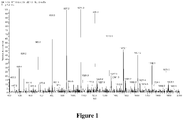
Figure 1 shows an ESI-MS spectrum of an embodiment of the present invention. -
Figure 2 shows an HPLC chromatogram of an embodiment of the present invention. -
Figure 3 shows an LCQ-APCI spectrum of an embodiment of the present invention. -
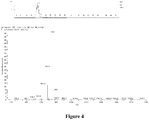
Figure 4 shows an APCI-MS spectrum of an embodiment of the present invention. -
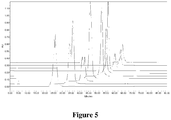
Figure 5 shows an overlay of HPLC chromatograms of embodiments of the present invention. -
Figure 6 shows an ultra-high field NMR analysis of an embodiment of the present invention. -
Figure 7 shows a MALDI-TOF mass spectrum of an embodiment of the present invention. - Unless otherwise defined, all technical and scientific terms used herein have the same meaning as commonly understood by one of ordinary skill in the art. In case of conflict, the present document, including definitions, will control.
- The terms "comprise(s)," "include(s)," "having," "has," "can," "contain(s)," and variants thereof, as used herein, are intended to be open-ended transitional phrases, terms, or words that do not preclude the possibility of additional acts or structures. The present disclosure also contemplates other embodiments "comprising," "consisting of' and "consisting essentially of," the embodiments or elements presented herein, whether explicitly set forth or not.
- As used herein, the term "suitable substituent" is intended to mean a chemically and pharmaceutically acceptable functional group i.e., a moiety that does not negate the biological activity of the inventive compounds. Such suitable substituents may be routinely selected by those skilled in the art. Illustrative examples of suitable substituents include, but are not limited to halo groups, perfluoroalkyl groups, perfluoroalkoxy groups, alkyl groups, alkenyl groups, alkynyl groups, hydroxy groups, oxo groups, mercapto groups, alkylthio groups, alkoxy groups, aryl or heteroaryl groups, aryloxy or heteroaryloxy groups, aralkyl or heteroaralkyl groups, aralkoxy or heteroaralkoxy groups, HO-(C=O)- groups, heterocylic groups, cycloalkyl groups, amino groups, alkyl - and dialkylamino groups, carbamoyl groups, alkylcarbonyl groups, alkoxycarbonyl groups, alkylaminocarbonyl groups, dialkylamino carbonyl groups, arylcarbonyl groups, aryloxycarbonyl groups, alkylsulfonyl groups, and arylsulfonyl groups. Those skilled in the art will appreciate that many substituents can be substituted by additional substituents.
- As used herein, the term "alkyl" refers to a linear or branched hydrocarbon radical having 1, 2, 3, 4, 5, 6, 7, 8, 9, or 10 carbons. Alkyl groups disclosed herein include, but are not limited to, methyl, ethyl, n-propyl, isopropyl, n-butyl, iso-butyl, secondary-butyl, and tertiarybutyl. Alkyl groups disclosed hereinmay be unsubstituted or substituted by one or more suitable substituents, preferably 1 to 3 suitable substituents, as defined above. Preferred alkyls include (C1-C6) alkyl, more preferred are (C1-C4) alkyl, and most preferred are methyl and ethyl.
- As used herein, the term "cycloalkyl" refers to a mono, bicyclic or tricyclic carbocyclic radical (e.g., cyclopropyl, cyclobutyl, cyclopentyl, cyclohexyl, cycloheptyl, cyclooctyl, cyclononyl, cyclopentenyl, cyclohexenyl, bicyclo[2.2.1]heptanyl, bicyclo[3.2.1]octanyl and bicyclo[5.2.0]nonanyl); optionally containing 1 or 2 double bonds. Cycloalkyl groups of the present invention may be unsubstituted or substituted by one or more suitable substituents, preferably 1 to 5 suitable substituents, as defined above.
- As used herein, the term "halogen" refers to a fluoro, chloro, bromo or iodo radical.
- As used herein, the term "alkenyl" refers to a straight or branched hydrocarbon radical having 2, 3, 4, 5, 6, 7, 8, 9 or 10 carbons, and having one or more carbon-carbon double bonds. Alkenyl groups of the present invention include, but are not limited to, ethenyl, 1-propenyl, 2-propenyl (allyl), iso-propenyl, 2-methyl-1-propenyl, 1-butenyl, and 2-butenyl. Alkenyl groups disclosed hereinmay be unsubstituted or substituted by one or more suitable substituents, preferably 1 to 3 suitable substituents, as defined above.
- As used herein, the term "alkoxy" refers to an alkyl group, as defined herein, appended to the parent molecular moiety through an oxygen atom.
- As used herein, the term "alkynyl" refers to a straight or branched hydrocarbon radical having 2, 3, 4, 5, 6, 7, 8, 9 or 10 carbons, and having one or more carbon-carbon triple bonds. Alkynyl groups disclosed hereininclude, but are not limited to, ethynyl, propynyl, and butynyl. Alkynyl groups disclosed hereinmay be unsubstituted or substituted by one or more suitable substituents, preferably 1 to 3 suitable substituents, as defined above.
- As used herein, the term "carbonyl" or "(C=O)" (as used in phrases such as alkylcarbonyl, alkyl -(C=O)- or alkoxycarbonyl) refers to the joinder of the >C=O moiety to a second moiety such as an alkyl or amino group (i.e. an amido group). Alkoxycarbonylamino (i.e. alkoxy(C=O)-NH-) refers to an alkyl carbamate group. The carbonyl group is also equivalently defined herein as (C=O). Alkylcarbonylamino refers to groups such as acetamide.
- As used herein, the term "oxo" refers to a double bonded oxygen (=O) radical wherein the bond partner is a carbon atom. Such a radical can also be thought as a carbonyl group.
- As used herein, the term "aryl" means monocyclic, bicyclic, or tricyclic aromatic radicals such as phenyl, naphthyl, tetrahydronaphthyl, and indanyl; optionally substituted by one or more suitable substituents, preferably 1 to 5 suitable substituents, as defined above.
- As used herein, the term "heteroaryl" refers to a monocyclic, bicyclic, or tricyclic aromatic heterocyclic group containing one or more heteroatoms selected from O, S and N in the ring(s). Heteroaryl groups disclosed hereininclude, but are not limited to, pyridyl, pyrazinyl, pyrimidinyl, pyridazinyl, thienyl, furyl, imidazolyl, pyrrolyl, oxazolyl (e.g., 1,3-oxazolyl, 1,2-oxazolyl), thiazolyl (e.g., 1,2-thiazolyl, 1,3-thiazolyl), pyrazolyl, tetrazolyl, triazolyl (e.g., 1,2,3-triazolyl, 1,2,4-triazolyl), oxadiazolyl (e.g., 1,2,3-oxadiazolyl), thiadiazolyl (e.g., 1,3,4-thiadiazolyl), quinolyl, isoquinolyl, benzothienyl, benzofuryl, and indolyl. Heteroaryl groups disclosed herein may be unsubstituted or substituted by one or more suitable substituents, preferably 1 to 5 suitable substituents, as defined above.
- As used herein, the term "heterocycle" refers to a monocyclic, bicyclic, or tricyclic group containing 1 to 4 heteroatoms selected from N, O, S(O)n, NH or NR, wherein R is a suitable substituent. Heterocyclic groups disclosed herein optionally contain 1 or 2 double bonds. Heterocyclic groups disclosed herein include, but are not limited to, azetidinyl, tetrahydrofuranyl, imidazolidinyl, pyrrolidinyl, piperidinyl, piperazinyl, oxazolidinyl, thiazolidinyl, pyrazolidinyl, thiomorpholinyl, tetrahydrothiazinyl, tetrahydro-thiadiazinyl, morpholinyl, oxetanyl, tetrahydrodiazinyl, oxazinyl, oxathiazinyl, indolinyl, isoindolinyl, quinuclidinyl, chromanyl, isochromanyl, and benzoxazinyl. Examples of monocyclic saturated or partially saturated ring systems are tetrahydrofuran-2-yl, tetrahydrofuran-3-yl, imidazolidin-1-yl, imidazolidin-2-yl, imidazolidin-4-yl, pyrrolidin-1-yl, pyrrolidin-2-yl, pyrrolidin-3-yl, piperidin-1-yl, piperidin-2-yl, piperidin-3-yl, piperazin-1-yl, piperazin-2-yl, piperazin-3-yl, 1,3-oxazolidin-3-yl, isothiazolidine, 1,3-thiazolidin-3-yl, 1,2-pyrazolidin-2-yl, 1,3-pyrazolidin-1-yl, thiomorpholin-yl, 1,2-tetrahydrothiazin-2-yl, 1,3-tetrahydrothiazin-3-yl, tetrahydrothiadiazin-yl, morpholin-yl, 1,2-tetrahydrodiazin-2-yl, 1,3-tetrahydrodiazin-1-yl, 1,4-oxazin-2-yl, and 1,2,5-oxathiazin-4-yl. Heterocyclic groups disclosed herein may be unsubstituted or substituted by one or more suitable substituents, preferably 1 to 3 suitable substituents, as defined above.
- As used herein, the term "hydroxy" refers to an -OH group.
- As used herein, the term "counterion" refers to a cationic species that is a suitable counterion for a carboxylate group. Suitable counterions disclosed herein include, but are not limited to, sodium cation, potassium cation, calcium cation, magnesium cation, and ammonium cation.
- Disclosed herein are mandelic acid condensation polymers, also referred to herein as polyphenylenecarboxymethylene (PPCM) compounds. The inventors have unexpectedly and surprisingly discovered that these compounds can be obtained by acid catalyzed polymerization of mandelic acid under controlled reaction conditions. In particular, it has been discovered that reaction temperature, rate of addition of reactants, and reaction medium are important factors in obtaining mandelic acid condensation polymers of the present invention. By conducting the acid-catalyzed polymerization of mandelic acid or a mandelic acid derivative at reduced temperature, specifically below 0 °C, preferably below -10 °C, more preferably below -25 °C, and most preferably below -30°C; by controlling the rate of addition of mandelic acid reactant to the reaction mixture; and by use of neat reaction conditions, mandelic acid condensation polymers of the present invention can be selectively formed and obtained in high yield.
- In one aspect, mandelic acid condensation polymers of the present invention have formula (I),

wherein - R1, R2, and R3 are each independently selected from the group consisting of hydrogen, methyl or sodium cation;
- R4 is hydrogen; and
- n is an integer greater than zero.
- In certain embodiments, n is an integer selected from 1 to 70, more preferably an integer selected from 10 to 22.
- In a preferred embodiment, R1, R2, R3, and R4 are each hydrogen. Preferably, n is an integer selected from 1 to 70, more preferably an integer selected from 10 to 22.
- In another preferred embodiment, R1, R2, R3, are each methyl; and R4 is hydrogen. Preferably, n is an integer selected from 1 to 70, more preferably an integer selected from 10 to 22.
- In another preferred embodiment, R1, R2, and R3 are each sodium cation; and R4 is hydrogen. Preferably, n is an integer selected from 1 to 70, more preferably an integer selected from 10 to 22.
- In certain embodiments, the compounds of the invention can have the structural formula (I-A),

- In certain embodiments, the compounds of the invention can have the structural formula (I-B),

The compounds of the invention contain asymmetric centers and can thus occur as racemates and racemic mixtures, single enantiomers, diastereomeric mixtures and individual diastereomers. Additional asymmetric centers may be present depending upon the nature of the various substituents on the molecule. Each such asymmetric center will independently produce two optical isomers - The compounds of the invention can be prepared and isolated as polymeric compositions comprising a distribution of compounds of formula (I). Preferably, the composition comprises a distribution of compounds of formula (I) wherein n ranges from 1 to 70, more preferably from 10 to 22.
In a preferred embodiment, the composition comprises compounds of formula (I) wherein R1, R2, R3, and R4 are each hydrogen; and x, y, and z are each zero. In another preferred embodiment, the composition comprises compounds of formula (I) wherein R1, R2, R3, are each methyl; R4 is hydrogen; and x, y, and z are each zero. In another preferred embodiment, the composition comprises compounds of formula (I) wherein R1, R2, and R3 are each sodium cation; R4 is hydrogen; and x, y, and z are each zero. - In general, the polymer compositions of the present invention have a molecular weight range from 600 to 6,000 Da.
- The compounds and compositions of the invention can be better understood in connection with the following synthetic schemes and methods which illustrate a means by which the polymers can be prepared.

- Mandelic acid condensation polymers of formula (3) can be prepared as described in
Scheme 1. Treatment of dl-mandelic acid (1), a mandelic acid derivative, or a combination thereof, with a strong acid (2), preferably concentrated sulfuric acid, will provide mandelic acid condensation polymers of formula (3). Preferably, the polymerization reaction is conducted at a temperature below 0 °C, preferably from -45 °C to -5 °C, more preferably from -40 °C to -15 °C, most preferably from -35 °C to -30 °C. - The polymerization reaction can be conducted in the absence of solvent, and thus under neat reaction conditions. For example, the strong acid of formula (2), preferably concentrated sulfuric acid, may serve as both the acid catalyst for polymerization and the reaction medium.
- The polymerization reaction can be conducted by first cooling the strong acid to a temperature below 0 °C, preferably from -45 °C to -5 °C, more preferably from -40 °C to -15 °C, most preferably from -35 °C to -30 °C; followed by addition of the mandelic acid reactant. Where the polymerization is conducted on a large scale, preferably the mandelic acid is added in aliquots over an extended time period (e.g., 30 minutes).

- Ester derivatives of the mandelic acid condensation polymers of the present invention can be prepared as described in
Scheme 2. Mandelic acid condensation polymers of formula (3), when treated with an alcohol of formula (4), such as methanol, in the presence of an acid catalyst, such as sulfuric acid, will provide ester derivatives of formula (5).
- The ester derivatives of formula (5) can be hydrolyzed to the free acid as described in
Scheme 3. Ester derivatives of formula (5), when treated with a strong base (MOH) of formula (6) (e.g., sodium hydroxide) in aqueous solvent, followed by acid quench (e.g., with hydrochloric acid) will provide mandelic acid condensation polymers of formula (3).
- Salts of the mandelic acid condensation polymers of the present invention can be prepared as described in
Scheme 4. Mandelic acid condensation polymers of formula (3), when treated with a strong base of formula (6) (e.g., sodium hydroxide) in an alcoholic/aqueous solvent, will provide salt derivatives of formula (7), such as the sodium salt form (i.e., M = Na). - The products may be further modified, for example, by manipulation of substituents. These manipulations may include, but are not limited to, reduction, oxidation, organometallic cross-coupling, alkylation, acylation, and hydrolysis reactions which are commonly known to those skilled in the art. In some cases, the order of carrying out the foregoing reaction schemes may be varied to facilitate the reaction or to avoid unwanted reaction products.
- The compounds of the invention, including bulk polymeric compositions comprising a distribution of polymeric compounds of the invention, can be formulated into compositions useful for reducing the risk of transmission of viral and bacterial infections. A composition of the invention can be adapted for topical administration to a subject, including dermal, intravaginal or intrarectal use, including a suppository, a bioadhesive polymer, or a vaginal disk, which can provide timed release of a protective agent comprising the compound. Optionally, compounds and compositions of the present invention can be formulated in combination with a solid substrate to produce a condom, diaphragm, sponge, tampon, a glove or the like, which can be composed, for example, of an organic polymer such as polyvinyl chloride, latex, polyurethane, polyacrylate, polyester, polyethylene terephthalate, poly(ethylene-co-vinyl acetate); polymethacrylate, silicone rubber, a silicon elastomer, polystyrene, polycarbonate, a polysulfone, or the like.
- For topical administration, compounds and compositions of the present invention can be formulated into a composition with any pharmaceutically acceptable carrier. Topical compositions can be, for example, in the form of a cream, a foam, a jelly, a lotion, an ointment, a solution, a spray, or a gel. In addition, the compositions can contain one or more additional agents, for example, an antimicrobial agent such as an antibiotic or an antimicrobial dye such as methylene blue or gentian violet; an antiviral agent such as a nucleoside analog, a zinc salt, or a cellulose phthalate such as cellulose acetate phthalate or a hydroxypropyl methylcellulose phthalate; a contraceptive; a lubricant, or any agent generally useful to a sexually active individual.
- A pharmaceutically acceptable carrier useful in a composition of the invention can be aqueous or non-aqueous, for example alcoholic or oleaginous, or a mixture thereof, and can contain a surfactant, emollient, lubricant, stabilizer, dye, perfume, preservative, acid or base for adjustment of pH, a solvent, emulsifier, gelling agent, moisturizer, stabilizer, wetting agent, time release agent, humectant, or other component commonly included in a particular form of pharmaceutical composition. Pharmaceutically acceptable carriers are well known in the art and include, for example, aqueous solutions such as water or physiologically buffered saline or other solvents or vehicles such as glycols, glycerol, oils such as olive oil or injectable organic esters. A pharmaceutically acceptable carrier can contain physiologically acceptable compounds that act, for example, to stabilize or to increase the absorption of the compounds of the invention, for example, carbohydrates, such as glucose, sucrose or dextrans, antioxidants, such as ascorbic acid or glutathione, chelating agents, low molecular weight proteins or other stabilizers or excipients.
- The pharmaceutical compositions also can comprise an admixture with an organic or inorganic carrier or excipient suitable for intravaginal or intrarectal administration, and can be compounded, for example, with the usual non-toxic, pharmaceutically acceptable carriers for tablets, pellets, capsules, suppositories, solutions, emulsions, suspensions, or other form suitable for use. The carriers, in addition to those disclosed above, can include glucose, lactose, mannose, gum acacia, gelatin, mannitol, starch paste, magnesium trisilicate, talc, corn starch, keratin, colloidal silica, potato starch, urea, medium chain length triglycerides, dextrans, and other carriers suitable for use in manufacturing preparations, in solid, semisolid, or liquid form. In addition, auxiliary, stabilizing, thickening or coloring agents and perfumes can be used, for example a stabilizing dry agent such as triulose.
- Compounds and bulk polymeric compositions of the invention can be incorporated within an encapsulating material such as into an oil-in-water emulsion, a microemulsion, micelle, mixed micelle, liposome, microsphere or other polymer matrix. Liposomes, for example, which consist of phospholipids or other lipids, are nontoxic, physiologically acceptable and metabolizable carriers that are relatively simple to make and administer.
- Compositions of the present invention may be used at the time of sexual activity, and more preferably prior to initiating sexual contact. The manner of use will depend, in part, on the form of the composition, for example, whether the composition is in a liquid or liquid-like form such as a jelly, a douche, a cream or the like, or whether the compounds of the invention are formulated with a solid substrate such as a sponge, diaphragm, tampon, pessary, condom or the like. When formulated as such a composition, compounds of the present invention can be impregnated into an absorptive material such as a sponge or tampon, or coated onto the surface of a relatively impermeable solid substrate such as a condom or diaphragm, or on medical gloves.
- The amount of the compounds of the present invention in a composition can be varied, depending on the type of composition, such that the amount present is sufficient to reduce the ability of a pathogen to attach and enter a host cell. An effective amount of a compound of the present invention can block infection of susceptible cells by a pathogen such as free HIV, or cell-associated HIV present in a secretion, or by uptake of the pathogen due to binding to otherwise non-susceptible cells, which then transfer the pathogen to susceptible cells. An example of such an amount is 1 to 100 mM, generally 5 to 30 mM, when administered in an ointment, gel, foam, spray or the like, or 0.1 to 2 grams, generally 0.25 to 0.75 grams, when administered as a suppository or in combination with a solid substrate. An effective amount of a compound of the present invention also can be measured in a weight:weight (w:w) or weight:volume (w:v) amount, for example, 0.1% to 4% w:w with respect to a solid substrate or 0.1% to 4% w:v with respect to a pharmaceutically acceptable carrier. In addition, an amount of a compound of the present invention sufficient to reducing the risk of transmission of a sexually transmitted disease can be determined using routine clinical methods.
- The compounds and compositions of the present invention are useful for reducing the risk of infection by blocking pathogenic attachment and entry into host cells. In particular, the compounds and compositions are useful as noncytotoxic, broad-spectrum, antimicrobial agents with anti-HIV, anti-HSV, and anti-bacterial activities. The compounds and compositions are compatible with natural and protective vaginal mechanisms; are relatively easy to use; and have significantly fewer side effects than currently available products. The compounds and compositions can be used in heterosexual, homosexual, and bisexual relationships and for a wide range of sexual activities. The compounds and compositions are useful for reducing the risk of infection by sexually transmitted diseases, especially HIV/AIDS, for individuals working with patients and/or biological samples.
- The compounds and compositions of the present invention are useful for protecting an individual from contracting a disease through contact with a bodily fluid, said use comprising applying to the body or portion of the body of the individual an effective amount of a compound or composition of the present invention. The compounds of the present invention are useful for reducing the risk of transmission of a sexually transmitted pathogen to a human subject, said use comprising contacting the pathogen or cells susceptible to infection by the pathogen with an effective amount of a compound, thereby reducing the risk of transmission of the pathogen. An effective amount of the compound or composition can be used for topical administration to the subject in need thereof before or after sexual intercourse. Alternatively, an effective amount of the compound or composition can be used for addition to bodily fluids, such as semen, for the purpose of removing or inhibiting pathogens.
- The compounds and compositions can be useful for inhibition of proliferation of microbial cells, such as those associated with a sexually transmitted disease or infection. Contacting the microbial cell with one or more of the compounds of the present invention interferes with, inhibits or prevents a function or activity of the cell necessary for cellular proliferation. Cell proliferation assays, as are known and standard in the art, can be used to determine the efficacy of the compounds and compositions as anti-proliferative agents.
- It is contemplated that the topical compounds and compositions of the present invention are effective against drug-resistant sexually transmitted diseases as well as emerging infectious diseases transmitted via body fluids, particularly semen, vaginal fluid, saliva, and rectal or anal mucus. The sexually transmitted diseases or infections that the compounds and compositions are effective against include, but are not limited to, HIV/AIDS, HPV (also called genital warts), HSV, chancroid (Haemophilus ducreyi), chlamydia (Chlamydia trachomatis), crab lice, gonorrhea (Neisseria gonorrhoeae), hepatitis, lympogranuloma venereum (LGV, Chlamydia trachomatis), molluscum contagiosum (poxvirus of the Molluscipox virus genus), nongonococcal urethritis (NGU), pelvic inflammatory disease (PID), scabies (the skin mite Sarcoptes scabiei), syphilis (Treponema pallidum), and vaginitis (trichomoniasis).
- The individual, as disclosed herein, includes any individual that is at risk of transmission of a sexually transmitted disease, including sexually active individuals and individuals that may be exposed to sexually transmitted diseases through other means. The subject may be female. In such cases, the compounds and compositions, disclosed herein, can be for use by administration as a vaginal or rectal ointment, which is applied buccally, vaginally and/or rectally, such as, for example, as a suppository. An average vaginal dose may be delivered in a 2% ointment with 18 mg/mL of protective agent, delivering 90 mg per 5 mL or a 1% ointment with 9 mg/mL of protective agent delivering 45 mg per 5 mL.
- Alternatively, the subject is male. In such cases, the compounds and compositions , disclosed herein, may be for use by administration via the rectum as a topical ointment applied buccally and/or rectally, such as, for example, as a suppository, or to the penis as a cream, ointment, spray, or lubricant for use with or without a condom. Alternatively, the subject at risk has been diagnosed with a sexually transmitted disease or infection.
- The compositions or compounds, as disclosed herein, can be useful for co-administration with another drug effective against a sexually transmitted disease or infection (anti-STD drug) to a patient in need. For example The compound or composition can be useful for co-administration with highly active antiretroviral therapies (HAART) to a person with HIV. These include, for example, Nucleoside Reverse Transcription Inhibitor (NRTIs) such as Zidovudine, Didanosine, Zalcitabine, Stavudine, Lamivudine, Abacavir, Tenofovir; Nonnucleoside Reverse Transcriptase Inhibitors (NNRTIs) such as Nevirapine, Delavirdine, Efavirenz; Protease Inhibitors such as Indinavir, Ritonavir, Nelfinavir, Saquinavir, Amprenavir, Lopinavir. One of ordinary skill in the art is well able to determine which drug therapy, including dose and dosing schedule, is suitable in combination with the compositions or compounds disclosed herein based on a subject's medical history and the progression of the disease.
- The compounds and compositions, of the invention will be better understood by reference to the following examples.
- Melting points reported herein were determined with a Thomas-Hoover capillary melting point apparatus and are uncorrected. 1H nuclear magnetic resonance (NMR) and 13C NMR spectra were determined using
Bruker Pak® C 18 6 µm 19x300 mm column using a gradient of 65% CH3CN/H2O (1 minute), 65% to 90% CH3CN (90 minutes), and 90% to 65% CH3CN (30 minutes) with a flow of 3 ml per minute and with detection at 254 nm. For column chromatography, Fischer silica gel (100-200 mesh) was used. All solvents used were either HPLC grade (Fisher Scientific) or analytical grade (Aldrich). dl-Mandelic acid was purchased from Aldrich. All other chemicals were purchased from either Aldrich or Fisher Scientific. -

- A mandelic acid condensation polymer of formula (3a) was prepared by direct reaction of dl-mandelic acid with concentrated sulfuric acid at low temperature. dl-Mandelic acid (30.4 g, 200 mmol) was added in one lot to a round bottom flask equipped with a mechanical stirrer containing conc. H2SO4 (256 g, 4000 mmol, 139 ml) under vigorous stirring at -35 °C. The resulting reaction mixture was stirred at -35 °C for 1 hour and then stirred at ambient temperature for an additional 8 hours. Subsequently, this reaction mixture was poured into a conical flask containing 3040 ml of ice water and stirred for 1 hour. The solid separated out and was filtered through suction, washed with water (3 x 50 ml) and dried under reduced pressure in vacuum desiccators for 12 hours to give (3a) as an off white solid (28.25 g, 100 % yield); mp 205-206 °C. 1H NMR (DMSO-d6 ): δ 7.35-7.02 (m, ArH), 5.23 (br s, CHOH), 5.15-4.75 (m, CHCO2H), 3.41 (br s, OH). 13C NMR (DMSO-d6 ): δ 174.09, 140.23, 139.72, 138.85, 138.25, 129.38, 127.96, 56.76.
- The structure of formula (3a) was further confirmed by electrospray ionization (ESI) mass spectrometry (MS). Several samples prepared according to the procedure of Example 1 were evaluated. As shown in
Figure 1 , the ESI spectrum indicates that the product from Example 1 is a composition of polymers with repeating units of 134 atomic mass units (amu), which corresponds to the molecular weight of mandelic acid minus water. - A second synthesis of the polymer of formula (3a) was achieved conducting the polymerization at -30 °C (±5 Degrees). Concentrated sulfuric acid was cooled to -30 °C. The temperature was maintained at -30 °C (±5 Degrees) as mandelic acid was added as aliquots, over a period of time (approximately 30 minutes used for 20 gram reaction), to the cooled and stirred mixture. (Ratio of mandelic acid/concentrated sulfuric acid was 20 grams/100 ml). The reaction mixture was then stirred and maintained at -30 °C for one hour followed by allowing the temperature to slowly rise to room temperature and stirred for an additional 12 hours. The reaction mixture was then poured over/into an ice and DI water mixture (500 grams/200 ml). A light pink precipitate formed and was subsequently vacuum filtered, washed with water and then resuspended in 200 ml of DI water. The precipitate was collected by vacuum filtration and washed by repeated suspension in DI water (200 ml) followed by vacuum filtration until the final pH of the wash water was between 4 and 5. The final bulk solid was air dried overnight. The yield of the reaction provided approximately 18 grams of polymer product of formula (3a) for every 20 grams of mandelic acid starting material.
-

- An ester derivative of formula (5a) was prepared from the polymer of formula (3a). To a clear solution of the polymer formula (3a) (5.36 g, 40 mmol) in methanol (200 ml) was added 1.0 ml of conc. sulfuric acid and the resulting reaction mixture was heated at reflux temperature under stirring while removing water using a Dean-Stark trap for 8 hours. Solvent was removed under reduced pressure and dichloromethane (200 ml) was added to the residue. The reaction mixture was washed with 10% NaHCO3 solution (3 x 30 ml). The aqueous phase was re-extracted with dichloromethane (2 x 50 ml). The combined organic phase was washed with brine (2 x 25 ml), dried over Na2SO4, filtered and concentrated in a rotary evaporator to give the polymer of formula (5a) as a white solid (5.78 g, 97.6% yield); mp 125-126 °C. 1H NMR (CDCl3): δ 7.26-6.96 (m, ArH), 5.30 (s, CHOH), 5.05-4.80 (m, CHCO2CH3), 3.76-3.46 (m, OCH 3).
- The structure of formula (5a), and thus that of formula (3a), was further confirmed by reverse phase HPLC and LCQ-APCI analyses. Reverse phase high performance liquid chromatography (HPLC) analysis of the product according to Example 4 using a Nova-Pak® C18 60Å 4 µm 3.9x300 mm column provided the HPLC chromatogram shown in
Figure 2 . - To confirm the structure of the different peaks obtained from the reverse phase HPLC, the product according to Example 4 was analyzed with liquid chromatography quadrupole-atmospheric pressure chemical ionization (LCQ-APCI).
Figure 3 shows that the individual peaks each represent a polymer with repeating units of 148 atomic mass units. In particular, the parent molecular ion for each fraction from top to bottom inFigure 3 has a mass to charge ratio (m/z) of 462.5, 610.5, 758.5, 905.5, 1054-1055, 1202-1203, 1350-1351, 1498-1499, 1646-1647, 1794-1795, and 1942-1943, respectively. These peaks correspond to, respectively, compounds of formula (5a) wherein n = 1, 2, 3, 4, 5, 6, 7, 8, 9, 10, and 11.Figure 4 shows the APCI-MS of the pure compound of formula (5a) wherein n = 3. The individual polymers of the product according to Example 4 were separated via preparative phase HPLC using a Nova-Pak® C 18 6 µm 19x300 mm column, as shown by the overlay of HPLC chromatograms inFigure 5 . -

- The ester derivative of formula (5a) was successfully hydrolyzed back to the polymer of formula (3a). To a stirred suspension of the polymer of formula (5a) (444 mg, 3 mmol) in water (10 ml), a solution of NaOH (144 mg, 3.6 mmol) in water (10 ml) was added and the resulting reaction mixture was stirred at ambient temperature for 2 hours. By this time the compound was dissolved in water and a clear solution was obtained. To this solution conc. HCl (1.0 ml) was added and stirred for 30 min. Solid separated out and was filtered through suction, washed with water and dried under reduced pressure in a vacuum desiccator over CaCl2 to give the polymer of formula (3a) as an off white solid (350 mg, 87.1% yield); mp 203-204 °C. The resulting product was subjected to ESI-MS analysis, confirming a polymeric composition of compounds with repeating units of 134 atomic mass units.
-
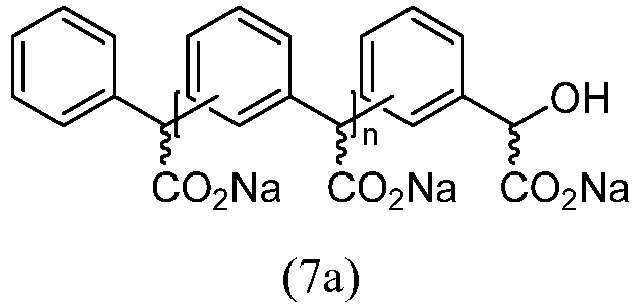
- A sodium salt form of the polymer of formula (3a) was prepared having the formula (7a). A clear solution of NaOH (9.24 g, 231 mmol) in water (10 ml) and ethanol (225 ml) was added to a solution of the polymer of formula (3a) (28.14 g, 210 mmol) in ethanol (350 ml) dropwise under stirring at ambient temperature. The resulting reaction mixture was stirred at the same temperature for 1 hour. The solid separated out and was filtered through suction, washed with ethanol (2 x 40 ml) and dried under reduced pressure in vacuum desiccators over P2O5 & CaCl2 to give the polymer of formula (7a) as an off white solid (30.40 g, 92.2% yield); mp 320-321 °C (d).
- A second synthesis of the sodium salt of formula (7a) was achieved. The free acid form of formula (3a) was dissolved in absolute ethanol (approx. 20 grams in 300 ml) and filtered. A saturated solution of sodium hydroxide in water/absolute ethanol was then added drop wise with vigorous stirring until the pH was 10-11. The fine powder precipitate was vacuum filtered quickly and repeatedly washed with absolute ethanol until the pH of the wash was neutral. The solid collected was immediately transferred into a vacuum desiccator for drying over night (24 hours under vacuum over H2SO4) resulting in a very fine white powder. The overall yield was approximately 20.5 grams of the salt of formula (7a) from 18 grams of starting polymer of formula (3a).
- The structure of formula (7a), and thus that of formula (3a), was further confirmed by acid equivalent titration. An approximately 0.1 N solution of hydrochloric acid (HCl) was prepared by a known method and actual HCl concentration was determined by titrating a sample of sodium carbonate dissolved in water using thymol blue indicator; the concentration of HCl determined to be 0.103 N. The volume of titrant used was measured with a calibrated 10.0 milliliter (ml) buret. The sodium salt according to formula (7a) was dissolved in 10 ml of water and the solution was titrated with the 0.103 N HCl until a pink color persisted. Approximately 0.94 ± 0.01 ml of 0.103 N HCl was required to achieve the end point for three samples, which indicated that there was one free carboxylate per 134 units of mass. These results are consistent with the structure of formula (7a). Furthermore, these results eliminate the possibility that the product is a polyester compound resulting from acid-catalyzed polyester formation from reaction of mandelic acid hydroxy functional groups with mandelic acid carboxylic acid functional groups.
- To confirm the structure and stereochemical complexity of the compounds of the invention the different peaks obtained from the reverse phase HPLC, according to Example 5, were analyzed with ultra-high field FT NMR analysis.
Figure 6 shows the portion of a gradient selected heteronuclear single quantum correlation experiment (gsHSQC) of the compound of formula (5a), where n=4. Individual peaks each represent a correlation between a proton and carbon at particular chemical shift. Peak 1 (5.10-56.00 ppm) represents H-C-OH correlation, while peak 2 (5.43-52.72 ppm) represents H-C-CO2CH3. Resolving power of the 900 MHz spectrometer in both dimensions, as well as its sensitivity, allowed for unequivocal assignment of CHOH peak (peak 1) in the presence of other signals in the proton spectrum (shown as projection at the top of the spectrum inFigure 6 ). Resolution in the horizontal (carbon) dimension indicates splitting pattern of thepeak 2 in approximately 1:2:1 ratio, characteristic of all stereoisomeric forms. - The structure of formula (3a) was further confirmed and the polymer chain distribution in the bulk polymer composition was determined by matrix-assisted laser desorption/ionization time-of-flight (MALDI-TOF) mass spectrum analysis. MALDI-TOF analysis of the product according to Example 3 using an Applied Biosystems stainless steel sample plate and 3-indoleacrylic acid (IAA) or 2,5-dihydrobenzoic acid (2,5-DHB) as matrices provided the mass spectrum shown in
Figure 7 (portion of the spectrum between 5200 Da and 8000 Da is shown in the inset). This MALDI-TOF result confirmed that product according to Example 3 is a composition of polymers of formula (3a) generally having from 4 to 60 repeating units.Figure 7 shows that the individual peaks each represent a polymer with repeating units of 134 atomic mass units. In particular, the parent molecular ion for each fraction from top to bottom inFigure 7 has a mass to charge ratio (m/z) between 558 and 7700 Da. Representative peaks shown inFigure 7 include, but are not limited to: 558.93, 692.59, 826.29, 960.06, 1093.76, 1227.45, 1361.08, 1494.73, 1628.39, 1761.96, 1895.59, 2162.87, 2430.14, 2696.54, 2964.38, 3364.14, 3765.36, 4165.97, 4565.15, 4963.63, 5367.30; and within the inset: 5495.09, 5637.66, 5773.34, 5903.60, 6038.95, 6170.94, 6308.06, 6433.03, 6580.91, 6701.36, 6838.62, 6960.89, 7092.04, 7219.46, and 7362.96. - Compounds and compositions of the invention are active against HIV, HSV and N. gonorrhoeae in vitro. The compounds of the present invention prevent HIV transmission by dendritic cells, which are important target cells for primary HIV infection. The compounds and compositions retain anti-viral activity (HIV and HSV-2) in the presence of cervical secretions and across a wide pH range in vitro. The compounds and compositions inhibit hyaluronidase and acrosin, induce sperm acrosomal loss, and are contraceptive in a rabbit model.
- Microbicides. PPCM is synthesized by researchers at the Program for the Topical Prevention and Conception of Disease (TOPCAD) at University of Illinois Chicago (Chicago, IL). 0.4% and 4% PPCM gels (and the matched placebo gel) is provided by Yaso Biotechnologies, Inc. (Coppell, TX). PMPA (tenofovir) is obtained from Gilead Sciences, Inc. (Foster City, CA), and UC-781 is obtained from Biosyn, Inc. (Philadelphia, PA).
- Cell and virus cultures. Cells and viruses are obtained from the AIDS reagent project, National Institute for Biological Standards and Control, Potters Bar, United Kingdom, unless stated otherwise. ME-180 cells, a cervical epithelial cell line (obtained from American Type Culture Collection, Manassas, VA), and TZM-bl cells, a HeLa cell line stably expressing CD4 and CCR5 and used for quantitative analysis of HIV-1 with luciferase as a reporter, are cultured in Dulbecco's modified Eagle's medium (DMEM) supplemented with 10% fetal calf serum, 2 mM L-glutamine, 100 U/ml penicillin, and 100 µg/ml streptomycin (complete DMEM). Vero cells and the T-cell lines PM-1 and H9 are cultured in RPMI 1640 supplemented like DMEM (complete RPMI). Jurkat- Tat-CCR5 cells, a T-cell line which has been transfected with the HIV-1 tat gene and the CCR5 coreceptor, rendering it permissive to X4 and R5 viruses, are provided by Quentin Sattentau (Sir William Dunn School of Pathology, University of Oxford, Oxford, United Kingdom) and cultured in complete RPMI supplemented with 250 µg/ml hygromycin B (for Tat selection) and 500 µg/ml Geneticin (for CCR5 selection). Raji cells stably expressing DC-SIGN (Raji/DCSIGN cells) and negative-control cells are provided by V. N. Kewal Ramani (National Cancer Institute, Frederick, MD) and are cultured in complete RPMI (supplemented with 500 µg/ml geneticin for the transfected cells). All cells are passaged every 3 to 4 days and cultured in a humidified incubator containing 5% CO2. The primary HIV-1 isolates belonging to clades B and C, a gift from John P. Moore (Weill Medical College, Cornell University, New York, NY). The laboratory-adapted HIV-1 strains HIV-1RF (X4-utilizing strain) and HIV-1BaL (R5-utilizing strain) are grown in PM-1 cells and stored at -180°C after filtration through 0.2-m filters (Millipore, MA).
- Anti-HSV Murine Model. Five days prior to infection, mice are treated with 2 mg/ml Depo-Provera. On
day 0, the mice are treated with 30 µl of 0.4% or 4% PPCM gel or a matchedplacebo gel 15 min prior to challenge with 20 µl of HSV-2 (G) (1 x10⁵ PFU) diluted in PBS or in pooled human seminal plasma obtained from males at low risk for STI. Mice are monitored for signs of disease for 14 days postinfection on a 0- to 4-point scale: 0, no apparent infection; 1, slight redness of the vagina; 2, moderate redness and swelling of the vagina and surrounding tissue; 3, severe redness, swelling, and hair loss of the genital and surrounding tissues; and 4, genital ulceration with severe redness, swelling, and hair loss of the genital and surrounding tissues.Mice reaching stage 4 genital disease or exhibiting neurologic signs (hind limb paralysis) are euthanized. - Luciferase assay for detection of HIV-1 infection. TZM-bl cells are exposed to 103 TCID50 of HIV-1 in the presence of various concentrations of PPCM alone or in combination with the reverse transcriptase (RT) inhibitors UC-781 and PMPA. Virus and drugs are left in culture for 48 h at 37°C and then removed by washing once with 200 µl PBS. Following cell lysis with luciferase cell culture lysis reagent (Promega, Southampton, United Kingdom), luciferase activity in lysates is determined.
- Anti-HIV activity of PPCM in cell models. Cell-free HIV-1 (BaL or RF) is captured to 96-well plates coated with a monoclonal antibody against human HLA-DR. Unbound virus is removed by washing, and immobilized virus is treated with 100 µl of serial dilutions of PPCM for 1 h at 37°C. To assess direct virucidal activity, the compound is removed and the plates are washed four times with 200 µl PBS before addition of target cells (4 x 10⁴ Jurkat-Tat-CCR5 cells per well). Alternatively, cells are added without removal of compound or, to assess cell protection, Jurkat-Tat-CCR5 cells (4 x 10⁴ cells/well) are exposed to the same concentrations of compound in U-bottom 96-well plates and washed in the same way before transfer to plates with immobilized virus. Viral replication is assessed by measuring RT levels in culture supernatants at 7 days postinfection.
- To evaluate the activity of PPCM against cell-associated HIV-1, PM-1 or H9 cells chronically infected with B clade isolate HIV-1RF, HIV-1IIIB, or HIV-1BaL or the clade C clinical isolate Za003/97 are treated with 200 µg/ml mitomycin C in complete medium for 1 h at 37°C. Infected cells are washed twice with 50 ml PBS, added to 96-well plates (500 cells/well), and incubated with various concentrations of PPCM for 1 h before addition of 4 x 10⁴ Jurkat-Tat-CCR5 cells per well. Cocultures are incubated at 37°C for 5 days and culture supernatants collected and stored at -20°C prior to measurement of RT activity as before.
- PPCM inhibition of HIV-1 infection in cell culture. PPCM can prevent infection of TZM-bl indicator cells by laboratory adapted and primary clade C and B HIV isolates. At a concentration of 100 µg/ml, a concentration that should be readily found in genital tract secretions following application of either a 0.4% or a 4% PPCM formulation, PPCM can completely block infection by all isolates tested, with no cytotoxicity at the dose concentration.
- Combination studies. PPCM and RTIs are combined at 1:1 ratios in terms of 50% inhibitory concentrations (IC50) and treated as a single drug that is used at a range of dilutions in the viral inhibition assay (luciferase assay). To determine the ratios of compound that should be used in these studies, IC50 values are determined following exposure of TZM-bl cells to each viral isolate in the presence of single drugs for 48 h. The PPCM/PMPA ratios are 1:13.213 and 1:0.015 for HIV-1RF and HIV-1BaL, respectively, whereas the PPCM/UC-781 ratios are 1:0.055 and 1:0.015 for the X4 and R5 viruses, respectively. In parallel, single drugs are tested at the same concentrations.
PPCM can protect mice challenged vaginally with HSV-2. Female Balb/c mice are pretreated with 30ul of either 0.4% PPCM, 4% PPCM or matched placebo gel and then 15 minutes later inoculated with 20ul of 1x10⁵ (LD90) dose of HSV-2G diluted in either PBS or semen. Results showing survival are pooled from 4 independent experiments (n=5-10mice/group/experiment). 4% PPCM can significantly protect the mice when virus is delivered in both PBS and semen (e.g., p<0.0001 and p<0.0004, respectively, log rank test). The 0.4% PPCM can afford significant protection (e.g., p<0.002).
Claims (13)
- A compound of formula (I)

R1, R2, and R3 are each independently selected from the group consisting of hydrogen, methyl or sodium cation;
R4 is hydrogen; and
n is an integer greater than zero. - The compound of claim 1, wherein
R1, R2, and R3 are hydrogen. - The compound of claim 1, wherein
R1, R2, and R3 are methyl or sodium cation. - The compound of any one of claims 1-3, wherein n is an integer independently selected from 1 to 70.
- The compound of any one of claims 1-4, wherein n is an integer independently selected from 10 to 22.
- The compound of any one of claims 1-5, having formula (I-A) or (I-B),


- A composition of compounds of formula (I) according to claim 2, having a molecular weight range of 600 to 6,000.
- The compound of any one of claims 1-6 for use in protecting an individual from contracting a sexually transmitted disease.
- The compound of claim 8 for use in protecting an individual from contracting a sexually transmitted disease, wherein the sexually transmitted disease is HIV/AIDS.
- A composition comprising a compound of any one of claims 1-6 and a pharmaceutically acceptable carrier.
- A composition comprising a protective agent for use in protecting an individual from contracting a sexually transmitted disease through contact with a bodily fluid, said use comprising applying to the body or portion of the body of the individual an effective amount of a protective agent, wherein the protective agent comprises a compound according to claim 1.
- A compound according to claim 1 for use in reducing the risk of transmission of a sexually transmitted pathogen to a human subject, said use comprising contacting the pathogen or cells susceptible to infection by the pathogen with an effective amount of the compound, thereby reducing the risk of transmission of the pathogen.
- The composition comprising a protective agent for use according to claim 11 or the compound for use according to claim 12, wherein the sexually transmitted disease is HIV/AIDS.
Applications Claiming Priority (2)
| Application Number | Priority Date | Filing Date | Title |
|---|---|---|---|
| US201161566441P | 2011-12-02 | 2011-12-02 | |
| PCT/US2012/067452 WO2013082533A1 (en) | 2011-12-02 | 2012-11-30 | Mandelic acid condensation polymers |
Publications (3)
| Publication Number | Publication Date |
|---|---|
| EP2785679A1 EP2785679A1 (en) | 2014-10-08 |
| EP2785679A4 EP2785679A4 (en) | 2015-09-30 |
| EP2785679B1 true EP2785679B1 (en) | 2019-01-09 |
Family
ID=48536137
Family Applications (1)
| Application Number | Title | Priority Date | Filing Date |
|---|---|---|---|
| EP12854430.1A Active EP2785679B1 (en) | 2011-12-02 | 2012-11-30 | Mandelic acid condensation polymers |
Country Status (7)
| Country | Link |
|---|---|
| US (2) | US9527793B2 (en) |
| EP (1) | EP2785679B1 (en) |
| CN (1) | CN104185618B (en) |
| CA (1) | CA2858064C (en) |
| ES (1) | ES2718333T3 (en) |
| MX (1) | MX352620B (en) |
| WO (1) | WO2013082533A1 (en) |
Families Citing this family (2)
| Publication number | Priority date | Publication date | Assignee | Title |
|---|---|---|---|---|
| EP2785679B1 (en) * | 2011-12-02 | 2019-01-09 | Rush University Medical Center | Mandelic acid condensation polymers |
| WO2021195245A1 (en) * | 2020-03-27 | 2021-09-30 | Yaso Therapeutics Inc. | Antimicrobial compositions containing polyphenylene carboxymethylene |
Family Cites Families (8)
| Publication number | Priority date | Publication date | Assignee | Title |
|---|---|---|---|---|
| US5932619A (en) * | 1995-10-13 | 1999-08-03 | Rush-Presbyterian, St. Luke's Medical Center | Method for preventing sexually transmitted diseases |
| US6028115A (en) * | 1995-10-13 | 2000-02-22 | Rush-Presbyterian-St. Luke's Medical Center | Method for preventing sexually transmitted diseases |
| US5925621A (en) | 1995-10-13 | 1999-07-20 | Rush-Presbyterian, St. Luke's Medical Center | Method for preventing sexually transmitted diseases |
| US6239182B1 (en) | 1995-10-13 | 2001-05-29 | Rush-Presbyterian-St. Lukes Medical Center | Method for preventing sexually transmitted diseases |
| CN1431186A (en) * | 2003-01-09 | 2003-07-23 | 成都元太生物科技有限公司 | Pharmaceutical compound for preventing venereal disease and conception control |
| US9393233B2 (en) | 2005-08-17 | 2016-07-19 | Rush University Medical Center | Vector delivery-based microbicides |
| WO2007140941A2 (en) | 2006-06-02 | 2007-12-13 | Dsm Ip Assets B.V. | Process for the preparation of a hydroxy-aromatic resin; hydroxy-aromatic resin, and modification thereof |
| EP2785679B1 (en) * | 2011-12-02 | 2019-01-09 | Rush University Medical Center | Mandelic acid condensation polymers |
-
2012
- 2012-11-30 EP EP12854430.1A patent/EP2785679B1/en active Active
- 2012-11-30 CA CA2858064A patent/CA2858064C/en active Active
- 2012-11-30 US US14/361,993 patent/US9527793B2/en active Active
- 2012-11-30 WO PCT/US2012/067452 patent/WO2013082533A1/en not_active Ceased
- 2012-11-30 MX MX2014006597A patent/MX352620B/en active IP Right Grant
- 2012-11-30 CN CN201280068652.8A patent/CN104185618B/en active Active
- 2012-11-30 ES ES12854430T patent/ES2718333T3/en active Active
-
2016
- 2016-11-28 US US15/361,661 patent/US20170143757A1/en not_active Abandoned
Non-Patent Citations (1)
| Title |
|---|
| None * |
Also Published As
| Publication number | Publication date |
|---|---|
| CN104185618A (en) | 2014-12-03 |
| EP2785679A4 (en) | 2015-09-30 |
| CN104185618B (en) | 2016-08-24 |
| MX2014006597A (en) | 2015-03-05 |
| US20140371310A1 (en) | 2014-12-18 |
| US9527793B2 (en) | 2016-12-27 |
| WO2013082533A1 (en) | 2013-06-06 |
| EP2785679A1 (en) | 2014-10-08 |
| ES2718333T3 (en) | 2019-07-01 |
| US20170143757A1 (en) | 2017-05-25 |
| CA2858064C (en) | 2019-10-08 |
| CA2858064A1 (en) | 2013-06-06 |
| MX352620B (en) | 2017-11-30 |
Similar Documents
| Publication | Publication Date | Title |
|---|---|---|
| KR101214257B1 (en) | Phosphonate, monophosphonamidate, bisphosphonamidate for the treatment of viral diseases | |
| US4513008A (en) | Virucidal compositions and therapy | |
| US20110218241A1 (en) | Antiviral epicatechins, epicatechin oligomers, or thiolated epicatechins from theobroma cacao for treatment of genital warts | |
| US20090156638A1 (en) | Uses of nordihydroguaiaretic acid (NDGA) and derivatives thereof in preventing transmission of sexually transmitted diseases | |
| US20170143757A1 (en) | Mandelic acid condensation polymers | |
| CN1213748C (en) | Viral inhibition by long-chain alcohols, alkanes, fatty acids and amides | |
| JP7069212B2 (en) | Compounds and compositions | |
| US6599945B2 (en) | Methods for treating subjects infected with a herpes virus | |
| Alenius et al. | Effect of trisodium phosphonoformate in genital infection of female guinea pigs with herpes simplex virus type 2 | |
| EP2629765B1 (en) | Methods and compositions for treating pox virus infections with an 1,4-naphthoquinone as active agent | |
| CN116077489A (en) | Indoline derivatives for the treatment and/or prophylaxis of fibrotic diseases | |
| CN116036071A (en) | A kind of purposes of polyketide compound in preparation anti-coronavirus medicine | |
| Mirodilova et al. | NEW APPROACHES TO TREATMENT OF FUNGAL INFECTIONS AT WOMEN | |
| EP0910366B1 (en) | Use of thiocarboxanilide derivatives for the preparation of a medicament for preventing the transmission of hiv to uninfected cells and contraceptive compositions comprising the said derivatives | |
| KR20080041716A (en) | Hydrazone preparations for treating skin lesions | |
| WO2021117014A2 (en) | Small molecule inhibitors of fungal hyphae and biofilm formation | |
| JP2022084098A (en) | Novel compound and anti-coronavirus agent |
Legal Events
| Date | Code | Title | Description |
|---|---|---|---|
| PUAI | Public reference made under article 153(3) epc to a published international application that has entered the european phase |
Free format text: ORIGINAL CODE: 0009012 |
|
| 17P | Request for examination filed |
Effective date: 20140701 |
|
| AK | Designated contracting states |
Kind code of ref document: A1 Designated state(s): AL AT BE BG CH CY CZ DE DK EE ES FI FR GB GR HR HU IE IS IT LI LT LU LV MC MK MT NL NO PL PT RO RS SE SI SK SM TR |
|
| RIN1 | Information on inventor provided before grant (corrected) |
Inventor name: WALLER, DONALD, P. Inventor name: CHANY, II, CALVIN, J. Inventor name: DIAO, XIAO-HUI Inventor name: ZANEVELD, LOURENS, J., D. Inventor name: KRUNIC, ALEKSEJ Inventor name: JAIN, SANJAY Inventor name: VENTON, DUANE, L. Inventor name: ANDERSON, JR., ROBERT, A. |
|
| DAX | Request for extension of the european patent (deleted) | ||
| RA4 | Supplementary search report drawn up and despatched (corrected) |
Effective date: 20150827 |
|
| RIC1 | Information provided on ipc code assigned before grant |
Ipc: C07C 63/331 20060101AFI20150821BHEP Ipc: C08G 63/127 20060101ALI20150821BHEP Ipc: C07F 1/04 20060101ALI20150821BHEP |
|
| 17Q | First examination report despatched |
Effective date: 20161014 |
|
| STAA | Information on the status of an ep patent application or granted ep patent |
Free format text: STATUS: EXAMINATION IS IN PROGRESS |
|
| GRAP | Despatch of communication of intention to grant a patent |
Free format text: ORIGINAL CODE: EPIDOSNIGR1 |
|
| STAA | Information on the status of an ep patent application or granted ep patent |
Free format text: STATUS: GRANT OF PATENT IS INTENDED |
|
| INTG | Intention to grant announced |
Effective date: 20180619 |
|
| GRAS | Grant fee paid |
Free format text: ORIGINAL CODE: EPIDOSNIGR3 |
|
| GRAA | (expected) grant |
Free format text: ORIGINAL CODE: 0009210 |
|
| STAA | Information on the status of an ep patent application or granted ep patent |
Free format text: STATUS: THE PATENT HAS BEEN GRANTED |
|
| AK | Designated contracting states |
Kind code of ref document: B1 Designated state(s): AL AT BE BG CH CY CZ DE DK EE ES FI FR GB GR HR HU IE IS IT LI LT LU LV MC MK MT NL NO PL PT RO RS SE SI SK SM TR |
|
| REG | Reference to a national code |
Ref country code: GB Ref legal event code: FG4D |
|
| REG | Reference to a national code |
Ref country code: CH Ref legal event code: EP Ref country code: AT Ref legal event code: REF Ref document number: 1087102 Country of ref document: AT Kind code of ref document: T Effective date: 20190115 |
|
| REG | Reference to a national code |
Ref country code: DE Ref legal event code: R096 Ref document number: 602012055864 Country of ref document: DE |
|
| REG | Reference to a national code |
Ref country code: IE Ref legal event code: FG4D |
|
| REG | Reference to a national code |
Ref country code: NL Ref legal event code: MP Effective date: 20190109 |
|
| REG | Reference to a national code |
Ref country code: LT Ref legal event code: MG4D |
|
| PG25 | Lapsed in a contracting state [announced via postgrant information from national office to epo] |
Ref country code: NL Free format text: LAPSE BECAUSE OF FAILURE TO SUBMIT A TRANSLATION OF THE DESCRIPTION OR TO PAY THE FEE WITHIN THE PRESCRIBED TIME-LIMIT Effective date: 20190109 |
|
| REG | Reference to a national code |
Ref country code: ES Ref legal event code: FG2A Ref document number: 2718333 Country of ref document: ES Kind code of ref document: T3 Effective date: 20190701 |
|
| REG | Reference to a national code |
Ref country code: AT Ref legal event code: MK05 Ref document number: 1087102 Country of ref document: AT Kind code of ref document: T Effective date: 20190109 |
|
| PG25 | Lapsed in a contracting state [announced via postgrant information from national office to epo] |
Ref country code: NO Free format text: LAPSE BECAUSE OF FAILURE TO SUBMIT A TRANSLATION OF THE DESCRIPTION OR TO PAY THE FEE WITHIN THE PRESCRIBED TIME-LIMIT Effective date: 20190409 Ref country code: PL Free format text: LAPSE BECAUSE OF FAILURE TO SUBMIT A TRANSLATION OF THE DESCRIPTION OR TO PAY THE FEE WITHIN THE PRESCRIBED TIME-LIMIT Effective date: 20190109 Ref country code: SE Free format text: LAPSE BECAUSE OF FAILURE TO SUBMIT A TRANSLATION OF THE DESCRIPTION OR TO PAY THE FEE WITHIN THE PRESCRIBED TIME-LIMIT Effective date: 20190109 Ref country code: FI Free format text: LAPSE BECAUSE OF FAILURE TO SUBMIT A TRANSLATION OF THE DESCRIPTION OR TO PAY THE FEE WITHIN THE PRESCRIBED TIME-LIMIT Effective date: 20190109 Ref country code: PT Free format text: LAPSE BECAUSE OF FAILURE TO SUBMIT A TRANSLATION OF THE DESCRIPTION OR TO PAY THE FEE WITHIN THE PRESCRIBED TIME-LIMIT Effective date: 20190509 Ref country code: LT Free format text: LAPSE BECAUSE OF FAILURE TO SUBMIT A TRANSLATION OF THE DESCRIPTION OR TO PAY THE FEE WITHIN THE PRESCRIBED TIME-LIMIT Effective date: 20190109 |
|
| PG25 | Lapsed in a contracting state [announced via postgrant information from national office to epo] |
Ref country code: LV Free format text: LAPSE BECAUSE OF FAILURE TO SUBMIT A TRANSLATION OF THE DESCRIPTION OR TO PAY THE FEE WITHIN THE PRESCRIBED TIME-LIMIT Effective date: 20190109 Ref country code: GR Free format text: LAPSE BECAUSE OF FAILURE TO SUBMIT A TRANSLATION OF THE DESCRIPTION OR TO PAY THE FEE WITHIN THE PRESCRIBED TIME-LIMIT Effective date: 20190410 Ref country code: HR Free format text: LAPSE BECAUSE OF FAILURE TO SUBMIT A TRANSLATION OF THE DESCRIPTION OR TO PAY THE FEE WITHIN THE PRESCRIBED TIME-LIMIT Effective date: 20190109 Ref country code: RS Free format text: LAPSE BECAUSE OF FAILURE TO SUBMIT A TRANSLATION OF THE DESCRIPTION OR TO PAY THE FEE WITHIN THE PRESCRIBED TIME-LIMIT Effective date: 20190109 Ref country code: IS Free format text: LAPSE BECAUSE OF FAILURE TO SUBMIT A TRANSLATION OF THE DESCRIPTION OR TO PAY THE FEE WITHIN THE PRESCRIBED TIME-LIMIT Effective date: 20190509 Ref country code: BG Free format text: LAPSE BECAUSE OF FAILURE TO SUBMIT A TRANSLATION OF THE DESCRIPTION OR TO PAY THE FEE WITHIN THE PRESCRIBED TIME-LIMIT Effective date: 20190409 |
|
| REG | Reference to a national code |
Ref country code: DE Ref legal event code: R097 Ref document number: 602012055864 Country of ref document: DE |
|
| PG25 | Lapsed in a contracting state [announced via postgrant information from national office to epo] |
Ref country code: AL Free format text: LAPSE BECAUSE OF FAILURE TO SUBMIT A TRANSLATION OF THE DESCRIPTION OR TO PAY THE FEE WITHIN THE PRESCRIBED TIME-LIMIT Effective date: 20190109 Ref country code: DK Free format text: LAPSE BECAUSE OF FAILURE TO SUBMIT A TRANSLATION OF THE DESCRIPTION OR TO PAY THE FEE WITHIN THE PRESCRIBED TIME-LIMIT Effective date: 20190109 Ref country code: EE Free format text: LAPSE BECAUSE OF FAILURE TO SUBMIT A TRANSLATION OF THE DESCRIPTION OR TO PAY THE FEE WITHIN THE PRESCRIBED TIME-LIMIT Effective date: 20190109 Ref country code: AT Free format text: LAPSE BECAUSE OF FAILURE TO SUBMIT A TRANSLATION OF THE DESCRIPTION OR TO PAY THE FEE WITHIN THE PRESCRIBED TIME-LIMIT Effective date: 20190109 Ref country code: SK Free format text: LAPSE BECAUSE OF FAILURE TO SUBMIT A TRANSLATION OF THE DESCRIPTION OR TO PAY THE FEE WITHIN THE PRESCRIBED TIME-LIMIT Effective date: 20190109 Ref country code: RO Free format text: LAPSE BECAUSE OF FAILURE TO SUBMIT A TRANSLATION OF THE DESCRIPTION OR TO PAY THE FEE WITHIN THE PRESCRIBED TIME-LIMIT Effective date: 20190109 Ref country code: CZ Free format text: LAPSE BECAUSE OF FAILURE TO SUBMIT A TRANSLATION OF THE DESCRIPTION OR TO PAY THE FEE WITHIN THE PRESCRIBED TIME-LIMIT Effective date: 20190109 |
|
| PLBE | No opposition filed within time limit |
Free format text: ORIGINAL CODE: 0009261 |
|
| STAA | Information on the status of an ep patent application or granted ep patent |
Free format text: STATUS: NO OPPOSITION FILED WITHIN TIME LIMIT |
|
| PG25 | Lapsed in a contracting state [announced via postgrant information from national office to epo] |
Ref country code: SM Free format text: LAPSE BECAUSE OF FAILURE TO SUBMIT A TRANSLATION OF THE DESCRIPTION OR TO PAY THE FEE WITHIN THE PRESCRIBED TIME-LIMIT Effective date: 20190109 |
|
| 26N | No opposition filed |
Effective date: 20191010 |
|
| PG25 | Lapsed in a contracting state [announced via postgrant information from national office to epo] |
Ref country code: SI Free format text: LAPSE BECAUSE OF FAILURE TO SUBMIT A TRANSLATION OF THE DESCRIPTION OR TO PAY THE FEE WITHIN THE PRESCRIBED TIME-LIMIT Effective date: 20190109 |
|
| PG25 | Lapsed in a contracting state [announced via postgrant information from national office to epo] |
Ref country code: TR Free format text: LAPSE BECAUSE OF FAILURE TO SUBMIT A TRANSLATION OF THE DESCRIPTION OR TO PAY THE FEE WITHIN THE PRESCRIBED TIME-LIMIT Effective date: 20190109 |
|
| REG | Reference to a national code |
Ref country code: CH Ref legal event code: PL |
|
| PG25 | Lapsed in a contracting state [announced via postgrant information from national office to epo] |
Ref country code: LU Free format text: LAPSE BECAUSE OF NON-PAYMENT OF DUE FEES Effective date: 20191130 Ref country code: CH Free format text: LAPSE BECAUSE OF NON-PAYMENT OF DUE FEES Effective date: 20191130 Ref country code: MC Free format text: LAPSE BECAUSE OF FAILURE TO SUBMIT A TRANSLATION OF THE DESCRIPTION OR TO PAY THE FEE WITHIN THE PRESCRIBED TIME-LIMIT Effective date: 20190109 Ref country code: LI Free format text: LAPSE BECAUSE OF NON-PAYMENT OF DUE FEES Effective date: 20191130 |
|
| REG | Reference to a national code |
Ref country code: BE Ref legal event code: MM Effective date: 20191130 |
|
| PG25 | Lapsed in a contracting state [announced via postgrant information from national office to epo] |
Ref country code: BE Free format text: LAPSE BECAUSE OF NON-PAYMENT OF DUE FEES Effective date: 20191130 |
|
| PG25 | Lapsed in a contracting state [announced via postgrant information from national office to epo] |
Ref country code: CY Free format text: LAPSE BECAUSE OF FAILURE TO SUBMIT A TRANSLATION OF THE DESCRIPTION OR TO PAY THE FEE WITHIN THE PRESCRIBED TIME-LIMIT Effective date: 20190109 |
|
| PG25 | Lapsed in a contracting state [announced via postgrant information from national office to epo] |
Ref country code: MT Free format text: LAPSE BECAUSE OF FAILURE TO SUBMIT A TRANSLATION OF THE DESCRIPTION OR TO PAY THE FEE WITHIN THE PRESCRIBED TIME-LIMIT Effective date: 20190109 Ref country code: HU Free format text: LAPSE BECAUSE OF FAILURE TO SUBMIT A TRANSLATION OF THE DESCRIPTION OR TO PAY THE FEE WITHIN THE PRESCRIBED TIME-LIMIT; INVALID AB INITIO Effective date: 20121130 |
|
| PG25 | Lapsed in a contracting state [announced via postgrant information from national office to epo] |
Ref country code: MK Free format text: LAPSE BECAUSE OF FAILURE TO SUBMIT A TRANSLATION OF THE DESCRIPTION OR TO PAY THE FEE WITHIN THE PRESCRIBED TIME-LIMIT Effective date: 20190109 |
|
| PGFP | Annual fee paid to national office [announced via postgrant information from national office to epo] |
Ref country code: DE Payment date: 20251128 Year of fee payment: 14 |
|
| PGFP | Annual fee paid to national office [announced via postgrant information from national office to epo] |
Ref country code: GB Payment date: 20251127 Year of fee payment: 14 |
|
| PGFP | Annual fee paid to national office [announced via postgrant information from national office to epo] |
Ref country code: IT Payment date: 20251119 Year of fee payment: 14 |
|
| PGFP | Annual fee paid to national office [announced via postgrant information from national office to epo] |
Ref country code: FR Payment date: 20251125 Year of fee payment: 14 |
|
| PGFP | Annual fee paid to national office [announced via postgrant information from national office to epo] |
Ref country code: IE Payment date: 20251127 Year of fee payment: 14 |
|
| PGFP | Annual fee paid to national office [announced via postgrant information from national office to epo] |
Ref country code: ES Payment date: 20251201 Year of fee payment: 14 |