EP2782563B1 - Tetrahydrocannabivarin for use in the treatment of intestinal inflammatory diseases - Google Patents
Tetrahydrocannabivarin for use in the treatment of intestinal inflammatory diseases Download PDFInfo
- Publication number
- EP2782563B1 EP2782563B1 EP12794753.9A EP12794753A EP2782563B1 EP 2782563 B1 EP2782563 B1 EP 2782563B1 EP 12794753 A EP12794753 A EP 12794753A EP 2782563 B1 EP2782563 B1 EP 2782563B1
- Authority
- EP
- European Patent Office
- Prior art keywords
- thcv
- treatment
- bds
- phytocannabinoid
- disease
- Prior art date
- Legal status (The legal status is an assumption and is not a legal conclusion. Google has not performed a legal analysis and makes no representation as to the accuracy of the status listed.)
- Active
Links
Images



Classifications
-
- A—HUMAN NECESSITIES
- A61—MEDICAL OR VETERINARY SCIENCE; HYGIENE
- A61K—PREPARATIONS FOR MEDICAL, DENTAL OR TOILETRY PURPOSES
- A61K31/00—Medicinal preparations containing organic active ingredients
- A61K31/658—Medicinal preparations containing organic active ingredients o-phenolic cannabinoids, e.g. cannabidiol, cannabigerolic acid, cannabichromene or tetrahydrocannabinol
-
- A—HUMAN NECESSITIES
- A61—MEDICAL OR VETERINARY SCIENCE; HYGIENE
- A61K—PREPARATIONS FOR MEDICAL, DENTAL OR TOILETRY PURPOSES
- A61K36/00—Medicinal preparations of undetermined constitution containing material from algae, lichens, fungi or plants, or derivatives thereof, e.g. traditional herbal medicines
- A61K36/18—Magnoliophyta (angiosperms)
- A61K36/185—Magnoliopsida (dicotyledons)
- A61K36/348—Cannabaceae
- A61K36/3482—Cannabis
-
- A—HUMAN NECESSITIES
- A61—MEDICAL OR VETERINARY SCIENCE; HYGIENE
- A61P—SPECIFIC THERAPEUTIC ACTIVITY OF CHEMICAL COMPOUNDS OR MEDICINAL PREPARATIONS
- A61P1/00—Drugs for disorders of the alimentary tract or the digestive system
-
- A—HUMAN NECESSITIES
- A61—MEDICAL OR VETERINARY SCIENCE; HYGIENE
- A61P—SPECIFIC THERAPEUTIC ACTIVITY OF CHEMICAL COMPOUNDS OR MEDICINAL PREPARATIONS
- A61P1/00—Drugs for disorders of the alimentary tract or the digestive system
- A61P1/04—Drugs for disorders of the alimentary tract or the digestive system for ulcers, gastritis or reflux esophagitis, e.g. antacids, inhibitors of acid secretion, mucosal protectants
-
- A—HUMAN NECESSITIES
- A61—MEDICAL OR VETERINARY SCIENCE; HYGIENE
- A61P—SPECIFIC THERAPEUTIC ACTIVITY OF CHEMICAL COMPOUNDS OR MEDICINAL PREPARATIONS
- A61P29/00—Non-central analgesic, antipyretic or antiinflammatory agents, e.g. antirheumatic agents; Non-steroidal antiinflammatory drugs [NSAID]
Definitions
- the present invention relates to tetrahydrocannabivarin (THCV) for use in the curative treatment of intestinal inflammatory diseases.
- THCV tetrahydrocannabivarin
- the intestinal inflammatory disease is either ulcerative colitis or Crohn's disease.
- Croannabinoids are a group of compounds including the endocannabinoids, the phytocannabinoids and those which are neither endocannabinoids or phytocannabinoids, hereafter “syntho-cannabinoids”.
- Endocannabinoids are endogenous cannabinoids, which are high affinity ligands of CB1 and CB2 receptors.
- phytocannabinoids are cannabinoids that originate in nature and can be found in the cannabis plant.
- the phytocannabinoids can be present in an extract including a botanical drug substance, isolated, or reproduced synthetically.
- “Syntho-cannabinoids” are those compounds capable of interacting with the cannabinoid receptors (CB1 and / or CB2) but are not found endogenously or in the cannabis plant. Examples include WIN 55212 and rimonabant.
- An “isolated phytocannabinoid” is one which has been extracted from the cannabis plant and purified to such an extent that all the additional components such as secondary and minor cannabinoids and the non-cannabinoid fraction have been removed.
- a "synthetic cannabinoid” is one which has been produced by chemical synthesis this term includes modifying an isolated phytocannabinoid, by for example forming a pharmaceutically acceptable salt thereof.
- a “botanical drug substance” or “BDS” is defined in the Guidance for Industry Botanical Drug Products Draft Guidance, August 2000, US Department of Health and Human Services , Food and Drug Administration Centre for Drug Evaluation and Research as: "A drug derived from one or more plants, algae, or microscopic fungi. It is prepared from botanical raw materials by one or more of the following processes: pulverisation, decoction, expression, aqueous extraction, ethanolic extraction or other similar processes.”
- a botanical drug substance does not include a highly purified or chemically modified substance derived from natural sources.
- BDS derived from cannabis plants do not include highly purified Pharmacopoeial grade cannabinoids.
- a BDS is considered to have two components: the phytocannabinoid-containing component and the non-phytocannabinoid containing component.
- the phytocannabinoid-containing component is the larger component comprising greater than 50% (w/w) of the total BDS and the non-phytocannabinoid containing component is the smaller component comprising less than 50% (w/w) of the total BDS.
- the amount of phytocannabinoid-containing component in the BDS may be greater than 55%, through 60%, 65%, 70%, 75%, 80% to 85% or more of the total extract.
- the actual amount is likely to depend on the starting material used and the method of extraction used.
- the "principle phytocannabinoid" in a BDS is the phytocannabinoid that is present in an amount that is higher than that of the other phytocannabinoids.
- the principle phytocannabinoid is present in an amount greater than 40% (w/w) of the total extract. More preferably the principle phytocannabinoid is present in an amount greater than 50% (w/w) of the total extract. More preferably still the principle phytocannabinoid is present in an amount greater than 60% (w/w) of the total extract.
- the amount of the principle phytocannabinoid in the BDS is preferably greater than 50% of the phytocannabinoid-containing fraction, more preferably still greater than 55% of the phytocannabinoid-containing fraction, and more preferably still greater than 60% through 65%, 70%, 75%, 80%, 85%, 90% and 95% of the phytocannabinoid-containing fraction.
- the "secondary phytocannabinoid/s" in a BDS is the phytocannabinoid/s that is / are present in significant proportions.
- the secondary phytocannabinoid is present in an amount greater than 5% (w/w) of the total extract, more preferably greater than 10% (w/w) of the total extract, more preferably still greater than 15% (w/w) of the total extract.
- Some BDS's will have two or more secondary phytocannabinoids that are present in significant amounts. However not all BDS's will have a secondary phytocannabinoid.
- the "minor phytocannabinoid/s" in a BDS can be described as the remainder of all the phytocannabinoid components once the principle and secondary phytocannabinoids are accounted for.
- the minor phytocannabinoids are present in total in an amount of less than 5% (w/w) of the total extract, and most preferably the minor phytocannabinoid is present in an amount less than 2% (w/w) of the total extract.
- non-phytocannabinoid containing component of the BDS comprises terpenes, sterols, triglycerides, alkanes, squalenes, tocopherols and carotenoids.
- terpene fraction may be of significance and can be broken down by the type of terpene: monoterpene or sesquiterpene. These terpene components can be further defined in a similar manner to the cannabinoids.
- the amount of non-phytocannabinoid containing component in the BDS may be less than 45%, through 40%, 35%, 30%, 25%, 20% to 15% or less of the total extract.
- the actual amount is likely to depend on the starting material used and the method of extraction used.
- the "principle monoterpene/s" in a BDS is the monoterpene that is present in an amount that is higher than that of the other monoterpenes.
- the principle monoterpene/s is present in an amount greater than 20% (w/w) of the total terpene content. More preferably the principle monoterpene is present in an amount greater than 30% (w/w) of the total terpene content, more preferably still greater than 40% (w/w) of the total terpene content, and more preferably still greater than 50% (w/w) of the total terpene content.
- the principle monoterpene is preferably a myrcene or pinene. In some cases there may be two principle monoterpenes. Where this is the case the principle monoterpenes are preferably a pinene and / or a myrcene.
- the "principle sesquiterpene" in a BDS is the sesquiterpene that is present in an amount that is higher than all the other sesquiterpenes.
- the principle sesquiterpene is present in an amount greater than 20% (w/w) of the total terpene content, more preferably still greater than 30% (w/w) of the total terpene content.
- the principle sesquiterpene is preferably a caryophyllene and / or a humulene.
- the sesquiterpene components may have a "secondary sesquiterpene".
- the secondary sesquiterpene is preferably a pinene, which is preferably present at an amount greater than 5% (w/w) of the total terpene content, more preferably the secondary sesquiterpene is present at an amount greater than 10% (w/w) of the total terpene content.
- the secondary sesquiterpene is preferably a humulene which is preferably present at an amount greater than 5% (w/w) of the total terpene content, more preferably the secondary sesquiterpene is present at an amount greater than 10% (w/w) of the total terpene content.
- botanical extracts may be prepared by introducing isolated phytocannabinoids or their synthetic equivalent into a non-cannabinoid plant fraction as can be obtained from a zero cannabinoid plant or one or more non-cannabinoid components found in the cannabis plant such as terpenes.
- THCV phytocannabinoids
- CBG phytocannabinoids
- CBDV CBDV
- THCV Tetrahydrocannabivarin CBG Cannabigerol CBC
- CBDV Cannabichromene
- Phytocannabinoids can be found as either the neutral (decarboxylated form) or the carboxylic acid form depending on the method used to extract the cannabinoids. For example it is known that heating the carboxylic acid form will cause most of the carboxylic acid form to decarboxylate into the neutral form.
- a synthetic phytocannabinoid is used the term is intended to include compounds, metabolites or derivatives thereof, and pharmaceutically acceptable salts of such compounds.
- pharmaceutically acceptable salts refers to salts or esters prepared from pharmaceutically acceptable non-toxic bases or acids, including inorganic bases or acids and organic bases or acids, as would be well known to persons skilled in the art. Many suitable inorganic and organic bases are known in the art.
- treatment refers to reducing or preventing inflammation in the intestine and a therapeutically effective amount is an amount that achieves this aim.
- preventative treatment is intended to refer to pre-treatment with an agent that is able to prevent an inflammatory response in the intestines in subjects who are susceptible to diseases associated with inflammation of the intestines. Such a preventative treatment is associated with a protective effect which may be due to immunomodulation.
- curative treatment is intended to refer to treatment with an agent that is able to stop or substantially slow down the inflammatory response in the intestines in subjects who are suffering from diseases associated with inflammation of the intestines.
- agent that is able to stop or substantially slow down the inflammatory response in the intestines in subjects who are suffering from diseases associated with inflammation of the intestines.
- Intestinal inflammatory disease is the term used to describe chronic diseases that cause inflammation of the intestines. Diseases such as ulcerative colitis and Crohn's disease are examples of intestinal inflammatory disease. Other diseases which affect the intestines such as irritable bowel disease may be caused by inflammation in part of the intestines.
- Ulcerative colitis is an inflammatory disease of the colon.
- ulcerative colitis the lining of the intestinal wall reddens and swells and develops ulcers. The condition is often most severe in the rectal area, which can cause frequent diarrhoea. Additionally mucus and blood may appear in the stool if the lining of the colon is damaged.
- Crohn's disease may affect any part of the digestive system, from the mouth to the anus, but it is most common in the lower part of the small bowel or the first part of the large bowel. It often affects more than one part of the bowel leaving normal, unaffected areas in between.
- Crohn's disease is a chronic relapsing inflammatory disorder of the gastrointestinal (GI) tract occurring worldwide, most notably in North America and Europe with an incidence of 2-6 per 100,000 per year and a prevalence of 60-80 per 100,000. The onset of disease can occur in any age group but is more common in young adults. Crohn's disease is characterised by mucosal membrane inflammation affecting any part of the GI tract, with the terminal ileum (35%), ileocaecal region (40%) and colon (20%) generally being the most affected areas.
- GI gastrointestinal
- Crohn's disease The exact cause of Crohn's disease is not known, but it is thought that the body's immune system overreacts to a virus or bacterium, causing on-going inflammation in the bowel. The disease often tends to run in families.
- Crohn's disease is usually a life-long condition, with alternating flare-ups of symptoms and periods of remission.
- the symptoms include: diarrhoea, up to 10 or 20 times a day; pain, anywhere in the abdomen, and is often described as cramping or colicky.
- the abdomen may be sore to the touch and swollen; loss of appetite; weight loss; fever; rectal bleeding; anaemia; fissures and abscesses in the anal area.
- fistula is an abnormal connection between the bowel and a neighbouring part of the body, such as the bladder, vagina, or another loop of bowel. Fistulas may lead to recurrent infections of the urinary or genital tracts. Other complications include an abscess (collection of pus) inside the abdomen or a stricture, a narrowing of the bowel caused by scar tissue that can obstruct the passage of material through the bowel. It is also known that patients who have had Crohn's disease for 8 to 10 years are at an increased risk of bowel cancer.
- the phytocannabinoid CBD has been ascribed as an anti-inflammatory agent (Fride et al. (2005) and Di Carlo and Izzo (2003).
- Massa and Monory (2006) describes the use of the endocannabinoids as natural protectants in inflammatory and gastrointestinal disorders.
- Cannabidiol was shown to exert an anti-inflammatory effect in the DNBS model of intestinal bowel disease in mice (Borrelli et al. 2009).
- EP1071417 describes the use of pure cannabidiol.
- the pure CBD is thought to be useful as an anti-inflammatory agent and much data is provided for its use as a treatment for rheumatoid arthritis.
- the application WO 2009/004302 describes a combination of the cannabinoids tetrahydrocannabinol (THC) and cannabidiol (CBD) may be useful in the treatment of an inflammatory bowel disease.
- THC cannabinoids tetrahydrocannabinol
- CBD cannabidiol
- the ratio of THC to CBD used is between 1:1 to 1:2.
- Intestinal inflammatory disease affects millions of individuals and although major advances have been made in respect to treatment, many patients still receive suboptimal treatment (Colombel et al. 2008).
- the application WO 2009/004302 describes a CBD extract for use in the treatment of intestinal inflammatory disorders, the application goes on to disclose that the CBD extract comprises minor amounts of other cannabinoids including CBG, CBC and CBDV.
- the patent EP 2,044,935 describes an extract from cannabis that might be useful in the treatment of gastrointestinal inflammatory diseases.
- the extract may comprise CBG or CBD.
- extracts of THC and CBD may comprise minor amounts of other cannabinoids.
- the application GB 2450493 describes the use of CBG in the treatment of many different diseases or conditions dependent on CBG's ability to agonise the CB1 and CB2 receptors.
- the application WO 2004/016246 discloses combinations of THC and CBD in the treatment of inflammatory bowel disease.
- phytocannabinoids tetrahydrocannabivarin THCV
- CBD cannabigerol
- CBC cannabichromene
- CBDV cannabidivarin
- Such compounds might have utility in the treatment of inflammatory diseases of the intestines such as ulcerative colitis and Crohn's disease.
- THCV tetrahydrocannabivarin
- the intestinal inflammatory disease is ulcerative colitis. In a further embodiment the intestinal inflammatory disease is Crohn's disease.
- the THCV is in a synthetic or isolated form.
- the THCV is present as an extract from a cannabis plant.
- the extract from a cannabis plant is a botanical drug substance (BDS).
- a typical THCV BDS is as described in Tables 1.1 and 1.2 below: Table 1.1 Tetrahydrocannabivarin BDS amount in total and range THCV BDS Amount (% w/w) Range ( ⁇ 10%) Range ( ⁇ 25%) Range ( ⁇ 50%) CBGV 0.15 0.14 - 0.17 0.11 - 0.19 0.07 - 0.23 CBNV 1.30 1.20 - 1.40 1.00 - 1.60 0.65 - 1.95 THCV 64.49 58.04 - 70.94 48.37 - 80.61 32.25 - 96.74 CBCV 0.65 0.59 - 0.72 0.49 - 0.81 0.33 - 0.98 THC-C4 0.82 0.74 - 0.90 0.62 - 1.03 0.41 - 1.23 CBN 0.15 0.14 - 0.17 0.11 - 0.19 0.07 - 0.23 THCVA 0.36 0.32 - 0.40 0.27 - 0.45 0.18 - 0.54 THC 13.43 12.09 - 14.77 10.07 - 16.
- the total phytocannabinoid containing fraction of THCV BDS comprises approximately 74-90% (w/w) of the total BDS.
- Table 1.2 Tetrahydrocannabivarin BDS by percentage cannabinoid THCV BDS Amount (% of total cannabinoid) CBGV 0.18 CBNV 1.59 THCV 78.71 CBCV 0.79 THC-C4 1.00 CBN 0.18 THCVA 0.44 THC 16.39 Unknowns 0.71
- the amount of the principle phytocannabinoid in the THCV BDS as a percentage of the phytocannabinoid containing fraction is approximately 71-87% (w/w).
- the THCV BDS also has a secondary cannabinoid THC which is present at approximately 14.8-18% (w/w) of the phytocannabinoid containing fraction.
- the therapeutically effective dose of THCV is between 1mg and 2000mg.
- HED Human dose equivalent
- the Examples below were designed to examine whether the phytocannabinoid tetrahydrocannabivarin (THCV), was able to reduce inflammation in in vitro and in vivo models of intestinal inflammatory disease.
- THCV phytocannabinoid tetrahydrocannabivarin
- CBG phytocannabinoids cannabigerol
- CBC cannabichromene
- CBDV cannabidivarin
- Example 1 evaluates the potential of the phytocannabinoids THCV, CBG, CBC and CBDV in intestinal inflammatory disease by their effect on mouse peritoneal macrophages.
- Example 2 investigates the effect of CBG, CBC and THCV in an in vivo model of colitis.
- THCV phytocannabinoids and their corresponding botanical drug substances
- Peritoneal macrophages were obtained from mice as previously described by Rossi et al. (Rossi et al. 2010). Briefly, to evoke the production of peritoneal exudates rich in macrophages, mice were injected intraperitoneally (i.p.) with 1 ml of 10 % sterile thioglycollate (Sigma, Milan, Italy). After 4 days, mice were euthanized and peritoneal macrophages were collected and seeded in appropriate plates for performing in vitro experiments.
- Peritoneal macrophages were cultured in Dulbecco's modified Eagle's medium (DMEM) supplemented with 10% fetal bovine serum.
- DMEM Dulbecco's modified Eagle's medium
- LPS lipopolysaccharide
- Cell viability was assessed by evaluating cell respiration as well as neutral red (NR) uptake.
- Cell respiration was assessed by the mitochondrial-dependent reduction of 3-(4,5-dimethylthiazol-2-yl)-2,5-diphenyltetrazolium bromide (MTT) to formazan.
- MTT 3-(4,5-dimethylthiazol-2-yl)-2,5-diphenyltetrazolium bromide
- NR uptake assay For the Neutral Red (NR) uptake assay, after incubation with test article for 24 hours, macrophages (1x10 5 cells per well seeded in a 96-well plate) were incubated with neutral red (NR) dye solution (50 ⁇ g/ml) for 3 hours, and then lysed by adding 1% acetic acid. The absorbance was read at 532 nm (iMarkTM microplate assorbance reader, BioRad).
- Macrophages (5x10 5 cells per well seeded in a 24-well plate) were incubated with test article (0.1-10 pM) for 30 min, and subsequently with LPS (1 ⁇ g/ml) for 18 hours. After reduction of nitrates to nitrites by cadmium, cell supernatants were incubated with DAN (50 ⁇ g/ml) for 7 min and the reaction stopped with 2.8 N NaOH, nitrites levels were measured using a fluorescent microplate reader (LS55 Luminescence Spectrometer, Perkin-Elmer Instruments, excitation-emission wavelengths of 365-450 nm).
- Results are expressed as mean ⁇ SEM and analysed with the student's t-test or one-way ANOVA followed by a Turkey-Kramer multiple comparisons test. A P value less than 0.05 was regarded as significant.
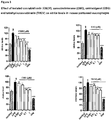
- Figure 2 describes the cytotoxicity of the phytocannabinoid BDS examined. It can be seen that all of the phytocannabinoid BDS reduced macrophage viability in the 0.1-10 ⁇ M range.
- CBDV BDS was cytotoxic at the concentrations of 1 and 10 ⁇ M, CBC-BDS and THCV-BDS at the higher concentration tested (10 ⁇ M), while CBG-BDS significantly reduced macrophage viability starting from the 0.1 ⁇ M concentration.
- test articles were used at non-cytotoxic concentrations as a pre-treatment for 30 min before LPS-stimulation.
- Cannabigerol (CBG), cannabichromene (CBC) and tetrahydrocannabivarin (THCV) were dissolved in ethanol/Tween20/saline. Animals were placed in groups and administered with test article (60 ⁇ l per mouse) via IP once daily. Treatment started 3 days before DNBS administration for the preventative treatment experiments or 1 day after DNBS administration for the curative treatments. Test article was administered daily until the sacrifice of the animals, 3 days after DNBS treatment. THCV was only tested for a curative effect.
- mice were anesthetized and DNBS (8 mg/mouse) was inserted into the colon using a polyethylene catheter (1 mm in diameter) via the rectum (4.5 cm from the anus).
- DNBS 8 mg/mouse
- the abdomen was opened by a midline incision and the colon removed, isolated from surrounding tissues, opened along the anti-mesenteric border, rinsed, weighed, length measured, and processed for evaluations.
- the colon weight/colon length ratio activity were determined as index of inflammation. Body weight was also evaluated.
- iNOS expression was measured in full-thickness colons from control and DNBS-treated mice by western blot analysis.
- Results are expressed as mean ⁇ SEM and analysed with the student's t-test or one-way ANOVA followed by a Turkey-Kramer multiple comparisons test. A P value less than 0.05 was regarded as significant.
- Cannabigerol (CBG) isobutyl-N-(2-aminoethyl)-2-aminoethyl-N-(2-aminoethyl)-2-aminoethyl-N-(2-aminoethyl)-2-aminoethyl-N-(2-aminoethyl)-2-aminoethyl-N-(2-aminoerol) :
- Figure 5 demonstrates that pre-treatment with CBG resulted in a highly statistically significant (p ⁇ 0.001) prevention of the decrease in bodyweight that is associated with the inflammatory response. Treatment after induction of colitis did however not result in a decrease in body weight.
- Figure 6 illustrates that both pre-treatment with CBG and post-treatment with CBG resulted in a significant (p ⁇ 0.05) reduction of the colon weight: colon length ratio, which is an index of intestinal inflammation, thereby suggesting both a preventative and a curative intestinal anti-inflammatory effect.
- CBC Cannabichromene
- Figure 7 demonstrates that pre-treatment with CBC resulted in significant (p ⁇ 0.05) prevention of the decrease in bodyweight that is associated with the inflammatory response. Treatment with CBC after induction of colitis did not however result in a decrease in body weight.
- Figure 8 illustrates that pre-treatment with CBC resulted in a significant (p ⁇ 0.05) reduction of the colon weight: colon length ratio, which is an index of intestinal inflammation, thereby suggesting a preventative intestinal anti-inflammatory effect.
- the post-treatment with CBC still resulted in a decrease in the colon weight: length ration however this was not as statistically significant.
- Figure 9 demonstrates that treatment with THCV resulted in a prevention of the decrease in bodyweight that is associated with the inflammatory response, however this decrease was not statistically significant.
- Figure 10 illustrates that post-treatment with THCV in a significant (p ⁇ 0.05) reduction of the colon weight: colon length ratio, which is an index of intestinal inflammation, thereby suggesting a curative intestinal anti-inflammatory effect.
- Figure 11 demonstrates that the level of expression of the enzyme inducible nitric oxide synthase (iNOS) in colonic tissues was statistically significantly (p ⁇ 0.001) lower in the THCV treated animals. This infers that the THCV was able to down regulate the expression of this inflammatory response enzyme.
- iNOS enzyme inducible nitric oxide synthase
- the level of expression of iNOS in colonic tissues was also statistically significantly (p ⁇ 0.05) lower in the CBG treated animals. This infers that the CBG was also able to down regulate the expression of this inflammatory response enzyme.
- the CBC treated animals did not show a reduction of the expression of iNOS.
- Cannabigerol has been shown to exert both preventive and curative effects in a murine experimental model of ulcerative colitis and tetrahydrocannabivarin (THCV) has been shown to exert a curative effect in a murine experimental model of ulcerative colitis.
- the phytocannabinoid cannabichromene (CBC) has been shown to exert preventative effect on inflammation.
- phytocannabinoids are relevant clinical targets for the treatment of intestinal inflammatory disease.
Landscapes
- Health & Medical Sciences (AREA)
- Life Sciences & Earth Sciences (AREA)
- General Health & Medical Sciences (AREA)
- Chemical & Material Sciences (AREA)
- Medicinal Chemistry (AREA)
- Veterinary Medicine (AREA)
- Public Health (AREA)
- Pharmacology & Pharmacy (AREA)
- Animal Behavior & Ethology (AREA)
- Natural Medicines & Medicinal Plants (AREA)
- Epidemiology (AREA)
- Engineering & Computer Science (AREA)
- Medical Informatics (AREA)
- Microbiology (AREA)
- Mycology (AREA)
- Botany (AREA)
- Biotechnology (AREA)
- Alternative & Traditional Medicine (AREA)
- Chemical Kinetics & Catalysis (AREA)
- General Chemical & Material Sciences (AREA)
- Organic Chemistry (AREA)
- Nuclear Medicine, Radiotherapy & Molecular Imaging (AREA)
- Bioinformatics & Cheminformatics (AREA)
- Rheumatology (AREA)
- Pain & Pain Management (AREA)
- Acyclic And Carbocyclic Compounds In Medicinal Compositions (AREA)
- Medicines Containing Plant Substances (AREA)
- Pharmaceuticals Containing Other Organic And Inorganic Compounds (AREA)
Description
- The present invention relates to tetrahydrocannabivarin (THCV) for use in the curative treatment of intestinal inflammatory diseases. Preferably the intestinal inflammatory disease is either ulcerative colitis or Crohn's disease.
- In this specification the following terms are used and are intended to have the following meanings / definitions:
- "Cannabinoids" are a group of compounds including the endocannabinoids, the phytocannabinoids and those which are neither endocannabinoids or phytocannabinoids, hereafter "syntho-cannabinoids".
- "Endocannabinoids" are endogenous cannabinoids, which are high affinity ligands of CB1 and CB2 receptors.
- "Phytocannabinoids" are cannabinoids that originate in nature and can be found in the cannabis plant. The phytocannabinoids can be present in an extract including a botanical drug substance, isolated, or reproduced synthetically.
- "Syntho-cannabinoids" are those compounds capable of interacting with the cannabinoid receptors (CB1 and / or CB2) but are not found endogenously or in the cannabis plant. Examples include WIN 55212 and rimonabant.
- An "isolated phytocannabinoid" is one which has been extracted from the cannabis plant and purified to such an extent that all the additional components such as secondary and minor cannabinoids and the non-cannabinoid fraction have been removed.
- A "synthetic cannabinoid" is one which has been produced by chemical synthesis this term includes modifying an isolated phytocannabinoid, by for example forming a pharmaceutically acceptable salt thereof.
- A "botanical drug substance" or "BDS" is defined in the Guidance for Industry Botanical Drug Products Draft Guidance, August 2000, US Department of Health and Human Services, Food and Drug Administration Centre for Drug Evaluation and Research as: "A drug derived from one or more plants, algae, or microscopic fungi. It is prepared from botanical raw materials by one or more of the following processes: pulverisation, decoction, expression, aqueous extraction, ethanolic extraction or other similar processes." A botanical drug substance does not include a highly purified or chemically modified substance derived from natural sources. Thus, in the case of cannabis, BDS derived from cannabis plants do not include highly purified Pharmacopoeial grade cannabinoids.
- In the present invention a BDS is considered to have two components: the phytocannabinoid-containing component and the non-phytocannabinoid containing component. Preferably the phytocannabinoid-containing component is the larger component comprising greater than 50% (w/w) of the total BDS and the non-phytocannabinoid containing component is the smaller component comprising less than 50% (w/w) of the total BDS.
- The amount of phytocannabinoid-containing component in the BDS may be greater than 55%, through 60%, 65%, 70%, 75%, 80% to 85% or more of the total extract. The actual amount is likely to depend on the starting material used and the method of extraction used.
- The "principle phytocannabinoid" in a BDS is the phytocannabinoid that is present in an amount that is higher than that of the other phytocannabinoids. Preferably the principle phytocannabinoid is present in an amount greater than 40% (w/w) of the total extract. More preferably the principle phytocannabinoid is present in an amount greater than 50% (w/w) of the total extract. More preferably still the principle phytocannabinoid is present in an amount greater than 60% (w/w) of the total extract.
- The amount of the principle phytocannabinoid in the BDS is preferably greater than 50% of the phytocannabinoid-containing fraction, more preferably still greater than 55% of the phytocannabinoid-containing fraction, and more preferably still greater than 60% through 65%, 70%, 75%, 80%, 85%, 90% and 95% of the phytocannabinoid-containing fraction.
- The "secondary phytocannabinoid/s" in a BDS is the phytocannabinoid/s that is / are present in significant proportions. Preferably the secondary phytocannabinoid is present in an amount greater than 5% (w/w) of the total extract, more preferably greater than 10% (w/w) of the total extract, more preferably still greater than 15% (w/w) of the total extract. Some BDS's will have two or more secondary phytocannabinoids that are present in significant amounts. However not all BDS's will have a secondary phytocannabinoid.
- The "minor phytocannabinoid/s" in a BDS can be described as the remainder of all the phytocannabinoid components once the principle and secondary phytocannabinoids are accounted for. Preferably the minor phytocannabinoids are present in total in an amount of less than 5% (w/w) of the total extract, and most preferably the minor phytocannabinoid is present in an amount less than 2% (w/w) of the total extract.
- The term "consisting essentially of" is limited to the phytocannabinoids which are specified, it does not exclude non-cannabinoid components that may also be present.
- Typically the non-phytocannabinoid containing component of the BDS comprises terpenes, sterols, triglycerides, alkanes, squalenes, tocopherols and carotenoids.
- These compounds may play an important role in the pharmacology of the BDS either alone or in combination with the phytocannabinoid.
- The "terpene fraction" may be of significance and can be broken down by the type of terpene: monoterpene or sesquiterpene. These terpene components can be further defined in a similar manner to the cannabinoids.
- The amount of non-phytocannabinoid containing component in the BDS may be less than 45%, through 40%, 35%, 30%, 25%, 20% to 15% or less of the total extract. The actual amount is likely to depend on the starting material used and the method of extraction used.
- The "principle monoterpene/s" in a BDS is the monoterpene that is present in an amount that is higher than that of the other monoterpenes. Preferably the principle monoterpene/s is present in an amount greater than 20% (w/w) of the total terpene content. More preferably the principle monoterpene is present in an amount greater than 30% (w/w) of the total terpene content, more preferably still greater than 40% (w/w) of the total terpene content, and more preferably still greater than 50% (w/w) of the total terpene content. The principle monoterpene is preferably a myrcene or pinene. In some cases there may be two principle monoterpenes. Where this is the case the principle monoterpenes are preferably a pinene and / or a myrcene.
- The "principle sesquiterpene" in a BDS is the sesquiterpene that is present in an amount that is higher than all the other sesquiterpenes. Preferably the principle sesquiterpene is present in an amount greater than 20% (w/w) of the total terpene content, more preferably still greater than 30% (w/w) of the total terpene content. The principle sesquiterpene is preferably a caryophyllene and / or a humulene.
- The sesquiterpene components may have a "secondary sesquiterpene". The secondary sesquiterpene is preferably a pinene, which is preferably present at an amount greater than 5% (w/w) of the total terpene content, more preferably the secondary sesquiterpene is present at an amount greater than 10% (w/w) of the total terpene content.
- The secondary sesquiterpene is preferably a humulene which is preferably present at an amount greater than 5% (w/w) of the total terpene content, more preferably the secondary sesquiterpene is present at an amount greater than 10% (w/w) of the total terpene content.
- Alternatively botanical extracts may be prepared by introducing isolated phytocannabinoids or their synthetic equivalent into a non-cannabinoid plant fraction as can be obtained from a zero cannabinoid plant or one or more non-cannabinoid components found in the cannabis plant such as terpenes.
- The structure of the phytocannabinoids THCV, CBG, CBC and CBDV are shown below, the structure of CBD is shown for comparison:
THCV Tetrahydrocannabivarin 
CBG Cannabigerol 
CBC Cannabichromene 
CBDV Cannabidivarin 
CBD Cannabidiol 
- Phytocannabinoids can be found as either the neutral (decarboxylated form) or the carboxylic acid form depending on the method used to extract the cannabinoids. For example it is known that heating the carboxylic acid form will cause most of the carboxylic acid form to decarboxylate into the neutral form.
- Where a synthetic phytocannabinoid is used the term is intended to include compounds, metabolites or derivatives thereof, and pharmaceutically acceptable salts of such compounds.
- The term "pharmaceutically acceptable salts" refers to salts or esters prepared from pharmaceutically acceptable non-toxic bases or acids, including inorganic bases or acids and organic bases or acids, as would be well known to persons skilled in the art. Many suitable inorganic and organic bases are known in the art.
- For the purpose of this invention the term "treatment" refers to reducing or preventing inflammation in the intestine and a therapeutically effective amount is an amount that achieves this aim.
- The term "preventative treatment" is intended to refer to pre-treatment with an agent that is able to prevent an inflammatory response in the intestines in subjects who are susceptible to diseases associated with inflammation of the intestines. Such a preventative treatment is associated with a protective effect which may be due to immunomodulation.
- The term "curative treatment" is intended to refer to treatment with an agent that is able to stop or substantially slow down the inflammatory response in the intestines in subjects who are suffering from diseases associated with inflammation of the intestines. When a curative effect is seen the phytocannabinoids are working to directly target the inflammation resulting in an anti-inflammatory effect.
- Intestinal inflammatory disease is the term used to describe chronic diseases that cause inflammation of the intestines. Diseases such as ulcerative colitis and Crohn's disease are examples of intestinal inflammatory disease. Other diseases which affect the intestines such as irritable bowel disease may be caused by inflammation in part of the intestines.
- Ulcerative colitis is an inflammatory disease of the colon. In ulcerative colitis, the lining of the intestinal wall reddens and swells and develops ulcers. The condition is often most severe in the rectal area, which can cause frequent diarrhoea. Additionally mucus and blood may appear in the stool if the lining of the colon is damaged.
- Crohn's disease may affect any part of the digestive system, from the mouth to the anus, but it is most common in the lower part of the small bowel or the first part of the large bowel. It often affects more than one part of the bowel leaving normal, unaffected areas in between.
- Crohn's disease is a chronic relapsing inflammatory disorder of the gastrointestinal (GI) tract occurring worldwide, most notably in North America and Europe with an incidence of 2-6 per 100,000 per year and a prevalence of 60-80 per 100,000. The onset of disease can occur in any age group but is more common in young adults. Crohn's disease is characterised by mucosal membrane inflammation affecting any part of the GI tract, with the terminal ileum (35%), ileocaecal region (40%) and colon (20%) generally being the most affected areas.
- Crohn's disease patients have an increased blood flow in the wall of the bowel; this causes inflammation and ulceration, which extends to the deepest layers of the bowel.
- The exact cause of Crohn's disease is not known, but it is thought that the body's immune system overreacts to a virus or bacterium, causing on-going inflammation in the bowel. The disease often tends to run in families.
- Crohn's disease is usually a life-long condition, with alternating flare-ups of symptoms and periods of remission. The symptoms include: diarrhoea, up to 10 or 20 times a day; pain, anywhere in the abdomen, and is often described as cramping or colicky. The abdomen may be sore to the touch and swollen; loss of appetite; weight loss; fever; rectal bleeding; anaemia; fissures and abscesses in the anal area.
- During a flare-up of symptoms problems in other areas of the body may also occur, such as mouth ulcers, joint pain, eye inflammation, rashes and ulcers on the skin.
- With chronic Crohn's disease, severe inflammation may cause complications to develop. This includes a fistula, which is an abnormal connection between the bowel and a neighbouring part of the body, such as the bladder, vagina, or another loop of bowel. Fistulas may lead to recurrent infections of the urinary or genital tracts. Other complications include an abscess (collection of pus) inside the abdomen or a stricture, a narrowing of the bowel caused by scar tissue that can obstruct the passage of material through the bowel. It is also known that patients who have had Crohn's disease for 8 to 10 years are at an increased risk of bowel cancer.
- There is no cure for Crohn's disease. Symptoms can be improved with dietary changes, drugs or surgery, or a combination of these.
- Medicines to reduce inflammation such as corticosteroids are often used in Crohn's disease along with medicines that suppress the immune system. Anti-diarrhoea medicines, antibiotics and painkillers may also be used during flare-ups.
- Existing therapies currently available for use in the treatment of acute active Crohn's disease, particularly corticosteroids, are not universally effective or well tolerated by all patients and/or may not be cost-effective in the long-term. In addition, approximately 45% of patients cannot discontinue corticosteroid treatment without an exacerbation of their disease and consequently, many patients can become tolerant to such drugs although, this is more evident in moderate to severe disease.
- Many people with Crohn's disease require surgical treatment at some time to treat complications such as anal abscesses, or fistulae, to remove areas of narrowed, non-functioning bowel, or when drugs are not controlling the disease.
- The phytocannabinoid CBD has been ascribed as an anti-inflammatory agent (Fride et al. (2005) and Di Carlo and Izzo (2003).
- Massa and Monory (2006) describes the use of the endocannabinoids as natural protectants in inflammatory and gastrointestinal disorders.
- Cannabidiol (CBD) was shown to exert an anti-inflammatory effect in the DNBS model of intestinal bowel disease in mice (Borrelli et al. 2009).
- Furthermore
EP1071417 describes the use of pure cannabidiol. The pure CBD is thought to be useful as an anti-inflammatory agent and much data is provided for its use as a treatment for rheumatoid arthritis. -
- The application
WO 2009/004302 describes a combination of the cannabinoids tetrahydrocannabinol (THC) and cannabidiol (CBD) may be useful in the treatment of an inflammatory bowel disease. The ratio of THC to CBD used is between 1:1 to 1:2. - Intestinal inflammatory disease affects millions of individuals and although major advances have been made in respect to treatment, many patients still receive suboptimal treatment (Colombel et al. 2008).
- The application
WO 2009/004302 describes a CBD extract for use in the treatment of intestinal inflammatory disorders, the application goes on to disclose that the CBD extract comprises minor amounts of other cannabinoids including CBG, CBC and CBDV. - The patent
EP 2,044,935 describes an extract from cannabis that might be useful in the treatment of gastrointestinal inflammatory diseases. The extract may comprise CBG or CBD. - The application
WO 02/064109 - The patent
EP 1,559,423 describes the use of acid cannabinoids in inflammatory diseases. - The application
GB 2450493 - The application
WO 2004/016246 discloses combinations of THC and CBD in the treatment of inflammatory bowel disease. - It is an object of the present invention to provide a new treatment option for intestinal inflammatory diseases, as there is clearly an unmet need for new medications which are able to successfully control these diseases.
- It has been observed that the phytocannabinoids tetrahydrocannabivarin (THCV); cannabigerol (CBG); cannabichromene (CBC); and cannabidivarin (CBDV) are effective agents in reducing intestinal inflammation. Such compounds might have utility in the treatment of inflammatory diseases of the intestines such as ulcerative colitis and Crohn's disease.
- In accordance with a first aspect of the present invention there is provided a therapeutically effective amount of tetrahydrocannabivarin (THCV) for use in the curative treatment of intestinal inflammatory diseases.
- In one embodiment the intestinal inflammatory disease is ulcerative colitis. In a further embodiment the intestinal inflammatory disease is Crohn's disease.
- In one embodiment the THCV is in a synthetic or isolated form.
- In an alternative embodiment the THCV is present as an extract from a cannabis plant. Preferably the extract from a cannabis plant is a botanical drug substance (BDS).
- A typical THCV BDS is as described in Tables 1.1 and 1.2 below:
Table 1.1 Tetrahydrocannabivarin BDS amount in total and range THCV BDS Amount (% w/w) Range (± 10%) Range (± 25%) Range (± 50%) CBGV 0.15 0.14 - 0.17 0.11 - 0.19 0.07 - 0.23 CBNV 1.30 1.20 - 1.40 1.00 - 1.60 0.65 - 1.95 THCV 64.49 58.04 - 70.94 48.37 - 80.61 32.25 - 96.74 CBCV 0.65 0.59 - 0.72 0.49 - 0.81 0.33 - 0.98 THC-C4 0.82 0.74 - 0.90 0.62 - 1.03 0.41 - 1.23 CBN 0.15 0.14 - 0.17 0.11 - 0.19 0.07 - 0.23 THCVA 0.36 0.32 - 0.40 0.27 - 0.45 0.18 - 0.54 THC 13.43 12.09 - 14.77 10.07 - 16.79 7.72 - 20.15 Unknowns 0.58 0.52 - 0.64 0.44 - 0.73 0.29 - 0.87 Total Cannabinoids 81.93 Total Non-cannabinoids 18.07 - The total phytocannabinoid containing fraction of THCV BDS comprises approximately 74-90% (w/w) of the total BDS.
Table 1.2 Tetrahydrocannabivarin BDS by percentage cannabinoid THCV BDS Amount (% of total cannabinoid) CBGV 0.18 CBNV 1.59 THCV 78.71 CBCV 0.79 THC-C4 1.00 CBN 0.18 THCVA 0.44 THC 16.39 Unknowns 0.71 - The amount of the principle phytocannabinoid in the THCV BDS as a percentage of the phytocannabinoid containing fraction is approximately 71-87% (w/w). The THCV BDS also has a secondary cannabinoid THC which is present at approximately 14.8-18% (w/w) of the phytocannabinoid containing fraction.
- Preferably the therapeutically effective dose of THCV is between 1mg and 2000mg.
- The human dose equivalent (HED) can be estimated using the following formula:

- Embodiments of the invention are further described hereinafter with reference to the accompanying drawings, in which:
-
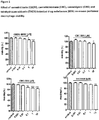
Figure 1 shows the effect of isolated cannabidivarin (CBDV), cannabichromene (CBC), cannabigerol (CBG) and tetrahydrocannabivarin (THCV) on mouse peritoneal macrophage viability; -
Figure 2 shows the effect of cannabidivarin (CBDV), cannabichromene (CBC), cannabigerol (CBG) and tetrahydrocannabivarin (THCV) botanical drug substances (BDS) on mouse peritoneal macrophage viability; -
Figure 3 shows the effect of isolated cannabidivarin (CBDV), cannabichromene (CBC), cannabigerol (CBG) and tetrahydrocannabivarin (THCV) on nitrite levels in mouse peritoneal macrophages; -
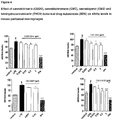
Figure 4 shows the effect of cannabidivarin (CBDV), cannabichromene (CBC), cannabigerol (CBG) and tetrahydrocannabivarin (THCV) botanical drug substances (BDS) on nitrite levels in mouse peritoneal macrophages; -
Figure 5 shows the effect of cannabigerol (CBG) on body weight in DNBS-induced colitis mice; -
Figure 6 shows the effect of cannabigerol (CBG) on colon weight: length ratio in DNBS-induced colitis mice; -
Figure 7 shows the effect of cannabichromene (CBC) on body weight in DNBS-induced colitis mice; -
Figure 8 shows the effect of cannabichromene (CBC) on colon weight: length ratio in DNBS-induced colitis mice; and -
Figure 9 shows the effect of tetrahydrocannabivarin (THCV) on body weight in DNBS-induced colitis mice; -
Figure 10 shows the effect of tetrahydrocannabivarin (THCV) on colon weight: length ratio in DNBS-induced colitis mice; and -
Figure 11 shows the effect of cannabichromene (CBC), cannabigerol (CBG) and tetrahydrocannabivarin (THCV) on iNOS expression in DNBS-induced colitis mice. - The Examples below were designed to examine whether the phytocannabinoid tetrahydrocannabivarin (THCV), was able to reduce inflammation in in vitro and in vivo models of intestinal inflammatory disease. Data relating to the phytocannabinoids cannabigerol (CBG), cannabichromene (CBC) and cannabidivarin (CBDV) are included for information only.
- It is well established that macrophages are deeply involved in maintaining intestinal homeostasis and negatively regulate excess immune responses evoked by external insults (Schenk and Mueller, 2007). Studies have suggested that macrophage-targeting treatment ameliorates colonic inflammation in experimental colitis models (Nakase et al. 2000; Kanai et al. 2006). Thus, the regulation of abnormal responses of macrophages appears to be a promising therapeutic approach for the treatment of intestinal inflammatory disease.
- Example 1 evaluates the potential of the phytocannabinoids THCV, CBG, CBC and CBDV in intestinal inflammatory disease by their effect on mouse peritoneal macrophages.
- Example 2 investigates the effect of CBG, CBC and THCV in an in vivo model of colitis.
- The following isolated phytocannabinoids and their corresponding botanical drug substances (BDS) were evaluated: THCV, CBG, CBC and CBDV. These compounds were dissolved in DMSO or ethanol, which, at the concentration used (0.01%), had no effect on the responses under study.
- Peritoneal macrophages were obtained from mice as previously described by Rossi et al. (Rossi et al. 2010). Briefly, to evoke the production of peritoneal exudates rich in macrophages, mice were injected intraperitoneally (i.p.) with 1 ml of 10 % sterile thioglycollate (Sigma, Milan, Italy). After 4 days, mice were euthanized and peritoneal macrophages were collected and seeded in appropriate plates for performing in vitro experiments.
- Peritoneal macrophages were cultured in Dulbecco's modified Eagle's medium (DMEM) supplemented with 10% fetal bovine serum. The inflammatory response in peritoneal macrophages was induced by lipopolysaccharide (LPS) from Escherichia coli serotype 0111:B4 (1 µg/ml). The response in macrophages was measured after 18 h LPS incubation.
- Cell viability was assessed by evaluating cell respiration as well as neutral red (NR) uptake. Cell respiration was assessed by the mitochondrial-dependent reduction of 3-(4,5-dimethylthiazol-2-yl)-2,5-diphenyltetrazolium bromide (MTT) to formazan. After incubation with one of the phytocannabinoids for 24 hours, macrophages (1x10⁵ cells per well seeded in a 96-well plate) were incubated with MTT (250 µg/ml) for 1 h.
- The extent of reduction of MTT to formazan was quantitated by measuring the optical density at 490 nm (iMark™ microplate assorbance reader, BioRad).
- For the Neutral Red (NR) uptake assay, after incubation with test article for 24 hours, macrophages (1x10⁵ cells per well seeded in a 96-well plate) were incubated with neutral red (NR) dye solution (50 µg/ml) for 3 hours, and then lysed by adding 1% acetic acid. The absorbance was read at 532 nm (iMark™ microplate assorbance reader, BioRad).
- Nitrites, stable metabolites of NO, were measured in macrophages medium as previously described [19]. Macrophages (5x10⁵ cells per well seeded in a 24-well plate) were incubated with test article (0.1-10 pM) for 30 min, and subsequently with LPS (1 µg/ml) for 18 hours. After reduction of nitrates to nitrites by cadmium, cell supernatants were incubated with DAN (50 µg/ml) for 7 min and the reaction stopped with 2.8 N NaOH, nitrites levels were measured using a fluorescent microplate reader (LS55 Luminescence Spectrometer, Perkin-Elmer Instruments, excitation-emission wavelengths of 365-450 nm).
- Results are expressed as mean ± SEM and analysed with the student's t-test or one-way ANOVA followed by a Turkey-Kramer multiple comparisons test. A P value less than 0.05 was regarded as significant.
- Results on cytotoxicity of the isolated phytocannabinoids are shown in
Figure 1 . It can be observed that isolated CBDV was not cytotoxic up to 10 µM. In contrast isolated THCV, CBG, and CBC significantly reduced cell viability at the highest 10 µM concentration. -
Figure 2 describes the cytotoxicity of the phytocannabinoid BDS examined. It can be seen that all of the phytocannabinoid BDS reduced macrophage viability in the 0.1-10 µM range. - Specifically, CBDV BDS was cytotoxic at the concentrations of 1 and 10 µM, CBC-BDS and THCV-BDS at the higher concentration tested (10 µM), while CBG-BDS significantly reduced macrophage viability starting from the 0.1 µM concentration.
- The levels of nitrites, the stable metabolites of NO, were significantly increased (compared to control) in the medium of macrophages stimulated with LPS (1 µg/ml) for 18 hours with both the isolated phytocannabinoids, as shown in
Figure 3 , or the phytocannabinoid BDS, as is shown inFigure 4 . - The test articles were used at non-cytotoxic concentrations as a pre-treatment for 30 min before LPS-stimulation.
- All of the test articles resulted in a significant reduction of LPS-stimulated nitrite levels; however THCV and CBG significantly reduced LPS-stimulated nitrite levels. Dexamethasone (1 µM), which is a potent glucocorticoid was used as a positive control.
- These data show that isolated THCV, CBG, CBC and CBDV as well as their corresponding BDS, at concentrations which were shown to be not cytotoxic, reduce LPS-stimulated nitrite production in macrophages.
- This suggests a potential anti-inflammatory action in intestinal inflammatory disease.
- Cannabigerol (CBG), cannabichromene (CBC) and tetrahydrocannabivarin (THCV) were dissolved in ethanol/Tween20/saline. Animals were placed in groups and administered with test article (60µl per mouse) via IP once daily. Treatment started 3 days before DNBS administration for the preventative treatment experiments or 1 day after DNBS administration for the curative treatments. Test article was administered daily until the sacrifice of the animals, 3 days after DNBS treatment. THCV was only tested for a curative effect.
- Colitis was induced in mice by the intra-colonic administration of DNBS. Briefly, mice were anesthetized and DNBS (8 mg/mouse) was inserted into the colon using a polyethylene catheter (1 mm in diameter) via the rectum (4.5 cm from the anus). Three days after DNBS administration, all animals were euthanized by asphyxiation with CO2. The abdomen was opened by a midline incision and the colon removed, isolated from surrounding tissues, opened along the anti-mesenteric border, rinsed, weighed, length measured, and processed for evaluations.
- The colon weight/colon length ratio activity were determined as index of inflammation. Body weight was also evaluated.
- iNOS expression was measured in full-thickness colons from control and DNBS-treated mice by western blot analysis.
- Results are expressed as mean ± SEM and analysed with the student's t-test or one-way ANOVA followed by a Turkey-Kramer multiple comparisons test. A P value less than 0.05 was regarded as significant.
-
Figure 5 demonstrates that pre-treatment with CBG resulted in a highly statistically significant (p<0.001) prevention of the decrease in bodyweight that is associated with the inflammatory response. Treatment after induction of colitis did however not result in a decrease in body weight. -
Figure 6 illustrates that both pre-treatment with CBG and post-treatment with CBG resulted in a significant (p<0.05) reduction of the colon weight: colon length ratio, which is an index of intestinal inflammation, thereby suggesting both a preventative and a curative intestinal anti-inflammatory effect. -
Figure 7 demonstrates that pre-treatment with CBC resulted in significant (p<0.05) prevention of the decrease in bodyweight that is associated with the inflammatory response. Treatment with CBC after induction of colitis did not however result in a decrease in body weight. -
Figure 8 illustrates that pre-treatment with CBC resulted in a significant (p<0.05) reduction of the colon weight: colon length ratio, which is an index of intestinal inflammation, thereby suggesting a preventative intestinal anti-inflammatory effect. The post-treatment with CBC still resulted in a decrease in the colon weight: length ration however this was not as statistically significant. -
Figure 9 demonstrates that treatment with THCV resulted in a prevention of the decrease in bodyweight that is associated with the inflammatory response, however this decrease was not statistically significant. -
Figure 10 illustrates that post-treatment with THCV in a significant (p<0.05) reduction of the colon weight: colon length ratio, which is an index of intestinal inflammation, thereby suggesting a curative intestinal anti-inflammatory effect. -
Figure 11 demonstrates that the level of expression of the enzyme inducible nitric oxide synthase (iNOS) in colonic tissues was statistically significantly (p<0.001) lower in the THCV treated animals. This infers that the THCV was able to down regulate the expression of this inflammatory response enzyme. - The level of expression of iNOS in colonic tissues was also statistically significantly (p<0.05) lower in the CBG treated animals. This infers that the CBG was also able to down regulate the expression of this inflammatory response enzyme.
- The CBC treated animals did not show a reduction of the expression of iNOS.
- Cannabigerol (CBG) has been shown to exert both preventive and curative effects in a murine experimental model of ulcerative colitis and tetrahydrocannabivarin (THCV) has been shown to exert a curative effect in a murine experimental model of ulcerative colitis.
- These effects of CBG and THCV are likely to be associated with a down-regulation of the expression of the inflammatory enzyme iNOS which both display.
- The phytocannabinoid cannabichromene (CBC) has been shown to exert preventative effect on inflammation.
- As such these phytocannabinoids are relevant clinical targets for the treatment of intestinal inflammatory disease.
Claims (5)
- A therapeutically effective amount of a phytocannabinoid consisting essentially of tetrahydrocannabivarin (THCV) for use in the curative treatment of intestinal inflammatory diseases.
- A therapeutically effective amount of THCV according to claim 1 for the use as claimed in claim 1, wherein the intestinal inflammatory disease is ulcerative colitis.
- A therapeutically effective amount of THCV according to claim 1 for the use as claimed in claim 1, wherein the intestinal inflammatory disease is Crohn's disease.
- A therapeutically effective amount of THCV according to claim 1 for the use as claimed in any of the preceding claims, wherein the THCV is in a synthetic or isolated form.
- A therapeutically effective amount of THCV according to claim 1 for the use as claimed in any of the preceding claims, wherein the therapeutically effective dose of THCV is between 1 and 2000 mg.
Applications Claiming Priority (2)
| Application Number | Priority Date | Filing Date | Title |
|---|---|---|---|
| GB1120067.2A GB2496688B (en) | 2011-11-21 | 2011-11-21 | Tetrahydrocannabivarin for use in the treatment of intestinal inflammatory diseases |
| PCT/GB2012/052886 WO2013076487A1 (en) | 2011-11-21 | 2012-11-21 | Phytocannabinoids for use in the treatment of intestinal inflammatory diseases |
Publications (2)
| Publication Number | Publication Date |
|---|---|
| EP2782563A1 EP2782563A1 (en) | 2014-10-01 |
| EP2782563B1 true EP2782563B1 (en) | 2018-04-25 |
Family
ID=45475481
Family Applications (1)
| Application Number | Title | Priority Date | Filing Date |
|---|---|---|---|
| EP12794753.9A Active EP2782563B1 (en) | 2011-11-21 | 2012-11-21 | Tetrahydrocannabivarin for use in the treatment of intestinal inflammatory diseases |
Country Status (5)
| Country | Link |
|---|---|
| US (1) | US9421187B2 (en) |
| EP (1) | EP2782563B1 (en) |
| ES (1) | ES2680921T3 (en) |
| GB (1) | GB2496688B (en) |
| WO (1) | WO2013076487A1 (en) |
Families Citing this family (11)
| Publication number | Priority date | Publication date | Assignee | Title |
|---|---|---|---|---|
| US10004684B2 (en) | 2001-02-14 | 2018-06-26 | Gw Pharma Limited | Pharmaceutical formulations |
| JP6581509B2 (en) | 2013-02-28 | 2019-09-25 | ティーウィノット テクノロジーズ リミテッド | Chemical engineering process and apparatus for synthesizing compounds |
| US10774288B2 (en) | 2013-09-18 | 2020-09-15 | The Werc Shop, LLC | Terpene-based compositions, processes, methodologies for creation and products thereby |
| AU2015308136B2 (en) | 2014-08-25 | 2020-07-09 | Teewinot Technologies Limited | Apparatus and methods for the simultaneous production of cannabinoid compounds |
| AU2017250303B2 (en) * | 2016-04-15 | 2019-09-26 | Teewinot Technologies Limited | Biosynthesis of cannabinoid prodrugs |
| US10499584B2 (en) | 2016-05-27 | 2019-12-10 | New West Genetics | Industrial hemp Cannabis cultivars and seeds with stable cannabinoid profiles |
| AU2017290107A1 (en) | 2016-06-29 | 2019-01-17 | CannScience Innovations Inc. | Decarboxylated cannabis resins, uses thereof and methods of making same |
| KR20190035791A (en) | 2016-08-03 | 2019-04-03 | 젤다 테라퓨틱스 오퍼레이션즈 피티와이 엘티디 | Cannabis composition |
| EP3962296B1 (en) * | 2019-04-30 | 2026-04-29 | Greenway Herbal Products, LLC | Cannabinoid compositions and methods of using |
| CA3182869A1 (en) * | 2020-07-22 | 2022-01-27 | John K. Jackson | Silver enhanced cannabinoid antibiotics |
| WO2025231524A1 (en) * | 2024-05-08 | 2025-11-13 | Heyday RX Pty Ltd | Cannabinoid compositions |
Family Cites Families (8)
| Publication number | Priority date | Publication date | Assignee | Title |
|---|---|---|---|---|
| GB9807639D0 (en) | 1998-04-14 | 1998-06-10 | Kennedy Rheumatology Inst | Anti-inflammatory agents |
| US10004684B2 (en) | 2001-02-14 | 2018-06-26 | Gw Pharma Limited | Pharmaceutical formulations |
| AU2002231970B2 (en) | 2001-02-14 | 2007-08-16 | CNX Therapeutics Limited | Mucoadhesive pharmaceutical formulations |
| PT1542657E (en) * | 2002-08-14 | 2012-02-29 | Gw Pharma Ltd | Cannabinoid liquid formulations for mucosal amdinistration |
| EP1559423A1 (en) * | 2004-02-02 | 2005-08-03 | Nederlandse Organisatie Voor Toegepast-Natuurwetenschappelijk Onderzoek Tno | Medicinal acidic cannabinoids |
| GB2450493A (en) * | 2007-06-25 | 2008-12-31 | Gw Pharma Ltd | Cannabigerol for use in treatment of diseases benefiting from agonism of CB1 and CB2 cannabinoid receptors |
| GB2450741A (en) | 2007-07-05 | 2009-01-07 | Gw Pharma Ltd | Cannabinoid containing plant extracts in the treatment of inflammatory bowel disease |
| DE602007011766D1 (en) * | 2007-10-02 | 2011-02-17 | Vivacell Biotechnology Espana S L | Composition with non-psychotropic cannabinoids for the treatment of inflammatory diseases |
-
2011
- 2011-11-21 GB GB1120067.2A patent/GB2496688B/en active Active
-
2012
- 2012-11-21 ES ES12794753.9T patent/ES2680921T3/en active Active
- 2012-11-21 EP EP12794753.9A patent/EP2782563B1/en active Active
- 2012-11-21 US US14/359,192 patent/US9421187B2/en active Active
- 2012-11-21 WO PCT/GB2012/052886 patent/WO2013076487A1/en not_active Ceased
Non-Patent Citations (1)
| Title |
|---|
| None * |
Also Published As
| Publication number | Publication date |
|---|---|
| ES2680921T3 (en) | 2018-09-11 |
| US9421187B2 (en) | 2016-08-23 |
| US20140343136A1 (en) | 2014-11-20 |
| GB2496688A (en) | 2013-05-22 |
| GB2496688B (en) | 2016-06-29 |
| WO2013076487A1 (en) | 2013-05-30 |
| GB201120067D0 (en) | 2012-01-04 |
| EP2782563A1 (en) | 2014-10-01 |
Similar Documents
| Publication | Publication Date | Title |
|---|---|---|
| US9421187B2 (en) | Phytocannabinoids for use in the treatment of intestinal inflammatory diseases | |
| Cheng et al. | Mogrol, an aglycone of mogrosides, attenuates ulcerative colitis by promoting AMPK activation | |
| Hong et al. | 6-Gingerol ameliorates sepsis-induced liver injury through the Nrf2 pathway | |
| Li et al. | The role of metformin and resveratrol in the prevention of hypoxia‐inducible factor 1α accumulation and fibrosis in hypoxic adipose tissue | |
| Liou et al. | Casticin inhibits COX-2 and iNOS expression via suppression of NF-κB and MAPK signaling in lipopolysaccharide-stimulated mouse macrophages | |
| Dong et al. | Neuroprotective effects of pretreatment of ginsenoside R b1 on severe cerebral ischemia‐induced injuries in aged mice: Involvement of anti‐oxidant signaling | |
| Nishigaki et al. | Hypoxia: Role of SIRT1 and the protective effect of resveratrol in ovarian function | |
| US20100286098A1 (en) | Use of tetrahydrocannabinol and/or cannabidiol for the treatment of inflammatory bowel disease | |
| CN105142632B (en) | Enhance autophagy or increase lifespan by administration of urolithin or its precursors | |
| US12329738B2 (en) | Urolithin A and a composition containing same for external use in inflammations of various etiologies | |
| AU2015332220A1 (en) | Use of cannabinoids in the treatment of degenerative skeletal muscle diseases | |
| Kang et al. | Sappanone A protects mice against cisplatin-induced kidney injury | |
| JP6068361B2 (en) | Methods and compositions for treating renal disorders | |
| Muzio et al. | New intriguing possibility for prevention of coronavirus pneumonitis: Natural purified polyphenols | |
| WO2017066747A1 (en) | Methods and compositions for treating gastrointestinal inflammation | |
| Zoma et al. | Effects of combined use of sildenafil citrate (Viagra) and 17β-estradiol on ovine coronary and uterine hemodynamics | |
| Liu et al. | Linoleic acid promotes mitochondrial biogenesis and alleviates acute lung injury | |
| US20200353043A1 (en) | Methods for treating diseases mediated by erbb4-positive pro-inflammatory macrophages | |
| Cao et al. | Sarcandra glabra extract reduces the susceptibility and severity of influenza in restraint‐stressed mice | |
| Ge et al. | Dulcitol ameliorates LPS-induced acute lung injury (ALI) in mice by inhibiting TLR4/NF-κB activation | |
| Li et al. | Cornuside inhibits glucose-induced proliferation and inflammatory response of mesangial cells | |
| JP6912875B2 (en) | How to treat diseases mediated by ErbB4 + inflammatory macrophages | |
| Van Neerven et al. | Systemic but not local administration of retinoic acid reduces early transcript levels of pro-inflammatory cytokines after experimental spinal cord injury | |
| Yu et al. | α-Cyperone safeguards against cerebral ischaemia‒reperfusion injury through the activation of the Nrf2 signalling pathway | |
| Zheng et al. | Carnosol ameliorates sevoflurane induced cognitive impairment in aged rats by suppressing NLRP3 inflammasome via activation of autophagy |
Legal Events
| Date | Code | Title | Description |
|---|---|---|---|
| PUAI | Public reference made under article 153(3) epc to a published international application that has entered the european phase |
Free format text: ORIGINAL CODE: 0009012 |
|
| 17P | Request for examination filed |
Effective date: 20140529 |
|
| AK | Designated contracting states |
Kind code of ref document: A1 Designated state(s): AL AT BE BG CH CY CZ DE DK EE ES FI FR GB GR HR HU IE IS IT LI LT LU LV MC MK MT NL NO PL PT RO RS SE SI SK SM TR |
|
| DAX | Request for extension of the european patent (deleted) | ||
| RAP1 | Party data changed (applicant data changed or rights of an application transferred) |
Owner name: GW PHARMA LIMITED |
|
| 17Q | First examination report despatched |
Effective date: 20160614 |
|
| GRAP | Despatch of communication of intention to grant a patent |
Free format text: ORIGINAL CODE: EPIDOSNIGR1 |
|
| INTG | Intention to grant announced |
Effective date: 20171121 |
|
| GRAA | (expected) grant |
Free format text: ORIGINAL CODE: 0009210 |
|
| GRAS | Grant fee paid |
Free format text: ORIGINAL CODE: EPIDOSNIGR3 |
|
| AK | Designated contracting states |
Kind code of ref document: B1 Designated state(s): AL AT BE BG CH CY CZ DE DK EE ES FI FR GB GR HR HU IE IS IT LI LT LU LV MC MK MT NL NO PL PT RO RS SE SI SK SM TR |
|
| REG | Reference to a national code |
Ref country code: GB Ref legal event code: FG4D |
|
| REG | Reference to a national code |
Ref country code: CH Ref legal event code: EP |
|
| REG | Reference to a national code |
Ref country code: AT Ref legal event code: REF Ref document number: 992120 Country of ref document: AT Kind code of ref document: T Effective date: 20180515 |
|
| REG | Reference to a national code |
Ref country code: IE Ref legal event code: FG4D |
|
| REG | Reference to a national code |
Ref country code: DE Ref legal event code: R096 Ref document number: 602012045683 Country of ref document: DE |
|
| REG | Reference to a national code |
Ref country code: NL Ref legal event code: MP Effective date: 20180425 |
|
| REG | Reference to a national code |
Ref country code: LT Ref legal event code: MG4D |
|
| REG | Reference to a national code |
Ref country code: ES Ref legal event code: FG2A Ref document number: 2680921 Country of ref document: ES Kind code of ref document: T3 Effective date: 20180911 |
|
| PG25 | Lapsed in a contracting state [announced via postgrant information from national office to epo] |
Ref country code: NL Free format text: LAPSE BECAUSE OF FAILURE TO SUBMIT A TRANSLATION OF THE DESCRIPTION OR TO PAY THE FEE WITHIN THE PRESCRIBED TIME-LIMIT Effective date: 20180425 |
|
| PG25 | Lapsed in a contracting state [announced via postgrant information from national office to epo] |
Ref country code: BG Free format text: LAPSE BECAUSE OF FAILURE TO SUBMIT A TRANSLATION OF THE DESCRIPTION OR TO PAY THE FEE WITHIN THE PRESCRIBED TIME-LIMIT Effective date: 20180725 Ref country code: NO Free format text: LAPSE BECAUSE OF FAILURE TO SUBMIT A TRANSLATION OF THE DESCRIPTION OR TO PAY THE FEE WITHIN THE PRESCRIBED TIME-LIMIT Effective date: 20180725 Ref country code: FI Free format text: LAPSE BECAUSE OF FAILURE TO SUBMIT A TRANSLATION OF THE DESCRIPTION OR TO PAY THE FEE WITHIN THE PRESCRIBED TIME-LIMIT Effective date: 20180425 Ref country code: SE Free format text: LAPSE BECAUSE OF FAILURE TO SUBMIT A TRANSLATION OF THE DESCRIPTION OR TO PAY THE FEE WITHIN THE PRESCRIBED TIME-LIMIT Effective date: 20180425 Ref country code: PL Free format text: LAPSE BECAUSE OF FAILURE TO SUBMIT A TRANSLATION OF THE DESCRIPTION OR TO PAY THE FEE WITHIN THE PRESCRIBED TIME-LIMIT Effective date: 20180425 Ref country code: LT Free format text: LAPSE BECAUSE OF FAILURE TO SUBMIT A TRANSLATION OF THE DESCRIPTION OR TO PAY THE FEE WITHIN THE PRESCRIBED TIME-LIMIT Effective date: 20180425 |
|
| PG25 | Lapsed in a contracting state [announced via postgrant information from national office to epo] |
Ref country code: HR Free format text: LAPSE BECAUSE OF FAILURE TO SUBMIT A TRANSLATION OF THE DESCRIPTION OR TO PAY THE FEE WITHIN THE PRESCRIBED TIME-LIMIT Effective date: 20180425 Ref country code: RS Free format text: LAPSE BECAUSE OF FAILURE TO SUBMIT A TRANSLATION OF THE DESCRIPTION OR TO PAY THE FEE WITHIN THE PRESCRIBED TIME-LIMIT Effective date: 20180425 Ref country code: GR Free format text: LAPSE BECAUSE OF FAILURE TO SUBMIT A TRANSLATION OF THE DESCRIPTION OR TO PAY THE FEE WITHIN THE PRESCRIBED TIME-LIMIT Effective date: 20180726 Ref country code: LV Free format text: LAPSE BECAUSE OF FAILURE TO SUBMIT A TRANSLATION OF THE DESCRIPTION OR TO PAY THE FEE WITHIN THE PRESCRIBED TIME-LIMIT Effective date: 20180425 |
|
| REG | Reference to a national code |
Ref country code: AT Ref legal event code: MK05 Ref document number: 992120 Country of ref document: AT Kind code of ref document: T Effective date: 20180425 |
|
| PG25 | Lapsed in a contracting state [announced via postgrant information from national office to epo] |
Ref country code: PT Free format text: LAPSE BECAUSE OF FAILURE TO SUBMIT A TRANSLATION OF THE DESCRIPTION OR TO PAY THE FEE WITHIN THE PRESCRIBED TIME-LIMIT Effective date: 20180827 |
|
| REG | Reference to a national code |
Ref country code: DE Ref legal event code: R097 Ref document number: 602012045683 Country of ref document: DE |
|
| PG25 | Lapsed in a contracting state [announced via postgrant information from national office to epo] |
Ref country code: SK Free format text: LAPSE BECAUSE OF FAILURE TO SUBMIT A TRANSLATION OF THE DESCRIPTION OR TO PAY THE FEE WITHIN THE PRESCRIBED TIME-LIMIT Effective date: 20180425 Ref country code: RO Free format text: LAPSE BECAUSE OF FAILURE TO SUBMIT A TRANSLATION OF THE DESCRIPTION OR TO PAY THE FEE WITHIN THE PRESCRIBED TIME-LIMIT Effective date: 20180425 Ref country code: CZ Free format text: LAPSE BECAUSE OF FAILURE TO SUBMIT A TRANSLATION OF THE DESCRIPTION OR TO PAY THE FEE WITHIN THE PRESCRIBED TIME-LIMIT Effective date: 20180425 Ref country code: DK Free format text: LAPSE BECAUSE OF FAILURE TO SUBMIT A TRANSLATION OF THE DESCRIPTION OR TO PAY THE FEE WITHIN THE PRESCRIBED TIME-LIMIT Effective date: 20180425 Ref country code: AT Free format text: LAPSE BECAUSE OF FAILURE TO SUBMIT A TRANSLATION OF THE DESCRIPTION OR TO PAY THE FEE WITHIN THE PRESCRIBED TIME-LIMIT Effective date: 20180425 Ref country code: EE Free format text: LAPSE BECAUSE OF FAILURE TO SUBMIT A TRANSLATION OF THE DESCRIPTION OR TO PAY THE FEE WITHIN THE PRESCRIBED TIME-LIMIT Effective date: 20180425 |
|
| PG25 | Lapsed in a contracting state [announced via postgrant information from national office to epo] |
Ref country code: SM Free format text: LAPSE BECAUSE OF FAILURE TO SUBMIT A TRANSLATION OF THE DESCRIPTION OR TO PAY THE FEE WITHIN THE PRESCRIBED TIME-LIMIT Effective date: 20180425 |
|
| PLBE | No opposition filed within time limit |
Free format text: ORIGINAL CODE: 0009261 |
|
| STAA | Information on the status of an ep patent application or granted ep patent |
Free format text: STATUS: NO OPPOSITION FILED WITHIN TIME LIMIT |
|
| 26N | No opposition filed |
Effective date: 20190128 |
|
| PG25 | Lapsed in a contracting state [announced via postgrant information from national office to epo] |
Ref country code: SI Free format text: LAPSE BECAUSE OF FAILURE TO SUBMIT A TRANSLATION OF THE DESCRIPTION OR TO PAY THE FEE WITHIN THE PRESCRIBED TIME-LIMIT Effective date: 20180425 |
|
| REG | Reference to a national code |
Ref country code: CH Ref legal event code: PL |
|
| PG25 | Lapsed in a contracting state [announced via postgrant information from national office to epo] |
Ref country code: LU Free format text: LAPSE BECAUSE OF NON-PAYMENT OF DUE FEES Effective date: 20181121 Ref country code: MC Free format text: LAPSE BECAUSE OF FAILURE TO SUBMIT A TRANSLATION OF THE DESCRIPTION OR TO PAY THE FEE WITHIN THE PRESCRIBED TIME-LIMIT Effective date: 20180425 |
|
| REG | Reference to a national code |
Ref country code: BE Ref legal event code: MM Effective date: 20181130 |
|
| REG | Reference to a national code |
Ref country code: IE Ref legal event code: MM4A |
|
| PG25 | Lapsed in a contracting state [announced via postgrant information from national office to epo] |
Ref country code: LI Free format text: LAPSE BECAUSE OF NON-PAYMENT OF DUE FEES Effective date: 20181130 Ref country code: CH Free format text: LAPSE BECAUSE OF NON-PAYMENT OF DUE FEES Effective date: 20181130 |
|
| PG25 | Lapsed in a contracting state [announced via postgrant information from national office to epo] |
Ref country code: IE Free format text: LAPSE BECAUSE OF NON-PAYMENT OF DUE FEES Effective date: 20181121 |
|
| PG25 | Lapsed in a contracting state [announced via postgrant information from national office to epo] |
Ref country code: AL Free format text: LAPSE BECAUSE OF FAILURE TO SUBMIT A TRANSLATION OF THE DESCRIPTION OR TO PAY THE FEE WITHIN THE PRESCRIBED TIME-LIMIT Effective date: 20180425 Ref country code: BE Free format text: LAPSE BECAUSE OF NON-PAYMENT OF DUE FEES Effective date: 20181130 |
|
| PG25 | Lapsed in a contracting state [announced via postgrant information from national office to epo] |
Ref country code: MT Free format text: LAPSE BECAUSE OF NON-PAYMENT OF DUE FEES Effective date: 20181121 |
|
| PG25 | Lapsed in a contracting state [announced via postgrant information from national office to epo] |
Ref country code: TR Free format text: LAPSE BECAUSE OF FAILURE TO SUBMIT A TRANSLATION OF THE DESCRIPTION OR TO PAY THE FEE WITHIN THE PRESCRIBED TIME-LIMIT Effective date: 20180425 |
|
| PG25 | Lapsed in a contracting state [announced via postgrant information from national office to epo] |
Ref country code: HU Free format text: LAPSE BECAUSE OF FAILURE TO SUBMIT A TRANSLATION OF THE DESCRIPTION OR TO PAY THE FEE WITHIN THE PRESCRIBED TIME-LIMIT; INVALID AB INITIO Effective date: 20121121 Ref country code: MK Free format text: LAPSE BECAUSE OF NON-PAYMENT OF DUE FEES Effective date: 20180425 Ref country code: CY Free format text: LAPSE BECAUSE OF FAILURE TO SUBMIT A TRANSLATION OF THE DESCRIPTION OR TO PAY THE FEE WITHIN THE PRESCRIBED TIME-LIMIT Effective date: 20180425 |
|
| PG25 | Lapsed in a contracting state [announced via postgrant information from national office to epo] |
Ref country code: IS Free format text: LAPSE BECAUSE OF FAILURE TO SUBMIT A TRANSLATION OF THE DESCRIPTION OR TO PAY THE FEE WITHIN THE PRESCRIBED TIME-LIMIT Effective date: 20180825 |
|
| P01 | Opt-out of the competence of the unified patent court (upc) registered |
Effective date: 20230530 |
|
| REG | Reference to a national code |
Ref country code: DE Ref legal event code: R081 Ref document number: 602012045683 Country of ref document: DE Owner name: JAZZ PHARMACEUTICALS OPERATIONS UK LIMITED, SI, GB Free format text: FORMER OWNER: GW PHARMA LIMITED, HISTON, CAMBRIDGE, GB Ref country code: DE Ref legal event code: R081 Ref document number: 602012045683 Country of ref document: DE Owner name: JAZZ PHARMACEUTICALS RESEARCH UK LIMITED, SITT, GB Free format text: FORMER OWNER: GW PHARMA LIMITED, HISTON, CAMBRIDGE, GB |
|
| REG | Reference to a national code |
Ref country code: DE Ref legal event code: R081 Ref document number: 602012045683 Country of ref document: DE Owner name: JAZZ PHARMACEUTICALS OPERATIONS UK LIMITED, SI, GB Free format text: FORMER OWNER: JAZZ PHARMACEUTICALS RESEARCH UK LIMITED, SITTINGBOURNE, KENT, GB |
|
| PGFP | Annual fee paid to national office [announced via postgrant information from national office to epo] |
Ref country code: FR Payment date: 20250908 Year of fee payment: 14 |
|
| PGFP | Annual fee paid to national office [announced via postgrant information from national office to epo] |
Ref country code: DE Payment date: 20250923 Year of fee payment: 14 |
|
| PGFP | Annual fee paid to national office [announced via postgrant information from national office to epo] |
Ref country code: GB Payment date: 20251001 Year of fee payment: 14 |
|
| PGFP | Annual fee paid to national office [announced via postgrant information from national office to epo] |
Ref country code: IT Payment date: 20251022 Year of fee payment: 14 |
|
| PGFP | Annual fee paid to national office [announced via postgrant information from national office to epo] |
Ref country code: ES Payment date: 20251210 Year of fee payment: 14 |
|
| REG | Reference to a national code |
Ref country code: ES Ref legal event code: PC2A Owner name: JAZZ PHARMACEUTICALS OPERATIONS UK LIMITED Effective date: 20260326 |