EP2779705A1 - Wireless communication system, information provision device, moving body terminal, and method which provides information to moving body terminal - Google Patents
Wireless communication system, information provision device, moving body terminal, and method which provides information to moving body terminal Download PDFInfo
- Publication number
- EP2779705A1 EP2779705A1 EP12847036.6A EP12847036A EP2779705A1 EP 2779705 A1 EP2779705 A1 EP 2779705A1 EP 12847036 A EP12847036 A EP 12847036A EP 2779705 A1 EP2779705 A1 EP 2779705A1
- Authority
- EP
- European Patent Office
- Prior art keywords
- information
- mobile terminal
- point
- radio communication
- downlink
- Prior art date
- Legal status (The legal status is an assumption and is not a legal conclusion. Google has not performed a legal analysis and makes no representation as to the accuracy of the status listed.)
- Granted
Links
Images



Classifications
-
- H—ELECTRICITY
- H04—ELECTRIC COMMUNICATION TECHNIQUE
- H04B—TRANSMISSION
- H04B7/00—Radio transmission systems, i.e. using radiation field
- H04B7/24—Radio transmission systems, i.e. using radiation field for communication between two or more posts
- H04B7/26—Radio transmission systems, i.e. using radiation field for communication between two or more posts at least one of which is mobile
-
- H—ELECTRICITY
- H04—ELECTRIC COMMUNICATION TECHNIQUE
- H04N—PICTORIAL COMMUNICATION, e.g. TELEVISION
- H04N21/00—Selective content distribution, e.g. interactive television or video on demand [VOD]
- H04N21/40—Client devices specifically adapted for the reception of or interaction with content, e.g. set-top-box [STB]; Operations thereof
- H04N21/41—Structure of client; Structure of client peripherals
- H04N21/414—Specialised client platforms, e.g. receiver in car or embedded in a mobile appliance
- H04N21/41407—Specialised client platforms, e.g. receiver in car or embedded in a mobile appliance embedded in a portable device, e.g. video client on a mobile phone, PDA, laptop
-
- H—ELECTRICITY
- H04—ELECTRIC COMMUNICATION TECHNIQUE
- H04N—PICTORIAL COMMUNICATION, e.g. TELEVISION
- H04N21/00—Selective content distribution, e.g. interactive television or video on demand [VOD]
- H04N21/40—Client devices specifically adapted for the reception of or interaction with content, e.g. set-top-box [STB]; Operations thereof
- H04N21/41—Structure of client; Structure of client peripherals
- H04N21/414—Specialised client platforms, e.g. receiver in car or embedded in a mobile appliance
- H04N21/41422—Specialised client platforms, e.g. receiver in car or embedded in a mobile appliance located in transportation means, e.g. personal vehicle
-
- H—ELECTRICITY
- H04—ELECTRIC COMMUNICATION TECHNIQUE
- H04N—PICTORIAL COMMUNICATION, e.g. TELEVISION
- H04N21/00—Selective content distribution, e.g. interactive television or video on demand [VOD]
- H04N21/60—Network structure or processes for video distribution between server and client or between remote clients; Control signalling between clients, server and network components; Transmission of management data between server and client, e.g. sending from server to client commands for recording incoming content stream; Communication details between server and client
- H04N21/61—Network physical structure; Signal processing
- H04N21/6106—Network physical structure; Signal processing specially adapted to the downstream path of the transmission network
- H04N21/6131—Network physical structure; Signal processing specially adapted to the downstream path of the transmission network involving transmission via a mobile phone network
-
- H—ELECTRICITY
- H04—ELECTRIC COMMUNICATION TECHNIQUE
- H04N—PICTORIAL COMMUNICATION, e.g. TELEVISION
- H04N21/00—Selective content distribution, e.g. interactive television or video on demand [VOD]
- H04N21/60—Network structure or processes for video distribution between server and client or between remote clients; Control signalling between clients, server and network components; Transmission of management data between server and client, e.g. sending from server to client commands for recording incoming content stream; Communication details between server and client
- H04N21/61—Network physical structure; Signal processing
- H04N21/6156—Network physical structure; Signal processing specially adapted to the upstream path of the transmission network
- H04N21/6181—Network physical structure; Signal processing specially adapted to the upstream path of the transmission network involving transmission via a mobile phone network
-
- H—ELECTRICITY
- H04—ELECTRIC COMMUNICATION TECHNIQUE
- H04N—PICTORIAL COMMUNICATION, e.g. TELEVISION
- H04N21/00—Selective content distribution, e.g. interactive television or video on demand [VOD]
- H04N21/60—Network structure or processes for video distribution between server and client or between remote clients; Control signalling between clients, server and network components; Transmission of management data between server and client, e.g. sending from server to client commands for recording incoming content stream; Communication details between server and client
- H04N21/63—Control signaling related to video distribution between client, server and network components; Network processes for video distribution between server and clients or between remote clients, e.g. transmitting basic layer and enhancement layers over different transmission paths, setting up a peer-to-peer communication via Internet between remote STB's; Communication protocols; Addressing
- H04N21/64—Addressing
- H04N21/6405—Multicasting
-
- H—ELECTRICITY
- H04—ELECTRIC COMMUNICATION TECHNIQUE
- H04N—PICTORIAL COMMUNICATION, e.g. TELEVISION
- H04N21/00—Selective content distribution, e.g. interactive television or video on demand [VOD]
- H04N21/60—Network structure or processes for video distribution between server and client or between remote clients; Control signalling between clients, server and network components; Transmission of management data between server and client, e.g. sending from server to client commands for recording incoming content stream; Communication details between server and client
- H04N21/63—Control signaling related to video distribution between client, server and network components; Network processes for video distribution between server and clients or between remote clients, e.g. transmitting basic layer and enhancement layers over different transmission paths, setting up a peer-to-peer communication via Internet between remote STB's; Communication protocols; Addressing
- H04N21/64—Addressing
- H04N21/6408—Unicasting
-
- H—ELECTRICITY
- H04—ELECTRIC COMMUNICATION TECHNIQUE
- H04W—WIRELESS COMMUNICATION NETWORKS
- H04W12/00—Security arrangements; Authentication; Protecting privacy or anonymity
- H04W12/02—Protecting privacy or anonymity, e.g. protecting personally identifiable information [PII]
-
- H—ELECTRICITY
- H04—ELECTRIC COMMUNICATION TECHNIQUE
- H04W—WIRELESS COMMUNICATION NETWORKS
- H04W12/00—Security arrangements; Authentication; Protecting privacy or anonymity
- H04W12/03—Protecting confidentiality, e.g. by encryption
-
- H—ELECTRICITY
- H04—ELECTRIC COMMUNICATION TECHNIQUE
- H04W—WIRELESS COMMUNICATION NETWORKS
- H04W12/00—Security arrangements; Authentication; Protecting privacy or anonymity
- H04W12/04—Key management, e.g. using generic bootstrapping architecture [GBA]
- H04W12/041—Key generation or derivation
-
- H—ELECTRICITY
- H04—ELECTRIC COMMUNICATION TECHNIQUE
- H04W—WIRELESS COMMUNICATION NETWORKS
- H04W12/00—Security arrangements; Authentication; Protecting privacy or anonymity
- H04W12/04—Key management, e.g. using generic bootstrapping architecture [GBA]
- H04W12/043—Key management, e.g. using generic bootstrapping architecture [GBA] using a trusted network node as an anchor
- H04W12/0431—Key distribution or pre-distribution; Key agreement
-
- H—ELECTRICITY
- H04—ELECTRIC COMMUNICATION TECHNIQUE
- H04W—WIRELESS COMMUNICATION NETWORKS
- H04W12/00—Security arrangements; Authentication; Protecting privacy or anonymity
- H04W12/04—Key management, e.g. using generic bootstrapping architecture [GBA]
- H04W12/047—Key management, e.g. using generic bootstrapping architecture [GBA] without using a trusted network node as an anchor
- H04W12/0471—Key exchange
-
- H—ELECTRICITY
- H04—ELECTRIC COMMUNICATION TECHNIQUE
- H04W—WIRELESS COMMUNICATION NETWORKS
- H04W4/00—Services specially adapted for wireless communication networks; Facilities therefor
- H04W4/02—Services making use of location information
- H04W4/029—Location-based management or tracking services
-
- H—ELECTRICITY
- H04—ELECTRIC COMMUNICATION TECHNIQUE
- H04W—WIRELESS COMMUNICATION NETWORKS
- H04W4/00—Services specially adapted for wireless communication networks; Facilities therefor
- H04W4/06—Selective distribution of broadcast services, e.g. multimedia broadcast multicast service [MBMS]; Services to user groups; One-way selective calling services
-
- H—ELECTRICITY
- H04—ELECTRIC COMMUNICATION TECHNIQUE
- H04W—WIRELESS COMMUNICATION NETWORKS
- H04W4/00—Services specially adapted for wireless communication networks; Facilities therefor
- H04W4/30—Services specially adapted for particular environments, situations or purposes
- H04W4/40—Services specially adapted for particular environments, situations or purposes for vehicles, e.g. vehicle-to-pedestrians [V2P]
-
- G—PHYSICS
- G08—SIGNALLING
- G08G—TRAFFIC CONTROL SYSTEMS
- G08G1/00—Traffic control systems for road vehicles
- G08G1/16—Anti-collision systems
- G08G1/166—Anti-collision systems for active traffic, e.g. moving vehicles, pedestrians, bikes
-
- H—ELECTRICITY
- H04—ELECTRIC COMMUNICATION TECHNIQUE
- H04L—TRANSMISSION OF DIGITAL INFORMATION, e.g. TELEGRAPHIC COMMUNICATION
- H04L63/00—Network architectures or network communication protocols for network security
- H04L63/04—Network architectures or network communication protocols for network security for providing a confidential data exchange among entities communicating through data packet networks
- H04L63/0428—Network architectures or network communication protocols for network security for providing a confidential data exchange among entities communicating through data packet networks wherein the data content is protected, e.g. by encrypting or encapsulating the payload
-
- H—ELECTRICITY
- H04—ELECTRIC COMMUNICATION TECHNIQUE
- H04L—TRANSMISSION OF DIGITAL INFORMATION, e.g. TELEGRAPHIC COMMUNICATION
- H04L63/00—Network architectures or network communication protocols for network security
- H04L63/06—Network architectures or network communication protocols for network security for supporting key management in a packet data network
- H04L63/062—Network architectures or network communication protocols for network security for supporting key management in a packet data network for key distribution, e.g. centrally by trusted party
-
- H—ELECTRICITY
- H04—ELECTRIC COMMUNICATION TECHNIQUE
- H04L—TRANSMISSION OF DIGITAL INFORMATION, e.g. TELEGRAPHIC COMMUNICATION
- H04L63/00—Network architectures or network communication protocols for network security
- H04L63/06—Network architectures or network communication protocols for network security for supporting key management in a packet data network
- H04L63/068—Network architectures or network communication protocols for network security for supporting key management in a packet data network using time-dependent keys, e.g. periodically changing keys
-
- H—ELECTRICITY
- H04—ELECTRIC COMMUNICATION TECHNIQUE
- H04L—TRANSMISSION OF DIGITAL INFORMATION, e.g. TELEGRAPHIC COMMUNICATION
- H04L63/00—Network architectures or network communication protocols for network security
- H04L63/18—Network architectures or network communication protocols for network security using different networks or channels, e.g. using out of band channels
Definitions
- the present invention relates to a radio communication system and the like.
- PATENT LITERATURE 1 Japanese Patent No. 2806801
- ITS in order to provide a vehicle with information such as traffic information, a downlink for transmitting the information from a road side unit (RSU) to the vehicle is needed.
- RSU road side unit
- an uplink for transmitting information (probe data; floating car data) such as travel data of the vehicle, from the vehicle to the road side unit.
- information probe data; floating car data
- a computer that manages the ITS updates the traffic information to perform more appropriate information provision to the vehicle.
- the inventors of the present invention have come up with an idea that a mobile communication system established for mobile phones can be utilized as a communication system for the ITS.
- point-to-point communication is basically performed. Therefore, it is necessary to establish point-to-point communication connection between a road side unit and a vehicle before downlink and uplink communications.
- a mobile terminal installed in a vehicle requests a road side unit to establish communication connection.
- the road side unit allocates, to the mobile terminal having performed the request, a radio resource (such as radio communication band) that is available only between the road side unit and the mobile terminal, thereby establishing communication connection.
- a radio resource such as radio communication band
- the amount of data transmitted via the downlink is larger than the amount of data transmitted via the uplink, it is necessary to allocate, for each vehicle, many radio resources for transmitting downlink data, which might cause depletion of radio resources.
- the present invention has been made in view of the above-mentioned problems.
- the present invention it is possible to suppress an increase in radio resources even if the number of mobile terminals increases.
- a mobile terminal since a mobile terminal needs to receive second downlink information transmitted by point-to-point radio communication, it can be expected that transmission of uplink information is performed by point-to-point radio communication.
- FIG. 1 shows an intelligent transport system utilizing a mobile communication system (radio communication system) 1.
- the mobile communication system 1 includes a plurality of base stations (radio communication devices) 2.
- the base stations 2 perform radio communications with mobile terminals (including mobile phones) 3 such as on-vehicle devices installed in vehicles.
- the mobile communication system conforms to LTE (Long Term Evolution).
- LTE Long Term Evolution
- the communication standard is not limited to the LTE.
- the plurality of base stations 2 are connected to each other via a mobile communication network 4.
- the mobile communication network 4 includes a gateway (refer to FIG. 2 ) 41, and the base stations 2 are connected to an ITS server (information providing device) 5 via the gateway 41.
- the ITS server 5 generates information valuable for the vehicles, such as traffic information.
- the ITS server 5 provides the generated information to the mobile terminals 3 via the base stations 2 in the mobile communication network 4.
- radio communications with the mobile terminals 3 installed in the vehicles can be performed by utilizing a mobile communication system (communication system for mobile phones) established for mobile terminals such as mobile phones, and therefore, it is not necessary to separately provide radio communication devices (road side units) dedicated for radio communications with the vehicles.
- the ITS server 5 acquires information such as probe data from the vehicles, and updates the traffic information. Therefore, the more data the ITS server 5 acquires from the vehicles, the more appropriate traffic information the ITS server 5 can generate.
- the ITS server 5 is connected, via wired communication lines, to a road side sensor such as an optical beacon 6 and to a device such as a traffic signal controller 7.
- the ITS server 5 can update the traffic information based on information acquired from various sensors. Further, the ITS server 5 can control the traffic signal controller 7.
- the ITS server (information providing device) 5 includes a first information providing section 51, a second information providing section 52, an acquisition section 53, and an information generation section 54.
- each mobile terminal 3 an ITS application (computer program) for communication with the ITS server 5 is installed.
- the ITS application causes a computer included in the mobile terminal 3 to function as a reception section 31, a transmission section 32, and an information processing section 33.
- the first information providing section 51 of the ITS server 5 provides, to the mobile communication network 4, first downlink information to be transmitted to a plurality of mobile terminals 3 by point-to-multipoint communication (broadcasting or multicasting) with the mobile terminals 3, among information (downlink information) transmitted from a base station 2.
- the point-to-multipoint communication may utilize, for example, MBMS (Multimedia Broadcast Multicast Service).
- MBMS Multimedia Broadcast Multicast Service
- MCH as a transport channel
- MCCH and MTCH as logical channels.
- the first information providing section 51 functions as a BMSC (Broadcast Multicast Service Center) in the LTE.
- BMSC Broadcast Multicast Service Center
- the second information providing section 52 provides, to the mobile communication network 4, second downlink information to be transmitted to a mobile terminal 3 by point-to-point communication (unicasting) with the mobile terminal 3, among the information (downlink information) transmitted from the base station 2.
- the acquisition section 53 acquires, via the mobile communication network 4, information (uplink information) transmitted from the mobile terminal 3 to the base station 2 by point-to-point communication.
- the first downlink information may include traffic information such as: signal information of traffic signal controllers provided in or near areas covered by one or a plurality of base stations 2; on-road traffic condition information (link travel time, degree of traffic congestion and/or length of traffic congestion, average travel speed, and the like); event information about accident, disaster, or the like; and information about traffic restriction.
- traffic information such as: signal information of traffic signal controllers provided in or near areas covered by one or a plurality of base stations 2; on-road traffic condition information (link travel time, degree of traffic congestion and/or length of traffic congestion, average travel speed, and the like); event information about accident, disaster, or the like; and information about traffic restriction.
- the first information providing section 51 encrypts part or entirety of the first downlink information to be transmitted.
- the partially or entirely encrypted first downlink information is provided to the gateway (BMSC-GW) 41.
- the gateway 41 distributes the first downlink information to each base station 2.
- the base station 2 Upon receiving the first downlink information, the base station 2 transmits, by broadcasting or multicasting, the partially or entirely encrypted first downlink information to the mobile terminals 3 in its communication area (cell).
- the reception section 31 can receive the first downlink information transmitted from the base station 2. Even if the mobile terminal 3 has not established point-to-point communication connection with the base station 2, the mobile terminal 3 can receive the first downlink information transmitted by point-to-multipoint communication. Accordingly, when receiving the first downlink information, the mobile terminal 3 need not perform a point-to-point communication connection establishing process. Further, a data communication fee is prevented from arising.
- a radio communication device performing point-to-multipoint communication may be a radio communication device (e.g., a radio communication device dedicated to ITS) different from a radio communication device performing point-to-point communication.
- the radio communication device performing point-to-point communication need not have a function of broadcasting or multicasting.
- the radio communication device dedicated to ITS may be a communication device that conforms to, for example, WAVE (Wireless Access in Vehicular Environments) or DSRC (Dedicated Short Range Communications) based on IEEE802.11p.
- Transmitting the first downlink information by broadcasting or multicasting makes it unnecessary to individually allocate a radio resource to each mobile terminal 3, thereby reducing the likelihood of depletion of radio resources even when the amount of the first downlink information is large.
- the transmission section 32 of the mobile terminal 3 transmits uplink information (probe data) such as the current position of the vehicle, the current time, and the past travel locus, to the base station 2 by point-to-point communication.
- uplink information probe data
- the mobile terminal 3 it is desirable that the mobile terminal 3 does not transmit the uplink information.
- the mobile terminal 3 that cannot receive the first downlink information is prevented from wastefully transmitting the uplink information.
- the specific address is, for example, an IP address (URL) set on the ITS server 5.
- the specific address may be an address assigned to a person who desires to access the ITS server 5 on the communication network.
- Establishment of the point-to-point communication connection between the mobile terminal 3 and the base station 2 may be triggered by the mobile terminal 3 calling a telephone number prepared for ITS services in advance.
- the uplink information transmitted from the mobile terminal 3 to the base station 2 is transmitted from the base station 2 to the ITS server 5 via the mobile communication network 4 and the Internet.
- the acquisition section 53 of the ITS server 5 provides, to the information generation section 54, the uplink information acquired from the base station 2. Based on the uplink information acquired by the acquisition section 53, the information generation section 54 can update the traffic information provided as the first downlink information.
- the probe data included in the uplink information includes at least information about the current position of the mobile terminal 3, and may also include information about a plurality of positions in the past (information about the travel locus). Further, the probe data may include information indicating the state of a device or a sensor installed in the vehicle (e.g., the travel speed, whether a wiper is in use, the operating state of an ABS (Antilock Brake System) installed in the vehicle, the number of occupants in the vehicle, the distances between the vehicle, and a preceding vehicle and a following vehicle).
- ABS Antilock Brake System
- the second information providing section 52 provides, to the mobile communication network 4 side, a decryption key (second downlink information) as decryption information for decrypting the encrypted first downlink information.
- the decryption key (second downlink information) is transmitted from the base station 2 that has established point-to-point communication connection with the mobile terminal 3 that has transmitted the uplink information, to the mobile terminal 3, via the point-to-point communication.
- the transmitted decryption key (second downlink information) is received by the reception section 31 of the mobile terminal 3.
- the mobile terminal 3 when the mobile terminal 3 has transmitted the uplink information, the mobile terminal 3 can obtain the second downlink information in exchange for the uplink information. That is, the mobile terminal 3 that has transmitted the uplink information can obtain both the first downlink information and the second downlink information.
- the information processing section 33 of the mobile terminal 3 obtains necessary information by combining the received first downlink information and second downlink information.
- the second downlink information is the decryption key for decrypting the encrypted first downlink information.
- the information processing section 33 performs a decryption process on the first downlink information by using the decryption key to obtain the decrypted first downlink information (traffic information; information to be used in the mobile terminal).
- the mobile terminal 3 that has not transmitted the uplink information cannot obtain the decryption key (second downlink information), and therefore, cannot decrypt the first downlink information. Accordingly, the mobile terminal 3 that has not transmitted the uplink information cannot obtain a part or entirety of the necessary information (traffic information) even though the mobile terminal 3 has received the first downlink information.
- the mobile terminal 3 can obtain the necessary information by only receiving the first downlink information transmitted by point-to-multipoint communication, it is less beneficial for the mobile terminal 3 to transmit the uplink information after taking the trouble to establish point-to-point communication connection.
- the individual on-vehicle mobile terminal 3 it is essentially less beneficial for the individual on-vehicle mobile terminal 3 to transmit the uplink information such as probe data.
- the mobile terminal 3 attempts to communicate with the base station 2 after establishing point-to-point communication connection with the base station 2, the mobile terminal 3 consumes the power, which is disadvantageous if the mobile terminal 3 is of a battery driven type. In addition, a data communication fee arises.
- the ITS server 5 it is desirable for the ITS server 5 to collect as much uplink information such as probe data as possible. The reason is because the ITS server 5 becomes able to grasp the traffic condition more accurately by the probe data collected by the uplink from the on-vehicle mobile terminals 3. As a result, the traffic information provided from the ITS server 5 side to the mobile terminals 3 becomes more precise, and control for traffic infrastructure equipment such as the traffic signal controller 7 becomes more appropriate.
- the mobile terminal 3 that has transmitted the uplink information can obtain the decryption key, it is possible to urge the mobile terminal 3 that desires the downlink information to transmit the uplink information.
- the second downlink information is transmitted by point-to-point communication to the mobile terminal 3 that has transmitted the uplink information, since the amount of the second downlink information (decryption key) is smaller than the amount of the first downlink information, depletion of communication resources is less likely to occur.
- the decryption key transmitted as the second downlink information is configured to be a disposable decryption key.
- the disposable decryption key it is expected that retransmission of uplink information is performed when the decryption key becomes unusable.
- the disposable decryption key is valid within a validity period, and becomes unusable when the validity period has elapsed.
- the decryption key needed for decryption may be changed so that decryption cannot be performed with the old decryption key.
- the decryption key may be deleted from the mobile terminal 3 when the validity period has elapsed.
- the validity period may be set to 3 seconds or 5 seconds, for example. It is desirable that the validity period is equal to or shorter than a time period that is desired by the base station 2 as an uplink information transmission period. If the base station 2 does not have ample communication resources, the validity period may be set longer.
- the decryption key may be made disposable by providing the number of times of decryption (the number of times of use) with an upper limit such as one time or a few times.
- the decryption key may be valid for only decryption of the first downlink information from the base station 2 that has transmitted the decryption key, or may be valid for only decryption of the first downlink information from a plurality of specific base stations 2 (e.g., the base station that has transmitted the decryption key and its neighboring base stations). Further, the decryption key may be valid only when the mobile terminal 3 exists at a position in a predetermined area (e.g., the communication area of the base station that has transmitted the decryption key and its neighborhood).
- the first downlink information need not be entirely encrypted.
- the first downlink information may include a non-encrypted part and an encrypted part.
- the decryption key is used to decrypt the encrypted part.
- the non-encrypted part may include emergency notification (information notifying occurrence of accident, disaster, or the like) or information about an identification number of the base station or the current time.
- the non-encrypted part may be advertising information or the like.
- the first downlink information and the second downlink information are not limited to encrypted information and a decryption key therefor.
- the first downlink information may be formed such that the first downlink information alone is useless or difficult to use, for the mobile terminal 3.
- the first downlink information may be formed such that the mobile terminal 3 can obtain information to use, when the mobile terminal 3 acquires the second downlink information in addition to the first downlink information.
- the first downlink information is wide-area traffic information, and has a plurality of local traffic information. Accordingly, not all but part of the first downlink information is necessary for the mobile terminal 3. Relevant portion identification information, indicating traffic information of a specific area necessary for the mobile terminal 3 that has transmitted the uplink information, is transmitted as the second downlink information to the mobile terminal 3.
- the information processing section 33 of the mobile terminal 3 obtains necessary information by performing information processing using the first downlink information and the second downlink information. Specifically, the mobile terminal 3 can obtain the traffic information (in area B) that is necessary for the mobile terminal 3 by referring to the first downlink information (wide-area traffic information) based on the second downlink information (relevant portion identification information).
- the first downlink information and the second downlink information may be information for identifying a signal to be used in the mobile terminal 3, among the information included in the first downlink information.
- the first downlink information may be formed such that, with the first downlink information alone, the mobile terminal 3 can obtain only simple information.
- the first downlink information may be formed such that the content of information to be used by the mobile terminal 3 is upgraded when the mobile terminal 3 acquires the second downlink information in addition to the first downlink information.
- a green light display time may be excluded from the first downlink information and included in the second downlink information.
- the green light display time may become usable for the mobile terminal 3 only when the mobile terminal 3 combines the second downlink information with the first downlink information.
- the first downlink information transmitted by point-to-multipoint communication may include option information, in addition to information (common information) to be commonly distributed to all the on-vehicle mobile terminals 3.
- the common information and the option information are encrypted by using different keys.
- the ITS server 5 When the mobile terminal 3 transmits the uplink information including an option information request, the ITS server 5 provides, to the base station 2, a decryption key for decrypting the common information and a second decryption key for decrypting the option information, as the second downlink information. Upon acquiring the decryption key for decrypting the common information and the second decryption key for decrypting the option information from the base station 2, the mobile terminal 3 can decrypt both the common information and the option information.
- a mobile terminal 3 that has transmitted uplink information including no option information request acquires only the decryption key for decrypting the common information.
- the option information shown in FIG. 6 may be included not in the first downlink information but in the second downlink information.
- the option information need not be encrypted.
- the content of the second downlink information may be changed according to the content of the uplink information.
- the second decryption key for decrypting the option information or the option information as the second downlink information may be transmitted to a mobile terminal 3 that has transmitted uplink information including many pieces of valuable information or to a mobile terminal 3 having a large number of times of uplink information transmission per given time period.
- the second downlink information may be transmitted without including the option information therein, or the second downlink information may be transmitted with the data size of the option information being reduced (with part of information included in the option information being deleted).
- the option information may be included in the second downlink information when the number of mobile terminals 3 that request the option information is small, whereas the option information may be included in the first downlink information when the number of mobile terminals 3 that request the option information is large.
- the decryption key for decrypting the option information is provided as the second downlink information to the mobile terminals 3.
- the common information for example, general traffic information (information indicating the status of road congestion, such as link travel time and link congestion degree) may be regarded as the common information, and signal information may be regarded as the option information.
- the mobile terminal 3 may transmit the uplink information including an option information request.
- the option information is transmitted to only a vehicle (a vehicle equipped with a drive support function) that utilizes information relating to drive support as to whether the vehicle can pass through an intersection where a traffic signal unit is installed, whereby the amount of the downlink information can be reduced.
- a vehicle equipped with a drive support function
- Whether a vehicle is equipped with such a drive support function can be identified based on, for example, information indicating presence/absence of the drive support function, which information is included in the uplink information transmitted by the vehicle.
- the traffic information may be the common information, and advertising information relating to stores such as restaurants and retail shops located in an area near a vehicle (mobile terminal 3) may be the option information.
- the common information may be free of charge, and the option information may be charged. Charging on the option information may be performed when the decryption key for the option information is transmitted.
- FIG. 7 shows a modification of the radio communication system 1.
- the function of the ITS server 5 in the radio communication system 1, which is shown in FIGS. 1 and 2 is separated into an ITS server 5 and a processing apparatus 8.
- the processing apparatus 8 is provided in the mobile communication network 4.
- the ITS server 5 shown in FIG. 7 includes the information generation section 54, and the processing apparatus 8 includes the other functions (the first information providing section 51, the second information providing section 52, and the acquisition section 53).
- the information generation section 5 of the ITS server 5 shown in FIG. 7 generates information (first downlink information) such as traffic information based on the information acquired by the acquisition section 53 of the processing apparatus 8. At this time, the information (first downlink information) is not encrypted in the ITS server 5, and the generated information (first downlink information) is transmitted to the processing apparatus 8.
- the first information providing section 51 of the processing apparatus 8 encrypts part or entirety of the first downlink information received from the ITS server 5, and causes the base stations 2 to transmit the first downlink information to the mobile terminals 3 by point-to-multipoint communication. Then, the second information providing section 52 of the processing apparatus 8 transmits the second downlink information (decryption key) to the mobile terminals in accordance with the uplink information.
- Both the ITS server 5 and the processing apparatus 8 may have the functions of the first information providing section 51 and the second information providing section 52.
- the first information providing section 51 of the ITS server 5 encrypts the common information and provides the encrypted common information as a part of the first downlink information to the base station 2, while the second information providing section 52 of the ITS server 5 provides a decryption key for decrypting the common information as a part of the second downlink information to the base station 2.
- the first information providing section 51 of the processing apparatus 8 encrypts the option information and provides the encrypted option information as another part of the first downlink information to the base station 2, while the first information providing section 52 of the processing apparatus 8 provides a second decryption key for decrypting the option information as another part of the second downlink information to the base station device 2.
- the functions of the processing apparatus 8 described above may be included in another device in the base station 2 or the mobile communication network.
Landscapes
- Engineering & Computer Science (AREA)
- Signal Processing (AREA)
- Computer Networks & Wireless Communication (AREA)
- Multimedia (AREA)
- Computer Security & Cryptography (AREA)
- General Engineering & Computer Science (AREA)
- Mobile Radio Communication Systems (AREA)
- Traffic Control Systems (AREA)
Abstract
Description
- The present invention relates to a radio communication system and the like.
- In recent years, intelligent transport systems (ITS) have been studied in which information received from infrastructure devices installed on roads is utilized to improve safety of vehicles (refer to
Patent Literature 1, for example). - PATENT LITERATURE 1: Japanese Patent No.
2806801 - In an ITS, in order to provide a vehicle with information such as traffic information, a downlink for transmitting the information from a road side unit (RSU) to the vehicle is needed.
- Further, for more appropriate information provision, it is desirable to realize an uplink for transmitting information (probe data; floating car data) such as travel data of the vehicle, from the vehicle to the road side unit. When receiving the information from the vehicle via the uplink, a computer that manages the ITS updates the traffic information to perform more appropriate information provision to the vehicle.
- The inventors of the present invention have come up with an idea that a mobile communication system established for mobile phones can be utilized as a communication system for the ITS. However, in the mobile communication system for mobile phones, point-to-point communication is basically performed. Therefore, it is necessary to establish point-to-point communication connection between a road side unit and a vehicle before downlink and uplink communications.
- Specifically, first, a mobile terminal installed in a vehicle requests a road side unit to establish communication connection. The road side unit allocates, to the mobile terminal having performed the request, a radio resource (such as radio communication band) that is available only between the road side unit and the mobile terminal, thereby establishing communication connection. When the communication connection is established, the road side unit and the mobile terminal are allowed to perform point-to-point downlink and uplink communications.
- However, if the mobile phone communication system is simply used for the ITS, when the number of mobile terminals installed in vehicles increases due to an increase in traffic, more wireless resources are required by that much. Therefore, in a place where traffic is heavy, it is necessary to prepare many radio resources in advance.
- Furthermore, since the amount of data transmitted via the downlink is larger than the amount of data transmitted via the uplink, it is necessary to allocate, for each vehicle, many radio resources for transmitting downlink data, which might cause depletion of radio resources.
- The present invention has been made in view of the above-mentioned problems.
-
- (1) According to an aspect of the present invention, there is provided a radio communication system that provides information to a mobile terminal via a radio communication device that performs radio communication with the mobile terminal. The mobile terminal is capable of receiving first downlink information that has been transmitted by point-to-multipoint radio communication receivable by a plurality of the mobile terminals, and capable of receiving second downlink information that has been transmitted by point-to-point communication. In addition, the mobile terminal is capable of transmitting uplink information by point-to-point radio communication. The first downlink information and the second downlink information are formed such that information to be used in the mobile terminal is obtained when the mobile terminal performs information processing by using both the first downlink information and the second downlink information.
According to the present invention, since the first downlink information is transmitted by the point-to-multipoint radio communication, it is possible to suppress an increase in radio resources even if the number of mobile terminals increases. In addition, since the mobile terminal needs to receive the second downlink received by the point-to-point radio communication, it can be expected that transmission of the uplink information is performed by the point-to-point radio communication. - (2) Preferably, the first downlink information includes encrypted information, and the second downlink information includes decryption information for decrypting the encrypted first downlink information. In this case, the encrypted information can be decrypted by using the decryption information.
- (3) Preferably, the second downlink information includes information that is relevant to only a part of the first downlink information.
- (4) Preferably, the first downlink information includes traffic information, and the uplink information includes position information of the mobile terminal.
- (5) Preferably, the first downlink information includes information to be updated based on the uplink information.
- (6) Preferably, the decryption information is disposable decryption information.
- (7) Preferably, the mobile terminal transmits uplink information by the point-to-point communication when the mobile terminal becomes ready to receive the first downlink information.
- (8) Preferably, the second downlink information varies depending on the content of the uplink information.
- (9) Preferably, the second downlink information includes option information that has been requested, in the uplink information, to be included in the second downlink information.
- (10) According to another aspect of the present invention, there is provided an information providing device that provides information to a mobile terminal via a radio communication device that performs radio communication with the mobile terminal. The information providing device includes: a first information providing section that provides, to the radio communication device, first downlink information to be transmitted from the radio communication device by point-to-multipoint transmission receivable by a plurality of the mobile terminals; a second information providing section that provides, to the radio communication device, second downlink information to be transmitted from the radio communication device by point-to-point communication with the mobile terminal; and an acquisition section that acquires, via the radio communication device, uplink information transmitted from the mobile terminal to the radio communication device by the point-to-point communication. The first downlink information and the second downlink information are formed such that information to be used in the mobile terminal is obtained when the mobile terminal performs information processing by using both the first downlink information and the second downlink information.
- (11) According to another aspect of the present invention, there is provided a mobile terminal that performs radio communication with a radio communication device. The mobile terminal includes: a reception section capable of receiving first downlink information that has been transmitted by point-to-multipoint radio communication receivable by other mobile terminals, and capable of receiving second downlink information that has been transmitted by point-to-point radio communication; a transmission section capable of transmitting uplink information by the point-to-point communication; and an information processing section that performs information processing using both the received first downlink information and second downlink information.
- (12) According to another aspect of the present invention, there is provided a method for providing information to a mobile terminal. The method includes: a step of causing the mobile terminal to receive first downlink information that has been transmitted by point-to-multipoint radio communication receivable by a plurality of the mobile terminals; a step of the mobile terminal transmitting uplink information by point-to-point radio communication; a step of causing the mobile terminal to receive second downlink information transmitted by the point-to-point communication; and a step of the mobile terminal using information obtained by performing information processing by using both the first downlink information and the second downlink information that have been received.
- According to the present invention, it is possible to suppress an increase in radio resources even if the number of mobile terminals increases. In addition, since a mobile terminal needs to receive second downlink information transmitted by point-to-point radio communication, it can be expected that transmission of uplink information is performed by point-to-point radio communication.
-
- [
FIG. 1] FIG. 1 is an overall configuration diagram of a radio communication system. - [
FIG. 2] FIG. 2 is a configuration diagram showing an ITS server and a mobile terminal. - [
FIG. 3] FIG. 3 is a diagram showing examples of first downlink information and second downlink information. - [
FIG. 4] FIG. 4 is a diagram showing examples of first downlink information and second downlink information. - [
FIG. 5] FIG. 5 is a diagram showing examples of first downlink information and second downlink information. - [
FIG. 6] FIG. 6 is a diagram showing examples of first downlink information and second downlink information. - [
FIG. 7] FIG. 7 is an overall configuration diagram of a radio communication system according to a modification. -
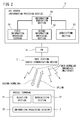
FIG. 1 shows an intelligent transport system utilizing a mobile communication system (radio communication system) 1. - The
mobile communication system 1 includes a plurality of base stations (radio communication devices) 2. Thebase stations 2 perform radio communications with mobile terminals (including mobile phones) 3 such as on-vehicle devices installed in vehicles. In the present embodiment, the mobile communication system conforms to LTE (Long Term Evolution). However, the communication standard is not limited to the LTE. - The plurality of
base stations 2 are connected to each other via amobile communication network 4. Themobile communication network 4 includes a gateway (refer toFIG. 2 ) 41, and thebase stations 2 are connected to an ITS server (information providing device) 5 via thegateway 41. - The
ITS server 5 generates information valuable for the vehicles, such as traffic information. The ITSserver 5 provides the generated information to themobile terminals 3 via thebase stations 2 in themobile communication network 4. In the present embodiment, radio communications with themobile terminals 3 installed in the vehicles can be performed by utilizing a mobile communication system (communication system for mobile phones) established for mobile terminals such as mobile phones, and therefore, it is not necessary to separately provide radio communication devices (road side units) dedicated for radio communications with the vehicles. - The ITS
server 5 acquires information such as probe data from the vehicles, and updates the traffic information. Therefore, the more data the ITSserver 5 acquires from the vehicles, the more appropriate traffic information the ITSserver 5 can generate. The ITSserver 5 is connected, via wired communication lines, to a road side sensor such as anoptical beacon 6 and to a device such as atraffic signal controller 7. The ITSserver 5 can update the traffic information based on information acquired from various sensors. Further, the ITSserver 5 can control thetraffic signal controller 7. - As shown in
FIG. 2 , the ITS server (information providing device) 5 includes a firstinformation providing section 51, a secondinformation providing section 52, anacquisition section 53, and aninformation generation section 54. - In each
mobile terminal 3, an ITS application (computer program) for communication with the ITSserver 5 is installed. The ITS application causes a computer included in themobile terminal 3 to function as areception section 31, atransmission section 32, and aninformation processing section 33. - The first
information providing section 51 of the ITSserver 5 provides, to themobile communication network 4, first downlink information to be transmitted to a plurality ofmobile terminals 3 by point-to-multipoint communication (broadcasting or multicasting) with themobile terminals 3, among information (downlink information) transmitted from abase station 2. - In the LTE, the point-to-multipoint communication may utilize, for example, MBMS (Multimedia Broadcast Multicast Service). The MBMS uses, for data transmission, MCH as a transport channel, and MCCH and MTCH as logical channels.
- When the
mobile communication system 1 conforms to LTE, the firstinformation providing section 51 functions as a BMSC (Broadcast Multicast Service Center) in the LTE. - The second
information providing section 52 provides, to themobile communication network 4, second downlink information to be transmitted to amobile terminal 3 by point-to-point communication (unicasting) with themobile terminal 3, among the information (downlink information) transmitted from thebase station 2. - The
acquisition section 53 acquires, via themobile communication network 4, information (uplink information) transmitted from themobile terminal 3 to thebase station 2 by point-to-point communication. - The first downlink information may include traffic information such as: signal information of traffic signal controllers provided in or near areas covered by one or a plurality of
base stations 2; on-road traffic condition information (link travel time, degree of traffic congestion and/or length of traffic congestion, average travel speed, and the like); event information about accident, disaster, or the like; and information about traffic restriction. - The first
information providing section 51 encrypts part or entirety of the first downlink information to be transmitted. The partially or entirely encrypted first downlink information is provided to the gateway (BMSC-GW) 41. Thegateway 41 distributes the first downlink information to eachbase station 2. - Upon receiving the first downlink information, the
base station 2 transmits, by broadcasting or multicasting, the partially or entirely encrypted first downlink information to themobile terminals 3 in its communication area (cell). - In a
mobile terminal 3 executing the ITS application, thereception section 31 can receive the first downlink information transmitted from thebase station 2. Even if themobile terminal 3 has not established point-to-point communication connection with thebase station 2, themobile terminal 3 can receive the first downlink information transmitted by point-to-multipoint communication. Accordingly, when receiving the first downlink information, themobile terminal 3 need not perform a point-to-point communication connection establishing process. Further, a data communication fee is prevented from arising. - A radio communication device performing point-to-multipoint communication may be a radio communication device (e.g., a radio communication device dedicated to ITS) different from a radio communication device performing point-to-point communication. In this case, the radio communication device performing point-to-point communication need not have a function of broadcasting or multicasting. Further, in this case, the radio communication device dedicated to ITS may be a communication device that conforms to, for example, WAVE (Wireless Access in Vehicular Environments) or DSRC (Dedicated Short Range Communications) based on IEEE802.11p.
- Transmitting the first downlink information by broadcasting or multicasting makes it unnecessary to individually allocate a radio resource to each
mobile terminal 3, thereby reducing the likelihood of depletion of radio resources even when the amount of the first downlink information is large. - When the
mobile terminal 3 installed in the vehicle becomes ready to receive the first downlink information, thetransmission section 32 of themobile terminal 3 transmits uplink information (probe data) such as the current position of the vehicle, the current time, and the past travel locus, to thebase station 2 by point-to-point communication. When themobile terminal 3 is not ready to receive the first downlink information, it is desirable that themobile terminal 3 does not transmit the uplink information. Thus, themobile terminal 3 that cannot receive the first downlink information is prevented from wastefully transmitting the uplink information. - Establishment of point-to-point communication (unicasting) connection between the
mobile terminal 3 and thebase station 2 is triggered by an access start process from themobile terminal 3 to a specific address. The specific address is, for example, an IP address (URL) set on the ITSserver 5. Besides the IP address, the specific address may be an address assigned to a person who desires to access the ITSserver 5 on the communication network. - Establishment of the point-to-point communication connection between the
mobile terminal 3 and thebase station 2 may be triggered by themobile terminal 3 calling a telephone number prepared for ITS services in advance. - The uplink information transmitted from the
mobile terminal 3 to thebase station 2 is transmitted from thebase station 2 to the ITSserver 5 via themobile communication network 4 and the Internet. Theacquisition section 53 of the ITSserver 5 provides, to theinformation generation section 54, the uplink information acquired from thebase station 2. Based on the uplink information acquired by theacquisition section 53, theinformation generation section 54 can update the traffic information provided as the first downlink information. - The probe data included in the uplink information includes at least information about the current position of the
mobile terminal 3, and may also include information about a plurality of positions in the past (information about the travel locus). Further, the probe data may include information indicating the state of a device or a sensor installed in the vehicle (e.g., the travel speed, whether a wiper is in use, the operating state of an ABS (Antilock Brake System) installed in the vehicle, the number of occupants in the vehicle, the distances between the vehicle, and a preceding vehicle and a following vehicle). - When the ITS
server 5 acquires the uplink information from themobile terminal 3, the secondinformation providing section 52 provides, to themobile communication network 4 side, a decryption key (second downlink information) as decryption information for decrypting the encrypted first downlink information. - The decryption key (second downlink information) is transmitted from the
base station 2 that has established point-to-point communication connection with themobile terminal 3 that has transmitted the uplink information, to themobile terminal 3, via the point-to-point communication. The transmitted decryption key (second downlink information) is received by thereception section 31 of themobile terminal 3. - As described above, when the
mobile terminal 3 has transmitted the uplink information, themobile terminal 3 can obtain the second downlink information in exchange for the uplink information. That is, themobile terminal 3 that has transmitted the uplink information can obtain both the first downlink information and the second downlink information. - As shown in
FIG. 3 , theinformation processing section 33 of themobile terminal 3 obtains necessary information by combining the received first downlink information and second downlink information. In the present embodiment, the second downlink information is the decryption key for decrypting the encrypted first downlink information. Accordingly, theinformation processing section 33 performs a decryption process on the first downlink information by using the decryption key to obtain the decrypted first downlink information (traffic information; information to be used in the mobile terminal). - On the other hand, the
mobile terminal 3 that has not transmitted the uplink information cannot obtain the decryption key (second downlink information), and therefore, cannot decrypt the first downlink information. Accordingly, themobile terminal 3 that has not transmitted the uplink information cannot obtain a part or entirety of the necessary information (traffic information) even though themobile terminal 3 has received the first downlink information. - If the
mobile terminal 3 can obtain the necessary information by only receiving the first downlink information transmitted by point-to-multipoint communication, it is less beneficial for themobile terminal 3 to transmit the uplink information after taking the trouble to establish point-to-point communication connection. - That is, it is essentially less beneficial for the individual on-vehicle
mobile terminal 3 to transmit the uplink information such as probe data. In spite of this, if themobile terminal 3 attempts to communicate with thebase station 2 after establishing point-to-point communication connection with thebase station 2, themobile terminal 3 consumes the power, which is disadvantageous if themobile terminal 3 is of a battery driven type. In addition, a data communication fee arises. - On the other hand, it is desirable for the ITS
server 5 to collect as much uplink information such as probe data as possible. The reason is because the ITSserver 5 becomes able to grasp the traffic condition more accurately by the probe data collected by the uplink from the on-vehiclemobile terminals 3. As a result, the traffic information provided from the ITSserver 5 side to themobile terminals 3 becomes more precise, and control for traffic infrastructure equipment such as thetraffic signal controller 7 becomes more appropriate. - Thus, in the present embodiment, since the
mobile terminal 3 that has transmitted the uplink information can obtain the decryption key, it is possible to urge themobile terminal 3 that desires the downlink information to transmit the uplink information. - Moreover, even when the second downlink information is transmitted by point-to-point communication to the
mobile terminal 3 that has transmitted the uplink information, since the amount of the second downlink information (decryption key) is smaller than the amount of the first downlink information, depletion of communication resources is less likely to occur. - The decryption key transmitted as the second downlink information is configured to be a disposable decryption key. By using the disposable decryption key, it is expected that retransmission of uplink information is performed when the decryption key becomes unusable.
- For example, the disposable decryption key is valid within a validity period, and becomes unusable when the validity period has elapsed. For example, when the validity period has elapsed, the decryption key needed for decryption may be changed so that decryption cannot be performed with the old decryption key. Alternatively, the decryption key may be deleted from the
mobile terminal 3 when the validity period has elapsed. - The validity period may be set to 3 seconds or 5 seconds, for example. It is desirable that the validity period is equal to or shorter than a time period that is desired by the
base station 2 as an uplink information transmission period. If thebase station 2 does not have ample communication resources, the validity period may be set longer. - Further, the decryption key may be made disposable by providing the number of times of decryption (the number of times of use) with an upper limit such as one time or a few times.
- The decryption key may be valid for only decryption of the first downlink information from the
base station 2 that has transmitted the decryption key, or may be valid for only decryption of the first downlink information from a plurality of specific base stations 2 (e.g., the base station that has transmitted the decryption key and its neighboring base stations). Further, the decryption key may be valid only when themobile terminal 3 exists at a position in a predetermined area (e.g., the communication area of the base station that has transmitted the decryption key and its neighborhood). - Further, the first downlink information need not be entirely encrypted. As shown in
FIG. 4 , the first downlink information may include a non-encrypted part and an encrypted part. In this case, the decryption key is used to decrypt the encrypted part. The non-encrypted part may include emergency notification (information notifying occurrence of accident, disaster, or the like) or information about an identification number of the base station or the current time. The non-encrypted part may be advertising information or the like. - The first downlink information and the second downlink information are not limited to encrypted information and a decryption key therefor.
- For example, the first downlink information may be formed such that the first downlink information alone is useless or difficult to use, for the
mobile terminal 3. The first downlink information may be formed such that themobile terminal 3 can obtain information to use, when themobile terminal 3 acquires the second downlink information in addition to the first downlink information. - For example, as shown in
FIG. 5 , the first downlink information is wide-area traffic information, and has a plurality of local traffic information. Accordingly, not all but part of the first downlink information is necessary for themobile terminal 3. Relevant portion identification information, indicating traffic information of a specific area necessary for themobile terminal 3 that has transmitted the uplink information, is transmitted as the second downlink information to themobile terminal 3. - Also in this case, the
information processing section 33 of themobile terminal 3 obtains necessary information by performing information processing using the first downlink information and the second downlink information. Specifically, themobile terminal 3 can obtain the traffic information (in area B) that is necessary for themobile terminal 3 by referring to the first downlink information (wide-area traffic information) based on the second downlink information (relevant portion identification information). - Thus, the first downlink information and the second downlink information may be information for identifying a signal to be used in the
mobile terminal 3, among the information included in the first downlink information. - Further, the first downlink information may be formed such that, with the first downlink information alone, the
mobile terminal 3 can obtain only simple information. The first downlink information may be formed such that the content of information to be used by themobile terminal 3 is upgraded when themobile terminal 3 acquires the second downlink information in addition to the first downlink information. - For example, among signal information from a traffic signal controller, which is to be included in the first downlink information, only a green light display time may be excluded from the first downlink information and included in the second downlink information. Thus, the green light display time may become usable for the
mobile terminal 3 only when themobile terminal 3 combines the second downlink information with the first downlink information. - As shown in
FIG. 6 , the first downlink information transmitted by point-to-multipoint communication may include option information, in addition to information (common information) to be commonly distributed to all the on-vehiclemobile terminals 3. The common information and the option information are encrypted by using different keys. - When the
mobile terminal 3 transmits the uplink information including an option information request, the ITSserver 5 provides, to thebase station 2, a decryption key for decrypting the common information and a second decryption key for decrypting the option information, as the second downlink information. Upon acquiring the decryption key for decrypting the common information and the second decryption key for decrypting the option information from thebase station 2, themobile terminal 3 can decrypt both the common information and the option information. - In this case, a
mobile terminal 3 that has transmitted uplink information including no option information request acquires only the decryption key for decrypting the common information. - The option information shown in
FIG. 6 may be included not in the first downlink information but in the second downlink information. When the option information is included in the second downlink information, the option information need not be encrypted. Thus, the content of the second downlink information may be changed according to the content of the uplink information. - Further, the second decryption key for decrypting the option information or the option information as the second downlink information may be transmitted to a
mobile terminal 3 that has transmitted uplink information including many pieces of valuable information or to amobile terminal 3 having a large number of times of uplink information transmission per given time period. - If the option information is included in the second downlink information, the channel capacity of the point-to-point communication needs to be increased, which might lead to depletion of radio resources. Therefore, if there are many vehicles that request the option information, the second downlink information may be transmitted without including the option information therein, or the second downlink information may be transmitted with the data size of the option information being reduced (with part of information included in the option information being deleted).
- The option information may be included in the second downlink information when the number of
mobile terminals 3 that request the option information is small, whereas the option information may be included in the first downlink information when the number ofmobile terminals 3 that request the option information is large. In the case where the option information is included in the first downlink information, the decryption key for decrypting the option information is provided as the second downlink information to themobile terminals 3. - Regarding discrimination between the common information and the option information, for example, general traffic information (information indicating the status of road congestion, such as link travel time and link congestion degree) may be regarded as the common information, and signal information may be regarded as the option information. In this case, if the
mobile terminal 3 needs not only the simple traffic information but also the signal information, themobile terminal 3 may transmit the uplink information including an option information request. - When the signal information is the option information, the option information is transmitted to only a vehicle (a vehicle equipped with a drive support function) that utilizes information relating to drive support as to whether the vehicle can pass through an intersection where a traffic signal unit is installed, whereby the amount of the downlink information can be reduced. Whether a vehicle is equipped with such a drive support function can be identified based on, for example, information indicating presence/absence of the drive support function, which information is included in the uplink information transmitted by the vehicle.
- Further, the traffic information may be the common information, and advertising information relating to stores such as restaurants and retail shops located in an area near a vehicle (mobile terminal 3) may be the option information.
- Further, the common information may be free of charge, and the option information may be charged. Charging on the option information may be performed when the decryption key for the option information is transmitted.
-
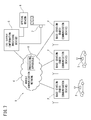
FIG. 7 shows a modification of theradio communication system 1. In theradio communication system 1 shown inFIG. 7 , the function of the ITSserver 5 in theradio communication system 1, which is shown inFIGS. 1 and2 , is separated into an ITSserver 5 and aprocessing apparatus 8. Theprocessing apparatus 8 is provided in themobile communication network 4. - Among the functions of the ITS
server 5 shown inFIG. 2 , the ITSserver 5 shown inFIG. 7 includes theinformation generation section 54, and theprocessing apparatus 8 includes the other functions (the firstinformation providing section 51, the secondinformation providing section 52, and the acquisition section 53). - The
information generation section 5 of the ITSserver 5 shown inFIG. 7 generates information (first downlink information) such as traffic information based on the information acquired by theacquisition section 53 of theprocessing apparatus 8. At this time, the information (first downlink information) is not encrypted in the ITSserver 5, and the generated information (first downlink information) is transmitted to theprocessing apparatus 8. - The first
information providing section 51 of theprocessing apparatus 8 encrypts part or entirety of the first downlink information received from the ITSserver 5, and causes thebase stations 2 to transmit the first downlink information to themobile terminals 3 by point-to-multipoint communication. Then, the secondinformation providing section 52 of theprocessing apparatus 8 transmits the second downlink information (decryption key) to the mobile terminals in accordance with the uplink information. - Both the ITS
server 5 and theprocessing apparatus 8 may have the functions of the firstinformation providing section 51 and the secondinformation providing section 52. - For example, as shown in
FIG. 6 , when the common information and the option information are provided as the first downlink information, the firstinformation providing section 51 of the ITSserver 5 encrypts the common information and provides the encrypted common information as a part of the first downlink information to thebase station 2, while the secondinformation providing section 52 of the ITSserver 5 provides a decryption key for decrypting the common information as a part of the second downlink information to thebase station 2. - On the other hand, the first
information providing section 51 of theprocessing apparatus 8 encrypts the option information and provides the encrypted option information as another part of the first downlink information to thebase station 2, while the firstinformation providing section 52 of theprocessing apparatus 8 provides a second decryption key for decrypting the option information as another part of the second downlink information to thebase station device 2. - The functions of the
processing apparatus 8 described above may be included in another device in thebase station 2 or the mobile communication network. - Note that the embodiments disclosed are to be considered in all respects as illustrative and not restrictive. The scope of the invention is indicated by the appended claims rather than by the foregoing meaning, and all changes which come within the meaning and range of equivalency of the claims are therefore intended to be embraced therein.
-
- 1
- radio communication system
- 2
- base station (radio communication device)
- 3
- mobile terminal
- 4
- mobile communication network
- 5
- ITS server (information providing device)
- 6
- optical beacon
- 7
- traffic signal controller
- 8
- processing apparatus
- 41
- gateway
- 51
- first information providing section
- 52
- second information providing section
- 53
- acquisition section
- 54
- information generation section
- 31
- reception section
- 32
- transmission section
- 33
- information processing section
Claims (12)
- A radio communication system that provides information to a mobile terminal via a radio communication device that performs radio communication with the mobile terminal, wherein
the mobile terminal is capable of receiving first downlink information that has been transmitted by point-to-multipoint radio communication receivable by a plurality of the mobile terminals, and capable of receiving second downlink information that has been transmitted by point-to-point communication,
the mobile terminal is capable of transmitting uplink information by point-to-point radio communication, and
the first downlink information and the second downlink information are formed such that information to be used in the mobile terminal is obtained when the mobile terminal performs information processing by using both the first downlink information and the second downlink information. - The radio communication system according to claim 1, wherein
the first downlink information includes encrypted information, and
the second downlink information includes decryption information for decrypting the encrypted first downlink information. - The radio communication system according to claim 1 or 2, wherein the second downlink information includes information that is relevant to only a part of the first downlink information.
- The radio communication system according to any one of claims 1 to 3, wherein
the first downlink information includes traffic information, and
the uplink information includes position information of the mobile terminal. - The radio communication system according to any one of claims 1 to 4, wherein the first downlink information includes information to be updated based on the uplink information.
- The radio communication system according to claim 2, wherein the decryption information is disposable decryption information.
- The radio communication system according to any one of claims 1 to 6, wherein the mobile terminal transmits uplink information by the point-to-point communication when the mobile terminal becomes ready to receive the first downlink information.
- The radio communication system according to any one of claims 1 to 7, wherein the second downlink information varies depending on the content of the uplink information.
- The radio communication system according to any one of claims 1 to 8, wherein the second downlink information includes option information that has been requested, in the uplink information, to be included in the second downlink information.
- An information providing device that provides information to a mobile terminal via a radio communication device that performs radio communication with the mobile terminal, comprising:a first information providing section that provides, to the radio communication device, first downlink information to be transmitted from the radio communication device by point-to-multipoint transmission receivable by a plurality of the mobile terminals;a second information providing section that provides, to the radio communication device, second downlink information to be transmitted from the radio communication device by point-to-point communication with the mobile terminal; andan acquisition section that acquires, via the radio communication device, uplink information transmitted from the mobile terminal to the radio communication device by the point-to-point communication, whereinthe first downlink information and the second downlink information are formed such that information to be used in the mobile terminal is obtained when the mobile terminal performs information processing by using both the first downlink information and the second downlink information.
- A mobile terminal that performs radio communication with a radio communication device, comprising:a reception section capable of receiving first downlink information that has been transmitted by point-to-multipoint radio communication receivable by other mobile terminals, and capable of receiving second downlink information that has been transmitted by point-to-point radio communication;a transmission section capable of transmitting uplink information by the point-to-point communication; andan information processing section that performs information processing using both the received first downlink information and second downlink information.
- A method for providing information to a mobile terminal, comprising:a step of causing the mobile terminal to receive first downlink information that has been transmitted by point-to-multipoint radio communication receivable by a plurality of the mobile terminals;a step of the mobile terminal transmitting uplink information by point-to-point radio communication;a step of causing the mobile terminal to receive second downlink information transmitted by the point-to-point communication; anda step of the mobile terminal using information obtained by performing information processing by using both the first downlink information and the second downlink information that have been received.
Applications Claiming Priority (2)
| Application Number | Priority Date | Filing Date | Title |
|---|---|---|---|
| JP2011244140A JP5811784B2 (en) | 2011-11-08 | 2011-11-08 | Wireless communication system, information providing apparatus, mobile terminal, and method for providing information to mobile terminal |
| PCT/JP2012/072611 WO2013069364A1 (en) | 2011-11-08 | 2012-09-05 | Wireless communication system, information provision device, moving body terminal, and method which provides information to moving body terminal |
Publications (3)
| Publication Number | Publication Date |
|---|---|
| EP2779705A1 true EP2779705A1 (en) | 2014-09-17 |
| EP2779705A4 EP2779705A4 (en) | 2015-07-08 |
| EP2779705B1 EP2779705B1 (en) | 2018-12-05 |
Family
ID=48289750
Family Applications (1)
| Application Number | Title | Priority Date | Filing Date |
|---|---|---|---|
| EP12847036.6A Active EP2779705B1 (en) | 2011-11-08 | 2012-09-05 | Wireless communication system, information provision device, moving body terminal, and method which provides information to moving body terminal |
Country Status (5)
| Country | Link |
|---|---|
| US (1) | US10044437B2 (en) |
| EP (1) | EP2779705B1 (en) |
| JP (1) | JP5811784B2 (en) |
| CN (1) | CN103931215B (en) |
| WO (1) | WO2013069364A1 (en) |
Families Citing this family (4)
| Publication number | Priority date | Publication date | Assignee | Title |
|---|---|---|---|---|
| CN104167105A (en) * | 2014-06-15 | 2014-11-26 | 合肥星服信息科技有限责任公司 | Vehicle-mounted crossing signal indicating instrument |
| US10667097B2 (en) * | 2015-11-12 | 2020-05-26 | Sony Corporation | Telecommunications apparatuses and methods |
| JP7091668B2 (en) * | 2018-01-16 | 2022-06-28 | 愛知製鋼株式会社 | Driving support system |
| DE102019202725A1 (en) * | 2019-02-28 | 2020-09-03 | Diehl Metering Gmbh | SIGNALING OF A MULTICAST MESSAGE IN UNCOORDINATED NETWORKS |
Family Cites Families (33)
| Publication number | Priority date | Publication date | Assignee | Title |
|---|---|---|---|---|
| JP2806801B2 (en) | 1994-06-22 | 1998-09-30 | 日本電気情報サービス株式会社 | Signal speed linked vehicle speed control device |
| US7426437B2 (en) * | 1997-10-22 | 2008-09-16 | Intelligent Technologies International, Inc. | Accident avoidance systems and methods |
| US5999623A (en) * | 1997-11-05 | 1999-12-07 | Globalstar L.P. | Broadcast data access controller communication system |
| KR100319294B1 (en) * | 1998-09-14 | 2002-04-22 | 윤종용 | Interactive Information Transmission / Reception System and Its Service Method |
| JP2003528398A (en) * | 2000-03-21 | 2003-09-24 | リットマスター,テッド・アール | System and process for delivering information to a communication network |
| JP4637406B2 (en) * | 2001-06-11 | 2011-02-23 | パナソニック株式会社 | Floating car data collection method and apparatus for implementing the same |
| US7697523B2 (en) * | 2001-10-03 | 2010-04-13 | Qualcomm Incorporated | Method and apparatus for data packet transport in a wireless communication system using an internet protocol |
| US20040202329A1 (en) * | 2003-04-11 | 2004-10-14 | Samsung Electronics Co., Ltd. | Method and system for providing broadcast service using encryption in a mobile communication system |
| US7522731B2 (en) * | 2003-04-28 | 2009-04-21 | Firetide, Inc. | Wireless service points having unique identifiers for secure communication |
| EP1499064A1 (en) * | 2003-07-16 | 2005-01-19 | Alcatel | Combining point-to-point information and point-to-multipoint information in a radio network controller |
| JP4218508B2 (en) * | 2003-11-26 | 2009-02-04 | 株式会社エクォス・リサーチ | Wireless data transmitter / receiver |
| JP2005286989A (en) * | 2004-03-02 | 2005-10-13 | Ntt Docomo Inc | Communication terminal and ad hoc network route control method |
| JP4576997B2 (en) * | 2004-04-28 | 2010-11-10 | 株式会社デンソー | Communication system, key distribution device, cryptographic processing device |
| JP4385293B2 (en) * | 2004-07-05 | 2009-12-16 | ソニー株式会社 | Wireless communication system |
| CN100581283C (en) * | 2004-11-16 | 2010-01-13 | 北京三星通信技术研究有限公司 | Password management method suitable for multimedia broadcast and multicast services |
| US20060287918A1 (en) * | 2005-05-13 | 2006-12-21 | Jon Canaday | Rolling stock advertising method |
| KR100905593B1 (en) * | 2005-10-18 | 2009-07-02 | 삼성전자주식회사 | Digital multimedia broadcasting system and method for broadcasting user report |
| JP4730165B2 (en) * | 2006-03-27 | 2011-07-20 | 株式会社デンソー | Traffic information management system |
| KR20080016399A (en) * | 2006-08-17 | 2008-02-21 | 엘지전자 주식회사 | Method of providing traffic information, method and apparatus using same |
| US7944905B2 (en) * | 2007-05-29 | 2011-05-17 | Motorola Solutions, Inc. | Method for dynamically identifying locations of mobile nodes in a time division multiple access based ad hoc communication network |
| DE102008045467A1 (en) * | 2007-09-05 | 2009-07-23 | Continental Teves Ag & Co. Ohg | Assisting system for vehicle, program element and computer readable medium, has communication device for communication with selected transmission and receipt units, and has restriction unit |
| US8386148B2 (en) * | 2007-12-31 | 2013-02-26 | The Invention Science Fund I, Llc | Traffic-sensitive engine control |
| JP5163176B2 (en) * | 2008-02-21 | 2013-03-13 | 株式会社Jvcケンウッド | Information providing system, information transmitting / receiving terminal, and information providing method |
| US8155865B2 (en) * | 2008-03-31 | 2012-04-10 | General Motors Llc | Method and system for automatically updating traffic incident data for in-vehicle navigation |
| KR20100058313A (en) * | 2008-11-24 | 2010-06-03 | 한국전자통신연구원 | Apparatus for transmitting private broadcasting service and mobile terminal |
| US8522013B2 (en) * | 2009-08-31 | 2013-08-27 | Telcordia Technologies, Inc. | System and methods to perform public key infrastructure (PKI) operations in vehicle networks using one-way communications infrastructure |
| US9013325B2 (en) * | 2010-08-02 | 2015-04-21 | Siemens Industry, Inc. | System and method for traffic-control phase change warnings |
| JP5367917B2 (en) * | 2011-01-25 | 2013-12-11 | 三洋電機株式会社 | OBE |
| US8478209B2 (en) * | 2011-05-05 | 2013-07-02 | GM Global Technology Operations LLC | Method and apparatus for multimedia content promotion in vehicular wireless networks |
| US20130194108A1 (en) * | 2012-01-30 | 2013-08-01 | Telcordia Technologies, Inc. | System, Method, Control Device and Program for Vehicle Collision Avoidance Using Cellular Communication |
| JP5886099B2 (en) * | 2012-03-21 | 2016-03-16 | 日立オートモティブシステムズ株式会社 | Electronic control unit for automobile |
| TW201405497A (en) * | 2012-07-26 | 2014-02-01 | Ind Tech Res Inst | Method of traffic condition notification and system thereof |
| US9574887B2 (en) * | 2012-12-13 | 2017-02-21 | Lg Electronics Inc. | Method of calculating route, and method or device for obtaining route |
-
2011
- 2011-11-08 JP JP2011244140A patent/JP5811784B2/en active Active
-
2012
- 2012-09-05 WO PCT/JP2012/072611 patent/WO2013069364A1/en not_active Ceased
- 2012-09-05 US US14/356,297 patent/US10044437B2/en active Active
- 2012-09-05 EP EP12847036.6A patent/EP2779705B1/en active Active
- 2012-09-05 CN CN201280054970.9A patent/CN103931215B/en active Active
Also Published As
| Publication number | Publication date |
|---|---|
| US10044437B2 (en) | 2018-08-07 |
| CN103931215A (en) | 2014-07-16 |
| WO2013069364A1 (en) | 2013-05-16 |
| CN103931215B (en) | 2018-05-11 |
| JP2013102310A (en) | 2013-05-23 |
| EP2779705B1 (en) | 2018-12-05 |
| JP5811784B2 (en) | 2015-11-11 |
| EP2779705A4 (en) | 2015-07-08 |
| US20140308897A1 (en) | 2014-10-16 |
Similar Documents
| Publication | Publication Date | Title |
|---|---|---|
| US9596096B2 (en) | Navigation crowd sourcing based on LTE multicast | |
| US20220303734A1 (en) | Vehicle to everything object exchange system | |
| Belanovic et al. | On wireless links for vehicle-to-infrastructure communications | |
| EP3373612B1 (en) | Vehicle network v2x service sending method and apparatus | |
| EP3275221B1 (en) | Point-to-multipoint broadcast assisted vehicle-to-x broadcast | |
| US9826499B2 (en) | Method for transmitting data from communication device for providing vehicle infotainment service and system using the same | |
| EP3373605A1 (en) | Service forwarding method and apparatus | |
| US11777590B2 (en) | Message set and a messaging method for vehicular communication | |
| CN106559337A (en) | Car networking information transferring method and relevant device | |
| CN106331007B (en) | Method and device for processing alarm information in Internet of Vehicles | |
| CN107733955B (en) | Vehicle networking service configuration method and device, service acquisition method, device and system | |
| WO2020209420A1 (en) | Method and device for v2x communication | |
| EP2779705B1 (en) | Wireless communication system, information provision device, moving body terminal, and method which provides information to moving body terminal | |
| EP1289220A1 (en) | Locally restricted open communication | |
| CN105792139A (en) | Notification method and device for information | |
| KR20230005447A (en) | System for wirelessly transmit and receive bus information using hybrid V2X | |
| JP6070800B2 (en) | Wireless communication system, mobile terminal, and method for providing information to mobile terminal | |
| CN105788324B (en) | Information identification method and device | |
| JPWO2017068832A1 (en) | Apparatus and method | |
| EP1879150A1 (en) | Method and protocol for transmitting information within an enforcement system of a monitoring or road charging system, enforcement unit and mobile device | |
| KR20030075032A (en) | Method of taxi service management with intelligent transport system | |
| Eirij | Device-to-Device Communications and Heterogeneous Structures in LTE networks | |
| CN103177559A (en) | Remote monitoring system for taxi |
Legal Events
| Date | Code | Title | Description |
|---|---|---|---|
| PUAI | Public reference made under article 153(3) epc to a published international application that has entered the european phase |
Free format text: ORIGINAL CODE: 0009012 |
|
| 17P | Request for examination filed |
Effective date: 20140609 |
|
| AK | Designated contracting states |
Kind code of ref document: A1 Designated state(s): AL AT BE BG CH CY CZ DE DK EE ES FI FR GB GR HR HU IE IS IT LI LT LU LV MC MK MT NL NO PL PT RO RS SE SI SK SM TR |
|
| DAX | Request for extension of the european patent (deleted) | ||
| RA4 | Supplementary search report drawn up and despatched (corrected) |
Effective date: 20150610 |
|
| RIC1 | Information provided on ipc code assigned before grant |
Ipc: H04W 4/04 20090101AFI20150603BHEP Ipc: H04N 21/414 20110101ALI20150603BHEP Ipc: H04W 4/06 20090101ALI20150603BHEP Ipc: G08G 1/09 20060101ALI20150603BHEP |
|
| STAA | Information on the status of an ep patent application or granted ep patent |
Free format text: STATUS: EXAMINATION IS IN PROGRESS |
|
| 17Q | First examination report despatched |
Effective date: 20170403 |
|
| REG | Reference to a national code |
Ref country code: DE Ref legal event code: R079 Ref document number: 602012054480 Country of ref document: DE Free format text: PREVIOUS MAIN CLASS: H04W0004040000 Ipc: H04W0004060000 |
|
| GRAP | Despatch of communication of intention to grant a patent |
Free format text: ORIGINAL CODE: EPIDOSNIGR1 |
|
| STAA | Information on the status of an ep patent application or granted ep patent |
Free format text: STATUS: GRANT OF PATENT IS INTENDED |
|
| RIC1 | Information provided on ipc code assigned before grant |
Ipc: H04W 4/06 20090101AFI20180625BHEP |
|
| INTG | Intention to grant announced |
Effective date: 20180711 |
|
| GRAS | Grant fee paid |
Free format text: ORIGINAL CODE: EPIDOSNIGR3 |
|
| GRAA | (expected) grant |
Free format text: ORIGINAL CODE: 0009210 |
|
| GRAA | (expected) grant |
Free format text: ORIGINAL CODE: 0009210 |
|
| STAA | Information on the status of an ep patent application or granted ep patent |
Free format text: STATUS: THE PATENT HAS BEEN GRANTED |
|
| AK | Designated contracting states |
Kind code of ref document: B1 Designated state(s): AL AT BE BG CH CY CZ DE DK EE ES FI FR GB GR HR HU IE IS IT LI LT LU LV MC MK MT NL NO PL PT RO RS SE SI SK SM TR |
|
| REG | Reference to a national code |
Ref country code: GB Ref legal event code: FG4D |
|
| REG | Reference to a national code |
Ref country code: CH Ref legal event code: EP |
|
| REG | Reference to a national code |
Ref country code: AT Ref legal event code: REF Ref document number: 1074613 Country of ref document: AT Kind code of ref document: T Effective date: 20181215 |
|
| REG | Reference to a national code |
Ref country code: IE Ref legal event code: FG4D |
|
| REG | Reference to a national code |
Ref country code: DE Ref legal event code: R096 Ref document number: 602012054480 Country of ref document: DE |
|
| REG | Reference to a national code |
Ref country code: NL Ref legal event code: FP |
|
| REG | Reference to a national code |
Ref country code: AT Ref legal event code: MK05 Ref document number: 1074613 Country of ref document: AT Kind code of ref document: T Effective date: 20181205 |
|
| REG | Reference to a national code |
Ref country code: LT Ref legal event code: MG4D |
|
| PG25 | Lapsed in a contracting state [announced via postgrant information from national office to epo] |
Ref country code: AT Free format text: LAPSE BECAUSE OF FAILURE TO SUBMIT A TRANSLATION OF THE DESCRIPTION OR TO PAY THE FEE WITHIN THE PRESCRIBED TIME-LIMIT Effective date: 20181205 Ref country code: ES Free format text: LAPSE BECAUSE OF FAILURE TO SUBMIT A TRANSLATION OF THE DESCRIPTION OR TO PAY THE FEE WITHIN THE PRESCRIBED TIME-LIMIT Effective date: 20181205 Ref country code: FI Free format text: LAPSE BECAUSE OF FAILURE TO SUBMIT A TRANSLATION OF THE DESCRIPTION OR TO PAY THE FEE WITHIN THE PRESCRIBED TIME-LIMIT Effective date: 20181205 Ref country code: LV Free format text: LAPSE BECAUSE OF FAILURE TO SUBMIT A TRANSLATION OF THE DESCRIPTION OR TO PAY THE FEE WITHIN THE PRESCRIBED TIME-LIMIT Effective date: 20181205 Ref country code: HR Free format text: LAPSE BECAUSE OF FAILURE TO SUBMIT A TRANSLATION OF THE DESCRIPTION OR TO PAY THE FEE WITHIN THE PRESCRIBED TIME-LIMIT Effective date: 20181205 Ref country code: LT Free format text: LAPSE BECAUSE OF FAILURE TO SUBMIT A TRANSLATION OF THE DESCRIPTION OR TO PAY THE FEE WITHIN THE PRESCRIBED TIME-LIMIT Effective date: 20181205 Ref country code: NO Free format text: LAPSE BECAUSE OF FAILURE TO SUBMIT A TRANSLATION OF THE DESCRIPTION OR TO PAY THE FEE WITHIN THE PRESCRIBED TIME-LIMIT Effective date: 20190305 Ref country code: BG Free format text: LAPSE BECAUSE OF FAILURE TO SUBMIT A TRANSLATION OF THE DESCRIPTION OR TO PAY THE FEE WITHIN THE PRESCRIBED TIME-LIMIT Effective date: 20190305 |
|
| PG25 | Lapsed in a contracting state [announced via postgrant information from national office to epo] |
Ref country code: SE Free format text: LAPSE BECAUSE OF FAILURE TO SUBMIT A TRANSLATION OF THE DESCRIPTION OR TO PAY THE FEE WITHIN THE PRESCRIBED TIME-LIMIT Effective date: 20181205 Ref country code: AL Free format text: LAPSE BECAUSE OF FAILURE TO SUBMIT A TRANSLATION OF THE DESCRIPTION OR TO PAY THE FEE WITHIN THE PRESCRIBED TIME-LIMIT Effective date: 20181205 Ref country code: RS Free format text: LAPSE BECAUSE OF FAILURE TO SUBMIT A TRANSLATION OF THE DESCRIPTION OR TO PAY THE FEE WITHIN THE PRESCRIBED TIME-LIMIT Effective date: 20181205 Ref country code: GR Free format text: LAPSE BECAUSE OF FAILURE TO SUBMIT A TRANSLATION OF THE DESCRIPTION OR TO PAY THE FEE WITHIN THE PRESCRIBED TIME-LIMIT Effective date: 20190306 |
|
| PG25 | Lapsed in a contracting state [announced via postgrant information from national office to epo] |
Ref country code: PT Free format text: LAPSE BECAUSE OF FAILURE TO SUBMIT A TRANSLATION OF THE DESCRIPTION OR TO PAY THE FEE WITHIN THE PRESCRIBED TIME-LIMIT Effective date: 20190405 Ref country code: CZ Free format text: LAPSE BECAUSE OF FAILURE TO SUBMIT A TRANSLATION OF THE DESCRIPTION OR TO PAY THE FEE WITHIN THE PRESCRIBED TIME-LIMIT Effective date: 20181205 Ref country code: IT Free format text: LAPSE BECAUSE OF FAILURE TO SUBMIT A TRANSLATION OF THE DESCRIPTION OR TO PAY THE FEE WITHIN THE PRESCRIBED TIME-LIMIT Effective date: 20181205 Ref country code: PL Free format text: LAPSE BECAUSE OF FAILURE TO SUBMIT A TRANSLATION OF THE DESCRIPTION OR TO PAY THE FEE WITHIN THE PRESCRIBED TIME-LIMIT Effective date: 20181205 |
|
| PG25 | Lapsed in a contracting state [announced via postgrant information from national office to epo] |
Ref country code: RO Free format text: LAPSE BECAUSE OF FAILURE TO SUBMIT A TRANSLATION OF THE DESCRIPTION OR TO PAY THE FEE WITHIN THE PRESCRIBED TIME-LIMIT Effective date: 20181205 Ref country code: EE Free format text: LAPSE BECAUSE OF FAILURE TO SUBMIT A TRANSLATION OF THE DESCRIPTION OR TO PAY THE FEE WITHIN THE PRESCRIBED TIME-LIMIT Effective date: 20181205 Ref country code: SM Free format text: LAPSE BECAUSE OF FAILURE TO SUBMIT A TRANSLATION OF THE DESCRIPTION OR TO PAY THE FEE WITHIN THE PRESCRIBED TIME-LIMIT Effective date: 20181205 Ref country code: SK Free format text: LAPSE BECAUSE OF FAILURE TO SUBMIT A TRANSLATION OF THE DESCRIPTION OR TO PAY THE FEE WITHIN THE PRESCRIBED TIME-LIMIT Effective date: 20181205 Ref country code: IS Free format text: LAPSE BECAUSE OF FAILURE TO SUBMIT A TRANSLATION OF THE DESCRIPTION OR TO PAY THE FEE WITHIN THE PRESCRIBED TIME-LIMIT Effective date: 20190405 |
|
| REG | Reference to a national code |
Ref country code: DE Ref legal event code: R097 Ref document number: 602012054480 Country of ref document: DE |
|
| PLBE | No opposition filed within time limit |
Free format text: ORIGINAL CODE: 0009261 |
|
| STAA | Information on the status of an ep patent application or granted ep patent |
Free format text: STATUS: NO OPPOSITION FILED WITHIN TIME LIMIT |
|
| PG25 | Lapsed in a contracting state [announced via postgrant information from national office to epo] |
Ref country code: DK Free format text: LAPSE BECAUSE OF FAILURE TO SUBMIT A TRANSLATION OF THE DESCRIPTION OR TO PAY THE FEE WITHIN THE PRESCRIBED TIME-LIMIT Effective date: 20181205 Ref country code: SI Free format text: LAPSE BECAUSE OF FAILURE TO SUBMIT A TRANSLATION OF THE DESCRIPTION OR TO PAY THE FEE WITHIN THE PRESCRIBED TIME-LIMIT Effective date: 20181205 |
|
| 26N | No opposition filed |
Effective date: 20190906 |
|
| REG | Reference to a national code |
Ref country code: DE Ref legal event code: R082 Ref document number: 602012054480 Country of ref document: DE Representative=s name: BOULT WADE TENNANT LLP, DE Ref country code: DE Ref legal event code: R082 Ref document number: 602012054480 Country of ref document: DE Representative=s name: MAIER, LL.M., MICHAEL C., DE |
|
| REG | Reference to a national code |
Ref country code: DE Ref legal event code: R082 Ref document number: 602012054480 Country of ref document: DE Representative=s name: BOULT WADE TENNANT LLP, DE |
|
| PG25 | Lapsed in a contracting state [announced via postgrant information from national office to epo] |
Ref country code: TR Free format text: LAPSE BECAUSE OF FAILURE TO SUBMIT A TRANSLATION OF THE DESCRIPTION OR TO PAY THE FEE WITHIN THE PRESCRIBED TIME-LIMIT Effective date: 20181205 |
|
| PG25 | Lapsed in a contracting state [announced via postgrant information from national office to epo] |
Ref country code: MC Free format text: LAPSE BECAUSE OF FAILURE TO SUBMIT A TRANSLATION OF THE DESCRIPTION OR TO PAY THE FEE WITHIN THE PRESCRIBED TIME-LIMIT Effective date: 20181205 |
|
| REG | Reference to a national code |
Ref country code: CH Ref legal event code: PL |
|
| PG25 | Lapsed in a contracting state [announced via postgrant information from national office to epo] |
Ref country code: LU Free format text: LAPSE BECAUSE OF NON-PAYMENT OF DUE FEES Effective date: 20190905 Ref country code: CH Free format text: LAPSE BECAUSE OF NON-PAYMENT OF DUE FEES Effective date: 20190930 Ref country code: LI Free format text: LAPSE BECAUSE OF NON-PAYMENT OF DUE FEES Effective date: 20190930 Ref country code: IE Free format text: LAPSE BECAUSE OF NON-PAYMENT OF DUE FEES Effective date: 20190905 |
|
| REG | Reference to a national code |
Ref country code: BE Ref legal event code: MM Effective date: 20190930 |
|
| PG25 | Lapsed in a contracting state [announced via postgrant information from national office to epo] |
Ref country code: BE Free format text: LAPSE BECAUSE OF NON-PAYMENT OF DUE FEES Effective date: 20190930 |
|
| PG25 | Lapsed in a contracting state [announced via postgrant information from national office to epo] |
Ref country code: CY Free format text: LAPSE BECAUSE OF FAILURE TO SUBMIT A TRANSLATION OF THE DESCRIPTION OR TO PAY THE FEE WITHIN THE PRESCRIBED TIME-LIMIT Effective date: 20181205 |
|
| PG25 | Lapsed in a contracting state [announced via postgrant information from national office to epo] |
Ref country code: HU Free format text: LAPSE BECAUSE OF FAILURE TO SUBMIT A TRANSLATION OF THE DESCRIPTION OR TO PAY THE FEE WITHIN THE PRESCRIBED TIME-LIMIT; INVALID AB INITIO Effective date: 20120905 Ref country code: MT Free format text: LAPSE BECAUSE OF FAILURE TO SUBMIT A TRANSLATION OF THE DESCRIPTION OR TO PAY THE FEE WITHIN THE PRESCRIBED TIME-LIMIT Effective date: 20181205 |
|
| PG25 | Lapsed in a contracting state [announced via postgrant information from national office to epo] |
Ref country code: MK Free format text: LAPSE BECAUSE OF FAILURE TO SUBMIT A TRANSLATION OF THE DESCRIPTION OR TO PAY THE FEE WITHIN THE PRESCRIBED TIME-LIMIT Effective date: 20181205 |
|
| P01 | Opt-out of the competence of the unified patent court (upc) registered |
Effective date: 20230515 |
|
| PGFP | Annual fee paid to national office [announced via postgrant information from national office to epo] |
Ref country code: NL Payment date: 20250814 Year of fee payment: 14 |
|
| PGFP | Annual fee paid to national office [announced via postgrant information from national office to epo] |
Ref country code: DE Payment date: 20250730 Year of fee payment: 14 |
|
| PGFP | Annual fee paid to national office [announced via postgrant information from national office to epo] |
Ref country code: GB Payment date: 20250731 Year of fee payment: 14 |
|
| PGFP | Annual fee paid to national office [announced via postgrant information from national office to epo] |
Ref country code: FR Payment date: 20250808 Year of fee payment: 14 |