EP2778909A1 - Application implementation method and device - Google Patents
Application implementation method and device Download PDFInfo
- Publication number
- EP2778909A1 EP2778909A1 EP20120848311 EP12848311A EP2778909A1 EP 2778909 A1 EP2778909 A1 EP 2778909A1 EP 20120848311 EP20120848311 EP 20120848311 EP 12848311 A EP12848311 A EP 12848311A EP 2778909 A1 EP2778909 A1 EP 2778909A1
- Authority
- EP
- European Patent Office
- Prior art keywords
- application
- implemented
- behavior
- service end
- configuration information
- Prior art date
- Legal status (The legal status is an assumption and is not a legal conclusion. Google has not performed a legal analysis and makes no representation as to the accuracy of the status listed.)
- Granted
Links
Images



Classifications
-
- G—PHYSICS
- G06—COMPUTING OR CALCULATING; COUNTING
- G06F—ELECTRIC DIGITAL DATA PROCESSING
- G06F9/00—Arrangements for program control, e.g. control units
- G06F9/06—Arrangements for program control, e.g. control units using stored programs, i.e. using an internal store of processing equipment to receive or retain programs
- G06F9/46—Multiprogramming arrangements
- G06F9/54—Interprogram communication
- G06F9/541—Interprogram communication via adapters, e.g. between incompatible applications
-
- G—PHYSICS
- G06—COMPUTING OR CALCULATING; COUNTING
- G06F—ELECTRIC DIGITAL DATA PROCESSING
- G06F8/00—Arrangements for software engineering
- G06F8/30—Creation or generation of source code
-
- G—PHYSICS
- G06—COMPUTING OR CALCULATING; COUNTING
- G06F—ELECTRIC DIGITAL DATA PROCESSING
- G06F2209/00—Indexing scheme relating to G06F9/00
- G06F2209/54—Indexing scheme relating to G06F9/54
- G06F2209/547—Messaging middleware
Definitions
- the present invention relates to the communication field, and more particularly, to an application implementation method and device.
- Each type of software implements an application, with a variety of behaviors defined in the software.
- a client can implement the application corresponding to the software by executing the behaviors contained in the software.
- a technical person encodes the various behaviors contained by the software in order in the software; after installing the software, the client can execute the various behaviors contained by the software in the order that these various behaviors are contained in the software, and after the client finishes executing these various behaviors contained by the software, the application corresponding to the software is thus implemented.
- the various behaviors contained by software are hardcoded into the software. If the application corresponding to the software is to be modified, the behaviors contained by the software can only be modified when the new version of the software is released, wherein its flexibility is insufficient and its development costs are higher.
- the present invention provides an application implementation method and device.
- the technical solutions are as follows.
- An application implementation method comprises:
- the receiving a behavior configuration table of an application to be implemented sent by a service end comprises:
- the receiving a behavior configuration table of an application to be implemented sent by a service end comprises:
- the implementing the application to be implemented according to the identifications of the APIs and the configuration information corresponding to the behaviors contained in the application to be implemented comprises:
- the method further comprises:
- An application implementation device comprises:
- the receiving module comprises:
- the receiving module comprises:
- the implementing module comprises:
- the device further comprises:
- the behavior configuration table of the application to be implemented sent by the service end is received, with the behavior configuration table including the identifications of the APIs and the configuration information corresponding to the behaviors contained in the application to be implemented; and the application to be implemented is implemented according to the identifications of the APIs and the configuration information corresponding to the behaviors contained in the application to be implemented.
- this embodiment of the present invention provides an application implementation method, which comprises:
- Step 101 can include:
- Step 101 can include:
- Step 102 can include:
- the method can also comprise:
- the behavior configuration table of the application to be implemented sent by the service end is received, with the behavior configuration table including the identifications of the APIs and the configuration information corresponding to the behaviors contained in the application to be implemented; and the application to be implemented is implemented according to the identifications of the APIs and the configuration information corresponding to the behaviors contained in the application to be implemented.
- this embodiment of the present invention provides an application implementation method, which comprises:
- each behavior corresponds to one or more APIs; the specific process of a client implementing a certain behavior can be: the client calls the API(s) corresponding to the behavior, and executes the called API(s) according to the configuration information of the behavior, such as the configuration parameter(s) and so on.
- the behavior to be implemented by the client is finding the file a.sis
- the API to be called by the behavior is Find () which is used to implement the finding function
- the configuration parameter of this behavior is the file name a.sis
- the client calls Find () to be called by the behavior , and finds the file a.sis via the called Find () according to the configuration parameter a.sis of the behavior.
- the configuration information of the behavior can also include such information of the behavior as trigger condition, display regulation, implemented behavior description information and/or resulting behavior, etc.
- the client can be a mobile phone, a personal computer, etc.
- the service end can be a cloud, etc., with the cloud being a software platform comprising one or more servers.
- the technical person can configure at the service end the identifications of the APIs and the configuration information corresponding to various behaviors contained in the application to be implemented, and store the identifications of the APIs and the configuration information corresponding to various behaviors contained in the application to be implemented in the behavior configuration table in the order that the various behaviors contained in the application to be implemented are executed.
- the service end can select the behavior configuration table of the application to be implemented from behavior configuration tables of applications stored in the service end itself according to a selection strategy, and initiatively send the behavior configuration table of the application to be implemented to the client; or, the client sends a command package request to the service end, and the service end selects the behavior configuration table of the application to be implemented from the behavior configuration tables of the applications stored in the service end itself according to the selection strategy, and sends the behavior configuration table of the application to be implemented to the client; or, the client sends a command package request to the service end, with the command package request carrying an identification of the application to be implemented, and the service end obtains the behavior configuration table of the application to be implemented from the behavior configuration tables of the applications stored in the service end itself according to the identification of the application to be implemented carried by the command package request, and sends the behavior configuration table of the application to be implemented to the client.
- the selection strategy can be that the behavior configuration table of the application that is most recently configured by the technical person is preferentially selected; for example, at the service end, the technical person firstly configures the behavior configuration table of application 1 and then configures the behavior configuration table of application 2; accordingly, the behavior configuration table of application 2 which has been most recently configured will be selected by the service end according to the selection strategy, and the behavior configuration table of application 2 that has been selected will be set as the behavior configuration table of the application to be implemented.
- the client before sending the command package request to the service end, the client can encrypt the command package request, and then send the encrypted command package request to the service end; accordingly, after receiving the command package request, the service end will firstly decrypt the received command package request, and then execute the step of obtaining the behavior configuration table of the application to be implemented.
- the service end can encrypt the behavior configuration table of the application to be implemented, and then send the encrypted behavior configuration table of the application to be implemented to the client.
- the application to be implemented is to detect and kill the Trojan C in the client, and the process the client implements the application to be implemented is: finding the hidden file _a.sis, deleting the hidden file _ a . sis , detecting and killing the processes A1 and A2, and then uninstalling the files a.sis and b.sis, thus achieving detecting and killing the Trojan C;
- the application to be implemented comprises behavior 1 for finding the hidden file _a.sis, behavior 2 for deleting the hidden file _a.sis, behavior 3 for detecting and killing the processes A1 and A2, and behavior 4 for uninstalling the files a.sis and b.sis;
- the API corresponding to behavior 1 is Find () which is used for finding files, the identification of Find ( ) is ID1, the configuration information of behavior 1 includes at least the configuration parameter of behavior 1, and the configuration parameter of behavior 1 is the file name _a.sis;
- the API corresponding to behavior 2 is Delete () which is used for deleting files
- the technical person configures the identification of the API and the configuration information corresponding to behavior 1 contained in the application to be implemented, the identification of the API and the configuration information corresponding to behavior 2 contained in the application to be implemented, the identification of the API and the configuration information corresponding to behavior 3 contained in the application to be implemented, and the identification of the API and the configuration information corresponding to behavior 4 contained in the application to be implemented, respectively; and stores the identification of the API and the configuration information corresponding to behavior 1 contained in the application to be implemented, the identification of the API and the configuration information corresponding to behavior 2 contained in the application to be implemented, the identification of the API and the configuration information corresponding to behavior 3 contained in the application to be implemented, and the identification of the API and the configuration information corresponding to behavior 4 contained in the application to be implemented in the behavior configuration table as shown in Table 1.
- the service end can send the behavior configuration table of the application to be implemented as shown in Table 1 to the client.
- Step 202 setting a pointer in the behavior configuration table of the application to be implemented to point to the identification(s) of the API(s) and the configuration information corresponding to the first behavior contained in the application to be implemented, and reading the identification(s) of the API(s) and the configuration information corresponding to the behavior pointed to by the pointer.
- the client will firstly decrypt the behavior configuration table of the application to be implemented and then execute this step.
- the client receives the behavior configuration table of the application to be implemented as shown in Table 1 sent by the service end, sets the pointer in the behavior configuration information of the application to be implemented as shown in Table 1 to point to the identification of the API and the configuration information corresponding to behavior 1, and reads the identification ID1 of the API and the configuration information _a.sis corresponding to behavior 1 pointed to by the pointer;
- Step 203 calling the corresponding API(s) according to the read identification(s) of the API(s) corresponding to the behavior, and executing the called API(s) according to the read configuration information of the behavior.
- various APIs are defined in the operating system of the client, with each API having a corresponding identification, and therefore the client can call the corresponding API(s) from the operating system of the client according to the read identification(s) of the API(s) corresponding to the behavior.
- the client calls the corresponding API Find () from the operating system of the client, and finds the corresponding hidden file _a.sis by executing the called Find ( ) according to the configuration information _a.sis of behavior 1, hence completes the execution of behavior 1.
- Step 204 determining whether the identification(s) of the API(s) and the configuration information corresponding to the behavior pointed to by the pointer are the identification(s) of the API(s) and the configuration information corresponding to the last behavior contained in the application to be implemented, and if not, executing Step 205.
- the client determines that the identification(s) of the API(s) and the configuration information corresponding to the behavior pointed to by the pointer are the identification(s) of the API(s) and the configuration information corresponding to the last behavior contained in the application to be implemented, then it completes the implementing of the application to be implemented, and ends the operation.
- Step 205 setting a pointer in the behavior configuration table of the application to be implemented to point to the identification(s) of the API(s) and the configuration information corresponding to the next behavior, reading the identification(s) of the API(s) and the configuration information corresponding to the behavior pointed to by the pointer, and then returning to execute Step 203.
- the client After reading the identification(s) of the API(s) and the configuration information corresponding to the last behavior contained in the application to be implemented, calling the API(s) corresponding to the last behavior, and executing the called API(s) according to the configuration information of the last behavior, the client completes the execution of the last behavior contained in the application to be implemented, that is, completes the implementing of the application to be implemented.
- the client determines that the identification of the API and the configuration information corresponding to behavior 1 pointed to by the pointer is not the identification of the API and the configuration information corresponding to the last behavior contained in the application to be implemented, and then sets the pointer in the behavior configuration table of the application to be implemented as shown in Table 1 to point to the identification of the API and the configuration information corresponding to behavior 2; reads the identification ID2 of the API and the configuration information _a.sis corresponding to behavior 2 pointed to by the pointer, calls the corresponding API, Delete ( ) , from the operating system of the client according to the identification ID2 of the API corresponding to behavior 2, and deletes the hidden file _a.sis by executing the called Delete ( ) according to the configuration information _a.sis of behavior 2.
- the client determines that the identification of the API and the configuration information corresponding to behavior 2 pointed to by the pointer is not the identification of the API and the configuration information corresponding to the last behavior contained in the application to be implemented, and then sets the pointer in the behavior configuration table of the application to be implemented as shown in Table 1 to point to the identification of the API and the configuration information corresponding to behavior 3; reads the identification ID3 of the API and the configuration parameters A1 and A2 corresponding to behavior 3 pointed to by the pointer, calls the corresponding API, Kill ( ) , from the operating system of the client according to the identification ID3 of the API corresponding to behavior 3, and detects and kills the processes A1 and A2 by executing the called Kill ( ) according to the configuration parameters A1 and A2 of behavior 3.
- the client determines that the identification of the API and the configuration information corresponding to behavior 3 pointed to by the pointer is not the identification of the API and the configuration information corresponding to the last behavior contained in the application to be implemented, and then sets the pointer in the behavior configuration table of the application to be implemented as shown in Table 1 to point to the identification of the API and the configuration information corresponding to behavior 4; reads the identification ID4 of the API and the configuration parameters a. sis and b.
- sis corresponding to behavior 4 pointed to by the pointer calls the corresponding API, Uninstall ( ) , from the operating system of the client according to the identification ID4 of the API corresponding to behavior 4, and deletes the files a.sis and b.sis by executing the called Uninstall ( ) according to the configuration parameters a.sis and b.sis of behavior 4.
- the client determines that the identification of the API and the configuration information corresponding to behavior 4 pointed to by the pointer is the identification of the API and the configuration information corresponding to the last behavior contained in the application to be implemented, and thus, completes the implementing of the behavior to be implemented, namely that the Trojan C is detected and killed, and ends the operation.
- the behavior configuration table of the application to be implemented sent by the service end is received, with the behavior configuration table including the identifications of the APIs and the configuration information corresponding to the behaviors contained in the application to be implemented; and the application to be implemented is implemented according to the identifications of the APIs and the configuration information corresponding to the behaviors contained in the application to be implemented.
- this embodiment of the present invention provides an application implementation device, which comprises:
- the receiving module 301 comprises:
- the receiving module 301 comprises:
- the implementing module 302 comprises:
- the device also comprises:
- the abovementioned division of functional modules is only presented as an example for the purpose of explanation.
- the abovementioned functions can be distributed to different functional modules according to the actual needs and be completed, that is, the internal structure of the device is divided into different functional modules, so as to achieve all or a part of the functions described above.
- the application implementation device provided by the abovementioned embodiment belongs to the same idea with the embodiments of the application implementation method, with the specific implementation process being described in detail in the method embodiments, so that won't be covered again here.
- a behavior configuration table of an application to be implemented sent by a service end is received, with the behavior configuration table including the identifications of the APIs and the configuration information corresponding to the behaviors contained in the application to be implemented; and the application to be implemented is implemented according to the identifications of the APIs and the configuration information corresponding to the behaviors contained in the application to be implemented.
Landscapes
- Engineering & Computer Science (AREA)
- Software Systems (AREA)
- Theoretical Computer Science (AREA)
- General Engineering & Computer Science (AREA)
- Physics & Mathematics (AREA)
- General Physics & Mathematics (AREA)
- Stored Programmes (AREA)
- Data Exchanges In Wide-Area Networks (AREA)
- Computer And Data Communications (AREA)
- Communication Control (AREA)
Abstract
Description
- The present invention claims the priority to the Patent Application No.
201110348337.8 - The present invention relates to the communication field, and more particularly, to an application implementation method and device.
- With the increasing improvement of software and hardware techniques, various software applications have been emerging one after another. Each type of software implements an application, with a variety of behaviors defined in the software. A client can implement the application corresponding to the software by executing the behaviors contained in the software.
- At present, when developing software, a technical person encodes the various behaviors contained by the software in order in the software; after installing the software, the client can execute the various behaviors contained by the software in the order that these various behaviors are contained in the software, and after the client finishes executing these various behaviors contained by the software, the application corresponding to the software is thus implemented.
- In the process of implementing the present invention, the inventors found out at least the following problems with the prior art.
- Currently, the various behaviors contained by software are hardcoded into the software. If the application corresponding to the software is to be modified, the behaviors contained by the software can only be modified when the new version of the software is released, wherein its flexibility is insufficient and its development costs are higher.
- To improve the flexibility of modifying an application and reduce the development costs of modifying an application, the present invention provides an application implementation method and device. The technical solutions are as follows.
- An application implementation method, comprises:
- receiving a behavior configuration table of an application to be implemented sent by a service end, with the behavior configuration table including identifications of Application Programming Interfaces (APIs) and configuration information corresponding to behaviors contained in the application to be implemented;
- implementing the application to be implemented according to the identifications of the APIs and the configuration information corresponding to the behaviors contained in the application to be implemented.
- The receiving a behavior configuration table of an application to be implemented sent by a service end comprises:
- sending a command package request to the service end, with the command package request carrying an identification of the application to be implemented;
- receiving the behavior configuration table of the application to be implemented sent by the service end, with the behavior configuration table of the application to be implemented sent by the service end being obtained by the service end from behavior configuration tables of applications stored in the service end itself according to the identification of the application to be implemented.
- The receiving a behavior configuration table of an application to be implemented sent by a service end comprises:
- sending a command package request to the service end;
- receiving the behavior configuration table of the application to be implemented sent by the service end, with the behavior configuration table of the application to be implemented sent by the service end being selected by the service end from behavior configuration tables of applications stored in the service end itself according to a selection strategy.
- The implementing the application to be implemented according to the identifications of the APIs and the configuration information corresponding to the behaviors contained in the application to be implemented comprises:
- calling the APIs corresponding to the behaviors contained in the application to be implemented, according to the identifications of the APIs corresponding to the behaviors contained in the application to be implemented;
- implementing the application to be implemented by executing the APIs corresponding to the behaviors contained in the application to be implemented, according to the configuration information of the behaviors contained in the application to be implemented.
- Before implementing the application to be implemented according to the identifications of the APIs and the configuration information corresponding to the behaviors contained in the application to be implemented, the method further comprises:
- decrypting behavior configuration information of the application to be implemented, if the behavior configuration table of the application to be implemented is encrypted by the service end.
- An application implementation device, comprises:
- a receiving module, for receiving a behavior configuration table of an application to be implemented sent by a service end, with the behavior configuration table including identifications of APIs and configuration information corresponding to behaviors contained in the application to be implemented;
- an implementing module, for implementing the application to be implemented according to the identifications of the APIs and the configuration information corresponding to the behaviors contained in the application to be implemented.
- The receiving module comprises:
- a first sending unit, for sending a command package request to the service end, with the command package request carrying an identification of the application to be implemented;
- a first receiving unit, for receiving the behavior configuration table of the application to be implemented sent by the service end, with the behavior configuration table of the application to be implemented sent by the service end being obtained by the service end from behavior configuration tables of applications stored in the service end itself according to the identification of the application to be implemented.
- The receiving module comprises:
- a second sending unit, for sending a command package request to the service end;
- a second receiving unit, for receiving the behavior configuration table of the application to be implemented sent by the service end, with the behavior configuration table of the application to be implemented sent by the service end being selected by the service end from behavior configuration tables of applications stored in the service end itself according to a selection strategy.
- The implementing module comprises:
- a calling unit, for calling the APIs corresponding to the behaviors contained in the application to be implemented, according to the identifications of the APIs corresponding to the behaviors contained in the application to be implemented;
- an executing unit, for implementing the application to be implemented by executing the APIs corresponding to the behaviors contained in the application to be implemented, according to the configuration information of the behaviors contained in the application to be implemented.
- The device further comprises:
- a decrypting module, for decrypting behavior configuration information of the application to be implemented, if the behavior configuration table of the application to be implemented is encrypted by the service end.
- In the present invention, the behavior configuration table of the application to be implemented sent by the service end is received, with the behavior configuration table including the identifications of the APIs and the configuration information corresponding to the behaviors contained in the application to be implemented; and the application to be implemented is implemented according to the identifications of the APIs and the configuration information corresponding to the behaviors contained in the application to be implemented. Thus, when modifying the application to be implemented, the technical person only needs to modify at the service end the identifications of the APIs and the configuration information corresponding to the behaviors contained in the application to be implemented, which enables to improve the flexibility of modifying the application and reduce the development costs of modifying the application.
- The above description is only a brief summary of the technical solutions of the present invention. In order to make the technical means of the present invention clearer and thus implementable according to the content disclosed in the specification, as well as to enable the abovementioned and other aims, features and advantages of the present invention to be readily understood, a detailed description will be rendered with embodiments in the following by referring to the appended drawings.
-
-
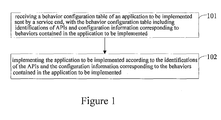
Figure 1 illustrates the first flow diagram of the application implementation method provided by Embodiment 1 of the present invention; -
Figure 2 illustrates the second flow diagram of the application implementation method provided by Embodiment 1 of the present invention; -
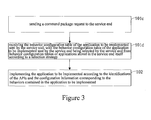
Figure 3 illustrates the third flow diagram of the application implementation method provided by Embodiment 1 of the present invention; -
Figure 4 illustrates the fourth flow diagram of the application implementation method provided by Embodiment 1 of the present invention; -
Figure 5 illustrates a flow diagram of an application implementation method provided by Embodiment 2 of the present invention; -
Figure 6 illustrates a flow diagram of an application implementation device provided by Embodiment 3 of the present invention. - To further explain the technical means adopted by the present invention to achieve its intended aims and the effects thereof, a detailed description of the specific implementations, structures, features and their effects of the information feedback method and the corresponding server set forth according to the present invention will be rendered in the following, by referring to the appended drawings and the preferable embodiments.
- The aforementioned and other technical contents, features and effects of the present invention will be clearly presented in the following detailed description of the preferable embodiments by referring to the appended drawings. By an explanation of the specific implementations, a deeper and more concrete understanding of the technical means adopted by the present invention to achieve its intended aims and the effects thereof can be attained. However, the appended drawings are only provided for the use of reference and illustration, but not for imposing any restriction on the present invention.
- As shown in
Figure 1 , this embodiment of the present invention provides an application implementation method, which comprises: - Step 101: receiving a behavior configuration table of an application to be implemented sent by a service end, with the behavior configuration table including identifications of APIs and configuration information corresponding to behaviors contained in the application to be implemented;
- Step 102: implementing the application to be implemented according to the identifications of the APIs and the configuration information corresponding to the behaviors contained in the application to be implemented.
- Wherein, by referring to
Figure 2 , theabovementioned Step 101 can include: -
Step 101a: sending a command package request to the service end, with the command package request carrying an identification of the application to be implemented; - Step 101b: receiving the behavior configuration table of the application to be implemented sent by the service end, with the behavior configuration table of the application to be implemented sent by the service end being obtained by the service end from behavior configuration tables of applications stored in the service end itself according to the identification of the application to be implemented.
- Wherein, by referring to
Figure 3 , theabovementioned Step 101 can include: -
Step 101c: sending a command package request to the service end; -
Step 101d: receiving the behavior configuration table of the application to be implemented sent by the service end, with the behavior configuration table of the application to be implemented sent by the service end being selected by the service end from behavior configuration tables of applications stored in the service end itself according to a selection strategy. - Wherein, by referring to
Figure 4 , theabovementioned Step 102 can include: -
Step 102a: calling the APIs corresponding to the behaviors contained in the application to be implemented, according to the identifications of the APIs corresponding to the behaviors contained in the application to be implemented; -
Step 102b: implementing the application to be implemented by executing the APIs corresponding to the behaviors contained in the application to be implemented, according to the configuration information of the behaviors contained in the application to be implemented. - Further, before executing
Step 102, the method can also comprise: - decrypting behavior configuration information of the application to be implemented, if the behavior configuration table of the application to be implemented is encrypted by the service end.
- In this embodiment of the present invention, the behavior configuration table of the application to be implemented sent by the service end is received, with the behavior configuration table including the identifications of the APIs and the configuration information corresponding to the behaviors contained in the application to be implemented; and the application to be implemented is implemented according to the identifications of the APIs and the configuration information corresponding to the behaviors contained in the application to be implemented. Thus, when modifying the application to be implemented, the technical person only needs to modify at the service end the identifications of the APIs and the configuration information corresponding to the behaviors contained in the application to be implemented, which enables to improve the flexibility of modifying the application and reduce the development costs of modifying the application.
- As shown in
Figure 5 , this embodiment of the present invention provides an application implementation method, which comprises: - Step 201: receiving a behavior configuration table of an application to be implemented sent by a service end, with the behavior configuration table including identifications of APIs and configuration information corresponding to behaviors contained in the application to be implemented, with the configuration information of each behavior containing at least the configuration parameter(s) of each behavior.
- Wherein, each behavior corresponds to one or more APIs; the specific process of a client implementing a certain behavior can be: the client calls the API(s) corresponding to the behavior, and executes the called API(s) according to the configuration information of the behavior, such as the configuration parameter(s) and so on. For example, the behavior to be implemented by the client is finding the file a.sis, the API to be called by the behavior is Find () which is used to implement the finding function, and the configuration parameter of this behavior is the file name a.sis; the client calls Find () to be called by the behavior , and finds the file a.sis via the called Find () according to the configuration parameter a.sis of the behavior.
- Wherein, the configuration information of the behavior can also include such information of the behavior as trigger condition, display regulation, implemented behavior description information and/or resulting behavior, etc.
- Wherein, in this embodiment, the client can be a mobile phone, a personal computer, etc.; the service end can be a cloud, etc., with the cloud being a software platform comprising one or more servers.
- Wherein, the technical person can configure at the service end the identifications of the APIs and the configuration information corresponding to various behaviors contained in the application to be implemented, and store the identifications of the APIs and the configuration information corresponding to various behaviors contained in the application to be implemented in the behavior configuration table in the order that the various behaviors contained in the application to be implemented are executed.
- Wherein, the service end can select the behavior configuration table of the application to be implemented from behavior configuration tables of applications stored in the service end itself according to a selection strategy, and initiatively send the behavior configuration table of the application to be implemented to the client; or, the client sends a command package request to the service end, and the service end selects the behavior configuration table of the application to be implemented from the behavior configuration tables of the applications stored in the service end itself according to the selection strategy, and sends the behavior configuration table of the application to be implemented to the client; or, the client sends a command package request to the service end, with the command package request carrying an identification of the application to be implemented, and the service end obtains the behavior configuration table of the application to be implemented from the behavior configuration tables of the applications stored in the service end itself according to the identification of the application to be implemented carried by the command package request, and sends the behavior configuration table of the application to be implemented to the client. Wherein, the selection strategy can be that the behavior configuration table of the application that is most recently configured by the technical person is preferentially selected; for example, at the service end, the technical person firstly configures the behavior configuration table of application 1 and then configures the behavior configuration table of application 2; accordingly, the behavior configuration table of application 2 which has been most recently configured will be selected by the service end according to the selection strategy, and the behavior configuration table of application 2 that has been selected will be set as the behavior configuration table of the application to be implemented.
- Further, before sending the command package request to the service end, the client can encrypt the command package request, and then send the encrypted command package request to the service end; accordingly, after receiving the command package request, the service end will firstly decrypt the received command package request, and then execute the step of obtaining the behavior configuration table of the application to be implemented.
- Further, before sending the behavior configuration table of the application to be implemented to the client, the service end can encrypt the behavior configuration table of the application to be implemented, and then send the encrypted behavior configuration table of the application to be implemented to the client.
- For example, the application to be implemented is to detect and kill the Trojan C in the client, and the process the client implements the application to be implemented is: finding the hidden file _a.sis, deleting the hidden file _a.sis, detecting and killing the processes A1 and A2, and then uninstalling the files a.sis and b.sis, thus achieving detecting and killing the Trojan C; wherein, the application to be implemented comprises behavior 1 for finding the hidden file _a.sis, behavior 2 for deleting the hidden file _a.sis, behavior 3 for detecting and killing the processes A1 and A2, and behavior 4 for uninstalling the files a.sis and b.sis; the API corresponding to behavior 1 is Find () which is used for finding files, the identification of Find ( ) is ID1, the configuration information of behavior 1 includes at least the configuration parameter of behavior 1, and the configuration parameter of behavior 1 is the file name _a.sis; the API corresponding to behavior 2 is Delete () which is used for deleting files, the identification of Delete ( ) is ID2, the configuration information of behavior 2 includes at least the configuration parameter of behavior 2, and the configuration parameter of behavior 2 is the file name _a.sis; the API corresponding to behavior 3 is Kill () which is used for detecting and killing processes, the identification of Kill () is ID3, the configuration information of behavior 3 includes at least the configuration parameters of behavior 3, and the configuration parameters of behavior 3 are the process names A1 and A2; the API corresponding to behavior 4 is Uninstall ( ) which is used for uninstalling files, the identification of Uninstall () is ID4, the configuration information of behavior 4 includes at least the configuration parameters of behavior 4, and the configuration parameters of behavior4 are the file names a.sis and b.sis.
- Wherein, at the service end, the technical person configures the identification of the API and the configuration information corresponding to behavior 1 contained in the application to be implemented, the identification of the API and the configuration information corresponding to behavior 2 contained in the application to be implemented, the identification of the API and the configuration information corresponding to behavior 3 contained in the application to be implemented, and the identification of the API and the configuration information corresponding to behavior 4 contained in the application to be implemented, respectively; and stores the identification of the API and the configuration information corresponding to behavior 1 contained in the application to be implemented, the identification of the API and the configuration information corresponding to behavior 2 contained in the application to be implemented, the identification of the API and the configuration information corresponding to behavior 3 contained in the application to be implemented, and the identification of the API and the configuration information corresponding to behavior 4 contained in the application to be implemented in the behavior configuration table as shown in Table 1.
Table 1 Behavior Identification of API Configuration Information Behavior 1 ID1 _a.sis Behavior 2 ID2 _a.sis Behavior 3 ID3 A1 andA2 Behavior 4 ID4 a.sisi and b.sis - Wherein, after the behavior configuration table of the application to be implemented as shown in Table 1 is configured by the technical person at the service end, the service end can send the behavior configuration table of the application to be implemented as shown in Table 1 to the client.
- Step 202: setting a pointer in the behavior configuration table of the application to be implemented to point to the identification(s) of the API(s) and the configuration information corresponding to the first behavior contained in the application to be implemented, and reading the identification(s) of the API(s) and the configuration information corresponding to the behavior pointed to by the pointer.
- Further, if the behavior configuration table of the application to be implemented is encrypted by the service end, the client will firstly decrypt the behavior configuration table of the application to be implemented and then execute this step.
- For example, the client receives the behavior configuration table of the application to be implemented as shown in Table 1 sent by the service end, sets the pointer in the behavior configuration information of the application to be implemented as shown in Table 1 to point to the identification of the API and the configuration information corresponding to behavior 1, and reads the identification ID1 of the API and the configuration information _a.sis corresponding to behavior 1 pointed to by the pointer;
- Step 203: calling the corresponding API(s) according to the read identification(s) of the API(s) corresponding to the behavior, and executing the called API(s) according to the read configuration information of the behavior.
- Wherein, various APIs are defined in the operating system of the client, with each API having a corresponding identification, and therefore the client can call the corresponding API(s) from the operating system of the client according to the read identification(s) of the API(s) corresponding to the behavior.
- For example, according to reading the identification ID of the API corresponding to behavior 1, the client calls the corresponding API Find () from the operating system of the client, and finds the corresponding hidden file _a.sis by executing the called Find ( ) according to the configuration information _a.sis of behavior 1, hence completes the execution of behavior 1.
- Step 204: determining whether the identification(s) of the API(s) and the configuration information corresponding to the behavior pointed to by the pointer are the identification(s) of the API(s) and the configuration information corresponding to the last behavior contained in the application to be implemented, and if not, executing
Step 205. - Wherein, if the client determines that the identification(s) of the API(s) and the configuration information corresponding to the behavior pointed to by the pointer are the identification(s) of the API(s) and the configuration information corresponding to the last behavior contained in the application to be implemented, then it completes the implementing of the application to be implemented, and ends the operation.
- Step 205: setting a pointer in the behavior configuration table of the application to be implemented to point to the identification(s) of the API(s) and the configuration information corresponding to the next behavior, reading the identification(s) of the API(s) and the configuration information corresponding to the behavior pointed to by the pointer, and then returning to execute
Step 203. - Wherein, after reading the identification(s) of the API(s) and the configuration information corresponding to the last behavior contained in the application to be implemented, calling the API(s) corresponding to the last behavior, and executing the called API(s) according to the configuration information of the last behavior, the client completes the execution of the last behavior contained in the application to be implemented, that is, completes the implementing of the application to be implemented.
- For example, the client determines that the identification of the API and the configuration information corresponding to behavior 1 pointed to by the pointer is not the identification of the API and the configuration information corresponding to the last behavior contained in the application to be implemented, and then sets the pointer in the behavior configuration table of the application to be implemented as shown in Table 1 to point to the identification of the API and the configuration information corresponding to behavior 2; reads the identification ID2 of the API and the configuration information _a.sis corresponding to behavior 2 pointed to by the pointer, calls the corresponding API, Delete ( ), from the operating system of the client according to the identification ID2 of the API corresponding to behavior 2, and deletes the hidden file _a.sis by executing the called Delete ( ) according to the configuration information _a.sis of behavior 2.
- The client determines that the identification of the API and the configuration information corresponding to behavior 2 pointed to by the pointer is not the identification of the API and the configuration information corresponding to the last behavior contained in the application to be implemented, and then sets the pointer in the behavior configuration table of the application to be implemented as shown in Table 1 to point to the identification of the API and the configuration information corresponding to behavior 3; reads the identification ID3 of the API and the configuration parameters A1 and A2 corresponding to behavior 3 pointed to by the pointer, calls the corresponding API, Kill ( ), from the operating system of the client according to the identification ID3 of the API corresponding to behavior 3, and detects and kills the processes A1 and A2 by executing the called Kill ( ) according to the configuration parameters A1 and A2 of behavior 3.
- The client determines that the identification of the API and the configuration information corresponding to behavior 3 pointed to by the pointer is not the identification of the API and the configuration information corresponding to the last behavior contained in the application to be implemented, and then sets the pointer in the behavior configuration table of the application to be implemented as shown in Table 1 to point to the identification of the API and the configuration information corresponding to behavior 4; reads the identification ID4 of the API and the configuration parameters a. sis and b. sis corresponding to behavior 4 pointed to by the pointer, calls the corresponding API, Uninstall ( ), from the operating system of the client according to the identification ID4 of the API corresponding to behavior 4, and deletes the files a.sis and b.sis by executing the called Uninstall ( ) according to the configuration parameters a.sis and b.sis of behavior 4.
- The client determines that the identification of the API and the configuration information corresponding to behavior 4 pointed to by the pointer is the identification of the API and the configuration information corresponding to the last behavior contained in the application to be implemented, and thus, completes the implementing of the behavior to be implemented, namely that the Trojan C is detected and killed, and ends the operation.
- In this embodiment of the present invention, the behavior configuration table of the application to be implemented sent by the service end is received, with the behavior configuration table including the identifications of the APIs and the configuration information corresponding to the behaviors contained in the application to be implemented; and the application to be implemented is implemented according to the identifications of the APIs and the configuration information corresponding to the behaviors contained in the application to be implemented. Thus, when modifying the application to be implemented, the technical person only needs to modify at the service end the identifications of the APIs and the configuration information corresponding to the behaviors contained in the application to be implemented, which enables to improve the flexibility of modifying the application and reduce the development costs of modifying the application.
- As shown in
Figure 6 , this embodiment of the present invention provides an application implementation device, which comprises: - a
receiving module 301, for receiving a behavior configuration table of an application to be implemented sent by a service end, with the behavior configuration table including identifications of APIs and configuration information corresponding to behaviors contained in the application to be implemented; - an implementing
module 302, for implementing the application to be implemented according to the identifications of the APIs and the configuration information corresponding to the behaviors contained in the application to be implemented. - Wherein, the receiving
module 301 comprises: - a first sending unit, for sending a command package request to the service end, with the command package request carrying an identification of the application to be implemented;
- a first receiving unit, for receiving the behavior configuration table of the application to be implemented sent by the service end, with the behavior configuration table of the application to be implemented sent by the service end being obtained by the service end from behavior configuration tables of applications stored in the service end itself according to the identification of the application to be implemented.
- Wherein, the receiving
module 301 comprises: - a second sending unit, for sending a command package request to the service end;
- a second receiving unit, for receiving the behavior configuration table of the application to be implemented sent by the service end with the behavior configuration table of the application to be implemented sent by the service end being selected by the service end from behavior configuration tables of applications stored in the service end itself according to a selection strategy.
- Wherein, the implementing
module 302 comprises: - a calling unit, for calling the APIs corresponding to the behaviors contained in the application to be implemented, according to the identifications of the APIs corresponding to the behaviors contained in the application to be implemented;
- an executing unit, for implementing the application to be implemented by executing the APIs corresponding to the behaviors contained in the application to be implemented, according to the configuration information of the behaviors contained in the application to be implemented.
- Further, the device also comprises:
- a decrypting module, for decrypting behavior configuration information of the application to be implemented, if the behavior configuration table of the application to be implemented is encrypted by the service end.In this embodiment of the present invention, the behavior configuration table of the application to be implemented sent by the service end is received, with the behavior configuration table including the identifications of the APIs and the configuration information corresponding to the behaviors contained in the application to be implemented; and the application to be implemented is implemented according to the identifications of the APIs and the configuration information corresponding to the behaviors contained in the application to be implemented. Thus, when modifying the application to be implemented, the technical person only needs to modify at the service end the identifications of the APIs and the configuration information corresponding to the behaviors contained in the application to be implemented, which enables to improve the flexibility of modifying the application and reduce the development costs of modifying the application.
- It should be noted that: in the application being implemented by an application implementation device provided by the abovementioned embodiment, the abovementioned division of functional modules is only presented as an example for the purpose of explanation. In an actual application, the abovementioned functions can be distributed to different functional modules according to the actual needs and be completed, that is, the internal structure of the device is divided into different functional modules, so as to achieve all or a part of the functions described above. In addition, the application implementation device provided by the abovementioned embodiment belongs to the same idea with the embodiments of the application implementation method, with the specific implementation process being described in detail in the method embodiments, so that won't be covered again here.
- Those of ordinary skills in the art can understand that all or a part of the steps implementing the abovementioned embodiments can be achieved by hardware, or by a program which instructs the relevant hardware, wherein the program can be stored in a computer-readable storage medium, wherein the aforesaid storage medium can be a read-only memory, a disk or an optical disk, etc.
- The abovementioned contents are only presented as the embodiments of the present invention, and do not constitute any restriction in any form on the present invention. Although the present invention has been disclosed in terms of the embodiments as mentioned above, these embodiments are not intended to put any restriction on the present invention. Utilizing the technical contents disclosed above, any person skilled in the art can make some amendments or modifications to become equivalent embodiments, without going beyond the scope of the technical solutions of the present invention. Any simple amendment, equivalent change and modification made to the above embodiments according to the technical essence of the present invention, without going beyond the content of the technical solutions of the present invention, still falls within the scope of the technical solutions of the present invention.
- In the present invention, a behavior configuration table of an application to be implemented sent by a service end is received, with the behavior configuration table including the identifications of the APIs and the configuration information corresponding to the behaviors contained in the application to be implemented; and the application to be implemented is implemented according to the identifications of the APIs and the configuration information corresponding to the behaviors contained in the application to be implemented. Thus, when modifying an application to be implemented, the technical person only needs to modify at the service end the identifications of the APIs and the configuration information corresponding to the behaviors contained in the application to be implemented, which enables to improve the flexibility of modifying the application and reduce the development costs of modifying the application.
Claims (10)
- An application implementation method, comprises:receiving a behavior configuration table of an application to be implemented sent by a service end, with the behavior configuration table including identifications of Application Programming Interfaces (APIs) and configuration information corresponding to behaviors contained in the application to be implemented;implementing the application to be implemented according to the identifications of the APIs and the configuration information corresponding to the behaviors contained in the application to be implemented.
- The method of claim 1, wherein the receiving a behavior configuration table of an application to be implemented sent by a service end comprises:sending a command package request to the service end, with the command package request carrying an identification of the application to be implemented;receiving the behavior configuration table of the application to be implemented sent by the service end, with the behavior configuration table of the application to be implemented sent by the service end being obtained by the service end from behavior configuration tables of applications stored in the service end itself according to the identification of the application to be implemented.
- The method of claim 1, wherein the receiving a behavior configuration table of an application to be implemented sent by a service end comprises:sending a command package request to the service end;receiving the behavior configuration table of the application to be implemented sent by the service end, with the behavior configuration table of the application to be implemented sent by the service end being selected by the service end from behavior configuration tables of applications stored in the service end itself according to a selection strategy.
- The method of claim 1, wherein the implementing the application to be implemented according to the identifications of the APIs and the configuration information corresponding to the behaviors contained in the application to be implemented comprises:calling the APIs corresponding to the behaviors contained in the application to be implemented, according to the identifications of the APIs corresponding to the behaviors contained in the application to be implemented;implementing the application to be implemented by executing the APIs corresponding to the behaviors contained in the application to be implemented, according to the configuration information of the behaviors contained in the application to be implemented.
- The method of claim 1, wherein before implementing the application to be implemented according to the identifications of the APIs and the configuration information corresponding to the behaviors contained in the application to be implemented, the method further comprises:decrypting behavior configuration information of the application to be implemented, if the behavior configuration table of the application to be implemented is encrypted by the service end.
- An application implementation device, comprises:a receiving module, for receiving a behavior configuration table of an application to be implemented sent by a service end, with the behavior configuration table including identifications of Application Programming Interfaces (APIs) and configuration information corresponding to behaviors contained in the application to be implemented;an implementing module, for implementing the application to be implemented according to the identifications of the APIs and the configuration information corresponding to the behaviors contained in the application to be implemented.
- The device of claim 6, wherein the receiving module comprises:a first sending unit, for sending a command package request to the service end, with the command package request carrying an identification of the application to be implemented;a first receiving unit, for receiving the behavior configuration table of the application to be implemented sent by the service end, with the behavior configuration table of the application to be implemented sent by the service end being obtained by the service end from behavior configuration tables of applications stored in the service end itself according to the identification of the application to be implemented.
- The device of claim 6, wherein the receiving module comprises:a second sending unit, for sending a command package request to the service end;a second receiving unit, for receiving the behavior configuration table of the application to be implemented sent by the service end, with the behavior configuration table of the application to be implemented sent by the service end being selected by the service end from behavior configuration tables of applications stored in the service end itself according to a selection strategy.
- The device of claim 6, wherein the implementing module comprises:a calling unit, for calling the APIs corresponding to the behaviors contained in the application to be implemented, according to the identifications of the APIs corresponding to the behaviors contained in the application to be implemented;an executing unit, for implementing the application to be implemented by executing the APIs corresponding to the behaviors contained in the application to be implemented, according to the configuration information of the behaviors contained in the application to be implemented.
- The device of claim 6, wherein the device further comprises:a decrypting module, for decrypting behavior configuration information of the application to be implemented, if the behavior configuration table of the application to be implemented is encrypted by the service end.
Applications Claiming Priority (2)
| Application Number | Priority Date | Filing Date | Title |
|---|---|---|---|
| CN201110348337.8A CN103092639B (en) | 2011-11-07 | 2011-11-07 | A kind of method and apparatus of realizing application |
| PCT/CN2012/081650 WO2013067856A1 (en) | 2011-11-07 | 2012-09-20 | Application implementation method and device |
Publications (3)
| Publication Number | Publication Date |
|---|---|
| EP2778909A1 true EP2778909A1 (en) | 2014-09-17 |
| EP2778909A4 EP2778909A4 (en) | 2015-05-13 |
| EP2778909B1 EP2778909B1 (en) | 2021-01-06 |
Family
ID=48205250
Family Applications (1)
| Application Number | Title | Priority Date | Filing Date |
|---|---|---|---|
| EP12848311.2A Active EP2778909B1 (en) | 2011-11-07 | 2012-09-20 | Application implementation method and device |
Country Status (6)
| Country | Link |
|---|---|
| US (1) | US20140237489A1 (en) |
| EP (1) | EP2778909B1 (en) |
| CN (1) | CN103092639B (en) |
| BR (1) | BR112014004517A2 (en) |
| IN (1) | IN2014CN04036A (en) |
| WO (1) | WO2013067856A1 (en) |
Families Citing this family (2)
| Publication number | Priority date | Publication date | Assignee | Title |
|---|---|---|---|---|
| CN106681787A (en) * | 2017-01-24 | 2017-05-17 | 东软集团股份有限公司 | Method and device for developing application |
| US20190156024A1 (en) * | 2017-11-20 | 2019-05-23 | Somansa Co., Ltd. | Method and apparatus for automatically classifying malignant code on basis of malignant behavior information |
Family Cites Families (9)
| Publication number | Priority date | Publication date | Assignee | Title |
|---|---|---|---|---|
| US6782527B1 (en) * | 2000-01-28 | 2004-08-24 | Networks Associates, Inc. | System and method for efficient distribution of application services to a plurality of computing appliances organized as subnets |
| CN1357820A (en) * | 2000-12-15 | 2002-07-10 | 无敌科技(西安)有限公司 | Program interface converting method |
| US20040083465A1 (en) * | 2002-10-28 | 2004-04-29 | Weijia Zhang | Method and system for connecting to an application programming interface |
| US7750913B1 (en) * | 2006-10-24 | 2010-07-06 | Adobe Systems Incorporated | System and method for implementing graphics processing unit shader programs using snippets |
| US20090007067A1 (en) * | 2007-06-28 | 2009-01-01 | International Business Machines Corporation | Composite portal application |
| CN101431523A (en) * | 2007-11-05 | 2009-05-13 | 国际商业机器公司 | Method and micro-system for updating target system configuration in computer |
| CN101582908B (en) * | 2009-06-30 | 2013-01-09 | 浙江宇视科技有限公司 | Parameter configuration method and equipment |
| CN101673199A (en) * | 2009-08-10 | 2010-03-17 | 厦门敏讯信息技术股份有限公司 | Terminal parameter configuration server and automatic generating method of software interface thereof |
| CN102158370B (en) * | 2011-04-12 | 2013-08-21 | 瑞斯康达科技发展股份有限公司 | Automated testing method and system |
-
2011
- 2011-11-07 CN CN201110348337.8A patent/CN103092639B/en active Active
-
2012
- 2012-09-20 WO PCT/CN2012/081650 patent/WO2013067856A1/en not_active Ceased
- 2012-09-20 BR BR112014004517A patent/BR112014004517A2/en not_active Application Discontinuation
- 2012-09-20 US US14/346,939 patent/US20140237489A1/en not_active Abandoned
- 2012-09-20 EP EP12848311.2A patent/EP2778909B1/en active Active
- 2012-09-20 IN IN4036CHN2014 patent/IN2014CN04036A/en unknown
Also Published As
| Publication number | Publication date |
|---|---|
| WO2013067856A1 (en) | 2013-05-16 |
| CN103092639B (en) | 2016-05-25 |
| EP2778909A4 (en) | 2015-05-13 |
| CN103092639A (en) | 2013-05-08 |
| BR112014004517A2 (en) | 2017-03-28 |
| US20140237489A1 (en) | 2014-08-21 |
| IN2014CN04036A (en) | 2015-10-23 |
| EP2778909B1 (en) | 2021-01-06 |
Similar Documents
| Publication | Publication Date | Title |
|---|---|---|
| CN108074177B (en) | Data reconciliation method, system and computer-readable storage medium | |
| KR102334501B1 (en) | Profile transmission method, related device and storage medium | |
| TWI365002B (en) | System and method for handshaking between wireless devices and servers | |
| US10152316B2 (en) | Mobile application processing | |
| CN108846131A (en) | Weex page rendering method, apparatus, terminal and storage medium | |
| WO2017185253A1 (en) | Patch upgrade-based file processing method and device, terminal, and storage medium | |
| CN108205623B (en) | Method and apparatus for sharing a directory | |
| CN102375950A (en) | Smart card, anti-virus system and scanning method using the same | |
| CN101895883B (en) | A smart card and method supporting authentication algorithm update | |
| US20160381135A1 (en) | Brokered advanced pairing | |
| CN115643338A (en) | A parameter update method and device | |
| CN105701409B (en) | A kind of method and device for realizing file virtualization | |
| CN112395020A (en) | Safety protection method of intranet, client, target server and storage medium | |
| CN101950339B (en) | Security protection method and system of computer | |
| RU2339076C2 (en) | Execution of non-verified programs in radio communication device | |
| EP2778909B1 (en) | Application implementation method and device | |
| CN106775879B (en) | VR application installation-free method and system based on android system client | |
| CN102981869B (en) | The operation processing method of a kind of system start-up item program and device | |
| CN106843917B (en) | Driver loading method and device | |
| EP2515503A1 (en) | Method of managing data sent to a secure element via a HTTP response message | |
| CN102999606B (en) | Software deletion method and device | |
| KR101587030B1 (en) | System and method for api call policy management of m2m application | |
| CN113572861A (en) | Configuration file management method, device, equipment and storage medium | |
| CN108196747A (en) | A kind of method and mobile terminal that application program is added in notifications column | |
| KR102532696B1 (en) | Communication terminal and method for providing security when foreground service of application is running |
Legal Events
| Date | Code | Title | Description |
|---|---|---|---|
| PUAI | Public reference made under article 153(3) epc to a published international application that has entered the european phase |
Free format text: ORIGINAL CODE: 0009012 |
|
| 17P | Request for examination filed |
Effective date: 20131118 |
|
| AK | Designated contracting states |
Kind code of ref document: A1 Designated state(s): AL AT BE BG CH CY CZ DE DK EE ES FI FR GB GR HR HU IE IS IT LI LT LU LV MC MK MT NL NO PL PT RO RS SE SI SK SM TR |
|
| DAX | Request for extension of the european patent (deleted) | ||
| RA4 | Supplementary search report drawn up and despatched (corrected) |
Effective date: 20150413 |
|
| RIC1 | Information provided on ipc code assigned before grant |
Ipc: G06F 9/44 20060101AFI20150407BHEP Ipc: G06F 9/54 20060101ALI20150407BHEP |
|
| STAA | Information on the status of an ep patent application or granted ep patent |
Free format text: STATUS: EXAMINATION IS IN PROGRESS |
|
| 17Q | First examination report despatched |
Effective date: 20161221 |
|
| REG | Reference to a national code |
Ref country code: DE Ref legal event code: R079 Ref document number: 602012074070 Country of ref document: DE Free format text: PREVIOUS MAIN CLASS: G06F0009445000 Ipc: G06F0009440000 |
|
| RIC1 | Information provided on ipc code assigned before grant |
Ipc: G06F 9/44 20180101AFI20200603BHEP Ipc: G06F 9/54 20060101ALI20200603BHEP Ipc: G06F 8/30 20180101ALI20200603BHEP |
|
| GRAP | Despatch of communication of intention to grant a patent |
Free format text: ORIGINAL CODE: EPIDOSNIGR1 |
|
| STAA | Information on the status of an ep patent application or granted ep patent |
Free format text: STATUS: GRANT OF PATENT IS INTENDED |
|
| INTG | Intention to grant announced |
Effective date: 20200724 |
|
| GRAS | Grant fee paid |
Free format text: ORIGINAL CODE: EPIDOSNIGR3 |
|
| GRAA | (expected) grant |
Free format text: ORIGINAL CODE: 0009210 |
|
| STAA | Information on the status of an ep patent application or granted ep patent |
Free format text: STATUS: THE PATENT HAS BEEN GRANTED |
|
| AK | Designated contracting states |
Kind code of ref document: B1 Designated state(s): AL AT BE BG CH CY CZ DE DK EE ES FI FR GB GR HR HU IE IS IT LI LT LU LV MC MK MT NL NO PL PT RO RS SE SI SK SM TR |
|
| REG | Reference to a national code |
Ref country code: GB Ref legal event code: FG4D |
|
| REG | Reference to a national code |
Ref country code: AT Ref legal event code: REF Ref document number: 1353087 Country of ref document: AT Kind code of ref document: T Effective date: 20210115 Ref country code: CH Ref legal event code: EP |
|
| REG | Reference to a national code |
Ref country code: DE Ref legal event code: R096 Ref document number: 602012074070 Country of ref document: DE |
|
| REG | Reference to a national code |
Ref country code: IE Ref legal event code: FG4D |
|
| REG | Reference to a national code |
Ref country code: NL Ref legal event code: MP Effective date: 20210106 |
|
| REG | Reference to a national code |
Ref country code: AT Ref legal event code: MK05 Ref document number: 1353087 Country of ref document: AT Kind code of ref document: T Effective date: 20210106 |
|
| REG | Reference to a national code |
Ref country code: LT Ref legal event code: MG9D |
|
| PG25 | Lapsed in a contracting state [announced via postgrant information from national office to epo] |
Ref country code: FI Free format text: LAPSE BECAUSE OF FAILURE TO SUBMIT A TRANSLATION OF THE DESCRIPTION OR TO PAY THE FEE WITHIN THE PRESCRIBED TIME-LIMIT Effective date: 20210106 Ref country code: HR Free format text: LAPSE BECAUSE OF FAILURE TO SUBMIT A TRANSLATION OF THE DESCRIPTION OR TO PAY THE FEE WITHIN THE PRESCRIBED TIME-LIMIT Effective date: 20210106 Ref country code: GR Free format text: LAPSE BECAUSE OF FAILURE TO SUBMIT A TRANSLATION OF THE DESCRIPTION OR TO PAY THE FEE WITHIN THE PRESCRIBED TIME-LIMIT Effective date: 20210407 Ref country code: PT Free format text: LAPSE BECAUSE OF FAILURE TO SUBMIT A TRANSLATION OF THE DESCRIPTION OR TO PAY THE FEE WITHIN THE PRESCRIBED TIME-LIMIT Effective date: 20210506 Ref country code: LT Free format text: LAPSE BECAUSE OF FAILURE TO SUBMIT A TRANSLATION OF THE DESCRIPTION OR TO PAY THE FEE WITHIN THE PRESCRIBED TIME-LIMIT Effective date: 20210106 Ref country code: BG Free format text: LAPSE BECAUSE OF FAILURE TO SUBMIT A TRANSLATION OF THE DESCRIPTION OR TO PAY THE FEE WITHIN THE PRESCRIBED TIME-LIMIT Effective date: 20210406 Ref country code: NL Free format text: LAPSE BECAUSE OF FAILURE TO SUBMIT A TRANSLATION OF THE DESCRIPTION OR TO PAY THE FEE WITHIN THE PRESCRIBED TIME-LIMIT Effective date: 20210106 Ref country code: NO Free format text: LAPSE BECAUSE OF FAILURE TO SUBMIT A TRANSLATION OF THE DESCRIPTION OR TO PAY THE FEE WITHIN THE PRESCRIBED TIME-LIMIT Effective date: 20210406 |
|
| PG25 | Lapsed in a contracting state [announced via postgrant information from national office to epo] |
Ref country code: SE Free format text: LAPSE BECAUSE OF FAILURE TO SUBMIT A TRANSLATION OF THE DESCRIPTION OR TO PAY THE FEE WITHIN THE PRESCRIBED TIME-LIMIT Effective date: 20210106 Ref country code: RS Free format text: LAPSE BECAUSE OF FAILURE TO SUBMIT A TRANSLATION OF THE DESCRIPTION OR TO PAY THE FEE WITHIN THE PRESCRIBED TIME-LIMIT Effective date: 20210106 Ref country code: PL Free format text: LAPSE BECAUSE OF FAILURE TO SUBMIT A TRANSLATION OF THE DESCRIPTION OR TO PAY THE FEE WITHIN THE PRESCRIBED TIME-LIMIT Effective date: 20210106 Ref country code: LV Free format text: LAPSE BECAUSE OF FAILURE TO SUBMIT A TRANSLATION OF THE DESCRIPTION OR TO PAY THE FEE WITHIN THE PRESCRIBED TIME-LIMIT Effective date: 20210106 Ref country code: AT Free format text: LAPSE BECAUSE OF FAILURE TO SUBMIT A TRANSLATION OF THE DESCRIPTION OR TO PAY THE FEE WITHIN THE PRESCRIBED TIME-LIMIT Effective date: 20210106 |
|
| PG25 | Lapsed in a contracting state [announced via postgrant information from national office to epo] |
Ref country code: IS Free format text: LAPSE BECAUSE OF FAILURE TO SUBMIT A TRANSLATION OF THE DESCRIPTION OR TO PAY THE FEE WITHIN THE PRESCRIBED TIME-LIMIT Effective date: 20210506 |
|
| REG | Reference to a national code |
Ref country code: DE Ref legal event code: R097 Ref document number: 602012074070 Country of ref document: DE |
|
| PG25 | Lapsed in a contracting state [announced via postgrant information from national office to epo] |
Ref country code: CZ Free format text: LAPSE BECAUSE OF FAILURE TO SUBMIT A TRANSLATION OF THE DESCRIPTION OR TO PAY THE FEE WITHIN THE PRESCRIBED TIME-LIMIT Effective date: 20210106 Ref country code: EE Free format text: LAPSE BECAUSE OF FAILURE TO SUBMIT A TRANSLATION OF THE DESCRIPTION OR TO PAY THE FEE WITHIN THE PRESCRIBED TIME-LIMIT Effective date: 20210106 Ref country code: SM Free format text: LAPSE BECAUSE OF FAILURE TO SUBMIT A TRANSLATION OF THE DESCRIPTION OR TO PAY THE FEE WITHIN THE PRESCRIBED TIME-LIMIT Effective date: 20210106 |
|
| PLBE | No opposition filed within time limit |
Free format text: ORIGINAL CODE: 0009261 |
|
| STAA | Information on the status of an ep patent application or granted ep patent |
Free format text: STATUS: NO OPPOSITION FILED WITHIN TIME LIMIT |
|
| PG25 | Lapsed in a contracting state [announced via postgrant information from national office to epo] |
Ref country code: RO Free format text: LAPSE BECAUSE OF FAILURE TO SUBMIT A TRANSLATION OF THE DESCRIPTION OR TO PAY THE FEE WITHIN THE PRESCRIBED TIME-LIMIT Effective date: 20210106 Ref country code: SK Free format text: LAPSE BECAUSE OF FAILURE TO SUBMIT A TRANSLATION OF THE DESCRIPTION OR TO PAY THE FEE WITHIN THE PRESCRIBED TIME-LIMIT Effective date: 20210106 Ref country code: DK Free format text: LAPSE BECAUSE OF FAILURE TO SUBMIT A TRANSLATION OF THE DESCRIPTION OR TO PAY THE FEE WITHIN THE PRESCRIBED TIME-LIMIT Effective date: 20210106 Ref country code: ES Free format text: LAPSE BECAUSE OF FAILURE TO SUBMIT A TRANSLATION OF THE DESCRIPTION OR TO PAY THE FEE WITHIN THE PRESCRIBED TIME-LIMIT Effective date: 20210106 |
|
| 26N | No opposition filed |
Effective date: 20211007 |
|
| PG25 | Lapsed in a contracting state [announced via postgrant information from national office to epo] |
Ref country code: AL Free format text: LAPSE BECAUSE OF FAILURE TO SUBMIT A TRANSLATION OF THE DESCRIPTION OR TO PAY THE FEE WITHIN THE PRESCRIBED TIME-LIMIT Effective date: 20210106 |
|
| PG25 | Lapsed in a contracting state [announced via postgrant information from national office to epo] |
Ref country code: SI Free format text: LAPSE BECAUSE OF FAILURE TO SUBMIT A TRANSLATION OF THE DESCRIPTION OR TO PAY THE FEE WITHIN THE PRESCRIBED TIME-LIMIT Effective date: 20210106 |
|
| PG25 | Lapsed in a contracting state [announced via postgrant information from national office to epo] |
Ref country code: IT Free format text: LAPSE BECAUSE OF FAILURE TO SUBMIT A TRANSLATION OF THE DESCRIPTION OR TO PAY THE FEE WITHIN THE PRESCRIBED TIME-LIMIT Effective date: 20210106 |
|
| REG | Reference to a national code |
Ref country code: CH Ref legal event code: PL |
|
| REG | Reference to a national code |
Ref country code: BE Ref legal event code: MM Effective date: 20210930 |
|
| PG25 | Lapsed in a contracting state [announced via postgrant information from national office to epo] |
Ref country code: IS Free format text: LAPSE BECAUSE OF FAILURE TO SUBMIT A TRANSLATION OF THE DESCRIPTION OR TO PAY THE FEE WITHIN THE PRESCRIBED TIME-LIMIT Effective date: 20210506 Ref country code: MC Free format text: LAPSE BECAUSE OF FAILURE TO SUBMIT A TRANSLATION OF THE DESCRIPTION OR TO PAY THE FEE WITHIN THE PRESCRIBED TIME-LIMIT Effective date: 20210106 |
|
| PG25 | Lapsed in a contracting state [announced via postgrant information from national office to epo] |
Ref country code: LU Free format text: LAPSE BECAUSE OF NON-PAYMENT OF DUE FEES Effective date: 20210920 Ref country code: BE Free format text: LAPSE BECAUSE OF NON-PAYMENT OF DUE FEES Effective date: 20210930 |
|
| PG25 | Lapsed in a contracting state [announced via postgrant information from national office to epo] |
Ref country code: LI Free format text: LAPSE BECAUSE OF NON-PAYMENT OF DUE FEES Effective date: 20210930 Ref country code: CH Free format text: LAPSE BECAUSE OF NON-PAYMENT OF DUE FEES Effective date: 20210930 |
|
| PG25 | Lapsed in a contracting state [announced via postgrant information from national office to epo] |
Ref country code: HU Free format text: LAPSE BECAUSE OF FAILURE TO SUBMIT A TRANSLATION OF THE DESCRIPTION OR TO PAY THE FEE WITHIN THE PRESCRIBED TIME-LIMIT; INVALID AB INITIO Effective date: 20120920 Ref country code: CY Free format text: LAPSE BECAUSE OF FAILURE TO SUBMIT A TRANSLATION OF THE DESCRIPTION OR TO PAY THE FEE WITHIN THE PRESCRIBED TIME-LIMIT Effective date: 20210106 |
|
| PG25 | Lapsed in a contracting state [announced via postgrant information from national office to epo] |
Ref country code: MK Free format text: LAPSE BECAUSE OF FAILURE TO SUBMIT A TRANSLATION OF THE DESCRIPTION OR TO PAY THE FEE WITHIN THE PRESCRIBED TIME-LIMIT Effective date: 20210106 |
|
| PG25 | Lapsed in a contracting state [announced via postgrant information from national office to epo] |
Ref country code: TR Free format text: LAPSE BECAUSE OF FAILURE TO SUBMIT A TRANSLATION OF THE DESCRIPTION OR TO PAY THE FEE WITHIN THE PRESCRIBED TIME-LIMIT Effective date: 20210106 |
|
| PG25 | Lapsed in a contracting state [announced via postgrant information from national office to epo] |
Ref country code: MT Free format text: LAPSE BECAUSE OF FAILURE TO SUBMIT A TRANSLATION OF THE DESCRIPTION OR TO PAY THE FEE WITHIN THE PRESCRIBED TIME-LIMIT Effective date: 20210106 |
|
| PGFP | Annual fee paid to national office [announced via postgrant information from national office to epo] |
Ref country code: DE Payment date: 20250702 Year of fee payment: 14 |
|
| PGFP | Annual fee paid to national office [announced via postgrant information from national office to epo] |
Ref country code: GB Payment date: 20250703 Year of fee payment: 14 |
|
| PGFP | Annual fee paid to national office [announced via postgrant information from national office to epo] |
Ref country code: FR Payment date: 20250708 Year of fee payment: 14 |
|
| PGFP | Annual fee paid to national office [announced via postgrant information from national office to epo] |
Ref country code: IE Payment date: 20250702 Year of fee payment: 14 |