EP2778226A2 - CDNA synthesis method - Google Patents
CDNA synthesis method Download PDFInfo
- Publication number
- EP2778226A2 EP2778226A2 EP14159126.3A EP14159126A EP2778226A2 EP 2778226 A2 EP2778226 A2 EP 2778226A2 EP 14159126 A EP14159126 A EP 14159126A EP 2778226 A2 EP2778226 A2 EP 2778226A2
- Authority
- EP
- European Patent Office
- Prior art keywords
- carrier
- reverse transcription
- rna
- cdna synthesis
- washing
- Prior art date
- Legal status (The legal status is an assumption and is not a legal conclusion. Google has not performed a legal analysis and makes no representation as to the accuracy of the status listed.)
- Granted
Links
Images
Classifications
-
- C—CHEMISTRY; METALLURGY
- C12—BIOCHEMISTRY; BEER; SPIRITS; WINE; VINEGAR; MICROBIOLOGY; ENZYMOLOGY; MUTATION OR GENETIC ENGINEERING
- C12P—FERMENTATION OR ENZYME-USING PROCESSES TO SYNTHESISE A DESIRED CHEMICAL COMPOUND OR COMPOSITION OR TO SEPARATE OPTICAL ISOMERS FROM A RACEMIC MIXTURE
- C12P19/00—Preparation of compounds containing saccharide radicals
- C12P19/26—Preparation of nitrogen-containing carbohydrates
- C12P19/28—N-glycosides
- C12P19/30—Nucleotides
- C12P19/34—Polynucleotides, e.g. nucleic acids, oligoribonucleotides
-
- C—CHEMISTRY; METALLURGY
- C12—BIOCHEMISTRY; BEER; SPIRITS; WINE; VINEGAR; MICROBIOLOGY; ENZYMOLOGY; MUTATION OR GENETIC ENGINEERING
- C12N—MICROORGANISMS OR ENZYMES; COMPOSITIONS THEREOF; PROPAGATING, PRESERVING, OR MAINTAINING MICROORGANISMS; MUTATION OR GENETIC ENGINEERING; CULTURE MEDIA
- C12N15/00—Mutation or genetic engineering; DNA or RNA concerning genetic engineering, vectors, e.g. plasmids, or their isolation, preparation or purification; Use of hosts therefor
- C12N15/09—Recombinant DNA-technology
- C12N15/10—Processes for the isolation, preparation or purification of DNA or RNA
- C12N15/1096—Processes for the isolation, preparation or purification of DNA or RNA cDNA Synthesis; Subtracted cDNA library construction, e.g. RT, RT-PCR
Definitions
- the present invention relates to a cDNA synthesis method.
- adsorption step a step of adsorbing nucleic acids on a nucleic acid-binding solid-phase carrier in the presence of a chaotropic agent
- washing step a step of washing the carrier having the nucleic acids adsorbed thereon with a washing solution for removing nonspecifically bound contaminants and the chaotropic agent
- elution step a step of eluting the nucleic acids from the carrier using water or a low salt concentration buffer
- washing solution used in the step (2) water or a low salt concentration buffer containing a water-soluble organic solvent, particularly ethanol in an amount of about 50 to 80% has been used for dissolving the chaotropic agent and also preventing the elution of the nucleic acids from the carrier.
- RNA ribonucleic acids
- An advantage of some aspects of the invention is to provide a cDNA synthesis method which enables the synthesized cDNA to be efficiently used.
- nucleic acids are adsorbed on a carrier, and the carrier is washed with water or a low salt concentration buffer which contains substantially no organic solvents such as ethanol in the washing step (2), and thereafter the nucleic acids are eluted with water or a low salt concentration aqueous solution at 50 to 70°C in the elution step (3), whereby a ribonucleic acid (RNA) is isolated ( JP-A-11-146783 ).
- RNA ribonucleic acid
- the present inventors found out that in the case of using RNA isolated by the Boom method in RT-PCR, by reverse-transcribing the RNA adsorbed on the carrier without releasing the RNA from the carrier, the synthesized cDNA can be directly eluted in the PCR reaction mixture so that the following PCR reaction can be efficiently performed, and thus completed the invention.
- a cDNA synthesis method includes: mixing a lysis solution containing a chaotropic substance and a nucleic acid-binding solid-phase carrier in a sample containing a ribonucleic acid (RNA), thereby adsorbing the RNA on the carrier; reverse-transcribing the RNA adsorbed on the carrier while keeping the RNA adsorbed on the carrier in a reverse transcription reaction mixture, thereby synthesizing cDNA; and eluting the synthesized cDNA with an eluent.
- the method may further include washing the carrier having the RNA adsorbed thereon with a washing solution which does not contain an organic solvent before or after the reverse transcription.
- the reverse transcription reaction mixture may contain a reverse transcriptase, dNTP, and a primer for reverse transcription.
- the eluent may contain a DNA polymerase, dNTP, and primers for DNA amplification.
- the reverse transcription reaction mixture and/or the eluent may contain BSA.
- the RNA is preferably reverse-transcribed at a temperature lower than 50°C.
- the carrier is preferably a magnetic particle.
- a cDNA synthesis kit includes: a neutral lysis solution containing 4 to 7 M of a guanidine salt, 0 to 5% of a nonionic surfactant, and 0 to 0.2 M of a reducing agent; a nucleic acid-binding solid-phase carrier; a first washing solution containing 4 to 7 M of a guanidine salt and 0 to 5% of a nonionic surfactant; a second washing solution composed of water or a low salt concentration aqueous solution; a reverse transcription reaction mixture containing a reverse transcriptase, dNTP, and a primer for reverse transcription; and a DNA amplification mixture containing a DNA polymerase, dNTP, and primers for DNA amplification.
- a cDNA synthesis method which enables the synthesized cDNA to be efficiently used can be provided.
- the cDNA synthesis method includes: an adsorption step in which a lysis solution containing a chaotropic substance and a nucleic acid-binding solid-phase carrier are mixed in a sample containing RNA, whereby the RNA is adsorbed on the carrier; a reverse transcription step in which the RNA adsorbed on the carrier is reverse-transcribed while keeping the RNA adsorbed on the carrier in a reverse transcription reaction mixture, whereby cDNA is synthesized; and an elution step in which the synthesized cDNA is eluted with an eluent.
- the method may further include a washing step in which the carrier having the RNA adsorbed thereon is washed with a washing solution before the reverse transcription step.
- the sample from which RNA is extracted is not particularly limited as long as the sample contains RNA, and may be a biological sample such as cells or cell clusters (such as tissues), viruses, synthetic RNA, a sample in which impurities or contaminants are mixed with once isolated RNA, or the like.
- the chaotropic substance is not particularly limited as long as it generates a chaotropic ion (a monovalent anion having a large ionic radius) in an aqueous solution, has an activity to increase the water solubility of a hydrophobic molecule, and contributes to the adsorption of RNA on the solid-phase carrier.
- Specific examples thereof include guanidine thiocyanate, guanidine hydrochloride, sodium iodide, potassium iodide, and sodium perchlorate.
- guanidine thiocyanate or guanidine hydrochloride having a high protein denaturation activity is preferred.
- the concentration of such a chaotropic substance is not particularly limited and varies depending on the respective substances, and for example, when guanidine thiocyanate is used, the concentration thereof is preferably in the range of 3 to 5.5 M, and when guanidine hydrochloride is used, the concentration thereof is preferably 5 M or more.
- the lysis solution is not particularly limited as long as it contains such a chaotropic substance, however, it may contain a surfactant for the purpose of disrupting a cell membrane or denaturing a protein contained in cells.
- the surfactant is not particularly limited as long as it is a surfactant to be generally used for extracting nucleic acids from cells or the like, but examples thereof include nonionic surfactants such as Triton-based surfactants (such as Triton-X) and Tween-based surfactants (such as Tween 20) ; and anionic surfactants such as sodium n-lauroyl sarcosine (SDS).
- a nonionic surfactant in an amount in the range of 0.1 to 2%.
- the lysis solution contains a reducing agent such as 2-mercaptoethanol or dithiothreitol.
- the lysis solution may be a buffer, but preferably has a neutral pH in the range of 6 to 8.
- the lysis solution contains 4 to 7 M of a guanidine salt, 0 to 5% of a nonionic surfactant, 0 to 0.2 M of a reducing agent, and the like.
- the nucleic acid-binding solid-phase carrier is not particularly limited as long as it is a solid having a hydrophilic surface capable of adsorbing nucleic acids, in other words, retaining nucleic acids through a reversible physical bond in the presence of a chaotropic ion.
- a substance containing silicon dioxide, for example, silica, glass, diatomaceous earth, or a substance obtained by subjecting such a substance to a surface treatment by chemical modification is preferred, and a complex thereof with a magnetic material, a superparamagnetic metal oxide, or the like is more preferred.
- the substance may be moderately charged with positive electricity to such an extent that it does not inhibit the reversible bond thereof to nucleic acids.
- the form of the nucleic acid-binding solid-phase carrier examples include a particle, a filter, a bag, a dish, and a reaction container, but it is not particularly limited. Among these, the particle form is more preferred in view of efficiency of adsorption and elution.
- the particle diameter is not particularly limited, but may be from 0.05 to 500 ⁇ m, and is preferably from 1 to 100 ⁇ m, and particularly preferably from 1 to 10 ⁇ m.
- the washing solution preferably contains substantially no organic solvents such as ethanol and isopropyl alcohol and chaotropic substances.
- This washing solution is preferably water or a low salt concentration aqueous solution, and in the case of a low salt concentration aqueous solution, the low salt concentration aqueous solution is preferably a buffer.
- the salt concentration of the low salt concentration aqueous solution is preferably 100 mM or less, more preferably 50 mM or less, and most preferably 15 mM or less.
- the lower limit of the salt concentration of the low salt concentration aqueous solution is not particularly limited, but is preferably 0.1 mM or more, more preferably 1 mM or more, and most preferably 10 mM or more.
- This solution may contain a surfactant such as Triton, Tween, or SDS, and the pH of the solution is not particularly limited.
- a salt for forming the buffer is not particularly limited, however, a salt such as Tris, HEPES, PIPES, or phosphate is preferably used.
- washing solutions having the same components may be used, but the washing solutions having different components may be used.
- a solution containing a guanidine salt may be used, however, it is particularly preferred that this washing solution contains 4 to 7 M of a guanidine salt and 0 to 5% of a nonionic surfactant.
- the reverse transcription reaction mixture is not particularly limited as long as it contains a reverse transcriptase, dNTP, and a primer (an oligonucleotide) for the reverse transcriptase. It is preferred that the reverse transcription reaction mixture contains BSA (bovine serum albumin) or gelatin as a reaction inhibition inhibitor.
- the solvent is preferably water, and the reverse transcription reaction mixture preferably contains substantially no organic solvents such as ethanol and isopropyl alcohol and chaotropic substances. Further, the reverse transcription reaction mixture preferably contains an appropriate concentration of a salt so as to serve as a buffer for the reverse transcriptase.
- the salt for forming a buffer is not particularly limited as long as it does not inhibit the enzymatic reaction, however, a salt such as Tris, HEPES, PIPES, or phosphate is preferably used.
- the reverse transcriptase is not particularly limited, however, a reverse transcriptase derived from avian myeloblast virus, Ras associated virus type 2, mouse molony murine leukemia virus, or human immunodefficiency virus type 1, or the like can be used.
- the eluent contains solutes such as an enzyme, a substrate, and a salt for successively treating the cDNA synthesized by reverse transcription.
- the eluent preferably contains BSA (bovine serum albumin) or gelatin as a reaction inhibition inhibitor.
- BSA bovine serum albumin
- the solvent is preferably water, and the eluent is more preferably an eluent containing substantially no organic solvents such as ethanol and isopropyl alcohol and chaotropic substances.
- the eluent is not particularly limited as long as it contains a DNA polymerase, dNTP, and primers (oligonucleotides) for the DNA polymerase.
- the eluent may further contain a TaqMan probe or a probe for real time PCR such as a molecular beacon probe or a cycling probe, or an intercalating fluorescent dye such as SYBR green.
- the eluent contains an appropriate concentration of a salt so as to serve as a buffer for the DNA polymerase.
- the salt for forming a buffer is not particularly limited as long as it does not inhibit the enzymatic reaction, however, a salt such as Tris, HEPES, PIPES, or phosphate is preferably used.
- the DNA polymerase is not particularly limited, and there are an enormous number of commercially available products such as Taq polymerase, Tfi polymerase, Tth polymerase, and modified forms thereof.
- the concentration of the dNTP or the salt to be contained in the reverse transcription reaction mixture or the eluent may be set so as to be suitable for the reaction using the dNTP and the salt, however, the concentration of the dNTP may be set to generally 10 to 1000 ⁇ M, preferably 100 to 500 ⁇ M, the concentration of Mg 2+ may be set to generally 1 to 100 mM, preferably 5 to 10 mM, and the concentration of Cl - may be set to generally 1 to 2000 mM, preferably 200 to 700 mM.
- the total ion concentration is not particularly limited, but may be set to 50 mM or more, preferably 100 mM or more, more preferably 120 mM or more, further more preferably 150 mM or more, still further more preferably 200 mM or more.
- the upper limit thereof is preferably 500 mM or less, more preferably 300 mM or less, further more preferably 200 mM or less.
- the concentration of each of the oligonucleotides for use as the primers is from 0.1 to 10 ⁇ M, preferably from 0.1 to 1 ⁇ M.
- the concentration of BSA or gelatin is 1 mg/mL or less, the effect of inhibiting the reaction inhibition is low, and if it is 10 mg/mL or more, the reverse transcription reaction or the following enzymatic reaction may be inhibited, and therefore, the concentration of BSA or gelatin is preferably from 1 to 10 mg/mL.
- the origin of the gelatin may be exemplified by cattle skin, pig skin, and cattle bone, but is not particularly limited. If it is difficult to dissolve gelatin, it may be dissolved by heating.
- cDNA may be synthesized as follows.
- a tube suitable for the purpose such as an Eppendorf microcentrifuge tube or a plastic tube, and a sample from which RNA is extracted and a nucleic acid-binding solid-phase carrier are mixed with the lysis solution. Then, the sample is homogenized by a homogenizer, a vortex mixer, or the like, and then, RNA is adsorbed on the carrier.
- the lysis solution is removed from the tube.
- the reverse transcription reaction mixture may be directly added to the carrier having the RNA adsorbed thereon, however, it is preferred that the carrier having the RNA adsorbed thereon is washed with an appropriate amount of the washing solution for reducing the carryover of the solutes from the previous step and accurately adjusting the salt concentration by removing contaminants nonspecifically adsorbed on the carrier and replacing the solution.
- the number of washing operations is not particularly limited, however, washing may be performed once to several times. When the washing is performed more than once, it is preferred that a washing solution which contains a guanidine salt is used in the first wash, and a washing solution which does not contain a guanidine salt is used in the last wash.
- washing solution which contains a guanidine salt a washing solution containing 4 to 7 M of a guanidine salt and 0 to 5% of a nonionic surfactant can be used, and as the washing solution which does not contain a guanidine salt, a washing solution composed of water or a low salt concentration aqueous solution can be used.
- the "washing” refers to an operation in which a substance nonspecifically bound to the carrier other than RNA is removed from the carrier by bringing the carrier having the RNA bound thereto and the washing solution into contact with each other and then separating the carrier and the washing solution from each other again.
- the specific separation method varies depending on the form of the carrier to be used, however, in the case where the carrier is in the form of particles such as beads, centrifugation, filtration, column chromatography, or the like can be used.
- the washing solution is removed from the tube, and the reverse transcription reaction mixture is added to the carrier having the RNA adsorbed thereon to carry out a reverse transcription reaction, whereby cDNA is synthesized.
- the reverse transcription reaction mixture contains a reverse transcriptase, dNTP, and a primer for the reverse transcriptase, and therefore can be directly used for the reverse transcription reaction while keeping the RNA adsorbed on the carrier.
- the reverse transcription reaction mixture containing the carrier having the RNA adsorbed thereon may be used partially or entirely. In the case where the mixture is used partially, it is preferred to dilute the mixture with a buffer adjusted for the reverse transcriptase.
- this reverse transcription step does not include a step of removing the carrier.
- this reverse transcription step does not include a step of removing the carrier.
- the temperature in the reverse transcription reaction may be lower than 50°C, but is preferably lower than 45°C, more preferably lower than 40°C, further more preferably lower than 35°C.
- the lower limit of the temperature in the reverse transcription reaction is preferably 20°C or higher, more preferably 25°C or higher, further more preferably 30°C or higher.
- the reverse transcription reaction mixture is removed from the tube, and the eluent may be directly added to the carrier having the RNA adsorbed thereon, however, it is preferred that the carrier having the RNA adsorbed thereon is washed with an appropriate amount of the washing solution for reducing the carryover of the solutes from the previous step and accurately adjusting the salt concentration by removing contaminants nonspecifically adsorbed on the carrier and replacing the solution.
- the number of washing operations is not particularly limited, however, washing may be performed once to several times.
- a washing solution composed of water or a low salt concentration aqueous solution is preferred.
- the washing solution is removed, and an appropriate amount of the eluent is added to the carrier. Then, these are mixed by a vortex mixer or the like, whereby cDNA bound to the carrier is released from the carrier.
- the eluent may be heated for accelerating the elution of the cDNA.
- the heating temperature is not particularly limited, but may be higher than 40°C, and is preferably 50°C or higher, more preferably 60°C or higher.
- the upper limit of the heating temperature is not particularly limited, but is preferably 70°C or lower, more preferably 65°C or lower, further more preferably 60°C or lower, and most preferably 60°C.
- the eluent which is preheated may be added, or after the eluent is added to the carrier, heating may be performed.
- the heating time is not particularly limited, but is preferably about 30 seconds to 10 minutes.
- the carrier is removed, whereby the supernatant can be isolated.
- the thus synthesized cDNA can be efficiently used for a variety of applications such as a polymerase reaction including PCR.
- the separation can be performed by precipitating the carrier through centrifugation or the like.
- the separation can be easily performed using a magnet or the like.
- a PCR reaction can be performed, however, it is preferred that the salt concentration of the eluent is previously optimized for the enzymatic reaction, and the eluent contains a DNA polymerase, dNTP, and primers for the DNA polymerase.
- the eluate can be directly used for the DNA polymerase reaction.
- the reaction mixture may be used partially or entirely. In the case where the reaction mixture is used partially, it is preferred to dilute the mixture with a buffer adjusted for the DNA polymerase.
- the buffer adjusted for the DNA polymerase a solution having the same components as those of the eluent may be used, however, it is not particularly limited as long as the salt concentration is appropriately adjusted, and it does not matter whether the DNA polymerase, dNTP, or the primers for the DNA polymerase may be added or not.
- the DNA polymerase reaction may be performed under the conditions suitable for the DNA polymerase to be used. After the DNA polymerase reaction, the amplified cDNA can be used for a variety of applications such as preparation of a library.
- the cDNA synthesis kit includes (1) a neutral lysis solution containing 4 to 7 M of a guanidine salt, 0 to 5% of a nonionic surfactant, and 0 to 0.2 M of a reducing agent, (2) a nucleic acid-binding solid-phase carrier, (3) a first washing solution containing 4 to 7 M of a guanidine salt and 0 to 5% of a nonionic surfactant, (4) a second washing solution composed of water or a low salt concentration aqueous solution, (5) a reverse transcription reaction mixture containing a reverse transcriptase and dNTP, and (6) a DNA amplification mixture containing a DNA polymerase and dNTP.
- this kit only by adding a primer for reverse transcription corresponding to the target gene to the reverse transcription reaction mixture, and only adding primers for DNA amplification to the DNA amplification mixture, the cDNA synthesis according to the invention and the cDNA amplification subsequent to the cDNA synthesis can be easily and efficiently performed.
- this kit may contain a primer for reverse transcription and/or primers for DNA amplification. According to this configuration, a cDNA synthesis kit for a specific gene can be provided.
- the constituent components such as the lysis solution, the washing solution, and the eluent of this kit are in accordance with those described in the reagents for cDNA synthesis.
- a serum sample collected from a patient suffering from influenza A placed in a 1.5-mL Eppendorf microcentrifuge tube
- 350 ⁇ L of a lysis solution containing 5.5 M guanidine thiocyanate, 2% Triton X-100, and 0.15 M 2-mercaptoethanol
- a lysis solution containing 5.5 M guanidine thiocyanate, 2% Triton X-100, and 0.15 M 2-mercaptoethanol
- the microcentrifuge tube was removed from the magnetic stand, and 350 ⁇ L of a washing solution I (containing 7 M guanidine hydrochloride) was added to the tube and sufficiently mixed. Thereafter, the tube was placed on the magnetic stand again to collect the magnetic silica particles, and the supernatant was removed, whereby the magnetic particles were washed. Subsequently, in the same manner, the particles were washed with 450 ⁇ L of a washing solution II (containing 5 mM Tris-HCl buffer), and the supernatant was removed at the end of the washing.
- a washing solution II containing 5 mM Tris-HCl buffer
- a 4 - ⁇ L aliquot of the collected supernatant was added to 16 ⁇ L of a preparation solution for a PCR reaction, whereby a reaction mixture in a total amount of 20 ⁇ L was prepared.
- This reaction mixture was placed in a PCR apparatus (light cycler 480, manufactured by Roche, Ltd.), and a real time PCR reaction was performed. The luminance was measured at the end of each cycle.
- the thus obtained 20 ⁇ L of the PCR reaction mixture was directly placed in the PCR apparatus, and a real time PCR reaction was performed. The luminance was measured at the end of each cycle.
- a 4- ⁇ L aliquot was taken out from the collected supernatant and added to 16 ⁇ L of a preparation solution for a reverse transcription reaction, whereby a reaction mixture in a total amount of 20 ⁇ L was prepared. Then, the microcentrifuge tube was heated to 40°C for 10 minutes by a tube heater to carry out the reverse transcription reaction.
- a 4- ⁇ L aliquot was taken out from the mixture after completion of the reaction and added to 16 ⁇ L of a preparation solution for a PCR reaction, whereby a reaction mixture in a total amount of 20 ⁇ L was prepared.
- This reaction mixture was placed in the PCR apparatus, and a real time PCR reaction was performed. The luminance was measured at the end of each cycle.
- Example 2 The number of cycles (Ct value) at the takeoff point of the amplification curve obtained in Example 1 (reverse transcription reaction ⁇ washing ⁇ elution in water) was smaller by about 2 cycles than the Ct value obtained in Example 3 (the related art method). Further, the Ct value obtained in Example 2 (reverse transcription reaction ⁇ washing ⁇ elution in PCR reaction mixture) was smaller by about 2 than the Ct value obtained in Example 1, and smaller by about 4 than the Ct value obtained in Example 3.
- Example 2 the highest PCR detection sensitivity was obtained in Example 2, and therefore, the method of Example 2 is an effective method because it enables detection with higher sensitivity than the related art method.
- the second highest detection sensitivity was obtained in Example 1, and the method of Example 1 enables detection with higher sensitivity than the related art method although the method of Example 1 is inferior to the method of Example 2.
- Example 1 the entire amount of the obtained cDNA was dissolved in water once, and therefore, the obtained entire amount cannot be used in the reaction.
- Example 2 the obtained cDNA can be directly eluted in the PCR reaction mixture, and therefore, the amount of the PCR reaction mixture can be decreased to a very small amount, and thus, the reaction can be made more efficient.
- the extraction can be performed in the form of cDNA reverse-transcribed from the RNA, and therefore, long-term storage can be achieved stably as compared with the case of Example 3 (related art method) in which storage has to be performed in the form of RNA.
- DNA is more stable than RNA and can be stored at a higher temperature than RNA (RNA: -80°C, DNA: -20°C)
- the storage cost is decreased as compared with the case of the related art.
Landscapes
- Life Sciences & Earth Sciences (AREA)
- Health & Medical Sciences (AREA)
- Chemical & Material Sciences (AREA)
- Genetics & Genomics (AREA)
- Engineering & Computer Science (AREA)
- Organic Chemistry (AREA)
- Zoology (AREA)
- Wood Science & Technology (AREA)
- Bioinformatics & Cheminformatics (AREA)
- Biotechnology (AREA)
- General Engineering & Computer Science (AREA)
- Molecular Biology (AREA)
- Biomedical Technology (AREA)
- Biochemistry (AREA)
- Microbiology (AREA)
- General Health & Medical Sciences (AREA)
- Plant Pathology (AREA)
- Biophysics (AREA)
- Physics & Mathematics (AREA)
- Crystallography & Structural Chemistry (AREA)
- Bioinformatics & Computational Biology (AREA)
- Chemical Kinetics & Catalysis (AREA)
- General Chemical & Material Sciences (AREA)
- Measuring Or Testing Involving Enzymes Or Micro-Organisms (AREA)
- Preparation Of Compounds By Using Micro-Organisms (AREA)
Abstract
Description
- The present invention relates to a cDNA synthesis method.
- There has been reported by Boom et al. a method for more easily extracting nucleic acids from a biomaterial using a nucleic acid-binding solid-phase carrier such as silica particles and a chaotropic agent (see J. Clin. Microbiol., vol. 28, No. 3, pp. 495-503 (1990)). A method for extracting nucleic acids using a nucleic acid-binding solid-phase carrier such as silica and a chaotropic agent by adsorbing nucleic acids on the carrier including this method of Boom et al. mainly includes the following three steps: (1) a step of adsorbing nucleic acids on a nucleic acid-binding solid-phase carrier in the presence of a chaotropic agent (adsorption step); (2) a step of washing the carrier having the nucleic acids adsorbed thereon with a washing solution for removing nonspecifically bound contaminants and the chaotropic agent (washing step); and a step of eluting the nucleic acids from the carrier using water or a low salt concentration buffer (elution step). Here, as the washing solution used in the step (2), water or a low salt concentration buffer containing a water-soluble organic solvent, particularly ethanol in an amount of about 50 to 80% has been used for dissolving the chaotropic agent and also preventing the elution of the nucleic acids from the carrier.
- However, when this water-soluble organic solvent remains in the step (3), an enzymatic reaction is inhibited when the extracted liquid is treated with an enzyme. Therefore, generally, after washing with an aqueous solution containing ethanol, a procedure is performed such that washing with 100% ethanol or a solvent having a higher volatility such as acetone is performed as needed, followed by drying so as to completely remove the organic solvent from the system. However, this procedure is known to have a problem that it takes a lot of time for this drying, and also ethanol may remain if the drying time is not sufficient, and in extreme cases, the nucleic acids are dried out and solidified, and therefore, it becomes difficult to elute the nucleic acids, resulting in a decrease in the yield of nucleic acids or a deterioration in reproducibility. Accordingly, the use of an organic solvent as described above has a problem that it is difficult to check the degree of dryness, and also an organic solvent such as ethanol or acetone is flammable and volatile, and therefore, particularly in the case of assuming that the operation is automated, it is also considered that there is a risk of fire or the like.
- Accordingly, a method in which after nucleic acids are adsorbed on the carrier, the carrier is washed with water or a low salt concentration buffer which contains no organic solvents such as ethanol in the washing step (2), and the nucleic acids are eluted with water or a low salt concentration buffer at 50 to 70°C in the elution step (3), whereby ribonucleic acids (RNA) are extracted has been developed (see
JP-A-11-146783 - An advantage of some aspects of the invention is to provide a cDNA synthesis method which enables the synthesized cDNA to be efficiently used.
- Heretofore, in the Boom method, nucleic acids are adsorbed on a carrier, and the carrier is washed with water or a low salt concentration buffer which contains substantially no organic solvents such as ethanol in the washing step (2), and thereafter the nucleic acids are eluted with water or a low salt concentration aqueous solution at 50 to 70°C in the elution step (3), whereby a ribonucleic acid (RNA) is isolated (
JP-A-11-146783 - A cDNA synthesis method according to an aspect of the invention includes: mixing a lysis solution containing a chaotropic substance and a nucleic acid-binding solid-phase carrier in a sample containing a ribonucleic acid (RNA), thereby adsorbing the RNA on the carrier; reverse-transcribing the RNA adsorbed on the carrier while keeping the RNA adsorbed on the carrier in a reverse transcription reaction mixture, thereby synthesizing cDNA; and eluting the synthesized cDNA with an eluent. The method may further include washing the carrier having the RNA adsorbed thereon with a washing solution which does not contain an organic solvent before or after the reverse transcription. The reverse transcription reaction mixture may contain a reverse transcriptase, dNTP, and a primer for reverse transcription. The eluent may contain a DNA polymerase, dNTP, and primers for DNA amplification. The reverse transcription reaction mixture and/or the eluent may contain BSA. Further, in the reverse transcription, the RNA is preferably reverse-transcribed at a temperature lower than 50°C. The carrier is preferably a magnetic particle.
- A cDNA synthesis kit according to another aspect of the invention includes: a neutral lysis solution containing 4 to 7 M of a guanidine salt, 0 to 5% of a nonionic surfactant, and 0 to 0.2 M of a reducing agent; a nucleic acid-binding solid-phase carrier; a first washing solution containing 4 to 7 M of a guanidine salt and 0 to 5% of a nonionic surfactant; a second washing solution composed of water or a low salt concentration aqueous solution; a reverse transcription reaction mixture containing a reverse transcriptase, dNTP, and a primer for reverse transcription; and a DNA amplification mixture containing a DNA polymerase, dNTP, and primers for DNA amplification.
- According to the aspects of the invention, a cDNA synthesis method which enables the synthesized cDNA to be efficiently used can be provided.
- The invention will be described with reference to the accompanying drawings, wherein like numbers reference like elements.
-
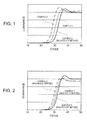
FIG. 1 is a graph showing the results obtained by performing a PCR reaction using cDNA synthesized by performing a reverse transcription reaction on a carrier in an example of the invention. -
FIG. 2 is a graph showing the results obtained by performing a PCR reaction without performing a washing step after performing a reverse transcription reaction on a carrier in an example of the invention. - Unless otherwise specifically stated in embodiments and Examples, methods described in standard protocols such as M. R. Green & J. Sambrook (Ed.), Molecular cloning, a laboratory manual (4th edition), Cold Spring Harbor Press, Cold Spring Harbor, New York (2012) ; F. M. Ausubel, R. Brent, R. E. Kingston, D. D. Moore, J. G. Seidman, J. A. Smith, K. Struhl (Ed.), and Current Protocols in Molecular Biology, John Wiley & Sons Ltd. , or modif ied or altered methods thereof are used. Further, when commercially available reagent kits, or measurement devices are used, unless otherwise specifically stated, protocols attached thereto are used.
- The objects, features, advantages, and ideas of the invention are apparent to those skilled in the art from the description of this specification, and those skilled in the art can easily reproduce the invention from the description of this specification. The modes, specific Examples, etc. of the invention described below represent preferred embodiments of the invention, which are given for the purpose of illustration or description, and the invention is not limited thereto. It is obvious to those skilled in the art that various modifications and changes may be made based on the description of the specification without departing from the spirit and scope of the invention disclosed herein.
- The cDNA synthesis method according to the invention includes: an adsorption step in which a lysis solution containing a chaotropic substance and a nucleic acid-binding solid-phase carrier are mixed in a sample containing RNA, whereby the RNA is adsorbed on the carrier; a reverse transcription step in which the RNA adsorbed on the carrier is reverse-transcribed while keeping the RNA adsorbed on the carrier in a reverse transcription reaction mixture, whereby cDNA is synthesized; and an elution step in which the synthesized cDNA is eluted with an eluent. The method may further include a washing step in which the carrier having the RNA adsorbed thereon is washed with a washing solution before the reverse transcription step.
- The sample from which RNA is extracted is not particularly limited as long as the sample contains RNA, and may be a biological sample such as cells or cell clusters (such as tissues), viruses, synthetic RNA, a sample in which impurities or contaminants are mixed with once isolated RNA, or the like.
- The chaotropic substance is not particularly limited as long as it generates a chaotropic ion (a monovalent anion having a large ionic radius) in an aqueous solution, has an activity to increase the water solubility of a hydrophobic molecule, and contributes to the adsorption of RNA on the solid-phase carrier. Specific examples thereof include guanidine thiocyanate, guanidine hydrochloride, sodium iodide, potassium iodide, and sodium perchlorate. Among these, guanidine thiocyanate or guanidine hydrochloride having a high protein denaturation activity is preferred. The concentration of such a chaotropic substance is not particularly limited and varies depending on the respective substances, and for example, when guanidine thiocyanate is used, the concentration thereof is preferably in the range of 3 to 5.5 M, and when guanidine hydrochloride is used, the concentration thereof is preferably 5 M or more.
- The lysis solution is not particularly limited as long as it contains such a chaotropic substance, however, it may contain a surfactant for the purpose of disrupting a cell membrane or denaturing a protein contained in cells. The surfactant is not particularly limited as long as it is a surfactant to be generally used for extracting nucleic acids from cells or the like, but examples thereof include nonionic surfactants such as Triton-based surfactants (such as Triton-X) and Tween-based surfactants (such as Tween 20) ; and anionic surfactants such as sodium n-lauroyl sarcosine (SDS). However, it is particularly preferred to use a nonionic surfactant in an amount in the range of 0.1 to 2%. Further, it is preferred that the lysis solution contains a reducing agent such as 2-mercaptoethanol or dithiothreitol. The lysis solution may be a buffer, but preferably has a neutral pH in the range of 6 to 8. In view of this, specifically, it is preferred that the lysis solution contains 4 to 7 M of a guanidine salt, 0 to 5% of a nonionic surfactant, 0 to 0.2 M of a reducing agent, and the like.
- The nucleic acid-binding solid-phase carrier is not particularly limited as long as it is a solid having a hydrophilic surface capable of adsorbing nucleic acids, in other words, retaining nucleic acids through a reversible physical bond in the presence of a chaotropic ion. Specifically, a substance containing silicon dioxide, for example, silica, glass, diatomaceous earth, or a substance obtained by subjecting such a substance to a surface treatment by chemical modification is preferred, and a complex thereof with a magnetic material, a superparamagnetic metal oxide, or the like is more preferred. In the case where a surface treatment by chemical modification is performed, the substance may be moderately charged with positive electricity to such an extent that it does not inhibit the reversible bond thereof to nucleic acids.
- Examples of the form of the nucleic acid-binding solid-phase carrier include a particle, a filter, a bag, a dish, and a reaction container, but it is not particularly limited. Among these, the particle form is more preferred in view of efficiency of adsorption and elution. In this case, the particle diameter is not particularly limited, but may be from 0.05 to 500 µm, and is preferably from 1 to 100 µm, and particularly preferably from 1 to 10 µm.
- The washing solution preferably contains substantially no organic solvents such as ethanol and isopropyl alcohol and chaotropic substances. This washing solution is preferably water or a low salt concentration aqueous solution, and in the case of a low salt concentration aqueous solution, the low salt concentration aqueous solution is preferably a buffer. The salt concentration of the low salt concentration aqueous solution is preferably 100 mM or less, more preferably 50 mM or less, and most preferably 15 mM or less. The lower limit of the salt concentration of the low salt concentration aqueous solution is not particularly limited, but is preferably 0.1 mM or more, more preferably 1 mM or more, and most preferably 10 mM or more. This solution may contain a surfactant such as Triton, Tween, or SDS, and the pH of the solution is not particularly limited. A salt for forming the buffer is not particularly limited, however, a salt such as Tris, HEPES, PIPES, or phosphate is preferably used.
- When washing is performed more than once, the washing solutions having the same components may be used, but the washing solutions having different components may be used. For example, as the washing solution to be used immediately after the lysis treatment, a solution containing a guanidine salt may be used, however, it is particularly preferred that this washing solution contains 4 to 7 M of a guanidine salt and 0 to 5% of a nonionic surfactant.
- Also, the reverse transcription reaction mixture is not particularly limited as long as it contains a reverse transcriptase, dNTP, and a primer (an oligonucleotide) for the reverse transcriptase. It is preferred that the reverse transcription reaction mixture contains BSA (bovine serum albumin) or gelatin as a reaction inhibition inhibitor. The solvent is preferably water, and the reverse transcription reaction mixture preferably contains substantially no organic solvents such as ethanol and isopropyl alcohol and chaotropic substances. Further, the reverse transcription reaction mixture preferably contains an appropriate concentration of a salt so as to serve as a buffer for the reverse transcriptase. The salt for forming a buffer is not particularly limited as long as it does not inhibit the enzymatic reaction, however, a salt such as Tris, HEPES, PIPES, or phosphate is preferably used. The reverse transcriptase is not particularly limited, however, a reverse transcriptase derived from avian myeloblast virus, Ras associated
virus type 2, mouse molony murine leukemia virus, or humanimmunodefficiency virus type 1, or the like can be used. - The eluent contains solutes such as an enzyme, a substrate, and a salt for successively treating the cDNA synthesized by reverse transcription. The eluent preferably contains BSA (bovine serum albumin) or gelatin as a reaction inhibition inhibitor. The solvent is preferably water, and the eluent is more preferably an eluent containing substantially no organic solvents such as ethanol and isopropyl alcohol and chaotropic substances.
- For example, in the case where the cDNA is successively amplified by PCR after the reverse transcription reaction, the eluent is not particularly limited as long as it contains a DNA polymerase, dNTP, and primers (oligonucleotides) for the DNA polymerase. The eluent may further contain a TaqMan probe or a probe for real time PCR such as a molecular beacon probe or a cycling probe, or an intercalating fluorescent dye such as SYBR green. Further, it is preferred that the eluent contains an appropriate concentration of a salt so as to serve as a buffer for the DNA polymerase. The salt for forming a buffer is not particularly limited as long as it does not inhibit the enzymatic reaction, however, a salt such as Tris, HEPES, PIPES, or phosphate is preferably used. The DNA polymerase is not particularly limited, and there are an enormous number of commercially available products such as Taq polymerase, Tfi polymerase, Tth polymerase, and modified forms thereof.
- The concentration of the dNTP or the salt to be contained in the reverse transcription reaction mixture or the eluent may be set so as to be suitable for the reaction using the dNTP and the salt, however, the concentration of the dNTP may be set to generally 10 to 1000 µM, preferably 100 to 500 µM, the concentration of Mg2+ may be set to generally 1 to 100 mM, preferably 5 to 10 mM, and the concentration of Cl- may be set to generally 1 to 2000 mM, preferably 200 to 700 mM. The total ion concentration is not particularly limited, but may be set to 50 mM or more, preferably 100 mM or more, more preferably 120 mM or more, further more preferably 150 mM or more, still further more preferably 200 mM or more. The upper limit thereof is preferably 500 mM or less, more preferably 300 mM or less, further more preferably 200 mM or less. The concentration of each of the oligonucleotides for use as the primers is from 0.1 to 10 µM, preferably from 0.1 to 1 µM. If the concentration of BSA or gelatin is 1 mg/mL or less, the effect of inhibiting the reaction inhibition is low, and if it is 10 mg/mL or more, the reverse transcription reaction or the following enzymatic reaction may be inhibited, and therefore, the concentration of BSA or gelatin is preferably from 1 to 10 mg/mL. In the case of using gelatin, the origin of the gelatin may be exemplified by cattle skin, pig skin, and cattle bone, but is not particularly limited. If it is difficult to dissolve gelatin, it may be dissolved by heating.
- Specifically, cDNA may be synthesized as follows.
- First, an appropriate amount of the lysis solution is placed in a tube suitable for the purpose such as an Eppendorf microcentrifuge tube or a plastic tube, and a sample from which RNA is extracted and a nucleic acid-binding solid-phase carrier are mixed with the lysis solution. Then, the sample is homogenized by a homogenizer, a vortex mixer, or the like, and then, RNA is adsorbed on the carrier.
- Subsequently, the lysis solution is removed from the tube. Thereafter, the reverse transcription reaction mixture may be directly added to the carrier having the RNA adsorbed thereon, however, it is preferred that the carrier having the RNA adsorbed thereon is washed with an appropriate amount of the washing solution for reducing the carryover of the solutes from the previous step and accurately adjusting the salt concentration by removing contaminants nonspecifically adsorbed on the carrier and replacing the solution. The number of washing operations is not particularly limited, however, washing may be performed once to several times. When the washing is performed more than once, it is preferred that a washing solution which contains a guanidine salt is used in the first wash, and a washing solution which does not contain a guanidine salt is used in the last wash. For example, as the washing solution which contains a guanidine salt, a washing solution containing 4 to 7 M of a guanidine salt and 0 to 5% of a nonionic surfactant can be used, and as the washing solution which does not contain a guanidine salt, a washing solution composed of water or a low salt concentration aqueous solution can be used.
- In the cDNA synthesis method according to the invention, the "washing" refers to an operation in which a substance nonspecifically bound to the carrier other than RNA is removed from the carrier by bringing the carrier having the RNA bound thereto and the washing solution into contact with each other and then separating the carrier and the washing solution from each other again. The specific separation method varies depending on the form of the carrier to be used, however, in the case where the carrier is in the form of particles such as beads, centrifugation, filtration, column chromatography, or the like can be used.
- Subsequently, the washing solution is removed from the tube, and the reverse transcription reaction mixture is added to the carrier having the RNA adsorbed thereon to carry out a reverse transcription reaction, whereby cDNA is synthesized. The reverse transcription reaction mixture contains a reverse transcriptase, dNTP, and a primer for the reverse transcriptase, and therefore can be directly used for the reverse transcription reaction while keeping the RNA adsorbed on the carrier. In the reverse transcription reaction, the reverse transcription reaction mixture containing the carrier having the RNA adsorbed thereon may be used partially or entirely. In the case where the mixture is used partially, it is preferred to dilute the mixture with a buffer adjusted for the reverse transcriptase. As the buffer adjusted for the reverse transcriptase, a solution having the same components as those of the reverse transcription reaction mixture may be used, however, it is not particularly limited as long as the salt concentration is appropriately adjusted, and it does not matter whether the reverse transcriptase, dNTP, or the primer for the reverse transcriptase is added or not. In the method according to the invention, this reverse transcription step does not include a step of removing the carrier. In other words, by performing the reverse transcription reaction without releasing the RNA adsorbed on the carrier from the carrier, it is possible to synthesize cDNA which can be efficiently used in the following reaction. Therefore, for example, it is preferred to perform the reverse transcription reaction at a low temperature. The temperature in the reverse transcription reaction may be lower than 50°C, but is preferably lower than 45°C, more preferably lower than 40°C, further more preferably lower than 35°C. The lower limit of the temperature in the reverse transcription reaction is preferably 20°C or higher, more preferably 25°C or higher, further more preferably 30°C or higher.
- After the reverse transcription step, the reverse transcription reaction mixture is removed from the tube, and the eluent may be directly added to the carrier having the RNA adsorbed thereon, however, it is preferred that the carrier having the RNA adsorbed thereon is washed with an appropriate amount of the washing solution for reducing the carryover of the solutes from the previous step and accurately adjusting the salt concentration by removing contaminants nonspecifically adsorbed on the carrier and replacing the solution. The number of washing operations is not particularly limited, however, washing may be performed once to several times. As the washing solution, a washing solution composed of water or a low salt concentration aqueous solution is preferred.
- After the washing, the washing solution is removed, and an appropriate amount of the eluent is added to the carrier. Then, these are mixed by a vortex mixer or the like, whereby cDNA bound to the carrier is released from the carrier. At this time, the eluent may be heated for accelerating the elution of the cDNA. The heating temperature is not particularly limited, but may be higher than 40°C, and is preferably 50°C or higher, more preferably 60°C or higher. The upper limit of the heating temperature is not particularly limited, but is preferably 70°C or lower, more preferably 65°C or lower, further more preferably 60°C or lower, and most preferably 60°C. As for the heating method, the eluent which is preheated may be added, or after the eluent is added to the carrier, heating may be performed. The heating time is not particularly limited, but is preferably about 30 seconds to 10 minutes. After the elution, the carrier is removed, whereby the supernatant can be isolated. The thus synthesized cDNA can be efficiently used for a variety of applications such as a polymerase reaction including PCR.
- In the case where the carrier and the supernatant are separated from each other in the washing step or the like, the separation can be performed by precipitating the carrier through centrifugation or the like. However, when the carrier contains a magnetic material, the separation can be easily performed using a magnet or the like.
- For example, by adding a buffer (x10 solution) for the DNA polymerase reaction or the like to the eluate in an amount one-tenth the amount of the eluate, a PCR reaction can be performed, however, it is preferred that the salt concentration of the eluent is previously optimized for the enzymatic reaction, and the eluent contains a DNA polymerase, dNTP, and primers for the DNA polymerase. In this case, the eluate can be directly used for the DNA polymerase reaction. At this time, in the DNA polymerase reaction, the reaction mixture may be used partially or entirely. In the case where the reaction mixture is used partially, it is preferred to dilute the mixture with a buffer adjusted for the DNA polymerase. As the buffer adjusted for the DNA polymerase, a solution having the same components as those of the eluent may be used, however, it is not particularly limited as long as the salt concentration is appropriately adjusted, and it does not matter whether the DNA polymerase, dNTP, or the primers for the DNA polymerase may be added or not.
- The DNA polymerase reaction may be performed under the conditions suitable for the DNA polymerase to be used. After the DNA polymerase reaction, the amplified cDNA can be used for a variety of applications such as preparation of a library.
- The cDNA synthesis kit according to the invention includes (1) a neutral lysis solution containing 4 to 7 M of a guanidine salt, 0 to 5% of a nonionic surfactant, and 0 to 0.2 M of a reducing agent, (2) a nucleic acid-binding solid-phase carrier, (3) a first washing solution containing 4 to 7 M of a guanidine salt and 0 to 5% of a nonionic surfactant, (4) a second washing solution composed of water or a low salt concentration aqueous solution, (5) a reverse transcription reaction mixture containing a reverse transcriptase and dNTP, and (6) a DNA amplification mixture containing a DNA polymerase and dNTP. With the use of this kit, only by adding a primer for reverse transcription corresponding to the target gene to the reverse transcription reaction mixture, and only adding primers for DNA amplification to the DNA amplification mixture, the cDNA synthesis according to the invention and the cDNA amplification subsequent to the cDNA synthesis can be easily and efficiently performed.
- Further, this kit may contain a primer for reverse transcription and/or primers for DNA amplification. According to this configuration, a cDNA synthesis kit for a specific gene can be provided.
- The constituent components such as the lysis solution, the washing solution, and the eluent of this kit are in accordance with those described in the reagents for cDNA synthesis.
- To 150 µL of a serum sample (collected from a patient suffering from influenza A) placed in a 1.5-mL Eppendorf microcentrifuge tube, 350 µL of a lysis solution (containing 5.5 M guanidine thiocyanate, 2% Triton X-100, and 0.15 M 2-mercaptoethanol) was added and sufficiently mixed, whereby blood cells were lysed. To this mixture containing lysed cells, 20 µL of magnetic silica particles (NPK-401, manufactured by Toyobo Co., Ltd.) were added, and the mixture was stirred by a vortex mixer at room temperature for 5 minutes. Thereafter, this microcentrifuge tube was placed on a magnetic stand (MGS-101, Toyobo Co., Ltd.) to collect the magnetic silica particles, and the supernatant was removed.
- Subsequently, the microcentrifuge tube was removed from the magnetic stand, and 350 µL of a washing solution I (containing 7 M guanidine hydrochloride) was added to the tube and sufficiently mixed. Thereafter, the tube was placed on the magnetic stand again to collect the magnetic silica particles, and the supernatant was removed, whereby the magnetic particles were washed. Subsequently, in the same manner, the particles were washed with 450 µL of a washing solution II (containing 5 mM Tris-HCl buffer), and the supernatant was removed at the end of the washing.
- To the particles collected by removing the supernatant, 20 µL of a reverse transcription reaction mixture was added to suspend the particles. Then, the microcentrifuge tube was heated to 40°C for 10 minutes by a tube heater to carry out the reverse transcription reaction. Thereafter, the microcentrifuge tube was placed on the magnetic stand to collect the magnetic silica particles, and the supernatant was removed.
- To this sample, 450 µL of the washing solution II was added, and the resulting mixture was stirred by a vortex mixer at room temperature for 10 seconds. Thereafter, this microcentrifuge tube was placed on the magnetic stand to collect the magnetic silica particles, and the supernatant was removed, whereby the particles were washed.
- To the particles collected by removing the supernatant in (4), 20 µL of water was added to suspend the particles, and the resulting mixture was heated to 65°C for 2 minutes, and then stirred by a vortex mixer at room temperature for 5 seconds. Thereafter, this microcentrifuge tube was placed on the magnetic stand to collect the magnetic silica particles, and the supernatant was collected.
- A 4 -µL aliquot of the collected supernatant was added to 16 µL of a preparation solution for a PCR reaction, whereby a reaction mixture in a total amount of 20 µL was prepared. This reaction mixture was placed in a PCR apparatus (light cycler 480, manufactured by Roche, Ltd.), and a real time PCR reaction was performed. The luminance was measured at the end of each cycle.
- To the particles collected by removing the supernatant in (4), 20 µL of a PCR reaction mixture was added to suspend the particles, and the resulting mixture was heated to 65°C for 2 minutes, and then stirred by a vortex mixer at room temperature for 5 seconds. Thereafter, this microcentrifuge tube was placed on the magnetic stand, and the supernatant was collected.
- The thus obtained 20 µL of the PCR reaction mixture was directly placed in the PCR apparatus, and a real time PCR reaction was performed. The luminance was measured at the end of each cycle.
- To the particles collected by removing the supernatant in (2), 20 µL of water was added to suspend the particles, and the resulting mixture was heated to 60°C for 5 minutes. Thereafter, this microcentrifuge tube was placed on the magnetic stand to collect the magnetic silica particles, and the supernatant was collected.
- A 4-µL aliquot was taken out from the collected supernatant and added to 16 µL of a preparation solution for a reverse transcription reaction, whereby a reaction mixture in a total amount of 20 µL was prepared. Then, the microcentrifuge tube was heated to 40°C for 10 minutes by a tube heater to carry out the reverse transcription reaction.
- A 4-µL aliquot was taken out from the mixture after completion of the reaction and added to 16 µL of a preparation solution for a PCR reaction, whereby a reaction mixture in a total amount of 20 µL was prepared. This reaction mixture was placed in the PCR apparatus, and a real time PCR reaction was performed. The luminance was measured at the end of each cycle.
Table 1 Reagent Addition amount (µL) Concentration Final concentration Unit Reverse transcription reaction mixture AMV reverse transcriptase (Nippon Gene Co., Ltd.) 0.2 20.0 0.2 units/µL dNTP 1.6 10.0 0.8 mM Buffer* 4.0 Primer R** 1.0 10.0 0.5 µM BSA 2.0 20.0 2.0 mg/mL DW 11.2 PCR reaction mixture Gene Taq NT PCR enzyme (Nippon Gene Co., Ltd.) 0.2 5.0 0.05 units/µL dNTP 1.0 10.0 0.5 mM Buffer* 4.0 Primer F** 1.0 10.0 0.5 µM Primer R** 1.0 10.0 0.5 µM Probe (TaqMan)** 0.4 12.5 0.25 µM BSA 2.0 20.0 2.0 mg/mL DW 10.4 Preparation solution for reverse transcription reaction AMV reverse transcriptase (Nippon Gene Co., Ltd.) 0.2 20.0 0.2 units/µL dNTP 1.6 10.0 0.8 mM Buffer* 4.0 Primer R** 1.0 10.0 0.5 µM BSA 2.0 20.0 2.0 mg/mL DW 7.2 Preparation solution for PCR reaction Gene Taq NT PCR enzyme (Nippon Gene Co., Ltd.) 0.2 5.0 0.05 units/µL dNTP 1.0 10.0 0.5 mM Buffer* 4.0 Primer F** 1.0 10.0 0.5 µM Primer R** 1.0 10.0 0.5 µM Probe (TaqMan)** 0.4 12.5 0.25 µM BSA 2.0 20.0 2.0 mg/mL DW 6.4 *: Composition of the buffer (35 mM MgCl2, 125 mM Tris (pH 9.0), 250 mM KCl)
**: Base sequences of the primers and the probe Primer F: GAC CAA TCC TGT CAC CTC TGA C (SEQ ID NO: 1) - Primer R: AGG GCA TTT TGG ACA AAG CGT CTA (SEQ ID NO: 2)
- TaqMan probe: FAM- TGC AGT CCT CGC TCA CTG GGC ACG -TAMRA (SEQ ID NO: 3)
- In the same manner as in Examples 1 and 2 described above except that the washing step (4) after the reverse transcription step was omitted, cDNA was synthesized and PCR was performed.
- The results obtained by performing the real time PCR reaction under the same conditions in Examples 1 to 3 are shown in
FIG. 1 . - The number of cycles (Ct value) at the takeoff point of the amplification curve obtained in Example 1 (reverse transcription reaction → washing → elution in water) was smaller by about 2 cycles than the Ct value obtained in Example 3 (the related art method). Further, the Ct value obtained in Example 2 (reverse transcription reaction → washing → elution in PCR reaction mixture) was smaller by about 2 than the Ct value obtained in Example 1, and smaller by about 4 than the Ct value obtained in Example 3.
- Next, the results obtained by treating the samples without performing the washing step (4) in (8) are shown in
FIG. 2 . - Although a higher detection sensitivity than in the related art method was obtained, the Ct value was increased than in the case of performing the washing (
FIG. 1 ). This is considered to be because by omitting the washing, the residual reverse transcription reaction mixture which was not removed by removing the supernatant inhibited the PCR reaction. - In this manner, the highest PCR detection sensitivity was obtained in Example 2, and therefore, the method of Example 2 is an effective method because it enables detection with higher sensitivity than the related art method. The second highest detection sensitivity was obtained in Example 1, and the method of Example 1 enables detection with higher sensitivity than the related art method although the method of Example 1 is inferior to the method of Example 2.
- Further, in Examples 1 and 3, the entire amount of the obtained cDNA was dissolved in water once, and therefore, the obtained entire amount cannot be used in the reaction. However, in Example 2, the obtained cDNA can be directly eluted in the PCR reaction mixture, and therefore, the amount of the PCR reaction mixture can be decreased to a very small amount, and thus, the reaction can be made more efficient. Further, in Examples 1 and 2, the extraction can be performed in the form of cDNA reverse-transcribed from the RNA, and therefore, long-term storage can be achieved stably as compared with the case of Example 3 (related art method) in which storage has to be performed in the form of RNA. Further, since DNA is more stable than RNA and can be stored at a higher temperature than RNA (RNA: -80°C, DNA: -20°C), the storage cost is decreased as compared with the case of the related art.
-
- <110> Seiko Epson Corporation
- <120> Method for cDNA synthesis
- <130> J0172278JP01
- <160> 3
- <170> PatentIn version 3.5
- <210> 1
<211> 22
<212> DNA
<213> Influenza A virus - <400> 1
gaccaatcct gtcacctctg ac 22 - <210> 2
<211> 24
<212> DNA
<213> Influenza A virus - <400> 2
agggcatttt ggacaaagcg tcta 24 - <210> 3
<211> 24
<212> DNA
<213> Influenza A virus - <400> 3
tgcagtcctc gctcactggg cacg 24 -
- <110> Seiko Epson Corporation
- <120> Method for cDNA synthesis
- <130> J0172278JP01
- <160> 3
- <170> PatentIn version 3.5
- <210> 1
<211> 22
<212> DNA
<213> Influenza A virus - <400> 1
gaccaatcct gtcacctctg ac 22 - <210> 2
<211> 24
<212> DNA
<213> Influenza A virus - <400> 2
agggcatttt ggacaaagcg tcta 24 - <210> 3
<211> 24
<212> DNA
<213> Influenza A virus - <400> 3
tgcagtcctc gctcactggg cacg 24
Claims (9)
- A cDNA synthesis method, comprising:mixing a lysis solution containing a chaotropic substance and a nucleic acid-binding solid-phase carrier in a sample containing a ribonucleic acid (RNA), thereby adsorbing the RNA on the carrier;reverse-transcribing the RNA adsorbed on the carrier while keeping the RNA adsorbed on the carrier in a reverse transcription reaction mixture, thereby synthesizing cDNA; andeluting the synthesized cDNA with an eluent.
- The cDNA synthesis method according to claim 1, further comprising washing the carrier having the RNA adsorbed thereon with a washing solution before the reverse transcription.
- The cDNA synthesis method according to claim 1 or 2, further comprising washing the carrier having the RNA adsorbed thereon with a washing solution which does not contain an organic solvent after the reverse transcription.
- The cDNA synthesis method according to any one of claim 1 to 3, wherein the reverse transcription reaction mixture contains a reverse transcriptase, dNTP, and a primer for reverse transcription.
- The cDNA synthesis method according to any one of claims 1 to 4, wherein the eluent contains a DNA polymerase, dNTP, and primers for DNA amplification.
- The cDNA synthesis method according to any one of claims 1 to 5, wherein the reverse transcription reaction mixture and/or the eluent contains BSA.
- The cDNA synthesis method according to any one of claims 1 to 6, wherein in the reverse transcription, the RNA is reverse-transcribed at a temperature lower than 50°C.
- The cDNA synthesis method according to any one of claims 1 to 7, wherein the carrier is a magnetic particle.
- A cDNA synthesis kit, comprising:a neutral lysis solution containing 4 to 7 M of a guanidine salt, 0 to 5% of a nonionic surfactant, and 0 to 0.2 M of a reducing agent;a nucleic acid-binding solid-phase carrier;a first washing solution containing 4 to 7 M of a guanidine salt and 0 to 5% of a nonionic surfactant;a second washing solution composed of water or a low salt concentration aqueous solution;a reverse transcription reaction mixture containing a reverse transcriptase, dNTP, and a primer for reverse transcription; anda DNA amplification mixture containing a DNA polymerase, dNTP, and primers for DNA amplification.
Applications Claiming Priority (1)
| Application Number | Priority Date | Filing Date | Title |
|---|---|---|---|
| JP2013050659A JP2014176303A (en) | 2013-03-13 | 2013-03-13 | Synthesizing method of cdna |
Publications (3)
| Publication Number | Publication Date |
|---|---|
| EP2778226A2 true EP2778226A2 (en) | 2014-09-17 |
| EP2778226A3 EP2778226A3 (en) | 2014-10-15 |
| EP2778226B1 EP2778226B1 (en) | 2016-12-14 |
Family
ID=50272402
Family Applications (1)
| Application Number | Title | Priority Date | Filing Date |
|---|---|---|---|
| EP14159126.3A Ceased EP2778226B1 (en) | 2013-03-13 | 2014-03-12 | CDNA synthesis method |
Country Status (4)
| Country | Link |
|---|---|
| US (1) | US9416386B2 (en) |
| EP (1) | EP2778226B1 (en) |
| JP (1) | JP2014176303A (en) |
| CN (1) | CN104046613A (en) |
Cited By (1)
| Publication number | Priority date | Publication date | Assignee | Title |
|---|---|---|---|---|
| EP2860264A1 (en) * | 2013-10-09 | 2015-04-15 | Seiko Epson Corporation | Nucleic acid amplification method, nucleic acid extraction device, nucleic acid amplification reaction cartridge, and nucleic acid amplification reaction kit |
Families Citing this family (16)
| Publication number | Priority date | Publication date | Assignee | Title |
|---|---|---|---|---|
| EP3294448A4 (en) | 2015-05-14 | 2018-12-12 | Longhorn Vaccines and Diagnostics, LLC | Rapid methods for the extraction of nucleic acids from biological samples |
| WO2016197106A1 (en) | 2015-06-05 | 2016-12-08 | Miroculus Inc. | Evaporation management in digital microfluidic devices |
| US10464067B2 (en) | 2015-06-05 | 2019-11-05 | Miroculus Inc. | Air-matrix digital microfluidics apparatuses and methods for limiting evaporation and surface fouling |
| JP2020501107A (en) | 2016-08-22 | 2020-01-16 | ミロキュラス インコーポレイテッド | Feedback system for parallel droplet control in digital microfluidic devices |
| WO2018075670A1 (en) * | 2016-10-18 | 2018-04-26 | Antheia, Inc. | Methods of producing nor-opioid and nal-opioid benzylisoquinoline alkaloids |
| WO2018126082A1 (en) | 2016-12-28 | 2018-07-05 | Miroculis Inc. | Digital microfluidic devices and methods |
| US11623219B2 (en) | 2017-04-04 | 2023-04-11 | Miroculus Inc. | Digital microfluidics apparatuses and methods for manipulating and processing encapsulated droplets |
| WO2019023133A1 (en) | 2017-07-24 | 2019-01-31 | Miroculus Inc. | Digital microfluidics systems and methods with integrated plasma collection device |
| JP7341124B2 (en) | 2017-09-01 | 2023-09-08 | ミロキュラス インコーポレイテッド | Digital microfluidic device and its usage |
| WO2019226919A1 (en) | 2018-05-23 | 2019-11-28 | Miroculus Inc. | Control of evaporation in digital microfluidics |
| JPWO2020085341A1 (en) * | 2018-10-23 | 2021-09-09 | 東レ株式会社 | Nucleic acid recovery method and kit for nucleic acid recovery |
| CN113543883A (en) | 2019-01-31 | 2021-10-22 | 米罗库鲁斯公司 | Non-fouling compositions and methods for manipulating and treating encapsulated droplets |
| WO2020176816A1 (en) | 2019-02-28 | 2020-09-03 | Miroculus Inc. | Digital microfluidics devices and methods of using them |
| CN119158636A (en) | 2019-04-08 | 2024-12-20 | 米罗库鲁斯公司 | Multi-cassette digital microfluidic device and method of use |
| WO2021016614A1 (en) | 2019-07-25 | 2021-01-28 | Miroculus Inc. | Digital microfluidics devices and methods of use thereof |
| US11857961B2 (en) | 2022-01-12 | 2024-01-02 | Miroculus Inc. | Sequencing by synthesis using mechanical compression |
Citations (1)
| Publication number | Priority date | Publication date | Assignee | Title |
|---|---|---|---|---|
| JPH11146783A (en) | 1997-11-17 | 1999-06-02 | Toyobo Co Ltd | Extraction of ribonucleic acid |
Family Cites Families (13)
| Publication number | Priority date | Publication date | Assignee | Title |
|---|---|---|---|---|
| WO1993015228A1 (en) | 1992-01-29 | 1993-08-05 | Hitachi Chemical Co., Ltd. | Polynucleotide immobilized support |
| JP3082908B2 (en) * | 1996-07-12 | 2000-09-04 | 東洋紡績株式会社 | Method for isolating ribonucleic acid |
| DE69734263T2 (en) * | 1996-07-12 | 2006-07-13 | Toyo Boseki K.K. | Process for isolating ribonucleic acids. |
| US7122304B2 (en) | 1997-05-12 | 2006-10-17 | Whatman, Inc. | Methods for the storage and synthesis of nucleic acids using a solid support |
| EP0981535A4 (en) | 1997-05-12 | 2000-11-29 | Life Technologies Inc | METHOD FOR THE PRODUCTION AND PURIFICATION OF NUCLEIC ACID MOLECULES |
| DE69839734D1 (en) | 1997-12-22 | 2008-08-28 | Hitachi Chemical Co Ltd | Direct RT-PCR on microtiter plates with immobilized oligonucleotide |
| JPH11196869A (en) * | 1998-01-19 | 1999-07-27 | Toyobo Co Ltd | Isolation of liponucleic acid |
| EP1329506A1 (en) * | 2002-01-18 | 2003-07-23 | Cypro S.A. | Method to quantify in vivo RNA levels |
| US7595179B2 (en) * | 2004-04-19 | 2009-09-29 | Applied Biosystems, Llc | Recombinant reverse transcriptases |
| WO2007020847A1 (en) | 2005-08-19 | 2007-02-22 | Sumitomo Bakelite Co., Ltd. | Method for producing cdna and rna chains and nucleotide-immobilized support |
| JP5073967B2 (en) * | 2006-05-30 | 2012-11-14 | 株式会社日立製作所 | Single cell gene expression quantification method |
| JP4340298B2 (en) | 2007-03-01 | 2009-10-07 | 株式会社日立ハイテクノロジーズ | Nucleic acid recovery method and nucleic acid recovery apparatus |
| US9255293B2 (en) * | 2010-11-01 | 2016-02-09 | Gen-Probe Incorporated | Integrated capture and amplification of target nucleic acid for sequencing |
-
2013
- 2013-03-13 JP JP2013050659A patent/JP2014176303A/en active Pending
-
2014
- 2014-03-11 US US14/203,994 patent/US9416386B2/en active Active
- 2014-03-12 CN CN201410089861.1A patent/CN104046613A/en active Pending
- 2014-03-12 EP EP14159126.3A patent/EP2778226B1/en not_active Ceased
Patent Citations (1)
| Publication number | Priority date | Publication date | Assignee | Title |
|---|---|---|---|---|
| JPH11146783A (en) | 1997-11-17 | 1999-06-02 | Toyobo Co Ltd | Extraction of ribonucleic acid |
Non-Patent Citations (3)
| Title |
|---|
| "Current Protocols in Molecular Biology", JOHN WILEY & SONS LTD. |
| "Molecular cloning, a laboratory manual", 2012, COLD SPRING HARBOR PRESS |
| J. CLIN. MICROBIOL., vol. 28, no. 3, 1990, pages 495 - 503 |
Cited By (1)
| Publication number | Priority date | Publication date | Assignee | Title |
|---|---|---|---|---|
| EP2860264A1 (en) * | 2013-10-09 | 2015-04-15 | Seiko Epson Corporation | Nucleic acid amplification method, nucleic acid extraction device, nucleic acid amplification reaction cartridge, and nucleic acid amplification reaction kit |
Also Published As
| Publication number | Publication date |
|---|---|
| US9416386B2 (en) | 2016-08-16 |
| CN104046613A (en) | 2014-09-17 |
| US20140273100A1 (en) | 2014-09-18 |
| JP2014176303A (en) | 2014-09-25 |
| EP2778226B1 (en) | 2016-12-14 |
| EP2778226A3 (en) | 2014-10-15 |
Similar Documents
| Publication | Publication Date | Title |
|---|---|---|
| US9416386B2 (en) | cDNA synthesis method | |
| CN106574265B (en) | Method for isolating RNA with high yield | |
| EP2725102B1 (en) | Nucleic acid extraction device, and nucleic acid extraction method, nucleic acid extraction kit, and nucleic acid extraction apparatus, each using the same | |
| CN107937391B (en) | Lysate for extracting abscisic acid from human excrement and preparation method and application thereof | |
| US9012614B2 (en) | Rapid nucleic acid purification using paper chromatography | |
| CN114107289B (en) | Nucleic acid extraction kit for fecal samples, preparation method and extraction method | |
| CN102812118B (en) | Methods for Isolating and Purifying Nucleic Acids | |
| JP2013530697A (en) | Nucleic acid extraction from wax-embedded samples | |
| Deng et al. | N-Methylimidazolium modified magnetic particles as adsorbents for solid phase extraction of genomic deoxyribonucleic acid from genetically modified soybeans | |
| US10323241B2 (en) | Method for recovering short-chain nucleic acids | |
| EP3239710A1 (en) | Method for separating biotinylated nucleic acid | |
| EP3347485B1 (en) | Methods for isolating microbial cells from a blood sample | |
| JP2013523144A (en) | Method for precipitating anionic surfactant ions in the presence of nucleic acids | |
| JP5924888B2 (en) | Nucleic acid extraction method, nucleic acid extraction reagent kit, and nucleic acid extraction reagent | |
| US20170121705A1 (en) | Methods and kits for nucleic acid isolation | |
| JPH11146783A (en) | Extraction of ribonucleic acid | |
| US10144951B2 (en) | Method and materials to deplete impurities for extraction and purification of nucleic acids from stool | |
| JP5463492B2 (en) | Plasmid DNA extraction from microbial cells | |
| CN113308459A (en) | Whole blood nucleic acid extraction lysis solution by magnetic bead method, kit and extraction method | |
| CN113186249B (en) | Kit for rapidly extracting viral nucleic acid and application method thereof | |
| JP2014039481A (en) | Rna extraction method | |
| KR20210132375A (en) | Method for isolating nucleic acid using integrated magnetite nanoparticles on graphene oxide | |
| US20170051333A1 (en) | Compositions for cell lysis and uses thereof | |
| JP3922420B2 (en) | Improved method for isolating ribonucleic acid | |
| CN114561380B (en) | Bacterial nucleic acid extraction detection reagent, kit, method and application thereof |
Legal Events
| Date | Code | Title | Description |
|---|---|---|---|
| PUAL | Search report despatched |
Free format text: ORIGINAL CODE: 0009013 |
|
| 17P | Request for examination filed |
Effective date: 20140312 |
|
| AK | Designated contracting states |
Kind code of ref document: A2 Designated state(s): AL AT BE BG CH CY CZ DE DK EE ES FI FR GB GR HR HU IE IS IT LI LT LU LV MC MK MT NL NO PL PT RO RS SE SI SK SM TR |
|
| AX | Request for extension of the european patent |
Extension state: BA ME |
|
| PUAI | Public reference made under article 153(3) epc to a published international application that has entered the european phase |
Free format text: ORIGINAL CODE: 0009012 |
|
| AK | Designated contracting states |
Kind code of ref document: A3 Designated state(s): AL AT BE BG CH CY CZ DE DK EE ES FI FR GB GR HR HU IE IS IT LI LT LU LV MC MK MT NL NO PL PT RO RS SE SI SK SM TR |
|
| AX | Request for extension of the european patent |
Extension state: BA ME |
|
| RIC1 | Information provided on ipc code assigned before grant |
Ipc: C12N 15/10 20060101AFI20140911BHEP |
|
| R17P | Request for examination filed (corrected) |
Effective date: 20150316 |
|
| RBV | Designated contracting states (corrected) |
Designated state(s): AL AT BE BG CH CY CZ DE DK EE ES FI FR GB GR HR HU IE IS IT LI LT LU LV MC MK MT NL NO PL PT RO RS SE SI SK SM TR |
|
| 17Q | First examination report despatched |
Effective date: 20160321 |
|
| GRAP | Despatch of communication of intention to grant a patent |
Free format text: ORIGINAL CODE: EPIDOSNIGR1 |
|
| INTG | Intention to grant announced |
Effective date: 20160627 |
|
| GRAS | Grant fee paid |
Free format text: ORIGINAL CODE: EPIDOSNIGR3 |
|
| GRAA | (expected) grant |
Free format text: ORIGINAL CODE: 0009210 |
|
| AK | Designated contracting states |
Kind code of ref document: B1 Designated state(s): DE FR GB |
|
| RBV | Designated contracting states (corrected) |
Designated state(s): DE FR GB |
|
| REG | Reference to a national code |
Ref country code: GB Ref legal event code: FG4D |
|
| REG | Reference to a national code |
Ref country code: DE Ref legal event code: R096 Ref document number: 602014005409 Country of ref document: DE |
|
| REG | Reference to a national code |
Ref country code: FR Ref legal event code: PLFP Year of fee payment: 4 |
|
| REG | Reference to a national code |
Ref country code: DE Ref legal event code: R097 Ref document number: 602014005409 Country of ref document: DE |
|
| PLBE | No opposition filed within time limit |
Free format text: ORIGINAL CODE: 0009261 |
|
| STAA | Information on the status of an ep patent application or granted ep patent |
Free format text: STATUS: NO OPPOSITION FILED WITHIN TIME LIMIT |
|
| 26N | No opposition filed |
Effective date: 20170915 |
|
| REG | Reference to a national code |
Ref country code: FR Ref legal event code: PLFP Year of fee payment: 5 |
|
| PGFP | Annual fee paid to national office [announced via postgrant information from national office to epo] |
Ref country code: DE Payment date: 20240130 Year of fee payment: 11 Ref country code: GB Payment date: 20240201 Year of fee payment: 11 |
|
| PGFP | Annual fee paid to national office [announced via postgrant information from national office to epo] |
Ref country code: FR Payment date: 20240213 Year of fee payment: 11 |
|
| REG | Reference to a national code |
Ref country code: DE Ref legal event code: R119 Ref document number: 602014005409 Country of ref document: DE |
|
| GBPC | Gb: european patent ceased through non-payment of renewal fee |
Effective date: 20250312 |
|
| PG25 | Lapsed in a contracting state [announced via postgrant information from national office to epo] |
Ref country code: DE Free format text: LAPSE BECAUSE OF NON-PAYMENT OF DUE FEES Effective date: 20251001 |
|
| PG25 | Lapsed in a contracting state [announced via postgrant information from national office to epo] |
Ref country code: GB Free format text: LAPSE BECAUSE OF NON-PAYMENT OF DUE FEES Effective date: 20250312 |
|
| PG25 | Lapsed in a contracting state [announced via postgrant information from national office to epo] |
Ref country code: FR Free format text: LAPSE BECAUSE OF NON-PAYMENT OF DUE FEES Effective date: 20250331 |