EP2775230A2 - Enhanced photo-thermal energy conversion - Google Patents
Enhanced photo-thermal energy conversion Download PDFInfo
- Publication number
- EP2775230A2 EP2775230A2 EP13197909.8A EP13197909A EP2775230A2 EP 2775230 A2 EP2775230 A2 EP 2775230A2 EP 13197909 A EP13197909 A EP 13197909A EP 2775230 A2 EP2775230 A2 EP 2775230A2
- Authority
- EP
- European Patent Office
- Prior art keywords
- quantum dots
- fluid
- visible
- block
- light
- Prior art date
- Legal status (The legal status is an assumption and is not a legal conclusion. Google has not performed a legal analysis and makes no representation as to the accuracy of the status listed.)
- Granted
Links
- 238000006243 chemical reaction Methods 0.000 title claims description 10
- 239000002096 quantum dot Substances 0.000 claims abstract description 75
- 239000012530 fluid Substances 0.000 claims abstract description 68
- 238000000034 method Methods 0.000 claims description 30
- XLYOFNOQVPJJNP-UHFFFAOYSA-N water Substances O XLYOFNOQVPJJNP-UHFFFAOYSA-N 0.000 claims description 17
- 239000006096 absorbing agent Substances 0.000 claims description 6
- 238000010438 heat treatment Methods 0.000 description 6
- 230000005855 radiation Effects 0.000 description 6
- PCHJSUWPFVWCPO-UHFFFAOYSA-N gold Chemical compound [Au] PCHJSUWPFVWCPO-UHFFFAOYSA-N 0.000 description 5
- 229910052737 gold Inorganic materials 0.000 description 5
- 239000010931 gold Substances 0.000 description 5
- 239000002105 nanoparticle Substances 0.000 description 5
- 206010072170 Skin wound Diseases 0.000 description 4
- 239000000203 mixture Substances 0.000 description 4
- 208000027418 Wounds and injury Diseases 0.000 description 3
- 239000000463 material Substances 0.000 description 3
- 238000010521 absorption reaction Methods 0.000 description 2
- 239000013078 crystal Substances 0.000 description 2
- 238000002329 infrared spectrum Methods 0.000 description 2
- 239000004065 semiconductor Substances 0.000 description 2
- 238000000862 absorption spectrum Methods 0.000 description 1
- QVGXLLKOCUKJST-UHFFFAOYSA-N atomic oxygen Chemical compound [O] QVGXLLKOCUKJST-UHFFFAOYSA-N 0.000 description 1
- 238000010612 desalination reaction Methods 0.000 description 1
- 238000000295 emission spectrum Methods 0.000 description 1
- 230000002708 enhancing effect Effects 0.000 description 1
- 239000007789 gas Substances 0.000 description 1
- 125000004435 hydrogen atom Chemical group [H]* 0.000 description 1
- 238000005286 illumination Methods 0.000 description 1
- 239000007791 liquid phase Substances 0.000 description 1
- VCEXCCILEWFFBG-UHFFFAOYSA-N mercury telluride Chemical compound [Hg]=[Te] VCEXCCILEWFFBG-UHFFFAOYSA-N 0.000 description 1
- 244000005700 microbiome Species 0.000 description 1
- 239000001301 oxygen Substances 0.000 description 1
- 229910052760 oxygen Inorganic materials 0.000 description 1
- 230000003071 parasitic effect Effects 0.000 description 1
- 230000037361 pathway Effects 0.000 description 1
- 238000010248 power generation Methods 0.000 description 1
- 239000007790 solid phase Substances 0.000 description 1
- 239000000725 suspension Substances 0.000 description 1
- 238000001845 vibrational spectrum Methods 0.000 description 1
- 238000001429 visible spectrum Methods 0.000 description 1
Images
Classifications
-
- F—MECHANICAL ENGINEERING; LIGHTING; HEATING; WEAPONS; BLASTING
- F24—HEATING; RANGES; VENTILATING
- F24S—SOLAR HEAT COLLECTORS; SOLAR HEAT SYSTEMS
- F24S70/00—Details of absorbing elements
- F24S70/20—Details of absorbing elements characterised by absorbing coatings; characterised by surface treatment for increasing absorption
- F24S70/225—Details of absorbing elements characterised by absorbing coatings; characterised by surface treatment for increasing absorption for spectrally selective absorption
-
- F—MECHANICAL ENGINEERING; LIGHTING; HEATING; WEAPONS; BLASTING
- F24—HEATING; RANGES; VENTILATING
- F24S—SOLAR HEAT COLLECTORS; SOLAR HEAT SYSTEMS
- F24S23/00—Arrangements for concentrating solar-rays for solar heat collectors
- F24S23/11—Fluorescent material
-
- F—MECHANICAL ENGINEERING; LIGHTING; HEATING; WEAPONS; BLASTING
- F24—HEATING; RANGES; VENTILATING
- F24S—SOLAR HEAT COLLECTORS; SOLAR HEAT SYSTEMS
- F24S23/00—Arrangements for concentrating solar-rays for solar heat collectors
- F24S23/30—Arrangements for concentrating solar-rays for solar heat collectors with lenses
-
- F—MECHANICAL ENGINEERING; LIGHTING; HEATING; WEAPONS; BLASTING
- F24—HEATING; RANGES; VENTILATING
- F24S—SOLAR HEAT COLLECTORS; SOLAR HEAT SYSTEMS
- F24S80/00—Details, accessories or component parts of solar heat collectors not provided for in groups F24S10/00-F24S70/00
- F24S80/20—Working fluids specially adapted for solar heat collectors
-
- H—ELECTRICITY
- H10—SEMICONDUCTOR DEVICES; ELECTRIC SOLID-STATE DEVICES NOT OTHERWISE PROVIDED FOR
- H10F—INORGANIC SEMICONDUCTOR DEVICES SENSITIVE TO INFRARED RADIATION, LIGHT, ELECTROMAGNETIC RADIATION OF SHORTER WAVELENGTH OR CORPUSCULAR RADIATION
- H10F77/00—Constructional details of devices covered by this subclass
-
- B—PERFORMING OPERATIONS; TRANSPORTING
- B82—NANOTECHNOLOGY
- B82Y—SPECIFIC USES OR APPLICATIONS OF NANOSTRUCTURES; MEASUREMENT OR ANALYSIS OF NANOSTRUCTURES; MANUFACTURE OR TREATMENT OF NANOSTRUCTURES
- B82Y99/00—Subject matter not provided for in other groups of this subclass
-
- Y—GENERAL TAGGING OF NEW TECHNOLOGICAL DEVELOPMENTS; GENERAL TAGGING OF CROSS-SECTIONAL TECHNOLOGIES SPANNING OVER SEVERAL SECTIONS OF THE IPC; TECHNICAL SUBJECTS COVERED BY FORMER USPC CROSS-REFERENCE ART COLLECTIONS [XRACs] AND DIGESTS
- Y02—TECHNOLOGIES OR APPLICATIONS FOR MITIGATION OR ADAPTATION AGAINST CLIMATE CHANGE
- Y02B—CLIMATE CHANGE MITIGATION TECHNOLOGIES RELATED TO BUILDINGS, e.g. HOUSING, HOUSE APPLIANCES OR RELATED END-USER APPLICATIONS
- Y02B10/00—Integration of renewable energy sources in buildings
- Y02B10/20—Solar thermal
-
- Y—GENERAL TAGGING OF NEW TECHNOLOGICAL DEVELOPMENTS; GENERAL TAGGING OF CROSS-SECTIONAL TECHNOLOGIES SPANNING OVER SEVERAL SECTIONS OF THE IPC; TECHNICAL SUBJECTS COVERED BY FORMER USPC CROSS-REFERENCE ART COLLECTIONS [XRACs] AND DIGESTS
- Y02—TECHNOLOGIES OR APPLICATIONS FOR MITIGATION OR ADAPTATION AGAINST CLIMATE CHANGE
- Y02E—REDUCTION OF GREENHOUSE GAS [GHG] EMISSIONS, RELATED TO ENERGY GENERATION, TRANSMISSION OR DISTRIBUTION
- Y02E10/00—Energy generation through renewable energy sources
- Y02E10/40—Solar thermal energy, e.g. solar towers
-
- Y—GENERAL TAGGING OF NEW TECHNOLOGICAL DEVELOPMENTS; GENERAL TAGGING OF CROSS-SECTIONAL TECHNOLOGIES SPANNING OVER SEVERAL SECTIONS OF THE IPC; TECHNICAL SUBJECTS COVERED BY FORMER USPC CROSS-REFERENCE ART COLLECTIONS [XRACs] AND DIGESTS
- Y10—TECHNICAL SUBJECTS COVERED BY FORMER USPC
- Y10S—TECHNICAL SUBJECTS COVERED BY FORMER USPC CROSS-REFERENCE ART COLLECTIONS [XRACs] AND DIGESTS
- Y10S977/00—Nanotechnology
- Y10S977/70—Nanostructure
- Y10S977/773—Nanoparticle, i.e. structure having three dimensions of 100 nm or less
- Y10S977/774—Exhibiting three-dimensional carrier confinement, e.g. quantum dots
Definitions
- Photo-thermal energy conversion systems that use water as a working fluid may employ a black surface that absorbs visible light. The absorbed light heats the black surface. When water is brought into direct or indirect contact with the black surface, the water is heated through convection and/or conduction. Mechanical work or another type of work may then be extracted from the heated water.
- Photo-thermal energy conversion efficiency may be increased by dispersing gold nanoparticles in the water.
- the gold nanoparticles support a plasmon resonance when illuminated by a certain frequency light.
- gold nanoparticles are poor light emitters, typically emitting around 1% of absorbed radiation, they heat up and transfer heat to the surrounding water by conduction and/or convection.
- a method comprising applying semiconducting quantum dots to a fluid.
- the quantum dots are configured to absorb visible or near infrared light and re-radiate infrared energy that excites a fundamental vibration frequency of the fluid.
- a method comprising using quantum dots to downconvert visible or near infrared light to infrared energy, and using the infrared energy to heat a fluid.
- a photo-thermal energy conversion energy system comprising a body of fluid and quantum dots suspended in the fluid.
- the quantum dots are configured to absorb visible or near infrared light and re-radiate infrared energy that excites a fundamental vibration frequency of the fluid.
- the system further comprises means for illuminating the quantum dots with visible or near infrared light.
- a method comprising illuminating a lens covered with a layer of semiconducting quantum dots with visible or near infrared light.
- the quantum dots have a band gap for re-radiating infrared radiation.
- the method further comprises applying the infrared radiation to a skin wound, whereby re-radiated infrared energy cauterizes the wound.
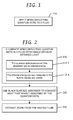
- FIG.1 illustrates a method of enhancing photo-thermal energy conversion.
- the method includes applying semiconducting quantum dots to a fluid (block 110).
- quantum dots are semiconductors whose electronic characteristics are closely related to the size and shape of the individual crystal. Generally, the smaller the size of the crystal, the larger the band gap. Since semiconducting materials absorb wavelengths above their band gap, a quantum dot in general has a wide absorption spectrum with a narrow emission spectrum, which is determined by the band gap of the quantum dot.
- the quantum dots applied to the fluid are configured to absorb visible or near infrared light and re-radiate infrared energy that excites a fundamental vibration frequency of the fluid. As the quantum dots absorb the light, they re-radiate infrared energy that causes the molecules in the fluid to vibrate and collide, thereby generating heat.
- the semiconducting quantum dots are relatively efficient emitters (relative to gold nanoparticles), converting up to roughly 50% of absorbed light to infrared energy (the remaining absorbed light will cause the quantum dots to generate heat, which will further heat the fluid).
- the quantum dots advantageously introduce three-dimensional heating pathways to the fluid (as with gold nanoparticles) rather than performing surface heating (as with a black absorbing surface). Heating from within the fluid is more efficient than heating only at the surface.
- the fluid may be water, whereby the quantum dots are configured to absorb visible or near infrared light and re-radiate infrared energy that excites a fundamental vibration frequency of the water.
- the infrared energy may have a wavelength of about 3 microns, which corresponds to a fundamental vibration frequency (symmetric mode) where the two hydrogens and the oxygen oscillate against each other.
- the absorption coefficient of water is higher at 2.94 microns than at any other wavelength in the visible and infrared spectrum. There is a difference of 10 8 in the absorption coefficient of water between the visible range and at 3400 cm -1 (2.94 microns).
- Quantum dots re-radiating energy at about a 3 micron wavelength may be produced from a material having an energy band gap at about 3 microns.
- a material having an energy band gap at about 3 microns is mercury telluride (HgTe).
- a method herein is not limited to water.
- the quantum dots may be applied to any fluid (gas, liquid or solid phase) that can be excited by a particular infrared frequency.
- quantum dots may be configured to re-radiate infrared energy at a frequency where a particular organic molecule can be excited. Many organic molecules have vibration spectra in the infrared spectrum.
- a method herein is not limited to a single fluid.
- the quantum dots may be applied to a mixture of fluids.
- the quantum dots re-radiate infrared energy that causes one of the fluids in the mixture to evaporate, but not the remainder of the mixture.
- the quantum dots may be applied to a selective heating of one of the fluids of the mixture.
- the quantum dots may be applied in a variety of ways to a variety of objects.
- quantum dots are suspended in the fluid.
- suspension may be colloidal, or the quantum dots may be configured to have the same density as the fluid.
- a second example involves applying quantum dots to a lens. This example will be described in greater detail below.
- the quantum dots are illuminated with visible or near infrared light (block 210).
- the quantum dots downconvert the absorbed light to infrared energy (block 212), and the infrared energy causes molecules of the fluid to vibrate and collide (block 214), thereby generating heat.
- heating of the fluid may be further enhanced through the use of a black absorber surface (block 220).
- a black absorber surface (block 220).
- Light not absorbed by the quantum dots may pass through the fluid and be absorbed by the black absorber surface.
- the absorbed light causes the surface to generate additional heat, which is transferred to the fluid by conduction and/or convection.
- Work may be extracted from the heated fluid (block 230). For instance, water may be heated to produce steam, which drives a turbine.
- FIG. 3 illustrates a photo-thermal energy conversion system 310.
- the system 310 includes a body of working fluid 320 and quantum dots 330 suspended in the fluid 320.
- the quantum dots 330 are configured to absorb visible or near infrared light and re-radiate infrared energy that excites a fundamental vibration frequency of the working fluid 320.
- the system 310 further includes a means 340 for illuminating the quantum dots 330 in the fluid 320.
- the illumination means 340 include, but are not limited to a flashlight, laser, or other visible or near infrared light source. If sunlight is used to illuminate the fluid 320, the means 340 does not include the Sun, but it may include optics for focusing the sunlight onto the quantum dots 330 in the fluid 320.
- the system 310 further includes a containment system 350.
- the containment system 350 may include a container for holding the fluid 320.
- the containment system 350 may include a closed loop system for circulating the fluid 320.
- the closed loop system may be hermetically tight.
- a portion of the containment system 350 e.g., fluid-carrying conduits
- one or more surfaces of the containment system 350 may be configured as a black absorber surface.
- a container holding the fluid may have a bottom surface that functions as a black absorber surface.
- the system 310 may further include a means 360 for extracting work from the heated fluid.
- the extracting means 360 include, but are not, limited to, mechanical components for creating electrical energy (e.g., a steam-driven turbine for power generation), components for using heated fluid to heat buildings, and components for using heated fluid to perform solar desalination.
- the quantum dots 330 are not limited to being suspended in the working fluid 320. In some embodiments, one or more surfaces of the containment system 350 may be coated with quantum dots.
- Quantum dots herein are not limited to surfaces of a containment system.
- a layer of quantum dots herein may be applied to a lens.
- FIG. 4 illustrates a method of using a lens covered with a layer of quantum dots to treat a skin wound.
- the lens may be attached in front of a compact light source.
- the quantum dots are illuminated with visible or near infrared light to produce infrared radiation (block 410).
- the infrared radiation is applied to a skin wound for a few seconds (block 420).
- Infrared radiation having a wavelength of about 3 microns can heat up locally and kill any microorganisms that are present in the wound, and it can also cauterize the wound.
Landscapes
- Engineering & Computer Science (AREA)
- Physics & Mathematics (AREA)
- Chemical & Material Sciences (AREA)
- Sustainable Development (AREA)
- Sustainable Energy (AREA)
- Thermal Sciences (AREA)
- Life Sciences & Earth Sciences (AREA)
- Combustion & Propulsion (AREA)
- Mechanical Engineering (AREA)
- General Engineering & Computer Science (AREA)
- Spectroscopy & Molecular Physics (AREA)
- Physical Or Chemical Processes And Apparatus (AREA)
- Physical Water Treatments (AREA)
- Optical Modulation, Optical Deflection, Nonlinear Optics, Optical Demodulation, Optical Logic Elements (AREA)
Abstract
Description
- Photo-thermal energy conversion systems that use water as a working fluid may employ a black surface that absorbs visible light. The absorbed light heats the black surface. When water is brought into direct or indirect contact with the black surface, the water is heated through convection and/or conduction. Mechanical work or another type of work may then be extracted from the heated water.
- Conduction and convention are not the most efficient ways to heat water. They are beset by thermal interface issues and parasitic paths, which lower the transfer of energy from the black surface to the water.
- Photo-thermal energy conversion efficiency may be increased by dispersing gold nanoparticles in the water. The gold nanoparticles support a plasmon resonance when illuminated by a certain frequency light. However, since gold nanoparticles are poor light emitters, typically emitting around 1% of absorbed radiation, they heat up and transfer heat to the surrounding water by conduction and/or convection.
- Higher efficiency of photo-thermal energy conversion from visible light to water is desirable.
- According to an aspect of the present disclosure there is provided, a method comprising applying semiconducting quantum dots to a fluid. The quantum dots are configured to absorb visible or near infrared light and re-radiate infrared energy that excites a fundamental vibration frequency of the fluid.
- According to another aspect of the present disclosure there is provided a , a method comprising using quantum dots to downconvert visible or near infrared light to infrared energy, and using the infrared energy to heat a fluid.
- According to another aspect of the present disclosure there is provided , a photo-thermal energy conversion energy system comprising a body of fluid and quantum dots suspended in the fluid. The quantum dots are configured to absorb visible or near infrared light and re-radiate infrared energy that excites a fundamental vibration frequency of the fluid. The system further comprises means for illuminating the quantum dots with visible or near infrared light.
- According to a further aspect of the present disclosure there is provided , a method comprising illuminating a lens covered with a layer of semiconducting quantum dots with visible or near infrared light. The quantum dots have a band gap for re-radiating infrared radiation. The method further comprises applying the infrared radiation to a skin wound, whereby re-radiated infrared energy cauterizes the wound.
- These features and functions may be achieved independently in various embodiments or may be combined in other embodiments. Further details of the aspects can be seen with reference to the following description and drawings.
-
-
FIG. 1 is an illustration of a method that includes applying semiconducting quantum dots to a fluid. -
FIG. 2 is an illustration of a method of using quantum dots to heat a fluid. -
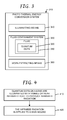
FIG. 3 is an illustration of a photo-thermal energy conversion system. -
FIG. 4 is an illustration of a method of using semiconducting quantum dots to treat a skin wound. - Reference is made to
FIG.1 , which illustrates a method of enhancing photo-thermal energy conversion. The method includes applying semiconducting quantum dots to a fluid (block 110). In general, quantum dots are semiconductors whose electronic characteristics are closely related to the size and shape of the individual crystal. Generally, the smaller the size of the crystal, the larger the band gap. Since semiconducting materials absorb wavelengths above their band gap, a quantum dot in general has a wide absorption spectrum with a narrow emission spectrum, which is determined by the band gap of the quantum dot. - The quantum dots applied to the fluid are configured to absorb visible or near infrared light and re-radiate infrared energy that excites a fundamental vibration frequency of the fluid. As the quantum dots absorb the light, they re-radiate infrared energy that causes the molecules in the fluid to vibrate and collide, thereby generating heat.
- The semiconducting quantum dots are relatively efficient emitters (relative to gold nanoparticles), converting up to roughly 50% of absorbed light to infrared energy (the remaining absorbed light will cause the quantum dots to generate heat, which will further heat the fluid). In addition, the quantum dots advantageously introduce three-dimensional heating pathways to the fluid (as with gold nanoparticles) rather than performing surface heating (as with a black absorbing surface). Heating from within the fluid is more efficient than heating only at the surface.
- In some embodiments, the fluid may be water, whereby the quantum dots are configured to absorb visible or near infrared light and re-radiate infrared energy that excites a fundamental vibration frequency of the water. The infrared energy may have a wavelength of about 3 microns, which corresponds to a fundamental vibration frequency (symmetric mode) where the two hydrogens and the oxygen oscillate against each other. The absorption coefficient of water is higher at 2.94 microns than at any other wavelength in the visible and infrared spectrum. There is a difference of 108 in the absorption coefficient of water between the visible range and at 3400 cm-1 (2.94 microns).
- Quantum dots re-radiating energy at about a 3 micron wavelength may be produced from a material having an energy band gap at about 3 microns. One such material is mercury telluride (HgTe).
- A method herein is not limited to water. The quantum dots may be applied to any fluid (gas, liquid or solid phase) that can be excited by a particular infrared frequency. For example, quantum dots may be configured to re-radiate infrared energy at a frequency where a particular organic molecule can be excited. Many organic molecules have vibration spectra in the infrared spectrum.
- A method herein is not limited to a single fluid. The quantum dots may be applied to a mixture of fluids. The quantum dots re-radiate infrared energy that causes one of the fluids in the mixture to evaporate, but not the remainder of the mixture. Thus, the quantum dots may be applied to a selective heating of one of the fluids of the mixture.
- The quantum dots may be applied in a variety of ways to a variety of objects. As a first example, quantum dots are suspended in the fluid. For instance, suspension may be colloidal, or the quantum dots may be configured to have the same density as the fluid.
- A second example involves applying quantum dots to a lens. This example will be described in greater detail below.
- Reference is now made to
FIG. 2 . During use, the quantum dots are illuminated with visible or near infrared light (block 210). The quantum dots downconvert the absorbed light to infrared energy (block 212), and the infrared energy causes molecules of the fluid to vibrate and collide (block 214), thereby generating heat. - In some embodiments, heating of the fluid may be further enhanced through the use of a black absorber surface (block 220). Light not absorbed by the quantum dots may pass through the fluid and be absorbed by the black absorber surface. The absorbed light causes the surface to generate additional heat, which is transferred to the fluid by conduction and/or convection.
- Work may be extracted from the heated fluid (block 230). For instance, water may be heated to produce steam, which drives a turbine.
- Reference is now made to
FIG. 3 , which illustrates a photo-thermalenergy conversion system 310. Thesystem 310 includes a body of workingfluid 320 andquantum dots 330 suspended in thefluid 320. Thequantum dots 330 are configured to absorb visible or near infrared light and re-radiate infrared energy that excites a fundamental vibration frequency of the workingfluid 320. - The
system 310 further includes ameans 340 for illuminating thequantum dots 330 in thefluid 320. Examples of the illumination means 340 include, but are not limited to a flashlight, laser, or other visible or near infrared light source. If sunlight is used to illuminate the fluid 320, themeans 340 does not include the Sun, but it may include optics for focusing the sunlight onto thequantum dots 330 in thefluid 320. - The
system 310 further includes acontainment system 350. In some embodiments, thecontainment system 350 may include a container for holding thefluid 320. In other embodiments, thecontainment system 350 may include a closed loop system for circulating thefluid 320. The closed loop system may be hermetically tight. To expose thequantum dots 330 to visible or near infrared light, a portion of the containment system 350 (e.g., fluid-carrying conduits) may be made of a material that is transparent to the light. - In some embodiments, one or more surfaces of the
containment system 350 may be configured as a black absorber surface. For example, a container holding the fluid may have a bottom surface that functions as a black absorber surface. - The
system 310 may further include ameans 360 for extracting work from the heated fluid. Examples of the extracting means 360 include, but are not, limited to, mechanical components for creating electrical energy (e.g., a steam-driven turbine for power generation), components for using heated fluid to heat buildings, and components for using heated fluid to perform solar desalination. - The
quantum dots 330 are not limited to being suspended in the workingfluid 320. In some embodiments, one or more surfaces of thecontainment system 350 may be coated with quantum dots. - Quantum dots herein are not limited to surfaces of a containment system. For instance, a layer of quantum dots herein may be applied to a lens.
- Reference is now made to
FIG. 4 , which illustrates a method of using a lens covered with a layer of quantum dots to treat a skin wound. The lens may be attached in front of a compact light source. The quantum dots are illuminated with visible or near infrared light to produce infrared radiation (block 410). The infrared radiation is applied to a skin wound for a few seconds (block 420). Infrared radiation having a wavelength of about 3 microns can heat up locally and kill any microorganisms that are present in the wound, and it can also cauterize the wound. - Clause 1. A method comprising applying semiconducting quantum dots to a fluid, the quantum dots configured to absorb visible or near infrared light and re-radiate infrared energy that excites a fundamental vibration frequency of the fluid.
- Clause 2. The method of claim 1, wherein the fluid is water.
- Clause 3. The method of claim 1, wherein the quantum dots re-radiate energy at a wavelength of about 3 microns.
- Clause 4. The method of claim 1, wherein applying the quantum dots includes adding the quantum dots to the fluid such that the quantum dots are suspended in the fluid.
- Clause 5. The method of claim 1, wherein the quantum dots are applied to a surface of a water-carrying object.
- Clause 6. A method comprising using quantum dots to downconvert visible light to infrared energy; and using the infrared energy to heat a fluid.
- Clause 7. The method of claim 6, wherein using the quantum dots includes illuminating the quantum dots with visible light.
- Clause 8. The method of claim 6 or 7, further comprising using a black absorber surface in combination with the quantum dots.
- Clause 9. The method of claim 6, further comprising extracting work from the heated fluid.
- Clause 10. A photo-thermal energy conversion system comprising: a body of fluid and quantum dots suspended in the fluid; the quantum dots configured to absorb visible or near infrared light and re-radiate infrared energy that excites a fundamental vibration frequency of the fluid; and means for illuminating the quantum dots with visible or near infrared light.
- Clause 11. The system of claim 10, further comprising means for extracting work from the heated fluid.
- Clause 12. The system of claim 10, further comprising a containment system for holding the fluid.
- Clause 13. The system of claim 12, wherein at least one surface of the containment system is configured as a black absorbing surface for absorbing visible or near infrared red light.
Claims (13)
- A method comprising applying semiconducting quantum dots to a fluid (block 110), the quantum dots configured to absorb visible or near infrared light and re-radiate infrared energy (block 212) that excites a fundamental vibration frequency (block 214) of the fluid.
- The method of claim 1, wherein the fluid is water.
- The method of claim 1, wherein the quantum dots re-radiate energy at a wavelength of about 3 microns.
- The method of claim 1, wherein applying the quantum dots includes adding the quantum dots to the fluid such that the quantum dots are suspended in the fluid.
- The method of claim 1, wherein the quantum dots are applied to a surface of a water-carrying object.
- A method comprising using quantum dots to downconvert visible light to infrared energy (block 212); and using the infrared energy to heat a fluid.
- The method of claim 6, wherein using the quantum dots includes illuminating the quantum dots with visible light (block 210).
- The method of claim 6 or 7, further comprising using a black absorber surface in combination with the quantum dots (block 220).
- The method of claim 6, further comprising extracting work from the heated fluid (block 230).
- A photo-thermal energy conversion system 310 comprising:a body of fluid 330 and quantum dots 320 suspended in the fluid 330; the quantum dots 320 configured to absorb visible or near infrared light and re-radiate infrared energy that excites a fundamental vibration frequency of the fluid 330; andmeans for illuminating 340 the quantum dots 330 with visible or near infrared light.
- The system of claim 10, further comprising means for extracting work 360 from the heated fluid.
- The system of claim 10, further comprising a containment system 350 for holding the fluid.
- The system of claim 12, wherein at least one surface of the containment system 350 is configured as a black absorbing surface for absorbing visible or near infrared red light.
Applications Claiming Priority (1)
| Application Number | Priority Date | Filing Date | Title |
|---|---|---|---|
| US13/785,619 US10038107B2 (en) | 2013-03-05 | 2013-03-05 | Enhanced photo-thermal energy conversion |
Publications (3)
| Publication Number | Publication Date |
|---|---|
| EP2775230A2 true EP2775230A2 (en) | 2014-09-10 |
| EP2775230A3 EP2775230A3 (en) | 2015-01-07 |
| EP2775230B1 EP2775230B1 (en) | 2019-09-04 |
Family
ID=49958172
Family Applications (1)
| Application Number | Title | Priority Date | Filing Date |
|---|---|---|---|
| EP13197909.8A Not-in-force EP2775230B1 (en) | 2013-03-05 | 2013-12-18 | Enhanced photo-thermal energy conversion |
Country Status (4)
| Country | Link |
|---|---|
| US (1) | US10038107B2 (en) |
| EP (1) | EP2775230B1 (en) |
| AU (1) | AU2013273656B2 (en) |
| IL (1) | IL230380B (en) |
Families Citing this family (3)
| Publication number | Priority date | Publication date | Assignee | Title |
|---|---|---|---|---|
| GB2517696A (en) * | 2013-08-27 | 2015-03-04 | Ibm | Nanodevice assemblies |
| GB201414427D0 (en) | 2014-08-14 | 2014-10-01 | Ibm | Memory device and method for thermoelectric heat confinement |
| CN111792692B (en) * | 2020-06-24 | 2021-10-08 | 北京理工大学 | A solar seawater desalination device and desalination method for fluorescent concentrating energy supply |
Family Cites Families (10)
| Publication number | Priority date | Publication date | Assignee | Title |
|---|---|---|---|---|
| CA2460796C (en) * | 2001-09-17 | 2011-02-01 | Vikram C. Sundar | Semiconductor nanocrystal composite |
| US20070084460A1 (en) | 2005-05-31 | 2007-04-19 | Vaughn Beckman | Solar collector |
| US20070158611A1 (en) * | 2005-11-08 | 2007-07-12 | Oldenburg Steven J | Compositions comprising nanorods and methods of making and using them |
| WO2007117698A2 (en) * | 2006-04-07 | 2007-10-18 | Qd Vision, Inc. | Composition including material, methods of depositing material, articles including same and systems for depositing material |
| US7498177B2 (en) * | 2006-04-24 | 2009-03-03 | Jesus Martinez De La Fuente | Quantum dots and their uses |
| WO2009002551A1 (en) * | 2007-06-26 | 2008-12-31 | Qd Vision, Inc. | Photovoltaic devices including quantum dot down-conversion materials useful for solar cells and materials including quantum dots |
| WO2009079061A2 (en) | 2007-09-25 | 2009-06-25 | The Texas A & M University System | Water-soluble nanoparticles with controlled aggregate sizes |
| EP2681968A4 (en) | 2011-03-01 | 2014-11-26 | Harvard College | THERMAL TRANSPARENT SUPPORT MANAGEMENT |
| EP2557373A1 (en) | 2011-08-11 | 2013-02-13 | Universita'del Salento | Heat transfer medium with nanofluids for a thermodynamic solar system |
| WO2013019330A1 (en) | 2011-07-29 | 2013-02-07 | Corning Incorporated | Solar-redshift systems |
-
2013
- 2013-03-05 US US13/785,619 patent/US10038107B2/en not_active Expired - Fee Related
- 2013-12-18 EP EP13197909.8A patent/EP2775230B1/en not_active Not-in-force
- 2013-12-18 AU AU2013273656A patent/AU2013273656B2/en not_active Ceased
-
2014
- 2014-01-09 IL IL230380A patent/IL230380B/en active IP Right Grant
Non-Patent Citations (1)
| Title |
|---|
| None |
Also Published As
| Publication number | Publication date |
|---|---|
| US10038107B2 (en) | 2018-07-31 |
| US20140252305A1 (en) | 2014-09-11 |
| AU2013273656A1 (en) | 2014-09-25 |
| AU2013273656B2 (en) | 2017-08-31 |
| EP2775230B1 (en) | 2019-09-04 |
| EP2775230A3 (en) | 2015-01-07 |
| IL230380A0 (en) | 2014-04-30 |
| IL230380B (en) | 2019-08-29 |
Similar Documents
| Publication | Publication Date | Title |
|---|---|---|
| Amjad et al. | Volumetric solar heating and steam generation via gold nanofluids | |
| US9459024B2 (en) | Localized solar collectors | |
| Deng et al. | The emergence of solar thermal utilization: solar-driven steam generation | |
| US10234172B2 (en) | Localized solar collectors | |
| JP6280275B2 (en) | Solar thermal power generation method and apparatus by gas endotherm based on characteristic absorption spectrum | |
| Ulset et al. | Photothermal boiling in aqueous nanofluids | |
| WO2011057342A1 (en) | Solar energy collector and method of solar energy collection | |
| AU2013273656B2 (en) | Enhanced photo-thermal energy conversion | |
| Koshelev et al. | RZLINE code modeling of distributed tin targets for laser-produced plasma sources of extreme ultraviolet radiation | |
| Pakhare et al. | Experimental performance evaluation of a parabolic solar dish collector with nanofluid | |
| Kumar et al. | Thermal performance analysis of a novel direct absorption solar collector augmented solar still using silver nanofluids | |
| Kajavali et al. | Investigation of heat transfer enhancement in a parabolic trough collector with a modified absorber | |
| JP2014169691A (en) | Pump and actuator | |
| WO2017200617A2 (en) | Localized solar collectors | |
| Asgharian et al. | Proposing a numerical method to calculate the absorbed power of plasmonic nanoparticles (Au, Ag, Al, and Cu) with different morphologies under solar irradiance | |
| Pustovalov et al. | Light-absorption selection of nanoparticles and nanofluids containing nanoparticles for their effective heating by solar radiation | |
| CN104019563B (en) | A kind of tower type solar energy thermal power generation absorber device based on biabsorption device | |
| Jaramillo et al. | Application of fiber optics in the hydrogen production by photoelectrolysis | |
| JP2016125679A (en) | Sunlight absorption fluid and distillation method | |
| O'Sullivan et al. | Recent progress in source development for lithography at 6. x nm | |
| JP2016102407A (en) | Dish type solar heat power generation system | |
| Sharma et al. | Design and development of solar autoclave | |
| CN111774020A (en) | A high-efficiency light-to-vapor conversion method based on the plasmon effect | |
| JP2024517594A (en) | Photocatalyst device | |
| KR101550582B1 (en) | Use of pulsed thermal radiation and nano-particles for the effective generation of sound waves in kHz range |
Legal Events
| Date | Code | Title | Description |
|---|---|---|---|
| PUAI | Public reference made under article 153(3) epc to a published international application that has entered the european phase |
Free format text: ORIGINAL CODE: 0009012 |
|
| 17P | Request for examination filed |
Effective date: 20131218 |
|
| AK | Designated contracting states |
Kind code of ref document: A2 Designated state(s): AL AT BE BG CH CY CZ DE DK EE ES FI FR GB GR HR HU IE IS IT LI LT LU LV MC MK MT NL NO PL PT RO RS SE SI SK SM TR |
|
| AX | Request for extension of the european patent |
Extension state: BA ME |
|
| PUAL | Search report despatched |
Free format text: ORIGINAL CODE: 0009013 |
|
| AK | Designated contracting states |
Kind code of ref document: A3 Designated state(s): AL AT BE BG CH CY CZ DE DK EE ES FI FR GB GR HR HU IE IS IT LI LT LU LV MC MK MT NL NO PL PT RO RS SE SI SK SM TR |
|
| AX | Request for extension of the european patent |
Extension state: BA ME |
|
| RIC1 | Information provided on ipc code assigned before grant |
Ipc: F24J 2/48 20060101ALI20141128BHEP Ipc: F24J 2/46 20060101ALI20141128BHEP Ipc: F24J 2/08 20060101ALI20141128BHEP Ipc: F24J 2/06 20060101AFI20141128BHEP |
|
| R17P | Request for examination filed (corrected) |
Effective date: 20150612 |
|
| RBV | Designated contracting states (corrected) |
Designated state(s): AL AT BE BG CH CY CZ DE DK EE ES FI FR GB GR HR HU IE IS IT LI LT LU LV MC MK MT NL NO PL PT RO RS SE SI SK SM TR |
|
| 17Q | First examination report despatched |
Effective date: 20160215 |
|
| STAA | Information on the status of an ep patent application or granted ep patent |
Free format text: STATUS: EXAMINATION IS IN PROGRESS |
|
| APBK | Appeal reference recorded |
Free format text: ORIGINAL CODE: EPIDOSNREFNE |
|
| APBN | Date of receipt of notice of appeal recorded |
Free format text: ORIGINAL CODE: EPIDOSNNOA2E |
|
| APBR | Date of receipt of statement of grounds of appeal recorded |
Free format text: ORIGINAL CODE: EPIDOSNNOA3E |
|
| REG | Reference to a national code |
Ref country code: DE Ref legal event code: R079 Ref document number: 602013059980 Country of ref document: DE Free format text: PREVIOUS MAIN CLASS: F24J0002060000 Ipc: F24S0080200000 |
|
| APBV | Interlocutory revision of appeal recorded |
Free format text: ORIGINAL CODE: EPIDOSNIRAPE |
|
| GRAP | Despatch of communication of intention to grant a patent |
Free format text: ORIGINAL CODE: EPIDOSNIGR1 |
|
| STAA | Information on the status of an ep patent application or granted ep patent |
Free format text: STATUS: GRANT OF PATENT IS INTENDED |
|
| RIC1 | Information provided on ipc code assigned before grant |
Ipc: F24S 80/20 20180101AFI20190116BHEP Ipc: F24S 70/20 20180101ALI20190116BHEP Ipc: F24S 23/30 20180101ALI20190116BHEP |
|
| INTG | Intention to grant announced |
Effective date: 20190211 |
|
| GRAJ | Information related to disapproval of communication of intention to grant by the applicant or resumption of examination proceedings by the epo deleted |
Free format text: ORIGINAL CODE: EPIDOSDIGR1 |
|
| STAA | Information on the status of an ep patent application or granted ep patent |
Free format text: STATUS: EXAMINATION IS IN PROGRESS |
|
| GRAP | Despatch of communication of intention to grant a patent |
Free format text: ORIGINAL CODE: EPIDOSNIGR1 |
|
| STAA | Information on the status of an ep patent application or granted ep patent |
Free format text: STATUS: GRANT OF PATENT IS INTENDED |
|
| INTG | Intention to grant announced |
Effective date: 20190327 |
|
| GRAS | Grant fee paid |
Free format text: ORIGINAL CODE: EPIDOSNIGR3 |
|
| GRAA | (expected) grant |
Free format text: ORIGINAL CODE: 0009210 |
|
| STAA | Information on the status of an ep patent application or granted ep patent |
Free format text: STATUS: THE PATENT HAS BEEN GRANTED |
|
| AK | Designated contracting states |
Kind code of ref document: B1 Designated state(s): AL AT BE BG CH CY CZ DE DK EE ES FI FR GB GR HR HU IE IS IT LI LT LU LV MC MK MT NL NO PL PT RO RS SE SI SK SM TR |
|
| REG | Reference to a national code |
Ref country code: GB Ref legal event code: FG4D |
|
| REG | Reference to a national code |
Ref country code: CH Ref legal event code: EP |
|
| REG | Reference to a national code |
Ref country code: AT Ref legal event code: REF Ref document number: 1175913 Country of ref document: AT Kind code of ref document: T Effective date: 20190915 |
|
| REG | Reference to a national code |
Ref country code: DE Ref legal event code: R096 Ref document number: 602013059980 Country of ref document: DE |
|
| REG | Reference to a national code |
Ref country code: IE Ref legal event code: FG4D |
|
| REG | Reference to a national code |
Ref country code: NL Ref legal event code: MP Effective date: 20190904 |
|
| REG | Reference to a national code |
Ref country code: LT Ref legal event code: MG4D |
|
| PG25 | Lapsed in a contracting state [announced via postgrant information from national office to epo] |
Ref country code: LT Free format text: LAPSE BECAUSE OF FAILURE TO SUBMIT A TRANSLATION OF THE DESCRIPTION OR TO PAY THE FEE WITHIN THE PRESCRIBED TIME-LIMIT Effective date: 20190904 Ref country code: HR Free format text: LAPSE BECAUSE OF FAILURE TO SUBMIT A TRANSLATION OF THE DESCRIPTION OR TO PAY THE FEE WITHIN THE PRESCRIBED TIME-LIMIT Effective date: 20190904 Ref country code: SE Free format text: LAPSE BECAUSE OF FAILURE TO SUBMIT A TRANSLATION OF THE DESCRIPTION OR TO PAY THE FEE WITHIN THE PRESCRIBED TIME-LIMIT Effective date: 20190904 Ref country code: BG Free format text: LAPSE BECAUSE OF FAILURE TO SUBMIT A TRANSLATION OF THE DESCRIPTION OR TO PAY THE FEE WITHIN THE PRESCRIBED TIME-LIMIT Effective date: 20191204 Ref country code: FI Free format text: LAPSE BECAUSE OF FAILURE TO SUBMIT A TRANSLATION OF THE DESCRIPTION OR TO PAY THE FEE WITHIN THE PRESCRIBED TIME-LIMIT Effective date: 20190904 Ref country code: NO Free format text: LAPSE BECAUSE OF FAILURE TO SUBMIT A TRANSLATION OF THE DESCRIPTION OR TO PAY THE FEE WITHIN THE PRESCRIBED TIME-LIMIT Effective date: 20191204 |
|
| PG25 | Lapsed in a contracting state [announced via postgrant information from national office to epo] |
Ref country code: ES Free format text: LAPSE BECAUSE OF FAILURE TO SUBMIT A TRANSLATION OF THE DESCRIPTION OR TO PAY THE FEE WITHIN THE PRESCRIBED TIME-LIMIT Effective date: 20190904 Ref country code: RS Free format text: LAPSE BECAUSE OF FAILURE TO SUBMIT A TRANSLATION OF THE DESCRIPTION OR TO PAY THE FEE WITHIN THE PRESCRIBED TIME-LIMIT Effective date: 20190904 Ref country code: GR Free format text: LAPSE BECAUSE OF FAILURE TO SUBMIT A TRANSLATION OF THE DESCRIPTION OR TO PAY THE FEE WITHIN THE PRESCRIBED TIME-LIMIT Effective date: 20191205 Ref country code: LV Free format text: LAPSE BECAUSE OF FAILURE TO SUBMIT A TRANSLATION OF THE DESCRIPTION OR TO PAY THE FEE WITHIN THE PRESCRIBED TIME-LIMIT Effective date: 20190904 Ref country code: AL Free format text: LAPSE BECAUSE OF FAILURE TO SUBMIT A TRANSLATION OF THE DESCRIPTION OR TO PAY THE FEE WITHIN THE PRESCRIBED TIME-LIMIT Effective date: 20190904 |
|
| REG | Reference to a national code |
Ref country code: AT Ref legal event code: MK05 Ref document number: 1175913 Country of ref document: AT Kind code of ref document: T Effective date: 20190904 |
|
| PG25 | Lapsed in a contracting state [announced via postgrant information from national office to epo] |
Ref country code: RO Free format text: LAPSE BECAUSE OF FAILURE TO SUBMIT A TRANSLATION OF THE DESCRIPTION OR TO PAY THE FEE WITHIN THE PRESCRIBED TIME-LIMIT Effective date: 20190904 Ref country code: IT Free format text: LAPSE BECAUSE OF FAILURE TO SUBMIT A TRANSLATION OF THE DESCRIPTION OR TO PAY THE FEE WITHIN THE PRESCRIBED TIME-LIMIT Effective date: 20190904 Ref country code: AT Free format text: LAPSE BECAUSE OF FAILURE TO SUBMIT A TRANSLATION OF THE DESCRIPTION OR TO PAY THE FEE WITHIN THE PRESCRIBED TIME-LIMIT Effective date: 20190904 Ref country code: EE Free format text: LAPSE BECAUSE OF FAILURE TO SUBMIT A TRANSLATION OF THE DESCRIPTION OR TO PAY THE FEE WITHIN THE PRESCRIBED TIME-LIMIT Effective date: 20190904 Ref country code: NL Free format text: LAPSE BECAUSE OF FAILURE TO SUBMIT A TRANSLATION OF THE DESCRIPTION OR TO PAY THE FEE WITHIN THE PRESCRIBED TIME-LIMIT Effective date: 20190904 Ref country code: PT Free format text: LAPSE BECAUSE OF FAILURE TO SUBMIT A TRANSLATION OF THE DESCRIPTION OR TO PAY THE FEE WITHIN THE PRESCRIBED TIME-LIMIT Effective date: 20200106 Ref country code: PL Free format text: LAPSE BECAUSE OF FAILURE TO SUBMIT A TRANSLATION OF THE DESCRIPTION OR TO PAY THE FEE WITHIN THE PRESCRIBED TIME-LIMIT Effective date: 20190904 |
|
| PG25 | Lapsed in a contracting state [announced via postgrant information from national office to epo] |
Ref country code: CZ Free format text: LAPSE BECAUSE OF FAILURE TO SUBMIT A TRANSLATION OF THE DESCRIPTION OR TO PAY THE FEE WITHIN THE PRESCRIBED TIME-LIMIT Effective date: 20190904 Ref country code: SK Free format text: LAPSE BECAUSE OF FAILURE TO SUBMIT A TRANSLATION OF THE DESCRIPTION OR TO PAY THE FEE WITHIN THE PRESCRIBED TIME-LIMIT Effective date: 20190904 Ref country code: SM Free format text: LAPSE BECAUSE OF FAILURE TO SUBMIT A TRANSLATION OF THE DESCRIPTION OR TO PAY THE FEE WITHIN THE PRESCRIBED TIME-LIMIT Effective date: 20190904 Ref country code: IS Free format text: LAPSE BECAUSE OF FAILURE TO SUBMIT A TRANSLATION OF THE DESCRIPTION OR TO PAY THE FEE WITHIN THE PRESCRIBED TIME-LIMIT Effective date: 20200224 |
|
| REG | Reference to a national code |
Ref country code: DE Ref legal event code: R097 Ref document number: 602013059980 Country of ref document: DE |
|
| PLBE | No opposition filed within time limit |
Free format text: ORIGINAL CODE: 0009261 |
|
| STAA | Information on the status of an ep patent application or granted ep patent |
Free format text: STATUS: NO OPPOSITION FILED WITHIN TIME LIMIT |
|
| PG2D | Information on lapse in contracting state deleted |
Ref country code: IS |
|
| PG25 | Lapsed in a contracting state [announced via postgrant information from national office to epo] |
Ref country code: DK Free format text: LAPSE BECAUSE OF FAILURE TO SUBMIT A TRANSLATION OF THE DESCRIPTION OR TO PAY THE FEE WITHIN THE PRESCRIBED TIME-LIMIT Effective date: 20190904 Ref country code: IS Free format text: LAPSE BECAUSE OF FAILURE TO SUBMIT A TRANSLATION OF THE DESCRIPTION OR TO PAY THE FEE WITHIN THE PRESCRIBED TIME-LIMIT Effective date: 20200105 |
|
| REG | Reference to a national code |
Ref country code: CH Ref legal event code: PL |
|
| 26N | No opposition filed |
Effective date: 20200605 |
|
| REG | Reference to a national code |
Ref country code: BE Ref legal event code: MM Effective date: 20191231 |
|
| PG25 | Lapsed in a contracting state [announced via postgrant information from national office to epo] |
Ref country code: MC Free format text: LAPSE BECAUSE OF FAILURE TO SUBMIT A TRANSLATION OF THE DESCRIPTION OR TO PAY THE FEE WITHIN THE PRESCRIBED TIME-LIMIT Effective date: 20190904 Ref country code: SI Free format text: LAPSE BECAUSE OF FAILURE TO SUBMIT A TRANSLATION OF THE DESCRIPTION OR TO PAY THE FEE WITHIN THE PRESCRIBED TIME-LIMIT Effective date: 20190904 |
|
| PG25 | Lapsed in a contracting state [announced via postgrant information from national office to epo] |
Ref country code: LU Free format text: LAPSE BECAUSE OF NON-PAYMENT OF DUE FEES Effective date: 20191218 Ref country code: IE Free format text: LAPSE BECAUSE OF NON-PAYMENT OF DUE FEES Effective date: 20191218 |
|
| PG25 | Lapsed in a contracting state [announced via postgrant information from national office to epo] |
Ref country code: BE Free format text: LAPSE BECAUSE OF NON-PAYMENT OF DUE FEES Effective date: 20191231 Ref country code: LI Free format text: LAPSE BECAUSE OF NON-PAYMENT OF DUE FEES Effective date: 20191231 Ref country code: CH Free format text: LAPSE BECAUSE OF NON-PAYMENT OF DUE FEES Effective date: 20191231 |
|
| PGFP | Annual fee paid to national office [announced via postgrant information from national office to epo] |
Ref country code: GB Payment date: 20201228 Year of fee payment: 8 Ref country code: FR Payment date: 20201227 Year of fee payment: 8 |
|
| PG25 | Lapsed in a contracting state [announced via postgrant information from national office to epo] |
Ref country code: CY Free format text: LAPSE BECAUSE OF FAILURE TO SUBMIT A TRANSLATION OF THE DESCRIPTION OR TO PAY THE FEE WITHIN THE PRESCRIBED TIME-LIMIT Effective date: 20190904 |
|
| PGFP | Annual fee paid to national office [announced via postgrant information from national office to epo] |
Ref country code: DE Payment date: 20201229 Year of fee payment: 8 |
|
| PG25 | Lapsed in a contracting state [announced via postgrant information from national office to epo] |
Ref country code: HU Free format text: LAPSE BECAUSE OF FAILURE TO SUBMIT A TRANSLATION OF THE DESCRIPTION OR TO PAY THE FEE WITHIN THE PRESCRIBED TIME-LIMIT; INVALID AB INITIO Effective date: 20131218 Ref country code: MT Free format text: LAPSE BECAUSE OF FAILURE TO SUBMIT A TRANSLATION OF THE DESCRIPTION OR TO PAY THE FEE WITHIN THE PRESCRIBED TIME-LIMIT Effective date: 20190904 |
|
| PG25 | Lapsed in a contracting state [announced via postgrant information from national office to epo] |
Ref country code: TR Free format text: LAPSE BECAUSE OF FAILURE TO SUBMIT A TRANSLATION OF THE DESCRIPTION OR TO PAY THE FEE WITHIN THE PRESCRIBED TIME-LIMIT Effective date: 20190904 |
|
| PG25 | Lapsed in a contracting state [announced via postgrant information from national office to epo] |
Ref country code: MK Free format text: LAPSE BECAUSE OF FAILURE TO SUBMIT A TRANSLATION OF THE DESCRIPTION OR TO PAY THE FEE WITHIN THE PRESCRIBED TIME-LIMIT Effective date: 20190904 |
|
| REG | Reference to a national code |
Ref country code: DE Ref legal event code: R119 Ref document number: 602013059980 Country of ref document: DE |
|
| GBPC | Gb: european patent ceased through non-payment of renewal fee |
Effective date: 20211218 |
|
| PG25 | Lapsed in a contracting state [announced via postgrant information from national office to epo] |
Ref country code: GB Free format text: LAPSE BECAUSE OF NON-PAYMENT OF DUE FEES Effective date: 20211218 Ref country code: DE Free format text: LAPSE BECAUSE OF NON-PAYMENT OF DUE FEES Effective date: 20220701 |
|
| PG25 | Lapsed in a contracting state [announced via postgrant information from national office to epo] |
Ref country code: FR Free format text: LAPSE BECAUSE OF NON-PAYMENT OF DUE FEES Effective date: 20211231 |