EP2774616A1 - Application of roseburia in treating and preventing obesity related diseases - Google Patents
Application of roseburia in treating and preventing obesity related diseases Download PDFInfo
- Publication number
- EP2774616A1 EP2774616A1 EP11875013.2A EP11875013A EP2774616A1 EP 2774616 A1 EP2774616 A1 EP 2774616A1 EP 11875013 A EP11875013 A EP 11875013A EP 2774616 A1 EP2774616 A1 EP 2774616A1
- Authority
- EP
- European Patent Office
- Prior art keywords
- roseburia
- present disclosure
- obesity
- bacterial strain
- blood glucose
- Prior art date
- Legal status (The legal status is an assumption and is not a legal conclusion. Google has not performed a legal analysis and makes no representation as to the accuracy of the status listed.)
- Granted
Links
Images


Classifications
-
- A—HUMAN NECESSITIES
- A61—MEDICAL OR VETERINARY SCIENCE; HYGIENE
- A61K—PREPARATIONS FOR MEDICAL, DENTAL OR TOILETRY PURPOSES
- A61K35/00—Medicinal preparations containing materials or reaction products thereof with undetermined constitution
- A61K35/66—Microorganisms or materials therefrom
- A61K35/74—Bacteria
-
- A—HUMAN NECESSITIES
- A23—FOODS OR FOODSTUFFS; TREATMENT THEREOF, NOT COVERED BY OTHER CLASSES
- A23L—FOODS, FOODSTUFFS OR NON-ALCOHOLIC BEVERAGES, NOT OTHERWISE PROVIDED FOR; PREPARATION OR TREATMENT THEREOF
- A23L33/00—Modifying nutritive qualities of foods; Dietetic products; Preparation or treatment thereof
- A23L33/10—Modifying nutritive qualities of foods; Dietetic products; Preparation or treatment thereof using additives
- A23L33/135—Bacteria or derivatives thereof, e.g. probiotics
-
- A—HUMAN NECESSITIES
- A61—MEDICAL OR VETERINARY SCIENCE; HYGIENE
- A61K—PREPARATIONS FOR MEDICAL, DENTAL OR TOILETRY PURPOSES
- A61K9/00—Medicinal preparations characterised by special physical form
- A61K9/14—Particulate form, e.g. powders, Processes for size reducing of pure drugs or the resulting products, Pure drug nanoparticles
- A61K9/19—Particulate form, e.g. powders, Processes for size reducing of pure drugs or the resulting products, Pure drug nanoparticles lyophilised, i.e. freeze-dried, solutions or dispersions
-
- A—HUMAN NECESSITIES
- A61—MEDICAL OR VETERINARY SCIENCE; HYGIENE
- A61P—SPECIFIC THERAPEUTIC ACTIVITY OF CHEMICAL COMPOUNDS OR MEDICINAL PREPARATIONS
- A61P3/00—Drugs for disorders of the metabolism
- A61P3/04—Anorexiants; Antiobesity agents
-
- A—HUMAN NECESSITIES
- A61—MEDICAL OR VETERINARY SCIENCE; HYGIENE
- A61P—SPECIFIC THERAPEUTIC ACTIVITY OF CHEMICAL COMPOUNDS OR MEDICINAL PREPARATIONS
- A61P3/00—Drugs for disorders of the metabolism
- A61P3/08—Drugs for disorders of the metabolism for glucose homeostasis
- A61P3/10—Drugs for disorders of the metabolism for glucose homeostasis for hyperglycaemia, e.g. antidiabetics
-
- C—CHEMISTRY; METALLURGY
- C12—BIOCHEMISTRY; BEER; SPIRITS; WINE; VINEGAR; MICROBIOLOGY; ENZYMOLOGY; MUTATION OR GENETIC ENGINEERING
- C12N—MICROORGANISMS OR ENZYMES; COMPOSITIONS THEREOF; PROPAGATING, PRESERVING, OR MAINTAINING MICROORGANISMS; MUTATION OR GENETIC ENGINEERING; CULTURE MEDIA
- C12N1/00—Microorganisms; Compositions thereof; Processes of propagating, maintaining or preserving microorganisms or compositions thereof; Processes of preparing or isolating a composition containing a microorganism; Culture media therefor
- C12N1/20—Bacteria; Culture media therefor
-
- A—HUMAN NECESSITIES
- A23—FOODS OR FOODSTUFFS; TREATMENT THEREOF, NOT COVERED BY OTHER CLASSES
- A23V—INDEXING SCHEME RELATING TO FOODS, FOODSTUFFS OR NON-ALCOHOLIC BEVERAGES AND LACTIC OR PROPIONIC ACID BACTERIA USED IN FOODSTUFFS OR FOOD PREPARATION
- A23V2002/00—Food compositions, function of food ingredients or processes for food or foodstuffs
-
- Y—GENERAL TAGGING OF NEW TECHNOLOGICAL DEVELOPMENTS; GENERAL TAGGING OF CROSS-SECTIONAL TECHNOLOGIES SPANNING OVER SEVERAL SECTIONS OF THE IPC; TECHNICAL SUBJECTS COVERED BY FORMER USPC CROSS-REFERENCE ART COLLECTIONS [XRACs] AND DIGESTS
- Y02—TECHNOLOGIES OR APPLICATIONS FOR MITIGATION OR ADAPTATION AGAINST CLIMATE CHANGE
- Y02A—TECHNOLOGIES FOR ADAPTATION TO CLIMATE CHANGE
- Y02A50/00—TECHNOLOGIES FOR ADAPTATION TO CLIMATE CHANGE in human health protection, e.g. against extreme weather
- Y02A50/30—Against vector-borne diseases, e.g. mosquito-borne, fly-borne, tick-borne or waterborne diseases whose impact is exacerbated by climate change
Definitions
- the present disclosure relates to the field of microbiology, specifically, relates to the application of Roseburia bacterial strains in the treatment and prevention of obesity-related diseases, and also involves the composition comprising Roseburia bacteria and the application thereof.
- Obesity is a chronic disease, and many factors can lead to obesity. The incidence of origin is not clear so far. Obesity is also an inducing factor for a series of diseases, such as hypertension, diabetes, coronary heart disease, gallbladder disease, osteoarthritis, sleep apnea, respiratory disorders, uterus tumor, prostate cancer, breast cancer and colon cancer. According to NIH report, about 97 million Americans are overweight and suffer from obesity, including about 15.1 million people suffering from obesity associated with type II diabetes. Each year nearly 200 thousand people die from obesity-related diseases.
- Obesity is usually caused by changes in physiological or biochemical function which lead to excess body fat. Fat generally includes neutral lipid, phospholipid and cholesterol. Fat increase is due to that energy intake is greater than energy consumption. According to pathogenesis, there are two types of obesity: (a) simple obesity and (b) second obesity. Simple obesity can be divided into idiopamic obesity and acquired obesity. The number of simple obesity patients may be more than 95% of the total number of obesity. Idiopamic obesity is caused by a large number of fat cells, and is common in childhood obesity. Acquired obesity is due to larger fat cells, and is common in adult obesity. Second obesity is also known as symptomatic obesity, which is usually caused by endocrine or metabolic diseases.
- Drug therapy is the main clinical treatment of obesity and obesity-related diseases (such as diabetes) method.
- Mechanism of drug therapy includes suppressing appetite, increasing energy consumption, stimulating fat movement, reducing triglyceride synthesis and inhibiting fat absorption.
- the main drugs at present are phenylpropanolamine(PPA), orlistat (Xenical III) and sibutramine (ReductilTM).
- PPA phenylpropanolamine
- orlistat Xenical III
- sibutramine ReductilTM
- the high blood glucose of some diabete patients still cannot be properly controlled through diet and/or exercise therapy or the use of such therapeutic compounds.
- exogenous insulin should be used.
- the use of exogenous insulin is very expensive and a painful way, which causes multiple complications. For example, the absence of meals or abnormal exercise, and insulin-dose miscalculation can lead to insulin response (low blood sugar).
- the use of drugs may also occur local or systemic drug allergies or immune resistance.
- One aim of the present disclosure is to provide a use of Roseburia in prevention and treatment of obesity related diseases.
- Another aim of the present disclosure is to provide pharmaceutical, drink, food composition, or animal feed composition in prevention and treatment of obesity related diseases.
- the third aim of the present disclosure is to provide a method of reducing body weight and/or blood glucose and application thereof.
- the composition is selected from the group consisting of pharmaceutical composition, food composition, drink composition, or feed composition.
- the Roseburia is Roseburia inulinivorans.
- the Roseburia is Roseburia inulinivorans DSM 16841.
- the composition is used in improving the tolerance of blood glucose.
- a food composition comprising an effective amount of Roseburia and/or a metabolite thereof and a carrier acceptable for food composition.
- the forms of the food composition are selected from solid emulsion, solution agent, powder agent, or suspension agent.
- the food composition is used in reducing blood glucose and/or body weight, and/or used in improving the tolerance of blood glucose.
- the effective amount of Roseburia is 1 ⁇ 10-1 ⁇ 10 20 cfu/mL(or cfu/g), preferably 1 ⁇ 10 4 -1 ⁇ 10 15 cfu/mL(or cfu/g).
- a pharmaceutical composition comprising an effective amount of Roseburia a metabolite thereof, and the pharmaceutically acceptable carrier.
- the forms of the pharmaceutical composition are selected from granule, capsule, tablet, powder agent, oral liquid, suspension, and/or emulsion.
- the pharmaceutical composition is used in reducing blood glucose and/or body weight, and/or used in improving the tolerance ability of blood glucose.
- the effective amount of Roseburia is 1 ⁇ 10-1 ⁇ 10 20 cfu/mL(or cfu/g), preferably 1 ⁇ 10 4 -1 ⁇ 10 15 cfu/mL(or cfu/g).
- a recipe of the food composition according to the second aspect or the pharmaceutical composition according to the third aspect comprises: 1 ⁇ 10-1 ⁇ 10 20 cfu/mL of Roseburia and the metabolite thereof, and a pharmaceutically acceptable carrier or a carrier acceptable for food compositions, and/or an excipient.
- a recipe of the food composition according to the second aspect or the composition according to the third aspect comprises: 1 ⁇ 10 4 -1 ⁇ 10 15 cfu/mL of Roseburia and the metabolite thereof, and a pharmaceutically acceptable carrier or a carrier acceptable for food compositions, and/or an excipient.
- a recipe of the food composition according to the second aspect or the pharmaceutical composition according to the third aspect comprises: 1 ⁇ 10 6 -1 ⁇ 10 11 cfu/mL of Roseburia and the metabolite thereof, and a pharmaceutically acceptable carrier or a carrier acceptable for food compositions, and/or an excipient.
- the composition is used for reducing the blood glucose and/or body weight of subjects.
- the composition is used for improving the tolerance of blood glucose.
- a method of reducing body weight and/or blood glucose comprising the steps of: feeding or applying a Roseburia according to the first aspect of the present disclosure, the food composition according to the second aspect, and/or the pharmaceutical composition according to the third aspect to subjects in need.
- a seventh aspect of the present disclosure there is provided is a method of improving the tolerance of blood glucose, comprising the steps of: administering a Roseburia according to the first aspect of the present disclosure, the food composition according to the second aspect, and/or the pharmaceutical composition according to the third aspect to subjects in need.
- a method of prevention or treatment of obesity related diseases comprising the steps of: administering the Roseburia according to the first aspect of the present disclosure, the food composition according to the second aspect, and/or the pharmaceutical composition according to the third aspect to subjects in need.
- the obesity related diseases are selected from the group consisting of diabetes, hypertension, hyperglycemia, hyperlipidemia, coronary heart disease, atherosclerosis, stroke, or the combination thereof.
- the subjects is preferable mammals, more preferably mice or humans.
- the term “comprise” or “comprising” indicates all components can be used in the mixture or composition in the present disclosure. So the meaning of “mainly composed of”, “consist mainly of”, and “consisted of” belongs to the scope of the term “comprise” or “comprising”.
- the term "Roseburia bacterial strain” and “Roseburia” can be used interchangeably.
- the bacterial strain is Roseburia inulinivorans DSM 16841, derived from DSMZ (Deutsche Sammlung von Mikroorganismen und Zellkulturen GmbH).
- the physiological properties of Roseburia are as follows: slightly-curved-rod shape, about 0.5 ⁇ m ⁇ 2.3 ⁇ 5.0 ⁇ m in size, without spores, motile, having a cluster of flagella at a proximal end or one end of the concave of a cell.
- the cultivation conditions are: anaerobic cultured in M2GSC media at 37°C for 2-5 days.
- the present disclosure discloses the use of Roseburia in prevention and treatment of obesity and its related diseases.
- the bacterial strain DSM 16841 has the property of inhibiting the growth of the body weights of subjects after intaking high-fat food.
- the CF57BL/6J mice that are fed with high-fat food which will induce obesity are treated with the bacterial strain DSM 16841. Comparing with the untreated control group, the body weight of the bacterial treated group retain unchanged which is beneficial for reducing blood glucose level. Therefore, the bacterial strain can be applied to prevent and treat obesity and its related diseases, e.g., diabetes. etc.
- the present disclosure further provides a composition, preferably a pharmaceutical composition.
- the composition comprises an effective amount of the Roseburia bacterial strain.
- the composition further comprises the bacterial strains selected from the group consisting of: Lactobacillus gasseri, Lactobacillus rhamnosus GM-020, Lactobacillus rhamnosus PL60 or the combination thereof.
- compositions can be administrated in forms of tablet, capsule or injection.
- These pharmaceutic compositions comprise excipients, pharmaceutically acceptable media and carriers. Appropriate excipients, media and carriers may be selected depending on the routes of administration.
- the pharmaceutical compositions in the present disclosure can further comprise auxiliary active constituents.
- the carrier, excipientor thinner comprises but is not limited to lactose, glucose, sucrose, sorbitol, mannose, starch, gum arabic, calcium phosphate, alginate, gelatin, calcium silicate, fine crystalline cellulose, polyvinyl pyrrolidone (PVP), cellulose, water, syrup, methyl cellulose, methyl p-hydroxybenzoate, propyl para-hydroxybenzoate esters, talc, magnesium stearate or mineral oil, etc.
- lactose glucose, sucrose, sorbitol, mannose, starch, gum arabic, calcium phosphate, alginate, gelatin, calcium silicate, fine crystalline cellulose, polyvinyl pyrrolidone (PVP), cellulose, water, syrup, methyl cellulose, methyl p-hydroxybenzoate, propyl para-hydroxybenzoate esters, talc, magnesium stearate or mineral oil, etc.
- PVP polyvinyl pyrrolidone
- the pharmaceutical composition can further comprise lubricant, wetting agent, emulsifier, suspension stabilizer, preservative, sweetener, spices, etc.
- the pharmaceutical composition in the present disclosure can be manufactured as enteric coatings by several known method in the art, so that the active constituent of the pharmaceutical composition, i.e., microorganism, can be protected from gastric acid and go through the stomach intactly.
- microorganisms of the present disclosure may be administered in a form of capsule prepared by conventional process.
- standard excipient and lyophilized microorganisms of the present disclosure are mixed together and prepared to pellets and then, the pellets are filled into gelatin capsules.
- the microorganisms of the present disclosure and pharmaceutically allowable excipient for example, aqueous gum, cellulose, silicates or oil, are mixed to produce a suspension or emulsion and then, the suspension or emulsion can be filled into soft gelatin capsule.
- the pharmaceutical composition of the present disclosure may be prepared as enterically coated tablets for oral administration.
- the term "the enteric coating" of the present disclosure includes all conventional pharmaceutically acceptable coating that has resistance to gastric juice, but can disintegrate sufficiently in small intestine for a rapid release of the microorganisms of the present disclosure.
- the enteric coating of the present disclosure can be maintained for more than 2 hours in synthetic gastric juice, such as HCl solution having a pH of about 1 at the temperature of 36-38°C, and preferably decomposes within 1.0 hours in synthetic intestinal juice, such as buffer solution of pH 7.0.
- the enteric coating of the present disclosure applies to each tablet with the amount of about 16 to 30 mg, preferably 16 to 25 mg, more preferably 16 to 20 mg.
- the thickness of enteric coating of the present disclosure is 5 to 100 ⁇ m, preferably 20 to 80 ⁇ m.
- the components of the enteric coating are selected appropriately from commonly known polymeric materials.
- the preferred enteric coating of the present disclosure are prepared from polymers of cellulose acetate phthalate or polymers of trimellitates and methacrylate copolymer (for example, methacrylic acid copolymer contains more than 40% of methacrylic acid and contains methyl-cellulose-phthalate-hydroxypropyl methacrylate or derivatives thereof).
- the cellulose acetate phthalate employed in the enteric coating of the present disclosure has a viscosity of about 45 cP to 90 cP, which contains 17% to 26% of acetyl, and 30% to 40% of phthalate.
- the cellulose acetate trimelitate used in the enteric coating has a viscosity of about 15 cs to 21cs , which contains 17% to 26% of acetvl.
- the cellulose acetate trimelitate manufactured by the Eastman Kodak Company may be used as a material for the enteric coating of the present disclosure.
- Hydroxyprophyl methyl cellulose phthalate used in the enteric coating of the present disclosure has a molecular weight of generally 20,000 to 130,000 dalton, preferably 80,000 to 100,000 dalton which contains 5% to 10% hydroxyprophyl, 18% to 24% of metoxy contents, and 21 to 35% of phthalyl contents.
- Hydroxyprophyl methyl cellulose phthalate used in the enteric coating of the present disclosure is HP50 manufactured by Shin-Etsu Chemical Co. Ltd., Japan.
- the HP50 contains 6% to 10% hydroxyprophyl, 20% to 24% metoxy, 21% to 27% prophyl, and has a molecular weight of 84,000 dalton.
- Another material for enteric coating is HP55, which contains 5% to 9% hydroxyprophyl, 18% to 22% metoxy, 27% to 35% phthalate, and has a molecular weight of 78,000 dalton.
- the enteric coating of the present disclosure is prepared by using conventional methods of spraying the enteric coating solution to the core.
- Solvents used in the process of the enteric coating are alcohol such as ethanol, ketone such as acetone, halogenated hydrocarbon such as dichloromethane, or the mixture thereof.
- Softeners such as di- n -butylphthalate and triacetin are added to the enteric coating solution in the ratio of 1 part coating material to about 0.05 or to about 0.3 part softner.
- a spraying process is preferably performed continuously, and the amount of materials sprayed may be controlled depending on the condition of the coating process. Spraying pressure may be regulated variously and, generally, desirable result can be obtained under the pressure of average 1 to 1.5 bar.
- the term "pharmaceutically effective amount” refers to an amount of a compound sufficient to achieve desirable function or activity in humans and/or animals in need and acceptable to such humans and/or animals.
- the effective amount contains 1 ⁇ 10-1 ⁇ 10 20 cfu/mL Roseburia and/or metabolites may be manufactured, preferably the effective amount contains 1 ⁇ 10 4 -1 ⁇ 10 15 cfu/mL Roseburia and/or metabolites may be manufactured, further preferably the effective amount contains 1 ⁇ 10 6 -1 ⁇ 10 11 cfu/mL Roseburia and/or metabolites may be manufactured.
- the effective amount of Roseburia and/or the metabolites thereof in the preparation of the pharmaceutical composition can vary depending on the mode of administration and the severity of the disease to be treated.
- the dosage form suitable for oral administration comprises 1 ⁇ 10-1 ⁇ 10 20 cfu/mL (or cfu/g) active Roseburia or active component produced by fermentation (preferably 1 ⁇ 10 4 -1 ⁇ 10 15 cfu/mL, further preferably 1 ⁇ 10 6 -1 ⁇ 10 11 cfu/mL), which can be mixed with solid or liquid pharmaceutically acceptable carrier.
- This dose regimen may be adjusted to provide an optimal therapeutic response. For example, due to the urgent requirement of treatment conditions, several divided doses can be given daily, or the dosage can be reduced proportionally.
- the Roseburia or the metabolite thereof can be administrated orally.
- the solid carrier comprises starch, lactose, dicalcium phosphate, microcrystalline cellulose, sucrose and white clay; and the liquid carrier comprises media, polyethylene glycol, non-ionic surfactant, and edible oils (such as corn oil, peanut oil, and sesame oil).
- edible oils such as corn oil, peanut oil, and sesame oil.
- the adjuvants can be incorporated in the preparation of the pharmaceutical composition advantageously, which comprise: flavoring agents, pigments, preservatives and antioxidants such as vitamin E, vitamin C, BHT and BHA.
- the preferred pharmaceutical composition is solid composition, further preferably in forms of tablet and capsule filled with solid or liquid.
- the oral administration is preferred.
- the composition of the present disclosure may be administrated once or more per day on the subject.
- the unit of administration amount refers to a dosage which may be separated physically and suitable for administration to human or all other mammalian individuals. Each unit contains a pharmaceutically acceptable carrier and an effective amount of the microorganisms of the present disclosure.
- the administration amount may vary depending on the weight and the severity of obesity of the patient, supplemental active ingredients included and microorganisms used therein. In addition, if possible, it may be administered separately, and, if necessary, it can be administered continuously. Therefore, the dosage will not impose restrictions to the present disclosure.
- the "compositions" in the present disclosure means not only pharmaceuticals, but also can be used as a function food and health supplement. In one preferred embodiment, the compositions include beverage, food, drug, animal feed, etc.
- a food composition comprising an effective amount of Roseburia and/or metabolite thereof, and carrier acceptable for balance food.
- the formulation of the food composition is selected from solid, dairy food, solution product, powder product, or suspension product.
- a pharmaceutical composition comprising a pharmaceutically effective amount of Roseburia and/or metabolite thereof, and pharmaceutically acceptable carrier.
- the formulation of the pharmaceutical composition is selected from granule, capsule, tablet, powder agent, oral liquid, suspension, or emulsion.
- the recipe of composition comprises: 1 ⁇ 10-1 ⁇ 10 20 cfu/mL Roseburia and/or metabolite thereof, and a carrier acceptable pharmaceutically or for food compositions, and/or an excipient.
- the recipe of the composition comprises: 1 ⁇ 10 4 -1 ⁇ 10 15 cfu/mL Roseburia and/or metabolite thereof, and a carrier acceptable pharmaceutically or for food compositions, and/or an excipient.
- the recipe of the composition comprises: 1 ⁇ 10 6 -1 ⁇ 10 11 cfu/mL Roseburia and/or its metabolite thereof, and a carrier acceptable pharmaceutically or for food compositions, and/or an excipient.
- the present disclosure further provides a method of reducing body weight and/or blood glucose, and/or improving the tolerance of blood glucose.
- the method comprises: administering the pharmaceutical composition, food composition, drink composition, and/or a combination thereof.
- the subject is human.
- the method comprises: administering the pharmaceutical composition, food composition, drink composition, and/or a combination thereof.
- the subject is animals, preferable murine or leporid.
- mice Fifteen C57BL/6J mice were 6 weeks old at the beginning of the experiment and purchased from Laboratory Animal Center of Southern Medical University, China. The mice were fed with a control diet and housed in groups of five per cage in same environment (12-h daylight cycle, lights off at 6 p.m.) with free access to food and water.
- Roseburia inulinivorans DSM 16841 was purchased from DSMZ (Deutsche Sammlung von Mikroorganismen und Zellkulturen GmbH) .
- High-fat diet(HF) containing 58% fat (soybean oil and lard, g/100 g of total diet), 25.6% sucrose, and 16.4% protein was purchased from Beijing HFK Bioscience co., LTD, China.
- Control diet was purchased from Laboratory Animal Center of Southern Medical University, China.
- mice After 3 weeks of acclimatization, these mice were housed in groups of five per cage in clean environment with free access to control food and water to reach 6 weeks old. Body weight of each mouse was monitored once a week while the food intake of each group was recorded every two days.
- the control Group was fed with control diet, meanwhile the HF group and Roseburia -treated HFR group were fed with high-fat diet.
- mice Each cage was maintained clean during the experimental period. All the mice lived in their corresponding cages and gavaged in unified processes.
- R. inulinivorans DSM 16841 was freshly suspended in culture medium weekly with the concentration 1 ⁇ 10 7 cfu/mL, and the cultivation liquid compressed to 1 ⁇ 10 8 cfu/mL. Then the strain was orally administered to the mice by gavage (0.15mL/10g body weight) every two days.
- Body weight and daily food intake of each mouse were recorded during the experiment. After 5 and 10 weeks of treatments, oral glucose tolerance tests (OGTT) were performed and blood glucose levels of 10h fasted mice were determined by using a glucose meter. Blood was collected from the tip of the tail vein both before and after glucose administration (60 min and 120 min).
- OGTT oral glucose tolerance tests
- Table 1 The average increases of body weight during the 10 weeks-treatment were shown in Table 1 and Fig. 2 .
- Table 1 Group Time (week) 0 1 2 3 4 5 6 7 8 9 10 1.HFR(g) 0.00 0.92 1.60 2.06 3.10 3.20 4.22 4.74 5.18 5.86 6.30 2.HF (g) 0.00 1.64 2.74 3.52 3.90 4.70 6.60 7.98 8.66 9.42 9.84 3.Control (g) 0.00 0.50 1.00 1.40 2.10 2.27 3.27 3.50 3.77 4.65 5.10 2.
- the P values of average increase of body weight during the 10 weeks treatment were shown in Table 2 and Fig. 3 .
- the components were mixed according to above mentioned ratio, stirred until mixed completely, and then preheated with high-pressure homogenization at 20Mpa.
- the compositions were sterilized for 5-10 minutes at 90 °C, and inoculated when the temperature cooled to 40-43 °C.
- the amount of inoculation was 1-100 ⁇ 10 6 cfu R. inulinivorans DSM 16841 /g.
- Lactose, yeast extract, peptone, and pure water were mixed according to above mentioned ratio, and preheated to 60-65 °C with high-pressure homogenization at 20Mpa.
- the mixture was sterilized for 20-30 minutes at 90 °C.
- R. inulinivorans DSM 16841(1-50 ⁇ 10 6 cfu/mL) was inoculated to the mixture when the temperature of the mixture was cooled to 6-38°C. After the resulting mixture fermented until pH turned to 6.0, it was centrifuged and freeze-dried to reach less than 3% moisture content, ie. prepareing R. inulinivorans DSM 16841 bacteria freeze-dried material. 0.5g R. inulinivorans DSM 16841 freeze-dried material was then mixed with equal amount of malto dextrin, and encapsulated to form a pharmaceutical composition containing R . inulinivorans DSM 16841.
Landscapes
- Health & Medical Sciences (AREA)
- Life Sciences & Earth Sciences (AREA)
- Chemical & Material Sciences (AREA)
- Engineering & Computer Science (AREA)
- General Health & Medical Sciences (AREA)
- Medicinal Chemistry (AREA)
- Bioinformatics & Cheminformatics (AREA)
- Pharmacology & Pharmacy (AREA)
- Veterinary Medicine (AREA)
- Public Health (AREA)
- Animal Behavior & Ethology (AREA)
- Organic Chemistry (AREA)
- Microbiology (AREA)
- Mycology (AREA)
- Epidemiology (AREA)
- Biotechnology (AREA)
- Wood Science & Technology (AREA)
- Zoology (AREA)
- Diabetes (AREA)
- Genetics & Genomics (AREA)
- Molecular Biology (AREA)
- Hematology (AREA)
- Nutrition Science (AREA)
- Chemical Kinetics & Catalysis (AREA)
- Polymers & Plastics (AREA)
- Obesity (AREA)
- Tropical Medicine & Parasitology (AREA)
- Virology (AREA)
- Biomedical Technology (AREA)
- General Chemical & Material Sciences (AREA)
- Food Science & Technology (AREA)
- Nuclear Medicine, Radiotherapy & Molecular Imaging (AREA)
- Biochemistry (AREA)
- General Engineering & Computer Science (AREA)
- Child & Adolescent Psychology (AREA)
- Emergency Medicine (AREA)
- Endocrinology (AREA)
- Medicinal Preparation (AREA)
- Pharmaceuticals Containing Other Organic And Inorganic Compounds (AREA)
- Medicines Containing Material From Animals Or Micro-Organisms (AREA)
Abstract
Description
- This application claims the priority to and benefits of Chinese Patent Application No.
201110342339.6 - The present disclosure relates to the field of microbiology, specifically, relates to the application of Roseburia bacterial strains in the treatment and prevention of obesity-related diseases, and also involves the composition comprising Roseburia bacteria and the application thereof.
- Obesity is a chronic disease, and many factors can lead to obesity. The incidence of origin is not clear so far. Obesity is also an inducing factor for a series of diseases, such as hypertension, diabetes, coronary heart disease, gallbladder disease, osteoarthritis, sleep apnea, respiratory disorders, uterus tumor, prostate cancer, breast cancer and colon cancer. According to NIH report, about 97 million Americans are overweight and suffer from obesity, including about 15.1 million people suffering from obesity associated with type II diabetes. Each year nearly 200 thousand people die from obesity-related diseases.
- Obesity is usually caused by changes in physiological or biochemical function which lead to excess body fat. Fat generally includes neutral lipid, phospholipid and cholesterol. Fat increase is due to that energy intake is greater than energy consumption. According to pathogenesis, there are two types of obesity: (a) simple obesity and (b) second obesity. Simple obesity can be divided into idiopamic obesity and acquired obesity. The number of simple obesity patients may be more than 95% of the total number of obesity. Idiopamic obesity is caused by a large number of fat cells, and is common in childhood obesity. Acquired obesity is due to larger fat cells, and is common in adult obesity. Second obesity is also known as symptomatic obesity, which is usually caused by endocrine or metabolic diseases.
- There are five treatment strategies for obesity: diet, exercise, behavior therapy, drug treatment and therapetltic operation. Which strategy to be chosen depends on patients' health risk factors and the speed and effectiveness of weight loss. Combination of these strategies can also be used for the treatment of obese patients. The speed and effectiveness of their weight loss are influenced by many factors such as age, height, family history and risk factors. Diet-exercise therapy is to eat low-calorie, low-fat foods combined with aerobic exercise, and requires long-term adherence to be effective. Thus, this strategy is generally considered to be not successful to the general public. Surgical removal of body fat can achieve immediate results, but there are many restrictions, such as surgical risk, effects which are difficult to sustain and too much expensive cost.
- Drug therapy is the main clinical treatment of obesity and obesity-related diseases (such as diabetes) method. Mechanism of drug therapy includes suppressing appetite, increasing energy consumption, stimulating fat movement, reducing triglyceride synthesis and inhibiting fat absorption. The main drugs at present are phenylpropanolamine(PPA), orlistat (Xenical III) and sibutramine (ReductilTM). The high blood glucose of some diabete patients still cannot be properly controlled through diet and/or exercise therapy or the use of such therapeutic compounds. For these patients, exogenous insulin should be used. To these patients, the use of exogenous insulin is very expensive and a painful way, which causes multiple complications. For example, the absence of meals or abnormal exercise, and insulin-dose miscalculation can lead to insulin response (low blood sugar). In addition, the use of drugs may also occur local or systemic drug allergies or immune resistance.
- At present, there is still no method or drug which is effective with fewer side effects for treatment and prevention of obesity and its related diseases. So there is an urgent need to develop a new, non-toxic drug for the treatment and prevention of obesity and its related diseases in this field.
- One aim of the present disclosure is to provide a use of Roseburia in prevention and treatment of obesity related diseases.
- Another aim of the present disclosure is to provide pharmaceutical, drink, food composition, or animal feed composition in prevention and treatment of obesity related diseases.
- The third aim of the present disclosure is to provide a method of reducing body weight and/or blood glucose and application thereof.
- According to a first aspect of the present disclosure, there is provided a use of Roseburia in the preparation of the composition for treatment and/or prevention of obesity.
- In one preferred embodiment, the composition is selected from the group consisting of pharmaceutical composition, food composition, drink composition, or feed composition.
- In another preferred embodiment, the Roseburia is Roseburia inulinivorans.
- In another preferred embodiment, the Roseburia is Roseburia inulinivorans DSM 16841.
- In another preferred embodiment, the composition is used in improving the tolerance of blood glucose.
- According to a second aspect of the present disclosure, there is provided a food composition, the food composition comprises an effective amount of Roseburia and/or a metabolite thereof and a carrier acceptable for food composition.
- In another preferred embodiment, the forms of the food composition are selected from solid emulsion, solution agent, powder agent, or suspension agent.
- In another preferred embodiment, the food composition is used in reducing blood glucose and/or body weight, and/or used in improving the tolerance of blood glucose.
- In another preferred embodiment, the effective amount of Roseburia is 1 × 10-1 × 1020 cfu/mL(or cfu/g), preferably 1 × 10⁴-1 × 10¹⁵cfu/mL(or cfu/g).
- According to a third aspect of the present disclosure, there is provided a pharmaceutical composition, the pharmaceutical composition comprises an effective amount of Roseburia a metabolite thereof, and the pharmaceutically acceptable carrier.
- In another preferred embodiment, the forms of the pharmaceutical composition are selected from granule, capsule, tablet, powder agent, oral liquid, suspension, and/or emulsion.
- In another preferred embodiment, the pharmaceutical composition is used in reducing blood glucose and/or body weight, and/or used in improving the tolerance ability of blood glucose.
- In another preferred embodiment, the effective amount of Roseburia is 1 × 10-1 × 1020 cfu/mL(or cfu/g), preferably 1 × 10⁴-1 × 10¹⁵cfu/mL(or cfu/g).
- In another preferred embodiment, a recipe of the food composition according to the second aspect or the pharmaceutical composition according to the third aspect comprises: 1 × 10-1 × 1020 cfu/mL of Roseburia and the metabolite thereof, and a pharmaceutically acceptable carrier or a carrier acceptable for food compositions, and/or an excipient.
- In another preferred embodiment, a recipe of the food composition according to the second aspect or the composition according to the third aspect comprises: 1 × 10⁴-1 × 10¹⁵cfu/mL of Roseburia and the metabolite thereof, and a pharmaceutically acceptable carrier or a carrier acceptable for food compositions, and/or an excipient.
- In another preferred embodiment, a recipe of the food composition according to the second aspect or the pharmaceutical composition according to the third aspect comprises: 1 × 10⁶-1 × 10¹¹ cfu/mL of Roseburia and the metabolite thereof, and a pharmaceutically acceptable carrier or a carrier acceptable for food compositions, and/or an excipient.
- According a fourth aspect of the present disclosure, there is provided a use of the food composition according to the second aspect or the pharmaceutical composition according to the third aspect, the composition is used for reducing the blood glucose and/or body weight of subjects.
- In another preferred embodiment, the composition is used for improving the tolerance of blood glucose.
- According a fifth aspect of the present disclosure, there is provided a method of reducing body weight and/or blood glucose, comprising the steps of: feeding or applying a Roseburia according to the first aspect of the present disclosure, the food composition according to the second aspect, and/or the pharmaceutical composition according to the third aspect to subjects in need.
- According a sixth aspect of the present disclosure, there is provided a use of Roseburia in preparation of compositions for improving the tolerance of blood glucose.
- According a seventh aspect of the present disclosure, there is provided is a method of improving the tolerance of blood glucose, comprising the steps of: administering a Roseburia according to the first aspect of the present disclosure, the food composition according to the second aspect, and/or the pharmaceutical composition according to the third aspect to subjects in need.
- According an eighth aspect of the present disclosure, there is provided a method of prevention or treatment of obesity related diseases, comprising the steps of: administering the Roseburia according to the first aspect of the present disclosure, the food composition according to the second aspect, and/or the pharmaceutical composition according to the third aspect to subjects in need.
- In another preferred embodiment, the obesity related diseases are selected from the group consisting of diabetes, hypertension, hyperglycemia, hyperlipidemia, coronary heart disease, atherosclerosis, stroke, or the combination thereof.
- According to all aspects of the present disclosure, the subjects is preferable mammals, more preferably mice or humans.
- It should be understood within the scope of the present disclosure, the above-mentioned technical features and technical features mentioned in the embodiments below can be combined freely and mutually to form new or preferable embodiments, even if such combinations are not explicitly described herein.
-
-
Figure 1 illustrates the grouping information and steps of the treatment in embodiments of the present disclosure; -
Figure 2 illustrates the increase tendency of the body weight of three groups of mice within 10 weeks after feeding; -
Figure 3 illustrates the differences of the significances (P values) in the increase of the body weight among three groups of mice; -
Figure 4 illustrates the changing curve of the blood glucose in the mice at 10th week after feeding; -
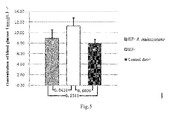
Figure 5 illustrates the tolerance of blood glucose in treated mice at the 10th week after feeding. - With extensive experiments and in-depth research, it is surprisingly discovered the use of Roseburia in prevention and treatment of obesity-related diseases. After applying the active composition comprising Roseburia to experimental subjects, it is surprisingly discovered that the composition is capable of inhibiting body weight growth, reducing blood glucose, improving the tolerance ability of blood glucose, ameliorating diabetes and obesity effectively. The present disclosure is based on these discoveries.
- As used herein, the term "comprise" or "comprising" indicates all components can be used in the mixture or composition in the present disclosure. So the meaning of "mainly composed of", "consist mainly of", and "consisted of" belongs to the scope of the term "comprise" or "comprising".
- As used herein, the term "Roseburia bacterial strain" and "Roseburia" can be used interchangeably. In a preferred embodiment, the bacterial strain is Roseburia inulinivorans DSM 16841, derived from DSMZ (Deutsche Sammlung von Mikroorganismen und Zellkulturen GmbH). The physiological properties of Roseburia are as follows: slightly-curved-rod shape, about 0.5µm×2.3∼5.0µm in size, without spores, motile, having a cluster of flagella at a proximal end or one end of the concave of a cell. It may ferment several carbohydrates including wood sugar, galactose, raffinose, glucose, maltose, cellobiose, sucrose, starch and glycogen, mainly producing or only producing butyric acid. The cultivation conditions are: anaerobic cultured in M2GSC media at 37°C for 2-5 days.
- The present disclosure discloses the use of Roseburia in prevention and treatment of obesity and its related diseases. The bacterial strain DSM 16841 has the property of inhibiting the growth of the body weights of subjects after intaking high-fat food. According to one embodiment of the present disclosure, the CF57BL/6J mice that are fed with high-fat food which will induce obesity are treated with the bacterial strain DSM 16841. Comparing with the untreated control group, the body weight of the bacterial treated group retain unchanged which is beneficial for reducing blood glucose level. Therefore, the bacterial strain can be applied to prevent and treat obesity and its related diseases, e.g., diabetes. etc.
- The present disclosure further provides a composition, preferably a pharmaceutical composition. The composition comprises an effective amount of the Roseburia bacterial strain. In one preferable embodiment, the composition further comprises the bacterial strains selected from the group consisting of: Lactobacillus gasseri, Lactobacillus rhamnosus GM-020, Lactobacillus rhamnosus PL60 or the combination thereof.
- The pharmaceutical compositions can be administrated in forms of tablet, capsule or injection. These pharmaceutic compositions comprise excipients, pharmaceutically acceptable media and carriers. Appropriate excipients, media and carriers may be selected depending on the routes of administration. The pharmaceutical compositions in the present disclosure can further comprise auxiliary active constituents.
- The carrier, excipientor thinner comprises but is not limited to lactose, glucose, sucrose, sorbitol, mannose, starch, gum arabic, calcium phosphate, alginate, gelatin, calcium silicate, fine crystalline cellulose, polyvinyl pyrrolidone (PVP), cellulose, water, syrup, methyl cellulose, methyl p-hydroxybenzoate, propyl para-hydroxybenzoate esters, talc, magnesium stearate or mineral oil, etc.
- The pharmaceutical composition can further comprise lubricant, wetting agent, emulsifier, suspension stabilizer, preservative, sweetener, spices, etc. The pharmaceutical composition in the present disclosure can be manufactured as enteric coatings by several known method in the art, so that the active constituent of the pharmaceutical composition, i.e., microorganism, can be protected from gastric acid and go through the stomach intactly.
- Furthermore, microorganisms of the present disclosure may be administered in a form of capsule prepared by conventional process. For example, standard excipient and lyophilized microorganisms of the present disclosure are mixed together and prepared to pellets and then, the pellets are filled into gelatin capsules. In addition, the microorganisms of the present disclosure and pharmaceutically allowable excipient, for example, aqueous gum, cellulose, silicates or oil, are mixed to produce a suspension or emulsion and then, the suspension or emulsion can be filled into soft gelatin capsule.
- The pharmaceutical composition of the present disclosure may be prepared as enterically coated tablets for oral administration. The term "the enteric coating" of the present disclosure includes all conventional pharmaceutically acceptable coating that has resistance to gastric juice, but can disintegrate sufficiently in small intestine for a rapid release of the microorganisms of the present disclosure. The enteric coating of the present disclosure can be maintained for more than 2 hours in synthetic gastric juice, such as HCl solution having a pH of about 1 at the temperature of 36-38°C, and preferably decomposes within 1.0 hours in synthetic intestinal juice, such as buffer solution of pH 7.0.
- The enteric coating of the present disclosure applies to each tablet with the amount of about 16 to 30 mg, preferably 16 to 25 mg, more preferably 16 to 20 mg. The thickness of enteric coating of the present disclosure is 5 to 100µm, preferably 20 to 80µm. The components of the enteric coating are selected appropriately from commonly known polymeric materials.
- The preferred enteric coating of the present disclosure are prepared from polymers of cellulose acetate phthalate or polymers of trimellitates and methacrylate copolymer (for example, methacrylic acid copolymer contains more than 40% of methacrylic acid and contains methyl-cellulose-phthalate-hydroxypropyl methacrylate or derivatives thereof).
- The cellulose acetate phthalate employed in the enteric coating of the present disclosure has a viscosity of about 45 cP to 90 cP, which contains 17% to 26% of acetyl, and 30% to 40% of phthalate. The cellulose acetate trimelitate used in the enteric coating has a viscosity of about 15 cs to 21cs , which contains 17% to 26% of acetvl. The cellulose acetate trimelitate manufactured by the Eastman Kodak Company may be used as a material for the enteric coating of the present disclosure.
- Hydroxyprophyl methyl cellulose phthalate used in the enteric coating of the present disclosure has a molecular weight of generally 20,000 to 130,000 dalton, preferably 80,000 to 100,000 dalton which contains 5% to 10% hydroxyprophyl, 18% to 24% of metoxy contents, and 21 to 35% of phthalyl contents.
- Hydroxyprophyl methyl cellulose phthalate used in the enteric coating of the present disclosure is HP50 manufactured by Shin-Etsu Chemical Co. Ltd., Japan. The HP50 contains 6% to 10% hydroxyprophyl, 20% to 24% metoxy, 21% to 27% prophyl, and has a molecular weight of 84,000 dalton. Another material for enteric coating is HP55, which contains 5% to 9% hydroxyprophyl, 18% to 22% metoxy, 27% to 35% phthalate, and has a molecular weight of 78,000 dalton.
- The enteric coating of the present disclosure is prepared by using conventional methods of spraying the enteric coating solution to the core. Solvents used in the process of the enteric coating are alcohol such as ethanol, ketone such as acetone, halogenated hydrocarbon such as dichloromethane, or the mixture thereof. Softeners such as di-n-butylphthalate and triacetin are added to the enteric coating solution in the ratio of 1 part coating material to about 0.05 or to about 0.3 part softner. A spraying process is preferably performed continuously, and the amount of materials sprayed may be controlled depending on the condition of the coating process. Spraying pressure may be regulated variously and, generally, desirable result can be obtained under the pressure of average 1 to 1.5 bar.
- As used herein, the term "pharmaceutically effective amount" refers to an amount of a compound sufficient to achieve desirable function or activity in humans and/or animals in need and acceptable to such humans and/or animals. In the present disclosure, the effective amount contains 1 × 10-1 × 1020cfu/mL Roseburia and/or metabolites may be manufactured, preferably the effective amount contains 1 × 10⁴-1 × 10¹⁵cfu/mL Roseburia and/or metabolites may be manufactured, further preferably the effective amount contains 1 × 10⁶-1 × 10¹¹cfu/mL Roseburia and/or metabolites may be manufactured.
- The effective amount of Roseburia and/or the metabolites thereof in the preparation of the pharmaceutical composition can vary depending on the mode of administration and the severity of the disease to be treated. The dosage form suitable for oral administration comprises 1 × 10-1 × 1020cfu/mL (or cfu/g) active Roseburia or active component produced by fermentation (preferably 1 × 10⁴-1 × 10¹⁵cfu/mL, further preferably 1 × 10⁶-1 × 10¹¹cfu/mL), which can be mixed with solid or liquid pharmaceutically acceptable carrier. This dose regimen may be adjusted to provide an optimal therapeutic response. For example, due to the urgent requirement of treatment conditions, several divided doses can be given daily, or the dosage can be reduced proportionally.
- The Roseburia or the metabolite thereof can be administrated orally. The solid carrier comprises starch, lactose, dicalcium phosphate, microcrystalline cellulose, sucrose and white clay; and the liquid carrier comprises media, polyethylene glycol, non-ionic surfactant, and edible oils (such as corn oil, peanut oil, and sesame oil). As long as they are suitable for the characteristic of Roseburia or the metabolites thereof and special administration mode to be needed. The adjuvants can be incorporated in the preparation of the pharmaceutical composition advantageously, which comprise: flavoring agents, pigments, preservatives and antioxidants such as vitamin E, vitamin C, BHT and BHA.
- In term of preparation and administration, the preferred pharmaceutical composition is solid composition, further preferably in forms of tablet and capsule filled with solid or liquid. The oral administration is preferred.
- The composition of the present disclosure may be administrated once or more per day on the subject. The unit of administration amount refers to a dosage which may be separated physically and suitable for administration to human or all other mammalian individuals. Each unit contains a pharmaceutically acceptable carrier and an effective amount of the microorganisms of the present disclosure. The administration amount may vary depending on the weight and the severity of obesity of the patient, supplemental active ingredients included and microorganisms used therein. In addition, if possible, it may be administered separately, and, if necessary, it can be administered continuously. Therefore, the dosage will not impose restrictions to the present disclosure. Further, the "compositions" in the present disclosure means not only pharmaceuticals, but also can be used as a function food and health supplement. In one preferred embodiment, the compositions include beverage, food, drug, animal feed, etc.
- In one preferred embodiment of the present disclosure, there is provided a food composition comprising an effective amount of Roseburia and/or metabolite thereof, and carrier acceptable for balance food.The formulation of the food composition is selected from solid, dairy food, solution product, powder product, or suspension product.
- In one preferred embodiment, there is also provided a pharmaceutical composition comprising a pharmaceutically effective amount of Roseburia and/or metabolite thereof, and pharmaceutically acceptable carrier. The formulation of the pharmaceutical composition is selected from granule, capsule, tablet, powder agent, oral liquid, suspension, or emulsion.
- The recipe of composition comprises: 1 × 10-1 × 1020cfu/mL Roseburia and/or metabolite thereof, and a carrier acceptable pharmaceutically or for food compositions, and/or an excipient.
- In another preferred embodiment, the recipe of the composition comprises: 1 × 10⁴-1 × 10¹⁵cfu/mL Roseburia and/or metabolite thereof, and a carrier acceptable pharmaceutically or for food compositions, and/or an excipient.
- In another most preferred embodiment, the recipe of the composition comprises: 1 × 10⁶-1 × 10¹¹cfu/mL Roseburia and/or its metabolite thereof, and a carrier acceptable pharmaceutically or for food compositions, and/or an excipient.
- The present disclosure further provides a method of reducing body weight and/or blood glucose, and/or improving the tolerance of blood glucose.
- In another preferred embodiment, the method comprises: administering the pharmaceutical composition, food composition, drink composition, and/or a combination thereof. The subject is human.
- In another preferred embodiment, the method comprises: administering the pharmaceutical composition, food composition, drink composition, and/or a combination thereof. The subject is animals, preferable murine or leporid.
- The advantages of the present disclosure include:
- (a) The Roseburia in the present disclosure has excellent characteristics of prevention for obesity and related diseases;
- (b) The Roseburia in the present disclosure has characteristics of treating obesity and related diseases, reducing blood glucose, improving the tolerance ability of blood glucose.
- The following exemplary embodiments further describe the present disclosure. Although the description referred to particular embodiments, it will be clear to one skilled in the art that the present disclosure may be practiced with variation of these specific details. Hence this application should not be construed as limited to the embodiments set forth herein. Further, for the embodiments in which details of the experimental methods are not described, such methods are carried out according to conventional conditions such as those described in Sambrook et al., Molecular Cloning: A Laboratory Manual (New York: Cold Spring Harbor Laboratory Pres, 1989), or according to the conditions in Microorganism: Laboratory manual (by James Cappuccino and Natalie Sherman, pressed in Pearson Education), or according to the condition suggested by the manufacturers.
- Mice: Fifteen C57BL/6J mice were 6 weeks old at the beginning of the experiment and purchased from Laboratory Animal Center of Southern Medical University, China. The mice were fed with a control diet and housed in groups of five per cage in same environment (12-h daylight cycle, lights off at 6 p.m.) with free access to food and water.
- Bacterial strain: Roseburia inulinivorans DSM 16841 was purchased from DSMZ (Deutsche Sammlung von Mikroorganismen und Zellkulturen GmbH) .
- High-fat diet(HF) containing 58% fat (soybean oil and lard, g/100 g of total diet), 25.6% sucrose, and 16.4% protein was purchased from Beijing HFK Bioscience co., LTD, China.
- Control diet was purchased from Laboratory Animal Center of Southern Medical University, China.
- All the mice were divided into three groups (n=5/group).
- At the beginning of the experiment, 6 weeks old C57BL/6J mice (no need for germ-free) were gavaged with freshly cultured R. inulinivorans DSM 16841. Oral glucose tolerance tests (OGTT) were performed on 10h fasted mice for blood glucose levels tests.
- The detailed information and treatment methods were showed in
Fig. 1 . - After 3 weeks of acclimatization, these mice were housed in groups of five per cage in clean environment with free access to control food and water to reach 6 weeks old. Body weight of each mouse was monitored once a week while the food intake of each group was recorded every two days.
- The 15 mice were divided into three groups (n=5/group). Their diets were modified as below. The control Group was fed with control diet, meanwhile the HF group and Roseburia-treated HFR group were fed with high-fat diet.
- Each cage was maintained clean during the experimental period. All the mice lived in their corresponding cages and gavaged in unified processes.
- R. inulinivorans DSM 16841 was freshly suspended in culture medium weekly with the
concentration 1×10⁷cfu/mL, and the cultivation liquid compressed to 1 × 10⁸cfu/mL. Then the strain was orally administered to the mice by gavage (0.15mL/10g body weight) every two days. - Body weight and daily food intake of each mouse were recorded during the experiment. After 5 and 10 weeks of treatments, oral glucose tolerance tests (OGTT) were performed and blood glucose levels of 10h fasted mice were determined by using a glucose meter. Blood was collected from the tip of the tail vein both before and after glucose administration (60 min and 120 min).
-
1. The average increases of body weight during the 10 weeks-treatment were shown in Table 1 andFig. 2 .Table 1 Group Time (week) 0 1 2 3 4 5 6 7 8 9 10 1.HFR(g) 0.00 0.92 1.60 2.06 3.10 3.20 4.22 4.74 5.18 5.86 6.30 2.HF (g) 0.00 1.64 2.74 3.52 3.90 4.70 6.60 7.98 8.66 9.42 9.84 3.Control (g) 0.00 0.50 1.00 1.40 2.10 2.27 3.27 3.50 3.77 4.65 5.10
2. The P values of average increase of body weight during the 10 weeks treatment were shown in Table 2 andFig. 3 .Table 2 Group Time (week) 1 2 3 4 5 6 7 8 9 10 P1-2 0.070 0.084 0.031 0.099 0.005 0.002 0.001 0.0005 0.002 0.001 P1-3 0.119 0.120 0.130 0.028 0.017 0.027 0.006 0.022 0.060 0.089 P2-3 0.0006 0.0054 0.007 0.004 0.0002 0.00038 0.00002 0.0002 0.0002 0.00015 Fig. 2 andFig. 3 . The results suggested that R.inulinivorans DSM 16841 could help with the mitigation of obesity in mice.
3. The blood glucose content of mice after 10 weeks was shown as Table 3, Table 4 andFig. 4 ,Fig. 5 .Table 3 Group empty stomach (mmol/L) 60min (mmol/L) 120min (mmol/L) 1. 6.26 16.62 8.92 2. 6.80 13.92 11.28 3. 5.85 11.53 7.98 Fig. 4 indicated that the R.inulinivorans DSM 16841 could reduce the blood glucose of obese mice remarkably.Table 4 P Value Empty stomach 60 min 120min P1-2 0.1238 0.0868 0.0424 P1-3 0.3511 0.0009 0.2311 P2-3 0.0641 0.0495 0.0009 Fig. 5 indicated that the R.inulinivorans DSM 16841 could improve the blood glucose tolerance of obese mice remarkably. - The components of the food compositions are shown in Table 5.
Table 5 Raw materials percentage of content (%) R. inulinivorans DSM 16841 0.5 milk 90.0 sugar 9.5 - The components were mixed according to above mentioned ratio, stirred until mixed completely, and then preheated with high-pressure homogenization at 20Mpa. The compositions were sterilized for 5-10 minutes at 90 °C, and inoculated when the temperature cooled to 40-43 °C. The amount of inoculation was 1-100×106cfu R. inulinivorans DSM 16841 /g.
- The components of the pharmaceutical compositions are shown in Table 6.
Table 6 Raw materials percentage of content (%) R.inulinivorans DSM 16841 1.0% lactose 2.0% yeast extract 2.0% peptone 1.0% pure water =-94.0% - Lactose, yeast extract, peptone, and pure water were mixed according to above mentioned ratio, and preheated to 60-65 °C with high-pressure homogenization at 20Mpa. The mixture was sterilized for 20-30 minutes at 90 °C. R. inulinivorans DSM 16841(1-50×106cfu/mL) was inoculated to the mixture when the temperature of the mixture was cooled to 6-38°C. After the resulting mixture fermented until pH turned to 6.0, it was centrifuged and freeze-dried to reach less than 3% moisture content, ie. prepareing R. inulinivorans DSM 16841 bacteria freeze-dried material. 0.5g R. inulinivorans DSM 16841 freeze-dried material was then mixed with equal amount of malto dextrin, and encapsulated to form a pharmaceutical composition containing R. inulinivorans DSM 16841.
- All documents mentioned in this disclosure are cited as a reference, just as each one is a separate reference to literature as a reference. While the present disclosure has been particularly shown and described with reference to particular examples thereof, it will be understood by those skilled in the art that various changes in form and details may be conceived without departing from the spirit and scope of the present disclosure as defined by the appended claims.
Claims (10)
- Use of a bacterial strain in the preparation of composition for prevention and/or treatment of obesity, wherein the bacterial strain is selected from the Roseburia family.
- Use according to claim 1, the bacterial strain is Roseburia inulinivorans.
- Use according to claim 1, the bacterial strain is Roseburia inulinivorans DSM 16841.
- A food composition comprising a pharmaceutically effective amount of a bacterial strain selected from the Roseburia family and/or metabolite thereof and an acceptable carrier.
- The food composition according to claim 4, wherein forms of the food composition is selected from solid, diary, solution, powder, and/or suspension.
- A pharmaceutical composition comprising a pharmaceutically effective amount of a bacterial strain selected from the Roseburia family and/or metabolite thereof.
- The pharmaceutical composition according to claim 6, wherein forms of the pharmaceutical composition is selected from granule, capsule, tablet, powder agent, oral liquid, suspension, and/or emulsion.
- Use of the food composition according to claim 4 or the pharmaceutical composition according to claim 6 in reducing blood glucose and/or body weight of subjects.
- A method of reducing blood glucose and/or body weight comprising applying a bacterial strain comprising the Roseburia family, the food composition according to claim 4 or the pharmaceutical composition according to claim 6 to subjects in need thereof.
- Use of a bacterial strain selected from the Roseburia family in preparation of composition for improving the tolerance of blood glucose.
Applications Claiming Priority (2)
| Application Number | Priority Date | Filing Date | Title |
|---|---|---|---|
| CN201110342339.6A CN103082292B (en) | 2011-11-02 | 2011-11-02 | Use of Roseburia for the treatment and prevention of obesity-related diseases |
| PCT/CN2011/084450 WO2013063849A1 (en) | 2011-11-02 | 2011-12-22 | Application of roseburia in treating and preventing obesity related diseases |
Publications (3)
| Publication Number | Publication Date |
|---|---|
| EP2774616A1 true EP2774616A1 (en) | 2014-09-10 |
| EP2774616A4 EP2774616A4 (en) | 2015-04-15 |
| EP2774616B1 EP2774616B1 (en) | 2020-04-29 |
Family
ID=48191247
Family Applications (1)
| Application Number | Title | Priority Date | Filing Date |
|---|---|---|---|
| EP11875013.2A Active EP2774616B1 (en) | 2011-11-02 | 2011-12-22 | Application of roseburia in treating and preventing obesity related diseases |
Country Status (5)
| Country | Link |
|---|---|
| US (2) | US20140227227A1 (en) |
| EP (1) | EP2774616B1 (en) |
| CN (1) | CN103082292B (en) |
| DK (1) | DK2774616T3 (en) |
| WO (1) | WO2013063849A1 (en) |
Families Citing this family (36)
| Publication number | Priority date | Publication date | Assignee | Title |
|---|---|---|---|---|
| GB201112091D0 (en) | 2011-07-14 | 2011-08-31 | Gt Biolog Ltd | Bacterial strains isolated from pigs |
| US20140363397A1 (en) * | 2011-09-14 | 2014-12-11 | Queen's University At Kingston | Method for treatment of disorders of the gastrointestinal system |
| GB201117313D0 (en) | 2011-10-07 | 2011-11-16 | Gt Biolog Ltd | Bacterium for use in medicine |
| GB201306536D0 (en) | 2013-04-10 | 2013-05-22 | Gt Biolog Ltd | Polypeptide and immune modulation |
| KR20170091157A (en) | 2014-12-23 | 2017-08-08 | 4디 파마 리서치 리미티드 | Pirin polypeptide and immune modulation |
| PL3065748T3 (en) | 2014-12-23 | 2018-07-31 | 4D Pharma Research Limited | A bacteroides thetaiotaomicron strain and its use in reducing inflammation |
| MA41010B1 (en) | 2015-06-15 | 2020-01-31 | 4D Pharma Res Ltd | Compositions comprising bacterial strains |
| MA41060B1 (en) | 2015-06-15 | 2019-11-29 | 4D Pharma Res Ltd | Compositions comprising bacterial strains |
| MD3650033T2 (en) | 2015-06-15 | 2022-08-31 | 4D Pharma Res Ltd | Compositions comprising bacterial strains |
| SI3240554T1 (en) | 2015-06-15 | 2019-12-31 | 4D Pharma Research Limited, | Blautia stercosis and wexlerae for use in the treatment of inflammatory and autoimmune diseases |
| EA201890050A1 (en) | 2015-06-15 | 2018-06-29 | 4Д Фарма Рисёрч Лимитед | COMPOSITIONS CONTAINING BACTERIAL STRAINS |
| GB201520497D0 (en) | 2015-11-20 | 2016-01-06 | 4D Pharma Res Ltd | Compositions comprising bacterial strains |
| AU2016357554B2 (en) | 2015-11-20 | 2019-04-04 | Cj Bioscience, Inc. | Compositions comprising bacterial strains |
| GB201520631D0 (en) | 2015-11-23 | 2016-01-06 | 4D Pharma Res Ltd | Compositions comprising bacterial strains |
| GB201520638D0 (en) | 2015-11-23 | 2016-01-06 | 4D Pharma Res Ltd | Compositions comprising bacterial strains |
| FI3639834T3 (en) | 2016-02-04 | 2023-09-27 | Univ Gent | USE OF MICROBIAL COMMUNITIES FOR HUMAN AND ANIMAL HEALTH |
| EP3520801A1 (en) | 2016-03-04 | 2019-08-07 | 4D Pharma Plc | Compositions comprising bacterial blautia strains for treating visceral hypersensitivity |
| GB201612191D0 (en) | 2016-07-13 | 2016-08-24 | 4D Pharma Plc | Compositions comprising bacterial strains |
| TW201821093A (en) | 2016-07-13 | 2018-06-16 | 英商4D製藥有限公司 | Composition comprising a bacterial strain |
| GB201621123D0 (en) | 2016-12-12 | 2017-01-25 | 4D Pharma Plc | Compositions comprising bacterial strains |
| JP7212945B2 (en) | 2017-05-22 | 2023-01-26 | フォーディー ファーマ リサーチ リミテッド | Compositions containing bacterial strains |
| TW201907931A (en) | 2017-05-24 | 2019-03-01 | 英商4D製藥研究有限公司 | Composition comprising a bacterial strain |
| MD3804737T2 (en) | 2017-06-14 | 2022-10-31 | 4D Pharma Res Limited | Compositions comprising bacterial strains |
| WO2018229188A1 (en) | 2017-06-14 | 2018-12-20 | 4D Pharma Research Limited | Compositions comprising bacterial strains |
| CN115813955A (en) | 2017-06-14 | 2023-03-21 | 4D制药研究有限公司 | Compositions comprising bacterial strains |
| CN112218646B (en) * | 2018-05-31 | 2024-06-11 | 深圳华大生命科学研究院 | A composition and its application |
| US12144834B2 (en) | 2018-09-13 | 2024-11-19 | Xbiome Inc. | Methods and compositions for treating gastrointestinal and inflammatory disorders |
| GB2615479B (en) * | 2018-12-27 | 2023-12-06 | Univ Hong Kong Chinese | Therapeutic and prophylactic use of microoganisms |
| CN115942971A (en) * | 2020-08-18 | 2023-04-07 | 香港中文大学 | The use of bacteria in body weight regulation |
| CN112168822B (en) * | 2020-09-27 | 2022-11-08 | 集美大学 | The use of kynuric acid in improving dyslipidemia, obesity and intestinal flora disorder caused by high-fat diet |
| CN112263595B (en) * | 2020-11-04 | 2022-03-22 | 北京航空航天大学 | Application of Roseburia (Roseburia) in preparation of medicine for preventing and treating anxiety and depression |
| CN113215020B (en) * | 2021-02-22 | 2022-06-17 | 中国科学院微生物研究所 | Roseburia MGB-2 and application thereof |
| CN114917252A (en) * | 2021-12-29 | 2022-08-19 | 慕恩(广州)生物科技有限公司 | Microbial strains of Lachnospiraceae, drugs for preventing and/or treating tumors and their applications |
| NL2032642B1 (en) | 2022-07-29 | 2024-02-06 | Academisch Ziekenhuis Leiden | Improvement of muscle mass and strength |
| WO2025264757A1 (en) * | 2024-06-20 | 2025-12-26 | International N&H Denmark Aps | Use of gram positive anaerobic bacteria for lipid and insulin regulation |
| CN120718827A (en) * | 2025-09-01 | 2025-09-30 | 美益添生物医药(武汉)有限公司 | Bacterial enrichment agent, bacterial enrichment culture medium and application of Roseborgia |
Family Cites Families (9)
| Publication number | Priority date | Publication date | Assignee | Title |
|---|---|---|---|---|
| US5626849A (en) * | 1995-06-07 | 1997-05-06 | Reliv International, Inc. | Weight loss composition for burning and reducing synthesis of fats |
| WO2008076696A2 (en) * | 2006-12-18 | 2008-06-26 | Washington University In St. Louis | The gut microbiome as a biomarker and therapeutic target for treating obesity or an obesity related disorder |
| EP2103226A1 (en) * | 2008-03-18 | 2009-09-23 | Friesland Brands B.V. | Long-life probiotic food product |
| GB0903016D0 (en) * | 2009-02-23 | 2009-04-08 | Univ Gent | Method for alleviating intestinal problems and novel bacterial strains therefor |
| CN101580550B (en) * | 2009-06-04 | 2011-06-15 | 大连交通大学 | Extra-cellular polysaccharide of aerobic Ruthia sp. strain metabolin and preparation and application thereof |
| ES2763137T3 (en) * | 2009-06-19 | 2020-05-27 | Dupont Nutrition Biosci Aps | Bifidobacteria for the treatment of diabetes and related conditions |
| US8715971B2 (en) * | 2009-09-09 | 2014-05-06 | Genomatica, Inc. | Microorganisms and methods for the co-production of isopropanol and 1,4-butanediol |
| US9138441B2 (en) * | 2009-12-31 | 2015-09-22 | Ira Milton Trachtman | Compositions and method for treatment and prophylaxis of inflammatory bowel disease |
| GB201117313D0 (en) * | 2011-10-07 | 2011-11-16 | Gt Biolog Ltd | Bacterium for use in medicine |
-
2011
- 2011-11-02 CN CN201110342339.6A patent/CN103082292B/en active Active
- 2011-12-22 US US13/497,043 patent/US20140227227A1/en not_active Abandoned
- 2011-12-22 WO PCT/CN2011/084450 patent/WO2013063849A1/en not_active Ceased
- 2011-12-22 EP EP11875013.2A patent/EP2774616B1/en active Active
- 2011-12-22 DK DK11875013.2T patent/DK2774616T3/en active
-
2014
- 2014-10-16 US US14/516,373 patent/US20150037286A1/en not_active Abandoned
Non-Patent Citations (4)
| Title |
|---|
| AUDREY M. NEYRINCK ET AL: "Prebiotic Effects of Wheat Arabinoxylan Related to the Increase in Bifidobacteria, Roseburia and Bacteroides/Prevotella in Diet-Induced Obese Mice", PLOS ONE, vol. 6, no. 6, 9 June 2011 (2011-06-09), pages e20944/1-12, XP55170799, US ISSN: 1932-6203, DOI: 10.1371/journal.pone.0020944 * |
| DUNCAN S H ET AL: "ROSEBURIA INTESTINALIS SP. NOV., A NOVEL SACCHAROLYTIC, BUTYRATE-PRODUCING BACTERIUM FROM HUMAN FAECES", INTERNATIONAL JOURNAL OF SYSTEMATIC AND EVOLUTIONARY MICROBIOLOGY, SOCIETY FOR GENERAL MICROBIOLOGY, READING, GB, vol. 52, no. 5, 1 January 2002 (2002-01-01), pages 1615-1620, XP009035387, ISSN: 1466-5026, DOI: 10.1099/IJS.0.02143-0 * |
| See also references of WO2013063849A1 * |
| SYLVIA H DUNCAN ET AL: "Proposal of Roseburia faecis sp. nov., Roseburia hominis sp. nov. and Roseburia inulinivorans sp. nov., based on isolates from human faeces", INTERNATIONAL JOURNAL OF SYSTEMATIC AND EVOLUTIONARY MICROBIOLOGY, SOCIETY FOR GENERAL MICROBIOLOGY, READING, GB, vol. 56, no. PT 10, 1 October 2006 (2006-10-01), pages 2437-2441, XP002692349, ISSN: 1466-5026, DOI: 10.1099/IJS.0.64098-0 * |
Also Published As
| Publication number | Publication date |
|---|---|
| EP2774616B1 (en) | 2020-04-29 |
| DK2774616T3 (en) | 2020-06-22 |
| CN103082292B (en) | 2015-03-04 |
| HK1182905A1 (en) | 2013-12-13 |
| US20150037286A1 (en) | 2015-02-05 |
| EP2774616A4 (en) | 2015-04-15 |
| WO2013063849A1 (en) | 2013-05-10 |
| US20140227227A1 (en) | 2014-08-14 |
| CN103082292A (en) | 2013-05-08 |
Similar Documents
| Publication | Publication Date | Title |
|---|---|---|
| EP2774616B1 (en) | Application of roseburia in treating and preventing obesity related diseases | |
| US10350248B2 (en) | Uses of bacteroides in treatment or prevention of obesity and obesity-related diseases | |
| EP3202892A1 (en) | Uses of bacteroides in treatment or prevention of obesity-related diseases | |
| US20220408777A1 (en) | Food composition for preventing and ameliorating diabetes comprising fermented noni and method for preparing same | |
| US20220000943A1 (en) | Composition comprising tetragenococcus halophilus for prevetion or treatment of behcet's disease or herpes simplex virus infection | |
| CN106974262A (en) | Application of the prebiotic bacillus of enteron aisle in fat and its relevant disease is treated and prevented | |
| JP5945092B2 (en) | Neutral fat reducing agent | |
| CN106479906B (en) | Intestinal bacterium butyric acid bacillus (Butyribacter intestini) and application thereof | |
| KR20190124061A (en) | Composition for treating or preventing metabolic disease | |
| EP1902722A1 (en) | Agent for elevating adiponectin concentration | |
| KR102796656B1 (en) | Mixed probiotic strains and composition comprising the same for improving sarcopenia | |
| EP3721889A1 (en) | Use ofbutyribacter intestini | |
| KR102158598B1 (en) | Composition for preventing or treating behcet's diseases or herpes simplex virus infection containing lactobacillus animalis | |
| KR20110068889A (en) | Composition for the prevention and treatment of obesity or hyperlipidemia, which contains Chinese herbal fermented product as an active ingredient | |
| CN106974940B (en) | Application of probiotics of scleritis in treating and preventing obesity and related diseases | |
| CN106974939B (en) | Application of Firmicutes probiotics in the treatment and prevention of obesity and related diseases | |
| CN116036136B (en) | Probiotic product for relieving diabetes and prediabetes, preparation method and application | |
| CN121287759A (en) | Compositions of Pediococcus pentosaceus GKP4 and their use in regulating blood glucose | |
| HK1182905B (en) | Application of roseburia in treating and preventing obesity related diseases | |
| HK1239564A1 (en) | Application of thick-wall fungus probiotics in treatment and prevention of obesity and related diseases | |
| HK1239464A1 (en) | Application of intestinal probiotics in treating and preventing obesity and related diseases thereof | |
| HK1239464A (en) | Application of intestinal probiotics in treating and preventing obesity and related diseases thereof | |
| HK1239564A (en) | Application of thick-wall fungus probiotics in treatment and prevention of obesity and related diseases | |
| HK1240143A1 (en) | Application of thick-wall fungus probiotics in preventing and/or treating diabetes and related diseases thereof | |
| HK1240096A1 (en) | Application of intestinal probiotics in preventing and/or treating diabetes and related diseases thereof |
Legal Events
| Date | Code | Title | Description |
|---|---|---|---|
| PUAI | Public reference made under article 153(3) epc to a published international application that has entered the european phase |
Free format text: ORIGINAL CODE: 0009012 |
|
| 17P | Request for examination filed |
Effective date: 20140505 |
|
| AK | Designated contracting states |
Kind code of ref document: A1 Designated state(s): AL AT BE BG CH CY CZ DE DK EE ES FI FR GB GR HR HU IE IS IT LI LT LU LV MC MK MT NL NO PL PT RO RS SE SI SK SM TR |
|
| DAX | Request for extension of the european patent (deleted) | ||
| RA4 | Supplementary search report drawn up and despatched (corrected) |
Effective date: 20150316 |
|
| RIC1 | Information provided on ipc code assigned before grant |
Ipc: A61P 3/04 20060101ALI20150310BHEP Ipc: A61P 3/10 20060101ALI20150310BHEP Ipc: C12R 1/01 20060101ALI20150310BHEP Ipc: A61K 35/74 20150101AFI20150310BHEP |
|
| 17Q | First examination report despatched |
Effective date: 20160812 |
|
| STAA | Information on the status of an ep patent application or granted ep patent |
Free format text: STATUS: EXAMINATION IS IN PROGRESS |
|
| GRAP | Despatch of communication of intention to grant a patent |
Free format text: ORIGINAL CODE: EPIDOSNIGR1 |
|
| STAA | Information on the status of an ep patent application or granted ep patent |
Free format text: STATUS: GRANT OF PATENT IS INTENDED |
|
| INTG | Intention to grant announced |
Effective date: 20171201 |
|
| TPAC | Observations filed by third parties |
Free format text: ORIGINAL CODE: EPIDOSNTIPA |
|
| GRAJ | Information related to disapproval of communication of intention to grant by the applicant or resumption of examination proceedings by the epo deleted |
Free format text: ORIGINAL CODE: EPIDOSDIGR1 |
|
| STAA | Information on the status of an ep patent application or granted ep patent |
Free format text: STATUS: EXAMINATION IS IN PROGRESS |
|
| INTC | Intention to grant announced (deleted) | ||
| GRAP | Despatch of communication of intention to grant a patent |
Free format text: ORIGINAL CODE: EPIDOSNIGR1 |
|
| STAA | Information on the status of an ep patent application or granted ep patent |
Free format text: STATUS: GRANT OF PATENT IS INTENDED |
|
| TPAC | Observations filed by third parties |
Free format text: ORIGINAL CODE: EPIDOSNTIPA |
|
| GRAJ | Information related to disapproval of communication of intention to grant by the applicant or resumption of examination proceedings by the epo deleted |
Free format text: ORIGINAL CODE: EPIDOSDIGR1 |
|
| STAA | Information on the status of an ep patent application or granted ep patent |
Free format text: STATUS: EXAMINATION IS IN PROGRESS |
|
| INTG | Intention to grant announced |
Effective date: 20180727 |
|
| INTC | Intention to grant announced (deleted) | ||
| TPAC | Observations filed by third parties |
Free format text: ORIGINAL CODE: EPIDOSNTIPA |
|
| GRAP | Despatch of communication of intention to grant a patent |
Free format text: ORIGINAL CODE: EPIDOSNIGR1 |
|
| STAA | Information on the status of an ep patent application or granted ep patent |
Free format text: STATUS: GRANT OF PATENT IS INTENDED |
|
| INTG | Intention to grant announced |
Effective date: 20190820 |
|
| GRAJ | Information related to disapproval of communication of intention to grant by the applicant or resumption of examination proceedings by the epo deleted |
Free format text: ORIGINAL CODE: EPIDOSDIGR1 |
|
| STAA | Information on the status of an ep patent application or granted ep patent |
Free format text: STATUS: EXAMINATION IS IN PROGRESS |
|
| GRAP | Despatch of communication of intention to grant a patent |
Free format text: ORIGINAL CODE: EPIDOSNIGR1 |
|
| STAA | Information on the status of an ep patent application or granted ep patent |
Free format text: STATUS: GRANT OF PATENT IS INTENDED |
|
| INTC | Intention to grant announced (deleted) | ||
| INTG | Intention to grant announced |
Effective date: 20191126 |
|
| GRAJ | Information related to disapproval of communication of intention to grant by the applicant or resumption of examination proceedings by the epo deleted |
Free format text: ORIGINAL CODE: EPIDOSDIGR1 |
|
| STAA | Information on the status of an ep patent application or granted ep patent |
Free format text: STATUS: EXAMINATION IS IN PROGRESS |
|
| GRAR | Information related to intention to grant a patent recorded |
Free format text: ORIGINAL CODE: EPIDOSNIGR71 |
|
| GRAS | Grant fee paid |
Free format text: ORIGINAL CODE: EPIDOSNIGR3 |
|
| STAA | Information on the status of an ep patent application or granted ep patent |
Free format text: STATUS: GRANT OF PATENT IS INTENDED |
|
| GRAA | (expected) grant |
Free format text: ORIGINAL CODE: 0009210 |
|
| STAA | Information on the status of an ep patent application or granted ep patent |
Free format text: STATUS: THE PATENT HAS BEEN GRANTED |
|
| INTC | Intention to grant announced (deleted) | ||
| AK | Designated contracting states |
Kind code of ref document: B1 Designated state(s): AL AT BE BG CH CY CZ DE DK EE ES FI FR GB GR HR HU IE IS IT LI LT LU LV MC MK MT NL NO PL PT RO RS SE SI SK SM TR |
|
| INTG | Intention to grant announced |
Effective date: 20200323 |
|
| REG | Reference to a national code |
Ref country code: GB Ref legal event code: FG4D |
|
| REG | Reference to a national code |
Ref country code: CH Ref legal event code: EP |
|
| REG | Reference to a national code |
Ref country code: DE Ref legal event code: R096 Ref document number: 602011066597 Country of ref document: DE |
|
| REG | Reference to a national code |
Ref country code: AT Ref legal event code: REF Ref document number: 1262292 Country of ref document: AT Kind code of ref document: T Effective date: 20200515 |
|
| REG | Reference to a national code |
Ref country code: IE Ref legal event code: FG4D |
|
| REG | Reference to a national code |
Ref country code: DK Ref legal event code: T3 Effective date: 20200617 |
|
| REG | Reference to a national code |
Ref country code: NL Ref legal event code: FP |
|
| REG | Reference to a national code |
Ref country code: LT Ref legal event code: MG4D |
|
| PG25 | Lapsed in a contracting state [announced via postgrant information from national office to epo] |
Ref country code: GR Free format text: LAPSE BECAUSE OF FAILURE TO SUBMIT A TRANSLATION OF THE DESCRIPTION OR TO PAY THE FEE WITHIN THE PRESCRIBED TIME-LIMIT Effective date: 20200730 Ref country code: IS Free format text: LAPSE BECAUSE OF FAILURE TO SUBMIT A TRANSLATION OF THE DESCRIPTION OR TO PAY THE FEE WITHIN THE PRESCRIBED TIME-LIMIT Effective date: 20200829 Ref country code: NO Free format text: LAPSE BECAUSE OF FAILURE TO SUBMIT A TRANSLATION OF THE DESCRIPTION OR TO PAY THE FEE WITHIN THE PRESCRIBED TIME-LIMIT Effective date: 20200729 Ref country code: FI Free format text: LAPSE BECAUSE OF FAILURE TO SUBMIT A TRANSLATION OF THE DESCRIPTION OR TO PAY THE FEE WITHIN THE PRESCRIBED TIME-LIMIT Effective date: 20200429 Ref country code: LT Free format text: LAPSE BECAUSE OF FAILURE TO SUBMIT A TRANSLATION OF THE DESCRIPTION OR TO PAY THE FEE WITHIN THE PRESCRIBED TIME-LIMIT Effective date: 20200429 Ref country code: PT Free format text: LAPSE BECAUSE OF FAILURE TO SUBMIT A TRANSLATION OF THE DESCRIPTION OR TO PAY THE FEE WITHIN THE PRESCRIBED TIME-LIMIT Effective date: 20200831 Ref country code: SE Free format text: LAPSE BECAUSE OF FAILURE TO SUBMIT A TRANSLATION OF THE DESCRIPTION OR TO PAY THE FEE WITHIN THE PRESCRIBED TIME-LIMIT Effective date: 20200429 |
|
| REG | Reference to a national code |
Ref country code: AT Ref legal event code: MK05 Ref document number: 1262292 Country of ref document: AT Kind code of ref document: T Effective date: 20200429 |
|
| PG25 | Lapsed in a contracting state [announced via postgrant information from national office to epo] |
Ref country code: BG Free format text: LAPSE BECAUSE OF FAILURE TO SUBMIT A TRANSLATION OF THE DESCRIPTION OR TO PAY THE FEE WITHIN THE PRESCRIBED TIME-LIMIT Effective date: 20200729 Ref country code: RS Free format text: LAPSE BECAUSE OF FAILURE TO SUBMIT A TRANSLATION OF THE DESCRIPTION OR TO PAY THE FEE WITHIN THE PRESCRIBED TIME-LIMIT Effective date: 20200429 Ref country code: HR Free format text: LAPSE BECAUSE OF FAILURE TO SUBMIT A TRANSLATION OF THE DESCRIPTION OR TO PAY THE FEE WITHIN THE PRESCRIBED TIME-LIMIT Effective date: 20200429 Ref country code: LV Free format text: LAPSE BECAUSE OF FAILURE TO SUBMIT A TRANSLATION OF THE DESCRIPTION OR TO PAY THE FEE WITHIN THE PRESCRIBED TIME-LIMIT Effective date: 20200429 |
|
| PG25 | Lapsed in a contracting state [announced via postgrant information from national office to epo] |
Ref country code: AL Free format text: LAPSE BECAUSE OF FAILURE TO SUBMIT A TRANSLATION OF THE DESCRIPTION OR TO PAY THE FEE WITHIN THE PRESCRIBED TIME-LIMIT Effective date: 20200429 |
|
| PG25 | Lapsed in a contracting state [announced via postgrant information from national office to epo] |
Ref country code: AT Free format text: LAPSE BECAUSE OF FAILURE TO SUBMIT A TRANSLATION OF THE DESCRIPTION OR TO PAY THE FEE WITHIN THE PRESCRIBED TIME-LIMIT Effective date: 20200429 Ref country code: EE Free format text: LAPSE BECAUSE OF FAILURE TO SUBMIT A TRANSLATION OF THE DESCRIPTION OR TO PAY THE FEE WITHIN THE PRESCRIBED TIME-LIMIT Effective date: 20200429 Ref country code: SM Free format text: LAPSE BECAUSE OF FAILURE TO SUBMIT A TRANSLATION OF THE DESCRIPTION OR TO PAY THE FEE WITHIN THE PRESCRIBED TIME-LIMIT Effective date: 20200429 Ref country code: IT Free format text: LAPSE BECAUSE OF FAILURE TO SUBMIT A TRANSLATION OF THE DESCRIPTION OR TO PAY THE FEE WITHIN THE PRESCRIBED TIME-LIMIT Effective date: 20200429 Ref country code: ES Free format text: LAPSE BECAUSE OF FAILURE TO SUBMIT A TRANSLATION OF THE DESCRIPTION OR TO PAY THE FEE WITHIN THE PRESCRIBED TIME-LIMIT Effective date: 20200429 Ref country code: CZ Free format text: LAPSE BECAUSE OF FAILURE TO SUBMIT A TRANSLATION OF THE DESCRIPTION OR TO PAY THE FEE WITHIN THE PRESCRIBED TIME-LIMIT Effective date: 20200429 Ref country code: RO Free format text: LAPSE BECAUSE OF FAILURE TO SUBMIT A TRANSLATION OF THE DESCRIPTION OR TO PAY THE FEE WITHIN THE PRESCRIBED TIME-LIMIT Effective date: 20200429 |
|
| REG | Reference to a national code |
Ref country code: DE Ref legal event code: R097 Ref document number: 602011066597 Country of ref document: DE |
|
| PG25 | Lapsed in a contracting state [announced via postgrant information from national office to epo] |
Ref country code: SK Free format text: LAPSE BECAUSE OF FAILURE TO SUBMIT A TRANSLATION OF THE DESCRIPTION OR TO PAY THE FEE WITHIN THE PRESCRIBED TIME-LIMIT Effective date: 20200429 Ref country code: PL Free format text: LAPSE BECAUSE OF FAILURE TO SUBMIT A TRANSLATION OF THE DESCRIPTION OR TO PAY THE FEE WITHIN THE PRESCRIBED TIME-LIMIT Effective date: 20200429 |
|
| PLBE | No opposition filed within time limit |
Free format text: ORIGINAL CODE: 0009261 |
|
| STAA | Information on the status of an ep patent application or granted ep patent |
Free format text: STATUS: NO OPPOSITION FILED WITHIN TIME LIMIT |
|
| REG | Reference to a national code |
Ref country code: CH Ref legal event code: NV Representative=s name: VALIPAT S.A. C/O BOVARD SA NEUCHATEL, CH |
|
| 26N | No opposition filed |
Effective date: 20210201 |
|
| PG25 | Lapsed in a contracting state [announced via postgrant information from national office to epo] |
Ref country code: SI Free format text: LAPSE BECAUSE OF FAILURE TO SUBMIT A TRANSLATION OF THE DESCRIPTION OR TO PAY THE FEE WITHIN THE PRESCRIBED TIME-LIMIT Effective date: 20200429 |
|
| PG25 | Lapsed in a contracting state [announced via postgrant information from national office to epo] |
Ref country code: MC Free format text: LAPSE BECAUSE OF FAILURE TO SUBMIT A TRANSLATION OF THE DESCRIPTION OR TO PAY THE FEE WITHIN THE PRESCRIBED TIME-LIMIT Effective date: 20200429 |
|
| REG | Reference to a national code |
Ref country code: BE Ref legal event code: MM Effective date: 20201231 |
|
| PG25 | Lapsed in a contracting state [announced via postgrant information from national office to epo] |
Ref country code: LU Free format text: LAPSE BECAUSE OF NON-PAYMENT OF DUE FEES Effective date: 20201222 Ref country code: IE Free format text: LAPSE BECAUSE OF NON-PAYMENT OF DUE FEES Effective date: 20201222 |
|
| PG25 | Lapsed in a contracting state [announced via postgrant information from national office to epo] |
Ref country code: TR Free format text: LAPSE BECAUSE OF FAILURE TO SUBMIT A TRANSLATION OF THE DESCRIPTION OR TO PAY THE FEE WITHIN THE PRESCRIBED TIME-LIMIT Effective date: 20200429 Ref country code: MT Free format text: LAPSE BECAUSE OF FAILURE TO SUBMIT A TRANSLATION OF THE DESCRIPTION OR TO PAY THE FEE WITHIN THE PRESCRIBED TIME-LIMIT Effective date: 20200429 Ref country code: CY Free format text: LAPSE BECAUSE OF FAILURE TO SUBMIT A TRANSLATION OF THE DESCRIPTION OR TO PAY THE FEE WITHIN THE PRESCRIBED TIME-LIMIT Effective date: 20200429 |
|
| PG25 | Lapsed in a contracting state [announced via postgrant information from national office to epo] |
Ref country code: MK Free format text: LAPSE BECAUSE OF FAILURE TO SUBMIT A TRANSLATION OF THE DESCRIPTION OR TO PAY THE FEE WITHIN THE PRESCRIBED TIME-LIMIT Effective date: 20200429 |
|
| PG25 | Lapsed in a contracting state [announced via postgrant information from national office to epo] |
Ref country code: BE Free format text: LAPSE BECAUSE OF NON-PAYMENT OF DUE FEES Effective date: 20201231 |
|
| P01 | Opt-out of the competence of the unified patent court (upc) registered |
Effective date: 20230708 |
|
| PGFP | Annual fee paid to national office [announced via postgrant information from national office to epo] |
Ref country code: NL Payment date: 20251127 Year of fee payment: 15 |
|
| REG | Reference to a national code |
Ref country code: CH Ref legal event code: U11 Free format text: ST27 STATUS EVENT CODE: U-0-0-U10-U11 (AS PROVIDED BY THE NATIONAL OFFICE) Effective date: 20260101 |
|
| PGFP | Annual fee paid to national office [announced via postgrant information from national office to epo] |
Ref country code: GB Payment date: 20251229 Year of fee payment: 15 |
|
| PGFP | Annual fee paid to national office [announced via postgrant information from national office to epo] |
Ref country code: DK Payment date: 20251127 Year of fee payment: 15 |
|
| PGFP | Annual fee paid to national office [announced via postgrant information from national office to epo] |
Ref country code: FR Payment date: 20251230 Year of fee payment: 15 |
|
| PGFP | Annual fee paid to national office [announced via postgrant information from national office to epo] |
Ref country code: DE Payment date: 20251231 Year of fee payment: 15 |
|
| PGFP | Annual fee paid to national office [announced via postgrant information from national office to epo] |
Ref country code: CH Payment date: 20260101 Year of fee payment: 15 |