EP2774314B1 - Secure machine enrollment in multi-tenant subscription environment - Google Patents
Secure machine enrollment in multi-tenant subscription environment Download PDFInfo
- Publication number
- EP2774314B1 EP2774314B1 EP12845653.0A EP12845653A EP2774314B1 EP 2774314 B1 EP2774314 B1 EP 2774314B1 EP 12845653 A EP12845653 A EP 12845653A EP 2774314 B1 EP2774314 B1 EP 2774314B1
- Authority
- EP
- European Patent Office
- Prior art keywords
- tenant
- machine
- authentication
- environment
- tenants
- Prior art date
- Legal status (The legal status is an assumption and is not a legal conclusion. Google has not performed a legal analysis and makes no representation as to the accuracy of the status listed.)
- Active
Links
Images

Classifications
-
- G—PHYSICS
- G06—COMPUTING OR CALCULATING; COUNTING
- G06F—ELECTRIC DIGITAL DATA PROCESSING
- G06F21/00—Security arrangements for protecting computers, components thereof, programs or data against unauthorised activity
- G06F21/30—Authentication, i.e. establishing the identity or authorisation of security principals
- G06F21/31—User authentication
- G06F21/33—User authentication using certificates
-
- G—PHYSICS
- G06—COMPUTING OR CALCULATING; COUNTING
- G06F—ELECTRIC DIGITAL DATA PROCESSING
- G06F21/00—Security arrangements for protecting computers, components thereof, programs or data against unauthorised activity
- G06F21/30—Authentication, i.e. establishing the identity or authorisation of security principals
- G06F21/44—Program or device authentication
-
- H—ELECTRICITY
- H04—ELECTRIC COMMUNICATION TECHNIQUE
- H04L—TRANSMISSION OF DIGITAL INFORMATION, e.g. TELEGRAPHIC COMMUNICATION
- H04L63/00—Network architectures or network communication protocols for network security
- H04L63/08—Network architectures or network communication protocols for network security for authentication of entities
- H04L63/0807—Network architectures or network communication protocols for network security for authentication of entities using tickets, e.g. Kerberos
-
- H—ELECTRICITY
- H04—ELECTRIC COMMUNICATION TECHNIQUE
- H04L—TRANSMISSION OF DIGITAL INFORMATION, e.g. TELEGRAPHIC COMMUNICATION
- H04L63/00—Network architectures or network communication protocols for network security
- H04L63/10—Network architectures or network communication protocols for network security for controlling access to devices or network resources
-
- H—ELECTRICITY
- H04—ELECTRIC COMMUNICATION TECHNIQUE
- H04L—TRANSMISSION OF DIGITAL INFORMATION, e.g. TELEGRAPHIC COMMUNICATION
- H04L63/00—Network architectures or network communication protocols for network security
- H04L63/10—Network architectures or network communication protocols for network security for controlling access to devices or network resources
- H04L63/102—Entity profiles
Definitions
- a service may issue a link to an authorized user to access content at the service.
- a service may also require a user to provide authentication credentials to access resources provided by the service.
- An authorized user may also require a user to provide authentication credentials to access resources provided by the service.
- An authorized user may also require a user to provide authentication credentials to access resources provided by the service.
- An encrypted resource may be provided by the service.
- An encrypted resource may be provided by the service.
- a host system is provided that provides resource access for multiple users through a single multi-tenant resource instance, where each user provides a resource instance claim indicating a resource instance level authorization for the user. Access to the resources is provided to each of the users through the single multi-tenant resource instance, based on the resource instance level authorization included in the resource instance claim.
- machines across the Internet, belonging to a particular subscription are securely enrolled with the tenant's subscription.
- Authentication of the machines is delegated to each of the tenants own on-premise authentication mechanism (e.g., Public Key Infrastructure "PKI”, Security Token Service “STS”, Kerberos, ).
- PKI Public Key Infrastructure
- STS Security Token Service
- Kerberos Kerberos
- the trust relationship with the tenant's authentication service (PKI root certificate/issuer, certificate trust, 7) is used to validate the token presented by the machine attempting to be authenticated.
- the machine has authorization (e.g., SSL machine cert for identity, token, ...) to access the subscription.
- Each tenant within the multi-tenant environment can provide its own level of authentication.
- a trust relationship (e.g., Public Key Infrastructure “PKI”, Security Token Service “STS”, 7) is established between each of the tenants and the multi-tenant environment .
- the machine presents the token to the multi-tenant environment for requests for resources (e.g., services/content).
- resources e.g., services/content.
- the multi-tenant environment determines from the issued token whether or not the machine is authorized to access the requested resources, wherein the authentication of the machine is delegated from the multi-tenant environment to the tenant.
- FIGURE 1 and the corresponding discussion are intended to provide a brief, general description of a suitable computing environment in which embodiments may be implemented.
- program modules include routines, programs, components, data structures, and other types of structures that perform particular tasks or implement particular abstract data types.
- Other computer system configurations may also be used, including hand-held devices, multiprocessor systems, microprocessor-based or programmable consumer electronics, minicomputers, mainframe computers, and the like.
- Distributed computing environments may also be used where tasks are performed by remote processing devices that are linked through a communications network.
- program modules may be located in both local and remote memory storage devices.
- the computer architecture shown in FIGURE 1 may be configured as a server computing device, a desktop computing device, a mobile computing device (e.g., smartphone, notebook, tablet ...) and includes a central processing unit 5 ("CPU"), a system memory 7, including a random access memory 9 (“RAM”) and a read-only memory (“ROM”) 10, and a system bus 12 that couples the memory to the central processing unit (“CPU”) 5.
- CPU central processing unit
- RAM random access memory
- ROM read-only memory
- the computer 100 further includes a mass storage device 14 for storing an operating system 16, application(s) 24, and other program modules, such as Web browser applications 25, files 27 (e.g., files, images, other content), and authentication manager 26 which will be described in greater detail below.
- application(s) 24 and other program modules, such as Web browser applications 25, files 27 (e.g., files, images, other content), and authentication manager 26 which will be described in greater detail below.
- files 27 e.g., files, images, other content
- authentication manager 26 which will be described in greater detail below.
- the mass storage device 14 is connected to the CPU 5 through a mass storage controller (not shown) connected to the bus 12.
- the mass storage device 14 and its associated computer-readable media provide non-volatile storage for the computer 100.
- computer-readable media can be any available media that can be accessed by the computer 100.
- Computer-readable media may comprise computer storage media and communication media.
- Computer storage media includes volatile and non-volatile, removable and non-removable media implemented in any method or technology for storage of information such as computer-readable instructions, data structures, program modules or other data.
- Computer storage media includes, but is not limited to, RAM, ROM, Erasable Programmable Read Only Memory (“EPROM”), Electrically Erasable Programmable Read Only Memory (“EEPROM”), flash memory or other solid state memory technology, CD-ROM, digital versatile disks (“DVD”), or other optical storage, magnetic cassettes, magnetic tape, magnetic disk storage or other magnetic storage devices, or any other medium which can be used to store the desired information and which can be accessed by the computer 100.
- computer 100 may operate in a networked environment using logical connections to remote computers through a network 18, such as the Internet.
- the computer 100 may connect to the network 18 through a network interface unit 20 connected to the bus 12.
- the network connection may be wireless and/or wired.
- the network interface unit 20 may also be utilized to connect to other types of networks and remote computer systems.
- the computer 100 may also include an input/output controller 22 for receiving and processing input from a number of other devices, such as a touch input device.
- the touch input device may utilize any technology that allows single/multi-touch input to be recognized (touching/non-touching).
- the technologies may include, but are not limited to: heat, finger pressure, high capture rate cameras, infrared light, optic capture, tuned electromagnetic induction, ultrasonic receivers, transducer microphones, laser rangefinders, shadow capture, and the like.
- the touch input device may be configured to detect near-touches (i.e. within some distance of the touch input device but not physically touching the touch input device).
- the touch input device may also act as a display 28.
- the input/output controller 22 may also provide output to one or more display screens, a printer, or other type of output device.
- a camera and/or some other sensing device may be operative to record one or more users and capture motions and/or gestures made by users of a computing device. Sensing device may be further operative to capture spoken words, such as by a microphone and/or capture other inputs from a user such as by a keyboard and/or mouse (not pictured).
- the sensing device may comprise any motion detection device capable of detecting the movement of a user.
- a camera may comprise a MICROSOFT KINECT® motion capture device comprising a plurality of cameras and a plurality of microphones.
- Embodiments of the invention may be practiced via a system-on-a-chip (SOC) where each or many of the components/processes illustrated in the FIGURES may be integrated onto a single integrated circuit.
- SOC system-on-a-chip
- Such a SOC device may include one or more processing units, graphics units, communications units, system virtualization units and various application functionality all of which are integrated (or "burned") onto the chip substrate as a single integrated circuit.
- a number of program modules and data files may be stored in the mass storage device 14 and RAM 9 of the computer 100, including an operating system 16 suitable for controlling the operation of a networked personal computer, such as the WINDOWS SERVER®, WINDOWS 7® operating systems from MICROSOFT CORPORATION of Redmond, Washington.
- an operating system 16 suitable for controlling the operation of a networked personal computer, such as the WINDOWS SERVER®, WINDOWS 7® operating systems from MICROSOFT CORPORATION of Redmond, Washington.
- the mass storage device 14 and RAM 9 may also store one or more program modules.
- the mass storage device 14 and the RAM 9 may store one or more applications 24, such as productivity applications, and may store one or more Web browsers 25.
- the Web browser 25 is operative to request, receive, render, and provide interactivity with electronic documents, such as a Web page.
- the Web browser comprises the INTERNET EXPLORER Web browser application program from MICROSOFT CORPORATION.
- Other Web browser application programs from other manufacturers may be utilized to embody the various aspects of the present invention, such as the FIREFOX Web browser application from the MOZILLA FOUNDATION.
- Authentication manager 26 is configured to perform authentication operations used in securely enrolling a tenant's machines with a multi-tenant environment 19.
- Authentication manager 26 is part of a multi-tenant environment that provides resources (e.g., services, data %) to different tenants.
- Authentication of the machines is delegated to each of the tenants own on-premise authentication mechanism (e.g., Public Key Infrastructure "PKI”, Security Token Service “STS”, Kerberos, ).
- PKI Public Key Infrastructure
- STS Security Token Service
- Kerberos Kerberos
- the trust relationship with the tenant's authentication service (PKI root certificate/issuer, certificate trust, 7) is used to validate the security token presented by the machine attempting to be authenticated.
- the machine has authorization (e.g., SSL machine cert for identity, security token, ...) to access the subscription.
- Each tenant within the multi-tenant environment can provide its own level of authentication.
- a trust relationship e.g., Public Key Infrastructure "PKI”, Security Token Service “STS”, .
- PKI Public Key Infrastructure
- STS Security Token Service
- the machine presents the security token to the multi-tenant environment for requests for resources (e.g., services/content).
- resources e.g., services/content.
- the multi-tenant environment determines from the issued token whether or not the machine is authorized to access the requested resources. Additional details regarding the operation of authentication manager 26 will be provided below.
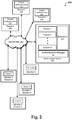
- FIGURE 2 illustrates an exemplary system for a securely enrolling machines in a multi-tenant environment.
- system 200 includes multi-tenant environment 210, tenant 1 (220), tenant 2 (230), tenant N (240), network 201 and machines 1-4.
- Multi-tenant environment 210 provides resources 215 to any number of tenants (e.g., Tenants 1-N).
- multi-tenant environment 210 is a cloud based service that provides resources to tenants subscribed to the service and maintains each tenant's data separately and protected from other tenant data.
- Authentication manager 26 is configured to determine when to provide a resource in response to a request from a machine. In response to receiving a request from a machine (e.g., machine 1, 2, 3, or 4) for a resource (e.g., data and/or service), authentication manager 26 determines when the machine is authorized by the tenant.
- a machine e.g., machine 1, 2, 3, or 4
- a resource e.g., data and/or service
- Authentication of the tenant's machines is delegated from the multi-tenant environment 210 to each of the tenants that use the service (e.g., tenants 1-N).
- Each tenant may select its own authentication rules and protocols.
- tenant 1 may use tenant authentication 222 that is different from tenant authentication 232 of tenant 2 that is different from tenant authentication 242 of tenant N.
- Some tenants may require a machine to be authenticated one time, whereas other tenants may require a more frequent authentication of a machine (e.g., daily, weekly, monthly, yearly).
- Some tenants may use Public Key Infrastructure "PKI" authentication, some tenants may use Security Token Service "STS" protocols, some may use Kerberos authentication, some may use manual approval, some may use a combination of authentication protocols, and the like.
- Multi-tenant environment 210 establishes a trust relationship with each of the tenants using the tenants authentication preferences.
- Authentication manager 26 may be configured to accept certificates from different certificate issuers and/or different types of certificates/tokens.
- the authentication manager 26 determines the tenant associated with the request and determines when to authenticate the machine based on the authentication rules specified by that tenant.
- a request is made to the tenant to attempt to authenticate the machine.
- the tenant uses a token to access the subcription.
- the token may be a certificate, a security token, or some other authentication credential that identifies the machine as being authenticated by the client.
- machine 1 has been issued token 1 from tenant 1
- machine 2 has been issued token 2 from tenant 1
- machine 3 has been issued token 3 from tenant 2
- machine 4 has not been issued a token.
- a user of machine 4 may have accessed authentication credentials to access the multi-tenant environment but the machine they are using to access the multi-tenant environment 210 is not authorized by the tenant having a subscription to the multi-tenant environment 210.
- multi-tenant environment 210 When tenant 1's machine 1 contacts multi-tenant environment 210 as illustrated, machine 1 presents Token 1 issued by Tenant 1's STS or PKI to authentication manager 26. Multi-tenant environment 210 verifies the identity of machine 1 using authentication manager 26 since it has an established trust relationship with Tenant 1's STS or PKI certification authority (CA) and authentication manage 26 authorizes machine 1 to access resources in Tenant 1's subscription.
- CA PKI certification authority
- FIGURES 3-4 show illustrative processes for securely enrolling and authenticating machines in a multi-tenant environment.
- the logical operations of various embodiments are implemented (1) as a sequence of computer implemented acts or program modules running on a computing system and/or (2) as interconnected machine logic circuits or circuit modules within the computing system. The implementation is a matter of choice dependent on the performance requirements of the computing system implementing the invention. Accordingly, the logical operations illustrated and making up the embodiments described herein are referred to variously as operations, structural devices, acts or modules. These operations, structural devices, acts and modules may be implemented in software, in firmware, in special purpose digital logic, and any combination thereof.
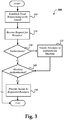
- FIGURE 3 shows a process for authenticating a machine requesting a resource from a multi-tenant environment.
- the process flows to operation 310, where the multi-tenant environment establishes a trust relationship with each tenant.
- Each tenant establishes its own authentication environment. For example, one tenant may use an existing Public Key Infrastructure (PKI) service to issue certificates to authenticated machines whereas another tenant may use a Security Token Service (STS) to issue signed security tokens to authenticated machines that are associated with the tenant.
- PKI Public Key Infrastructure
- STS Security Token Service
- the trust relationships are established between the multi-tenant environment and each tenant using the tenant's authentication protocols. For example, an administrator can set up a trust relationship with multi-tenant environment by setting up a trust relationship between the PKI CA or STS and the multi-tenant environment.
- the multi-tenant environment receives a request for a resource from a machine.
- the determination to authenticate a machine may be made on a tenant by tenant basis. For example, one tenant may require a one-time authentication of a machine, whereas another tenant may require authentication of the machine more often.
- the machine fails authentication.
- the process flows to operation 335.
- the process flows to decision operation 340.
- the tenant attempts to authenticate the machine (See FIGURE 4 and related description).
- the tenant performs the authentication of the machine using its selected authentication procedure.
- the machine uses the token (e.g., certificate/token) to access resources from the subscription.
- the token e.g., certificate/token
- a token with the request is used to verify that the machine is authorized by the tenant to access the resource(s) of the service.
- the process moves to an end operation and the resource is not provided to the requesting machine.
- the process flows to operation 350.
- the authenticated machine is provided access to the requested resource.
- the process then moves to an end operation and returns to processing other actions.
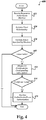
- FIGURE 4 shows a process for a tenant authenticating a machine for a multi-tenant environment.
- a request is received to authenticate a machine.
- the tenant receives the request from the multi-tenant environment to perform the authentication procedures.
- the authentication procedures to authenticate the machine are performed by the tenant and/or one or more designated third party service(s) selected by the tenant.
- Each tenant may perform different authentication procedures.
- Some tenants may use Public Key Infrastructure "PKI” authentication, some tenants may use Security Token Service “STS” protocols, some may use Kerberos authentication, some may use manual approval, some may use a combination of authentication protocols, and the like.
- PKI Public Key Infrastructure
- STS Security Token Service
- Kerberos authentication some may use manual approval, some may use a combination of authentication protocols, and the like.
- the established trust relationship with the tenant for the machine is retrieved.
- the root CA certificate used by the tenant is obtained.
- the certificate issuer identifier is obtained from the client through a Transport Layer Security (TLS) connection with the machine requesting to be authenticated.
- TLS Transport Layer Security
- a token specified by the machine is attempted to be validated using the retrieved trust relationship to ensure that the token was issued to the machine by the tenant.
- the certification authority certificate that corresponds to the subscription of the machine is obtained.
- the certificate may be stored by the multi-tenant environment and/or obtained from the tenant.
- decision operation 460 a determination is made as to whether the certificate is valid. When the certificate is not valid, the process moves to an end operation and the authentication fails. When the certificate is valid, the process moves to operation 470.
- the machine is authenticated and can access the subscription that is associated with the tenant and the token.
- the process then moves to an end operation and returns to processing other actions.
Landscapes
- Engineering & Computer Science (AREA)
- Computer Security & Cryptography (AREA)
- Computer Hardware Design (AREA)
- General Engineering & Computer Science (AREA)
- Theoretical Computer Science (AREA)
- Computing Systems (AREA)
- Signal Processing (AREA)
- Computer Networks & Wireless Communication (AREA)
- Software Systems (AREA)
- General Physics & Mathematics (AREA)
- Physics & Mathematics (AREA)
- Mobile Radio Communication Systems (AREA)
- Management, Administration, Business Operations System, And Electronic Commerce (AREA)
- Storage Device Security (AREA)
Description
- Many Internet services attempt to prevent unauthorized users from accessing resources provided by the service. For example, a service may issue a link to an authorized user to access content at the service. A service may also require a user to provide authentication credentials to access resources provided by the service. Anyone who obtains access to the link or to the user's authentication credentials, however, can access the resources.
FromUS 2010/012561281 - This Summary is provided to introduce a selection of concepts in a simplified form that are further described below in the Detailed Description. This Summary is not intended to identify key features or essential features of the claimed subject matter, nor is it intended to be used as an aid in determining the scope of the claimed subject matter.
- In a multi-tenant environment, machines across the Internet, belonging to a particular subscription are securely enrolled with the tenant's subscription. Authentication of the machines is delegated to each of the tenants own on-premise authentication mechanism (e.g., Public Key Infrastructure "PKI", Security Token Service "STS", Kerberos, ...). The trust relationship with the tenant's authentication service (PKI root certificate/issuer, certificate trust, ...) is used to validate the token presented by the machine attempting to be authenticated. Once authenticated, the machine has authorization (e.g., SSL machine cert for identity, token, ...) to access the subscription. Each tenant within the multi-tenant environment can provide its own level of authentication. A trust relationship (e.g., Public Key Infrastructure "PKI", Security Token Service "STS", ...) is established between each of the tenants and the multi-tenant environment . The machine presents the token to the multi-tenant environment for requests for resources (e.g., services/content). When a request is received from a machine to access a resource, the multi-tenant environment determines from the issued token whether or not the machine is authorized to access the requested resources, wherein the authentication of the machine is delegated from the multi-tenant environment to the tenant.
- Aspects of the invention are defined by the independent claims. Further embodiments are defined by the dependent claims.
-
-
FIGURE 1 illustrates an exemplary computing device; -
FIGURE 2 illustrates an exemplary system for a securely enrolling machines with a multi-tenant environment; -
FIGURE 3 shows a process for authenticating a machine requesting a resource from a multi-tenant environment; and -
FIGURE 4 shows a process for a tenant authenticating a machine for a multi-tenant environment. - Referring now to the drawings, in which like numerals represent like elements, various embodiments will be described. In particular,
FIGURE 1 and the corresponding discussion are intended to provide a brief, general description of a suitable computing environment in which embodiments may be implemented. - Generally, program modules include routines, programs, components, data structures, and other types of structures that perform particular tasks or implement particular abstract data types. Other computer system configurations may also be used, including hand-held devices, multiprocessor systems, microprocessor-based or programmable consumer electronics, minicomputers, mainframe computers, and the like. Distributed computing environments may also be used where tasks are performed by remote processing devices that are linked through a communications network. In a distributed computing environment, program modules may be located in both local and remote memory storage devices.
- Referring now to
FIGURE 1 , an illustrative computer architecture for acomputer 100 utilized in the various embodiments will be described. The computer architecture shown inFIGURE 1 may be configured as a server computing device, a desktop computing device, a mobile computing device (e.g., smartphone, notebook, tablet ...) and includes a central processing unit 5 ("CPU"), asystem memory 7, including a random access memory 9 ("RAM") and a read-only memory ("ROM") 10, and asystem bus 12 that couples the memory to the central processing unit ("CPU") 5. - A basic input/output system containing the basic routines that help to transfer information between elements within the computer, such as during startup, is stored in the
ROM 10. Thecomputer 100 further includes amass storage device 14 for storing anoperating system 16, application(s) 24, and other program modules, such asWeb browser applications 25, files 27 (e.g., files, images, other content), andauthentication manager 26 which will be described in greater detail below. - The
mass storage device 14 is connected to theCPU 5 through a mass storage controller (not shown) connected to thebus 12. Themass storage device 14 and its associated computer-readable media provide non-volatile storage for thecomputer 100. Although the description of computer-readable media contained herein refers to a mass storage device, such as a hard disk or CD-ROM drive, the computer-readable media can be any available media that can be accessed by thecomputer 100. - By way of example, and not limitation, computer-readable media may comprise computer storage media and communication media. Computer storage media includes volatile and non-volatile, removable and non-removable media implemented in any method or technology for storage of information such as computer-readable instructions, data structures, program modules or other data. Computer storage media includes, but is not limited to, RAM, ROM, Erasable Programmable Read Only Memory ("EPROM"), Electrically Erasable Programmable Read Only Memory ("EEPROM"), flash memory or other solid state memory technology, CD-ROM, digital versatile disks ("DVD"), or other optical storage, magnetic cassettes, magnetic tape, magnetic disk storage or other magnetic storage devices, or any other medium which can be used to store the desired information and which can be accessed by the
computer 100. - According to various embodiments,
computer 100 may operate in a networked environment using logical connections to remote computers through anetwork 18, such as the Internet. Thecomputer 100 may connect to thenetwork 18 through anetwork interface unit 20 connected to thebus 12. The network connection may be wireless and/or wired. Thenetwork interface unit 20 may also be utilized to connect to other types of networks and remote computer systems. Thecomputer 100 may also include an input/output controller 22 for receiving and processing input from a number of other devices, such as a touch input device. The touch input device may utilize any technology that allows single/multi-touch input to be recognized (touching/non-touching). For example, the technologies may include, but are not limited to: heat, finger pressure, high capture rate cameras, infrared light, optic capture, tuned electromagnetic induction, ultrasonic receivers, transducer microphones, laser rangefinders, shadow capture, and the like. According to an embodiment, the touch input device may be configured to detect near-touches (i.e. within some distance of the touch input device but not physically touching the touch input device). The touch input device may also act as adisplay 28. The input/output controller 22 may also provide output to one or more display screens, a printer, or other type of output device. - A camera and/or some other sensing device may be operative to record one or more users and capture motions and/or gestures made by users of a computing device. Sensing device may be further operative to capture spoken words, such as by a microphone and/or capture other inputs from a user such as by a keyboard and/or mouse (not pictured). The sensing device may comprise any motion detection device capable of detecting the movement of a user. For example, a camera may comprise a MICROSOFT KINECT® motion capture device comprising a plurality of cameras and a plurality of microphones.
- Embodiments of the invention may be practiced via a system-on-a-chip (SOC) where each or many of the components/processes illustrated in the FIGURES may be integrated onto a single integrated circuit. Such a SOC device may include one or more processing units, graphics units, communications units, system virtualization units and various application functionality all of which are integrated (or "burned") onto the chip substrate as a single integrated circuit. When operating via a SOC, all/some of the functionality, described herein, with respect to the Unified Communications via application-specific logic integrated with other components of the computing device/
system 100 on the single integrated circuit (chip). - As mentioned briefly above, a number of program modules and data files may be stored in the
mass storage device 14 andRAM 9 of thecomputer 100, including anoperating system 16 suitable for controlling the operation of a networked personal computer, such as the WINDOWS SERVER®, WINDOWS 7® operating systems from MICROSOFT CORPORATION of Redmond, Washington. - The
mass storage device 14 andRAM 9 may also store one or more program modules. In particular, themass storage device 14 and theRAM 9 may store one ormore applications 24, such as productivity applications, and may store one ormore Web browsers 25. TheWeb browser 25 is operative to request, receive, render, and provide interactivity with electronic documents, such as a Web page. According to an embodiment, the Web browser comprises the INTERNET EXPLORER Web browser application program from MICROSOFT CORPORATION. Other Web browser application programs from other manufacturers may be utilized to embody the various aspects of the present invention, such as the FIREFOX Web browser application from the MOZILLA FOUNDATION. -
Authentication manager 26 is configured to perform authentication operations used in securely enrolling a tenant's machines with amulti-tenant environment 19.Authentication manager 26 is part of a multi-tenant environment that provides resources (e.g., services, data ...) to different tenants. Authentication of the machines is delegated to each of the tenants own on-premise authentication mechanism (e.g., Public Key Infrastructure "PKI", Security Token Service "STS", Kerberos, ...). The trust relationship with the tenant's authentication service (PKI root certificate/issuer, certificate trust, ...) is used to validate the security token presented by the machine attempting to be authenticated. Once authenticated, the machine has authorization (e.g., SSL machine cert for identity, security token, ...) to access the subscription. Each tenant within the multi-tenant environment can provide its own level of authentication. A trust relationship (e.g., Public Key Infrastructure "PKI", Security Token Service "STS", ...) is established between each of the tenants and the multi-tenant environment. The machine presents the security token to the multi-tenant environment for requests for resources (e.g., services/content). When a request is received from a machine to access a resource, the multi-tenant environment determines from the issued token whether or not the machine is authorized to access the requested resources.. Additional details regarding the operation ofauthentication manager 26 will be provided below. -
FIGURE 2 illustrates an exemplary system for a securely enrolling machines in a multi-tenant environment. As illustrated,system 200 includesmulti-tenant environment 210, tenant 1 (220), tenant 2 (230), tenant N (240),network 201 and machines 1-4. -
Multi-tenant environment 210 providesresources 215 to any number of tenants (e.g., Tenants 1-N). According to an embodiment,multi-tenant environment 210 is a cloud based service that provides resources to tenants subscribed to the service and maintains each tenant's data separately and protected from other tenant data. -
Authentication manager 26 is configured to determine when to provide a resource in response to a request from a machine. In response to receiving a request from a machine (e.g.,machine authentication manager 26 determines when the machine is authorized by the tenant. - Authentication of the tenant's machines is delegated from the
multi-tenant environment 210 to each of the tenants that use the service (e.g., tenants 1-N). Each tenant may select its own authentication rules and protocols. For example,tenant 1 may usetenant authentication 222 that is different fromtenant authentication 232 oftenant 2 that is different fromtenant authentication 242 of tenant N. Some tenants may require a machine to be authenticated one time, whereas other tenants may require a more frequent authentication of a machine (e.g., daily, weekly, monthly, yearly...). Some tenants may use Public Key Infrastructure "PKI" authentication, some tenants may use Security Token Service "STS" protocols, some may use Kerberos authentication, some may use manual approval, some may use a combination of authentication protocols, and the like.Multi-tenant environment 210 establishes a trust relationship with each of the tenants using the tenants authentication preferences.Authentication manager 26 may be configured to accept certificates from different certificate issuers and/or different types of certificates/tokens. - In response to receiving a request from a machine for a resource, the
authentication manager 26 determines the tenant associated with the request and determines when to authenticate the machine based on the authentication rules specified by that tenant. When the machine is to be authenticated, a request is made to the tenant to attempt to authenticate the machine. When the tenant authenticates the machine using its authentication procedure, the tenant uses a token to access the subcription. The token may be a certificate, a security token, or some other authentication credential that identifies the machine as being authenticated by the client. In the example illustrated,machine 1 has been issued token 1 fromtenant 1,machine 2 has been issued token 2 fromtenant 1,machine 3 has been issued token 3 fromtenant 2 andmachine 4 has not been issued a token. For example, a user ofmachine 4 may have accessed authentication credentials to access the multi-tenant environment but the machine they are using to access themulti-tenant environment 210 is not authorized by the tenant having a subscription to themulti-tenant environment 210. - When
tenant 1'smachine 1 contactsmulti-tenant environment 210 as illustrated,machine 1 presentsToken 1 issued byTenant 1's STS or PKI toauthentication manager 26.Multi-tenant environment 210 verifies the identity ofmachine 1 usingauthentication manager 26 since it has an established trust relationship withTenant 1's STS or PKI certification authority (CA) and authentication manage 26 authorizesmachine 1 to access resources inTenant 1's subscription. -
FIGURES 3-4 show illustrative processes for securely enrolling and authenticating machines in a multi-tenant environment. When reading the discussion of the routines presented herein, it should be appreciated that the logical operations of various embodiments are implemented (1) as a sequence of computer implemented acts or program modules running on a computing system and/or (2) as interconnected machine logic circuits or circuit modules within the computing system. The implementation is a matter of choice dependent on the performance requirements of the computing system implementing the invention. Accordingly, the logical operations illustrated and making up the embodiments described herein are referred to variously as operations, structural devices, acts or modules. These operations, structural devices, acts and modules may be implemented in software, in firmware, in special purpose digital logic, and any combination thereof. -
FIGURE 3 shows a process for authenticating a machine requesting a resource from a multi-tenant environment. - After a start operation, the process flows to
operation 310, where the multi-tenant environment establishes a trust relationship with each tenant. Each tenant establishes its own authentication environment. For example, one tenant may use an existing Public Key Infrastructure (PKI) service to issue certificates to authenticated machines whereas another tenant may use a Security Token Service (STS) to issue signed security tokens to authenticated machines that are associated with the tenant. The trust relationships are established between the multi-tenant environment and each tenant using the tenant's authentication protocols. For example, an administrator can set up a trust relationship with multi-tenant environment by setting up a trust relationship between the PKI CA or STS and the multi-tenant environment. - Moving to
operation 320, the multi-tenant environment receives a request for a resource from a machine. - Flowing to
decision operation 330, a determination is made as to whether to authenticate the machine and/or user before providing access to the resource. The determination to authenticate a machine may be made on a tenant by tenant basis. For example, one tenant may require a one-time authentication of a machine, whereas another tenant may require authentication of the machine more often. According to an embodiment, when a machine does not include a token with its request, the machine fails authentication. When the machine is to be authenticated, the process flows tooperation 335. When the machine is not to be authenticated, the process flows todecision operation 340. - At
operation 335, the tenant attempts to authenticate the machine (SeeFIGURE 4 and related description). The tenant performs the authentication of the machine using its selected authentication procedure. Once authenticated, the machine uses the token (e.g., certificate/token) to access resources from the subscription. - At
decision operation 340, a determination is made as to whether or not the machine has been authenticated by the tenant. According to an embodiment, a token with the request is used to verify that the machine is authorized by the tenant to access the resource(s) of the service. When the machine is not authenticated, the process moves to an end operation and the resource is not provided to the requesting machine. When the machine has been authenticated by the tenant, the process flows tooperation 350. - At
operation 350, the authenticated machine is provided access to the requested resource. - The process then moves to an end operation and returns to processing other actions.
-
FIGURE 4 shows a process for a tenant authenticating a machine for a multi-tenant environment. - After a start operation, the process flows to
operation 410, where a request is received to authenticate a machine. The tenant receives the request from the multi-tenant environment to perform the authentication procedures. The authentication procedures to authenticate the machine are performed by the tenant and/or one or more designated third party service(s) selected by the tenant. Each tenant may perform different authentication procedures. Some tenants may use Public Key Infrastructure "PKI" authentication, some tenants may use Security Token Service "STS" protocols, some may use Kerberos authentication, some may use manual approval, some may use a combination of authentication protocols, and the like. - Flowing to
operation 420, the established trust relationship with the tenant for the machine is retrieved. For example, the root CA certificate used by the tenant is obtained. According to an embodiment, the certificate issuer identifier is obtained from the client through a Transport Layer Security (TLS) connection with the machine requesting to be authenticated. - Moving to
operation 430, a token specified by the machine is attempted to be validated using the retrieved trust relationship to ensure that the token was issued to the machine by the tenant. - Flowing to
decision operation 440, a determination is made as to whether the token is valid. When the token is not valid, the process moves to an end operation. When the token is valid, the process flows tooperation 450. - Transitioning to
operation 450, the certification authority certificate that corresponds to the subscription of the machine is obtained. The certificate may be stored by the multi-tenant environment and/or obtained from the tenant. Moving todecision operation 460, a determination is made as to whether the certificate is valid. When the certificate is not valid, the process moves to an end operation and the authentication fails. When the certificate is valid, the process moves tooperation 470. - At
operation 470, the machine is authenticated and can access the subscription that is associated with the tenant and the token. - The process then moves to an end operation and returns to processing other actions.
- The above specification, examples and data provide a complete description of the manufacture and use of the composition of the invention. Since many embodiments of the invention can be made without departing from the scope of the invention, the invention resides in the claims hereinafter appended.
Claims (9)
- A method for securely enrolling a machine in a multi-tenant environment (210), wherein the multi-tenant environment is a cloud based service that provides resources to different tenants at different network locations wherein data that is associated with each of the different tenants is protected from access by the other tenants and wherein each tenant specifies its authentication procedures that employ different authentication protocols, the method comprising:establishing (310), by the multi-tenant environment, a trust relationship with each tenant using the tenant's authentication protocols;receiving (320), at the multi-tenant environment, a request from a machine (1, 2, 3, 4) to access a resource of a tenant (1-N) in the multi-tenant environment, wherein the request includes a token;determining (330), by the multi-tenant environment, whether to authenticate the machine before providing access to the resource;wherein the authentication of the machine is delegated from the multi-tenant environment to the tenant (335);the authenticating by the tenant comprising:retrieving (420), by the tenant, the trust relationship established (310) with the tenant;determining (440), by the tenant, whether the token is valid using the retrieved trust relationship;when the token is valid, obtaining (450) a certification authority certificate that corresponds to a subscription of the machine;deciding (460) whether the certificate is valid and, if so, authenticating (470) the machine;determining (340) whether the machine is authenticated by the tenant; andauthorizing (350) access to the resource when the machine is determined to be authenticated by the tenant;wherein authentication of the machine is performed by the tenant by using an on-premise authentication mechanism of the tenant; andwherein at least two of the tenants of the multi-tenant environment use different authentication rules and protocols.
- The method of Claim 1, wherein determining whether the token is valid comprises determining whether the token was issued to the machine from the tenant.
- The method of Claim 1, further comprising requesting the tenant that is associated with the resource to attempt to authenticate the machine when it is determined to authenticate the machine.
- The method of Claim 1, wherein the trust relationship uses at least one of: Public Key Infrastructure, PKI, and Security Token Service, STS, and wherein each of the tenants provides to the multi-tenant environment at least one issuer of certificates that is authorized to authenticate machines of the tenant.
- A computer-readable medium having computer-executable instructions for securely enrolling a machine in a multi-tenant environment (210), wherein the multi-tenant environment is a cloud based service that provides resources to different tenants at different network locations wherein data that is associated with each of the different tenants is protected from access by the other tenants and wherein each tenant specifies its authentication procedures that employ different authentication protocols, the instructions comprising:establishing (310), by the multi-tenant environment, a trust relationship with each tenant using the tenant's authentication protocols;receiving (320), at the multi-tenant environment, a request from a machine (1, 2, 3, 4) to access a resource of a tenant (1-N) in the multi-tenant environment, wherein the request includes a token;determining (330), by the multi-tenant environment, whether to authenticate the machine before providing access to the resource;wherein the authentication of the machine is delegated from the multi-tenant environment to the tenant (335);the authenticating by the tenant comprising:retrieving (420), by the tenant, the trust relationship established (310) with the tenant;determining (440), by the tenant, whether the token is valid using the retrieved trust relationship;when the token is valid, obtaining (450) a certification authority certificate that corresponds to a subscription of the machine;deciding (460) whether the certificate is valid and, if so, authenticating the machine;determining (340) whether the machine is authenticated by the tenant; andauthorizing (350) access to the resource when the machine is determined to be authenticated by the tenant;wherein authentication of the machine is performed by the tenant by using an on-premise authentication mechanism of the tenant; andwherein at least two of the tenants of the multi-tenant environment use different authentication rules and protocols.
- A system (200) for securely enrolling a machine, the system comprising:a multi-tenant environment (210) and tenants (1-N) of the multi-tenant environment, wherein the multi-tenant environment is a cloud based service that provides resources to different tenants at different network locations wherein data that is associated with each of the different tenants is protected from access by the other tenants and wherein each tenant specifies its authentication procedures that employ different authentication protocols;a network connection (201) that is coupled to tenants (1-N) of the multi-tenant environment (210);wherein the multi-tenant environment comprises an authentication manager (26) operative to:establish (310), by the multi-tenant environment, a trust relationship with each tenant using the tenant's authentication protocols;receive (320) a request from a machine (1, 2, 3, 4) external to the multi-tenant environment (210) to access a resource of a tenant, wherein the request includes a token;determine (330) whether to authenticate the machine before providing access to the resource;wherein the authentication of the machine is delegated from the multi-tenant environment to the tenant (335);the authenticating by the tenant comprising:retrieving (420), by the tenant, the trust relationship established (310) with the tenant;determining (440), by the tenant, whether the token is valid using the retrieved trust relationship;when the token is valid, obtaining (450) a certification authority certificate that corresponds to a subscription of the machine;deciding (460) whether the certificate is valid and, if so, authenticating the machine;the authentication manager further operative to determine (340) whether the machine is authenticated by the tenant;authorize (350) access to the resource when the machine is determined to be authenticated by the tenant;wherein the authentication of the machine is performed by the tenant by using an on-premise authentication mechanism of the tenant;wherein at least two tenants of the multi-tenant environment use different authentication rules and protocols.
- The system (200) of Claim 6, wherein the authentication manager is further operative to request the tenant that is associated with the resource to attempt to authenticate the machine when it is determined to authenticate the machine.
- The system (200) of Claim 6, wherein the trust relationship uses at least one of: Public Key Infrastructure, PKI, and Security Token Service, STS.
- The system (200) of Claim 6, wherein each tenant specifies its own level of authentication procedures defining when to allow access to the resource.
Applications Claiming Priority (2)
| Application Number | Priority Date | Filing Date | Title |
|---|---|---|---|
| US13/286,001 US8819801B2 (en) | 2011-10-31 | 2011-10-31 | Secure machine enrollment in multi-tenant subscription environment |
| PCT/US2012/061248 WO2013066649A1 (en) | 2011-10-31 | 2012-10-22 | Secure machine enrollment in multi-tenant subscription environment |
Publications (3)
| Publication Number | Publication Date |
|---|---|
| EP2774314A1 EP2774314A1 (en) | 2014-09-10 |
| EP2774314A4 EP2774314A4 (en) | 2015-08-12 |
| EP2774314B1 true EP2774314B1 (en) | 2019-04-03 |
Family
ID=47644996
Family Applications (1)
| Application Number | Title | Priority Date | Filing Date |
|---|---|---|---|
| EP12845653.0A Active EP2774314B1 (en) | 2011-10-31 | 2012-10-22 | Secure machine enrollment in multi-tenant subscription environment |
Country Status (4)
| Country | Link |
|---|---|
| US (1) | US8819801B2 (en) |
| EP (1) | EP2774314B1 (en) |
| CN (1) | CN102930199B (en) |
| WO (1) | WO2013066649A1 (en) |
Families Citing this family (30)
| Publication number | Priority date | Publication date | Assignee | Title |
|---|---|---|---|---|
| US8677470B1 (en) * | 2008-01-22 | 2014-03-18 | Salesforce.Com, Inc. | System, method, and computer program product for security verification of communications to tenants of an on-demand database service |
| US10176335B2 (en) | 2012-03-20 | 2019-01-08 | Microsoft Technology Licensing, Llc | Identity services for organizations transparently hosted in the cloud |
| US10225164B2 (en) * | 2012-09-07 | 2019-03-05 | Oracle International Corporation | System and method for providing a cloud computing environment |
| US9710664B2 (en) * | 2012-09-07 | 2017-07-18 | Amrita Vishwa Vidyapeetham | Security layer and methods for protecting tenant data in a cloud-mediated computing network |
| US9607166B2 (en) * | 2013-02-27 | 2017-03-28 | Microsoft Technology Licensing, Llc | Discretionary policy management in cloud-based environment |
| US10524122B2 (en) | 2014-01-31 | 2019-12-31 | Microsoft Technology Licensing, Llc | Tenant based signature validation |
| US9565198B2 (en) | 2014-01-31 | 2017-02-07 | Microsoft Technology Licensing, Llc | Tenant based signature validation |
| US9935959B2 (en) * | 2014-02-07 | 2018-04-03 | Oracle International Corporation | Cloud service custom execution environment |
| CN106462717B (en) * | 2014-06-23 | 2019-06-14 | 甲骨文国际公司 | System and method for supporting security in a multi-tenant application server environment |
| US9787690B2 (en) * | 2014-12-19 | 2017-10-10 | Microsoft Technology Licensing, Llc | Security and permission architecture |
| US9608809B1 (en) * | 2015-02-05 | 2017-03-28 | Ionic Security Inc. | Systems and methods for encryption and provision of information security using platform services |
| US10749854B2 (en) | 2015-11-12 | 2020-08-18 | Microsoft Technology Licensing, Llc | Single sign-on identity management between local and remote systems |
| US10320844B2 (en) | 2016-01-13 | 2019-06-11 | Microsoft Technology Licensing, Llc | Restricting access to public cloud SaaS applications to a single organization |
| US10554418B2 (en) * | 2016-06-24 | 2020-02-04 | General Electric Company | Routing cloud messages using digital certificates |
| US10484460B2 (en) | 2016-07-22 | 2019-11-19 | Microsoft Technology Licensing, Llc | Access services in hybrid cloud computing systems |
| US10225253B2 (en) * | 2016-07-22 | 2019-03-05 | Microsoft Technology Licensing, Llc | Usage tracking in hybrid cloud computing systems |
| US10320572B2 (en) * | 2016-08-04 | 2019-06-11 | Microsoft Technology Licensing, Llc | Scope-based certificate deployment |
| US10542100B2 (en) | 2016-09-16 | 2020-01-21 | Oracle International Corporation | Systems and methodologies for defining and scheduling custom actions as cloud operations |
| US10027658B1 (en) * | 2017-06-12 | 2018-07-17 | Cyberark Software Ltd | Seamless provision of secret token to cloud-based assets on demand |
| US11438337B2 (en) * | 2017-12-15 | 2022-09-06 | Sap Se | Multi-tenant support user cloud access |
| US11113675B2 (en) | 2018-06-15 | 2021-09-07 | Paypal, Inc. | Unified transaction services for multi-tenant architectures |
| US11734658B2 (en) | 2018-06-15 | 2023-08-22 | Paypal, Inc. | Transactions between services in a multi-tenant architecture |
| US11586456B2 (en) | 2018-06-15 | 2023-02-21 | Paypal, Inc. | Agency and regulation modeling for transactions in multi-tenant systems |
| US11470166B2 (en) | 2018-06-15 | 2022-10-11 | Paypal, Inc. | Multi-tenant marketplace architectures |
| US12182841B2 (en) | 2018-06-15 | 2024-12-31 | Paypal, Inc. | Multi-tenant dispute services |
| US11030329B2 (en) | 2018-06-15 | 2021-06-08 | Paypal, Inc. | Unified identity services for multi-tenant architectures |
| US11336453B2 (en) | 2018-06-15 | 2022-05-17 | Paypal, Inc. | Transactions between services in a multi-tenant architecture |
| EP3864795A4 (en) * | 2018-10-10 | 2022-05-11 | Alibaba Group Holding Limited | Authentication and authorization for cloud file system |
| US11574068B2 (en) * | 2020-06-08 | 2023-02-07 | Open Text Sa Ulc | Methods and systems for tenancy in a multitenant environment |
| US12074471B2 (en) | 2020-12-18 | 2024-08-27 | Eaton Intelligent Power Limited | Apparatus and methods for distribution of UPS-associated energy storage |
Family Cites Families (15)
| Publication number | Priority date | Publication date | Assignee | Title |
|---|---|---|---|---|
| US7685430B1 (en) * | 2005-06-17 | 2010-03-23 | Sun Microsystems, Inc. | Initial password security accentuated by triple encryption and hashed cache table management on the hosted site's server |
| US8201231B2 (en) * | 2007-02-21 | 2012-06-12 | Microsoft Corporation | Authenticated credential-based multi-tenant access to a service |
| US8019812B2 (en) * | 2007-04-13 | 2011-09-13 | Microsoft Corporation | Extensible and programmable multi-tenant service architecture |
| US10007767B1 (en) * | 2007-12-21 | 2018-06-26 | EMC IP Holding Company LLC | System and method for securing tenant data on a local appliance prior to delivery to a SaaS data center hosted application service |
| US8418222B2 (en) | 2008-03-05 | 2013-04-09 | Microsoft Corporation | Flexible scalable application authorization for cloud computing environments |
| US10127059B2 (en) * | 2008-05-02 | 2018-11-13 | Skytap | Multitenant hosted virtual machine infrastructure |
| US8417723B1 (en) * | 2008-09-12 | 2013-04-09 | Salesforce.Com, Inc. | System, method and computer program product for enabling access to a resource of a multi-tenant on-demand database service utilizing a token |
| US8271536B2 (en) * | 2008-11-14 | 2012-09-18 | Microsoft Corporation | Multi-tenancy using suite of authorization manager components |
| US8341427B2 (en) | 2009-02-16 | 2012-12-25 | Microsoft Corporation | Trusted cloud computing and services framework |
| US20110137991A1 (en) | 2009-12-01 | 2011-06-09 | Lester Paul Russell | Systems and methods for management and collaboration in a private network |
| US8566917B2 (en) | 2010-03-19 | 2013-10-22 | Salesforce.Com, Inc. | Efficient single sign-on and identity provider configuration and deployment in a database system |
| US20110231912A1 (en) * | 2010-03-19 | 2011-09-22 | Salesforce.Com, Inc. | System, method and computer program product for authenticating a mobile device using an access token |
| US8667269B2 (en) | 2010-04-02 | 2014-03-04 | Suridx, Inc. | Efficient, secure, cloud-based identity services |
| US20120109947A1 (en) * | 2010-11-02 | 2012-05-03 | BrightEdge Technologies | Multi-tenant analytics processing |
| US20120331518A1 (en) * | 2011-06-23 | 2012-12-27 | Salesforce.Com, Inc. | Flexible security token framework |
-
2011
- 2011-10-31 US US13/286,001 patent/US8819801B2/en active Active
-
2012
- 2012-10-22 WO PCT/US2012/061248 patent/WO2013066649A1/en not_active Ceased
- 2012-10-22 EP EP12845653.0A patent/EP2774314B1/en active Active
- 2012-10-30 CN CN201210422979.2A patent/CN102930199B/en active Active
Non-Patent Citations (1)
| Title |
|---|
| None * |
Also Published As
| Publication number | Publication date |
|---|---|
| EP2774314A4 (en) | 2015-08-12 |
| US8819801B2 (en) | 2014-08-26 |
| WO2013066649A1 (en) | 2013-05-10 |
| EP2774314A1 (en) | 2014-09-10 |
| HK1181513A1 (en) | 2013-11-08 |
| CN102930199B (en) | 2015-07-29 |
| CN102930199A (en) | 2013-02-13 |
| US20130111558A1 (en) | 2013-05-02 |
Similar Documents
| Publication | Publication Date | Title |
|---|---|---|
| US8819801B2 (en) | Secure machine enrollment in multi-tenant subscription environment | |
| EP3582470B1 (en) | Step-up authentication for single sign-on | |
| US9094212B2 (en) | Multi-server authentication token data exchange | |
| US10097350B2 (en) | Privacy enhanced key management for a web service provider using a converged security engine | |
| EP3915026B1 (en) | Browser login sessions via non-extractable asymmetric keys | |
| EP2862118B1 (en) | Systems and methods for accessing a virtual desktop | |
| KR102454203B1 (en) | Security and permission architecture in a multi-tenant computing system | |
| US20130297933A1 (en) | Mobile enterprise smartcard authentication | |
| US9602537B2 (en) | Systems and methods for providing secure communication | |
| CN108351933A (en) | End-user-initiated access server authenticity checks | |
| TW201507430A (en) | Authentication and authorization with a bundled token | |
| EP3685287A1 (en) | Extensible framework for authentication | |
| US11777942B2 (en) | Transfer of trust between authentication devices | |
| WO2016191376A1 (en) | Initial provisioning through shared proofs of knowledge and crowdsourced identification | |
| JP2025509999A (en) | Multi-factor authentication and authorization of API calls | |
| US9369470B2 (en) | User collision detection and handling | |
| HK1181513B (en) | Secure machine enrollment in multi-tenant subscription environment | |
| US20260038258A1 (en) | Automatic website input detection |
Legal Events
| Date | Code | Title | Description |
|---|---|---|---|
| PUAI | Public reference made under article 153(3) epc to a published international application that has entered the european phase |
Free format text: ORIGINAL CODE: 0009012 |
|
| 17P | Request for examination filed |
Effective date: 20140402 |
|
| AK | Designated contracting states |
Kind code of ref document: A1 Designated state(s): AL AT BE BG CH CY CZ DE DK EE ES FI FR GB GR HR HU IE IS IT LI LT LU LV MC MK MT NL NO PL PT RO RS SE SI SK SM TR |
|
| DAX | Request for extension of the european patent (deleted) | ||
| RAP1 | Party data changed (applicant data changed or rights of an application transferred) |
Owner name: MICROSOFT TECHNOLOGY LICENSING, LLC |
|
| RA4 | Supplementary search report drawn up and despatched (corrected) |
Effective date: 20150715 |
|
| RIC1 | Information provided on ipc code assigned before grant |
Ipc: H04L 9/32 20060101AFI20150709BHEP |
|
| STAA | Information on the status of an ep patent application or granted ep patent |
Free format text: STATUS: EXAMINATION IS IN PROGRESS |
|
| 17Q | First examination report despatched |
Effective date: 20180606 |
|
| REG | Reference to a national code |
Ref country code: DE Ref legal event code: R079 Ref document number: 602012058678 Country of ref document: DE Free format text: PREVIOUS MAIN CLASS: H04L0009320000 Ipc: G06F0021440000 |
|
| GRAJ | Information related to disapproval of communication of intention to grant by the applicant or resumption of examination proceedings by the epo deleted |
Free format text: ORIGINAL CODE: EPIDOSDIGR1 |
|
| GRAP | Despatch of communication of intention to grant a patent |
Free format text: ORIGINAL CODE: EPIDOSNIGR1 |
|
| GRAP | Despatch of communication of intention to grant a patent |
Free format text: ORIGINAL CODE: EPIDOSNIGR1 |
|
| STAA | Information on the status of an ep patent application or granted ep patent |
Free format text: STATUS: GRANT OF PATENT IS INTENDED |
|
| RIC1 | Information provided on ipc code assigned before grant |
Ipc: G06F 21/44 20130101AFI20181002BHEP Ipc: H04L 29/06 20060101ALI20181002BHEP |
|
| INTG | Intention to grant announced |
Effective date: 20181107 |
|
| GRAS | Grant fee paid |
Free format text: ORIGINAL CODE: EPIDOSNIGR3 |
|
| GRAA | (expected) grant |
Free format text: ORIGINAL CODE: 0009210 |
|
| STAA | Information on the status of an ep patent application or granted ep patent |
Free format text: STATUS: THE PATENT HAS BEEN GRANTED |
|
| AK | Designated contracting states |
Kind code of ref document: B1 Designated state(s): AL AT BE BG CH CY CZ DE DK EE ES FI FR GB GR HR HU IE IS IT LI LT LU LV MC MK MT NL NO PL PT RO RS SE SI SK SM TR |
|
| REG | Reference to a national code |
Ref country code: GB Ref legal event code: FG4D |
|
| REG | Reference to a national code |
Ref country code: CH Ref legal event code: EP Ref country code: AT Ref legal event code: REF Ref document number: 1116635 Country of ref document: AT Kind code of ref document: T Effective date: 20190415 |
|
| REG | Reference to a national code |
Ref country code: DE Ref legal event code: R096 Ref document number: 602012058678 Country of ref document: DE |
|
| REG | Reference to a national code |
Ref country code: IE Ref legal event code: FG4D |
|
| REG | Reference to a national code |
Ref country code: NL Ref legal event code: FP |
|
| REG | Reference to a national code |
Ref country code: LT Ref legal event code: MG4D |
|
| REG | Reference to a national code |
Ref country code: AT Ref legal event code: MK05 Ref document number: 1116635 Country of ref document: AT Kind code of ref document: T Effective date: 20190403 |
|
| PG25 | Lapsed in a contracting state [announced via postgrant information from national office to epo] |
Ref country code: NO Free format text: LAPSE BECAUSE OF FAILURE TO SUBMIT A TRANSLATION OF THE DESCRIPTION OR TO PAY THE FEE WITHIN THE PRESCRIBED TIME-LIMIT Effective date: 20190703 Ref country code: HR Free format text: LAPSE BECAUSE OF FAILURE TO SUBMIT A TRANSLATION OF THE DESCRIPTION OR TO PAY THE FEE WITHIN THE PRESCRIBED TIME-LIMIT Effective date: 20190403 Ref country code: LT Free format text: LAPSE BECAUSE OF FAILURE TO SUBMIT A TRANSLATION OF THE DESCRIPTION OR TO PAY THE FEE WITHIN THE PRESCRIBED TIME-LIMIT Effective date: 20190403 Ref country code: CZ Free format text: LAPSE BECAUSE OF FAILURE TO SUBMIT A TRANSLATION OF THE DESCRIPTION OR TO PAY THE FEE WITHIN THE PRESCRIBED TIME-LIMIT Effective date: 20190403 Ref country code: ES Free format text: LAPSE BECAUSE OF FAILURE TO SUBMIT A TRANSLATION OF THE DESCRIPTION OR TO PAY THE FEE WITHIN THE PRESCRIBED TIME-LIMIT Effective date: 20190403 Ref country code: PT Free format text: LAPSE BECAUSE OF FAILURE TO SUBMIT A TRANSLATION OF THE DESCRIPTION OR TO PAY THE FEE WITHIN THE PRESCRIBED TIME-LIMIT Effective date: 20190803 Ref country code: SE Free format text: LAPSE BECAUSE OF FAILURE TO SUBMIT A TRANSLATION OF THE DESCRIPTION OR TO PAY THE FEE WITHIN THE PRESCRIBED TIME-LIMIT Effective date: 20190403 Ref country code: AL Free format text: LAPSE BECAUSE OF FAILURE TO SUBMIT A TRANSLATION OF THE DESCRIPTION OR TO PAY THE FEE WITHIN THE PRESCRIBED TIME-LIMIT Effective date: 20190403 Ref country code: FI Free format text: LAPSE BECAUSE OF FAILURE TO SUBMIT A TRANSLATION OF THE DESCRIPTION OR TO PAY THE FEE WITHIN THE PRESCRIBED TIME-LIMIT Effective date: 20190403 |
|
| PG25 | Lapsed in a contracting state [announced via postgrant information from national office to epo] |
Ref country code: LV Free format text: LAPSE BECAUSE OF FAILURE TO SUBMIT A TRANSLATION OF THE DESCRIPTION OR TO PAY THE FEE WITHIN THE PRESCRIBED TIME-LIMIT Effective date: 20190403 Ref country code: GR Free format text: LAPSE BECAUSE OF FAILURE TO SUBMIT A TRANSLATION OF THE DESCRIPTION OR TO PAY THE FEE WITHIN THE PRESCRIBED TIME-LIMIT Effective date: 20190704 Ref country code: PL Free format text: LAPSE BECAUSE OF FAILURE TO SUBMIT A TRANSLATION OF THE DESCRIPTION OR TO PAY THE FEE WITHIN THE PRESCRIBED TIME-LIMIT Effective date: 20190403 Ref country code: RS Free format text: LAPSE BECAUSE OF FAILURE TO SUBMIT A TRANSLATION OF THE DESCRIPTION OR TO PAY THE FEE WITHIN THE PRESCRIBED TIME-LIMIT Effective date: 20190403 Ref country code: BG Free format text: LAPSE BECAUSE OF FAILURE TO SUBMIT A TRANSLATION OF THE DESCRIPTION OR TO PAY THE FEE WITHIN THE PRESCRIBED TIME-LIMIT Effective date: 20190703 |
|
| PG25 | Lapsed in a contracting state [announced via postgrant information from national office to epo] |
Ref country code: AT Free format text: LAPSE BECAUSE OF FAILURE TO SUBMIT A TRANSLATION OF THE DESCRIPTION OR TO PAY THE FEE WITHIN THE PRESCRIBED TIME-LIMIT Effective date: 20190403 Ref country code: IS Free format text: LAPSE BECAUSE OF FAILURE TO SUBMIT A TRANSLATION OF THE DESCRIPTION OR TO PAY THE FEE WITHIN THE PRESCRIBED TIME-LIMIT Effective date: 20190803 |
|
| REG | Reference to a national code |
Ref country code: DE Ref legal event code: R097 Ref document number: 602012058678 Country of ref document: DE |
|
| PG25 | Lapsed in a contracting state [announced via postgrant information from national office to epo] |
Ref country code: RO Free format text: LAPSE BECAUSE OF FAILURE TO SUBMIT A TRANSLATION OF THE DESCRIPTION OR TO PAY THE FEE WITHIN THE PRESCRIBED TIME-LIMIT Effective date: 20190403 Ref country code: SK Free format text: LAPSE BECAUSE OF FAILURE TO SUBMIT A TRANSLATION OF THE DESCRIPTION OR TO PAY THE FEE WITHIN THE PRESCRIBED TIME-LIMIT Effective date: 20190403 Ref country code: EE Free format text: LAPSE BECAUSE OF FAILURE TO SUBMIT A TRANSLATION OF THE DESCRIPTION OR TO PAY THE FEE WITHIN THE PRESCRIBED TIME-LIMIT Effective date: 20190403 Ref country code: DK Free format text: LAPSE BECAUSE OF FAILURE TO SUBMIT A TRANSLATION OF THE DESCRIPTION OR TO PAY THE FEE WITHIN THE PRESCRIBED TIME-LIMIT Effective date: 20190403 |
|
| PLBE | No opposition filed within time limit |
Free format text: ORIGINAL CODE: 0009261 |
|
| STAA | Information on the status of an ep patent application or granted ep patent |
Free format text: STATUS: NO OPPOSITION FILED WITHIN TIME LIMIT |
|
| PG25 | Lapsed in a contracting state [announced via postgrant information from national office to epo] |
Ref country code: IT Free format text: LAPSE BECAUSE OF FAILURE TO SUBMIT A TRANSLATION OF THE DESCRIPTION OR TO PAY THE FEE WITHIN THE PRESCRIBED TIME-LIMIT Effective date: 20190403 Ref country code: SM Free format text: LAPSE BECAUSE OF FAILURE TO SUBMIT A TRANSLATION OF THE DESCRIPTION OR TO PAY THE FEE WITHIN THE PRESCRIBED TIME-LIMIT Effective date: 20190403 |
|
| 26N | No opposition filed |
Effective date: 20200106 |
|
| PG25 | Lapsed in a contracting state [announced via postgrant information from national office to epo] |
Ref country code: TR Free format text: LAPSE BECAUSE OF FAILURE TO SUBMIT A TRANSLATION OF THE DESCRIPTION OR TO PAY THE FEE WITHIN THE PRESCRIBED TIME-LIMIT Effective date: 20190403 |
|
| PG25 | Lapsed in a contracting state [announced via postgrant information from national office to epo] |
Ref country code: MC Free format text: LAPSE BECAUSE OF FAILURE TO SUBMIT A TRANSLATION OF THE DESCRIPTION OR TO PAY THE FEE WITHIN THE PRESCRIBED TIME-LIMIT Effective date: 20190403 Ref country code: SI Free format text: LAPSE BECAUSE OF FAILURE TO SUBMIT A TRANSLATION OF THE DESCRIPTION OR TO PAY THE FEE WITHIN THE PRESCRIBED TIME-LIMIT Effective date: 20190403 |
|
| REG | Reference to a national code |
Ref country code: CH Ref legal event code: PL |
|
| PG25 | Lapsed in a contracting state [announced via postgrant information from national office to epo] |
Ref country code: CH Free format text: LAPSE BECAUSE OF NON-PAYMENT OF DUE FEES Effective date: 20191031 Ref country code: LI Free format text: LAPSE BECAUSE OF NON-PAYMENT OF DUE FEES Effective date: 20191031 Ref country code: LU Free format text: LAPSE BECAUSE OF NON-PAYMENT OF DUE FEES Effective date: 20191022 |
|
| REG | Reference to a national code |
Ref country code: BE Ref legal event code: MM Effective date: 20191031 |
|
| PG25 | Lapsed in a contracting state [announced via postgrant information from national office to epo] |
Ref country code: BE Free format text: LAPSE BECAUSE OF NON-PAYMENT OF DUE FEES Effective date: 20191031 |
|
| PG25 | Lapsed in a contracting state [announced via postgrant information from national office to epo] |
Ref country code: IE Free format text: LAPSE BECAUSE OF NON-PAYMENT OF DUE FEES Effective date: 20191022 |
|
| PG25 | Lapsed in a contracting state [announced via postgrant information from national office to epo] |
Ref country code: CY Free format text: LAPSE BECAUSE OF FAILURE TO SUBMIT A TRANSLATION OF THE DESCRIPTION OR TO PAY THE FEE WITHIN THE PRESCRIBED TIME-LIMIT Effective date: 20190403 |
|
| PG25 | Lapsed in a contracting state [announced via postgrant information from national office to epo] |
Ref country code: HU Free format text: LAPSE BECAUSE OF FAILURE TO SUBMIT A TRANSLATION OF THE DESCRIPTION OR TO PAY THE FEE WITHIN THE PRESCRIBED TIME-LIMIT; INVALID AB INITIO Effective date: 20121022 Ref country code: MT Free format text: LAPSE BECAUSE OF FAILURE TO SUBMIT A TRANSLATION OF THE DESCRIPTION OR TO PAY THE FEE WITHIN THE PRESCRIBED TIME-LIMIT Effective date: 20190403 |
|
| PG25 | Lapsed in a contracting state [announced via postgrant information from national office to epo] |
Ref country code: MK Free format text: LAPSE BECAUSE OF FAILURE TO SUBMIT A TRANSLATION OF THE DESCRIPTION OR TO PAY THE FEE WITHIN THE PRESCRIBED TIME-LIMIT Effective date: 20190403 |
|
| P01 | Opt-out of the competence of the unified patent court (upc) registered |
Effective date: 20230505 |
|
| PGFP | Annual fee paid to national office [announced via postgrant information from national office to epo] |
Ref country code: NL Payment date: 20230922 Year of fee payment: 12 |
|
| PGFP | Annual fee paid to national office [announced via postgrant information from national office to epo] |
Ref country code: FR Payment date: 20230920 Year of fee payment: 12 |
|
| REG | Reference to a national code |
Ref country code: NL Ref legal event code: MM Effective date: 20241101 |
|
| PG25 | Lapsed in a contracting state [announced via postgrant information from national office to epo] |
Ref country code: NL Free format text: LAPSE BECAUSE OF NON-PAYMENT OF DUE FEES Effective date: 20241101 |
|
| PG25 | Lapsed in a contracting state [announced via postgrant information from national office to epo] |
Ref country code: FR Free format text: LAPSE BECAUSE OF NON-PAYMENT OF DUE FEES Effective date: 20241031 |
|
| PGFP | Annual fee paid to national office [announced via postgrant information from national office to epo] |
Ref country code: GB Payment date: 20250923 Year of fee payment: 14 |
|
| PGFP | Annual fee paid to national office [announced via postgrant information from national office to epo] |
Ref country code: DE Payment date: 20250923 Year of fee payment: 14 |