EP2769724A1 - Inhibitors of Na(v) 1.9 channel activity and uses thereof for treating pain - Google Patents
Inhibitors of Na(v) 1.9 channel activity and uses thereof for treating pain Download PDFInfo
- Publication number
- EP2769724A1 EP2769724A1 EP13305198.7A EP13305198A EP2769724A1 EP 2769724 A1 EP2769724 A1 EP 2769724A1 EP 13305198 A EP13305198 A EP 13305198A EP 2769724 A1 EP2769724 A1 EP 2769724A1
- Authority
- EP
- European Patent Office
- Prior art keywords
- pain
- lipid
- anyone
- composition
- lipid according
- Prior art date
- Legal status (The legal status is an assumption and is not a legal conclusion. Google has not performed a legal analysis and makes no representation as to the accuracy of the status listed.)
- Withdrawn
Links
- 208000002193 Pain Diseases 0.000 title claims abstract description 211
- 230000036407 pain Effects 0.000 title claims abstract description 178
- 230000000694 effects Effects 0.000 title claims description 51
- 108091006146 Channels Proteins 0.000 title claims description 42
- 239000003112 inhibitor Substances 0.000 title claims description 11
- 150000001875 compounds Chemical class 0.000 claims abstract description 56
- 239000000203 mixture Substances 0.000 claims abstract description 40
- HVYWMOMLDIMFJA-DPAQBDIFSA-N cholesterol Chemical compound C1C=C2C[C@@H](O)CC[C@]2(C)[C@@H]2[C@@H]1[C@@H]1CC[C@H]([C@H](C)CCCC(C)C)[C@@]1(C)CC2 HVYWMOMLDIMFJA-DPAQBDIFSA-N 0.000 claims description 54
- 150000002632 lipids Chemical class 0.000 claims description 53
- 235000012000 cholesterol Nutrition 0.000 claims description 27
- 208000000094 Chronic Pain Diseases 0.000 claims description 25
- 208000004454 Hyperalgesia Diseases 0.000 claims description 23
- 230000000202 analgesic effect Effects 0.000 claims description 22
- 230000002401 inhibitory effect Effects 0.000 claims description 20
- 229940021182 non-steroidal anti-inflammatory drug Drugs 0.000 claims description 18
- 206010065390 Inflammatory pain Diseases 0.000 claims description 16
- 239000004480 active ingredient Substances 0.000 claims description 15
- 230000004054 inflammatory process Effects 0.000 claims description 14
- 206010061218 Inflammation Diseases 0.000 claims description 13
- 208000001294 Nociceptive Pain Diseases 0.000 claims description 13
- 239000003814 drug Substances 0.000 claims description 13
- 230000002496 gastric effect Effects 0.000 claims description 12
- 239000000041 non-steroidal anti-inflammatory agent Substances 0.000 claims description 12
- 229940079593 drug Drugs 0.000 claims description 11
- 206010020751 Hypersensitivity Diseases 0.000 claims description 9
- 208000005298 acute pain Diseases 0.000 claims description 9
- 208000026935 allergic disease Diseases 0.000 claims description 8
- 208000009935 visceral pain Diseases 0.000 claims description 8
- 230000015556 catabolic process Effects 0.000 claims description 7
- 238000006731 degradation reaction Methods 0.000 claims description 7
- 230000009610 hypersensitivity Effects 0.000 claims description 7
- 206010053552 allodynia Diseases 0.000 claims description 6
- 150000003408 sphingolipids Chemical class 0.000 claims description 6
- 208000011580 syndromic disease Diseases 0.000 claims description 6
- 208000035154 Hyperesthesia Diseases 0.000 claims description 5
- 230000002411 adverse Effects 0.000 claims description 5
- 230000002829 reductive effect Effects 0.000 claims description 5
- 206010044652 trigeminal neuralgia Diseases 0.000 claims description 5
- 241000124008 Mammalia Species 0.000 claims description 4
- 239000003937 drug carrier Substances 0.000 claims description 4
- 108010089254 Cholesterol oxidase Proteins 0.000 claims description 3
- 229940087098 Oxidase inhibitor Drugs 0.000 claims description 3
- 102000011971 Sphingomyelin Phosphodiesterase Human genes 0.000 claims description 3
- 108010061312 Sphingomyelin Phosphodiesterase Proteins 0.000 claims description 3
- 230000003070 anti-hyperalgesia Effects 0.000 claims description 3
- 239000002260 anti-inflammatory agent Substances 0.000 claims description 3
- 229940124599 anti-inflammatory drug Drugs 0.000 claims description 3
- 230000003637 steroidlike Effects 0.000 claims description 3
- 238000007920 subcutaneous administration Methods 0.000 claims description 3
- 241000251539 Vertebrata <Metazoa> Species 0.000 claims description 2
- 238000000034 method Methods 0.000 abstract description 28
- 238000002360 preparation method Methods 0.000 abstract description 8
- 239000008194 pharmaceutical composition Substances 0.000 abstract description 5
- 239000011734 sodium Substances 0.000 description 52
- 239000000047 product Substances 0.000 description 24
- 241001465754 Metazoa Species 0.000 description 23
- 239000003795 chemical substances by application Substances 0.000 description 22
- 208000037265 diseases, disorders, signs and symptoms Diseases 0.000 description 20
- 238000012360 testing method Methods 0.000 description 18
- 238000011282 treatment Methods 0.000 description 18
- RZVAJINKPMORJF-UHFFFAOYSA-N Acetaminophen Chemical compound CC(=O)NC1=CC=C(O)C=C1 RZVAJINKPMORJF-UHFFFAOYSA-N 0.000 description 17
- 201000010099 disease Diseases 0.000 description 17
- 229920000858 Cyclodextrin Polymers 0.000 description 16
- 208000004296 neuralgia Diseases 0.000 description 16
- YZOUYRAONFXZSI-SBHWVFSVSA-N (1S,3R,5R,6R,8R,10R,11R,13R,15R,16R,18R,20R,21R,23R,25R,26R,28R,30R,31S,33R,35R,36R,37S,38R,39S,40R,41S,42R,43S,44R,45S,46R,47S,48R,49S)-5,10,15,20,25,30,35-heptakis(hydroxymethyl)-37,39,40,41,42,43,44,45,46,47,48,49-dodecamethoxy-2,4,7,9,12,14,17,19,22,24,27,29,32,34-tetradecaoxaoctacyclo[31.2.2.23,6.28,11.213,16.218,21.223,26.228,31]nonatetracontane-36,38-diol Chemical compound O([C@@H]([C@H]([C@@H]1OC)OC)O[C@H]2[C@@H](O)[C@@H]([C@@H](O[C@@H]3[C@@H](CO)O[C@@H]([C@H]([C@@H]3O)OC)O[C@@H]3[C@@H](CO)O[C@@H]([C@H]([C@@H]3OC)OC)O[C@@H]3[C@@H](CO)O[C@@H]([C@H]([C@@H]3OC)OC)O[C@@H]3[C@@H](CO)O[C@@H]([C@H]([C@@H]3OC)OC)O3)O[C@@H]2CO)OC)[C@H](CO)[C@H]1O[C@@H]1[C@@H](OC)[C@H](OC)[C@H]3[C@@H](CO)O1 YZOUYRAONFXZSI-SBHWVFSVSA-N 0.000 description 14
- 101000640020 Homo sapiens Sodium channel protein type 11 subunit alpha Proteins 0.000 description 14
- 230000001684 chronic effect Effects 0.000 description 14
- 230000002757 inflammatory effect Effects 0.000 description 14
- 230000007170 pathology Effects 0.000 description 14
- 229960005489 paracetamol Drugs 0.000 description 13
- 102100033974 Sodium channel protein type 11 subunit alpha Human genes 0.000 description 12
- 239000000730 antalgic agent Substances 0.000 description 12
- 238000007726 management method Methods 0.000 description 12
- 208000021722 neuropathic pain Diseases 0.000 description 12
- 229940035676 analgesics Drugs 0.000 description 11
- 210000004379 membrane Anatomy 0.000 description 11
- 239000012528 membrane Substances 0.000 description 11
- BQJCRHHNABKAKU-KBQPJGBKSA-N morphine Chemical compound O([C@H]1[C@H](C=C[C@H]23)O)C4=C5[C@@]12CCN(C)[C@@H]3CC5=CC=C4O BQJCRHHNABKAKU-KBQPJGBKSA-N 0.000 description 10
- HEFNNWSXXWATRW-UHFFFAOYSA-N Ibuprofen Chemical compound CC(C)CC1=CC=C(C(C)C(O)=O)C=C1 HEFNNWSXXWATRW-UHFFFAOYSA-N 0.000 description 9
- 210000004027 cell Anatomy 0.000 description 9
- 229960001680 ibuprofen Drugs 0.000 description 9
- 239000007924 injection Substances 0.000 description 9
- 238000002347 injection Methods 0.000 description 9
- 210000000929 nociceptor Anatomy 0.000 description 9
- 241000699670 Mus sp. Species 0.000 description 8
- FAPWRFPIFSIZLT-UHFFFAOYSA-M Sodium chloride Chemical compound [Na+].[Cl-] FAPWRFPIFSIZLT-UHFFFAOYSA-M 0.000 description 8
- OROGSEYTTFOCAN-DNJOTXNNSA-N codeine Chemical compound C([C@H]1[C@H](N(CC[C@@]112)C)C3)=C[C@H](O)[C@@H]1OC1=C2C3=CC=C1OC OROGSEYTTFOCAN-DNJOTXNNSA-N 0.000 description 8
- 230000001404 mediated effect Effects 0.000 description 8
- 230000004044 response Effects 0.000 description 8
- 239000000243 solution Substances 0.000 description 8
- BSYNRYMUTXBXSQ-UHFFFAOYSA-N Aspirin Chemical compound CC(=O)OC1=CC=CC=C1C(O)=O BSYNRYMUTXBXSQ-UHFFFAOYSA-N 0.000 description 7
- 229960001138 acetylsalicylic acid Drugs 0.000 description 7
- 230000001154 acute effect Effects 0.000 description 7
- 238000000338 in vitro Methods 0.000 description 7
- 238000001727 in vivo Methods 0.000 description 7
- 238000012216 screening Methods 0.000 description 7
- 210000001519 tissue Anatomy 0.000 description 7
- 108010053752 Voltage-Gated Sodium Channels Proteins 0.000 description 6
- 102000016913 Voltage-Gated Sodium Channels Human genes 0.000 description 6
- 239000000679 carrageenan Substances 0.000 description 6
- 229920001525 carrageenan Polymers 0.000 description 6
- 229940113118 carrageenan Drugs 0.000 description 6
- 210000000170 cell membrane Anatomy 0.000 description 6
- 230000006378 damage Effects 0.000 description 6
- OROGSEYTTFOCAN-UHFFFAOYSA-N hydrocodone Natural products C1C(N(CCC234)C)C2C=CC(O)C3OC2=C4C1=CC=C2OC OROGSEYTTFOCAN-UHFFFAOYSA-N 0.000 description 6
- 230000003040 nociceptive effect Effects 0.000 description 6
- 108091008700 nociceptors Proteins 0.000 description 6
- QZAYGJVTTNCVMB-UHFFFAOYSA-N serotonin Chemical compound C1=C(O)C=C2C(CCN)=CNC2=C1 QZAYGJVTTNCVMB-UHFFFAOYSA-N 0.000 description 6
- HFHDHCJBZVLPGP-RWMJIURBSA-N alpha-cyclodextrin Chemical compound OC[C@H]([C@H]([C@@H]([C@H]1O)O)O[C@H]2O[C@@H]([C@@H](O[C@H]3O[C@H](CO)[C@H]([C@@H]([C@H]3O)O)O[C@H]3O[C@H](CO)[C@H]([C@@H]([C@H]3O)O)O[C@H]3O[C@H](CO)[C@H]([C@@H]([C@H]3O)O)O3)[C@H](O)[C@H]2O)CO)O[C@@H]1O[C@H]1[C@H](O)[C@@H](O)[C@@H]3O[C@@H]1CO HFHDHCJBZVLPGP-RWMJIURBSA-N 0.000 description 5
- 238000009472 formulation Methods 0.000 description 5
- 239000000499 gel Substances 0.000 description 5
- 208000014674 injury Diseases 0.000 description 5
- 229960005181 morphine Drugs 0.000 description 5
- 210000005036 nerve Anatomy 0.000 description 5
- 210000002569 neuron Anatomy 0.000 description 5
- 239000002674 ointment Substances 0.000 description 5
- 229940005483 opioid analgesics Drugs 0.000 description 5
- 230000002093 peripheral effect Effects 0.000 description 5
- 230000035945 sensitivity Effects 0.000 description 5
- 239000000126 substance Substances 0.000 description 5
- TVYLLZQTGLZFBW-ZBFHGGJFSA-N (R,R)-tramadol Chemical compound COC1=CC=CC([C@]2(O)[C@H](CCCC2)CN(C)C)=C1 TVYLLZQTGLZFBW-ZBFHGGJFSA-N 0.000 description 4
- 206010001497 Agitation Diseases 0.000 description 4
- 229920001450 Alpha-Cyclodextrin Polymers 0.000 description 4
- 206010058019 Cancer Pain Diseases 0.000 description 4
- 206010028980 Neoplasm Diseases 0.000 description 4
- 108010052164 Sodium Channels Proteins 0.000 description 4
- 102000018674 Sodium Channels Human genes 0.000 description 4
- 229940043377 alpha-cyclodextrin Drugs 0.000 description 4
- 230000006399 behavior Effects 0.000 description 4
- 210000004556 brain Anatomy 0.000 description 4
- 201000011510 cancer Diseases 0.000 description 4
- 230000008859 change Effects 0.000 description 4
- 229960004126 codeine Drugs 0.000 description 4
- 230000002939 deleterious effect Effects 0.000 description 4
- 102000010660 flotillin Human genes 0.000 description 4
- 108060000864 flotillin Proteins 0.000 description 4
- 210000002683 foot Anatomy 0.000 description 4
- 230000036541 health Effects 0.000 description 4
- 230000008543 heat sensitivity Effects 0.000 description 4
- 230000001965 increasing effect Effects 0.000 description 4
- 239000007928 intraperitoneal injection Substances 0.000 description 4
- 230000007246 mechanism Effects 0.000 description 4
- 102000004169 proteins and genes Human genes 0.000 description 4
- 108090000623 proteins and genes Proteins 0.000 description 4
- 230000001107 psychogenic effect Effects 0.000 description 4
- HFHDHCJBZVLPGP-UHFFFAOYSA-N schardinger α-dextrin Chemical compound O1C(C(C2O)O)C(CO)OC2OC(C(C2O)O)C(CO)OC2OC(C(C2O)O)C(CO)OC2OC(C(O)C2O)C(CO)OC2OC(C(C2O)O)C(CO)OC2OC2C(O)C(O)C1OC2CO HFHDHCJBZVLPGP-UHFFFAOYSA-N 0.000 description 4
- 239000011780 sodium chloride Substances 0.000 description 4
- -1 sphingomyelin Chemical class 0.000 description 4
- 208000024891 symptom Diseases 0.000 description 4
- 229960004380 tramadol Drugs 0.000 description 4
- TVYLLZQTGLZFBW-GOEBONIOSA-N tramadol Natural products COC1=CC=CC([C@@]2(O)[C@@H](CCCC2)CN(C)C)=C1 TVYLLZQTGLZFBW-GOEBONIOSA-N 0.000 description 4
- 108010085238 Actins Proteins 0.000 description 3
- 102000007469 Actins Human genes 0.000 description 3
- 208000011231 Crohn disease Diseases 0.000 description 3
- 206010017999 Gastrointestinal pain Diseases 0.000 description 3
- 208000004404 Intractable Pain Diseases 0.000 description 3
- 102000004310 Ion Channels Human genes 0.000 description 3
- 108090000862 Ion Channels Proteins 0.000 description 3
- JUUFBMODXQKSTD-UHFFFAOYSA-N N-[2-amino-6-[(4-fluorophenyl)methylamino]-3-pyridinyl]carbamic acid ethyl ester Chemical compound N1=C(N)C(NC(=O)OCC)=CC=C1NCC1=CC=C(F)C=C1 JUUFBMODXQKSTD-UHFFFAOYSA-N 0.000 description 3
- 208000000114 Pain Threshold Diseases 0.000 description 3
- 208000027418 Wounds and injury Diseases 0.000 description 3
- 230000004913 activation Effects 0.000 description 3
- 229940125681 anticonvulsant agent Drugs 0.000 description 3
- 239000001961 anticonvulsive agent Substances 0.000 description 3
- 230000035601 cold sensitivity Effects 0.000 description 3
- 230000003111 delayed effect Effects 0.000 description 3
- 238000001514 detection method Methods 0.000 description 3
- 239000012895 dilution Substances 0.000 description 3
- 238000010790 dilution Methods 0.000 description 3
- 208000035475 disorder Diseases 0.000 description 3
- 229960003667 flupirtine Drugs 0.000 description 3
- 230000006870 function Effects 0.000 description 3
- 210000000548 hind-foot Anatomy 0.000 description 3
- 230000000670 limiting effect Effects 0.000 description 3
- 239000012139 lysis buffer Substances 0.000 description 3
- 230000008520 organization Effects 0.000 description 3
- 230000037040 pain threshold Effects 0.000 description 3
- 230000001575 pathological effect Effects 0.000 description 3
- 239000000843 powder Substances 0.000 description 3
- 230000002035 prolonged effect Effects 0.000 description 3
- 238000011160 research Methods 0.000 description 3
- 230000001953 sensory effect Effects 0.000 description 3
- 230000000392 somatic effect Effects 0.000 description 3
- 230000000638 stimulation Effects 0.000 description 3
- CFMYXEVWODSLAX-QOZOJKKESA-N tetrodotoxin Chemical compound O([C@@]([C@H]1O)(O)O[C@H]2[C@@]3(O)CO)[C@H]3[C@@H](O)[C@]11[C@H]2[C@@H](O)N=C(N)N1 CFMYXEVWODSLAX-QOZOJKKESA-N 0.000 description 3
- 229950010357 tetrodotoxin Drugs 0.000 description 3
- CFMYXEVWODSLAX-UHFFFAOYSA-N tetrodotoxin Natural products C12C(O)NC(=N)NC2(C2O)C(O)C3C(CO)(O)C1OC2(O)O3 CFMYXEVWODSLAX-UHFFFAOYSA-N 0.000 description 3
- 230000001225 therapeutic effect Effects 0.000 description 3
- 230000000451 tissue damage Effects 0.000 description 3
- 231100000827 tissue damage Toxicity 0.000 description 3
- 230000000699 topical effect Effects 0.000 description 3
- 230000008733 trauma Effects 0.000 description 3
- 230000009278 visceral effect Effects 0.000 description 3
- 238000001262 western blot Methods 0.000 description 3
- 206010004446 Benign prostatic hyperplasia Diseases 0.000 description 2
- 206010009900 Colitis ulcerative Diseases 0.000 description 2
- 208000032131 Diabetic Neuropathies Diseases 0.000 description 2
- 102000004190 Enzymes Human genes 0.000 description 2
- 108090000790 Enzymes Proteins 0.000 description 2
- UGJMXCAKCUNAIE-UHFFFAOYSA-N Gabapentin Chemical compound OC(=O)CC1(CN)CCCCC1 UGJMXCAKCUNAIE-UHFFFAOYSA-N 0.000 description 2
- 206010019233 Headaches Diseases 0.000 description 2
- 208000019695 Migraine disease Diseases 0.000 description 2
- 241000699666 Mus <mouse, genus> Species 0.000 description 2
- 102000003840 Opioid Receptors Human genes 0.000 description 2
- 108090000137 Opioid Receptors Proteins 0.000 description 2
- 102000004257 Potassium Channel Human genes 0.000 description 2
- 208000004403 Prostatic Hyperplasia Diseases 0.000 description 2
- 201000004681 Psoriasis Diseases 0.000 description 2
- 208000036992 Psychogenic pain disease Diseases 0.000 description 2
- 206010037660 Pyrexia Diseases 0.000 description 2
- 241001303601 Rosacea Species 0.000 description 2
- 102100026144 Transferrin receptor protein 1 Human genes 0.000 description 2
- 108050003222 Transferrin receptor protein 1 Proteins 0.000 description 2
- 229940123445 Tricyclic antidepressant Drugs 0.000 description 2
- 229920004890 Triton X-100 Polymers 0.000 description 2
- 239000013504 Triton X-100 Substances 0.000 description 2
- 230000009471 action Effects 0.000 description 2
- VREFGVBLTWBCJP-UHFFFAOYSA-N alprazolam Chemical compound C12=CC(Cl)=CC=C2N2C(C)=NN=C2CN=C1C1=CC=CC=C1 VREFGVBLTWBCJP-UHFFFAOYSA-N 0.000 description 2
- 230000036592 analgesia Effects 0.000 description 2
- 230000003466 anti-cipated effect Effects 0.000 description 2
- 238000013459 approach Methods 0.000 description 2
- 206010003246 arthritis Diseases 0.000 description 2
- 230000003542 behavioural effect Effects 0.000 description 2
- 230000008901 benefit Effects 0.000 description 2
- 230000037396 body weight Effects 0.000 description 2
- 239000002775 capsule Substances 0.000 description 2
- 235000010418 carrageenan Nutrition 0.000 description 2
- 208000037976 chronic inflammation Diseases 0.000 description 2
- 230000006020 chronic inflammation Effects 0.000 description 2
- 230000000593 degrading effect Effects 0.000 description 2
- 239000003599 detergent Substances 0.000 description 2
- XYYVYLMBEZUESM-UHFFFAOYSA-N dihydrocodeine Natural products C1C(N(CCC234)C)C2C=CC(=O)C3OC2=C4C1=CC=C2OC XYYVYLMBEZUESM-UHFFFAOYSA-N 0.000 description 2
- VYFYYTLLBUKUHU-UHFFFAOYSA-N dopamine Chemical compound NCCC1=CC=C(O)C(O)=C1 VYFYYTLLBUKUHU-UHFFFAOYSA-N 0.000 description 2
- 239000002552 dosage form Substances 0.000 description 2
- 210000003527 eukaryotic cell Anatomy 0.000 description 2
- 230000000763 evoking effect Effects 0.000 description 2
- 239000000284 extract Substances 0.000 description 2
- 239000000835 fiber Substances 0.000 description 2
- 239000007903 gelatin capsule Substances 0.000 description 2
- 231100000869 headache Toxicity 0.000 description 2
- LLPOLZWFYMWNKH-CMKMFDCUSA-N hydrocodone Chemical compound C([C@H]1[C@H](N(CC[C@@]112)C)C3)CC(=O)[C@@H]1OC1=C2C3=CC=C1OC LLPOLZWFYMWNKH-CMKMFDCUSA-N 0.000 description 2
- 229960000240 hydrocodone Drugs 0.000 description 2
- 229920003063 hydroxymethyl cellulose Polymers 0.000 description 2
- 229940031574 hydroxymethyl cellulose Drugs 0.000 description 2
- 208000027866 inflammatory disease Diseases 0.000 description 2
- 230000005764 inhibitory process Effects 0.000 description 2
- 238000011835 investigation Methods 0.000 description 2
- 150000002500 ions Chemical class 0.000 description 2
- 208000002551 irritable bowel syndrome Diseases 0.000 description 2
- 208000028867 ischemia Diseases 0.000 description 2
- 238000011068 loading method Methods 0.000 description 2
- 230000007774 longterm Effects 0.000 description 2
- 239000003550 marker Substances 0.000 description 2
- 230000010534 mechanism of action Effects 0.000 description 2
- 206010027599 migraine Diseases 0.000 description 2
- 210000001640 nerve ending Anatomy 0.000 description 2
- 210000000653 nervous system Anatomy 0.000 description 2
- 230000001537 neural effect Effects 0.000 description 2
- 230000001473 noxious effect Effects 0.000 description 2
- 229940127240 opiate Drugs 0.000 description 2
- 229940124636 opioid drug Drugs 0.000 description 2
- 230000037324 pain perception Effects 0.000 description 2
- 208000035824 paresthesia Diseases 0.000 description 2
- 230000037361 pathway Effects 0.000 description 2
- 210000005223 peripheral sensory neuron Anatomy 0.000 description 2
- 230000002085 persistent effect Effects 0.000 description 2
- 239000000546 pharmaceutical excipient Substances 0.000 description 2
- 230000004962 physiological condition Effects 0.000 description 2
- 108020001213 potassium channel Proteins 0.000 description 2
- 108020003175 receptors Proteins 0.000 description 2
- 102000005962 receptors Human genes 0.000 description 2
- 238000012552 review Methods 0.000 description 2
- 206010039073 rheumatoid arthritis Diseases 0.000 description 2
- 201000004700 rosacea Diseases 0.000 description 2
- 230000035807 sensation Effects 0.000 description 2
- 229940076279 serotonin Drugs 0.000 description 2
- 230000002269 spontaneous effect Effects 0.000 description 2
- 239000006228 supernatant Substances 0.000 description 2
- 239000000829 suppository Substances 0.000 description 2
- 239000003826 tablet Substances 0.000 description 2
- LLPOLZWFYMWNKH-UHFFFAOYSA-N trans-dihydrocodeinone Natural products C1C(N(CCC234)C)C2CCC(=O)C3OC2=C4C1=CC=C2OC LLPOLZWFYMWNKH-UHFFFAOYSA-N 0.000 description 2
- 230000032258 transport Effects 0.000 description 2
- 239000003029 tricyclic antidepressant agent Substances 0.000 description 2
- 239000003981 vehicle Substances 0.000 description 2
- UHVMMEOXYDMDKI-JKYCWFKZSA-L zinc;1-(5-cyanopyridin-2-yl)-3-[(1s,2s)-2-(6-fluoro-2-hydroxy-3-propanoylphenyl)cyclopropyl]urea;diacetate Chemical compound [Zn+2].CC([O-])=O.CC([O-])=O.CCC(=O)C1=CC=C(F)C([C@H]2[C@H](C2)NC(=O)NC=2N=CC(=CC=2)C#N)=C1O UHVMMEOXYDMDKI-JKYCWFKZSA-L 0.000 description 2
- SMZOUWXMTYCWNB-UHFFFAOYSA-N 2-(2-methoxy-5-methylphenyl)ethanamine Chemical compound COC1=CC=C(C)C=C1CCN SMZOUWXMTYCWNB-UHFFFAOYSA-N 0.000 description 1
- NIXOWILDQLNWCW-UHFFFAOYSA-N 2-Propenoic acid Natural products OC(=O)C=C NIXOWILDQLNWCW-UHFFFAOYSA-N 0.000 description 1
- 102000040125 5-hydroxytryptamine receptor family Human genes 0.000 description 1
- 108091032151 5-hydroxytryptamine receptor family Proteins 0.000 description 1
- ZCYVEMRRCGMTRW-UHFFFAOYSA-N 7553-56-2 Chemical compound [I] ZCYVEMRRCGMTRW-UHFFFAOYSA-N 0.000 description 1
- 206010000087 Abdominal pain upper Diseases 0.000 description 1
- 241000220479 Acacia Species 0.000 description 1
- 208000032529 Accidental overdose Diseases 0.000 description 1
- 206010002091 Anaesthesia Diseases 0.000 description 1
- 208000019901 Anxiety disease Diseases 0.000 description 1
- 201000001320 Atherosclerosis Diseases 0.000 description 1
- 208000008035 Back Pain Diseases 0.000 description 1
- 208000010392 Bone Fractures Diseases 0.000 description 1
- 108090000312 Calcium Channels Proteins 0.000 description 1
- 102000003922 Calcium Channels Human genes 0.000 description 1
- 241000282472 Canis lupus familiaris Species 0.000 description 1
- 235000002568 Capsicum frutescens Nutrition 0.000 description 1
- BVKZGUZCCUSVTD-UHFFFAOYSA-L Carbonate Chemical compound [O-]C([O-])=O BVKZGUZCCUSVTD-UHFFFAOYSA-L 0.000 description 1
- 229920002134 Carboxymethyl cellulose Polymers 0.000 description 1
- 229940113549 Cholesterol inhibitor Drugs 0.000 description 1
- 241000272194 Ciconiiformes Species 0.000 description 1
- 206010009944 Colon cancer Diseases 0.000 description 1
- 208000013586 Complex regional pain syndrome type 1 Diseases 0.000 description 1
- 206010010904 Convulsion Diseases 0.000 description 1
- FBPFZTCFMRRESA-KVTDHHQDSA-N D-Mannitol Chemical compound OC[C@@H](O)[C@@H](O)[C@H](O)[C@H](O)CO FBPFZTCFMRRESA-KVTDHHQDSA-N 0.000 description 1
- 206010011878 Deafness Diseases 0.000 description 1
- IJVCSMSMFSCRME-KBQPJGBKSA-N Dihydromorphine Chemical compound O([C@H]1[C@H](CC[C@H]23)O)C4=C5[C@@]12CCN(C)[C@@H]3CC5=CC=C4O IJVCSMSMFSCRME-KBQPJGBKSA-N 0.000 description 1
- 102000015554 Dopamine receptor Human genes 0.000 description 1
- 108050004812 Dopamine receptor Proteins 0.000 description 1
- 206010015958 Eye pain Diseases 0.000 description 1
- 206010016059 Facial pain Diseases 0.000 description 1
- 208000001640 Fibromyalgia Diseases 0.000 description 1
- 108010010803 Gelatin Proteins 0.000 description 1
- 208000032843 Hemorrhage Diseases 0.000 description 1
- 102000000543 Histamine Receptors Human genes 0.000 description 1
- 108010002059 Histamine Receptors Proteins 0.000 description 1
- 241000282412 Homo Species 0.000 description 1
- 101000654356 Homo sapiens Sodium channel protein type 10 subunit alpha Proteins 0.000 description 1
- 208000035150 Hypercholesterolemia Diseases 0.000 description 1
- 201000001916 Hypochondriasis Diseases 0.000 description 1
- 208000004356 Hysteria Diseases 0.000 description 1
- 208000022559 Inflammatory bowel disease Diseases 0.000 description 1
- PIWKPBJCKXDKJR-UHFFFAOYSA-N Isoflurane Chemical compound FC(F)OC(Cl)C(F)(F)F PIWKPBJCKXDKJR-UHFFFAOYSA-N 0.000 description 1
- GUBGYTABKSRVRQ-QKKXKWKRSA-N Lactose Natural products OC[C@H]1O[C@@H](O[C@H]2[C@H](O)[C@@H](O)C(O)O[C@@H]2CO)[C@H](O)[C@@H](O)[C@H]1O GUBGYTABKSRVRQ-QKKXKWKRSA-N 0.000 description 1
- 235000010643 Leucaena leucocephala Nutrition 0.000 description 1
- 206010067125 Liver injury Diseases 0.000 description 1
- 229930195725 Mannitol Natural products 0.000 description 1
- 102000018697 Membrane Proteins Human genes 0.000 description 1
- 108010052285 Membrane Proteins Proteins 0.000 description 1
- XADCESSVHJOZHK-UHFFFAOYSA-N Meperidine Chemical compound C=1C=CC=CC=1C1(C(=O)OCC)CCN(C)CC1 XADCESSVHJOZHK-UHFFFAOYSA-N 0.000 description 1
- 206010027646 Miosis Diseases 0.000 description 1
- 208000037039 Monarthritis Diseases 0.000 description 1
- 208000006670 Multiple fractures Diseases 0.000 description 1
- 241000186359 Mycobacterium Species 0.000 description 1
- 208000002033 Myoclonus Diseases 0.000 description 1
- 102000004868 N-Methyl-D-Aspartate Receptors Human genes 0.000 description 1
- 108090001041 N-Methyl-D-Aspartate Receptors Proteins 0.000 description 1
- CMWTZPSULFXXJA-UHFFFAOYSA-N Naproxen Natural products C1=C(C(C)C(O)=O)C=CC2=CC(OC)=CC=C21 CMWTZPSULFXXJA-UHFFFAOYSA-N 0.000 description 1
- RGPDEAGGEXEMMM-UHFFFAOYSA-N Nefopam Chemical compound C12=CC=CC=C2CN(C)CCOC1C1=CC=CC=C1 RGPDEAGGEXEMMM-UHFFFAOYSA-N 0.000 description 1
- 239000000020 Nitrocellulose Substances 0.000 description 1
- 239000008896 Opium Substances 0.000 description 1
- BRUQQQPBMZOVGD-XFKAJCMBSA-N Oxycodone Chemical compound O=C([C@@H]1O2)CC[C@@]3(O)[C@H]4CC5=CC=C(OC)C2=C5[C@@]13CCN4C BRUQQQPBMZOVGD-XFKAJCMBSA-N 0.000 description 1
- 208000008469 Peptic Ulcer Diseases 0.000 description 1
- 239000002202 Polyethylene glycol Substances 0.000 description 1
- 206010036376 Postherpetic Neuralgia Diseases 0.000 description 1
- 208000004550 Postoperative Pain Diseases 0.000 description 1
- 102000004005 Prostaglandin-endoperoxide synthases Human genes 0.000 description 1
- 108090000459 Prostaglandin-endoperoxide synthases Proteins 0.000 description 1
- 102000001708 Protein Isoforms Human genes 0.000 description 1
- 108010029485 Protein Isoforms Proteins 0.000 description 1
- 208000003251 Pruritus Diseases 0.000 description 1
- 208000015634 Rectal Neoplasms Diseases 0.000 description 1
- 201000001947 Reflex Sympathetic Dystrophy Diseases 0.000 description 1
- 208000001647 Renal Insufficiency Diseases 0.000 description 1
- 208000004756 Respiratory Insufficiency Diseases 0.000 description 1
- 206010038678 Respiratory depression Diseases 0.000 description 1
- 201000007981 Reye syndrome Diseases 0.000 description 1
- 206010070834 Sensitisation Diseases 0.000 description 1
- 102100031374 Sodium channel protein type 10 subunit alpha Human genes 0.000 description 1
- 229920002125 Sokalan® Polymers 0.000 description 1
- 102100024550 Sphingomyelin phosphodiesterase 2 Human genes 0.000 description 1
- 208000010040 Sprains and Strains Diseases 0.000 description 1
- 229920002472 Starch Polymers 0.000 description 1
- 102000003673 Symporters Human genes 0.000 description 1
- 108090000088 Symporters Proteins 0.000 description 1
- 210000001744 T-lymphocyte Anatomy 0.000 description 1
- 206010057040 Temperature intolerance Diseases 0.000 description 1
- 208000008548 Tension-Type Headache Diseases 0.000 description 1
- 206010070863 Toxicity to various agents Diseases 0.000 description 1
- 108060008682 Tumor Necrosis Factor Proteins 0.000 description 1
- 201000006704 Ulcerative Colitis Diseases 0.000 description 1
- 206010046851 Uveitis Diseases 0.000 description 1
- 206010047700 Vomiting Diseases 0.000 description 1
- 206010052428 Wound Diseases 0.000 description 1
- 210000001015 abdomen Anatomy 0.000 description 1
- 230000002159 abnormal effect Effects 0.000 description 1
- 230000007488 abnormal function Effects 0.000 description 1
- 230000036982 action potential Effects 0.000 description 1
- 230000003213 activating effect Effects 0.000 description 1
- 230000009692 acute damage Effects 0.000 description 1
- 239000002671 adjuvant Substances 0.000 description 1
- 230000008484 agonism Effects 0.000 description 1
- 230000007815 allergy Effects 0.000 description 1
- 150000001412 amines Chemical class 0.000 description 1
- KRMDCWKBEZIMAB-UHFFFAOYSA-N amitriptyline Chemical compound C1CC2=CC=CC=C2C(=CCCN(C)C)C2=CC=CC=C21 KRMDCWKBEZIMAB-UHFFFAOYSA-N 0.000 description 1
- 229960000836 amitriptyline Drugs 0.000 description 1
- 230000037005 anaesthesia Effects 0.000 description 1
- 229940005553 analgesics and anesthetics Drugs 0.000 description 1
- 238000004458 analytical method Methods 0.000 description 1
- 229940035674 anesthetics Drugs 0.000 description 1
- 238000010171 animal model Methods 0.000 description 1
- 230000008485 antagonism Effects 0.000 description 1
- 230000001078 anti-cholinergic effect Effects 0.000 description 1
- 230000003110 anti-inflammatory effect Effects 0.000 description 1
- 229940124623 antihistamine drug Drugs 0.000 description 1
- 239000002246 antineoplastic agent Substances 0.000 description 1
- 230000036506 anxiety Effects 0.000 description 1
- 230000002917 arthritic effect Effects 0.000 description 1
- 238000003556 assay Methods 0.000 description 1
- 208000029618 autoimmune pulmonary alveolar proteinosis Diseases 0.000 description 1
- 230000009286 beneficial effect Effects 0.000 description 1
- 230000005540 biological transmission Effects 0.000 description 1
- 210000004204 blood vessel Anatomy 0.000 description 1
- 230000036760 body temperature Effects 0.000 description 1
- 210000000988 bone and bone Anatomy 0.000 description 1
- 238000009395 breeding Methods 0.000 description 1
- 230000001488 breeding effect Effects 0.000 description 1
- 239000000872 buffer Substances 0.000 description 1
- 239000008366 buffered solution Substances 0.000 description 1
- RMRJXGBAOAMLHD-IHFGGWKQSA-N buprenorphine Chemical compound C([C@]12[C@H]3OC=4C(O)=CC=C(C2=4)C[C@@H]2[C@]11CC[C@]3([C@H](C1)[C@](C)(O)C(C)(C)C)OC)CN2CC1CC1 RMRJXGBAOAMLHD-IHFGGWKQSA-N 0.000 description 1
- 229960001736 buprenorphine Drugs 0.000 description 1
- FFGPTBGBLSHEPO-UHFFFAOYSA-N carbamazepine Chemical compound C1=CC2=CC=CC=C2N(C(=O)N)C2=CC=CC=C21 FFGPTBGBLSHEPO-UHFFFAOYSA-N 0.000 description 1
- 229960000623 carbamazepine Drugs 0.000 description 1
- 239000001768 carboxy methyl cellulose Substances 0.000 description 1
- 235000010948 carboxy methyl cellulose Nutrition 0.000 description 1
- 239000008112 carboxymethyl-cellulose Substances 0.000 description 1
- 230000030833 cell death Effects 0.000 description 1
- 230000033077 cellular process Effects 0.000 description 1
- 239000001913 cellulose Substances 0.000 description 1
- 229920002678 cellulose Polymers 0.000 description 1
- 210000003169 central nervous system Anatomy 0.000 description 1
- 230000002490 cerebral effect Effects 0.000 description 1
- 238000002512 chemotherapy Methods 0.000 description 1
- 238000004891 communication Methods 0.000 description 1
- 239000012141 concentrate Substances 0.000 description 1
- 230000002153 concerted effect Effects 0.000 description 1
- 230000001276 controlling effect Effects 0.000 description 1
- 208000012839 conversion disease Diseases 0.000 description 1
- 238000005520 cutting process Methods 0.000 description 1
- KWGRBVOPPLSCSI-UHFFFAOYSA-N d-ephedrine Natural products CNC(C)C(O)C1=CC=CC=C1 KWGRBVOPPLSCSI-UHFFFAOYSA-N 0.000 description 1
- 230000034994 death Effects 0.000 description 1
- 230000003247 decreasing effect Effects 0.000 description 1
- 238000002298 density-gradient ultracentrifugation Methods 0.000 description 1
- 230000001419 dependent effect Effects 0.000 description 1
- 238000003745 diagnosis Methods 0.000 description 1
- 239000003085 diluting agent Substances 0.000 description 1
- 239000002270 dispersing agent Substances 0.000 description 1
- 208000009190 disseminated intravascular coagulation Diseases 0.000 description 1
- 238000009826 distribution Methods 0.000 description 1
- 229960003638 dopamine Drugs 0.000 description 1
- 230000004064 dysfunction Effects 0.000 description 1
- 239000012636 effector Substances 0.000 description 1
- 229940124645 emergency medicine Drugs 0.000 description 1
- 230000002996 emotional effect Effects 0.000 description 1
- 230000002708 enhancing effect Effects 0.000 description 1
- 210000005216 enteric neuron Anatomy 0.000 description 1
- 230000007613 environmental effect Effects 0.000 description 1
- 238000002474 experimental method Methods 0.000 description 1
- 210000003414 extremity Anatomy 0.000 description 1
- 238000005188 flotation Methods 0.000 description 1
- 230000004907 flux Effects 0.000 description 1
- 235000013305 food Nutrition 0.000 description 1
- 210000004744 fore-foot Anatomy 0.000 description 1
- 229960002870 gabapentin Drugs 0.000 description 1
- 239000008273 gelatin Substances 0.000 description 1
- 229920000159 gelatin Polymers 0.000 description 1
- 235000019322 gelatine Nutrition 0.000 description 1
- 235000011852 gelatine desserts Nutrition 0.000 description 1
- 239000003193 general anesthetic agent Substances 0.000 description 1
- 150000002339 glycosphingolipids Chemical class 0.000 description 1
- 230000035876 healing Effects 0.000 description 1
- 230000010370 hearing loss Effects 0.000 description 1
- 231100000888 hearing loss Toxicity 0.000 description 1
- 208000016354 hearing loss disease Diseases 0.000 description 1
- 231100000234 hepatic damage Toxicity 0.000 description 1
- 210000002865 immune cell Anatomy 0.000 description 1
- 230000001976 improved effect Effects 0.000 description 1
- 230000006872 improvement Effects 0.000 description 1
- 238000000099 in vitro assay Methods 0.000 description 1
- 230000001939 inductive effect Effects 0.000 description 1
- 230000008595 infiltration Effects 0.000 description 1
- 238000001764 infiltration Methods 0.000 description 1
- 239000004615 ingredient Substances 0.000 description 1
- 230000000977 initiatory effect Effects 0.000 description 1
- 239000007972 injectable composition Substances 0.000 description 1
- 230000003993 interaction Effects 0.000 description 1
- 208000028774 intestinal disease Diseases 0.000 description 1
- 230000000968 intestinal effect Effects 0.000 description 1
- 238000001990 intravenous administration Methods 0.000 description 1
- 229910052740 iodine Inorganic materials 0.000 description 1
- 239000011630 iodine Substances 0.000 description 1
- 230000003447 ipsilateral effect Effects 0.000 description 1
- 230000007794 irritation Effects 0.000 description 1
- 229960002725 isoflurane Drugs 0.000 description 1
- 239000000644 isotonic solution Substances 0.000 description 1
- 210000003734 kidney Anatomy 0.000 description 1
- 201000006370 kidney failure Diseases 0.000 description 1
- 239000008101 lactose Substances 0.000 description 1
- 230000002045 lasting effect Effects 0.000 description 1
- 210000003041 ligament Anatomy 0.000 description 1
- 239000012669 liquid formulation Substances 0.000 description 1
- 239000006193 liquid solution Substances 0.000 description 1
- 239000006194 liquid suspension Substances 0.000 description 1
- 230000008818 liver damage Effects 0.000 description 1
- 208000019423 liver disease Diseases 0.000 description 1
- 239000003589 local anesthetic agent Substances 0.000 description 1
- 229960005015 local anesthetics Drugs 0.000 description 1
- 230000004807 localization Effects 0.000 description 1
- 230000005923 long-lasting effect Effects 0.000 description 1
- 210000003141 lower extremity Anatomy 0.000 description 1
- 239000006166 lysate Substances 0.000 description 1
- 238000012423 maintenance Methods 0.000 description 1
- 239000000594 mannitol Substances 0.000 description 1
- 235000010355 mannitol Nutrition 0.000 description 1
- 238000004519 manufacturing process Methods 0.000 description 1
- 239000000463 material Substances 0.000 description 1
- 238000005259 measurement Methods 0.000 description 1
- 238000002483 medication Methods 0.000 description 1
- 239000002609 medium Substances 0.000 description 1
- 210000002284 membrane microdomain Anatomy 0.000 description 1
- 230000003340 mental effect Effects 0.000 description 1
- 229920000609 methyl cellulose Polymers 0.000 description 1
- 239000001923 methylcellulose Substances 0.000 description 1
- 230000002274 morphinomimetic effect Effects 0.000 description 1
- 102000051367 mu Opioid Receptors Human genes 0.000 description 1
- 210000004400 mucous membrane Anatomy 0.000 description 1
- 201000006417 multiple sclerosis Diseases 0.000 description 1
- 210000003205 muscle Anatomy 0.000 description 1
- 239000003158 myorelaxant agent Substances 0.000 description 1
- 239000003703 n methyl dextro aspartic acid receptor blocking agent Substances 0.000 description 1
- 229960002009 naproxen Drugs 0.000 description 1
- CMWTZPSULFXXJA-VIFPVBQESA-N naproxen Chemical compound C1=C([C@H](C)C(O)=O)C=CC2=CC(OC)=CC=C21 CMWTZPSULFXXJA-VIFPVBQESA-N 0.000 description 1
- 239000007923 nasal drop Substances 0.000 description 1
- 229940100662 nasal drops Drugs 0.000 description 1
- 239000007922 nasal spray Substances 0.000 description 1
- 229960000751 nefopam Drugs 0.000 description 1
- 230000008587 neuronal excitability Effects 0.000 description 1
- 201000001119 neuropathy Diseases 0.000 description 1
- 230000007823 neuropathy Effects 0.000 description 1
- 230000000324 neuroprotective effect Effects 0.000 description 1
- 108040005466 neutral sphingomyelin phosphodiesterase activity proteins Proteins 0.000 description 1
- 229920001220 nitrocellulos Polymers 0.000 description 1
- 229940121367 non-opioid analgesics Drugs 0.000 description 1
- 239000002767 noradrenalin uptake inhibitor Substances 0.000 description 1
- 229940127221 norepinephrine reuptake inhibitor Drugs 0.000 description 1
- 102000039446 nucleic acids Human genes 0.000 description 1
- 108020004707 nucleic acids Proteins 0.000 description 1
- 150000007523 nucleic acids Chemical class 0.000 description 1
- 239000003921 oil Substances 0.000 description 1
- 235000019198 oils Nutrition 0.000 description 1
- 239000003402 opiate agonist Substances 0.000 description 1
- 230000000945 opiatelike Effects 0.000 description 1
- 229960001027 opium Drugs 0.000 description 1
- 229960002085 oxycodone Drugs 0.000 description 1
- 229940124641 pain reliever Drugs 0.000 description 1
- 230000008058 pain sensation Effects 0.000 description 1
- 230000008050 pain signaling Effects 0.000 description 1
- 230000037325 pain tolerance Effects 0.000 description 1
- 238000002638 palliative care Methods 0.000 description 1
- 208000019865 paroxysmal extreme pain disease Diseases 0.000 description 1
- 239000004031 partial agonist Substances 0.000 description 1
- 239000006072 paste Substances 0.000 description 1
- 239000000137 peptide hydrolase inhibitor Substances 0.000 description 1
- 230000010412 perfusion Effects 0.000 description 1
- 210000000578 peripheral nerve Anatomy 0.000 description 1
- 210000001428 peripheral nervous system Anatomy 0.000 description 1
- 210000002856 peripheral neuron Anatomy 0.000 description 1
- 208000033808 peripheral neuropathy Diseases 0.000 description 1
- 229960000482 pethidine Drugs 0.000 description 1
- 230000004526 pharmaceutical effect Effects 0.000 description 1
- 230000000144 pharmacologic effect Effects 0.000 description 1
- 238000001050 pharmacotherapy Methods 0.000 description 1
- 229920002401 polyacrylamide Polymers 0.000 description 1
- 229920001223 polyethylene glycol Polymers 0.000 description 1
- 229920000642 polymer Polymers 0.000 description 1
- 239000000244 polyoxyethylene sorbitan monooleate Substances 0.000 description 1
- 235000010482 polyoxyethylene sorbitan monooleate Nutrition 0.000 description 1
- 229920001184 polypeptide Polymers 0.000 description 1
- 229920001451 polypropylene glycol Polymers 0.000 description 1
- 229940068968 polysorbate 80 Drugs 0.000 description 1
- 229920000053 polysorbate 80 Polymers 0.000 description 1
- 230000001323 posttranslational effect Effects 0.000 description 1
- AYXYPKUFHZROOJ-ZETCQYMHSA-N pregabalin Chemical compound CC(C)C[C@H](CN)CC(O)=O AYXYPKUFHZROOJ-ZETCQYMHSA-N 0.000 description 1
- 229960001233 pregabalin Drugs 0.000 description 1
- 239000003755 preservative agent Substances 0.000 description 1
- 102000004196 processed proteins & peptides Human genes 0.000 description 1
- 108090000765 processed proteins & peptides Proteins 0.000 description 1
- 230000000069 prophylactic effect Effects 0.000 description 1
- 150000003180 prostaglandins Chemical class 0.000 description 1
- 238000002331 protein detection Methods 0.000 description 1
- KWGRBVOPPLSCSI-WCBMZHEXSA-N pseudoephedrine Chemical compound CN[C@@H](C)[C@@H](O)C1=CC=CC=C1 KWGRBVOPPLSCSI-WCBMZHEXSA-N 0.000 description 1
- 229960003908 pseudoephedrine Drugs 0.000 description 1
- 238000011158 quantitative evaluation Methods 0.000 description 1
- 206010038038 rectal cancer Diseases 0.000 description 1
- 201000001275 rectum cancer Diseases 0.000 description 1
- 230000011514 reflex Effects 0.000 description 1
- 230000001105 regulatory effect Effects 0.000 description 1
- 230000003014 reinforcing effect Effects 0.000 description 1
- 230000026416 response to pain Effects 0.000 description 1
- 230000002441 reversible effect Effects 0.000 description 1
- 150000003873 salicylate salts Chemical class 0.000 description 1
- 201000000306 sarcoidosis Diseases 0.000 description 1
- 230000008313 sensitization Effects 0.000 description 1
- 230000001235 sensitizing effect Effects 0.000 description 1
- 210000001044 sensory neuron Anatomy 0.000 description 1
- 230000009209 sensory transmission Effects 0.000 description 1
- 238000000926 separation method Methods 0.000 description 1
- 239000003775 serotonin noradrenalin reuptake inhibitor Substances 0.000 description 1
- 230000011664 signaling Effects 0.000 description 1
- 238000002415 sodium dodecyl sulfate polyacrylamide gel electrophoresis Methods 0.000 description 1
- 239000002904 solvent Substances 0.000 description 1
- 230000003238 somatosensory effect Effects 0.000 description 1
- 210000003594 spinal ganglia Anatomy 0.000 description 1
- 239000003381 stabilizer Substances 0.000 description 1
- 239000008107 starch Substances 0.000 description 1
- 235000019698 starch Nutrition 0.000 description 1
- 239000007929 subcutaneous injection Substances 0.000 description 1
- 238000010254 subcutaneous injection Methods 0.000 description 1
- 238000001356 surgical procedure Methods 0.000 description 1
- 239000000725 suspension Substances 0.000 description 1
- 230000005062 synaptic transmission Effects 0.000 description 1
- 230000002195 synergetic effect Effects 0.000 description 1
- 210000002435 tendon Anatomy 0.000 description 1
- 238000002560 therapeutic procedure Methods 0.000 description 1
- 239000003053 toxin Substances 0.000 description 1
- 231100000765 toxin Toxicity 0.000 description 1
- 230000002103 transcriptional effect Effects 0.000 description 1
- 230000007704 transition Effects 0.000 description 1
- 102000003390 tumor necrosis factor Human genes 0.000 description 1
- 238000005199 ultracentrifugation Methods 0.000 description 1
- 230000002792 vascular Effects 0.000 description 1
- 239000005526 vasoconstrictor agent Substances 0.000 description 1
- 235000015112 vegetable and seed oil Nutrition 0.000 description 1
- 239000008158 vegetable oil Substances 0.000 description 1
- PNVNVHUZROJLTJ-UHFFFAOYSA-N venlafaxine Chemical compound C1=CC(OC)=CC=C1C(CN(C)C)C1(O)CCCCC1 PNVNVHUZROJLTJ-UHFFFAOYSA-N 0.000 description 1
- 229960004688 venlafaxine Drugs 0.000 description 1
- 230000003612 virological effect Effects 0.000 description 1
- XLYOFNOQVPJJNP-UHFFFAOYSA-N water Substances O XLYOFNOQVPJJNP-UHFFFAOYSA-N 0.000 description 1
- 239000002023 wood Substances 0.000 description 1
- 108020001612 μ-opioid receptors Proteins 0.000 description 1
Images


Classifications
-
- A—HUMAN NECESSITIES
- A61—MEDICAL OR VETERINARY SCIENCE; HYGIENE
- A61K—PREPARATIONS FOR MEDICAL, DENTAL OR TOILETRY PURPOSES
- A61K31/00—Medicinal preparations containing organic active ingredients
- A61K31/56—Compounds containing cyclopenta[a]hydrophenanthrene ring systems; Derivatives thereof, e.g. steroids
-
- A—HUMAN NECESSITIES
- A61—MEDICAL OR VETERINARY SCIENCE; HYGIENE
- A61K—PREPARATIONS FOR MEDICAL, DENTAL OR TOILETRY PURPOSES
- A61K31/00—Medicinal preparations containing organic active ingredients
- A61K31/56—Compounds containing cyclopenta[a]hydrophenanthrene ring systems; Derivatives thereof, e.g. steroids
- A61K31/575—Compounds containing cyclopenta[a]hydrophenanthrene ring systems; Derivatives thereof, e.g. steroids substituted in position 17 beta by a chain of three or more carbon atoms, e.g. cholane, cholestane, ergosterol, sitosterol
-
- A—HUMAN NECESSITIES
- A61—MEDICAL OR VETERINARY SCIENCE; HYGIENE
- A61K—PREPARATIONS FOR MEDICAL, DENTAL OR TOILETRY PURPOSES
- A61K45/00—Medicinal preparations containing active ingredients not provided for in groups A61K31/00 - A61K41/00
- A61K45/06—Mixtures of active ingredients without chemical characterisation, e.g. antiphlogistics and cardiaca
-
- A—HUMAN NECESSITIES
- A61—MEDICAL OR VETERINARY SCIENCE; HYGIENE
- A61K—PREPARATIONS FOR MEDICAL, DENTAL OR TOILETRY PURPOSES
- A61K9/00—Medicinal preparations characterised by special physical form
- A61K9/0012—Galenical forms characterised by the site of application
- A61K9/0019—Injectable compositions; Intramuscular, intravenous, arterial, subcutaneous administration; Compositions to be administered through the skin in an invasive manner
-
- A—HUMAN NECESSITIES
- A61—MEDICAL OR VETERINARY SCIENCE; HYGIENE
- A61P—SPECIFIC THERAPEUTIC ACTIVITY OF CHEMICAL COMPOUNDS OR MEDICINAL PREPARATIONS
- A61P19/00—Drugs for skeletal disorders
- A61P19/02—Drugs for skeletal disorders for joint disorders, e.g. arthritis, arthrosis
-
- A—HUMAN NECESSITIES
- A61—MEDICAL OR VETERINARY SCIENCE; HYGIENE
- A61P—SPECIFIC THERAPEUTIC ACTIVITY OF CHEMICAL COMPOUNDS OR MEDICINAL PREPARATIONS
- A61P25/00—Drugs for disorders of the nervous system
- A61P25/04—Centrally acting analgesics, e.g. opioids
-
- A—HUMAN NECESSITIES
- A61—MEDICAL OR VETERINARY SCIENCE; HYGIENE
- A61P—SPECIFIC THERAPEUTIC ACTIVITY OF CHEMICAL COMPOUNDS OR MEDICINAL PREPARATIONS
- A61P29/00—Non-central analgesic, antipyretic or antiinflammatory agents, e.g. antirheumatic agents; Non-steroidal antiinflammatory drugs [NSAID]
-
- A—HUMAN NECESSITIES
- A61—MEDICAL OR VETERINARY SCIENCE; HYGIENE
- A61P—SPECIFIC THERAPEUTIC ACTIVITY OF CHEMICAL COMPOUNDS OR MEDICINAL PREPARATIONS
- A61P43/00—Drugs for specific purposes, not provided for in groups A61P1/00-A61P41/00
Definitions
- the present invention relates to novel compounds for use for preventing, alleviating or treating pain in a subject. Also herein described are pharmaceutical compositions, their preparation and uses as well as methods for preventing, alleviating or treating pain using such compounds and compositions.
- Several epidemiological studies from different countries have reported widely varying prevalence rates for chronic pain, ranging from 12-80% of the population ( Abu-Saad Huijer H. Chronic pain: a review. J Med Liban.
- Treatment of pain includes the use of local anesthetics, which block neuronal transmission and affect sensation as well as pain, and analgesics, which relieve pain and additionally may interfere with the activity of chemical mediators of inflammation.
- Acute pain is usually managed with medications such as analgesics and anesthetics.
- Management of chronic pain is much more difficult and may require the coordinated efforts of a pain management team, which typically includes medical practitioners, clinical psychologists, physiotherapists, occupational therapists, physician assistants, and nurse practitioners ( Thienhaus, O; Cole, BE (2002). "The classification of pain”. In Weiner, RS. Pain management: A practical guide for clinicians. American Academy of Pain Management. p. 29. ISBN 0-8493-0926-3 .).
- An analgesic also known as a painkiller
- a painkiller is any member of the group of drugs used to relieve pain (achieve analgesia). Their effectiveness relies on how they are able to block the nerve messages that are sent by the pain receptors to the brain. They further have an effect on the body temperature to increase it (known as fever) or to decrease it ( Neuss, G. (2007). Chemistry: Course Companion. Oxford: Oxford University Press. p. 628 ).
- Analgesic drugs act in various ways on the peripheral and central nervous systems; they include paracetamol (para-acetylaminophenol, also known in the US as acetaminophen or simply APAP), the non-steroidal anti-inflammatory drugs (NSAIDs) such as the salicylates, and opioid drugs such as morphine and opium. They are distinct from anesthetics, which reversibly eliminate sensation.
- paracetamol para-acetylaminophenol, also known in the US as acetaminophen or simply APAP
- NSAIDs non-steroidal anti-inflammatory drugs
- opioid drugs such as morphine and opium.
- morphine and opium opioid drugs
- the first step contains the mild analgesics, such as aspirin, ibuprofen or paracetamol. If the pain persists or increases, then the patients should be treated with analgesics in the second step, which are weak opioids like codeine. If the pain still persists, then strong opioids should be used, such as morphine ( Neuss, G. (2007). Chemistry: Course Companion. Oxford: Oxford University Press. pp. 628 ).
- the analgesic choice is also determined by the type of pain: for neuropathic pain, traditional analgesics are less effective, and there is often benefit from classes of drugs that are not normally considered analgesics, such as tricyclic antidepressants and anticonvulsants ( Dworkin RH, Backonja M, Rowbotham MC, et al. (2003). "Advances in neuropathic pain: diagnosis, mechanisms, and treatment recommendations". Arch. Neurol. 60 (11): 1524-34 .. Arch. Neurol. 60 (11): 1524-34 .).
- the exact mechanism of action of paracetamol/acetaminophen is uncertain, but it appears to be acting centrally rather than peripherally (in the brain rather than in nerve endings).
- NSAIDs non-steroidal anti-inflammatory drugs
- Aspirin and the other non-steroidal anti-inflammatory drugs (NSAIDs) inhibit cyclooxygenases, leading to a decrease in prostaglandin production. This reduces pain and also inflammation (in contrast to paracetamol and the opioids).
- Paracetamol has few side effects and is regarded as safe, although intake above the recommended dose can lead to liver damage, which can be severe and life-threatening, and occasionally kidney damage. While paracetamol is usually taken orally or rectally, an intravenous preparation introduced in 2002 has been shown to improve pain relief and reduce opioid consumption in the perioperative setting.
- NSAIDs predispose to peptic ulcers, renal failure, allergic reactions, and occasionally hearing loss, and they can increase the risk of hemorrhage by affecting platelet function.
- aspirin in children under 16 suffering from viral illness has been linked to Reye's syndrome, a rare but severe liver disorder.
- Morphine the archetypal opioid, and various other substances (e.g. codeine, oxycodone, hydrocodone, dihydromorphine, pethidine) all exert a similar influence on the cerebral opioid receptor system.
- Buprenorphine is thought to be a partial agonist of the opioid receptor, and tramadol is an opiate agonist with SNRI properties.
- Tramadol is structurally closer to venlafaxine than to codeine and delivers analgesia by not only delivering "opiate-like" effects (through mild agonism of the mu receptor) but also by acting as a weak but fast-acting serotonin releasing agent and norepinephrine reuptake inhibitor ( Driessen B, Reimann W (January 1992). "Interaction of the central analgesic, tramadol, with the uptake and release of 5-hydroxytryptamine in the rat brain in vitro". British Journal of Pharmacology 105 (1): 147-51 .).
- Flupirtine is a centrally acting K + channel opener with weak NMDA antagonist properties ( Kornhuber J, Bleich S, Wiltfang J, Maler M, Parsons CG (1999). "Flupirtine shows functional NMDA receptor antagonism by enhancing Mg2+ block via activation of voltage independent potassium channels. Rapid communication". J Neural Transm 106 (9-10): 857-67 .) It is used in Europe for moderate to strong pain and migraine and its muscle relaxant properties.
- Tricyclic antidepressants especially amitriptyline
- Nefopam is used in Europe for pain relief with concurrent opioids.
- the exact mechanism of carbamazepine, gabapentin and pregabalin is similarly unclear, but these anticonvulsants are used to treat neuropathic pain with differing degrees of success.
- Anticonvulsants are most commonly used for neuropathic pain as their mechanism of action tends to inhibit pain sensation.
- Analgesics are frequently used in combination, such as the paracetamol and codeine preparations found in many non-prescription pain relievers. They can also be found in combination with vasoconstrictor drugs such as pseudoephedrine for sinus-related preparations, or with antihistamine drugs for allergy sufferers. While the use of paracetamol, aspirin, ibuprofen, naproxen and other NSAIDS concurrently with weak to mid-range opiates (up to about the hydrocodone level) has been said to show beneficial synergistic effects by combating pain at multiple sites of action ( Mehlisch DR (2002). "The efficacy of combination analgesic therapy in relieving dental pain".
- the solution is to efficiently manage inflammatory pain, in particular inflammatory chronic pain; mechanical heat or cold sensitivity (or pain), typically hypersensitivity; visceral pain, in particular an enteric pain, more particularly a gastrointestinal pain or a pain associated with a gastrointestinal syndrome; and/or somatic pain, for example a neuralgia, in particular a trigeminal neuralgia.
- This solution involves the use of a product inhibiting the Na v 1.9 channel activity, preferably a lipid inhibiting the Na v 1.9 channel activity and/or an inhibitor of the degradation of said lipid, for use as active(s) ingredient(s) for preventing, alleviating or treating pain in a subject.
- this lipid is preferably selected from cholesterol, a sphingolipid and any combination thereof, and is even more preferably soluble cholesterol.
- a lipid is capable of activating a new analgesic pathway by modulating ion channels controlling the excitability of nociceptive neurons.
- Another solution involves the use, instead of the previously mentioned lipid or in addition to or in combination with said lipid, typically as an additional active compound, of an inhibitor of the degradation of a lipid inhibiting the Na v 1.9 channel activity, preferably of a compound selected from a cholesterol oxidase inhibitor and a sphingomyelinase enzyme.
- the product is a combination of a lipid inhibiting the Na v 1.9 channel activity and of an inhibitor of the degradation of a lipid inhibiting the Na v 1.9 channel activity.
- the present invention further relates to i) a composition, typically a pharmaceutical composition, comprising at least such a product, typically a lipid inhibiting the Na v 1.9 channel activity and/or an inhibitor of the degradation of said lipid, as an active ingredient and, preferably a pharmaceutically acceptable carrier and/or at least one additional active distinct compound, as well as to ii) any uses thereof, in particular as a local analgesic or anti-hyperalgesic composition.
- a composition typically a pharmaceutical composition, comprising at least such a product, typically a lipid inhibiting the Na v 1.9 channel activity and/or an inhibitor of the degradation of said lipid, as an active ingredient and, preferably a pharmaceutically acceptable carrier and/or at least one additional active distinct compound, as well as to ii) any uses thereof, in particular as a local analgesic or anti-hyperalgesic composition.
- methods for preventing, alleviating or treating pain in a subject are herein described.
- a method comprises a step of administering to a subject in need thereof, or of exposing said subject, to a product or composition as herein described inhibiting the Na v 1.9 channel activity, possibly in combination with at least one other distinct active compound.
- the present document further describes in vitro, in vivo, or ex vivo screening methods for identifying an agent that modulates a Na v 1.9 channel activity.
- a particular method as herein described is an in vitro or ex vivo screening method for identifying an agent that modulates the Na v 1.9 channel activity, wherein said method comprises:
- a further herein described method is an in vitro or ex vivo screening method for identifying an agent that modulates the Na v 1.9 channel activity, comprising:
- the present document also describes an in vivo method for identifying an analgesic/antihyperalgic agent, comprising:
- kits comprising i) a product as herein described inhibiting the Na v 1.9 channel activity or a composition comprising such a product, preferably ii) at least one additional distinct active compound efficient against pain, and optionally iii) written instructions for using the kit.
- Pain is a well known phenomenon as an indicator of actual or potential injury or tissue damage due to inflammation, ischemia, mechanical or other irritation.
- thresholds are measured by gradually increasing the intensity of a stimulus such as electric current or heat applied to the body.
- the pain perception threshold is the point at which the stimulus begins to hurt, and the pain tolerance threshold is reached when the subject acts to stop the pain.
- the International Association for the Study of Pain classified pain according to specific characteristics: (1) region of the body involved (e.g., abdomen, lower limbs), (2) system whose dysfunction may be causing the pain (e.g., nervous, gastrointestinal), (3) duration and pattern of occurrence, (4) intensity and time since onset, and (5) etiology ( Merskey H & Bogduk N. Classification of Chronic Pain. 2 ed. Seattle: International Association for the Study of Pain; 1994, pp. 3-4 ). This system has been criticized by Clifford J.
- Woolf Woolf CJ, Bennett GJ, Doherty M, Dubner R, Kidd B, Koltzenburg M, Lipton R, Loeser JD, Payne R, Torebjork E. Towards a mechanism-based classification of pain?. Pain. 1998; 77(3):227-9 .) and others as inadequate for guiding research and treatment. According to Woolf ( Woolf CJ. What is this thing called pain?. Journal of Clinical Investigation.
- nociceptive pain nociceptive pain
- inflammatory pain which is associated with tissue damage and the infiltration of immune cells
- pathological pain which is a disease state caused by damage to the nervous system (neuropathic pain) or by its abnormal function (dysfunctional pain, like in fibromyalgia, irritable bowel syndrome, tension type headache, etc.). Pain is usually transitory, lasting only until the noxious stimulus is removed or the underlying damage or pathology has healed, but some painful conditions, such as rheumatoid arthritis, peripheral neuropathy, cancer and idiopathic pain (pain that persists after the trauma or pathology has healed, or that arises without any apparent cause), may persist for years.
- Pain that lasts a long time is called chronic, and pain that resolves quickly is called acute.
- acute and chronic pain has relied upon an arbitrary interval of time from onset; the two most commonly used markers being 3 months and 6 months since the onset of pain ( Turk DC, Okifuji A. Pain terms and taxonomies of pain.
- Turk DC Okifuji A. Pain terms and taxonomies of pain.
- Hagerstwon, MD Lippincott Williams & Wilkins; 2001 .
- some theorists and researchers have placed the transition from acute to chronic pain at 12 months ( Spanswick CC, Main CJ. Pain management: an interdisciplinary approach. Edinburgh: Churchill Livingstone; 2000 .).
- Chronic pain may be classified as cancer pain or benign ( Thienhaus, O.; Cole, B.E. (2002). "Classification of pain”. In Weiner, R.S.. Pain management: A practical guide for clinicians (6 ed.). American Academy of Pain Management. ISBN 0-8493-0926-3 .).
- Nociceptive pain is caused by stimulation of peripheral nerve fibers that respond only to stimuli approaching or exceeding harmful intensity (nociceptors), and may be classified according to the mode of noxious stimulation; the most common categories being “thermal” (heat or cold), “mechanical” (crushing, tearing, etc.) and “chemical” (iodine in a cut, chili powder in the eyes).
- Nociceptive pain may also be divided into “visceral”, “deep somatic” and “superficial somatic” pain. Visceral structures are highly sensitive to stretch, ischemia and inflammation, but relatively insensitive to other stimuli that normally evoke pain in other structures, such as burning and cutting. Visceral pain is diffuse, difficult to locate and often referred to a distant, usually superficial, structure.
- Deep somatic pain is initiated by stimulation of nociceptors in ligaments, tendons, bones, blood vessels, fasciae and muscles, and is dull, aching, poorly localized pain. Examples include sprains and broken bones.
- Superficial pain is initiated by activation of nociceptors in the skin or other superficial tissue, and is sharp, well-defined and clearly located. Examples of injuries that produce superficial somatic pain include minor wounds and minor (first degree) bums.
- Neuropathic pain is caused by damage or disease affecting any part of the nervous system involved in bodily feelings (the somatosensory system) ( Treede RD, Jensen TS, Campbell JN, Cruccu G, Dostrovsky JO, Griffin JW, Hansson P, Hughes R, Nurmikko T, Serra J. Neuropathic pain: redefinition and a grading system for clinical and research purposes. Neurology. 2008;70(18):1630-5 .). Peripheral neuropathic pain is often described as “burning,” “tingling,” “electrical,” “stabbing,” or “pins and needles” ( Paice JA. Mechanisms and management of neuropathic pain in cancer. J. Support Oncol..
- Psychogenic pain also called psychalgia or somatoform pain, is pain caused, increased, or prolonged by mental, emotional, or behavioral factors ("Psychalgia or somatoform pain, is pain caused, increased, or prolonged by mental, emotional, or behavioral factors ("Psychalgia or somatoform pain, is pain caused, increased, or prolonged by mental, emotional, or behavioral factors ("Psychgenic pain - definition from Biology-Online.org” Biology-online.org. Retrieved 2008-11-05 ). Headache, back pain, and stomach pain are sometimes diagnosed as psychogenic. Sufferers are often stigmatized, because both medical professionals and the general public tend to think that pain from a psychological source is not "real". However, specialists consider that it is no less actual or hurtful than pain from any other source.
- pain indifferently refers to any pain or sensitivity (herein understood as an abnormal sensitivity, i.e. typically as an hypersensitivity), typically any Na v 1.9-mediated pain, in particular any pain selected from nociceptive pain, inflammatory pain, pathological pain, neuropathic pain, idiopathic pain, chronic pain, acute pain, subacute pain, thermal pain, mechanical pain, chemical pain, visceral pain, deep somatic pain, superficial somatic pain, somatoform pain, psychogenic pain, and psychalgia pain.
- an abnormal sensitivity i.e. typically as an hypersensitivity
- any Na v 1.9-mediated pain in particular any pain selected from nociceptive pain, inflammatory pain, pathological pain, neuropathic pain, idiopathic pain, chronic pain, acute pain, subacute pain, thermal pain, mechanical pain, chemical pain, visceral pain, deep somatic pain, superficial somatic pain, somatoform pain, psychogenic pain, and psychalgia pain.
- Inflammation is known to be responsible for the sensitization of peripheral sensory neurons, leading to spontaneous pain and invalidating pain hypersensitivity.
- Acute or chronic pathological tissue inflammation strongly impacts on pain perception by sensitizing peripheral sensory neurons, giving rise to local and incapacitating pain hypersensitivity.
- Inflammatory mediators are known to enhance nociceptive primary afferent fibers excitability, in part by modifying expression and/or function of ion channels present in nerve endings ( Woolf CJ, Costigan M (1999), Transcriptional and posttranslational plasticity and the generation of inflammatory pain. Proc Natl Acad Sci U S A 96: 7723-7730 ).
- Voltage-gated sodium channels play a fundamental role in neuronal excitability as they are directly responsible for initiation and propagation of action potentials, and their implication in different chronic pain disorders, including inflammatory pain, is relatively well established ( Lai J, Porreca F, Hunter JC, Gold MS (2004) Voltage-gated sodium channels and hyperalgesia. Annu Rev Pharmacol Toxicol 44: 371-397 ).
- tetrodotoxin-resistant (TTX-R) channels Nav1.8 and Nav1.9
- TTX-R tetrodotoxin-resistant
- Nav1.8 and Nav1.9 two tetrodotoxin-resistant (TTX-R) channels, Nav1.8 and Nav1.9, are almost exclusively expressed in nociceptors, consistently with a specific involvement in nociceptive pathways ( Akopian AN, Sivilotti L, Wood JN (1996) A tetrodotoxin-resistant voltage-gated sodium channel expressed by sensory neurons. Nature 379: 257-262 ; Persson AK, Black JA, Gasser A, Fischer T, Waxman SG (2010).
- the Na v 1.9 channel also herein identified as "Na v 1.9 channel” or "Na v 1.9” is expressed in nociceptive DRG neurons where it contributes to pain behavior after peripheral inflammation.
- the voltage-gated sodium channel Na(v)1.9 is an effector of peripheral inflammatory pain hypersensitivity. J Neurosci. 2006; 26(50):12852-60 .). Inventors suggested that this Na v 1.9 channel may serve as molecular target for new type of analgesic with minimal side-effect profile ( Padilla et al.
- this Na v 1.9 sodium channel has been characterized by inventors as not involved in basal pain thresholds but as crucial in the generation of heat and mechanical pain hypersensitivity, both in subacute and chronic inflammatory pain models, and to a lower extent in its maintenance ( Lolignier et al., PLoS ONE, August 2011, Vol. 6, Issue 8, e23083 ).
- An object of the present invention is a product inhibiting the Na v 1.9 channel activity for use as active ingredient for preventing, alleviating or treating pain in a subject, in particular any pain as herein described for example acute pain, sub-acute pain, chronic pain, allodynia, hyperalgesia, partially treated pain, as well as refractory pains, while preferably advantageously avoiding deleterious side effects, in particular gastrointestinal and renal deleterious side effects.
- the product is to efficiently manage inflammatory pain, in particular inflammatory chronic pain; mechanical pain, in particular heat or cold sensitivity (or pain); visceral pain, in particular an enteric pain, for example a gastrointestinal pain or a pain associated with a gastrointestinal syndrome; and/or a somatic pain, for example a neuralgia, in particular a trigeminal neuralgia, for example an ocular pain.
- the compounds according to the invention may also be used to prevent or treat chronic pain in subjects suffering from pathologies such as cancer, bums, etc., for which generally analgesics (such as morphine) may be administered for a long period, optionally in delayed form.
- the compounds according to the invention may also be used together with reduced daily doses of morphine in order to improve the clinical picture of patients (by limiting side effects of morphinomimetics, such as intestinal disorders, for example).
- the product of the invention is in addition advantageous in that it does not hide symptoms associated to the disease responsible for the pain affecting the subject, or associated to an aggravation of said disease, such as in particular fever.
- the product of the invention is a lipid inhibiting the Na v 1.9 canal activity for use as an active ingredient for preventing, alleviating or treating pain in a subject, in particular any pain as herein described.
- the plasma membrane of cells is made of a combination of glycosphingolipids and protein receptors organized in glycolipoprotein microdomains termed lipid rafts (Levitan et al. (2010), review; Thomas S., Pais A.P., Casares S and Brumeanu T.D. (2004). Analysis of lipid rafts in T cells. Molecular Immunology 41: 399-409 .).
- Lipid rafts are more ordered and tightly packed than the surrounding bilayer, but float freely in the membrane bilayer ( Simons, K.; Ehehalt, R. (2002). "Cholesterol, lipid rafts, and disease”. Journal of Clinical Investigation 110 (5): 597 .).
- lipid composition One key difference between lipid rafts and the plasma membranes from which they are derived is lipid composition.
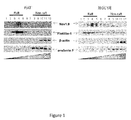
- lipid rafts generally contain 3 to 5-fold the amount of cholesterol found in the surrounding bilayer. Also, lipid rafts are enriched in sphingolipids such as sphingomyelin, which is typically elevated by 50% compared to the plasma membrane. Inventors now herein demonstrate that the Na v 1.9 channel is present in lipid rafts. Inventors also surprisingly discovered and herein demonstrate that a lipid depletion, preferably a cholesterol depletion, greatly enhance in vivo the Na v 1.9 channel activity.
- the lipid for use as an active ingredient in the context of the present invention is preferably selected from cholesterol, in particular soluble cholesterol, a sphingolipid, and any combination thereof.
- the active ingredient usable instead of the previously mentioned lipid, or in addition to or combination with can be advantageously selected from a cholesterol inhibitor and/or a sphingolipid degrading enzyme.
- a cholesterol inhibitor and/or a sphingolipid degrading enzyme can be advantageously selected from a cholesterol inhibitor and/or a sphingolipid degrading enzyme.
- a cholesterol inhibitor and/or a sphingolipid degrading enzyme can be advantageously selected from a cholesterol inhibitor and/or a sphingolipid degrading enzyme.
- GW 4869 compound which has been described by Luberto and coworkers ( Luberto, C., Hassler, D.F., Signorelli, P., et al. (2002) "Inhibition of tumor necrosis factor-induced cell death in MCF7 by a novel inhibitor of neutral sphingomyelinase". J Biol Chem 277(43) 41128-41139 ).
- the lipids of the invention in particular cholesterol, or the inhibitor of cholesterol and/or sphingolipid degrading enzyme, in addition to Na v 1.9 advantageously modulate the activity of at least one other ion channel such as a potassium channel, calcium channel, ion co-transporter and the like, and/or affect the hERG channel or another physiologically relevant channel.
- the patient or subject is an animal, preferably a vertebrate, typically a mammal.
- the mammal is a human being, whatever its age or sex.
- the mammal may further be animal, in particular a domestic or breeding animal, in particular horses, dogs, etc.
- the subject suffers of an inflammatory pain, in particular a chronic inflammatory pain.
- the subject is resistant to the applied or to an already tested pain treatment, in particular to paracetamol, or suffers from gastrointestinal and/or renal adverse effects induced for example by aspirin or ibuprofen.
- a further object of the invention relates to a pharmaceutical composition
- a pharmaceutical composition comprising a product inhibiting the Na v 1.9 channel activity as herein described as an active ingredient, and preferably a pharmaceutically acceptable carrier.
- a “pharmaceutical composition” refers to a formulation of a compound of the invention (active ingredient) and a medium generally accepted in the art for the delivery of biologically active compounds to the subject in need thereof.
- a carrier includes all pharmaceutically acceptable carriers, diluents, medium or supports therefore.
- This carrier can be selected for example from methyl-beta-cyclodextrin, a polymer of acrylic acid (such as carbopol), a mixture of polyethylene glycol and polypropylene glycol, monoetrhanol amine and hydroxymethyl cellulose.
- a carrier When cholesterol is used as the active ingredient, such a carrier is only optional. When a soluble form of cholesterol is used, methylbetacyclodextrin for example can be used adequately in combination with cholesterol, as the only medium or together with another medium as previously described.
- This composition is typically a local analgesic/anti-hyperalgesic composition.
- the products of the invention are for use for preventing, alleviating or treating pain in a subject.
- pain is typically selected from an acute pain; a subacute pain; and a chronic pain.
- Pain may further be selected from a mechanical sensitivity or pain, for example a heat or cold sensitivity or pain; an inflammatory pain; a visceral pain, in particular an enteric pain, more particularly a gastrointestinal pain or a pain associated with a gastrointestinal syndrome; allodynia; hyperalgesia,; somatic pain, for example a neuralgia, in particular a trigeminal neuralgia (for example an ophthalmic pain); and any refractory pain.
- Pain is preferably a chronic and/or inflammatory pain, even more preferably a chronic inflammatory pain.
- pain is a pain sensitive to steroidal anti-inflammatory drug (SAID), non steroidal anti-inflammatory drug (NSAID) or opioid, and said pain is to be treated with a combination of the product according to the invention together with a reduced amount of SAID, NSAID or opioid when compared to the administration of SAID, NSAID or opioid alone.
- SAID steroidal anti-inflammatory drug
- NSAID non steroidal anti-inflammatory drug
- pain is a pain where one of opioid, ibuprofen or aspirin is classically used and where doses are to be reduced to avoid their side effects, typically to avoid gastrointestinal and/or renal adverse effects.
- the subject or its pain itself is resistant to a drug selected from steroidal anti-inflammatory drug (SAID), non steroidal anti-inflammatory drug (NSAID) and opioid, or the subject suffers from gastrointestinal and/or renal adverse effects induced by said drug.
- pain is a pain resistant to paracetamol.
- the composition of the invention can further comprise at least one additional active compound. This compound can be advantageously selected from a SAID, NSAID or opioid drug.
- the additional compound is a drug distinct from the product of the invention also treating or attenuating pain.
- a compound or composition of the invention can also be administered for example along with an agent intended to treat a coincident condition, such as where analgesic and antitumor agents are given together or contemporaneously.
- a method for preventing, alleviating or treating pain in a subject comprises administering to the subject an effective amount of a product inhibiting the Na v 1.9 channel activity as herein described.
- a further particular method for preventing, alleviating or treating pain, typically a Na v 1.9-mediated pain, in a subject in need thereof comprises a step of administering to said subject, or of exposing said subject, to a compound or a composition as herein described inhibiting the Na v 1.9 channel activity in a therapeutically effective amount, possibly in combination with at least one other active compound such as any one of the molecules mentioned in the background part, for example aspirin, ibuprofen, paracetamol, opioid, or such as an inhibitor of the degradation of a lipid inhibiting the Na v 1.9 channel activity as herein described, preferably selected from a cholesterol oxidase inhibitor and a sphingomyelinase enzym.
- the present description relates to a method for treating a condition in a subject afflicted with a Na v 1.9-mediated disease, such as but not limited to a pain as herein described, typically an inflammatory pain, in particular an inflammatory chronic pain, comprising administering to said subject an effective amount of a product of the invention.
- a Na v 1.9-mediated disease such as but not limited to a pain as herein described, typically an inflammatory pain, in particular an inflammatory chronic pain
- Na v 1.9-mediated disease includes the wide range of disorders, conditions and disease that are caused by, or treatable with, modulation, preferably inhibition, of Na v 1.9 channel activity.
- diseases include but are not limited to pain (whether chronic, acute, inflammatory, etc.), neuralgia, neuropathic pain, eudynia, visceral pain, trauma pain, post-operative pain, heat sensitivity, irritable bowel syndrome, Crohn's disease, multiple sclerosis, diabetic neuropathy, arthritic pain, rheumatoid arthritis, sodium channel toxin related illnesses inducing pain, familial rectal pain, cancer and pain associated to chemotherapies, trigeminal neuralgia, migraine headache, and other headaches.
- Na v 1.9-mediated diseases include such pathologies as inflammatory diseases, neuropathies (e.g., diabetic neuropathy), dystrophies (e.g., reflex sympathetic dystrophy, post-herpetic neuralgia); and trauma (tissue damage by any cause).
- Inflammatory diseases can include, but are not limited to, visceral inflammatory pathologies and somatic inflammatory pathologies.
- Acute inflammatory pathologies include, but are not limited to proctite, rectite, and arthritis.
- Chronic inflammatory pathologies include, but are not limited to sarcoidosis, chronic inflammatory bowel disease, ulcerative colitis, and Crohn's pathology, psoriasis, rosacea, and vascular inflammatory pathologies, such as, but not limited to, disseminated intravascular coagulation, atherosclerosis, and Kawasaki's pathology.
- Na v 1.9-mediated disease also includes benign prostatic hyperplasia (BPH), hypercholesterolemia, cancer and pruritis.
- proctite, Crohn's pathology and ulcerative colitis are identified as visceral pains, arthritis, uveitis psoriasis and rosacea as somatic pains.
- Disease includes disorder, condition, symptoms of a disease, incipient disease, anticipated disease or anticipated syndrome, and the like.
- the compounds or compositions according to the invention may be administered in various ways or route.
- the product of the invention is preferably for cutaneous, subcutaneous, dermic, transdermic, ocular (for example corneal) or rectal administration to the subject, preferably for topic administration on an inflammation site.
- the lipid of the invention when used as the active ingredient of one of several active ingredients, is for topic administration, preferably through cutaneous, subcutaneous or transdermic administration to the subject, preferably for topic administration on an inflammation site.
- a typical regimen for treatment of Na v 1.9-mediated disease comprises administration of an effective amount over a period of one or several days, up to one year, and including between one week and about six months, or it may be chronic. It is understood that the dosage of a pharmaceutical compound or composition of the invention administered in vivo will be dependent upon the age, health, sex, and weight of the recipient (subject), kind of concurrent treatment, if any, frequency of treatment, and the nature of the pharmaceutical effect desired.
- the ranges of effectives doses provided herein are not intended to be limiting and represent preferred dose ranges.
- the most preferred dosage will be tailored to the individual subject, as is understood and determinable by one skilled in the relevant arts (see, e.g., Berkowet et al., eds., The Merck Manual, 16th edition, Merck and Co., Rahway, N.J., 1992 ; Goodmanetna., eds., Goodman and Cilman's The pharmacological Basis of Therapeutics, 10th edition, Pergamon Press, Inc., Elmsford, N.Y., (2001 ); Avery's drug treatment: Principles and practice of clinical pharmacology and therapeutics, 3rd edition, ADIS Press, LTD., Williams and Wilkins, Baltimore, MD.
- the total dose required for each treatment can be administered by multiple doses or in a single dose, preferably as soon as the early symptoms of pain appear, or preventively, for example before or during surgery when needed.
- the pharmaceutical compound can be administered alone or in conjunction with at least one other pharmaceutical directed to the pathology, or directed to other symptoms of the pathology.
- Effective amounts of a compound or composition according to the invention are from about 0.1 ⁇ g to about 100 mg/kg body weight, administered at intervals of 4-72 hours for a period of up to 1 year, and/or any range or value therein, such as 0.0001-1.0, 1-10, 10-50 and 50-100, 0.0001-0.001, 0.001-0.01, 0.01-0.1, 0.1-1.0, 1.0-10, 5-10, 10-20, 20-50, and 50-100 mg/kg, for example between 1 and 100 mg/kg, preferably between 1 and 5mg/kg, for example 1,4, 1,5, 1,6, 1.7, 1,8 or 2 mg/kg, at intervals of 1-4, 4-10, 10-16, 16-24, 24-36, 36-48, 48-72 hours, for a period of 1-14, 14-28, or 30-44 days, or 1-24 weeks, or any range or value therein.
- the recipients of administration of compounds and/or compositions of the invention can be any subjects as herein defined, preferably humans.
- the compounds or compositions according to the invention may be administered in various forms. Thus, they may be formulated in the form of ointment, gel, paste, liquid solutions, suspensions, tablets, gelatin capsules, capsules, suppository (in particular for pain associated with a gastrointestinal syndrome), powders, nasal drops, or aerosol, preferably in the form of ointment.
- ointment gel, paste, liquid solutions, suspensions, tablets, gelatin capsules, capsules, suppository (in particular for pain associated with a gastrointestinal syndrome), powders, nasal drops, or aerosol, preferably in the form of ointment.
- Methods well known in the art for making formulations are found in, for example, Remington: The Science and Practice of Pharmacy, (19th ed.) ed. A.R. Gennaro AR., 1995, Mack Publishing Company, Easton, PA .
- the compounds of the invention are typically administered in the form of ointments, gels, oils, tablets, suppositories, powders, gelatin capsules, capsules, etc., optionally by means of dosage forms or devices that ensure prolonged and/or delayed release.
- an agent such as cellulose, carbonate or starch is advantageously used.
- the compounds are generally packaged in the form of liquid suspensions, which may be injected via syringes or perfusions, for example.
- the compounds are generally dissolved in saline, physiological, isotonic or buffered solutions, etc., compatible with pharmaceutical use and known to the person skilled in the art.
- compositions may contain one or more agents or excipients selected from dispersants, solubilizers, stabilizers, preservatives, etc.
- Agents or excipients that can be used in liquid and/or injectable formulations are notably methylcellulose, hydroxymethylcellulose, carboxymethylcellulose, polysorbate 80, mannitol, gelatin, lactose, vegetable oils, acacia, etc. It is understood that the flow rate and/or dose administered may be adjusted by the person skilled in the art according to the patient, the pain observed, the area to be treated, the active product(s) concerned, the mode of administration, etc.
- a pharmaceutical compound or composition according to the invention For topical applications, it is preferred to expose the subject to be treated to an effective amount of a pharmaceutical compound or composition according to the invention to target areas, e.g., skin surfaces, mucous membranes, and the like, which are adjacent to the peripheral neurons to be treated.
- the compounds are administered at doses that may vary between about 0.0001 mg to about 1 g/kg of body weight of a compound of the invention, more generally between about 1 and 100 mg/kg per application, depending upon the previously mentioned criteria, whether the use is prophylactic or therapeutic and the nature of the topical vehicle employed.
- a preferred topical preparation is an ointment or gel, wherein about 1 to about 100 mg/kg of active ingredient is used per cc of ointment or gel base.
- administration by injection may comprise several (2, 3 or 4) administrations per day, if need be.
- delayed or prolonged systems may be advantageous, ensuring the subject effective and long-lasting pain treatment.
- a particular method as herein described is an in vitro or ex vivo screening method for identifying an agent that modulates the Na v 1.9 channel activity, wherein said method comprises:
- the cell can be a cell naturally expressing the Na v 1.9 channel (endogenous expression) or a cell which has been genetically modified to express a specific Na v 1.9 channel (exogenous expression).
- a further herein described method is an in vitro or ex vivo screening method for identifying an agent that modulates the Na v 1.9 channel activity, comprising:
- the contacting is typically performed by applying the compound at the tissue surface.
- the change in expression is preferably a decreased expression identifying the test compound as an inhibitor of the Na v 1.9 wild-type nucleic acid activity usable for preventing, alleviating or treating pain in a subject.
- the detection of a response to pain stimulus can be performed by recording an electrophysiological change in the nerve or neuron activity, typically a decrease in the nerve or neuron activity.
- this test compound demonstrates selectivity for the Na v 1.9 over other sodium channel subunits.
- the present document also describes an in vivo method for identifying an analgesic/antihyperalgic agent, comprising:
- a further object of the invention is a kit comprising i) a product as herein described inhibiting the Na v 1.9 canal activity or a composition comprising such a product, preferably ii) at least one additional distinct active compound efficient against pain, and optionally iii) written instructions for using the kit.
- kits that is suitable for the treatment by the methods herein described.
- kits comprise i) a product as herein described inhibiting the Na v 1.9 canal activity or a composition comprising such a product, typically in the dosages herein indicated, and ii) a second composition containing an analgesic compound, preferably an opiate compound, in dosages generally lowered when compared to those classically prescribed, for a simultaneous, separate or sequential administration, in effective amounts according to the invention.
- MBCD methyl-beta-cyclodextrin
- Lipid-rich plasma membrane domains were isolated, as detergent-resistant membranes (DRMs), principally by flotation from a dense solution through a discontinuous or continuous density gradient containing the non-ionic detergent Triton X-100.
- DRMs detergent-resistant membranes
- Freshly dissociated DRG from one mouse were homogenized in 140 ⁇ l of lysis buffer with 0.5 % triton X-100 and 1% proteinase inhibitor cocktail (Roche). The homogenate centrifuged at 1,000 g for 10 min at 4°C and the supernatants were incubated 1h on ice, and then subjected to density gradient ultracentrifugation along OptiPrepTM step density gradients.
- TLS-55 ultracentrifuge tubes were filled from the bottom to the top as follow: 140 ⁇ l of the supernatant was mixed with 280 ⁇ l of 60% OptiprepTM. To this, 1.6 ml of 30% OptiprepTM (1:1 mix of 60% optiprep solution with lysis buffer) was overlaid, followed by 200 ⁇ l of 0% OptiprepTM (lysis buffer only). The tubes were centrifuged at 55 00 rpm (200,000 g) for 4 h at 4°C. Twelve fractions of 150 ⁇ l each were gently removed from the top of the tube and individually aliquoted. Fractions were numbered from low (n°1) to high (n°12) density fractions.
- fractions were stored at -80°C for up to 6 months. Fractions were further analysed by western blot. As protein concentration does not provide a true baseline parameter for comparison across fractions, equal sample volume loading was used for the Western blot. This loading method accounts for differential separation of proteins into specific fractions following density ultracentrifugation. From each fraction, an equal sample volume (30 ⁇ l) was separated into 4-12% SDS polyacrylamide gels. Protein was transferred onto nitrocellulose membranes. Membranes were incubated with 1:1,000 dilution of an antibody to flotillin 1 (Sigma) to identify the low-density raft fractions.
- Membranes were additionally probed with a 1:500 dilution of an antibody to TfR (Invitrogen) and with a 1:10000 ⁇ -actin (Sigma) to identify non raft fractions. Separately, membranes were probed with a 1:2000 dilution of the Nav1.9 antibody produced in our laboratory. Roche POD Western Chemiluminescent kits were used for protein detection.
- Methyl ⁇ cyclodextrin or ⁇ -cyclodextrin were diluted in saline buffer prior to injection.
- Methyl ⁇ cyclodextrin /cholesterol complex (40mg of cholesterol/g of complex) also called soluble cholesterol was purchased (from Sigma). All cyclodextrin or cyclodextrin/cholesterol complexes were injected at a 40mM concentration of cyclodextrin.
- Persistent paw inflammation was induced by intraplantar injection of 20 ⁇ l of 2% ⁇ -carrageenan (Sigma) in mice. Control animal received only vehicle saline solution (0.9% NaCl). 1hr prior to carrageenan injection, animals received intra peritoneal injection of either saline or ibuprofen (75mg/kg in saline solution).
- CFA Complete Freund's Adjuvent
- Chronic inflammation was induced under 2% isoflurane anesthesia by two subcutaneous injections of 15 ⁇ l around the tibio-tarsal joint of mice with complete Freund adjuvant (CFA), containing 5 ⁇ g/ ⁇ l heat-killed Mycobacterium butyricum (Becton, Dickinson and cie).
- CFA complete Freund adjuvant
- the animals' weight distribution on the four limbs was assessed using the dynamic weight bearing test (BioSeb).
- This new incapacitance test consists in a continuous measurement of all pressure points applied by a freely moving animal, allowing a quantitative evaluation of the weight imbalance caused by paw mechanical allodynia. Mice were placed in an 11x11x22 cm cage with a 44x44 sensor cells grid on the floor. The pressure applied on sensor cells by the animal's paws is recorded at a 10 Hz frequency over a 5 min period. Pressure and surface detection thresholds were determined automatically for each animal by the Dynamic weight bearing 1.3.2h software (Bioseb). After the manual attribution of each pressure point to the corresponding paw, the mean weight applied on each paw is calculated. Unilateral pain is finally evaluated trough the ipsi/contralateral hindpaws weight ratio, the weight applied on forepaws, and the percentage of time spent raising ipsilateral hindpaw.
Landscapes
- Health & Medical Sciences (AREA)
- Life Sciences & Earth Sciences (AREA)
- Chemical & Material Sciences (AREA)
- Veterinary Medicine (AREA)
- Public Health (AREA)
- Medicinal Chemistry (AREA)
- General Health & Medical Sciences (AREA)
- Animal Behavior & Ethology (AREA)
- Pharmacology & Pharmacy (AREA)
- Epidemiology (AREA)
- Nuclear Medicine, Radiotherapy & Molecular Imaging (AREA)
- General Chemical & Material Sciences (AREA)
- Chemical Kinetics & Catalysis (AREA)
- Organic Chemistry (AREA)
- Bioinformatics & Cheminformatics (AREA)
- Engineering & Computer Science (AREA)
- Pain & Pain Management (AREA)
- Rheumatology (AREA)
- Dermatology (AREA)
- Neurology (AREA)
- Neurosurgery (AREA)
- Immunology (AREA)
- Orthopedic Medicine & Surgery (AREA)
- Physical Education & Sports Medicine (AREA)
- Biomedical Technology (AREA)
- Pharmaceuticals Containing Other Organic And Inorganic Compounds (AREA)
- Medicines That Contain Protein Lipid Enzymes And Other Medicines (AREA)
- Acyclic And Carbocyclic Compounds In Medicinal Compositions (AREA)
- Hydrogenated Pyridines (AREA)
Abstract
The present invention relates to novel compounds for use for preventing, alleviating or treating pain in a subject. Also herein described are pharmaceutical compositions, their preparation and uses as well as methods for preventing, alleviating or treating pain using such compounds and compositions.
Description
- The present invention relates to novel compounds for use for preventing, alleviating or treating pain in a subject. Also herein described are pharmaceutical compositions, their preparation and uses as well as methods for preventing, alleviating or treating pain using such compounds and compositions.
- Pain is the main reason for visiting the emergency department in more than 50% of cases (Cordell WH, Keene KK, Giles BK, Jones JB, Jones JH, Brizendine EJ. The high prevalence of pain in emergency medical care. American Journal of Emergency Medicine. 2002;20(3):165-9.) and is present in 30% of family practice visits (Hasselström J, Liu-Palmgren J, Rasjö-Wrååk G. Prevalence of pain in general practice. Eur J Pain. 2002;6(5):375-85.). Several epidemiological studies from different countries have reported widely varying prevalence rates for chronic pain, ranging from 12-80% of the population (Abu-Saad Huijer H. Chronic pain: a review. J Med Liban. 2010;58(1):21-7). It becomes more common as people approach death. A study of 4,703 patients found that 26% had pain in the last two years of life, increasing to 46% in the last month (Smith AK, Cenzer IS, Knight SJ, Puntillo KA, Widera E, Williams BA, Boscardin WJ, Covinsky KE. The epidemiology of pain during the last 2 years of life. Ann. Intern. Med.. 2010;153(9):563-9.).
- Treatment of pain includes the use of local anesthetics, which block neuronal transmission and affect sensation as well as pain, and analgesics, which relieve pain and additionally may interfere with the activity of chemical mediators of inflammation.
Acute pain is usually managed with medications such as analgesics and anesthetics. Management of chronic pain, however, is much more difficult and may require the coordinated efforts of a pain management team, which typically includes medical practitioners, clinical psychologists, physiotherapists, occupational therapists, physician assistants, and nurse practitioners (Thienhaus, O; Cole, BE (2002). "The classification of pain". In Weiner, RS. Pain management: A practical guide for clinicians. American Academy of Pain Management. p. 29. ISBN 0-8493-0926-3.).
An analgesic (also known as a painkiller) is any member of the group of drugs used to relieve pain (achieve analgesia). Their effectiveness relies on how they are able to block the nerve messages that are sent by the pain receptors to the brain. They further have an effect on the body temperature to increase it (known as fever) or to decrease it (Neuss, G. (2007). Chemistry: Course Companion. Oxford: Oxford University Press. p. 628). - Analgesic drugs act in various ways on the peripheral and central nervous systems; they include paracetamol (para-acetylaminophenol, also known in the US as acetaminophen or simply APAP), the non-steroidal anti-inflammatory drugs (NSAIDs) such as the salicylates, and opioid drugs such as morphine and opium. They are distinct from anesthetics, which reversibly eliminate sensation.
In choosing analgesics, the severity and response to other medication determines the choice of agent; the World Health Organization (WHO) pain ladder, originally developed in cancer-related pain, is widely applied to find suitable drugs in a stepwise manner (Anonymous (1990). Cancer pain relief and palliative care; report of a WHO expert committee. World Health Organization Technical Report Series, 804. Geneva, Switzerland: World Health Organization. pp. 1-75). It is a guideline on how pain should be managed. The first step contains the mild analgesics, such as aspirin, ibuprofen or paracetamol. If the pain persists or increases, then the patients should be treated with analgesics in the second step, which are weak opioids like codeine. If the pain still persists, then strong opioids should be used, such as morphine (Neuss, G. (2007). Chemistry: Course Companion. Oxford: Oxford University Press. pp. 628). The analgesic choice is also determined by the type of pain: for neuropathic pain, traditional analgesics are less effective, and there is often benefit from classes of drugs that are not normally considered analgesics, such as tricyclic antidepressants and anticonvulsants (Dworkin RH, Backonja M, Rowbotham MC, et al. (2003). "Advances in neuropathic pain: diagnosis, mechanisms, and treatment recommendations". Arch. Neurol. 60 (11): 1524-34.. Arch. Neurol. 60 (11): 1524-34.).
The exact mechanism of action of paracetamol/acetaminophen is uncertain, but it appears to be acting centrally rather than peripherally (in the brain rather than in nerve endings). Aspirin and the other non-steroidal anti-inflammatory drugs (NSAIDs) inhibit cyclooxygenases, leading to a decrease in prostaglandin production. This reduces pain and also inflammation (in contrast to paracetamol and the opioids).
Paracetamol has few side effects and is regarded as safe, although intake above the recommended dose can lead to liver damage, which can be severe and life-threatening, and occasionally kidney damage. While paracetamol is usually taken orally or rectally, an intravenous preparation introduced in 2002 has been shown to improve pain relief and reduce opioid consumption in the perioperative setting.
NSAIDs predispose to peptic ulcers, renal failure, allergic reactions, and occasionally hearing loss, and they can increase the risk of hemorrhage by affecting platelet function. The use of aspirin in children under 16 suffering from viral illness has been linked to Reye's syndrome, a rare but severe liver disorder.
Morphine, the archetypal opioid, and various other substances (e.g. codeine, oxycodone, hydrocodone, dihydromorphine, pethidine) all exert a similar influence on the cerebral opioid receptor system. Buprenorphine is thought to be a partial agonist of the opioid receptor, and tramadol is an opiate agonist with SNRI properties. Tramadol is structurally closer to venlafaxine than to codeine and delivers analgesia by not only delivering "opiate-like" effects (through mild agonism of the mu receptor) but also by acting as a weak but fast-acting serotonin releasing agent and norepinephrine reuptake inhibitor (Driessen B, Reimann W (January 1992). "Interaction of the central analgesic, tramadol, with the uptake and release of 5-hydroxytryptamine in the rat brain in vitro". British Journal of Pharmacology 105 (1): 147-51.). Dosing of all opioids may be limited by opioid toxicity (confusion, respiratory depression, myoclonic jerks and pinpoint pupils), seizures (tramadol), but there is no dose ceiling in patients who accumulate tolerance.
Flupirtine is a centrally acting K+ channel opener with weak NMDA antagonist properties (Kornhuber J, Bleich S, Wiltfang J, Maler M, Parsons CG (1999). "Flupirtine shows functional NMDA receptor antagonism by enhancing Mg2+ block via activation of voltage independent potassium channels. Rapid communication". J Neural Transm 106 (9-10): 857-67.) It is used in Europe for moderate to strong pain and migraine and its muscle relaxant properties. It has no anticholinergic properties and is believed to be devoid of any activity on dopamine, serotonin or histamine receptors. It is not addictive and tolerance usually does not develop (Klawe, C; Maschke, M (2009). "Flupirtine: pharmacology and clinical applications of a nonopioid analgesic and potentially neuroprotective compound". Expert opinion on pharmacotherapy 10 (9): 1495-500.). However, tolerance may develop in single cases (Stoessel C, Heberlein A, Hillemacher T, Bleich S, Kornhuber J (August 2010). "Positive reinforcing effects of flupirtine-two case reports". Prog. Neuropsychopharmacol. Biol. Psychiatry 34 (6): 1120-1.).
In patients with chronic or neuropathic pain, various other substances may have analgesic properties. Tricyclic antidepressants, especially amitriptyline, have been shown to improve treatment of pain in what appears to be a central manner. Nefopam is used in Europe for pain relief with concurrent opioids. The exact mechanism of carbamazepine, gabapentin and pregabalin is similarly unclear, but these anticonvulsants are used to treat neuropathic pain with differing degrees of success. Anticonvulsants are most commonly used for neuropathic pain as their mechanism of action tends to inhibit pain sensation.
Analgesics are frequently used in combination, such as the paracetamol and codeine preparations found in many non-prescription pain relievers. They can also be found in combination with vasoconstrictor drugs such as pseudoephedrine for sinus-related preparations, or with antihistamine drugs for allergy sufferers.
While the use of paracetamol, aspirin, ibuprofen, naproxen and other NSAIDS concurrently with weak to mid-range opiates (up to about the hydrocodone level) has been said to show beneficial synergistic effects by combating pain at multiple sites of action (Mehlisch DR (2002). "The efficacy of combination analgesic therapy in relieving dental pain". J Am Dent Assoc 133 (7): 861-71.), several combination analgesic products have been shown to have few efficacy benefits when compared to similar doses of their individual components. Moreover, these combination analgesics can often result in significant adverse events, including accidental overdoses, most often due to confusion which arises from the multiple (and often non-acting) components of these combinations (Mumion B. "Combination analgesics in adults". Australian Prescriber (33): 113-5. http://www.australianprescriber.com/magazine/33/4/113/5. Retrieved 12 August 2010.). - Inadequate treatment of pain is widespread throughout surgical wards, intensive care units, accident and emergency departments, in general practice, in the management of all forms of chronic pain including cancer pain, and in end of life care. This neglect is extended to all ages, from neonates to the frail elderly. African and Hispanic Americans are more likely than others to suffer needlessly in the hands of a physician; and women's pain is more likely to be undertreated than men's (Hoffmann DE, Tarzian AJ. The girl who cried pain: a bias against women in the treatment of pain. J Law Med Ethics. 2001;29(1):13-27. PMID 11521267). Improved treatments of pain are up to date still highly requested by patients in particular when considering inflammatory and/or chronic pains for which treatment remains incomplete whatever the selected known analgesic molecule.
- Inventors now herein provide a new solution to efficiently manage pain, for example acute pain, sub-acute pain, chronic pain, allodynia, hyperalgesia, partially treated pain, as well as refractory pains, while avoiding deleterious side effects, in particular gastrointestinal and renal deleterious side effects. In a preferred embodiment, the solution is to efficiently manage inflammatory pain, in particular inflammatory chronic pain; mechanical heat or cold sensitivity (or pain), typically hypersensitivity; visceral pain, in particular an enteric pain, more particularly a gastrointestinal pain or a pain associated with a gastrointestinal syndrome; and/or somatic pain, for example a neuralgia, in particular a trigeminal neuralgia.
- This solution involves the use of a product inhibiting the Nav1.9 channel activity, preferably a lipid inhibiting the Nav1.9 channel activity and/or an inhibitor of the degradation of said lipid, for use as active(s) ingredient(s) for preventing, alleviating or treating pain in a subject.
- When a lipid inhibiting the Nav1.9 channel activity is used as an active ingredient for preventing, alleviating or treating pain in a subject, this lipid is preferably selected from cholesterol, a sphingolipid and any combination thereof, and is even more preferably soluble cholesterol. Without wishing to be bound by a particular theory, inventors believe that such a lipid is capable of activating a new analgesic pathway by modulating ion channels controlling the excitability of nociceptive neurons.
- Another solution involves the use, instead of the previously mentioned lipid or in addition to or in combination with said lipid, typically as an additional active compound, of an inhibitor of the degradation of a lipid inhibiting the Nav1.9 channel activity, preferably of a compound selected from a cholesterol oxidase inhibitor and a sphingomyelinase enzyme.
In a particular embodiment, the product is a combination of a lipid inhibiting the Nav1.9 channel activity and of an inhibitor of the degradation of a lipid inhibiting the Nav1.9 channel activity. - The present invention further relates to i) a composition, typically a pharmaceutical composition, comprising at least such a product, typically a lipid inhibiting the Nav1.9 channel activity and/or an inhibitor of the degradation of said lipid, as an active ingredient and, preferably a pharmaceutically acceptable carrier and/or at least one additional active distinct compound, as well as to ii) any uses thereof, in particular as a local analgesic or anti-hyperalgesic composition.
- In a further aspect, methods for preventing, alleviating or treating pain in a subject are herein described. Typically, such a method comprises a step of administering to a subject in need thereof, or of exposing said subject, to a product or composition as herein described inhibiting the Nav1.9 channel activity, possibly in combination with at least one other distinct active compound.
- The present document further describes in vitro, in vivo, or ex vivo screening methods for identifying an agent that modulates a Nav1.9 channel activity.
- A particular method as herein described is an in vitro or ex vivo screening method for identifying an agent that modulates the Nav1.9 channel activity, wherein said method comprises:
- a) exposing or contacting a cell, typically an eukaryotic cell, preferably a neuron, expressing Nav1.9 channels, to a test compound, and
- b) detecting a decrease in response to a pain stimulus due to said exposition or contacting,
- A further herein described method is an in vitro or ex vivo screening method for identifying an agent that modulates the Nav1.9 channel activity, comprising:
- a) exposing or contacting a tissue comprising nerves and Nav1.9 channels, for example a skin-nerve preparation or an artificial tissue, to a test compound, and
- b) detecting a decrease in response to a pain stimulus due to said exposition or contacting,
- The present document also describes an in vivo method for identifying an analgesic/antihyperalgic agent, comprising:
- a) administering a test compound to an animal, in particular an agent having activity in the previously herein described methods, and
- b) detecting in said animal a decrease in response to a pain stimulus due to said administering and wherein said animal preferably retains mechanical sensitivity in physiological condition and
- Another object of the invention is a kit comprising i) a product as herein described inhibiting the Nav1.9 channel activity or a composition comprising such a product, preferably ii) at least one additional distinct active compound efficient against pain, and optionally iii) written instructions for using the kit.
- Pain is a well known phenomenon as an indicator of actual or potential injury or tissue damage due to inflammation, ischemia, mechanical or other irritation. In pain science, thresholds are measured by gradually increasing the intensity of a stimulus such as electric current or heat applied to the body. The pain perception threshold is the point at which the stimulus begins to hurt, and the pain tolerance threshold is reached when the subject acts to stop the pain.
- In 1994, responding to the need for a more useful system for describing chronic pain, the International Association for the Study of Pain (IASP) classified pain according to specific characteristics: (1) region of the body involved (e.g., abdomen, lower limbs), (2) system whose dysfunction may be causing the pain (e.g., nervous, gastrointestinal), (3) duration and pattern of occurrence, (4) intensity and time since onset, and (5) etiology (Merskey H & Bogduk N. Classification of Chronic Pain. 2 ed. Seattle: International Association for the Study of Pain; 1994, pp. 3-4). This system has been criticized by Clifford J. Woolf (Woolf CJ, Bennett GJ, Doherty M, Dubner R, Kidd B, Koltzenburg M, Lipton R, Loeser JD, Payne R, Torebjork E. Towards a mechanism-based classification of pain?. Pain. 1998; 77(3):227-9.) and others as inadequate for guiding research and treatment. According to Woolf (Woolf CJ. What is this thing called pain?. Journal of Clinical Investigation. 2010;120(11):3742-4.), there are three classes of pain : nociceptive pain, inflammatory pain which is associated with tissue damage and the infiltration of immune cells, and pathological pain which is a disease state caused by damage to the nervous system (neuropathic pain) or by its abnormal function (dysfunctional pain, like in fibromyalgia, irritable bowel syndrome, tension type headache, etc.).
Pain is usually transitory, lasting only until the noxious stimulus is removed or the underlying damage or pathology has healed, but some painful conditions, such as rheumatoid arthritis, peripheral neuropathy, cancer and idiopathic pain (pain that persists after the trauma or pathology has healed, or that arises without any apparent cause), may persist for years. Pain that lasts a long time is called chronic, and pain that resolves quickly is called acute. Traditionally, the distinction between acute and chronic pain has relied upon an arbitrary interval of time from onset; the two most commonly used markers being 3 months and 6 months since the onset of pain (Turk DC, Okifuji A. Pain terms and taxonomies of pain. In: Bonica JJ, Loeser JD, Chapman CR, Turk DC, Butler SH. Bonica's management of pain. Hagerstwon, MD: Lippincott Williams & Wilkins; 2001.), though some theorists and researchers have placed the transition from acute to chronic pain at 12 months (Spanswick CC, Main CJ. Pain management: an interdisciplinary approach. Edinburgh: Churchill Livingstone; 2000.). Others apply acute to pain that lasts less than 30 days, chronic to pain of more than six months duration, and subacute to pain that lasts from one to six months (Thienhaus O, Cole BE. Classification of pain. In: Weiner R. Pain management: a practical guide for clinicians. Boca Raton: CRC Press; 2002.). A popular alternative definition of chronic pain, involving no arbitrarily fixed durations is "pain that extends beyond the expected period of healing." (Turk, D.C.; Okifuji, A. (2001). "Pain terms and taxonomies". In Loeser, D.; Butler, S. H.; Chapman, J.J. et al.. Bonica's management of pain (3 ed.). Lippincott Williams & Wilkins. pp. 18-25. ISBN 0-683-30462-3.). Chronic pain may be classified as cancer pain or benign (Thienhaus, O.; Cole, B.E. (2002). "Classification of pain". In Weiner, R.S.. Pain management: A practical guide for clinicians (6 ed.). American Academy of Pain Management. ISBN 0-8493-0926-3.).
Nociceptive pain is caused by stimulation of peripheral nerve fibers that respond only to stimuli approaching or exceeding harmful intensity (nociceptors), and may be classified according to the mode of noxious stimulation; the most common categories being "thermal" (heat or cold), "mechanical" (crushing, tearing, etc.) and "chemical" (iodine in a cut, chili powder in the eyes). Nociceptive pain may also be divided into "visceral", "deep somatic" and "superficial somatic" pain. Visceral structures are highly sensitive to stretch, ischemia and inflammation, but relatively insensitive to other stimuli that normally evoke pain in other structures, such as burning and cutting.
Visceral pain is diffuse, difficult to locate and often referred to a distant, usually superficial, structure. It may be accompanied by nausea and vomiting and may be described as sickening, deep, squeezing, and dull. Deep somatic pain is initiated by stimulation of nociceptors in ligaments, tendons, bones, blood vessels, fasciae and muscles, and is dull, aching, poorly localized pain. Examples include sprains and broken bones. Superficial pain is initiated by activation of nociceptors in the skin or other superficial tissue, and is sharp, well-defined and clearly located. Examples of injuries that produce superficial somatic pain include minor wounds and minor (first degree) bums.
Neuropathic pain is caused by damage or disease affecting any part of the nervous system involved in bodily feelings (the somatosensory system) (Treede RD, Jensen TS, Campbell JN, Cruccu G, Dostrovsky JO, Griffin JW, Hansson P, Hughes R, Nurmikko T, Serra J. Neuropathic pain: redefinition and a grading system for clinical and research purposes. Neurology. 2008;70(18):1630-5.). Peripheral neuropathic pain is often described as "burning," "tingling," "electrical," "stabbing," or "pins and needles" (Paice JA. Mechanisms and management of neuropathic pain in cancer. J. Support Oncol.. 2003;1(2):107-20.)
Psychogenic pain, also called psychalgia or somatoform pain, is pain caused, increased, or prolonged by mental, emotional, or behavioral factors ("Psychogenic pain - definition from Biology-Online.org" Biology-online.org. Retrieved 2008-11-05). Headache, back pain, and stomach pain are sometimes diagnosed as psychogenic. Sufferers are often stigmatized, because both medical professionals and the general public tend to think that pain from a psychological source is not "real". However, specialists consider that it is no less actual or hurtful than pain from any other source.
People with long term pain frequently display psychological disturbance, with elevated scores on the Minnesota Multiphasic Personality Inventory scales of hysteria, depression and hypochondriasis (the "neurotic triad"). Some investigators have argued that it is this neuroticism that causes acute injuries to turn chronic, but clinical evidence points the other way, to chronic pain causing neuroticism. When long term pain is relieved by therapeutic intervention, scores on the neurotic triad and anxiety fall, often to normal levels. Self-esteem, often low in chronic pain patients, also shows improvement once pain has resolved (Wall PD, Melzack R. The challenge of pain. New York: Penguin Books; 1996.). - Unless more precisely identified, the term "pain", as used herein, indifferently refers to any pain or sensitivity (herein understood as an abnormal sensitivity, i.e. typically as an hypersensitivity), typically any Nav1.9-mediated pain, in particular any pain selected from nociceptive pain, inflammatory pain, pathological pain, neuropathic pain, idiopathic pain, chronic pain, acute pain, subacute pain, thermal pain, mechanical pain, chemical pain, visceral pain, deep somatic pain, superficial somatic pain, somatoform pain, psychogenic pain, and psychalgia pain.
- Inflammation is known to be responsible for the sensitization of peripheral sensory neurons, leading to spontaneous pain and invalidating pain hypersensitivity. Acute or chronic pathological tissue inflammation strongly impacts on pain perception by sensitizing peripheral sensory neurons, giving rise to local and incapacitating pain hypersensitivity. Inflammatory mediators are known to enhance nociceptive primary afferent fibers excitability, in part by modifying expression and/or function of ion channels present in nerve endings (Woolf CJ, Costigan M (1999), Transcriptional and posttranslational plasticity and the generation of inflammatory pain. Proc Natl Acad Sci U S A 96: 7723-7730). Voltage-gated sodium channels (VGSCs) play a fundamental role in neuronal excitability as they are directly responsible for initiation and propagation of action potentials, and their implication in different chronic pain disorders, including inflammatory pain, is relatively well established (Lai J, Porreca F, Hunter JC, Gold MS (2004) Voltage-gated sodium channels and hyperalgesia. Annu Rev Pharmacol Toxicol 44: 371-397).
Among the 10 VGSC isoforms, two tetrodotoxin-resistant (TTX-R) channels, Nav1.8 and Nav1.9, are almost exclusively expressed in nociceptors, consistently with a specific involvement in nociceptive pathways (Akopian AN, Sivilotti L, Wood JN (1996) A tetrodotoxin-resistant voltage-gated sodium channel expressed by sensory neurons. Nature 379: 257-262; Persson AK, Black JA, Gasser A, Fischer T, Waxman SG (2010).
The Nav1.9 channel, also herein identified as "Nav1.9 channel" or "Nav1.9", is expressed in nociceptive DRG neurons where it contributes to pain behavior after peripheral inflammation. Studies supported a role for the Nav1.9 channel in contributing to pain behavior, in particular to spontaneous pain behavior, and to the persistent heat and mechanical hyperalgesia classically accompanying inflammation (Priest BT, Murphy BA, Lindia JA, Diaz C, Abbadie C, Ritter AM, Liberator P, Iyer LM, Kash SF, Kohler MG, Kaczorowski GJ, Maclntyre DE, Martin WJ. Contribution of the tetrodotoxin-resistant voltage-gated sodium channel NaV1.9 to sensory transmission and nociceptive behavior. Proc Natl Acad Sci U S A. 2005, 102(26):9382-7; Amaya F, Wang H, Costigan M, Allchorne AJ, Hatcher JP, Egerton J, Stean T, Morisset V, Grose D, Gunthorpe MJ, Chessell IP, Tate S, Green PJ, Woolf CJ. The voltage-gated sodium channel Na(v)1.9 is an effector of peripheral inflammatory pain hypersensitivity. J Neurosci. 2006; 26(50):12852-60.). Inventors suggested that this Nav1.9 channel may serve as molecular target for new type of analgesic with minimal side-effect profile (Padilla et al. Expression and localization of the sodium channel in enteric neurons and in trigeminal sensory endings: Implication for intestinal reflex function and orofacial pain. Mol. Cell. Neurosci. 35 (2007) 138-152). Maingret et al. (Inflammatory mediators increase Nav1.9 current and excitability in nociceptors through a coincident detection mechanism. J Gen Physiol. (2008) 131 (3), 211-225) demonstrated that Nav1.9 channel is potentiated by the concerted action of inflammatory mediators that may contribute to nociceptor's hyperexcitability during peripheral inflammation.
More recently, this Nav1.9 sodium channel has been characterized by inventors as not involved in basal pain thresholds but as crucial in the generation of heat and mechanical pain hypersensitivity, both in subacute and chronic inflammatory pain models, and to a lower extent in its maintenance (Lolignier et al., PLoS ONE, August 2011, Vol. 6, ). - An object of the present invention is a product inhibiting the Nav1.9 channel activity for use as active ingredient for preventing, alleviating or treating pain in a subject, in particular any pain as herein described for example acute pain, sub-acute pain, chronic pain, allodynia, hyperalgesia, partially treated pain, as well as refractory pains, while preferably advantageously avoiding deleterious side effects, in particular gastrointestinal and renal deleterious side effects.
In a preferred embodiment, the product is to efficiently manage inflammatory pain, in particular inflammatory chronic pain; mechanical pain, in particular heat or cold sensitivity (or pain); visceral pain, in particular an enteric pain, for example a gastrointestinal pain or a pain associated with a gastrointestinal syndrome; and/or a somatic pain, for example a neuralgia, in particular a trigeminal neuralgia, for example an ocular pain.
The compounds according to the invention may also be used to prevent or treat chronic pain in subjects suffering from pathologies such as cancer, bums, etc., for which generally analgesics (such as morphine) may be administered for a long period, optionally in delayed form.
The compounds according to the invention may also be used together with reduced daily doses of morphine in order to improve the clinical picture of patients (by limiting side effects of morphinomimetics, such as intestinal disorders, for example).
The product of the invention is in addition advantageous in that it does not hide symptoms associated to the disease responsible for the pain affecting the subject, or associated to an aggravation of said disease, such as in particular fever. - In a particular embodiment, the product of the invention is a lipid inhibiting the Nav1.9 canal activity for use as an active ingredient for preventing, alleviating or treating pain in a subject, in particular any pain as herein described.
The plasma membrane of cells is made of a combination of glycosphingolipids and protein receptors organized in glycolipoprotein microdomains termed lipid rafts (Levitan et al. (2010), review; Thomas S., Pais A.P., Casares S and Brumeanu T.D. (2004). Analysis of lipid rafts in T cells. Molecular Immunology 41: 399-409.). These specialized membrane microdomains compartmentalize cellular processes by serving as organizing centers for the assembly of signalling molecules, influencing membrane fluidity and membrane protein trafficking, and regulating neurotransmission and receptor trafficking (Korade, Z.; Kenworthy, A. K. (2008). "Lipid rafts, cholesterol, and the brain". Neuropharmacology 55 (8): 1265.). Lipid rafts are more ordered and tightly packed than the surrounding bilayer, but float freely in the membrane bilayer (Simons, K.; Ehehalt, R. (2002). "Cholesterol, lipid rafts, and disease". Journal of Clinical Investigation 110 (5): 597.). One key difference between lipid rafts and the plasma membranes from which they are derived is lipid composition. Research has shown that lipid rafts generally contain 3 to 5-fold the amount of cholesterol found in the surrounding bilayer. Also, lipid rafts are enriched in sphingolipids such as sphingomyelin, which is typically elevated by 50% compared to the plasma membrane.
Inventors now herein demonstrate that the Nav1.9 channel is present in lipid rafts. Inventors also surprisingly discovered and herein demonstrate that a lipid depletion, preferably a cholesterol depletion, greatly enhance in vivo the Nav1.9 channel activity.
The lipid for use as an active ingredient in the context of the present invention is preferably selected from cholesterol, in particular soluble cholesterol, a sphingolipid, and any combination thereof. - In another embodiment, the active ingredient usable instead of the previously mentioned lipid, or in addition to or combination with, can be advantageously selected from a cholesterol inhibitor and/or a sphingolipid degrading enzyme. An example of such a compound is the GW 4869 compound, which has been described by Luberto and coworkers (Luberto, C., Hassler, D.F., Signorelli, P., et al. (2002) "Inhibition of tumor necrosis factor-induced cell death in MCF7 by a novel inhibitor of neutral sphingomyelinase". J Biol Chem 277(43) 41128-41139).
- In a particular embodiment, the lipids of the invention, in particular cholesterol, or the inhibitor of cholesterol and/or sphingolipid degrading enzyme, in addition to Nav1.9 advantageously modulate the activity of at least one other ion channel such as a potassium channel, calcium channel, ion co-transporter and the like, and/or affect the hERG channel or another physiologically relevant channel.
- In the context of the present invention, the patient or subject is an animal, preferably a vertebrate, typically a mammal. In a preferred embodiment, the mammal is a human being, whatever its age or sex. The mammal may further be animal, in particular a domestic or breeding animal, in particular horses, dogs, etc.
In a particular embodiment, the subject suffers of an inflammatory pain, in particular a chronic inflammatory pain.
In another particular embodiment, the subject is resistant to the applied or to an already tested pain treatment, in particular to paracetamol, or suffers from gastrointestinal and/or renal adverse effects induced for example by aspirin or ibuprofen. - A further object of the invention relates to a pharmaceutical composition comprising a product inhibiting the Nav1.9 channel activity as herein described as an active ingredient, and preferably a pharmaceutically acceptable carrier.
- A "pharmaceutical composition" refers to a formulation of a compound of the invention (active ingredient) and a medium generally accepted in the art for the delivery of biologically active compounds to the subject in need thereof. Such a carrier includes all pharmaceutically acceptable carriers, diluents, medium or supports therefore. This carrier can be selected for example from methyl-beta-cyclodextrin, a polymer of acrylic acid (such as carbopol), a mixture of polyethylene glycol and polypropylene glycol, monoetrhanol amine and hydroxymethyl cellulose.
- When cholesterol is used as the active ingredient, such a carrier is only optional. When a soluble form of cholesterol is used, methylbetacyclodextrin for example can be used adequately in combination with cholesterol, as the only medium or together with another medium as previously described.
- Conventional pharmaceutical practice may be employed to provide suitable formulations or compositions to subjects, for example in unit dosage form.
- This composition is typically a local analgesic/anti-hyperalgesic composition.
- The products of the invention (lipids, inhibitors of lipid degradation, and compositions) are for use for preventing, alleviating or treating pain in a subject. As explained previously, pain is typically selected from an acute pain; a subacute pain; and a chronic pain. Pain may further be selected from a mechanical sensitivity or pain, for example a heat or cold sensitivity or pain; an inflammatory pain; a visceral pain, in particular an enteric pain, more particularly a gastrointestinal pain or a pain associated with a gastrointestinal syndrome; allodynia; hyperalgesia,; somatic pain, for example a neuralgia, in particular a trigeminal neuralgia (for example an ophthalmic pain); and any refractory pain.
Pain is preferably a chronic and/or inflammatory pain, even more preferably a chronic inflammatory pain.
In a particular embodiment, pain is a pain sensitive to steroidal anti-inflammatory drug (SAID), non steroidal anti-inflammatory drug (NSAID) or opioid, and said pain is to be treated with a combination of the product according to the invention together with a reduced amount of SAID, NSAID or opioid when compared to the administration of SAID, NSAID or opioid alone. - In another embodiment, pain is a pain where one of opioid, ibuprofen or aspirin is classically used and where doses are to be reduced to avoid their side effects, typically to avoid gastrointestinal and/or renal adverse effects.
In another particular embodiment, the subject or its pain itself is resistant to a drug selected from steroidal anti-inflammatory drug (SAID), non steroidal anti-inflammatory drug (NSAID) and opioid, or the subject suffers from gastrointestinal and/or renal adverse effects induced by said drug.
In a particular embodiment, pain is a pain resistant to paracetamol.
The composition of the invention can further comprise at least one additional active compound. This compound can be advantageously selected from a SAID, NSAID or opioid drug. In a preferred embodiment, the additional compound is a drug distinct from the product of the invention also treating or attenuating pain. - In another embodiment, a compound or composition of the invention can also be administered for example along with an agent intended to treat a coincident condition, such as where analgesic and antitumor agents are given together or contemporaneously.
- Also herein taught is a method for preventing, alleviating or treating pain in a subject. An aim of the method can be reducing the ion flux activity of the Nav1.9 polypeptide.
A particular method for preventing, alleviating or treating a Nav1.9-mediated pain in a subject in need thereof, comprises administering to the subject an effective amount of a product inhibiting the Nav1.9 channel activity as herein described.
A further particular method for preventing, alleviating or treating pain, typically a Nav1.9-mediated pain, in a subject in need thereof, comprises a step of administering to said subject, or of exposing said subject, to a compound or a composition as herein described inhibiting the Nav1.9 channel activity in a therapeutically effective amount, possibly in combination with at least one other active compound such as any one of the molecules mentioned in the background part, for example aspirin, ibuprofen, paracetamol, opioid, or such as an inhibitor of the degradation of a lipid inhibiting the Nav1.9 channel activity as herein described, preferably selected from a cholesterol oxidase inhibitor and a sphingomyelinase enzym.
In a further aspect, the present description relates to a method for treating a condition in a subject afflicted with a Nav1.9-mediated disease, such as but not limited to a pain as herein described, typically an inflammatory pain, in particular an inflammatory chronic pain, comprising administering to said subject an effective amount of a product of the invention. - As used in this specification "Nav1.9-mediated disease" includes the wide range of disorders, conditions and disease that are caused by, or treatable with, modulation, preferably inhibition, of Nav1.9 channel activity. Such diseases include but are not limited to pain (whether chronic, acute, inflammatory, etc.), neuralgia, neuropathic pain, eudynia, visceral pain, trauma pain, post-operative pain, heat sensitivity, irritable bowel syndrome, Crohn's disease, multiple sclerosis, diabetic neuropathy, arthritic pain, rheumatoid arthritis, sodium channel toxin related illnesses inducing pain, familial rectal pain, cancer and pain associated to chemotherapies, trigeminal neuralgia, migraine headache, and other headaches. In addition, Nav1.9-mediated diseases include such pathologies as inflammatory diseases, neuropathies (e.g., diabetic neuropathy), dystrophies (e.g., reflex sympathetic dystrophy, post-herpetic neuralgia); and trauma (tissue damage by any cause). Inflammatory diseases can include, but are not limited to, visceral inflammatory pathologies and somatic inflammatory pathologies. Acute inflammatory pathologies include, but are not limited to proctite, rectite, and arthritis. Chronic inflammatory pathologies include, but are not limited to sarcoidosis, chronic inflammatory bowel disease, ulcerative colitis, and Crohn's pathology, psoriasis, rosacea, and vascular inflammatory pathologies, such as, but not limited to, disseminated intravascular coagulation, atherosclerosis, and Kawasaki's pathology. In addition, Nav1.9-mediated disease also includes benign prostatic hyperplasia (BPH), hypercholesterolemia, cancer and pruritis. In particular, proctite, Crohn's pathology and ulcerative colitis are identified as visceral pains, arthritis, uveitis psoriasis and rosacea as somatic pains.
As used herein, "disease" includes disorder, condition, symptoms of a disease, incipient disease, anticipated disease or anticipated syndrome, and the like. - The compounds or compositions according to the invention may be administered in various ways or route. The product of the invention is preferably for cutaneous, subcutaneous, dermic, transdermic, ocular (for example corneal) or rectal administration to the subject, preferably for topic administration on an inflammation site.
- In a preferred embodiment, the lipid of the invention, when used as the active ingredient of one of several active ingredients, is for topic administration, preferably through cutaneous, subcutaneous or transdermic administration to the subject, preferably for topic administration on an inflammation site.
- A typical regimen for treatment of Nav1.9-mediated disease comprises administration of an effective amount over a period of one or several days, up to one year, and including between one week and about six months, or it may be chronic. It is understood that the dosage of a pharmaceutical compound or composition of the invention administered in vivo will be dependent upon the age, health, sex, and weight of the recipient (subject), kind of concurrent treatment, if any, frequency of treatment, and the nature of the pharmaceutical effect desired. The ranges of effectives doses provided herein are not intended to be limiting and represent preferred dose ranges. However, the most preferred dosage will be tailored to the individual subject, as is understood and determinable by one skilled in the relevant arts (see, e.g., Berkowet et al., eds., The Merck Manual, 16th edition, Merck and Co., Rahway, N.J., 1992; Goodmanetna., eds., Goodman and Cilman's The pharmacological Basis of Therapeutics, 10th edition, Pergamon Press, Inc., Elmsford, N.Y., (2001); Avery's drug treatment: Principles and practice of clinical pharmacology and therapeutics, 3rd edition, ADIS Press, LTD., Williams and Wilkins, Baltimore, MD. (1987), Ebadi, Pharmacology, Little, Brown and Co., Boston, (1985); Osolci et al., eds., Remington's Pharmaceutical Sciences, 18th edition, Mack Publishing Co., Easton, PA (1990); Katzung, Basic and clinical pharmacology, Appleton and Lange, Norwalk, CT (1992)).
- The total dose required for each treatment can be administered by multiple doses or in a single dose, preferably as soon as the early symptoms of pain appear, or preventively, for example before or during surgery when needed. The pharmaceutical compound can be administered alone or in conjunction with at least one other pharmaceutical directed to the pathology, or directed to other symptoms of the pathology. Effective amounts of a compound or composition according to the invention are from about 0.1µg to about 100 mg/kg body weight, administered at intervals of 4-72 hours for a period of up to 1 year, and/or any range or value therein, such as 0.0001-1.0, 1-10, 10-50 and 50-100, 0.0001-0.001, 0.001-0.01, 0.01-0.1, 0.1-1.0, 1.0-10, 5-10, 10-20, 20-50, and 50-100 mg/kg, for example between 1 and 100 mg/kg, preferably between 1 and 5mg/kg, for example 1,4, 1,5, 1,6, 1.7, 1,8 or 2 mg/kg, at intervals of 1-4, 4-10, 10-16, 16-24, 24-36, 36-48, 48-72 hours, for a period of 1-14, 14-28, or 30-44 days, or 1-24 weeks, or any range or value therein. The recipients of administration of compounds and/or compositions of the invention can be any subjects as herein defined, preferably humans.
- The compounds or compositions according to the invention may be administered in various forms. Thus, they may be formulated in the form of ointment, gel, paste, liquid solutions, suspensions, tablets, gelatin capsules, capsules, suppository (in particular for pain associated with a gastrointestinal syndrome), powders, nasal drops, or aerosol, preferably in the form of ointment. Methods well known in the art for making formulations are found in, for example, Remington: The Science and Practice of Pharmacy, (19th ed.) ed. A.R. Gennaro AR., 1995, Mack Publishing Company, Easton, PA.
The compounds of the invention are typically administered in the form of ointments, gels, oils, tablets, suppositories, powders, gelatin capsules, capsules, etc., optionally by means of dosage forms or devices that ensure prolonged and/or delayed release. For this type of formulation, an agent such as cellulose, carbonate or starch is advantageously used.
For injections, the compounds are generally packaged in the form of liquid suspensions, which may be injected via syringes or perfusions, for example. In this respect, the compounds are generally dissolved in saline, physiological, isotonic or buffered solutions, etc., compatible with pharmaceutical use and known to the person skilled in the art. Thus, the compositions may contain one or more agents or excipients selected from dispersants, solubilizers, stabilizers, preservatives, etc. Agents or excipients that can be used in liquid and/or injectable formulations are notably methylcellulose, hydroxymethylcellulose, carboxymethylcellulose, polysorbate 80, mannitol, gelatin, lactose, vegetable oils, acacia, etc.
It is understood that the flow rate and/or dose administered may be adjusted by the person skilled in the art according to the patient, the pain observed, the area to be treated, the active product(s) concerned, the mode of administration, etc.
For topical applications, it is preferred to expose the subject to be treated to an effective amount of a pharmaceutical compound or composition according to the invention to target areas, e.g., skin surfaces, mucous membranes, and the like, which are adjacent to the peripheral neurons to be treated. Typically, the compounds are administered at doses that may vary between about 0.0001 mg to about 1 g/kg of body weight of a compound of the invention, more generally between about 1 and 100 mg/kg per application, depending upon the previously mentioned criteria, whether the use is prophylactic or therapeutic and the nature of the topical vehicle employed. A preferred topical preparation is an ointment or gel, wherein about 1 to about 100 mg/kg of active ingredient is used per cc of ointment or gel base.
Furthermore, administration by injection may comprise several (2, 3 or 4) administrations per day, if need be.
In addition, for chronic treatments, delayed or prolonged systems may be advantageous, ensuring the subject effective and long-lasting pain treatment. - Further herein described are in vitro, in vivo, or ex vivo screening methods for identifying an agent that modulates a Nav1.9 canal or channel (typically from mouse, rat or human origin) activity.
- A particular method as herein described is an in vitro or ex vivo screening method for identifying an agent that modulates the Nav1.9 channel activity, wherein said method comprises:
- a) exposing or contacting a cell, typically an eukaryotic cell, preferably a neuron, expressing Nav1.9 channels, to a test compound, and
- b) detecting a decrease in response to a pain stimulus due to said exposition or contacting,
- The cell can be a cell naturally expressing the Nav1.9 channel (endogenous expression) or a cell which has been genetically modified to express a specific Nav1.9 channel (exogenous expression).
- A further herein described method is an in vitro or ex vivo screening method for identifying an agent that modulates the Nav1.9 channel activity, comprising:
- a) exposing or contacting a tissue comprising nerves and Nav1.9 channels, for example a skin-nerve preparation or an artificial tissue, to a test compound, and
- b) detecting a decrease in response to a pain stimulus due to said exposition or contacting,
- The contacting is typically performed by applying the compound at the tissue surface.
The change in expression is preferably a decreased expression identifying the test compound as an inhibitor of the Nav1.9 wild-type nucleic acid activity usable for preventing, alleviating or treating pain in a subject. The detection of a response to pain stimulus can be performed by recording an electrophysiological change in the nerve or neuron activity, typically a decrease in the nerve or neuron activity. - Preferably, this test compound demonstrates selectivity for the Nav1.9 over other sodium channel subunits.
- The present document also describes an in vivo method for identifying an analgesic/antihyperalgic agent, comprising:
- a) administering a test compound to an animal, in particular an agent having activity in the previously herein described methods, and
- b) detecting in said animal a decrease in response to a pain stimulus due to said administering and wherein said animal preferably retains mechanical sensitivity in physiological condition and
- Compounds when considered as having potential therapeutic value are subsequently analyzed using any standard in vitro assay or in vivo animal model for the disease indication known in the art. These compounds are considered as products of the invention and are usable as herein previously explained.
- A further object of the invention is a kit comprising i) a product as herein described inhibiting the Nav1.9 canal activity or a composition comprising such a product, preferably ii) at least one additional distinct active compound efficient against pain, and optionally iii) written instructions for using the kit.
- According to a specific embodiment, the invention also relates to a kit that is suitable for the treatment by the methods herein described. These kits comprise i) a product as herein described inhibiting the Nav1.9 canal activity or a composition comprising such a product, typically in the dosages herein indicated, and ii) a second composition containing an analgesic compound, preferably an opiate compound, in dosages generally lowered when compared to those classically prescribed, for a simultaneous, separate or sequential administration, in effective amounts according to the invention.
- The figures and examples illustrate the invention without limiting its scope.
-
-
Figure 1 shows that Nav1.9 concentrates in the flotillin-containing membrane fraction. DRG lysates were fractionated using discontinuous optiprep gradients.Fraction 1 represents the top of the gradient. Gradients were fractionated, and equal amounts of proteins from corresponding fractions were separated by SDS-PAGE. Western blots were probed for Nav1.9, β-actin, flotillin, and TfR1. Flotillin, which is a marker for lipid raft membranes, was used as a marker for the lipid raft fraction, while TfR1and β-actin were used to mark the heavy membrane fractions. These results are representative of at least three independent experiments. -
Figure 2 shows the time course of tactile hyperalgesia measured with von Frey filaments in wild type and Nav1.9 KO mice, intraplantarly injected with 20 µl of methyl-beta-cyclodextrin, (40mM); or saline solution. Intraperitoneal injection of the anti-inflammatory molecule ibuprofen (75mg/kg) does not modify methyl-beta-cyclodextrin-induced tactile hyperalgia. -
Figure 3 shows the time course of tactile hyperalgesia measured with von Frey filaments in mice intraplantarly injected with 20 µl of methyl-beta-cyclodextrin, (40mM); or alpha-cyclodextrin (40mM) solution. Alpha-cyclodextrin does not induce tactile hyperalgia. -
Figure 4 shows the time course of tactile hyperalgesia measured with von Frey filaments in mice intraplantarly injected with 20 µl of 2% lambda-carrageenan, intraperitoneal injection of ibuprofen reverse lambda-carrageenan-induced tactile hyperalgesia. Intraplantar injection of cholesterol complexed with methyl-beta-cyclodextrin (soluble cholesterol) also reverses lambda-carrageenan-induced tactile hyperalgesia to control levels (saline injected animals). -
Figure 5 shows that in non inflamed animals, intraplantar injection of soluble cholesterol does not change mechanical threshold of wild type and Nav1.9 KO mice in physiological non inflamed conditions. - Comparing pain phenotype in wild type (wt) or knocked-out (KO) mice, inventors established the proof of concept that disturbing lipid raft architecture by cholesterol uptake causes Nav1.9 activation which contributes to pain signalling.
- Inventors demonstrated that Nav1.9 channels are localised in lipid raft microdomains at the cell membrane of nociceptive neurons of dorsal root ganglia (
Figure1 ). As further explained below, inventors used methyl-beta-cyclodextrin (MBCD) to selectively extract cholesterol from the plasma membrane. They showed that intra plantar injection of 20µl of a 40mM solution of MBCD induces a strong mechanical allodynia as measured with the von Frey filament test (n=7). This MBCD-induced allodynia is markedly reduced in Nav1.9 KO animals (n=6). Inventors showed that this allodynia is not due to an inflammatory process since intra-peritoneal injection of ibuprofen (75mg/kg) did not change mechanical threshold neither in wild type (n=5) nor in Nav1.9 KO (n=10) animals(Figure 2 ). Moreover, similar injection of 40mM of α-cyclodextrin (α-CD), an inactive analogue of methyl-beta-cyclodextrin that cannot extract cholesterol from membrane, did not induce mechanical allodynia (n=4 both for wild type and Nav1.9 KO animals;Figure 3 ).
Taken all together these results show that MBCD-induced cholesterol uptake activates Nav1.9 channels and results in mechanical allodynia.
Conversely, inventors showed that topic application of cholesterol inhibits inflammatory evoked pain (n=4;Figure 4 ), without changing physiological mechanical threshold (n=9 both in wild type and Nav1.9 KO animals;Figure 5 ). - All animals were used in accordance with the European Community guiding in the care and use of animals (86/609/CEE). They were housed under controlled environmental conditions and kept under a 12/12 h light/dark cycle, with food and water ad libitum.
- Lipid-rich plasma membrane domains were isolated, as detergent-resistant membranes (DRMs), principally by flotation from a dense solution through a discontinuous or continuous density gradient containing the non-ionic detergent Triton X-100.
Freshly dissociated DRG from one mouse were homogenized in 140 µl of lysis buffer with 0.5 % triton X-100 and 1% proteinase inhibitor cocktail (Roche). The homogenate centrifuged at 1,000 g for 10 min at 4°C and the supernatants were incubated 1h on ice, and then subjected to density gradient ultracentrifugation along OptiPrep™ step density gradients.
TLS-55 ultracentrifuge tubes were filled from the bottom to the top as follow: 140 µl of the supernatant was mixed with 280 µl of 60% Optiprep™. To this, 1.6 ml of 30% Optiprep™ (1:1 mix of 60% optiprep solution with lysis buffer) was overlaid, followed by 200 µl of 0% Optiprep™ (lysis buffer only). The tubes were centrifuged at 55 00 rpm (200,000 g) for 4 h at 4°C. Twelve fractions of 150 µl each were gently removed from the top of the tube and individually aliquoted. Fractions were numbered from low (n°1) to high (n°12) density fractions. The fractions were stored at -80°C for up to 6 months.
Fractions were further analysed by western blot. As protein concentration does not provide a true baseline parameter for comparison across fractions, equal sample volume loading was used for the Western blot. This loading method accounts for differential separation of proteins into specific fractions following density ultracentrifugation. From each fraction, an equal sample volume (30 µl) was separated into 4-12% SDS polyacrylamide gels. Protein was transferred onto nitrocellulose membranes. Membranes were incubated with 1:1,000 dilution of an antibody to flotillin 1 (Sigma) to identify the low-density raft fractions. Membranes were additionally probed with a 1:500 dilution of an antibody to TfR (Invitrogen) and with a 1:10000 β-actin (Sigma) to identify non raft fractions. Separately, membranes were probed with a 1:2000 dilution of the Nav1.9 antibody produced in our laboratory. Roche POD Western Chemiluminescent kits were used for protein detection. - Methyl βcyclodextrin or α-cyclodextrin (both from sigma) were diluted in saline buffer prior to injection. Methyl βcyclodextrin /cholesterol complex (40mg of cholesterol/g of complex) also called soluble cholesterol was purchased (from Sigma). All cyclodextrin or cyclodextrin/cholesterol complexes were injected at a 40mM concentration of cyclodextrin.
- Persistent paw inflammation was induced by intraplantar injection of 20 µl of 2% λ-carrageenan (Sigma) in mice. Control animal received only vehicle saline solution (0.9% NaCl).
1hr prior to carrageenan injection, animals received intra peritoneal injection of either saline or ibuprofen (75mg/kg in saline solution). - Chronic inflammation (monoarthritis model) was induced under 2% isoflurane anesthesia by two subcutaneous injections of 15µl around the tibio-tarsal joint of mice with complete Freund adjuvant (CFA), containing 5µg/µl heat-killed Mycobacterium butyricum (Becton, Dickinson and cie).
- Mechanical pain threshold was assessed using von Frey filaments (BioSeb) calibrated from 0.008 to 4.000 g. The filaments were applied five times each, in order of increasing forces, and pressed perpendicularly to the plantar surface of the hindpaw until they bent. The first filament which evoked at least 3/5 response was assigned as the pain threshold in grams.
- The animals' weight distribution on the four limbs was assessed using the dynamic weight bearing test (BioSeb). This new incapacitance test consists in a continuous measurement of all pressure points applied by a freely moving animal, allowing a quantitative evaluation of the weight imbalance caused by paw mechanical allodynia. Mice were placed in an 11x11x22 cm cage with a 44x44 sensor cells grid on the floor. The pressure applied on sensor cells by the animal's paws is recorded at a 10 Hz frequency over a 5 min period. Pressure and surface detection thresholds were determined automatically for each animal by the Dynamic weight bearing 1.3.2h software (Bioseb). After the manual attribution of each pressure point to the corresponding paw, the mean weight applied on each paw is calculated. Unilateral pain is finally evaluated trough the ipsi/contralateral hindpaws weight ratio, the weight applied on forepaws, and the percentage of time spent raising ipsilateral hindpaw.
wherein said decrease identifies said test compound as an analgesic/antihyperalgic agent.
wherein said decrease identifies said test compound as an analgesic/antihyperalgic agent.
Claims (15)
- A lipid inhibiting the Nav1.9 channel activity for use as active ingredient for preventing, alleviating or treating pain in a subject.
- The lipid according to claim 1, wherein said lipid inhibiting the Nav1.9 channel activity is preferably selected from cholesterol, in particular soluble cholesterol, a sphingolipid and any combination thereof.
- The lipid according to anyone of claims 1 or 2, wherein pain is selected from an acute pain, a subacute pain and a chronic pain.
- The lipid according to anyone of claims 1-3, wherein pain is selected from allodynia and hyperalgesia.
- The lipid according to anyone of claims 1-4, wherein pain is selected from an inflammatory pain; a mechanical heat or cold hypersensitivity; a visceral pain, in particular an enteric pain; and a somatic pain, in particular a trigeminal neuralgia.
- The lipid according to anyone of claims 3-5, wherein said pain is associated with a gastrointestinal syndrome.
- The lipid according to anyone of claims 1-6, wherein pain is a pain sensitive to steroidal anti-inflammatory drug (SAID), non steroidal anti-inflammatory drug (NSAID) or opioid, and wherein said pain is to be treated with a combination of said lipid together with a reduced amount of SAID, NSAID or opioid when compared to the administration of SAID, NSAID or opioid alone.
- The lipid according to anyone of claim 1-7, wherein the subject is resistant to a drug selected from SAID, NSAID and opioid, or suffers from gastrointestinal and/or renal adverse effects induced by said drug.
- The lipid according to anyone of claim 1-8, wherein the lipid is for cutaneous, subcutaneous, dermic, transdermic, ocular or rectal administration to the subject, preferably for topic administration on an inflammation site.
- The lipid according to anyone of claim 1-9, wherein the subject is a vertebrate, typically a mammal, preferably a human being.
- A composition comprising a lipid according to anyone of claims 1 to 10 as an active ingredient and, preferably, a pharmaceutically acceptable carrier.
- The composition of claim 11, wherein said composition further comprises at least one additional active compound.
- The composition of claim 12, wherein said at least one additional active compound is an inhibitor of the degradation of a lipid inhibiting the Nav1.9 channel activity, preferably selected from a cholesterol oxidase inhibitor and a sphingomyelinase enzyme.
- The composition of anyone of claims 11 to 13, wherein said composition is a local analgesic and/or anti-hyperalgesic composition.
- A kit comprising i) a lipid according anyone of claims 1 to 10 or a composition comprising such a lipid according to anyone of claims 11-14, and ii) at least one additional distinct active compound efficient against pain.
Priority Applications (11)
| Application Number | Priority Date | Filing Date | Title |
|---|---|---|---|
| EP13305198.7A EP2769724A1 (en) | 2013-02-22 | 2013-02-22 | Inhibitors of Na(v) 1.9 channel activity and uses thereof for treating pain |
| BR112015020085A BR112015020085A2 (en) | 2013-02-22 | 2014-02-21 | lipid that inhibits nav1.9 channel activity, composition, and kit |
| CN201480010175.9A CN105025902A (en) | 2013-02-22 | 2014-02-21 | Inhibitors of NA(V)1.9 channel activity and their use for the treatment of pain |
| CA2901809A CA2901809A1 (en) | 2013-02-22 | 2014-02-21 | Inhibitors of na(v) 1.9 channel activity and uses thereof for treating pain |
| PCT/EP2014/053390 WO2014128240A1 (en) | 2013-02-22 | 2014-02-21 | Inhibitors of na(v) 1.9 channel activity and uses thereof for treating pain |
| RU2015140140A RU2015140140A (en) | 2013-02-22 | 2014-02-21 | NA (V) 1.9 CHANNEL ACTIVITY INHIBITORS AND THEIR APPLICATION FOR PAIN TREATMENT |
| KR1020157026158A KR20150119439A (en) | 2013-02-22 | 2014-02-21 | Inhibitors of na(v) 1.9 channel activity and uses thereof for treating pain |
| AU2014220687A AU2014220687A1 (en) | 2013-02-22 | 2014-02-21 | Inhibitors of Na(v) 1.9 channel activity and uses thereof for treating pain |
| JP2015558457A JP2016509046A (en) | 2013-02-22 | 2014-02-21 | Inhibitors of NA (V) 1.9 channel activity and their use for the treatment of pain |
| EP14708214.3A EP2958566A1 (en) | 2013-02-22 | 2014-02-21 | Inhibitors of na(v) 1.9 channel activity and uses thereof for treating pain |
| US14/769,228 US20160000804A1 (en) | 2013-02-22 | 2014-02-21 | Inhibitors of na(v) 1.9 channel activity and uses thereof for treating pain |
Applications Claiming Priority (1)
| Application Number | Priority Date | Filing Date | Title |
|---|---|---|---|
| EP13305198.7A EP2769724A1 (en) | 2013-02-22 | 2013-02-22 | Inhibitors of Na(v) 1.9 channel activity and uses thereof for treating pain |
Publications (1)
| Publication Number | Publication Date |
|---|---|
| EP2769724A1 true EP2769724A1 (en) | 2014-08-27 |
Family
ID=47754402
Family Applications (2)
| Application Number | Title | Priority Date | Filing Date |
|---|---|---|---|
| EP13305198.7A Withdrawn EP2769724A1 (en) | 2013-02-22 | 2013-02-22 | Inhibitors of Na(v) 1.9 channel activity and uses thereof for treating pain |
| EP14708214.3A Withdrawn EP2958566A1 (en) | 2013-02-22 | 2014-02-21 | Inhibitors of na(v) 1.9 channel activity and uses thereof for treating pain |
Family Applications After (1)
| Application Number | Title | Priority Date | Filing Date |
|---|---|---|---|
| EP14708214.3A Withdrawn EP2958566A1 (en) | 2013-02-22 | 2014-02-21 | Inhibitors of na(v) 1.9 channel activity and uses thereof for treating pain |
Country Status (10)
| Country | Link |
|---|---|
| US (1) | US20160000804A1 (en) |
| EP (2) | EP2769724A1 (en) |
| JP (1) | JP2016509046A (en) |
| KR (1) | KR20150119439A (en) |
| CN (1) | CN105025902A (en) |
| AU (1) | AU2014220687A1 (en) |
| BR (1) | BR112015020085A2 (en) |
| CA (1) | CA2901809A1 (en) |
| RU (1) | RU2015140140A (en) |
| WO (1) | WO2014128240A1 (en) |
Families Citing this family (3)
| Publication number | Priority date | Publication date | Assignee | Title |
|---|---|---|---|---|
| CN113350363B (en) * | 2021-06-30 | 2022-02-22 | 中国矿业大学(北京) | Application of N-palmitoyl-D-sphingomyelin in preparation of medicine for preventing and/or treating neuropathic pain |
| CN115607675B (en) * | 2021-07-16 | 2025-07-25 | 中国科学院脑科学与智能技术卓越创新中心 | Nav1.9 interaction protein PRMT7 and application of down regulator thereof in preparing analgesic drugs |
| US20230279400A1 (en) * | 2021-11-20 | 2023-09-07 | Regeneron Pharmaceuticals, Inc. | Methods Of Treating Headaches And Migraines With Sodium Voltage-Gated Channel Alpha Subunit 11 (SCN11A) Inhibitors |
Citations (3)
| Publication number | Priority date | Publication date | Assignee | Title |
|---|---|---|---|---|
| EP0300806A1 (en) * | 1987-07-24 | 1989-01-25 | Vestar, Inc. | Opioid analgesic liposomal delivery-release system |
| US7691563B2 (en) * | 2003-05-30 | 2010-04-06 | Sanofi-Aventis Pharma Gmbh | Method for alleviating pain using sphingosine-1-phosphate and related compounds, and assays for identifying such compounds |
| WO2011022638A1 (en) * | 2009-08-20 | 2011-02-24 | Transposagen Biopharmaceuticals, Inc. | Trp inhibitors and uses thereof |
-
2013
- 2013-02-22 EP EP13305198.7A patent/EP2769724A1/en not_active Withdrawn
-
2014
- 2014-02-21 US US14/769,228 patent/US20160000804A1/en not_active Abandoned
- 2014-02-21 EP EP14708214.3A patent/EP2958566A1/en not_active Withdrawn
- 2014-02-21 RU RU2015140140A patent/RU2015140140A/en not_active Application Discontinuation
- 2014-02-21 CN CN201480010175.9A patent/CN105025902A/en active Pending
- 2014-02-21 JP JP2015558457A patent/JP2016509046A/en active Pending
- 2014-02-21 CA CA2901809A patent/CA2901809A1/en not_active Abandoned
- 2014-02-21 BR BR112015020085A patent/BR112015020085A2/en not_active IP Right Cessation
- 2014-02-21 AU AU2014220687A patent/AU2014220687A1/en not_active Abandoned
- 2014-02-21 WO PCT/EP2014/053390 patent/WO2014128240A1/en not_active Ceased
- 2014-02-21 KR KR1020157026158A patent/KR20150119439A/en not_active Withdrawn
Patent Citations (3)
| Publication number | Priority date | Publication date | Assignee | Title |
|---|---|---|---|---|
| EP0300806A1 (en) * | 1987-07-24 | 1989-01-25 | Vestar, Inc. | Opioid analgesic liposomal delivery-release system |
| US7691563B2 (en) * | 2003-05-30 | 2010-04-06 | Sanofi-Aventis Pharma Gmbh | Method for alleviating pain using sphingosine-1-phosphate and related compounds, and assays for identifying such compounds |
| WO2011022638A1 (en) * | 2009-08-20 | 2011-02-24 | Transposagen Biopharmaceuticals, Inc. | Trp inhibitors and uses thereof |
Non-Patent Citations (47)
| Title |
|---|
| "Avery's drug treatment: Principles and practice of clinical pharmacology and therapeutics", 1987, ADIS PRESS, LTD. |
| "Goodman and Cilman's The pharmacological Basis of Therapeutics", 2001, PERGAMON PRESS, INC. |
| "Remington's Pharmaceutical Sciences", 1990, MACK PUBLISHING CO. |
| "The Merck Manual", 1992, MERCK AND CO. |
| ABU-SAAD HUIJER H.: "Chronic pain: a review", JMED LIBAN., vol. 58, no. 1, 2010, pages 21 - 7 |
| AKOPIAN AN; SIVILOTTI L; WOOD JN: "A tetrodotoxin-resistant voltage-gated sodium channel expressed by sensory neurons", NATURE, vol. 379, 1996, pages 257 - 262 |
| AMAYA F; WANG H; COSTIGAN M; ALLCHORNE AJ; HATCHER JP; EGERTON J; STEAN T; MORISSET V; GROSE D; GUNTHORPE MJ: "The voltage-gated sodium channel Na(v)1.9 is an effector of peripheral inflammatory pain hypersensitivity", JNEUROSCI., vol. 26, no. 50, 2006, pages 12852 - 60 |
| ANONYMOUS: "Cancer pain relief and palliative care; report of a WHO expert committee", 1990, WORLD HEALTH ORGANIZATION TECHNICAL REPORT SERIES, pages: 1 - 75 |
| ARCH. NEUROL., vol. 60, no. 11, pages 1524 - 34 |
| CORDELL WH; KEENE KK; GILES BK; JONES JB; JONES JH; BRIZENDINE EJ: "The high prevalence of pain in emergency medical care", AMERICAN JOURNAL OF EMERGENCY MEDICINE, vol. 20, no. 3, 2002, pages 165 - 9 |
| DRIESSEN B; REIMANN W: "Interaction of the central analgesic, tramadol, with the uptake and release of 5-hydroxytryptamine in the rat brain in vitro", BRITISH JOURNAL OF PHARMACOLOGY, vol. 105, no. 1, January 1992 (1992-01-01), pages 147 - 51 |
| DWORKIN RH; BACKONJA M; ROWBOTHAM MC ET AL.: "Advances in neuropathic pain: diagnosis, mechanisms, and treatment recommendations", ARCH. NEUROL., vol. 60, no. 11, 2003, pages 1524 - 34 |
| EBADI: "Pharmacology, Little", 1985, BROWN AND CO. |
| HASSELSTR6M J; LIU-PALMGREN J; RASJO-WRAAK G: "Prevalence of pain in general practice", EUR J PAIN., vol. 6, no. 5, 2002, pages 375 - 85 |
| HOFFMANN DE; TARZIAN AJ: "The girl who cried pain: a bias against women in the treatment of pain", J LAW MED ETHICS., vol. 29, no. 1, 2001, pages 13 - 27 |
| KATZUNG: "Basic and clinical pharmacology", 1992, APPLETON AND LANGE |
| KLAWE, C; MASCHKE, M: "Flupirtine: pharmacology and clinical applications of a nonopioid analgesic and potentially neuroprotective compound", EXPERT OPINION ON PHARMACOTHERAPY, vol. 10, no. 9, 2009, pages 1495 - 500 |
| KORADE, Z.; KENWORTHY, A. K.: "Lipid rafts, cholesterol, and the brain", NEUROPHARMACOLOGY, vol. 55, no. 8, 2008, pages 1265 |
| KORNHUBER J; BLEICH S; WILTFANG J; MALER M; PARSONS CG: "Flupirtine shows functional NMDA receptor antagonism by enhancing Mg2+ block via activation of voltage independent potassium channels. Rapid communication", J NEURAL TRANSM, vol. 106, no. 9-10, 1999, pages 857 - 67 |
| LAI J; PORRECA F; HUNTER JC; GOLD MS: "Voltage-gated sodium channels and hyperalgesia", ANNU REV PHARMACOL TOXICOL, vol. 44, 2004, pages 371 - 397 |
| LOLIGNIER ET AL., PLOS ONE, vol. 6, no. 8, August 2011 (2011-08-01), pages E23083 |
| LUBERTO, C.; HASSLER, D.F.; SIGNORELLI, P. ET AL.: "Inhibition of tumor necrosis factor-induced cell death in MCF7 by a novel inhibitor of neutral sphingomyelinase", JBIOL CHEM, vol. 277, no. 43, 2002, pages 41128 - 41139 |
| MAINGRET ET AL.: "Inflammatory mediators increase Na''1.9 current and excitability in nociceptors through a coincident detection mechanism", J GEN PHYSIOL., vol. 131, no. 3, 2008, pages 211 - 225 |
| MEHLISCH DR: "The efficacy of combination analgesic therapy in relieving dental pain", JAM DENT ASSOC, vol. 133, no. 7, 2002, pages 861 - 71 |
| MERSKEY H; BOGDUK N.: "Seattle: International Association for the Study of Pain", 1994, article "Classification of Chronic Pain", pages: 3 - 4 |
| MURNION B.: "Combination analgesics in adults", AUSTRALIAN PRESCRIBER, 12 August 2010 (2010-08-12), pages 113 - 5, Retrieved from the Internet <URL:http://www.australianprescriber.com/magazine/33/4/113/5> |
| NEUSS, G.: "Chemistry: Course Companion", 2007, OXFORD UNIVERSITY PRESS, pages: 628 |
| PADILLA ET AL.: "Expression and localization of the sodium channel in enteric neurons and in trigeminal sensory endings: Implication for intestinal reflex function and orofacial pain", MOL. CELL. NEUROSCI., vol. 35, 2007, pages 138 - 152 |
| PAICE JA: "Mechanisms and management of neuropathic pain in cancer", J. SUPPORT ONCOL.., vol. 1, no. 2, 2003, pages 107 - 20 |
| PRIEST BT; MURPHY BA; LINDIA JA; DIAZ C; ABBADIE C; RITTER AM; LIBERATOR P; IYER LM; KASH SF; KOHLER MG: "Contribution of the tetrodotoxin-resistant voltage-gated sodium channel NaVl.9 to sensory transmission and nociceptive behavior", PROC NATL ACAD SCI U S A., vol. 102, no. 26, 2005, pages 9382 - 7 |
| PSYCHOGENIC PAIN - DEFINITION FROM BIOLOGY-ONLINE.ORG, 5 November 2008 (2008-11-05) |
| REMINGTON: "The Science and Practice of Pharmacy", 1995, MACK PUBLISHING COMPANY |
| SIMONS, K.; EHEHALT, R.: "Cholesterol, lipid rafts, and disease", JOURNAL OF CLINICAL INVESTIGATION, vol. 110, no. 5, 2002, pages 597 |
| SMITH AK; CENZER IS; KNIGHT SJ; PUNTILLO KA; WIDERA E; WILLIAMS BA; BOSCARDIN WJ; COVINSKY KE: "The epidemiology of pain during the last 2 years of life", ANN. INTERN. MED.., vol. 153, no. 9, 2010, pages 563 - 9 |
| SPANSWICK CC; MAIN CJ.: "Pain management: an interdisciplinary approach", 2000, CHURCHILL LIVINGSTONE |
| STOESSEL C; HEBERLEIN A; HILLEMACHER T; BLEICH S; KORNHUBER J: "Positive reinforcing effects of flupirtine-two case reports", PROG. NEUROPSYCHOPHARMACOL. BIOL. PSYCHIATRY, vol. 34, no. 6, August 2010 (2010-08-01), pages 1120 - 1 |
| THIENHAUS O; COLE BE: "Pain management: a practical guide for clinicians", 2002, CRC PRESS, article "Classification of pain" |
| THIENHAUS, O.; COLE, B.E.: "Pain management: A practical guide for clinicians", 2002, AMERICAN ACADEMY OF PAIN MANAGEMENT, article "Classification of pain" |
| THIENHAUS, O; COLE, BE: "RS. Pain management: A practical guide for clinicians", 2002, AMERICAN ACADEMY OF PAIN MANAGEMENT, article "The classification of pain", pages: 29 |
| THOMAS S.; PAIS A.P.; CASARES S; BRUMEANU T.D.: "Analysis of lipid rafts in T cells", MOLECULAR IMMUNOLOGY, vol. 41, 2004, pages 399 - 409 |
| TREEDE RD; JENSEN TS; CAMPBELL JN; CRUCCU G; DOSTROVSKY JO; GRIFFIN JW; HANSSON P; HUGHES R; NURMIKKO T; SERRA J: "Neuropathic pain: redefinition and a grading system for clinical and research purposes", NEUROLOGY, vol. 70, no. 18, 2008, pages 1630 - 5 |
| TURK DC; OKIFUJI A: "Bonica's management of pain", 2001, LIPPINCOTT WILLIAMS & WILKINS, article "Pain terms and taxonomies of pain" |
| TURK, D.C.; OKIFUJI, A. ET AL.: "Bonica's management of pain", 2001, LIPPINCOTT WILLIAMS & WILKINS, article "Pain terms and taxonomies", pages: 18 - 25 |
| WALL PD; MELZACK R: "The challenge of pain", 1996, PENGUIN BOOKS |
| WOOLF CJ.: "What is this thing called pain?.", JOURNAL OF CLINICAL INVESTIGATION, vol. 120, no. 11, 2010, pages 3742 - 4 |
| WOOLF CJ; BENNETT GJ; DOHERTY M; DUBNER R; KIDD B; KOLTZENBURG M; LIPTON R; LOESER JD; PAYNE R; TOREBJORK E: "Towards a mechanism-based classification of pain?.", PAIN., vol. 77, no. 3, 1998, pages 227 - 9 |
| WOOLF CJ; COSTIGAN M: "Transcriptional and posttranslational plasticity and the generation of inflammatory pain", PROC NATL ACAD SCI USA, vol. 96, 1999, pages 7723 - 7730 |
Also Published As
| Publication number | Publication date |
|---|---|
| RU2015140140A (en) | 2017-03-30 |
| JP2016509046A (en) | 2016-03-24 |
| EP2958566A1 (en) | 2015-12-30 |
| WO2014128240A1 (en) | 2014-08-28 |
| US20160000804A1 (en) | 2016-01-07 |
| AU2014220687A1 (en) | 2015-09-03 |
| KR20150119439A (en) | 2015-10-23 |
| CA2901809A1 (en) | 2014-08-28 |
| CN105025902A (en) | 2015-11-04 |
| BR112015020085A2 (en) | 2017-07-18 |
Similar Documents
| Publication | Publication Date | Title |
|---|---|---|
| Jamontt et al. | The effects of Δ9‐tetrahydrocannabinol and cannabidiol alone and in combination on damage, inflammation and in vitro motility disturbances in rat colitis | |
| Bonaventure et al. | Selective blockade of 5-hydroxytryptamine (5-HT) 7 receptors enhances 5-HT transmission, antidepressant-like behavior, and rapid eye movement sleep suppression induced by citalopram in rodents | |
| Lavand’homme et al. | Intraoperative epidural analgesia combined with ketamine provides effective preventive analgesia in patients undergoing major digestive surgery | |
| Towers et al. | Sex-and dose-dependent differences in the development of an addiction-like phenotype following extended-access fentanyl self-administration | |
| Jacobson et al. | The kappa opioid receptor antagonist aticaprant reverses behavioral effects from unpredictable chronic mild stress in male mice | |
| McAlindon et al. | Efficacy and safety of single-dose onabotulinumtoxinA in the treatment of symptoms of osteoarthritis of the knee: results of a placebo-controlled, double-blind study | |
| Genevois et al. | Analgesic effects of topical amitriptyline in patients with chemotherapy-induced peripheral neuropathy: mechanistic insights from studies in mice | |
| Baker et al. | Big conductance calcium‐activated potassium channel openers control spasticity without sedation | |
| Alves et al. | Anti-inflammatory and anti-nociceptive effects of strontium ranelate on the zymosan-induced temporomandibular joint inflammatory hypernociception in rats depend on TNF-α inhibition | |
| Arnstein | Balancing analgesic efficacy with safety concerns in the older patient | |
| US20110280807A1 (en) | Methods and Models for Stress-Induced Analgesia | |
| Liu et al. | The potent analgesia of intrathecal 2R, 6R-HNK via TRPA1 inhibition in LF-PENS-induced chronic primary pain model | |
| Salimi et al. | Carbamazepine effects on pain management and serum IL-6, IL-10 evaluation in addicted patients undergoing surgery | |
| US20160000804A1 (en) | Inhibitors of na(v) 1.9 channel activity and uses thereof for treating pain | |
| Mansoori et al. | Adjunctive ketamine vs. buprenorphine in co-occurring major depressive disorder and opioid use disorder: a randomized, double-blind clinical trial assessing anxiety symptom severity and craving intensity | |
| Gao et al. | Isorhynchophylline exerts antinociceptive effects on behavioral hyperalgesia and allodynia in a mouse model of neuropathic pain: evidence of a 5-HT1A receptor-mediated mechanism | |
| Chiche et al. | (420) NEO6860, a novel modality selective TRPV1 antagonist: results from a phase I, double-blind, placebo-controlled study in healthy subjects | |
| Olivier et al. | A new approach to ‘on-demand’treatment of lifelong premature ejaculation by treatment with a combination of a 5-HT1A receptor antagonist and SSRI in rats | |
| Matta et al. | Behavioral, Electrophysiological, and Histological Characterization of a New Rat Model for Neoadjuvant Chemotherapy–Induced Neuropathic Pain: Therapeutic Potential of Duloxetine and Allopregnanolone Concomitant Treatment | |
| Noon et al. | (418) A novel glial cell inhibitor, low dose naltrexone, reduces pain and depression, and improves function in chronic pain: A CHOIR study | |
| Carranza-Aguilar et al. | Opioid dependence, tolerance, and withdrawal | |
| Shanthanna | Intravenous therapies in the management of neuropathic pain: a review on the use of ketamine and lidocaine in chronic pain management | |
| Xu et al. | Dendrobine alleviates the T2D/AD comorbidity in 3xTg-AD mice feeding high-fat diet via the Cav-1/PERK/CHOP pathways | |
| Kiran et al. | Safety and efficacy of the combination of amitriptyline and pregabalin SR in severe neuropathic pain: Data of logic trial | |
| Coffeen | Inhibition of Peripheral Nociceptors by Aminoglycosides Produces Analgesia in Inflammatory Pain Models in the Rat |
Legal Events
| Date | Code | Title | Description |
|---|---|---|---|
| PUAI | Public reference made under article 153(3) epc to a published international application that has entered the european phase |
Free format text: ORIGINAL CODE: 0009012 |
|
| 17P | Request for examination filed |
Effective date: 20130222 |
|
| AK | Designated contracting states |
Kind code of ref document: A1 Designated state(s): AL AT BE BG CH CY CZ DE DK EE ES FI FR GB GR HR HU IE IS IT LI LT LU LV MC MK MT NL NO PL PT RO RS SE SI SK SM TR |
|
| AX | Request for extension of the european patent |
Extension state: BA ME |
|
| STAA | Information on the status of an ep patent application or granted ep patent |
Free format text: STATUS: THE APPLICATION IS DEEMED TO BE WITHDRAWN |
|
| 18D | Application deemed to be withdrawn |
Effective date: 20150228 |