EP2766360B1 - Soluble guanylate cyclase activators - Google Patents
Soluble guanylate cyclase activators Download PDFInfo
- Publication number
- EP2766360B1 EP2766360B1 EP12762428.6A EP12762428A EP2766360B1 EP 2766360 B1 EP2766360 B1 EP 2766360B1 EP 12762428 A EP12762428 A EP 12762428A EP 2766360 B1 EP2766360 B1 EP 2766360B1
- Authority
- EP
- European Patent Office
- Prior art keywords
- mmol
- compound
- mixture
- alkyl
- solution
- Prior art date
- Legal status (The legal status is an assumption and is not a legal conclusion. Google has not performed a legal analysis and makes no representation as to the accuracy of the status listed.)
- Active
Links
- 0 CC1N(Cc2ccc(COc(ccc(C)c3)c3-c3c[s]c(N4C[C@](CC5)[C@@](*(O)O)[C@]5C4)n3)c(C#N)c2)CCOC1 Chemical compound CC1N(Cc2ccc(COc(ccc(C)c3)c3-c3c[s]c(N4C[C@](CC5)[C@@](*(O)O)[C@]5C4)n3)c(C#N)c2)CCOC1 0.000 description 15
- SQKHNPZQWPYEFK-UHFFFAOYSA-N Cc(cc1)cc(-c2c[s]c(N3CC(CC(O)=O)CC3)n2)c1OCc1ccc(CN2CCOCC2)cc1C Chemical compound Cc(cc1)cc(-c2c[s]c(N3CC(CC(O)=O)CC3)n2)c1OCc1ccc(CN2CCOCC2)cc1C SQKHNPZQWPYEFK-UHFFFAOYSA-N 0.000 description 3
- JVSQFGYIDKRMAN-UHFFFAOYSA-N CC(C)(CO)NCc1ccc(COc(ccc(C)c2)c2-c2c[s]c(N(CC3)CCC3C(O)=O)n2)c(C#N)c1 Chemical compound CC(C)(CO)NCc1ccc(COc(ccc(C)c2)c2-c2c[s]c(N(CC3)CCC3C(O)=O)n2)c(C#N)c1 JVSQFGYIDKRMAN-UHFFFAOYSA-N 0.000 description 2
- OOKUOEPPNBDXIY-UHFFFAOYSA-N CC(CC(CC1)C(O)=O)N1c1nc(-c(cc(cc2)C#N)c2OCc(cc2)c(C)cc2C(N2CCCCC2)=O)c[s]1 Chemical compound CC(CC(CC1)C(O)=O)N1c1nc(-c(cc(cc2)C#N)c2OCc(cc2)c(C)cc2C(N2CCCCC2)=O)c[s]1 OOKUOEPPNBDXIY-UHFFFAOYSA-N 0.000 description 2
- UHUIBCKFXVTNRW-UHFFFAOYSA-N Cc(cc1)cc(-c2c[s]c(N(C3)CC3(C3)C3C(O)=O)n2)c1OCc(c(C)c1)ccc1C(N1CCOCC1)=O Chemical compound Cc(cc1)cc(-c2c[s]c(N(C3)CC3(C3)C3C(O)=O)n2)c1OCc(c(C)c1)ccc1C(N1CCOCC1)=O UHUIBCKFXVTNRW-UHFFFAOYSA-N 0.000 description 2
- RYCFGMRZHOPYJU-UHFFFAOYSA-N Cc(cc1)cc(-c2c[s]c(N(CC3)CCC3C(O)=O)n2)c1OCc(c(C#N)c1)ccc1C(N(C)CCCOC)=O Chemical compound Cc(cc1)cc(-c2c[s]c(N(CC3)CCC3C(O)=O)n2)c1OCc(c(C#N)c1)ccc1C(N(C)CCCOC)=O RYCFGMRZHOPYJU-UHFFFAOYSA-N 0.000 description 2
- WNHIDWRNFSZPPE-UHFFFAOYSA-N Cc(cc1)cc(-c2c[s]c(N(CC3)CCC3C(O)=O)n2)c1OCc1ccc(CN(C)CC2CCOCC2)cc1C#N Chemical compound Cc(cc1)cc(-c2c[s]c(N(CC3)CCC3C(O)=O)n2)c1OCc1ccc(CN(C)CC2CCOCC2)cc1C#N WNHIDWRNFSZPPE-UHFFFAOYSA-N 0.000 description 2
- AYMNPYYFFPBFFV-UHFFFAOYSA-N Cc(cc1)cc(-c2c[s]c(N(CC3)CCC3C(O)=O)n2)c1OCc1ccc(CN2CCCCC2)cc1C Chemical compound Cc(cc1)cc(-c2c[s]c(N(CC3)CCC3C(O)=O)n2)c1OCc1ccc(CN2CCCCC2)cc1C AYMNPYYFFPBFFV-UHFFFAOYSA-N 0.000 description 2
- HIIBDLDJUVMZQX-UHFFFAOYSA-N Cc(cc1)cc(-c2c[s]c(N(CC3CC4)CC4C3C(O)=O)n2)c1OCc1ccc(CN(CCN2C)CC2=O)cc1C Chemical compound Cc(cc1)cc(-c2c[s]c(N(CC3CC4)CC4C3C(O)=O)n2)c1OCc1ccc(CN(CCN2C)CC2=O)cc1C HIIBDLDJUVMZQX-UHFFFAOYSA-N 0.000 description 2
- DYWAUKOYCQQJSU-UHFFFAOYSA-N Cc(cc1)cc(-c2c[s]c(N(CCC(C3)C(O)=O)C3C(F)(F)F)n2)c1OCc1c(C)cc(CN(CC2)CCS2(=O)=O)cc1 Chemical compound Cc(cc1)cc(-c2c[s]c(N(CCC(C3)C(O)=O)C3C(F)(F)F)n2)c1OCc1c(C)cc(CN(CC2)CCS2(=O)=O)cc1 DYWAUKOYCQQJSU-UHFFFAOYSA-N 0.000 description 2
- MROJCFIDVUDKPN-UHFFFAOYSA-N Cc1cc(C(N2CCCCC2)=O)ccc1COc(cccc1)c1-c1c[s]c(N(CC2CC3)CC3C2C(O)=O)n1 Chemical compound Cc1cc(C(N2CCCCC2)=O)ccc1COc(cccc1)c1-c1c[s]c(N(CC2CC3)CC3C2C(O)=O)n1 MROJCFIDVUDKPN-UHFFFAOYSA-N 0.000 description 2
- GKGWHBYIJYBEOO-UHFFFAOYSA-N Cc1cc(CN(CC2)CCS2(=O)=O)ccc1COc(cccc1)c1-c1c[s]c(N(CC2CC3)CC3C2C(O)=O)n1 Chemical compound Cc1cc(CN(CC2)CCS2(=O)=O)ccc1COc(cccc1)c1-c1c[s]c(N(CC2CC3)CC3C2C(O)=O)n1 GKGWHBYIJYBEOO-UHFFFAOYSA-N 0.000 description 2
- VVZNPWRETVLXPA-UHFFFAOYSA-N OC(C1CC(CC2)NC2C1)=O Chemical compound OC(C1CC(CC2)NC2C1)=O VVZNPWRETVLXPA-UHFFFAOYSA-N 0.000 description 2
- VKAITHZXKGXCML-UHFFFAOYSA-N CC(C(CC1)C2)(C1CN2c1nc(-c(cc(C)cc2)c2OCc2ccc(CN3CCOCC3)cc2C)c[s]1)C(O)=O Chemical compound CC(C(CC1)C2)(C1CN2c1nc(-c(cc(C)cc2)c2OCc2ccc(CN3CCOCC3)cc2C)c[s]1)C(O)=O VKAITHZXKGXCML-UHFFFAOYSA-N 0.000 description 1
- ZZBPTSZGBVHUSN-UHFFFAOYSA-N CC(C)(CO)NCc1ccc(COc(ccc(C)c2)c2-c2c[s]c(N(CC3)CCC3C(O)=O)n2)c(C)c1 Chemical compound CC(C)(CO)NCc1ccc(COc(ccc(C)c2)c2-c2c[s]c(N(CC3)CCC3C(O)=O)n2)c(C)c1 ZZBPTSZGBVHUSN-UHFFFAOYSA-N 0.000 description 1
- FYIGCMYLAOLOFT-UHFFFAOYSA-N CC(C)N(CCN(Cc1ccc(COc(cccc2)c2-c2c[s]c(N(C3)CC4(C5C4)C3C5C(O)=O)n2)c(C)c1)C1)C1=O Chemical compound CC(C)N(CCN(Cc1ccc(COc(cccc2)c2-c2c[s]c(N(C3)CC4(C5C4)C3C5C(O)=O)n2)c(C)c1)C1)C1=O FYIGCMYLAOLOFT-UHFFFAOYSA-N 0.000 description 1
- JYCMNUCITGLZST-UHFFFAOYSA-N CC(C)N(CCN(Cc1ccc(COc2ccccc2-c2c[s]c(N(CC3CC4)CC4C3C(O)=O)n2)c(C)c1)C1)C1=O Chemical compound CC(C)N(CCN(Cc1ccc(COc2ccccc2-c2c[s]c(N(CC3CC4)CC4C3C(O)=O)n2)c(C)c1)C1)C1=O JYCMNUCITGLZST-UHFFFAOYSA-N 0.000 description 1
- LPOAEQZVEZREBD-UHFFFAOYSA-N CC(CC(CC1)C(O)=O)N1c1nc(-c(cc(C)cc2)c2OCc(cc2)c(C)cc2C(N2CCCCC2)=O)c[s]1 Chemical compound CC(CC(CC1)C(O)=O)N1c1nc(-c(cc(C)cc2)c2OCc(cc2)c(C)cc2C(N2CCCCC2)=O)c[s]1 LPOAEQZVEZREBD-UHFFFAOYSA-N 0.000 description 1
- GHDCPIVRINSHCV-UHFFFAOYSA-N CC(CC(CC1)C(O)=O)N1c1nc(-c(cc(cc2)Cl)c2OCc(cc2)c(C)cc2C(N2CCCCC2)=O)c[s]1 Chemical compound CC(CC(CC1)C(O)=O)N1c1nc(-c(cc(cc2)Cl)c2OCc(cc2)c(C)cc2C(N2CCCCC2)=O)c[s]1 GHDCPIVRINSHCV-UHFFFAOYSA-N 0.000 description 1
- YNWANXMAABMPSM-UHFFFAOYSA-N CC(CC(CC1)C(O)=O)N1c1nc(-c(cc(cc2)Cl)c2OCc2c(C)cc(CN(CC3)CCS3(=O)=O)cc2)c[s]1 Chemical compound CC(CC(CC1)C(O)=O)N1c1nc(-c(cc(cc2)Cl)c2OCc2c(C)cc(CN(CC3)CCS3(=O)=O)cc2)c[s]1 YNWANXMAABMPSM-UHFFFAOYSA-N 0.000 description 1
- LCIAQDFVWXKHNZ-UHFFFAOYSA-N CC(CC(CC1)C(O)=O)N1c1nc(-c(cc(cc2)Cl)c2OCc2c(C)cc(CN3CCOCC3)cc2)c[s]1 Chemical compound CC(CC(CC1)C(O)=O)N1c1nc(-c(cc(cc2)Cl)c2OCc2c(C)cc(CN3CCOCC3)cc2)c[s]1 LCIAQDFVWXKHNZ-UHFFFAOYSA-N 0.000 description 1
- QKSHGPNVNZVCKA-UHFFFAOYSA-N CC(CC(CC1)C(O)=O)N1c1nc(-c2ccccc2OCc2c(C)cc(CN3CCOCC3)cc2)c[s]1 Chemical compound CC(CC(CC1)C(O)=O)N1c1nc(-c2ccccc2OCc2c(C)cc(CN3CCOCC3)cc2)c[s]1 QKSHGPNVNZVCKA-UHFFFAOYSA-N 0.000 description 1
- DNLAXGWHCSWJGA-UHFFFAOYSA-N CC(CC1)(CCN1c1nc(-c(cc(C)cc2)c2OCc2ccc(CN3CCOCC3)cc2C)c[s]1)C(O)=O Chemical compound CC(CC1)(CCN1c1nc(-c(cc(C)cc2)c2OCc2ccc(CN3CCOCC3)cc2C)c[s]1)C(O)=O DNLAXGWHCSWJGA-UHFFFAOYSA-N 0.000 description 1
- JRFXZEKULZVXNX-UHFFFAOYSA-N CC(CCC1)(CCN1c1nc(-c(cc(C)cc2)c2OCc2ccc(CN3CCOCC3)cc2C)c[s]1)C(O)=O Chemical compound CC(CCC1)(CCN1c1nc(-c(cc(C)cc2)c2OCc2ccc(CN3CCOCC3)cc2C)c[s]1)C(O)=O JRFXZEKULZVXNX-UHFFFAOYSA-N 0.000 description 1
- QJMSHTJMUMNPCO-UHFFFAOYSA-N CC(CN(CC1)c2nc(-c(cc(cc3)Cl)c3OCc3c(C)cc(CN4CCOCC4)cc3)c[s]2)C1C(O)=O Chemical compound CC(CN(CC1)c2nc(-c(cc(cc3)Cl)c3OCc3c(C)cc(CN4CCOCC4)cc3)c[s]2)C1C(O)=O QJMSHTJMUMNPCO-UHFFFAOYSA-N 0.000 description 1
- SQUNLCOGVGLHQI-UHFFFAOYSA-N CC(CN(CC1)c2nc(-c(cc(cc3)F)c3OCc(cc3)c(C)cc3C(N3CCCCC3)=O)c[s]2)C1C(O)=O Chemical compound CC(CN(CC1)c2nc(-c(cc(cc3)F)c3OCc(cc3)c(C)cc3C(N3CCCCC3)=O)c[s]2)C1C(O)=O SQUNLCOGVGLHQI-UHFFFAOYSA-N 0.000 description 1
- VPICILYKNHARGK-UHFFFAOYSA-N CC(CN(CC1)c2nc(-c(cc(cc3)F)c3OCc3c(C)cc(CN4CCOCC4)cc3)c[s]2)C1C(O)=O Chemical compound CC(CN(CC1)c2nc(-c(cc(cc3)F)c3OCc3c(C)cc(CN4CCOCC4)cc3)c[s]2)C1C(O)=O VPICILYKNHARGK-UHFFFAOYSA-N 0.000 description 1
- IDSZMNGCYIMQHL-UHFFFAOYSA-N CC1(C)OCCN(Cc2ccc(COc(ccc(C)c3)c3-c3c[s]c(N4CC(CC5)C(C(O)O)C5C4)n3)c(C#N)c2)C1 Chemical compound CC1(C)OCCN(Cc2ccc(COc(ccc(C)c3)c3-c3c[s]c(N4CC(CC5)C(C(O)O)C5C4)n3)c(C#N)c2)C1 IDSZMNGCYIMQHL-UHFFFAOYSA-N 0.000 description 1
- UMUJIPRIMIXFLU-UHFFFAOYSA-N CC1N(Cc2ccc(COc(ccc(C)c3)c3-c3c[s]c(N(C4)CC5(C6C5)C4C6C(O)=O)n3)c(C)c2)CCN(C)C1=O Chemical compound CC1N(Cc2ccc(COc(ccc(C)c3)c3-c3c[s]c(N(C4)CC5(C6C5)C4C6C(O)=O)n3)c(C)c2)CCN(C)C1=O UMUJIPRIMIXFLU-UHFFFAOYSA-N 0.000 description 1
- FAXUBXBBLHCHCM-UHFFFAOYSA-N CCCC(C(CC1)C2)(C1CN2c1nc(-c2cc(C)ccc2OCc(c(C)c2)ccc2C(N2CCCCC2)=O)c[s]1)C(O)=O Chemical compound CCCC(C(CC1)C2)(C1CN2c1nc(-c2cc(C)ccc2OCc(c(C)c2)ccc2C(N2CCCCC2)=O)c[s]1)C(O)=O FAXUBXBBLHCHCM-UHFFFAOYSA-N 0.000 description 1
- CWMWZMRIWYTOQH-AMHBUZGBSA-N CCN(CCC#N)C(c1ccc(COc(ccc(C)c2)c2-c2c[s]c(N(C[C@H]3CC4)C[C@H]4[C@H]3C(O)=O)n2)c(C)c1)=O Chemical compound CCN(CCC#N)C(c1ccc(COc(ccc(C)c2)c2-c2c[s]c(N(C[C@H]3CC4)C[C@H]4[C@H]3C(O)=O)n2)c(C)c1)=O CWMWZMRIWYTOQH-AMHBUZGBSA-N 0.000 description 1
- NTHNPZPAXAZABF-PSWAGMNNSA-N CCN(CCC#N)C(c1ccc(COc2ccc(C)cc2-c2c[s]c(N3C[C@@H](CC4)C[C@@H]4C3)n2)c(C)c1)=O Chemical compound CCN(CCC#N)C(c1ccc(COc2ccc(C)cc2-c2c[s]c(N3C[C@@H](CC4)C[C@@H]4C3)n2)c(C)c1)=O NTHNPZPAXAZABF-PSWAGMNNSA-N 0.000 description 1
- UOUDEKAZJVFDOM-UHFFFAOYSA-N CCOC(C(C(CC1)C2)C1CN2c1nc(-c(cc(C)cc2)c2O)c[s]1)=O Chemical compound CCOC(C(C(CC1)C2)C1CN2c1nc(-c(cc(C)cc2)c2O)c[s]1)=O UOUDEKAZJVFDOM-UHFFFAOYSA-N 0.000 description 1
- SWDKOFHKVKNCMY-UHFFFAOYSA-N CCOC(C(C(CC1)C2)C1CN2c1nc(-c(cc(C)cc2)c2OCc(c(C)c2)ccc2C(N2CCCCC2)=O)c[s]1)=O Chemical compound CCOC(C(C(CC1)C2)C1CN2c1nc(-c(cc(C)cc2)c2OCc(c(C)c2)ccc2C(N2CCCCC2)=O)c[s]1)=O SWDKOFHKVKNCMY-UHFFFAOYSA-N 0.000 description 1
- HNNHTIBOLURPIN-UHFFFAOYSA-N CCOC(C(CC1)CC(C(F)(F)F)N1c1nc(-c(cc(cc2)F)c2O)c[s]1)=O Chemical compound CCOC(C(CC1)CC(C(F)(F)F)N1c1nc(-c(cc(cc2)F)c2O)c[s]1)=O HNNHTIBOLURPIN-UHFFFAOYSA-N 0.000 description 1
- ZRULFVFNTDNZAU-UHFFFAOYSA-N CCOC(C(CC1)CC(C(F)(F)F)N1c1nc(-c2cc(C)ccc2O)c[s]1)=O Chemical compound CCOC(C(CC1)CC(C(F)(F)F)N1c1nc(-c2cc(C)ccc2O)c[s]1)=O ZRULFVFNTDNZAU-UHFFFAOYSA-N 0.000 description 1
- QIUFTNZDGIRKIY-UHFFFAOYSA-N CCOC(C(CC1)CCN1c1nc(-c2cccc(Cl)c2O)c[s]1)=O Chemical compound CCOC(C(CC1)CCN1c1nc(-c2cccc(Cl)c2O)c[s]1)=O QIUFTNZDGIRKIY-UHFFFAOYSA-N 0.000 description 1
- KAFGUMHLJSYKBV-UHFFFAOYSA-N CCOC(C(CCN(C1)c2nc(-c3ccccc3O)c[s]2)C1C(F)(F)F)=O Chemical compound CCOC(C(CCN(C1)c2nc(-c3ccccc3O)c[s]2)C1C(F)(F)F)=O KAFGUMHLJSYKBV-UHFFFAOYSA-N 0.000 description 1
- UXKZGFGRHZKFRA-UHFFFAOYSA-N CCOC(C1=C(C2)C1CN2c1nc(-c(cc(cc2)Cl)c2O)c[s]1)=O Chemical compound CCOC(C1=C(C2)C1CN2c1nc(-c(cc(cc2)Cl)c2O)c[s]1)=O UXKZGFGRHZKFRA-UHFFFAOYSA-N 0.000 description 1
- GMJYZSBBHDZSTL-UHFFFAOYSA-N CCOC(C1C(C2)C1CN2c1nc(-c(cc(C)cc2)c2O)c[s]1)=O Chemical compound CCOC(C1C(C2)C1CN2c1nc(-c(cc(C)cc2)c2O)c[s]1)=O GMJYZSBBHDZSTL-UHFFFAOYSA-N 0.000 description 1
- IRZDHGWMFSPLOV-QFTSJRPJSA-N CCc1c(COc(ccc(C)c2)c2-c2c[s]c(N(C[C@@H]3CC4)CC4[C@@H]3C(O)=O)n2)ccc(C(N2CCOCC2)=O)c1 Chemical compound CCc1c(COc(ccc(C)c2)c2-c2c[s]c(N(C[C@@H]3CC4)CC4[C@@H]3C(O)=O)n2)ccc(C(N2CCOCC2)=O)c1 IRZDHGWMFSPLOV-QFTSJRPJSA-N 0.000 description 1
- MTWARHUCAOOCRV-WIOPSUGQSA-N C[C@@H](CN(CC1)c2nc(-c(cc(C)cc3)c3OCc3ccc(CN4CCOCC4)cc3C)c[s]2)[C@@H]1C(O)=O Chemical compound C[C@@H](CN(CC1)c2nc(-c(cc(C)cc3)c3OCc3ccc(CN4CCOCC4)cc3C)c[s]2)[C@@H]1C(O)=O MTWARHUCAOOCRV-WIOPSUGQSA-N 0.000 description 1
- MTWARHUCAOOCRV-RDGATRHJSA-N C[C@H](CN(CC1)c2nc(-c(cc(C)cc3)c3OCc3ccc(CN4CCOCC4)cc3C)c[s]2)[C@H]1C(O)=O Chemical compound C[C@H](CN(CC1)c2nc(-c(cc(C)cc3)c3OCc3ccc(CN4CCOCC4)cc3C)c[s]2)[C@H]1C(O)=O MTWARHUCAOOCRV-RDGATRHJSA-N 0.000 description 1
- UGJRVGCBRKNMRK-UHFFFAOYSA-N Cc(cc1)cc(-c2c(F)[s]c(N(CC3CC4)CC4C3C(O)=O)n2)c1OCc(cc1)c(C)cc1C(N1CCCCC1)=O Chemical compound Cc(cc1)cc(-c2c(F)[s]c(N(CC3CC4)CC4C3C(O)=O)n2)c1OCc(cc1)c(C)cc1C(N1CCCCC1)=O UGJRVGCBRKNMRK-UHFFFAOYSA-N 0.000 description 1
- NZCAVZDPAPGZSD-UHFFFAOYSA-N Cc(cc1)cc(-c2c[s]c(C(CC3)=CCC3C(O)=O)n2)c1OCc(cc1)c(C)cc1C(N1CCCCC1)=O Chemical compound Cc(cc1)cc(-c2c[s]c(C(CC3)=CCC3C(O)=O)n2)c1OCc(cc1)c(C)cc1C(N1CCCCC1)=O NZCAVZDPAPGZSD-UHFFFAOYSA-N 0.000 description 1
- WUPONPDMZPWWAO-UHFFFAOYSA-N Cc(cc1)cc(-c2c[s]c(N(C(CC3)C4)C3CC4C(O)=O)n2)c1OCc(c(C)c1)ccc1C(N1CCCCC1)=O Chemical compound Cc(cc1)cc(-c2c[s]c(N(C(CC3)C4)C3CC4C(O)=O)n2)c1OCc(c(C)c1)ccc1C(N1CCCCC1)=O WUPONPDMZPWWAO-UHFFFAOYSA-N 0.000 description 1
- FJMQYUPTIFMYGD-UHFFFAOYSA-N Cc(cc1)cc(-c2c[s]c(N(C3)CC3(C3)C3C(O)=O)n2)c1OCc(c(C)c1)ccc1C(N1CCCCC1)=O Chemical compound Cc(cc1)cc(-c2c[s]c(N(C3)CC3(C3)C3C(O)=O)n2)c1OCc(c(C)c1)ccc1C(N1CCCCC1)=O FJMQYUPTIFMYGD-UHFFFAOYSA-N 0.000 description 1
- FYFSTXNLUKAEOF-UHFFFAOYSA-N Cc(cc1)cc(-c2c[s]c(N(C3)CC3C3(CC3)C(O)=O)n2)c1OCc(c(C)c1)ccc1C(N1CCCCC1)=O Chemical compound Cc(cc1)cc(-c2c[s]c(N(C3)CC3C3(CC3)C(O)=O)n2)c1OCc(c(C)c1)ccc1C(N1CCCCC1)=O FYFSTXNLUKAEOF-UHFFFAOYSA-N 0.000 description 1
- PRTZJCFCFOSMLY-HLJBDYOOSA-N Cc(cc1)cc(-c2c[s]c(N(CC3)CC(C4)[C@@]34C(O)O)n2)c1OCc1c(C)cc(CN(CC2)CCN2C(C2CC2)=O)cc1 Chemical compound Cc(cc1)cc(-c2c[s]c(N(CC3)CC(C4)[C@@]34C(O)O)n2)c1OCc1c(C)cc(CN(CC2)CCN2C(C2CC2)=O)cc1 PRTZJCFCFOSMLY-HLJBDYOOSA-N 0.000 description 1
- RZTACCGVNKVCAK-UHFFFAOYSA-N Cc(cc1)cc(-c2c[s]c(N(CC3)CC3C(O)=O)n2)c1OCc1ccc(CN2CCOCC2)cc1C Chemical compound Cc(cc1)cc(-c2c[s]c(N(CC3)CC3C(O)=O)n2)c1OCc1ccc(CN2CCOCC2)cc1C RZTACCGVNKVCAK-UHFFFAOYSA-N 0.000 description 1
- VAVABZHYBGMMQS-UHFFFAOYSA-N Cc(cc1)cc(-c2c[s]c(N(CC3)CC3C(OC)=O)n2)c1OCc1c(C)cc(CN2CCOCC2)cc1 Chemical compound Cc(cc1)cc(-c2c[s]c(N(CC3)CC3C(OC)=O)n2)c1OCc1c(C)cc(CN2CCOCC2)cc1 VAVABZHYBGMMQS-UHFFFAOYSA-N 0.000 description 1
- ZZBZBIMNFGUZGY-UHFFFAOYSA-N Cc(cc1)cc(-c2c[s]c(N(CC3)CCC3C(O)=O)n2)c1OCc(c(C#N)c1)ccc1C(N(CC1)CCC1O)=O Chemical compound Cc(cc1)cc(-c2c[s]c(N(CC3)CCC3C(O)=O)n2)c1OCc(c(C#N)c1)ccc1C(N(CC1)CCC1O)=O ZZBZBIMNFGUZGY-UHFFFAOYSA-N 0.000 description 1
- IGNHZTOEZWPQKD-UHFFFAOYSA-N Cc(cc1)cc(-c2c[s]c(N(CC3)CCC3C(O)=O)n2)c1OCc(c(C)c1)ccc1C(N(C)CCN(C)C)=O Chemical compound Cc(cc1)cc(-c2c[s]c(N(CC3)CCC3C(O)=O)n2)c1OCc(c(C)c1)ccc1C(N(C)CCN(C)C)=O IGNHZTOEZWPQKD-UHFFFAOYSA-N 0.000 description 1
- RJUYQCFCQHZHEM-UHFFFAOYSA-N Cc(cc1)cc(-c2c[s]c(N(CC3)CCC3C(O)=O)n2)c1OCc(c(C)c1)ccc1C(N(CCN1C)CC1=O)=O Chemical compound Cc(cc1)cc(-c2c[s]c(N(CC3)CCC3C(O)=O)n2)c1OCc(c(C)c1)ccc1C(N(CCN1C)CC1=O)=O RJUYQCFCQHZHEM-UHFFFAOYSA-N 0.000 description 1
- GMLMEOZTKIJHTA-UHFFFAOYSA-N Cc(cc1)cc(-c2c[s]c(N(CC3)CCC3C(O)=O)n2)c1OCc(c(C)c1)ccc1C(N1CCCC1)=O Chemical compound Cc(cc1)cc(-c2c[s]c(N(CC3)CCC3C(O)=O)n2)c1OCc(c(C)c1)ccc1C(N1CCCC1)=O GMLMEOZTKIJHTA-UHFFFAOYSA-N 0.000 description 1
- POWVDZRYOLQDFV-UHFFFAOYSA-N Cc(cc1)cc(-c2c[s]c(N(CC3)CCC3C(O)=O)n2)c1OCc(ccc(C(N(C)CCOC)=O)c1)c1C#N Chemical compound Cc(cc1)cc(-c2c[s]c(N(CC3)CCC3C(O)=O)n2)c1OCc(ccc(C(N(C)CCOC)=O)c1)c1C#N POWVDZRYOLQDFV-UHFFFAOYSA-N 0.000 description 1
- STMSASZRXBBTFW-UHFFFAOYSA-N Cc(cc1)cc(-c2c[s]c(N(CC3)CCC3C(O)=O)n2)c1OCc(ccc(CN1CCCCC1)c1)c1C#N Chemical compound Cc(cc1)cc(-c2c[s]c(N(CC3)CCC3C(O)=O)n2)c1OCc(ccc(CN1CCCCC1)c1)c1C#N STMSASZRXBBTFW-UHFFFAOYSA-N 0.000 description 1
- WOHNIPDWQVMOFB-UHFFFAOYSA-N Cc(cc1)cc(-c2c[s]c(N(CC3)CCC3C(O)=O)n2)c1OCc1ccc(CN(C)CC2CCCCC2)cc1C Chemical compound Cc(cc1)cc(-c2c[s]c(N(CC3)CCC3C(O)=O)n2)c1OCc1ccc(CN(C)CC2CCCCC2)cc1C WOHNIPDWQVMOFB-UHFFFAOYSA-N 0.000 description 1
- LEGUVCAZHREHBN-UHFFFAOYSA-N Cc(cc1)cc(-c2c[s]c(N(CC3)CCC3C(O)=O)n2)c1OCc1ccc(CN(CC2)CCC2F)cc1C Chemical compound Cc(cc1)cc(-c2c[s]c(N(CC3)CCC3C(O)=O)n2)c1OCc1ccc(CN(CC2)CCC2F)cc1C LEGUVCAZHREHBN-UHFFFAOYSA-N 0.000 description 1
- BBFGDWVDSZSKRU-UHFFFAOYSA-N Cc(cc1)cc(-c2c[s]c(N(CC3)CCC3C(O)=O)n2)c1OCc1ccc(CN(CC2)CCN2C(C2CC2)=O)cc1C Chemical compound Cc(cc1)cc(-c2c[s]c(N(CC3)CCC3C(O)=O)n2)c1OCc1ccc(CN(CC2)CCN2C(C2CC2)=O)cc1C BBFGDWVDSZSKRU-UHFFFAOYSA-N 0.000 description 1
- BLYMMUQZWLLREZ-UHFFFAOYSA-N Cc(cc1)cc(-c2c[s]c(N(CC3)CCC3C(O)=O)n2)c1OCc1ccc(CN(CC2)CCN2C(C2COCC2)O)cc1C Chemical compound Cc(cc1)cc(-c2c[s]c(N(CC3)CCC3C(O)=O)n2)c1OCc1ccc(CN(CC2)CCN2C(C2COCC2)O)cc1C BLYMMUQZWLLREZ-UHFFFAOYSA-N 0.000 description 1
- FFXRNQJVCMVFLP-UHFFFAOYSA-N Cc(cc1)cc(-c2c[s]c(N(CC3)CCC3C(O)=O)n2)c1OCc1ccc(CN(CC2)CCN2S(N(C)C)(=O)=O)cc1C Chemical compound Cc(cc1)cc(-c2c[s]c(N(CC3)CCC3C(O)=O)n2)c1OCc1ccc(CN(CC2)CCN2S(N(C)C)(=O)=O)cc1C FFXRNQJVCMVFLP-UHFFFAOYSA-N 0.000 description 1
- IHOICZUIPPUKOB-UHFFFAOYSA-N Cc(cc1)cc(-c2c[s]c(N(CC3)CCC3C(O)=O)n2)c1OCc1ccc(CN2CC(CCC3)N3CC2)cc1C Chemical compound Cc(cc1)cc(-c2c[s]c(N(CC3)CCC3C(O)=O)n2)c1OCc1ccc(CN2CC(CCC3)N3CC2)cc1C IHOICZUIPPUKOB-UHFFFAOYSA-N 0.000 description 1
- DCBHQKSSIQWEMJ-UHFFFAOYSA-N Cc(cc1)cc(-c2c[s]c(N(CC3)CCC3C(O)=O)n2)c1OCc1ccc(CN2CCOCC2)cc1C Chemical compound Cc(cc1)cc(-c2c[s]c(N(CC3)CCC3C(O)=O)n2)c1OCc1ccc(CN2CCOCC2)cc1C DCBHQKSSIQWEMJ-UHFFFAOYSA-N 0.000 description 1
- DDFOGEDYCMGCRP-UHFFFAOYSA-N Cc(cc1)cc(-c2c[s]c(N(CC3)CCC3C(O)=O)n2)c1OCc1ccc(CN2CCOCC2)cc1OC(F)(F)F Chemical compound Cc(cc1)cc(-c2c[s]c(N(CC3)CCC3C(O)=O)n2)c1OCc1ccc(CN2CCOCC2)cc1OC(F)(F)F DDFOGEDYCMGCRP-UHFFFAOYSA-N 0.000 description 1
- XFHRFJXPRYSYGN-HLADLETHSA-N Cc(cc1)cc(-c2c[s]c(N(CC3)C[C@@H](C4)[C@]34C(O)=O)n2)c1OCc1ccc(CN2CCOCC2)cc1C Chemical compound Cc(cc1)cc(-c2c[s]c(N(CC3)C[C@@H](C4)[C@]34C(O)=O)n2)c1OCc1ccc(CN2CCOCC2)cc1C XFHRFJXPRYSYGN-HLADLETHSA-N 0.000 description 1
- RZTACCGVNKVCAK-JOCHJYFZSA-N Cc(cc1)cc(-c2c[s]c(N(CC3)C[C@@H]3C(O)=O)n2)c1OCc1ccc(CN2CCOCC2)cc1C Chemical compound Cc(cc1)cc(-c2c[s]c(N(CC3)C[C@@H]3C(O)=O)n2)c1OCc1ccc(CN2CCOCC2)cc1C RZTACCGVNKVCAK-JOCHJYFZSA-N 0.000 description 1
- RZTACCGVNKVCAK-QFIPXVFZSA-N Cc(cc1)cc(-c2c[s]c(N(CC3)C[C@H]3C(O)=O)n2)c1OCc1ccc(CN2CCOCC2)cc1C Chemical compound Cc(cc1)cc(-c2c[s]c(N(CC3)C[C@H]3C(O)=O)n2)c1OCc1ccc(CN2CCOCC2)cc1C RZTACCGVNKVCAK-QFIPXVFZSA-N 0.000 description 1
- LRGRKWVKESEOGZ-UHFFFAOYSA-N Cc(cc1)cc(-c2c[s]c(N(CC3CC4)CC4C3C(O)=O)n2)c1OCc(c(C)c1)ccc1C(N1CCCCC1)=O Chemical compound Cc(cc1)cc(-c2c[s]c(N(CC3CC4)CC4C3C(O)=O)n2)c1OCc(c(C)c1)ccc1C(N1CCCCC1)=O LRGRKWVKESEOGZ-UHFFFAOYSA-N 0.000 description 1
- RZFULWPTMZLGJL-UHFFFAOYSA-N Cc(cc1)cc(-c2c[s]c(N(CC3CC4)CC4C3C(O)=O)n2)c1OCc1ccc(CN(CC2)CCS2(=O)=O)cc1C Chemical compound Cc(cc1)cc(-c2c[s]c(N(CC3CC4)CC4C3C(O)=O)n2)c1OCc1ccc(CN(CC2)CCS2(=O)=O)cc1C RZFULWPTMZLGJL-UHFFFAOYSA-N 0.000 description 1
- ORXPJLZFRWRJNX-UHFFFAOYSA-N Cc(cc1)cc(-c2c[s]c(N(CC3CC4)CC4C3C(OC)=O)n2)c1OCc(c(C)c1)c(C)cc1Br Chemical compound Cc(cc1)cc(-c2c[s]c(N(CC3CC4)CC4C3C(OC)=O)n2)c1OCc(c(C)c1)c(C)cc1Br ORXPJLZFRWRJNX-UHFFFAOYSA-N 0.000 description 1
- RGKDPEQPHDDLCZ-UHFFFAOYSA-N Cc(cc1)cc(-c2c[s]c(N(CC3CC4)CC4C3C(OC)=O)n2)c1OCc(c(C)c1)ccc1C(N1CCCCC1)=O Chemical compound Cc(cc1)cc(-c2c[s]c(N(CC3CC4)CC4C3C(OC)=O)n2)c1OCc(c(C)c1)ccc1C(N1CCCCC1)=O RGKDPEQPHDDLCZ-UHFFFAOYSA-N 0.000 description 1
- AXOICRZTSIXNPY-UHFFFAOYSA-N Cc(cc1)cc(-c2c[s]c(N(CC3CC4)CC4C3C(OC)=O)n2)c1OCc1ccc(CN2CCOCC2)cc1C Chemical compound Cc(cc1)cc(-c2c[s]c(N(CC3CC4)CC4C3C(OC)=O)n2)c1OCc1ccc(CN2CCOCC2)cc1C AXOICRZTSIXNPY-UHFFFAOYSA-N 0.000 description 1
- KPOOWDZZZKHSRC-UHFFFAOYSA-N Cc(cc1)cc(-c2c[s]c(N(CCC(C3)C(O)=O)C3C(F)(F)F)n2)c1OCc1c(C)cc(CN2CCOCC2)cc1 Chemical compound Cc(cc1)cc(-c2c[s]c(N(CCC(C3)C(O)=O)C3C(F)(F)F)n2)c1OCc1c(C)cc(CN2CCOCC2)cc1 KPOOWDZZZKHSRC-UHFFFAOYSA-N 0.000 description 1
- BBFVMUWDOHEBTQ-UHFFFAOYSA-N Cc(cc1)cc(-c2c[s]c(N(CCC3)CC3C(O)=O)n2)c1OCc1ccc(CN2CCOCC2)cc1C Chemical compound Cc(cc1)cc(-c2c[s]c(N(CCC3)CC3C(O)=O)n2)c1OCc1ccc(CN2CCOCC2)cc1C BBFVMUWDOHEBTQ-UHFFFAOYSA-N 0.000 description 1
- LVIWMBKKNFERBZ-UHFFFAOYSA-N Cc(cc1)cc(-c2c[s]c(N(CCC3)CCC3C(O)=O)n2)c1OCc1ccc(CN2CCOCC2)cc1C Chemical compound Cc(cc1)cc(-c2c[s]c(N(CCC3)CCC3C(O)=O)n2)c1OCc1ccc(CN2CCOCC2)cc1C LVIWMBKKNFERBZ-UHFFFAOYSA-N 0.000 description 1
- BBFVMUWDOHEBTQ-HSZRJFAPSA-N Cc(cc1)cc(-c2c[s]c(N(CCC3)C[C@@H]3C(O)=O)n2)c1OCc1ccc(CN2CCOCC2)cc1C Chemical compound Cc(cc1)cc(-c2c[s]c(N(CCC3)C[C@@H]3C(O)=O)n2)c1OCc1ccc(CN2CCOCC2)cc1C BBFVMUWDOHEBTQ-HSZRJFAPSA-N 0.000 description 1
- BSPRUPROWBPNGT-IZWQAAGNSA-N Cc(cc1)cc(-c2c[s]c(N(C[C@@H]3C4)CC4[C@@H]3C(O)=O)n2)c1OCc1ccc(CN(CC2)CCS2(=O)=O)cc1C Chemical compound Cc(cc1)cc(-c2c[s]c(N(C[C@@H]3C4)CC4[C@@H]3C(O)=O)n2)c1OCc1ccc(CN(CC2)CCS2(=O)=O)cc1C BSPRUPROWBPNGT-IZWQAAGNSA-N 0.000 description 1
- PAAWSXLOFCYBRG-WMJMFMEVSA-N Cc(cc1)cc(-c2c[s]c(N(C[C@@H]3CC4)CC4[C@@H]3C(O)=O)n2)c1OCc(c(C)c1)c(C)cc1C(N1CCOCC1)=O Chemical compound Cc(cc1)cc(-c2c[s]c(N(C[C@@H]3CC4)CC4[C@@H]3C(O)=O)n2)c1OCc(c(C)c1)c(C)cc1C(N1CCOCC1)=O PAAWSXLOFCYBRG-WMJMFMEVSA-N 0.000 description 1
- UVQYSYYWUHKOHI-LWTPTXCRSA-N Cc(cc1)cc(-c2c[s]c(N(C[C@@H]3CC4)CC4[C@@H]3C(O)=O)n2)c1OCc(c(C)c1)ccc1C(N(CCC1)C[C@H]1O)=O Chemical compound Cc(cc1)cc(-c2c[s]c(N(C[C@@H]3CC4)CC4[C@@H]3C(O)=O)n2)c1OCc(c(C)c1)ccc1C(N(CCC1)C[C@H]1O)=O UVQYSYYWUHKOHI-LWTPTXCRSA-N 0.000 description 1
- AOTQRRACPKZLSI-IOAOJOEPSA-N Cc(cc1)cc(-c2c[s]c(N(C[C@@H]3CC4)CC4[C@@H]3C(O)=O)n2)c1OCc(cc1)c(C)cc1C(N1CCC1)=O Chemical compound Cc(cc1)cc(-c2c[s]c(N(C[C@@H]3CC4)CC4[C@@H]3C(O)=O)n2)c1OCc(cc1)c(C)cc1C(N1CCC1)=O AOTQRRACPKZLSI-IOAOJOEPSA-N 0.000 description 1
- NHGLBXGEBRCABR-SUOOXSEHSA-N Cc(cc1)cc(-c2c[s]c(N(C[C@H]34)C[C@@H]3[C@@H]4C(O)=O)n2)c1OCc1ccc(CN2CCOCC2)cc1C Chemical compound Cc(cc1)cc(-c2c[s]c(N(C[C@H]34)C[C@@H]3[C@@H]4C(O)=O)n2)c1OCc1ccc(CN2CCOCC2)cc1C NHGLBXGEBRCABR-SUOOXSEHSA-N 0.000 description 1
- LVDAGYCIKBZZAA-FOURXJPJSA-N Cc(cc1)cc(-c2c[s]c(N(C[C@H]3C4)C[C@H]4[C@H]3C(O)=O)n2)c1OCc(c(C)c1)ccc1C(N1CCCCC1)=O Chemical compound Cc(cc1)cc(-c2c[s]c(N(C[C@H]3C4)C[C@H]4[C@H]3C(O)=O)n2)c1OCc(c(C)c1)ccc1C(N1CCCCC1)=O LVDAGYCIKBZZAA-FOURXJPJSA-N 0.000 description 1
- BSPRUPROWBPNGT-FOURXJPJSA-N Cc(cc1)cc(-c2c[s]c(N(C[C@H]3C4)C[C@H]4[C@H]3C(O)=O)n2)c1OCc1ccc(CN(CC2)CCS2(=O)=O)cc1C Chemical compound Cc(cc1)cc(-c2c[s]c(N(C[C@H]3C4)C[C@H]4[C@H]3C(O)=O)n2)c1OCc1ccc(CN(CC2)CCS2(=O)=O)cc1C BSPRUPROWBPNGT-FOURXJPJSA-N 0.000 description 1
- PAAWSXLOFCYBRG-QEPAUWRBSA-N Cc(cc1)cc(-c2c[s]c(N(C[C@H]3CC4)CC4[C@H]3C(O)=O)n2)c1OCc(c(C)c1)c(C)cc1C(N1CCOCC1)=O Chemical compound Cc(cc1)cc(-c2c[s]c(N(C[C@H]3CC4)CC4[C@H]3C(O)=O)n2)c1OCc(c(C)c1)c(C)cc1C(N1CCOCC1)=O PAAWSXLOFCYBRG-QEPAUWRBSA-N 0.000 description 1
- SBWXABJIZKDUBS-XFILVABKSA-N Cc(cc1)cc(-c2c[s]c(N(C[C@H]3CC4)CC4[C@H]3C(O)=O)n2)c1OCc(c(C)c1)ccc1C(N1CCCC1)=O Chemical compound Cc(cc1)cc(-c2c[s]c(N(C[C@H]3CC4)CC4[C@H]3C(O)=O)n2)c1OCc(c(C)c1)ccc1C(N1CCCC1)=O SBWXABJIZKDUBS-XFILVABKSA-N 0.000 description 1
- WZWSCPHHZJIZRU-QWZYPTGXSA-N Cc(cc1)cc(-c2c[s]c(N(C[C@H]3CC4)CC4[C@H]3C(O)=O)n2)c1OCc(cc1)c(C)cc1C(N(CC1)C[C@@H]1N(C)C)=O Chemical compound Cc(cc1)cc(-c2c[s]c(N(C[C@H]3CC4)CC4[C@H]3C(O)=O)n2)c1OCc(cc1)c(C)cc1C(N(CC1)C[C@@H]1N(C)C)=O WZWSCPHHZJIZRU-QWZYPTGXSA-N 0.000 description 1
- OTGDCRJDMQIYAE-PFYMKENHSA-N Cc(cc1)cc(-c2c[s]c(N(C[C@H]3CC4)C[C@H]4C3C(O)=O)n2)c1OCc(cc1)c(C)cc1C(N1CCN(C)CC1)=O Chemical compound Cc(cc1)cc(-c2c[s]c(N(C[C@H]3CC4)C[C@H]4C3C(O)=O)n2)c1OCc(cc1)c(C)cc1C(N1CCN(C)CC1)=O OTGDCRJDMQIYAE-PFYMKENHSA-N 0.000 description 1
- OLXSMPKUCZFDDA-GYJOCFJSSA-N Cc(cc1)cc(-c2c[s]c(N(C[C@H]3CC4)C[C@H]4[C@H]3C(O)=O)n2)c1OCc(c(C)c1)ccc1C(N1C[C@@H](CO)CC1)=O Chemical compound Cc(cc1)cc(-c2c[s]c(N(C[C@H]3CC4)C[C@H]4[C@H]3C(O)=O)n2)c1OCc(c(C)c1)ccc1C(N1C[C@@H](CO)CC1)=O OLXSMPKUCZFDDA-GYJOCFJSSA-N 0.000 description 1
- RVAFOYCXKIWZES-CMKRBNHSSA-N Cc(cc1)cc(-c2c[s]c(N(C[C@H]3CC4)C[C@H]4[C@H]3C(O)=O)n2)c1OCc(cc1)c(C)cc1C(N(CC1)CCC1(F)F)=O Chemical compound Cc(cc1)cc(-c2c[s]c(N(C[C@H]3CC4)C[C@H]4[C@H]3C(O)=O)n2)c1OCc(cc1)c(C)cc1C(N(CC1)CCC1(F)F)=O RVAFOYCXKIWZES-CMKRBNHSSA-N 0.000 description 1
- AOTQRRACPKZLSI-NEEULUBSSA-N Cc(cc1)cc(-c2c[s]c(N(C[C@H]3CC4)C[C@H]4[C@H]3C(O)=O)n2)c1OCc(cc1)c(C)cc1C(N1CCC1)=O Chemical compound Cc(cc1)cc(-c2c[s]c(N(C[C@H]3CC4)C[C@H]4[C@H]3C(O)=O)n2)c1OCc(cc1)c(C)cc1C(N1CCC1)=O AOTQRRACPKZLSI-NEEULUBSSA-N 0.000 description 1
- UAQJKKCQRCSGGM-GFJCVSQBSA-N Cc(cc1)cc(-c2c[s]c(N(C[C@H]3CC4)C[C@H]4[C@H]3C(O)=O)n2)c1OCc1c(C)cc(CN2CCOCCC2)cc1 Chemical compound Cc(cc1)cc(-c2c[s]c(N(C[C@H]3CC4)C[C@H]4[C@H]3C(O)=O)n2)c1OCc1c(C)cc(CN2CCOCCC2)cc1 UAQJKKCQRCSGGM-GFJCVSQBSA-N 0.000 description 1
- IHMNPMHUTPOKOW-UHFFFAOYSA-N Cc(cc1)cc(-c2c[s]c(N3CC(CC(O)=O)C3)n2)c1OCc1ccc(CN2CCOCC2)cc1C Chemical compound Cc(cc1)cc(-c2c[s]c(N3CC(CC(O)=O)C3)n2)c1OCc1ccc(CN2CCOCC2)cc1C IHMNPMHUTPOKOW-UHFFFAOYSA-N 0.000 description 1
- MCTSOIRCCBVBMX-UHFFFAOYSA-N Cc(cc1)cc(-c2c[s]c(N3CC(CC4)C(C(O)O)C4C3)n2)c1OCc(c(C#N)c1)ccc1C(N1CCCCC1)=O Chemical compound Cc(cc1)cc(-c2c[s]c(N3CC(CC4)C(C(O)O)C4C3)n2)c1OCc(c(C#N)c1)ccc1C(N1CCCCC1)=O MCTSOIRCCBVBMX-UHFFFAOYSA-N 0.000 description 1
- QYLZDOLGXPTDQO-QEPAUWRBSA-N Cc(cc1)cc(-c2c[s]c(N3CC(CC4)[C@@H](C(O)O)[C@H]4C3)n2)c1OCc(cc1)cc(C)c1C(N(CCN1C)CC1=O)=O Chemical compound Cc(cc1)cc(-c2c[s]c(N3CC(CC4)[C@@H](C(O)O)[C@H]4C3)n2)c1OCc(cc1)cc(C)c1C(N(CCN1C)CC1=O)=O QYLZDOLGXPTDQO-QEPAUWRBSA-N 0.000 description 1
- OTGHDDAXMXLUCL-ZWRJBFGCSA-N Cc(cc1)cc(-c2c[s]c(N3CC(CC4)[C@@H](C(O)O)[C@H]4C3)n2)c1OCc1ccc(CN(CCN2C)CC2=O)cc1C#N Chemical compound Cc(cc1)cc(-c2c[s]c(N3CC(CC4)[C@@H](C(O)O)[C@H]4C3)n2)c1OCc1ccc(CN(CCN2C)CC2=O)cc1C#N OTGHDDAXMXLUCL-ZWRJBFGCSA-N 0.000 description 1
- GWSZBNYAKYZNEW-FTJRZIGQSA-N Cc(cc1)cc(-c2c[s]c(N3C[C@H](CC4)[C@@H](C(O)O)[C@H]4C3)n2)c1OCc1ccc(CN2CC(CO)OCC2)cc1C#N Chemical compound Cc(cc1)cc(-c2c[s]c(N3C[C@H](CC4)[C@@H](C(O)O)[C@H]4C3)n2)c1OCc1ccc(CN2CC(CO)OCC2)cc1C#N GWSZBNYAKYZNEW-FTJRZIGQSA-N 0.000 description 1
- ZDOKVWZHAGRLGO-LETIRJCYSA-N Cc(cc1)cc(-c2c[s]c(NC(CC3)C[C@@H]3C(O)=O)n2)c1OCc(c(C)c1)ccc1C(N1CCCCC1)=O Chemical compound Cc(cc1)cc(-c2c[s]c(NC(CC3)C[C@@H]3C(O)=O)n2)c1OCc(c(C)c1)ccc1C(N1CCCCC1)=O ZDOKVWZHAGRLGO-LETIRJCYSA-N 0.000 description 1
- UPYMKGCYWLPZTM-GUOBSTCESA-N Cc(cc1)cc(-c2c[s]c(N[C@H](CC3)CC[C@H]3C(O)=O)n2)c1OCc1ccc(CN2CCOCC2)cc1C Chemical compound Cc(cc1)cc(-c2c[s]c(N[C@H](CC3)CC[C@H]3C(O)=O)n2)c1OCc1ccc(CN2CCOCC2)cc1C UPYMKGCYWLPZTM-GUOBSTCESA-N 0.000 description 1
- NPVMHYCZTVRCMI-UHFFFAOYSA-N Cc(cc1-c2c[s]c(N(C3)CC3C3(CC3)C(O)=O)n2)ccc1OCc1ccc(CN(CC2)CCN2C(C2CC2)=O)cc1C Chemical compound Cc(cc1-c2c[s]c(N(C3)CC3C3(CC3)C(O)=O)n2)ccc1OCc1ccc(CN(CC2)CCN2C(C2CC2)=O)cc1C NPVMHYCZTVRCMI-UHFFFAOYSA-N 0.000 description 1
- HTTICXDBTMYEQV-UHFFFAOYSA-N Cc(cc1-c2c[s]c(N(C3)CC3C3(CC3)C(O)=O)n2)ccc1OCc1ccc(CN(CC2)CCS2(=O)=O)cc1C Chemical compound Cc(cc1-c2c[s]c(N(C3)CC3C3(CC3)C(O)=O)n2)ccc1OCc1ccc(CN(CC2)CCS2(=O)=O)cc1C HTTICXDBTMYEQV-UHFFFAOYSA-N 0.000 description 1
- TWEBVSPIZKFEBO-UHFFFAOYSA-N Cc(cc1-c2c[s]c(N(CC3)CCC3C(O)=O)n2)ccc1OCc(cc1)c(C)cc1C(N(C)CC1CCCCC1)=O Chemical compound Cc(cc1-c2c[s]c(N(CC3)CCC3C(O)=O)n2)ccc1OCc(cc1)c(C)cc1C(N(C)CC1CCCCC1)=O TWEBVSPIZKFEBO-UHFFFAOYSA-N 0.000 description 1
- BMBINJIUVBMJII-UHFFFAOYSA-N Cc(cc1-c2c[s]c(N(CC3CC4)CC4C3(C(O)=O)O)n2)ccc1OCc(c(C)c1)ccc1C(N1CCCCC1)=O Chemical compound Cc(cc1-c2c[s]c(N(CC3CC4)CC4C3(C(O)=O)O)n2)ccc1OCc(c(C)c1)ccc1C(N1CCCCC1)=O BMBINJIUVBMJII-UHFFFAOYSA-N 0.000 description 1
- NRANRQLGWJMPQC-UHFFFAOYSA-N Cc(cc1-c2c[s]c(N(CC3CC4)CC4C3C(OC)=O)n2)ccc1OCc(cc1)cc(C)c1C(O)=O Chemical compound Cc(cc1-c2c[s]c(N(CC3CC4)CC4C3C(OC)=O)n2)ccc1OCc(cc1)cc(C)c1C(O)=O NRANRQLGWJMPQC-UHFFFAOYSA-N 0.000 description 1
- ZAHNBCCQBGDJRJ-QEPAUWRBSA-N Cc(cc1-c2c[s]c(N(C[C@H]3CC4)CC4[C@H]3C(O)=O)n2)ccc1OCc(c(C)c1)ccc1C(N1Cc2nnc[n]2CC1)=O Chemical compound Cc(cc1-c2c[s]c(N(C[C@H]3CC4)CC4[C@H]3C(O)=O)n2)ccc1OCc(c(C)c1)ccc1C(N1Cc2nnc[n]2CC1)=O ZAHNBCCQBGDJRJ-QEPAUWRBSA-N 0.000 description 1
- XFEIRAPDCKKQAG-OZLDWWMMSA-N Cc(cc1-c2c[s]c(N(C[C@H]3CC4)C[C@H]4C3C(O)=O)n2)ccc1OCc(c(C)c1)ccc1C(N(CC1)C[C@H]1O)=O Chemical compound Cc(cc1-c2c[s]c(N(C[C@H]3CC4)C[C@H]4C3C(O)=O)n2)ccc1OCc(c(C)c1)ccc1C(N(CC1)C[C@H]1O)=O XFEIRAPDCKKQAG-OZLDWWMMSA-N 0.000 description 1
- POZHVVYSNYCURW-GDEOFTANSA-N Cc(cc1-c2c[s]c(N(C[C@H]3CC4)C[C@H]4C3C(O)=O)n2)ccc1OCc(c(C)c1)ccc1C(N1CC(CCO)CC1)=O Chemical compound Cc(cc1-c2c[s]c(N(C[C@H]3CC4)C[C@H]4C3C(O)=O)n2)ccc1OCc(c(C)c1)ccc1C(N1CC(CCO)CC1)=O POZHVVYSNYCURW-GDEOFTANSA-N 0.000 description 1
- DDPZVJGMDVSVCS-UBWKCHSSSA-N Cc(cc1-c2c[s]c(N3CC(CC4)C(CC(O)=O)[C@@H]4C3)n2)ccc1OCc(c(C)c1)ccc1C(N(C)Cc1n[n](C)cc1)=O Chemical compound Cc(cc1-c2c[s]c(N3CC(CC4)C(CC(O)=O)[C@@H]4C3)n2)ccc1OCc(c(C)c1)ccc1C(N(C)Cc1n[n](C)cc1)=O DDPZVJGMDVSVCS-UBWKCHSSSA-N 0.000 description 1
- ILSJHZFNZFUQBF-NPIYKFRDSA-N Cc(cc1-c2c[s]c(N3C[C@H](CC4)[C@@H](CO)[C@H]4C3)n2)ccc1OCc(c(C)c1)ccc1C(N(CC1)CCC1(F)F)=O Chemical compound Cc(cc1-c2c[s]c(N3C[C@H](CC4)[C@@H](CO)[C@H]4C3)n2)ccc1OCc(c(C)c1)ccc1C(N(CC1)CCC1(F)F)=O ILSJHZFNZFUQBF-NPIYKFRDSA-N 0.000 description 1
- GBTSKTBXKFORMG-UHFFFAOYSA-N Cc1c(-c(cc(C)cc2)c2OCc2c(C)cc(CN(CC3)CCS3(=O)=O)cc2)nc(N(CC23)CC2C3C(O)=O)[s]1 Chemical compound Cc1c(-c(cc(C)cc2)c2OCc2c(C)cc(CN(CC3)CCS3(=O)=O)cc2)nc(N(CC23)CC2C3C(O)=O)[s]1 GBTSKTBXKFORMG-UHFFFAOYSA-N 0.000 description 1
- RERFFNFCCMJFSM-UHFFFAOYSA-N Cc1c(CO)ccc(C(N2CCCCC2)=O)c1 Chemical compound Cc1c(CO)ccc(C(N2CCCCC2)=O)c1 RERFFNFCCMJFSM-UHFFFAOYSA-N 0.000 description 1
- CBYZTLMPZBHGPR-UHFFFAOYSA-N Cc1c(COc(ccc(C#N)c2)c2-c2c[s]c(C(CC3)=CCC3C(O)=O)n2)ccc(C(N2CCCCC2)=O)c1 Chemical compound Cc1c(COc(ccc(C#N)c2)c2-c2c[s]c(C(CC3)=CCC3C(O)=O)n2)ccc(C(N2CCCCC2)=O)c1 CBYZTLMPZBHGPR-UHFFFAOYSA-N 0.000 description 1
- QESSKASVUWDTJR-UHFFFAOYSA-N Cc1c(COc(ccc(C#N)c2)c2-c2c[s]c(N(C(CC3)C4)C3CC4C(O)=O)n2)ccc(C(N2CCCCC2)=O)c1 Chemical compound Cc1c(COc(ccc(C#N)c2)c2-c2c[s]c(N(C(CC3)C4)C3CC4C(O)=O)n2)ccc(C(N2CCCCC2)=O)c1 QESSKASVUWDTJR-UHFFFAOYSA-N 0.000 description 1
- CMKUBRUXEHYGKX-YHBQERECSA-N Cc1c(COc(ccc(C#N)c2)c2-c2c[s]c([C@H](CC3)CC[C@@H]3C(O)=O)n2)ccc(C(N2CCCCC2)=O)c1 Chemical compound Cc1c(COc(ccc(C#N)c2)c2-c2c[s]c([C@H](CC3)CC[C@@H]3C(O)=O)n2)ccc(C(N2CCCCC2)=O)c1 CMKUBRUXEHYGKX-YHBQERECSA-N 0.000 description 1
- PFVXQXYKQIUEEV-UHFFFAOYSA-N Cc1c(COc(ccc(Cl)c2)c2-c2c[s]c(C(CC3)=CCC3C(O)=O)n2)ccc(CN2CCOCC2)c1 Chemical compound Cc1c(COc(ccc(Cl)c2)c2-c2c[s]c(C(CC3)=CCC3C(O)=O)n2)ccc(CN2CCOCC2)c1 PFVXQXYKQIUEEV-UHFFFAOYSA-N 0.000 description 1
- JKPRPOAJWLVTKJ-UHFFFAOYSA-N Cc1c(COc(ccc(F)c2)c2-c2c[s]c(N(CC3)CCC3C(O)=O)n2)ccc(C(N2CCCCC2)=O)c1 Chemical compound Cc1c(COc(ccc(F)c2)c2-c2c[s]c(N(CC3)CCC3C(O)=O)n2)ccc(C(N2CCCCC2)=O)c1 JKPRPOAJWLVTKJ-UHFFFAOYSA-N 0.000 description 1
- ATKKGACJSZNOQB-UHFFFAOYSA-N Cc1c(COc(ccc(F)c2)c2-c2c[s]c(N(CC34)CC3C4C(O)=O)n2)ccc(C(N2CCCCC2)=O)c1 Chemical compound Cc1c(COc(ccc(F)c2)c2-c2c[s]c(N(CC34)CC3C4C(O)=O)n2)ccc(C(N2CCCCC2)=O)c1 ATKKGACJSZNOQB-UHFFFAOYSA-N 0.000 description 1
- KUABKFFIVUHGEA-UHFFFAOYSA-N Cc1c(COc2ccccc2-c2c[s]c(N(CC34)CC3C4C(O)=O)n2)ccc(CN(CC2)CCS2(=O)=O)c1 Chemical compound Cc1c(COc2ccccc2-c2c[s]c(N(CC34)CC3C4C(O)=O)n2)ccc(CN(CC2)CCS2(=O)=O)c1 KUABKFFIVUHGEA-UHFFFAOYSA-N 0.000 description 1
- OHADDTWBONLZBP-UHFFFAOYSA-N Cc1c(COc2ccccc2-c2c[s]c(N(CCC(C3)C(O)=O)C3C(F)(F)F)n2)ccc(CN(CC2)CCS2(=O)=O)c1 Chemical compound Cc1c(COc2ccccc2-c2c[s]c(N(CCC(C3)C(O)=O)C3C(F)(F)F)n2)ccc(CN(CC2)CCS2(=O)=O)c1 OHADDTWBONLZBP-UHFFFAOYSA-N 0.000 description 1
- BWTMPMHKRDBNLI-UHFFFAOYSA-N Cc1c(COc2ccccc2-c2c[s]c(N(CCC(C3)C(O)=O)C3C(F)(F)F)n2)ccc(CN2CCOCC2)c1 Chemical compound Cc1c(COc2ccccc2-c2c[s]c(N(CCC(C3)C(O)=O)C3C(F)(F)F)n2)ccc(CN2CCOCC2)c1 BWTMPMHKRDBNLI-UHFFFAOYSA-N 0.000 description 1
- IZFSSRDCSYMUHT-UHFFFAOYSA-N Cc1c(COc2ccccc2-c2c[s]c(N(CCC3C(O)=O)CC3C(F)(F)F)n2)ccc(C(N2CCCCC2)=O)c1 Chemical compound Cc1c(COc2ccccc2-c2c[s]c(N(CCC3C(O)=O)CC3C(F)(F)F)n2)ccc(C(N2CCCCC2)=O)c1 IZFSSRDCSYMUHT-UHFFFAOYSA-N 0.000 description 1
- XAAJCWZFPKHDFU-SZPZYZBQSA-N Cc1c(COc2ccccc2-c2c[s]c([C@H](CC3)CC[C@H]3C(O)=O)n2)ccc(C(N2CCCCC2)=O)c1 Chemical compound Cc1c(COc2ccccc2-c2c[s]c([C@H](CC3)CC[C@H]3C(O)=O)n2)ccc(C(N2CCCCC2)=O)c1 XAAJCWZFPKHDFU-SZPZYZBQSA-N 0.000 description 1
- XAWFTIRKHCLFRX-UHFFFAOYSA-N Cc1cc(C(N2CCCCC2)=O)ccc1COc(ccc(Cl)c1)c1-c1c[s]c(N(CC2CC3)CC3C2C(O)=O)n1 Chemical compound Cc1cc(C(N2CCCCC2)=O)ccc1COc(ccc(Cl)c1)c1-c1c[s]c(N(CC2CC3)CC3C2C(O)=O)n1 XAWFTIRKHCLFRX-UHFFFAOYSA-N 0.000 description 1
- XNEWJFOSPLOHIR-UHFFFAOYSA-N Cc1cc(C(N2CCCCC2)=O)ccc1COc(cccc1)c1-c1c[s]c(N(C(CC2)C3)C2CC3C(O)=O)n1 Chemical compound Cc1cc(C(N2CCCCC2)=O)ccc1COc(cccc1)c1-c1c[s]c(N(C(CC2)C3)C2CC3C(O)=O)n1 XNEWJFOSPLOHIR-UHFFFAOYSA-N 0.000 description 1
- LJPFSUBCNLLNFH-UHFFFAOYSA-N Cc1cc(CN(CC2)CCC2O)ccc1COc(ccc(C#N)c1)c1-c1c[s]c(N(CC2)CCC2C(O)=O)n1 Chemical compound Cc1cc(CN(CC2)CCC2O)ccc1COc(ccc(C#N)c1)c1-c1c[s]c(N(CC2)CCC2C(O)=O)n1 LJPFSUBCNLLNFH-UHFFFAOYSA-N 0.000 description 1
- NNVGWZCCOHBJJU-UHFFFAOYSA-N Cc1cc(CN(CC2)CCS2(=O)=O)ccc1COc(c(C(F)(F)F)ccc1)c1-c1c[s]c(N(CC2)CCC2C(O)=O)n1 Chemical compound Cc1cc(CN(CC2)CCS2(=O)=O)ccc1COc(c(C(F)(F)F)ccc1)c1-c1c[s]c(N(CC2)CCC2C(O)=O)n1 NNVGWZCCOHBJJU-UHFFFAOYSA-N 0.000 description 1
- JEFJWKOUOOHKFZ-UHFFFAOYSA-N Cc1cc(CN(CC2)CCS2(=O)=O)ccc1COc(ccc(C#N)c1)c1-c1c[s]c(N(C(CC2)C3)C2CC3C(O)=O)n1 Chemical compound Cc1cc(CN(CC2)CCS2(=O)=O)ccc1COc(ccc(C#N)c1)c1-c1c[s]c(N(C(CC2)C3)C2CC3C(O)=O)n1 JEFJWKOUOOHKFZ-UHFFFAOYSA-N 0.000 description 1
- TYEAXNLNDTUJPX-UHFFFAOYSA-N Cc1cc(CN(CC2)CCS2(=O)=O)ccc1COc(ccc(F)c1)c1-c1c[s]c(N(C(CC2)C3)C2CC3C(O)=O)n1 Chemical compound Cc1cc(CN(CC2)CCS2(=O)=O)ccc1COc(ccc(F)c1)c1-c1c[s]c(N(C(CC2)C3)C2CC3C(O)=O)n1 TYEAXNLNDTUJPX-UHFFFAOYSA-N 0.000 description 1
- SWHVRMDEBBPDOS-UHFFFAOYSA-N Cc1cc(CN2CCCCC2)ccc1COc(ccc(C#N)c1)c1-c1c[s]c(N(CC2)CCC2C(O)=O)n1 Chemical compound Cc1cc(CN2CCCCC2)ccc1COc(ccc(C#N)c1)c1-c1c[s]c(N(CC2)CCC2C(O)=O)n1 SWHVRMDEBBPDOS-UHFFFAOYSA-N 0.000 description 1
- WXWSNBVWWFZXGR-UHFFFAOYSA-N Cc1cc(CN2CCOCC2)ccc1COc(ccc(C#N)c1)c1-c1c[s]c(N(C(CC2)C3)C2CC3C(O)=O)n1 Chemical compound Cc1cc(CN2CCOCC2)ccc1COc(ccc(C#N)c1)c1-c1c[s]c(N(C(CC2)C3)C2CC3C(O)=O)n1 WXWSNBVWWFZXGR-UHFFFAOYSA-N 0.000 description 1
- WIPQDDLZONGYBJ-UHFFFAOYSA-N Cc1cc(CN2CCOCC2)ccc1COc(ccc(Cl)c1)c1-c1c[s]c(N(CC2)CCC2C(O)=O)n1 Chemical compound Cc1cc(CN2CCOCC2)ccc1COc(ccc(Cl)c1)c1-c1c[s]c(N(CC2)CCC2C(O)=O)n1 WIPQDDLZONGYBJ-UHFFFAOYSA-N 0.000 description 1
- RYLZJBUNJGOIMW-UHFFFAOYSA-N Cc1cc(CN2CCOCC2)ccc1COc(ccc(F)c1)c1-c1c[s]c(N(CC2CC3)CC3C2C(O)=O)n1 Chemical compound Cc1cc(CN2CCOCC2)ccc1COc(ccc(F)c1)c1-c1c[s]c(N(CC2CC3)CC3C2C(O)=O)n1 RYLZJBUNJGOIMW-UHFFFAOYSA-N 0.000 description 1
- ZEUXIYROPPUGAG-UHFFFAOYSA-N Cc1cc(CN2CCOCC2)ccc1COc(cccc1)c1-c1c[s]c(N(CC2)CCC2C(O)=O)n1 Chemical compound Cc1cc(CN2CCOCC2)ccc1COc(cccc1)c1-c1c[s]c(N(CC2)CCC2C(O)=O)n1 ZEUXIYROPPUGAG-UHFFFAOYSA-N 0.000 description 1
- CLUBWUORWZZWQN-UHFFFAOYSA-N Cc1cc(CN2CCOCC2)ccc1COc(cccc1)c1-c1c[s]c(N(CC2CC3)CC3C2C(O)=O)n1 Chemical compound Cc1cc(CN2CCOCC2)ccc1COc(cccc1)c1-c1c[s]c(N(CC2CC3)CC3C2C(O)=O)n1 CLUBWUORWZZWQN-UHFFFAOYSA-N 0.000 description 1
- DEZSLQCNEPGFFK-UHFFFAOYSA-N Cc1cc(CNCCOC)ccc1COc(ccc(C#N)c1)c1-c1c[s]c(N(CC2)CCC2C(O)=O)n1 Chemical compound Cc1cc(CNCCOC)ccc1COc(ccc(C#N)c1)c1-c1c[s]c(N(CC2)CCC2C(O)=O)n1 DEZSLQCNEPGFFK-UHFFFAOYSA-N 0.000 description 1
- BDVBDOXTGYFXOQ-UHFFFAOYSA-N Cc1cccc(-c2c[s]c(N(C(CC3)C4)C3CC4C(O)=O)n2)c1OCc(c(C)c1)ccc1C(N1CCCCC1)=O Chemical compound Cc1cccc(-c2c[s]c(N(C(CC3)C4)C3CC4C(O)=O)n2)c1OCc(c(C)c1)ccc1C(N1CCCCC1)=O BDVBDOXTGYFXOQ-UHFFFAOYSA-N 0.000 description 1
- YBTAYVAEXBLAKZ-UHFFFAOYSA-N Cc1cccc(-c2c[s]c(N(CC3)CCC3C(O)=O)n2)c1OCc1c(C)cc(CN(C)C(CC2)CS2(=O)=O)cc1 Chemical compound Cc1cccc(-c2c[s]c(N(CC3)CCC3C(O)=O)n2)c1OCc1c(C)cc(CN(C)C(CC2)CS2(=O)=O)cc1 YBTAYVAEXBLAKZ-UHFFFAOYSA-N 0.000 description 1
- KVIJEUHJGMWHNP-UHFFFAOYSA-N OC(C1C(C2)CNCCC2C1)=O Chemical compound OC(C1C(C2)CNCCC2C1)=O KVIJEUHJGMWHNP-UHFFFAOYSA-N 0.000 description 1
- JRALIEYOLZNWNV-UHFFFAOYSA-N OC(C1C2CNCC1CC2)=O Chemical compound OC(C1C2CNCC1CC2)=O JRALIEYOLZNWNV-UHFFFAOYSA-N 0.000 description 1
Classifications
-
- C—CHEMISTRY; METALLURGY
- C07—ORGANIC CHEMISTRY
- C07D—HETEROCYCLIC COMPOUNDS
- C07D417/00—Heterocyclic compounds containing two or more hetero rings, at least one ring having nitrogen and sulfur atoms as the only ring hetero atoms, not provided for by group C07D415/00
- C07D417/14—Heterocyclic compounds containing two or more hetero rings, at least one ring having nitrogen and sulfur atoms as the only ring hetero atoms, not provided for by group C07D415/00 containing three or more hetero rings
-
- A—HUMAN NECESSITIES
- A61—MEDICAL OR VETERINARY SCIENCE; HYGIENE
- A61P—SPECIFIC THERAPEUTIC ACTIVITY OF CHEMICAL COMPOUNDS OR MEDICINAL PREPARATIONS
- A61P1/00—Drugs for disorders of the alimentary tract or the digestive system
- A61P1/16—Drugs for disorders of the alimentary tract or the digestive system for liver or gallbladder disorders, e.g. hepatoprotective agents, cholagogues, litholytics
-
- A—HUMAN NECESSITIES
- A61—MEDICAL OR VETERINARY SCIENCE; HYGIENE
- A61P—SPECIFIC THERAPEUTIC ACTIVITY OF CHEMICAL COMPOUNDS OR MEDICINAL PREPARATIONS
- A61P11/00—Drugs for disorders of the respiratory system
-
- A—HUMAN NECESSITIES
- A61—MEDICAL OR VETERINARY SCIENCE; HYGIENE
- A61P—SPECIFIC THERAPEUTIC ACTIVITY OF CHEMICAL COMPOUNDS OR MEDICINAL PREPARATIONS
- A61P13/00—Drugs for disorders of the urinary system
- A61P13/10—Drugs for disorders of the urinary system of the bladder
-
- A—HUMAN NECESSITIES
- A61—MEDICAL OR VETERINARY SCIENCE; HYGIENE
- A61P—SPECIFIC THERAPEUTIC ACTIVITY OF CHEMICAL COMPOUNDS OR MEDICINAL PREPARATIONS
- A61P13/00—Drugs for disorders of the urinary system
- A61P13/12—Drugs for disorders of the urinary system of the kidneys
-
- A—HUMAN NECESSITIES
- A61—MEDICAL OR VETERINARY SCIENCE; HYGIENE
- A61P—SPECIFIC THERAPEUTIC ACTIVITY OF CHEMICAL COMPOUNDS OR MEDICINAL PREPARATIONS
- A61P15/00—Drugs for genital or sexual disorders; Contraceptives
- A61P15/10—Drugs for genital or sexual disorders; Contraceptives for impotence
-
- A—HUMAN NECESSITIES
- A61—MEDICAL OR VETERINARY SCIENCE; HYGIENE
- A61P—SPECIFIC THERAPEUTIC ACTIVITY OF CHEMICAL COMPOUNDS OR MEDICINAL PREPARATIONS
- A61P25/00—Drugs for disorders of the nervous system
-
- A—HUMAN NECESSITIES
- A61—MEDICAL OR VETERINARY SCIENCE; HYGIENE
- A61P—SPECIFIC THERAPEUTIC ACTIVITY OF CHEMICAL COMPOUNDS OR MEDICINAL PREPARATIONS
- A61P25/00—Drugs for disorders of the nervous system
- A61P25/04—Centrally acting analgesics, e.g. opioids
-
- A—HUMAN NECESSITIES
- A61—MEDICAL OR VETERINARY SCIENCE; HYGIENE
- A61P—SPECIFIC THERAPEUTIC ACTIVITY OF CHEMICAL COMPOUNDS OR MEDICINAL PREPARATIONS
- A61P25/00—Drugs for disorders of the nervous system
- A61P25/14—Drugs for disorders of the nervous system for treating abnormal movements, e.g. chorea, dyskinesia
- A61P25/16—Anti-Parkinson drugs
-
- A—HUMAN NECESSITIES
- A61—MEDICAL OR VETERINARY SCIENCE; HYGIENE
- A61P—SPECIFIC THERAPEUTIC ACTIVITY OF CHEMICAL COMPOUNDS OR MEDICINAL PREPARATIONS
- A61P25/00—Drugs for disorders of the nervous system
- A61P25/28—Drugs for disorders of the nervous system for treating neurodegenerative disorders of the central nervous system, e.g. nootropic agents, cognition enhancers, drugs for treating Alzheimer's disease or other forms of dementia
-
- A—HUMAN NECESSITIES
- A61—MEDICAL OR VETERINARY SCIENCE; HYGIENE
- A61P—SPECIFIC THERAPEUTIC ACTIVITY OF CHEMICAL COMPOUNDS OR MEDICINAL PREPARATIONS
- A61P29/00—Non-central analgesic, antipyretic or antiinflammatory agents, e.g. antirheumatic agents; Non-steroidal antiinflammatory drugs [NSAID]
-
- A—HUMAN NECESSITIES
- A61—MEDICAL OR VETERINARY SCIENCE; HYGIENE
- A61P—SPECIFIC THERAPEUTIC ACTIVITY OF CHEMICAL COMPOUNDS OR MEDICINAL PREPARATIONS
- A61P43/00—Drugs for specific purposes, not provided for in groups A61P1/00-A61P41/00
-
- A—HUMAN NECESSITIES
- A61—MEDICAL OR VETERINARY SCIENCE; HYGIENE
- A61P—SPECIFIC THERAPEUTIC ACTIVITY OF CHEMICAL COMPOUNDS OR MEDICINAL PREPARATIONS
- A61P9/00—Drugs for disorders of the cardiovascular system
-
- C—CHEMISTRY; METALLURGY
- C07—ORGANIC CHEMISTRY
- C07D—HETEROCYCLIC COMPOUNDS
- C07D417/00—Heterocyclic compounds containing two or more hetero rings, at least one ring having nitrogen and sulfur atoms as the only ring hetero atoms, not provided for by group C07D415/00
- C07D417/02—Heterocyclic compounds containing two or more hetero rings, at least one ring having nitrogen and sulfur atoms as the only ring hetero atoms, not provided for by group C07D415/00 containing two hetero rings
- C07D417/04—Heterocyclic compounds containing two or more hetero rings, at least one ring having nitrogen and sulfur atoms as the only ring hetero atoms, not provided for by group C07D415/00 containing two hetero rings directly linked by a ring-member-to-ring-member bond
-
- C—CHEMISTRY; METALLURGY
- C07—ORGANIC CHEMISTRY
- C07D—HETEROCYCLIC COMPOUNDS
- C07D417/00—Heterocyclic compounds containing two or more hetero rings, at least one ring having nitrogen and sulfur atoms as the only ring hetero atoms, not provided for by group C07D415/00
- C07D417/02—Heterocyclic compounds containing two or more hetero rings, at least one ring having nitrogen and sulfur atoms as the only ring hetero atoms, not provided for by group C07D415/00 containing two hetero rings
- C07D417/12—Heterocyclic compounds containing two or more hetero rings, at least one ring having nitrogen and sulfur atoms as the only ring hetero atoms, not provided for by group C07D415/00 containing two hetero rings linked by a chain containing hetero atoms as chain links
Definitions
- This invention relates to heterocyclic compounds which are useful as activators of soluble guanylate cyclase and are thus useful for treating a variety of diseases that are mediated or sustained by decreased or diminished soluble guanylate cyclase activity, including cardiovascular diseases, renal disease, diabetes, fibrotic disorders, urologic disorders, neurological disorders and inflammatory disorders.
- This invention also relates to pharmaceutical compositions comprising these compounds and to the compounds for use in methods of treatment of various diseases and disorders.
- Soluble guanylate cyclase is a receptor for nitric oxide (NO) which is found in the cytoplasm of many cell types.
- NO nitric oxide
- functional sGC is a heterodimer composed of either an alpha 1 or alpha 2 subunit combined with the beta 1 subunit which has a heme prosthetic group.
- NO binding to the heme of sGC activates the enzyme to catalyze the conversion of guanosine-5'-triphosphate (GTP) to cyclic guanosine monophosphate (cGMP).
- GTP guanosine-5'-triphosphate
- cGMP cyclic guanosine monophosphate
- cGMP is a second messenger which exerts effects by modulating cGMP dependent protein kinase (PKG) isoforms, phosphodiesterases, and cGMP gated ion channels.
- PKG cGMP dependent protein kinase
- sGC has been demonstrated to modulate numerous pathways associated with diseases including arterial hypertension, pulmonary hypertension, atherosclerosis, heart failure, liver cirrhosis, renal fibrosis, and erectile dysfunction ( O. Evgenov et al., Nature Reviews, 2006, 5, 755-768 and Y. Wang-Rosenke et al., Curr. Med. Chem., 2008, 15, 1396-1406 ).
- sGC activators include BAY 58-2667 (cinaciguat) ( J-P Stasch et al., Brit J. Pharmacol., 2002, 136, 773-783 ) and HMR-1766 (ataciguat) ( U. Schindler et al., 2006, Mol. Pharmacol., 69, 1260-1268 ). Furthermore, thiazole compounds which can activate sGC are disclosed in WO 2010/015652 A2 .
- NO has an important role in maintaining normal cellular and tissue function.
- adequate signaling in the NO pathway can be disrupted at a number of steps.
- NO signaling can be impaired by reduced levels of nitric oxide synthase (NOS) enzymes, NOS activity, NO bioavailability, sGC levels, and sGC activity.
- NOS nitric oxide synthase
- sGC activators have the potential to bypass the functional impediment produced by all of these impairments. Since sGC activation occurs downstream of NO synthesis or NO availability, these deficiencies will not impact the activity of sGC activators. As described above, the activity of sGC in which function is disrupted by heme iron oxidation will be corrected by sGC activators. Thus, sGC activators have the potential to provide benefit in many diseases caused by defective signaling in the NO pathway.
- Cinaciguat treatment has been demonstrated to prevent neointimal hyperplasia after endothelial denudation by wire injury of the carotid artery in rats ( K. Hirschberg et al., Cardiovasc. Res., 2010, 87, Suppl. 1, S100, Abstract 343 ).
- Ataciguat inhibited atherosclerotic plaque formation in ApoE-/- mice feed a high fat diet ( M. van Eickels, BMC Pharmacology, 2007, 7, Suppl. 1, S4 ).
- Glucose induced suppression of glucagon release is lost in pancreatic islets that lack PKG, thus suggesting a role of sGC mediated cGMP production in glucose regulation ( V. Leiss et al., BMC Pharmacology, 2009, 9, Suppl. 1, P40 ).
- sGC activation may be useful in preventing tissue fibrosis, including that of the lung, liver, and kidney.
- the processes of epithelial to mesenchyal transition (EMT) and fibroblast to myofibroblast conversion are believed to contribute to tissue fibrosis.
- EMT epithelial to mesenchyal transition
- BAY 41-2272 was combined with sildenafil
- lung fibroblast to myofibroblast conversion was inhibited ( T. Dunkern et al., Eur. J. Pharm., 2007, 572, 12-22 ).
- NO is capable of inhibiting EMT of alveolar epithelial cells ( S. Vyas-Read et al., Am. J. Physiol. Lung Cell Mol.
- Activators of sGC can be used to treat hypertension. This has been clearly demonstrated in clinical studies in which the dose of cinaciguat is titrated based on the magnitude of blood pressure reduction achieved ( H. Lapp et al., Circulation, 2009, 119, 2781-2788 ). Preclinical studies using cinaciguat had previously shown the ability of sGC activation to reduce blood pressure ( J.-P. Stasch et al., 2006, J. Clin. Invest., 116, 2552-2561 ). Similar findings have been reported using the sGC activator HMR 1766 as well ( U. Schindler et al., 2006, Mol. Pharmacol., 69, 1260-1268 ).
- sGC The activation of sGC has the potential to reduce inflammation by effects on the endothelium.
- BAY 41-2272 and a NO donor inhibited leukocyte rolling and adhesion in eNOS deficient mice. This was demonstrated to be mediated by down-regulation of expression of the adhesion molecule P-selectin ( A. Ahluwalla et al., Proc. Natl. Acad. Sci. USA, 2004, 101, 1386-1391 ).
- Inhibitors of NOS and sGC were shown to increase endotoxin (LPS) induced ICAM expression on mesenteric microcirculation vessels. This was reduced by an NO donor in a cGMP dependent manner.
- mice with NOS or sGC inhibitors increased neutrophil migration, rolling, and adhesion induced by LPS or carrageenen ( D. Dal Secco, Nitric Oxide, 2006, 15, 77-86 ).
- Activation of sGC has been shown to produce protection from ischemia-reperfusion injury using BAY 58-2667 in both in vivo and in an isolated heart model ( T. Krieg et al., Eur. Heart J., 2009, 30, 1607-6013 ). Similar results were obtained using the same compound in a canine model of cardioplegic arrest and extracorporeal circulation ( T. Radovits et al., Eur J. Cardiothorac. Surg., 2010 ).
- the sGC inhibitor 1 H -1,2,4.-oxadiazolo4,2- a .quinoxalin-1-one has been demonstrated to block the antinociceptive effects of various agents including meloxicam and diphenyl diselenide in a formalin induced pain model ( P. Aguirre-Banuelos et al., Eur. J. Pharmacol., 2000, 395, 9-13 and L. Savegnago et al., J. Pharmacy Pharmacol., 2008, 60, 1679-1686 ) and xylazine in a paw pressure model ( T. Romero et al., Eur. J. Pharmacol., 2009, 613, 64-67 ). Furthermore, ataciguat was antinociceptive in the carrageenan model of inflammatory triggered thermal hyperalgesia and the spared nerve injury model of neuropathic pain in mice ( WO 09/043495 ).
- sGC is the primary enzyme which catalyzes the formation of cGMP ( K. Domek-Lopacinska et al., Mol. Neurobiol., 2010, 41, 129-137 ).
- sGC activation may be beneficial in treating Alzheimer's and Parkinson's disease.
- Activation of sGC has the potential to treat chronic kidney disease.
- Both BAY 58-2667 and HMR 1766 improved renal function and structure in a rat subtotal nephrectomy model of kidney disease ( P. Kalk et al., 2006, Brit. J. Pharmacol., 148, 853-859 and K. Benz et al., 2007, Kidney Blood Press. Res., 30, 224-233 ). Improved kidney function and survival was provided by BAY 58-2667 treatment in hypertensive renin transgenic rats (TG(mRen2)27 rats) treated with a NOS inhibitor ( J.-P. Stasch et al., 2006, J. Clin. Invest., 116, 2552-2561 ).
- BAY 41-2272 treatment preserved kidney function and structure in a chronic model of kidney disease in rats induced by uninephrectomy and anti-thy1 antibody treatment ( Y. Wang et al., 2005, Kidney Intl., 68, 47-61 ). Diseases caused by excessive blood clotting may be treated with sGC activators. Activation of sGC using BAY 58-2667 was capable of inhibiting platelet aggregation induced by various stimuli ex vivo. Additionally, this compound inhibited thrombus formation in vivo in mice and prolonged bleeding time ( J.-P. Stasch et al., 2002, Brit. J. Pharmacol., 136, 773-783 ).
- sGC activation may also be beneficial in the treatment of urologic disorders ( WO/08138483 ). This is supported by clinical studies using the PDE5 inhibitor vardenafil ( C. Stief et al., 2008, Eur. Urol., 53, 1236-1244 ). The soluble guanylate cyclase stimulator BAY 41-8543 was able to inhibit prostatic, urethra, and bladder smooth muscle cell proliferation using patient samples ( B. Fibbi et al., 2010, J. Sex. Med., 7, 59-69 ), thus providing further evidence supporting the utility of treating urologic disorders with sGC activators.
- sGC activators to treat cardiovascular diseases including hypertension, atherosclerosis, peripheral artery disease, restenosis, stroke, heart failure, coronary vasospasm, cerebral vasospasm, ischemia/reperfusion injury, thromboembolic pulmomary hypertension, pulmomary arterial hypertension, stable and unstable angina, thromboembolic disorders.
- sGC activators have the potential to treat renal disease, diabetes, fibrotic disorders including those of the liver, kidney and lungs, urologic disorders including overactive bladder, benign prostatic hyperplasia, and erectile dysfunction, and neurological disorders including Alzheimer's disease, Parkinson's disease, as well as neuropathic pain.
- Treatment with sGC activators may also provide benefits in inflammatory disorders such as psoriasis, multiple sclerosis, arthritis, asthma, and chronic obstructive pulmonary disease.
- the present invention provides novel compounds which activate or potentiate sGC and are thus useful for treating a variety of diseases and disorders that can be alleviated by sGC activation or potentiation including cardiovascular, inflammatory and renal diseases.
- these novel compounds may be used for the manufacture of a medicament for use in methods described hereinbefore and hereinafter.
- the invention also relates to pharmaceutical compositions comprising these compounds and to these compounds for use in methods of treatment of various diseases and disorders.
- the present invention provides activators of soluble guanylate cyclase having solubility properties consistent with acceptable pharmacokinetic properties.
- poorly soluble compounds may suffer from poor human exposure.
- the compounds of the present invention would be expected to have exposure properties consistent with being a suitable drug.
- R 1 is selected from the group consisting of and wherein each R 1 is optionally substituted by a group selected from C 1-3 alkyl, OH, -CH 2 OMe, -CF 3 and -F; or a salt thereof.
- R 1 is selected from pyrrolidin-1-yl, piperidin-1-yl, azepan-1-yl, 3-azabicyclo[3.1.0.]hexan-3-yl, cyclohexyl, cyclohexen-1-yl, cyclohexylamino and cyclopentylamino, wherein each R 1 is substituted with -CO 2 H or -CH 2 CO 2 H and optionally further substituted by a group selected from -CH 3 , -CF 3 and -F, and wherein two different carbons in said piperidin-1-yl may optionally be joined by a C 1-3 alkylene bridge; or R 1 is -N(R 6 )(CH 2 ) 2-3 CO 2 H; n is 1; R 2 and R 3 are independently selected from H, C 1-6 alkyl, halogen, -CN and -CF 3 , provided that at least one of R 2 or R
- R 1 is selected from the group consisting of and wherein each R 1 is optionally substituted by a group selected from -CH 3 , -CF 3 and -F, or a salt thereof.
- R 1 is selected from the group consisting of and wherein each R 1 is optionally substituted by a group selected from -CH 3 , -CF 3 and -F, or a salt thereof.
- R 1 is selected from the group consisting of or a salt thereof.
- R 1 is selected from the group consisting of or a salt thereof.
- R 1 is selected from the group consisting of or a salt thereof.
- the invention relates to any of the compounds depicted in Table 1 above and the pharmaceutically acceptable salts thereof.
- the invention relates to the group consisting of compounds 1, 13, 15, 17, 20, 21, 28, 30, 36, 39, 41-43, 49, 52, 59, 62, 63, 65, 67-70, 72-74, 79, 81, 84, 88-90, 92, 95, 97, 102-108, 111, 113, 117-120, 122-126, 129-133, 136-138, 140-144, 151-153, 161, 162, 164, 167, 173, 176, 177, 194-196, 198-200, 203-209, 211, 212, 214, 217, 218, 220-232, 234-238, 240- 244, 248, 249, 250, 263-272, 276-293, 296-346, and 348-361 from Table 1 above and the pharmaceutically acceptable salts thereof.
- the invention relates to the group consisting of compounds 7, 13, 20, 30, 39, 43, 65, 74, 89, 95, 136, 167, 194, 198, 208, 214, 217, 218, 220- 226, 228, 232, 238, 263- 270, 276, 277, 279, 280, 287, 288-293, 295, 299, 300, 302- 304, 306- 309, 311, 312, 316, 317, 320-323, 325, 327- 329, 332, 336, 337, 340, 344, 349, 351 and 354- 361 from Table 1 above and the pharmaceutically acceptable salts thereof.
- a given chemical formula or name shall encompass tautomers and all stereo, optical and geometrical isomers (e.g. enantiomers, diastereomers, E/Z isomers ,etc.) and racemates thereof as well as mixtures in different proportions of the separate enantiomers, mixtures of diastereomers, or mixtures of any of the foregoing forms where such isomers and enantiomers exist, as well as salts, including pharmaceutically acceptable salts thereof and solvates thereof such as for instance hydrates including solvates of the free compounds or solvates of a salt of the compound.
- Some of the compounds of formula (I) can exist in more than one tautomeric form.
- the invention includes methods for using all such tautomers.
- the invention includes pharmaceutically acceptable derivatives of compounds of formula (I).
- a "pharmaceutically acceptable derivative” refers to any pharmaceutically acceptable salt or ester, or any other compound which, upon administration to a patient, is capable of providing (directly or indirectly) a compound useful for the invention, or a pharmacologically active metabolite or pharmacologically active residue thereof.
- a pharmacologically active metabolite shall be understood to mean any compound of the invention capable of being metabolized enzymatically or chemically. This includes, for example, hydroxylated or oxidized derivative compounds of the formula (I).
- pharmaceutically acceptable salts refer to derivatives of the disclosed compounds wherein the parent compound is modified by making acid or base salts thereof.
- examples of pharmaceutically acceptable salts include, but are not limited to, mineral or organic acid salts of basic residues such as amines; alkali or organic salts of acidic residues such as carboxylic acids; and the like.
- such salts include acetates, ascorbates, benzenesulfonates, benzoates, besylates, bicarbonates, bitartrates, bromides/hydrobromides, edetates, camsylates, carbonates, chlorides/hydrochlorides, citrates, edisylates, ethane disulfonates, estolates esylates, fumarates, gluceptates, gluconates, glutamates, glycolates, glycollylarsnilates, hexylresorcinates, hydrabamines, hydroxymaleates, hydroxynaphthoates, iodides, isothionates, lactates, lactobionates, malates, maleates, mandelates, methanesulfonates, methylbromides, methylnitrates, methylsulfates, mucates, napsylates, nitrates,
- salts can be formed with cations from metals like aluminium, calcium, lithium, magnesium, potassium, sodium, zinc and the like. (also see Pharmaceutical salts, Birge, S.M. et al., J. Pharm. Sci., (1977), 66, 1-19 ).
- the pharmaceutically acceptable salts of the present invention can be synthesized from the parent compound which contains a basic or acidic moiety by conventional chemical methods. Generally, such salts can be prepared by reacting the free acid or base forms of these compounds with a sufficient amount of the appropriate base or acid in water or in an organic diluent like ether, ethyl acetate, ethanol, isopropanol, or acetonitrile, or a mixture thereof.
- Salts of other acids than those mentioned above which for example are useful for purifying or isolating the compounds of the present invention e.g. trifluoro acetate salts
- Salts of other acids than those mentioned above which for example are useful for purifying or isolating the compounds of the present invention also comprise a part of the invention.
- compounds of the formula (I) may be used in the form of prodrugs.
- Prodrugs include those compounds that, upon simple chemical transformation, are modified to produce compounds of the invention. Simple chemical transformations include hydrolysis, oxidation and reduction. Specifically, when a prodrug is administered to a patient, the prodrug may be transformed into a compound disclosed hereinabove, thereby imparting the desired pharmacological effect.
- the compounds of the invention are only those which are contemplated to be 'chemically stable' as will be appreciated by those skilled in the art.
- a compound which would have a 'dangling valency', or a 'carbanion' are not compounds contemplated by the inventive methods disclosed herein.
- C 1-4 alkyl is a saturated aliphatic hydrocarbon monovalent radical containing 1-4 carbons such as methyl, ethyl, n -propyl, 1-methylethyl (isopropyl), n -butyl or t -butyl;
- C 1-4 alkoxy is a C 1-4 alkyl with a terminal oxygen, such as methoxy, ethoxy, propoxy, butoxy.
- All alkyl, alkenyl and alkynyl groups shall be understood as being branched or unbranched, cyclized or uncyclized where structurally possible and unless otherwise specified. Other more specific definitions are as follows:
- C 1-n -alkylene wherein n is an integer 1 to n, either alone or in combination with another radical, denotes an acyclic, straight or branched chain divalent alkyl radical containing from 1 to n carbon atoms.
- C 1-4 -alkylene includes -(CH 2 )-, -(CH 2 -CH 2 )-, - (CH(CH 3 ))-, -(CH 2 -CH 2 -CH 2 )-, -(C(CH 3 ) 2 )-, -(CH(CH 2 CH 3 ))-, -(CH(CH 3 )-CH 2 )-, -(CH 2 -CH(CH 3 ))-, -(CH 2 -CH 2 -CH 2 -CH 2 )-, -(CH 2 -CH 2 -CH(CH 3 ))-, -(CH(CH 3 )-CH 2 -CH 2 )-, -(CH 2 -CH(CH 3 )-CH 2 )-, -(CH 2 -CH(CH 3 )-CH 2 )-, -(CH 2 -CH(CH 3 )-CH 2 )-, -(CH 2 -CH(CH 3 )
- C 3-n -cycloalkyl wherein n is an integer 4 to n, either alone or in combination with another radical denotes a cyclic, saturated, unbranched hydrocarbon radical with 3 to n C atoms.
- C 3-7 -cycloalkyl includes cyclopropyl, cyclobutyl, cyclopentyl, cyclohexyl and cycloheptyl.
- heteroatom as used herein shall be understood to mean atoms other than carbon such as O, N, S and P.
- one or more carbon atoms can be optionally replaced by heteroatoms: O, S or N, it shall be understood that if N is not substituted then it is NH, it shall also be understood that the heteroatoms may replace either terminal carbon atoms or internal carbon atoms within a branched or unbranched carbon chain.
- Such groups can be substituted as herein above described by groups such as oxo to result in definitions such as but not limited to: alkoxycarbonyl, acyl, amido and thioxo.
- aryl denotes a carbocyclic aromatic monocyclic group containing 6 carbon atoms which may be further fused to a second 5- or 6-membered carbocyclic group which may be aromatic, saturated or unsaturated.
- Aryl includes, but is not limited to, phenyl, indanyl, indenyl, naphthyl, anthracenyl, phenanthrenyl, tetrahydronaphthyl and dihydronaphthyl.
- heteroaryl means an aromatic 5 to 6-membered monocyclic heteroaryl or an aromatic 7 to 11-membered heteroaryl bicyclic ring where at least one of the rings is aromatic, wherein the heteroaryl ring contains 1-4 heteroatoms such as N, O and S.
- Non-limiting examples of 5 to 6-membered monocyclic heteroaryl rings include furanyl, oxazolyl, isoxazolyl, oxadiazolyl, thiazolyl, pyrazolyl, pyrrolyl, imidazolyl, tetrazolyl, triazolyl, thienyl, thiadiazolyl, pyridinyl, pyrimidinyl, pyridazinyl, pyrazinyl, triazinyl, and purinyl.
- Non-limiting examples of 7 to 11-membered heteroaryl bicyclic heteroaryl rings include benzimidazolyl, quinolinyl, dihydro-2 H- quinolinyl, isoquinolinyl, quinazolinyl, indazolyl, thieno[2,3-d]pyrimidinyl, indolyl, isoindolyl, benzofuranyl, benzopyranyl, benzodioxolyl, benzoxazolyl and benzothiazolyl.
- heterocyclyl means a stable nonaromatic 4-8 membered monocyclic heterocyclic radical or a stable nonaromatic 6 to 11-membered fused bicyclic, bridged bicyclic or spirocyclic heterocyclic radical.
- the 4 to 11-membered heterocycle consists of carbon atoms and one or more, preferably from one to four heteroatoms chosen from nitrogen, oxygen and sulfur.
- the heterocycle may be either saturated or partially unsaturated.
- Non-limiting examples of nonaromatic 4-8 membered monocyclic heterocyclic radicals include tetrahydrofuranyl, azetidinyl, pyrrolidinyl, pyranyl, tetrahydropyranyl, dioxanyl, thiomorpholinyl, 1,1-dioxo-1 ⁇ 6 -thiomorpholinyl, morpholinyl, piperidinyl, piperazinyl, and azepinyl.
- Non-limiting examples of nonaromatic 6 to 11-membered fused bicyclic radicals include octahydroindolyl, octahydrobenzofuranyl, and octahydrobenzothiophenyl.
- Non-limiting examples of nonaromatic 6 to 11-membered bridged bicyclic radicals include 2-azabicyclo[2.2.1]heptanyl, 3-azabicyclo[3.1.0]hexanyl, and 3-azabicyclo[3.2.1]octanyl.
- Non-limiting examples of nonaromatic 6 to 11-membered spirocyclic heterocyclic radicals include 7-aza-spiro[3,3]heptanyl, 7-spiro[3,4]octanyl, and 7-aza-spiro[3,4]octanyl.
- heterocyclyl or is intended to include all the possible isomeric forms.
- halogen as used in the present specification shall be understood to mean bromine, chlorine, fluorine or iodine.
- alkyl a non-limiting example would be -CH 2 CHF 2 , -CF 3 etc.
- nitrogen or N and "sulfur” or S includes any oxidized form of nitrogen and sulfur and the quaternized form of any basic nitrogen.
- -S-C 1-6 alkyl radical unless otherwise specified, this shall be understood to include -S(O)-C 1-6 alkyl and -S(O) 2 -C 1-6 alkyl, likewise, -S-R a may be represented as phenyl-S(O) m when R a is phenyl and where m is 0, 1 or 2.
- the compounds of the invention may be prepared by the general methods and examples presented below, and methods known to those of ordinary skill in the art. Optimum reaction conditions and reaction times may vary depending on the particular reactants used. Unless otherwise specified, solvents, temperatures, pressures, and other reaction conditions may be readily selected by one of ordinary skill in the art. Specific procedures are provided in the Synthetic Examples section. Starting materials and reagents used in the syntheses below are either commercially available or easily prepared by methods known to those skilled in the art. Reaction progress may be monitored by conventional methods such as thin layer chromatography (TLC) or high pressure liquid chromatography-mass spec (HPLC-MS).
- TLC thin layer chromatography
- HPLC-MS high pressure liquid chromatography-mass spec
- intermediate G-1 is reacted with G-2 under suitable coupling conditions such as reacting in the presence of trioctylphosphine 1,1'-(azodicarbonyl)dipiperidine to provide the ester G-3.
- suitable coupling conditions such as reacting in the presence of trioctylphosphine 1,1'-(azodicarbonyl)dipiperidine to provide the ester G-3.
- Hydrolysis of the ester for example by treatment with aqueous base provides the desired compound of formula I.
- intermediate G-4 is reacted with R 4 BF 3 K, in the presence of a suitable Pd catalyst such as Pd(OAc) 2 and a suitable phosphorous ligand such as dicyclohexyl-[2-(2,4,6-triisopropylphenyl)phenyl]phosphane and a suitable base such as cesium carbonate to provide the desired intermediate, G-3.
- a suitable Pd catalyst such as Pd(OAc) 2
- a suitable phosphorous ligand such as dicyclohexyl-[2-(2,4,6-triisopropylphenyl)phenyl]phosphane
- a suitable base such as cesium carbonate
- intermediate G-4 is reacted with molybdenum hexacarbonyl, a palladium catalyst such as acetoxy-[[2-(bis-o-tolylphosphanyl)phenyl]methyl]palladium, a phosphorous ligand such as tri- tert -butyl-phosphonium tetrafluoroborate and a suitable base such as piperidine and DBU (1,8-diazabicyclo[5.4.0]undec-7-ene) to provide the ester G-3.
- a suitable base such as piperidine and DBU (1,8-diazabicyclo[5.4.0]undec-7-ene
- the reaction is carried out in a sealed tube, in a microwave reactor. Hydrolysis of the ester, for example by treatment with aqueous base provides the desired compound of formula I.
- intermediate G-4 is reacted with sodium formate in the presence of CO and a Pd catalyst such as palladium(II) bis-triphenylphosphine chloride in a suitable solvent such as DMF to provide the aldehyde intermediate G-5.
- a Pd catalyst such as palladium(II) bis-triphenylphosphine chloride in a suitable solvent such as DMF
- Hydrolysis of the ester on R 1 provides the desired compound of formula I.
- intermediate G-4 is reacted with CO, preferably under pressure while heating in a closed reactor, in the presence of a suitable Pd catalyst such as [1,1'-bis(diphenylphosphino)ferrocene]dichloro palladium (II) dichloromethane adduct, water and a suitable base such as triethylamine, in a suitable solvent such as dioxane to provide carboxylic acid intermediate G-6.
- a suitable Pd catalyst such as [1,1'-bis(diphenylphosphino)ferrocene]dichloro palladium (II) dichloromethane adduct
- a suitable base such as triethylamine
- LCMS retention time and observed m / z data for the final compounds in the Synthetic Examples section are obtained by the following methods. The data are shown in Table 2, at the end of the Synthetic Examples section.
- LC-MS Method A Column Waters BEH C18 2.1 x 50 mm, 1.7 ⁇ m column Mobile phase A - 0.05% Formic acid (95:5 acetonitrile: water) B - 0.05% Formic acid (acetonitrile) Flow rate 0.8 ml/min @ 60 °C Injection volume 1 ⁇ L Detector 210-400 nm (PDA) Gradient Time (mins) % B 0 10 1.19 100 1.7 100 LC-MS Method B Column Thermo Scientific, Aquasil C18, 2.1 x 50 mm, 5 ⁇ m column Mobile phase A - 0.1% Formic acid (water) B - 0.1% Formic acid (acetonitrile) Flow rate 0.5 ml/min @ 35 °C Injection volume 10 ⁇ L Detect
- R-1 50 mmol, 10.00 g
- CH 2 Cl 2 200 mL
- thionyl bromide 75 mmol, 6 mL
- the mixture is stirred at ambient temperature for 2 min then treated with saturated aqueous NaHCO 3 .
- the mixture is then passed through a hydrophobic frit and concentrated to give R-2.
- R-2 (10 mmol, 1.50 g)
- R-3 (12 mmol, 3.20 g)
- cesium carbonate (20 mmol, 6.50 g) are dissolved in acetone (25 mL) and stirred at ambient temperature for 3 d.
- the mixture is filtered then concentrated to give R-4.
- R-8 (0.78 mmol ,0.23 g)
- R-9 1.2 mmol, 0.24 g
- palladium (II) acetate 0.078 mmol, 0.017 g
- Xphos (0.14 mmol, 0.067 g)
- cesium carbonate 2.3 mmol, 0.76 g
- the vial is sealed then heated to 80 °C for 72 h.
- the reaction mixture is cooled to ambient temperature and concentrated under reduced pressure, and purified by flash silica gel chromatography to provide R-10 (0.28 g, 100%).
- reaction mixture is stirred at -78 °C for 1 h then warmed to ambient temperature and stirred for an additional 2 h.
- the reaction is diluted with water and extracted with ethyl acetate.
- the combined organic phase is concentrated under reduced pressure and the residue purified by flash silica gel chromatography to provide R-24 (2.7 g, 55%).
- To a solution of R-24 (7.2 mmol, 2.5 g) in toluene (40 mL) is added Burgess reagent (8.7 mmol, 2.1 g).
- the mixture is heated to 90 °C for 1h then cooled to ambient temperature and concentrated under reduced pressure.
- the residue is purified by flash silica gel chromatography to provide R-25 (0.44 g, 19 %).
- the eluent was removed under reduced pressure to provide I-21 (0.40 g, 34%, 99% ee ) and I-22 (0.51 g, 43%, >99% ee ).
- the absolute configuration of I-21 and I-22 is determined using experimental vibrational circular dichroism (VCD) and density functional theory (DFT) calculation.
- VCD measurements are performed on a ChiralIR spectrometer (BioTools, FL, USA). Both samples are dissolved in CDCl 3 solution at the concentration of 50 mg/mL. Spectra are collected for 4 h in a 100 ⁇ m path length cell. The final VCD spectra are corrected by subtracting the solvent spectra (CDCl 3 ) measured in the same conditions.
- a conformer search of the 1S,3R enantiomer was performed using Hyperchem 7 software at molecular mechanic level (MM+).
- Four obtained conformers with the lowest energies were further applied for VCD calculation using Gaussian09 software at DFT level with B3LYP/6-31G(d) basis sets and functionals.
- the final spectra were constructed by averaging the four conformers based on Boltzmann distribution.
- the absolute configuration of I-21 and I-22 is assigned from the agreement of the VCD bands between experimental spectra and calculated spectra.
- R-42 Methanol is added to the residue and the mixture is heated to reflux for 1 h then cooled to ambient temperature and concentrated under reduced pressure to afford R-42 which is used directly.
- the above crude R-42 is dissolved in DCM then Hunig's base (13 mmol, 2.4 mL) and benzylchloroformate (6.4 mmol, 0.9 mL) are added successively. The resulting solution is stirred at ambient temperature for 2 h and then concentrated under reduced pressure. The residue is dried in a vacuum oven at 40 °C overnight to afford R-43 (quantitative yield).
- R-44 28 mmol, 8.0 g
- toluene 40 mL
- R-48 166 mmol, 40 mL
- the solution is stirred at 110 °C for 1 h then cooled to ambient temperature.
- the solvent is removed under reduced pressure and the residue purified by flash silica gel chromatography to provide R-49 (7.1 g, 74%).
- a mixture of R-49 (11.6 mmol, 4.0 g) and 5% Pd/C (0.50 g) in MeOH (30 mL) is stirred for 3 h at ambient temperature under an atmosphere of hydrogen.
- R-50 (2.4 g, 100%).
- a mixture of R-50 (11 mmol, 2.7 g), 2,4-dibromothiazole (11 mmol, 2.3 g) and Hunig's base (44 mmol, 7.9 ml) in DMF (12 mL) is heated to 85 °C overnight.
- the mixture is cooled to ambient temperature and concentrated under reduced pressure.
- the residue is purified by flash silica gel chromatography to provide R-51 (4.0 g, 96.4%).
- R-56 (4.5 mmol, 0.75 g) and di-imidazol-1-yl-methanethione (7.5 mmol, 1.30 g) are dissolved in THF (20 mL) and triethylamine (13.4 mmol, 2 mL) is added. The mixture is stirred at ambient temperature for 16 h. Then it is concentrated under reduced pressure and the residue is dissolved in a mixture of CH 3 CN (10 mL) and NH 4 OH (5 mL). The resulting solution is heated to 60 °C for 3 h then cooled to ambient temperature and concentrated in vacuo to give R-57.
- the mixture is stirred at room temperature for 30 min then neutralized by the addition of an aqueous solution of NaHCO 3 .
- the mixture is diluted with water and extracted with EtOAc.
- the combined organic phase is dried over anhydrous sodium sulfate and concentrated under reduced pressure to provide the title compound (0.10 g , 91%) as a yellow oil.
- I-141 (2.98 g, 78%).
- I-141 (4.9 mmol, 3.0 g) is dissolved in THF (12 mL), MeOH (12 mL), and 5N aqueous NaOH (2.5 mL) and stirred at 60 °C for 15 min. The mixture is concentrated in vacuo then purified by flash chromatography to give the title compound (1.6 g, 63%).
- a vessel is charged with Pd(OAc) 2 (0.001 g), Xantphos (0.003 g), Na 2 CO 3 (0.18 mmol, 0.021 g,) and N-methylcyclohexylamine (0.14 mmol, 0.015 g) and is flushed with N 2 .
- Pd(OAc) 2 0.001 g
- Xantphos 0.003 g
- Na 2 CO 3 0.18 mmol, 0.021 g,
- N-methylcyclohexylamine 0.14 mmol, 0.015 g
- Example 7 Preparation of R-1- ⁇ 4-[5-methyl-2-(2-methyl-4-morpholin-4-ylmethyl-benzyloxy)-phenyl]-thiazol-2-yl ⁇ -pyrrolidine-3-carboxylic acid and S-1- ⁇ 4-[5-methyl-2-(2-methyl-4-morpholin-4-ylmethyl-benzyloxy)-phenyl]-thiazol-2-yl ⁇ -pyrrolidine-3-carboxylic acid (5 and 180).
- Example 8 Preparation of 1-[4-[2-[[4-[[4-(dimethylcarbamoyl)piperazin-1-yl]methyl]-2-methyl-phenyl] methoxy]-5-methyl-phenyl]thiazol-2-yl]piperidine-4-carboxylic acid (198).
- the combined organic phase is washed with saturated sodium bicarbonate, dried over anhydrous sodium sulfate, and concentrated under reduced pressure to provide I-153 which was used directly.
- the crude I-153 is dissolved in a 1 : 1 : 1 mixture of MeOH : THF : water (9 mL) and to this is added LiOH (2.4 mmol, 0.10 g).
- the mixture is stirred at room temperature overnight then washed with diethyl ether.
- the pH of the aqueous phase is adjusted to acidic by the addition of a 1N solution of HCl.
- the mixture is extracted with ethyl acetate and the combined organic phase is dried over anhydrous sodium sulfate then concentrated under reduced pressure.
- the residue is purified by C18 flash reverse phase chromatography to provide the title compound (0.052 g, 10%) as a white powder.
- Example 12 Preparation of 8-hydroxy-3-(4- ⁇ 5-methyl-2-[2-methyl-4-(piperidine-1-carbonyl)-benzyloxy]-phenyl ⁇ -thiazol-2-yl)-3-aza-bicyclo[3.2.1]octane-8(syn)-carboxylic acid (216).
- the residue is purified by flash silica gel chromatography to provide I-154 (0.022 g, 4.3%) as a clear film.
- a solution of I-154 (0.037 mmol, 0.022g) in a 1 : 1 : 1 mixture of water : THF : MeOH (3 mL) is added LiOH (1.2 mmol, 0.050 g).
- the mixture is stirred overnight at room temperature then washed with ether and the aqueous phase acidified to approximately pH 4 by the addition of 1 N HCl.
- the mixture is extracted with ethyl acetate and the combined organic phase is dried over anhydrous sodium sulfate then concentrated under reduced pressure.
- the residue is purified by C18 flash reverse phase chromatography to provide the title compound (0.012 g, 56%) as a white powder.
- Example 13 Preparation of 8-ethyl-3-(4- ⁇ 5-methyl-2-[2-methyl-4-(piperidine-1-carbonyl)-benzyloxy]-phenyl ⁇ -thiazole-2-yl)-3-aza-bicyclo[3.2.1]octane-8(syn)-carboxylic acid (250).
- Example 14 Preparation of 8-hydroxymethyl-3-(4- ⁇ 5-methyl-2-[2-methyl-4-(piperidine-1-carbonyl)-benzyloxy]-phenyl ⁇ -thiazole-2-yl)-3-aza-bicyclo[3.2.1]octane-8(syn)-carboxylic acid (258).
- Example 17 Preparation of 8-methyl-3- ⁇ 4-[5-methyl-2-(2-methyl-4-morpholin-4-ylmethyl-benzyloxy)-phenyl]-thiazol-2-yl ⁇ -3-aza-bicyclo[3.2.1]octane-8(syn)-carboxylic acid (270).
- the biological activity of the compounds of the invention may be evaluated using the following assays:
- Recombinant human soluble guanylate cyclase is purified from Sf9 insect cells coinfected with baculoviruses expressing the alpha 1 or beta 1 subunit of sGC, both with a C-terminal histidine tag.
- Heme-free sGC is prepared by treating cell lysate with a final concentration of 0.5% Tween 20 prior to purification on a nickel affinity column.
- sGC catalyzes the conversion of guanosine-5'-triphosphate (GTP) to cyclic guanosine monophosphate (cGMP).
- sGC The activity of sGC is measured in vitro using the commercially available CisBio cGMP detection kit (catalog # 62GM2PEB) in a 384 well format.
- 300 pM heme-free sGC is incubated in reaction buffer (50 mM MOPS pH 6.8, 0.2 N KOH, 50 mM NaCl, 2 mM MgCl 2 , 0.1% BSA, 1.25 mM IBMX, 0.25 mM TCEP, 50 nM GTP) in the presence or absence of dilutions of test compounds diluted in DMSO (final concentration of 1%) in a volume of 10 microL at 37°C for 60 min.
- reaction buffer 50 mM MOPS pH 6.8, 0.2 N KOH, 50 mM NaCl, 2 mM MgCl 2 , 0.1% BSA, 1.25 mM IBMX, 0.25 mM TCEP, 50 nM GTP
- Undiluted reaction products or an 80-fold dilution of reaction products (10 microL of either) prepared in reaction buffer containing 0.2 mM TCEP and 10 mM EDTA is mixed with 5 microL of d2-cGMP plus 5 microL of Eu 3+ cryptate-labeled anti-cGMP, each diluted in buffer containing 0.1 M KPO 4 pH 7.5, 0.4 M KF, 20 mM EDTA, 0.2% BSA. After a one h incubation at room temperature in the dark, the mixtures are quantified on an EnVision plate reader (PerkinElmer) according to manufacturer instructions (laser excitation 337 nm, emission 620 and 665 nm). The ratio at each compound concentration is converted to nM cGMP using the linear portion of a calibration curve. Log compound concentration is plotted against combined undiluted and diluted nM cGMP values to determine the EC 50 for each curve.
- the sGC cellular activator assay is performed in the presence and absence of 50% human serum (HS) using Chinese hamster ovary cells that have been stably transfected to express the human soluble guanylate cyclase alpha 1 and beta 1 subunits (sGC).
- sGC human soluble guanylate cyclase alpha 1 and beta 1 subunits
- ODQ microM 1H-[1,2,4]oxadiazolo[4,3-a]quinoxalin-1-one
- IBMX 3-isobutyl-1-methylxanthine
- An intermediate dilution of the compounds is performed in either buffer containing IBMX or type AB HS containing IBMX. Diluted compounds are added to cells and they are incubated at room temperature for thirty minutes. cGMP is measured using a CisBio homogeneous time resolved fluorescence kit and the EC 50 is calculated for each compound.
- Representative compounds of the present invention were tested for activity in one or both of the above assays.
- Preferred compounds have an EC 50 ⁇ 5,000 nM and more preferred compounds have an EC 50 ⁇ 200 nM in the molecular assay.
- Preferred compounds have an EC 50 of ⁇ 1,000 nM in the cellular activator assay and more preferred compounds have an EC 50 ⁇ 200 nM.
- data for representative compounds from Table 1 are shown in Table 3.
- Solubility is measured by the following method.
- the compounds disclosed herein effectively activate soluble guanylate cyclase.
- the activation or potentiation of soluble guanylate cyclase is an attractive means for preventing and treating a variety of diseases or conditions associated with deficient sGC activation.
- methods of treating diseases that can be alleviated by sGC activation or potentiation. These include:
- Other diseases mediated at least partially by diminished or decreased soluble guanylate cyclase activity such as renal disease, diabetes, urologic disorders including overactive bladder, benign prostatic hyperplasia, and erectile dysfunction, and neurological disorders including Alzheimer's disease, Parkinson's disease and neuropathic pain.
- the compounds of the invention may be administered via a pharmaceutical composition in any conventional pharmaceutical dosage form in any conventional manner.
- Conventional dosage forms typically include a pharmaceutically acceptable carrier suitable to the particular dosage form selected.
- Routes of administration include, but are not limited to, intravenously, intramuscularly, subcutaneously, intrasynovially, by infusion, sublingually, transdermally, orally, topically or by inhalation.
- the preferred modes of administration are oral and intravenous.
- the compounds of this invention may be administered alone or in combination with adjuvants that enhance stability of the inhibitors, facilitate administration of pharmaceutical compositions containing them in certain embodiments, provide increased dissolution or dispersion, increase inhibitory activity, provide adjunct therapy, and the like, including other active ingredients.
- multiple compounds of the present invention can be administered.
- combination therapies utilize lower dosages of the conventional therapeutics, thus avoiding possible toxicity and adverse side effects incurred when those agents are used as monotherapies.
- Compounds of the invention may be physically combined with the conventional therapeutics or other adjuvants into a single pharmaceutical composition.
- the compounds may then be administered together in a single dosage form.
- the pharmaceutical compositions comprising such combinations of compounds contain at least about 5%, but more preferably at least about 20%, of a compound of formula (I) (w/w) or a combination thereof.
- the optimum percentage (w/w) of a compound of the invention may vary and is within the purview of those skilled in the art.
- the compounds of the present invention and the conventional therapeutics or other adjuvants may be administered separately (either serially or in parallel). Separate dosing allows for greater flexibility in the dosing regime.
- dosage forms of the compounds of this invention may include pharmaceutically acceptable carriers and adjuvants known to those of ordinary skill in the art and suitable to the dosage form.
- carriers and adjuvants include, for example, ion exchangers, alumina, aluminum stearate, lecithin, serum proteins, buffer substances, water, salts or electrolytes and cellulose-based substances.
- Preferred dosage forms include tablet, capsule, caplet, liquid, solution, suspension, emulsion, lozenges, syrup, reconstitutable powder, granule, suppository and transdermal patch. Methods for preparing such dosage forms are known (see, for example, H.C. Ansel and N.G.
- Dosage levels and requirements for the compounds of the present invention may be selected by those of ordinary skill in the art from available methods and techniques suitable for a particular patient. In some embodiments, dosage levels range from about 1-1000 mg/dose for a 70 kg patient. Although one dose per day may be sufficient, up to 5 doses per day may be given. For oral doses, up to 2000 mg/day may be required. As the skilled artisan will appreciate, lower or higher doses may be required depending on particular factors. For instance, specific dosage and treatment regimens will depend on factors such as the patient's general health profile, the severity and course of the patient's disorder or disposition thereto, and the judgment of the treating physician.
Landscapes
- Health & Medical Sciences (AREA)
- Chemical & Material Sciences (AREA)
- Organic Chemistry (AREA)
- Engineering & Computer Science (AREA)
- Bioinformatics & Cheminformatics (AREA)
- Chemical Kinetics & Catalysis (AREA)
- Public Health (AREA)
- General Chemical & Material Sciences (AREA)
- Medicinal Chemistry (AREA)
- Nuclear Medicine, Radiotherapy & Molecular Imaging (AREA)
- Veterinary Medicine (AREA)
- Pharmacology & Pharmacy (AREA)
- Life Sciences & Earth Sciences (AREA)
- Animal Behavior & Ethology (AREA)
- General Health & Medical Sciences (AREA)
- Neurology (AREA)
- Biomedical Technology (AREA)
- Neurosurgery (AREA)
- Pain & Pain Management (AREA)
- Urology & Nephrology (AREA)
- Pulmonology (AREA)
- Gastroenterology & Hepatology (AREA)
- Rheumatology (AREA)
- Hospice & Palliative Care (AREA)
- Psychiatry (AREA)
- Cardiology (AREA)
- Heart & Thoracic Surgery (AREA)
- Psychology (AREA)
- Gynecology & Obstetrics (AREA)
- Endocrinology (AREA)
- Reproductive Health (AREA)
- Pharmaceuticals Containing Other Organic And Inorganic Compounds (AREA)
- Nitrogen Condensed Heterocyclic Rings (AREA)
- Plural Heterocyclic Compounds (AREA)
- Nitrogen And Oxygen Or Sulfur-Condensed Heterocyclic Ring Systems (AREA)
- Thiazole And Isothizaole Compounds (AREA)
Description
- This invention relates to heterocyclic compounds which are useful as activators of soluble guanylate cyclase and are thus useful for treating a variety of diseases that are mediated or sustained by decreased or diminished soluble guanylate cyclase activity, including cardiovascular diseases, renal disease, diabetes, fibrotic disorders, urologic disorders, neurological disorders and inflammatory disorders. This invention also relates to pharmaceutical compositions comprising these compounds and to the compounds for use in methods of treatment of various diseases and disorders.
- Soluble guanylate cyclase (sGC) is a receptor for nitric oxide (NO) which is found in the cytoplasm of many cell types. In humans, functional sGC is a heterodimer composed of either an alpha 1 or alpha 2 subunit combined with the beta 1 subunit which has a heme prosthetic group. Under non-pathophysiological conditions, NO binding to the heme of sGC activates the enzyme to catalyze the conversion of guanosine-5'-triphosphate (GTP) to cyclic guanosine monophosphate (cGMP). cGMP is a second messenger which exerts effects by modulating cGMP dependent protein kinase (PKG) isoforms, phosphodiesterases, and cGMP gated ion channels. In doing so, sGC has been demonstrated to modulate numerous pathways associated with diseases including arterial hypertension, pulmonary hypertension, atherosclerosis, heart failure, liver cirrhosis, renal fibrosis, and erectile dysfunction (O. Evgenov et al., Nature Reviews, 2006, 5, 755-768 and Y. Wang-Rosenke et al., Curr. Med. Chem., 2008, 15, 1396-1406).
- Under normal conditions, the iron in sGC exists in the ferrous state which is capable of binding to NO and carbon monoxide (CO). However, under conditions of oxidative stress which can occur in various diseases, published reports indicate that the heme iron becomes oxidized to the ferric state which is incapable of being activated by NO or CO. The inability of NO to signal through sGC with an oxidized heme iron has been hypothesized to contribute to disease processes. Recently, two novel classes of compounds have been described which potentiate sGC activity in a heme dependent (sGC stimulators) and heme independent (sGC activators) manner. The activity of sGC stimulators synergizes with NO to increase cGMP production while sGC activators are only additive with NO to augment cGMP levels (O. Evgenov et al., Nature Reviews, 2006, 5, 755-768). Both stimulators and activators of sGC have demonstrated benefit in animal models of disease. Activators of sGC provide the advantage of being able to preferentially target the diseased, non-functional form of the enzyme. sGC activators include BAY 58-2667 (cinaciguat) (J-P Stasch et al., Brit J. Pharmacol., 2002, 136, 773-783) and HMR-1766 (ataciguat) (U. Schindler et al., 2006, Mol. Pharmacol., 69, 1260-1268). Furthermore, thiazole compounds which can activate sGC are disclosed in
WO 2010/015652 A2 . - NO has an important role in maintaining normal cellular and tissue function. However, adequate signaling in the NO pathway can be disrupted at a number of steps. NO signaling can be impaired by reduced levels of nitric oxide synthase (NOS) enzymes, NOS activity, NO bioavailability, sGC levels, and sGC activity. sGC activators have the potential to bypass the functional impediment produced by all of these impairments. Since sGC activation occurs downstream of NO synthesis or NO availability, these deficiencies will not impact the activity of sGC activators. As described above, the activity of sGC in which function is disrupted by heme iron oxidation will be corrected by sGC activators. Thus, sGC activators have the potential to provide benefit in many diseases caused by defective signaling in the NO pathway.
- Activation of sGC has the potential to provide therapeutic benefit for atherosclerosis and arteriosclerosis. Cinaciguat treatment has been demonstrated to prevent neointimal hyperplasia after endothelial denudation by wire injury of the carotid artery in rats (K. Hirschberg et al., Cardiovasc. Res., 2010, 87, Suppl. 1, S100, Abstract 343). Ataciguat inhibited atherosclerotic plaque formation in ApoE-/- mice feed a high fat diet (M. van Eickels, BMC Pharmacology, 2007, 7, Suppl. 1, S4). Decreased NO production in endothelial nitric oxide synthase (eNOS) deficient mice increased vascular inflammation and insulin resistance in response to nutrient excess. In the same study, the phosphodiesterase 5 (PDE5) inhibitor sildenafil reduced vascular inflammation and insulin resistance in mice fed a high-fat diet (N. Rizzo et al., Arterioscler. Thromb. Vasc. Biol., 2010, 30, 758-765). Lastly, after balloon-injury of rat carotid arteries in vivo, a sGC stimulator (YC-1) inhibited neotima formation (C. Wu, J. Pharmacol. Sci., 2004, 94, 252-260
- The complications of diabetes may be reduced by sGC activation. Glucose induced suppression of glucagon release is lost in pancreatic islets that lack PKG, thus suggesting a role of sGC mediated cGMP production in glucose regulation (V. Leiss et al., BMC Pharmacology, 2009, 9, Suppl. 1, P40).
- It is well established clinically that elevation of cGMP by treatment with PDE5 inhibitors is efficacious for the treatment of erectile dysfunction (ED). However, 30% of ED patients are resistant to PDE5 inhibitor treatment (S. Gur et al., Curr. Pharm. Des., 2010, 16, 1619-1633). The sGC stimulator BAY-41-2272 is able to relax corpus cavernosum muscle in a sGC dependent manner, thus suggesting that increased sGC activity could provide benefit in ED patients (C. Teixeira et al., J. Pharmacol. & Exp. Ther., 2007, 322, 1093-1102). Furthermore, sGC stimulators and sGC activators used individually or either in combination with PDE5 inhibitor was able to treat ED in animal models (
WO 10/081647 - There is evidence that sGC activation may be useful in preventing tissue fibrosis, including that of the lung, liver, and kidney. The processes of epithelial to mesenchyal transition (EMT) and fibroblast to myofibroblast conversion are believed to contribute to tissue fibrosis. When either cincaciguat or BAY 41-2272 was combined with sildenafil, lung fibroblast to myofibroblast conversion was inhibited (T. Dunkern et al., Eur. J. Pharm., 2007, 572, 12-22). NO is capable of inhibiting EMT of alveolar epithelial cells (S. Vyas-Read et al., Am. J. Physiol. Lung Cell Mol. Physiol., 2007, 293, 1212-1221), suggesting that sGC activation is involved in this process. NO has also been shown to inhibit glomerular TGF beta signaling (E. Dreieicher et al., J. Am. Soc. Nephrol., 2009, 20, 1963-1974) which indicates that sGC activation may be able to inhibit glomerular sclerosis. In a pig serum model and carbon tetrachloride model of liver fibrosis, an sGC activator (BAY 60-2260) was effective at inhibiting fibrosis (A. Knorr et al., Arzneimittel-Forschung, 2008, 58, 71-80).
- Clinical studies have demonstrated efficacy using the sGC activator cinaciguat for the treatment of acute decompensated heart failure (H. Lapp et al., Circulation, 2009, 119, 2781-2788). This is consistent with results from a canine tachypacing-induced heart failure model in which acute intravenous infusion of cinaciguat was able to produce cardiac unloading (G. Boerrigter et al., Hypertension, 2007, 49, 1128-1133). In a rat myocardial infarction induced chronic heart failure model, HMR 1766 improved cardiac function and reduced cardiac fibrosis which was further potentiated by ramipril (F. Daniela, Circulation, 2009, 120, Suppl. 2, S852-S853).
- Activators of sGC can be used to treat hypertension. This has been clearly demonstrated in clinical studies in which the dose of cinaciguat is titrated based on the magnitude of blood pressure reduction achieved (H. Lapp et al., Circulation, 2009, 119, 2781-2788). Preclinical studies using cinaciguat had previously shown the ability of sGC activation to reduce blood pressure (J.-P. Stasch et al., 2006, J. Clin. Invest., 116, 2552-2561). Similar findings have been reported using the sGC activator HMR 1766 as well (U. Schindler et al., 2006, Mol. Pharmacol., 69, 1260-1268).
- The activation of sGC has the potential to reduce inflammation by effects on the endothelium. BAY 41-2272 and a NO donor inhibited leukocyte rolling and adhesion in eNOS deficient mice. This was demonstrated to be mediated by down-regulation of expression of the adhesion molecule P-selectin (A. Ahluwalla et al., Proc. Natl. Acad. Sci. USA, 2004, 101, 1386-1391). Inhibitors of NOS and sGC were shown to increase endotoxin (LPS) induced ICAM expression on mesenteric microcirculation vessels. This was reduced by an NO donor in a cGMP dependent manner. Treatment of mice with NOS or sGC inhibitors increased neutrophil migration, rolling, and adhesion induced by LPS or carrageenen (D. Dal Secco, Nitric Oxide, 2006, 15, 77-86). Activation of sGC has been shown to produce protection from ischemia-reperfusion injury using BAY 58-2667 in both in vivo and in an isolated heart model (T. Krieg et al., Eur. Heart J., 2009, 30, 1607-6013). Similar results were obtained using the same compound in a canine model of cardioplegic arrest and extracorporeal circulation (T. Radovits et al., Eur J. Cardiothorac. Surg., 2010).
- Some studies have indicated the potential of sGC activation to have antinociceptive effects. In streptozotocin-induced diabetes models of nociception in mice (writhing assay) and rats (paw hyperalgesia), elevation of cGMP levels by administration of sildenafil blocked the pain response, which in turn was abrogated by a NOS or sGC inhibitor (C. Patil et al., Pharm., 2004, 72, 190-195). The sGC inhibitor 1H-1,2,4.-oxadiazolo4,2-a.quinoxalin-1-one (ODQ) has been demonstrated to block the antinociceptive effects of various agents including meloxicam and diphenyl diselenide in a formalin induced pain model (P. Aguirre-Banuelos et al., Eur. J. Pharmacol., 2000, 395, 9-13 and L. Savegnago et al., J. Pharmacy Pharmacol., 2008, 60, 1679-1686) and xylazine in a paw pressure model (T. Romero et al., Eur. J. Pharmacol., 2009, 613, 64-67). Furthermore, ataciguat was antinociceptive in the carrageenan model of inflammatory triggered thermal hyperalgesia and the spared nerve injury model of neuropathic pain in mice (
WO 09/043495 - Inhibition of PDE9, a phosphodiesterase specific for cGMP expressed in the brain, has been shown to improve long-term potentiation (F. van der Staay et al., Neuropharmacol. 2008, 55, 908-918). In the central nervous system, sGC is the primary enzyme which catalyzes the formation of cGMP (K. Domek-Lopacinska et al., Mol. Neurobiol., 2010, 41, 129-137). Thus, sGC activation may be beneficial in treating Alzheimer's and Parkinson's disease. In a phase II clinical study, the sGC stimulator riociguat, was efficacous in treating chronic thromboembolic pulmonary hypertension and pulmonary arterial hypertension (H. Ghofrani et al., Eur. Respir. J., 2010, 36, 792-799). These findings extend the preclinical studies in which BAY 41-2272 and cinaciguat reduced pulmonary hypertension, in mouse (R. Dumitrascu et al., Circulation, 2006, 113, 286-295) and lamb (O. Evgenov et al., 2007, Am. J. Respir. Crit. Care Med., 176, 1138-1145) models. Similar results were obtained using HMR 1766 in a mouse model of pulmonary hypertension (N. Weissmann et al., 2009, Am. J. Physiol, Lung Cell. Mol. Physiol., 297, L658-665).
- Activation of sGC has the potential to treat chronic kidney disease. Both BAY 58-2667 and HMR 1766 improved renal function and structure in a rat subtotal nephrectomy model of kidney disease (P. Kalk et al., 2006, Brit. J. Pharmacol., 148, 853-859 and K. Benz et al., 2007, Kidney Blood Press. Res., 30, 224-233). Improved kidney function and survival was provided by BAY 58-2667 treatment in hypertensive renin transgenic rats (TG(mRen2)27 rats) treated with a NOS inhibitor (J.-P. Stasch et al., 2006, J. Clin. Invest., 116, 2552-2561). BAY 41-2272 treatment preserved kidney function and structure in a chronic model of kidney disease in rats induced by uninephrectomy and anti-thy1 antibody treatment (Y. Wang et al., 2005, Kidney Intl., 68, 47-61). Diseases caused by excessive blood clotting may be treated with sGC activators. Activation of sGC using BAY 58-2667 was capable of inhibiting platelet aggregation induced by various stimuli ex vivo. Additionally, this compound inhibited thrombus formation in vivo in mice and prolonged bleeding time (J.-P. Stasch et al., 2002, Brit. J. Pharmacol., 136, 773-783). In another study using HMR 1766, in vivo platelet activation was inhibited in streptozotocin treated rats (A. Schafer et al., 2006, Arterioscler. Thromb. Vasc. Biol., 2006, 26, 2813-2818).
- sGC activation may also be beneficial in the treatment of urologic disorders (
WO/08138483 - The above studies provide evidence for the use of sGC activators to treat cardiovascular diseases including hypertension, atherosclerosis, peripheral artery disease, restenosis, stroke, heart failure, coronary vasospasm, cerebral vasospasm, ischemia/reperfusion injury, thromboembolic pulmomary hypertension, pulmomary arterial hypertension, stable and unstable angina, thromboembolic disorders. Additionally, sGC activators have the potential to treat renal disease, diabetes, fibrotic disorders including those of the liver, kidney and lungs, urologic disorders including overactive bladder, benign prostatic hyperplasia, and erectile dysfunction, and neurological disorders including Alzheimer's disease, Parkinson's disease, as well as neuropathic pain. Treatment with sGC activators may also provide benefits in inflammatory disorders such as psoriasis, multiple sclerosis, arthritis, asthma, and chronic obstructive pulmonary disease.
- The present invention provides novel compounds which activate or potentiate sGC and are thus useful for treating a variety of diseases and disorders that can be alleviated by sGC activation or potentiation including cardiovascular, inflammatory and renal diseases. In addition, these novel compounds may be used for the manufacture of a medicament for use in methods described hereinbefore and hereinafter. The invention also relates to pharmaceutical compositions comprising these compounds and to these compounds for use in methods of treatment of various diseases and disorders.
- In a further aspect, the present invention provides activators of soluble guanylate cyclase having solubility properties consistent with acceptable pharmacokinetic properties. As is known in the art, poorly soluble compounds may suffer from poor human exposure. The compounds of the present invention would be expected to have exposure properties consistent with being a suitable drug.
- In an embodiment, there are provided compounds of the formula I

- R1 is selected from pyrrolidin-1-yl, piperidin-1-yl, azetidin-1-yl, 5-azaspiro[2.3]hexan-5-yl, azepan-1-yl, 3-azabicyclo[3.1.0.]hexan-3-yl, cyclohexyl, cyclohexen-1-yl, cyclohexylamino and cyclopentylamino, wherein each R1 is substituted with -CO2H or -CH2CO2H and optionally further substituted by a group selected from C1-3alkyl, OH, -CH2OMe, -CF3 and -F, and wherein two different carbons in said pyrrolidin-1-yl, piperidin-1-yl, azetidin-1-yl or azepan-1-yl may optionally be joined by a C1-3alkylene bridge;
- or R1 is -N(R6)(CH2)2-3CO2H;
- R2 and R3 are independently selected from H, C1-6alkyl, halogen, -CN and -CF3, provided that at least one of R2 or R3 is H;
- R4 is selected from -C(O)N(R6)(R7), -C(O)R8 and -CH(R6)R9;
- R5 is selected from H, C1-4alkyl, halogen, -CF3, -OC1-4alkyl, -OCF3 and -CN;
- R6 is H, -CH3 or -CH2CH3;
- R7 is selected from -CH3, -CH2CH3, -(CH2)2-3OCH3, -(CH2)2N(CH3)2, C1-3alkyl, -(CH2)1-2CN, - (CH2)2-3OH, -CH2C(O)NHCH3, -CH2C(O)N(CH3)2, -CH2-tetrahydrofuranyl, -CH2-1-methylpyrrazol-3-yl, -CH2-1-methylpyrrazol-4-yl, -CH2-1-methylpyrrazol-5-yl, -CH2-imidazol-2-yl and -(CH2)0-1cyclohexyl;
- R8 is selected from azepan-1-yl, azetidin-1-yl, 1,1-dioxothiomorpholin-4-yl, morpholin-4-yl, piperidin-1-yl, piperazin-1-yl, pyrrolidin-1-yl, [1,4]oxazepan-4-yl, 5, 6, 7, 8-tetrahydro[1,2,4]triazolo[1,5-a]pyrazin-7-yl and 5,6,7,8-[1,2,4]triazolo[4,3-a]pyrazine-7-yl and is optionally substituted with one to three groups independently selected from C1-3alkyl, -CH2OH, - OCH3, -N(CH3)2, -OH, oxo, -CN and halogen;
- R9 is a heterocyclyl selected from morpholin-4-yl, 1,1-dioxothiomorpholin-4-yl, pyrrolidin-1-yl, piperidin-1-yl, octahydropyrrolo[1,2-a]pyrazin-2-yl and piperazin-1-yl, wherein said heterocyclyl is optionally substituted with one to three groups independently selected from C1-3alkyl, -CH2OH, -CH2OCH3, halogen, -CN, oxo, -OH, -SO2C1-6alkyl, -SO2N(C1-6alkyl)2, - C(O)NH2, -C(O)NHCH3, -C(O)N(CH3)2, C(O)C1-6alkyl, -C(O)C3-6cycloalkyl, and - C(O)tetrahydrofuran-3-yl ; or
- R9 is -N(R6)(R10);
- R10 is selected from tetrahydropyran-4-ylmethyl, C3-6cycloalkyl, C3-6cycloalkylmethyl, 1,1-dioxotetrahydrothiophen-3-yl, -CH2C(CH3)2OH, -CH2C(CH3)2CH2OH, -C(CH3)2CH2OH, - CH2(CH2)1-2OCH3 and -CH2CH2CO2H; and
- n is 1 or 2;
- or a salt thereof.
- In another embodiment, there are provided compounds as described above, wherein R1 is selected from the group consisting of

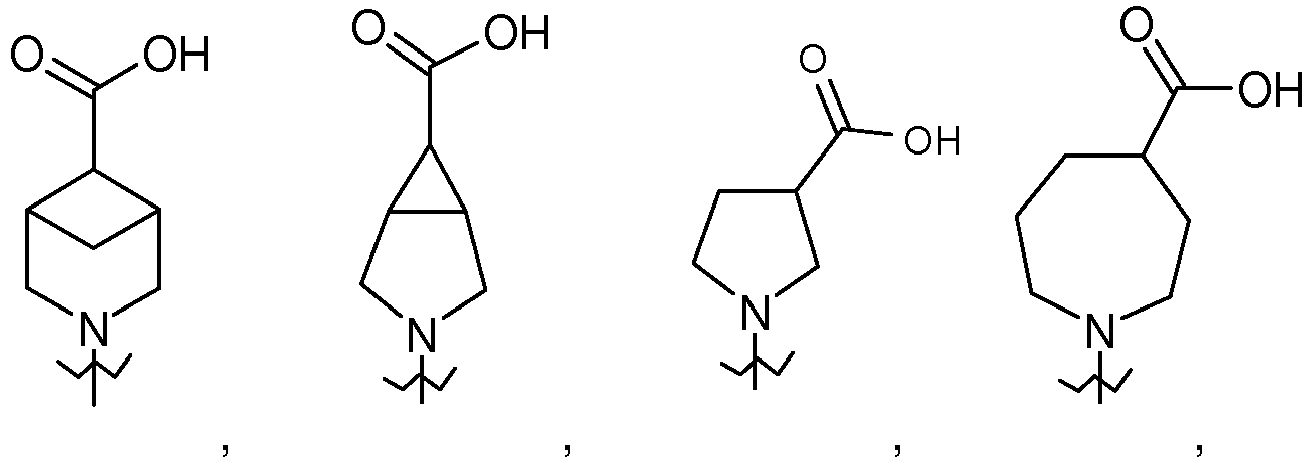


or a salt thereof. - In another embodiment, there are provided compounds as described in the first embodiment, wherein
R1 is selected from pyrrolidin-1-yl, piperidin-1-yl, azepan-1-yl, 3-azabicyclo[3.1.0.]hexan-3-yl, cyclohexyl, cyclohexen-1-yl, cyclohexylamino and cyclopentylamino, wherein each R1 is substituted with -CO2H or -CH2CO2H and optionally further substituted by a group selected from -CH3, -CF3 and -F, and wherein two different carbons in said piperidin-1-yl may optionally be joined by a C1-3alkylene bridge;
or R1 is -N(R6)(CH2)2-3CO2H;
n is 1;
R2 and R3 are independently selected from H, C1-6alkyl, halogen, -CN and -CF3, provided that at least one of R2 or R3 is H;
R4 is selected from -C(O)N(R6)(R7), -C(O)R8 and -CH2R9;
R5 is selected from H, C1-4alkyl, halogen, -CF3, -OC1-4alkyl, and -CN and is bonded to a position on the phenyl ring meta to R4;
R6 is H or -CH3;
R7 is selected from -(CH2)2-3OCH3, -(CH2)2N(CH3)2 and -(CH2)0-1cyclohexyl;
R8 is selected from morpholin-4-yl, 1,1-dioxothiomorpholin-4-yl, pyrrolidin-1-yl, and piperidin-1-yl, and is optionally substituted with -OH or 1 to two halogens;
R9 is a heterocyclyl selected from morpholin-4-yl, 1,1-dioxothiomorpholin-4-yl, pyrrolidin-1-yl, piperidin-1-yl and piperazin-1-yl, wherein said heterocyclyl is optionally substituted with one to two groups selected from halogen, -OH, -SO2C1-6alkyl, -SO2N(C1-6alkyl)2, -C(O)NH2, - C(O)NHCH3, -C(O)N(CH3)2, C(O)C1-6alkyl, -C(O)C3-6cycloalkyl, and -C(O)tetrahydrofuran-3-yl; or
R9 is -N(R6)(R10); and
R10 is selected from tetrahydropyran-4-ylmethyl, C3-6cycloalkyl, C3-6cycloalkylmethyl, 1,1-dioxotetrahydrothiophen-3-yl, -CH2C(CH3)2OH, -CH2C(CH3)2CH2OH, -C(CH3)2CH2OH, - CH2(CH2)1-2OCH3 and -CH2CH2CO2H;
or a salt thereof. - In another embodiment, there are provided compounds as described in any embodiment above, wherein R1 is selected from the group consisting of


or a salt thereof. - In another embodiment, there are provided compounds as described in any embodiment above wherein R1 is selected from the group consisting of

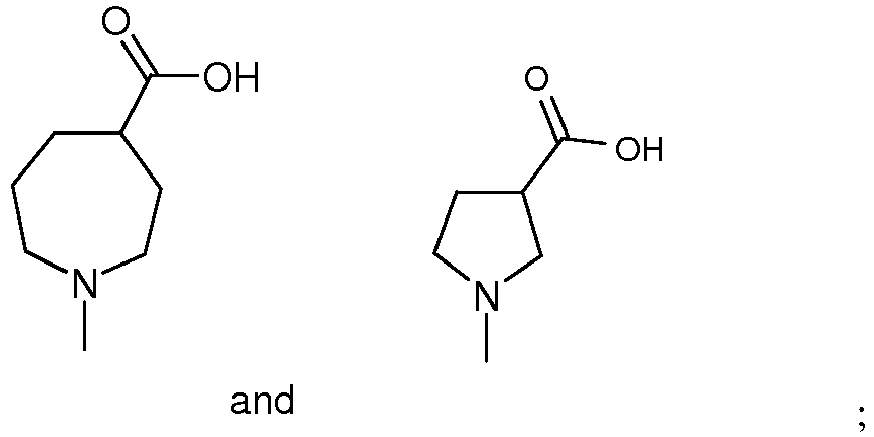
or a salt thereof. - In another embodiment, there are provided compounds as described in any embodiment above wherein R1 is selected from the group consisting of

- In another embodiment, there are provided compounds as described in any embodiment above wherein R1 is

- In another embodiment, there are provided compounds as described in the first embodiment wherein R1 is selected from the group consisting of

- In another embodiment, there are provided compounds as described in the first embodiment wherein R1 is selected from the group consisting of

- In another embodiment there are compounds as described in any of the embodiments above, wherein:
- n is 1;
- R2 and R3 are independently selected from H, -CH3, -Cl, -F, -CN and -CF3, provided that at least one of R2 or R3 is H;
- R5 is selected from -CH3, -CH2CH3, -OCF3 and -CN and is bonded to a position on the phenyl ring meta to R4;
- R8 is selected from azepan-1-yl, azetidin-1-yl, morpholin-4-yl, 1,1-dioxothiomorpholin-4-yl, pyrrolidin-1-yl, piperazin-1-yl, [1,4]oxazepan-4-yl, and piperidin-1-yl, wherein each R8 is optionally substituted with one to three groups independently selected from -CH3, -OCH3, - CH2OH, -OCH3, -N(CH3)2, -OH, oxo, -CN and halogen;
- R9 is a heterocyclyl selected from morpholin-4-yl, 1,1-dioxothiomorpholin-4-yl, pyrrolidin-1-yl, piperidin-1-yl and piperazin-1-yl, wherein said heterocyclyl is optionally substituted with one to three groups independently selected from -CH3, -CH2CH3, Cl, F, oxo, -OH, -C(O)CH3, - C(O)cyclopropyl and -C(O)tetrahydrofuran-3-yl ;
- or a salt thereof.
- In another embodiment, there are provided compounds as described in any of the embodiments above wherein:
- R4 is selected from -C(O)R8 and -CH2R9;
- R8 is selected from morpholin-4-yl, 1,1-dioxothiomorpholin-4-yl, pyrrolidin-1-yl, and piperidin-1-yl ; and
- R9 is a heterocyclyl selected from morpholin-4-yl, 1,1-dioxothiomorpholin-4-yl, pyrrolidin-1-yl, piperidin-1-yl and 4-acylpiperazin-1-yl;
- or a salt thereof.
- In another embodiment, there are provided compounds as described in any of the embodiments above wherein:
- R4 is -C(O)R8;
- or a salt thereof.
- In another embodiment, there are provided compounds as described in any of the embodiments above wherein:
- R4 is -CH2R9;
- or a salt thereof.
- The following are representative compounds of the invention which can be made by the general synthetic methods and synthetic examples described herein and methods known in the art.
Table 1 Cpd No. Cpd No. 1 
2 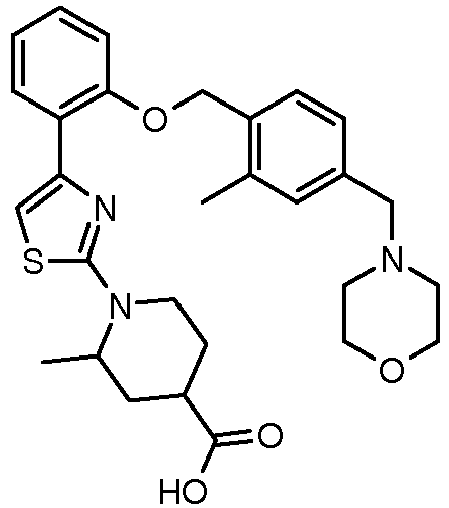
3 
4 
5 
6 
7 
8 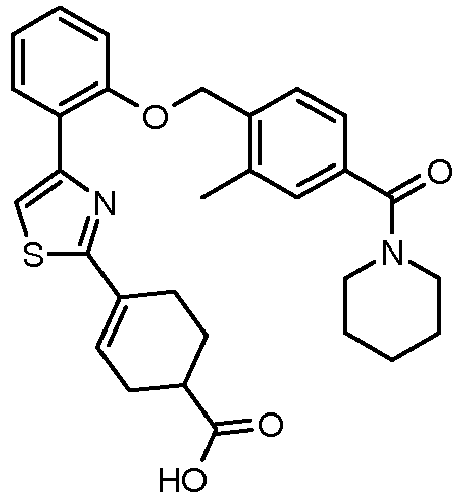
9 
10 
11 
12 
13 
14 
15 
16 
17 
18 
19 
20 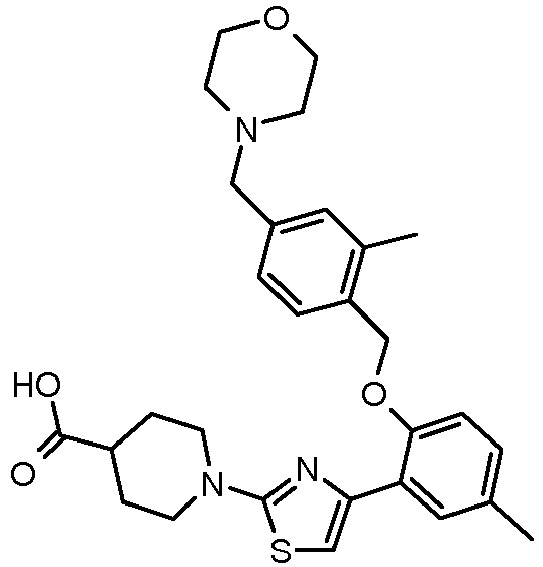
21 
22 
23 
24 
25 
26 
27 
28 
29 
30 
31 
32 
33 
34 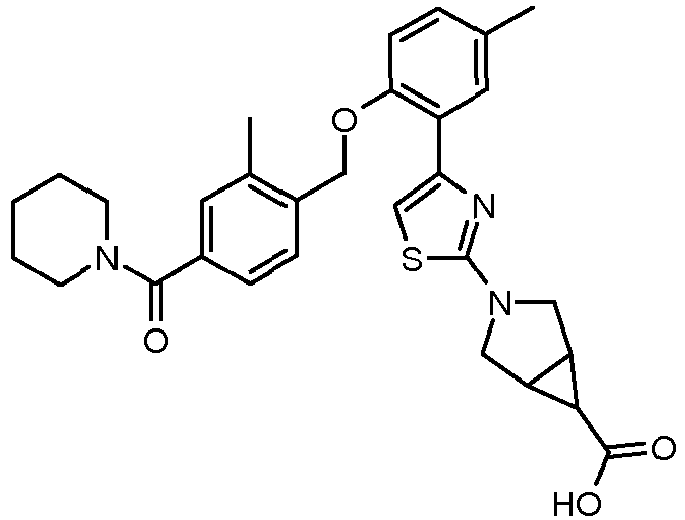
35 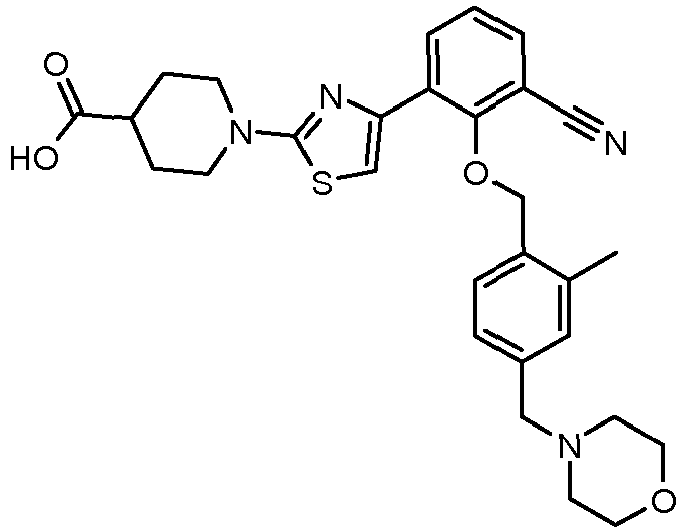
36 
37 
38 
39 
40 
41 
42 
43 
44 
45 
46 
47 
48 
49 
50 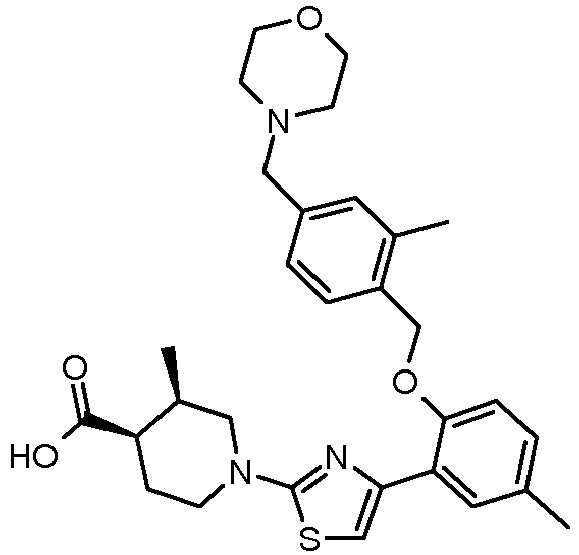
51 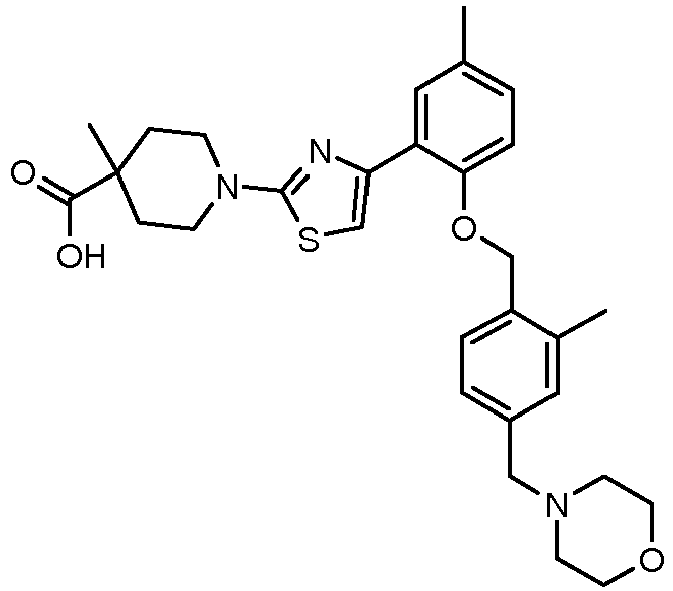
52 
53 
54 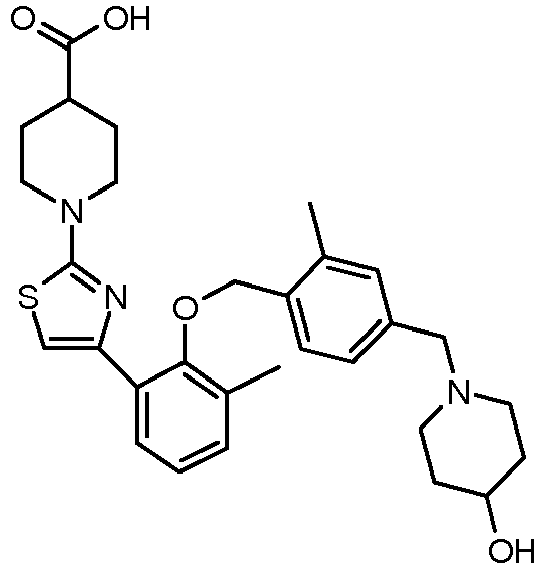
55 
56 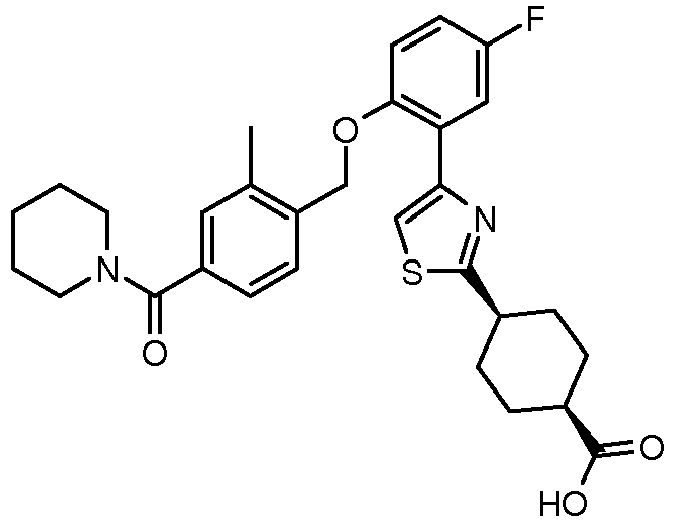
57 
58 
59 
60 
61 
62 
63 
64 
65 
66 
67 
68 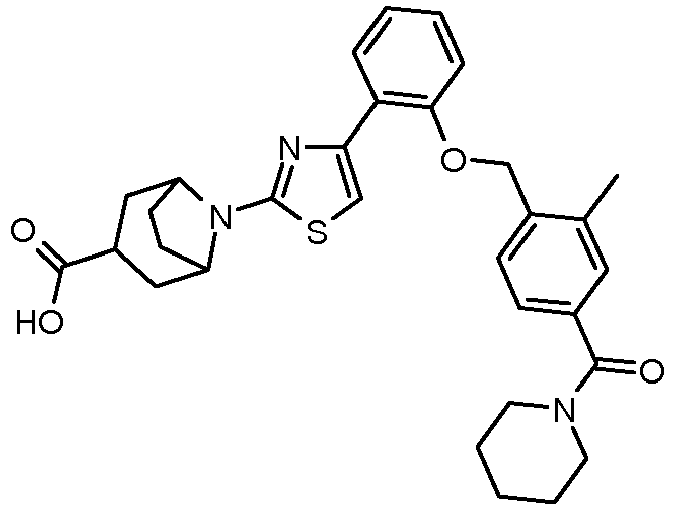
69 
70 
71 
72 
73 
74 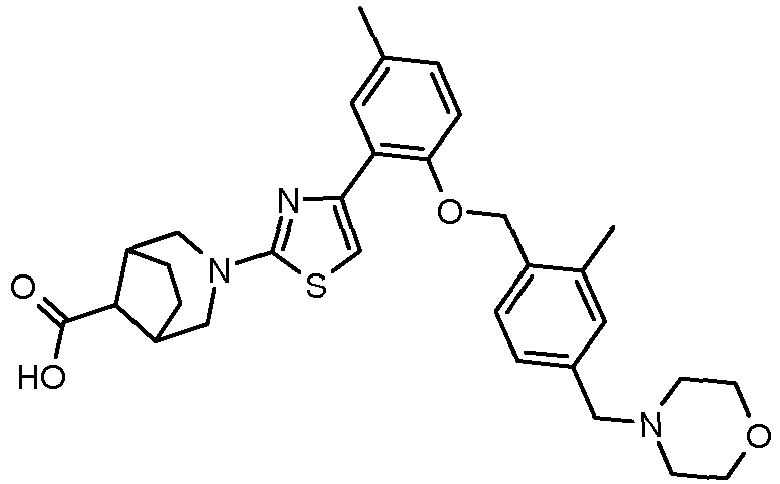
75 
76 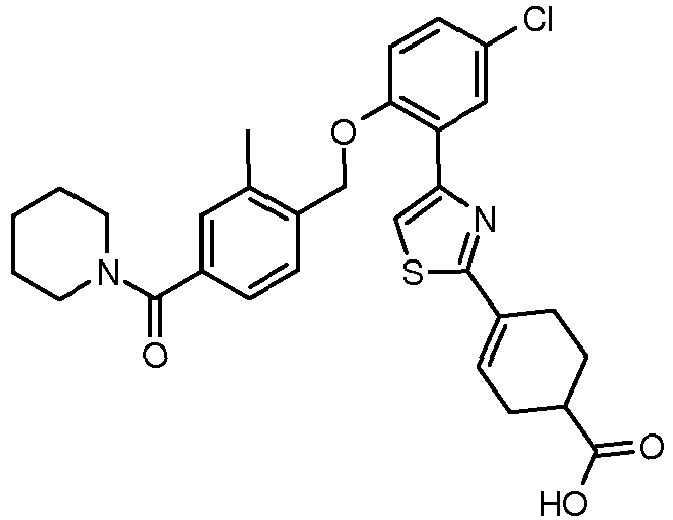
77 
78 
79 
80 
81 
82 
83 
84 
85 
86 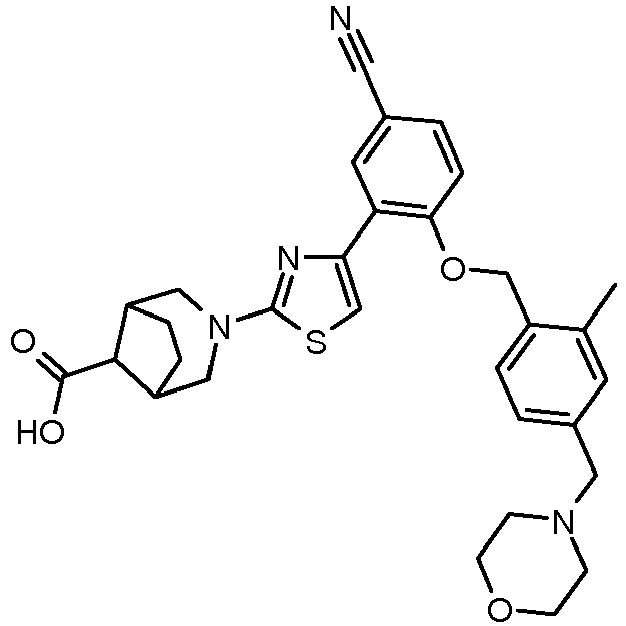
87 
88 
89 
90 
91 
92 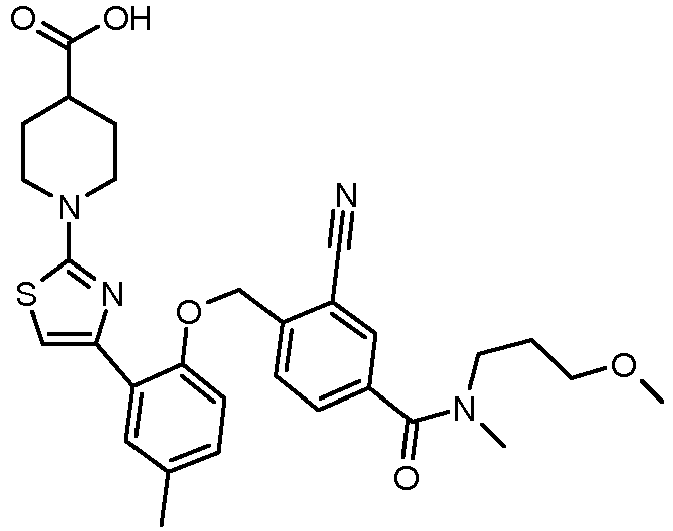
93 
94 
95 
96 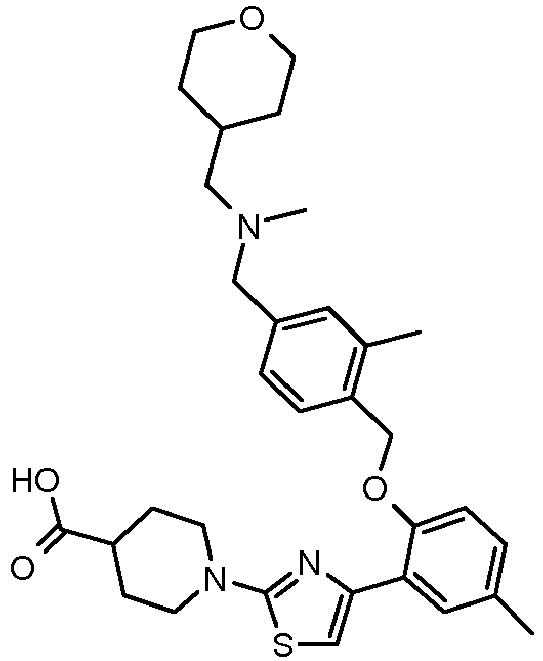
97 
98 
99 
100 
101 
102 
103 
104 
105 
106 
107 
108 
109 
110 
111 
112 
113 
114 
115 
116 
117 
118 
119 
120 
121 
122 
123 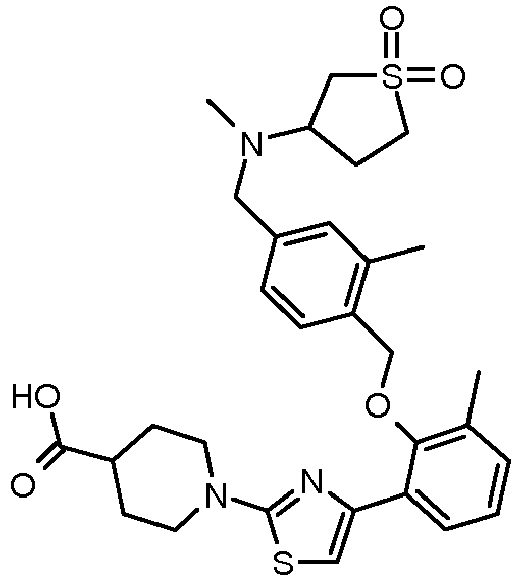
124 
125 
126 
127 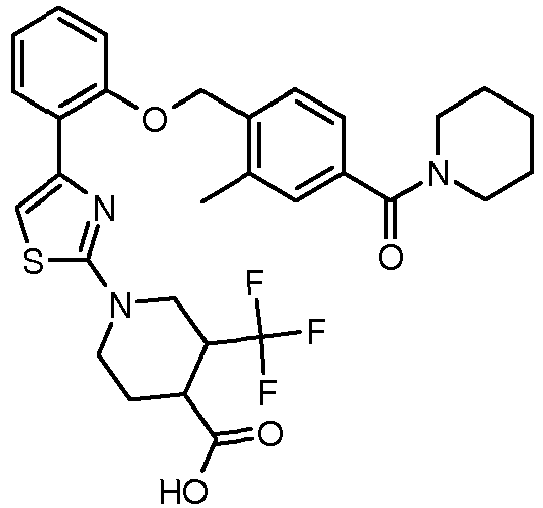
128 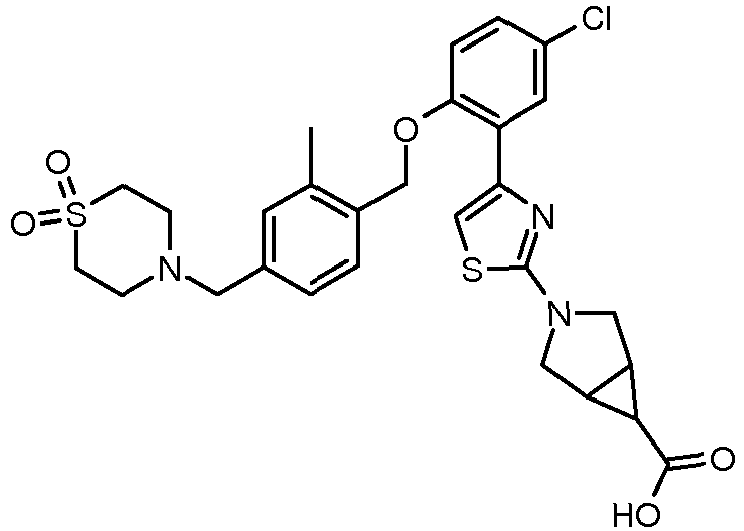
129 
130 
131 
132 
133 
134 
135 
136 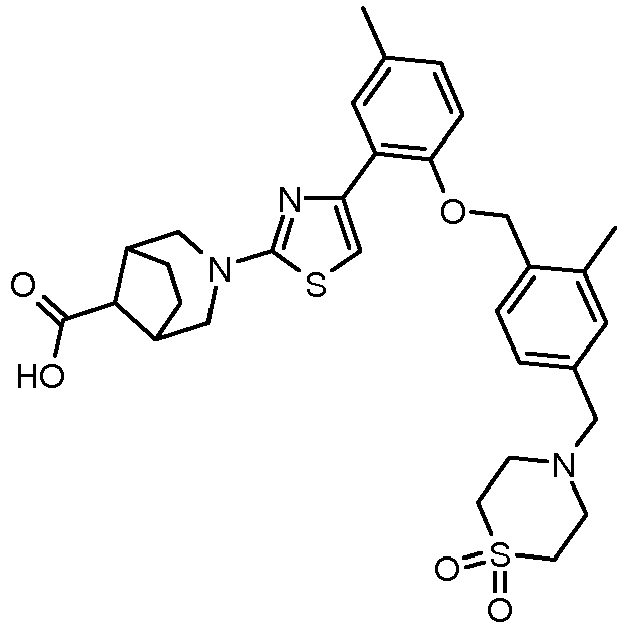
137 
138 
139 
140 
141 
142 
143 
144 
145 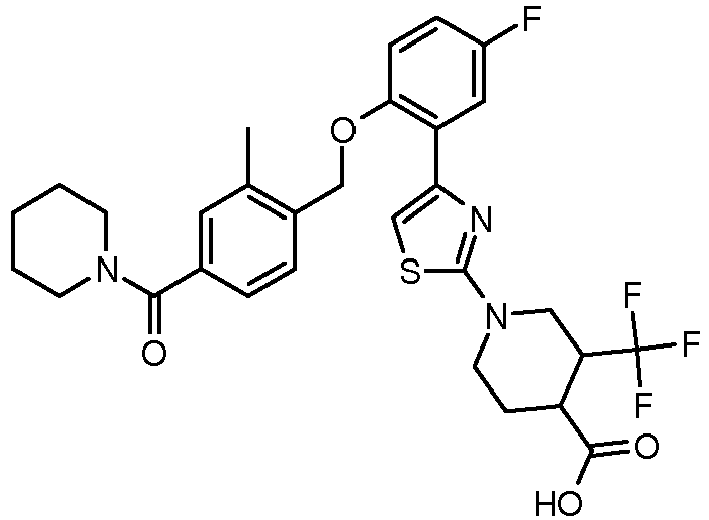
146 
147 
148 
149 
150 
151 
152 
153 
154 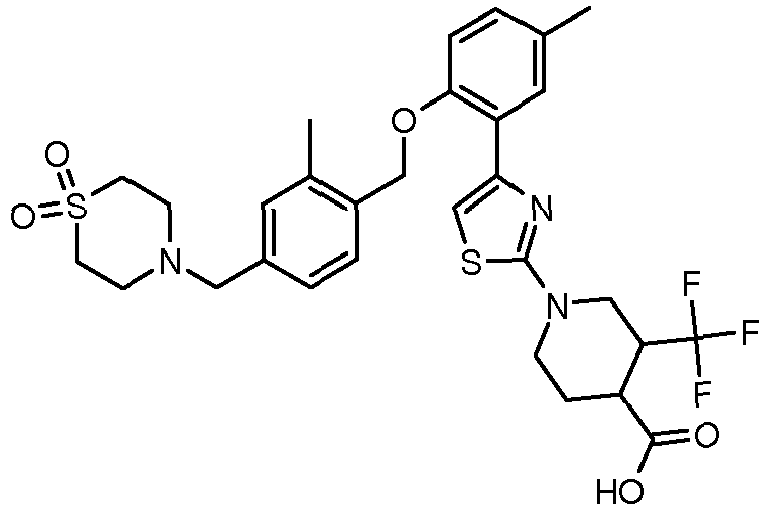
155 
156 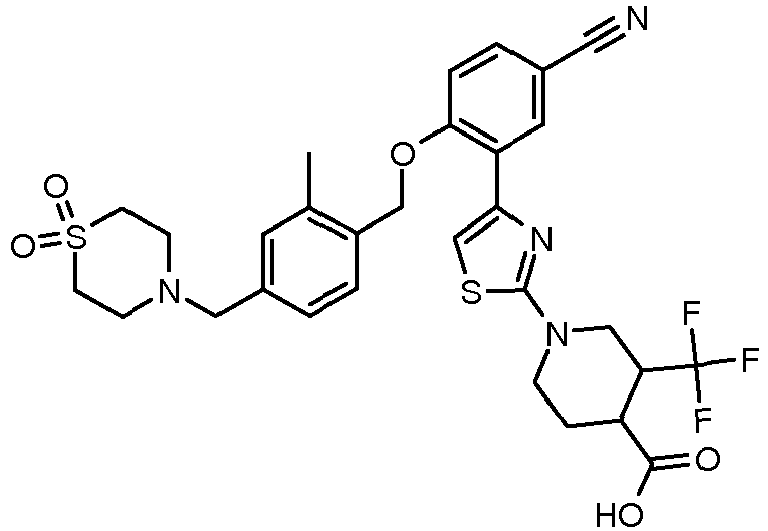
157 
158 
159 
160 
161 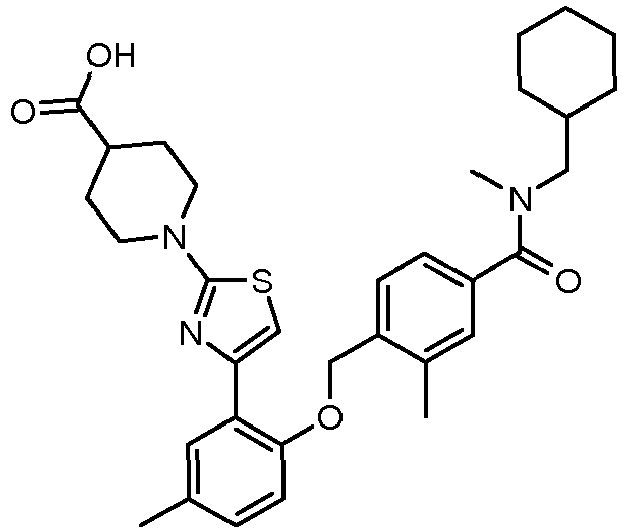
162 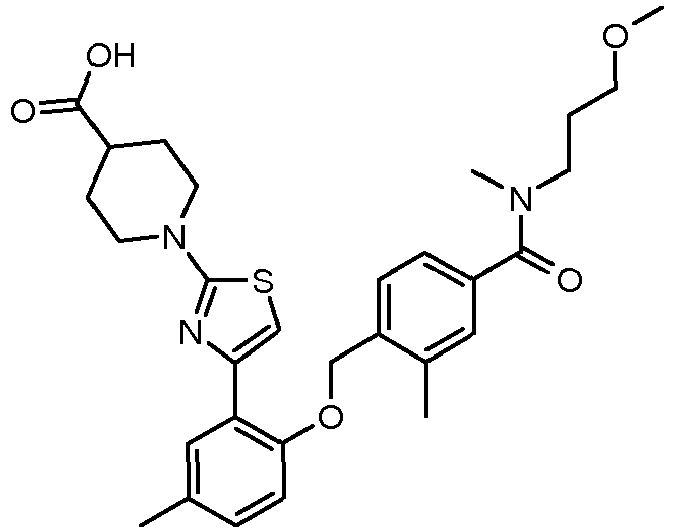
163 
164 
165 
166 
167 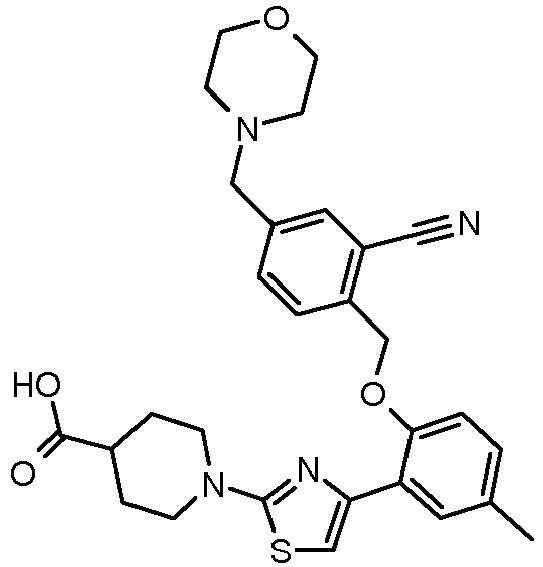
168 
169 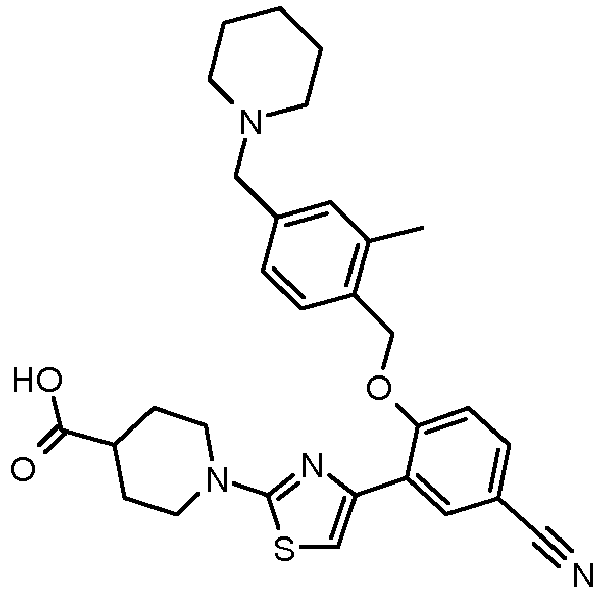
170 
171 
172 
173 
174 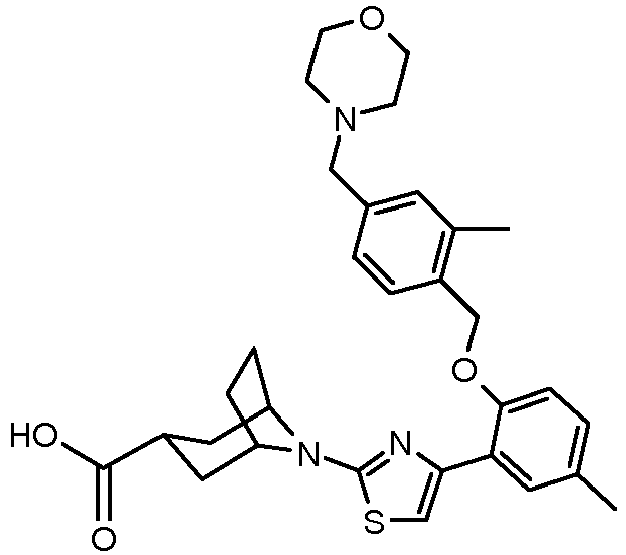
175 
176 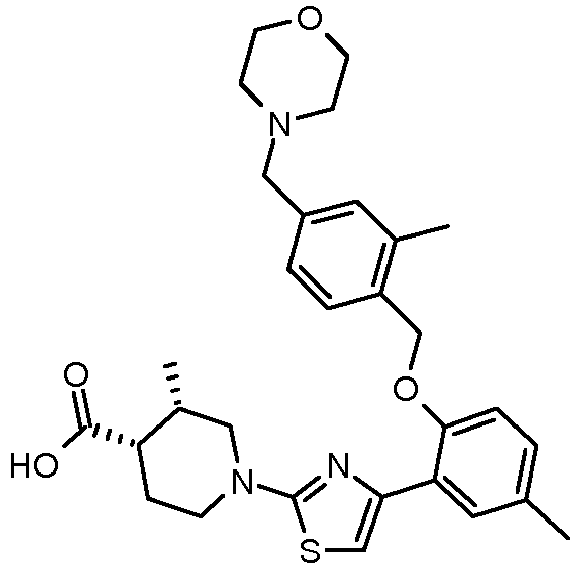
177 
178 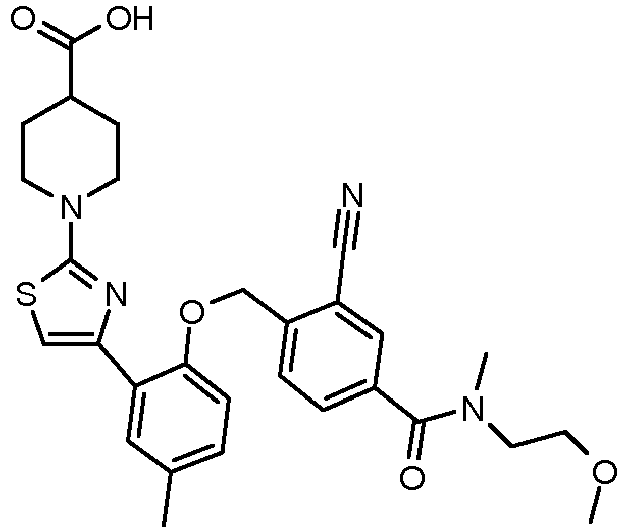
179 
180 
181 
182 
183 
184 
185 
186 
187 
188 
189 
190 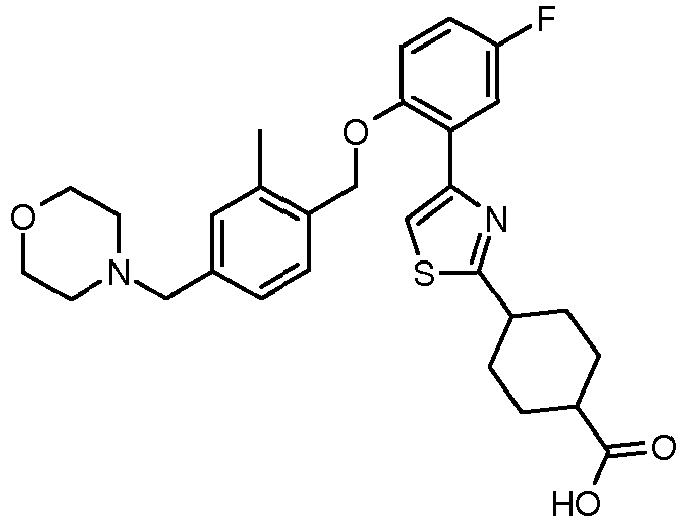
191 
192 
193 
194 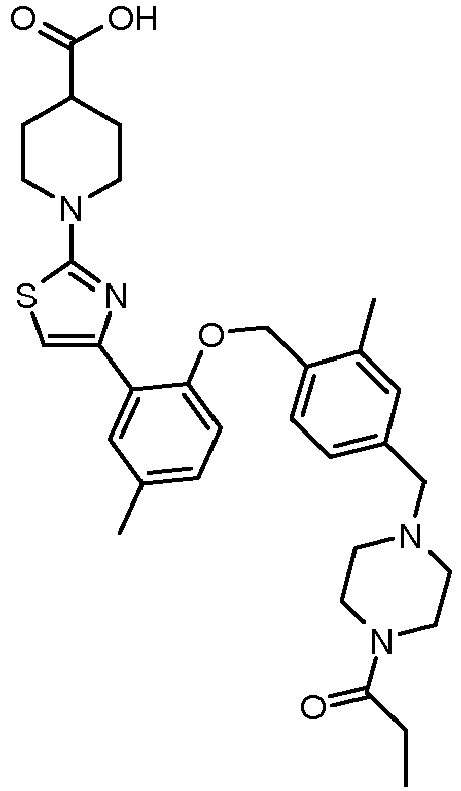
195 
196 
197 
198 
199 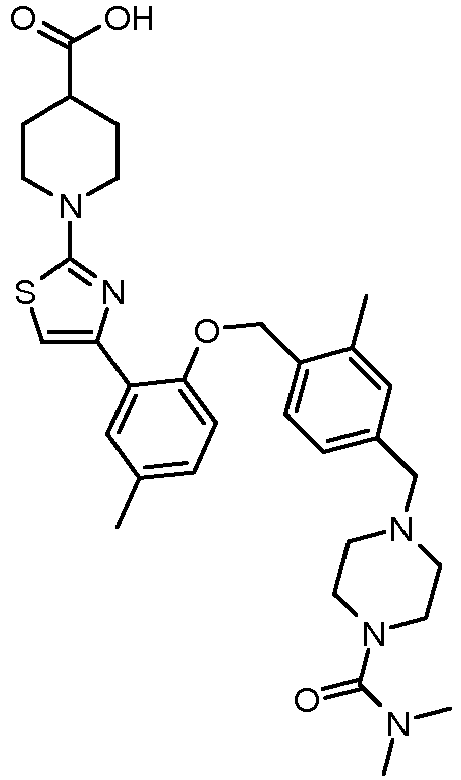
200 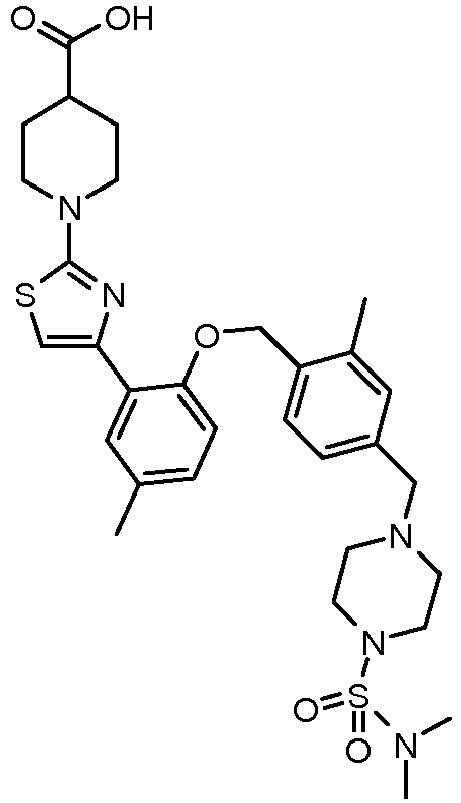
201 
202 
203 
204 
205 
206 
207 
208 
209 
210 
211 
212 
213 
214 
215 
216 
217 
218 
219 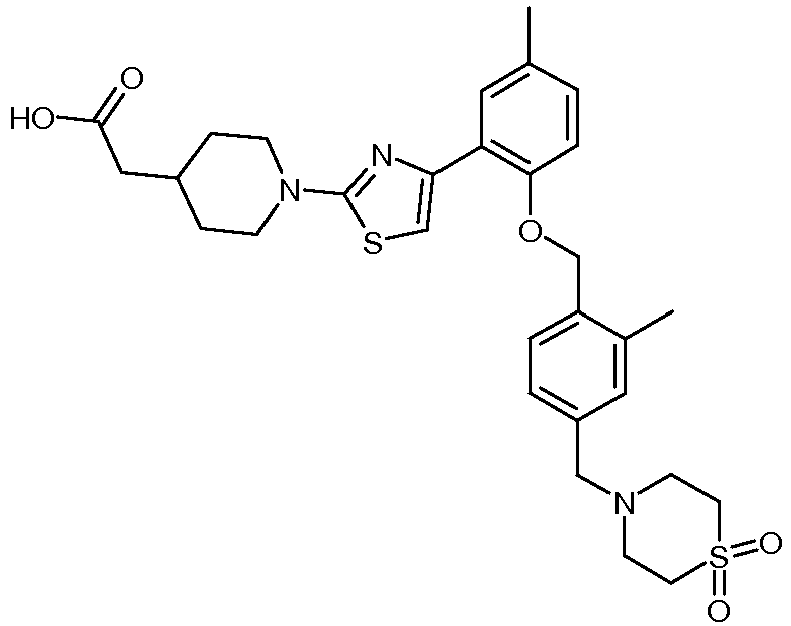
220 
221 
222 
223 
224 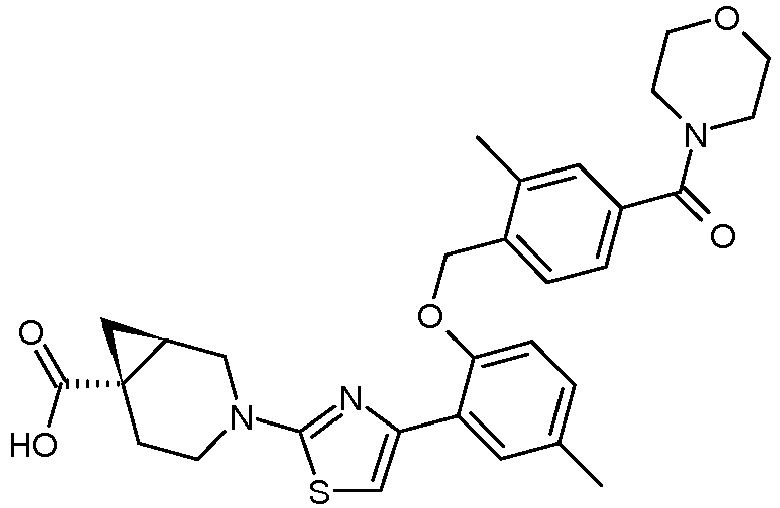
225 
226 
227 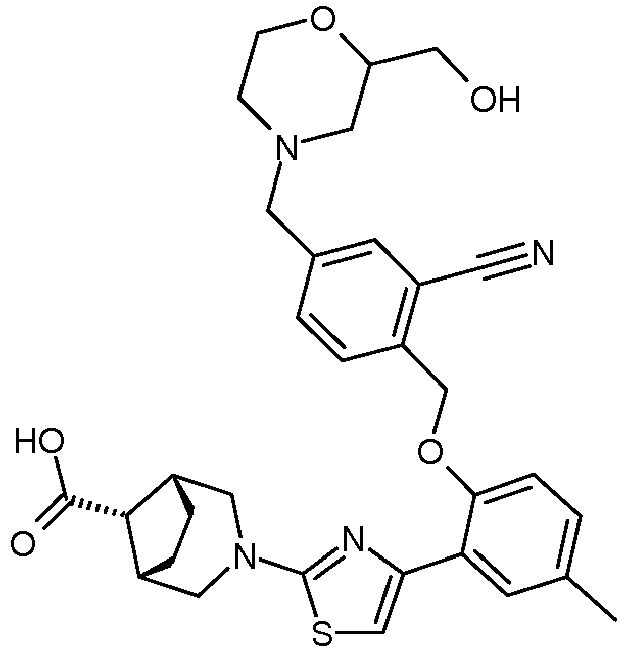
228 
229 
230 
231 
232 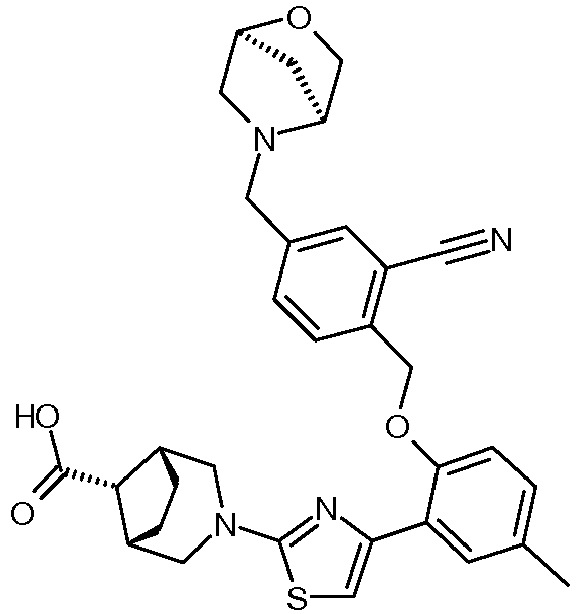
233 
234 
235 
236 
237 
238 
239 
240 
241 
242 
243 
244 
245 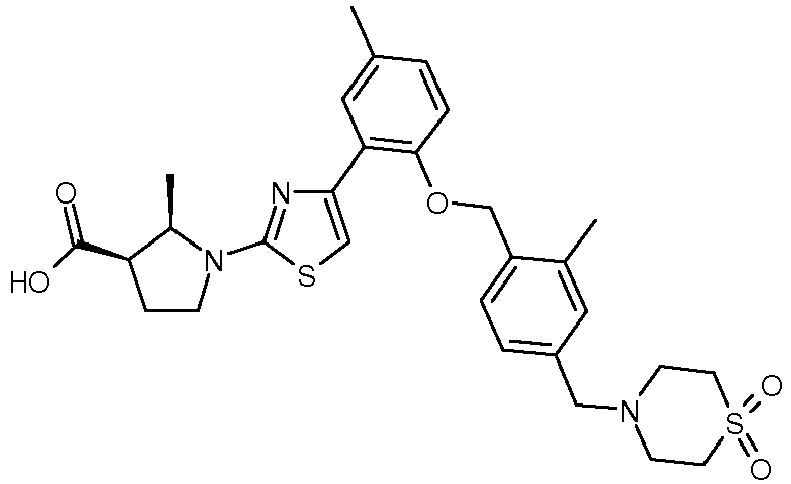
246 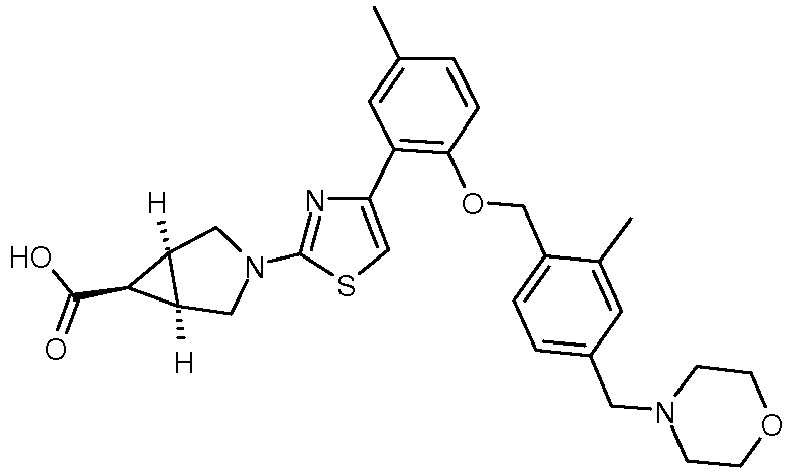
247 
248 
249 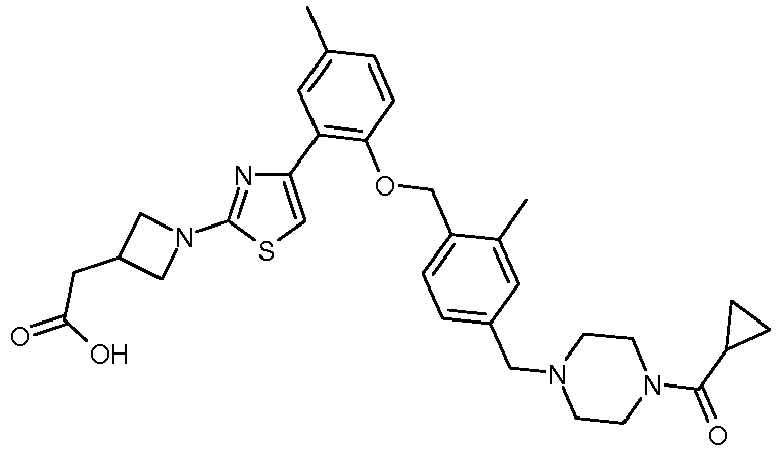
250 
251 
252 
253 
254 
255 
256 
257 
258 
259 
260 
261 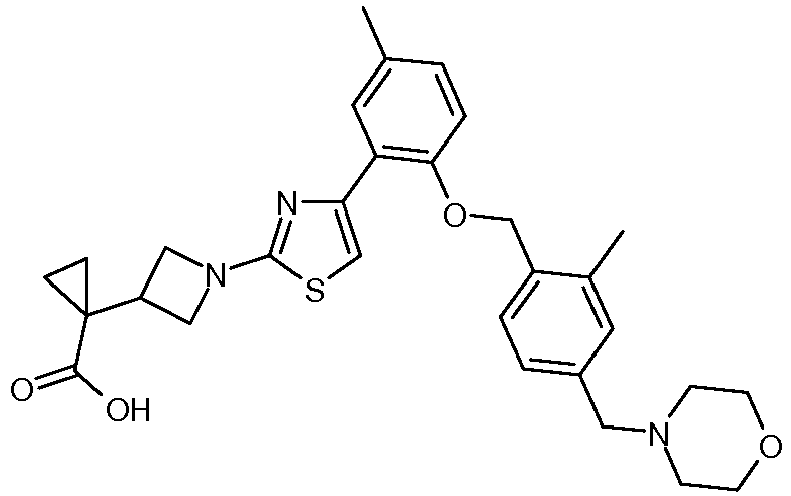
262 
263 
264 
265 
266 
267 
268 
269 
270 
271 
272 
273 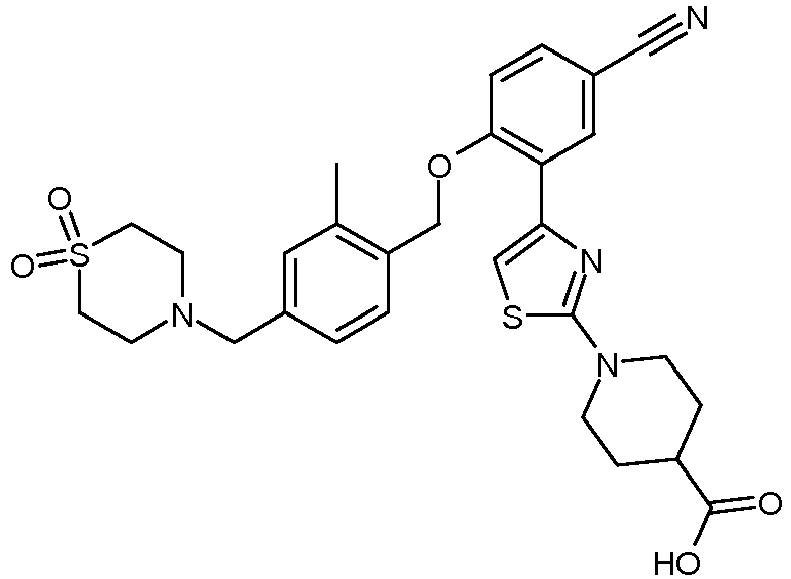
274 
275 
276 
277 
278 
279 
280 
281 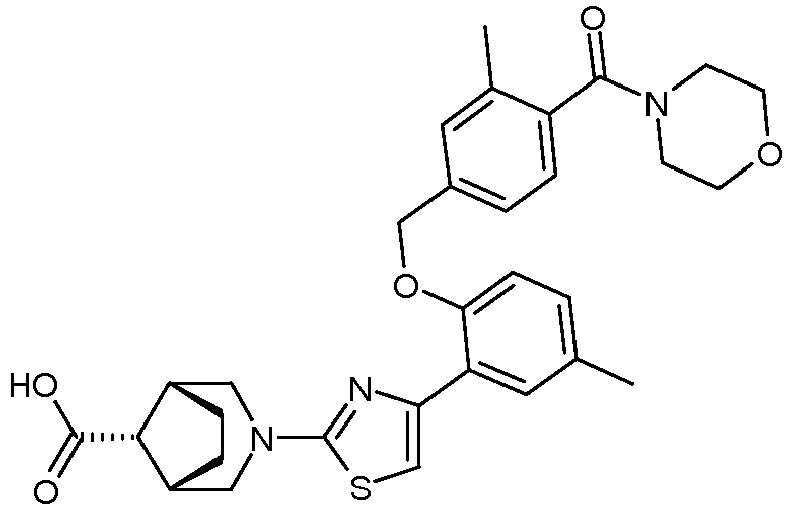
282 
283 
284 
285 
286 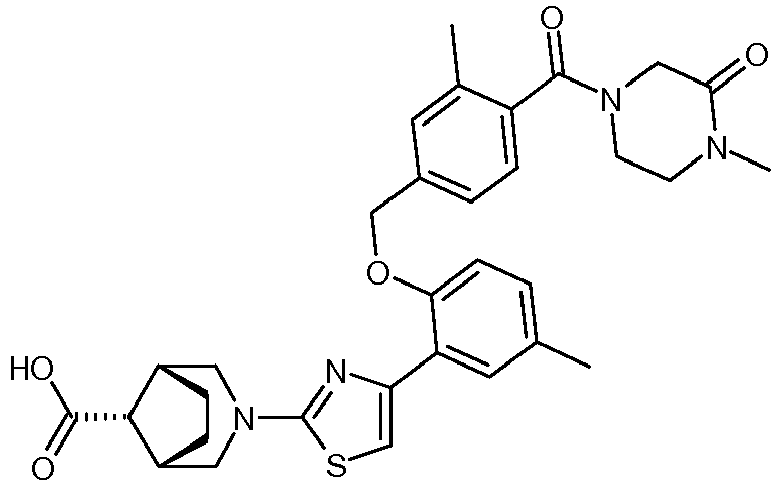
287 
288 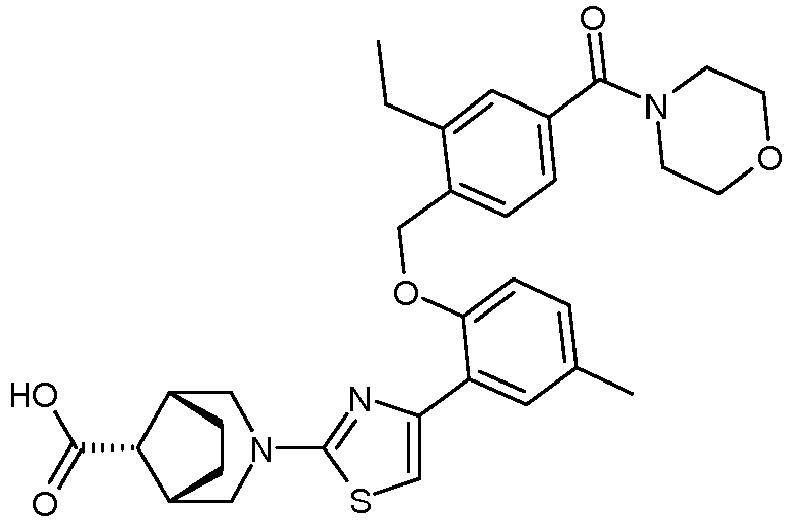
289 
290 
291 
292 
293 
294 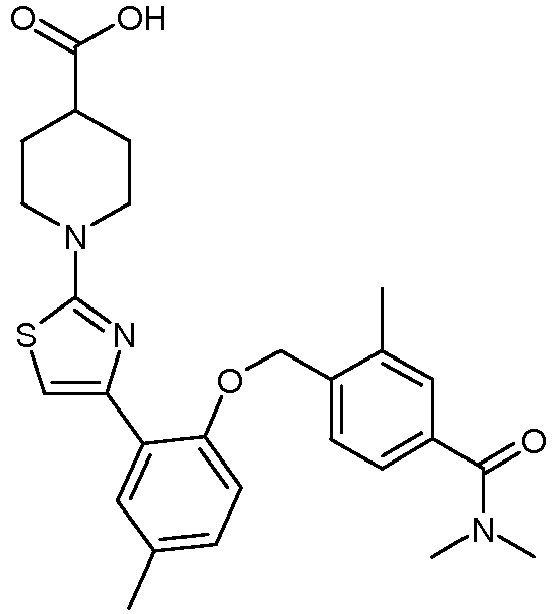
295 
296 
297 
298 
299 
300 
301 
302 
303 
304 
305 
306 
307 
308 
309 
310 
311 
312 
313 
314 
315 
316 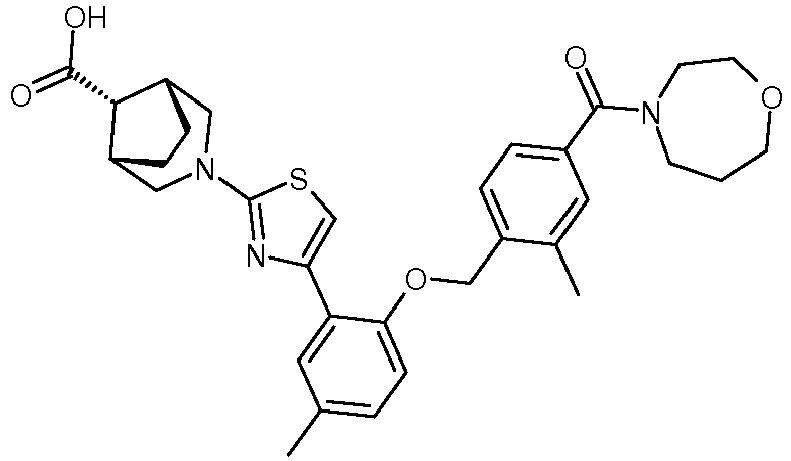
317 
318 
319 
320 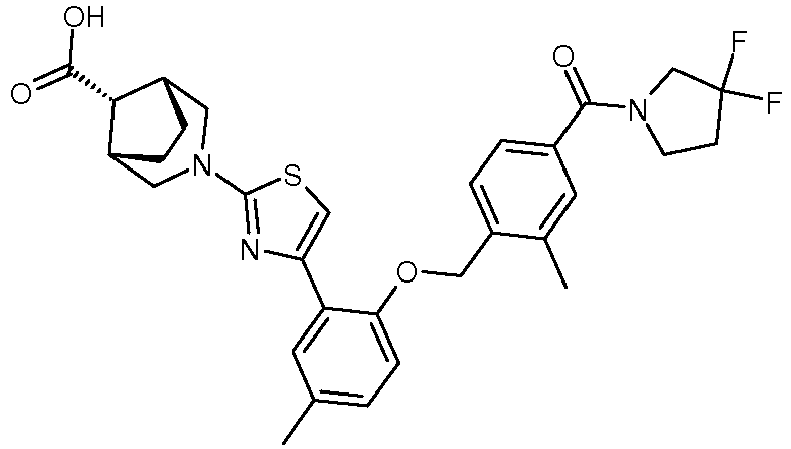
321 
322 
323 
324 
325 
326 
327 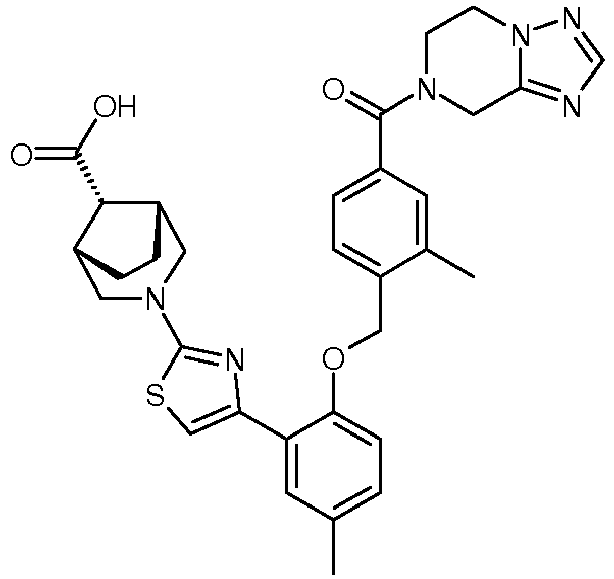
328 
329 
330 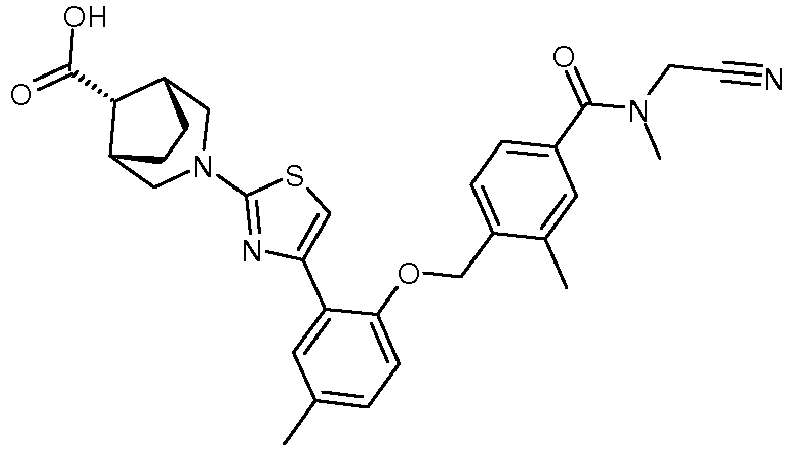
331 
332 
333 
334 
335 
336 
337 
338 
339 
340 
341 
342 
343 
344 
345 
346 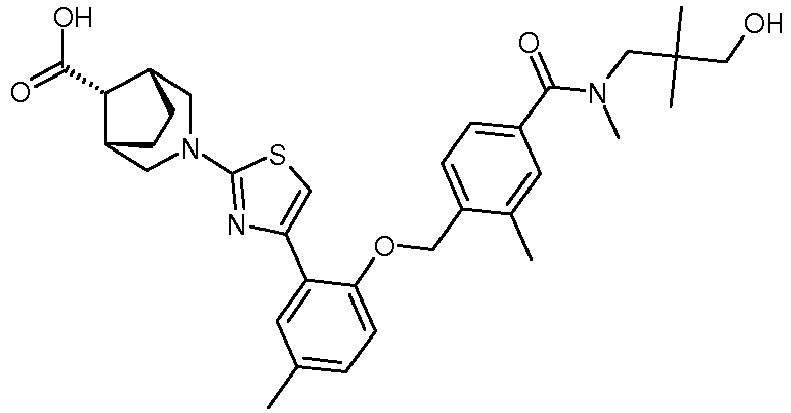
347 
348 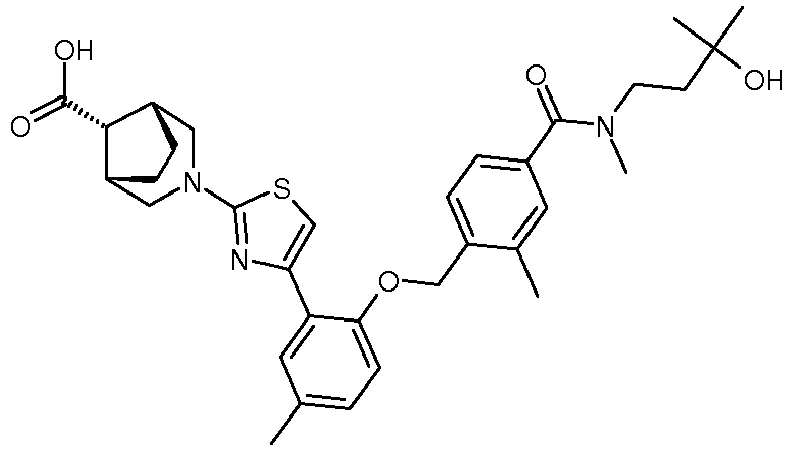
349 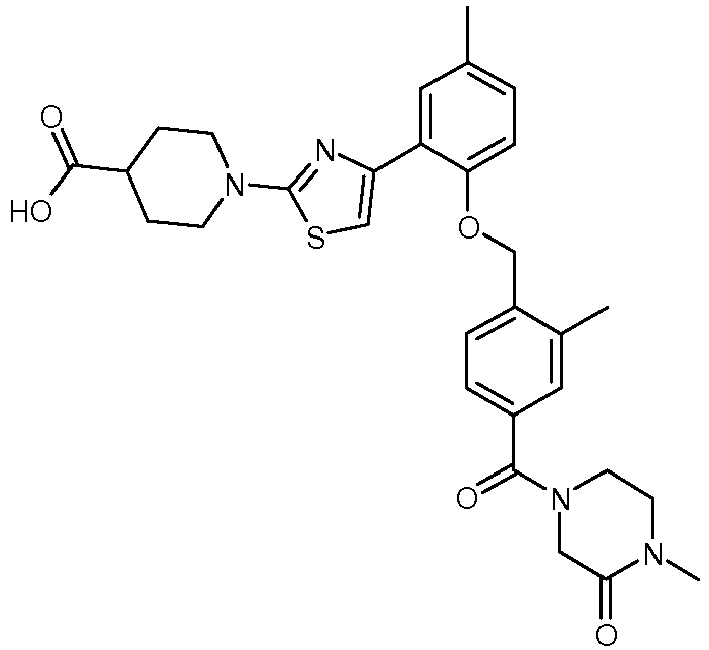
350 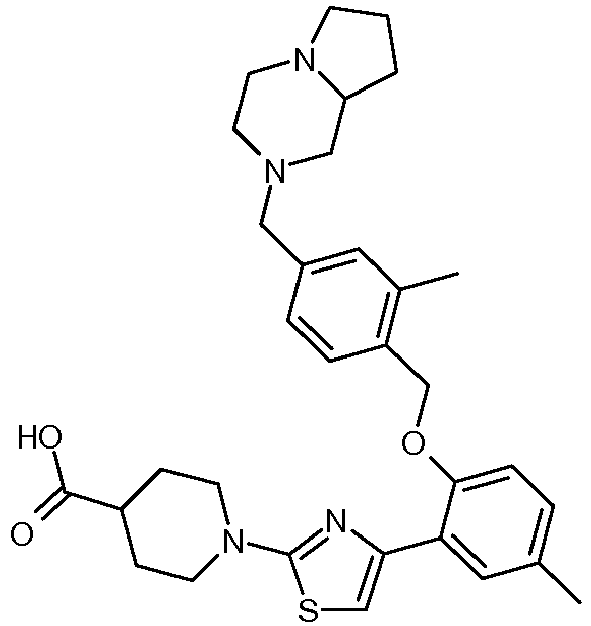
351 
352 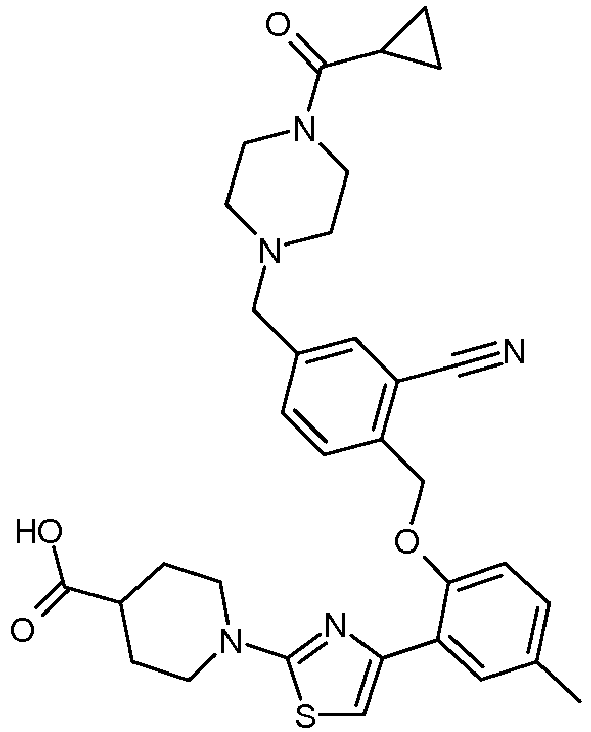
353 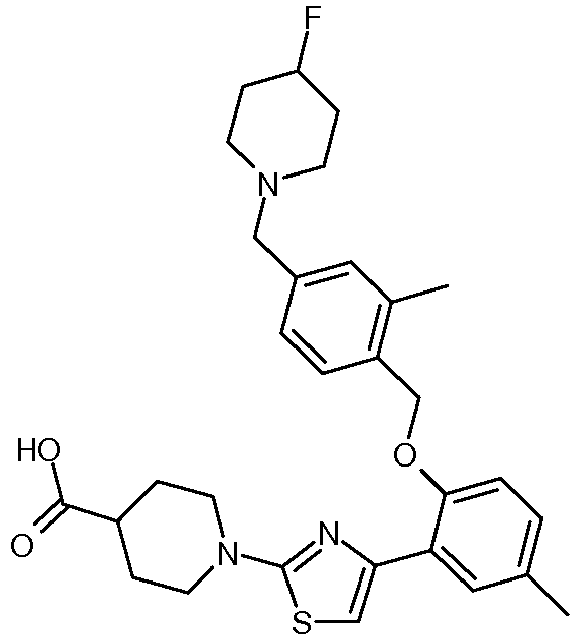
354 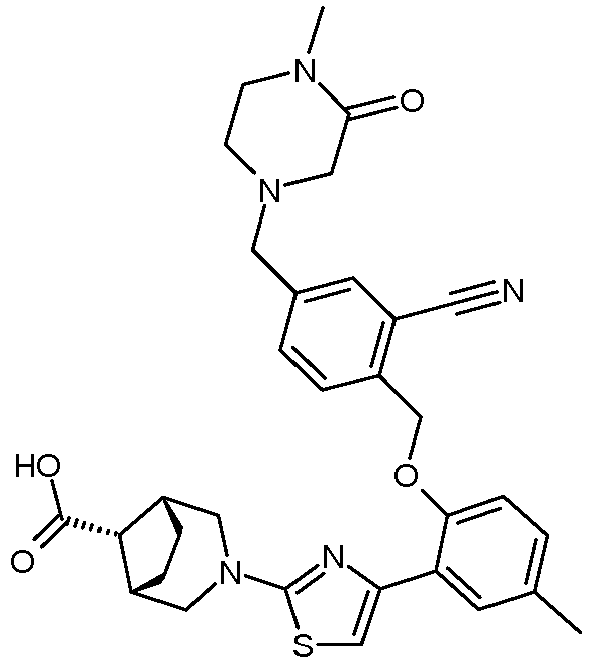
355 
356 
357 
358 
359 
360 
361 
- In one embodiment, the invention relates to any of the compounds depicted in Table 1 above and the pharmaceutically acceptable salts thereof.
- In another embodiment, the invention relates to the group consisting of compounds 1, 13, 15, 17, 20, 21, 28, 30, 36, 39, 41-43, 49, 52, 59, 62, 63, 65, 67-70, 72-74, 79, 81, 84, 88-90, 92, 95, 97, 102-108, 111, 113, 117-120, 122-126, 129-133, 136-138, 140-144, 151-153, 161, 162, 164, 167, 173, 176, 177, 194-196, 198-200, 203-209, 211, 212, 214, 217, 218, 220-232, 234-238, 240- 244, 248, 249, 250, 263-272, 276-293, 296-346, and 348-361 from Table 1 above and the pharmaceutically acceptable salts thereof.
- In another embodiment, the invention relates to the group consisting of compounds 7, 13, 20, 30, 39, 43, 65, 74, 89, 95, 136, 167, 194, 198, 208, 214, 217, 218, 220- 226, 228, 232, 238, 263- 270, 276, 277, 279, 280, 287, 288-293, 295, 299, 300, 302- 304, 306- 309, 311, 312, 316, 317, 320-323, 325, 327- 329, 332, 336, 337, 340, 344, 349, 351 and 354- 361 from Table 1 above and the pharmaceutically acceptable salts thereof.
- Unless specifically indicated, throughout the specification and the appended claims, a given chemical formula or name shall encompass tautomers and all stereo, optical and geometrical isomers (e.g. enantiomers, diastereomers, E/Z isomers ,etc.) and racemates thereof as well as mixtures in different proportions of the separate enantiomers, mixtures of diastereomers, or mixtures of any of the foregoing forms where such isomers and enantiomers exist, as well as salts, including pharmaceutically acceptable salts thereof and solvates thereof such as for instance hydrates including solvates of the free compounds or solvates of a salt of the compound.
- Some of the compounds of formula (I) can exist in more than one tautomeric form. The invention includes methods for using all such tautomers.
- The invention includes pharmaceutically acceptable derivatives of compounds of formula (I). A "pharmaceutically acceptable derivative" refers to any pharmaceutically acceptable salt or ester, or any other compound which, upon administration to a patient, is capable of providing (directly or indirectly) a compound useful for the invention, or a pharmacologically active metabolite or pharmacologically active residue thereof. A pharmacologically active metabolite shall be understood to mean any compound of the invention capable of being metabolized enzymatically or chemically. This includes, for example, hydroxylated or oxidized derivative compounds of the formula (I).
- As used herein, "pharmaceutically acceptable salts" refer to derivatives of the disclosed compounds wherein the parent compound is modified by making acid or base salts thereof. Examples of pharmaceutically acceptable salts include, but are not limited to, mineral or organic acid salts of basic residues such as amines; alkali or organic salts of acidic residues such as carboxylic acids; and the like. For example, such salts include acetates, ascorbates, benzenesulfonates, benzoates, besylates, bicarbonates, bitartrates, bromides/hydrobromides, edetates, camsylates, carbonates, chlorides/hydrochlorides, citrates, edisylates, ethane disulfonates, estolates esylates, fumarates, gluceptates, gluconates, glutamates, glycolates, glycollylarsnilates, hexylresorcinates, hydrabamines, hydroxymaleates, hydroxynaphthoates, iodides, isothionates, lactates, lactobionates, malates, maleates, mandelates, methanesulfonates, methylbromides, methylnitrates, methylsulfates, mucates, napsylates, nitrates, oxalates, pamoates, pantothenates, phenylacetates, phosphates/diphosphates, polygalacturonates, propionates, salicylates, stearates, subacetates, succinates, sulfamides, sulfates, tannates, tartrates, teoclates, toluenesulfonates, triethiodides, ammonium, benzathines, chloroprocaines, cholines, diethanolamines, ethylenediamines, meglumines and procaines. Further pharmaceutically acceptable salts can be formed with cations from metals like aluminium, calcium, lithium, magnesium, potassium, sodium, zinc and the like. (also see Pharmaceutical salts, Birge, S.M. et al., J. Pharm. Sci., (1977), 66, 1-19).
- The pharmaceutically acceptable salts of the present invention can be synthesized from the parent compound which contains a basic or acidic moiety by conventional chemical methods. Generally, such salts can be prepared by reacting the free acid or base forms of these compounds with a sufficient amount of the appropriate base or acid in water or in an organic diluent like ether, ethyl acetate, ethanol, isopropanol, or acetonitrile, or a mixture thereof.
- Salts of other acids than those mentioned above which for example are useful for purifying or isolating the compounds of the present invention (e.g. trifluoro acetate salts) also comprise a part of the invention.
- In addition, compounds of the formula (I) may be used in the form of prodrugs. Prodrugs include those compounds that, upon simple chemical transformation, are modified to produce compounds of the invention. Simple chemical transformations include hydrolysis, oxidation and reduction. Specifically, when a prodrug is administered to a patient, the prodrug may be transformed into a compound disclosed hereinabove, thereby imparting the desired pharmacological effect.
- The compounds of the invention are only those which are contemplated to be 'chemically stable' as will be appreciated by those skilled in the art. For example, a compound which would have a 'dangling valency', or a 'carbanion' are not compounds contemplated by the inventive methods disclosed herein.
- For all compounds disclosed hereinabove in this application, in the event the nomenclature is in conflict with the structure, it shall be understood that the compound is defined by the structure.
- All terms as used herein in this specification, unless otherwise stated, shall be understood in their ordinary meaning as known in the art. For example, "C1-4alkyl" is a saturated aliphatic hydrocarbon monovalent radical containing 1-4 carbons such as methyl, ethyl, n-propyl, 1-methylethyl (isopropyl), n-butyl or t-butyl; "C1-4 alkoxy" is a C1-4 alkyl with a terminal oxygen, such as methoxy, ethoxy, propoxy, butoxy. All alkyl, alkenyl and alkynyl groups shall be understood as being branched or unbranched, cyclized or uncyclized where structurally possible and unless otherwise specified. Other more specific definitions are as follows:
- The term "C1-n-alkyl", wherein n is an integer from 2 to n, either alone or in combination with another radical denotes an acyclic, saturated, branched or linear hydrocarbon radical with 1 to n C atoms. For example the term C1-5-alkyl embraces the radicals H3C-, H3C-CH2-, H3C-CH2-CH2-, H3C-CH(CH3)-, H3C-CH2-CH2-CH2-, H3C-CH2-CH(CH3)-, H3C-CH(CH3)-CH2-, H3C-C(CH3)2-, H3C-CH2-CH2-CH2-CH2-, H3C-CH2-CH2-CH(CH3)-, H3C-CH2-CH(CH3)-CH2-, H3C-CH(CH3)-CH2-CH2-, H3C-CH2-C(CH3)2-, H3C-C(CH3)2-CH2-, H3C-CH(CH3)-CH(CH3)- and H3C-CH2-CH(CH2CH3)-.
- The term "C1-n-alkylene" wherein n is an integer 1 to n, either alone or in combination with another radical, denotes an acyclic, straight or branched chain divalent alkyl radical containing from 1 to n carbon atoms. For example the term C1-4-alkylene includes -(CH2)-, -(CH2-CH2)-, - (CH(CH3))-, -(CH2-CH2-CH2)-, -(C(CH3)2)-, -(CH(CH2CH3))-, -(CH(CH3)-CH2)-, -(CH2-CH(CH3))-, -(CH2-CH2-CH2-CH2)-, -(CH2-CH2-CH(CH3))-, -(CH(CH3)-CH2-CH2)-, -(CH2-CH(CH3)-CH2)-, -(CH2-C(CH3)2)-, -(C(CH3)2-CH2)-, -(CH(CH3)-CH(CH3))-, -(CH2-CH(CH2CH3))-, -(CH(CH2CH3)-CH2)-, -(CH(CH2CH2CH3))-, -(CHCH(CH3)2)- and - C(CH3)(CH2CH3)-.
- The term "C3-n-cycloalkyl", wherein n is an integer 4 to n, either alone or in combination with another radical denotes a cyclic, saturated, unbranched hydrocarbon radical with 3 to n C atoms. For example the term C3-7-cycloalkyl includes cyclopropyl, cyclobutyl, cyclopentyl, cyclohexyl and cycloheptyl.
- The term "heteroatom" as used herein shall be understood to mean atoms other than carbon such as O, N, S and P.
- In all alkyl groups or carbon chains one or more carbon atoms can be optionally replaced by heteroatoms: O, S or N, it shall be understood that if N is not substituted then it is NH, it shall also be understood that the heteroatoms may replace either terminal carbon atoms or internal carbon atoms within a branched or unbranched carbon chain. Such groups can be substituted as herein above described by groups such as oxo to result in definitions such as but not limited to: alkoxycarbonyl, acyl, amido and thioxo.
- The term "aryl" as used herein, either alone or in combination with another radical, denotes a carbocyclic aromatic monocyclic group containing 6 carbon atoms which may be further fused to a second 5- or 6-membered carbocyclic group which may be aromatic, saturated or unsaturated. Aryl includes, but is not limited to, phenyl, indanyl, indenyl, naphthyl, anthracenyl, phenanthrenyl, tetrahydronaphthyl and dihydronaphthyl.
- The term "heteroaryl" means an aromatic 5 to 6-membered monocyclic heteroaryl or an aromatic 7 to 11-membered heteroaryl bicyclic ring where at least one of the rings is aromatic, wherein the heteroaryl ring contains 1-4 heteroatoms such as N, O and S. Non-limiting examples of 5 to 6-membered monocyclic heteroaryl rings include furanyl, oxazolyl, isoxazolyl, oxadiazolyl, thiazolyl, pyrazolyl, pyrrolyl, imidazolyl, tetrazolyl, triazolyl, thienyl, thiadiazolyl, pyridinyl, pyrimidinyl, pyridazinyl, pyrazinyl, triazinyl, and purinyl. Non-limiting examples of 7 to 11-membered heteroaryl bicyclic heteroaryl rings include benzimidazolyl, quinolinyl, dihydro-2H-quinolinyl, isoquinolinyl, quinazolinyl, indazolyl, thieno[2,3-d]pyrimidinyl, indolyl, isoindolyl, benzofuranyl, benzopyranyl, benzodioxolyl, benzoxazolyl and benzothiazolyl.
- The term "heterocyclyl" means a stable nonaromatic 4-8 membered monocyclic heterocyclic radical or a stable nonaromatic 6 to 11-membered fused bicyclic, bridged bicyclic or spirocyclic heterocyclic radical. The 4 to 11-membered heterocycle consists of carbon atoms and one or more, preferably from one to four heteroatoms chosen from nitrogen, oxygen and sulfur. The heterocycle may be either saturated or partially unsaturated. Non-limiting examples of nonaromatic 4-8 membered monocyclic heterocyclic radicals include tetrahydrofuranyl, azetidinyl, pyrrolidinyl, pyranyl, tetrahydropyranyl, dioxanyl, thiomorpholinyl, 1,1-dioxo-1λ6-thiomorpholinyl, morpholinyl, piperidinyl, piperazinyl, and azepinyl. Non-limiting examples of nonaromatic 6 to 11-membered fused bicyclic radicals include octahydroindolyl, octahydrobenzofuranyl, and octahydrobenzothiophenyl. Non-limiting examples of nonaromatic 6 to 11-membered bridged bicyclic radicals include 2-azabicyclo[2.2.1]heptanyl, 3-azabicyclo[3.1.0]hexanyl, and 3-azabicyclo[3.2.1]octanyl. Non-limiting examples of nonaromatic 6 to 11-membered spirocyclic heterocyclic radicals include 7-aza-spiro[3,3]heptanyl, 7-spiro[3,4]octanyl, and 7-aza-spiro[3,4]octanyl. The term "heterocyclyl" or is intended to include all the possible isomeric forms.
- The term "halogen" as used in the present specification shall be understood to mean bromine, chlorine, fluorine or iodine. The definitions "halogenated", "partially or fully halogenated"; partially or fully fluorinated; "substituted by one or more halogen atoms", includes for example, mono, di or tri halo derivatives on one or more carbon atoms. For alkyl, a non-limiting example would be -CH2CHF2, -CF3 etc.
- Each alkyl, cycloalkyl, heterocycle, aryl or heteroaryl, or the analogs thereof, described herein shall be understood to be optionally partially or fully halogenated.
- As used herein, "nitrogen" or N and "sulfur" or S includes any oxidized form of nitrogen and sulfur and the quaternized form of any basic nitrogen.. For example, for an -S-C1-6 alkyl radical, unless otherwise specified, this shall be understood to include -S(O)-C1-6 alkyl and -S(O)2-C1-6 alkyl, likewise, -S-Ra may be represented as phenyl-S(O)m when Ra is phenyl and where m is 0, 1 or 2.
- The compounds of the invention may be prepared by the general methods and examples presented below, and methods known to those of ordinary skill in the art. Optimum reaction conditions and reaction times may vary depending on the particular reactants used. Unless otherwise specified, solvents, temperatures, pressures, and other reaction conditions may be readily selected by one of ordinary skill in the art. Specific procedures are provided in the Synthetic Examples section. Starting materials and reagents used in the syntheses below are either commercially available or easily prepared by methods known to those skilled in the art. Reaction progress may be monitored by conventional methods such as thin layer chromatography (TLC) or high pressure liquid chromatography-mass spec (HPLC-MS). Intermediates and products may be purified by methods known in the art, including column chromatography, HPLC, preparative TLC or recrystallization. Flash chromatography purification methods used anywhere from 0-100% EtOAc in heptane or 0-10% MeOH in CH2Cl2. HPLC purification methods used anywhere from 0-100% acetonitrile in water and may contain 0.1 % formic acid or 0.1 % TFA and one of the following columns:
- a) Waters Sunfire OBD C18 5 µM 30x150 mm column
- b) Waters XBridge OBD C18 5 µM 30x150 mm column
- c) Waters OBD C8 5 µM 19x150 mm column.
- d) Waters Atlantis OBD DC18 5 µM 19x250 mm column.
- e) Waters Atlantis T3 OBD 5 µM 30x150 mm column
- f) Phenomenex Gemini Axia C18 5 µM 30x100 mm column
- g) Waters SunFire C18 Prep OBD 5 µM 19 x 150 mm
- h) Waters XBridge Prep C18 5 µM 19 x 100 mm
- The methods described below and in the Synthetic Examples section may be used to prepare the compounds of formula I. In the Schemes below, compounds of formula I and intermediate structures are shown having n = 1 and R5 in a position on the phenyl ring meta with respect to R4. The methods may also be used to prepare compounds of formula I having n=2 and R5 in any available position.
- Compounds of formula I may be prepared by Method 1 as described in Scheme 1.

- As described in Scheme 1, intermediate G-1 is reacted with G-2 under suitable coupling conditions such as reacting in the presence of trioctylphosphine 1,1'-(azodicarbonyl)dipiperidine to provide the ester G-3. Hydrolysis of the ester, for example by treatment with aqueous base provides the desired compound of formula I.
- Compounds of formula I having R4 = -CH2R9 may be prepared by Method 2 as described in Scheme 2.
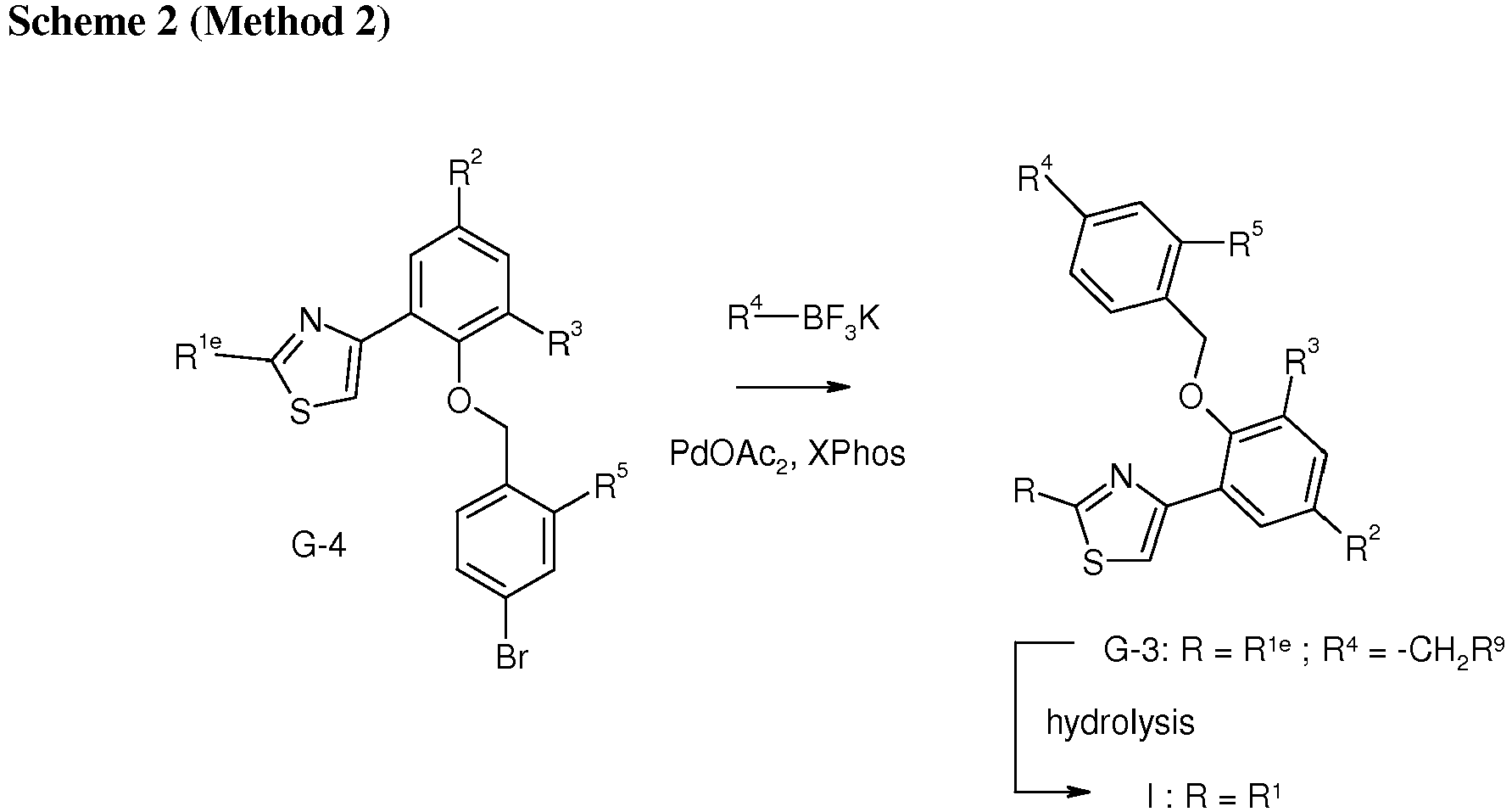
- As described in Scheme 2, intermediate G-4 is reacted with R4BF3K, in the presence of a suitable Pd catalyst such as Pd(OAc)2 and a suitable phosphorous ligand such as dicyclohexyl-[2-(2,4,6-triisopropylphenyl)phenyl]phosphane and a suitable base such as cesium carbonate to provide the desired intermediate, G-3. Hydrolysis of the ester, for example by treatment with aqueous base provides the desired compound of formula I.
- Compounds of formula I having R4 = -C(O)R8 may be prepared from intermediate G-4 by Method 3 as described in Scheme 3.


- As described in Scheme 3, intermediate G-4 is reacted with molybdenum hexacarbonyl, a palladium catalyst such as acetoxy-[[2-(bis-o-tolylphosphanyl)phenyl]methyl]palladium, a phosphorous ligand such as tri-tert-butyl-phosphonium tetrafluoroborate and a suitable base such as piperidine and DBU (1,8-diazabicyclo[5.4.0]undec-7-ene) to provide the ester G-3. Preferably, the reaction is carried out in a sealed tube, in a microwave reactor. Hydrolysis of the ester, for example by treatment with aqueous base provides the desired compound of formula I.
- Scheme 4 (Method 4) describes another method by which compounds of formula I having R4 = - CH2R9 may be prepared.

- As described in Scheme 4, intermediate G-4 is reacted with sodium formate in the presence of CO and a Pd catalyst such as palladium(II) bis-triphenylphosphine chloride in a suitable solvent such as DMF to provide the aldehyde intermediate G-5. Reductive amination with R9H in the presence of a suitable reducing agent such as NaBH(OAc)3 provides G-3, with R4 = -CH2R9. Hydrolysis of the ester on R1 provides the desired compound of formula I.
- Scheme 5 (Method 5) shows an alternate method by which compounds of formula I having R4 = -C(O)R8 may be prepared.


- As illustrated in Scheme 5, intermediate G-4 is reacted with CO, preferably under pressure while heating in a closed reactor, in the presence of a suitable Pd catalyst such as [1,1'-bis(diphenylphosphino)ferrocene]dichloro palladium (II) dichloromethane adduct, water and a suitable base such as triethylamine, in a suitable solvent such as dioxane to provide carboxylic acid intermediate G-6. Coupling of the carboxylic acid with R8H in the presence of a suitable coupling reagent such as TBTU (O-(Benzotriazol-1-yl)-N,N,N',N'-tetramethyluronium tetrafluoroborate) in the presence of a suitable base such as diisopropylethylamine provides G-3, R4 = -C(O)R8. Hydrolysis of the ester on R1 provides the desired compound of formula I.
- Compounds having R4 = -C(O)N(R6)(R7) may be prepared as described below in Scheme 6 (Method 6)


- As described above in Scheme 6, intermediate G-4 is reacted with HN(R6)(R7) in the presence of CO, 4,5-bis(diphenylphosphino)-9,9-dimethylxanthene (Xantphos), a suitable Pd source such as Pd(OAc)2 and a base such as sodium carbonate to provide intermediate G-3, R4 = - C(O)N(R6)(R7). Hydrolysis of the ester on R1 provides the desired compound of formula I.
- Compounds of formula I prepared by the above methods may be reacted further by methods known in the art or described in the synthetic examples below to prepare additional compounds of formula I.
- LCMS retention time and observed m/z data for the final compounds in the Synthetic Examples section are obtained by the following methods. The data are shown in Table 2, at the end of the Synthetic Examples section.
LC-MS Method A Column Waters BEH C18 2.1 x 50 mm, 1.7 µm column Mobile phase A - 0.05% Formic acid (95:5 acetonitrile: water) B - 0.05% Formic acid (acetonitrile) Flow rate 0.8 ml/min @ 60 °C Injection volume 1µL Detector 210-400 nm (PDA) Gradient Time (mins) % B 0 10 1.19 100 1.7 100 LC-MS Method B Column Thermo Scientific, Aquasil C18, 2.1 x 50 mm, 5 µm column Mobile phase A - 0.1% Formic acid (water) B - 0.1% Formic acid (acetonitrile) Flow rate 0.5 ml/min @ 35 °C Injection volume 10µL Detector AB Sciex API5000 Triple Quadrupole Mass Spectrometer Gradient Time (mins) % B 0 10.0 0.5 10.0 1.5 99.0 2.5 99.0 3.3 10.0 3.85 10.0 - Final compounds are designated by compound numbers corresponding to the compound numbers in Table 1. Intermediates are given hyphenated numbers corresponding to the figures and numbers shown in the scheme for each example. All of the compounds in Table I are prepared by the methods illustrated in the General Synthesis section, above and in the Synthetic Examples section below.
-

- To a solution of R-1 (50 mmol, 10.00 g) in CH2Cl2 (200 mL) is added thionyl bromide (75 mmol, 6 mL). The mixture is stirred at ambient temperature for 2 min then treated with saturated aqueous NaHCO3. The mixture is then passed through a hydrophobic frit and concentrated to give R-2. R-2 (10 mmol, 1.50 g), R-3 (12 mmol, 3.20 g) and cesium carbonate (20 mmol, 6.50 g) are dissolved in acetone (25 mL) and stirred at ambient temperature for 3 d. The mixture is filtered then concentrated to give R-4. R-4 (3 mmol, 1.00 g) is dissolved in Et2O (20 mL), bromine (3 mmol, 0.52 mL) is added and the reaction is stirred at ambient temperature for 5 min. The reaction is then diluted with 1:1 (v/v) water:saturated aqueous NaHCO3 (20 mL) and ethyl acetate (40 mL). Combined organics are washed with brine, dried over sodium sulfate and concentrated to give title intermediate in quantitative yield.
-

- To a solution of R-5 (47 mmol, 9.5 g) in THF (2000 mL) at -78 °C is added n-BuLi (1.6M in hexanes, 104 mmol, 65 mL). The mixture is stirred for 15 min before the dry ice bath is removed. After 5 min dry ice is added. Water is added and the pH adjusted to 3 with 1N HCl. The mixture is saturated with NaCl and extracted with ethyl acetate (3 x 20 mL). Organics are combined and dried over MgSO4 and concentrated in vacuo. The crude is purified by flash chromatography to give R-6 (7.6 g, 97%). R-6 (7.2 mmol, 1.2 g) is dissolved in DMF (30 mL) followed by piperidine (36 mmol, 3.00 g) then HATU (2-(7-Aza-1H-benzotriazole-1-yl)-1,1,3,3-tetramethyluronium hexafluorophosphate) (8.7 mmol, 3.3 g). The mixture is stirred at ambient temperature for 3 h. Water is added and the mixture extracted with ethyl acetate. Organics are combined, washed with brine, dried over MgSO4 and concentrated in vacuo. The residue is purified by HPLC to yield the title intermediate (1.10 g, 65%).
- The following intermediates are synthesized in a similar fashion from the appropriate reagents:
I-3 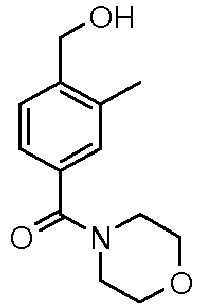
I-4 
-

- To a solution of 1-2 (2.1 mmol, 0.50 g) in DCM (20 mL), cooled to 0 °C, is added pyridine (3.2 mmol, 0.34 mL) followed by dibromotriphenylphosphorane (2.8 mmol, 1.2 g). The mixture is allowed to slowly warm to ambient temperature and stirred overnight. The mixture is concentrated under reduced pressure and the residue purified by flash silica gel chromatography to provide I-5 (0.47 g, 74%) as a white powder.
-

- To a solution of I-2 (42.9 mmol, 10 g) in DCM (430 mL), cooled to 0 °C, is added Hunig's base (64 mmol, 11 mL) followed by methanesulfonyl chloride (55 mmol, 4.3 mL). The mixture is stirred at 0 °C for 1 h then washed with a 1N solution of HCl followed by saturated NaHCO3. The mixture is dried over anhydrous Na2SO4 and concentrated under reduced pressure to provide the title compound (13.3 g, 100%) as a yellow oil.
- The following intermediates are synthesized in a similar fashion from the appropriate reagents:
I-7 
I-8 
I-9 
I-10 
-

- To a 0 °C solution of R-5 (15 mmol, 3.0 g) in THF (50 mL) is added methylmagnesium chloride (1.5M in THF, 18 mmol, 12 mL). The solution is stirred for 5 min then treated with a solution of n-BuLi (2.6M in hexanes, 45 mmol, 18 mL). The solution is stirred for 5 min then treated with DMF (150 mmol, 11.0 g). The cold bath is removed and the mixture is stirred for 10 min then treated with water, extracted with CH2Cl2 and filtered through a phase separator. The filtrate is concentrated in vacuo to give R-7 (2.20 g, 99%). To a solution of R-7 (14.5 mmol, 2.20 g) and morpholine (44 mmol, 38.00 g) in DCE (dichloroethane) (150 mL) is added sodium triacetoxyborohydride (73 mmol, 15.50 g). The mixture is stirred at 60 °C for 24 h then cooled to ambient temperature and poured into 20% (w/w) aqueous Na2CO3 and extracted with 10% methanol in CH2Cl2. The organics are collected, dried over MgSO4, filtered, and concentrated in vacuo. The residue is purified by flash chromatography to give the title intermediate (2.50 g, 76%).
- The following intermediates are synthesized in similar fashion from the appropriate reagents:
I-12 
I-13 
I-14 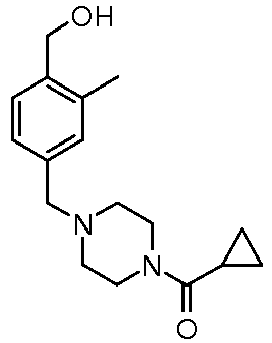
-

- To a vial is added R-8 (0.78 mmol ,0.23 g), R-9 (1.2 mmol, 0.24 g), palladium (II) acetate (0.078 mmol, 0.017 g), Xphos (0.14 mmol, 0.067 g) and cesium carbonate (2.3 mmol, 0.76 g) and a 10:1 mixture of THF : water (2 mL). The vial is sealed then heated to 80 °C for 72 h. The reaction mixture is cooled to ambient temperature and concentrated under reduced pressure, and purified by flash silica gel chromatography to provide R-10 (0.28 g, 100%). A solution of R-10 (0.98 mmol, 0.39g) in THF (15 ml) is treated with LAH (1.7 mmol, 0.066g). The mixture is heated to 65 °C for 3 h then cooled to ambient temperature. Excess reactants are consumed by the addition of a saturated aqueous solution of Na2SO4. The slurry is diluted with DCM and water. The mixture is stirred vigorously for 1h then the organic layer is separated, dried and concentrated under reduced pressure to provide the title compound (0.28 g, 100%).
-

- To a solution of R-11 (2.2 mmol, 0.50 g) in toluene (10 mL) is added tributyl-(1-ethoxy-vinyl)-stannane (2.6 mmol, 0.85 g) followed by of Pd(PPh3)4 (0.22 mmol, 0.25 g). The mixture is heated overnight at 80 °C then cooled to ambient temperature, diluted with water, and extracted with ethyl acetate. The combined organic phase is concentrated under reduced pressure and the residue is stirred overnight in 2 N hydrochloric acid. The mixture is extracted with ethyl acetate and the combined organic phase is dried over anhydrous sodium sulfate then concentrated under reduced pressure. The residue is purified by flash silica gel chromatography to provide R-12 (0.15 g, 35%) as a clear oil. To a solution of R-12 (0.78 mmol, 0.15 g) in DCM (8 mL) is added morpholine (1.6 mmol, 0.14 mL) followed by NaBH(OAc)3 (2.4 mmol, 0.50 g). The mixture is stirred at room temperature for 4 days then heated for 2 days at 60 °C. The mixture is cooled to ambient temperature, concentrated under reduced pressure, and the residue is purified by C18 reverse phase flash chromatography to provide R-13 (0.33 g, 110%) as a clear oil. To a solution of R-13 (0.87 mmol, 0.33 g) in THF (10 mL) was added a solution of LiBH4 in THF (2M, 4.4 mmol, 2.2 mL). The mixture is stirred at room temperature for 3 days then diluted with water and extracted with ethyl acetate. The combined organic phase is dried over anhydrous sodium sulfate and concentrated under reduced pressure to provide the title compound (0.067 g, 32%) as a clear oil.
-

- To a solution of R-14 (2.3 mmol, 0.60 g) in a 10 : 1 mixture of diethylether : methanol (22 mL) is added, dropwise, trimethylsilyldiazomethane (7.4 mmol, 3.7 mL). The mixture is stirred at room temperature for 1 h then concentrated under reduced pressure to provide R-15 which is not purified but used directly. The crude reaction product containing R-15 is taken up in a solution of HCl in 1,4-dioxane (4N, 12 mmol, 3 mL) and stirred at ambient temperature for 1 h. The mixture is concentrated under reduced pressure to provide the title compound (0.55 g, 110%).
-

- A solution of R-16 (9.0 mmol, 2.6 g) is dissolved in MeOH (24 mL) and cooled to 0 °C. Sodium borohydride (9.0 mmol, 0.34 g) is added slowly to the mixture and the reaction is stirred at room temperature for 3 h. The mixture is concentrated under reduced pressure and the residue is diluted with DCM and water. The organic layer is separated, washed with brine, dried over Na2SO4, and concentrated under reduced pressure. The residue is purified using flash silica gel chromatography to provide R-17 (0.26 g, 100%). To a solution of R-17 (0.91 mmol, 0.26 g) in THF (5 mL) is added TEA (0.14 ml, 1.0 mmol) followed by methanesulfonyl chloride (1.0 mmol, 0.078 ml). The reaction mixture is allowed to stir at room temperature for 16 h. To the mixture is added DBU (1.8 mmol, 0.27 m,) and the reaction is allowed to stir at room temperature for 2 h. The mixture is diluted with EtOAc and washed sequentially with a saturated aqueous solution of NH4Cl followed by a 1M solution of HCl. The organic phase is dried over anhydrous Na2SO4 and concentrated under reduced pressure. The residue is purified by flash silica gel chromatography to provide R-18 (0.26 g, 100%). To a solution of trimethylsulfoxonium iodide (1.0 mmol, 0.23 g) in DMSO (24 mL) is slowly added NaH (60% dispersion in mineral oil, 1.0 mmol, 0.042 g). The mixture is stirred at room temperature for 1 h and then a solution of R-18 (0.950 mmol, 0.26 g) in DMSO (0.5 mL) is rapidly added. The reaction mixture is heated to 50 °C for 2 h and then cooled to ambient temperature and stirred for 16 h. The reaction mixture is diluted with water and extracted with ethyl acetate. The combined organic phase is washed with brine then dried over anhydrous sodium sulfate and concentrated under reduced pressure to provide R-19 (0.17 g, 63%). To a solution of R-19 (0.60 mmol, 0.17 g) in a 3 : 1 mixture of Et2O : DCM (4 ml) is added a solution of HCl in 1,4-dioxane (4M, 4 mmol, 1.0 mL). The mixture is stirred at 45 °C for 3 h then concentrated under reduced pressure. The residue is washed with Et2O and dried to provide the title compound (0.099 g, 75%).
-

- A suspension of methyl triphenylphosphonium bromide (97 mmol ,35 g) and KOtBu (97 mmol, 11 g) in Et2O (200 mL) is stirred for 1 h at 35 °C under Ar. To this is added, dropwise, a solution of R-20 (24 mmol, 5.0 g) in Et2O (20 mL). The mixture is heated to reflux and stirred for 12 h. After cooling down to ambient temperature, the resulting suspension is filtered through a pad of diatomaceous earth and the filter pad is rinsed with Et2O. The filtrate is concentrated under reduced pressure and the residue is purified by flash silica gel chromatography to provide R-21 (2.9 g, 59%). To the stirred solution of R-21 (14 mmol, 2.8 g) and Rh(OAc)2 catalyst (0.7 mmol, 0.3 g) in DCM (35 mL) is slowly added a solution of diazoethyl acetate (28 mmol, 3.1g) in DCM (15mL) over a 12 h period. The solution is diluted with ethyl acetate and washed with an aqueous solution of NaHCO3 and brine. The organic phase is concentrated under reduced pressure and the residue is purified by flash silica gel chromatography to provide R-22 (2.1 g, 53%). A suspension of R-22 (7.3 mmol, 2.1 g) and 5% Pd/C (0.400 g) in MeOH (20 mL) is stirred overnight at ambient temperature under an atmosphere of hydrogen. The mixture is filtered through diatomaceous earth and the filter pad rinsed with a 10% solution of MeOH in DCM. The filtrate is concentrated under reduced pressure to provide the title compound (1.1 g, 98%).
-

- To a solution of diisopropylamine (17 mmol, 2.4 mL) in THF (20 mL), cooled to 0 °C, is added a solution of n-BuLi in pentane (2.5 N, 17 mmol, 6.8 mL). The solution is warmed to room temperature, stirred for 30 min, and then cooled to -78 °C. To this is added a solution of R-23 (14 mmol, 2.0 g) in THF (4 mL). The mixture is stirred at - 78 °C for 3 h then a solution of R-20 (17 mmol, 3.5 g) in THF (4 mL) is added. The reaction mixture is stirred at -78 °C for 1 h then warmed to ambient temperature and stirred for an additional 2 h. The reaction is diluted with water and extracted with ethyl acetate. The combined organic phase is concentrated under reduced pressure and the residue purified by flash silica gel chromatography to provide R-24 (2.7 g, 55%). To a solution of R-24 (7.2 mmol, 2.5 g) in toluene (40 mL) is added Burgess reagent (8.7 mmol, 2.1 g). The mixture is heated to 90 °C for 1h then cooled to ambient temperature and concentrated under reduced pressure. The residue is purified by flash silica gel chromatography to provide R-25 (0.44 g, 19 %). A mixture of R-25 (0.49 mmol, 0.16 g,) and 5% Pd/C (0.050 g) in methanol (5 mL) is stirred overnight at ambient temperature under an atmosphere of hydrogen. The mixture is filtered through diatomaceous earth and the filter pad rinsed with a 10% solution of MeOH in DCM. The filtrate is concentrated under reduced pressure to provide the title compound (0.091g, 95%).
-

- A flask is charged with EtOH (60 mL) and cooled to 0 °C. To this is added acetyl chloride (28 mmol, 2.0 mL). The mixture is stirred at 0 °C for 15 min then R-26 (10 mmol, 2.5 g) is added. The mixture is warmed to room temperature for 30 min then heated to 60 °C for 2 h. The mixture is cooled to room temperature, concentrated under reduced pressure, and the residue was taken up in toluene and concentrated under reduced pressure again to provide R-27 (2.2 g, 100%) as a white powder. To a solution of R-27 (4.7 mmol, 0.80 g) in methylene chloride (50 mL) is added benzylchloroformate (7.0 mmol, 1.0 mL) followed by Hunig's base (11 mmol, 2.0 mL). The mixture is shaken overnight at ambient temperature then washed with a saturated solution of ammonium chloride. The organic phase is separated then dried over anhydrous sodium sulfate and concentrated under reduced pressure. The residue is purified by flash silica gel chromatography to provide R-28 (1.2 g, 84%) as a clear oil. A sample of R-28 (3.9 mmol, 1.2 g) was separated by chiral HPLC. The eluent was removed under reduced pressure to provide I-21 (0.40 g, 34%, 99% ee) and I-22 (0.51 g, 43%, >99% ee). The absolute configuration of I-21 and I-22 is determined using experimental vibrational circular dichroism (VCD) and density functional theory (DFT) calculation. VCD measurements are performed on a ChiralIR spectrometer (BioTools, FL, USA). Both samples are dissolved in CDCl3 solution at the concentration of 50 mg/mL. Spectra are collected for 4 h in a 100 µm path length cell. The final VCD spectra are corrected by subtracting the solvent spectra (CDCl3) measured in the same conditions. A conformer search of the 1S,3R enantiomer was performed using Hyperchem 7 software at molecular mechanic level (MM+). Four obtained conformers with the lowest energies were further applied for VCD calculation using Gaussian09 software at DFT level with B3LYP/6-31G(d) basis sets and functionals. The final spectra were constructed by averaging the four conformers based on Boltzmann distribution. The absolute configuration of I-21 and I-22 is assigned from the agreement of the VCD bands between experimental spectra and calculated spectra.
-

- To a solution of R-29 (3.5 mmol, 1.00 g) dissolved in 10:1 (V:V) Et2O : MeOH (40 mL) is added TMS diazomethane (0.5M in THF, 13 mmol, 6.4 mL). The mixture is stirred at ambient temperature for 4 h. The reaction is concentrated in vacuo and the residue is dissolved in 4 N HCl in dioxane (5 mL) and stirred at ambient temperature for 4 h then concentrated in vacuo to give R-30. To a solution of R-30 (4.0 mmol, 0.78 g) and dibromothiazole (2.7 mmol, 0.65 g) in DMF (10 mL) is added triethylamine (10 mmol, 1.5 mL). The solution is heated at 80 °C for 16 h. The reaction is concentrated in vacuo and the residue is purified by flash chromatography to give R-31 (0.66 g, 60%). A solution of R-31 (2.4 mmol, 0.76 g), 4-methyl-2-(4,4,5,5-tetramethyl-1,3,2-dioxaborolan-2-yl)phenol (2.9 mmol, 0.67 g) in THF (20 mL) and 2 M aqueous Na2CO3 (9 mmol, 4.5 mL) is sparged with argon. Tetrakistriphenylphosphinepalladium(0) (0.24 mmol, 0.28 g) is added and the mixture is heated at 80 °C for 16 h. The mixture is cooled then diluted with DCM and passed through a hydrophobic frit. The organics are concentrated in vacuo and the residue is purified by flash chromatography to give the title intermediate (0.68 g, 82%).
- The following intermediates are synthesized in similar fashion from the appropriate reagents:
I-24 
I-25 
I-26 
I-27 
I-28 
I-29 
I-30 
I-31 
I-32 
I-33 
I-34 
I-35 
I-36 
I-37 
I-38 
I-39 
I-40 
I-41 
I-42 
I-43 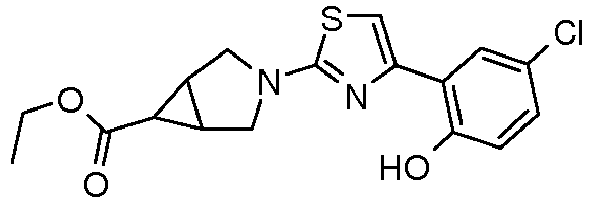
I-44 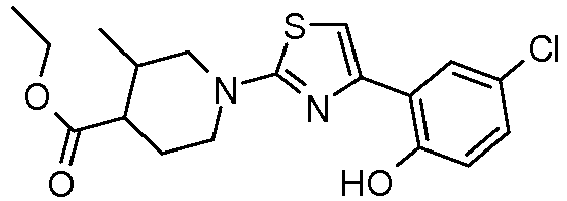
I-45 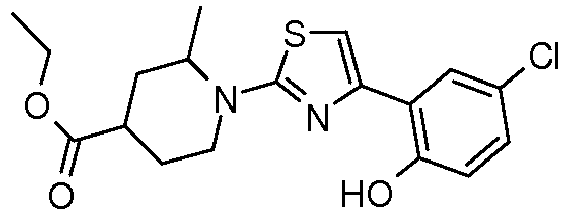
I-46 
I-47 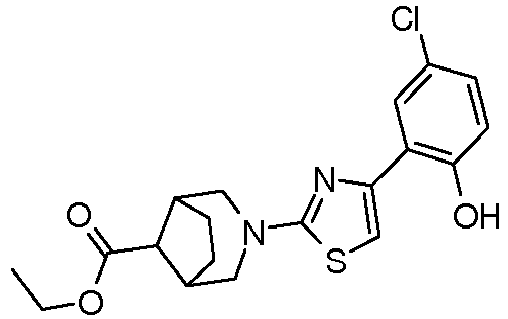
I-48 
I-49 
I-50 
I-51 
I-52 
I-53 
I-54 
I-55 
I-56 
I-57 
I-58 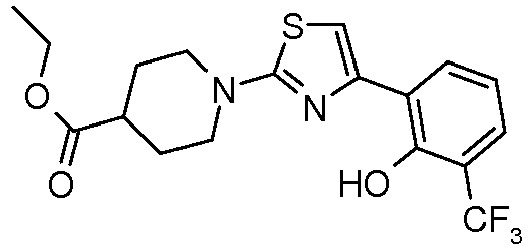
I-59 
I-60 
I-61 
I-62 
I-63 
I-64 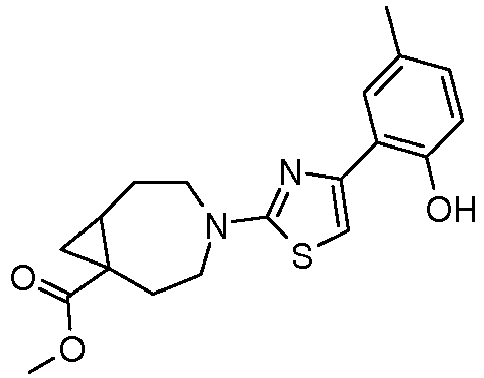
I-65 
I-66 
I-67 
I-68 
I-69 
I-70 
I-71 
-
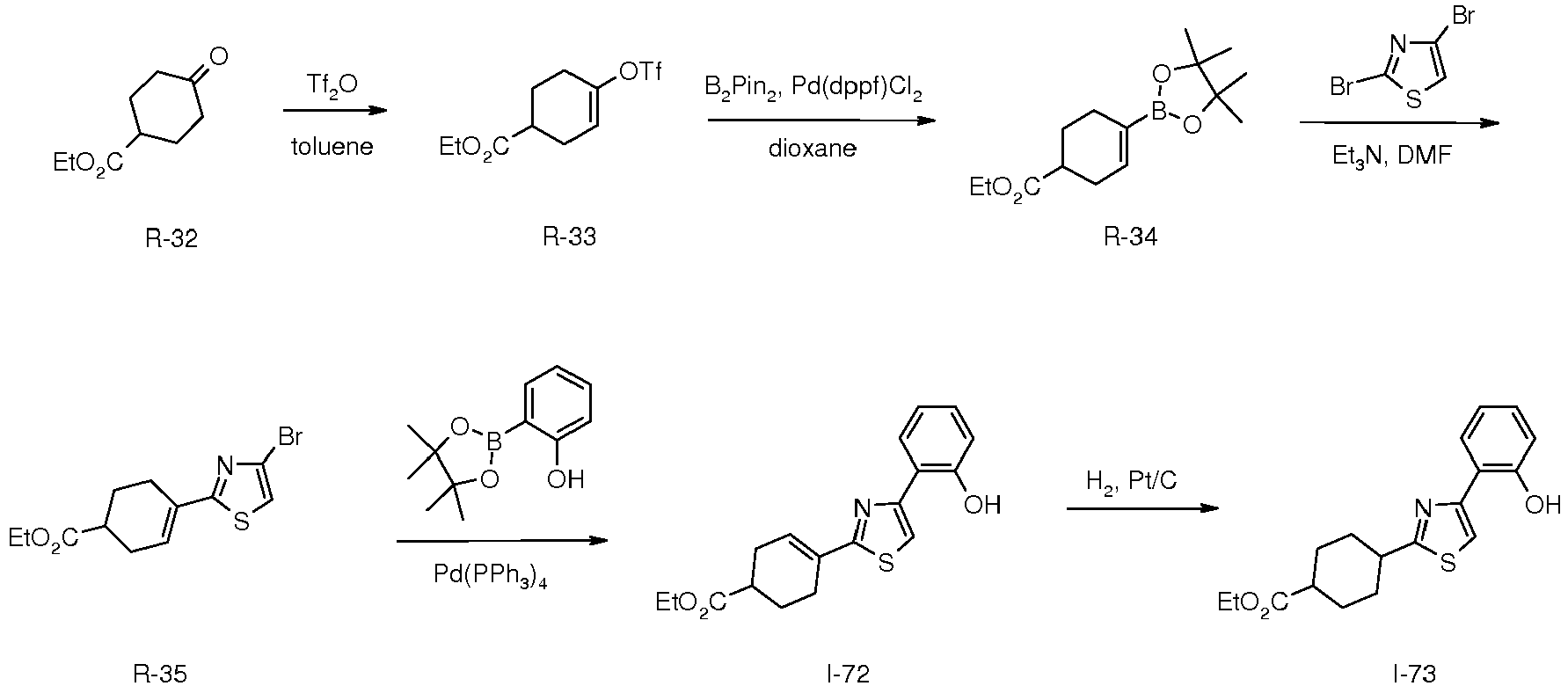
- Pyridine (2.60 g) is dissolved in toluene (5.0 mL), and then trifluoroacetic anhydride (10 g) is added to the mixture. The solution is stirred at room temperature for 30 min. R-32 (14 g) is added and the solution stirred for 12 h. The mixture is extracted with ethyl acetate and water. The organic layer is washed with brine, dried over Na2SO4 and concentrated in vacuo. The residue is purified by flash chromatography to give R-33 (8 g, 82%). The mixture of R-33 (8 g), Pin2B2 (7.4 g), dppf (1 g), Pd(dppf)2Cl2 (1 g) and K2CO3 (11 g) in dioxane (100 mL) is stirred at 100 °C for 1 h. The solvent is removed in vacuo. The mixture is extracted with ethyl acetate and water. The organic layer is washed with brine, dried over Na2SO4 and concentrated in vacuo. The residue is purified by flash chromatography to give R-34 (5 g, 68%). A mixture of dibromothiazole (1.3 eq), R-34 (1.0 eq) and Et3N (6.0 eq) in DMF is stirred at 90 °C for 5 h. The mixture is extracted with ethyl acetate and water. The organic layer is washed with brine, dried over Na2SO4 and concentrated in vacuo. The residue is purified by flash chromatography to give compound R-35. A mixture of compound R-35 (735 mg), 4-methyl-2-(4,4,5,5-tetramethyl-1,3,2-dioxaborolan-2-yl)phenol (768 mg), Pd(PPh3)4 (268 mg) and Cs2CO3 (2.3 g) in DME (dimethoxyethane) and H2O is stirred at 100 °C for 4 h. The mixture is extracted with ethyl acetate and water. The organic layer is washed with brine, dried over Na2SO4 and concentrated in vacuo. The residue is purified by flash chromatography to give compound I-72 (766 mg, 93%). A mixture of compound I-72 (660 mg) and PtO2 (46 mg) in EtOH is stirred at 20 °C under H2 at a pressure of 50 psi for 4 h. The mixture is concentrated in vacuo. The crude product is purified by flash chromatography to give compound I-73 (680 mg, 95%).
- The following intermediates are synthesized in similar fashion from the appropriate reagents:
I-74 
I-75 
I-76 
I-77 
I-78 
I-79 
-

- A solution of R-36 (2.7 mmol, 0.85 g), R-37 (3.5 mmol, 0.90 g), and
tetrakistriphenylphosphinepalladium(0) (0.27 mmol, 0.31 g) in THF (6 mL) and 20% (w/w) aqueous Na2CO3 (3 mL) is heated at reflux for 3 h. The mixture is cooled and then partitioned between CH2Cl2 and brine. The organics were collected, dried with MgSO4, filtered, and concentrated in vacuo. The crude was purified by flash chromatography to give R-38 (0.67 g, 68%). A solution of R-38 (1.8 mmol, 0.67 g) in CH2Cl2 (10 mL) is cooled to 0 °C then treated with a solution of BBr3 in DCM (1.0 M, 9 mmol, 9 mL). The mixture is stirred at 0 °C for 1 h then treated with saturated aqueous NaHCO3. The mixture was diluted with DCM and organics were collected, dried with MgSO4, filtered, and concentrated in vacuo. The crude was purified by flash silica gel chromatography to give the title intermediate (0.44 g, 67%). - The following intermediates are synthesized in similar fashion from the appropriate reagents:
I-81 
I-82 
I-83 
I-84 
I-85 
I-86 
I-88 
I-88 
I-89 
I-90 
-

- To a stirred solution of furan (63 mmol, 4.5 mL) in THF (30 mL), under argon and cooled to -20 °C, is added a solution of n-BuLi in pentane (2.0 N, 69 mmol, 34.5 mL). The mixture is warmed up to ambient temperature and stirred for 1 h. The mixture is then cooled to 0 °C and a solution of R-39 (13 mmol, 2.7 g) in THF (5 mL) is added. The mixture is warmed to ambient temperature and stirred overnight. The mixture is diluted with water, extracted with ethyl acetate, washed with brine, and then concentrated to afford R-40 (3.5 g, 100%). To a solution of R-40 (8.8 mmol, 2.5 g) in DCM (30 mL) is added TFA (88 mmol, 6.7 mL) and t-butyldimethylethylsilane (44 mmol, 7.3 mL). The mixture is stirred at 35 °C overnight. The reaction mixture is concentrated under reduced pressure and the residue is dissolved in ethyl acetate, washed successively with aqueous NaHCO3, water, and brine then concentrated under reduced pressure. The residue is dissolved in DCM (30 mL) then TsOH (8.8 mmol, 1.7 g) is added. After a clear solution is obtained the solvent is concentrated under reduced pressure. The residue is recrystallized from an isopropanol: heptanes mixture and collected by filtration. The isolated solid is dissolved in methylene chloride then washed with an aqueous sodium carbonate solution followed by brine then dried over anhydrous sodium sulfate and concentrated to give R-41 (1.7 g, 68%). To the stirred solution of R-41(3.2 mmol, 0.85 g,) in DCE is added 1-chloroethyl chloroformate (9.6 mmol, 1.0 mL), the resulting solution is stirred at ambient temperature for 10 min, then heated to 80 °C for 3 h. The solution is then cooled down to ambient temperature and concentrated under reduced pressure. Methanol is added to the residue and the mixture is heated to reflux for 1 h then cooled to ambient temperature and concentrated under reduced pressure to afford R-42 which is used directly. The above crude R-42 is dissolved in DCM then Hunig's base (13 mmol, 2.4 mL) and benzylchloroformate (6.4 mmol, 0.9 mL) are added successively. The resulting solution is stirred at ambient temperature for 2 h and then concentrated under reduced pressure. The residue is dried in a vacuum oven at 40 °C overnight to afford R-43 (quantitative yield). To a solution of R-43 (3.8 mmol, 1.2 g) in a 2 : 2 : 3 mixture of acetonitrile : carbon tetrachloride : water mixture (50 mL) is added sodium periodate (38 mmol, 8.2 g). After 10 min, ruthenium trichloride (0.2 mmol, 43 mg) is added. The mixture is stirred for 20 min then diluted with water, extracted with ethyl acetate, washed with brine, dried over anhydrous sodium sulfate, and concentrated under reduced pressure to provide R-44 which is used directly. The isolated R-44 is dissolved in MeOH and the solution is cooled to 0 °C. To this mixture is added trimethylsilyldiazomethane (2.0 N in ether, ca. 12 mL), dropwise, until a yellowish color is persistent. Stirring is continued for 30 min then excess reactants are consumed by the addition of acetic acid. The solution is concentrated under reduced pressure and the residue is purified by flash silica gel chromatography to afford the R-45 (0.81 g, 70%). A suspension of R-45 (2.2 mmol, 0.66 g) and 5% palladium on carbon (0.10 g) in MeOH (5 mL) is stirred under a hydrogen atmosphere for 3 h. The mixture is filtered through a pad of diatomaceous earth, rinsed with a 10% MeOH in DCM mixture and the filtrate concentrated under reduced pressure R-46 (0.34 g, 92%). A mixture of R-46 (0.62 mmol, 0.10 g), 2,4-dibromothiazole (0.62 mmol, 0.15 g) and Hunig's base (2.5 mmol, 0.44 ml) in DMF (3 mL) are heated to 85 °C overnight. The mixture is cooled to ambient temperature and the mixture is concentrated under reduced pressure. The residue is purified by flash silica gel chromatography to afford R-47 (0.16 g, 76%). A mixture of R-47 (0.47 mmol, 0.054 g,), 4-methyl-2-boronic acid-phenol (0.56 mmol, 0.085 g), tetrakis(triphenylphosphine)palladium (0) (0.047 mmol, 0.31 g,, and aqueous sodium carbonate (2 N, 1.9 mmol, 0.9 mL) in THF (3 mL) is heated to reflux overnight. The mixture is cooled to ambient temperature then diluted with water and extracted with ethyl acetate. The combined organic phase is washed with brine then dried over anhydrous sodium sulfate and concentrated under reduced pressure. The residue is purified by flash silica gel chromatography to provide the title compound (0.14 g, 84.7%).
- The following intermediate is synthesized in similar fashion from the appropriate reagents:
I-92 
-

- A suspension of R-44 (28 mmol, 8.0 g) in toluene (40 mL) is heated to 110 °C. To this R-48 (166 mmol, 40 mL) is added dropwise. After the addition is complete the solution is stirred at 110 °C for 1 h then cooled to ambient temperature. The solvent is removed under reduced pressure and the residue purified by flash silica gel chromatography to provide R-49 (7.1 g, 74%). A mixture of R-49 (11.6 mmol, 4.0 g) and 5% Pd/C (0.50 g) in MeOH (30 mL) is stirred for 3 h at ambient temperature under an atmosphere of hydrogen. The mixture is filtered through a pad of diatomaceous earth and the filter pad is rinsed with a 10% solution of MeOH in DCM. The filtrate is concentrated under reduced pressure to provide R-50 (2.4 g, 100%). A mixture of R-50 (11 mmol, 2.7 g), 2,4-dibromothiazole (11 mmol, 2.3 g) and Hunig's base (44 mmol, 7.9 ml) in DMF (12 mL) is heated to 85 °C overnight. The mixture is cooled to ambient temperature and concentrated under reduced pressure. The residue is purified by flash silica gel chromatography to provide R-51 (4.0 g, 96.4%). A mixture of R-51(11 mmol, 4.4 g), 4-methyl-2-boronic acid-phenol (13 mmol, 1.9 g), tetrakis(triphenylphosphine)palladium(0) (1.1 mmol, 1.2 g) and aqueous Na2CO3 (2 N, 42 mmol, 21 mL) in THF (20 mL) is heated at reflux overnight. The reaction mixture is cooled to ambient temperature and diluted with water. The mixture is extracted with EtOAc and the combined extracts are washed with brine then dried over anhydrous Na2SO4 and concentrated under reduced pressure. The residue is purified by flash silica gel chromatography to provide the title compound (3.1 g, 72.2%).
-

- To a solution of I-91 (1.7 mmol, 0.63 g) in DMF (9 mL) is added imidazole (4.2 mmol, 0.29 g), followed by tert-butyldimethyl chlorosilane (2.1 mmol, 0.32 g). The mixture is stirred at ambient temperature for three days then diluted with water and extracted with EtOAc. The combined organic layers are washed with water followed by brine and then concentrated under reduced pressure. The residue is purified by flash silica gel chromatography to provide R-52 (0.72 g, 86%). To a solution of R-52 (1.4 mmol, 0.65 g,) in THF (10 mL), cooled to - 78 °C, is added a solution of LiHMDS in THF (1M, 2.7 mmol, 2.7 mL). The resulting solution is stirred at - 78 °C for 30 min then MeI (0.017 mL, 2.7 mmol) is added. The reaction mixture is warmed to ambient temperature and stirred overnight. The mixture is diluted with DCM and excess reactants are consumed by the addition of a saturated aqueous solution of NH4Cl. The organic layer is washed with brine then concentrated under reduced pressure and the residue purified by flash silica gel chromatography to provide R-53 (0.49 g, 75%). To a solution of R-53 (1.0 mmol, 0.49 g) in THF (5 mL) is added a solution of TBAF in THF (1M, 2.5 mmol, 2.5 mL,). The mixture is stirred at room temperature for 1 h then concentrated under reduced pressure and the residue purified by flash silica gel chromatography to give the title compound (0.29 g, 77%).
-
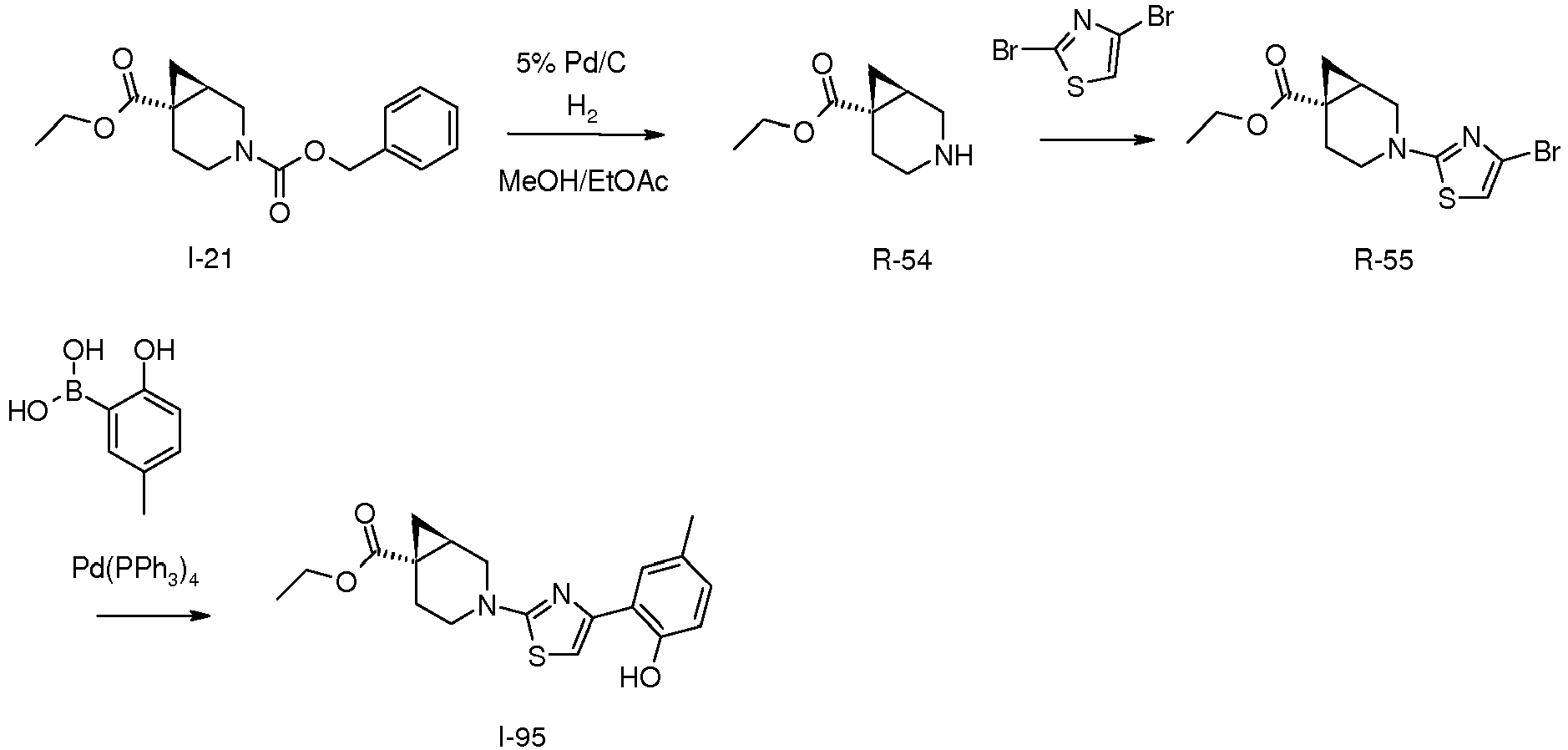
- A mixture of I-21 (1.1 mmol, 0.35 g) and 5% Pd/C (0.09 mmol, 0.2g) in 1 : 1 mixture of MeOH : EtOAc (12 mL) is stirred at ambient temperature for 3 h under an atmosphere of hydrogen. The mixture is filtered through a pad of diatomaceous earth and concentrated under reduced pressure to provide R-54 (0.24 g, 106%). To a solution of R-54 (1.4 mmol, 0.24 g) in DMF (14 mL) is added 2,4-dibromothiazole (1.6 mmol, 0.40 g) followed by diisopropylethylamine (2.9 mmol, 0.50 mL). The resultant reaction mixture is heated at 80 °C for 3 days then cooled to ambient temperature. The mixture is diluted with water and extracted with EtOAc. The combined organic extracts are washed with brine, dried over anhydrous sodium sulfate and concentrated under reduced pressure. The residue is purified by flash silica gel chromatography to provide R-55 (0.15 g, 35%). To a solution of R-55 (0.49 mmol, 0.15 g) in 1,4-dioxane (5 mL) is added 4-methyl-2-boronic acid-phenol (0.049 mmol, 0.075 g) and a solution of Na2CO3 (1.8 mmol, 2M, 0.90 mL). The mixture is sparged with N2 for 10 min then Pd(PPh3)4 (0.043 mmol, 0.050 g) is added and the mixture is heated to 80 °C and stirred overnight. The reaction mixture is cooled to ambient temperature, diluted water, and extracted with EtOAc. The combined organic extracts are washed with brine, dried over anhydrous sodium sulfate, and concentrated under reduced pressure. The residue is purified by flash silica gel chromatography to provide the title compound (0.072 g, 41%).
- The following intermediate is synthesized in similar fashion from the appropriate reagents:
I-96 
-

- A mixture of R-56 (4.5 mmol, 0.75 g) and di-imidazol-1-yl-methanethione (7.5 mmol, 1.30 g) are dissolved in THF (20 mL) and triethylamine (13.4 mmol, 2 mL) is added. The mixture is stirred at ambient temperature for 16 h. Then it is concentrated under reduced pressure and the residue is dissolved in a mixture of CH3CN (10 mL) and NH4OH (5 mL). The resulting solution is heated to 60 °C for 3 h then cooled to ambient temperature and concentrated in vacuo to give R-57. A mixture of R-57 (0.36 mmol, 0.070 g) and I-1 (0.36 mmol, 0.15 g) are dissolved in EtOH (10 mL) and heated to 65 °C for 6 h. The reaction is concentrated in vacuo and the residue is purified by flash silica gel chromatography to give title intermediate (0.12 g, 66%).
- The following intermediates are synthesized in similar fashion from the appropriate reagents:
I-98 
I-99 
I-100 
I-101 
I-102 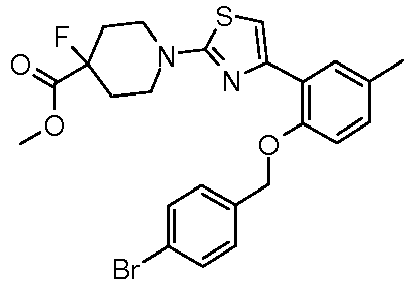
I-103 
I-104 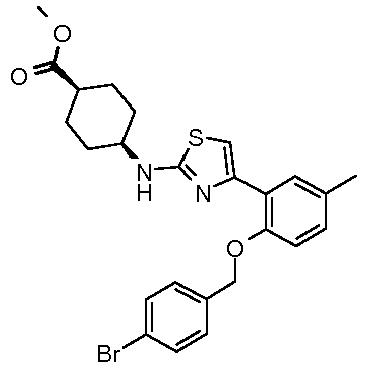
I-105 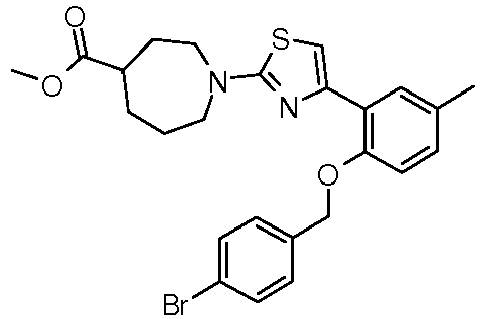
I-106 
-

- A mixture of I-59 (1.3 mmol, 0.44 -g), R-58 (1.6 mmol, 0.42 g), and Cs2CO3 (2.6 mmol, 0.86 g) is dissolved in acetone (10 mL) and stirred at ambient temperature for 16 h. The mixture is filtered and then concentrated under reduced pressure to give title intermediate which is used without further purification.
- The following intermediates are synthesized in similar fashion from the appropriate reagents:
I-108 
I-109 
I-110 
I-111 
I-112 
I-113 
I-114 
I-115 
I-116 
I-117 
I-118 
I-119 
I-120 
I-121 
I-122 
I-123 
I-124 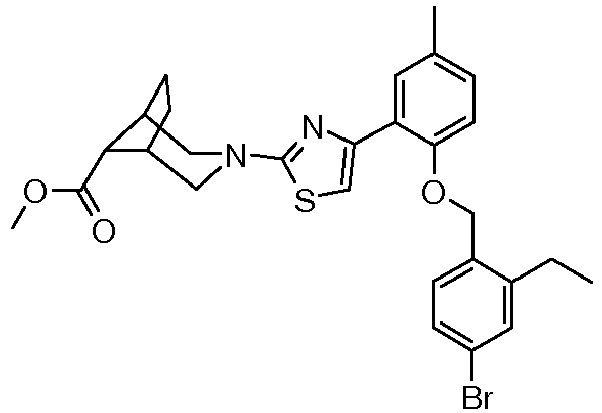
I-125 
I-126 
I-127 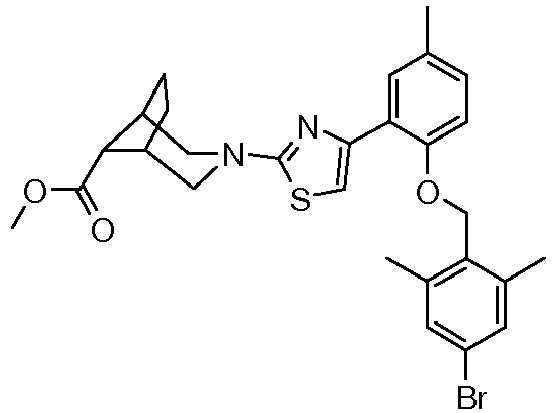
-

- To a solution of I-28 (1.7 mmol, 0.60 g) in toluene (30 mL) is added R-59 (2.6 mmol, 0.56 g) followed by trioctylphosphine (3.5 mmol, 1.5 mL). To this is added ADDP (2.6 mmol, 0.65 g). The mixture is heated at 95 °C overnight then cooled to room temperature and concentrated under reduced pressure. The residue is purified by flash silica gel chromatography to provide the title compound (0.21 g, 22%).
- The following intermediate is synthesized in similar fashion using the appropriate reagents:
I-129 
-

- To a solution of I-119 (1.68 mmol, 0.91 g) in a 1 : 1 mixture of water : THF (15 mL) is added molybdenum hexacarbonyl (1.0 mmol, 0.27 g), followed by DBU (5.4 mmol, 0.80 mL) and Hermann's palladacycle (1.34 mmol, 1.26 g). The mixture is heated in the microwave at 150 °C for 15 min then concentrated down under reduced pressure. The residue is purified by flash silica gel chromatography to afford the tile compound as a white powder (0.40 g, 48%).
- The following intermediate is synthesized in similar fashion from the appropriate reagents:
I-131 
I-132 
I-133 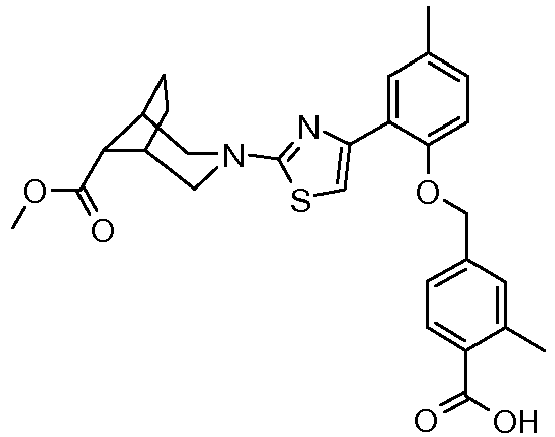
I-134 
-
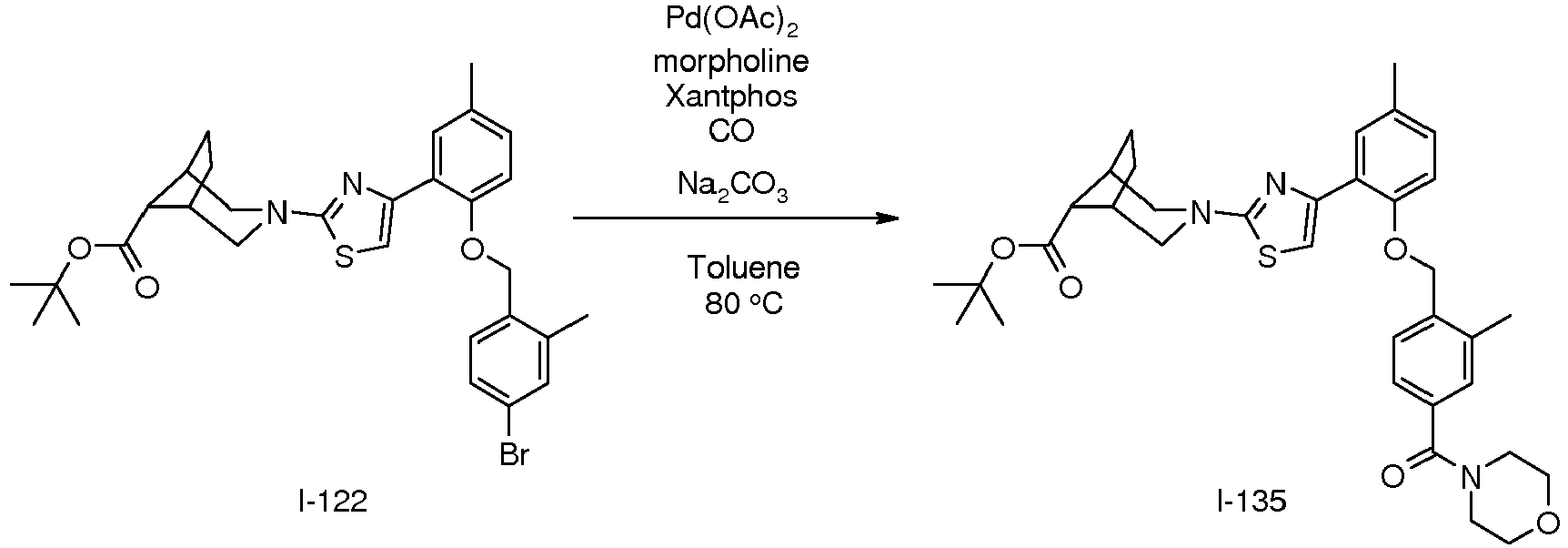
- To a solution of I-122 (0.18 mmol, 0.11 g) in toluene (2 mL) is added morpholine (0.55 mmol, 0.056 mL), Pd(OAc)2 (0.02 mmol, 0.004g), Xantphos (0.037 mmol, 0.021 g), and Na2CO3 (0.55 mmol, 0.058 g). The reaction mixture is heated overnight at 80 °C under an atmosphere of CO. The mixture is cooled to ambient temperature and diluted with EtOAc then washed with an aqueous solution of NaHCO3 followed by brine. The organic phase is dried over anhydrous Na2SO4, concentrated under reduced pressure, and the residue purified by flash silica gel chromatography to provide the title compound (0.075 g, 64%).
- The following intermediate is synthesized in similar fashion from the appropriate reagents:
I-136 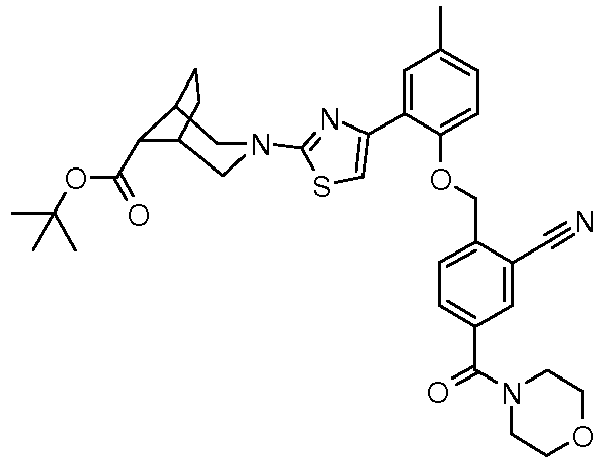
-

- To a solution of I-28 (2.2 mmol, 0.75 g) in THF (6 mL) is added R-60 (3.2 mmol, 0.63 g) and trioctylphosphine (4.3 mmol, 2.0 mL). To this is added ADDP (3.2 mmol, 0.82 g). The mixture is stirred at ambient temperature for 3 h then is diluted with DCM and concentrated under reduced pressure. The residue is purified by flash silica gel chromatography to provide R-61 (1.0 g , 93%) as a clear oil. To a solution of R-61 (0.12 g, 0.23 mmol) in THF (2 mL) is added HCl (2N, 1 mmol, 0.5 mL). The mixture is stirred at room temperature for 30 min then neutralized by the addition of an aqueous solution of NaHCO3. The mixture is diluted with water and extracted with EtOAc. The combined organic phase is dried over anhydrous sodium sulfate and concentrated under reduced pressure to provide the title compound (0.10 g , 91%) as a yellow oil.
- The following intermediates are synthesized in similar fashion from the appropriate reagents:
I-138 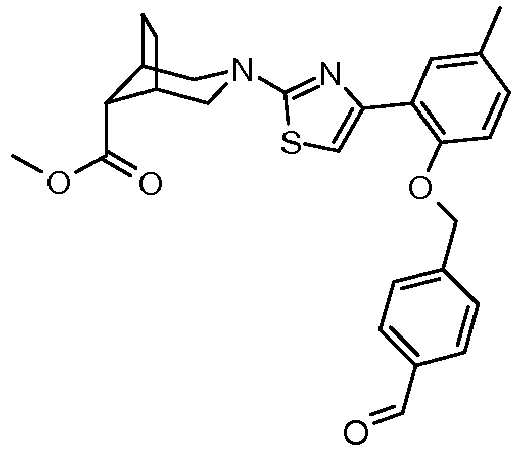
I-139 
-

- A solution of I-41 (0.38 mmol, 0.14 g) in toluene (8 mL) is treated with I-2 (0.75 mmol, 0.17 m,), trioctylphosphine (0.60 mmol, 0.30 mL,) and ADDP (0.75 mmol, 0.190 g). The resulting mixture is heated at 80 °C for 16 h. Additional trioctylphosphine (0.60 mmol, 0.30 mL) and ADDP (0.75 mmol, 0.190 g) are added and the mixture is stirred at 80 °C for 16 h. The solution is cooled to ambient temperature and concentrated to dryness. Purification of the crude by flash chromatography gave I-140 that is dissolved in 1:1:1 (v/v/v) MeOH:THF:5M aqueous NaOH (3 mL). The mixture is heated at 60 °C for 15 min then concentrated to dryness. Purification of the crude by HPLC afforded the title compound (33 mg, 16%).
- The following compounds from Table 1 are also obtained in a similar manner to the title compound:
- Compounds 1, 8, 9,11-12,17, 32, 34, 37-38, 41-42, 48, 55-57, 59, 64, 67-68, 72-73, 76, 78-79, 85, 88, 97-98, 102-103, 109, 117-118, 127, 130, 141-142, 145, 148-149, 182-184, 208, 209, 226, 229,236,240,243,248,260,274.
- The following compounds are also obtained in a similar manner described for the title compound utilizing I-3:
- Compound 224, 241, 247, 256, 268.
- The following compound is also obtained in a similar manner described for the title compound utilizing I-4:
- Compound 294.
- The following compounds are also obtained in a similar manner described for the title compound utilizing I-11:
- Compounds 2, 14, 24, 28, 33, 43-44, 58, 61, 71, 74, 77, 80, 83-84, 86-87, 99, 100, 114, 132, 185-193, 206, 210, 213, 218, 220, 231, 233, 237, 242, 246, 254, 257, 261.
- The following compounds are also obtained in a similar manner described for the title compound utilizing I-12:
- Compounds 82, 101, 107, 108, 110-111, 116, 120-121, 124, 128-129, 131, 133, 135-137, 139, 143-144, 146-147, 150, 152-157, 203, 205, 207, 217, 222, 223, 230, 234, 235, 244, 245, 252, 253, 259, 275.
- The following compound is also obtained in a similar manner described for the title compound utilizing I-13:
- Compound 351.
- The following compounds are also obtained in a similar manner described for the title compound utilizing I-14:
- Compound 225, 228, 255
- The following compound is also obtained in a similar manner described for the title compound utilizing I-15:
- Compound 277.
- The following compound is also obtained in a similar manner described for the title compound utilizing I-16:
- Compound 276.
- The following compounds are also obtained in a similar manner described for the title compound utilizing triphenylphosphine:
- Compounds 21, 63, 113, 126, 151, 166, 173-174, 177
-

- To a vessel is added I-116 (6.3 mmol, 3.3 g), potassium trifluoro(morpholinomethyl)boron (9.4 mmol, 1.95 g), Pd(OAc)2 (0.63 mmol, 0.14 g), Xphos (1.3 mmol, 0.60 g), and Cs2CO3 (19 mmol, 6.1 g) in a 9 : 1 mixture of THF : water (86 mL). The vessel is sealed then heated at 95 °C for 18 h. The mixture is concentrated in vacuo and the residue is dissolved in EtOAc. Organics are washed with water, then brine, dried over sodium sulfate and concentrated in vacuo to afford a residue that is purified by flash chromatography to give I-141 (2.98 g, 78%). I-141 (4.9 mmol, 3.0 g) is dissolved in THF (12 mL), MeOH (12 mL), and 5N aqueous NaOH (2.5 mL) and stirred at 60 °C for 15 min. The mixture is concentrated in vacuo then purified by flash chromatography to give the title compound (1.6 g, 63%).
- The following compounds are prepared in a similar manner to the title compound:
- Compounds 3, 4, 6, 10, 22-23, 35-36, 51-52, 60, 62, 81, 167, 179, 181, 201, 278, 280.
-

- To a microwave vial is added I-100 (0.20 mmol, 0.10 g), molybdenum hexacarbonyl (2.0 mmol, 0.51 g), acetoxy-[[2-(bis-o-tolylphosphanyl)phenyl]methyl]palladium (0.02 mmol, 0.02 g), tri-tert-butyl-phosphonium tetrafluoroborate (0.04 mmol, 0.01 g), and piperidine (2.3 mmol, 0.22 mL) in 2 mL THF followed by DBU (2.00 mmol, 0.30 mL). The tube is sealed and the reaction is heated in a microwave reactor at 150 °C for 20 min. The mixture is filtered through diatomaceous earth and concentrated in vacuo. The residue is purified by flash silica gel chromatography to give I-142 that is dissolved in 1 : 1 : 1 (v/v/v) solution of THF : MeOH : 5N aqueous NaOH and stirred at 60 °C for 15 min. The mixture is concentrated in vacuo then purified by HPLC to give the title compound (0.03 g, 50%).
- The following compounds are prepared in a similar manner to the title compound: Compounds 15, 31, 39, 49, 66,106,122, 239, 279.
-

- A solution of I-117 (0.65 mmol, 0.35 g), sodium formate (1 mmol, 0.07 g), and palladium(II) bis-triphenylphosphine chloride (0.3 mmol, 0.14 g) in DMF (15 mL) is placed under a CO atmosphere. The reaction is heated to 105 °C with CO being bubbled into the suspension throughout the reaction. The mixture is concentrated under a stream of N2 then directly purified by flash chromatography to give I-143 (0.07 g, 22%). To a solution of I-143 (0.07 mmol, 0.04 g) and morpholine (0.36 mmol, 0.031 mL) in DCE (3 mL) is added NaBH(OAc)3 (0.71 mmol, 0.15 g). The mixture is heated at 60 °C for 1 h then cooled to ambient temperature. The reaction is then partitioned between 5% MeOH in DCM and brine. The mixture is filtered through a phase separator then concentrated in vacuo to afford I-144 that is dissolved in 1:1:1 (V/V/V) THF : MeOH : 5 N aqueous NaOH (2 mL) and stirred at 60 °C for 15 min. The mixture is concentrated in vacuo then purified via HPLC to give the title compound (0.01 g, 33%).
- The following compounds are prepared in a similar manner to the title compound:
- Compounds 7, 16, 18, 25-29, 45-47, 53-54, 75, 91, 93-96, 104-105, 112, 115, 119, 123, 134, 138, 140, 168-172, 175, 212, 227, 232, 238, 264, 265, 267, 352, 354, 355, 356, 357, 358, 359.
-
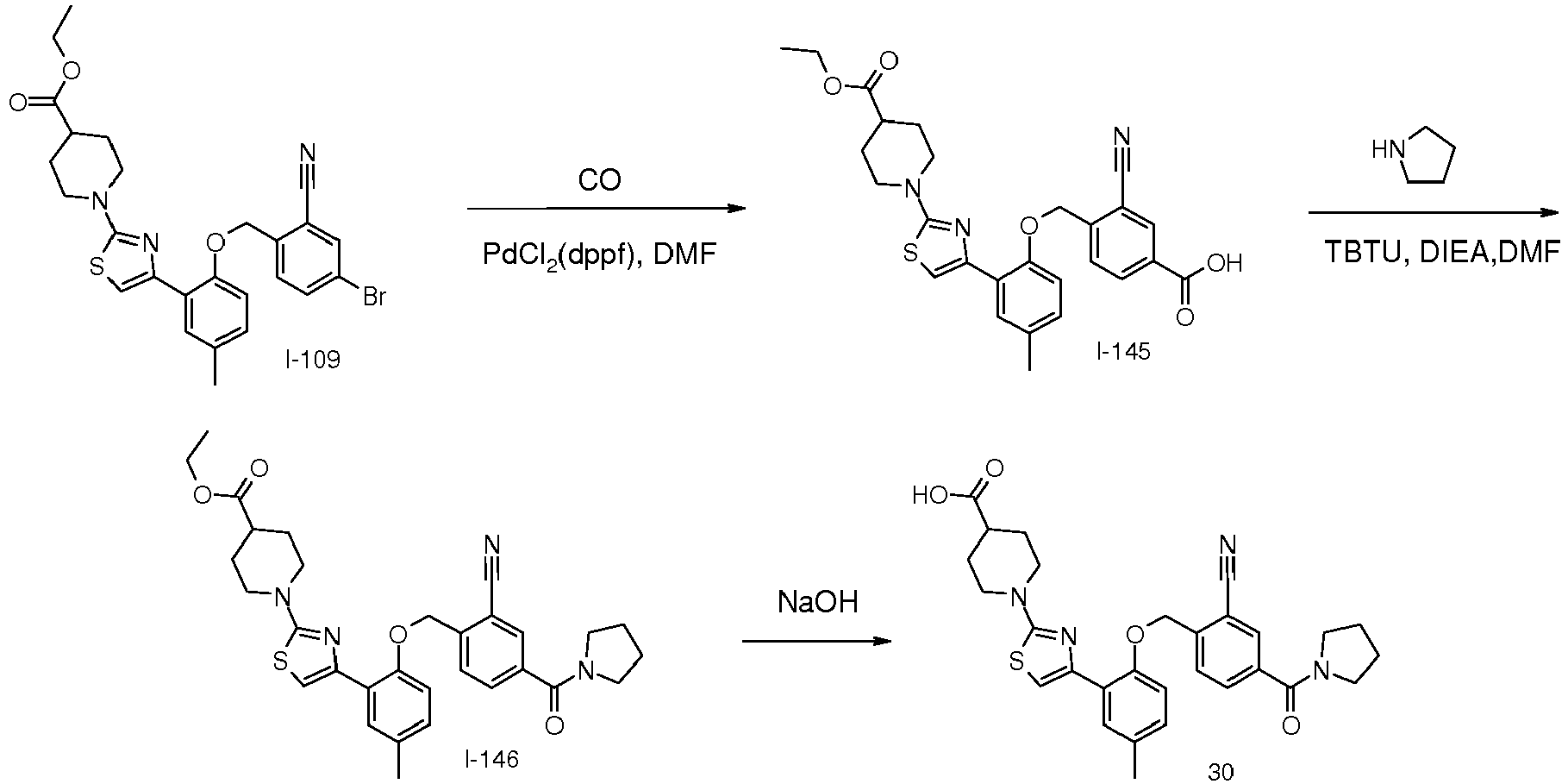
- A solution of I-109 (1.3 mmol, 0.70 g) in dioxane (14 mL) is added to three Endeavor reactors. [1,1'-Bis(diphenylphosphino)ferrocene]dichloro palladium (II) dichloromethane adduct (0.07 mmol, 0.05 g), triethylamine (2.6 mmol, 0.36 mL) and water (0.15 mL) are added to each reactor. The reaction mixture is stirred at 100 °C under CO atmosphere at 100 psi for 15 h to yield I-145 (0.47 g, 72 %). I-145 (0.1 mmol, 0.05 g) and pyrrolidine (0.25 mmol, 0.020 mL) in DMF (2mL) is treated with TBTU (0.05 g, 0.16 mmol) followed by Hunig's base (0.20 mL, 1.15 mmol) and the mixture is stirred at 40 °C for 2 h. Water (10 mL) is added and the organics are extracted with DCM (2x5 mL). Organics are combined and concentrated to give I-146 that is dissolved in THF (1 mL), methanol (1 mL) and aqueous 5M NaOH (0.25 mL) and heated at 60 °C for 5 min and then stirred at ambient temperature for 5 min. The mixture is concentrated and diluted with DCM, then acidified to pH = 5-6 with 1N HCl. The mixture is concentrated in vacuo and purified by HPLC to give the title compound (0.010 g, 57 %).
- The following compounds are prepared in a similar manner to the title compound: Compounds 65, 70, 90, 92,125,178.
-

- A vessel is charged with Pd(OAc)2 (0.001 g), Xantphos (0.003 g), Na2CO3 (0.18 mmol, 0.021 g,) and N-methylcyclohexylamine (0.14 mmol, 0.015 g) and is flushed with N2. To this is added a solution of I-116 (0.09 mmol, 0.048 g) in toluene (3 mL) dropwise. The solution is flushed for 30 seconds with CO then a CO atmosphere is maintained by passing a stream of CO through the vessel while heating at 80 °C overnight. Additional Pd(OAc)2 (0.001 g), Xantphos (0.003 g), and Na2CO3 (0.18 mmol, 0.021 g), is added and the solution is heated at 80 °C overnight. The mixture is cooled to room temperature and filtered, concentrated in vacuo, and purified by HPLC to give I-147 that is dissolved in 3 : 1 : 1 mixture of dioxane : MeOH : water (2 mL) and treated with LiOH (0.022 g, 0.090). The mixture is heated at 50 °C for 2h then concentrated in vacuo and purified by HPLC to afford 164 (0.001 g, 2%).
- The following compounds are prepared in a similar manner to the title compound:
- Compounds 13, 158-163, 165, 263.
-

- Compound I-148 (0.150 g) is resolved by preparatory HPLC (chiralpak AD-H, 20x2500mm, 20% isopropanol in heptane (0.1% diethylamine)) to give entantiomer-1 (> 98 %ee, tR = 24 min) and enantiomer-2 (> 98 %ee, tR = 27 min). The individual samples are concentrated, and dissolved in 1:1:1 (V/V/V) solution of THF : MeOH : 5 N aqueous NaOH (3 mL) and stirred at 60 °C for 15 min. The mixtures are concentrated in vacuo and then purified by HPLC to give the title compounds 5 (0.013 g, 9%, derived from enantiomer-1) and 180 (0.005 g, 4%, derived from enantiomer-2).
- The following compounds are prepared in a similar manner to the title compounds:
- Compound 19: isolated in > 98% ee
- Compound 50: isolated in > 98% ee
- Compound 176: isolated in > 98% ee
-

- A pressure flask is charged with I-116 (830 mg, 0.94 mmol), R-61 (720 mg, 2.4 mmol), Pd(OAc)2 (35 mg), Cs2CO3 (1.54 g, 4.7 mmol), Xphos (150 mg) and 9:1 (v/v) THF:water (21 mL). The suspension is purged with Ar for 2 min and then the flask is sealed and heated at 95 °C for 4 h. The mixture is cooled, filtered through diatomaceous earth, and concentrated in vacuo. The residue is purified by flash chromatography to afford I-149 (0.25 g, 44%). To a solution of I-149 (0.54 mmol, 0.35 g) in Et2O (10 mL) is added HCl in dioxane (4.0 M, 4mmol, 1 mL). The reaction is stirred at ambient temperature overnight then concentrated in vacuo to afford I-150 (0.290 g, 92%). To a suspension of I-150 (0.07 mmol, 0.040 g) in DCM (2ml) is added cyclopropionyl chloride (0.22 mmol, 0.020 mL,), followed by TEA (0.22 mmol, 0.030 mL,). The mixture is stirred at ambient temperature for 0.5 h then treated with methanol and continued stirring for 10 min. The volatiles are removed in vacuo to afford a residue that is dissolved in MeOH (1 mL), THF (1 mL), and aqueous 5M NaOH (0.25 mL) and heated at 60 °C for 15 min. The mixture is concentrated in vacuo, diluted with CH2Cl2, and acidified to pH = 5-6 with 1N formic acid. The mixture is concentrated in vacuo then purified by HPLC to afford the title compound (27 mg, 71%).
- The following compounds are prepared in a similar manner to the title compound: Compounds 194-197,199-200
-

- To a solution of I-130 (0.099 mmol, 0.050 g) and azetadine hydrochloride (0.12 mmol, 0.010 g) in THF (1 mL) is added HATU (0.12 mmol, 0.045 g) followed by Hunig's base (0.30 mmol, 0.051 mL). The mixture is stirred overnight at ambient temperature then purified by flash silica gel chromatography to provide I-151 (30 mg, 55%). To a solution of I-151 (0.040 mmol, 0.022 g) in a 2 : 1 : 1 mixture of methanol: water : THF (2 mL) is added lithium hydroxide monohydrate (0.2 mmol, 0.004 g). The mixture is stirred overnight at room temperature then purified by flash reverse phase chromatography to afford the title compound (15 mg, 70%).
- The following compounds are prepared in a similar manner to the title compound: Compounds: 296 to 348 and 360.
- The following compound is prepared from I-131 in a similar manner to the title compound: Compound: 349.
- The following compounds are prepared from I-132 in a similar manner to the title compound: Compounds: 287, 288, 295.
- The following compounds are prepared from I-133 in a similar manner to the title compound: Compounds: 281, 283, 286.
- The following compounds are prepared from I-134 in a similar manner to the title compound: Compounds: 282, 284, 285.
-
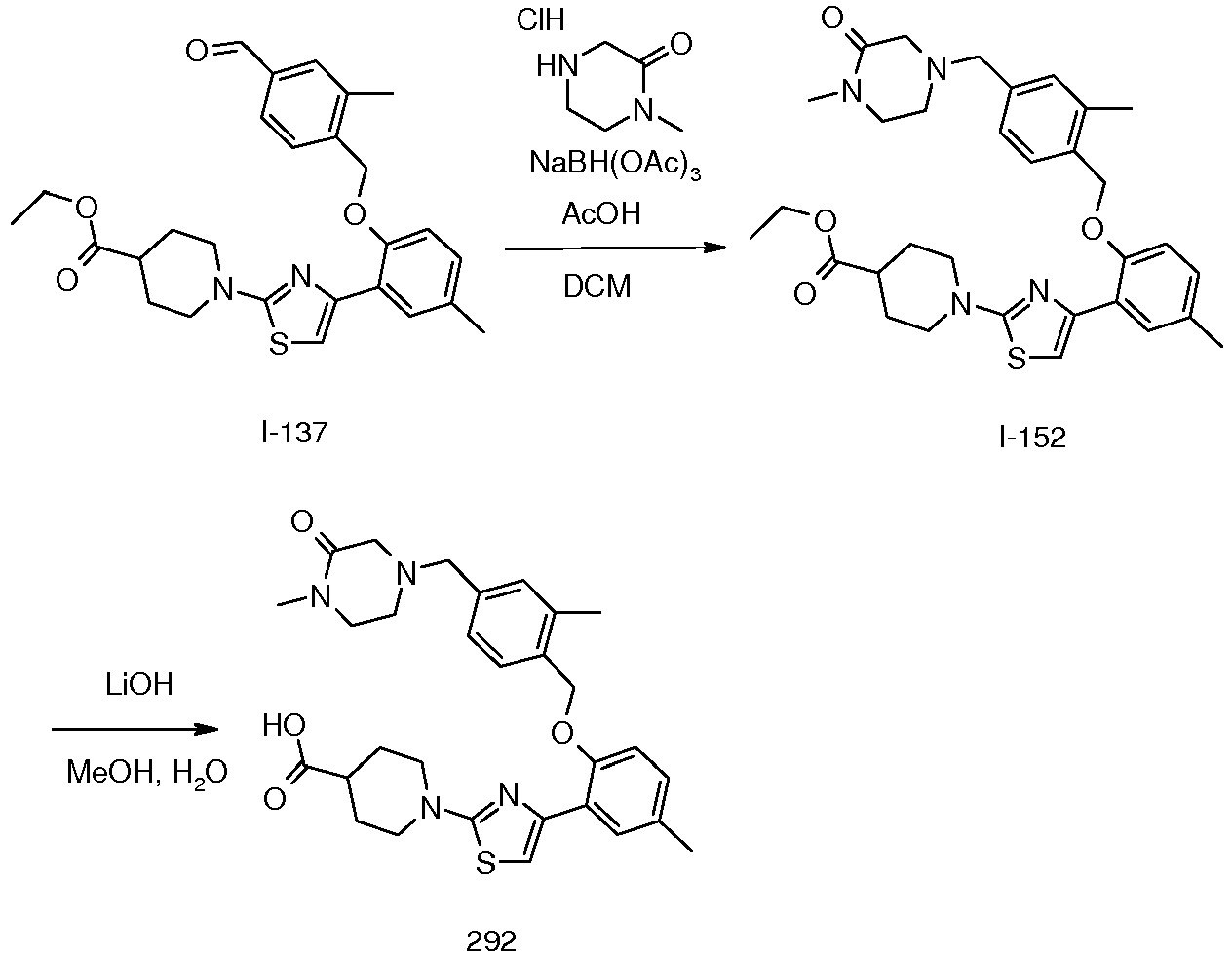
- To a solution of I-137 (0.21 mmol, 0.10 g) in DCM (2 mL) is added 1-methyl-piperazin-2-one hydrochloride (0.030 g , 0.26 mmol) followed by NaBH(OAc)3 (0.47 mmol, 0.10 g) and acetic acid (0.60 mmol, 0.035 mL). The mixture is stirred at room temperature for 6 days then concentrated under reduced pressure. The residue is purified by C18 reverse phase flash chromatography to provide I-152 (0.044 g , 36%) as a clear film. To a suspension of I-152 (0.076 mmol, 0.044g) in a 1 : 1 mixture of methanol: water (10 mL) is added LiOH (1.2 mmol, 0.050 g). The mixture is stirred at room temperature for 3 days during which time all of the solids went into solution. The pH of the mixture is then adjusted to approximately pH 5 by the addition of a 2N solution of hydrochloric acid and the mixture is concentrated under reduced pressure. The residue is purified by flash C18 reverse phase chromatography to provide the title compound (0.007 g, 16%) as a white powder.
- The following compounds are prepared in a similar manner to the title compound:
- Compounds 269, 289, 290, 291, 293, 350, 353
-

- To a solution of I-118 (0.87 mmol, 0.50 g) in THF (10 mL), cooled to -78 °C, is added a solution of LiHMDS in THF (1M, 2.5 mmol, 2.5 mL). The mixture is stirred at -78 °C for 1 h then N-fluorobenzenesulfinimide (1.4 mmol, 0.45 g) is added as a solution in THF (3 mL). The mixture is allowed to slowly warm to room temperature and stirred for three h. The mixture is diluted with water and extracted with ethyl acetate. The combined organic phase is washed with saturated sodium bicarbonate, dried over anhydrous sodium sulfate, and concentrated under reduced pressure to provide I-153 which was used directly. The crude I-153 is dissolved in a 1 : 1 : 1 mixture of MeOH : THF : water (9 mL) and to this is added LiOH (2.4 mmol, 0.10 g). The mixture is stirred at room temperature overnight then washed with diethyl ether. The pH of the aqueous phase is adjusted to acidic by the addition of a 1N solution of HCl. The mixture is extracted with ethyl acetate and the combined organic phase is dried over anhydrous sodium sulfate then concentrated under reduced pressure. The residue is purified by C18 flash reverse phase chromatography to provide the title compound (0.052 g, 10%) as a white powder.
-

- To a solution of I-118 (0.87 mmol, 0.50 g) in THF (10 mL), cooled to -78 °C, is added a solution of LiHMDS in THF (1M, 2.6 mmol, 2.6 mL). The mixture is stirred at - 78 °C for 1 h then R-62 (0.45 g, 1.7 mmol) is added as a solution in THF (5 mL). The mixture is slowly warmed to ambient temperature and is stirred overnight. The mixture is diluted with water and the pH adjusted to slightly acidic by the addition of a 1N solution of HCl. The mixture is extracted with EtOAc and the combined organic phase is dried over anhydrous sodium sulfate then concentrated under reduced pressure. The residue is purified by flash silica gel chromatography to provide I-154 (0.022 g, 4.3%) as a clear film. To a solution of I-154 (0.037 mmol, 0.022g) in a 1 : 1 : 1 mixture of water : THF : MeOH (3 mL) is added LiOH (1.2 mmol, 0.050 g). The mixture is stirred overnight at room temperature then washed with ether and the aqueous phase acidified to approximately pH 4 by the addition of 1 N HCl. The mixture is extracted with ethyl acetate and the combined organic phase is dried over anhydrous sodium sulfate then concentrated under reduced pressure. The residue is purified by C18 flash reverse phase chromatography to provide the title compound (0.012 g, 56%) as a white powder.
-

- To a solution of I-121 (0.23 mmol, 0.140 g) in THF (4 mL), cooled to -78 °C, is added a solution of LiHMDS in THF (1M, 0.45 mmol, 0.45 mL). The mixture is stirred at -78 °C for 30 min, then treated with ethyl iodide (0.037 mL, 0.46 mmol) and allowed to warm to ambient temperature. The mixture is stirred overnight then diluted with DCM and excess reactants are consumed by the addition of an aqueous solution of NH4Cl. The organic layer is separated, washed with brine, and then concentrated under reduced pressure. The residue is purified on by flash silica gel chromatography to provide I-155 (0.089 g, 61%). A solution of I-155 (0.13 mmol, 0.081 g) in formic acid (2 mL) is heated to 90 °C for 30 min then cooled down to ambient temperature. The solvent is removed under reduced pressure and the residue is purified by flash silica gel chromatography to provide the title compound (0.043 g, 58%).
- The following compounds are prepared in a similar manner to the title compound:
- Compounds 214, 262.
-

- To a solution of I-121 (0.16 mmol, 0.10 g) in THF (4 mL), cooled to (-78 °C), is added a solution of LiHMDS in THF (1M, 0.49 mmol, 0.49 mL). The mixture is stirred at -78 °C for 30 min then treated with SEMC1 (0.11 mL, 0.58 mmol). After the addition is complete the mixture is stirred at -78 °C for an additional 2 h then warmed to ambient temperature and stirred overnight. The solution is diluted with DCM and excess reactants are consumed by the addition of a saturated aqueous solution of NH4Cl. The organic layer is separated, washed with brine, and concentrated under reduced pressure. The residue is purified by flash silica gel chromatography to provide I-156 (0.70 g, 58%). A solution of I-156 (mmol, 0.070 g) in DCM (1 mL) is treated with TFA (1.4 mmol, 0.16 mL). The reaction mixture is stirred at ambient temperature for 5 h then purified by flash silica gel chromatography to provide the title compound (25 mg, 61%) as an off-white solid.
-

- A solution of I-136 (0.12 mmol, 0.75 g) dissolved in formic acid (2 mL) is heated to 60 °C for 1 h then cooled to ambient temperature and concentrated under reduced pressure. The residue is purified by flash silica gel chromatography to provide the title compound (0.45 g, 66%).
-

- To a suspension of I-118 (0.17 mmol, 0.10 mg) in MeCN (6.8 mL), cooled to 0 °C, is added Selectfluor® (0.26 mmol, 0.93 g). The mixture is stirred at 0 °C for 10 min then diluted with water and extracted wit EtOAc. The organic layer is washed with brine, concentrated under reduced pressure, and the residue is purified by flash silica gel chromatography to give I-157 (0.25 g, 25%). To a solution of I-157 (0.043 mmol, 0.025 g) in a 2 : 1 : 1 mixture of methanol: THF : water (2 mL) is added LiOH (0.09 mmol, 0.002 g). The mixture is stirred overnight at ambient temperature then purified by C18 reverse phase flash chromatography to provide the title compound (0.020 g, 79%).
-

- To a solution of I-129 (0.14 mmol, 0.080 g) in THF (1.4 mL), cooled to -78 °C, is added a solution of LiHMDS in THF (1M, 0.28 mmol, 0.28 mL). The mixture is stirred at -78 °C for 0.5 h and treated with MeI (0.28 mmol, 0.017 mL). The mixture is allowed to warm to room temperature and is stirred overnight. It is then diluted with DCM and excess reactants are consumed by the addition of a saturated aqueous solution of NH4Cl. The organic layer is separated, washed with brine, and concentrated under reduced pressure. The residue is purified by flash silica gel chromatography to provide I-158 (0.40 g, 49%). To a solution of I-158 (0.070 mmol, 0.040 g) in a 2 : 1 : 1 mixture of MeOH : THF : water (2 mL) is added NaOH (2.5 mmol, 0.10 g,). The mixture is heated at 80 °C overnight. Additional NaOH (10 mmol, 0.40 g), THF (0.5 mL) and water (0.5 mL) are added and the mixture is refluxed for an additional 2 h. The mixture is purified by flash silica gel chromatography to provide the title compound (0.013 g, 33%).
- The retention times and molecular ions found for the final compounds from Table 1 and the LCMS method described under the Analytical Methods section that was used for each compound are shown below in Table 2.
Table 2 Compound Number Mol Ion RT (min) LCMS Method 1 551.9 1.13 A 2 522.1 0.71 A 3 482.4 2.6 B 4 496.2 2.6 B 5 508.2 2.49 B 6 508.3 2.61 B 7 510.3 2.74 B 8 517.2 3.32 B 9 518.2 3.05 B 10 519.2 3.11 B 11 519.3 3.24 B 12 519.3 3.25 B 13 520.3 3.05 B 14 520.3 2.66 B 15 520.3 3.16 B 16 520.3 2.97 B 17 520.3 3.13 B 18 520.4 2.8 B 19 522.2 2.87 B 20 522.3 2.77 B 21 522.3 2.66 B 22 522.3 2.7 B 23 522.3 0.29 B 24 522.3 2.58 B 25 524.3 3.04 B 26 524.3 3.05 B 27 524.3 3.085 B 28 526.3 2.64 B 29 531.3 2.66 B 30 531.3 3 B 31 531.3 3.02 B 32 531.3 3.41 B 33 531.3 2.57 B 34 532.3 3.13 B 35 533.2 2.61 B 36 533.3 2.64 B 37 533.3 3.32 B 38 533.3 3.28 B 39 534.3 3.24 B 40 534.3 2.83 B 41 534.3 3.16 B 42 534.3 3.19 B 43 534.3 2.57 B 44 534.3 2.53 B 45 534.4 2.86 B 46 535.3 2.65 B 47 535.3 2.59 B 48 535.3 3.38 B 49 536.3 2.9 B 50 536.3 2.7 B 51 536.2 0.79 A 52 536.3 2.75 B 53 536.3 2.8 B 54 536.3 2.77 B 55 536.3 3.18 B 56 537.4 3.28 B 57 537.4 3.25 B 58 538.2 2.74 B 59 538.3 3.24 B 60 540.2 2.7 B 61 540.3 2.68 B 62 542.2 2.845 B 63 542.3 2.73 B 64 543.3 3.11 B 65 545.3 3.01 B 66 545.3 3.14 B 67 546.3 3.23 B 68 546.3 3.14 B 69 547.3 2.65 B 70 547.3 2.8 B 71 547.3 2.64 B 72 548.3 3.23 B 73 548.3 3.27 B 74 548.3 2.63 B 75 549.3 2.68 B 76 551.3 3.49 B 77 551.9 2.95 B 78 552.3 3.29 B 79 552.3 3.29 B 80 552.2 0.78 A 81 553.2 2.67 B 82 554.3 2.87 B 83 556.2 2.76 B 84 556.2 2.75 B 85 559.3 3.22 B 86 559.3 2.66 B 87 559.3 2.64 B 88 560.3 3.13 B 89 560.3 3.34 B 90 561.4 2.77 B 91 562.5 2.97 B 92 563.2 2.9 B 93 563.3 2.75 B 94 563.3 2.53 B 95 563.3 2.77 B 96 564.3 2.77 B 97 564.3 3.25 B 98 564 1.14 A 99 568.2 2.78 B 100 568.1 0.81 A 101 568.2 2.78 B 102 568.3 3.4 B 103 568.3 3.39 B 104 570.3 2.97 B 105 570.3 3 B 106 570.3 3.01 B 107 570.3 2.85 B 108 570.3 2.82 B 109 571.3 3.19 B 110 572.3 2.88 B 111 574.3 2.94 B 112 575.3 2.675 B 113 576.3 2.99 B 114 576.4 2.73 B 115 577.3 2.78 B 116 579.4 2.96 B 117 580.3 3.36 B 118 580.3 3.47 B 119 581.3 2.84 B 120 582.3 2.98 B 121 582.3 2.76 B 122 584.3 2.81 B 123 584.4 2.84 B 124 584.4 3.04 B 125 587.3 3.26 B 126 588.3 3.3 B 127 588.3 3.22 B 128 588.3 2.97 B 129 588.4 2.98 B 130 588.4 3.17 B 131 588.4 2.98 B 132 590.3 2.77 B 133 590.3 3.03 B 134 591.5 2.61 B 135 595.3 2.93 B 136 596.3 2.89 B 137 596.3 2.82 B 138 598.3 2.72 B 139 600.4 2.94 B 140 601.3 2.93 B 141 602.3 3.23 B 142 602.4 3.3 B 143 604.2 3.07 B 144 604.4 3.19 B 145 606.3 3.26 B 146 607.3 2.96 B 147 607.4 3.01 B 148 613.3 3.2 B 149 622.3 3.32 B 150 624.3 3.09 B 151 624.4 2.98 B 152 624.4 2.99 B 153 638.3 3.04 B 154 638.3 3.04 B 155 642.3 3.02 B 156 649.3 2.95 B 157 658.3 3.11 B 158 524 0.94 A 159 536 0.96 A 160 549 0.7 A 161 574 1.26 A 162 552 1.02 A 163 548 1.13 A 164 560 1.2 A 165 550 0.89 A 166 508.3 1.24 A 167 533.3 0.69 A 168 533.3 0.65 A 169 531.3 0.69 A 170 547.3 0.63 A 171 535.5 0.68 A 172 521.3 0.66 A 173 534.4 0.79 A 174 548.3 0.78 A 175 536.3 0.75 A 176 536.3 0.7 A 177 536.3 0.78 A 178 549.1 1.08 A 179 510.1 0.64 A 180 508.2 0.55 A 181 522.3 0.63 A 182 553.2 1.19 A 183 554.2 1.05 A 184 542.2 1.07 A 185 576.1 0.8 A 186 541.1 0.82/0.85 - mixture of diastereomers A 187 540.1 0.76 A 188 539.1 0.83 A 189 529.9 0.73 A 190 525.2 0.77/0.80 - mixture of diastereomers A 191 523.3 0.79 A 192 521.1 0.79/0.82 - mixture of diastereomers A 193 505.1 0.77 A 194 577.3 0.74 A 195 605.3 0.79 A 196 599.4 2.87 B 197 619.3 2.81 B 198 589.4 2.87 B 199 592.4 2.85 B 200 628.3 2.95 B 201 536.4 2.66 B 202 578.7 1.21 A 203 596.2 1.03 A 204 584.2 1.08 A 205 596.3 0.96 A 206 548.3 0.76 A 207 616.2 1.08 A 208 560.0 1.18 A 209 560.1 1.09 A 210 548.3 0.73 A 211 616.2 1.10 A 212 603.7 0.77 A 213 590.2 0.82 A 214 574.4 2.91 215 494.4 0.67 A 216 576.7 1.01 A 217 582.4 0.96 A 218 534.4 0.70 A 219 584.4 0.96 A 220 534.6 0.71 A 221 578.5 1.17 A 222 582.6 0.96 A 223 582.1 0.96 A 224 601.2 0.77 A 225 548.2 0.94 A 226 546.2 1.08 A 227 589.7 0.69 A 228 615.2 0.78 A 229 562.3 1.03 A 230 598.2 0.94 A 231 548.2 0.72 A 232 571.7 0.70 A 233 550.3 1.49 B 234 582.3 2.07 A 235 550.4 1.98 A 236 546.2 2.37 A 237 534.3 1.00 A 238 573.6 0.76 A 239 534.3 0.90 A 240 534.2 2.34 A 241 536.2 1.86 A 242 520.3 1.24 A 243 532.1 1.99 A 244 568.3 1.60 A 245 570.2 2.00 A 246 520.2 1.01 A 247 534.2 1.54 A 248 532.3 1.00 A 249 575.6 0.65 A 250 588.4 1.19 A 251 520.9 0.92 A 252 568.3 0.90 A 253 556.6 0.82 A 254 508.6 0.62 A 255 601.6 0.70 A 256 534.3 0.86 A 257 520.6 0.66 A 258 604.5 1.12 A 259 582.6 0.89 A 260 546.3 0.99 A 261 534.6 0.69 A 262 602.8 1.25 A 263 571.6 1.10 A 264 559.6 0.76 A 265 626.6 0.81 A 266 573.3 0.90 A 267 607.6 1.02 A 268 562.6 1.30 A 269 589.6 0.88 A 270 562.6 0.77 A 271 554.1 1.14 A 272 556.1 1.00 A 273 582.2 0.99 A 274 545.0 1.01 A 275 600.2 1.03 A 276 562.7 0.76 A 277 590.28 M- 0.78 A 278 538.2 0.66 A 279 630.6 1.19 A 280 618.6 0.85 A 281 562.6 0.94 A 282 574.7 1.12 A 283 560.7 1.08 A 284 603.7 0.90 A 285 576.7 0.99 A 286 589.6 0.86 A 287 574.7 1.14 A 288 576.4 1.00 A 289 577.0 0.89 A 290 589.6 0.86 A 291 589.7 0.87 A 292 549.6 0.78 A 293 601.6 0.91 A 294 494.6 1.00 A 295 603.7 0.92 A 296 559.3 1.11 A 297 550.3 1.01 A 298 564.3 1.07 A 299 546.2 1.19 A 300 575.3 0.72 A 301 576.3 1.02 A 302 574.3 1.32 A 303 534.2 1.19 A 304 520.0 1.12 A 305 577.4 0.74 A 306 590.3 1.19 A 307 573.3 1.14 A 308 589.3 1.00 A 309 590.3 1.04 A 310 589.4 0.71 A 311 589.4 0.71 A 312 576.3 1.04 A 313 562.3 0.98 A 314 575.3 0.94 A 315 600.4 1.07 A 316 576.3 1.11 A 317 596.3 1.23 A 318 600.3 1.10 A 319 576.3 1.04 A 320 582.3 1.19 A 321 590.4 1.17 A 322 590.4 1.19 A 323 585.3 1.12 A 324 564.3 1.02 A 325 576.3 1.00 A 326 576.3 0.99 A 327 599.3 0.97 A 328 576.3 1.08 A 329 576.3 1.08 A 330 545.3 1.07 A 331 600.4 0.78 A 332 590.4 1.24 A 333 599.4 0.97 A 334 586.4 0.77 A 335 578.4 1.25 A 336 590.4 1.14 A 337 585.4 1.17 A 338 578.4 1.21 A 339 600.4 0.78 A 340 588.4 1.19 A 341 562.3 1.01 A 342 590.4 1.16 A 343 600.4 1.13 A 344 564.3 1.18 A 345 591.4 1.06 A 346 592.4 1.23 A 347 577.4 1.01 A 348 592.4 1.14 A 349 563.6 0.84 A 350 561.3 0.78 A 351 610.2 0.80 A 352 600.3 0.70 A 353 538.3 0.74 A 354 586.6 0.93 A 355 584.7 1.02 A 356 587.6 0.79 A 357 573.7 0.76 A 358 587.6 0.87 A 359 573.6 0.75 A 360 568.6 1.83 A 361 532.6 0.97 A - The biological activity of the compounds of the invention may be evaluated using the following assays:
- Recombinant human soluble guanylate cyclase (sGC) is purified from Sf9 insect cells coinfected with baculoviruses expressing the alpha 1 or beta 1 subunit of sGC, both with a C-terminal histidine tag. Heme-free sGC is prepared by treating cell lysate with a final concentration of 0.5% Tween 20 prior to purification on a nickel affinity column.
sGC catalyzes the conversion of guanosine-5'-triphosphate (GTP) to cyclic guanosine monophosphate (cGMP). The activity of sGC is measured in vitro using the commercially available CisBio cGMP detection kit (catalog # 62GM2PEB) in a 384 well format. In brief, 300 pM heme-free sGC is incubated in reaction buffer (50 mM MOPS pH 6.8, 0.2 N KOH, 50 mM NaCl, 2 mM MgCl2, 0.1% BSA, 1.25 mM IBMX, 0.25 mM TCEP, 50 nM GTP) in the presence or absence of dilutions of test compounds diluted in DMSO (final concentration of 1%) in a volume of 10 microL at 37°C for 60 min. Undiluted reaction products or an 80-fold dilution of reaction products (10 microL of either) prepared in reaction buffer containing 0.2 mM TCEP and 10 mM EDTA is mixed with 5 microL of d2-cGMP plus 5 microL of Eu3+ cryptate-labeled anti-cGMP, each diluted in buffer containing 0.1 M KPO4 pH 7.5, 0.4 M KF, 20 mM EDTA, 0.2% BSA. After a one h incubation at room temperature in the dark, the mixtures are quantified on an EnVision plate reader (PerkinElmer) according to manufacturer instructions (laser excitation 337 nm, emission 620 and 665 nm). The ratio at each compound concentration is converted to nM cGMP using the linear portion of a calibration curve. Log compound concentration is plotted against combined undiluted and diluted nM cGMP values to determine the EC50 for each curve. - The sGC cellular activator assay is performed in the presence and absence of 50% human serum (HS) using Chinese hamster ovary cells that have been stably transfected to express the human soluble guanylate cyclase alpha 1 and beta 1 subunits (sGC). Cells are preincubated with 40 microM 1H-[1,2,4]oxadiazolo[4,3-a]quinoxalin-1-one (ODQ), an sGC inhibitor, for one hour in buffer containing 0.1% bovine serum albumin and 3-isobutyl-1-methylxanthine (IBMX). Concentration response curves are prepared for test compounds in DMSO. An intermediate dilution of the compounds is performed in either buffer containing IBMX or type AB HS containing IBMX. Diluted compounds are added to cells and they are incubated at room temperature for thirty minutes. cGMP is measured using a CisBio homogeneous time resolved fluorescence kit and the EC50 is calculated for each compound.
- Representative compounds of the present invention were tested for activity in one or both of the above assays. Preferred compounds have an EC50 < 5,000 nM and more preferred compounds have an EC50 < 200 nM in the molecular assay. Preferred compounds have an EC50 of <1,000 nM in the cellular activator assay and more preferred compounds have an EC50 < 200 nM. As examples, data for representative compounds from Table 1 are shown in Table 3.
Table 3: Activity of Compounds in Molecular Assay Compound Number EC50 nM Compound Number EC50 nM 1 60 114 470 2 320 115 2700 3 1300 116 1100 4 760 117 30 5 2000 118 85 6 610 119 39 8 330 120 18 9 680 121 280 10 4900 122 81 11 2300 123 17 12 4000 124 30 13 120 125 74 14 4700 126 46 15 190 127 400 17 79 129 89 20 140 130 30 21 70 131 88 22 1600 132 160 23 3200 133 45 24 510 134 1800 25 1300 135 2700 26 2000 136 6.1 28 200 137 64 29 440 138 180 30 61 139 380 31 250 140 79 32 310 141 3.9 33 7800 142 160 34 390 143 38 35 280 144 54 36 140 145 650 37 2100 146 2000 38 1700 147 1200 39 27 148 4100 40 2600 149 380 41 70 150 1200 42 51 151 9.9 43 63 152 170 44 760 153 43 45 730 154 530 46 260 156 3100 47 4000 157 940 48 360 159 1900 49 130 160 2800 50 520 161 91 51 1100 162 71 52 39 163 750 53 640 164 55 54 2000 166 520 55 360 167 52 56 1600 168 730 57 1800 171 2400 58 480 172 5600 59 39 173 140 60 1200 174 320 61 440 176 160 62 22 177 170 63 110 178 270 64 1800 179 990 65 58 181 3100 66 450 182 1600 67 2.5 183 4400 68 43 184 1800 69 72 185 2700 70 180 187 390 71 12000 188 830 72 4.8 189 9000 73 7.6 190 2500 74 27 191 530 75 600 193 2400 76 600 194 150 77 4400 195 83 78 550 196 110 79 50 197 230 80 740 198 20 81 70 199 140 82 3100 200 80 83 210 201 960 84 180 203 23 85 1100 204 28 86 7100 205 80 87 800 206 170 88 15 207 170 89 2.5 208 250 90 150 209 270 91 730 210 350 92 78 211 370 94 770 214 22 95 35 215 1000 96 550 217 49 97 59 218 170 98 780 219 1000 99 690 234 6.0 100 440 235 47 101 1700 236 190 102 30 237 240 103 17 239 2900 104 19 271 45 105 37 272 120 106 100 273 320 107 71 274 1600 108 100 275 1800 109 1500 277 74 110 1200 294 290 111 74 350 260 112 400 352 14 113 56 353 470 Table 4: Activity of Compounds in Cellular Assay Compound Number EC50 nM Compound Number EC50 nM 202 310 281 28 203 68 282 39 204 17 283 60 205 200 284 100 206 88 285 120 207 93 286 37 208 39 287 6.2 209 96 288 9.7 210 430 289 3.4 211 190 290 4.3 212 100 291 7.6 214 15 292 10 216 390 293 29 217 8.7 296 50 218 18 297 100 219 300 298 59 220 42 299 8.4 221 75 300 44 222 110 301 57 223 5.2 302 35 224 5.8 303 11 225 7.3 304 23 226 13 305 140 227 99 306 21 228 39 307 24 229 76 308 20 230 120 309 42 231 150 310 99 232 44 311 29 233 310 312 35 234 7.9 313 120 235 57 314 63 236 79 315 57 237 130 316 15 238 39 317 20 239 650 318 66 240 36 319 70 241 41 320 15 242 90 321 55 243 180 322 19 244 180 323 51 245 290 324 66 246 340 325 29 247 720 326 61 248 110 327 14 249 140 328 29 250 140 329 23 251 240 330 52 252 260 331 140 253 380 332 30 254 450 333 110 255 480 334 160 256 500 335 70 257 540 336 79 258 550 337 14 259 580 338 43 260 590 339 41 261 710 340 19 262 980 341 110 263 13 342 110 264 21 343 46 265 42 344 23 266 42 345 130 267 44 346 67 268 7.3 347 260 269 9.5 348 41 270 96 349 40 271 19 350 170 272 110 351 10 273 570 352 76 274 600 353 140 275 670 354 3.8 276 45 355 9.2 277 16 356 24 278 51 357 24 279 11 358 30 280 16 359 36 360 21 361 17 - Solubility is measured by the following method.
- 1. Sample preparation:
- DMSO stock samples at 10 mM concentration are prepared. 100 ul of 95 compds +1 DMSO (blank) are prepared in a 96 Remp tube plate for HT solubility analysis (2 x 95 plates). The samples are pierced and 100 ul of thawed samples are transferred into the PCR plate for analysis. Each sample is run in duplicate at each pH (pH 4.5 and 7.4). Up to 95 samples can be run in replicate at 2 pH's +1 DMSO (blank).
- 2. Preparation of pH 4.5 and 7.4 buffers:
- pH 4.5 buffer: - To 12.5 of system solution (pION)qs to 500 mL of distilled water (pH 2.85-2.90); adjust the pH to pH 4.5 with 0.5 N NaOH.
- pH 7.4 buffer: To 12.5 of system solution (pION)qs to 500 mL of distilled water (pH 2.85-2.90); adjust the pH to pH 7.4 with 0.5N NaOH.
- 3. Procedure:
- Preparation of UV blank plate:
- 75 ul of buffer (pH 7.4 or pH 4.5) is added to UV plate followed by addition of 70 ul of N-propanol. The solution is mixed and the blank spectrum is read using spectrophotometer.
- Preparation of Reference UV plate:
- 10 ul of each stock sample (including DMSO control) is added to 190 ul of N-propanol to prepare the reference stock plate. Reference stock samples are mixed and 5ul of each stock sample is added to UV blank plate after it is read spectrophotometrically. The reference stock sample is mixed with blank solution in UV plate and the reference spectrum is read using UV spectrophotometer.
- Preparation of sample for incubation:
- Solubility at pH 7.4: 6 ul of each stock sample (including DMSO control) is added to the storage plate containing 600 ul of pH 7.4 buffer, mixed and incubated for 16-19 h. The plate is sealed well during the incubation process. The DMSO content in the sample is 1.0%. The concentration in deep well plates is 100 uM
- Solubility at pH 4.5:
- 6 ul of each stock sample (including DMSO control) is added to the deep well plate containing 600 ul of pH 4.5 buffer, mixed and incubated for 16-19 h. The plate is sealed well during the incubation process. The DMSO content in the sample is 1.0%. The concentration in deep well plates is 100 uM
- Preparation of sample UV plate:
- At the end of the incubation period, 100 uL of sample from the storage plate is vacuum filtered using a filter plate. This step wets the filters and the filtrate is discarded. Another 200 ul of the sample from the deep well plate is vacuum filtered using the same filter block but a clean filter plate. 75 ul of the filtrate from the filter plate is transferred to a UV sample plate. 75 ul of N-propanol is added to this UV plate. The solution is mixed and the spectrum is read using the UV spectrophotometer.
- Data Analysis:
- The spectra collected for blank, reference and sample from 250-498 nm is analyzed using pION software. If the sample precipitates out, the solubility is reported as XX µg/ml. If there is no precipitation and the sample is soluble, solubility is reported as >40 µg/mL (YY being the initial concentration of the compound in the sample).
- Preparation of UV blank plate:
- Solubility data (µg/mL) for representative compounds from Table 1 at pH4.5, 6.8 and 7.4 is shown Table 4 below.
Table 4 Cpd Number (pH 4.5) (pH 7.4) Cpd Number (pH 4.5) (pH 6.8) (pH 7.4) 1 0.85 >100 181 >52 >52 2 >71 >71 182 3 >52 >52 183 4 >54 >54 184 5 37 40 185 6 >62 >62 186 7 >62 42 187 8 0.15 >51 188 9 5.6 >51 189 10 14 22 190 11 0.1 >51 191 12 0.1 >51 192 13 17 >51 193 14 >63 >63 194 15 13 >51 195 16 >51 33 196 16 37 17 0.7 >51 197 51 >71 18 >63 >63 198 37 >58 19 >52 >52 199 >59 >59 20 33 36 200 8.5 30 21 >52 >52 201 36 >53 22 >63 >63 202 97 91 >59 23 >56 >56 203 3 >59 24 >59 >59 204 0.35 54 25 >63 >63 205 9.5 >59 26 >63 >63 206 >58 >58 27 >63 >63 207 0.95 30 28 >52 >52 208 0.3 >55 29 >64 5.2 209 5.1 >55 30 3.1 >53 210 >58 >58 31 25 >53 211 1.4 17 32 0.15 29 212 11 32 33 >60 >60 213 32 41 34 0.9 >53 214 <0.1 51 21 35 >53 >53 215 >60 >60 36 >64 >64 216 <0.1 0.17 37 0.15 >53 217 0.95 34 38 0.25 >53 218 >64 39 39 0.95 >53 219 2.4 41 40 2.3 >53 220 42 4.8 4.0 41 1.1 >53 221 <0.1 0.45 42 0.45 >53 222 <0.1 3.3 30 43 >60 >60 223 <0.1 2.5 44 >60 >60 224 <0.1 54 45 >64 35 225 4.6 0.3 46 >64 >64 226 <0.1 15 47 >64 >64 227 54 62 48 0.1 27 228 6.1 0.42 49 13 >53 229 0.4 21 50 18 >53 230 <0.1 0.95 51 >58 31 231 52 >58 >58 232 46 26 >54 53 >53 >53 233 47 0.6 54 16 16 234 3.3 >58 55 0.3 >53 235 8.1 >58 56 0.2 29 236 6.6 >54 57 0.1 >53 237 >53 >53 58 44 >61 238 4.9 5.2 59 0.5 >53 239 2.7 >53 60 >58 >58 240 61 44 >61 241 9.2 72 62 30 >65 242 53 37 63 30 32 243 1.2 61 64 0.1 >54 244 2.6 65 65 0.1 23 245 3.6 48 66 1 >54 246 62 54 67 0.2 >54 247 46 70 68 1.2 >54 248 <0.1 47 69 >65 >65 249 45 51 70 0.45 >54 250 <0.1 13 71 42 >62 251 0.15 56 72 0.5 >54 252 <0.1 0.2 73 1.9 >54 253 0.5 0.29 74 40 42 254 40 51 75 >66 >66 255 6 0.94 76 0.1 4.1 256 0.69 82 77 22 16 257 56 45 78 0.2 >55 258 <0.1 8.2 79 0.25 >55 259 <0.1 19 80 >62 >62 260 <0.1 14 81 36 38 261 17 6.4 82 12 >55 262 <0.1 12 83 11 25 263 0.3 58 84 14 21 264 21 12 85 0.35 >55 265 0.79 1.9 86 3.5 5.7 266 0.48 70 87 >63 >63 267 <0.1 13 88 0.45 >55 268 <0.1 70 38 89 0.35 32 269 0.28 16 90 35 >56 270 17 >56 91 31 12 271 3.7 21 92 20 12 272 14 >160 93 >56 >56 273 7.3 >82 94 >56 >56 274 0.95 >54 95 >56 >56 275 0.6 4 96 >67 >67 276 32 1.9 41 97 0.45 >56 277 21 41 98 0.2 >56 278 >53 30 99 4.7 13 279 100 20 27 280 0.72 0.9 101 3 >56 281 <0.1 4.6 102 0.25 26 282 <0.1 0.89 103 0.3 35 283 <0.1 0.1 104 0.35 >68 284 0.65 66 105 8.9 >56 285 <0.1 54 106 0.3 >56 286 1 83 107 0.65 >56 287 <0.1 21 108 2.3 >56 288 <0.1 29 109 0.65 >56 289 1.5 35 110 0.35 >57 290 0.69 21 111 0.25 >57 291 0.18 13 112 >68 >68 292 16 >54 113 >57 >57 293 <0.1 3.4 114 30 >57 294 115 >57 >57 295 0.45 60 116 296 <0.1 10 117 0.25 >57 297 1.7 63 118 0.3 21 298 0.32 66 119 1.6 >69 299 0.17 36 120 300 53 60 121 3.3 >58 301 0.24 65 122 4.3 >58 302 <0.1 4.6 123 31 >58 303 0.13 36 124 304 <0.1 60 125 0.1 14 305 62 67 126 0.15 >58 306 0.13 50 5.2 127 0.2 >58 307 0.15 37 128 0.45 >58 308 0.88 66 129 0.15 >58 309 <0.1 63 130 0.3 >58 310 59 61 131 0.15 >58 311 58 63 132 15 >58 312 0.26 13 133 0.2 >58 313 1.3 78 134 >68 >68 314 2.4 68 135 0.45 >59 315 <0.1 54 >60 136 0.45 >59 316 <0.1 64 137 0.95 >59 317 <0.1 41 138 >70 >70 318 <0.1 34 >53 139 0.6 >59 319 0.23 12 140 1.8 >60 320 <0.1 36 141 0.2 >60 321 0.13 41 142 2 >60 322 0.15 42 143 0.2 36 323 <0.1 39 144 324 0.92 73 145 0.25 >60 325 0.17 59 146 0.75 >60 326 0.21 65 147 1 >60 327 <0.1 71 148 0.3 >61 328 <0.1 62 149 0.1 >62 329 <0.1 56 150 1.4 >62 330 <0.1 40 151 0.15 >62 331 42 47 152 0.3 >62 332 0.14 35 153 0.2 >63 333 1.1 59 154 0.8 >63 334 11 24 155 0.3 >63 335 0.4 49 156 0.45 >64 336 0.16 6.1 157 0.15 >65 337 <0.1 1.5 158 338 0.13 58 159 339 32 48 160 340 <0.1 0.26 161 341 1.1 63 162 342 <0.1 55 163 343 <0.1 52 164 344 0.1 61 >58 165 345 4 66 >58 166 >55 >55 346 0.46 36 >54 167 41 >64 347 5.8 70 >53 168 36 >57 348 0.27 71 37 169 >57 >57 349 6.5 69 170 37 24 350 >56 >56 171 34 36 351 0.21 1.3 172 41 >63 352 22 >59 173 >64 >64 353 >53 38 174 >66 >66 354 0.42 57 175 >55 >55 355 0.77 7 176 356 2.7 1.6 177 357 2.3 11 178 358 0.14 8.1 179 >55 >55 359 12 5.8 180 360 33 361 34 - The compounds disclosed herein effectively activate soluble guanylate cyclase. The activation or potentiation of soluble guanylate cyclase is an attractive means for preventing and treating a variety of diseases or conditions associated with deficient sGC activation. Thus, disclosed therein are methods of treating diseases that can be alleviated by sGC activation or potentiation. These include:
- Cardiovascular and related diseases including hypertension, atherosclerosis, peripheral artery disease, restenosis, stroke, heart failure, coronary vasospasm, cerebral vasospasm, ischemia/reperfusion injury, thromboembolic pulmonary hypertension, pulmonary arterial hypertension, stable and unstable angina and thromboembolic disorders;
- Inflammatory diseases including psoriasis, multiple sclerosis, arthritis, asthma, and chronic obstructive pulmonary disease;
- Hepatic fibrotic disorders including but not limited to cirrhosis of any etiology or fibrosis of specific areas of the liver such as periportal fibrosis which may be caused by immunologic injury, hemodynamic effects and/or other causes;
- Renal fibrotic disorders including but not limited to glomerulosclerosis, focal glomerulosclerosis, mesangial fibrosis, interstitial fibrosis due to immunologic injury, hemodynamic effects, diabetes (types I and 2), IgA nephropathy, lupus nephropathy, membranous nephropathy, hypertension, hemolytic uremic syndrome, multiple glomerulonephritides, interstitial nephritis, tubulointerstitial nephritis again of immunologic and non-immunologic causes;
- Pulmonary fibrotic disorders, both diffuse and localized, due to immunologic and non-immunologic causes, including but not limited to idiopathic pulmonary fibrosis, pulmonary fibrosis due to exposure to toxins, chemicals, drugs, and cystic fibrosis;
- Cardiac fibrotic disorders due to immunologic and non-immunologic causes including ischemic heart disease (coronary artery disease) and transient and/or sustained decreased blood flow in one or more coronary vessels including possibly related to interventions on coronary arteries or veins, associated with cardiac surgery and/or the use of cardiopulmonary bypass procedures and myocarditis due to viral and non-viral causes, as well as immunologically related myocardial injury potentially due to cross-reactivity to other antigens to which the human body is exposed;
- Other diseases mediated at least partially by diminished or decreased soluble guanylate cyclase activity, such as renal disease, diabetes, urologic disorders including overactive bladder, benign prostatic hyperplasia, and erectile dysfunction, and neurological disorders including Alzheimer's disease, Parkinson's disease and neuropathic pain.
- These disorders have been well characterized in man, but also exist with a similar etiology in other mammals, and can be treated by pharmaceutical compositions of the present invention.
- For therapeutic use, the compounds of the invention may be administered via a pharmaceutical composition in any conventional pharmaceutical dosage form in any conventional manner. Conventional dosage forms typically include a pharmaceutically acceptable carrier suitable to the particular dosage form selected. Routes of administration include, but are not limited to, intravenously, intramuscularly, subcutaneously, intrasynovially, by infusion, sublingually, transdermally, orally, topically or by inhalation. The preferred modes of administration are oral and intravenous.
- The compounds of this invention may be administered alone or in combination with adjuvants that enhance stability of the inhibitors, facilitate administration of pharmaceutical compositions containing them in certain embodiments, provide increased dissolution or dispersion, increase inhibitory activity, provide adjunct therapy, and the like, including other active ingredients. In one embodiment, for example, multiple compounds of the present invention can be administered. Advantageously, such combination therapies utilize lower dosages of the conventional therapeutics, thus avoiding possible toxicity and adverse side effects incurred when those agents are used as monotherapies. Compounds of the invention may be physically combined with the conventional therapeutics or other adjuvants into a single pharmaceutical composition. Advantageously, the compounds may then be administered together in a single dosage form. In some embodiments, the pharmaceutical compositions comprising such combinations of compounds contain at least about 5%, but more preferably at least about 20%, of a compound of formula (I) (w/w) or a combination thereof. The optimum percentage (w/w) of a compound of the invention may vary and is within the purview of those skilled in the art. Alternatively, the compounds of the present invention and the conventional therapeutics or other adjuvants may be administered separately (either serially or in parallel). Separate dosing allows for greater flexibility in the dosing regime.
- As mentioned above, dosage forms of the compounds of this invention may include pharmaceutically acceptable carriers and adjuvants known to those of ordinary skill in the art and suitable to the dosage form. These carriers and adjuvants include, for example, ion exchangers, alumina, aluminum stearate, lecithin, serum proteins, buffer substances, water, salts or electrolytes and cellulose-based substances. Preferred dosage forms include tablet, capsule, caplet, liquid, solution, suspension, emulsion, lozenges, syrup, reconstitutable powder, granule, suppository and transdermal patch. Methods for preparing such dosage forms are known (see, for example, H.C. Ansel and N.G. Popovish, Pharmaceutical Dosage Forms and Drug Delivery Systems, 5th ed., Lea and Febiger (1990)). Dosage levels and requirements for the compounds of the present invention may be selected by those of ordinary skill in the art from available methods and techniques suitable for a particular patient. In some embodiments, dosage levels range from about 1-1000 mg/dose for a 70 kg patient. Although one dose per day may be sufficient, up to 5 doses per day may be given. For oral doses, up to 2000 mg/day may be required. As the skilled artisan will appreciate, lower or higher doses may be required depending on particular factors. For instance, specific dosage and treatment regimens will depend on factors such as the patient's general health profile, the severity and course of the patient's disorder or disposition thereto, and the judgment of the treating physician.
Claims (15)
- A compound of formula I
 R1 is selected from pyrrolidin-1-yl, piperidin-1-yl, azetidin-1-yl, 5-azaspiro[2.3]hexan-5-yl, azepan-1-yl, 3-azabicyclo[3.1.0.]hexan-3-yl, cyclohexyl, cyclohexen-1-yl, cyclohexylamino and cyclopentylamino, wherein each R1 is substituted with -CO2H or -CH2CO2H and optionally further substituted by a group selected from C1-3alkyl, OH, -CH2OMe, -CF3 and -F, and wherein two different carbons in said pyrrolidin-1-yl, piperidin-1-yl, azetidin-1-yl or azepan-1-yl may optionally be joined by a C1-3alkylene bridge;or R1 is -N(R6)(CH2)2-3CO2H;R2 and R3 are independently selected from H, C1-6alkyl, halogen, -CN and -CF3, provided that at least one of R2 or R3 is H;R4 is selected from -C(O)N(R6)(R7), -C(O)R8 and -CH(R6)R9;R5 is selected from H, C1-4alkyl, halogen, -CF3, -OC1-4alkyl, -OCF3 and -CN;R6 is H, -CH3 or CH2CH3;R7 is selected from -CH3, -CH2CH3, -(CH2)2-3OCH3, -(CH2)2N(CH3)2, C1-3alkyl, -(CH2)1-2CN,-(CH2)2-3OH, -CH2C(O)NHCH3, -CH2C(O)N(CH3)2, -CH2-tetrahydrofuranyl, -CH2-1-methylpyrrazol-3-yl, -CH2-1-methylpyrrazol-4-yl, -CH2-1-methylpyrrazol-5-yl, -CH2-imidazol-2-yl and -(CH2)0-1cyclohexyl;R8 is selected from azepan-1-yl, azetidin-1-yl, 1,1-dioxothiomorpholin-4-yl, morpholin-4-yl, piperidin-1-yl, piperazin-1-yl, pyrrolidin-1-yl, [1,4]oxazepan-4-yl, 5, 6, 7, 8-tetrahydro[1,2,4]triazolo[1,5-a]pyrazin-7-yl and 5,6,7,8-[1,2,4]triazolo[4,3-a]pyrazine-7-yl and is optionally substituted with one to three groups independently selected from C1-3alkyl, -CH2OH, -OCH3, -N(CH3)2, -OH, oxo, -CN and halogen;R9 is a heterocyclyl selected from morpholin-4-yl, 1,1-dioxothiomorpholin-4-yl, pyrrolidin-1-yl, piperidin-1-yl, octahydropyrrolo[1,2-a]pyrazin-2-yl and piperazin-1-yl, wherein said heterocyclyl is optionally substituted with one to three groups independently selected from C1-3alkyl, -CH2OH, -CH2OCH3, halogen, -CN, oxo, -OH, -SO2C1-6alkyl, -SO2N(C1-6alkyl)2, -C(O)NH2, -C(O)NHCH3, -C(O)N(CH3)2, C(O)C1-6alkyl, -C(O)C3-6cycloalkyl, and -C(O)tetrahydrofuran-3-yl ; orR9 is -N(R6)(R10);R10 is tetrahydropyran-4-ylmethyl, C3-6cycloalkyl, C3-6cycloalkylmethyl, 1,1-dioxotetrahydrothiophen-3-yl, -CH2C(CH3)2OH, -CH2C(CH3)2CH2OH, -C(CH3)2CH2OH,-CH2(CH2)1-2OCH3 or -CH2CH2CO2H; andn is 1 or 2;or a salt thereof.
 - The compound of claim 1, wherein
R1 is selected from the group consisting of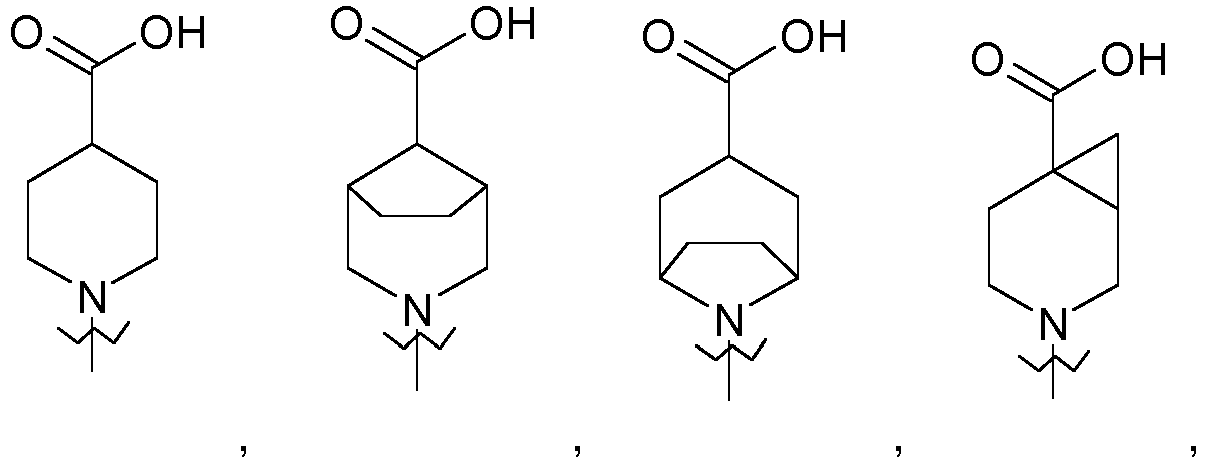

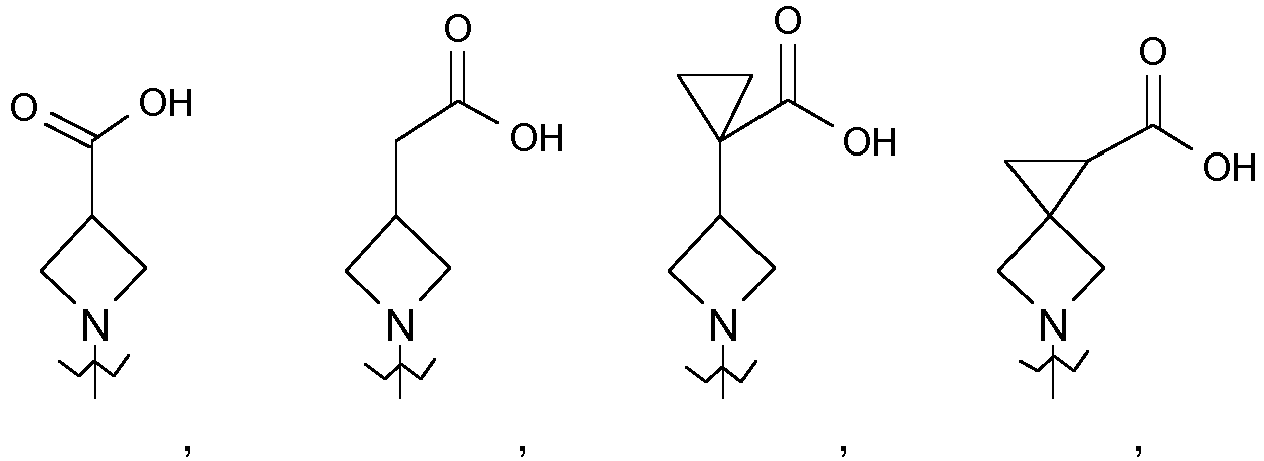

or a salt thereof. - The compound of claim 1, wherein
R1 is selected from the group consisting of

n is 1;
R4 is selected from -C(O)N(R6)(R7), -C(O)R8 and -CH2R9;
R5 is selected from H, C1-4alkyl, halogen, -CF3, -OC1-4alkyl, -OCF3 and -CN and is bonded to a position on the phenyl ring meta to R4;
R7 is selected from -(CH2)2-3OCH3, -(CH2)2N(CH3)2 and -(CH2)0-1cyclohexyl;
R9 is a heterocyclyl selected from morpholin-4-yl, 1,1-dioxothiomorpholin-4-yl, pyrrolidin-1-yl, piperidin-1-yl and piperazin-1-yl, wherein said heterocyclyl is optionally substituted with one to two groups selected from halogen, -OH, -SO2C1-6alkyl, -SO2N(C1-6alkyl)2, -C(O)NH2,
-C(O)NHCH3, -C(O)N(CH3)2, C(O)C1-6alkyl, -C(O)C3-6cycloalkyl, and -C(O)tetrahydrofuran-3-yl; or
R9 is -N(R6)(R10); - The compound of claim 1, wherein R1 is
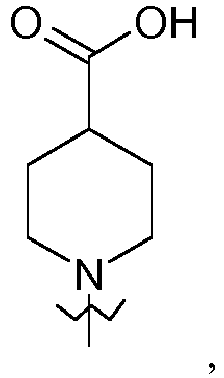
- The compound of claim 1, wherein R1 is selected from the group consisting of

- The compound of claim 5, wherein R1 is selected from the group consisting of

- The compound of claim 1, wherein
n is 1;
R2 and R3 are independently selected from H, -CH3, -Cl, -F, -CN and -CF3, provided that at least one of R2 or R3 is H;
R5 is selected from -CH3, -CH2CH3, -OCF3 and -CN and is bonded to a position on the phenyl ring meta to R4;
R8 is selected from azepan-1-yl, azetidin-1-yl, morpholin-4-yl, 1,1-dioxothiomorpholin-4-yl, pyrrolidin-1-yl, piperazin-1-yl, [1,4]oxazepan-4-yl, and piperidin-1-yl, wherein each R8 is optionally substituted with one to three groups independently selected from -CH3, -OCH3, -CH2OH, -OCH3, -N(CH3)2, -OH, oxo, -CN and halogen;
R9 is a heterocyclyl selected from morpholin-4-yl, 1,1-dioxothiomorpholin-4-yl, pyrrolidin-1-yl, piperidin-1-yl and piperazin-1-yl, wherein said heterocyclyl is optionally substituted with one to three groups independently selected from -CH3, -CH2CH3, Cl, F, oxo, -OH, -C(O)CH3, -C(O)cyclopropyl and -C(O)tetrahydrofuran-3-yl;
or a salt thereof. - The compound of claim 1, wherein
R4 is -C(O)R8;
or a salt thereof. - The compound of claim 1, wherein
R4 is -CH2R9;
or a salt thereof. - A compound according to claim 1 selected from the group consisting of
Cpd No. Cpd No. 1 
2 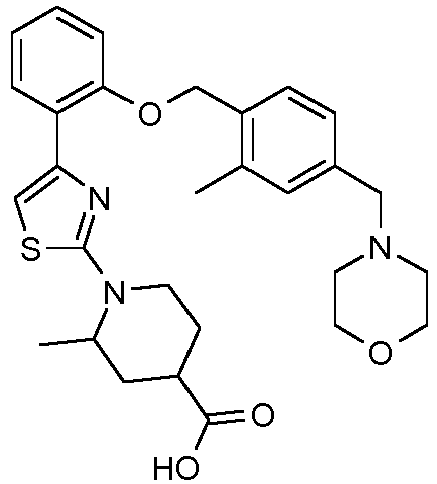
3 
4 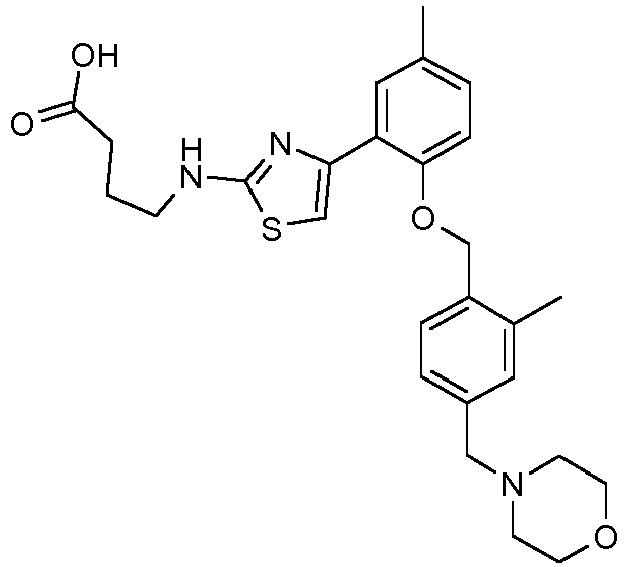
5 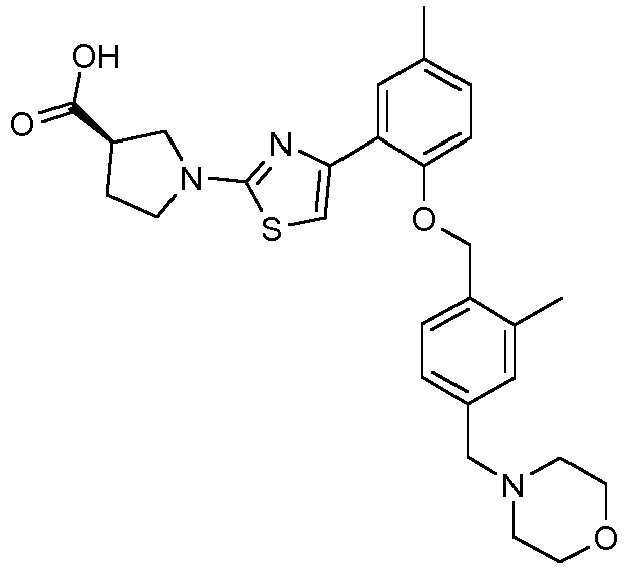
6 
7 
8 
9 
10 
11 
12 
13 
14 
15 
16 
17 
18 
19 
20 
21 
22 
23 
24 
25 
26 
27 
28 
29 
30 
31 
32 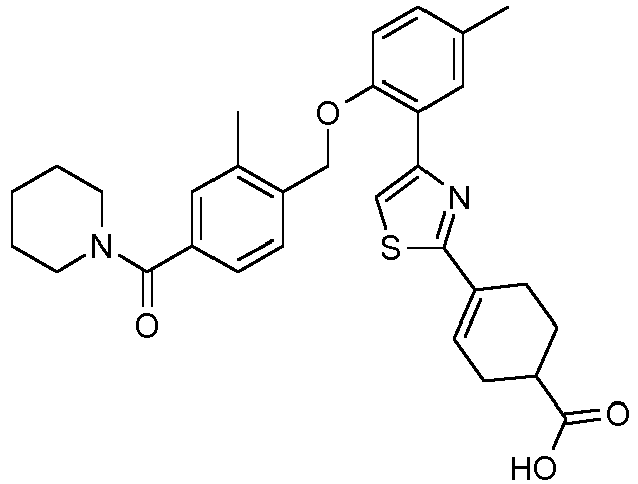
33 
34 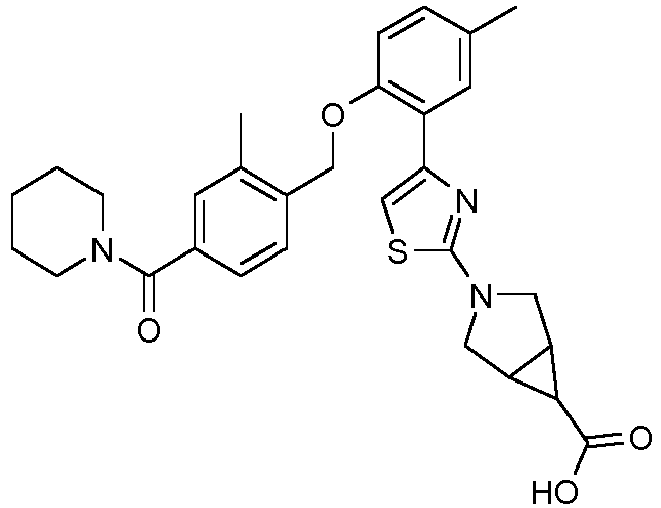
35 
36 
37 
38 
39 
40 
41 
42 
43 
44 
45 
46 
47 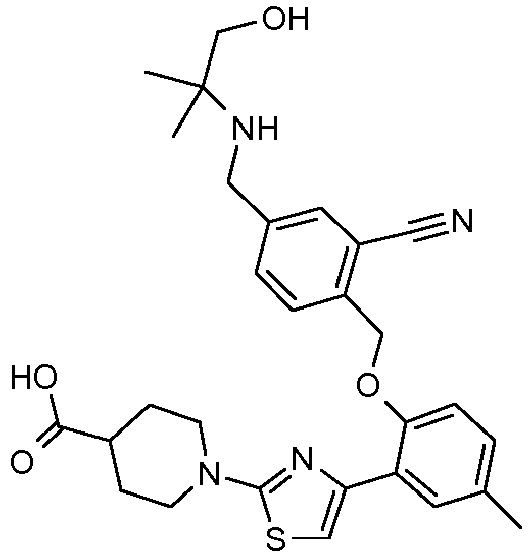
48 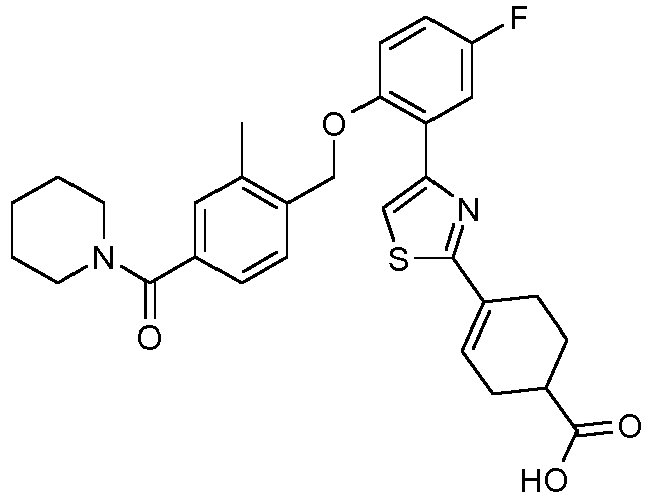
49 
50 
51 
52 
53 
54 
55 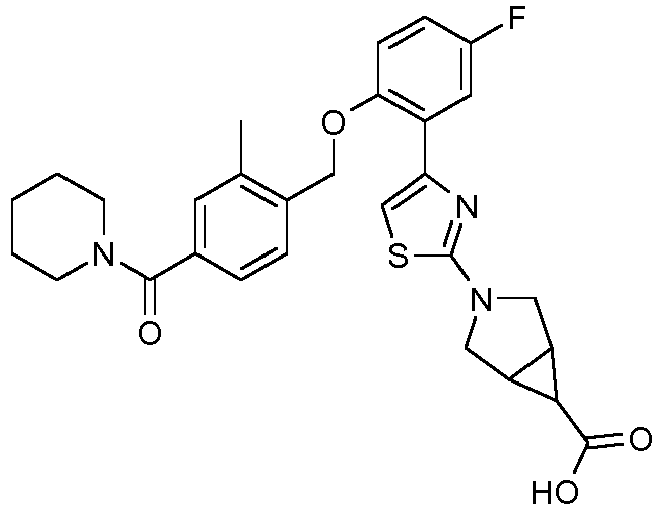
56 
57 
58 
59 
60 
61 
62 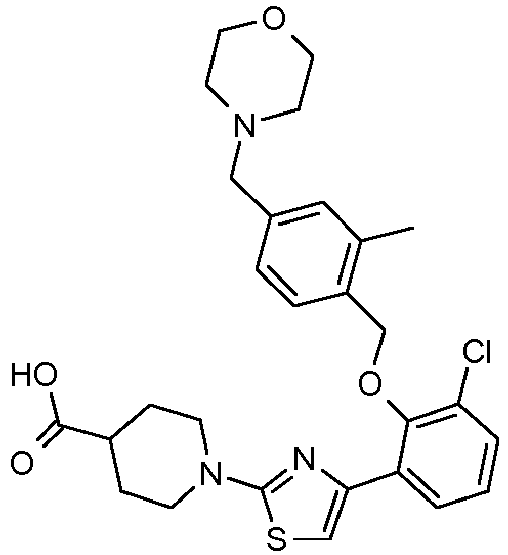
63 
64 
65 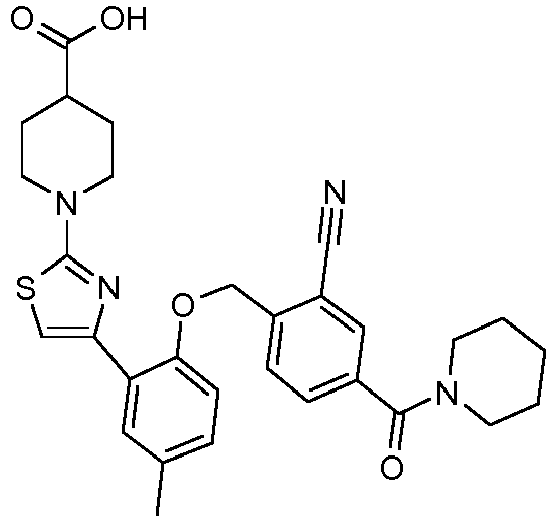
66 
67 
68 
69 
70 
71 
72 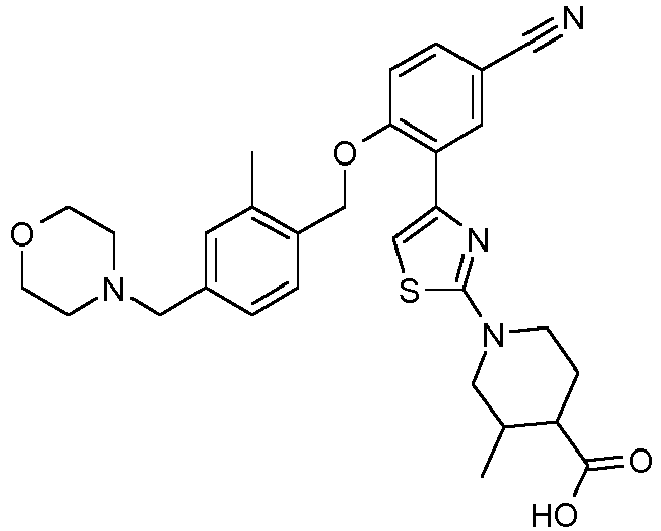
73 
74 
75 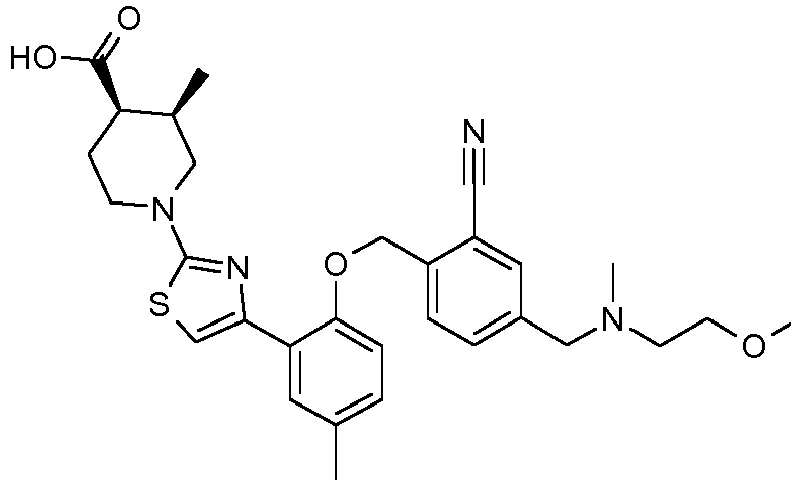
76 
77 
78 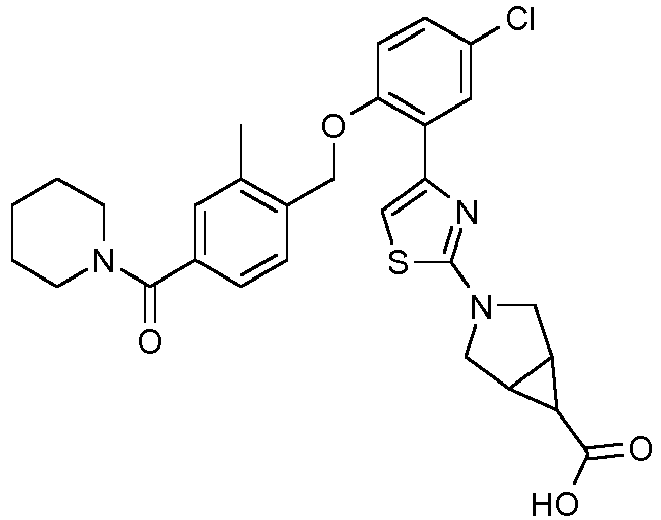
79 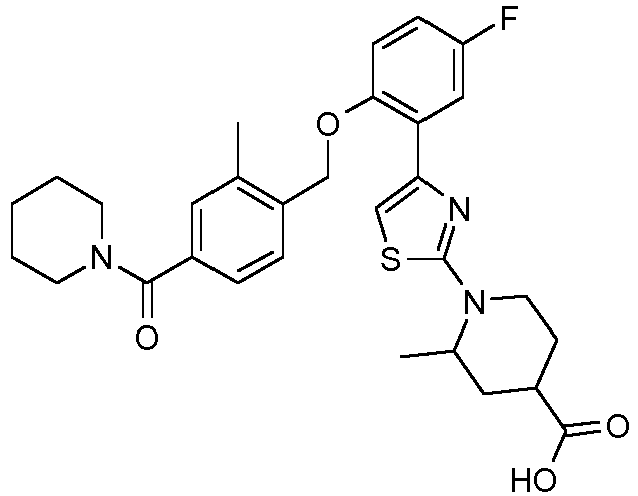
80 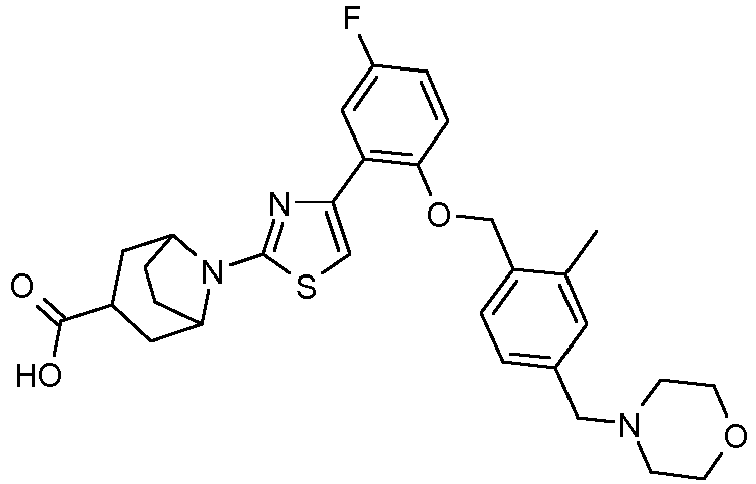
81 
82 
83 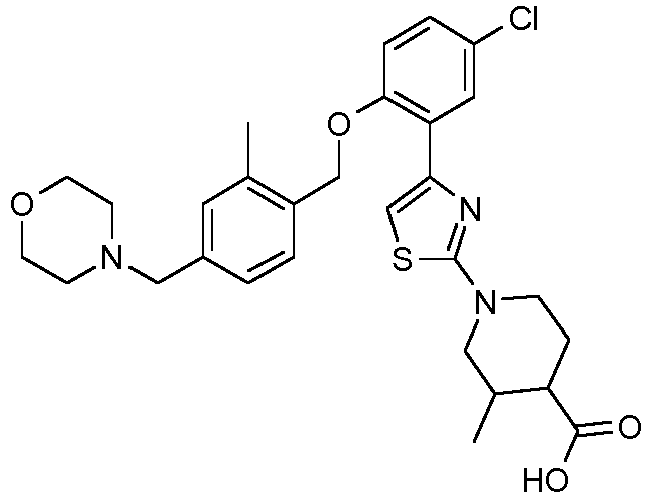
84 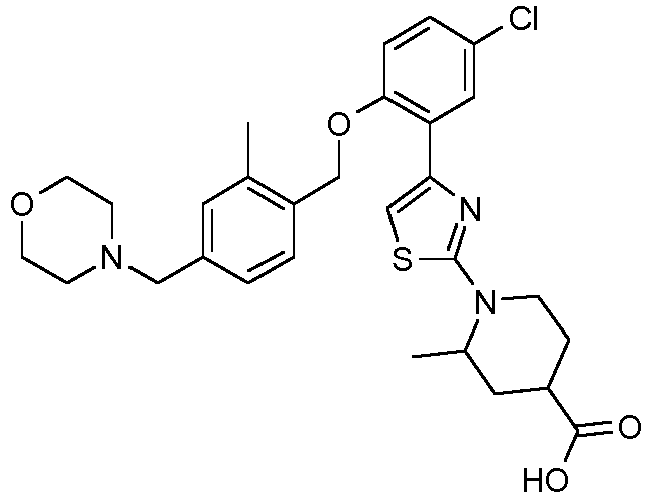
85 
86 
87 
88 
89 
90 
91 
92 
93 
94 
95 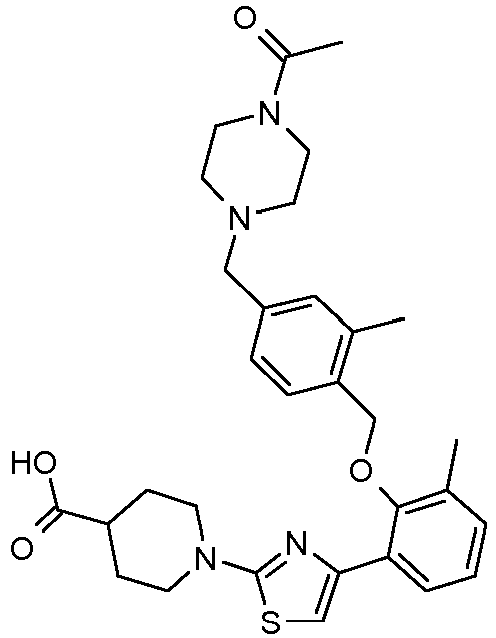
96 
97 
98 
99 
100 
101 
102 
103 
104 
105 
106 
107 
108 
109 
110 
111 
112 
113 
114 
115 
116 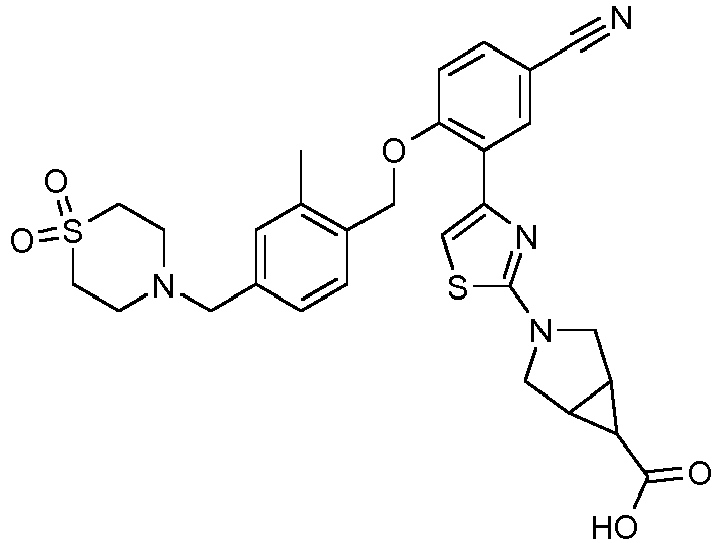
117 
118 
119 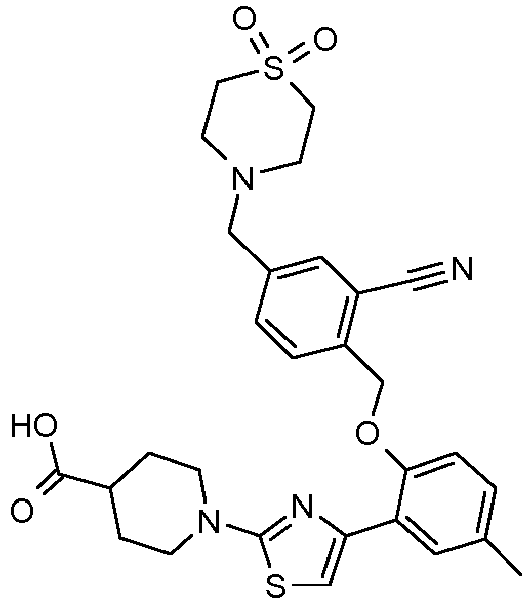
120 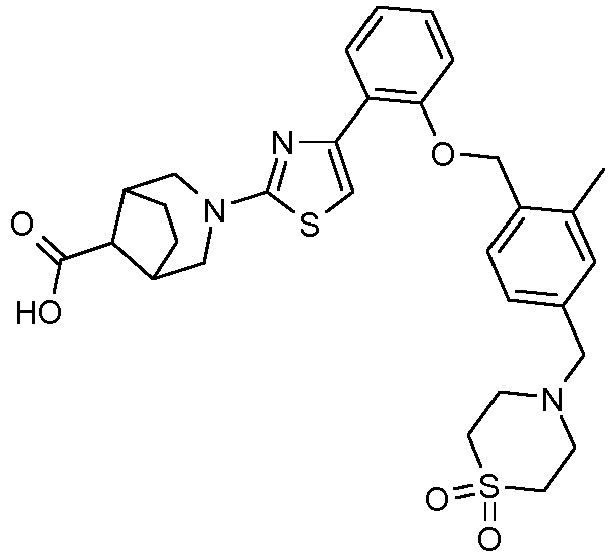
121 
122 
123 
124 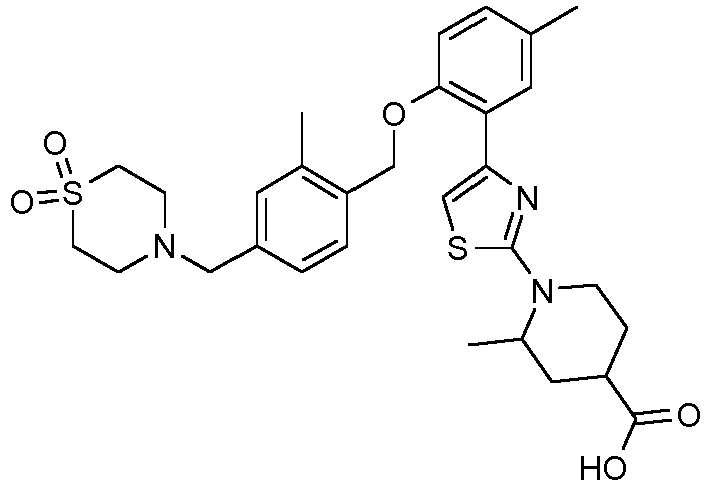
125 
126 
127 
128 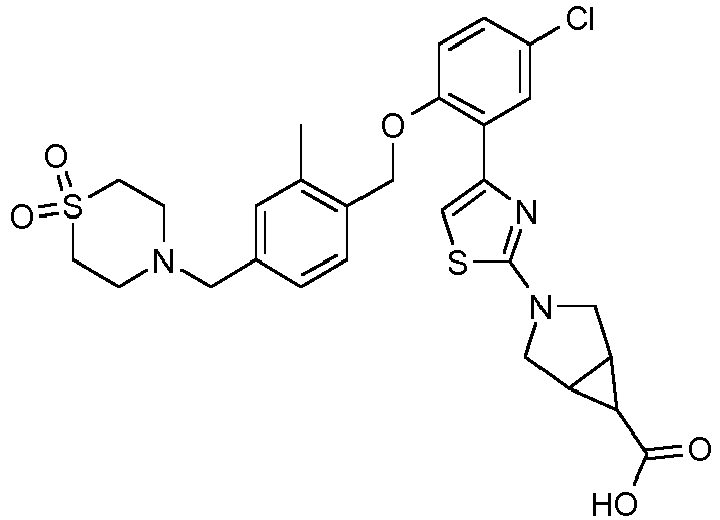
129 
130 
131 
132 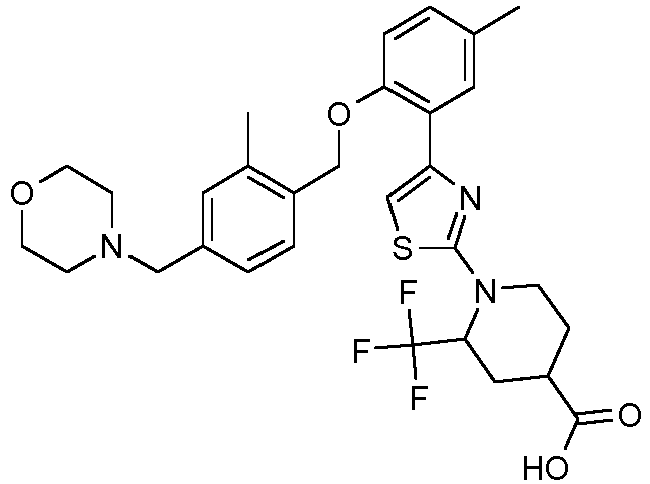
133 
134 
135 
136 
137 
138 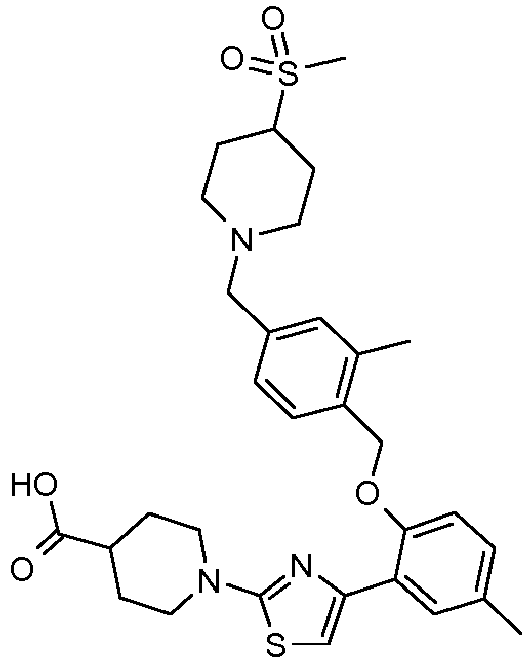
139 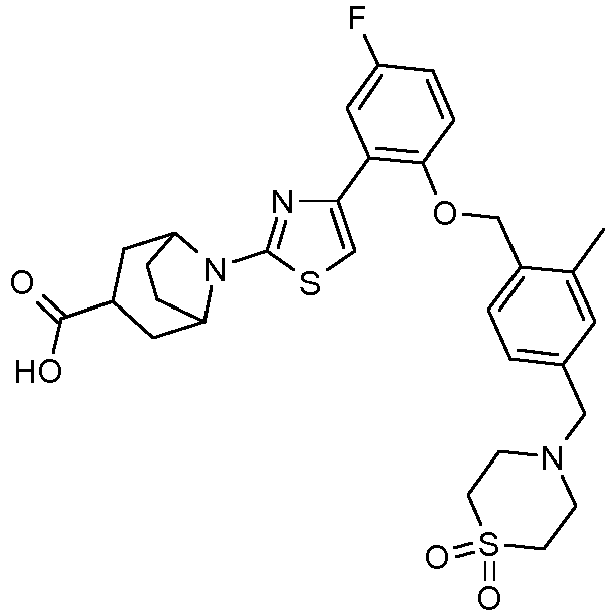
140 
141 
142 
143 
144 
145 
146 
147 
148 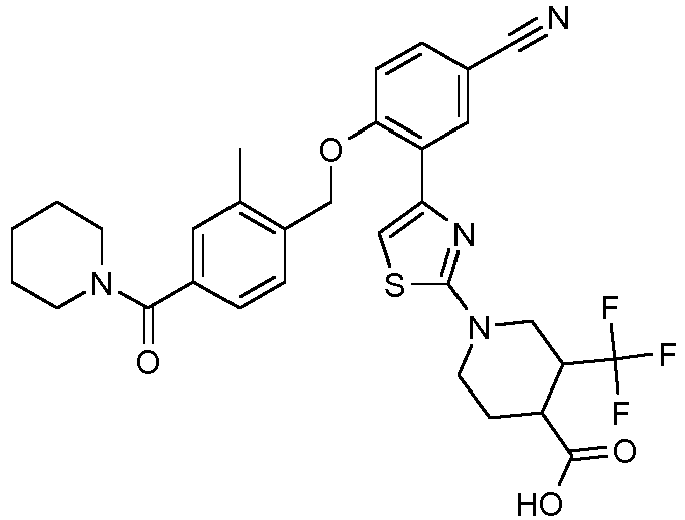
149 
150 
151 
152 
153 
154 
155 
156 
157 
158 
159 
160 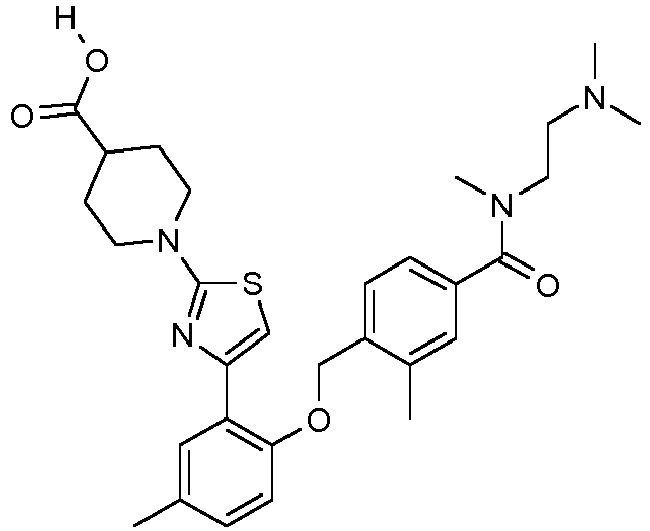
161 
162 
163 
164 
165 
166 
167 
168 
169 
170 
171 
172 
173 
174 
175 
176 
177 
178 
179 
180 
181 
182 
183 
184 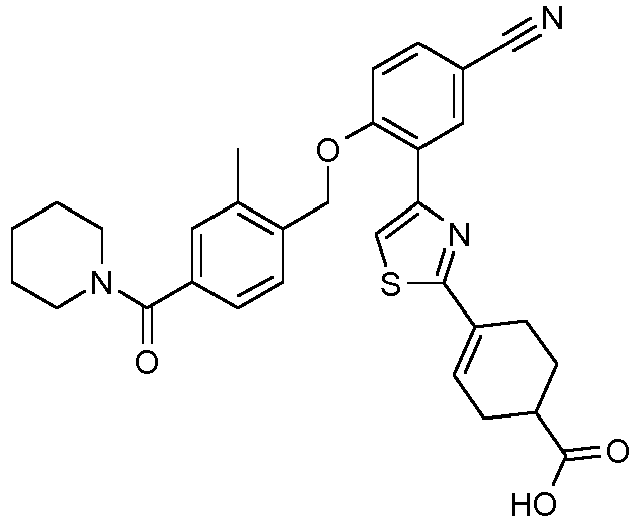
185 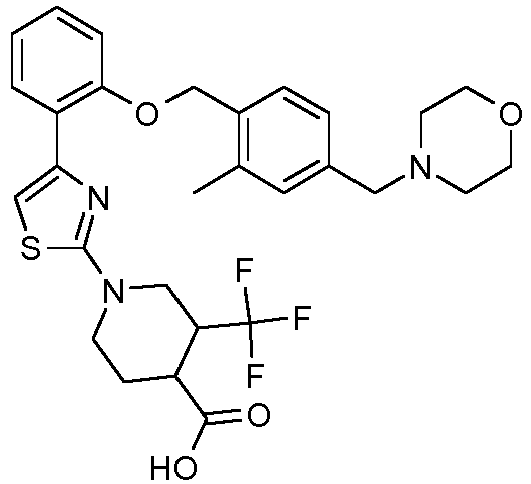
186 
187 
188 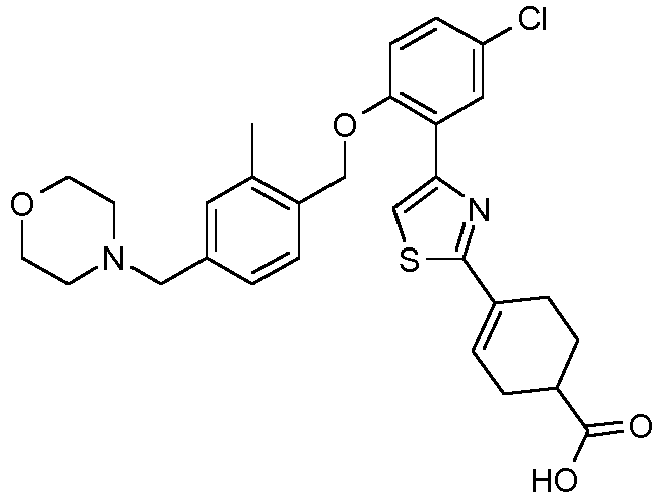
189 
190 
191 
192 
193 
194 
195 
196 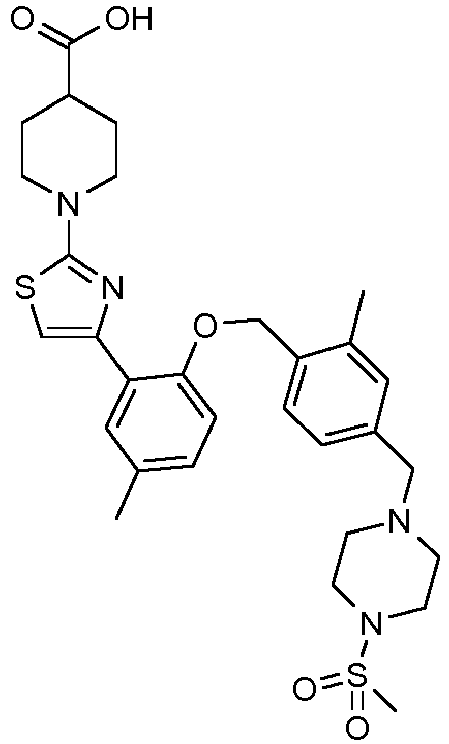
197 
198 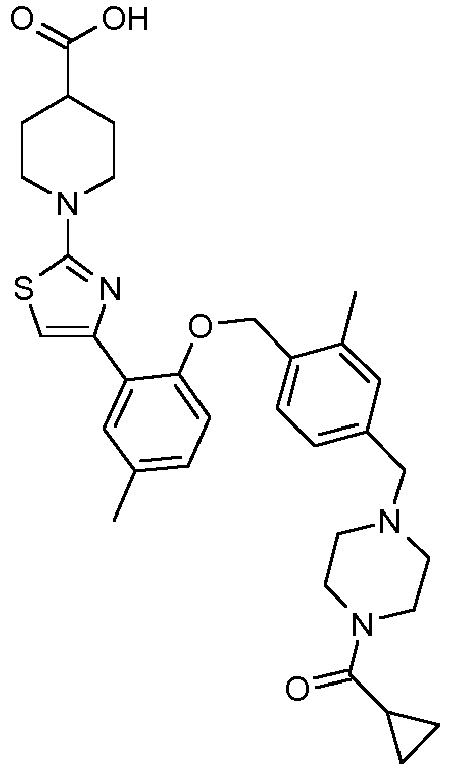
199 
200 
201 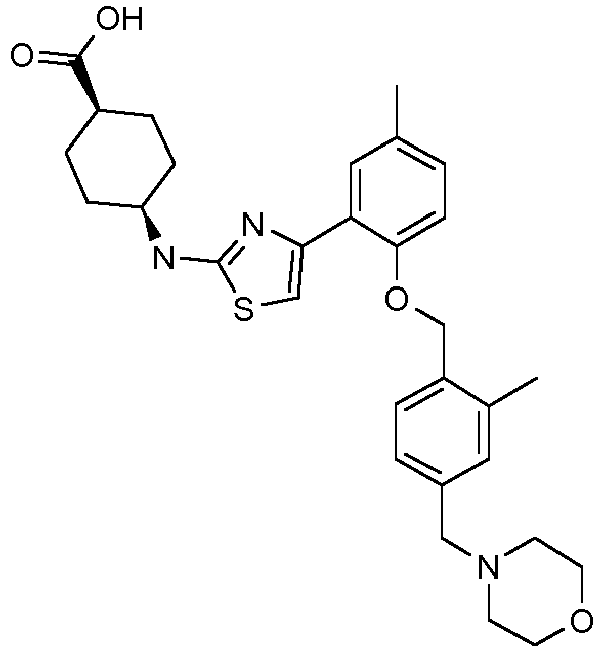
202 
203 
204 
205 
206 
207 
208 
209 
210 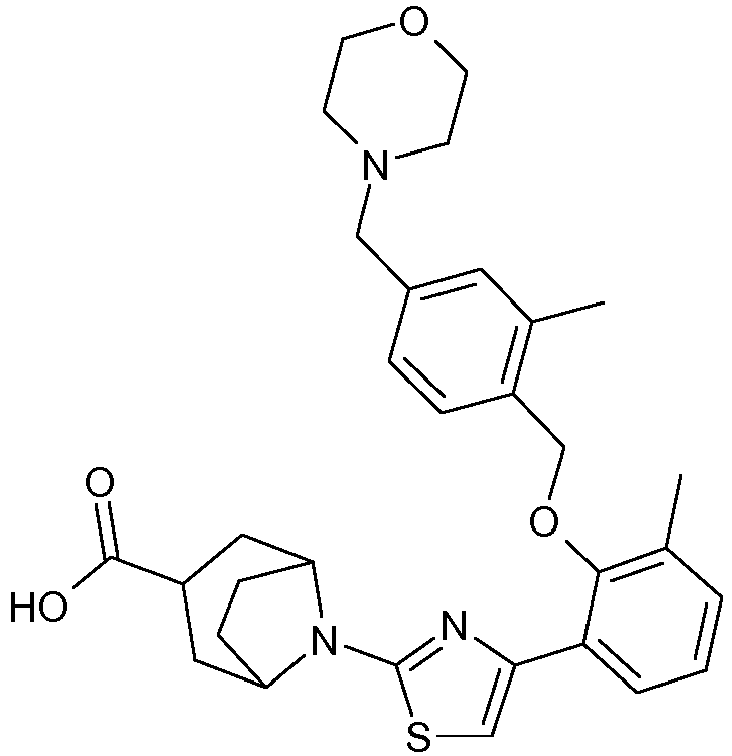
211 
212 
213 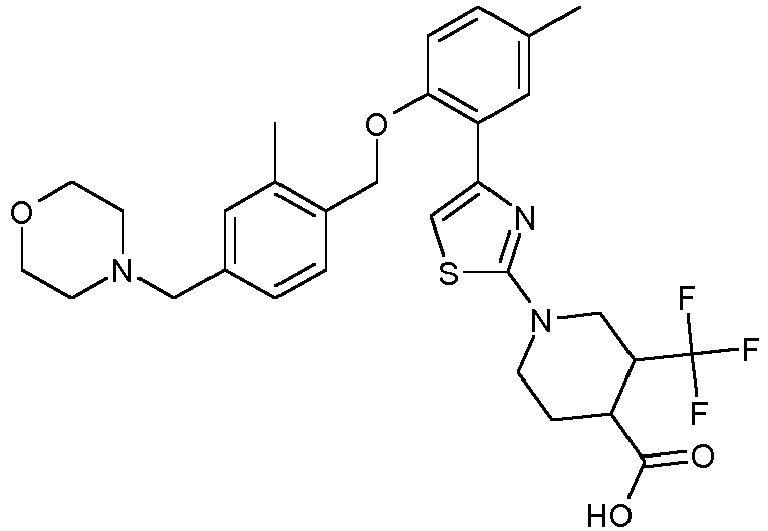
214 
215 
216 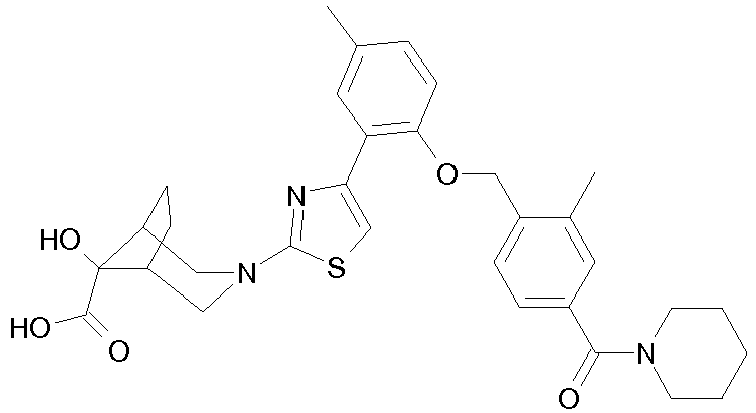
217 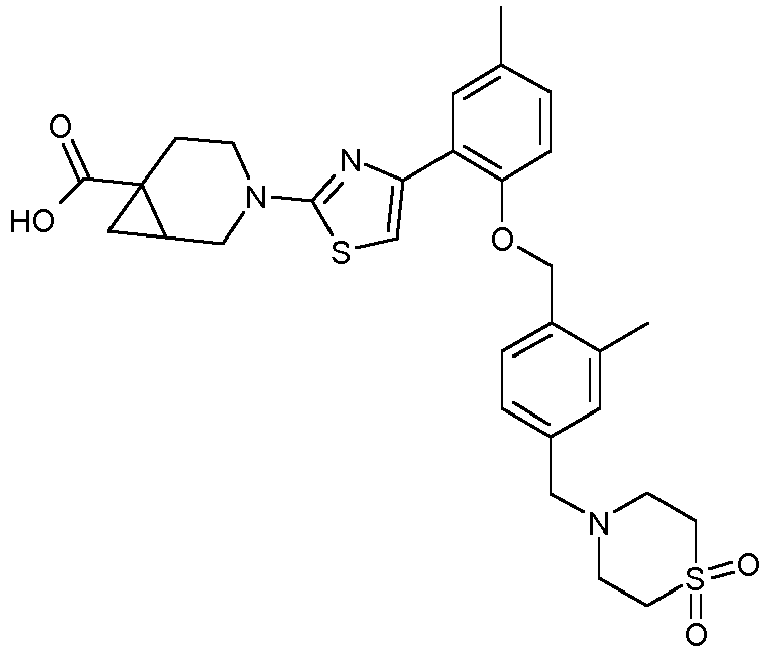
218 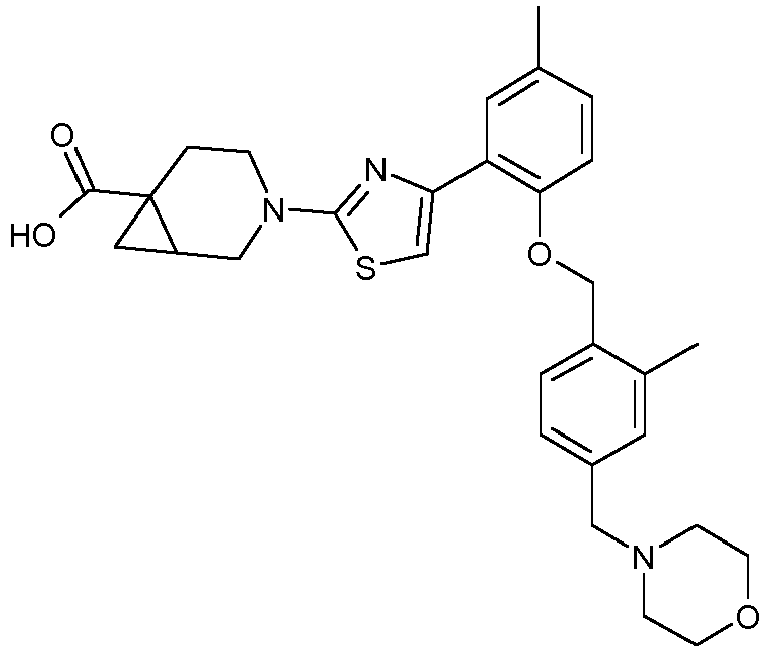
219 
220 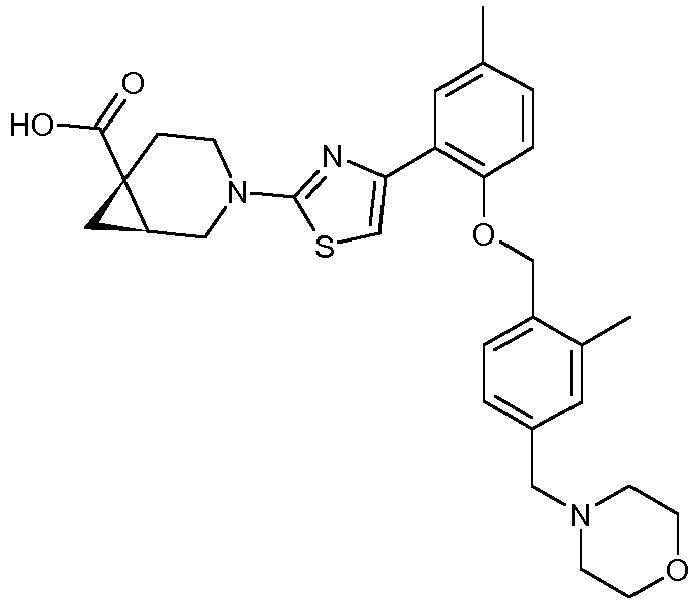
221 
222 
223 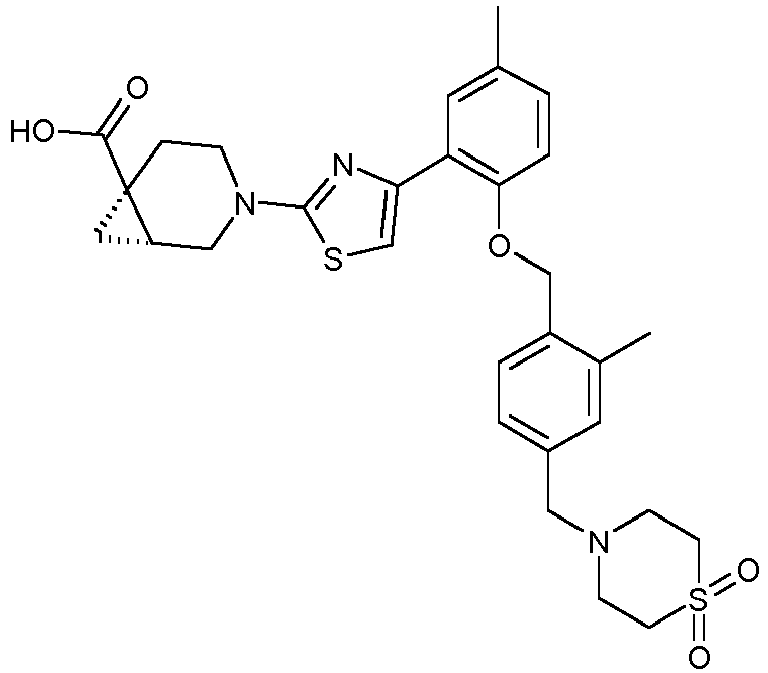
224 
225 
226 
227 
228 
229 
230 
231 
232 
233 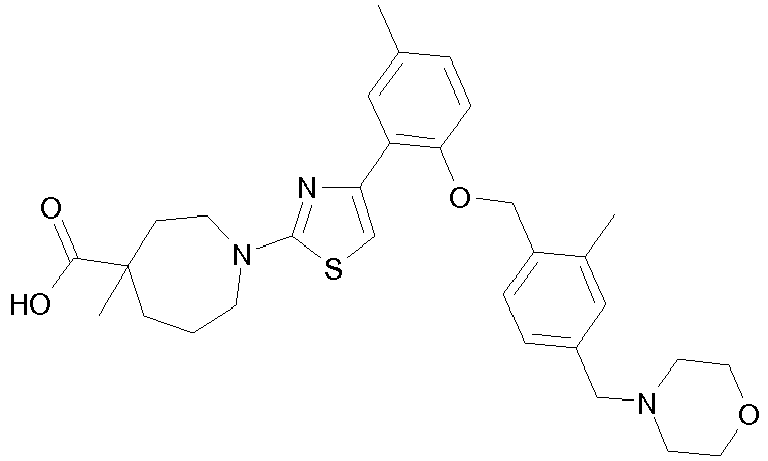
234 
235 
236 
237 
238 
239 
240 
241 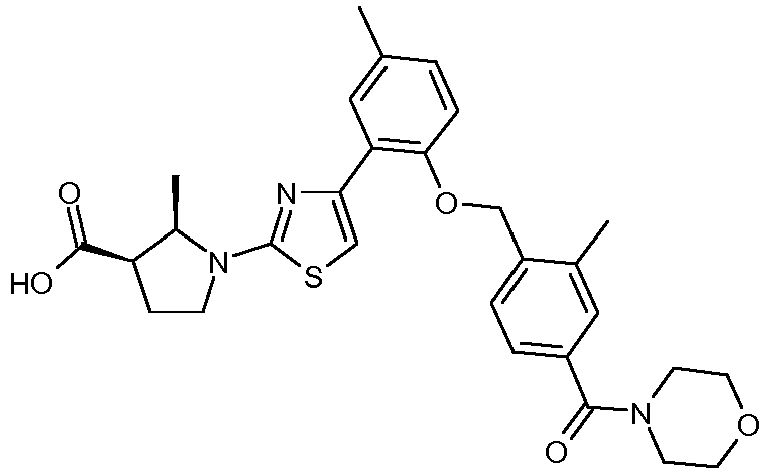
242 
243 
244 
245 
246 
247 
248 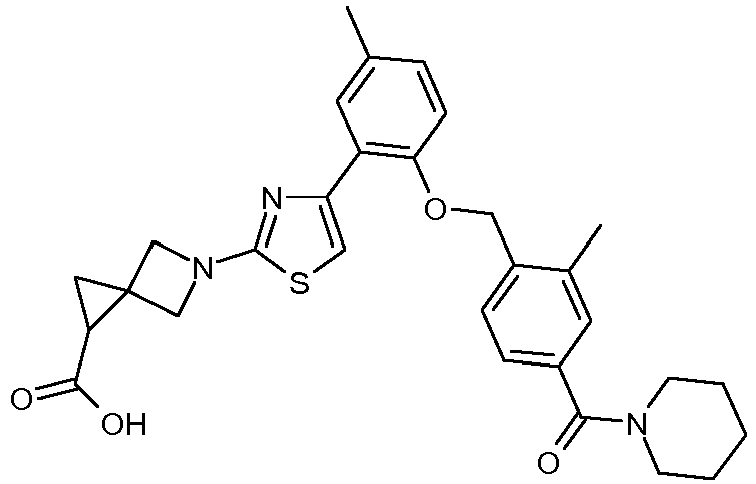
249 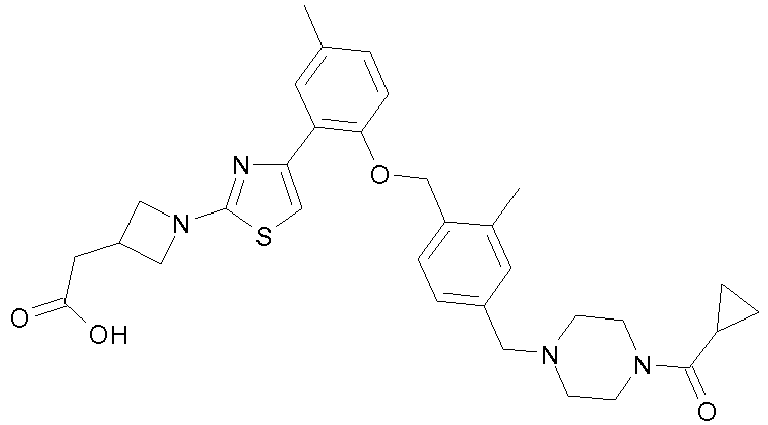
250 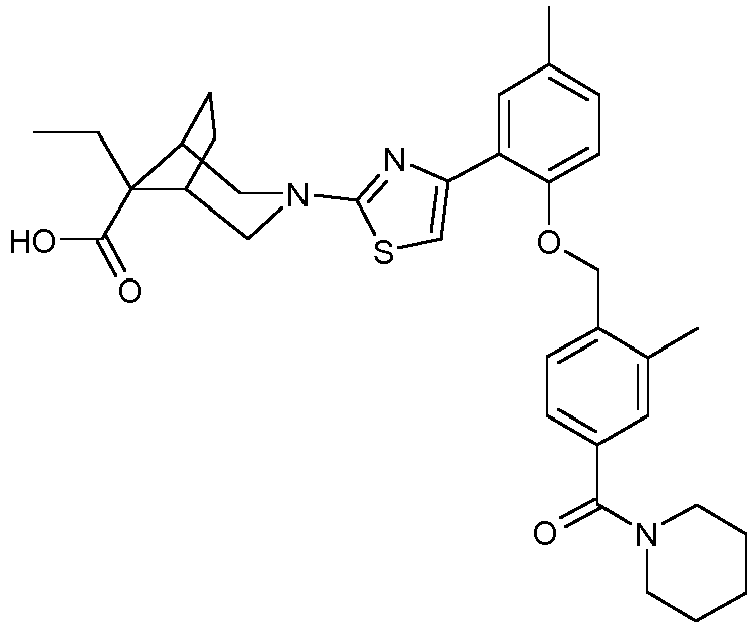
251 
252 
253 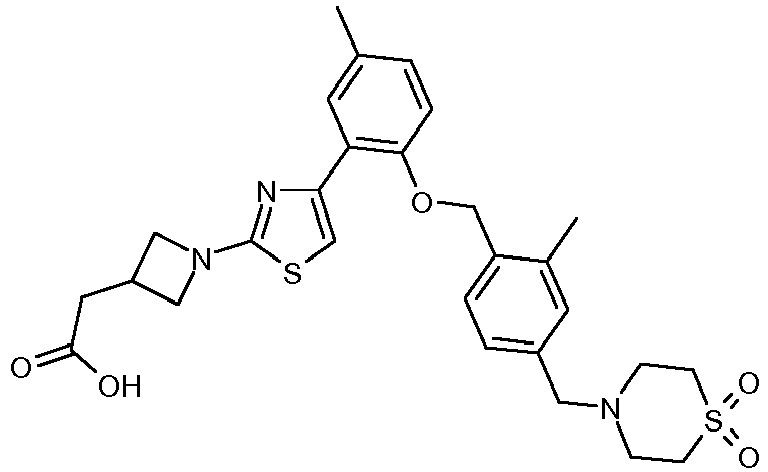
254 
255 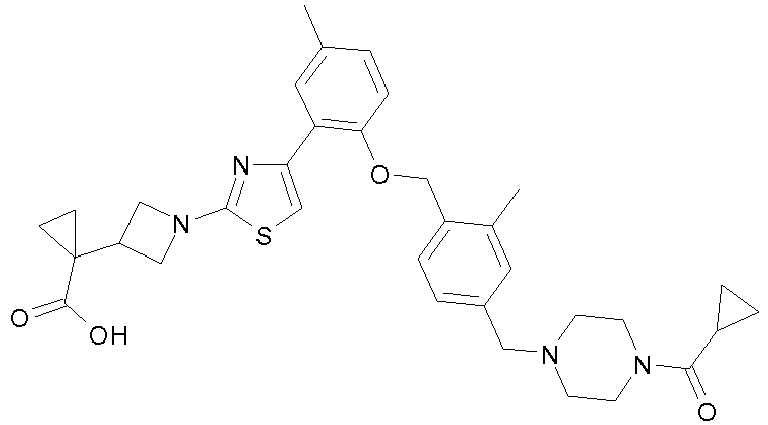
256 
257 
258 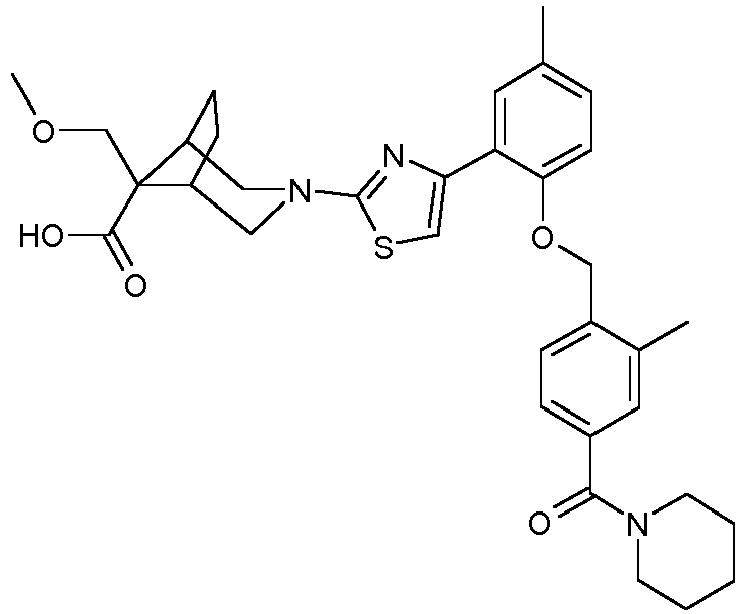
259 
260 
261 
262 
263 
264 
265 
266 
267 
268 
269 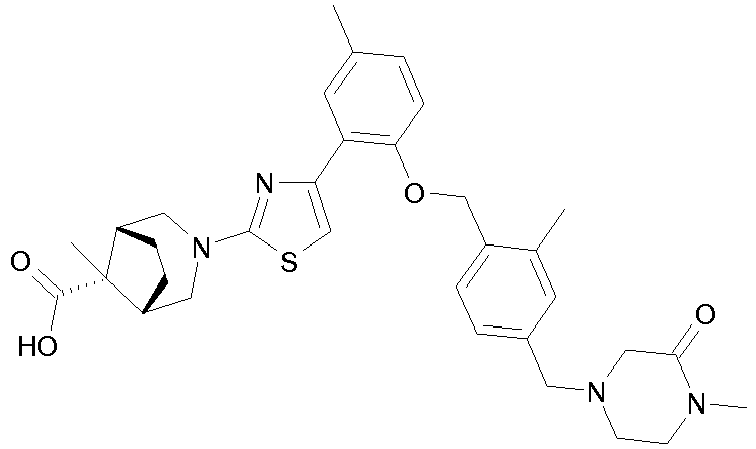
270 
271 
272 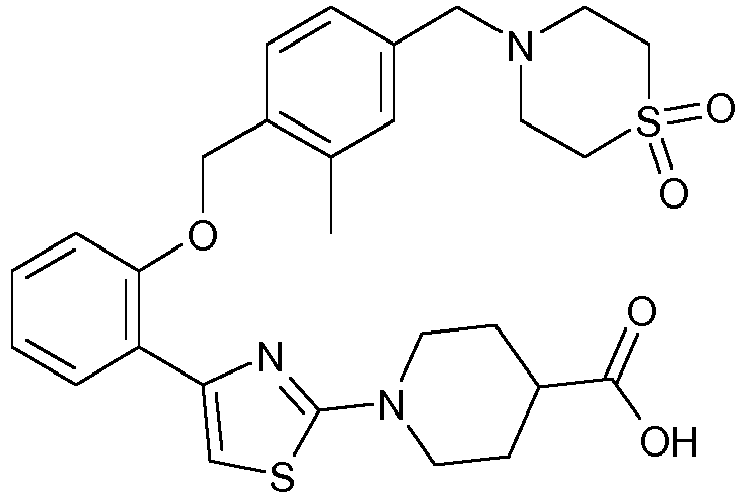
273 
274 
275 
276 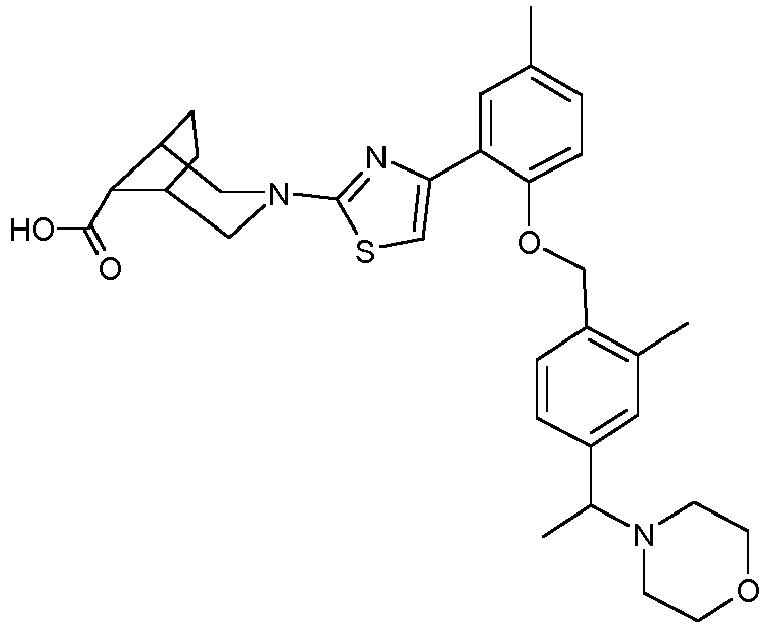
277 
278 
279 
280 
281 
282 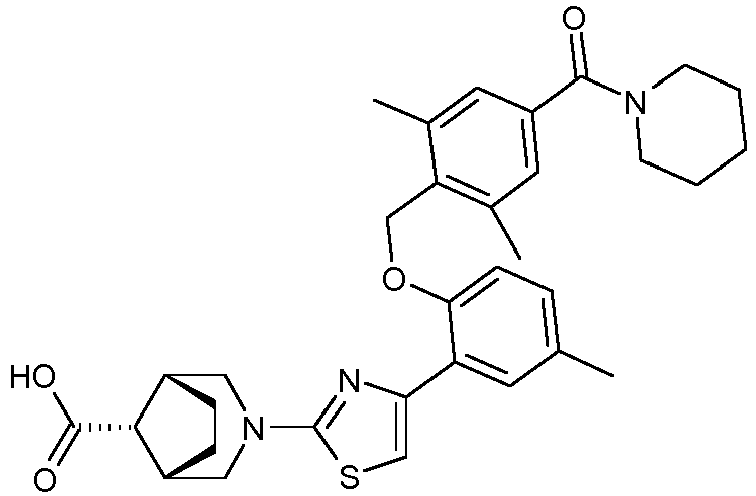
283 
284 
285 
286 
287 
288 
289 
290 
291 
292 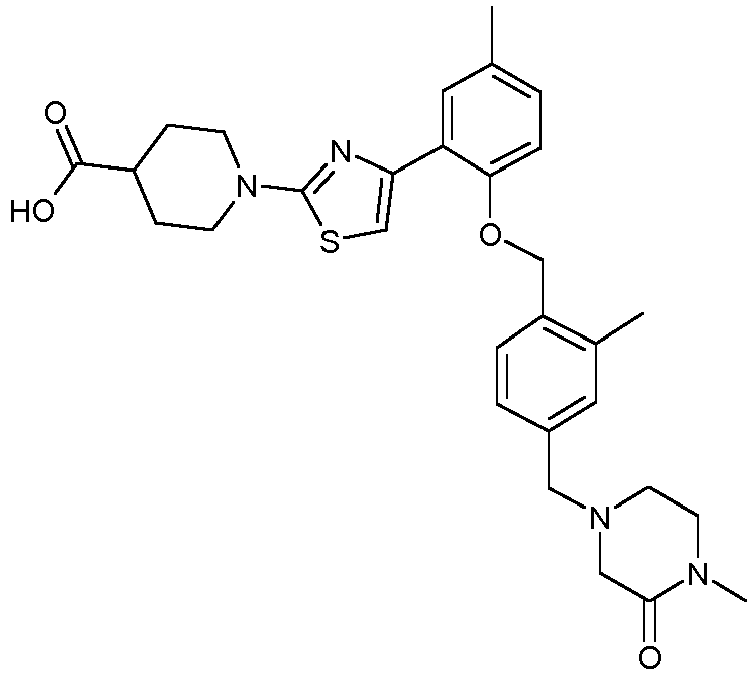
293 
294 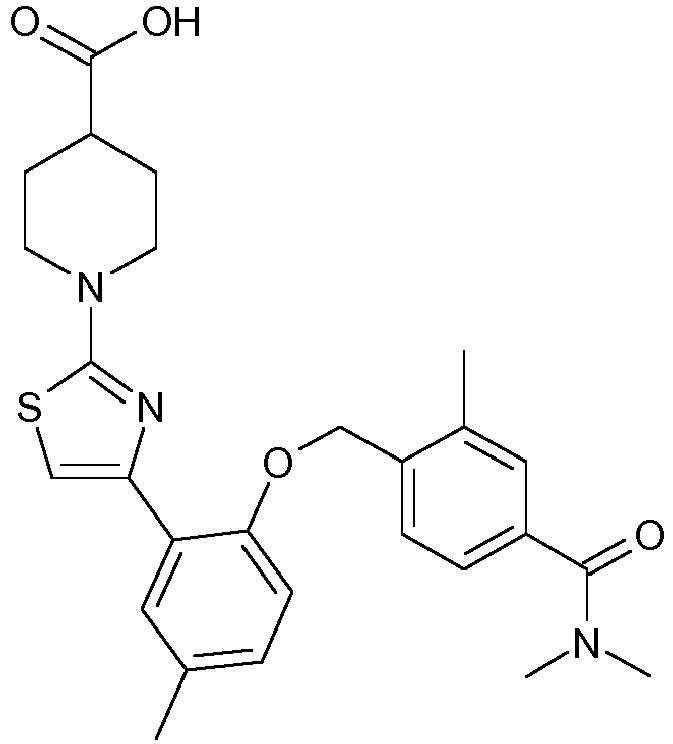
295 
296 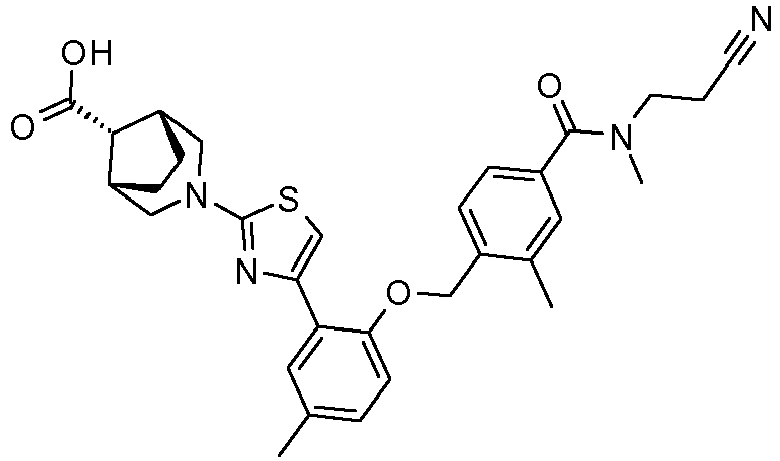
297 
298 
299 
300 
301 
302 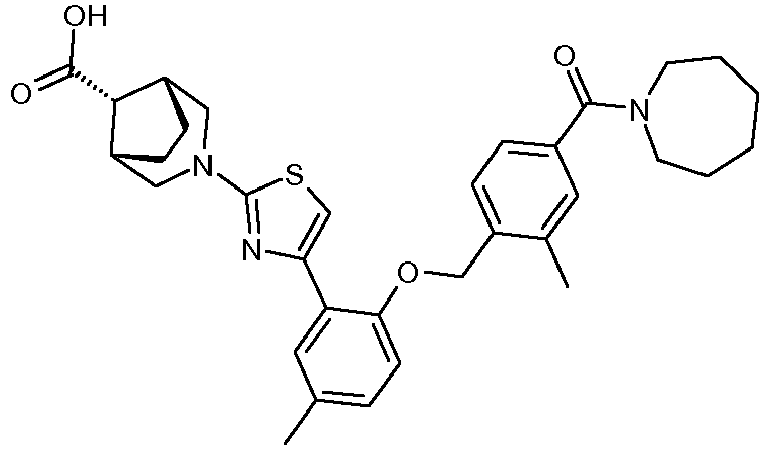
303 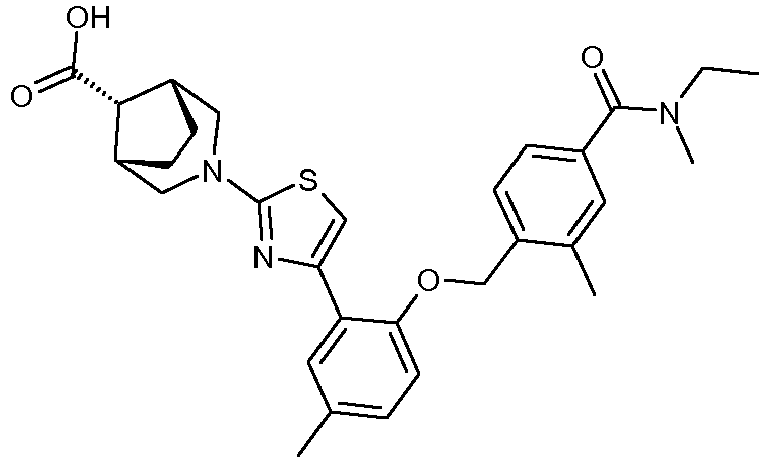
304 
305 
306 
307 
308 
309 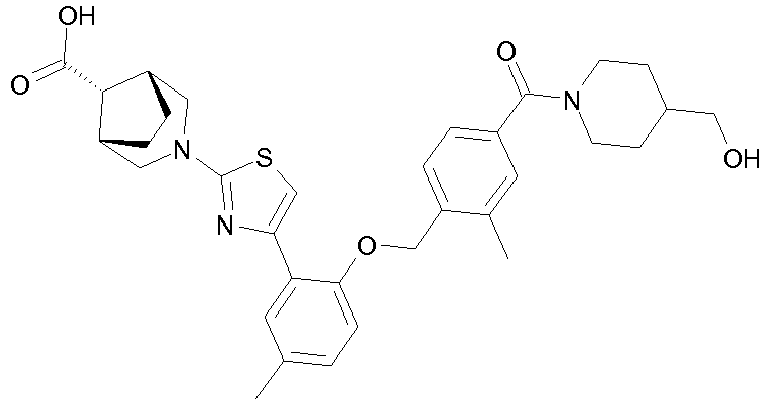
310 
311 
312 
313 
314 
315 
316 
317 
318 
319 
320 
321 
322 
323 
324 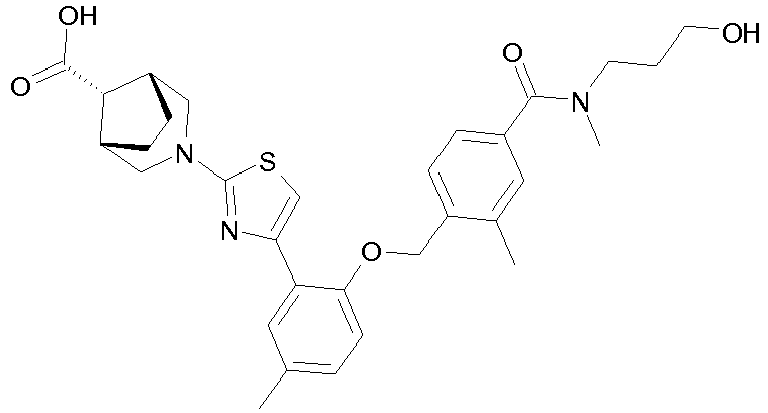
325 
326 
327 
328 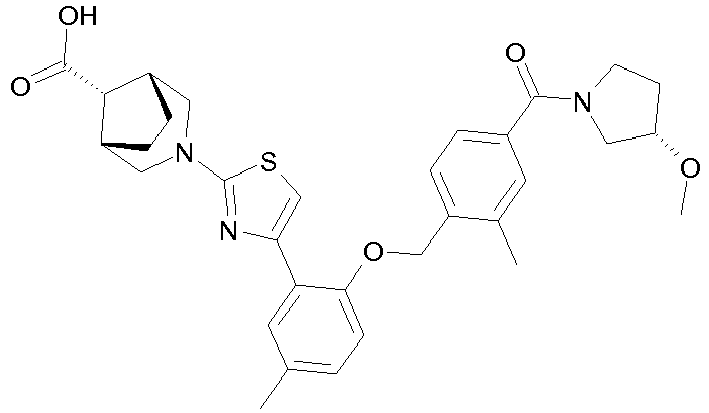
329 
330 
331 
332 
333 
334 
335 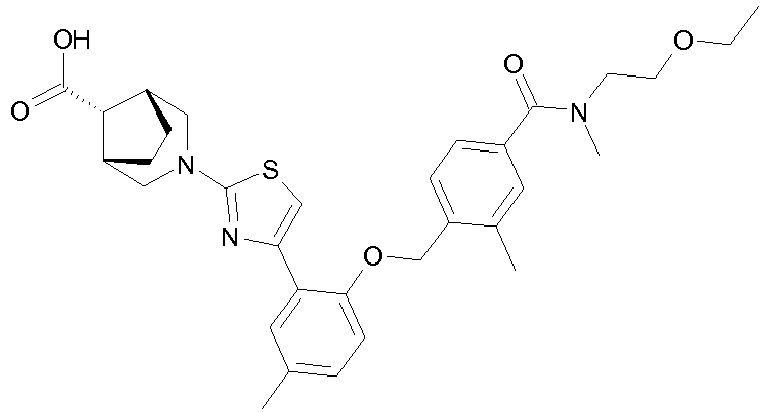
336 
337 
338 
339 
340 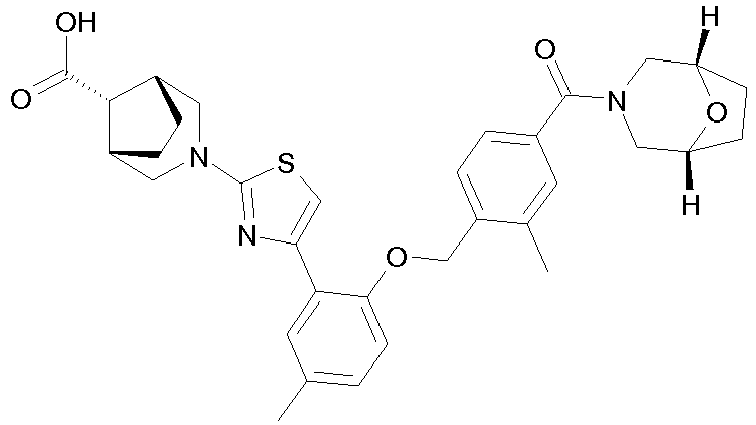
341 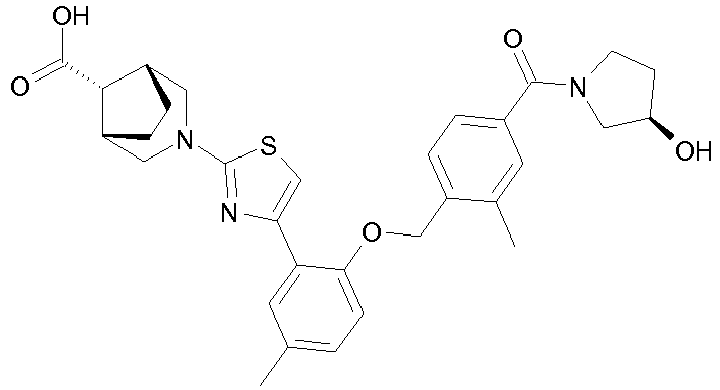
342 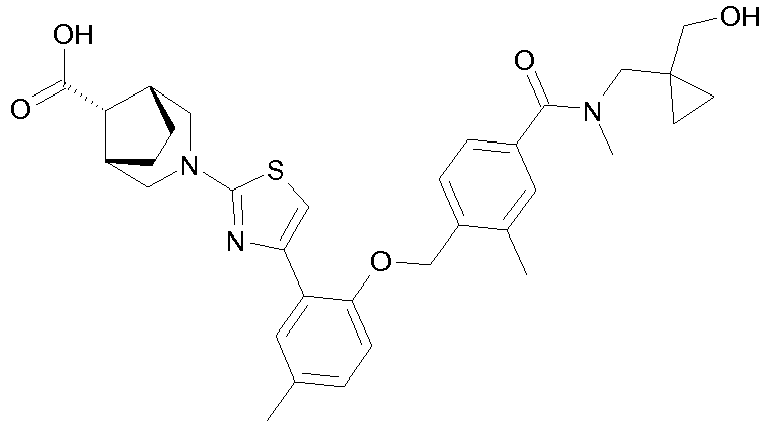
343 
344 
345 
346 
347 
348 
349 
350 
351 
352 
353 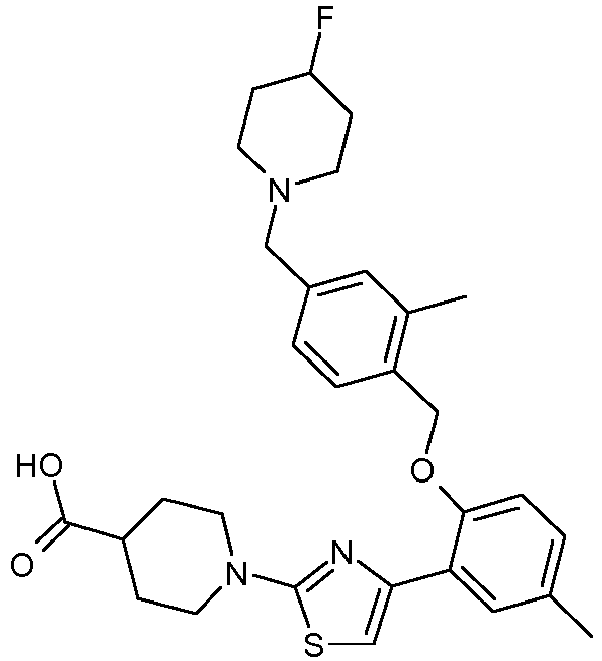
354 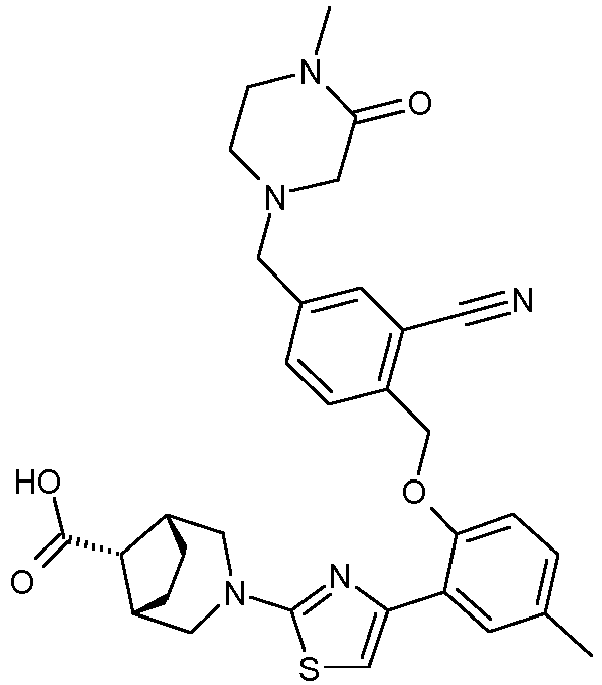
355 
356 
357 
358 
359 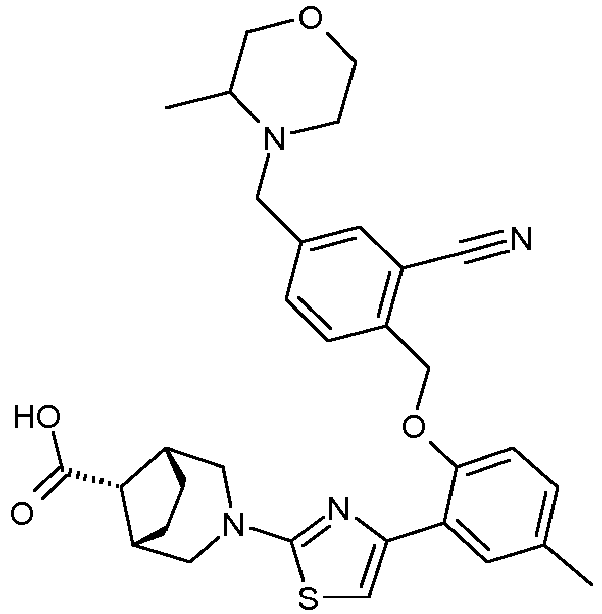
360 
361 
- The compound of claim 10 selected from the group consisting of compound numbers 1, 13, 15, 17, 20, 21, 28, 30, 36, 39, 41-43, 49, 52, 59, 62, 63, 65, 67-70, 72-74, 79, 81, 84, 88-90, 92, 95, 97, 102-108, 111, 113, 117-120, 122-126, 129-133, 136-138, 140-144, 151-153, 161, 162, 164, 167, 173, 176, 177, 194-196, 198-200, 203-209, 211, 212, 214, 217, 218, 220-232, 234-238, 240- 244, 248, 249, 250, 263-272, 276-293, 296-346, and 348-361;
and the pharmaceutically acceptable salts thereof. - A pharmaceutical composition comprising the compound of claim 1 and a pharmaceutically acceptable excipient or carrier.
- A compound according to claim 1 for use in a method of treating a disease or disorder that can be alleviated by sGC activation or potentiation comprising administering a therapeutically effective amount of the compound to a patient in need thereof
- The compound for use in the method according to claim 13 wherein the disease or disorder is selected from a cardiovascular disease, inflammatory disease, hepatic fibrotic disorder, renal fibrotic disorder, pulmonary fibrotic disorder and cardiac fibrotic disorder.
- The compound for use in the method according to claim 13 where the disease is selected from renal disease, overactive bladder, benign prostatic hyperplasia, erectile dysfunction, Alzheimer's disease, Parkinson's disease and neuropathic pain.
Applications Claiming Priority (2)
| Application Number | Priority Date | Filing Date | Title |
|---|---|---|---|
| US201161522851P | 2011-08-12 | 2011-08-12 | |
| PCT/US2012/050052 WO2013025425A1 (en) | 2011-08-12 | 2012-08-09 | Soluble guanylate cyclase activators |
Publications (2)
| Publication Number | Publication Date |
|---|---|
| EP2766360A1 EP2766360A1 (en) | 2014-08-20 |
| EP2766360B1 true EP2766360B1 (en) | 2017-07-12 |
Family
ID=46889417
Family Applications (1)
| Application Number | Title | Priority Date | Filing Date |
|---|---|---|---|
| EP12762428.6A Active EP2766360B1 (en) | 2011-08-12 | 2012-08-09 | Soluble guanylate cyclase activators |
Country Status (4)
| Country | Link |
|---|---|
| US (1) | US8815857B2 (en) |
| EP (1) | EP2766360B1 (en) |
| JP (1) | JP5826393B2 (en) |
| WO (1) | WO2013025425A1 (en) |
Families Citing this family (22)
| Publication number | Priority date | Publication date | Assignee | Title |
|---|---|---|---|---|
| JP5715713B2 (en) | 2011-03-10 | 2015-05-13 | ベーリンガー インゲルハイム インターナショナル ゲゼルシャフト ミット ベシュレンクテル ハフツング | Soluble guanylate cyclase activator |
| JP5826393B2 (en) | 2011-08-12 | 2015-12-02 | ベーリンガー インゲルハイム インターナショナル ゲゼルシャフト ミット ベシュレンクテル ハフツング | Soluble guanylate cyclase activator |
| ES2748798T3 (en) | 2012-09-07 | 2020-03-18 | Boehringer Ingelheim Int | Alkoxy pyrazoles as activators of soluble guanylate cyclase |
| WO2015095515A1 (en) | 2013-12-20 | 2015-06-25 | Novartis Ag | Sgc activators for the treatment of glaucoma |
| TW201625584A (en) | 2014-07-02 | 2016-07-16 | 諾華公司 | Indane and indoline derivatives and the use thereof as soluble guanylate cyclase activators |
| TW201625586A (en) | 2014-07-02 | 2016-07-16 | 諾華公司 | Cyclohexen-1-yl-pyridin-2-yl-1H-pyrazole-4-carboxylic acid derivatives and the use thereof as soluble guanylate cyclase activators |
| TW201625601A (en) | 2014-07-02 | 2016-07-16 | 諾華公司 | Thiophen-2-yl-pyridin-2-yl-1H-pyrazole-4-carboxylic acid derivatives and the use thereof as soluble guanylate cyclase activators |
| EP3172202B1 (en) * | 2014-07-22 | 2020-01-29 | Boehringer Ingelheim International GmbH | Heterocyclic carboxylic acids as activators of soluble guanylate cyclase |
| CA3039735A1 (en) | 2016-10-11 | 2018-04-19 | Bayer Pharma Aktiengesellschaft | Combination containing sgc activators and mineralocorticoid receptor antagonists |
| WO2019081456A1 (en) | 2017-10-24 | 2019-05-02 | Bayer Aktiengesellschaft | Use of activators and stimulators of sgc comprising a beta2 subunit |
| EP3498298A1 (en) | 2017-12-15 | 2019-06-19 | Bayer AG | The use of sgc stimulators and sgc activators alone or in combination with pde5 inhibitors for the treatment of bone disorders including osteogenesis imperfecta (oi) |
| JP7353295B2 (en) * | 2018-04-10 | 2023-09-29 | バイエル・アクチエンゲゼルシヤフト | Method for producing 2,6-dialkylphenylacetic acid |
| JP7314173B2 (en) | 2018-04-30 | 2023-07-25 | バイエル アクチェンゲゼルシャフト | Use of sGC activators and sGC stimulants for the treatment of cognitive impairment |
| CA3100096A1 (en) | 2018-05-15 | 2019-11-21 | Bayer Aktiengesellschaft | 1,3-thiazol-2-yl substituted benzamides for the treatment of diseases associated with nerve fiber sensitization |
| EP3574905A1 (en) | 2018-05-30 | 2019-12-04 | Adverio Pharma GmbH | Method of identifying a subgroup of patients suffering from dcssc which benefits from a treatment with sgc stimulators and sgc activators in a higher degree than a control group |
| EP3873881A1 (en) | 2018-10-29 | 2021-09-08 | Basf Se | Process for preparation of optically enriched aldol compounds |
| EP3911675A1 (en) | 2019-01-17 | 2021-11-24 | Bayer Aktiengesellschaft | Methods to determine whether a subject is suitable of being treated with an agonist of soluble guanylyl cyclase (sgc) |
| KR20220004986A (en) | 2019-03-28 | 2022-01-12 | 에시언트 파마슈티컬스 인코포레이티드 | Modulators of Mas-related G-protein receptor X4 and related products and methods |
| EP4011873A1 (en) | 2020-12-10 | 2022-06-15 | Bayer Aktiengesellschaft | Substituted pyrazolo piperidine carboxylic acids |
| EP4536205A1 (en) | 2022-06-09 | 2025-04-16 | Bayer Aktiengesellschaft | Soluble guanylate cyclase activators for use in the treatment of heart failure with preserved ejection fraction in women |
| WO2024097316A1 (en) | 2022-11-04 | 2024-05-10 | Boehringer Ingelheim International Gmbh | Soluble guanylate cyclase activators for treating systemic sclerosis |
| WO2025228902A1 (en) | 2024-04-30 | 2025-11-06 | Boehringer Ingelheim International Gmbh | Heterocyclic acids as sting antagonists and the use thereof as medicament |
Family Cites Families (17)
| Publication number | Priority date | Publication date | Assignee | Title |
|---|---|---|---|---|
| WO2002026712A2 (en) | 2000-09-29 | 2002-04-04 | Millennium Pharmaceuticals, Inc. | Quaternary amines and related inhibitors of factor xa |
| BRPI0614001A2 (en) | 2005-07-18 | 2011-03-01 | Bayer Healthcare Ag | use of soluble guanylate cyclase activators and enhancers for the prevention or treatment of renal disorders |
| US20080045560A1 (en) | 2006-08-15 | 2008-02-21 | Wyeth | Pyrrolidine and related derivatives useful as PR modulators |
| WO2008138483A1 (en) * | 2007-05-12 | 2008-11-20 | Bayer Schering Pharma Aktiengesellschaft | sGC STIMULATORS, sGC ACTIVATORS AND COMBINATIONS FOR THE TREATMENT OF UROLOGICAL DISORDERS |
| KR20100059952A (en) | 2007-09-06 | 2010-06-04 | 머크 샤프 앤드 돔 코포레이션 | Soluble guanylate cyclase activators |
| CN101815514B (en) | 2007-10-05 | 2012-05-09 | 塞诺菲-安万特德国有限公司 | Use of sulfonyl-substituted 2-sulfonylaminobenzoic acid N-phenylamides in the treatment of pain |
| WO2009068652A1 (en) | 2007-11-30 | 2009-06-04 | Smithkline Beecham Corporation | 2, 6-disubstituted pyridines and 2, 4-disubstituted pyrimidines as soluble guanylate cyclase activators |
| PE20091258A1 (en) | 2007-12-03 | 2009-09-12 | Smithkline Beecham Corp | PYRIDINE DERIVATIVES AS SOLUBLE GUANILATE CYCLASE ACTIVATORS |
| CN102056907B (en) * | 2008-04-04 | 2014-12-31 | 武田药品工业株式会社 | Heterocyclic derivative and use thereof |
| WO2010015653A1 (en) | 2008-08-07 | 2010-02-11 | Smithkline Beecham Corporation | Pyrimidine derivatives as activators of soluble guanylate cyclase |
| WO2010015652A2 (en) * | 2008-08-07 | 2010-02-11 | Smithkline Beecham Corporation | Thiazole compounds as activators of soluble guanylate cyclase |
| AU2009322836B2 (en) | 2008-11-25 | 2013-04-04 | Merck Sharp & Dohme Corp. | Soluble guanylate cyclase activators |
| EP2387404B1 (en) | 2009-01-17 | 2014-06-25 | Bayer Intellectual Property GmbH | Sgc stimulators and activators in combination with pde5 inhbitors for the treatment of erectile dysfunction |
| CN102414194A (en) | 2009-02-26 | 2012-04-11 | 默沙东公司 | Soluble guanylate cyclase activators |
| EP2632551B1 (en) | 2010-10-28 | 2016-07-06 | Merck Sharp & Dohme Corp. | Soluble guanylate cyclase activators |
| JP5715713B2 (en) | 2011-03-10 | 2015-05-13 | ベーリンガー インゲルハイム インターナショナル ゲゼルシャフト ミット ベシュレンクテル ハフツング | Soluble guanylate cyclase activator |
| JP5826393B2 (en) | 2011-08-12 | 2015-12-02 | ベーリンガー インゲルハイム インターナショナル ゲゼルシャフト ミット ベシュレンクテル ハフツング | Soluble guanylate cyclase activator |
-
2012
- 2012-08-09 JP JP2014525131A patent/JP5826393B2/en active Active
- 2012-08-09 US US13/570,432 patent/US8815857B2/en active Active
- 2012-08-09 WO PCT/US2012/050052 patent/WO2013025425A1/en not_active Ceased
- 2012-08-09 EP EP12762428.6A patent/EP2766360B1/en active Active
Also Published As
| Publication number | Publication date |
|---|---|
| US20130203729A1 (en) | 2013-08-08 |
| JP2014525401A (en) | 2014-09-29 |
| US8815857B2 (en) | 2014-08-26 |
| JP5826393B2 (en) | 2015-12-02 |
| WO2013025425A1 (en) | 2013-02-21 |
| EP2766360A1 (en) | 2014-08-20 |
Similar Documents
| Publication | Publication Date | Title |
|---|---|---|
| EP2766360B1 (en) | Soluble guanylate cyclase activators | |
| KR102785137B1 (en) | RIP1 inhibitory compounds and methods for making and using them | |
| JP7208142B2 (en) | Tyrosinamide derivatives as RHO kinase inhibitors | |
| EP3036231B1 (en) | Substituted pyrimidine compounds, compositions and medicinal applications thereof | |
| CN103764653B (en) | As compound and the composition of c-Kit kinase inhibitor | |
| JP7379641B2 (en) | Pyrazolamide compounds as IRAK inhibitors | |
| US11174245B2 (en) | Benzimidazole compounds and derivatives as EGFR inhibitors | |
| JP2020114868A (en) | Piperidin-4-yl azetidine derivatives as jak1 inhibitors | |
| EP3071205A1 (en) | Benzopiperazine compositions as bet bromodomain inhibitors | |
| AU2015292833A1 (en) | Heterocyclic carboxylic acids as activators of soluble guanylate cyclase | |
| KR20160086940A (en) | Tetrahydroquinoline compositions as bet bromodomain inhibitors | |
| TWI829481B (en) | Bicyclic indazole glucocorticoid receptor antagonists | |
| US20240358688A1 (en) | Substituted 1h-pyrazolo[4,3-c]pyridines and derivatives as egfr inhibitors | |
| WO2024006776A1 (en) | Estrogen receptor alpha degraders and medical use thereof | |
| CA3015166A1 (en) | 6,7-dihydro-5h-pyrazolo[5,1-b][1,3]oxazine-2-carboxamide compounds | |
| JP2021529819A (en) | Tyrosine amide derivative as an RHO kinase inhibitor | |
| JP7673223B2 (en) | Heterocyclic RIP1 Kinase Inhibitors | |
| EP4608401A2 (en) | Mk2 inhibitors and uses thereof |
Legal Events
| Date | Code | Title | Description |
|---|---|---|---|
| PUAI | Public reference made under article 153(3) epc to a published international application that has entered the european phase |
Free format text: ORIGINAL CODE: 0009012 |
|
| 17P | Request for examination filed |
Effective date: 20140702 |
|
| AK | Designated contracting states |
Kind code of ref document: A1 Designated state(s): AL AT BE BG CH CY CZ DE DK EE ES FI FR GB GR HR HU IE IS IT LI LT LU LV MC MK MT NL NO PL PT RO RS SE SI SK SM TR |
|
| DAX | Request for extension of the european patent (deleted) | ||
| 17Q | First examination report despatched |
Effective date: 20160222 |
|
| GRAP | Despatch of communication of intention to grant a patent |
Free format text: ORIGINAL CODE: EPIDOSNIGR1 |
|
| INTG | Intention to grant announced |
Effective date: 20170210 |
|
| GRAS | Grant fee paid |
Free format text: ORIGINAL CODE: EPIDOSNIGR3 |
|
| GRAA | (expected) grant |
Free format text: ORIGINAL CODE: 0009210 |
|
| AK | Designated contracting states |
Kind code of ref document: B1 Designated state(s): AL AT BE BG CH CY CZ DE DK EE ES FI FR GB GR HR HU IE IS IT LI LT LU LV MC MK MT NL NO PL PT RO RS SE SI SK SM TR |
|
| REG | Reference to a national code |
Ref country code: GB Ref legal event code: FG4D |
|
| REG | Reference to a national code |
Ref country code: CH Ref legal event code: EP |
|
| REG | Reference to a national code |
Ref country code: AT Ref legal event code: REF Ref document number: 908192 Country of ref document: AT Kind code of ref document: T Effective date: 20170715 |
|
| REG | Reference to a national code |
Ref country code: IE Ref legal event code: FG4D |
|
| REG | Reference to a national code |
Ref country code: DE Ref legal event code: R096 Ref document number: 602012034457 Country of ref document: DE |
|
| REG | Reference to a national code |
Ref country code: FR Ref legal event code: PLFP Year of fee payment: 6 |
|
| REG | Reference to a national code |
Ref country code: NL Ref legal event code: MP Effective date: 20170712 |
|
| REG | Reference to a national code |
Ref country code: LT Ref legal event code: MG4D |
|
| REG | Reference to a national code |
Ref country code: AT Ref legal event code: MK05 Ref document number: 908192 Country of ref document: AT Kind code of ref document: T Effective date: 20170712 |
|
| PG25 | Lapsed in a contracting state [announced via postgrant information from national office to epo] |
Ref country code: AT Free format text: LAPSE BECAUSE OF FAILURE TO SUBMIT A TRANSLATION OF THE DESCRIPTION OR TO PAY THE FEE WITHIN THE PRESCRIBED TIME-LIMIT Effective date: 20170712 Ref country code: FI Free format text: LAPSE BECAUSE OF FAILURE TO SUBMIT A TRANSLATION OF THE DESCRIPTION OR TO PAY THE FEE WITHIN THE PRESCRIBED TIME-LIMIT Effective date: 20170712 Ref country code: SE Free format text: LAPSE BECAUSE OF FAILURE TO SUBMIT A TRANSLATION OF THE DESCRIPTION OR TO PAY THE FEE WITHIN THE PRESCRIBED TIME-LIMIT Effective date: 20170712 Ref country code: LT Free format text: LAPSE BECAUSE OF FAILURE TO SUBMIT A TRANSLATION OF THE DESCRIPTION OR TO PAY THE FEE WITHIN THE PRESCRIBED TIME-LIMIT Effective date: 20170712 Ref country code: NO Free format text: LAPSE BECAUSE OF FAILURE TO SUBMIT A TRANSLATION OF THE DESCRIPTION OR TO PAY THE FEE WITHIN THE PRESCRIBED TIME-LIMIT Effective date: 20171012 Ref country code: HR Free format text: LAPSE BECAUSE OF FAILURE TO SUBMIT A TRANSLATION OF THE DESCRIPTION OR TO PAY THE FEE WITHIN THE PRESCRIBED TIME-LIMIT Effective date: 20170712 Ref country code: NL Free format text: LAPSE BECAUSE OF FAILURE TO SUBMIT A TRANSLATION OF THE DESCRIPTION OR TO PAY THE FEE WITHIN THE PRESCRIBED TIME-LIMIT Effective date: 20170712 |
|
| PG25 | Lapsed in a contracting state [announced via postgrant information from national office to epo] |
Ref country code: GR Free format text: LAPSE BECAUSE OF FAILURE TO SUBMIT A TRANSLATION OF THE DESCRIPTION OR TO PAY THE FEE WITHIN THE PRESCRIBED TIME-LIMIT Effective date: 20171013 Ref country code: ES Free format text: LAPSE BECAUSE OF FAILURE TO SUBMIT A TRANSLATION OF THE DESCRIPTION OR TO PAY THE FEE WITHIN THE PRESCRIBED TIME-LIMIT Effective date: 20170712 Ref country code: LV Free format text: LAPSE BECAUSE OF FAILURE TO SUBMIT A TRANSLATION OF THE DESCRIPTION OR TO PAY THE FEE WITHIN THE PRESCRIBED TIME-LIMIT Effective date: 20170712 Ref country code: BG Free format text: LAPSE BECAUSE OF FAILURE TO SUBMIT A TRANSLATION OF THE DESCRIPTION OR TO PAY THE FEE WITHIN THE PRESCRIBED TIME-LIMIT Effective date: 20171012 Ref country code: RS Free format text: LAPSE BECAUSE OF FAILURE TO SUBMIT A TRANSLATION OF THE DESCRIPTION OR TO PAY THE FEE WITHIN THE PRESCRIBED TIME-LIMIT Effective date: 20170712 Ref country code: PL Free format text: LAPSE BECAUSE OF FAILURE TO SUBMIT A TRANSLATION OF THE DESCRIPTION OR TO PAY THE FEE WITHIN THE PRESCRIBED TIME-LIMIT Effective date: 20170712 Ref country code: IS Free format text: LAPSE BECAUSE OF FAILURE TO SUBMIT A TRANSLATION OF THE DESCRIPTION OR TO PAY THE FEE WITHIN THE PRESCRIBED TIME-LIMIT Effective date: 20171112 |
|
| REG | Reference to a national code |
Ref country code: CH Ref legal event code: PL |
|
| REG | Reference to a national code |
Ref country code: DE Ref legal event code: R097 Ref document number: 602012034457 Country of ref document: DE |
|
| PG25 | Lapsed in a contracting state [announced via postgrant information from national office to epo] |
Ref country code: LI Free format text: LAPSE BECAUSE OF NON-PAYMENT OF DUE FEES Effective date: 20170831 Ref country code: CZ Free format text: LAPSE BECAUSE OF FAILURE TO SUBMIT A TRANSLATION OF THE DESCRIPTION OR TO PAY THE FEE WITHIN THE PRESCRIBED TIME-LIMIT Effective date: 20170712 Ref country code: DK Free format text: LAPSE BECAUSE OF FAILURE TO SUBMIT A TRANSLATION OF THE DESCRIPTION OR TO PAY THE FEE WITHIN THE PRESCRIBED TIME-LIMIT Effective date: 20170712 Ref country code: RO Free format text: LAPSE BECAUSE OF FAILURE TO SUBMIT A TRANSLATION OF THE DESCRIPTION OR TO PAY THE FEE WITHIN THE PRESCRIBED TIME-LIMIT Effective date: 20170712 Ref country code: CH Free format text: LAPSE BECAUSE OF NON-PAYMENT OF DUE FEES Effective date: 20170831 Ref country code: MC Free format text: LAPSE BECAUSE OF FAILURE TO SUBMIT A TRANSLATION OF THE DESCRIPTION OR TO PAY THE FEE WITHIN THE PRESCRIBED TIME-LIMIT Effective date: 20170712 |
|
| PLBE | No opposition filed within time limit |
Free format text: ORIGINAL CODE: 0009261 |
|
| STAA | Information on the status of an ep patent application or granted ep patent |
Free format text: STATUS: NO OPPOSITION FILED WITHIN TIME LIMIT |
|
| REG | Reference to a national code |
Ref country code: IE Ref legal event code: MM4A |
|
| PG25 | Lapsed in a contracting state [announced via postgrant information from national office to epo] |
Ref country code: EE Free format text: LAPSE BECAUSE OF FAILURE TO SUBMIT A TRANSLATION OF THE DESCRIPTION OR TO PAY THE FEE WITHIN THE PRESCRIBED TIME-LIMIT Effective date: 20170712 Ref country code: IT Free format text: LAPSE BECAUSE OF FAILURE TO SUBMIT A TRANSLATION OF THE DESCRIPTION OR TO PAY THE FEE WITHIN THE PRESCRIBED TIME-LIMIT Effective date: 20170712 Ref country code: SK Free format text: LAPSE BECAUSE OF FAILURE TO SUBMIT A TRANSLATION OF THE DESCRIPTION OR TO PAY THE FEE WITHIN THE PRESCRIBED TIME-LIMIT Effective date: 20170712 Ref country code: SM Free format text: LAPSE BECAUSE OF FAILURE TO SUBMIT A TRANSLATION OF THE DESCRIPTION OR TO PAY THE FEE WITHIN THE PRESCRIBED TIME-LIMIT Effective date: 20170712 |
|
| REG | Reference to a national code |
Ref country code: BE Ref legal event code: MM Effective date: 20170831 |
|
| 26N | No opposition filed |
Effective date: 20180413 |
|
| PG25 | Lapsed in a contracting state [announced via postgrant information from national office to epo] |
Ref country code: LU Free format text: LAPSE BECAUSE OF NON-PAYMENT OF DUE FEES Effective date: 20170809 |
|
| PG25 | Lapsed in a contracting state [announced via postgrant information from national office to epo] |
Ref country code: IE Free format text: LAPSE BECAUSE OF NON-PAYMENT OF DUE FEES Effective date: 20170809 |
|
| REG | Reference to a national code |
Ref country code: FR Ref legal event code: PLFP Year of fee payment: 7 |
|
| PG25 | Lapsed in a contracting state [announced via postgrant information from national office to epo] |
Ref country code: SI Free format text: LAPSE BECAUSE OF FAILURE TO SUBMIT A TRANSLATION OF THE DESCRIPTION OR TO PAY THE FEE WITHIN THE PRESCRIBED TIME-LIMIT Effective date: 20170712 Ref country code: BE Free format text: LAPSE BECAUSE OF NON-PAYMENT OF DUE FEES Effective date: 20170831 |
|
| PG25 | Lapsed in a contracting state [announced via postgrant information from national office to epo] |
Ref country code: MT Free format text: LAPSE BECAUSE OF NON-PAYMENT OF DUE FEES Effective date: 20170809 |
|
| PG25 | Lapsed in a contracting state [announced via postgrant information from national office to epo] |
Ref country code: HU Free format text: LAPSE BECAUSE OF FAILURE TO SUBMIT A TRANSLATION OF THE DESCRIPTION OR TO PAY THE FEE WITHIN THE PRESCRIBED TIME-LIMIT; INVALID AB INITIO Effective date: 20120809 |
|
| PG25 | Lapsed in a contracting state [announced via postgrant information from national office to epo] |
Ref country code: CY Free format text: LAPSE BECAUSE OF FAILURE TO SUBMIT A TRANSLATION OF THE DESCRIPTION OR TO PAY THE FEE WITHIN THE PRESCRIBED TIME-LIMIT Effective date: 20170712 |
|
| PG25 | Lapsed in a contracting state [announced via postgrant information from national office to epo] |
Ref country code: MK Free format text: LAPSE BECAUSE OF FAILURE TO SUBMIT A TRANSLATION OF THE DESCRIPTION OR TO PAY THE FEE WITHIN THE PRESCRIBED TIME-LIMIT Effective date: 20170712 |
|
| PG25 | Lapsed in a contracting state [announced via postgrant information from national office to epo] |
Ref country code: TR Free format text: LAPSE BECAUSE OF FAILURE TO SUBMIT A TRANSLATION OF THE DESCRIPTION OR TO PAY THE FEE WITHIN THE PRESCRIBED TIME-LIMIT Effective date: 20170712 |
|
| PG25 | Lapsed in a contracting state [announced via postgrant information from national office to epo] |
Ref country code: PT Free format text: LAPSE BECAUSE OF FAILURE TO SUBMIT A TRANSLATION OF THE DESCRIPTION OR TO PAY THE FEE WITHIN THE PRESCRIBED TIME-LIMIT Effective date: 20170712 |
|
| PG25 | Lapsed in a contracting state [announced via postgrant information from national office to epo] |
Ref country code: AL Free format text: LAPSE BECAUSE OF FAILURE TO SUBMIT A TRANSLATION OF THE DESCRIPTION OR TO PAY THE FEE WITHIN THE PRESCRIBED TIME-LIMIT Effective date: 20170712 |
|
| PGFP | Annual fee paid to national office [announced via postgrant information from national office to epo] |
Ref country code: DE Payment date: 20250820 Year of fee payment: 14 |
|
| PGFP | Annual fee paid to national office [announced via postgrant information from national office to epo] |
Ref country code: GB Payment date: 20250820 Year of fee payment: 14 |
|
| PGFP | Annual fee paid to national office [announced via postgrant information from national office to epo] |
Ref country code: FR Payment date: 20250829 Year of fee payment: 14 |