EP2765990B1 - Solid dispersion - Google Patents
Solid dispersion Download PDFInfo
- Publication number
- EP2765990B1 EP2765990B1 EP12809373.9A EP12809373A EP2765990B1 EP 2765990 B1 EP2765990 B1 EP 2765990B1 EP 12809373 A EP12809373 A EP 12809373A EP 2765990 B1 EP2765990 B1 EP 2765990B1
- Authority
- EP
- European Patent Office
- Prior art keywords
- solid dispersion
- weight
- dispersion
- triazolo
- yloxy
- Prior art date
- Legal status (The legal status is an assumption and is not a legal conclusion. Google has not performed a legal analysis and makes no representation as to the accuracy of the status listed.)
- Active
Links
Images






Classifications
-
- A—HUMAN NECESSITIES
- A61—MEDICAL OR VETERINARY SCIENCE; HYGIENE
- A61K—PREPARATIONS FOR MEDICAL, DENTAL OR TOILETRY PURPOSES
- A61K31/00—Medicinal preparations containing organic active ingredients
- A61K31/33—Heterocyclic compounds
- A61K31/395—Heterocyclic compounds having nitrogen as a ring hetero atom, e.g. guanethidine or rifamycins
- A61K31/495—Heterocyclic compounds having nitrogen as a ring hetero atom, e.g. guanethidine or rifamycins having six-membered rings with two or more nitrogen atoms as the only ring heteroatoms, e.g. piperazine or tetrazines
- A61K31/505—Pyrimidines; Hydrogenated pyrimidines, e.g. trimethoprim
- A61K31/517—Pyrimidines; Hydrogenated pyrimidines, e.g. trimethoprim ortho- or peri-condensed with carbocyclic ring systems, e.g. quinazoline, perimidine
-
- A—HUMAN NECESSITIES
- A61—MEDICAL OR VETERINARY SCIENCE; HYGIENE
- A61K—PREPARATIONS FOR MEDICAL, DENTAL OR TOILETRY PURPOSES
- A61K47/00—Medicinal preparations characterised by the non-active ingredients used, e.g. carriers or inert additives; Targeting or modifying agents chemically bound to the active ingredient
- A61K47/30—Macromolecular organic or inorganic compounds, e.g. inorganic polyphosphates
- A61K47/32—Macromolecular compounds obtained by reactions only involving carbon-to-carbon unsaturated bonds, e.g. carbomers, poly(meth)acrylates, or polyvinyl pyrrolidone
-
- A—HUMAN NECESSITIES
- A61—MEDICAL OR VETERINARY SCIENCE; HYGIENE
- A61K—PREPARATIONS FOR MEDICAL, DENTAL OR TOILETRY PURPOSES
- A61K47/00—Medicinal preparations characterised by the non-active ingredients used, e.g. carriers or inert additives; Targeting or modifying agents chemically bound to the active ingredient
- A61K47/30—Macromolecular organic or inorganic compounds, e.g. inorganic polyphosphates
- A61K47/36—Polysaccharides; Derivatives thereof, e.g. gums, starch, alginate, dextrin, hyaluronic acid, chitosan, inulin, agar or pectin
- A61K47/38—Cellulose; Derivatives thereof
-
- A—HUMAN NECESSITIES
- A61—MEDICAL OR VETERINARY SCIENCE; HYGIENE
- A61K—PREPARATIONS FOR MEDICAL, DENTAL OR TOILETRY PURPOSES
- A61K9/00—Medicinal preparations characterised by special physical form
- A61K9/0012—Galenical forms characterised by the site of application
- A61K9/0053—Mouth and digestive tract, i.e. intraoral and peroral administration
-
- A—HUMAN NECESSITIES
- A61—MEDICAL OR VETERINARY SCIENCE; HYGIENE
- A61K—PREPARATIONS FOR MEDICAL, DENTAL OR TOILETRY PURPOSES
- A61K9/00—Medicinal preparations characterised by special physical form
- A61K9/10—Dispersions; Emulsions
-
- A—HUMAN NECESSITIES
- A61—MEDICAL OR VETERINARY SCIENCE; HYGIENE
- A61K—PREPARATIONS FOR MEDICAL, DENTAL OR TOILETRY PURPOSES
- A61K9/00—Medicinal preparations characterised by special physical form
- A61K9/14—Particulate form, e.g. powders, Processes for size reducing of pure drugs or the resulting products, Pure drug nanoparticles
- A61K9/16—Agglomerates; Granulates; Microbeadlets ; Microspheres; Pellets; Solid products obtained by spray drying, spray freeze drying, spray congealing,(multiple) emulsion solvent evaporation or extraction
- A61K9/1605—Excipients; Inactive ingredients
- A61K9/1629—Organic macromolecular compounds
- A61K9/1635—Organic macromolecular compounds obtained by reactions only involving carbon-to-carbon unsaturated bonds, e.g. polyvinyl pyrrolidone, poly(meth)acrylates
-
- A—HUMAN NECESSITIES
- A61—MEDICAL OR VETERINARY SCIENCE; HYGIENE
- A61K—PREPARATIONS FOR MEDICAL, DENTAL OR TOILETRY PURPOSES
- A61K9/00—Medicinal preparations characterised by special physical form
- A61K9/14—Particulate form, e.g. powders, Processes for size reducing of pure drugs or the resulting products, Pure drug nanoparticles
- A61K9/16—Agglomerates; Granulates; Microbeadlets ; Microspheres; Pellets; Solid products obtained by spray drying, spray freeze drying, spray congealing,(multiple) emulsion solvent evaporation or extraction
- A61K9/1605—Excipients; Inactive ingredients
- A61K9/1629—Organic macromolecular compounds
- A61K9/1652—Polysaccharides, e.g. alginate, cellulose derivatives; Cyclodextrin
-
- A—HUMAN NECESSITIES
- A61—MEDICAL OR VETERINARY SCIENCE; HYGIENE
- A61K—PREPARATIONS FOR MEDICAL, DENTAL OR TOILETRY PURPOSES
- A61K9/00—Medicinal preparations characterised by special physical form
- A61K9/20—Pills, tablets, discs, rods
- A61K9/2004—Excipients; Inactive ingredients
- A61K9/2009—Inorganic compounds
-
- A—HUMAN NECESSITIES
- A61—MEDICAL OR VETERINARY SCIENCE; HYGIENE
- A61K—PREPARATIONS FOR MEDICAL, DENTAL OR TOILETRY PURPOSES
- A61K9/00—Medicinal preparations characterised by special physical form
- A61K9/20—Pills, tablets, discs, rods
- A61K9/2004—Excipients; Inactive ingredients
- A61K9/2022—Organic macromolecular compounds
- A61K9/2027—Organic macromolecular compounds obtained by reactions only involving carbon-to-carbon unsaturated bonds, e.g. polyvinyl pyrrolidone, poly(meth)acrylates
-
- A—HUMAN NECESSITIES
- A61—MEDICAL OR VETERINARY SCIENCE; HYGIENE
- A61K—PREPARATIONS FOR MEDICAL, DENTAL OR TOILETRY PURPOSES
- A61K9/00—Medicinal preparations characterised by special physical form
- A61K9/20—Pills, tablets, discs, rods
- A61K9/2004—Excipients; Inactive ingredients
- A61K9/2022—Organic macromolecular compounds
- A61K9/205—Polysaccharides, e.g. alginate, gums; Cyclodextrin
- A61K9/2054—Cellulose; Cellulose derivatives, e.g. hydroxypropyl methylcellulose
-
- A—HUMAN NECESSITIES
- A61—MEDICAL OR VETERINARY SCIENCE; HYGIENE
- A61K—PREPARATIONS FOR MEDICAL, DENTAL OR TOILETRY PURPOSES
- A61K9/00—Medicinal preparations characterised by special physical form
- A61K9/20—Pills, tablets, discs, rods
- A61K9/2072—Pills, tablets, discs, rods characterised by shape, structure or size; Tablets with holes, special break lines or identification marks; Partially coated tablets; Disintegrating flat shaped forms
- A61K9/2077—Tablets comprising drug-containing microparticles in a substantial amount of supporting matrix; Multiparticulate tablets
-
- A—HUMAN NECESSITIES
- A61—MEDICAL OR VETERINARY SCIENCE; HYGIENE
- A61P—SPECIFIC THERAPEUTIC ACTIVITY OF CHEMICAL COMPOUNDS OR MEDICINAL PREPARATIONS
- A61P35/00—Antineoplastic agents
-
- A—HUMAN NECESSITIES
- A61—MEDICAL OR VETERINARY SCIENCE; HYGIENE
- A61K—PREPARATIONS FOR MEDICAL, DENTAL OR TOILETRY PURPOSES
- A61K31/00—Medicinal preparations containing organic active ingredients
- A61K31/33—Heterocyclic compounds
- A61K31/395—Heterocyclic compounds having nitrogen as a ring hetero atom, e.g. guanethidine or rifamycins
- A61K31/495—Heterocyclic compounds having nitrogen as a ring hetero atom, e.g. guanethidine or rifamycins having six-membered rings with two or more nitrogen atoms as the only ring heteroatoms, e.g. piperazine or tetrazines
- A61K31/498—Pyrazines or piperazines ortho- and peri-condensed with carbocyclic ring systems, e.g. quinoxaline, phenazine
-
- A—HUMAN NECESSITIES
- A61—MEDICAL OR VETERINARY SCIENCE; HYGIENE
- A61K—PREPARATIONS FOR MEDICAL, DENTAL OR TOILETRY PURPOSES
- A61K47/00—Medicinal preparations characterised by the non-active ingredients used, e.g. carriers or inert additives; Targeting or modifying agents chemically bound to the active ingredient
-
- A—HUMAN NECESSITIES
- A61—MEDICAL OR VETERINARY SCIENCE; HYGIENE
- A61K—PREPARATIONS FOR MEDICAL, DENTAL OR TOILETRY PURPOSES
- A61K9/00—Medicinal preparations characterised by special physical form
- A61K9/14—Particulate form, e.g. powders, Processes for size reducing of pure drugs or the resulting products, Pure drug nanoparticles
Definitions
- a solid dispersion of N 4-(4-([1,2,4]triazolo[1,5- a ]pyridin-7-yloxy)-3-methylphenyl)- N 6-(4,4-dimethyl-4,5-dihydrooxazol-2-yl)quinazoline-4,6-diamine is provided herein.
- a pharmaceutical composition comprising a solid dispersion of N4-(4- ([1,2,4]triazolo[1,5- a ]pyridin-7-yloxy)-3-methylphenyl)- N 6-(4,4-dimethyl-4,5-dihydrooxazol -2-yl)quinazoline-4,6-diamine is provided herein.
- a powder-in-capsule (“PIC”) composition of N 4-(4-([1,2,4]triazolo[1,5- a ]pyridin-7-yloxy)-3-methylphenyl)- N 6-(4,4-dimethyl-4,5-dihydrooxazol-2-yl)quinazoline-4,6-diamine was prepared and administered to patients with cancer, and the overall inter-patient variability for area under the plasma concentration-time curve ("AUC”) and maximum concentration (“Cmax”) was moderate to high.
- AUC plasma concentration-time curve
- Cmax maximum concentration
- a solid dispersion comprising N 4-(4-([1,2,4]triazolo[1,5- a ]pyridin-7-yloxy)-3-methylphenyl)- N 6-(4,4-dimethyl-4,5-dihydrooxazol-2-yl)quinazoline-4,6-diamine is described herein.
- a pharmaceutical composition comprising N 4-(4-([1,2,4]triazolo[1,5- a ]pyridin-7-yloxy)-3-methylphenyl)- N 6-(4,4-dimethyl-4,5-dihydrooxazol-2-yl)quinazoline-4,6-diamine is described herein.
- a pharmaceutical composition comprising a solid dispersion of N 4-(4-([1,2,4]triazolo[1,5- a ]pyridin-7-yloxy)-3-methylphenyl)- N 6-(4,4-dimethyl-4,5-dihydrooxazol-2-yl)quinazoline-4,6-diamine is described herein.
- a pharmaceutical composition comprising a solid dispersion of amorphous N 4-(4-([1,2,4]triazolo[1,5- a ]pyridin-7-yloxy)-3-methylphenyl)- N 6-(4,4-dimethyl-4,5-dihydrooxazol-2-yl)quinazoline-4,6-diamine is described herein.
- Solid dispersions and pharmaceutical compositions for use in the treatment of a disease, in particular cancer, are also described herein.
- variable can be equal to any integer value of the numerical range, including the end-points of the range.
- variable can be equal to any real value of the numerical range, including the end-points of the range.
- a variable that is described as having values between 0 and 2 can be 0, 1 or 2 for variables that are inherently discrete, and can be 0.0, 0.1, 0.01, 0.001, or any other real value for variables that are inherently continuous.
- amorphous means a solid in a solid state that is a non-crystalline state.
- Amorphous solids generally possess crystal-like short range molecular arrangement, but no long range order of molecular packing as found in crystalline solids.
- the solid state form of a solid may be determined by polarized light microscopy, x-ray powder diffraction ("XRPD”), differential scanning calorimetry (“DSC”), or other standard techniques known to those of skill in the art.
- amorphous solid dispersion means a solid comprising a drug substance and a dispersion polymer.
- the amorphous solid dispersion discussed herein comprises amorphous N 4-(4-([1,2,4]triazolo[1,5- a ]pyridin-7-yloxy)-3-methylphenyl)- N 6-(4,4-dimethyl-4,5-dihydrooxazol-2-yl)quinazoline-4,6-diamine and a dispersion polymer, wherein the amorphous solid dispersion contains N 4-(4-([1,2,4]triazolo[1,5- a ]pyridin-7-yloxy)-3-methylphenyl)- N 6-(4,4-dimethyl-4,5-dihydrooxazol-2-yl)quinazoline-4,6-diamine in a substantially amorphous solid state form.
- the substantially amorphous solid state form means that the N 4-(4-([1,2,4]triazolo[1,5- a ]pyridin-7-yloxy)-3-methylphenyl)- N 6-(4,4-dimethyl-4,5-dihydrooxazol-2-yl)quinazoline-4,6-diamine component in the amorphous solid dispersion is at least 80% amorphous N 4-(4-([1,2,4]triazolo[1,5- a ]pyridin-7-yloxy)-3-methylphenyl)- N 6-(4,4-dimethyl-4,5-dihydrooxazol-2-yl)quinazoline-4,6-diamine.
- the substantially amorphous solid state form means that the N 4-(4-([1,2,4]triazolo[1,5- a ]pyridin-7-yloxy)-3-methylphenyl)- N 6-(4,4-dimethyl-4,5-dihydrooxazol-2-yl)quinazoline-4,6-diamine component in the amorphous solid dispersion is at least 85% amorphous N 4-(4-([1,2,4]triazolo[1,5- a ]pyridin-7-yloxy)-3-methylphenyl)- N 6-(4,4-dimethyl-4,5-dihydrooxazol-2-yl)quinazoline-4,6-diamine.
- the substantially amorphous solid state form means that the N 4-(4-([1,2,4]triazolo[1,5- a ]pyridin-7-yloxy)-3-methylphenyl)- N 6-(4,4-dimethyl-4,5-dihydrooxazol-2-yl)quinazoline-4,6-diamine component in the amorphous solid dispersion is at least 90% amorphous N 4-(4-([1,2,4]triazolo[1,5- a ]pyridin-7-yloxy)-3-methylphenyl)- N 6-(4,4-dimethyl-4,5-dihydrooxazol-2-yl)quinazoline-4,6-diamine.
- the substantially amorphous solid state form means that the N 4-(4-([1,2,4]triazolo[1,5- a ]pyridin-7-yloxy)-3-methylphenyl)- N 6-(4,4-dimethyl-4,5-dihydrooxazol-2-yl)quinazoline-4,6-diamine component in the amorphous solid dispersion is at least 95% amorphous N 4-(4-([1,2,4]triazolo[1,5- a ]pyridin-7-yloxy)-3-methylphenyl)- N 6-(4,4-dimethyl-4,5-dihydrooxazol-2-yl)quinazoline-4,6-diamine.
- cancer and “cancerous” refer to or describe the physiological condition in mammals that is typically characterized by abnormal or unregulated cell growth.
- a “tumor” comprises one or more cancerous cells. Examples of cancer include, but are not limited to, carcinoma, lymphoma, blastoma, sarcoma, and leukemia or lymphoid malignancies.
- cancers include squamous cell cancer (e.g., epithelial squamous cell cancer), lung cancer including small cell lung cancer, non-small cell lung cancer ("NSCLC”), adenocarcinoma of the lung and squamous carcinoma of the lung, cancer of the peritoneum, hepatocellular cancer, gastric or stomach cancer including gastrointestinal cancer, pancreatic cancer, glioblastoma, cervical cancer, ovarian cancer, liver cancer, bladder cancer, hepatoma, breast cancer, colon cancer, rectal cancer, colorectal cancer, brain, endometrial or uterine carcinoma, salivary gland carcinoma, kidney or renal cancer, prostate cancer, vulval cancer, thyroid cancer, hepatic carcinoma, anal carcinoma, penile carcinoma, skin cancer, including melanoma, as well as head and neck cancer.
- NSCLC non-small cell lung cancer
- adenocarcinoma of the lung and squamous carcinoma of the lung cancer of the peritoneum, hepat
- dispenser polymer means a polymer that allows for N 4-(4-([1,2,4]triazolo[1,5- a ]pyridin-7-yloxy)-3-methylphenyl)- N 6-(4,4-dimethyl-4,5-dihydrooxazol-2-yl)quinazoline-4,6-diamine to be dispersed throughout such that a solid dispersion may form.
- the dispersion polymer is preferably neutral or basic.
- the dispersion polymer may contain a mixture of two or more polymers.
- dispersion polymers include, but are not limited to, vinyl polymers and copolymers, vinylpyrrolidine vinylacetate copolymer ("PVP-VA”), polyvinyl alcohols, polyvinyl alcohol polyvinyl acetate copolymers, polyvinyl pyrrolidine (“PVP”), acrylate and methacrylate copolymers, methylacrylic acid methyl methacrylate copolymer (such as Eudragit®), polyethylene polyvinyl alcohol copolymers, polyoxyethylene-polyoxypropylene block copolymers (also referred to as poloxamers), graft copolymer comprised of polyethylene glycol, polyvinyl caprolactam and polyvinyl acetate (such as Soluplus®), cellulosic polymers, such as hydroxypropyl methyl cellulose acetate (“HPMCA”), hydroxypropyl methyl cellulose (“HPMC”), hydroxypropyl cellulose (“HPC”), methyl cellulose, hydroxyethy
- mammal means a warm-blooded animal that has or is at risk of developing a disease described herein and includes, but is not limited to, guinea pigs, dogs, cats, rats, mice, hamsters, and primates, including humans.
- phrases "pharmaceutically acceptable” indicates that the substance or composition is compatible chemically and/or toxicologically, with the other ingredients comprising a composition, and/or the mammal being treated therewith.
- phrases "pharmaceutically acceptable salt,” as used herein, refers to pharmaceutically acceptable organic or inorganic salts of a compound described herein.
- solid dispersion means a system in a solid state comprising at least two components, wherein one component is dispersed throughout the other component.
- the solid dispersion discussed herein comprises one component of N 4-(4-([1,2,4]triazolo[1,5- a ]pyridin-7-yloxy)-3-methylphenyl)- N 6-(4,4-dimethyl-4,5-dihydrooxazol-2-yl)quinazoline-4,6-diamine dispersed throughout another component, particularly a dispersion polymer.
- spray drying means processes involved in breaking up liquid mixtures into small droplets (atomization) and rapidly removing solvent from the mixture in a spray drying apparatus where there is a strong driving force for evaporation of solvent from the droplets.
- spray drying is used conventionally and broadly. Spray drying processes and spray drying equipment are described generally in Perry, Robert H., and Don W. Green (eds.). Perry's Chemical Engineers' Handbook. New York: McGraw-Hill, 2007 (8th editi on).
- terapéuticaally effective amount or “effective amount” mean an amount of a compound described herein that, when administered to a mammal in need of such treatment, sufficient to (i) treat or prevent the particular disease, condition, or disorder, (ii) attenuate, ameliorate, or eliminate one or more symptoms of the particular disease, condition, or disorder, or (iii) prevent or delay the onset of one or more symptoms of the particular disease, condition, or disorder described herein.
- the amount of a compound that will correspond to such an amount will vary depending upon factors such as the particular compound, disease condition and its severity, the identity (e.g., weight) of the mammal in need of treatment, but can nevertheless be routinely determined by one skilled in the art.
- treat refers to therapeutic, prophylactic, palliative or preventative measures.
- Beneficial or desired clinical results include, but are not limited to, alleviation of symptoms, diminishment of extent of disease, stabilized ( i.e., not worsening) state of disease, delay or slowing of disease progression, amelioration or palliation of the disease state, and remission (whether partial or total), whether detectable or undetectable.
- Treatment can also mean prolonging survival as compared to expected survival if not receiving treatment.
- Those in need of treatment include those already with the condition or disorder, as well as those prone to have the condition or disorder or those in which the condition or disorder is to be prevented.
- Solid dispersion comprising N 4-(4-([1,2,4]triazolo[1,5- a ]pyridin-7-yloxy)-3-methylphenyl)- N 6-(4,4-dimethyl-4,5-dihydrooxazol-2-yl)quinazoline-4,6-diamine.
- the solid dispersions are generally prepared by dissolving the drug substance and the dispersion polymer in a suitable solvent to form a feed solution, and then the feed solution may be spray dried to form the solid dispersion (and remove the solvent).
- Spray drying is a known process. Spray drying is generally performed by dissolving N 4-(4-([1,2,4]triazolo[1,5- a ]pyridin-7-yloxy)-3-methylphenyl)- N 6-(4,4-dimethyl-4,5-dihydrooxazol-2-yl)quinazoline-4,6-diamine and the dispersion polymer in a suitable solvent to prepare a feed solution.
- the feed solution may be pumped through an atomizer into a drying chamber.
- the feed solution can be atomized by conventional means known in the art, such as a two-fluid sonicating nozzle, a pressure nozzle, a rotating nozzle and a two-fluid non-sonicating nozzle. Then, the solvent is removed in the drying chamber to form the solid dispersion.
- a typical drying chamber uses hot gases, such as forced air, nitrogen, nitrogen-enriched air, or argon to dry particles. The size of the drying chamber may be adjusted to achieve particle properties or throughput.
- solid dispersion are preferably prepared by conventional spray drying techniques, other techniques known in the art may be used, such as melt extrusion, freeze drying, rotary evaporation, drum drying or other solvent removal processes.
- a process of preparing a solid dispersion comprising:
- the dispersion polymer is selected from PVP-VA, methylacrylic acid methyl methacrylate copolymer, HPMCP, CAP, HPMCAS and HPMC and mixtures thereof. In certain embodiments, the dispersion polymer is selected from PVP-VA, methylacrylic acid methyl methacrylate copolymer, HPMCP, CAP, HPMCAS and HPMC. In certain embodiments, the dispersion polymer is selected from PVP-VA, Eudragit® L100, HPMCP H-55, CAP, HPMCAS Grade M, HPMC and mixtures thereof. In certain embodiments, the dispersion polymer is selected from PVP-VA, Eudragit® L100, HPMCP H-55, CAP, HPMCAS Grade M and HPMC.
- the dispersion polymer is selected from PVP-VA, methylacrylic acid methyl methacrylate copolymer, HPMCP, CAP and HPMCAS, and mixtures thereof. In certain embodiments, the dispersion polymer is selected from PVP-VA, methylacrylic acid methyl methacrylate copolymer, HPMCP, CAP and HPMCAS. In certain embodiments, the dispersion polymer is selected from PVP-VA, Eudragit® L100, HPMCP H-55, CAP and HPMCAS Grade M, and mixtures thereof. In certain embodiments, the dispersion polymer is selected from PVP-VA, Eudragit® L100, HPMCP H-55, CAP and HPMCAS Grade M.
- the dispersion polymer is selected from PVP-VA, methylacrylic acid methyl methacrylate copolymer, HPMCP, CAP and HPMC, and mixtures thereof. In certain embodiments, the dispersion polymer is selected from PVP-VA, methylacrylic acid methyl methacrylate copolymer, HPMCP, CAP and HPMC. In certain embodiments, the dispersion polymer is selected from PVP-VA, Eudragit® L100, HPMCP H-55, CAP and HPMC, and mixtures thereof. In certain embodiments, the dispersion polymer is selected from PVP-VA, Eudragit® L100, HPMCP H-55, CAP and HPMC.
- the dispersion polymer is selected from PVP-VA, methylacrylic acid methyl methacrylate copolymer, HPMCP and CAP, and mixtures thereof. In certain embodiments, the dispersion polymer is selected from PVP-VA, methylacrylic acid methyl methacrylate copolymer, HPMCP and CAP. In certain embodiments, the dispersion polymer is selected from PVP-VA, Eudragit® L100, HPMCP H-55 and CAP, and mixtures thereof. In certain embodiments, the dispersion polymer is selected from PVP-VA, Eudragit® L100, HPMCP H-55 and CAP.
- the dispersion polymer is PVP-VA.
- the dispersion polymer is methylacrylic acid methyl methacrylate copolymer. In certain embodiments, the dispersion polymer is Eudragit®. In certain embodiments, the dispersion polymer is Eudragit® L100.
- the dispersion polymer is HPMCP. In certain embodiments, the dispersion polymer is HPMCP H-55.
- the dispersion polymer is CAP.
- the dispersion polymer is HPMCAS. In certain embodiments, the dispersion polymer is HPMCAS Grade M.
- the dispersion polymer is preferably neutral or basic. In certain embodiments, the dispersion polymer is selected from PVP-VA and HPMC. In certain embodiments, the dispersion polymer is HPMC.
- Suitable solvents are a solvent or mixture of solvents in which both N 4-(4-([1,2,4]triazolo[1,5- a ]pyridin-7-yloxy)-3-methylphenyl)- N 6-(4,4-dimethyl-4,5-dihydrooxazol-2-yl)quinazoline-4,6-diamine and the dispersion polymer have adequate solubility (solubility greater than 1 mg/mL).
- a mixture of solvents may be used if each component of the solid dispersion (i.e., N 4-(4-([1,2,4]triazolo[1,5- a ]pyridin-7-yloxy)-3-methylphenyl)- N 6-(4,4-dimethyl-4,5-dihydrooxazol-2-yl)quinazoline-4,6-diamine and dispersion polymer) require different solvents to obtain the desired solubility.
- the solvent may be volatile with a boiling point of 150°C or less.
- the solvent should have relatively low toxicity and be removed from the dispersion to a level that is acceptable to The International Committee on Harmonization ("ICH”) guidelines.
- solvents include, but are not limited to, alcohols, such as methanol (“MeOH”), ethanol (“EtOH”), n-propanol, isopropanol (“IPA”) and butanol; ketones, such as acetone, methyl ethyl ketone (“MEK”) and methyl isobutyl ketone; esters, such as ethyl acetate (“EA”) and propyl acetate; and various other solvents, such as tetrahydrofuran (“THF”), acetonitrile (“ACN”), methylene chloride, toluene and 1,1,1-trichloroethane.
- alcohols such as methanol (“MeOH”), ethanol (“EtOH”), n-propanol, isopropanol (“IPA”) and butanol
- ketones such as acetone, methyl ethyl ketone (“MEK”) and methyl isobutyl ketone
- Lower volatility solvents such as dimethyl acetate or dimethylsulfoxide (“DMSO”)
- DMSO dimethylsulfoxide
- Mixtures of solvents with water may also be used, so long as the polymer and N 4-(4-([1,2,4]triazolo[1,5- a ]pyridin-7-yloxy)-3-methylphenyl)- N 6-(4,4-dimethyl-4,5-dihydrooxazol-2-yl)quinazoline-4,6-diamine are sufficiently soluble to make the spray drying process practicable.
- non-aqueous solvents may be used, meaning the solvent comprises less than about 10 weight % water.
- the suitable solvent is selected from MeOH and THF, and mixtures thereof.
- the suitable solvent is MeOH:THF solvent system of about 1:3.
- the suitable solvent is a 1:3 MeOH:THF solvent system.
- the suitable solvent is selected from MeOH, THF and water, and mixtures thereof. In certain examples, the suitable solvent is selected from MeOH, THF and water. In certain examples, the suitable solvent is a THF:MeOH:water solvent system of about 80:10:10. In certain examples, the suitable solvent is a 80:10:10 THF:MeOH:water solvent system. In certain examples, the suitable solvent is a THF:MeOH:water solvent system of about 82:8:10. In certain examples, the suitable solvent is a 82:8:10 THF:MeOH:water solvent system. In certain examples, the suitable solvent is a THF:MeOH:water solvent system of about 82.2:8.2:9.6. In certain examples, the suitable solvent is a 82.2:8.2:9.6 THF:MeOH:water solvent system.
- the amount of N 4-(4-([1,2,4]triazolo[1,5- a ]pyridin-7-yloxy)-3-methylphenyl)- N 6-(4,4-dimethyl-4,5-dihydrooxazol-2-yl)quinazoline-4,6-diamine in the solid dispersion ranges from about 0.1% to about 70% by weight relative to the dispersion polymer.
- the amount of N 4-(4-([1,2,4]triazolo[1,5- a ]pyridin-7-yloxy)-3-methylphenyl)- N 6-(4,4-dimethyl-4,5-dihydrooxazol-2-yl)quinazoline-4,6-diamine in the solid dispersion ranges from 0.1% to 70% by weight relative to the dispersion polymer.
- the amount of N 4-(4-([1,2,4]triazolo[1,5- a ]pyridin-7-yloxy)-3-methylphenyl)- N 6-(4,4-dimethyl-4,5-dihydrooxazol-2-yl)quinazoline-4,6-diamine in the solid dispersion ranges from about 1% to about 60% by weight relative to the dispersion polymer.
- the amount of N 4-(4-([1,2,4]triazolo[1,5- a ]pyridin-7-yloxy)-3-methylphenyl)- N 6-(4,4-dimethyl-4,5-dihydrooxazol-2-yl)quinazoline-4,6-diamine in the solid dispersion ranges from 1% to 60% by weight relative to the dispersion polymer.
- the amount of N 4-(4-([1,2,4]triazolo[1,5- a ]pyridin-7-yloxy)-3-methylphenyl)- N 6-(4,4-dimethyl-4,5-dihydrooxazol-2-yl)quinazoline-4,6-diamine in the solid dispersion ranges from about 5% to about 60% by weight relative to the dispersion polymer.
- the amount of N 4-(4-([1,2,4]triazolo[1,5- a ]pyridin-7-yloxy)-3-methylphenyl)- N 6-(4,4-dimethyl-4,5-dihydrooxazol-2-yl)quinazoline-4,6-diamine in the solid dispersion ranges from 5% to 60% by weight relative to the dispersion polymer.
- the amount of N 4-(4-([1,2,4]triazolo[1,5- a ]pyridin-7-yloxy)-3-methylphenyl)- N 6-(4,4-dimethyl-4,5-dihydrooxazol-2-yl)quinazoline-4,6-diamine in the solid dispersion ranges from about 55% to about 65% by weight relative to the dispersion polymer.
- the amount of N 4-(4-([1,2,4]triazolo[1,5- a ]pyridin-7-yloxy)-3-methylphenyl)- N 6-(4,4-dimethyl-4,5-dihydrooxazol-2-yl)quinazoline-4,6-diamine in the solid dispersion ranges from 55% to 65% by weight relative to the dispersion polymer.
- the amount of N 4-(4-([1,2,4]triazolo[1,5- a ]pyridin-7-yloxy)-3-methylphenyl)- N 6-(4,4-dimethyl-4,5-dihydrooxazol-2-yl)quinazoline-4,6-diamine in the solid dispersion is about 60% by weight relative to the dispersion polymer.
- the amount of N 4-(4-([1,2,4]triazolo[1,5- a ]pyridin-7-yloxy)-3-methylphenyl)- N 6-(4,4-dimethyl-4,5-dihydrooxazol-2-yl)quinazoline-4,6-diamine in the solid dispersion is 60% by weight relative to the dispersion polymer.
- the amount of N 4-(4-([1,2,4]triazolo[1,5- a ]pyridin-7-yloxy)-3-methylphenyl)- N 6-(4,4-dimethyl-4,5-dihydrooxazol-2-yl)quinazoline-4,6-diamine in the solid dispersion ranges from about 25% to about 35% by weight relative to the dispersion polymer.
- the amount of N 4-(4-([1,2,4]triazolo[1,5- a ]pyridin-7-yloxy)-3-methylphenyl)- N 6-(4,4-dimethyl-4,5-dihydrooxazol-2-yl)quinazoline-4,6-diamine in the solid dispersion ranges from 25% to 35% by weight relative to the dispersion polymer.
- the amount of N 4-(4-([1,2,4]triazolo[1,5- a ]pyridin-7-yloxy)-3-methylphenyl)- N 6-(4,4-dimethyl-4,5-dihydrooxazol-2-yl)quinazoline-4,6-diamine in the solid dispersion is about 30% by weight relative to the dispersion polymer.
- the amount of N 4-(4-([1,2,4]triazolo[1,5- a ]pyridin-7-yloxy)-3-methylphenyl)- N 6-(4,4-dimethyl-4,5-dihydrooxazol-2-yl)quinazoline-4,6-diamine in the solid dispersion is 30% by weight relative to the dispersion polymer.
- the amount of N 4-(4-([1,2,4]triazolo[1,5- a ]pyridin-7-yloxy)-3-methylphenyl)- N 6-(4,4-dimethyl-4,5-dihydrooxazol-2-yl)quinazoline-4,6-diamine in the solid dispersion ranges from about 45% to about 55% by weight relative to the dispersion polymer.
- the amount of N 4-(4-([1,2,4]triazolo[1,5- a ]pyridin-7-yloxy)-3-methylphenyl)- N 6-(4,4-dimethyl-4,5-dihydrooxazol-2-yl)quinazoline-4,6-diamine in the solid dispersion ranges from 45% to 55% by weight relative to the dispersion polymer.
- the amount of N 4-(4-([1,2,4]triazolo[1,5- a ]pyridin-7-yloxy)-3-methylphenyl)- N 6-(4,4-dimethyl-4,5-dihydrooxazol-2-yl)quinazoline-4,6-diamine in the solid dispersion is about 50% by weight relative to the dispersion polymer.
- the amount of N 4-(4-([1,2,4]triazolo[1,5- a ]pyridin-7-yloxy)-3-methylphenyl)- N 6-(4,4-dimethyl-4,5-dihydrooxazol-2-yl)quinazoline-4,6-diamine in the solid dispersion is 50% by weight relative to the dispersion polymer.
- the solid dispersion is an amorphous solid dispersion.
- Another embodiment provides a pharmaceutical composition
- a pharmaceutical composition comprising a solid dispersion of N 4-(4-([1,2,4]triazolo[1,5- a ]pyridin-7-yloxy)-3-methylphenyl)- N 6-(4,4-dimethyl-4,5-dihydrooxazol-2-yl)quinazoline-4,6-diamine and a dispersion polymer, and a carrier or excipient.
- Suitable carriers and excipients are well known to those skilled in the art and are described in detail in, e.g., Ansel, Howard C., et al., Ansel's Pharmaceutical Dosage Forms and Drug Delivery Systems. Philadelphia: Lippincott, Williams & Wilkins, 2004 ; Gennaro, Alfonso R., et al. Remington: The Science and Practice of Pharmacy. Philadelphia: Lippincott, Williams & Wilkins, 2000 ; and Rowe, Raymond C. Handbook of Pharmaceutical Excipients. Chicago, Pharmaceutical Press, 2005 .
- the pharmaceutical compositions may also include one or more additional components, such as buffers, dispersion agents, surfactants, wetting agents, lubricating agents, emulsifiers, suspending agents, preservatives, antioxidants, opaquing agents, glidants, processing aids, colorants, sweeteners, perfuming agents, flavoring agents, diluents and other known additives to provide an elegant presentation of the drug, i.e., a compound described herein or pharmaceutical composition thereof, or aid in the manufacturing of the pharmaceutical product, i.e., medicament (see Ansel; Gennaro; and Rowe above).
- the components of the pharmaceutical composition should be pharmaceutically acceptable.
- the osmogen is selected from NaCl and KCl, and mixtures thereof.
- the lubricant is magnesium stearate.
- the glidant is colloidal silicon dioxide.
- the binder / diluent is microcrystalline cellulose. In certain embodiments, the binder / diluent acts as both a binder and a diluent.
- the binder is microcrystalline cellulose.
- the diluent is microcrystalline cellulose.
- the filler is lactose.
- the disintegrant is selected from crospovidone and sodium bicarbonate (NaHCO 3 ), and mixtures thereof. In certain embodiments, the disintegrant is selected from crospovidone and sodium bicarbonate. In certain embodiments, the disintegrant is sodium bicarbonate. In certain embodiments, the disintegrant is crospovidone.
- the composition contains sodium bicarbonate.
- N 4-(4-([1,2,4]Triazolo[1,5- a ]pyridin-7-yloxy)-3-methylphenyl)- N 6-(4,4-dimethyl-4,5-dihydrooxazol-2-yl)quinazoline-4,6-diamine may slowly degrade, through hydrolysis or other means, to a carbamate impurity:
- Sodium bicarbonate helps to slow the degradation to the carbamate impurity.
- Sodium bicarbonate also helps to provide consistent tablet disintegration when the tablets are exposed to different humidities.
- the pharmaceutical composition preferably contains a therapeutically effective amount of N 4-(4-([1,2,4]triazolo[1,5- a ]pyridin-7-yloxy)-3-methylphenyl)- N 6-(4,4-dimethyl-4,5-dihydrooxazol-2-yl)quinazoline-4,6-diamine.
- each individual dose contains a portion of a therapeutically effective amount of N 4-(4-([1,2,4]triazolo[1,5- a ]pyridin-7-yloxy)-3-methylphenyl)- N 6-(4,4-dimethyl-4,5-dihydrooxazol-2-yl)quinazoline-4,6-diamine, such that multiple doses of the composition may be required (for example, two or more tablets are required for a therapeutically effective amount).
- the pharmaceutical composition contains a therapeutically effective amount it means that the composition may be one dose (for example, one tablet) or multiple doses (for example, two tablets).
- the pharmaceutical composition contains between 1 and 500 mg of N 4-(4-([1,2,4]triazolo[1,5- a ]pyridin-7-yloxy)-3-methylphenyl)- N 6-(4,4-dimethyl-4,5-dihydrooxazol-2-yl)quinazoline-4,6-diamine.
- the pharmaceutical composition contains between 25 and 400 mg of N 4-(4-([1,2,4]triazolo[1,5- a ]pyridin-7-yloxy)-3-methylphenyl)- N 6-(4,4-dimethyl-4,5-dihydrooxazol-2-yl)quinazoline-4,6-diamine.
- the pharmaceutical composition contains between 100 and 300 mg of N 4-(4-([1,2,4]triazolo[1,5- a ]pyridin-7-yloxy)-3-methylphenyl)- N 6-(4,4-dimethyl-4,5-dihydrooxazol-2-yl)quinazoline-4,6-diamine.
- compositions described herein may be administered by any convenient route appropriate to the condition to be treated. Suitable routes include oral, parenteral (including subcutaneous, intramuscular, intravenous, intraarterial, intradermal, intrathecal and epidural), transdermal, rectal, nasal, topical (including buccal and sublingual), ocular, vaginal, intraperitoneal, intrapulmonary and intranasal. If parenteral administration is desired, the compositions will be sterile and in a solution or suspension form suitable for injection or infusion.
- the compounds may be administered in any convenient administrative form, e.g., tablets, powders, capsules, dispersions, suspensions, syrups, sprays, suppositories, gels, emulsions, patches, etc.
- compositions described herein are typically administered orally.
- the pharmaceutical compositions described herein are typically administered as a tablet, caplet, hard or soft gelatin capsule, pill, granules or a suspension.
- a human patient is treated with a pharmaceutical composition provided herein in an amount to inhibit ErbB2 activity.
- a human patient is treated with a pharmaceutical composition provided herein in an amount to detectably inhibit ErbB2 activity.
- a method of treating a hyperproliferative disease in a mammal comprising administering the pharmaceutical composition provided herein, to the mammal is described.
- the hyperproliferative disease is cancer.
- a method of treating or preventing cancer in a mammal in need of such treatment comprises administering to said mammal a pharmaceutical composition provided herein.
- the cancer is selected from breast, ovary, cervix, prostate, testis, genitourinary tract, esophagus, larynx, glioblastoma, neuroblastoma, stomach, skin, keratoacanthoma, lung, epidermoid carcinoma, large cell carcinoma, NSCLC, small cell carcinoma, lung adenocarcinoma, bone, colon, adenoma, pancreas, adenocarcinoma, thyroid, follicular carcinoma, undifferentiated carcinoma, papillary carcinoma, seminoma, melanoma, sarcoma, bladder carcinoma, liver carcinoma and biliary passages, kidney carcinoma, myeloid disorders, lymphoid disorders, hairy cells, buccal cavity and pharynx (oral), lip, tongue, mouth,
- the cancer is ErbB2 positive.
- the cancer is selected from breast, gastric, biliary, colorectal, lung, NSCLC, pancreatic, head and neck, ovarian, uterine and brain cancer.
- the cancer is selected from breast, gastric, biliary, colorectal, lung, NSCLC, pancreatic, head and neck, ovarian and uterine cancer.
- the cancer is selected from breast, gastric, colorectal, lung and ovarian cancer.
- the cancer is selected from breast, ovarian, gastric and uterine cancer.
- the cancer is selected from breast, gastric, colorectal, NSCLC and ovarian cancer.
- the cancer is selected from breast, lung, pancreatic, colorectal and head and neck cancers.
- the cancer is breast cancer.
- the cancer is gastric cancer.
- the cancer is biliary cancer.
- the cancer is colorectal cancer.
- the cancer is lung cancer.
- the cancer is NSCLC.
- the cancer is pancreatic cancer.
- the cancer is head and neck cancer.
- the cancer is ovarian cancer.
- the cancer is uterine cancer.
- the cancer is brain cancer.
- a method of treating or preventing a disease or disorder modulated by ErbB2 comprising administering to a mammal in need of such treatment an effective amount of a pharmaceutical composition provided herein.
- diseases and disorders include, but are not limited to, cancer.
- Another example describes the use of a pharmaceutical composition provided herein, in the manufacture of a medicament for the treatment of cancer.
- the disease is a hyperproliferative disease.
- the hyperproliferative disease is cancer.
- the disease is a hyperproliferative disease.
- the hyperproliferative disease is cancer.
- a solid dispersion was prepared containing 30 weight percent N 4-(4-([1,2,4]triazolo[1,5- a ]pyridin-7-yloxy)-3-methylphenyl)- N 6-(4,4-dimethyl-4,5-dihydrooxazol-2-yl)quinazoline-4,6-diamine and PVP-VA using a Buchi B-290 mini spray drier.
- the solid dispersion was spray dried from a MeOH:THF (1:3) solvent system, a 5% spray solution concentration, an inlet temperature of 100°C at a flow rate of 22 mL/minute, drying gas flow rate of 35 m 3 /hour, nozzle pressure of 80 psig, nozzle gas flow of 0.66 m 3 /hour, and a 1.5 mm nozzle type. Secondary drying of the dispersion was done at 40°C under vacuum for about 16 hours. The spray drying yielded 19.6 g (87.7% yield) of the solid dispersion.
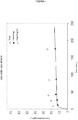
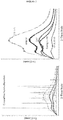
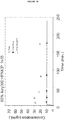
- Physicochemical analysis results are in Table 1. The XRPD scan is shown in Figure 1 . Residual solvent analysis showed that the dispersion had less than 0.5% THF and no detectable MeOH.
- Dissolution testing was performed at a pH of 6.5 in phosphate buffer.
- the solid dispersion was suspended in H 2 O and added directly to the buffer solution at 37°C.
- the dissolution profile was collected over a period of about 240 minutes.
- the results are in Figure 2 .
- the Cmax and AUC for the total drug species (colloidal + free) was 63.46 ⁇ g/mL and 245.05 ⁇ g/mL*hr, respectively.
- the Cmax and AUC for the free drug species was 52.50 ⁇ g/mL and 204.12 ⁇ g/mL*hr, respectively.
- a solid dispersion was prepared containing 30 weight percent N 4-(4-([1,2,4]triazolo[1,5- a ]pyridin-7-yloxy)-3-methylphenyl)- N 6-(4,4-dimethyl-4,5-dihydrooxazol-2-yl)quinazoline-4,6-diamine and Eudragit L100 using a Buchi B-290 mini spray drier.
- the solid dispersion was spray dried from a MeOH:THF (1:3) solvent system, a 5% spray solution concentration, an inlet temperature of 100°C at a flow rate of 22 mL/minute, drying gas flow rate of 35 m 3 /hour, nozzle pressure of 80 psig, nozzle gas flow of 0.66 m 3 /hour, and a 1.5 mm nozzle type. Secondary drying of the dispersion was done at 40°C under vacuum for about 16 hours. The spray drying yielded 18.6 g (82.7% yield) of the solid dispersion.
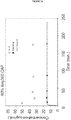
- Physicochemical analysis results are in Table 1. The XRPD scan is shown in Figure 1 . Residual solvent analysis showed that the dispersion had about 4.5% THF and no detectable MeOH.
- Dissolution testing was performed at a pH of 6.5 in phosphate buffer.
- the solid dispersion was suspended in H 2 O and added directly to the buffer solution at 37°C.
- the dissolution profile was collected over a period of about 240 minutes.
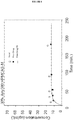
- the results are in Figure 3 .
- the Cmax and AUC for the total drug species (colloidal + free) was 22.70 ⁇ g/mL and 71.06 ⁇ g/mL*hr, respectively.
- the Cmax and AUC for the free drug species was 9.26 ⁇ g/mL and 35.49 ⁇ g/mL*hr, respectively.
- a solid dispersion was prepared containing 30 weight percent N 4-(4-([1,2,4]triazolo[1,5- a ]pyridin-7-yloxy)-3-methylphenyl)- N 6-(4,4-dimethyl-4,5-dihydrooxazol-2-yl)quinazoline-4,6-diamine and HPMCP H-55 using a Buchi B-290 mini spray drier.
- the solid dispersion was spray dried from a MeOH:THF (1:3) solvent system, a 5% spray solution concentration, an inlet temperature of 100°C at a flow rate of 22 mL/minute, drying gas flow rate of 35 m 3 /hour, nozzle pressure of 80 psig, nozzle gas flow of 0.66 m 3 /hour, and a 1.5 mm nozzle type. Secondary drying of the dispersion was done at 40°C under vacuum for about 16 hours. The spray drying yielded 20.3 g (90.3% yield) of the solid dispersion.
- Physicochemical analysis results are in Table 1. The XRPD scan is shown in Figure 1 . Residual solvent analysis showed that the dispersion had less than 0.5% THF and no detectable MeOH.
- Dissolution testing was performed at a pH of 6.5 in phosphate buffer.
- the solid dispersion was suspended in H 2 O and added directly to the buffer solution at 37°C.
- the dissolution profile was collected over a period of about 240 minutes.
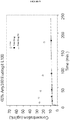
- the results are in Figure 4 .
- the Cmax and AUC for the total drug species (colloidal + free) was 25.00 ⁇ g/mL and 96.66 ⁇ g/mL*hr, respectively.
- the Cmax and AUC for the free drug species was 16.15 ⁇ g/mL and 56.81 ⁇ g/mL*hr, respectively.
- a solid dispersion was prepared containing 30 weight percent N 4-(4-([1,2,4]triazolo[1,5- a ]pyridin-7-yloxy)-3-methylphenyl)- N 6-(4,4-dimethyl-4,5-dihydrooxazol-2-yl)quinazoline-4,6-diamine and CAP using a Buchi B-290 mini spray drier.
- the solid dispersion was spray dried from a MeOH:THF (1:3) solvent system, a 5% spray solution concentration, an inlet temperature of 100°C at a flow rate of 22 mL/minute, drying gas flow rate of 35 m 3 /hour, nozzle pressure of 80 psig, nozzle gas flow of 0.66 m 3 /hour, and a 1.5 mm nozzle type. Secondary drying of the dispersion was done at 40°C under vacuum for about 16 hours. The spray drying yielded 20.0 g (90.4% yield) of the solid dispersion.
- Physicochemical analysis results are in Table 1. The XRPD scan is shown in Figure 1 . Residual solvent analysis showed that the dispersion had less than 0.5% THF and no detectable MeOH.
- Dissolution testing was performed at a pH of 6.5 in phosphate buffer.
- the solid dispersion was suspended in H 2 O and added directly to the buffer solution at 37°C.
- the dissolution profile was collected over a period of about 240 minutes.
- the results are in Figure 5 .
- the Cmax and AUC for the total drug species (colloidal + free) was 11.62 ⁇ g/mL and 36.69 ⁇ g/mL*hr, respectively.
- the Cmax and AUC for the free drug species was 5.64 ⁇ g/mL and 20.58 ⁇ g/mL*hr, respectively.
- a solid dispersion was prepared containing 30 weight percent N 4-(4-([1,2,4]triazolo[1,5- a ]pyridin-7-yloxy)-3-methylphenyl)- N 6-(4,4-dimethyl-4,5-dihydrooxazol-2-yl)quinazoline-4,6-diamine and HPMCAS Grade M using a Buchi B-290 mini spray drier.
- the solid dispersion was spray dried from a MeOH:THF (1:3) solvent system, a 5% spray solution concentration, an inlet temperature of 80°C at a flow rate of 35 mL/minute, drying gas flow rate of 40 m 3 /hour, nozzle pressure of 80 psig, nozzle gas flow of 0.66 m 3 /hour, and a 1.5 mm nozzle type. Secondary drying of the dispersion was done at 40°C under vacuum for about 16 hours. The spray drying yielded 163.19 mg (48.3% yield) of the solid dispersion.
- Physicochemical analysis results are in Table 1. The XRPD scan is shown in Figure 1 . Residual solvent analysis showed that the dispersion had less than 0.5% THF and no detectable MeOH.
- Dissolution testing was performed at a pH of 6.5 in phosphate buffer.
- the solid dispersion was suspended in H 2 O and added directly to the buffer solution at 37°C.
- the dissolution profile was collected over a period of about 240 minutes.
- the results are in Figure 6 .
- the Cmax and AUC for the total drug species (colloidal + free) was 19.04 ⁇ g/mL and 68.09 ⁇ g/mL*hr, respectively.
- the Cmax and AUC for the free drug species was 13.50 ⁇ g/mL and 51.74 ⁇ g/mL*hr, respectively.
- a solid dispersion was prepared containing 60 weight percent N 4-(4-([1,2,4]triazolo[1,5- a ]pyridin-7-yloxy)-3-methylphenyl)- N 6-(4,4-dimethyl-4,5-dihydrooxazol-2-yl)quinazoline-4,6-diamine and PVP-VA using a Buchi B-290 mini spray drier.
- the solid dispersion was spray dried from a MeOH:THF (1:3) solvent system, a 5% spray solution concentration, an inlet temperature of 80°C at a flow rate of 35 mL/minute, drying gas flow rate of 40 m 3 /hour, nozzle pressure of 80 psig, nozzle gas flow of 0.66 m 3 /hour, and a 1.5 mm nozzle type. Secondary drying of the dispersion was done at 40°C under vacuum for about 16 hours. The spray drying yielded 135.0 mg (88.2% yield) of the solid dispersion.
- the XRPD scan is shown in Figure 7 .
- Dissolution testing was performed at a pH of 6.5 in phosphate buffer.
- the solid dispersion was suspended in H 2 O and added directly to the buffer solution at 37°C.
- the dissolution profile was collected over a period of about 240 minutes.
- the results are in Figure 8 .
- the Cmax and AUC for the total drug species (colloidal + free) was 34.80 ⁇ g/mL and 133.76 ⁇ g/mL*hr, respectively.
- the Cmax and AUC for the free drug species was 21.88 ⁇ g/mL and 84.43 ⁇ g/mL*hr, respectively.
- a solid dispersion was prepared containing 60 weight percent N 4-(4-([1,2,4]triazolo[1,5- a ]pyridin-7-yloxy)-3-methylphenyl)- N 6-(4,4-dimethyl-4,5-dihydrooxazol-2-yl)quinazoline-4,6-diamine and Eudragit L100 using a Buchi B-290 mini spray drier.
- the solid dispersion was spray dried from a MeOH:THF (1:3) solvent system, a 5% spray solution concentration, an inlet temperature of 80°C at a flow rate of 35 mL/minute, drying gas flow rate of 40 m 3 /hour, nozzle pressure of 80 psig, nozzle gas flow of 0.66 m 3 /hour, and a 1.5 mm nozzle type. Secondary drying of the dispersion was done at 40°C under vacuum for about 16 hours. The spray drying yielded 88.1 mg (52.4% yield) of the solid dispersion.
- the XRPD scan is shown in Figure 7 .
- Dissolution testing was performed at a pH of 6.5 in phosphate buffer.
- the solid dispersion was suspended in H 2 O and added directly to the buffer solution at 37°C.
- the dissolution profile was collected over a period of about 240 minutes.
- the results are in Figure 9 .
- the Cmax and AUC for the total drug species (colloidal + free) was 26.82 ⁇ g/mL and 84.49 ⁇ g/mL*hr, respectively.
- the Cmax and AUC for the free drug species was 9.85 ⁇ g/mL and 34.89 ⁇ g/mL*hr, respectively.
- a solid dispersion was prepared containing 60 weight percent N4 -(4-([1,2,4]triazolo[1,5- a ]pyridin-7-yloxy)-3-methylphenyl)- N 6-(4,4-dimethyl-4,5-dihydrooxazol-2-yl)quinazoline-4,6-diamine and HPMCP H-55 using a Buchi B-290 mini spray drier.
- the solid dispersion was spray dried from a MeOH:THF (1:3) solvent system, a 5% spray solution concentration, an inlet temperature of 80°C at a flow rate of 35 mL/minute, drying gas flow rate of 40 m 3 /hour, nozzle pressure of 80 psig, nozzle gas flow of 0.66 m 3 /hour, and a 1.5 mm nozzle type. Secondary drying of the dispersion was done at 40°C under vacuum for about 16 hours. The spray drying yielded 98.0 mg (58.0% yield) of the solid dispersion.
- the XRPD scan is shown in Figure 7 .
- Dissolution testing was performed at a pH of 6.5 in phosphate buffer.
- the solid dispersion was suspended in H 2 O and added directly to the buffer solution at 37°C.
- the dissolution profile was collected over a period of about 240 minutes.
- the results are in Figure 10 .
- the Cmax and AUC for the total drug species (colloidal + free) was 32.21 ⁇ g/mL and 38.28 ⁇ g/mL*hr, respectively.
- the Cmax and AUC for the free drug species was 9.96 ⁇ g/mL and 38.28 ⁇ g/mL*hr, respectively.
- a solid dispersion was prepared containing 60 weight percent N 4-(4-([1,2,4]triazolo[1,5- a ]pyridin-7-yloxy)-3-methylphenyl)- N 6-(4,4-dimethyl-4,5-dihydrooxazol-2-yl)quinazoline-4,6-diamine and CAP using a Buchi B-290 mini spray drier.
- the solid dispersion was spray dried from a MeOH:THF (1:3) solvent system, a 5% spray solution concentration, an inlet temperature of 80°C at a flow rate of 35 mL/minute, drying gas flow rate of 40 m 3 /hour, nozzle pressure of 80 psig, nozzle gas flow of 0.66 m 3 /hour, and a 1.5 mm nozzle type. Secondary drying of the dispersion was done at 40°C under vacuum for about 16 hours. The spray drying yielded 74.9 mg (44.6% yield) of the solid dispersion.
- the XRPD scan is shown in Figure 7 .
- Dissolution testing was performed at a pH of 6.5 in phosphate buffer.
- the solid dispersion was suspended in H 2 O and added directly to the buffer solution at 37°C.
- the dissolution profile was collected over a period of about 240 minutes.
- the results are in Figure 11 .
- the Cmax and AUC for the total drug species (colloidal + free) was 51.98 ⁇ g/mL and 144.91 ⁇ g/mL*hr, respectively.
- the Cmax and AUC for the free drug species was 15.07 ⁇ g/mL and 59.69 ⁇ g/mL*hr, respectively.
- a solid dispersion was prepared containing 60 weight percent N 4-(4-([1,2,4]triazolo[1,5- a ]pyridin-7-yloxy)-3-methylphenyl)- N 6-(4,4-dimethyl-4,5-dihydrooxazol-2-yl)quinazoline-4,6-diamine and HPMCAS Grade M using a Buchi B-290 mini spray drier.
- the solid dispersion was spray dried from a MeOH:THF (1:3) solvent system, a 5% spray solution concentration, an inlet temperature of 80°C at a flow rate of 35 mL/minute, drying gas flow rate of 40 m 3 /hour, nozzle pressure of 80 psig, nozzle gas flow of 0.66 m 3 /hour, and a 1.5 mm nozzle type. Secondary drying of the dispersion was done at 40°C under vacuum for about 16 hours. The spray drying yielded 113.3 mg (67.2% yield) of the solid dispersion.
- the XRPD scan is shown in Figure 7 .
- Dissolution testing was performed at a pH of 6.5 in phosphate buffer.
- the solid dispersion was suspended in H 2 O and added directly to the buffer solution at 37°C.
- the dissolution profile was collected over a period of about 240 minutes.
- the results are in Figure 12 .
- the Cmax and AUC for the total drug species (colloidal + free) was 26.45 ⁇ g/mL and 96.21 ⁇ g/mL*hr, respectively.
- the Cmax and AUC for the free drug species was 10.96 ⁇ g/mL and 42.83 ⁇ g/mL*hr, respectively.
- a solid dispersion was prepared containing 50 weight percent N 4-(4-([1,2,4]triazolo[1,5- a ]pyridin-7-yloxy)-3-methylphenyl)- N 6-(4,4-dimethyl-4,5-dihydrooxazol-2-yl)quinazoline-4,6-diamine and PVP-VA using a Buchi B-290 mini spray drier.
- the solid dispersion was spray dried from a MeOH:THF (1:3) solvent system, a 3.9% spray solution concentration, an inlet temperature of 100°C at a flow rate of 30 mL/minute, drying gas flow rate of 40 m 3 /hour, nozzle pressure of 80 psig, nozzle gas flow of 0.66 m 3 /hour, and a 1.5 mm nozzle type. Secondary drying of the dispersion was done at 50°C under vacuum for about 72 hours. The spray drying yielded 28.7 g (72.7% yield) of the solid dispersion.
- Step 1 ( E )- N' -(2-Cyano-4-(3-(1-hydroxy-2-methylpropan-2-yl)thioureido) phenyl)- N,N- dimethylformimidamide was coupled with 4-([1,2,4]triazolo[1,5- a ]pyridin-7-yloxy)-3-methylaniline in isopropyl acetate:acetic acid (65:35 v/v) at 45°C to yield 1-(4-((4-([1,2,4]triazolo[1,5- a ]pyridin-7-yloxy)-3-methylphenyl)amino)quinazolin-6-yl)-3-(1-hydroxy -2-methylpropan-2-yl)thiourea (91%).
- Step 2 1-(4-((4-([1,2,4]Triazolo[1,5- a ]pyridin-7-yloxy)-3-methylphenyl) amino)quinazolin-6-yl)-3-(1-hydroxy-2-methylpropan-2-yl)thiourea was agitated in tetrahydrofuran under basic conditions (2.5N NaOH), followed by the addition of p- toluenesulfonyl chloride.
- Step 3 N 4-(4-([1,2,4]Triazolo[1,5- a ]pyridin-7-yloxy)-3-methylphenyl)- N 6-(4,4-dimethyl-4,5-dihydrooxazol-2-yl)quinazoline-4,6-diamine from Step 2 was triturated in ethanol at greater than 65°C to provide N 4-(4-([1,2,4]triazolo[1,5- a ]pyridin-7-yloxy)-3-methylphenyl)- N 6-(4,4-dimethyl-4,5-dihydrooxazol-2-yl)quinazoline-4,6-diamine Form B Ethanol (89%).
- Dissolution testing was performed at a pH of 6.5 in phosphate buffer.
- the crystals (particles) were suspended in H 2 O and added directly to the buffer solution at 37°C.
- the dissolution profile was collected over a period of about 240 minutes.
- the Cmax and AUC for the free drug species was 0.44 ⁇ g/mL and 5.49 ⁇ g/mL*hr, respectively.
- Tablets containing the solid dispersions of any of Examples 1 to 11 may be prepared in a conventional manner comprising: Function Ingredient % of Blend API Solid dispersion as prepared in Example 11 50 Disintegrant Crospovidone - Polyplasdone® 6 Osmogen NaCl 5 Osmogen KCl 5 Glidant Colloidal Silicon Dioxide 0.5 Lubricant Magnesium Stearate 0.25 Extragranular Binder / Diluent Microcrystalline cellulose - Avicel® 19.25 Osmogen NaCl 4.625 Osmogen KCl 4.625 Disintegrant Polyplasdone 4 Glidant Colloidal Silicon Dioxide 0.5 Lubricant Magnesium Stearate 0.25
- tablets were made using OPADRY II 85F92727 at 3% by weight as a tablet coating.
- the tablets contained 150 mg of API.
- Tablets containing the solid dispersions of any of Examples 1 to 11 may be prepared in a conventional manner comprising: Function Ingredient % of Blend API Solid dispersion as prepared in Example 11 50 Disintegrant Crospovidone - Polyplasdone® 6 Disintegrant NaHCO 3 3 Osmogen NaCl 5 Osmogen KCl 5 Glidant Colloidal Silicon Dioxide 0.5 Lubricant Magnesium Stearate 0.25 Extragranular Binder / Diluent Microcrystalline cellulose - Avicel® 16.25 Osmogen NaCl 4.625 Osmogen KCl 4.625 Disintegrant Polyplasdone 4 Glidant Colloidal Silicon Dioxide 0.5 Lubricant Magnesium Stearate 0.25
- tablets were made using OPADRY II 85F92727 at 3% by weight as a tablet coating.
- the tablets contained 150 mg of API.
- Tablets containing the solid dispersions of any of Examples 1 to 11 may be prepared in a conventional manner comprising: Function Ingredient % of Blend API Solid dispersion as prepared in Example 11 50 Disintegrant Crospovidone - Polyplasdone® 6 Osmogen NaCl 10.625 Osmogen KCl 10.625 Filler Lactose 21.25 Glidant Colloidal Silicon Dioxide 0.5 Lubricant Magnesium Stearate 0.25 Extragranular Glidant Colloidal Silicon Dioxide 0.5 Lubricant Magnesium Stearate 0.25
- tablets were made using OPADRY II 85F92727 at 3% by weight as a tablet coating.
- the tablets contained 150 mg of API.
- a PIC composition was prepared containing 25 mg or 100 mg of N4 -(4-([1,2,4]triazolo[1,5- a ]pyridin-7-yloxy)-3-methylphenyl)- N 6-(4,4-dimethyl-4,5-dihydrooxazol -2-yl)quinazoline-4,6-diamine as prepared in Example 12.
- the PIC composition was prepared in size 00 white opaque hard gelatin capsules.
- Example 11 A dissolution test comparison was performed comparing the crystalline hemi-ethanolate PIC composition of Example 16 and the 50% PVP-VA solid dispersion (Example 11) tablet of Example 13 in 900 mL of 10 mM citrate buffer at 37°C and a pH of 4.5, using USP Apparatus II at 75 rpm. The results are shown in Figure 13 .
- the solid dispersion of Example 1 was prepared as a suspension in water and administered orally.
- the micronized suspension of Example 12 was prepared as a suspension with SyrSpend® SF Dry reconstituted with water and administered orally. To reduce variability, beagles were crossed over from pentagastrin to famotidine after a 5 day washout period.
- Pentagastrin is a pH modifier to modify gastric pH to about 2 to 3
- famotidine is a pH modifier to modify gastric pH to about 5 to 7.5
- Group A received pentagastrin pretreatment, the micronized suspension of Example 12, followed by a 5 day washout period, then famotidine pretreatment, and finally the micronized suspension of Example 12.
- Group B received pentagastrin pretreatment, the solid dispersion of Example 1, followed by a 5 day washout period, then famotidine pretreatment, and finally the solid dispersion of Example 1.
- Group C received the micronized suspension of Example 12, followed by a 5 day washout period, and finally the solid dispersion of Example 1. Results are shown in TABLE 3.
Landscapes
- Health & Medical Sciences (AREA)
- Chemical & Material Sciences (AREA)
- Medicinal Chemistry (AREA)
- Pharmacology & Pharmacy (AREA)
- Life Sciences & Earth Sciences (AREA)
- Animal Behavior & Ethology (AREA)
- General Health & Medical Sciences (AREA)
- Public Health (AREA)
- Veterinary Medicine (AREA)
- Epidemiology (AREA)
- Bioinformatics & Cheminformatics (AREA)
- Engineering & Computer Science (AREA)
- Inorganic Chemistry (AREA)
- Dispersion Chemistry (AREA)
- Physiology (AREA)
- Nutrition Science (AREA)
- Organic Chemistry (AREA)
- General Chemical & Material Sciences (AREA)
- Nuclear Medicine, Radiotherapy & Molecular Imaging (AREA)
- Chemical Kinetics & Catalysis (AREA)
- Pharmaceuticals Containing Other Organic And Inorganic Compounds (AREA)
- Medicinal Preparation (AREA)
- Inorganic Insulating Materials (AREA)
- Optical Communication System (AREA)
- Glass Compositions (AREA)
- Nitrogen Condensed Heterocyclic Rings (AREA)
Description
- A solid dispersion of N4-(4-([1,2,4]triazolo[1,5-a]pyridin-7-yloxy)-3-methylphenyl)-N6-(4,4-dimethyl-4,5-dihydrooxazol-2-yl)quinazoline-4,6-diamine is provided herein. Also, a pharmaceutical composition comprising a solid dispersion of N4-(4-([1,2,4]triazolo[1,5-a]pyridin-7-yloxy)-3-methylphenyl)-N6-(4,4-dimethyl-4,5-dihydrooxazol -2-yl)quinazoline-4,6-diamine is provided herein.
- N4-(4-([1,2,4]Triazolo[1,5-a]pyridin-7-yloxy)-3-methylphenyl)-N6-(4,4-dimethyl-4,5-dihydrooxazol-2-yl)quinazoline-4,6-diamine (also called "ARRY-380"), which has the structure:

WO 2007/059257 . N4-(4-([1,2,4]Triazolo[1,5-a]pyridin-7-yloxy)-3-methylphenyl)-N6-(4,4-dimethyl-4,5-dihydrooxazol-2-yl)quinazoline-4,6-diamine has been tested in human clinical trials for hyperproliferative diseases, particularly cancer (see Koch, Kevin. "ARRY-380: A Selective, Oral HER2 Inhibitor for the Treatment of Solid Tumors." American Association of Cancer Research 102nd Annual Meeting, April 3, 2011; which may also be found at: http://www.arraybiopharma.com/_documents/Publication/PubAttachment462.pdf). - A powder-in-capsule ("PIC") composition of N4-(4-([1,2,4]triazolo[1,5-a]pyridin-7-yloxy)-3-methylphenyl)-N6-(4,4-dimethyl-4,5-dihydrooxazol-2-yl)quinazoline-4,6-diamine was prepared and administered to patients with cancer, and the overall inter-patient variability for area under the plasma concentration-time curve ("AUC") and maximum concentration ("Cmax") was moderate to high.
- Vasconcelos et al.: "Solid dispersions as strategy to improve oral bioavailability of poor water soluble drugs", Drug Discovery Today, Elsevier, RAH WAY, NJ, US, vol. 12, no. 23-24, 30 October 2007, pages 1068-1075, ISSN: 1359-6446, is a general review about the use of solid dispersions in pharmaceutical dosage forms.
- There remains a need to prepare a pharmaceutical composition containing N4-(4-([1,2,4]triazolo[1,5-a]pyridin-7-yloxy)-3-methylphenyl)-N6-(4,4-dimethyl-4,5-dihydrooxazol-2-yl)quinazoline-4,6-diamine that minimizes inter-patient variability of pharmacokinetics.
- A solid dispersion comprising N4-(4-([1,2,4]triazolo[1,5-a]pyridin-7-yloxy)-3-methylphenyl)-N6-(4,4-dimethyl-4,5-dihydrooxazol-2-yl)quinazoline-4,6-diamine is described herein.
- A pharmaceutical composition comprising N4-(4-([1,2,4]triazolo[1,5-a]pyridin-7-yloxy)-3-methylphenyl)-N6-(4,4-dimethyl-4,5-dihydrooxazol-2-yl)quinazoline-4,6-diamine is described herein.
- A pharmaceutical composition comprising a solid dispersion of N4-(4-([1,2,4]triazolo[1,5-a]pyridin-7-yloxy)-3-methylphenyl)-N6-(4,4-dimethyl-4,5-dihydrooxazol-2-yl)quinazoline-4,6-diamine is described herein.
- A pharmaceutical composition comprising a solid dispersion of amorphous N4-(4-([1,2,4]triazolo[1,5-a]pyridin-7-yloxy)-3-methylphenyl)-N6-(4,4-dimethyl-4,5-dihydrooxazol-2-yl)quinazoline-4,6-diamine is described herein.
- Solid dispersions and pharmaceutical compositions for use in the treatment of a disease, in particular cancer, are also described herein.
-
-
Figure 1 shows a comparison of XRPD scans of amorphous 30% solid dispersions and crystalline N4-(4-([1,2,4]triazolo[1,5-a]pyridin-7-yloxy)-3-methylphenyl)-N6-(4,4-dimethyl-4,5-dihydrooxazol-2-yl)quinazoline-4,6-diamine, with a close up of the amorphous solid dispersions. -
Figure 2 shows a dissolution profile of a 30% solid dispersion of N4-(4-([1,2,4]triazolo[1,5-a]pyridin-7-yloxy)-3-methylphenyl)-N6-(4,4-dimethyl-4,5-dihydrooxazol-2-yl)quinazoline-4,6-diamine. -
Figure 3 shows a dissolution profile of a 30% solid dispersion of N4-(4-([1,2,4]triazolo[1,5-a]pyridin-7-yloxy)-3-methylphenyl)-N6-(4,4-dimethyl-4,5-dihydrooxazol-2-yl)quinazoline-4,6-diamine. -
Figure 4 shows a dissolution profile of a 30% solid dispersion of N4-(4-([1,2,4]triazolo[1,5-a]pyridin-7-yloxy)-3-methylphenyl)-N6-(4,4-dimethyl-4,5-dihydrooxazol-2-yl)quinazoline-4,6-diamine. -
Figure 5 shows a dissolution profile of a 30% solid dispersion of N4-(4-([1,2,4]triazolo[1,5-a]pyridin-7-yloxy)-3-methylphenyl)-N6-(4,4-dimethyl-4,5-dihydrooxazol-2-yl)quinazoline-4,6-diamine. -
Figure 6 shows a dissolution profile of a 30% solid dispersion of N4-(4-([1,2,4]triazolo[1,5-a]pyridin-7-yloxy)-3-methylphenyl)-N6-(4,4-dimethyl-4,5-dihydrooxazol-2-yl)quinazoline-4,6-diamine. -
Figure 7 shows a comparison of XRPD scans of amorphous 60% solid dispersions and crystalline N4-(4-([1,2,4]triazolo[1,5-a]pyridin-7-yloxy)-3-methylphenyl)-N6-(4,4-dimethyl-4,5-dihydrooxazol-2-yl)quinazoline-4,6-diamine, with a close up of the amorphous solid dispersions. -
Figure 8 shows a dissolution profile of a 60% solid dispersion of N4-(4-([1,2,4]triazolo[1,5-a]pyridin-7-yloxy)-3-methylphenyl)-N6-(4,4-dimethyl-4,5-dihydrooxazol-2-yl)quinazoline-4,6-diamine. -
Figure 9 shows a dissolution profile of a 60% solid dispersion of N4-(4-([1,2,4]triazolo[1,5-a]pyridin-7-yloxy)-3-methylphenyl)-N6-(4,4-dimethyl-4,5-dihydrooxazol-2-yl)quinazoline-4,6-diamine. -
Figure 10 shows a dissolution profile of a 60% solid dispersion of N4-(4-([1,2,4]triazolo[1,5-a]pyridin-7-yloxy)-3-methylphenyl)-N6-(4,4-dimethyl-4,5-dihydrooxazol-2-yl)quinazoline-4,6-diamine. -
Figure 11 shows a dissolution profile of a 60% solid dispersion of N4-(4-([1,2,4]triazolo[1,5-a]pyridin-7-yloxy)-3-methylphenyl)-N6-(4,4-dimethyl-4,5-dihydrooxazol-2-yl)quinazoline-4,6-diamine. -
Figure 12 shows a dissolution profile of a 60% solid dispersion of N4-(4-([1,2,4]triazolo[1,5-a]pyridin-7-yloxy)-3-methylphenyl)-N6-(4,4-dimethyl-4,5-dihydrooxazol-2-yl)quinazoline-4,6-diamine. -
Figure 13 shows a dissolution comparison of a solid dispersion tablet and a crystalline PIC composition. - Reference will now be made in detail to certain embodiments, examples of which are illustrated herein. While enumerated embodiments will be described, it will be understood that they are not intended to limit the invention to those embodiments. On the contrary, the invention is intended to cover all alternatives, modifications, and equivalents, which may be included within the scope of the present invention as defined by the claims. One skilled in the art will recognize many methods and materials similar or equivalent to those described herein, which could be used in the practice of the present invention. The present invention is in no way limited to the methods and materials described. In the event that one or more of the incorporated literature and similar materials differs from or contradicts this application, including but not limited to defined terms, term usage, described techniques, or the like, this application controls.
- The term "about" is used herein to mean approximately, in the region of, roughly, or around. When the term "about" is used in conjunction with a numerical range, it modifies that range by extending the boundaries above and below the numerical values set forth. In general, the term "about" is used herein to modify a numerical value above and below the stated value by a variance of 20%.
- As used herein, the recitation of a numerical range for a variable is intended to convey that the invention may be practiced with the variable equal to any of the values within that range. Thus, for a variable that is inherently discrete, the variable can be equal to any integer value of the numerical range, including the end-points of the range. Similarly, for a variable that is inherently continuous, the variable can be equal to any real value of the numerical range, including the end-points of the range. As an example, a variable that is described as having values between 0 and 2, can be 0, 1 or 2 for variables that are inherently discrete, and can be 0.0, 0.1, 0.01, 0.001, or any other real value for variables that are inherently continuous.
- The term "amorphous" means a solid in a solid state that is a non-crystalline state. Amorphous solids generally possess crystal-like short range molecular arrangement, but no long range order of molecular packing as found in crystalline solids. The solid state form of a solid may be determined by polarized light microscopy, x-ray powder diffraction ("XRPD"), differential scanning calorimetry ("DSC"), or other standard techniques known to those of skill in the art.
- The phrase "amorphous solid dispersion" means a solid comprising a drug substance and a dispersion polymer. The amorphous solid dispersion discussed herein comprises amorphous N4-(4-([1,2,4]triazolo[1,5-a]pyridin-7-yloxy)-3-methylphenyl)-N6-(4,4-dimethyl-4,5-dihydrooxazol-2-yl)quinazoline-4,6-diamine and a dispersion polymer, wherein the amorphous solid dispersion contains N4-(4-([1,2,4]triazolo[1,5-a]pyridin-7-yloxy)-3-methylphenyl)-N6-(4,4-dimethyl-4,5-dihydrooxazol-2-yl)quinazoline-4,6-diamine in a substantially amorphous solid state form. In certain embodiments, the substantially amorphous solid state form means that the N4-(4-([1,2,4]triazolo[1,5-a]pyridin-7-yloxy)-3-methylphenyl)-N6-(4,4-dimethyl-4,5-dihydrooxazol-2-yl)quinazoline-4,6-diamine component in the amorphous solid dispersion is at least 80% amorphous N4-(4-([1,2,4]triazolo[1,5-a]pyridin-7-yloxy)-3-methylphenyl)-N6-(4,4-dimethyl-4,5-dihydrooxazol-2-yl)quinazoline-4,6-diamine. In certain embodiments, the substantially amorphous solid state form means that the N4-(4-([1,2,4]triazolo[1,5-a]pyridin-7-yloxy)-3-methylphenyl)-N6-(4,4-dimethyl-4,5-dihydrooxazol-2-yl)quinazoline-4,6-diamine component in the amorphous solid dispersion is at least 85% amorphous N4-(4-([1,2,4]triazolo[1,5-a]pyridin-7-yloxy)-3-methylphenyl)-N6-(4,4-dimethyl-4,5-dihydrooxazol-2-yl)quinazoline-4,6-diamine. In certain embodiments, the substantially amorphous solid state form means that the N4-(4-([1,2,4]triazolo[1,5-a]pyridin-7-yloxy)-3-methylphenyl)-N6-(4,4-dimethyl-4,5-dihydrooxazol-2-yl)quinazoline-4,6-diamine component in the amorphous solid dispersion is at least 90% amorphous N4-(4-([1,2,4]triazolo[1,5-a]pyridin-7-yloxy)-3-methylphenyl)-N6-(4,4-dimethyl-4,5-dihydrooxazol-2-yl)quinazoline-4,6-diamine. In certain embodiments, the substantially amorphous solid state form means that the N4-(4-([1,2,4]triazolo[1,5-a]pyridin-7-yloxy)-3-methylphenyl)-N6-(4,4-dimethyl-4,5-dihydrooxazol-2-yl)quinazoline-4,6-diamine component in the amorphous solid dispersion is at least 95% amorphous N4-(4-([1,2,4]triazolo[1,5-a]pyridin-7-yloxy)-3-methylphenyl)-N6-(4,4-dimethyl-4,5-dihydrooxazol-2-yl)quinazoline-4,6-diamine.
- The terms "cancer" and "cancerous" refer to or describe the physiological condition in mammals that is typically characterized by abnormal or unregulated cell growth. A "tumor" comprises one or more cancerous cells. Examples of cancer include, but are not limited to, carcinoma, lymphoma, blastoma, sarcoma, and leukemia or lymphoid malignancies. More particular examples of such cancers include squamous cell cancer (e.g., epithelial squamous cell cancer), lung cancer including small cell lung cancer, non-small cell lung cancer ("NSCLC"), adenocarcinoma of the lung and squamous carcinoma of the lung, cancer of the peritoneum, hepatocellular cancer, gastric or stomach cancer including gastrointestinal cancer, pancreatic cancer, glioblastoma, cervical cancer, ovarian cancer, liver cancer, bladder cancer, hepatoma, breast cancer, colon cancer, rectal cancer, colorectal cancer, brain, endometrial or uterine carcinoma, salivary gland carcinoma, kidney or renal cancer, prostate cancer, vulval cancer, thyroid cancer, hepatic carcinoma, anal carcinoma, penile carcinoma, skin cancer, including melanoma, as well as head and neck cancer.
- The phrase "dispersion polymer" means a polymer that allows for N4-(4-([1,2,4]triazolo[1,5-a]pyridin-7-yloxy)-3-methylphenyl)-N6-(4,4-dimethyl-4,5-dihydrooxazol-2-yl)quinazoline-4,6-diamine to be dispersed throughout such that a solid dispersion may form. The dispersion polymer is preferably neutral or basic. The dispersion polymer may contain a mixture of two or more polymers. Examples of dispersion polymers include, but are not limited to, vinyl polymers and copolymers, vinylpyrrolidine vinylacetate copolymer ("PVP-VA"), polyvinyl alcohols, polyvinyl alcohol polyvinyl acetate copolymers, polyvinyl pyrrolidine ("PVP"), acrylate and methacrylate copolymers, methylacrylic acid methyl methacrylate copolymer (such as Eudragit®), polyethylene polyvinyl alcohol copolymers, polyoxyethylene-polyoxypropylene block copolymers (also referred to as poloxamers), graft copolymer comprised of polyethylene glycol, polyvinyl caprolactam and polyvinyl acetate (such as Soluplus®), cellulosic polymers, such as hydroxypropyl methyl cellulose acetate ("HPMCA"), hydroxypropyl methyl cellulose ("HPMC"), hydroxypropyl cellulose ("HPC"), methyl cellulose, hydroxyethyl methyl cellulose, hydroxyethyl cellulose, hydroxyethyl cellulose acetate, and hydroxyethyl ethyl cellulose, hydroxypropyl methyl cellulose acetate succinate ("HPMCAS"), hydroxypropyl methyl cellulose phthalate ("HPMCP"), carboxymethylethyl cellulose ("CMEC"), cellulose acetate phthalate ("CAP"), cellulose acetate succinate ("CAS"), hydroxypropyl methyl cellulose acetate phthalate ("HPMCAP"), cellulose acetate trimellitate ("CAT"), hydroxypropyl methyl cellulose acetate trimellitate ("HPMCAT"), and carboxymethylcellulose acetate butyrate ("CMCAB"), and the like.
- The term "mammal" means a warm-blooded animal that has or is at risk of developing a disease described herein and includes, but is not limited to, guinea pigs, dogs, cats, rats, mice, hamsters, and primates, including humans.
- The phrase "pharmaceutically acceptable" indicates that the substance or composition is compatible chemically and/or toxicologically, with the other ingredients comprising a composition, and/or the mammal being treated therewith.
- The phrase "pharmaceutically acceptable salt," as used herein, refers to pharmaceutically acceptable organic or inorganic salts of a compound described herein.
- The phrase "solid dispersion" means a system in a solid state comprising at least two components, wherein one component is dispersed throughout the other component. The solid dispersion discussed herein comprises one component of N4-(4-([1,2,4]triazolo[1,5-a]pyridin-7-yloxy)-3-methylphenyl)-N6-(4,4-dimethyl-4,5-dihydrooxazol-2-yl)quinazoline-4,6-diamine dispersed throughout another component, particularly a dispersion polymer.
- The phrase "spray drying" means processes involved in breaking up liquid mixtures into small droplets (atomization) and rapidly removing solvent from the mixture in a spray drying apparatus where there is a strong driving force for evaporation of solvent from the droplets. The phrase spray drying is used conventionally and broadly. Spray drying processes and spray drying equipment are described generally in Perry, Robert H., and Don W. Green (eds.). Perry's Chemical Engineers' Handbook. New York: McGraw-Hill, 2007 (8th edition).
- The phrases "therapeutically effective amount" or "effective amount" mean an amount of a compound described herein that, when administered to a mammal in need of such treatment, sufficient to (i) treat or prevent the particular disease, condition, or disorder, (ii) attenuate, ameliorate, or eliminate one or more symptoms of the particular disease, condition, or disorder, or (iii) prevent or delay the onset of one or more symptoms of the particular disease, condition, or disorder described herein. The amount of a compound that will correspond to such an amount will vary depending upon factors such as the particular compound, disease condition and its severity, the identity (e.g., weight) of the mammal in need of treatment, but can nevertheless be routinely determined by one skilled in the art.
- The terms "treat" or "treatment" refer to therapeutic, prophylactic, palliative or preventative measures. Beneficial or desired clinical results include, but are not limited to, alleviation of symptoms, diminishment of extent of disease, stabilized (i.e., not worsening) state of disease, delay or slowing of disease progression, amelioration or palliation of the disease state, and remission (whether partial or total), whether detectable or undetectable. "Treatment" can also mean prolonging survival as compared to expected survival if not receiving treatment. Those in need of treatment include those already with the condition or disorder, as well as those prone to have the condition or disorder or those in which the condition or disorder is to be prevented.
- Provided herein is a solid dispersion comprising N4-(4-([1,2,4]triazolo[1,5-a]pyridin-7-yloxy)-3-methylphenyl)-N6-(4,4-dimethyl-4,5-dihydrooxazol-2-yl)quinazoline-4,6-diamine.
- The solid dispersions are generally prepared by dissolving the drug substance and the dispersion polymer in a suitable solvent to form a feed solution, and then the feed solution may be spray dried to form the solid dispersion (and remove the solvent). Spray drying is a known process. Spray drying is generally performed by dissolving N4-(4-([1,2,4]triazolo[1,5-a]pyridin-7-yloxy)-3-methylphenyl)-N6-(4,4-dimethyl-4,5-dihydrooxazol-2-yl)quinazoline-4,6-diamine and the dispersion polymer in a suitable solvent to prepare a feed solution. The feed solution may be pumped through an atomizer into a drying chamber. The feed solution can be atomized by conventional means known in the art, such as a two-fluid sonicating nozzle, a pressure nozzle, a rotating nozzle and a two-fluid non-sonicating nozzle. Then, the solvent is removed in the drying chamber to form the solid dispersion. A typical drying chamber uses hot gases, such as forced air, nitrogen, nitrogen-enriched air, or argon to dry particles. The size of the drying chamber may be adjusted to achieve particle properties or throughput.
- Although the solid dispersion are preferably prepared by conventional spray drying techniques, other techniques known in the art may be used, such as melt extrusion, freeze drying, rotary evaporation, drum drying or other solvent removal processes.
- In one example, a process of preparing a solid dispersion is described, comprising:
- (a) dissolving N4-(4-([1,2,4]triazolo[1,5-a]pyridin-7-yloxy)-3-methylphenyl)-N6-(4,4-dimethyl-4,5-dihydrooxazol-2-yl)quinazoline-4,6-diamine and a dispersion polymer in a suitable solvent; and
- (b) evaporating the solvent to form the solid dispersion.
- In certain embodiments, the dispersion polymer is selected from PVP-VA, methylacrylic acid methyl methacrylate copolymer, HPMCP, CAP, HPMCAS and HPMC and mixtures thereof. In certain embodiments, the dispersion polymer is selected from PVP-VA, methylacrylic acid methyl methacrylate copolymer, HPMCP, CAP, HPMCAS and HPMC. In certain embodiments, the dispersion polymer is selected from PVP-VA, Eudragit® L100, HPMCP H-55, CAP, HPMCAS Grade M, HPMC and mixtures thereof. In certain embodiments, the dispersion polymer is selected from PVP-VA, Eudragit® L100, HPMCP H-55, CAP, HPMCAS Grade M and HPMC.
- In certain embodiments, the dispersion polymer is selected from PVP-VA, methylacrylic acid methyl methacrylate copolymer, HPMCP, CAP and HPMCAS, and mixtures thereof. In certain embodiments, the dispersion polymer is selected from PVP-VA, methylacrylic acid methyl methacrylate copolymer, HPMCP, CAP and HPMCAS. In certain embodiments, the dispersion polymer is selected from PVP-VA, Eudragit® L100, HPMCP H-55, CAP and HPMCAS Grade M, and mixtures thereof. In certain embodiments, the dispersion polymer is selected from PVP-VA, Eudragit® L100, HPMCP H-55, CAP and HPMCAS Grade M.
- In certain embodiments, the dispersion polymer is selected from PVP-VA, methylacrylic acid methyl methacrylate copolymer, HPMCP, CAP and HPMC, and mixtures thereof. In certain embodiments, the dispersion polymer is selected from PVP-VA, methylacrylic acid methyl methacrylate copolymer, HPMCP, CAP and HPMC. In certain embodiments, the dispersion polymer is selected from PVP-VA, Eudragit® L100, HPMCP H-55, CAP and HPMC, and mixtures thereof. In certain embodiments, the dispersion polymer is selected from PVP-VA, Eudragit® L100, HPMCP H-55, CAP and HPMC.
- In certain embodiments, the dispersion polymer is selected from PVP-VA, methylacrylic acid methyl methacrylate copolymer, HPMCP and CAP, and mixtures thereof. In certain embodiments, the dispersion polymer is selected from PVP-VA, methylacrylic acid methyl methacrylate copolymer, HPMCP and CAP. In certain embodiments, the dispersion polymer is selected from PVP-VA, Eudragit® L100, HPMCP H-55 and CAP, and mixtures thereof. In certain embodiments, the dispersion polymer is selected from PVP-VA, Eudragit® L100, HPMCP H-55 and CAP.
- In certain embodiments, the dispersion polymer is PVP-VA.
- In certain embodiments, the dispersion polymer is methylacrylic acid methyl methacrylate copolymer. In certain embodiments, the dispersion polymer is Eudragit®. In certain embodiments, the dispersion polymer is Eudragit® L100.
- In certain embodiments, the dispersion polymer is HPMCP. In certain embodiments, the dispersion polymer is HPMCP H-55.
- In certain embodiments, the dispersion polymer is CAP.
- In certain embodiments, the dispersion polymer is HPMCAS. In certain embodiments, the dispersion polymer is HPMCAS Grade M.
- In certain embodiments, the dispersion polymer is preferably neutral or basic. In certain embodiments, the dispersion polymer is selected from PVP-VA and HPMC. In certain embodiments, the dispersion polymer is HPMC.
- Suitable solvents are a solvent or mixture of solvents in which both N4-(4-([1,2,4]triazolo[1,5-a]pyridin-7-yloxy)-3-methylphenyl)-N6-(4,4-dimethyl-4,5-dihydrooxazol-2-yl)quinazoline-4,6-diamine and the dispersion polymer have adequate solubility (solubility greater than 1 mg/mL). A mixture of solvents may be used if each component of the solid dispersion (i.e., N4-(4-([1,2,4]triazolo[1,5-a]pyridin-7-yloxy)-3-methylphenyl)-N6-(4,4-dimethyl-4,5-dihydrooxazol-2-yl)quinazoline-4,6-diamine and dispersion polymer) require different solvents to obtain the desired solubility. The solvent may be volatile with a boiling point of 150°C or less. In addition, the solvent should have relatively low toxicity and be removed from the dispersion to a level that is acceptable to The International Committee on Harmonization ("ICH") guidelines. Removal of solvent to this level may require a subsequent processing step, such as tray drying. Examples of suitable solvents include, but are not limited to, alcohols, such as methanol ("MeOH"), ethanol ("EtOH"), n-propanol, isopropanol ("IPA") and butanol; ketones, such as acetone, methyl ethyl ketone ("MEK") and methyl isobutyl ketone; esters, such as ethyl acetate ("EA") and propyl acetate; and various other solvents, such as tetrahydrofuran ("THF"), acetonitrile ("ACN"), methylene chloride, toluene and 1,1,1-trichloroethane. Lower volatility solvents, such as dimethyl acetate or dimethylsulfoxide ("DMSO"), may be used. Mixtures of solvents with water may also be used, so long as the polymer and N4-(4-([1,2,4]triazolo[1,5-a]pyridin-7-yloxy)-3-methylphenyl)-N6-(4,4-dimethyl-4,5-dihydrooxazol-2-yl)quinazoline-4,6-diamine are sufficiently soluble to make the spray drying process practicable. Generally, due to the hydrophobic nature of low solubility drugs, non-aqueous solvents may be used, meaning the solvent comprises less than about 10 weight % water.
- In certain examples, the suitable solvent is selected from MeOH and THF, and mixtures thereof. In certain examples, the suitable solvent is MeOH:THF solvent system of about 1:3. In certain examples, the suitable solvent is a 1:3 MeOH:THF solvent system.
- In certain examples, the suitable solvent is selected from MeOH, THF and water, and mixtures thereof. In certain examples, the suitable solvent is selected from MeOH, THF and water. In certain examples, the suitable solvent is a THF:MeOH:water solvent system of about 80:10:10. In certain examples, the suitable solvent is a 80:10:10 THF:MeOH:water solvent system. In certain examples, the suitable solvent is a THF:MeOH:water solvent system of about 82:8:10. In certain examples, the suitable solvent is a 82:8:10 THF:MeOH:water solvent system. In certain examples, the suitable solvent is a THF:MeOH:water solvent system of about 82.2:8.2:9.6. In certain examples, the suitable solvent is a 82.2:8.2:9.6 THF:MeOH:water solvent system.
- In certain embodiments, the amount of N4-(4-([1,2,4]triazolo[1,5-a]pyridin-7-yloxy)-3-methylphenyl)-N6-(4,4-dimethyl-4,5-dihydrooxazol-2-yl)quinazoline-4,6-diamine in the solid dispersion ranges from about 0.1% to about 70% by weight relative to the dispersion polymer. In certain embodiments, the amount of N4-(4-([1,2,4]triazolo[1,5-a]pyridin-7-yloxy)-3-methylphenyl)-N6-(4,4-dimethyl-4,5-dihydrooxazol-2-yl)quinazoline-4,6-diamine in the solid dispersion ranges from 0.1% to 70% by weight relative to the dispersion polymer.
- In certain embodiments, the amount of N4-(4-([1,2,4]triazolo[1,5-a]pyridin-7-yloxy)-3-methylphenyl)-N6-(4,4-dimethyl-4,5-dihydrooxazol-2-yl)quinazoline-4,6-diamine in the solid dispersion ranges from about 1% to about 60% by weight relative to the dispersion polymer. In certain embodiments, the amount of N4-(4-([1,2,4]triazolo[1,5-a]pyridin-7-yloxy)-3-methylphenyl)-N6-(4,4-dimethyl-4,5-dihydrooxazol-2-yl)quinazoline-4,6-diamine in the solid dispersion ranges from 1% to 60% by weight relative to the dispersion polymer.
- In certain embodiments, the amount of N4-(4-([1,2,4]triazolo[1,5-a]pyridin-7-yloxy)-3-methylphenyl)-N6-(4,4-dimethyl-4,5-dihydrooxazol-2-yl)quinazoline-4,6-diamine in the solid dispersion ranges from about 5% to about 60% by weight relative to the dispersion polymer. In certain embodiments, the amount of N4-(4-([1,2,4]triazolo[1,5-a]pyridin-7-yloxy)-3-methylphenyl)-N6-(4,4-dimethyl-4,5-dihydrooxazol-2-yl)quinazoline-4,6-diamine in the solid dispersion ranges from 5% to 60% by weight relative to the dispersion polymer.
- In certain embodiments, the amount of N4-(4-([1,2,4]triazolo[1,5-a]pyridin-7-yloxy)-3-methylphenyl)-N6-(4,4-dimethyl-4,5-dihydrooxazol-2-yl)quinazoline-4,6-diamine in the solid dispersion ranges from about 55% to about 65% by weight relative to the dispersion polymer. In certain embodiments, the amount of N4-(4-([1,2,4]triazolo[1,5-a]pyridin-7-yloxy)-3-methylphenyl)-N6-(4,4-dimethyl-4,5-dihydrooxazol-2-yl)quinazoline-4,6-diamine in the solid dispersion ranges from 55% to 65% by weight relative to the dispersion polymer. In certain embodiments, the amount of N4-(4-([1,2,4]triazolo[1,5-a]pyridin-7-yloxy)-3-methylphenyl)-N6-(4,4-dimethyl-4,5-dihydrooxazol-2-yl)quinazoline-4,6-diamine in the solid dispersion is about 60% by weight relative to the dispersion polymer. In certain embodiments, the amount of N4-(4-([1,2,4]triazolo[1,5-a]pyridin-7-yloxy)-3-methylphenyl)-N6-(4,4-dimethyl-4,5-dihydrooxazol-2-yl)quinazoline-4,6-diamine in the solid dispersion is 60% by weight relative to the dispersion polymer.
- In certain embodiments, the amount of N4-(4-([1,2,4]triazolo[1,5-a]pyridin-7-yloxy)-3-methylphenyl)-N6-(4,4-dimethyl-4,5-dihydrooxazol-2-yl)quinazoline-4,6-diamine in the solid dispersion ranges from about 25% to about 35% by weight relative to the dispersion polymer. In certain embodiments, the amount of N4-(4-([1,2,4]triazolo[1,5-a]pyridin-7-yloxy)-3-methylphenyl)-N6-(4,4-dimethyl-4,5-dihydrooxazol-2-yl)quinazoline-4,6-diamine in the solid dispersion ranges from 25% to 35% by weight relative to the dispersion polymer. In certain embodiments, the amount of N4-(4-([1,2,4]triazolo[1,5-a]pyridin-7-yloxy)-3-methylphenyl)-N6-(4,4-dimethyl-4,5-dihydrooxazol-2-yl)quinazoline-4,6-diamine in the solid dispersion is about 30% by weight relative to the dispersion polymer. In certain embodiments, the amount of N4-(4-([1,2,4]triazolo[1,5-a]pyridin-7-yloxy)-3-methylphenyl)-N6-(4,4-dimethyl-4,5-dihydrooxazol-2-yl)quinazoline-4,6-diamine in the solid dispersion is 30% by weight relative to the dispersion polymer.
- In certain embodiments, the amount of N4-(4-([1,2,4]triazolo[1,5-a]pyridin-7-yloxy)-3-methylphenyl)-N6-(4,4-dimethyl-4,5-dihydrooxazol-2-yl)quinazoline-4,6-diamine in the solid dispersion ranges from about 45% to about 55% by weight relative to the dispersion polymer. In certain embodiments, the amount of N4-(4-([1,2,4]triazolo[1,5-a]pyridin-7-yloxy)-3-methylphenyl)-N6-(4,4-dimethyl-4,5-dihydrooxazol-2-yl)quinazoline-4,6-diamine in the solid dispersion ranges from 45% to 55% by weight relative to the dispersion polymer. In certain embodiments, the amount of N4-(4-([1,2,4]triazolo[1,5-a]pyridin-7-yloxy)-3-methylphenyl)-N6-(4,4-dimethyl-4,5-dihydrooxazol-2-yl)quinazoline-4,6-diamine in the solid dispersion is about 50% by weight relative to the dispersion polymer. In certain embodiments, the amount of N4-(4-([1,2,4]triazolo[1,5-a]pyridin-7-yloxy)-3-methylphenyl)-N6-(4,4-dimethyl-4,5-dihydrooxazol-2-yl)quinazoline-4,6-diamine in the solid dispersion is 50% by weight relative to the dispersion polymer.
- In certain embodiments, the solid dispersion is an amorphous solid dispersion.
- Another embodiment provides a pharmaceutical composition comprising a solid dispersion of N4-(4-([1,2,4]triazolo[1,5-a]pyridin-7-yloxy)-3-methylphenyl)-N6-(4,4-dimethyl-4,5-dihydrooxazol-2-yl)quinazoline-4,6-diamine and a dispersion polymer, and a carrier or excipient.
- Suitable carriers and excipients are well known to those skilled in the art and are described in detail in, e.g., Ansel, Howard C., et al., Ansel's Pharmaceutical Dosage Forms and Drug Delivery Systems. Philadelphia: Lippincott, Williams & Wilkins, 2004; Gennaro, Alfonso R., et al. Remington: The Science and Practice of Pharmacy. Philadelphia: Lippincott, Williams & Wilkins, 2000; and Rowe, Raymond C. Handbook of Pharmaceutical Excipients. Chicago, Pharmaceutical Press, 2005.
- The pharmaceutical compositions may also include one or more additional components, such as buffers, dispersion agents, surfactants, wetting agents, lubricating agents, emulsifiers, suspending agents, preservatives, antioxidants, opaquing agents, glidants, processing aids, colorants, sweeteners, perfuming agents, flavoring agents, diluents and other known additives to provide an elegant presentation of the drug, i.e., a compound described herein or pharmaceutical composition thereof, or aid in the manufacturing of the pharmaceutical product, i.e., medicament (see Ansel; Gennaro; and Rowe above). The components of the pharmaceutical composition should be pharmaceutically acceptable.
- Certain embodiments provide a pharmaceutical composition comprising:
- (a) about 1 to about 70 weight % of a solid dispersion of N4-(4-([1,2,4]triazolo[1,5-a]pyridin-7-yloxy)-3-methylphenyl)-N6-(4,4-dimethyl-4,5-dihydrooxazol-2-yl)quinazoline-4,6-diamine;
- (b) about 0.1 to about 20 weight % of a disintegrant;
- (c) about 0.1 to about 25 weight % of an osmogen;
- (d) about 0.1 to about 10 weight % of a glidant;
- (e) about 0.1 to about 10 weight % of a lubricant; and
- (f) about 0.1 to about 25 weight % of a binder / diluent.
- (a) 1 to 70 weight % of a solid dispersion of N4-(4-([1,2,4]triazolo[1,5-a]pyridin-7-yloxy)-3-methylphenyl)-N6-(4,4-dimethyl-4,5-dihydrooxazol-2-yl)quinazoline-4,6-diamine;
- (b) 0.1 to 20 weight % of a disintegrant;
- (c) 0.1 to 25 weight % of an osmogen;
- (d) 0.1 to 10 weight % of a glidant;
- (e) 0.1 to 10 weight % of a lubricant; and
- (f) 0.1 to 25 weight % of a binder / diluent.
- Certain embodiments provide a pharmaceutical composition comprising:
- (a) about 25 to about 60 weight % of a solid dispersion of N4-(4-([1,2,4]triazolo[1,5-a]pyridin-7-yloxy)-3-methylphenyl)-N6-(4,4-dimethyl-4,5-dihydrooxazol-2-yl)quinazoline-4,6-diamine;
- (b) about 5 to about 15 weight % of a disintegrant;
- (c) about 15 to about 25 weight % of an osmogen;
- (d) about 0.1 to about 3 weight % of a glidant;
- (e) about 0.1 to about 3 weight % of a lubricant; and
- (f) about 10 to about 25 weight % of a binder / diluent.
- (a) 25 to 60 weight % of a solid dispersion of N4-(4-([1,2,4]triazolo[1,5-a]pyridin-7-yloxy)-3-methylphenyl)-N6-(4,4-dimethyl-4,5-dihydrooxazol-2-yl)quinazoline-4,6-diamine;
- (b) 5 to 15 weight % of a disintegrant;
- (c) 15 to 25 weight % of an osmogen;
- (d) 0.1 to 3 weight % of a glidant;
- (e) 0.1 to 3 weight % of a lubricant; and
- (f) 10 to 25 weight % of a binder / diluent.
- Certain embodiments provide a pharmaceutical composition comprising:
- (a) about 40 to about 60 weight % of a solid dispersion of N4-(4-([1,2,4]triazolo[1,5-a]pyridin-7-yloxy)-3-methylphenyl)-N6-(4,4-dimethyl-4,5-dihydrooxazol-2-yl)quinazoline-4,6-diamine;
- (b) about 5 to about 15 weight % of a disintegrant;
- (c) about 15 to about 25 weight % of an osmogen;
- (d) about 0.1 to about 3 weight % of a glidant;
- (e) about 0.1 to about 3 weight % of a lubricant; and
- (f) about 10 to about 25 weight % of a binder / diluent.
- (a) 40 to 60 weight % of a solid dispersion of N4-(4-([1,2,4]triazolo[1,5-a]pyridin-7-yloxy)-3-methylphenyl)-N6-(4,4-dimethyl-4,5-dihydrooxazol-2-yl)quinazoline-4,6-diamine;
- (b) 5 to 15 weight % of a disintegrant;
- (c) 15 to 25 weight % of an osmogen;
- (d) 0.1 to 3 weight % of a glidant;
- (e) 0.1 to 3 weight % of a lubricant; and
- (f) 10 to 25 weight % of a binder / diluent.
- Certain embodiments provide a pharmaceutical composition comprising:
- (a) about 1 to about 70 weight % of a solid dispersion of N4-(4-([1,2,4]triazolo[1,5-a]pyridin-7-yloxy)-3-methylphenyl)-N6-(4,4-dimethyl-4,5-dihydrooxazol-2-yl)quinazoline-4,6-diamine;
- (b) about 0.1 to about 20 weight % of a disintegrant;
- (c) about 0.1 to about 25 weight % of an osmogen;
- (d) about 0.1 to about 10 weight % of a glidant;
- (e) about 0.1 to about 10 weight % of a lubricant; and
- (f) about 0.1 to about 25 weight % of a filler.
- (a) 1 to 70 weight % of a solid dispersion of N4-(4-([1,2,4]triazolo[1,5-a]pyridin-7-yloxy)-3-methylphenyl)-N6-(4,4-dimethyl-4,5-dihydrooxazol-2-yl)quinazoline-4,6-diamine;
- (b) 0.1 to 20 weight % of a disintegrant;
- (c) 0.1 to 25 weight % of an osmogen;
- (d) 0.1 to 10 weight % of a glidant;
- (e) 0.1 to 10 weight % of a lubricant; and
- (f) 0.1 to 25 weight % of a filler.
- Certain embodiments provide a pharmaceutical composition comprising:
- (a) about 25 to about 60 weight % of a solid dispersion of N4-(4-([1,2,4]triazolo[1,5-a]pyridin-7-yloxy)-3-methylphenyl)-N6-(4,4-dimethyl-4,5-dihydrooxazol-2-yl)quinazoline-4,6-diamine;
- (b) about 1 to about 10 weight % of a disintegrant;
- (c) about 15 to about 25 weight % of an osmogen;
- (d) about 0.1 to about 3 weight % of a glidant;
- (e) about 0.1 to about 3 weight % of a lubricant; and
- (f) about 10 to about 25 weight % of a filler.
- (a) 25 to 60 weight % of a solid dispersion of N4-(4-([1,2,4]triazolo[1,5-a]pyridin-7-yloxy)-3-methylphenyl)-N6-(4,4-dimethyl-4,5-dihydrooxazol-2-yl)quinazoline-4,6-diamine;
- (b) 1 to 10 weight % of a disintegrant;
- (c) 15 to 25 weight % of an osmogen;
- (d) 0.1 to 3 weight % of a glidant;
- (e) 0.1 to 3 weight % of a lubricant; and
- (f) 10 to 25 weight % of a filler.
- Certain embodiments provide a pharmaceutical composition comprising:
- (a) about 40 to about 60 weight % of a solid dispersion of N4-(4-([1,2,4]triazolo[1,5-a]pyridin-7-yloxy)-3-methylphenyl)-N6-(4,4-dimethyl-4,5-dihydrooxazol-2-yl)quinazoline-4,6-diamine;
- (b) about 1 to about 10 weight % of a disintegrant;
- (c) about 15 to about 25 weight % of an osmogen;
- (d) about 0.1 to about 3 weight % of a glidant;
- (e) about 0.1 to about 3 weight % of a lubricant; and
- (f) about 10 to about 25 weight % of a filler.
- (a) 40 to 60 weight % of a solid dispersion of N4-(4-([1,2,4]triazolo[1,5-a]pyridin-7-yloxy)-3-methylphenyl)-N6-(4,4-dimethyl-4,5-dihydrooxazol-2-yl)quinazoline-4,6-diamine;
- (b) 1 to 10 weight % of a disintegrant;
- (c) 15 to 25 weight % of an osmogen;
- (d) 0.1 to 3 weight % of a glidant;
- (e) 0.1 to 3 weight % of a lubricant; and
- (f) 10 to 25 weight % of a filler.
- In certain embodiments, the osmogen is selected from NaCl and KCl, and mixtures thereof.
- In certain embodiments, the lubricant is magnesium stearate.
- In certain embodiments, the glidant is colloidal silicon dioxide.
- In certain embodiments, the binder / diluent is microcrystalline cellulose. In certain embodiments, the binder / diluent acts as both a binder and a diluent.
- In certain embodiments, the binder is microcrystalline cellulose.
- In certain embodiments, the diluent is microcrystalline cellulose.
- In certain embodiments, the filler is lactose.
- In certain embodiments, the disintegrant is selected from crospovidone and sodium bicarbonate (NaHCO3), and mixtures thereof. In certain embodiments, the disintegrant is selected from crospovidone and sodium bicarbonate. In certain embodiments, the disintegrant is sodium bicarbonate. In certain embodiments, the disintegrant is crospovidone.
- In certain embodiments, the composition contains sodium bicarbonate. N4-(4-([1,2,4]Triazolo[1,5-a]pyridin-7-yloxy)-3-methylphenyl)-N6-(4,4-dimethyl-4,5-dihydrooxazol-2-yl)quinazoline-4,6-diamine may slowly degrade, through hydrolysis or other means, to a carbamate impurity:

- Certain embodiments provide a pharmaceutical composition comprising:
- (a) N4-(4-([1,2,4]triazolo[1,5-a]pyridin-7-yloxy)-3-methylphenyl)-N6-(4,4-dimethyl-4,5-dihydrooxazol-2-yl)quinazoline-4,6-diamine; and
- (b) sodium bicarbonate.
- Certain embodiments provide a pharmaceutical composition comprising:
- (a) about 1 to about 70 weight % of a solid dispersion of N4-(4-([1,2,4]triazolo[1,5-a]pyridin-7-yloxy)-3-methylphenyl)-N6-(4,4-dimethyl-4,5-dihydrooxazol-2-yl)quinazoline-4,6-diamine; and
- (b) about 0.1 to about 30 weight % sodium bicarbonate.
- (a) 1 to 70 weight % of a solid dispersion of N4-(4-([1,2,4]triazolo[1,5-a]pyridin-7-yloxy)-3-methylphenyl)-N6-(4,4-dimethyl-4,5-dihydrooxazol-2-yl)quinazoline-4,6-diamine; and
- (b) 0.1 to 30 weight % sodium bicarbonate.
- Certain embodiments provide a pharmaceutical composition comprising:
- (a) about 1 to about 70 weight % of a solid dispersion of N4-(4-([1,2,4]triazolo[1,5-a]pyridin-7-yloxy)-3-methylphenyl)-N6-(4,4-dimethyl-4,5-dihydrooxazol-2-yl)quinazoline-4,6-diamine;
- (b) about 0.1 to about 30 weight % sodium bicarbonate; and
- (c) the remaining weight is other pharmaceutically acceptable excipients and carriers.
- (a) 1 to 70 weight % of a solid dispersion of N4-(4-([1,2,4]triazolo[1,5-a]pyridin-7-yloxy)-3-methylphenyl)-N6-(4,4-dimethyl-4,5-dihydrooxazol-2-yl)quinazoline-4,6-diamine;
- (b) 0.1 to 30 weight % sodium bicarbonate; and
- (c) the remaining weight is other pharmaceutically acceptable excipients and carriers.
- Certain embodiments provide a pharmaceutical composition comprising:
- (a) about 25 to about 60 weight % of a solid dispersion of N4-(4-([1,2,4]triazolo[1,5-a]pyridin-7-yloxy)-3-methylphenyl)-N6-(4,4-dimethyl-4,5-dihydrooxazol-2-yl)quinazoline-4,6-diamine; and
- (b) about 1 to about 15 weight % of sodium bicarbonate.
- (a) 25 to 60 weight % of a solid dispersion of N4-(4-([1,2,4]triazolo[1,5-a]pyridin-7-yloxy)-3-methylphenyl)-N6-(4,4-dimethyl-4,5-dihydrooxazol-2-yl)quinazoline-4,6-diamine; and
- (b) 1 to 15 weight % of sodium bicarbonate.
- Certain embodiments provide a pharmaceutical composition comprising:
- (a) about 25 to about 60 weight % of a solid dispersion of N4-(4-([1,2,4]triazolo[1,5-a]pyridin-7-yloxy)-3-methylphenyl)-N6-(4,4-dimethyl-4,5-dihydrooxazol-2-yl)quinazoline-4,6-diamine;
- (b) about 1 to about 15 weight % of sodium bicarbonate; and
- (c) the remaining weight is other pharmaceutically acceptable excipients and carriers.
- (a) 25 to 60 weight % of a solid dispersion of N4-(4-([1,2,4]triazolo[1,5-a]pyridin-7-yloxy)-3-methylphenyl)-N6-(4,4-dimethyl-4,5-dihydrooxazol-2-yl)quinazoline-4,6-diamine;
- (b) 1 to 15 weight % of sodium bicarbonate; and
- (c) the remaining weight is other pharmaceutically acceptable excipients and carriers.
- Certain embodiments provide a pharmaceutical composition comprising:
- (a) about 40 to about 60 weight % of a solid dispersion of N4-(4-([1,2,4]triazolo[1,5-a]pyridin-7-yloxy)-3-methylphenyl)-N6-(4,4-dimethyl-4,5-dihydrooxazol-2-yl)quinazoline-4,6-diamine; and
- (b) about 1 to about 15 weight % of sodium bicarbonate.
- (a) 40 to 60 weight % of a solid dispersion of N4-(4-([1,2,4]triazolo[1,5-a]pyridin-7-yloxy)-3-methylphenyl)-N6-(4,4-dimethyl-4,5-dihydrooxazol-2-yl)quinazoline-4,6-diamine; and
- (b) 1 to 15 weight % of sodium bicarbonate.
- Certain embodiments provide a pharmaceutical composition comprising:
- (a) about 40 to about 60 weight % of a solid dispersion of N4-(4-([1,2,4]triazolo[1,5-a]pyridin-7-yloxy)-3-methylphenyl)-N6-(4,4-dimethyl-4,5-dihydrooxazol-2-yl)quinazoline-4,6-diamine;
- (b) about 1 to about 15 weight % of sodium bicarbonate;
- (c) the remaining weight is other pharmaceutically acceptable excipients and carriers.
- (a) 40 to 60 weight % of a solid dispersion of N4-(4-([1,2,4]triazolo[1,5-a]pyridin-7-yloxy)-3-methylphenyl)-N6-(4,4-dimethyl-4,5-dihydrooxazol-2-yl)quinazoline-4,6-diamine;
- (b) 1 to 15 weight % of sodium bicarbonate;
- (c) the remaining weight is other pharmaceutically acceptable excipients and carriers.
- The pharmaceutical composition preferably contains a therapeutically effective amount of N4-(4-([1,2,4]triazolo[1,5-a]pyridin-7-yloxy)-3-methylphenyl)-N6-(4,4-dimethyl-4,5-dihydrooxazol-2-yl)quinazoline-4,6-diamine. However, in some embodiments, each individual dose contains a portion of a therapeutically effective amount of N4-(4-([1,2,4]triazolo[1,5-a]pyridin-7-yloxy)-3-methylphenyl)-N6-(4,4-dimethyl-4,5-dihydrooxazol-2-yl)quinazoline-4,6-diamine, such that multiple doses of the composition may be required (for example, two or more tablets are required for a therapeutically effective amount). Thus, in this application when it states that the pharmaceutical composition contains a therapeutically effective amount it means that the composition may be one dose (for example, one tablet) or multiple doses (for example, two tablets). In certain embodiments, the pharmaceutical composition contains between 1 and 500 mg of N4-(4-([1,2,4]triazolo[1,5-a]pyridin-7-yloxy)-3-methylphenyl)-N6-(4,4-dimethyl-4,5-dihydrooxazol-2-yl)quinazoline-4,6-diamine.
- In certain embodiments, the pharmaceutical composition contains between 25 and 400 mg of N4-(4-([1,2,4]triazolo[1,5-a]pyridin-7-yloxy)-3-methylphenyl)-N6-(4,4-dimethyl-4,5-dihydrooxazol-2-yl)quinazoline-4,6-diamine.
- In certain embodiments, the pharmaceutical composition contains between 100 and 300 mg of N4-(4-([1,2,4]triazolo[1,5-a]pyridin-7-yloxy)-3-methylphenyl)-N6-(4,4-dimethyl-4,5-dihydrooxazol-2-yl)quinazoline-4,6-diamine.
- The pharmaceutical compositions described herein may be administered by any convenient route appropriate to the condition to be treated. Suitable routes include oral, parenteral (including subcutaneous, intramuscular, intravenous, intraarterial, intradermal, intrathecal and epidural), transdermal, rectal, nasal, topical (including buccal and sublingual), ocular, vaginal, intraperitoneal, intrapulmonary and intranasal. If parenteral administration is desired, the compositions will be sterile and in a solution or suspension form suitable for injection or infusion.
- The compounds may be administered in any convenient administrative form, e.g., tablets, powders, capsules, dispersions, suspensions, syrups, sprays, suppositories, gels, emulsions, patches, etc.
- The pharmaceutical compositions described herein are typically administered orally. The pharmaceutical compositions described herein are typically administered as a tablet, caplet, hard or soft gelatin capsule, pill, granules or a suspension.
- Also described are methods of treating or preventing disease or condition by administering the pharmaceutical composition described herein. In one example, a human patient is treated with a pharmaceutical composition provided herein in an amount to inhibit ErbB2 activity. In one example, a human patient is treated with a pharmaceutical composition provided herein in an amount to detectably inhibit ErbB2 activity.
- In another example, a method of treating a hyperproliferative disease in a mammal comprising administering the pharmaceutical composition provided herein, to the mammal is described.
- In certain embodiments, the hyperproliferative disease is cancer.
- In another example, a method of treating or preventing cancer in a mammal in need of such treatment is described, wherein the method comprises administering to said mammal a pharmaceutical composition provided herein. The cancer is selected from breast, ovary, cervix, prostate, testis, genitourinary tract, esophagus, larynx, glioblastoma, neuroblastoma, stomach, skin, keratoacanthoma, lung, epidermoid carcinoma, large cell carcinoma, NSCLC, small cell carcinoma, lung adenocarcinoma, bone, colon, adenoma, pancreas, adenocarcinoma, thyroid, follicular carcinoma, undifferentiated carcinoma, papillary carcinoma, seminoma, melanoma, sarcoma, bladder carcinoma, liver carcinoma and biliary passages, kidney carcinoma, myeloid disorders, lymphoid disorders, hairy cells, buccal cavity and pharynx (oral), lip, tongue, mouth, pharynx, small intestine, colon-rectum, large intestine, rectum, brain and central nervous system, Hodgkin's and leukemia. Another embodiment provides the use of a pharmaceutical composition described herein, in the manufacture of a medicament for the treatment of cancer.
- In another embodiment, the cancer is ErbB2 positive.
- In another embodiment, the cancer is selected from breast, gastric, biliary, colorectal, lung, NSCLC, pancreatic, head and neck, ovarian, uterine and brain cancer.
- In another embodiment, the cancer is selected from breast, gastric, biliary, colorectal, lung, NSCLC, pancreatic, head and neck, ovarian and uterine cancer.
- In another embodiment, the cancer is selected from breast, gastric, colorectal, lung and ovarian cancer.
- In another embodiment, the cancer is selected from breast, ovarian, gastric and uterine cancer.
- In another embodiment, the cancer is selected from breast, gastric, colorectal, NSCLC and ovarian cancer.
- In another embodiment, the cancer is selected from breast, lung, pancreatic, colorectal and head and neck cancers.
- In another embodiment, the cancer is breast cancer.
- In another embodiment, the cancer is gastric cancer.
- In another embodiment, the cancer is biliary cancer.
- In another embodiment, the cancer is colorectal cancer.
- In another embodiment, the cancer is lung cancer.
- In another embodiment, the cancer is NSCLC.
- In another embodiment, the cancer is pancreatic cancer.
- In another embodiment, the cancer is head and neck cancer.
- In another embodiment, the cancer is ovarian cancer.
- In another embodiment, the cancer is uterine cancer.
- In another embodiment, the cancer is brain cancer.
- In another example, a method of treating or preventing a disease or disorder modulated by ErbB2 is described, comprising administering to a mammal in need of such treatment an effective amount of a pharmaceutical composition provided herein. Examples of such diseases and disorders include, but are not limited to, cancer.
- Another example describes the use of a pharmaceutical composition provided herein, in the manufacture of a medicament for the treatment of cancer.
- Another embodiment provides the solid dispersions described herein for use in the treatment of disease. In a further embodiment, the disease is a hyperproliferative disease. In a further embodiment, the hyperproliferative disease is cancer.
- Another embodiment provides the pharmaceutical compositions described herein for use in the treatment of disease. In a further embodiment, the disease is a hyperproliferative disease. In a further embodiment, the hyperproliferative disease is cancer.
- For illustrative purposes, the following Examples are included. However, it is to be understood that these Examples do not limit the invention and are only meant to suggest a method of practicing the invention. Persons skilled in the art will recognize that the chemical reactions described may be readily adapted to prepare the compounds described herein, and alternative methods for preparing the compounds are deemed to be within the scope of this invention. For example, the synthesis of the compounds described herein may be successfully performed by modifications apparent to those skilled in the art, e.g., by appropriately protecting interfering groups, by utilizing other suitable reagents known in the art other than those described, and/or by making routine modifications of reaction conditions. Alternatively, other reactions disclosed herein or known in the art will be recognized as having applicability for preparing the compounds described herein. Persons skilled in the art will also recognize that the solid dispersions and compositions described may be readily adapted to prepare other dispersions and compositions, and alternative methods for preparing the dispersions and compositions, as well as alternative compositions are deemed to be within the scope of this invention.
- A solid dispersion was prepared containing 30 weight percent N4-(4-([1,2,4]triazolo[1,5-a]pyridin-7-yloxy)-3-methylphenyl)-N6-(4,4-dimethyl-4,5-dihydrooxazol-2-yl)quinazoline-4,6-diamine and PVP-VA using a Buchi B-290 mini spray drier. The solid dispersion was spray dried from a MeOH:THF (1:3) solvent system, a 5% spray solution concentration, an inlet temperature of 100°C at a flow rate of 22 mL/minute, drying gas flow rate of 35 m3/hour, nozzle pressure of 80 psig, nozzle gas flow of 0.66 m3/hour, and a 1.5 mm nozzle type. Secondary drying of the dispersion was done at 40°C under vacuum for about 16 hours. The spray drying yielded 19.6 g (87.7% yield) of the solid dispersion. Physicochemical analysis results are in Table 1. The XRPD scan is shown in
Figure 1 . Residual solvent analysis showed that the dispersion had less than 0.5% THF and no detectable MeOH. - Dissolution testing was performed at a pH of 6.5 in phosphate buffer. The solid dispersion was suspended in H2O and added directly to the buffer solution at 37°C. The dissolution profile was collected over a period of about 240 minutes. The results are in
Figure 2 . The Cmax and AUC for the total drug species (colloidal + free) was 63.46 µg/mL and 245.05 µg/mL*hr, respectively. The Cmax and AUC for the free drug species was 52.50 µg/mL and 204.12 µg/mL*hr, respectively. - A solid dispersion was prepared containing 30 weight percent N4-(4-([1,2,4]triazolo[1,5-a]pyridin-7-yloxy)-3-methylphenyl)-N6-(4,4-dimethyl-4,5-dihydrooxazol-2-yl)quinazoline-4,6-diamine and Eudragit L100 using a Buchi B-290 mini spray drier. The solid dispersion was spray dried from a MeOH:THF (1:3) solvent system, a 5% spray solution concentration, an inlet temperature of 100°C at a flow rate of 22 mL/minute, drying gas flow rate of 35 m3/hour, nozzle pressure of 80 psig, nozzle gas flow of 0.66 m3/hour, and a 1.5 mm nozzle type. Secondary drying of the dispersion was done at 40°C under vacuum for about 16 hours. The spray drying yielded 18.6 g (82.7% yield) of the solid dispersion. Physicochemical analysis results are in Table 1. The XRPD scan is shown in
Figure 1 . Residual solvent analysis showed that the dispersion had about 4.5% THF and no detectable MeOH. - Dissolution testing was performed at a pH of 6.5 in phosphate buffer. The solid dispersion was suspended in H2O and added directly to the buffer solution at 37°C. The dissolution profile was collected over a period of about 240 minutes. The results are in
Figure 3 . The Cmax and AUC for the total drug species (colloidal + free) was 22.70 µg/mL and 71.06 µg/mL*hr, respectively. The Cmax and AUC for the free drug species was 9.26 µg/mL and 35.49 µg/mL*hr, respectively. - A solid dispersion was prepared containing 30 weight percent N4-(4-([1,2,4]triazolo[1,5-a]pyridin-7-yloxy)-3-methylphenyl)-N6-(4,4-dimethyl-4,5-dihydrooxazol-2-yl)quinazoline-4,6-diamine and HPMCP H-55 using a Buchi B-290 mini spray drier. The solid dispersion was spray dried from a MeOH:THF (1:3) solvent system, a 5% spray solution concentration, an inlet temperature of 100°C at a flow rate of 22 mL/minute, drying gas flow rate of 35 m3/hour, nozzle pressure of 80 psig, nozzle gas flow of 0.66 m3/hour, and a 1.5 mm nozzle type. Secondary drying of the dispersion was done at 40°C under vacuum for about 16 hours. The spray drying yielded 20.3 g (90.3% yield) of the solid dispersion. Physicochemical analysis results are in Table 1. The XRPD scan is shown in
Figure 1 . Residual solvent analysis showed that the dispersion had less than 0.5% THF and no detectable MeOH. - Dissolution testing was performed at a pH of 6.5 in phosphate buffer. The solid dispersion was suspended in H2O and added directly to the buffer solution at 37°C. The dissolution profile was collected over a period of about 240 minutes. The results are in
Figure 4 . The Cmax and AUC for the total drug species (colloidal + free) was 25.00 µg/mL and 96.66 µg/mL*hr, respectively. The Cmax and AUC for the free drug species was 16.15 µg/mL and 56.81 µg/mL*hr, respectively. - A solid dispersion was prepared containing 30 weight percent N4-(4-([1,2,4]triazolo[1,5-a]pyridin-7-yloxy)-3-methylphenyl)-N6-(4,4-dimethyl-4,5-dihydrooxazol-2-yl)quinazoline-4,6-diamine and CAP using a Buchi B-290 mini spray drier. The solid dispersion was spray dried from a MeOH:THF (1:3) solvent system, a 5% spray solution concentration, an inlet temperature of 100°C at a flow rate of 22 mL/minute, drying gas flow rate of 35 m3/hour, nozzle pressure of 80 psig, nozzle gas flow of 0.66 m3/hour, and a 1.5 mm nozzle type. Secondary drying of the dispersion was done at 40°C under vacuum for about 16 hours. The spray drying yielded 20.0 g (90.4% yield) of the solid dispersion. Physicochemical analysis results are in Table 1. The XRPD scan is shown in
Figure 1 . Residual solvent analysis showed that the dispersion had less than 0.5% THF and no detectable MeOH. - Dissolution testing was performed at a pH of 6.5 in phosphate buffer. The solid dispersion was suspended in H2O and added directly to the buffer solution at 37°C. The dissolution profile was collected over a period of about 240 minutes. The results are in
Figure 5 . The Cmax and AUC for the total drug species (colloidal + free) was 11.62 µg/mL and 36.69 µg/mL*hr, respectively. The Cmax and AUC for the free drug species was 5.64 µg/mL and 20.58 µg/mL*hr, respectively. - A solid dispersion was prepared containing 30 weight percent N4-(4-([1,2,4]triazolo[1,5-a]pyridin-7-yloxy)-3-methylphenyl)-N6-(4,4-dimethyl-4,5-dihydrooxazol-2-yl)quinazoline-4,6-diamine and HPMCAS Grade M using a Buchi B-290 mini spray drier. The solid dispersion was spray dried from a MeOH:THF (1:3) solvent system, a 5% spray solution concentration, an inlet temperature of 80°C at a flow rate of 35 mL/minute, drying gas flow rate of 40 m3/hour, nozzle pressure of 80 psig, nozzle gas flow of 0.66 m3/hour, and a 1.5 mm nozzle type. Secondary drying of the dispersion was done at 40°C under vacuum for about 16 hours. The spray drying yielded 163.19 mg (48.3% yield) of the solid dispersion. Physicochemical analysis results are in Table 1. The XRPD scan is shown in
Figure 1 . Residual solvent analysis showed that the dispersion had less than 0.5% THF and no detectable MeOH. - Dissolution testing was performed at a pH of 6.5 in phosphate buffer. The solid dispersion was suspended in H2O and added directly to the buffer solution at 37°C. The dissolution profile was collected over a period of about 240 minutes. The results are in
Figure 6 . The Cmax and AUC for the total drug species (colloidal + free) was 19.04 µg/mL and 68.09 µg/mL*hr, respectively. The Cmax and AUC for the free drug species was 13.50 µg/mL and 51.74 µg/mL*hr, respectively.
- A solid dispersion was prepared containing 60 weight percent N4-(4-([1,2,4]triazolo[1,5-a]pyridin-7-yloxy)-3-methylphenyl)-N6-(4,4-dimethyl-4,5-dihydrooxazol-2-yl)quinazoline-4,6-diamine and PVP-VA using a Buchi B-290 mini spray drier. The solid dispersion was spray dried from a MeOH:THF (1:3) solvent system, a 5% spray solution concentration, an inlet temperature of 80°C at a flow rate of 35 mL/minute, drying gas flow rate of 40 m3/hour, nozzle pressure of 80 psig, nozzle gas flow of 0.66 m3/hour, and a 1.5 mm nozzle type. Secondary drying of the dispersion was done at 40°C under vacuum for about 16 hours. The spray drying yielded 135.0 mg (88.2% yield) of the solid dispersion. The XRPD scan is shown in
Figure 7 . - Dissolution testing was performed at a pH of 6.5 in phosphate buffer. The solid dispersion was suspended in H2O and added directly to the buffer solution at 37°C. The dissolution profile was collected over a period of about 240 minutes. The results are in
Figure 8 . The Cmax and AUC for the total drug species (colloidal + free) was 34.80 µg/mL and 133.76 µg/mL*hr, respectively. The Cmax and AUC for the free drug species was 21.88 µg/mL and 84.43 µg/mL*hr, respectively. - A solid dispersion was prepared containing 60 weight percent N4-(4-([1,2,4]triazolo[1,5-a]pyridin-7-yloxy)-3-methylphenyl)-N6-(4,4-dimethyl-4,5-dihydrooxazol-2-yl)quinazoline-4,6-diamine and Eudragit L100 using a Buchi B-290 mini spray drier. The solid dispersion was spray dried from a MeOH:THF (1:3) solvent system, a 5% spray solution concentration, an inlet temperature of 80°C at a flow rate of 35 mL/minute, drying gas flow rate of 40 m3/hour, nozzle pressure of 80 psig, nozzle gas flow of 0.66 m3/hour, and a 1.5 mm nozzle type. Secondary drying of the dispersion was done at 40°C under vacuum for about 16 hours. The spray drying yielded 88.1 mg (52.4% yield) of the solid dispersion. The XRPD scan is shown in
Figure 7 . - Dissolution testing was performed at a pH of 6.5 in phosphate buffer. The solid dispersion was suspended in H2O and added directly to the buffer solution at 37°C. The dissolution profile was collected over a period of about 240 minutes. The results are in
Figure 9 . The Cmax and AUC for the total drug species (colloidal + free) was 26.82 µg/mL and 84.49 µg/mL*hr, respectively. The Cmax and AUC for the free drug species was 9.85 µg/mL and 34.89 µg/mL*hr, respectively. - A solid dispersion was prepared containing 60 weight percent N4-(4-([1,2,4]triazolo[1,5-a]pyridin-7-yloxy)-3-methylphenyl)-N6-(4,4-dimethyl-4,5-dihydrooxazol-2-yl)quinazoline-4,6-diamine and HPMCP H-55 using a Buchi B-290 mini spray drier. The solid dispersion was spray dried from a MeOH:THF (1:3) solvent system, a 5% spray solution concentration, an inlet temperature of 80°C at a flow rate of 35 mL/minute, drying gas flow rate of 40 m3/hour, nozzle pressure of 80 psig, nozzle gas flow of 0.66 m3/hour, and a 1.5 mm nozzle type. Secondary drying of the dispersion was done at 40°C under vacuum for about 16 hours. The spray drying yielded 98.0 mg (58.0% yield) of the solid dispersion. The XRPD scan is shown in
Figure 7 . - Dissolution testing was performed at a pH of 6.5 in phosphate buffer. The solid dispersion was suspended in H2O and added directly to the buffer solution at 37°C. The dissolution profile was collected over a period of about 240 minutes. The results are in
Figure 10 . The Cmax and AUC for the total drug species (colloidal + free) was 32.21 µg/mL and 38.28 µg/mL*hr, respectively. The Cmax and AUC for the free drug species was 9.96 µg/mL and 38.28 µg/mL*hr, respectively. - A solid dispersion was prepared containing 60 weight percent N4-(4-([1,2,4]triazolo[1,5-a]pyridin-7-yloxy)-3-methylphenyl)-N6-(4,4-dimethyl-4,5-dihydrooxazol-2-yl)quinazoline-4,6-diamine and CAP using a Buchi B-290 mini spray drier. The solid dispersion was spray dried from a MeOH:THF (1:3) solvent system, a 5% spray solution concentration, an inlet temperature of 80°C at a flow rate of 35 mL/minute, drying gas flow rate of 40 m3/hour, nozzle pressure of 80 psig, nozzle gas flow of 0.66 m3/hour, and a 1.5 mm nozzle type. Secondary drying of the dispersion was done at 40°C under vacuum for about 16 hours. The spray drying yielded 74.9 mg (44.6% yield) of the solid dispersion. The XRPD scan is shown in
Figure 7 . - Dissolution testing was performed at a pH of 6.5 in phosphate buffer. The solid dispersion was suspended in H2O and added directly to the buffer solution at 37°C. The dissolution profile was collected over a period of about 240 minutes. The results are in
Figure 11 . The Cmax and AUC for the total drug species (colloidal + free) was 51.98 µg/mL and 144.91 µg/mL*hr, respectively. The Cmax and AUC for the free drug species was 15.07 µg/mL and 59.69 µg/mL*hr, respectively. - A solid dispersion was prepared containing 60 weight percent N4-(4-([1,2,4]triazolo[1,5-a]pyridin-7-yloxy)-3-methylphenyl)-N6-(4,4-dimethyl-4,5-dihydrooxazol-2-yl)quinazoline-4,6-diamine and HPMCAS Grade M using a Buchi B-290 mini spray drier. The solid dispersion was spray dried from a MeOH:THF (1:3) solvent system, a 5% spray solution concentration, an inlet temperature of 80°C at a flow rate of 35 mL/minute, drying gas flow rate of 40 m3/hour, nozzle pressure of 80 psig, nozzle gas flow of 0.66 m3/hour, and a 1.5 mm nozzle type. Secondary drying of the dispersion was done at 40°C under vacuum for about 16 hours. The spray drying yielded 113.3 mg (67.2% yield) of the solid dispersion. The XRPD scan is shown in
Figure 7 . - Dissolution testing was performed at a pH of 6.5 in phosphate buffer. The solid dispersion was suspended in H2O and added directly to the buffer solution at 37°C. The dissolution profile was collected over a period of about 240 minutes. The results are in
Figure 12 . The Cmax and AUC for the total drug species (colloidal + free) was 26.45 µg/mL and 96.21 µg/mL*hr, respectively. The Cmax and AUC for the free drug species was 10.96 µg/mL and 42.83 µg/mL*hr, respectively. - A solid dispersion was prepared containing 50 weight percent N4-(4-([1,2,4]triazolo[1,5-a]pyridin-7-yloxy)-3-methylphenyl)-N6-(4,4-dimethyl-4,5-dihydrooxazol-2-yl)quinazoline-4,6-diamine and PVP-VA using a Buchi B-290 mini spray drier. The solid dispersion was spray dried from a MeOH:THF (1:3) solvent system, a 3.9% spray solution concentration, an inlet temperature of 100°C at a flow rate of 30 mL/minute, drying gas flow rate of 40 m3/hour, nozzle pressure of 80 psig, nozzle gas flow of 0.66 m3/hour, and a 1.5 mm nozzle type. Secondary drying of the dispersion was done at 50°C under vacuum for about 72 hours. The spray drying yielded 28.7 g (72.7% yield) of the solid dispersion.
- Step 1: (E)-N'-(2-Cyano-4-(3-(1-hydroxy-2-methylpropan-2-yl)thioureido) phenyl)-N,N-dimethylformimidamide was coupled with 4-([1,2,4]triazolo[1,5-a]pyridin-7-yloxy)-3-methylaniline in isopropyl acetate:acetic acid (65:35 v/v) at 45°C to yield 1-(4-((4-([1,2,4]triazolo[1,5-a]pyridin-7-yloxy)-3-methylphenyl)amino)quinazolin-6-yl)-3-(1-hydroxy -2-methylpropan-2-yl)thiourea (91%).
- Step 2: 1-(4-((4-([1,2,4]Triazolo[1,5-a]pyridin-7-yloxy)-3-methylphenyl) amino)quinazolin-6-yl)-3-(1-hydroxy-2-methylpropan-2-yl)thiourea was agitated in tetrahydrofuran under basic conditions (2.5N NaOH), followed by the addition of p-toluenesulfonyl chloride. Water was charged to yield N4-(4-([1,2,4]triazolo[1,5-a]pyridin-7-yloxy)-3-methylphenyl)-N6-(4,4-dimethyl-4,5-dihydrooxazol-2-yl)quinazoline-4,6-diamine (96%) as a mixture of polymorphs (generally a mixture containing one or more of Form C, Form G hemi-THF, Form G mono-THF, Form M or Form P).
- Step 3: N4-(4-([1,2,4]Triazolo[1,5-a]pyridin-7-yloxy)-3-methylphenyl)-N6-(4,4-dimethyl-4,5-dihydrooxazol-2-yl)quinazoline-4,6-diamine from
Step 2 was triturated in ethanol at greater than 65°C to provide N4-(4-([1,2,4]triazolo[1,5-a]pyridin-7-yloxy)-3-methylphenyl)-N6-(4,4-dimethyl-4,5-dihydrooxazol-2-yl)quinazoline-4,6-diamine Form B Ethanol (89%). - The crystalline hemi-ethanolate (Form B Ethanol) XRPD scans are shown in
Figures 1 and7 . - Dissolution testing was performed at a pH of 6.5 in phosphate buffer. The crystals (particles) were suspended in H2O and added directly to the buffer solution at 37°C. The dissolution profile was collected over a period of about 240 minutes. The Cmax and AUC for the free drug species was 0.44 µg/mL and 5.49 µg/mL*hr, respectively.
- Tablets containing the solid dispersions of any of Examples 1 to 11 may be prepared in a conventional manner comprising:
Function Ingredient % of Blend API Solid dispersion as prepared in Example 11 50 Disintegrant Crospovidone - Polyplasdone® 6 Osmogen NaCl 5 Osmogen KCl 5 Glidant Colloidal Silicon Dioxide 0.5 Lubricant Magnesium Stearate 0.25 Extragranular Binder / Diluent Microcrystalline cellulose - Avicel® 19.25 Osmogen NaCl 4.625 Osmogen KCl 4.625 Disintegrant Polyplasdone 4 Glidant Colloidal Silicon Dioxide 0.5 Lubricant Magnesium Stearate 0.25 - In one preparation, tablets were made using OPADRY II 85F92727 at 3% by weight as a tablet coating. The tablets contained 150 mg of API.
- Tablets containing the solid dispersions of any of Examples 1 to 11 may be prepared in a conventional manner comprising:
Function Ingredient % of Blend API Solid dispersion as prepared in Example 11 50 Disintegrant Crospovidone - Polyplasdone® 6 Disintegrant NaHCO3 3 Osmogen NaCl 5 Osmogen KCl 5 Glidant Colloidal Silicon Dioxide 0.5 Lubricant Magnesium Stearate 0.25 Extragranular Binder / Diluent Microcrystalline cellulose - Avicel® 16.25 Osmogen NaCl 4.625 Osmogen KCl 4.625 Disintegrant Polyplasdone 4 Glidant Colloidal Silicon Dioxide 0.5 Lubricant Magnesium Stearate 0.25 - In one preparation, tablets were made using OPADRY II 85F92727 at 3% by weight as a tablet coating. The tablets contained 150 mg of API.
- Tablets containing the solid dispersions of any of Examples 1 to 11 may be prepared in a conventional manner comprising:
Function Ingredient % of Blend API Solid dispersion as prepared in Example 11 50 Disintegrant Crospovidone - Polyplasdone® 6 Osmogen NaCl 10.625 Osmogen KCl 10.625 Filler Lactose 21.25 Glidant Colloidal Silicon Dioxide 0.5 Lubricant Magnesium Stearate 0.25 Extragranular Glidant Colloidal Silicon Dioxide 0.5 Lubricant Magnesium Stearate 0.25 - In one preparation, tablets were made using OPADRY II 85F92727 at 3% by weight as a tablet coating. The tablets contained 150 mg of API.
- A PIC composition was prepared containing 25 mg or 100 mg of N4-(4-([1,2,4]triazolo[1,5-a]pyridin-7-yloxy)-3-methylphenyl)-N6-(4,4-dimethyl-4,5-dihydrooxazol -2-yl)quinazoline-4,6-diamine as prepared in Example 12. The PIC composition was prepared in size 00 white opaque hard gelatin capsules.
- A dissolution test comparison was performed comparing the crystalline hemi-ethanolate PIC composition of Example 16 and the 50% PVP-VA solid dispersion (Example 11) tablet of Example 13 in 900 mL of 10 mM citrate buffer at 37°C and a pH of 4.5, using USP Apparatus II at 75 rpm. The results are shown in
Figure 13 . - A stability screen of the spray dried dispersions was completed at 40°C, 75% relative humidity under open conditions, in glass vials, over a period of 8 days. Results are shown in TABLE 2.
TABLE 2 Time HPLC Area % Example 1 Example 2 Example 3 Example 4 Standard 99.39 99.39 99.39 99.39 As received 99.45 98.63 97.30 95.45 4 days 99.21 96.10 93.03 90.89 8 days 99.35 93.16 86.63 87.15 - The main degradant observed was the carbamate impurity, likely due to the acidic nature of some of these polymers. XRPD analysis over the course of the study showed no evidence of crystallization for any solid dispersion of Examples 1-4.
- The solid dispersion of Example 1 was tested against a crystalline, micronized suspension formulation (d(v, 0.9) = 3.0µm) of Example 12 under normal fasted conditions, as well as with pretreatment using pentagastrin or famotidine. The solid dispersion of Example 1 was prepared as a suspension in water and administered orally. The micronized suspension of Example 12 was prepared as a suspension with SyrSpend® SF Dry reconstituted with water and administered orally. To reduce variability, beagles were crossed over from pentagastrin to famotidine after a 5 day washout period. Pentagastrin is a pH modifier to modify gastric pH to about 2 to 3, and famotidine is a pH modifier to modify gastric pH to about 5 to 7.5 (Zhou, Rong, et al. "pH-Dependent Dissolution in Vitro and Absorption in Vivo of Weakly Basic Drugs: Development of a Canine Model." Pharm. Res. Vol. 22, No. 2 (Feb. 2005): pp. 188-192). There were four beagles per group. Group A received pentagastrin pretreatment, the micronized suspension of Example 12, followed by a 5 day washout period, then famotidine pretreatment, and finally the micronized suspension of Example 12. Group B received pentagastrin pretreatment, the solid dispersion of Example 1, followed by a 5 day washout period, then famotidine pretreatment, and finally the solid dispersion of Example 1. Group C received the micronized suspension of Example 12, followed by a 5 day washout period, and finally the solid dispersion of Example 1. Results are shown in TABLE 3.
TABLE 3 Pretreatment Dosing Formulation AUCinf (µg*hr/mL) Cmax (µg/mL) None Micronized Suspension of Example 12 7.43 ± 1.77 1.88 ± 0.35 Solid Dispersion of Example 1 10.0 ± 2.7 2.29 ± 0.54 6 µg/kg Pentagastrin Micronized Suspension of Example 12 17.2 ± 2.7 3.29 ± 0.13 Solid Dispersion of Example 1 13.0 ± 3.6 3.12 ± 0.62 40 mg/kg Famotidine Micronized Suspension of Example 12 1.74 ± 0.39 0.514 ± 0.092 Solid Dispersion of Example 1 6.32 ± 2.88 1.45 ± 0.54 - It will be understood that the enumerated embodiments are not intended to limit the invention to those embodiments. On the contrary, the invention is intended to cover all alternatives, modifications and equivalents, which may be included within the scope of the present invention as defined by the claims. Thus, the foregoing description is considered as illustrative only of the invention as claimed.
- The words "comprise," "comprising," "include," "including," and "includes" when used in this specification and in the following claims are intended to specify the presence of stated features, integers, components, or steps, but they do not preclude the presence or addition of one or more other features, integers, components, steps, or groups thereof.
Claims (22)
- A solid dispersion comprising N4-(4-([1,2,4]triazolo[1,5-a]pyridin-7-yloxy)-3-methylphenyl)-N6-(4,4-dimethyl-4,5-dihydrooxazol-2-yl)quinazoline-4,6-diamine and a dispersion polymer.
- The solid dispersion of Claim 1, comprising amorphous N4-(4-([1,2,4]triazolo[1,5-a]pyridin-7-yloxy)-3-methylphenyl)-N6-(4,4-dimethyl-4,5-dihydrooxazol-2-yl)quinazoline-4,6-diamine.
- The solid dispersion of Claims 1 or 2, wherein the dispersion polymer is selected from vinyl polymers and copolymers, PVP-VA, polyvinyl alcohols, polyvinyl alcohol polyvinyl acetate copolymers, PVP, acrylate and methacrylate copolymers, methylacrylic acid methyl methacrylate copolymer, polyethylene polyvinyl alcohol copolymers, polyoxyethylene-polyoxypropylene block copolymers, graft copolymer comprised of polyethylene glycol, polyvinyl caprolactam and polyvinyl acetate, cellulosic polymers, such as hydroxypropyl methyl cellulose acetate, hydroxypropyl methyl cellulose, hydroxypropyl cellulose, methyl cellulose, hydroxyethyl methyl cellulose, hydroxyethyl cellulose, hydroxyethyl cellulose acetate, and hydroxyethyl ethyl cellulose, hydroxypropyl methyl cellulose acetate succinate, hydroxypropyl methyl cellulose phthalate, carboxymethylethyl cellulose, cellulose acetate phthalate, cellulose acetate succinate, hydroxypropyl methyl cellulose acetate phthalate, cellulose acetate trimellitate, hydroxypropyl methyl cellulose acetate trimellitate, and carboxymethylcellulose acetate butyrate.
- The solid dispersion of any one of Claims 1 to 3, wherein the dispersion polymer is methylacrylic acid / methyl methacrylate copolymer.
- The solid dispersion of any one of Claims 1 to 3, wherein the dispersion polymer is hydroxypropylmethyl cellulose phthalate.
- The solid dispersion of any one of Claims 1 to 3, wherein the dispersion polymer is cellulose acetate phthalate.
- The solid dispersion of any one of Claims 1 to 3, wherein the dispersion polymer is selected from vinylpyrrolidine / vinylacetate copolymer and hydroxypropyl methyl cellulose, or mixtures thereof.
- The solid dispersion of any one of Claims 1 to 3, wherein the dispersion polymer is vinylpyrrolidine / vinylacetate copolymer.
- The solid dispersion of any one of Claims 1 to 3, wherein the dispersion polymer is hydroxypropyl methyl cellulose.
- The solid dispersion of any one of Claims 1 to 9, wherein the N4-(4-([1,2,4]triazolo[1,5-a]pyridin-7-yloxy)-3-methylphenyl)-N6-(4,4-dimethyl-4,5-dihydrooxazol-2-yl)quinazoline-4,6-diamine is present in an amount of from about 0.1% to about 50% by weight relative to the dispersion polymer.
- The solid dispersion of any one of Claims 1 to 10, wherein at least 80% of the N4-(4-([1,2,4]triazolo[1,5-a]pyridin-7-yloxy)-3-methylphenyl)-N6-(4,4-dimethyl-4,5-dihydrooxazol-2-yl)quinazoline-4,6-diamine is in amorphous form.
- The solid dispersion of Claim 11, wherein at least 95% of the N4-(4-([1,2,4]triazolo[1,5-a]pyridin-7-yloxy)-3-methylphenyl)-N6-(4,4-dimethyl-4,5-dihydrooxazol-2-yl)quinazoline-4,6-diamine is in amorphous form.
- A pharmaceutical composition comprising a solid dispersion according to any one of Claims 1 to 12 and one or more pharmaceutically acceptable excipients.
- The pharmaceutical composition of Claim 13, wherein the composition is a tablet.
- The pharmaceutical composition of Claim 13 comprising:(a) about 1 to about 70 weight % of the solid dispersion of any one of Claims 1 to 12;(b) about 0.1 to 20 weight % of a disintegrant;(c) about 0.1 to 25 weight % of an osmogen;(d) about 0.1 to 10 weight % of a glidant;(e) about 0.1 to 10 weight % of a lubricant; and(f) about 0.1 to 25 weight % of a binder.
- A pharmaceutical composition of Claim 13 comprising:(a) N4-(4-([1,2,4]triazolo[1,5-a]pyridin-7-yloxy)-3-methylphenyl)-N6-(4,4-dimethyl-4,5-dihydrooxazol-2-yl)quinazoline-4,6-diamine; and(b) sodium bicarbonate.
- The pharmaceutical composition of Claim 16 comprising:(a) about 1 to about 70 weight % of the solid dispersion of any one of Claims 1 to 12; and(b) about 0.1 to about 30 weight % sodium bicarbonate.
- The pharmaceutical composition of any one of Claims 13 to 17, wherein the solid dispersion is about 25 to about 60 weight %.
- The solid dispersion of any one of Claims 1 to 18 for use in the treatment of a disease.
- The solid dispersion for use of Claim 19, wherein the disease is cancer.
- The solid dispersion for use of Claim 20, wherein the cancer is selected from breast, gastric, biliary, colorectal, lung, non-small cell lung cancer, pancreatic, head and neck, ovarian, uterine and brain cancer.
- The solid dispersion for use of Claims 20 or 21, wherein the cancer is ErbB2 positive.
Priority Applications (6)
| Application Number | Priority Date | Filing Date | Title |
|---|---|---|---|
| PL12809373T PL2765990T3 (en) | 2011-10-14 | 2012-10-12 | Solid dispersion |
| SI201231101T SI2765990T1 (en) | 2011-10-14 | 2012-10-12 | Solid dispersion |
| SM20170499T SMT201700499T1 (en) | 2011-10-14 | 2012-10-12 | Solid dispersion |
| RS20171188A RS56608B1 (en) | 2011-10-14 | 2012-10-12 | Solid dispersion |
| HRP20171578TT HRP20171578T1 (en) | 2011-10-14 | 2012-10-12 | Solid dispersion |
| MEP-2017-256A ME02913B (en) | 2011-10-14 | 2012-10-12 | SOLID DISPERSION |
Applications Claiming Priority (3)
| Application Number | Priority Date | Filing Date | Title |
|---|---|---|---|
| US201161547620P | 2011-10-14 | 2011-10-14 | |
| US201261606207P | 2012-03-02 | 2012-03-02 | |
| PCT/US2012/060044 WO2013056108A2 (en) | 2011-10-14 | 2012-10-12 | Solid dispersion |
Publications (2)
| Publication Number | Publication Date |
|---|---|
| EP2765990A2 EP2765990A2 (en) | 2014-08-20 |
| EP2765990B1 true EP2765990B1 (en) | 2017-09-06 |
Family
ID=47471981
Family Applications (1)
| Application Number | Title | Priority Date | Filing Date |
|---|---|---|---|
| EP12809373.9A Active EP2765990B1 (en) | 2011-10-14 | 2012-10-12 | Solid dispersion |
Country Status (33)
| Country | Link |
|---|---|
| US (5) | US9457093B2 (en) |
| EP (1) | EP2765990B1 (en) |
| JP (2) | JP5944514B2 (en) |
| KR (1) | KR102000312B1 (en) |
| CN (3) | CN114886853A (en) |
| AU (3) | AU2012322039C1 (en) |
| BR (2) | BR122020010643B1 (en) |
| CA (2) | CA3114454C (en) |
| CL (1) | CL2014000930A1 (en) |
| CO (1) | CO6960547A2 (en) |
| CR (1) | CR20140228A (en) |
| CY (1) | CY1119837T1 (en) |
| DK (1) | DK2765990T3 (en) |
| ES (1) | ES2650608T3 (en) |
| HR (1) | HRP20171578T1 (en) |
| HU (1) | HUE035247T2 (en) |
| IL (1) | IL232103B (en) |
| LT (1) | LT2765990T (en) |
| ME (1) | ME02913B (en) |
| MX (1) | MX353970B (en) |
| MY (1) | MY169072A (en) |
| NO (1) | NO2021029I1 (en) |
| PH (1) | PH12014500799B1 (en) |
| PL (1) | PL2765990T3 (en) |
| PT (1) | PT2765990T (en) |
| RS (1) | RS56608B1 (en) |
| RU (1) | RU2648448C2 (en) |
| SG (1) | SG11201401459YA (en) |
| SI (1) | SI2765990T1 (en) |
| SM (1) | SMT201700499T1 (en) |
| TW (3) | TWI788733B (en) |
| WO (1) | WO2013056108A2 (en) |
| ZA (1) | ZA201606123B (en) |
Families Citing this family (51)
| Publication number | Priority date | Publication date | Assignee | Title |
|---|---|---|---|---|
| RU2629116C2 (en) | 2011-10-14 | 2017-08-24 | Эррэй Биофарма Инк. | Polymorphs of arry-380, selective inhibitor of erb2, and pharmaceutical compositions containing them |
| DK2765990T3 (en) * | 2011-10-14 | 2017-11-13 | Array Biopharma Inc | dispersion of solids |
| KR102317166B1 (en) * | 2012-03-23 | 2021-10-26 | 어레이 바이오파마 인크. | Treatment of brain cancer |
| CA3128535C (en) * | 2013-07-19 | 2024-10-15 | Siga Technologies, Inc. | Amorphous tecovirimat preparation |
| EP3082803A4 (en) * | 2013-12-20 | 2017-05-31 | Phosphorex Inc. | Indirubin solid dispersion composition |
| EP3102564A4 (en) | 2014-02-05 | 2017-10-18 | Merck Sharp & Dohme Corp. | Tablet formulation for cgrp-active compounds |
| US12133911B2 (en) | 2015-06-09 | 2024-11-05 | Capsugel Belgium Nv | Formulations to achieve rapid dissolution of drug from spray-dried dispersions in capsules |
| CN107126419B (en) * | 2016-02-26 | 2020-06-19 | 石药集团中诺药业(石家庄)有限公司 | Obeticholic acid tablet and preparation method thereof |
| WO2017148391A1 (en) | 2016-03-01 | 2017-09-08 | 上海医药集团股份有限公司 | Nitrogenous heterocyclic compound, preparation method, intermediate, composition and use |
| IL301979B2 (en) * | 2017-03-30 | 2024-05-01 | Merck Patent Gmbh | Spray-dried solid dispersions containing (S)-[2-chloro-4-fluoro-5-(7-morpholine-4-ylquinazoline-4-yl)phenyl]-(6-methoxy-pyridazine-3-yl)methanol and their preparation |
| WO2018201016A1 (en) | 2017-04-28 | 2018-11-01 | Cascadian Therapeutics, Inc. | Treatment of her2 positive cancers |
| TWI780270B (en) * | 2017-11-28 | 2022-10-11 | 靜岡縣公立大學法人 | Solid dispersion |
| EP3746059B1 (en) | 2018-01-31 | 2026-03-04 | Deciphera Pharmaceuticals, LLC | Combination therapy for the treatment of gastrointestinal stromal tumors |
| AU2019216351B2 (en) | 2018-01-31 | 2024-07-25 | Deciphera Pharmaceuticals, Llc | Combination therapy for the treatment of mastocytosis |
| JP7244536B2 (en) * | 2018-04-06 | 2023-03-22 | キャプシュゲル・ベルジウム・エヌ・ヴィ | Spray-drying method for low-aspect-ratio particles of methyl methacrylate-methacrylic acid copolymer |
| CN109942576B (en) * | 2019-03-07 | 2020-09-11 | 上海工程技术大学 | Irbinitinib and preparation method of intermediate |
| WO2020185812A1 (en) | 2019-03-11 | 2020-09-17 | Teva Pharmaceuticals International Gmbh | Solid state forms of ripretinib |
| CN111825604A (en) * | 2019-04-16 | 2020-10-27 | 宁波药腾医药科技有限公司 | A kind of synthetic method of Tucatinib and its intermediate product |
| FI4013412T3 (en) | 2019-08-12 | 2026-03-24 | Deciphera Pharmaceuticals Llc | Ripretinib for treating gastrointestinal stromal tumors |
| TWI878335B (en) | 2019-08-12 | 2025-04-01 | 美商迪賽孚爾製藥有限公司 | Methods of treating gastrointestinal stromal tumors |
| HUE072832T2 (en) * | 2019-09-19 | 2025-12-28 | Novo Nordisk Healthcare Ag | Pyruvate kinase r (pkr) activating compositions |
| MX2022004699A (en) | 2019-10-21 | 2022-08-08 | Seagen Inc | Methods of treating her2 positive breast cancer with tucatinib in combination with capecitabine and trastuzumab. |
| EP4058024A1 (en) | 2019-11-15 | 2022-09-21 | Seagen Inc. | Methods of treating her2 positive breast cancer with tucatinib in combination with an anti-her2 antibody-drug conjugate |
| PL4084779T3 (en) | 2019-12-30 | 2025-02-24 | Deciphera Pharmaceuticals, Llc | 1-(4-BROMO-5-(1-ETHYL-7-(METHYLAMINE)-2-OXO-1,2-DIHYDRO-1,6-NAPHTHYRIDIN-3-YL)-2-FLUOROPHENYL)-3-PHENYLUREA COMPOSITIONS |
| AU2020419197B2 (en) * | 2019-12-30 | 2023-08-31 | Deciphera Pharmaceuticals, Llc | Amorphous kinase inhibitor formulations and methods of use thereof |
| US20230173067A1 (en) | 2020-05-29 | 2023-06-08 | Seagen Inc. | Methods of treating her2 positive cancer with tucatinib in combination with trastuzumab and an oxaliplatin-based chemotherapy |
| KR20230047359A (en) | 2020-07-29 | 2023-04-07 | 시아겐 인크. | Methods of treating HER2 positive cancer using tucatinib in combination with trastuzumab, taxanes and VEGFR-2 antagonists |
| CN115340541B (en) * | 2022-07-01 | 2024-01-30 | 上海艾洋化学科技有限公司 | Preparation method of tocartinib intermediate |
| US11779572B1 (en) | 2022-09-02 | 2023-10-10 | Deciphera Pharmaceuticals, Llc | Methods of treating gastrointestinal stromal tumors |
| CN115650977A (en) * | 2022-10-09 | 2023-01-31 | 广东润兴生物科技有限公司 | Synthesis method of tocaintinib |
| MX2025007174A (en) * | 2022-12-22 | 2025-07-01 | Boehringer Ingelheim Int | Solid dispersion of a her2 inhibitor |
| EP4676543A1 (en) | 2023-03-10 | 2026-01-14 | Seagen Inc. | Methods of treating cancer using anti-her2 antibody-drug conjugates and her2 kinase inhibitors |
| AU2024241633A1 (en) | 2023-03-30 | 2025-11-06 | Revolution Medicines, Inc. | Compositions for inducing ras gtp hydrolysis and uses thereof |
| CN121712509A (en) | 2023-05-04 | 2026-03-20 | 锐新医药公司 | Combination therapy for RAS related diseases or conditions |
| US20250049810A1 (en) | 2023-08-07 | 2025-02-13 | Revolution Medicines, Inc. | Methods of treating a ras protein-related disease or disorder |
| IL327306A (en) | 2023-10-12 | 2026-05-01 | Revolution Medicines Inc | Macrocyclic ras inhibitors |
| CN118084901A (en) * | 2023-12-15 | 2024-05-28 | 江苏希迪制药有限公司 | Synthesis method of Tucatinib |
| WO2025171296A1 (en) | 2024-02-09 | 2025-08-14 | Revolution Medicines, Inc. | Ras inhibitors |
| WO2025240847A1 (en) | 2024-05-17 | 2025-11-20 | Revolution Medicines, Inc. | Ras inhibitors |
| WO2025255438A1 (en) | 2024-06-07 | 2025-12-11 | Revolution Medicines, Inc. | Methods of treating a ras protein-related disease or disorder |
| WO2025265060A1 (en) | 2024-06-21 | 2025-12-26 | Revolution Medicines, Inc. | Therapeutic compositions and methods for managing treatment-related effects |
| WO2026006747A1 (en) | 2024-06-28 | 2026-01-02 | Revolution Medicines, Inc. | Ras inhibitors |
| WO2026015796A1 (en) | 2024-07-12 | 2026-01-15 | Revolution Medicines, Inc. | Methods of treating a ras related disease or disorder |
| WO2026015790A1 (en) | 2024-07-12 | 2026-01-15 | Revolution Medicines, Inc. | Methods of treating a ras related disease or disorder |
| WO2026015825A1 (en) | 2024-07-12 | 2026-01-15 | Revolution Medicines, Inc. | Use of ras inhibitor for treating pancreatic cancer |
| WO2026015801A1 (en) | 2024-07-12 | 2026-01-15 | Revolution Medicines, Inc. | Methods of treating a ras related disease or disorder |
| WO2026050446A1 (en) | 2024-08-29 | 2026-03-05 | Revolution Medicines, Inc. | Ras inhibitors |
| WO2026072904A2 (en) | 2024-09-26 | 2026-04-02 | Revolution Medicines, Inc. | Compositions and methods for treating lung cancer |
| WO2026090116A2 (en) | 2024-10-21 | 2026-04-30 | Revolution Medicines, Inc. | Ras inhibitors |
| WO2026090245A1 (en) | 2024-10-22 | 2026-04-30 | Revolution Medicines, Inc. | Use of ras inhibitors for treating cancer |
| US20260108528A1 (en) | 2024-10-22 | 2026-04-23 | Revolution Medicines, Inc. | Methods of treating a ras protein-related disease or disorder |
Family Cites Families (17)
| Publication number | Priority date | Publication date | Assignee | Title |
|---|---|---|---|---|
| US6350786B1 (en) * | 1998-09-22 | 2002-02-26 | Hoffmann-La Roche Inc. | Stable complexes of poorly soluble compounds in ionic polymers |
| CN1487935A (en) * | 2000-12-11 | 2004-04-07 | ����ҩƷ��ҵ��ʽ���� | Improved water-soluble pharmaceutical composition |
| KR20040025881A (en) * | 2000-12-11 | 2004-03-26 | 다케다 야쿠힌 고교 가부시키가이샤 | Medicinal compositions having improved absorbability |
| US7501427B2 (en) | 2003-08-14 | 2009-03-10 | Array Biopharma, Inc. | Quinazoline analogs as receptor tyrosine kinase inhibitors |
| JP4828421B2 (en) | 2003-08-14 | 2011-11-30 | アレイ バイオファーマ、インコーポレイテッド | Quinazoline derivatives as receptor tyrosine kinase inhibitors |
| GB0321648D0 (en) | 2003-09-16 | 2003-10-15 | Astrazeneca Ab | Quinazoline derivatives |
| PA8629301A1 (en) * | 2004-04-08 | 2006-10-13 | Wyeth Corp | BEZEDOXIFEN ACETATE FORMULATIONS |
| CA2755268C (en) | 2005-11-15 | 2013-12-31 | Array Biopharma, Inc. | Erbb inhibitors |
| EP2140883B1 (en) * | 2007-04-20 | 2012-10-31 | Daido Chemical Corporation | Novel base for dry solid dispersion, solid dispersion containing the base, and composition containing the dispersion |
| WO2008138755A2 (en) | 2007-05-11 | 2008-11-20 | F. Hoffmann-La Roche Ag | Pharmaceutical compositions for poorly soluble drugs |
| WO2009042618A1 (en) * | 2007-09-24 | 2009-04-02 | Tragara Pharmaceuticals, Inc. | Therapies for treating cancer using combinations of cox-2 inhibitors and anti-her2(erbb2) antibodies or combinations of cox-2 inhibitors and her2(erbb2) receptor tyrosine kinase inhibitors |
| CA2723398C (en) * | 2008-05-05 | 2017-07-04 | Abbott Gmbh & Co. Kg | Method for evaluating the solubility of a crystalline substance in a polymer |
| EP2158912A1 (en) * | 2008-08-25 | 2010-03-03 | Ratiopharm GmbH | Pharmaceutical composition comprising N-[3-chhloro-4-[3-fluorophenyl)methoxy)phenyl]6-[5[[[2-(methylsulfonyl)ethyl]amino]methyl]-2-furyl]-4-quinazolinamine |
| EP2253306A1 (en) * | 2009-05-18 | 2010-11-24 | Royal College of Surgeons in Ireland | Orodispersible dosage forms containing solid drug dispersions |
| DK2765990T3 (en) * | 2011-10-14 | 2017-11-13 | Array Biopharma Inc | dispersion of solids |
| RU2629116C2 (en) | 2011-10-14 | 2017-08-24 | Эррэй Биофарма Инк. | Polymorphs of arry-380, selective inhibitor of erb2, and pharmaceutical compositions containing them |
| KR102317166B1 (en) | 2012-03-23 | 2021-10-26 | 어레이 바이오파마 인크. | Treatment of brain cancer |
-
2012
- 2012-10-12 DK DK12809373.9T patent/DK2765990T3/en active
- 2012-10-12 CN CN202210434174.3A patent/CN114886853A/en active Pending
- 2012-10-12 HR HRP20171578TT patent/HRP20171578T1/en unknown
- 2012-10-12 BR BR122020010643-3A patent/BR122020010643B1/en active IP Right Grant
- 2012-10-12 MX MX2014004551A patent/MX353970B/en active IP Right Grant
- 2012-10-12 CN CN201810490376.3A patent/CN108498465B/en active Active
- 2012-10-12 CA CA3114454A patent/CA3114454C/en active Active
- 2012-10-12 CN CN201280061909.7A patent/CN103998023B/en active Active
- 2012-10-12 HU HUE12809373A patent/HUE035247T2/en unknown
- 2012-10-12 PH PH1/2014/500799A patent/PH12014500799B1/en unknown
- 2012-10-12 LT LTEP12809373.9T patent/LT2765990T/en unknown
- 2012-10-12 PT PT128093739T patent/PT2765990T/en unknown
- 2012-10-12 CA CA2852058A patent/CA2852058C/en active Active
- 2012-10-12 RS RS20171188A patent/RS56608B1/en unknown
- 2012-10-12 US US14/351,840 patent/US9457093B2/en active Active
- 2012-10-12 AU AU2012322039A patent/AU2012322039C1/en active Active
- 2012-10-12 SG SG11201401459YA patent/SG11201401459YA/en unknown
- 2012-10-12 JP JP2014535944A patent/JP5944514B2/en active Active
- 2012-10-12 PL PL12809373T patent/PL2765990T3/en unknown
- 2012-10-12 ME MEP-2017-256A patent/ME02913B/en unknown
- 2012-10-12 MY MYPI2014700908A patent/MY169072A/en unknown
- 2012-10-12 ES ES12809373.9T patent/ES2650608T3/en active Active
- 2012-10-12 WO PCT/US2012/060044 patent/WO2013056108A2/en not_active Ceased
- 2012-10-12 RU RU2014119283A patent/RU2648448C2/en active
- 2012-10-12 KR KR1020147012944A patent/KR102000312B1/en active Active
- 2012-10-12 SI SI201231101T patent/SI2765990T1/en unknown
- 2012-10-12 EP EP12809373.9A patent/EP2765990B1/en active Active
- 2012-10-12 BR BR112014009092-0A patent/BR112014009092B1/en active IP Right Grant
- 2012-10-12 SM SM20170499T patent/SMT201700499T1/en unknown
- 2012-10-15 TW TW109141025A patent/TWI788733B/en active
- 2012-10-15 TW TW106116008A patent/TWI722189B/en active
- 2012-10-15 TW TW101137971A patent/TWI594769B/en active
-
2014
- 2014-04-11 CL CL2014000930A patent/CL2014000930A1/en unknown
- 2014-04-13 IL IL232103A patent/IL232103B/en active IP Right Grant
- 2014-05-14 CR CR20140228A patent/CR20140228A/en unknown
- 2014-05-14 CO CO14103943A patent/CO6960547A2/en unknown
-
2015
- 2015-11-13 JP JP2015223018A patent/JP2016027062A/en active Pending
-
2016
- 2016-09-05 ZA ZA2016/06123A patent/ZA201606123B/en unknown
- 2016-09-23 US US15/275,163 patent/US20170136022A1/en not_active Abandoned
-
2017
- 2017-07-31 AU AU2017210499A patent/AU2017210499C1/en active Active
- 2017-10-30 CY CY20171101121T patent/CY1119837T1/en unknown
-
2019
- 2019-01-15 AU AU2019200243A patent/AU2019200243C1/en active Active
- 2019-03-14 US US16/353,951 patent/US20190275043A1/en not_active Abandoned
-
2020
- 2020-12-23 US US17/133,094 patent/US20210220361A1/en not_active Abandoned
-
2021
- 2021-07-09 NO NO2021029C patent/NO2021029I1/en unknown
-
2022
- 2022-08-25 US US17/895,951 patent/US20230097309A1/en not_active Abandoned
Non-Patent Citations (1)
| Title |
|---|
| None * |
Also Published As
Similar Documents
| Publication | Publication Date | Title |
|---|---|---|
| US20230097309A1 (en) | Solid dispersions of a erb2 (her2) inhibitor | |
| EP2948141B1 (en) | Pharmaceutical composition with improved bioavailability | |
| JP2017500343A (en) | Indirubin solid dispersion composition | |
| HK1196283B (en) | Solid dispersion | |
| HK1196283A (en) | Solid dispersion | |
| NZ624942B2 (en) | Solid dispersions of a erb2 (her2) inhibitor |
Legal Events
| Date | Code | Title | Description |
|---|---|---|---|
| PUAI | Public reference made under article 153(3) epc to a published international application that has entered the european phase |
Free format text: ORIGINAL CODE: 0009012 |
|
| 17P | Request for examination filed |
Effective date: 20140513 |
|
| AK | Designated contracting states |
Kind code of ref document: A2 Designated state(s): AL AT BE BG CH CY CZ DE DK EE ES FI FR GB GR HR HU IE IS IT LI LT LU LV MC MK MT NL NO PL PT RO RS SE SI SK SM TR |
|
| AX | Request for extension of the european patent |
Extension state: BA ME |
|
| REG | Reference to a national code |
Ref country code: HK Ref legal event code: DE Ref document number: 1196283 Country of ref document: HK |
|
| 17Q | First examination report despatched |
Effective date: 20160415 |
|
| RIC1 | Information provided on ipc code assigned before grant |
Ipc: A61P 35/00 20060101ALI20170217BHEP Ipc: A61K 47/38 20060101ALI20170217BHEP Ipc: A61K 31/498 20060101ALI20170217BHEP Ipc: A61K 31/517 20060101ALI20170217BHEP Ipc: A61K 9/16 20060101ALI20170217BHEP Ipc: A61K 9/00 20060101AFI20170217BHEP Ipc: A61K 9/10 20060101ALI20170217BHEP Ipc: A61K 47/32 20060101ALI20170217BHEP Ipc: A61K 9/20 20060101ALI20170217BHEP Ipc: A61K 9/14 20060101ALI20170217BHEP |
|
| GRAP | Despatch of communication of intention to grant a patent |
Free format text: ORIGINAL CODE: EPIDOSNIGR1 |
|
| INTG | Intention to grant announced |
Effective date: 20170404 |
|
| GRAS | Grant fee paid |
Free format text: ORIGINAL CODE: EPIDOSNIGR3 |
|
| GRAA | (expected) grant |
Free format text: ORIGINAL CODE: 0009210 |
|
| AK | Designated contracting states |
Kind code of ref document: B1 Designated state(s): AL AT BE BG CH CY CZ DE DK EE ES FI FR GB GR HR HU IE IS IT LI LT LU LV MC MK MT NL NO PL PT RO RS SE SI SK SM TR |
|
| AX | Request for extension of the european patent |
Extension state: BA ME |
|
| REG | Reference to a national code |
Ref country code: GB Ref legal event code: FG4D |
|
| REG | Reference to a national code |
Ref country code: CH Ref legal event code: EP Ref country code: AT Ref legal event code: REF Ref document number: 925095 Country of ref document: AT Kind code of ref document: T Effective date: 20170915 |
|
| REG | Reference to a national code |
Ref country code: IE Ref legal event code: FG4D |
|
| REG | Reference to a national code |
Ref country code: CH Ref legal event code: NV Representative=s name: OFFICE ERNEST T. FREYLINGER S.A., CH |
|
| REG | Reference to a national code |
Ref country code: HR Ref legal event code: TUEP Ref document number: P20171578 Country of ref document: HR |
|
| REG | Reference to a national code |
Ref country code: DE Ref legal event code: R096 Ref document number: 602012037056 Country of ref document: DE |
|
| REG | Reference to a national code |
Ref country code: FR Ref legal event code: PLFP Year of fee payment: 6 |
|
| REG | Reference to a national code |
Ref country code: SE Ref legal event code: TRGR |
|
| REG | Reference to a national code |
Ref country code: NL Ref legal event code: FP |
|
| REG | Reference to a national code |
Ref country code: DK Ref legal event code: T3 Effective date: 20171106 |
|
| REG | Reference to a national code |
Ref country code: PT Ref legal event code: SC4A Ref document number: 2765990 Country of ref document: PT Date of ref document: 20171114 Kind code of ref document: T Free format text: AVAILABILITY OF NATIONAL TRANSLATION Effective date: 20171102 |
|
| REG | Reference to a national code |
Ref country code: RO Ref legal event code: EPE |
|
| REG | Reference to a national code |
Ref country code: HR Ref legal event code: T1PR Ref document number: P20171578 Country of ref document: HR |
|
| REG | Reference to a national code |
Ref country code: EE Ref legal event code: FG4A Ref document number: E014364 Country of ref document: EE Effective date: 20171101 |
|
| REG | Reference to a national code |
Ref country code: ES Ref legal event code: FG2A Ref document number: 2650608 Country of ref document: ES Kind code of ref document: T3 Effective date: 20180119 |
|
| REG | Reference to a national code |
Ref country code: NO Ref legal event code: T2 Effective date: 20170906 |
|
| REG | Reference to a national code |
Ref country code: GR Ref legal event code: EP Ref document number: 20170402934 Country of ref document: GR Effective date: 20180330 Ref country code: SK Ref legal event code: T3 Ref document number: E 25946 Country of ref document: SK |
|
| REG | Reference to a national code |
Ref country code: HK Ref legal event code: GR Ref document number: 1196283 Country of ref document: HK |
|
| REG | Reference to a national code |
Ref country code: HU Ref legal event code: AG4A Ref document number: E035247 Country of ref document: HU |
|
| REG | Reference to a national code |
Ref country code: DE Ref legal event code: R097 Ref document number: 602012037056 Country of ref document: DE |
|
| PLBE | No opposition filed within time limit |
Free format text: ORIGINAL CODE: 0009261 |
|
| STAA | Information on the status of an ep patent application or granted ep patent |
Free format text: STATUS: NO OPPOSITION FILED WITHIN TIME LIMIT |
|
| 26N | No opposition filed |
Effective date: 20180607 |
|
| REG | Reference to a national code |
Ref country code: FR Ref legal event code: PLFP Year of fee payment: 7 |
|
| REG | Reference to a national code |
Ref country code: HR Ref legal event code: ODRP Ref document number: P20171578 Country of ref document: HR Payment date: 20190920 Year of fee payment: 8 |
|
| REG | Reference to a national code |
Ref country code: HR Ref legal event code: ODRP Ref document number: P20171578 Country of ref document: HR Payment date: 20200930 Year of fee payment: 9 |
|
| REG | Reference to a national code |
Ref country code: NO Ref legal event code: SPCF Free format text: PRODUCT NAME: TUKATINIB; NAT. REG. NO/DATE: EU/1/20/1526 20210225; FIRST REG. NO/DATE: 67798 20200507 Spc suppl protection certif: 2021029 Filing date: 20210709 |
|
| REG | Reference to a national code |
Ref country code: HR Ref legal event code: ODRP Ref document number: P20171578 Country of ref document: HR Payment date: 20211001 Year of fee payment: 10 |
|
| REG | Reference to a national code |
Ref country code: AT Ref legal event code: UEP Ref document number: 925095 Country of ref document: AT Kind code of ref document: T Effective date: 20170906 |
|
| REG | Reference to a national code |
Ref country code: HR Ref legal event code: ODRP Ref document number: P20171578 Country of ref document: HR Payment date: 20221005 Year of fee payment: 11 |
|
| REG | Reference to a national code |
Ref country code: NO Ref legal event code: SPCG Free format text: PRODUCT NAME: TUKATINIB; NAT. REG. NO/DATE: EU/1/20/1526 20210225; FIRST REG. NO/DATE: 67798 20210212 Spc suppl protection certif: 2021029 Filing date: 20210709 Extension date: 20360212 |
|
| P01 | Opt-out of the competence of the unified patent court (upc) registered |
Effective date: 20230524 |
|
| P02 | Opt-out of the competence of the unified patent court (upc) changed |
Effective date: 20230629 |
|
| REG | Reference to a national code |
Ref country code: HR Ref legal event code: ODRP Ref document number: P20171578 Country of ref document: HR Payment date: 20230919 Year of fee payment: 12 |
|
| REG | Reference to a national code |
Ref country code: HR Ref legal event code: ODRP Ref document number: P20171578 Country of ref document: HR Payment date: 20240924 Year of fee payment: 13 |
|
| PGFP | Annual fee paid to national office [announced via postgrant information from national office to epo] |
Ref country code: SM Payment date: 20250923 Year of fee payment: 14 |
|
| PGFP | Annual fee paid to national office [announced via postgrant information from national office to epo] |
Ref country code: FI Payment date: 20250926 Year of fee payment: 14 Ref country code: PT Payment date: 20250926 Year of fee payment: 14 |
|
| PGFP | Annual fee paid to national office [announced via postgrant information from national office to epo] |
Ref country code: DK Payment date: 20250926 Year of fee payment: 14 Ref country code: LT Payment date: 20250916 Year of fee payment: 14 |
|
| PGFP | Annual fee paid to national office [announced via postgrant information from national office to epo] |
Ref country code: MC Payment date: 20250926 Year of fee payment: 14 Ref country code: NO Payment date: 20250912 Year of fee payment: 14 Ref country code: GR Payment date: 20250925 Year of fee payment: 14 |
|
| PGFP | Annual fee paid to national office [announced via postgrant information from national office to epo] |
Ref country code: TR Payment date: 20250924 Year of fee payment: 14 Ref country code: PL Payment date: 20250915 Year of fee payment: 14 Ref country code: LU Payment date: 20250915 Year of fee payment: 14 Ref country code: NL Payment date: 20250916 Year of fee payment: 14 |
|
| PGFP | Annual fee paid to national office [announced via postgrant information from national office to epo] |
Ref country code: BG Payment date: 20250924 Year of fee payment: 14 Ref country code: BE Payment date: 20250916 Year of fee payment: 14 Ref country code: GB Payment date: 20250911 Year of fee payment: 14 |
|
| PGFP | Annual fee paid to national office [announced via postgrant information from national office to epo] |
Ref country code: HR Payment date: 20250926 Year of fee payment: 14 |
|
| PGFP | Annual fee paid to national office [announced via postgrant information from national office to epo] |
Ref country code: FR Payment date: 20250912 Year of fee payment: 14 |
|
| PGFP | Annual fee paid to national office [announced via postgrant information from national office to epo] |
Ref country code: MT Payment date: 20250912 Year of fee payment: 14 |
|
| PGFP | Annual fee paid to national office [announced via postgrant information from national office to epo] |
Ref country code: EE Payment date: 20250918 Year of fee payment: 14 Ref country code: CZ Payment date: 20250923 Year of fee payment: 14 Ref country code: IE Payment date: 20250912 Year of fee payment: 14 |
|
| REG | Reference to a national code |
Ref country code: HR Ref legal event code: ODRP Ref document number: P20171578 Country of ref document: HR Payment date: 20250926 Year of fee payment: 14 |
|
| PGFP | Annual fee paid to national office [announced via postgrant information from national office to epo] |
Ref country code: SK Payment date: 20250912 Year of fee payment: 14 |
|
| PGFP | Annual fee paid to national office [announced via postgrant information from national office to epo] |
Ref country code: LV Payment date: 20250915 Year of fee payment: 14 |
|
| PGFP | Annual fee paid to national office [announced via postgrant information from national office to epo] |
Ref country code: SI Payment date: 20250917 Year of fee payment: 14 |
|
| REG | Reference to a national code |
Ref country code: CH Ref legal event code: U11 Free format text: ST27 STATUS EVENT CODE: U-0-0-U10-U11 (AS PROVIDED BY THE NATIONAL OFFICE) Effective date: 20251101 |
|
| PGFP | Annual fee paid to national office [announced via postgrant information from national office to epo] |
Ref country code: MK Payment date: 20250918 Year of fee payment: 14 |
|
| PGFP | Annual fee paid to national office [announced via postgrant information from national office to epo] |
Ref country code: HU Payment date: 20251008 Year of fee payment: 14 |
|
| PGFP | Annual fee paid to national office [announced via postgrant information from national office to epo] |
Ref country code: IS Payment date: 20251002 Year of fee payment: 14 Ref country code: DE Payment date: 20250912 Year of fee payment: 14 |
|
| PGFP | Annual fee paid to national office [announced via postgrant information from national office to epo] |
Ref country code: AT Payment date: 20250926 Year of fee payment: 14 |
|
| PGFP | Annual fee paid to national office [announced via postgrant information from national office to epo] |
Ref country code: IT Payment date: 20251013 Year of fee payment: 14 |
|
| PGFP | Annual fee paid to national office [announced via postgrant information from national office to epo] |
Ref country code: AL Payment date: 20251007 Year of fee payment: 14 |
|
| PGFP | Annual fee paid to national office [announced via postgrant information from national office to epo] |
Ref country code: CH Payment date: 20251101 Year of fee payment: 14 Ref country code: SE Payment date: 20251010 Year of fee payment: 14 |
|
| PGFP | Annual fee paid to national office [announced via postgrant information from national office to epo] |
Ref country code: CY Payment date: 20250917 Year of fee payment: 14 |
|
| PGFP | Annual fee paid to national office [announced via postgrant information from national office to epo] |
Ref country code: RO Payment date: 20251001 Year of fee payment: 14 |
|
| PGFP | Annual fee paid to national office [announced via postgrant information from national office to epo] |
Ref country code: RS Payment date: 20251006 Year of fee payment: 14 |
|
| PGFP | Annual fee paid to national office [announced via postgrant information from national office to epo] |
Ref country code: ES Payment date: 20251105 Year of fee payment: 14 |