EP2765194A1 - Composite sugar chain hydrolase - Google Patents
Composite sugar chain hydrolase Download PDFInfo
- Publication number
- EP2765194A1 EP2765194A1 EP12839059.8A EP12839059A EP2765194A1 EP 2765194 A1 EP2765194 A1 EP 2765194A1 EP 12839059 A EP12839059 A EP 12839059A EP 2765194 A1 EP2765194 A1 EP 2765194A1
- Authority
- EP
- European Patent Office
- Prior art keywords
- endo
- activity
- seq
- amino acid
- sugar chain
- Prior art date
- Legal status (The legal status is an assumption and is not a legal conclusion. Google has not performed a legal analysis and makes no representation as to the accuracy of the status listed.)
- Granted
Links
- 239000002131 composite material Substances 0.000 title abstract 4
- 230000000694 effects Effects 0.000 claims abstract description 274
- 101710144190 Endo-beta-N-acetylglucosaminidase Proteins 0.000 claims abstract description 250
- 102100035149 Cytosolic endo-beta-N-acetylglucosaminidase Human genes 0.000 claims abstract description 232
- 108090000623 proteins and genes Proteins 0.000 claims abstract description 201
- 241001489174 Ogataea minuta Species 0.000 claims abstract description 31
- 102000003886 Glycoproteins Human genes 0.000 claims abstract description 29
- 108090000288 Glycoproteins Proteins 0.000 claims abstract description 29
- 244000286779 Hansenula anomala Species 0.000 claims abstract description 20
- 235000014683 Hansenula anomala Nutrition 0.000 claims abstract description 18
- 241001563619 Ogataea parapolymorpha Species 0.000 claims abstract description 18
- 241000235033 Zygosaccharomyces rouxii Species 0.000 claims abstract description 16
- 102000004169 proteins and genes Human genes 0.000 claims description 108
- 239000002773 nucleotide Substances 0.000 claims description 92
- 125000003729 nucleotide group Chemical group 0.000 claims description 92
- 235000018102 proteins Nutrition 0.000 claims description 84
- 108091033319 polynucleotide Proteins 0.000 claims description 72
- 102000040430 polynucleotide Human genes 0.000 claims description 72
- 239000002157 polynucleotide Substances 0.000 claims description 72
- 238000000034 method Methods 0.000 claims description 65
- 150000001413 amino acids Chemical group 0.000 claims description 44
- 229940024606 amino acid Drugs 0.000 claims description 36
- 235000001014 amino acid Nutrition 0.000 claims description 36
- 238000004519 manufacturing process Methods 0.000 claims description 18
- DCXYFEDJOCDNAF-UHFFFAOYSA-N Asparagine Natural products OC(=O)C(N)CC(N)=O DCXYFEDJOCDNAF-UHFFFAOYSA-N 0.000 claims description 14
- DCXYFEDJOCDNAF-REOHCLBHSA-N L-asparagine Chemical compound OC(=O)[C@@H](N)CC(N)=O DCXYFEDJOCDNAF-REOHCLBHSA-N 0.000 claims description 14
- 229960001230 asparagine Drugs 0.000 claims description 14
- 235000009582 asparagine Nutrition 0.000 claims description 14
- 108091028043 Nucleic acid sequence Proteins 0.000 claims description 13
- 230000000295 complement effect Effects 0.000 claims description 12
- 210000005253 yeast cell Anatomy 0.000 claims description 7
- 238000012217 deletion Methods 0.000 claims description 6
- 230000037430 deletion Effects 0.000 claims description 6
- 238000003780 insertion Methods 0.000 claims description 6
- 230000037431 insertion Effects 0.000 claims description 6
- 238000006467 substitution reaction Methods 0.000 claims description 6
- 238000010367 cloning Methods 0.000 abstract description 27
- 238000004458 analytical method Methods 0.000 abstract description 13
- 238000012546 transfer Methods 0.000 abstract description 13
- 238000003776 cleavage reaction Methods 0.000 abstract description 5
- 230000007017 scission Effects 0.000 abstract description 5
- 230000004048 modification Effects 0.000 abstract description 3
- 238000012986 modification Methods 0.000 abstract description 3
- 125000003275 alpha amino acid group Chemical group 0.000 description 120
- 239000000243 solution Substances 0.000 description 117
- 108090000790 Enzymes Proteins 0.000 description 107
- 102000004190 Enzymes Human genes 0.000 description 103
- 238000006243 chemical reaction Methods 0.000 description 93
- 240000004808 Saccharomyces cerevisiae Species 0.000 description 78
- 235000014680 Saccharomyces cerevisiae Nutrition 0.000 description 78
- 239000000758 substrate Substances 0.000 description 57
- 241000588724 Escherichia coli Species 0.000 description 56
- FAPWRFPIFSIZLT-UHFFFAOYSA-M Sodium chloride Chemical compound [Na+].[Cl-] FAPWRFPIFSIZLT-UHFFFAOYSA-M 0.000 description 50
- 230000007062 hydrolysis Effects 0.000 description 40
- 238000006460 hydrolysis reaction Methods 0.000 description 40
- 108020004414 DNA Proteins 0.000 description 36
- 239000000370 acceptor Substances 0.000 description 36
- 210000004027 cell Anatomy 0.000 description 35
- 238000004128 high performance liquid chromatography Methods 0.000 description 33
- 239000000047 product Substances 0.000 description 33
- 239000000872 buffer Substances 0.000 description 32
- 239000002904 solvent Substances 0.000 description 32
- 238000001514 detection method Methods 0.000 description 30
- 230000014509 gene expression Effects 0.000 description 29
- 230000006098 transglycosylation Effects 0.000 description 27
- 238000005918 transglycosylation reaction Methods 0.000 description 27
- 230000002255 enzymatic effect Effects 0.000 description 26
- 238000005259 measurement Methods 0.000 description 26
- 238000001262 western blot Methods 0.000 description 26
- 239000011780 sodium chloride Substances 0.000 description 25
- PEDCQBHIVMGVHV-UHFFFAOYSA-N Glycerine Chemical compound OCC(O)CO PEDCQBHIVMGVHV-UHFFFAOYSA-N 0.000 description 24
- RAXXELZNTBOGNW-UHFFFAOYSA-N imidazole Natural products C1=CNC=N1 RAXXELZNTBOGNW-UHFFFAOYSA-N 0.000 description 24
- 239000000413 hydrolysate Substances 0.000 description 23
- OKKJLVBELUTLKV-UHFFFAOYSA-N Methanol Chemical compound OC OKKJLVBELUTLKV-UHFFFAOYSA-N 0.000 description 18
- 238000006911 enzymatic reaction Methods 0.000 description 18
- 239000007974 sodium acetate buffer Substances 0.000 description 17
- 239000006228 supernatant Substances 0.000 description 17
- 230000003301 hydrolyzing effect Effects 0.000 description 16
- YBYRMVIVWMBXKQ-UHFFFAOYSA-N phenylmethanesulfonyl fluoride Chemical compound FS(=O)(=O)CC1=CC=CC=C1 YBYRMVIVWMBXKQ-UHFFFAOYSA-N 0.000 description 16
- 239000012064 sodium phosphate buffer Substances 0.000 description 16
- 239000002609 medium Substances 0.000 description 15
- 230000009257 reactivity Effects 0.000 description 15
- 238000002415 sodium dodecyl sulfate polyacrylamide gel electrophoresis Methods 0.000 description 14
- SHZGCJCMOBCMKK-DHVFOXMCSA-N L-fucopyranose Chemical compound C[C@@H]1OC(O)[C@@H](O)[C@H](O)[C@@H]1O SHZGCJCMOBCMKK-DHVFOXMCSA-N 0.000 description 13
- 244000005700 microbiome Species 0.000 description 13
- WEVYAHXRMPXWCK-UHFFFAOYSA-N Acetonitrile Chemical compound CC#N WEVYAHXRMPXWCK-UHFFFAOYSA-N 0.000 description 12
- LRHPLDYGYMQRHN-UHFFFAOYSA-N N-Butanol Chemical compound CCCCO LRHPLDYGYMQRHN-UHFFFAOYSA-N 0.000 description 12
- 239000006167 equilibration buffer Substances 0.000 description 12
- 229920001184 polypeptide Polymers 0.000 description 12
- 108090000765 processed proteins & peptides Proteins 0.000 description 12
- 102000004196 processed proteins & peptides Human genes 0.000 description 12
- ONQVTASTMOLDNH-YJQGPUDQSA-N (2r,3s,4r,5r)-2,3,4,5,6-pentahydroxy-1-(4-nitrophenyl)hexan-1-one Chemical compound OC[C@@H](O)[C@@H](O)[C@H](O)[C@@H](O)C(=O)C1=CC=C([N+]([O-])=O)C=C1 ONQVTASTMOLDNH-YJQGPUDQSA-N 0.000 description 11
- 241000894006 Bacteria Species 0.000 description 11
- 238000002360 preparation method Methods 0.000 description 11
- OVRNDRQMDRJTHS-UHFFFAOYSA-N N-acelyl-D-glucosamine Natural products CC(=O)NC1C(O)OC(CO)C(O)C1O OVRNDRQMDRJTHS-UHFFFAOYSA-N 0.000 description 10
- MBLBDJOUHNCFQT-LXGUWJNJSA-N N-acetylglucosamine Natural products CC(=O)N[C@@H](C=O)[C@@H](O)[C@H](O)[C@H](O)CO MBLBDJOUHNCFQT-LXGUWJNJSA-N 0.000 description 10
- OVRNDRQMDRJTHS-RTRLPJTCSA-N N-acetyl-D-glucosamine Chemical compound CC(=O)N[C@H]1C(O)O[C@H](CO)[C@@H](O)[C@@H]1O OVRNDRQMDRJTHS-RTRLPJTCSA-N 0.000 description 9
- 241000235648 Pichia Species 0.000 description 9
- 230000001580 bacterial effect Effects 0.000 description 9
- 238000005119 centrifugation Methods 0.000 description 9
- USFZMSVCRYTOJT-UHFFFAOYSA-N Ammonium acetate Chemical compound N.CC(O)=O USFZMSVCRYTOJT-UHFFFAOYSA-N 0.000 description 8
- 239000005695 Ammonium acetate Substances 0.000 description 8
- 239000012722 SDS sample buffer Substances 0.000 description 8
- 229940043376 ammonium acetate Drugs 0.000 description 8
- 235000019257 ammonium acetate Nutrition 0.000 description 8
- 239000011324 bead Substances 0.000 description 8
- 238000000502 dialysis Methods 0.000 description 8
- 230000005284 excitation Effects 0.000 description 8
- 239000011521 glass Substances 0.000 description 8
- 241000222120 Candida <Saccharomycetales> Species 0.000 description 7
- 230000002018 overexpression Effects 0.000 description 7
- 238000001712 DNA sequencing Methods 0.000 description 6
- WQZGKKKJIJFFOK-GASJEMHNSA-N Glucose Natural products OC[C@H]1OC(O)[C@H](O)[C@@H](O)[C@@H]1O WQZGKKKJIJFFOK-GASJEMHNSA-N 0.000 description 6
- 230000009471 action Effects 0.000 description 6
- 229920001817 Agar Polymers 0.000 description 5
- SHZGCJCMOBCMKK-UHFFFAOYSA-N D-mannomethylose Natural products CC1OC(O)C(O)C(O)C1O SHZGCJCMOBCMKK-UHFFFAOYSA-N 0.000 description 5
- PNNNRSAQSRJVSB-SLPGGIOYSA-N Fucose Natural products C[C@H](O)[C@@H](O)[C@H](O)[C@H](O)C=O PNNNRSAQSRJVSB-SLPGGIOYSA-N 0.000 description 5
- 241000235395 Mucor Species 0.000 description 5
- CDOJPCSDOXYJJF-KSKNGZLJSA-N N-acetyl-beta-D-glucosaminyl-(1->4)-N-acetyl-beta-D-glucosamine Chemical group O[C@@H]1[C@@H](NC(=O)C)[C@H](O)O[C@H](CO)[C@H]1O[C@H]1[C@H](NC(C)=O)[C@@H](O)[C@H](O)[C@@H](CO)O1 CDOJPCSDOXYJJF-KSKNGZLJSA-N 0.000 description 5
- 241000235017 Zygosaccharomyces Species 0.000 description 5
- 239000008272 agar Substances 0.000 description 5
- 239000008103 glucose Substances 0.000 description 5
- 229920001542 oligosaccharide Polymers 0.000 description 5
- 150000002482 oligosaccharides Chemical class 0.000 description 5
- 239000013612 plasmid Substances 0.000 description 5
- 239000001509 sodium citrate Substances 0.000 description 5
- NLJMYIDDQXHKNR-UHFFFAOYSA-K sodium citrate Chemical compound O.O.[Na+].[Na+].[Na+].[O-]C(=O)CC(O)(CC([O-])=O)C([O-])=O NLJMYIDDQXHKNR-UHFFFAOYSA-K 0.000 description 5
- 125000003088 (fluoren-9-ylmethoxy)carbonyl group Chemical group 0.000 description 4
- QKNYBSVHEMOAJP-UHFFFAOYSA-N 2-amino-2-(hydroxymethyl)propane-1,3-diol;hydron;chloride Chemical compound Cl.OCC(N)(CO)CO QKNYBSVHEMOAJP-UHFFFAOYSA-N 0.000 description 4
- IJGRMHOSHXDMSA-UHFFFAOYSA-N Atomic nitrogen Chemical compound N#N IJGRMHOSHXDMSA-UHFFFAOYSA-N 0.000 description 4
- 108020004635 Complementary DNA Proteins 0.000 description 4
- WQZGKKKJIJFFOK-QTVWNMPRSA-N D-mannopyranose Chemical compound OC[C@H]1OC(O)[C@@H](O)[C@@H](O)[C@@H]1O WQZGKKKJIJFFOK-QTVWNMPRSA-N 0.000 description 4
- 241000196324 Embryophyta Species 0.000 description 4
- 102000002068 Glycopeptides Human genes 0.000 description 4
- 108010015899 Glycopeptides Proteins 0.000 description 4
- 241000238631 Hexapoda Species 0.000 description 4
- 108010001336 Horseradish Peroxidase Proteins 0.000 description 4
- 241001465754 Metazoa Species 0.000 description 4
- SQVRNKJHWKZAKO-LUWBGTNYSA-N N-acetylneuraminic acid Chemical compound CC(=O)N[C@@H]1[C@@H](O)CC(O)(C(O)=O)O[C@H]1[C@H](O)[C@H](O)CO SQVRNKJHWKZAKO-LUWBGTNYSA-N 0.000 description 4
- ISAKRJDGNUQOIC-UHFFFAOYSA-N Uracil Chemical compound O=C1C=CNC(=O)N1 ISAKRJDGNUQOIC-UHFFFAOYSA-N 0.000 description 4
- 125000000539 amino acid group Chemical group 0.000 description 4
- 210000004102 animal cell Anatomy 0.000 description 4
- WQZGKKKJIJFFOK-VFUOTHLCSA-N beta-D-glucose Chemical compound OC[C@H]1O[C@@H](O)[C@H](O)[C@@H](O)[C@@H]1O WQZGKKKJIJFFOK-VFUOTHLCSA-N 0.000 description 4
- SQVRNKJHWKZAKO-UHFFFAOYSA-N beta-N-Acetyl-D-neuraminic acid Natural products CC(=O)NC1C(O)CC(O)(C(O)=O)OC1C(O)C(O)CO SQVRNKJHWKZAKO-UHFFFAOYSA-N 0.000 description 4
- 150000001720 carbohydrates Chemical class 0.000 description 4
- 230000003247 decreasing effect Effects 0.000 description 4
- 238000010828 elution Methods 0.000 description 4
- 239000011536 extraction buffer Substances 0.000 description 4
- 229930182830 galactose Natural products 0.000 description 4
- 238000003208 gene overexpression Methods 0.000 description 4
- 239000012535 impurity Substances 0.000 description 4
- 230000006698 induction Effects 0.000 description 4
- 230000001939 inductive effect Effects 0.000 description 4
- 238000010829 isocratic elution Methods 0.000 description 4
- 238000000691 measurement method Methods 0.000 description 4
- 150000002772 monosaccharides Chemical class 0.000 description 4
- 238000011160 research Methods 0.000 description 4
- ZEDAGFBWUVYFQU-UHFFFAOYSA-M sodium;3-morpholin-4-ylpropane-1-sulfonate;hydrate Chemical compound [OH-].[Na+].OS(=O)(=O)CCCN1CCOCC1 ZEDAGFBWUVYFQU-UHFFFAOYSA-M 0.000 description 4
- 239000000725 suspension Substances 0.000 description 4
- 230000009466 transformation Effects 0.000 description 4
- 230000009261 transgenic effect Effects 0.000 description 4
- AVBGNFCMKJOFIN-UHFFFAOYSA-N triethylammonium acetate Chemical compound CC(O)=O.CCN(CC)CC AVBGNFCMKJOFIN-UHFFFAOYSA-N 0.000 description 4
- 238000000108 ultra-filtration Methods 0.000 description 4
- 239000006142 Luria-Bertani Agar Substances 0.000 description 3
- 239000012901 Milli-Q water Substances 0.000 description 3
- 241000907556 Mucor hiemalis Species 0.000 description 3
- 229910003257 Na-O2 Inorganic materials 0.000 description 3
- 229910014142 Na—O Inorganic materials 0.000 description 3
- 241001112159 Ogataea Species 0.000 description 3
- 241000336025 Ogataea parapolymorpha DL-1 Species 0.000 description 3
- AVKUERGKIZMTKX-NJBDSQKTSA-N ampicillin Chemical compound C1([C@@H](N)C(=O)N[C@H]2[C@H]3SC([C@@H](N3C2=O)C(O)=O)(C)C)=CC=CC=C1 AVKUERGKIZMTKX-NJBDSQKTSA-N 0.000 description 3
- 229960000723 ampicillin Drugs 0.000 description 3
- 230000003321 amplification Effects 0.000 description 3
- 235000014633 carbohydrates Nutrition 0.000 description 3
- 150000001793 charged compounds Chemical class 0.000 description 3
- 238000010276 construction Methods 0.000 description 3
- 238000012258 culturing Methods 0.000 description 3
- 239000013613 expression plasmid Substances 0.000 description 3
- 230000001965 increasing effect Effects 0.000 description 3
- BPHPUYQFMNQIOC-NXRLNHOXSA-N isopropyl beta-D-thiogalactopyranoside Chemical compound CC(C)S[C@@H]1O[C@H](CO)[C@H](O)[C@H](O)[C@H]1O BPHPUYQFMNQIOC-NXRLNHOXSA-N 0.000 description 3
- 238000004949 mass spectrometry Methods 0.000 description 3
- 238000003199 nucleic acid amplification method Methods 0.000 description 3
- 230000035939 shock Effects 0.000 description 3
- 239000011734 sodium Substances 0.000 description 3
- 238000001269 time-of-flight mass spectrometry Methods 0.000 description 3
- 241000972773 Aulopiformes Species 0.000 description 2
- 108091003079 Bovine Serum Albumin Proteins 0.000 description 2
- OKTJSMMVPCPJKN-UHFFFAOYSA-N Carbon Chemical compound [C] OKTJSMMVPCPJKN-UHFFFAOYSA-N 0.000 description 2
- 241000706975 Elizabethkingia miricola Species 0.000 description 2
- ZHNUHDYFZUAESO-UHFFFAOYSA-N Formamide Chemical compound NC=O ZHNUHDYFZUAESO-UHFFFAOYSA-N 0.000 description 2
- 239000001888 Peptone Substances 0.000 description 2
- 108010080698 Peptones Proteins 0.000 description 2
- 239000002253 acid Substances 0.000 description 2
- 230000008901 benefit Effects 0.000 description 2
- QLTSDROPCWIKKY-PMCTYKHCSA-N beta-D-glucosaminyl-(1->4)-beta-D-glucosamine Chemical compound O[C@@H]1[C@@H](N)[C@H](O)O[C@H](CO)[C@H]1O[C@H]1[C@H](N)[C@@H](O)[C@H](O)[C@@H](CO)O1 QLTSDROPCWIKKY-PMCTYKHCSA-N 0.000 description 2
- 230000015572 biosynthetic process Effects 0.000 description 2
- 229940098773 bovine serum albumin Drugs 0.000 description 2
- 229940041514 candida albicans extract Drugs 0.000 description 2
- 229910052799 carbon Inorganic materials 0.000 description 2
- 238000012790 confirmation Methods 0.000 description 2
- 238000012136 culture method Methods 0.000 description 2
- 230000029087 digestion Effects 0.000 description 2
- 238000004520 electroporation Methods 0.000 description 2
- 238000003028 enzyme activity measurement method Methods 0.000 description 2
- 239000012634 fragment Substances 0.000 description 2
- 230000013595 glycosylation Effects 0.000 description 2
- 238000006206 glycosylation reaction Methods 0.000 description 2
- 238000000265 homogenisation Methods 0.000 description 2
- 238000011534 incubation Methods 0.000 description 2
- 229910052757 nitrogen Inorganic materials 0.000 description 2
- 235000019319 peptone Nutrition 0.000 description 2
- 235000019515 salmon Nutrition 0.000 description 2
- 239000000523 sample Substances 0.000 description 2
- 241000894007 species Species 0.000 description 2
- 229940035893 uracil Drugs 0.000 description 2
- 239000012138 yeast extract Substances 0.000 description 2
- DQJCDTNMLBYVAY-ZXXIYAEKSA-N (2S,5R,10R,13R)-16-{[(2R,3S,4R,5R)-3-{[(2S,3R,4R,5S,6R)-3-acetamido-4,5-dihydroxy-6-(hydroxymethyl)oxan-2-yl]oxy}-5-(ethylamino)-6-hydroxy-2-(hydroxymethyl)oxan-4-yl]oxy}-5-(4-aminobutyl)-10-carbamoyl-2,13-dimethyl-4,7,12,15-tetraoxo-3,6,11,14-tetraazaheptadecan-1-oic acid Chemical compound NCCCC[C@H](C(=O)N[C@@H](C)C(O)=O)NC(=O)CC[C@H](C(N)=O)NC(=O)[C@@H](C)NC(=O)C(C)O[C@@H]1[C@@H](NCC)C(O)O[C@H](CO)[C@H]1O[C@H]1[C@H](NC(C)=O)[C@@H](O)[C@H](O)[C@@H](CO)O1 DQJCDTNMLBYVAY-ZXXIYAEKSA-N 0.000 description 1
- 229930024421 Adenine Natural products 0.000 description 1
- GFFGJBXGBJISGV-UHFFFAOYSA-N Adenine Chemical compound NC1=NC=NC2=C1N=CN2 GFFGJBXGBJISGV-UHFFFAOYSA-N 0.000 description 1
- 102100037982 Alpha-1,6-mannosylglycoprotein 6-beta-N-acetylglucosaminyltransferase A Human genes 0.000 description 1
- 241000186063 Arthrobacter Species 0.000 description 1
- 241000244203 Caenorhabditis elegans Species 0.000 description 1
- 241001465328 Eremothecium gossypii Species 0.000 description 1
- 241000206602 Eukaryota Species 0.000 description 1
- 229920001917 Ficoll Polymers 0.000 description 1
- 241000589565 Flavobacterium Species 0.000 description 1
- 229930186217 Glycolipid Natural products 0.000 description 1
- 102000005744 Glycoside Hydrolases Human genes 0.000 description 1
- 108010031186 Glycoside Hydrolases Proteins 0.000 description 1
- 101000951392 Homo sapiens Alpha-1,6-mannosylglycoprotein 6-beta-N-acetylglucosaminyltransferase A Proteins 0.000 description 1
- 102000004157 Hydrolases Human genes 0.000 description 1
- 108090000604 Hydrolases Proteins 0.000 description 1
- 241000235058 Komagataella pastoris Species 0.000 description 1
- 108090001090 Lectins Proteins 0.000 description 1
- 102000004856 Lectins Human genes 0.000 description 1
- 229920000057 Mannan Polymers 0.000 description 1
- 241000131448 Mycosphaerella Species 0.000 description 1
- OVRNDRQMDRJTHS-FMDGEEDCSA-N N-acetyl-beta-D-glucosamine Chemical compound CC(=O)N[C@H]1[C@H](O)O[C@H](CO)[C@@H](O)[C@@H]1O OVRNDRQMDRJTHS-FMDGEEDCSA-N 0.000 description 1
- 241000209094 Oryza Species 0.000 description 1
- 235000007164 Oryza sativa Nutrition 0.000 description 1
- 108091005804 Peptidases Proteins 0.000 description 1
- 102100038551 Peptide-N(4)-(N-acetyl-beta-glucosaminyl)asparagine amidase Human genes 0.000 description 1
- 101710086247 Peptide-N(4)-(N-acetyl-beta-glucosaminyl)asparagine amidase Proteins 0.000 description 1
- 239000004365 Protease Substances 0.000 description 1
- 102100037486 Reverse transcriptase/ribonuclease H Human genes 0.000 description 1
- 241000193998 Streptococcus pneumoniae Species 0.000 description 1
- 241000193996 Streptococcus pyogenes Species 0.000 description 1
- 241000187412 Streptomyces plicatus Species 0.000 description 1
- 101000895926 Streptomyces plicatus Endo-beta-N-acetylglucosaminidase H Proteins 0.000 description 1
- QAOWNCQODCNURD-UHFFFAOYSA-L Sulfate Chemical compound [O-]S([O-])(=O)=O QAOWNCQODCNURD-UHFFFAOYSA-L 0.000 description 1
- LFTYTUAZOPRMMI-CFRASDGPSA-N UDP-N-acetyl-alpha-D-glucosamine Chemical compound O1[C@H](CO)[C@@H](O)[C@H](O)[C@@H](NC(=O)C)[C@H]1OP(O)(=O)OP(O)(=O)OC[C@@H]1[C@@H](O)[C@@H](O)[C@H](N2C(NC(=O)C=C2)=O)O1 LFTYTUAZOPRMMI-CFRASDGPSA-N 0.000 description 1
- LFTYTUAZOPRMMI-UHFFFAOYSA-N UNPD164450 Natural products O1C(CO)C(O)C(O)C(NC(=O)C)C1OP(O)(=O)OP(O)(=O)OCC1C(O)C(O)C(N2C(NC(=O)C=C2)=O)O1 LFTYTUAZOPRMMI-UHFFFAOYSA-N 0.000 description 1
- 241000222124 [Candida] boidinii Species 0.000 description 1
- 229960000643 adenine Drugs 0.000 description 1
- 125000000613 asparagine group Chemical group N[C@@H](CC(N)=O)C(=O)* 0.000 description 1
- 230000004071 biological effect Effects 0.000 description 1
- 239000006227 byproduct Substances 0.000 description 1
- 238000004364 calculation method Methods 0.000 description 1
- 210000000349 chromosome Anatomy 0.000 description 1
- 239000012228 culture supernatant Substances 0.000 description 1
- 210000004748 cultured cell Anatomy 0.000 description 1
- 230000005484 gravity Effects 0.000 description 1
- 238000009396 hybridization Methods 0.000 description 1
- 238000010348 incorporation Methods 0.000 description 1
- 239000002523 lectin Substances 0.000 description 1
- 238000010369 molecular cloning Methods 0.000 description 1
- 229950006780 n-acetylglucosamine Drugs 0.000 description 1
- 239000001267 polyvinylpyrrolidone Substances 0.000 description 1
- 229920000036 polyvinylpyrrolidone Polymers 0.000 description 1
- 235000013855 polyvinylpyrrolidone Nutrition 0.000 description 1
- 239000008057 potassium phosphate buffer Substances 0.000 description 1
- 230000006916 protein interaction Effects 0.000 description 1
- 238000000746 purification Methods 0.000 description 1
- 239000012521 purified sample Substances 0.000 description 1
- 230000036632 reaction speed Effects 0.000 description 1
- 235000009566 rice Nutrition 0.000 description 1
- 230000028327 secretion Effects 0.000 description 1
- 230000019491 signal transduction Effects 0.000 description 1
- 229940031000 streptococcus pneumoniae Drugs 0.000 description 1
- 238000003786 synthesis reaction Methods 0.000 description 1
- 239000007222 ypd medium Substances 0.000 description 1
Images




Classifications
-
- C—CHEMISTRY; METALLURGY
- C12—BIOCHEMISTRY; BEER; SPIRITS; WINE; VINEGAR; MICROBIOLOGY; ENZYMOLOGY; MUTATION OR GENETIC ENGINEERING
- C12N—MICROORGANISMS OR ENZYMES; COMPOSITIONS THEREOF; PROPAGATING, PRESERVING, OR MAINTAINING MICROORGANISMS; MUTATION OR GENETIC ENGINEERING; CULTURE MEDIA
- C12N9/00—Enzymes; Proenzymes; Compositions thereof; Processes for preparing, activating, inhibiting, separating or purifying enzymes
- C12N9/14—Hydrolases (3)
- C12N9/24—Hydrolases (3) acting on glycosyl compounds (3.2)
- C12N9/2402—Hydrolases (3) acting on glycosyl compounds (3.2) hydrolysing O- and S- glycosyl compounds (3.2.1)
- C12N9/2405—Glucanases
- C12N9/2434—Glucanases acting on beta-1,4-glucosidic bonds
-
- C—CHEMISTRY; METALLURGY
- C12—BIOCHEMISTRY; BEER; SPIRITS; WINE; VINEGAR; MICROBIOLOGY; ENZYMOLOGY; MUTATION OR GENETIC ENGINEERING
- C12N—MICROORGANISMS OR ENZYMES; COMPOSITIONS THEREOF; PROPAGATING, PRESERVING, OR MAINTAINING MICROORGANISMS; MUTATION OR GENETIC ENGINEERING; CULTURE MEDIA
- C12N9/00—Enzymes; Proenzymes; Compositions thereof; Processes for preparing, activating, inhibiting, separating or purifying enzymes
- C12N9/14—Hydrolases (3)
- C12N9/24—Hydrolases (3) acting on glycosyl compounds (3.2)
- C12N9/2402—Hydrolases (3) acting on glycosyl compounds (3.2) hydrolysing O- and S- glycosyl compounds (3.2.1)
-
- C—CHEMISTRY; METALLURGY
- C12—BIOCHEMISTRY; BEER; SPIRITS; WINE; VINEGAR; MICROBIOLOGY; ENZYMOLOGY; MUTATION OR GENETIC ENGINEERING
- C12P—FERMENTATION OR ENZYME-USING PROCESSES TO SYNTHESISE A DESIRED CHEMICAL COMPOUND OR COMPOSITION OR TO SEPARATE OPTICAL ISOMERS FROM A RACEMIC MIXTURE
- C12P21/00—Preparation of peptides or proteins
- C12P21/005—Glycopeptides, glycoproteins
-
- C—CHEMISTRY; METALLURGY
- C12—BIOCHEMISTRY; BEER; SPIRITS; WINE; VINEGAR; MICROBIOLOGY; ENZYMOLOGY; MUTATION OR GENETIC ENGINEERING
- C12Y—ENZYMES
- C12Y302/00—Hydrolases acting on glycosyl compounds, i.e. glycosylases (3.2)
- C12Y302/01—Glycosidases, i.e. enzymes hydrolysing O- and S-glycosyl compounds (3.2.1)
- C12Y302/01052—Beta-N-acetylhexosaminidase (3.2.1.52)
-
- C—CHEMISTRY; METALLURGY
- C12—BIOCHEMISTRY; BEER; SPIRITS; WINE; VINEGAR; MICROBIOLOGY; ENZYMOLOGY; MUTATION OR GENETIC ENGINEERING
- C12Y—ENZYMES
- C12Y302/00—Hydrolases acting on glycosyl compounds, i.e. glycosylases (3.2)
- C12Y302/01—Glycosidases, i.e. enzymes hydrolysing O- and S-glycosyl compounds (3.2.1)
- C12Y302/01096—Mannosyl-glycoprotein endo-beta-N-acetylglucosaminidase (3.2.1.96)
-
- Y—GENERAL TAGGING OF NEW TECHNOLOGICAL DEVELOPMENTS; GENERAL TAGGING OF CROSS-SECTIONAL TECHNOLOGIES SPANNING OVER SEVERAL SECTIONS OF THE IPC; TECHNICAL SUBJECTS COVERED BY FORMER USPC CROSS-REFERENCE ART COLLECTIONS [XRACs] AND DIGESTS
- Y02—TECHNOLOGIES OR APPLICATIONS FOR MITIGATION OR ADAPTATION AGAINST CLIMATE CHANGE
- Y02P—CLIMATE CHANGE MITIGATION TECHNOLOGIES IN THE PRODUCTION OR PROCESSING OF GOODS
- Y02P20/00—Technologies relating to chemical industry
- Y02P20/50—Improvements relating to the production of bulk chemicals
- Y02P20/52—Improvements relating to the production of bulk chemicals using catalysts, e.g. selective catalysts
Definitions
- the present invention relates to a complex type sugar chain hydrolase and its gene.
- Glycoproteins are found in eukaryotes from microorganisms such as yeast to human, and are reported to be found in several bacteria in recent years.
- the functions of their sugar chains relate to stability and protease resistance of protein, and are necessary for folding for the formation of a higher-order structure.
- glycoproteins are known to control the interaction between proteins, and bind to lectin on the cell surface to cause signal transduction. The analysis of these glycoproteins requires cleavage of the sugar chains and determination of their structure.
- Peptide: N-glycanase and endo- ⁇ -N-acetylglucosaminidases are known as the enzymes which cleaves the N-linked sugar chain attached to asparagine residues.
- endo- ⁇ -N-acetylglucosaminidases are enzymes which cleave the bond between chitobiose molecules at the reducing ends of N-type sugar chains, and known examples include Arthrobacter-derived Endo-A (Non Patent Literature 1, Patent Literature 4), Streptococcus pneumoniae-derived Endo-D (Non Patent Literature 2), Flavobacterium-derived Endo-F (Non Patent Literature 3), Streptomyces plicatus-derived Endo-H (Non Patent Literature 4), Mycosphaerella-derived endo- ⁇ -N-acetylglucosaminidase (Patent Literature 3), rice-derived Endo-Os (Non Patent Literature 5), Mucor hiemalis-derived Endo-M (Patent Literatures 1, 2, and 5, Non Patent Literatures 6 and 7) are known.
- endo- ⁇ -N-acetylglucosaminidases are enzymes useful not only for the analysis of the sugar chain structure of glycoproteins, and also for the modification of glycoproteins and glycolipids, preparation of neoglycoproteins, and homogenization of the sugar chain of glycoproteins.
- the asparagine-linked sugar chains of glycoproteins showing major biological activity are classified into high-mannose type (mannan type sugar chain), hybrid type, and complex type sugar chains, according to their structures.
- high-mannose type mannan type sugar chain
- hybrid type hybrid type
- complex type sugar chains according to their structures.
- Endo- ⁇ -N-acetylglucosaminidases Endo-M, Endo-F2, Endo-F3, Endo-S, and Endo-CE are reported to have activity for cleaving the complex type sugar chain.
- Endo-M The properties of Endo-M are studied in detail, and its substrate specificity is 4.4% for the biantennary complex type sugar chain (agalacto biantennary PA-sugar) when the activity for the high-mannose type Man8GlcNAc2 is set at 100% (Non Patent Literature 6).
- Endo-M can cleave the triantennary and asialo tetraantennary N-type sugar chains (Non Patent Literature 7), but the activity for asialo triantennary and asialo tetraantennary was not detected in the enzyme activity measurement using a PA sugar chain (Non Patent Literature 6).
- Endo-M also cannot cleave the biantennary PA-sugar chain to which core fucose is attached.
- Endo-F2 is an enzyme derived from Elizabethkingia miricola, and hydrolyzes high-mannose- and biantennary complex type sugar chains, but has no activity for hydrolyzing a hybrid type sugar chain (Non Patent Literature 8).
- Endo-F3 is also an enzyme derived from Elizabethkingia miricola, and hydrolyzes a biantennary or triantennary complex type sugar chain, but has no activity for hydrolyzing high-mannose and hybrid type sugar chains
- Non Patent Literature 8 Endo-S is an enzyme derived from Streptococcus pyogenes, and hydrolyzes a biantennary complex type sugar chain, but has no activity for hydrolyzing high-mannose type and hybrid type sugar chains (Non Patent Literature 9).
- Endo-CE is an enzyme derived from Caenorhabditis elegans, and hydrolyzes high-mannose and biantennary complex type sugar chains. However, it is unknown whether it cleaves a hybrid type sugar chain (Non Patent Literature 10).
- Endo-M an endo- ⁇ -N-acetylglucosaminidase having different substrate specificity from Endo-M is desired for the analysis of the sugar chain structure of a glycoprotein and the synthesis of glycoproteins having various sugar chains including complex type carbohydrate sugar chains, and the enzyme having high specific activity for a complex type sugar chain is also desired.
- the present invention is intended to solve the problems with the prior art method for liberating a sugar chain from these asparagine-linked glycoproteins, and the transfer of a complex type sugar chain using transglycosidase activity. More specifically, the present invention is intended to obtain a novel enzyme which is different from the previously reported endo- ⁇ -N-acetylglucosaminidases, and provide endo- ⁇ -N-acetylglucosaminidase which is different from Endo-M in the substrate specificity and specific activity, and the method for producing the same.
- Endo-Om high endo- ⁇ -N-acetylglucosaminidase
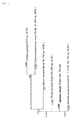
- the Endo-Om of the present invention has low homology (identity) with any of the sequences of known endo- ⁇ - N-acetylglucosaminidases, and is a novel enzyme having an identity at the amino acid level of 33.9% with the known Endo-M derived from the genus Mucor, 8.8% with Endo-F2, 9.0% with Endo-F3, 14.7% with Endo-S, 18.9% with Endo-CE, and about 53.9% with the hypothetical protein derived from the genus Candida, which has the closest sequence on the database.
- O.minuta strain was transformed using the Endo-Om gene derived from the O.minuta strain, and an Endo-Om gene-overexpressing strain was prepared, thereby increasing endo- ⁇ -N-acetylglucosaminidase activity. Endo- ⁇ -N-acetylglucosaminidase was isolated from this overexpressing strain, its properties were determined, and thus the present invention has been accomplished.
- Endo-Om The endo- ⁇ -N-acetylglucosaminidase (Endo-Om) of the present invention has the following enzymological and physicochemical properties;
- the Endo-Om of the present invention has activity for the high-mannose type M6B-PA sugar chain is about 103%, and the activity for a biantennary complex type sugar chain (agalacto biantennary PA-sugar) is about 15%. Therefore, it has different substrate specificity from well-known Endo-M, and has specific activity as high as 13 times that of Endo-M and Vmax as high as 55 times that of Endo-M.
- the use of the overexpression system developed by the present invention allows high-volume production of high quality enzymes at a low cost.
- BLAST search was carried on the NCBI amino acid sequence database of closely-related yeasts, and several genes partially having high homology region were detected. These yeast-derived genes were cloned and their sequences were determined, and the expression products were purified to obtain enzyme solutions.
- the endo- ⁇ -N-acetylglucosaminidase Endo-Om in the present invention has an identity of as low as 33.9% with known Endo-M at the amino acid sequence level, and has different substrate specificity in that the activity for a high-mannose type M6B-PA sugar chain is about 103%, and the activity for a biantennary complex type sugar chain (agalacto biantennary PA-sugar) is about 15%, when the activity for the high-mannose type M8A-PA sugar chain is set at 100%, and high specific activity and Vmax which are 13 times and 55 times those of Endo-M, respectively.
- Endo-Om is evidently a novel enzyme, but it has marked functions of Endo-M, so that it hydrolyzes a complex type sugar chain and has transglycosidase activity for a complex type sugar chain.
- Endo-Om has markedly high specific activity and maximum reaction speed, and thus is highly expected to be useful in the analysis and glycosylation of the sugar chain structure including the complex type sugar chains in glycoproteins.
- the use of the overexpression system developed by the present invention allows high-volume production of the high quality Endo-Om enzyme at a low cost.
- Endo-Cp, Endo-Pa, and Endo-Zr which are other endo- ⁇ -N-acetylglucosaminidase of the present invention also have similar complex type sugar chain cleavage activity and complex type sugar chain transfer activity, and are expected to have similar uses as those of Endo-Om.
- Endo-Om The endo- ⁇ -N-acetylglucosaminidase (Endo-Om) of the present invention can be expressed as a protein having endo- ⁇ -N-acetylglucosaminidase activity containing any of the following amino acid sequences (1) to (5).
- the protein is preferably derived from a yeast, and particular preferably derived from an Ogataea yeast.
- the protein having Endo-Om activity of the present invention is including a yeast-derived amino acid sequence which is detected by the BLAST search through the NCBI GenBank amino acid sequence database at a homology of 30% or more, preferably 40% or more, more preferably 50% or more, even more preferably 70% or more, most preferably 80% or more with the amino acid sequence set forth in SEQ ID No. 1, and is a protein having endo- ⁇ -N-acetylglucosaminidase activity.
- it is preferably the gene derived from a genus Ogataea yeast.
- the gene can be expressed as a protein which is coded by the gene including the yeast-derived nucleotide sequence detected by the BLAST search through the NCBI GenBank nucleotide sequence database at a homology of 30% or more, preferably 40% or more, more preferably 50% or more, even more preferably 70% or more, and most preferably 80% or more with the nucleotide sequence set forth in SEQ ID NO. 2, and has endo- ⁇ -N-acetylglucosaminidase activity.
- Endo-Om gene of the present invention can be expressed as a polynucleotide which codes the protein having endo- ⁇ -N-acetylglucosaminidase activity containing any of the above-described amino acid sequences (1) to (5), and also can be expressed as any of the following polynucleotides (1) to (3), wherein the polynucleotide is preferably derived from a yeast, particularly preferably derived from a genus Ogataea yeast:
- the endo- ⁇ -N-acetylglucosaminidase (Endo-Om) of the present invention has specific sequence which has an identity of only 33.9% at the amino acid sequence level with the well-known Endo-M derived of the genus Mucor, and has an identity of about 53.9% at the amino acid level with the hypothetical protein derived from the genus Candida at the closest position in the database. Therefore, when the polypeptide is including an amino acid sequence having an identity of 70% or more, preferably 80% or more, and even more preferably 90% or more with the amino acid sequence set forth in SEQ ID No.
- polypeptides and polynucleotides including the nucleotide sequence having an identity of 70% or more, preferably 80% or more, and more preferably 90% or more with the nucleotide sequence set forth in SEQ ID NO. 2 also has a high probability of being an Endo-Om gene.
- the homology search of polypeptides and polynucleotides can be carried out by, for example, using the FASTA or BLAST program for DNA Databank of JAPAN (DDBJ).
- Endo-Om has activity for transferring a sugar chain to any acceptor molecule, like Endo-M.
- acceptor molecules include monosaccharides and derivatives thereof such as a glucose and GlcNAc, and glycopeptides and glycoproteins having them.
- the sugar chain to be transferred is an asparagine-linked sugar chain, and may be a chemically synthesized sugar chain or cleaved sugar chain.
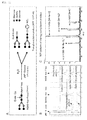
- the transglycosidase activity of Endo-Om was detected by incubating the reaction solution containing a biantennary complex type sugar chain as the substrate, acceptor molecules (p-nitrophenylglucose), and an Endo-Om partially purified enzyme solution at 30°C for 3 hours, and then subjecting it to HPLC after the completion of the reaction; a new peak different from the hydrolysate was detected, and was identified by MS analysis to be a transglycosylation product including an acceptor molecule to which a biantennary complex type sugar chain is added ( FIG. 7 ).
- Endo-Cp The endo- ⁇ -N-acetylglucosaminidase of the present invention
- the protein is preferably derived from a yeast, more preferably a Candida yeast, and most preferably Candida parapolymorpha:
- the protein having Endo-Cp activity of the present invention is including the yeast-derived amino acid sequence detected by the BLAST search through the NCBI GenBank amino acid sequence database at a homology of 30% or more, preferably 40% or more, more preferably 50% or more, even more preferably 70% or more, and most preferably 80% or more with the amino acid sequence set forth in SEQ ID NO. 5, and has endo- ⁇ -N-acetylglucosaminidase activity.
- Candida yeast particularly Candida parapolymorpha.
- it can be expressed as a protein which is coded by the gene detected by the BLAST search through the NCBI GenBank nucleotide sequence database at a homology of 30% or more, preferably 40% or more, more preferably 50% or more, even more preferably 70% or more, and most preferably 80% or more with the nucleotide sequence set forth in SEQ ID NO. 6, and has endo- ⁇ -N-acetylglucosaminidase activity.
- the Endo-Cp gene of the present invention can be expressed as a polynucleotide which codes the protein containing any of the above-described amino acid sequences (1) to (5) and having endo- ⁇ -N-acetylglucosaminidase activity, and also can be expressed as a polynucleotide of any of the following (1) to (3);
- the polynucleotide is preferably derived from a yeast, and particularly preferably derived from a genus Candida yeast:
- the endo- ⁇ -N-acetylglucosaminidase of the present invention has an identity of 53.9% at the amino acid sequence level with the "Endo-Om” of the present invention derived from Ogataea minuta, and has identities of 42.8% and 31.9% with the "Endo-Pa” enzyme derived from Pichia anomala and the "Endo-Zr” enzyme derived from Zygosaccharomyces rouxii, which were found at the same time, respectively.
- the identity with the well-known "Endo-M" derived from the genus Mucor is only 38.2% at the amino acid sequence level.
- the "Endo-Cp" of the present invention has a specific sequence. Therefore, when the polypeptide is including an amino acid sequence having an identity of 70% or more, preferably 80% or more, and even more preferably 90% or more with the amino acid sequence set forth in SEQ ID No. 5, it has an extremely high probability of having Endo-Cp activity, and the polynucleotide including the nucleotide sequence having an identity of 70% or more, preferably 80% or more, and more preferably 90% or more with the nucleotide sequence set forth in SEQ ID NO. 6 also has a high probability of being an Endo-Cp gene.
- the homology search of polypeptides and polynucleotides can be carried out by, for example, using the FASTA or BLAST program for DNA Databank of JAPAN (DDBJ).
- Endo-Cp has as high hydrolysis activity as Endo-M for a high-mannose sugar chain, and further hydrolyzes a hybrid type sugar chain and a biantennary complex type sugar chain.
- it cannot hydrolyze a triantennary or more highly branched complex type sugar chain and a sugar chain having a core fucose structure.
- it exhibits higher reactivity for almost all sugar chains than Endo-M.
- it shows different reactivity for several sugar chains from Endo-M, and exhibits particularly higher reactivity for sugar chains having an agalacto biantennary, M3B, and M6B structures than Endo-M.
- Endo-Cp has activity for transferring a sugar chain to any acceptor molecule, like Endo-M.
- acceptor molecules include monosaccharides and derivatives thereof such as a glucose and GlcNAc, and glycopeptides and glycoproteins having them.
- the sugar chain to be transferred is an asparagine-linked sugar chain, and may be a chemically synthesized sugar chain or cleaved sugar chain.
- the transglycosidase activity of Endo-Cp was detected by incubating the reaction solution containing a biantennary complex type sugar chain as the substrate, acceptor molecules (p-nitrophenylglucose), and an Endo-Cp partially purified enzyme solution at 30°C for 3 hours, and then subjecting it to HPLC after the completion of the reaction; a new peak different from the hydrolysate was detected, and was identified by MS analysis to be a transglycosylation product including an acceptor molecule to which a biantennary complex type sugar chain is added ( FIG. 11 ).
- Endo-Pa The endo- ⁇ -N-acetylglucosaminidase of the present invention (Endo-Pa) can be expressed as a protein containing any of the following amino acid sequences (1) to (5) and having endo- ⁇ -N-acetylglucosaminidase activity; the protein is preferably derived from a yeast, more preferably a Pichia yeast, and most preferably Pichia anomala:
- the protein having Endo-Pa activity of the present invention is including the yeast-derived amino acid sequence detected by the BLAST search through the NCBI GenBank amino acid sequence database at a homology of 30% or more, preferably 40% or more, more preferably 50% or more, even more preferably 70% or more, and most preferably 80% or more with the amino acid sequence set forth in SEQ ID NO. 10, and has endo- ⁇ -N-acetylglucosaminidase activity.
- the gene is preferably derived from a Pichia yeast, and particularly preferably derived from Pichia anomala.
- the gene can be expressed as a protein which is coded by the gene including the yeast-derived nucleotide sequence detected by the BLAST search through the NCBI GenBank nucleotide sequence database at a homology of 30% or more, preferably 40% or more, more preferably 50% or more, even more preferably 70% or more, and most preferably 80% or more with the nucleotide sequence set forth in SEQ ID NO. 10, and has endo- ⁇ -N-acetylglucosaminidase activity.
- Endo-Pa gene of the present invention can be expressed as a polynucleotide which codes the protein having endo- ⁇ -N-acetylglucosaminidase activity containing any of the above-described amino acid sequences (1) to (5), and also can be expressed as any of the following polynucleotides (1) to (3), wherein the polynucleotide is preferably derived from a yeast, particularly preferably derived from a Pichia yeast, and most preferably derived from Pichia anomala:
- the endo- ⁇ -N-acetylglucosaminidase (Endo-Pa) of the present invention has an identity of 42.5% at the amino acid sequence level with the "Endo-Om” of the present invention derived from Ogataea minuta, and has identities of 42.8% and 30.2% with the "Endo-Cp" enzyme derived from Candida parapolymorpha DL-1 and the "Endo-Zr” enzyme derived from Zygosaccharomyces rouxii, which were found at the same time, respectively.
- the identity with the well-known "Endo-M" derived from the genus Mucor is only 33.0% at the amino acid sequence level.
- the "Endo-Pa" of the present invention has a specific sequence. Therefore, when the polypeptide is including an amino acid sequence having an identity of 70% or more, preferably 80% or more, and even more preferably 90% or more with the amino acid sequence set forth in SEQ ID No. 9, it has an extremely high probability of having Endo-Pa activity, and the polynucleotide including the nucleotide sequence having an identity of 70% or more, preferably 80% or more, and more preferably 90% or more with the nucleotide sequence set forth in SEQ ID NO. 10 also has a high probability of being an Endo-Pa gene.
- the homology search of polypeptides and polynucleotides can be carried out by, for example, using the FASTA or BLAST program for DNA Databank of JAPAN (DDBJ).
- Endo-Pa has as high hydrolysis activity as Endo-M for a high-mannose sugar chain, and further hydrolyzes a hybrid type sugar chain and a biantennary complex type sugar chain. On the other hand, it cannot hydrolyze a triantennary or more highly branched complex type sugar chain and a sugar chain having a core fucose structure. In addition, it exhibits higher reactivity for almost all sugar chains than Endo-M.
- Endo-Pa has activity for transferring a sugar chain to any acceptor molecule, like Endo-M.
- acceptor molecules include monosaccharides and derivatives thereof such as a glucose and GlcNAc, and glycopeptides and glycoproteins having them.
- the sugar chain to be transferred is an asparagine-linked sugar chain, and may be a chemically synthesized sugar chain or cleaved sugar chain.
- the transglycosidase activity of Endo-Pa was detected by incubating the reaction solution containing a biantennary complex type sugar chain as the substrate, acceptor molecules (p-nitrophenylglucose), and an Endo-Pa partially purified enzyme solution at 30°C for 16 hours, and then subjecting it to HPLC after the completion of the reaction; a new peak different from the hydrolysate was detected, and was identified by MS analysis to be a transglycosylation product including an acceptor molecule to which a biantennary complex type sugar chain is added ( FIG. 15 ).
- Endo-Zr can be expressed as a protein containing any of the following amino acid sequences (1) to (5) and having endo- ⁇ -N-acetylglucosaminidase activity; the protein is preferably derived from a yeast, more preferably a Zygosaccharomyces yeast, and most preferably derived from Zygosaccharomyces rouxii:
- the protein having Endo-Zr activity of the present invention is including the yeast-derived amino acid sequence detected by the BLAST search through the NCBI GenBank amino acid sequence database at a homology of 30% or more, preferably 40% or more, more preferably 50% or more, even more preferably 70% or more, and most preferably 80% or more with the amino acid sequence set forth in SEQ ID NO. 13, and has endo- ⁇ -N-acetylglucosaminidase activity.
- the gene is preferably derived from a Zygosaccharomyces yeast.
- the gene can be expressed as a protein which is coded by the gene including the yeast-derived nucleotide sequence detected by the BLAST search through the NCBI GenBank nucleotide sequence database at a homology of 30% or more, preferably 40% or more, more preferably 50% or more, even more preferably 70% or more, and most preferably 80% or more with the nucleotide sequence set forth in SEQ ID NO. 14, and has endo- ⁇ -N-acetylglucosaminidase activity.
- Endo-Zr gene of the present invention can be expressed as a polynucleotide which codes the protein having endo- ⁇ -N-acetylglucosaminidase activity containing any of the above-described amino acid sequences (1) to (5), and also can be expressed as any of the following polynucleotides (1) to (3), wherein the polynucleotide is preferably derived from a yeast, particularly preferably derived from a Zygosaccharomyces yeast:
- the endo- ⁇ -N-acetylglucosaminidase (Endo-Zr) of the present invention has an identity of 30.6% at the amino acid sequence level with the "Endo-Om” of the present invention derived from Ogataea minuta, and has identities of 31.9% and 30.2% with the "Endo-Cp" enzyme derived from Candida parapolymorpha DL-1 and the "Endo-Pa” enzyme derived from Pichia anomala, which were found at the same time, respectively.
- the identity with the well-known "Endo-M" derived from the genus Mucor is only 29.4% at the amino acid sequence level.
- the "Endo-Zr" of the present invention has a specific sequence. Therefore, when the polypeptide is including an amino acid sequence having an identity of 70% or more, preferably 80% or more, and even more preferably 90% or more with the amino acid sequence set forth in SEQ ID No. 13, it has an extremely high probability of having Endo-Zr activity, and the polynucleotide including the nucleotide sequence having an identity of 70% or more, preferably 80% or more, and more preferably 90% or more with the nucleotide sequence set forth in SEQ ID NO. 14 also has a high probability of being an Endo-Zr gene.
- the homology search of polypeptides and polynucleotides can be carried out by, for example, using the FASTA or BLAST program for DNA Databank of JAPAN (DDBJ).
- Endo-Zr has as high hydrolysis activity as Endo-M for a high-mannose sugar chain, and further hydrolyzes a hybrid type sugar chain and a biantennary complex type sugar chain.
- it cannot hydrolyze a triantennary or more highly branched complex type sugar chain, a sugar chain having a core fucose structure, and a hybrid type sugar chain having bisecting GlcNAc.
- it shows different reactivity for several sugar chains from Endo-M, and exhibits particularly higher reactivity for a biantennary complex type sugar chain and sugar chains having an M3B, M5A, or M6B structure than Endo-M.
- the microorganism producing the Endo-Om of the present invention is the methylotrophic yeast Ogataea minuta IFO10746 strain described in Patent Literature 6 previously applied by the inventors, and is a yeast strain which can be grown using methanol as the only one carbon source. Details about the culture method are as described in Patent Literature 6. Methanol is added to a medium for ordinary yeasts, and ordinary yeast culture conditions are used. The cultured cells are collected and crushed, and the supernatant free from impurity can be used as a crude enzyme solution. However, the amount of production was small, so that the Endo-Om gene was cloned, and transformed using the original yeast strain as the host, and an Endo-Om gene-overexpression system was prepared as described in the following (3).
- Patent Literature 7 The host-vector system using the Ogataea minuta IFO10746 strain is described in JP 4464269 B1 (Patent Literature 7).
- the genome sequence information was searched for the gene having high homology with Endo-M, and a gene partially having high homology was found. Then, the genome DNA of O.minuta was extracted by a common procedure, and the ORF full length sequence of the Endo-Om gene was amplified by the PCR method using the primer 1 (SEQ ID NO. 3) and primer 2 (SEQ ID NO. 4).
- Primer 1 SEQ ID NO. 3
- the PCR fragment thus obtained was subcloned by TOPO Blunt cloning kit (Invitrogen), and thus the nucleotide sequence was determined.
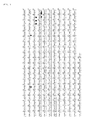
- the nucleotide sequence and amino acid sequence of the Endo-Om gene obtained by the cloning are shown in FIG. 1 .
- the ORF of Endo-Om is including 2319 bases, and coded the protein including 772 amino acids and having a molecular weight of 87,398.
- the present method may be used for a closely-related organism of Ogataea minuta from which the Endo-Om gene of the present invention is obtained, for example, a Pichia yeast which is other methylotrophic yeast, or a DNA library derived from a microorganism such as a bacterium, thereby obtaining an enzyme gene having Endo-Om activity.
- Endo-Om gene thus obtained can be described as the gene which hybridizes with the DNA including the nucleotide sequence set forth in SEQ ID NO. 2 and the DNA including its complementary nucleotide sequence under stringent conditions, and codes a protein having Endo-Om activity.
- the Endo-Om gene of the present invention can be obtained by searching a well-known database, and the Endo-Om gene thus obtained has a nucleotide sequence with a homology (identity) of 70% or more, preferably 85% or more, more preferably 90% or more, and most preferably 95% or more for the nucleotide sequence set forth in SEQ ID NO. 2, and the corresponding protein having Endo-Om activity can be expressed as having an amino acid sequence with a homology (identity) of 70% or more, preferably 80% or more, more preferably 90% or more, and most preferably 95% or more for the amino acid sequence set forth in SEQ ID NO. 1.
- the homology search of polypeptides and polynucleotides can be carried out by, for example, using the FASTA or BLAST program for DNA Databank of JAPAN (DDBJ).
- the Endo-Om-overexpressing strain of a methylotrophic yeast O.minuta was prepared as follows.
- the ORF full length sequence (2349 bp) of the Endo-Om gene was amplified by the PCR method, purified, and then incorporated into the plasmid pOMEA1 for expression using In-FusionTM Advantage PCR Cloning Kit (Clontech), and thus pOMEA1-Endo-Om was constructed.
- the pOMEA1-Endo-Om thus constructed was transformed into the competent cells of the O.minuta TK10-1-2 strain using the electroporation method, and thus an Endo-Om-overexpressing O.minuta strain (Endo-Om/TK10-1-2 strain) was obtained.
- Endo-Om/TK10-1-2 strain was induced to express Endo-Om, an extracting buffer and glass beads were added to the collected yeast cells, and shaken vigorously to crush the cells. The insoluble matter was removed from the supernatant by centrifugation, and the supernatant was used as an Endo-Om crude enzyme solution.
- Endo-Om crude enzyme solution was denatured by an SDS sample buffer, Western blotting was carried out by a common procedure, thereby confirming the protein expression.
- the host is preferably the same methylotrophic yeast from which the Endo-Om gene of the present invention is obtained, or its analogue yeast.
- a bacterium such as E. coli, bacteria, insect cells, plant cells, or animal cells may be used to construct a similar overexpressing strain by using a vector into which a high expressing promoter is incorporated.
- production using a transgenic animal is possible.
- a transformant strain such as a transformed Ogataea minuta Endo-Om-overexpressing strain
- high-volume production is allowed under ordinary transformant culture conditions, or using a culture method by methanol induction.
- the microorganism producing the Endo-Om of the present invention is a methylotrophic yeast Candida parapolymorpha DL-1 ATCC26012 strain, and is a yeast strain which can be grown using methanol as the only one carbon source.
- the yeast is cultured under ordinary yeast culture conditions using a medium for ordinary yeasts containing methanol.
- the cultured yeast cells are collected and crushed, and the supernatant free from impurity can be used as a crude enzyme solution.
- the amount of production was small, so that the Endo-Cp gene was cloned, and transformed using E. coli as the host, and an Endo-Cp gene-overexpression system was prepared as described in the following (3).
- the PCR product thus obtained was incorporated into the protein-expressing plasmid pCold I DNA for E. coli (TaKaRa-Bio Inc.) using In-FusionTM HD Cloning Kit (Clontech), thereby constructing pCold I-Endo-Cp.
- the DNA sequencing of the purified vector was carried out, and the full-length nucleotide sequence of the Endo-Cp gene was determined.
- the nucleotide sequence and amino acid sequence of the Endo-Cp gene obtained by the cloning are shown in FIG. 8 .
- the ORF of Endo-Cp is including 2238 bases, and coded the protein including 745 amino acids and having a molecular weight of 86,500.
- the present method may be used for a closely-related organism of Candida parapolymorpha DL-1 from which the Endo-Cp gene of the present invention is obtained, for example, a Pichia yeast which is other methylotrophic yeast, or a DNA library derived from a microorganism such as a bacterium, thereby obtaining an enzyme gene having Endo-Cp activity.
- Endo-Cp gene thus obtained can be described as the gene which hybridizes with the DNA including the nucleotide sequence set forth in SEQ ID NO. 6 and the DNA including its complementary nucleotide sequence under stringent conditions, and codes a protein having Endo-Cp activity.
- the Endo-Cp gene of the present invention can be obtained by searching a well-known database, and the Endo-Cp gene thus obtained has a nucleotide sequence with a homology (identity) of 70% or more, preferably 85% or more, more preferably 90% or more, and most preferably 95% or more for the nucleotide sequence set forth in SEQ ID NO. 6, and the corresponding protein having Endo-Cp activity can be expressed as having an amino acid sequence with a homology (identity) of 70% or more, preferably 80% or more, more preferably 90% or more, and most preferably 95% or more for the amino acid sequence set forth in SEQ ID NO. 5.
- the homology search of polypeptides and polynucleotides can be carried out by, for example, using the FASTA or BLAST program for DNA Databank of JAPAN (DDBJ).
- the Endo-Cp-overexpressing strain of a E. coli was prepared as follows.
- the pCold I-Endo-Cp described in (2) was transformed into the E. coli competent cells for protein expression (NEB Express Competent E. coli (High Efficiency), NEW ENGRAND BioLabs), thereby obtaining an Endo-Cp-expressing E. coli strain.
- Endo-Cp-expressing E. coli strain was induced to express Endo-Cp, an extracting buffer and glass beads were added to the collected bacterial cells, and shaken vigorously to crush the cells. The insoluble matter was removed from the supernatant by centrifugation, and the supernatant was used as an Endo-Cp crude enzyme solution.
- Endo-Cp crude enzyme solution was denatured by an SDS sample buffer, Western blotting was carried out by a common procedure, thereby confirming the protein expression.
- the host is preferably the same Candida yeast from which the Endo-Cp gene of the present invention is obtained, or its analogue yeast.
- a bacterium such as E. coli, bacteria, insect cells, plant cells, or animal cells may be used to construct a similar overexpressing strain by using a vector into which a high expressing promoter is incorporated.
- production using a transgenic animal is possible.
- the microorganism producing the Endo-Ps of the present invention is a Pichia anomala ATCC36904.
- the yeast is cultured under ordinary yeast culture conditions using a medium for ordinary yeasts.
- the cultured yeast cells are collected and crushed, and the supernatant free from impurity can be used as a crude enzyme solution.
- the amount of production was small, so that the Endo-Pa gene was cloned, and transformed using E. coli as the host, and an Endo-Pa gene-overexpression system was prepared as described in the following (3).
- the PCR product thus obtained was incorporated into the protein-expressing plasmid pCold I DNA for E. coli (TaKaRa-Bio Inc.) using In-FusionTM HD Cloning Kit (Clontech), thereby constructing pCold I-Endo-Pa.
- the DNA sequencing of the purified vector was carried out, and the full-length nucleotide sequence of the Endo-Pa gene was determined.
- the nucleotide sequence and amino acid sequence of the Endo-Pa gene obtained by the cloning are shown in FIG. 12 .
- the ORF of Endo-Pa is including 1971 bases, and coded the protein including 656 amino acids and having a molecular weight of 76,050.
- the present method may be used for a closely-related organism of Pichia anomala from which the Endo-Pa gene of the present invention is obtained, for example, a Pichia yeast which is other methylotrophic yeast, or a DNA library derived from a microorganism such as a bacterium, thereby obtaining an enzyme gene having Endo-Pa activity.
- Endo-Pa gene thus obtained can be described as the gene which hybridizes with the DNA including the nucleotide sequence set forth in SEQ ID NO. 10 and the DNA including its complementary nucleotide sequence under stringent conditions, and codes a protein having Endo-Pa activity.
- the Endo-Pa gene of the present invention can be obtained by searching a well-known database, and the Endo-Pa gene thus obtained has a nucleotide sequence with a homology (identity) of 70% or more, preferably 85% or more, more preferably 90% or more, and most preferably 95% or more for the nucleotide sequence set forth in SEQ ID NO. 10, and the corresponding protein having Endo-Pa activity can be expressed as having an amino acid sequence with a homology (identity) of 70% or more, preferably 80% or more, more preferably 90% or more, and most preferably 95% or more for the amino acid sequence set forth in SEQ ID NO. 9.
- the homology search of polypeptides and polynucleotides can be carried out by, for example, using the FASTA or BLAST program for DNA Databank of JAPAN (DDBJ).
- the Endo-Pa-overexpressing strain of a E. coli was prepared as follows.
- the pCold I-Endo-Pa described in (2) was transformed into the E. coli competent cells for protein expression (NEB Express Competent E. coli (High Efficiency), NEW ENGRAND BioLabs), thereby obtaining an Endo-Pa-expressing E. coli strain.
- Endo-Pa-expressing E. coli strain was induced to express Endo-Pa, an extracting buffer and glass beads were added to the collected bacterial cells, and shaken vigorously to crush the cells. The insoluble matter was removed from the supernatant by centrifugation, and the supernatant was used as an Endo-Pa crude enzyme solution.
- Endo-Pa crude enzyme solution was denatured by an SDS sample buffer, Western blotting was carried out by a common procedure, thereby confirming the protein expression.
- the host is preferably the same Pichia yeast from which the Endo-Pa gene of the present invention is obtained, or its analogue yeast.
- bacteria such as E. coli, insect cells, plant cells, or animal cells may be used to construct a similar overexpressing strain by using a vector into which a high expressing promoter is incorporated.
- production using a transgenic animal is possible.
- the microorganism producing the Endo-Zr of the present invention is a Zygosaccharomyces rouxii ATCC2623.
- the yeast is cultured under ordinary yeast culture conditions using a medium for ordinary yeasts.
- the cultured bacterial cells are collected and crushed, and the supernatant free from impurity can be used as a crude enzyme solution.
- the amount of production was small, so that the Endo-Zr gene was cloned, and transformed using E. coli as the host, and an Endo-Zr gene-overexpression system was prepared as described in the following (3).
- the PCR product thus obtained was incorporated into the protein-expressing plasmid pCold I DNA for E. coli (TaKaRa-Bio Inc.) using In-FusionTM HD Cloning Kit (Clontech), thereby constructing pCold I-Endo-Zr.
- the DNA sequencing of the purified vector was carried out, and the full length nucleotide sequence of the Endo-Zr gene was determined.
- the nucleotide sequence and amino acid sequence of the Endo-Zr gene obtained by the cloning are shown in FIG. 16 .
- the ORF of Endo-Pa is including 1920 bases, and coded the protein including 639 amino acids and having a molecular weight of 73,105.
- the present method may be used for a closely-related organism of Zygosaccharomyces rouxii from which the Endo-Zr gene of the present invention is obtained, for example, a Pichia yeast which is other methyl-utilizing yeast, or a DNA library derived from a microorganism such as a bacterium, thereby obtaining an enzyme gene having Endo-Zr activity.
- Endo-Zr gene thus obtained can be described as the gene which hybridizes with the DNA including the nucleotide sequence set forth in SEQ ID NO. 14 and the DNA including its complementary nucleotide sequence under stringent conditions, and codes a protein having Endo-Zr activity.
- the Endo-Zr gene of the present invention can be obtained by searching a well-known database, and the Endo-Zr gene thus obtained has a nucleotide sequence with a homology (identity) of 70% or more, preferably 85% or more, more preferably 90% or more, and most preferably 95% or more for the nucleotide sequence set forth in SEQ ID NO. 14, and the corresponding protein having Endo-Zr activity can be expressed as having an amino acid sequence with a homology (identity) of 70% or more, preferably 80% or more, more preferably 90% or more, and most preferably 95% or more for the amino acid sequence set forth in SEQ ID NO. 13.
- the homology search of polypeptides and polynucleotides can be carried out by, for example, using the FASTA or BLAST program for DNA Databank of JAPAN (DDBJ).
- the Endo-Zr-overexpressing strain of E. coli was prepared as follows.
- the pCold I-Endo-Zr described in (2) was transformed into the E. coli competent cells for protein expression (NEB Express Competent E. coli (High Efficiency), NEW ENGRAND BioLabs), thereby obtaining an Endo-Zr-expressing E. coli strain.
- Endo-Zr-expressing E. coli strain was induced to express Endo-Zr, an extracting buffer and glass beads were added to the collected bacterial cells, and shaken vigorously to crush the cells. The insoluble matter was removed from the supernatant by centrifugation, and the supernatant was used as an Endo-Zr crude enzyme solution.
- Endo-Zr crude enzyme solution was denatured by an SDS sample buffer, Western blotting was carried out by a common procedure, thereby confirming the protein expression.
- the host is preferably the same Zygosaccharomyces yeast belonging to the genus from which the Endo-Zr gene of the present invention is obtained, or its analogue yeast.
- bacteria such as E. coli, insect cells, plant cells, or animal cells may be used to construct a similar overexpressing strain by using a vector into which a high expressing promoter is incorporated.
- production using a transgenic animal is possible.
- Endo-Om The endo- ⁇ -N-acetylglucosaminidase (Endo-Om) of the present invention has activity for cleaving a complex type sugar chain with a high specific activity, and also has activity for transferring a cleaved sugar chain and a chemically synthesized sugar chain to any acceptor molecule, for example, a monosaccharide such as glucose or N-acetylglucosamine or its derivative, or a glycopeptide or glycoprotein having the saccharide.
- acceptor molecule for example, a monosaccharide such as glucose or N-acetylglucosamine or its derivative, or a glycopeptide or glycoprotein having the saccharide.
- the use of the Endo-Om of the present invention allows the analysis of the sugar chain structure including the complex type sugar chain in a glycoprotein.
- it can be used for various types of glycosylation, such as the preparation of a neoglycoprotein including the addition of a sugar chain to a protein to which a sugar chain will not be naturally attached, or the introduction of an N-type sugar chain to the position to which the sugar chain will not be attached, cleavage of a heterogeneous sugar chain, followed by homogenization of the N-type sugar chain of a glycoprotein using transglycosidase reaction, and preparation of a standard glycoprotein for a sugar chain analyzer.
- Endo-Cp, Endo-Pa, and Endo-Zr which are other endo- ⁇ -N-acetylglucosaminidases of the present invention, also have similar complex type sugar chain cleavage activity and complex type sugar chain transfer activity for any acceptor molecules, so that they are expected to have similar uses.
- Patent Literature 6 secretion production of human glycotransferase using O.minuta was carried out.
- the secreted MGAT5 was partially purified, and reaction was carried out using a biantennary complex type sugar chain (NGA2-Asn-Fmoc) as the receptor substrate, and UDP-GlcNAc as the donor substrate.
- NGA2-Asn-Fmoc biantennary complex type sugar chain
- UDP-GlcNAc as the donor substrate.
- the receptor substrate NGA2-Asn-Fmoc was successively digested by exo-glycosidase to prepare a standard sample, and the peak was analyzed; it was suggested that the bond between GlcNAc ⁇ 1-4GlcNAc is cleaved existing on the reducing end of the receptor substrate. It is known that Endo-M has activity for efficiently cleaving a biantennary complex type sugar chain, so that O.minuta was considered to have same activity. Therefore, cloning of the gene was studied.
- Patent Literature 7 The host-vector system using the Ogataea minuta IFO10746 strain is described in JP 4464269 B1 (Patent Literature 7).
- the genome sequence information was searched for the gene having high homology with Endo-M, and a gene partially having high homology was found. Then, the genome DNA of O.minuta was extracted by a common procedure, and the ORF full length sequence of the Endo-Om gene was amplified by the PCR method using the primer 1 (SEQ ID NO. 3) and the primer 2 (SEQ ID NO. 4).
- Primer 1 SEQ ID NO. 3
- the PCR fragment thus obtained was subcloned using TOPO Blunt cloning kit (Invitrogen), and the nucleotide sequence was determined.
- the nucleotide sequence and amino acid sequence of the Endo-Om gene obtained by the cloning are shown in FIG. 1 .
- the ORF of Endo-Om is including 2319 bases, and coded the protein including 772 amino acids and having a molecular weight of 87,398.
- the estimated isoelectric point was 5.59.
- BLAST search was carried on the NCBI amino acid sequence database; Endo-Om had the sequence highly conserved in GH family 85 ENGase belonging to the GH18 Chitinase-like superfamily at the position of about 80 to 410 amino acids on the N-terminal side.
- Endo-Om-overexpressing strain of the methanol-utilizing yeast O.minuta was prepared as follows.
- the ORF full length sequence of the Endo-Om gene was amplified by the PCR method using the above-described primer 1 (SEQ ID NO. 3) and primer 2 (SEQ ID NO. 4).
- the amplified PCR product of 2349 bp was purified, and then the PCR product was incorporated into the plasmid pOMEA1 for expression, which had been cleaved by BamHI, using In-FusionTM Advantage PCR Cloning Kit (Clontech), and thus pOMEA1-Endo-Om was constructed.
- the pOMEA1-Endo-Om thus constructed was cleaved by NotI, and introduced into the competent cells of the O.minuta TK10-1-2 strain using the electroporation method.
- the transformed yeast was spread over an SD-Ade agar media (2% D-glucose, 0.67% yeast nitrogen base w/o amino acids (Difco), 0.5% casamino acid, 0.1 mg/ml Uracil, 1.5% agar), and cultured at 30°C for 2 days, thereby obtaining transformant colonies.
- the colonies were picked up from the plate, incorporation into the chromosome was confirmed by the simple PCR method including suspension in a PCR reaction solution, and the colonies were used as the Endo-Om-overexpressing O.minuta strain (Endo-Om/TK10-1-2 strain).
- the Endo-Om/TK1O-1-2 strain was inoculated into a 3 ml of YPD medium (2% peptone, 1% yeast extract, and 2% glucose), cultured at 30°C for 2 days. The medium supernatant was removed by centrifugation, and the yeast cells was resuspended in 3 ml of a BMMY medium (2% peptone, 1% yeast extract, 1.34% yeast nitrogen base w/o amino acids, 2% casamino acid, 1% MeOH, 0.2 mg/ml adenine 1/2 sulfate, 0.1 mg/ml uracil, and 100 mM potassium phosphate buffer (pH 6.0)), and cultured at 20°C for further 2 days, thereby inducing the expression of Endo-Om.
- YPD medium 2% peptone, 1% yeast extract, and 2% glucose
- the medium supernatant was removed by centrifugation, and the yeast cells was resuspended in 3 ml of
- Western blotting was carried out as follows. The Endo-Om crude enzyme solution was denatured by an SDS sample buffer, and subjected to Western blotting by a common procedure. Using a mouse anti-FLAG antibody as the primary antibody, and an anti-mouse IgG antibody horseradish peroxidase conjugate was used as the secondary antibody, and ECL plus system (GE Healthcare) and a chemiluminescence detector (GE Healthcare) were used for detection.
- ECL plus system GE Healthcare
- a chemiluminescence detector GE Healthcare
- the enzyme activity was measured as follows. A reaction solution (total volume: 10 ⁇ l) containing 100 mM of a sodium acetate buffer (pH 5.3) at the final concentration, 0.5 M NaCl, 10 ⁇ M of a Fmoc-labeled biantennary complex type sugar chain (NGA2-Asn-Fmoc), and an Endo-Om crude enzyme solution was incubated at 50°C for 1 hour, and heated at 95°C for 5 minutes, thereby stopping the enzyme reaction. The reaction solution was subjected to HPLC, and the enzymatic activity was calculated from the peak area ratio between the NGA2-Asn-Fmoc as the substrate and its hydrolysate.
- the column was Asahipak NH2P-50 4E (4.6 ⁇ 250 mm, Shodex), and the solvents were acetonitrile (solvent A) and 200 mM of TEAA (pH 7.0, GLEN RESEARCH: solvent B). Isocratic elution was carried out at a flow rate of 1.0 ml/min, and the solvent B: 43%, and detection was carried out using a fluorescence detector (excitation wavelength 265 nm, and fluorescence wavelength 315 nm). The activity hydrolyzing 1 ⁇ mol of NGA2-Asn-Fmoc in 1 minute under the above-described reaction conditions was defined as 1 Unit of the enzymatic activity of Endo-Om.
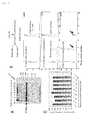
- the detection result of the enzyme reaction by HPLC is shown in FIG. 3B .
- the biantennary complex type sugar chain (NGA2-Asn-Fmoc) alone as the substrate was subjected to HPLC; a peak was detected at the position of 11.7 min.
- each of the crude enzyme solutions of the O.minuta strain before transformation and the Endo-Om-overexpressing strain was allowed to react at the ratio of 50 ⁇ g protein/reaction, and the activities were compared.
- the peak of the substrate remarkably decreased in comparison with the strain before transformation, and the peak of the hydrolysate GlcNAc-Asn-Fmoc (6.8 min) increased. This result indicates that Endo-Om is the enzyme of O.minuta hydrolyzing the biantennary complex type sugar chain.
- the specific activity of the Endo-Om-overexpressing strain was compared, and the result is shown in FIG. 3C .
- the specific activity was 15.0 [ ⁇ Unit/mg protein] when 10 ( ⁇ M of NGA2-Asn-Fmoc was used as the substrate.
- the specific gravity increased to 295 to 339 [ ⁇ Unit/mg protein] (20 to 24 times the before transformation).
- Endo-Om The properties of Endo-Om were studied using a purified enzyme solution.
- the Endo-Om crude enzyme solution prepared from 100 ml culture was substituted with an equilibration buffer (20 mM sodium phosphate buffer (pH 7.4), 0.5 M NaCl, 0.5 mM PMSF, 50 mM imidazole) by dialysis.
- the Endo-Om crude enzyme solution after dialysis was subjected to a HisTrap HP column (GE Healthcare), washed with the equilibration buffer, and eluted stepwise by an equilibration buffer containing 50 mM, 100 mM, and 200 mM of imidazole, thereby eluting the protein.
- the fraction containing Endo-Om eluted from the column was subjected to ultrafiltration concentration using Amicon Ultra (50,000 NMWL, Millipore), further dialyzed with 20 mM of sodium phosphate buffer (pH 7.4) and 0.5 M of NaCl, and glycerol was added to make the final concentration 10%, thereby making an Endo-Om purified enzyme solution.
- Amicon Ultra 50,000 NMWL, Millipore
- 20 mM of sodium phosphate buffer (pH 7.4) and 0.5 M of NaCl glycerol was added to make the final concentration 10%, thereby making an Endo-Om purified enzyme solution.
- the activity of the Endo-Om purified enzyme solution when the substrate concentration was 1 mM was measured, and the specific activity was calculated.
- activity measurement was carried out using NGA2-Asn-Fmoc at different concentrations as the substrates, and Km and Vmax were calculated.
- the specific activity, Km, and Vmax of the commercially available Endo-M were calculated by the same method.
- the optimal pH of Endo-M is 6.0 (Non Patent Literature 6), so that the pH of the sodium acetate buffer was made 6.0 when measuring the activity of Endo-M.
- Endo-Om The purification result of Endo-Om is shown in FIG. 4 .
- Endo-Om was purified to a single band on SDS-PAGE.
- the specific activity of the purified Endo-Om was 0.80 ⁇ mol/min/mg when 1 mM of NGA2-Asn-Fmoc was used as the substrate.
- the specific activity of the commercially available Endo-M under the measurement conditions was 0.06 ⁇ mol/min/mg, indicated that the specific activity of Endo-Om is about 13 times that of Endo-M.
- the buffers used herein were a sodium citrate buffer (pH 3.5-5.5), a sodium acetate buffer (pH 4.5-6.0), a sodium phosphate buffer (pH 6.0-7.5), a MOPS-NaOH buffer (pH 6.5-8.0), and a Tris-HCl buffer (pH 8.0-9.0).
- the reaction solution was subjected to HPLC by the method described in Example 4, and the enzymatic activity was calculated.
- the optimal reaction temperature was studied by changing the reaction temperature in the activity measurement method described in Example 4 in the range of 10°C to 60°C.
- the measurement results of the optimal reaction conditions for Endo-Om are shown in FIG. 6 .
- the optimal reaction pH for Endo-Om was about 5.5, and the optimal reaction temperature was about 50°C.
- Comparison of hydrolysis activity for PA-labeled sugar chains having various structures was carried out as follows.
- a reaction solution containing a sodium acetate buffer at final concentration of 100 mM (pH 5.3), 0.5 M of NaCl, 1 ⁇ M of any of various PA-labeled sugar chains (TaKaRa-Bio Inc.), and an Endo-Om purified enzyme solution (total volume: 10 ⁇ l) was incubated at 30°C for 3 to 12 hours, and heated at 95°C for 5 minutes thereby stopping the enzyme reaction.
- the reaction solution was subjected to HPLC, and enzymatic activity was calculated from the peak area ratio between the PA-labeled sugar chain as the substrate and its hydrolysate.
- the column used herein was Cosmosil 5C18-ARII (2.0 ⁇ 150 mm, Nacalai Tesque, Inc.), the solvents were a 0.1 M ammonium acetate buffer (pH 4.0: solvent A), a 0.1 M ammonium acetate buffer (pH 4.0), and 0.5% 1-butanol (solvent B).
- Linear gradient elution was carried out using the solvent B: 5%-50% at a flow rate of 0.5 ml /min over a period of 24 minutes, and detection was carried out using a fluorescence detector (excitation wavelength 320 nm, and fluorescence wavelength 400 nm).
- the enzymatic activity was calculated with the activity hydrolyzing 1 ⁇ mol of the PA-labeled sugar chain in 1 minute under the above-described reaction conditions as 1 Unit, and the relative activity for various sugar chains were calculated with the hydrolysis activity for the sugar chain having an M8A structure as 100%.
- ENGases are known to have activity for hydrolyzing a sugar chain and transferring the cleaved sugar chain to any acceptor molecule.
- Typical examples of such ENGase include Endo-M. Therefore, the presence or absence of sugar transfer activity (transglycosidase activity) of Endo-Om was studied.
- the transglycosidase activity of Endo-Om was detected as follows.
- the reaction solution containing a sodium acetate buffer at a final concentration of 100 mM (pH 6.0), 2 mM NGA2-Asn-Fmoc, 50 mM acceptor molecule (p-nitrophenylglucose), and an Endo-Om purified enzyme solution (total volume: 10 ⁇ l) was incubated at 30°C for 3 hours, and heated at 95°C for 5 minutes to stop the enzyme reaction.
- the total amount of the reaction solution was subjected to HPLC by the method described in Example 4, and detection was carried out using a UV detector (274 nm).
- the peak corresponding to a transglycosylation product was collected, freeze-dried, and then redissolved in Milli-Q water and subjected to mass spectrometry using MALDI-QIT-TOFMS (AXIMA-QIT, Shimadzu Co., Ltd.), thereby identifying the transglycosylation product.
- the result of the detection of transglycosylation activity of Endo-Om is shown in FIG. 7 .
- transglycosylation will not occur, so that only the peaks of NGA2-Asn-Fmoc as the donor (10.8 min) and GlcNAc-Asn-Fmoc as the hydrolysate (6.6 min) were detected.
- the peak of the hydrolysate and a new peak likely attributable to the transglycosylation product (4.15 min) were detected.
- the PCR product thus obtained was purified, the PCR product was incorporated into the protein expression plasmid pCold I DNA for E. coli (TaKaRa-Bio Inc.), which had been cleaved by Nde I and BamHI, using In-FusionTM HD Cloning Kit (Clontech), thereby constructing pCold I-Endo-Cp.
- DNA sequencing of the purified vector was carried out, and the full-length nucleotide sequence of the Endo-Cp gene was determined.
- Endo-Cp The nucleotide sequence and amino acid sequence of the Endo-Cp gene obtained by cloning are shown in FIG. 8 .
- the ORF of Endo-Cp including 2238 bases, and coded a protein including 745 amino acids and having a molecular weight of 86,500.
- the estimated isoelectric point was 5.61.
- Endo-Cp had the sequence which is highly conserved in GH family 85 ENGase belonging to the GH18 Chitinase-like superfamily at the position of about 75 to 410 amino acids on the N-terminal side.
- the pCold I-Endo-Cp of Example 6 was introduced into the E. coli competent cell for protein expression (NEB Express Competent E. coli (High Efficiency), NEW ENGRAND BioLabs).
- the transformed E .coli was spread out to an LB agar medium containing 100 ⁇ g/ml of ampicillin (2.5% LB Broth, Miller (Difco), 1.5% Agar), and cultured overnight at 37°C, thereby obtaining the transformant colonies.
- the colonies were picked up from the plate, amplification of the Endo-Cp gene was confirmed by the simple PCR method including suspension in a PCR reaction solution, and the colonies were used as the Endo-Cp-expressing E. coli strain.
- the Endo-Cp-expressing E. coli strain was inoculated into 5 ml of an LB medium, and cultured at 37°C overnight.
- the total amount of the E. coli preculture was added to 500 ml of the LB medium, and cultured at 37°C for about 3 hours, thereby growing the E. coli cells until the OD value reached about 0.5.
- IPTG was added to make the final concentration 1.0 mM, and quenched to 15°C to give a cold shock, thereby inducing protein expression. After culturing at 15°C for 48 hours, the E.
- Endo-Cp crude enzyme solution was substituted with an equilibration buffer (20 mM sodium phosphate buffer (pH 7.4), 0.5 M NaCl, 0.5 mM PMSF, 50 mM imidazole) by dialysis.
- Endo-Cp crude enzyme solution after dialysis was subjected to an HisTrap HP column (GE Healthcare), washed with an equilibration buffer, and then eluted stepwise by an equilibration buffer containing 50 mM, 100 mM, and 200 mM of imidazole in stages, thereby eluting the protein.
- the fraction containing Endo-Cp eluted from the column was subjected to ultrafiltration concentration using Amicon Ultra (50,000 NMWL, Millipore), further dialyzed with 20 mM of sodium phosphate buffer (pH 7.4) and 0.5 M of NaCl, and glycerol was added to make the final concentration 10%, thereby making an Endo-Cp partially purified enzyme solution.
- the enzyme activity was measured as follows. A reaction solution (total volume: 10 ⁇ l) containing 100 mM of a sodium acetate buffer (pH 5.3) at the final concentration, 0.5 M NaCl, 10 ⁇ M of a Fmoc-labeled biantennary complex type sugar chain (NGA2-Asn-Fmoc), and Endo-Cp was incubated at 30°C for 3 hours, and heated at 95°C for 5 minutes, thereby stopping the enzyme reaction. The reaction solution was subjected to HPLC, and the enzymatic activity was calculated from the peak area ratio between the NGA2-Asn-Fmoc as the substrate and its hydrolysate.
- the column was Asahipak NH2P-50 4E (4.6 ⁇ 250 mm, Shodex), and the solvents were acetonitrile (solvent A) and 200 mM of TEAA (pH 7.0, GLEN RESEARCH: solvent B). Isocratic elution was carried out at a flow rate of 1.0 ml/min, and the solvent B: 43%, and detection was carried out using a fluorescence detector (excitation wavelength 265 nm, and fluorescence wavelength 315 nm). The activity hydrolyzing 1 ⁇ mol of NGA2-Asn-Fmoc in 1 minute under the above-described reaction conditions was defined as 1 Unit of the enzymatic activity of Endo-Cp.
- FIG. 9 The results of SDS-PAGE, Western blotting, and activity measurement of the Endo-Cp partially purified enzyme solution are shown in FIG. 9 .
- Plural bands were detected in SDS-PAGE, and a signal of His-tag was detected in Western blotting at the position corresponding to 86.5 kDa which is identical to the molecular mass of Endo-Cp, indicating the successful protein expression ( FIGS. 9A and 9B ).
- Endo-Cp is an ENGase which hydrolyzes a biantennary complex type sugar chain in the same manner as the known Endo-M.
- the specific activity of the Endo-Cp partially purified enzyme solution was 120 ⁇ Unit/mg.
- the buffers used herein were a sodium citrate buffer (pH 3.5-5.5), a sodium acetate buffer (pH 4.5-6.0), a sodium phosphate buffer (pH 6.0-7.5), a MOPS-NaOH buffer (pH 6.5-8.0), and a Tris-HCl buffer (pH 8.0-9.0).
- the reaction solution was subjected to HPLC by the method described in Example 8, and the enzymatic activity was calculated.
- the optimal reaction temperature was studied by changing the reaction temperature in the activity measurement method described in Example 8 in the range of 10°C to 70°C.
- the measurement results of the optimal reaction conditions for Endo-Cp are shown in FIG. 10 .
- the optimal reaction pH for Endo-Cp was about 5.5, and the optimal reaction temperature was about 60°C.
- Comparison of hydrolysis activity for PA-labeled sugar chains having various structures was carried out as follows.
- a reaction solution containing a sodium acetate buffer at final concentration of 100 mM (pH 5.3), 0.5 M of NaCl, 1 ( ⁇ M of any of various PA-labeled sugar chains (TaKaRa-Bio Inc.), and an Endo-Cp partially purified enzyme solution (total volume: 10 ⁇ l) was incubated at 30°C for 3 to 12 hours, and heated at 95°C for 5 minutes thereby stopping the enzyme reaction.
- the reaction solution was subjected to HPLC, and enzymatic activity was calculated from the peak area ratio between the PA-labeled sugar chain as the substrate and its hydrolysate.
- the column used herein was Cosmosil 5C18-ARII (2.0 ⁇ 150 mm, Nacalai Tesque, Inc.), the solvents were a 0.1 M ammonium acetate buffer (pH 4.0: solvent A), a 0.1 M ammonium acetate buffer (pH 4.0), and 0.5% 1-butanol (solvent B).
- Linear gradient elution was carried out using the solvent B: 5%-50% at a flow rate of 0.5 ml/min over a period of 24 minutes, and detection was carried out using a fluorescence detector (excitation wavelength 320 nm, and fluorescence wavelength 400 nm).
- the enzymatic activity was calculated with the activity hydrolyzing 1 ⁇ mol of the PA-labeled sugar chain in 1 minute under the above-described reaction conditions as 1 Unit, and the relative activity for various sugar chains were calculated with the hydrolysis activity for the sugar chain having an M8A structure as 100%.
- ENGases are known to have activity for hydrolyzing a sugar chain and transferring the cleaved sugar chain to any acceptor molecule.
- Typical examples of such ENGase include Endo-M. Therefore, the presence or absence of sugar transfer activity (transglycosidase activity) of Endo-Cp was studied.
- the transglycosidase activity of Endo-Cp was detected as follows.
- the reaction solution containing a sodium acetate buffer at a final concentration of 100 mM (pH 6.0), 2 mM NGA2-Asn-Fmoc, 50 mM acceptor molecule (p-nitrophenylglucose), and an Endo-Cp partially purified enzyme solution (total volume: 10 ⁇ l) was incubated at 30°C for 3 hours, and heated at 95°C for 5 minutes to stop the enzyme reaction.
- the total amount of the reaction solution was subjected to HPLC by the method described in Example 8, and detection was carried out using a UV detector (274 nm).
- the peak corresponding to a transglycosylation product was collected, freeze-dried, and then redissolved in Milli-Q water and subjected to mass spectrometry using MALDI-QIT-TOFMS (A ⁇ IMA-QIT, Shimadzu Co., Ltd.), thereby identifying the transglycosylation product.
- Endo-Cp The result of the detection of transglycosylation activity of Endo-Cp is shown in FIG. 11 .
- the result for Endo-Om is also shown.
- the Endo-Cp was allowed to react in the reaction system containing an acceptor; the peak of the transglycosylation product (4.15 min) was detected besides the peak of the hydrolysate in the same manner as Endo-Om.
- the PCR product thus obtained was purified, the PCR product was incorporated into the protein expression plasmid pCold I DNA for E. coli (TaKaRa-Bio Inc.), which had been cleaved by Nde I and BamHI, using In-FusionTM HD Cloning Kit (Clontech), thereby constructing pCold I-Endo-Pa. DNA sequencing of the purified vector was carried out, and the full-length nucleotide sequence of the Endo-Pa gene was determined.
- Endo-Pa The nucleotide sequence and amino acid sequence of the Endo-Pa gene obtained by cloning are shown in FIG. 12 .
- the ORF of Endo-Pa including 1971 bases, and coded a protein including 656 amino acids and having a molecular weight of 76,050.
- the estimated isoelectric point was 6.06.
- Endo-Pa had the sequence which is highly conserved in GH family 85 ENGase belonging to the GH18 Chitinase-like superfamily at the position of about 65 to 400 amino acids on the N-terminal side.
- the pCold I-Endo-Pa of Example 10 was introduced into the E. coli competent cell for protein expression (NEB Express Competent E. coli (High Efficiency), NEW ENGRAND BioLabs).
- the transformed E. coli was spread out to an LB agar medium containing 100 ⁇ g/ml of ampicillin (2.5% LB Broth, Miller (Difco), 1.5% Agar), and cultured overnight at 37°C, thereby obtaining the transformant colonies.
- the colonies were picked up from the plate, amplification of the Endo-Pa gene was confirmed by the simple PCR method including suspension in a PCR reaction solution, and the colonies were used as the Endo-Pa-expressing E. coli strain.
- the Endo-Pa-expressing E. coli strain was inoculated into 5 ml of an LB medium, and cultured at 37°C overnight.
- the total amount of the E. coli preculture was added to 500 ml of the LB medium, and cultured at 37°C for about 3 hours, thereby growing the E. coli cells until the OD value reached about 0.5.
- IPTG was added to make the final concentration 1.0 mM, and quenched to 15°C to give a cold shock, thereby inducing protein expression.
- the bacterial cells were collected, and an extraction buffer (50 mM sodium phosphate buffer (pH 7.4), 1.25 M NaCl, 1 mM PMSF, 1 x Complete (Roche), 5% glycerol) and glass beads were added, and shaken vigorously to crush the bacterial cells. The supernatant from which insoluble matter was removed by centrifugation was used as the Endo-Pa crude enzyme solution.
- the Endo-Pa crude enzyme solution was substituted with an equilibration buffer (20 mM sodium phosphate buffer (pH 7.4), 0.5 M NaCl, 0.5 mM PMSF, 50 mM imidazole) by dialysis.
- Endo-Pa crude enzyme solution after dialysis was subjected to an HisTrap HP column (GE Healthcare), washed with an equilibration buffer, and then eluted stepwise by an equilibration buffer containing 50 mM, 100 mM, and 200 mM of imidazole in stages, thereby eluting the protein.
- the fraction containing Endo-Pa eluted from the column was subjected to ultrafiltration concentration using Amicon Ultra (50,000 NMWL, Millipore), further dialyzed with 20 mM of sodium phosphate buffer (pH 7.4) and 0.5 M of NaCl, and glycerol was added to make the final concentration 10%, thereby making an Endo-Pa partially purified enzyme solution.
- Western blotting was carried out as follows. The Endo-Pa partially purified enzyme solution was denatured by an SDS sample buffer, and subjected to Western blotting by a common procedure. Using a mouse anti-Tetra-His antibody as the primary antibody, and an anti-mouse IgG antibody horseradish peroxidase conjugate was used as the secondary antibody, and ECL plus system (GE Healthcare) and a chemiluminescence detector (GE Healthcare) were used for detection.
- ECL plus system GE Healthcare
- a chemiluminescence detector GE Healthcare
- the enzyme activity was measured as follows. A reaction solution (total volume: 10 ⁇ l) containing 100 mM of a sodium acetate buffer (pH 5.3) at the final concentration, 0.5 M NaCl, 10 ⁇ M of a Fmoc-labeled biantennary complex type sugar chain (NGA2-Asn-Fmoc), and Endo-Pa was incubated at 30°C for 3 hours, and heated at 95°C for 5 minutes, thereby stopping the enzyme reaction. The reaction solution was subjected to HPLC, and the enzymatic activity was calculated from the peak area ratio between the NGA2-Asn-Fmoc as the substrate and its hydrolysate.
- the column was Asahipak NH2P-50 4E (4.6 ⁇ 250 mm, Shodex), and the solvents were acetonitrile (solvent A) and 200 mM of TEAA (pH 7.0, GLEN RESEARCH: solvent B). Isocratic elution was carried out at a flow rate of 1.0 ml/min, and the solvent B: 43%, and detection was carried out using a fluorescence detector (excitation wavelength 265 nm, and fluorescence wavelength 315 nm). The activity hydrolyzing 1 ⁇ mol of NGA2-Asn-Fmoc in 1 minute under the above-described reaction conditions was defined as 1 Unit of the enzymatic activity of Endo-Pa.
- FIG. 13 The results of SDS-PAGE, Western blotting, and activity measurement of the Endo-Pa partially purified enzyme solution are shown in FIG. 13 .
- Plural bands were detected in SDS-PAGE, and a signal of His-tag was detected in Western blotting at the position slightly below 76 kDa which is identical to the molecular weight predicted from the sequence, indicating the successful protein expression ( FIGS. 13A and 13B ).
- Endo-Pa is an ENGase which hydrolyzes a biantennary complex type sugar chain in the same manner as the known Endo-M.
- the specific activity of the Endo-Pa partially purified enzyme solution was 353 ⁇ Unit/mg.
- the buffers used herein were a sodium citrate buffer (pH 3.5-5.5), a sodium acetate buffer (pH 4.5-6.0), a sodium phosphate buffer (pH 6.0-7.5), a MOPS-NaOH buffer (pH 6.5-8.0), and a Tris-HCl buffer (pH 8.0-9.0).
- the reaction solution was subjected to HPLC by the method described in Example 12, and the enzymatic activity was calculated.
- the optimal reaction temperature was studied by changing the reaction temperature in the activity measurement method described in Example 12 in the range of 10°C to 60°C.
- the measurement results of the optimal reaction conditions for Endo-Pa are shown in FIG. 14 .
- the optimal reaction pH for Endo-Pa was between 5.0-5.5, and the optimal reaction temperature was about 40°C.
- Comparison of hydrolysis activity for PA-labeled sugar chains having various structures was carried out as follows.
- a reaction solution containing a sodium acetate buffer at final concentration of 100 mM (pH 5.3), 0.5 M of NaCl, 1 ( ⁇ M of any of various PA-labeled sugar chains (TaKaRa-Bio Inc.), and an Endo-Pa partially purified enzyme solution (total volume: 10 ⁇ l) was incubated at 30°C for 3 to 12 hours, and heated at 95°C for 5 minutes thereby stopping the enzyme reaction.
- the reaction solution was subjected to HPLC, and enzymatic activity was calculated from the peak area ratio between the PA-labeled sugar chain as the substrate and its hydrolysate.
- the column used herein was Cosmosil 5C18-ARII (2.0 ⁇ 150 mm, Nacalai Tesque, Inc.), the solvents were a 0.1 M ammonium acetate buffer (pH 4.0: solvent A), a 0.1 M ammonium acetate buffer (pH 4.0), and 0.5% 1-butanol (solvent B).
- Linear gradient elution was carried out using the solvent B: 5%-50% at a flow rate of 0.5 ml /min over a period of 24 minutes, and detection was carried out using a fluorescence detector (excitation wavelength 320 nm, and fluorescence wavelength 400 nm).
- the enzymatic activity was calculated with the activity hydrolyzing 1 ⁇ mol of the PA-labeled sugar chain in 1 minute under the above-described reaction conditions as 1 Unit, and the relative activity for various sugar chains were calculated with the hydrolysis activity for the sugar chain having an M8A structure as 100%.
- Endo-Pa The measurement results of the hydrolysis activity of Endo-Pa for PA-labeled sugar chains having various structures are shown in Table 3.
- Endo-Pa showed as high hydrolysis activity for a high-mannose sugar chain as Endo-M, and also hydrolyzed a hybrid type sugar chain and a biantennary complex type sugar chain.
- Endo-Om cannot hydrolyzes a triantennary or more highly branched complex type sugar chain and a sugar chain having a core fucose structure.
- higher reactivity was exhibited for almost all sugar chains than Endo-M.
- ENGases are known to have activity for hydrolyzing a sugar chain and transferring the cleaved sugar chain to any acceptor molecule.
- Typical examples of such ENGase include Endo-M. Therefore, the presence or absence of sugar transfer activity (transglycosidase activity) of Endo-Pa was studied.
- the transglycosidase activity of Endo-Pa was detected as follows.
- the reaction solution containing a sodium acetate buffer at a final concentration of 100 mM (pH 6.0), 2 mM NGA2-Asn-Fmoc, 50 mM acceptor molecule (p-nitrophenylglucose), and an Endo-Pa partially purified enzyme solution (total volume: 10 ⁇ l) was incubated at 30°C for 16 hours, and heated at 95°C for 5 minutes to stop the enzyme reaction.
- the total amount of the reaction solution was subjected to HPLC by the method described in Example 12, and detection was carried out using a UV detector (274 nm).
- the peak corresponding to a transglycosylation product was collected, freeze-dried, and then redissolved in Milli-Q water and subjected to mass spectrometry using MALDI-QIT-TOFMS (AXIMA-QIT, Shimadzu Co., Ltd.), thereby identifying the transglycosylation product.
- Endo-Pa The result of the detection of transglycosylation activity of Endo-Pa is shown in FIG. 15 .
- the result for Endo-Om is also shown.
- the Endo-Pa was allowed to react in the reaction system containing an acceptor; the peak of the transglycosylation product (4.15 min) was newly detected besides the peak of the hydrolysate in the same manner as Endo-Om.
- the PCR product thus obtained was purified, the PCR product was incorporated into the protein expression plasmid pCold I DNA for E. coli (TaKaRa-Bio Inc.), which had been cleaved by Nde I and BamHI, using In-FusionTM HD Cloning Kit (Clontech), thereby constructing pCold I-Endo-Zr. DNA sequencing of the purified vector was carried out, and the full-length nucleotide sequence of the Endo-Zr gene was determined.
- Endo-Zr The nucleotide sequence and amino acid sequence of the Endo-Zr gene obtained by cloning are shown in FIG. 16 .
- the ORF of Endo-Zr including 1920 bases, and coded a protein including 639 amino acids and having a molecular weight of 73,105.
- the estimated isoelectric point was 6.69.
- Endo-Zr had the sequence which is highly conserved in GH family 85 ENGase belonging to the GH18 Chitinase-like superfamily at the position of about 70 to 400 amino acids on the N-terminal side.
- the pCold I-Endo-Zr of Example 14 was introduced into the E. coli competent cell for protein expression (NEB Express Competent E. coli (High Efficiency), NEW ENGRAND BioLabs).
- the transformed E. coli was spread out to an LB agar medium containing 100 ⁇ g/ml of ampicillin (2.5% LB Broth, Miller (Difco), 1.5% Agar), and cultured overnight at 37°C, thereby obtaining the transformant colonies.
- the colonies were picked up from the plate, amplification of the Endo-Zr gene was confirmed by the simple PCR method including suspension in a PCR reaction solution, and the colonies were used as the Endo-Zr-expressing E. coli strain.
- the Endo-Zr-expressing E. coli strain was inoculated into 5 ml of an LB medium, and cultured at 37°C overnight.
- the total amount of the E .coli preculture was added to 500 ml of the LB medium, and cultured at 37°C for about 3 hours, thereby growing the bacterial cells until the OD value reached about 0.5.
- IPTG was added to make the final concentration 1.0 mM, and quenched to 15°C to give a cold shock, thereby inducing protein expression.
- the E .coli cells were collected, and an extraction buffer (50 mM sodium phosphate buffer (pH 7.4), 1.25 M NaCl, 1 mM PMSF, 1 x Complete (Roche), 5% glycerol) and glass beads were added, and shaken vigorously to crush the bacterial cells. The supernatant from which insoluble matter was removed by centrifugation was used as the Endo-Zr crude enzyme solution.
- the Endo-Zr crude enzyme solution was substituted with an equilibration buffer (20 mM sodium phosphate buffer (pH 7.4), 0.5 M NaCl, 0.5 mM PMSF, 50 mM imidazole) by dialysis.
- Endo-Zr crude enzyme solution after dialysis was subjected to an HisTrap HP column (GE Healthcare), washed with an equilibration buffer, and then eluted by an equilibration buffer containing 50 mM, 100 mM, and 200 mM of imidazole in stages, thereby eluting the protein.
- the fraction containing Endo-Zr eluted from the column was subjected to ultrafiltration concentration using Amicon Ultra (50,000 NMWL, Millipore), further dialyzed with 20 mM of sodium phosphate buffer (pH 7.4) and 0.5 M of NaCl, and glycerol was added to make the final concentration 10%, thereby making an Endo-Zr partially purified enzyme solution.
- Western blotting was carried out as follows. The Endo-Zr partially purified enzyme solution was denatured by an SDS sample buffer, and subjected to Western blotting by a common procedure. Using a mouse anti-Tetra-His antibody as the primary antibody, and an anti-mouse IgG antibody horseradish peroxidase conjugate was used as the secondary antibody, and ECL plus system (GE Healthcare) and a chemiluminescence detector (GE Healthcare) were used for detection.
- ECL plus system GE Healthcare
- a chemiluminescence detector GE Healthcare
- the enzyme activity was measured as follows. A reaction solution (total volume: 10 ⁇ l) containing 100 mM of a sodium acetate buffer (pH 5.3) at the final concentration, 0.5 M NaCl, 10 ⁇ M of a Fmoc-labeled biantennary complex type sugar chain (NGA2-Asn-Fmoc), and Endo-Zr was incubated at 30°C for 3 to 12 hours, and heated at 95°C for 5 minutes, thereby stopping the enzyme reaction. The reaction solution was subjected to HPLC, and the enzymatic activity was calculated from the peak area ratio between the NGA2-Asn-Fmoc as the substrate and its hydrolysate.
- the column was Asahipak NH2P-50 4E (4.6 ⁇ 250 mm, Shodex), and the solvents were acetonitrile (solvent A) and 200 mM of TEAA (pH 7.0, GLEN RESEARCH: solvent B). Isocratic elution was carried out at a flow rate of 1.0 ml/min, and the solvent B: 43%, and detection was carried out using a fluorescence detector (excitation wavelength 265 nm, and fluorescence wavelength 315 nm). The activity hydrolyzing 1 ⁇ mol of NGA2-Asn-Fmoc in 1 minute under the above-described reaction conditions was defined as 1 Unit of the enzymatic activity of Endo-Zr.
- FIG. 17 The results of SDS-PAGE, Western blotting, and activity measurement of the Endo-Zr partially purified enzyme solution are shown in FIG. 17 .
- Plural bands were detected in SDS-PAGE, and a signal of His-tag was detected in Western blotting at the position corresponding to 73 kDa which is identical to the molecular mass of Endo-Zr, indicating the protein expression ( FIGS. 17A and 17B ).
- the buffers used herein were a sodium citrate buffer (pH 3.5-5.5), a sodium acetate buffer (pH 4.5-6.0), a sodium phosphate buffer (pH 6.0-7.5), a MOPS-NaOH buffer (pH 6.5-8.0), and a Tris-HCl buffer (pH 8.0-9.0).
- the reaction solution was subjected to HPLC by the method described in Example 16, and the enzymatic activity was calculated.
- the optimal reaction temperature was studied by changing the reaction temperature in the activity measurement method described in Example 16 in the range of 10°C to 60°C.
- the measurement results of the optimal reaction conditions for Endo-Zr are shown in FIG. 18 .
- the optimal reaction pH for Endo-Zr was between 4.5-5.0, and the optimal reaction temperature was about 40°C.
- Comparison of hydrolysis activity for PA-labeled sugar chains having various structures was carried out as follows.
- a reaction solution containing a sodium acetate buffer at final concentration of 100 mM (pH 5.3), 0.5 M of NaCl, 1 ⁇ M of any of various PA-labeled sugar chains (TaKaRa-Bio Inc.), and an Endo-Zr partially purified enzyme solution (total volume: 10 ⁇ l) was incubated at 30°C for 3 to 12 hours, and heated at 95°C for 5 minutes thereby stopping the enzyme reaction.
- the reaction solution was subjected to HPLC, and enzymatic activity was calculated from the peak area ratio between the PA-labeled sugar chain as the substrate and its hydrolysate.
- the column used herein was Cosmosil 5C18-ARII (2.0 ⁇ 150 mm, Nacalai Tesque, Inc.), the solvents were a 0.1 M ammonium acetate buffer (pH 4.0: solvent A), a 0.1 M ammonium acetate buffer (pH 4.0), and 0.5% 1-butanol (solvent B).
- Linear gradient elution was carried out using the solvent B: 5%-50% at a flow rate of 0.5 ml/min over a period of 24 minutes, and detection was carried out using a fluorescence detector (excitation wavelength 320 nm, and fluorescence wavelength 400 nm).
- the enzymatic activity was calculated with the activity hydrolyzing 1 ⁇ mol of the PA-labeled sugar chain in 1 minute under the above-described reaction conditions as 1 Unit, and the relative activity for various sugar chains were calculated with the hydrolysis activity for the sugar chain having an M8A structure as 100%.
- ENGases are known to have activity for hydrolyzing a sugar chain and transferring the cleaved sugar chain to any acceptor molecule.
- Typical examples of such ENGase include Endo-M. Therefore, the presence or absence of sugar transfer activity (transglycosidase activity) of Endo-Zr was studied.
- the transglycosidase activity of Endo-Zr was detected as follows.
- the reaction solution containing a sodium acetate buffer at a final concentration of 100 mM (pH 6.0), 2 mM NGA2-Asn-Fmoc, 50 mM acceptor molecule (p-nitrophenylglucose), and an Endo-Zr partially purified enzyme solution (total volume: 10 ⁇ l) was incubated at 30°C for 16 hours, and heated at 95°C for 5 minutes to stop the enzyme reaction.
- the total amount of the reaction solution was subjected to HPLC by the method described in Example 16, and detection was carried out using a UV detector (274 nm).
- the peak of the transglycosylation product was not detected for the Endo-Zr sample, and transglycosidase activity was not confirmed (Data not shown).
Landscapes
- Chemical & Material Sciences (AREA)
- Organic Chemistry (AREA)
- Life Sciences & Earth Sciences (AREA)
- Health & Medical Sciences (AREA)
- Engineering & Computer Science (AREA)
- Zoology (AREA)
- Wood Science & Technology (AREA)
- Bioinformatics & Cheminformatics (AREA)
- Genetics & Genomics (AREA)
- General Health & Medical Sciences (AREA)
- General Engineering & Computer Science (AREA)
- Biochemistry (AREA)
- Microbiology (AREA)
- Molecular Biology (AREA)
- Biotechnology (AREA)
- Medicinal Chemistry (AREA)
- Biomedical Technology (AREA)
- General Chemical & Material Sciences (AREA)
- Chemical Kinetics & Catalysis (AREA)
- Enzymes And Modification Thereof (AREA)
- Preparation Of Compounds By Using Micro-Organisms (AREA)
- Peptides Or Proteins (AREA)
- Micro-Organisms Or Cultivation Processes Thereof (AREA)
Abstract
Description
- The present invention relates to a complex type sugar chain hydrolase and its gene.
- Glycoproteins are found in eukaryotes from microorganisms such as yeast to human, and are reported to be found in several bacteria in recent years. The functions of their sugar chains relate to stability and protease resistance of protein, and are necessary for folding for the formation of a higher-order structure. In addition, glycoproteins are known to control the interaction between proteins, and bind to lectin on the cell surface to cause signal transduction. The analysis of these glycoproteins requires cleavage of the sugar chains and determination of their structure. Peptide: N-glycanase and endo-β-N-acetylglucosaminidases are known as the enzymes which cleaves the N-linked sugar chain attached to asparagine residues. The latter endo-β-N-acetylglucosaminidases are enzymes which cleave the bond between chitobiose molecules at the reducing ends of N-type sugar chains, and known examples include Arthrobacter-derived Endo-A (
Non Patent Literature 1, Patent Literature 4), Streptococcus pneumoniae-derived Endo-D (Non Patent Literature 2), Flavobacterium-derived Endo-F (Non Patent Literature 3), Streptomyces plicatus-derived Endo-H (Non Patent Literature 4), Mycosphaerella-derived endo-β-N-acetylglucosaminidase (Patent Literature 3), rice-derived Endo-Os (Non Patent Literature 5), Mucor hiemalis-derived Endo-M (Patent Literatures - The asparagine-linked sugar chains of glycoproteins showing major biological activity are classified into high-mannose type (mannan type sugar chain), hybrid type, and complex type sugar chains, according to their structures. However, among the endo-β-N-acetylglucosaminidases, Endo-M, Endo-F2, Endo-F3, Endo-S, and Endo-CE are reported to have activity for cleaving the complex type sugar chain.
- The properties of Endo-M are studied in detail, and its substrate specificity is 4.4% for the biantennary complex type sugar chain (agalacto biantennary PA-sugar) when the activity for the high-mannose type Man8GlcNAc2 is set at 100% (Non Patent Literature 6). In addition, there is a description that Endo-M can cleave the triantennary and asialo tetraantennary N-type sugar chains (Non Patent Literature 7), but the activity for asialo triantennary and asialo tetraantennary was not detected in the enzyme activity measurement using a PA sugar chain (Non Patent Literature 6). Endo-M also cannot cleave the biantennary PA-sugar chain to which core fucose is attached.
- Endo-F2 is an enzyme derived from Elizabethkingia miricola, and hydrolyzes high-mannose- and biantennary complex type sugar chains, but has no activity for hydrolyzing a hybrid type sugar chain (Non Patent Literature 8). Endo-F3 is also an enzyme derived from Elizabethkingia miricola, and hydrolyzes a biantennary or triantennary complex type sugar chain, but has no activity for hydrolyzing high-mannose and hybrid type sugar chains
- (Non Patent Literature 8). Endo-S is an enzyme derived from Streptococcus pyogenes, and hydrolyzes a biantennary complex type sugar chain, but has no activity for hydrolyzing high-mannose type and hybrid type sugar chains (Non Patent Literature 9). Endo-CE is an enzyme derived from Caenorhabditis elegans, and hydrolyzes high-mannose and biantennary complex type sugar chains. However, it is unknown whether it cleaves a hybrid type sugar chain (Non Patent Literature 10).
- Regarding the modification of a complex type sugar chain, based on prior art findings, the substrate specificity of transglycosidase activity of endo-β-N-acetylglucosaminidases is the same as their digestion activity, so only these enzymes can transfer complex type sugar chains to acceptors.
- The provision of an endo-β-N-acetylglucosaminidase having different substrate specificity from Endo-M is desired for the analysis of the sugar chain structure of a glycoprotein and the synthesis of glycoproteins having various sugar chains including complex type carbohydrate sugar chains, and the enzyme having high specific activity for a complex type sugar chain is also desired.
-
- Patent Literature 1:
JP 11-332568 A - Patent Literature 2:
JP 7-59587 A - Patent Literature 3:
JP 9-191875 A - Patent Literature 4:
JP 9-173083 A - Patent Literature 5:
WO 2008/111526 A - Patent Literature 6:
WO 2009/057813 A - Patent Literature 7:
JP 4464269 B1 -
- Non Patent Literature 1: Takegawa K et al., (1989) Appl Environ Microbiol. 55: p3107-3112
- Non Patent Literature 2: Koide N and Muramatsu T, (1974) J Biol Chem. 249: p4897-4904
- Non Patent Literature 3: Elder JH and Alexander S, (1982) PNAS U.S.A. 79: 4540-4544
- Non Patent Literature 4: Robbins PW et al., (1984) J Biol Chem.259: p7577-7583
- Non Patent Literature 5: Kimura Y, (2007) In Comprehensive Glycoscience 3: p61-78
- Non Patent Literature 6: Fujita et al., (2004) Arch Biochem Biophy. 432: p41-49
- Non Patent Literature 7: Kadowaki S et al., (1990) Agric Biol Chem. 54: p97-106
- Non Patent Literature 8: Tarentino AL et al., (1993) J Biol Chem. 268: p9702-9708
- Non Patent Literature 9: Goodfellow JJ et al., (2012) J Am Chem Sci. 134: p8030-8033
- Non Patent Literature 10: Kato T et al., (2002) Glycobiology 12: p581-587
- The present invention is intended to solve the problems with the prior art method for liberating a sugar chain from these asparagine-linked glycoproteins, and the transfer of a complex type sugar chain using transglycosidase activity. More specifically, the present invention is intended to obtain a novel enzyme which is different from the previously reported endo-β-N-acetylglucosaminidases, and provide endo-β-N-acetylglucosaminidase which is different from Endo-M in the substrate specificity and specific activity, and the method for producing the same.
- During the study on the properties of the methylotrophic yeast Ogataea minuta IFO10746 strain, the inventors found that high endo-β-N-acetylglucosaminidase (Endo-Om) activity is present in the culture supernatant. Therefore, they isolated the Endo-Om gene from the yeast, and determined the nucleotide sequence and corresponding amino acid sequence (SEQ ID Nos. 1 and 2). The Endo-Om of the present invention has low homology (identity) with any of the sequences of known endo-β-N-acetylglucosaminidases, and is a novel enzyme having an identity at the amino acid level of 33.9% with the known Endo-M derived from the genus Mucor, 8.8% with Endo-F2, 9.0% with Endo-F3, 14.7% with Endo-S, 18.9% with Endo-CE, and about 53.9% with the hypothetical protein derived from the genus Candida, which has the closest sequence on the database. O.minuta strain was transformed using the Endo-Om gene derived from the O.minuta strain, and an Endo-Om gene-overexpressing strain was prepared, thereby increasing endo-β-N-acetylglucosaminidase activity. Endo-β-N-acetylglucosaminidase was isolated from this overexpressing strain, its properties were determined, and thus the present invention has been accomplished.
- The endo-β-N-acetylglucosaminidase (Endo-Om) of the present invention has the following enzymological and physicochemical properties;
- (1) Action; acts on an asparagine-linked glycoprotein in an endo-type, and liberates a sugar chain.
- (2) Substrate specificity;
- 1) cleaves the N,N'-diacetylchitobiose moiety, which is contained in the core structure of the high-mannose type, hybrid type, and biantennary complex type sugar chains, to form an oligosaccharide.
- 2) when the activity for the high-mannose type M8A-PA sugar chain is set at 100%, the activity for the high-mannose type M6B-PA sugar chain is about 103%, and the activity for a biantennary complex type sugar chain (agalacto biantennary PA-sugar) is about 15%.
- (3) Optimal pH; about 5.5
- (4) Optimal temperature; 45 to 50°C
- (5) Gene; 2,319 bp (homology of 33% with the amino acid sequence of Endo-M)
- (6) Molecular weight; 87,398 Da (from the amino acid sequence)
- (7) Specific activity when 1 mM of the biantennary complex type sugar chain (NGA2-Asn-Fmoc) is used as the substrate; 0.80 µmol/min/mg
(about 13 times the specific activity of Endo-M (0.06 µmol/min/mg)) - (8) Km to the biantennary complex type sugar chain (NGA2-Asn-Fmoc); 5539 µM, Vmax; 3.88 µmol/min/mg
(31 times the Km of Endo-M (176 µM), 55 times the Vmax of Endo-M (0.070 µmol/min/mg)) - (9) Transglycosidase activity; when the biantennary complex type (NGA2-Asn-Fmoc) was used as the sugar donor, and the acceptor was p-nitrophenylglucose, significant transglycosidase activity was confirmed.
- When the activity for the high-mannose type M8A-PA sugar chain is set at 100%, the Endo-Om of the present invention has activity for the high-mannose type M6B-PA sugar chain is about 103%, and the activity for a biantennary complex type sugar chain (agalacto biantennary PA-sugar) is about 15%. Therefore, it has different substrate specificity from well-known Endo-M, and has specific activity as high as 13 times that of Endo-M and Vmax as high as 55 times that of Endo-M. The use of the overexpression system developed by the present invention allows high-volume production of high quality enzymes at a low cost.
- Furthermore, based on the amino acid sequence of the Endo-Om of the present invention, BLAST search was carried on the NCBI amino acid sequence database of closely-related yeasts, and several genes partially having high homology region were detected. These yeast-derived genes were cloned and their sequences were determined, and the expression products were purified to obtain enzyme solutions. The enzymatic activity of these enzyme solutions was studied in detail, and it was found that the enzymes derived from the Candida parapolymorpha DL-1 strain belonging to the genus Candida, Pichia anomala belonging to the genus Pichia, and Zygosaccharomyces rouxii belonging to the genus Zygosaccharomyces are novel enzymes having high endo-β-N-acetylglucosaminidase (ENGase) activity as Endo-Om. These enzymes were named "Endo-Cp", "Endo-Pa", and "Endo-Zr", respectively.
- More specifically, aspects of the present invention are as follows.
- [1] A protein having endo-β-N-acetylglucosaminidase activity containing any of the following amino acid sequences (1) to (5):
- (1) the amino acid sequence set forth in SEQ ID NO. 1, 5, 9, or 13;
- (2) the amino acid sequence obtained by deletion, substitution, insertion and/or addition of one or several amino acids in the amino acid sequence set forth in SEQ ID NO. 1, 5, 9, or 13,
- (3) the amino acid sequence having an identity of 70% or more with the amino acid sequence set forth in SEQ ID NO. 1, 5, 9, or 13;
- (4) the amino acid sequence coded by the nucleotide sequence set forth in SEQ ID NO. 2, 6, 10, or 14;
- (5) the amino acid sequence coded by the nucleotide sequence of the polynucleotide which hybridizes with the polynucleotide including the complementary sequence of the nucleotide sequence set forth in SEQ ID NO. 2, 6, 10, or 14 under stringent conditions.
- [2] The polynucleotide which codes the protein having endo-β-N-acetylglucosaminidase activity of [1].
- [3] A polynucleotide containing any of the following nucleotide sequences (1) to (6):
- (1) the nucleotide sequence set forth in SEQ ID NO. 2, 6, 10, or 14 in containing polynucleotide;
- (2) the polynucleotide which hybridizes with the polynucleotide including the complementary sequence of the nucleotide sequence set forth in SEQ ID NO. 2, 6, 10, or 14 under stringent conditions, and codes a protein having endo-β-N-acetylglucosaminidase activity;
- (3) the polynucleotide which is amplified by the primer set containing the nucleotide sequences set forth in SEQ ID NO. 3 and 4, has an identity of 70% or more with SEQ ID NO. 2, and codes a protein having endo-β-N-acetylglucosaminidase activity;
- (4) the polynucleotide which is amplified by the primer set containing the nucleotide sequences set forth in SEQ ID NO. 7 and 8, has an identity of 70% or more with SEQ ID NO. 6, and codes a protein having endo-β-N-acetylglucosaminidase activity;
- (5) the polynucleotide which is amplified by the primer set containing the nucleotide sequences set forth in SEQ ID NO. 11 and 12, has an identity of 70% or more with SEQ ID NO. 10, and codes a protein having endo-β-N-acetylglucosaminidase activity.
- (6) the polynucleotide which is amplified by the primer set containing the nucleotide sequences set forth in SEQ ID NO. 15 and 16, has an identity of 70% or more with SEQ ID NO. 14, and codes a protein having endo-β-N-acetylglucosaminidase activity.
- [4] A vector for expressing a protein having endo-β-N-acetylglucosaminidase activity, containing the polynucleotide of [2] or [3].
- [5] A transformant for expressing a protein having endo-β-N-acetylglucosaminidase activity into which the vector of [4] is introduced.
- [6] The transformant of [5], wherein the transformant is hosted by yeast cells selected from any of the yeasts Ogataea minuta, Candida parapolymorpha, Pichia anomala, and Zygosaccharomyces rouxii.
- [7] A method for producing a protein having endo-β-N-acetylglucosaminidase activity, including the use of the transformant of [5] or [6].
- [8] A method for digesting an asparagine-linked sugar chain from a glycoprotein, including the use of the protein having endo-β-N-acetylglucosaminidase activity of [1].
- [9] A method for transferring an asparagine-linked sugar chain to any acceptor molecule, including the use of the protein having endo-β-N-acetylglucosaminidase activity of [1].
- The endo-β-N-acetylglucosaminidase Endo-Om in the present invention has an identity of as low as 33.9% with known Endo-M at the amino acid sequence level, and has different substrate specificity in that the activity for a high-mannose type M6B-PA sugar chain is about 103%, and the activity for a biantennary complex type sugar chain (agalacto biantennary PA-sugar) is about 15%, when the activity for the high-mannose type M8A-PA sugar chain is set at 100%, and high specific activity and Vmax which are 13 times and 55 times those of Endo-M, respectively. Therefore, the Endo-Om is evidently a novel enzyme, but it has marked functions of Endo-M, so that it hydrolyzes a complex type sugar chain and has transglycosidase activity for a complex type sugar chain. In addition, Endo-Om has markedly high specific activity and maximum reaction speed, and thus is highly expected to be useful in the analysis and glycosylation of the sugar chain structure including the complex type sugar chains in glycoproteins. In addition, the use of the overexpression system developed by the present invention allows high-volume production of the high quality Endo-Om enzyme at a low cost.
- Endo-Cp, Endo-Pa, and Endo-Zr, which are other endo-β-N-acetylglucosaminidase of the present invention also have similar complex type sugar chain cleavage activity and complex type sugar chain transfer activity, and are expected to have similar uses as those of Endo-Om.
-
-
FIG. 1 shows the amino acid sequence and nucleotide sequence of the Endo-Om gene. InFIG. 1 , the underlined part indicates the sequence highly conserved in GH family 85 ENGase; and ■ indicates the presumed amino acid residue at the active center. -
FIG. 2 shows the dendrogram of Endo-Om and ENGases derived from species close to yeast. InFIG. 2 , the values in parentheses show the length of the amino acid sequence and homology with Endo-Om. Accession No., Ashbya gossypii, NP_986144; Mucor hiemalis (Endo-M), BAB43869; Candidaparapolymorpha DL-1 (Hansenula polymorpha DL-1), EFW94296; Pichia anomala, CAC69142; Zygosaccharomycesrouxii, xP_002495262. -
FIG. 3 shows the measurement result of protein expression and enzymatic activity in the Endo-Om-overexpressing O.minuta strain. A: confirmation of overexpression of Endo-Om by Western blotting; B: result of detection of enzyme reaction by HPLC; C: specific activity of Endo-Om-overexpressing strain. -
FIG. 4 shows the SDS-PAGE result of a purified sample of the recombinant Endo-Om. -
FIG. 5 shows the measurement results of Km and Vmax of Endo-Om and commercially available Endo-M. -
FIG. 6 shows the measurement results of optimal reaction conditions (pH and temperature) of Endo-Om: A: optimal pH; and B: optimal temperature. -
FIG. 7 shows the results of detection of the presence or absence of transglycosidase activity of Endo-Om. A: transglycosylation of Endo-Om; B: detection of sugar transfer activity by HPLC; C: MS patterns of the transglycosylation product -
FIG. 8 shows the nucleotide sequence and amino acid sequence of the Endo-Cp gene. InFIG. 8 , the underlined part indicates the sequence highly conserved in GH family 85 ENGase; and ■ indicates the presumed amino acid residue at the active center. -
FIG. 9 shows the results of SDS-PAGE, Western blotting, and enzyme activity measurement of the Endo-Cp partially purified enzyme solution. A: SDS-PAGE; B: Western blotting; and C: detection of enzymatic activity HPLC. -
FIG. 10 shows the measurement results of the optimal reaction conditions (pH and temperature) of Endo-Cp. A: optimal pH; and B: optimal temperature. -
FIG. 11 shows the results of the detection of the presence or absence of transglycosidase activity of Endo-Cp. A: transglycosylation of Endo-Om; B: detection of sugar transfer activity by HPLC; and C: MS patterns of the transglycosylation product. -
FIG. 12 shows the nucleotide sequence and amino acid sequence of the Endo-Pa gene. InFIG. 12 , the underlined part indicates the sequence highly conserved in GH family 85 ENGase; and ■ indicates the presumed amino acid residue at the active center. -
FIG. 13 shows the measurement results of SDS-PAGE, Western blotting, and enzyme activity of the Endo-Pa partially purified enzyme solution. A: SDS-PAGE; B: Western blotting; and C: detection of enzymatic activity by HPLC. -
FIG. 14 shows the measurement results the optimal reaction conditions (pH and temperature) of Endo-Pa. A: optimal pH; and B: optimal temperature. -
FIG. 15 shows the results of detection of the presence or absence of transglycosidase activity of Endo-Pa. A: transglycosylation of Endo-Pa; B: detection of sugar transfer activity by HPLC; and C: MS patterns of the transglycosylation product. -
FIG. 16 shows the nucleotide sequence and amino acid sequence of the Endo-Zr gene. InFIG. 16 , the underlined part indicates the sequence highly conserved in GH family 85 ENGase; and ■ indicates the presumed amino acid residue at the active center. -
FIG. 17 shows the results of SDS-PAGE, Western blotting, and measurement of enzyme activity of the Endo-Zr partially purified enzyme solution. A; SDS-PAGE; B: Western blotting; and C: detection of enzymatic activity by HPLC. -
FIG. 18 shows the measurement results of the optimal reaction conditions (pH and temperature) of Endo-Zr. A: optimal pH; and B: optimal temperature. -
-
- (1) action; acts on an asparagine-linked glycoprotein in an endo type, and liberates a sugar chain.
- (2) Substrate specificity;
- 1) cleaves the N,N'-diacetylchitobiose moiety, which is contained in the core structure of the high-mannose type, hybrid type, and biantennary complex type sugar chains, to form an oligosaccharide.
- 2) when the activity for the high-mannose type M8A-PA sugar chain is set at 100%, the activity for a high-mannose type M6B-PA sugar chain is about 103%, and the activity for a biantennary complex type sugar chain (agalacto biantennary PA-sugar) is about 15%.
- (3) Optimal pH; about 5.5
- (4) Optimal temperature; 45 to 50°C
- (5) Gene; 2,319 bp (homology of 33% with the amino acid sequence of Endo-M)
- (6) Molecular weight; 87,398 Da (from the amino acid sequence)
- (7) Specific activity when 1 mM of the biantennary complex type sugar chain (NGA2-Asn-Fmoc) is used as the substrate; 0.80 µmol/min/mg
(about 13 times the specific activity of Endo-M (0.06 µmol/min/mg)) - (8) Km for the biantennary complex type sugar chain (NGA2-Asn-Fmoc); 5539 µM, Vmax 3.88 µmol/min/mg
(31 times the Km of Endo-M (176 µM), 55 times the Vmax of Endo-M (0.070 µmol/min/mg)) - (9) Transglycosidase activity; significant transglycosidase activity was confirmed when the biantennary complex type (NGA2-Asn-Fmoc) was used as the sugar donor, and the acceptor was p-nitrophenylglucose.
- The endo-β-N-acetylglucosaminidase (Endo-Om) of the present invention can be expressed as a protein having endo-β-N-acetylglucosaminidase activity containing any of the following amino acid sequences (1) to (5). The protein is preferably derived from a yeast, and particular preferably derived from an Ogataea yeast.
- (1) the amino acid sequence set forth in SEQ ID No. 1;
- (2) the amino acid sequence obtained by deletion, substitution, insertion and/or addition of one or several amino acids in the amino acid sequence set forth in SEQ ID No. 1 ("several amino acids" means 1 to 20, preferably 1 to 10, and more preferably 1 to 5 amino acids);
- (3) the amino acid sequence having an identity of at least 70% with the amino acid sequence set forth in SEQ ID No. 1 (the amino acid sequence preferably has an identity of 80% or more, more preferably 85% or more, and even more preferably 90% or more);
- (4) the amino acid sequence coded by the nucleotide sequence set forth in SEQ ID NO. 2;
- (5) the amino acid sequence coded by the nucleotide sequence of the polynucleotide which hybridizes with the polynucleotide including the complementary sequence of the nucleotide sequence set forth in SEQ ID NO. 2 under stringent conditions;
- Further, the protein having Endo-Om activity of the present invention is including a yeast-derived amino acid sequence which is detected by the BLAST search through the NCBI GenBank amino acid sequence database at a homology of 30% or more, preferably 40% or more, more preferably 50% or more, even more preferably 70% or more, most preferably 80% or more with the amino acid sequence set forth in SEQ ID No. 1, and is a protein having endo-β-N-acetylglucosaminidase activity. In particular, it is preferably the gene derived from a genus Ogataea yeast.
- Alternatively, it can be expressed as a protein which is coded by the gene including the yeast-derived nucleotide sequence detected by the BLAST search through the NCBI GenBank nucleotide sequence database at a homology of 30% or more, preferably 40% or more, more preferably 50% or more, even more preferably 70% or more, and most preferably 80% or more with the nucleotide sequence set forth in SEQ ID NO. 2, and has endo-β-N-acetylglucosaminidase activity.
- In addition, the Endo-Om gene of the present invention can be expressed as a polynucleotide which codes the protein having endo-β-N-acetylglucosaminidase activity containing any of the above-described amino acid sequences (1) to (5), and also can be expressed as any of the following polynucleotides (1) to (3), wherein the polynucleotide is preferably derived from a yeast, particularly preferably derived from a genus Ogataea yeast:
- (1) the polynucleotide containing the nucleotide sequence set forth in SEQ ID NO. 2;
- (2) the polynucleotide which hybridizes with the polynucleotide including the complementary sequence of the nucleotide sequence set forth in SEQ ID NO. 2 under stringent conditions, and codes a protein having endo-β-N-acetylglucosaminidase activity;
- (3) the polynucleotide which is amplified by the primer set containing the nucleotide sequences set forth in SEQ ID NO. 3 and 4, has an identity of 70% or more with SEQ ID NO. 2, and codes a protein having endo-β-N-acetylglucosaminidase activity (the nucleotide sequence preferably has an identity of 80% or more, more preferably 85% or more, and even more preferably 90% or more);
- As shown in
FIG. 2 , the endo-β-N-acetylglucosaminidase (Endo-Om) of the present invention has specific sequence which has an identity of only 33.9% at the amino acid sequence level with the well-known Endo-M derived of the genus Mucor, and has an identity of about 53.9% at the amino acid level with the hypothetical protein derived from the genus Candida at the closest position in the database. Therefore, when the polypeptide is including an amino acid sequence having an identity of 70% or more, preferably 80% or more, and even more preferably 90% or more with the amino acid sequence set forth in SEQ ID No. 1, it has an extremely high probability of having Endo-Om activity, and the polynucleotide including the nucleotide sequence having an identity of 70% or more, preferably 80% or more, and more preferably 90% or more with the nucleotide sequence set forth in SEQ ID NO. 2 also has a high probability of being an Endo-Om gene. The homology search of polypeptides and polynucleotides can be carried out by, for example, using the FASTA or BLAST program for DNA Databank of JAPAN (DDBJ). - Using the Endo-Om partially purified enzyme solution of the present invention, hydrolysis activity for various PA-labeled commercially available sugar chains (TaKaRa-Bio Inc.) were measured, and the results are shown in the following (Table 1) together with the measurements in a literature on Endo-M (Non Patent Literature 6). The hydrolysis activity at that time was calculated from the peak area ratio between the PA-labeled sugar chain and its hydrolysate as substrates in HPLC, and the relative activity for the various sugar chains was calculated, with the hydrolysis activity for the sugar chain with an M8A structure set at 100%.
[Table 1] Substrate Endo-Om Endo-M* Substrate Endo-Om Endo-M* 
55.9% 19.5% 
1.6% 7.0% 
13.7% 15.4% 
4.6% 13.3% 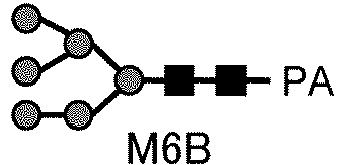
103% 74.0 % 
ND ND 
100% 100% 
15.1% 4.4% 
81.3% 66.5% 
ND ND 
0.8% - 
ND ND 
5.9% - The relative activity was calculated using M8A as the substrate. (*) Relative activity of Endo-M was cited from Fujita et al. (2004) Arch Biochem Biophy, 432: p41-49 ●: Mannose, ■: GlcNAc, ○: Galactose, ▲: Fucose, ◆: Neu5Ac, ND: Not detected. - The above-described results (Table 1) indicate that Endo-Om has as high hydrolysis activity as Endo-M for a high-mannose sugar chain, and further hydrolyzes a hybrid type sugar chain and a biantennary complex type sugar chain. On the other hand, it cannot hydrolyze a triantennary or more highly branched complex type sugar chain, and a sugar chain having a core fucose structure. In addition, it shows different reactivity for several sugar chains from Endo-M, and exhibits particularly higher reactivity for the sugar chains having an agalacto biantennary, M3B, M6B, or M9A structure than Endo-M.
- Endo-Om has activity for transferring a sugar chain to any acceptor molecule, like Endo-M. Examples of the typical acceptor molecules include monosaccharides and derivatives thereof such as a glucose and GlcNAc, and glycopeptides and glycoproteins having them. The sugar chain to be transferred is an asparagine-linked sugar chain, and may be a chemically synthesized sugar chain or cleaved sugar chain.
- The transglycosidase activity of Endo-Om was detected by incubating the reaction solution containing a biantennary complex type sugar chain as the substrate, acceptor molecules (p-nitrophenylglucose), and an Endo-Om partially purified enzyme solution at 30°C for 3 hours, and then subjecting it to HPLC after the completion of the reaction; a new peak different from the hydrolysate was detected, and was identified by MS analysis to be a transglycosylation product including an acceptor molecule to which a biantennary complex type sugar chain is added (
FIG. 7 ). -
- (1) action; acts on an asparagine-linked glycoprotein in an endo type, and liberates a sugar chain.
- (2) substrate specificity;
- 1) cleaves the N,N'-diacetylchitobiose moiety, which is contained in the core structure of the high-mannose type, hybrid type, and biantennary complex type sugar chains, to form an oligosaccharide;
- 2) when the activity for the high-mannose type M8A-PA sugar chain is set at 100%, the activity for a high-mannose type M6B-PA sugar chain is about 172%, and the activity for a biantennary complex type sugar chain (agalacto biantennary PA-sugar) is about 7.0%;
- (3) Optimal pH; about 5.5
- (4) Optimal temperature; 60°C
- (5) Gene; 2,238bp (homology of 38% with the amino acid sequence of Endo-M)
- (6) Molecular weight; 86,500 Da (from the amino acid sequence)
- (7) Transglycosidase activity; when the biantennary complex type (NGA2-Asn-Fmoc) was used as the sugar donor, and the acceptor was p-nitrophenylglucose, significant transglycosidase activity was confirmed.
- The endo-β-N-acetylglucosaminidase of the present invention (Endo-Cp) can be expressed as a protein containing any of the following amino acid sequences (1) to (5) and having endo-β-N-acetylglucosaminidase activity; the protein is preferably derived from a yeast, more preferably a Candida yeast, and most preferably Candida parapolymorpha:
- (1) the amino acid sequence set forth in SEQ ID NO. 5;
- (2) the amino acid sequence obtained by deletion, substitution, insertion and/or addition of one or several amino acids in the amino acid sequence set forth in SEQ ID No. 5 ("several amino acids" means 1 to 20, preferably 1 to 10, and more preferably 1 to 5 amino acids);
- (3) the amino acid sequence having an identity of at least 70% with the amino acid sequence set forth in SEQ ID No. 5 (the amino acid sequence preferably has an identity of 80% or more, more preferably 85% or more, and even more preferably 90% or more);
- (4) the amino acid sequence coded by the nucleotide sequence set forth in SEQ ID NO. 6; and
- (5) the amino acid sequence coded by the nucleotide sequence of the polynucleotide which hybridizes with the polynucleotide including the complementary sequence of the nucleotide sequence set forth in SEQ ID NO. 6 under stringent conditions (wherein the "stringent conditions" are as described above).
- Furthermore, the protein having Endo-Cp activity of the present invention is including the yeast-derived amino acid sequence detected by the BLAST search through the NCBI GenBank amino acid sequence database at a homology of 30% or more, preferably 40% or more, more preferably 50% or more, even more preferably 70% or more, and most preferably 80% or more with the amino acid sequence set forth in SEQ ID NO. 5, and has endo-β-N-acetylglucosaminidase activity.
- In particular, it is preferably derived from a genus Candida yeast, particularly Candida parapolymorpha.
- Alternatively, it can be expressed as a protein which is coded by the gene detected by the BLAST search through the NCBI GenBank nucleotide sequence database at a homology of 30% or more, preferably 40% or more, more preferably 50% or more, even more preferably 70% or more, and most preferably 80% or more with the nucleotide sequence set forth in SEQ ID NO. 6, and has endo-β-N-acetylglucosaminidase activity.
- The Endo-Cp gene of the present invention can be expressed as a polynucleotide which codes the protein containing any of the above-described amino acid sequences (1) to (5) and having endo-β-N-acetylglucosaminidase activity, and also can be expressed as a polynucleotide of any of the following (1) to (3); the polynucleotide is preferably derived from a yeast, and particularly preferably derived from a genus Candida yeast:
- (1) the polynucleotide containing the nucleotide sequence set forth in SEQ ID NO. 6,
- (2) the polynucleotide which hybridizes with the polynucleotide including the complementary sequence of the nucleotide sequence set forth in SEQ ID NO. 6 under stringent conditions, and codes a protein having endo-β-N-acetylglucosaminidase activity;
- (3) the polynucleotide which is amplified by the primer set containing the nucleotide sequences set forth in SEQ ID NO. 7 and 8, has an identity of 70% or more with SEQ ID NO. 6, and codes a protein having endo-β-N-acetylglucosaminidase activity (the nucleotide sequence preferably has an identity of 80% or more, more preferably 85% or more, and even more preferably 90% or more).
- As shown in
FIG. 2 , the endo-β-N-acetylglucosaminidase of the present invention (Endo-Cp) has an identity of 53.9% at the amino acid sequence level with the "Endo-Om" of the present invention derived from Ogataea minuta, and has identities of 42.8% and 31.9% with the "Endo-Pa" enzyme derived from Pichia anomala and the "Endo-Zr" enzyme derived from Zygosaccharomyces rouxii, which were found at the same time, respectively. The identity with the well-known "Endo-M" derived from the genus Mucor is only 38.2% at the amino acid sequence level. In this manner, the "Endo-Cp" of the present invention has a specific sequence. Therefore, when the polypeptide is including an amino acid sequence having an identity of 70% or more, preferably 80% or more, and even more preferably 90% or more with the amino acid sequence set forth in SEQ ID No. 5, it has an extremely high probability of having Endo-Cp activity, and the polynucleotide including the nucleotide sequence having an identity of 70% or more, preferably 80% or more, and more preferably 90% or more with the nucleotide sequence set forth in SEQ ID NO. 6 also has a high probability of being an Endo-Cp gene. The homology search of polypeptides and polynucleotides can be carried out by, for example, using the FASTA or BLAST program for DNA Databank of JAPAN (DDBJ). - Using the Endo-Cp partially purified enzyme solution of the present invention, hydrolysis activity for various PA-labeled commercially available sugar chains (TaKaRa-Bio Inc.) were measured, and the results are shown in the following (Table 2) together with the measurements in a literature on Endo-M (Non Patent Literature 6). The hydrolysis activity at that time was calculated from the peak area ratio between the PA-labeled sugar chain and its hydrolysate as substrates in HPLC, and the relative activity for the various sugar chains was calculated, with the hydrolysis activity for the sugar chain with an M8A structure set at 100%.
[Table 2] Substrate Endo-Cp Endo-M* Substrate Endo-Cp Endo-M* 
37.3% 19.5% 
1.1% 7.0% 
15.1% 15.4% 
3.1% 13.3% 
172% 74.0 % 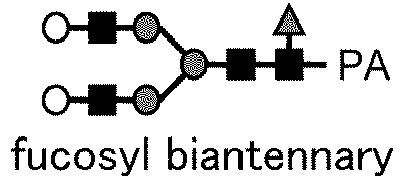
ND ND 
100% 100% 
7.0% 4.4% 
21.6% 66.5% 
ND ND 
0.4% - 
ND ND 
4.7% - The relative activity was calculated using M8A as the substrate. (*) Relative activity of Endo-M was cited from Fujita et al. (2004) Arch Biochem Biophy, 432: p41-49 ●: Mannose, ■: GlcNAc, ○: Galactose, ▲: Fucose, ◆: Neu5Ac, ND: Not detected. - The above-described results (Table 2) indicate that Endo-Cp has as high hydrolysis activity as Endo-M for a high-mannose sugar chain, and further hydrolyzes a hybrid type sugar chain and a biantennary complex type sugar chain. On the other hand, it cannot hydrolyze a triantennary or more highly branched complex type sugar chain and a sugar chain having a core fucose structure. In addition, it exhibits higher reactivity for almost all sugar chains than Endo-M. In addition, it shows different reactivity for several sugar chains from Endo-M, and exhibits particularly higher reactivity for sugar chains having an agalacto biantennary, M3B, and M6B structures than Endo-M.
- Endo-Cp has activity for transferring a sugar chain to any acceptor molecule, like Endo-M. Examples of the typical acceptor molecules include monosaccharides and derivatives thereof such as a glucose and GlcNAc, and glycopeptides and glycoproteins having them. The sugar chain to be transferred is an asparagine-linked sugar chain, and may be a chemically synthesized sugar chain or cleaved sugar chain.
- The transglycosidase activity of Endo-Cp was detected by incubating the reaction solution containing a biantennary complex type sugar chain as the substrate, acceptor molecules (p-nitrophenylglucose), and an Endo-Cp partially purified enzyme solution at 30°C for 3 hours, and then subjecting it to HPLC after the completion of the reaction; a new peak different from the hydrolysate was detected, and was identified by MS analysis to be a transglycosylation product including an acceptor molecule to which a biantennary complex type sugar chain is added (
FIG. 11 ). -
- (1) Action; acts on an asparagine-linked glycoprotein in an endo type, and liberates a sugar chain.
- (2) Substrate specificity;
- 1) cleaves the N,N'-diacetylchitobiose moiety, which is contained in the core structure of the high-mannose type, hybrid type, and biantennary complex type sugar chains, to form an oligosaccharide;
- 2) when the activity for the high-mannose type M8A-PA sugar chain is set at 100%, the activity for the high-mannose type M6B-PA sugar chain is about 140%, and the activity for a biantennary complex type sugar chain (agalacto biantennary PA-sugar) is about 54.4%.
- (3) Optimal pH; about 5.0 to 5.5
- (4) Optimal temperature; 40°C
- (5) Gene; 1,971 bp (homology of 33.0% with the amino acid sequence of Endo-M)
- (6) Molecular weight; 76,050 Da (from the amino acid sequence)
- (7) Transglycosidase activity; when the biantennary complex type (NGA2-Asn-Fmoc) was used as the sugar donor, and the acceptor was p-nitrophenylglucose, significant transglycosidase activity was confirmed.
- The endo-β-N-acetylglucosaminidase of the present invention (Endo-Pa) can be expressed as a protein containing any of the following amino acid sequences (1) to (5) and having endo-β-N-acetylglucosaminidase activity; the protein is preferably derived from a yeast, more preferably a Pichia yeast, and most preferably Pichia anomala:
- (1) the amino acid sequence set forth in SEQ ID NO. 9,
- (2) the amino acid sequence obtained by deletion, substitution, insertion and/or addition of one or several amino acids in the amino acid sequence set forth in SEQ ID No. 9 ("several amino acids" means 1 to 20, preferably 1 to 10, and more preferably 1 to 5 amino acids);
- (3) the amino acid sequence having an identity of at least 70% with the amino acid sequence set forth in SEQ ID No. 9 (the amino acid sequence preferably has an identity of 80% or more, more preferably 85% or more, and even more preferably 90% or more);
- (4) the amino acid sequence coded by the nucleotide sequence set forth in SEQ ID NO. 10; and
- (5) the amino acid sequence coded by the nucleotide sequence of the polynucleotide which hybridizes with the polynucleotide including the complementary sequence of the nucleotide sequence set forth in SEQ ID NO. 10 under stringent conditions (wherein the "stringent conditions" are as described above).
- Furthermore, the protein having Endo-Pa activity of the present invention is including the yeast-derived amino acid sequence detected by the BLAST search through the NCBI GenBank amino acid sequence database at a homology of 30% or more, preferably 40% or more, more preferably 50% or more, even more preferably 70% or more, and most preferably 80% or more with the amino acid sequence set forth in SEQ ID NO. 10, and has endo-β-N-acetylglucosaminidase activity. In particular, the gene is preferably derived from a Pichia yeast, and particularly preferably derived from Pichia anomala.
- Alternatively, it can be expressed as a protein which is coded by the gene including the yeast-derived nucleotide sequence detected by the BLAST search through the NCBI GenBank nucleotide sequence database at a homology of 30% or more, preferably 40% or more, more preferably 50% or more, even more preferably 70% or more, and most preferably 80% or more with the nucleotide sequence set forth in SEQ ID NO. 10, and has endo-β-N-acetylglucosaminidase activity.
- In addition, the Endo-Pa gene of the present invention can be expressed as a polynucleotide which codes the protein having endo-β-N-acetylglucosaminidase activity containing any of the above-described amino acid sequences (1) to (5), and also can be expressed as any of the following polynucleotides (1) to (3), wherein the polynucleotide is preferably derived from a yeast, particularly preferably derived from a Pichia yeast, and most preferably derived from Pichia anomala:
- (1) the polynucleotide containing the nucleotide sequence set forth in SEQ ID NO. 10;
- (2) the polynucleotide which hybridizes with the polynucleotide including the complementary sequence of the nucleotide sequence set forth in SEQ ID NO. 10 under stringent conditions, and codes a protein having endo-β-N-acetylglucosaminidase activity;
- (3) the polynucleotide which is amplified by the primer set containing the nucleotide sequences set forth in SEQ ID NO. 11 and 12, has an identity of 70% or more with SEQ ID NO. 10, and codes a protein having endo-β-N-acetylglucosaminidase activity (the nucleotide sequence preferably has an identity of 80% or more, more preferably 85% or more, and even more preferably 90% or more);
- As shown in
FIG. 2 , the endo-β-N-acetylglucosaminidase (Endo-Pa) of the present invention has an identity of 42.5% at the amino acid sequence level with the "Endo-Om" of the present invention derived from Ogataea minuta, and has identities of 42.8% and 30.2% with the "Endo-Cp" enzyme derived from Candida parapolymorpha DL-1 and the "Endo-Zr" enzyme derived from Zygosaccharomyces rouxii, which were found at the same time, respectively. The identity with the well-known "Endo-M" derived from the genus Mucor is only 33.0% at the amino acid sequence level. In this manner, the "Endo-Pa" of the present invention has a specific sequence. Therefore, when the polypeptide is including an amino acid sequence having an identity of 70% or more, preferably 80% or more, and even more preferably 90% or more with the amino acid sequence set forth in SEQ ID No. 9, it has an extremely high probability of having Endo-Pa activity, and the polynucleotide including the nucleotide sequence having an identity of 70% or more, preferably 80% or more, and more preferably 90% or more with the nucleotide sequence set forth in SEQ ID NO. 10 also has a high probability of being an Endo-Pa gene. The homology search of polypeptides and polynucleotides can be carried out by, for example, using the FASTA or BLAST program for DNA Databank of JAPAN (DDBJ). - Using the Endo-Pa partially purified enzyme solution of the present invention, hydrolysis activity for various PA-labeled commercially available sugar chains (TaKaRa-Bio Inc.) were measured, and the results are shown in the following (Table 3) together with the measurements in a literature on Endo-M (Non Patent Literature 6). The hydrolysis activity at that time was calculated from the peak area ratio between the PA-labeled sugar chain and its hydrolysate as substrates in HPLC, and the relative activity for the various sugar chains was calculated, with the hydrolysis activity for the sugar chain with an M8A structure set at 100%.
[Table 3] Substrate Endo-Pa Endo-M* Substrate Endo-Pa Endo-M* 
152% 19.5% 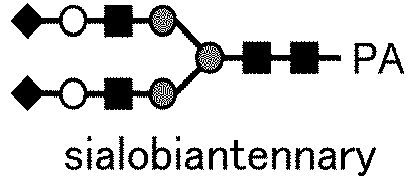
36.3% 7.0% 
94.3% 15.4% 
40.5% 13.3% 
140% 74.0 % 
ND ND 
100% 100% 
54.4% 4.4% 
115% 66.5% 
ND ND 
4.0% - 
ND ND 
35.4% - The relative activity was calculated using M8A as the substrate. (*) Relative activity of Endo-M was cited from Fujita et al. (2004) Arch Biochem Biophy, 432: p41-49. ●: Mannose, ■: GlcNAc, ○: Galactose, ▲: Fucose, ◆: Neu5Ac, ND: Not detected. - The above-described results (Table 3) indicate that Endo-Pa has as high hydrolysis activity as Endo-M for a high-mannose sugar chain, and further hydrolyzes a hybrid type sugar chain and a biantennary complex type sugar chain. On the other hand, it cannot hydrolyze a triantennary or more highly branched complex type sugar chain and a sugar chain having a core fucose structure. In addition, it exhibits higher reactivity for almost all sugar chains than Endo-M.
- Endo-Pa has activity for transferring a sugar chain to any acceptor molecule, like Endo-M. Examples of the typical acceptor molecules include monosaccharides and derivatives thereof such as a glucose and GlcNAc, and glycopeptides and glycoproteins having them. The sugar chain to be transferred is an asparagine-linked sugar chain, and may be a chemically synthesized sugar chain or cleaved sugar chain.
- The transglycosidase activity of Endo-Pa was detected by incubating the reaction solution containing a biantennary complex type sugar chain as the substrate, acceptor molecules (p-nitrophenylglucose), and an Endo-Pa partially purified enzyme solution at 30°C for 16 hours, and then subjecting it to HPLC after the completion of the reaction; a new peak different from the hydrolysate was detected, and was identified by MS analysis to be a transglycosylation product including an acceptor molecule to which a biantennary complex type sugar chain is added (
FIG. 15 ). -
- (1) Action; acts on an asparagine-linked glycoprotein in an endo type, and liberates a sugar chain.
- (2) Substrate specificity;
- 1) cleaves the N,N'-diacetylchitobiose moiety, which is contained in the core structure of the high-mannose type, hybrid type, and biantennary complex type sugar chains, to form an oligosaccharide;
- 2) when the activity for the high-mannose type M8A-PA sugar chain is set at 100%, the activity for the high-mannose type M6B-PA sugar chain is about 127%, and the activity for a biantennary complex type sugar chain (agalacto biantennary PA-sugar) is about 23.6%.
- (3) Optimal pH; about 4.5 to 5.0
- (4) Optimal temperature; 40°C
- (5) Gene; 1920 bp (homology of 29.4% with the amino acid sequence of Endo-M)
- (6) Molecular weight; 73,105 Da (from the amino acid sequence)
- (7) Transglycosidase activity; not detected.
- The endo-β-N-acetylglucosaminidase of the present invention (Endo-Zr) can be expressed as a protein containing any of the following amino acid sequences (1) to (5) and having endo-β-N-acetylglucosaminidase activity; the protein is preferably derived from a yeast, more preferably a Zygosaccharomyces yeast, and most preferably derived from Zygosaccharomyces rouxii:
- (1) the amino acid sequence set forth in SEQ ID NO. 13,
- (2) the amino acid sequence obtained by deletion, substitution, insertion and/or addition of one or several amino acids in the amino acid sequence set forth in SEQ ID No. 13 ("several amino acids" means 1 to 20, preferably 1 to 10, and more preferably 1 to 5 amino acids);
- (3) the amino acid sequence having an identity of at least 70% with the amino acid sequence set forth in SEQ ID No. 13 (the amino acid sequence preferably has an identity of 80% or more, more preferably 85% or more, and even more preferably 90% or more);
- (4) the amino acid sequence coded by the nucleotide sequence set forth in SEQ ID NO. 14; and
- (5) the amino acid sequence coded by the nucleotide sequence of the polynucleotide which hybridizes with the polynucleotide including the complementary sequence of the nucleotide sequence set forth in SEQ ID NO. 14 under stringent conditions (wherein the "stringent conditions" are as described above).
- Furthermore, the protein having Endo-Zr activity of the present invention is including the yeast-derived amino acid sequence detected by the BLAST search through the NCBI GenBank amino acid sequence database at a homology of 30% or more, preferably 40% or more, more preferably 50% or more, even more preferably 70% or more, and most preferably 80% or more with the amino acid sequence set forth in SEQ ID NO. 13, and has endo-β-N-acetylglucosaminidase activity. In particular, the gene is preferably derived from a Zygosaccharomyces yeast.
- Alternatively, it can be expressed as a protein which is coded by the gene including the yeast-derived nucleotide sequence detected by the BLAST search through the NCBI GenBank nucleotide sequence database at a homology of 30% or more, preferably 40% or more, more preferably 50% or more, even more preferably 70% or more, and most preferably 80% or more with the nucleotide sequence set forth in SEQ ID NO. 14, and has endo-β-N-acetylglucosaminidase activity.
- In addition, the Endo-Zr gene of the present invention can be expressed as a polynucleotide which codes the protein having endo-β-N-acetylglucosaminidase activity containing any of the above-described amino acid sequences (1) to (5), and also can be expressed as any of the following polynucleotides (1) to (3), wherein the polynucleotide is preferably derived from a yeast, particularly preferably derived from a Zygosaccharomyces yeast:
- (1) the polynucleotide containing the nucleotide sequence set forth in SEQ ID NO. 14;
- (2) the polynucleotide which hybridizes with the polynucleotide including the complementary sequence of the nucleotide sequence set forth in SEQ ID NO. 14 under stringent conditions, and codes a protein having endo-β-N-acetylglucosaminidase activity;
- (3) the polynucleotide which is amplified by the primer set containing the nucleotide sequences set forth in SEQ ID NO. 15 and 16, has an identity of 70% or more with SEQ ID NO. 14, and codes a protein having endo-β-N-acetylglucosaminidase activity (the nucleotide sequence preferably has an identity of 80% or more, more preferably 85% or more, and even more preferably 90% or more);
- As shown in
FIG. 2 , the endo-β-N-acetylglucosaminidase (Endo-Zr) of the present invention has an identity of 30.6% at the amino acid sequence level with the "Endo-Om" of the present invention derived from Ogataea minuta, and has identities of 31.9% and 30.2% with the "Endo-Cp" enzyme derived from Candida parapolymorpha DL-1 and the "Endo-Pa" enzyme derived from Pichia anomala, which were found at the same time, respectively. The identity with the well-known "Endo-M" derived from the genus Mucor is only 29.4% at the amino acid sequence level. In this manner, the "Endo-Zr" of the present invention has a specific sequence. Therefore, when the polypeptide is including an amino acid sequence having an identity of 70% or more, preferably 80% or more, and even more preferably 90% or more with the amino acid sequence set forth in SEQ ID No. 13, it has an extremely high probability of having Endo-Zr activity, and the polynucleotide including the nucleotide sequence having an identity of 70% or more, preferably 80% or more, and more preferably 90% or more with the nucleotide sequence set forth in SEQ ID NO. 14 also has a high probability of being an Endo-Zr gene. The homology search of polypeptides and polynucleotides can be carried out by, for example, using the FASTA or BLAST program for DNA Databank of JAPAN (DDBJ). - Using the Endo-Zr partially purified enzyme solution of the present invention, hydrolysis activity for various PA-labeled commercially available sugar chains (TaKaRa-Bio Inc.) were measured, and the results are shown in the following (Table 4) together with the measurements in a literature on Endo-M (Non Patent Literature 6). The hydrolysis activity at that time was calculated from the peak area ratio between the PA-labeled sugar chain and its hydrolysate as substrates in HPLC, and the relative activity for the various sugar chains was calculated, with the hydrolysis activity for the sugar chain with an M8A structure set at 100%.
[Table 4] Substrate Endo-Zr Endo-M* Substrate Endo-Zr Endo-M* 
85.7% 19.5% 
17.3% 7.0% 
39.8% 15.4% 
30.0% 13.3% 
127% 74.0 % 
ND ND 
100% 100% 
23.6% 4.4% 
33.4% 66.5% 
ND ND 
ND - 
ND ND 
13.2% - The relative activity was calculated using M8A as the substrate. (*) Relative activity of Endo-M was cited from Fujita et al. (2004) Arch Biochem Biophy, 432: p.41-49 ●: Mannose, ■: GlcNAc, ○: Galactose, ▲: Fucose, ◆: Neu5Ac, ND: Not detected. - The above-described results (Table 4) indicate that Endo-Zr has as high hydrolysis activity as Endo-M for a high-mannose sugar chain, and further hydrolyzes a hybrid type sugar chain and a biantennary complex type sugar chain. On the other hand, it cannot hydrolyze a triantennary or more highly branched complex type sugar chain, a sugar chain having a core fucose structure, and a hybrid type sugar chain having bisecting GlcNAc. In addition, it shows different reactivity for several sugar chains from Endo-M, and exhibits particularly higher reactivity for a biantennary complex type sugar chain and sugar chains having an M3B, M5A, or M6B structure than Endo-M.
- The microorganism producing the Endo-Om of the present invention is the methylotrophic yeast Ogataea minuta IFO10746 strain described in Patent Literature 6 previously applied by the inventors, and is a yeast strain which can be grown using methanol as the only one carbon source. Details about the culture method are as described in Patent Literature 6. Methanol is added to a medium for ordinary yeasts, and ordinary yeast culture conditions are used. The cultured cells are collected and crushed, and the supernatant free from impurity can be used as a crude enzyme solution. However, the amount of production was small, so that the Endo-Om gene was cloned, and transformed using the original yeast strain as the host, and an Endo-Om gene-overexpression system was prepared as described in the following (3).
- The host-vector system using the Ogataea minuta IFO10746 strain is described in
JP 4464269 B1
Primer 1: - 5'-CGATGACAAGGGATCATGGCGCAATCTCAGCTACTGG-3' (SEQ ID NO. 3)
- 5'-GCACCGTCTCGGATCTCACACCCAAACCTCACTCC-3' (SEQ ID NO. 4)
- The PCR fragment thus obtained was subcloned by TOPO Blunt cloning kit (Invitrogen), and thus the nucleotide sequence was determined.
- The nucleotide sequence and amino acid sequence of the Endo-Om gene obtained by the cloning are shown in
FIG. 1 . The ORF of Endo-Om is including 2319 bases, and coded the protein including 772 amino acids and having a molecular weight of 87,398. - The present method may be used for a closely-related organism of Ogataea minuta from which the Endo-Om gene of the present invention is obtained, for example, a Pichia yeast which is other methylotrophic yeast, or a DNA library derived from a microorganism such as a bacterium, thereby obtaining an enzyme gene having Endo-Om activity.
- More specifically, the Endo-Om gene thus obtained can be described as the gene which hybridizes with the DNA including the nucleotide sequence set forth in SEQ ID NO. 2 and the DNA including its complementary nucleotide sequence under stringent conditions, and codes a protein having Endo-Om activity.
- The Endo-Om gene of the present invention can be obtained by searching a well-known database, and the Endo-Om gene thus obtained has a nucleotide sequence with a homology (identity) of 70% or more, preferably 85% or more, more preferably 90% or more, and most preferably 95% or more for the nucleotide sequence set forth in SEQ ID NO. 2, and the corresponding protein having Endo-Om activity can be expressed as having an amino acid sequence with a homology (identity) of 70% or more, preferably 80% or more, more preferably 90% or more, and most preferably 95% or more for the amino acid sequence set forth in SEQ ID NO. 1. The homology search of polypeptides and polynucleotides can be carried out by, for example, using the FASTA or BLAST program for DNA Databank of JAPAN (DDBJ).
- The Endo-Om-overexpressing strain of a methylotrophic yeast O.minuta was prepared as follows.
- Firstly, the ORF full length sequence (2349 bp) of the Endo-Om gene was amplified by the PCR method, purified, and then incorporated into the plasmid pOMEA1 for expression using In-Fusion™ Advantage PCR Cloning Kit (Clontech), and thus pOMEA1-Endo-Om was constructed.
- The pOMEA1-Endo-Om thus constructed was transformed into the competent cells of the O.minuta TK10-1-2 strain using the electroporation method, and thus an Endo-Om-overexpressing O.minuta strain (Endo-Om/TK10-1-2 strain) was obtained.
- The Endo-Om/TK10-1-2 strain was induced to express Endo-Om, an extracting buffer and glass beads were added to the collected yeast cells, and shaken vigorously to crush the cells. The insoluble matter was removed from the supernatant by centrifugation, and the supernatant was used as an Endo-Om crude enzyme solution.
- The Endo-Om crude enzyme solution was denatured by an SDS sample buffer, Western blotting was carried out by a common procedure, thereby confirming the protein expression.
- In order to obtain the above-described Endo-Om-overexpressing strain, the host is preferably the same methylotrophic yeast from which the Endo-Om gene of the present invention is obtained, or its analogue yeast. Alternatively, a bacterium such as E. coli, bacteria, insect cells, plant cells, or animal cells may be used to construct a similar overexpressing strain by using a vector into which a high expressing promoter is incorporated. In addition, production using a transgenic animal is possible.
- Using a transformant strain such as a transformed Ogataea minuta Endo-Om-overexpressing strain, high-volume production is allowed under ordinary transformant culture conditions, or using a culture method by methanol induction.
- The microorganism producing the Endo-Om of the present invention is a methylotrophic yeast Candida parapolymorpha DL-1 ATCC26012 strain, and is a yeast strain which can be grown using methanol as the only one carbon source. The yeast is cultured under ordinary yeast culture conditions using a medium for ordinary yeasts containing methanol. The cultured yeast cells are collected and crushed, and the supernatant free from impurity can be used as a crude enzyme solution. However, the amount of production was small, so that the Endo-Cp gene was cloned, and transformed using E. coli as the host, and an Endo-Cp gene-overexpression system was prepared as described in the following (3).
- The genome DNA of the Candida parapolymorpha DL-1 ATCC26012 strain was extracted by a common procedure, and the ORF full-length sequence of the Endo-Cp gene was amplified by the PCR method using the primer 3 (SEQ ID NO. 7) and the primer 4 (SEQ ID NO. 8).
Primer 3: - 5'-TCGAAGGTAGGCATATGCCTCGAAACACAGCTAA-3' (SEQ ID NO. 7)
- 5'-GCTTGAATTCGGATCCTCAAATGTGCATATCGGTACCCT-3' (SEQ ID NO. 8)
- The PCR product thus obtained was incorporated into the protein-expressing plasmid pCold I DNA for E. coli (TaKaRa-Bio Inc.) using In-Fusion™ HD Cloning Kit (Clontech), thereby constructing pCold I-Endo-Cp. The DNA sequencing of the purified vector was carried out, and the full-length nucleotide sequence of the Endo-Cp gene was determined.
- The nucleotide sequence and amino acid sequence of the Endo-Cp gene obtained by the cloning are shown in
FIG. 8 . The ORF of Endo-Cp is including 2238 bases, and coded the protein including 745 amino acids and having a molecular weight of 86,500. - The present method may be used for a closely-related organism of Candida parapolymorpha DL-1 from which the Endo-Cp gene of the present invention is obtained, for example, a Pichia yeast which is other methylotrophic yeast, or a DNA library derived from a microorganism such as a bacterium, thereby obtaining an enzyme gene having Endo-Cp activity.
- More specifically, the Endo-Cp gene thus obtained can be described as the gene which hybridizes with the DNA including the nucleotide sequence set forth in SEQ ID NO. 6 and the DNA including its complementary nucleotide sequence under stringent conditions, and codes a protein having Endo-Cp activity.
- The Endo-Cp gene of the present invention can be obtained by searching a well-known database, and the Endo-Cp gene thus obtained has a nucleotide sequence with a homology (identity) of 70% or more, preferably 85% or more, more preferably 90% or more, and most preferably 95% or more for the nucleotide sequence set forth in SEQ ID NO. 6, and the corresponding protein having Endo-Cp activity can be expressed as having an amino acid sequence with a homology (identity) of 70% or more, preferably 80% or more, more preferably 90% or more, and most preferably 95% or more for the amino acid sequence set forth in SEQ ID NO. 5. The homology search of polypeptides and polynucleotides can be carried out by, for example, using the FASTA or BLAST program for DNA Databank of JAPAN (DDBJ).
- The Endo-Cp-overexpressing strain of a E. coli was prepared as follows.
- The pCold I-Endo-Cp described in (2) was transformed into the E. coli competent cells for protein expression (NEB Express Competent E. coli (High Efficiency), NEW ENGRAND BioLabs), thereby obtaining an Endo-Cp-expressing E. coli strain.
- The Endo-Cp-expressing E. coli strain was induced to express Endo-Cp, an extracting buffer and glass beads were added to the collected bacterial cells, and shaken vigorously to crush the cells. The insoluble matter was removed from the supernatant by centrifugation, and the supernatant was used as an Endo-Cp crude enzyme solution.
- The Endo-Cp crude enzyme solution was denatured by an SDS sample buffer, Western blotting was carried out by a common procedure, thereby confirming the protein expression.
- In order to obtain the above-described Endo-Cp-overexpressing strain, the host is preferably the same Candida yeast from which the Endo-Cp gene of the present invention is obtained, or its analogue yeast. Alternatively, a bacterium such as E. coli, bacteria, insect cells, plant cells, or animal cells may be used to construct a similar overexpressing strain by using a vector into which a high expressing promoter is incorporated. In addition, production using a transgenic animal is possible.
- Using a transformant strain such as an Endo-Cp-overexpressing E. coli strain, high-volume production is allowed under ordinary transformant culture conditions.
- The microorganism producing the Endo-Ps of the present invention is a Pichia anomala ATCC36904. The yeast is cultured under ordinary yeast culture conditions using a medium for ordinary yeasts. The cultured yeast cells are collected and crushed, and the supernatant free from impurity can be used as a crude enzyme solution. However, the amount of production was small, so that the Endo-Pa gene was cloned, and transformed using E. coli as the host, and an Endo-Pa gene-overexpression system was prepared as described in the following (3).
- The genome DNA of the Pichia anomala ATCC36904 strain was extracted by a common procedure, and the ORF full-length sequence of the Endo-Pa gene was amplified by the PCR method using the primer 5 (SEQ ID NO. 11) and the primer 6 (SEQ ID NO. 12).
Primer 5: - 5'-TCGAAGGTAGGCATATGCAACATGATCATGCTGCCATA-3' (SEQ ID NO. 11)
- 5'-GCTTGAATTCGGATCCCTATATAAATATATCCTCGCCTTTG-3' (SEQ ID NO. 12)
- The PCR product thus obtained was incorporated into the protein-expressing plasmid pCold I DNA for E. coli (TaKaRa-Bio Inc.) using In-Fusion™ HD Cloning Kit (Clontech), thereby constructing pCold I-Endo-Pa. The DNA sequencing of the purified vector was carried out, and the full-length nucleotide sequence of the Endo-Pa gene was determined.
- The nucleotide sequence and amino acid sequence of the Endo-Pa gene obtained by the cloning are shown in
FIG. 12 . The ORF of Endo-Pa is including 1971 bases, and coded the protein including 656 amino acids and having a molecular weight of 76,050. - The present method may be used for a closely-related organism of Pichia anomala from which the Endo-Pa gene of the present invention is obtained, for example, a Pichia yeast which is other methylotrophic yeast, or a DNA library derived from a microorganism such as a bacterium, thereby obtaining an enzyme gene having Endo-Pa activity.
- More specifically, the Endo-Pa gene thus obtained can be described as the gene which hybridizes with the DNA including the nucleotide sequence set forth in SEQ ID NO. 10 and the DNA including its complementary nucleotide sequence under stringent conditions, and codes a protein having Endo-Pa activity.
- The Endo-Pa gene of the present invention can be obtained by searching a well-known database, and the Endo-Pa gene thus obtained has a nucleotide sequence with a homology (identity) of 70% or more, preferably 85% or more, more preferably 90% or more, and most preferably 95% or more for the nucleotide sequence set forth in SEQ ID NO. 10, and the corresponding protein having Endo-Pa activity can be expressed as having an amino acid sequence with a homology (identity) of 70% or more, preferably 80% or more, more preferably 90% or more, and most preferably 95% or more for the amino acid sequence set forth in SEQ ID NO. 9. The homology search of polypeptides and polynucleotides can be carried out by, for example, using the FASTA or BLAST program for DNA Databank of JAPAN (DDBJ).
- The Endo-Pa-overexpressing strain of a E. coli was prepared as follows.
- The pCold I-Endo-Pa described in (2) was transformed into the E. coli competent cells for protein expression (NEB Express Competent E. coli (High Efficiency), NEW ENGRAND BioLabs), thereby obtaining an Endo-Pa-expressing E. coli strain.
- The Endo-Pa-expressing E. coli strain was induced to express Endo-Pa, an extracting buffer and glass beads were added to the collected bacterial cells, and shaken vigorously to crush the cells. The insoluble matter was removed from the supernatant by centrifugation, and the supernatant was used as an Endo-Pa crude enzyme solution.
- The Endo-Pa crude enzyme solution was denatured by an SDS sample buffer, Western blotting was carried out by a common procedure, thereby confirming the protein expression.
- In order to obtain the above-described Endo-Pa-overexpressing strain, the host is preferably the same Pichia yeast from which the Endo-Pa gene of the present invention is obtained, or its analogue yeast. Alternatively, bacteria such as E. coli, insect cells, plant cells, or animal cells may be used to construct a similar overexpressing strain by using a vector into which a high expressing promoter is incorporated. In addition, production using a transgenic animal is possible.
- Using a transformant strain such as an Endo-Pa-overexpressing E. coli strain, high-volume production is allowed under ordinary transformant culture conditions.
- The microorganism producing the Endo-Zr of the present invention is a Zygosaccharomyces rouxii ATCC2623. The yeast is cultured under ordinary yeast culture conditions using a medium for ordinary yeasts. The cultured bacterial cells are collected and crushed, and the supernatant free from impurity can be used as a crude enzyme solution. However, the amount of production was small, so that the Endo-Zr gene was cloned, and transformed using E. coli as the host, and an Endo-Zr gene-overexpression system was prepared as described in the following (3).
- The genome DNA of the Zygosaccharomyces rouxii ATCC2623 strain was extracted by a common procedure, and the ORF full-length sequence of the Endo-Zr gene was amplified by the PCR method using the primer 7 (SEQ ID NO. 15) and the primer 8 (SEQ ID NO. 16).
Primer 7: - 5'-TCGAAGGTAGGCATATGAAACGTATTAATCAGGT-3' (SEQ ID NO. 15)
- 5'-GCTTGAATTCGGATCCTTACTTCTTGACTACGAATTTCAAAG-3' (SEQ ID NO. 16)
- The PCR product thus obtained was incorporated into the protein-expressing plasmid pCold I DNA for E. coli (TaKaRa-Bio Inc.) using In-Fusion™ HD Cloning Kit (Clontech), thereby constructing pCold I-Endo-Zr. The DNA sequencing of the purified vector was carried out, and the full length nucleotide sequence of the Endo-Zr gene was determined.
- The nucleotide sequence and amino acid sequence of the Endo-Zr gene obtained by the cloning are shown in
FIG. 16 . The ORF of Endo-Pa is including 1920 bases, and coded the protein including 639 amino acids and having a molecular weight of 73,105. - The present method may be used for a closely-related organism of Zygosaccharomyces rouxii from which the Endo-Zr gene of the present invention is obtained, for example, a Pichia yeast which is other methyl-utilizing yeast, or a DNA library derived from a microorganism such as a bacterium, thereby obtaining an enzyme gene having Endo-Zr activity.
- More specifically, the Endo-Zr gene thus obtained can be described as the gene which hybridizes with the DNA including the nucleotide sequence set forth in SEQ ID NO. 14 and the DNA including its complementary nucleotide sequence under stringent conditions, and codes a protein having Endo-Zr activity.
- The Endo-Zr gene of the present invention can be obtained by searching a well-known database, and the Endo-Zr gene thus obtained has a nucleotide sequence with a homology (identity) of 70% or more, preferably 85% or more, more preferably 90% or more, and most preferably 95% or more for the nucleotide sequence set forth in SEQ ID NO. 14, and the corresponding protein having Endo-Zr activity can be expressed as having an amino acid sequence with a homology (identity) of 70% or more, preferably 80% or more, more preferably 90% or more, and most preferably 95% or more for the amino acid sequence set forth in SEQ ID NO. 13. The homology search of polypeptides and polynucleotides can be carried out by, for example, using the FASTA or BLAST program for DNA Databank of JAPAN (DDBJ).
- The Endo-Zr-overexpressing strain of E. coli was prepared as follows.
- The pCold I-Endo-Zr described in (2) was transformed into the E. coli competent cells for protein expression (NEB Express Competent E. coli (High Efficiency), NEW ENGRAND BioLabs), thereby obtaining an Endo-Zr-expressing E. coli strain.
- The Endo-Zr-expressing E. coli strain was induced to express Endo-Zr, an extracting buffer and glass beads were added to the collected bacterial cells, and shaken vigorously to crush the cells. The insoluble matter was removed from the supernatant by centrifugation, and the supernatant was used as an Endo-Zr crude enzyme solution.
- The Endo-Zr crude enzyme solution was denatured by an SDS sample buffer, Western blotting was carried out by a common procedure, thereby confirming the protein expression.
- In order to obtain the above-described Endo-Zr-overexpressing strain, the host is preferably the same Zygosaccharomyces yeast belonging to the genus from which the Endo-Zr gene of the present invention is obtained, or its analogue yeast. Alternatively, bacteria such as E. coli, insect cells, plant cells, or animal cells may be used to construct a similar overexpressing strain by using a vector into which a high expressing promoter is incorporated. In addition, production using a transgenic animal is possible.
- Using a transformant strain such as an Endo-Zr-overexpressing E. coli strain, high-volume production is allowed under ordinary transformant culture conditions.
- The endo-β-N-acetylglucosaminidase (Endo-Om) of the present invention has activity for cleaving a complex type sugar chain with a high specific activity, and also has activity for transferring a cleaved sugar chain and a chemically synthesized sugar chain to any acceptor molecule, for example, a monosaccharide such as glucose or N-acetylglucosamine or its derivative, or a glycopeptide or glycoprotein having the saccharide.
- Accordingly, the use of the Endo-Om of the present invention allows the analysis of the sugar chain structure including the complex type sugar chain in a glycoprotein. In addition, it can be used for various types of glycosylation, such as the preparation of a neoglycoprotein including the addition of a sugar chain to a protein to which a sugar chain will not be naturally attached, or the introduction of an N-type sugar chain to the position to which the sugar chain will not be attached, cleavage of a heterogeneous sugar chain, followed by homogenization of the N-type sugar chain of a glycoprotein using transglycosidase reaction, and preparation of a standard glycoprotein for a sugar chain analyzer.
- Endo-Cp, Endo-Pa, and Endo-Zr, which are other endo-β-N-acetylglucosaminidases of the present invention, also have similar complex type sugar chain cleavage activity and complex type sugar chain transfer activity for any acceptor molecules, so that they are expected to have similar uses.
- The present invention is further described below with reference to examples. The technical scope of the present invention will not be limited by these explanations. In addition, the contents of the technical literatures cited herein are regarded as parts of the disclosure of the present description.
- As described in the preceding application by the present inventors (Patent Literature 6), secretion production of human glycotransferase using O.minuta was carried out. The secreted MGAT5 was partially purified, and reaction was carried out using a biantennary complex type sugar chain (NGA2-Asn-Fmoc) as the receptor substrate, and UDP-GlcNAc as the donor substrate. As the result of the analysis of the products, the peak of by-product other than the transglycosylation product was confirmed. The receptor substrate NGA2-Asn-Fmoc was successively digested by exo-glycosidase to prepare a standard sample, and the peak was analyzed; it was suggested that the bond between GlcNAcβ1-4GlcNAc is cleaved existing on the reducing end of the receptor substrate. It is known that Endo-M has activity for efficiently cleaving a biantennary complex type sugar chain, so that O.minuta was considered to have same activity. Therefore, cloning of the gene was studied.
- The host-vector system using the Ogataea minuta IFO10746 strain is described in
JP 4464269 B1
Primer 1: - 5'-CGATGACAAGGGATCATGGCGCAATCTCAGCTACTGG-3' (SEQ ID NO. 3)
- 5'-GCACCGTCTCGGATCTCACACCCAAACCTCACTCC-3' (SEQ ID NO. 4)
- The PCR fragment thus obtained was subcloned using TOPO Blunt cloning kit (Invitrogen), and the nucleotide sequence was determined.
- The nucleotide sequence and amino acid sequence of the Endo-Om gene obtained by the cloning are shown in
FIG. 1 . The ORF of Endo-Om is including 2319 bases, and coded the protein including 772 amino acids and having a molecular weight of 87,398. The estimated isoelectric point was 5.59. Based on the amino acid sequence thus obtained, BLAST search was carried on the NCBI amino acid sequence database; Endo-Om had the sequence highly conserved in GH family 85 ENGase belonging to the GH18 Chitinase-like superfamily at the position of about 80 to 410 amino acids on the N-terminal side. Of the upper sequences hit by BLAST search, the species close to yeasts were expressed in a dendrogram and shown inFIG. 2 . For the sequences other than Endo-M, annotation was not described as ENGase in the database. Endo-Om had the highest homology (53.9%) with the estimated ENGase (the following Example 6, Endo-Cp) derived from the methylotrophic yeast Candida parapolymorpha DL-1 (Hansenula polymorpha DL-1). The homology with Mucor hiemalis-derived Endo-M was 33.9%, and had no homology with the sequences other than those conserved on the N-terminus. On the other hand, no corresponding gene was detected in Pichia pastoris or Candida boidinii, which are methylotrophic yeasts. In addition, no corresponding gene was detected in Saccharomyces cerevisiae. - The Endo-Om-overexpressing strain of the methanol-utilizing yeast O.minuta was prepared as follows.
- Firstly, in the same manner as in Example 2, the ORF full length sequence of the Endo-Om gene was amplified by the PCR method using the above-described primer 1 (SEQ ID NO. 3) and primer 2 (SEQ ID NO. 4).
- The amplified PCR product of 2349 bp was purified, and then the PCR product was incorporated into the plasmid pOMEA1 for expression, which had been cleaved by BamHI, using In-Fusion™ Advantage PCR Cloning Kit (Clontech), and thus pOMEA1-Endo-Om was constructed.
- The pOMEA1-Endo-Om thus constructed was cleaved by NotI, and introduced into the competent cells of the O.minuta TK10-1-2 strain using the electroporation method. The transformed yeast was spread over an SD-Ade agar media (2% D-glucose, 0.67% yeast nitrogen base w/o amino acids (Difco), 0.5% casamino acid, 0.1 mg/ml Uracil, 1.5% agar), and cultured at 30°C for 2 days, thereby obtaining transformant colonies. The colonies were picked up from the plate, incorporation into the chromosome was confirmed by the simple PCR method including suspension in a PCR reaction solution, and the colonies were used as the Endo-Om-overexpressing O.minuta strain (Endo-Om/TK10-1-2 strain).
- The Endo-Om/TK1O-1-2 strain was inoculated into a 3 ml of YPD medium (2% peptone, 1% yeast extract, and 2% glucose), cultured at 30°C for 2 days. The medium supernatant was removed by centrifugation, and the yeast cells was resuspended in 3 ml of a BMMY medium (2% peptone, 1% yeast extract, 1.34% yeast nitrogen base w/o amino acids, 2% casamino acid, 1% MeOH, 0.2 mg/
ml adenine 1/2 sulfate, 0.1 mg/ml uracil, and 100 mM potassium phosphate buffer (pH 6.0)), and cultured at 20°C for further 2 days, thereby inducing the expression of Endo-Om. An extraction buffer (50 mM sodium phosphate buffer (pH 7.4), 1.25 M NaCl, 1 mM PMSF, 1 x Complete (Roche), and 5% glycerol) and glass beads were added to the collected yeast cells, and shaken vigorously to crush the cells. The supernatant from which insoluble matter was removed by centrifugation was used as an Endo-Om crude enzyme solution. - Western blotting was carried out as follows. The Endo-Om crude enzyme solution was denatured by an SDS sample buffer, and subjected to Western blotting by a common procedure. Using a mouse anti-FLAG antibody as the primary antibody, and an anti-mouse IgG antibody horseradish peroxidase conjugate was used as the secondary antibody, and ECL plus system (GE Healthcare) and a chemiluminescence detector (GE Healthcare) were used for detection.
- The results of Western blotting are shown in
FIG. 3A . For the Endo-Om-overexpressing strain, the signal of FLAG-tag was detected at the position corresponding to 87 kDa which is identical to the molecular mass of Endo-Om, and protein expression was confirmed. - The enzyme activity was measured as follows. A reaction solution (total volume: 10 µl) containing 100 mM of a sodium acetate buffer (pH 5.3) at the final concentration, 0.5 M NaCl, 10 µM of a Fmoc-labeled biantennary complex type sugar chain (NGA2-Asn-Fmoc), and an Endo-Om crude enzyme solution was incubated at 50°C for 1 hour, and heated at 95°C for 5 minutes, thereby stopping the enzyme reaction. The reaction solution was subjected to HPLC, and the enzymatic activity was calculated from the peak area ratio between the NGA2-Asn-Fmoc as the substrate and its hydrolysate. The column was Asahipak NH2P-50 4E (4.6·250 mm, Shodex), and the solvents were acetonitrile (solvent A) and 200 mM of TEAA (pH 7.0, GLEN RESEARCH: solvent B). Isocratic elution was carried out at a flow rate of 1.0 ml/min, and the solvent B: 43%, and detection was carried out using a fluorescence detector (excitation wavelength 265 nm, and fluorescence wavelength 315 nm). The activity hydrolyzing 1 µmol of NGA2-Asn-Fmoc in 1 minute under the above-described reaction conditions was defined as 1 Unit of the enzymatic activity of Endo-Om.
- The detection result of the enzyme reaction by HPLC is shown in
FIG. 3B . Firstly, the biantennary complex type sugar chain (NGA2-Asn-Fmoc) alone as the substrate was subjected to HPLC; a peak was detected at the position of 11.7 min. Subsequently, each of the crude enzyme solutions of the O.minuta strain before transformation and the Endo-Om-overexpressing strain was allowed to react at the ratio of 50 µg protein/reaction, and the activities were compared. For the Endo-Om-overexpressing strain, the peak of the substrate remarkably decreased in comparison with the strain before transformation, and the peak of the hydrolysate GlcNAc-Asn-Fmoc (6.8 min) increased. This result indicates that Endo-Om is the enzyme of O.minuta hydrolyzing the biantennary complex type sugar chain. - Subsequently, the specific activity of the Endo-Om-overexpressing strain was compared, and the result is shown in
FIG. 3C . For the TK10-1-2 strain before transformation, the specific activity was 15.0 [µUnit/mg protein] when 10 (µM of NGA2-Asn-Fmoc was used as the substrate. For the Endo-Om-overexpressing strain, the specific gravity increased to 295 to 339 [µUnit/mg protein] (20 to 24 times the before transformation). - The properties of Endo-Om were studied using a purified enzyme solution. According to the method described in Example 4, the Endo-Om crude enzyme solution prepared from 100 ml culture was substituted with an equilibration buffer (20 mM sodium phosphate buffer (pH 7.4), 0.5 M NaCl, 0.5 mM PMSF, 50 mM imidazole) by dialysis. The Endo-Om crude enzyme solution after dialysis was subjected to a HisTrap HP column (GE Healthcare), washed with the equilibration buffer, and eluted stepwise by an equilibration buffer containing 50 mM, 100 mM, and 200 mM of imidazole, thereby eluting the protein. The fraction containing Endo-Om eluted from the column was subjected to ultrafiltration concentration using Amicon Ultra (50,000 NMWL, Millipore), further dialyzed with 20 mM of sodium phosphate buffer (pH 7.4) and 0.5 M of NaCl, and glycerol was added to make the
final concentration 10%, thereby making an Endo-Om purified enzyme solution. According to the method described in Example 4, the activity of the Endo-Om purified enzyme solution when the substrate concentration was 1 mM was measured, and the specific activity was calculated. In addition, activity measurement was carried out using NGA2-Asn-Fmoc at different concentrations as the substrates, and Km and Vmax were calculated. For comparison, the specific activity, Km, and Vmax of the commercially available Endo-M were calculated by the same method. The optimal pH of Endo-M is 6.0 (Non Patent Literature 6), so that the pH of the sodium acetate buffer was made 6.0 when measuring the activity of Endo-M. - The purification result of Endo-Om is shown in
FIG. 4 . Endo-Om was purified to a single band on SDS-PAGE. The specific activity of the purified Endo-Om was 0.80 µmol/min/mg when 1 mM of NGA2-Asn-Fmoc was used as the substrate. The specific activity of the commercially available Endo-M under the measurement conditions was 0.06 µmol/min/mg, indicated that the specific activity of Endo-Om is about 13 times that of Endo-M. In addition, activity measurement was carried out using NGA2-Asn-Fmoc at different concentrations as the substrates, and Km and Vmax were calculated; the Km and Vmax of Endo-Om were 5539 µM and 3.88 µmol/min/mg, respectively, which were 31 times the Km (176 µM) and 55 times the Vmax (0.070 µmol/min/mg) of the commercially available Endo-M (FIG. 5 ). - Study of the optimal reaction pH for Endo-Om was carried out as follows. A reaction solution containing any of various buffers having a final concentration of 100 mM, 0.5 M of NaCl, 10 µM of NGA2-Asn-Fmoc, and an Endo-Om purified enzyme solution (total volume: 10 µl) was incubated at 50°C for 1 hour, and heated at 95°C for 5 minutes, thereby stopping the enzyme reaction. The buffers used herein were a sodium citrate buffer (pH 3.5-5.5), a sodium acetate buffer (pH 4.5-6.0), a sodium phosphate buffer (pH 6.0-7.5), a MOPS-NaOH buffer (pH 6.5-8.0), and a Tris-HCl buffer (pH 8.0-9.0). The reaction solution was subjected to HPLC by the method described in Example 4, and the enzymatic activity was calculated. The optimal reaction temperature was studied by changing the reaction temperature in the activity measurement method described in Example 4 in the range of 10°C to 60°C.
- The measurement results of the optimal reaction conditions for Endo-Om are shown in
FIG. 6 . The optimal reaction pH for Endo-Om was about 5.5, and the optimal reaction temperature was about 50°C. - Comparison of hydrolysis activity for PA-labeled sugar chains having various structures was carried out as follows. A reaction solution containing a sodium acetate buffer at final concentration of 100 mM (pH 5.3), 0.5 M of NaCl, 1 µM of any of various PA-labeled sugar chains (TaKaRa-Bio Inc.), and an Endo-Om purified enzyme solution (total volume: 10 µl) was incubated at 30°C for 3 to 12 hours, and heated at 95°C for 5 minutes thereby stopping the enzyme reaction. The reaction solution was subjected to HPLC, and enzymatic activity was calculated from the peak area ratio between the PA-labeled sugar chain as the substrate and its hydrolysate. The column used herein was Cosmosil 5C18-ARII (2.0·150 mm, Nacalai Tesque, Inc.), the solvents were a 0.1 M ammonium acetate buffer (pH 4.0: solvent A), a 0.1 M ammonium acetate buffer (pH 4.0), and 0.5% 1-butanol (solvent B). Linear gradient elution was carried out using the solvent B: 5%-50% at a flow rate of 0.5 ml /min over a period of 24 minutes, and detection was carried out using a fluorescence detector (
excitation wavelength 320 nm, andfluorescence wavelength 400 nm). The enzymatic activity was calculated with the activity hydrolyzing 1 µmol of the PA-labeled sugar chain in 1 minute under the above-described reaction conditions as 1 Unit, and the relative activity for various sugar chains were calculated with the hydrolysis activity for the sugar chain having an M8A structure as 100%. - The measurement results of the hydrolysis activity of Endo-Om for PA-labeled sugar chains having various structures are shown in Table 1. For comparison, the data from the past literature concerning Endo-M (Non Patent Literature 6) was cited. Endo-Om showed as high hydrolysis activity for a high-mannose sugar chain as Endo-M, and also hydrolyzed a hybrid type sugar chain and a biantennary complex type sugar chain. On the other hand, it was revealed that Endo-Om cannot hydrolyzes a triantennary or more highly branched complex type sugar chain and a sugar chain having a core fucose structure. In addition, reactivity for several sugar chains was different from that of Endo-M, and higher reactivity was exhibited particularly for sugar chains having agalacto biantennary, M3B, M6B, and M9A structures than Endo-M.
- Same ENGases are known to have activity for hydrolyzing a sugar chain and transferring the cleaved sugar chain to any acceptor molecule. Typical examples of such ENGase include Endo-M. Therefore, the presence or absence of sugar transfer activity (transglycosidase activity) of Endo-Om was studied.
- The transglycosidase activity of Endo-Om was detected as follows. The reaction solution containing a sodium acetate buffer at a final concentration of 100 mM (pH 6.0), 2 mM NGA2-Asn-Fmoc, 50 mM acceptor molecule (p-nitrophenylglucose), and an Endo-Om purified enzyme solution (total volume: 10 µl) was incubated at 30°C for 3 hours, and heated at 95°C for 5 minutes to stop the enzyme reaction. The total amount of the reaction solution was subjected to HPLC by the method described in Example 4, and detection was carried out using a UV detector (274 nm). In addition, the peak corresponding to a transglycosylation product was collected, freeze-dried, and then redissolved in Milli-Q water and subjected to mass spectrometry using MALDI-QIT-TOFMS (AXIMA-QIT, Shimadzu Co., Ltd.), thereby identifying the transglycosylation product.
- The result of the detection of transglycosylation activity of Endo-Om is shown in
FIG. 7 . In the reaction system containing no acceptor, transglycosylation will not occur, so that only the peaks of NGA2-Asn-Fmoc as the donor (10.8 min) and GlcNAc-Asn-Fmoc as the hydrolysate (6.6 min) were detected. In the reaction solution containing an acceptor, the peak of the hydrolysate and a new peak likely attributable to the transglycosylation product (4.15 min) were detected. These peaks were collected, and subjected to MS analysis; a molecular ion peak which corresponds to the predicted molecular weight of the transglycosylation product was detected (m/z = 1389 [M + Na-O2]+, m/z = 1405 [M + Na-O]+, m/z = 1421 [M + Na]+, m/z = 1437 [M + K]+). These results suggest that Endo-Om has activity for transferring the cleaved sugar chain to any acceptor molecule. - Based on the amino acid sequence of Endo-Om, BLAST search was carried out for the NCBI amino acid sequence database. As a result of this, genes partially having high homologies were detected in several yeasts (
FIG. 2 ). Among them, the gene derived from Candida parapolymorpha DL-1 (Hansenula polymorpha DL-1) had a homology of 53.9% with the amino acid sequence of Endo-Om, but annotation was not described as ENGase in the database. Therefore, cloning of the Endo-Cp gene and the construction of the protein expression system were studied. - The genome DNA of the Candida parapolymorpha DL-1 ATCC26012 strain was extracted by a common procedure, and the ORF full-length sequence of the Endo-Cp gene was amplified by the PCR method using the primer 3 (SEQ ID NO. 7) and the primer 4 (SEQ ID NO. 8).
Primer 3: - 5'-TCGAAGGTAGGCATATGCCTCGAAACACAGCTAA-3' (SEQ ID NO. 7)
- 5'-GCTTGAATTCGGATCCTCAAATGTGCATATCGGTACCCT-3' (SEQ ID NO. 8)
- The PCR product thus obtained was purified, the PCR product was incorporated into the protein expression plasmid pCold I DNA for E. coli (TaKaRa-Bio Inc.), which had been cleaved by Nde I and BamHI, using In-Fusion™ HD Cloning Kit (Clontech), thereby constructing pCold I-Endo-Cp. DNA sequencing of the purified vector was carried out, and the full-length nucleotide sequence of the Endo-Cp gene was determined.
- The nucleotide sequence and amino acid sequence of the Endo-Cp gene obtained by cloning are shown in
FIG. 8 . The ORF of Endo-Cp including 2238 bases, and coded a protein including 745 amino acids and having a molecular weight of 86,500. The estimated isoelectric point was 5.61. Endo-Cp had the sequence which is highly conserved in GH family 85 ENGase belonging to the GH18 Chitinase-like superfamily at the position of about 75 to 410 amino acids on the N-terminal side. - The pCold I-Endo-Cp of Example 6 was introduced into the E. coli competent cell for protein expression (NEB Express Competent E. coli (High Efficiency), NEW ENGRAND BioLabs). The transformed E .coli was spread out to an LB agar medium containing 100 µg/ml of ampicillin (2.5% LB Broth, Miller (Difco), 1.5% Agar), and cultured overnight at 37°C, thereby obtaining the transformant colonies. The colonies were picked up from the plate, amplification of the Endo-Cp gene was confirmed by the simple PCR method including suspension in a PCR reaction solution, and the colonies were used as the Endo-Cp-expressing E. coli strain.
- The Endo-Cp-expressing E. coli strain was inoculated into 5 ml of an LB medium, and cultured at 37°C overnight. The total amount of the E. coli preculture was added to 500 ml of the LB medium, and cultured at 37°C for about 3 hours, thereby growing the E. coli cells until the OD value reached about 0.5. Thereafter, IPTG was added to make the final concentration 1.0 mM, and quenched to 15°C to give a cold shock, thereby inducing protein expression. After culturing at 15°C for 48 hours, the E. coli cells were collected, and an extraction buffer (50 mM sodium phosphate buffer (pH 7.4), 1.25 M NaCl, 1 mM PMSF, 1 x Complete (Roche), 5% glycerol) and glass beads were added, and shaken vigorously to crush the bacterial cells. The supernatant from which insoluble matter was removed by centrifugation was used as the Endo-Cp crude enzyme solution. The Endo-Cp crude enzyme solution was substituted with an equilibration buffer (20 mM sodium phosphate buffer (pH 7.4), 0.5 M NaCl, 0.5 mM PMSF, 50 mM imidazole) by dialysis. The Endo-Cp crude enzyme solution after dialysis was subjected to an HisTrap HP column (GE Healthcare), washed with an equilibration buffer, and then eluted stepwise by an equilibration buffer containing 50 mM, 100 mM, and 200 mM of imidazole in stages, thereby eluting the protein. The fraction containing Endo-Cp eluted from the column was subjected to ultrafiltration concentration using Amicon Ultra (50,000 NMWL, Millipore), further dialyzed with 20 mM of sodium phosphate buffer (pH 7.4) and 0.5 M of NaCl, and glycerol was added to make the
final concentration 10%, thereby making an Endo-Cp partially purified enzyme solution. - Western blotting was carried out as follows. The Endo-Cp partially purified enzyme solution was denatured by an SDS sample buffer, and subjected to Western blotting by a common procedure. Using a mouse anti-Tetra-His antibody as the primary antibody, and an anti-mouse IgG antibody horseradish peroxidase conjugate was used as the secondary antibody, and ECL plus system (GE Healthcare) and a chemiluminescence detector (GE Healthcare) were used for detection.
- The enzyme activity was measured as follows. A reaction solution (total volume: 10 µl) containing 100 mM of a sodium acetate buffer (pH 5.3) at the final concentration, 0.5 M NaCl, 10 µM of a Fmoc-labeled biantennary complex type sugar chain (NGA2-Asn-Fmoc), and Endo-Cp was incubated at 30°C for 3 hours, and heated at 95°C for 5 minutes, thereby stopping the enzyme reaction. The reaction solution was subjected to HPLC, and the enzymatic activity was calculated from the peak area ratio between the NGA2-Asn-Fmoc as the substrate and its hydrolysate. The column was Asahipak NH2P-50 4E (4.6·250 mm, Shodex), and the solvents were acetonitrile (solvent A) and 200 mM of TEAA (pH 7.0, GLEN RESEARCH: solvent B). Isocratic elution was carried out at a flow rate of 1.0 ml/min, and the solvent B: 43%, and detection was carried out using a fluorescence detector (excitation wavelength 265 nm, and fluorescence wavelength 315 nm). The activity hydrolyzing 1 µmol of NGA2-Asn-Fmoc in 1 minute under the above-described reaction conditions was defined as 1 Unit of the enzymatic activity of Endo-Cp.
- The results of SDS-PAGE, Western blotting, and activity measurement of the Endo-Cp partially purified enzyme solution are shown in
FIG. 9 . Plural bands were detected in SDS-PAGE, and a signal of His-tag was detected in Western blotting at the position corresponding to 86.5 kDa which is identical to the molecular mass of Endo-Cp, indicating the successful protein expression (FIGS. 9A and 9B ). The activity was measured using the biantennary complex type sugar chain (NGA2-Asn-Fmoc) as the substrate; the peak of the substrate (10.8 min) decreased for the reaction solution containing the Endo-Cp partially purified enzyme solution, and the peak (6.8 min) of the hydrolysate GlcNAc-Asn-Fmoc appeared (FIG. 9C ). These results revealed that Endo-Cp is an ENGase which hydrolyzes a biantennary complex type sugar chain in the same manner as the known Endo-M. The specific activity of the Endo-Cp partially purified enzyme solution was 120 µUnit/mg. - Study of the optimal reaction pH for Endo-Cp was carried out as follows. A reaction solution containing any of various buffers having a final concentration of 100 mM, 0.5 M of NaCl, 10 µM of NGA2-Asn-Fmoc, and an Endo-Cp partially purified enzyme solution (total volume: 10 µl) was incubated at 30°C for 3 hours, and heated at 95°C for 5 minutes, thereby stopping the enzyme reaction. The buffers used herein were a sodium citrate buffer (pH 3.5-5.5), a sodium acetate buffer (pH 4.5-6.0), a sodium phosphate buffer (pH 6.0-7.5), a MOPS-NaOH buffer (pH 6.5-8.0), and a Tris-HCl buffer (pH 8.0-9.0). The reaction solution was subjected to HPLC by the method described in Example 8, and the enzymatic activity was calculated. The optimal reaction temperature was studied by changing the reaction temperature in the activity measurement method described in Example 8 in the range of 10°C to 70°C.
- The measurement results of the optimal reaction conditions for Endo-Cp are shown in
FIG. 10 . The optimal reaction pH for Endo-Cp was about 5.5, and the optimal reaction temperature was about 60°C. - Comparison of hydrolysis activity for PA-labeled sugar chains having various structures was carried out as follows. A reaction solution containing a sodium acetate buffer at final concentration of 100 mM (pH 5.3), 0.5 M of NaCl, 1 (µM of any of various PA-labeled sugar chains (TaKaRa-Bio Inc.), and an Endo-Cp partially purified enzyme solution (total volume: 10 µl) was incubated at 30°C for 3 to 12 hours, and heated at 95°C for 5 minutes thereby stopping the enzyme reaction. The reaction solution was subjected to HPLC, and enzymatic activity was calculated from the peak area ratio between the PA-labeled sugar chain as the substrate and its hydrolysate. The column used herein was Cosmosil 5C18-ARII (2.0·150 mm, Nacalai Tesque, Inc.), the solvents were a 0.1 M ammonium acetate buffer (pH 4.0: solvent A), a 0.1 M ammonium acetate buffer (pH 4.0), and 0.5% 1-butanol (solvent B). Linear gradient elution was carried out using the solvent B: 5%-50% at a flow rate of 0.5 ml/min over a period of 24 minutes, and detection was carried out using a fluorescence detector (
excitation wavelength 320 nm, andfluorescence wavelength 400 nm). The enzymatic activity was calculated with the activity hydrolyzing 1 µmol of the PA-labeled sugar chain in 1 minute under the above-described reaction conditions as 1 Unit, and the relative activity for various sugar chains were calculated with the hydrolysis activity for the sugar chain having an M8A structure as 100%. - The measurement results of the hydrolysis activity of Endo-Cp for PA-labeled sugar chains having various structures are shown in Table 2. For comparison, the data from the past literature concerning Endo-M (Non Patent Literature 6) was cited. Endo-Cp showed as high hydrolysis activity for a high-mannose sugar chain as Endo-M, and also hydrolyzed a hybrid type sugar chain and a biantennary complex type sugar chain. On the other hand, it was revealed that Endo-Om cannot hydrolyzes a triantennary or more highly branched complex type sugar chain and a sugar chain having a core fucose structure. In addition, reactivity for several sugar chains was different from that of Endo-M, and higher reactivity was exhibited particularly for sugar chains having agalacto biantennary, M3B, and M6B structures than Endo-M.
- Same ENGases are known to have activity for hydrolyzing a sugar chain and transferring the cleaved sugar chain to any acceptor molecule. Typical examples of such ENGase include Endo-M. Therefore, the presence or absence of sugar transfer activity (transglycosidase activity) of Endo-Cp was studied.
- The transglycosidase activity of Endo-Cp was detected as follows. The reaction solution containing a sodium acetate buffer at a final concentration of 100 mM (pH 6.0), 2 mM NGA2-Asn-Fmoc, 50 mM acceptor molecule (p-nitrophenylglucose), and an Endo-Cp partially purified enzyme solution (total volume: 10 µl) was incubated at 30°C for 3 hours, and heated at 95°C for 5 minutes to stop the enzyme reaction. The total amount of the reaction solution was subjected to HPLC by the method described in Example 8, and detection was carried out using a UV detector (274 nm). In addition, the peak corresponding to a transglycosylation product was collected, freeze-dried, and then redissolved in Milli-Q water and subjected to mass spectrometry using MALDI-QIT-TOFMS (A·IMA-QIT, Shimadzu Co., Ltd.), thereby identifying the transglycosylation product.
- The result of the detection of transglycosylation activity of Endo-Cp is shown in
FIG. 11 . For comparison, the result for Endo-Om is also shown. The Endo-Cp was allowed to react in the reaction system containing an acceptor; the peak of the transglycosylation product (4.15 min) was detected besides the peak of the hydrolysate in the same manner as Endo-Om. The peak was collected, and subjected to MS analysis; a molecular ion peak which corresponds to the predicted molecular weight of the transglycosylation product was detected (m/z = 1389 [M + Na-O2]+, m/z = 1405 [M + Na-O]+, m/z = 1421 [M + Na]+, m/z = 1437 [M + K]+). These results suggest that Endo-Cp has activity for transferring the cleaved sugar chain to any acceptor molecule. - Based on the amino acid sequence of Endo-Om, BLAST search was carried out for the NCBI amino acid sequence database. As a result of this, genes partially having high homologies were found in several yeasts (
FIG. 2 ). Among them, the gene derived from Pichia anomala had a homology of 42.5% with the amino acid sequence of Endo-Om, but annotation was not described as ENGase in the database. Therefore, cloning of the Endo-Pa gene and the construction of the protein expression system were studied. - The genome DNA of Pichia anomala ATCC36904 strain was extracted by a common procedure, and the ORF full length sequence of the Endo-Pa gene was amplified by the PCR method using the primer 5 (SEQ ID NO. 11) and primer 6 (SEQ ID NO. 12).
Primer 5: - 5'-TCGAAGGTAGGCATATGCAACATGATCATGCTGCCATA-3' (SEQ ID NO. 11)
- 5'-GCTTGAATTCGGATCCCTATATAAATATATCCTCGCCTTTG-3' (SEQ ID NO. 12)
- The PCR product thus obtained was purified, the PCR product was incorporated into the protein expression plasmid pCold I DNA for E. coli (TaKaRa-Bio Inc.), which had been cleaved by Nde I and BamHI, using In-Fusion™ HD Cloning Kit (Clontech), thereby constructing pCold I-Endo-Pa. DNA sequencing of the purified vector was carried out, and the full-length nucleotide sequence of the Endo-Pa gene was determined.
- The nucleotide sequence and amino acid sequence of the Endo-Pa gene obtained by cloning are shown in
FIG. 12 . The ORF of Endo-Pa including 1971 bases, and coded a protein including 656 amino acids and having a molecular weight of 76,050. The estimated isoelectric point was 6.06. Endo-Pa had the sequence which is highly conserved in GH family 85 ENGase belonging to the GH18 Chitinase-like superfamily at the position of about 65 to 400 amino acids on the N-terminal side. - The pCold I-Endo-Pa of Example 10 was introduced into the E. coli competent cell for protein expression (NEB Express Competent E. coli (High Efficiency), NEW ENGRAND BioLabs). The transformed E. coli was spread out to an LB agar medium containing 100 µg/ml of ampicillin (2.5% LB Broth, Miller (Difco), 1.5% Agar), and cultured overnight at 37°C, thereby obtaining the transformant colonies. The colonies were picked up from the plate, amplification of the Endo-Pa gene was confirmed by the simple PCR method including suspension in a PCR reaction solution, and the colonies were used as the Endo-Pa-expressing E. coli strain.
- The Endo-Pa-expressing E. coli strain was inoculated into 5 ml of an LB medium, and cultured at 37°C overnight. The total amount of the E. coli preculture was added to 500 ml of the LB medium, and cultured at 37°C for about 3 hours, thereby growing the E. coli cells until the OD value reached about 0.5. Thereafter, IPTG was added to make the final concentration 1.0 mM, and quenched to 15°C to give a cold shock, thereby inducing protein expression. After culturing at 15°C for 48 hours, the bacterial cells were collected, and an extraction buffer (50 mM sodium phosphate buffer (pH 7.4), 1.25 M NaCl, 1 mM PMSF, 1 x Complete (Roche), 5% glycerol) and glass beads were added, and shaken vigorously to crush the bacterial cells. The supernatant from which insoluble matter was removed by centrifugation was used as the Endo-Pa crude enzyme solution. The Endo-Pa crude enzyme solution was substituted with an equilibration buffer (20 mM sodium phosphate buffer (pH 7.4), 0.5 M NaCl, 0.5 mM PMSF, 50 mM imidazole) by dialysis. The Endo-Pa crude enzyme solution after dialysis was subjected to an HisTrap HP column (GE Healthcare), washed with an equilibration buffer, and then eluted stepwise by an equilibration buffer containing 50 mM, 100 mM, and 200 mM of imidazole in stages, thereby eluting the protein. The fraction containing Endo-Pa eluted from the column was subjected to ultrafiltration concentration using Amicon Ultra (50,000 NMWL, Millipore), further dialyzed with 20 mM of sodium phosphate buffer (pH 7.4) and 0.5 M of NaCl, and glycerol was added to make the
final concentration 10%, thereby making an Endo-Pa partially purified enzyme solution. - Western blotting was carried out as follows. The Endo-Pa partially purified enzyme solution was denatured by an SDS sample buffer, and subjected to Western blotting by a common procedure. Using a mouse anti-Tetra-His antibody as the primary antibody, and an anti-mouse IgG antibody horseradish peroxidase conjugate was used as the secondary antibody, and ECL plus system (GE Healthcare) and a chemiluminescence detector (GE Healthcare) were used for detection.
- The enzyme activity was measured as follows. A reaction solution (total volume: 10 µl) containing 100 mM of a sodium acetate buffer (pH 5.3) at the final concentration, 0.5 M NaCl, 10 µM of a Fmoc-labeled biantennary complex type sugar chain (NGA2-Asn-Fmoc), and Endo-Pa was incubated at 30°C for 3 hours, and heated at 95°C for 5 minutes, thereby stopping the enzyme reaction. The reaction solution was subjected to HPLC, and the enzymatic activity was calculated from the peak area ratio between the NGA2-Asn-Fmoc as the substrate and its hydrolysate. The column was Asahipak NH2P-50 4E (4.6·250 mm, Shodex), and the solvents were acetonitrile (solvent A) and 200 mM of TEAA (pH 7.0, GLEN RESEARCH: solvent B). Isocratic elution was carried out at a flow rate of 1.0 ml/min, and the solvent B: 43%, and detection was carried out using a fluorescence detector (excitation wavelength 265 nm, and fluorescence wavelength 315 nm). The activity hydrolyzing 1 µmol of NGA2-Asn-Fmoc in 1 minute under the above-described reaction conditions was defined as 1 Unit of the enzymatic activity of Endo-Pa.
- The results of SDS-PAGE, Western blotting, and activity measurement of the Endo-Pa partially purified enzyme solution are shown in
FIG. 13 . Plural bands were detected in SDS-PAGE, and a signal of His-tag was detected in Western blotting at the position slightly below 76 kDa which is identical to the molecular weight predicted from the sequence, indicating the successful protein expression (FIGS. 13A and 13B ). The activity was measured using the biantennary complex type sugar chain (NGA2-Asn-Fmoc) as the substrate; the peak of the substrate (10.8 min) decreased for the reaction solution containing the Endo-Pa partially purified enzyme solution, and the peak (6.8 min) of the hydrolysate GlcNAc-Asn-Fmoc appeared (FIG. 13C ). These results revealed that Endo-Pa is an ENGase which hydrolyzes a biantennary complex type sugar chain in the same manner as the known Endo-M. The specific activity of the Endo-Pa partially purified enzyme solution was 353 µUnit/mg. - Study of the optimal reaction pH for Endo-Pa was carried out as follows. A reaction solution containing any of various buffers having a final concentration of 100 mM, 0.5 M of NaCl, 10 µM of NGA2-Asn-Fmoc, and an Endo-Pa partially purified enzyme solution (total volume: 10 µl) was incubated at 30°C for 3 hours, and heated at 95°C for 5 minutes, thereby stopping the enzyme reaction. The buffers used herein were a sodium citrate buffer (pH 3.5-5.5), a sodium acetate buffer (pH 4.5-6.0), a sodium phosphate buffer (pH 6.0-7.5), a MOPS-NaOH buffer (pH 6.5-8.0), and a Tris-HCl buffer (pH 8.0-9.0). The reaction solution was subjected to HPLC by the method described in Example 12, and the enzymatic activity was calculated. The optimal reaction temperature was studied by changing the reaction temperature in the activity measurement method described in Example 12 in the range of 10°C to 60°C.
- The measurement results of the optimal reaction conditions for Endo-Pa are shown in
FIG. 14 . The optimal reaction pH for Endo-Pa was between 5.0-5.5, and the optimal reaction temperature was about 40°C. - Comparison of hydrolysis activity for PA-labeled sugar chains having various structures was carried out as follows. A reaction solution containing a sodium acetate buffer at final concentration of 100 mM (pH 5.3), 0.5 M of NaCl, 1 (µM of any of various PA-labeled sugar chains (TaKaRa-Bio Inc.), and an Endo-Pa partially purified enzyme solution (total volume: 10 µl) was incubated at 30°C for 3 to 12 hours, and heated at 95°C for 5 minutes thereby stopping the enzyme reaction. The reaction solution was subjected to HPLC, and enzymatic activity was calculated from the peak area ratio between the PA-labeled sugar chain as the substrate and its hydrolysate. The column used herein was Cosmosil 5C18-ARII (2.0·150 mm, Nacalai Tesque, Inc.), the solvents were a 0.1 M ammonium acetate buffer (pH 4.0: solvent A), a 0.1 M ammonium acetate buffer (pH 4.0), and 0.5% 1-butanol (solvent B). Linear gradient elution was carried out using the solvent B: 5%-50% at a flow rate of 0.5 ml /min over a period of 24 minutes, and detection was carried out using a fluorescence detector (
excitation wavelength 320 nm, andfluorescence wavelength 400 nm). The enzymatic activity was calculated with the activity hydrolyzing 1 µmol of the PA-labeled sugar chain in 1 minute under the above-described reaction conditions as 1 Unit, and the relative activity for various sugar chains were calculated with the hydrolysis activity for the sugar chain having an M8A structure as 100%. - The measurement results of the hydrolysis activity of Endo-Pa for PA-labeled sugar chains having various structures are shown in Table 3. For comparison, the data from the past literature concerning Endo-M (Non Patent Literature 6) was cited. Endo-Pa showed as high hydrolysis activity for a high-mannose sugar chain as Endo-M, and also hydrolyzed a hybrid type sugar chain and a biantennary complex type sugar chain. On the other hand, it was revealed that Endo-Om cannot hydrolyzes a triantennary or more highly branched complex type sugar chain and a sugar chain having a core fucose structure. In addition, higher reactivity was exhibited for almost all sugar chains than Endo-M.
- Same ENGases are known to have activity for hydrolyzing a sugar chain and transferring the cleaved sugar chain to any acceptor molecule. Typical examples of such ENGase include Endo-M. Therefore, the presence or absence of sugar transfer activity (transglycosidase activity) of Endo-Pa was studied.
- The transglycosidase activity of Endo-Pa was detected as follows. The reaction solution containing a sodium acetate buffer at a final concentration of 100 mM (pH 6.0), 2 mM NGA2-Asn-Fmoc, 50 mM acceptor molecule (p-nitrophenylglucose), and an Endo-Pa partially purified enzyme solution (total volume: 10 µl) was incubated at 30°C for 16 hours, and heated at 95°C for 5 minutes to stop the enzyme reaction. The total amount of the reaction solution was subjected to HPLC by the method described in Example 12, and detection was carried out using a UV detector (274 nm). In addition, the peak corresponding to a transglycosylation product was collected, freeze-dried, and then redissolved in Milli-Q water and subjected to mass spectrometry using MALDI-QIT-TOFMS (AXIMA-QIT, Shimadzu Co., Ltd.), thereby identifying the transglycosylation product.
- The result of the detection of transglycosylation activity of Endo-Pa is shown in
FIG. 15 . For comparison, the result for Endo-Om is also shown. The Endo-Pa was allowed to react in the reaction system containing an acceptor; the peak of the transglycosylation product (4.15 min) was newly detected besides the peak of the hydrolysate in the same manner as Endo-Om. The peak was collected, and subjected to MS analysis; a molecular ion peak which corresponds to the predicted molecular mass of the transglycosylation product was detected (m/z = 1389 [M + Na-O2]+, m/z = 1405 [M + Na-O]+, m/z = 1421 [M + Na]+, m/z = 1437 [M + K]+). These results suggest that Endo-Pa has activity for transferring the cleaved sugar chain to any acceptor molecule. - Based on the amino acid sequence of Endo-Om, BLAST search was carried out for the NCBI amino acid sequence database. As a result of this, genes partially having high homologies were detected in several yeasts (
FIG. 2 ). Among them, the gene derived from Zygosaccharomyces rouxii had a homology of 30.6% with the amino acid sequence of Endo-Om, but annotation was not described as ENGase in the database. Therefore, cloning of the Endo-Zr gene and the construction of the protein expression system were studied. - The genome DNA of the Zygosaccharomyces rouxii ATCC2623 train was extracted by a common procedure, and the ORF full length sequence of the Endo-Zr gene was amplified by the PCR method using the primer 7(SEQ ID NO. 15 and the primer 8 (SEQ ID NO. 16).
Primer 7: - 5'-TCGAAGGTAGGCATATGAAACGTATTAATCAGGT-3' (SEQ ID NO. 15)
- 5'-GCTTGAATTCGGATCCTTACTTCTTGACTACGAATTTCAAAG-3' (SEQ ID NO. 16)
- The PCR product thus obtained was purified, the PCR product was incorporated into the protein expression plasmid pCold I DNA for E. coli (TaKaRa-Bio Inc.), which had been cleaved by Nde I and BamHI, using In-Fusion™ HD Cloning Kit (Clontech), thereby constructing pCold I-Endo-Zr. DNA sequencing of the purified vector was carried out, and the full-length nucleotide sequence of the Endo-Zr gene was determined.
- The nucleotide sequence and amino acid sequence of the Endo-Zr gene obtained by cloning are shown in
FIG. 16 . The ORF of Endo-Zr including 1920 bases, and coded a protein including 639 amino acids and having a molecular weight of 73,105. The estimated isoelectric point was 6.69. Endo-Zr had the sequence which is highly conserved in GH family 85 ENGase belonging to the GH18 Chitinase-like superfamily at the position of about 70 to 400 amino acids on the N-terminal side. - The pCold I-Endo-Zr of Example 14 was introduced into the E. coli competent cell for protein expression (NEB Express Competent E. coli (High Efficiency), NEW ENGRAND BioLabs). The transformed E. coli was spread out to an LB agar medium containing 100 µg/ml of ampicillin (2.5% LB Broth, Miller (Difco), 1.5% Agar), and cultured overnight at 37°C, thereby obtaining the transformant colonies. The colonies were picked up from the plate, amplification of the Endo-Zr gene was confirmed by the simple PCR method including suspension in a PCR reaction solution, and the colonies were used as the Endo-Zr-expressing E. coli strain.
- The Endo-Zr-expressing E. coli strain was inoculated into 5 ml of an LB medium, and cultured at 37°C overnight. The total amount of the E .coli preculture was added to 500 ml of the LB medium, and cultured at 37°C for about 3 hours, thereby growing the bacterial cells until the OD value reached about 0.5. Thereafter, IPTG was added to make the final concentration 1.0 mM, and quenched to 15°C to give a cold shock, thereby inducing protein expression. After culturing at 15°C for 48 hours, the E .coli cells were collected, and an extraction buffer (50 mM sodium phosphate buffer (pH 7.4), 1.25 M NaCl, 1 mM PMSF, 1 x Complete (Roche), 5% glycerol) and glass beads were added, and shaken vigorously to crush the bacterial cells. The supernatant from which insoluble matter was removed by centrifugation was used as the Endo-Zr crude enzyme solution. The Endo-Zr crude enzyme solution was substituted with an equilibration buffer (20 mM sodium phosphate buffer (pH 7.4), 0.5 M NaCl, 0.5 mM PMSF, 50 mM imidazole) by dialysis. The Endo-Zr crude enzyme solution after dialysis was subjected to an HisTrap HP column (GE Healthcare), washed with an equilibration buffer, and then eluted by an equilibration buffer containing 50 mM, 100 mM, and 200 mM of imidazole in stages, thereby eluting the protein. The fraction containing Endo-Zr eluted from the column was subjected to ultrafiltration concentration using Amicon Ultra (50,000 NMWL, Millipore), further dialyzed with 20 mM of sodium phosphate buffer (pH 7.4) and 0.5 M of NaCl, and glycerol was added to make the
final concentration 10%, thereby making an Endo-Zr partially purified enzyme solution. - Western blotting was carried out as follows. The Endo-Zr partially purified enzyme solution was denatured by an SDS sample buffer, and subjected to Western blotting by a common procedure. Using a mouse anti-Tetra-His antibody as the primary antibody, and an anti-mouse IgG antibody horseradish peroxidase conjugate was used as the secondary antibody, and ECL plus system (GE Healthcare) and a chemiluminescence detector (GE Healthcare) were used for detection.
- The enzyme activity was measured as follows. A reaction solution (total volume: 10 µl) containing 100 mM of a sodium acetate buffer (pH 5.3) at the final concentration, 0.5 M NaCl, 10 µM of a Fmoc-labeled biantennary complex type sugar chain (NGA2-Asn-Fmoc), and Endo-Zr was incubated at 30°C for 3 to 12 hours, and heated at 95°C for 5 minutes, thereby stopping the enzyme reaction. The reaction solution was subjected to HPLC, and the enzymatic activity was calculated from the peak area ratio between the NGA2-Asn-Fmoc as the substrate and its hydrolysate. The column was Asahipak NH2P-50 4E (4.6·250 mm, Shodex), and the solvents were acetonitrile (solvent A) and 200 mM of TEAA (pH 7.0, GLEN RESEARCH: solvent B). Isocratic elution was carried out at a flow rate of 1.0 ml/min, and the solvent B: 43%, and detection was carried out using a fluorescence detector (excitation wavelength 265 nm, and fluorescence wavelength 315 nm). The activity hydrolyzing 1 µmol of NGA2-Asn-Fmoc in 1 minute under the above-described reaction conditions was defined as 1 Unit of the enzymatic activity of Endo-Zr.
- The results of SDS-PAGE, Western blotting, and activity measurement of the Endo-Zr partially purified enzyme solution are shown in
FIG. 17 . Plural bands were detected in SDS-PAGE, and a signal of His-tag was detected in Western blotting at the position corresponding to 73 kDa which is identical to the molecular mass of Endo-Zr, indicating the protein expression (FIGS. 17A and 17B ). The activity was measured using the biantennary complex type sugar chain (NGA2-Asn-Fmoc) as the substrate; the peak of the substrate (10.8 min) decreased for the reaction solution containing the Endo-Zr partially purified enzyme solution, and the peak (6.8 min) of the hydrolysate GlcNAc-Asn-Fmoc appeared (FIG. 17C ). These results revealed that Endo-Zr is an ENGase which hydrolyzes a biantennary complex type sugar chain in the same manner as the known Endo-M. The specific activity of the Endo-Pa partially purified enzyme solution was 3.3 µUnit/mg. - Study of the optimal reaction pH for Endo-Zr was carried out as follows. A reaction solution containing any of various buffers having a final concentration of 100 mM, 0.5 M of NaCl, 10 µM of NGA2-Asn-Fmoc, and an Endo-Zr partially purified enzyme solution (total volume: 10 µl) was incubated at 30°C for 3 hours, and heated at 95°C for 5 minutes, thereby stopping the enzyme reaction. The buffers used herein were a sodium citrate buffer (pH 3.5-5.5), a sodium acetate buffer (pH 4.5-6.0), a sodium phosphate buffer (pH 6.0-7.5), a MOPS-NaOH buffer (pH 6.5-8.0), and a Tris-HCl buffer (pH 8.0-9.0). The reaction solution was subjected to HPLC by the method described in Example 16, and the enzymatic activity was calculated. The optimal reaction temperature was studied by changing the reaction temperature in the activity measurement method described in Example 16 in the range of 10°C to 60°C.
- The measurement results of the optimal reaction conditions for Endo-Zr are shown in
FIG. 18 . The optimal reaction pH for Endo-Zr was between 4.5-5.0, and the optimal reaction temperature was about 40°C. - Comparison of hydrolysis activity for PA-labeled sugar chains having various structures was carried out as follows. A reaction solution containing a sodium acetate buffer at final concentration of 100 mM (pH 5.3), 0.5 M of NaCl, 1 µM of any of various PA-labeled sugar chains (TaKaRa-Bio Inc.), and an Endo-Zr partially purified enzyme solution (total volume: 10 µl) was incubated at 30°C for 3 to 12 hours, and heated at 95°C for 5 minutes thereby stopping the enzyme reaction. The reaction solution was subjected to HPLC, and enzymatic activity was calculated from the peak area ratio between the PA-labeled sugar chain as the substrate and its hydrolysate. The column used herein was Cosmosil 5C18-ARII (2.0·150 mm, Nacalai Tesque, Inc.), the solvents were a 0.1 M ammonium acetate buffer (pH 4.0: solvent A), a 0.1 M ammonium acetate buffer (pH 4.0), and 0.5% 1-butanol (solvent B). Linear gradient elution was carried out using the solvent B: 5%-50% at a flow rate of 0.5 ml/min over a period of 24 minutes, and detection was carried out using a fluorescence detector (
excitation wavelength 320 nm, andfluorescence wavelength 400 nm). The enzymatic activity was calculated with the activity hydrolyzing 1 µmol of the PA-labeled sugar chain in 1 minute under the above-described reaction conditions as 1 Unit, and the relative activity for various sugar chains were calculated with the hydrolysis activity for the sugar chain having an M8A structure as 100%. - The measurement results of the hydrolysis activity of Endo-Zr for PA-labeled sugar chains having various structures are shown in Table 4. For comparison, the data from the past literature concerning Endo-M (Non Patent Literature 6) was cited. Endo-Zr showed as high hydrolysis activity for a high-mannose sugar chain as Endo-M, and also hydrolyzed a hybrid type sugar chain and a biantennary complex type sugar chain. On the other hand, it was revealed that Endo-Zr cannot hydrolyzes a triantennary or more highly branched complex type sugar chain, a sugar chain having a core fucose structure, and a complex type sugar chain having a bisecting GlcNAc. In addition, it shows different reactivity for several sugar chains from Endo-M, and exhibits particularly higher reactivity for sugar chains having a biantennary M3B, M5A and M6B structures than Endo-M.
- Same ENGases are known to have activity for hydrolyzing a sugar chain and transferring the cleaved sugar chain to any acceptor molecule. Typical examples of such ENGase include Endo-M. Therefore, the presence or absence of sugar transfer activity (transglycosidase activity) of Endo-Zr was studied.
- The transglycosidase activity of Endo-Zr was detected as follows. The reaction solution containing a sodium acetate buffer at a final concentration of 100 mM (pH 6.0), 2 mM NGA2-Asn-Fmoc, 50 mM acceptor molecule (p-nitrophenylglucose), and an Endo-Zr partially purified enzyme solution (total volume: 10 µl) was incubated at 30°C for 16 hours, and heated at 95°C for 5 minutes to stop the enzyme reaction. The total amount of the reaction solution was subjected to HPLC by the method described in Example 16, and detection was carried out using a UV detector (274 nm). As a result of the HPLC analysis, the peak of the transglycosylation product was not detected for the Endo-Zr sample, and transglycosidase activity was not confirmed (Data not shown).
-
- SEQ ID NO. 1: Endo-Om AA
- SEQ ID NO. 2: Endo-Om (2319 bp)
- SEQ ID NO. 3: primer 1 (Endo-Om primer F)
- SEQ ID NO. 4: primer 2 (Endo-Om primer R)
- SEQ ID NO. 5: Endo-Cp AA (Candida parapolymorpha)
- SEQ ID NO. 6: Endo-Cp (Candida parapolymorpha) (2238 bp)
- SEQ ID NO. 7: primer 3 (Endo-Cp primer F)
- SEQ ID NO. 8: primer 4 (Endo-Cp primer R)
- SEQ ID NO. 9: Endo-Pa AA (Pichia anomala)
- SEQ ID NO. 10: Endo-Pa (Pichia anomala) (1971 bp)
- SEQ ID NO. 11: primer 5 (Endo-Pa primer F)
- SEQ ID NO. 12: primer 6 (Endo-Om primer R)
- SEQ ID NO. 13: Endo-Zr AA (Zygosaccharomyces rouxii)
- SEQ ID NO. 14: Endo-Zr (Zygosaccharomyces rouxii) (1920 bp)
- SEQ ID NO. 15: primer 7 (Endo-Zr primer F)
- SEQ ID NO. 16: primer 8 (Endo-Zr primer R)
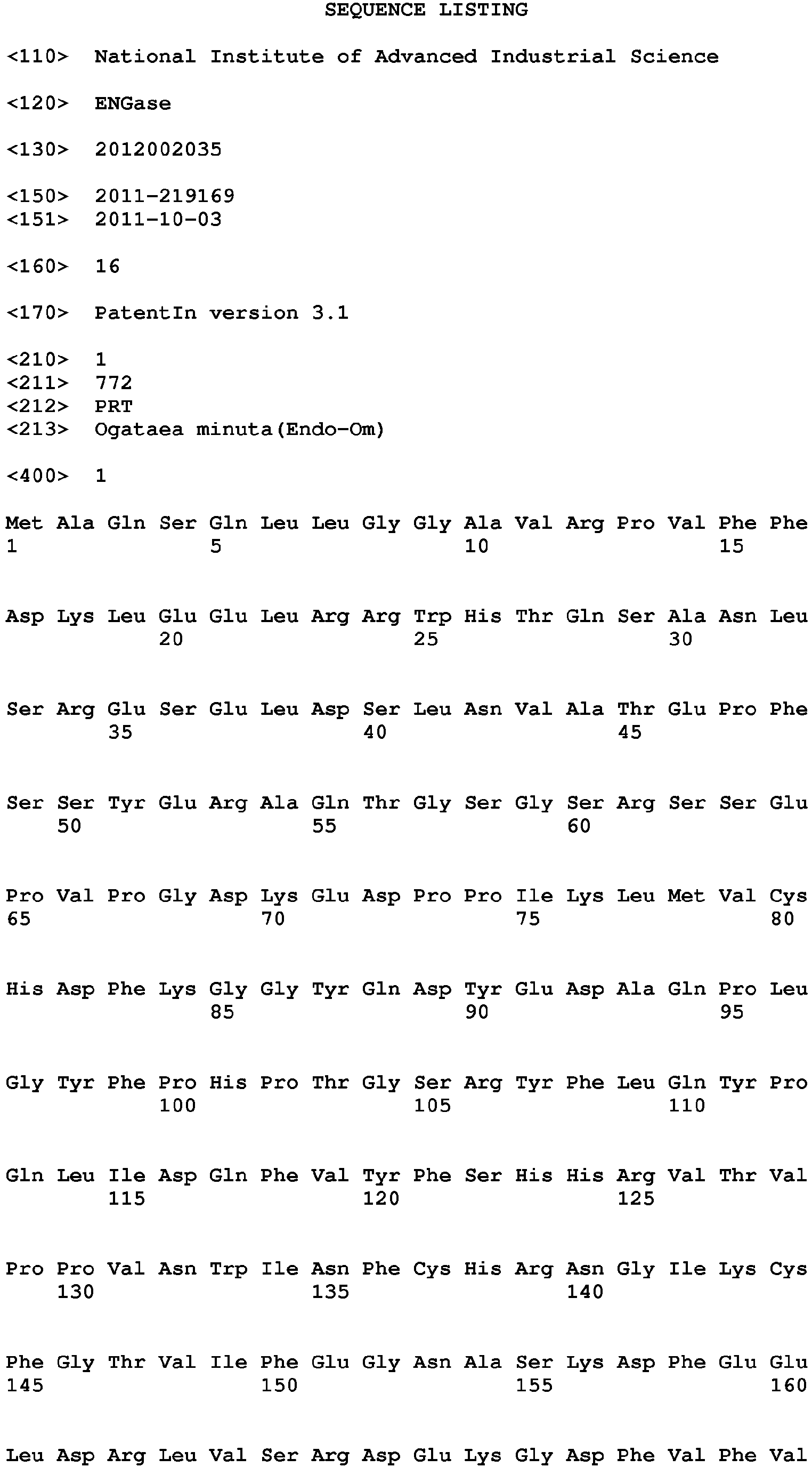


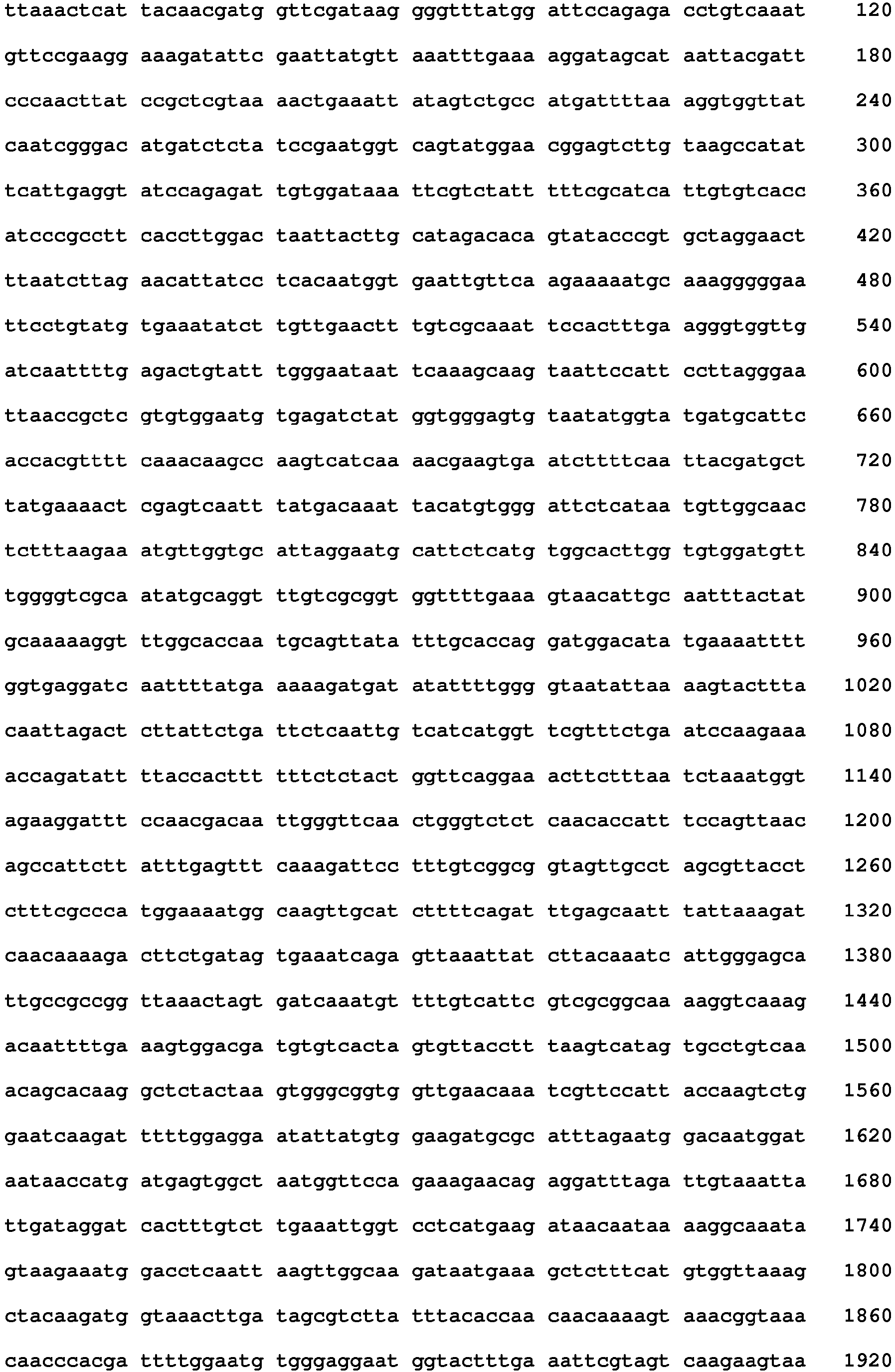

Claims (9)
- A protein having endo-β-N-acetylglucosaminidase activity, wherein the protein comprises an amino acid sequence selected from the group consisting of:(1) the amino acid sequence set forth in SEQ ID NO. 1, 5, 9, or 13;(2) the amino acid sequence obtained by deletion, substitution, insertion and/or addition of an amino acid or several amino acids in the amino acid sequence set forth in SEQ ID NO. 1, 5, 9, or 13,(3) the amino acid sequence having an identity of 70% or more with the amino acid sequence set forth in SEQ ID NO. 1, 5, 9, or 13;(4) the amino acid sequence coded by the nucleotide sequence set forth in SEQ ID NO. 2, 6, 10, or 14; and(5) the amino acid sequence coded by the nucleotide sequence of the polynucleotide which hybridizes with the polynucleotide including the complementary sequence of the nucleotide sequence set forth in SEQ ID NO. 2, 6, 10, or 14 under stringent conditions.
- The polynucleotide which codes the protein having endo-β-N-acetylglucosaminidase activity of claim 1.
- A polynucleotide comprising nucleotide sequence selected from the group consisting of:(1) the nucleotide sequence set forth in SEQ ID NO. 2, 6, 10, or 14 in containing polynucleotide;(2) the polynucleotide which hybridizes with the polynucleotide including the complementary sequence of the nucleotide sequence set forth in SEQ ID NO. 2, 6, 10, or 14 under stringent conditions, and codes a protein having endo-β-N-acetylglucosaminidase activity;(3) the polynucleotide which is amplified by the primer set containing the nucleotide sequences set forth in SEQ ID NO. 3 and 4, has an identity of 70% or more with SEQ ID NO. 2, and codes a protein having endo-β-N-acetylglucosaminidase activity;(4) the polynucleotide which is amplified by the primer set containing the nucleotide sequences set forth in SEQ ID NO. 7 and 8, has an identity of 70% or more with SEQ ID NO. 6, and codes a protein having endo-β-N-acetylglucosaminidase activity;(5) the polynucleotide which is amplified by the primer set containing the nucleotide sequences set forth in SEQ ID NO. 11 and 12, has an identity of 70% or more with SEQ ID NO. 10, and codes a protein having endo-β-N-acetylglucosaminidase activity; and(6) the polynucleotide which is amplified by the primer set containing the nucleotide sequences set forth in SEQ ID NO. 15 and 16, has an identity of 70% or more with SEQ ID NO. 14, and codes a protein having endo-β-N-acetylglucosaminidase activity.
- A vector for expressing a protein having endo-β-N-acetylglucosaminidase activity, comprising the polynucleotide of claim 2 or 3.
- A transformant for expressing a protein having endo-β-N-acetylglucosaminidase activity into which the vector of claim 4 is introduced.
- The transformant of claim 5, wherein the transformant is hosted by yeast cells selected from any of the yeasts Ogataea minuta, Candida parapolymorpha, Pichia anomala, and Zygosaccharomyces rouxii.
- A method for producing a protein having endo-β-N-acetylglucosaminidase activity, comprising the use of the transformant of claim 5 or 6.
- A method for cutting an asparagine-linked sugar chain from a glycoprotein, comprising the use of the protein having endo-β-N-acetylglucosaminidase activity of claim 1.
- A method for transferring an asparagine-linked sugar chain to any acceptor molecule, comprising the use of the protein having endo-β-N-acetylglucosaminidase activity of claim 1.
Applications Claiming Priority (2)
| Application Number | Priority Date | Filing Date | Title |
|---|---|---|---|
| JP2011219169 | 2011-10-03 | ||
| PCT/JP2012/075650 WO2013051608A1 (en) | 2011-10-03 | 2012-10-03 | Composite sugar chain hydrolase |
Publications (3)
| Publication Number | Publication Date |
|---|---|
| EP2765194A1 true EP2765194A1 (en) | 2014-08-13 |
| EP2765194A4 EP2765194A4 (en) | 2015-09-23 |
| EP2765194B1 EP2765194B1 (en) | 2017-12-20 |
Family
ID=48043762
Family Applications (1)
| Application Number | Title | Priority Date | Filing Date |
|---|---|---|---|
| EP12839059.8A Not-in-force EP2765194B1 (en) | 2011-10-03 | 2012-10-03 | Complex type sugar chain hydrolase |
Country Status (4)
| Country | Link |
|---|---|
| US (1) | US9371519B2 (en) |
| EP (1) | EP2765194B1 (en) |
| JP (2) | JP5800160B2 (en) |
| WO (1) | WO2013051608A1 (en) |
Families Citing this family (3)
| Publication number | Priority date | Publication date | Assignee | Title |
|---|---|---|---|---|
| JP6888207B2 (en) * | 2014-11-14 | 2021-06-16 | 東京化成工業株式会社 | Method for producing glycopeptide or glycoprotein |
| CN110036109A (en) * | 2016-12-02 | 2019-07-19 | 第一三共株式会社 | - β-N- acetylglucosaminidase in novel |
| JP7510249B2 (en) * | 2018-07-28 | 2024-07-03 | 公益財団法人野口研究所 | Method for releasing complex glycans |
Family Cites Families (9)
| Publication number | Priority date | Publication date | Assignee | Title |
|---|---|---|---|---|
| JP3532593B2 (en) | 1993-08-24 | 2004-05-31 | 麒麟麦酒株式会社 | Method for producing carbohydrate or complex carbohydrate |
| JPH09173083A (en) | 1995-10-27 | 1997-07-08 | Takara Shuzo Co Ltd | Endo-β-N-acetylglucosaminidase A gene |
| CA2187386C (en) | 1995-10-27 | 2007-01-23 | Kaoru Takegawa | Gene encoding endo-.beta.-n-acetylglucosaminidase a |
| JP3752295B2 (en) | 1996-01-22 | 2006-03-08 | ヒガシマル醤油株式会社 | Endo-β-N-acetylglucosaminidase and method for producing the same |
| JP4160652B2 (en) | 1998-05-22 | 2008-10-01 | キリンファーマ株式会社 | Endo-β-N-acetylglucosaminidase gene |
| ATE440959T1 (en) * | 2000-06-28 | 2009-09-15 | Glycofi Inc | METHOD FOR PRODUCING MODIFIED GLYCOPROTEINS |
| ATE420198T1 (en) * | 2002-04-26 | 2009-01-15 | Kirin Pharma Kk | METHYLOTROPHIC YEAST THAT PRODUCES A MAMMAL SUGAR CHAIN |
| WO2008111526A1 (en) | 2007-03-09 | 2008-09-18 | Seikagaku Corporation | Method for production of sugar oxazoline derivative |
| JP5288379B2 (en) | 2007-10-31 | 2013-09-11 | 独立行政法人産業技術総合研究所 | Protein high-secretion production method |
-
2012
- 2012-10-03 JP JP2013537533A patent/JP5800160B2/en active Active
- 2012-10-03 US US14/349,569 patent/US9371519B2/en not_active Expired - Fee Related
- 2012-10-03 WO PCT/JP2012/075650 patent/WO2013051608A1/en not_active Ceased
- 2012-10-03 EP EP12839059.8A patent/EP2765194B1/en not_active Not-in-force
-
2014
- 2014-04-14 JP JP2014082628A patent/JP5967725B2/en active Active
Also Published As
| Publication number | Publication date |
|---|---|
| JP2014138616A (en) | 2014-07-31 |
| US9371519B2 (en) | 2016-06-21 |
| JPWO2013051608A1 (en) | 2015-03-30 |
| EP2765194B1 (en) | 2017-12-20 |
| WO2013051608A1 (en) | 2013-04-11 |
| JP5800160B2 (en) | 2015-10-28 |
| EP2765194A4 (en) | 2015-09-23 |
| JP5967725B2 (en) | 2016-08-10 |
| US20140315246A1 (en) | 2014-10-23 |
Similar Documents
| Publication | Publication Date | Title |
|---|---|---|
| US9206434B2 (en) | Heterologous biomass degrading enzyme expression in thermoanaerobacterium saccharolyticum | |
| Kotake et al. | Molecular cloning and expression in Escherichia coli of a Trichoderma viride endo-beta-(1 6)-galactanase gene | |
| US10590497B2 (en) | Trichoderma fungus having mutant-type BXL1 gene and method of producing xylooligosaccharide and glucose by using same | |
| Wallis et al. | Galactofuranoic‐oligomannose N‐linked glycans of α‐galactosidase A from Aspergillus niger | |
| KR20140023313A (en) | Cellulase compositions and methods of using the same for improved conversion of lignocellulosic biomass into fermentable sugars | |
| EP3031926B1 (en) | Thermostable beta-glucosidase | |
| Kotake et al. | Endo-β-1, 3-galactanase from winter mushroom Flammulina velutipes | |
| US20080220473A1 (en) | Endo-N-Acetyl-Beta-D-Glucosaminidase Enzymes of Filamentous Fungi | |
| Kang et al. | β-Glucosidase BGL1 from Coprinopsis cinerea Exhibits a Distinctive Hydrolysis and Transglycosylation Activity for Application in the Production of 3-O-β-d-Gentiobiosyl-d-laminarioligosaccharides | |
| US9371519B2 (en) | Complex type sugar chain hydrolase | |
| EP2543723B1 (en) | Method for producing glucosidase, enzyme composition, and biomass hydrolysis method | |
| WO2010101158A1 (en) | Novel gene derived from clostridium cellulovorans and use thereof | |
| EP2990482B1 (en) | Thermostable xylanase belonging to gh family 10 | |
| EP2998317B1 (en) | Thermostable ss-xylosidase belonging to gh family 3 | |
| US20120190836A1 (en) | Porphyranases, and use thereof for hydrolyzing polysaccharides | |
| Yan et al. | Preparation of β-galacto-oligosaccharides using a novel endo-1, 4-β-galactanase from Penicillium oxalicum | |
| JP6364661B2 (en) | β-glucosidase | |
| Shimosaka et al. | Analysis of essential carboxylic amino acid residues for catalytic activity of fungal chitosanases by site-directed mutagenesis | |
| US9034627B2 (en) | Method for producing glucosidase, enzyme composition, and method for hydrolyzing biomass | |
| WO2013077563A1 (en) | Halocynthia roretzi-derived sialic acid transferase and method for synthesizing sialicated glycoconjugates using same | |
| JP6361868B2 (en) | β-glucosidase | |
| JP6361869B2 (en) | β-glucosidase | |
| JP2015136324A (en) | Saccharifying enzyme compositions | |
| KR20100121361A (en) | β-GLUCOSIDASE GENE FROM PHANEROCHATE CHRYSOSPORIUM, EXPRESSION VECTOR CONTAINING GENE, TRANSFORMANT TRANSFORMED BY THE VECTOR, AND METHOD FOR PREPARATION OF TRANSFORMANT | |
| 小川俊 et al. | Purification, characterization and amino acid sequence of endopolygalacturonases IVa and IVb from fungus Stereum purpureum |
Legal Events
| Date | Code | Title | Description |
|---|---|---|---|
| PUAI | Public reference made under article 153(3) epc to a published international application that has entered the european phase |
Free format text: ORIGINAL CODE: 0009012 |
|
| 17P | Request for examination filed |
Effective date: 20140410 |
|
| AK | Designated contracting states |
Kind code of ref document: A1 Designated state(s): AL AT BE BG CH CY CZ DE DK EE ES FI FR GB GR HR HU IE IS IT LI LT LU LV MC MK MT NL NO PL PT RO RS SE SI SK SM TR |
|
| DAX | Request for extension of the european patent (deleted) | ||
| RIC1 | Information provided on ipc code assigned before grant |
Ipc: C12N 1/15 20060101ALI20150423BHEP Ipc: C12N 9/24 20060101ALI20150423BHEP Ipc: C12N 5/10 20060101ALI20150423BHEP Ipc: C12P 21/02 20060101ALI20150423BHEP Ipc: C12N 1/19 20060101ALI20150423BHEP Ipc: C12N 15/09 20060101AFI20150423BHEP Ipc: C12N 1/21 20060101ALI20150423BHEP |
|
| RA4 | Supplementary search report drawn up and despatched (corrected) |
Effective date: 20150825 |
|
| RIC1 | Information provided on ipc code assigned before grant |
Ipc: C12P 21/02 20060101ALI20150819BHEP Ipc: C12N 1/19 20060101ALI20150819BHEP Ipc: C12N 5/10 20060101ALI20150819BHEP Ipc: C12N 9/24 20060101ALI20150819BHEP Ipc: C12N 1/21 20060101ALI20150819BHEP Ipc: C12N 15/09 20060101AFI20150819BHEP Ipc: C12N 1/15 20060101ALI20150819BHEP |
|
| 17Q | First examination report despatched |
Effective date: 20170202 |
|
| GRAP | Despatch of communication of intention to grant a patent |
Free format text: ORIGINAL CODE: EPIDOSNIGR1 |
|
| RIN1 | Information on inventor provided before grant (corrected) |
Inventor name: MURAKAMI, SATOSHI Inventor name: NARIMATSU, HISASHI Inventor name: CHIBA, YASUNORI |
|
| INTG | Intention to grant announced |
Effective date: 20170728 |
|
| GRAS | Grant fee paid |
Free format text: ORIGINAL CODE: EPIDOSNIGR3 |
|
| GRAA | (expected) grant |
Free format text: ORIGINAL CODE: 0009210 |
|
| RIN1 | Information on inventor provided before grant (corrected) |
Inventor name: NARIMATSU, HISASHI Inventor name: CHIBA, YASUNORI Inventor name: MURAKAMI, SATOSHI |
|
| AK | Designated contracting states |
Kind code of ref document: B1 Designated state(s): AL AT BE BG CH CY CZ DE DK EE ES FI FR GB GR HR HU IE IS IT LI LT LU LV MC MK MT NL NO PL PT RO RS SE SI SK SM TR |
|
| REG | Reference to a national code |
Ref country code: GB Ref legal event code: FG4D |
|
| REG | Reference to a national code |
Ref country code: CH Ref legal event code: EP |
|
| REG | Reference to a national code |
Ref country code: IE Ref legal event code: FG4D |
|
| REG | Reference to a national code |
Ref country code: AT Ref legal event code: REF Ref document number: 956412 Country of ref document: AT Kind code of ref document: T Effective date: 20180115 |
|
| REG | Reference to a national code |
Ref country code: DE Ref legal event code: R096 Ref document number: 602012041206 Country of ref document: DE |
|
| REG | Reference to a national code |
Ref country code: NL Ref legal event code: MP Effective date: 20171220 |
|
| PG25 | Lapsed in a contracting state [announced via postgrant information from national office to epo] |
Ref country code: LT Free format text: LAPSE BECAUSE OF FAILURE TO SUBMIT A TRANSLATION OF THE DESCRIPTION OR TO PAY THE FEE WITHIN THE PRESCRIBED TIME-LIMIT Effective date: 20171220 Ref country code: NO Free format text: LAPSE BECAUSE OF FAILURE TO SUBMIT A TRANSLATION OF THE DESCRIPTION OR TO PAY THE FEE WITHIN THE PRESCRIBED TIME-LIMIT Effective date: 20180320 Ref country code: SE Free format text: LAPSE BECAUSE OF FAILURE TO SUBMIT A TRANSLATION OF THE DESCRIPTION OR TO PAY THE FEE WITHIN THE PRESCRIBED TIME-LIMIT Effective date: 20171220 Ref country code: FI Free format text: LAPSE BECAUSE OF FAILURE TO SUBMIT A TRANSLATION OF THE DESCRIPTION OR TO PAY THE FEE WITHIN THE PRESCRIBED TIME-LIMIT Effective date: 20171220 |
|
| REG | Reference to a national code |
Ref country code: LT Ref legal event code: MG4D |
|
| REG | Reference to a national code |
Ref country code: AT Ref legal event code: MK05 Ref document number: 956412 Country of ref document: AT Kind code of ref document: T Effective date: 20171220 |
|
| PG25 | Lapsed in a contracting state [announced via postgrant information from national office to epo] |
Ref country code: BG Free format text: LAPSE BECAUSE OF FAILURE TO SUBMIT A TRANSLATION OF THE DESCRIPTION OR TO PAY THE FEE WITHIN THE PRESCRIBED TIME-LIMIT Effective date: 20180320 Ref country code: LV Free format text: LAPSE BECAUSE OF FAILURE TO SUBMIT A TRANSLATION OF THE DESCRIPTION OR TO PAY THE FEE WITHIN THE PRESCRIBED TIME-LIMIT Effective date: 20171220 Ref country code: HR Free format text: LAPSE BECAUSE OF FAILURE TO SUBMIT A TRANSLATION OF THE DESCRIPTION OR TO PAY THE FEE WITHIN THE PRESCRIBED TIME-LIMIT Effective date: 20171220 Ref country code: RS Free format text: LAPSE BECAUSE OF FAILURE TO SUBMIT A TRANSLATION OF THE DESCRIPTION OR TO PAY THE FEE WITHIN THE PRESCRIBED TIME-LIMIT Effective date: 20171220 Ref country code: GR Free format text: LAPSE BECAUSE OF FAILURE TO SUBMIT A TRANSLATION OF THE DESCRIPTION OR TO PAY THE FEE WITHIN THE PRESCRIBED TIME-LIMIT Effective date: 20180321 |
|
| PG25 | Lapsed in a contracting state [announced via postgrant information from national office to epo] |
Ref country code: NL Free format text: LAPSE BECAUSE OF FAILURE TO SUBMIT A TRANSLATION OF THE DESCRIPTION OR TO PAY THE FEE WITHIN THE PRESCRIBED TIME-LIMIT Effective date: 20171220 |
|
| PG25 | Lapsed in a contracting state [announced via postgrant information from national office to epo] |
Ref country code: EE Free format text: LAPSE BECAUSE OF FAILURE TO SUBMIT A TRANSLATION OF THE DESCRIPTION OR TO PAY THE FEE WITHIN THE PRESCRIBED TIME-LIMIT Effective date: 20171220 Ref country code: CY Free format text: LAPSE BECAUSE OF FAILURE TO SUBMIT A TRANSLATION OF THE DESCRIPTION OR TO PAY THE FEE WITHIN THE PRESCRIBED TIME-LIMIT Effective date: 20171220 Ref country code: CZ Free format text: LAPSE BECAUSE OF FAILURE TO SUBMIT A TRANSLATION OF THE DESCRIPTION OR TO PAY THE FEE WITHIN THE PRESCRIBED TIME-LIMIT Effective date: 20171220 Ref country code: ES Free format text: LAPSE BECAUSE OF FAILURE TO SUBMIT A TRANSLATION OF THE DESCRIPTION OR TO PAY THE FEE WITHIN THE PRESCRIBED TIME-LIMIT Effective date: 20171220 Ref country code: SK Free format text: LAPSE BECAUSE OF FAILURE TO SUBMIT A TRANSLATION OF THE DESCRIPTION OR TO PAY THE FEE WITHIN THE PRESCRIBED TIME-LIMIT Effective date: 20171220 |
|
| PG25 | Lapsed in a contracting state [announced via postgrant information from national office to epo] |
Ref country code: SM Free format text: LAPSE BECAUSE OF FAILURE TO SUBMIT A TRANSLATION OF THE DESCRIPTION OR TO PAY THE FEE WITHIN THE PRESCRIBED TIME-LIMIT Effective date: 20171220 Ref country code: AT Free format text: LAPSE BECAUSE OF FAILURE TO SUBMIT A TRANSLATION OF THE DESCRIPTION OR TO PAY THE FEE WITHIN THE PRESCRIBED TIME-LIMIT Effective date: 20171220 Ref country code: IT Free format text: LAPSE BECAUSE OF FAILURE TO SUBMIT A TRANSLATION OF THE DESCRIPTION OR TO PAY THE FEE WITHIN THE PRESCRIBED TIME-LIMIT Effective date: 20171220 Ref country code: RO Free format text: LAPSE BECAUSE OF FAILURE TO SUBMIT A TRANSLATION OF THE DESCRIPTION OR TO PAY THE FEE WITHIN THE PRESCRIBED TIME-LIMIT Effective date: 20171220 Ref country code: IS Free format text: LAPSE BECAUSE OF FAILURE TO SUBMIT A TRANSLATION OF THE DESCRIPTION OR TO PAY THE FEE WITHIN THE PRESCRIBED TIME-LIMIT Effective date: 20180420 Ref country code: PL Free format text: LAPSE BECAUSE OF FAILURE TO SUBMIT A TRANSLATION OF THE DESCRIPTION OR TO PAY THE FEE WITHIN THE PRESCRIBED TIME-LIMIT Effective date: 20171220 |
|
| REG | Reference to a national code |
Ref country code: DE Ref legal event code: R097 Ref document number: 602012041206 Country of ref document: DE |
|
| PLBE | No opposition filed within time limit |
Free format text: ORIGINAL CODE: 0009261 |
|
| STAA | Information on the status of an ep patent application or granted ep patent |
Free format text: STATUS: NO OPPOSITION FILED WITHIN TIME LIMIT |
|
| 26N | No opposition filed |
Effective date: 20180921 |
|
| PG25 | Lapsed in a contracting state [announced via postgrant information from national office to epo] |
Ref country code: DK Free format text: LAPSE BECAUSE OF FAILURE TO SUBMIT A TRANSLATION OF THE DESCRIPTION OR TO PAY THE FEE WITHIN THE PRESCRIBED TIME-LIMIT Effective date: 20171220 |
|
| PG25 | Lapsed in a contracting state [announced via postgrant information from national office to epo] |
Ref country code: SI Free format text: LAPSE BECAUSE OF FAILURE TO SUBMIT A TRANSLATION OF THE DESCRIPTION OR TO PAY THE FEE WITHIN THE PRESCRIBED TIME-LIMIT Effective date: 20171220 |
|
| REG | Reference to a national code |
Ref country code: CH Ref legal event code: PL |
|
| GBPC | Gb: european patent ceased through non-payment of renewal fee |
Effective date: 20181003 |
|
| REG | Reference to a national code |
Ref country code: BE Ref legal event code: MM Effective date: 20181031 |
|
| PG25 | Lapsed in a contracting state [announced via postgrant information from national office to epo] |
Ref country code: LU Free format text: LAPSE BECAUSE OF NON-PAYMENT OF DUE FEES Effective date: 20181003 Ref country code: MC Free format text: LAPSE BECAUSE OF FAILURE TO SUBMIT A TRANSLATION OF THE DESCRIPTION OR TO PAY THE FEE WITHIN THE PRESCRIBED TIME-LIMIT Effective date: 20171220 |
|
| REG | Reference to a national code |
Ref country code: IE Ref legal event code: MM4A |
|
| PG25 | Lapsed in a contracting state [announced via postgrant information from national office to epo] |
Ref country code: LI Free format text: LAPSE BECAUSE OF NON-PAYMENT OF DUE FEES Effective date: 20181031 Ref country code: BE Free format text: LAPSE BECAUSE OF NON-PAYMENT OF DUE FEES Effective date: 20181031 Ref country code: CH Free format text: LAPSE BECAUSE OF NON-PAYMENT OF DUE FEES Effective date: 20181031 |
|
| PG25 | Lapsed in a contracting state [announced via postgrant information from national office to epo] |
Ref country code: IE Free format text: LAPSE BECAUSE OF NON-PAYMENT OF DUE FEES Effective date: 20181003 Ref country code: FR Free format text: LAPSE BECAUSE OF NON-PAYMENT OF DUE FEES Effective date: 20181031 Ref country code: GB Free format text: LAPSE BECAUSE OF NON-PAYMENT OF DUE FEES Effective date: 20181003 |
|
| PG25 | Lapsed in a contracting state [announced via postgrant information from national office to epo] |
Ref country code: MT Free format text: LAPSE BECAUSE OF NON-PAYMENT OF DUE FEES Effective date: 20181003 |
|
| PG25 | Lapsed in a contracting state [announced via postgrant information from national office to epo] |
Ref country code: TR Free format text: LAPSE BECAUSE OF FAILURE TO SUBMIT A TRANSLATION OF THE DESCRIPTION OR TO PAY THE FEE WITHIN THE PRESCRIBED TIME-LIMIT Effective date: 20171220 |
|
| PG25 | Lapsed in a contracting state [announced via postgrant information from national office to epo] |
Ref country code: PT Free format text: LAPSE BECAUSE OF FAILURE TO SUBMIT A TRANSLATION OF THE DESCRIPTION OR TO PAY THE FEE WITHIN THE PRESCRIBED TIME-LIMIT Effective date: 20171220 |
|
| PG25 | Lapsed in a contracting state [announced via postgrant information from national office to epo] |
Ref country code: HU Free format text: LAPSE BECAUSE OF FAILURE TO SUBMIT A TRANSLATION OF THE DESCRIPTION OR TO PAY THE FEE WITHIN THE PRESCRIBED TIME-LIMIT; INVALID AB INITIO Effective date: 20121003 Ref country code: MK Free format text: LAPSE BECAUSE OF NON-PAYMENT OF DUE FEES Effective date: 20171220 |
|
| PG25 | Lapsed in a contracting state [announced via postgrant information from national office to epo] |
Ref country code: AL Free format text: LAPSE BECAUSE OF FAILURE TO SUBMIT A TRANSLATION OF THE DESCRIPTION OR TO PAY THE FEE WITHIN THE PRESCRIBED TIME-LIMIT Effective date: 20171220 |
|
| PGFP | Annual fee paid to national office [announced via postgrant information from national office to epo] |
Ref country code: DE Payment date: 20200820 Year of fee payment: 9 |
|
| REG | Reference to a national code |
Ref country code: DE Ref legal event code: R119 Ref document number: 602012041206 Country of ref document: DE |
|
| PG25 | Lapsed in a contracting state [announced via postgrant information from national office to epo] |
Ref country code: DE Free format text: LAPSE BECAUSE OF NON-PAYMENT OF DUE FEES Effective date: 20220503 |