EP2764863A1 - Tau aggregation inhibitor - Google Patents
Tau aggregation inhibitor Download PDFInfo
- Publication number
- EP2764863A1 EP2764863A1 EP12837822.1A EP12837822A EP2764863A1 EP 2764863 A1 EP2764863 A1 EP 2764863A1 EP 12837822 A EP12837822 A EP 12837822A EP 2764863 A1 EP2764863 A1 EP 2764863A1
- Authority
- EP
- European Patent Office
- Prior art keywords
- tau
- isoprenaline
- tau aggregation
- shows
- aggregation inhibitor
- Prior art date
- Legal status (The legal status is an assumption and is not a legal conclusion. Google has not performed a legal analysis and makes no representation as to the accuracy of the status listed.)
- Granted
Links
Images








Classifications
-
- A—HUMAN NECESSITIES
- A61—MEDICAL OR VETERINARY SCIENCE; HYGIENE
- A61K—PREPARATIONS FOR MEDICAL, DENTAL OR TOILETRY PURPOSES
- A61K31/00—Medicinal preparations containing organic active ingredients
- A61K31/13—Amines
- A61K31/135—Amines having aromatic rings, e.g. ketamine, nortriptyline
- A61K31/137—Arylalkylamines, e.g. amphetamine, epinephrine, salbutamol, ephedrine or methadone
-
- A—HUMAN NECESSITIES
- A61—MEDICAL OR VETERINARY SCIENCE; HYGIENE
- A61K—PREPARATIONS FOR MEDICAL, DENTAL OR TOILETRY PURPOSES
- A61K31/00—Medicinal preparations containing organic active ingredients
- A61K31/185—Acids; Anhydrides, halides or salts thereof, e.g. sulfur acids, imidic, hydrazonic or hydroximic acids
- A61K31/19—Carboxylic acids, e.g. valproic acid
- A61K31/195—Carboxylic acids, e.g. valproic acid having an amino group
- A61K31/197—Carboxylic acids, e.g. valproic acid having an amino group the amino and the carboxyl groups being attached to the same acyclic carbon chain, e.g. gamma-aminobutyric acid [GABA], beta-alanine, epsilon-aminocaproic acid or pantothenic acid
- A61K31/198—Alpha-amino acids, e.g. alanine or edetic acid [EDTA]
-
- A—HUMAN NECESSITIES
- A61—MEDICAL OR VETERINARY SCIENCE; HYGIENE
- A61K—PREPARATIONS FOR MEDICAL, DENTAL OR TOILETRY PURPOSES
- A61K31/00—Medicinal preparations containing organic active ingredients
- A61K31/33—Heterocyclic compounds
- A61K31/395—Heterocyclic compounds having nitrogen as a ring hetero atom, e.g. guanethidine or rifamycins
- A61K31/435—Heterocyclic compounds having nitrogen as a ring hetero atom, e.g. guanethidine or rifamycins having six-membered rings with one nitrogen as the only ring hetero atom
- A61K31/47—Quinolines; Isoquinolines
- A61K31/472—Non-condensed isoquinolines, e.g. papaverine
-
- A—HUMAN NECESSITIES
- A61—MEDICAL OR VETERINARY SCIENCE; HYGIENE
- A61P—SPECIFIC THERAPEUTIC ACTIVITY OF CHEMICAL COMPOUNDS OR MEDICINAL PREPARATIONS
- A61P25/00—Drugs for disorders of the nervous system
-
- A—HUMAN NECESSITIES
- A61—MEDICAL OR VETERINARY SCIENCE; HYGIENE
- A61P—SPECIFIC THERAPEUTIC ACTIVITY OF CHEMICAL COMPOUNDS OR MEDICINAL PREPARATIONS
- A61P25/00—Drugs for disorders of the nervous system
- A61P25/28—Drugs for disorders of the nervous system for treating neurodegenerative disorders of the central nervous system, e.g. nootropic agents, cognition enhancers, drugs for treating Alzheimer's disease or other forms of dementia
-
- A—HUMAN NECESSITIES
- A61—MEDICAL OR VETERINARY SCIENCE; HYGIENE
- A61P—SPECIFIC THERAPEUTIC ACTIVITY OF CHEMICAL COMPOUNDS OR MEDICINAL PREPARATIONS
- A61P43/00—Drugs for specific purposes, not provided for in groups A61P1/00-A61P41/00
Definitions
- the present invention relates to inhibitors for tau aggregation that causes neurologic deficits and synaptic losses.
- AD Alzheimer's disease
- Dementia is a type of dementia whose main symptoms are cognitive decline and personality change.
- Dementia is a common disorder, and about 25% of Japanese aged 85 years or older develop, and about a half of dementia cases are caused by AD.
- Japan there are about 1.6 to 1.8 million AD patients in 2011, and the number of AD patients has been increasing with aging of the population. This is a serious issue especially in Japan which has a decreasing birth rate and an aging population.
- acetylcholinesterase inhibitor that is considered as a most effective inhibitor for prevention and treatment of AD is effective only for patients with mild to moderate symptoms, and many researchers find no effectiveness of the acetylcholinesterase inhibitor for patients with advanced cases.
- AD neuropathological findings on AD patients have two features: senile plaques of ⁇ -amyloid; and neurofibrillary tangles (NFTs) formed by abnormal accumulation of tau
- NFTs neurofibrillary tangles
- tau aggregation and AD occurrence has attracted attention in recent years.
- Neuronal cells in CNS contain a large amount of tau, which is essential for the function of axons constituting the neural network of brain. Insoluble aggregation of tau in cells hinders axonal transport, leading to neuronal death.
- PATENT DOCUMENT 1 describes a drug containing, as a main component, a naphthoquinone-type compound that inhibits tau aggregation for improving AD symptoms. This drug reduces tau aggregation in cells to some extent so that NFT formation is reduced and AD symptoms are alleviated.
- tau aggregation inhibitor described above, however, does not sufficiently inhibit tau aggregation in cells, and is insufficient for treatment of tauopathies including AD.
- An example of a tau aggregation inhibitor according to the present disclosure includes isoprenaline or a salt thereof.
- Isoprenaline included in the tau aggregation inhibitor may be d-enantiomer.
- isoprenaline included in the tau aggregation inhibitor may be d/l-racemic mixture.
- d-enantiomer or d-isoprenaline refers to (S)-(+)-isoprenaline and d/l-racemic mixture or d/l-isoprenaline refers to a mixture of (S)-(+)-isoprenaline and (R)-(-)-isoprenaline.
- tau aggregation inhibitor includes a catechol structure-containing compound or a salt thereof, and the catechol structure-containing compound is selected from the group consisting of dopamine, dobutamine, levodopa, levodopa/carbidopa, trimetoquinol, hexoprenaline, methyldopa, and droxidopa.
- tau aggregation in cells can be sufficiently reduced.
- patients suffering from tauopathies including AD for which no effective therapies have not been discovered yet, can be cured.
- the technique disclosed herein can achieve more effective social contributions by, for example, improving quality of life in elderly population, alleviating the burden of cares, and reducing medical expenses.
- a catechol structure-containing compound herein refers to a compound containing a catechol structure in its constitutional formula.
- the catechol structure refers to a structure of catechol that is a compound in which two of its substituents are hydroxyl groups and these two hydroxyl groups are in ortho-positions each other.
- the catechol structure-containing compound is selected from the group consisting of isoprenaline, dopamine, dobutamine, levodopa, levodopa/carbidopa, trimetoquinol, hexoprenaline, methyldopa, and droxidopa.
- a tau aggregation inhibitor according to this embodiment may be a catechol structure-containing compound alone or a combination of some or all of the catechol structure-containing compounds described above.
- the catechol structure-containing compound is preferably isoprenaline.
- Isoprenaline may be preferably used in any one of l-enantiomer (R-configuration), d-enantiomer (S-configuration), or d/l-racemic mixture. Side effects of isoprenaline include palpitation and myocardial ischemia. In isoprenaline, l-enantiomer has greater effects than d-enantiomer, and side effects thereof decrease in the order of l-enantiomer, d/l-racemic mixture, and d-enantiomer.
- d-isoprenaline exhibits a tau aggregation inhibition effect to a degree similar to that of d/l-isoprenaline.
- d-enantiomer is considered to be most preferable for use in a therapeutic agent for dementia because d-enantiomer has a similar tau aggregation inhibition effect but has smaller side effects than l-enantiomer.
- Salts of these catechol structure-containing compounds are pharmacologically acceptable salts.
- the salts include: inorganic basic salts such as metal salts including alkali metal salts (e.g., potassium salt and sodium salt) and alkali-earth metal salts (e.g., magnesium salt and calcium salt), alkali metal carbonates (e.g., lithium carbonate, potassium carbonate, sodium carbonate, and cesium carbonate), alkali metal hydrogen carbonates (e.g., lithium hydrogen carbonate, sodium hydrogen carbonate, and potassium hydrogen carbonate), and alkali metal hydroxides (e.g., sodium hydroxide and potassium hydroxide); organic basic salts such as trialkylamine (e.g., trimethylamine and triethylamine), pyridine, quinoline, piperidine, imidazole, picoline, dimethylamino pyridine, dimethylaniline, N-alkyl-morpholine, DBN, and DBU; inorganic acid salts such as hydrochloric acid
- the tau aggregation inhibitor of this embodiment may contain an effective amount of at least one selected from the group consisting of catechol structure-containing compounds and salts thereof, together with a pharmacologically acceptable carrier.
- the carrier may be a solid such as an excipient or liquid such as a diluent.
- examples of the carrier include magnesium stearate, lactose, starch, gelatin, agar, talc, pectin, gum arabic, olive oil, sesame oil, cacao butter, ethylene glycol, and distilled water.
- Tauopathies are neurodegenerative diseases in which accumulation of phosphorylated tau occurs in neuronal cells and glia cells. Tauopathies are, for example, AD, Down's syndrome, Pick's disease, corticobasal degeneration (CBD), and progressive supranuclear palsy (PSP).
- Prevention of tauopathies means preventing occurrence of tauopathy disorder.
- Therapy of tauopathies means preventing or improving/reducing progress of tauopathy disorder.
- the tau aggregation inhibitor of this embodiment may contain, if necessary, one or more additives selected from the group consisting of pharmaceutically acceptable tonicity adjusting agents, buffers, solubilizers, preservatives, and pH adjusters.
- tonicity adjusting agents examples include potassium chloride, sodium chloride, boric acid, mannitol, glycerol, propylene glycol, polyethylene glycol, maltose, sucrose, sorbitol, and glucose.
- buffers examples include organic acids such as amino acid and succinic acid, inorganic acids such as boric acid and phosphoric acid, and pharmaceutically acceptable salts thereof.
- solubilizers examples include: polymers such as polyethylene glycol, polyvinylpyrrolidone, polyvinyl alcohol, and hydroxypropyl methylcellulose; surfactants such as polysorbate, polyoxyethylene hydrogenated castor oil, and polyoxyethylene polyoxypropylene; polyhydric alcohol such as propylene glycol; organic acids such as benzoic acid and sorbic acid; and amino acids such as aspartic acid, histidine, glycine, and lysine.
- polymers such as polyethylene glycol, polyvinylpyrrolidone, polyvinyl alcohol, and hydroxypropyl methylcellulose
- surfactants such as polysorbate, polyoxyethylene hydrogenated castor oil, and polyoxyethylene polyoxypropylene
- polyhydric alcohol such as propylene glycol
- organic acids such as benzoic acid and sorbic acid
- amino acids such as aspartic acid, histidine, glycine, and lysine.
- preservatives examples include: quaternary ammonium salts such as benzethonium, benzalkonium, and benzododecinium; cation compound salts such as chlorhexidine; parahydroxybenzoic acid esters such as methyl parahydroxybenzoate and propyl parahydroxybenzoate; and alcohol compounds such as chlorobutanol and benzyl alcohol.
- pH adjusters examples include sulfuric acid, hydrochloric acid, acetic acid, lactic acid, calcium hydroxide, potassium hydroxide, sodium hydroxide, magnesium hydroxide, monoethanolamine, triethanolamine, diisopropanolamine, and triisopropanolamine.
- the dose of the tau aggregation inhibitor of this embodiment is not specifically limited as long as appropriate effects are obtained, and is determined in consideration of the degree of symptoms, sexuality, and ages of patients to be treated.
- the dose of the tau aggregation inhibitor can be 0.0001 to 1000 mg per day for an adult. This dose of the inhibitor per day may be administered once daily or may be divided for several administrations daily.
- the tau aggregation inhibitor of this embodiment can be prepared in formulation types in accordance with the manner of administration.
- oral administration types include solid formulations and solution formulations including granules, balls, tablets, capsules, powders, and solutions.
- parenteral administration types include injections such as intravenous injection and intramuscular injection.
- NFTs neurofibrillary tangles
- PHFs paired helical filaments
- the tau aggregation inhibitor of this embodiment inhibits not only tau aggregation in the process of PHF formation by joined granular tau aggregation but also tau aggregation in the process of formation of spherical granular tau aggregations.
- Neurodegeneration in brain occurs by not only accumulation of mutant tau protein but also accumulation of wild-type tau.
- the tau aggregation inhibitor of the present invention can inhibit aggregation of wild-type tau.
- tauopathy symptoms including AD can be prevented or treated.
- the surface plasmon resonance technique is a technique for analyzing an intermolecular interaction between two molecules by monitoring a change in refractive index caused by, for example, a change in molecular mass fixed on a thin gold film.
- the surface plasmon resonance technique can be performed with a commercially available surface plasmon resonance system, e.g., BIAcore 2000 (produced by Pharmacia Biosensor). As a result, it was found that 111 compounds out of the 6600 compounds were bound to tau.
- FIG. 1 shows a change in thioflavine T activity by (R)-(-)-epinephrine
- FIG. 1B shows a change in thioflavine T activity by levodopa
- FIG. 1C shows a change in thioflavine T activity by dopamine
- FIG. 1D shows a change in thioflavine T activity by norepinephrine
- FIG. 1E shows a change in thioflavine T activity by isoprenaline.
- the (R)-(-)-epinephrine sample and the isoprenaline samples were divided into fractions Fr1-Fr6 by sucrose-density gradient centrifugation, and tau was detected by SDS-PAGE western blotting.
- the concentration of the compounds used was 100 ⁇ M.
- aggregated tau was detected in fractions Fr3, 4, 5, and 6 in Control, whereas 100- ⁇ M of compounds reduced the amount of tau in fractions Fr3, 4, 5, and 6.
- FIG. 2A shows tau aggregation inhibition effects of (R)-(-)-epinephrine
- FIG. 2B shows tau aggregation inhibition effects of isoprenaline.
- isoprenaline is an existing drug, and is considered to have higher extents of safety than other drugs of catecholamines. Thus, isoprenaline was used in the following analyses.
- FIG. 3 isoprenaline reduced the amounts of SDS-insoluble tau similarly to lithium chloride, a positive control, which is a glycogen synthase kinase 3 ⁇ (GSK3 ⁇ ) inhibitor (e.g., a material that physically or chemically inhibits the function of GSK3 ⁇ ).
- GSK3 ⁇ glycogen synthase kinase 3 ⁇
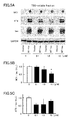
- FIG. 3A shows detection of tau in SDS-insoluble fractions
- FIG. 3B is a graph corresponding to FIG. 3A , and shows that isoprenaline reduces the amount of SDS-insoluble tau.
- FIG. 4 shows that isoprenaline reduced tau phosphorylation labeled by anti-phosphorylated tau antibody (AT8).
- the composition of the RIPA buffer was 50mM Tris-HCl (pH7.4), 150mM sodium chloride, 0.25 w/v% sodium deoxycholate, 1mM EGTA, and 1.0 w/v% NP-40 substitute.
- FIG. 4A shows detection of phosphorylated tau (AT8 site) and total tau in RIPA-soluble fractions
- FIG. 4B shows proportions of phosphorylated tau to total tau.
- WT tau Tau phosphorylations at AT8 sites are known to induce a tau conformational change (that can be detected with the MC1 antibody) observed in AD brains.
- WT tau was expressed in COS-7 cells (derived from African green monkey kidney), and a tau conformational change was detected by dot blotting using the MC1 antibody.
- the dot blotting is a technique of fixing protein to a nitrocellulose membrane or a PVDF membrane without separation through electrophoresis and specifically quantitating the protein amount with enzyme-labeled antibodies.
- isoprenaline reduced the tau conformational change detected with the MC1 antibody.
- FIG. 5A shows detections of MC1 antibody-positive tau, tau phosphorylations (AT8 sites), total tau, and GAPDH (loading control) in a TBS-soluble fraction.
- FIG. 5B shows the proportion of MC1 antibody-positive tau with respect to total tau.
- isoprenaline also reduced phosphorylation under similar conditions.
- FIG. 5C shows the proportion of phosphorylated tau with respect to total tau.
- isoprenaline affects binding between microtubules and tau.
- 10 ⁇ M of isoprenaline was added to COS-7 cells expressing WT tau, and the cells were left for 24 hours and then homogenized with RA buffer (0.1- ⁇ M MES, 0.5-mM MgSO 4 , 1-mM EGTA, 2-mM DTT, 0.1% TritonX-100, 20- ⁇ M taxol, and 2-mM GTP).
- the homogenates were then centrifuged at 3000 xg for 5 min at 25°C, and the supernatant was obtained as a total fraction.
- the total fraction was further centrifuged at 100000 xg for 20 min at 20°C, and a pellet (a microtubule fraction) was obtained.
- the microtubule fraction was taken from the COS-7 cells expressing WT tau, and acetylated tubulin serving as an index of tau and microtubule stabilization was detected.
- FIG. 6 shows detection of tau in the microtubule fraction.
- FIG. 6B shows detection of tau in the total fraction.
- FIG. 6C is a graph corresponding to FIG. 6A .
- FIGS. 6D, 6E, and 6F show the possibility that isoprenaline stabilizes of microtubules by increasing the amount of tau bound to the microtubules.
- FIG. 6D shows acetylated tubulin in the microtubule fraction.
- FIG. 6E shows acetylated tubulin in the total fraction.
- FIG. 6F is a graph corresponding to FIG. 6D .
- mice P301L tau Tg mice were given isoprenaline (1.5 mg/g fed) mixed in mash for three months. Then, cerebral cortex and hippocampus were excised from the mice, and stored at -80°C. To obtain fractions including soluble tau and insoluble tau from these tissues, a frozen tissues were homogenized in TBS solution, centrifuged (at 23000 rpm for 15 min at 4°C), and then fractionated into the supernatant and the pellet. The supernatant was used as a TBS-soluble fraction (including soluble tau).
- sucrose 0.32M was added to the pellet, and the pellet was homogenized again, centrifuged (at 23000 rpm for 15 min at 4°C), and then fractionated into the supernatant (including tau aggregation) and the pellet (including nuclei). Thereafter, surfactant (1% sarkosyl) was added to the supernatant, and the resulting supernatant was incubated (at 37°C for 1 h) and centrifuged (at 200000 xg for 1 h at 4°C). A pellet dissolved with Laemmli buffer (containing 2-mercaptoethanol) was used as a sarkosyl-insoluble fraction.
- Laemmli buffer containing 2-mercaptoethanol
- FIG. 7 shows detection of tau in the sarkosyl-insoluble fraction
- FIG. 7B is a graph in which the result of FIG. 7A is quantitated.
- Ntg means Non-transgenic mice.
- isoprenaline suppressed a decrease in number of cells in entoehinal cortex and temporal area as indicated in the P301L tau Tg mice. This suggests that isoprenaline can suppress a decrease in number of neuronal cells by inhibiting tau aggregation.
- “Mice” refers to the number of mice used
- “Slice” refers to the number of slices per one individual in which the number of cells was counted.
- FIG. 9 A change in tau phosphorylation in TBS-soluble fractions from WT tau Tg mice was investigated. As a result, as shown in FIG. 9 , isoprenaline induced dephosphorylation of tau labeled by monoclonal antibody tau1.
- FIG. 9A shows a TBS-soluble fraction
- FIG. 9B shows the proportion of dephosphorylated tau to tau. The results suggest that isoprenaline also inhibits tau aggregation and phosphorylation of total tau in mice.
- FIG. 10A is a graph showing the effect of d-isoprenaline on the thioflavine T activity.
- FIG. 10B is a graph showing the effect of d/l-isoprenaline on the thioflavine T activity. As shown in FIGS. 10A and 10B , d-isoprenaline exhibited an inhibition of thioflavine T activity similar to that of d/l-isoprenaline.
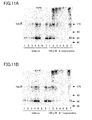
- FIG. 11 shows results of SDS-PAGE western blotting indicating tau aggregation inhibition effects detected by sucrose-density gradient centrifugation.
- FIG. 11A shows results of d-isoprenaline
- FIG. 11B shows results of d/l-isoprenaline.
- d-isoprenaline apparently reduced the amount of tau (granular and filamentous tau aggregates) fractionated into Fr3 and subsequent fractions.
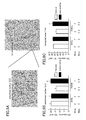
- FIG. 12 shows morphological change of tau aggregation observed with an atomic force microscope.
- FIG. 12A is a photograph of a control
- FIG. 12B is a photograph showing effects of d-isoprenaline on a tau aggregation sample
- FIG. 12C is a graph of measured major axes of tau aggregation.
- d-isoprenaline apparently reduced the number of tau aggregates (granular and filamentous tau aggregates) having major axes of 20 nm or more.
- P301L tau Tg mice were used for analysis.
- P301L tau Tg mice aged 20-21 months were given d-isoprenaline (2.168 mg/g fed) mixed in mash for three months.
- cerebral cortices and hippocampi were excised from the mice and stored at -80°C.
- a TBS-soluble fraction and a sarkosyl-insoluble fraction were prepared from these brain tissues, and tau was analyzed by SDS-PAGE western blotting.
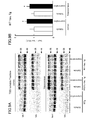
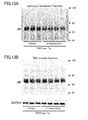
- FIG. 13 shows decreases in amount of sarkosyl-insoluble tau in cerebral cortices of d-isoprenaline-treated P301L tau Tg mice.
- FIG. 13A shows detection of tau in the sarkosyl-insoluble fraction.
- FIG. 13B shows detection of tau in the TBS-soluble fraction and GAPDH in a loading control.
- FIG. 14 shows decreases in amount of sarkosyl-insoluble tau by d-isoprenaline in cerebral cortex of P301L tau Tg mice.
- FIG. 14A shows the proportion of sarkosyl-insoluble tau to TBS-soluble tau.
- FIG. 14B shows the proportion of tau to GAPDH in the TBS-soluble fraction.
- d-isoprenaline apparently reduced the amount of insoluble tau in cerebral cortices of P301L tau Tg mice.
- FIG. 15 shows decreases in amount of sarkosyl-insoluble tau by d-isoprenaline in hippocampus of P301L tau Tg mice.
- FIG. 15A shows detection of tau in a sarkosyl-insoluble fraction.
- FIG. 15B shows detection of tau in a TBS-soluble fraction and GAPDH in a loading control.
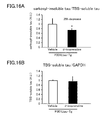
- FIG. 16 shows decreases in amount of sarkosyl-insoluble tau by d-isoprenaline in hippocampus of P301L tau Tg mice.
- FIG. 16A shows the proportion of sarkosyl-insoluble tau to TBS-soluble tau.
- FIG. 16B shows the proportion of tau to GAPDH in the TBS-soluble fraction.
- d-isoprenaline apparently reduced the amount of insoluble tau in hippocampi of P301L tau Tg mice.
- the present invention is useful for treatment of tauopathies.
Landscapes
- Health & Medical Sciences (AREA)
- General Health & Medical Sciences (AREA)
- Pharmacology & Pharmacy (AREA)
- Chemical & Material Sciences (AREA)
- Veterinary Medicine (AREA)
- Medicinal Chemistry (AREA)
- Animal Behavior & Ethology (AREA)
- Public Health (AREA)
- Life Sciences & Earth Sciences (AREA)
- Epidemiology (AREA)
- Engineering & Computer Science (AREA)
- Bioinformatics & Cheminformatics (AREA)
- Nuclear Medicine, Radiotherapy & Molecular Imaging (AREA)
- Organic Chemistry (AREA)
- General Chemical & Material Sciences (AREA)
- Biomedical Technology (AREA)
- Neurology (AREA)
- Neurosurgery (AREA)
- Chemical Kinetics & Catalysis (AREA)
- Emergency Medicine (AREA)
- Hospice & Palliative Care (AREA)
- Psychiatry (AREA)
- Pharmaceuticals Containing Other Organic And Inorganic Compounds (AREA)
- Acyclic And Carbocyclic Compounds In Medicinal Compositions (AREA)
Abstract

Description
- The present invention relates to inhibitors for tau aggregation that causes neurologic deficits and synaptic losses.
- Alzheimer's disease (AD) is a type of dementia whose main symptoms are cognitive decline and personality change. Dementia is a common disorder, and about 25% of Japanese aged 85 years or older develop, and about a half of dementia cases are caused by AD. In Japan, there are about 1.6 to 1.8 million AD patients in 2011, and the number of AD patients has been increasing with aging of the population. This is a serious issue especially in Japan which has a decreasing birth rate and an aging population.
- An acetylcholinesterase inhibitor that is considered as a most effective inhibitor for prevention and treatment of AD is effective only for patients with mild to moderate symptoms, and many researchers find no effectiveness of the acetylcholinesterase inhibitor for patients with advanced cases.
- Although neuropathological findings on AD patients have two features: senile plaques of β-amyloid; and neurofibrillary tangles (NFTs) formed by abnormal accumulation of tau, a mainstream of current AD research is based on the amyloid-β hypothesis that abnormal accumulation of amyloid-β peptide eventually leads to AD.
- However, it has been revealed that mutation of the tau gene promotes NFT formation and causes dementia in frontotemporal dementia and parkinsonism (FTDP) and that only aggregation and accumulation of tau in the brain cause neuronal abnormalities. Thus, the correlation between tau aggregation and AD occurrence has attracted attention in recent years.
- Neuronal cells in CNS contain a large amount of tau, which is essential for the function of axons constituting the neural network of brain. Insoluble aggregation of tau in cells hinders axonal transport, leading to neuronal death.
-
PATENT DOCUMENT 1 describes a drug containing, as a main component, a naphthoquinone-type compound that inhibits tau aggregation for improving AD symptoms. This drug reduces tau aggregation in cells to some extent so that NFT formation is reduced and AD symptoms are alleviated. - [PATENT DOCUMENT 1] Japanese Unexamined Patent Publication (Japanese Translation of PCT Application) No.
2004-534854 - The tau aggregation inhibitor described above, however, does not sufficiently inhibit tau aggregation in cells, and is insufficient for treatment of tauopathies including AD.
- It is therefore an object of the present invention to provide a tau aggregation inhibitor that can sufficiently reduce tau aggregation in cells.
- An example of a tau aggregation inhibitor according to the present disclosure includes isoprenaline or a salt thereof. Isoprenaline included in the tau aggregation inhibitor may be d-enantiomer. Alternatively, isoprenaline included in the tau aggregation inhibitor may be d/l-racemic mixture. It should be noted that d-enantiomer or d-isoprenaline refers to (S)-(+)-isoprenaline and d/l-racemic mixture or d/l-isoprenaline refers to a mixture of (S)-(+)-isoprenaline and (R)-(-)-isoprenaline.
- Another example of the tau aggregation inhibitor according to the present invention includes a catechol structure-containing compound or a salt thereof, and the catechol structure-containing compound is selected from the group consisting of dopamine, dobutamine, levodopa, levodopa/carbidopa, trimetoquinol, hexoprenaline, methyldopa, and droxidopa.
- According to the present invention, tau aggregation in cells can be sufficiently reduced. Thus, patients suffering from tauopathies including AD, for which no effective therapies have not been discovered yet, can be cured. In the current era of aging society, the technique disclosed herein can achieve more effective social contributions by, for example, improving quality of life in elderly population, alleviating the burden of cares, and reducing medical expenses.
-
- [
FIG. 1] FIGS. 1A to 1E show thioflavine T activity,FIG. 1A shows the effect of inhibiting thioflavine T activity by (R)-(-)-epinephrine,FIG. 1B shows the effect of inhibiting thioflavine T activity by levodopa,FIG. 1C shows the effect of inhibiting thioflavine T activity by dopamine,FIG. 1D shows the effect of inhibiting thioflavine T activity by norepinephrine, andFIG. 1E shows the effect of inhibiting thioflavine T activity by isoprenaline. - [
FIG. 2] FIGS. 2A and 2B show results of sodium dodecyl sulfate (SDS)-PAGE western blotting indicating tau aggregation inhibition effects detected by sucrose-density gradient centrifugation,FIG. 2A shows results for (R)-(-)-epinephrine, andFIG. 2B shows results for isoprenaline. - [
FIG. 3] FIGS. 3A and 3B show that isoprenaline reduces SDS-insoluble tau aggregation,FIG. 3A shows detection of tau in an SDS-insoluble fraction, andFIG. 3B is a graph corresponding toFIG. 3A and shows that isoprenaline reduces the amount of SDS-insoluble tau. - [
FIG. 4] FIGS. 4A and 4B show the inhibition of tau phopsophorylation by isoprenaline,FIG. 4A shows detection of phosphorylated tau (AT8 site) and tau in an RIPA-soluble fraction, andFIG. 4B is a graph corresponding toFIG. 4A and shows that isoprenaline reduces the amount of phosphorylated tau in the RIPA-soluble fraction. - [
FIG. 5] FIGS. 5A to 5C show effects of isoprenaline to a tau conformational change (that can be detected with MC1 antibody) observed in AD brain,FIG. 5A shows detection of MC1 antibody-labeled tau, tau phosphorylation (AT8 site), total tau, and GAPDH (loading control) in a TBS-soluble fraction,FIG. 5B shows the proportion of MC1 antibody-labeled tau to total tau, andFIG. 5C shows the proportion of phosphorylated tau to total tau. - [
FIG. 6] FIGS. 6A to 6F show increases in amount of tau and acetylated tubulin in microtubule fractions of isoprenaline,FIG. 6A shows detection of tau in a microtubule fraction,FIG. 6B shows detection of tau in a total fraction,FIG. 6C is a graph corresponding toFIG. 6A and shows that isoprenaline increases the amount of tau in the microtubule fraction,FIG. 6D shows detection of acetylated tubulin in a microtubule fraction,FIG. 6E shows detection of acetylated tubulin in a total fraction,FIG. 6F is a graph corresponding toFIG. 6D and shows that isoprenaline increases the amount of acetylated tubulin in the microtubule fraction. - [
FIG. 7] FIGS. 7A and 7B show decreases in amount of sarkosyl-insoluble tau in the brains of isoprenaline administered mice (P301L tau Tg mice), which overexpressing human P301L mutant tau,FIG. 7A shows detection of a sarkosyl-insoluble fraction, andFIG. 7B is a graph corresponding toFIG. 7A and shows that isoprenaline decreases the amount of sarkosyl-insoluble tau in the brains of P301L tau Tg mice. - [
FIG. 8] FIGS. 8A to 8C show that isoprenaline inhibits a decrease in the numbers of neurons in P301L tau Tg mice,FIG. 8A shows a brain region in which the number of neurons was counted and also shows a method for counting the number,FIG. 8B shows that isoprenaline inhibited a decrease in number of cells of the entorhinal cortex, andFIG. 8C shows that isoprenaline inhibited a decrease in number of cells in the temporal cortex. - [
FIG. 9] FIGS. 9A and 9B show an increase in dephosphorylation of TBS-soluble tau by isoprenaline in mice (WT tau Tg mice) overexpressing wild-type tau,FIG. 9A shows detection of dephosphorylation in a TBS-soluble fraction with taul antibody, andFIG. 9B shows the proportion of dephosphorylated tau to total tau. - [
FIG. 10] FIGS. 10A and 10B show a change in thioflavine T activity by d-isoprenaline,FIG. 10A shows the effect of inhibiting thioflavine T activity by d-isoprenaline, andFIG. 10B shows the effect of inhibiting thioflavine T activity by d/l-isoprenaline. - [
FIG. 11] FIGS. 11A and 11B show results of SDS-PAGE western blotting indicating that inhibition of tau aggregation by d-isoprenaline detected by sucrose-density gradient centrifugation,FIG. 11A shows results for d-isoprenaline, andFIG. 11B shows results for d/l-isoprenaline. - [
FIG. 12] FIGS. 12A to 12C show morphological changes of tau aggregation by d-isoprenaline observed with an atomic force microscope,FIG. 12A is a photograph showing aggregated tau without compound, control,FIG. 12B is a photograph showing an effect of d-isoprenaline on a tau aggregation sample, andFIG. 12C is a graph of measured major axes of tau aggregations and shows that d-isoprenaline reduces the numbers of granular and filamentous tau aggregations. - [
FIG. 13] FIGS. 13A and 13B show a decrease in the amounts of sarkosyl-insoluble tau by d-isoprenaline in cerebral cortex of P301L tau Tg mice,FIG. 13A shows detection of tau in a sarkosyl-insoluble fraction, andFIG. 13B shows detection of tau and GAPDH (loading control) in a TBS-soluble fraction. - [
FIG. 14] FIGS. 14A and 14B show a decrease in amount of sarkosyl-insoluble tau by d-isoprenaline in cerebral cortex of P301L tau Tg mice,FIG. 14A shows the proportion of sarkosyl-insoluble tau to TBS-soluble tau, andFIG. 14B shows the proportion of tau to GAPDH in a TBS-soluble fraction. - [
FIG. 15] FIGS. 15A and 15B show a decrease in amount of sarkosyl-insoluble tau by d-isoprenaline in hippocampus of P301L tau Tg mice,FIG. 15A shows detection of tau in a sarkosyl-insoluble fraction, andFIG. 15B shows detection of tau and GAPDH (loading control) in a TBS-soluble fraction. - [
FIG. 16] FIGS. 16A and 16B show a decrease in amount of sarkosyl-insoluble tau by d-isoprenaline in hippocampus of P301L tau Tg mice,FIG. 16A shows the proportion of sarkosyl-insoluble tau to TBS-soluble tau, andFIG. 16B shows the proportion of tau to GAPDH in a TBS-soluble fraction. - An embodiment of the present invention will be specifically described with reference to the attached figures. The embodiment below is intended to facilitate understanding of the principle of the invention. The scope of the invention is not limited to the embodiment below, and includes other embodiments expected by those skilled in the art by making replacements or modifications to the embodiment when necessary.
- Inventors of the present invention have intensively investigated, to find for the first time that catechol structure-containing compounds are effective for prevention or therapy of tauopathies. Based on this finding, the inventors have achieved the invention. A catechol structure-containing compound herein refers to a compound containing a catechol structure in its constitutional formula. The catechol structure refers to a structure of catechol that is a compound in which two of its substituents are hydroxyl groups and these two hydroxyl groups are in ortho-positions each other.
- Specifically, the catechol structure-containing compound is selected from the group consisting of isoprenaline, dopamine, dobutamine, levodopa, levodopa/carbidopa, trimetoquinol, hexoprenaline, methyldopa, and droxidopa. A tau aggregation inhibitor according to this embodiment may be a catechol structure-containing compound alone or a combination of some or all of the catechol structure-containing compounds described above.
- The catechol structure-containing compound is preferably isoprenaline. Isoprenaline may be preferably used in any one of l-enantiomer (R-configuration), d-enantiomer (S-configuration), or d/l-racemic mixture. Side effects of isoprenaline include palpitation and myocardial ischemia. In isoprenaline, l-enantiomer has greater effects than d-enantiomer, and side effects thereof decrease in the order of l-enantiomer, d/l-racemic mixture, and d-enantiomer. On the other hand, as described below, d-isoprenaline exhibits a tau aggregation inhibition effect to a degree similar to that of d/l-isoprenaline. Thus, between optical isomers, d-enantiomer is considered to be most preferable for use in a therapeutic agent for dementia because d-enantiomer has a similar tau aggregation inhibition effect but has smaller side effects than l-enantiomer.
- Salts of these catechol structure-containing compounds are pharmacologically acceptable salts. Examples of the salts include: inorganic basic salts such as metal salts including alkali metal salts (e.g., potassium salt and sodium salt) and alkali-earth metal salts (e.g., magnesium salt and calcium salt), alkali metal carbonates (e.g., lithium carbonate, potassium carbonate, sodium carbonate, and cesium carbonate), alkali metal hydrogen carbonates (e.g., lithium hydrogen carbonate, sodium hydrogen carbonate, and potassium hydrogen carbonate), and alkali metal hydroxides (e.g., sodium hydroxide and potassium hydroxide); organic basic salts such as trialkylamine (e.g., trimethylamine and triethylamine), pyridine, quinoline, piperidine, imidazole, picoline, dimethylamino pyridine, dimethylaniline, N-alkyl-morpholine, DBN, and DBU; inorganic acid salts such as hydrochloric acid salt, hydrobromide, hydriodic acid salt, sulfate, nitrate, and phosphate; and organic acid salts such as formate, acetate, propionate, oxalate, malonate, succinate, fumarate, maleate, lactate, malate, citrate, tartrate, citrate, carbonate, picrate, methanesulfonate, and glutamate.
- The tau aggregation inhibitor of this embodiment may contain an effective amount of at least one selected from the group consisting of catechol structure-containing compounds and salts thereof, together with a pharmacologically acceptable carrier. The carrier may be a solid such as an excipient or liquid such as a diluent. Specifically, examples of the carrier include magnesium stearate, lactose, starch, gelatin, agar, talc, pectin, gum arabic, olive oil, sesame oil, cacao butter, ethylene glycol, and distilled water.
- Tauopathies are neurodegenerative diseases in which accumulation of phosphorylated tau occurs in neuronal cells and glia cells. Tauopathies are, for example, AD, Down's syndrome, Pick's disease, corticobasal degeneration (CBD), and progressive supranuclear palsy (PSP).
- Prevention of tauopathies means preventing occurrence of tauopathy disorder. Therapy of tauopathies means preventing or improving/reducing progress of tauopathy disorder.
- The tau aggregation inhibitor of this embodiment may contain, if necessary, one or more additives selected from the group consisting of pharmaceutically acceptable tonicity adjusting agents, buffers, solubilizers, preservatives, and pH adjusters.
- Examples of the tonicity adjusting agents include potassium chloride, sodium chloride, boric acid, mannitol, glycerol, propylene glycol, polyethylene glycol, maltose, sucrose, sorbitol, and glucose.
- Examples of the buffers include organic acids such as amino acid and succinic acid, inorganic acids such as boric acid and phosphoric acid, and pharmaceutically acceptable salts thereof.
- Examples of the solubilizers include: polymers such as polyethylene glycol, polyvinylpyrrolidone, polyvinyl alcohol, and hydroxypropyl methylcellulose; surfactants such as polysorbate, polyoxyethylene hydrogenated castor oil, and polyoxyethylene polyoxypropylene; polyhydric alcohol such as propylene glycol; organic acids such as benzoic acid and sorbic acid; and amino acids such as aspartic acid, histidine, glycine, and lysine.
- Examples of the preservatives include: quaternary ammonium salts such as benzethonium, benzalkonium, and benzododecinium; cation compound salts such as chlorhexidine; parahydroxybenzoic acid esters such as methyl parahydroxybenzoate and propyl parahydroxybenzoate; and alcohol compounds such as chlorobutanol and benzyl alcohol.
- Examples of the pH adjusters include sulfuric acid, hydrochloric acid, acetic acid, lactic acid, calcium hydroxide, potassium hydroxide, sodium hydroxide, magnesium hydroxide, monoethanolamine, triethanolamine, diisopropanolamine, and triisopropanolamine.
- The dose of the tau aggregation inhibitor of this embodiment is not specifically limited as long as appropriate effects are obtained, and is determined in consideration of the degree of symptoms, sexuality, and ages of patients to be treated. For example, the dose of the tau aggregation inhibitor can be 0.0001 to 1000 mg per day for an adult. This dose of the inhibitor per day may be administered once daily or may be divided for several administrations daily.
- The tau aggregation inhibitor of this embodiment can be prepared in formulation types in accordance with the manner of administration. Examples of oral administration types include solid formulations and solution formulations including granules, balls, tablets, capsules, powders, and solutions. Examples of parenteral administration types include injections such as intravenous injection and intramuscular injection.
- When phosphorylated, tau-tau association occurs and tau oligomers are formed. When these tau oligomers grow to have a beta-pleated sheet structure, spherical granular tau aggregation is formed. The granular tau aggregation is considered to be constituted by about 40 tau molecules. The granular tau aggregations are joined together to form neurofibrillary tangles (NFTs) called paired helical filaments (PHFs). Recent researches using mouse models shows that inhibition of tau overexpression in the period of NFT formation improves memory learning of mice but formation of NFTs continues. This suggests that neuronal dysfunction occurs mainly in the process of formation of NFTs, rather than being caused by NFTs themselves. NFTs themselves are not toxic, and products formed in the process of NFT formation is considered to be a major cause of neurotoxicity. The tau aggregation inhibitor of this embodiment inhibits not only tau aggregation in the process of PHF formation by joined granular tau aggregation but also tau aggregation in the process of formation of spherical granular tau aggregations. Neurodegeneration in brain occurs by not only accumulation of mutant tau protein but also accumulation of wild-type tau. The tau aggregation inhibitor of the present invention can inhibit aggregation of wild-type tau. Thus, tauopathy symptoms including AD can be prevented or treated.
- Compounds that can be bound to tau were screened. First, 10 µM of 2N4R tau (TAU-441 HUMAN) and 10 µM of heparin were mixed together and incubated at 37°C to form tau aggregates. This aggregated tau sample (1 ml) was loaded onto a sucrose-density gradient solution (consisting of 1 ml layers 20%, 30%, 40%, and 50%), and was centrifuged (at 200000 xg for 2 h at 20°C). Then, the solution was collected in units of 1 ml from the top layer to obtain samples of fractions (Fr) 1-5. The resultant pellets were suspended in an HEPES solution to obtain a fraction Fr6. Thereafter, binding capacities between tau included in
Fr - Then, it was analyzed, by thioflavine T stain, whether the 111 compounds inhibit tau aggregation. For this analysis, 10-µM tau, a compound (1 µM, 10 µM, or 100 µM), and thioflavine T (a beta-pleated sheet structure-specific detection reagent) were mixed together. Thereafter, heparin, which is a tau aggregation inducer, was added to the mixture, and the resulting mixture was incubated at 37°C, thereby allowing tau to aggregate. Subsequently, the thioflavine T activity in an incubation sample was measured at various times to investigate tau aggregation inhibition effects by the compounds. As a result, it was observed that nine out of the 111 compounds noticeably inhibited the thioflavine T activity in a low concentration of 1 µM.
- To further investigate the effects of these nine compounds on tau aggregation specifically, samples that had been incubated at 37°C were centrifuged at 250000 xg for 2 h, the resultant pellets were obtained so that the amount of insoluble tau were quantified. As a result, it was found that (R)-(-)-epinephrine and pyrocatechol violet reduced the amount of insoluble tau in a concentration dependent manner. These two compounds, i.e., (R)-(-)-epinephrine and pyrocatechol violet, were found to have the same skeleton of catechol nucleus.
- Then, it was analyzed, by thioflavine T stain, whether compounds whose structures resemble to (R)-(-)-epinephrine and pyrocatechol violet inhibit tau aggregation. As a result, as shown in
FIG. 1 , levodopa, dopamine, norepinephrine, and isoprenaline significantly reduced thioflavine T activity, similar to (R)-(-)-epinephrine.FIG. 1A shows a change in thioflavine T activity by (R)-(-)-epinephrine,FIG. 1B shows a change in thioflavine T activity by levodopa,FIG. 1C shows a change in thioflavine T activity by dopamine,FIG. 1D shows a change in thioflavine T activity by norepinephrine, andFIG. 1E shows a change in thioflavine T activity by isoprenaline. - Among these samples, the (R)-(-)-epinephrine sample and the isoprenaline samples were divided into fractions Fr1-Fr6 by sucrose-density gradient centrifugation, and tau was detected by SDS-PAGE western blotting. The concentration of the compounds used was 100 µM. As a result, as shown in
FIG. 2 , aggregated tau was detected in fractions Fr3, 4, 5, and 6 in Control, whereas 100-µM of compounds reduced the amount of tau in fractions Fr3, 4, 5, and 6.FIG. 2A shows tau aggregation inhibition effects of (R)-(-)-epinephrine, andFIG. 2B shows tau aggregation inhibition effects of isoprenaline. From the foregoing results, a novel common structure that inhibits tau aggregation in vitro was found. Among these compounds, isoprenaline is an existing drug, and is considered to have higher extents of safety than other drugs of catecholamines. Thus, isoprenaline was used in the following analyses. - Then, it was investigated whether isoprenaline inhibits tau aggregation in cultured cells. As cells, Neuro2a cell lines in which human P301L mutant tau (i.e., mutant tau in which 301st proline of tau is changed to leucine) is expressed in stable were used. To these cells, isoprenaline was added in concentrations of 0.01, 0.1, and 1 µM for 48 hours. Then, SDS-insoluble fractions were obtained so that a change in the amounts of tau was observed. As a result, as shown in
FIG. 3 , isoprenaline reduced the amounts of SDS-insoluble tau similarly to lithium chloride, a positive control, which is a glycogen synthase kinase 3β (GSK3β) inhibitor (e.g., a material that physically or chemically inhibits the function of GSK3β).FIG. 3A shows detection of tau in SDS-insoluble fractions, andFIG. 3B is a graph corresponding toFIG. 3A , and shows that isoprenaline reduces the amount of SDS-insoluble tau. - In addition, changes of tau phosphorylation in radio-immunoprecipitation assay (RIPA) buffer-soluble fractions obtained from similar cells were analyzed. As a result, as shown in
FIG. 4 , it was found that isoprenaline reduced tau phosphorylation labeled by anti-phosphorylated tau antibody (AT8). The composition of the RIPA buffer was 50mM Tris-HCl (pH7.4), 150mM sodium chloride, 0.25 w/v% sodium deoxycholate, 1mM EGTA, and 1.0 w/v% NP-40 substitute. Thus, it was found that isoprenaline also inhibits tau phosphorylation as well as tau aggregation.FIG. 4A shows detection of phosphorylated tau (AT8 site) and total tau in RIPA-soluble fractions, andFIG. 4B shows proportions of phosphorylated tau to total tau. - Tau phosphorylations at AT8 sites are known to induce a tau conformational change (that can be detected with the MC1 antibody) observed in AD brains. Thus, WT tau was expressed in COS-7 cells (derived from African green monkey kidney), and a tau conformational change was detected by dot blotting using the MC1 antibody. The dot blotting is a technique of fixing protein to a nitrocellulose membrane or a PVDF membrane without separation through electrophoresis and specifically quantitating the protein amount with enzyme-labeled antibodies. As a result, as shown in
FIGS. 5A and 5B , isoprenaline reduced the tau conformational change detected with the MC1 antibody.FIG. 5A shows detections of MC1 antibody-positive tau, tau phosphorylations (AT8 sites), total tau, and GAPDH (loading control) in a TBS-soluble fraction.FIG. 5B shows the proportion of MC1 antibody-positive tau with respect to total tau. As shown inFIG. 5C , isoprenaline also reduced phosphorylation under similar conditions.FIG. 5C shows the proportion of phosphorylated tau with respect to total tau. - It was investigated how isoprenaline affects binding between microtubules and tau. First, 10 µM of isoprenaline was added to COS-7 cells expressing WT tau, and the cells were left for 24 hours and then homogenized with RA buffer (0.1-µM MES, 0.5-mM MgSO4, 1-mM EGTA, 2-mM DTT, 0.1% TritonX-100, 20-µM taxol, and 2-mM GTP). The homogenates were then centrifuged at 3000 xg for 5 min at 25°C, and the supernatant was obtained as a total fraction. The total fraction was further centrifuged at 100000 xg for 20 min at 20°C, and a pellet (a microtubule fraction) was obtained. In this manner, the microtubule fraction was taken from the COS-7 cells expressing WT tau, and acetylated tubulin serving as an index of tau and microtubule stabilization was detected.
- As a result, as shown in
FIG. 6 , in WT tau-expressing COS-7 cells, 10-µM isoprenaline increased the amount of tau in the microtubule fraction.FIG. 6A shows detection of tau in the microtubule fraction.FIG. 6B shows detection of tau in the total fraction.FIG. 6C is a graph corresponding toFIG. 6A . - In the WT tau-expressing COS-7 cells, the amount of acetylated tubulin increased as compared to vector-expressing cells. Addition of isoprenaline to these cells further increased the amount of acetylated tubulin, as shown in
FIGS. 6D, 6E, and 6F . Thus, the results suggest the possibility that isoprenaline stabilizes of microtubules by increasing the amount of tau bound to the microtubules.FIG. 6D shows acetylated tubulin in the microtubule fraction.FIG. 6E shows acetylated tubulin in the total fraction.FIG. 6F is a graph corresponding toFIG. 6D . - It was investigated whether isoprenaline inhibits tau aggregation in mice. First, P301L tau Tg mice were given isoprenaline (1.5 mg/g fed) mixed in mash for three months. Then, cerebral cortex and hippocampus were excised from the mice, and stored at -80°C. To obtain fractions including soluble tau and insoluble tau from these tissues, a frozen tissues were homogenized in TBS solution, centrifuged (at 23000 rpm for 15 min at 4°C), and then fractionated into the supernatant and the pellet. The supernatant was used as a TBS-soluble fraction (including soluble tau). In addition, 0.32M of sucrose was added to the pellet, and the pellet was homogenized again, centrifuged (at 23000 rpm for 15 min at 4°C), and then fractionated into the supernatant (including tau aggregation) and the pellet (including nuclei). Thereafter, surfactant (1% sarkosyl) was added to the supernatant, and the resulting supernatant was incubated (at 37°C for 1 h) and centrifuged (at 200000 xg for 1 h at 4°C). A pellet dissolved with Laemmli buffer (containing 2-mercaptoethanol) was used as a sarkosyl-insoluble fraction. Tau in the TBS-soluble fraction and the sarkosyl-insoluble fraction was detected by SDS-PAGE western blotting. As a result, as shown in
FIG. 7 , isoprenaline reduced the amount of sarkosyl-insoluble tau in the brains of the P301L tau Tg mice.FIG. 7A shows detection of tau in the sarkosyl-insoluble fraction, andFIG. 7B is a graph in which the result ofFIG. 7A is quantitated. In the graph, Ntg means Non-transgenic mice. - In the brains of P301L tau Tg mice, the numbers of neurons are decreased accompanying tau aggregates formation. Thus, there is the possibility that isoprenaline having a tau aggregation inhibition function can suppress decreases in the number of neuronal cells. Thus, brain slices were prepared from isoprenaline-administered mice, and the number of neuronal cells was counted. To measure the number of neuronal cells, 0.1-mm2 boxes as shown in
FIG. 8A were drawn in entorhinal cortex or temporal area, and the number of cells in each of the boxes was counted. Then, the average number of cells was used as a number for one slice. Two slices were prepared from one individual. As a result, as shown inFIGS. 8B and 8C , isoprenaline suppressed a decrease in number of cells in entoehinal cortex and temporal area as indicated in the P301L tau Tg mice. This suggests that isoprenaline can suppress a decrease in number of neuronal cells by inhibiting tau aggregation. InFIGS. 8B and 8C , "Mice" refers to the number of mice used, and "Slice" refers to the number of slices per one individual in which the number of cells was counted. - A change in tau phosphorylation in TBS-soluble fractions from WT tau Tg mice was investigated. As a result, as shown in
FIG. 9 , isoprenaline induced dephosphorylation of tau labeled by monoclonal antibody tau1.FIG. 9A shows a TBS-soluble fraction, andFIG. 9B shows the proportion of dephosphorylated tau to tau. The results suggest that isoprenaline also inhibits tau aggregation and phosphorylation of total tau in mice. - The above examples show effects of isoprenaline. However, since a catechol amine moiety was found as a novel common structure that inhibits tau aggregation (see Example 2) and dopamine, dobutamine, levodopa, levodopa/carbidopa, trimetoquinol, hexoprenaline, methyldopa, and droxidopa have catechol amine structures similar to that of isoprenaline, these materials appear to have the effect of inhibiting tau aggregation in cultured cells and animals, similarly to isoprenaline.
- Tau (10 µM), d- and d/l-isoprenaline (1-100 µM), and thioflavine T were mixed together. Then, heparin was added to the mixture, and the resulting mixture was incubated at 37°C, thereby allowing tau to aggregate. In the period shown in the figures, the thioflavine T activity in incubation samples were analyzed to investigate tau aggregation inhibition effects of compounds.
FIG. 10A is a graph showing the effect of d-isoprenaline on the thioflavine T activity.FIG. 10B is a graph showing the effect of d/l-isoprenaline on the thioflavine T activity. As shown inFIGS. 10A and 10B , d-isoprenaline exhibited an inhibition of thioflavine T activity similar to that of d/l-isoprenaline. - Then, to analyze a change of tau aggregation by d- and d/l-isoprenaline biochemically, an incubated tau aggregation sample was fractionated into Fr1-Fr6 by sucrose-density gradient centrifugation, and tau was detected by SDS-PAGE western blotting.
FIG. 11 shows results of SDS-PAGE western blotting indicating tau aggregation inhibition effects detected by sucrose-density gradient centrifugation.FIG. 11A shows results of d-isoprenaline, andFIG. 11B shows results of d/l-isoprenaline. As shown inFIGS. 11A and 11B , similarly to d/l-isoprenaline, d-isoprenaline apparently reduced the amount of tau (granular and filamentous tau aggregates) fractionated into Fr3 and subsequent fractions. - Thereafter, to analyze a change of tau aggregation by d-isoprenaline morphologically, the sample was investigated by using an atomic force microscope. A tau aggregation sample that had been incubated for 120 hours was loaded on a mica board and adsorbed thereon. After removal of the sample, the mica board was filled with milliQ water, and the aggregated tau was observed with an atomic force microscope.
FIG. 12 shows morphological change of tau aggregation observed with an atomic force microscope.FIG. 12A is a photograph of a control,FIG. 12B is a photograph showing effects of d-isoprenaline on a tau aggregation sample, andFIG. 12C is a graph of measured major axes of tau aggregation. As shown inFIGS. 12A, 12B, and 12C , d-isoprenaline apparently reduced the number of tau aggregates (granular and filamentous tau aggregates) having major axes of 20 nm or more. - To investigate tau aggregation inhibition effects of d-isoprenaline in vivo P301L tau Tg mice were used for analysis. First, P301L tau Tg mice aged 20-21 months were given d-isoprenaline (2.168 mg/g fed) mixed in mash for three months. Then, cerebral cortices and hippocampi were excised from the mice and stored at -80°C. Thereafter, a TBS-soluble fraction and a sarkosyl-insoluble fraction were prepared from these brain tissues, and tau was analyzed by SDS-PAGE western blotting.
-
FIG. 13 shows decreases in amount of sarkosyl-insoluble tau in cerebral cortices of d-isoprenaline-treated P301L tau Tg mice.FIG. 13A shows detection of tau in the sarkosyl-insoluble fraction.FIG. 13B shows detection of tau in the TBS-soluble fraction and GAPDH in a loading control.FIG. 14 shows decreases in amount of sarkosyl-insoluble tau by d-isoprenaline in cerebral cortex of P301L tau Tg mice.FIG. 14A shows the proportion of sarkosyl-insoluble tau to TBS-soluble tau.FIG. 14B shows the proportion of tau to GAPDH in the TBS-soluble fraction. As shown inFIGS. 13 and14 , d-isoprenaline apparently reduced the amount of insoluble tau in cerebral cortices of P301L tau Tg mice. - In a manner similar to the above-described examination of the amount of insoluble tau in cerebral cortex of P301L tau Tg mice, the amount of insoluble tau in hippocampus of P301L tau Tg mice were obtained.
FIG. 15 shows decreases in amount of sarkosyl-insoluble tau by d-isoprenaline in hippocampus of P301L tau Tg mice.FIG. 15A shows detection of tau in a sarkosyl-insoluble fraction.FIG. 15B shows detection of tau in a TBS-soluble fraction and GAPDH in a loading control.FIG. 16 shows decreases in amount of sarkosyl-insoluble tau by d-isoprenaline in hippocampus of P301L tau Tg mice.FIG. 16A shows the proportion of sarkosyl-insoluble tau to TBS-soluble tau.FIG. 16B shows the proportion of tau to GAPDH in the TBS-soluble fraction. As shown inFIGS. 15 and16 , d-isoprenaline apparently reduced the amount of insoluble tau in hippocampi of P301L tau Tg mice. - The present invention is useful for treatment of tauopathies.
Claims (6)
- A tau aggregation inhibitor for use in prevension and/or treatment of tauopathy, the tau aggregation inhibitor including isoprenaline or a salt thereof.
- The tau aggregation inhibitor of claim 1, wherein isoprenaline included in the tau aggregation inhibitor is d-enantiomer.
- The tau aggregation inhibitor of claim 1, wherein isoprenaline included in the tau aggregation inhibitor is d/l-racemic mixture.
- The tau aggregation inhibitor of claim 1, wherein tauopathy is one of AD, Down's syndrome, Pick's disease, corticobasal degeneration (CBD), or progressive supranuclear palsy (PSP).
- The tau aggregation inhibitor of claim 1, further including at least one additive selected from the group consisting of a pharmaceutically acceptable tonicity adjusting agent, a buffer, a solubilizer, a preservative, and a pH adjuster.
- A tau aggregation inhibitor for use in prevention and/or treatment of tauopathy, wherein
the tau aggregation inhibitor includes a catechol structure-containing compound or a salt thereof, and
the catechol structure-containing compound is selected from the group consisting of dopamine, dobutamine, levodopa, levodopa/carbidopa, trimetoquinol, hexoprenaline, methyldopa, and droxidopa.
Applications Claiming Priority (2)
| Application Number | Priority Date | Filing Date | Title |
|---|---|---|---|
| JP2011219059 | 2011-10-03 | ||
| PCT/JP2012/006363 WO2013051266A1 (en) | 2011-10-03 | 2012-10-03 | Tau aggregation inhibitor |
Publications (3)
| Publication Number | Publication Date |
|---|---|
| EP2764863A1 true EP2764863A1 (en) | 2014-08-13 |
| EP2764863A4 EP2764863A4 (en) | 2015-11-18 |
| EP2764863B1 EP2764863B1 (en) | 2020-03-11 |
Family
ID=48043446
Family Applications (1)
| Application Number | Title | Priority Date | Filing Date |
|---|---|---|---|
| EP12837822.1A Active EP2764863B1 (en) | 2011-10-03 | 2012-10-03 | Tau aggregation inhibitor |
Country Status (4)
| Country | Link |
|---|---|
| US (3) | US20140249180A1 (en) |
| EP (1) | EP2764863B1 (en) |
| JP (2) | JP6126531B2 (en) |
| WO (1) | WO2013051266A1 (en) |
Cited By (2)
| Publication number | Priority date | Publication date | Assignee | Title |
|---|---|---|---|---|
| EP2962687A4 (en) * | 2013-04-02 | 2016-09-28 | Doshisha | INHIBITOR OF AGGREGATION OF TAU PROTEINS |
| CN109414513A (en) * | 2016-07-06 | 2019-03-01 | 国立研究开发法人国立长寿医疗研究中心 | 11C-labeled catechol derivative, PET probe of phosphorylated tau aggregation inhibitor using the 11C-labeled catechol derivative, and method for producing the same |
Families Citing this family (2)
| Publication number | Priority date | Publication date | Assignee | Title |
|---|---|---|---|---|
| TW201901153A (en) * | 2017-05-16 | 2019-01-01 | 美商安培恩股份有限公司 | Detection of misfolded TAU proteins and detection of misaligned TAU protein sets |
| WO2019213245A1 (en) * | 2018-05-03 | 2019-11-07 | Hough Ear Institute | Methods for reducing accumulated pathologic tau protein |
Family Cites Families (15)
| Publication number | Priority date | Publication date | Assignee | Title |
|---|---|---|---|---|
| GB1144905A (en) * | 1965-03-25 | 1969-03-12 | Fisons Pharmaceuticals Ltd | Substituted bis-(2-carboxy-chromonyl-oxy) derivatives and preparation and pharmaceutical compositions thereof |
| US3885047A (en) * | 1972-06-16 | 1975-05-20 | Mead Johnson & Co | Ocular hypotensive process employing dextrorotatory phenethanolamines |
| JPS62106015A (en) * | 1985-10-31 | 1987-05-16 | Sumitomo Pharmaceut Co Ltd | Anti-demential agent |
| US20010047032A1 (en) * | 1999-12-30 | 2001-11-29 | Castillo Gerardo M. | Polyhydroxylated aromatic compounds for the treatment of amyloidosis and alpha-synuclein fibril diseases |
| EP1328261A2 (en) * | 2000-04-12 | 2003-07-23 | Minerva Biotechnologies Corporation | Treatment of neurodegenerative disease |
| US20020161002A1 (en) * | 2001-01-02 | 2002-10-31 | Mel Epstein | Use of catecholamine reuptake inhibitors to enhance memory |
| GB0117326D0 (en) | 2001-07-16 | 2001-09-05 | Univ Aberdeen | Napthoquinone-type inhibitors of protein aggregation |
| EP1420772A2 (en) * | 2001-08-29 | 2004-05-26 | Eucro European Contract Research GmbH & Co. KG | Use of beta-adrenoceptor agonists for the treatment of neurodegenerative diseases |
| CA2467802A1 (en) * | 2001-12-11 | 2003-06-19 | Eli Lilly And Company | Use of norepinephrine reuptake inhibitors for the treatment of cognitive failure |
| US20050215562A1 (en) * | 2003-06-23 | 2005-09-29 | Patrick Tremblay | Methods for treating protein aggregation disorders |
| WO2010008486A2 (en) * | 2008-06-24 | 2010-01-21 | Parkinsons Institute | Pluripotent cell lines and methods of use thereof |
| WO2011071920A2 (en) * | 2009-12-07 | 2011-06-16 | Board Of Regents, The University Of Texas System | Promoting cycling of apoe4 isoform |
| WO2011133226A2 (en) * | 2010-04-22 | 2011-10-27 | The Board Of Trustees Of The Leland Stanford Junior University | Method for enhancing learning and memory impaired by neurodegenerative disorders and compounds and compositions for effecting the same |
| WO2013005258A1 (en) * | 2011-07-06 | 2013-01-10 | Mitsubishi Heavy Industries, Ltd. | Energy extraction device with electrical generator and method of operating energy extraction device electrical generator |
| US9907799B2 (en) * | 2013-04-02 | 2018-03-06 | The Doshisha | Tau aggregation inhibitor |
-
2012
- 2012-10-03 JP JP2013537416A patent/JP6126531B2/en not_active Expired - Fee Related
- 2012-10-03 WO PCT/JP2012/006363 patent/WO2013051266A1/en not_active Ceased
- 2012-10-03 EP EP12837822.1A patent/EP2764863B1/en active Active
- 2012-10-03 US US14/349,160 patent/US20140249180A1/en not_active Abandoned
-
2017
- 2017-04-06 JP JP2017075939A patent/JP6353110B2/en not_active Expired - Fee Related
-
2018
- 2018-02-12 US US15/894,414 patent/US20180161288A1/en not_active Abandoned
-
2021
- 2021-09-01 US US17/464,440 patent/US20210393551A1/en not_active Abandoned
Cited By (5)
| Publication number | Priority date | Publication date | Assignee | Title |
|---|---|---|---|---|
| EP2962687A4 (en) * | 2013-04-02 | 2016-09-28 | Doshisha | INHIBITOR OF AGGREGATION OF TAU PROTEINS |
| US9907799B2 (en) | 2013-04-02 | 2018-03-06 | The Doshisha | Tau aggregation inhibitor |
| CN109414513A (en) * | 2016-07-06 | 2019-03-01 | 国立研究开发法人国立长寿医疗研究中心 | 11C-labeled catechol derivative, PET probe of phosphorylated tau aggregation inhibitor using the 11C-labeled catechol derivative, and method for producing the same |
| EP3482775A4 (en) * | 2016-07-06 | 2020-03-18 | National Center for Geriatrics and Gerontology | 11C-MARKED CATECHOL DERIVATIVE, POSITON EMISSION TOMOGRAPHY (TEP) PROBE FOR PHOSPHORYLATED TAU AGGREGATION INHIBITOR USING THE SAME, AND ASSOCIATED PRODUCTION METHODS |
| US11224667B2 (en) | 2016-07-06 | 2022-01-18 | National Center For Geriatrics And Gerontology | 11C-labeled catechol derivative, pet probe of phosphorylated tau aggregation inhibitor using the same, and production method of the same |
Also Published As
| Publication number | Publication date |
|---|---|
| JP2017119722A (en) | 2017-07-06 |
| EP2764863A4 (en) | 2015-11-18 |
| WO2013051266A1 (en) | 2013-04-11 |
| JP6126531B2 (en) | 2017-05-10 |
| US20180161288A1 (en) | 2018-06-14 |
| JPWO2013051266A1 (en) | 2015-03-30 |
| US20140249180A1 (en) | 2014-09-04 |
| JP6353110B2 (en) | 2018-07-04 |
| US20210393551A1 (en) | 2021-12-23 |
| EP2764863B1 (en) | 2020-03-11 |
Similar Documents
| Publication | Publication Date | Title |
|---|---|---|
| US20210393551A1 (en) | Tau aggregation inhibitor | |
| US12144798B2 (en) | (3aR)-1,3a,8-trimethyl-1,2,3,3a,8,8ahexahydropyrrolo[2,3-b]indol-5-yl phenylcarbamate and methods of treating or preventing neurodegeneration | |
| US20200338045A1 (en) | Isoindoline compositions and methods for treating neurodegenerative disease | |
| KR20180081807A (en) | Methods of treating Alzheimer's disease and related disorders | |
| US20250177351A1 (en) | Isoindoline compositions and methods for treating neurodegenerative disease | |
| AU2022291519A1 (en) | Small Molecule Drugs And Related Methods For Treatment Of Diseases Related To Aß42 Oligomer Formation | |
| KR102472011B1 (en) | Compounds that promote normal processing of APP | |
| JP7573512B2 (en) | Methods for treating neurodegenerative disorders | |
| CA3113497A1 (en) | Combination of acetylcholinesterase inhibitor and 5-ht4 receptor agonist as neuroprotective agent in the treatment of neurodegenerative diseases | |
| CN102365269A (en) | Novel drugs for the treatment of cognitive impairment | |
| JP2025534979A (en) | Methods for reducing neurodegeneration associated with neurodegenerative diseases | |
| AU2005249460B2 (en) | Composition and method for the treatment of tauopathies | |
| US11382875B2 (en) | Methods and compositions for modulating β-amyloid/α7-nAChR interactions | |
| CA3108150C (en) | Methods for treating neurodegenerative disorders | |
| WO2025184593A1 (en) | Tau-targeting therapy for alzheimer's disease and other tauopathies | |
| US20190125734A1 (en) | Composition for treating or preventing atopic dermatitis | |
| HK40056250B (en) | 3-sulfopropanoic acid for treating neurodegenerative disorders | |
| HK40056250A (en) | 3-sulfopropanoic acid for treating neurodegenerative disorders |
Legal Events
| Date | Code | Title | Description |
|---|---|---|---|
| PUAI | Public reference made under article 153(3) epc to a published international application that has entered the european phase |
Free format text: ORIGINAL CODE: 0009012 |
|
| 17P | Request for examination filed |
Effective date: 20140430 |
|
| AK | Designated contracting states |
Kind code of ref document: A1 Designated state(s): AL AT BE BG CH CY CZ DE DK EE ES FI FR GB GR HR HU IE IS IT LI LT LU LV MC MK MT NL NO PL PT RO RS SE SI SK SM TR |
|
| RIN1 | Information on inventor provided before grant (corrected) |
Inventor name: IHARA, YASUO Inventor name: TAKASHIMA, AKIHIKO Inventor name: OSADA, HIROYUKI Inventor name: SUGIMOTO, HACHIRO Inventor name: MIYASAKA, TOMOHIRO Inventor name: SOEDA, YOSHIYUKI |
|
| DAX | Request for extension of the european patent (deleted) | ||
| RIC1 | Information provided on ipc code assigned before grant |
Ipc: A61K 31/472 20060101ALI20150405BHEP Ipc: A61P 25/28 20060101ALI20150405BHEP Ipc: A61P 43/00 20060101ALI20150405BHEP Ipc: A61K 31/137 20060101AFI20150405BHEP Ipc: A61K 31/198 20060101ALI20150405BHEP |
|
| RA4 | Supplementary search report drawn up and despatched (corrected) |
Effective date: 20151015 |
|
| RIC1 | Information provided on ipc code assigned before grant |
Ipc: A61P 25/28 20060101ALI20151009BHEP Ipc: A61P 43/00 20060101ALI20151009BHEP Ipc: A61K 31/137 20060101AFI20151009BHEP Ipc: A61K 31/472 20060101ALI20151009BHEP Ipc: A61K 31/198 20060101ALI20151009BHEP |
|
| STAA | Information on the status of an ep patent application or granted ep patent |
Free format text: STATUS: EXAMINATION IS IN PROGRESS |
|
| 17Q | First examination report despatched |
Effective date: 20180215 |
|
| GRAP | Despatch of communication of intention to grant a patent |
Free format text: ORIGINAL CODE: EPIDOSNIGR1 |
|
| STAA | Information on the status of an ep patent application or granted ep patent |
Free format text: STATUS: GRANT OF PATENT IS INTENDED |
|
| INTG | Intention to grant announced |
Effective date: 20191009 |
|
| GRAS | Grant fee paid |
Free format text: ORIGINAL CODE: EPIDOSNIGR3 |
|
| GRAA | (expected) grant |
Free format text: ORIGINAL CODE: 0009210 |
|
| STAA | Information on the status of an ep patent application or granted ep patent |
Free format text: STATUS: THE PATENT HAS BEEN GRANTED |
|
| GRAT | Correction requested after decision to grant or after decision to maintain patent in amended form |
Free format text: ORIGINAL CODE: EPIDOSNCDEC |
|
| AK | Designated contracting states |
Kind code of ref document: B1 Designated state(s): AL AT BE BG CH CY CZ DE DK EE ES FI FR GB GR HR HU IE IS IT LI LT LU LV MC MK MT NL NO PL PT RO RS SE SI SK SM TR |
|
| REG | Reference to a national code |
Ref country code: GB Ref legal event code: FG4D |
|
| REG | Reference to a national code |
Ref country code: CH Ref legal event code: EP |
|
| REG | Reference to a national code |
Ref country code: AT Ref legal event code: REF Ref document number: 1242284 Country of ref document: AT Kind code of ref document: T Effective date: 20200315 |
|
| RAP2 | Party data changed (patent owner data changed or rights of a patent transferred) |
Owner name: NATIONAL CENTER FOR GERIATRICS AND GERONTOLOGY Owner name: THE DOSHISHA |
|
| REG | Reference to a national code |
Ref country code: IE Ref legal event code: FG4D |
|
| REG | Reference to a national code |
Ref country code: DE Ref legal event code: R096 Ref document number: 602012068456 Country of ref document: DE |
|
| REG | Reference to a national code |
Ref country code: CH Ref legal event code: NV Representative=s name: CABINET GERMAIN AND MAUREAU, CH |
|
| PG25 | Lapsed in a contracting state [announced via postgrant information from national office to epo] |
Ref country code: FI Free format text: LAPSE BECAUSE OF FAILURE TO SUBMIT A TRANSLATION OF THE DESCRIPTION OR TO PAY THE FEE WITHIN THE PRESCRIBED TIME-LIMIT Effective date: 20200311 Ref country code: NO Free format text: LAPSE BECAUSE OF FAILURE TO SUBMIT A TRANSLATION OF THE DESCRIPTION OR TO PAY THE FEE WITHIN THE PRESCRIBED TIME-LIMIT Effective date: 20200611 Ref country code: RS Free format text: LAPSE BECAUSE OF FAILURE TO SUBMIT A TRANSLATION OF THE DESCRIPTION OR TO PAY THE FEE WITHIN THE PRESCRIBED TIME-LIMIT Effective date: 20200311 |
|
| REG | Reference to a national code |
Ref country code: NL Ref legal event code: MP Effective date: 20200311 |
|
| PG25 | Lapsed in a contracting state [announced via postgrant information from national office to epo] |
Ref country code: GR Free format text: LAPSE BECAUSE OF FAILURE TO SUBMIT A TRANSLATION OF THE DESCRIPTION OR TO PAY THE FEE WITHIN THE PRESCRIBED TIME-LIMIT Effective date: 20200612 Ref country code: BG Free format text: LAPSE BECAUSE OF FAILURE TO SUBMIT A TRANSLATION OF THE DESCRIPTION OR TO PAY THE FEE WITHIN THE PRESCRIBED TIME-LIMIT Effective date: 20200611 Ref country code: LV Free format text: LAPSE BECAUSE OF FAILURE TO SUBMIT A TRANSLATION OF THE DESCRIPTION OR TO PAY THE FEE WITHIN THE PRESCRIBED TIME-LIMIT Effective date: 20200311 Ref country code: SE Free format text: LAPSE BECAUSE OF FAILURE TO SUBMIT A TRANSLATION OF THE DESCRIPTION OR TO PAY THE FEE WITHIN THE PRESCRIBED TIME-LIMIT Effective date: 20200311 Ref country code: HR Free format text: LAPSE BECAUSE OF FAILURE TO SUBMIT A TRANSLATION OF THE DESCRIPTION OR TO PAY THE FEE WITHIN THE PRESCRIBED TIME-LIMIT Effective date: 20200311 |
|
| REG | Reference to a national code |
Ref country code: LT Ref legal event code: MG4D |
|
| PG25 | Lapsed in a contracting state [announced via postgrant information from national office to epo] |
Ref country code: NL Free format text: LAPSE BECAUSE OF FAILURE TO SUBMIT A TRANSLATION OF THE DESCRIPTION OR TO PAY THE FEE WITHIN THE PRESCRIBED TIME-LIMIT Effective date: 20200311 |
|
| PG25 | Lapsed in a contracting state [announced via postgrant information from national office to epo] |
Ref country code: IS Free format text: LAPSE BECAUSE OF FAILURE TO SUBMIT A TRANSLATION OF THE DESCRIPTION OR TO PAY THE FEE WITHIN THE PRESCRIBED TIME-LIMIT Effective date: 20200711 Ref country code: SK Free format text: LAPSE BECAUSE OF FAILURE TO SUBMIT A TRANSLATION OF THE DESCRIPTION OR TO PAY THE FEE WITHIN THE PRESCRIBED TIME-LIMIT Effective date: 20200311 Ref country code: PT Free format text: LAPSE BECAUSE OF FAILURE TO SUBMIT A TRANSLATION OF THE DESCRIPTION OR TO PAY THE FEE WITHIN THE PRESCRIBED TIME-LIMIT Effective date: 20200805 Ref country code: EE Free format text: LAPSE BECAUSE OF FAILURE TO SUBMIT A TRANSLATION OF THE DESCRIPTION OR TO PAY THE FEE WITHIN THE PRESCRIBED TIME-LIMIT Effective date: 20200311 Ref country code: SM Free format text: LAPSE BECAUSE OF FAILURE TO SUBMIT A TRANSLATION OF THE DESCRIPTION OR TO PAY THE FEE WITHIN THE PRESCRIBED TIME-LIMIT Effective date: 20200311 Ref country code: LT Free format text: LAPSE BECAUSE OF FAILURE TO SUBMIT A TRANSLATION OF THE DESCRIPTION OR TO PAY THE FEE WITHIN THE PRESCRIBED TIME-LIMIT Effective date: 20200311 Ref country code: CZ Free format text: LAPSE BECAUSE OF FAILURE TO SUBMIT A TRANSLATION OF THE DESCRIPTION OR TO PAY THE FEE WITHIN THE PRESCRIBED TIME-LIMIT Effective date: 20200311 Ref country code: RO Free format text: LAPSE BECAUSE OF FAILURE TO SUBMIT A TRANSLATION OF THE DESCRIPTION OR TO PAY THE FEE WITHIN THE PRESCRIBED TIME-LIMIT Effective date: 20200311 |
|
| REG | Reference to a national code |
Ref country code: AT Ref legal event code: MK05 Ref document number: 1242284 Country of ref document: AT Kind code of ref document: T Effective date: 20200311 |
|
| REG | Reference to a national code |
Ref country code: DE Ref legal event code: R097 Ref document number: 602012068456 Country of ref document: DE |
|
| PLBE | No opposition filed within time limit |
Free format text: ORIGINAL CODE: 0009261 |
|
| STAA | Information on the status of an ep patent application or granted ep patent |
Free format text: STATUS: NO OPPOSITION FILED WITHIN TIME LIMIT |
|
| PG25 | Lapsed in a contracting state [announced via postgrant information from national office to epo] |
Ref country code: AT Free format text: LAPSE BECAUSE OF FAILURE TO SUBMIT A TRANSLATION OF THE DESCRIPTION OR TO PAY THE FEE WITHIN THE PRESCRIBED TIME-LIMIT Effective date: 20200311 Ref country code: IT Free format text: LAPSE BECAUSE OF FAILURE TO SUBMIT A TRANSLATION OF THE DESCRIPTION OR TO PAY THE FEE WITHIN THE PRESCRIBED TIME-LIMIT Effective date: 20200311 Ref country code: DK Free format text: LAPSE BECAUSE OF FAILURE TO SUBMIT A TRANSLATION OF THE DESCRIPTION OR TO PAY THE FEE WITHIN THE PRESCRIBED TIME-LIMIT Effective date: 20200311 Ref country code: ES Free format text: LAPSE BECAUSE OF FAILURE TO SUBMIT A TRANSLATION OF THE DESCRIPTION OR TO PAY THE FEE WITHIN THE PRESCRIBED TIME-LIMIT Effective date: 20200311 |
|
| 26N | No opposition filed |
Effective date: 20201214 |
|
| PG25 | Lapsed in a contracting state [announced via postgrant information from national office to epo] |
Ref country code: PL Free format text: LAPSE BECAUSE OF FAILURE TO SUBMIT A TRANSLATION OF THE DESCRIPTION OR TO PAY THE FEE WITHIN THE PRESCRIBED TIME-LIMIT Effective date: 20200311 Ref country code: SI Free format text: LAPSE BECAUSE OF FAILURE TO SUBMIT A TRANSLATION OF THE DESCRIPTION OR TO PAY THE FEE WITHIN THE PRESCRIBED TIME-LIMIT Effective date: 20200311 |
|
| PG25 | Lapsed in a contracting state [announced via postgrant information from national office to epo] |
Ref country code: MC Free format text: LAPSE BECAUSE OF FAILURE TO SUBMIT A TRANSLATION OF THE DESCRIPTION OR TO PAY THE FEE WITHIN THE PRESCRIBED TIME-LIMIT Effective date: 20200311 Ref country code: LU Free format text: LAPSE BECAUSE OF NON-PAYMENT OF DUE FEES Effective date: 20201003 |
|
| REG | Reference to a national code |
Ref country code: BE Ref legal event code: MM Effective date: 20201031 |
|
| PG25 | Lapsed in a contracting state [announced via postgrant information from national office to epo] |
Ref country code: BE Free format text: LAPSE BECAUSE OF NON-PAYMENT OF DUE FEES Effective date: 20201031 |
|
| PG25 | Lapsed in a contracting state [announced via postgrant information from national office to epo] |
Ref country code: IE Free format text: LAPSE BECAUSE OF NON-PAYMENT OF DUE FEES Effective date: 20201003 |
|
| PGFP | Annual fee paid to national office [announced via postgrant information from national office to epo] |
Ref country code: GB Payment date: 20211022 Year of fee payment: 10 Ref country code: DE Payment date: 20211020 Year of fee payment: 10 |
|
| PGFP | Annual fee paid to national office [announced via postgrant information from national office to epo] |
Ref country code: FR Payment date: 20211022 Year of fee payment: 10 Ref country code: CH Payment date: 20211020 Year of fee payment: 10 |
|
| PG25 | Lapsed in a contracting state [announced via postgrant information from national office to epo] |
Ref country code: TR Free format text: LAPSE BECAUSE OF FAILURE TO SUBMIT A TRANSLATION OF THE DESCRIPTION OR TO PAY THE FEE WITHIN THE PRESCRIBED TIME-LIMIT Effective date: 20200311 Ref country code: MT Free format text: LAPSE BECAUSE OF FAILURE TO SUBMIT A TRANSLATION OF THE DESCRIPTION OR TO PAY THE FEE WITHIN THE PRESCRIBED TIME-LIMIT Effective date: 20200311 Ref country code: CY Free format text: LAPSE BECAUSE OF FAILURE TO SUBMIT A TRANSLATION OF THE DESCRIPTION OR TO PAY THE FEE WITHIN THE PRESCRIBED TIME-LIMIT Effective date: 20200311 |
|
| PG25 | Lapsed in a contracting state [announced via postgrant information from national office to epo] |
Ref country code: MK Free format text: LAPSE BECAUSE OF FAILURE TO SUBMIT A TRANSLATION OF THE DESCRIPTION OR TO PAY THE FEE WITHIN THE PRESCRIBED TIME-LIMIT Effective date: 20200311 Ref country code: AL Free format text: LAPSE BECAUSE OF FAILURE TO SUBMIT A TRANSLATION OF THE DESCRIPTION OR TO PAY THE FEE WITHIN THE PRESCRIBED TIME-LIMIT Effective date: 20200311 |
|
| REG | Reference to a national code |
Ref country code: DE Ref legal event code: R119 Ref document number: 602012068456 Country of ref document: DE |
|
| REG | Reference to a national code |
Ref country code: CH Ref legal event code: PL |
|
| GBPC | Gb: european patent ceased through non-payment of renewal fee |
Effective date: 20221003 |
|
| PG25 | Lapsed in a contracting state [announced via postgrant information from national office to epo] |
Ref country code: LI Free format text: LAPSE BECAUSE OF NON-PAYMENT OF DUE FEES Effective date: 20221031 Ref country code: FR Free format text: LAPSE BECAUSE OF NON-PAYMENT OF DUE FEES Effective date: 20221031 Ref country code: DE Free format text: LAPSE BECAUSE OF NON-PAYMENT OF DUE FEES Effective date: 20230503 Ref country code: CH Free format text: LAPSE BECAUSE OF NON-PAYMENT OF DUE FEES Effective date: 20221031 |
|
| PG25 | Lapsed in a contracting state [announced via postgrant information from national office to epo] |
Ref country code: GB Free format text: LAPSE BECAUSE OF NON-PAYMENT OF DUE FEES Effective date: 20221003 |