EP2763004A1 - Interaction method and device in touch terminal, and interaction method, server and computer storage medium in network application - Google Patents
Interaction method and device in touch terminal, and interaction method, server and computer storage medium in network application Download PDFInfo
- Publication number
- EP2763004A1 EP2763004A1 EP12835251.5A EP12835251A EP2763004A1 EP 2763004 A1 EP2763004 A1 EP 2763004A1 EP 12835251 A EP12835251 A EP 12835251A EP 2763004 A1 EP2763004 A1 EP 2763004A1
- Authority
- EP
- European Patent Office
- Prior art keywords
- interaction
- touch event
- slide track
- detection area
- network application
- Prior art date
- Legal status (The legal status is an assumption and is not a legal conclusion. Google has not performed a legal analysis and makes no representation as to the accuracy of the status listed.)
- Withdrawn
Links
Images


Classifications
-
- G—PHYSICS
- G06—COMPUTING OR CALCULATING; COUNTING
- G06F—ELECTRIC DIGITAL DATA PROCESSING
- G06F3/00—Input arrangements for transferring data to be processed into a form capable of being handled by the computer; Output arrangements for transferring data from processing unit to output unit, e.g. interface arrangements
- G06F3/01—Input arrangements or combined input and output arrangements for interaction between user and computer
- G06F3/048—Interaction techniques based on graphical user interfaces [GUI]
- G06F3/0487—Interaction techniques based on graphical user interfaces [GUI] using specific features provided by the input device, e.g. functions controlled by the rotation of a mouse with dual sensing arrangements, or of the nature of the input device, e.g. tap gestures based on pressure sensed by a digitiser
- G06F3/0488—Interaction techniques based on graphical user interfaces [GUI] using specific features provided by the input device, e.g. functions controlled by the rotation of a mouse with dual sensing arrangements, or of the nature of the input device, e.g. tap gestures based on pressure sensed by a digitiser using a touch-screen or digitiser, e.g. input of commands through traced gestures
- G06F3/04883—Interaction techniques based on graphical user interfaces [GUI] using specific features provided by the input device, e.g. functions controlled by the rotation of a mouse with dual sensing arrangements, or of the nature of the input device, e.g. tap gestures based on pressure sensed by a digitiser using a touch-screen or digitiser, e.g. input of commands through traced gestures for inputting data by handwriting, e.g. gesture or text
-
- G—PHYSICS
- G06—COMPUTING OR CALCULATING; COUNTING
- G06F—ELECTRIC DIGITAL DATA PROCESSING
- G06F3/00—Input arrangements for transferring data to be processed into a form capable of being handled by the computer; Output arrangements for transferring data from processing unit to output unit, e.g. interface arrangements
- G06F3/01—Input arrangements or combined input and output arrangements for interaction between user and computer
- G06F3/048—Interaction techniques based on graphical user interfaces [GUI]
- G06F3/0484—Interaction techniques based on graphical user interfaces [GUI] for the control of specific functions or operations, e.g. selecting or manipulating an object, an image or a displayed text element, setting a parameter value or selecting a range
- G06F3/04847—Interaction techniques to control parameter settings, e.g. interaction with sliders or dials
Definitions
- the invention relates to a computer interaction technology, and in particular, to an interaction method and device in a touch terminal, and an interaction method, a server and a computer storage medium in a network application.
- Touch terminal in the mobile device plays a more and more important role, wherein the touch terminal is a mobile device utilizing a touch screen as an interaction interface for interaction with user and acquiring operation instructions of the user via the touch screen.
- User interaction via touch terminal is based on a conventional computer interaction mode, and a plurality of click operations are needed whether in selection of the interaction object or in other operations for triggering the interaction object. Even a network application running on the touch terminal will need a plurality of operations input by the user to trigger the interaction object to operate according to the input operations. However, these operations are too complicated for the network application on the touch terminal and will produce a large error rate.
- An interaction method in a touch terminal comprising the steps of:
- the step of acquiring the slide track based on the continuous slide occurred by the touch event comprises:
- the method further comprises the step of:
- the step of detecting whether the touch event of the user is the sliding operation in the detection area according to the slide track comprises:
- the step of detecting whether the touch event of the user is the sliding operation in the detection area according to the slide track comprises:
- An interaction method in a network application comprising the steps of:
- the step of feeding back the response to the touch event to the network application client according to the slide track comprises:
- the method further comprises the step of:
- the step of detecting whether the touch event of the user is the sliding operation in the detection area according to the slide track comprises:
- the step of detecting whether the touch event of the user is the sliding operation in the detection area according to the slide track comprises:
- An interaction device in a touch terminal comprising:
- the trigger responding module comprises:
- the processing module further comprises:
- the detecting unit is further configured to determine whether the start position is the same point in the detection area as the end position, and to inform the responding unit if the result is "NO".
- the detecting unit is further configured to acquire a connection line between the start position and the end position, determine whether the connection line passes through the detection area, and to inform the responding unit if the result is "YES".
- An interaction server in a network application comprising:
- the trigger responding module comprises:
- the processing module further comprises:
- the detecting unit is further configured to determine whether the start position is the same point in the detection area as the end position, and to inform the responding unit if the result is "NO".
- the detection unit is further configured to acquire a connection line between the start position and the end position, to determine whether the connection line passes through the detection area, and to inform the responding unit if the result is "YES".
- a computer storage medium storing computer executable instructions for controlling a computer to execute an interaction method in a touch terminal comprising the steps of:
- the step of acquiring the slide track based on the continuous slide occurred by the touch event comprises:
- the method further comprises the step of:
- the step of detecting whether the touch event of the user is the sliding operation in the detection area according to the slide track comprises:
- the step of detecting whether the touch event of the user is the sliding operation in the detection area according to the slide track comprises:
- the interaction method and device in the touch terminal, and the interaction method, server and computer storage medium in the network application can achieve interaction operations by only one touch and sliding operation, without operations like click selection, twice confirmation, etc., and the complexity of operation is reduced effectively, which can simplify the operations, lower the error rate, and improve convenience of operations.
- Fig. 1 shows an interaction method in a touch terminal of an embodiment of the invention, comprising the following steps.
- step S 110 a touch event of a user is acquired.
- the user may input the touch event on the touch screen of the touch terminal, wherein the touch event comprises various gestures of the user on the touch screen, such as sliding gesture, etc.
- the touch terminal presents an interaction interface to the user, and the user applies a gesture, such as a sliding gesture on a certain interaction object in the interaction interface.
- step S130 a slide track is acquired based on a continuous slide occurred by the touch event, and a selected interaction object is obtained according to the slide track.
- the touch event is a series of continuous gestures; and on the basis of the series of continuous gestures input by the user, it is possible to grasp the slide of the user-input touch event occurred in the interaction interface and to record the slide track produced in the interaction interface by the series of continuous gestures; then, it is possible to determine which element in the interaction interface is the interaction object desired by the user according to the slide track.
- step S150 the selected interaction object is triggered to respond to the touch event according to the slide track.
- the user-input touch event is a trigger operation for triggering an interaction object or a misoperation of the user.
- a trigger operation for triggering an interaction object or a misoperation of the user.
- the user wants to issue an attack action from a certain object in a game interface, he/she may apply a series of continuous gestures, such as a knock-on gesture, a sliding gesture, etc., on the object to select this object, in order to initiate the user interaction with the object; and he/she may confirm the selected object as the object issuing the attack action by sliding over the object, so as to trigger the response to the gesture applied by the user.
- a series of continuous gestures such as a knock-on gesture, a sliding gesture, etc.
- step S150 is described as follows.
- step S151 it is detected whether the touch event of the user is a sliding operation in a detection area according to the slide track, and if the result is "YES”, then the process advances to step S153, and if the result is "NO", the process ends.
- the detection area is a certain area previously set in the interaction interface, and the detection area may be a certain area set on the interaction object icon corresponding to the selected interaction object.
- Each interaction object in the interaction interface has a corresponding detection area in a one-by-one correspondence, in order to detect whether the touch event on the interaction object input by the user is valid to avoid response to the user's misoperation.
- the interaction object After the interaction object is selected through the user's knock-on gesture, it is detected whether the slide track of the touch event produced in the interaction interface is located within the detection area corresponding to the selected interaction object. If the result is "YES”, then it means that the user wants to respond to the touch event by using this selected interaction object as the trigger object, and if the result is "NO”, then it means that the acquired input operation of the user is not a valid operation for triggering the interaction object, and no response to this touch event will be triggered.
- step S153 the touch event is responded to.
- a step of extracting a start position and an end position of the slide track at edges of the detection area is further included.
- this position is recorded as the start position, and the position when the sliding operation departs from the detection area is recorded as the end position.
- step S151 is specifically implemented by determining whether the start position is the same point in the detection area as the end position. If the result is "NO”, the process advances to step S153; and if the result is "YES", the process ends.
- the sliding operation of the user's sliding gesture in the detection area will enter into the detection area at one point and leave out the detection area at another point. Therefore, it is possible to determine whether the start position and end position extracted at edges of the detection area are a same point. If the result is "NO”, it means that an operation for triggering the selected interaction object is performed and a response to the operation is required, and if the result is "YES", it means that this sliding gesture in the detection area may be a misoperation of the user, and the interaction process ends.
- step S151 is described as follows.
- step S1511 a connection line between the start position and the end position is acquired.
- step S 1513 it is determined whether the connection line passes through the detection area. If the result is "YES”, the process advances to step S153, and if the result is "NO", the process ends.
- the interaction method based on the above touch terminal can be applied into various network applications.
- the present invention can provide a more simplified interaction method used in network application for network applications in the touch terminal, wherein the interaction method in the network application is the method for implementing interaction for the touch terminal when running the network application.
- an interaction method in a network application comprises the following steps of:
- the interaction method based on the above touch terminal is applied to implement interaction in the network application; and when it is determined that the network application client triggering interaction is not a touch client, the existing computer interaction method is applied to implement interaction in the network application.
- the network application implemented in the touch terminal needs only one touch and slide operation to enable interaction; however, in the existing computer interaction method, at least two input operations are needed to enable interaction with the network application. Therefore, the network application interaction implemented in the touch terminal remarkably simplifies the operation.
- Fig. 6 shows an interaction device in a touch terminal of an embodiment of the invention, the interaction device comprising an event acquiring module 10, a processing module 30 and a trigger responding module 50.
- the event acquiring module 10 is configured to acquire a touch event from a user.
- the user inputs the touch event on a touch screen of the touch terminal, the touch event comprising various gestures of the user on the touch screen, such as a sliding gesture, etc.
- the touch terminal presents an interaction interface to the user, and the user applies the sliding gesture or the like to a certain interaction object in the interaction interface via the touch screen.
- the processing module 30 is configured to acquire a slide track based on a continuous slide occurred by the touch event, and to obtain a selected interaction object according to the slide track.
- the touch event is a series of continuous gestures; and on the basis of the series of continuous gestures input by the user, it is possible to grasp the slide of the user-input touch event occurred in the interaction interface and to record the slide track produced in the interaction interface by the series of continuous gestures; then, it is possible to determine which element in the interaction interface is the interaction object desired by the user according to the slide track.
- the trigger responding module 50 is configured to trigger the selected interaction object to respond to the touch event according to the slide track.
- the trigger responding module 50 is configured to determine according to the slide track whether the user-input touch event is a trigger operation for triggering an interaction object or a misoperation of the user. For example, in a game, if the user wants to issue an attack action from a certain object in a game interface, he/she may apply a series of continuous gestures, such as a knock-on gesture, a sliding gesture, etc., on the object to select this object, in order to initiate the user interaction with the object; and he/she may confirm the selected object as the object issuing the attack action by sliding over the object, so as to trigger the response to the gesture applied by the user.
- a series of continuous gestures such as a knock-on gesture, a sliding gesture, etc.
- the trigger responding module 50 comprises a detecting unit 510 and a responding unit 530.
- the detecting unit 510 is configured to detect whether the touch event of the user is a sliding operation in a detection area according to the slide track, and if the result is "YES", then the responding unit 530 is informed, and if the result is "NO", the process ends.
- the detection area is a certain area previously set in the interaction interface, and the detection area may be a certain area set on the interaction object icon corresponding to the selected interaction object.
- Each interaction object in the interaction interface has a corresponding detection area in a one-by-one correspondence, in order for the detecting unit 510 to detect whether the touch event on the interaction object input by the user is valid to avoid response to the user's misoperation.
- the detecting unit 510 After the interaction object is selected through the user's knock-on gesture, the detecting unit 510 will detect whether the slide track of the touch event produced in the interaction interface is located within the detection area corresponding to the selected interaction object. If the result is "YES”, then it means that the user wants to respond to the touch event by using this selected interaction object as the trigger object, and if the result is "NO”, then it means that the acquired input operation of the user is not a valid operation for triggering the interaction object, and no response to this touch event will be triggered.
- the responding unit 530 is configured to respond to the touch event.
- the processing module 30 further comprises an extracting unit configured to extract a start position and an end position of the slide track at edges of the detection area.
- the extracting unit records the position when the sliding operation of the user's finger comes into contact with an edge of the detection area as the start position, and records the position when the sliding operation departs from the detection area as the end position.
- the extracting unit can derive the start position and end position at edges of the detection area according to a sliding direction of the touch event and the overlapping points between the slide track and the edges of the detection area.
- the detecting unit 510 is further configured to determine whether the start position is the same point in the detection area as the end position. If the result is "NO”, the responding unit 530 is informed; and if the result is "YES", the process ends.
- the sliding operation of the user's sliding gesture in the detection area will enter into the detection area at one point and leave out the detection area at another point. Therefore, it is possible for the detecting unit 510 to determine whether the start position and end position extracted at edges of the detection area are a same point. If the result is "NO”, it means that an operation for triggering the selected interaction object is performed and a response to the operation is required, and if the result is "YES", it means that this sliding gesture in the detection area may be a misoperation of the user, and the interaction process ends.
- the detecting unit 510 is further configured to acquire a connection line between the start position and the end position and to determine whether the connection line passes through the detection area. If the result is "YES", the responding unit 530 is informed.
- the detecting unit 510 detects whether the user's sliding gesture continuously slides over the detection area by determining whether the connection line between the start position and the end position passes through the detection area. If the result is "YES”, the responding unit 530 is informed to respond to the user's sliding gesture; and if the result is "NO", the process ends.
- the interaction method based on the above touch terminal can be applied into various network applications.
- the present invention can provide a more simplified interaction server used in network application for network applications in the touch terminal, wherein the interaction server in the network application is the server for implementing interaction for the touch terminal when running the network application.
- an interaction server in a network application comprises a client identifying module 810, an event acquiring module 820, a processing module 830, a trigger responding module 840, an object selecting module 850, a click acquiring module 860 and a click responding module 870.
- the client identifying module 810 is configured to determine whether a network application client triggering interaction is a touch client; and if the result is "YES”, the event acquiring module 820 is informed, and if the result is "NO", the click acquiring module 860 is informed.
- the event acquiring module 820 is configured to acquire a touch event uploaded by the network application client triggering interaction.
- the processing module 830 is configured to acquire a slide track based on a continuous slide occurred by the touch event, and to obtain a selected interaction object in the network application client according to the slide track.
- the trigger responding module 840 is configured to feed back a response to the touch event to the network application client according to the slide track.
- the object selecting module 850 is configured to acquire a selected interaction object obtained by a selection operation in the network application client.
- the click acquiring module 860 is configured to acquire a click operation triggered on the interaction object.
- the click responding module 870 is configured to feed back a response to the click operation to the interaction object according to the click operation.
- the interaction device when it is determined that the network application client triggering interaction is a touch terminal, the interaction device based on the above touch terminal is applied to implement interaction with the network application.
- the client identifying module 810 the event acquiring module 820, the processing module 830 and the trigger responding module 840 are described above as set forth in the interaction device in the above touch terminal, and are omitted herein.
- the interaction method and device in the touch terminal, and the interaction method, server and computer storage medium in the network application can achieve interaction operations by only one touch and sliding operation, without operations like click selection, twice confirmation, etc., and the complexity of operation is reduced effectively, which can simplify the operations, lower the error rate, and improve the convenience of operations.
- the interaction method and device in the touch terminal, and the interaction method, server and computer storage medium in the network application can lower a risk of misoperation.
- the present invention also provides a computer storage medium storing computer executable instructions for controlling a computer to perform the interaction method in the above touch terminal.
- the particular steps of the interaction method in the touch terminal performed by the computer executable instructions in the computer storage medium are described as above, and are omitted herein.
Landscapes
- Engineering & Computer Science (AREA)
- General Engineering & Computer Science (AREA)
- Theoretical Computer Science (AREA)
- Human Computer Interaction (AREA)
- Physics & Mathematics (AREA)
- General Physics & Mathematics (AREA)
- User Interface Of Digital Computer (AREA)
Abstract
The invention relates to an interaction method and a device in a touch terminal, and an interaction method, a server and a computer storage medium in network application. The Interaction method in the touch terminal comprises steps of: acquiring touch event from a user; acquiring a slide track based on the continuous slide occurred by the touch event, and obtaining a selected interaction object based on the slide track; triggering the selected interaction object to response the touch event based on the slide track. By means of obtaining selected interaction object and slide track based on touch event inputted by user, and then realizing response of touch event by the slide track, the interaction method and the device in the touch terminal, and the interaction method, the server and the storage medium can achieve interaction operations without operations like click selection, twice confirmation, etc., the complexity of operation is reduced effectively and the convenience of operation is improved.
Description
- The invention relates to a computer interaction technology, and in particular, to an interaction method and device in a touch terminal, and an interaction method, a server and a computer storage medium in a network application.
- As technology develops, more and more users will not depend on fixed computers to interact with each other, and an interaction via more flexible mobile device such as phone, tablet could also satisfy various requirements of the users. Touch terminal in the mobile device plays a more and more important role, wherein the touch terminal is a mobile device utilizing a touch screen as an interaction interface for interaction with user and acquiring operation instructions of the user via the touch screen.
- However, in a situation in which a user implements interaction via a touch terminal, if it is necessary to perform a selection operation on an interaction interface in a touch screen, then after the user clicks a selected object, it is required to request the user to control a pointer to move to a confirmation dialog box fixedly set in the interaction interface, to determine whether the selected object is an interaction object desired to be selected by the selection operation of the user; and only when the user clicks on a certain button, such as a "confirm" button, it is possible to implement the interaction operation with the selected object in the interaction interface. This process is complex and inconvenient for the user.
- User interaction via touch terminal is based on a conventional computer interaction mode, and a plurality of click operations are needed whether in selection of the interaction object or in other operations for triggering the interaction object. Even a network application running on the touch terminal will need a plurality of operations input by the user to trigger the interaction object to operate according to the input operations. However, these operations are too complicated for the network application on the touch terminal and will produce a large error rate.
- In view of this, it is necessary to provide an interaction method in a touch terminal capable of simplifying the operations and lowering the error rate.
- In addition, it is also necessary to provide an interaction method in a network application capable of simplifying the operations and lowering the error rate.
- In addition, it is also necessary to provide an interaction device in a touch terminal capable of simplifying the operations and lowering the error rate.
- In addition, it is also necessary to provide an interaction server in a network application capable of simplifying the operations and lowering the error rate.
- In addition, it is also necessary to provide a computer storage medium capable of improving convenience of the operations.
- An interaction method in a touch terminal is provided, comprising the steps of:
- acquiring a touch event of a user;
- acquiring a slide track based on a continuous slide occurred by the touch event, and obtaining a selected interaction object according to the slide track; and
- triggering the selected interaction object to respond to the touch event according to the slide track.
- Preferably, the step of acquiring the slide track based on the continuous slide occurred by the touch event comprises:
- detecting whether the touch event of the user is a sliding operation in a detection area according to the slide track; and
- responding to the touch event if the result is "YES",
- wherein the detection area corresponds to the selected interaction object.
- Preferably, after the step of acquiring the slide track based on the continuous slide occurred by the touch event, the method further comprises the step of:
- extracting a start position and an end position of the slide track at edges of the detection area.
- Preferably, the step of detecting whether the touch event of the user is the sliding operation in the detection area according to the slide track comprises:
- determining whether the start position is the same point in the detection area as the end position; and
- if the result is "NO", advancing to the step of responding to the touch event.
- Preferably, the step of detecting whether the touch event of the user is the sliding operation in the detection area according to the slide track comprises:
- acquiring a connection line between the start position and the end position;
- determining whether the connection line passes through the detection area; and
- if the result is "YES", advancing to the step of responding to the touch event.
- An interaction method in a network application is provided, comprising the steps of:
- determining whether a network application client triggering interaction is a touch client;
- if the result is "YES", acquiring a touch event uploaded by the network application client triggering interaction, acquiring a slide track based on a continuous slide occurred by the touch event, obtaining a selected interaction object in the network application client according to the slide track, and feeding back a response to the touch event to the network application client according to the slide track; and
- if the result is "NO", acquiring a selected interaction object obtained by a selection operation in the network application client, acquiring a click operation triggered on the interaction object, and feeding back a response to the click operation to the interaction object according to the click operation.
- Preferably, the step of feeding back the response to the touch event to the network application client according to the slide track comprises:
- detecting whether the touch event of the user is a sliding operation in a detection area according to the slide track; and
- if the result is "YES", then feeding back a response to the touch event to the network application client triggering interaction,
- wherein the detection area corresponds to the selected interaction object.
- Preferably, after the step of acquiring the slide track based on the continuous slide occurred by the touch event, the method further comprises the step of:
- extracting a start position and an end position of the slide track at edges of the detection area.
- Preferably, the step of detecting whether the touch event of the user is the sliding operation in the detection area according to the slide track comprises:
- determining whether the start position is the same point in the detection area as the end position; and
- if the result is "NO", advancing to the step of feeding back the response to the touch event to the network application client triggering interaction.
- Preferably, the step of detecting whether the touch event of the user is the sliding operation in the detection area according to the slide track comprises:
- acquiring a connection line between the start position and the end position;
- determining whether the connection line passes through the detection area; and
- if the result is "YES", advancing to the step of feeding back the response to the touch event to the network application client triggering interaction.
- An interaction device in a touch terminal is provided, comprising:
- an event acquiring module for acquiring a touch event of a user;
- a processing module for acquiring a slide track based on a continuous slide occurred by the touch event and obtaining a selected interaction object according to the slide track; and
- a trigger responding module for triggering the selected interaction object to respond to the touch event according to the slide track.
- Preferably, the trigger responding module comprises:
- a detecting unit for detecting whether the touch event of the user is a slide operation in a detection area according to the slide track and informing a responding unit if the result is "YES"; and
- the responding unit for responding to the touch event,
- wherein the detection area corresponds to the selected interaction object.
- Preferably, the processing module further comprises:
- an extracting unit for extracting a start position and an end position of the slide track at edges of the detection area.
- Preferably, the detecting unit is further configured to determine whether the start position is the same point in the detection area as the end position, and to inform the responding unit if the result is "NO".
- Preferably, the detecting unit is further configured to acquire a connection line between the start position and the end position, determine whether the connection line passes through the detection area, and to inform the responding unit if the result is "YES".
- An interaction server in a network application is provided, comprising:
- a client identifying module for determining whether a network application client triggering interaction is a touch client, informing an event acquiring module if the result is "YES", and informing an object selecting module if the result is "NO";
- the event acquiring module for acquiring a touch event uploaded by the network application client triggering interaction;
- a processing module for acquiring a slide track based on a continuous slide occurred by the touch event, and obtaining a selected interaction object in the network application client according to the slide track;
- a trigger responding module for feeding back a response to the touch event to the network application client according to the slide track;
- an object selecting module for acquiring a selected interaction object obtained by a selection operation in the network application client;
- a click acquiring module for acquiring a click operation triggered on the interaction object; and
- a click responding module for feeding back a response to the click operation to the interaction object according to the click operation.
- Preferably, the trigger responding module comprises:
- a detecting unit for detecting whether the touch event of the user is a sliding operation in a detection area according to the slide track, and informing a responding unit if the result is "YES"; and
- the responding unit for feeding back a response to the touch event to the network application client triggering interaction,
- wherein the detection area corresponds to the selected interaction object.
- Preferably, the processing module further comprises:
- an extracting unit for extracting a start position and an end position of the slide track at edges of the detection area.
- Preferably, the detecting unit is further configured to determine whether the start position is the same point in the detection area as the end position, and to inform the responding unit if the result is "NO".
- Preferably, the detection unit is further configured to acquire a connection line between the start position and the end position, to determine whether the connection line passes through the detection area, and to inform the responding unit if the result is "YES".
- A computer storage medium storing computer executable instructions for controlling a computer to execute an interaction method in a touch terminal is provided, the method comprising the steps of:
- acquiring a touch event of a user;
- acquiring a slide track based on a continuous slide occurred by the touch event, and obtaining a selected interaction object according to the slide track; and
- triggering the selected interaction object to respond to the touch event according to the slide track.
- Preferably, the step of acquiring the slide track based on the continuous slide occurred by the touch event comprises:
- detecting whether the touch event of the user is a sliding operation in a detection area according to the slide track; and
- responding to the touch event if the result is "YES",
- wherein the detection area corresponds to the selected interaction object.
- Preferably, after the step of acquiring the slide track based on the continuous slide occurred by the touch event, the method further comprises the step of:
- extracting a start position and an end position of the slide track at edges of the detection area.
- Preferably, the step of detecting whether the touch event of the user is the sliding operation in the detection area according to the slide track comprises:
- determining whether the start position is the same point in the detection area as the end position; and
- if the result is "NO", advancing to the step of responding to the touch event.
- Preferably, the step of detecting whether the touch event of the user is the sliding operation in the detection area according to the slide track comprises:
- acquiring a connection line between the start position and the end position;
- determining whether the connection line passes through the detection area; and
- if the result is "YES", advancing to the step of responding to the touch event.
- By means of obtaining a selected interaction object and a slide track by a user-input touch event and implementing a response to the touch event by the slide track, the interaction method and device in the touch terminal, and the interaction method, server and computer storage medium in the network application can achieve interaction operations by only one touch and sliding operation, without operations like click selection, twice confirmation, etc., and the complexity of operation is reduced effectively, which can simplify the operations, lower the error rate, and improve convenience of operations.
-
-
Fig. 1 is a flow diagram showing an interaction method in a touch terminal of an embodiment of the invention; -
Fig. 2 is a flow diagram showing a step of triggering a selected interaction object to respond to the touch event according to the slide track inFig. 1 ; -
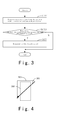
Fig. 3 is a flow diagram showing a step of detecting whether the touch event of the user is a sliding operation in a detection area inFig. 2 ; -
Fig. 4 is a schematic diagram showing a slide detection area for a sliding gesture of the user in an embodiment; -
Fig. 5 is a flow diagram showing an interaction method in a network application in an embodiment; -
Fig. 6 is a structure schematic diagram of an interaction device in a touch terminal in an embodiment; -
Fig. 7 is a structure schematic diagram of the trigger responding module inFig. 6 ; and -
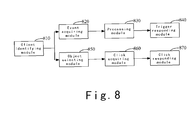
Fig. 8 is a structure schematic diagram of an interaction server in a network application in an embodiment. -
Fig. 1 shows an interaction method in a touch terminal of an embodiment of the invention, comprising the following steps. - In
step S 110, a touch event of a user is acquired. - In the present embodiment, the user may input the touch event on the touch screen of the touch terminal, wherein the touch event comprises various gestures of the user on the touch screen, such as sliding gesture, etc. In particular, the touch terminal presents an interaction interface to the user, and the user applies a gesture, such as a sliding gesture on a certain interaction object in the interaction interface.
- In step S130, a slide track is acquired based on a continuous slide occurred by the touch event, and a selected interaction object is obtained according to the slide track.
- In the present embodiment, the touch event is a series of continuous gestures; and on the basis of the series of continuous gestures input by the user, it is possible to grasp the slide of the user-input touch event occurred in the interaction interface and to record the slide track produced in the interaction interface by the series of continuous gestures; then, it is possible to determine which element in the interaction interface is the interaction object desired by the user according to the slide track.
- In step S150, the selected interaction object is triggered to respond to the touch event according to the slide track.
- In the present embodiment, it is determined according to the slide track whether the user-input touch event is a trigger operation for triggering an interaction object or a misoperation of the user. For example, in a game, if the user wants to issue an attack action from a certain object in a game interface, he/she may apply a series of continuous gestures, such as a knock-on gesture, a sliding gesture, etc., on the object to select this object, in order to initiate the user interaction with the object; and he/she may confirm the selected object as the object issuing the attack action by sliding over the object, so as to trigger the response to the gesture applied by the user.
- In one embodiment, as shown in
Fig. 2 , a particular process of the above step S150 is described as follows. - In step S151, it is detected whether the touch event of the user is a sliding operation in a detection area according to the slide track, and if the result is "YES", then the process advances to step S153, and if the result is "NO", the process ends.
- In the present embodiment, the detection area is a certain area previously set in the interaction interface, and the detection area may be a certain area set on the interaction object icon corresponding to the selected interaction object. Each interaction object in the interaction interface has a corresponding detection area in a one-by-one correspondence, in order to detect whether the touch event on the interaction object input by the user is valid to avoid response to the user's misoperation.
- After the interaction object is selected through the user's knock-on gesture, it is detected whether the slide track of the touch event produced in the interaction interface is located within the detection area corresponding to the selected interaction object. If the result is "YES", then it means that the user wants to respond to the touch event by using this selected interaction object as the trigger object, and if the result is "NO", then it means that the acquired input operation of the user is not a valid operation for triggering the interaction object, and no response to this touch event will be triggered.
- In step S153, the touch event is responded to.
- In another embodiment, after the above step S130, a step of extracting a start position and an end position of the slide track at edges of the detection area is further included.
- In the present embodiment, in order to further improve accuracy of the detection in the detection area, when the sliding operation of the user's finger comes into contact with an edge of the detection area, this position is recorded as the start position, and the position when the sliding operation departs from the detection area is recorded as the end position.
- Furthermore, it is possible to derive the start position and end position at edges of the detection area according to a sliding direction of the touch event and the overlapping points between the slide track and the edges of the detection area.
- The above step S151 is specifically implemented by determining whether the start position is the same point in the detection area as the end position. If the result is "NO", the process advances to step S153; and if the result is "YES", the process ends.
- In the present embodiment, generally, the sliding operation of the user's sliding gesture in the detection area will enter into the detection area at one point and leave out the detection area at another point. Therefore, it is possible to determine whether the start position and end position extracted at edges of the detection area are a same point. If the result is "NO", it means that an operation for triggering the selected interaction object is performed and a response to the operation is required, and if the result is "YES", it means that this sliding gesture in the detection area may be a misoperation of the user, and the interaction process ends.
- In another embodiment, as shown in
Fig. 3 , a particular process of the above step S151 is described as follows. - In step S1511, a connection line between the start position and the end position is acquired.
- In step S 1513, it is determined whether the connection line passes through the detection area. If the result is "YES", the process advances to step S153, and if the result is "NO", the process ends.
- In the present embodiment, as shown in
Fig. 4 , it is detected whether the user's sliding gesture continuously slides over the detection area by determining whether theconnection line 501 between the start position and the end position passes through thedetection area 505 of theinteraction object 503. If the result is "YES", it is necessary to respond to the user's sliding gesture; and if the result is "NO", the process ends. - The interaction method based on the above touch terminal can be applied into various network applications. The present invention can provide a more simplified interaction method used in network application for network applications in the touch terminal, wherein the interaction method in the network application is the method for implementing interaction for the touch terminal when running the network application.
- As shown in
Fig. 5 , in one embodiment, an interaction method in a network application comprises the following steps of: - step S510, determining whether a network application client triggering interaction is a touch client; and if the result is "YES", the process advances to step S520, and if the result is "NO", the process advances to step S550;
- step S520, acquiring a touch event uploaded by the network application client triggering interaction;
- step S530, acquiring a slide track based on a continuous slide occurred by the touch event, and obtaining a selected interaction object in the network application client according to the slide track;
- step S540, feeding back a response to the touch event to the network application client according to the slide track;
- step S550, acquiring a selected interaction object obtained by a selection operation in the network application client;
- step S560, acquiring a click operation triggered on the interaction object; and
- step S570, feeding back a response to the click operation to the interaction object according to the click operation.
- In accordance with the above interaction method in the network application, when it is determined that the network application client triggering interaction is a touch terminal, the interaction method based on the above touch terminal is applied to implement interaction in the network application; and when it is determined that the network application client triggering interaction is not a touch client, the existing computer interaction method is applied to implement interaction in the network application.
- In accordance with the above interaction method in the network application, the network application implemented in the touch terminal needs only one touch and slide operation to enable interaction; however, in the existing computer interaction method, at least two input operations are needed to enable interaction with the network application. Therefore, the network application interaction implemented in the touch terminal remarkably simplifies the operation.
- In the above interaction method in the network application, the particular process of steps S510 to S540 is described above as set forth in the interaction method in the above touch terminal, and is omitted herein.
-
Fig. 6 shows an interaction device in a touch terminal of an embodiment of the invention, the interaction device comprising anevent acquiring module 10, aprocessing module 30 and atrigger responding module 50. - The
event acquiring module 10 is configured to acquire a touch event from a user. - In the present embodiment, the user inputs the touch event on a touch screen of the touch terminal, the touch event comprising various gestures of the user on the touch screen, such as a sliding gesture, etc. In particular, the touch terminal presents an interaction interface to the user, and the user applies the sliding gesture or the like to a certain interaction object in the interaction interface via the touch screen.
- The
processing module 30 is configured to acquire a slide track based on a continuous slide occurred by the touch event, and to obtain a selected interaction object according to the slide track. - In the present embodiment, the touch event is a series of continuous gestures; and on the basis of the series of continuous gestures input by the user, it is possible to grasp the slide of the user-input touch event occurred in the interaction interface and to record the slide track produced in the interaction interface by the series of continuous gestures; then, it is possible to determine which element in the interaction interface is the interaction object desired by the user according to the slide track.
- The
trigger responding module 50 is configured to trigger the selected interaction object to respond to the touch event according to the slide track. - In the present embodiment, the
trigger responding module 50 is configured to determine according to the slide track whether the user-input touch event is a trigger operation for triggering an interaction object or a misoperation of the user. For example, in a game, if the user wants to issue an attack action from a certain object in a game interface, he/she may apply a series of continuous gestures, such as a knock-on gesture, a sliding gesture, etc., on the object to select this object, in order to initiate the user interaction with the object; and he/she may confirm the selected object as the object issuing the attack action by sliding over the object, so as to trigger the response to the gesture applied by the user. - In one embodiment, as shown in
Fig. 7 , thetrigger responding module 50 comprises a detectingunit 510 and a respondingunit 530. - The detecting
unit 510 is configured to detect whether the touch event of the user is a sliding operation in a detection area according to the slide track, and if the result is "YES", then the respondingunit 530 is informed, and if the result is "NO", the process ends. - In the present embodiment, the detection area is a certain area previously set in the interaction interface, and the detection area may be a certain area set on the interaction object icon corresponding to the selected interaction object. Each interaction object in the interaction interface has a corresponding detection area in a one-by-one correspondence, in order for the detecting
unit 510 to detect whether the touch event on the interaction object input by the user is valid to avoid response to the user's misoperation. - After the interaction object is selected through the user's knock-on gesture, the detecting
unit 510 will detect whether the slide track of the touch event produced in the interaction interface is located within the detection area corresponding to the selected interaction object. If the result is "YES", then it means that the user wants to respond to the touch event by using this selected interaction object as the trigger object, and if the result is "NO", then it means that the acquired input operation of the user is not a valid operation for triggering the interaction object, and no response to this touch event will be triggered. - The responding
unit 530 is configured to respond to the touch event. - In another embodiment, the
processing module 30 further comprises an extracting unit configured to extract a start position and an end position of the slide track at edges of the detection area. - In the present embodiment, in order to further improve accuracy of the detection in the detection area, the extracting unit records the position when the sliding operation of the user's finger comes into contact with an edge of the detection area as the start position, and records the position when the sliding operation departs from the detection area as the end position.
- Furthermore, it is possible for the extracting unit to derive the start position and end position at edges of the detection area according to a sliding direction of the touch event and the overlapping points between the slide track and the edges of the detection area.
- The detecting
unit 510 is further configured to determine whether the start position is the same point in the detection area as the end position. If the result is "NO", the respondingunit 530 is informed; and if the result is "YES", the process ends. - In the present embodiment, generally, the sliding operation of the user's sliding gesture in the detection area will enter into the detection area at one point and leave out the detection area at another point. Therefore, it is possible for the detecting
unit 510 to determine whether the start position and end position extracted at edges of the detection area are a same point. If the result is "NO", it means that an operation for triggering the selected interaction object is performed and a response to the operation is required, and if the result is "YES", it means that this sliding gesture in the detection area may be a misoperation of the user, and the interaction process ends. - In another embodiment, the detecting
unit 510 is further configured to acquire a connection line between the start position and the end position and to determine whether the connection line passes through the detection area. If the result is "YES", the respondingunit 530 is informed. - In the present embodiment, the detecting
unit 510 detects whether the user's sliding gesture continuously slides over the detection area by determining whether the connection line between the start position and the end position passes through the detection area. If the result is "YES", the respondingunit 530 is informed to respond to the user's sliding gesture; and if the result is "NO", the process ends. - The interaction method based on the above touch terminal can be applied into various network applications. The present invention can provide a more simplified interaction server used in network application for network applications in the touch terminal, wherein the interaction server in the network application is the server for implementing interaction for the touch terminal when running the network application.
- As shown in
Fig. 8 , in one embodiment, an interaction server in a network application comprises aclient identifying module 810, anevent acquiring module 820, aprocessing module 830, atrigger responding module 840, anobject selecting module 850, aclick acquiring module 860 and aclick responding module 870. - The
client identifying module 810 is configured to determine whether a network application client triggering interaction is a touch client; and if the result is "YES", theevent acquiring module 820 is informed, and if the result is "NO", theclick acquiring module 860 is informed. - The
event acquiring module 820 is configured to acquire a touch event uploaded by the network application client triggering interaction. - The
processing module 830 is configured to acquire a slide track based on a continuous slide occurred by the touch event, and to obtain a selected interaction object in the network application client according to the slide track. - The
trigger responding module 840 is configured to feed back a response to the touch event to the network application client according to the slide track. - The
object selecting module 850 is configured to acquire a selected interaction object obtained by a selection operation in the network application client. - The
click acquiring module 860 is configured to acquire a click operation triggered on the interaction object. - The
click responding module 870 is configured to feed back a response to the click operation to the interaction object according to the click operation. - In accordance with the interaction server in the network application, when it is determined that the network application client triggering interaction is a touch terminal, the interaction device based on the above touch terminal is applied to implement interaction with the network application.
- In the above interaction server in the network application, the particular structure and function of the
client identifying module 810, theevent acquiring module 820, theprocessing module 830 and thetrigger responding module 840 are described above as set forth in the interaction device in the above touch terminal, and are omitted herein. - By means of obtaining a selected interaction object and a slide track by a user-input touch event and implementing a response to the touch event by the slide track, the interaction method and device in the touch terminal, and the interaction method, server and computer storage medium in the network application can achieve interaction operations by only one touch and sliding operation, without operations like click selection, twice confirmation, etc., and the complexity of operation is reduced effectively, which can simplify the operations, lower the error rate, and improve the convenience of operations.
- By means of detecting a detection area corresponding to a selected interaction object and determining whether to respond to a touch event, the interaction method and device in the touch terminal, and the interaction method, server and computer storage medium in the network application can lower a risk of misoperation.
- The present invention also provides a computer storage medium storing computer executable instructions for controlling a computer to perform the interaction method in the above touch terminal. The particular steps of the interaction method in the touch terminal performed by the computer executable instructions in the computer storage medium are described as above, and are omitted herein.
- The above embodiments only show several implementations of the present invention. The description herein is specific and detailed, and cannot be interpreted as limitation to the protection scope of the present invention. It should be noted that anyone skilled in the art can make equivalent embodiments with equivalent variations by making some alternations or modifications using the technical contents disclosed above, without departing from the scope of the present invention. The protection scope of the present invention should be defined only by the appended claims.
Claims (25)
- An interaction method in a touch terminal, comprising the steps of:acquiring a touch event of a user;acquiring a slide track based on a continuous slide occurred by the touch event, and obtaining a selected interaction object according to the slide track; andtriggering the selected interaction object to respond to the touch event according to the slide track.
- The interaction method in the touch terminal according to claim 1, characterized in that the step of triggering the selected interaction object to respond to the touch event according to the slide track comprises:detecting whether the touch event of the user is a sliding operation in a detection area according to the slide track; andresponding to the touch event if the result is "YES",wherein the detection area corresponds to the selected interaction object.
- The interaction method in the touch terminal according to claim 2, characterized in that after the step of acquiring the slide track based on the continuous slide occurred by the touch event, the method further comprises the step of:extracting a start position and an end position of the slide track at edges of the detection area.
- The interaction method in the touch terminal according to claim 3, characterized in that the step of detecting whether the touch event of the user is the sliding operation in the detection area according to the slide track comprises:determining whether the start position is the same point in the detection area as the end position; andif the result is "NO", advancing to the step of responding to the touch event.
- The interaction method in the touch terminal according to claim 3, characterized in that the step of detecting whether the touch event of the user is the sliding operation in the detection area according to the slide track comprises:acquiring a connection line between the start position and the end position;determining whether the connection line passes through the detection area; andif the result is "YES", advancing to the step of responding to the touch event.
- An interaction method in a network application, comprising the steps of:determining whether a network application client triggering interaction is a touch client;if the result is "YES", acquiring a touch event uploaded by the network application client triggering interaction, acquiring a slide track based on a continuous slide occurred by the touch event, obtaining a selected interaction object in the network application client according to the slide track, and feeding back a response to the touch event to the network application client according to the slide track; andif the result is "NO", acquiring a selected interaction object obtained by a selection operation in the network application client, acquiring a click operation triggered on the interaction object, and feeding back a response to the click operation to the interaction object according to the click operation.
- The interaction method in the network application according to claim 6, characterized in that the step of feeding back the response to the touch event to the network application client according to the slide track comprises:detecting whether the touch event of the user is a sliding operation in a detection area according to the slide track; andif the result is "YES", then feeding back a response to the touch event to the network application client triggering interaction,wherein the detection area corresponds to the selected interaction object.
- The interaction method in the network application according to claim 7, characterized in that after the step of acquiring the slide track based on the continuous slide occurred by the touch event, the method further comprises the step of:extracting a start position and an end position of the slide track at edges of the detection area.
- The interaction method in the network application according to claim 8, characterized in that the step of detecting whether the touch event of the user is the sliding operation in the detection area according to the slide track comprises:determining whether the start position is the same point in the detection area as the end position; andif the result is "NO", advancing to the step of feeding back the response to the touch event to the network application client triggering interaction.
- The interaction method in the network application according to claim 8, characterized in that the step of detecting whether the touch event of the user is the sliding operation in the detection area according to the slide track comprises:acquiring a connection line between the start position and the end position;determining whether the connection line passes through the detection area; andif the result is "YES", advancing to the step of feeding back the response to the touch event to the network application client triggering interaction.
- An interaction device in a touch terminal, characterized in that the interaction device comprises:an event acquiring module for acquiring a touch event of a user;a processing module for acquiring a slide track based on a continuous slide occurred by the touch event and obtaining a selected interaction object according to the slide track; anda trigger responding module for triggering the selected interaction object to respond to the touch event according to the slide track.
- The interaction device in the touch terminal according to claim 11, characterized in that the trigger responding module comprises:a detecting unit for detecting whether the touch event of the user is a slide operation in a detection area according to the slide track and informing a responding unit if the result is "YES"; andthe responding unit for responding to the touch event,wherein the detection area corresponds to the selected interaction object.
- The interaction device in the touch terminal according to claim 12, characterized in that the processing module further comprises:an extracting unit for extracting a start position and an end position of the slide track at edges of the detection area.
- The interaction device in the touch terminal according to claim 13, characterized in that the detecting unit is further configured to determine whether the start position is the same point in the detection area as the end position, and to inform the responding unit if the result is "NO".
- The interaction device in the touch terminal according to claim 13, characterized in that the detecting unit is further configured to acquire a connection line between the start position and the end position, determine whether the connection line passes through the detection area, and to inform the responding unit if the result is "YES".
- An interaction server in a network application, characterized in that the interaction server comprises:a client identifying module for determining whether a network application client triggering interaction is a touch client, informing an event acquiring module if the result is "YES", and informing an object selecting module if the result is "NO";the event acquiring module for acquiring a touch event uploaded by the network application client triggering interaction;a processing module for acquiring a slide track based on a continuous slide occurred by the touch event, and obtaining a selected interaction object in the network application client according to the slide track;a trigger responding module for feeding back a response to the touch event to the network application client according to the slide track;an object selecting module for acquiring a selected interaction object obtained by a selection operation in the network application client;a click acquiring module for acquiring a click operation triggered on the interaction object; anda click responding module for feeding back a response to the click operation to the interaction object according to the click operation.
- The interaction server in the network application according to claim 16, characterized in that the trigger responding module comprises:a detecting unit for detecting whether the touch event of the user is a sliding operation in a detection area according to the slide track, and informing a responding unit if the result is "YES"; andthe responding unit for feeding back a response to the touch event to the network application client triggering interaction,wherein the detection area corresponds to the selected interaction object.
- The interaction server in the network application according to claim 17, characterized in that the processing module further comprises:an extracting unit for extracting a start position and an end position of the slide track at edges of the detection area.
- The interaction server in the network application according to claim 18, characterized in that
the detecting unit is further configured to determine whether the start position is the same point in the detection area as the end position, and to inform the responding unit if the result is "NO". - The interaction server in the network application according to claim 18, characterized in that
the detection unit is further configured to acquire a connection line between the start position and the end position, to determine whether the connection line passes through the detection area, and to inform the responding unit if the result is "YES". - A computer storage medium storing computer executable instructions for controlling a computer to execute an interaction method in a touch terminal, characterized in that the method comprises the steps of:acquiring a touch event of a user;acquiring a slide track based on a continuous slide occurred by the touch event, and obtaining a selected interaction object according to the slide track; andtriggering the selected interaction object to respond to the touch event according to the slide track.
- The computer storage medium according to claim 21, characterized in that the step of triggering the selected interaction object to respond to the touch event according to the slide track comprises:detecting whether the touch event of the user is a sliding operation in a detection area according to the slide track; andresponding to the touch event if the result is "YES",wherein the detection area corresponds to the selected interaction object.
- The computer storage medium according to claim 22, characterized in that after the step of acquiring the slide track based on the continuous slide occurred by the touch event, the method further comprises the step of:extracting a start position and an end position of the slide track at edges of the detection area.
- The computer storage medium according to claim 23, characterized in that the step of detecting whether the touch event of the user is the sliding operation in the detection area according to the slide track comprises:determining whether the start position is the same point in the detection area as the end position; andif the result is "NO", advancing to the step of responding to the touch event.
- The computer storage medium according to claim 23, characterized in that the step of detecting whether the touch event of the user is the sliding operation in the detection area according to the slide track comprises:acquiring a connection line between the start position and the end position;determining whether the connection line passes through the detection area; andif the result is "YES", advancing to the step of responding to the touch event.
Applications Claiming Priority (2)
| Application Number | Priority Date | Filing Date | Title |
|---|---|---|---|
| CN2011103000546A CN103019426A (en) | 2011-09-28 | 2011-09-28 | Interacting method and interacting device in touch terminal |
| PCT/CN2012/081862 WO2013044776A1 (en) | 2011-09-28 | 2012-09-24 | Interaction method and device in touch terminal, and interaction method, server and computer storage medium in network application |
Publications (2)
| Publication Number | Publication Date |
|---|---|
| EP2763004A1 true EP2763004A1 (en) | 2014-08-06 |
| EP2763004A4 EP2763004A4 (en) | 2015-05-06 |
Family
ID=47968104
Family Applications (1)
| Application Number | Title | Priority Date | Filing Date |
|---|---|---|---|
| EP12835251.5A Withdrawn EP2763004A4 (en) | 2011-09-28 | 2012-09-24 | Interaction method and device in touch terminal, and interaction method, server and computer storage medium in network application |
Country Status (14)
| Country | Link |
|---|---|
| US (1) | US20140082571A1 (en) |
| EP (1) | EP2763004A4 (en) |
| JP (1) | JP2014521135A (en) |
| CN (1) | CN103019426A (en) |
| BR (1) | BR112013029030A8 (en) |
| CL (1) | CL2013003308A1 (en) |
| CO (1) | CO6821897A2 (en) |
| MX (1) | MX2013013340A (en) |
| MY (1) | MY178356A (en) |
| PE (1) | PE20141741A1 (en) |
| PH (1) | PH12013502276A1 (en) |
| SG (1) | SG195014A1 (en) |
| WO (1) | WO2013044776A1 (en) |
| ZA (1) | ZA201308455B (en) |
Families Citing this family (11)
| Publication number | Priority date | Publication date | Assignee | Title |
|---|---|---|---|---|
| CN104156089A (en) * | 2013-05-15 | 2014-11-19 | 联想(北京)有限公司 | Information processing method and electronic equipment |
| JP2015103161A (en) * | 2013-11-27 | 2015-06-04 | コニカミノルタ株式会社 | Image formation device, display method of operation screen, and computer program |
| CN105677184A (en) * | 2016-01-11 | 2016-06-15 | 福州市马尾区朱雀网络信息技术有限公司 | Method for selecting objects |
| CN106020633A (en) * | 2016-05-27 | 2016-10-12 | 网易(杭州)网络有限公司 | Interaction control method and device |
| CN106931589B (en) * | 2017-02-14 | 2018-12-04 | 珠海格力电器股份有限公司 | Control method and system for air-conditioning sweeping area |
| CN111831194A (en) * | 2019-04-19 | 2020-10-27 | 天津五八到家科技有限公司 | Order-grabbing operation method |
| CN111506245A (en) * | 2020-04-27 | 2020-08-07 | 北京小米松果电子有限公司 | Terminal control method and device |
| CN111639765A (en) * | 2020-05-15 | 2020-09-08 | 视若飞信息科技(上海)有限公司 | Interaction method for using point track and detection domain |
| CN114697686B (en) * | 2020-12-25 | 2023-11-21 | 北京达佳互联信息技术有限公司 | Online interaction method and device, server and storage medium |
| CN115328309B (en) * | 2022-08-10 | 2025-07-25 | 北京字跳网络技术有限公司 | Interaction method, device, equipment and storage medium for virtual object |
| CN116688480A (en) * | 2023-06-08 | 2023-09-05 | 网易(杭州)网络有限公司 | Interaction method, device, equipment and storage medium in game |
Family Cites Families (15)
| Publication number | Priority date | Publication date | Assignee | Title |
|---|---|---|---|---|
| JP3688361B2 (en) * | 1995-10-06 | 2005-08-24 | 富士通株式会社 | Display control device |
| JP2006192246A (en) * | 2004-12-13 | 2006-07-27 | Nintendo Co Ltd | Game device and game program |
| JP4322225B2 (en) * | 2005-04-26 | 2009-08-26 | 任天堂株式会社 | GAME PROGRAM AND GAME DEVICE |
| JP4557899B2 (en) * | 2006-02-03 | 2010-10-06 | 任天堂株式会社 | Sound processing program and sound processing apparatus |
| KR20070113025A (en) * | 2006-05-24 | 2007-11-28 | 엘지전자 주식회사 | Touch screen device and its operation method |
| CN201294037Y (en) * | 2008-10-30 | 2009-08-19 | 深圳市同洲电子股份有限公司 | Controlled equipment, control terminal and remote-control system |
| JP5197338B2 (en) * | 2008-12-08 | 2013-05-15 | キヤノン株式会社 | Information processing apparatus and information processing method |
| TW201028901A (en) * | 2009-01-23 | 2010-08-01 | Au Optronics Corp | Method for detecting gestures on liquid crystal display apparatus with touch input function |
| CN101893982B (en) * | 2009-05-18 | 2013-07-03 | 深圳富泰宏精密工业有限公司 | Electronic device and control method of user interface thereof |
| JP4746686B2 (en) * | 2009-05-19 | 2011-08-10 | 株式会社コナミデジタルエンタテインメント | Information processing apparatus, processing method, and program |
| JP5254892B2 (en) * | 2009-06-26 | 2013-08-07 | 京セラ株式会社 | Mobile communication device and communication device |
| JP5370754B2 (en) * | 2009-06-30 | 2013-12-18 | ソニー株式会社 | Input device and input method |
| CN101763215A (en) * | 2009-12-10 | 2010-06-30 | 英华达股份有限公司 | Method for operating mobile terminal interface and touch mobile terminal |
| CN101916143A (en) * | 2010-01-25 | 2010-12-15 | 北京搜狗科技发展有限公司 | Touch panel, operating method of touch panel and touch panel terminal |
| US8239785B2 (en) * | 2010-01-27 | 2012-08-07 | Microsoft Corporation | Edge gestures |
-
2011
- 2011-09-28 CN CN2011103000546A patent/CN103019426A/en active Pending
-
2012
- 2012-09-24 MY MYPI2013702131A patent/MY178356A/en unknown
- 2012-09-24 EP EP12835251.5A patent/EP2763004A4/en not_active Withdrawn
- 2012-09-24 BR BR112013029030A patent/BR112013029030A8/en not_active Application Discontinuation
- 2012-09-24 PH PH1/2013/502276A patent/PH12013502276A1/en unknown
- 2012-09-24 SG SG2013085097A patent/SG195014A1/en unknown
- 2012-09-24 PE PE2013002494A patent/PE20141741A1/en active IP Right Grant
- 2012-09-24 JP JP2014517438A patent/JP2014521135A/en active Pending
- 2012-09-24 MX MX2013013340A patent/MX2013013340A/en not_active Application Discontinuation
- 2012-09-24 WO PCT/CN2012/081862 patent/WO2013044776A1/en not_active Ceased
-
2013
- 2013-11-11 ZA ZA2013/08455A patent/ZA201308455B/en unknown
- 2013-11-18 CL CL2013003308A patent/CL2013003308A1/en unknown
- 2013-11-21 US US14/085,923 patent/US20140082571A1/en not_active Abandoned
- 2013-12-16 CO CO13293590A patent/CO6821897A2/en unknown
Also Published As
| Publication number | Publication date |
|---|---|
| ZA201308455B (en) | 2015-10-28 |
| CN103019426A (en) | 2013-04-03 |
| CO6821897A2 (en) | 2013-12-31 |
| EP2763004A4 (en) | 2015-05-06 |
| MX2013013340A (en) | 2013-12-02 |
| US20140082571A1 (en) | 2014-03-20 |
| BR112013029030A2 (en) | 2017-01-10 |
| BR112013029030A8 (en) | 2017-04-11 |
| JP2014521135A (en) | 2014-08-25 |
| WO2013044776A1 (en) | 2013-04-04 |
| SG195014A1 (en) | 2013-12-30 |
| PE20141741A1 (en) | 2014-11-26 |
| MY178356A (en) | 2020-10-09 |
| CL2013003308A1 (en) | 2014-07-04 |
| PH12013502276A1 (en) | 2014-01-06 |
Similar Documents
| Publication | Publication Date | Title |
|---|---|---|
| EP2763004A1 (en) | Interaction method and device in touch terminal, and interaction method, server and computer storage medium in network application | |
| KR101835188B1 (en) | Using pressure differences with a touch-sensitive display screen | |
| KR100687737B1 (en) | Virtual Mouse Device and Method Based on Two-Hand Gesture | |
| CN103210366B (en) | For apparatus and method based on neighbouring input | |
| CN105843491B (en) | Method, device and terminal for quick page navigation and switching | |
| CN105528099B (en) | Electronic device combining fingerprint identification function with touch screen and control method thereof | |
| KR101545804B1 (en) | Using pressure differences with a touch-sensitive display screen | |
| US10802704B2 (en) | Gesture control method, apparatus, terminal device, and storage medium | |
| EP3829153A1 (en) | Method and apparatus for generating image file | |
| CN106980457A (en) | Operating method of touch panel and touch screen terminal | |
| CN103181089A (en) | Method and device for controlling touch screen of mobile terminal in response to multi-touch input | |
| CN108920066B (en) | Touch screen sliding adjustment method and device and touch equipment | |
| CN103970460A (en) | Touch screen-based operation method and terminal equipment using same | |
| CN106873891A (en) | The method and mobile terminal of a kind of touch control operation | |
| CN108255300B (en) | Control method and device of electronic equipment | |
| CN105573653A (en) | Multiple object selection methods and terminals | |
| CN104020989A (en) | Control method and system based on remote application | |
| HK1221308A1 (en) | Method and device for switching content panes and terminal | |
| EP3506061A1 (en) | Information processing device, program, and information processing system | |
| CN104750412A (en) | Method for controlling display interfaces | |
| US9971413B2 (en) | Positioning method and apparatus | |
| TW201239697A (en) | A touch panel and a controlling method thereof | |
| CN107885445A (en) | The display methods and device of hidden area | |
| CN107817927B (en) | Application icon management method and device | |
| CN105117148B (en) | The regulation and control method and intelligent watch of a kind of intelligent watch |
Legal Events
| Date | Code | Title | Description |
|---|---|---|---|
| PUAI | Public reference made under article 153(3) epc to a published international application that has entered the european phase |
Free format text: ORIGINAL CODE: 0009012 |
|
| 17P | Request for examination filed |
Effective date: 20131122 |
|
| AK | Designated contracting states |
Kind code of ref document: A1 Designated state(s): AL AT BE BG CH CY CZ DE DK EE ES FI FR GB GR HR HU IE IS IT LI LT LU LV MC MK MT NL NO PL PT RO RS SE SI SK SM TR |
|
| DAX | Request for extension of the european patent (deleted) | ||
| RA4 | Supplementary search report drawn up and despatched (corrected) |
Effective date: 20150408 |
|
| RIC1 | Information provided on ipc code assigned before grant |
Ipc: G06F 3/041 20060101AFI20150331BHEP |
|
| STAA | Information on the status of an ep patent application or granted ep patent |
Free format text: STATUS: THE APPLICATION IS DEEMED TO BE WITHDRAWN |
|
| 18D | Application deemed to be withdrawn |
Effective date: 20151105 |