EP2759877A1 - Method for automatically switching terminal focusing mode and terminal - Google Patents
Method for automatically switching terminal focusing mode and terminal Download PDFInfo
- Publication number
- EP2759877A1 EP2759877A1 EP13790418.1A EP13790418A EP2759877A1 EP 2759877 A1 EP2759877 A1 EP 2759877A1 EP 13790418 A EP13790418 A EP 13790418A EP 2759877 A1 EP2759877 A1 EP 2759877A1
- Authority
- EP
- European Patent Office
- Prior art keywords
- focus mode
- terminal
- data frame
- auto focus
- image data
- Prior art date
- Legal status (The legal status is an assumption and is not a legal conclusion. Google has not performed a legal analysis and makes no representation as to the accuracy of the status listed.)
- Withdrawn
Links
Images

Classifications
-
- H—ELECTRICITY
- H04—ELECTRIC COMMUNICATION TECHNIQUE
- H04N—PICTORIAL COMMUNICATION, e.g. TELEVISION
- H04N23/00—Cameras or camera modules comprising electronic image sensors; Control thereof
- H04N23/60—Control of cameras or camera modules
- H04N23/667—Camera operation mode switching, e.g. between still and video, sport and normal or high- and low-resolution modes
-
- H—ELECTRICITY
- H04—ELECTRIC COMMUNICATION TECHNIQUE
- H04N—PICTORIAL COMMUNICATION, e.g. TELEVISION
- H04N23/00—Cameras or camera modules comprising electronic image sensors; Control thereof
- H04N23/70—Circuitry for compensating brightness variation in the scene
- H04N23/71—Circuitry for evaluating the brightness variation
-
- H—ELECTRICITY
- H04—ELECTRIC COMMUNICATION TECHNIQUE
- H04N—PICTORIAL COMMUNICATION, e.g. TELEVISION
- H04N23/00—Cameras or camera modules comprising electronic image sensors; Control thereof
- H04N23/70—Circuitry for compensating brightness variation in the scene
- H04N23/73—Circuitry for compensating brightness variation in the scene by influencing the exposure time
-
- H—ELECTRICITY
- H04—ELECTRIC COMMUNICATION TECHNIQUE
- H04N—PICTORIAL COMMUNICATION, e.g. TELEVISION
- H04N23/00—Cameras or camera modules comprising electronic image sensors; Control thereof
- H04N23/70—Circuitry for compensating brightness variation in the scene
- H04N23/74—Circuitry for compensating brightness variation in the scene by influencing the scene brightness using illuminating means
-
- G—PHYSICS
- G03—PHOTOGRAPHY; CINEMATOGRAPHY; ANALOGOUS TECHNIQUES USING WAVES OTHER THAN OPTICAL WAVES; ELECTROGRAPHY; HOLOGRAPHY
- G03B—APPARATUS OR ARRANGEMENTS FOR TAKING PHOTOGRAPHS OR FOR PROJECTING OR VIEWING THEM; APPARATUS OR ARRANGEMENTS EMPLOYING ANALOGOUS TECHNIQUES USING WAVES OTHER THAN OPTICAL WAVES; ACCESSORIES THEREFOR
- G03B13/00—Viewfinders; Focusing aids for cameras; Means for focusing for cameras; Autofocus systems for cameras
- G03B13/32—Means for focusing
- G03B13/34—Power focusing
- G03B13/36—Autofocus systems
Definitions
- the present invention relates to the terminal field, and in particular, to a method for automatically switching a terminal focus mode and a terminal.
- a working process of single auto focus is enabled by half-pressing a shutter, and a focus process continues before a focus is focused accurately. After a processor considers that the focus is accurate, as long as the shutter is fully pressed, a shooting process is completed. At the same time, the auto focus system stops working. If an object to be shot or a camera moves before the shutter is fully pressed and after an alert tone is played upon focus completion, an unclear picture may be seen after the shutter is fully pressed because "single" auto focus is used. Due to its characteristics, single auto focus is the best choice when a stationary object is shot (for example, scenery, macrophotography, and figure group photo).
- an auto focus system keeps working and the focus is not locked, an objective of which lies in that when an object to be shot moves, the auto focus system is capable of driving a lens to adjust in real time according to a change of the focus, thereby always keeping an object to be shot in a clear state.
- a focus frame of a camera also needs to accurately focus on an object to be shot in real time.
- Continuous auto focus is mostly used for shooting an object in motion, such as shooting a sportsperson in a sports game, shooting a spokesperson in a press conference, and capturing a wonderful moment of an animal in motion.
- Intelligent auto focus works in a manner of combining single auto focus and continuous auto focus, which automatically selects a focus manner according to a movement speed of an object to be shot.
- An internal ranging component constantly measures an image within an automatic focus area, and transmits to a processor in real time.
- Single auto focus is selected when an object to be shot is stationary while continuous auto focus is selected when an object to be shot is in motion. Because a switching task is performed by the processor, a user only needs to press a shutter.
- a terminal device With the rapid development of a terminal device, at present, many handheld devices such as a mobile phone and a tablet computer integrate a camera module and provide an auto focus function. Generally, single auto focus is adopted due to power consumption, cost, and other reasons. However, for single auto focus, an auto focus process needs to be completed before a photo is taken each time, which therefore causes a time for taking a photo (auto focus time plus shooting time: Tf + Ts) to be too long. In order to accelerate a shooting speed, some terminal vendors use a location detection sensor (for example, gravity sensor sensor) of a device to detect whether a shift occurs on a device. If a movement occurs on a device, an auto focus process is re-initiated.
- a location detection sensor for example, gravity sensor sensor
- a camera when a user presses a shutter to take a photo, a camera is in a focus state or in a focus process. If the camera is in a focus process, wait until the focus is completed, and a photo may be taken with an entire shooting time Tf + Ts (0 ⁇ Tf ⁇ Tf), which, to a certain extent, shortens the shooting time.
- This method for detecting a device shift by using a sensor may constantly detect whether a shift occurs on a device. With constant movement of the device, the auto focus process is also constantly initiated, which looks like continuous auto focus; however, its working principle is different from that of continuous auto focus, and may be referred to as pseudo continuous auto focus. Another advantage of adopting this auto focus manner is that a clear image may be obtained in a preview state of a camera.
- this pseudo continuous auto focus mode may shorten the entire shooting time to a certain extent and obtain a clear image in the preview state of the camera, it also has some shortcomings.
- a device When a device is in a dim light environment, it is necessary to fill light with the help of a camera flash in order to ensure successful focus, which is generally referred to as preflashing.
- the camera flash ceaselessly preflashes because auto focus is continually initiated, which brings inconvenience to a user.
- there is an approach, which is to directly close the camera flash however, in this case, problems that focus fails in a dim light environment and a photo taken is unclear are caused. Therefore, how to effectively determine a focus mode of a terminal becomes an urgent technical problem to be solved.
- Embodiments of the present invention provide a method for automatically switching a terminal focus mode and a terminal, which can solve a technical problem in the prior art that a terminal focus mode cannot be effectively determined.
- a method for automatically switching a terminal focus mode includes:
- a terminal in another aspect, includes: a sensor unit, an imaging unit, and a display unit, including:
- a focus mode can be automatically switched according to a brightness condition of light, thereby effectively determining a focus mode of a terminal.
- a terminal 1 provided by an embodiment of the present invention includes: a sensor unit 11, an imaging unit 12, and a display unit 13, where the imaging unit 12 includes:
- the metering area of the image data frame herein may be a focus area of the image data frame, and the metering area may be the entire image data frame, and may also be an image data frame of a focus sampling point or a partial sampling area when a spot metering manner is used.
- the terminal provided in the foregoing is capable of automatically switching a focus mode according to a brightness condition of light, thereby more effectively determining a focus mode of a terminal.
- a terminal 2 is provided, by using a terminal that can implement continuous auto focus as an example, and includes: a gravity sensor 212, a camera/camera flash 222, a display 232, a sensor control subunit 211, an imaging control subunit 221, and a display control subunit 231.
- the foregoing gravity sensor 212 and sensor control subunit 211 form a sensor unit 21
- the camera/camera flash 222 and imaging control subunit 221 form an imaging unit 22
- the display 232 and display control subunit 231 form a display unit 23.
- registration information may be sent to the sensor control subunit 211 by using the imaging control subunit 221.
- the gravity sensor 212 may inform the imaging control subunit 221 by using the sensor control subunit 211.
- a focus detecting unit may also be used to replace the sensor unit 21.
- the imaging control subunit 221 After receiving a notification, the imaging control subunit 221 controls the camera/camera flash 222 to perform auto focus; the camera returns an image data frame to the imaging control subunit 221; the imaging control subunit 221 processes the received image data frame, and then submits to the display control subunit 231; and the display control subunit 221 controls the display 232 to display.
- the gravity sensor 212 constantly sends a notification to the imaging control subunit 221 by using the sensor control subunit 211 (or the focus detecting unit directly sends the notification to the imaging control subunit 221).
- the imaging control subunit 221 of the terminal constantly controls the camera/camera flash 222 to perform focus.
- the terminal is in a continuous auto focus mode.
- unregistration information may also be sent to the sensor control subunit 211 by using the imaging control subunit 221.
- the imaging control subunit 221 no longer receives the notification sent by the gravity sensor 212 by using the sensor control subunit 211 when a shift occurs on the terminal.
- the imaging control subunit 221 controls the camera/camera flash 222 to send collected image information by using single auto focus to the display control subunit 231, and the display 232 displays the collected image information.
- the terminal is in a single auto focus mode.
- the imaging unit 22 further includes a data frame acquiring module 2211 located in the imaging subunit 221, configured to collect an image data frame; and an auto focus control switching module 2212, configured to switch a focus mode of the terminal according to a brightness value of a metering area of the image data frame.
- the auto focus control switching module 2212 further includes: an exposure value calculating submodule 2212a, configured to calculate, according to the brightness value of the metering area of the image data frame, a exposure value that needs to be adjusted; where a method for calculating the foregoing brightness value and exposure value may be directly obtained in the prior art by a terminal in an image processing process by using three threads (a primary thread, a configuration thread, and a preview thread) of an underlying software module of the terminal: Statistics and processing needs to be performed on an image data frame collected by the camera in a video front-end processor VFE of the imaging unit to generate a statistical value (where the configuration thread controls a configuration of the VFE, 3A (AF, auto focus, auto focus, AWB, auto white balance, auto white balance, and AE, auto exposal, auto exposal) processing, post-processing, and obtains a statistical value from the VFE), then the configuration thread calls a function to calculate a brightness value of a current VFE image
- an auto focus control switching module 2212 of a terminal for automatically switching a focus mode includes: a brightness calculating module 2212d, configured to calculate an average brightness value of a metering area of an image data frame; where because data frame formats when statistics is collected in a video front-end processor VFE of an imaging unit include a Bayer Bayer pattern signal, a YUV brightness and color difference signal, a YCbCr standard-definition component signal or a YPbPr high-definition component signal, and the like, an average brightness value of brightness value components in image data frames of these formats may be calculated in a preview thread; a third switching submodule 2212e, configured to determine an average brightness value of a metering area, and when the average brightness value exceeds a preset brightness threshold and a current focus mode is a single auto focus mode, switch a focus mode of the terminal to a continuous auto focus mode; and a fourth switching submodule 2212f, configured to
- the terminal provided by the foregoing embodiment may be a camera or a handheld device that integrates a camera function, such as a mobile phone, a tablet computer, and other electronic devices.
- an embodiment of the present invention provides a method for automatically switching a terminal focus mode, where the method may be performed by a terminal provided by the apparatus embodiment, and includes the following steps:
- the metering area of the image data frame herein may be a focus area of the image data frame, and the metering area may be the entire image data frame, and may also be an image data frame of a focus sampling point or a partial sampling area when a spot metering manner is used.
- a focus mode can be automatically switched according to a brightness condition of light, thereby effectively determining a focus mode of a terminal.
- another embodiment of the present invention provides a method for automatically switching a terminal focus mode, where the method may be performed by a terminal provided by the apparatus embodiment, and includes the following steps:
- S204 Switch a focus mode of a terminal to a continuous auto focus mode when the exposure value does not exceed a preset threshold and a current focus mode is a single auto focus mode.
- a single auto focus mode can be automatically switched to in a dim light situation, and a continuous auto focus mode can be automatically switched to in a light adequate situation, thereby effectively determining a focus mode of a terminal.
- still another embodiment of the present invention provides a method for automatically switching a terminal focus mode, where the method may be performed by a terminal provided by the apparatus embodiment, and includes the following steps:
- S303 Determine the average brightness value of the metering area, and when the average brightness value exceeds a preset brightness threshold and a current focus mode is a single auto focus mode, switch a focus mode of a terminal to a continuous auto focus mode.
- S304 Determine the average brightness value of the metering area, and when the average brightness value does not exceed a preset brightness threshold and a current focus mode is a continuous auto focus mode, switch a focus mode of a terminal to a single auto focus mode.
- a single auto focus mode can be automatically switched to in a dim light situation, and a continuous auto focus mode can be automatically switched to in a light adequate situation, thereby effectively determining a focus mode of a terminal.
- the program may be stored in a computer readable storage medium.
- the foregoing storage medium includes: any medium that is capable of storing program code, such as a ROM, a RAM, a magnetic disk, or an optical disc.
Landscapes
- Engineering & Computer Science (AREA)
- Multimedia (AREA)
- Signal Processing (AREA)
- Studio Devices (AREA)
- Automatic Focus Adjustment (AREA)
- Physics & Mathematics (AREA)
- General Physics & Mathematics (AREA)
Abstract
Description
- This application claims priority to Chinese Patent Application No.
CN 201210156740.5 - The present invention relates to the terminal field, and in particular, to a method for automatically switching a terminal focus mode and a terminal.
- Working modes of an auto focus system of a modern camera are mainly classified into single auto focus, continuous auto focus, and intelligent auto focus.
- A working process of single auto focus is enabled by half-pressing a shutter, and a focus process continues before a focus is focused accurately. After a processor considers that the focus is accurate, as long as the shutter is fully pressed, a shooting process is completed. At the same time, the auto focus system stops working. If an object to be shot or a camera moves before the shutter is fully pressed and after an alert tone is played upon focus completion, an unclear picture may be seen after the shutter is fully pressed because "single" auto focus is used. Due to its characteristics, single auto focus is the best choice when a stationary object is shot (for example, scenery, macrophotography, and figure group photo).
- Unlike single auto focus, for continuous auto focus, after a processor "considers" that a focus is accurate, an auto focus system keeps working and the focus is not locked, an objective of which lies in that when an object to be shot moves, the auto focus system is capable of driving a lens to adjust in real time according to a change of the focus, thereby always keeping an object to be shot in a clear state. Certainly, a focus frame of a camera also needs to accurately focus on an object to be shot in real time. Continuous auto focus is mostly used for shooting an object in motion, such as shooting a sportsperson in a sports game, shooting a spokesperson in a press conference, and capturing a wonderful moment of an animal in motion.
- Intelligent auto focus works in a manner of combining single auto focus and continuous auto focus, which automatically selects a focus manner according to a movement speed of an object to be shot. An internal ranging component constantly measures an image within an automatic focus area, and transmits to a processor in real time. Single auto focus is selected when an object to be shot is stationary while continuous auto focus is selected when an object to be shot is in motion. Because a switching task is performed by the processor, a user only needs to press a shutter.
- With the rapid development of a terminal device, at present, many handheld devices such as a mobile phone and a tablet computer integrate a camera module and provide an auto focus function. Generally, single auto focus is adopted due to power consumption, cost, and other reasons. However, for single auto focus, an auto focus process needs to be completed before a photo is taken each time, which therefore causes a time for taking a photo (auto focus time plus shooting time: Tf + Ts) to be too long. In order to accelerate a shooting speed, some terminal vendors use a location detection sensor (for example, gravity sensor sensor) of a device to detect whether a shift occurs on a device. If a movement occurs on a device, an auto focus process is re-initiated. Therefore, when a user presses a shutter to take a photo, a camera is in a focus state or in a focus process. If the camera is in a focus process, wait until the focus is completed, and a photo may be taken with an entire shooting time Tf + Ts (0 ≤ Tf < Tf), which, to a certain extent, shortens the shooting time. This method for detecting a device shift by using a sensor may constantly detect whether a shift occurs on a device. With constant movement of the device, the auto focus process is also constantly initiated, which looks like continuous auto focus; however, its working principle is different from that of continuous auto focus, and may be referred to as pseudo continuous auto focus. Another advantage of adopting this auto focus manner is that a clear image may be obtained in a preview state of a camera.
- Although this pseudo continuous auto focus mode may shorten the entire shooting time to a certain extent and obtain a clear image in the preview state of the camera, it also has some shortcomings. When a device is in a dim light environment, it is necessary to fill light with the help of a camera flash in order to ensure successful focus, which is generally referred to as preflashing. In this way, when the device constantly moves, the camera flash ceaselessly preflashes because auto focus is continually initiated, which brings inconvenience to a user. At present, there is an approach, which is to directly close the camera flash; however, in this case, problems that focus fails in a dim light environment and a photo taken is unclear are caused. Therefore, how to effectively determine a focus mode of a terminal becomes an urgent technical problem to be solved.
- Embodiments of the present invention provide a method for automatically switching a terminal focus mode and a terminal, which can solve a technical problem in the prior art that a terminal focus mode cannot be effectively determined.
- To achieve the foregoing objective, the embodiments of the present invention adopt the following technical solutions:
- In one aspect, a method for automatically switching a terminal focus mode is provided and includes:
- collecting an image data frame; and
- switching a focus mode of a terminal according to a brightness value of a metering area of the image data frame.
- In another aspect, a terminal is provided and includes: a sensor unit, an imaging unit, and a display unit, including:
- a data frame statistics collecting module, configured to collect an image data frame; and
- an auto focus control switching module, configured to switch a focus mode of the terminal according to a brightness value of a metering area of the image data frame.
- In the method for automatically switching a focus mode and the terminal provided by the embodiments of the present invention, a focus mode can be automatically switched according to a brightness condition of light, thereby effectively determining a focus mode of a terminal.
- To describe the technical solutions in the embodiments of the present invention or in the prior art more clearly, the following briefly introduces accompanying drawings required for describing the embodiments or the prior art. Apparently, the accompanying drawings in the following description show merely some embodiments of the present invention, and a person of ordinary skill in the art may still derive other drawings from these accompanying drawings without creative efforts.
-
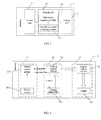
FIG. 1 is a schematic structural diagram of a terminal according to an embodiment of the present invention; -
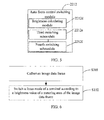
FIG. 2 is a schematic structural diagram of another terminal according to an embodiment of the present invention; -
FIG. 3 is a schematic structural diagram of still another terminal according to an embodiment of the present invention; -
FIG. 4 is a schematic structural diagram of a switching module according to an embodiment of the present invention; -
FIG. 5 is a schematic structural diagram of another switching module according to an embodiment of the present invention; -
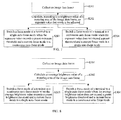
FIG. 6 is a schematic flowchart of a method for automatically switching a terminal focus mode according to an embodiment of the present invention; -
FIG. 7 is a schematic flowchart of another method for automatically switching a terminal focus mode according to an embodiment of the present invention; and -
FIG. 8 is a schematic flowchart of still another method for automatically switching a terminal focus mode according to an embodiment of the present invention. - The following clearly and completely describes the technical solutions in the embodiments of the present invention with reference to the accompanying drawings in the embodiments of the present invention. Apparently, the embodiments to be described are merely a part rather than all of the embodiments of the present invention. All other embodiments obtained by a person of ordinary skill in the art based on the embodiments of the present invention without creative efforts shall fall within the protection scope of the present invention.
- Referring to
FIG. 1 , aterminal 1 provided by an embodiment of the present invention includes: asensor unit 11, animaging unit 12, and adisplay unit 13, where theimaging unit 12 includes: - a data
frame acquiring module 121, configured to collect an image data frame; and - an auto focus
control switching module 122, configured to switch a focus mode of the terminal according to a brightness value of a metering area of the image data frame. - Optionally, the metering area of the image data frame herein may be a focus area of the image data frame, and the metering area may be the entire image data frame, and may also be an image data frame of a focus sampling point or a partial sampling area when a spot metering manner is used.
- The terminal provided in the foregoing is capable of automatically switching a focus mode according to a brightness condition of light, thereby more effectively determining a focus mode of a terminal.
- Referring to
FIG. 2 , aterminal 2 is provided, by using a terminal that can implement continuous auto focus as an example, and includes: agravity sensor 212, a camera/camera flash 222, adisplay 232, asensor control subunit 211, animaging control subunit 221, and a display control subunit 231. Theforegoing gravity sensor 212 andsensor control subunit 211 form asensor unit 21, the camera/camera flash 222 andimaging control subunit 221 form animaging unit 22, and thedisplay 232 and display control subunit 231 form adisplay unit 23. After the terminal is initiated, registration information may be sent to thesensor control subunit 211 by using theimaging control subunit 221. In this case, when a shift occurs on a device, thegravity sensor 212 may inform theimaging control subunit 221 by using thesensor control subunit 211. (Certainly, for a traditional terminal structure, a focus detecting unit may also be used to replace thesensor unit 21. When the focus detecting unit detects that the image data frame loses a focus, theimaging control subunit 221 may be informed by using thesensor control subunit 211.) After receiving a notification, theimaging control subunit 221 controls the camera/camera flash 222 to perform auto focus; the camera returns an image data frame to theimaging control subunit 221; theimaging control subunit 221 processes the received image data frame, and then submits to the display control subunit 231; and thedisplay control subunit 221 controls thedisplay 232 to display. In this process, because the shift of the terminal constantly changes, thegravity sensor 212 constantly sends a notification to theimaging control subunit 221 by using the sensor control subunit 211 (or the focus detecting unit directly sends the notification to the imaging control subunit 221). In this case, theimaging control subunit 221 of the terminal constantly controls the camera/camera flash 222 to perform focus. In the foregoing process, the terminal is in a continuous auto focus mode. Certainly, after the terminal is initiated, unregistration information may also be sent to thesensor control subunit 211 by using theimaging control subunit 221. In this case, theimaging control subunit 221 no longer receives the notification sent by thegravity sensor 212 by using thesensor control subunit 211 when a shift occurs on the terminal. Theimaging control subunit 221 controls the camera/camera flash 222 to send collected image information by using single auto focus to the display control subunit 231, and thedisplay 232 displays the collected image information. In the foregoing process, the terminal is in a single auto focus mode. - Referring to
FIG. 3 , theimaging unit 22 further includes a dataframe acquiring module 2211 located in theimaging subunit 221, configured to collect an image data frame; and an auto focuscontrol switching module 2212, configured to switch a focus mode of the terminal according to a brightness value of a metering area of the image data frame. - Referring to
FIG. 4 , the auto focus control switching module 2212 further includes: an exposure value calculating submodule 2212a, configured to calculate, according to the brightness value of the metering area of the image data frame, a exposure value that needs to be adjusted; where a method for calculating the foregoing brightness value and exposure value may be directly obtained in the prior art by a terminal in an image processing process by using three threads (a primary thread, a configuration thread, and a preview thread) of an underlying software module of the terminal: Statistics and processing needs to be performed on an image data frame collected by the camera in a video front-end processor VFE of the imaging unit to generate a statistical value (where the configuration thread controls a configuration of the VFE, 3A (AF, auto focus, auto focus, AWB, auto white balance, auto white balance, and AE, auto exposal, auto exposal) processing, post-processing, and obtains a statistical value from the VFE), then the configuration thread calls a function to calculate a brightness value of a current VFE image data frame according to the statistical value, and calculates, according to the brightness value, an exposure value that needs to be adjusted; a first switching submodule 2212b, configured to switch a focus mode of the terminal to a single auto focus mode when the exposure value exceeds a preset exposure threshold and a current focus mode is a continuous auto focus mode; where the preset exposure threshold herein may be a maximum value of exposure values in an exposure list of the terminal; when the exposure value that needs to be adjusted is larger than the maximum exposure value, it indicates that the camera flash needs to add exposure to a subject to be shot, and therefore, keeping the focus mode of the terminal in a single auto focus mode or switching the focus mode of the terminal to a single auto focus mode can avoid a situation that continuous flicker exists when the camera flash fills light and preflashes in a case that a continuous focus manner is used for shooting a photo under a dim light condition; and it should be noted that, the exposure threshold is the maximum value of the exposure values in the exposure list, where an exposure value in the exposure list of the terminal has an exponential relationship with a ratio of a square of a shutter index of the terminal to an aperture index of the terminal, where if the aperture index is definite, a lower shutter speed, that is, a smaller shutter index, indicates a larger exposure threshold, and certainly, if the shutter index is definite, a larger aperture index indicates a larger exposure threshold; and a second switching submodule 2212c, configured to determine the exposure value, and when the exposure value does not exceed the preset threshold and the current focus mode is a single auto focus mode, switch the focus mode of the terminal to a continuous auto focus mode, where in this case, it indicates that the camera flash is not required to add exposure to a subject to be shot, and therefore, keeping the focus mode of the terminal in a continuous auto focus mode or switching the focus mode of the terminal to a continuous auto focus mode may shorten a shooting time, where in a focus mode switching process, the imaging control subunit only needs to send registration or unregistration information to the sensor subunit according to the current focus mode and the focus mode that needs to be switched, so as to complete switching of the focus mode. - Referring to
FIG. 5 , an auto focus control switching module 2212 of a terminal for automatically switching a focus mode provided by another embodiment of the present invention includes: a brightness calculating module 2212d, configured to calculate an average brightness value of a metering area of an image data frame; where because data frame formats when statistics is collected in a video front-end processor VFE of an imaging unit include a Bayer Bayer pattern signal, a YUV brightness and color difference signal, a YCbCr standard-definition component signal or a YPbPr high-definition component signal, and the like, an average brightness value of brightness value components in image data frames of these formats may be calculated in a preview thread; a third switching submodule 2212e, configured to determine an average brightness value of a metering area, and when the average brightness value exceeds a preset brightness threshold and a current focus mode is a single auto focus mode, switch a focus mode of the terminal to a continuous auto focus mode; and a fourth switching submodule 2212f, configured to determine an average brightness value of a metering area, and when the average brightness value does not exceed the preset brightness threshold and the current focus mode is a continuous auto focus mode, switch the focus mode of the terminal to a single auto focus mode, where likewise, in a mode switching process, the imaging control subunit only needs to send registration or unregistration information to a sensor subunit according to the current focus mode and the focus mode to which the current focus mode needs to be switched, so as to complete switching of the focus mode. - Certainly, the terminal provided by the foregoing embodiment may be a camera or a handheld device that integrates a camera function, such as a mobile phone, a tablet computer, and other electronic devices.
- Referring to
FIG. 6 , an embodiment of the present invention provides a method for automatically switching a terminal focus mode, where the method may be performed by a terminal provided by the apparatus embodiment, and includes the following steps: - S 101. Collect an image data frame.
- S102. Switch a focus mode of a terminal according to a brightness value of a metering area of the image data frame.
- Optionally, the metering area of the image data frame herein may be a focus area of the image data frame, and the metering area may be the entire image data frame, and may also be an image data frame of a focus sampling point or a partial sampling area when a spot metering manner is used.
- In the method for automatically switching a terminal focus mode provided by the embodiments of the present invention, a focus mode can be automatically switched according to a brightness condition of light, thereby effectively determining a focus mode of a terminal.
- Further, referring to
FIG. 7 , another embodiment of the present invention provides a method for automatically switching a terminal focus mode, where the method may be performed by a terminal provided by the apparatus embodiment, and includes the following steps: - S201. Collect an image data frame.
- S202. Calculate, according to a brightness value of a metering area of the image data frame, an exposure value that needs to be adjusted.
- For a process of calculating the exposure value in this process, reference may be made to the terminal embodiment corresponding to the switching module shown in
FIG. 4 . - S203. Switch a focus mode of a terminal to a single auto focus mode when the exposure value exceeds a preset exposure threshold and a current focus mode is a continuous auto focus mode.
- Alternatively,
S204. Switch a focus mode of a terminal to a continuous auto focus mode when the exposure value does not exceed a preset threshold and a current focus mode is a single auto focus mode. - In the method for automatically switching a terminal focus mode provided by the embodiment of the present invention, a single auto focus mode can be automatically switched to in a dim light situation, and a continuous auto focus mode can be automatically switched to in a light adequate situation, thereby effectively determining a focus mode of a terminal.
- Optionally, referring to
FIG. 8 , still another embodiment of the present invention provides a method for automatically switching a terminal focus mode, where the method may be performed by a terminal provided by the apparatus embodiment, and includes the following steps: - S301. Collect an image data frame.
- S302. Calculate an average brightness value of a metering area of the image data frame.
- For a process of calculating an average brightness value in this process, reference may be made to the terminal embodiment corresponding to the switching module shown in
FIG.5 . - S303. Determine the average brightness value of the metering area, and when the average brightness value exceeds a preset brightness threshold and a current focus mode is a single auto focus mode, switch a focus mode of a terminal to a continuous auto focus mode.
- Alternatively,
S304. Determine the average brightness value of the metering area, and when the average brightness value does not exceed a preset brightness threshold and a current focus mode is a continuous auto focus mode, switch a focus mode of a terminal to a single auto focus mode. - In the method for automatically switching a terminal focus mode provided by the embodiment of the present invention, a single auto focus mode can be automatically switched to in a dim light situation, and a continuous auto focus mode can be automatically switched to in a light adequate situation, thereby effectively determining a focus mode of a terminal.
- It should be noted that, for brevity, reference may be made to the terminal embodiments of the present invention for a portion that is not described in detail in the method embodiments of the present invention.
- A person of ordinary skill in the art may understand that all or a part of the steps of the method embodiments may be implemented by a program instructing relevant hardware. The program may be stored in a computer readable storage medium. When the program runs, the steps of the method embodiments are performed. The foregoing storage medium includes: any medium that is capable of storing program code, such as a ROM, a RAM, a magnetic disk, or an optical disc.
- The foregoing description is merely specific implementation manners of the present invention, but is not intended to limit the protection scope of the present invention. Any variation or replacement readily figured out by a person skilled in the art within the technical scope disclosed in the present invention shall fall within the protection scope of the present invention. Therefore, the protection scope of the present invention shall be subject to the protection scope of the claims.
Claims (6)
- A method for automatically switching a terminal focus mode, comprising:collecting an image data frame; andswitching a focus mode of a terminal according to a brightness value of a metering area of the image data frame.
- The method according to claim 1, wherein the switching a focus mode of a terminal according to a brightness value of a metering area of the image data frame comprises:calculating, according to the brightness value of the metering area of the image data frame, an exposure value that needs to be adjusted;switching the focus mode of the terminal to a single auto focus mode when the exposure value exceeds a preset exposure threshold and a current focus mode is a continuous auto focus mode; andswitching the focus mode of the terminal to a continuous auto focus mode when the exposure value does not exceed the preset threshold and the current focus mode is a single auto focus mode.
- The method according to claim 1, wherein the switching a focus mode of a terminal according to a brightness value of a metering area of the image data frame comprises:calculating an average brightness value of the metering area of the image data frame; andswitching the focus mode of the terminal to a continuous auto focus mode when the average brightness value exceeds a preset brightness threshold and a current focus mode is a single auto focus mode;or,switching the focus mode of the terminal to a single auto focus mode when the average brightness value does not exceed a preset brightness threshold and a current focus mode is a continuous auto focus mode.
- A terminal, comprising: a sensor unit, an imaging unit, and a display unit, wherein the imaging unit comprises:a data frame acquiring module, configured to collect an image data frame; andan auto focus control switching mode, configured to switch a focus mode of the terminal according to a brightness value of a metering area of the image data frame.
- The terminal according to claim 4, wherein the auto focus control switching module comprises:an exposure value calculating submodule, configured to calculate, according to the brightness value of the metering area of the image data frame, an exposure value that needs to be adjusted;a first switching submodule, configured to switch the focus mode of the terminal to a single auto focus mode when the exposure value exceeds a preset exposure threshold and a current focus mode is a continuous auto focus mode; anda second switching submodule, configured to switch the focus mode of the terminal to a continuous auto focus mode when the exposure value does not exceed the preset threshold and the current focus mode is a single auto focus mode.
- The terminal according to claim 4, wherein the auto focus control switching module comprises:a brightness calculating submodule, configured to calculate an average brightness value of the metering area of the image data frame;a third switching submodule, configured to determine the average brightness value of the metering area, and when the average brightness value exceeds a preset brightness threshold and a current focus mode is a single auto focus mode, switch the focus mode of the terminal to a continuous auto focus mode; anda fourth switching submodule, configured to determine the average brightness value of the metering area, and when the average brightness value does not exceed the preset exposure threshold and the current focus mode is a continuous auto focus mode, switch the focus mode of the terminal to a single auto focus mode.
Applications Claiming Priority (2)
| Application Number | Priority Date | Filing Date | Title |
|---|---|---|---|
| CN201210156740.5A CN103428416B (en) | 2012-05-18 | 2012-05-18 | A method and terminal for automatically switching terminal focus modes |
| PCT/CN2013/075656 WO2013170754A1 (en) | 2012-05-18 | 2013-05-15 | Method for automatically switching terminal focusing mode and terminal |
Publications (2)
| Publication Number | Publication Date |
|---|---|
| EP2759877A1 true EP2759877A1 (en) | 2014-07-30 |
| EP2759877A4 EP2759877A4 (en) | 2014-09-17 |
Family
ID=49583139
Family Applications (1)
| Application Number | Title | Priority Date | Filing Date |
|---|---|---|---|
| EP13790418.1A Withdrawn EP2759877A4 (en) | 2012-05-18 | 2013-05-15 | Method for automatically switching terminal focusing mode and terminal |
Country Status (4)
| Country | Link |
|---|---|
| US (1) | US9473689B2 (en) |
| EP (1) | EP2759877A4 (en) |
| CN (3) | CN107124546B (en) |
| WO (1) | WO2013170754A1 (en) |
Families Citing this family (29)
| Publication number | Priority date | Publication date | Assignee | Title |
|---|---|---|---|---|
| JP6603892B2 (en) * | 2015-05-14 | 2019-11-13 | パナソニックIpマネジメント株式会社 | Imaging device |
| JP6600162B2 (en) * | 2015-05-19 | 2019-10-30 | キヤノン株式会社 | Imaging apparatus and control method thereof |
| CN104994298B (en) * | 2015-07-14 | 2018-08-10 | 厦门美图之家科技有限公司 | A kind of the focusing triggering method and system of intelligent selection focal modes |
| CN105763801B (en) * | 2016-02-29 | 2019-02-05 | Oppo广东移动通信有限公司 | Control method, control device, and electronic device |
| US10009536B2 (en) | 2016-06-12 | 2018-06-26 | Apple Inc. | Applying a simulated optical effect based on data received from multiple camera sensors |
| CN106993131B (en) * | 2017-03-13 | 2020-11-20 | 联想(北京)有限公司 | Information processing method and electronic equipment |
| DK180859B1 (en) | 2017-06-04 | 2022-05-23 | Apple Inc | USER INTERFACE CAMERA EFFECTS |
| CN109274861B (en) * | 2017-07-17 | 2020-11-03 | 南京中兴新软件有限责任公司 | Multi-image sensor switching method, corresponding terminal and storage medium |
| US11112964B2 (en) | 2018-02-09 | 2021-09-07 | Apple Inc. | Media capture lock affordance for graphical user interface |
| US11722764B2 (en) | 2018-05-07 | 2023-08-08 | Apple Inc. | Creative camera |
| DK201870623A1 (en) | 2018-09-11 | 2020-04-15 | Apple Inc. | USER INTERFACES FOR SIMULATED DEPTH EFFECTS |
| US11321857B2 (en) | 2018-09-28 | 2022-05-03 | Apple Inc. | Displaying and editing images with depth information |
| US11128792B2 (en) | 2018-09-28 | 2021-09-21 | Apple Inc. | Capturing and displaying images with multiple focal planes |
| EP3859420B1 (en) * | 2018-09-28 | 2024-12-11 | NEC Corporation | Photographing control system, photographing control method, control device, control method, and storage medium |
| US11706521B2 (en) | 2019-05-06 | 2023-07-18 | Apple Inc. | User interfaces for capturing and managing visual media |
| US10645294B1 (en) | 2019-05-06 | 2020-05-05 | Apple Inc. | User interfaces for capturing and managing visual media |
| US11770601B2 (en) | 2019-05-06 | 2023-09-26 | Apple Inc. | User interfaces for capturing and managing visual media |
| CN113766125B (en) * | 2019-09-29 | 2022-10-25 | Oppo广东移动通信有限公司 | Focusing method and apparatus, electronic device, computer-readable storage medium |
| US11054973B1 (en) | 2020-06-01 | 2021-07-06 | Apple Inc. | User interfaces for managing media |
| CN113170053A (en) * | 2020-07-24 | 2021-07-23 | 深圳市大疆创新科技有限公司 | Imaging method, imaging device, and storage medium |
| US11212449B1 (en) * | 2020-09-25 | 2021-12-28 | Apple Inc. | User interfaces for media capture and management |
| CN112217990B (en) * | 2020-09-27 | 2024-04-09 | 北京小米移动软件有限公司 | Task scheduling method, task scheduling device and storage medium |
| US11539876B2 (en) | 2021-04-30 | 2022-12-27 | Apple Inc. | User interfaces for altering visual media |
| US11778339B2 (en) | 2021-04-30 | 2023-10-03 | Apple Inc. | User interfaces for altering visual media |
| US12112024B2 (en) | 2021-06-01 | 2024-10-08 | Apple Inc. | User interfaces for managing media styles |
| US12506953B2 (en) | 2021-12-03 | 2025-12-23 | Apple Inc. | Device, methods, and graphical user interfaces for capturing and displaying media |
| US12401889B2 (en) | 2023-05-05 | 2025-08-26 | Apple Inc. | User interfaces for controlling media capture settings |
| CN116887047B (en) * | 2023-09-07 | 2024-03-29 | 荣耀终端有限公司 | Focusing method, electronic device and storage medium |
| US12602154B2 (en) | 2024-01-18 | 2026-04-14 | Apple Inc. | User interfaces integrating hardware buttons |
Family Cites Families (13)
| Publication number | Priority date | Publication date | Assignee | Title |
|---|---|---|---|---|
| JPS63172227A (en) * | 1987-01-12 | 1988-07-15 | Canon Inc | automatic focus adjustment device |
| JP2808222B2 (en) * | 1992-12-22 | 1998-10-08 | 富士写真フイルム株式会社 | Video camera and photometric method thereof |
| US20060033831A1 (en) * | 1999-09-14 | 2006-02-16 | Nikon Corporation | Electronic still camera |
| JP2002072068A (en) * | 2000-08-25 | 2002-03-12 | Nikon Corp | Autofocus camera with remote control function |
| JP2003295039A (en) * | 2002-03-29 | 2003-10-15 | Nikon Gijutsu Kobo:Kk | camera |
| US6721499B2 (en) * | 2002-04-26 | 2004-04-13 | Nikon Corporation | Camera |
| JP2005107213A (en) * | 2003-09-30 | 2005-04-21 | Olympus Corp | Automatic focusing device for camera |
| JP4727534B2 (en) * | 2006-08-28 | 2011-07-20 | 富士フイルム株式会社 | Imaging device |
| CN100549800C (en) * | 2006-10-10 | 2009-10-14 | 北京中星微电子有限公司 | A kind of digital image pick-up is the startup method of focusing automatically |
| JP2008107657A (en) * | 2006-10-26 | 2008-05-08 | Canon Inc | IMAGING DEVICE, ITS CONTROL METHOD, PROGRAM, AND STORAGE MEDIUM |
| JP2009031760A (en) * | 2007-07-04 | 2009-02-12 | Sanyo Electric Co Ltd | Imaging apparatus and automatic focus control method |
| CN101435971B (en) | 2007-11-14 | 2010-12-29 | 佛山普立华科技有限公司 | Digital camera focusing system and method |
| JP2010050798A (en) * | 2008-08-22 | 2010-03-04 | Sanyo Electric Co Ltd | Electronic camera |
-
2012
- 2012-05-18 CN CN201710258552.6A patent/CN107124546B/en active Active
- 2012-05-18 CN CN201210156740.5A patent/CN103428416B/en active Active
- 2012-05-18 CN CN201710258440.0A patent/CN107124545B/en active Active
-
2013
- 2013-05-15 EP EP13790418.1A patent/EP2759877A4/en not_active Withdrawn
- 2013-05-15 WO PCT/CN2013/075656 patent/WO2013170754A1/en not_active Ceased
-
2014
- 2014-07-25 US US14/340,818 patent/US9473689B2/en active Active
Also Published As
| Publication number | Publication date |
|---|---|
| US20140333824A1 (en) | 2014-11-13 |
| US9473689B2 (en) | 2016-10-18 |
| CN107124545A (en) | 2017-09-01 |
| CN103428416A (en) | 2013-12-04 |
| CN107124546B (en) | 2020-10-16 |
| CN107124545B (en) | 2020-02-21 |
| CN107124546A (en) | 2017-09-01 |
| WO2013170754A1 (en) | 2013-11-21 |
| CN103428416B (en) | 2017-04-26 |
| EP2759877A4 (en) | 2014-09-17 |
Similar Documents
| Publication | Publication Date | Title |
|---|---|---|
| US9473689B2 (en) | Method for automatically switching terminal focus mode and terminal | |
| US9661219B2 (en) | Imaging apparatus, imaging method, and program for performing imaging of a photographic subject | |
| JP5322783B2 (en) | IMAGING DEVICE AND CONTROL METHOD OF IMAGING DEVICE | |
| CN101772952B (en) | Imaging device | |
| US8743270B2 (en) | Focus adjustment apparatus and focus adjustment method | |
| EP2458846B1 (en) | Image pickup apparatus that automatically determines shooting mode most suitable for shooting scene, control method therefor, and storage medium | |
| CN104135607B (en) | The control method of camera device and camera device | |
| US11842469B2 (en) | Apparatus, a method and a computer-readable non-transitory storage medium to pick up a plurality of image at different in-focus positions | |
| US10477101B2 (en) | Focus detection apparatus, control method and storage medium | |
| JP2016129287A (en) | EXPOSURE CONTROL DEVICE, ITS CONTROL METHOD, CONTROL PROGRAM, AND IMAGING DEVICE | |
| JP2009021984A (en) | Imaging device, program | |
| US8629931B2 (en) | Imaging apparatus and imaging method thereof | |
| US10666850B2 (en) | Imaging control apparatus | |
| JP2020167626A (en) | Imaging device and its control method | |
| JP2008054177A (en) | Imaging device | |
| US10136051B2 (en) | Imaging apparatus for imaging during panning imaging when a self-timer is set to on | |
| JP2015019416A (en) | Imaging apparatus, control method thereof, and program | |
| JP6403473B2 (en) | Imaging apparatus, control method thereof, and program | |
| US9392181B2 (en) | Image capture apparatus and method of controlling the same | |
| KR20110103795A (en) | Auto focusing device and method | |
| JP2012013809A (en) | Camera device, caf control method thereof, control program, readable storage medium, and electronic information apparatus | |
| US10284783B2 (en) | Imaging apparatus and control method of imaging apparatus | |
| JP2017126958A (en) | Image processing apparatus, imaging apparatus, control method, and program | |
| JPWO2016181626A1 (en) | Imaging device | |
| US20240179393A1 (en) | Imaging apparatus, control method of the same, and storage medium |
Legal Events
| Date | Code | Title | Description |
|---|---|---|---|
| PUAI | Public reference made under article 153(3) epc to a published international application that has entered the european phase |
Free format text: ORIGINAL CODE: 0009012 |
|
| 17P | Request for examination filed |
Effective date: 20140423 |
|
| AK | Designated contracting states |
Kind code of ref document: A1 Designated state(s): AL AT BE BG CH CY CZ DE DK EE ES FI FR GB GR HR HU IE IS IT LI LT LU LV MC MK MT NL NO PL PT RO RS SE SI SK SM TR |
|
| A4 | Supplementary search report drawn up and despatched |
Effective date: 20140814 |
|
| RIC1 | Information provided on ipc code assigned before grant |
Ipc: H04N 5/232 20060101ALI20140808BHEP Ipc: G03B 13/36 20060101AFI20140808BHEP |
|
| DAX | Request for extension of the european patent (deleted) | ||
| RAP1 | Party data changed (applicant data changed or rights of an application transferred) |
Owner name: HUAWEI DEVICE (DONGGUAN) CO., LTD. |
|
| 17Q | First examination report despatched |
Effective date: 20171221 |
|
| RAP1 | Party data changed (applicant data changed or rights of an application transferred) |
Owner name: HUAWEI DEVICE CO., LTD. |
|
| STAA | Information on the status of an ep patent application or granted ep patent |
Free format text: STATUS: THE APPLICATION HAS BEEN WITHDRAWN |
|
| 18W | Application withdrawn |
Effective date: 20190807 |