EP2746558A1 - System for diagnosing the starting of an internal combustion engine - Google Patents
System for diagnosing the starting of an internal combustion engine Download PDFInfo
- Publication number
- EP2746558A1 EP2746558A1 EP12198408.2A EP12198408A EP2746558A1 EP 2746558 A1 EP2746558 A1 EP 2746558A1 EP 12198408 A EP12198408 A EP 12198408A EP 2746558 A1 EP2746558 A1 EP 2746558A1
- Authority
- EP
- European Patent Office
- Prior art keywords
- tendency
- internal combustion
- combustion engine
- temperature
- engine
- Prior art date
- Legal status (The legal status is an assumption and is not a legal conclusion. Google has not performed a legal analysis and makes no representation as to the accuracy of the status listed.)
- Granted
Links
Images

Classifications
-
- F—MECHANICAL ENGINEERING; LIGHTING; HEATING; WEAPONS; BLASTING
- F02—COMBUSTION ENGINES; HOT-GAS OR COMBUSTION-PRODUCT ENGINE PLANTS
- F02D—CONTROLLING COMBUSTION ENGINES
- F02D41/00—Electrical control of supply of combustible mixture or its constituents
- F02D41/22—Safety or indicating devices for abnormal conditions
- F02D41/221—Safety or indicating devices for abnormal conditions relating to the failure of actuators or electrically driven elements
-
- F—MECHANICAL ENGINEERING; LIGHTING; HEATING; WEAPONS; BLASTING
- F02—COMBUSTION ENGINES; HOT-GAS OR COMBUSTION-PRODUCT ENGINE PLANTS
- F02N—STARTING OF COMBUSTION ENGINES; STARTING AIDS FOR SUCH ENGINES, NOT OTHERWISE PROVIDED FOR
- F02N11/00—Starting of engines by means of electric motors
- F02N11/10—Safety devices
-
- F—MECHANICAL ENGINEERING; LIGHTING; HEATING; WEAPONS; BLASTING
- F02—COMBUSTION ENGINES; HOT-GAS OR COMBUSTION-PRODUCT ENGINE PLANTS
- F02N—STARTING OF COMBUSTION ENGINES; STARTING AIDS FOR SUCH ENGINES, NOT OTHERWISE PROVIDED FOR
- F02N11/00—Starting of engines by means of electric motors
- F02N11/10—Safety devices
- F02N11/108—Safety devices for diagnosis of the starter or its components
-
- G—PHYSICS
- G01—MEASURING; TESTING
- G01M—TESTING STATIC OR DYNAMIC BALANCE OF MACHINES OR STRUCTURES; TESTING OF STRUCTURES OR APPARATUS, NOT OTHERWISE PROVIDED FOR
- G01M15/00—Testing of engines
- G01M15/04—Testing internal-combustion engines
- G01M15/05—Testing internal-combustion engines by combined monitoring of two or more different engine parameters
-
- F—MECHANICAL ENGINEERING; LIGHTING; HEATING; WEAPONS; BLASTING
- F02—COMBUSTION ENGINES; HOT-GAS OR COMBUSTION-PRODUCT ENGINE PLANTS
- F02D—CONTROLLING COMBUSTION ENGINES
- F02D41/00—Electrical control of supply of combustible mixture or its constituents
- F02D41/22—Safety or indicating devices for abnormal conditions
- F02D2041/228—Warning displays
-
- F—MECHANICAL ENGINEERING; LIGHTING; HEATING; WEAPONS; BLASTING
- F02—COMBUSTION ENGINES; HOT-GAS OR COMBUSTION-PRODUCT ENGINE PLANTS
- F02D—CONTROLLING COMBUSTION ENGINES
- F02D2200/00—Input parameters for engine control
- F02D2200/02—Input parameters for engine control the parameters being related to the engine
- F02D2200/04—Engine intake system parameters
- F02D2200/0414—Air temperature
-
- F—MECHANICAL ENGINEERING; LIGHTING; HEATING; WEAPONS; BLASTING
- F02—COMBUSTION ENGINES; HOT-GAS OR COMBUSTION-PRODUCT ENGINE PLANTS
- F02D—CONTROLLING COMBUSTION ENGINES
- F02D2200/00—Input parameters for engine control
- F02D2200/02—Input parameters for engine control the parameters being related to the engine
- F02D2200/06—Fuel or fuel supply system parameters
- F02D2200/0606—Fuel temperature
-
- F—MECHANICAL ENGINEERING; LIGHTING; HEATING; WEAPONS; BLASTING
- F02—COMBUSTION ENGINES; HOT-GAS OR COMBUSTION-PRODUCT ENGINE PLANTS
- F02D—CONTROLLING COMBUSTION ENGINES
- F02D41/00—Electrical control of supply of combustible mixture or its constituents
- F02D41/02—Circuit arrangements for generating control signals
- F02D41/04—Introducing corrections for particular operating conditions
- F02D41/06—Introducing corrections for particular operating conditions for engine starting or warming up
- F02D41/062—Introducing corrections for particular operating conditions for engine starting or warming up for starting
-
- F—MECHANICAL ENGINEERING; LIGHTING; HEATING; WEAPONS; BLASTING
- F02—COMBUSTION ENGINES; HOT-GAS OR COMBUSTION-PRODUCT ENGINE PLANTS
- F02N—STARTING OF COMBUSTION ENGINES; STARTING AIDS FOR SUCH ENGINES, NOT OTHERWISE PROVIDED FOR
- F02N11/00—Starting of engines by means of electric motors
- F02N11/08—Circuits specially adapted for starting of engines
- F02N11/0848—Circuits specially adapted for starting of engines with means for detecting successful engine start, e.g. to stop starter actuation
-
- F—MECHANICAL ENGINEERING; LIGHTING; HEATING; WEAPONS; BLASTING
- F02—COMBUSTION ENGINES; HOT-GAS OR COMBUSTION-PRODUCT ENGINE PLANTS
- F02N—STARTING OF COMBUSTION ENGINES; STARTING AIDS FOR SUCH ENGINES, NOT OTHERWISE PROVIDED FOR
- F02N2200/00—Parameters used for control of starting apparatus
- F02N2200/02—Parameters used for control of starting apparatus said parameters being related to the engine
- F02N2200/022—Engine speed
-
- F—MECHANICAL ENGINEERING; LIGHTING; HEATING; WEAPONS; BLASTING
- F02—COMBUSTION ENGINES; HOT-GAS OR COMBUSTION-PRODUCT ENGINE PLANTS
- F02N—STARTING OF COMBUSTION ENGINES; STARTING AIDS FOR SUCH ENGINES, NOT OTHERWISE PROVIDED FOR
- F02N2200/00—Parameters used for control of starting apparatus
- F02N2200/02—Parameters used for control of starting apparatus said parameters being related to the engine
- F02N2200/023—Engine temperature
-
- F—MECHANICAL ENGINEERING; LIGHTING; HEATING; WEAPONS; BLASTING
- F02—COMBUSTION ENGINES; HOT-GAS OR COMBUSTION-PRODUCT ENGINE PLANTS
- F02N—STARTING OF COMBUSTION ENGINES; STARTING AIDS FOR SUCH ENGINES, NOT OTHERWISE PROVIDED FOR
- F02N2200/00—Parameters used for control of starting apparatus
- F02N2200/02—Parameters used for control of starting apparatus said parameters being related to the engine
- F02N2200/024—Engine oil temperature
-
- F—MECHANICAL ENGINEERING; LIGHTING; HEATING; WEAPONS; BLASTING
- F02—COMBUSTION ENGINES; HOT-GAS OR COMBUSTION-PRODUCT ENGINE PLANTS
- F02N—STARTING OF COMBUSTION ENGINES; STARTING AIDS FOR SUCH ENGINES, NOT OTHERWISE PROVIDED FOR
- F02N2200/00—Parameters used for control of starting apparatus
- F02N2200/04—Parameters used for control of starting apparatus said parameters being related to the starter motor
- F02N2200/041—Starter speed
-
- F—MECHANICAL ENGINEERING; LIGHTING; HEATING; WEAPONS; BLASTING
- F02—COMBUSTION ENGINES; HOT-GAS OR COMBUSTION-PRODUCT ENGINE PLANTS
- F02N—STARTING OF COMBUSTION ENGINES; STARTING AIDS FOR SUCH ENGINES, NOT OTHERWISE PROVIDED FOR
- F02N2200/00—Parameters used for control of starting apparatus
- F02N2200/06—Parameters used for control of starting apparatus said parameters being related to the power supply or driving circuits for the starter
- F02N2200/063—Battery voltage
-
- F—MECHANICAL ENGINEERING; LIGHTING; HEATING; WEAPONS; BLASTING
- F02—COMBUSTION ENGINES; HOT-GAS OR COMBUSTION-PRODUCT ENGINE PLANTS
- F02N—STARTING OF COMBUSTION ENGINES; STARTING AIDS FOR SUCH ENGINES, NOT OTHERWISE PROVIDED FOR
- F02N2200/00—Parameters used for control of starting apparatus
- F02N2200/12—Parameters used for control of starting apparatus said parameters being related to the vehicle exterior
- F02N2200/122—Atmospheric temperature
-
- Y—GENERAL TAGGING OF NEW TECHNOLOGICAL DEVELOPMENTS; GENERAL TAGGING OF CROSS-SECTIONAL TECHNOLOGIES SPANNING OVER SEVERAL SECTIONS OF THE IPC; TECHNICAL SUBJECTS COVERED BY FORMER USPC CROSS-REFERENCE ART COLLECTIONS [XRACs] AND DIGESTS
- Y02—TECHNOLOGIES OR APPLICATIONS FOR MITIGATION OR ADAPTATION AGAINST CLIMATE CHANGE
- Y02T—CLIMATE CHANGE MITIGATION TECHNOLOGIES RELATED TO TRANSPORTATION
- Y02T10/00—Road transport of goods or passengers
- Y02T10/10—Internal combustion engine [ICE] based vehicles
- Y02T10/40—Engine management systems
Definitions
- the present invention refers to the field of vehicle diagnostic systems, in particular for diagnosing the starting of internal combustion engines.
- Vehicles equipped with internal combustion engines may be affected by failures during their starting. This may be due, from the one end, to battery exhaustion. From the other end, this may be due to the wear of mechanical parts of the engine which, together with the batteries, give a considerable contribution to the engine starting. When the failure in the engine starting occurs, it may be impossible to replace the batteries immediately, and, it may be even more difficult to restore the mechanical components that determined the failure. This implies great losses of time and money.
- the aim of the present invention is to overcome all the aforementioned drawbacks and to indicate a method for diagnosing the starting of an internal combustion engine, to detect the causes of a future failure ahead of time, in order to appropriately prevent them.
- a diagnostic method relating to the components in charge of the engine starting is object of the present invention.
- the object of the present invention is a method for diagnosing the starting of an internal combustion engine, in accordance with claim 1.
- Such method may be at least partially implemented in a vehicle control unit, thus, the object of the present invention is also a device for diagnosing the starting of an internal combustion engine.
- the possible future problem may be signalled to the driver of the vehicle by means of one of the human/machine interfaces on board.
- a continuous monitoring of the starting time of the engine is performed, calculating its tendency.
- An increase of the starting time, the temperatures being the same, can indicate the possible wear of vehicle components. It can also indicate a possible future failure. These indications can support the maintenance or the interventions on one of more components used for the engine starting.
- the system acquires physical and/or mechanical magnitudes and correlates them with a temperature detected in the same instant as the acquisition of the determined magnitudes. It has been observed, in fact, that the temperature highly influences the efficiency of some components of the internal combustion engine (I.C.E.), among which batteries (BAT) and injectors (INJ), see figure 2 .
- I.C.E. internal combustion engine
- BAT batteries
- IJ injectors
- the temperature may be an engine temperature and/or an ambient temperature, for example measured by means of the temperature sensor arranged in the intake duct (INT) or in the container of the urea-based liquid additive used in industrial vehicles, or the temperature measured in the diesel fuel tank FT.
- INT intake duct
- FT urea-based liquid additive
- a magnitude that is always acquired is the starting time. It defines a relevant discriminant about the possible wear of the components involved in the engine starting.
- the starting time is thus stored according to temperature intervals. Namely as a discrete function of the temperature.
- a macro-interval of ambient temperature for example between -40 and +50, or of engine temperature, for example between -40 and +100, is divided into intervals, for example of 3-5°C, and the starting times are stored as a function of such intervals.
- Homogeneous starting times namely belonging to the same temperature interval, are compared between each other in order to calculate a tendency.
- linear regressions can be calculated on the basis of acquisitions showing an increasing tendency of the starting time for any temperature interval.
- Such further check steps can be performed in relation to the interval(s) affected by the respective increase tendency.
- the "motoring" revolutions per minute of the (electric) starter are monitored.
- the motoring speed is the speed detected an instant before the autonomous starting of internal combustion engine. Such speed is lower than the aforementioned starting threshold.
- Such instant is identified by monitoring the tension and/or the current delivered by the batteries. Indeed, when the internal combustion engine starts, the starter idles for a few instants. This results in a reduction of the absorbed current and, correspondingly, in an increase of the battery voltage.
- sampling the starter's speed of rotation it is possible to calculate the aforementioned motoring speed.
- the power supply voltage of the vehicle batteries is further sampled and, if both the motoring speed and the battery voltage seem to decrease, then there is presumably an electric problem, namely relating to the batteries or to the starter (partial short-circuit of the winding, worn brushes, etc.).
- the internal combustion engine has probably a mechanical problem of a different nature, relating to the components of the engine itself or to the devices managing them, for example low compression, or valves that do not open or close well, etc..
- the tendencies are calculated on the last m values stored, so that they do not weigh too much on the computational burden.
- the method is resumed from the beginning.
- the method is stopped until it is positively reset and restarted by a maintenance operator, for example by means of diagnosis tools suitable to connect to the main control unit ECI or, for example to the CAN vehicle network, or remotely.
- a preheating device of the air sucked by the engine is activated below a predetermined ambient temperature.
- a storage interval of said average values is lower than said threshold, then at step 11 a message relating to the injection system and to its sensors or to the air pre-heating device is stored or displayed.
- Some portions of the method can be carried out on a remote server, or on a diagnostic tool DT that can be connected to the CAN network or directly to the control unit ECI of the vehicle.
- an object of the present invention is also such remote server or such diagnostic tool DT suitable, at least, to acquire said homogeneous value of starting time and/or to
- the latter may be suitable to send a warning message to the vehicle's driver or to the vehicle's owner and/or to the garage in charge of the maintenance of the vehicle.
- the present invention may advantageously be realized by means of a computer program, which comprises program code means performing one or more steps of said method, when said program is run on a computer.
- program code means performing one or more steps of said method
- the scope of the present patent is meant to cover also said computer program and the computer-readable means that comprise a recorded message, such computer-readable means comprising the program code means for performing one or more steps of such method, when such program is run on a computer.
Landscapes
- Engineering & Computer Science (AREA)
- Chemical & Material Sciences (AREA)
- Combustion & Propulsion (AREA)
- Mechanical Engineering (AREA)
- General Engineering & Computer Science (AREA)
- Physics & Mathematics (AREA)
- General Physics & Mathematics (AREA)
- Combined Controls Of Internal Combustion Engines (AREA)
Abstract
Description
- The present invention refers to the field of vehicle diagnostic systems, in particular for diagnosing the starting of internal combustion engines.
- Vehicles equipped with internal combustion engines, especially industrial ones, whose engines are subject to heavy use, may be affected by failures during their starting. This may be due, from the one end, to battery exhaustion. From the other end, this may be due to the wear of mechanical parts of the engine which, together with the batteries, give a considerable contribution to the engine starting. When the failure in the engine starting occurs, it may be impossible to replace the batteries immediately, and, it may be even more difficult to restore the mechanical components that determined the failure. This implies great losses of time and money.
- Therefore the aim of the present invention is to overcome all the aforementioned drawbacks and to indicate a method for diagnosing the starting of an internal combustion engine, to detect the causes of a future failure ahead of time, in order to appropriately prevent them.
- A diagnostic method relating to the components in charge of the engine starting is object of the present invention. In other words, the object of the present invention is a method for diagnosing the starting of an internal combustion engine, in accordance with
claim 1. - Such method may be at least partially implemented in a vehicle control unit, thus, the object of the present invention is also a device for diagnosing the starting of an internal combustion engine.
- When the method is fully implemented in a vehicle control unit, the possible future problem may be signalled to the driver of the vehicle by means of one of the human/machine interfaces on board.
- On the contrary, when the method is only partially implemented in a vehicle control unit, and the remaining steps of the method are implemented in garage or remote diagnostic tools, then the person in charge of the vehicle maintenance is informed of the problem, preferably with an estimation of the remaining time before a failure will probably occur.
- According to the present invention, a continuous monitoring of the starting time of the engine is performed, calculating its tendency.
- An increase of the starting time, the temperatures being the same, can indicate the possible wear of vehicle components. It can also indicate a possible future failure. These indications can support the maintenance or the interventions on one of more components used for the engine starting.
- Preferred alternative embodiments of present invention will be described more fully in the claims, that are an integral part of the present invention.
- Further purposes and advantages of the present invention will become clear from the following detailed description of a preferred embodiment (and of its alternative embodiments) and the drawings that are attached hereto, which are merely illustrative and non-limitative, in which:
-
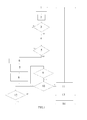
figure 1 shows a block diagram of a preferred embodiment of the method that is object the present invention; -
figure 2 shows a logic block diagram relating to the components affected by the method according to the present invention. - Dashed connections indicate cable or wireless connections. In the figures the same reference numbers and letters identify the same elements or components.
- The method that is object of the invention is described hereinafter, such method allowing to perform a continuous monitoring of the functionalities of the components involved in the engine starting.
- The system acquires physical and/or mechanical magnitudes and correlates them with a temperature detected in the same instant as the acquisition of the determined magnitudes. It has been observed, in fact, that the temperature highly influences the efficiency of some components of the internal combustion engine (I.C.E.), among which batteries (BAT) and injectors (INJ), see
figure 2 . - The temperature may be an engine temperature and/or an ambient temperature, for example measured by means of the temperature sensor arranged in the intake duct (INT) or in the container of the urea-based liquid additive used in industrial vehicles, or the temperature measured in the diesel fuel tank FT.
- A magnitude that is always acquired is the starting time. It defines a relevant discriminant about the possible wear of the components involved in the engine starting.
- The time elapsed after sending the activation signal to the starter M and before reaching the engine speed threshold, namely the so-called "starting threshold" beyond which the internal combustion engine is started and increases its speed until it runs at idle, is measured.
- The starting time is thus stored according to temperature intervals. Namely as a discrete function of the temperature.
- For example, a macro-interval of ambient temperature, for example between -40 and +50, or of engine temperature, for example between -40 and +100, is divided into intervals, for example of 3-5°C, and the starting times are stored as a function of such intervals.
- Homogeneous starting times, namely belonging to the same temperature interval, are compared between each other in order to calculate a tendency. For example, linear regressions can be calculated on the basis of acquisitions showing an increasing tendency of the starting time for any temperature interval.
- When a tendency proves to be increasing, then it may be necessary to start further procedures to identify the component or the group of components that may presumably cause future failures.
- Possible causes of such starting time increase are, for example, due to:
- the pre-heating device of the intake air to the engine, which is generally activated when the ambient temperature is below a certain threshold,
- the fuel injection system and its relative sensors for managing the fuel injection,
- battery efficiency,
- starter M efficiency.
- Such further check steps can be performed in relation to the interval(s) affected by the respective increase tendency.
- For example, when the temperature interval in which the increase of the starting time has been observed exceeds the threshold that determines the deactivation of the pre-heating device, it is useless to consider the pre-heating device of the intake air. Thus it is worth considering the pre-heating device only when the opposite situation occurs. According to a preferred alternative embodiment of the present invention, the "motoring" revolutions per minute of the (electric) starter are monitored. The motoring speed is the speed detected an instant before the autonomous starting of internal combustion engine. Such speed is lower than the aforementioned starting threshold. Such instant, according to the present invention, is identified by monitoring the tension and/or the current delivered by the batteries. Indeed, when the internal combustion engine starts, the starter idles for a few instants. This results in a reduction of the absorbed current and, correspondingly, in an increase of the battery voltage. Thus, by sampling the starter's speed of rotation it is possible to calculate the aforementioned motoring speed.
- If the tendency of the motoring speed of the starter does not show any remarkable decrease, then the problem is presumably connected to the injection or to the sensors managing the injection.
- According to a further preferred alterative embodiment of the present invention, the power supply voltage of the vehicle batteries is further sampled and, if both the motoring speed and the battery voltage seem to decrease, then there is presumably an electric problem, namely relating to the batteries or to the starter (partial short-circuit of the winding, worn brushes, etc.).
- If, on the contrary, the motoring speed tends to decrease, while the power supply voltage of the batteries does not show any remarkable decrease, then the internal combustion engine has probably a mechanical problem of a different nature, relating to the components of the engine itself or to the devices managing them, for example low compression, or valves that do not open or close well, etc..
- A preferred alternative embodiment of the method is shown by means of the steps of
figure 1 : - (step 1) Start, that may correspond to the activation of the dashboard DASB and/or to the activation of the fuel pump (not shown),
- (step 2) acquisition of determinate magnitudes, among which engine speed, cooling water temperature, diesel fuel temperature, battery voltage,
- (step 3) check whether the engine revolutions per minute are different from zero, until the check is positive, then
- (step 4) (
step 3 = YES) activation of the starter and beginning of the sampling of the aforementioned magnitudes, - (step 5) check whether the internal combustion engine is started, until the check is positive, namely until the engine revolutions per minute exceed the starting threshold, then
- (step 6) (
step 5 = YES) deactivation of the starter, calculation of an average value of the measured values relating to the voltage delivered by the batteries and of an average value of the measured value relating to the motoring speed of the starter, - (step 7) storage of such average value as a function of the temperature, according to a subdivision of temperature intervals,
- (step 8) calculation/update of a tendency for homogeneous temperature values, namely a tendency calculated temperature interval by temperature interval, at least of the interval that is object of said storage,
- (step 9) check whether a tendency relating to the starting time of the internal combustion engine has increased: if it has not increased (
step 9 = NO) resumption from the beginning (step 1), otherwise - (step 10) (
step 9 = YES) check of the tendency of the motoring speed, if no remarkable decrease is detected (step 10 = NO), then - (step 11) storage and possibly display of a warning message relating to the injection system and its respective sensors, and resumption from the beginning (step 1),
- on the contrary, if the speed tendency shows a remarkable decrease (
step 10 = YES), then (step 12) check of the tendency of the voltage delivered by the batteries, if no remarkable decrease is detected, preferably during the activation of the starter (step 12 = NO), then - (step 13) storage and possibly display of a warning message relating to mechanical parts of the internal combustion engine or to the means managing the engine starting, and resumption from the beginning (step 1),
- On the contrary, if the tendency of the power supply voltage of the battery shows a remarkable decrease (
step 12 = YES), then (step 14) storage and possibly display of a warning message relating to the vehicle electric part comprising at least the vehicle batteries and the starter and resumption of the method from the beginning (step 1). - According to a preferred alternative embodiment of the invention, the tendencies are calculated on the last m values stored, so that they do not weigh too much on the computational burden.
- Furthermore it can be noted at the
steps - According to a further preferred alternative embodiment of the invention, below a predetermined ambient temperature, a preheating device of the air sucked by the engine is activated.
- If a storage interval of said average values is lower than said threshold, then at step 11 a message relating to the injection system and to its sensors or to the air pre-heating device is stored or displayed.
- Some portions of the method can be carried out on a remote server, or on a diagnostic tool DT that can be connected to the CAN network or directly to the control unit ECI of the vehicle.
- Thus an object of the present invention is also such remote server or such diagnostic tool DT suitable, at least, to acquire said homogeneous value of starting time and/or to
- identify a relation between the tendency of the engine motoring speed and the starting time of the engine itself and/or
- acquire said tendency and display one of the aforementioned messages according to the
steps - acquire said messages and display them on a human/machine interface DASB, DT, RS.
- When the method it operated, at least partially, by means of a remote server, the latter may be suitable to send a warning message to the vehicle's driver or to the vehicle's owner and/or to the garage in charge of the maintenance of the vehicle.
- The present invention may advantageously be realized by means of a computer program, which comprises program code means performing one or more steps of said method, when said program is run on a computer. For this reason the scope of the present patent is meant to cover also said computer program and the computer-readable means that comprise a recorded message, such computer-readable means comprising the program code means for performing one or more steps of such method, when such program is run on a computer.
- From the description set forth above it will be possible for the person skilled in the art to embody the invention with no need of describing further construction details. The elements and the characteristics described in the different preferred embodiments may be combined without departing from the scope of the present application. Therefore, alternative embodiments as a combination of the examples described above are also object of the present invention.
Claims (22)
- Method for diagnosing the starting of an internal combustion engine comprising- internal components of the engine and components managing the functionalities of the engine,- vehicle batteries to supply power to a starter,- a fuel injection system,
the method comprising a step of detecting and storing (i) the starting time of the internal combustion engine as a discrete function of a temperature, in order to identify reciprocally homogeneous starting time values with respect to the temperature, and to calculate (ii) a first tendency on said homogeneous time values. - Method according to claim 1, wherein said temperature is- of the fuel and/or- of the cooling liquid of the internal combustion engine,- of the lubricating oil of the internal combustion engine,- of the additive necessary for the reduction of pollutant emissions.
- Method according to one of the previous claims, further comprising the step of detecting and of storing (iii) a motoring speed value of the internal combustion engine, an instant before its starting and to identify a relation (iv) between said motoring speed value and said starting time, obtaining motoring speed values homogeneous between each other with respect to the temperature.
- Method according to claim 3, further comprising a step of calculating (v) a second tendency on said homogeneous motoring speed values.
- Method according to any one of the previous claims, wherein a warning message is generated (vi):- (vi-a) when said first tendency is increasing and/or- (vi-b) when said first tendency is increasing and said second tendency is substantially constant (step 11).
- Method according to claim 5, wherein when said first tendency is increasing and said second tendency is substantially constant, the warning message (vi-b) indicates the fuel injection system as the possible cause of an increase of the starting time of the internal combustion engine.
- Method according to one of the previous claims, further comprising the step of detecting and of storing (vii) a delivered voltage value and/or current value of the vehicle batteries and to identify a relation (viii) between said delivered voltage and/or current value and said starting time, obtaining voltage and/or current values homogeneous between each other with respect to the temperature.
- Method according to claim 7, further comprising a step of calculating (ix) a third tendency on said homogeneous delivered voltage and/or current values.
- Method according claim 8, wherein a warning message is generated (vi):- (vi-c) when said first tendency is increasing and said second tendency is decreasing and said third tendency is substantially unchanged (step 13),- (vi-d) when said first tendency is increasing and said second tendency is decreasing and said third tendency is decreasing.
- Method according to claim 9, wherein- when said first tendency is increasing and said second tendency is decreasing and said third tendency is substantially unchanged, then the generated warning message (vi-c) indicates the mechanical components of the internal combustion engine or the components managing the functionalities of the internal combustion engine as the possible cause of an increase of the starting time of the internal combustion engine,- when said first tendency is increasing and said second tendency is decreasing and said third tendency is decreasing, then the generated warning message (vi-d) indicates the electrical part of the engine, such as at least batteries and starter, as the possible cause of an increase of the starting time of the internal combustion engine,
- Method according to one of the claims 5 or 9, wherein said message is generated by a discrimination that is a function of the temperature interval that is the object of the calculation of said tendencies.
- Method according one of the previous claims further comprising the following steps:- (step 1) Start, that may correspond to the activation of a vehicle dashboard and/or of a fuel pump feeding the internal combustion engine,- (step 2) acquisition of determinate magnitudes, among which engine speed, cooling water temperature, diesel fuel temperature, battery voltage,- (step 3) check whether the engine revolutions per minute are different from zero, until the check is positive, then- (step 4) activation of the starter and beginning of the sampling of the aforementioned magnitudes,- (step 5) check whether the internal combustion engine is started, until the check is positive, namely until the engine revolutions per minute exceed the starting threshold, then- (step 6) (step 5 = YES) deactivation of the starter, calculation of an average value of the measured values relating to the voltage delivered by the batteries and of an average value of the measured value relating to the motoring speed of the starter,- (step 7) storing of such average value as a discrete function of the temperature, according to a subdivision of temperature intervals,- (step 8) calculation/update of tendencies relating to said magnitudes according to temperature values homogeneous between each other,- (step 9) check whether a tendency relating to the starting time of the internal combustion engine has increased: if it has not increased resumption of the method from the beginning, otherwise- (step 10) check of the tendency of the motoring speed: if no remarkable decrease is observed (step 10 = NO), then- (step 11) storage and possibly display of a warning message relating to the injection system and its respective sensors, and resumption from the beginning,- on the contrary, if the speed tendency shows a remarkable decrease (step 10 = YES), then (step 12) check of the tendency of the voltage delivered by the batteries: if no remarkable decrease is observed (step 12 = NO), then- (step 13) storage and possibly display of a warning message relating to mechanical parts of the internal combustion engine or to the means managing the engine starting, and resumption from the beginning,- On the contrary, if the tendency of the power supply voltage of the battery shows a remarkable decrease (step 12 = YES), then (step 14) storage and possibly display of a warning message relating to the vehicle electric part comprising at least the vehicle batteries and the starter and resumption of the method from the beginning.
- Vehicle control unit (ECI) comprising processing means configured to perform at least the step (i) of claim 1.
- Vehicle control unit (ECI) according to claim 13, wherein said processing means are suitable to perform all the steps (i - ix, steps 1 - 14) of any one of the previous claims from 1 to 12.
- Diagnostic tool (DT) comprising interface means suitable to interface with said vehicle control unit (ECI) according to claims 13 or 14, and processing means suitable to acquire said homogeneous starting time values and to calculate (ii) said first tendency on said homogeneous time values.
- Diagnosis tool (DT) according to claim 15, wherein said processing means are suitable to perform all the steps (i - ix, steps 1 - 14) of any one of the previous claims from 1 to 12.
- Remote server (RS) comprising interface means suitable to interface with said vehicle control unit (ECI) according to claims 13 or 14, and processing means suitable to acquire said homogeneous starting time and to calculate (ii) said first tendency on said homogeneous time.
- Remote server (RS) according to claim 17, wherein said processing means are suitable to perform all the steps (i - ix, steps 1 - 14) of any one of the previous claims from 1 to 12.
- Computer program comprising program code means suitable for performing all the steps (i - ix, steps 1 - 14) of any one of the claims from 1 to 12, when such program is run on a computer.
- Computer-readable means comprising a recorded program, said computer-readable means comprising program code means suitable for performing all the steps (i - ix, steps 1 - 14) of any one of the claims from 1 to 12, when said program is run on a computer.
- Internal combustion engine comprising a vehicle control unit according to one of the claims 13 or 14.
- Vehicle comprising an internal combustion engine according to claim 21.
Priority Applications (2)
| Application Number | Priority Date | Filing Date | Title |
|---|---|---|---|
| EP12198408.2A EP2746558B1 (en) | 2012-12-20 | 2012-12-20 | System for diagnosing the starting of an internal combustion engine |
| ES12198408T ES2761001T3 (en) | 2012-12-20 | 2012-12-20 | System to diagnose the start of an internal combustion engine |
Applications Claiming Priority (1)
| Application Number | Priority Date | Filing Date | Title |
|---|---|---|---|
| EP12198408.2A EP2746558B1 (en) | 2012-12-20 | 2012-12-20 | System for diagnosing the starting of an internal combustion engine |
Publications (2)
| Publication Number | Publication Date |
|---|---|
| EP2746558A1 true EP2746558A1 (en) | 2014-06-25 |
| EP2746558B1 EP2746558B1 (en) | 2019-10-23 |
Family
ID=47747280
Family Applications (1)
| Application Number | Title | Priority Date | Filing Date |
|---|---|---|---|
| EP12198408.2A Active EP2746558B1 (en) | 2012-12-20 | 2012-12-20 | System for diagnosing the starting of an internal combustion engine |
Country Status (2)
| Country | Link |
|---|---|
| EP (1) | EP2746558B1 (en) |
| ES (1) | ES2761001T3 (en) |
Cited By (3)
| Publication number | Priority date | Publication date | Assignee | Title |
|---|---|---|---|---|
| EP2875235A4 (en) * | 2012-06-19 | 2016-07-13 | Scania Cv Ab | DIAGNOSIS FOR A STARTER |
| JP2018189029A (en) * | 2017-05-08 | 2018-11-29 | トヨタ自動車株式会社 | Abnormality monitoring system |
| CN111881419A (en) * | 2020-07-28 | 2020-11-03 | 重庆长安汽车股份有限公司 | Vehicle cold start evaluation method |
Citations (5)
| Publication number | Priority date | Publication date | Assignee | Title |
|---|---|---|---|---|
| DE10243567A1 (en) * | 2002-09-19 | 2004-04-08 | Siemens Ag | Ease of motor vehicle engine starting determination method in which the battery voltage, starter motor speed, oil temperature and battery loading prior to starting are used in a calculation step |
| DE102007025692A1 (en) * | 2007-06-01 | 2008-01-24 | Daimler Ag | Method for analyzing the start-up process of an internal combustion engine comprises evaluating and classifying the start-up process based on a number of prescribed measuring parameters representing the start-up process |
| DE102008023837A1 (en) * | 2007-07-19 | 2009-01-22 | Ford Global Technologies, LLC, Dearborn | Micro-hybrid motor vehicle |
| US20090309530A1 (en) * | 2008-06-16 | 2009-12-17 | Gm Global Technology Operations, Inc. | Method and apparatus for starter motor diagnosis and prognosis using parameter estimation algorithm |
| US20120017618A1 (en) * | 2010-07-20 | 2012-01-26 | Thermo King Corporation | Engine starter predictive maintenance system |
-
2012
- 2012-12-20 EP EP12198408.2A patent/EP2746558B1/en active Active
- 2012-12-20 ES ES12198408T patent/ES2761001T3/en active Active
Patent Citations (5)
| Publication number | Priority date | Publication date | Assignee | Title |
|---|---|---|---|---|
| DE10243567A1 (en) * | 2002-09-19 | 2004-04-08 | Siemens Ag | Ease of motor vehicle engine starting determination method in which the battery voltage, starter motor speed, oil temperature and battery loading prior to starting are used in a calculation step |
| DE102007025692A1 (en) * | 2007-06-01 | 2008-01-24 | Daimler Ag | Method for analyzing the start-up process of an internal combustion engine comprises evaluating and classifying the start-up process based on a number of prescribed measuring parameters representing the start-up process |
| DE102008023837A1 (en) * | 2007-07-19 | 2009-01-22 | Ford Global Technologies, LLC, Dearborn | Micro-hybrid motor vehicle |
| US20090309530A1 (en) * | 2008-06-16 | 2009-12-17 | Gm Global Technology Operations, Inc. | Method and apparatus for starter motor diagnosis and prognosis using parameter estimation algorithm |
| US20120017618A1 (en) * | 2010-07-20 | 2012-01-26 | Thermo King Corporation | Engine starter predictive maintenance system |
Cited By (4)
| Publication number | Priority date | Publication date | Assignee | Title |
|---|---|---|---|---|
| EP2875235A4 (en) * | 2012-06-19 | 2016-07-13 | Scania Cv Ab | DIAGNOSIS FOR A STARTER |
| JP2018189029A (en) * | 2017-05-08 | 2018-11-29 | トヨタ自動車株式会社 | Abnormality monitoring system |
| CN111881419A (en) * | 2020-07-28 | 2020-11-03 | 重庆长安汽车股份有限公司 | Vehicle cold start evaluation method |
| CN111881419B (en) * | 2020-07-28 | 2023-07-25 | 重庆长安汽车股份有限公司 | Vehicle cold start evaluation method |
Also Published As
| Publication number | Publication date |
|---|---|
| EP2746558B1 (en) | 2019-10-23 |
| ES2761001T3 (en) | 2020-05-18 |
Similar Documents
| Publication | Publication Date | Title |
|---|---|---|
| US8538626B2 (en) | Systems and methods for diagnosing an engine | |
| EP2158554B1 (en) | Method for monitoring an engine starting system and engine including starting system monitor | |
| US20210255247A1 (en) | Motor vehicle battery wear monitoring system and method | |
| US10385817B2 (en) | Engine start/stop function management | |
| US10480477B2 (en) | Electric current based engine auto stop inhibit algorithm and system implementing same | |
| US20140074353A1 (en) | Vehicle telematics control via ignition detection | |
| US10669964B2 (en) | Diagnosis of boost capacitor using discharge circuit | |
| US9140227B2 (en) | Control device for vehicle | |
| US9404466B2 (en) | Method for evaluating an engine starting system | |
| US9790884B2 (en) | Control system and control method of vehicle | |
| US9857346B2 (en) | Urea water supply guidance output device for working vehicle and method of outputting urea water supply guidance of working vehicle | |
| US9665996B2 (en) | Negative pressure abnormality detection apparatus and control apparatus for internal combustion engine | |
| US11455842B1 (en) | Systems and methods for determining a vehicle alternator condition | |
| RU2604659C2 (en) | Diagnostics of starter | |
| EP2746558B1 (en) | System for diagnosing the starting of an internal combustion engine | |
| EP3312397A1 (en) | Oil life detection device and oil life detection method | |
| CA2998628A1 (en) | Systems and methods for automatically monitoring and controlling temperature for a vehicle | |
| JP2019209811A (en) | Battery diagnosis device | |
| CN104121095B (en) | The method for diagnosing faults of speed probe | |
| JP2009191743A (en) | Abnormality judgment device | |
| EP4102237B1 (en) | Devices and methods for determining a vehicle alternator condition | |
| EP4102238A1 (en) | Systems and methods for determining a vehicle alternator condition | |
| US12097777B2 (en) | Methods and systems for predicting a potential alternator failure | |
| CN105083269B (en) | The guard method of motor vehicle driven by mixed power engine and device | |
| CN108699979B (en) | Method and device for detecting whether combustion is occurring during operation of a hybrid vehicle |
Legal Events
| Date | Code | Title | Description |
|---|---|---|---|
| PUAI | Public reference made under article 153(3) epc to a published international application that has entered the european phase |
Free format text: ORIGINAL CODE: 0009012 |
|
| 17P | Request for examination filed |
Effective date: 20121220 |
|
| AK | Designated contracting states |
Kind code of ref document: A1 Designated state(s): AL AT BE BG CH CY CZ DE DK EE ES FI FR GB GR HR HU IE IS IT LI LT LU LV MC MK MT NL NO PL PT RO RS SE SI SK SM TR |
|
| AX | Request for extension of the european patent |
Extension state: BA ME |
|
| R17P | Request for examination filed (corrected) |
Effective date: 20141215 |
|
| RBV | Designated contracting states (corrected) |
Designated state(s): AL AT BE BG CH CY CZ DE DK EE ES FI FR GB GR HR HU IE IS IT LI LT LU LV MC MK MT NL NO PL PT RO RS SE SI SK SM TR |
|
| STAA | Information on the status of an ep patent application or granted ep patent |
Free format text: STATUS: EXAMINATION IS IN PROGRESS |
|
| 17Q | First examination report despatched |
Effective date: 20170503 |
|
| RIC1 | Information provided on ipc code assigned before grant |
Ipc: F02D 41/06 20060101ALN20190401BHEP Ipc: F02N 11/10 20060101ALI20190401BHEP Ipc: F02D 41/22 20060101AFI20190401BHEP Ipc: F02N 11/08 20060101ALN20190401BHEP Ipc: G01M 15/05 20060101ALI20190401BHEP |
|
| GRAP | Despatch of communication of intention to grant a patent |
Free format text: ORIGINAL CODE: EPIDOSNIGR1 |
|
| STAA | Information on the status of an ep patent application or granted ep patent |
Free format text: STATUS: GRANT OF PATENT IS INTENDED |
|
| INTG | Intention to grant announced |
Effective date: 20190520 |
|
| GRAS | Grant fee paid |
Free format text: ORIGINAL CODE: EPIDOSNIGR3 |
|
| GRAA | (expected) grant |
Free format text: ORIGINAL CODE: 0009210 |
|
| STAA | Information on the status of an ep patent application or granted ep patent |
Free format text: STATUS: THE PATENT HAS BEEN GRANTED |
|
| AK | Designated contracting states |
Kind code of ref document: B1 Designated state(s): AL AT BE BG CH CY CZ DE DK EE ES FI FR GB GR HR HU IE IS IT LI LT LU LV MC MK MT NL NO PL PT RO RS SE SI SK SM TR |
|
| REG | Reference to a national code |
Ref country code: GB Ref legal event code: FG4D |
|
| REG | Reference to a national code |
Ref country code: CH Ref legal event code: EP |
|
| REG | Reference to a national code |
Ref country code: IE Ref legal event code: FG4D |
|
| REG | Reference to a national code |
Ref country code: DE Ref legal event code: R096 Ref document number: 602012065041 Country of ref document: DE |
|
| REG | Reference to a national code |
Ref country code: AT Ref legal event code: REF Ref document number: 1193890 Country of ref document: AT Kind code of ref document: T Effective date: 20191115 |
|
| REG | Reference to a national code |
Ref country code: SE Ref legal event code: TRGR |
|
| REG | Reference to a national code |
Ref country code: NL Ref legal event code: FP |
|
| REG | Reference to a national code |
Ref country code: LT Ref legal event code: MG4D |
|
| PG25 | Lapsed in a contracting state [announced via postgrant information from national office to epo] |
Ref country code: LV Free format text: LAPSE BECAUSE OF FAILURE TO SUBMIT A TRANSLATION OF THE DESCRIPTION OR TO PAY THE FEE WITHIN THE PRESCRIBED TIME-LIMIT Effective date: 20191023 Ref country code: FI Free format text: LAPSE BECAUSE OF FAILURE TO SUBMIT A TRANSLATION OF THE DESCRIPTION OR TO PAY THE FEE WITHIN THE PRESCRIBED TIME-LIMIT Effective date: 20191023 Ref country code: PT Free format text: LAPSE BECAUSE OF FAILURE TO SUBMIT A TRANSLATION OF THE DESCRIPTION OR TO PAY THE FEE WITHIN THE PRESCRIBED TIME-LIMIT Effective date: 20200224 Ref country code: BG Free format text: LAPSE BECAUSE OF FAILURE TO SUBMIT A TRANSLATION OF THE DESCRIPTION OR TO PAY THE FEE WITHIN THE PRESCRIBED TIME-LIMIT Effective date: 20200123 Ref country code: GR Free format text: LAPSE BECAUSE OF FAILURE TO SUBMIT A TRANSLATION OF THE DESCRIPTION OR TO PAY THE FEE WITHIN THE PRESCRIBED TIME-LIMIT Effective date: 20200124 Ref country code: NO Free format text: LAPSE BECAUSE OF FAILURE TO SUBMIT A TRANSLATION OF THE DESCRIPTION OR TO PAY THE FEE WITHIN THE PRESCRIBED TIME-LIMIT Effective date: 20200123 Ref country code: PL Free format text: LAPSE BECAUSE OF FAILURE TO SUBMIT A TRANSLATION OF THE DESCRIPTION OR TO PAY THE FEE WITHIN THE PRESCRIBED TIME-LIMIT Effective date: 20191023 Ref country code: LT Free format text: LAPSE BECAUSE OF FAILURE TO SUBMIT A TRANSLATION OF THE DESCRIPTION OR TO PAY THE FEE WITHIN THE PRESCRIBED TIME-LIMIT Effective date: 20191023 |
|
| REG | Reference to a national code |
Ref country code: ES Ref legal event code: FG2A Ref document number: 2761001 Country of ref document: ES Kind code of ref document: T3 Effective date: 20200518 |
|
| PG25 | Lapsed in a contracting state [announced via postgrant information from national office to epo] |
Ref country code: HR Free format text: LAPSE BECAUSE OF FAILURE TO SUBMIT A TRANSLATION OF THE DESCRIPTION OR TO PAY THE FEE WITHIN THE PRESCRIBED TIME-LIMIT Effective date: 20191023 Ref country code: IS Free format text: LAPSE BECAUSE OF FAILURE TO SUBMIT A TRANSLATION OF THE DESCRIPTION OR TO PAY THE FEE WITHIN THE PRESCRIBED TIME-LIMIT Effective date: 20200224 Ref country code: RS Free format text: LAPSE BECAUSE OF FAILURE TO SUBMIT A TRANSLATION OF THE DESCRIPTION OR TO PAY THE FEE WITHIN THE PRESCRIBED TIME-LIMIT Effective date: 20191023 |
|
| PG25 | Lapsed in a contracting state [announced via postgrant information from national office to epo] |
Ref country code: AL Free format text: LAPSE BECAUSE OF FAILURE TO SUBMIT A TRANSLATION OF THE DESCRIPTION OR TO PAY THE FEE WITHIN THE PRESCRIBED TIME-LIMIT Effective date: 20191023 |
|
| REG | Reference to a national code |
Ref country code: DE Ref legal event code: R097 Ref document number: 602012065041 Country of ref document: DE |
|
| PG2D | Information on lapse in contracting state deleted |
Ref country code: IS |
|
| PG25 | Lapsed in a contracting state [announced via postgrant information from national office to epo] |
Ref country code: CZ Free format text: LAPSE BECAUSE OF FAILURE TO SUBMIT A TRANSLATION OF THE DESCRIPTION OR TO PAY THE FEE WITHIN THE PRESCRIBED TIME-LIMIT Effective date: 20191023 Ref country code: RO Free format text: LAPSE BECAUSE OF FAILURE TO SUBMIT A TRANSLATION OF THE DESCRIPTION OR TO PAY THE FEE WITHIN THE PRESCRIBED TIME-LIMIT Effective date: 20191023 Ref country code: DK Free format text: LAPSE BECAUSE OF FAILURE TO SUBMIT A TRANSLATION OF THE DESCRIPTION OR TO PAY THE FEE WITHIN THE PRESCRIBED TIME-LIMIT Effective date: 20191023 Ref country code: EE Free format text: LAPSE BECAUSE OF FAILURE TO SUBMIT A TRANSLATION OF THE DESCRIPTION OR TO PAY THE FEE WITHIN THE PRESCRIBED TIME-LIMIT Effective date: 20191023 Ref country code: IS Free format text: LAPSE BECAUSE OF FAILURE TO SUBMIT A TRANSLATION OF THE DESCRIPTION OR TO PAY THE FEE WITHIN THE PRESCRIBED TIME-LIMIT Effective date: 20200223 |
|
| REG | Reference to a national code |
Ref country code: CH Ref legal event code: PL |
|
| REG | Reference to a national code |
Ref country code: AT Ref legal event code: MK05 Ref document number: 1193890 Country of ref document: AT Kind code of ref document: T Effective date: 20191023 |
|
| REG | Reference to a national code |
Ref country code: BE Ref legal event code: MM Effective date: 20191231 |
|
| PLBE | No opposition filed within time limit |
Free format text: ORIGINAL CODE: 0009261 |
|
| STAA | Information on the status of an ep patent application or granted ep patent |
Free format text: STATUS: NO OPPOSITION FILED WITHIN TIME LIMIT |
|
| PG25 | Lapsed in a contracting state [announced via postgrant information from national office to epo] |
Ref country code: SK Free format text: LAPSE BECAUSE OF FAILURE TO SUBMIT A TRANSLATION OF THE DESCRIPTION OR TO PAY THE FEE WITHIN THE PRESCRIBED TIME-LIMIT Effective date: 20191023 Ref country code: SM Free format text: LAPSE BECAUSE OF FAILURE TO SUBMIT A TRANSLATION OF THE DESCRIPTION OR TO PAY THE FEE WITHIN THE PRESCRIBED TIME-LIMIT Effective date: 20191023 Ref country code: MC Free format text: LAPSE BECAUSE OF FAILURE TO SUBMIT A TRANSLATION OF THE DESCRIPTION OR TO PAY THE FEE WITHIN THE PRESCRIBED TIME-LIMIT Effective date: 20191023 |
|
| 26N | No opposition filed |
Effective date: 20200724 |
|
| PG25 | Lapsed in a contracting state [announced via postgrant information from national office to epo] |
Ref country code: IE Free format text: LAPSE BECAUSE OF NON-PAYMENT OF DUE FEES Effective date: 20191220 Ref country code: LU Free format text: LAPSE BECAUSE OF NON-PAYMENT OF DUE FEES Effective date: 20191220 |
|
| PG25 | Lapsed in a contracting state [announced via postgrant information from national office to epo] |
Ref country code: BE Free format text: LAPSE BECAUSE OF NON-PAYMENT OF DUE FEES Effective date: 20191231 Ref country code: CH Free format text: LAPSE BECAUSE OF NON-PAYMENT OF DUE FEES Effective date: 20191231 Ref country code: AT Free format text: LAPSE BECAUSE OF FAILURE TO SUBMIT A TRANSLATION OF THE DESCRIPTION OR TO PAY THE FEE WITHIN THE PRESCRIBED TIME-LIMIT Effective date: 20191023 Ref country code: LI Free format text: LAPSE BECAUSE OF NON-PAYMENT OF DUE FEES Effective date: 20191231 Ref country code: SI Free format text: LAPSE BECAUSE OF FAILURE TO SUBMIT A TRANSLATION OF THE DESCRIPTION OR TO PAY THE FEE WITHIN THE PRESCRIBED TIME-LIMIT Effective date: 20191023 |
|
| PG25 | Lapsed in a contracting state [announced via postgrant information from national office to epo] |
Ref country code: CY Free format text: LAPSE BECAUSE OF FAILURE TO SUBMIT A TRANSLATION OF THE DESCRIPTION OR TO PAY THE FEE WITHIN THE PRESCRIBED TIME-LIMIT Effective date: 20191023 |
|
| PG25 | Lapsed in a contracting state [announced via postgrant information from national office to epo] |
Ref country code: MT Free format text: LAPSE BECAUSE OF FAILURE TO SUBMIT A TRANSLATION OF THE DESCRIPTION OR TO PAY THE FEE WITHIN THE PRESCRIBED TIME-LIMIT Effective date: 20191023 Ref country code: HU Free format text: LAPSE BECAUSE OF FAILURE TO SUBMIT A TRANSLATION OF THE DESCRIPTION OR TO PAY THE FEE WITHIN THE PRESCRIBED TIME-LIMIT; INVALID AB INITIO Effective date: 20121220 |
|
| PG25 | Lapsed in a contracting state [announced via postgrant information from national office to epo] |
Ref country code: TR Free format text: LAPSE BECAUSE OF FAILURE TO SUBMIT A TRANSLATION OF THE DESCRIPTION OR TO PAY THE FEE WITHIN THE PRESCRIBED TIME-LIMIT Effective date: 20191023 |
|
| PG25 | Lapsed in a contracting state [announced via postgrant information from national office to epo] |
Ref country code: MK Free format text: LAPSE BECAUSE OF FAILURE TO SUBMIT A TRANSLATION OF THE DESCRIPTION OR TO PAY THE FEE WITHIN THE PRESCRIBED TIME-LIMIT Effective date: 20191023 |
|
| P01 | Opt-out of the competence of the unified patent court (upc) registered |
Effective date: 20230523 |
|
| PGFP | Annual fee paid to national office [announced via postgrant information from national office to epo] |
Ref country code: GB Payment date: 20251223 Year of fee payment: 14 |
|
| PGFP | Annual fee paid to national office [announced via postgrant information from national office to epo] |
Ref country code: IT Payment date: 20251120 Year of fee payment: 14 |
|
| PGFP | Annual fee paid to national office [announced via postgrant information from national office to epo] |
Ref country code: NL Payment date: 20251222 Year of fee payment: 14 Ref country code: FR Payment date: 20251223 Year of fee payment: 14 |
|
| PGFP | Annual fee paid to national office [announced via postgrant information from national office to epo] |
Ref country code: SE Payment date: 20251222 Year of fee payment: 14 |
|
| PGFP | Annual fee paid to national office [announced via postgrant information from national office to epo] |
Ref country code: ES Payment date: 20260122 Year of fee payment: 14 |
|
| PGFP | Annual fee paid to national office [announced via postgrant information from national office to epo] |
Ref country code: DE Payment date: 20251229 Year of fee payment: 14 |