EP2739641B2 - Systems and methods to increase protein yield from recombinant manufacturing processes - Google Patents
Systems and methods to increase protein yield from recombinant manufacturing processes Download PDFInfo
- Publication number
- EP2739641B2 EP2739641B2 EP12746445.1A EP12746445A EP2739641B2 EP 2739641 B2 EP2739641 B2 EP 2739641B2 EP 12746445 A EP12746445 A EP 12746445A EP 2739641 B2 EP2739641 B2 EP 2739641B2
- Authority
- EP
- European Patent Office
- Prior art keywords
- protein
- interest
- elution buffer
- filter
- rfviii
- Prior art date
- Legal status (The legal status is an assumption and is not a legal conclusion. Google has not performed a legal analysis and makes no representation as to the accuracy of the status listed.)
- Active
Links
Images
Classifications
-
- C—CHEMISTRY; METALLURGY
- C07—ORGANIC CHEMISTRY
- C07K—PEPTIDES
- C07K14/00—Peptides having more than 20 amino acids; Gastrins; Somatostatins; Melanotropins; Derivatives thereof
- C07K14/435—Peptides having more than 20 amino acids; Gastrins; Somatostatins; Melanotropins; Derivatives thereof from animals; from humans
- C07K14/745—Blood coagulation or fibrinolysis factors
- C07K14/755—Factors VIII, e.g. factor VIII C (AHF), factor VIII Ag (VWF)
-
- C—CHEMISTRY; METALLURGY
- C07—ORGANIC CHEMISTRY
- C07K—PEPTIDES
- C07K1/00—General methods for the preparation of peptides, i.e. processes for the organic chemical preparation of peptides or proteins of any length
- C07K1/14—Extraction; Separation; Purification
- C07K1/34—Extraction; Separation; Purification by filtration, ultrafiltration or reverse osmosis
Definitions
- the systems and methods treat used depth filters with bound proteins of interest as a stationary phase exchange resin to recapture bound protein of interest from the depth filter.
- Factor VIII is a trace plasma glycoprotein that is found in mammals and is involved as a cofactor in the activation of Factor X and Factor IXa.
- An inherited deficiency of Factor VIII results in the bleeding disorder hemophilia A, which can be treated successfully by administration of recombinant Factor VIII.
- Recombinant Factor VIII can be produced by Chinese Hamster Ovary (CHO) cells transfected with a vector carrying a DNA sequence encoding the Factor VIII molecule.
- rFVIII is co-produced with recombinant von Willebrand Factor (rvWF). As stated, these recombinantly-produced proteins can provide an effective treatment for hemophilia.
- this protein is expensive to produce due to the relatively low yields obtained in processes known in the art.
- the yield per cell tends to be low compared to the yield that might be obtained for other recombinant proteins.
- secreted FVIII is separated from source CHO cells, debris and DNA using depth filtration that employs charged CUNO filters. The charged depth filter binds to the FVIII product thereby reducing the final recovery of the protein.
- the present disclosure provides systems and methods that increase protein yield from recombinant manufacturing processes.
- the systems and methods treat used depth filters with bound proteins of interest as a stationary phase exchange resin to recapture bound protein of interest using a high salt elution buffer.
- these systems and methods improve the efficiency and cost of manufacturing therapeutic proteins.
- one embodiment includes a method of increasing the amount of a protein of interest wherein the protein of interest is rFVIII available for recovery from a sample containing other components and following a first purification step of the sample comprising: exposing a positively charged depth filter through which the sample has been passed to a salt elution buffer wherein exposure to the elution buffer releases the protein of interest from the filter for subsequent recovery, wherein the salt elution buffer has a conductivity of at least 20 mg/cm.
- Another embodiment further includes recovering the released protein of interest from the elution buffer.
- the protein of interest is a therapeutic protein, namely the protein of interest is rFVIII.
- Another embodiment includes a method of manufacturing and recovering a protein of interest wherein the protein of interest is rFVIII comprising: recombinantly producing a protein of interest using a host cell within a medium; filtering the medium using depth filtration with a positive charge; exposing the positively charged depth filter to a salt elution buffer to release protein of interest from the filter; recovering released protein of interest from the elution buffer; and recovering further protein of interest from the sample passed through the depth filter, wherein the elution buffer is a salt elution buffer and has a conductivity of at least 20 mS/cm.
- the filter is positively-charged.
- the recombinantly-produced protein of interest is rFVIII.
- Another embodiment further includes combining the protein of interest which is rFVIII recovered from the elution buffer and the protein of interest recovered from the sample passed through the depth filter into a pharmaceutical composition with pharmaceutically acceptable carriers.
- Another embodiment includes a method of manufacturing a pharmaceutical composition
- a method of manufacturing a pharmaceutical composition comprising: recombinantly producing a therapeutic protein of interest which is rFVIII using a host cell within a medium; filtering the medium using a CUNO depth filter with a positive charge; exposing the depth filter to a salt elution buffer with a conductivity of at least 20 mS/cm to release protein of interest from the filter; recovering released protein of interest from the salt elution buffer; recovering further protein of interest from the sample passed through the depth filter; and combining recovered protein of interest with pharmaceutically acceptable carriers thereby forming the pharmaceutical composition.
- the salt elution buffer has a conductivity of at least 30 mS/cm.
- the salt elution buffer has a conductivity of at least 50 mS/cm.
- the protein of interest is recombinantly-produced rFVIII.
- Embodiments disclosed herein include systems and methods for increasing recovery of a protein of interest following recombinant production.
- proteins of interest are secreted from host cells into surrounding culture medium.
- recombinant host cells are cultured in a medium and secrete Factor VIII into the medium.
- recombinant host cell refers to a cell into which a recombinant expression vector has been introduced. It should be understood that such terms are intended to refer not only to the particular subject cell but to the progeny of such a cell. Because certain modifications can occur in succeeding generations due to either mutation or environmental influences, such progeny may not, in fact, be identical to the parent cell, but are still included within the scope of the term “host cell” as used herein.
- the most common host cell is a Chinese Hamster Ovary (CHO) cell.
- Other types can also be used, however, including, without limitation, all appropriate prokaryote and eukaryote cells, including bacterial, yeast, fungi, insect and mammalian cells.
- Hosts include microbial cells, especially microorganisms like E. coli. Any suitable strain of E. coli is contemplated.
- genes encoding diverse structural proteins or peptides, polypeptides, glycoproteins, phosphoproteins, amidated proteins, etc.
- genes can be inserted into the expression vector, which genes can constitute genomic DNA, cDNA, synthetic DNA, polynucleotide and oligonucleotide, etc.
- nucleic acids can be obtained using chemical synthesis or gene manipulation techniques (see Sambrook, Fritsch, Maniatis, Molecular Cloning, A Laboratory Manual, Second Edition, Cold Spring Harbor Laboratory Press, 1989 ; and Current Protocols in Molecular Biology, Greene Publishing Assoc. & Wiley, 1987 ) and, further, can be inserted into expression vectors, and the expression vectors subsequently introduced into host cells using additional gene manipulation techniques (id.).
- Introduction of the expression vector into a host cell can be affected by, without limitation, heat shock, calcium phosphate transfection, DEAE-Dextran mediated transfection, or electroporation ( Hanahan, D., J. Mol. Biol. 166:557-580 (1983 ); Davis, L. et al., Basic Methods in Molecular Biology (1986 )).
- Culturing of an expression vector containing host can be carried out using known processes such as those disclosed in the aforementioned documents, and include, but are not limited to, the use of incubators, bioreactors, fermentors etc., according to batch fermentation, fed batch fermentation, continuous culture, Type I, II and III fermentation, aseptic fermentation, consortium fermentation, protected fermentation, etc. Fitting the conditions (e.g., medium, temperature, pH, hours, agitation, aeration, etc.) for culture to the circumstances is empirical and within the ordinary skill of those in the art.
- the protein or proteins of interest must be separated from the host cell media and other impurities such as cellular debris, nucleic acids, RNA, protein, endotoxins, pyrogens and host chromosomal DNA.
- Factor rFVIII as the protein of interest is separated and purified from the medium.
- the protein or proteins of interest are rFactor VIIII complexed with vWF.
- Depth filtration is employed in the present invention as a purification step to separate host cells and other impurities from a protein of interest.
- Depth filters are generally formed with a matrix of multi-directional fibers forming tortuous passages so that they are capable of trapping and retaining particles that are smaller than their pore size.
- a depth filter accomplishes this type of filtration at least partly because fluid passing through the filter media is caused to change direction as it passes through the multi-directional fibers. This in turn causes very fine particulate material in the liquid to be deposited and retained in niches or crevices even though the particles can be smaller than the openings in the media. Accordingly, this type of filter is capable of retaining particles from a mobile liquid phase throughout the filter rather than just on the surface of the filter.
- Depth filters of this invention are charge-modified.
- a charge-modified depth filter typically has two distinct zones and, thus, two distinct mechanisms for the removal of contaminants.
- the first is the physical means of capture of contaminant where particles become entrapped within the matrix as described above.
- the second is electrokinetic absorption which removes contaminants of an opposite charge.
- the two or more zones or layers can be composed of similar materials (in which the materials are formulated and processed such that they have different retention capacities), or can be composed of different materials having distinctly different particle retention characteristics.
- the two or more zones can be contiguous or non-contiguous with one another as long as the fluid being filtered communicates between the zones.
- Depth filters can be composed of numerous materials including, without limitation, a fibrous bed of cellulose or polypropylene fibers, fiber mats, woven or nonwoven fabrics, or a synthetic fabric, such as nylon or rayon, e.g., Miracloth ® (Calbiochem, La Jolla, Calif.) along with a filter aid or "matrix", e.g., paper, plastic, metal, glass, glass fibers, nylon, polyolefin, carbon, ceramics, diatomaceous earth, cellulose or diatomite (skeletal remains of minute algae (diatoms) found in marine deposits that have lifted above sea level).
- a fibrous bed of cellulose or polypropylene fibers such as nylon or rayon, e.g., Miracloth ® (Calbiochem, La Jolla, Calif.) along with a filter aid or "matrix”, e.g., paper, plastic, metal, glass, glass fibers, nylon, polyolefin, carbon, ceramics, diatomaceous earth, cellulose
- Charge-depth filters are manufactured by numerous companies, including, for example, Cuno, Inc., ErtelAlsop, Filtrox AG, GE Infrastructure Water and Process Technologies, Meissner Filtration Products, Inc., Millipore Corp., Pall, Corp., Sartorius AG, and US Filter.
- charge-depth filters include, ZetaPlus, PolyNET, Betafine, Disk-Pak, Accusclae, PharmaScale, PuraFix.
- CUNO 30SP filters that contain cellulose, fiberaid, and a resin that imparts a positive charge to the filter surfaces. These filters contain significant voids volume which allow for accumulation of cellular debris.
- the filter structure is a series of interconnecting pore pathways able to retain cellular debris by mechanical entrapment.
- Zeta Plus filters are also able to remove particles smaller than their pore size. This capability is based on electrokinetic attraction of negatively charged particles by the positively charged filter surfaces. DNA, which is a polyanionic negatively charged molecule, would also be removed by these filters.
- Negatively-charged proteins of interest however, such as rFVIII at a pH of 7 also bind to the filters reducing recovery and yield from the filtration process.
- the invention disclosed herein provide systems and methods to recapture protein of interest i.e. rFVIII bound by a depth filter during purification processes.
- Particular embodiments of the systems and methods disclosed herein utilize a pseudo chromatographic method to release the bound protein of interest from the depth filters using a gradient of a high salt elution buffer.
- protein of interest captured by the depth filter can be recaptured by contacting the depth filter with an elution buffer, namely, a high salt elution buffer and in a further embodiment an inorganic high salt elution buffer comprising sodium chloride.
- Non-limiting exemplary elution buffers include nuclease-free water, aqueous solutions such as, TRISTM-HCl or TRISTM-ethylenediaminetetraacetic acid (EDTA) or a solution that contains one or more of piperadine, imidazole or o-phosphate.
- Elution buffers can also be aqueous solutions that include, without limitation, ammonium carbonate, ammonium hydroxide, diammonium citrate, ammonium acetate, ammonium dihydrogen phosphate, or ammonium bicarbonate.
- High salt elution buffers are those that have sufficient ionic strength to mask charge characteristics of the protein of interest and depth filter so that captured protein of interest is eluted from the depth filter.
- Salts having multi-valent ions are particularly useful in this regard, e.g., sulphates and phosphates with alkali earth or transition metal counterions, although salts dissociating to one or more monovalents are also suitable for use within embodiments disclosed herein.
- non-limiting appropriate elution buffer salts include alkali metal, alkaline earth metal and/or ammonium salts, as well as citrate, phosphate, borate, lactate and the like salts and mixtures thereof.
- Elution buffers described herein have a conductivity of at least 20 mS/cm, at least 30 mS/cm, at least 40 mS/cm, at least 50 mS/cm, at least 60 mS/cm, at least 70 mS/cm, at least 80 mS/cm, at least 90 mS/cm, at least 100 mS/cm, at least 110 mS/cm, at least 120 mS/cm, at least 130 mS/cm, at least 140 mS/cm, at least 150 mS/cm, at least 160 mS/cm, at least 170 mS/cm, at least 180 mS/cm, at least 190 mS/cm, at least 200 mS/cm, at least 210 mS/cm, at least 220 mS/cm, at feast 230 mS/cm, at least 240 mS/cm, at least 250 m
- the systems and methods disclosed herein can beneficially be used with additional filtering and capture techniques such as, and without limitation, affinity chromatography, size exclusion chromatography, gel filtration, cation-exchange chromatography, anion-exchange chromatography, hydrophobic-interaction chromatography, ceramic hydroxyapatite chromatography, reverse-phase HPLC and/or chromatofocusing to fully isolate and purify the protein of interest to accepted pharmaceutical standards.
- additional filtering and capture techniques such as, and without limitation, affinity chromatography, size exclusion chromatography, gel filtration, cation-exchange chromatography, anion-exchange chromatography, hydrophobic-interaction chromatography, ceramic hydroxyapatite chromatography, reverse-phase HPLC and/or chromatofocusing to fully isolate and purify the protein of interest to accepted pharmaceutical standards.
- the systems and methods disclosed herein can be incorporated into scalable unit operations allowing the production of milligram, gram and kilogram quantities of a protein of interest.
- Purified proteins of interest can be incorporated into pharmaceutical compositions suitable for administration to a subject.
- the pharmaceutical composition comprises a therapeutic protein and a pharmaceutically acceptable carrier.
- pharmaceutically acceptable carrier is intended to include any and all solvents, dispersion media, coatings, antibacterial and antifungal agents, isotonic and absorption delaying agents, and the like, compatible with pharmaceutical administration.
- the use of such media and agents for pharmaceutically active substances is known in the art. Except insofar as any conventional media or agent is incompatible with the active protein of interest, use thereof in the compositions is provided. Supplementary active compounds can also be incorporated into the compositions.
- compositions are formulated to be compatible with the intended route of administration.
- routes of administration include parenteral, e.g., intravenous, intradermal, subcutaneous, oral (e.g., inhalation), transdermal (topical), transmucosal, and rectal.
- Solutions or suspensions used for parenteral, intradermal, or subcutaneous application can include the following components: a sterile diluent such as water for injection, saline solution, fixed oils, polyethylene glycols, glycerine, propylene glycol or other synthetic solvents; antibacterial agents such as benzyl alcohol or methyl parabens; antioxidants such as ascorbic acid or sodium bisulfite; chelating agents such as ethylenediaminetetraacetic acid; buffers such as acetates, citrates or phosphates and agents for the adjustment of tonicity such as sodium chloride or dextrose. pH can be adjusted with acids or bases, such as hydrochloric acid or sodium hydroxide.
- the parenteral preparation can be enclosed in ampules, disposable syringes or multiple dose vials made of glass or plastic.
- compositions suitable for injectable use include sterile aqueous solutions (where water soluble) or dispersions and sterile powders for the extemporaneous preparation of sterile injectable solutions or dispersion.
- suitable carriers include physiological saline, bacteriostatic water, Cremophor ELTM (BASF, Parsipany, N.J.) or phosphate buffered saline (PBS).
- the composition should be slerile and fluid to the extest that easy syringeability exists. It should be stable under the conditions of manufacture and storage and should be preserved against the contaminating action of microorganisms such as bacteria and fungi.
- the carrier can be a solvent or dispersion medium containing, for example, water, ethanol, polyol (for example, glycerol, propylene glycol, and liquid polyethylene glycol, and the like), and suitable mixtures thereof.
- the proper fluidity can be maintained, for example, by the use of a coating such as lecithin, by the maintenance of the required particle size in the case of dispersion and by the use of surfactants.
- Prevention of the action of microorganisms can be achieved by various antibacterial and antifungal agents, for example, parabens, chlorobutanol, phenol, ascorbic acid, thimerosal, and the like.
- isotonic agents for example, sugars, polyalcohols such as mannitol, sorbitol, and sodium chloride in the composition.
- Prolonged absorption of the injectable compositions can be brought about by including in the composition an agent which delays absorption, for example, aluminum monostearate and gelatin.
- Sterile injectable solutions can be prepared by incorporating the active compound in the required amount in an appropriate solvent with one or a combination of ingredients enumerated above, as required, followed by filtered sterilization.
- dispersions are prepared by incorporating the active compound into a sterile vehicle which contains a basic dispersion medium and the required other ingredients from those enumerated above.
- the preferred methods of preparation are vacuum drying and freeze-drying which yields a powder of the active ingredient plus any additional desired ingredient from a previously sterile-filtered solution thereof.
- Oral compositions generally include an inert diluent or an edible carrier. They can be enclosed in gelatin capsules or compressed into tablets. For the purpose of oral therapeutic administration, the active compound can be incorporated with excipients and used in the form of tablets, troches, or capsules. Oral compositions can also be prepared using a fluid carrier for use as a mouthwash, wherein the compound in the fluid carrier is applied orally and swished and expectorated or swallowed. Pharmaceutically compatible binding agents, and/or adjuvant materials can be included as part of the composition.
- the tablets, pills, capsules, troches and the like can contain any of the following ingredients, or compounds of a similar nature: a binder such as microcrystalline cellulose, gum tragacanth or gelatin; an excipient such as starch or lactose, a disintegrating agent such as alginic acid, Primogel, or corn starch; a lubricant such as magnesium stearate or Sterotes; a glidant such as colloidal silicon dioxide; a sweetening agent such as sucrose or saccharin; or a flavoring agent such as peppermint, methyl salicylate, or orange flavoring.
- a binder such as microcrystalline cellulose, gum tragacanth or gelatin
- an excipient such as starch or lactose, a disintegrating agent such as alginic acid, Primogel, or corn starch
- a lubricant such as magnesium stearate or Sterotes
- a glidant such as colloidal silicon dioxide
- the compounds are delivered in the form of an aerosol spray from pressured container or dispenser which contains a suitable propellant, e.g., a gas such as carbon dioxide, or a nebulizer.
- a suitable propellant e.g., a gas such as carbon dioxide, or a nebulizer.
- Systemic administration can also be by transmucosal or transdermal means.
- penetrants appropriate to the barrier to be permeated are used in the formulation.
- penetrants are generally known in the art, and include, for example, for transmucosal administration, detergents, bile salts, and fusidic acid derivatives.
- Transmucosal administration can be accomplished through the use of nasal sprays or suppositories.
- the active compounds are formulated into ointments, salves, gels, or creams as generally known in the art.
- the compounds can also be prepared in the form of suppositories (e.g., with conventional suppository bases such as cocoa butter and other glycerides) or retention enemas for rectal delivery.
- suppositories e.g., with conventional suppository bases such as cocoa butter and other glycerides
- retention enemas for rectal delivery.
- a binding molecule is prepared with carriers that will protect the compound against rapid elimination from the body, such as a controlled release formulation, including implants and microencapsulated delivery systems.
- a controlled release formulation including implants and microencapsulated delivery systems.
- Biodegradable, biocompatible polymers can be used, such as ethylene vinyl acetate, polyanhydrides, polyglycolic acid, collagen, polyorthoesters, and polylactic acid. Methods for preparation of such formulations should be apparent to those of ordinary skill in the art. The materials can also be obtained commercially from Alza Corporation and Nova Pharmaceuticals, Inc. Liposomal suspensions can also be used as pharmaceutically acceptable carriers. These can be prepared according to methods known to those of ordinary skill in the art, for example, as described in U.S. Pat. No. 4,522,811 .
- compositions can be included in a container, pack, or dispenser together with instructions for administration.
- a 5 liter continuous culture was established in a glass bioreactor, using a CHO cell line transformed to co-express Factor VIII and von Willebrand Factor.
- a suitable cell line is disclosed in US Patent Nos. 5,250,421 and 6,100,061 both of which are incorporated by reference herein for their teachings regarding the same.
- a scaled down version of the depth filter used at appropriate production scales was used in the Examples described herein. Based on the principle of maintaining the cell culture harvest flux of 101L/m2/hr, the flow rate required for a scaled down 25cm 2 depth filter was calculated to be 4mL/min.
- a CUNO 30SP filter containing cellulose, fiberaid and a resin that imparts a positive charge to the filter's surfaces was flushed with 500mL water for injection and autoclaved for 30 minutes at 123 C to simulate the steam in place process employed for production filters. Further the filter was purged with air to remove any traces of water that could dilute the product released during the initial stages of the filtration.
- the cell culture harvest from the model 5L bioreactor process of Example 1 was filtered through the small scale filters.
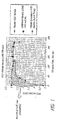
- the filtered cell culture supernatant was collected at regular time intervals (0, 5, 15, 30, 60 240 minutes). These samples were subsequently analyzed for their rFVIII content using standard procedures to quantify the release of rFVIII from the filter membrane. During this test that was repeated at least 7 times, rFVIII was found to bind to the filter membrane until the first hour of filtration had passed. The quantity of product lost due to such binding was determined to be approximately 10% ( Figure 1 ).
- Depth filters used in Example 2 procedures were treated as a chromatographic column and the bound rFVIII was recovered.
- a pseudo chromatographic method was devised where the filter membrane, containing bound protein of interest (rFVIII) and other impurities (host cell proteins, DNA etc) was treated as a stationary phase. More particularly, the positively-charged depth filter had bound the negatively-charged protein of interest, acting as an anionic exchange resin.
- a high salt elution DO2 buffer was used to preferentially unbind the protein of interest (rFVIII) thereby releasing it from the matrix of the depth filter.
- the DO2 buffer is rich in sodium chloride salt (4M) with a conductivity of above 400mS/cm.
- the buffer was diluted to 100mS/cm using Water For Injection.
- the DO2 buffer can also be used to cleave rFVIII-vWF complexes that are obtained due to co-culturing of both proteins in the protein expression.
- An AKTA pilot skid with consists of pumps for fluid handling and control, online pH, conductivity, UV detectors, flow path and fraction collector was used to recover the bound rFVIII.
- the small scale filter was used as the column with the filter membrane acting as the stationary phase and DO2 buffer as the mobile phase.
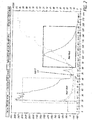
- a slow elution gradient of the diluted DO2 buffer at a flow rate of 4mL/min was employed on the small scale 25cm 2 depth filters ranging from a low to 10mS/cm to a high of 100mS/cm. It should be noted that the conductivity of the cell culture harvest was 17mS/cm. Therefore, a lower conductivity will essentially wash away the unbound rFVIII product and debris. This fraction could be collected separately and pooled later depending upon the recovered product amount.
Landscapes
- Chemical & Material Sciences (AREA)
- Health & Medical Sciences (AREA)
- Organic Chemistry (AREA)
- Life Sciences & Earth Sciences (AREA)
- Medicinal Chemistry (AREA)
- Proteomics, Peptides & Aminoacids (AREA)
- Molecular Biology (AREA)
- Biochemistry (AREA)
- Biophysics (AREA)
- General Health & Medical Sciences (AREA)
- Genetics & Genomics (AREA)
- Gastroenterology & Hepatology (AREA)
- Zoology (AREA)
- Toxicology (AREA)
- Hematology (AREA)
- Engineering & Computer Science (AREA)
- Water Supply & Treatment (AREA)
- Analytical Chemistry (AREA)
- Peptides Or Proteins (AREA)
- Preparation Of Compounds By Using Micro-Organisms (AREA)
Description
- This patent application claims priority pursuant to 35 U.S.C. § 119(e) to
U. S. Provisional Patent Application Serial No. 61/632,399 filed August 2, 2011 - Disclosed herein are systems and methods that increase protein yield from recombinant manufacturing processes. The systems and methods treat used depth filters with bound proteins of interest as a stationary phase exchange resin to recapture bound protein of interest from the depth filter.
- The use of recombinantly-produced therapeutic proteins has continued to increase in treating many diseases and conditions. For example, Factor VIII is a trace plasma glycoprotein that is found in mammals and is involved as a cofactor in the activation of Factor X and Factor IXa. An inherited deficiency of Factor VIII results in the bleeding disorder hemophilia A, which can be treated successfully by administration of recombinant Factor VIII.
- Recombinant Factor VIII (rFVIII) can be produced by Chinese Hamster Ovary (CHO) cells transfected with a vector carrying a DNA sequence encoding the Factor VIII molecule. In some cases, rFVIII is co-produced with recombinant von Willebrand Factor (rvWF). As stated, these recombinantly-produced proteins can provide an effective treatment for hemophilia.
- Conventional methods of recombinantly producing proteins involve inserting the gene responsible for the production of a particular protein of interest into host cells such as bacteria, yeast, or mammalian cells, e.g., COS or CHO cells, and then growing the cells in culture media. The cultured cells then synthesize the protein of interest. Traditional bacteria or yeast systems can be unable to produce many complex proteins in a functional form. While mammalian cells can reproduce complex proteins, they are generally difficult and expensive to grow, and soften produce only mg/L quantities of protein. In addition, non-secreted proteins are relatively difficult to purify from prokaryotic or mammalian cells as they are not secreted into the culture medium. Accordingly, while recombinantly-produced therapeutic proteins can provide therapeutic benefits to a large number of diseases and conditions, the large-scale production of these proteins remains a challenge.
- Regarding recombinant Factor VIII, particularly, this protein is expensive to produce due to the relatively low yields obtained in processes known in the art. The yield per cell tends to be low compared to the yield that might be obtained for other recombinant proteins. Generally, secreted FVIII is separated from source CHO cells, debris and DNA using depth filtration that employs charged CUNO filters. The charged depth filter binds to the FVIII product thereby reducing the final recovery of the protein.
- Based on the foregoing, new techniques that enhance production and recovery of recombinantly-produced therapeutic proteins are needed.
- The present disclosure provides systems and methods that increase protein yield from recombinant manufacturing processes. In particular embodiments, the systems and methods treat used depth filters with bound proteins of interest as a stationary phase exchange resin to recapture bound protein of interest using a high salt elution buffer. By increasing protein yield from recombinant manufacturing process, these systems and methods improve the efficiency and cost of manufacturing therapeutic proteins.
- Particularly, one embodiment includes a method of increasing the amount of a protein of interest wherein the protein of interest is rFVIII available for recovery from a sample containing other components and following a first purification step of the sample comprising: exposing a positively charged depth filter through which the sample has been passed to a salt elution buffer wherein exposure to the elution buffer releases the protein of interest from the filter for subsequent recovery, wherein the salt elution buffer has a conductivity of at least 20 mg/cm.
- Another embodiment further includes recovering the released protein of interest from the elution buffer.
- In another embodiment, the protein of interest is a therapeutic protein, namely the protein of interest is rFVIII.
- Another embodiment includes a method of manufacturing and recovering a protein of interest wherein the protein of interest is rFVIII comprising: recombinantly producing a protein of interest using a host cell within a medium; filtering the medium using depth filtration with a positive charge; exposing the positively charged depth filter to a salt elution buffer to release protein of interest from the filter; recovering released protein of interest from the elution buffer; and recovering further protein of interest from the sample passed through the depth filter, wherein the elution buffer is a salt elution buffer and has a conductivity of at least 20 mS/cm.
- The filter is positively-charged.
- The recombinantly-produced protein of interest is rFVIII.
- Another embodiment further includes combining the protein of interest which is rFVIII recovered from the elution buffer and the protein of interest recovered from the sample passed through the depth filter into a pharmaceutical composition with pharmaceutically acceptable carriers.
- Another embodiment includes a method of manufacturing a pharmaceutical composition comprising: recombinantly producing a therapeutic protein of interest which is rFVIII using a host cell within a medium; filtering the medium using a CUNO depth filter with a positive charge; exposing the depth filter to a salt elution buffer with a conductivity of at least 20 mS/cm to release protein of interest from the filter; recovering released protein of interest from the salt elution buffer; recovering further protein of interest from the sample passed through the depth filter; and combining recovered protein of interest with pharmaceutically acceptable carriers thereby forming the pharmaceutical composition.
- In another embodiment, the salt elution buffer has a conductivity of at least 30 mS/cm.
- In another embodiment the salt elution buffer has a conductivity of at least 50 mS/cm.
- The protein of interest is recombinantly-produced rFVIII.
-
-
Figure 1 shows that during initial media filtration following recombinant production, rFVIII binds to a depth filter membrane until the first hour of filtration has passed and that the quantity of product lost due to such binding is approximately 10%. -
Figure 2 shows that release of rFVIII captured by a depth filter requires use of an elution buffer with a threshold conductivity of 20mS/cm. - A growing number of recombinant proteins are being developed for therapeutic and diagnostic applications. Many of these proteins can be difficult or expensive to produce, however, in required quantities using conventional methods.
- Embodiments disclosed herein include systems and methods for increasing recovery of a protein of interest following recombinant production. In recombinant production, proteins of interest are secreted from host cells into surrounding culture medium. As a non-limiting example, in a typical process for preparing recombinant Factor VIII, recombinant host cells are cultured in a medium and secrete Factor VIII into the medium.
- The term "recombinant host cell" (or simply "host cell"), as used herein, refers to a cell into which a recombinant expression vector has been introduced. It should be understood that such terms are intended to refer not only to the particular subject cell but to the progeny of such a cell. Because certain modifications can occur in succeeding generations due to either mutation or environmental influences, such progeny may not, in fact, be identical to the parent cell, but are still included within the scope of the term "host cell" as used herein.
- In embodiments disclosed herein, the most common host cell is a Chinese Hamster Ovary (CHO) cell. Other types can also be used, however, including, without limitation, all appropriate prokaryote and eukaryote cells, including bacterial, yeast, fungi, insect and mammalian cells. Hosts include microbial cells, especially microorganisms like E. coli. Any suitable strain of E. coli is contemplated. Likewise, genes encoding diverse structural proteins (or peptides, polypeptides, glycoproteins, phosphoproteins, amidated proteins, etc.) can be inserted into the expression vector, which genes can constitute genomic DNA, cDNA, synthetic DNA, polynucleotide and oligonucleotide, etc. These nucleic acids can be obtained using chemical synthesis or gene manipulation techniques (see Sambrook, Fritsch, Maniatis, Molecular Cloning, A Laboratory Manual, Second Edition, Cold Spring Harbor Laboratory Press, 1989; and Current Protocols in Molecular Biology, Greene Publishing Assoc. & Wiley, 1987) and, further, can be inserted into expression vectors, and the expression vectors subsequently introduced into host cells using additional gene manipulation techniques (id.).
- Introduction of the expression vector into a host cell can be affected by, without limitation, heat shock, calcium phosphate transfection, DEAE-Dextran mediated transfection, or electroporation (Hanahan, D., J. Mol. Biol. 166:557-580 (1983); Davis, L. et al., Basic Methods in Molecular Biology (1986)).
- Culturing of an expression vector containing host can be carried out using known processes such as those disclosed in the aforementioned documents, and include, but are not limited to, the use of incubators, bioreactors, fermentors etc., according to batch fermentation, fed batch fermentation, continuous culture, Type I, II and III fermentation, aseptic fermentation, consortium fermentation, protected fermentation, etc. Fitting the conditions (e.g., medium, temperature, pH, hours, agitation, aeration, etc.) for culture to the circumstances is empirical and within the ordinary skill of those in the art.
- Following production, the protein or proteins of interest must be separated from the host cell media and other impurities such as cellular debris, nucleic acids, RNA, protein, endotoxins, pyrogens and host chromosomal DNA. Factor rFVIII as the protein of interest is separated and purified from the medium. In an embodiment, the protein or proteins of interest are rFactor VIIII complexed with vWF.
- Depth filtration is employed in the present invention as a purification step to separate host cells and other impurities from a protein of interest. Depth filters are generally formed with a matrix of multi-directional fibers forming tortuous passages so that they are capable of trapping and retaining particles that are smaller than their pore size. A depth filter accomplishes this type of filtration at least partly because fluid passing through the filter media is caused to change direction as it passes through the multi-directional fibers. This in turn causes very fine particulate material in the liquid to be deposited and retained in niches or crevices even though the particles can be smaller than the openings in the media. Accordingly, this type of filter is capable of retaining particles from a mobile liquid phase throughout the filter rather than just on the surface of the filter.
- Depth filters of this invention are charge-modified. A charge-modified depth filter typically has two distinct zones and, thus, two distinct mechanisms for the removal of contaminants. The first is the physical means of capture of contaminant where particles become entrapped within the matrix as described above. The second is electrokinetic absorption which removes contaminants of an opposite charge. The two or more zones or layers can be composed of similar materials (in which the materials are formulated and processed such that they have different retention capacities), or can be composed of different materials having distinctly different particle retention characteristics. The two or more zones can be contiguous or non-contiguous with one another as long as the fluid being filtered communicates between the zones.
- Depth filters can be composed of numerous materials including, without limitation, a fibrous bed of cellulose or polypropylene fibers, fiber mats, woven or nonwoven fabrics, or a synthetic fabric, such as nylon or rayon, e.g., Miracloth® (Calbiochem, La Jolla, Calif.) along with a filter aid or "matrix", e.g., paper, plastic, metal, glass, glass fibers, nylon, polyolefin, carbon, ceramics, diatomaceous earth, cellulose or diatomite (skeletal remains of minute algae (diatoms) found in marine deposits that have lifted above sea level).
- Charge-depth filters are manufactured by numerous companies, including, for example, Cuno, Inc., ErtelAlsop, Filtrox AG, GE Infrastructure Water and Process Technologies, Meissner Filtration Products, Inc., Millipore Corp., Pall, Corp., Sartorius AG, and US Filter. Several product lines of charge-depth filters are available from all of these companies. Non-limiting examples of such charge-depth filters include, ZetaPlus, PolyNET, Betafine, Disk-Pak, Accusclae, PharmaScale, PuraFix.
- Particular embodiments disclosed herein employ CUNO 30SP filters that contain cellulose, fiberaid, and a resin that imparts a positive charge to the filter surfaces. These filters contain significant voids volume which allow for accumulation of cellular debris. The filter structure is a series of interconnecting pore pathways able to retain cellular debris by mechanical entrapment. In addition to debris removal by mechanical retention, Zeta Plus filters are also able to remove particles smaller than their pore size. This capability is based on electrokinetic attraction of negatively charged particles by the positively charged filter surfaces. DNA, which is a polyanionic negatively charged molecule, would also be removed by these filters. Negatively-charged proteins of interest, however, such as rFVIII at a pH of 7 also bind to the filters reducing recovery and yield from the filtration process.
- The invention disclosed herein provide systems and methods to recapture protein of interest i.e. rFVIII bound by a depth filter during purification processes. Particular embodiments of the systems and methods disclosed herein utilize a pseudo chromatographic method to release the bound protein of interest from the depth filters using a gradient of a high salt elution buffer. Accordingly, protein of interest captured by the depth filter can be recaptured by contacting the depth filter with an elution buffer, namely, a high salt elution buffer and in a further embodiment an inorganic high salt elution buffer comprising sodium chloride. These methods can be accomplished using a variety of techniques including bathing, soaking, or dipping a depth filter to which the protein of interest is bound into the elution buffer, or by rinsing, spraying, or washing the elution buffer over the depth filter. Such treatments will release the protein of interest from the depth filter so that it can then be recaptured, increasing yield of the recombinant manufacturing process.
- Non-limiting exemplary elution buffers include nuclease-free water, aqueous solutions such as, TRIS™-HCl or TRIS™-ethylenediaminetetraacetic acid (EDTA) or a solution that contains one or more of piperadine, imidazole or o-phosphate. Elution buffers can also be aqueous solutions that include, without limitation, ammonium carbonate, ammonium hydroxide, diammonium citrate, ammonium acetate, ammonium dihydrogen phosphate, or ammonium bicarbonate.
- High salt elution buffers are those that have sufficient ionic strength to mask charge characteristics of the protein of interest and depth filter so that captured protein of interest is eluted from the depth filter. Salts having multi-valent ions are particularly useful in this regard, e.g., sulphates and phosphates with alkali earth or transition metal counterions, although salts dissociating to one or more monovalents are also suitable for use within embodiments disclosed herein. Accordingly, non-limiting appropriate elution buffer salts include alkali metal, alkaline earth metal and/or ammonium salts, as well as citrate, phosphate, borate, lactate and the like salts and mixtures thereof.
- Elution buffers described herein have a conductivity of at least 20 mS/cm, at least 30 mS/cm, at least 40 mS/cm, at least 50 mS/cm, at least 60 mS/cm, at least 70 mS/cm, at least 80 mS/cm, at least 90 mS/cm, at least 100 mS/cm, at least 110 mS/cm, at least 120 mS/cm, at least 130 mS/cm, at least 140 mS/cm, at least 150 mS/cm, at least 160 mS/cm, at least 170 mS/cm, at least 180 mS/cm, at least 190 mS/cm, at least 200 mS/cm, at least 210 mS/cm, at least 220 mS/cm, at feast 230 mS/cm, at least 240 mS/cm, at least 250 mS/cm, at least 260 mS/cm, at least 270 mS/cm, at least 280 mS/cm, at least 290 mS/cm, at least 300 mS/cm, at least 310 mS/cm, at least 320 mS/cm, at least 330 mS/cm, at least 340 mS/cm, at least 350 mS/cm, at least 360 mS/cm, at least 370 mS/cm, at least 380 mS/cm, at least 390 mS/cm, or at least 400 mS/cm.
- The systems and methods disclosed herein can be applied to rFVIII.
- As will be understood by one of ordinary skill in the art, the systems and methods disclosed herein can beneficially be used with additional filtering and capture techniques such as, and without limitation, affinity chromatography, size exclusion chromatography, gel filtration, cation-exchange chromatography, anion-exchange chromatography, hydrophobic-interaction chromatography, ceramic hydroxyapatite chromatography, reverse-phase HPLC and/or chromatofocusing to fully isolate and purify the protein of interest to accepted pharmaceutical standards.
- The systems and methods disclosed herein can be incorporated into scalable unit operations allowing the production of milligram, gram and kilogram quantities of a protein of interest.
- Purified proteins of interest can be incorporated into pharmaceutical compositions suitable for administration to a subject. Typically, the pharmaceutical composition comprises a therapeutic protein and a pharmaceutically acceptable carrier. As used herein the language "pharmaceutically acceptable carrier" is intended to include any and all solvents, dispersion media, coatings, antibacterial and antifungal agents, isotonic and absorption delaying agents, and the like, compatible with pharmaceutical administration. The use of such media and agents for pharmaceutically active substances is known in the art. Except insofar as any conventional media or agent is incompatible with the active protein of interest, use thereof in the compositions is provided. Supplementary active compounds can also be incorporated into the compositions.
- Pharmaceutical compositions are formulated to be compatible with the intended route of administration. Examples of routes of administration include parenteral, e.g., intravenous, intradermal, subcutaneous, oral (e.g., inhalation), transdermal (topical), transmucosal, and rectal. Solutions or suspensions used for parenteral, intradermal, or subcutaneous application can include the following components: a sterile diluent such as water for injection, saline solution, fixed oils, polyethylene glycols, glycerine, propylene glycol or other synthetic solvents; antibacterial agents such as benzyl alcohol or methyl parabens; antioxidants such as ascorbic acid or sodium bisulfite; chelating agents such as ethylenediaminetetraacetic acid; buffers such as acetates, citrates or phosphates and agents for the adjustment of tonicity such as sodium chloride or dextrose. pH can be adjusted with acids or bases, such as hydrochloric acid or sodium hydroxide. The parenteral preparation can be enclosed in ampules, disposable syringes or multiple dose vials made of glass or plastic.
- Pharmaceutical compositions suitable for injectable use include sterile aqueous solutions (where water soluble) or dispersions and sterile powders for the extemporaneous preparation of sterile injectable solutions or dispersion. For intravenous administration, suitable carriers include physiological saline, bacteriostatic water, Cremophor EL™ (BASF, Parsipany, N.J.) or phosphate buffered saline (PBS). In all cases, the composition should be slerile and fluid to the extest that easy syringeability exists. It should be stable under the conditions of manufacture and storage and should be preserved against the contaminating action of microorganisms such as bacteria and fungi. The carrier can be a solvent or dispersion medium containing, for example, water, ethanol, polyol (for example, glycerol, propylene glycol, and liquid polyethylene glycol, and the like), and suitable mixtures thereof. The proper fluidity can be maintained, for example, by the use of a coating such as lecithin, by the maintenance of the required particle size in the case of dispersion and by the use of surfactants. Prevention of the action of microorganisms can be achieved by various antibacterial and antifungal agents, for example, parabens, chlorobutanol, phenol, ascorbic acid, thimerosal, and the like. In many cases, it is preferable to include isotonic agents, for example, sugars, polyalcohols such as mannitol, sorbitol, and sodium chloride in the composition. Prolonged absorption of the injectable compositions can be brought about by including in the composition an agent which delays absorption, for example, aluminum monostearate and gelatin.
- Sterile injectable solutions can be prepared by incorporating the active compound in the required amount in an appropriate solvent with one or a combination of ingredients enumerated above, as required, followed by filtered sterilization. Generally, dispersions are prepared by incorporating the active compound into a sterile vehicle which contains a basic dispersion medium and the required other ingredients from those enumerated above. In the case of sterile powders for the preparation of sterile injectable solutions, the preferred methods of preparation are vacuum drying and freeze-drying which yields a powder of the active ingredient plus any additional desired ingredient from a previously sterile-filtered solution thereof.
- Oral compositions generally include an inert diluent or an edible carrier. They can be enclosed in gelatin capsules or compressed into tablets. For the purpose of oral therapeutic administration, the active compound can be incorporated with excipients and used in the form of tablets, troches, or capsules. Oral compositions can also be prepared using a fluid carrier for use as a mouthwash, wherein the compound in the fluid carrier is applied orally and swished and expectorated or swallowed. Pharmaceutically compatible binding agents, and/or adjuvant materials can be included as part of the composition. The tablets, pills, capsules, troches and the like can contain any of the following ingredients, or compounds of a similar nature: a binder such as microcrystalline cellulose, gum tragacanth or gelatin; an excipient such as starch or lactose, a disintegrating agent such as alginic acid, Primogel, or corn starch; a lubricant such as magnesium stearate or Sterotes; a glidant such as colloidal silicon dioxide; a sweetening agent such as sucrose or saccharin; or a flavoring agent such as peppermint, methyl salicylate, or orange flavoring.
- For administration by inhalation, the compounds are delivered in the form of an aerosol spray from pressured container or dispenser which contains a suitable propellant, e.g., a gas such as carbon dioxide, or a nebulizer.
- Systemic administration can also be by transmucosal or transdermal means. For transmucosal or transdermal administration, penetrants appropriate to the barrier to be permeated are used in the formulation. Such penetrants are generally known in the art, and include, for example, for transmucosal administration, detergents, bile salts, and fusidic acid derivatives. Transmucosal administration can be accomplished through the use of nasal sprays or suppositories. For transdermal administration, the active compounds are formulated into ointments, salves, gels, or creams as generally known in the art.
- The compounds can also be prepared in the form of suppositories (e.g., with conventional suppository bases such as cocoa butter and other glycerides) or retention enemas for rectal delivery.
- In one embodiment, a binding molecule is prepared with carriers that will protect the compound against rapid elimination from the body, such as a controlled release formulation, including implants and microencapsulated delivery systems. Biodegradable, biocompatible polymers can be used, such as ethylene vinyl acetate, polyanhydrides, polyglycolic acid, collagen, polyorthoesters, and polylactic acid. Methods for preparation of such formulations should be apparent to those of ordinary skill in the art. The materials can also be obtained commercially from Alza Corporation and Nova Pharmaceuticals, Inc. Liposomal suspensions can also be used as pharmaceutically acceptable carriers. These can be prepared according to methods known to those of ordinary skill in the art, for example, as described in
U.S. Pat. No. 4,522,811 . - The pharmaceutical compositions can be included in a container, pack, or dispenser together with instructions for administration.
- This invention is further illustrated by the following examples, which should not be construed as limiting.
- The following non-limiting examples are provided for illustrative purposes only in order to facilitate a more complete understanding of representative embodiments now contemplated. These examples should not be construed to limit any of the embodiments described in the present specification.
- A 5 liter continuous culture was established in a glass bioreactor, using a CHO cell line transformed to co-express Factor VIII and von Willebrand Factor. A suitable cell line is disclosed in
US Patent Nos. 5,250,421 and6,100,061 both of which are incorporated by reference herein for their teachings regarding the same. The culture medium was:DMEM/Ham's F12 50/5011.76 g/kg L-glutamine 0.6 g/kg Ethanolamine 1.53 mg/kg Synperonic F68 0.25 g/kg NaHCO3 2 g/kg 4 g/kg Soya peptone 17.02 µg/kg (ppb) C CuSO4.5H20 (includes constant contribution of 1.3 mg/kg from DMEM/F12 powder). This corresponds to 4.3 ppb copper in medium (nb: ratio MW CuSO4.5H20/MW Cu=3.931.) - A scaled down version of the depth filter used at appropriate production scales was used in the Examples described herein. Based on the principle of maintaining the cell culture harvest flux of 101L/m2/hr, the flow rate required for a scaled down 25cm2 depth filter was calculated to be 4mL/min.
- A CUNO 30SP filter containing cellulose, fiberaid and a resin that imparts a positive charge to the filter's surfaces was flushed with 500mL water for injection and autoclaved for 30 minutes at 123 C to simulate the steam in place process employed for production filters. Further the filter was purged with air to remove any traces of water that could dilute the product released during the initial stages of the filtration.
- The cell culture harvest from the model 5L bioreactor process of Example 1 was filtered through the small scale filters. The filtered cell culture supernatant was collected at regular time intervals (0, 5, 15, 30, 60 240 minutes). These samples were subsequently analyzed for their rFVIII content using standard procedures to quantify the release of rFVIII from the filter membrane. During this test that was repeated at least 7 times, rFVIII was found to bind to the filter membrane until the first hour of filtration had passed. The quantity of product lost due to such binding was determined to be approximately 10% (
Figure 1 ). - Depth filters used in Example 2 procedures were treated as a chromatographic column and the bound rFVIII was recovered. Particularly, a pseudo chromatographic method was devised where the filter membrane, containing bound protein of interest (rFVIII) and other impurities (host cell proteins, DNA etc) was treated as a stationary phase. More particularly, the positively-charged depth filter had bound the negatively-charged protein of interest, acting as an anionic exchange resin. A high salt elution DO2 buffer was used to preferentially unbind the protein of interest (rFVIII) thereby releasing it from the matrix of the depth filter.
- The DO2 buffer is rich in sodium chloride salt (4M) with a conductivity of above 400mS/cm. The buffer was diluted to 100mS/cm using Water For Injection. The DO2 buffer can also be used to cleave rFVIII-vWF complexes that are obtained due to co-culturing of both proteins in the protein expression.
- An AKTA pilot skid with consists of pumps for fluid handling and control, online pH, conductivity, UV detectors, flow path and fraction collector was used to recover the bound rFVIII. The small scale filter was used as the column with the filter membrane acting as the stationary phase and DO2 buffer as the mobile phase.
- A slow elution gradient of the diluted DO2 buffer at a flow rate of 4mL/min was employed on the small scale 25cm2 depth filters ranging from a low to 10mS/cm to a high of 100mS/cm. It should be noted that the conductivity of the cell culture harvest was 17mS/cm. Therefore, a lower conductivity will essentially wash away the unbound rFVIII product and debris. This fraction could be collected separately and pooled later depending upon the recovered product amount.
- As the conductivity increased during the gradient, the amount of UV absorbance also increased indicating that the bound rFVIII was slowly getting released from the filter matrix. Smaller fractions of 10mL volumes were collected and analyzed for their rFVIII and impurity content. The peak absorbance occurred around a conductivity of 50mS/cm and the release of rFVIII required a threshold conductivity of 20mS/cm (
Figure 2 ). - The UV absorbance peak observed with the gradient of the 100mS/cm DO2 buffer seemed to coincide with a proportional release of rFVIII in the "eluted" fractions. The fraction yielded a cumulative increase of 4.4% of rFVIII in the final pool mixed with the clarified cell culture supernatant obtained from the depth filtration process as seen in the Table 1 below.
Table 1 Collection Type Volume Collected (mL) FVIII Activity (IU) CHO-HCP (µg) BiP (µg) CHO-DNA (pg) Total Protein (mg) vWF (µg) Depth filtration only 840 2352 19891.2 4536 42840000 1114.68 5880 Depth filtration only plus Chromatography 1000 2456 25798.1 5659 409485000 1131.41 5911 % Increase 19.0 4.4 29.7 24.8 855.8 1.5 0.5 - Unless otherwise indicated, all numbers expressing quantities of ingredients, properties such as molecular weight, reaction conditions, and so forth used in the specification and claims are to be understood as being modified in all instances by the term "about." Accordingly, unless indicated to the contrary, the numerical parameters set forth in the specification and attached claims are approximations that can vary depending upon the desired properties sought to be obtained by the present invention. At the very least, and not as an attempt to limit the application of the doctrine of equivalents to the scope of the claims, each numerical parameter should at least be construed in light of the number of reported significant digits and by applying ordinary rounding techniques.
- Notwithstanding that the numerical ranges and parameters setting forth the broad scope of the invention are approximations, the numerical values set forth in the specific examples are reported as precisely as possible. Any numerical value, however, inherently contains certain errors necessarily resulting from the standard deviation found in their respective testing measurements.
- The terms "a," "an," "the" and similar referents used in the context of describing the invention (especially in the context of the following claims) are to be construed to cover both the singular and the plural, unless otherwise indicated herein or clearly contradicted by context. Recitation of ranges of values herein is merely intended to serve as a shorthand method of referring individually to each separate value falling within the range. Unless otherwise indicated herein, each individual value is incorporated into the specification as if it were individually recited herein. All methods described herein can be performed in any suitable order unless otherwise indicated herein or otherwise clearly contradicted by context. The use of any and all examples, or exemplary language (e.g., "such as") provided herein is intended merely to better illuminate the invention and does not pose a limitation on the scope of the invention otherwise claimed. No language in the specification should be construed as indicating any non-claimed element essential to the practice of the invention.
- Groupings of alternative elements or embodiments of the invention disclosed herein are not to be construed as limitations. Each group member may be referred to and claimed individually or in any combination with other members of the group or other elements found herein. It is anticipated that one or more members of a group may be included in, or deleted from, a group for reasons of convenience and/or patentability. When any such inclusion or deletion occurs, the specification is deemed to contain the group as modified thus fulfilling the written description of all Markush groups used in the appended claims.
- Certain embodiments of this invention are described herein, including the best mode known to the inventors for carrying out the invention.
- In closing, it is to be understood that the embodiments of the invention disclosed herein are illustrative of the principles of the present invention.
Claims (5)
- A method of increasing the amount of a protein of interest available for recovery from a sample containing other components, wherein the protein of interest is a therapeutic protein and wherein the protein of interest is rFVIII, and following a first purification step of the sample comprising:
exposing a positively charged depth filter through which the sample has been passed to a salt elution buffer wherein exposure to the elution buffer releases the protein of interest from the filter for subsequent recovery, wherein the salt elution buffer has a conductivity of at least 20 mS/cm. - A method of claim 1 further comprising: recovering the released protein of interest from the elution buffer.
- A method of manufacturing and recovering a protein of interest comprising:recombinantly producing a protein of interest using a host cell within a medium, wherein the recombinantly-produced protein of interest is rFVIII;filtering the medium using depth filter with a positive charge;exposing the positively charged depth filter to a salt elution buffer to release protein of interest from the filter, wherein the salt elution buffer has a conductivity of at least 20mS/cm;recovering released protein of interest from the elution buffer;recovering further protein of interest from the sample passed through the depth filter.
- A method of manufacturing a pharmaceutical composition comprising:recombinantly producing a therapeutic protein of interest using a host cell within a medium, wherein the protein of interest is recombinantly-produced rFVIII;filtering the medium using a depth filter with a positive charge;exposing the depth filter to a salt elution buffer with a conductivity of at least 20 mS/cm to release protein of interest from the filter;recovering released protein of interest from the salt elution buffer;recovering further protein of interest from the sample passed through the depth filter;combining recovered protein of interest with pharmaceutically acceptable carriers thereby forming the pharmaceutical composition.
- A method of claim 4 wherein the salt elution buffer has a conductivity of at least 30 mS/cm, preferably at least 50 mS/cm.
Priority Applications (2)
| Application Number | Priority Date | Filing Date | Title |
|---|---|---|---|
| PL12746445.1T PL2739641T5 (en) | 2011-08-02 | 2012-08-02 | Systems and methods to increase protein yield from recombinant manufacturing processes |
| HRP20171272TT HRP20171272T4 (en) | 2011-08-02 | 2012-08-02 | Systems and methods to increase protein yield from recombinant manufacturing processes |
Applications Claiming Priority (2)
| Application Number | Priority Date | Filing Date | Title |
|---|---|---|---|
| US201161632399P | 2011-08-02 | 2011-08-02 | |
| PCT/US2012/049357 WO2013019964A1 (en) | 2011-08-02 | 2012-08-02 | Systems and methods to increase protein yield from recombinant manufacturing processes |
Publications (3)
| Publication Number | Publication Date |
|---|---|
| EP2739641A1 EP2739641A1 (en) | 2014-06-11 |
| EP2739641B1 EP2739641B1 (en) | 2017-06-07 |
| EP2739641B2 true EP2739641B2 (en) | 2020-04-15 |
Family
ID=46651621
Family Applications (1)
| Application Number | Title | Priority Date | Filing Date |
|---|---|---|---|
| EP12746445.1A Active EP2739641B2 (en) | 2011-08-02 | 2012-08-02 | Systems and methods to increase protein yield from recombinant manufacturing processes |
Country Status (8)
| Country | Link |
|---|---|
| US (1) | US9534037B2 (en) |
| EP (1) | EP2739641B2 (en) |
| AU (1) | AU2012290004B2 (en) |
| DK (1) | DK2739641T4 (en) |
| HR (1) | HRP20171272T4 (en) |
| HU (1) | HUE035941T2 (en) |
| PL (1) | PL2739641T5 (en) |
| WO (1) | WO2013019964A1 (en) |
Families Citing this family (7)
| Publication number | Priority date | Publication date | Assignee | Title |
|---|---|---|---|---|
| US9534037B2 (en) | 2011-08-02 | 2017-01-03 | Baxalta GmbH | Systems and methods to increase protein yield from recombinant manufacturing processes |
| MA42613A (en) | 2015-08-13 | 2018-06-20 | Amgen Inc | DEEP FILTRATION LOADED WITH ANTIGEN BINDING PROTEIN |
| WO2018116269A1 (en) * | 2016-12-22 | 2018-06-28 | Lupin Limited | Depth filtration of a protein |
| JP7432506B2 (en) | 2017-10-30 | 2024-02-16 | 武田薬品工業株式会社 | Environmentally compatible surfactants for inactivating lipid enveloped viruses |
| CN109824774B (en) * | 2019-03-18 | 2020-11-20 | 时代生物科技(深圳)有限公司 | Method for recovering high active peptide |
| GB202407863D0 (en) * | 2024-06-03 | 2024-07-17 | Purespring Therapeutics Ltd | Methods |
| WO2025252480A1 (en) | 2024-06-07 | 2025-12-11 | F. Hoffmann-La Roche Ag | Method for purifying plasmid dna |
Citations (4)
| Publication number | Priority date | Publication date | Assignee | Title |
|---|---|---|---|---|
| US20040033224A1 (en) † | 2002-05-23 | 2004-02-19 | Van Holten Robert W. | Capture, concentration and quantitation of abnormal prion protein from biological fluids using depth filtration |
| US6759215B1 (en) † | 1989-10-16 | 2004-07-06 | Amgen Inc. | Method of preparing human stem cell factor polypeptide |
| US6953837B2 (en) † | 1997-02-27 | 2005-10-11 | Baxter Aktiengesellschaft | Factor VIII/vWF complexes and compositions |
| WO2008036899A2 (en) † | 2006-09-22 | 2008-03-27 | Amgen Inc. | Methods for removing viral contaminants during protein purification |
Family Cites Families (9)
| Publication number | Priority date | Publication date | Assignee | Title |
|---|---|---|---|---|
| US4522811A (en) | 1982-07-08 | 1985-06-11 | Syntex (U.S.A.) Inc. | Serial injection of muramyldipeptides and liposomes enhances the anti-infective activity of muramyldipeptides |
| US5250421A (en) | 1986-01-03 | 1993-10-05 | Genetics Institute, Inc. | Method for producing factor VIII:C-type proteins |
| AT407255B (en) | 1997-06-20 | 2001-02-26 | Immuno Ag | RECOMBINANT CELL CLONE WITH INCREASED STABILITY IN SERUM- AND PROTEIN-FREE MEDIUM AND METHOD FOR OBTAINING THE STABLE CELL CLONE |
| EP1698637B1 (en) * | 2005-03-03 | 2008-10-15 | Ajinomoto Co., Inc. | A method for improving recovery yield in protein purification with gel filtration chromatography using arginine |
| US7673757B2 (en) * | 2006-02-17 | 2010-03-09 | Millipore Corporation | Adsorbent filter media for removal of biological contaminants in process liquids |
| JP5361738B2 (en) * | 2007-01-22 | 2013-12-04 | ジェネンテック, インコーポレイテッド | Purification of polyelectrolyte precipitates and proteins |
| ITLU20070007A1 (en) * | 2007-05-07 | 2008-11-08 | Kedrion Spa | CHROMATOGRAPHIC PROCESS FOR OBTAINING A FVIII / VWF COMPLEX WITH DIFFERENT RELATIONSHIPS BETWEEN THE TWO PROTEINS TO BE USED IN THE HEMOPHILIA A THERAPY AND IN VON WILLEBRAND'S DISEASE. |
| US20130017997A1 (en) * | 2010-08-19 | 2013-01-17 | Amunix Operating Inc. | Factor VIII Compositions and Methods of Making and Using Same |
| US9534037B2 (en) | 2011-08-02 | 2017-01-03 | Baxalta GmbH | Systems and methods to increase protein yield from recombinant manufacturing processes |
-
2012
- 2012-08-02 US US13/565,046 patent/US9534037B2/en active Active
- 2012-08-02 HR HRP20171272TT patent/HRP20171272T4/en unknown
- 2012-08-02 DK DK12746445.1T patent/DK2739641T4/en active
- 2012-08-02 EP EP12746445.1A patent/EP2739641B2/en active Active
- 2012-08-02 AU AU2012290004A patent/AU2012290004B2/en not_active Ceased
- 2012-08-02 WO PCT/US2012/049357 patent/WO2013019964A1/en not_active Ceased
- 2012-08-02 PL PL12746445.1T patent/PL2739641T5/en unknown
- 2012-08-02 HU HUE12746445A patent/HUE035941T2/en unknown
Patent Citations (4)
| Publication number | Priority date | Publication date | Assignee | Title |
|---|---|---|---|---|
| US6759215B1 (en) † | 1989-10-16 | 2004-07-06 | Amgen Inc. | Method of preparing human stem cell factor polypeptide |
| US6953837B2 (en) † | 1997-02-27 | 2005-10-11 | Baxter Aktiengesellschaft | Factor VIII/vWF complexes and compositions |
| US20040033224A1 (en) † | 2002-05-23 | 2004-02-19 | Van Holten Robert W. | Capture, concentration and quantitation of abnormal prion protein from biological fluids using depth filtration |
| WO2008036899A2 (en) † | 2006-09-22 | 2008-03-27 | Amgen Inc. | Methods for removing viral contaminants during protein purification |
Non-Patent Citations (17)
| Title |
|---|
| ANDREW BOSWELL C; DEVIN B TESAR; KIRAN MUKHYALA; FRANK-PETER THEIL; PAUL J FIELDER; LESLIE A KHAWLI: "Effects of Charge on Antibody Tissue Distribution and Pharmacokinetics", BIOCONJUGATE CHEMISTRY, 15 December 2010 (2010-12-15), pages 2153 - 2163 † |
| CERPA-POLJAK A., BISHOP LA, HORT YJ, CHIN CK, DEKROON R, MAHLER SM, SMITH GM, STUART MC, SCHOFIELD PR.: "Isoelectric charge of recombinant human follicle-stimulating hormone isoforms determines receptor affinity and in vitro bioactivity /Abstract/", ENDOCRINOLOGY, January 1993 (1993-01-01), Retrieved from the Internet <URL:https://www.ncbi.nlm.nih.gov/pubmed/8419133> † |
| DONNE ET AL.: "Structure of the recombinant full-length hamster prion protein PrP (29 - 231): The N terminus is highly flexible", PROC. NATL. ACAD. SCI. USA, vol. 94, December 1997 (1997-12-01), pages 13452 - 13457 † |
| GOYAL ET AL.: "Simple Method for the Concentration of Influenza Virus from Allantoic Fluid on Microporous Filters", APPLIED AND ENVIRONMENTAL MICROBIOLOGY, vol. 39, no. 3, March 1980 (1980-03-01), pages 500 - 504 † |
| GUNILLA B KARLSSON HEDESTAM; RON A M FOUCHIER; SANJAY PHOGAT; DENNIS R BURTON; JOSEPH SODROSKI & RICHARD T WYATT: "The challenges of eliciting neutralizing antibodies to HIV-1 and to influenza virus", NATURE REVIEWS MICROBIOLOGY, vol. 6, no. 2, February 2008 (2008-02-01), pages 143 - 155 † |
| HOU ET AL.: "Capture of Latex Beads, Bacteria, Endotoxin, and Viruses by Charge- Modified Filters", APPLIED AND ENVIRONMENTAL MICROBIOLOGY, vol. 40, no. 5, November 1980 (1980-11-01), pages 892 - 896 † |
| JIANGUO SHI; ET AL.,: "The generation and evaluation of recombinant human IgA specific for Plasmodium falciparum merozoite surface protein 1-19 (PfMSP119)", BMC BIOTECHNOLOGY, vol. 11, 22 July 2011 (2011-07-22), pages 77 † |
| KAUFMAN ET AL.: "Effect of von Willebrand Factor Coexpression on the Synthesis and Secretion of Factor VIII in Chinese Hamster Ovary Cells", MOLECULAR AND CELLULAR BIOLOGY,, vol. 9, no. 3, 1 March 1989 (1989-03-01), pages 1233 - 1242 † |
| LENNTECH: "Zeta Plus ® CP & SP Series", CUNO FILTERS DATA SHEET, 2007, pages 5pp † |
| LUIS MARTÍNEZ-SOBRIDO; ADOLFO GARCÍA-SASTRE: "Generation of Recombinant Influenza Virus from Plasmid DNA", JOURNAL OF VISUALIZED EXPERIMENTS, no. 42, 2010 † |
| MICHAEL W. JOHNSON ET AL.: "Comparison of Concentration Measurement Technologies in Bioprocess Solutions", BIOPROCESS INTERNATIONAL, 15 October 2015 (2015-10-15), Retrieved from the Internet <URL:http://www.bioprocessintl.com/upstream-processing/biochemicals-raw-materials/comparison-of-concentration-measurement-technologies-in-bioprocess-solutions/> † |
| NGO J C K; HUANG M; ROTH D A; FURIE B C; FURIE B: "Crystal Structure of Human Factor VIII: Implications for the Formation of the Factor IXa-Factor VIIIa Complex", STRUCTURE, vol. 16, no. 4, 8 April 2008 (2008-04-08), pages 597 - 606 † |
| SAWATANI ET AL.: "A chromatographic method for the production of a human immunoglobulin G solution for intravenous use", BRAZILIAN JOURNAL OF MEDICAL AND BIOLOGICAL RESEARCH, vol. 31, 1998, pages 1375 - 1381 † |
| SOBSEY ET AL.: "Poliovirus Concentration from Tap Water with Electropositive Adsorbent Filters", APPLIED AND ENVIRONMENTAL MICROBIOLOGY, vol. 40, no. 2, August 1980 (1980-08-01), pages 201 - 210 † |
| TCHOUDAKOVA ET AL.: "High level expression of functional human IgMs in human PER.C6® cells", MABS, vol. 1, no. 2, March 2009 (2009-03-01), pages 163 - 171 † |
| TODD E. ARNOLD: "Fluid Purification Using Charge-Modified Depth Filtration Media", BIOPROCESS INTERNATIONAL, November 2005 (2005-11-01), pages 44 - 49 † |
| YIGZAW YINGES; ET AL: "Exploitation of the Adsorptive Properties of Depth Filters for Host Cell Protein Removal during Monoclonal Antibody Purification", BIOTECHNOL. PROG., vol. 22, 2006, pages 288 - 296 † |
Also Published As
| Publication number | Publication date |
|---|---|
| HRP20171272T1 (en) | 2017-12-29 |
| AU2012290004B2 (en) | 2014-11-27 |
| HRP20171272T4 (en) | 2020-08-07 |
| WO2013019964A1 (en) | 2013-02-07 |
| AU2012290004A1 (en) | 2013-04-18 |
| PL2739641T5 (en) | 2022-09-05 |
| EP2739641A1 (en) | 2014-06-11 |
| HUE035941T2 (en) | 2018-05-28 |
| PL2739641T3 (en) | 2017-10-31 |
| DK2739641T4 (en) | 2020-06-15 |
| US9534037B2 (en) | 2017-01-03 |
| US20130034876A1 (en) | 2013-02-07 |
| EP2739641B1 (en) | 2017-06-07 |
| DK2739641T3 (en) | 2017-09-18 |
| HK1198767A1 (en) | 2015-06-05 |
Similar Documents
| Publication | Publication Date | Title |
|---|---|---|
| EP2739641B1 (en) | Systems and methods to increase protein yield from recombinant manufacturing processes | |
| CA2177575C (en) | Method for purifying polypeptides | |
| CA2261150C (en) | Methods for purifying nucleic acids | |
| EP0954528B2 (en) | A method for chromatographic removal of prions | |
| KR101775682B1 (en) | Methods for Preparing Botulinum Toxin | |
| KR20150023297A (en) | Selective binding of biological targets to solid phase ureides | |
| FI93228C (en) | A method for recovering a vancomycin-type glycopeptide antibiotic | |
| EP2776452B1 (en) | Process of purification of teicoplanin | |
| EP2650302B1 (en) | Method for removing endotoxin from proteins | |
| EP0446582B1 (en) | Method for producing of recombinant human cysteineless gamma-interferon free of methionine at n-terminal | |
| CN104710527B (en) | A kind of endotoxin removal method of biological products | |
| HK1198767B (en) | Systems and methods to increase protein yield from recombinant manufacturing processes | |
| EP0551535A1 (en) | Process for the purification of recombinant human beta interferon, beta interferon thus purified, and pharmaceutical compositions which contain them | |
| JP2007039454A (en) | Vegetarian protein A preparation and method thereof | |
| CN105541994B (en) | method for purifying thrombopoietin or variant or derivative thereof | |
| US4526782A (en) | Process for recovering interferon | |
| EP2776453B1 (en) | Process of purification of teicoplanin | |
| FI97058C (en) | Method for Isolation and Purification of HIV Glycoprotein GP 160, Produced in Cells | |
| WO2021262041A1 (en) | Method of producing a highly purified recombinant inhibitor of human c1 esterase | |
| Salema et al. | Removing endotoxin from biopharmaceutical solutions | |
| CN116284285A (en) | Method for purifying saprophytic ascomycete antibacterial peptide Plectasin by ion exchange chromatography | |
| CN110343170B (en) | Separation and purification method of plasmin inhibitor rPI-T1 | |
| CN120005856A (en) | A recombinant hyaluronidase purification method and production method | |
| Gu | Purification techniques for human growth hormone (hGH) and an hGH antagonist | |
| JPH1042892A (en) | Recovery and purification of protein |
Legal Events
| Date | Code | Title | Description |
|---|---|---|---|
| PUAI | Public reference made under article 153(3) epc to a published international application that has entered the european phase |
Free format text: ORIGINAL CODE: 0009012 |
|
| 17P | Request for examination filed |
Effective date: 20140130 |
|
| AK | Designated contracting states |
Kind code of ref document: A1 Designated state(s): AL AT BE BG CH CY CZ DE DK EE ES FI FR GB GR HR HU IE IS IT LI LT LU LV MC MK MT NL NO PL PT RO RS SE SI SK SM TR |
|
| DAX | Request for extension of the european patent (deleted) | ||
| REG | Reference to a national code |
Ref country code: HK Ref legal event code: DE Ref document number: 1198767 Country of ref document: HK |
|
| TPAC | Observations filed by third parties |
Free format text: ORIGINAL CODE: EPIDOSNTIPA |
|
| RAP1 | Party data changed (applicant data changed or rights of an application transferred) |
Owner name: BAXALTA GMBH Owner name: BAXALTA INCORPORATED |
|
| 17Q | First examination report despatched |
Effective date: 20160223 |
|
| STAA | Information on the status of an ep patent application or granted ep patent |
Free format text: STATUS: EXAMINATION IS IN PROGRESS |
|
| GRAP | Despatch of communication of intention to grant a patent |
Free format text: ORIGINAL CODE: EPIDOSNIGR1 |
|
| STAA | Information on the status of an ep patent application or granted ep patent |
Free format text: STATUS: GRANT OF PATENT IS INTENDED |
|
| INTG | Intention to grant announced |
Effective date: 20170116 |
|
| GRAS | Grant fee paid |
Free format text: ORIGINAL CODE: EPIDOSNIGR3 |
|
| GRAA | (expected) grant |
Free format text: ORIGINAL CODE: 0009210 |
|
| STAA | Information on the status of an ep patent application or granted ep patent |
Free format text: STATUS: THE PATENT HAS BEEN GRANTED |
|
| AK | Designated contracting states |
Kind code of ref document: B1 Designated state(s): AL AT BE BG CH CY CZ DE DK EE ES FI FR GB GR HR HU IE IS IT LI LT LU LV MC MK MT NL NO PL PT RO RS SE SI SK SM TR |
|
| REG | Reference to a national code |
Ref country code: GB Ref legal event code: FG4D |
|
| RIN1 | Information on inventor provided before grant (corrected) |
Inventor name: ROY, SYLVAIN Inventor name: VISSVESVARAN, GANESH |
|
| GRAA | (expected) grant |
Free format text: ORIGINAL CODE: 0009210 |
|
| REG | Reference to a national code |
Ref country code: AT Ref legal event code: REF Ref document number: 899167 Country of ref document: AT Kind code of ref document: T Effective date: 20170615 Ref country code: CH Ref legal event code: EP |
|
| REG | Reference to a national code |
Ref country code: IE Ref legal event code: FG4D |
|
| REG | Reference to a national code |
Ref country code: DE Ref legal event code: R096 Ref document number: 602012033220 Country of ref document: DE |
|
| REG | Reference to a national code |
Ref country code: HR Ref legal event code: TUEP Ref document number: P20171272 Country of ref document: HR |
|
| REG | Reference to a national code |
Ref country code: RO Ref legal event code: EPE |
|
| REG | Reference to a national code |
Ref country code: FR Ref legal event code: PLFP Year of fee payment: 6 |
|
| REG | Reference to a national code |
Ref country code: NL Ref legal event code: FP |
|
| REG | Reference to a national code |
Ref country code: DK Ref legal event code: T3 Effective date: 20170912 |
|
| REG | Reference to a national code |
Ref country code: SE Ref legal event code: TRGR |
|
| REG | Reference to a national code |
Ref country code: LT Ref legal event code: MG4D |
|
| PG25 | Lapsed in a contracting state [announced via postgrant information from national office to epo] |
Ref country code: FI Free format text: LAPSE BECAUSE OF FAILURE TO SUBMIT A TRANSLATION OF THE DESCRIPTION OR TO PAY THE FEE WITHIN THE PRESCRIBED TIME-LIMIT Effective date: 20170607 Ref country code: ES Free format text: LAPSE BECAUSE OF FAILURE TO SUBMIT A TRANSLATION OF THE DESCRIPTION OR TO PAY THE FEE WITHIN THE PRESCRIBED TIME-LIMIT Effective date: 20170607 Ref country code: GR Free format text: LAPSE BECAUSE OF FAILURE TO SUBMIT A TRANSLATION OF THE DESCRIPTION OR TO PAY THE FEE WITHIN THE PRESCRIBED TIME-LIMIT Effective date: 20170908 Ref country code: NO Free format text: LAPSE BECAUSE OF FAILURE TO SUBMIT A TRANSLATION OF THE DESCRIPTION OR TO PAY THE FEE WITHIN THE PRESCRIBED TIME-LIMIT Effective date: 20170907 Ref country code: LT Free format text: LAPSE BECAUSE OF FAILURE TO SUBMIT A TRANSLATION OF THE DESCRIPTION OR TO PAY THE FEE WITHIN THE PRESCRIBED TIME-LIMIT Effective date: 20170607 |
|
| RAP2 | Party data changed (patent owner data changed or rights of a patent transferred) |
Owner name: BAXALTA GMBH Owner name: BAXALTA INCORPORATED |
|
| PG25 | Lapsed in a contracting state [announced via postgrant information from national office to epo] |
Ref country code: RS Free format text: LAPSE BECAUSE OF FAILURE TO SUBMIT A TRANSLATION OF THE DESCRIPTION OR TO PAY THE FEE WITHIN THE PRESCRIBED TIME-LIMIT Effective date: 20170607 Ref country code: BG Free format text: LAPSE BECAUSE OF FAILURE TO SUBMIT A TRANSLATION OF THE DESCRIPTION OR TO PAY THE FEE WITHIN THE PRESCRIBED TIME-LIMIT Effective date: 20170907 Ref country code: LV Free format text: LAPSE BECAUSE OF FAILURE TO SUBMIT A TRANSLATION OF THE DESCRIPTION OR TO PAY THE FEE WITHIN THE PRESCRIBED TIME-LIMIT Effective date: 20170607 |
|
| REG | Reference to a national code |
Ref country code: HR Ref legal event code: T1PR Ref document number: P20171272 Country of ref document: HR |
|
| PG25 | Lapsed in a contracting state [announced via postgrant information from national office to epo] |
Ref country code: EE Free format text: LAPSE BECAUSE OF FAILURE TO SUBMIT A TRANSLATION OF THE DESCRIPTION OR TO PAY THE FEE WITHIN THE PRESCRIBED TIME-LIMIT Effective date: 20170607 Ref country code: SK Free format text: LAPSE BECAUSE OF FAILURE TO SUBMIT A TRANSLATION OF THE DESCRIPTION OR TO PAY THE FEE WITHIN THE PRESCRIBED TIME-LIMIT Effective date: 20170607 |
|
| PG25 | Lapsed in a contracting state [announced via postgrant information from national office to epo] |
Ref country code: IS Free format text: LAPSE BECAUSE OF FAILURE TO SUBMIT A TRANSLATION OF THE DESCRIPTION OR TO PAY THE FEE WITHIN THE PRESCRIBED TIME-LIMIT Effective date: 20171007 Ref country code: SM Free format text: LAPSE BECAUSE OF FAILURE TO SUBMIT A TRANSLATION OF THE DESCRIPTION OR TO PAY THE FEE WITHIN THE PRESCRIBED TIME-LIMIT Effective date: 20170607 |
|
| REG | Reference to a national code |
Ref country code: DE Ref legal event code: R026 Ref document number: 602012033220 Country of ref document: DE |
|
| PLBI | Opposition filed |
Free format text: ORIGINAL CODE: 0009260 |
|
| PLAX | Notice of opposition and request to file observation + time limit sent |
Free format text: ORIGINAL CODE: EPIDOSNOBS2 |
|
| PG25 | Lapsed in a contracting state [announced via postgrant information from national office to epo] |
Ref country code: MC Free format text: LAPSE BECAUSE OF FAILURE TO SUBMIT A TRANSLATION OF THE DESCRIPTION OR TO PAY THE FEE WITHIN THE PRESCRIBED TIME-LIMIT Effective date: 20170607 |
|
| 26 | Opposition filed |
Opponent name: CABINET BEAU DE LOMENIE Effective date: 20180306 |
|
| REG | Reference to a national code |
Ref country code: HK Ref legal event code: GR Ref document number: 1198767 Country of ref document: HK |
|
| REG | Reference to a national code |
Ref country code: HU Ref legal event code: AG4A Ref document number: E035941 Country of ref document: HU |
|
| REG | Reference to a national code |
Ref country code: IE Ref legal event code: MM4A |
|
| PG25 | Lapsed in a contracting state [announced via postgrant information from national office to epo] |
Ref country code: SI Free format text: LAPSE BECAUSE OF FAILURE TO SUBMIT A TRANSLATION OF THE DESCRIPTION OR TO PAY THE FEE WITHIN THE PRESCRIBED TIME-LIMIT Effective date: 20170607 |
|
| REG | Reference to a national code |
Ref country code: BE Ref legal event code: MM Effective date: 20170831 |
|
| PG25 | Lapsed in a contracting state [announced via postgrant information from national office to epo] |
Ref country code: LU Free format text: LAPSE BECAUSE OF NON-PAYMENT OF DUE FEES Effective date: 20170802 |
|
| REG | Reference to a national code |
Ref country code: FR Ref legal event code: PLFP Year of fee payment: 7 |
|
| PLBB | Reply of patent proprietor to notice(s) of opposition received |
Free format text: ORIGINAL CODE: EPIDOSNOBS3 |
|
| PG25 | Lapsed in a contracting state [announced via postgrant information from national office to epo] |
Ref country code: IE Free format text: LAPSE BECAUSE OF NON-PAYMENT OF DUE FEES Effective date: 20170802 |
|
| PG25 | Lapsed in a contracting state [announced via postgrant information from national office to epo] |
Ref country code: BE Free format text: LAPSE BECAUSE OF NON-PAYMENT OF DUE FEES Effective date: 20170831 |
|
| PG25 | Lapsed in a contracting state [announced via postgrant information from national office to epo] |
Ref country code: MT Free format text: LAPSE BECAUSE OF NON-PAYMENT OF DUE FEES Effective date: 20170802 |
|
| REG | Reference to a national code |
Ref country code: HR Ref legal event code: ODRP Ref document number: P20171272 Country of ref document: HR Payment date: 20190722 Year of fee payment: 8 |
|
| PG25 | Lapsed in a contracting state [announced via postgrant information from national office to epo] |
Ref country code: CY Free format text: LAPSE BECAUSE OF NON-PAYMENT OF DUE FEES Effective date: 20170607 |
|
| PG25 | Lapsed in a contracting state [announced via postgrant information from national office to epo] |
Ref country code: MK Free format text: LAPSE BECAUSE OF FAILURE TO SUBMIT A TRANSLATION OF THE DESCRIPTION OR TO PAY THE FEE WITHIN THE PRESCRIBED TIME-LIMIT Effective date: 20170607 |
|
| PUAH | Patent maintained in amended form |
Free format text: ORIGINAL CODE: 0009272 |
|
| STAA | Information on the status of an ep patent application or granted ep patent |
Free format text: STATUS: PATENT MAINTAINED AS AMENDED |
|
| PG25 | Lapsed in a contracting state [announced via postgrant information from national office to epo] |
Ref country code: TR Free format text: LAPSE BECAUSE OF FAILURE TO SUBMIT A TRANSLATION OF THE DESCRIPTION OR TO PAY THE FEE WITHIN THE PRESCRIBED TIME-LIMIT Effective date: 20170607 |
|
| 27A | Patent maintained in amended form |
Effective date: 20200415 |
|
| AK | Designated contracting states |
Kind code of ref document: B2 Designated state(s): AL AT BE BG CH CY CZ DE DK EE ES FI FR GB GR HR HU IE IS IT LI LT LU LV MC MK MT NL NO PL PT RO RS SE SI SK SM TR |
|
| REG | Reference to a national code |
Ref country code: DE Ref legal event code: R102 Ref document number: 602012033220 Country of ref document: DE |
|
| PG25 | Lapsed in a contracting state [announced via postgrant information from national office to epo] |
Ref country code: PT Free format text: LAPSE BECAUSE OF FAILURE TO SUBMIT A TRANSLATION OF THE DESCRIPTION OR TO PAY THE FEE WITHIN THE PRESCRIBED TIME-LIMIT Effective date: 20170607 |
|
| REG | Reference to a national code |
Ref country code: DK Ref legal event code: T4 Effective date: 20200609 |
|
| REG | Reference to a national code |
Ref country code: NL Ref legal event code: FP |
|
| REG | Reference to a national code |
Ref country code: SE Ref legal event code: RPEO |
|
| PG25 | Lapsed in a contracting state [announced via postgrant information from national office to epo] |
Ref country code: AL Free format text: LAPSE BECAUSE OF FAILURE TO SUBMIT A TRANSLATION OF THE DESCRIPTION OR TO PAY THE FEE WITHIN THE PRESCRIBED TIME-LIMIT Effective date: 20170607 |
|
| REG | Reference to a national code |
Ref country code: HR Ref legal event code: T4IZ Ref document number: P20171272 Country of ref document: HR Ref country code: HR Ref legal event code: ODRP Ref document number: P20171272 Country of ref document: HR Payment date: 20200729 Year of fee payment: 9 |
|
| REG | Reference to a national code |
Ref country code: CH Ref legal event code: PUE Owner name: TAKEDA PHARMACEUTICAL COMPANY LIMITED, JP Free format text: FORMER OWNER: BAXALTA INCORPORATED, CH |
|
| REG | Reference to a national code |
Ref country code: AT Ref legal event code: UEP Ref document number: 899167 Country of ref document: AT Kind code of ref document: T Effective date: 20170607 |
|
| REG | Reference to a national code |
Ref country code: HU Ref legal event code: GB9C Owner name: TAKEDA PHARMACEUTICAL COMPANY LIMITED, JP Free format text: FORMER OWNER(S): BAXALTA GMBH, CH; BAXALTA INCORPORATED, US |
|
| REG | Reference to a national code |
Ref country code: HR Ref legal event code: PPPP Ref document number: P20171272 Country of ref document: HR Owner name: TAKEDA PHARMACEUTICAL COMPANY LIMITED, JP |
|
| REG | Reference to a national code |
Ref country code: DE Ref legal event code: R081 Ref document number: 602012033220 Country of ref document: DE Owner name: TAKEDA PHARMACEUTICAL COMPANY LIMITED, OSAKA-S, JP Free format text: FORMER OWNERS: BAXALTA GMBH, GLATTPARK, OPFIKON, CH; BAXALTA INCORPORATED, BANNOCKBURN, ILL., US Ref country code: DE Ref legal event code: R082 Ref document number: 602012033220 Country of ref document: DE Representative=s name: HOFFMANN - EITLE PATENT- UND RECHTSANWAELTE PA, DE Ref country code: DE Ref legal event code: R081 Ref document number: 602012033220 Country of ref document: DE Owner name: TAKEDA PHARMACEUTICAL CO. LTD., JP Free format text: FORMER OWNERS: BAXALTA GMBH, GLATTPARK, OPFIKON, CH; BAXALTA INCORPORATED, BANNOCKBURN, ILL., US |
|
| REG | Reference to a national code |
Ref country code: NL Ref legal event code: PD Owner name: TAKEDA PHARMACEUTICAL COMPANY LIMITED; JP Free format text: DETAILS ASSIGNMENT: CHANGE OF OWNER(S), ASSIGNMENT; FORMER OWNER NAME: BAXALTA INCORPORATED Effective date: 20210617 |
|
| REG | Reference to a national code |
Ref country code: HR Ref legal event code: ODRP Ref document number: P20171272 Country of ref document: HR Payment date: 20210730 Year of fee payment: 10 |
|
| REG | Reference to a national code |
Ref country code: AT Ref legal event code: PC Ref document number: 899167 Country of ref document: AT Kind code of ref document: T Owner name: TAKEDA PHARMACEUTICAL COMPANY LIMITED, JP Effective date: 20210719 |
|
| REG | Reference to a national code |
Ref country code: GB Ref legal event code: 732E Free format text: REGISTERED BETWEEN 20220210 AND 20220216 |
|
| REG | Reference to a national code |
Ref country code: HR Ref legal event code: ODRP Ref document number: P20171272 Country of ref document: HR Payment date: 20220801 Year of fee payment: 11 |
|
| P01 | Opt-out of the competence of the unified patent court (upc) registered |
Effective date: 20230511 |
|
| REG | Reference to a national code |
Ref country code: DE Ref legal event code: R081 Ref document number: 602012033220 Country of ref document: DE Owner name: TAKEDA PHARMACEUTICAL COMPANY LIMITED, OSAKA-S, JP Free format text: FORMER OWNER: TAKEDA PHARMACEUTICAL CO. LTD., OSAKA, JP |
|
| REG | Reference to a national code |
Ref country code: HR Ref legal event code: ODRP Ref document number: P20171272 Country of ref document: HR Payment date: 20230726 Year of fee payment: 12 |
|
| PGFP | Annual fee paid to national office [announced via postgrant information from national office to epo] |
Ref country code: NL Payment date: 20230721 Year of fee payment: 12 |
|
| PGFP | Annual fee paid to national office [announced via postgrant information from national office to epo] |
Ref country code: RO Payment date: 20230731 Year of fee payment: 12 Ref country code: IT Payment date: 20230720 Year of fee payment: 12 Ref country code: GB Payment date: 20230720 Year of fee payment: 12 Ref country code: CZ Payment date: 20230724 Year of fee payment: 12 Ref country code: CH Payment date: 20230902 Year of fee payment: 12 Ref country code: AT Payment date: 20230721 Year of fee payment: 12 |
|
| PGFP | Annual fee paid to national office [announced via postgrant information from national office to epo] |
Ref country code: SE Payment date: 20230720 Year of fee payment: 12 Ref country code: PL Payment date: 20230724 Year of fee payment: 12 Ref country code: HU Payment date: 20230803 Year of fee payment: 12 Ref country code: HR Payment date: 20230726 Year of fee payment: 12 Ref country code: FR Payment date: 20230720 Year of fee payment: 12 Ref country code: DK Payment date: 20230721 Year of fee payment: 12 Ref country code: DE Payment date: 20230720 Year of fee payment: 12 |
|
| REG | Reference to a national code |
Ref country code: HR Ref legal event code: PBON Ref document number: P20171272 Country of ref document: HR Effective date: 20240802 |
|
| REG | Reference to a national code |
Ref country code: DE Ref legal event code: R119 Ref document number: 602012033220 Country of ref document: DE |
|
| REG | Reference to a national code |
Ref country code: DK Ref legal event code: EBP Effective date: 20240831 |
|
| REG | Reference to a national code |
Ref country code: CH Ref legal event code: PL |
|
| REG | Reference to a national code |
Ref country code: SE Ref legal event code: EUG |
|
| REG | Reference to a national code |
Ref country code: NL Ref legal event code: MM Effective date: 20240901 |
|
| PG25 | Lapsed in a contracting state [announced via postgrant information from national office to epo] |
Ref country code: HR Free format text: LAPSE BECAUSE OF NON-PAYMENT OF DUE FEES Effective date: 20240802 |
|
| PG25 | Lapsed in a contracting state [announced via postgrant information from national office to epo] |
Ref country code: RO Free format text: LAPSE BECAUSE OF NON-PAYMENT OF DUE FEES Effective date: 20240802 |
|
| REG | Reference to a national code |
Ref country code: AT Ref legal event code: MM01 Ref document number: 899167 Country of ref document: AT Kind code of ref document: T Effective date: 20240802 |
|
| PG25 | Lapsed in a contracting state [announced via postgrant information from national office to epo] |
Ref country code: HU Free format text: LAPSE BECAUSE OF NON-PAYMENT OF DUE FEES Effective date: 20240803 |
|
| GBPC | Gb: european patent ceased through non-payment of renewal fee |
Effective date: 20240802 |
|
| PG25 | Lapsed in a contracting state [announced via postgrant information from national office to epo] |
Ref country code: CH Free format text: LAPSE BECAUSE OF NON-PAYMENT OF DUE FEES Effective date: 20240831 Ref country code: AT Free format text: LAPSE BECAUSE OF NON-PAYMENT OF DUE FEES Effective date: 20240802 |
|
| PG25 | Lapsed in a contracting state [announced via postgrant information from national office to epo] |
Ref country code: CZ Free format text: LAPSE BECAUSE OF NON-PAYMENT OF DUE FEES Effective date: 20240802 |
|
| PG25 | Lapsed in a contracting state [announced via postgrant information from national office to epo] |
Ref country code: NL Free format text: LAPSE BECAUSE OF NON-PAYMENT OF DUE FEES Effective date: 20240901 |
|
| REG | Reference to a national code |
Ref country code: AT Ref legal event code: UEP Ref document number: 899167 Country of ref document: AT Kind code of ref document: T Effective date: 20200415 |
|
| PG25 | Lapsed in a contracting state [announced via postgrant information from national office to epo] |
Ref country code: DE Free format text: LAPSE BECAUSE OF NON-PAYMENT OF DUE FEES Effective date: 20250301 |
|
| PG25 | Lapsed in a contracting state [announced via postgrant information from national office to epo] |
Ref country code: DK Free format text: LAPSE BECAUSE OF NON-PAYMENT OF DUE FEES Effective date: 20240831 Ref country code: GB Free format text: LAPSE BECAUSE OF NON-PAYMENT OF DUE FEES Effective date: 20240802 |
|
| PG25 | Lapsed in a contracting state [announced via postgrant information from national office to epo] |
Ref country code: IT Free format text: LAPSE BECAUSE OF NON-PAYMENT OF DUE FEES Effective date: 20240802 |
|
| PG25 | Lapsed in a contracting state [announced via postgrant information from national office to epo] |
Ref country code: FR Free format text: LAPSE BECAUSE OF NON-PAYMENT OF DUE FEES Effective date: 20240831 |
|
| PG25 | Lapsed in a contracting state [announced via postgrant information from national office to epo] |
Ref country code: SE Free format text: LAPSE BECAUSE OF NON-PAYMENT OF DUE FEES Effective date: 20240803 |
|
| PG25 | Lapsed in a contracting state [announced via postgrant information from national office to epo] |
Ref country code: PL Free format text: LAPSE BECAUSE OF FAILURE TO SUBMIT A TRANSLATION OF THE DESCRIPTION OR TO PAY THE FEE WITHIN THE PRESCRIBED TIME-LIMIT Effective date: 20240802 |