EP2739113A1 - Method and device for managing pdn connection - Google Patents
Method and device for managing pdn connection Download PDFInfo
- Publication number
- EP2739113A1 EP2739113A1 EP12820702.4A EP12820702A EP2739113A1 EP 2739113 A1 EP2739113 A1 EP 2739113A1 EP 12820702 A EP12820702 A EP 12820702A EP 2739113 A1 EP2739113 A1 EP 2739113A1
- Authority
- EP
- European Patent Office
- Prior art keywords
- pdn connection
- designated type
- pdn
- pgw
- canceling
- Prior art date
- Legal status (The legal status is an assumption and is not a legal conclusion. Google has not performed a legal analysis and makes no representation as to the accuracy of the status listed.)
- Granted
Links
Images


Classifications
-
- H—ELECTRICITY
- H04—ELECTRIC COMMUNICATION TECHNIQUE
- H04W—WIRELESS COMMUNICATION NETWORKS
- H04W76/00—Connection management
- H04W76/30—Connection release
- H04W76/34—Selective release of ongoing connections
-
- H—ELECTRICITY
- H04—ELECTRIC COMMUNICATION TECHNIQUE
- H04W—WIRELESS COMMUNICATION NETWORKS
- H04W52/00—Power management, e.g. Transmission Power Control [TPC] or power classes
- H04W52/02—Power saving arrangements
- H04W52/0209—Power saving arrangements in terminal devices
-
- H—ELECTRICITY
- H04—ELECTRIC COMMUNICATION TECHNIQUE
- H04W—WIRELESS COMMUNICATION NETWORKS
- H04W76/00—Connection management
- H04W76/30—Connection release
- H04W76/32—Release of transport tunnels
-
- Y—GENERAL TAGGING OF NEW TECHNOLOGICAL DEVELOPMENTS; GENERAL TAGGING OF CROSS-SECTIONAL TECHNOLOGIES SPANNING OVER SEVERAL SECTIONS OF THE IPC; TECHNICAL SUBJECTS COVERED BY FORMER USPC CROSS-REFERENCE ART COLLECTIONS [XRACs] AND DIGESTS
- Y02—TECHNOLOGIES OR APPLICATIONS FOR MITIGATION OR ADAPTATION AGAINST CLIMATE CHANGE
- Y02D—CLIMATE CHANGE MITIGATION TECHNOLOGIES IN INFORMATION AND COMMUNICATION TECHNOLOGIES [ICT], I.E. INFORMATION AND COMMUNICATION TECHNOLOGIES AIMING AT THE REDUCTION OF THEIR OWN ENERGY USE
- Y02D30/00—Reducing energy consumption in communication networks
- Y02D30/70—Reducing energy consumption in communication networks in wireless communication networks
Definitions
- the present disclosure relates to communication technologies, and more particularly, to a method and apparatus for managing a PDN connection.
- Packet Data Network (PDN) connection has a characteristic of always-on, i.e. a PDN connection in a core network is always online, and the PDN connection is called persistent connectivity.
- UE User Equipment
- the release of the PDN connection is decided by a Mobility Management Entity (MME), or decided by a Policy and Charging Rules Function (PCRF) or a Packet Data Gateway (PGW) according to strategies of operators.
- MME Mobility Management Entity
- PCRF Policy and Charging Rules Function
- PGW Packet Data Gateway
- the conventional PDN connection solutions are designed for communication between people, and there is no solution for managing PDN connection of a large number of Machine Type Communication (MTC) devices.
- MTC Machine Type Communication
- Examples of the present disclosure provide a method and apparatus for managing a PDN connection, so as to manage PDN connections of a large number of MTC devices.
- a method for managing a PDN connection includes:
- a method for managing a PDN connection includes:
- a method for managing a PDN connection includes:
- a core network control entity includes:
- a PGW includes:
- a PGW includes:
- the present disclosure includes the following advantages.
- PDN connections of a large number of MTC devices are managed effectively, resources occupied by the PDN connections are saved, it is unnecessary to spend many resources to manage the PDN connections, and performances of the system is improved.
- a conventional PDN connection has a characteristic of always-on and current MTC communications are provided for a large number of MTC devices.
- the MTC device may spend different periods of time using the PDN connection. For example, the duration of transmitting data via a PDN connection by a certain application is far less than idle time of the PDN connection, and thus resources occupied by the PDN connection established by the application are wasted. Further, numerous MTC devices correspond to a lot of PDN connections, and thus many resources are needed to manage the PDN connections, which affects performances of the system.
- Examples of the present disclosure provide a method and apparatus for managing a PDN connection, so as to manage PDN connections of numerous MTC devices, save resources occupied by the PDN connections, prevent expending many resources in managing the PDN connections and improve performances of the system.
- a first example is provided.
- the first example provides a method for managing a PDN connection, and a core network control entity, e.g. a MME manages the PDN connection. As shown in Figure 1 , the method incudes following processing.
- the core network control entity determines that UE enters an idle state.
- a base station device e.g. an eNB detects that the UE does not transmit data
- the base station device transmits a S1 UE Context Release Request to the core network control entity, and a cause value is user inactivity.
- the core network control entity determines that the UE enters the idle state.
- the core network control entity determines a PDN connection corresponding to the UE as a PDN connection of a designated type.
- an Access Point Name (APN) identifier used for establishing temporarily connectivity may be configured for the APN.
- the temporarily connectivity is a PDN connection used temporarily.
- the core network control entity determines the PDN connection corresponding to the UE as the PDN connection of the designated type.
- two types of APNs may be configured for the PDN connection of the UE according to application characteristics of the UE.
- One is an APN used for establishing "persistent connectivity", and the other is an APN used for establishing "temporarily connectivity".
- the APN used for establishing a PDN connection of "temporarily connectivity" is configured for the PDN connection of the designated type, e.g. a PDN connection of the MTC device.
- the APN of the first type will not be described, and the APN of the second type, i.e. the APN for establishing temporarily connectivity is called MTC SPECIFIED APN.
- the APN refers to an access point name, and is used by the network as a parameter for selecting the PGW.
- the APNs with different identifiers may be used to identify different types of PDN connections. For example, an identifier of LIPA APN indicates LIPA access, and an identifier of SIPTO APN indicates SIPTO access.
- the APNs are identified by these identifiers stored in the subscription data of the UE.
- the APN when needing to configure the APN for the PDN connection of the designated type, the APN is configured as the MTC SPECIFIED APN in the subscription information, that is, the PDN connection of the designated type will use the MTC SPECIFIED APN.
- the APN identifier corresponding to each of the PDN connections of the UE is checked. If it is determined that the APN identifier corresponding to the PDN connection is the MTC SPECIFIED APN which is the identifier of the APN used for establishing temporarily connectivity, the core network control entity determines that the PDN connection corresponding to the UE is the PDN connection of the designated type.
- an attribute of infrequent data transmission may be configured for the UE according to requirements of the UE.
- the core network control entity determines the PDN connection corresponding to the UE as the PDN connection of the designated type.
- the network side may configure the attribute of infrequent data transmission for the UE (i.e. the MTC device) in the subscription information of the UE according to application characteristics of the UE. Afterwards, when it is detected that the UE enters the idle state, the subscription information of the UE is checked. If it is determined that subscription information of the UE has the attribute of infrequent data transmission, the core network control entity determines each of all normal PDN connections of the UE as the PDN connection of the designated type.
- the core network control entity cancels the PDN connection of the designated type.
- the core network control entity may cancel the PDN connection of the designated type via a PDN connection disconnection procedure or via an implicit detach procedure.
- the network side may initiate a PDN connection disconnection procedure to release the PDN connection associated with the APN in the UE.
- a MTC trigger characteristic may be used to trigger establishing of new connectivity.
- the PDN connection disconnection procedure may be initiated to release the PDN connection, so that the PDN connection of the MTC device is managed effectively, the number of inactive PDN connections of the MTC device is reduced.
- the MTC device does not often perform data transmission, the duration of accessing to the network is reduced as much as possible.
- a second example is provided.
- the second example provides a method for managing a PDN connection, and a core network control entity, e.g. a MME manages the PDN connection.
- a core network control entity e.g. a MME manages the PDN connection.
- the method incudes following processing.
- a MTC device establishes a PDN connection by using a MTC SPECIFIED APN.
- the MTC device may send a PDN connection request for the MTC SPECIFIED APN to the MME.
- the PDN connection is established via checking subscription information of the MTC device.
- an eNB send a S1 UE Context Release Request, the cause value is user inactivity.
- the MME initiates a PDN connection disconnection procedure when determining that the cause value in the S1 UE Context Release Request is the user inactivity, so as to disconnect all PDN connections using the MTC SPECIFIED APN.
- a third example is provided.
- the third example provides a method for managing a PDN connection, and a PGW manages the PDN connection. As shown in Figure 3 , the method incudes following processing.
- the PGW determines a PDN connection corresponding to UE as a PDN connection of a designated type.
- an APN identifier used for establishing temporarily connectivity may be configured for APN in subscription information of the UE.
- the temporarily connectivity is a PDN connection used temporarily.
- the PGW may receive a notification from a core network control entity.
- the notification includes a first identifier indicating that the PDN connection corresponding to the UE uses an APN for establishing temporarily connectivity
- the PGW determines the PDN connection corresponding to the UE as the PDN connection of the designated type.
- two types of APNs may be configured for the PDN connection of the UE according to application characteristics of the UE.
- One is an APN used for establishing "persistent connectivity", and the other is an APN used for establishing "temporarily connectivity".
- the APN used for establishing a PDN connection of "temporarily connectivity" is configured for the PDN connection of the designated type, e.g. a PDN connection of the MTC device.
- the APN of the first type will not be described, and the APN of the second type, i.e. the APN for establishing temporarily connectivity is called MTC SPECIFIED APN.
- the APN when needing to configure the APN for the PDN connection of the designated type, the APN is configured as the MTC SPECIFIED APN in the subscription information, that is, the PDN connection of the designated type will used the MTC SPECIFIED APN.
- the MTC SPECIFIED APN may be configured for the PDN connection of the designated type by an MME, and the MME notifies the PGW of the MTC SPECIFIED APN.
- the MME may notify the PGW that the APN of the PDN connection is the MTC SPECIFIED APN or the MME may statically configure processing strategy for this type of APN on the PGW.
- the PGW may determine the PDN connection corresponding to the UE as the PDN connection of the designated type according to an identifier of the APN for establishing temporarily connectivity.
- an attribute of infrequent data transmission may be configured for the UE according to requirements of the UE.
- the PGW may receive a notification from the core network control entity.
- the notification includes a second identifier indicating that the UE has the attribute of infrequent data transmission
- the PGW determines all normal PDN connections of the UE as the PDN connection of the designated type.
- the network side may configure the attribute of infrequent data transmission for the UE (i.e. the MTC device) in the subscription information of the UE according to application characteristics of the UE.
- the MME may configure the attribute of infrequent data transmission for the UE and notify the PGW.
- the MME may notify the PGW that the UE has the attribute of infrequent data transmission.
- the PGW determines all normal PDN connections of the UE as the PDN connection of the designated type.
- the PGW configures an inactive timer for the PDN connection of the designated type.
- the PGW configures the inactive timer for the PDN connection of the designated type, starts the inactive timer when detecting that no data is transmitted via the PDN connection, and resets the inactive timer when detecting that data is transmitted via the PDN connection again.
- the PGW determines that the PDN connection of the designated type enters an inactive state according to the inactive timer. According to an example, after the inactive timer expires, the PGW determines that the PDN connection of the designated type enters the inactive state.
- the PGW cancels the PDN connection of the designated type.
- the PGW cancels the PDN connection of the designated type via a bearer deactivation procedure, that is, the PGW initiates a bearer deactivation procedure to deactivate the default bearer of the PDN connection.
- the MTC trigger characteristics may be used to initiate establishing of a new connectivity.
- the inactive timer is configured for the PDN connection of the MTC device.
- the inactive timer expires, the PDN connection is released, so that the PDN connection of the MTC device is managed effectively, the number of inactive PDN connections of the MTC device is reduced.
- the MTC device does not often perform data transmission, the duration of accessing to the network is reduced as much as possible.
- a fourth example is provided.
- the fourth example provides a method for managing a PDN connection, and a PGW manages the PDN connection. As shown in Figure 4 , the method incudes following processing.
- a MTC device establishes a PDN connection by using a MTC SPECIFIED APN.
- the MTC device may send a PDN connection request for the MTC SPECIFIED APN to a MME.
- the MME checks subscription information, notifies the PGW to start an inactive timer for the APN after data transmission is completed. Further, the MME may notify the PGW of the timer value.
- the PDN connection is established.
- the PGW starts the inactive timer, and a timer value is decided according to configuration.
- the PGW initiates a bearer canceling procedure to cancel the default bearer, so as to cancel the PDN connection.
- a fifth example is provided.
- the fifth example provides a method for managing a PDN connection, and a PCRF and a PGW manage the PDN connection. As shown in Figure 5 , the method incudes following processing.
- the PCRF determines that a PDN connection of a designated type enters an idle state.
- the PCRF may determine that the PDN connection of the designated type enters the idle state by using modes as described in the above examples.
- the PCRF sends the PGW an instruction of canceling the PDN connection of the designated type.
- a policy for the MTC SPECIFIED APN may be configured on the PCRF, so that the PCRF may send the instruction of canceling the PDN connection of the designated type to the PGW after the transmission on the PDN connection is completed for a preset time period.
- the PGW receives the instruction of canceling the PDN connection of the designated type from the PCRF.
- the PGW cancels the PDN connection of the designated type according to the instruction.
- the PGW may cancel the PDN connection of the designated type via a bearer deactivation procedure, e.g. the PGW initiates a bearer deactivation procedure to deactivate the default bearer of the PDN connection.
- a sixth example is provided.
- the sixth example provides a method for managing a PDN connection, and a PCRF and a PGW manage the PDN connection. As shown in Figure 6 , the method incudes following processing.
- the PCRF is configured with a policy in which an instruction of canceling a PDN connection is sent after a PDN connection using a MTC SPECIFIED APN enters an idle state for a certain time period.
- a MTC device establishes a PDN connection by using a MTC SPECIFIED APN.
- the MTC device may send the MME a PDN connection request for the MTC SPEIFIED APN.
- the PDN connection is established.
- the PCRF sends an instruction of canceling the PDN connection to a PGW.
- the PGW receives the instruction of canceling the PDN connection, initiates a bearer canceling procedure to cancel the default bearer, so as to cancel the PDN connection.
- a seventh example is provided.
- the examples of the present disclosure also provide a core network control entity, as shown in Figure 7 .
- the core network control entity includes a first determining module 11, a second determining module 12, and a canceling module 13.
- the first determining module 11 is to determine that UE enters an idle state.
- the second determining module 12 is to determine a PDN connection corresponding to the UE as a PDN connection of a designated type.
- the canceling module 13 is to cancel the PDN connection of the designated type.
- the second determining module 12 is to determine the PDN connection corresponding to the UE as the PDN connection of the designated type when the PDN connection corresponding to the UE uses an APN for establishing temporarily connectivity.
- an APN identifier used for establishing temporarily connectivity may be configured for the APN in subscription information of the UE.
- the second determining module 12 is to determine each of normal PDN connections of the UE as the PDN connection of the designated type, when the UE has an attribute of infrequent data transmission.
- the attribute of infrequent data transmission is configured for the UE in subscription information of the UE according to requirements of the UE.
- the canceling module 13 is to cancel the PDN connection of the designated type via a PDN connection disconnection procedure or via an implicit detach procedure.
- the modules in the core network control entity may be located together or separately.
- the above modules may be merged into one module, or may be divided into multiple sub-modules furthermore.
- the examples of the present disclosure also provide a PGW, as shown in Figure 8 .
- the PGW includes a first determining module 21, a configuring module 22, a second determining module 23, and a canceling module 24.
- the first determining module 21 is to determine a PDN connection corresponding to UE as a PDN connection of a designated type.
- the configuring module 22 is to configure an inactive timer for the PDN connection of the designated type.
- the second determining module 23 is to determine that the PDN connection of the designated type enters an inactive state according to the inactive timer.
- the canceling module 24 is to cancel the PDN connection of the designated type.
- the first determining module 21 is to receive a notification from a core network control entity; determine the PDN connection corresponding to UE as the PDN connection of the designated type, when the notification includes a first identifier indicating that the PDN connection uses an APN for establishing temporarily connectivity.
- an APN identifier used for establishing temporarily connectivity may be configured for the APN.
- the first determining module 21 is to receive a notification from the core network control entity; determine each of normal PDN connections of the UE as the PDN connection of the designated type, when the notification includes a second identifier indicating that the UE has an attribute of infrequent data transmission.
- the attribute of infrequent data transmission may be configured for the UE according to requirements of the UE.
- the canceling module is to cancel the PDN connection of the designated type via a bearer deactivation procedure.
- the modules in the core network control entity may be located together or separately.
- the above modules may be merged into one module, or may be divided into multiple sub-modules furthermore.
- a ninth example is provided.
- the examples of the present disclosure also provide a PGW, as shown in Figure 9 .
- the PGW includes a receiving module 31 and a canceling module 32.
- the receiving module 31 is to receive an instruction of canceling a PDN connection of a designated type from a PCRF, when the PDN connection of the designated type enters an idle state.
- the canceling module 32 is to cancel the PDN connection of the designated type according to the instruction.
- the canceling module 32 may cancel the PDN connection of the designated type via a bearer deactivation procedure.
- the modules in the core network control entity may be located together or separately.
- the above modules may be merged into one module, or may be divided into multiple sub-modules furthermore.
- the present invention can be realized by software accompanying with necessary general hardware platforms, or by hardware. In many cases, the former is a preferred manner.
- the essential part of the technical solution of the present invention or the part contributed to the prior art can be in the form of a software product, and the computer software product is stored in a storage medium and includes several codes to make a computer device (such as a handset, a personal computer, a server or a network device) perform the method in embodiments of the present invention.
- modules in the device embodiment may be distributed in the device of the embodiment according to embodiment descriptions, or may change correspondingly to locate in one or more devices different from the embodiment.
- the modules in above embodiment may be merged into one module, or may be divided into multiple sub-modules furthermore.
Landscapes
- Engineering & Computer Science (AREA)
- Computer Networks & Wireless Communication (AREA)
- Signal Processing (AREA)
- Mobile Radio Communication Systems (AREA)
Abstract
Description
- This application claims priority to Chinese Patent Application No.
201110215097.4 - The present disclosure relates to communication technologies, and more particularly, to a method and apparatus for managing a PDN connection.
- In conventional Evolved Packet System (EPS) systems, Packet Data Network (PDN) connection has a characteristic of always-on, i.e. a PDN connection in a core network is always online, and the PDN connection is called persistent connectivity. Hence, once User Equipment (UE) establishes the PDN connection, a default bearer of the PDN connection is always exist in the lift time of the PDN connection.
- In the EPS system, the release of the PDN connection is decided by a Mobility Management Entity (MME), or decided by a Policy and Charging Rules Function (PCRF) or a Packet Data Gateway (PGW) according to strategies of operators.
- In a procedure of implementing the present disclosure, following problems of the conventional technologies are found by inventors.
- The conventional PDN connection solutions are designed for communication between people, and there is no solution for managing PDN connection of a large number of Machine Type Communication (MTC) devices.
- Examples of the present disclosure provide a method and apparatus for managing a PDN connection, so as to manage PDN connections of a large number of MTC devices.
- A method for managing a PDN connection includes:
- determining, by a core network control entity, that User Equipment (UE) enters an idle state;
- determining, by the core network control entity, a PDN connection corresponding to the UE as a PDN connection of a designated type; and
- canceling, by the core network control entity, the PDN connection of the designated type.
- A method for managing a PDN connection includes:
- determining, by a Packet Data Gateway (PGW), a PDN connection corresponding to User Equipment (UE) as of a PDN connection designated type;
- configuring, by the PGW, an inactive timer for the PDN connection of the designated type;
- determining, by the PGW, that the PDN connection of the designated type enters an inactive state according to the inactive timer; and
- canceling, by the PGW, the PDN connection of the designated type.
- A method for managing a PDN connection includes:
- receiving, by a PGW, an instruction of canceling a PDN connection of a designated type from a PCRF, when the PDN connection of the designated type enters an idle state;
- canceling, by the PGW, the PDN connection of the designated type according to the instruction.
- A core network control entity includes:
- a first determining module, to determine that User Equipment (UE) enters an idle state;
- a second determining module, to determine a Packet Data Network (PDN) connection corresponding to the UE as a PDN connection of a designated type; and
- a canceling module, to cancel the PDN connection of the designated type.
- A PGW includes:
- a first determining module, to determine a Packet Data Network (PDN) connection corresponding to User Equipment (UE) as a PDN connection of a designated type;
- a configuring module, to configure an inactive timer for the PDN connection of the designated type;
- a second determining module, to determine that the PDN connection of the designated type enters an inactive state according to the inactive timer; and
- a canceling module, to cancel the PDN connection of the designated type.
- A PGW includes:
- a receiving module, to receive an instruction of canceling a Packet Data Network (PDN) connection of a designated type from a Charging Rules Function (PCRF), when the PDN connection of the designated type enters an idle state; and
- a canceling module, to cancel the PDN connection of the designated type according to the instruction.
- Compared with the conventional technologies, the present disclosure includes the following advantages.
- PDN connections of a large number of MTC devices are managed effectively, resources occupied by the PDN connections are saved, it is unnecessary to spend many resources to manage the PDN connections, and performances of the system is improved.
-
-
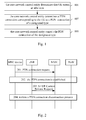
Figure 1 is a schematic flowchart illustrating a method for managing a PDN connection according to a first example of the present disclosure. -
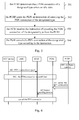
Figure 2 is a schematic flowchart illustrating a method for managing a PDN connection according to a second example of the present disclosure. -
Figure 3 is a schematic flowchart illustrating a method for managing a PDN connection according to a third example of the present disclosure. -
Figure 4 is a schematic flowchart illustrating a method for managing a PDN connection according to a fourth example of the present disclosure. -
Figure 5 is a schematic flowchart illustrating a method for managing a PDN connection according to a fifth example of the present disclosure. -
Figure 6 is a schematic flowchart illustrating a method for managing a PDN connection according to a sixth example of the present disclosure. -
Figure 7 is a schematic diagram illustrating a core network control entity according to a seventh example of the present disclosure. -
Figure 8 is a schematic diagram illustrating a PGW according to an eighth example of the present disclosure. -
Figure 9 is a schematic diagram illustrating another PGW according to a ninth example of the present disclosure. - In a procedure of implementing the present disclosure, the inventor notices that, a conventional PDN connection has a characteristic of always-on and current MTC communications are provided for a large number of MTC devices. When MTC applications are different, the MTC device may spend different periods of time using the PDN connection. For example, the duration of transmitting data via a PDN connection by a certain application is far less than idle time of the PDN connection, and thus resources occupied by the PDN connection established by the application are wasted. Further, numerous MTC devices correspond to a lot of PDN connections, and thus many resources are needed to manage the PDN connections, which affects performances of the system.
- Therefore, the problem of managing PDN connections corresponding to numerous MTC devices in the network needs to be solved. Examples of the present disclosure provide a method and apparatus for managing a PDN connection, so as to manage PDN connections of numerous MTC devices, save resources occupied by the PDN connections, prevent expending many resources in managing the PDN connections and improve performances of the system.
- Technical solutions of the present disclosure will be illustrated in detail hereinafter with reference to the accompanying drawings. The described examples are parts of examples of the present disclosure. Other examples obtained by those skilled in the art without creative labour based on the examples of the present disclosure belong to the protection scope of the invention.
- A first example is provided.
- The first example provides a method for managing a PDN connection, and a core network control entity, e.g. a MME manages the PDN connection. As shown in
Figure 1 , the method incudes following processing. - At 101, the core network control entity determines that UE enters an idle state.
- In an example, when a base station device, e.g. an eNB detects that the UE does not transmit data, the base station device transmits a S1 UE Context Release Request to the core network control entity, and a cause value is user inactivity. When determining that the cause value is the user inactivity, the core network control entity determines that the UE enters the idle state.
- At 102, the core network control entity determines a PDN connection corresponding to the UE as a PDN connection of a designated type.
- In a first mode, in subscription information of the UE, an Access Point Name (APN) identifier used for establishing temporarily connectivity may be configured for the APN. The temporarily connectivity is a PDN connection used temporarily. In this case, when detecting that the PDN connection corresponding to the UE uses an APN for establishing the temporarily connectivity, the core network control entity determines the PDN connection corresponding to the UE as the PDN connection of the designated type.
- In an example of the present disclosure, at a network side, two types of APNs may be configured for the PDN connection of the UE according to application characteristics of the UE. One is an APN used for establishing "persistent connectivity", and the other is an APN used for establishing "temporarily connectivity". The APN used for establishing a PDN connection of "temporarily connectivity" is configured for the PDN connection of the designated type, e.g. a PDN connection of the MTC device. In the examples of the present disclosure, the APN of the first type will not be described, and the APN of the second type, i.e. the APN for establishing temporarily connectivity is called MTC SPECIFIED APN.
- It should be noted that, the APN refers to an access point name, and is used by the network as a parameter for selecting the PGW. In addition, the APNs with different identifiers may be used to identify different types of PDN connections. For example, an identifier of LIPA APN indicates LIPA access, and an identifier of SIPTO APN indicates SIPTO access. The APNs are identified by these identifiers stored in the subscription data of the UE.
- In an example of the present disclosure, when needing to configure the APN for the PDN connection of the designated type, the APN is configured as the MTC SPECIFIED APN in the subscription information, that is, the PDN connection of the designated type will use the MTC SPECIFIED APN. Afterwards, when it is detected that the UE enters in the idle state, the APN identifier corresponding to each of the PDN connections of the UE is checked. If it is determined that the APN identifier corresponding to the PDN connection is the MTC SPECIFIED APN which is the identifier of the APN used for establishing temporarily connectivity, the core network control entity determines that the PDN connection corresponding to the UE is the PDN connection of the designated type.
- In a second mode, in subscription information of the UE, an attribute of infrequent data transmission may be configured for the UE according to requirements of the UE. In this case, when the core network control entity detects that the UE has the attribute of infrequent data transmission, the core network control entity determines the PDN connection corresponding to the UE as the PDN connection of the designated type.
- In an example of the present disclosure, the network side may configure the attribute of infrequent data transmission for the UE (i.e. the MTC device) in the subscription information of the UE according to application characteristics of the UE. Afterwards, when it is detected that the UE enters the idle state, the subscription information of the UE is checked. If it is determined that subscription information of the UE has the attribute of infrequent data transmission, the core network control entity determines each of all normal PDN connections of the UE as the PDN connection of the designated type.
- At 103, the core network control entity cancels the PDN connection of the designated type. According to various examples, the core network control entity may cancel the PDN connection of the designated type via a PDN connection disconnection procedure or via an implicit detach procedure.
- In an example of the present disclosure, for the PDN connection having the APN identifier used for establishing the temporality connectivity or for all PDN connections of the UE having the attribute of infrequent data transmission, when the UE enters the idle state because of no data transmission, the network side may initiate a PDN connection disconnection procedure to release the PDN connection associated with the APN in the UE.
- Afterwards, when a MTC Server needs to transmit data to the MTC device, i.e. the UE of the designated type, a MTC trigger characteristic may be used to trigger establishing of new connectivity.
- Therefore, according to examples of the present disclosure, when the MTC device enters the idle state, the PDN connection disconnection procedure may be initiated to release the PDN connection, so that the PDN connection of the MTC device is managed effectively, the number of inactive PDN connections of the MTC device is reduced. When the MTC device does not often perform data transmission, the duration of accessing to the network is reduced as much as possible.
- A second example is provided.
- Based on the first example, the second example provides a method for managing a PDN connection, and a core network control entity, e.g. a MME manages the PDN connection. As shown in
Figure 2 , the method incudes following processing. - At 201, a MTC device establishes a PDN connection by using a MTC SPECIFIED APN. In an example, the MTC device may send a PDN connection request for the MTC SPECIFIED APN to the MME.
- At 202, the PDN connection is established via checking subscription information of the MTC device.
- At 203, when UE does not transmit data, an eNB send a S1 UE Context Release Request, the cause value is user inactivity.
- At 204, the MME initiates a PDN connection disconnection procedure when determining that the cause value in the S1 UE Context Release Request is the user inactivity, so as to disconnect all PDN connections using the MTC SPECIFIED APN.
- A third example is provided.
- The third example provides a method for managing a PDN connection, and a PGW manages the PDN connection. As shown in
Figure 3 , the method incudes following processing. - At 301, the PGW determines a PDN connection corresponding to UE as a PDN connection of a designated type.
- In a first mode, an APN identifier used for establishing temporarily connectivity may be configured for APN in subscription information of the UE. The temporarily connectivity is a PDN connection used temporarily. In this case, the PGW may receive a notification from a core network control entity. When the notification includes a first identifier indicating that the PDN connection corresponding to the UE uses an APN for establishing temporarily connectivity, the PGW determines the PDN connection corresponding to the UE as the PDN connection of the designated type.
- In an example of the present disclosure, at a network side, two types of APNs may be configured for the PDN connection of the UE according to application characteristics of the UE. One is an APN used for establishing "persistent connectivity", and the other is an APN used for establishing "temporarily connectivity". The APN used for establishing a PDN connection of "temporarily connectivity" is configured for the PDN connection of the designated type, e.g. a PDN connection of the MTC device. In the examples of the present disclosure, the APN of the first type will not be described, and the APN of the second type, i.e. the APN for establishing temporarily connectivity is called MTC SPECIFIED APN.
- In an example of the present disclosure, when needing to configure the APN for the PDN connection of the designated type, the APN is configured as the MTC SPECIFIED APN in the subscription information, that is, the PDN connection of the designated type will used the MTC SPECIFIED APN. The MTC SPECIFIED APN may be configured for the PDN connection of the designated type by an MME, and the MME notifies the PGW of the MTC SPECIFIED APN. For example, the MME may notify the PGW that the APN of the PDN connection is the MTC SPECIFIED APN or the MME may statically configure processing strategy for this type of APN on the PGW. Afterwards, the PGW may determine the PDN connection corresponding to the UE as the PDN connection of the designated type according to an identifier of the APN for establishing temporarily connectivity.
- In a second mode, in subscription information of the UE, an attribute of infrequent data transmission may be configured for the UE according to requirements of the UE. In this case, the PGW may receive a notification from the core network control entity. When the notification includes a second identifier indicating that the UE has the attribute of infrequent data transmission, the PGW determines all normal PDN connections of the UE as the PDN connection of the designated type.
- In an example of the present disclosure, the network side may configure the attribute of infrequent data transmission for the UE (i.e. the MTC device) in the subscription information of the UE according to application characteristics of the UE. According to an example, the MME may configure the attribute of infrequent data transmission for the UE and notify the PGW. For example, the MME may notify the PGW that the UE has the attribute of infrequent data transmission. The PGW determines all normal PDN connections of the UE as the PDN connection of the designated type.
- At 302, the PGW configures an inactive timer for the PDN connection of the designated type.
- In an example of the present disclosure, after the PDN connection is determined as the PDN connection of the designated type, the PGW configures the inactive timer for the PDN connection of the designated type, starts the inactive timer when detecting that no data is transmitted via the PDN connection, and resets the inactive timer when detecting that data is transmitted via the PDN connection again.
- At 303, the PGW determines that the PDN connection of the designated type enters an inactive state according to the inactive timer. According to an example, after the inactive timer expires, the PGW determines that the PDN connection of the designated type enters the inactive state.
- At 304, the PGW cancels the PDN connection of the designated type. According to various examples, the PGW cancels the PDN connection of the designated type via a bearer deactivation procedure, that is, the PGW initiates a bearer deactivation procedure to deactivate the default bearer of the PDN connection.
- Afterwards, when the MTC server needs to transmit data to the MTC device, i.e. the UE of the designated type, the MTC trigger characteristics may be used to initiate establishing of a new connectivity.
- Therefore, according to examples of the present disclosure, on the PGW, the inactive timer is configured for the PDN connection of the MTC device. When the inactive timer expires, the PDN connection is released, so that the PDN connection of the MTC device is managed effectively, the number of inactive PDN connections of the MTC device is reduced. When the MTC device does not often perform data transmission, the duration of accessing to the network is reduced as much as possible.
- A fourth example is provided.
- Based on the third example, the fourth example provides a method for managing a PDN connection, and a PGW manages the PDN connection. As shown in
Figure 4 , the method incudes following processing. - At 401, a MTC device establishes a PDN connection by using a MTC SPECIFIED APN. In an example, the MTC device may send a PDN connection request for the MTC SPECIFIED APN to a MME.
- At 402, the MME checks subscription information, notifies the PGW to start an inactive timer for the APN after data transmission is completed. Further, the MME may notify the PGW of the timer value.
- At 403, the PDN connection is established.
- At 404, after the data transmission is completed, the PGW starts the inactive timer, and a timer value is decided according to configuration.
- At 405, after the inactive timer expires, the PGW initiates a bearer canceling procedure to cancel the default bearer, so as to cancel the PDN connection.
- It should be noted that, if data transmission is performed via the PDN connection again before the inactive timer expires, the inactive timer is reset.
- A fifth example is provided.
- The fifth example provides a method for managing a PDN connection, and a PCRF and a PGW manage the PDN connection. As shown in
Figure 5 , the method incudes following processing. - At 501, the PCRF determines that a PDN connection of a designated type enters an idle state.
- According to an example, the PCRF may determine that the PDN connection of the designated type enters the idle state by using modes as described in the above examples.
- At 502, the PCRF sends the PGW an instruction of canceling the PDN connection of the designated type.
- According to an example, a policy for the MTC SPECIFIED APN may be configured on the PCRF, so that the PCRF may send the instruction of canceling the PDN connection of the designated type to the PGW after the transmission on the PDN connection is completed for a preset time period.
- At 503, the PGW receives the instruction of canceling the PDN connection of the designated type from the PCRF.
- At 504, the PGW cancels the PDN connection of the designated type according to the instruction. According to an example, the PGW may cancel the PDN connection of the designated type via a bearer deactivation procedure, e.g. the PGW initiates a bearer deactivation procedure to deactivate the default bearer of the PDN connection.
- A sixth example is provided.
- Based on the above example, the sixth example provides a method for managing a PDN connection, and a PCRF and a PGW manage the PDN connection. As shown in
Figure 6 , the method incudes following processing. - At 601, the PCRF is configured with a policy in which an instruction of canceling a PDN connection is sent after a PDN connection using a MTC SPECIFIED APN enters an idle state for a certain time period.
- At 602, a MTC device establishes a PDN connection by using a MTC SPECIFIED APN. According to an example, the MTC device may send the MME a PDN connection request for the MTC SPEIFIED APN.
- At 603, the PDN connection is established.
- At 604, after detecting that the PDN connection enters the idle state for a certain time period, the PCRF sends an instruction of canceling the PDN connection to a PGW.
- At 605, the PGW receives the instruction of canceling the PDN connection, initiates a bearer canceling procedure to cancel the default bearer, so as to cancel the PDN connection.
- A seventh example is provided.
- Based on the same inventive concept, the examples of the present disclosure also provide a core network control entity, as shown in
Figure 7 . The core network control entity includes a first determiningmodule 11, a second determiningmodule 12, and a cancelingmodule 13. - The first determining
module 11 is to determine that UE enters an idle state. - The second determining
module 12 is to determine a PDN connection corresponding to the UE as a PDN connection of a designated type. - The canceling
module 13 is to cancel the PDN connection of the designated type. - According to an example, the second determining
module 12 is to determine the PDN connection corresponding to the UE as the PDN connection of the designated type when the PDN connection corresponding to the UE uses an APN for establishing temporarily connectivity. - It should be noted that, an APN identifier used for establishing temporarily connectivity may be configured for the APN in subscription information of the UE.
- According to an example, the second determining
module 12 is to determine each of normal PDN connections of the UE as the PDN connection of the designated type, when the UE has an attribute of infrequent data transmission. - It should be noted that, the attribute of infrequent data transmission is configured for the UE in subscription information of the UE according to requirements of the UE.
- According to an example, the canceling
module 13 is to cancel the PDN connection of the designated type via a PDN connection disconnection procedure or via an implicit detach procedure. - According to examples of the present disclosure, the modules in the core network control entity may be located together or separately. The above modules may be merged into one module, or may be divided into multiple sub-modules furthermore.
- An eighth example is provided.
- Based on the same inventive concept, the examples of the present disclosure also provide a PGW, as shown in
Figure 8 . The PGW includes a first determiningmodule 21, a configuringmodule 22, a second determiningmodule 23, and a cancelingmodule 24. - The first determining
module 21 is to determine a PDN connection corresponding to UE as a PDN connection of a designated type. - The configuring
module 22 is to configure an inactive timer for the PDN connection of the designated type. - The second determining
module 23 is to determine that the PDN connection of the designated type enters an inactive state according to the inactive timer. - The canceling
module 24 is to cancel the PDN connection of the designated type. - According to an example, the first determining
module 21 is to receive a notification from a core network control entity; determine the PDN connection corresponding to UE as the PDN connection of the designated type, when the notification includes a first identifier indicating that the PDN connection uses an APN for establishing temporarily connectivity. - It should be noted that, in subscription information of the UE, an APN identifier used for establishing temporarily connectivity may be configured for the APN.
- According to an example, the first determining
module 21 is to receive a notification from the core network control entity; determine each of normal PDN connections of the UE as the PDN connection of the designated type, when the notification includes a second identifier indicating that the UE has an attribute of infrequent data transmission. - It should be noted that, in subscription information of the UE, the attribute of infrequent data transmission may be configured for the UE according to requirements of the UE.
- According to an example, the canceling module is to cancel the PDN connection of the designated type via a bearer deactivation procedure.
- According to examples of the present disclosure, the modules in the core network control entity may be located together or separately. The above modules may be merged into one module, or may be divided into multiple sub-modules furthermore.
- A ninth example is provided.
- Based on the same inventive concept, the examples of the present disclosure also provide a PGW, as shown in
Figure 9 . The PGW includes a receivingmodule 31 and a cancelingmodule 32. - The receiving
module 31 is to receive an instruction of canceling a PDN connection of a designated type from a PCRF, when the PDN connection of the designated type enters an idle state. - The canceling
module 32 is to cancel the PDN connection of the designated type according to the instruction. - According to an example, the canceling
module 32 may cancel the PDN connection of the designated type via a bearer deactivation procedure. - According to examples of the present disclosure, the modules in the core network control entity may be located together or separately. The above modules may be merged into one module, or may be divided into multiple sub-modules furthermore.
- According to the above descriptions of examples, it can be clearly understood by those skilled in the art that the present invention can be realized by software accompanying with necessary general hardware platforms, or by hardware. In many cases, the former is a preferred manner. Based on this, the essential part of the technical solution of the present invention or the part contributed to the prior art can be in the form of a software product, and the computer software product is stored in a storage medium and includes several codes to make a computer device (such as a handset, a personal computer, a server or a network device) perform the method in embodiments of the present invention.
- Persons having ordinary skill in the art may easily learn that the accompanying drawings are only schematic diagrams of a preferred embodiment. The modules or processes illustrated in the accompanying drawings are not definitely necessary to implement the present invention.
- Persons having ordinary skill in the art may understand that the modules in the device embodiment may be distributed in the device of the embodiment according to embodiment descriptions, or may change correspondingly to locate in one or more devices different from the embodiment. The modules in above embodiment may be merged into one module, or may be divided into multiple sub-modules furthermore.
- Sequence number in above embodiments of the present invention is only used for descriptions, which doesn't demonstrate good or better embodiment.
- The foregoing is only preferred examples of the present disclosure and is not used to limit the protection scope of the present disclosure. Any modification, equivalent substitution and improvement are within the protection scope of the present disclosure.
Claims (20)
- A method for managing a Packet Data Network (PDN) connection, comprising:determining, by a core network control entity, that User Equipment (UE) enters an idle state;determining, by the core network control entity, a PDN connection corresponding to the UE as a PDN connection of a designated type; andcanceling, by the core network control entity, the PDN connection of the designated type.
- The method of claim 1, wherein determining, by the core network control entity, the PDN connection corresponding to the UE as the PDN connection of the designated type comprises:determining the PDN connection corresponding to the UE as the PDN connection of the designated type, when the PDN connection corresponding to the UE uses an Access Point Name (APN) for establishing temporarily connectivity; and/ordetermining each of normal PDN connections of the UE as the PDN connection of the designated type, when the UE has an attribute of infrequent data transmission.
- The method of claim 2, wherein
an APN identifier used for establishing temporarily connectivity is configured for the APN in subscription information of the UE; and/or
the attribute of infrequent data transmission is configured for the UE in subscription information of the UE according to requirements of the UE. - The method of any of claims 1 to 3, wherein canceling, by the core network control entity, the PDN connection of the designated type comprises:canceling the PDN connection of the designated type via a PDN connection disconnection procedure or via an implicit detach procedure.
- A method for managing a Packet Data Network (PDN) connection, comprising:determining, by a Packet Data Gateway (PGW), a PDN connection corresponding to User Equipment (UE) as of a PDN connection designated type;configuring, by the PGW, an inactive timer for the PDN connection of the designated type;determining, by the PGW, that the PDN connection of the designated type enters an inactive state according to the inactive timer; andcanceling, by the PGW, the PDN connection of the designated type.
- The method of claim 5, wherein determining, by the PGW, that the PDN connection corresponding to the UE as the PDN connection designated type comprises:receiving, by the PGW, a notification from a core network control entity; and determining the PDN connection corresponding to the UE as the PDN connection of the designated type, when the notification comprises a first identifier indicating that the PDN connection uses an Access Point Name (APN) for establishing temporarily connectivity; and/orreceiving, by the PGW, a notification from the core network control entity; and determining each normal PDN connections of the UE as the PDN connection of the designated type, when the notification comprises a second identifier indicating that the UE has an attribute of infrequent data transmission.
- The method of claim 6, wherein
an APN identifier used for establishing temporarily connectivity is configured for the APN in subscription information of the UE; and/or
the attribute of infrequent data transmission is configured for the UE in subscription information of the UE according to requirements of the UE. - The method of any of claims 5 to 7, wherein canceling, by the PGW, the PDN connection of the designated type comprises:canceling, by the PGW, the PDN connection of the designated type via a bearer deactivation procedure.
- A method for managing a Packet Data Network (PDN) connection, comprising:receiving, by a PGW, an instruction of canceling a PDN connection of a designated type from a PCRF, when the PDN connection of the designated type enters an idle state;canceling, by the PGW, the PDN connection of the designated type according to the instruction.
- The method of claim 9, wherein canceling, by the PGW, the PDN connection of the designated type according to the instruction comprises:canceling, by the PGW, the PDN connection of the designated type according to the instruction via a bearer deactivation procedure.
- A core network control entity, comprising:a first determining module, to determine that User Equipment (UE) enters an idle state;a second determining module, to determine a Packet Data Network (PDN) connection corresponding to the UE as a PDN connection of a designated type; anda canceling module, to cancel the PDN connection of the designated type.
- The core network control entity of claim 11, wherein
the second determining module is to
determine the PDN connection corresponding to the UE as the PDN connection of the designated type when the PDN connection corresponding to the UE uses an Access Point Name (APN) for establishing temporarily connectivity; and/or
determine each of normal PDN connections of the UE as the PDN connection of the designated type, when the UE has an attribute of infrequent data transmission. - The core network control entity of claim 12, wherein
an APN identifier used for establishing temporarily connectivity is configured for the APN in subscription information of the UE; and/or
the attribute of infrequent data transmission is configured for the UE in subscription information of the UE according to requirements of the UE. - The core network control entity of any of claims 11 to 13, wherein
the canceling module is to cancel the PDN connection of the designated type via a PDN connection disconnection procedure or via an implicit detach procedure. - A Packet Data Gateway (PGW), comprising:a first determining module, to determine a Packet Data Network (PDN) connection corresponding to User Equipment (UE) as a PDN connection of a designated type;a configuring module, to configure an inactive timer for the PDN connection of the designated type;a second determining module, to determine that the PDN connection of the designated type enters an inactive state according to the inactive timer; anda canceling module, to cancel the PDN connection of the designated type.
- The PGW of claim 15, wherein
the first determining module is to
receive a notification from a core network control entity; determine the PDN connection corresponding to the UE as the PDN connection of the designated type, when the notification comprises a first identifier indicating that the PDN connection uses an Access Point Name (APN) for establishing temporarily connectivity; and/or
receive a notification from the core network control entity; determine each of normal PDN connections of the UE as the PDN connection of the designated type, when the notification comprises a second identifier indicating that the UE has an attribute of infrequent data transmission. - The PGW of claim 16, wherein
an APN identifier used for establishing temporarily connectivity is configured for the APN in subscription information of the UE; and/or
the attribute of infrequent data transmission is configured for the UE in subscription information of the UE according to requirements of the UE. - The PGW of any of claims 15 to 17, wherein
the canceling module is to cancel the PDN connection of the designated type via a bearer deactivation procedure. - A Packet Data Gateway (PGW), comprising:a receiving module, to receive an instruction of canceling a Packet Data Network (PDN) connection of a designated type from a Charging Rules Function (PCRF), when the PDN connection of the designated type enters an idle state; anda canceling module, to cancel the PDN connection of the designated type according to the instruction.
- The PGW of claim 19, wherein
the canceling module is to cancel the PDN connection of the designated type via a bearer deactivation procedure.
Applications Claiming Priority (2)
| Application Number | Priority Date | Filing Date | Title |
|---|---|---|---|
| CN201110215097.4A CN102291295B (en) | 2011-07-29 | 2011-07-29 | Management method and equipment for packet data network (PDN) connection |
| PCT/CN2012/079086 WO2013017032A1 (en) | 2011-07-29 | 2012-07-24 | Method and device for managing pdn connection |
Publications (3)
| Publication Number | Publication Date |
|---|---|
| EP2739113A1 true EP2739113A1 (en) | 2014-06-04 |
| EP2739113A4 EP2739113A4 (en) | 2015-01-07 |
| EP2739113B1 EP2739113B1 (en) | 2017-07-05 |
Family
ID=45337413
Family Applications (1)
| Application Number | Title | Priority Date | Filing Date |
|---|---|---|---|
| EP12820702.4A Active EP2739113B1 (en) | 2011-07-29 | 2012-07-24 | Method and device for managing pdn connection |
Country Status (4)
| Country | Link |
|---|---|
| US (1) | US20150071143A1 (en) |
| EP (1) | EP2739113B1 (en) |
| CN (1) | CN102291295B (en) |
| WO (1) | WO2013017032A1 (en) |
Cited By (1)
| Publication number | Priority date | Publication date | Assignee | Title |
|---|---|---|---|---|
| EP3113572A4 (en) * | 2014-03-26 | 2017-03-22 | ZTE Corporation | Method and apparatus for controlling creation of mobile communication network connection |
Families Citing this family (11)
| Publication number | Priority date | Publication date | Assignee | Title |
|---|---|---|---|---|
| CN102291295B (en) * | 2011-07-29 | 2014-11-05 | 电信科学技术研究院 | Management method and equipment for packet data network (PDN) connection |
| CN107613571B (en) | 2012-07-18 | 2021-05-18 | 华为技术有限公司 | A method, device and system for data connection management |
| US9282579B2 (en) * | 2013-05-23 | 2016-03-08 | Broadcom Corporation | Deactivating elevated priority public data network connections in user equipment |
| WO2015120902A1 (en) * | 2014-02-14 | 2015-08-20 | Telefonaktiebolaget L M Ericsson (Publ) | Pcrf assisted apn selection |
| US9603186B2 (en) * | 2014-05-08 | 2017-03-21 | Intel IP Corporation | Mobility management entity, user equipment and methods for machine type communication |
| CN105430766A (en) * | 2014-09-23 | 2016-03-23 | 中兴通讯股份有限公司 | MTC business processing method and system, and MTC equipment |
| WO2016053028A1 (en) * | 2014-10-01 | 2016-04-07 | 엘지전자 주식회사 | Method for processing data for terminal, in psm, in wireless communication system and device therefor |
| CN107548100A (en) * | 2016-06-29 | 2018-01-05 | 中兴通讯股份有限公司 | Control the method, apparatus and system and gateway of user equipment |
| CN108307404B (en) * | 2016-09-26 | 2021-04-23 | 中国电信股份有限公司 | Method, device and system for managing network state |
| EP3522674B1 (en) * | 2016-09-30 | 2020-12-30 | NTT DoCoMo, Inc. | Communication control methods and communication systems |
| KR102498866B1 (en) * | 2018-08-08 | 2023-02-13 | 삼성전자주식회사 | Electronic device supporting data communication and method therefor |
Family Cites Families (16)
| Publication number | Priority date | Publication date | Assignee | Title |
|---|---|---|---|---|
| US7218630B1 (en) * | 1999-04-30 | 2007-05-15 | Lucent Technologies Inc. | Data session setup system for wireless network |
| US8166537B1 (en) * | 2002-08-27 | 2012-04-24 | Cisco Technology, Inc. | Service-based network access |
| DE10250201B4 (en) * | 2002-10-28 | 2005-05-25 | Siemens Ag | Method and device for exchanging data by means of a tunnel connection |
| FI116604B (en) * | 2003-06-27 | 2005-12-30 | Teliasonera Finland Oyj | Tunnel coupler and method and system for forming a tunnel connection |
| CN1332534C (en) * | 2004-04-05 | 2007-08-15 | 华为技术有限公司 | Method of supporting node monitoring mobile user state by service universal packet wireless service |
| WO2007032438A1 (en) * | 2005-09-15 | 2007-03-22 | Pioneer Corporation | Wireless communication system base station apparatus, wireless communication system terminal apparatus, wireless communication system, and method for canceling direct link mode |
| CN100579123C (en) * | 2006-01-18 | 2010-01-06 | 华为技术有限公司 | A processing method for ensuring information security in a communication system |
| US20070253405A1 (en) * | 2006-04-27 | 2007-11-01 | Motorola, Inc. | Method and apparatus for initiating a user selected service when establishing a packet data connection |
| CN101567832B (en) * | 2008-04-23 | 2011-09-14 | 电信科学技术研究院 | Method, device and system for deleting GTP tunnel |
| CN101610201A (en) * | 2008-06-20 | 2009-12-23 | 大唐移动通信设备有限公司 | Realize that PDN connects the methods, devices and systems that discharge |
| US9480092B2 (en) * | 2009-04-23 | 2016-10-25 | Qualcomm Incorporated | Establishing packet data network connectivity for local internet protocol access traffic |
| US8774128B2 (en) * | 2010-04-19 | 2014-07-08 | Qualcomm Incorporated | Method and apparatus for detachment from a wireless communication network |
| US9113322B2 (en) * | 2010-07-27 | 2015-08-18 | Telefonaktiebolaget L M Ericsson (Publ) | Machine-type communication subscription control |
| WO2012084019A1 (en) * | 2010-12-21 | 2012-06-28 | Telefonaktiebolaget L M Ericsson (Publ) | Flexible parameter cache for machine type connections |
| US9591689B2 (en) * | 2011-03-30 | 2017-03-07 | Telefonaktiebolaget Lm Ericsson (Publ) | System and method for detachment in wireless communication system |
| CN102291295B (en) * | 2011-07-29 | 2014-11-05 | 电信科学技术研究院 | Management method and equipment for packet data network (PDN) connection |
-
2011
- 2011-07-29 CN CN201110215097.4A patent/CN102291295B/en active Active
-
2012
- 2012-07-24 EP EP12820702.4A patent/EP2739113B1/en active Active
- 2012-07-24 WO PCT/CN2012/079086 patent/WO2013017032A1/en not_active Ceased
- 2012-07-24 US US14/236,023 patent/US20150071143A1/en not_active Abandoned
Cited By (1)
| Publication number | Priority date | Publication date | Assignee | Title |
|---|---|---|---|---|
| EP3113572A4 (en) * | 2014-03-26 | 2017-03-22 | ZTE Corporation | Method and apparatus for controlling creation of mobile communication network connection |
Also Published As
| Publication number | Publication date |
|---|---|
| EP2739113B1 (en) | 2017-07-05 |
| US20150071143A1 (en) | 2015-03-12 |
| EP2739113A4 (en) | 2015-01-07 |
| CN102291295B (en) | 2014-11-05 |
| CN102291295A (en) | 2011-12-21 |
| WO2013017032A1 (en) | 2013-02-07 |
Similar Documents
| Publication | Publication Date | Title |
|---|---|---|
| EP2739113B1 (en) | Method and device for managing pdn connection | |
| EP2428001B1 (en) | Method for supporting pdn gw selection | |
| JP2021510273A (en) | Communication methods, communication devices, and communication systems | |
| EP3855797A1 (en) | Overload control and coordination between m2m service layer and 3gpp networks | |
| US9942088B2 (en) | Fault detection method, gateway, user equipment, and communications system | |
| CN104160762A (en) | Method for controlling services in a wireless communication system | |
| CN108391321A (en) | Apparatus and method for handling status mismatch in wireless communication system | |
| EP3277051A1 (en) | Data transmission method, access network device and communication system | |
| CN103369709B (en) | A kind of PDN connection establishment method and apparatus | |
| CN109429366B (en) | PDU session processing method and device | |
| CN102238664B (en) | Method and system for rejecting radio resource connection reestablish during base station handover | |
| WO2024093448A1 (en) | Smart policy rule update | |
| CN105684511A (en) | Data transmission from mobile radio communication devices | |
| KR101944647B1 (en) | Data processing method, apparatus, terminal, mobility management entity, and system | |
| KR20150045396A (en) | Network device for supporting gateway change in cellular communication system and method thereof | |
| EP3684115A1 (en) | Method for allowing user equipment to detach from network entity | |
| JP6121672B2 (en) | Mobile communication system and mobile communication method | |
| WO2013000345A1 (en) | Method and system for diverting terminal in accessing network | |
| CN103228025A (en) | Access method, device and system for machine type communication terminal | |
| CN104270743B (en) | A kind of method and device for the parameter information obtaining terminal | |
| EP2999295B1 (en) | Method for releasing wireless link resource and user equipment | |
| KR102714608B1 (en) | Service optimization method and communication device | |
| CN109788520A (en) | Method for switching network, AMF and RAN node | |
| CN117044278A (en) | Secondary cell group fault detection and reporting | |
| CN108684078B (en) | A method and device for updating a user plane gateway |
Legal Events
| Date | Code | Title | Description |
|---|---|---|---|
| PUAI | Public reference made under article 153(3) epc to a published international application that has entered the european phase |
Free format text: ORIGINAL CODE: 0009012 |
|
| 17P | Request for examination filed |
Effective date: 20140224 |
|
| AK | Designated contracting states |
Kind code of ref document: A1 Designated state(s): AL AT BE BG CH CY CZ DE DK EE ES FI FR GB GR HR HU IE IS IT LI LT LU LV MC MK MT NL NO PL PT RO RS SE SI SK SM TR |
|
| DAX | Request for extension of the european patent (deleted) | ||
| A4 | Supplementary search report drawn up and despatched |
Effective date: 20141210 |
|
| RIC1 | Information provided on ipc code assigned before grant |
Ipc: H04W 76/06 20090101AFI20141204BHEP |
|
| 17Q | First examination report despatched |
Effective date: 20150803 |
|
| RIC1 | Information provided on ipc code assigned before grant |
Ipc: H04W 52/02 20090101ALI20161117BHEP Ipc: H04W 76/06 20090101AFI20161117BHEP |
|
| GRAP | Despatch of communication of intention to grant a patent |
Free format text: ORIGINAL CODE: EPIDOSNIGR1 |
|
| STAA | Information on the status of an ep patent application or granted ep patent |
Free format text: STATUS: GRANT OF PATENT IS INTENDED |
|
| INTG | Intention to grant announced |
Effective date: 20170119 |
|
| GRAS | Grant fee paid |
Free format text: ORIGINAL CODE: EPIDOSNIGR3 |
|
| GRAA | (expected) grant |
Free format text: ORIGINAL CODE: 0009210 |
|
| STAA | Information on the status of an ep patent application or granted ep patent |
Free format text: STATUS: THE PATENT HAS BEEN GRANTED |
|
| AK | Designated contracting states |
Kind code of ref document: B1 Designated state(s): AL AT BE BG CH CY CZ DE DK EE ES FI FR GB GR HR HU IE IS IT LI LT LU LV MC MK MT NL NO PL PT RO RS SE SI SK SM TR |
|
| REG | Reference to a national code |
Ref country code: GB Ref legal event code: FG4D |
|
| REG | Reference to a national code |
Ref country code: CH Ref legal event code: EP |
|
| REG | Reference to a national code |
Ref country code: AT Ref legal event code: REF Ref document number: 907425 Country of ref document: AT Kind code of ref document: T Effective date: 20170715 |
|
| REG | Reference to a national code |
Ref country code: IE Ref legal event code: FG4D |
|
| REG | Reference to a national code |
Ref country code: FR Ref legal event code: PLFP Year of fee payment: 6 |
|
| REG | Reference to a national code |
Ref country code: DE Ref legal event code: R096 Ref document number: 602012034259 Country of ref document: DE |
|
| REG | Reference to a national code |
Ref country code: NL Ref legal event code: MP Effective date: 20170705 |
|
| REG | Reference to a national code |
Ref country code: AT Ref legal event code: MK05 Ref document number: 907425 Country of ref document: AT Kind code of ref document: T Effective date: 20170705 |
|
| REG | Reference to a national code |
Ref country code: LT Ref legal event code: MG4D |
|
| REG | Reference to a national code |
Ref country code: DE Ref legal event code: R079 Ref document number: 602012034259 Country of ref document: DE Free format text: PREVIOUS MAIN CLASS: H04W0076060000 Ipc: H04W0076300000 |
|
| PG25 | Lapsed in a contracting state [announced via postgrant information from national office to epo] |
Ref country code: FI Free format text: LAPSE BECAUSE OF FAILURE TO SUBMIT A TRANSLATION OF THE DESCRIPTION OR TO PAY THE FEE WITHIN THE PRESCRIBED TIME-LIMIT Effective date: 20170705 Ref country code: AT Free format text: LAPSE BECAUSE OF FAILURE TO SUBMIT A TRANSLATION OF THE DESCRIPTION OR TO PAY THE FEE WITHIN THE PRESCRIBED TIME-LIMIT Effective date: 20170705 Ref country code: LT Free format text: LAPSE BECAUSE OF FAILURE TO SUBMIT A TRANSLATION OF THE DESCRIPTION OR TO PAY THE FEE WITHIN THE PRESCRIBED TIME-LIMIT Effective date: 20170705 Ref country code: HR Free format text: LAPSE BECAUSE OF FAILURE TO SUBMIT A TRANSLATION OF THE DESCRIPTION OR TO PAY THE FEE WITHIN THE PRESCRIBED TIME-LIMIT Effective date: 20170705 Ref country code: SE Free format text: LAPSE BECAUSE OF FAILURE TO SUBMIT A TRANSLATION OF THE DESCRIPTION OR TO PAY THE FEE WITHIN THE PRESCRIBED TIME-LIMIT Effective date: 20170705 Ref country code: NL Free format text: LAPSE BECAUSE OF FAILURE TO SUBMIT A TRANSLATION OF THE DESCRIPTION OR TO PAY THE FEE WITHIN THE PRESCRIBED TIME-LIMIT Effective date: 20170705 Ref country code: NO Free format text: LAPSE BECAUSE OF FAILURE TO SUBMIT A TRANSLATION OF THE DESCRIPTION OR TO PAY THE FEE WITHIN THE PRESCRIBED TIME-LIMIT Effective date: 20171005 |
|
| PG25 | Lapsed in a contracting state [announced via postgrant information from national office to epo] |
Ref country code: GR Free format text: LAPSE BECAUSE OF FAILURE TO SUBMIT A TRANSLATION OF THE DESCRIPTION OR TO PAY THE FEE WITHIN THE PRESCRIBED TIME-LIMIT Effective date: 20171006 Ref country code: PL Free format text: LAPSE BECAUSE OF FAILURE TO SUBMIT A TRANSLATION OF THE DESCRIPTION OR TO PAY THE FEE WITHIN THE PRESCRIBED TIME-LIMIT Effective date: 20170705 Ref country code: ES Free format text: LAPSE BECAUSE OF FAILURE TO SUBMIT A TRANSLATION OF THE DESCRIPTION OR TO PAY THE FEE WITHIN THE PRESCRIBED TIME-LIMIT Effective date: 20170705 Ref country code: BG Free format text: LAPSE BECAUSE OF FAILURE TO SUBMIT A TRANSLATION OF THE DESCRIPTION OR TO PAY THE FEE WITHIN THE PRESCRIBED TIME-LIMIT Effective date: 20171005 Ref country code: RS Free format text: LAPSE BECAUSE OF FAILURE TO SUBMIT A TRANSLATION OF THE DESCRIPTION OR TO PAY THE FEE WITHIN THE PRESCRIBED TIME-LIMIT Effective date: 20170705 Ref country code: IS Free format text: LAPSE BECAUSE OF FAILURE TO SUBMIT A TRANSLATION OF THE DESCRIPTION OR TO PAY THE FEE WITHIN THE PRESCRIBED TIME-LIMIT Effective date: 20171105 Ref country code: LV Free format text: LAPSE BECAUSE OF FAILURE TO SUBMIT A TRANSLATION OF THE DESCRIPTION OR TO PAY THE FEE WITHIN THE PRESCRIBED TIME-LIMIT Effective date: 20170705 |
|
| REG | Reference to a national code |
Ref country code: CH Ref legal event code: PL |
|
| REG | Reference to a national code |
Ref country code: DE Ref legal event code: R097 Ref document number: 602012034259 Country of ref document: DE |
|
| REG | Reference to a national code |
Ref country code: IE Ref legal event code: MM4A |
|
| PG25 | Lapsed in a contracting state [announced via postgrant information from national office to epo] |
Ref country code: LI Free format text: LAPSE BECAUSE OF NON-PAYMENT OF DUE FEES Effective date: 20170731 Ref country code: CH Free format text: LAPSE BECAUSE OF NON-PAYMENT OF DUE FEES Effective date: 20170731 Ref country code: CZ Free format text: LAPSE BECAUSE OF FAILURE TO SUBMIT A TRANSLATION OF THE DESCRIPTION OR TO PAY THE FEE WITHIN THE PRESCRIBED TIME-LIMIT Effective date: 20170705 Ref country code: IE Free format text: LAPSE BECAUSE OF NON-PAYMENT OF DUE FEES Effective date: 20170724 Ref country code: RO Free format text: LAPSE BECAUSE OF FAILURE TO SUBMIT A TRANSLATION OF THE DESCRIPTION OR TO PAY THE FEE WITHIN THE PRESCRIBED TIME-LIMIT Effective date: 20170705 Ref country code: DK Free format text: LAPSE BECAUSE OF FAILURE TO SUBMIT A TRANSLATION OF THE DESCRIPTION OR TO PAY THE FEE WITHIN THE PRESCRIBED TIME-LIMIT Effective date: 20170705 Ref country code: MC Free format text: LAPSE BECAUSE OF FAILURE TO SUBMIT A TRANSLATION OF THE DESCRIPTION OR TO PAY THE FEE WITHIN THE PRESCRIBED TIME-LIMIT Effective date: 20170705 |
|
| PLBE | No opposition filed within time limit |
Free format text: ORIGINAL CODE: 0009261 |
|
| STAA | Information on the status of an ep patent application or granted ep patent |
Free format text: STATUS: NO OPPOSITION FILED WITHIN TIME LIMIT |
|
| PG25 | Lapsed in a contracting state [announced via postgrant information from national office to epo] |
Ref country code: IT Free format text: LAPSE BECAUSE OF FAILURE TO SUBMIT A TRANSLATION OF THE DESCRIPTION OR TO PAY THE FEE WITHIN THE PRESCRIBED TIME-LIMIT Effective date: 20170705 Ref country code: SK Free format text: LAPSE BECAUSE OF FAILURE TO SUBMIT A TRANSLATION OF THE DESCRIPTION OR TO PAY THE FEE WITHIN THE PRESCRIBED TIME-LIMIT Effective date: 20170705 Ref country code: SM Free format text: LAPSE BECAUSE OF FAILURE TO SUBMIT A TRANSLATION OF THE DESCRIPTION OR TO PAY THE FEE WITHIN THE PRESCRIBED TIME-LIMIT Effective date: 20170705 Ref country code: EE Free format text: LAPSE BECAUSE OF FAILURE TO SUBMIT A TRANSLATION OF THE DESCRIPTION OR TO PAY THE FEE WITHIN THE PRESCRIBED TIME-LIMIT Effective date: 20170705 |
|
| REG | Reference to a national code |
Ref country code: BE Ref legal event code: MM Effective date: 20170731 |
|
| 26N | No opposition filed |
Effective date: 20180406 |
|
| PG25 | Lapsed in a contracting state [announced via postgrant information from national office to epo] |
Ref country code: LU Free format text: LAPSE BECAUSE OF NON-PAYMENT OF DUE FEES Effective date: 20170724 |
|
| REG | Reference to a national code |
Ref country code: FR Ref legal event code: PLFP Year of fee payment: 7 |
|
| PG25 | Lapsed in a contracting state [announced via postgrant information from national office to epo] |
Ref country code: SI Free format text: LAPSE BECAUSE OF FAILURE TO SUBMIT A TRANSLATION OF THE DESCRIPTION OR TO PAY THE FEE WITHIN THE PRESCRIBED TIME-LIMIT Effective date: 20170705 Ref country code: BE Free format text: LAPSE BECAUSE OF NON-PAYMENT OF DUE FEES Effective date: 20170731 |
|
| PG25 | Lapsed in a contracting state [announced via postgrant information from national office to epo] |
Ref country code: MT Free format text: LAPSE BECAUSE OF NON-PAYMENT OF DUE FEES Effective date: 20170724 |
|
| PG25 | Lapsed in a contracting state [announced via postgrant information from national office to epo] |
Ref country code: HU Free format text: LAPSE BECAUSE OF FAILURE TO SUBMIT A TRANSLATION OF THE DESCRIPTION OR TO PAY THE FEE WITHIN THE PRESCRIBED TIME-LIMIT; INVALID AB INITIO Effective date: 20120724 |
|
| PG25 | Lapsed in a contracting state [announced via postgrant information from national office to epo] |
Ref country code: CY Free format text: LAPSE BECAUSE OF NON-PAYMENT OF DUE FEES Effective date: 20170705 |
|
| PG25 | Lapsed in a contracting state [announced via postgrant information from national office to epo] |
Ref country code: MK Free format text: LAPSE BECAUSE OF FAILURE TO SUBMIT A TRANSLATION OF THE DESCRIPTION OR TO PAY THE FEE WITHIN THE PRESCRIBED TIME-LIMIT Effective date: 20170705 |
|
| PG25 | Lapsed in a contracting state [announced via postgrant information from national office to epo] |
Ref country code: TR Free format text: LAPSE BECAUSE OF FAILURE TO SUBMIT A TRANSLATION OF THE DESCRIPTION OR TO PAY THE FEE WITHIN THE PRESCRIBED TIME-LIMIT Effective date: 20170705 |
|
| PG25 | Lapsed in a contracting state [announced via postgrant information from national office to epo] |
Ref country code: PT Free format text: LAPSE BECAUSE OF FAILURE TO SUBMIT A TRANSLATION OF THE DESCRIPTION OR TO PAY THE FEE WITHIN THE PRESCRIBED TIME-LIMIT Effective date: 20170705 |
|
| PG25 | Lapsed in a contracting state [announced via postgrant information from national office to epo] |
Ref country code: AL Free format text: LAPSE BECAUSE OF FAILURE TO SUBMIT A TRANSLATION OF THE DESCRIPTION OR TO PAY THE FEE WITHIN THE PRESCRIBED TIME-LIMIT Effective date: 20170705 |
|
| REG | Reference to a national code |
Ref country code: DE Ref legal event code: R081 Ref document number: 602012034259 Country of ref document: DE Owner name: DATANG MOBILE COMMUNICATIONS EQUIPMENT CO., LT, CN Free format text: FORMER OWNER: CHINA ACADEMY OF TELECOMMUNICATIONS TECHNOLOGY, BEIJING, CN |
|
| REG | Reference to a national code |
Ref country code: GB Ref legal event code: 732E Free format text: REGISTERED BETWEEN 20210729 AND 20210804 |
|
| PGFP | Annual fee paid to national office [announced via postgrant information from national office to epo] |
Ref country code: DE Payment date: 20250722 Year of fee payment: 14 |
|
| PGFP | Annual fee paid to national office [announced via postgrant information from national office to epo] |
Ref country code: GB Payment date: 20250722 Year of fee payment: 14 |
|
| PGFP | Annual fee paid to national office [announced via postgrant information from national office to epo] |
Ref country code: FR Payment date: 20250725 Year of fee payment: 14 |