EP2733220A1 - Novel miRNAs as diagnostic markers - Google Patents
Novel miRNAs as diagnostic markers Download PDFInfo
- Publication number
- EP2733220A1 EP2733220A1 EP12192979.8A EP12192979A EP2733220A1 EP 2733220 A1 EP2733220 A1 EP 2733220A1 EP 12192979 A EP12192979 A EP 12192979A EP 2733220 A1 EP2733220 A1 EP 2733220A1
- Authority
- EP
- European Patent Office
- Prior art keywords
- mir
- brain
- nucleic acid
- acid molecule
- pathological condition
- Prior art date
- Legal status (The legal status is an assumption and is not a legal conclusion. Google has not performed a legal analysis and makes no representation as to the accuracy of the status listed.)
- Granted
Links
Images

Classifications
-
- C—CHEMISTRY; METALLURGY
- C12—BIOCHEMISTRY; BEER; SPIRITS; WINE; VINEGAR; MICROBIOLOGY; ENZYMOLOGY; MUTATION OR GENETIC ENGINEERING
- C12Q—MEASURING OR TESTING PROCESSES INVOLVING ENZYMES, NUCLEIC ACIDS OR MICROORGANISMS; COMPOSITIONS OR TEST PAPERS THEREFOR; PROCESSES OF PREPARING SUCH COMPOSITIONS; CONDITION-RESPONSIVE CONTROL IN MICROBIOLOGICAL OR ENZYMOLOGICAL PROCESSES
- C12Q1/00—Measuring or testing processes involving enzymes, nucleic acids or microorganisms; Compositions therefor; Processes of preparing such compositions
- C12Q1/68—Measuring or testing processes involving enzymes, nucleic acids or microorganisms; Compositions therefor; Processes of preparing such compositions involving nucleic acids
- C12Q1/6876—Nucleic acid products used in the analysis of nucleic acids, e.g. primers or probes
- C12Q1/6883—Nucleic acid products used in the analysis of nucleic acids, e.g. primers or probes for diseases caused by alterations of genetic material
-
- A—HUMAN NECESSITIES
- A61—MEDICAL OR VETERINARY SCIENCE; HYGIENE
- A61K—PREPARATIONS FOR MEDICAL, DENTAL OR TOILETRY PURPOSES
- A61K31/00—Medicinal preparations containing organic active ingredients
- A61K31/70—Carbohydrates; Sugars; Derivatives thereof
- A61K31/7088—Compounds having three or more nucleosides or nucleotides
- A61K31/7105—Natural ribonucleic acids, i.e. containing only riboses attached to adenine, guanine, cytosine or uracil and having 3'-5' phosphodiester links
-
- A—HUMAN NECESSITIES
- A61—MEDICAL OR VETERINARY SCIENCE; HYGIENE
- A61P—SPECIFIC THERAPEUTIC ACTIVITY OF CHEMICAL COMPOUNDS OR MEDICINAL PREPARATIONS
- A61P25/00—Drugs for disorders of the nervous system
- A61P25/28—Drugs for disorders of the nervous system for treating neurodegenerative disorders of the central nervous system, e.g. nootropic agents, cognition enhancers, drugs for treating Alzheimer's disease or other forms of dementia
-
- C—CHEMISTRY; METALLURGY
- C12—BIOCHEMISTRY; BEER; SPIRITS; WINE; VINEGAR; MICROBIOLOGY; ENZYMOLOGY; MUTATION OR GENETIC ENGINEERING
- C12Q—MEASURING OR TESTING PROCESSES INVOLVING ENZYMES, NUCLEIC ACIDS OR MICROORGANISMS; COMPOSITIONS OR TEST PAPERS THEREFOR; PROCESSES OF PREPARING SUCH COMPOSITIONS; CONDITION-RESPONSIVE CONTROL IN MICROBIOLOGICAL OR ENZYMOLOGICAL PROCESSES
- C12Q2600/00—Oligonucleotides characterized by their use
- C12Q2600/112—Disease subtyping, staging or classification
-
- C—CHEMISTRY; METALLURGY
- C12—BIOCHEMISTRY; BEER; SPIRITS; WINE; VINEGAR; MICROBIOLOGY; ENZYMOLOGY; MUTATION OR GENETIC ENGINEERING
- C12Q—MEASURING OR TESTING PROCESSES INVOLVING ENZYMES, NUCLEIC ACIDS OR MICROORGANISMS; COMPOSITIONS OR TEST PAPERS THEREFOR; PROCESSES OF PREPARING SUCH COMPOSITIONS; CONDITION-RESPONSIVE CONTROL IN MICROBIOLOGICAL OR ENZYMOLOGICAL PROCESSES
- C12Q2600/00—Oligonucleotides characterized by their use
- C12Q2600/158—Expression markers
-
- C—CHEMISTRY; METALLURGY
- C12—BIOCHEMISTRY; BEER; SPIRITS; WINE; VINEGAR; MICROBIOLOGY; ENZYMOLOGY; MUTATION OR GENETIC ENGINEERING
- C12Q—MEASURING OR TESTING PROCESSES INVOLVING ENZYMES, NUCLEIC ACIDS OR MICROORGANISMS; COMPOSITIONS OR TEST PAPERS THEREFOR; PROCESSES OF PREPARING SUCH COMPOSITIONS; CONDITION-RESPONSIVE CONTROL IN MICROBIOLOGICAL OR ENZYMOLOGICAL PROCESSES
- C12Q2600/00—Oligonucleotides characterized by their use
- C12Q2600/178—Oligonucleotides characterized by their use miRNA, siRNA or ncRNA
Definitions
- the invention relates to novel miRNA markers and their uses.
- the invention relates to novel miRNA markers useful for diagnosis or therapy of disease, in particular for neuronal disorders such as Alzheimer's Disease (AD).
- AD Alzheimer's Disease
- nucleic acid analysis opens up very promising new possibilities in the study and diagnosis of disease.
- Nucleic acids of interest to be detected include genomic DNA, expressed mRNA and other RNAs such as MicroRNAs (abbreviated miRNAs).
- MiRNAs are a new class of small RNAs with various biological functions ( A. Keller et al., Nat Methods. 2011 8(10):841-3 ). They are short (average of 20-24 nucleotide) ribonucleic acid (RNA) molecules found in eukaryotic cells.
- RNAs Several hundred different species of microRNAs (i.e. several hundred different sequences) have been identified in mammals. They are important for post-transcriptional gene-regulation and bind to complementary sequences on target messenger RNA transcripts (mRNAs), which can lead to translational repression or target degradation and gene silencing. As such they can also be used as biologic markers for research, diagnosis and therapy purposes.
- nucleic acid molecule refers to a polynucleotide molecule having a defined sequence. It comprises DNA molecules, RNA molecules, nucleotide analog molecules and combinations thereof, such as DNA molecules or RNA molecules with incorporated nucleotide analogs.
- marker refers to a biological molecule, e.g., a nucleic acid, peptide, protein, hormone, etc., whose presence or concentration can be detected and correlated with a known condition, such as a disease state, or with a clinical outcome, such as response to a treatment.
- evaluating the physiological and/or pathological condition comprises classifying a sample of a patient suffering from or at risk of developing a pathological condition, screening for the presence or risk of developing a pathological condition, predicting a risk of developing the pathological condition, or predicting an outcome of the pathological condition in a patient suffering from or at risk of developing pathological condition.
- predicting an outcome of a pathological condition or of disease is meant to include both a prediction of an outcome of a patient undergoing a given therapy and a prognosis of a patient who is not treated.
- An “outcome” within the meaning of the present invention is a defined condition attained in the course of the disease.
- This disease outcome may e.g. be a clinical condition such as "relapse of disease”, “remission of disease”, “response to therapy”, a disease stage or grade or the like.
- a “risk” is understood to be a probability of a subject or a patient to develop or arrive at a certain disease outcome.
- the term "risk” in the context of the present invention is not meant to carry any positive or negative connotation with regard to a patient's wellbeing but merely refers to a probability or likelihood of an occurrence or development of a given event or condition.
- clinical data relates to the entirety of available data and information concerning the health status of a patient including, but not limited to, age, sex, weight, menopausal/hormonal status, etiopathology data, anamnesis data, data obtained by in vitro diagnostic methods such as blood or urine tests, data obtained by imaging methods, such as x-ray, computed tomography, MRI, PET, spect, ultrasound, electrophysiological data, genetic analysis, gene expression analysis, biopsy evaluation, intraoperative findings.
- imaging methods such as x-ray, computed tomography, MRI, PET, spect, ultrasound, electrophysiological data, genetic analysis, gene expression analysis, biopsy evaluation, intraoperative findings.
- classification of a sample relates to the association of said sample with at least one of at least two categories. These categories may be for example “high risk” and “low risk”, high, intermediate and low risk, wherein risk is the probability of a certain event occurring in a certain time period, e.g. occurrence of disease, progression of disease, etc. It can further mean a category of favourable or unfavourable clinical outcome of disease, responsiveness or non-responsiveness to a given treatment or the like. Classification may be performed by use of an algorithm, in particular a discrimant function. A simple example of an algorithm is classification according to a first quantitative parameter, e.g. expression level of a nucleic acid of interest, being above or below a certain threshold value.
- a first quantitative parameter e.g. expression level of a nucleic acid of interest
- Classification of a sample of a patient may be used to predict an outcome of disease or the risk of developing a disease. Instead of using the expression level of a single nucleic acid of interest, a combined score of several nucleic acids of interest of interest may be used. Further, additional data may be used in combination with the first quantitative parameter. Such additional data may be clinical data from the patient, such as sex, age, weight of the patient, disease grading etc.
- a discriminant function is a function of a set of variables used to classify an object or event.
- a discriminant function thus allows classification of a patient, sample or event into a category or a plurality of categories according to data or parameters available from said patient, sample or event.
- Such classification is a standard instrument of statistical analysis well known to the skilled person.
- a patient may be classified as “high risk” or “low risk”, “in need of treatment” or “not in need of treatment”or other categories according to data obtained from said patient, sample or event.
- Classification is not limited to "high vs. low", but may be performed into a plurality of categories, grading or the like.
- discriminant functions which allow a classification include, but are not limited to discriminant functions defined by support vector machines (SVM), k-nearest neighbors (kNN), (naive) Bayes models, or piecewise defined functions such as, for example, in subgroup discovery, in decision trees, in logical analysis of data (LAD) an the like.
- SVM support vector machines
- kNN k-nearest neighbors
- LAD logical analysis of data
- expression level refers, e.g., to a determined level of expression of a nucleic acid of interest.
- pattern of expression levels refers to a determined level of expression com-pared either to a reference nucleic acid, e.g. from a control, or to a computed average expression value, e.g. in DNA-chip analyses.
- a pattern is not limited to the comparison of two genes but is also related to multiple comparisons of genes to reference genes or samples.
- a certain “pattern of expression levels” may also result and be determined by comparison and measurement of several nucleic acids of interest disclosed hereafter and display the relative abundance of these transcripts to each other. Expression levels may also be assessed relative to expression in different tissues, patients versus healthy controls, etc.
- a "reference pattern of expression levels”, within the meaning of the invention shall be understood as being any pattern of expression levels that can be used for the comparison to another pattern of expression levels.
- a reference pattern of expression levels is, e.g., an average pattern of expression levels observed in a group of healthy or diseased individuals, serving as a reference group.
- sample or a “biological sample” is a sample which is derived from or has been in contact with a biological organism.
- biological samples are: cells, tissue, body fluids, biopsy specimens, blood, urine, saliva, sputum, plasma, serum, cell culture supernatant, and others.
- a “probe” is a molecule or substance capable of specifically binding or interacting with a specific biological molecule.
- the term “primer”, “primer pair” or “probe”, shall have ordinary meaning of these terms which is known to the person skilled in the art of molecular biology.
- “primer”, “primer pair” and “probes” refer to oligonucleotide or polynucleotide molecules with a sequence identical to, complementary too, homologues of, or homologous to regions of the target molecule or target sequence which is to be detected or quantified, such that the primer, primer pair or probe can specifically bind to the target molecule, e.g.
- a primer may in itself function as a probe.
- a "probe” as understood herein may also comprise e.g. a combination of primer pair and internal labeled probe, as is common in many commercially available qPCR methods.
- RNA is a short, naturally occurring RNA molecule and shall have the ordinary meaning understood by a person skilled in the art.
- a "molecule derived from an miRNA” is a molecule which is chemically or enzymatically obtained from an miRNA template, such as cDNA.
- array refers to an arrangement of addressable locations on a device, e.g. a chip device. The number of locations can range from several to at least hundreds or thousands. Each location represents an independent reaction site. Arrays include, but are not limited to nucleic acid arrays, protein arrays and antibody-arrays.
- a "nucleic acid array” refers to an array containing nucleic acid probes, such as oligonucleotides, polynucleotides or larger portions of genes. The nucleic acid on the array is preferably single stranded.
- a "microarray” refers to a biochip or biological chip, i.e. an array of regions having a density of discrete regions with immobilized probes of at least about 100/cm2.
- PCR-based method refers to methods comprising a polymerase chain reaction PCR. This is a method of exponentially amplifying nucleic acids, e.g. DNA or RNA by enzymatic replication in vitro using one, two or more primers. For RNA amplification, a reverse transcription may be used as a first step.
- PCR-based methods comprise kinetic or quantitative PCR (qPCR) which is particularly suited for the analysis of expression levels,).
- a PCR based method may for example be used to detect the presence of a given mRNA by (1) reverse transcription of the complete mRNA pool (the so called transcriptome) into cDNA with help of a reverse transcriptase enzyme, and (2) detecting the presence of a given cDNA with help of respective primers.
- This approach is commonly known as reverse transcriptase PCR (rtPCR).
- rtPCR reverse transcriptase PCR
- the term "PCR based method” comprises both end-point PCR applications as well as kinetic/real time PCR techniques applying special fluorophors or intercalating dyes which emit fluorescent signals as a function of amplified target and allow monitoring and quantification of the target. Quantification methods could be either absolute by external standard curves or relative to a comparative internal standard.
- next generation sequencing or “high throughput sequencing” refers to high-throughput sequencing technologies that parallelize the sequencing process, producing thousands or millions of sequences at once. Examples include Massively Parallel Signature Sequencing (MPSS) Polony sequencing, 454 pyrosequencing, Illumina (Solexa) sequencing, SOLiD sequencing, Ion semiconductor sequencing, DNA nanoball sequencing, Helioscope(TM) single molecule sequencing, Single Molecule SMRT(TM) sequencing, Single Molecule real time (RNAP) sequencing, Nanopore DNA sequencing.
- MPSS Massively Parallel Signature Sequencing
- Polony sequencing 454 pyrosequencing
- Illumina (Solexa) sequencing sequencing
- SOLiD sequencing sequencing
- Ion semiconductor sequencing Ion semiconductor sequencing
- DNA nanoball sequencing Helioscope(TM) single molecule sequencing
- Single Molecule SMRT(TM) sequencing Single Molecule real time (RNAP) sequencing
- Nanopore DNA sequencing Nanopore DNA sequencing.
- the technical problem underlying the present invention is to provide new biological markers and uses thereof.
- the invention provides an isolated nucleic acid molecule comprising
- the nucleic acid molecule is selected from the group of RNA, DNA or nucleic acid analog molecules.
- the nucleic acid molecule comprises at least one modified nucleotide analog.
- the nucleic acid molecule is an expression vector.
- the invention further provides the use of at least one nucleic acid molecule of the invention for evaluating physiological and/or pathological condition of a subject.
- the use can further comprise the step of determining in said sample of said subject an expression level of said nucleic acid molecule.
- the sample can be a blood sample.
- evaluating the physiological and/or pathological condition comprises classifying a sample of a patient suffering from or at risk of developing a pathological condition, predicting a risk of developing the pathological condition, or predicting an outcome of the pathological condition in a patient suffering from or at risk of developing pathological condition.
- the use can further comprise the steps of comparing an expression level or a pattern of expression levels(s) with one or several reference pattern(s) of expression levels and evaluating the physiological and/or pathological condition from the outcome of the comparison.
- the invention further provides a pharmaceutical composition containing of at least one nucleic acid molecule of the invention.
- the invention further provides the use of the composition of of the invention for diagnostic and/or therapeutic applications.
- miRNAs may be detected in biological samples, e. g. in tissue sections, blood samples, serum samples or other, in order to determine and classify certain cell types or tissue types or miRNA-associated pathogenic disorders which are characterized by differential expression of miRNAmolecules or miRNA-molecule patterns.
- the developmental stage of cells may be classified by determining temporarily expressed miRNAmolecules.
- the claimed nucleic acid molecules are suitable for therapeutic applications.
- the nucleic acid molecules may be used as modulators or targets of developmental processes or disorders associated with developmental dysfunctions, such as cancer metabolic diseases, degenerative diseases etc.
- the claimed nucleic acid molecules may be used as a modulator of the expression of genes which are at least partially complementary to said nucleic acid.
- miRNA molecules may act as target for therapeutic screening procedures, e. g. inhibition or activation of miRNA molecules might modulate a cellular differentiation process, e. g. apoptosis.
- the invention further provides a kit comprising means for determining the presence and/or amount of an expression level of at least one nucleic acid molecule of the invention.
- the invention provides very rare variants of miRNAs that are present in blood cells.
- the abundance of miRNAs in samples of Alzheimer's Disease patients and patients suffering from other neuronal disorders has been compared in an unbiased approach against healthy controls. This approach involved a massive effort of sequencing miRNAs from samples and thus was open to the discovery of novel markers not yet described in the prior art.
- the expression of miRNAs in peripheral blood of a total of 219 patients and healthy controls was determined, either by NGS or by qRT-PCR or both.
- the number of samples was further expanded by further samples from patients with AD, CIS, PD, DEP, BD, and Schiz, resulting in a total of 205 samples analyzed by qRT-PCR.
- a total of 95 samples from AD patients, 19 samples from MCI patients, 17 samples from CIS patients, 9 samples from PD patients, 15 samples from DEP patients, 15 samples from BD patients, 14 samples from Schiz patients, and 21 samples from healthy controls were analyzed.
- RNA including miRNA was isolated using the PAXgene Blood miRNA Kit (Qiagen) following the manufacturer's recommendations. Isolated RNA was stored at -80°C. RNA integrity was analyzed using Bioanalyzer 2100 (Agilent) and concentration and purity were measured using NanoDrop 2000 (Thermo Scientific). A total of four samples (three controls and one RRMS) failed the quality criteria and were excluded from the study.
- RNA 6000 Nano Chip on the Bioanalyzer 2100 (Agilent). Preparation was performed following the protocol of the TruSeq Small RNA Sample Prep Kit (Illumina). Concentration of the ready prepped libraries was measured on the Bioanalyzer using the DNA 1000 Chip. Libraries were then pooled in batches of six samples in equal amounts and clustered with a concentration of 9 pmol in one lane each of a single read flowcell using the cBot (Illumina). Sequencing of 50 cycles was performed on a HiSeq 2000 (Illumina). Demultiplexing of the raw sequencing data and generation of the fastq files was done using CASAVA v.1.8.2.
- the raw illumina reads were first preprocessed by cutting the 3' adapter sequence using the programm fastx_clipper from the FASTX-Toolkit (http://hannonlab.cshl.edu/fastx_toolkit/). Reads shorter than 18 nts after clipping were removed. The remaining reads are reduced to unique reads and their frequency per sample to make the mapping steps more time efficient. For the remaining steps, we used the miRDeep2 pipeline. These steps consist of mapping the reads against the genome (hg19), mapping the reads against miRNA precursor sequences from mirbase release v18, summarizing the counts for the samples, and the prediction of novel miRNAs.
- the miRNAs were merged afterwards as follows: first, the novel miRNAs per sample that have a signal-to-noise ratio of more than 10 were extracted. Subsequently, only those novel miRNAs that are located on the same chromosome were merged, and both their mature forms share an overlap of at least 11 nucleotides.
- the invention provides very rare variants of miRNAs that are present in blood cells. While common variants have already been discovered and are heavily overlapping with miRNAs discovered from tissue biopsies, a substantial part of miRNAs is expected to be still unknown.
- patients suffering neurological disorders including mild cognitive impairment, Alzheimers disease or multiple sclerosis as well as unaffected controls were characterized. About 2 billion sequences from the patient and control samples were generated, of which around 1.4 billion matched to known or predicted novel miRNAs. As detailed in Figure 1 , the vast majority of these sequences matched known miRNAs (99.9%) while only around 0.1% matched to predicted novel miRNAs, pointing out why the enormous sequencing capacity had to be used. It has been found that these novel miRNAs can be used as diagnostic markers indicative of disease conditions such as neuronal diseases, e.g. Alzheimer's Disease.
- miRNAs The most abundant miRNAs were hsa-miR-486-5p with an average read-count of 13,886,676 and a total of 1.2 billion reads mapping to this miRNA, hsa-miR-92a-3p with an average of 575,359 reads and a total of 52 million reads mapping to this miRNA and miR-451a with an average of 135,012 reads and a total of 12 million reads mapping to this miRNA.
- 365 novel mature miRNA candidates were detected that have been previously not present in the Sanger miRBase. These miRNA candidates have generally however been much less abundant as compared to the known human miRNAs. The most abundant one, denoted as brain-miR-314 was detected on average with 3,587 reads per sample and a total of 322,868 reads. Second highest expressed miRNA, brain-miR-247 was present on average with 3,112 and with a total of 280,115 reads, third most abundant miRNA brain-miR-12 at an average of 2,630 and a total of 236,728 reads.
- brain-miR-314 would be ranked on position 37, i.e., 36 known human miRNAs were more abundant than the highest abundant novel one. While a total of 1.4 Bn reads mapped to the known miRNAs, only 2.3 Mn mapped to the novel miRNA candidates. This relation shows that a very high sequencing capacity is required to reach the sensitivity in order to detect rare variants of novel miRNAs in human blood samples.
- Figure 1 the bar diagram shows on a logarithmic scale the distribution of around 1.4 billion reads to novel- as well as known miRNAs. As the diagram outlines, roughly 99.9% belong to known miRNAs, underlining that a) the selection of the right biological source, namely blood cells, and b) the ultra high sensitivity have been key to discover the novel markers.
- the mature miRNa originate from miRNA precursor molecules of length of around 120 bases.
- the miRNA precursors vary from each other while the subset of the around 20 bases belonging to the mature miRNA are identical.
- novel mature miRNAs can have the same sequence but different SEQ ID NO identifiers.
- Table 1 Novel miRNA markers SEQ ID NO miRNA sequence readcount 1 brain-mir-314 ACUCCCACUGCUUCACUUGAUUAG 349075 2 brain-mir-247 ACGCCCACUGCUUCACUUGACUAG 301937 3 brain-mir-12 ACUCCCACUGCUUGACUUGACUAG 254654 4 brain-mir-256 GGAAUACCGGGUGCUGUAGGCUU 233887 5 brain-mir-278 UGCCUGUCUGAGCGUCGCU 165451 6 brain-mir-342 UCGAAUCCCAUCCUCGUCGCU 155546 7 brain-mir-111 CACUGCUAAAUUUGGCUGGCUU 123961 8 brain-mir-250 AUAACGGGUGCUGUAGGCUU 88815 9 brain-mir-114 CACUGCAACCUCUGCCUCCGGU 74782 10 brain-mir-370 GGCUGGUCUGAUGGUAGUGGGUUA 62219 11 brain-mir-397 ACUGCUAAAUUUGACUAGCUA 48159 12 brain-mir-158 UUUCGAUG
- These 365 miRNA markers have the corresponding sequences SEQ ID NO 1 to SEQ ID NO 365 in the attached sequence protocol. These novel miRNA markers were compared in subjects with Alzheimer's Disease (AD) and healthy controls.
- AD Alzheimer's Disease
- qRT-PCR represents a suitable solution to replicate and validate markers using this approach.
- AD and MCI patients a wide range of other neurological disorders were also included.
- next-generation sequencing was compared to the performance of the same miRNAs by qRT-PCR.
- AUC values were calculated for the validation qRT-PCR cohort.
- the best single miRNA was brain-mir 112 with an AUC of 87.5%.
- AD patients reached a much higher score of 0.63 at a standard deviation of 0.64.
- nucleic acid molecules of the invention are useful for evaluating a physiological and/or pathological condition of a subject.
- nucleic acid molecules of the invention can be used for the manufacture of a pharmaceutical composition.
- composition can be used for diagnostic and/or therapeutic applications, e.g. to diagnose or monitor disease, or to modulate genexpression.
- the nucleic acid molecules of the invention can be used in kit comprising means for determining the presence and/or amount of an expression level of at least one nucleic acid molecule of the invetion.
- kit can comprise a probe or a set of probes for detecting and/or quantifying at least one nucleic acid molecules of the invention, e.g. as part of a set of primers/probes for PCR detection, as probe for an array based detection or for hybridization based detection.
Landscapes
- Health & Medical Sciences (AREA)
- Life Sciences & Earth Sciences (AREA)
- Chemical & Material Sciences (AREA)
- Organic Chemistry (AREA)
- Proteomics, Peptides & Aminoacids (AREA)
- Engineering & Computer Science (AREA)
- General Health & Medical Sciences (AREA)
- Zoology (AREA)
- Molecular Biology (AREA)
- Wood Science & Technology (AREA)
- Analytical Chemistry (AREA)
- Genetics & Genomics (AREA)
- Biochemistry (AREA)
- Bioinformatics & Cheminformatics (AREA)
- Medicinal Chemistry (AREA)
- Veterinary Medicine (AREA)
- Pharmacology & Pharmacy (AREA)
- Animal Behavior & Ethology (AREA)
- Public Health (AREA)
- Immunology (AREA)
- Microbiology (AREA)
- Pathology (AREA)
- Epidemiology (AREA)
- General Engineering & Computer Science (AREA)
- Physics & Mathematics (AREA)
- Biophysics (AREA)
- Biotechnology (AREA)
- Neurosurgery (AREA)
- Neurology (AREA)
- Biomedical Technology (AREA)
- Psychiatry (AREA)
- Nuclear Medicine, Radiotherapy & Molecular Imaging (AREA)
- Hospice & Palliative Care (AREA)
- Chemical Kinetics & Catalysis (AREA)
- General Chemical & Material Sciences (AREA)
- Measuring Or Testing Involving Enzymes Or Micro-Organisms (AREA)
Abstract
Description
- The invention relates to novel miRNA markers and their uses. In particular, the invention relates to novel miRNA markers useful for diagnosis or therapy of disease, in particular for neuronal disorders such as Alzheimer's Disease (AD).
- Very recently, molecular diagnostics has increasingly gained in importance. It has found an entry into the clinical diagnosis of diseases (inter alia detection of infectious pathogens, detection of mutations of the genome, detection of diseased cells and identification of risk factors for predisposition to a disease).
- In particular, through the determination of gene expression in tissues, nucleic acid analysis opens up very promising new possibilities in the study and diagnosis of disease.
- Nucleic acids of interest to be detected include genomic DNA, expressed mRNA and other RNAs such as MicroRNAs (abbreviated miRNAs). MiRNAs are a new class of small RNAs with various biological functions ( A. Keller et al., Nat Methods. 2011 8(10):841-3). They are short (average of 20-24 nucleotide) ribonucleic acid (RNA) molecules found in eukaryotic cells. Several hundred different species of microRNAs (i.e. several hundred different sequences) have been identified in mammals. They are important for post-transcriptional gene-regulation and bind to complementary sequences on target messenger RNA transcripts (mRNAs), which can lead to translational repression or target degradation and gene silencing. As such they can also be used as biologic markers for research, diagnosis and therapy purposes.
- Unless defined otherwise, technical and scientific terms used herein have the same meaning as commonly understood by one of ordinary skill in the art to which this invention belongs.
- The term "nucleic acid molecule" refers to a polynucleotide molecule having a defined sequence. It comprises DNA molecules, RNA molecules, nucleotide analog molecules and combinations thereof, such as DNA molecules or RNA molecules with incorporated nucleotide analogs.
- The term "marker" or "biomarker" refers to a biological molecule, e.g., a nucleic acid, peptide, protein, hormone, etc., whose presence or concentration can be detected and correlated with a known condition, such as a disease state, or with a clinical outcome, such as response to a treatment.
- The term "evaluating the physiological and/or pathological condition" comprises classifying a sample of a patient suffering from or at risk of developing a pathological condition, screening for the presence or risk of developing a pathological condition, predicting a risk of developing the pathological condition, or predicting an outcome of the pathological condition in a patient suffering from or at risk of developing pathological condition.
- The term "predicting an outcome" of a pathological condition or of disease, as used herein, is meant to include both a prediction of an outcome of a patient undergoing a given therapy and a prognosis of a patient who is not treated.
- An "outcome" within the meaning of the present invention is a defined condition attained in the course of the disease. This disease outcome may e.g. be a clinical condition such as "relapse of disease", "remission of disease", "response to therapy", a disease stage or grade or the like.
- A "risk" is understood to be a probability of a subject or a patient to develop or arrive at a certain disease outcome. The term "risk" in the context of the present invention is not meant to carry any positive or negative connotation with regard to a patient's wellbeing but merely refers to a probability or likelihood of an occurrence or development of a given event or condition.
- The term "clinical data" relates to the entirety of available data and information concerning the health status of a patient including, but not limited to, age, sex, weight, menopausal/hormonal status, etiopathology data, anamnesis data, data obtained by in vitro diagnostic methods such as blood or urine tests, data obtained by imaging methods, such as x-ray, computed tomography, MRI, PET, spect, ultrasound, electrophysiological data, genetic analysis, gene expression analysis, biopsy evaluation, intraoperative findings.
- The term "classification of a sample" of a patient, as used herein, relates to the association of said sample with at least one of at least two categories. These categories may be for example "high risk" and "low risk", high, intermediate and low risk, wherein risk is the probability of a certain event occurring in a certain time period, e.g. occurrence of disease, progression of disease, etc. It can further mean a category of favourable or unfavourable clinical outcome of disease, responsiveness or non-responsiveness to a given treatment or the like. Classification may be performed by use of an algorithm, in particular a discrimant function. A simple example of an algorithm is classification according to a first quantitative parameter, e.g. expression level of a nucleic acid of interest, being above or below a certain threshold value. Classification of a sample of a patient may be used to predict an outcome of disease or the risk of developing a disease. Instead of using the expression level of a single nucleic acid of interest, a combined score of several nucleic acids of interest of interest may be used. Further, additional data may be used in combination with the first quantitative parameter. Such additional data may be clinical data from the patient, such as sex, age, weight of the patient, disease grading etc.
- A "discriminant function" is a function of a set of variables used to classify an object or event. A discriminant function thus allows classification of a patient, sample or event into a category or a plurality of categories according to data or parameters available from said patient, sample or event. Such classification is a standard instrument of statistical analysis well known to the skilled person. E.g. a patient may be classified as "high risk" or "low risk", "in need of treatment" or "not in need of treatment"or other categories according to data obtained from said patient, sample or event. Classification is not limited to "high vs. low", but may be performed into a plurality of categories, grading or the like. Examples for discriminant functions which allow a classification include, but are not limited to discriminant functions defined by support vector machines (SVM), k-nearest neighbors (kNN), (naive) Bayes models, or piecewise defined functions such as, for example, in subgroup discovery, in decision trees, in logical analysis of data (LAD) an the like.
- The term "expression level" refers, e.g., to a determined level of expression of a nucleic acid of interest. The term "pattern of expression levels" refers to a determined level of expression com-pared either to a reference nucleic acid, e.g. from a control, or to a computed average expression value, e.g. in DNA-chip analyses. A pattern is not limited to the comparison of two genes but is also related to multiple comparisons of genes to reference genes or samples. A certain "pattern of expression levels" may also result and be determined by comparison and measurement of several nucleic acids of interest disclosed hereafter and display the relative abundance of these transcripts to each other. Expression levels may also be assessed relative to expression in different tissues, patients versus healthy controls, etc.
- A "reference pattern of expression levels", within the meaning of the invention shall be understood as being any pattern of expression levels that can be used for the comparison to another pattern of expression levels. In a preferred embodiment of the invention, a reference pattern of expression levels is, e.g., an average pattern of expression levels observed in a group of healthy or diseased individuals, serving as a reference group.
- In the context of the present invention a "sample" or a "biological sample" is a sample which is derived from or has been in contact with a biological organism. Examples for biological samples are: cells, tissue, body fluids, biopsy specimens, blood, urine, saliva, sputum, plasma, serum, cell culture supernatant, and others.
- A "probe" is a molecule or substance capable of specifically binding or interacting with a specific biological molecule. The term "primer", "primer pair" or "probe", shall have ordinary meaning of these terms which is known to the person skilled in the art of molecular biology. In a preferred embodiment of the invention "primer", "primer pair" and "probes" refer to oligonucleotide or polynucleotide molecules with a sequence identical to, complementary too, homologues of, or homologous to regions of the target molecule or target sequence which is to be detected or quantified, such that the primer, primer pair or probe can specifically bind to the target molecule, e.g. target nucleic acid, RNA, DNA, cDNA, gene, transcript, peptide, polypeptide, or protein to be detected or quantified. As understood herein, a primer may in itself function as a probe. A "probe" as understood herein may also comprise e.g. a combination of primer pair and internal labeled probe, as is common in many commercially available qPCR methods.
- A "miRNA" is a short, naturally occurring RNA molecule and shall have the ordinary meaning understood by a person skilled in the art. A "molecule derived from an miRNA" is a molecule which is chemically or enzymatically obtained from an miRNA template, such as cDNA.
- The term "array" refers to an arrangement of addressable locations on a device, e.g. a chip device. The number of locations can range from several to at least hundreds or thousands. Each location represents an independent reaction site. Arrays include, but are not limited to nucleic acid arrays, protein arrays and antibody-arrays. A "nucleic acid array" refers to an array containing nucleic acid probes, such as oligonucleotides, polynucleotides or larger portions of genes. The nucleic acid on the array is preferably single stranded. A "microarray" refers to a biochip or biological chip, i.e. an array of regions having a density of discrete regions with immobilized probes of at least about 100/cm2.
- A "PCR-based method" refers to methods comprising a polymerase chain reaction PCR. This is a method of exponentially amplifying nucleic acids, e.g. DNA or RNA by enzymatic replication in vitro using one, two or more primers. For RNA amplification, a reverse transcription may be used as a first step. PCR-based methods comprise kinetic or quantitative PCR (qPCR) which is particularly suited for the analysis of expression levels,). When it comes to the determination of expression levels, a PCR based method may for example be used to detect the presence of a given mRNA by (1) reverse transcription of the complete mRNA pool (the so called transcriptome) into cDNA with help of a reverse transcriptase enzyme, and (2) detecting the presence of a given cDNA with help of respective primers. This approach is commonly known as reverse transcriptase PCR (rtPCR). The term "PCR based method" comprises both end-point PCR applications as well as kinetic/real time PCR techniques applying special fluorophors or intercalating dyes which emit fluorescent signals as a function of amplified target and allow monitoring and quantification of the target. Quantification methods could be either absolute by external standard curves or relative to a comparative internal standard.
- The term "next generation sequencing" or "high throughput sequencing" refers to high-throughput sequencing technologies that parallelize the sequencing process, producing thousands or millions of sequences at once. Examples include Massively Parallel Signature Sequencing (MPSS) Polony sequencing, 454 pyrosequencing, Illumina (Solexa) sequencing, SOLiD sequencing, Ion semiconductor sequencing, DNA nanoball sequencing, Helioscope(TM) single molecule sequencing, Single Molecule SMRT(TM) sequencing, Single Molecule real time (RNAP) sequencing, Nanopore DNA sequencing.
- The technical problem underlying the present invention is to provide new biological markers and uses thereof.
- Before the invention is described in detail, it is to be understood that this invention is not limited to the particular component parts of the process steps of the methods described as such methods may vary. It is also to be understood that the terminology used herein is for purposes of describing particular embodiments only, and is not intended to be limiting. It must be noted that, as used in the specification and the appended claims, the singular forms "a," "an" and "the" include singular and/or plural referents unless the context clearly dictates otherwise. It is also to be understood that plural forms include singular and/or plural referents unless the context clearly dictates otherwise. It is moreover to be understood that, in case parameter ranges are given which are delimited by numeric values, the ranges are deemed to include these limitation values.
- In one aspect, the invention provides an isolated nucleic acid molecule comprising
- (a)a nucleotide sequence selected from the group of nucleotide sequences having a sequence according to
SEQ ID NO 2, SEQ ID NO 1, andSEQ ID NO 3 to SEQ ID NO 365, - (b)a nucleotide sequence which is the complement thereof, or
- (c) a nucleotide sequence which has an identity of at least 90% to a sequence of (a) or (b).
- According to an aspect of the invention, the nucleic acid molecule is selected from the group of RNA, DNA or nucleic acid analog molecules.
- According to an aspect of the invention, the nucleic acid molecule comprises at least one modified nucleotide analog.
- According to an aspect of the invention, the nucleic acid molecule is an expression vector.
- The invention further provides the use of at least one nucleic acid molecule of the invention for evaluating physiological and/or pathological condition of a subject.
- According to an aspect of the invention the use can further comprise the step of determining in said sample of said subject an expression level of said nucleic acid molecule.
- According to an aspect of the invention the sample can be a blood sample.
- According to an aspect of the invention evaluating the physiological and/or pathological condition comprises classifying a sample of a patient suffering from or at risk of developing a pathological condition, predicting a risk of developing the pathological condition, or predicting an outcome of the pathological condition in a patient suffering from or at risk of developing pathological condition.
- According to an aspect of the invention the use can further comprise the steps of comparing an expression level or a pattern of expression levels(s) with one or several reference pattern(s) of expression levels and evaluating the physiological and/or pathological condition from the outcome of the comparison.
- The invention further provides a pharmaceutical composition containing of at least one nucleic acid molecule of the invention.
- The invention further provides the use of the composition of of the invention for diagnostic and/or therapeutic applications. For example, miRNAs may be detected in biological samples, e. g. in tissue sections, blood samples, serum samples or other, in order to determine and classify certain cell types or tissue types or miRNA-associated pathogenic disorders which are characterized by differential expression of miRNAmolecules or miRNA-molecule patterns. Further, the developmental stage of cells may be classified by determining temporarily expressed miRNAmolecules.
- Further, the claimed nucleic acid molecules are suitable for therapeutic applications. For example, the nucleic acid molecules may be used as modulators or targets of developmental processes or disorders associated with developmental dysfunctions, such as cancer metabolic diseases, degenerative diseases etc.
- In general, the claimed nucleic acid molecules may be used as a modulator of the expression of genes which are at least partially complementary to said nucleic acid. Further, miRNA molecules may act as target for therapeutic screening procedures, e. g. inhibition or activation of miRNA molecules might modulate a cellular differentiation process, e. g. apoptosis.
- The invention further provides a kit comprising means for determining the presence and/or amount of an expression level of at least one nucleic acid molecule of the invention.
- Additional details, features, characteristics and advantages of the object of the invention are further disclosed in the following description and figures of the respective examples, which, in an exemplary fashion, show preferred embodiments of the present invention. However, these examples should by no means be understood as to limit the scope of the invention.
- The invention provides very rare variants of miRNAs that are present in blood cells. The abundance of miRNAs in samples of Alzheimer's Disease patients and patients suffering from other neuronal disorders has been compared in an unbiased approach against healthy controls. This approach involved a massive effort of sequencing miRNAs from samples and thus was open to the discovery of novel markers not yet described in the prior art.
- In the attached Figures,
-
Figure 1 shows the distribution of novel nucleic acid molecule miRNA markers of the invention vs. known miRNA markers in blood; and -
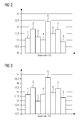
Figure 2 shows delta CT values of a first exemplary novel nucleic acid molecule miRNA marker of the invention in different samples of patients having different neuronal disorders and controls. -
Figure 3 shows delta CT values of a further exemplary novel nucleic acid molecule miRNA marker of the invention in different samples of patients having different neuronal disorders and controls. - The expression of miRNAs in peripheral blood of a total of 219 patients and healthy controls was determined, either by NGS or by qRT-PCR or both. Blood was obtained from patients with Alzheimer's Disease (AD) (n=106), patients with Mild Cognitive Impairement (MCI) (n=21), patients with Multiple Sclerosis (Clinically Isolated Syndrome, CIS) (n=17), patients with Parkinson's Disease (PD) (n=9), patients with Mild Depression (DEP) (n=15), Bipolar Disorder (BD) (n=15), and from healthy controls (n=22).
- First, samples from AD patients (n=48), MCI patients (n=20) and healthy controls (n=22) were analyzed by Next-generation sequencing. For validation purposes the expression of single miRNAs was analyzed using qRT-PCR in the same samples as used for NGS, if enough RNA was available. The number of samples was further expanded by further samples from patients with AD, CIS, PD, DEP, BD, and Schiz, resulting in a total of 205 samples analyzed by qRT-PCR. In detail, a total of 95 samples from AD patients, 19 samples from MCI patients, 17 samples from CIS patients, 9 samples from PD patients, 15 samples from DEP patients, 15 samples from BD patients, 14 samples from Schiz patients, and 21 samples from healthy controls were analyzed.
- Total RNA including miRNA was isolated using the PAXgene Blood miRNA Kit (Qiagen) following the manufacturer's recommendations. Isolated RNA was stored at -80°C. RNA integrity was analyzed using Bioanalyzer 2100 (Agilent) and concentration and purity were measured using NanoDrop 2000 (Thermo Scientific). A total of four samples (three controls and one RRMS) failed the quality criteria and were excluded from the study.
- For the library preparation, 200 ng of total RNA was used per sample, as determined with a RNA 6000 Nano Chip on the Bioanalyzer 2100 (Agilent). Preparation was performed following the protocol of the TruSeq Small RNA Sample Prep Kit (Illumina). Concentration of the ready prepped libraries was measured on the Bioanalyzer using the DNA 1000 Chip. Libraries were then pooled in batches of six samples in equal amounts and clustered with a concentration of 9 pmol in one lane each of a single read flowcell using the cBot (Illumina). Sequencing of 50 cycles was performed on a HiSeq 2000 (Illumina). Demultiplexing of the raw sequencing data and generation of the fastq files was done using CASAVA v.1.8.2.
- The raw illumina reads were first preprocessed by cutting the 3' adapter sequence using the programm fastx_clipper from the FASTX-Toolkit (http://hannonlab.cshl.edu/fastx_toolkit/). Reads shorter than 18 nts after clipping were removed. The remaining reads are reduced to unique reads and their frequency per sample to make the mapping steps more time efficient. For the remaining steps, we used the miRDeep2 pipeline. These steps consist of mapping the reads against the genome (hg19), mapping the reads against miRNA precursor sequences from mirbase release v18, summarizing the counts for the samples, and the prediction of novel miRNAs. Since the miRDeep2 pipeline predicts novel miRNAs per sample, the miRNAs were merged afterwards as follows: first, the novel miRNAs per sample that have a signal-to-noise ratio of more than 10 were extracted. Subsequently, only those novel miRNAs that are located on the same chromosome were merged, and both their mature forms share an overlap of at least 11 nucleotides.
- First the read counts were normalized using standard quantile normalization. All miRNAs with less than 50 read counts were excluded from further considerations. Next, we calculated for each miRNA the area under the receiver operator characteristic curve (AUC), the fold-change, and the significance value (p-value) using t-tests. All significance values were adjusted for multiple testing using the Benjamini Hochberg approach. The bioinformatics analyses have been carried out using the freely available tool. R.Furthermore, we carried out a miRNA enrichment analysis using the TAM tool (http://202.38.126.151/hmdd/tools/tam.html).
- The invention provides very rare variants of miRNAs that are present in blood cells. While common variants have already been discovered and are heavily overlapping with miRNAs discovered from tissue biopsies, a substantial part of miRNAs is expected to be still unknown. Herein, patients suffering neurological disorders including mild cognitive impairment, Alzheimers disease or multiple sclerosis as well as unaffected controls were characterized. About 2 billion sequences from the patient and control samples were generated, of which around 1.4 billion matched to known or predicted novel miRNAs. As detailed in
Figure 1 , the vast majority of these sequences matched known miRNAs (99.9%) while only around 0.1% matched to predicted novel miRNAs, pointing out why the enormous sequencing capacity had to be used. It has been found that these novel miRNAs can be used as diagnostic markers indicative of disease conditions such as neuronal diseases, e.g. Alzheimer's Disease. - The most abundant miRNAs were hsa-miR-486-5p with an average read-count of 13,886,676 and a total of 1.2 billion reads mapping to this miRNA, hsa-miR-92a-3p with an average of 575,359 reads and a total of 52 million reads mapping to this miRNA and miR-451a with an average of 135,012 reads and a total of 12 million reads mapping to this miRNA.
- Additionally, 365 novel mature miRNA candidates were detected that have been previously not present in the Sanger miRBase. These miRNA candidates have generally however been much less abundant as compared to the known human miRNAs. The most abundant one, denoted as brain-miR-314 was detected on average with 3,587 reads per sample and a total of 322,868 reads. Second highest expressed miRNA, brain-miR-247 was present on average with 3,112 and with a total of 280,115 reads, third most abundant miRNA brain-miR-12 at an average of 2,630 and a total of 236,728 reads. In the list of all, novel and known miRNAs, brain-miR-314 would be ranked on position 37, i.e., 36 known human miRNAs were more abundant than the highest abundant novel one. While a total of 1.4 Bn reads mapped to the known miRNAs, only 2.3 Mn mapped to the novel miRNA candidates. This relation shows that a very high sequencing capacity is required to reach the sensitivity in order to detect rare variants of novel miRNAs in human blood samples.
- In
Figure 1 the bar diagram shows on a logarithmic scale the distribution of around 1.4 billion reads to novel- as well as known miRNAs. As the diagram outlines, roughly 99.9% belong to known miRNAs, underlining that a) the selection of the right biological source, namely blood cells, and b) the ultra high sensitivity have been key to discover the novel markers. - It is noted that the mature miRNa originate from miRNA precursor molecules of length of around 120 bases. Several examples exists where the miRNA precursors vary from each other while the subset of the around 20 bases belonging to the mature miRNA are identical. Thus, novel mature miRNAs can have the same sequence but different SEQ ID NO identifiers.
Table 1: Novel miRNA markers SEQ ID NO miRNA sequence readcount 1 brain-mir-314 ACUCCCACUGCUUCACUUGAUUAG 349075 2 brain-mir-247 ACGCCCACUGCUUCACUUGACUAG 301937 3 brain-mir-12 ACUCCCACUGCUUGACUUGACUAG 254654 4 brain-mir-256 GGAAUACCGGGUGCUGUAGGCUU 233887 5 brain-mir-278 UGCCUGUCUGAGCGUCGCU 165451 6 brain-mir-342 UCGAAUCCCAUCCUCGUCGCU 155546 7 brain-mir-111 CACUGCUAAAUUUGGCUGGCUU 123961 8 brain-mir-250 AUAACGGGUGCUGUAGGCUU 88815 9 brain-mir-114 CACUGCAACCUCUGCCUCCGGU 74782 10 brain-mir-370 GGCUGGUCUGAUGGUAGUGGGUUA 62219 11 brain-mir-397 ACUGCUAAAUUUGACUAGCUA 48159 12 brain-mir-158 UUUCGAUGGUAGUCGCCGUGCC 46289 13 brain-mir-311 CACUGCAACCUCUGCCUCCCGA 32163 14 brain-mir-138 CCUCACCAUCCCUUCUGCCUGCA 16928 15 brain-mir-159 UUUCCUCUGCUCUCAUACCACA 16474 16 brain-mir-143 CCUCACCACCCCUUCUGCCUGCA 16355 17 brain-mir-110 UCACCACCCCUUCUGCCUGCA 16317 18 brain-mir-249 CACUGCAACCUCUGCCUCCUG 15824 19 brain-mir-83 CAGGGUCUCGUUCUGUUGCC 15659 20 brain-mir-246 CACUGCUACCUCUGCCUCCGG 14440 21 brain-mir-77 UCUGGGCAUCAAAGUGAGACC 14348 22 brain-mir-270 UCUGGGCAACAGAGUGAGACC 13951 23 brain-mir-321 UCUGGGCAACAAAGUGAUACC 13783 24 brain-mir-241 UCUGGGCAACAAGGUGAGACC 13769 25 brain-mir-262 CUGAGAAGACAGUCGAACUUGACU 13550 26 brain-mir-209* GUCUACGACCAUACCACCC 10834 27 brain-mir-184 UCAAAUCCCGGACGAGCCC 10051 28 brain-mir-313 AGUCUUGCUCUGUCGCCCAGG 8955 29 brain-mir-122 GCGGCGGCGGCGGCGGCGGCGGCGG 8929 30 brain-mir-101* AAGGUAGAUAGAACAGGUCU 8469 31 brain-mir-48 CUUCCCCACCCUCUCCUGCAGC 7734 32 brain-mir-9 UCAGGCUCCGUCCCCUCCCU 7513 33 brain-mir-186 CCACCCUGAACGCGCCCG 6858 34 brain-mir-13 CGGCGGCGGCGGCGGCGGCGGCGGC 6589 35 brain-mir-232 UUGCUCUGCUCUCCCUUGUACU 6436 36 brain-mir-209 CUGGUUAGUACUUGGAUGGG 6284 37 brain-mir-186* GGUUAGUACUUGGAUGGGA 5136 38 brain-mir-220 UCCGGAUCCGGCUCCGCGCCU 4710 39 brain-mir-124 GCGGCGGCGGCGGCGGCGGCGGAGG 4668 40 brain-mir-93 AGUCUUGCUCUGUCGCCCCGG 4436 41 brain-mir-20 UCGACUCCUGGCUGGCUCG 4397 42 brain-mir-433 GCGGCGGCGGCGGCGGCGGCGG 4393 43 brain-mir-108 UAUGUCCCACCCCCACUCCUGU 4147 44 brain-mir-102* UCUGAUCGUUCCCCUCCGUACAG 4102 45 brain-mir-255 AGUCUUGCUCUGUUGCCCAGG 3998 46 brain-mir-102 UAUGGAGGUCUCUGUCUGGCU 3996 47 brain-mir-298 AGUCUUGCUCUGUCGCCCGGG 3952 48 brain-mir-11 UCAGGCUCAGUCCCCUCCAU 3948 49 brain-mir-296 AGUCUUGCUCUGUCACCCAGG 3939 50 brain-mir-28 AGUCUUGCUGUGUCGCCCAGG 3879 51 brain-mir-116 AGCCCGUCGGACCUCCGCCAUGC 3720 52 brain-mir-315 GCGGCGGCGGCGGCGGCGGCGCGGG 3474 53 brain-mir-398 GGCUGGUCCGAGUGCAGUGGUGUU 3334 54 brain-mir-200 UUCCUGGCUCUCUGUUGCACA 3142 55 brain-mir-199 CACUCUGGACUCUGAAUC 3076 56 brain-mir-283 CGGCGGCGGCGGCGGCGGCGGC 3005 57 brain-mir-219 UCAAGUGUCAUCUGUCCCUAGG 2950 58 brain-mir-100 AGUCUUGCUCUGACGCCCAG 2935 59 brain-mir-279 AUCCCACCGCUGCCACAC 2835 60 brain-mir-162* UGUUUAGUACUUGGAUGGG 2742 61 brain-mir-115 AGGCCACAAGCUCUGCACCCA 2729 62 brain-mir-345 AGGAGUUCUGGGCUGUAGUGCU 2560 63 brain-mir-2 CCUCUCCUAACCUCGCUCUCG 2309 64 brain-mir-310 UCUGGGCAACAAAGUUAGA 2307 65 brain-mir-258 AUCCCACCCCUGCCCCCA 2265 66 brain-mir-240 UCUGGGCAACAAGGUGAGA 2250 67 brain-mir-271 UCUGGGCAACCAAGUGAGA 2248 68 brain-mir-18 UAACUCUUAGAAUCCCCAAAG 2176 69 brain-mir-73 UCCGGAUGUGCUGACCCCUGCG 2170 70 brain-mir-57 UCCCUGUCCUCCAGGAGCU 2159 71 brain-mir-25 ACCCCUUCGGCUGCUGGGCCA 2147 72 brain-mir-161 CUUCGAAAGCGGCUUCGGCU 2142 73 brain-mir-173 CCCAGGAGUUCUGGGCUUUAGUG 2137 74 brain-mir-269 CCCAGGAGUGCUGGGCUGUAGUG 2131 75 brain-mir-399 CACUGCAACCUCUGCCUCC 2117 76 brain-mir-66 CCCAGGAGUUUUGGGCUGUAGUG 2111 77 brain-mir-150 UGAGGUAGUAGGUGGUGUGC 2086 78 brain-mir-133 UCCCUGUCCUCUAGGAGCU 2078 79 brain-mir-329 UCGAGGACCCCCCCUGCCUGG 2036 80 brain-mir-23 UUAGUGGCUCCCUCUGCCUGCA 2029 81 brain-mir-29 CCUGCCCCUCAUCCAGCCCCA 2017 82 brain-mir-104 UCCGGUAGGGUUCGGGCCUUCC 1990 83 brain-mir-14 GGGAGAGAACGCGGUCUGAGUGGU 1942 84 brain-mir-145 AAGCACUGCCUUUGAACCUGA 1850 85 brain-mir-201 CACCCCACCAGUGCAGGCUG 1755 86 brain-mir-303 CUCCCACCGCUGCCUCCA 1749 87 brain-mir-331 CACGCACCUGUAGUCUCAGCU 1645 88 brain-mir-332 GUCCAUUUUACAGAGCGCUGAU 1614 89 brain-mir-147 CCCGCACCUGUAGUCUCAGCU 1497 90 brain-mir-187 AUCCCAGGUCAAGGCUGCAGUGA 1461 91 brain-mir-18* UUUGGGGAUUCUAAGAGGAAGA 1385 92 brain-mir-339 GUAGUCGUGGCCGAGUGGUUAAG 1375 93 brain-mir-92 CCUGGGCAACAGAGCGAGACU 1348 94 brain-mir-229 AUCCCACCUCUGCUACCA 1338 95 brain-mir-101 AGACCUACUUAUCUACCAACA 1335 96 brain-mir-55 UCCCCAACCCCUGCCCGCAGA 1286 97 brain-mir-24 UAUCCGCUGGCUUACUCUCU 1254 98 brain-mir-346 CUGCAGACUCGACCUCCCAGGC 1253 99 brain-mir-250* GUUUGGGCCUGGUUAGUAC 1251 100 brain-mir-184* GGCUCGUUGGUCUAGGGGUAUGAUUC 1242 101 brain-mir-427 UCAGAACCGACCGCCUCCCAGC 1166 102 brain-mir-379 AACCCGGCCCUCCUUGUCCACA 1150 103 brain-mir-41* CCCCGCGCAGGUUCGAAUCCUG 1141 104 brain-mir-94 AAGCCUCUGUCCCCACCCCAGG 1112 105 brain-mir-397* GUCUGGUCUGAUGGUAGU 1074 106 brain-mir-52 CUGCACUCCAGCCUGGGCGAC 1015 107 brain-mir-112 AGCUCUGUCUGUGUCUCUAGG 994 108 brain-mir-328 CCCUGGGGUUCUGAGGACAUGCU 989 109 brain-mir-149 AAAAGUAAUCGCACUUUUUG 986 110 brain-mir-333 AAAAGUAAUCGCAGGUUUUG 985 111 brain-mir-170 AAAAGUAAUGGCAGUUUUUG 984 112 brain-mir-394 AAAAGUAAUCGUAGUUUUUG 984 113 brain-mir-367 CCGCCCUCUGUACCUCCCCAGA 934 114 brain-mir-3* UUUAGUGAGGCCCUCGGAU 923 115 brain-mir-163 GGCGGCGGCGGCGGCGGC 919 116 brain-mir-136 CUCCCUCUGAGCCUGCCGCC 827 117 brain-mir-308 CACUGCACUCCAGCCUGGGUGA 820 118 brain-mir-426 UUGAGGUCGGACAUGGUGGCU 809 119 brain-mir-396 CACUGCACUCCAGCCUGGGCAA 785 120 brain-mir-53 CCCAGGACAGUUUCAGUGAUG 746 121 brain-mir-300 ACUGCACUCCAGCCUGGGCAA 741 122 brain-mir-378 CCUCCUCACACCUCUCCUGGCA 720 123 brain-mir-431 CUCGGCCUUUGCUCGCAGCACU 716 124 brain-mir-27 ACGCCCCUUCUGAUUCUGCCU 674 125 brain-mir-319 CUGCACUCCAGCCUGGGCGA 673 126 brain-mir-119 CACUGCACUCCAGCCUGGGCA 651 127 brain-mir-390 ACUGCAACCUCCACCUCCUGGGU 583 128 brain-mir-344 CUCCCUUCCUGCCCCUCAGAGA 575 129 brain-mir-424* CACUGCACUCCAGCCUGGGUA 568 130 brain-mir-392 CCCGCCUGUCUCUCUCUUGCA 557 131 brain-mir-188 CCUGACCCCCAUGUCGCCUCUGU 534 132 brain-mir-293 UUGGUGAGGACCCCAAGCUCGG 520 133 brain-mir-169 UCCCUGUCACCUCUGGACCUG 506 134 brain-mir-216 CCCCCCGGAGCGGCCCUGAGA 500 135 brain-mir-199* AUCUGAGUCACGGCACCA 492 136 brain-mir-262* UUUAGUGAGGCCCUCUGAU 484 137 brain-mir-380 AGGCGUUCUGGGCUGUAGUGC 478 138 brain-mir-182 GAAGCAGCGCCUGUCGCAACUCGCC 467 139 brain-mir-318 UCUAGAUAGUCAAGUUCUGAUCCAG 433 140 brain-mir-403 AAAGACUUCCUUCUCUCGCCU 427 141 brain-mir-235 UCACACCUGUAAUCCCAGCACU 418 142 brain-mir-164 UCUCACUCUGUUGCCCAGGCUG 410 143 brain-mir-256* AGCAGGGUGGGGCCUGGUU 406 144 brain-mir-225 AGUUGCCAGGGCUGCCUUUGGUG 403 145 brain-mir-248 CUCUCCGCCACCUCCACCGCGG 399 146 brain-mir-170* GCCGCCAUUACUUUUGCACCAA 384 147 brain-mir-339* UCUCCCCGCGCAGGUUCGAAU 371 148 brain-mir-79 CACUGCACUCCAGCCUGGCU 361 149 brain-mir-227 CUGCACUCCAGCUUGGGCAAC 356 150 brain-mir-299 CAUGCCACUGCACUCCAGCCU 353 151 brain-mir-412 UCCCGGACCCAGCCCUCAGGACU 345 152 brain-mir-117 CAAAACCGCGAUUACUCUUG 335 153 brain-mir-30 CGGCGGCUCCAGGGACCUGGCG 334 154 brain-mir-294 UGCACGCGACCAUAGAGCCU 332 155 brain-mir-120 CACCCAGGCUGGAGUGCAGUG 326 156 brain-mir-263* ACCUCGGAAGCUAAGCAGGG 315 157 brain-mir-330* UAACGGACAGAUACGGGGCAGA 311 158 brain-mir-202 AGCGGAACUUGAGGAGCCGAGA 301 159 brain-mir-188* GAGAGGAACAUGGGCUCAGGACA 290 160 brain-mir-126 CUUGAGACUCUGGGUCAGUC 272 161 brain-mir-387 CAGCGGCUGCGCAUCUCGGG 270 162 brain-mir-287 AGGCAUUAGAUUCUCAUAAGGA 268 163 brain-mir-398* UUUCCUUCUCCACUCCCACUGCCUCACU 264 164 brain-mir-323 CUUAGAGACGGGGUCUUGCU 263 165 brain-mir-224 UGGUCCAACGACAGGAGUAGG 259 166 brain-mir-187* CACUGCGCUCCAGCCUGGGCA 252 167 brain-mir-88 UCUUCACCUGCCUCUGCCUGCA 249 168 brain-mir-96 AGGCCCUGUCCUCUGCCCCA 248 169 brain-mir-166 CUGGCUGCUUCCCUUGGUCU 247 170 brain-mir-251 UGGCCCAAGACCUCAGACC 233 171 brain-mir-380* GUGCCUGUAGUCCCAGCUACUCAGGAGGCUG 223 172 brain-mir-132 UGCGCGUCCCGCCCGGUCUGGGA 212 173 brain-mir-99 UUUAGAGACGGGGACUUGCU 210 174 brain-mir-193 AUCCCUUUAUCUGUCCUCUAGG 207 175 brain-mir-436 CACUGCAUUCCAGCCUGGGCGA 206 176 brain-mir-118 UUCCCUCACUCUUCUCUCAGG 203 177 brain-mir-167 UCCUCUUAGAAUCCCCAAACC 202 178 brain-mir-161* CCUCGGCCGCUUUCGAAGCCA 196 179 brain-mir-129 CAUGGUCCAUUUUGCUCUGCU 194 180 brain-mir-381 UUGCCCAGGCUGGAGUGC 192 181 brain-mir-156 UCGUAGUCCCUCCGCCGUUUGCA 190 182 brain-mir-311* ACCCAGGCUGGAGUGCAGUGG 187 183 brain-mir-89 AAAUACUGAUACAGUGCU 187 184 brain-mir-135 UCUGACUCUCCGCCUCUCCCCA 184 185 brain-mir-191 CACCUCCACUGUCCACACUUG 183 186 brain-mir-58 UCUGCAGGUCUCUGGUGCCU 178 187 brain-mir-179* CCCCCUUUCCCUGAGCCUGCA 173 188 brain-mir-330 ACUGCCUUUUGAUGACCGGGAC 172 189 brain-mir-215 AUUCGCUGGGAAUUCAGCCUCU 171 190 brain-mir-113 UUCCACUGCCACUACCUAAUU 168 191 brain-mir-245 UCCUGUGCUGAGCUGCUG 165 192 brain-mir-287* CCUAUGAGAAUCUAAUGCCUC 165 193 brain-mir-300* CCCCGGAGGUUGAAGCUACAGUGA 165 194 brain-mir-103 AAAAACCGUGAUUACUUUUGCA 159 195 brain-mir-35 UUAUCCUCCAGUAGACUAGGGA 158 196 brain-mir-243 GAACUCACCCUCUGCUCCCAG 155 197 brain-mir-213 UGACAGAGCGAGACCUUGUC 154 198 brain-mir-434 CCUGGCGGCUGUGUCUUCACA 154 199 brain-mir-177 UGAGCCGGCUGAGCAGGAAGCGG 152 200 brain-mir-322 UCAGUCCAGUCAUCUCCCUUCA 149 201 brain-mir-33* CUGGGUGACAGAGCGAGACC 148 202 brain-mir-248* GGCGGCGGAGGCGGCGGUG 144 203 brain-mir-152 CUCACACCUGUAAUCCCAGCA 143 204 brain-mir-171 CCUCUUCCUCCAGCCUCUGAA 142 205 brain-mir-371 ACUGCAACCUCUGACGCCUGGGU 140 206 brain-mir-162 CACCCUGAACGCGCCGGC 136 207 brain-mir-207 UCAGGAGUUUGAGACCAGCCU 135 208 brain-mir-137 CACCCAGGCUGGAAUGCAGUGG 134 209 brain-mir-123 CCCCUGGGCUGUUACUGUUCC 133 210 brain-mir-26 CCAGCUGCCUCUCCUCCAUCG 133 211 brain-mir-343 AAAAACUGCAAUUUCCUUUGCA 133 212 brain-mir-275 UAGAACACUCUGGCCCCAUCU 128 213 brain-mir-281 ACCCUGGCCUCCACUCUGCC 126 214 brain-mir-212 UCAGGCUUUGCAUCCCGGGACG 124 215 brain-mir-228 AGGAGGAGGAGGAGGACG 123 216 brain-mir-206 AAAAGUAAUUGUGGUUUUUG 119 217 brain-mir-318* UGGAUAUGAUGACUGAUUACCUGAGA 119 218 brain-mir-193* UUAGAGGCUGGAAUAGAGAUUC 117 219 brain-mir-404 CCCAUGUCCUGUCUCCUUUUGG 117 220 brain-mir-214 AGGCUCCAUGACCCCGGCAGG 116 221 brain-mir-334* AUGUUGACUCUCCUACCUGGGC 114 222 brain-mir-114* UGAGAGGCAGAGGUUGCAGU 107 223 brain-mir-344* UUACUGAGGGGAUGAAGGAU 106 224 brain-mir-167* CUUUGGGGAUUCUAAGAGUUA 105 225 brain-mir-148 AGACUGACCUUCAACCCCACA 104 226 brain-mir-238 UUGCAAAGGAAUCCUGGGCC 98 227 brain-mir-278* UCGACACUUCGAACGCAAU 96 228 brain-mir-130 CUUCCAUCUCCAUCACCUUGA 94 229 brain-mir-295 UCUUCAGGAACUCUGGCUAACU 94 230 brain-mir-341 CACUGCAGACUCCCUGGGCU 94 231 brain-mir-182* AGAGUUGCUGCCGCUGCUGUC 92 232 brain-mir-118* UUGAGGGGAGAAUGAGGUGGAG 90 233 brain-mir-305 ACCUGUGCUUCCUCUUUGA 90 234 brain-mir-183 AGCGAGGGUUCCGCCGGCCAC 88 235 brain-mir-351 UGUCUUGCUCUGUUGCCCAGGU 85 236 brain-mir-128 CUGGCUGUGGGUUCCUUAUCUGU 84 237 brain-mir-350 AAAAGUAAUUGUGGUUUCUGCC 84 238 brain-mir-407 UCUGCAGCCCUGGAGCCCCCU 83 239 brain-mir-354 AAAAGCUGUCCACUGUAGAGU 80 240 brain-mir-356 GUUCCCUCCACCUCUCAGCA 76 241 brain-mir-349 UGACUUCUUAUUCUUUCCUGUG 74 242 brain-mir-428 AUGGCCCUGUGUCUCCUCGGAG 74 243 brain-mir-153 CCUCUUCUCAGAACACUUCCUGG 70 244 brain-mir-355 CCCACCUCGGCCUCCCAAAGUGC 70 245 brain-mir-375* CUGUUCUCUGCUCUCCCCGCA 70 246 brain-mir-65 ACUGGGGAGGACAGCCAUGACAGGA 70 247 brain-mir-165 ACUUCACCCUCUGCCUCCCGGGU 66 248 brain-mir-224* CCCUCCUCUCCUGUGGCC 66 249 brain-mir-352 UCUGUAUUGUGAAUGGGGGAA 66 250 brain-mir-391* CCCAGGCUGGAGUGCAGUG 65 251 brain-mir-422* UGUGUCCCCAGUGUCUGUU 65 252 brain-mir-371* CCCAGGCUGGAGUGCAGU 61 253 brain-mir-384 UGACCAGCUCUCAUCCCCAGCG 61 254 brain-mir-106 UCCCAAAGAUUGAUAAGCUGUG 60 255 brain-mir-362 UUGGGAAGAAUUCUGAUAUUGGU 60 256 brain-mir-72* GACCACACUCCAUCCUGGGC 60 257 brain-mir-22* GUGUGUGCACCUGUGUCUGU 59 258 brain-mir-242 UCCCCAAACCUUGUCUGGACAUG 58 259 brain-mir-253* UGCUGCCGCUGCUGUUGCUC 58 260 brain-mir-382 CUCAACCUCAAAACGGCCCUCC 58 261 brain-mir-72 GAGCCCGGGAGGCAGAGGUUG 58 262 brain-mir-415 UGGGGCCCAGGAAUCUGCAUU 55 263 brain-mir-359 UCCAAUCACACUUCGUUGCCUGA 54 264 brain-mir-212* CUCCCGGGAUCCGAAGCUG 53 265 brain-mir-353 UUCCCUCAGUUAACUUUCCUG 53 266 brain-mir-369* UGCCCAGGCUGCAGUGCAGUGG 51 267 brain-mir-52* AACCCAGGACGCCGAGCU 51 268 brain-mir-33 CAGGUCUCGCUUUGUCACCCAGGC 49 269 brain-mir-104* GAAGACCCGAGCCUGCCGGGGG 48 270 brain-mir-112* UUAGGGAGGCGAGAUUGAGC 48 271 brain-mir-155 UGACUUCUGCCUUCCCAGAGU 47 272 brain-mir-2* AGAGUCGAGAGUGGGAGAAGAGC 47 273 brain-mir-365 UGGCUCAGCUCCAAUUCUGCCCACG 47 274 brain-mir-360 UGCUGAAAGCCGUUUCCCGUGUU 46 275 brain-mir-174 UCUCAUGGACUCCGCCCACA 45 276 brain-mir-183* UGGCCGAGCGCGGCUCGUCGCC 44 277 brain-mir-346* CUGGGAGGUCAAGGCUGCAGUGUC 44 278 brain-mir-116* CCUGGCGUGGACGACUGGCC 42 279 brain-mir-132* CCGGCCUCGCGAGCGUCGCGCAGU 41 280 brain-mir-419* CUCUGCCCUUGGCCUCCCCAG 41 281 brain-mir-131 CGCCGCUUUCUGGGCUCGCUCA 40 282 brain-mir-363* UGGCUGUGUGGCUGCUCUGG 36 283 brain-mir-364 CAGGCUGGAGUGCAGUGG 36 284 brain-mir-65* CCGCUUCGCUGCCCUUCCCAGA 36 285 brain-mir-105* UAAUUUCUGAUGCUCUUCCCCU 35 286 brain-mir-230 UGAGGAGGAUCUGAAGGAUUGG 35 287 brain-mir-237* UGUCCCUAGCCACCCCCAGCA 35 288 brain-mir-274 UCUGCAGCCUACCUCAUCAGAC 32 289 brain-mir-117* AAAGUAAUUGUGGUUUUUGCA 31 290 brain-mir-130* UGAGGUGACCGCAGAUGGGA 31 291 brain-mir-181* CUCAGUGAUGAAAACUUUGUCCAGU 31 292 brain-mir-319* AACUCAGGAGGCAGAACUUGCA 31 293 brain-mir-355* AUUUUUAGUAGAGAUGGGGUUU 31 294 brain-mir-191* AAGUGUGGGCUCUAGAGUUGG 30 295 brain-mir-243* AGGGAACAGCUGGGUGAGCU 30 296 brain-mir-26* AUGGGCAGAAGGGCAGCUGACA 30 297 brain-mir-363 UGUCAGGGCUGGACACAGCUGCA 30 298 brain-mir-377* CAUCCAGGGUCCUCACUGCCUGUC 30 299 brain-mir-148* UUGGGGUUUGGGGUGCAGACA 29 300 brain-mir-352* UACCCCAUAUACACCUCAGCU 29 301 brain-mir-414 UCCCUGUCCUUCUCCAGGCU 29 302 brain-mir-113* AUUAGGUAGUGGCAGUGGAACA 28 303 brain-mir-123* GACAGUAACAGCCCGGGACAG 28 304 brain-mir-230* AAACCUCCACUUCCUCCUCA 27 305 brain-mir-30* CGAGGCCCCAUGGCGCCGCCC 27 306 brain-mir-382* AGGGCCGGUUCUGAGGUUGAGU 26 307 brain-mir-201* ACGUGCUGGUCUGUGUGCUGGC 25 308 brain-mir-419 AGGGCCGAAGGGUGGAAGCU 25 309 brain-mir-194 CCAAGAGCCUGGAACUGCACC 24 310 brain-mir-34* GUUGUAGUCCGUGCGAGAAUA 24 311 brain-mir-430 AUUGCACUCCAGCCUGGG 24 312 brain-mir-66* CUAUAGUUCCAGCUACUCAGGAGGCU 24 313 brain-mir-324* UGAUCUCCGCUCACUGCAAGCUCG 23 314 brain-mir-213* CCAAGUCUUAAUCUGUCAUCC 22 315 brain-mir-360* AUGCUGGCGCUUUCACACACUC 22 316 brain-mir-411 CACUGCAGUACUGUGCUGGCA 22 317 brain-mir-206* AAAAACCACGAUCACUUUUGCA 21 318 brain-mir-328* UGAUGUCCUCUGUUCCUCAG 21 319 brain-mir-159* CUGGGGAUGGGAACUGUUGGGA 20 320 brain-mir-219* UUGGGAUUGACGCCACAUGUCU 20 321 brain-mir-411* UCCAGACACUGUGGACUGCAGGA 20 322 brain-mir-90 CCAUGGAUAUCUAGGCUCC 20 323 brain-mir-165* UCGCCAGGCUGGAGUGUAGUGG 19 324 brain-mir-341* ACCCAGGUUGGAGUGCAGU 19 325 brain-mir-399* AGGCUGGAGUGCAGUGGUGC 19 326 brain-mir-421 CGCUGACCCGCCUUCUCCGCA 19 327 brain-mir-425 CCUGGCAAUACACAUCUACUG 19 328 brain-mir-172 CUUGUUGAUGUGCUGCGCCU 18 329 brain-mir-298* CCCGGGUUCAAGUGAUUCU 18 330 brain-mir-73* UCAGGGCGAAGCUUAUCCAUUGC 18 331 brain-mir-207* AAGGCUCAAACUCCUGAACUCA 17 332 brain-mir-239* UCCCAGGUUCAAGCAAUUCUCC 17 333 brain-mir-369 UCCCUGCAACCUAGAGCUC 17 334 brain-mir-390* CCCAGGCUGGAAUGCAAUGGC 17 335 brain-mir-395* GCCCCAGAGCCGGAGGCUGCAGUG 17 336 brain-mir-125 CUGGAGAGAAAGGCAGUCAGAGG 16 337 brain-mir-131* UGCGGGCCCUGGGAGUGGAGAC 16 338 brain-mir-14* CAUUGAUGAUCGUUCUUCUCUCCGUA 16 339 brain-mir-374 UUUCACUGAUGUGCUCCACU 16 340 brain-mir-99* CAAUCCUCCCACCUCGGCC 16 341 brain-mir-242* UGUCUAGACAAGGCUGGGGAAAU 15 342 brain-mir-254* ACGGCGUGACACAUCUUCUGU 15 343 brain-mir-280* UGCCCGUGAGCUCCACCUGCCUGC 15 344 brain-mir-320* UGGGUGACAGAGUGAGACCCC 15 345 brain-mir-416 AUUGGCACUGCACAUGAUUG 15 346 brain-mir-63* CACUGCACUCCAGCUUGGAUG 15 347 brain-mir-109 GCUCCACUUUCAGUUCUCUUG 14 348 brain-mir-227* AGCCCAGGAGGUCGGGACUGCA 14 349 brain-mir-108* AGGAGUGGGGGGUGGGACGUAAG 13 350 brain-mir-109* AGAGAACUAAAACUGGAGUCU 13 351 brain-mir-225* CCAGAGCAGCCUGCGGUAACAGU 13 352 brain-mir-255* UCCCAGGUUCAAGCAAUUCUUC 13 353 brain-mir-46* GCUUACGCCUGUAAUCCC 13 354 brain-mir-214* GCUGCGUUUCAUGGAGCCCCU 12 355 brain-mir-279* GUGGUCUAAGGCGCUGGAUUU 12 356 brain-mir-381* ACCUUCAACCUCCCGGGCUC 12 357 brain-mir-418* AGGCCAUUCCCCAUCAGAUGA 12 358 brain-mir-53* UCAGCUGAAACAGUCCUGGAC 12 359 brain-mir-107 UUCCCCGCUUCCCCCCUAGGG 11 360 brain-mir-111* UCACUAAAGUUGGUAUACA 11 361 brain-mir-147* UGGAGGUUGCAGUGAGCUGAGA 11 362 brain-mir-275* GAUGGGAUCGGAGCUCUAGAGU 11 363 brain-mir-119* CCCGGGGGUCGAGACUGCAGUGAG 10 364 brain-mir-211* CACCUGGGUUGUCCCCUCUAG 10 365 brain-mir-310* CUGCAGUGAGCUGAGAUUGUG 10 - These 365 miRNA markers have the corresponding sequences SEQ ID NO 1 to SEQ ID NO 365 in the attached sequence protocol. These novel miRNA markers were compared in subjects with Alzheimer's Disease (AD) and healthy controls.
- To detect potential biomarker candidates , for example expression levels in Alzheimer Disease patients and controls were compared and two-tailed t-tests and adjusted the significance values for multiple testing using Benjamini Hochberg adjustment were computed. All markers with adjusted significance values below 0.05 were considered statistically significant. Additionally, the area under the receiver operator characteristics curve (AUC) was computed to understand the specificity and sensitivity of miRNAs for Alzheimer diagnosis. Altogether, 58 significantly dys-regulated miRNAs were detected, 48 markers were significantly up-regulated in Alzheimer, while 10 were significantly down-regulated. A list of the respective markers is presented in Table 2 and 3.
Table 2: Upregulated Markers Marker median AD median Control t-test p-value single t-test p-value adjusted AUC brain-mir-102 34.05263158 22.92293233 0.001143055 0.009324728 0.757102273 brain-mir-111 986.4774436 590.4022556 0.000471376 0.004863495 0.750473485 brain-mir-112 10.2424812 3.268796992 4.77E-08 1.05E-05 0.873579545 brain-mir-114 1009.646617 543.5526316 5.76E-05 0.001147203 0.685606061 brain-mir-12 2433.041353 1370.533835 9.13E-05 0.001569161 0.722064394 brain-mir-129 1.231203008 0.813909774 0.005286528 0.030228152 0.655776515 brain-mir-153 0.57518797 0.142857143 0.000847895 0.007436035 0.686079545 brain-mir-160 13.16353383 9.364661654 0.004731412 0.028227537 0.649621212 brain-mir-161 17.4887218 10.5 0.002418537 0.016536723 0.742424242 brain-mir-166 2.421052632 1.092105263 0.000624293 0.005914566 0.714962121 brain-mir-188 4.323308271 2.359022556 0.002061148 0.014577638 0.690340909 brain-mir-189 4.323308271 2.359022556 0.002061148 0.014577638 0.690340909 brain-mir-190 4.323308271 2.359022556 0.002061148 0.014577638 0.690340909 brain-mir-192 4.323308271 2.359022556 0.002061148 0.014577638 0.690340909 brain-mir-193 1.612781955 0.840225564 0.000633944 0.005914566 0.700284091 brain-mir-200 30.37406015 15.82330827 5.41 E-05 0.001147203 0.76657197 brain-mir-201 15.42481203 9.546992481 0.000293033 0.003671284 0.729166667 brain-mir-219 28.57518797 15.78195489 0.000144143 0.00223636 0.773674242 brain-mir-220 36.45300752 24.45112782 0.001008503 0.008423399 0.718276515 brain-mir-23 16.22180451 11.36654135 0.002471274 0.016671592 0.71875 brain-mir-232 75.07330827 39.92857143 9.70E-05 0.001635526 0.679924242 brain-mir-247 2997.969925 1634.68797 7.23E-05 0.001320329 0.731534091 brain-mir-251 1.890977444 0.845864662 0.000568855 0.005598206 0.729640152 brain-mir-258 5.697368421 0.823308271 0.007901589 0.042254229 0.720170455 brain-mir-279 10.13345865 5.154135338 0.000437069 0.004618187 0.695549242 brain-mir-293 3.402255639 2.005639098 0.004353366 0.026513209 0.687973485 brain-mir-299 3.958646617 1.785714286 0.000839426 0.007436035 0.706912879 brain-mir-308 7.87593985 4.323308271 3.18E-06 0.000174073 0.793560606 brain-mir-311 382.2819549 266.924812 0.00228615 0.016039629 0.637310606 brain-mir-314 3614.804511 2124.575188 8.13E-05 0.001425929 0.732481061 brain-mir-319 4.954887218 3.686090226 0.003165849 0.020566296 0.691287879 brain-mir-351 0.272556391 0.127819549 0.002677002 0.017785842 0.643939394 brain-mir-390 5.419172932 3.142857143 3.85E-05 0.000935541 0.761837121 brain-mir-392 5.569548872 3.144736842 0.001117105 0.009242463 0.658617424 brain-mir-395 7.87593985 4.323308271 3.18E-06 0.000174073 0.793560606 brain-mir-399 19.16165414 12.77067669 0.001584551 0.012039621 0.661931818 brain-mir-403 4.184210526 2.836466165 0.001640863 0.012299462 0.669507576 brain-mir-41S 10.57330827 5.919172932 0.000257097 0.00331579 0.78030303 brain-mir-424S 4.857142857 2.15037594 0.000113425 0.001856876 0.760890152 brain-mir-431 6.246240602 2.943609023 8.30E-06 0.000324387 0.786931818 brain-mir-52 9.240601504 4.65037594 0.00020654 0.002825926 0.781723485 brain-mir-53 6.746240602 3.890977444 0.000209767 0.002825926 0.760416667 brain-mir-72S 0.443609023 0.12406015 0.001422557 0.011139131 0.734848485 brain-mir-73 21.17669173 12.9924812 0.001695821 0.012497773 0.692234848 brain-mir-79 3.520676692 1.302631579 2.85E-05 0.000781186 0.755208333 brain-mir-80 3.520676692 1.302631579 2.85E-05 0.000781186 0.755208333 brain-mir-83 160.5808271 95.38721805 1.37E-05 0.000481771 0.736742424 brain-mir-88 2.364661654 1.377819549 0.000568108 0.005598206 0.691287879 Table 3: Downregulated Markers Marker median AD median Control t-test p-value single t-test p-value adjusted AUC brain-mir-145 13.95112782 17.7556391 0.008979579 0.04687554 0.314394 brain-mir-149 2.815789474 7.836466165 0.000344696 0.003925953 0.209754 brain-mir-150 6.426691729 19.48120301 0.003450184 0.021867415 0.22017 brain-mir-151 2.815789474 7.836466165 0.000344696 0.003925953 0.209754 brain-mir-170 2.802631579 7.836466165 0.000324105 0.003841085 0.206913 brain-mir-248S 0.244360902 0.928571429 0.006543868 0.036322611 0.254735 brain-mir-333 2.802631579 7.836466165 0.00041227 0.004463708 0.206913 brain-mir-370 178.4586466 778.2894737 0.000362522 0.004024449 0.155303 brain-mir-394 2.802631579 7.836466165 0.000316457 0.003841085 0.205966 brain-mir-398 10.03383459 29.55263158 0.00168198 0.012497773 0.196496 - Besides single markers, combinations of multiple markers have demonstrated a potential to improve the diagnostic accuracy.
- In order to transfer the signature to clinical routine settings it is essential that the proposed in-vitro diagnostic test can be applied in molecular diagnostic labs in reasonable time using standard equipment. To this end, qRT-PCR represents a suitable solution to replicate and validate markers using this approach. In addition to measure just controls, AD and MCI patients, a wide range of other neurological disorders were also included.
- First, the fold quotients of the initial screening cohort were compared and analyzed by next-generation sequencing and this was compared to the performance of the same miRNAs by qRT-PCR. As for the next generation sequencing screening approach AUC values were calculated for the validation qRT-PCR cohort. The best single miRNA was brain-
mir 112 with an AUC of 87.5%. - While averaged values of 0.087 and standard deviation of 0.72 for the controls and average values of 0.22 and standard deviation of 0.74 were reached for the MCI patients, AD patients reached a much higher score of 0.63 at a standard deviation of 0.64.
- For 2 different miRNAs (brain-mir-161 and brain-mir-112, it was demonstrated that these miRNAs have significant information content to distinguish between Alzheimer and Controls (p<0.05) and also between most other neurological disorders, providing evidence for them as general disease markers (
Figure 2 and Figure 3 ). - Thus it is shown that the nucleic acid molecules of the invention are useful for evaluating a physiological and/or pathological condition of a subject.
- Further, the nucleic acid molecules of the invention can be used for the manufacture of a pharmaceutical composition.
- Such a composition can be used for diagnostic and/or therapeutic applications, e.g. to diagnose or monitor disease, or to modulate genexpression.
- Further, the nucleic acid molecules of the invention can be used in kit comprising means for determining the presence and/or amount of an expression level of at least one nucleic acid molecule of the invetion. Such a kit can comprise a probe or a set of probes for detecting and/or quantifying at least one nucleic acid molecules of the invention, e.g. as part of a set of primers/probes for PCR detection, as probe for an array based detection or for hybridization based detection.




Claims (12)
- An isolated nucleic acid molecule comprising(a)a nucleotide sequence selected from the group of nucleotide sequences having a sequence according to SEQ ID NO 2, SEQ ID NO 1, and SEQ ID NO 3 to SEQ ID NO 365,(b) a nucleotide sequence which is the complement thereof, or(c) a nucleotide sequence which has an identity of at least 90% to a sequence of (a) or (b).
- The nucleic acid molecule according to claim 1 which is selected from the group of RNA, DNA or nucleic acid analog molecules.
- The nucleic acid molecule according to claim 1 or 2, comprising at least one modified nucleotide analog.
- The nucleic acid molecule according to any the preceeding claims which is an expression vector.
- Use of a nucleic acid molecule according to any of claims 1 to 4 for evaluating physiological and/or pathological condition of a subject.
- The use of claim 5 comprising the step of determining in said sample of said subject an expression level of said nucleic acid molecule.
- The use according to claim 6 wherein the sample is a blood sample.
- The use according to any of claims 5 to 7, wherein evaluating the physiological and/or pathological condition comprises classifying a sample of a patient suffering from or at risk of developing a pathological condition, predicting a risk of developing the pathological condition, or predicting an outcome of the pathological condition in a patient suffering from or at risk of developing pathological condition.
- The use according to any of claims 6 to 8, comprising the steps of comparing an expression level or a pattern of expression levels with one or several reference pattern(s) of expression levels and evaluating the physiological and/or pathological condition from the outcome of the comparison.
- A pharmaceutical composition containing at least one nucleic acid molecule according to any of claim 1 to 4.
- Use of the composition of claim 10 for diagnostic and/or therapeutic applications.
- A kit comprising means for determining the presence and/or amount of an expression level of at least one nucleic acid molecule according to any of claim 1 to 4.
Priority Applications (8)
| Application Number | Priority Date | Filing Date | Title |
|---|---|---|---|
| EP12192979.8A EP2733220B1 (en) | 2012-11-16 | 2012-11-16 | Novel miRNA as a diagnostic marker for Alzheimer's Disease |
| CN201380069445.9A CN104903468B (en) | 2012-11-16 | 2013-07-26 | New diagnostic miRNA marker for Parkinson's disease |
| US14/442,756 US10011873B2 (en) | 2012-11-16 | 2013-07-26 | Diagnostic miRNA markers for Parkinson disease |
| PCT/EP2013/065819 WO2014075822A1 (en) | 2012-11-16 | 2013-07-26 | New diagnostic mirna markers for parkinson disease |
| PCT/EP2013/072920 WO2014075939A1 (en) | 2012-11-16 | 2013-11-04 | Novel mirnas as diagnostic markers |
| US14/442,858 US10457988B2 (en) | 2012-11-16 | 2013-11-04 | MiRNAs as diagnostic markers |
| CN201380068818.0A CN104968802B (en) | 2012-11-16 | 2013-11-04 | New miRNA as diagnosis marker |
| US16/004,775 US11111541B2 (en) | 2012-11-16 | 2018-06-11 | Diagnostic MiRNA markers for Parkinson's disease |
Applications Claiming Priority (1)
| Application Number | Priority Date | Filing Date | Title |
|---|---|---|---|
| EP12192979.8A EP2733220B1 (en) | 2012-11-16 | 2012-11-16 | Novel miRNA as a diagnostic marker for Alzheimer's Disease |
Publications (2)
| Publication Number | Publication Date |
|---|---|
| EP2733220A1 true EP2733220A1 (en) | 2014-05-21 |
| EP2733220B1 EP2733220B1 (en) | 2017-10-18 |
Family
ID=47191618
Family Applications (1)
| Application Number | Title | Priority Date | Filing Date |
|---|---|---|---|
| EP12192979.8A Not-in-force EP2733220B1 (en) | 2012-11-16 | 2012-11-16 | Novel miRNA as a diagnostic marker for Alzheimer's Disease |
Country Status (4)
| Country | Link |
|---|---|
| US (1) | US10457988B2 (en) |
| EP (1) | EP2733220B1 (en) |
| CN (1) | CN104968802B (en) |
| WO (1) | WO2014075939A1 (en) |
Cited By (3)
| Publication number | Priority date | Publication date | Assignee | Title |
|---|---|---|---|---|
| WO2017037057A1 (en) * | 2015-09-02 | 2017-03-09 | Hummingbird Diagnostics Gmbh | Novel mirna biomarkers and use thereof |
| EP3184646A1 (en) * | 2015-12-22 | 2017-06-28 | Siemens Healthcare GmbH | Specific signatures in alzheimer's disease via multicentre mirna profiles |
| WO2017186719A1 (en) * | 2016-04-25 | 2017-11-02 | Instytut Biologii Doswiadczalnej Im. Marcelego Nenckiego Polska Akademia Nauk | Microrna biomarkers in blood for diagnosis of alzheimer's disease |
Families Citing this family (7)
| Publication number | Priority date | Publication date | Assignee | Title |
|---|---|---|---|---|
| WO2019112863A1 (en) * | 2017-12-06 | 2019-06-13 | FloTBI Inc. | Assay and point of care device utilizing saliva for diagnosis and treatment of neurological conditions affected brain health |
| EP3807422B1 (en) | 2018-06-15 | 2025-12-03 | Universitat Autònoma de Barcelona | Circulating mirnas as biomarkers for diagnosis of mild cognitive impairment and alzheimer´s disease |
| CN110246544B (en) * | 2019-05-17 | 2021-03-19 | 暨南大学 | Biomarker selection method and system based on integration analysis |
| CN110791560B (en) * | 2019-11-06 | 2021-09-14 | 中国医学科学院医药生物技术研究所 | miRNA marker for diagnosing and/or treating Alzheimer disease |
| CN112266957A (en) * | 2020-11-17 | 2021-01-26 | 丽水市第二人民医院 | Composition for predicting outcome of CIS clinically isolated syndrome |
| CN114959009B (en) * | 2022-04-22 | 2025-04-08 | 河北医科大学 | Biomarker for anxiety and depression related diseases, kit and medicament |
| CN115992139A (en) * | 2022-10-31 | 2023-04-21 | 深圳丹伦基因科技有限公司 | A mesenchymal stem cell senescence-related molecular marker and its application |
Citations (7)
| Publication number | Priority date | Publication date | Assignee | Title |
|---|---|---|---|---|
| WO2009009457A1 (en) * | 2007-07-06 | 2009-01-15 | University Of Louisville Research Foundation, Inc. | Alzheimer's disease-specific micro-rna microarray and related methods |
| WO2009025852A2 (en) * | 2007-08-22 | 2009-02-26 | Xenomics, Inc. | Methods of using mirna for detection of in vivo cell death |
| EP2077326A1 (en) * | 2006-09-04 | 2009-07-08 | Kyowa Hakko Kirin Co., Ltd. | Novel nucleic acid |
| EP2112235A1 (en) * | 2008-04-24 | 2009-10-28 | Max-Planck-Gesellschaft zur Förderung der Wissenschaften e.V. | Compositions and methods for microRNA expression profiling of nasopharyngeal carcinoma |
| US20100234445A1 (en) * | 2008-07-01 | 2010-09-16 | Weng Onn Lui | Patterns of known and novel small RNAS in human cervical cancer |
| WO2011057003A2 (en) * | 2009-11-04 | 2011-05-12 | Samuil Umansky | Methods of using small rna from bodily fluids for diagnosis and monitoring of neurodegenerative diseases |
| WO2012145363A1 (en) * | 2011-04-18 | 2012-10-26 | Diamir, Llc | METHODS OF USING miRNA FROM BODILY FLUIDS FOR EARLY DETECTION AND MONITORING OF MILD COGNITIVE IMPAIRMENT (MCI) AND ALZHEIMER'S DISEASE (AD) |
Family Cites Families (11)
| Publication number | Priority date | Publication date | Assignee | Title |
|---|---|---|---|---|
| US29781A (en) * | 1860-08-28 | Apparatus fob filling bottles | ||
| US20030013649A1 (en) * | 2000-01-31 | 2003-01-16 | Rosen Craig A. | Nucleic acids, proteins, and antibodies |
| US20040142325A1 (en) * | 2001-09-14 | 2004-07-22 | Liat Mintz | Methods and systems for annotating biomolecular sequences |
| US7687616B1 (en) * | 2004-05-14 | 2010-03-30 | Rosetta Genomics Ltd | Small molecules modulating activity of micro RNA oligonucleotides and micro RNA targets and uses thereof |
| EP2610342B1 (en) | 2007-09-14 | 2016-05-04 | The Ohio State University Research Foundation | MiRNA Expression in Human Peripheral Blood Microvesicles and uses Thereof |
| ES2463665T3 (en) * | 2007-10-04 | 2014-05-28 | Stella Aps | Combination treatment for the treatment of hepatitis C virus infection |
| CN102388149A (en) * | 2009-02-02 | 2012-03-21 | 西菲伊德公司 | Methods of detecting sepsis |
| KR101235256B1 (en) | 2010-09-13 | 2013-02-21 | 서울대학교산학협력단 | Treatment of Neurodegenerative Diseases by Targeting a miRNA |
| WO2013072920A2 (en) | 2011-09-08 | 2013-05-23 | Patel Jigar Dahyalal | An improved device for displaying reflected three-dimensional images(s) or video(s) |
| KR101526831B1 (en) | 2011-11-04 | 2015-06-05 | 아사히 가세이 메디컬 가부시키가이샤 | Separation membrane for use in treatment of blood, and blood treatment device having said membrane integrated therein |
| EP2733219B1 (en) | 2012-11-16 | 2017-09-20 | Siemens Aktiengesellschaft | Diagnostic miRNA markers for Alzheimer |
-
2012
- 2012-11-16 EP EP12192979.8A patent/EP2733220B1/en not_active Not-in-force
-
2013
- 2013-11-04 US US14/442,858 patent/US10457988B2/en active Active
- 2013-11-04 CN CN201380068818.0A patent/CN104968802B/en not_active Expired - Fee Related
- 2013-11-04 WO PCT/EP2013/072920 patent/WO2014075939A1/en not_active Ceased
Patent Citations (7)
| Publication number | Priority date | Publication date | Assignee | Title |
|---|---|---|---|---|
| EP2077326A1 (en) * | 2006-09-04 | 2009-07-08 | Kyowa Hakko Kirin Co., Ltd. | Novel nucleic acid |
| WO2009009457A1 (en) * | 2007-07-06 | 2009-01-15 | University Of Louisville Research Foundation, Inc. | Alzheimer's disease-specific micro-rna microarray and related methods |
| WO2009025852A2 (en) * | 2007-08-22 | 2009-02-26 | Xenomics, Inc. | Methods of using mirna for detection of in vivo cell death |
| EP2112235A1 (en) * | 2008-04-24 | 2009-10-28 | Max-Planck-Gesellschaft zur Förderung der Wissenschaften e.V. | Compositions and methods for microRNA expression profiling of nasopharyngeal carcinoma |
| US20100234445A1 (en) * | 2008-07-01 | 2010-09-16 | Weng Onn Lui | Patterns of known and novel small RNAS in human cervical cancer |
| WO2011057003A2 (en) * | 2009-11-04 | 2011-05-12 | Samuil Umansky | Methods of using small rna from bodily fluids for diagnosis and monitoring of neurodegenerative diseases |
| WO2012145363A1 (en) * | 2011-04-18 | 2012-10-26 | Diamir, Llc | METHODS OF USING miRNA FROM BODILY FLUIDS FOR EARLY DETECTION AND MONITORING OF MILD COGNITIVE IMPAIRMENT (MCI) AND ALZHEIMER'S DISEASE (AD) |
Non-Patent Citations (3)
| Title |
|---|
| A. KELLER ET AL., NAT METHODS, vol. 8, no. 10, 2011, pages 841 - 3 |
| HIROSHA GEEKIYANAGE ET AL: "Blood serum miRNA: Non-invasive biomarkers for Alzheimer's disease", EXPERIMENTAL NEUROLOGY, vol. 235, no. 2, 1 June 2012 (2012-06-01), pages 491 - 496, XP055058220, ISSN: 0014-4886, DOI: 10.1016/j.expneurol.2011.11.026 * |
| HYMAN SCHIPPER ET AL: "MicroRNA expression in Alzheimer blood mononuclear cells.", GENE REGULATION AND SYSTEMS BIOLOGY, vol. 1, 1 January 2007 (2007-01-01), pages 263 - 274, XP055047309, ISSN: 1177-6250 * |
Cited By (5)
| Publication number | Priority date | Publication date | Assignee | Title |
|---|---|---|---|---|
| WO2017037057A1 (en) * | 2015-09-02 | 2017-03-09 | Hummingbird Diagnostics Gmbh | Novel mirna biomarkers and use thereof |
| EP3184646A1 (en) * | 2015-12-22 | 2017-06-28 | Siemens Healthcare GmbH | Specific signatures in alzheimer's disease via multicentre mirna profiles |
| WO2017108535A1 (en) * | 2015-12-22 | 2017-06-29 | Siemens Aktiengesellschaft | Specific signatures in alzheimer's disease by means of multicenter mirna profiles |
| CN108884492A (en) * | 2015-12-22 | 2018-11-23 | 萨尔大学 | By the specific markers in the Alzheimer disease of multicenter MIRNA spectrum |
| WO2017186719A1 (en) * | 2016-04-25 | 2017-11-02 | Instytut Biologii Doswiadczalnej Im. Marcelego Nenckiego Polska Akademia Nauk | Microrna biomarkers in blood for diagnosis of alzheimer's disease |
Also Published As
| Publication number | Publication date |
|---|---|
| CN104968802B (en) | 2018-12-07 |
| CN104968802A (en) | 2015-10-07 |
| US10457988B2 (en) | 2019-10-29 |
| US20150292013A1 (en) | 2015-10-15 |
| EP2733220B1 (en) | 2017-10-18 |
| WO2014075939A1 (en) | 2014-05-22 |
Similar Documents
| Publication | Publication Date | Title |
|---|---|---|
| US11111541B2 (en) | Diagnostic MiRNA markers for Parkinson's disease | |
| US10138520B2 (en) | Diagnostic miRNA markers for Alzheimer | |
| US10457988B2 (en) | MiRNAs as diagnostic markers | |
| US11667974B2 (en) | Diagnostic, prognostic and therapeutic uses of long noncoding RNAs for pathologies and toxicities inducing heart disorders | |
| EP3122905B1 (en) | Circulating micrornas as biomarkers for endometriosis | |
| US20170130269A1 (en) | Diagnosis of neuromyelitis optica vs. multiple sclerosis using mirna biomarkers | |
| CN115917010B (en) | Methods for early detection, prediction of treatment response and prognosis of colorectal cancer | |
| US10161004B2 (en) | Diagnostic miRNA profiles in multiple sclerosis | |
| US20250137066A1 (en) | Compostions and methods for diagnosing lung cancers using gene expression profiles | |
| CN105431738A (en) | Method for manufacturing gastric cancer prognosis prediction model | |
| US20240229158A1 (en) | Dna methylation biomarkers for hepatocellular carcinoma | |
| US11427874B1 (en) | Methods and systems for detection of prostate cancer by DNA methylation analysis | |
| KR102276224B1 (en) | Composition for diagnosing nontuberculous mycobacterial infection or infection disease | |
| EP2733634A1 (en) | Method for obtaining gene signature scores | |
| CN114634982A (en) | Method for detecting polynucleotide variation | |
| CN107974486A (en) | A kind of breast cancer recurrence risk checking method |
Legal Events
| Date | Code | Title | Description |
|---|---|---|---|
| PUAI | Public reference made under article 153(3) epc to a published international application that has entered the european phase |
Free format text: ORIGINAL CODE: 0009012 |
|
| 17P | Request for examination filed |
Effective date: 20121116 |
|
| AK | Designated contracting states |
Kind code of ref document: A1 Designated state(s): AL AT BE BG CH CY CZ DE DK EE ES FI FR GB GR HR HU IE IS IT LI LT LU LV MC MK MT NL NO PL PT RO RS SE SI SK SM TR |
|
| AX | Request for extension of the european patent |
Extension state: BA ME |
|
| R17P | Request for examination filed (corrected) |
Effective date: 20141121 |
|
| RBV | Designated contracting states (corrected) |
Designated state(s): AL AT BE BG CH CY CZ DE DK EE ES FI FR GB GR HR HU IE IS IT LI LT LU LV MC MK MT NL NO PL PT RO RS SE SI SK SM TR |
|
| 17Q | First examination report despatched |
Effective date: 20151215 |
|
| RAP1 | Party data changed (applicant data changed or rights of an application transferred) |
Owner name: SIEMENS HEALTHCARE DIAGNOSTICS HOLDING GMBH Owner name: SIEMENS HEALTHCARE GMBH |
|
| GRAP | Despatch of communication of intention to grant a patent |
Free format text: ORIGINAL CODE: EPIDOSNIGR1 |
|
| INTG | Intention to grant announced |
Effective date: 20170519 |
|
| GRAS | Grant fee paid |
Free format text: ORIGINAL CODE: EPIDOSNIGR3 |
|
| GRAA | (expected) grant |
Free format text: ORIGINAL CODE: 0009210 |
|
| RAP1 | Party data changed (applicant data changed or rights of an application transferred) |
Owner name: SIEMENS AKTIENGESELLSCHAFT |
|
| RAP1 | Party data changed (applicant data changed or rights of an application transferred) |
Owner name: SIEMENS AKTIENGESELLSCHAFT |
|
| AK | Designated contracting states |
Kind code of ref document: B1 Designated state(s): AL AT BE BG CH CY CZ DE DK EE ES FI FR GB GR HR HU IE IS IT LI LT LU LV MC MK MT NL NO PL PT RO RS SE SI SK SM TR |
|
| REG | Reference to a national code |
Ref country code: GB Ref legal event code: FG4D |
|
| REG | Reference to a national code |
Ref country code: CH Ref legal event code: EP |
|
| REG | Reference to a national code |
Ref country code: AT Ref legal event code: REF Ref document number: 938016 Country of ref document: AT Kind code of ref document: T Effective date: 20171115 Ref country code: IE Ref legal event code: FG4D |
|
| REG | Reference to a national code |
Ref country code: FR Ref legal event code: PLFP Year of fee payment: 6 |
|
| REG | Reference to a national code |
Ref country code: DE Ref legal event code: R096 Ref document number: 602012038612 Country of ref document: DE |
|
| REG | Reference to a national code |
Ref country code: NL Ref legal event code: MP Effective date: 20171018 |
|
| REG | Reference to a national code |
Ref country code: LT Ref legal event code: MG4D |
|
| REG | Reference to a national code |
Ref country code: AT Ref legal event code: MK05 Ref document number: 938016 Country of ref document: AT Kind code of ref document: T Effective date: 20171018 |
|
| PG25 | Lapsed in a contracting state [announced via postgrant information from national office to epo] |
Ref country code: NL Free format text: LAPSE BECAUSE OF FAILURE TO SUBMIT A TRANSLATION OF THE DESCRIPTION OR TO PAY THE FEE WITHIN THE PRESCRIBED TIME-LIMIT Effective date: 20171018 |
|
| PG25 | Lapsed in a contracting state [announced via postgrant information from national office to epo] |
Ref country code: FI Free format text: LAPSE BECAUSE OF FAILURE TO SUBMIT A TRANSLATION OF THE DESCRIPTION OR TO PAY THE FEE WITHIN THE PRESCRIBED TIME-LIMIT Effective date: 20171018 Ref country code: SE Free format text: LAPSE BECAUSE OF FAILURE TO SUBMIT A TRANSLATION OF THE DESCRIPTION OR TO PAY THE FEE WITHIN THE PRESCRIBED TIME-LIMIT Effective date: 20171018 Ref country code: LT Free format text: LAPSE BECAUSE OF FAILURE TO SUBMIT A TRANSLATION OF THE DESCRIPTION OR TO PAY THE FEE WITHIN THE PRESCRIBED TIME-LIMIT Effective date: 20171018 Ref country code: ES Free format text: LAPSE BECAUSE OF FAILURE TO SUBMIT A TRANSLATION OF THE DESCRIPTION OR TO PAY THE FEE WITHIN THE PRESCRIBED TIME-LIMIT Effective date: 20171018 Ref country code: NO Free format text: LAPSE BECAUSE OF FAILURE TO SUBMIT A TRANSLATION OF THE DESCRIPTION OR TO PAY THE FEE WITHIN THE PRESCRIBED TIME-LIMIT Effective date: 20180118 |
|
| PG25 | Lapsed in a contracting state [announced via postgrant information from national office to epo] |
Ref country code: HR Free format text: LAPSE BECAUSE OF FAILURE TO SUBMIT A TRANSLATION OF THE DESCRIPTION OR TO PAY THE FEE WITHIN THE PRESCRIBED TIME-LIMIT Effective date: 20171018 Ref country code: LV Free format text: LAPSE BECAUSE OF FAILURE TO SUBMIT A TRANSLATION OF THE DESCRIPTION OR TO PAY THE FEE WITHIN THE PRESCRIBED TIME-LIMIT Effective date: 20171018 Ref country code: GR Free format text: LAPSE BECAUSE OF FAILURE TO SUBMIT A TRANSLATION OF THE DESCRIPTION OR TO PAY THE FEE WITHIN THE PRESCRIBED TIME-LIMIT Effective date: 20180119 Ref country code: AT Free format text: LAPSE BECAUSE OF FAILURE TO SUBMIT A TRANSLATION OF THE DESCRIPTION OR TO PAY THE FEE WITHIN THE PRESCRIBED TIME-LIMIT Effective date: 20171018 Ref country code: RS Free format text: LAPSE BECAUSE OF FAILURE TO SUBMIT A TRANSLATION OF THE DESCRIPTION OR TO PAY THE FEE WITHIN THE PRESCRIBED TIME-LIMIT Effective date: 20171018 Ref country code: BG Free format text: LAPSE BECAUSE OF FAILURE TO SUBMIT A TRANSLATION OF THE DESCRIPTION OR TO PAY THE FEE WITHIN THE PRESCRIBED TIME-LIMIT Effective date: 20180118 Ref country code: IS Free format text: LAPSE BECAUSE OF FAILURE TO SUBMIT A TRANSLATION OF THE DESCRIPTION OR TO PAY THE FEE WITHIN THE PRESCRIBED TIME-LIMIT Effective date: 20180218 |
|
| REG | Reference to a national code |
Ref country code: DE Ref legal event code: R097 Ref document number: 602012038612 Country of ref document: DE |
|
| PG25 | Lapsed in a contracting state [announced via postgrant information from national office to epo] |
Ref country code: SK Free format text: LAPSE BECAUSE OF FAILURE TO SUBMIT A TRANSLATION OF THE DESCRIPTION OR TO PAY THE FEE WITHIN THE PRESCRIBED TIME-LIMIT Effective date: 20171018 Ref country code: MC Free format text: LAPSE BECAUSE OF FAILURE TO SUBMIT A TRANSLATION OF THE DESCRIPTION OR TO PAY THE FEE WITHIN THE PRESCRIBED TIME-LIMIT Effective date: 20171018 Ref country code: CH Free format text: LAPSE BECAUSE OF NON-PAYMENT OF DUE FEES Effective date: 20171130 Ref country code: DK Free format text: LAPSE BECAUSE OF FAILURE TO SUBMIT A TRANSLATION OF THE DESCRIPTION OR TO PAY THE FEE WITHIN THE PRESCRIBED TIME-LIMIT Effective date: 20171018 Ref country code: LI Free format text: LAPSE BECAUSE OF NON-PAYMENT OF DUE FEES Effective date: 20171130 Ref country code: EE Free format text: LAPSE BECAUSE OF FAILURE TO SUBMIT A TRANSLATION OF THE DESCRIPTION OR TO PAY THE FEE WITHIN THE PRESCRIBED TIME-LIMIT Effective date: 20171018 |
|
| PLBE | No opposition filed within time limit |
Free format text: ORIGINAL CODE: 0009261 |
|
| STAA | Information on the status of an ep patent application or granted ep patent |
Free format text: STATUS: NO OPPOSITION FILED WITHIN TIME LIMIT |
|
| PG25 | Lapsed in a contracting state [announced via postgrant information from national office to epo] |
Ref country code: PL Free format text: LAPSE BECAUSE OF FAILURE TO SUBMIT A TRANSLATION OF THE DESCRIPTION OR TO PAY THE FEE WITHIN THE PRESCRIBED TIME-LIMIT Effective date: 20171018 Ref country code: RO Free format text: LAPSE BECAUSE OF FAILURE TO SUBMIT A TRANSLATION OF THE DESCRIPTION OR TO PAY THE FEE WITHIN THE PRESCRIBED TIME-LIMIT Effective date: 20171018 Ref country code: SM Free format text: LAPSE BECAUSE OF FAILURE TO SUBMIT A TRANSLATION OF THE DESCRIPTION OR TO PAY THE FEE WITHIN THE PRESCRIBED TIME-LIMIT Effective date: 20171018 Ref country code: LU Free format text: LAPSE BECAUSE OF NON-PAYMENT OF DUE FEES Effective date: 20171116 |
|
| REG | Reference to a national code |
Ref country code: BE Ref legal event code: MM Effective date: 20171130 |
|
| REG | Reference to a national code |
Ref country code: IE Ref legal event code: MM4A |
|
| 26N | No opposition filed |
Effective date: 20180719 |
|
| PG25 | Lapsed in a contracting state [announced via postgrant information from national office to epo] |
Ref country code: MT Free format text: LAPSE BECAUSE OF NON-PAYMENT OF DUE FEES Effective date: 20171116 |
|
| PG25 | Lapsed in a contracting state [announced via postgrant information from national office to epo] |
Ref country code: IE Free format text: LAPSE BECAUSE OF NON-PAYMENT OF DUE FEES Effective date: 20171116 |
|
| PG25 | Lapsed in a contracting state [announced via postgrant information from national office to epo] |
Ref country code: BE Free format text: LAPSE BECAUSE OF NON-PAYMENT OF DUE FEES Effective date: 20171130 Ref country code: SI Free format text: LAPSE BECAUSE OF FAILURE TO SUBMIT A TRANSLATION OF THE DESCRIPTION OR TO PAY THE FEE WITHIN THE PRESCRIBED TIME-LIMIT Effective date: 20171018 |
|
| PG25 | Lapsed in a contracting state [announced via postgrant information from national office to epo] |
Ref country code: HU Free format text: LAPSE BECAUSE OF FAILURE TO SUBMIT A TRANSLATION OF THE DESCRIPTION OR TO PAY THE FEE WITHIN THE PRESCRIBED TIME-LIMIT; INVALID AB INITIO Effective date: 20121116 |
|
| PG25 | Lapsed in a contracting state [announced via postgrant information from national office to epo] |
Ref country code: CY Free format text: LAPSE BECAUSE OF NON-PAYMENT OF DUE FEES Effective date: 20171018 |
|
| PG25 | Lapsed in a contracting state [announced via postgrant information from national office to epo] |
Ref country code: MK Free format text: LAPSE BECAUSE OF FAILURE TO SUBMIT A TRANSLATION OF THE DESCRIPTION OR TO PAY THE FEE WITHIN THE PRESCRIBED TIME-LIMIT Effective date: 20171018 |
|
| PG25 | Lapsed in a contracting state [announced via postgrant information from national office to epo] |
Ref country code: TR Free format text: LAPSE BECAUSE OF FAILURE TO SUBMIT A TRANSLATION OF THE DESCRIPTION OR TO PAY THE FEE WITHIN THE PRESCRIBED TIME-LIMIT Effective date: 20171018 |
|
| PG25 | Lapsed in a contracting state [announced via postgrant information from national office to epo] |
Ref country code: PT Free format text: LAPSE BECAUSE OF FAILURE TO SUBMIT A TRANSLATION OF THE DESCRIPTION OR TO PAY THE FEE WITHIN THE PRESCRIBED TIME-LIMIT Effective date: 20171018 |
|
| PG25 | Lapsed in a contracting state [announced via postgrant information from national office to epo] |
Ref country code: AL Free format text: LAPSE BECAUSE OF FAILURE TO SUBMIT A TRANSLATION OF THE DESCRIPTION OR TO PAY THE FEE WITHIN THE PRESCRIBED TIME-LIMIT Effective date: 20171018 |
|
| PGFP | Annual fee paid to national office [announced via postgrant information from national office to epo] |
Ref country code: IT Payment date: 20221124 Year of fee payment: 11 Ref country code: GB Payment date: 20221214 Year of fee payment: 11 Ref country code: FR Payment date: 20221116 Year of fee payment: 11 Ref country code: DE Payment date: 20220620 Year of fee payment: 11 Ref country code: CZ Payment date: 20221107 Year of fee payment: 11 |
|
| P01 | Opt-out of the competence of the unified patent court (upc) registered |
Effective date: 20230510 |
|
| REG | Reference to a national code |
Ref country code: DE Ref legal event code: R119 Ref document number: 602012038612 Country of ref document: DE |
|
| PG25 | Lapsed in a contracting state [announced via postgrant information from national office to epo] |
Ref country code: CZ Free format text: LAPSE BECAUSE OF NON-PAYMENT OF DUE FEES Effective date: 20231116 |
|
| GBPC | Gb: european patent ceased through non-payment of renewal fee |
Effective date: 20231116 |
|
| PG25 | Lapsed in a contracting state [announced via postgrant information from national office to epo] |
Ref country code: CZ Free format text: LAPSE BECAUSE OF NON-PAYMENT OF DUE FEES Effective date: 20231116 |
|
| PG25 | Lapsed in a contracting state [announced via postgrant information from national office to epo] |
Ref country code: DE Free format text: LAPSE BECAUSE OF NON-PAYMENT OF DUE FEES Effective date: 20240601 |
|
| PG25 | Lapsed in a contracting state [announced via postgrant information from national office to epo] |
Ref country code: GB Free format text: LAPSE BECAUSE OF NON-PAYMENT OF DUE FEES Effective date: 20231116 |
|
| PG25 | Lapsed in a contracting state [announced via postgrant information from national office to epo] |
Ref country code: FR Free format text: LAPSE BECAUSE OF NON-PAYMENT OF DUE FEES Effective date: 20231130 |
|
| PG25 | Lapsed in a contracting state [announced via postgrant information from national office to epo] |
Ref country code: GB Free format text: LAPSE BECAUSE OF NON-PAYMENT OF DUE FEES Effective date: 20231116 Ref country code: FR Free format text: LAPSE BECAUSE OF NON-PAYMENT OF DUE FEES Effective date: 20231130 Ref country code: DE Free format text: LAPSE BECAUSE OF NON-PAYMENT OF DUE FEES Effective date: 20240601 |
|
| PG25 | Lapsed in a contracting state [announced via postgrant information from national office to epo] |
Ref country code: IT Free format text: LAPSE BECAUSE OF NON-PAYMENT OF DUE FEES Effective date: 20231116 |
|
| PG25 | Lapsed in a contracting state [announced via postgrant information from national office to epo] |
Ref country code: IT Free format text: LAPSE BECAUSE OF NON-PAYMENT OF DUE FEES Effective date: 20231116 |