EP2730593A1 - Cell culture system and serum-free method for cultivating cells - Google Patents
Cell culture system and serum-free method for cultivating cells Download PDFInfo
- Publication number
- EP2730593A1 EP2730593A1 EP20120196546 EP12196546A EP2730593A1 EP 2730593 A1 EP2730593 A1 EP 2730593A1 EP 20120196546 EP20120196546 EP 20120196546 EP 12196546 A EP12196546 A EP 12196546A EP 2730593 A1 EP2730593 A1 EP 2730593A1
- Authority
- EP
- European Patent Office
- Prior art keywords
- polymer
- monomer
- cell
- cells
- serum
- Prior art date
- Legal status (The legal status is an assumption and is not a legal conclusion. Google has not performed a legal analysis and makes no representation as to the accuracy of the status listed.)
- Granted
Links
- 0 O**C1C(C*=CC2OC2CCCONO)*1 Chemical compound O**C1C(C*=CC2OC2CCCONO)*1 0.000 description 2
Images



Classifications
-
- C—CHEMISTRY; METALLURGY
- C08—ORGANIC MACROMOLECULAR COMPOUNDS; THEIR PREPARATION OR CHEMICAL WORKING-UP; COMPOSITIONS BASED THEREON
- C08F—MACROMOLECULAR COMPOUNDS OBTAINED BY REACTIONS ONLY INVOLVING CARBON-TO-CARBON UNSATURATED BONDS
- C08F220/00—Copolymers of compounds having one or more unsaturated aliphatic radicals, each having only one carbon-to-carbon double bond, and only one being terminated by only one carboxyl radical or a salt, anhydride ester, amide, imide or nitrile thereof
- C08F220/02—Monocarboxylic acids having less than ten carbon atoms; Derivatives thereof
- C08F220/10—Esters
- C08F220/26—Esters containing oxygen in addition to the carboxy oxygen
- C08F220/28—Esters containing oxygen in addition to the carboxy oxygen containing no aromatic rings in the alcohol moiety
- C08F220/283—Esters containing oxygen in addition to the carboxy oxygen containing no aromatic rings in the alcohol moiety and containing one or more carboxylic moiety in the chain, e.g. acetoacetoxyethyl(meth)acrylate
-
- C—CHEMISTRY; METALLURGY
- C12—BIOCHEMISTRY; BEER; SPIRITS; WINE; VINEGAR; MICROBIOLOGY; ENZYMOLOGY; MUTATION OR GENETIC ENGINEERING
- C12M—APPARATUS FOR ENZYMOLOGY OR MICROBIOLOGY; APPARATUS FOR CULTURING MICROORGANISMS FOR PRODUCING BIOMASS, FOR GROWING CELLS OR FOR OBTAINING FERMENTATION OR METABOLIC PRODUCTS, i.e. BIOREACTORS OR FERMENTERS
- C12M25/00—Means for supporting, enclosing or fixing the microorganisms, e.g. immunocoatings
- C12M25/02—Membranes; Filters
-
- C—CHEMISTRY; METALLURGY
- C08—ORGANIC MACROMOLECULAR COMPOUNDS; THEIR PREPARATION OR CHEMICAL WORKING-UP; COMPOSITIONS BASED THEREON
- C08F—MACROMOLECULAR COMPOUNDS OBTAINED BY REACTIONS ONLY INVOLVING CARBON-TO-CARBON UNSATURATED BONDS
- C08F220/00—Copolymers of compounds having one or more unsaturated aliphatic radicals, each having only one carbon-to-carbon double bond, and only one being terminated by only one carboxyl radical or a salt, anhydride ester, amide, imide or nitrile thereof
- C08F220/02—Monocarboxylic acids having less than ten carbon atoms; Derivatives thereof
- C08F220/10—Esters
- C08F220/12—Esters of monohydric alcohols or phenols
- C08F220/14—Methyl esters, e.g. methyl (meth)acrylate
-
- C—CHEMISTRY; METALLURGY
- C08—ORGANIC MACROMOLECULAR COMPOUNDS; THEIR PREPARATION OR CHEMICAL WORKING-UP; COMPOSITIONS BASED THEREON
- C08F—MACROMOLECULAR COMPOUNDS OBTAINED BY REACTIONS ONLY INVOLVING CARBON-TO-CARBON UNSATURATED BONDS
- C08F220/00—Copolymers of compounds having one or more unsaturated aliphatic radicals, each having only one carbon-to-carbon double bond, and only one being terminated by only one carboxyl radical or a salt, anhydride ester, amide, imide or nitrile thereof
- C08F220/02—Monocarboxylic acids having less than ten carbon atoms; Derivatives thereof
- C08F220/10—Esters
- C08F220/26—Esters containing oxygen in addition to the carboxy oxygen
- C08F220/28—Esters containing oxygen in addition to the carboxy oxygen containing no aromatic rings in the alcohol moiety
- C08F220/281—Esters containing oxygen in addition to the carboxy oxygen containing no aromatic rings in the alcohol moiety and containing only one oxygen, e.g. furfuryl (meth)acrylate or 2-methoxyethyl (meth)acrylate
-
- C—CHEMISTRY; METALLURGY
- C08—ORGANIC MACROMOLECULAR COMPOUNDS; THEIR PREPARATION OR CHEMICAL WORKING-UP; COMPOSITIONS BASED THEREON
- C08F—MACROMOLECULAR COMPOUNDS OBTAINED BY REACTIONS ONLY INVOLVING CARBON-TO-CARBON UNSATURATED BONDS
- C08F222/00—Copolymers of compounds having one or more unsaturated aliphatic radicals, each having only one carbon-to-carbon double bond, and at least one being terminated by a carboxyl radical and containing at least one other carboxyl radical in the molecule; Salts, anhydrides, esters, amides, imides, or nitriles thereof
- C08F222/10—Esters
- C08F222/12—Esters of phenols or saturated alcohols
- C08F222/16—Esters having free carboxylic acid groups, e.g. monoalkyl maleates or fumarates
-
- C—CHEMISTRY; METALLURGY
- C08—ORGANIC MACROMOLECULAR COMPOUNDS; THEIR PREPARATION OR CHEMICAL WORKING-UP; COMPOSITIONS BASED THEREON
- C08F—MACROMOLECULAR COMPOUNDS OBTAINED BY REACTIONS ONLY INVOLVING CARBON-TO-CARBON UNSATURATED BONDS
- C08F222/00—Copolymers of compounds having one or more unsaturated aliphatic radicals, each having only one carbon-to-carbon double bond, and at least one being terminated by a carboxyl radical and containing at least one other carboxyl radical in the molecule; Salts, anhydrides, esters, amides, imides, or nitriles thereof
- C08F222/10—Esters
- C08F222/26—Esters of unsaturated alcohols
-
- C—CHEMISTRY; METALLURGY
- C12—BIOCHEMISTRY; BEER; SPIRITS; WINE; VINEGAR; MICROBIOLOGY; ENZYMOLOGY; MUTATION OR GENETIC ENGINEERING
- C12N—MICROORGANISMS OR ENZYMES; COMPOSITIONS THEREOF; PROPAGATING, PRESERVING, OR MAINTAINING MICROORGANISMS; MUTATION OR GENETIC ENGINEERING; CULTURE MEDIA
- C12N5/00—Undifferentiated human, animal or plant cells, e.g. cell lines; Tissues; Cultivation or maintenance thereof; Culture media therefor
- C12N5/0018—Culture media for cell or tissue culture
- C12N5/0031—Serum-free culture media
-
- C—CHEMISTRY; METALLURGY
- C12—BIOCHEMISTRY; BEER; SPIRITS; WINE; VINEGAR; MICROBIOLOGY; ENZYMOLOGY; MUTATION OR GENETIC ENGINEERING
- C12N—MICROORGANISMS OR ENZYMES; COMPOSITIONS THEREOF; PROPAGATING, PRESERVING, OR MAINTAINING MICROORGANISMS; MUTATION OR GENETIC ENGINEERING; CULTURE MEDIA
- C12N5/00—Undifferentiated human, animal or plant cells, e.g. cell lines; Tissues; Cultivation or maintenance thereof; Culture media therefor
- C12N5/0018—Culture media for cell or tissue culture
- C12N5/0037—Serum-free medium, which may still contain naturally-sourced components
-
- C—CHEMISTRY; METALLURGY
- C12—BIOCHEMISTRY; BEER; SPIRITS; WINE; VINEGAR; MICROBIOLOGY; ENZYMOLOGY; MUTATION OR GENETIC ENGINEERING
- C12N—MICROORGANISMS OR ENZYMES; COMPOSITIONS THEREOF; PROPAGATING, PRESERVING, OR MAINTAINING MICROORGANISMS; MUTATION OR GENETIC ENGINEERING; CULTURE MEDIA
- C12N5/00—Undifferentiated human, animal or plant cells, e.g. cell lines; Tissues; Cultivation or maintenance thereof; Culture media therefor
- C12N5/0068—General culture methods using substrates
-
- C—CHEMISTRY; METALLURGY
- C08—ORGANIC MACROMOLECULAR COMPOUNDS; THEIR PREPARATION OR CHEMICAL WORKING-UP; COMPOSITIONS BASED THEREON
- C08F—MACROMOLECULAR COMPOUNDS OBTAINED BY REACTIONS ONLY INVOLVING CARBON-TO-CARBON UNSATURATED BONDS
- C08F220/00—Copolymers of compounds having one or more unsaturated aliphatic radicals, each having only one carbon-to-carbon double bond, and only one being terminated by only one carboxyl radical or a salt, anhydride ester, amide, imide or nitrile thereof
- C08F220/02—Monocarboxylic acids having less than ten carbon atoms; Derivatives thereof
- C08F220/04—Acids; Metal salts or ammonium salts thereof
- C08F220/06—Acrylic acid; Methacrylic acid; Metal salts or ammonium salts thereof
-
- C—CHEMISTRY; METALLURGY
- C08—ORGANIC MACROMOLECULAR COMPOUNDS; THEIR PREPARATION OR CHEMICAL WORKING-UP; COMPOSITIONS BASED THEREON
- C08F—MACROMOLECULAR COMPOUNDS OBTAINED BY REACTIONS ONLY INVOLVING CARBON-TO-CARBON UNSATURATED BONDS
- C08F220/00—Copolymers of compounds having one or more unsaturated aliphatic radicals, each having only one carbon-to-carbon double bond, and only one being terminated by only one carboxyl radical or a salt, anhydride ester, amide, imide or nitrile thereof
- C08F220/02—Monocarboxylic acids having less than ten carbon atoms; Derivatives thereof
- C08F220/10—Esters
- C08F220/12—Esters of monohydric alcohols or phenols
- C08F220/16—Esters of monohydric alcohols or phenols of phenols or of alcohols containing two or more carbon atoms
- C08F220/18—Esters of monohydric alcohols or phenols of phenols or of alcohols containing two or more carbon atoms with acrylic or methacrylic acids
- C08F220/1802—C2-(meth)acrylate, e.g. ethyl (meth)acrylate
-
- C—CHEMISTRY; METALLURGY
- C12—BIOCHEMISTRY; BEER; SPIRITS; WINE; VINEGAR; MICROBIOLOGY; ENZYMOLOGY; MUTATION OR GENETIC ENGINEERING
- C12N—MICROORGANISMS OR ENZYMES; COMPOSITIONS THEREOF; PROPAGATING, PRESERVING, OR MAINTAINING MICROORGANISMS; MUTATION OR GENETIC ENGINEERING; CULTURE MEDIA
- C12N2533/00—Supports or coatings for cell culture, characterised by material
- C12N2533/30—Synthetic polymers
Definitions
- the disclosure relates to a cell culture system and a serum-free method for cultivating cells.
- a culture medium was supplemented with serum, which serves as a universal nutrient for the growth and maintenance of all mammalian cell lines that produce biologically active products.
- serum has many limitations. It contains high levels of numerous proteins which interfere with the limited quantities of the desired protein of interest produced by the cells. The proteins derived from the serum must be separated from the product during downstream processing such as purification of the protein of interest, which complicates the process and increases the cost. Further, when culturing cells with the serum, a risk of causing infections exists, and the quality between batches is difficult to control. There is therefore a great demand for the development of alternative media free from animal serum for maintaining the growth of cells during the production of biologically active products.
- a cell attachment factor (such as an extracellular matrix (ECM)) is used to coat on a substrate for cell culture for promoting the growth of cells, when the cells are cultivated with a serum-free medium.
- an extracellular matrix can include a glycosaminoglycan (GAG) or further include a fibrous protein (such as collagen, laminin, fibronectin, or elastin).
- GAG glycosaminoglycan
- a fibrous protein such as collagen, laminin, fibronectin, or elastin.
- the serum-free medium StemPro MSC SFM sold and manufactured by Invitrogen
- the extracellular matrix has a high cost. Further, the quality of an extracellular matrix prepared and purified from human tissue or blood is unstable.
- An exemplary embodiment of the disclosure provides a cell culture system including: a substratum, wherein the substratum has a surface; and a polymer disposed on the surface.
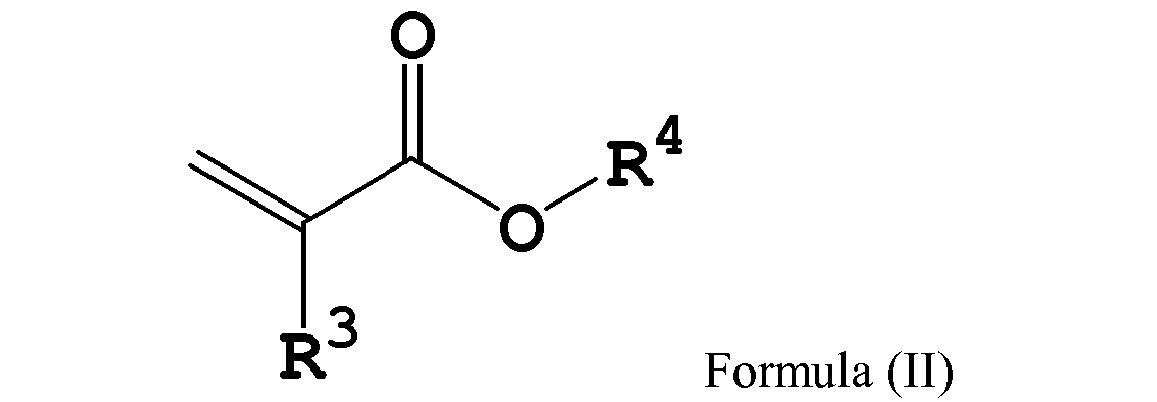
- the polymer is prepared by polymerizing a first monomer with a second monomer, and the first monomer has a structure as represented by Formula (I), and the second monomer has a structure as represented by Formula (II):
- R 1 is hydrogen or methyl
- R 2 is methyl, ethyl, or -CH 2 CH 2 OCH 3
- R 3 is hydrogen or methyl
- R 4 is hydrogen, -CH 2 CH 2 OCOCHCHCOOH, - CH 2 CH 2 OCOCH 2 CH 2 COOH, or -CH 2 CH 2 COOH.
- the disclosure further provides a serum-free method for cultivating cells including: providing a substratum having a polymer; and applying a cell on a surface of the polymer for cultivating cells.
- the polymer is prepared by polymerizing the first monomer with the second monomer, and the first monomer has a structure as represented by Formula (I), and the second monomer has a structure as represented by Formula (II):
- R 1 is hydrogen or methyl
- R 2 is methyl, ethyl, or -CH 2 CH 2 OCH 3
- R 3 is hydrogen or methyl
- R 4 is hydrogen, -CH 2 CH 2 OCOCHCHCOOH, - CH 2 CH 2 OCOCH 2 CH 2 COOH, or -CH 2 CH 2 COOH. It should be noted that the method for cultivating cells of the disclosure does not employ a serum or cell attachment factor.
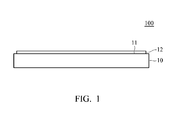
- Fig. 1 is a cross-section showing a cell culture system according to an embodiment of the disclosure.
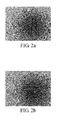
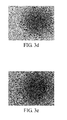
- Figs. 2a-2c respectively show photographs taken by a microscope of the cell culture systems of Examples 51 and 58 and the control group thereof after the cells were cultivated for three days.
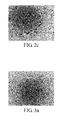
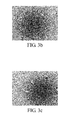
- Figs. 3a-3g respectively show photographs taken by a microscope of the cell culture systems of Examples 14, 16, 18, 20, 22, and 24 and the control group thereof after the cells were cultivated for three days.
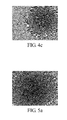
- Figs. 4a-4c respectively show photographs taken by a microscope of the cell culture systems of Examples 67 and 70 and the control group thereof after the cells were cultivated for three days.
- Figs. 5a-5c respectively show photographs taken by a microscope of the cell culture systems of Examples 99 and 101 and the control group thereof after the cells were cultivated for three days.
- the disclosure provides a cell culture system and a serum-free method for cultivating cells.
- the method for cultivating cells of the disclosure employs a specific polymer for promoting the growth of cells without a serum or cell attachment factor, resulting in reduced cost of cell cultures and more stable quality of cells.
- the cell culture system 100 includes a substratum 10, wherein the substratum 10 has a surface 11.
- a polymer layer 12 is formed on the surface 11.
- the substratum 10 employed by the cell culture system of the disclosure is unlimited and can be a conventional substratum serving as a carrier for supporting the polymer layer 12.
- the material of the substratum can be glass, ceramics, resin, plastic, or semiconductor material.
- the shape of the substratum is also unlimited.
- the accompanying drawings show the substratum 10 in a plain rectangle in order to simplify the illustration.
- the surface 11 of the substratum 10 can be planar, curved, or combinations thereof, and can be smooth or rough. In an embodiment of the disclosure, the surface can be porous.
- the polymer layer 12 of the disclosure is made of a polymer, and the polymer is prepared by polymerizing the first monomer with the second monomer.
- the first monomer can have a structure as represented by Formula (I):
- R 1 is hydrogen, or methyl
- R 2 is methyl, ethyl, or -CH 2 CH 2 OCH 3
- the first monomer can include methyl methacrylate (MMA), methoxy ethyl methacrylate (MEMA), methyl acrylate (MA), ethyl acrylate (EA), or combinations thereof.
- the second monomer can have a structure as represented by Formula (II):
- the second monomer can include methacrylic acid (MA-H), mono-2-(methacryloyloxy)ethyl succinate (MAES-H), 2-carboxy ethyl acrylate (CEA), mono-(2-acryloyloxyethyl) succinate (AES-H), acrylic acid (A-H), mono-2-(methacryloyloxy)ethyl maleate (MAEM-H), or combinations thereof.
- MA-H methacrylic acid
- MAES-H mono-2-(methacryloyloxy)ethyl succinate
- CEA 2-carboxy ethyl acrylate
- AES-H mono-(2-acryloyloxyethyl) succinate
- acrylic acid A-H
- MAEM-H mono-2-(methacryloyloxy)ethyl maleate
- the molar ratio between the first monomer and the second monomer is between 1:9 and 9:1, such as between 1:9 and 8:2, between 1:9 and 7:3, between 2:8 and 9:1, between 3:7 and 9:1, or between 2:8 and 8:2.
- the polymer prepared by polymerizing the first monomer with the second monomer can have a weight averaged molecular weight of between 800,000 and 4,000,000, and the molecular weight dispersion index of the polymer is between 1 and 3.
- the method for preparing the polymer of the disclosure can include the following steps.
- the first monomer, the second monomer, the thermoinitiator (such as azobis(isobutyro)nitrile (AIBN)), and a solvent (such as dimethylformamide (DMF) or isopropyl alcohol (IPA)) are added to a reaction tube equipped with a stirrer bar.
- the reaction tube is placed into a Radleys Carousel reactor, purged with nitrogen gas for 30 minutes and then sealed. After heating the Radleys Carousel reactor to 60 °C, it is left to stir overnight.
- the result is subjected to a repreciptiation into 150ml solvent (such as deionized water, saturated salt solution or diethyl ether).
- solvent such as deionized water, saturated salt solution or diethyl ether.
- the precipitate is then washed with solvent (such as deionized water or diethyl ether).
- the polymer is dried in a vacuum oven at 40 °C.
- the cell culture system of the disclosure includes a substratum, wherein the aforementioned polymer is disposed on a surface of the substratum (the polymer can be dissolved into a volatile solvent (such as THF)).
- the substratum surface can be optionally treated by a surface plasma in order to activate the surface and provide better adhesion of the deposited polymer layer (the plasma activation step is only necessary for specific polymers and given surfaces).
- the method for disposing the polymer on the surface of the substratum includes the following steps. First, a solution including the polymer is prepared by dissolving the polymer into a solvent. Next, the solution is dispensed on the surface of the substratum, left to react and subsequently either left to dry or excess solution can be removed. Further, the substratum with coated polymer layer can be baked at 40°C to ensure removal of remaining solvents.
- Standard methods may be used to prepare the polymers and coat them onto a substrate.
- plasma polymerization and plasma induced graft polymerization can afford the direct formation of the polymer layer onto a substrate in a single step.
- some of these co-polymers may be prepared by the hydrolysis of bulk poly(methyl methacrylate), available commercially as Perspex.
- the disclosure provides a serum-free method for cultivating cells.
- the disclosure provides a method for cultivating cells (such as adherent cells) with a cell culture medium which is free of a serum or cell attachment factor.
- the serum-free method for cultivating a cell can include the following steps. First, a substratum having a polymer is provided. Next, a cell is applied to a surface of the polymer for cell culture. Further, a cell culture medium is provided during cell culture, wherein the cell culture medium is free of a serum or cell attachment factor.
- the polymer is prepared by polymerizing the aforementioned first monomer with the aforementioned second monomer.
- the cell used in the method of the disclosure can be an adherent cell, such as mesenchymal stem cells or dermal fibroblasts.
- the mesenchymal stem cell can be derived from various tissues or organs, such as bone marrow mesenchymal stem cells, adipose tissue-derived stem cells, or Wharton's jelly stem cells.
- the conventional cell culture method employing a cell culture medium having a serum or cell attachment factor has disadvantages in that there is a risk for causing infections and high costs, and it is difficult to control the quality between batches.
- the method employing the specific polymer for cultivating cells of the disclosure can promote the growth of cells with a cell culture medium free of a serum or cell attachment factor, and the polymer has a low production cost. Therefore, the disclosure provides a cell culture system and a cell culture method for replacing conventional cell culture methods employing the cell culture medium having a serum or cell attachment factor.
- Table 1 discloses the compound structures, names and symbols for the compounds in the Preparation Examples of the disclosure for better understanding.
- Table 1 structure name symbol methyl methacrylate MMA methoxy ethyl methacrylate MEMA methyl acrylate MA ethyl acrylate EA methacrylic acid MA-H mono-2-(methacryloyloxy)ethyl succinate) MAES-H 2-carboxy ethyl acrylate CEA mono-(2-acryloyloxyethyl) succinate) AES-H acrylic acid A-H mono-2-(methacryloyloxy)ethyl maleate) MAEM-H
- the first monomer ( MMA ) , second monomer ( MAES-H ) , azobis(isobutyro)nitrile (AIBN ) , and dimethylformamide (DMF ) were added into a reaction tube with a stirrer bar. Particularly, the molar ratio between the first monomer and the second monomer was 7:3.
- the reaction tube was disposed into a Radleys Carousel reactor, purged with nitrogen gas for 30min and then sealed. After heating the Radleys Carousel reactor to 60°C and stirring overnight after cooling to room temperature, the result was subjected to a reprecipitation with 150 mL of deionized water, and then the precipitate thereof was washed with deionized water. After drying, the polymer (1) was obtained.
- the number average molecular weight (Mn), weight averaged molecular weight (Mw), and molecular weight dispersion index (Mw/Mn) of the obtained polymer were measured by gel permeation chromatography (GPC) analysis, and the results are shown in Table 2.
- Preparation Examples 2-30 were performed in the same manner as in Preparation Example 1 except that the first monomer, second monomer, and molar ratio between the first monomer and the second monomer shown in Table 2 were used instead of those in Preparation Example 1, obtaining the polymers (2)-(30).
- the polymer (1) of Preparation Example 1 was dissolved into tetrahydrofuran (THF) to prepare a solution.
- THF tetrahydrofuran
- the solution was coated on a circular cover glass (having a diameter of 13mm) by spin-coating at room temperature, with a dry air purge under vacuum, forming a polymer layer.
- human bone marrow mesenchymal stem cells (BMSC) were seeded onto the polymer layer with a cellular density distribution of 3000 cells/cm2, and a cell culture medium (sold and manufactured by BD Biosciences with the trade No. of BD MosaicTM hMSC SF Medium) was used for cultivating cells.
- Examples 2-61 were performed in the same manner as in Example 1 except that the polymer and the cells shown in Table 3 were used instead of those in Example 1. After the cells were cultivated for three days, the numbers of cells was measured by an ADAM Cell Counter (sold and manufactured by Digital Bio), and the results are shown in Table 3.
- Example 3 polymer cell numbers of cells compared with control group thereof
- Example 1 polymer (1) BMSC increasing Example 2 polymer (3) BMSC increasing Example 3 polymer (3) Wj Cell increasing Example 4 polymer (3) Fibroblast increasing Example 5 polymer (4) BMSC increasing Example 6 polymer (4) ADSC increasing Example 7 polymer (4) Wj Cell increasing Example 8 polymer (4) Fibroblast increasing Example 9 polymer (5) BMSC increasing Example 10 polymer (5) ADSC increasing Example 11 polymer (5) Wj Cell increasing Example 12 polymer (5) Fibroblast increasing Example 13 polymer (6) BMSC increasing Example 14 polymer (6) ADSC increasing Example 15 polymer (7) BMSC increasing Example 16 polymer (7) ADSC increasing Example 17 polymer (8) BMSC increasing Example 18 polymer (8) ADSC increasing Example 19 polymer (9) BMSC increasing Example 20 polymer (9) ADSC increasing Example 21 polymer (10) BMSC increasing Example 22 polymer (10) ADSC increasing Example 23 polymer (11) BMSC increasing Example 24 polymer (11) ADSC increasing Example 25 polymer (12) BMSC increasing
- BMSC human bone marrow mesenchymal stem cell
- ADSC human adipose tissue derived stem cell
- Wj cells human umbilical cord Wharton's jelly stem cell
- Fibroblast human foreskin fibroblasts (Hs68)
- Figs. 2a, and 2b respectively show photographs (taken by a microscope at a magnification of 40 times) of the cell (BMSC) culture systems of Examples 51 and 58 after the cells were cultivated for three days.
- Fig. 2c shows photographs (taken by a microscope at a magnification of 40 times) of the cell (BMSC) culture systems of the control group of Examples 51 and 58 after the cells were cultivated for three days.
- the cell culture system of Examples 51 and 58 promoted the growth of cells (the number of the cells increased). To the contrary, the number of the cells in the cell culture system of the control group was reduced and underwent apoptosis, as shown in Fig. 2c .
- Figs. 3a-3f respectively show photographs (taken by a microscope at a magnification of 40 times) of the cell (ADSC) culture systems of Examples 14, 16, 18, 20, 22, and 24 (having the same polymer (prepared from MMA and MA-H with various MMA/MA-H molar ratio) after the cells were cultivated for three days.
- Fig. 3g shows photographs (taken by a microscope at a magnification of 40 times) of the cell (ADSC) culture systems of the control group of Examples 14, 16, 18, 20, 22, and 24 after the cells were cultivated for three days.
- the cell culture system of Examples 14, 16, 18, 20, 22, and 24 promoted the growth of cells (the number of the cells increased). To the contrary, the number of the cells in the cell culture system of the control group was reduced and underwent apoptosis, as shown in Fig. 3g .
- the polymer (1) of Preparation Example 1 was dissolved into tetrahydrofuran (THF) to prepare a solution.
- THF tetrahydrofuran
- the solution was coated on a circular cover glass (having a diameter of 13mm) by spin-coating at room temperature with a dry air purge under vacuum, forming a polymer layer.
- human bone marrow mesenchymal stem cells (BMSC) were seeded to the polymer layer with a cellular density distribution of 3000 cells/cm 2 , and a cell culture medium (sold and manufactured by Stem Cell Technologies with the trade No. of MesenCult-XF Basal Medium) was used for cultivating cells.
- BMSC bone marrow mesenchymal stem cells
- Examples 63-85 were performed in the same manner as in Example 62 except that the polymer and the cells shown in Table 4 were used instead of those in Example 62. After the cells were cultivated for three days, the numbers of cells was measured by an ADAM Cell Counter (sold and manufactured by Digital Bio), and the results are shown in Table 4.
- Example 62 polymer (1) BMSC increasing Example 63 polymer (1) ADSC increasing Example 64 polymer (1) Wj Cell increasing Example 65 polymer (3) ADSC increasing Example 66 polymer (3) Wj Cell increasing Example 67 polymer (3) Fibroblast increasing Example 68 polymer (4) ADSC increasing Example 69 polymer (4) Wj Cell increasing Example 70 polymer (4) Fibroblast increasing Example 71 polymer (5) ADSC increasing Example 72 polymer (5) Fibroblast increasing Example 73 polymer (6) BMSC increasing Example 74 polymer (6) ADSC increasing Example 75 polymer (7) BMSC increasing Example 76 polymer (7) ADSC increasing Example 77 polymer (7) Wj Cell increasing Example 78 polymer (8) BMSC increasing Example 79 polymer (8) ADSC increasing Example 80 polymer (8) Wj Cell increasing Example 81 polymer (12) ADSC increasing Example 82 polymer (12) Wj Cell increasing Example 83 polymer (18) Wj Cell increasing Example 84 polymer (19) Fibroblast increasing Example 85 polymer (23) Wj
- Figs. 4a and 4b respectively show photographs (taken by a microscope at a magnification of 40 times) of the cell (Fibroblast) culture systems of Examples 67 and 70 after the cells were cultivated for three days.
- Fig. 4c shows photographs (taken by a microscope at a magnification of 40 times) of the cell (Fibroblast) culture systems of the control group of Examples 67 and 70 after the cells were cultivated for three days.
- the cell culture system of Examples 67 and 70 promoted the growth of cells (the number of the cells increased). To the contrary, the number of the cells in the cell culture system of the control group was reduced and underwent apoptosis, as shown in Fig. 4c .
- the polymer (2) of Preparation Example 2 was dissolved into tetrahydrofuran (THF) to prepare a solution.
- the solution was coated on a circular cover glass (having a diameter of 13mm) by spin-coating at room temperature, with a dry air purge under vacuum, forming a polymer layer.
- human adipose tissue derived stem cells (ADSC) were seeded onto the polymer layer with a cellular density distribution of 3000 cells/cm 2 , and a cell culture medium (sold and manufactured by Invitrogen with the trade No. of StemPro MSC SFM Basal Medium) was used for cultivating cells.
- Examples 87-102 were performed in the same manner as in Example 86 except that the polymer and the cells shown in Table 5 were used instead of those in Example 86. After the cells were cultivated for three days, the numbers of cells was measured by an ADAM Cell Counter (sold and manufactured by Digital Bio), and the results are shown in Table 5.
- Figs. 5 a and 5b respectively show photographs (taken by a microscope at a magnification of 40 times) of the cell (Wj Cell) culture systems of Examples 99 and 101 after the cells were cultivated for three days.
- Fig. 5c shows photographs (taken by a microscope at a magnification of 40 times) of the cell (Wj Cell) culture systems of the control group of Examples 99 and 101 after the cells were cultivated for three days.
- the cell culture system of Examples 99 and 101 promoted the growth of cells (the number of the cells increased). To the contrary, the number of the cells in the cell culture system of the control group was reduced and underwent apoptosis, as shown in Fig. 5c .
- the cell culture system and the method for cultivating cells of the disclosure promoted the growth of cells, reduced the cost of cell cultures, and resulted in a more stable quality, under the condition where there were no serum or cell attachment factor used during cell culture.
Landscapes
- Chemical & Material Sciences (AREA)
- Health & Medical Sciences (AREA)
- Organic Chemistry (AREA)
- Life Sciences & Earth Sciences (AREA)
- Engineering & Computer Science (AREA)
- Polymers & Plastics (AREA)
- Medicinal Chemistry (AREA)
- Chemical Kinetics & Catalysis (AREA)
- Biomedical Technology (AREA)
- Biotechnology (AREA)
- Zoology (AREA)
- Wood Science & Technology (AREA)
- Bioinformatics & Cheminformatics (AREA)
- Genetics & Genomics (AREA)
- Biochemistry (AREA)
- General Engineering & Computer Science (AREA)
- General Health & Medical Sciences (AREA)
- Microbiology (AREA)
- Cell Biology (AREA)
- Sustainable Development (AREA)
- Immunology (AREA)
- Micro-Organisms Or Cultivation Processes Thereof (AREA)
- Apparatus Associated With Microorganisms And Enzymes (AREA)
Abstract

Description
- This application is based upon and claims the benefit of priority from the prior Taiwan Patent Application No.
101141978, filed on Nov. 12, 2012 - The disclosure relates to a cell culture system and a serum-free method for cultivating cells.
- For cultivating cells, in the past, a culture medium was supplemented with serum, which serves as a universal nutrient for the growth and maintenance of all mammalian cell lines that produce biologically active products. Although widely used, the serum has many limitations. It contains high levels of numerous proteins which interfere with the limited quantities of the desired protein of interest produced by the cells. The proteins derived from the serum must be separated from the product during downstream processing such as purification of the protein of interest, which complicates the process and increases the cost. Further, when culturing cells with the serum, a risk of causing infections exists, and the quality between batches is difficult to control. There is therefore a great demand for the development of alternative media free from animal serum for maintaining the growth of cells during the production of biologically active products.
- A cell attachment factor (such as an extracellular matrix (ECM)) is used to coat on a substrate for cell culture for promoting the growth of cells, when the cells are cultivated with a serum-free medium. On the other hand, cells cultivated without the extracellular matrix are induced to undergo apoptosis. Generally, an extracellular matrix can include a glycosaminoglycan (GAG) or further include a fibrous protein (such as collagen, laminin, fibronectin, or elastin). For example, the serum-free medium StemPro MSC SFM (sold and manufactured by Invitrogen) has to be used with a petri dish coated with the extracellular matrix for cell culture. However, since the principal component of an extracellular matrix is protein which is generally obtained from organisms, the extracellular matrix has a high cost. Further, the quality of an extracellular matrix prepared and purified from human tissue or blood is unstable.
- For the foregoing reasons, there is a need for new methods for promoting the growth of cells, especially when cultivated under serum-free and extracellular-matrix free conditions.
- An exemplary embodiment of the disclosure provides a cell culture system including: a substratum, wherein the substratum has a surface; and a polymer disposed on the surface. It should be noted that the polymer is prepared by polymerizing a first monomer with a second monomer, and the first monomer has a structure as represented by Formula (I), and the second monomer has a structure as represented by Formula (II):

- wherein, R1 is hydrogen or methyl; R2 is methyl, ethyl, or -CH2CH2OCH3; R3 is hydrogen or methyl; and, R4 is hydrogen, -CH2CH2OCOCHCHCOOH, - CH2CH2OCOCH2CH2COOH, or -CH2CH2COOH.
- According to embodiments of the disclosure, the disclosure further provides a serum-free method for cultivating cells including: providing a substratum having a polymer; and applying a cell on a surface of the polymer for cultivating cells. Particularly, the polymer is prepared by polymerizing the first monomer with the second monomer, and the first monomer has a structure as represented by Formula (I), and the second monomer has a structure as represented by Formula (II):

- wherein, R1 is hydrogen or methyl; R2 is methyl, ethyl, or -CH2CH2OCH3; R3 is hydrogen or methyl; and, R4 is hydrogen, -CH2CH2OCOCHCHCOOH, - CH2CH2OCOCH2CH2COOH, or -CH2CH2COOH. It should be noted that the method for cultivating cells of the disclosure does not employ a serum or cell attachment factor.
- A detailed description is given in the following embodiments with reference to the accompanying drawings.
- The disclosure can be more fully understood by reading the subsequent detailed description and examples with references made to the accompanying drawings, wherein:
-
Fig. 1 is a cross-section showing a cell culture system according to an embodiment of the disclosure. -
Figs. 2a-2c respectively show photographs taken by a microscope of the cell culture systems of Examples 51 and 58 and the control group thereof after the cells were cultivated for three days. -
Figs. 3a-3g respectively show photographs taken by a microscope of the cell culture systems of Examples 14, 16, 18, 20, 22, and 24 and the control group thereof after the cells were cultivated for three days. -
Figs. 4a-4c respectively show photographs taken by a microscope of the cell culture systems of Examples 67 and 70 and the control group thereof after the cells were cultivated for three days. -
Figs. 5a-5c respectively show photographs taken by a microscope of the cell culture systems of Examples 99 and 101 and the control group thereof after the cells were cultivated for three days. - In the following detailed description, for purposes of explanation, numerous specific details are set forth in order to provide a thorough understanding of the disclosed embodiments. It will be apparent, however, that one or more embodiments may be practiced without these specific details. In other instances, well-known structures and devices are schematically shown in order to simplify the drawing.
- The disclosure provides a cell culture system and a serum-free method for cultivating cells. The method for cultivating cells of the disclosure employs a specific polymer for promoting the growth of cells without a serum or cell attachment factor, resulting in reduced cost of cell cultures and more stable quality of cells.
- According to an embodiment of the disclosure, as shown in
Fig. 1 , thecell culture system 100 includes asubstratum 10, wherein thesubstratum 10 has asurface 11. Apolymer layer 12 is formed on thesurface 11. It should be noted that, since the cell culture system of the disclosure includes aspecific polymer layer 12 for promoting the growth of cells, thesubstratum 10 employed by the cell culture system of the disclosure is unlimited and can be a conventional substratum serving as a carrier for supporting thepolymer layer 12. For example, the material of the substratum can be glass, ceramics, resin, plastic, or semiconductor material. The shape of the substratum is also unlimited. The accompanying drawings show thesubstratum 10 in a plain rectangle in order to simplify the illustration. Further, thesurface 11 of thesubstratum 10 can be planar, curved, or combinations thereof, and can be smooth or rough. In an embodiment of the disclosure, the surface can be porous. Thepolymer layer 12 of the disclosure is made of a polymer, and the polymer is prepared by polymerizing the first monomer with the second monomer. Herein, the first monomer can have a structure as represented by Formula (I):
- wherein, R1 is hydrogen, or methyl; R2is methyl, ethyl, or -CH2CH2OCH3. For example, the first monomer can include methyl methacrylate (MMA), methoxy ethyl methacrylate (MEMA), methyl acrylate (MA), ethyl acrylate (EA), or combinations thereof. The second monomer can have a structure as represented by Formula (II):

- wherein, R3 is hydrogen, or methyl; and R4 is hydrogen, - CH2CH2OCOCHCHCOOH, -CH2CH2OCOCH2CH2COOH, or -CH2CH2COOH. For example, the second monomer can include methacrylic acid (MA-H), mono-2-(methacryloyloxy)ethyl succinate (MAES-H), 2-carboxy ethyl acrylate (CEA), mono-(2-acryloyloxyethyl) succinate (AES-H), acrylic acid (A-H), mono-2-(methacryloyloxy)ethyl maleate (MAEM-H), or combinations thereof. According to an embodiment of the disclosure, the molar ratio between the first monomer and the second monomer is between 1:9 and 9:1, such as between 1:9 and 8:2, between 1:9 and 7:3, between 2:8 and 9:1, between 3:7 and 9:1, or between 2:8 and 8:2. According to an embodiment of the disclosure, the polymer prepared by polymerizing the first monomer with the second monomer can have a weight averaged molecular weight of between 800,000 and 4,000,000, and the molecular weight dispersion index of the polymer is between 1 and 3.
- For example, the method for preparing the polymer of the disclosure can include the following steps. The first monomer, the second monomer, the thermoinitiator (such as azobis(isobutyro)nitrile (AIBN)), and a solvent (such as dimethylformamide (DMF) or isopropyl alcohol (IPA)) are added to a reaction tube equipped with a stirrer bar. Next, the reaction tube is placed into a Radleys Carousel reactor, purged with nitrogen gas for 30 minutes and then sealed. After heating the Radleys Carousel reactor to 60 °C, it is left to stir overnight. After allowing it to cool to room temperature, the result is subjected to a repreciptiation into 150ml solvent (such as deionized water, saturated salt solution or diethyl ether). The precipitate is then washed with solvent (such as deionized water or diethyl ether). The polymer is dried in a vacuum oven at 40 °C.
- The cell culture system of the disclosure includes a substratum, wherein the aforementioned polymer is disposed on a surface of the substratum (the polymer can be dissolved into a volatile solvent (such as THF)). The substratum surface can be optionally treated by a surface plasma in order to activate the surface and provide better adhesion of the deposited polymer layer (the plasma activation step is only necessary for specific polymers and given surfaces). The method for disposing the polymer on the surface of the substratum includes the following steps. First, a solution including the polymer is prepared by dissolving the polymer into a solvent. Next, the solution is dispensed on the surface of the substratum, left to react and subsequently either left to dry or excess solution can be removed. Further, the substratum with coated polymer layer can be baked at 40°C to ensure removal of remaining solvents.
- Standard methods may be used to prepare the polymers and coat them onto a substrate. For example, plasma polymerization and plasma induced graft polymerization can afford the direct formation of the polymer layer onto a substrate in a single step. Also some of these co-polymers may be prepared by the hydrolysis of bulk poly(methyl methacrylate), available commercially as Perspex.
- According to another embodiment, the disclosure provides a serum-free method for cultivating cells. Namely, the disclosure provides a method for cultivating cells (such as adherent cells) with a cell culture medium which is free of a serum or cell attachment factor. For example, the serum-free method for cultivating a cell can include the following steps. First, a substratum having a polymer is provided. Next, a cell is applied to a surface of the polymer for cell culture. Further, a cell culture medium is provided during cell culture, wherein the cell culture medium is free of a serum or cell attachment factor. Particularly, the polymer is prepared by polymerizing the aforementioned first monomer with the aforementioned second monomer.
- According to an embodiment of the disclosure, the cell used in the method of the disclosure can be an adherent cell, such as mesenchymal stem cells or dermal fibroblasts. The mesenchymal stem cell can be derived from various tissues or organs, such as bone marrow mesenchymal stem cells, adipose tissue-derived stem cells, or Wharton's jelly stem cells.
- The conventional cell culture method employing a cell culture medium having a serum or cell attachment factor (such as extracellular matrix) has disadvantages in that there is a risk for causing infections and high costs, and it is difficult to control the quality between batches. The method employing the specific polymer for cultivating cells of the disclosure can promote the growth of cells with a cell culture medium free of a serum or cell attachment factor, and the polymer has a low production cost. Therefore, the disclosure provides a cell culture system and a cell culture method for replacing conventional cell culture methods employing the cell culture medium having a serum or cell attachment factor.
- The following examples are intended to illustrate the disclosure more fully without limiting the scope of the disclosure, since numerous modifications and variations will be apparent to those skilled in this art.
- Polymer Preparation
- Table 1 discloses the compound structures, names and symbols for the compounds in the Preparation Examples of the disclosure for better understanding.
Table 1 structure name symbol 
methyl methacrylate MMA 
methoxy ethyl methacrylate MEMA 
methyl acrylate MA 
ethyl acrylate EA 
methacrylic acid MA-H 
mono-2-(methacryloyloxy)ethyl succinate) MAES-H 
2-carboxy ethyl acrylate CEA 
mono-(2-acryloyloxyethyl) succinate) AES-H 
acrylic acid A-H 
mono-2-(methacryloyloxy)ethyl maleate) MAEM-H - Preparation Example 1
- First, the first monomer ( MMA ) , second monomer ( MAES-H ) , azobis(isobutyro)nitrile (AIBN ) , and dimethylformamide (DMF ) were added into a reaction tube with a stirrer bar. Particularly, the molar ratio between the first monomer and the second monomer was 7:3. Next, the reaction tube was disposed into a Radleys Carousel reactor, purged with nitrogen gas for 30min and then sealed. After heating the Radleys Carousel reactor to 60°C and stirring overnight after cooling to room temperature, the result was subjected to a reprecipitation with 150 mL of deionized water, and then the precipitate thereof was washed with deionized water. After drying, the polymer (1) was obtained.
- The number average molecular weight (Mn), weight averaged molecular weight (Mw), and molecular weight dispersion index (Mw/Mn) of the obtained polymer were measured by gel permeation chromatography (GPC) analysis, and the results are shown in Table 2.
- Preparation Examples 2-30
- Preparation Examples 2-30 were performed in the same manner as in Preparation Example 1 except that the first monomer, second monomer, and molar ratio between the first monomer and the second monomer shown in Table 2 were used instead of those in Preparation Example 1, obtaining the polymers (2)-(30).
- Next, the number average molecular weight (Mn), weight averaged molecular weight (Mw), and molecular weight dispersion index (Mw/Mn) of the obtained polymers were measured by gel permeation chromatography (GPC) analysis, and the results are shown in Table 2.
Table 2 polymer preparation measurement first monomer (M1) second monomer (M2) molar ratio between the first monomer and the second monomer( M1:M2) number average molecular weight (Mn) weight averaged molecular weight (Mw) molecul ar weight dispersi on index (Mw/M n) polymer (1) MMA MAES-H 7:3 2507400 2891500 1.15 polymer (2) MMA MAEM-H 7:3 2132000 3609000 1.69 polymer (3) MMA MAEM-H 5:5 1664000 1923000 1.16 polymer (4) MMA MAEM-H 3:7 793600 1056000 1.33 polymer (5) MMA MAEM-H 1:9 2170000 2602000 1.20 polymer (6) MMA MA-H 7:3 1059000 1141000 1.08 polymer (7) MMA MA-H 6:4 1029000 1122000 1.09 polymer (8) MMA MA-H 5:5 1151000 1257000 1.09 polymer (9) MMA MA-H 4:6 1021000 1111000 1.09 polymer (10) MMA MA-H 3:7 1346000 1468000 1.09 polymer (11) MMA MA-H 1:9 1100000 1174000 1.07 polymer (12) MMA CEA 7:3 1211000 1359000 1.12 polymer (13) MMA CEA 5:5 1128000 1248000 1.11 polymer (14) MMA A-H 7:3 1072000 1192000 1.11 polymer (15) MMA A-H 5:5 1024000 1141000 1.11 polymer (16) MMA A-H 1:9 697900 835900 1.20 polymer (17) MMA AES-H 7:3 2620000 3159000 1.21 polymer (18) MMA AES-H 5:5 1200000 1416000 1.18 polymer (19) MMA AES-H 1:9 1065000 1207000 1.13 polymer (20) MEMA AES-H 9:1 945800 2780000 2.94 polymer (21) MEMA AES-H 7:3 1427000 1694000 1.19 polymer (22) MEMA AES-H 3:7 1330000 1538000 1.16 polymer (23) MEMA AES-H 1:9 1163000 1326000 1.14 polymer (24) MA MA-H 7:3 1552000 1750000 1.13 polymer (25) MA MA-H 5:5 1595000 1804000 1.13 polymer (26) MA MA-H 2:8 1743000 1932000 1.11 polymer (27) EA CEA 5:5 1555000 1779000 1.14 polymer (28) EA CEA 2:8 1584000 1781000 1.12 polymer (29) EA MA-H 5:5 1628000 1847000 1.14 polymer (30) EA MA-H 2:8 2070000 2262000 1.09 - Cell culture
- Example 1
- First, the polymer (1) of Preparation Example 1 was dissolved into tetrahydrofuran (THF) to prepare a solution. Next, the solution was coated on a circular cover glass (having a diameter of 13mm) by spin-coating at room temperature, with a dry air purge under vacuum, forming a polymer layer. Next, human bone marrow mesenchymal stem cells (BMSC) were seeded onto the polymer layer with a cellular density distribution of 3000 cells/cm2, and a cell culture medium (sold and manufactured by BD Biosciences with the trade No. of BD Mosaic™ hMSC SF Medium) was used for cultivating cells.
- After the cells were cultivated for three days, the numbers of cells was measured by an ADAM Cell Counter (sold and manufactured by Digital Bio) and compared with a control group (performed in the same manner as in Example 1 except that there was no polymer of the disclosure disposed on the cover glass), and the results are shown in Table 3.
- Examples 2-61
- Examples 2-61 were performed in the same manner as in Example 1 except that the polymer and the cells shown in Table 3 were used instead of those in Example 1. After the cells were cultivated for three days, the numbers of cells was measured by an ADAM Cell Counter (sold and manufactured by Digital Bio), and the results are shown in Table 3.
Table 3 polymer cell numbers of cells compared with control group thereof Example 1 polymer (1) BMSC increasing Example 2 polymer (3) BMSC increasing Example 3 polymer (3) Wj Cell increasing Example 4 polymer (3) Fibroblast increasing Example 5 polymer (4) BMSC increasing Example 6 polymer (4) ADSC increasing Example 7 polymer (4) Wj Cell increasing Example 8 polymer (4) Fibroblast increasing Example 9 polymer (5) BMSC increasing Example 10 polymer (5) ADSC increasing Example 11 polymer (5) Wj Cell increasing Example 12 polymer (5) Fibroblast increasing Example 13 polymer (6) BMSC increasing Example 14 polymer (6) ADSC increasing Example 15 polymer (7) BMSC increasing Example 16 polymer (7) ADSC increasing Example 17 polymer (8) BMSC increasing Example 18 polymer (8) ADSC increasing Example 19 polymer (9) BMSC increasing Example 20 polymer (9) ADSC increasing Example 21 polymer (10) BMSC increasing Example 22 polymer (10) ADSC increasing Example 23 polymer (11) BMSC increasing Example 24 polymer (11) ADSC increasing Example 25 polymer (12) BMSC increasing Example 26 polymer (12) ADSC increasing Example 27 polymer (12) Wj Cell increasing Example 28 polymer (13) ADSC increasing Example 29 polymer (13) Fibroblast increasing Example 30 polymer (14) BMSC increasing Example 31 polymer (14) ADSC increasing Example 32 polymer (15) BMSC increasing Example 33 polymer (15) ADSC increasing Example 34 polymer (16) BMSC increasing Example 35 polymer (16) ADSC increasing Example 36 polymer (16) Wj Cell increasing Example 37 polymer (16) Fibroblast increasing Example 38 polymer (17) ADSC increasing Example 39 polymer (18) BMSC increasing Example 40 polymer (18) ADSC increasing Example 41 polymer (19) BMSC increasing Example 42 polymer (19) ADSC increasing Example 43 polymer (21) BMSC increasing Example 44 polymer (21) ADSC increasing Example 45 polymer (22) BMSC increasing Example 46 polymer (22) ADSC increasing Example 47 polymer (24) BMSC increasing Example 48 polymer (25) BMSC increasing Example 49 polymer (25 ADSC increasing Example 50 polymer (25 Fibroblast increasing Example 51 polymer (26) BMSC increasing Example 52 polymer (26) ADSC increasing Example 53 polymer (26) Fibroblast increasing Example 54 polymer (27) BMSC increasing Example 55 polymer (27) ADSC increasing Example 56 polymer (28) BMSC increasing Example 57 polymer (28) ADSC increasing Example 58 polymer (29) BMSC increasing Example 59 polymer (29) ADSC increasing Example 60 polymer (30) ADSC increasing Example 61 polymer (30) Wj Cell increasing - (remark: BMSC: human bone marrow mesenchymal stem cell; ADSC: human adipose tissue derived stem cell; Wj cells: human umbilical cord Wharton's jelly stem cell; and Fibroblast: human foreskin fibroblasts (Hs68))
-
Figs. 2a, and 2b respectively show photographs (taken by a microscope at a magnification of 40 times) of the cell (BMSC) culture systems of Examples 51 and 58 after the cells were cultivated for three days. Further,Fig. 2c shows photographs (taken by a microscope at a magnification of 40 times) of the cell (BMSC) culture systems of the control group of Examples 51 and 58 after the cells were cultivated for three days. As shown inFigs. 2a and 2b , the cell culture system of Examples 51 and 58 promoted the growth of cells (the number of the cells increased). To the contrary, the number of the cells in the cell culture system of the control group was reduced and underwent apoptosis, as shown inFig. 2c . -
Figs. 3a-3f respectively show photographs (taken by a microscope at a magnification of 40 times) of the cell (ADSC) culture systems of Examples 14, 16, 18, 20, 22, and 24 (having the same polymer (prepared from MMA and MA-H with various MMA/MA-H molar ratio) after the cells were cultivated for three days. Further,Fig. 3g shows photographs (taken by a microscope at a magnification of 40 times) of the cell (ADSC) culture systems of the control group of Examples 14, 16, 18, 20, 22, and 24 after the cells were cultivated for three days. As shown inFigs. 3a-3f , the cell culture system of Examples 14, 16, 18, 20, 22, and 24 promoted the growth of cells (the number of the cells increased). To the contrary, the number of the cells in the cell culture system of the control group was reduced and underwent apoptosis, as shown inFig. 3g . - Example 62
- First, the polymer (1) of Preparation Example 1 was dissolved into tetrahydrofuran (THF) to prepare a solution. Next, the solution was coated on a circular cover glass (having a diameter of 13mm) by spin-coating at room temperature with a dry air purge under vacuum, forming a polymer layer. Next, human bone marrow mesenchymal stem cells (BMSC) were seeded to the polymer layer with a cellular density distribution of 3000 cells/cm2, and a cell culture medium (sold and manufactured by Stem Cell Technologies with the trade No. of MesenCult-XF Basal Medium) was used for cultivating cells.
- After the cells were cultivated for three days, the numbers of cells was measured by an ADAM Cell Counter (sold and manufactured by Digital Bio) and compared with a control group (performed in the same manner as in Example 62 except that there was no polymer of the disclosure disposed on the cover glass), and the results are shown in Table 4.
- Example 63-85
- Examples 63-85 were performed in the same manner as in Example 62 except that the polymer and the cells shown in Table 4 were used instead of those in Example 62. After the cells were cultivated for three days, the numbers of cells was measured by an ADAM Cell Counter (sold and manufactured by Digital Bio), and the results are shown in Table 4.
Table 4 polymer cell numbers of cells compared with control group thereof Example 62 polymer (1) BMSC increasing Example 63 polymer (1) ADSC increasing Example 64 polymer (1) Wj Cell increasing Example 65 polymer (3) ADSC increasing Example 66 polymer (3) Wj Cell increasing Example 67 polymer (3) Fibroblast increasing Example 68 polymer (4) ADSC increasing Example 69 polymer (4) Wj Cell increasing Example 70 polymer (4) Fibroblast increasing Example 71 polymer (5) ADSC increasing Example 72 polymer (5) Fibroblast increasing Example 73 polymer (6) BMSC increasing Example 74 polymer (6) ADSC increasing Example 75 polymer (7) BMSC increasing Example 76 polymer (7) ADSC increasing Example 77 polymer (7) Wj Cell increasing Example 78 polymer (8) BMSC increasing Example 79 polymer (8) ADSC increasing Example 80 polymer (8) Wj Cell increasing Example 81 polymer (12) ADSC increasing Example 82 polymer (12) Wj Cell increasing Example 83 polymer (18) Wj Cell increasing Example 84 polymer (19) Fibroblast increasing Example 85 polymer (23) Wj Cell increasing -
Figs. 4a and 4b respectively show photographs (taken by a microscope at a magnification of 40 times) of the cell (Fibroblast) culture systems of Examples 67 and 70 after the cells were cultivated for three days. Further,Fig. 4c shows photographs (taken by a microscope at a magnification of 40 times) of the cell (Fibroblast) culture systems of the control group of Examples 67 and 70 after the cells were cultivated for three days. As shown inFigs. 4a and 4b , the cell culture system of Examples 67 and 70 promoted the growth of cells (the number of the cells increased). To the contrary, the number of the cells in the cell culture system of the control group was reduced and underwent apoptosis, as shown inFig. 4c . - Example 86
- First, the polymer (2) of Preparation Example 2 was dissolved into tetrahydrofuran (THF) to prepare a solution. Next, the solution was coated on a circular cover glass (having a diameter of 13mm) by spin-coating at room temperature, with a dry air purge under vacuum, forming a polymer layer. Next, human adipose tissue derived stem cells (ADSC) were seeded onto the polymer layer with a cellular density distribution of 3000 cells/cm2, and a cell culture medium (sold and manufactured by Invitrogen with the trade No. of StemPro MSC SFM Basal Medium) was used for cultivating cells.
- After the cells were cultivated for three days, the numbers of cells was measured by an ADAM Cell Counter (sold and manufactured by Digital Bio) and compared with a control group (performed in the same manner as in Example 86 except that there was no polymer of the disclosure disposed on the cover glass), and the results are shown in Table 5.
- Examples 87-102
- Examples 87-102 were performed in the same manner as in Example 86 except that the polymer and the cells shown in Table 5 were used instead of those in Example 86. After the cells were cultivated for three days, the numbers of cells was measured by an ADAM Cell Counter (sold and manufactured by Digital Bio), and the results are shown in Table 5.
Table 5 polymer cell numbers of cells compared with control group thereof Example 86 polymer (2) ADSC increasing Example 87 polymer (3) BMSC increasing Example 88 polymer (3) Wj Cell increasing Example 89 polymer (3) Fibroblast increasing Example 90 polymer (5) BMSC increasing Example 91 polymer (5) ADSC increasing Example 92 polymer (5) Wj Cell increasing Example 93 polymer (5) Fibroblast increasing Example 94 polymer (6) Wj Cell increasing Example 95 polymer (8) Wj Cell increasing Example 96 polymer (11) BMSC increasing Example 97 polymer (12) Wj Cell increasing Example 98 polymer (13) Wj Cell increasing Example 99 polymer (14) Wj Cell increasing Example 100 polymer (15) Wj Cell increasing Example 101 polymer (20) Wj Cell increasing Example 102 polymer (20) Fibroblast increasing -
Figs. 5 a and 5b respectively show photographs (taken by a microscope at a magnification of 40 times) of the cell (Wj Cell) culture systems of Examples 99 and 101 after the cells were cultivated for three days. Further,Fig. 5c shows photographs (taken by a microscope at a magnification of 40 times) of the cell (Wj Cell) culture systems of the control group of Examples 99 and 101 after the cells were cultivated for three days. As shown inFigs. 5a and5b , the cell culture system of Examples 99 and 101 promoted the growth of cells (the number of the cells increased). To the contrary, the number of the cells in the cell culture system of the control group was reduced and underwent apoptosis, as shown inFig. 5c . - As shown in Tables 3-5, due to the specific polymers disposed on the substratum, the cell culture system and the method for cultivating cells of the disclosure promoted the growth of cells, reduced the cost of cell cultures, and resulted in a more stable quality, under the condition where there were no serum or cell attachment factor used during cell culture.
- It will be apparent to those skilled in the art that various modifications and variations can be made to the disclosed methods and materials. It is intended that the specification and examples be considered as exemplary only, with a true scope of the disclosure being indicated by the following claims and their equivalents.
Claims (12)
- A cell culture system 100, comprising:a substratum 10, wherein the substratum has a surface 11; anda polymer 12, disposed on the surface 11 of the substratum 10, wherein the polymer 12 is prepared by polymerizing a first monomer with a second monomer, and the first monomer has a structure as represented by Formula (I), and the second monomer has a structure as represented by Formula (II):
 wherein, R1 is hydrogen or methyl; R2 is methyl, ethyl, or -CH2CH2OCH3; R3 is hydrogen or methyl; and, R4 is hydrogen, - CH2CH2OCOCHCHCOOH, -CH2CH2OCOCH2CH2COOH, or - CH2CH2COOH.
 - The cell culture system as claimed in claim 1, wherein the molar ratio between the first monomer and the second monomer is between 1:9 to 9:1.
- The cell culture system as claimed in any one of claims 1-2, wherein the first monomer comprises methyl methacrylate, methoxy ethyl methacrylate, methyl acrylate, ethyl acrylate, or combinations thereof.
- The cell culture system as claimed in any one of claims 1-3, wherein the second monomer comprises methacrylic acid, mono-2-(methacryloyloxy)ethyl succinate, 2-carboxy ethyl acrylate, mono-(2-acryloyloxyethyl) succinate, acrylic acid, mono-2-(methacryloyloxy)ethyl maleate, or combinations thereof.
- A serum-free method for cultivating cells, comprising:providing a substratum 10 having a polymer 12, wherein the polymer 12 is prepared by polymerizing a first monomer with a second monomer, and the first monomer has a structure as represented by Formula (I), and the second monomer has a structure as represented by Formula (II):
 wherein, R1 is hydrogen or methyl; R2 is methyl, ethyl, or -CH2CH2OCH3; R3 is hydrogen or methyl; and, R4 is hydrogen, - CH2CH2OCOCHCHCOOH, -CH2CH2OCOCH2CH2COOH, or - CH2CH2COOH; andapplying a cell to a surface of the polymer for cell culture.
 - The serum-free method for cultivating cells as claimed in claim 5, wherein the cell is an adherent cell.
- The serum-free method for cultivating cells as claimed in any one of claims 5-6, wherein the adherent cell is a mesenchymal stem cell, or dermal fibroblast.
- The serum-free method for cultivating cells as claimed in claim any one of claims 5-7, further comprising:providing a cell culture medium to the substratum, wherein the cell culture medium is free of a serum or cell attachment factor.
- The serum-free method for cultivating cells as claimed in claim 8, wherein the cell attachment factor is an extracellular matrix.
- The serum-free method for cultivating cells as claimed in claim any one of claims 5-9, wherein the molar ratio between the first monomer and the second monomer is between 1:9 to 9:1.
- The serum-free method for cultivating cells as claimed in any one of claims 5-10, wherein the first monomer comprises methyl methacrylate, methoxy ethyl methacrylate, methyl acrylate, ethyl acrylate, or combinations thereof.
- The serum-free method for cultivating cells as claimed in any one of claims 5-11, wherein the second monomer comprises methacrylic acid, mono-2-(methacryloyloxy)ethyl succinate, 2-carboxy ethyl acrylate, mono-(2-acryloyloxyethyl) succinate, acrylic acid, mono-2-(methacryloyloxy)ethyl maleate, or combinations thereof.
Applications Claiming Priority (1)
| Application Number | Priority Date | Filing Date | Title |
|---|---|---|---|
| TW101141978A TWI512103B (en) | 2012-11-12 | 2012-11-12 | Cell culture system, and serum-free cell culture method |
Publications (2)
| Publication Number | Publication Date |
|---|---|
| EP2730593A1 true EP2730593A1 (en) | 2014-05-14 |
| EP2730593B1 EP2730593B1 (en) | 2015-11-18 |
Family
ID=47297042
Family Applications (1)
| Application Number | Title | Priority Date | Filing Date |
|---|---|---|---|
| EP12196546.1A Active EP2730593B1 (en) | 2012-11-12 | 2012-12-11 | Cell culture system and serum-free method for cultivating cells |
Country Status (4)
| Country | Link |
|---|---|
| US (1) | US8956871B2 (en) |
| EP (1) | EP2730593B1 (en) |
| CN (1) | CN103805510B (en) |
| TW (1) | TWI512103B (en) |
Families Citing this family (2)
| Publication number | Priority date | Publication date | Assignee | Title |
|---|---|---|---|---|
| WO2020036203A2 (en) * | 2018-08-16 | 2020-02-20 | Terumo Kabushiki Kaisha | Cell culture substrate |
| CN113242905A (en) * | 2019-03-29 | 2021-08-10 | 积水化学工业株式会社 | Scaffold material for cell culture and vessel for cell culture |
Citations (2)
| Publication number | Priority date | Publication date | Assignee | Title |
|---|---|---|---|---|
| US20100304482A1 (en) * | 2009-05-28 | 2010-12-02 | Sophie Deshayes | Swellable synthetic microcarriers for culturing cells |
| EP2292691A1 (en) * | 2008-06-12 | 2011-03-09 | Kawamura Institute Of Chemical Research | Organic-inorganic complex dispersion, cell culture substratum manufactured by using the dispersion, and manufacturing methods for same |
Family Cites Families (20)
| Publication number | Priority date | Publication date | Assignee | Title |
|---|---|---|---|---|
| JP2001524996A (en) | 1997-02-25 | 2001-12-04 | アモコ・コーポレイション | Copolymers of high vinylidene polyolefins and vinyl or vinylidene monomers produced by free radical polymerization |
| US6916640B2 (en) | 2000-10-12 | 2005-07-12 | Agency For Science, Technology And Research | Multi-layer cell encapsulation for tissue engineering |
| US20020142304A1 (en) | 2001-03-09 | 2002-10-03 | Anderson Daniel G. | Uses and methods of making microarrays of polymeric biomaterials |
| US7348055B2 (en) | 2001-12-21 | 2008-03-25 | Surmodics, Inc. | Reagent and method for providing coatings on surfaces |
| US7704714B2 (en) | 2004-07-26 | 2010-04-27 | Agency For Science, Technology & Research | Encapsulation of cells in biologic compatible scaffolds by coacervation of charged polymers |
| US7700333B2 (en) | 2004-07-26 | 2010-04-20 | Agency For Science Technology & Research | Immobilization of cells in a matrix formed by biocompatible charged polymers under laminar flow conditions |
| WO2008069761A1 (en) | 2006-12-05 | 2008-06-12 | Nanyang Technological University | Manufacturing three-dimensional scaffolds using cryogenic prototyping |
| US20100190254A1 (en) | 2006-12-05 | 2010-07-29 | Nanyang Technological University | Three-dimensional porous hybrid scaffold and manufacture thereof |
| MX2009007101A (en) | 2006-12-29 | 2009-12-01 | Univ Washington | Dual-functional nonfouling surfaces and materials. |
| US8329469B2 (en) | 2008-01-30 | 2012-12-11 | Geron Corporation | Swellable (meth)acrylate surfaces for culturing cells in chemically defined media |
| KR20110007600A (en) * | 2008-01-30 | 2011-01-24 | 제론 코포레이션 | Cell Culture Products and Methods for Screening |
| WO2010021601A1 (en) | 2008-08-22 | 2010-02-25 | Agency For Science, Technology And Research | Manufacturing and use of composite scaffolds |
| US9410267B2 (en) | 2009-05-13 | 2016-08-09 | President And Fellows Of Harvard College | Methods and devices for the fabrication of 3D polymeric fibers |
| US8603820B2 (en) | 2009-05-21 | 2013-12-10 | Corning Incorporated | Derivatized peptide-conjugated (meth) acrylate cell culture surface and methods of making |
| WO2010138486A1 (en) * | 2009-05-29 | 2010-12-02 | Corning Incorporated | Substrates for adhering, culturing and assaying cells |
| JP2013500717A (en) | 2009-07-28 | 2013-01-10 | コーニング インコーポレイテッド | Synthetic microcarriers for culturing cells |
| US8663671B2 (en) | 2009-11-05 | 2014-03-04 | Philip Morris Usa Inc. | Methods and compositions for producing hydrogel capsules coated for low permeability and physical integrity |
| US20110207216A1 (en) | 2010-02-25 | 2011-08-25 | Arthur Winston Martin | Synthetic Peptide (Meth) Acrylate Microcarriers |
| US20110256628A1 (en) | 2010-04-20 | 2011-10-20 | The University Of Washington Through Its Center For Commercialization | Adaptive tissue engineering scaffold |
| KR20120070434A (en) | 2010-12-21 | 2012-06-29 | 한국전자통신연구원 | Method of reordering and reassembling packet data in radio link control layer |
-
2012
- 2012-11-12 TW TW101141978A patent/TWI512103B/en not_active IP Right Cessation
- 2012-12-11 EP EP12196546.1A patent/EP2730593B1/en active Active
- 2012-12-13 US US13/713,327 patent/US8956871B2/en active Active
- 2012-12-17 CN CN201210548225.1A patent/CN103805510B/en not_active Expired - Fee Related
Patent Citations (2)
| Publication number | Priority date | Publication date | Assignee | Title |
|---|---|---|---|---|
| EP2292691A1 (en) * | 2008-06-12 | 2011-03-09 | Kawamura Institute Of Chemical Research | Organic-inorganic complex dispersion, cell culture substratum manufactured by using the dispersion, and manufacturing methods for same |
| US20100304482A1 (en) * | 2009-05-28 | 2010-12-02 | Sophie Deshayes | Swellable synthetic microcarriers for culturing cells |
Also Published As
| Publication number | Publication date |
|---|---|
| US20140134734A1 (en) | 2014-05-15 |
| TW201418457A (en) | 2014-05-16 |
| EP2730593B1 (en) | 2015-11-18 |
| US8956871B2 (en) | 2015-02-17 |
| CN103805510A (en) | 2014-05-21 |
| TWI512103B (en) | 2015-12-11 |
| CN103805510B (en) | 2016-06-01 |
Similar Documents
| Publication | Publication Date | Title |
|---|---|---|
| Sun et al. | Recapitulation of in situ endochondral ossification using an injectable hypoxia‐mimetic hydrogel | |
| US11441120B2 (en) | Cell culture substrate | |
| US8557583B2 (en) | Cell culture support and manufacture thereof | |
| KR102554582B1 (en) | Cell culture substrate, manufacturing method and use thereof | |
| Sharma et al. | Effects of structural variations on the cellular response and mechanical properties of biocompatible, biodegradable, and porous smectic liquid crystal elastomers | |
| US11499136B2 (en) | Cell culture substrate | |
| JP2024100854A (en) | Cell culture substrate, method for producing cell culture substrate, and method for producing spheroids | |
| Higashi et al. | Thermo-responsive polymer brushes on glass plate prepared from a new class of amino acid-derived vinyl monomers and their applications in cell-sheet engineering | |
| De Bartolo et al. | Novel membranes and surface modification able to activate specific cellular responses | |
| Gümüşderelioğlu et al. | Thermosensitive PHEMA microcarriers: ATRP synthesis, characterization, and usabilities in cell cultures | |
| EP2730593B1 (en) | Cell culture system and serum-free method for cultivating cells | |
| EP3950924A1 (en) | Scaffold material for cell culture and cell culture container | |
| CN108486034A (en) | High temperature resistant temperature sensitive type cell culture medium material and preparation method thereof | |
| Wang et al. | Glutathione-responsive biodegradable poly (urea-urethane) s containing L-cystine-based chain extender | |
| Nie et al. | Temperature‐sensitive chitosan membranes as a substrate for cell adhesion and cell sheet detachment | |
| Ming et al. | Mussel-inspired polyurethane coating for bio-surface functionalization to enhance substrate adhesion and cell biocompatibility | |
| Datta et al. | Phosphate functionalized and lactic acid containing graft copolymer: synthesis and evaluation as biomaterial for bone tissue engineering applications | |
| MS et al. | Bioengineered Human Limbal Stem Cell–Derived Epithelial Sheets for Ocular Surface Reconstruction | |
| JP6953863B2 (en) | A method for adjusting the peelability of a cell sheet, a method for producing a cell sheet, and a method for producing a cell culture container. | |
| TW202317751A (en) | Cell culture base material for serum-free medium | |
| De Giglio et al. | Exploiting a new glycerol-based copolymer as a route to wound healing: Synthesis, characterization and biocompatibility assessment | |
| Yang et al. | Peptides-modified polystyrene-based polymers as high-performance substrates for the growth and propagation of human embryonic stem cells | |
| KR100783228B1 (en) | Polyvinyl alcohol-collagen hydrogel scaffold for cell culture and preparation method thereof | |
| JP6988480B2 (en) | Method for preparing suspension-cultured conditioned adherent cells, method for inducing epithelial-mesenchymal transition of adherent epithelial cells, and utilization thereof | |
| CN106957401B (en) | Cholesterol group anchored poly (ethylene glycol) methacrylate polymer and synthesis method and application method thereof |
Legal Events
| Date | Code | Title | Description |
|---|---|---|---|
| PUAI | Public reference made under article 153(3) epc to a published international application that has entered the european phase |
Free format text: ORIGINAL CODE: 0009012 |
|
| 17P | Request for examination filed |
Effective date: 20121211 |
|
| AK | Designated contracting states |
Kind code of ref document: A1 Designated state(s): AL AT BE BG CH CY CZ DE DK EE ES FI FR GB GR HR HU IE IS IT LI LT LU LV MC MK MT NL NO PL PT RO RS SE SI SK SM TR |
|
| AX | Request for extension of the european patent |
Extension state: BA ME |
|
| R17P | Request for examination filed (corrected) |
Effective date: 20140521 |
|
| RBV | Designated contracting states (corrected) |
Designated state(s): AL AT BE BG CH CY CZ DE DK EE ES FI FR GB GR HR HU IE IS IT LI LT LU LV MC MK MT NL NO PL PT RO RS SE SI SK SM TR |
|
| RIN1 | Information on inventor provided before grant (corrected) |
Inventor name: HSU, HSIANG-CHUN Inventor name: LIN, SU-YO Inventor name: TOURNIAIRE, GUILHEM Inventor name: LIAO, CHIH-CHING Inventor name: CHEN, YI-CHEN Inventor name: LIN, PEI-JU Inventor name: SHE, BIN-RU Inventor name: SWINDELLS, KATHRYN |
|
| GRAP | Despatch of communication of intention to grant a patent |
Free format text: ORIGINAL CODE: EPIDOSNIGR1 |
|
| INTG | Intention to grant announced |
Effective date: 20150703 |
|
| GRAS | Grant fee paid |
Free format text: ORIGINAL CODE: EPIDOSNIGR3 |
|
| GRAA | (expected) grant |
Free format text: ORIGINAL CODE: 0009210 |
|
| AK | Designated contracting states |
Kind code of ref document: B1 Designated state(s): AL AT BE BG CH CY CZ DE DK EE ES FI FR GB GR HR HU IE IS IT LI LT LU LV MC MK MT NL NO PL PT RO RS SE SI SK SM TR |
|
| REG | Reference to a national code |
Ref country code: GB Ref legal event code: FG4D |
|
| REG | Reference to a national code |
Ref country code: CH Ref legal event code: EP |
|
| REG | Reference to a national code |
Ref country code: AT Ref legal event code: REF Ref document number: 761535 Country of ref document: AT Kind code of ref document: T Effective date: 20151215 |
|
| REG | Reference to a national code |
Ref country code: IE Ref legal event code: FG4D |
|
| REG | Reference to a national code |
Ref country code: FR Ref legal event code: PLFP Year of fee payment: 4 |
|
| REG | Reference to a national code |
Ref country code: DE Ref legal event code: R096 Ref document number: 602012012326 Country of ref document: DE |
|
| REG | Reference to a national code |
Ref country code: NL Ref legal event code: MP Effective date: 20160218 |
|
| REG | Reference to a national code |
Ref country code: LT Ref legal event code: MG4D |
|
| REG | Reference to a national code |
Ref country code: AT Ref legal event code: MK05 Ref document number: 761535 Country of ref document: AT Kind code of ref document: T Effective date: 20151118 |
|
| PG25 | Lapsed in a contracting state [announced via postgrant information from national office to epo] |
Ref country code: IS Free format text: LAPSE BECAUSE OF FAILURE TO SUBMIT A TRANSLATION OF THE DESCRIPTION OR TO PAY THE FEE WITHIN THE PRESCRIBED TIME-LIMIT Effective date: 20160318 Ref country code: IT Free format text: LAPSE BECAUSE OF FAILURE TO SUBMIT A TRANSLATION OF THE DESCRIPTION OR TO PAY THE FEE WITHIN THE PRESCRIBED TIME-LIMIT Effective date: 20151118 Ref country code: NL Free format text: LAPSE BECAUSE OF FAILURE TO SUBMIT A TRANSLATION OF THE DESCRIPTION OR TO PAY THE FEE WITHIN THE PRESCRIBED TIME-LIMIT Effective date: 20151118 Ref country code: ES Free format text: LAPSE BECAUSE OF FAILURE TO SUBMIT A TRANSLATION OF THE DESCRIPTION OR TO PAY THE FEE WITHIN THE PRESCRIBED TIME-LIMIT Effective date: 20151118 Ref country code: LT Free format text: LAPSE BECAUSE OF FAILURE TO SUBMIT A TRANSLATION OF THE DESCRIPTION OR TO PAY THE FEE WITHIN THE PRESCRIBED TIME-LIMIT Effective date: 20151118 Ref country code: HR Free format text: LAPSE BECAUSE OF FAILURE TO SUBMIT A TRANSLATION OF THE DESCRIPTION OR TO PAY THE FEE WITHIN THE PRESCRIBED TIME-LIMIT Effective date: 20151118 Ref country code: NO Free format text: LAPSE BECAUSE OF FAILURE TO SUBMIT A TRANSLATION OF THE DESCRIPTION OR TO PAY THE FEE WITHIN THE PRESCRIBED TIME-LIMIT Effective date: 20160218 |
|
| PG25 | Lapsed in a contracting state [announced via postgrant information from national office to epo] |
Ref country code: FI Free format text: LAPSE BECAUSE OF FAILURE TO SUBMIT A TRANSLATION OF THE DESCRIPTION OR TO PAY THE FEE WITHIN THE PRESCRIBED TIME-LIMIT Effective date: 20151118 Ref country code: PT Free format text: LAPSE BECAUSE OF FAILURE TO SUBMIT A TRANSLATION OF THE DESCRIPTION OR TO PAY THE FEE WITHIN THE PRESCRIBED TIME-LIMIT Effective date: 20160318 Ref country code: BE Free format text: LAPSE BECAUSE OF NON-PAYMENT OF DUE FEES Effective date: 20151231 Ref country code: PL Free format text: LAPSE BECAUSE OF FAILURE TO SUBMIT A TRANSLATION OF THE DESCRIPTION OR TO PAY THE FEE WITHIN THE PRESCRIBED TIME-LIMIT Effective date: 20151118 Ref country code: AT Free format text: LAPSE BECAUSE OF FAILURE TO SUBMIT A TRANSLATION OF THE DESCRIPTION OR TO PAY THE FEE WITHIN THE PRESCRIBED TIME-LIMIT Effective date: 20151118 Ref country code: SE Free format text: LAPSE BECAUSE OF FAILURE TO SUBMIT A TRANSLATION OF THE DESCRIPTION OR TO PAY THE FEE WITHIN THE PRESCRIBED TIME-LIMIT Effective date: 20151118 Ref country code: LV Free format text: LAPSE BECAUSE OF FAILURE TO SUBMIT A TRANSLATION OF THE DESCRIPTION OR TO PAY THE FEE WITHIN THE PRESCRIBED TIME-LIMIT Effective date: 20151118 Ref country code: GR Free format text: LAPSE BECAUSE OF FAILURE TO SUBMIT A TRANSLATION OF THE DESCRIPTION OR TO PAY THE FEE WITHIN THE PRESCRIBED TIME-LIMIT Effective date: 20160219 Ref country code: RS Free format text: LAPSE BECAUSE OF FAILURE TO SUBMIT A TRANSLATION OF THE DESCRIPTION OR TO PAY THE FEE WITHIN THE PRESCRIBED TIME-LIMIT Effective date: 20151118 |
|
| PG25 | Lapsed in a contracting state [announced via postgrant information from national office to epo] |
Ref country code: CZ Free format text: LAPSE BECAUSE OF FAILURE TO SUBMIT A TRANSLATION OF THE DESCRIPTION OR TO PAY THE FEE WITHIN THE PRESCRIBED TIME-LIMIT Effective date: 20151118 |
|
| REG | Reference to a national code |
Ref country code: DE Ref legal event code: R097 Ref document number: 602012012326 Country of ref document: DE |
|
| PG25 | Lapsed in a contracting state [announced via postgrant information from national office to epo] |
Ref country code: SK Free format text: LAPSE BECAUSE OF FAILURE TO SUBMIT A TRANSLATION OF THE DESCRIPTION OR TO PAY THE FEE WITHIN THE PRESCRIBED TIME-LIMIT Effective date: 20151118 Ref country code: SM Free format text: LAPSE BECAUSE OF FAILURE TO SUBMIT A TRANSLATION OF THE DESCRIPTION OR TO PAY THE FEE WITHIN THE PRESCRIBED TIME-LIMIT Effective date: 20151118 Ref country code: EE Free format text: LAPSE BECAUSE OF FAILURE TO SUBMIT A TRANSLATION OF THE DESCRIPTION OR TO PAY THE FEE WITHIN THE PRESCRIBED TIME-LIMIT Effective date: 20151118 Ref country code: DK Free format text: LAPSE BECAUSE OF FAILURE TO SUBMIT A TRANSLATION OF THE DESCRIPTION OR TO PAY THE FEE WITHIN THE PRESCRIBED TIME-LIMIT Effective date: 20151118 Ref country code: RO Free format text: LAPSE BECAUSE OF FAILURE TO SUBMIT A TRANSLATION OF THE DESCRIPTION OR TO PAY THE FEE WITHIN THE PRESCRIBED TIME-LIMIT Effective date: 20151118 |
|
| REG | Reference to a national code |
Ref country code: IE Ref legal event code: MM4A |
|
| PLBE | No opposition filed within time limit |
Free format text: ORIGINAL CODE: 0009261 |
|
| STAA | Information on the status of an ep patent application or granted ep patent |
Free format text: STATUS: NO OPPOSITION FILED WITHIN TIME LIMIT |
|
| PG25 | Lapsed in a contracting state [announced via postgrant information from national office to epo] |
Ref country code: MC Free format text: LAPSE BECAUSE OF FAILURE TO SUBMIT A TRANSLATION OF THE DESCRIPTION OR TO PAY THE FEE WITHIN THE PRESCRIBED TIME-LIMIT Effective date: 20151118 |
|
| 26N | No opposition filed |
Effective date: 20160819 |
|
| PG25 | Lapsed in a contracting state [announced via postgrant information from national office to epo] |
Ref country code: IE Free format text: LAPSE BECAUSE OF NON-PAYMENT OF DUE FEES Effective date: 20151211 |
|
| PG25 | Lapsed in a contracting state [announced via postgrant information from national office to epo] |
Ref country code: SI Free format text: LAPSE BECAUSE OF FAILURE TO SUBMIT A TRANSLATION OF THE DESCRIPTION OR TO PAY THE FEE WITHIN THE PRESCRIBED TIME-LIMIT Effective date: 20151118 |
|
| REG | Reference to a national code |
Ref country code: FR Ref legal event code: PLFP Year of fee payment: 5 |
|
| PG25 | Lapsed in a contracting state [announced via postgrant information from national office to epo] |
Ref country code: BE Free format text: LAPSE BECAUSE OF FAILURE TO SUBMIT A TRANSLATION OF THE DESCRIPTION OR TO PAY THE FEE WITHIN THE PRESCRIBED TIME-LIMIT Effective date: 20151118 |
|
| PG25 | Lapsed in a contracting state [announced via postgrant information from national office to epo] |
Ref country code: BG Free format text: LAPSE BECAUSE OF FAILURE TO SUBMIT A TRANSLATION OF THE DESCRIPTION OR TO PAY THE FEE WITHIN THE PRESCRIBED TIME-LIMIT Effective date: 20151118 Ref country code: HU Free format text: LAPSE BECAUSE OF FAILURE TO SUBMIT A TRANSLATION OF THE DESCRIPTION OR TO PAY THE FEE WITHIN THE PRESCRIBED TIME-LIMIT; INVALID AB INITIO Effective date: 20121211 |
|
| PG25 | Lapsed in a contracting state [announced via postgrant information from national office to epo] |
Ref country code: CY Free format text: LAPSE BECAUSE OF FAILURE TO SUBMIT A TRANSLATION OF THE DESCRIPTION OR TO PAY THE FEE WITHIN THE PRESCRIBED TIME-LIMIT Effective date: 20151118 |
|
| PG25 | Lapsed in a contracting state [announced via postgrant information from national office to epo] |
Ref country code: MT Free format text: LAPSE BECAUSE OF FAILURE TO SUBMIT A TRANSLATION OF THE DESCRIPTION OR TO PAY THE FEE WITHIN THE PRESCRIBED TIME-LIMIT Effective date: 20151118 |
|
| PG25 | Lapsed in a contracting state [announced via postgrant information from national office to epo] |
Ref country code: LU Free format text: LAPSE BECAUSE OF NON-PAYMENT OF DUE FEES Effective date: 20151211 |
|
| REG | Reference to a national code |
Ref country code: FR Ref legal event code: PLFP Year of fee payment: 6 |
|
| PG25 | Lapsed in a contracting state [announced via postgrant information from national office to epo] |
Ref country code: MK Free format text: LAPSE BECAUSE OF FAILURE TO SUBMIT A TRANSLATION OF THE DESCRIPTION OR TO PAY THE FEE WITHIN THE PRESCRIBED TIME-LIMIT Effective date: 20151118 |
|
| PG25 | Lapsed in a contracting state [announced via postgrant information from national office to epo] |
Ref country code: TR Free format text: LAPSE BECAUSE OF FAILURE TO SUBMIT A TRANSLATION OF THE DESCRIPTION OR TO PAY THE FEE WITHIN THE PRESCRIBED TIME-LIMIT Effective date: 20151118 Ref country code: AL Free format text: LAPSE BECAUSE OF FAILURE TO SUBMIT A TRANSLATION OF THE DESCRIPTION OR TO PAY THE FEE WITHIN THE PRESCRIBED TIME-LIMIT Effective date: 20151118 |
|
| PGFP | Annual fee paid to national office [announced via postgrant information from national office to epo] |
Ref country code: GB Payment date: 20231227 Year of fee payment: 12 |
|
| PGFP | Annual fee paid to national office [announced via postgrant information from national office to epo] |
Ref country code: FR Payment date: 20231227 Year of fee payment: 12 |
|
| PGFP | Annual fee paid to national office [announced via postgrant information from national office to epo] |
Ref country code: DE Payment date: 20231229 Year of fee payment: 12 Ref country code: CH Payment date: 20240102 Year of fee payment: 12 |
|
| REG | Reference to a national code |
Ref country code: DE Ref legal event code: R119 Ref document number: 602012012326 Country of ref document: DE |
|
| REG | Reference to a national code |
Ref country code: CH Ref legal event code: PL |
|
| GBPC | Gb: european patent ceased through non-payment of renewal fee |
Effective date: 20241211 |
|
| PG25 | Lapsed in a contracting state [announced via postgrant information from national office to epo] |
Ref country code: DE Free format text: LAPSE BECAUSE OF NON-PAYMENT OF DUE FEES Effective date: 20250701 |
|
| PG25 | Lapsed in a contracting state [announced via postgrant information from national office to epo] |
Ref country code: GB Free format text: LAPSE BECAUSE OF NON-PAYMENT OF DUE FEES Effective date: 20241211 |
|
| PG25 | Lapsed in a contracting state [announced via postgrant information from national office to epo] |
Ref country code: FR Free format text: LAPSE BECAUSE OF NON-PAYMENT OF DUE FEES Effective date: 20241231 |
|
| PG25 | Lapsed in a contracting state [announced via postgrant information from national office to epo] |
Ref country code: CH Free format text: LAPSE BECAUSE OF NON-PAYMENT OF DUE FEES Effective date: 20241231 |