EP2716285B9 - Compounds for treating and/or preventing diseases associated with bone loss - Google Patents
Compounds for treating and/or preventing diseases associated with bone loss Download PDFInfo
- Publication number
- EP2716285B9 EP2716285B9 EP13185618.9A EP13185618A EP2716285B9 EP 2716285 B9 EP2716285 B9 EP 2716285B9 EP 13185618 A EP13185618 A EP 13185618A EP 2716285 B9 EP2716285 B9 EP 2716285B9
- Authority
- EP
- European Patent Office
- Prior art keywords
- methyl
- phenyl
- dihydro
- dock5
- chloro
- Prior art date
- Legal status (The legal status is an assumption and is not a legal conclusion. Google has not performed a legal analysis and makes no representation as to the accuracy of the status listed.)
- Not-in-force
Links
- 150000001875 compounds Chemical class 0.000 title claims description 107
- 206010065687 Bone loss Diseases 0.000 title claims description 33
- 208000037265 diseases, disorders, signs and symptoms Diseases 0.000 title claims description 31
- 201000010099 disease Diseases 0.000 title description 15
- 208000001132 Osteoporosis Diseases 0.000 claims description 10
- 208000029725 Metabolic bone disease Diseases 0.000 claims description 8
- 206010049088 Osteopenia Diseases 0.000 claims description 8
- 239000000203 mixture Substances 0.000 claims description 6
- 125000002924 primary amino group Chemical group [H]N([H])* 0.000 claims description 6
- ADESXOBKNPNEBE-UHFFFAOYSA-N 1-(3,4-dichlorophenyl)-3-(1,2,4-triazol-4-yl)urea Chemical compound C1=C(Cl)C(Cl)=CC=C1NC(=O)NN1C=NN=C1 ADESXOBKNPNEBE-UHFFFAOYSA-N 0.000 claims description 4
- 206010020584 Hypercalcaemia of malignancy Diseases 0.000 claims description 4
- 206010020707 Hyperparathyroidism primary Diseases 0.000 claims description 4
- 206010027452 Metastases to bone Diseases 0.000 claims description 4
- 208000010191 Osteitis Deformans Diseases 0.000 claims description 4
- 208000027067 Paget disease of bone Diseases 0.000 claims description 4
- 201000000981 Primary Hyperparathyroidism Diseases 0.000 claims description 4
- 208000016738 bone Paget disease Diseases 0.000 claims description 4
- 230000003628 erosive effect Effects 0.000 claims description 4
- 239000003862 glucocorticoid Substances 0.000 claims description 4
- 208000008750 humoral hypercalcemia of malignancy Diseases 0.000 claims description 4
- 208000028169 periodontal disease Diseases 0.000 claims description 4
- 239000008194 pharmaceutical composition Substances 0.000 claims description 4
- 206010039073 rheumatoid arthritis Diseases 0.000 claims description 4
- 230000002265 prevention Effects 0.000 claims description 3
- 125000002496 methyl group Chemical group [H]C([H])([H])* 0.000 claims description 2
- HRPVXLWXLXDGHG-UHFFFAOYSA-N Acrylamide Chemical compound NC(=O)C=C HRPVXLWXLXDGHG-UHFFFAOYSA-N 0.000 claims 1
- 125000001997 phenyl group Chemical group [H]C1=C([H])C([H])=C(*)C([H])=C1[H] 0.000 claims 1
- 101001052956 Homo sapiens Dedicator of cytokinesis protein 5 Proteins 0.000 description 68
- 102100024347 Dedicator of cytokinesis protein 5 Human genes 0.000 description 67
- 210000002997 osteoclast Anatomy 0.000 description 59
- 210000004027 cell Anatomy 0.000 description 57
- 238000000034 method Methods 0.000 description 29
- 102100022122 Ras-related C3 botulinum toxin substrate 1 Human genes 0.000 description 27
- 108010062302 rac1 GTP Binding Protein Proteins 0.000 description 27
- 102100027118 Engulfment and cell motility protein 1 Human genes 0.000 description 26
- 101001057862 Homo sapiens Engulfment and cell motility protein 1 Proteins 0.000 description 26
- 238000006243 chemical reaction Methods 0.000 description 23
- 238000012360 testing method Methods 0.000 description 23
- 108090000623 proteins and genes Proteins 0.000 description 21
- 230000004913 activation Effects 0.000 description 20
- 102000000395 SH3 domains Human genes 0.000 description 18
- 108050008861 SH3 domains Proteins 0.000 description 18
- 235000018102 proteins Nutrition 0.000 description 17
- 102000004169 proteins and genes Human genes 0.000 description 17
- 150000001413 amino acids Chemical class 0.000 description 16
- 102000014128 RANK Ligand Human genes 0.000 description 15
- 108010025832 RANK Ligand Proteins 0.000 description 15
- 235000001014 amino acid Nutrition 0.000 description 15
- 210000000988 bone and bone Anatomy 0.000 description 15
- 230000027455 binding Effects 0.000 description 13
- 239000003112 inhibitor Substances 0.000 description 13
- IAZDPXIOMUYVGZ-UHFFFAOYSA-N Dimethylsulphoxide Chemical compound CS(C)=O IAZDPXIOMUYVGZ-UHFFFAOYSA-N 0.000 description 12
- 102000013446 GTP Phosphohydrolases Human genes 0.000 description 12
- 108091006109 GTPases Proteins 0.000 description 12
- 108700008625 Reporter Genes Proteins 0.000 description 12
- 108090000765 processed proteins & peptides Proteins 0.000 description 12
- 239000013598 vector Substances 0.000 description 12
- 108091027967 Small hairpin RNA Proteins 0.000 description 10
- 230000000694 effects Effects 0.000 description 10
- 230000002401 inhibitory effect Effects 0.000 description 10
- 239000011159 matrix material Substances 0.000 description 10
- 229920001184 polypeptide Polymers 0.000 description 10
- 102000004196 processed proteins & peptides Human genes 0.000 description 10
- 238000007789 sealing Methods 0.000 description 10
- 208000006386 Bone Resorption Diseases 0.000 description 9
- 230000024279 bone resorption Effects 0.000 description 9
- 102000016731 rac GTP-Binding Proteins Human genes 0.000 description 9
- 210000001519 tissue Anatomy 0.000 description 9
- 241000699666 Mus <mouse, genus> Species 0.000 description 8
- 240000004808 Saccharomyces cerevisiae Species 0.000 description 8
- 210000001185 bone marrow Anatomy 0.000 description 8
- 238000001727 in vivo Methods 0.000 description 8
- 210000002540 macrophage Anatomy 0.000 description 8
- 108020004999 messenger RNA Proteins 0.000 description 8
- 108010092883 rac GTP-Binding Proteins Proteins 0.000 description 8
- 239000004055 small Interfering RNA Substances 0.000 description 8
- 241001430294 unidentified retrovirus Species 0.000 description 8
- 108090000331 Firefly luciferases Proteins 0.000 description 7
- 108010046938 Macrophage Colony-Stimulating Factor Proteins 0.000 description 7
- 102000007651 Macrophage Colony-Stimulating Factor Human genes 0.000 description 7
- 238000003556 assay Methods 0.000 description 7
- 230000015572 biosynthetic process Effects 0.000 description 7
- 230000000875 corresponding effect Effects 0.000 description 7
- 230000005764 inhibitory process Effects 0.000 description 7
- 108020004414 DNA Proteins 0.000 description 6
- PEDCQBHIVMGVHV-UHFFFAOYSA-N Glycerine Chemical compound OCC(O)CO PEDCQBHIVMGVHV-UHFFFAOYSA-N 0.000 description 6
- 241000282414 Homo sapiens Species 0.000 description 6
- 101100443758 Homo sapiens DOCK5 gene Proteins 0.000 description 6
- 239000001506 calcium phosphate Substances 0.000 description 6
- 229960001714 calcium phosphate Drugs 0.000 description 6
- 229910000389 calcium phosphate Inorganic materials 0.000 description 6
- 235000011010 calcium phosphates Nutrition 0.000 description 6
- 230000013020 embryo development Effects 0.000 description 6
- 210000005075 mammary gland Anatomy 0.000 description 6
- 239000002609 medium Substances 0.000 description 6
- 210000001550 testis Anatomy 0.000 description 6
- QORWJWZARLRLPR-UHFFFAOYSA-H tricalcium bis(phosphate) Chemical compound [Ca+2].[Ca+2].[Ca+2].[O-]P([O-])([O-])=O.[O-]P([O-])([O-])=O QORWJWZARLRLPR-UHFFFAOYSA-H 0.000 description 6
- 108091032973 (ribonucleotides)n+m Proteins 0.000 description 5
- 102000007469 Actins Human genes 0.000 description 5
- 108010085238 Actins Proteins 0.000 description 5
- 102000013515 cdc42 GTP-Binding Protein Human genes 0.000 description 5
- 108010051348 cdc42 GTP-Binding Protein Proteins 0.000 description 5
- 230000002950 deficient Effects 0.000 description 5
- 238000002474 experimental method Methods 0.000 description 5
- 210000002826 placenta Anatomy 0.000 description 5
- WBSRWPYIVUJCCR-UHFFFAOYSA-N 2,6-ditert-butyl-4-(2,3-dihydro-1h-perimidin-2-yl)phenol Chemical compound CC(C)(C)C1=C(O)C(C(C)(C)C)=CC(C2NC=3C=CC=C4C=CC=C(C=34)N2)=C1 WBSRWPYIVUJCCR-UHFFFAOYSA-N 0.000 description 4
- MQTVOMDRBQGWJG-UHFFFAOYSA-N 4-[3-(4-bromophenyl)-5-(4-nitrophenyl)-3,4-dihydropyrazol-2-yl]-4-oxobutanoic acid Chemical compound OC(=O)CCC(=O)N1N=C(C=2C=CC(=CC=2)[N+]([O-])=O)CC1C1=CC=C(Br)C=C1 MQTVOMDRBQGWJG-UHFFFAOYSA-N 0.000 description 4
- 101100447432 Danio rerio gapdh-2 gene Proteins 0.000 description 4
- 101150112014 Gapdh gene Proteins 0.000 description 4
- TWRXJAOTZQYOKJ-UHFFFAOYSA-L Magnesium chloride Chemical compound [Mg+2].[Cl-].[Cl-] TWRXJAOTZQYOKJ-UHFFFAOYSA-L 0.000 description 4
- 241000283973 Oryctolagus cuniculus Species 0.000 description 4
- 101700056750 PAK1 Proteins 0.000 description 4
- KPKZJLCSROULON-QKGLWVMZSA-N Phalloidin Chemical compound N1C(=O)[C@@H]([C@@H](O)C)NC(=O)[C@H](C)NC(=O)[C@H](C[C@@](C)(O)CO)NC(=O)[C@H](C2)NC(=O)[C@H](C)NC(=O)[C@@H]3C[C@H](O)CN3C(=O)[C@@H]1CSC1=C2C2=CC=CC=C2N1 KPKZJLCSROULON-QKGLWVMZSA-N 0.000 description 4
- 102100027910 Serine/threonine-protein kinase PAK 1 Human genes 0.000 description 4
- FAPWRFPIFSIZLT-UHFFFAOYSA-M Sodium chloride Chemical compound [Na+].[Cl-] FAPWRFPIFSIZLT-UHFFFAOYSA-M 0.000 description 4
- 102000007591 Tartrate-Resistant Acid Phosphatase Human genes 0.000 description 4
- 108010032050 Tartrate-Resistant Acid Phosphatase Proteins 0.000 description 4
- WQZGKKKJIJFFOK-FPRJBGLDSA-N beta-D-galactose Chemical compound OC[C@H]1O[C@@H](O)[C@H](O)[C@@H](O)[C@H]1O WQZGKKKJIJFFOK-FPRJBGLDSA-N 0.000 description 4
- 108010005774 beta-Galactosidase Proteins 0.000 description 4
- 239000013592 cell lysate Substances 0.000 description 4
- 229940079593 drug Drugs 0.000 description 4
- 239000003814 drug Substances 0.000 description 4
- 239000000839 emulsion Substances 0.000 description 4
- 238000003119 immunoblot Methods 0.000 description 4
- 239000006166 lysate Substances 0.000 description 4
- 239000012528 membrane Substances 0.000 description 4
- 210000003205 muscle Anatomy 0.000 description 4
- 150000007523 nucleic acids Chemical class 0.000 description 4
- RXWNCPJZOCPEPQ-NVWDDTSBSA-N puromycin Chemical compound C1=CC(OC)=CC=C1C[C@H](N)C(=O)N[C@H]1[C@@H](O)[C@H](N2C3=NC=NC(=C3N=C2)N(C)C)O[C@@H]1CO RXWNCPJZOCPEPQ-NVWDDTSBSA-N 0.000 description 4
- 239000006152 selective media Substances 0.000 description 4
- 239000000126 substance Substances 0.000 description 4
- 239000000758 substrate Substances 0.000 description 4
- ZABDBVAQPMPGBL-UHFFFAOYSA-N (2-hydroxyphenyl)-[5-hydroxy-3-phenyl-5-(trifluoromethyl)-4H-pyrazol-1-yl]methanethione Chemical compound OC1=CC=CC=C1C(=S)N1C(C(F)(F)F)(O)CC(C=2C=CC=CC=2)=N1 ZABDBVAQPMPGBL-UHFFFAOYSA-N 0.000 description 3
- RMUDYPIRNCPJPG-ZZXKWVIFSA-N (e)-3-[5-(3,4-dichlorophenyl)furan-2-yl]prop-2-enoic acid Chemical compound O1C(/C=C/C(=O)O)=CC=C1C1=CC=C(Cl)C(Cl)=C1 RMUDYPIRNCPJPG-ZZXKWVIFSA-N 0.000 description 3
- ZAWOUOWFBWJQFU-UHFFFAOYSA-N 1-(3,4-dichlorophenyl)-3-[5-[(4-methylphenoxy)methyl]-1,3,4-thiadiazol-2-yl]urea Chemical compound C1=CC(C)=CC=C1OCC(S1)=NN=C1NC(=O)NC1=CC=C(Cl)C(Cl)=C1 ZAWOUOWFBWJQFU-UHFFFAOYSA-N 0.000 description 3
- WPXNVGVWZGQLHW-UHFFFAOYSA-N 1-(benzenesulfonyl)-n-(3,5-dichlorophenyl)formamide Chemical compound ClC1=CC(Cl)=CC(NC(=O)S(=O)(=O)C=2C=CC=CC=2)=C1 WPXNVGVWZGQLHW-UHFFFAOYSA-N 0.000 description 3
- PQXZTOVCTWAOJL-UHFFFAOYSA-N 1-[(3,4-dichlorophenyl)methyl]indole-3-carbaldehyde Chemical compound C1=C(Cl)C(Cl)=CC=C1CN1C2=CC=CC=C2C(C=O)=C1 PQXZTOVCTWAOJL-UHFFFAOYSA-N 0.000 description 3
- RYQKAFQKGCZPFR-UHFFFAOYSA-N 1-[4-(2-chloro-4-nitrophenyl)-2-methylpiperazin-1-yl]ethanone Chemical compound C1CN(C(C)=O)C(C)CN1C1=CC=C([N+]([O-])=O)C=C1Cl RYQKAFQKGCZPFR-UHFFFAOYSA-N 0.000 description 3
- HDZVGFAIISBZTL-UHFFFAOYSA-N 1-[5-(1-adamantyl)-1,3,4-thiadiazol-2-yl]-3-phenylurea Chemical compound N=1N=C(C23CC4CC(CC(C4)C2)C3)SC=1NC(=O)NC1=CC=CC=C1 HDZVGFAIISBZTL-UHFFFAOYSA-N 0.000 description 3
- LKHBVNPCQBGQIO-UHFFFAOYSA-N 2,2,2-trichloro-n-(1,1-dioxo-2,3-dihydrothiophen-3-yl)-n-(4-methylphenyl)acetamide Chemical compound C1=CC(C)=CC=C1N(C(=O)C(Cl)(Cl)Cl)C1C=CS(=O)(=O)C1 LKHBVNPCQBGQIO-UHFFFAOYSA-N 0.000 description 3
- WYIKTJLGNBEJEG-UHFFFAOYSA-N 2-(2-chlorophenoxy)-n-[2-chloro-5-(trifluoromethyl)phenyl]acetamide Chemical compound FC(F)(F)C1=CC=C(Cl)C(NC(=O)COC=2C(=CC=CC=2)Cl)=C1 WYIKTJLGNBEJEG-UHFFFAOYSA-N 0.000 description 3
- GCQOCUAVKLVWFM-UHFFFAOYSA-N 2-chloro-n-(3-chloro-4-methoxyphenyl)benzamide Chemical compound C1=C(Cl)C(OC)=CC=C1NC(=O)C1=CC=CC=C1Cl GCQOCUAVKLVWFM-UHFFFAOYSA-N 0.000 description 3
- AJDMNAGLUMADPU-UHFFFAOYSA-N 2-methoxyethyl 4-[(4-tert-butylbenzoyl)amino]benzoate Chemical compound C1=CC(C(=O)OCCOC)=CC=C1NC(=O)C1=CC=C(C(C)(C)C)C=C1 AJDMNAGLUMADPU-UHFFFAOYSA-N 0.000 description 3
- NFXIBJVSCBTWDW-UHFFFAOYSA-N 3-(furan-2-ylmethyl)-2-(2-hydroxyphenyl)-1,2-dihydroquinazolin-4-one Chemical compound OC1=CC=CC=C1C1N(CC=2OC=CC=2)C(=O)C2=CC=CC=C2N1 NFXIBJVSCBTWDW-UHFFFAOYSA-N 0.000 description 3
- ZASAIMSBBRRWMC-UHFFFAOYSA-N 3-[(3-methoxyphenyl)methylidene]-5-(4-methylphenyl)furan-2-one Chemical compound COC1=CC=CC(C=C2C(OC(=C2)C=2C=CC(C)=CC=2)=O)=C1 ZASAIMSBBRRWMC-UHFFFAOYSA-N 0.000 description 3
- XTVGPQCYOHVBHL-UHFFFAOYSA-N 3-[4-[(3-bromophenyl)methylidene]-3-methyl-5-oxopyrazol-1-yl]benzoic acid Chemical compound CC1=NN(C=2C=C(C=CC=2)C(O)=O)C(=O)C1=CC1=CC=CC(Br)=C1 XTVGPQCYOHVBHL-UHFFFAOYSA-N 0.000 description 3
- VQNYYUJKRUVUGH-UHFFFAOYSA-N 3-benzyl-2-(2,6-dichlorophenyl)-1,2-dihydroquinazolin-4-one Chemical compound ClC1=CC=CC(Cl)=C1C1N(CC=2C=CC=CC=2)C(=O)C2=CC=CC=C2N1 VQNYYUJKRUVUGH-UHFFFAOYSA-N 0.000 description 3
- QVMLYTKGBFGBBV-UHFFFAOYSA-N 4-(4-phenyl-5-thiophen-2-yl-1H-imidazol-2-yl)benzene-1,2-diol Chemical compound C1=C(O)C(O)=CC=C1C1=NC(C=2C=CC=CC=2)=C(C=2SC=CC=2)N1 QVMLYTKGBFGBBV-UHFFFAOYSA-N 0.000 description 3
- GUUICRQTUFLNMG-UHFFFAOYSA-N 4-[benzenesulfonyl(methyl)amino]-n-(3,4-dimethoxyphenyl)benzamide Chemical compound C1=C(OC)C(OC)=CC=C1NC(=O)C1=CC=C(N(C)S(=O)(=O)C=2C=CC=CC=2)C=C1 GUUICRQTUFLNMG-UHFFFAOYSA-N 0.000 description 3
- YOQNPWVGKDOQIM-UHFFFAOYSA-N 4-ethyl-5,6-dimethyl-2-phenylpyrimidine Chemical compound CC1=C(C)C(CC)=NC(C=2C=CC=CC=2)=N1 YOQNPWVGKDOQIM-UHFFFAOYSA-N 0.000 description 3
- HHNIASJQTHCCPV-UHFFFAOYSA-N 4-tert-butyl-n-[3-(2-methoxyanilino)-3-oxo-1-thiophen-2-ylprop-1-en-2-yl]benzamide Chemical compound COC1=CC=CC=C1NC(=O)C(NC(=O)C=1C=CC(=CC=1)C(C)(C)C)=CC1=CC=CS1 HHNIASJQTHCCPV-UHFFFAOYSA-N 0.000 description 3
- DDTJKVLMTXOZKU-UHFFFAOYSA-N 5-[(4-nitrophenyl)methylidene]-2-sulfanylidene-3-[3-(trifluoromethyl)phenyl]-1,3-thiazolidin-4-one Chemical compound C1=CC([N+](=O)[O-])=CC=C1C=C1C(=O)N(C=2C=C(C=CC=2)C(F)(F)F)C(=S)S1 DDTJKVLMTXOZKU-UHFFFAOYSA-N 0.000 description 3
- ZNYBPOMVPNFNES-UHFFFAOYSA-N 5-benzylidene-1-(2-chlorophenyl)-1,3-diazinane-2,4,6-trione Chemical compound ClC1=CC=CC=C1N(C(=O)NC1=O)C(=O)C1=CC1=CC=CC=C1 ZNYBPOMVPNFNES-UHFFFAOYSA-N 0.000 description 3
- QTBSBXVTEAMEQO-UHFFFAOYSA-N Acetic acid Chemical compound CC(O)=O QTBSBXVTEAMEQO-UHFFFAOYSA-N 0.000 description 3
- 101001110283 Canis lupus familiaris Ras-related C3 botulinum toxin substrate 1 Proteins 0.000 description 3
- 102100031181 Glyceraldehyde-3-phosphate dehydrogenase Human genes 0.000 description 3
- 101000864678 Homo sapiens Probable ATP-dependent RNA helicase DHX37 Proteins 0.000 description 3
- 101001110313 Homo sapiens Ras-related C3 botulinum toxin substrate 2 Proteins 0.000 description 3
- 101100443759 Mus musculus Dock5 gene Proteins 0.000 description 3
- 241000699670 Mus sp. Species 0.000 description 3
- 102100030093 Probable ATP-dependent RNA helicase DHX37 Human genes 0.000 description 3
- 102100022129 Ras-related C3 botulinum toxin substrate 2 Human genes 0.000 description 3
- 238000007792 addition Methods 0.000 description 3
- 239000000872 buffer Substances 0.000 description 3
- 238000012217 deletion Methods 0.000 description 3
- 230000037430 deletion Effects 0.000 description 3
- 230000004069 differentiation Effects 0.000 description 3
- 239000012636 effector Substances 0.000 description 3
- 108020001507 fusion proteins Proteins 0.000 description 3
- 102000037865 fusion proteins Human genes 0.000 description 3
- 108020004445 glyceraldehyde-3-phosphate dehydrogenase Proteins 0.000 description 3
- 239000001963 growth medium Substances 0.000 description 3
- 238000011068 loading method Methods 0.000 description 3
- 230000009245 menopause Effects 0.000 description 3
- QTZGNISGYPUWRR-UHFFFAOYSA-N n-(2,1,3-benzothiadiazol-4-yl)-5-bromofuran-2-carboxamide Chemical compound O1C(Br)=CC=C1C(=O)NC1=CC=CC2=NSN=C12 QTZGNISGYPUWRR-UHFFFAOYSA-N 0.000 description 3
- LWNAIJVPBNFMBC-UHFFFAOYSA-N n-(2,3-dichlorophenyl)-3-(5-methylfuran-2-yl)prop-2-enamide Chemical compound O1C(C)=CC=C1C=CC(=O)NC1=CC=CC(Cl)=C1Cl LWNAIJVPBNFMBC-UHFFFAOYSA-N 0.000 description 3
- XLHHCRRXQZDXBC-UHFFFAOYSA-N n-(2,3-dihydro-1,4-benzodioxin-6-yl)-2-naphthalen-1-yloxyacetamide Chemical compound O1CCOC2=CC(NC(COC=3C4=CC=CC=C4C=CC=3)=O)=CC=C21 XLHHCRRXQZDXBC-UHFFFAOYSA-N 0.000 description 3
- VNECBKCGHXLSEH-UHFFFAOYSA-N n-(2-bromophenyl)-3-(5-methylfuran-2-yl)prop-2-enamide Chemical compound O1C(C)=CC=C1C=CC(=O)NC1=CC=CC=C1Br VNECBKCGHXLSEH-UHFFFAOYSA-N 0.000 description 3
- JHNUFKLNIRJLKE-UHFFFAOYSA-N n-(2-chlorophenyl)-3-(4-fluorophenyl)prop-2-enamide Chemical compound C1=CC(F)=CC=C1C=CC(=O)NC1=CC=CC=C1Cl JHNUFKLNIRJLKE-UHFFFAOYSA-N 0.000 description 3
- ZOTTUPJBROPDPV-UHFFFAOYSA-N n-(4-ethoxyphenyl)-2-[[5-(4-methoxyphenyl)-1,3,4-oxadiazol-2-yl]sulfanyl]acetamide Chemical compound C1=CC(OCC)=CC=C1NC(=O)CSC1=NN=C(C=2C=CC(OC)=CC=2)O1 ZOTTUPJBROPDPV-UHFFFAOYSA-N 0.000 description 3
- UTZMZDANOHXJIL-UHFFFAOYSA-N n-(4-fluorophenyl)-3-[3-(trifluoromethyl)phenyl]prop-2-enamide Chemical compound C1=CC(F)=CC=C1NC(=O)C=CC1=CC=CC(C(F)(F)F)=C1 UTZMZDANOHXJIL-UHFFFAOYSA-N 0.000 description 3
- NDDZUTXXLCVRJO-UHFFFAOYSA-N n-[4-(4-acetylpiperazin-1-yl)phenyl]-4-ethoxy-3-nitrobenzamide Chemical compound C1=C([N+]([O-])=O)C(OCC)=CC=C1C(=O)NC1=CC=C(N2CCN(CC2)C(C)=O)C=C1 NDDZUTXXLCVRJO-UHFFFAOYSA-N 0.000 description 3
- JXBZSYWKRORKDE-UHFFFAOYSA-N n-[4-(4-acetylpiperazin-1-yl)phenyl]propanamide Chemical compound C1=CC(NC(=O)CC)=CC=C1N1CCN(C(C)=O)CC1 JXBZSYWKRORKDE-UHFFFAOYSA-N 0.000 description 3
- 230000030991 negative regulation of bone resorption Effects 0.000 description 3
- 210000000963 osteoblast Anatomy 0.000 description 3
- 230000026731 phosphorylation Effects 0.000 description 3
- 238000006366 phosphorylation reaction Methods 0.000 description 3
- 230000008569 process Effects 0.000 description 3
- 230000002829 reductive effect Effects 0.000 description 3
- 238000012216 screening Methods 0.000 description 3
- 210000000952 spleen Anatomy 0.000 description 3
- 230000008685 targeting Effects 0.000 description 3
- 230000001225 therapeutic effect Effects 0.000 description 3
- 231100000419 toxicity Toxicity 0.000 description 3
- 230000001988 toxicity Effects 0.000 description 3
- 238000001890 transfection Methods 0.000 description 3
- 238000001262 western blot Methods 0.000 description 3
- 210000005253 yeast cell Anatomy 0.000 description 3
- GUZQWLDWGVOZLL-UHFFFAOYSA-N (4-methylpiperidin-1-yl)-(2-nitrophenyl)methanone Chemical compound C1CC(C)CCN1C(=O)C1=CC=CC=C1[N+]([O-])=O GUZQWLDWGVOZLL-UHFFFAOYSA-N 0.000 description 2
- HOTCTNARJASYBM-UHFFFAOYSA-N 2-(4-hydroxyphenyl)-3-phenyl-1,2-dihydroquinazolin-4-one Chemical compound C1=CC(O)=CC=C1C1N(C=2C=CC=CC=2)C(=O)C2=CC=CC=C2N1 HOTCTNARJASYBM-UHFFFAOYSA-N 0.000 description 2
- JDGBJCJISQQPTI-UHFFFAOYSA-N 2-[(3-chlorophenyl)methylidene]indene-1,3-dione Chemical compound ClC1=CC=CC(C=C2C(C3=CC=CC=C3C2=O)=O)=C1 JDGBJCJISQQPTI-UHFFFAOYSA-N 0.000 description 2
- IDMVTHVTTMCJEV-UHFFFAOYSA-N 2-[2-(4-nitroanilino)ethylamino]ethanol Chemical compound OCCNCCNC1=CC=C([N+]([O-])=O)C=C1 IDMVTHVTTMCJEV-UHFFFAOYSA-N 0.000 description 2
- ZZZCFNBBQNVYLT-YBFXNURJSA-N 2-[2-chloro-4-[(e)-[5-(2-chlorophenyl)-6-ethoxycarbonyl-7-methyl-3-oxo-5h-[1,3]thiazolo[3,2-a]pyrimidin-2-ylidene]methyl]-6-methoxyphenoxy]acetic acid Chemical compound O=C1N2C(C=3C(=CC=CC=3)Cl)C(C(=O)OCC)=C(C)N=C2S\C1=C\C1=CC(Cl)=C(OCC(O)=O)C(OC)=C1 ZZZCFNBBQNVYLT-YBFXNURJSA-N 0.000 description 2
- JKMHFZQWWAIEOD-UHFFFAOYSA-N 2-[4-(2-hydroxyethyl)piperazin-1-yl]ethanesulfonic acid Chemical compound OCC[NH+]1CCN(CCS([O-])(=O)=O)CC1 JKMHFZQWWAIEOD-UHFFFAOYSA-N 0.000 description 2
- UXHFKVREDHOGFZ-UHFFFAOYSA-N 2-hydroxy-n'-(2-methylphenyl)sulfonylbenzohydrazide Chemical compound CC1=CC=CC=C1S(=O)(=O)NNC(=O)C1=CC=CC=C1O UXHFKVREDHOGFZ-UHFFFAOYSA-N 0.000 description 2
- JPOROBJXBYZNKC-UHFFFAOYSA-N 3-(3-chlorophenyl)-7-methyl-4-methylidene-1h-quinazolin-2-one Chemical compound O=C1NC2=CC(C)=CC=C2C(=C)N1C1=CC=CC(Cl)=C1 JPOROBJXBYZNKC-UHFFFAOYSA-N 0.000 description 2
- DOTLYHUQAIHKEV-UHFFFAOYSA-N 4-(1,3-benzothiazol-2-yl)butanoic acid Chemical compound C1=CC=C2SC(CCCC(=O)O)=NC2=C1 DOTLYHUQAIHKEV-UHFFFAOYSA-N 0.000 description 2
- VGGMHBQJNIPZRY-UHFFFAOYSA-N 4-(2,4-dichlorophenoxy)-n-(2-ethoxyphenyl)butanamide Chemical compound CCOC1=CC=CC=C1NC(=O)CCCOC1=CC=C(Cl)C=C1Cl VGGMHBQJNIPZRY-UHFFFAOYSA-N 0.000 description 2
- LNKNXDCOKTUDLB-UHFFFAOYSA-N 4-(4-benzhydrylpiperazin-1-yl)sulfonyl-2,1,3-benzothiadiazole Chemical compound C=1C=CC2=NSN=C2C=1S(=O)(=O)N(CC1)CCN1C(C=1C=CC=CC=1)C1=CC=CC=C1 LNKNXDCOKTUDLB-UHFFFAOYSA-N 0.000 description 2
- LXPUOCCHIOCFKW-UHFFFAOYSA-N 4-[(3-methylphenyl)methylidene]-1-phenylpyrazolidine-3,5-dione Chemical compound CC1=CC=CC(C=C2C(N(NC2=O)C=2C=CC=CC=2)=O)=C1 LXPUOCCHIOCFKW-UHFFFAOYSA-N 0.000 description 2
- USNXYFNGYVISPC-UHFFFAOYSA-N 5-(4-butoxyphenyl)-3-cyclohexyl-1,2,4-oxadiazole Chemical compound C1=CC(OCCCC)=CC=C1C1=NC(C2CCCCC2)=NO1 USNXYFNGYVISPC-UHFFFAOYSA-N 0.000 description 2
- CBQWONJPJKUUPR-UHFFFAOYSA-N 5-[5-[(3-methyl-5-oxo-1-phenylpyrazol-4-ylidene)methyl]furan-2-yl]isoindole-1,3-dione Chemical compound O=C1C(=CC=2OC(=CC=2)C=2C=C3C(=O)NC(=O)C3=CC=2)C(C)=NN1C1=CC=CC=C1 CBQWONJPJKUUPR-UHFFFAOYSA-N 0.000 description 2
- XXIGWYZFBKPLFU-UHFFFAOYSA-N 6-bromo-4-phenyl-3-[3-(3,4,5-trimethoxyphenyl)prop-2-enoyl]-1h-quinolin-2-one Chemical compound COC1=C(OC)C(OC)=CC(C=CC(=O)C=2C(NC3=CC=C(Br)C=C3C=2C=2C=CC=CC=2)=O)=C1 XXIGWYZFBKPLFU-UHFFFAOYSA-N 0.000 description 2
- KJBZPPCYPBTKTG-UHFFFAOYSA-N 6-chloro-4-phenyl-3-[3-(3,4,5-trimethoxyphenyl)prop-2-enoyl]-1h-quinolin-2-one Chemical compound COC1=C(OC)C(OC)=CC(C=CC(=O)C=2C(NC3=CC=C(Cl)C=C3C=2C=2C=CC=CC=2)=O)=C1 KJBZPPCYPBTKTG-UHFFFAOYSA-N 0.000 description 2
- RGNHKJWHFIPHIM-UHFFFAOYSA-N 8-[(dimethylamino)methyl]-9-hydroxy-2-methylpyrido[1,2-a]pyrimidin-4-one Chemical compound OC1=C(CN(C)C)C=CN2C1=NC(C)=CC2=O RGNHKJWHFIPHIM-UHFFFAOYSA-N 0.000 description 2
- 229940122361 Bisphosphonate Drugs 0.000 description 2
- VTYYLEPIZMXCLO-UHFFFAOYSA-L Calcium carbonate Chemical compound [Ca+2].[O-]C([O-])=O VTYYLEPIZMXCLO-UHFFFAOYSA-L 0.000 description 2
- KCXVZYZYPLLWCC-UHFFFAOYSA-N EDTA Chemical compound OC(=O)CN(CC(O)=O)CCN(CC(O)=O)CC(O)=O KCXVZYZYPLLWCC-UHFFFAOYSA-N 0.000 description 2
- 206010017076 Fracture Diseases 0.000 description 2
- 239000007995 HEPES buffer Substances 0.000 description 2
- 102100034349 Integrase Human genes 0.000 description 2
- 102100024193 Mitogen-activated protein kinase 1 Human genes 0.000 description 2
- 102100023482 Mitogen-activated protein kinase 14 Human genes 0.000 description 2
- 241000699660 Mus musculus Species 0.000 description 2
- 101100390536 Neurospora crassa (strain ATCC 24698 / 74-OR23-1A / CBS 708.71 / DSM 1257 / FGSC 987) erg-6 gene Proteins 0.000 description 2
- 101100285000 Neurospora crassa (strain ATCC 24698 / 74-OR23-1A / CBS 708.71 / DSM 1257 / FGSC 987) his-3 gene Proteins 0.000 description 2
- 108091034117 Oligonucleotide Proteins 0.000 description 2
- 108010009711 Phalloidine Proteins 0.000 description 2
- 102000004243 Tubulin Human genes 0.000 description 2
- 108090000704 Tubulin Proteins 0.000 description 2
- 239000000654 additive Substances 0.000 description 2
- 210000004556 brain Anatomy 0.000 description 2
- 210000001072 colon Anatomy 0.000 description 2
- 239000002299 complementary DNA Substances 0.000 description 2
- 230000003247 decreasing effect Effects 0.000 description 2
- 210000004443 dendritic cell Anatomy 0.000 description 2
- 230000003292 diminished effect Effects 0.000 description 2
- 101150050623 erg-6 gene Proteins 0.000 description 2
- 239000013604 expression vector Substances 0.000 description 2
- RWSXRVCMGQZWBV-WDSKDSINSA-N glutathione Chemical group OC(=O)[C@@H](N)CCC(=O)N[C@@H](CS)C(=O)NCC(O)=O RWSXRVCMGQZWBV-WDSKDSINSA-N 0.000 description 2
- HNDVDQJCIGZPNO-UHFFFAOYSA-N histidine Natural products OC(=O)C(N)CC1=CN=CN1 HNDVDQJCIGZPNO-UHFFFAOYSA-N 0.000 description 2
- 210000003734 kidney Anatomy 0.000 description 2
- -1 leu2 Proteins 0.000 description 2
- 210000004185 liver Anatomy 0.000 description 2
- 229910001629 magnesium chloride Inorganic materials 0.000 description 2
- 239000003550 marker Substances 0.000 description 2
- 239000000463 material Substances 0.000 description 2
- 210000005088 multinucleated cell Anatomy 0.000 description 2
- 230000035772 mutation Effects 0.000 description 2
- WSDAYBBGALWEBN-UHFFFAOYSA-N n'-(benzenesulfonyl)-n-(2-methoxyphenyl)benzenecarboximidamide Chemical compound COC1=CC=CC=C1NC(C=1C=CC=CC=1)=NS(=O)(=O)C1=CC=CC=C1 WSDAYBBGALWEBN-UHFFFAOYSA-N 0.000 description 2
- MWMXPURAIZURGW-UHFFFAOYSA-N n-(2,5-dimethylphenyl)-3-(4-methoxyphenyl)prop-2-enamide Chemical compound C1=CC(OC)=CC=C1C=CC(=O)NC1=CC(C)=CC=C1C MWMXPURAIZURGW-UHFFFAOYSA-N 0.000 description 2
- UYOQZGZWDKLEMD-UHFFFAOYSA-N n-(3-methoxyphenyl)-4-propoxybenzamide Chemical compound C1=CC(OCCC)=CC=C1C(=O)NC1=CC=CC(OC)=C1 UYOQZGZWDKLEMD-UHFFFAOYSA-N 0.000 description 2
- JPPXFJCSHNTBKM-UHFFFAOYSA-N n-(benzotriazol-1-ylmethyl)-4-nitro-1,2,5-oxadiazol-3-amine Chemical compound [O-][N+](=O)C1=NON=C1NCN1C2=CC=CC=C2N=N1 JPPXFJCSHNTBKM-UHFFFAOYSA-N 0.000 description 2
- ZDLSENSAZHJJAW-UHFFFAOYSA-N n-[2-(2-chloro-5-iodophenyl)-1,3-benzoxazol-5-yl]-2-methylpropanamide Chemical compound N=1C2=CC(NC(=O)C(C)C)=CC=C2OC=1C1=CC(I)=CC=C1Cl ZDLSENSAZHJJAW-UHFFFAOYSA-N 0.000 description 2
- 238000010606 normalization Methods 0.000 description 2
- 108020004707 nucleic acids Proteins 0.000 description 2
- 102000039446 nucleic acids Human genes 0.000 description 2
- 239000003921 oil Substances 0.000 description 2
- 230000011164 ossification Effects 0.000 description 2
- 230000001599 osteoclastic effect Effects 0.000 description 2
- 108010068338 p38 Mitogen-Activated Protein Kinases Proteins 0.000 description 2
- 239000011148 porous material Substances 0.000 description 2
- 230000023603 positive regulation of transcription initiation, DNA-dependent Effects 0.000 description 2
- 239000002243 precursor Substances 0.000 description 2
- 239000000047 product Substances 0.000 description 2
- 229950010131 puromycin Drugs 0.000 description 2
- 238000003753 real-time PCR Methods 0.000 description 2
- 238000003757 reverse transcription PCR Methods 0.000 description 2
- PYWVYCXTNDRMGF-UHFFFAOYSA-N rhodamine B Chemical compound [Cl-].C=12C=CC(=[N+](CC)CC)C=C2OC2=CC(N(CC)CC)=CC=C2C=1C1=CC=CC=C1C(O)=O PYWVYCXTNDRMGF-UHFFFAOYSA-N 0.000 description 2
- SQGYOTSLMSWVJD-UHFFFAOYSA-N silver(1+) nitrate Chemical compound [Ag+].[O-]N(=O)=O SQGYOTSLMSWVJD-UHFFFAOYSA-N 0.000 description 2
- 239000011780 sodium chloride Substances 0.000 description 2
- 238000010186 staining Methods 0.000 description 2
- 210000000130 stem cell Anatomy 0.000 description 2
- 239000006228 supernatant Substances 0.000 description 2
- 231100000331 toxic Toxicity 0.000 description 2
- 230000002588 toxic effect Effects 0.000 description 2
- 231100000820 toxicity test Toxicity 0.000 description 2
- 230000003612 virological effect Effects 0.000 description 2
- XLYOFNOQVPJJNP-UHFFFAOYSA-N water Substances O XLYOFNOQVPJJNP-UHFFFAOYSA-N 0.000 description 2
- FWMNVWWHGCHHJJ-SKKKGAJSSA-N 4-amino-1-[(2r)-6-amino-2-[[(2r)-2-[[(2r)-2-[[(2r)-2-amino-3-phenylpropanoyl]amino]-3-phenylpropanoyl]amino]-4-methylpentanoyl]amino]hexanoyl]piperidine-4-carboxylic acid Chemical compound C([C@H](C(=O)N[C@H](CC(C)C)C(=O)N[C@H](CCCCN)C(=O)N1CCC(N)(CC1)C(O)=O)NC(=O)[C@H](N)CC=1C=CC=CC=1)C1=CC=CC=C1 FWMNVWWHGCHHJJ-SKKKGAJSSA-N 0.000 description 1
- 208000010392 Bone Fractures Diseases 0.000 description 1
- KCWQXHVDKYMVNO-CAPFRKAQSA-N C[O-]c(cccc1)c1N/C(/c1ccccc1)=C/S(C1=CC=CCC1)(=O)=O Chemical compound C[O-]c(cccc1)c1N/C(/c1ccccc1)=C/S(C1=CC=CCC1)(=O)=O KCWQXHVDKYMVNO-CAPFRKAQSA-N 0.000 description 1
- 101100273751 Caenorhabditis elegans cdc-42 gene Proteins 0.000 description 1
- 102000008186 Collagen Human genes 0.000 description 1
- 108010035532 Collagen Proteins 0.000 description 1
- 230000004568 DNA-binding Effects 0.000 description 1
- 108010014303 DNA-directed DNA polymerase Proteins 0.000 description 1
- 102000016928 DNA-directed DNA polymerase Human genes 0.000 description 1
- 101710121417 Envelope glycoprotein Proteins 0.000 description 1
- 241000282326 Felis catus Species 0.000 description 1
- 102100039556 Galectin-4 Human genes 0.000 description 1
- 108010024636 Glutathione Proteins 0.000 description 1
- 101150009006 HIS3 gene Proteins 0.000 description 1
- 229920000209 Hexadimethrine bromide Polymers 0.000 description 1
- 206010020100 Hip fracture Diseases 0.000 description 1
- 101000608765 Homo sapiens Galectin-4 Proteins 0.000 description 1
- 101000779418 Homo sapiens RAC-alpha serine/threonine-protein kinase Proteins 0.000 description 1
- 108060003951 Immunoglobulin Proteins 0.000 description 1
- 108060001084 Luciferase Proteins 0.000 description 1
- 239000005089 Luciferase Substances 0.000 description 1
- 241000124008 Mammalia Species 0.000 description 1
- 241001465754 Metazoa Species 0.000 description 1
- 108091028043 Nucleic acid sequence Proteins 0.000 description 1
- 206010030247 Oestrogen deficiency Diseases 0.000 description 1
- 108700026244 Open Reading Frames Proteins 0.000 description 1
- 102000035195 Peptidases Human genes 0.000 description 1
- 108091005804 Peptidases Proteins 0.000 description 1
- 102000003992 Peroxidases Human genes 0.000 description 1
- 241000009328 Perro Species 0.000 description 1
- 241000288906 Primates Species 0.000 description 1
- 239000004365 Protease Substances 0.000 description 1
- 238000010802 RNA extraction kit Methods 0.000 description 1
- 108010092799 RNA-directed DNA polymerase Proteins 0.000 description 1
- 101100394989 Rhodopseudomonas palustris (strain ATCC BAA-98 / CGA009) hisI gene Proteins 0.000 description 1
- 241000283984 Rodentia Species 0.000 description 1
- 229920002684 Sepharose Polymers 0.000 description 1
- 238000000692 Student's t-test Methods 0.000 description 1
- 241000251539 Vertebrata <Metazoa> Species 0.000 description 1
- 235000010724 Wisteria floribunda Nutrition 0.000 description 1
- JLCPHMBAVCMARE-UHFFFAOYSA-N [3-[[3-[[3-[[3-[[3-[[3-[[3-[[3-[[3-[[3-[[3-[[5-(2-amino-6-oxo-1H-purin-9-yl)-3-[[3-[[3-[[3-[[3-[[3-[[5-(2-amino-6-oxo-1H-purin-9-yl)-3-[[5-(2-amino-6-oxo-1H-purin-9-yl)-3-hydroxyoxolan-2-yl]methoxy-hydroxyphosphoryl]oxyoxolan-2-yl]methoxy-hydroxyphosphoryl]oxy-5-(5-methyl-2,4-dioxopyrimidin-1-yl)oxolan-2-yl]methoxy-hydroxyphosphoryl]oxy-5-(6-aminopurin-9-yl)oxolan-2-yl]methoxy-hydroxyphosphoryl]oxy-5-(6-aminopurin-9-yl)oxolan-2-yl]methoxy-hydroxyphosphoryl]oxy-5-(6-aminopurin-9-yl)oxolan-2-yl]methoxy-hydroxyphosphoryl]oxy-5-(6-aminopurin-9-yl)oxolan-2-yl]methoxy-hydroxyphosphoryl]oxyoxolan-2-yl]methoxy-hydroxyphosphoryl]oxy-5-(5-methyl-2,4-dioxopyrimidin-1-yl)oxolan-2-yl]methoxy-hydroxyphosphoryl]oxy-5-(4-amino-2-oxopyrimidin-1-yl)oxolan-2-yl]methoxy-hydroxyphosphoryl]oxy-5-(5-methyl-2,4-dioxopyrimidin-1-yl)oxolan-2-yl]methoxy-hydroxyphosphoryl]oxy-5-(5-methyl-2,4-dioxopyrimidin-1-yl)oxolan-2-yl]methoxy-hydroxyphosphoryl]oxy-5-(6-aminopurin-9-yl)oxolan-2-yl]methoxy-hydroxyphosphoryl]oxy-5-(6-aminopurin-9-yl)oxolan-2-yl]methoxy-hydroxyphosphoryl]oxy-5-(4-amino-2-oxopyrimidin-1-yl)oxolan-2-yl]methoxy-hydroxyphosphoryl]oxy-5-(4-amino-2-oxopyrimidin-1-yl)oxolan-2-yl]methoxy-hydroxyphosphoryl]oxy-5-(4-amino-2-oxopyrimidin-1-yl)oxolan-2-yl]methoxy-hydroxyphosphoryl]oxy-5-(6-aminopurin-9-yl)oxolan-2-yl]methoxy-hydroxyphosphoryl]oxy-5-(4-amino-2-oxopyrimidin-1-yl)oxolan-2-yl]methyl [5-(6-aminopurin-9-yl)-2-(hydroxymethyl)oxolan-3-yl] hydrogen phosphate Polymers Cc1cn(C2CC(OP(O)(=O)OCC3OC(CC3OP(O)(=O)OCC3OC(CC3O)n3cnc4c3nc(N)[nH]c4=O)n3cnc4c3nc(N)[nH]c4=O)C(COP(O)(=O)OC3CC(OC3COP(O)(=O)OC3CC(OC3COP(O)(=O)OC3CC(OC3COP(O)(=O)OC3CC(OC3COP(O)(=O)OC3CC(OC3COP(O)(=O)OC3CC(OC3COP(O)(=O)OC3CC(OC3COP(O)(=O)OC3CC(OC3COP(O)(=O)OC3CC(OC3COP(O)(=O)OC3CC(OC3COP(O)(=O)OC3CC(OC3COP(O)(=O)OC3CC(OC3COP(O)(=O)OC3CC(OC3COP(O)(=O)OC3CC(OC3COP(O)(=O)OC3CC(OC3COP(O)(=O)OC3CC(OC3COP(O)(=O)OC3CC(OC3CO)n3cnc4c(N)ncnc34)n3ccc(N)nc3=O)n3cnc4c(N)ncnc34)n3ccc(N)nc3=O)n3ccc(N)nc3=O)n3ccc(N)nc3=O)n3cnc4c(N)ncnc34)n3cnc4c(N)ncnc34)n3cc(C)c(=O)[nH]c3=O)n3cc(C)c(=O)[nH]c3=O)n3ccc(N)nc3=O)n3cc(C)c(=O)[nH]c3=O)n3cnc4c3nc(N)[nH]c4=O)n3cnc4c(N)ncnc34)n3cnc4c(N)ncnc34)n3cnc4c(N)ncnc34)n3cnc4c(N)ncnc34)O2)c(=O)[nH]c1=O JLCPHMBAVCMARE-UHFFFAOYSA-N 0.000 description 1
- 239000002253 acid Substances 0.000 description 1
- 150000007513 acids Chemical class 0.000 description 1
- 239000012190 activator Substances 0.000 description 1
- 239000002671 adjuvant Substances 0.000 description 1
- 230000000845 anti-microbial effect Effects 0.000 description 1
- 230000000692 anti-sense effect Effects 0.000 description 1
- 230000002238 attenuated effect Effects 0.000 description 1
- 239000011324 bead Substances 0.000 description 1
- 210000002805 bone matrix Anatomy 0.000 description 1
- 229910000019 calcium carbonate Inorganic materials 0.000 description 1
- 125000002091 cationic group Chemical group 0.000 description 1
- 230000024245 cell differentiation Effects 0.000 description 1
- 230000001413 cellular effect Effects 0.000 description 1
- 238000012761 co-transfection Methods 0.000 description 1
- 229920001436 collagen Polymers 0.000 description 1
- 230000011382 collagen catabolic process Effects 0.000 description 1
- 230000001447 compensatory effect Effects 0.000 description 1
- 238000012790 confirmation Methods 0.000 description 1
- 230000008602 contraction Effects 0.000 description 1
- 230000002596 correlated effect Effects 0.000 description 1
- 238000012258 culturing Methods 0.000 description 1
- 230000007812 deficiency Effects 0.000 description 1
- 230000008021 deposition Effects 0.000 description 1
- 238000001514 detection method Methods 0.000 description 1
- 239000003085 diluting agent Substances 0.000 description 1
- 239000002552 dosage form Substances 0.000 description 1
- 238000012377 drug delivery Methods 0.000 description 1
- 230000002708 enhancing effect Effects 0.000 description 1
- 210000003527 eukaryotic cell Anatomy 0.000 description 1
- 238000010228 ex vivo assay Methods 0.000 description 1
- 239000000284 extract Substances 0.000 description 1
- 230000006870 function Effects 0.000 description 1
- 108010027225 gag-pol Fusion Proteins Proteins 0.000 description 1
- 229960003180 glutathione Drugs 0.000 description 1
- 230000003394 haemopoietic effect Effects 0.000 description 1
- 102000018358 immunoglobulin Human genes 0.000 description 1
- 238000000338 in vitro Methods 0.000 description 1
- 238000010348 incorporation Methods 0.000 description 1
- 238000011534 incubation Methods 0.000 description 1
- 230000006698 induction Effects 0.000 description 1
- 208000015181 infectious disease Diseases 0.000 description 1
- 230000003993 interaction Effects 0.000 description 1
- 238000007918 intramuscular administration Methods 0.000 description 1
- 238000001990 intravenous administration Methods 0.000 description 1
- 230000000366 juvenile effect Effects 0.000 description 1
- 238000002372 labelling Methods 0.000 description 1
- 230000006651 lactation Effects 0.000 description 1
- VMPHSYLJUKZBJJ-UHFFFAOYSA-N lauric acid triglyceride Natural products CCCCCCCCCCCC(=O)OCC(OC(=O)CCCCCCCCCCC)COC(=O)CCCCCCCCCCC VMPHSYLJUKZBJJ-UHFFFAOYSA-N 0.000 description 1
- 230000000670 limiting effect Effects 0.000 description 1
- 150000002632 lipids Chemical class 0.000 description 1
- 239000002502 liposome Substances 0.000 description 1
- 210000004072 lung Anatomy 0.000 description 1
- 230000035800 maturation Effects 0.000 description 1
- 238000005259 measurement Methods 0.000 description 1
- 230000007246 mechanism Effects 0.000 description 1
- 239000004530 micro-emulsion Substances 0.000 description 1
- 230000004048 modification Effects 0.000 description 1
- 238000012986 modification Methods 0.000 description 1
- 210000001616 monocyte Anatomy 0.000 description 1
- 208000035851 morphological anomaly Diseases 0.000 description 1
- 210000000947 motile cell Anatomy 0.000 description 1
- DXASQZJWWGZNSF-UHFFFAOYSA-N n,n-dimethylmethanamine;sulfur trioxide Chemical group CN(C)C.O=S(=O)=O DXASQZJWWGZNSF-UHFFFAOYSA-N 0.000 description 1
- 238000010899 nucleation Methods 0.000 description 1
- 239000002773 nucleotide Substances 0.000 description 1
- 125000003729 nucleotide group Chemical group 0.000 description 1
- 230000000474 nursing effect Effects 0.000 description 1
- 235000016709 nutrition Nutrition 0.000 description 1
- 230000035764 nutrition Effects 0.000 description 1
- 230000003287 optical effect Effects 0.000 description 1
- 230000001582 osteoblastic effect Effects 0.000 description 1
- 238000004806 packaging method and process Methods 0.000 description 1
- 230000035515 penetration Effects 0.000 description 1
- 230000035699 permeability Effects 0.000 description 1
- 108040007629 peroxidase activity proteins Proteins 0.000 description 1
- 239000000546 pharmaceutical excipient Substances 0.000 description 1
- 229920000642 polymer Polymers 0.000 description 1
- 229920000136 polysorbate Polymers 0.000 description 1
- 239000003755 preservative agent Substances 0.000 description 1
- 238000000746 purification Methods 0.000 description 1
- 238000011160 research Methods 0.000 description 1
- 238000010839 reverse transcription Methods 0.000 description 1
- 238000004626 scanning electron microscopy Methods 0.000 description 1
- 238000012163 sequencing technique Methods 0.000 description 1
- 229910001961 silver nitrate Inorganic materials 0.000 description 1
- 102000030938 small GTPase Human genes 0.000 description 1
- 108060007624 small GTPase Proteins 0.000 description 1
- 238000002415 sodium dodecyl sulfate polyacrylamide gel electrophoresis Methods 0.000 description 1
- 239000003381 stabilizer Substances 0.000 description 1
- 230000000638 stimulation Effects 0.000 description 1
- 125000000472 sulfonyl group Chemical group *S(*)(=O)=O 0.000 description 1
- 230000001629 suppression Effects 0.000 description 1
- 230000004083 survival effect Effects 0.000 description 1
- 238000002560 therapeutic procedure Methods 0.000 description 1
- 125000002813 thiocarbonyl group Chemical group *C(*)=S 0.000 description 1
- 238000012546 transfer Methods 0.000 description 1
- 239000003656 tris buffered saline Substances 0.000 description 1
- 210000004291 uterus Anatomy 0.000 description 1
- 229920002554 vinyl polymer Polymers 0.000 description 1
Images


Classifications
-
- G—PHYSICS
- G01—MEASURING; TESTING
- G01N—INVESTIGATING OR ANALYSING MATERIALS BY DETERMINING THEIR CHEMICAL OR PHYSICAL PROPERTIES
- G01N33/00—Investigating or analysing materials by specific methods not covered by groups G01N1/00 - G01N31/00
- G01N33/48—Biological material, e.g. blood, urine; Haemocytometers
- G01N33/50—Chemical analysis of biological material, e.g. blood, urine; Testing involving biospecific ligand binding methods; Immunological testing
- G01N33/5005—Chemical analysis of biological material, e.g. blood, urine; Testing involving biospecific ligand binding methods; Immunological testing involving human or animal cells
- G01N33/5008—Chemical analysis of biological material, e.g. blood, urine; Testing involving biospecific ligand binding methods; Immunological testing involving human or animal cells for testing or evaluating the effect of chemical or biological compounds, e.g. drugs, cosmetics
-
- A—HUMAN NECESSITIES
- A61—MEDICAL OR VETERINARY SCIENCE; HYGIENE
- A61K—PREPARATIONS FOR MEDICAL, DENTAL OR TOILETRY PURPOSES
- A61K31/00—Medicinal preparations containing organic active ingredients
- A61K31/16—Amides, e.g. hydroxamic acids
- A61K31/18—Sulfonamides
-
- A—HUMAN NECESSITIES
- A61—MEDICAL OR VETERINARY SCIENCE; HYGIENE
- A61K—PREPARATIONS FOR MEDICAL, DENTAL OR TOILETRY PURPOSES
- A61K31/00—Medicinal preparations containing organic active ingredients
- A61K31/33—Heterocyclic compounds
- A61K31/335—Heterocyclic compounds having oxygen as the only ring hetero atom, e.g. fungichromin
- A61K31/34—Heterocyclic compounds having oxygen as the only ring hetero atom, e.g. fungichromin having five-membered rings with one oxygen as the only ring hetero atom, e.g. isosorbide
- A61K31/341—Heterocyclic compounds having oxygen as the only ring hetero atom, e.g. fungichromin having five-membered rings with one oxygen as the only ring hetero atom, e.g. isosorbide not condensed with another ring, e.g. ranitidine, furosemide, bufetolol, muscarine
-
- A—HUMAN NECESSITIES
- A61—MEDICAL OR VETERINARY SCIENCE; HYGIENE
- A61K—PREPARATIONS FOR MEDICAL, DENTAL OR TOILETRY PURPOSES
- A61K31/00—Medicinal preparations containing organic active ingredients
- A61K31/33—Heterocyclic compounds
- A61K31/38—Heterocyclic compounds having sulfur as a ring hetero atom
- A61K31/381—Heterocyclic compounds having sulfur as a ring hetero atom having five-membered rings
-
- A—HUMAN NECESSITIES
- A61—MEDICAL OR VETERINARY SCIENCE; HYGIENE
- A61K—PREPARATIONS FOR MEDICAL, DENTAL OR TOILETRY PURPOSES
- A61K31/00—Medicinal preparations containing organic active ingredients
- A61K31/33—Heterocyclic compounds
- A61K31/395—Heterocyclic compounds having nitrogen as a ring hetero atom, e.g. guanethidine or rifamycins
- A61K31/41—Heterocyclic compounds having nitrogen as a ring hetero atom, e.g. guanethidine or rifamycins having five-membered rings with two or more ring hetero atoms, at least one of which being nitrogen, e.g. tetrazole
- A61K31/415—1,2-Diazoles
-
- A—HUMAN NECESSITIES
- A61—MEDICAL OR VETERINARY SCIENCE; HYGIENE
- A61K—PREPARATIONS FOR MEDICAL, DENTAL OR TOILETRY PURPOSES
- A61K31/00—Medicinal preparations containing organic active ingredients
- A61K31/33—Heterocyclic compounds
- A61K31/395—Heterocyclic compounds having nitrogen as a ring hetero atom, e.g. guanethidine or rifamycins
- A61K31/41—Heterocyclic compounds having nitrogen as a ring hetero atom, e.g. guanethidine or rifamycins having five-membered rings with two or more ring hetero atoms, at least one of which being nitrogen, e.g. tetrazole
- A61K31/415—1,2-Diazoles
- A61K31/4152—1,2-Diazoles having oxo groups directly attached to the heterocyclic ring, e.g. antipyrine, phenylbutazone, sulfinpyrazone
-
- A—HUMAN NECESSITIES
- A61—MEDICAL OR VETERINARY SCIENCE; HYGIENE
- A61K—PREPARATIONS FOR MEDICAL, DENTAL OR TOILETRY PURPOSES
- A61K31/00—Medicinal preparations containing organic active ingredients
- A61K31/33—Heterocyclic compounds
- A61K31/395—Heterocyclic compounds having nitrogen as a ring hetero atom, e.g. guanethidine or rifamycins
- A61K31/41—Heterocyclic compounds having nitrogen as a ring hetero atom, e.g. guanethidine or rifamycins having five-membered rings with two or more ring hetero atoms, at least one of which being nitrogen, e.g. tetrazole
- A61K31/4164—1,3-Diazoles
- A61K31/4178—1,3-Diazoles not condensed 1,3-diazoles and containing further heterocyclic rings, e.g. pilocarpine, nitrofurantoin
-
- A—HUMAN NECESSITIES
- A61—MEDICAL OR VETERINARY SCIENCE; HYGIENE
- A61K—PREPARATIONS FOR MEDICAL, DENTAL OR TOILETRY PURPOSES
- A61K31/00—Medicinal preparations containing organic active ingredients
- A61K31/33—Heterocyclic compounds
- A61K31/395—Heterocyclic compounds having nitrogen as a ring hetero atom, e.g. guanethidine or rifamycins
- A61K31/41—Heterocyclic compounds having nitrogen as a ring hetero atom, e.g. guanethidine or rifamycins having five-membered rings with two or more ring hetero atoms, at least one of which being nitrogen, e.g. tetrazole
- A61K31/433—Thidiazoles
-
- A—HUMAN NECESSITIES
- A61—MEDICAL OR VETERINARY SCIENCE; HYGIENE
- A61K—PREPARATIONS FOR MEDICAL, DENTAL OR TOILETRY PURPOSES
- A61K31/00—Medicinal preparations containing organic active ingredients
- A61K31/33—Heterocyclic compounds
- A61K31/395—Heterocyclic compounds having nitrogen as a ring hetero atom, e.g. guanethidine or rifamycins
- A61K31/495—Heterocyclic compounds having nitrogen as a ring hetero atom, e.g. guanethidine or rifamycins having six-membered rings with two or more nitrogen atoms as the only ring heteroatoms, e.g. piperazine or tetrazines
-
- A—HUMAN NECESSITIES
- A61—MEDICAL OR VETERINARY SCIENCE; HYGIENE
- A61K—PREPARATIONS FOR MEDICAL, DENTAL OR TOILETRY PURPOSES
- A61K31/00—Medicinal preparations containing organic active ingredients
- A61K31/33—Heterocyclic compounds
- A61K31/395—Heterocyclic compounds having nitrogen as a ring hetero atom, e.g. guanethidine or rifamycins
- A61K31/495—Heterocyclic compounds having nitrogen as a ring hetero atom, e.g. guanethidine or rifamycins having six-membered rings with two or more nitrogen atoms as the only ring heteroatoms, e.g. piperazine or tetrazines
- A61K31/505—Pyrimidines; Hydrogenated pyrimidines, e.g. trimethoprim
- A61K31/517—Pyrimidines; Hydrogenated pyrimidines, e.g. trimethoprim ortho- or peri-condensed with carbocyclic ring systems, e.g. quinazoline, perimidine
-
- A—HUMAN NECESSITIES
- A61—MEDICAL OR VETERINARY SCIENCE; HYGIENE
- A61K—PREPARATIONS FOR MEDICAL, DENTAL OR TOILETRY PURPOSES
- A61K31/00—Medicinal preparations containing organic active ingredients
- A61K31/33—Heterocyclic compounds
- A61K31/395—Heterocyclic compounds having nitrogen as a ring hetero atom, e.g. guanethidine or rifamycins
- A61K31/495—Heterocyclic compounds having nitrogen as a ring hetero atom, e.g. guanethidine or rifamycins having six-membered rings with two or more nitrogen atoms as the only ring heteroatoms, e.g. piperazine or tetrazines
- A61K31/505—Pyrimidines; Hydrogenated pyrimidines, e.g. trimethoprim
- A61K31/519—Pyrimidines; Hydrogenated pyrimidines, e.g. trimethoprim ortho- or peri-condensed with heterocyclic rings
-
- A—HUMAN NECESSITIES
- A61—MEDICAL OR VETERINARY SCIENCE; HYGIENE
- A61P—SPECIFIC THERAPEUTIC ACTIVITY OF CHEMICAL COMPOUNDS OR MEDICINAL PREPARATIONS
- A61P1/00—Drugs for disorders of the alimentary tract or the digestive system
- A61P1/02—Stomatological preparations, e.g. drugs for caries, aphtae, periodontitis
-
- A—HUMAN NECESSITIES
- A61—MEDICAL OR VETERINARY SCIENCE; HYGIENE
- A61P—SPECIFIC THERAPEUTIC ACTIVITY OF CHEMICAL COMPOUNDS OR MEDICINAL PREPARATIONS
- A61P19/00—Drugs for skeletal disorders
-
- A—HUMAN NECESSITIES
- A61—MEDICAL OR VETERINARY SCIENCE; HYGIENE
- A61P—SPECIFIC THERAPEUTIC ACTIVITY OF CHEMICAL COMPOUNDS OR MEDICINAL PREPARATIONS
- A61P19/00—Drugs for skeletal disorders
- A61P19/02—Drugs for skeletal disorders for joint disorders, e.g. arthritis, arthrosis
-
- A—HUMAN NECESSITIES
- A61—MEDICAL OR VETERINARY SCIENCE; HYGIENE
- A61P—SPECIFIC THERAPEUTIC ACTIVITY OF CHEMICAL COMPOUNDS OR MEDICINAL PREPARATIONS
- A61P19/00—Drugs for skeletal disorders
- A61P19/08—Drugs for skeletal disorders for bone diseases, e.g. rachitism, Paget's disease
-
- A—HUMAN NECESSITIES
- A61—MEDICAL OR VETERINARY SCIENCE; HYGIENE
- A61P—SPECIFIC THERAPEUTIC ACTIVITY OF CHEMICAL COMPOUNDS OR MEDICINAL PREPARATIONS
- A61P19/00—Drugs for skeletal disorders
- A61P19/08—Drugs for skeletal disorders for bone diseases, e.g. rachitism, Paget's disease
- A61P19/10—Drugs for skeletal disorders for bone diseases, e.g. rachitism, Paget's disease for osteoporosis
-
- A—HUMAN NECESSITIES
- A61—MEDICAL OR VETERINARY SCIENCE; HYGIENE
- A61P—SPECIFIC THERAPEUTIC ACTIVITY OF CHEMICAL COMPOUNDS OR MEDICINAL PREPARATIONS
- A61P3/00—Drugs for disorders of the metabolism
- A61P3/12—Drugs for disorders of the metabolism for electrolyte homeostasis
- A61P3/14—Drugs for disorders of the metabolism for electrolyte homeostasis for calcium homeostasis
-
- A—HUMAN NECESSITIES
- A61—MEDICAL OR VETERINARY SCIENCE; HYGIENE
- A61P—SPECIFIC THERAPEUTIC ACTIVITY OF CHEMICAL COMPOUNDS OR MEDICINAL PREPARATIONS
- A61P43/00—Drugs for specific purposes, not provided for in groups A61P1/00-A61P41/00
-
- G—PHYSICS
- G01—MEASURING; TESTING
- G01N—INVESTIGATING OR ANALYSING MATERIALS BY DETERMINING THEIR CHEMICAL OR PHYSICAL PROPERTIES
- G01N2333/00—Assays involving biological materials from specific organisms or of a specific nature
- G01N2333/435—Assays involving biological materials from specific organisms or of a specific nature from animals; from humans
- G01N2333/46—Assays involving biological materials from specific organisms or of a specific nature from animals; from humans from vertebrates
- G01N2333/47—Assays involving proteins of known structure or function as defined in the subgroups
- G01N2333/4701—Details
- G01N2333/4703—Regulators; Modulating activity
-
- G—PHYSICS
- G01—MEASURING; TESTING
- G01N—INVESTIGATING OR ANALYSING MATERIALS BY DETERMINING THEIR CHEMICAL OR PHYSICAL PROPERTIES
- G01N2500/00—Screening for compounds of potential therapeutic value
- G01N2500/10—Screening for compounds of potential therapeutic value involving cells
-
- G—PHYSICS
- G01—MEASURING; TESTING
- G01N—INVESTIGATING OR ANALYSING MATERIALS BY DETERMINING THEIR CHEMICAL OR PHYSICAL PROPERTIES
- G01N2800/00—Detection or diagnosis of diseases
- G01N2800/10—Musculoskeletal or connective tissue disorders
Definitions
- the invention relates to the field of diseases associated with bone loss, and more specifically to a new method for identifying compounds useful for treating and/or preventing diseases associated with bone loss.
- Bone is a dynamic tissue that is continually remodeled throughout life depending on factors such as nutrition and the load the bone must carry. Normal bone formation depends on the delicate balance between new bone addition and old bone resorption. Bone formation is based on the deposition of bone matrix by osteoblasts and bone resorption and more specifically mineralized tissue, chiefly calcium carbonate and calcium phosphate resorption in vertebrates is achieved by osteoclasts. Typically, in a normal adult, about 5-10% of bone is replaced by these processes annually.
- osteoclasts are multinucleated cells of up to 400 ⁇ m related to macrophage and other cells that develop from monocyte cells, which are actively motile cells that migrate along the surface of bone.
- macrophage osteoclasts are derived from haematopoietic progenitor cells.
- the bone resorption is initiated when an osteoclast attaches to the surface of mineralized bone, forms a tight "sealing zone" and secretes necessary acids and proteases that initiate the resorption of mineralized tissue from the bone.
- the osteoclast detaches from the bone, leaving a pit on the bone surface. Under normal conditions, the pit is a target for osteoblasts, which deposit a material that ultimately becomes new bone.
- Bone loss can result when the bone resorptive process is dominant over the bone formative process.
- Diseases associated with bone loss are usually accompanied by increased osteoclast activation.
- Such diseases include any bone loss resulting notably from an estrogen deficiency after the menopause but not only and comprise osteoporosis, osteopenia due to bone metastases, periarticular erosions in rheumatoid arthritis, primary hyperparathyroidism, hypercalcemia of malignancy, Paget's disease of bone, periodontal disease, immobilization induced osteopenia, and glucocorticoid treatment.
- the aim of the present invention is to elaborate new screening methods which can be useful for treating and/or preventing bone loss diseases, and to use such compounds to prepare a drug for treating and/or preventing bone loss diseases.
- DOCK5 protein is implicated in sealing zone formation and consequently in bone resorption.
- DOCK5 corresponds to a new therapeutic target for treating and/or preventing bone loss diseases.
- yeast exchange assay YEA
- the present description is directed to a method for identifying a compound which inhibits the activation of RAC GTPase, more specifically RAC1/2 GTPase, by DOCK5 protein comprising the steps of:
- the selected compound is useful for treating disease associated with bone loss.
- the inventors have established that the conversion of inactive RAC to active RAC by DOCK5 is associated with the sealing zone formation.
- RAC1/2 means “RAC1 and/or RAC2".
- RAC1 GTPase and/or of RAC2 GTPase give rise to the same kind of results, while both RAC1 and RAC2 are involved in (and thus necessary for) the osteoclast differenciation and resorption functions.
- the present description also relates to a method for identifying a compound which inhibits the activation of RAC1/2 GTPase and which is useful for treating disease associated with bone loss by DOCK5 protein comprising the steps of:
- osteoporosis As an example of disease associated with bone loss, one can cites menopause, osteoporosis, osteopenia due to bone metastases, periarticular erosions in rheumatoid arthritis, primary hyperparathyroidism, hypercalcemia of malignancy, Paget's disease of bone, periodontal disease, immobilization induced osteopenia, or in glucocorticoid treatment.
- said disease associated with bone loss is osteoporosis.
- results from the cellular and bone resorption assay systems used herein are widely accepted in the art as predictive of in vivo effects.
- the bone resorption assay uses material that includes bone marrow isolated cells, it is an ex vivo assay.
- the showing that the inhibition of RAC activation by DOCK5 inhibits bone resorption in these assays is evidence of the clinical utility of inhibitors of this specific activation for treating osteoporosis.
- the method as described further comprises the step of testing the inhibition of bone resorption by the selected compound.
- This method also includes a further step of comparing the conversion of inactive RAC to active RAC in presence of the tested compound and in the absence of said compound.
- Said inhibition of bone resorption can be simply tested by method well known from the skilled person, such as the one disclosed in the examples, wherein mineralised matrix resorption by osteoclasts is tested by culturing said osteoclasts on calcium phosphate substrates and mineralised matrix resorption is determined by VON KOSSA staining.
- compound refers to a natural or synthetic compound, such as chemical or peptidic compound.
- the present invention is directed to a compound chosen in the group consisting in:
- the compounds are chosen in the group consisting in:
- DOCK5 protein refers to a polypeptide comprising at least the DHR2 domain of the protein DOCK5 corresponding to the amino acid 1132 to 1661 of the DOCK5 protein from Mus musculus SEQ ID NO:1 and derivatives thereof.
- the present description is also directed to a method for identifying a compound which inhibits the activation of RAC GTPase, more specifically RAC1/2 GTPase, by DOCK5 protein comprising the steps of:
- the full length Dock5 protein has an aminoterminal SH3 domain, between aminoacids K11 and E68, followed by the DHR1 domain, between aminoacids G440 and E682, and the DHR2 domain between aminoacids M1132 and Y1661 ( Figure 3E ).
- said DOCK5 protein corresponds to SEQ ID NO:1.
- said DOCK5 protein corresponds to SEQ ID NO:4 corresponding to Homo sapiens DOCK5 protein.
- RAC protein refers to SEQ ID NO:2 and derivatives thereof.
- said cell is an eukaryotic cell, preferably a yeast cell.
- said method comprises the expression of any protein, capable to interact with the active RAC protein and not with inactive RAC protein.
- any protein capable to interact with the active RAC protein and not with inactive RAC protein.
- the protein capable to interact with the active RAC protein is chosen in the group comprising PAK1 protein.
- PAK1 protein refers to the SEQ ID NO:3 and derivatives thereof.
- derivatives refer to a polypeptide having a percentage of identity of at least 80% with amino acid 1132 to 1661 of SEQ ID NO: 1, SEQ ID NO: 2, EQ ID NO:3, SEQ ID NO:4 or SEQ ID NO:9, or orthologs thereof, preferably of at least 90%, as an example of at least 95%, and more preferably of at least 99%.
- percentage of identity between two amino acids sequences or two nucleic sequences, means the percentage of identical amino-acids or nucleotides, between the two sequences to be compared, obtained with the best alignment of said sequences, this percentage being purely statistical and the differences between these two sequences being randomly spread over the amino acids sequences.
- best alignment or “optimal alignment” means the alignment for which the determined percentage of identity (see below) is the highest. Sequences comparison between two sequences are usually realized by comparing these sequences that have been previously align according to the best alignment; this comparison is realized on segments of comparison in order to identify and compared the local regions of similarity.
- the identity percentage between two sequences of amino acids two nucleic sequence is determined by comparing these two sequences optimally aligned, the amino acids sequences being able to comprise additions or deletions in respect to the reference sequence in order to get the optimal alignment between these two sequences.
- the percentage of identity is calculated by determining the number of identical position between these two sequences, and dividing this number by the total number of compared positions, and by multiplying the result obtained by 100 to get the percentage of identity between these two sequences.
- said cell further comprises a reporter gene under the control of a promoter sequence, and said RAC and PAK1 proteins are each fused either with a transactivation domain or with a DNA binding domain specific of said promoter sequence, wherein the interaction of RAC with PAK1 results in the induction of expression of the reporter gene.
- the method corresponds to the Yeast Exchange Assay (YEA) as disclosed in DE TOLEDO et al. (FEBS, vol.480, p:287-292, 200 ) and International Patent application PCT WO 2005/064007 using the DOCK5 and the RAC protein.
- YEA Yeast Exchange Assay
- reporter gene is well known from the skilled person and can correspond to an auxotrophic marker or to a gene coding for a protein which can be simply detected such as GFP, luciferase or ⁇ -gal.
- the determination of the conversion of inactive RAC to active RAC is done by determining the expression of the reporter gene.
- the inhibition of the expression of the reporter gene corresponding to an inhibition of the conversion of inactive RAC to active RAC.
- the present description also relates to a method for the selection of compounds, which permit to decrease the level of expression of a DOCK5 gene (SEQ ID N°10) in diseases associated with bone loss comprising the step of:
- derivatives' refer to a nucleic sequence having a percentage of identity of at least 80% with the sequence of DOCK5 promoter, preferably of at least 90%, as an example of at least 95%, and more preferably of at least 99%.
- the percentage of identity is as defined above.
- compound or “test compound”
- test compound compounds of different nature, structure and origin, particularly biological compounds, nuclear factors, cofactors, and the like, chemical, synthetic compounds and the like, which are tested for their capacity of enhancing the level of expression of said gene implicated in antimicrobial defence.
- the concentration of said test compound can be adjusted by the skilled person according to the characteristics of said compound (its toxicity, ability to penetrate cells, etc.), the number of cells, the length of the incubation period, etc. Generally, the cells are exposed to concentrations of test compounds ranging from 1 nM to 1 mM. Of course it is possible to test other concentrations, and also to test simultaneously different test compound concentrations.
- Different adjuvants and/or vectors and/or products facilitating the penetration of the test compounds into the host cell such as liposomes, cationic lipids or polymers can also be used, when necessary.
- DOCK5 gene By “decreasing the level of expression of a DOCK5 gene”, one should understand that the expression level of DOCK5 gene is diminished or inhibited compared to a control level.
- said expression level of the DOCK5 gene is correlated to the expression level of the reporter gene in the method of the description.
- a test compound can decrease the expression level of the DOCK5 gene from the capacity of said compound to obtain an diminished expression level of the reporter gene in the method of the description.
- control level can be determined, by example, by measuring the expression level of the reporter gene in the absence of the test compound.
- the method described herein further comprises a step c) of comparing the level of expression of the reporter gene as measured in step b) with the level of expression of the reporter gene in the absence of said test compound.
- the present description also relates to a method for identifying a compound which inhibits the activation of RAC1/2 GTPaseby inhibiting the binding of ELMO1 protein (SEQ ID N°9) to the SH3 domain of DOCK5 comprising the steps of:
- ELMO1 protein refers to SEQ ID N°9 and derivatives thereof.
- the binding between said ELMO1 protein and the tested compound can be measured by methods well known from one skilled in the art. If the binding between said ELMO1 protein and said test compound is observed, it can thus be conclude that the compound is an inhibitor of the binding of ELMO1 and the SH3 domain of DOCK5, and that this compound is useful to inhibit the conversion of inactive RAC1/2 to active RAC1/2.
- said method can include a further step after step b) of contacting a polypeptide comprising at least the SH3 domain of DOCK5 or the derivative thereof with said test compound and ELMO1 protein, and comparing the binding between said ELMO1 protein and said polypeptide in the presence or in the absence of said compound.
- the present description relates to a method for identifying a compound which inhibits the activation of RAC1/2 GTPase by inhibiting the binding of ELMO1 to the SH3 domain of DOCK5 comprising the steps of:
- the compounds as described above are coupled with a bisphosphonate radical.
- the bisphosphonate radical permits a fast incorporation of the compound after its administration.
- Another object of the present invention is a compound as described above for treating and/or preventing bone loss diseases in a subject in need thereof.
- the present invention relates to the use of at least one compound as described above in preparing a drug for treating and/or preventing bone loss disease in a subject in need thereof.
- Another object of the present invention is a pharmaceutical composition
- a pharmaceutical composition comprising at least one compound as described above and, optionally, a pharmaceutically acceptable support for treating and/or preventing bone loss diseases in a subject in need thereof.
- the present invention relates to the use of a pharmaceutical composition comprising at least one compound as described above in preparing a drug for treating and/or preventing bone loss diseases in a subject in need thereof.
- the composition can include emulsions, microemulsions, oil in water emulsions, anhydrous lipids and water in oil emulsions or other types of emulsions.
- the inventive composition can further include one or more additives such as diluents, excipients, stabilizers and preservatives.
- additives are well known to those skilled in the art and are described notably in “ Ullmann's Encyclopedia of Industrial Chemistry, 6th Ed.” (various editors, 1989-1998, Marcel Dekker ) and in “ Pharmaceutical Dosage Forms and Drug Delivery Systems” (ANSEL et al., 1994, WILLIAMS & WILKINS ).
- the term "subject” refers to a mammal such as a rodent, cat, dog, primate or human, preferably said subject is a human.
- the present description relates to a therapeutic method for treating a subject and/or preventing bone loss diseases, comprising the administration of a therapeutically effective quantity of a pharmaceutical composition as described above.
- a “therapeutically effective quantity” means a quantity that inhibits or reduces the osteoclats activation. Those skilled in the art will be able to determine said therapeutically effective quantity based on their general knowledge and on the methods described in the examples.
- the compounds can be administered by any mode of administration such as, for example, by intramuscular, intravenous or oral route, etc.
- the inventive compounds preferably will be administered at a concentration chosen by those skilled in the art according to the state of advancement of the disease and the targeting mode used, the age and the weight of the subject.
- the compound will be administrated at a concentration of between 5 and 200 ⁇ M, preferably at a concentration comprised between 10 and 100 ⁇ M.
- RNA was primed with 10-mer random primers and reverse transcription catalysed using SUPERSCRIPT II reverse transcriptase (INVITROGEN). Quantitative PCR was performed with a Light Cycler (ROCHE DIAGNOSTICS) or a Mx3000p PCR system (STRATAGENE) using the PLATINIUM Tag DNA polymerase (INVITROGEN) and SYBR GREEN I (BIOWITAKKER) as in described in COELHO et al. (Proc. Natl. Acad. Sci.
- FIG. 1A and B show the expression of Dock5 in different mouse tissues In figure 1A , said expression has been normalised according to Dock5 osteoclasts' expression (i.e., Dock5 osteoclasts' expression corresponding to 100% level).
- GM 10.5 mammary gland at 10.5 days of embryo's development
- GM 13.5 mammary gland at 13.5 days of
- RNA of bone marrow macrophages (ND), induced for osteoclastic differentitation (OC) or dendritic cell differentiation (DC) and from mensenchymal stem cells (MSC J0) induced for osteoblastic differentiation (MSC J4) were extracted and level of Dock5 mRNA relative to Gapdh mRNA was determined by RT-PCR.
- a rabbit polyclonal antibody was raised to a mouse DOCK5 C-terminus peptide corresponding to amino acids 1658-1869 from mouse DOCK5 and purified by immunoaffinity.
- the amino acids sequences significantly differ between the differents members of the subgroup DOCK-A.
- Osteoclastogenesis was induced by RANKL-stimulation in purified mouse bone marrow macrophages were purified and in RAW264.7 cell line as described in BRAZIER et al. (abovementioned, 2006), which cells were maintained in culture. At 0, 3 or 5 days of stimulation, the cells were subjected to SDS-PAGE and blotted on polyvinyl difluoride membrane (MILLIPORE IMMOBILON-P pore size 0.45 ⁇ m).
- the membrane was incubated in TBS-T (Tris buffered saline containing 0.1% TWEEN) with 2% skim millk at room temperature for 30 min and then with rabbit antisera diluted 1:1000 in TBS-T overnight at 4°C.
- TBS-T Tris buffered saline containing 0.1% TWEEN
- the bound antibodies were detected by peroxidase labelled anti-rabbit immunoglobulin chemoluminescence system (AMERSHAM) and LAS-1000 image analyser (FUJI FILM).
- AERSHAM peroxidase labelled anti-rabbit immunoglobulin chemoluminescence system
- LAS-1000 image analyser LAS-1000 image analyser
- the Figure 2A and B show the expression of DOCK5 and GAPDH proteins in purified mouse bone marrow macrophages at 0, 3 and 5 days from the RANKL-stimulated osteoclastogenesis.
- total proteins were extracted from mouse tissues and subjected to western blot with antibodies against Dock5 and against tubulin for normalization.
- ShRNA target sequences were selected in mouse Dock5 open reading frames, and the 65-mer sense and antisense strands of DNA oligonucleotides were designed according to the CLONTECH BIOINFORMATICS DATA server and are described in BRAZIER et al. (abovementioned, 2006).
- the oligonucleotide was then synthetised by INVITROGEN annealed and cloned in pSINREN-RETROQ vector containing a puromycin resistance selection marker according to the manufacturer's instructions (CLONTECH).
- the pSIREN-RETROQ-Luc vector (CLONTECH) targeting firefly luciferase was used as a control.
- Retrovirus packaging was done by co-transfection of pSIREN-RETROQ vectors, the Friend MLV-based Gag-Pol expression vector pC57GP ( LASSAUX et al., J. Virol., vol.79, p:6560-6564, 2005 ), and the VSV-G envelope glycoprotein expression vector pCSIG ( BATTINI et al., Proc. Natl. Acad Sci., vol.96, p:1385-1390, 1999 ) into 293T cells using Jet PI (QBIOGEN) according to manufacturer's instructions. Viral supernatants were harvested 3 days after transfection and filtered through a 0.45 ⁇ m pore size filter.
- RAW264.7 cells were plated at 2.10 5 cells per 6-cm dish. The next day, the medium was replaced for 4h with 1.5 ml of viral supernatant and 0.5 ml of growth medium containing 8 ⁇ g/ml polybrene. Cells were left to recover in growth medium for 24 h, and infected cells were selected by addition of puromycin (3 ⁇ g/ml) for another 24h. Infected RAW264.7 were scrapped and reseeded in growth medium at 5.10 4 cells/well of a 6-well plate for RANKL-stimulated osteoclastogenesis as described in BRAZIER et al. (abovementioned, 2006).
- the Figure 2A shows the expression of DOCK5 and GAPDH proteins in RAW264.7 cell lines infected with retrovirus coding for either small hairpin RNA directed against firefly luciferase (shLuc) or dock5 (shDock5) at 0, 3 and 5 days from the RANKL-stimulated osteoclastogenesis.
- a retrovirus coding for a small hairpin RNA directed against firefly luciferase For RAW264.7 cell line infected with a retrovirus coding for a small hairpin RNA directed against Dock5, no protein of 215 kDa was detected during RANKL-stimulated osteoclastogenesis.
- DOCK5 protein and more specifically its DHR2 domain, could activate small GTPases of the Rho-family-i.e., RAC1/2 and cdc42-.
- 293-T cells were transfected in six-wells plates with a vector coding for the GFP fusion protein comprising the DHR2 domain of DOCK5 (DHR2) or with a vector coding for GFP (GFP).
- DHR2 DHR2 domain of DOCK5
- GFP GFP
- the clarified lysates were incubated for 30 minutes with the GST-PAK-PBD fusion protein bound to Glutathione sepharose.
- the beads were washed extensively with MLB buffer and the bound GTP-loaded Rac and cdc-42 were detected by immunoblotting.
- the figure 3B shows the expression levels of Rac, cdc42, GFP-DHR2 and GFP proteins in total cell lysates (total) and the protein detected after GTP-trapping.
- 293-T cells were cotransfected as described previously with a vector coding for the ELMO1 protein or deleted from the C-terminus ( ⁇ T625) - ( GUMIENNY et al., Cell, vol.107, p:27-41, 2001 ) and a vector coding GFP fusion proteins comprising the Full length DOCK5 protein (FL), the DHR2 domain, the DOCK5 protein sequence deleted from (i) the amino acids 1 to 559 of its N-terminus extremity ( ⁇ Nter), including the SH3 domain and half of the DHR1 domain, or the DOCK5 protein sequence deleted from (ii) the amino acids 1 to 82 comprising the SH3 domain ( ⁇ SH3) (see figure 3 E) .
- the figure 3C and 3F show the expression levels of ELMO1 protein in total cell lysates (total) and after immunopreciptation with anti-GFOP antibody (IP GFP), in cells cotransfeted with a vector coding for ELMO1 protein and full length DOCK5 (FL), the DHR2 domain (DHR2), DOCK5 deleted from its SH3 domain ( ⁇ SH3) or from its N-term domain ( ⁇ Nter).
- FL full length DOCK5
- DHR2 domain DHR2
- ⁇ SH3 DOCK5 deleted from its SH3 domain
- ⁇ Nter N-term domain
- the figure 3D shows the expression levels of Rac in total cell lysates (total) and the RAC-GTP protein detected after GTP trapping in the cells transfected with a vector coding for the GFP protein (GFP), for the DHR2 domain of DOCK5 (DHR2), for the DOCK5 protein deleted from its SH3 domain ( ⁇ SH3), for the DOCK protein (FL), eventually cotransfected with a vector coding for the ELMO1 protein (FL+Elmo1).
- GFP GFP protein
- DHR2 DHR2 domain of DOCK5
- ⁇ SH3 SH3 domain
- FL DOCK protein
- DOCK5 is a major activator of Rac in osteoclats.
- RAW264.7 cell lines stimulated with RANKL were infected as described previously with a retrovirus coding for either small hairpin RNA directed against firefly luciferase (shLuc) or dock5 (shDock5).
- the figure 4 shows the average of three independent experiments with active Rac levels set to 1 in control shLuc and Dock5 +/+ osteoclasts. Error bars : SD.
- the figure 4A show the expression levels of Rac in total cell lysates (total Rac) and the RAC-GTP protein detected after GTP trapping in the cells infected with a retrovirus coding for either small hairpin RNA directed against firefly luciferase (shLuc) or dock5 (shDock5).
- the figure 4B shows that Dock5 -/- osteoclasts have reduced active Rac levels compared to the control level of Dock5 +/+ osteoclasts.
- DOCK5 is an essential exchange factor of RAC in osteoclasts.
- DOCK5 is necessary for mineralised matrix resorption
- RAW264.7 cell lines were infected as described previously with a retrovirus coding for either small hairpin RNA directed against firefly luciferase (shLuc) or dock5 (shDock5), and then osteoclastogenesis was stimulated with RANKL. The obtained cells were then cultured on calcium phosphate substrates to induce the formation of the actin ring. After 48 hours, cells were fixed and stained for actin using rhodamine-labeled Phalloidin to reveal the sealing zone ( figure 5 ).
- the figure 6 shows the polymerisation of actin in RAW264.7 cell lines stimulated with RANKL which have been infected with a retrovirus coding for either small hairpin RNA directed against firefly luciferase (shLuc) or dock5 (shDock5) and the mineralised matrix resorption in the presence of said osteoclasts.
- the results show that in the osteoclasts, the DOCK5 protein is associated with the podosome and with the sealing zone (data not shown).
- the osteoclasts wherein DOCK5 expression was inhibited show a default of contraction and of sealing zone formation.
- the measure of mineralised matrix resorption surface by VON KOSSA staining shows a strong decrease of the resorption by osteoclasts wherein DOCK5 expression was decreased.
- BMMs bone marrow macrophages isolated from Dock5 +/+ and Dock5 -/- mice were differentiated into osteoclasts in the presence of 100 ng/ml RANKL and 10 ng/ml M-CSF.
- TCL total cell extracts
- Osteoclasts derived from Dock5 -/- BMMs express Dock5 truncated after aminoacid 1115, between DHR1 and DHR2 domains, and fused to a ⁇ -geo cassette ( Figure 7A ).
- osteoclasts differentiated from Dock5 -/- BMMs can't assemble a sealing zone
- the levels of indicated gene mRNAs relative to Gapdh mRNA were determined by RT-PCR.
- Preosteoclasts prepared from Dock5 +/+ and Dock5 -/- BMMs were stimulated with M-CSF or RANKL for the inducated amount of time.
- the levels of ERK, p38 and Akt phosphorylation in TCL were determined by western blot.
- DOCK5 is a new therapeutic target for limiting bone loss in menopause, osteoporosis, osteopenia due to bone metastases, periarticular erosions in rheumatoid arthritis, primary hyperparathyroidism, hypercalcemia of malignancy, Paget's disease of bone, periodontal disease, immobilization induced osteopenia, or in glucocorticoid treatment. Because of the specific osteoclasts DOCK5 expression, the targeting of DOCK5 may limit side effects such as the ones observed with drugs for treating bone loss.
- DOCK5 inhibitors which inhibitors can be useful for treating bone loss associated disease
- YEA Yeast Exchange Assay
- the transformed yeast is contacted with several chemical or peptidic molecules, and the chemical or peptidic molecules inhibiting the expression of reporter genes ⁇ -Gal and His3 are selected for further testing in the bone loss model disclosed in 8 and then in bone loss diseases models.
- the yeast strain TAT7 was used to identify DOCK5 inhibitors.
- the strain was seeded, in a 96-well culture plate in a selective medium devoid of histidine or in a non selective medium where histidine is added.
- 2560 compounds were screened to select the ones which inhibit the growth of the strains in a selective medium without having effect on the growth in a non selective medium.
- DMSO was used as a control.
- the compounds were tested at a concentration of 200 ⁇ M in presence of 1% DMSO.
- the inhibiting compounds were defined as follows:
- RAW264.7 cells used as osteoclasts inhibitors were allowed to grow for 72 hours with 10 to 100 ⁇ M of compound. The growth of the cells was compared to control cells which were grown with 0.5% DMSO.
- the compounds were tested for their toxicity on differentiated osteoclasts at the concentration determined above.
- RAW264.7 cells differentiated in osteoclasts were allowed to grow for 72 hours in presence of the tested compounds.
- the tartrate-resistant acid phosphatase (TRAP) was then revealed in osteoclasts by coloration (SUDA et al., 1997). This osteoclasts specific labeling permits to visualize the cell morphology.
- the cell morphology was then compared to control cells which were allowed to grow in presence of 0.5% DMSO.
- the compounds were then classified in 3 categories:
- the identified compounds were used at the same concentration as defined above on osteoclats seeded on miner0alised matrix resorption surface of calcium phosphate (Osteologic Biocoat Clontech Reference 354609) during 72 hours. Then the mineralised matrix was coloured with silver nitrate in order to show the resorbed areas. The compounds were classified in 3 categories:
- the compounds of the resorption categories (+/-) and (-) represent new inhibitors of the bone resorption. They were used at a concentration of 10 to 100 ⁇ M.
- Table 1 compound identified by the screening method of the present invention Structure Mol Weight Mol Formula Mol Name compound n° 446,3 C19 H16 Br N3 O5 4-[5-(4-bromophenyl)-3-(4-nitrophenyl)-4,5-dihydro-1H-pyrazol-1-yl]-4-oxobutanoic acid 4 368,7 C13 H12 Cl3 N O3 S 2,2,2-trichloro-N-(1,1-dioxido-2,3-dihydro-3-thienyl)-N-(4-methylphenyl)acetamide 5 284,7 C16 H13 Cl N2 O 3-(3-chlorophenyl)-7-methyl-4-methylene-3,4-dihydro-2(1H)-quinazolinone 11 385,2 C18 H13 Br N2 O3 3-[4-(3-bromobenzylidene
Landscapes
- Health & Medical Sciences (AREA)
- Life Sciences & Earth Sciences (AREA)
- Chemical & Material Sciences (AREA)
- General Health & Medical Sciences (AREA)
- Medicinal Chemistry (AREA)
- Animal Behavior & Ethology (AREA)
- Public Health (AREA)
- Pharmacology & Pharmacy (AREA)
- Veterinary Medicine (AREA)
- Epidemiology (AREA)
- Engineering & Computer Science (AREA)
- Bioinformatics & Cheminformatics (AREA)
- Immunology (AREA)
- Nuclear Medicine, Radiotherapy & Molecular Imaging (AREA)
- Organic Chemistry (AREA)
- General Chemical & Material Sciences (AREA)
- Chemical Kinetics & Catalysis (AREA)
- Physical Education & Sports Medicine (AREA)
- Biomedical Technology (AREA)
- Hematology (AREA)
- Rheumatology (AREA)
- Molecular Biology (AREA)
- Urology & Nephrology (AREA)
- Orthopedic Medicine & Surgery (AREA)
- Tropical Medicine & Parasitology (AREA)
- Analytical Chemistry (AREA)
- Pathology (AREA)
- Biotechnology (AREA)
- Cell Biology (AREA)
- Microbiology (AREA)
- General Physics & Mathematics (AREA)
- Biochemistry (AREA)
- Food Science & Technology (AREA)
- Physics & Mathematics (AREA)
- Toxicology (AREA)
- Endocrinology (AREA)
- Diabetes (AREA)
- Obesity (AREA)
- Pharmaceuticals Containing Other Organic And Inorganic Compounds (AREA)
- Heterocyclic Carbon Compounds Containing A Hetero Ring Having Nitrogen And Oxygen As The Only Ring Hetero Atoms (AREA)
Description
- The invention relates to the field of diseases associated with bone loss, and more specifically to a new method for identifying compounds useful for treating and/or preventing diseases associated with bone loss.
- Bone is a dynamic tissue that is continually remodeled throughout life depending on factors such as nutrition and the load the bone must carry. Normal bone formation depends on the delicate balance between new bone addition and old bone resorption. Bone formation is based on the deposition of bone matrix by osteoblasts and bone resorption and more specifically mineralized tissue, chiefly calcium carbonate and calcium phosphate resorption in vertebrates is achieved by osteoclasts. Typically, in a normal adult, about 5-10% of bone is replaced by these processes annually.
- These osteoclasts are multinucleated cells of up to 400µm related to macrophage and other cells that develop from monocyte cells, which are actively motile cells that migrate along the surface of bone. Like macrophage, osteoclasts are derived from haematopoietic progenitor cells. The bone resorption is initiated when an osteoclast attaches to the surface of mineralized bone, forms a tight "sealing zone" and secretes necessary acids and proteases that initiate the resorption of mineralized tissue from the bone. After a period of several hours to days, the osteoclast detaches from the bone, leaving a pit on the bone surface. Under normal conditions, the pit is a target for osteoblasts, which deposit a material that ultimately becomes new bone.
- Bone loss can result when the bone resorptive process is dominant over the bone formative process. Diseases associated with bone loss are usually accompanied by increased osteoclast activation. Such diseases include any bone loss resulting notably from an estrogen deficiency after the menopause but not only and comprise osteoporosis, osteopenia due to bone metastases, periarticular erosions in rheumatoid arthritis, primary hyperparathyroidism, hypercalcemia of malignancy, Paget's disease of bone, periodontal disease, immobilization induced osteopenia, and glucocorticoid treatment.
- As an example, there are currently 20 million people with detectable fractures of the vertebrae due to osteoporosis in the United States. In addition, there are 250,000 hip fractures per year attributed to osteoporosis. This clinical situation is associated with a 12% mortality rate within the first two years, while 30% of the patients require nursing home care after the fracture.
- Since diseases of bone loss are associated with increased activity of osteoclast, it is important to understand the mechanisms by which ostcoclasts are activated in these disease states, and to devise rational and therapeutic means to inhibit or reduce this activation.
- Thus, the aim of the present invention is to elaborate new screening methods which can be useful for treating and/or preventing bone loss diseases, and to use such compounds to prepare a drug for treating and/or preventing bone loss diseases.
- The inventors have presently identified the DOCK5 protein is implicated in sealing zone formation and consequently in bone resorption. Thus, DOCK5 corresponds to a new therapeutic target for treating and/or preventing bone loss diseases. Finally, the inventors have used yeast exchange assay (YEA) for identifying inhibitors of DOCK5, which inhibitors can be useful for treating and/or preventing bone loss diseases.
- The present description is directed to a method for identifying a compound which inhibits the activation of RAC GTPase, more specifically RAC1/2 GTPase, by DOCK5 protein comprising the steps of:
- coexpressing the DOCK5 and the RAC proteins in a cell, wherein said DOCK5 protein induces the conversion of inactive RAC, which inactive RAC is bound to GDP, to active RAC, which active RAC is bound to GTP,
- contacting or not said cell with said compound,
- determining the conversion of inactive RAC to active RAC, more specifically the conversion of inactive RAC1/2 to active RAC1/2, in the presence or absence of said compound, and
- selecting the compound inhibiting the conversion of inactive RAC to active RAC, more specifically the conversion of inactive RAC1/2 to active RAC1/2.
- The selected compound is useful for treating disease associated with bone loss. In fact, the inventors have established that the conversion of inactive RAC to active RAC by DOCK5 is associated with the sealing zone formation.
- In the present description "RAC1/2" means "RAC1 and/or RAC2". In fact, the inhibition of the activation of RAC1 GTPase and/or of RAC2 GTPase give rise to the same kind of results, while both RAC1 and RAC2 are involved in (and thus necessary for) the osteoclast differenciation and resorption functions.
- The present description also relates to a method for identifying a compound which inhibits the activation of RAC1/2 GTPase and which is useful for treating disease associated with bone loss by DOCK5 protein comprising the steps of:
- coexpressing the DOCK5 and the RAC proteins in a cell, wherein said DOCK5 protein induces the conversion of inactive RAC, which inactive RAC is bound to GDP, to active RAC, which active RAC is bound to GTP.
- contacting or not said cell with said compound,
- determining the conversion of inactive RAC to active RAC in the presence or absence of said compound,
- selecting the compound inhibiting the conversion of inactive RAC to active RAC since this conversion is associated with the sealing zone formation, and
- testing the inhibition of bone resorption, corresponding to the testing of mineralised matrix resorption by osteoclasts, by the selected compounds.
- As an example of disease associated with bone loss, one can cites menopause, osteoporosis, osteopenia due to bone metastases, periarticular erosions in rheumatoid arthritis, primary hyperparathyroidism, hypercalcemia of malignancy, Paget's disease of bone, periodontal disease, immobilization induced osteopenia, or in glucocorticoid treatment. Preferably, said disease associated with bone loss is osteoporosis.
- Results from the cellular and bone resorption assay systems used herein are widely accepted in the art as predictive of in vivo effects. As the bone resorption assay uses material that includes bone marrow isolated cells, it is an ex vivo assay. Thus, the showing that the inhibition of RAC activation by DOCK5 inhibits bone resorption in these assays is evidence of the clinical utility of inhibitors of this specific activation for treating osteoporosis. Various scientific publications, such as Carano et al. (1990); Blair & Schlesinger (1992); Schlesinger & Blair (1992); Vaananen et al., 1990; all support the fact that such assays are accepted as being predictive of in vivo activity.
- Methods for determining the conversion of inactive RAC to active RAC are well known from the skilled person. As an example of such methods, one can cites the methods disclosed in the examples and in COTE & VUORI (J. Cell. Sci., vol. 115, p: 4901-4913, 2002).
- The method as described further comprises the step of testing the inhibition of bone resorption by the selected compound.
- This method also includes a further step of comparing the conversion of inactive RAC to active RAC in presence of the tested compound and in the absence of said compound. Said inhibition of bone resorption can be simply tested by method well known from the skilled person, such as the one disclosed in the examples, wherein mineralised matrix resorption by osteoclasts is tested by culturing said osteoclasts on calcium phosphate substrates and mineralised matrix resorption is determined by VON KOSSA staining.
- As used herein, the term "compound" refers to a natural or synthetic compound, such as chemical or peptidic compound.
- Thus, in a first object, the present invention is directed to a compound chosen in the group consisting in:
- 4-[5-(4-bromophenyl)-3-(4-nitrophenyl)-4,5-dihydro-1H-pyrazol-1-yl]-4-oxobutanoic acid;
- 2,2,2-trichloro-N-(1,1-dioxido-2,3-dihydro-3-thienyl)-N-(4-methylphenyl)acetamide;
- 3-(3-chlorophenyl)-7-methyl-4-methylene-3,4-dihydro-2(1H)-quinazolinone;
- 3-[4-(3-bromobenzylidene)-3-methyl-5-oxo-4,5-dihydro-1H-pyrazol-1-yl]benzoic acid;
- N-2,1,3-benzothiadiazol-4-yl-5-bromo-2-furamide;
- 1-acetyl-4-(2-chloro-4-nitrophenyl)-2-methylpiperazine;
- 3-(3-methoxybenzylidene)-5-(4-methylphenyl)-2(3H)-furanone;
- 3-[5-(3,4-dichlorophenyl)-2-furyl]acrylic acid;
- (2-chloro-4-{[5-(2-chlorophenyl)-6-(ethoxycarbonyl)-7-methyl-3-oxo-H-[1,3]thiazolo[3,2-a]pyrimidin-2(3H)-ylidene]methyl}-6-methoxyphenoxy)acetic acid;
- 4-1[4-(diphenylmethyl)-1-piperazinyl]sulfonyl]-2,1,3-benzothiadiazole;
- 4-[4-phenyl-5-(2-thienyl)-1H-imidazol-2-yl]-1,2-benzenediol;
- N-(3,4-dimethoxyphenyl)-4-[methyl(phenylsulfonyl)amino]benzamide;
- 1-[(2-hydroxyphenyl)carbonothioyl]-3-phenyl-5-(trifluoromethyl)-4,5-dihydro-1H-pyrazol-5-ol;
- 2-methoxyethyl 4-[(4-tert-butylbenzoyl)amino]benzoate;
- N-(2,3-dichlorophenyl)-3-(5-methyl-2-furyl)acrylamide;
- N-(4-fluorophenyl)-3-[3-(trifluoromethyl)phenyl]acrylamide;
- 3-(2-furylmethyl)-2-(2-hydroxyphenyl)-2,3-dihydro-4(1H)-quinazolinone;
- N-(4-ethoxyphenyl)-2-{[5-(4-methoxyphenyl)-1,3,4-oxadiazol-2-yl]thio}acetamide;
- 5-(4-nitrobenzylidene)-2-thioxo-3-[3-(trifluoromethyl)phenyl]-1,3-thiazolidin-4-one;
- (3,5-dichlorophenyl)[(phenylsulfonyl)carbonyl]amine;
- N-(2-bromophenyl)-3-(5-methyl-2-furyl)acrylamide;
- 2-(2-chlorophenoxy)-N-[2-chloro-5-(trifluoromethyl)phenyl]acetamide;
- N-[4-(4-acetyl-1-piperazinyl)phenyl]propanamide;
- 8-[(dimethylamino)methyl]-9-hydroxy-2-rnethyl-4H-pyrido[1,2-a]pyrimidin-4-one;
- 4-tert-butyl-N-[1-{[(2-methoxyphenyl)amino]carbonyl}-2-(2-thienyl)vinyl]benzamide;
- 2-chloro-N-(3-chloro-4-methoxyphenyl)benzamide;
- 2,6-di-tert-butyl-4-(2,3-dihydro-1H-perimidin-2-yl)phenol;
- 3-benzyl-2-(2,6-dichlorophenyl)-2,3-dihydro-4(1H)-quinazolinone;
- 1-(3,4-dichlorobenzyl)-1H-indole-3-carbaldehyde;
- N-[5-(1-adamantyl)-1,3,4-thiadiazol-2-yl]-N'-phenylurea;
- N-(3,4-dichlorophenyl)-N'-{5-[(4-methylphenoxy)methyl]-1,3,4-thiadiazol-2-yl}urea;
- N-(2,3-dihydro-1,4-benzodioxin-6-yl)-2-(1-naphthyloxy)acetamide;
- N-[4-(4-acetyl-1-piperazinyl)phenyl]-4-ethoxy-3-nitrobenzamide;
- N-(2-chlorophenyl)-3-(4-fluorophenyl)acrylamide;
- 1-[(dimethyl-lambda~4~-sulfanylidene)amino]-2-methoxy-4-nitrobenzene;
- 5-benzylidene-1-(2-chlorophenyl)-2,4,6(1H,3H,5H)-pyrimidinetrione;
- 4-ethyl-5,6-dimethyl-2-phenylpyrimidine;
- 2-(3-chlorobenzylidene)-1H-indene-1,3(2H)-dione;
- 5-{5-[(3-methyl-5-oxo-1-phenyl-1,5-dihydro-4H-pyrazol-4-ylidene)methyl]-2-furyl}-1H-isoindole-1,3(2H)-dione;
- N-(2,5-dimethylphenyl)-3-(4-methoxyphenyl)acrylamide;
- 2-({2-[(4-nitrophenyl)amino]ethyl}amino)ethanol;
- N-(3-methoxyphenyl)-4-propoxybenzamide;
- 2-(4-hydroxyphenyl)-3-phenyl-2,3-dihydro-4(1H)-quinazolinone;
- 4-methyl-1-(2-nitrobenzoyl)piperidine;
- 2-hydroxy-N'-[(2-methylphenyl)sulfonyl]benzohydrazide;
- 4-(1,3-benzothiazol-2-yl)butanoic acid;
- 4-(3-methylbenzylidene)-1-phenyl-3,5-pyrazolidinedione;
- 4-(2,4-dichlorophenoxy)-N-(2-ethoxyphenyl)butanamide;
- N-(2-methoxyphenyl)-N'-(phenylsulfonyl)benzenecarboximidamide;
- N-[2-(2-chloro-5-iodophenyl)-1,3-benzoxazol-5-yl]-2-methylpropanamide;
- 5-(4-butoxyphenyl)-3-cyclohexyl-1,2,4-oxadiazole;
- N-(3,4-dichlorophenyl)-N'-4H-1,2,4-triazol-4-yl urea;
- 6-chloro-4-phenyl-3-[3-(3,4,5-trimethoxyphenyl)acryloyl]-2(1H)-quinolinone;
- 6-bromo-4-phenyl-3-[3-(3,4,5-trimethoxyphenyl)acryloyl]-2(1H)-quinolinone; and
- N-(1H-1,2,3-benzotriazol-1-ylmethyl)-4-nitro-1,2,5-oxadiazol-3-amine for use in the treatement and/or the prevention of bone loss diseases in a subject in need thereof.
- More preferably, the compounds are chosen in the group consisting in:
- 4-[5-(4-bromophenyl)-3-(4-nitrophenyl)-4,5-dihydro-1H-pyrazol-1-yl]-4-oxobutanoic acid
- 2,2,2-trichloro-N-(1,1-dioxido-2,3-dihydro-3-thienyl)-N-(4-methylphenyl)acetamide
- 3-(3-chlorophenyl)-7-methyl-4-methylene-3,4-dihydro-2(1H)-quinazolinonc
- 3-[4-(3-bromobenzylidene)-3-methyl-5-oxo-4,5-dihydro-1H-pyrazol-1-yl]benzoic acid
- N-2,1,3-benzothiadiazol-4-yl-5-bromo-2-furamide
- 1-acetyl-4-(2-chloro-4-nitrophenyl)-2-methylpiperazine
- 3-(3-methoxybenzylidene)-5-(4-methylphenyl)-2(3H)-furanone
- 3-[5-(3,4-dichlorophenyl)-2-furyl]acrylic acid
- (2-chloro-4-{[5-(2-chlorophenyl)-6-(ethoxycarbonyl)-7-methyl-3-oxo-5H-[1,3]thiazolo[3,2-a]pyrimidin-2(3H)-ylidene]methyl}-6-methoxyphenoxy)acetic acid
- 4-{[4-(diphenylmethyl)-1-piperazinyl]sulfonyl}-2,1,3-benzothiadiazole
- 4-[4-phenyl-5-(2-thienyl)-1H-imidazol-2-yl]-1,2-benzenediol
- N-(3,4-dimethoxyphenyl)-4-[methyl(phenylsulfonyl)amino]benzamide
- 1-[(2-hydroxyphenyl)carbonothioyl]-3-phenyl-5-(trifluoromethyl)-4,5-dihydro-1H-pyrazol-5-ol
- 2-methoxyethyl 4-[(4-tert-butylbenzoyl)amino]benzoate
- N-(2,3-dichlorophenyl)-3-(5-methyl-2-furyl)acrylamide
- N-(4-fluorophenyl)-3-[3-(trifluoromethyl)phenyl]acrylamide
- 3-(2-furylmethyl)-2-(2-hydroxyphenyl)-2,3-dihydro-4(1H)-quinazolinone
- 2,6-di-tert-butyl-4-(2,3-dihydro-1H-perimidin-2-yl)phenol
- 3-benzyl-2-(2,6-dichlorophenyl)-2,3-dihydro-4(1H)-quinazolinone
- 1-(3,4-dichlorobenzyl)-1H-indole-3-carbaldehyde
- N-(4-ethoxyphenyl)-2-{[5-(4-methoxyphenyl)-1,3,4-oxadiazol-2-yl]thio}acetamide
- 5-(4-nitrobenzylidene)-2-thioxo-3-[3-(trifluoromethyl)phenyl]-1,3-thiazolidin-4-one
- (3,5-dichlorophenyl)[(phenylsulfonyl)carbonyl]amine
- N-(2-bromophenyl)-3-(5-methyl-2-furyl)acrylamide
- 2-(2-chlorophenoxy)-N-[2-chloro-5-(trifluoromethyl)phenyl]acetamide
- N-[4-(4-acetyl-1-piperazinyl)phenyl]propanamide
- 8-[(dimethylamino)methyl]-9-hydroxy-2-methyl-4H-pyrido[1,2-a]pyrimidin-4-one
- 4-tert-butyl-N-[1-{[(2-methoxyphenyl)amino]carbonyl}-2-(2-thienyl)vinyl]benzamide
- 2-chloro-N-(3-chloro-4-methoxyphenyl)benzamide
- N-[5-(1-adamantyl)-1,3,4-thiadiazol-2-yl]-N'-phenylurea
- N-(3,4-dichlorophenyl)-N'-{5-[(4-methylphenoxy)methyl]-1,3,4-thiadiazol-2-yl}urea
- N-(2,3-dihydro-1,4-benzodioxin-6-yl)-2-(1-naphthyloxy)acetamide
- N-[4-(4-acetyl-1-piperazinyl)phenyl]-4-ethoxy-3-nitrobenzamide
- N-(2-chlorophenyl)-3-(4-fluorophenyl)acrylamide
- 1-[(dimethyl-lambda~4~-sulfanylidene)amino]-2-methoxy-4-nitrobenzene
- 5-benzylidene-1-(2-chlorophenyl)-2,4,6(1H,3H,5H)-pyrimidinetrione; and
- 4-ethyl-5,6-dimethyl-2-phenylpyrimidine.
- As used herein, the expression "DOCK5 protein" refers to a polypeptide comprising at least the DHR2 domain of the protein DOCK5 corresponding to the
amino acid 1132 to 1661 of the DOCK5 protein from Mus musculus SEQ ID NO:1 and derivatives thereof. - The present description is also directed to a method for identifying a compound which inhibits the activation of RAC GTPase, more specifically RAC1/2 GTPase, by DOCK5 protein comprising the steps of:
- coexpressing a polypeptide comprising at least the DHR2 domain of the protein DOCK5 and the RAC proteins in a cell, wherein said polypeptide induces the conversion of inactive RAC, which inactive RAC is bound to GDP, to active RAC, which active RAC is bound to GTP,
- contacting or not said cell with said compound,
- determining the conversion of inactive RAC to active RAC, more specifically the conversion of inactive RAC1/2 to active RAC1/2, in the presence or absence of said compound, and
- selecting the compound inhibiting the conversion of inactive RAC to active RAC, more specifically the conversion of inactive RAC1/2 to active RAC1/2.
- The full length Dock5 protein has an aminoterminal SH3 domain, between aminoacids K11 and E68, followed by the DHR1 domain, between aminoacids G440 and E682, and the DHR2 domain between aminoacids M1132 and Y1661 (
Figure 3E ). - Preferably, said DOCK5 protein corresponds to SEQ ID NO:1.
- Again preferably, said DOCK5 protein corresponds to SEQ ID NO:4 corresponding to Homo sapiens DOCK5 protein.
- As used herein, the expression "RAC protein" refers to SEQ ID NO:2 and derivatives thereof.
- Particularly, said cell is an eukaryotic cell, preferably a yeast cell.
- Advantageously, said method comprises the expression of any protein, capable to interact with the active RAC protein and not with inactive RAC protein. One skilled in the art knows such protein known as a GTPase effector. Particularly, the protein capable to interact with the active RAC protein is chosen in the group comprising PAK1 protein.
- As used herein, the expression "PAK1 protein" refers to the SEQ ID NO:3 and derivatives thereof.
- As used herein, the term "derivatives"' refer to a polypeptide having a percentage of identity of at least 80% with
amino acid 1132 to 1661 of SEQ ID NO: 1, SEQ ID NO: 2, EQ ID NO:3, SEQ ID NO:4 or SEQ ID NO:9, or orthologs thereof, preferably of at least 90%, as an example of at least 95%, and more preferably of at least 99%. - As used herein, "percentage of identity" between two amino acids sequences or two nucleic sequences, means the percentage of identical amino-acids or nucleotides, between the two sequences to be compared, obtained with the best alignment of said sequences, this percentage being purely statistical and the differences between these two sequences being randomly spread over the amino acids sequences. As used herein, "best alignment" or "optimal alignment", means the alignment for which the determined percentage of identity (see below) is the highest. Sequences comparison between two sequences are usually realized by comparing these sequences that have been previously align according to the best alignment; this comparison is realized on segments of comparison in order to identify and compared the local regions of similarity. The best sequences alignment to perform comparison can be realized, beside by a manual way, by using the global homology algorithm developed by SMITH and WATERMAN (Ad. App. Math., vol.2, p:482, 1981), by using the local homology algorithm developed by NEDDLEMAN and WUNSCH (J. Mol. Biol., vol.48, p:443, 1970), by using the method of similarities developed by PEARSON and LIPMAN (Proc. Natl. Acd. Sci. USA, vol.85, p:2444, 1988), by using computer softwares using such algorithms (GAP, BESTFIT, BLAST P, BLAST N, FASTA, TFASTA in the Wisconsin Genetics software Package, Genetics Computer Group, 575 Science Dr., Madison, WI USA), by using the MUSCLE multiple alignment algorithms (Edgar, Robert C., Nucleic Acids Research, vol. 32, p:1792, 2004 ). To get the best local alignment, one can preferably used BLAST software, with the BLOSUM 62 matrix, or the
PAM 30 matrix. The identity percentage between two sequences of amino acids two nucleic sequence is determined by comparing these two sequences optimally aligned, the amino acids sequences being able to comprise additions or deletions in respect to the reference sequence in order to get the optimal alignment between these two sequences. The percentage of identity is calculated by determining the number of identical position between these two sequences, and dividing this number by the total number of compared positions, and by multiplying the result obtained by 100 to get the percentage of identity between these two sequences. - Advantageously, said cell further comprises a reporter gene under the control of a promoter sequence, and said RAC and PAK1 proteins are each fused either with a transactivation domain or with a DNA binding domain specific of said promoter sequence, wherein the interaction of RAC with PAK1 results in the induction of expression of the reporter gene.
- The method corresponds to the Yeast Exchange Assay (YEA) as disclosed in DE TOLEDO et al. (FEBS, vol.480, p:287-292, 200) and International Patent application
PCT WO 2005/064007 using the DOCK5 and the RAC protein. - The term "reporter gene" is well known from the skilled person and can correspond to an auxotrophic marker or to a gene coding for a protein which can be simply detected such as GFP, luciferase or β-gal.
- The determination of the conversion of inactive RAC to active RAC is done by determining the expression of the reporter gene. The inhibition of the expression of the reporter gene corresponding to an inhibition of the conversion of inactive RAC to active RAC.
- The present description also relates to a method for the selection of compounds, which permit to decrease the level of expression of a DOCK5 gene (SEQ ID N°10) in diseases associated with bone loss comprising the step of:
- a) contacting a test compound with an host cell expressing a reporter nucleic acid comprising a nucleic acid sequence coding for a reporter placed under the control of
a promoter, which promoter comprises all or part of the promoter sequence of DOCK5 gene or a derivative thereof, and - b) measuring the level of expression of the reporter.
- As used herein, the term "derivatives'" refer to a nucleic sequence having a percentage of identity of at least 80% with the sequence of DOCK5 promoter, preferably of at least 90%, as an example of at least 95%, and more preferably of at least 99%. The percentage of identity is as defined above.
- By "compound" or "test compound", one should understand compounds of different nature, structure and origin, particularly biological compounds, nuclear factors, cofactors, and the like, chemical, synthetic compounds and the like, which are tested for their capacity of enhancing the level of expression of said gene implicated in antimicrobial defence.
- The concentration of said test compound can be adjusted by the skilled person according to the characteristics of said compound (its toxicity, ability to penetrate cells, etc.), the number of cells, the length of the incubation period, etc. Generally, the cells are exposed to concentrations of test compounds ranging from 1 nM to 1 mM. Of course it is possible to test other concentrations, and also to test simultaneously different test compound concentrations.
- Different adjuvants and/or vectors and/or products facilitating the penetration of the test compounds into the host cell such as liposomes, cationic lipids or polymers can also be used, when necessary.
- By "decreasing the level of expression of a DOCK5 gene", one should understand that the expression level of DOCK5 gene is diminished or inhibited compared to a control level.
- It should be noticed that said expression level of the DOCK5 gene is correlated to the expression level of the reporter gene in the method of the description. In fact, one of skilled in the art can deduce that a test compound can decrease the expression level of the DOCK5 gene from the capacity of said compound to obtain an diminished expression level of the reporter gene in the method of the description.
- In the present description, the control level can be determined, by example, by measuring the expression level of the reporter gene in the absence of the test compound.
- Particularly, the method described herein further comprises a step c) of comparing the level of expression of the reporter gene as measured in step b) with the level of expression of the reporter gene in the absence of said test compound.
- The present description also relates to a method for identifying a compound which inhibits the activation of RAC1/2 GTPaseby inhibiting the binding of ELMO1 protein (SEQ ID N°9) to the SH3 domain of DOCK5 comprising the steps of:
- a) contacting a test compound with the ELMO1 protein or a derivative thereof;
- b) determining the possible binding of said test compound to the ELMO1 protein or the derivative thereof; and optionally
- c) selecting the compound inhibiting the conversion of inactive RAC1/2 to active RAC1/2.
- As used herein, the expression "ELMO1 protein" refers to SEQ ID N°9 and derivatives thereof.
The binding between said ELMO1 protein and the tested compound can be measured by methods well known from one skilled in the art.
If the binding between said ELMO1 protein and said test compound is observed, it can thus be conclude that the compound is an inhibitor of the binding of ELMO1 and the SH3 domain of DOCK5, and that this compound is useful to inhibit the conversion of inactive RAC1/2 to active RAC1/2.
Optionally, said method can include a further step after step b) of contacting a polypeptide comprising at least the SH3 domain of DOCK5 or the derivative thereof with said test compound and ELMO1 protein, and comparing the binding between said ELMO1 protein and said polypeptide in the presence or in the absence of said compound. - Alternatively, the present description relates to a method for identifying a compound which inhibits the activation of RAC1/2 GTPase by inhibiting the binding of ELMO1 to the SH3 domain of DOCK5 comprising the steps of:
- a) contacting a test compound with the ELMO1 protein or the derivative thereof and a polypeptide comprising at least the SH3 domain of DOCK5 or the derivative thereof;
- b) measuring the binding between said ELMO1 protein and said polypeptide in the presence or in the absence of said compound; and optionally
- c) selecting the compound inhibiting the conversion of inactive RAC1/2 to active RAC1/2.
- Optionally, the compounds as described above are coupled with a bisphosphonate radical. The bisphosphonate radical permits a fast incorporation of the compound after its administration.
- Another object of the present invention is a compound as described above for treating and/or preventing bone loss diseases in a subject in need thereof.
- Therefore, the present invention relates to the use of at least one compound as described above in preparing a drug for treating and/or preventing bone loss disease in a subject in need thereof.
- Another object of the present invention is a pharmaceutical composition comprising at least one compound as described above and, optionally, a pharmaceutically acceptable support for treating and/or preventing bone loss diseases in a subject in need thereof.
- Therefore, the present invention relates to the use of a pharmaceutical composition comprising at least one compound as described above in preparing a drug for treating and/or preventing bone loss diseases in a subject in need thereof.
- As examples of pharmaceutically acceptable supports, the composition can include emulsions, microemulsions, oil in water emulsions, anhydrous lipids and water in oil emulsions or other types of emulsions.
- The inventive composition can further include one or more additives such as diluents, excipients, stabilizers and preservatives. Such additives are well known to those skilled in the art and are described notably in " Ullmann's Encyclopedia of Industrial Chemistry, 6th Ed." (various editors, 1989-1998, Marcel Dekker) and in " Pharmaceutical Dosage Forms and Drug Delivery Systems" (ANSEL et al., 1994, WILLIAMS & WILKINS).
- As used in the present application, the term "subject" refers to a mammal such as a rodent, cat, dog, primate or human, preferably said subject is a human.
- The present description relates to a therapeutic method for treating a subject and/or preventing bone loss diseases, comprising the administration of a therapeutically effective quantity of a pharmaceutical composition as described above.
- A "therapeutically effective quantity" means a quantity that inhibits or reduces the osteoclats activation. Those skilled in the art will be able to determine said therapeutically effective quantity based on their general knowledge and on the methods described in the examples.
- The compounds can be administered by any mode of administration such as, for example, by intramuscular, intravenous or oral route, etc.
- The inventive compounds preferably will be administered at a concentration chosen by those skilled in the art according to the state of advancement of the disease and the targeting mode used, the age and the weight of the subject. Preferably, the compound will be administrated at a concentration of between 5 and 200µM, preferably at a concentration comprised between 10 and 100 µM.
- In the following, the invention is described in more detail with reference to amino acid sequences, nucleic acid sequences and the examples. Yet, no limitation of the invention is intended by the details of the examples.
- The expression of Dock5 was established in different mouse tissue. For this, DNaseI-treated total RNA was extracted using the High pure RNA isolation kit (ROCHE DIAGNOSTICS). To generate cDNA, RNA was primed with 10-mer random primers and reverse transcription catalysed using SUPERSCRIPT II reverse transcriptase (INVITROGEN). Quantitative PCR was performed with a Light Cycler (ROCHE DIAGNOSTICS) or a Mx3000p PCR system (STRATAGENE) using the PLATINIUM Tag DNA polymerase (INVITROGEN) and SYBR GREEN I (BIOWITAKKER) as in described in COELHO et al. (Proc. Natl. Acad. Sci. U.S.A., vol.102, p:1 1917-11922, 2005) with the primers Dock5-Up (TGGTGACACAGGGACAGTGG, SEQ ID NO:5) and Dock5-Do (CACCCCAACTAGCACGTGG, SEQ ID NO: 6) for Dock5, and Gapdh-Up (ACAGTCCATGCCATCACTGCC, SEQ ID NO: 7) and Gapdh-Do (GCCTGCTTCACCACCTTCTT, SEQ ID NO: 8) for Gapdh as a control.
- The specificity was assessed by purification and sequencing of the PCR product. All real-time PCR measures to quantify cDNA were done in triplicate, and the 95% confidence limits of the ratios to Gapdh were determined by Student's t-test.The
figure 1A and B show the expression of Dock5 in different mouse tissues Infigure 1A , said expression has been normalised according to Dock5 osteoclasts' expression (i.e., Dock5 osteoclasts' expression corresponding to 100% level). - The analysed tissues of
figure 1A are as follow: Muscle 1 (M1), Muscle 2 (M2), heart (H), mammary gland at 10.5 days of embryo's development (GM 10.5), mammary gland at 13.5 days of embryo's development (GM 13.5), mammary gland at 15.5 days of embryo's development (GM 15.5), mammary gland at 18.5 days of embryo's development (GM 18.5), mammary gland of juvenile mouse (GM j), mammary gland at lactation (GM l), brain (Br), kidney (Kd), uterus (Ut), liver (Lv), macrophage (Mac), Testis 1 (T1), Testis 2 (T2), spleen (Sp), colon (Co), bone marrow (Bm), placenta at 13.5 days of embryo's development (PI 13.5), placenta at 15.5 days of embryo's development (GM 15.5), and osteoclasts (Os). - Furthermore, total RNA of bone marrow macrophages (ND), induced for osteoclastic differentitation (OC) or dendritic cell differentiation (DC) and from mensenchymal stem cells (MSC J0) induced for osteoblastic differentiation (MSC J4) were extracted and level of Dock5 mRNA relative to Gapdh mRNA was determined by RT-PCR.
- The results of
figure 1B show that Dock5 mRNA is not expressed in dendritic cells and osteoblasts. - The results show that Dock5 is predominantly expressed in osteoclats, but an important expression of Dock5 is also found in placenta (i.e., nearly 50%) and testis. The expression of Dock5 is reduced in bone marrow, colon, spleen and testis compared to osteoclasts (i.e., nearly 20%), whereas its expression in the other tested tissues is fewer (i.e., nearly 10%). Thus, the results established that the expression of Dock5 is very specific from the osteoclats.
- A rabbit polyclonal antibody was raised to a mouse DOCK5 C-terminus peptide corresponding to amino acids 1658-1869 from mouse DOCK5 and purified by immunoaffinity. In fact, the amino acids sequences significantly differ between the differents members of the subgroup DOCK-A.
- Osteoclastogenesis was induced by RANKL-stimulation in purified mouse bone marrow macrophages were purified and in RAW264.7 cell line as described in BRAZIER et al. (abovementioned, 2006), which cells were maintained in culture. At 0, 3 or 5 days of stimulation, the cells were subjected to SDS-PAGE and blotted on polyvinyl difluoride membrane (MILLIPORE IMMOBILON-P pore size 0.45 µm). After transfer, the membrane was incubated in TBS-T (Tris buffered saline containing 0.1% TWEEN) with 2% skim millk at room temperature for 30 min and then with rabbit antisera diluted 1:1000 in TBS-T overnight at 4°C. The bound antibodies were detected by peroxidase labelled anti-rabbit immunoglobulin chemoluminescence system (AMERSHAM) and LAS-1000 image analyser (FUJI FILM). As a control, the membrane was further incubated with GAPDH antibodies, the bound antibodies being detected as previously.
- The
Figure 2A and B show the expression of DOCK5 and GAPDH proteins in purified mouse bone marrow macrophages at 0, 3 and 5 days from the RANKL-stimulated osteoclastogenesis. - The results established that a protein of 215 kDa was induced during RANKL-stimulated osteoclastogenesis of purified mouse bone marrow macrophages (
figure 2 ) and of RAW264.7 cell line (data not shown). This size is compatible with the size of the DOCK5 protein deduced from its mRNA. - Furthermore, total proteins were extracted from mouse tissues and subjected to western blot with antibodies against Dock5 and against tubulin for normalization.
- The analysed tissues of
figure 2C are as follow Ey: Eye, Sp: Spleen, St: Stomac, Te: Testis, P1: Placenta, Lu: Lung, Br: Brain, He: Heart, Li: Liver, Ki: Kidney; Mu: Muscle. - The results of
figure 2A confirm thatDock 5 is predominantly expressed in osteoclasts, testis and placenta. - ShRNA target sequences were selected in mouse Dock5 open reading frames, and the 65-mer sense and antisense strands of DNA oligonucleotides were designed according to the CLONTECH BIOINFORMATICS DATA server and are described in BRAZIER et al. (abovementioned, 2006). The oligonucleotide was then synthetised by INVITROGEN annealed and cloned in pSINREN-RETROQ vector containing a puromycin resistance selection marker according to the manufacturer's instructions (CLONTECH). The pSIREN-RETROQ-Luc vector (CLONTECH) targeting firefly luciferase was used as a control. Retrovirus packaging was done by co-transfection of pSIREN-RETROQ vectors, the Friend MLV-based Gag-Pol expression vector pC57GP (LASSAUX et al., J. Virol., vol.79, p:6560-6564, 2005), and the VSV-G envelope glycoprotein expression vector pCSIG (BATTINI et al., Proc. Natl. Acad Sci., vol.96, p:1385-1390, 1999) into 293T cells using Jet PI (QBIOGEN) according to manufacturer's instructions. Viral supernatants were harvested 3 days after transfection and filtered through a 0.45 µm pore size filter.
- For infections, RAW264.7 cells were plated at 2.105 cells per 6-cm dish. The next day, the medium was replaced for 4h with 1.5 ml of viral supernatant and 0.5 ml of growth medium containing 8µg/ml polybrene. Cells were left to recover in growth medium for 24 h, and infected cells were selected by addition of puromycin (3 µg/ml) for another 24h. Infected RAW264.7 were scrapped and reseeded in growth medium at 5.104 cells/well of a 6-well plate for RANKL-stimulated osteoclastogenesis as described in BRAZIER et al. (abovementioned, 2006).
- Then, the detection of the DOCK5 protein was realized with the rabbit polyclonal anti-DOCK5 as described previously.
- The
Figure 2A shows the expression of DOCK5 and GAPDH proteins in RAW264.7 cell lines infected with retrovirus coding for either small hairpin RNA directed against firefly luciferase (shLuc) or dock5 (shDock5) at 0, 3 and 5 days from the RANKL-stimulated osteoclastogenesis. - As described previously, the results established that a protein of 215 kDa was induced during RANKL-stimulated osteoclastogenesis of RAW264.7 cell line infected with a retrovirus coding for a small hairpin RNA directed against firefly luciferase. For RAW264.7 cell line infected with a retrovirus coding for a small hairpin RNA directed against Dock5, no protein of 215 kDa was detected during RANKL-stimulated osteoclastogenesis. Finally, the results confirmed that the protein DOCK5, such as its corresponding RNA, is induced during osteoclastogenesis, and that the obtained rabbit polyclonal anti-DOCK5 antibody is specific of the DOCK5 protein.
- We therefore examined whether the DOCK5 protein, and more specifically its DHR2 domain, could activate small GTPases of the Rho-family-i.e., RAC1/2 and cdc42-.
- To this end a GFP protein fused to the DHR2 domain of DOCK5 (see
Figure 3A ) was generated. - In vivo GTP loading of Rac and cdc42 was analysed as previously described in COTE & VUORI (J. Cell. Sci., vol.115, p: 4901-4913, 2002).
- Briefly, 293-T cells were transfected in six-wells plates with a vector coding for the GFP fusion protein comprising the DHR2 domain of DOCK5 (DHR2) or with a vector coding for GFP (GFP). 48 hours after transfection, cells were lysed in MLB buffer (25mM HEPES, pH 7.5, 150 mM NaCl, 1% NP-40, 10 mM MgCl2, 1 mM EDTA and 10% glycerol). The clarified lysates were incubated for 30 minutes with the GST-PAK-PBD fusion protein bound to Glutathione sepharose. The beads were washed extensively with MLB buffer and the bound GTP-loaded Rac and cdc-42 were detected by immunoblotting. Equal amount of input lysate were analysed by immunoblotting to verify the expression levels of Rac, cdc42, GFP-DHR2 and GFP proteins. GST-PAK-PBD was expressed and purified for these experiments as described previously in ABASSI & VUORI (EMBO J., vol.21, p:4571-4582, 2002).
- The
figure 3B shows the expression levels of Rac, cdc42, GFP-DHR2 and GFP proteins in total cell lysates (total) and the protein detected after GTP-trapping. - The results show that the expression of the DHR2 domain in 293-T cells induces the activation of endogeneous Rac but has no effect on cdc42 (
figure 3B ). Finally, the results established that the DHR2 domain of DOCK5 is able to activate the Rac GTPase, whereas it has no effect on cdc42. - 293-T cells were cotransfected as described previously with a vector coding for the ELMO1 protein or deleted from the C-terminus (ΔT625) - (GUMIENNY et al., Cell, vol.107, p:27-41, 2001) and a vector coding GFP fusion proteins comprising the Full length DOCK5 protein (FL), the DHR2 domain, the DOCK5 protein sequence deleted from (i) the
amino acids 1 to 559 of its N-terminus extremity (ΔNter), including the SH3 domain and half of the DHR1 domain, or the DOCK5 protein sequence deleted from (ii) theamino acids 1 to 82 comprising the SH3 domain (ΔSH3) (seefigure 3 E) . - 48 hours after transfection, cells were lysed in MLB buffer (25mM HEPES, pH 7.5, 150 mM NaCl, 1% NP-40, 10 mM MgCl2, 1 mM EDTA and 10% glycerol). The clarified lysates were immunoprecipitated with anti-GFP antibody and the bound ELMO1 protein was detected by immunoblotting. Equal amount of input lysate were analysed by immunoblotting to verify the expression levels of ELMO1 protein.
- The
figure 3C and 3F show the expression levels of ELMO1 protein in total cell lysates (total) and after immunopreciptation with anti-GFOP antibody (IP GFP), in cells cotransfeted with a vector coding for ELMO1 protein and full length DOCK5 (FL), the DHR2 domain (DHR2), DOCK5 deleted from its SH3 domain (ΔSH3) or from its N-term domain (ΔNter). - The results show that deletion if Dock5 SH3 domain or coexpression of full lengh ELMO1 with full length Dock5 greatly increased its exchange activity on Rac thus establishing that the N-term domain of DOCK5, and more specifically its SH3 domain, is necessary for the binding of ELMO1 to DOCK5 (
Figure 3C). Figure 3F shows that Dock5 N-terminal domain binds Elmo1 C-terminus. - In vivo GTP loading of Rac was determined as previously in the presence of different domains of the DOCK5 protein and, eventually, the simultaneous presence of the ELMO1 protein.
- The
figure 3D shows the expression levels of Rac in total cell lysates (total) and the RAC-GTP protein detected after GTP trapping in the cells transfected with a vector coding for the GFP protein (GFP), for the DHR2 domain of DOCK5 (DHR2), for the DOCK5 protein deleted from its SH3 domain (ΔSH3), for the DOCK protein (FL), eventually cotransfected with a vector coding for the ELMO1 protein (FL+Elmo1). - The results show as previously that the expression of the DHR2 domain is able to activate the Rac GTPase and that the SH3 domain inhibits this activation (
Figure 3D ). In fact, the deletion of the SH3 domain results in the activation of the Rac GTPase by the deleted DOCK5 protein. Finally, the binding of ELMO1 to the SH3 domain results in the activation of the Rac GTPase. - RAW264.7 cell lines stimulated with RANKL were infected as described previously with a retrovirus coding for either small hairpin RNA directed against firefly luciferase (shLuc) or dock5 (shDock5).
- Furthermore, the levels of active Rac in TCL from Dock5+/+ and Dock5-/- osteoclasts were determined. Dock5-/- mice were obtained by gene trap (Laurin et al. 2008) to generate Dock5 deficient osteoclasts.
- The in vivo GTP loading of Rac was determined as disclosed previously.
- The
figure 4 shows the average of three independent experiments with active Rac levels set to 1 in control shLuc and Dock5+/+ osteoclasts. Error bars : SD. - The
figure 4A show the expression levels of Rac in total cell lysates (total Rac) and the RAC-GTP protein detected after GTP trapping in the cells infected with a retrovirus coding for either small hairpin RNA directed against firefly luciferase (shLuc) or dock5 (shDock5). - The
figure 4B shows that Dock5-/- osteoclasts have reduced active Rac levels compared to the control level of Dock5+/+ osteoclasts. - The results established that the inhibition of DOCK5 expression results in a decrease of the levels of active RAC (i.e., 40%) in osteoclasts expressing Dock5 shRNAs and osteoclasts derived from Dock5 KO BMMs as compared to controls. Thus, DOCK5 is an essential exchange factor of RAC in osteoclasts.
- RAW264.7 cell lines were infected as described previously with a retrovirus coding for either small hairpin RNA directed against firefly luciferase (shLuc) or dock5 (shDock5), and then osteoclastogenesis was stimulated with RANKL. The obtained cells were then cultured on calcium phosphate substrates to induce the formation of the actin ring. After 48 hours, cells were fixed and stained for actin using rhodamine-labeled Phalloidin to reveal the sealing zone (
figure 5 ). - The
figure 6 shows the polymerisation of actin in RAW264.7 cell lines stimulated with RANKL which have been infected with a retrovirus coding for either small hairpin RNA directed against firefly luciferase (shLuc) or dock5 (shDock5) and the mineralised matrix resorption in the presence of said osteoclasts. - The results show that in the osteoclasts, the DOCK5 protein is associated with the podosome and with the sealing zone (data not shown). The osteoclasts wherein DOCK5 expression was inhibited show a default of contraction and of sealing zone formation. The measure of mineralised matrix resorption surface by VON KOSSA staining shows a strong decrease of the resorption by osteoclasts wherein DOCK5 expression was decreased.
- BMMs (bone marrow macrophages) isolated from Dock5+/+ and Dock5-/- mice were differentiated into osteoclasts in the presence of 100 ng/ml RANKL and 10 ng/ml M-CSF. TCL (total cell extracts) were prepared at
days - Osteoclasts derived from Dock5-/- BMMs express Dock5 truncated after aminoacid 1115, between DHR1 and DHR2 domains, and fused to a β-geo cassette (
Figure 7A ). - Furthermore, the differentiated osteoclasts were fixed and stained with TRAP and Hoeschst at
day 5 to determine the number of MNCs (multinucleated cells).Figure 7B (average and SD from four independent experiments **: significant difference, p<0.01, Mann & Whitney test) shows that the efficiency of TRAP positive MNCs formation was reduced in Dock-/- BMMs as compared to Dock5+/+ and osteoclasts were smaller. - Furthermore, in order to show that osteoclasts differentiated from Dock5-/- BMMs can't assemble a sealing zone, they were seeded on calcium-phosphate substrate to induce the formation of the actin ring. After 48 hours, cells were fixed and stained for actin using rhodamine-labeled Phalloidin (green) to reveal the sealing zone and with Hoeschst dye to stain nuclei (blue) (data not shown). It was observed that on calcium-phosphate substrates, sealing zone assembly and resorption was defective in Dock5-/- osteoclasts.
- Finally, to demonstrate that Dock5-/- osteoclasts can't form resorption pit, derived from Dock5-/- BMMs were differentiated on bone sliced for 5 days, fixed and observed by scanning electron microscopy.
The results show that when seeded on bone slices, Dock5-/- osteoclasts did not form resorption pits.
Moreover, in order to show that Dock5-/- osteoclasts are defective for bone resorption, the levels of collagen degradation peptide (CTx) were determined in the medium of Dock5+/+ and Dock5-/- osteoclasts after 5 days of differentiation and bone slices were stained.Figure 7C shows average and SD of three osteoclast-seeded wells from one experiment, representative of three independent experiments.
The measurement of collagen telopeptide (CTx) confirmed that the resorbing activity of Dock5-/- osteoclasts was defective (Figure 7C ). - The levels of osteoclastic markers in wild type and Dock5 deficient osteoclasts derived from BMM of Dock5+/+ or Dock5-/- animals or from control and Dock5 shRNA expressing RAW264.7 cells. Total RNA was prepared from Dock5+/+ and Dock5-/- BMMs grown for 5 days in the presence of M-CSF only (black bars) or in the presence of RANKL and M-CSF to obtain osteoclasts (white bars). The levels of indicated gene mRNAs relative to Gapdh mRNA were determined by RT-PCR.
- The results of
figure 8A show that the expression of osteoclast differentiation markers is normal in osteoclasts differentiated from Dock5-/- BMMs. This indicated osteoclast maturation was not affected and suggested Dock5 deficiency did not impair the capacity of osteoclasts to respond to M-CSF and RANKL in vitro. - Moreover, the ability of Dock5-/- preosteoclasts to respond to M-CSF and RANKL was not the result of a compensatory increase in Dock1 or Dock2 expression as their mRNA levels were identical as in Dock5+/+ (
Figure 8B ). - Preosteoclasts prepared from Dock5+/+ and Dock5-/- BMMs were stimulated with M-CSF or RANKL for the inducated amount of time. The levels of ERK, p38 and Akt phosphorylation in TCL were determined by western blot.
- The results show that M-CSF-driven phosphorylation ERK and p38MAP kinase (
Figure 8C ) and RANKL-driven phosphorylation of Akt (Figure 8D ) were unaffected in Dock5-/- preosteoclasts as compared to controls. - Finally, these results established that DOCK5 is a new therapeutic target for limiting bone loss in menopause, osteoporosis, osteopenia due to bone metastases, periarticular erosions in rheumatoid arthritis, primary hyperparathyroidism, hypercalcemia of malignancy, Paget's disease of bone, periodontal disease, immobilization induced osteopenia, or in glucocorticoid treatment. Because of the specific osteoclasts DOCK5 expression, the targeting of DOCK5 may limit side effects such as the ones observed with drugs for treating bone loss.
- In order to identify DOCK5 inhibitors, which inhibitors can be useful for treating bone loss associated disease, we use the Yeast Exchange Assay (YEA) as disclosed in DE TOLEDO et al. (FEBS, vol.480, p:287-292, 200) and International Patent application
PCT WO 2005/064007 . - Briefly, we transform a yeast strain TAT7 (Mata, trpl, his3, leu2, ura3, ade2, LYS:: (LexAop)4-HIS3, URA3:: (LexAop)8-lacZ) provided by J. CAMONIS) with vectors expressing the DHR2 domain of DOCK5 fused to a myc-tag (SEQ ID NO: ...), the wild type Rac GTPase fused to LexA and its effector PAK fused to the transactivation domain of GAL4.
- In the obtained transformed yeast, the expression of the DHR2 domain of DOCK5 induces the activation of Rac, which activated Rac interacts with its effector PAK resulting in the expression of reporter genes β-Gal and His3 (see
Figure 6 ). - In order to modify yeast cell membrane permeability, a mutation in the Erg6 gene has been introduced as disclosed in BLANGY et al. (Biol. Cell., vol.98(9), p:511-22, 2006). This mutation of the Erg6 gene increases the entry of the screened compounds in the yeast cells, and thus enables to limit the concentration of the screened compounds.
- For screening DOCK5 inhibitors, which can be useful for treating bone loss diseases, the transformed yeast is contacted with several chemical or peptidic molecules, and the chemical or peptidic molecules inhibiting the expression of reporter genes β-Gal and His3 are selected for further testing in the bone loss model disclosed in 8 and then in bone loss diseases models.
- The yeast strain TAT7 was used to identify DOCK5 inhibitors. The strain was seeded, in a 96-well culture plate in a selective medium devoid of histidine or in a non selective medium where histidine is added. 2560 compounds were screened to select the ones which inhibit the growth of the strains in a selective medium without having effect on the growth in a non selective medium. DMSO was used as a control.
- The compounds were tested at a concentration of 200µM in presence of 1% DMSO. The growth of the yeasts was measured by optical density at 600 nm at t= 2 hours, 15 hours, 20 hours and 24 hours after seeding. The inhibiting compounds were defined as follows:
- At time n, the growth derivative Cr (medium) = (OD600Tn-OD600T2)/Tn-T2 in test medium (-HIS) and in toxic medium (+HIS).
- At each time and for each plate, the Cr (-HIS) and Cr (+HIS) medium control was calculated on the control.
- the ratio R(compound)= Cr (-HIS) and Cr(+HIS) and R was calculated for each plate
- the inhibition rate was determined by dividing by the control ratio I(compound)= R(compound)/R(control) *
- the selected compounds are those showing a ratio I(compound) < 0.9 at each time.
- Results are shown in table 2.
- 55 compounds were thus selected as inhibiting the activation of RAC1/2 by Dock5.
- The selected compounds were then tested for their toxicity on osteoclast precursors. Since these cells do not express Dock5, a Dock5 inhibitor should not affect their growth. RAW264.7 cells used as osteoclasts inhibitors were allowed to grow for 72 hours with 10 to 100µM of compound. The growth of the cells was compared to control cells which were grown with 0.5% DMSO.
- The results are presented in table 2. The optimal concentration was the determined for the compounds which were not toxic (the concentration which does not affect the growth of the cells).
- The compounds were tested for their toxicity on differentiated osteoclasts at the concentration determined above. RAW264.7 cells differentiated in osteoclasts were allowed to grow for 72 hours in presence of the tested compounds. The tartrate-resistant acid phosphatase (TRAP) was then revealed in osteoclasts by coloration (SUDA et al., 1997). This osteoclasts specific labeling permits to visualize the cell morphology. The cell morphology was then compared to control cells which were allowed to grow in presence of 0.5% DMSO. The compounds were then classified in 3 categories:
- compounds which induce the death of all the osteoclasts after 72 hours (-)
- compounds which induce morphological anomalies and/or death of part of the osteoclasts (+/-)
- Compounds which do not induce visible modifications of the osteoclasts.
- The results are shown in table 2.
- The identified compounds were used at the same concentration as defined above on osteoclats seeded on miner0alised matrix resorption surface of calcium phosphate (Osteologic Biocoat Clontech Reference 354609) during 72 hours. Then the mineralised matrix was coloured with silver nitrate in order to show the resorbed areas. The compounds were classified in 3 categories:
- Compounds that totally prevent resorption in 72 hours (-)
- Compounds that induce an attenuated resorption compared to the control (+/-)
- Compounds that do not visibly modify the osteoclats resorption activity compared to the control. (+)
- The compounds of the resorption categories (+/-) and (-) represent new inhibitors of the bone resorption. They were used at a concentration of 10 to 100 µM.
- To confirm the results, the compounds were then tested in vivo in a mouse which presents osteoporose.
Table 1: compound identified by the screening method of the present invention Structure Mol Weight Mol Formula Mol Name compound n° 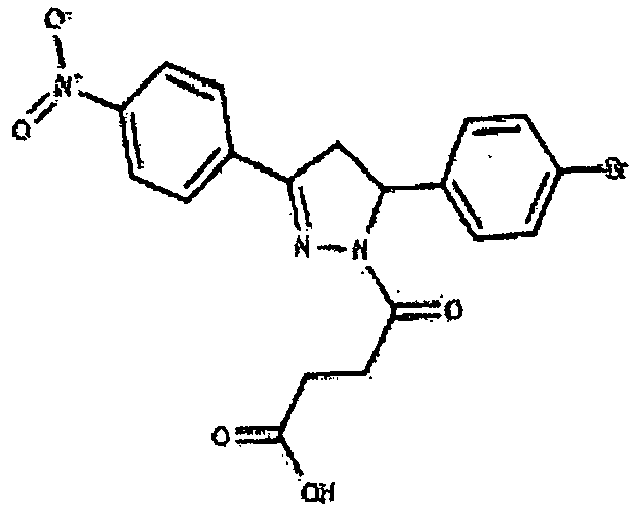
446,3 C19 H16 Br N3 O5 4-[5-(4-bromophenyl)-3-(4-nitrophenyl)-4,5-dihydro-1H-pyrazol-1-yl]-4-oxobutanoic acid 4 
368,7 C13 H12 Cl3 N O3 S 2,2,2-trichloro-N-(1,1-dioxido-2,3-dihydro-3-thienyl)-N-(4-methylphenyl)acetamide 5 
284,7 C16 H13 Cl N2 O 3-(3-chlorophenyl)-7-methyl-4-methylene-3,4-dihydro-2(1H)-quinazolinone 11 
385,2 C18 H13 Br N2 O3 3-[4-(3-bromobenzylidene)-3-methyl-5-oxo-4,5-dihydro-1H-pyrazol-1-yl]benzoic acid 18 
324,2 C11 H6 Br N3 O2 S N-2,1,3-benzothiadiazol-4-yl-5-bromo-2-furamide 20 
297,7 C13 H16 Cl N3 O3 1-acetyl-4-(2-chloro-4-nitrophenyl)-2-methylpiperazine 22 
292,3 C19 H16 O3 3-(3-methoxybenzylidene)-5-(4-methylphenyl)-2(3H)-furanone 23 
283,1 C13 H8 Cl2 O3 3-[5-(3,4-dichlorophenyl)-2-furyl]acrylic acid 24 
577,4 C26 H22 Cl2 N2 O7 S (2-chloro-4- {[5-(2-chlorophenyl)-6-(ethoxycarbonyl)-7-methyl-3-oxo-5H-[1,3]thiazolo[3,2-a]pyrimidin-2(3H)-ylidene]methyl} -6-methoxyphenoxy)acetic acid 25 
450,6 C23 H22 N4 O2 S2 4- {[4-(diphenylmethyl)-1-piperazinyl]sulfonyl}-2,1,3-benzothiadiazole 26 
334,4 C19 H14 N2 O2 S 4-[4-phenyl-5-(2-thienyl)-1H-imidazol-2-yl]-1,2-benzenediol 34 
426,5 C22 H22 N2 O5 S N-(3,4-dimethoxyphenyl)-4-[methyl(phenylsulfonyl)amino]benzamide 37 
366,4 C17 H13 F3 N2 O2 S 1-[(2-hydroxyphenyl)carbonothioyl]-3-phenyl-5-(trifluoromethyl)-4,5-dihydro-1H-pyrazol-5-ol 42 
355,4 C21 H25 N O4 2-methoxyethyl 4-[(4-tert-butylbenzoyl)amino]benzoate 44 
296,2 C14 H11 Cl2 N O2 N-(2,3-dichlorophenyl)-3-(5-methyl-2-furyl)acrylamide 47 
309,3 C16 H11 F4 N O N-(4-fluorophenyl)-3-[3-(trifluoromethyl)phenyl]acrylamide 54 
320,3 C19 H16 N2 O3 3-(2-furylmethyl)-2-(2-hydroxyphenyl)-2,3-dihydro-4(1H)-quinazolinone 55 
385,4 C19 H19 N3 O4 S N-(4-ethoxyphenyl)-2-{(5-(4-methoxyphenyl)-1,3,4-oxadiazol-2-yl]thio}acetamide 3 
410,4 C17 H9 F3 N2 O3 S2 5-(4-nitrobenzylidene)-2-thioxo-3-[3-(trifluoromethyl)phenyl]-1,3-thiazolidin-4-one 16 
330,2 C13 H9 Cl2 N O3 S (3,5-dichlorophenyl)[(phenylsulfonyl)carbonyl ]amine 21 
306,2 C14 H12 Br N O2 N-(2-bromophenyl)-3-(5-methyl-2-furyl)acrylamide 6 
364,1 C15 H10 Cl2 F3 N O2 2-(2-chlorophenoxy)-N-[2-chloro-5-(trifluoromethyl)phenyl]acetamide 12 
275,3 C15 H21 N3 O2 N-[4-(4-acetyl-1-piperazinyl)phenyl]propanamide 13 
233,3 C12 H15 N3 O2 8-[(dimethylamino)methyl]-9-hydroxy-2-methyl-4H-pyrido[1,2-a]pyrimidin-4-one 14 
434,6 C25 H26 N2 O3 S 4-tert-butyl-N-[1-{[(2-methoxyphenyl)amino]carbonyl}-2-(2-thienyl)vinyl]benzamide 46 
296,2 C14 H11 Cl2 N O2 2-chloro-N-(3-chloro-4-methoxyphenyl)benzamide 51 
374,5 C25 H30 N2 O 2,6-di-tert-butyl-4-(2,3-dihydro-1H-perimidin-2-yl)phenol 30 
383,3 C21 H16 Cl2 N2 O 3-benzyl-2-(2,6-dichlorophenyl)-2,3-dihydro-4(1H)-quinazolinone 33 
304,2 C16 H11 Cl2 N O 1-(3,4-dichlorobenzyl)-1H-indole-3-carbaldehyde 35 
354,5 C19 H22 N4 O S N-[5-(1-adamantyl)-1,3,4-thiadiazol-2-yl]-N'-phenylurea 49 
409,3 C17 H14 Cl2 N4 O2 S N-(3,4-dichlorophenyl)-N'-{5-[(4-methylphenoxy)methyl]-1,3,4-thiadiazol-2-yl}urea 53 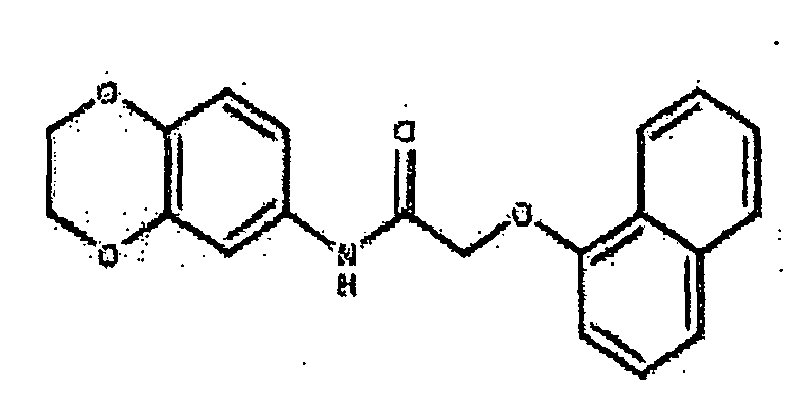
335,4 C20 H17 N O4 N-(2,3-dihydro-1,4-benzodioxin-6-yl)-2-(1-naphthyloxy)acetamide 10 
412,4 C21 H24 N4 O5 N-[4-(4-acetyl-1-piperazinyl)phenyl]-4-ethoxy-3-nitrobenzamide 27 
275,7 C15 H11 Cl F N O N-(2-chlorophenyl)-3-(4-fluorophenyl)acrylamide 40 
228,3 C9 H12 N2 O3 S 1-[(dimethyl-lambda~4~-sulfanylidene)amino]-2-methoxy-4-nitrobenzene 43 
326,7 C17 H11 Cl N2 O3 5-benzylidene-1-(2-chlorophenyl)-2,4,6(1H,3H,5H)-pyrimidinetrione 48 
212,3 C14 H16 N2 4-ethyl-5,6-dimethyl-2-phenylpyrimidine 50 
268,7 C16 H9 Cl O2 2-(3-chlorobenzylidene)-1H-indene-1,3(2H)-dione 1 
397,4 C23 H15 N3 O4 5-{5-[(3-methyl-5-oxo-1-phenyl-1,5-dihydro-4H-pyrazol-4-ylidene)methyl]-2-furyl}-1H-isoindole-1,3(2H)-dione 7 
281,4 C18 H19 N O2 N-(2,5-dimethylphenyl)-3-(4-methoxyphenyl)acrylamide 8 
225,2 C10 H15 N3 O3 2-({2-[(4-nitrophenyl)amino]ethyl}amino)ethanol 15 
285,3 C17 H19 N O3 N-(3-methoxyphenyl)-4-propoxybenzamide 17 
316,4 C20 H16 N2 O2 2-(4-hydroxyphenyl)-3-phenyl-2,3-dihydro-4(1H)-quinazolinone 19 
248,3 C13 H16 N2 O3 4-methyl-1-(2-nitrobenzoyl)piperidine 28 
306,3 C14 H14 N2 O4 S 2-hydroxy-N'-[(2-methylphenyl)sulfonyl]benzohydrazide 31 
221,3 C11 H11 N O2 S 4-(1,3-benzothiazol-2-yl)butanoic acid 39 
278,3 C17 H14 N2 O2 4-(3-methylbenzylidene)-1-phenyl-3,5-pyrazolidinedione 41 
368,3 C18 H19 Cl2 N O3 4-(2,4-dichlorophenoxy)-N-(2-ethoxyphenyl)butanamide 2 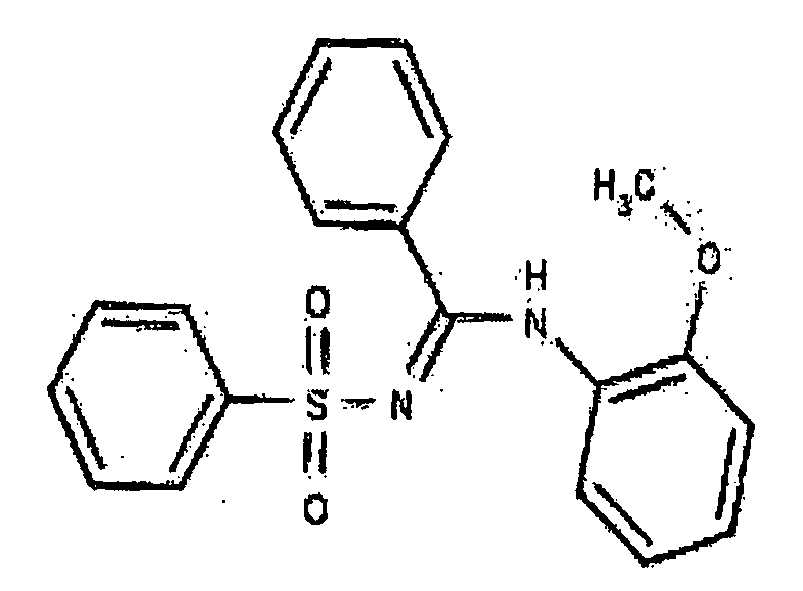
366,4 C20 H18 N2 O3 S N-(2-methoxyphenyl)-N'-(phenylsulfonyl)benzenecarboximidamide 9 
440,7 C17 H14 Cl I N2 O2 N-[2-(2-chloro-5-iodophenyl)-1,3-benzoxazol-5-yl]-2-methylpropanamide 32 
300,4 C18 H24 N2 O2 5-(4-butoxyphenyl)-3-cyclohexyl-1,2,4-oxadiazole 38 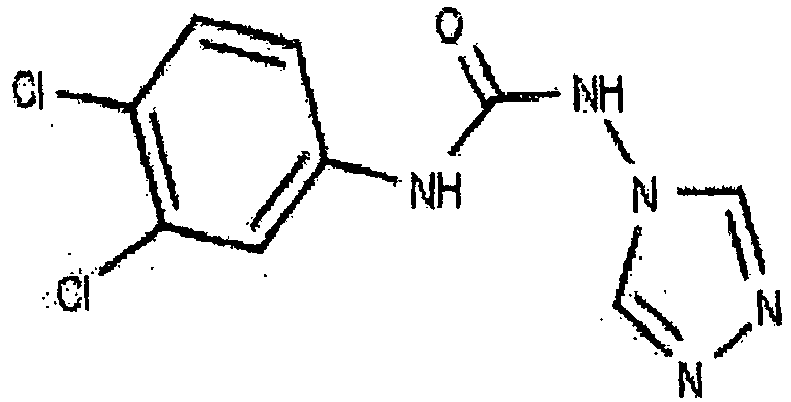
272,1 C9 H7 Cl2 N5 O N-(3,4-dichlorophenyl)-N'-4H-1,2,4-triazol-4-ylurea 52 
475,9 C27 H22 Cl N O5 6-chloro-4-phenyl-3-[3-(3,4,5-trimethoxyphenyl)acryloyl]-2(1H)-quinolinone 29 
520,4 C27 H22 Br N O5 6-bromo-4-phenyl-3-[3-(3,4,5-trimethoxyphenyl)acryloyl]-2(1H)-quinolinone 36 
261,2 C9 H7 N7 O3 N-(1H-1,2,3-benzotriazol-1-ylmethyl)-4-nitro-1,2,5-oxadiazol-3-amine 45 Table 2 Mol Name Compound N° Concentration µM Survival at 72 hours Resorption 4-[5-(4-bromophenyl)-3-(4-nitrophenyl)-4,5-dihydro-1H-pyrazol-1-yl]-4-oxobutanoic acid 4 100µM - - 2,2,2-trichloro-N-(1,1-dioxido-2,3-dihydro-3-thienyl)-N-(4-methylphenyl)acetamide 5 100µM - - 3-(3-chlorophenyl)-7-methyl-4-methylene-3,4-dihydro-2(1H)-quinazolinone 11 100µM - - 3-[4-(3-bromobenzylidene)-3-methyl-5-oxo-4,5-dihydro-1H-pyrazol-1-yl]benzoic acid 18 100µM - - N-2,1,3-benzothiadiazol-4-yl-5-bromo-2-fyramide 20 100µM - - 1-acetyl-4-(2-chloro-4-nitrophenyl)-2-methylpiperazine 22 100µM - - 3-(3-methoxybenzylidene)-5-(4-methylphenyl)-2(3H)-furanone 23 100µM - - 3-[5-(3,4-dichlorophenyl)-2-furyl]acrylic acid 24 100µM - - (2-chloro-4-{[5-(2-chlorophenyl)-6-(ethoxycarbonyl)-7-methyl-3-oxo-5H-[1,3]thiazolo[3,2-a]pyrimidin-2(3H)-ylidene]methyl}-6-methoxyphenoxy)acetic acid 25 25µM - - 4-{[4-(diphenylmethyl)-1-piperazinyl]sulfonyl}-2,1,3-benzothiadiazole 26 100µM - - 4-[4-phenyl-5-(2-thienyl)-1H-imidazol-2-yl]-1,2-benzenediol 34 10µM - - N-(3,4-dimethoxyphenyl)-4-[methyl(phenylsulfonyl)amino]benzamide 37 50µM - - 1-[(2-hydroxyphenyl)carbonothioyl]-3-phenyl-5-(trifluoromethyl)-4,5-dihydro-1H-pyrazol-5-0l 42 25µM - - 2-methoxyethyl 4-[(4-tert-butylbenzoyl)amino]benzoate 44 10µM - - N-(2,3-dichlorophenyl)-3-(5-methyl-2-furyl)acrylamide 47 100µM - - N-(4-fluorophenyl)-3-[3-(trifluoromethyl)phenyl]acrylamide 54 50µM - - 3-(2-furylmethyl)-2-(2-hydroxyphenyl)-2,3-dihydro-4(1H)-quinazolinone 55 100µM - - 2,6-di-tert-butyl-4-(2,3-dihydro-1H-perimidin-2-yl)phenol 30 100µM - +/- 3-benzyl-2-(2,6-dichlorophenyl)-2,3-dihydro-4(1H)-quinazolinone 33 100µM - +/- 1-(3,4-dichlorobenzyl)-1H-indole-3-carbaldehyde 35 50µM - +/- N-(4-ethoxyphenyl)-2- {[5-(4-methoxyphenyl)-1,3,4-oxadiazol-2-yl]thio}acetamide 3 100µM +/- - 5-(4-nitrobenzylidene)-2-thioxo-3-[3-(trifluoromethyl)phenyl]-1,3-thiazolidin-4-one 16 100µM +/- - (3,5-dichlorophenyl)[(phenylsulfonyl)carbonyl]amine 21 50µM +/- - N-(2-bromophenyl)-3-(5-methyl-2-furyl)acrylamide 6 25µM + - 2-(2-chlorophenoxy)-N-[2-chloro-5-(trifluoromethyl)phenyl]acetamide 12 100µM + - N-[4-(4-acetyl-1-piperazinyl)phenyl]propanamide 13 50µM + - 8-[(dimethylamino)methyl]-9-hydroxy-2-methyl-4H-pyrido[1,2-a]pyrimidin-4-one 14 100µM + - 4-tert-butyl-N-[1-{[(2-methoxyphenyl)amino]carbonyl}-2-(2-thienyl)vinyl]benzamide 46 100µM + - 2-chloro-N-(3-chloro-4-methoxyphenyl)benzamide 51 50µM + - N-[5-(1-adamantyl)-1,3,4-thiadiazol-2-yl]-N'-phenylurea 49 50µM +/- +/- N-(3,4-dichlorophenyl)-N'- {5-[(4-methylphenoxy)methyl]-1,3,4-thiadiazol-2-yl} urea 53 100µM +/- +/- N-(2,3-dihydro-1,4-benzodioxin-6-yl)-2-(1-naphthyloxy)acetamide 10 50µM + +/- N-[4-(4-acetyl-1-piperazinyl)phenyl]-4-ethoxy-3-nitrobenzamide 27 100µM + +/- N-(2-chlorophenyl)-3-(4-fluorophenyl)acrylamide 40 100µM + +/- 1-[(dimethyl-lambda∼4∼-sulfanylidene)amino]-2-methoxy-4-nitrobenzene 43 100µM + +/- 5-benzylidene-1-(2-chlorophenyl)-2,4,6(1H,3H,5H)-pyrimidinetrione 48 100µM + +/- 4-ethyl-5,6-dimethyl-2-phenylpyrimidine 50 100µM + +/- -
- <110> CNRS BLANGY, ANNE
- <120> NEW METHOD FOR IDENTIFYING COMPOUNDS USEFUL FOR TREATING AND/OR
PREVENTING DISEASE - ASSOCIATED BONE LOSS - <130> 355036
- <150>
EP08290783.3
<151> 2008-08-18 - <160> 10
- <170> PatentIn version 3.5
- <210> 1
<211> 1868
<212> PRT
<213> Mus musculus - <400> 1


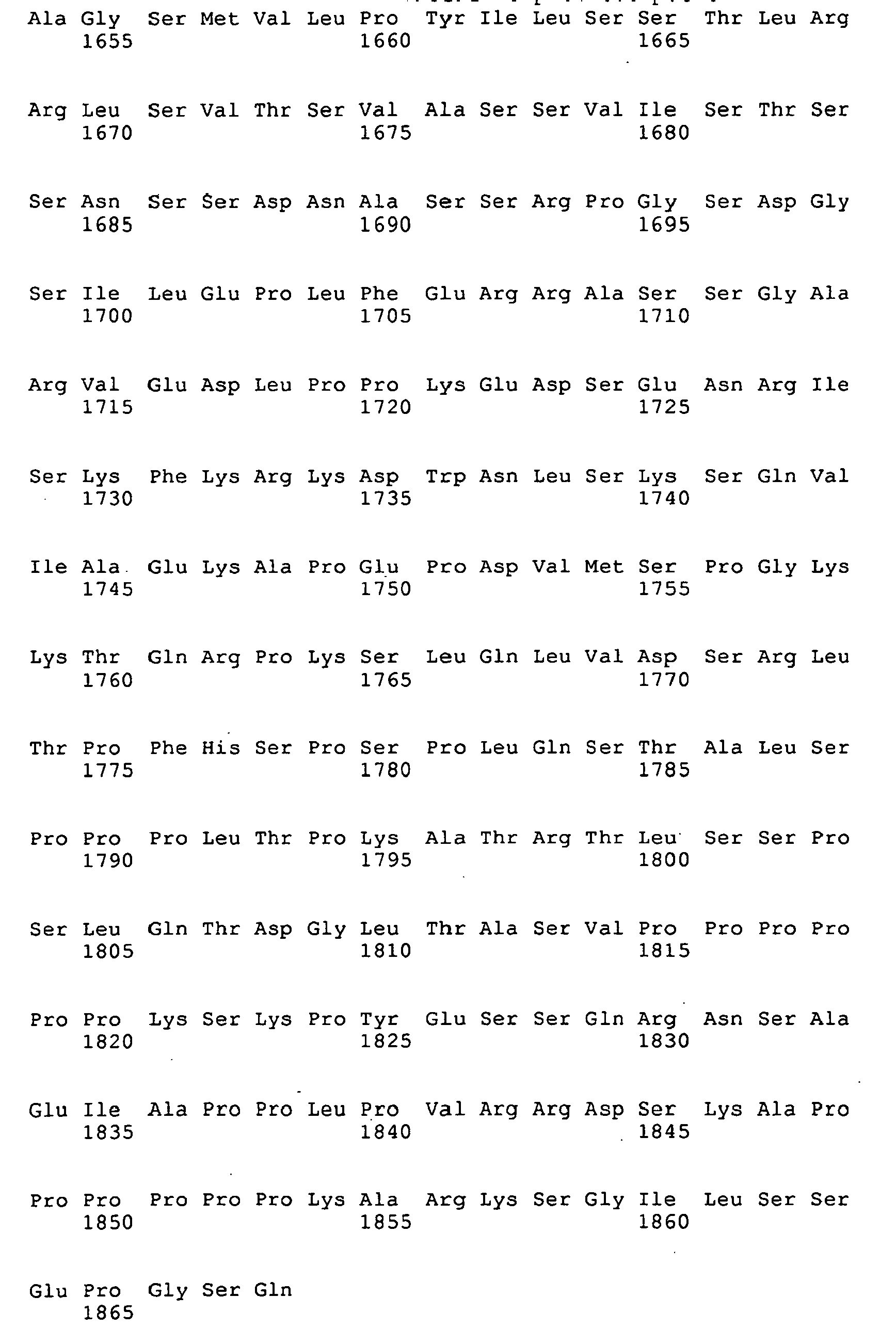
- <210> 2
<211> 192
<212> PRT
<213> Artificial Sequence - <220>
<223> Modified homo sapiens RAC protein - <400> 2

- <210> 3
<211> 553
<212> PRT
<213> Homo sapiens - <400> 3


- <210> 4
<211> 1870
<212> PRT
<213> Homo sapiens - <400> 4
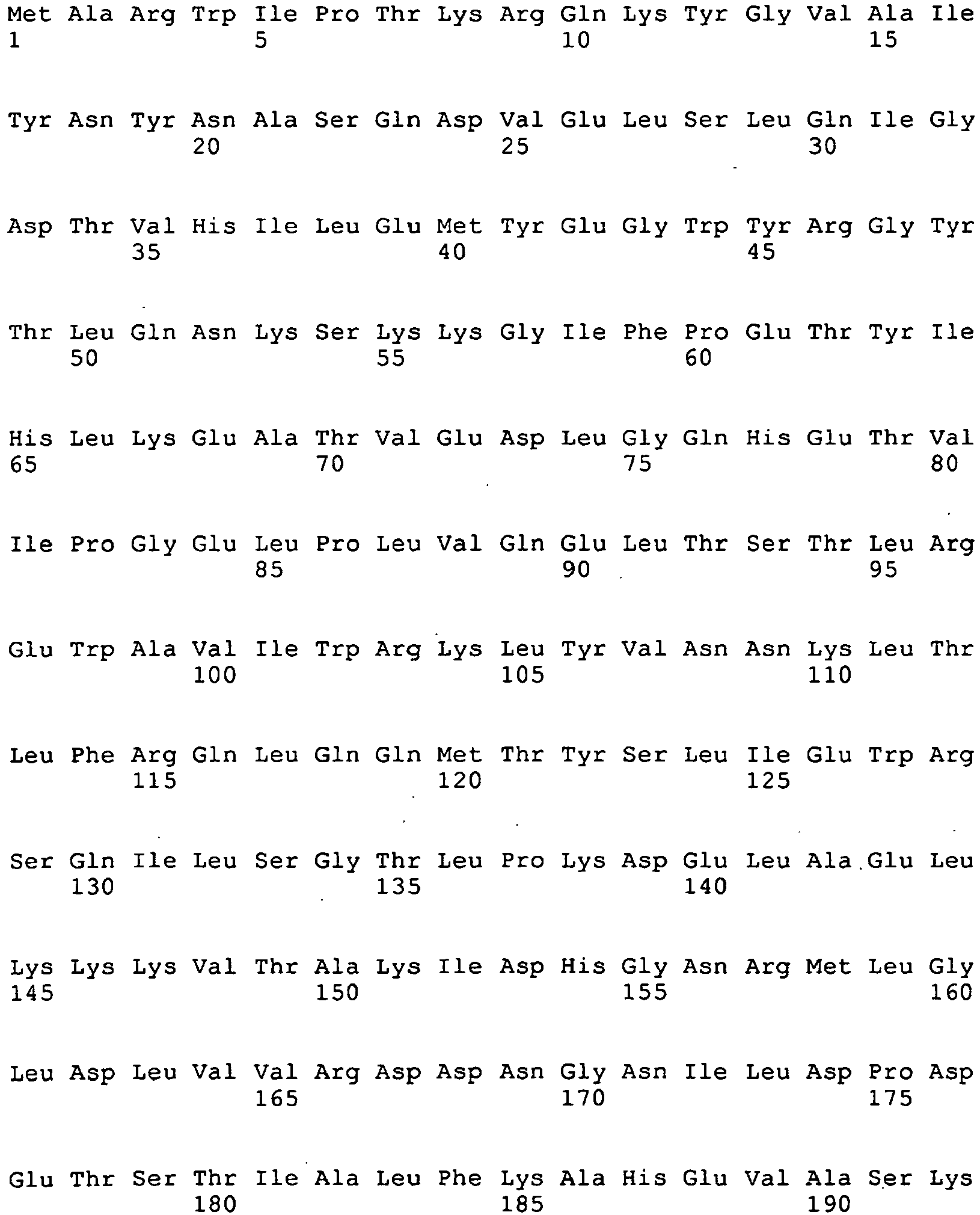


- <210> 5
<211> 20
<212> DNA
<213> artificial - <220>
<223> PCR primer - <400> 5
tggtgacaca gggacagtgg - <210> 6
<211> 19
<212> DNA
<213> Artificial Sequence - <220>
<223> PCR primer - <400> 6
caccccaact agcacgtgg 19 - <210> 7
<211> 21
<212> DNA
<213> Artificial Sequence - <220>
<223> PCR primer - <400> 7
acagtccatg ccatcactgc c 21 - <210> 8
<211> 20
<212> DNA
<213> Artificial Sequence - <220>
<223> PCR primer - <400> 8
gcctgcttca ccaccttctt 20 - <210> 9
<211> 727
<212> PRT
<213> Homo sapiens - <400> 9


- <210> 10
<211> 228333
<212> DNA
<213> Homo sapiens - <400> 10


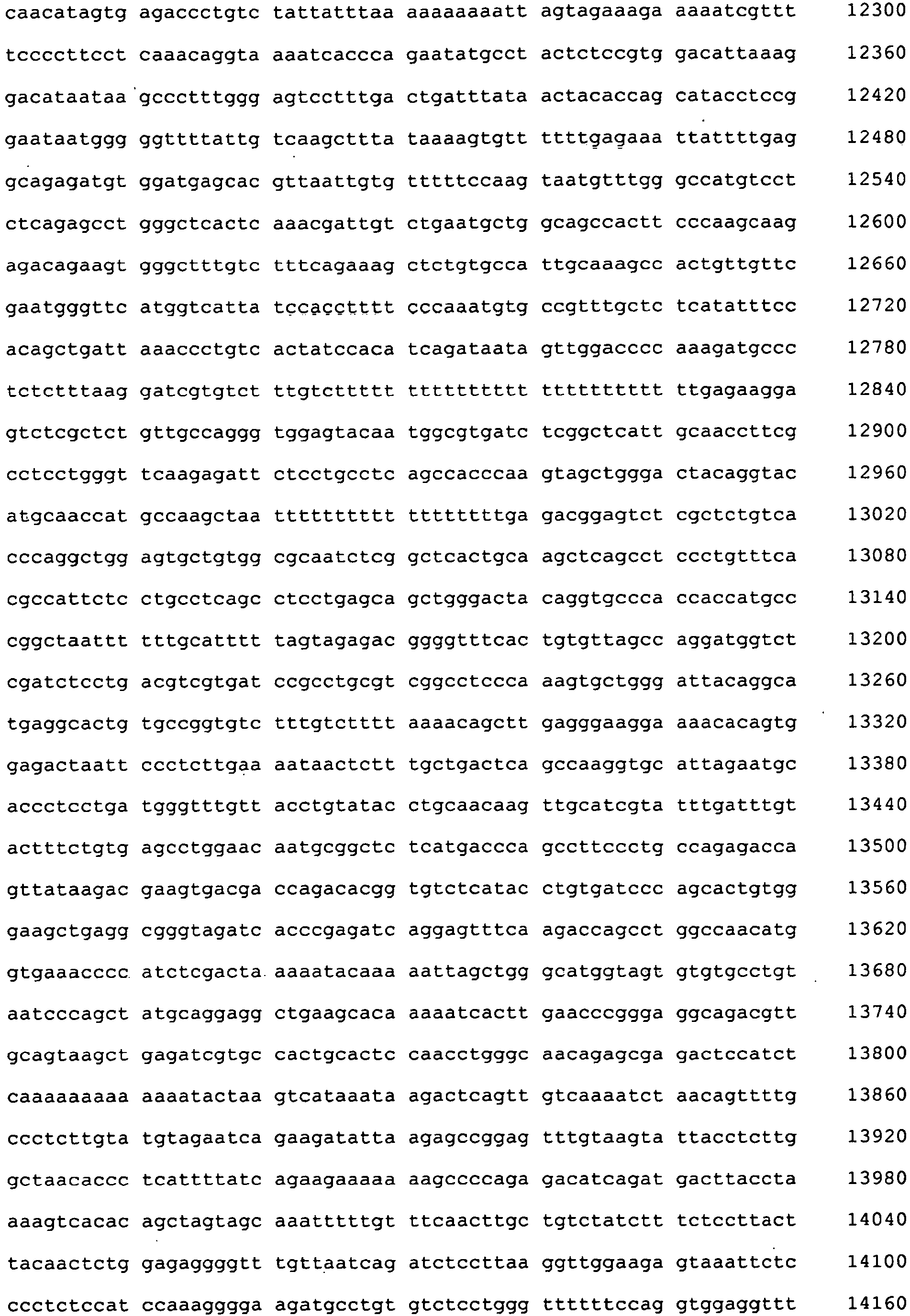
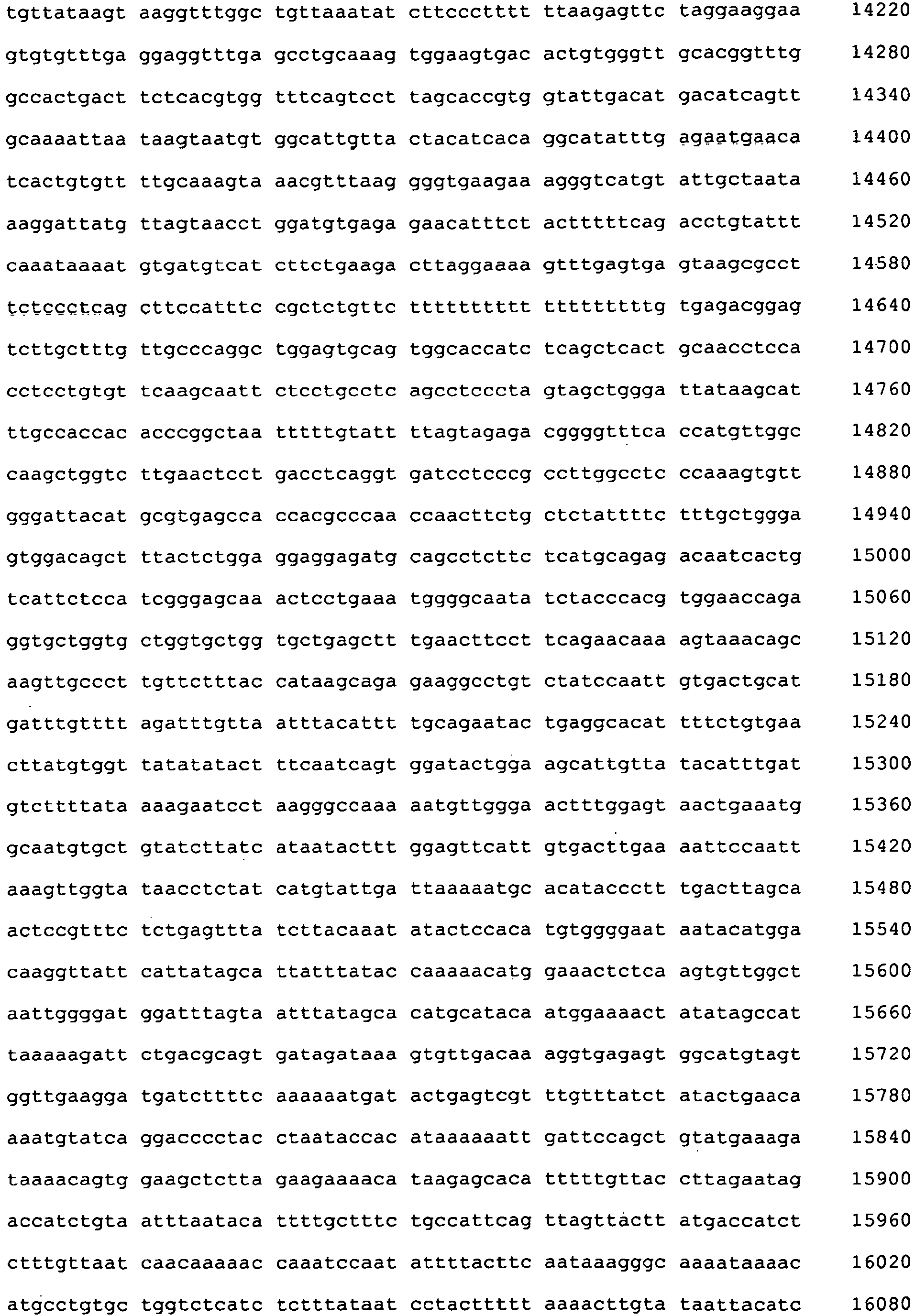












Claims (6)
- A compound chosen in the group consisting in:- 2,2,2-trichloro-N-(1,1-dioxido-2,3-dihydro-3-thienyl)-N-(4-methylphenyl)acetamide;- 4-[5-(4-bromophenyl)-3-(4-nitrophenyl)-4,5-dihydro-1H-pyrazol-1-yl]-4-oxobutanoic acid;- 3-(3-chlorophenyl)-7-methyl-4-methylene-3,4-dihydro-2(1H)-quinazolinone;- 3-[4-(3-bromobenzylidene)-3-methyl-5-oxo-4,5-dihydro-1H-pyrazol-1-yl]benzoic acid;- N-2,1,3-benzothiadiazol-4-yl-5-bromo-2-furamide;- 1-acetyl-4-(2-chloro-4-nitrophenyl)-2-methylpiperazine;- 3-(3-methoxybenzylidene)-5-(4-methylphenyl)-2(3H)-furanone;- 3-[5-(3,4-dichlorophenyl)-2-furyl]acrylic acid;- (2-chloro-4-{[5-(2-chlorophenyl)-6-(ethoxycarbonyl)-7-methyl-3-oxo-5H-[1,3]thiazolo[3,2-a]pyrimidin-2(3H)-ylidene]methyl}-6-methoxyphenoxy)acetic acid;- 4-{[4-(diphenylmethyl)-1-piperazinyl]sulfonyl}-2,1,3-benzothiadiazole;- 4-[4-phenyl-5-(2-thienyl)-1H-imidazol-2-yl]-1,2-benzenediol;- N-(3,4-dimethoxyphenyl)-4-[methyl(phenylsulfonyl)amino]benzamide;- 1-[(2-hydroxyphenyl)carbonothioyl]-3-phenyl-5-(trifluoromethyl)-4,5-dihydro-1H-pyrazol-5-ol;- 2-methoxyethyl 4-[(4-tert-butylbenzoyl)amino]benzoate;- N-(2,3-dichlorophenyl)-3-(5-methyl-2-furyl)acrylamide;- N-(4-fluorophenyl)-3-[3-(trifluoromethyl)phenyl]acrylamide;- 3-(2-furylmethyl)-2-(2-hydroxyphenyl)-2,3-dihydro-4(1H)-quinazolinone;- N-(4-ethoxyphenyl)-2-{[5-(4-methoxyphenyl)-1,3,4-oxadiazol-2-yl]thio}acetamide;- 5-(4-nitrobenzylidene)-2-thioxo-3-[3-(trifluoromethyl)phenyl]-1,3-thiazolidin-4-one;- (3,5-dichlorophenyl)[(phenylsulfonyl)carbonyl]amine;- N-(2-bromophenyl)-3-(5-methyl-2-furyl)acrylamide;- 2-(2-chlorophenoxy)-N-[2-chloro-5-(trifluoromethyl)phenyl]acetamide;- N-[4-(4-acetyl-1-piperazinyl)phenyl]propanamide;- 8-[(dimethylamino)methyl]-9-hydroxy-2-methyl-4H-pyrido[1,2-a]pyrimidin-4-one;- 4-tert-butyl-N-[1-{[(2-methoxyphenyl)amino]carbonyl}-2-(2-thienyl)vinyl]benzamide;- 2-chloro-N-(3-chloro-4-methoxyphenyl)benzamide;- 2,6-di-tert-butyl-4-(2,3-dihydro-1H-perimidin-2-yl)phenol;- 3-benzyl-2-(2,6-dichlorophenyl)-2,3-dihydro-4(1H)-quinazolinone;- 1-(3,4-dichlorobenzyl)-1H-indole-3-carbaldehyde;- N-[5-(1-adamantyl)-1,3,4-thiadiazol-2-yl]-N'-phenylurea;- N-(3,4-dichlorophenyl)-N'-{5-[(4-methylphenoxy)methyl]-1,3,4-thiadiazol-2-yl}urea;- N-(2,3-dihydro-1,4-benzodioxin-6-yl)-2-(1-naphthyloxy)acetamide;- N-[4-(4-acetyl-1-piperazinyl)phenyl]-4-ethoxy-3-nitrobenzamide;- N-(2-chlorophenyl)-3-(4-fluorophenyl)acrylamide;- 1-[(dimethyl-lambda-4--sutfanylidene)amino]-2-methoxy-4-nitrobenzene;- 5-benzylidene-1-(2-chlorophenyl)-2,4,6(1H,3H,5H)-pyrimidinetrione;- 4-ethyl-5,6-dimethyl-2-phenylpyrimidine;- 2-(3-chlorobenzylidene)-1H-indene-1,3(2H)-dione;- 5-{5-[(3-methyl-5-oxo-1-phenyl-1,5-dihydro-4H-pyrazol-4-ylidene)methyl]-2-furyl}-1H-isoindole-1,3(2H)-dione;- N-(2,5-dimethylphenyl)-3-(4-methoxyphenyl)acrylamide;- 2-({2-[(4-nitrophenyl)amino]ethyl}amino)ethanol;- N-(3-methoxyphenyl)-4-propoxybenzamide;- 2-(4-hydroxyphenyl)-3-phenyl-2,3-dihydro-4(1H)-quinazolinone;- 4-methyl-1-(2-nitrobenzoyl)piperidine;- 2-hydroxy-N'-[(2-methylphenyl)sulfonyl]benzohydrazide;- 4-(1,3-benzothiazol-2-yl)butanoic acid;- 4-(3-methylbenzylidene)-1-phenyl-3,5-pyrazolidinedione;- 4-(2,4-dichlorophenoxy)-N-(2-ethoxyphenyl)butanamide;- N-(2-methoxyphenyl)-N'-(phenylsulfonyl)benzenecarboximidamide;- N-[2-(2-chloro-5-iodophenyl)-1,3-benzoxazol-5-yl]-2-methylpropanamide;- 5-(4-butoxyphenyl)-3-cyclohexyl-1,2,4-oxadiazole;- N-(3,4-dichlorophenyl)-N'-4H-1,2,4-triazol-4-yl urea;- 6-chloro-4-phenyl-3-[3-(3,4,5-trimethoxyphenyl)acryloyl]-2(1 H)-quinolinone;- 6-bromo-4-phenyl-3-[3-(3,4,5-trimethoxyphenyl)acryloyl]-2(1H)-quinolinone; and- N-(1H-1,2,3-benzotriazol-1-ylmethyl)-4-nitro-1,2,5-oxadiazol-3-amine for use in the treatment and/or prevention of bone loss diseases in a subject in need thereof.
- A pharmaceutical composition comprising at least one compound chosen in the group consisting in:- 2,2,2-trichloro-N-(1,1-dioxido-2,3-dihydro-3-thienyl)-N-(4-methylphenyl)acetamide;- 4-[5-(4-bromophenyl)-3-(4-nitrophenyt)-4,5-dihydro-1H-pyrazol-1-yl]-4-oxobutanoic acid;- 3-(3-chlorophenyl)-7-methyl-4-methylene-3,4-dihydro-2(1H)-quinazolinone;- 3-[4-(3-bromobenzylidene)-3-methyl-5-oxo-4,5-dihydro-1H-pyrazol-1-yl]benzoic acid;- N-2,1,3-benzothiadiazol-4-yl-5-bromo-2-furamide;- 1-acetyl-4-(2-chloro-4-nitrophenyl)-2-methylpiperazine;- 3-(3-methoxybenzylidene)-5-(4-methylphenyl)-2(3H)-furanone;- 3-[5-(3,4-dichlorophenyl)-2-furyl]acrylic acid;- (2-chloro-4-{[5-(2-chlorophenyl)-6-(ethoxycarbonyl)-7-methyl-3-oxo-5H-[1,3]thiazolo[3,2-a]pyrimidin-2(3H)-ylidene]methyl}-6-methoxyphenoxy)acetic acid;- 4-{[4-(diphenylmethyl)-1-piperazinyl]sulfonyl}-2,1,3-benzothiadiazole;- 4-[4-phenyl-5-(2-thienyl)-1H-imidazol-2-yl]-1,2-benzenediol;- N-(3,4-dimethoxyphenyl)-4-[methyl(phenylsulfonyl)amino]benzamide;- 1-[(2-hydroxyphenyl)carbonothioyl]-3-phenyl-5-(trifluoromethyl)-4,5-dihydro-1H-pyrazol-5-ol;- 2-methoxyethyl 4-[(4-tert-butylbenzoyl)amino]benzoate;- N-(2,3-dichlorophenyl)-3-(5-methyl-2-furyl)acrylamide;- N-(4-fluorophenyl)-3-[3-(trifluoromethyl)phenyl]acrylamide;- 3-(2-furylmethyl)-2-(2-hydroxyphenyl)-2,3-dihydro-4(1H)-quinazolinone;- N-(4-ethoxyphenyl)-2-{[5-(4-methoxyphenyl)-1,3,4-oxadiazol-2-yl]thio}acetamide;- 5-(4-nitrobenzylidene)-2-thioxo-3-[3-(trifluoromethyl)phenyl]-1,3-thiazolidin-4-one;- (3,5-dichlorophenyl)[(phenylsulfonyl)carbonyl]amine;- N-(2-bromophenyl)-3-(5-methyl-2-furyl)acrylamide;- 2-(2-chlorophenoxy)-N-[2-chloro-5-(trifluoromethyl)phenyl]acetamide;- N-[4-(4-acetyl-1-piperazinyl)phenyl]propanamide;- 8-[(dimethylamino)methyl]-9-hydroxy-2-methyl-4H-pyrido[1,2-a]pyrimidin-4-one;- 4-tert-butyl-N-[1-{[(2-methoxyphenyl)amino]carbonyl}-2-(2-thienyl)vinyl]benzamide;- 2-chloro-N-(3-chloro-4-methoxyphenyl)benzamide;- 2,6-di-tert-butyl-4-(2,3-dihydro-1H-perimidin-2-yl)phenol;- 3-benzyl-2-(2,6-dichlorophenyl)-2,3-dihydro-4(1H)-quinazolinone;- 1-(3,4-dichlorobenzyl)-1H-indole-3-carbaldehyde;- N-[5-(1-adamantyl)-1,3,4-thiadiazol-2-yl]-N'-phenylurea;- N-(3,4-dichlorophenyl)-N'-{5-[(4-methylphenoxy)methyl]-1,3,4-thiadiazol-2-yl}urea;- N-(2,3-dihydro-1,4-benzodioxin-6-yl)-2-(1-naphthyloxy)acetamide;- N-[4-(4-acetyl-1-piperazinyt)phenyl]-4-ethoxy-3-nitrobenzamide;- N-(2-chlorophenyl)-3-(4-ftuorophenyl)acrylamide;- 1-[(dimethyl-lambda∼4∼-sulfanylidene)amino]-2-methoxy-4-nitrobenzene;- 5-benzylidene-1-(2-chlorophenyl)-2,4,6(1H,3H,5H)-pyrimidinetrione;- 4-ethyl-5,6-dimethyl-2-phenylpyrimidine;- 2-(3-chlorobenzylidene)-1H-indene-1,3(2H)-dione;- 5-{5-[(3-methyl-5-oxo-1-phenyl-1,5-dihydro-4H-pyrazol-4-ytidene)methyl]-2-furyl}-1 H-isoindole-1,3(2H)-dione;- N-(2,5-dimethylphenyl)-3-(4-methoxyphenyl)acrylamide;- 2-({2-[(4-nitrophenyl)amino]ethyl}amino)ethanol;- N-(3-methoxyphenyl)-4-propoxybenzamide;- 2-(4-hydroxyphenyl)-3-phenyl-2,3-dihydro-4(1H)-quinazolinone;- 4-methyl-1-(2-nitrobenzoyl)piperidine;- 2-hydroxy-N'-[(2-methylphenyl)sulfonyl]benzohydrazide;- 4-(1,3-benzothiazol-2-yl)butanoic acid;- 4-(3-methylbenzylidene)-1-phenyl-3,5-pyrazolidinedione;- 4-(2,4-dichlorophenoxy)-N-(2-ethoxyphenyl)butanamide;- N-(2-methoxyphenyl)-N'-(phenylsulfonyl)benzenecarboximidamide;- N-[2-(2-chloro-5-iodophenyl)-1,3-benzoxazol-5-yl]-2-methylpropanamide;- 5-(4-butoxyphenyl)-3-cyclohexyl-1,2,4-oxadiazole;- N-(3,4-dichlorophenyl)-N'-4H-1,2,4-triazol-4-yl urea;- 6-chloro-4-phenyl-3-[3-(3,4,5-trimethoxyphenyl)acryloyl]-2(1 H)-quinolinone;- 6-bromo-4-phenyl-3-[3-(3,4,5-trimethoxyphenyl)acryloyl]-2(1H)-quinolinone; and- N-(1H-1,2,3-benzotriazol-1-ylmethyl)-4-nitro-1,2,5-oxadiazol-3-amine and, optionally, a pharmaceutically acceptable support, for use in the treatment and/or prevention of bone loss diseases in a subject in need thereof.
- Compound or composition for use according to any of claims 1 or 2, wherein the bone loss diseases is chosen in the group consisting of: osteoporosis, osteopenia due to bone metastases, periarticular erosions in rheumatoid arthritis, primary hyperparathyroidism, hypercalcemia of malignancy, Paget's disease of bone, periodontal disease, immobilization induced osteopenia and glucocorticoid treatment.
- Compound or composition for use according to claim 3, wherein the bone loss disease is osteoporosis.
- Compound or composition for use according to any of claims 1 to 4, wherein said compound is administered at a concentration of between 5 and 200µM.
- Compound or composition for use according to claim 5, wherein said compound is administered at a concentration of between 10 and 100µM.
Priority Applications (1)
| Application Number | Priority Date | Filing Date | Title |
|---|---|---|---|
| EP13185618.9A EP2716285B9 (en) | 2008-08-18 | 2009-08-18 | Compounds for treating and/or preventing diseases associated with bone loss |
Applications Claiming Priority (3)
| Application Number | Priority Date | Filing Date | Title |
|---|---|---|---|
| EP08290783A EP2157433A1 (en) | 2008-08-18 | 2008-08-18 | New method for identifying compounds useful for treating and/or preventing diseases associated with bone loss |
| EP09781968.4A EP2331967B1 (en) | 2008-08-18 | 2009-08-18 | New method for identifying compounds useful for treating and/or preventing diseases associated with bone loss |
| EP13185618.9A EP2716285B9 (en) | 2008-08-18 | 2009-08-18 | Compounds for treating and/or preventing diseases associated with bone loss |
Related Parent Applications (3)
| Application Number | Title | Priority Date | Filing Date |
|---|---|---|---|
| EP09781968.4A Division EP2331967B1 (en) | 2008-08-18 | 2009-08-18 | New method for identifying compounds useful for treating and/or preventing diseases associated with bone loss |
| EP09781968.4A Division-Into EP2331967B1 (en) | 2008-08-18 | 2009-08-18 | New method for identifying compounds useful for treating and/or preventing diseases associated with bone loss |
| PCT/EP2009/060691 Previously-Filed-Application WO2010020647A2 (en) | 2008-08-18 | 2009-08-18 | New method for identifying compounds useful for treating and/or preventing disease-associated bone loss |
Publications (4)
| Publication Number | Publication Date |
|---|---|
| EP2716285A2 EP2716285A2 (en) | 2014-04-09 |
| EP2716285A3 EP2716285A3 (en) | 2014-09-03 |
| EP2716285B1 EP2716285B1 (en) | 2016-04-27 |
| EP2716285B9 true EP2716285B9 (en) | 2017-03-01 |
Family
ID=39817020
Family Applications (3)
| Application Number | Title | Priority Date | Filing Date |
|---|---|---|---|
| EP08290783A Withdrawn EP2157433A1 (en) | 2008-08-18 | 2008-08-18 | New method for identifying compounds useful for treating and/or preventing diseases associated with bone loss |
| EP09781968.4A Not-in-force EP2331967B1 (en) | 2008-08-18 | 2009-08-18 | New method for identifying compounds useful for treating and/or preventing diseases associated with bone loss |
| EP13185618.9A Not-in-force EP2716285B9 (en) | 2008-08-18 | 2009-08-18 | Compounds for treating and/or preventing diseases associated with bone loss |
Family Applications Before (2)
| Application Number | Title | Priority Date | Filing Date |
|---|---|---|---|
| EP08290783A Withdrawn EP2157433A1 (en) | 2008-08-18 | 2008-08-18 | New method for identifying compounds useful for treating and/or preventing diseases associated with bone loss |
| EP09781968.4A Not-in-force EP2331967B1 (en) | 2008-08-18 | 2009-08-18 | New method for identifying compounds useful for treating and/or preventing diseases associated with bone loss |
Country Status (5)
| Country | Link |
|---|---|
| US (1) | US9091678B2 (en) |
| EP (3) | EP2157433A1 (en) |
| JP (1) | JP5539356B2 (en) |
| CA (1) | CA2734678C (en) |
| WO (1) | WO2010020647A2 (en) |
Families Citing this family (6)
| Publication number | Priority date | Publication date | Assignee | Title |
|---|---|---|---|---|
| WO2012075393A2 (en) * | 2010-12-02 | 2012-06-07 | President And Fellows Of Harvard College | Activators of proteasomal degradation and uses thereof |
| JP6016788B2 (en) * | 2011-05-16 | 2016-10-26 | 国立大学法人九州大学 | Low molecular weight compound controlling Rac activation by DOCK-A subfamily molecule and use thereof |
| EP3227292B1 (en) | 2014-12-02 | 2022-03-09 | Alterity Therapeutics Limited | 4H-PYRIDO[1,2-a]PYRIMIDIN-4-ONE COMPOUNDS |
| EP3553061A1 (en) | 2018-04-12 | 2019-10-16 | Centre National De La Recherche Scientifique (Cnrs) | New inhibitors of bone resorption |
| EP3908268A1 (en) * | 2019-01-09 | 2021-11-17 | Yeda Research and Development Co. Ltd | Modulators of pin1 activity and uses thereof |
| WO2025024605A1 (en) * | 2023-07-25 | 2025-01-30 | University Of Florida Research Foundation, Incorporated | Rev-erb antagonists |
Family Cites Families (3)
| Publication number | Priority date | Publication date | Assignee | Title |
|---|---|---|---|---|
| FR2862983B1 (en) | 2003-11-28 | 2006-04-07 | Centre Nat Rech Scient | SCREENING MEANS FOR IDENTIFICATION OF REGULATORS OF GTPASE ACTIVITY |
| JP3886983B2 (en) * | 2004-04-23 | 2007-02-28 | 独立行政法人科学技術振興機構 | Functional domain and associated molecule of DOCK2 essential for lymphocyte migration |
| EP2367798B1 (en) * | 2008-11-20 | 2018-02-28 | Northwestern University | Pyrazolone derivatives useful in the treatment of amyotrophic lateral sclerosis |
-
2008
- 2008-08-18 EP EP08290783A patent/EP2157433A1/en not_active Withdrawn
-
2009
- 2009-08-18 WO PCT/EP2009/060691 patent/WO2010020647A2/en not_active Ceased
- 2009-08-18 EP EP09781968.4A patent/EP2331967B1/en not_active Not-in-force
- 2009-08-18 EP EP13185618.9A patent/EP2716285B9/en not_active Not-in-force
- 2009-08-18 JP JP2011523415A patent/JP5539356B2/en not_active Expired - Fee Related
- 2009-08-18 CA CA2734678A patent/CA2734678C/en not_active Expired - Fee Related
- 2009-08-18 US US13/059,446 patent/US9091678B2/en not_active Expired - Fee Related
Also Published As
| Publication number | Publication date |
|---|---|
| EP2716285A2 (en) | 2014-04-09 |
| CA2734678A1 (en) | 2010-02-25 |
| WO2010020647A2 (en) | 2010-02-25 |
| EP2716285B1 (en) | 2016-04-27 |
| WO2010020647A3 (en) | 2010-05-20 |
| US9091678B2 (en) | 2015-07-28 |
| US20110212974A1 (en) | 2011-09-01 |
| CA2734678C (en) | 2018-07-24 |
| JP2012500393A (en) | 2012-01-05 |
| EP2716285A3 (en) | 2014-09-03 |
| EP2331967A2 (en) | 2011-06-15 |
| JP5539356B2 (en) | 2014-07-02 |
| EP2157433A1 (en) | 2010-02-24 |
| EP2331967B1 (en) | 2015-11-04 |
Similar Documents
| Publication | Publication Date | Title |
|---|---|---|
| EP2716285B1 (en) | Compounds for treating and/or preventing diseases associated with bone loss | |
| Ruan et al. | Axl is essential for VEGF-A-dependent activation of PI3K/Akt | |
| Gil-Henn et al. | Defective microtubule-dependent podosome organization in osteoclasts leads to increased bone density in Pyk2−/− mice | |
| Lee et al. | Peroxisomal protein PEX13 functions in selective autophagy | |
| AU2016396401B2 (en) | In vitro method for identifying thoracic aortic aneurysms (TAA) in a subject | |
| JP2008529502A (en) | Methods and compositions for extending cell and organism life and increasing stress tolerance | |
| Serfass et al. | Endophilin B2 facilitates endosome maturation in response to growth factor stimulation, autophagy induction, and influenza A virus infection | |
| JP2015038122A (en) | Anti-angiogenic small molecules and methods of use | |
| US20210322404A1 (en) | Fgfr regulation for the treatment of viral infections | |
| Kakihana et al. | Heat shock‐induced mitotic arrest requires heat shock protein 105 for the activation of spindle assembly checkpoint | |
| Rifki et al. | RalGDS-dependent cardiomyocyte autophagy is required for load-induced ventricular hypertrophy | |
| US20070293579A1 (en) | Use of carp inhibitors for the treatment of heart diseases | |
| CA2535585A1 (en) | Pharmaceutical composition for preventing or remedying cardiac hypertrophy and cardiocascular disease caused thereby | |
| Zou et al. | Paxillin contracts the osteoclast cytoskeleton | |
| US20120046329A1 (en) | Modulators of nod1 and nod2 signaling, methods of identifying modulators of nod1 and nod2 signaling, and uses thereof | |
| US20090169540A1 (en) | Use Of An Antagonist Of Epac For Treating Human Cardiac Hypertrophy | |
| Romanov et al. | p21Waf1 is required for complete oncogenic transformation of mouse embryo fibroblasts by E1Aad5 and c-Ha-ras oncogenes | |
| Zhang et al. | QRICH1 regulates ATF6 transcription to affect pathological cardiac hypertrophy progression | |
| Zhou et al. | The cerebral cavernous malformation pathway controls embryonic endocardial gene expression through regulation of MEKK3 signaling and KLF expression | |
| Shen et al. | PPARγ contributes to cardioprotection against heat stroke through ABCC5-dependent lipid metabolism | |
| US20240000885A1 (en) | Compositions and methods for targeting the interaction of host myo5b+d and coronavirus m proteins | |
| JP2024171339A (en) | Pharmaceutical composition for regenerating cardiac muscle | |
| Green | AMP-activated protein kinase (AMPK) activation for the treatment of mitochondrial disease | |
| Margaria | Cardiac gene therapy with phosphodiesterase PDE4B in a mouse model of heart failure | |
| Bodemann | Ral G-Proteins and the Exocyst Complex are Mediators of the Cellular Response to Nutrients |
Legal Events
| Date | Code | Title | Description |
|---|---|---|---|
| PUAI | Public reference made under article 153(3) epc to a published international application that has entered the european phase |
Free format text: ORIGINAL CODE: 0009012 |
|
| AC | Divisional application: reference to earlier application |
Ref document number: 2331967 Country of ref document: EP Kind code of ref document: P |
|
| AK | Designated contracting states |
Kind code of ref document: A2 Designated state(s): AT BE BG CH CY CZ DE DK EE ES FI FR GB GR HR HU IE IS IT LI LT LU LV MC MK MT NL NO PL PT RO SE SI SK SM TR |
|
| PUAL | Search report despatched |
Free format text: ORIGINAL CODE: 0009013 |
|
| AK | Designated contracting states |
Kind code of ref document: A3 Designated state(s): AT BE BG CH CY CZ DE DK EE ES FI FR GB GR HR HU IE IS IT LI LT LU LV MC MK MT NL NO PL PT RO SE SI SK SM TR |
|
| RIC1 | Information provided on ipc code assigned before grant |
Ipc: A61K 31/433 20060101ALI20140729BHEP Ipc: A61P 19/08 20060101ALI20140729BHEP Ipc: A61K 31/517 20060101ALI20140729BHEP Ipc: A61P 19/10 20060101ALI20140729BHEP Ipc: A61K 31/18 20060101AFI20140729BHEP Ipc: A61K 31/341 20060101ALI20140729BHEP Ipc: A61K 31/495 20060101ALI20140729BHEP Ipc: A61K 31/415 20060101ALI20140729BHEP Ipc: A61K 31/4178 20060101ALI20140729BHEP Ipc: A61K 31/519 20060101ALI20140729BHEP Ipc: A61P 19/00 20060101ALI20140729BHEP Ipc: A61K 31/381 20060101ALI20140729BHEP Ipc: A61K 31/4152 20060101ALI20140729BHEP |
|
| REG | Reference to a national code |
Ref country code: DE Ref legal event code: R079 Ref document number: 602009038304 Country of ref document: DE Free format text: PREVIOUS MAIN CLASS: A61K0031000000 Ipc: A61K0031180000 |
|
| RIC1 | Information provided on ipc code assigned before grant |
Ipc: A61P 19/08 20060101ALI20140916BHEP Ipc: A61P 19/10 20060101ALI20140916BHEP Ipc: A61K 31/519 20060101ALI20140916BHEP Ipc: A61P 19/00 20060101ALI20140916BHEP Ipc: A61K 31/415 20060101ALI20140916BHEP Ipc: A61K 31/433 20060101ALI20140916BHEP Ipc: A61K 31/517 20060101ALI20140916BHEP Ipc: A61K 31/18 20060101AFI20140916BHEP Ipc: A61K 31/4152 20060101ALI20140916BHEP Ipc: A61K 31/495 20060101ALI20140916BHEP Ipc: A61K 31/4178 20060101ALI20140916BHEP Ipc: A61K 31/341 20060101ALI20140916BHEP Ipc: A61K 31/381 20060101ALI20140916BHEP |
|
| 17P | Request for examination filed |
Effective date: 20150303 |
|
| RBV | Designated contracting states (corrected) |
Designated state(s): AT BE BG CH CY CZ DE DK EE ES FI FR GB GR HR HU IE IS IT LI LT LU LV MC MK MT NL NO PL PT RO SE SI SK SM TR |
|
| 17Q | First examination report despatched |
Effective date: 20150622 |
|
| GRAP | Despatch of communication of intention to grant a patent |
Free format text: ORIGINAL CODE: EPIDOSNIGR1 |
|
| INTG | Intention to grant announced |
Effective date: 20151209 |
|
| RIN1 | Information on inventor provided before grant (corrected) |
Inventor name: BLANGY, ANNE |
|
| GRAS | Grant fee paid |
Free format text: ORIGINAL CODE: EPIDOSNIGR3 |
|
| GRAA | (expected) grant |
Free format text: ORIGINAL CODE: 0009210 |
|
| AC | Divisional application: reference to earlier application |
Ref document number: 2331967 Country of ref document: EP Kind code of ref document: P |
|
| AK | Designated contracting states |
Kind code of ref document: B1 Designated state(s): AT BE BG CH CY CZ DE DK EE ES FI FR GB GR HR HU IE IS IT LI LT LU LV MC MK MT NL NO PL PT RO SE SI SK SM TR |
|
| REG | Reference to a national code |
Ref country code: GB Ref legal event code: FG4D |
|
| REG | Reference to a national code |
Ref country code: CH Ref legal event code: EP |
|
| REG | Reference to a national code |
Ref country code: AT Ref legal event code: REF Ref document number: 793985 Country of ref document: AT Kind code of ref document: T Effective date: 20160515 |
|
| REG | Reference to a national code |
Ref country code: IE Ref legal event code: FG4D |
|
| REG | Reference to a national code |
Ref country code: DE Ref legal event code: R096 Ref document number: 602009038304 Country of ref document: DE |
|
| REG | Reference to a national code |
Ref country code: CH Ref legal event code: NV Representative=s name: MICHELI AND CIE SA, CH |
|
| REG | Reference to a national code |
Ref country code: LT Ref legal event code: MG4D |
|
| REG | Reference to a national code |
Ref country code: FR Ref legal event code: PLFP Year of fee payment: 8 |
|
| REG | Reference to a national code |
Ref country code: NL Ref legal event code: MP Effective date: 20160427 |
|
| REG | Reference to a national code |
Ref country code: AT Ref legal event code: MK05 Ref document number: 793985 Country of ref document: AT Kind code of ref document: T Effective date: 20160427 |
|
| PG25 | Lapsed in a contracting state [announced via postgrant information from national office to epo] |
Ref country code: NL Free format text: LAPSE BECAUSE OF FAILURE TO SUBMIT A TRANSLATION OF THE DESCRIPTION OR TO PAY THE FEE WITHIN THE PRESCRIBED TIME-LIMIT Effective date: 20160427 |
|
| PG25 | Lapsed in a contracting state [announced via postgrant information from national office to epo] |
Ref country code: PL Free format text: LAPSE BECAUSE OF FAILURE TO SUBMIT A TRANSLATION OF THE DESCRIPTION OR TO PAY THE FEE WITHIN THE PRESCRIBED TIME-LIMIT Effective date: 20160427 Ref country code: FI Free format text: LAPSE BECAUSE OF FAILURE TO SUBMIT A TRANSLATION OF THE DESCRIPTION OR TO PAY THE FEE WITHIN THE PRESCRIBED TIME-LIMIT Effective date: 20160427 Ref country code: LT Free format text: LAPSE BECAUSE OF FAILURE TO SUBMIT A TRANSLATION OF THE DESCRIPTION OR TO PAY THE FEE WITHIN THE PRESCRIBED TIME-LIMIT Effective date: 20160427 Ref country code: NO Free format text: LAPSE BECAUSE OF FAILURE TO SUBMIT A TRANSLATION OF THE DESCRIPTION OR TO PAY THE FEE WITHIN THE PRESCRIBED TIME-LIMIT Effective date: 20160727 |
|
| PG25 | Lapsed in a contracting state [announced via postgrant information from national office to epo] |
Ref country code: HR Free format text: LAPSE BECAUSE OF FAILURE TO SUBMIT A TRANSLATION OF THE DESCRIPTION OR TO PAY THE FEE WITHIN THE PRESCRIBED TIME-LIMIT Effective date: 20160427 Ref country code: LV Free format text: LAPSE BECAUSE OF FAILURE TO SUBMIT A TRANSLATION OF THE DESCRIPTION OR TO PAY THE FEE WITHIN THE PRESCRIBED TIME-LIMIT Effective date: 20160427 Ref country code: ES Free format text: LAPSE BECAUSE OF FAILURE TO SUBMIT A TRANSLATION OF THE DESCRIPTION OR TO PAY THE FEE WITHIN THE PRESCRIBED TIME-LIMIT Effective date: 20160427 Ref country code: GR Free format text: LAPSE BECAUSE OF FAILURE TO SUBMIT A TRANSLATION OF THE DESCRIPTION OR TO PAY THE FEE WITHIN THE PRESCRIBED TIME-LIMIT Effective date: 20160728 Ref country code: AT Free format text: LAPSE BECAUSE OF FAILURE TO SUBMIT A TRANSLATION OF THE DESCRIPTION OR TO PAY THE FEE WITHIN THE PRESCRIBED TIME-LIMIT Effective date: 20160427 Ref country code: PT Free format text: LAPSE BECAUSE OF FAILURE TO SUBMIT A TRANSLATION OF THE DESCRIPTION OR TO PAY THE FEE WITHIN THE PRESCRIBED TIME-LIMIT Effective date: 20160829 Ref country code: SE Free format text: LAPSE BECAUSE OF FAILURE TO SUBMIT A TRANSLATION OF THE DESCRIPTION OR TO PAY THE FEE WITHIN THE PRESCRIBED TIME-LIMIT Effective date: 20160427 |
|
| PG25 | Lapsed in a contracting state [announced via postgrant information from national office to epo] |
Ref country code: IT Free format text: LAPSE BECAUSE OF FAILURE TO SUBMIT A TRANSLATION OF THE DESCRIPTION OR TO PAY THE FEE WITHIN THE PRESCRIBED TIME-LIMIT Effective date: 20160427 Ref country code: BE Free format text: LAPSE BECAUSE OF FAILURE TO SUBMIT A TRANSLATION OF THE DESCRIPTION OR TO PAY THE FEE WITHIN THE PRESCRIBED TIME-LIMIT Effective date: 20160427 |
|
| REG | Reference to a national code |
Ref country code: DE Ref legal event code: R097 Ref document number: 602009038304 Country of ref document: DE |
|
| PG25 | Lapsed in a contracting state [announced via postgrant information from national office to epo] |
Ref country code: CZ Free format text: LAPSE BECAUSE OF FAILURE TO SUBMIT A TRANSLATION OF THE DESCRIPTION OR TO PAY THE FEE WITHIN THE PRESCRIBED TIME-LIMIT Effective date: 20160427 Ref country code: DK Free format text: LAPSE BECAUSE OF FAILURE TO SUBMIT A TRANSLATION OF THE DESCRIPTION OR TO PAY THE FEE WITHIN THE PRESCRIBED TIME-LIMIT Effective date: 20160427 Ref country code: EE Free format text: LAPSE BECAUSE OF FAILURE TO SUBMIT A TRANSLATION OF THE DESCRIPTION OR TO PAY THE FEE WITHIN THE PRESCRIBED TIME-LIMIT Effective date: 20160427 Ref country code: RO Free format text: LAPSE BECAUSE OF FAILURE TO SUBMIT A TRANSLATION OF THE DESCRIPTION OR TO PAY THE FEE WITHIN THE PRESCRIBED TIME-LIMIT Effective date: 20160427 Ref country code: SK Free format text: LAPSE BECAUSE OF FAILURE TO SUBMIT A TRANSLATION OF THE DESCRIPTION OR TO PAY THE FEE WITHIN THE PRESCRIBED TIME-LIMIT Effective date: 20160427 |
|
| PG25 | Lapsed in a contracting state [announced via postgrant information from national office to epo] |
Ref country code: SM Free format text: LAPSE BECAUSE OF FAILURE TO SUBMIT A TRANSLATION OF THE DESCRIPTION OR TO PAY THE FEE WITHIN THE PRESCRIBED TIME-LIMIT Effective date: 20160427 |
|
| PLBE | No opposition filed within time limit |
Free format text: ORIGINAL CODE: 0009261 |
|
| STAA | Information on the status of an ep patent application or granted ep patent |
Free format text: STATUS: NO OPPOSITION FILED WITHIN TIME LIMIT |
|
| PG25 | Lapsed in a contracting state [announced via postgrant information from national office to epo] |
Ref country code: MC Free format text: LAPSE BECAUSE OF FAILURE TO SUBMIT A TRANSLATION OF THE DESCRIPTION OR TO PAY THE FEE WITHIN THE PRESCRIBED TIME-LIMIT Effective date: 20160427 |
|
| 26N | No opposition filed |
Effective date: 20170130 |
|
| PG25 | Lapsed in a contracting state [announced via postgrant information from national office to epo] |
Ref country code: SI Free format text: LAPSE BECAUSE OF FAILURE TO SUBMIT A TRANSLATION OF THE DESCRIPTION OR TO PAY THE FEE WITHIN THE PRESCRIBED TIME-LIMIT Effective date: 20160427 |
|
| REG | Reference to a national code |
Ref country code: IE Ref legal event code: MM4A |
|
| PG25 | Lapsed in a contracting state [announced via postgrant information from national office to epo] |
Ref country code: IE Free format text: LAPSE BECAUSE OF NON-PAYMENT OF DUE FEES Effective date: 20160818 |
|
| REG | Reference to a national code |
Ref country code: FR Ref legal event code: PLFP Year of fee payment: 9 |
|
| PG25 | Lapsed in a contracting state [announced via postgrant information from national office to epo] |
Ref country code: LU Free format text: LAPSE BECAUSE OF NON-PAYMENT OF DUE FEES Effective date: 20160818 |
|
| PG25 | Lapsed in a contracting state [announced via postgrant information from national office to epo] |
Ref country code: CY Free format text: LAPSE BECAUSE OF FAILURE TO SUBMIT A TRANSLATION OF THE DESCRIPTION OR TO PAY THE FEE WITHIN THE PRESCRIBED TIME-LIMIT Effective date: 20160427 Ref country code: HU Free format text: LAPSE BECAUSE OF FAILURE TO SUBMIT A TRANSLATION OF THE DESCRIPTION OR TO PAY THE FEE WITHIN THE PRESCRIBED TIME-LIMIT; INVALID AB INITIO Effective date: 20090818 |
|
| PG25 | Lapsed in a contracting state [announced via postgrant information from national office to epo] |
Ref country code: IS Free format text: LAPSE BECAUSE OF FAILURE TO SUBMIT A TRANSLATION OF THE DESCRIPTION OR TO PAY THE FEE WITHIN THE PRESCRIBED TIME-LIMIT Effective date: 20160427 Ref country code: MK Free format text: LAPSE BECAUSE OF FAILURE TO SUBMIT A TRANSLATION OF THE DESCRIPTION OR TO PAY THE FEE WITHIN THE PRESCRIBED TIME-LIMIT Effective date: 20160427 Ref country code: MT Free format text: LAPSE BECAUSE OF NON-PAYMENT OF DUE FEES Effective date: 20160831 |
|
| PG25 | Lapsed in a contracting state [announced via postgrant information from national office to epo] |
Ref country code: BG Free format text: LAPSE BECAUSE OF FAILURE TO SUBMIT A TRANSLATION OF THE DESCRIPTION OR TO PAY THE FEE WITHIN THE PRESCRIBED TIME-LIMIT Effective date: 20160427 |
|
| REG | Reference to a national code |
Ref country code: FR Ref legal event code: PLFP Year of fee payment: 10 |
|
| PG25 | Lapsed in a contracting state [announced via postgrant information from national office to epo] |
Ref country code: TR Free format text: LAPSE BECAUSE OF FAILURE TO SUBMIT A TRANSLATION OF THE DESCRIPTION OR TO PAY THE FEE WITHIN THE PRESCRIBED TIME-LIMIT Effective date: 20160427 |
|
| PGFP | Annual fee paid to national office [announced via postgrant information from national office to epo] |
Ref country code: DE Payment date: 20180813 Year of fee payment: 10 Ref country code: FR Payment date: 20180813 Year of fee payment: 10 |
|
| PGFP | Annual fee paid to national office [announced via postgrant information from national office to epo] |
Ref country code: GB Payment date: 20180821 Year of fee payment: 10 Ref country code: CH Payment date: 20180823 Year of fee payment: 10 |
|
| REG | Reference to a national code |
Ref country code: DE Ref legal event code: R119 Ref document number: 602009038304 Country of ref document: DE |
|
| GBPC | Gb: european patent ceased through non-payment of renewal fee |
Effective date: 20190818 |
|
| PG25 | Lapsed in a contracting state [announced via postgrant information from national office to epo] |
Ref country code: CH Free format text: LAPSE BECAUSE OF NON-PAYMENT OF DUE FEES Effective date: 20190831 Ref country code: LI Free format text: LAPSE BECAUSE OF NON-PAYMENT OF DUE FEES Effective date: 20190831 |
|
| PG25 | Lapsed in a contracting state [announced via postgrant information from national office to epo] |
Ref country code: DE Free format text: LAPSE BECAUSE OF NON-PAYMENT OF DUE FEES Effective date: 20200303 Ref country code: FR Free format text: LAPSE BECAUSE OF NON-PAYMENT OF DUE FEES Effective date: 20190831 |
|
| PG25 | Lapsed in a contracting state [announced via postgrant information from national office to epo] |
Ref country code: GB Free format text: LAPSE BECAUSE OF NON-PAYMENT OF DUE FEES Effective date: 20190818 |