EP2716155A2 - Transformed caenorhabditis elegans and method for screening for substances regulating glucose metabolism using same - Google Patents
Transformed caenorhabditis elegans and method for screening for substances regulating glucose metabolism using same Download PDFInfo
- Publication number
- EP2716155A2 EP2716155A2 EP12788862.6A EP12788862A EP2716155A2 EP 2716155 A2 EP2716155 A2 EP 2716155A2 EP 12788862 A EP12788862 A EP 12788862A EP 2716155 A2 EP2716155 A2 EP 2716155A2
- Authority
- EP
- European Patent Office
- Prior art keywords
- elegans
- transformed
- glucose
- fluorescence
- sugar
- Prior art date
- Legal status (The legal status is an assumption and is not a legal conclusion. Google has not performed a legal analysis and makes no representation as to the accuracy of the status listed.)
- Withdrawn
Links
Images


Classifications
-
- C—CHEMISTRY; METALLURGY
- C12—BIOCHEMISTRY; BEER; SPIRITS; WINE; VINEGAR; MICROBIOLOGY; ENZYMOLOGY; MUTATION OR GENETIC ENGINEERING
- C12N—MICROORGANISMS OR ENZYMES; COMPOSITIONS THEREOF; PROPAGATING, PRESERVING, OR MAINTAINING MICROORGANISMS; MUTATION OR GENETIC ENGINEERING; CULTURE MEDIA
- C12N15/00—Mutation or genetic engineering; DNA or RNA concerning genetic engineering, vectors, e.g. plasmids, or their isolation, preparation or purification; Use of hosts therefor
- C12N15/09—Recombinant DNA-technology
- C12N15/11—DNA or RNA fragments; Modified forms thereof; Non-coding nucleic acids having a biological activity
- C12N15/62—DNA sequences coding for fusion proteins
-
- A—HUMAN NECESSITIES
- A01—AGRICULTURE; FORESTRY; ANIMAL HUSBANDRY; HUNTING; TRAPPING; FISHING
- A01K—ANIMAL HUSBANDRY; AVICULTURE; APICULTURE; PISCICULTURE; FISHING; REARING OR BREEDING ANIMALS, NOT OTHERWISE PROVIDED FOR; NEW BREEDS OF ANIMALS
- A01K67/00—Rearing or breeding animals, not otherwise provided for; New or modified breeds of animals
- A01K67/60—New or modified breeds of invertebrates
- A01K67/61—Genetically modified invertebrates, e.g. transgenic or polyploid
- A01K67/63—Genetically modified worms
- A01K67/64—Genetically modified nematodes
-
- A—HUMAN NECESSITIES
- A01—AGRICULTURE; FORESTRY; ANIMAL HUSBANDRY; HUNTING; TRAPPING; FISHING
- A01K—ANIMAL HUSBANDRY; AVICULTURE; APICULTURE; PISCICULTURE; FISHING; REARING OR BREEDING ANIMALS, NOT OTHERWISE PROVIDED FOR; NEW BREEDS OF ANIMALS
- A01K67/00—Rearing or breeding animals, not otherwise provided for; New or modified breeds of animals
- A01K67/027—New or modified breeds of vertebrates
-
- C—CHEMISTRY; METALLURGY
- C12—BIOCHEMISTRY; BEER; SPIRITS; WINE; VINEGAR; MICROBIOLOGY; ENZYMOLOGY; MUTATION OR GENETIC ENGINEERING
- C12N—MICROORGANISMS OR ENZYMES; COMPOSITIONS THEREOF; PROPAGATING, PRESERVING, OR MAINTAINING MICROORGANISMS; MUTATION OR GENETIC ENGINEERING; CULTURE MEDIA
- C12N15/00—Mutation or genetic engineering; DNA or RNA concerning genetic engineering, vectors, e.g. plasmids, or their isolation, preparation or purification; Use of hosts therefor
- C12N15/09—Recombinant DNA-technology
- C12N15/63—Introduction of foreign genetic material using vectors; Vectors; Use of hosts therefor; Regulation of expression
- C12N15/79—Vectors or expression systems specially adapted for eukaryotic hosts
- C12N15/85—Vectors or expression systems specially adapted for eukaryotic hosts for animal cells
-
- G—PHYSICS
- G01—MEASURING; TESTING
- G01N—INVESTIGATING OR ANALYSING MATERIALS BY DETERMINING THEIR CHEMICAL OR PHYSICAL PROPERTIES
- G01N33/00—Investigating or analysing materials by specific methods not covered by groups G01N1/00 - G01N31/00
- G01N33/48—Biological material, e.g. blood, urine; Haemocytometers
- G01N33/50—Chemical analysis of biological material, e.g. blood, urine; Testing involving biospecific ligand binding methods; Immunological testing
- G01N33/5005—Chemical analysis of biological material, e.g. blood, urine; Testing involving biospecific ligand binding methods; Immunological testing involving human or animal cells
- G01N33/5008—Chemical analysis of biological material, e.g. blood, urine; Testing involving biospecific ligand binding methods; Immunological testing involving human or animal cells for testing or evaluating the effect of chemical or biological compounds, e.g. drugs, cosmetics
- G01N33/5082—Supracellular entities, e.g. tissue, organisms
- G01N33/5085—Supracellular entities, e.g. tissue, organisms of invertebrates
-
- A—HUMAN NECESSITIES
- A01—AGRICULTURE; FORESTRY; ANIMAL HUSBANDRY; HUNTING; TRAPPING; FISHING
- A01K—ANIMAL HUSBANDRY; AVICULTURE; APICULTURE; PISCICULTURE; FISHING; REARING OR BREEDING ANIMALS, NOT OTHERWISE PROVIDED FOR; NEW BREEDS OF ANIMALS
- A01K2217/00—Genetically modified animals
- A01K2217/05—Animals comprising random inserted nucleic acids (transgenic)
- A01K2217/052—Animals comprising random inserted nucleic acids (transgenic) inducing gain of function
-
- A—HUMAN NECESSITIES
- A01—AGRICULTURE; FORESTRY; ANIMAL HUSBANDRY; HUNTING; TRAPPING; FISHING
- A01K—ANIMAL HUSBANDRY; AVICULTURE; APICULTURE; PISCICULTURE; FISHING; REARING OR BREEDING ANIMALS, NOT OTHERWISE PROVIDED FOR; NEW BREEDS OF ANIMALS
- A01K2267/00—Animals characterised by purpose
- A01K2267/03—Animal model, e.g. for test or diseases
- A01K2267/0393—Animal model comprising a reporter system for screening tests
Definitions
- the present invention relates to methods of preparing transformed Caenorhabditis elegans (hereinafter abbreviated as C . elegans ) responding to sugar to exhibit fluorescence, and screening a candidate substance and a new gene, which can regulate sugar metabolism and a metabolic disease, using the same.
- C elegans transformed Caenorhabditis elegans
- C . elegans can be grown in vitro in large numbers at once at a relatively low cost because of its easy gene manipulation and small size.
- C . elegans is suitable for experimental uses because it takes only approximately 3 days to become an adult through four stages, L1, L2, L3, and L4, after hatching from its egg.
- C . elegans has a simple structure, with only 959 cells excluding reproductive cells, and is transparent. For these reasons, it is easy to directly observe the inside of C . elegans through a microscope.
- C . elegans is three times that of yeast, and 1/3 to 1/5 that of a human.
- the genome of C . elegans is 40% similar to that of a human, and shares 75% of the 5,000 human disease genes that are known so far. Thus, it is widely considered as a good model system for the study of human diseases.
- C . elegans have been actively studied.
- genes for genes important to the metabolism of mammals such as genes for an insulin signaling pathway, genes for an mTOR signaling pathway, and genes for Tubby, SREBP, PPAR ⁇ , BAR (bile acid receptor), etc. are present in C . elegans, and their roles in overall metabolism have been actively studied.
- Sugar is an essential source of energy for almost all living organisms on Earth including humans.
- foods having great amounts of sugars are closely related to obesity, heart diseases and, particularly, type II diabetes causing a disorder of glucose in the blood, and thus can cause serious medical problems.
- the present invention is directed to a method of preparing transformed C . elegans whose real-time change of sugar in vivo can be observed by fluorescence using the characteristics of C . elegans, such as a low cost and high efficiency, and screening a candidate gene and a candidate drug, which can regulate sugar metabolism using the same.
- the present invention established usefulness of the transformed C. elegans as a sugar reporter in vivo by proving that the transformed C . elegans is changed in fluorescence when genes involved in sugar and lipid metabolisms are manipulated.
- transformed C . elegans that responds to sugar to exhibit fluorescence in vivo.
- the sugar includes glucose.
- the transformed C . elegans has far-3::GFP DNA prepared by attaching a green fluorescence protein (GFP) to a gene whose expression is increased by sugar uptake, i.e., far-3, which is integrated on a chromosome thereof.
- GFP green fluorescence protein
- a method of preparing transformed C . elegans including integrating far-3::GFP DNA on a chromosome thereof by UV radiation.
- a method of screening a candidate gene and a candidate drug, which can regulate sugar metabolism using transformed C . elegans that responds to sugar to exhibit fluorescence in vivo.
- the screening method includes suppressing the expression of a gene for regulating sugar metabolism using RNA interference (RNAi) as soon as the transformed C . elegans uptakes sugar.
- RNAi RNA interference
- Transformed C . elegans is prepared to easily observe the change in glucose in real time by an actual fluorescence microscope, and thus a sugar metabolism regulatory substance can be found rapidly and exactly.
- highly effective studies are possible at a low cost due to the characteristics of C . elegans.
- the present invention is expected to considerably contribute to studies for treating various incurable diseases relating to metabolism such as obesity, diabetes, etc.
- the present invention provides transformed C . elegans which responds to sugar to exhibit fluorescence.
- C . elegans used herein is the abbreviation of the scientific name Caenorhabditis elegans, which is a nematode that eats bacteria and lives in soil, and is widely used in genetic, molecular biological, and cell biological experiments.
- transformation means the change in genetic properties of an organism by DNA injected from an external environment.
- the present invention provides a method of preparing transformed C . elegans, which includes integrating far-3::GFP DNA on a chromosome thereof by UV radiation.
- green fluorescence protein used herein is a protein expressed in cells to exhibit strong green fluorescence, and widely used in various fields for detecting the expression of a gene, particularly, due to ease of observation.
- transformed C . elegans is a sugar reporter fluorescent C . elegans, prepared by integration of far-3::GFP DNA, which is prepared by attaching a GFP to a gene whose expression is increased by sugar uptake, i.e ., far-3.
- the present invention provides a method of screening a candidate gene and a drug for regulating sugar metabolism using transformed C . elegans responding to sugar to exhibit fluorescence in vivo.
- the screening method uses RNAi.
- the method includes suppressing the expression of genes of C . elegans using RNAi as soon as the transformed C . elegans uptakes sugar.
- RNAi RNAi
- the significant change in intensity of green fluorescence was observed, which shows that a new gene involved in regulation of metabolism can be found using the transformed C . elegans (referred to FIGS. 3 to 5 ).
- far-3::GFP transformed C . elegans prepared by attaching a GFP to a gene whose expression is increased by sugar uptake, i.e., far-3, to exhibit fluorescence, and then confirmed that, as shown in FIG. 1 , far-3::GFP transformed C . elegans exhibited brighter fluorescence than the control when it was grown in a medium containing 2% glucose (refer to FIG. 2 ).
- the inventors confirmed that the fluorescence increased by glucose was further increased than the control when glycolysis was interrupted by gpi-1 RNAi in the presence of glucose (refer to FIG. 3 ).
- the inventors confirmed that the fluorescent increased by glucose was further increased than the control when the fatty acid synthesis was interrupted by pod-2 RNAi or fasn-1 RNAi in the presence of glucose (refer to FIG. 4 ).
- the inventors confirmed that the fluorescence increased by glucose was reduced compared to the control when the expected expression of a sugar transporter, H17B01.1, was suppressed by RNAi in the presence of glucose (refer to FIG. 5 ).
- Example 1 Method of preparing transformed C . elegans - DNA integration
- far-3::GFP DNA inserted into C . elegans is a type that is not included in a chromosome, all of it is not delivered to offspring of C . elegans. For an experiment with such a type of transformed C . elegans, it is difficult to screen transformed C . elegans, and the expression of far-3::GFP is not uniform.
- the far-3::GFP DNA input form an external environment was integrated on a chromosome by changing DNA by UV radiation.
- the DNA integration by UV integration was performed at a very low probability, and thus a rate of success could be increased by UV radiation to a large number of C . elegans.
- the far-3::GFP DNA was inserted with a gene recovering a short-body mutant ( dpy-5 ) into a long body, and thus the transformation of C . elegans could be identified with an optical microscope.
- the transformed C . elegans was discriminated in the same manner as described above.
- the UV intensity showing approximately 50% viability after UV radiation was 300 J/m 2 .
- the far-3::GFP transformed C . elegans prepared in Example 1 was grown in a medium containing 2% glucose, and fluorescence was measured by the following method.
- a drop of 2% agarose was dropped on a slide glass, and covered with another side glass to spread the agarose thinly thereon.
- the slide glass was removed after the agarose was hardened to form a pad, and a drop of NaN 3 having a concentration of 50 mM was dropped on the agarose pad, and then approximately 15 C . elegans were transferred thereon to be anesthetized.
- a cover glass was carefully covered without air bubbles, and then fluorescence of far-3::GFP was observed by photographing an image using a fluorescence microscope.
- As the fluorescence microscope Zeiss Axio Scope Al was used.
- the fluorescence of C . elegans exhibited in the entire body was quantified using an ImageJ program, and the fluorescence of over 20 C . elegans was analyzed by three independent experiments.
- the inventors used a Julie Ahringer RNAi bacteria library to suppress the expression of a specific gene and to observe the fluorescence of far-3::GFP.
- Bacteria obtained from the library were streaked, transferred onto an LB/ampicillin plate, and incubated in an incubator at 37 °C for 12 to 16 hours.
- One bacteria colony grown on the plate was selected, transferred into a liquid LB/ampicillin medium, and incubated in a shaking culture incubator at 37 °C for 12 hours.
- 100 ⁇ l of the LB/ampicillin medium in which bacteria were grown was dispensed into an NG medium including 2% glucose and ampicillin, and the bacteria were incubated in an incubator at 37 °C for 12 to 16 hours.
- IPTG isopropyl-1-thio- ⁇ -D-galactopyranoside
- Example 3-1 Use of gpi-l RNAi
- the inventors observed the change of intensity of fluorescence in C . elegans transformed when the expression of gpi-I genes known to be related to glycolysis was interrupted using gpi-l RNAi.
- glucose-6-phosphate When glucose is input into a cell, it is converted into glucose-6-phosphate by a hexokinase, and then is converted into fructose-6-phosphate by a glucose-6-phosphate isomerase ( gpi-l ) .
- the gpi-l serves an important role in a high step of glycolysis and thus can interrupt the glycolysis through the suppression of the expression of gpi-l.
- Example 3-2 Use of pod-2 RNAi or fasn-1 RNAi
- the inventors observed the change of the intensity of the fluorescence of the transformed C . elegans when the expression of an acetyl-CoA carboxylase ( pod-2 ) or a fatty acid synthase ( fasn-1 ) known to be related to synthesis of fatty acids was interrupted using pod-2 RNAi or fasn-1 RNAi.
- the pod-2 is an enzyme located in the highest stage of the synthesis of fatty acids, serving to convert acetyl-CoA into malonyl-CoA.
- the fasn-1 is involved in the synthesis of fatty acids using acetyl-CoA and malonyl-CoA in the next stage of pod-2.
- the pod-2 and fasn-1 are major enzymes to regulate the initial stage of the synthesis of fatty acids, which can be considerably suppressed by interrupting pod-2 and fasn-1.
- the inventors observed the change of fluorescence intensity in transformed C . elegans when the expected expression of a glucose transporter, H17B01.1, was interrupted using H17B01.1 RANi.
- H17B01.1 is expected to be a gene of C . elegans having the most similar base sequence to a human glucose transporter, GLUI1, serving to transport glucose into cells from C . elegans.
- Transformed C . elegans enable a substance for regulating sugar metabolism to be found rapidly and exactly, and furthermore it is expected to considerably contribute to studies for treating various incurable diseases relating to metabolism such as obesity, diabetes, etc.
Landscapes
- Life Sciences & Earth Sciences (AREA)
- Health & Medical Sciences (AREA)
- Engineering & Computer Science (AREA)
- Biomedical Technology (AREA)
- Genetics & Genomics (AREA)
- Zoology (AREA)
- Chemical & Material Sciences (AREA)
- Environmental Sciences (AREA)
- Biotechnology (AREA)
- Molecular Biology (AREA)
- Bioinformatics & Cheminformatics (AREA)
- Wood Science & Technology (AREA)
- General Engineering & Computer Science (AREA)
- Organic Chemistry (AREA)
- Immunology (AREA)
- Biochemistry (AREA)
- Physics & Mathematics (AREA)
- Microbiology (AREA)
- General Health & Medical Sciences (AREA)
- Animal Husbandry (AREA)
- Animal Behavior & Ethology (AREA)
- Biodiversity & Conservation Biology (AREA)
- Hematology (AREA)
- Cell Biology (AREA)
- Urology & Nephrology (AREA)
- Biophysics (AREA)
- Plant Pathology (AREA)
- Toxicology (AREA)
- Tropical Medicine & Parasitology (AREA)
- Food Science & Technology (AREA)
- Medicinal Chemistry (AREA)
- Analytical Chemistry (AREA)
- General Physics & Mathematics (AREA)
- Pathology (AREA)
- Measuring Or Testing Involving Enzymes Or Micro-Organisms (AREA)
- Micro-Organisms Or Cultivation Processes Thereof (AREA)
- Investigating Or Analysing Biological Materials (AREA)
- Pharmaceuticals Containing Other Organic And Inorganic Compounds (AREA)
- Medicines That Contain Protein Lipid Enzymes And Other Medicines (AREA)
Abstract
Description
- The present invention relates to methods of preparing transformed Caenorhabditis elegans (hereinafter abbreviated as C. elegans) responding to sugar to exhibit fluorescence, and screening a candidate substance and a new gene, which can regulate sugar metabolism and a metabolic disease, using the same.
- C. elegans can be grown in vitro in large numbers at once at a relatively low cost because of its easy gene manipulation and small size. C. elegans is suitable for experimental uses because it takes only approximately 3 days to become an adult through four stages, L1, L2, L3, and L4, after hatching from its egg. C. elegans has a simple structure, with only 959 cells excluding reproductive cells, and is transparent. For these reasons, it is easy to directly observe the inside of C. elegans through a microscope.
- In addition, a cell lineage to an adult from an embryo has been completely identified. It is known from the genome project that the genome of C. elegans is three times that of yeast, and 1/3 to 1/5 that of a human. The genome of C. elegans is 40% similar to that of a human, and shares 75% of the 5,000 human disease genes that are known so far. Thus, it is widely considered as a good model system for the study of human diseases.
- Recently, as the interest in metabolisms and metabolic diseases has intensively increased, metabolic studies using the genetics of C. elegans are rapidly progressing. Many genes discovered through these studies are also preserved in mammals. For example, homogenous genes for genes important to the metabolism of mammals such as genes for an insulin signaling pathway, genes for an mTOR signaling pathway, and genes for Tubby, SREBP, PPARγ, BAR (bile acid receptor), etc. are present in C. elegans, and their roles in overall metabolism have been actively studied.
- Sugar is an essential source of energy for almost all living organisms on Earth including humans. However, foods having great amounts of sugars are closely related to obesity, heart diseases and, particularly, type II diabetes causing a disorder of glucose in the blood, and thus can cause serious medical problems.
- In Korea, the mortality rate for diabetes in 2003 was 25 of every one hundred thousand people, which had increased by over 47% over the preceding 10 years, compared to 17 of every one hundred thousand people in 1994. Social costs of diabetes in the United States are enormous, estimated to be approximately 98 billion dollars in 1997. Thus, for the sake of reducing the socioeconomic cost of diabetes, studies on diabetes are very important. However, the exact cause of diabetes is difficult to find since diabetes is determined by a complex interaction of genetic and environmental factors. Thus, to identify a network of genes serving in diabetes and find a substance that can regulate sugar metabolism, the use of a simple animal model such as C. elegans can be effective. However, up to now, there have been no studies for screening a candidate gene and a candidate drug involved in sugar metabolism and diabetes using C. elegans.
- The present invention is directed to a method of preparing transformed C. elegans whose real-time change of sugar in vivo can be observed by fluorescence using the characteristics of C. elegans, such as a low cost and high efficiency, and screening a candidate gene and a candidate drug, which can regulate sugar metabolism using the same.
- Specifically, the present invention established usefulness of the transformed C. elegans as a sugar reporter in vivo by proving that the transformed C. elegans is changed in fluorescence when genes involved in sugar and lipid metabolisms are manipulated.
- According to an aspect of the present invention, there is provided transformed C. elegans that responds to sugar to exhibit fluorescence in vivo. The sugar includes glucose.
- In one embodiment of the present invention, the transformed C. elegans has far-3::GFP DNA prepared by attaching a green fluorescence protein (GFP) to a gene whose expression is increased by sugar uptake, i.e., far-3, which is integrated on a chromosome thereof.
- According to another aspect of the present invention, there is provided a method of preparing transformed C. elegans including integrating far-3::GFP DNA on a chromosome thereof by UV radiation.
- According to still another aspect of the present invention, there is provided a method of screening a candidate gene and a candidate drug, which can regulate sugar metabolism, using transformed C. elegans that responds to sugar to exhibit fluorescence in vivo.
- In one embodiment of the present invention, the screening method includes suppressing the expression of a gene for regulating sugar metabolism using RNA interference (RNAi) as soon as the transformed C. elegans uptakes sugar.
- Transformed C. elegans is prepared to easily observe the change in glucose in real time by an actual fluorescence microscope, and thus a sugar metabolism regulatory substance can be found rapidly and exactly. In addition, highly effective studies are possible at a low cost due to the characteristics of C. elegans. Thus, the present invention is expected to considerably contribute to studies for treating various incurable diseases relating to metabolism such as obesity, diabetes, etc.
-
-
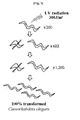
FIG. 1 is a schematic diagram illustrating DNA integration in the preparation of transformed C. elegans; -
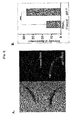
FIG. 2A shows that far-3::GFP transformed C. elegans grown in a medium containing 2% glucose exhibits brighter fluorescence than the control, andFIG. 2B shows a quantified result of the fluorescence; -
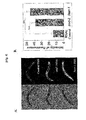
FIG. 3A shows that the fluorescence increased by glucose is further increased than the control when glycolysis is interrupted by gpi-1 RNAi in the presence of glucose, andFIG. 3B shows a quantified result of the fluorescence; -
FIG. 4A shows that the fluorescence increased by glucose is further increased than the control when synthesis of a fatty acid is interrupted by pod-2 RNAi or fasn-1 RNAi in the presence of glucose, andFIG. 4B shows a quantified result of the fluorescence; and -
FIG. 5A shows that the fluorescence increased by glucose is decreased, compared to the control, when the expected expression of a glucose transporter, H17B01.1, is suppressed by RNAi in the presence of glucose, andFIG. 5B shows a quantified result of the fluorescence. - The present invention provides transformed C. elegans which responds to sugar to exhibit fluorescence.
- The term "C. elegans" used herein is the abbreviation of the scientific name Caenorhabditis elegans, which is a nematode that eats bacteria and lives in soil, and is widely used in genetic, molecular biological, and cell biological experiments.
- The term "transformation" used herein means the change in genetic properties of an organism by DNA injected from an external environment.
- In addition, the present invention provides a method of preparing transformed C. elegans, which includes integrating far-3::GFP DNA on a chromosome thereof by UV radiation.
- The term "green fluorescence protein (GFP)" used herein is a protein expressed in cells to exhibit strong green fluorescence, and widely used in various fields for detecting the expression of a gene, particularly, due to ease of observation.
- The term "transformed C. elegans" used herein is a sugar reporter fluorescent C. elegans, prepared by integration of far-3::GFP DNA, which is prepared by attaching a GFP to a gene whose expression is increased by sugar uptake, i.e., far-3.
- In addition, the present invention provides a method of screening a candidate gene and a drug for regulating sugar metabolism using transformed C. elegans responding to sugar to exhibit fluorescence in vivo. The screening method uses RNAi.
- The method includes suppressing the expression of genes of C. elegans using RNAi as soon as the transformed C. elegans uptakes sugar. In one embodiment of the present invention, when lipid and sugar metabolic genes were suppressed, the significant change in intensity of green fluorescence was observed, which shows that a new gene involved in regulation of metabolism can be found using the transformed C. elegans (referred to
FIGS. 3 to 5 ). - Specifically, the inventors prepared far-3::GFP transformed C. elegans prepared by attaching a GFP to a gene whose expression is increased by sugar uptake, i.e., far-3, to exhibit fluorescence, and then confirmed that, as shown in
FIG. 1 , far-3::GFP transformed C. elegans exhibited brighter fluorescence than the control when it was grown in a medium containing 2% glucose (refer toFIG. 2 ). - Subsequently, the inventors confirmed that the fluorescence increased by glucose was further increased than the control when glycolysis was interrupted by gpi-1 RNAi in the presence of glucose (refer to
FIG. 3 ). - In addition, the inventors confirmed that the fluorescent increased by glucose was further increased than the control when the fatty acid synthesis was interrupted by pod-2 RNAi or fasn-1 RNAi in the presence of glucose (refer to
FIG. 4 ). - Moreover, the inventors confirmed that the fluorescence increased by glucose was reduced compared to the control when the expected expression of a sugar transporter, H17B01.1, was suppressed by RNAi in the presence of glucose (refer to
FIG. 5 ). - Hereinafter, to help understanding of the present invention, preferable examples will be provided. However, the following examples are merely provided to more easily understand the present invention, not to limit the scope of the present invention.
- Since far-3::GFP DNA inserted into C. elegans is a type that is not included in a chromosome, all of it is not delivered to offspring of C. elegans. For an experiment with such a type of transformed C. elegans, it is difficult to screen transformed C. elegans, and the expression of far-3::GFP is not uniform.
- Accordingly, to obtain stable transformed C. elegans, the far-3::GFP DNA input form an external environment was integrated on a chromosome by changing DNA by UV radiation. The DNA integration by UV integration was performed at a very low probability, and thus a rate of success could be increased by UV radiation to a large number of C. elegans.
- The far-3::GFP DNA was inserted with a gene recovering a short-body mutant (dpy-5) into a long body, and thus the transformation of C. elegans could be identified with an optical microscope. In the DNA integration, the transformed C. elegans was discriminated in the same manner as described above. As the result of measurement of a frequency of delivering the far-3::GFP DNA to an offspring before the DNA integration, it could be confirmed that the DNA was delivered to approximately 50% of the offspring, and it could be seen that the UV intensity showing approximately 50% viability after UV radiation was 300 J/m2.
- For a successful experiment for DNA integration, after the UV radiation, over 600 transformed C. elegans were needed, and thus 300 J/m2 of UV radiation was applied to 200 transformed C. elegans in the L4 stage. After 6 days, 600 offspring of C. elegans (F1) born from the UV-treated C. elegans were transferred to 600 plates to produce offspring. After 4 days, two of each plate out of the offspring of C. elegans born from the 600 C. elegans (F2) were transferred into 1,200 plates to produce offspring. After approximately 4 days, the 1,200 plates were examined. Since the transformed C. elegans can be shown 100% if the DNA integration is successfully performed, a plate containing 100% normal-body C. elegans was searched for. 100% normal-body transformed C. elegans was confirmed by identifying the DNA integration by examining fluorescence from a medium containing glucose (referred to
FIG. 1 ). - The far-3::GFP transformed C. elegans prepared in Example 1 was grown in a medium containing 2% glucose, and fluorescence was measured by the following method.
- Specifically, a drop of 2% agarose was dropped on a slide glass, and covered with another side glass to spread the agarose thinly thereon. The slide glass was removed after the agarose was hardened to form a pad, and a drop of NaN3 having a concentration of 50 mM was dropped on the agarose pad, and then approximately 15 C. elegans were transferred thereon to be anesthetized. A cover glass was carefully covered without air bubbles, and then fluorescence of far-3::GFP was observed by photographing an image using a fluorescence microscope. As the fluorescence microscope, Zeiss Axio Scope Al was used. The fluorescence of C. elegans exhibited in the entire body was quantified using an ImageJ program, and the fluorescence of over 20 C. elegans was analyzed by three independent experiments.
- As shown in
FIG. 2 , it was confirmed that the fluorescence was brighter than that of the control, that is, far-3::GFP transformed C. elegans, grown in a medium without glucose (*P < 0.05, **P < 0.01, ***P <0.001, two-tailed Student's t-test). - The inventors used a Julie Ahringer RNAi bacteria library to suppress the expression of a specific gene and to observe the fluorescence of far-3::GFP. Bacteria obtained from the library were streaked, transferred onto an LB/ampicillin plate, and incubated in an incubator at 37 °C for 12 to 16 hours. One bacteria colony grown on the plate was selected, transferred into a liquid LB/ampicillin medium, and incubated in a shaking culture incubator at 37 °C for 12 hours. After 12 hours, 100 µl of the LB/ampicillin medium in which bacteria were grown was dispensed into an NG medium including 2% glucose and ampicillin, and the bacteria were incubated in an incubator at 37 °C for 12 to 16 hours. For an induction reaction, 50 µl of isopropyl-1-thio-β-D-galactopyranoside (IPTG) having a concentration of 100 mM was dispensed onto the bacteria to react at room temperature for one day, and two adult far-3::GFP transformed C. elegans were transferred onto the plate in which RNAi bacteria were grown to lay eggs. After approximately 12 hours, the adult far-3::GFP transformed C. elegans was removed, and when C. elegans grown from the egg became an adult after three days, the expression of the fluorescence was observed using a method of measuring the fluorescence of the far-3::GFP by a fluorescence microscope.
- The inventors observed the change of intensity of fluorescence in C. elegans transformed when the expression of gpi-I genes known to be related to glycolysis was interrupted using gpi-l RNAi.
- When glucose is input into a cell, it is converted into glucose-6-phosphate by a hexokinase, and then is converted into fructose-6-phosphate by a glucose-6-phosphate isomerase (gpi-l). The gpi-l serves an important role in a high step of glycolysis and thus can interrupt the glycolysis through the suppression of the expression of gpi-l.
- As shown in
FIG. 3 , it was seen that, when the expression of a gpi-1 gene was interrupted, the fluorescence increased by glucose was further increased than in the control, that is, transformed C. elegans, in which the gpi-1 expression was not decreased, in the presence of glucose (*P < 0.05, **P < 0.01, ***P <0.001, two-tailed Student's t-test). - The inventors observed the change of the intensity of the fluorescence of the transformed C. elegans when the expression of an acetyl-CoA carboxylase (pod-2) or a fatty acid synthase (fasn-1) known to be related to synthesis of fatty acids was interrupted using pod-2 RNAi or fasn-1 RNAi.
- The pod-2 is an enzyme located in the highest stage of the synthesis of fatty acids, serving to convert acetyl-CoA into malonyl-CoA. The fasn-1 is involved in the synthesis of fatty acids using acetyl-CoA and malonyl-CoA in the next stage of pod-2. The pod-2 and fasn-1 are major enzymes to regulate the initial stage of the synthesis of fatty acids, which can be considerably suppressed by interrupting pod-2 and fasn-1.
- As shown in
FIG. 4 , it can be seen that the fluorescence increased by glucose was further included when the expression of a pod-2 or fasn-1 gene was interrupted, compared to the control, that is, transformed C. elegans in which the expression of a pod-2 or fasn-1 gene was not increased, in the presence of glucose (*P < 0.05, **P < 0.01, ***P <0.001, two-tailed Student's t-test). - The inventors observed the change of fluorescence intensity in transformed C. elegans when the expected expression of a glucose transporter, H17B01.1, was interrupted using H17B01.1 RANi.
- H17B01.1 is expected to be a gene of C. elegans having the most similar base sequence to a human glucose transporter, GLUI1, serving to transport glucose into cells from C. elegans.
- As shown in
FIG. 5 , it was seen that the fluorescence increased by glucose was decreased when the expression of H17B01.1 was interrupted, compared to the control, that is, transformed C. elegans in which the expression of H17B01.1 was interrupted, in the presence of glucose (*P < 0.05, **P < 0.01, ***P <0.001, two-tailed Student's t-test). - It will be apparent to those skilled in the art that various modifications can be made to the above-described exemplary embodiments of the present invention without departing from the spirit or scope of the invention. Thus, it is intended that the present invention covers all such modifications provided they come within the scope of the appended claims and their equivalents.
- Transformed C. elegans enable a substance for regulating sugar metabolism to be found rapidly and exactly, and furthermore it is expected to considerably contribute to studies for treating various incurable diseases relating to metabolism such as obesity, diabetes, etc.
Claims (5)
- A transformed Caenorhabditis elegans (hereinafter, abbreviated as "C. elegans"), which responds to sugar to exhibit fluorescence in vivo.
- The transformed C. elegans according to claim 1, further comprising far-3::GFP DNA in which a green fluorescence protein (GFP) is attached to a gene whose expression is increased by sugar uptake, far-3, integrated on a chromosome thereof.
- A method of preparing transformed C. elegans, comprising:integrating far-3::GFP DNA on a chromosome thereof by UV radiation.
- A method of screening a candidate gene and drug for regulating sugar metabolism, which uses transformed C. elegans responding to sugar to exhibit fluorescence in vivo.
- The method according to claim 4, which comprises:suppressing the expression of the gene for regulating sugar metabolism using RNA interference (RNAi) as soon as the transformed C. elegans uptakes sugar.
Applications Claiming Priority (2)
| Application Number | Priority Date | Filing Date | Title |
|---|---|---|---|
| KR1020110049519A KR101334403B1 (en) | 2011-05-25 | 2011-05-25 | Transgenic Caenorhabditis elegans and screening method for sugar metabolism regulator using the same |
| PCT/KR2012/004133 WO2012161538A2 (en) | 2011-05-25 | 2012-05-24 | Transformed caenorhabditis elegans and method for screening for substances regulating glucose metabolism using same |
Publications (2)
| Publication Number | Publication Date |
|---|---|
| EP2716155A2 true EP2716155A2 (en) | 2014-04-09 |
| EP2716155A4 EP2716155A4 (en) | 2014-10-29 |
Family
ID=47217917
Family Applications (1)
| Application Number | Title | Priority Date | Filing Date |
|---|---|---|---|
| EP12788862.6A Withdrawn EP2716155A4 (en) | 2011-05-25 | 2012-05-24 | PROCESSED CAENORHABDITIS ELEGANS AND SCREENING METHOD FOR SELECTING GLUCOSE METABOLISM-REGULATING SUBSTANCES |
Country Status (6)
| Country | Link |
|---|---|
| US (1) | US20140082757A1 (en) |
| EP (1) | EP2716155A4 (en) |
| JP (1) | JP5823030B2 (en) |
| KR (1) | KR101334403B1 (en) |
| CN (1) | CN103561566B (en) |
| WO (1) | WO2012161538A2 (en) |
Families Citing this family (10)
| Publication number | Priority date | Publication date | Assignee | Title |
|---|---|---|---|---|
| CN105388294B (en) * | 2014-08-01 | 2017-01-25 | 上海交通大学医学院附属瑞金医院 | Application of Mitochondrial Trifunctional Enzyme α Subunit in Preparation of AA005 Drug Target for Inhibiting Lipid Accumulation |
| CN105738607B (en) * | 2014-12-09 | 2018-04-13 | 费好义 | The kit and its application method of a kind of antitumor medicine screening |
| CN106148402A (en) * | 2015-03-23 | 2016-11-23 | 兰州红虫生物工程有限责任公司 | A kind of activity in vivo oxygen off-leveling animal model kit |
| CN106148403A (en) * | 2015-03-23 | 2016-11-23 | 兰州红菌生物技术有限责任公司 | A kind of test kit of activity in vivo oxygen off-leveling animal model |
| CN106148401A (en) * | 2015-03-23 | 2016-11-23 | 兰州大学 | The construction method of Caenorhabditis elegans activity in vivo oxygen off-leveling animal model |
| CN106148372A (en) * | 2015-03-23 | 2016-11-23 | 兰州大学 | The construction method of Caenorhabditis elegans activity in vivo oxygen off-leveling animal model |
| KR101859029B1 (en) * | 2016-04-25 | 2018-05-21 | 포항공과대학교 산학협력단 | Caenorhabditis elegans displaying anti-aging phenotype |
| CN108387557A (en) * | 2017-10-20 | 2018-08-10 | 香港大学深圳医院 | A method of utilizing fluorescence microscope quick-pick caenorhabditis elegan |
| CN112471084B (en) * | 2020-12-25 | 2022-07-08 | 福建农林大学 | Construction method and application of caenorhabditis elegans high-glucose insulin resistance animal model |
| CN120142665B (en) * | 2024-03-19 | 2025-11-25 | 华南农业大学 | Application of strongylus Brazilian FAR-1 protein as target point of nematocide |
Family Cites Families (5)
| Publication number | Priority date | Publication date | Assignee | Title |
|---|---|---|---|---|
| CN1302335A (en) * | 1998-03-23 | 2001-07-04 | 拉尔夫·施纳贝尔 | Method for Bombardment Transformation of Caenorhabditis elegans |
| CA2434803A1 (en) * | 2001-01-18 | 2002-07-25 | Cambria Biosciences, Llc | Screens and assays for agents useful in controlling parasitic nematodes |
| WO2005077022A2 (en) * | 2004-02-04 | 2005-08-25 | The General Hospital Corporation | Compositions and methods for modifying the content of polyunsaturated fatty acids in biological cells |
| CA2622422A1 (en) * | 2005-09-15 | 2007-03-29 | Mark Mercola | Methods for screening for compounds that modulate insulin promoter activity |
| US8058502B2 (en) * | 2007-08-17 | 2011-11-15 | The Salk Institute For Biological Studies | Increasing lifespan by modulation of WWP-1 and UBC-18 |
-
2011
- 2011-05-25 KR KR1020110049519A patent/KR101334403B1/en not_active Expired - Fee Related
-
2012
- 2012-05-24 EP EP12788862.6A patent/EP2716155A4/en not_active Withdrawn
- 2012-05-24 JP JP2014512761A patent/JP5823030B2/en not_active Expired - Fee Related
- 2012-05-24 CN CN201280025295.7A patent/CN103561566B/en not_active Expired - Fee Related
- 2012-05-24 US US14/119,847 patent/US20140082757A1/en not_active Abandoned
- 2012-05-24 WO PCT/KR2012/004133 patent/WO2012161538A2/en not_active Ceased
Also Published As
| Publication number | Publication date |
|---|---|
| WO2012161538A3 (en) | 2013-01-24 |
| WO2012161538A9 (en) | 2013-09-19 |
| KR101334403B1 (en) | 2013-11-29 |
| US20140082757A1 (en) | 2014-03-20 |
| JP5823030B2 (en) | 2015-11-25 |
| CN103561566A (en) | 2014-02-05 |
| CN103561566B (en) | 2015-03-18 |
| WO2012161538A2 (en) | 2012-11-29 |
| JP2014517696A (en) | 2014-07-24 |
| EP2716155A4 (en) | 2014-10-29 |
| KR20120131387A (en) | 2012-12-05 |
Similar Documents
| Publication | Publication Date | Title |
|---|---|---|
| US20140082757A1 (en) | Transformed caenorhabditis elegans and method for screening for substances regulating glucose metabolism using same | |
| Souidi et al. | Drosophila heart as a model for cardiac development and diseases | |
| King et al. | The small heat shock protein p26 aids development of encysting Artemia embryos, prevents spontaneous diapause termination and protects against stress | |
| Sohail et al. | RNAi-mediated knockdown of Tssk1 and Tektin1 genes impair male fertility in Bactrocera dorsalis | |
| Hempel et al. | A matter of the heart: the African clawed frog Xenopus as a model for studying vertebrate cardiogenesis and congenital heart defects | |
| Sharchil et al. | Zebrafish: a model to study and understand the diabetic nephropathy and other microvascular complications of type 2 diabetes mellitus | |
| Kohno et al. | Genetics in the honey bee: Achievements and prospects toward the functional analysis of molecular and neural mechanisms underlying social behaviors | |
| Wang et al. | Dusp1 regulates thermal tolerance limits in zebrafish by maintaining mitochondrial integrity | |
| Konstantogianni et al. | Culture of human embryos at high and low oxygen levels | |
| Schellens et al. | Knockdown of the Halloween genes Spook, Shadow and Shade influences oocyte development, egg shape, oviposition and hatching in the desert locust | |
| Li et al. | Generation of GCaMP6s-expressing zebrafish to monitor spatiotemporal dynamics of calcium signaling elicited by heat stress | |
| Deng et al. | Identification and characterization of the masculinizing function of the Helicoverpa armigera Masc gene | |
| Liu et al. | The Bombyx mori singed gene is involved in the high-temperature resistance of silkworms | |
| Gijbels et al. | Precocious downregulation of krüppel-homolog 1 in the migratory locust, Locusta migratoria, gives rise to an adultoid phenotype with accelerated ovarian development but disturbed mating and oviposition | |
| Nagwani et al. | Applicable life-history and molecular traits for studying the effects of anhydrobiosis on aging in tardigrades | |
| Sohail et al. | miR-125-3p and miR-276b-3p Regulate the Spermatogenesis of Bactrocera dorsalis by Targeting the orb2 Gene | |
| Li et al. | Interactions between 20-hydroxyecdysone and juvenile hormone I, II, and III during the developmental stages of Spodoptera frugiperda | |
| Kodama et al. | Effects of the symbiotic Chlorella variabilis on the host ciliate Paramecium bursaria phenotypes | |
| Liu et al. | Transcriptomics provide insights into the photoperiodic regulation of reproductive diapause in the green lacewing, Chrysoperla nipponensis (Okamoto)(Neuroptera: Chrysopidae) | |
| Li et al. | Salt sensitive Tet-off-like systems to knockdown primordial germ cell genes for repressible transgenic sterilization in channel catfish, Ictalurus punctatus | |
| Szlachcic et al. | Thermal and oxygen flight sensitivity in ageing Drosophila melanogaster flies: links to rapamycin-induced cell size changes | |
| Colombo et al. | Self-DNA inhibition in Drosophila melanogaster development: Metabolomic evidence of the molecular determinants | |
| Zhang et al. | RNA interference-mediated suppression of ecdysone signaling inhibits choriogenesis in two coleoptera species | |
| Peng et al. | Embryonic development of parthenogenetic and sexual eggs in lower termites | |
| Xu et al. | RNAi-mediated FoxO silencing inhibits reproduction in Locusta migratoria |
Legal Events
| Date | Code | Title | Description |
|---|---|---|---|
| PUAI | Public reference made under article 153(3) epc to a published international application that has entered the european phase |
Free format text: ORIGINAL CODE: 0009012 |
|
| 17P | Request for examination filed |
Effective date: 20131122 |
|
| AK | Designated contracting states |
Kind code of ref document: A2 Designated state(s): AL AT BE BG CH CY CZ DE DK EE ES FI FR GB GR HR HU IE IS IT LI LT LU LV MC MK MT NL NO PL PT RO RS SE SI SK SM TR |
|
| DAX | Request for extension of the european patent (deleted) | ||
| A4 | Supplementary search report drawn up and despatched |
Effective date: 20140926 |
|
| RIC1 | Information provided on ipc code assigned before grant |
Ipc: C12N 15/85 20060101ALI20140922BHEP Ipc: C12N 5/10 20060101ALI20140922BHEP Ipc: G01N 33/50 20060101ALI20140922BHEP Ipc: C12N 15/62 20060101ALI20140922BHEP Ipc: C12N 15/63 20060101ALI20140922BHEP Ipc: A01K 67/033 20060101ALI20140922BHEP Ipc: A01K 67/027 20060101AFI20140922BHEP |
|
| 17Q | First examination report despatched |
Effective date: 20170316 |
|
| STAA | Information on the status of an ep patent application or granted ep patent |
Free format text: STATUS: THE APPLICATION HAS BEEN WITHDRAWN |
|
| 18W | Application withdrawn |
Effective date: 20180124 |