EP2714715B1 - Pharmaceutical compositions - Google Patents
Pharmaceutical compositions Download PDFInfo
- Publication number
- EP2714715B1 EP2714715B1 EP12792291.2A EP12792291A EP2714715B1 EP 2714715 B1 EP2714715 B1 EP 2714715B1 EP 12792291 A EP12792291 A EP 12792291A EP 2714715 B1 EP2714715 B1 EP 2714715B1
- Authority
- EP
- European Patent Office
- Prior art keywords
- amifostine
- polypeptide
- moiety
- pharmaceutical
- radiation
- Prior art date
- Legal status (The legal status is an assumption and is not a legal conclusion. Google has not performed a legal analysis and makes no representation as to the accuracy of the status listed.)
- Active
Links
Images
Classifications
-
- A—HUMAN NECESSITIES
- A61—MEDICAL OR VETERINARY SCIENCE; HYGIENE
- A61K—PREPARATIONS FOR MEDICAL, DENTAL OR TOILETRY PURPOSES
- A61K31/00—Medicinal preparations containing organic active ingredients
- A61K31/66—Phosphorus compounds
- A61K31/661—Phosphorus acids or esters thereof not having P—C bonds, e.g. fosfosal, dichlorvos, malathion or mevinphos
-
- A—HUMAN NECESSITIES
- A61—MEDICAL OR VETERINARY SCIENCE; HYGIENE
- A61K—PREPARATIONS FOR MEDICAL, DENTAL OR TOILETRY PURPOSES
- A61K47/00—Medicinal preparations characterised by the non-active ingredients used, e.g. carriers or inert additives; Targeting or modifying agents chemically bound to the active ingredient
- A61K47/50—Medicinal preparations characterised by the non-active ingredients used, e.g. carriers or inert additives; Targeting or modifying agents chemically bound to the active ingredient the non-active ingredient being chemically bound to the active ingredient, e.g. polymer-drug conjugates
- A61K47/51—Medicinal preparations characterised by the non-active ingredients used, e.g. carriers or inert additives; Targeting or modifying agents chemically bound to the active ingredient the non-active ingredient being chemically bound to the active ingredient, e.g. polymer-drug conjugates the non-active ingredient being a modifying agent
- A61K47/56—Medicinal preparations characterised by the non-active ingredients used, e.g. carriers or inert additives; Targeting or modifying agents chemically bound to the active ingredient the non-active ingredient being chemically bound to the active ingredient, e.g. polymer-drug conjugates the non-active ingredient being a modifying agent the modifying agent being an organic macromolecular compound, e.g. an oligomeric, polymeric or dendrimeric molecule
- A61K47/61—Medicinal preparations characterised by the non-active ingredients used, e.g. carriers or inert additives; Targeting or modifying agents chemically bound to the active ingredient the non-active ingredient being chemically bound to the active ingredient, e.g. polymer-drug conjugates the non-active ingredient being a modifying agent the modifying agent being an organic macromolecular compound, e.g. an oligomeric, polymeric or dendrimeric molecule the organic macromolecular compound being a polysaccharide or a derivative thereof
-
- A—HUMAN NECESSITIES
- A61—MEDICAL OR VETERINARY SCIENCE; HYGIENE
- A61K—PREPARATIONS FOR MEDICAL, DENTAL OR TOILETRY PURPOSES
- A61K47/00—Medicinal preparations characterised by the non-active ingredients used, e.g. carriers or inert additives; Targeting or modifying agents chemically bound to the active ingredient
- A61K47/50—Medicinal preparations characterised by the non-active ingredients used, e.g. carriers or inert additives; Targeting or modifying agents chemically bound to the active ingredient the non-active ingredient being chemically bound to the active ingredient, e.g. polymer-drug conjugates
- A61K47/51—Medicinal preparations characterised by the non-active ingredients used, e.g. carriers or inert additives; Targeting or modifying agents chemically bound to the active ingredient the non-active ingredient being chemically bound to the active ingredient, e.g. polymer-drug conjugates the non-active ingredient being a modifying agent
- A61K47/62—Medicinal preparations characterised by the non-active ingredients used, e.g. carriers or inert additives; Targeting or modifying agents chemically bound to the active ingredient the non-active ingredient being chemically bound to the active ingredient, e.g. polymer-drug conjugates the non-active ingredient being a modifying agent the modifying agent being a protein, peptide or polyamino acid
- A61K47/64—Drug-peptide, drug-protein or drug-polyamino acid conjugates, i.e. the modifying agent being a peptide, protein or polyamino acid which is covalently bonded or complexed to a therapeutically active agent
- A61K47/645—Polycationic or polyanionic oligopeptides, polypeptides or polyamino acids, e.g. polylysine, polyarginine, polyglutamic acid or peptide TAT
-
- A—HUMAN NECESSITIES
- A61—MEDICAL OR VETERINARY SCIENCE; HYGIENE
- A61P—SPECIFIC THERAPEUTIC ACTIVITY OF CHEMICAL COMPOUNDS OR MEDICINAL PREPARATIONS
- A61P39/00—General protective or antinoxious agents
-
- A—HUMAN NECESSITIES
- A61—MEDICAL OR VETERINARY SCIENCE; HYGIENE
- A61P—SPECIFIC THERAPEUTIC ACTIVITY OF CHEMICAL COMPOUNDS OR MEDICINAL PREPARATIONS
- A61P39/00—General protective or antinoxious agents
- A61P39/02—Antidotes
-
- A—HUMAN NECESSITIES
- A61—MEDICAL OR VETERINARY SCIENCE; HYGIENE
- A61P—SPECIFIC THERAPEUTIC ACTIVITY OF CHEMICAL COMPOUNDS OR MEDICINAL PREPARATIONS
- A61P39/00—General protective or antinoxious agents
- A61P39/06—Free radical scavengers or antioxidants
Definitions
- the present invention relates to an anti-free radicals pharmaceutical polymer, more specifically, to an anti-free radicals pharmaceutical polymer having an aminothiol moiety.
- WR-2721 was selectively concentrated in normal tissues but passively absorbed by tumors as a result of differences in vascularity. It protected normal tissues, including esophagus, lung, kidney, liver, bone marrow, immune system, skin, colon, small bowel, salivary gland, oral mucosa, and testis from radiation damage up to a factor of 3; brain and spinal cord, however, were not protected. In addition, there was no evidence that tumors were spared the effects of radiation or chemotherapy.
- Amifostine also known as S-2-(3-aminopropylamino)ethyl dihydrogen phosphorothioate, ethiofos, Ethyol®, NSC 296961, or WR-2721
- Amifostine originally developed by the Walter Reed Institute of Research was used as an antiradiation agent for military use against x-ray or nuclear radiation encountered during military conflicts.
- Bulk amifostine along with other aminoalkyl dihydrogen phosphorothioates and preparation methods for the same are disclosed in U.S. Pat. No. 3,892,824 , which is incorporated herein as reference.
- Amifostine has also been shown to protect normal tissues against several classes of cytotoxic agents including alkylating and organoplatinum agents, anthracyclines, and taxane. Therefore, it promises to have broad applicability as a cytoprotective agent.
- Amifostine is already approved for use as a radioprotector in the United States on the basis of an international multi-institutional phase III comparative trial that demonstrated a significant reduction in the severity of acute and late xerostomia in patients given Amifostine intravenously before each fraction of radiation therapy.
- amifostine has several disadvantages. Firstly, patients with systemic administration of amifostine may suffer from undesirable side-effects such as nausea, vomiting, emesis and hypotension, as well as flushing or feeling of warmth, chills or feeling of coldness, dizziness, somnolence, hiccups and sneezing. Furthermore, systemic amifostine could also be toxic at high dose. Secondly, amifostine tends to be discharged from a human body within one hour, which therefore fails to effectively perform the desired radioprotection effect.
- US 7 427 600 B2 discloses a composition comprising a peptide and an active agent covalently attached to the peptide via an amino group; wherein the active agent could be amifostine
- amifostine for providing longer retention time and specific localization in tissues or organs is required in the field for reducing the undesirable side-effects and enhancing the radioprotection effect thereof.
- the present invention provides a pharmaceutical polymer, comprising: a glycopeptide having a polypeptide and at least one glycoside moiety comprising chiosan; wherein said at least one glycoside moiety covalently bonds to said polypeptide; and an aminothiol moiety, having at least one amino group; wherein said at least one amino group of said aminothiol moiety covalently bonds to said glycopeptide; said polypeptide has at least one carboxylic acid group;said at least one glycoside moiety covalently bonds to said at least one carboxylic acid group of said polypeptide; and said at least one amino group of said aminothiol moiety covalently bonds to said at least one carboxylic acid group of said polypeptide.
- said polypeptide has at least one subunit comprising a glutamic acid, an aspartic acid or a combination thereof.
- said polypeptide comprises poly(glutamic acid), poly(aspartic acid), or a combination thereof.
- said pharmaceutical polymer has a molecular weight of 6,300 ⁇ 12,000 daltons.
- said at least one glycoside moiety has at least one amino group.
- said at least one amino group of said at least one glycoside moiety covalently bonds to said at least one carboxylic acid group of said polypeptide.
- Said at least one glycoside moiety comprises chitosan.
- Other originally disclosed glycoside moities comprised collagen, chondroitin, hyauraniate or heparin.
- Said aminothiol moiety has the following formula (I): (R 1 NH(CH 2 ) n NH(CH 2 ) m SR 2 ) x ; (I);
- said aminothiol moiety is selected from the group consisting of WR-1065, WR-151326, WR151327, WR638, WR3689, WR2822, WR-2529, WR-77913, WR-255591, WR-2823, WR-255709, WR-33278, WR2721 (amifostine), salts, hydrates, active metabolite, prodrug thereof, and a combination thereof.
- said aminothiol moiety is amifostine.
- the present invention also provides a use of the pharmaceutical polymer of the invention for manufacturing a pharmaceutical composition for quenching free radicals, comprising an effective amount of the aforesaid pharmaceutical polymer.
- the administration is via oral or intravenous injection.
- said free radicals result from exposing said subject to radiation.
- the administration is made before or after said exposing.
- said radiation is x-ray radiation, nuclear radiation, gamma radiation, alpha radiation, beta radiation or a combination thereof.
- the administered effective amount is 100 ⁇ 5,000 mg/m 2 .
- the subject to which is administered is an animal.
- said animal is human.
- said polypeptide of said pharmaceutical polymer comprises poly(glutamic acid), poly(aspartic acid), or a combination thereof.
- said aminothiol moiety of said pharmaceutical polymer is amifostine.
- the present invention further provides a pharmaceutical composition, comprising: a pharmaceutical polymer according to claim 1; and a pharmaceutical acceptable carrier.
- said pharmaceutical acceptable carrier comprises glucose, saccharose, lactose, fructose, starch, dextrins, cyclodextrins, polyvinylpyrrolidone, alginic acid, tylose, silicic acid, cellulose, cellulose derivatives, mannitol, sorbitol, calcium carbonate, calcium phosphate, or combination thereof.
- What probed into the invention is a pharmaceutical polymer and use of the same.
- Said pharmaceutical polymer comprises a glycopeptides and an aminothiol moiety.
- the claimed use of said pharmaceutical polymer is for quenching free radicals.
- One of the key concepts of the present invention is to modify an aminothiol pharmaceutical compound by conjugating a glycopeptides.
- the conjugation can provide advantages of specific localization and prolonged retention time to said aminothiol pharmaceutical compound.
- the present pharmaceutical polymer comprises a glycopeptide and an aminothiol moiety.
- Said glycopeptides has a polypeptide and at least one glycoside moiety.
- the conjugation between said polypeptide and said at least one glycoside moiety is that said at least one glycoside moiety bonds to said polypeptide via a covalent bond.
- Said polypeptide has at least one carboxylic acid group.
- Said at least one glycoside moiety covalently bonds to said at least one carboxylic acid group of said polypeptide.
- said glycoside moiety has at least one amino group; wherein, said at least one amino group of said at least one glycoside moiety covalently bonds to said at least one carboxylic acid group of said polypeptide.
- said polypeptide has at least one subunit comprising a glutamic acid, an aspartic acid or a combination thereof.
- said polypeptide is poly(glutamic acid), poly(aspartic acid), or a combination thereof.
- said pharmaceutical polymer has a molecular weight of 6,300 ⁇ 12,000 daltons. It is benefit to select said glycoside moiety from chitosan, collagen, chondroitin, hyauraniate, heparin, or a combination thereof, because the above-mentioned glycoside moieties are able to provide the properties of specific localization and prolonged retention time to the claimed structure.
- Said aminothiol moiety has at least one amino group.
- the conjugation between said aminothiol moiety and said glycopeptides is that said at least one amino group of said aminothiol moiety covalently bonds to said at least one carboxylic acid group of said polypeptide.
- aminothiol moiety examples include but not limit to WR-1065, WR-151326, WR151327, WR638, WR3689, WR2822, WR-2529, WR-77913, WR-255591, WR-2823, WR-255709, WR-33278, WR2721 (amifostine), salts, hydrates, active metabolite, prodrug thereof, and a combination thereof.
- the present application discloses a method for quenching free radicals in vivo.
- the method comprises administering an effective amount of the aforesaid pharmaceutical polymer to a subject orally or via intravenous injection.
- the free radicals may result from exposing said subject to radiation, such as x-ray radiation, nuclear radiation, gamma radiation, alpha radiation, beta radiation or a combination thereof.
- radiation such as x-ray radiation, nuclear radiation, gamma radiation, alpha radiation, beta radiation or a combination thereof.
- said administering can be made before or after said exposing based on doctor's advices.
- Said effective amount is between 100 mg/m 2 ⁇ 5,000 mg/m 2 .
- the preferred effective amount may depend on the physical condition or body weight of the subject concerned as well as the encountered radiation intensity.
- Said pharmaceutical polymer can be administered with a pharmaceutically acceptable carrier or any other favorable additives as a pharmaceutical composition.
- Said carrier or additive shall be no adverse effect on the desired function of said pharmaceutical polymer.
- adverse effect means reducing the ability in quenching free radicals as well as effecting the retention time or uptaking of said pharmaceutical polymer.
- the pharmaceutically acceptable carrier may be glucose, saccharose, lactose, fructose, starch, dextrins, cyclodextrins, polyvinylpyrrolidone, alginic acid, tylose, silicic acid, cellulose, cellulose derivatives, mannitol, sorbitol, calcium carbonate, calcium phosphate, or combination thereof.
- the additive may be a buffer, a preservative, a suspending agent, a thickening agent, a surfactant, an isotonic agent or a combination thereof.
- Glycopeptide (GP) as a carrier combining with drug are disclosed in Patent application Ser. No. 12/970,026 , and it is already known the distribution of GP may include lung, kidney, liver, the inflammatory, red marrow, and tumor regions.
- PET Positron Emission Tomography
- mice were housed in the University of Texas M.D. Anderson Cancer Center facility. The protocols involving rats and radioisotopes were approved by the M.D. Anderson Animal Use and Care Committee, and Radiation Safety Committee.
- Female Fischer 344 rats 150-175 g (Harlan Sprague-Dawley, Inc., Indianapolis, IN) were inoculated subcutaneously in the right leg with breast cancer cells (10 6 cells/rat) from the breast cell line (known as DMBA-induced breast cancer cell line).
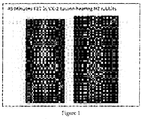
- Figure 1 shows the result of PET scan; wherein the distribution of GP includes lung, kidney, liver, the inflammatory, red marrow, and tumor regions.
- the experimental result confirms GP as a potential candidate for modifying an aminothiol pharmaceutical compound in our following studies.
- polypeptide used in this example was poly-glutamic acid; the glycoside moiety used was chitosan; and the aminothiol moiety used was amifostine or WR1065 (not shown).
- the synthesis protocol is briefly described as follows:
- Co-solvent is able to increase the production ratio of GP-Amifostine/GP-WR1065 through reducing the hydrolysis of phosphate group within Amifostine.
- 99m Tc-GP-A still retained in rat's body at 4 hours after administration. Moreover, 99m Tc-GP-A especially accumulated at liver, spleen, kidney but decayed at blood and muscle. It is also noted that the accumulation of 99m Tc-GP-A in tumor tissue is also observed, which implies that if GP-A of the present invention is applied as a radioprotectant or chemoprotectant in a chemotherapy and/or radiation therapy for normal tissue, the administration thereof may be preferably after the exposing of chemotherapy and/or radiation therapy for minimizing effect on the therapy.
- the experimental result proves that the disclosed structure of GP-A can prolong the retention time of amifostine in most of the organs to at least 4 hours and is especially favorable for GP-A accumulation at important organs such as liver, spleen, kidney. Therefore, accompanying with the inherent radioprotection ability of amifostine, the GP-Amifostine structure of the present invention is expected to have the ability of reducing damage from free radicals in a more effective manner.
- amifostine and GP-amifostine were dissolved respectively in 0.9% of NaCl solution at various concentrations.
- the amifostine/NaCl solutions or GP-amifostine/NaCl solutions with different concentrations were mixed with a CH 3 COOH/CH 3 COONa buffer system.
- titration was conducted with a 0.001 N of I 2 solution until permanent dark blue color showed.
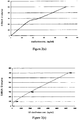
- Figure 2(a) and figure 2(b) show that the redox potential of amifostine and GP-Amifostine respectively. According to this result, the conjugation/modification of glycopeptides do not adversely affect the inherent ability of amifostine in quenching free radicals as the reducing power thereof is basically remained the same.
- Experiment 4 2 ⁇ l pUC119 plasmid DNA solution + 3 ⁇ l GP solution (4000 ⁇ g/ml) + 3 ⁇ l H 2 O 2 (with final concentration of 20mM) + 20 mJ/m 2 UV exposure 5.
- Experiment 5 2 ⁇ l pUC119 plasmid DNA solution + 3 ⁇ l Amifostine solution (2000 ⁇ g/ml) + 3 ⁇ l H 2 O 2 (with final concentration of 20mM) + 20 mJ/m 2 UV exposure 6.
- Experiment 6 2 ⁇ l pUC119 plasmid DNA solution + 3 ⁇ l GP-A solution (4000 ⁇ g/ml) + 3 ⁇ l H 2 O 2 (with final concentration of 20mM) + 20 mJ/m 2 UV exposure 7.
- Experiment 7 2 ⁇ l pUC119 plasmid DNA solution + 3 ⁇ l mixture of GP(4000 ⁇ g/ml) and Amifostine (2000 ⁇ g/ml) + 3 ⁇ l H 2 O 2 (with final concentration of 20mM) + 20 mJ/m 2 UV exposure 8.
- Experiment 8 2 ⁇ l pUC119 plasmid DNA solution + 3 ⁇ l mixture of Amifostine solution (2000 ⁇ g/ml) and alkaline phosphatase (2 U/ml) + 3 ⁇ l H 2 O 2 (with final concentration of 20mM) + 20 mJ/m 2 UV exposure 9.
- Experiment 9 2 ⁇ l pUC119 plasmid DNA solution + 3 ⁇ l mixture of GP-A solution (4000 ⁇ g/ml) and alkaline phosphatase (2 U/ml) + 3 ⁇ l H 2 O 2 (with final concentration of 20mM) + 20 mJ/m 2 UV exposure
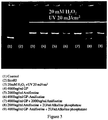
- Figure 3 shows that both the Amifostine and GP-Amifostine have solid and slight protection ability against UV & H 2 O 2 treated plasmid DNA. Based on the observation above ( Figure 2(a) - Figure 2(b) and Figure 3 ), it is confirmed that the protection ability of both Amifostine and GP-Amifostine of the present invention in blocking the transmission of free radical.
Landscapes
- Health & Medical Sciences (AREA)
- Life Sciences & Earth Sciences (AREA)
- Chemical & Material Sciences (AREA)
- Animal Behavior & Ethology (AREA)
- Public Health (AREA)
- Medicinal Chemistry (AREA)
- Veterinary Medicine (AREA)
- General Health & Medical Sciences (AREA)
- Pharmacology & Pharmacy (AREA)
- Engineering & Computer Science (AREA)
- Epidemiology (AREA)
- Bioinformatics & Cheminformatics (AREA)
- Proteomics, Peptides & Aminoacids (AREA)
- Nuclear Medicine, Radiotherapy & Molecular Imaging (AREA)
- General Chemical & Material Sciences (AREA)
- Organic Chemistry (AREA)
- Toxicology (AREA)
- Chemical Kinetics & Catalysis (AREA)
- Molecular Biology (AREA)
- Biochemistry (AREA)
- Pharmaceuticals Containing Other Organic And Inorganic Compounds (AREA)
- Medicinal Preparation (AREA)
- Other Resins Obtained By Reactions Not Involving Carbon-To-Carbon Unsaturated Bonds (AREA)
Description
- This application claims priority to
U.S. provisional patent application No. 61/493,004, filed on June 3, 2011 - The present invention relates to an anti-free radicals pharmaceutical polymer, more specifically, to an anti-free radicals pharmaceutical polymer having an aminothiol moiety.
- Interest in the pharmacological protection of tissues from radiation effects is longstanding. One very promising radioprotector that has grown out of this effort is Amifostine (MedImmune Oncology, Inc, Gaithersburg, MD), an organic thiophosphate developed by the United States Army (WR-2721) in the post-World War II era to protect against the possible effects of radioactive fallout. The active metabolite (WR-1065) is a free thiol that is thought to provide an alternative target to DNA for reactive species from alkylating agents and as a scavenger of free radicals yielded by interactions of ionizing radiation and water. In extensive study of the drug, and colleagues concluded that WR-2721 was selectively concentrated in normal tissues but passively absorbed by tumors as a result of differences in vascularity. It protected normal tissues, including esophagus, lung, kidney, liver, bone marrow, immune system, skin, colon, small bowel, salivary gland, oral mucosa, and testis from radiation damage up to a factor of 3; brain and spinal cord, however, were not protected. In addition, there was no evidence that tumors were spared the effects of radiation or chemotherapy. Amifostine (also known as S-2-(3-aminopropylamino)ethyl dihydrogen phosphorothioate, ethiofos, Ethyol®, NSC 296961, or WR-2721) originally developed by the Walter Reed Institute of Research was used as an antiradiation agent for military use against x-ray or nuclear radiation encountered during military conflicts. Bulk amifostine along with other aminoalkyl dihydrogen phosphorothioates and preparation methods for the same are disclosed in
U.S. Pat. No. 3,892,824 , which is incorporated herein as reference. - Amifostine has also been shown to protect normal tissues against several classes of cytotoxic agents including alkylating and organoplatinum agents, anthracyclines, and taxane. Therefore, it promises to have broad applicability as a cytoprotective agent. Amifostine is already approved for use as a radioprotector in the United States on the basis of an international multi-institutional phase III comparative trial that demonstrated a significant reduction in the severity of acute and late xerostomia in patients given Amifostine intravenously before each fraction of radiation therapy.
- More recently, a prospective comparative trial was conducted at The University of Texas M. D. Anderson Cancer Center (reported at the 2001 ASCO Meeting, San Francisco CA, November 12-15, 2001) with the aim of determining whether by reducing the major toxic effects of chemoradiation therapy on critical organs, Amifostine would allow concurrent chemotherapy and radiation therapy to be intensified thereby increasing tumor control and survival in patients with NSCLC. Sixty-two patients were enrolled between 11/98 and 1/01, permitting a minimum follow-up of 12 months and a median follow-up of 24 months. Patient and tumor characteristics were equally distributed between (A) a no Amifostine arm and (B) an Amifostine arm. Median survival times were 20 months in
Arm 1 patients and 19 months inArm 2 patients. - However, systemic administration of amifostine has several disadvantages. Firstly, patients with systemic administration of amifostine may suffer from undesirable side-effects such as nausea, vomiting, emesis and hypotension, as well as flushing or feeling of warmth, chills or feeling of coldness, dizziness, somnolence, hiccups and sneezing. Furthermore, systemic amifostine could also be toxic at high dose. Secondly, amifostine tends to be discharged from a human body within one hour, which therefore fails to effectively perform the desired radioprotection effect.
-
US 7 427 600 B2 discloses a composition comprising a peptide and an active agent covalently attached to the peptide via an amino group; wherein the active agent could be amifostine - To sum up, a proper modification of amifostine for providing longer retention time and specific localization in tissues or organs is required in the field for reducing the undesirable side-effects and enhancing the radioprotection effect thereof.
- The present invention provides a pharmaceutical polymer, comprising: a glycopeptide having a polypeptide and at least one glycoside moiety comprising chiosan; wherein said at least one glycoside moiety covalently bonds to said polypeptide; and an aminothiol moiety, having at least one amino group; wherein said at least one amino group of said aminothiol moiety covalently bonds to said glycopeptide; said polypeptide has at least one carboxylic acid group;said at least one glycoside moiety covalently bonds to said at least one carboxylic acid group of said polypeptide; and said at least one amino group of said aminothiol moiety covalently bonds to said at least one carboxylic acid group of said polypeptide.
- Preferably, said polypeptide has at least one subunit comprising a glutamic acid, an aspartic acid or a combination thereof.
- Preferably, said polypeptide comprises poly(glutamic acid), poly(aspartic acid), or a combination thereof.
- Preferably, said pharmaceutical polymer has a molecular weight of 6,300∼12,000 daltons. Preferably, said at least one glycoside moiety has at least one amino group.
- Preferably, said at least one amino group of said at least one glycoside moiety covalently bonds to said at least one carboxylic acid group of said polypeptide.
- Said at least one glycoside moiety comprises chitosan. Other originally disclosed glycoside moities comprised collagen, chondroitin, hyauraniate or heparin.
- Said aminothiol moiety has the following formula (I):
(R1NH(CH2)nNH(CH2)mSR2)x; (I);
- wherein said R1 is H, C1-C7 alkyl, C2-C7 alkenyl, C2-C7 alkynyl, C5-C7 aryl, or C2-C7 acyl;
- said R2 is H or phosphate group;
- n is an integer from 1 to 10;
- m is an integer from 1 to 10; and
- x is an integer from 1 to 5.
- Preferably, said aminothiol moiety is selected from the group consisting of WR-1065, WR-151326, WR151327, WR638, WR3689, WR2822, WR-2529, WR-77913, WR-255591, WR-2823, WR-255709, WR-33278, WR2721 (amifostine), salts, hydrates, active metabolite, prodrug thereof, and a combination thereof.
- Preferably, said aminothiol moiety is amifostine.
- The present invention also provides a use of the pharmaceutical polymer of the invention for manufacturing a pharmaceutical composition for quenching free radicals, comprising an effective amount of the aforesaid pharmaceutical polymer.
- Preferably, the administration is via oral or intravenous injection.
- Preferably, said free radicals result from exposing said subject to radiation.
- Preferably, the administration is made before or after said exposing.
- Preferably, said radiation is x-ray radiation, nuclear radiation, gamma radiation, alpha radiation, beta radiation or a combination thereof.
- Preferably, the administered effective amount is 100∼5,000 mg/m2.
- Preferably, the subject to which is administered is an animal.
- Preferably, said animal is human.
- Preferably, said polypeptide of said pharmaceutical polymer comprises poly(glutamic acid), poly(aspartic acid), or a combination thereof.
- Preferably, said aminothiol moiety of said pharmaceutical polymer is amifostine.
- The present invention further provides a pharmaceutical composition, comprising: a pharmaceutical polymer according to
claim 1; and a pharmaceutical acceptable carrier. - Preferably, said pharmaceutical acceptable carrier comprises glucose, saccharose, lactose, fructose, starch, dextrins, cyclodextrins, polyvinylpyrrolidone, alginic acid, tylose, silicic acid, cellulose, cellulose derivatives, mannitol, sorbitol, calcium carbonate, calcium phosphate, or combination thereof.
-
-
Figure 1 shows that the in vivo distribution of GP. -
Figure 2(a) and figure 2(b) show that the redox potential of Amifostine and GP-Amifostine respectively. -
Figure 3 shows the protection ability of Amifostine, GP-Amifostine, and GP against UV & H2O2 treated plasmid DNA. -
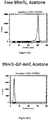
Figure 4(a) and Figure 4(b) shows that the high radiochemical purity of the product when 99mTc was labeled on GP-Amifostine. - What probed into the invention is a pharmaceutical polymer and use of the same. Said pharmaceutical polymer comprises a glycopeptides and an aminothiol moiety. The claimed use of said pharmaceutical polymer is for quenching free radicals.
- One of the key concepts of the present invention is to modify an aminothiol pharmaceutical compound by conjugating a glycopeptides. The conjugation can provide advantages of specific localization and prolonged retention time to said aminothiol pharmaceutical compound.
- Detail descriptions of the measuring procedures and system will be provided in the following sentences in order to make the invention thoroughly understandable. Obviously, the application of the invention is not confined to specific details familiar to those who are skilled in the art. On the other hand, the common process and procedures that are known to everyone are not described in details to avoid unnecessary limits of the invention. Some preferred embodiments of the present invention will now be described in greater detail in the following. However, it should be recognized that the present invention can be practiced in a wide range of other embodiments besides those explicitly described, that is, this invention can also be applied extensively to other embodiments, and the scope of the present invention is expressly not limited except as specified in the accompanying claims.
- As mentioned above, the present pharmaceutical polymer comprises a glycopeptide and an aminothiol moiety. Said glycopeptides has a polypeptide and at least one glycoside moiety. The conjugation between said polypeptide and said at least one glycoside moiety is that said at least one glycoside moiety bonds to said polypeptide via a covalent bond.
- Said polypeptide has at least one carboxylic acid group. Said at least one glycoside moiety covalently bonds to said at least one carboxylic acid group of said polypeptide. In a preferred embodiment, said glycoside moiety has at least one amino group; wherein, said at least one amino group of said at least one glycoside moiety covalently bonds to said at least one carboxylic acid group of said polypeptide.
- In a preferred embodiment, said polypeptide has at least one subunit comprising a glutamic acid, an aspartic acid or a combination thereof. Alternatively, said polypeptide is poly(glutamic acid), poly(aspartic acid), or a combination thereof. In another preferred embodiment, said pharmaceutical polymer has a molecular weight of 6,300∼12,000 daltons. It is benefit to select said glycoside moiety from chitosan, collagen, chondroitin, hyauraniate, heparin, or a combination thereof, because the above-mentioned glycoside moieties are able to provide the properties of specific localization and prolonged retention time to the claimed structure.
- Said aminothiol moiety has at least one amino group. The conjugation between said aminothiol moiety and said glycopeptides is that said at least one amino group of said aminothiol moiety covalently bonds to said at least one carboxylic acid group of said polypeptide.
- Examples of said aminothiol moiety include but not limit to WR-1065, WR-151326, WR151327, WR638, WR3689, WR2822, WR-2529, WR-77913, WR-255591, WR-2823, WR-255709, WR-33278, WR2721 (amifostine), salts, hydrates, active metabolite, prodrug thereof, and a combination thereof.
- The present application discloses a method for quenching free radicals in vivo. The method comprises administering an effective amount of the aforesaid pharmaceutical polymer to a subject orally or via intravenous injection.
- The free radicals may result from exposing said subject to radiation, such as x-ray radiation, nuclear radiation, gamma radiation, alpha radiation, beta radiation or a combination thereof. Besides, said administering can be made before or after said exposing based on doctor's advices.
- Said effective amount is between 100 mg/m2 ∼ 5,000 mg/m2. The preferred effective amount may depend on the physical condition or body weight of the subject concerned as well as the encountered radiation intensity.
- Said pharmaceutical polymer can be administered with a pharmaceutically acceptable carrier or any other favorable additives as a pharmaceutical composition. Said carrier or additive shall be no adverse effect on the desired function of said pharmaceutical polymer. The term of "adverse effect" means reducing the ability in quenching free radicals as well as effecting the retention time or uptaking of said pharmaceutical polymer.
- The pharmaceutically acceptable carrier may be glucose, saccharose, lactose, fructose, starch, dextrins, cyclodextrins, polyvinylpyrrolidone, alginic acid, tylose, silicic acid, cellulose, cellulose derivatives, mannitol, sorbitol, calcium carbonate, calcium phosphate, or combination thereof. The additive may be a buffer, a preservative, a suspending agent, a thickening agent, a surfactant, an isotonic agent or a combination thereof.
- Glycopeptide (GP) as a carrier combining with drug are disclosed in Patent application Ser. No.
12/970,026 - Briefly, animals were housed in the University of Texas M.D. Anderson Cancer Center facility. The protocols involving rats and radioisotopes were approved by the M.D. Anderson Animal Use and Care Committee, and Radiation Safety Committee. Female Fischer 344 rats (150-175 g) (Harlan Sprague-Dawley, Inc., Indianapolis, IN) were inoculated subcutaneously in the right leg with breast cancer cells (106 cells/rat) from the breast cell line (known as DMBA-induced breast cancer cell line).
- Localization studies of the example were performed on day 14 after inoculation. A group of female Fischer 344 tumor-bearing rats was injected intravenously with 68Ga-GP(left) or 18F-FTG(right) through the tail vein. The injected mass was 30 µg per rat. The PET scan is performed at 45 minutes after injection.
-
Figure 1 shows the result of PET scan; wherein the distribution of GP includes lung, kidney, liver, the inflammatory, red marrow, and tumor regions. The experimental result confirms GP as a potential candidate for modifying an aminothiol pharmaceutical compound in our following studies. - The preparation of the pharmaceutical polymer of the present invention is indicated as the following reaction Scheme 1:

- As noted, the polypeptide used in this example was poly-glutamic acid; the glycoside moiety used was chitosan; and the aminothiol moiety used was amifostine or WR1065 (not shown). The synthesis protocol is briefly described as follows:
- Obtaining a solution of poly-L-glutamic acid; wherein 0.585 g of poly-L-glutamic acid is dissolved in 25 mL of water. The pH value of said solution of poly-L-glutamic acid is adjusted to about 7.1;
- Obtaining a chitosan solution; wherein 0.74 g of chitosan is dissolved in 18 mL of water. The pH value of said chitosan solution is also adjusted to about 7.1;
- Mixing 0.743 g of EDC (N-Ethyl-N'-(3-dimethylaminopropyl carbodiimide hydrochloride) with said solution of poly-L-glutamic acid;
- Dissolving 0.57 g of amifostine into said solution of poly-L-glutamic acid;
- Mixing said chitosan solution with said solution of poly-L-glutamic acid to obtain a mixture and stirring said mixture for 24 hours;
- Purifying said mixture by dialysis for two times (molecular weight of the membrane used is 10 k); and
- Frozen-drying said mixture to obtain a product, which is the pharmaceutical polymer of the present invention in this example. The product is referred to as GP-Amifostine (GP-A) and GP-WR1065, respectively in the following paragraphs or experiments.
- Since both free Amifostine and WR-1065 have sulphuric ion and/or phosphate group, whereas GP alone does not have neither of those functional groups, we used ICP (Inductively Coupled Plasma) or EA(Elemental analysis) as a technique to identify the loading rate of GP-A (Amifostine to GP). The loading rate of Amifostine to GP in this example is measured as 1 ∼ 30 wt%. Besides, the GP-Amifostine made in this example has a molecular weight of 6,300 ∼ 11,700 daltons, which was various in accordance with the loading rate.
- Pure water or co-solvent can be used for the synthesis of GP-Amifostine. Co-solvent is able to increase the production ratio of GP-Amifostine/GP-WR1065 through reducing the hydrolysis of phosphate group within Amifostine.
- In this example, we monitored the in vivo localization of GP-A in rats by labeling it with sodium pertechnetate (Na99mTcO4) and detecting the same by PET at 0.5 hours, 2 hours, and 4 hours after oral administration.
- The experiment is conducted in accordance with Example 1 with slight modification. Animals were housed in the University of Texas M.D. Anderson Cancer Center facility. The protocols involving rats and radioisotopes were approved by the M.D. Anderson Animal Use and Care Committee, and Radiation Safety Committee. Female Fischer 344 rats (150-175 g) (Harlan Sprague-Dawley, Inc., Indianapolis, IN) were inoculated subcutaneously in the right leg with breast cancer cells (106 cells/rat) from the breast cell line (known as DMBA-induced breast cancer cell line).
- Biodistribution studies of the example were conducted on day 14 after inoculation. 9 tumor-bearing mice were used and divided into three groups, each group representing a time interval (0.5, 2, and 4 hr, n=3/time point). 20 µCi of 99mTc-GP-A was injected via a lateral tail vein. After administration, the mice were sacrificed at certain time point and the selected tissues were excised, weighed and counted for radioactivity with a gamma counter. The distribution of radiotracer in each organ was expressed as percentage of the injected dose per gram of tissue (%ID/g). Tumor/ normal tissue count ratios were determined from the corresponding %ID/g values. In statistical analysis, percent of injected dose per gram of tissue weight (%ID/g) and tumor-to-tissue ratios used in biodistribution studies will be presented as means ± SD. The results are listed in the following table 1:
TABLE 1: Biodistribution of 99mTc-GP-A in Breast Tumor-Bearing Rats (Count at 100-200 keV window) Organ 0.5 HR 2 HR 4HR BLOOD 3.56±0.03 1.80±0.08 1.12±0.06 HEART 0.46±0.03 0.33±0.04 0.23±0.01 LUNG 1.08±0.05 0.64±0.04 0.42±0.03 THYROID 0.15±0.16 0.59±0.05 0.43±0.01 PANCREAS 0.27+0.01 0.19±0.02 0.15±0.02 LIVER 1.13+0.03 1.58+0.07 1.85+0.08 SPLEEN 0.86+0.02 1.12+0.08 1.34+0.01 KIDNEY 7.22+0.15 10.11±0.55 10.33±0.90 STOMACH 0.22+0.01 0.17+0.02 0.15±0.02 INTESTINE 0.22+0.02 0.21+0.04 0.15±0.02 UTERUS 0.36+0.01 0.27+0.03 0.26±0.01 TUMOR 0.34+0.03 0.35±0.02 0.37+0.01 MUSCLE 0.08±0.00 0.05±0.00 0.04+0.01 BONE 0.37+0.02 0.29±0.02 0.29±0.02 BRAIN 0.11±0.01 0.05±0.01 0.03±0.01 T/BLOOD 0.01±0.01 0.20±0.02 0.33±0.02 T/MUSCLE 4.43±0.56 7.19±0.56 9.82±1.96 % of injected dose per gram of tissue weight (n=3/time, interval, iv) - As shown in the above table 1, 99mTc-GP-A still retained in rat's body at 4 hours after administration. Moreover, 99mTc-GP-A especially accumulated at liver, spleen, kidney but decayed at blood and muscle. It is also noted that the accumulation of 99mTc-GP-A in tumor tissue is also observed, which implies that if GP-A of the present invention is applied as a radioprotectant or chemoprotectant in a chemotherapy and/or radiation therapy for normal tissue, the administration thereof may be preferably after the exposing of chemotherapy and/or radiation therapy for minimizing effect on the therapy.
- Nevertheless, the experimental result proves that the disclosed structure of GP-A can prolong the retention time of amifostine in most of the organs to at least 4 hours and is especially favorable for GP-A accumulation at important organs such as liver, spleen, kidney. Therefore, accompanying with the inherent radioprotection ability of amifostine, the GP-Amifostine structure of the present invention is expected to have the ability of reducing damage from free radicals in a more effective manner.
- A supplementary experiment was also conducted to confirm the labeling of 99mTc on GP-A was well-performed. As shown in both
figure 4(a) and figure 4(b) , 99mTc was completely labeled with GP-A, and no free of 99mTc was observed infig 4 (b) . These two figures represent the high radiochemical purity of product when 99mTc was labeled on GP-A, no other form of molecules are shown in this TLC assay. In other words, the aforesaid biodistribution data determined by detecting 99mTc shall be reliable. - According to the results of the above Example 3, we had demonstrated that GP-A of the present invention has the advantages of longer retention time and specific localization (accumulation). In this example, we would like to know that if modification of glycopeptides on Amifostine affects the inherent ability of quenching free radicals. An iodine titration experiment was conducted to examine the reducing power of amifostine and GP-amifostinel wherein the reducing power was considered as an indicator of the ability of quenching free radicals.
- The iodine titration experiment was conducted based on the well-known protocol in this field. Briefly, amifostine and GP-amifostine were dissolved respectively in 0.9% of NaCl solution at various concentrations. The amifostine/NaCl solutions or GP-amifostine/NaCl solutions with different concentrations were mixed with a CH3COOH/CH3COONa buffer system. After mixing 1 mL of starch solution (1 % v/v) with those amifostine/NaCl solutions or those GP-amifostine/NaCl solutions, titration was conducted with a 0.001 N of I2 solution until permanent dark blue color showed.
-
Figure 2(a) and figure 2(b) show that the redox potential of amifostine and GP-Amifostine respectively. According to this result, the conjugation/modification of glycopeptides do not adversely affect the inherent ability of amifostine in quenching free radicals as the reducing power thereof is basically remained the same. - In this example, we examined the ability of GP-A in protecting plasmid DNA from hydrogen peroxide (H2O2) and UV exposure, which was also an indicator of the ability of quenching free radicals because free radicals tend to attack DNA structure. Amifostine, GP-Amifostine and GP were respectively dissolved in dd-water at various concentrations. Nine experimental groups were conducted as shown in the following table 2:
TABLE 2: Experimental Condition of Example 5 Lane group Experimental Condition 1 Experiment 1 (Control) 2 µl pUC119 plasmid DNA solution + 8 µl dd- water 2 Experiment 2 (Negative Control) 2 µl pUC119 plasmid DNA solution + 6.5 µl dd-water + 1 µl buffer + 0.5 µl EcoR I (incubated at 37°C for one hour) 3. Experiment 32 µl pUC119 plasmid DNA solution + 3 µl dd-water + 3 µl H2O2 (with final concentration of 20mM) + 20 mJ/m2 UV exposure 4. Experiment 42 µl pUC119 plasmid DNA solution + 3 µl GP solution (4000 µg/ml) + 3 µl H2O2 (with final concentration of 20mM) + 20 mJ/m2 UV exposure 5. Experiment 52 µl pUC119 plasmid DNA solution + 3 µl Amifostine solution (2000 µg/ml) + 3 µl H2O2 (with final concentration of 20mM) + 20 mJ/m2 UV exposure 6. Experiment 62 µl pUC119 plasmid DNA solution + 3 µl GP-A solution (4000 µg/ml) + 3 µl H2O2 (with final concentration of 20mM) + 20 mJ/m2 UV exposure 7. Experiment 72 µl pUC119 plasmid DNA solution + 3 µl mixture of GP(4000 µg/ml) and Amifostine (2000 µg/ml) + 3 µl H2O2 (with final concentration of 20mM) + 20 mJ/m2 UV exposure 8. Experiment 82 µl pUC119 plasmid DNA solution + 3 µl mixture of Amifostine solution (2000 µg/ml) and alkaline phosphatase (2 U/ml) + 3 µl H2O2 (with final concentration of 20mM) + 20 mJ/m2 UV exposure 9. Experiment 92 µl pUC119 plasmid DNA solution + 3 µl mixture of GP-A solution (4000 µg/ml) and alkaline phosphatase (2 U/ml) + 3 µl H2O2 (with final concentration of 20mM) + 20 mJ/m2 UV exposure - The above-nine experimental groups were then mixed with 3µl loading dye for electrophoresis in order to observe the integrity of the plasmid DNA.
-
Figure 3 shows that both the Amifostine and GP-Amifostine have solid and slight protection ability against UV & H2O2 treated plasmid DNA. Based on the observation above (Figure 2(a) - Figure 2(b) andFigure 3 ), it is confirmed that the protection ability of both Amifostine and GP-Amifostine of the present invention in blocking the transmission of free radical.
Claims (14)
- A pharmaceutical polymer, comprising:a glycopeptide, having a polypeptide and at least one glycoside moiety;wherein said at least one glycoside moiety covalently bonds to said polypeptide; andan aminothiol moiety, having at least one amino group;wherein said at least one amino group of said aminothiol moiety covalently bonds to said glycopeptide; wherein said aminothiol moiety has the following formula (I):
(R1NH(CH2)nNH(CH2)mSR2)x; (I);
wherein said R1 is H, C1-C7 alkyl, C2-C7 alkenyl, C2-C7 alkynyl, C5-C7 aryl, or C2-C7 acyl;said R2 is H or phosphate group;n is an integer from 1 to 10;m is an integer from 1 to 10; andx is an integer from 1 to 5;wherein said polypeptide has at least one carboxylic acid group;wherein said at least one glycoside moiety covalently bonds to said at least one carboxylic acid group of said polypeptide;wherein said at least one amino group of said aminothiol moiety covalently bonds to said at least one carboxylic acid group of said polypeptide; andwherein said at least one glycoside moiety comprises chitosan. - The pharmaceutical polymer according to claim 1, wherein said polypeptide comprises poly(glutamic acid), poly(aspartic acid), or a combination thereof.
- The pharmaceutical polymer according to claim 1, wherein said at least one glycoside moiety has at least one amino group; and wherein said at least one amino group of said at least one glycoside moiety covalently bonds to said at least one carboxylic acid group of said polypeptide.
- The pharmaceutical polymer according to claim 1, wherein said at least one glycoside moiety is chitosan, said polypeptide is poly-glutamic acid and said aminothiol moiety is amifostine or WR1065.
- The pharmaceutical polymer according to claim 1, wherein said aminothiol moiety is amifostine.
- A use of the pharmaceutical polymer according to claim 1 for manufacturing a pharmaceutical composition for quenching free radicals of a subject; wherein said pharmaceutical composition comprises an effective amount of said pharmaceutical polymer.
- The use according to claim 6, wherein said pharmaceutical composition is administrated via oral or intravenous injection.
- The use according to claim 6, wherein said free radicals result from exposing said subject to radiation; wherein said radiation is x-ray radiation, nuclear radiation, gamma radiation, alpha radiation, beta radiation or a combination thereof.
- The use according to claim 8, wherein said pharmaceutical composition is administrated before or after said exposing.
- The use according to claim 6, wherein said effective amount is 100∼5,000 mg/m2.
- The use according to claim 6, wherein said subject is an animal.
- The use according to claim 11, wherein said animal is human.
- The use according to claim 6, wherein said aminothiol moiety of said pharmaceutical polymer is amifostine.
- A pharmaceutical composition, comprising:a pharmaceutical polymer according to claim 1; anda pharmaceutical acceptable carrier.
Applications Claiming Priority (2)
| Application Number | Priority Date | Filing Date | Title |
|---|---|---|---|
| US201161493004P | 2011-06-03 | 2011-06-03 | |
| PCT/CN2012/076380 WO2012163290A1 (en) | 2011-06-03 | 2012-06-01 | Pharmaceutical compositions |
Publications (3)
| Publication Number | Publication Date |
|---|---|
| EP2714715A1 EP2714715A1 (en) | 2014-04-09 |
| EP2714715A4 EP2714715A4 (en) | 2014-11-26 |
| EP2714715B1 true EP2714715B1 (en) | 2019-01-23 |
Family
ID=47258380
Family Applications (1)
| Application Number | Title | Priority Date | Filing Date |
|---|---|---|---|
| EP12792291.2A Active EP2714715B1 (en) | 2011-06-03 | 2012-06-01 | Pharmaceutical compositions |
Country Status (5)
| Country | Link |
|---|---|
| US (1) | US8648042B2 (en) |
| EP (1) | EP2714715B1 (en) |
| JP (1) | JP5952392B2 (en) |
| TW (1) | TWI432204B (en) |
| WO (1) | WO2012163290A1 (en) |
Families Citing this family (1)
| Publication number | Priority date | Publication date | Assignee | Title |
|---|---|---|---|---|
| CA3042858A1 (en) | 2015-11-17 | 2017-05-26 | The Burlington Hc Research Group, Inc. | Methods for improved protection and delivery of aminothiols and analogs thereof |
Family Cites Families (8)
| Publication number | Priority date | Publication date | Assignee | Title |
|---|---|---|---|---|
| SG47101A1 (en) * | 1992-07-31 | 1998-03-20 | Us Bioscience | Crystalline amifostine compositions and methods for the preparation and use of same |
| US6573253B2 (en) * | 1997-02-12 | 2003-06-03 | Medimmune Oncology Inc. | Methods for the administration of amifostine and related compounds |
| US6716452B1 (en) * | 2000-08-22 | 2004-04-06 | New River Pharmaceuticals Inc. | Active agent delivery systems and methods for protecting and administering active agents |
| CA2428971A1 (en) * | 2000-11-14 | 2003-05-01 | New River Pharmaceuticals Inc. | Conjugates of a therapeutic agent and a peptide carrier |
| IL163666A0 (en) * | 2002-02-22 | 2005-12-18 | New River Pharmaceuticals Inc | Active agent delivery systems and methods for protecting and administering active agents |
| US9820986B2 (en) * | 2005-03-04 | 2017-11-21 | Taiwan Hopaz Chems, Mfg. Co., Ltd. | Glycopeptide compositions |
| US20090143348A1 (en) * | 2007-11-30 | 2009-06-04 | Ahmet Tezel | Polysaccharide gel compositions and methods for sustained delivery of drugs |
| US20090163697A1 (en) * | 2007-12-20 | 2009-06-25 | David Crich | Multicomponent coupling and glycopeptide synthesis with cyclic thioanhydrides |
-
2012
- 2012-05-29 TW TW101119072A patent/TWI432204B/en active
- 2012-05-30 US US13/483,382 patent/US8648042B2/en active Active
- 2012-06-01 EP EP12792291.2A patent/EP2714715B1/en active Active
- 2012-06-01 JP JP2014513046A patent/JP5952392B2/en active Active
- 2012-06-01 WO PCT/CN2012/076380 patent/WO2012163290A1/en not_active Ceased
Non-Patent Citations (1)
| Title |
|---|
| None * |
Also Published As
| Publication number | Publication date |
|---|---|
| EP2714715A1 (en) | 2014-04-09 |
| TW201249443A (en) | 2012-12-16 |
| US20130005661A1 (en) | 2013-01-03 |
| US8648042B2 (en) | 2014-02-11 |
| JP2015516465A (en) | 2015-06-11 |
| TWI432204B (en) | 2014-04-01 |
| JP5952392B2 (en) | 2016-07-13 |
| EP2714715A4 (en) | 2014-11-26 |
| WO2012163290A1 (en) | 2012-12-06 |
Similar Documents
| Publication | Publication Date | Title |
|---|---|---|
| ES2525257T3 (en) | Compositions of cyclopolysaccharide and bendamustine | |
| ES2880468T3 (en) | TCO Conjugates and Methods for Delivery of Therapeutic Agents | |
| AU703057B2 (en) | Improvements in or relating to organic compounds | |
| CA2593256A1 (en) | Conjugates for dual imaging and radiochemotherapy: composition, manufacturing, and applications | |
| SK12732003A3 (en) | Use of cationic dextran derivatives as protective agents of dose-limiting organs | |
| KR102940818B1 (en) | Dendrimers for Therapy and Imaging | |
| US6489312B1 (en) | Pharmaceutical formulations comprising aminoalkyl phosphorothioates | |
| US5902825A (en) | Composition and method for the palliation of pain associated with diseases of the bone and bone joints | |
| KR101807903B1 (en) | Bendamustine anionic-catioinic cyclopolysaccharide compositions | |
| EP4438612A1 (en) | Radioactive marker, and precursor compound thereof, preparation method therefor, and application thereof | |
| TW202114742A (en) | Prostate specific membrane antigen (psma) ligands and uses thereof | |
| JP4428538B2 (en) | Glycopeptide composition and method for producing the same | |
| AU2002245321B2 (en) | Methods for the administration of amifostine and related compounds | |
| US8648042B2 (en) | Pharmaceutical compositions | |
| HUP0401386A2 (en) | Use of cationic dextran derivatives for preparation of pharmaceutical compositions protecting dose-limiting organs | |
| IL261221A (en) | Bone marrow-, reticuloendothelial system-, and/or lymph node-targeted radiolabeled liposomes and methods of their diagnostic and therapeutic use | |
| AU2018263924B2 (en) | Composition containing cyclodextrin and busulfan | |
| US20060189567A1 (en) | Compound having affinity with calcified tissue | |
| JP7337342B2 (en) | Pegylated Boron Cluster Compounds and Antitumor Agents Comprising Pegylated Boron Cluster Compounds and Sensitizers Comprising Pegylated Boron Clusters | |
| CN101990442B (en) | Modified hydroxyl polymer conjugates with osteophilic and tumor killing moieties | |
| ES2935415T3 (en) | Hyaluronic acid conjugates and aminobisphosphonates and therapeutic use thereof | |
| EP1438076B1 (en) | Radiopharmaceutical agent for the treatment of early stage cancer | |
| AU2002246164A1 (en) | Use of cationic dextran derivatives for protecting dose-limiting organs | |
| WO2013007383A1 (en) | Use of lipoteichoic acid in the treatment of cancer in an inflammatory state |
Legal Events
| Date | Code | Title | Description |
|---|---|---|---|
| PUAI | Public reference made under article 153(3) epc to a published international application that has entered the european phase |
Free format text: ORIGINAL CODE: 0009012 |
|
| 17P | Request for examination filed |
Effective date: 20131213 |
|
| AK | Designated contracting states |
Kind code of ref document: A1 Designated state(s): AL AT BE BG CH CY CZ DE DK EE ES FI FR GB GR HR HU IE IS IT LI LT LU LV MC MK MT NL NO PL PT RO RS SE SI SK SM TR |
|
| DAX | Request for extension of the european patent (deleted) | ||
| A4 | Supplementary search report drawn up and despatched |
Effective date: 20141029 |
|
| RIC1 | Information provided on ipc code assigned before grant |
Ipc: A61P 39/00 20060101ALI20141023BHEP Ipc: A61K 31/661 20060101AFI20141023BHEP Ipc: A61K 47/48 20060101ALI20141023BHEP |
|
| STAA | Information on the status of an ep patent application or granted ep patent |
Free format text: STATUS: EXAMINATION IS IN PROGRESS |
|
| 17Q | First examination report despatched |
Effective date: 20180110 |
|
| REG | Reference to a national code |
Ref country code: DE Ref legal event code: R079 Ref document number: 602012056257 Country of ref document: DE Free format text: PREVIOUS MAIN CLASS: C07K0002000000 Ipc: A61K0031661000 |
|
| GRAJ | Information related to disapproval of communication of intention to grant by the applicant or resumption of examination proceedings by the epo deleted |
Free format text: ORIGINAL CODE: EPIDOSDIGR1 |
|
| STAA | Information on the status of an ep patent application or granted ep patent |
Free format text: STATUS: GRANT OF PATENT IS INTENDED |
|
| GRAP | Despatch of communication of intention to grant a patent |
Free format text: ORIGINAL CODE: EPIDOSNIGR1 |
|
| RIC1 | Information provided on ipc code assigned before grant |
Ipc: A61K 47/61 20170101ALI20180806BHEP Ipc: A61K 31/661 20060101AFI20180806BHEP Ipc: C07K 2/00 20060101ALI20180806BHEP Ipc: A61P 39/00 20060101ALI20180806BHEP |
|
| INTG | Intention to grant announced |
Effective date: 20180905 |
|
| RAP1 | Party data changed (applicant data changed or rights of an application transferred) |
Owner name: TAIWAN HOPAX CHEMS. MFG. CO., LTD. |
|
| RAP1 | Party data changed (applicant data changed or rights of an application transferred) |
Owner name: SEECURE TAIWAN CO., LTD. |
|
| GRAS | Grant fee paid |
Free format text: ORIGINAL CODE: EPIDOSNIGR3 |
|
| GRAA | (expected) grant |
Free format text: ORIGINAL CODE: 0009210 |
|
| STAA | Information on the status of an ep patent application or granted ep patent |
Free format text: STATUS: THE PATENT HAS BEEN GRANTED |
|
| AK | Designated contracting states |
Kind code of ref document: B1 Designated state(s): AL AT BE BG CH CY CZ DE DK EE ES FI FR GB GR HR HU IE IS IT LI LT LU LV MC MK MT NL NO PL PT RO RS SE SI SK SM TR |
|
| REG | Reference to a national code |
Ref country code: GB Ref legal event code: FG4D |
|
| REG | Reference to a national code |
Ref country code: CH Ref legal event code: EP |
|
| RIC2 | Information provided on ipc code assigned after grant |
Ipc: A61K 47/61 20170101ALI20180806BHEP Ipc: A61P 39/00 20060101ALI20180806BHEP Ipc: C07K 2/00 20060101ALI20180806BHEP Ipc: A61K 31/661 20060101AFI20180806BHEP |
|
| REG | Reference to a national code |
Ref country code: AT Ref legal event code: REF Ref document number: 1090909 Country of ref document: AT Kind code of ref document: T Effective date: 20190215 |
|
| REG | Reference to a national code |
Ref country code: IE Ref legal event code: FG4D |
|
| REG | Reference to a national code |
Ref country code: DE Ref legal event code: R096 Ref document number: 602012056257 Country of ref document: DE |
|
| REG | Reference to a national code |
Ref country code: NL Ref legal event code: MP Effective date: 20190123 |
|
| PG25 | Lapsed in a contracting state [announced via postgrant information from national office to epo] |
Ref country code: NL Free format text: LAPSE BECAUSE OF FAILURE TO SUBMIT A TRANSLATION OF THE DESCRIPTION OR TO PAY THE FEE WITHIN THE PRESCRIBED TIME-LIMIT Effective date: 20190123 |
|
| PG25 | Lapsed in a contracting state [announced via postgrant information from national office to epo] |
Ref country code: LT Free format text: LAPSE BECAUSE OF FAILURE TO SUBMIT A TRANSLATION OF THE DESCRIPTION OR TO PAY THE FEE WITHIN THE PRESCRIBED TIME-LIMIT Effective date: 20190123 Ref country code: PL Free format text: LAPSE BECAUSE OF FAILURE TO SUBMIT A TRANSLATION OF THE DESCRIPTION OR TO PAY THE FEE WITHIN THE PRESCRIBED TIME-LIMIT Effective date: 20190123 Ref country code: PT Free format text: LAPSE BECAUSE OF FAILURE TO SUBMIT A TRANSLATION OF THE DESCRIPTION OR TO PAY THE FEE WITHIN THE PRESCRIBED TIME-LIMIT Effective date: 20190523 Ref country code: FI Free format text: LAPSE BECAUSE OF FAILURE TO SUBMIT A TRANSLATION OF THE DESCRIPTION OR TO PAY THE FEE WITHIN THE PRESCRIBED TIME-LIMIT Effective date: 20190123 Ref country code: NO Free format text: LAPSE BECAUSE OF FAILURE TO SUBMIT A TRANSLATION OF THE DESCRIPTION OR TO PAY THE FEE WITHIN THE PRESCRIBED TIME-LIMIT Effective date: 20190423 Ref country code: SE Free format text: LAPSE BECAUSE OF FAILURE TO SUBMIT A TRANSLATION OF THE DESCRIPTION OR TO PAY THE FEE WITHIN THE PRESCRIBED TIME-LIMIT Effective date: 20190123 Ref country code: ES Free format text: LAPSE BECAUSE OF FAILURE TO SUBMIT A TRANSLATION OF THE DESCRIPTION OR TO PAY THE FEE WITHIN THE PRESCRIBED TIME-LIMIT Effective date: 20190123 |
|
| REG | Reference to a national code |
Ref country code: AT Ref legal event code: MK05 Ref document number: 1090909 Country of ref document: AT Kind code of ref document: T Effective date: 20190123 |
|
| PG25 | Lapsed in a contracting state [announced via postgrant information from national office to epo] |
Ref country code: RS Free format text: LAPSE BECAUSE OF FAILURE TO SUBMIT A TRANSLATION OF THE DESCRIPTION OR TO PAY THE FEE WITHIN THE PRESCRIBED TIME-LIMIT Effective date: 20190123 Ref country code: GR Free format text: LAPSE BECAUSE OF FAILURE TO SUBMIT A TRANSLATION OF THE DESCRIPTION OR TO PAY THE FEE WITHIN THE PRESCRIBED TIME-LIMIT Effective date: 20190424 Ref country code: HR Free format text: LAPSE BECAUSE OF FAILURE TO SUBMIT A TRANSLATION OF THE DESCRIPTION OR TO PAY THE FEE WITHIN THE PRESCRIBED TIME-LIMIT Effective date: 20190123 Ref country code: BG Free format text: LAPSE BECAUSE OF FAILURE TO SUBMIT A TRANSLATION OF THE DESCRIPTION OR TO PAY THE FEE WITHIN THE PRESCRIBED TIME-LIMIT Effective date: 20190423 Ref country code: LV Free format text: LAPSE BECAUSE OF FAILURE TO SUBMIT A TRANSLATION OF THE DESCRIPTION OR TO PAY THE FEE WITHIN THE PRESCRIBED TIME-LIMIT Effective date: 20190123 Ref country code: IS Free format text: LAPSE BECAUSE OF FAILURE TO SUBMIT A TRANSLATION OF THE DESCRIPTION OR TO PAY THE FEE WITHIN THE PRESCRIBED TIME-LIMIT Effective date: 20190523 |
|
| REG | Reference to a national code |
Ref country code: DE Ref legal event code: R097 Ref document number: 602012056257 Country of ref document: DE |
|
| PG25 | Lapsed in a contracting state [announced via postgrant information from national office to epo] |
Ref country code: CZ Free format text: LAPSE BECAUSE OF FAILURE TO SUBMIT A TRANSLATION OF THE DESCRIPTION OR TO PAY THE FEE WITHIN THE PRESCRIBED TIME-LIMIT Effective date: 20190123 Ref country code: AL Free format text: LAPSE BECAUSE OF FAILURE TO SUBMIT A TRANSLATION OF THE DESCRIPTION OR TO PAY THE FEE WITHIN THE PRESCRIBED TIME-LIMIT Effective date: 20190123 Ref country code: DK Free format text: LAPSE BECAUSE OF FAILURE TO SUBMIT A TRANSLATION OF THE DESCRIPTION OR TO PAY THE FEE WITHIN THE PRESCRIBED TIME-LIMIT Effective date: 20190123 Ref country code: EE Free format text: LAPSE BECAUSE OF FAILURE TO SUBMIT A TRANSLATION OF THE DESCRIPTION OR TO PAY THE FEE WITHIN THE PRESCRIBED TIME-LIMIT Effective date: 20190123 Ref country code: IT Free format text: LAPSE BECAUSE OF FAILURE TO SUBMIT A TRANSLATION OF THE DESCRIPTION OR TO PAY THE FEE WITHIN THE PRESCRIBED TIME-LIMIT Effective date: 20190123 Ref country code: SK Free format text: LAPSE BECAUSE OF FAILURE TO SUBMIT A TRANSLATION OF THE DESCRIPTION OR TO PAY THE FEE WITHIN THE PRESCRIBED TIME-LIMIT Effective date: 20190123 Ref country code: RO Free format text: LAPSE BECAUSE OF FAILURE TO SUBMIT A TRANSLATION OF THE DESCRIPTION OR TO PAY THE FEE WITHIN THE PRESCRIBED TIME-LIMIT Effective date: 20190123 |
|
| PG25 | Lapsed in a contracting state [announced via postgrant information from national office to epo] |
Ref country code: SM Free format text: LAPSE BECAUSE OF FAILURE TO SUBMIT A TRANSLATION OF THE DESCRIPTION OR TO PAY THE FEE WITHIN THE PRESCRIBED TIME-LIMIT Effective date: 20190123 |
|
| PLBE | No opposition filed within time limit |
Free format text: ORIGINAL CODE: 0009261 |
|
| STAA | Information on the status of an ep patent application or granted ep patent |
Free format text: STATUS: NO OPPOSITION FILED WITHIN TIME LIMIT |
|
| PG25 | Lapsed in a contracting state [announced via postgrant information from national office to epo] |
Ref country code: AT Free format text: LAPSE BECAUSE OF FAILURE TO SUBMIT A TRANSLATION OF THE DESCRIPTION OR TO PAY THE FEE WITHIN THE PRESCRIBED TIME-LIMIT Effective date: 20190123 |
|
| 26N | No opposition filed |
Effective date: 20191024 |
|
| PG25 | Lapsed in a contracting state [announced via postgrant information from national office to epo] |
Ref country code: MC Free format text: LAPSE BECAUSE OF FAILURE TO SUBMIT A TRANSLATION OF THE DESCRIPTION OR TO PAY THE FEE WITHIN THE PRESCRIBED TIME-LIMIT Effective date: 20190123 |
|
| REG | Reference to a national code |
Ref country code: CH Ref legal event code: PL |
|
| PG25 | Lapsed in a contracting state [announced via postgrant information from national office to epo] |
Ref country code: SI Free format text: LAPSE BECAUSE OF FAILURE TO SUBMIT A TRANSLATION OF THE DESCRIPTION OR TO PAY THE FEE WITHIN THE PRESCRIBED TIME-LIMIT Effective date: 20190123 |
|
| REG | Reference to a national code |
Ref country code: BE Ref legal event code: MM Effective date: 20190630 |
|
| PG25 | Lapsed in a contracting state [announced via postgrant information from national office to epo] |
Ref country code: TR Free format text: LAPSE BECAUSE OF FAILURE TO SUBMIT A TRANSLATION OF THE DESCRIPTION OR TO PAY THE FEE WITHIN THE PRESCRIBED TIME-LIMIT Effective date: 20190123 |
|
| PG25 | Lapsed in a contracting state [announced via postgrant information from national office to epo] |
Ref country code: IE Free format text: LAPSE BECAUSE OF NON-PAYMENT OF DUE FEES Effective date: 20190601 |
|
| PG25 | Lapsed in a contracting state [announced via postgrant information from national office to epo] |
Ref country code: CH Free format text: LAPSE BECAUSE OF NON-PAYMENT OF DUE FEES Effective date: 20190630 Ref country code: LI Free format text: LAPSE BECAUSE OF NON-PAYMENT OF DUE FEES Effective date: 20190630 Ref country code: BE Free format text: LAPSE BECAUSE OF NON-PAYMENT OF DUE FEES Effective date: 20190630 Ref country code: LU Free format text: LAPSE BECAUSE OF NON-PAYMENT OF DUE FEES Effective date: 20190601 |
|
| PG25 | Lapsed in a contracting state [announced via postgrant information from national office to epo] |
Ref country code: CY Free format text: LAPSE BECAUSE OF FAILURE TO SUBMIT A TRANSLATION OF THE DESCRIPTION OR TO PAY THE FEE WITHIN THE PRESCRIBED TIME-LIMIT Effective date: 20190123 |
|
| PG25 | Lapsed in a contracting state [announced via postgrant information from national office to epo] |
Ref country code: MT Free format text: LAPSE BECAUSE OF FAILURE TO SUBMIT A TRANSLATION OF THE DESCRIPTION OR TO PAY THE FEE WITHIN THE PRESCRIBED TIME-LIMIT Effective date: 20190123 Ref country code: HU Free format text: LAPSE BECAUSE OF FAILURE TO SUBMIT A TRANSLATION OF THE DESCRIPTION OR TO PAY THE FEE WITHIN THE PRESCRIBED TIME-LIMIT; INVALID AB INITIO Effective date: 20120601 |
|
| PG25 | Lapsed in a contracting state [announced via postgrant information from national office to epo] |
Ref country code: MK Free format text: LAPSE BECAUSE OF FAILURE TO SUBMIT A TRANSLATION OF THE DESCRIPTION OR TO PAY THE FEE WITHIN THE PRESCRIBED TIME-LIMIT Effective date: 20190123 |
|
| PGFP | Annual fee paid to national office [announced via postgrant information from national office to epo] |
Ref country code: DE Payment date: 20250627 Year of fee payment: 14 |
|
| PGFP | Annual fee paid to national office [announced via postgrant information from national office to epo] |
Ref country code: GB Payment date: 20250627 Year of fee payment: 14 |
|
| PGFP | Annual fee paid to national office [announced via postgrant information from national office to epo] |
Ref country code: FR Payment date: 20250625 Year of fee payment: 14 |