EP2714024B1 - Oral formulations of mitochondrially-targeted antioxidants and their preparation and use - Google Patents
Oral formulations of mitochondrially-targeted antioxidants and their preparation and use Download PDFInfo
- Publication number
- EP2714024B1 EP2714024B1 EP12792111.2A EP12792111A EP2714024B1 EP 2714024 B1 EP2714024 B1 EP 2714024B1 EP 12792111 A EP12792111 A EP 12792111A EP 2714024 B1 EP2714024 B1 EP 2714024B1
- Authority
- EP
- European Patent Office
- Prior art keywords
- skq1
- compound
- formulation
- skq1h
- divalent
- Prior art date
- Legal status (The legal status is an assumption and is not a legal conclusion. Google has not performed a legal analysis and makes no representation as to the accuracy of the status listed.)
- Active
Links
Images



Classifications
-
- A—HUMAN NECESSITIES
- A61—MEDICAL OR VETERINARY SCIENCE; HYGIENE
- A61K—PREPARATIONS FOR MEDICAL, DENTAL OR TOILETRY PURPOSES
- A61K31/00—Medicinal preparations containing organic active ingredients
- A61K31/045—Hydroxy compounds, e.g. alcohols; Salts thereof, e.g. alcoholates
- A61K31/047—Hydroxy compounds, e.g. alcohols; Salts thereof, e.g. alcoholates having two or more hydroxy groups, e.g. sorbitol
-
- A—HUMAN NECESSITIES
- A61—MEDICAL OR VETERINARY SCIENCE; HYGIENE
- A61K—PREPARATIONS FOR MEDICAL, DENTAL OR TOILETRY PURPOSES
- A61K31/00—Medicinal preparations containing organic active ingredients
- A61K31/12—Ketones
- A61K31/122—Ketones having the oxygen directly attached to a ring, e.g. quinones, vitamin K1, anthralin
-
- A—HUMAN NECESSITIES
- A61—MEDICAL OR VETERINARY SCIENCE; HYGIENE
- A61K—PREPARATIONS FOR MEDICAL, DENTAL OR TOILETRY PURPOSES
- A61K31/00—Medicinal preparations containing organic active ingredients
- A61K31/33—Heterocyclic compounds
- A61K31/395—Heterocyclic compounds having nitrogen as a ring hetero atom, e.g. guanethidine or rifamycins
- A61K31/435—Heterocyclic compounds having nitrogen as a ring hetero atom, e.g. guanethidine or rifamycins having six-membered rings with one nitrogen as the only ring hetero atom
- A61K31/4353—Heterocyclic compounds having nitrogen as a ring hetero atom, e.g. guanethidine or rifamycins having six-membered rings with one nitrogen as the only ring hetero atom ortho- or peri-condensed with heterocyclic ring systems
- A61K31/4375—Heterocyclic compounds having nitrogen as a ring hetero atom, e.g. guanethidine or rifamycins having six-membered rings with one nitrogen as the only ring hetero atom ortho- or peri-condensed with heterocyclic ring systems the heterocyclic ring system containing a six-membered ring having nitrogen as a ring heteroatom, e.g. quinolizines, naphthyridines, berberine, vincamine
-
- A—HUMAN NECESSITIES
- A61—MEDICAL OR VETERINARY SCIENCE; HYGIENE
- A61K—PREPARATIONS FOR MEDICAL, DENTAL OR TOILETRY PURPOSES
- A61K31/00—Medicinal preparations containing organic active ingredients
- A61K31/66—Phosphorus compounds
-
- A—HUMAN NECESSITIES
- A61—MEDICAL OR VETERINARY SCIENCE; HYGIENE
- A61K—PREPARATIONS FOR MEDICAL, DENTAL OR TOILETRY PURPOSES
- A61K47/00—Medicinal preparations characterised by the non-active ingredients used, e.g. carriers or inert additives; Targeting or modifying agents chemically bound to the active ingredient
- A61K47/06—Organic compounds, e.g. natural or synthetic hydrocarbons, polyolefins, mineral oil, petrolatum or ozokerite
- A61K47/08—Organic compounds, e.g. natural or synthetic hydrocarbons, polyolefins, mineral oil, petrolatum or ozokerite containing oxygen, e.g. ethers, acetals, ketones, quinones, aldehydes, peroxides
- A61K47/10—Alcohols; Phenols; Salts thereof, e.g. glycerol; Polyethylene glycols [PEG]; Poloxamers; PEG/POE alkyl ethers
-
- A—HUMAN NECESSITIES
- A61—MEDICAL OR VETERINARY SCIENCE; HYGIENE
- A61K—PREPARATIONS FOR MEDICAL, DENTAL OR TOILETRY PURPOSES
- A61K47/00—Medicinal preparations characterised by the non-active ingredients used, e.g. carriers or inert additives; Targeting or modifying agents chemically bound to the active ingredient
- A61K47/06—Organic compounds, e.g. natural or synthetic hydrocarbons, polyolefins, mineral oil, petrolatum or ozokerite
- A61K47/08—Organic compounds, e.g. natural or synthetic hydrocarbons, polyolefins, mineral oil, petrolatum or ozokerite containing oxygen, e.g. ethers, acetals, ketones, quinones, aldehydes, peroxides
- A61K47/12—Carboxylic acids; Salts or anhydrides thereof
-
- A—HUMAN NECESSITIES
- A61—MEDICAL OR VETERINARY SCIENCE; HYGIENE
- A61K—PREPARATIONS FOR MEDICAL, DENTAL OR TOILETRY PURPOSES
- A61K47/00—Medicinal preparations characterised by the non-active ingredients used, e.g. carriers or inert additives; Targeting or modifying agents chemically bound to the active ingredient
- A61K47/06—Organic compounds, e.g. natural or synthetic hydrocarbons, polyolefins, mineral oil, petrolatum or ozokerite
- A61K47/08—Organic compounds, e.g. natural or synthetic hydrocarbons, polyolefins, mineral oil, petrolatum or ozokerite containing oxygen, e.g. ethers, acetals, ketones, quinones, aldehydes, peroxides
- A61K47/14—Esters of carboxylic acids, e.g. fatty acid monoglycerides, medium-chain triglycerides, parabens or PEG fatty acid esters
-
- A—HUMAN NECESSITIES
- A61—MEDICAL OR VETERINARY SCIENCE; HYGIENE
- A61K—PREPARATIONS FOR MEDICAL, DENTAL OR TOILETRY PURPOSES
- A61K47/00—Medicinal preparations characterised by the non-active ingredients used, e.g. carriers or inert additives; Targeting or modifying agents chemically bound to the active ingredient
- A61K47/06—Organic compounds, e.g. natural or synthetic hydrocarbons, polyolefins, mineral oil, petrolatum or ozokerite
- A61K47/26—Carbohydrates, e.g. sugar alcohols, amino sugars, nucleic acids, mono-, di- or oligo-saccharides; Derivatives thereof, e.g. polysorbates, sorbitan fatty acid esters or glycyrrhizin
-
- A—HUMAN NECESSITIES
- A61—MEDICAL OR VETERINARY SCIENCE; HYGIENE
- A61K—PREPARATIONS FOR MEDICAL, DENTAL OR TOILETRY PURPOSES
- A61K47/00—Medicinal preparations characterised by the non-active ingredients used, e.g. carriers or inert additives; Targeting or modifying agents chemically bound to the active ingredient
- A61K47/30—Macromolecular organic or inorganic compounds, e.g. inorganic polyphosphates
- A61K47/36—Polysaccharides; Derivatives thereof, e.g. gums, starch, alginate, dextrin, hyaluronic acid, chitosan, inulin, agar or pectin
-
- A—HUMAN NECESSITIES
- A61—MEDICAL OR VETERINARY SCIENCE; HYGIENE
- A61K—PREPARATIONS FOR MEDICAL, DENTAL OR TOILETRY PURPOSES
- A61K47/00—Medicinal preparations characterised by the non-active ingredients used, e.g. carriers or inert additives; Targeting or modifying agents chemically bound to the active ingredient
- A61K47/50—Medicinal preparations characterised by the non-active ingredients used, e.g. carriers or inert additives; Targeting or modifying agents chemically bound to the active ingredient the non-active ingredient being chemically bound to the active ingredient, e.g. polymer-drug conjugates
- A61K47/51—Medicinal preparations characterised by the non-active ingredients used, e.g. carriers or inert additives; Targeting or modifying agents chemically bound to the active ingredient the non-active ingredient being chemically bound to the active ingredient, e.g. polymer-drug conjugates the non-active ingredient being a modifying agent
- A61K47/54—Medicinal preparations characterised by the non-active ingredients used, e.g. carriers or inert additives; Targeting or modifying agents chemically bound to the active ingredient the non-active ingredient being chemically bound to the active ingredient, e.g. polymer-drug conjugates the non-active ingredient being a modifying agent the modifying agent being an organic compound
- A61K47/545—Heterocyclic compounds
-
- A—HUMAN NECESSITIES
- A61—MEDICAL OR VETERINARY SCIENCE; HYGIENE
- A61K—PREPARATIONS FOR MEDICAL, DENTAL OR TOILETRY PURPOSES
- A61K47/00—Medicinal preparations characterised by the non-active ingredients used, e.g. carriers or inert additives; Targeting or modifying agents chemically bound to the active ingredient
- A61K47/50—Medicinal preparations characterised by the non-active ingredients used, e.g. carriers or inert additives; Targeting or modifying agents chemically bound to the active ingredient the non-active ingredient being chemically bound to the active ingredient, e.g. polymer-drug conjugates
- A61K47/51—Medicinal preparations characterised by the non-active ingredients used, e.g. carriers or inert additives; Targeting or modifying agents chemically bound to the active ingredient the non-active ingredient being chemically bound to the active ingredient, e.g. polymer-drug conjugates the non-active ingredient being a modifying agent
- A61K47/54—Medicinal preparations characterised by the non-active ingredients used, e.g. carriers or inert additives; Targeting or modifying agents chemically bound to the active ingredient the non-active ingredient being chemically bound to the active ingredient, e.g. polymer-drug conjugates the non-active ingredient being a modifying agent the modifying agent being an organic compound
- A61K47/548—Phosphates or phosphonates, e.g. bone-seeking
-
- A—HUMAN NECESSITIES
- A61—MEDICAL OR VETERINARY SCIENCE; HYGIENE
- A61K—PREPARATIONS FOR MEDICAL, DENTAL OR TOILETRY PURPOSES
- A61K9/00—Medicinal preparations characterised by special physical form
- A61K9/0087—Galenical forms not covered by A61K9/02 - A61K9/7023
- A61K9/0095—Drinks; Beverages; Syrups; Compositions for reconstitution thereof, e.g. powders or tablets to be dispersed in a glass of water; Veterinary drenches
-
- A—HUMAN NECESSITIES
- A61—MEDICAL OR VETERINARY SCIENCE; HYGIENE
- A61P—SPECIFIC THERAPEUTIC ACTIVITY OF CHEMICAL COMPOUNDS OR MEDICINAL PREPARATIONS
- A61P17/00—Drugs for dermatological disorders
- A61P17/02—Drugs for dermatological disorders for treating wounds, ulcers, burns, scars, keloids, or the like
-
- A—HUMAN NECESSITIES
- A61—MEDICAL OR VETERINARY SCIENCE; HYGIENE
- A61P—SPECIFIC THERAPEUTIC ACTIVITY OF CHEMICAL COMPOUNDS OR MEDICINAL PREPARATIONS
- A61P19/00—Drugs for skeletal disorders
- A61P19/02—Drugs for skeletal disorders for joint disorders, e.g. arthritis, arthrosis
-
- A—HUMAN NECESSITIES
- A61—MEDICAL OR VETERINARY SCIENCE; HYGIENE
- A61P—SPECIFIC THERAPEUTIC ACTIVITY OF CHEMICAL COMPOUNDS OR MEDICINAL PREPARATIONS
- A61P29/00—Non-central analgesic, antipyretic or antiinflammatory agents, e.g. antirheumatic agents; Non-steroidal antiinflammatory drugs [NSAID]
-
- A—HUMAN NECESSITIES
- A61—MEDICAL OR VETERINARY SCIENCE; HYGIENE
- A61P—SPECIFIC THERAPEUTIC ACTIVITY OF CHEMICAL COMPOUNDS OR MEDICINAL PREPARATIONS
- A61P3/00—Drugs for disorders of the metabolism
- A61P3/08—Drugs for disorders of the metabolism for glucose homeostasis
- A61P3/10—Drugs for disorders of the metabolism for glucose homeostasis for hyperglycaemia, e.g. antidiabetics
-
- A—HUMAN NECESSITIES
- A61—MEDICAL OR VETERINARY SCIENCE; HYGIENE
- A61P—SPECIFIC THERAPEUTIC ACTIVITY OF CHEMICAL COMPOUNDS OR MEDICINAL PREPARATIONS
- A61P39/00—General protective or antinoxious agents
- A61P39/06—Free radical scavengers or antioxidants
-
- C—CHEMISTRY; METALLURGY
- C07—ORGANIC CHEMISTRY
- C07F—ACYCLIC, CARBOCYCLIC OR HETEROCYCLIC COMPOUNDS CONTAINING ELEMENTS OTHER THAN CARBON, HYDROGEN, HALOGEN, OXYGEN, NITROGEN, SULFUR, SELENIUM OR TELLURIUM
- C07F9/00—Compounds containing elements of Groups 5 or 15 of the Periodic Table
- C07F9/02—Phosphorus compounds
- C07F9/28—Phosphorus compounds with one or more P—C bonds
- C07F9/54—Quaternary phosphonium compounds
- C07F9/5435—Cycloaliphatic phosphonium compounds
-
- C—CHEMISTRY; METALLURGY
- C07—ORGANIC CHEMISTRY
- C07F—ACYCLIC, CARBOCYCLIC OR HETEROCYCLIC COMPOUNDS CONTAINING ELEMENTS OTHER THAN CARBON, HYDROGEN, HALOGEN, OXYGEN, NITROGEN, SULFUR, SELENIUM OR TELLURIUM
- C07F9/00—Compounds containing elements of Groups 5 or 15 of the Periodic Table
- C07F9/02—Phosphorus compounds
- C07F9/28—Phosphorus compounds with one or more P—C bonds
- C07F9/54—Quaternary phosphonium compounds
- C07F9/5442—Aromatic phosphonium compounds (P-C aromatic linkage)
-
- C—CHEMISTRY; METALLURGY
- C07—ORGANIC CHEMISTRY
- C07F—ACYCLIC, CARBOCYCLIC OR HETEROCYCLIC COMPOUNDS CONTAINING ELEMENTS OTHER THAN CARBON, HYDROGEN, HALOGEN, OXYGEN, NITROGEN, SULFUR, SELENIUM OR TELLURIUM
- C07F9/00—Compounds containing elements of Groups 5 or 15 of the Periodic Table
- C07F9/02—Phosphorus compounds
- C07F9/28—Phosphorus compounds with one or more P—C bonds
- C07F9/54—Quaternary phosphonium compounds
- C07F9/5456—Arylalkanephosphonium compounds
-
- C—CHEMISTRY; METALLURGY
- C09—DYES; PAINTS; POLISHES; NATURAL RESINS; ADHESIVES; COMPOSITIONS NOT OTHERWISE PROVIDED FOR; APPLICATIONS OF MATERIALS NOT OTHERWISE PROVIDED FOR
- C09B—ORGANIC DYES OR CLOSELY-RELATED COMPOUNDS FOR PRODUCING DYES, e.g. PIGMENTS; MORDANTS; LAKES
- C09B11/00—Diaryl- or thriarylmethane dyes
- C09B11/04—Diaryl- or thriarylmethane dyes derived from triarylmethanes, i.e. central C-atom is substituted by amino, cyano, alkyl
- C09B11/10—Amino derivatives of triarylmethanes
- C09B11/24—Phthaleins containing amino groups ; Phthalanes; Fluoranes; Phthalides; Rhodamine dyes; Phthaleins having heterocyclic aryl rings; Lactone or lactame forms of triarylmethane dyes
-
- C—CHEMISTRY; METALLURGY
- C09—DYES; PAINTS; POLISHES; NATURAL RESINS; ADHESIVES; COMPOSITIONS NOT OTHERWISE PROVIDED FOR; APPLICATIONS OF MATERIALS NOT OTHERWISE PROVIDED FOR
- C09B—ORGANIC DYES OR CLOSELY-RELATED COMPOUNDS FOR PRODUCING DYES, e.g. PIGMENTS; MORDANTS; LAKES
- C09B57/00—Other synthetic dyes of known constitution
-
- C—CHEMISTRY; METALLURGY
- C09—DYES; PAINTS; POLISHES; NATURAL RESINS; ADHESIVES; COMPOSITIONS NOT OTHERWISE PROVIDED FOR; APPLICATIONS OF MATERIALS NOT OTHERWISE PROVIDED FOR
- C09B—ORGANIC DYES OR CLOSELY-RELATED COMPOUNDS FOR PRODUCING DYES, e.g. PIGMENTS; MORDANTS; LAKES
- C09B69/00—Dyes not provided for by a single group of this subclass
- C09B69/001—Dyes containing an onium group attached to the dye skeleton via a bridge
Definitions
- This disclosure is in the fields of cell biology, pharmacolog,y and medicine, and in particular, inflammation, diabetes, septic shock, wound healing, and coronary heart disease.
- MTAs mitochondria-targeted antioxidants
- Components like glycerol and propylene glycol can be selected as isotonization agent. Attempts to develop a pharmaceutical composition (for oral administration or injection) with acceptable stability revealed that MTAs are not stable in most types of oral or injectable compositions. Stable pharmaceutical composition con-taining MTAs possessing acceptable stability have not been described up to now. Accordingly, improved liquid formulations with stability are still needed.
- the present disclosure provides stabilized liquid and solid formulations comprising MTAs suitable for oral, nasal, and intravenous and injectable administration, and methods of preparation of such formulations.
- the invention also provides methods of treatment and prophylaxis of diseases and conditions relating to mitochondria using such formulations.
- the scope of the invention is defined by the claims. Any references in the description to methods of treatment refer to the compounds, pharmaceutical compositions and medicaments of the present invention for use in a method for treatment of the human (or animal) body by therapy (or for diagnosis).
- the disclosure provides a stabilized pharmaceutical as defined by the claims comprising a compound of Formula I in oxidized and/or reduced form.
- the compound of Formula I is: wherein:
- the composition is reduced or is oxidized.
- the formulation is in liquid form, and in other embodiments, the formulation is in solid form.
- the formulation comprises a compound of Formula I in 10% to 30% glycerol or 20-100% 1,2-propylene glycol.
- the composition of Formula I is in about 50% 1,2-propylene glycol.
- the disclosure also provides stabilized solid pharmaceutical formulations comprising a compound of Formula I in oxidized or reduced form, with the proviso that in compound of Formula I, A is not ubiquinone ( e . g ., 2-methyl-4,5-dimethoxy-3,6-dioxo-1,4-cyclohexadienyl) or tocopherol or a mimetic of superoxide dismutase or ebselen; when L is divalent decyl, divalent pentyl, or divalent propyl radical; and when B is triphenylphosphonium cation.
- A is not ubiquinone ( e . g ., 2-methyl-4,5-dimethoxy-3,6-dioxo-1,4-cyclohexadienyl) or tocopherol or a mimetic of superoxide dismutase or ebselen; when L is divalent decyl, divalent pentyl, or
- the formulation also comprises 1 molar equivalent to 200 molar equivalents of an antioxidation agent that reduces the oxidized form of the compound of Formula 1, and a pharmaceutically acceptable carrier.
- the antioxidation agent is ascorbic acid.
- the pharmaceutically acceptable carrier comprises sorbite, glucose, and/or magnesium stearate.
- the pharmaceutical formulation is SkQ1 or SkQ1H 2 .
- the compound is SkQR1 or SkQR1 H 2 .
- the compound is SkQ3 or SkQ3H 2 .
- the compound is SkQRB or SkQRBH 2 .
- the compound is SkQB1 or SkQB1H 2 .
- the compound is SkQBP1 or SkQBP1H 2 .
- the disclosure provides methods of treating and preventing diabetes type I and II, inflammation, septic shock, arthritis, and coronary heart disease, and methods of aiding in wound healing.
- a therapeutically effective amount of a formulation comprising a stabilized compound of Formula I in liquid or solid form is administered to a patient, with the proviso that in compound of Formula I, A is not ubiquinone (e.g., 2-methyl-4,5-dimethoxy-3,6-dioxo-1,4-cyclohexadienyl) or tocopherol or a mimetic of superoxide dismutase or ebselen; when L is divalent decyl, divalent pentyl, or divalent propyl radical, and when B is triphenylphosphonium cation.
- ubiquinone e.g., 2-methyl-4,5-dimethoxy-3,6-dioxo-1,4-cyclohexadienyl
- tocopherol or a mim
- the formulation comprises glycerol, glycol, and/or ethanol. In some embodiments, the formulation comprises SkQ1, SkQ1H 2 , SkQR1, SkQR1H 2 , SkQ3, SkQ3H 2 , SkQBP1, SkQBP1H 2 , SkQRB, or SkQRBH 2 .
- the liquid formulation is administered orally or by injection.
- the solid formulation is administered orally, anally, or vaginally.
- the formulation is a solid and comprises ascorbic acid.
- the formuilation also comprises a pharmacetucally acceptable carrier.
- diabetes type I or II is treated with SkQ1 or SkQ1H 2 in 20% glycerol.
- arthritis is treated with a formulation comprising SkQ1 or SkQ1H 2 in 20% glycerol. In yet other embodiments, arthritis is treated with a formulation comprising SkQ1 and ascorbic acid.
- a useful MTA is a compound of Formula I in oxidized and/or reduced form.
- MTAs include, but are not limited to, the SkQ1 and SkQR1: and their reduced (quinole) forms SkQ1H 2 and SkQR1H 2 , respectively. These MTAs have been described in PCT/RU2006/000394 .
- MTA variants include, but are not limited to SkQ3: and its reduced (quinole) form SkQ3H 2 ; to SkQRB: and its oxydized (quinone) form SkQRB; to SkQB1: and its reduced (quinole) form, SkQB1H 2 ; and to SkQBP1: and its reduced (quinole) form SkQBP1H 2 .
- MTAs are formulated for oral administration as liquid solutions and as solid formulations.
- Liquid solutions are also useful for aerosol delivery via injection, for IV administration, nasal administration, topical administration, or enteral administration.
- Such stable liquid formulations include one or more solvents or soluble components into which the MTAs are placed.
- the solvents include glycerol or 1,2-propylene glycol as defined by the claims.
- useful stable formulations contain at least 10% glycerol, or mixtures thereof, which may also include water, glycerol, ethanol, and/or 1,2-propylene to make up the difference.
- representative stabilizing solutions of 1 nM to 1 mM SkQ1, SkQ1H 2 , SkQR1, SkQR1H 2 ,SKQ3, SkQ3H 2 , SKQRB, SkQRBH 2 , SKQB1, SkQB1H 2 , SKQBP1 and/or SkQBP1H 2 contain 20% to 100% 1,2-propylene glycol, or 10-30% glycerol.
- Other pharmaceutically acceptable carriers may also be components of such formulations.
- Beta-cyclodextrin, gun-arabic, fruit fibers, and sodium chloride did not provide suitable stabilization levels (degradation rate, %/d was 0.8 to 8.1).
- Liquid solvents were also tested for their ability to stabilize representative MTAs SkQ1 and SkQR1.
- the solvents tested were water solutions of glycerol (10% to 100%), 50% lactulose, and 1,2-propylene glycol (10% to 100%, at 60 °C). Some representative results are shown below (Table 1).
- SkQ compounds of Formula I according to the disclosure may be stabilized, for example, with an antioxidation agent.
- an agent can be ascorbic acid.
- Useful amounts of ascorbic acid range from about 1 molar equivalent to about 200 molar equivalents.
- the term "molar equivalent” refers to the number of dissolved particles, or that amount which reacts with, or supplies one mole of H + in an acid-base reaction, or which reacts or supplies one mole of electrons in a redox reaction.
- Other useful components of representative stabilized MTA formulations are shown in Table 2.
- Such formulations may also comprise pharmaceutically acceptable carriers such as, but not limited to, sorbite, glucose, and magnesium stearate.
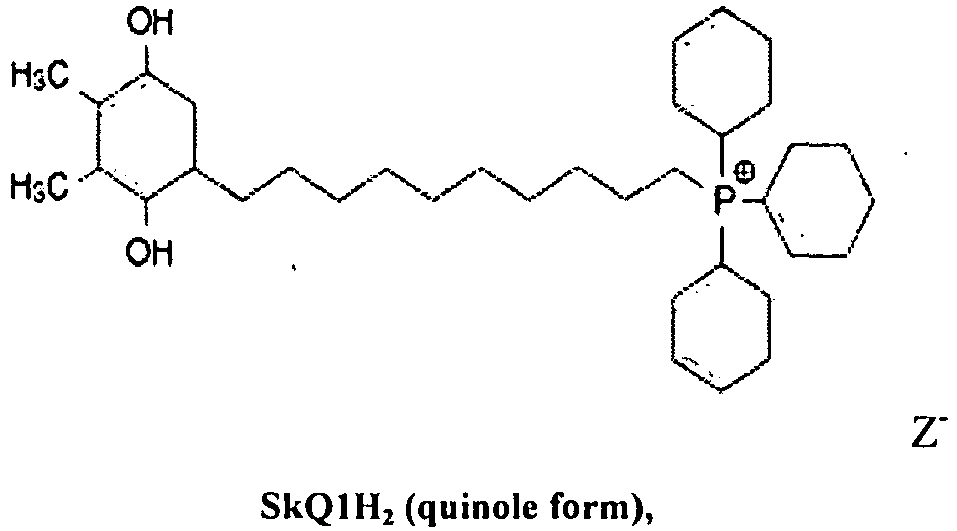
- SkQ1H 2 Another approach to stabilize an SkQ compound in a pharmaceutical formulation is to use its reduced (quinole) form.
- the reduced form of SkQ1 is the quinole SkQ1H 2 : where Z - is pharmaceutically acceptable anion such as, but not limited to, bromide, chloride, or ascorbate.
- SkQ1H 2 can be stabilized and protected from oxidation by a reducing agent such as, but not limited to, ascorbate.
- MTA in reduced or oxidized form
- softgel formulations of MTAs provide good bioavailability as the softgel dissolves in aqueous-miscible, oily liquid carriers such as mono- and digycerides of capric/caprylic acid (Capmul MCM), Miglyol oil 8122 (medium chain triglycerides).
- Capmul MCM capric/caprylic acid
- Miglyol oil 8122 medium chain triglycerides
- Mono- and digycerides of capric/caprylic acid can be used.
- Such oily carriers as they become part of a self-emulsifying system.
- Other exemplary stabilizing components are vitamin E/polyethylene glycol succinate, sorbitan monooleate, labrasol, and combinations thereof.
- tocopherol, butylayed hydroxytoluene, and/or butylated hydroxy anisole can be included in the composition as an antioxidant.
- Another approach for increasing stabilization of MTAs in solution is to create a nanosuspension of MTA ( ⁇ 1000 nm) stabilized with, e . g ., vitamin E/polyethylene glycol succinate.
- Netzsch wet milling http://www.netzsch-grinding.com) can be used to achieve this nanosuspension.
- ethanol solutions of reduced MTA can be mixed with the asorbic and acid dried to create resulting solid or powder that is stable for several months.
- Stable formulations in the form of oral tablets can be prepared by hot melt extrusion. This melt granulation technique maintains the polymorphic stability of the drugs and significantly improve their oral bioavailability. It can be achieved by co-blending the MTAs with macrogols (e.g., polyethylene glycols 3350, 6000, polyvinyl pyrrolidone, hydroxy propyl cellulose and Vitamin E TPSG) through a hot melt extruder, and compressing the resulting granulation into tablets or encapsulting into hard gelatin capsules.
- macrogols e.g., polyethylene glycols 3350, 6000, polyvinyl pyrrolidone, hydroxy propyl cellulose and Vitamin E TPSG
- SkQ1H 2 in the from of light powder was prepared to almost a 100% yield by the reduction of SkQ1 with ascorbic acid or any other suitable reducing agent in alcohol/water mixture followed by isolation by either extraction with chloroform or any other suitable solvent, or by precipitation from water followed by centrifugal separation, or by column (silica gel) chromatography or by method HPLC RP.
- the isolated material was characterized by 1H NMR, LC/MC and elemental analysis data.
- the sample was proved to have excellent stability for 1 month at RT or several months at 4 °C in darkness under inert atmosphere without any humidity access (Table 17).
- the sample also can be stabilized by being dissolved in any deoxygenated anhydrous and aprotic solvents.
- the reduced form of SkQ1 H 2 quickly oxides to the original form of SkQ1 when exposed to air or wet atmosphere or dissolved in water or any protonic solvent (Table 18).
- the stability of SkQ1H 2 in solid compositions is strongly dependent on dryness of the composition as well as dryness of excipients and other components. Humidity of ambient atmosphere and presence of air also play a crucial role in oxidation of SkQ1H 2 into SkQ1 followed by degradation of the latter.
- MTAs including, but not limited to, SkQ1 and SkQR1, to prevent and treat diabetes and disorders related to diabetes (Example 2).
- Such in vivo and in vitro experiments also demonstrate that liquid solutions of MTAs, including but not limited to SkQ1 and SkQR1, can be used for prevention and treatment of inflammatory diseases and related conditions such as septic shock and/or systemic.
- these MTA-based liquid formulations with acceptable stability combined with results showing efficacy in models of diabetes, inflammation, septic shock, and related disorders (Examples 2-7).
- SkQ1 treatment also prevented disassembling of intracellular contacts and cytoskeleton reorganization caused by TNFa (data obtained by misroscopy studies of VE-cadherin, beta-cathenin and F-actin).
- SkQ1 was shown to be effective in protecting endothelial cells against the cytokine-caused dysfunction of endothelial barrier, and thus can be used for prevention and treatment of many pathological conditions including diabetes, atherosclerosis, aging, and chronicle inflammatory diseases.
- SkQ1 decreases the phosphorylation and degradation of IkBa caused by TNF ⁇ .
- NF ⁇ B is known to be permanently active in many inflammatory diseases, such as inflammatory bowel disease, arthritis, sepsis, gastritis, asthma and atherosclerosis ( Monaco et al. (2004) PNAS., 101:5634-9 ).
- SkQ1 was shown to prevent activation of NF ⁇ B, a key inhibitor of NF ⁇ B activity associated with elevated mortality, especially from cardiovascular diseases ( Venuraju et al. (2010) J. Am. Coll. Cardiol., 55:2049-61 ).
- SkQ1 was shown to prevent translocation of transcription factor p65 (RelA) from the cytoplasm to the nucleus, thereby potentially decreasing pathological consequences.
- RelA transcription factor p65
- SkQ1H 2 a reduced quinole form of SkQ, was prepared as follows: 10 ml SkQ1H 2 solution (with concentration 1 mg/ml) in ethanol was thoroughly mixed with 200 mg ascorbic acid and then vaccum dryed. The resulting powder contained 95% ascorbic acid and 5% SkQ1H 2 , and demonstrated acceptable stability at several storage temperatures. For example, in the accelerated decay experiment, SkQ1 purity was reduced from initial 98.7% to 95.1% after storage for 12 d at 60 °C. From these results it can be calculated that storage for 1 year at 4 °C will result in approximately 3.5% loss from the initial concentration of the active compound SkQ1 which has acceptable stability.
- a dry mixture of SkQ1H 2 and ascorbic acid is prepared by dissolving 10 mg SkQ1H 2 in 10 ml ascorbic acid solution (20 mg/ml) and dried under vacuum.
- Alloxan is a well-known diabetogenic agent widely used to induce type 2 diabetes in animals ( Viana et al. (2004) BMC Pharmacol., 8:4-9 ).
- Induction of the alloxan diabetes was performed as follows: Two groups of laboratory rats (20 animals in each group) with free food and water access fed a 250 nM solution of SkQ1 for 10 d. The daily rat consumption was 60 ml water solution (containing 15 nmoles SkQ1). The average weight of rats was 300 g. Thus, rats consumed approximately 50 nmol/kg body weight per day. Two other groups of animals did not receive SkQ1.
- rats were subcutaneously (in the area of the thigh) injected with alloxan dissolved in isotonic salt solution of 0.9% w/v of NaCl (100 mg/kg body weight; groups “Alloxan + SkQ1" and “Alloxan.”
- Control animals were injected with salt solution without alloxan (groups “Control + SkQ1” and “Control”).
- the rats continued to drink water containing SkQ1 (250 nM) during 14 d (group "Alloxan + SkQ1") or were kept without SkQ1 (group "Alloxan”).
- Blood samples from tail vein were collected after overnight fasting and glucose levels were measured before alloxan administration and 1 d, 2 d, 3 d, and 7 d later by the conventional glucose-oxidase method. Seven days after alloxan administration rats were subjected to a glucose tolerance test. Rats were given glucose 3 g/kg i.g. Blood glucose levels were measured before glucose injection and 15 min, 30 min, 60 min, and 90 min later.
- mice carrying mutation in leptin receptor gene are known to be affected by glucose metabolic disorders. These mice are used as type II diabetes model with many of the characteristics of human disease including hyperphagia, hyperglycemia, insulin resistance, progressive obesity ( Hummel et al. (1966) Science, 153:1127-1128 ).
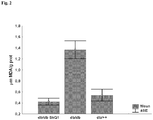
- Fig. 2 elevated glucose levels induce oxidative stress reflected by the increased MDA levels in the liver of db/db mice.
- the increase of MDA level reflects stimulation of lipid peroxidation which in turn is considered responsible for the impairment of endothelial cells, capillary permeability, and fibroblast and collagen metabolism, major factors of pathologies associated with diabetes.
- the stabilized solution of SkQ1 significantly lowered MDA levels in the liver of diabetic db/db mice, thus indicating decreased rate of lipid peroxidation and decreased damage of the liver.
- mice were daily administered 250 nmol/kg body weight per day with the pharmaceutical form of SkQ1 in 20% glycerol as described in Example 8) during period of time from 10 weeks to 12 weeks.
- Control groups of db/db and db/+ mice were not treated with SkQ1.
- Full-thickness dermal wounds were made under anesthesia of ketamine (80 mg/kg). Animals were kept in plastic cages under standard temperature, light, and feeding regimes. 7 days after wounding, animals were sacrificed by decapitation. The wounds were excised, fixed in 10% formalin in standard PBS buffer, histologically processed, and embedded in paraffin. Histological sections of central part of the wounds were cut and stained with hematoxylin and eosin.
- the sections were immunohistochemically stained for markers of endothelial cells (CD31), macrophages (f4/80), and myofibroblasts (smooth muscle ⁇ -actin).
- ImageJ software National Institutes of Health (NIH) http:/rsb.info.nih.gov/ij/) was used to calculate total amount of cells, number of neutrophils, macrophages and vessel density (vessel area/granulation tissue area*100) on the microphotographs of wound sections. For each animal 100 mm 2 of section area was analyzed. Wound epithelization rate was assessed in % as ratio of epithelized wound area to total wound area on tissue section * 100. For statistical analysis nonparametric Mann-Whitney U-test was used. Data are shown as means ⁇ S.E.M.
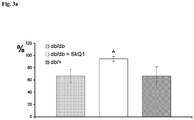
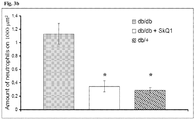
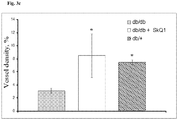
- the stabilized pharmaceutical form of SkQ1 is able to accelerate wound healing by decreasing neutrophil infiltration, increasing vascularization, and increasing the rate of epithelization in diabetic mice.
- LPS lipopolysaccharide
- Induction of the septic shock was performed as follows: 43 male BALB/c mice with free food and water access were divided onto 4 experimental groups. Group “K” got water without drugs. Groups "SkQ 50," “SkQ 250,” and “SkQ 1250” were daily parenterally treated with pharmaceutical form of SkQ1 in water comprising 50 nmol/kg, 250 nmol/kg, and 1250 nmol/kg accordingly. After 3 weeks of SkQ1 treatment animals were intraperitonially injected with 250 mg/kg LPS and 700 mg/kg D-galactosamine (D-GalN) inducing septic shock leading to death of 50% of untreated control animals (LD50 dose). Death of animals were registered after 4 d of septic shock induction.
- D-GalN D-galactosamine
- mice with free food and water access are divided onto 4 experimental groups.
- Group "K” receive 20% glycerol without drugs.
- Groups "SkQ 50,” “SkQ 250,” and “SkQ 1250” are daily parenterally treated with pharmaceutical form of SkQ1 in 20% glycerol (Example 8) comprising 50 nmol/kg, 250 nmol/kg, and 1250 nmol/kg accordingly.
- After 3 weeks of SkQ1 treatment animals are intraperitonially injected with 250 mg/kg LPS and 700 mg/kg D-galactosamine (D-GalN) inducing septic shock leading to death of 50% of untreated control animals (LD50 dose). Death of the animals is registered after 4 d of septic shock induction.
- D-GalN D-galactosamine
- the collagen-induced arthritis (CIA) rat model was used to examine the susceptibility of rheumatoid arthritis (RA) to treatment with potential anti-arthritic agents ( Griffiths et al. (2001) Immunol. Rev., 184:172-83 ).
- SkQ1 reduced the number of animals with apparent inflammation, i . e . animals with increased paw volumes measured by water manometry compared to control group. Hence, SkQ1 possesses anti-inflammatory and anti-arthritic effects.
- Wistar rats with free food and water access are injected with complete Freund adjuvant and 250 mg type II collagen to induce CIA.
- two groups of animals in each are daily fed with pharmaceutical form of SkQ1 in 20% glycerol (Example 8) comprising 250 nmol/kg body weight per day (groups "SkQ1 from day 14" and “SkQ1 from day 24"; Group "Control” received water without drugs).
- Intense cytokine production induced by inflammation may lead to death of endothelial cells which, along with increased oxidative stress and vascular inflammation, leads to endothelial dysfunction and increases the risk for coronary artery disease.
- Human endothelial cell line EA.hy926 (ATCC Collection; catalog number CRL-2922) was used as a model of vascular endothelium. This cell line is similar to primary HUVEC cell line ( Edgell et al. (1983) PNAS, 80(12):3734-7 ; Edgell et al. (1990) In Vitro Cell Dev Biol., 26(12):1167-72 ) and widely used as a relevant model for inflammation studies ( Riesbeck et al. (1998) Clin. Vaccine Immunol., 5:5675-682 ).
- human endothelial cells EA.hy926 were pre-incubated with 0.2 nM SkQR1 or 2 nM SkQ1 solution in Dulbecco's Modified Eagle's Medium (DMEM) supplemented with 10% of fetal serum (Example 1) for 4 d. After that the cells were incubated overnight with fresh DMEM medium with 0.2% of fetal serum. The cells were incubated 2 d with TNF- ⁇ (0.25 ng/ml to 50 ng/ml) and cell death was monitored using standard MTT test ( Berridge et al. (1996) Biochemica, 4:14-9 ). The data from this assay is shown as means ⁇ S.E. at least for 3 separate experiments.
- both SkQ1 and SkQR1 greatly reduced cell death compared to control without MTA.
- SkQ1 and SkQR1 were shown to be effective substance protecting endothelial cells against cytokine's inflammatory action and can be used for prevention and treatment of coronary heart disease including atherothrombosis.
- ICAM-1 Inter-Cellular Adhesion Molecule 1
- ICAM-1 is a key molecule functioning in intercellular adhesion process and transmigration of leukocytes across vascular endothelia during inflammatory response.
- TNF- ⁇ is a central proinflammatory cytokine stimulating expression of cell adhesion molecules and many inflammatory cytokines.
- Anti-inflammatory properties of many drugs often rely on their ability to inhibit expression of pro-inflammatory cytokines induced by TNF- ⁇ using EAhy926 endothelial cells ( Edgell et al. (1983) Proc. Natl. Acad. Sci. USA, 80:3734-7 ; Lombardi et al. (2009) Eur. J. Cell. Biol., 88:731-42 ; Manea et al. (2010) Cell Tissue Res., 340:71-9 ).
- ICAM-1 mRNA expression was determined by real-time PCR ( Okada et al. (2005) Invest. Ophtalmol. Vis. Sci., 46:4512-8 ). Secretion of IL-6 and IL-8 was evaluated by ELISA ( Toma et al. (2009) Biochem. Biophys. Res. Commun., 390:877-82 ; Volanti et al. (2002) Photochem. Photobiol., 75:36-45 .) The data is shown as means ⁇ S.E. at least for 3 separate experiments.
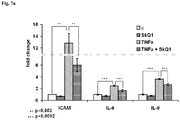
- Fig. 7a confirm SkQ1 to be and effective vascular anti-inflammatory substance that prevents excessive expression of inflammatory cytokines and ICAM-1.
- MTAs are useful for prevention and treatment of vascular pathologies including atherosclerosis.
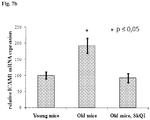
- mice As described above in Example 7A, above, the expression of ICAM-1 is elevated under many pathological vascular conditions. SkQ1 efficacy in reducing ICAM-1 expression in vivo was tested on mice.
- 30 hybrid male C57Black/CBA mice were divided into 3 experimental groups (10 animals in each group) at the beginning of the experiment. The group “Young mice” included mice at the age of 6 months. Groups “Old mice” and “Old mice, SkQ1” included mice at the age of 24 months. The group “Old mice, SkQ1" had free access to drinking water with 100 nM water-dissolved SkQ1 per 1 kg of body weight for 7 months. After this period, the animals were decapitated.
- RNA samples were excised, and total RNA was isolated using DNeasy Blood and Tissue kit (QIAGEN), reverse-transcribed into cDNA, and used for quantitative real-time PCR analysis of ICAM-1 mRNA level.
- QIAGEN DNeasy Blood and Tissue kit
- ICAM-1 mRNA level For the normalization procedure the average geometry of expression levels of housekeeping genes GAPDH and RPL32 was used Data are shown as means ⁇ S.E.M.
- hybrid male C57Black/CBA mice are divided into 3 experimental groups, "young,” “old,” and “old mice, SkQ1,” as described above.
- the third group receives SkQ1 in 20% glycerol comprising 250 nmol/kg body weight per day dose up to 7 months.
- the "old” group is the control and receives glycerol without drugs. After this period, the animals are decapitated. Aortas are excised, and total RNA is isolated using DNeasy Blood and Tissue kit (QIAGEN), reverse-transcribed into cDNA, and used for quantitative real-time PCR analysis of ICAM-1 mRNA level. For the normalization procedure the average geometry of expression levels of housekeeping genes GAPDH and RPL32 are used. Data are calculated as means ⁇ S.E.M.
- Glycerol (20 g) was diluted with phosphate buffer (80 g, 0.01 M KH 2 PO 4 , pH 4.77). A sample of SkQ1 (20 mg) was placed in a dark glass vial and dissolved in propylene glycol (0.2 mL) and diluted with an aliquot (19.8 ml) of the above solvent to 1 mM.
- SkQ1 50 mg
- pyruvic acid 71 mg, 10 eq
- 50% propylene glycol-water mixture 100 ml
- SkQ1 50 mg
- L(+)-lactic acid 73 mg, 10 eq
- 50% propylene glycol-water mixture 100 ml
- microcrystalline cellulose was added to a solution of 12.5 mg SkQ1 and 17.8 mg (10 eq) pyruvic acid in 0.75 ml EtOH. The mixture was vigorously stirred and the solvent was evaporated to dryness.
- Syloid FP was added to a solution of 12.5 mg SkQ1 and 17.8 mg (10 eq) pyruvic acid in 0.75 ml EtOH. The mixture was vigorously stirred and the solvent was evaporated to dryness.
- the yield of SkQ1H 2 was 2 g (approx 100% yield) in the form of light powder.
- the stability results are shown below (Table 14 and Table 15).
- compositions were prepared as described above in Method 3 or 4 using lactose monohydrate instead of glycose.
Landscapes
- Health & Medical Sciences (AREA)
- Chemical & Material Sciences (AREA)
- Life Sciences & Earth Sciences (AREA)
- General Health & Medical Sciences (AREA)
- Veterinary Medicine (AREA)
- Public Health (AREA)
- Animal Behavior & Ethology (AREA)
- Pharmacology & Pharmacy (AREA)
- Medicinal Chemistry (AREA)
- Epidemiology (AREA)
- Organic Chemistry (AREA)
- Engineering & Computer Science (AREA)
- Chemical Kinetics & Catalysis (AREA)
- General Chemical & Material Sciences (AREA)
- Molecular Biology (AREA)
- Biochemistry (AREA)
- Oil, Petroleum & Natural Gas (AREA)
- Bioinformatics & Cheminformatics (AREA)
- Nuclear Medicine, Radiotherapy & Molecular Imaging (AREA)
- Diabetes (AREA)
- Inorganic Chemistry (AREA)
- Rheumatology (AREA)
- Biophysics (AREA)
- Emergency Medicine (AREA)
- Immunology (AREA)
- Toxicology (AREA)
- Endocrinology (AREA)
- Hematology (AREA)
- Dermatology (AREA)
- Obesity (AREA)
- Pain & Pain Management (AREA)
- Orthopedic Medicine & Surgery (AREA)
- Physical Education & Sports Medicine (AREA)
- Pharmaceuticals Containing Other Organic And Inorganic Compounds (AREA)
- Medicinal Preparation (AREA)
- Acyclic And Carbocyclic Compounds In Medicinal Compositions (AREA)
- Cosmetics (AREA)
Description
- This disclosure is in the fields of cell biology, pharmacolog,y and medicine, and in particular, inflammation, diabetes, septic shock, wound healing, and coronary heart disease.
- Promising therapeutical properties of mitochondria-targeted antioxidants (MTAs) have been described (see, e.g.,
US2008176929 ; Skulachev et al. (2009), Biochim. Biophys. Acta, 1787:437-61). The experiments performed which revealed these properties were done with freshly prepared solutions of MTAs and made by dissolving of ethanol stock solutions preserved at -80 °C shortly before administration of the preparation to animals. Such method of preparation and administration is not suitable or realistic for preparation of pharma-ceuticals as it is extremely inconvenient if not impossible for industrial manufacturing, logistics, and use by patients.CA 2 764 481 A1 - The present disclosure provides stabilized liquid and solid formulations comprising MTAs suitable for oral, nasal, and intravenous and injectable administration, and methods of preparation of such formulations. The invention also provides methods of treatment and prophylaxis of diseases and conditions relating to mitochondria using such formulations. The scope of the invention is defined by the claims. Any references in the description to methods of treatment refer to the compounds, pharmaceutical compositions and medicaments of the present invention for use in a method for treatment of the human (or animal) body by therapy (or for diagnosis).
- In one aspect, the disclosure provides a stabilized pharmaceutical as defined by the claims comprising a compound of Formula I in oxidized and/or reduced form. The compound of Formula I is:

- A is an antioxidant of Formula II:

- Y is independently selected from the group consisting of: lower alkyl, lower alkoxy, or two adjacent Y groups, together with carbon atoms to which they are attached, form a following structure of Formula III:

- R1 and R2 are the same or different and are each independently lower alkyl or lower alkoxy;
- L is a linker group, comprising: a) a straight or branched hydrocarbon chain optionally substituted by one or more double or triple bond, or ether bond, or ester bond, or C-S, or S-S, or peptide bond; and which is optionally substituted by one or more substituents preferably selected from alkyl, alkoxy, halogen, keto group, amino group; or b) a natural isoprene chain;
- n is an integer from 1 to 20; and
- B is a targeting group comprising: a) a Skulachev-ion Sk (Sk+ Z-) wherein: Sk is a lipophillic cation or a lipophillic metalloporphyrin, and Z is a pharmaceutically acceptable anion; or b) an amphiphillic zwitterion,
- with the proviso that in compound of Formula I, A is not ubiquinone (e.g., 2-methyl-4,5-dimethoxy-3,6-dioxo-1,4-cyclohexadienyl) or tocopherol or a mimetic of superoxide dismutase or ebselen; when L is divalent decyl, divalent pentyl, or divalent propyl radical; and when B is triphenylphosphonium cation.
- In a particular embodiment, the composition is reduced or is oxidized. In some embodiments, the formulation is in liquid form, and in other embodiments, the formulation is in solid form.
- The formulation comprises a compound of Formula I in 10% to 30% glycerol or 20-100% 1,2-propylene glycol. In one particular embodiment, the composition of Formula I is in about 50% 1,2-propylene glycol.
- The disclosure also provides stabilized solid pharmaceutical formulations comprising a compound of Formula I in oxidized or reduced form, with the proviso that in compound of Formula I, A is not ubiquinone (e.g., 2-methyl-4,5-dimethoxy-3,6-dioxo-1,4-cyclohexadienyl) or tocopherol or a mimetic of superoxide dismutase or ebselen; when L is divalent decyl, divalent pentyl, or divalent propyl radical; and when B is triphenylphosphonium cation.
- In one embodiment, the formulation also comprises 1 molar equivalent to 200 molar equivalents of an antioxidation agent that reduces the oxidized form of the compound of Formula 1, and a pharmaceutically acceptable carrier.
- In some embodiments, the antioxidation agent is ascorbic acid.
- In some embodiments, the pharmaceutically acceptable carrier comprises sorbite, glucose, and/or magnesium stearate.
- In certain embodiments, the pharmaceutical formulation is SkQ1 or SkQ1H2. In other embodiments, the compound is SkQR1 or SkQR1 H2. In yet other embodiments, the compound is SkQ3 or SkQ3H2. In still other embodiments, the compound is SkQRB or SkQRBH2. In other embodiments, the compound is SkQB1 or SkQB1H2. In yet other embodiments, the compound is SkQBP1 or SkQBP1H2.
- In other aspects, the disclosure provides methods of treating and preventing diabetes type I and II, inflammation, septic shock, arthritis, and coronary heart disease, and methods of aiding in wound healing. In these methods, a therapeutically effective amount of a formulation comprising a stabilized compound of Formula I in liquid or solid form is administered to a patient, with the proviso that in compound of Formula I, A is not ubiquinone (e.g., 2-methyl-4,5-dimethoxy-3,6-dioxo-1,4-cyclohexadienyl) or tocopherol or a mimetic of superoxide dismutase or ebselen; when L is divalent decyl, divalent pentyl, or divalent propyl radical, and when B is triphenylphosphonium cation.
- In some embodiments of the method, the formulation comprises glycerol, glycol, and/or ethanol. In some embodiments, the formulation comprises SkQ1, SkQ1H2, SkQR1, SkQR1H2, SkQ3, SkQ3H2, SkQBP1, SkQBP1H2, SkQRB, or SkQRBH2.
- In some embodiments, the liquid formulation is administered orally or by injection. In other embodiments, the solid formulation is administered orally, anally, or vaginally. In some embodiments the formulation is a solid and comprises ascorbic acid. In particular embodiments, the formuilation also comprises a pharmacetucally acceptable carrier.
- In some embodiments, diabetes type I or II is treated with SkQ1 or SkQ1H2 in 20% glycerol.
- In certain embodiments, arthritis is treated with a formulation comprising SkQ1 or SkQ1H2 in 20% glycerol. In yet other embodiments, arthritis is treated with a formulation comprising SkQ1 and ascorbic acid.
- The foregoing and other objects of the present disclosure, the various features thereof, as well as the invention itself may be more fully understood from the following description, when read together with the accompanying drawings.
-
Figure 1 is a graphic representation of the effect of SkQ1 on blood glucose level of diabetic animal model (alloxan-treated mice); -
Figure 2 is a graphic representation of the effect of SkQ1 on liver damage of db/db diabetic mice; -
Figure 3a is a graphic representation illustrating the effect of SkQ1 on epithelization of diabetic wounds; -
Figure 3b is a graphic representation illustrating the effect of SkQ1 on the amount of neutrophils in diabetic wounds; -
Figure 3c is a graphic representation illustrating the effect of SkQ1 on vessel density in diabetic wounds; -
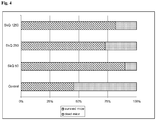
Figure 4 is a graphic representation of the effect of SkQ1 on survival of mice subjected to septic shock; -
Figure 5 is a graphic representation demonstrating the anti-inflammatory effect of SkQ1 in collagen-induced arthritis in rats; -
Figure 6 is a graphic representation demonstrating the anti-inflammatory effect of SkQ1 and SkQR1 rescuing endothelial cells from death induced by proinflammatory cytokine TNF-alpha; -
Figure 7a is a graphic representation demonstrating the ability of SkQ1 to inhibit inflammation in vitro by lowering expression of pro-inflammatory cytokines; and -
Figure 7b is a graphic representation demonstrating the ability of SkQ1 to inhibit inflammation in vivo by lowering expression of pro-inflammatory cytokines as measured by relative ICAM-1 mRNA expression in mice. - Prior to the detailed description of the invention follows, one should understand that the invention is not limited to the particular methodology, protocols, and reagents described here, as they are subject to change. In addition, it should be understood that in the present invention, the terminology is used to describe particular embodiments only and does not limit the scope of the present invention which will be limited only by the appended claims. Unless otherwise specified, all technical and scientific terms used here have the same meanings that are understandable to those skilled in the art.
- It was unexpectedly found that many effective MTAs are not stable enough in usual liquid and solid pharmaceutical formulations suitable for their administration by injection, or by oral, IV, nasal, topical, or enteral administration. This feature limits clinical application of pharmaceuticals based on MTA as active compounds.
- The present disclosure provides stable, liquid, MTA-based pharmaceutical compositions applicable in clinical practice. A useful MTA is a compound of Formula I in oxidized and/or reduced form.
- The compound of Formula I is:
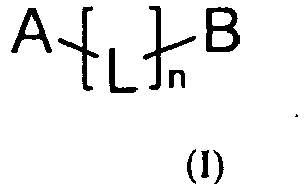
- A is an antioxidant of Formula II:

- Y is independently selected from the group consisting of: lower alkyl, lower alkoxy, or two adjacent Y groups, together with carbon atoms to which they are attached, form a following structure of Formula III:

- R1 and R2 are the same or different and are each independently lower alkyl or lower alkoxy;
- L is a linker group, comprising: a) a straight or branched hydrocarbon chain optionally substituted by one or more double or triple bond, or ether bond, or ester bond, or C-S, or S-S, or peptide bond; and which is optionally substituted by one or more substituents preferably selected from alkyl, alkoxy, halogen, keto group, amino group; or b) a natural isoprene chain;
- n is an integer from 1 to 20; and
- B is a targeting group comprising: a) a Skulachev-ion Sk: (Sk+ Z-), wherein: Sk is a lipophillic cation or a lipophillic metalloporphyrin, and Z is a pharmaceutically acceptable anion; or b) an amphiphillic zwitterion, with the proviso that in compound of Formula I, A is not ubiquinone (e.g., 2-methyl-4,5-dimethoxy-3,6-dioxo-1,4-cyclohexadienyl) or tocopherol or a mimetic of superoxide dismutase or ebselen; when L is divalent decyl, divalent pentyl, or divalent propyl radical; and when B is triphenylphosphonium cation, with the proviso that in compound of Formula I, A is not ubiquinone (e.g., 2-methyl-4,5-dimethoxy-3,6-dioxo-1,4-cyclohexadienyl) or tocopherol or a mimetic of superoxide dismutase or ebselen; when L is divalent decyl, divalent pentyl, or divalent propyl radical; and when B is triphenylphosphonium cation.
- Specific useful MTAs include, but are not limited to, the SkQ1 and SkQR1:


PCT/RU2006/000394 - Other useful MTA variants include, but are not limited to SkQ3:

to SkQRB:
to SkQB1:
to SkQBP1:
- These MTAs are formulated for oral administration as liquid solutions and as solid formulations.
- Liquid solutions are also useful for aerosol delivery via injection, for IV administration, nasal administration, topical administration, or enteral administration.
- Such stable liquid formulations include one or more solvents or soluble components into which the MTAs are placed. The solvents include glycerol or 1,2-propylene glycol as defined by the claims. For example, useful stable formulations contain at least 10% glycerol, or mixtures thereof, which may also include water, glycerol, ethanol, and/or 1,2-propylene to make up the difference. For example, representative stabilizing solutions of 1 nM to 1 mM SkQ1, SkQ1H2, SkQR1, SkQR1H2,SKQ3, SkQ3H2, SKQRB, SkQRBH2, SKQB1, SkQB1H2, SKQBP1 and/or SkQBP1H2, contain 20% to 100% 1,2-propylene glycol, or 10-30% glycerol. Other pharmaceutically acceptable carriers may also be components of such formulations.
- Because MTAs are not shelf-stable for long periods of time, various compounds were tested to determine their ability to stabilize SkQ1 and SkQR1 as representative MTAs in dry form.
- Beta-cyclodextrin, gun-arabic, fruit fibers, and sodium chloride did not provide suitable stabilization levels (degradation rate, %/d was 0.8 to 8.1).
- Liquid solvents were also tested for their ability to stabilize representative MTAs SkQ1 and SkQR1. The solvents tested were water solutions of glycerol (10% to 100%), 50% lactulose, and 1,2-propylene glycol (10% to 100%, at 60 °C). Some representative results are shown below (Table 1).
Table 1 MTA Concentration, mkM Stabilizing Solvent Degradation rate, percent per day SkQ1 400 50% lactulose 9.01 SkQ1 400 10% 1,2-propylene glycol 0.47 SkQ1 400 50% 1,2-propylene glycol 0.06 SkQ1 400 100% 1,2-propylene glycol 0.18 SkQ1 400 10% Glycerol 0.61 SkQ1 400 20% Glycerol 0.51 SkQ1 400 30% Glycerol 0.53 SkQ1 400 40% Glycerol 0.91 SkQ1 400 50% Glycerol 1.54 SkQ1 400 60% Glycerol 1.92 SkQ1 400 70% Glycerol 2.4 SkQ1 400 80% Glycerol 3.2 SkQ1 400 90% Glycerol 4.18 SkQRB 200 50% Glycerol 0.4 SkQR1 140 50% Glycerol 0.7 SkQBP1 400 50% Glycerol 0.08 SkQR1 100 10% 1,2-propylene glycol 6.19 SkQR1 100 20% 1,2-propylene glycol 0.34 SkQR1 100 30% 1,2-propylene glycol 0.32 SkQR1 100 40% 1,2-propylene glycol 0.06 SkQR1 100 50% 1,2-propylene glycol <0.01 SkQR1 100 60% 1,2-propylene glycol <0.01 SkQR1 100 70% 1,2-propylene glycol 0.05 SkQR1 100 80% 1,2-propylene glycol 0.23 SkQR1 100 90% 1,2-propylene glycol 0.30 SkQR1 100 100% 1,2-propylene glycol 0.23 - These results illustrate high stability of MTAs in a pharmaceutical composition for administration in the form of solution in glycerol (from about 10% to about 100% glycerol), and about 50% 1,2-propylene glycol solution.
- In addition, the stability of SkQ1 and SkQR1 was significantly increased in dark plastic or glass vials, indicating that these compounds are light-sensitive. Accordingly, one of the ways to further improve or increase stability of SkQ liquid compositions during storage and transportation is to protect it from light.
- When SkQ compounds of Formula I according to the disclosure are in solid form, they may be stabilized, for example, with an antioxidation agent. Such an agent can be ascorbic acid. Useful amounts of ascorbic acid range from about 1 molar equivalent to about 200 molar equivalents. As used herein, the term "molar equivalent" refers to the number of dissolved particles, or that amount which reacts with, or supplies one mole of H+ in an acid-base reaction, or which reacts or supplies one mole of electrons in a redox reaction. Other useful components of representative stabilized MTA formulations are shown in Table 2. Such formulations may also comprise pharmaceutically acceptable carriers such as, but not limited to, sorbite, glucose, and magnesium stearate.
- Another approach to stabilize an SkQ compound in a pharmaceutical formulation is to use its reduced (quinole) form. For example, the reduced form of SkQ1 is the quinole SkQ1H2:
- Yet another approach to improve stability is to place the MTA, in reduced or oxidized form, in a "softgel" formulation, which is a gelatin-based capsule with a liquid filling. Softgel formulations of MTAs provide good bioavailability as the softgel dissolves in aqueous-miscible, oily liquid carriers such as mono- and digycerides of capric/caprylic acid (Capmul MCM), Miglyol oil 8122 (medium chain triglycerides). When the softgel is released in the body, it gets emulsified and provides drug dispersion at a high surface area.
- Mono- and digycerides of capric/caprylic acid (Capmul MCM), Miglyol oil 8122 (medium chain triglycerides) can be used. Such oily carriers as they become part of a self-emulsifying system. Other exemplary stabilizing components are vitamin E/polyethylene glycol succinate, sorbitan monooleate, labrasol, and combinations thereof. Additionally, based on its oxidation potential, tocopherol, butylayed hydroxytoluene, and/or butylated hydroxy anisole can be included in the composition as an antioxidant.
- Another approach for increasing stabilization of MTAs in solution is to create a nanosuspension of MTA (< 1000 nm) stabilized with, e.g., vitamin E/polyethylene glycol succinate. Netzsch wet milling (http://www.netzsch-grinding.com) can be used to achieve this nanosuspension.
- Additionally, ethanol solutions of reduced MTA (such as SkQ1H2) can be mixed with the asorbic and acid dried to create resulting solid or powder that is stable for several months.
- Stable formulations in the form of oral tablets can be prepared by hot melt extrusion. This melt granulation technique maintains the polymorphic stability of the drugs and significantly improve their oral bioavailability. It can be achieved by co-blending the MTAs with macrogols (e.g., polyethylene glycols 3350, 6000, polyvinyl pyrrolidone, hydroxy propyl cellulose and Vitamin E TPSG) through a hot melt extruder, and compressing the resulting granulation into tablets or encapsulting into hard gelatin capsules.
- Representative stable liquid and solid oral SkQ1 formulations are shown below (Table 2):
Table 2 Oxidized SkQ1 Solutions: SkQ1 in 20% (wt %) glycerol, prepared with phosphate buffer SkQ1 in 50% (wt %) 1,2-propylene glycol with pyruvic acid SkQ1 in 50% (wt %) 1,2-propylene glycol with lactic acid Solid compositions: SkQ1 with PEG-4000 SkQ1 with dextran SkQ1 with p-aminobenzoic acid (p-ABA) SkQ1 with dextran and p-ABA SkQ1 with myoinosite SkQ1 with pyruvic acid and Pearlitol 200 SkQ1 with pyruvic acid and microcrystalline cellulose SkQ1 with pyruvic acid and F-Melt C SkQ1 with pyruvic acid and Syloid FP SkQ1 with citric (or tartaric acid, or lactic acid, or glycine) and Pearlitol 200 SkQ1 with citric acid (or tartaric acid, or lactic acid, or glycine) and crocrystalline cellulose SkQ1 with citric acid (or tartaric acid, or lactic acid, or glycine) and F-Melt C SkQ1 with citric acid (or tartaric acid, or lactic acid, or glycine) and Syloid FP SkQ1H2(reduced form) Solutions: SkQ1H2 (0.11 M) with ascorbic acid (10 eq) in 55% EtOH SkQ1H2 (7.4 mM) with ascorbic acid (5 eq) and sorbite (20 wt parts) in 30% 1,2-propylene glycol Solid compositions: SkQ1H2 (1 eq) with ascorbic acid (>2 molar eq) with PEG-4000 SkQ1H2 (1 eq) with ascorbic acid (>2 molar eq) with dextran SkQ1H2 (1 eq) with ascorbic acid (>10 molar eq) with PEG-4000 SkQ1H2 (1 eq) with ascorbic acid (>10 molar eq) with dextran SkQ1H2 (1 eq) with sorbite (30 wt parts) SkQ1H2 (1 eq) with ascorbic acid (0-5 eq) and sorbite (30 wt parts) SkQ1H2 (1 eq) with ascorbic acid (0-5 eq) and glucose (10 wt parts) SkQ1 H2 (1 eq) with ascorbic acid (0-5 eq) and lactose monohydrate (10 wt parts) SkQ1H2 (1 eq) with ascorbic acid (0-5 eq) and Pearlitol 200 (30 wt parts) SkQ1 H2 (1 eq) with ascorbic acid (0-5 eq) and microcrystalline cellulose (30 wt parts) SkQ1 H2 (1 eq) with ascorbic acid (0-5 eq) and F-Melt C (30 wt parts) SkQ1H2 (1 eq) with ascorbic acid (0-5 eq) and Syloid FP (30 wt parts) - SkQ1H2 in the from of light powder was prepared to almost a 100% yield by the reduction of SkQ1 with ascorbic acid or any other suitable reducing agent in alcohol/water mixture followed by isolation by either extraction with chloroform or any other suitable solvent, or by precipitation from water followed by centrifugal separation, or by column (silica gel) chromatography or by method HPLC RP. The isolated material was characterized by 1H NMR, LC/MC and elemental analysis data.
- The sample was proved to have excellent stability for 1 month at RT or several months at 4 °C in darkness under inert atmosphere without any humidity access (Table 17). The sample also can be stabilized by being dissolved in any deoxygenated anhydrous and aprotic solvents. The reduced form of SkQ1 H2 quickly oxides to the original form of SkQ1 when exposed to air or wet atmosphere or dissolved in water or any protonic solvent
(Table 18). - The stability of SkQ1H2 in solid compositions is strongly dependent on dryness of the composition as well as dryness of excipients and other components. Humidity of ambient atmosphere and presence of air also play a crucial role in oxidation of SkQ1H2 into SkQ1 followed by degradation of the latter.
- In vivo and in vitro experiments demonstrate the ability of MTAs including, but not limited to, SkQ1 and SkQR1, to prevent and treat diabetes and disorders related to diabetes (Example 2). Such in vivo and in vitro experiments also demonstrate that liquid solutions of MTAs, including but not limited to SkQ1 and SkQR1, can be used for prevention and treatment of inflammatory diseases and related conditions such as septic shock and/or systemic. For example, these MTA-based liquid formulations with acceptable stability combined with results showing efficacy in models of diabetes, inflammation, septic shock, and related disorders (Examples 2-7).
- SkQ1 treatment also prevented disassembling of intracellular contacts and cytoskeleton reorganization caused by TNFa (data obtained by misroscopy studies of VE-cadherin, beta-cathenin and F-actin). Thus, SkQ1 was shown to be effective in protecting endothelial cells against the cytokine-caused dysfunction of endothelial barrier, and thus can be used for prevention and treatment of many pathological conditions including diabetes, atherosclerosis, aging, and chronicle inflammatory diseases.
- Additionally, SkQ1 decreases the phosphorylation and degradation of IkBa caused by TNFα. NFκB is known to be permanently active in many inflammatory diseases, such as inflammatory bowel disease, arthritis, sepsis, gastritis, asthma and atherosclerosis (Monaco et al. (2004) PNAS., 101:5634-9). SkQ1 was shown to prevent activation of NFκB, a key inhibitor of NFκB activity associated with elevated mortality, especially from cardiovascular diseases (Venuraju et al. (2010) J. Am. Coll. Cardiol., 55:2049-61). In addition, SkQ1 was shown to prevent translocation of transcription factor p65 (RelA) from the cytoplasm to the nucleus, thereby potentially decreasing pathological consequences.
- SkQ1H2, a reduced quinole form of SkQ, was prepared as follows: 10 ml SkQ1H2 solution (with
concentration 1 mg/ml) in ethanol was thoroughly mixed with 200 mg ascorbic acid and then vaccum dryed. The resulting powder contained 95% ascorbic acid and 5% SkQ1H2, and demonstrated acceptable stability at several storage temperatures. For example, in the accelerated decay experiment, SkQ1 purity was reduced from initial 98.7% to 95.1% after storage for 12 d at 60 °C. From these results it can be calculated that storage for 1 year at 4 °C will result in approximately 3.5% loss from the initial concentration of the active compound SkQ1 which has acceptable stability. - Alternatively, a dry mixture of SkQ1H2 and ascorbic acid is prepared by dissolving 10 mg SkQ1H2 in 10 ml ascorbic acid solution (20 mg/ml) and dried under vacuum.
- Yet another way to prepare an SkQ1- ascorbic acid mixture is to mix 5 ml SkQ1H2 solution in ethanol (2 mg/ml), with 5 ml ascorbic acid solution in water (40 mg/ml), and vacuum dry. The reduced form of SkQH2 is stabilized in ascorbic acid solution, eliminating the drying stage, and thus the corresponding liquid formulation.
- Alloxan is a well-known diabetogenic agent widely used to induce
type 2 diabetes in animals (Viana et al. (2004) BMC Pharmacol., 8:4-9). - Induction of the alloxan diabetes was performed as follows: Two groups of laboratory rats (20 animals in each group) with free food and water access fed a 250 nM solution of SkQ1 for 10 d. The daily rat consumption was 60 ml water solution (containing 15 nmoles SkQ1). The average weight of rats was 300 g. Thus, rats consumed approximately 50 nmol/kg body weight per day. Two other groups of animals did not receive SkQ1. After 10 d, rats were subcutaneously (in the area of the thigh) injected with alloxan dissolved in isotonic salt solution of 0.9% w/v of NaCl (100 mg/kg body weight; groups "Alloxan + SkQ1" and "Alloxan." Control animals were injected with salt solution without alloxan (groups "Control + SkQ1" and "Control"). After injection, the rats continued to drink water containing SkQ1 (250 nM) during 14 d (group "Alloxan + SkQ1") or were kept without SkQ1 (group "Alloxan").
- Data on glucose blood level was measured by the glucose oxidase method (Saifer et al. (1958) J. Lab. Clin. Med., 51:445-460) after 2 weeks of alloxan injection. The results are presented in
Fig. 1 . All data are presented as the mean +/-SE. - Animals consuming SkQ1 after alloxan injection had about 2-fold lower blood glucose compared to mice without SkQ1 treatment.
- These results demonstrate that stabilized MTAs, e.g. SkQ1, are useful for the prevention and treatment of diabetes mielitus and its complications.
- In another experiment, 200 g to 250 g Wistar male rats (age 7 to 8 weeks) were divided into 3 groups, 12 to 15 animals each and were injected with alloxan 125 mg/kg intraperitoneally (i.p.) after overnight fasting. Control animals were injected with saline (0.9% NaCl). The stabilized formulation (1% ethanol, 5 ml/kg) and SkQ1H2 (5 eq ascorbic acid, 30 wt parts sorbite) in a dosage of 1250 nmol/kg was administered intragastrically (i.g.) by gavage once daily for 2 weeks before and 1 week after alloxan administration. Blood samples from tail vein were collected after overnight fasting and glucose levels were measured before alloxan administration and 1 d, 2 d, 3 d, and 7 d later by the conventional glucose-oxidase method. Seven days after alloxan administration rats were subjected to a glucose tolerance test. Rats were given glucose 3 g/kg i.g. Blood glucose levels were measured before glucose injection and 15 min, 30 min, 60 min, and 90 min later.
- The following results were obtained (Table 3):
Table 3 Saline + vehicle Alloxan + vehicle Alloxan + SkQ1H2 formulation Maximum glucose conc. in blood, mM 6.7 17.6 13.9 Integrated glucose con. in blood (area under curve, a.u = mM x min) 500 1194 947 - Mice carrying mutation in leptin receptor gene (C57BLKS-Leprdb/J mice, or db/db mice) are known to be affected by glucose metabolic disorders. These mice are used as type II diabetes model with many of the characteristics of human disease including hyperphagia, hyperglycemia, insulin resistance, progressive obesity (Hummel et al. (1966) Science, 153:1127-1128).
- SkQ1 in 20% glycerol, as described below in Example 8 (250 nmol/kg per day) was orally administered to 10 to 12 week old homozygous db/db mice (n = 8), while vehicle db/db (n = 8) and non-diabetic control heterozygous db/++ (n = 5) mice for 12 weeks. The hepatic TBA-reactive substance content (MDA) was determined by assay according to the method of Mihara et al. ((1978) Anal. Biochem., 86:271-278).
- As shown in
Fig. 2 , elevated glucose levels induce oxidative stress reflected by the increased MDA levels in the liver of db/db mice. The increase of MDA level reflects stimulation of lipid peroxidation which in turn is considered responsible for the impairment of endothelial cells, capillary permeability, and fibroblast and collagen metabolism, major factors of pathologies associated with diabetes. The stabilized solution of SkQ1 significantly lowered MDA levels in the liver of diabetic db/db mice, thus indicating decreased rate of lipid peroxidation and decreased damage of the liver. - Wound healing was studied in two series using 6 months old C57BLKS-Leprdb/J mice (db/db) homozygous and heterozygous C57BLKS-Leprdb/J mice (db/+) mice. These mice are used as type II diabetes model with impaired wound healing (Michaels, et al. (2007) Wound Repair and Regeneration, 15:665-670).
- The mice were daily administered 250 nmol/kg body weight per day with the pharmaceutical form of SkQ1 in 20% glycerol as described in Example 8) during period of time from 10 weeks to 12 weeks. Control groups of db/db and db/+ mice were not treated with SkQ1. Full-thickness dermal wounds were made under anesthesia of ketamine (80 mg/kg). Animals were kept in plastic cages under standard temperature, light, and feeding regimes. 7 days after wounding, animals were sacrificed by decapitation. The wounds were excised, fixed in 10% formalin in standard PBS buffer, histologically processed, and embedded in paraffin. Histological sections of central part of the wounds were cut and stained with hematoxylin and eosin. The sections were immunohistochemically stained for markers of endothelial cells (CD31), macrophages (f4/80), and myofibroblasts (smooth muscle α-actin). ImageJ software (National Institutes of Health (NIH) http:/rsb.info.nih.gov/ij/) was used to calculate total amount of cells, number of neutrophils, macrophages and vessel density (vessel area/granulation tissue area*100) on the microphotographs of wound sections. For each
animal 100 mm2 of section area was analyzed. Wound epithelization rate was assessed in % as ratio of epithelized wound area to total wound area on tissue section * 100. For statistical analysis nonparametric Mann-Whitney U-test was used. Data are shown as means ± S.E.M. - As shown in
Figs. 3a ,3b and3c , the stabilized pharmaceutical form of SkQ1 is able to accelerate wound healing by decreasing neutrophil infiltration, increasing vascularization, and increasing the rate of epithelization in diabetic mice. - Septic shock is known to activate numerous inflammatory pathways in an organism leading to death. The lipopolysaccharide (LPS)-induced septic shock mouse is widely accepted model in pharmacological and biological research (Villa et al. (2004) Meth. Molec. Med., 98:199-206).
- Induction of the septic shock was performed as follows: 43 male BALB/c mice with free food and water access were divided onto 4 experimental groups. Group "K" got water without drugs. Groups "
SkQ 50," "SkQ 250," and "SkQ 1250" were daily parenterally treated with pharmaceutical form of SkQ1 in water comprising 50 nmol/kg, 250 nmol/kg, and 1250 nmol/kg accordingly. After 3 weeks of SkQ1 treatment animals were intraperitonially injected with 250 mg/kg LPS and 700 mg/kg D-galactosamine (D-GalN) inducing septic shock leading to death of 50% of untreated control animals (LD50 dose). Death of animals were registered after 4 d of septic shock induction. - The results of the experiment are shown on
Fig. 4 . The survival of mice following LPS/D-GalN treatment was significantly improved by SkQ1. The statistically significant effect was shown for a dose of 50 nmol/kg (p = 0.03). - These results clearly indicate that SkQ1 acts as an anti-inflammatory agent having a therapeutic application for septic shock treatment.
- In other studies, BALB/c mice with free food and water access are divided onto 4 experimental groups. Group "K" receive 20% glycerol without drugs. Groups "
SkQ 50," "SkQ 250," and "SkQ 1250" are daily parenterally treated with pharmaceutical form of SkQ1 in 20% glycerol (Example 8) comprising 50 nmol/kg, 250 nmol/kg, and 1250 nmol/kg accordingly. After 3 weeks of SkQ1 treatment animals are intraperitonially injected with 250 mg/kg LPS and 700 mg/kg D-galactosamine (D-GalN) inducing septic shock leading to death of 50% of untreated control animals (LD50 dose). Death of the animals is registered after 4 d of septic shock induction. - The collagen-induced arthritis (CIA) rat model was used to examine the susceptibility of rheumatoid arthritis (RA) to treatment with potential anti-arthritic agents (Griffiths et al. (2001) Immunol. Rev., 184:172-83).
- Thirty Wistar rats with free food and water access were injected with complete Freund adjuvant and 250 mg type II collagen to induce CIA. Starting from 14 d and from 24 d after injection, two groups of 10 animals in each were daily fed with pharmaceutical form of SkQ1 in water comprising 250 nmol/kg body weight per day (groups "SkQ1 from
day 14" and "SkQ1 fromday 24"; Group "Control" received water without drugs). - As shown in
Fig. 5 , SkQ1 reduced the number of animals with apparent inflammation, i.e. animals with increased paw volumes measured by water manometry compared to control group. Hence, SkQ1 possesses anti-inflammatory and anti-arthritic effects. - In other studies, Wistar rats with free food and water access are injected with complete Freund adjuvant and 250 mg type II collagen to induce CIA. Starting from 14 d and from 24 d after injection, two groups of animals in each are daily fed with pharmaceutical form of SkQ1 in 20% glycerol (Example 8) comprising 250 nmol/kg body weight per day (groups "SkQ1 from
day 14" and "SkQ1 fromday 24"; Group "Control" received water without drugs). - Intense cytokine production induced by inflammation may lead to death of endothelial cells which, along with increased oxidative stress and vascular inflammation, leads to endothelial dysfunction and increases the risk for coronary artery disease.
- Human endothelial cell line EA.hy926 (ATCC Collection; catalog number CRL-2922) was used as a model of vascular endothelium. This cell line is similar to primary HUVEC cell line (Edgell et al. (1983) PNAS, 80(12):3734-7; Edgell et al. (1990) In Vitro Cell Dev Biol., 26(12):1167-72) and widely used as a relevant model for inflammation studies (Riesbeck et al. (1998) Clin. Vaccine Immunol., 5:5675-682).
- Accordingly, human endothelial cells EA.hy926 were pre-incubated with 0.2 nM SkQR1 or 2 nM SkQ1 solution in Dulbecco's Modified Eagle's Medium (DMEM) supplemented with 10% of fetal serum (Example 1) for 4 d. After that the cells were incubated overnight with fresh DMEM medium with 0.2% of fetal serum. The cells were incubated 2 d with TNF-α (0.25 ng/ml to 50 ng/ml) and cell death was monitored using standard MTT test (Berridge et al. (1996) Biochemica, 4:14-9). The data from this assay is shown as means ± S.E. at least for 3 separate experiments.
- As shown in
Fig. 6 , both SkQ1 and SkQR1 greatly reduced cell death compared to control without MTA. Thus, SkQ1 and SkQR1 were shown to be effective substance protecting endothelial cells against cytokine's inflammatory action and can be used for prevention and treatment of coronary heart disease including atherothrombosis. - Inflammatory cytokines induce expression of ICAM-1 (Inter-Cellular Adhesion Molecule 1). ICAM-1 is a key molecule functioning in intercellular adhesion process and transmigration of leukocytes across vascular endothelia during inflammatory response. Expression of ICAM-1, as well as inflammatory cytokines including IL-6 and IL-8, is elevated under many pathological conditions including diabetes, atherosclerosis, aging, and chronicle inflammatory diseases.
- The effects of SkQ1 on ICAM-1 mRNA expression and cytokines (IL-6, IL-8) protein secretion induced by TNF-α in EAhy926 human endothelial cells (ATCC collection; catalog number CRL-2922) were examined. TNF-α is a central proinflammatory cytokine stimulating expression of cell adhesion molecules and many inflammatory cytokines. Anti-inflammatory properties of many drugs often rely on their ability to inhibit expression of pro-inflammatory cytokines induced by TNF-α using EAhy926 endothelial cells (Edgell et al. (1983) Proc. Natl. Acad. Sci. USA, 80:3734-7; Lombardi et al. (2009) Eur. J. Cell. Biol., 88:731-42; Manea et al. (2010) Cell Tissue Res., 340:71-9).
- 300,000 cells were plated on 60 mm2 culture dishes and after attachment were treated with an SkQ1 solution (0.2 nM in DMEM medium with 10% fetal serum) for 4 d, and then stimulated with TNF-α (0.05 ng/ml for 4 h for ICAM-1 or 5 ng/ml for 15 h for cytokines, respectively). ICAM-1 mRNA expression was determined by real-time PCR (Okada et al. (2005) Invest. Ophtalmol. Vis. Sci., 46:4512-8). Secretion of IL-6 and IL-8 was evaluated by ELISA (Toma et al. (2009) Biochem. Biophys. Res. Commun., 390:877-82; Volanti et al. (2002) Photochem. Photobiol., 75:36-45.) The data is shown as means ± S.E. at least for 3 separate experiments.
- The results shown in
Fig. 7a confirm SkQ1 to be and effective vascular anti-inflammatory substance that prevents excessive expression of inflammatory cytokines and ICAM-1. Thus, MTAs are useful for prevention and treatment of vascular pathologies including atherosclerosis. - As described above in Example 7A, above, the expression of ICAM-1 is elevated under many pathological vascular conditions. SkQ1 efficacy in reducing ICAM-1 expression in vivo was tested on mice. 30 hybrid male C57Black/CBA mice were divided into 3 experimental groups (10 animals in each group) at the beginning of the experiment. The group "Young mice" included mice at the age of 6 months. Groups "Old mice" and "Old mice, SkQ1" included mice at the age of 24 months. The group "Old mice, SkQ1" had free access to drinking water with 100 nM water-dissolved SkQ1 per 1 kg of body weight for 7 months. After this period, the animals were decapitated. Aortas were excised, and total RNA was isolated using DNeasy Blood and Tissue kit (QIAGEN), reverse-transcribed into cDNA, and used for quantitative real-time PCR analysis of ICAM-1 mRNA level. For the normalization procedure the average geometry of expression levels of housekeeping genes GAPDH and RPL32 was used Data are shown as means ± S.E.M.
- As shown on
Fig.7b , SkQ1 significantly lowered ICAM-1 mRNA levels in treated old mice compared to the control group and approaches the level of ICAM-1 in young mice. - The results demonstrate that SkQ1 prevents the age-related increase of ICAM-1 expression in the vascular endothelium. Thus, SkQ1 can be used for prevention of age-related vascular pathologies including atherosclerosis.
- In other studies, hybrid male C57Black/CBA mice are divided into 3 experimental groups, "young," "old," and "old mice, SkQ1," as described above. The third group receives SkQ1 in 20% glycerol comprising 250 nmol/kg body weight per day dose up to 7 months. The "old" group is the control and receives glycerol without drugs. After this period, the animals are decapitated. Aortas are excised, and total RNA is isolated using DNeasy Blood and Tissue kit (QIAGEN), reverse-transcribed into cDNA, and used for quantitative real-time PCR analysis of ICAM-1 mRNA level. For the normalization procedure the average geometry of expression levels of housekeeping genes GAPDH and RPL32 are used. Data are calculated as means ± S.E.M.
- Glycerol (20 g) was diluted with phosphate buffer (80 g, 0.01 M KH2PO4, pH 4.77). A sample of SkQ1 (20 mg) was placed in a dark glass vial and dissolved in propylene glycol (0.2 mL) and diluted with an aliquot (19.8 ml) of the above solvent to 1 mM.
- The stability of SkQ1 in the prepared solution was investigated by storage at RT and at 60 °C (Table 4).
Table 4 Time, days SkQ1, % /degradation products, % (stored at RT) SkQ1, % /degradation products, % (stored at 60 °C) 0 99.34 / 0 99.34 / 0 11 99.71 / 0 - 13 99.76 / 0 - 14 99.68 / 0 - 17 99.62 / 0 - 19 99.63 / 0.07 95.30 / 4.7 21 99.52 / 0.20 - 24 99.57 / 0.08 - 61 99.49 / 0.51 - - SkQ1 (50 mg) and pyruvic acid (71 mg, 10 eq) were placed in a dark glass vial and dissolved in 50% propylene glycol-water mixture (100 ml) to yield a 0.081 mM SkQ1 solution.
- The stability of SkQ1 in the prepared solution was investigated by storage at 60 °C (Table 5).
- SkQ1 (50 mg) and L(+)-lactic acid (73 mg, 10 eq) were placed in a dark glass vial and dissolved in 50% propylene glycol-water mixture (100 ml) to yield a 0.081 mM SkQ1 solution.
- The stability of SkQ1 in the prepared solution was investigated by storage at 60 °C (Table 5).
Table 5 Time, days SkQ1, % SkQ1, % 0 >99.9 >99.9 72 93.2 96.6 - A solution of 8 mg SkQ1 in 0.5 ml EtOH was mixed with 200 mg PEG-4000, and the solvent was evaporated to dryness.
- The stability of SkQ1 in the prepared composition was investigated by storage at 4 °C in darkness (Table 6).
Table 6 Time, days SkQ1, % Degradation products, % 18 >99.9 <0.01 19 99.83 0.17 20 99.80 0.20 - A solution of 10 mg SkQ1 in 0.75 ml EtOH was added to a solution of 100 mg dextran in 1 ml water. The mixture was vigorously stirred and the solvent was evaporated to dryness.
- The stability of SkQ1 in the prepared composition was investigated by storage at 60 °C in darkness (Table 7).
Table 7 Time, days SkQ1, % Degradation products, % 0 96.71 3.29 6 20.66 79.34 15 24.14 75.86 25 18.93 81.07 - A solution of 8 mg SkQ1 in 0.5 ml EtOH was added to a solution of 200 mg p-aminobenzoic acid (p-ABA) in 1.5 ml EtOH. The solvent was evaporated to dryness.
- The stability of SkQ1 in the prepared composition was investigated by storage at RT in darkness (Table 8).
Table 8 Time, days SkQ1, % Degradation products, % 0 100 0 30 58.42 41.58 - A solution of 10 mg SkQ1 in 0.75 ml EtOH was added to a solution of p-ABA (2 mg in 0.5 ml EtOH) and dextran (100 mg in 1 ml water). The mixture was vigorously stirred and the solvent was evaporated to dryness.
- The stability of SkQ1 in the prepared composition was investigated by storage at 60 °C in darkness (Table 9).
Table 9 Time, days SkQ1, % Degradation products, % 0 97.13 2.87 6 39.22 60.78 15 7.07 92.93 - 45 mg myoinosite was added to a solution of 5 mg SkQ1 in 5 ml EtOH. The mixture was vigorously stirred and the solvent was evaporated to dryness.
- The stability of SkQ1 in the prepared composition was investigated by storage at RT in darkness (Table 10).
Table 10 Time, days SkQ1, % Degradation products, % 0 95.88 4.12 5 96.86 3.14 6 95.99 4.01 15 92.26 7.74 - 375
mg Pearlitol 200 was added to a solution of 12.5 mg SkQ1 and 17.8 mg (10 eq) pyruvic acid in 0.75 ml EtOH. The mixture was vigorously stirred and the solvent was evaporated to dryness. - The stability of SkQ1 in the prepared composition was investigated by storage at 60 °C in darkness (Table 11).
- 375 mg microcrystalline cellulose was added to a solution of 12.5 mg SkQ1 and 17.8 mg (10 eq) pyruvic acid in 0.75 ml EtOH. The mixture was vigorously stirred and the solvent was evaporated to dryness.
- The stability of SkQ1 in the prepared composition was investigated by storage at 60 °C in darkness (Table 11).
- 375 mg F-Melt C was added to a solution of 12.5 mg SkQ1 and 17.8 mg (10 eq) pyruvic acid in 0.75 ml EtOH. The mixture was vigorously stirred and the solvent was evaporated to dryness.
- The stability of SkQ1 in the prepared composition was investigated by storage at 60 °C in darkness (Table 11).
- 375 mg Syloid FP was added to a solution of 12.5 mg SkQ1 and 17.8 mg (10 eq) pyruvic acid in 0.75 ml EtOH. The mixture was vigorously stirred and the solvent was evaporated to dryness.
- The stability of SkQ1 in the prepared composition was investigated by storage at 60 °C in darkness (Table 11).
Table 11 Time, days SkQ1, % / SkQ1H2, %, degradation products, % (Sample 9) (Sample 10) (Sample 11) (Sample 12) 0 >99.9 / <0.05 / <0.05 >99.9 / <0.05 / <0.05 >99.9 / <0.05 / <0.05 >99.9 / <0.05 / <0.05 14 60.3 / 11.3 / 28.4 50.2 / 25.8 / 24.0 38.2 / 47.7 / 14.1 57.9 / 1.4 / 40.7 - The following SkQ1 preparations can also be formulated as described supra in Example 8:
- SkQ1 (1 eq) with citric (or tartaric acid, or lactic acid, or glycine, 10 eq) and Pearlitol 200 (30 wt parts in relation to SkQ1H2)
- SkQ1 (1 eq) with citric acid (or tartaric acid, or lactic acid, or glycine, 10 eq) and microcrystalline cellulose (30 wt parts in relation to SkQ1H2)
- SkQ1 (1 eq) with citric acid (or tartaric acid, or lactic acid, or glycine, 10 eq) and F-Melt C (30 wt parts in relation to SkQ1 H2)
- SkQ1 (1 eq) with citric acid (or tartaric acid, or lactic acid, or glycine, 10 eq) and Syloid FP (30 wt parts in relation to SkQ1 H2)
- A solution of 10 mg SkQ1 in 0.6 ml EtOH was added to solution of 5.7 mg (2 eq) ascorbic acid in 0.1 ml water. The mixture was stirred until reduction to SkQ1H2 completed (about 1 h). Then 100 mg PEG-4000 was added. The mixture was vigorously stirred for 30 min and the solvent evaporated to dryness.
- The stability of SkQ1H2 in the prepared composition was investigated by storage at 4 °C in darkness (Table 12).
- A solution of 10 mg SkQ1 in 0.6 ml EtOH was added to solution of 5.7 mg (2 eq) ascorbic acid in 0.1 ml water. The mixture was stirred until reduction to SkQ1H2 completed (about 1 h). Then a solution of 100 mg dextran in 1 ml water was added. The mixture was vigorously stirred for 30 min and the solvent was evaporated to dryness.
- The stability of SkQ1H2 in the prepared composition was investigated by storage at 4 °C in darkness (Table 12).
Table 12 Time days (Sample 13) (Sample 14) SkQ1, % SkQ1H2, % Degradation products, % SkQ1, % SkQ1H2, % Degradation products, % 0 14.65 85.35 <0.05 3.61 96.39 <0.05 1 7.72 92.28 2.80 97.20 4 59.12 40.88 98.57 1.43 6 57.53 42.47 99.55 0.45 7 54.16 45.84 99.26 0.74 10 54.22 45.78 98.93 1.07 - A solution of 10 mg SkQ1 in 0.6 ml EtOH was added to solution of 28.5 mg (10 eq) ascorbic acid in 0.25 ml water. The mixture was stirred until reduction to SkQ1H2 was completed (about 30 min). A solution of 100 mg dextran in 1 ml water was then added. The mixture was vigorously stirred for 30 min and the solvent evaporated to dryness.
- The stability of SKQ1H2) in the prepared composition was investigated by storage at 60 °C in darkness (Table 13).
- A solution of 10 mg SkQ1 in 0.6 ml EtOH was added to solution of 28.5 mg (10 eq) ascorbic acid in 0.25 ml water. The mixture was stirred until reduction to SkQ1H2 was completed (about 30 min). A solution of 100 mg dextran in 1 ml water and a solution of 2 mg p-ABA in 0.5 ml EtOH were then added. The mixture was vigorously stirred for 30 min and the solvent evaporated to dryness.
- The stability of SkQ1H2 in the prepared composition was investigated by storage at 60 °C in darkness (Table 13).
Table 13 (Sample 15) (Sample 16) Time, days SkQ1, % SkQ1H2, % Degradation products, % SkQ1, % SkQ1H2, % Degradation products, % 0 2.35 92.59 5.06 0.74 98.65 0.61 6 4.26 91.66 4.08 2.72 97.16 0.12 15 5.11 94.27 0.62 8.49 91.12 0.39 25 5.71 88.69 5.6 11.07 86.62 2.31 - A solution of 2 g SkQ1 in 40 ml EtOH was added to a solution of 5.7 g ascorbic acid in 60 ml water. The mixture was stirred until reduction to SkQ1 H2 was completed (about 30 min). Completetion of reduction can be detected as the solution becomes colorless. The solvent was then evaporated off and the residue was partitioned between water (50 ml) and CHCl3 (150 ml). The organic layer was washed with water (2 x 25 ml), dried with anhydrous sodium sulfate, filtered, and evaporated.
- The yield of SkQ1H2 was 2 g (approx 100% yield) in the form of light powder. The stability results are shown below (Table 14 and Table 15).
Table 14 Time, days Storage at RT Storage at 60 °C SkQ1H2, % SkQ1, % Degradation products, % SkQ1H2, % SkQ1, % Degradation products, % 0 98.99 1.01 < 0.1 99.2 0.75 0.05 3 99.34 0.66 < 0.1 - - - 5 99.37 0.63 < 0.1 99.45 0.55 0 7 99.14 0.71 < 0.1 100 0 0 11 99.12 0.83 < 0.1 99.76 0.19 0.05 17 99.49 0.28 < 0.3 98.61 1.24 0.15 28 99.45 0.50 < 0.1 88.7 11.04 0.26 Table 15 Time, h 55 % EtOH in water CH2Cl2 SkQ1H2, % SkQ1, % Degradation products, % SkQ1H2, % SkQ1, % Degradation products, % 0 97.79 2.21 0 97.79 2.21 0 0.5 90.79 9.21 0 95.99 4.01 0 1.48 85.24 14.76 0 94.32 5.68 0 2.8 67.43 32.57 0 93.58 6.42 0 3.44 52.17 47.83 0 94.43 5.57 0 4.37 43.43 56.57 0 92.82 7.18 0 23.23 16.55 82.39 1.06 89.61 9.30 0.97 143.45 (∼6 days) 9.63 77.23 13.14 82.11 16.53 1.36 - A solution of 20 mg SkQ1H2 in 1.3 ml EtOH was added to a solution of 600 mg sorbite in 1.3 ml water. The solvent was evaporated to dryness. The residue was additionally dried with diphosphorous pentoxide (P2O5) under reduced pressure.
- The stability of SkQ1H2 in the prepared composition was investigated by storage at 60 °C in darkness (Table 16).
Table 16 Time, days (at 60 °C) SkQ1H2, % SkQ1, % Degradation products, % 0 99.01 0.61 0.38 4 90.8 8.7 0.5 7 90.2 9.4 0.4 11 88.8 10.7 0.5 15 89.1 10.4 0.5 28 42.9 5.3 51.8 - A solution of 20 mg SkQ1H2 in 1.3 ml EtOH was added to a solution of 28.4 mg (5 eq) ascorbic acid and 600 mg sorbite in 1.3 ml water. The solvent was evaporated to dryness. The residue was additionally dried with P2O5 under reduced pressure.
- 20 mg SkQ1H2 and 28.4 mg (5 eq) ascorbic acid were added to sorbite (600 mg) melted in a glass vial (
bath temperature 110 °C) slowly under vigorous stirring and stirring continued for 1 hr. The mixture was cooled to RT and vigorously triturated to provide a microcrystalline powder. - The stability of SkQ1H2 in the compositions prepared by both methods was investigated by storage at 60 °C and 4 °C in darkness (Table 17).
Table 17 SkQH2, % SkQ1, % Degradation products, (total, % / number of impurities with content >0.5%) 20 days at 60 ° C 1 year at 4 °C 97.753 1.209 1 / 0 0.3 / 0 - The following SkQ1H2 preparations in ascorbic acid are also prepared as in Example 19 supra:
- SkQ1H2 (1 eq) with ascorbic acid (0-5 eq) with magnesium stearate (10 wt % in relation to SkQ1H2) and glucose (10 wt parts in relation to SkQ1H2)
- SkQ1H2 (1 eq) with ascorbic acid (0-5 eq) with magnesium stearate (10 wt % in relation to SkQ1H2) and lactose monohydrate (10 wt parts in relation to SkQ1H2)
- SkQ1H2 (1 eq) with ascorbic acid (0-5 eq) and Pearlitol 200 (30 wt parts in relation to SkQ1H2)
- SkQ1H2 (1 eq) with ascorbic acid (0-5 eq) and microcrystalline cellulose (30 wt parts in relation to SkQ1H2)
- SkQ1H2 (1 eq) with ascorbic acid (0-5 eq) and F-Melt C (30 wt parts in relation to SkQ1H2)
- SkQ1 H2 (1 eq) with ascorbic acid (0-5 eq) and Syloid FP (30 wt parts in relation to SkQ1H2)
- 20 - 22 and 26 -30. SkQ1H 2 With Ascorbic Acid (0-5 eq) and Glucose
- A solution of 20 mg SkQ1H2 in 1.3 ml EtOH was added to 2 mg magnesium stearate and solution of ascorbic acid (quantities as listed in the Table 18) and 600 mg glycose in 1.3 ml water (1.3 mL). The solvent was evaporated to dryness. The residue was additionally dried with P2O5 under reduced pressure.
- 20 mg SkQ1H2, 2 mg magnesium stearate, ascorbic acid (quantities as listed in Table 18) and 600 mg anhydrous glycose were mixed and vigorously triturated.
- The stability of SkQ1H2 in compositions prepared by
Methods 3 and 4 was investigated by storage at 60 °C in darkness (Table 18). - The compositions were prepared as described above in
Method 3 or 4 using lactose monohydrate instead of glycose. - The stability of SkQ1H2 in compositions prepared by both methods was investigated by storage at 60 °C in darkness (Table 18).
Table 18 Sample Nº Formulation (stabilizers and excipients, amounts are given in relation to SkQ1H2 Method of preparation Degradation products, total, % / number of impurities with content >0.5% Asc. acid, eq Glycose L(+)-Lactose x H2O Mg Stearate 20 d at 60 ° C 1 year at 4 ° C 22 1 ∼10 wt parts - 10 wt % 4 >30/7 -6/2 23 3 ∼10 wt parts - 10 wt % 4 >12/9 <3/1 24 0.3 ∼10 wt parts - 10 wt % 4 >9/7 <3/1 25 1 - ∼10 wt parts 10 wt % 4 >12/7 4.6/1 26 3 - ∼10 wt parts 10 wt % 4 >9/6 <3/2 27 0.3 - -10 wt parts 10 wt % 4 >10/5 3.9/2 28 1 ∼10 wt parts - 10 wt % 3 -6/3 2.8/0 29 2 ∼10 wt parts - 10 wt % 3 4.4/1 2.6/0 30 3 ∼10 wt parts - 10 wt % 3 4.2/0 2/0 31 5 ∼10 wt parts - 10 wt % 3 3.6/0 1.6/0 32 0.3 ∼10 wt parts - 10 wt % 3 3.5/3 (7 d at 60 °C) - - A solution of pure SkQ1H2 (1 g in 5 ml EtOH) was added to solution of ascorbic acid (2.85 g (10 eq) in 10 ml water).
- The stability of SkQ1H2 in the prepared solution was investigated by storage at RT in darkness (Table 19).
Table 19 Time, h SkQ1H2 , % SkQ1, % Degradation products, % 0 99.73 0.27 < 0.01 1.5 99.07 0.93 < 0.01 68 (∼ 3 days) 99.05 0.59 < 0.4 118 (∼ 5 days) 99.69 0.31 < 0.01 165 (∼ 7 days) 99.74 0.26 < 0.01 - A solution of pure SkQ1H2 (50 mg in 1
ml 1,2-propylene glycol) was added to solution of ascorbic acid (67.4 mg (5 eq)) and sorbite (1.5 g) in 10 ml water. - The stability of SkQ1H2 in the prepared solution was investigated by storage at 60 °C in darkness (Table 20).
Table 20 Time, days SkQ1, % SkQH2 , % Degradation products, % 0 0.18 99.82 0.00 3 1.03 98.67 0.30 14 28.34 69.51 2.15 27 51.9 3.2 44.9
Claims (12)
- A pharmaceutical formulation comprising a compound of Formula I
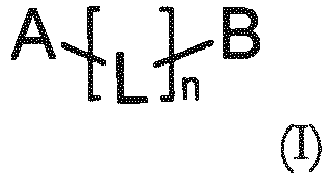 A is an antioxidant of Formula II:
 Y is independently selected from the group consisting of: lower alkyl, lower alkoxy, or two adjacent Y groups, together with carbon atoms to which they are attached, form a following structure of Formula III:in oxidized and/or reduced form in 20% to 100% of 1,2-propylene glycol or 10-30% glycerol, with the proviso that in compound of Formula I, A is not ubiquinone (e.g., 2-methyl-4,5-dimethoxy-3,6-dioxo-1,4-cyclohexadienyl) or tocopherol or a mimetic of superoxide dismutase or ebselen; when L is divalent decyl, divalent pentyl, or divalent propyl radical and when B is triphenylphosphonium cation.
 R1 and R2 are the same or different and are each independently lower alkyl or lower alkoxy;L is a linker group, comprising: a) a straight or branched hydrocarbon chain optionally substituted by one or more double or triple bond, or ether bond, or ester bond, or C-S, or S-S, or peptide bond; and which is optionally substituted by one or more substituents preferably selected from alkyl, alkoxy, halogen, keto group, amino group; or b) a natural isoprene chain;n is an integer from 1 to 20; andB is a targeting group comprising: a) a Skulachev-ion Sk (Sk+ Z-) wherein: Sk is a lipophillic cation or a lipophillic metalloporphyrin, and Z is a pharmaceutically acceptable anion; or b) an amphiphillic zwitterion,
 - The pharmaceutical formulation of claim 1, wherein the compound is reduced.
- The pharmaceutical formulation of claim 1, wherein the compound is oxidized.
- The pharmaceutical formulation of claim 1, wherein the compound is SkQ1 or SkQ1H2, or wherein the compound is SkQR1 or SkQR1H2, or
wherein the compound is SkQ3 or SkQ3H2, or
wherein the compound is SkQRB or SkQRBH2, or
wherein the compound is SkQB1 or SkQB1H2, or
wherein the compound is SkQBP1 or SkQBP1H2. - The pharmaceutical formulation of claim 1, wherein the solvent is glycerol.
- A therapeutically effective amount of a formulation of claim 1 comprising a stabilized compound of Formula I in liquid or solid form,
with the proviso that in compound of Formula I, A is not ubiquinone (e.g., 2-methyl-4,5-dimethoxy-3,6-dioxo-1,4-cyclohexadienyl) or tocopherol or a mimetic of superoxide dismutase or ebselen; when L is divalent decyl, divalent pentyl, or divalent propyl radical and when B is triphenylphosphonium cation for use in treating diabetes type I or type II, wherein the compound is to be administered orally to a patient in need thereof. - The compound for use according to claim 6, for treating type II diabetes with a formulation comprising SkQ1H2 ascorbic acid, and sorbite.
- A therapeutically effective amount of a formulation of claim 1 comprising a compound of Formula I, in liquid or solid form,
with the proviso that in compound of Formula I, A is not ubiquinone (e.g., 2-methyl-4,5-dimethoxy-3,6-dioxo-1,4-cyclohexadienyl) or tocopherol or a mimetic of superoxide dismutase or ebselen; when L is divalent decyl, divalent pentyl, or divalent propyl radical and when B is triphenylphosphonium cation for use in treating dermal wounds, wherein the formulation is to be administered orally to a patient in need thereof. - The formulation for use according to claim 8, wherein the formulation comprises SkQ1 in 20% glycerol.
- A therapeutically effective amount of formulation of claim 1 comprising a stabilized compound of Formula I in liquid or solid form,
with the proviso that in compound of Formula I, A is not ubiquinone (e.g., 2-methyl-4,5-dimethoxy-3,6-dioxo-1,4-cyclohexadienyl) or tocopherol or a mimetic of superoxide dismutase or ebselen; when L is divalent decyl, divalent pentyl, or divalent propyl radical and when B is triphenylphosphonium cation for use in treating an inflammatory disorder, wherein the formulation is to be administered orally to a patient in need thereof. - The formulation for use according to claim 10, wherein the inflammatory disorder is arthritis.
- The formulation for use according to claim 11, wherein the formulation comprises SkQ1 in 20% glycerol.
Applications Claiming Priority (2)
| Application Number | Priority Date | Filing Date | Title |
|---|---|---|---|
| US201161492940P | 2011-06-03 | 2011-06-03 | |
| PCT/US2012/040711 WO2012167236A1 (en) | 2011-06-03 | 2012-06-04 | Oral formulations of mitochondrially-targeted antioxidants and their preparation and use |
Publications (3)
| Publication Number | Publication Date |
|---|---|
| EP2714024A1 EP2714024A1 (en) | 2014-04-09 |
| EP2714024A4 EP2714024A4 (en) | 2014-12-31 |
| EP2714024B1 true EP2714024B1 (en) | 2018-10-03 |
Family
ID=47259946
Family Applications (1)
| Application Number | Title | Priority Date | Filing Date |
|---|---|---|---|
| EP12792111.2A Active EP2714024B1 (en) | 2011-06-03 | 2012-06-04 | Oral formulations of mitochondrially-targeted antioxidants and their preparation and use |
Country Status (10)
| Country | Link |
|---|---|
| US (2) | US9192676B2 (en) |
| EP (1) | EP2714024B1 (en) |
| JP (2) | JP6448366B2 (en) |
| CN (1) | CN103764132B (en) |
| AU (1) | AU2012261854B2 (en) |
| BR (1) | BR112013030605A2 (en) |
| CA (1) | CA2837437C (en) |
| EA (1) | EA031399B1 (en) |
| ES (1) | ES2704064T3 (en) |
| WO (1) | WO2012167236A1 (en) |
Families Citing this family (9)
| Publication number | Priority date | Publication date | Assignee | Title |
|---|---|---|---|---|
| WO2012167236A1 (en) * | 2011-06-03 | 2012-12-06 | Mitotech Sa | Oral formulations of mitochondrially-targeted antioxidants and their preparation and use |
| WO2014116591A2 (en) * | 2013-01-22 | 2014-07-31 | Mitotech Sa | Pharmaceutical formulations containing mitochondrially-targeted antioxidants |
| WO2015063553A2 (en) * | 2013-04-11 | 2015-05-07 | Mitotech S.A. | Mitochondrially-targeted timoquinones and toluquinones |
| EP3116470B1 (en) | 2014-02-25 | 2019-05-08 | Mitotech SA | Cosmetic compositions of mitochondrially targeted antioxidants |
| WO2019139831A1 (en) * | 2018-01-10 | 2019-07-18 | Dana-Farber Cancer Institute, Inc. | Methods for identification, assessment, prevention, and treatment of metabolic disorders using succinate |
| US20230038070A1 (en) * | 2019-12-10 | 2023-02-09 | Mitotech S.A. | Polymer matrixes for different compositions of mitochondrially targeted antioxidants |
| EP4125867A1 (en) * | 2020-04-03 | 2023-02-08 | Mitotech S.A. | Use of mitochondria-targeted antioxidants to treat severe inflammatory conditions |
| CN114344274A (en) * | 2022-01-05 | 2022-04-15 | 盖茨汉普(武汉)植物应用研究有限公司 | Mitoq antioxidant hard capsule formula and preparation process |
| WO2025078880A1 (en) * | 2023-10-11 | 2025-04-17 | Mitotech S.A. | Mitochondria-targeted antioxidants for use in the treatment of cell balloooning-associated diseases, such as non-alcoholic fatty liver disease (nafld) and non-alcoholic steatohepatitis (nash) |
Citations (1)
| Publication number | Priority date | Publication date | Assignee | Title |
|---|---|---|---|---|
| CA2764481A1 (en) * | 2009-06-10 | 2010-12-16 | Limited Liability Company Mitotech | Pharmaceutical composition for use in medical and veterinary ophthalmology |
Family Cites Families (21)
| Publication number | Priority date | Publication date | Assignee | Title |
|---|---|---|---|---|
| US5538974A (en) | 1994-01-27 | 1996-07-23 | Senju Pharamceutical Co., Ltd. | Ophthalmic composition for lowering intraocular pressure |
| WO1999026582A2 (en) | 1997-11-25 | 1999-06-03 | University Of Otago | Mitochondrially targeted compounds |
| US6331532B1 (en) | 1998-11-25 | 2001-12-18 | University Of Otago | Mitochondrially targeted antioxidants |
| US20080275005A1 (en) | 1998-11-25 | 2008-11-06 | Murphy Michael P | Mitochondrially targeted antioxidants |
| US20070270381A1 (en) | 2000-05-25 | 2007-11-22 | Antipodean Pharmaceuticals, Inc. | Mitochondrially targeted antioxidants |
| US20020044913A1 (en) | 2000-02-11 | 2002-04-18 | Hamilton Nathan D. | Cosmetics to support skin metabolism |
| ITRM20010755A1 (en) | 2001-12-20 | 2003-06-20 | Simonelli Giuseppe | USE OF Q10 QUINONE FOR THE TREATMENT OF EYE DISEASES. |
| US6984636B2 (en) | 2002-08-12 | 2006-01-10 | Medical Research Council | Mitochondrially targeted antioxidants |
| CA2580584C (en) | 2003-09-19 | 2015-07-28 | Galileo Pharmaceuticals, Inc. | Use of alpha-tocotrienol for treatment of mitochondrial diseases |
| WO2006005759A2 (en) | 2004-07-13 | 2006-01-19 | Oridis Biomed Forschungs- Und Entwicklungs Gmbh | Mitochondrially targeted antioxidants in the treatment of liver diseases and epithelial cancers |
| US20070259908A1 (en) | 2004-08-30 | 2007-11-08 | Kaneka Corporation | Mitochondria Activators |
| RU2318500C2 (en) | 2005-10-18 | 2008-03-10 | Общество С Ограниченной Ответственностью "Митотехнология" | Method for on body by target delivery of biologically active substances in mitochondria, pharmaceutical composition for its realization and compound used for this aim |
| EP2119436A4 (en) | 2006-10-20 | 2010-03-03 | Ltd Liability Company Mitotech | Pharmaceutical compositions for preventing and treating eye pathologies |
| EP2095713A1 (en) | 2006-10-20 | 2009-09-02 | Limited Liability Company "Mitotechnology" | Composition for regenerating and stimulating growth of plants and for adapting plants to different stress factors |
| EA200901061A1 (en) * | 2007-01-29 | 2009-12-30 | Общество С Ограниченной Ответственностью "Митотехнология" | PHARMACEUTICAL AND COSMETIC COMPOSITIONS FOR ACCELERATION OF THE PROCESS OF THE HEALING OF THE RAS AND OTHER SURFACE DAMAGES |
| WO2008127138A1 (en) * | 2007-04-11 | 2008-10-23 | Limited Liability Company 'mitotechnology' | Composition for decelerating the ageing in the organism and for extending the life time thereof and the use of said composition |
| US8518915B2 (en) * | 2007-06-29 | 2013-08-27 | Mitotech Sa | Use of mitochondrially-addressed compounds for preventing and treating cardiovascular diseases |
| WO2009158348A1 (en) | 2008-06-25 | 2009-12-30 | Edison Pharmaceuticals, Inc. | 2-heterocyclylaminoalkyl-(p-quinone) derivatives for treatment of oxidative stress diseases |
| MX2011011310A (en) | 2009-04-28 | 2011-11-18 | Edison Pharmaceuticals Inc | Formulation of tocotrienol quinones for the treatment of ophthalmic diseases. |
| CN102791670A (en) * | 2009-11-13 | 2012-11-21 | 米拓科技有限责任公司 | Drug substances based on mitochondria-targeted antioxidants |
| WO2012167236A1 (en) * | 2011-06-03 | 2012-12-06 | Mitotech Sa | Oral formulations of mitochondrially-targeted antioxidants and their preparation and use |
-
2012
- 2012-06-04 WO PCT/US2012/040711 patent/WO2012167236A1/en not_active Ceased
- 2012-06-04 BR BR112013030605A patent/BR112013030605A2/en not_active Application Discontinuation
- 2012-06-04 EP EP12792111.2A patent/EP2714024B1/en active Active
- 2012-06-04 EA EA201301321A patent/EA031399B1/en not_active IP Right Cessation
- 2012-06-04 CA CA2837437A patent/CA2837437C/en active Active
- 2012-06-04 JP JP2014513785A patent/JP6448366B2/en active Active
- 2012-06-04 ES ES12792111T patent/ES2704064T3/en active Active
- 2012-06-04 AU AU2012261854A patent/AU2012261854B2/en not_active Ceased
- 2012-06-04 CN CN201280027129.0A patent/CN103764132B/en not_active Expired - Fee Related
- 2012-06-04 US US14/123,311 patent/US9192676B2/en active Active
-
2015
- 2015-10-20 US US14/887,406 patent/US9572890B2/en active Active
-
2017
- 2017-10-10 JP JP2017196849A patent/JP6461276B2/en active Active
Patent Citations (1)
| Publication number | Priority date | Publication date | Assignee | Title |
|---|---|---|---|---|
| CA2764481A1 (en) * | 2009-06-10 | 2010-12-16 | Limited Liability Company Mitotech | Pharmaceutical composition for use in medical and veterinary ophthalmology |
Also Published As
| Publication number | Publication date |
|---|---|
| CA2837437C (en) | 2020-12-15 |
| US20150025043A1 (en) | 2015-01-22 |
| JP2014515407A (en) | 2014-06-30 |
| EP2714024A4 (en) | 2014-12-31 |
| CN103764132A (en) | 2014-04-30 |
| EA201301321A1 (en) | 2014-11-28 |
| US20160038603A1 (en) | 2016-02-11 |
| CA2837437A1 (en) | 2012-12-06 |
| CN103764132B (en) | 2017-04-12 |
| AU2012261854B2 (en) | 2017-11-16 |
| WO2012167236A1 (en) | 2012-12-06 |
| JP6448366B2 (en) | 2019-01-09 |
| ES2704064T3 (en) | 2019-03-14 |
| EP2714024A1 (en) | 2014-04-09 |
| JP2018035182A (en) | 2018-03-08 |
| JP6461276B2 (en) | 2019-01-30 |
| EA031399B1 (en) | 2018-12-28 |
| US9192676B2 (en) | 2015-11-24 |
| US9572890B2 (en) | 2017-02-21 |
| BR112013030605A2 (en) | 2016-12-13 |
Similar Documents
| Publication | Publication Date | Title |
|---|---|---|
| US9572890B2 (en) | Oral formulations of mitochondrially-targeted antioxidants and their preparation and use | |
| AU2012261854A1 (en) | Oral formulations of mitochondrially-targeted antioxidants and their preparation and use | |
| CZ291284B6 (en) | Aqueous suspensions of 9-hydroxyrisperidone fatty acid esters | |
| RU2605301C2 (en) | Liquid pharmaceutical composition containing nitizinone | |
| KR20210002573A (en) | Use of neutrophil elastase inhibitors in liver disease | |
| JP2002513383A (en) | Methods for increasing the concentration of ascorbic acid in a patient's brain tissue | |
| US20230277520A1 (en) | Compositions comprising mixtures of compounds and uses thereof | |
| JP2009544588A (en) | Improving the bioavailability of active substances with amidine groups in drugs | |
| JP5558348B2 (en) | A therapeutic agent for fatty liver of carbostyril derivatives containing cilostazol | |
| WO2024151720A1 (en) | Compositions of caffeoylspermidine compounds, uses thereof, and supplements of spermidine thereof | |
| EP3995134A1 (en) | Micromolecule pi4kiiialpha inhibitor composition, preparation method therefor and use thereof | |
| EP2139465B1 (en) | Composition comprising s-allylmercapto-n-acetylcysteine (assnac) for up-regulation of cellular glutathione level | |
| JP2003514857A (en) | Methods for increasing the concentration of ascorbic acid in patient brain tissue | |
| EP4208160A1 (en) | Ionic liquid formulations for treating diabetes | |
| EP4640224A1 (en) | Pharmaceutical composition containing sodium-glucose transporter-2 inhibitor and angiotensin ii receptor blocker for prevention or treatment of non-alcoholic fatty liver disease | |
| WO2024151725A1 (en) | Methods of enrichment of caffeoylspermidine compounds, anti-aging properties thereof, and methods of inhibition of histone deacetylases | |
| EP3986862B1 (en) | Succinate prodrug, compositions containing the succinate prodrug and uses thereof | |
| US6197818B1 (en) | Drug for treating diabetic nephrosis | |
| US12285412B1 (en) | Organoselenium benzimidazole compounds for treating cancer | |
| EP2699236B1 (en) | Pharmacologically optimized multimodal drug delivery system for nordihydroguiaretic acid (ndga) | |
| KR102693566B1 (en) | Pharmaceutical composition for prevention or treatment of fatty liver disease | |
| Cuzzocrea et al. | Raxofelast | |
| KR20250023394A (en) | Apomorphine prodrugs and uses thereof | |
| CN119548496A (en) | Application of desmethylberberine in preparing medicine for preventing or treating gout | |
| HK40072910A (en) | Succinate prodrug, compositions containing the succinate prodrug and uses thereof |
Legal Events
| Date | Code | Title | Description |
|---|---|---|---|
| PUAI | Public reference made under article 153(3) epc to a published international application that has entered the european phase |
Free format text: ORIGINAL CODE: 0009012 |
|
| 17P | Request for examination filed |
Effective date: 20131114 |
|
| AK | Designated contracting states |
Kind code of ref document: A1 Designated state(s): AL AT BE BG CH CY CZ DE DK EE ES FI FR GB GR HR HU IE IS IT LI LT LU LV MC MK MT NL NO PL PT RO RS SE SI SK SM TR |
|
| DAX | Request for extension of the european patent (deleted) | ||
| A4 | Supplementary search report drawn up and despatched |
Effective date: 20141202 |
|
| RIC1 | Information provided on ipc code assigned before grant |
Ipc: A61K 9/00 20060101ALI20141126BHEP Ipc: A61K 31/122 20060101AFI20141126BHEP Ipc: A61K 31/352 20060101ALI20141126BHEP Ipc: A61P 39/06 20060101ALI20141126BHEP Ipc: A61K 47/12 20060101ALI20141126BHEP Ipc: A61K 47/36 20060101ALI20141126BHEP Ipc: A61K 31/4375 20060101ALI20141126BHEP Ipc: A61K 47/26 20060101ALI20141126BHEP Ipc: C07F 9/02 20060101ALI20141126BHEP Ipc: A61K 47/10 20060101ALI20141126BHEP Ipc: A61K 31/66 20060101ALI20141126BHEP Ipc: C07F 9/54 20060101ALI20141126BHEP |
|
| STAA | Information on the status of an ep patent application or granted ep patent |
Free format text: STATUS: EXAMINATION IS IN PROGRESS |
|
| 17Q | First examination report despatched |
Effective date: 20170421 |
|
| REG | Reference to a national code |
Ref country code: DE Ref legal event code: R079 Ref document number: 602012051802 Country of ref document: DE Free format text: PREVIOUS MAIN CLASS: A61K0031122000 Ipc: A61K0047140000 |
|
| GRAP | Despatch of communication of intention to grant a patent |
Free format text: ORIGINAL CODE: EPIDOSNIGR1 |
|
| STAA | Information on the status of an ep patent application or granted ep patent |
Free format text: STATUS: GRANT OF PATENT IS INTENDED |
|
| RIC1 | Information provided on ipc code assigned before grant |
Ipc: A61K 47/10 20170101ALI20180327BHEP Ipc: A61K 31/122 20060101ALI20180327BHEP Ipc: A61K 31/047 20060101ALI20180327BHEP Ipc: A61K 31/352 20060101ALI20180327BHEP Ipc: C07F 9/54 20060101ALI20180327BHEP Ipc: A61K 47/12 20060101ALI20180327BHEP Ipc: A61K 31/4375 20060101ALI20180327BHEP Ipc: A61K 31/66 20060101ALI20180327BHEP Ipc: A61K 47/54 20170101ALI20180327BHEP Ipc: A61K 9/00 20060101ALI20180327BHEP Ipc: A61K 47/26 20060101ALI20180327BHEP Ipc: A61K 47/14 20060101AFI20180327BHEP Ipc: A61K 47/36 20060101ALI20180327BHEP |
|
| INTG | Intention to grant announced |
Effective date: 20180423 |
|
| GRAS | Grant fee paid |
Free format text: ORIGINAL CODE: EPIDOSNIGR3 |
|
| GRAA | (expected) grant |
Free format text: ORIGINAL CODE: 0009210 |
|
| STAA | Information on the status of an ep patent application or granted ep patent |
Free format text: STATUS: THE PATENT HAS BEEN GRANTED |
|
| AK | Designated contracting states |
Kind code of ref document: B1 Designated state(s): AL AT BE BG CH CY CZ DE DK EE ES FI FR GB GR HR HU IE IS IT LI LT LU LV MC MK MT NL NO PL PT RO RS SE SI SK SM TR |
|
| REG | Reference to a national code |
Ref country code: GB Ref legal event code: FG4D |
|
| REG | Reference to a national code |
Ref country code: CH Ref legal event code: EP Ref country code: AT Ref legal event code: REF Ref document number: 1047919 Country of ref document: AT Kind code of ref document: T Effective date: 20181015 |
|
| REG | Reference to a national code |
Ref country code: IE Ref legal event code: FG4D Ref country code: DE Ref legal event code: R096 Ref document number: 602012051802 Country of ref document: DE |
|
| REG | Reference to a national code |
Ref country code: NL Ref legal event code: FP |
|
| REG | Reference to a national code |
Ref country code: LT Ref legal event code: MG4D |
|
| REG | Reference to a national code |
Ref country code: CH Ref legal event code: NV Representative=s name: PATENTANWALT MATTHIAS W. SCHAEFER, CH |
|
| REG | Reference to a national code |
Ref country code: ES Ref legal event code: FG2A Ref document number: 2704064 Country of ref document: ES Kind code of ref document: T3 Effective date: 20190314 |
|
| REG | Reference to a national code |
Ref country code: AT Ref legal event code: MK05 Ref document number: 1047919 Country of ref document: AT Kind code of ref document: T Effective date: 20181003 |
|
| PG25 | Lapsed in a contracting state [announced via postgrant information from national office to epo] |
Ref country code: FI Free format text: LAPSE BECAUSE OF FAILURE TO SUBMIT A TRANSLATION OF THE DESCRIPTION OR TO PAY THE FEE WITHIN THE PRESCRIBED TIME-LIMIT Effective date: 20181003 Ref country code: IS Free format text: LAPSE BECAUSE OF FAILURE TO SUBMIT A TRANSLATION OF THE DESCRIPTION OR TO PAY THE FEE WITHIN THE PRESCRIBED TIME-LIMIT Effective date: 20190203 Ref country code: AT Free format text: LAPSE BECAUSE OF FAILURE TO SUBMIT A TRANSLATION OF THE DESCRIPTION OR TO PAY THE FEE WITHIN THE PRESCRIBED TIME-LIMIT Effective date: 20181003 Ref country code: LV Free format text: LAPSE BECAUSE OF FAILURE TO SUBMIT A TRANSLATION OF THE DESCRIPTION OR TO PAY THE FEE WITHIN THE PRESCRIBED TIME-LIMIT Effective date: 20181003 Ref country code: HR Free format text: LAPSE BECAUSE OF FAILURE TO SUBMIT A TRANSLATION OF THE DESCRIPTION OR TO PAY THE FEE WITHIN THE PRESCRIBED TIME-LIMIT Effective date: 20181003 Ref country code: CZ Free format text: LAPSE BECAUSE OF FAILURE TO SUBMIT A TRANSLATION OF THE DESCRIPTION OR TO PAY THE FEE WITHIN THE PRESCRIBED TIME-LIMIT Effective date: 20181003 Ref country code: NO Free format text: LAPSE BECAUSE OF FAILURE TO SUBMIT A TRANSLATION OF THE DESCRIPTION OR TO PAY THE FEE WITHIN THE PRESCRIBED TIME-LIMIT Effective date: 20190103 Ref country code: PL Free format text: LAPSE BECAUSE OF FAILURE TO SUBMIT A TRANSLATION OF THE DESCRIPTION OR TO PAY THE FEE WITHIN THE PRESCRIBED TIME-LIMIT Effective date: 20181003 Ref country code: BG Free format text: LAPSE BECAUSE OF FAILURE TO SUBMIT A TRANSLATION OF THE DESCRIPTION OR TO PAY THE FEE WITHIN THE PRESCRIBED TIME-LIMIT Effective date: 20190103 Ref country code: LT Free format text: LAPSE BECAUSE OF FAILURE TO SUBMIT A TRANSLATION OF THE DESCRIPTION OR TO PAY THE FEE WITHIN THE PRESCRIBED TIME-LIMIT Effective date: 20181003 |
|
| PG25 | Lapsed in a contracting state [announced via postgrant information from national office to epo] |
Ref country code: PT Free format text: LAPSE BECAUSE OF FAILURE TO SUBMIT A TRANSLATION OF THE DESCRIPTION OR TO PAY THE FEE WITHIN THE PRESCRIBED TIME-LIMIT Effective date: 20190203 Ref country code: RS Free format text: LAPSE BECAUSE OF FAILURE TO SUBMIT A TRANSLATION OF THE DESCRIPTION OR TO PAY THE FEE WITHIN THE PRESCRIBED TIME-LIMIT Effective date: 20181003 Ref country code: SE Free format text: LAPSE BECAUSE OF FAILURE TO SUBMIT A TRANSLATION OF THE DESCRIPTION OR TO PAY THE FEE WITHIN THE PRESCRIBED TIME-LIMIT Effective date: 20181003 Ref country code: GR Free format text: LAPSE BECAUSE OF FAILURE TO SUBMIT A TRANSLATION OF THE DESCRIPTION OR TO PAY THE FEE WITHIN THE PRESCRIBED TIME-LIMIT Effective date: 20190104 Ref country code: AL Free format text: LAPSE BECAUSE OF FAILURE TO SUBMIT A TRANSLATION OF THE DESCRIPTION OR TO PAY THE FEE WITHIN THE PRESCRIBED TIME-LIMIT Effective date: 20181003 |
|
| REG | Reference to a national code |
Ref country code: DE Ref legal event code: R097 Ref document number: 602012051802 Country of ref document: DE |
|
| PG25 | Lapsed in a contracting state [announced via postgrant information from national office to epo] |
Ref country code: DK Free format text: LAPSE BECAUSE OF FAILURE TO SUBMIT A TRANSLATION OF THE DESCRIPTION OR TO PAY THE FEE WITHIN THE PRESCRIBED TIME-LIMIT Effective date: 20181003 |
|
| PLBE | No opposition filed within time limit |
Free format text: ORIGINAL CODE: 0009261 |
|
| STAA | Information on the status of an ep patent application or granted ep patent |
Free format text: STATUS: NO OPPOSITION FILED WITHIN TIME LIMIT |
|
| PG25 | Lapsed in a contracting state [announced via postgrant information from national office to epo] |
Ref country code: EE Free format text: LAPSE BECAUSE OF FAILURE TO SUBMIT A TRANSLATION OF THE DESCRIPTION OR TO PAY THE FEE WITHIN THE PRESCRIBED TIME-LIMIT Effective date: 20181003 Ref country code: SM Free format text: LAPSE BECAUSE OF FAILURE TO SUBMIT A TRANSLATION OF THE DESCRIPTION OR TO PAY THE FEE WITHIN THE PRESCRIBED TIME-LIMIT Effective date: 20181003 Ref country code: RO Free format text: LAPSE BECAUSE OF FAILURE TO SUBMIT A TRANSLATION OF THE DESCRIPTION OR TO PAY THE FEE WITHIN THE PRESCRIBED TIME-LIMIT Effective date: 20181003 Ref country code: SK Free format text: LAPSE BECAUSE OF FAILURE TO SUBMIT A TRANSLATION OF THE DESCRIPTION OR TO PAY THE FEE WITHIN THE PRESCRIBED TIME-LIMIT Effective date: 20181003 |
|
| 26N | No opposition filed |
Effective date: 20190704 |
|
| PG25 | Lapsed in a contracting state [announced via postgrant information from national office to epo] |
Ref country code: SI Free format text: LAPSE BECAUSE OF FAILURE TO SUBMIT A TRANSLATION OF THE DESCRIPTION OR TO PAY THE FEE WITHIN THE PRESCRIBED TIME-LIMIT Effective date: 20181003 |
|
| PGFP | Annual fee paid to national office [announced via postgrant information from national office to epo] |
Ref country code: IE Payment date: 20190920 Year of fee payment: 8 |
|
| PG25 | Lapsed in a contracting state [announced via postgrant information from national office to epo] |
Ref country code: MC Free format text: LAPSE BECAUSE OF FAILURE TO SUBMIT A TRANSLATION OF THE DESCRIPTION OR TO PAY THE FEE WITHIN THE PRESCRIBED TIME-LIMIT Effective date: 20181003 |
|
| PG25 | Lapsed in a contracting state [announced via postgrant information from national office to epo] |
Ref country code: TR Free format text: LAPSE BECAUSE OF FAILURE TO SUBMIT A TRANSLATION OF THE DESCRIPTION OR TO PAY THE FEE WITHIN THE PRESCRIBED TIME-LIMIT Effective date: 20181003 |
|
| PG25 | Lapsed in a contracting state [announced via postgrant information from national office to epo] |
Ref country code: LU Free format text: LAPSE BECAUSE OF NON-PAYMENT OF DUE FEES Effective date: 20190604 |
|
| PG25 | Lapsed in a contracting state [announced via postgrant information from national office to epo] |
Ref country code: IE Free format text: LAPSE BECAUSE OF NON-PAYMENT OF DUE FEES Effective date: 20200604 |
|
| PG25 | Lapsed in a contracting state [announced via postgrant information from national office to epo] |
Ref country code: CY Free format text: LAPSE BECAUSE OF FAILURE TO SUBMIT A TRANSLATION OF THE DESCRIPTION OR TO PAY THE FEE WITHIN THE PRESCRIBED TIME-LIMIT Effective date: 20181003 |
|
| PG25 | Lapsed in a contracting state [announced via postgrant information from national office to epo] |
Ref country code: MT Free format text: LAPSE BECAUSE OF FAILURE TO SUBMIT A TRANSLATION OF THE DESCRIPTION OR TO PAY THE FEE WITHIN THE PRESCRIBED TIME-LIMIT Effective date: 20181003 Ref country code: HU Free format text: LAPSE BECAUSE OF FAILURE TO SUBMIT A TRANSLATION OF THE DESCRIPTION OR TO PAY THE FEE WITHIN THE PRESCRIBED TIME-LIMIT; INVALID AB INITIO Effective date: 20120604 |
|
| PG25 | Lapsed in a contracting state [announced via postgrant information from national office to epo] |
Ref country code: MK Free format text: LAPSE BECAUSE OF FAILURE TO SUBMIT A TRANSLATION OF THE DESCRIPTION OR TO PAY THE FEE WITHIN THE PRESCRIBED TIME-LIMIT Effective date: 20181003 |
|
| REG | Reference to a national code |
Ref country code: FR Ref legal event code: PLFP Year of fee payment: 12 |
|
| PGFP | Annual fee paid to national office [announced via postgrant information from national office to epo] |
Ref country code: NL Payment date: 20230417 Year of fee payment: 12 |
|
| PGFP | Annual fee paid to national office [announced via postgrant information from national office to epo] |
Ref country code: IT Payment date: 20230510 Year of fee payment: 12 Ref country code: FR Payment date: 20230411 Year of fee payment: 12 Ref country code: DE Payment date: 20230412 Year of fee payment: 12 |
|
| PGFP | Annual fee paid to national office [announced via postgrant information from national office to epo] |
Ref country code: BE Payment date: 20230517 Year of fee payment: 12 |
|
| PGFP | Annual fee paid to national office [announced via postgrant information from national office to epo] |
Ref country code: ES Payment date: 20230707 Year of fee payment: 12 Ref country code: CH Payment date: 20230702 Year of fee payment: 12 |
|
| PGFP | Annual fee paid to national office [announced via postgrant information from national office to epo] |
Ref country code: GB Payment date: 20240402 Year of fee payment: 13 |
|
| REG | Reference to a national code |
Ref country code: DE Ref legal event code: R119 Ref document number: 602012051802 Country of ref document: DE |
|
| REG | Reference to a national code |
Ref country code: CH Ref legal event code: PL |
|
| REG | Reference to a national code |
Ref country code: NL Ref legal event code: MM Effective date: 20240701 |
|
| PG25 | Lapsed in a contracting state [announced via postgrant information from national office to epo] |
Ref country code: NL Free format text: LAPSE BECAUSE OF NON-PAYMENT OF DUE FEES Effective date: 20240701 |
|
| PG25 | Lapsed in a contracting state [announced via postgrant information from national office to epo] |
Ref country code: NL Free format text: LAPSE BECAUSE OF NON-PAYMENT OF DUE FEES Effective date: 20240701 |
|
| PG25 | Lapsed in a contracting state [announced via postgrant information from national office to epo] |
Ref country code: DE Free format text: LAPSE BECAUSE OF NON-PAYMENT OF DUE FEES Effective date: 20250101 |
|
| PG25 | Lapsed in a contracting state [announced via postgrant information from national office to epo] |
Ref country code: BE Free format text: LAPSE BECAUSE OF NON-PAYMENT OF DUE FEES Effective date: 20240630 Ref country code: CH Free format text: LAPSE BECAUSE OF NON-PAYMENT OF DUE FEES Effective date: 20240630 |
|
| PG25 | Lapsed in a contracting state [announced via postgrant information from national office to epo] |
Ref country code: FR Free format text: LAPSE BECAUSE OF NON-PAYMENT OF DUE FEES Effective date: 20240630 |
|
| PG25 | Lapsed in a contracting state [announced via postgrant information from national office to epo] |
Ref country code: IT Free format text: LAPSE BECAUSE OF NON-PAYMENT OF DUE FEES Effective date: 20240604 |
|
| REG | Reference to a national code |
Ref country code: BE Ref legal event code: MM Effective date: 20240630 |
|
| REG | Reference to a national code |
Ref country code: ES Ref legal event code: FD2A Effective date: 20250728 |
|
| PG25 | Lapsed in a contracting state [announced via postgrant information from national office to epo] |
Ref country code: ES Free format text: LAPSE BECAUSE OF NON-PAYMENT OF DUE FEES Effective date: 20240605 |
|
| GBPC | Gb: european patent ceased through non-payment of renewal fee |
Effective date: 20250604 |
|
| PG25 | Lapsed in a contracting state [announced via postgrant information from national office to epo] |
Ref country code: GB Free format text: LAPSE BECAUSE OF NON-PAYMENT OF DUE FEES Effective date: 20250604 |