EP2712885A1 - A method for electroless metallization - Google Patents
A method for electroless metallization Download PDFInfo
- Publication number
- EP2712885A1 EP2712885A1 EP13186582.6A EP13186582A EP2712885A1 EP 2712885 A1 EP2712885 A1 EP 2712885A1 EP 13186582 A EP13186582 A EP 13186582A EP 2712885 A1 EP2712885 A1 EP 2712885A1
- Authority
- EP
- European Patent Office
- Prior art keywords
- solution
- film
- electroless
- free radical
- contacting
- Prior art date
- Legal status (The legal status is an assumption and is not a legal conclusion. Google has not performed a legal analysis and makes no representation as to the accuracy of the status listed.)
- Granted
Links
- RPNUMPOLZDHAAY-UHFFFAOYSA-N NCCNCCN Chemical compound NCCNCCN RPNUMPOLZDHAAY-UHFFFAOYSA-N 0.000 description 1
Images


Classifications
-
- C—CHEMISTRY; METALLURGY
- C09—DYES; PAINTS; POLISHES; NATURAL RESINS; ADHESIVES; COMPOSITIONS NOT OTHERWISE PROVIDED FOR; APPLICATIONS OF MATERIALS NOT OTHERWISE PROVIDED FOR
- C09D—COATING COMPOSITIONS, e.g. PAINTS, VARNISHES OR LACQUERS; FILLING PASTES; CHEMICAL PAINT OR INK REMOVERS; INKS; CORRECTING FLUIDS; WOODSTAINS; PASTES OR SOLIDS FOR COLOURING OR PRINTING; USE OF MATERIALS THEREFOR
- C09D179/00—Coating compositions based on macromolecular compounds obtained by reactions forming in the main chain of the macromolecule a linkage containing nitrogen, with or without oxygen, or carbon only, not provided for in groups C09D161/00 - C09D177/00
- C09D179/02—Polyamines
-
- C—CHEMISTRY; METALLURGY
- C23—COATING METALLIC MATERIAL; COATING MATERIAL WITH METALLIC MATERIAL; CHEMICAL SURFACE TREATMENT; DIFFUSION TREATMENT OF METALLIC MATERIAL; COATING BY VACUUM EVAPORATION, BY SPUTTERING, BY ION IMPLANTATION OR BY CHEMICAL VAPOUR DEPOSITION, IN GENERAL; INHIBITING CORROSION OF METALLIC MATERIAL OR INCRUSTATION IN GENERAL
- C23C—COATING METALLIC MATERIAL; COATING MATERIAL WITH METALLIC MATERIAL; SURFACE TREATMENT OF METALLIC MATERIAL BY DIFFUSION INTO THE SURFACE, BY CHEMICAL CONVERSION OR SUBSTITUTION; COATING BY VACUUM EVAPORATION, BY SPUTTERING, BY ION IMPLANTATION OR BY CHEMICAL VAPOUR DEPOSITION, IN GENERAL
- C23C18/00—Chemical coating by decomposition of either liquid compounds or solutions of the coating forming compounds, without leaving reaction products of surface material in the coating; Contact plating
- C23C18/16—Chemical coating by decomposition of either liquid compounds or solutions of the coating forming compounds, without leaving reaction products of surface material in the coating; Contact plating by reduction or substitution, e.g. electroless plating
- C23C18/31—Coating with metals
-
- C—CHEMISTRY; METALLURGY
- C23—COATING METALLIC MATERIAL; COATING MATERIAL WITH METALLIC MATERIAL; CHEMICAL SURFACE TREATMENT; DIFFUSION TREATMENT OF METALLIC MATERIAL; COATING BY VACUUM EVAPORATION, BY SPUTTERING, BY ION IMPLANTATION OR BY CHEMICAL VAPOUR DEPOSITION, IN GENERAL; INHIBITING CORROSION OF METALLIC MATERIAL OR INCRUSTATION IN GENERAL
- C23C—COATING METALLIC MATERIAL; COATING MATERIAL WITH METALLIC MATERIAL; SURFACE TREATMENT OF METALLIC MATERIAL BY DIFFUSION INTO THE SURFACE, BY CHEMICAL CONVERSION OR SUBSTITUTION; COATING BY VACUUM EVAPORATION, BY SPUTTERING, BY ION IMPLANTATION OR BY CHEMICAL VAPOUR DEPOSITION, IN GENERAL
- C23C18/00—Chemical coating by decomposition of either liquid compounds or solutions of the coating forming compounds, without leaving reaction products of surface material in the coating; Contact plating
- C23C18/16—Chemical coating by decomposition of either liquid compounds or solutions of the coating forming compounds, without leaving reaction products of surface material in the coating; Contact plating by reduction or substitution, e.g. electroless plating
- C23C18/1601—Process or apparatus
- C23C18/1633—Process of electroless plating
- C23C18/1646—Characteristics of the product obtained
- C23C18/165—Multilayered product
-
- C—CHEMISTRY; METALLURGY
- C23—COATING METALLIC MATERIAL; COATING MATERIAL WITH METALLIC MATERIAL; CHEMICAL SURFACE TREATMENT; DIFFUSION TREATMENT OF METALLIC MATERIAL; COATING BY VACUUM EVAPORATION, BY SPUTTERING, BY ION IMPLANTATION OR BY CHEMICAL VAPOUR DEPOSITION, IN GENERAL; INHIBITING CORROSION OF METALLIC MATERIAL OR INCRUSTATION IN GENERAL
- C23C—COATING METALLIC MATERIAL; COATING MATERIAL WITH METALLIC MATERIAL; SURFACE TREATMENT OF METALLIC MATERIAL BY DIFFUSION INTO THE SURFACE, BY CHEMICAL CONVERSION OR SUBSTITUTION; COATING BY VACUUM EVAPORATION, BY SPUTTERING, BY ION IMPLANTATION OR BY CHEMICAL VAPOUR DEPOSITION, IN GENERAL
- C23C18/00—Chemical coating by decomposition of either liquid compounds or solutions of the coating forming compounds, without leaving reaction products of surface material in the coating; Contact plating
- C23C18/16—Chemical coating by decomposition of either liquid compounds or solutions of the coating forming compounds, without leaving reaction products of surface material in the coating; Contact plating by reduction or substitution, e.g. electroless plating
- C23C18/18—Pretreatment of the material to be coated
-
- C—CHEMISTRY; METALLURGY
- C23—COATING METALLIC MATERIAL; COATING MATERIAL WITH METALLIC MATERIAL; CHEMICAL SURFACE TREATMENT; DIFFUSION TREATMENT OF METALLIC MATERIAL; COATING BY VACUUM EVAPORATION, BY SPUTTERING, BY ION IMPLANTATION OR BY CHEMICAL VAPOUR DEPOSITION, IN GENERAL; INHIBITING CORROSION OF METALLIC MATERIAL OR INCRUSTATION IN GENERAL
- C23C—COATING METALLIC MATERIAL; COATING MATERIAL WITH METALLIC MATERIAL; SURFACE TREATMENT OF METALLIC MATERIAL BY DIFFUSION INTO THE SURFACE, BY CHEMICAL CONVERSION OR SUBSTITUTION; COATING BY VACUUM EVAPORATION, BY SPUTTERING, BY ION IMPLANTATION OR BY CHEMICAL VAPOUR DEPOSITION, IN GENERAL
- C23C18/00—Chemical coating by decomposition of either liquid compounds or solutions of the coating forming compounds, without leaving reaction products of surface material in the coating; Contact plating
- C23C18/16—Chemical coating by decomposition of either liquid compounds or solutions of the coating forming compounds, without leaving reaction products of surface material in the coating; Contact plating by reduction or substitution, e.g. electroless plating
- C23C18/18—Pretreatment of the material to be coated
- C23C18/1851—Pretreatment of the material to be coated of surfaces of non-metallic or semiconducting in organic material
- C23C18/1872—Pretreatment of the material to be coated of surfaces of non-metallic or semiconducting in organic material by chemical pretreatment
- C23C18/1886—Multistep pretreatment
- C23C18/1893—Multistep pretreatment with use of organic or inorganic compounds other than metals, first
-
- C—CHEMISTRY; METALLURGY
- C08—ORGANIC MACROMOLECULAR COMPOUNDS; THEIR PREPARATION OR CHEMICAL WORKING-UP; COMPOSITIONS BASED THEREON
- C08G—MACROMOLECULAR COMPOUNDS OBTAINED OTHERWISE THAN BY REACTIONS ONLY INVOLVING UNSATURATED CARBON-TO-CARBON BONDS
- C08G12/00—Condensation polymers of aldehydes or ketones with only compounds containing hydrogen attached to nitrogen
-
- C—CHEMISTRY; METALLURGY
- C23—COATING METALLIC MATERIAL; COATING MATERIAL WITH METALLIC MATERIAL; CHEMICAL SURFACE TREATMENT; DIFFUSION TREATMENT OF METALLIC MATERIAL; COATING BY VACUUM EVAPORATION, BY SPUTTERING, BY ION IMPLANTATION OR BY CHEMICAL VAPOUR DEPOSITION, IN GENERAL; INHIBITING CORROSION OF METALLIC MATERIAL OR INCRUSTATION IN GENERAL
- C23C—COATING METALLIC MATERIAL; COATING MATERIAL WITH METALLIC MATERIAL; SURFACE TREATMENT OF METALLIC MATERIAL BY DIFFUSION INTO THE SURFACE, BY CHEMICAL CONVERSION OR SUBSTITUTION; COATING BY VACUUM EVAPORATION, BY SPUTTERING, BY ION IMPLANTATION OR BY CHEMICAL VAPOUR DEPOSITION, IN GENERAL
- C23C18/00—Chemical coating by decomposition of either liquid compounds or solutions of the coating forming compounds, without leaving reaction products of surface material in the coating; Contact plating
- C23C18/16—Chemical coating by decomposition of either liquid compounds or solutions of the coating forming compounds, without leaving reaction products of surface material in the coating; Contact plating by reduction or substitution, e.g. electroless plating
- C23C18/1601—Process or apparatus
- C23C18/1633—Process of electroless plating
- C23C18/1646—Characteristics of the product obtained
- C23C18/165—Multilayered product
- C23C18/1651—Two or more layers only obtained by electroless plating
-
- C—CHEMISTRY; METALLURGY
- C23—COATING METALLIC MATERIAL; COATING MATERIAL WITH METALLIC MATERIAL; CHEMICAL SURFACE TREATMENT; DIFFUSION TREATMENT OF METALLIC MATERIAL; COATING BY VACUUM EVAPORATION, BY SPUTTERING, BY ION IMPLANTATION OR BY CHEMICAL VAPOUR DEPOSITION, IN GENERAL; INHIBITING CORROSION OF METALLIC MATERIAL OR INCRUSTATION IN GENERAL
- C23C—COATING METALLIC MATERIAL; COATING MATERIAL WITH METALLIC MATERIAL; SURFACE TREATMENT OF METALLIC MATERIAL BY DIFFUSION INTO THE SURFACE, BY CHEMICAL CONVERSION OR SUBSTITUTION; COATING BY VACUUM EVAPORATION, BY SPUTTERING, BY ION IMPLANTATION OR BY CHEMICAL VAPOUR DEPOSITION, IN GENERAL
- C23C18/00—Chemical coating by decomposition of either liquid compounds or solutions of the coating forming compounds, without leaving reaction products of surface material in the coating; Contact plating
- C23C18/16—Chemical coating by decomposition of either liquid compounds or solutions of the coating forming compounds, without leaving reaction products of surface material in the coating; Contact plating by reduction or substitution, e.g. electroless plating
- C23C18/1601—Process or apparatus
- C23C18/1633—Process of electroless plating
- C23C18/1646—Characteristics of the product obtained
- C23C18/165—Multilayered product
- C23C18/1653—Two or more layers with at least one layer obtained by electroless plating and one layer obtained by electroplating
-
- C—CHEMISTRY; METALLURGY
- C23—COATING METALLIC MATERIAL; COATING MATERIAL WITH METALLIC MATERIAL; CHEMICAL SURFACE TREATMENT; DIFFUSION TREATMENT OF METALLIC MATERIAL; COATING BY VACUUM EVAPORATION, BY SPUTTERING, BY ION IMPLANTATION OR BY CHEMICAL VAPOUR DEPOSITION, IN GENERAL; INHIBITING CORROSION OF METALLIC MATERIAL OR INCRUSTATION IN GENERAL
- C23C—COATING METALLIC MATERIAL; COATING MATERIAL WITH METALLIC MATERIAL; SURFACE TREATMENT OF METALLIC MATERIAL BY DIFFUSION INTO THE SURFACE, BY CHEMICAL CONVERSION OR SUBSTITUTION; COATING BY VACUUM EVAPORATION, BY SPUTTERING, BY ION IMPLANTATION OR BY CHEMICAL VAPOUR DEPOSITION, IN GENERAL
- C23C18/00—Chemical coating by decomposition of either liquid compounds or solutions of the coating forming compounds, without leaving reaction products of surface material in the coating; Contact plating
- C23C18/16—Chemical coating by decomposition of either liquid compounds or solutions of the coating forming compounds, without leaving reaction products of surface material in the coating; Contact plating by reduction or substitution, e.g. electroless plating
- C23C18/31—Coating with metals
- C23C18/38—Coating with copper
- C23C18/40—Coating with copper using reducing agents
Definitions
- the presently disclosed embodiments relate generally to a method for forming a polymerized film on a surface of a non-conductive material and subsequently forming a metallic film on the surface without the aid of a traditional conditioner. More particularly, the embodiments relate to a method for forming an electrolessly plated metal film with strong adhesion on a smooth surface of non-conductive material without the aid of a traditional conditioner, using the polymerized film.
- Electroless metallization is a method for obtaining a thin metallic film on materials such as metals, ceramics or plastics by a series of process steps, including the use of a conditioner, microetch, catalyst (activation) and electroless plating bath.
- the mostly popular catalysts for electroless plating during the past 30 years are Pd/Sn colloids in which palladium colloidal particles are stabilized by tin chloride.
- the surface charge of a dielectric substrate Prior to electroless plating, the surface charge of a dielectric substrate is typically negative. Due to electrostatic repulsion, the negative charge on the substrate will typically inhibit the adsorption of catalyst which is a negative charged colloid. The initiation of electroless metallization can be difficult if there is insufficient catalyst adsorption.
- a traditional conditioner step is often used.
- Typical constituents of a traditional conditioner include cationic surfactants, which provide positively-charged groups to change the substrate from negatively to partially positively charged, so that the adsorption of the catalyst can be improved.
- the interaction between the substrate and the catalyst is enhanced by a traditional conditioner via electrostatic attraction.
- the reliability of circuits relies heavily on the adhesion between the deposited metal layer and the dielectric substrate. Poor adhesion may lead to unacceptable failures, such as "peel-off" or blistering.
- the electrostatic attraction from the traditional conditioner may not be strong enough to build up sufficient adhesion between the deposited metal layer and the dielectric substrate.
- Roughening the surface of dielectric substrates for example by using a de-smear process, is often performed before electroless plating to increase the metal adhesion.
- Sufficient adhesion between the deposited metal layer and the dielectric substrates is then provided by the roughness of the dielectric substrate. Good adhesion is more difficult to obtain on a smooth surface using such process flows.
- a conditioner In order to meet the requirements of the electronics industry for fine line circuits, a conditioner needs to be capable of providing high adhesion to a smooth (low profile) surface, as well as modifying the surface charge of dielectric substrates to improve the adsorption of a negatively charged catalyst.
- Marine mussel organisms are known for their ability to bind strongly to such varied surfaces as rocks, pilings, and ship hulls.
- the adhesive characteristics of mussel adhesive proteins are believed to be due to the presence of 3,4-dihydroxyphenylalamine (DOPA).
- DOPA 3,4-dihydroxyphenylalamine
- P. B. Messersmith et al. SCIENCE, 2007, Vol 318, page 426-430 discloses the use of dopamine to mimic the ability of mussel's adhesive protein to adhere to a surface of materials.
- a thin, surface-adherent polydopamine film can be formed onto a wide range of inorganic and organic substrates through simple dip-coating of these substrates in an aqueous solution of dopamine at room temperature for 24 hours.
- Electroless silver or copper deposition was performed on the polydopamine coated surfaces to form a layer of silver or copper.
- CN10182678A discloses a polydopamine-assisted electroless silver process, in which dip coating of dopamine for 0 to 48 hours at room temperature was used.
- US2010/0021748A discloses a process comprising the steps of treating a substrate with a catecholamine solution including dopamine, to form a polycatecholamine layer followed by electroless plating.
- the dopamine self-polymerization process typically requires room temperature treatment for about 24 hours. Coupled with the relatively high cost of dopamine, the long dwell time of dopamine treatment is a barrier to commercial application. In addition, the pH range that is suitable for the self-polymerization of dopamine is quite narrow (6.5 - 9.5). Outside this pH range, the self-polymerization rate of dopamine becomes extremely low.
- the inventors of this invention have found a method to form a multi-functional polymer film on a smooth surface through simple dip-coating of a material in a solution comprising two specific chemicals.
- the resulting film allows for electroless metallization, without the aid of a traditional conditioner, with enhanced adhesion between the deposited metal layer and the material. This is especially suitable for a dielectric substrate with a smooth surface.
- Another aspect of this invention is a method to form a polymerized film described above, comprising the step of contacting the surface of the material with a free radical initiator solution prior to the step contacting the material with the solution comprising (A) and (B) above.
- a further aspect of this invention is a method for forming an electrolessly plated film on a smooth surface of a non-conductive material with strong adhesion, without the aid of a traditional conditioner using the above polymerized film.
- the method includes the step of contacting a surface of a material with a solution comprising (A) an amine compound having at least two functional groups, where at least one of the functional group is an amino group and (B) an aromatic compound having at least one hydroxyl group on the aromatic ring.
- Amine compounds of this embodiment are those compounds having at least two functional groups, where at least one of the functional groups is an amino group.
- the functional groups can be selected from any kind of functional group, even if the compound can react with (B) the aromatic compounds described in detail later. Examples of such functional groups include, but are not limited to, amino groups and phenolic hydroxyl groups. Preferably, the other functional groups are amino groups.
- Amino groups include primary amino groups, secondary amino groups, and nitrogen containing heterocyclic groups.
- Amine compounds can be aliphatic compounds or aromatic compounds. When chemical resistance of the polymerized film is required, an aromatic amine such as tyramine is preferably used. When flexibility is required, an alkyl diamine having longer carbon chain such as hexamethylene diamine (HMDA) is preferably used.
- HMDA hexamethylene diamine
- amine compounds are disclosed in formula 1a to formula 7a: Formula 1a H 2 N-R 1 -NH 2 wherein R 1 is selected from the group consisting of C 1 to C 24 linear or branched alkylene and aromatic alkylene.
- Formula 2a H 2 N-R 1 -NH-R 2 -NH 2 wherein R 1 and R 2 are selected independently from the group consisting of C 1 to C 24 linear or branched alkylene and aromatic alkylene.
- R 1 , R 2 , and R 3 are selected independently from the group consisting of C 1 to C 20 linear or branched alkylene and aromatic alkylene.
- R 1 , R 2 , and R 3 are selected independently from the group consisting of C 1 to C 20 linear or branched alkylene and aromatic alkylene.
- R 1 , R 2 , R 3 , R 4 , and R 5 are selected independently from the group consisting of C 1 to C 16 linear or branched alkylene and aromatic alkylene.
- n is an integer from 1 to 1500.
- R 6 is selected from the group consisting of and
- Amine compounds can be used as a mixture of two or more kinds of amine compounds.
- the amount of (A) amine compounds in the solution is 2 mmol/L to 2000 mmol/L, preferably 10 mmol/L to 400 mmol/L.
- Aromatic compounds of this embodiment have at least one hydroxyl group connected to an aromatic ring.
- the aromatic compounds Preferably, the aromatic compounds have two hydroxyl groups; more preferably, they may have two hydroxyl groups at ortho or para position to each other.
- Aromatic compounds can be phenyl, naphthyl, or any other aromatic compounds.
- the preferable aromatic compound is a phenyl compound.
- a hydroxyl group connected to an aromatic ring such as catechol is oxidized and the aromatic compound is converted to a quinone. Since the oxygen atom of quinone is an electron-withdrawing group, quinone has activated carbon atoms on the aromatic ring. Michael Addition may occur at the activated carbon atoms on the aromatic ring with the amino group of the amine compound, and the amine compound and the aromatic compound are combined.
- the inventors have found that the copolymerization rate of diamine with resorcinol with two hydroxyl groups at meta-position or phenol with one hydroxyl group at room temperature is slower than that of catechol or hydroquinone with two hydroxyl groups at ortho-position and para-position, respectively. Therefore, it is believed that compounds with two hydroxyl groups at the ortho- or para-position may be easier to form ketone groups and undergo a Michael Addition reaction with amine compounds than that with two hydroxyl groups at meta-position.
- R 8 is selected from the group consisting of H, CH 3 , OH, phenyl, CN, NO 2 , propanoic acid, ethylamine, formic acid and formaldehyde
- R 9 and R 10 are independently selected from H and OH.
- a mixture of aromatic compounds can be used.
- the amount of (B) aromatic compounds in the solution is 2 mmol/L to 2000 mmol/L, preferably 10 mmol/L to 400 mmol/L.
- the medium of the solution is preferably water. RO water or de-ionized water can be used.
- a mixture of water with organic solvents such as methanol, ethanol, propanol, ethylene glycol, propylene glycol, propylene glycol or tetrahydrofuran may also be used as the medium of this invention.
- a film is formed on the surface of the material. It is believed that the film is a copolymerized film of (A) with (B) via Michael Addition between (A) and (B), as well as coupling between (B) and (B) or (B) and (A).
- chemical bonds between the organic surfaces and the copolymer(A+B) film might be formed via free radical or Michael Addition reactions.
- coordination bonds between the inorganic surfaces with the copolymer(A+B) film might be built up via coordination reaction.
- the mole ratio of the functional groups within (A) to the functional groups within (B) in the solution may vary such as 10:1 to 1:10.
- the preferable mole ratio depends on the required properties of the film and the functionality on (A) and (B).
- Amino groups potentially possess positive charges, whereas hydroxyl groups on aromatic rings potentially possess negative charges.
- the charge distribution of the polymerized film can be modified.
- a negative charged catalyst such as a Pd/Sn colloid
- a positively charged copolymer(A+B) film is preferred because of better adsorption of a negatively charged catalyst.
- the polymerized film is used for an electroless plating process using a Pd/Sn colloid catalyst such as in the current industrial electroless plating techniques, and when (A) is a diamine compound and (B) is a di-hydroxyl phenyl compound such as catechol, the preferable mole ratio of (A) to (B) varies from 4:1 to 1:1, more preferably is 2:1.
- a positively charged catalyst is developed and used, a negatively charged copolymer(A+B) film might be preferred.
- the step of contacting a surface of a material with a solution comprising (A) and (B) is conducted via any kind of methods, such as dipping or spraying.
- the temperature range for contacting a material with the solution is from 5 to 99 degree C.
- the dwell time of contacting a material with the solution depends on the temperature of the solution.
- the time for contacting a material with the solution is preferably 3 hours to 3 days, more preferably 0.5 day to 1 day.
- the time is preferably 0.1 hour to 8 hours, more preferably 0.5 hour to 4 hours.
- Another aspect of this invention is a method comprises the step of: contacting a surface of a material with a free radical initiator solution prior to contacting with the solution comprising (A) and (B).
- the temperature of the solution comprising (A) and (B) is increased from 20°C to 80°C, the oxidization rate of hydroxyphenyl group increases greatly.
- (B) is catechol, the generation of o-quinine becomes rapid, while the concentration of free radical o-semiquinone (half oxidized dihydroxyphenyl) may fall.
- free radicals are believed to play a key role in both adhesive (coupling) and cohesive (cross-link) reactions, lower levels of free radical may reduce improvements in adhesive strength.
- a free radical initiator is introduced by contacting the material with an organic solution of free-radical initiator.
- Preferable free radical initiators are organic-soluble free radical initiators with limited water-solubility, because such free radical initiators are compatible with the surface of the dielectric material and can remain on the surface after contacting with an aqueous solution comprising (A) and (B).
- free radical initiators include, but are not limited to, 2,2'-Azobis(2-methylbutyronitrile), Dimethyl 2,2'-azobis(2-methylpropionate), AIBN (2,2-azobisisobutyronitrile), ADMVN (2,2'-Azobis (2,4- dimethyl) valeronitrile)), and 2,2'-Azobis(4-methoxy-2.4-dimethyl valeronitrile).
- Table 1 Table 1
- organic soluble free radical initiators with limited water-solubility
- Chemical Name Structure Formula Solubility 10 Hour half-life decomposition temperature 2,2'-Azobis(2-methylbutyronitrile) freely soluble in toluene, methanol, IPA or ethyl acetate insoluble in water 67°C(in toluene) CAS NO. 13472-08-7
- Molecular weight 192.26 Dimethyl 2,2'-azobis(2-methylpropionate) freely soluble in toluene, methanol, IPA or ethyl acetate very insoluble in water 66°C(in toluene) CAS NO.
- Preferable medium of the solution is an organic solvent such as toluene, PGMEA (propylene glycol monomethyl ether acetate), IPA (isopropyl alcohol), ethyl acetate, acetone, or methanol, depending on the specific free radical initiator selected.
- organic solvent such as toluene, PGMEA (propylene glycol monomethyl ether acetate), IPA (isopropyl alcohol), ethyl acetate, acetone, or methanol, depending on the specific free radical initiator selected.
- the concentration of the free radical initiator solution is preferably 0.003 to 0.3 mol/L, more preferably 0.02 to 0.2 mol/L.
- the temperature of contacting a material with the free radical initiator solution is, preferably -10 to 40 degree C, more preferably, around room temperature.
- the time of contacting a material with the free radical initiator solution is preferably 0.1 second to 0.5 hour, more preferably, 3 seconds to 3 minutes.
- the conditions of the following step should match with the kind of free radical initiator so that the temperature and dwell time of contacting with the solution comprising (A) and (B) should be determined from the half-life of each initiator.
- the temperature and dwell time of the following step matches at 80 degree C for 2 to 4 hours, but if ADMVN is used, it should be carried out at 65 degree C for 2 to 4 hours.
- a further aspect of this invention is a method for forming a metallic film on a non-conductive surface of a material, which comprises the following steps; Step 1 contacting a surface of a material with a solution comprising (A) and (B) described above, Step 2 conducting electroless metal plating of the material surface. Step 1 has been described above, so the description is incorporated here. As described before, the step of contacting with a free radical initiator can be conducted before step 1.
- a step for applying a catalyst solution may be conducted.
- catalysts can be used for this step, such as Pd/Sn colloid or ionic catalysts containing Pd or Ag ions.
- concentration, temperature and time conventional technologies could be applied.
- CATAPOSITTM 44 Catalyst Pd/Sn colloidal catalyst
- CATAPREPTM 404 Pre-dip protecting salt for Pd/Sn catalyst
- a material is dipped in 270 g/L of CATAPREPTM 404 Pre-dip aqueous bath at 20 to 35 degree C for 0.5 to 3.0 minutes to protect the catalyst from harmful drag-in.
- the material is then dipped in an aqueous solution containing 15 to 30 mL/L CATAPOSITTM 44 Catalyst and 270 g/L of CATAPREPTM 404 Pre-dip at 32 to 52 degree C for 4 to 5 minutes.
- the necessity for a catalyst step depends on the electroless plating bath used for the metallization.
- an electroless plating bath including chelating agent, reducing agent, acid/base/pH adjuster, a less strong chelating agent together with a stronger reducing agent may allow electroless plating without the use of a catalyst step. Therefore, if a plating process without a catalyzing step is adopted, (A) and (B) should be selected so that the polymerized film has high reductibility as mentioned above.
- Step 2 is an electroless metal plating step on the surface of a material on which a polymerized film has been formed.
- the surface of the material is electrolessly plated with one or more metallic layers, such as copper, using an electroless metal plating bath.
- electroless metal plating baths may be used. Such baths are well known in the art.
- Metals which may be deposited on the surface of the material include, but are not limited to, copper, nickel, gold, silver and copper/nickel alloys.
- nickel or copper is deposited on the surface of the materials.
- CIRCUPOSITTM 880ELECTROLESS COPPER, CUPOSITTM 253 ELECTROLESS COPPER, CIRCUPOSITTM 3350 ELECTROLESS COPPER all commercially available from Dow Electronics Material can be used. Conventional electroless processes may be applied.
- a material is dipped in an electroless plating bath including 45 mL/L CIRCUPOSITTM 880 E, 10 mL/L CIRCUPOSITTM 880 A, 28 mL/L CUPOSITTM Z, 25 mL/L CIRCUPOSITTM 880 C, and 15 mL/L CUPOSITTM Y at 30 to 34 degree C for 15 to 45 minutes.
- the material may undergo further processing.
- Further processing may include additional electroless or electrolytic metal plating on the material, for example, copper, gold, silver, tin and alloys thereof.
- Conventional electrolytic metal bathes may be used. Such bathes are well known in the art.
- the material is optionally rinsed with water.
- the method of this invention provides good electroless metal coverage on treated surface and better adhesion between a non-conductive surface of a material and a deposited metallic film without the use of a traditional conditioner. While the mechanism of adhesion building up is not fully understood, it is believed that chemical bonds, such as coordination bonds or covalent bonds, may be formed during the treatment disclosed by this invention, which contribute to the better adhesion results.
- the pH of dopamine solution is buffered with 0.010 mol/L tris(hydroxymethyl)aminomethane and HCl, and the pH of aqueous solution of monomer pairs is either buffered with K 2 HPO 4 /Citric Acid in the pH range of 3.0 to 8.0, or with H 3 BO 3 / KCl / NaOH in the pH range of 8.0 to 10.0.
- Examples 1 to 12 provide some monomer-pair examples that are capable of in-situ polymerization in an aqueous solution and are capable of forming a water insoluble copolymer(A+B) film on a dielectric substrate. These copolymer(A+B) films show conditioner functionality, which increase the electroless copper coverage on glass cloth coupons without the use of a traditional conditioner.
- Glass cloth coupons were obtained from glass-fiber reinforced bare epoxy laminates S 1141 (Size: 50mm* 150mm* 1mm, Supplier: Shengyi Technology Co. Ltd., Glass transition temperature: 140 ⁇ 150 degree C, Abbreviated as bare laminates).
- the bare laminate coupons were first immersed in 98% H 2 SO 4 for 1 day to dissolve the epoxy resin and expose the glass cloth, then water rinsed for 5 minutes to clean the surface of glass cloth. This treatment was then repeated at least once to minimize epoxy residues. After final rinsing, the glass cloth coupons were oven dried at 120°C for 4 hours.
- the dried glass cloth coupon was contacted with a free radical initiator solution.
- the glass coupon was dipped in a free radical initiator solution comprising 0.2 mol/L of AIBN (Azobisisobutyronitrile) in toluene at room temperature for 1 minute, and then dried in a fume hood at room temperature for 5 minutes.
- AIBN Azobisisobutyronitrile
- the glass cloth coupon was contacted with a solution comprising (A) and (B).
- a solution comprising 0.026 mol/L of hexamethylene diamine and 0.013 mol/L of catechol was prepared using a K 2 HPO 4 / Citric Acid buffer solution. The pH of the solution was 4.5.
- the glass cloth coupon was then dipped in the above described aqueous solution at 80 degree C for 4 hours. A water insoluble copolymer(A+B) film was formed on the surface of the treated glass cloth coupon.
- the treated glass cloth coupon with the copolymer(A+B) film was treated in an electroless copper plating process without a traditional conditioner step.
- the coupon was dipped in a Microetch bath at room temperature for 1 minute, which contained 50 g/L of PREPOSITTM Etch 748 (Dow Electronics Materials) and 20 mL/L 98% H 2 SO 4 (Sigma-Aldrich), and then rinsed with R.O. water for 3 minutes. After that, the coupon was dipped in 270 g/L of CATAPREPTM 404 PreDip (Dow Electronics Materials) at 23 degree C for 1 minute.
- the glass cloth coupon was dipped in a catalyst bath at 40 degree C for 5 minutes, which contained 20 mL/L of CATAPOSITTM 44 Catalyst concentrate (Dow Electronics Materials) and 270 g/L of CATAPREPTM 404 PreDip, and then rinsed with R.O. Water for 2 minutes.
- a catalyst bath at 40 degree C for 5 minutes, which contained 20 mL/L of CATAPOSITTM 44 Catalyst concentrate (Dow Electronics Materials) and 270 g/L of CATAPREPTM 404 PreDip, and then rinsed with R.O. Water for 2 minutes.
- the coupon was dipped in a CIRCUPOSITTM 880 Electroless Copper bath (Dow Electronics Materials) at 34 degree C for 30 to 45 minutes, which was prepared using 45 mL/L CIRCUPOSITTM 880 E, 10 mL/L CIRCUPOSITTM 880 A, 28 mL/L CUPOSITTM Z, 25 mL/L CIRCUPOSITTM 880 C, and 15 mL/L CUPOSITTM Y. After that, the glass cloth coupon was rinsed with R.O. water for 3 minutes and dried with an air knife for 2 minutes. A uniform electroless copper film was formed on the surface of the glass cloth coupon without the use of a traditional conditioner.
- a CIRCUPOSITTM 880 Electroless Copper bath Low Electronics Materials
- Examples 2 to 8 were processed in the same way as Example 1, except that the monomer pairs ((A)+(B)) and the mole ratio between them within procedure (3) were changed as indicated in Table 2.
- the basic concentration was 0.013mol/L.
- the initial concentration of that monomer in the treatment bath was obtained.
- a water insoluble copolymer(A+B) film was formed on the surface of glass cloth coupon after the "(A)+(B) solution treatment", and an electroless copper plated film was formed after electroless plating without a traditional conditioner step.
- Examples 9 and10 were processed in the same way as Example1, except that the chemicals, the mole ratio between them, treatment temperature and dwell time of treatment within procedure (3) were changed as indicated in Table 2 and step (2) was not conducted.
- the basic concentration was 0.013 mol/L.
- the initial concentration of that monomer in the treatment bath was obtained.
- a water insoluble copolymer(A+B) film was formed on the surface of glass cloth coupon after the "(A)+(B) solution treatment", and an electroless copper plated film was formed after electroless plating without a traditional conditioner step.
- Example 11 is a blank control of Example 1 to 8. It was processed in the same way as Example 1, except that step (2) was conducted using toluene without the presence of any free radical initiator, and step (3) was conducted using distilled water alone, without any solute. Only a very small amount of electroless copper was deposited on the surface of the glass cloth coupon after electroless plating without a traditional conditioner step. No continuous film of electroless copper film was formed.
- Example 12 is a blank control of Example 9 and 10. It was processed in the same way as Example 9 and 10, except that step (3) was conducted using distilled water alone, without any solute. Only a very small amount of electroless copper was deposited on the surface of the glass cloth coupon after electroless plating without a traditional conditioner step. No continuous film of electroless copper film was formed. Table 2 Ex. No.
- copolymer(A+B) films formed by examples 1 thru 9 monomer pairs ((A)+(B)), as well as the polydopamine film formed by dopamine at room temperature show conditioner functionality. They are capable of increasing copper coverage on glass cloth coupons without the use of a traditional conditioner.
- Examples 13 to 17 There are two aims for Examples 13 to 17. One aim was to compare the conditioner functionality of monomer pair treatment with that of dopamine treatment at 80 degree C for 2 to 4 hours, by the back light test. The other aim was to examine the benefit of free radical initiator treatment to the conditioner functionality of monomer pair treatment.
- a quantitative measurement of electroless copper coverage was a back light test, which measures the degree of electroless copper coverage in plated through holes, which contain areas of resin, glass fiber tips, and transverse glass fibers.
- the back light test was carried out on small sections cut from drilled laminates, containing a number of holes, aligned along the same axis.
- the diameter of the holes chosen was 1 millimeter.
- the holes to be evaluated were extracted with a diamond saw. The holes were cut as close as possible to their center axis, while ensuring the holes were free of burrs or other debris and that the thickness of the coupon (from back surface to the middle of the holes) was less than 3 mm to allow light transmission through the sample to allow light to penetrate for the back light test.
- An optical microscope capable of 50 to 1500 magnifications was used to carry out the back light test. Each of the holes was individually assessed by comparing with a series of standard images shown in Figure 1 .
- Transmitted light was visible in any areas within the holes where there was incomplete electroless copper coverage.
- a numerical scale of 0.0 ⁇ 5.0 was used as back light ratings, where 5.0 represents a completely copper coverage on both resin areas and glass fiber areas.
- Back light ratings equal to or above 4.5 represent substantially complete copper coverage on resin and glass fiber areas. Only occasional glass tip voids were observed.
- Back light ratings equal to or above 4.0 indicated that the majority of resin and glass fiber areas had copper coverage, but voids were found on some glass tip areas and sometimes on transverse glass fiber areas.
- a back light rating ranging from 2 to 3.5 represented good copper coverage on resin areas, but poor copper coverage on glass areas (both glass tip and transverse glass fiber area).
- a back light rating lower than 2 means minimal copper coverage was found either on resin areas or on glass fiber areas.
- the back light ratings shown in this invention were the average of the values for 10 holes.
- Glass cloth coupons same as in Example 1 were used as samples for film formation test and electroless copper coverage tests, and copper clad laminate S 1141 with 1mm diameter drilled holes (Size: 35mm* 100mm* 2mm, 20 holes per coupon, Shengyi Technology Co. Ltd., glass transition temperature: 140 to 150 degree C, abbreviated as drilled laminates) were used as samples for back light tests.
- Drill laminates were processed through the de-smear process shown below, which included a sweller, an oxidiation, and a neutralizer bath treatment. Glass cloth coupons were not treated in the de-smear process.
- the drill laminates were dipped in a sweller bath at 75 degree C for 5 minutes, which contained 125 mL/L CIRCUPOSITTM MLB Conditioner 211 (Dow Electronics Materials) and 115 mL/L CUPOSITTM Z(Dow Electronics Materials), and then rinsed with R.O. water for 3 minutes.
- the drilled laminates were then dipped in an Oxidiation bath at 80 degree C for 8 minutes, which contained 150 mL/L CUPOSITTM Z (Dow Electronics Materials) and100 mL/L of CIRCUPOSITTM MLB Promoter 213 (Dow Electronics Materials), and then rinsed with R.O. water for 3 minutes.
- the drilled laminates were dipped in 50 mL/L of CIRCUPOSITTM MLB Neutralizer 216-5 bath (Dow Electronics Materials) at 40 degree C for 5 minutes followed by water rinse for 3 minutes. The drilled laminates were then dried with an air knife for 2 minutes.
- the dried glass cloth coupons as well as the de-smeared drilled laminates were treated in the same free radical initiator treatment as Example 1.
- the test sample was dipped in a free radical initiator solution comprising 0.2 mol/L of AIBN in toluene at room temperature for 1 minute.
- the sample was then dried in a fume hood at room temperature for 5 minutes.
- both the glass cloth coupons and the drilled laminates were contacted with a solution comprising (A) and (B) above.
- the solution comprising 0.026 mol/L of hexamethylene diamine and 0.013 mol/L of catechol was prepared using a K 2 HPO 4 / Citric Acid buffer solution. The pH of the solution was 4.5.
- the samples were dipped in the aqueous solution described above at 80 degree C for 2 to 4 hours. A water insoluble copolymer(A+B) film was formed on the surface of the samples.
- Example 14 was processed in the same way as Example 13 except that step (2) was conducted in toluene without the presence of any free radical initiator.
- Example 15 was a dopamine control example with free radical treatment. It was processed in the same way as for Example 13, except that step (3) was conducted using 0.013 mol/L dopamine aqueous solution buffered with 0.010 mol/L tris(hydroxymethyl) aminomethane and HCl to pH 8.5.
- Example 16 was a dopamine control example without free radical treatment. It was processed in the same way as for Example 13 except that step (2) was conducted in toluene without the presence of any free radical initiator, and step (3) was conducted using 0.013 mol/L dopamine aqueous solution buffered with 0.010 mol/L tris(hydroxymethyl) aminomethane and HCl to pH 8.5.
- Example 17 was a blank control for Example 13 to 16. It was processed in the same way as for Example 13 except that step (2) was conducted in toluene without the presence of any free radical initiator, and step (3) was conducted in distilled water alone, without any solute. Table 3 Ex. No.
- Free Radical Initiator treatment Dip in an aqueous solution of below listed solutes @ 80°C for 2 ⁇ 4 hours Copolymer(A+B) film formed on the surface of glass cloth coupons Electroless Cu film formed on the surface of glass cloth coupons without the use of a traditional conditioner Back Light Rating (Electroless Cu coverage, Highest rating is 5.0) 13 With Yes Yes 4.8 14 Without @ pH 4.5 Yes Yes 4.0 15 With Yes No 3.1 16 Without @ pH 8.5 Yes No 3.1 17 Without Blank Control: Distilled water @ pH 7 No No 3.0
- Example 15 and 16 indicated that poor copper coverage was observed on glass cloth coupons and in the through holes of drilled laminates that were treated by dopamine at 80 degree C for 2 ⁇ 4 hours, whether with or without free radical treatment, although there was visible polydopamine film formed on the surface of treated sample.
- the formation temperature of polydopamine affected its conditioner functionality. At room temperature for 24 hours, the polydopamine film formed showed good conditioner functionality. At 80 degree C for 2 ⁇ 4 hours, the polydopamine film did not show conditioner functionality, although its appearance was similar to that formed at room temperature for 24 hours. A possible explanation to this phenomenon was that the priority of reactions may have changed with an increase of the treatment temperature.
- Examples 18 to 25 were proceeded to examine the multiple functionalities of the copolymer(A+B) film formed by monomer pairs ((A) + (B)) treatment, including the conditioner functionality and the adhesion promoter functionality by Back Light Test and Peel Strength Test.
- Peel Strength Test was conducted on the test coupons using the following conditions: Equipment: Peel strength tester, Type: Ceco TA 631E Peel speed: 2 inch/minutes Width of the copper strip: 10 millimeter Length of the copper strip: 100 millimeter Thickness of the copper strip: 34 micron to 38 micron Testing time per strip: 80 second Peel strength data for one strip: the average of the peel strength values during15 second to 75 second Peel strength data shown in this invention: the average of the peel strength data obtained from 8 ⁇ 10 strips
- Drilled laminates S1141 the same as Example 13 were used as samples for back light test, and glass-fiber reinforced bare epoxy laminates S1141 (Size: 50mm*150mm*1mm, Supplier: Shengyi Technology Co. Ltd., Glass transition temperature: 140 to 150 degree C, Abbreviated as bare laminates S 1141) were used as test samples for peel strength between dielectric substrate and deposited metal film.
- Bare laminates S 1141 and drilled laminates S 1141 were processed through the same de-smear process described in Example 13.
- De-smeared bare laminates S1141 and de-smeared drilled laminates S 1141 were processed through the same free radical initiator treatment process described in Example 13.
- the sample was processed through the step of contacting with a solution comprising (A) and (B) above.
- (A) is hexamethylene diamine and (B) is catechol.
- the basic concentration was 0.013mol/L.
- the sample was treated at 80 degree C for 2 to 4 hours. A water insoluble film was formed on the surface of treated samples.
- the samples of bare laminates S1141 with the electroless copper film were processed through an electrolytic copper plating process.
- the sample was first dipped in a acid cleaner bath at 40 degree C for 5 minutes, which contained 50 mL/L RONACLEANTM LP 200 ACIDIC CLEANER (Dow Electronics Materials) and 50 mL/L 98% H 2 SO 4 (Sigma-Aldrich).
- the sample was then rinsed with R.O. water for 3 minutes. After that, the sample was dipped in a 100 mL/L 98%H 2 SO 4 aqueous solution at 23 degree C for 1 minute.
- Electrolytic plating was then performed in an aqueous solution comprising 75 g/L copper ion from CuSO 4 , 100 mL/L 98% H 2 SO 4 (Sigma-Aldrich), 60 ppm chloride ion from 1 mol/L HCl (Sigma-Aldrich), 10 mL/L COPPER GLEAMTM 125T-AB Part B and 5 mL/L COPPER GLEAMTM 125T-AB Part A, at 20 ampere per square feet for 80 minutes.
- the electrolytic plated sample was baked at 160 degree C for 60 minutes before the peel strength test.
- Example 21 was a blank control for Examples 18 to 20. It was processed in the same way as Example 18-20, except that step (2) was conducted in toluene without the presence of any free radical initiator, and step (3) was conducted in distilled water alone, without any solute.
- Examples 22 to 24 were processed in the same way as Example 18-20 except that peel strength test was performed on another type of dielectric substrate, ABF-GX-13 film applied to a laminate substrate (Size: 100mm*100mm, Supplier: Ajinomoto fine-techno Co., Inc,), and that no back light tests were carried out.
- Example 25 was a blank control for Examples 22 to 24. It was processed in the same way as Example 22-24, except that step (2) was conducted in toluene without the presence of any free radical initiator, and step (3) was conducted in distilled water alone, without any solute. Table 4 Ex. No.
Landscapes
- Chemical & Material Sciences (AREA)
- Organic Chemistry (AREA)
- Chemical Kinetics & Catalysis (AREA)
- Engineering & Computer Science (AREA)
- Materials Engineering (AREA)
- Metallurgy (AREA)
- Mechanical Engineering (AREA)
- General Chemical & Material Sciences (AREA)
- Life Sciences & Earth Sciences (AREA)
- Wood Science & Technology (AREA)
- Inorganic Chemistry (AREA)
- Chemically Coating (AREA)
- Manufacture Of Macromolecular Shaped Articles (AREA)
Abstract
Description
- The presently disclosed embodiments relate generally to a method for forming a polymerized film on a surface of a non-conductive material and subsequently forming a metallic film on the surface without the aid of a traditional conditioner. More particularly, the embodiments relate to a method for forming an electrolessly plated metal film with strong adhesion on a smooth surface of non-conductive material without the aid of a traditional conditioner, using the polymerized film.
- Electroless metallization (or electroless plating) is a method for obtaining a thin metallic film on materials such as metals, ceramics or plastics by a series of process steps, including the use of a conditioner, microetch, catalyst (activation) and electroless plating bath. The mostly popular catalysts for electroless plating during the past 30 years are Pd/Sn colloids in which palladium colloidal particles are stabilized by tin chloride. Prior to electroless plating, the surface charge of a dielectric substrate is typically negative. Due to electrostatic repulsion, the negative charge on the substrate will typically inhibit the adsorption of catalyst which is a negative charged colloid. The initiation of electroless metallization can be difficult if there is insufficient catalyst adsorption. In order to improve catalyst adsorption, a traditional conditioner step is often used. Typical constituents of a traditional conditioner include cationic surfactants, which provide positively-charged groups to change the substrate from negatively to partially positively charged, so that the adsorption of the catalyst can be improved. In other words, the interaction between the substrate and the catalyst is enhanced by a traditional conditioner via electrostatic attraction.
- The reliability of circuits relies heavily on the adhesion between the deposited metal layer and the dielectric substrate. Poor adhesion may lead to unacceptable failures, such as "peel-off" or blistering. The electrostatic attraction from the traditional conditioner may not be strong enough to build up sufficient adhesion between the deposited metal layer and the dielectric substrate. Roughening the surface of dielectric substrates, for example by using a de-smear process, is often performed before electroless plating to increase the metal adhesion. Sufficient adhesion between the deposited metal layer and the dielectric substrates is then provided by the roughness of the dielectric substrate. Good adhesion is more difficult to obtain on a smooth surface using such process flows.
- As L/S for next generation chip carriers get smaller, there is a need for smoother surfaces to etch fine lines. As the width and space of signal traces continue to shrink, and the frequency of the signals continues to increase, the surface of the insulating materials need to be smoother. Achieving high adhesion of a metalized layer on low profile insulating materials becomes increasingly difficult. Traditional etching-type processes to improve adhesion are no longer feasible, thus an alternative method is needed to improve the adhesion of fine patterned circuits on insulating materials. There is a need for improvements on traditional roughening processes and development of novel approaches to attain high adhesion of metal to polymer on a smooth surface for finer line chip carriers. In order to meet the requirements of the electronics industry for fine line circuits, a conditioner needs to be capable of providing high adhesion to a smooth (low profile) surface, as well as modifying the surface charge of dielectric substrates to improve the adsorption of a negatively charged catalyst.
- Marine mussel organisms are known for their ability to bind strongly to such varied surfaces as rocks, pilings, and ship hulls. The adhesive characteristics of mussel adhesive proteins are believed to be due to the presence of 3,4-dihydroxyphenylalamine (DOPA). P. B. Messersmith et al. SCIENCE, 2007, Vol 318, page 426-430 discloses the use of dopamine to mimic the ability of mussel's adhesive protein to adhere to a surface of materials. Via a self-polymerization process, a thin, surface-adherent polydopamine film can be formed onto a wide range of inorganic and organic substrates through simple dip-coating of these substrates in an aqueous solution of dopamine at room temperature for 24 hours. Electroless silver or copper deposition was performed on the polydopamine coated surfaces to form a layer of silver or copper.
CN10182678A discloses a polydopamine-assisted electroless silver process, in which dip coating of dopamine for 0 to 48 hours at room temperature was used.US2010/0021748A discloses a process comprising the steps of treating a substrate with a catecholamine solution including dopamine, to form a polycatecholamine layer followed by electroless plating. - Reviewing the prior art for dopamine-aided electroless plating, it can be found that the dopamine self-polymerization process typically requires room temperature treatment for about 24 hours. Coupled with the relatively high cost of dopamine, the long dwell time of dopamine treatment is a barrier to commercial application. In addition, the pH range that is suitable for the self-polymerization of dopamine is quite narrow (6.5 - 9.5). Outside this pH range, the self-polymerization rate of dopamine becomes extremely low.
- The inventors of this invention have found a method to form a multi-functional polymer film on a smooth surface through simple dip-coating of a material in a solution comprising two specific chemicals. The resulting film allows for electroless metallization, without the aid of a traditional conditioner, with enhanced adhesion between the deposited metal layer and the material. This is especially suitable for a dielectric substrate with a smooth surface.
- According to aspects illustrated herein, there is provided a method for forming a thin, polymerized, surface-adherent polymer film onto a wide range of inorganic and organic substrates thorough contacting such materials with a solution comprising (A) an amine compound having at least two functional groups, where at least one of the functional group is an amino group and (B) an aromatic compound having at least one hydroxyl group on the aromatic ring. Another aspect of this invention is a method to form a polymerized film described above, comprising the step of contacting the surface of the material with a free radical initiator solution prior to the step contacting the material with the solution comprising (A) and (B) above. A further aspect of this invention is a method for forming an electrolessly plated film on a smooth surface of a non-conductive material with strong adhesion, without the aid of a traditional conditioner using the above polymerized film.
-
-
Fig 1 is a series of standard images for back light rating assessment. -
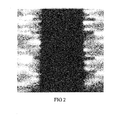
Fig 2 is a photomicrograph of backlight test for Example 19. -
Fig 3 is a photomicrograph of backlight test for Example 21. - As used throughout this specification, the abbreviations given below have the following meanings, unless the content clearly indicates otherwise: g=gram; mg=milligram; mL=milliliter; L=liter; m=meter; min. =minute; s=second; h. =hr. =hours; ppm=parts per million; mol=mole; mmol/L= milli-mole per liter; g/L=grams per liter; R.O. =Reverse Osmosis; RT=room temperature; Ex. No.=Example number; lb/in=pound per inch. As used throughout this specification, the word "deposition" and "plating" are used interchangeably. As used throughout the specification, the word "plating bath" and "plating solution" are used interchangeably.
- The method includes the step of contacting a surface of a material with a solution comprising (A) an amine compound having at least two functional groups, where at least one of the functional group is an amino group and (B) an aromatic compound having at least one hydroxyl group on the aromatic ring.
- Amine compounds of this embodiment are those compounds having at least two functional groups, where at least one of the functional groups is an amino group. The functional groups can be selected from any kind of functional group, even if the compound can react with (B) the aromatic compounds described in detail later. Examples of such functional groups include, but are not limited to, amino groups and phenolic hydroxyl groups. Preferably, the other functional groups are amino groups. Amino groups include primary amino groups, secondary amino groups, and nitrogen containing heterocyclic groups. Amine compounds can be aliphatic compounds or aromatic compounds. When chemical resistance of the polymerized film is required, an aromatic amine such as tyramine is preferably used. When flexibility is required, an alkyl diamine having longer carbon chain such as hexamethylene diamine (HMDA) is preferably used.
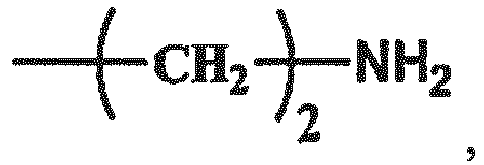
- Examples of amine compounds are disclosed in formula 1a to formula 7a:
Formula 1a H2N-R1-NH2
wherein R1 is selected from the group consisting of C1 to C24 linear or branched alkylene and aromatic alkylene.
Formula 2a H2N-R1-NH-R2-NH2
wherein R1 and R2 are selected independently from the group consisting of C1 to C24 linear or branched alkylene and aromatic alkylene.




- Amine compounds can be used as a mixture of two or more kinds of amine compounds. The amount of (A) amine compounds in the solution is 2 mmol/L to 2000 mmol/L, preferably 10 mmol/L to 400 mmol/L.
- Aromatic compounds of this embodiment have at least one hydroxyl group connected to an aromatic ring. Preferably, the aromatic compounds have two hydroxyl groups; more preferably, they may have two hydroxyl groups at ortho or para position to each other. Aromatic compounds can be phenyl, naphthyl, or any other aromatic compounds. The preferable aromatic compound is a phenyl compound.
- While not wishing to be bound by theory, it is believed that a hydroxyl group connected to an aromatic ring such as catechol is oxidized and the aromatic compound is converted to a quinone. Since the oxygen atom of quinone is an electron-withdrawing group, quinone has activated carbon atoms on the aromatic ring. Michael Addition may occur at the activated carbon atoms on the aromatic ring with the amino group of the amine compound, and the amine compound and the aromatic compound are combined. The inventors have found that the copolymerization rate of diamine with resorcinol with two hydroxyl groups at meta-position or phenol with one hydroxyl group at room temperature is slower than that of catechol or hydroquinone with two hydroxyl groups at ortho-position and para-position, respectively. Therefore, it is believed that compounds with two hydroxyl groups at the ortho- or para-position may be easier to form ketone groups and undergo a Michael Addition reaction with amine compounds than that with two hydroxyl groups at meta-position.
- Examples of aromatic compounds are disclosed in formula 1b:

- A mixture of aromatic compounds can be used. The amount of (B) aromatic compounds in the solution is 2 mmol/L to 2000 mmol/L, preferably 10 mmol/L to 400 mmol/L. The medium of the solution is preferably water. RO water or de-ionized water can be used. A mixture of water with organic solvents such as methanol, ethanol, propanol, ethylene glycol, propylene glycol, propylene glycol or tetrahydrofuran may also be used as the medium of this invention.
- When dipping a material in a solution including (A) and (B), a film is formed on the surface of the material. It is believed that the film is a copolymerized film of (A) with (B) via Michael Addition between (A) and (B), as well as coupling between (B) and (B) or (B) and (A). In the case of organic materials, chemical bonds between the organic surfaces and the copolymer(A+B) film might be formed via free radical or Michael Addition reactions. In the case of inorganic material, coordination bonds between the inorganic surfaces with the copolymer(A+B) film might be built up via coordination reaction.
- To synthesize a film on a surface of a material, the mole ratio of the functional groups within (A) to the functional groups within (B) in the solution may vary such as 10:1 to 1:10. However, when the polymerized film is used for electroless plating techniques, the preferable mole ratio depends on the required properties of the film and the functionality on (A) and (B).
- Amino groups potentially possess positive charges, whereas hydroxyl groups on aromatic rings potentially possess negative charges. By control of the mole ratio of amino groups to hydroxyl groups, the charge distribution of the polymerized film can be modified. For example, when a negative charged catalyst such as a Pd/Sn colloid is used in the process of electroless deposition, a positively charged copolymer(A+B) film is preferred because of better adsorption of a negatively charged catalyst. Therefore, when the polymerized film is used for an electroless plating process using a Pd/Sn colloid catalyst such as in the current industrial electroless plating techniques, and when (A) is a diamine compound and (B) is a di-hydroxyl phenyl compound such as catechol, the preferable mole ratio of (A) to (B) varies from 4:1 to 1:1, more preferably is 2:1. On the other hand, if a positively charged catalyst is developed and used, a negatively charged copolymer(A+B) film might be preferred.
- When the process of electroless plating does not have a catalyzing step and metal deposition is conducted directly, the key influence of the copolymer(A+B) film on the electroless plating process will be its reducibility, rather than its electric charge. Higher reducibility of the copolymer(A+B) film will result in shorter time to initiate electroless plating. Therefore, when the polymerized film is used for an electroless plating process without a catalyzing step, (A) and (B) should be selected so that the reducibility of the film becomes higher, consequently, the adhesion between the deposited metal and the dielectric substrate will be improved by the existence of the copolymer(A+B) film.
- The step of contacting a surface of a material with a solution comprising (A) and (B) is conducted via any kind of methods, such as dipping or spraying.
- The temperature range for contacting a material with the solution is from 5 to 99 degree C. The dwell time of contacting a material with the solution depends on the temperature of the solution. When the temperature is around room temperature, the time for contacting a material with the solution is preferably 3 hours to 3 days, more preferably 0.5 day to 1 day. When the temperature is about 80 degree C, the time is preferably 0.1 hour to 8 hours, more preferably 0.5 hour to 4 hours.
- Another aspect of this invention is a method comprises the step of: contacting a surface of a material with a free radical initiator solution prior to contacting with the solution comprising (A) and (B).
- It is known that catechol oxidizes enzymes, present in mussels-adhesive-protein secretions, convert the dihydroxyphenyl group of DOPA into highly reactive o-quinone functionalities. Michael Addition of side-chain amino groups from lysine residues to DOPA-quinone residues can be expected. There are also chances to generate free radical o-semiquinones by half oxidization of dihydroxyphenyl groups. It is expected that free radical species might build covalent bonds between o-semiquinones to increase cohesion (cross-links) and enable coupling to organic materials to enhance interfacial adhesion (adhesive reaction).
- The inventors found that the steps of contacting a surface of a material with a free radical initiator solution prior to contacting with the solution comprising (A) and (B) increases the electroless metal coverage on dielectric substrate such as glass fibers, which indicates that the adhesion between the dielectric substrate and the deposited metal film may be improved. As the temperature of the solution comprising (A) and (B) is increased from 20°C to 80°C, the oxidization rate of hydroxyphenyl group increases greatly. When (B) is catechol, the generation of o-quinine becomes rapid, while the concentration of free radical o-semiquinone (half oxidized dihydroxyphenyl) may fall. Since free radicals are believed to play a key role in both adhesive (coupling) and cohesive (cross-link) reactions, lower levels of free radical may reduce improvements in adhesive strength. In order to gain higher electroless metal coverage and higher adhesion between dielectric substrate and deposited metal, a free radical initiator is introduced by contacting the material with an organic solution of free-radical initiator.
- Preferable free radical initiators are organic-soluble free radical initiators with limited water-solubility, because such free radical initiators are compatible with the surface of the dielectric material and can remain on the surface after contacting with an aqueous solution comprising (A) and (B). Examples of such free radical initiators include, but are not limited to, 2,2'-Azobis(2-methylbutyronitrile),
Dimethyl 2,2'-azobis(2-methylpropionate), AIBN (2,2-azobisisobutyronitrile), ADMVN (2,2'-Azobis (2,4- dimethyl) valeronitrile)), and 2,2'-Azobis(4-methoxy-2.4-dimethyl valeronitrile).Their structural formulae, CAS numbers, molecular weights, solubility, as well as 10 hour half life decomposition temperatures are listed in Table 1.Table 1. Examples of organic soluble free radical initiators with limited water-solubility Chemical Name Structure Formula Solubility 10 Hour half- life decomposition temperature 2,2'-Azobis(2-methylbutyronitrile) 
freely soluble in toluene, methanol, IPA or ethyl acetate insoluble in water 67°C(in toluene) CAS NO. 13472-08-7 Molecular weight = 192.26 Dimethyl 2,2'-azobis(2-methylpropionate)
freely soluble in toluene, methanol, IPA or ethyl acetate very insoluble in water 66°C(in toluene) CAS NO. 2589-57-3 Molecular weight = 230.26 2,2'-Azobisisobutyronitrile (AIBN) 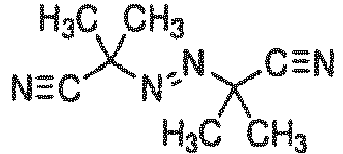
soluble in methanol and ethanol, but is insoluble in water 65 °C (in toluene) CAS Number 78-67-1 Molecular Weight 164.21 2,2'-Azobis(2.4-dimethylvaleronitrile) (ADMVN) 
soluble in toluene, methanol, acetone, or styrene insoluble in water 51 °C(in toluene) CAS NO. 4419-11-8 Molecular weight = 248.37 2,2'-Azobis(4-methoxy-2.4-dimethylvaleronitrile) 
soluble in toluene or acetone very slightly soluble in methanol insoluble in water 30°C(in toluene) CAS NO. 15545-97-8 Molecular weight = 308.42 - Preferable medium of the solution is an organic solvent such as toluene, PGMEA (propylene glycol monomethyl ether acetate), IPA (isopropyl alcohol), ethyl acetate, acetone, or methanol, depending on the specific free radical initiator selected.
- The concentration of the free radical initiator solution is preferably 0.003 to 0.3 mol/L, more preferably 0.02 to 0.2 mol/L. The temperature of contacting a material with the free radical initiator solution is, preferably -10 to 40 degree C, more preferably, around room temperature. The time of contacting a material with the free radical initiator solution is preferably 0.1 second to 0.5 hour, more preferably, 3 seconds to 3 minutes.
- When contacting a material with a free radical initiator solution prior to contacting with the solution comprising (A) and (B), the conditions of the following step should match with the kind of free radical initiator so that the temperature and dwell time of contacting with the solution comprising (A) and (B) should be determined from the half-life of each initiator. For example, if AIBN is used as a free radical initiator followed by the step of contacting with the solution comprising (A) and (B), the temperature and dwell time of the following step matches at 80 degree C for 2 to 4 hours, but if ADMVN is used, it should be carried out at 65 degree C for 2 to 4 hours.
- A further aspect of this invention is a method for forming a metallic film on a non-conductive surface of a material, which comprises the following steps; Step 1 contacting a surface of a material with a solution comprising (A) and (B) described above,
Step 2 conducting electroless metal plating of the material surface.
Step 1 has been described above, so the description is incorporated here. As described before, the step of contacting with a free radical initiator can be conducted before step 1. - Between the step 1 and
step 2, a step for applying a catalyst solution may be conducted. Conventional catalysts can be used for this step, such as Pd/Sn colloid or ionic catalysts containing Pd or Ag ions. For the condition of applying the catalyst solution, such as concentration, temperature and time, conventional technologies could be applied. For example, CATAPOSIT™ 44 Catalyst (Pd/Sn colloidal catalyst) in combination with CATAPREP™ 404 Pre-dip (protection salt for Pd/Sn catalyst) commercially available from Dow Electronics Materials can be used. For example, a material is dipped in 270 g/L of CATAPREP™ 404 Pre-dip aqueous bath at 20 to 35 degree C for 0.5 to 3.0 minutes to protect the catalyst from harmful drag-in. The material is then dipped in an aqueous solution containing 15 to 30 mL/L CATAPOSIT™ 44 Catalyst and 270 g/L of CATAPREP™ 404 Pre-dip at 32 to 52 degree C for 4 to 5 minutes. - The necessity for a catalyst step depends on the electroless plating bath used for the metallization. For example, an electroless plating bath including chelating agent, reducing agent, acid/base/pH adjuster, a less strong chelating agent together with a stronger reducing agent may allow electroless plating without the use of a catalyst step. Therefore, if a plating process without a catalyzing step is adopted, (A) and (B) should be selected so that the polymerized film has high reductibility as mentioned above.
-
Step 2 is an electroless metal plating step on the surface of a material on which a polymerized film has been formed. The surface of the material is electrolessly plated with one or more metallic layers, such as copper, using an electroless metal plating bath. Conventional electroless metal plating baths may be used. Such baths are well known in the art. Metals which may be deposited on the surface of the material include, but are not limited to, copper, nickel, gold, silver and copper/nickel alloys. Preferably, nickel or copper is deposited on the surface of the materials. For example, CIRCUPOSIT™ 880ELECTROLESS COPPER, CUPOSIT™ 253 ELECTROLESS COPPER, CIRCUPOSIT™ 3350 ELECTROLESS COPPER all commercially available from Dow Electronics Material can be used. Conventional electroless processes may be applied. For example, when a copper electroless plating bath is used, a material is dipped in an electroless plating bath including 45 mL/L CIRCUPOSIT™ 880 E, 10 mL/L CIRCUPOSIT™ 880 A, 28 mL/L CUPOSIT™ Z, 25 mL/L CIRCUPOSIT™ 880 C, and 15 mL/L CUPOSIT™ Y at 30 to 34 degree C for 15 to 45 minutes. - After the electroless plating step, the material may undergo further processing. Further processing may include additional electroless or electrolytic metal plating on the material, for example, copper, gold, silver, tin and alloys thereof. Conventional electrolytic metal bathes may be used. Such bathes are well known in the art.
- After each step described above, the material is optionally rinsed with water.
- The method of this invention provides good electroless metal coverage on treated surface and better adhesion between a non-conductive surface of a material and a deposited metallic film without the use of a traditional conditioner. While the mechanism of adhesion building up is not fully understood, it is believed that chemical bonds, such as coordination bonds or covalent bonds, may be formed during the treatment disclosed by this invention, which contribute to the better adhesion results.
- The present invention may be better understood from the examples that follow. The examples are shown for illustration purposes only, and are not intended to limit the invention in any way.
- In the following examples, the pH of dopamine solution is buffered with 0.010 mol/L tris(hydroxymethyl)aminomethane and HCl, and the pH of aqueous solution of monomer pairs is either buffered with K2HPO4/Citric Acid in the pH range of 3.0 to 8.0, or with H3BO3 / KCl / NaOH in the pH range of 8.0 to 10.0.
- Examples 1 to 12 provide some monomer-pair examples that are capable of in-situ polymerization in an aqueous solution and are capable of forming a water insoluble copolymer(A+B) film on a dielectric substrate. These copolymer(A+B) films show conditioner functionality, which increase the electroless copper coverage on glass cloth coupons without the use of a traditional conditioner.
- Glass cloth coupons were obtained from glass-fiber reinforced bare epoxy laminates S 1141 (Size: 50mm* 150mm* 1mm, Supplier: Shengyi Technology Co. Ltd., Glass transition temperature: 140 ∼ 150 degree C, Abbreviated as bare laminates). The bare laminate coupons were first immersed in 98% H2SO4 for 1 day to dissolve the epoxy resin and expose the glass cloth, then water rinsed for 5 minutes to clean the surface of glass cloth. This treatment was then repeated at least once to minimize epoxy residues. After final rinsing, the glass cloth coupons were oven dried at 120°C for 4 hours.
- The dried glass cloth coupon was contacted with a free radical initiator solution. The glass coupon was dipped in a free radical initiator solution comprising 0.2 mol/L of AIBN (Azobisisobutyronitrile) in toluene at room temperature for 1 minute, and then dried in a fume hood at room temperature for 5 minutes.
- Next, the glass cloth coupon was contacted with a solution comprising (A) and (B). A solution comprising 0.026 mol/L of hexamethylene diamine and 0.013 mol/L of catechol was prepared using a K2HPO4 / Citric Acid buffer solution. The pH of the solution was 4.5. The glass cloth coupon was then dipped in the above described aqueous solution at 80 degree C for 4 hours. A water insoluble copolymer(A+B) film was formed on the surface of the treated glass cloth coupon.
- Next, the treated glass cloth coupon with the copolymer(A+B) film was treated in an electroless copper plating process without a traditional conditioner step. The coupon was dipped in a Microetch bath at room temperature for 1 minute, which contained 50 g/L of PREPOSIT™ Etch 748 (Dow Electronics Materials) and 20 mL/L 98% H2SO4 (Sigma-Aldrich), and then rinsed with R.O. water for 3 minutes. After that, the coupon was dipped in 270 g/L of CATAPREP™ 404 PreDip (Dow Electronics Materials) at 23 degree C for 1 minute. Next, the glass cloth coupon was dipped in a catalyst bath at 40 degree C for 5 minutes, which contained 20 mL/L of CATAPOSIT™ 44 Catalyst concentrate (Dow Electronics Materials) and 270 g/L of CATAPREP™ 404 PreDip, and then rinsed with R.O. Water for 2 minutes. Next, the coupon was dipped in a CIRCUPOSIT™ 880 Electroless Copper bath (Dow Electronics Materials) at 34 degree C for 30 to 45 minutes, which was prepared using 45 mL/L CIRCUPOSIT™ 880 E, 10 mL/L CIRCUPOSIT™ 880 A, 28 mL/L CUPOSIT™ Z, 25 mL/L CIRCUPOSIT™ 880 C, and 15 mL/L CUPOSIT™ Y. After that, the glass cloth coupon was rinsed with R.O. water for 3 minutes and dried with an air knife for 2 minutes. A uniform electroless copper film was formed on the surface of the glass cloth coupon without the use of a traditional conditioner.
- Examples 2 to 8 were processed in the same way as Example 1, except that the monomer pairs ((A)+(B)) and the mole ratio between them within procedure (3) were changed as indicated in Table 2. The basic concentration was 0.013mol/L. By multiplying the basic concentration 0.013 mol/L by the mole ratio of the indicated monomer shown in table 2, the initial concentration of that monomer in the treatment bath was obtained. In all examples, a water insoluble copolymer(A+B) film was formed on the surface of glass cloth coupon after the "(A)+(B) solution treatment", and an electroless copper plated film was formed after electroless plating without a traditional conditioner step.
- Examples 9 and10 were processed in the same way as Example1, except that the chemicals, the mole ratio between them, treatment temperature and dwell time of treatment within procedure (3) were changed as indicated in Table 2 and step (2) was not conducted. The basic concentration was 0.013 mol/L. By multiplying the basic concentration 0.013mol/L by the mole ratio of the indicated monomer shown in Table 2, the initial concentration of that monomer in the treatment bath was obtained. A water insoluble copolymer(A+B) film was formed on the surface of glass cloth coupon after the "(A)+(B) solution treatment", and an electroless copper plated film was formed after electroless plating without a traditional conditioner step.
- Example 11 is a blank control of Example 1 to 8. It was processed in the same way as Example 1, except that step (2) was conducted using toluene without the presence of any free radical initiator, and step (3) was conducted using distilled water alone, without any solute. Only a very small amount of electroless copper was deposited on the surface of the glass cloth coupon after electroless plating without a traditional conditioner step. No continuous film of electroless copper film was formed.
- Example 12 is a blank control of Example 9 and 10. It was processed in the same way as Example 9 and 10, except that step (3) was conducted using distilled water alone, without any solute. Only a very small amount of electroless copper was deposited on the surface of the glass cloth coupon after electroless plating without a traditional conditioner step. No continuous film of electroless copper film was formed.
Table 2 Ex. No. (A) + (B) Dip in 0.2 mol/L AIBN Toluene Solution Dip in an aqueous solution of (A) + (B) Copolymer(A+B) film formed on the surface of glass cloth coupons Electroless Cu film formed on the surface of glass cloth coupons without the use of a traditional conditioner Time & Temp pH Mole Ratio 1 
1 min @ RT 4 hours @ 80°C 4.5 2 : 1 Yes Yes 2 3.5 1 : 1 3 
1 min @ RT 4 hours 80°C 7.5 ~ 9.5 2 : 1 Yes Yes 4 
1 min @ RT 4 hours @ 80°C 9 1 : 1 : 1 Yes Yes 5 
1 min @ RT 4 hours @ 80°C 8 1 : 1 Yes Yes 6 
1 min @ RT 4 hours @ 80°C 9 1: 1 : 1 Yes Yes 7 
1 min @ RT 4 hours @ 80°C 8 1 : 1 Yes Yes 8 
1 min @ RT 4 hours @ 80°C 8 1 : 1 Yes Yes 9 
-- 24 hours @ RT 9 1 : 1 Yes Yes 10 
-- 24 hours @ RT 8.5 1 Yes Yes 11 Blank control after 4 hour 80°C distilled water treatment -- -- 7.0 -- No No 12 Blank control after 24 hour RT distilled water treatment -- -- 7.0 -- No No - From Examples 1 to 12, it can be seen that all the examples 1 thru 9 monomer pairs ((A)+(B)) were capable of polymerization in an aqueous solution to form a water insoluble polymer film, similar to the behavior of dopamine. Almost no electroless copper can be deposited on a glass cloth coupon without the aid of a traditional conditioner. Only the formation of a very light-pink color with partial coverage is observed for the blank control glass cloth coupon after electroless copper plating (Example 11, 12). Monomer-pair treated or dopamine treated glass cloth coupons show a uniform bright salmon pink appearance indicating continuous copper deposit after electroless copper plating without the aid of a traditional conditioner. It can be said that the copolymer(A+B) films formed by examples 1 thru 9 monomer pairs ((A)+(B)), as well as the polydopamine film formed by dopamine at room temperature, show conditioner functionality. They are capable of increasing copper coverage on glass cloth coupons without the use of a traditional conditioner.
- There are two aims for Examples 13 to 17. One aim was to compare the conditioner functionality of monomer pair treatment with that of dopamine treatment at 80 degree C for 2 to 4 hours, by the back light test. The other aim was to examine the benefit of free radical initiator treatment to the conditioner functionality of monomer pair treatment.
- By visually checking the coverage of electroless copper on glass cloth coupons, the conditioner functionality of in-situ polymerization film was assessed more directly and more conveniently. A quantitative measurement of electroless copper coverage was a back light test, which measures the degree of electroless copper coverage in plated through holes, which contain areas of resin, glass fiber tips, and transverse glass fibers.
- The back light test was carried out on small sections cut from drilled laminates, containing a number of holes, aligned along the same axis. The diameter of the holes chosen was 1 millimeter. Once the drilled laminates have been processed through the electroless copper plating process, the holes to be evaluated were extracted with a diamond saw. The holes were cut as close as possible to their center axis, while ensuring the holes were free of burrs or other debris and that the thickness of the coupon (from back surface to the middle of the holes) was less than 3 mm to allow light transmission through the sample to allow light to penetrate for the back light test. An optical microscope capable of 50 to 1500 magnifications was used to carry out the back light test. Each of the holes was individually assessed by comparing with a series of standard images shown in
Figure 1 . - Transmitted light was visible in any areas within the holes where there was incomplete electroless copper coverage. A numerical scale of 0.0 ∼ 5.0 was used as back light ratings, where 5.0 represents a completely copper coverage on both resin areas and glass fiber areas. Back light ratings equal to or above 4.5 represent substantially complete copper coverage on resin and glass fiber areas. Only occasional glass tip voids were observed. Back light ratings equal to or above 4.0 indicated that the majority of resin and glass fiber areas had copper coverage, but voids were found on some glass tip areas and sometimes on transverse glass fiber areas. A back light rating ranging from 2 to 3.5 represented good copper coverage on resin areas, but poor copper coverage on glass areas (both glass tip and transverse glass fiber area). A back light rating lower than 2 means minimal copper coverage was found either on resin areas or on glass fiber areas. The back light ratings shown in this invention were the average of the values for 10 holes.
- Glass cloth coupons same as in Example 1 were used as samples for film formation test and electroless copper coverage tests, and copper clad laminate S 1141 with 1mm diameter drilled holes (Size: 35mm* 100mm* 2mm, 20 holes per coupon, Shengyi Technology Co. Ltd., glass transition temperature: 140 to 150 degree C, abbreviated as drilled laminates) were used as samples for back light tests. Drill laminates were processed through the de-smear process shown below, which included a sweller, an oxidiation, and a neutralizer bath treatment. Glass cloth coupons were not treated in the de-smear process.
- The drill laminates were dipped in a sweller bath at 75 degree C for 5 minutes, which contained 125 mL/L CIRCUPOSIT™ MLB Conditioner 211 (Dow Electronics Materials) and 115 mL/L CUPOSIT™ Z(Dow Electronics Materials), and then rinsed with R.O. water for 3 minutes. The drilled laminates were then dipped in an Oxidiation bath at 80 degree C for 8 minutes, which contained 150 mL/L CUPOSIT™ Z (Dow Electronics Materials) and100 mL/L of CIRCUPOSIT™ MLB Promoter 213 (Dow Electronics Materials), and then rinsed with R.O. water for 3 minutes. After that, the drilled laminates were dipped in 50 mL/L of CIRCUPOSIT™ MLB Neutralizer 216-5 bath (Dow Electronics Materials) at 40 degree C for 5 minutes followed by water rinse for 3 minutes. The drilled laminates were then dried with an air knife for 2 minutes.
- The dried glass cloth coupons as well as the de-smeared drilled laminates were treated in the same free radical initiator treatment as Example 1. The test sample was dipped in a free radical initiator solution comprising 0.2 mol/L of AIBN in toluene at room temperature for 1 minute. The sample was then dried in a fume hood at room temperature for 5 minutes.
- Both the glass cloth coupons and the drilled laminates were contacted with a solution comprising (A) and (B) above. As indicated in Table 3, the solution comprising 0.026 mol/L of hexamethylene diamine and 0.013 mol/L of catechol was prepared using a K2HPO4 / Citric Acid buffer solution. The pH of the solution was 4.5. The samples were dipped in the aqueous solution described above at 80 degree C for 2 to 4 hours. A water insoluble copolymer(A+B) film was formed on the surface of the samples.
- Both the glass cloth coupons and the drilled laminates were processed through the same electroless copper plating process as Example 1.
- After electroless copper plating, drilled laminates samples were cut by diamond saw as described in the previous section. The back light test was carried out on ten holes per sample with 1 mm diameter using a Leica DM6000 light microscope with a magnification: 50X. The back light ratings shown in Table 3 were the average of the values for 10 holes.
- Example 14 was processed in the same way as Example 13 except that step (2) was conducted in toluene without the presence of any free radical initiator.
- Example 15 was a dopamine control example with free radical treatment. It was processed in the same way as for Example 13, except that step (3) was conducted using 0.013 mol/L dopamine aqueous solution buffered with 0.010 mol/L tris(hydroxymethyl) aminomethane and HCl to pH 8.5.
- Example 16 was a dopamine control example without free radical treatment. It was processed in the same way as for Example 13 except that step (2) was conducted in toluene without the presence of any free radical initiator, and step (3) was conducted using 0.013 mol/L dopamine aqueous solution buffered with 0.010 mol/L tris(hydroxymethyl) aminomethane and HCl to pH 8.5.
- Example 17 was a blank control for Example 13 to 16. It was processed in the same way as for Example 13 except that step (2) was conducted in toluene without the presence of any free radical initiator, and step (3) was conducted in distilled water alone, without any solute.
Table 3 Ex. No. Free Radical Initiator treatment Dip in an aqueous solution of below listed solutes @ 80°C for 2 ∼ 4 hours Copolymer(A+B) film formed on the surface of glass cloth coupons Electroless Cu film formed on the surface of glass cloth coupons without the use of a traditional conditioner Back Light Rating (Electroless Cu coverage, Highest rating is 5.0) 13 With 
Yes Yes 4.8 14 Without @ pH 4.5 Yes Yes 4.0 15 With 
Yes No 3.1 16 Without @ pH 8.5 Yes No 3.1 17 Without Blank Control: Distilled water @ pH 7 No No 3.0 - Comparing Example 14 with 17, it can be seen that good copper coverage was only obtained both on glass cloth coupons and in the through holes of drilled laminates that were treated by a monomer pair (HMDA/Catechol) at 80 degree C for 2 ∼ 4 hours without free radical initiator.
- Comparing Example 14 with 13, It can be seen that even better copper coverage was obtained in the through holes of drilled laminates that were treated by the same monomer pair (HMDA/Catechol) at the same temperature (80 degree C) for the same duration (2 ∼ 4 hours) with free radical initiator treatment.
- Example 15 and 16 indicated that poor copper coverage was observed on glass cloth coupons and in the through holes of drilled laminates that were treated by dopamine at 80 degree C for 2 ∼ 4 hours, whether with or without free radical treatment, although there was visible polydopamine film formed on the surface of treated sample. Compared with Example 10 shown in Table 2, the formation temperature of polydopamine affected its conditioner functionality. At room temperature for 24 hours, the polydopamine film formed showed good conditioner functionality. At 80 degree C for 2 ∼ 4 hours, the polydopamine film did not show conditioner functionality, although its appearance was similar to that formed at room temperature for 24 hours. A possible explanation to this phenomenon was that the priority of reactions may have changed with an increase of the treatment temperature. At higher temperatures, a higher rate of oxidation reaction was observed, and a higher rate of Michael Addition reaction was assumed. Under these conditions, more consumption of amine groups was expected, leaving less amine group residues on the surface of polydopamine film, resulting in weaker conditioner function.
- Examples 18 to 25 were proceeded to examine the multiple functionalities of the copolymer(A+B) film formed by monomer pairs ((A) + (B)) treatment, including the conditioner functionality and the adhesion promoter functionality by Back Light Test and Peel Strength Test.
- Peel Strength Test was conducted on the test coupons using the following conditions:
Equipment: Peel strength tester, Type: Ceco TA 631E
Peel speed: 2 inch/minutes
Width of the copper strip: 10 millimeter
Length of the copper strip: 100 millimeter
Thickness of the copper strip: 34 micron to 38 micron
Testing time per strip: 80 second
Peel strength data for one strip: the average of the peel strength values during15 second to 75 second
Peel strength data shown in this invention: the average of the peel strength data obtained from 8 ∼ 10 strips - Drilled laminates S1141 the same as Example 13 were used as samples for back light test, and glass-fiber reinforced bare epoxy laminates S1141 (Size: 50mm*150mm*1mm, Supplier: Shengyi Technology Co. Ltd., Glass transition temperature: 140 to 150 degree C, Abbreviated as bare laminates S 1141) were used as test samples for peel strength between dielectric substrate and deposited metal film.
- Bare laminates S 1141 and drilled laminates S 1141 were processed through the same de-smear process described in Example 13.
- De-smeared bare laminates S1141 and de-smeared drilled laminates S 1141 were processed through the same free radical initiator treatment process described in Example 13.
- Next, the sample was processed through the step of contacting with a solution comprising (A) and (B) above. In these experiments, (A) is hexamethylene diamine and (B) is catechol. The basic concentration was 0.013mol/L. By multiplying the basic concentration 0.013 mol/L by the mole ratio of the indicated monomer shown in table 4, the initial concentration of that monomer in the treatment bath was obtained. The sample was treated at 80 degree C for 2 to 4 hours. A water insoluble film was formed on the surface of treated samples.
- After (A)+(B) solution treatment, the bare laminates S1141 and drilled laminates S1141 were processed through the same electroless plating process without a traditional conditioner step described in Example 13.
- After electroless plating, the drilled laminates S1141 were examined using the same back light test process as Example 13.
- The samples of bare laminates S1141 with the electroless copper film were processed through an electrolytic copper plating process. The sample was first dipped in a acid cleaner bath at 40 degree C for 5 minutes, which contained 50 mL/L RONACLEAN™ LP 200 ACIDIC CLEANER (Dow Electronics Materials) and 50 mL/L 98% H2SO4 (Sigma-Aldrich). The sample was then rinsed with R.O. water for 3 minutes. After that, the sample was dipped in a 100 mL/L 98%H2SO4 aqueous solution at 23 degree C for 1 minute. Electrolytic plating was then performed in an aqueous solution comprising 75 g/L copper ion from CuSO4, 100 mL/L 98% H2SO4 (Sigma-Aldrich), 60 ppm chloride ion from 1 mol/L HCl (Sigma-Aldrich), 10 mL/L COPPER GLEAM™ 125T-AB Part B and 5 mL/L COPPER GLEAM™ 125T-AB Part A, at 20 ampere per square feet for 80 minutes.
- Next, the electrolytic plated sample was baked at 160 degree C for 60 minutes before the peel strength test.
- Example 21 was a blank control for Examples 18 to 20. It was processed in the same way as Example 18-20, except that step (2) was conducted in toluene without the presence of any free radical initiator, and step (3) was conducted in distilled water alone, without any solute.
- Examples 22 to 24 were processed in the same way as Example 18-20 except that peel strength test was performed on another type of dielectric substrate, ABF-GX-13 film applied to a laminate substrate (Size: 100mm*100mm, Supplier: Ajinomoto fine-techno Co., Inc,), and that no back light tests were carried out.
- Example 25 was a blank control for Examples 22 to 24. It was processed in the same way as Example 22-24, except that step (2) was conducted in toluene without the presence of any free radical initiator, and step (3) was conducted in distilled water alone, without any solute.
Table 4 Ex. No. Dip in 0.2 mol/L AIBN Toluene Solution Dip in an aqueous solution of Back Light Rating (Electroless Cu coverage, Highest Rating is 5.0) Peel strength (lb/in) Dielectric substrates 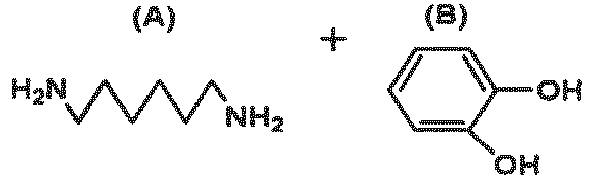
Time & Temp Mole ratio of (A) to (B) pH 18 1 min @ RT 2 ∼ 4 hours @ 80°C 2 : 1 8.5 4.3 5.3 S1141 (Ra < 400nm) 19 1 min @ RT 4.5 4.8 4.0 20 1 min @ RT 1 : 1 3.5 4.6 --- 21 --- --- --- --- 3.0 2.9 22 1 min @ RT 2 ∼ 4 hours @ 80°C 2 : 1 8.5 --- 2.6 ABF-GX13 (Ra < 200nm) 23 1 min @ RT 4.5 --- 3.3 24 1 min @ RT 1 : 1 3.5 --- 2.8 25 --- --- --- --- --- 2.0 - It was observed that the through holes treated with the solutions of Example 18-20 (
Figure 2 --- Example 19) showed much better electroless copper coverage than untreated ones (Figure 3 - Example 21), and coupons treated with a solution comprising hexamethylene diamine and catechol (either S1141 - Example 18- 20 or ABF-GX13 - Example 22-24) showed much higher peel strength than the untreated ones (Example 20 or Example 25). The improvement in back light and peel strength varied with mole ratio of (A) to (B) and pH of treatment bath, which showd the performance may be tailored based on requirements.
Claims (7)
- A method for forming a polymerized film on a surface of a material comprising contacting the surface of the material with a solution comprising (A) an amine compound having at least two functional groups, wherein at least one of the functional group is an amino group and (B) an aromatic compound having at least one hydroxyl group on the aromatic ring.
- The method according to claim 1, wherein a mole ratio of the functional groups within (A) to the functional groups within (B) is no less than 1.0.
- The method according to claim 1, wherein (A) is a compound having at least two amino groups.
- The method according to claim 1, wherein (B) is an aromatic compound having two hydroxyl groups on the aromatic ring.
- The method according to claim 1, wherein further comprises the step of:Contacting the material surface with a solution comprising a free radical initiator prior to the step of claim 1.
- A method for forming a metallic film on a non-conductive surface of a material, wherein the method comprises the steps of:(1) contacting the surface of the material with a solution comprising (A) an amine compound having at least two functional groups, where at least one of the functional group is an amine group and (B) an aromatic compound having at least one hydroxyl group on the aromatic ring, and(2) Conducting electroless metal plating of the material surface.
- The method according to claim 6, wherein further comprises the step of:Contacting the material surface with a solution comprising a free radical initiator prior to the step (1).
Applications Claiming Priority (1)
| Application Number | Priority Date | Filing Date | Title |
|---|---|---|---|
| US201261708030P | 2012-09-30 | 2012-09-30 |
Publications (2)
| Publication Number | Publication Date |
|---|---|
| EP2712885A1 true EP2712885A1 (en) | 2014-04-02 |
| EP2712885B1 EP2712885B1 (en) | 2017-07-12 |
Family
ID=49253194
Family Applications (1)
| Application Number | Title | Priority Date | Filing Date |
|---|---|---|---|
| EP13186582.6A Not-in-force EP2712885B1 (en) | 2012-09-30 | 2013-09-30 | A method for electroless metallization |
Country Status (6)
| Country | Link |
|---|---|
| US (1) | US9863044B2 (en) |
| EP (1) | EP2712885B1 (en) |
| JP (1) | JP6362842B2 (en) |
| KR (1) | KR20140043289A (en) |
| CN (1) | CN103774122B (en) |
| TW (1) | TWI510672B (en) |
Cited By (1)
| Publication number | Priority date | Publication date | Assignee | Title |
|---|---|---|---|---|
| EP3699321A1 (en) | 2019-02-19 | 2020-08-26 | BGT Materials Limited | Method of forming copper metal layer on non-metallic material |
Families Citing this family (11)
| Publication number | Priority date | Publication date | Assignee | Title |
|---|---|---|---|---|
| WO2015196195A2 (en) * | 2014-06-20 | 2015-12-23 | Rhode Island Board Of Education, State Of Rhode Island And Provide Plantations | Systems and methods for electroless plating of thin gold films directly onto silicon nitride and into pores in silicon nitride |
| CN105986253B (en) * | 2015-01-30 | 2019-09-27 | 阿基里斯株式会社 | The plating application and its manufacturing method of excellent adhesion |
| JP6531217B2 (en) * | 2015-04-28 | 2019-06-12 | ローム アンド ハース エレクトロニック マテリアルズ エルエルシーRohm and Haas Electronic Materials LLC | Reaction products of diamines with reaction products of monoamines and bisanhydrides as additives for electroplating baths |
| CN110100044B (en) | 2016-12-22 | 2022-03-04 | 汉高股份有限及两合公司 | Use of a preformed reaction product of a catechol compound and a functionalized coreact compound to reduce oxidation of bare metal surfaces |
| ES2977783T3 (en) | 2016-12-22 | 2024-08-30 | Henkel Ag & Co Kgaa | Treatment of conversion-coated metal substrates with pre-shaped reaction products based on catechol compounds and functionalized co-reactive compounds |
| CN107012450A (en) * | 2017-04-21 | 2017-08-04 | 中国科学院深圳先进技术研究院 | A kind of method of polymeric substrate surface metallization and application thereof |
| WO2019039482A1 (en) * | 2017-08-22 | 2019-02-28 | 国立研究開発法人物質・材料研究機構 | Coating agent, method for producing coating film, primer treatment method, method for repairing concrete, and method for consturcting road |
| KR102703771B1 (en) * | 2018-11-30 | 2024-09-04 | 삼성전기주식회사 | Composition for surface treatment and surface treatment method using the same |
| CN111234657A (en) * | 2020-04-05 | 2020-06-05 | 台州天舒新材料科技有限公司 | Light high-conductivity coating and preparation method and application thereof |
| JP7160298B1 (en) * | 2020-12-11 | 2022-10-25 | 国立研究開発法人物質・材料研究機構 | Aqueous coating agent, laminate, and package or container |
| JP2026020990A (en) * | 2024-07-29 | 2026-02-10 | ウシオ電機株式会社 | Resin-plated material, and manufacturing method of resin-plated material |
Citations (3)
| Publication number | Priority date | Publication date | Assignee | Title |
|---|---|---|---|---|
| US20080149566A1 (en) * | 2006-10-19 | 2008-06-26 | Northwestern University | Surface-Independent, Surface-Modifying, Multifunctional Coatings and Applications Thereof |
| US20100021748A1 (en) | 2008-07-25 | 2010-01-28 | Xerox Corporation | Metallization process for making fuser members |
| CN101812678A (en) | 2010-03-05 | 2010-08-25 | 北京化工大学 | Method for preparing composite material coated with silver on surface through dopamine |
Family Cites Families (7)
| Publication number | Priority date | Publication date | Assignee | Title |
|---|---|---|---|---|
| GB1448213A (en) * | 1972-12-01 | 1976-09-02 | Coates Bros Co Ltd | Polymerizable polymer compositions derived from polyesters |
| US5606010A (en) * | 1994-07-07 | 1997-02-25 | Semih Erhan | Methods for the preparation of inherently metal binding poly-amine-quinone polymers |
| CA2391811C (en) * | 1999-09-17 | 2009-12-22 | Borje Sellergren | New molecularly imprinted polymers grafted on solid supports |
| KR101277602B1 (en) * | 2006-05-17 | 2013-06-21 | 가부시키가이샤 피아이 기쥬츠 켄큐쇼 | Metal composite film and process for producing the same |
| CN101140899A (en) * | 2006-09-08 | 2008-03-12 | 台湾薄膜电晶体液晶显示器产业协会 | Method for manufacturing metal wire by wet method |
| JP5241304B2 (en) * | 2008-04-23 | 2013-07-17 | 富士フイルム株式会社 | Method for producing surface metal film material, surface metal film material, method for producing metal pattern material, and metal pattern material |
| US8591636B2 (en) * | 2010-12-14 | 2013-11-26 | Rohm And Haas Electronics Materials Llc | Plating catalyst and method |
-
2013
- 2013-09-30 TW TW102135289A patent/TWI510672B/en not_active IP Right Cessation
- 2013-09-30 US US14/042,527 patent/US9863044B2/en not_active Expired - Fee Related
- 2013-09-30 JP JP2013203159A patent/JP6362842B2/en not_active Expired - Fee Related
- 2013-09-30 KR KR1020130116761A patent/KR20140043289A/en not_active Abandoned
- 2013-09-30 CN CN201310637391.3A patent/CN103774122B/en not_active Expired - Fee Related
- 2013-09-30 EP EP13186582.6A patent/EP2712885B1/en not_active Not-in-force
Patent Citations (3)
| Publication number | Priority date | Publication date | Assignee | Title |
|---|---|---|---|---|
| US20080149566A1 (en) * | 2006-10-19 | 2008-06-26 | Northwestern University | Surface-Independent, Surface-Modifying, Multifunctional Coatings and Applications Thereof |
| US20100021748A1 (en) | 2008-07-25 | 2010-01-28 | Xerox Corporation | Metallization process for making fuser members |
| CN101812678A (en) | 2010-03-05 | 2010-08-25 | 北京化工大学 | Method for preparing composite material coated with silver on surface through dopamine |
Non-Patent Citations (4)
| Title |
|---|
| DAVIS J ET AL: "Modification of catechol polymer redox properties during electropolymerization in the presence of aliphatic amines", ELECTROCHIMICA ACTA, ELSEVIER SCIENCE PUBLISHERS, BARKING, GB, vol. 43, no. 3-4, 1 January 1998 (1998-01-01), pages 291 - 300, XP004098034, ISSN: 0013-4686, DOI: 10.1016/S0013-4686(97)00086-8 * |
| H. LEE ET AL: "Mussel-Inspired Surface Chemistry for Multifunctional Coatings", SCIENCE, vol. 318, no. 5849, 19 October 2007 (2007-10-19), pages 426 - 430, XP055037063, ISSN: 0036-8075, DOI: 10.1126/science.1147241 * |
| NITHIANANDAM V S ET AL: "Quinone-amine polymers: 10. Use of calcium hypochlorite in the syntheses of polyamine-quinone (PAQ) polymers", POLYMER, ELSEVIER SCIENCE PUBLISHERS B.V, GB, vol. 32, no. 6, 1 January 1991 (1991-01-01), pages 1146 - 1149, XP024122422, ISSN: 0032-3861, [retrieved on 19910101], DOI: 10.1016/0032-3861(91)90606-J * |
| P. B. MESSERSMITH ET AL., SCIENCE, vol. 318, 2007, pages 426 - 430 |
Cited By (1)
| Publication number | Priority date | Publication date | Assignee | Title |
|---|---|---|---|---|
| EP3699321A1 (en) | 2019-02-19 | 2020-08-26 | BGT Materials Limited | Method of forming copper metal layer on non-metallic material |
Also Published As
| Publication number | Publication date |
|---|---|
| US20140093647A1 (en) | 2014-04-03 |
| CN103774122B (en) | 2017-05-24 |
| EP2712885B1 (en) | 2017-07-12 |
| KR20140043289A (en) | 2014-04-09 |
| JP6362842B2 (en) | 2018-07-25 |
| TW201425640A (en) | 2014-07-01 |
| US9863044B2 (en) | 2018-01-09 |
| CN103774122A (en) | 2014-05-07 |
| TWI510672B (en) | 2015-12-01 |
| JP2014070278A (en) | 2014-04-21 |
Similar Documents
| Publication | Publication Date | Title |
|---|---|---|
| EP2712885B1 (en) | A method for electroless metallization | |
| US6645557B2 (en) | Metallization of non-conductive surfaces with silver catalyst and electroless metal compositions | |
| KR101365970B1 (en) | Process for metallization of plastic surfaces | |
| CN108342718B (en) | Electroless copper plating composition | |
| EP2009142B1 (en) | Composition for etching treatment of resin molded article | |
| KR102173930B1 (en) | Method of preventing silver tarnishing | |
| KR102070620B1 (en) | Plating catalyst and method | |
| EP3584352B1 (en) | Electroless plating method | |
| EP1343921A1 (en) | Method for electroless nickel plating | |
| TWI565830B (en) | Electroless metallization of dielectrics with alkaline stable pyrazine derivative containing catalysts | |
| JP2012052222A (en) | Composition of nanoparticles | |
| JP2018044242A (en) | Block coating for selective metal coating | |
| KR20150024327A (en) | Process for metallizing nonconductive plastic surfaces | |
| JP6642980B2 (en) | Copolymer of diglycidyl ether-terminated polysiloxane compound and non-aromatic polyamine | |
| EP0582411A2 (en) | Electroless metal coatings | |
| TWI906354B (en) | A method for activating a surface of a non-conductive or carbon-fibres containing substrate for metallization | |
| KR20150093214A (en) | Process for metallizing nonconductive plastic surfaces | |
| EP3380649A1 (en) | Plating bath composition and method for electroless plating of palladium | |
| US4568571A (en) | Process for the adhesion-activation of polyamide substrates for electroless metallization | |
| Zarnoch | Surface functionalization and metallization of Lexan® polycarbonate | |
| WO2025051732A1 (en) | A method for activating a surface of a non-conductive or carbon-fibres containing substrate for metallization | |
| JP2013129856A (en) | Pretreatment agent for use in electroless plating, and pretreatment method for use in electroless plating employing the same | |
| KR20260055317A (en) | Method for activating the surface of a non-conductive or carbon fiber-containing substrate for metallization | |
| WO2025202100A1 (en) | A method for electroless copper depositing onto a surface of a non-conductive or carbonfibres containing substrate | |
| HK40013686A (en) | Electroless plating method |
Legal Events
| Date | Code | Title | Description |
|---|---|---|---|
| PUAI | Public reference made under article 153(3) epc to a published international application that has entered the european phase |
Free format text: ORIGINAL CODE: 0009012 |
|
| 17P | Request for examination filed |
Effective date: 20130930 |
|
| AK | Designated contracting states |
Kind code of ref document: A1 Designated state(s): AL AT BE BG CH CY CZ DE DK EE ES FI FR GB GR HR HU IE IS IT LI LT LU LV MC MK MT NL NO PL PT RO RS SE SI SK SM TR |
|
| AX | Request for extension of the european patent |
Extension state: BA ME |
|
| RIN1 | Information on inventor provided before grant (corrected) |
Inventor name: BAYES, MARTIN W. Inventor name: WANG, XUESONG Inventor name: RZEZNIK, MARIA ANNA Inventor name: KNUDSEN, PHILIP D. Inventor name: TSAI, YUHSIN |
|
| GRAP | Despatch of communication of intention to grant a patent |
Free format text: ORIGINAL CODE: EPIDOSNIGR1 |
|
| RIC1 | Information provided on ipc code assigned before grant |
Ipc: C23C 18/16 20060101ALI20170208BHEP Ipc: C09D 179/02 20060101ALI20170208BHEP Ipc: C08G 12/00 20060101ALN20170208BHEP Ipc: C08J 7/04 20060101AFI20170208BHEP Ipc: C23C 18/40 20060101ALN20170208BHEP Ipc: C23C 18/18 20060101ALI20170208BHEP |
|
| INTG | Intention to grant announced |
Effective date: 20170302 |
|
| GRAS | Grant fee paid |
Free format text: ORIGINAL CODE: EPIDOSNIGR3 |
|
| GRAA | (expected) grant |
Free format text: ORIGINAL CODE: 0009210 |
|
| AK | Designated contracting states |
Kind code of ref document: B1 Designated state(s): AL AT BE BG CH CY CZ DE DK EE ES FI FR GB GR HR HU IE IS IT LI LT LU LV MC MK MT NL NO PL PT RO RS SE SI SK SM TR |
|
| REG | Reference to a national code |
Ref country code: GB Ref legal event code: FG4D |
|
| REG | Reference to a national code |
Ref country code: CH Ref legal event code: EP |
|
| REG | Reference to a national code |
Ref country code: AT Ref legal event code: REF Ref document number: 908268 Country of ref document: AT Kind code of ref document: T Effective date: 20170715 |
|
| REG | Reference to a national code |
Ref country code: IE Ref legal event code: FG4D |
|
| REG | Reference to a national code |
Ref country code: FR Ref legal event code: PLFP Year of fee payment: 5 |
|
| REG | Reference to a national code |
Ref country code: DE Ref legal event code: R096 Ref document number: 602013023328 Country of ref document: DE |
|
| REG | Reference to a national code |
Ref country code: CH Ref legal event code: NV Representative=s name: MURGITROYD AND COMPANY, CH |
|
| REG | Reference to a national code |
Ref country code: NL Ref legal event code: MP Effective date: 20170712 |
|
| REG | Reference to a national code |
Ref country code: LT Ref legal event code: MG4D |
|
| REG | Reference to a national code |
Ref country code: AT Ref legal event code: MK05 Ref document number: 908268 Country of ref document: AT Kind code of ref document: T Effective date: 20170712 |
|
| PG25 | Lapsed in a contracting state [announced via postgrant information from national office to epo] |
Ref country code: FI Free format text: LAPSE BECAUSE OF FAILURE TO SUBMIT A TRANSLATION OF THE DESCRIPTION OR TO PAY THE FEE WITHIN THE PRESCRIBED TIME-LIMIT Effective date: 20170712 Ref country code: LT Free format text: LAPSE BECAUSE OF FAILURE TO SUBMIT A TRANSLATION OF THE DESCRIPTION OR TO PAY THE FEE WITHIN THE PRESCRIBED TIME-LIMIT Effective date: 20170712 Ref country code: NO Free format text: LAPSE BECAUSE OF FAILURE TO SUBMIT A TRANSLATION OF THE DESCRIPTION OR TO PAY THE FEE WITHIN THE PRESCRIBED TIME-LIMIT Effective date: 20171012 Ref country code: HR Free format text: LAPSE BECAUSE OF FAILURE TO SUBMIT A TRANSLATION OF THE DESCRIPTION OR TO PAY THE FEE WITHIN THE PRESCRIBED TIME-LIMIT Effective date: 20170712 Ref country code: SE Free format text: LAPSE BECAUSE OF FAILURE TO SUBMIT A TRANSLATION OF THE DESCRIPTION OR TO PAY THE FEE WITHIN THE PRESCRIBED TIME-LIMIT Effective date: 20170712 Ref country code: NL Free format text: LAPSE BECAUSE OF FAILURE TO SUBMIT A TRANSLATION OF THE DESCRIPTION OR TO PAY THE FEE WITHIN THE PRESCRIBED TIME-LIMIT Effective date: 20170712 Ref country code: AT Free format text: LAPSE BECAUSE OF FAILURE TO SUBMIT A TRANSLATION OF THE DESCRIPTION OR TO PAY THE FEE WITHIN THE PRESCRIBED TIME-LIMIT Effective date: 20170712 |
|
| PG25 | Lapsed in a contracting state [announced via postgrant information from national office to epo] |
Ref country code: RS Free format text: LAPSE BECAUSE OF FAILURE TO SUBMIT A TRANSLATION OF THE DESCRIPTION OR TO PAY THE FEE WITHIN THE PRESCRIBED TIME-LIMIT Effective date: 20170712 Ref country code: LV Free format text: LAPSE BECAUSE OF FAILURE TO SUBMIT A TRANSLATION OF THE DESCRIPTION OR TO PAY THE FEE WITHIN THE PRESCRIBED TIME-LIMIT Effective date: 20170712 Ref country code: BG Free format text: LAPSE BECAUSE OF FAILURE TO SUBMIT A TRANSLATION OF THE DESCRIPTION OR TO PAY THE FEE WITHIN THE PRESCRIBED TIME-LIMIT Effective date: 20171012 Ref country code: GR Free format text: LAPSE BECAUSE OF FAILURE TO SUBMIT A TRANSLATION OF THE DESCRIPTION OR TO PAY THE FEE WITHIN THE PRESCRIBED TIME-LIMIT Effective date: 20171013 Ref country code: IS Free format text: LAPSE BECAUSE OF FAILURE TO SUBMIT A TRANSLATION OF THE DESCRIPTION OR TO PAY THE FEE WITHIN THE PRESCRIBED TIME-LIMIT Effective date: 20171112 Ref country code: ES Free format text: LAPSE BECAUSE OF FAILURE TO SUBMIT A TRANSLATION OF THE DESCRIPTION OR TO PAY THE FEE WITHIN THE PRESCRIBED TIME-LIMIT Effective date: 20170712 Ref country code: PL Free format text: LAPSE BECAUSE OF FAILURE TO SUBMIT A TRANSLATION OF THE DESCRIPTION OR TO PAY THE FEE WITHIN THE PRESCRIBED TIME-LIMIT Effective date: 20170712 |
|
| REG | Reference to a national code |
Ref country code: DE Ref legal event code: R097 Ref document number: 602013023328 Country of ref document: DE |
|
| PG25 | Lapsed in a contracting state [announced via postgrant information from national office to epo] |
Ref country code: CZ Free format text: LAPSE BECAUSE OF FAILURE TO SUBMIT A TRANSLATION OF THE DESCRIPTION OR TO PAY THE FEE WITHIN THE PRESCRIBED TIME-LIMIT Effective date: 20170712 Ref country code: RO Free format text: LAPSE BECAUSE OF FAILURE TO SUBMIT A TRANSLATION OF THE DESCRIPTION OR TO PAY THE FEE WITHIN THE PRESCRIBED TIME-LIMIT Effective date: 20170712 Ref country code: DK Free format text: LAPSE BECAUSE OF FAILURE TO SUBMIT A TRANSLATION OF THE DESCRIPTION OR TO PAY THE FEE WITHIN THE PRESCRIBED TIME-LIMIT Effective date: 20170712 |
|
| PLBE | No opposition filed within time limit |
Free format text: ORIGINAL CODE: 0009261 |
|
| STAA | Information on the status of an ep patent application or granted ep patent |
Free format text: STATUS: NO OPPOSITION FILED WITHIN TIME LIMIT |
|
| PG25 | Lapsed in a contracting state [announced via postgrant information from national office to epo] |
Ref country code: EE Free format text: LAPSE BECAUSE OF FAILURE TO SUBMIT A TRANSLATION OF THE DESCRIPTION OR TO PAY THE FEE WITHIN THE PRESCRIBED TIME-LIMIT Effective date: 20170712 Ref country code: MC Free format text: LAPSE BECAUSE OF FAILURE TO SUBMIT A TRANSLATION OF THE DESCRIPTION OR TO PAY THE FEE WITHIN THE PRESCRIBED TIME-LIMIT Effective date: 20170712 Ref country code: SM Free format text: LAPSE BECAUSE OF FAILURE TO SUBMIT A TRANSLATION OF THE DESCRIPTION OR TO PAY THE FEE WITHIN THE PRESCRIBED TIME-LIMIT Effective date: 20170712 Ref country code: SK Free format text: LAPSE BECAUSE OF FAILURE TO SUBMIT A TRANSLATION OF THE DESCRIPTION OR TO PAY THE FEE WITHIN THE PRESCRIBED TIME-LIMIT Effective date: 20170712 Ref country code: IT Free format text: LAPSE BECAUSE OF FAILURE TO SUBMIT A TRANSLATION OF THE DESCRIPTION OR TO PAY THE FEE WITHIN THE PRESCRIBED TIME-LIMIT Effective date: 20170712 |
|
| 26N | No opposition filed |
Effective date: 20180413 |
|
| GBPC | Gb: european patent ceased through non-payment of renewal fee |
Effective date: 20171012 |
|
| REG | Reference to a national code |
Ref country code: IE Ref legal event code: MM4A |
|
| REG | Reference to a national code |
Ref country code: BE Ref legal event code: MM Effective date: 20170930 |
|
| PG25 | Lapsed in a contracting state [announced via postgrant information from national office to epo] |
Ref country code: LU Free format text: LAPSE BECAUSE OF NON-PAYMENT OF DUE FEES Effective date: 20170930 |
|
| PG25 | Lapsed in a contracting state [announced via postgrant information from national office to epo] |
Ref country code: GB Free format text: LAPSE BECAUSE OF NON-PAYMENT OF DUE FEES Effective date: 20171012 Ref country code: IE Free format text: LAPSE BECAUSE OF NON-PAYMENT OF DUE FEES Effective date: 20170930 |
|
| REG | Reference to a national code |
Ref country code: FR Ref legal event code: PLFP Year of fee payment: 6 |
|
| PG25 | Lapsed in a contracting state [announced via postgrant information from national office to epo] |
Ref country code: BE Free format text: LAPSE BECAUSE OF NON-PAYMENT OF DUE FEES Effective date: 20170930 Ref country code: SI Free format text: LAPSE BECAUSE OF FAILURE TO SUBMIT A TRANSLATION OF THE DESCRIPTION OR TO PAY THE FEE WITHIN THE PRESCRIBED TIME-LIMIT Effective date: 20170712 |
|
| PG25 | Lapsed in a contracting state [announced via postgrant information from national office to epo] |
Ref country code: MT Free format text: LAPSE BECAUSE OF NON-PAYMENT OF DUE FEES Effective date: 20170930 |
|
| PG25 | Lapsed in a contracting state [announced via postgrant information from national office to epo] |
Ref country code: HU Free format text: LAPSE BECAUSE OF FAILURE TO SUBMIT A TRANSLATION OF THE DESCRIPTION OR TO PAY THE FEE WITHIN THE PRESCRIBED TIME-LIMIT; INVALID AB INITIO Effective date: 20130930 |
|
| PG25 | Lapsed in a contracting state [announced via postgrant information from national office to epo] |
Ref country code: CY Free format text: LAPSE BECAUSE OF NON-PAYMENT OF DUE FEES Effective date: 20170712 |
|
| PGFP | Annual fee paid to national office [announced via postgrant information from national office to epo] |
Ref country code: FR Payment date: 20190815 Year of fee payment: 7 Ref country code: DE Payment date: 20190917 Year of fee payment: 7 |
|
| PG25 | Lapsed in a contracting state [announced via postgrant information from national office to epo] |
Ref country code: MK Free format text: LAPSE BECAUSE OF FAILURE TO SUBMIT A TRANSLATION OF THE DESCRIPTION OR TO PAY THE FEE WITHIN THE PRESCRIBED TIME-LIMIT Effective date: 20170712 |
|
| PGFP | Annual fee paid to national office [announced via postgrant information from national office to epo] |
Ref country code: CH Payment date: 20190913 Year of fee payment: 7 |
|
| PG25 | Lapsed in a contracting state [announced via postgrant information from national office to epo] |
Ref country code: TR Free format text: LAPSE BECAUSE OF FAILURE TO SUBMIT A TRANSLATION OF THE DESCRIPTION OR TO PAY THE FEE WITHIN THE PRESCRIBED TIME-LIMIT Effective date: 20170712 |
|
| PG25 | Lapsed in a contracting state [announced via postgrant information from national office to epo] |
Ref country code: PT Free format text: LAPSE BECAUSE OF FAILURE TO SUBMIT A TRANSLATION OF THE DESCRIPTION OR TO PAY THE FEE WITHIN THE PRESCRIBED TIME-LIMIT Effective date: 20170712 |
|
| PG25 | Lapsed in a contracting state [announced via postgrant information from national office to epo] |
Ref country code: AL Free format text: LAPSE BECAUSE OF FAILURE TO SUBMIT A TRANSLATION OF THE DESCRIPTION OR TO PAY THE FEE WITHIN THE PRESCRIBED TIME-LIMIT Effective date: 20170712 |
|
| REG | Reference to a national code |
Ref country code: DE Ref legal event code: R119 Ref document number: 602013023328 Country of ref document: DE |
|
| REG | Reference to a national code |
Ref country code: CH Ref legal event code: PL |
|
| PG25 | Lapsed in a contracting state [announced via postgrant information from national office to epo] |
Ref country code: FR Free format text: LAPSE BECAUSE OF NON-PAYMENT OF DUE FEES Effective date: 20200930 Ref country code: DE Free format text: LAPSE BECAUSE OF NON-PAYMENT OF DUE FEES Effective date: 20210401 |
|
| PG25 | Lapsed in a contracting state [announced via postgrant information from national office to epo] |
Ref country code: CH Free format text: LAPSE BECAUSE OF NON-PAYMENT OF DUE FEES Effective date: 20200930 Ref country code: LI Free format text: LAPSE BECAUSE OF NON-PAYMENT OF DUE FEES Effective date: 20200930 |