EP2712504A1 - Calcium hypochlorite composition - Google Patents
Calcium hypochlorite composition Download PDFInfo
- Publication number
- EP2712504A1 EP2712504A1 EP12804463.3A EP12804463A EP2712504A1 EP 2712504 A1 EP2712504 A1 EP 2712504A1 EP 12804463 A EP12804463 A EP 12804463A EP 2712504 A1 EP2712504 A1 EP 2712504A1
- Authority
- EP
- European Patent Office
- Prior art keywords
- aluminate
- composition
- weight
- water
- sodium
- Prior art date
- Legal status (The legal status is an assumption and is not a legal conclusion. Google has not performed a legal analysis and makes no representation as to the accuracy of the status listed.)
- Ceased
Links
Images

Classifications
-
- A—HUMAN NECESSITIES
- A01—AGRICULTURE; FORESTRY; ANIMAL HUSBANDRY; HUNTING; TRAPPING; FISHING
- A01N—PRESERVATION OF BODIES OF HUMANS OR ANIMALS OR PLANTS OR PARTS THEREOF; BIOCIDES, e.g. AS DISINFECTANTS, AS PESTICIDES OR AS HERBICIDES; PEST REPELLANTS OR ATTRACTANTS; PLANT GROWTH REGULATORS
- A01N59/00—Biocides, pest repellants or attractants, or plant growth regulators containing elements or inorganic compounds
- A01N59/08—Alkali metal chlorides; Alkaline earth metal chlorides
-
- A—HUMAN NECESSITIES
- A01—AGRICULTURE; FORESTRY; ANIMAL HUSBANDRY; HUNTING; TRAPPING; FISHING
- A01N—PRESERVATION OF BODIES OF HUMANS OR ANIMALS OR PLANTS OR PARTS THEREOF; BIOCIDES, e.g. AS DISINFECTANTS, AS PESTICIDES OR AS HERBICIDES; PEST REPELLANTS OR ATTRACTANTS; PLANT GROWTH REGULATORS
- A01N59/00—Biocides, pest repellants or attractants, or plant growth regulators containing elements or inorganic compounds
- A01N59/06—Aluminium; Calcium; Magnesium; Compounds thereof
-
- A—HUMAN NECESSITIES
- A01—AGRICULTURE; FORESTRY; ANIMAL HUSBANDRY; HUNTING; TRAPPING; FISHING
- A01N—PRESERVATION OF BODIES OF HUMANS OR ANIMALS OR PLANTS OR PARTS THEREOF; BIOCIDES, e.g. AS DISINFECTANTS, AS PESTICIDES OR AS HERBICIDES; PEST REPELLANTS OR ATTRACTANTS; PLANT GROWTH REGULATORS
- A01N25/00—Biocides, pest repellants or attractants, or plant growth regulators, characterised by their forms, or by their non-active ingredients or by their methods of application, e.g. seed treatment or sequential application; Substances for reducing the noxious effect of the active ingredients to organisms other than pests
-
- A—HUMAN NECESSITIES
- A01—AGRICULTURE; FORESTRY; ANIMAL HUSBANDRY; HUNTING; TRAPPING; FISHING
- A01N—PRESERVATION OF BODIES OF HUMANS OR ANIMALS OR PLANTS OR PARTS THEREOF; BIOCIDES, e.g. AS DISINFECTANTS, AS PESTICIDES OR AS HERBICIDES; PEST REPELLANTS OR ATTRACTANTS; PLANT GROWTH REGULATORS
- A01N59/00—Biocides, pest repellants or attractants, or plant growth regulators containing elements or inorganic compounds
-
- C—CHEMISTRY; METALLURGY
- C02—TREATMENT OF WATER, WASTE WATER, SEWAGE, OR SLUDGE
- C02F—TREATMENT OF WATER, WASTE WATER, SEWAGE, OR SLUDGE
- C02F1/00—Treatment of water, waste water, or sewage
- C02F1/50—Treatment of water, waste water, or sewage by addition or application of a germicide or by oligodynamic treatment
-
- C—CHEMISTRY; METALLURGY
- C02—TREATMENT OF WATER, WASTE WATER, SEWAGE, OR SLUDGE
- C02F—TREATMENT OF WATER, WASTE WATER, SEWAGE, OR SLUDGE
- C02F1/00—Treatment of water, waste water, or sewage
- C02F1/68—Treatment of water, waste water, or sewage by addition of specified substances, e.g. trace elements, for ameliorating potable water
- C02F1/685—Devices for dosing the additives
- C02F1/688—Devices in which the water progressively dissolves a solid compound
-
- C—CHEMISTRY; METALLURGY
- C02—TREATMENT OF WATER, WASTE WATER, SEWAGE, OR SLUDGE
- C02F—TREATMENT OF WATER, WASTE WATER, SEWAGE, OR SLUDGE
- C02F2103/00—Nature of the water, waste water, sewage or sludge to be treated
- C02F2103/42—Nature of the water, waste water, sewage or sludge to be treated from bathing facilities, e.g. swimming pools
-
- C—CHEMISTRY; METALLURGY
- C02—TREATMENT OF WATER, WASTE WATER, SEWAGE, OR SLUDGE
- C02F—TREATMENT OF WATER, WASTE WATER, SEWAGE, OR SLUDGE
- C02F2303/00—Specific treatment goals
- C02F2303/04—Disinfection
Landscapes
- Life Sciences & Earth Sciences (AREA)
- Chemical & Material Sciences (AREA)
- Engineering & Computer Science (AREA)
- Health & Medical Sciences (AREA)
- General Health & Medical Sciences (AREA)
- Wood Science & Technology (AREA)
- Dentistry (AREA)
- Environmental Sciences (AREA)
- Zoology (AREA)
- Agronomy & Crop Science (AREA)
- Pest Control & Pesticides (AREA)
- Plant Pathology (AREA)
- Inorganic Chemistry (AREA)
- Hydrology & Water Resources (AREA)
- Environmental & Geological Engineering (AREA)
- Organic Chemistry (AREA)
- Water Supply & Treatment (AREA)
- Medicinal Chemistry (AREA)
- Toxicology (AREA)
- Treatment Of Water By Oxidation Or Reduction (AREA)
- Agricultural Chemicals And Associated Chemicals (AREA)
- Glanulating (AREA)
- Separation Of Suspended Particles By Flocculating Agents (AREA)
Abstract
Description
- The present invention relates to a composition containing calcium hypochlorite preferable for use as a pool water disinfectant and the like.
- The present application claims priority on the basis of Japanese Patent Application No.
2011-143477 - Calcium hypochlorite, water-soluble zinc salts and coagulants that can be mixed safely with the two are known as compositions for disinfecting pools or spas and the like and inhibiting algae growth therein (see Patent Document 1).
- A specific example of a coagulant is sodium aluminate, while specific examples of disclosed compositions include a composition containing 80 g of calcium hypochlorite, 10 g of zinc sulfate monohydrate and 10 g of sodium aluminate, and a composition containing 90 g of calcium hypochlorite, 5 g of zinc sulfate monohydrate and 5 g of sodium aluminate. Furthermore, a coagulant refers to that which has a function that coagulates particles dispersed in contaminated water and promotes precipitation thereof.
- [Patent Document 1] International Publication No.
WO 2006-093556 - Although the aforementioned composition is used by placing in a special container capable of floating in a pool and the like, in a pool having a circulating filtration mechanism, a large amount of dissolution residue remained in the container resulting in the problem of the container becoming clogged in the case of using by placing in a container installed at an intermediate location in the circulation path.
- An object of the present invention is to provide a composition that allows the obtaining of water clarity without causing clogging even in the case of using by placing in a container installed at an intermediate location in a circulation path in a pool having a circulating filtration mechanism.
- As a result of conducting extensive studies to achieve the aforementioned object, the inventors of the present invention found that, by using a certain specified amount of an alkaline metal aluminate, adequate clarity can be secured without clogging even in the case of using the aforementioned container, thereby leading to completion of the present invention.
- Namely, the present invention includes that indicated below.
- (1) A composition supplied for use in a swimming pool having a circulating filtration mechanism, comprising: an aluminate and calcium hypochlorite.
- (2) The composition described in (1) above, wherein the content of the aluminate is 1.0 part by weight to less than 2 parts by weight based on 100 parts by weight of the composition.
- (3) The composition described in (1) above, wherein the content of the aluminate is 1.0 part by weight to 1.5 parts by weight based on 100 parts by weight of the composition.
- (4) The composition described in any of (1) to (3) above, wherein the aluminate is sodium aluminate.
- (5) The composition described in any of (1) to (4) above, wherein the usage form of the composition is a tablet.
- (6) The composition described in any of (1) to (5) above, which is provided in a container installed in a swimming pool having a circulating filtration mechanism.
- (7) A method for producing a disinfectant for a swimming pool having a circulating filtration mechanism, comprising: dry molding a composition containing an aluminate and calcium hypochlorite.
- (8) The production method described in (7) above, wherein the dry molding consists of tableting or pelleting with a briquette machine.
- The composition of the present invention is preferably used as a water disinfectant capable of effectively disinfecting circulating pool water particularly in the case of using in the form of a tablet. In addition, since the aluminate is a basic salt, it has superior storage stability even in the case of using in the form of a preparation obtained by mixing with a calcium hypochlorite composition. Moreover, since the aluminate has a high concentration as aluminum, it demonstrates water purifying effects even in small amounts, and as a result thereof, enables the content of calcium hypochlorite to be relatively high.
-
-
FIG. 1 depicts a specific example of a swimming pool having a circulating filtration mechanism. -
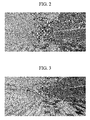
FIG. 2 shows a photograph taken from a location 12.5 meters from a black cross suspended on the wall of a pool before testing. -
FIG. 3 shows a photograph taken from a location 12.5 meters from a black cross suspended on the wall of a pool after testing. - The composition of the present invention is provided for use in a swimming pool having a circulating filtration mechanism, and comprises an aluminate and calcium hypochlorite.
- As shown in
FIG. 1 , an example of a pool having a circulating filtration mechanism is a solid chemical agent dissolving apparatus system having a chemical agent dissolving tank 1 filled with a solid chemical agent A, a main treatedwater pipe 2, apipe 3 for supplying water B to the chemical agent dissolving tank, a perforated plate 4 that holds the filled layer of the solid chemical agent A in the chemical agent dissolving tank 1 above the water level of chemical agent dissolved water C, a spray nozzle 5 that sprays upward water supplied into the chemical agent dissolving tank 1, a solid chemicalagent addition port 6, a check valve (non-return valve) 7, a pump 8 for circulating filtration of pool water, a filtration machine 9 for filtering pool water, circulating pool water 10, and aflow meter 11 for controlling the amount of water in which the chemical agent is dissolved. Furthermore, in a swimming pool having a circulating filtration mechanism, the presence or absence of the installation of a solid chemical agent dissolving apparatus, the installation site, details of the structure of the solid chemical agent dissolving apparatus and the locations of pipes are not limited to that shown inFIG. 1 . Aluminates demonstrate coagulating effects and have the effect of improving water clarity. Examples of applicable circulating filtration machines include cartridge-type filtration machines, diatomaceous earth-type filtration machines and sand filtration machines. Among these, sand filtration machines are the most preferable. Furthermore, these filtration machines do not impair the combined use of an ozone sterilizer or ultraviolet sterilizer. - The calcium hypochlorite used in the present invention is a compound represented by the chemical formula Ca (ClO)2. There are no particular limitations on this calcium hypochlorite provided it is used as a main component of disinfectants. Calcium hypochlorite is thought to be in a state of dissociation equilibrium between hypochlorous acid and calcium hydroxide in water. Hypochlorous acid is able to disinfect water by eradicating microorganisms in the water such as Escherichia coli, adenovirus type 3 (causative organism of pharyngoconjunctival fever), Entamoeba histolytica, aerobic bacilli, Salmonella typhi, coxsackievirus type A2 (causative organism of aseptic meningitis) or Bacillus anthracis.
- The content of the calcium hypochlorite is preferably 59 parts by weight to 73.5 parts by weight, and more preferably 63 parts by weight to 72.8 parts by weight, based on 100 parts by weight of the composition.
- There are no particular limitations on the aluminate used in the present invention. A preferable example thereof is sodium aluminate. In addition, other examples include complex oxides such as sodium aluminum dioxide (NaAlO2) and hydroxo complexes such as sodium tetrahydroxoaluminate (Na[Al(OH)4]).
- Aluminum oxide and aluminum hydroxide are referred to as being amphoteric in that they form salts containing aluminum ions when reacting with acid, and form aluminates when reacting with strong base. Aluminates can be produced by reacting an aluminum compound such as aluminum, aluminum oxide or aluminum hydroxide with a strong base such as sodium hydroxide or sodium carbonate.
- Sodium aluminum dioxide is formed when a mixture of aluminum oxide and sodium carbonate melts at high temperatures.
- Although sodium aluminum dioxide formally has the chemical formula NaAlO2 equivalent to the sodium salt of an oxo acid in the form of aluminic acid (HAlO2), since independent aluminic acid ions (AlO2 -) are not found in crystals, it should be referred to as a complex oxide of sodium and aluminum. In crystals of the 5/4 hydrate (NaAlO2·5/4H2O), aluminum atoms exhibit a tetrahedral tetracoordination and are surrounded by four oxygen atoms. Although pure sodium aluminum dioxide is in the form of colorless crystals or a white solid, industrial quality products have a yellowish-brown tint as a result of containing impurities such as iron. Sodium aluminum dioxide is deliquescent, extremely soluble in water, and forms an aqueous solution of sodium tetrahydroxoaluminate when dissolved in water. This aqueous solution demonstrates strong basicity due to hydrolysis, and easily undergoes hydrolysis even in the presence of a weak acid such as carbonic acid, resulting in precipitation of aluminum hydroxide. Sodium aluminum hydroxide is also susceptible to deterioration as a result of absorbing moisture and carbon dioxide in the air.
- Sodium tetrahydroxoaluminate is formed by dissolving aluminum metal and aluminum hydroxide in an aqueous sodium hydroxide solution.
- Although present in a solution obtained by dissolving aluminum and aluminum hydroxide in an aqueous sodium hydroxide solution, it is difficult to isolate the sodium tetrahydroxoaluminate as a solid. The aqueous solution demonstrates strong basicity as a result of hydrolysis, and easily undergoes hydrolysis resulting in precipitation of aluminum hydroxide. Sodium tetrahydroxoaluminate is stabilized with respect to hydrolysis by the presence of an organic compound having hydroxyl groups. The presence of the tetrahedral form [Al(OH)4]- has been indicated at low concentrations in a strongly basic aqueous solution according to 27Al-NMR, infrared spectroscopy, Raman spectroscopy and ion exchange, while the presence of [(HO)3AlOAl(OH)3]2- having a crosslinked Al-O-Al structure has been confirmed at high concentrations.
- Although there are no particular limitations thereon, the content of the aluminate is preferably within the range of 1.0 part by weight to less than 2.0 parts by weight, and more preferably within the range of 1.0 part by weight to 1.5 parts by weight, based on 100 parts by weight of the composition from the viewpoints of coagulation performance, form of the chemical agent and dissolution rate. Furthermore, in the case the aluminate concentration is less than 1.0 part by weight based on 100 parts by weight of the composition, clarity of the water is inadequate due to insufficient content. Conversely, in the case the aluminate concentration is 2.0 parts by weight or more, the amount of dissolution residue increases, thereby impairing continuous use.
- In addition, the effective amount of chlorine consumption in a pool differs considerably between indoor pools and outdoor pools, and in the case of a pool having a capacity of 300 m3, in contrast to effective chlorine consumption in an indoor pool being about 600 g/day, since that in the case of an outdoor pool on clear day in summer is 3 kg/day, the content of the aluminate is determined in consideration of this effective chlorine consumption.
- In the case of water disinfectant compositions containing aluminum sulfate as an assistant, and particularly in the case of tablets of these compositions, calcium ions of the calcium hypochlorite react with sulfate ions when dissolved in water resulting in the formation of calcium sulfate (gypsum). In contrast, in the composition of the present invention, since calcium ions and aluminic acid ions do not react directly when dissolved, hydroxide ions formed by hydrolysis of aluminic acid ions react with calcium ions, resulting only in the formation of calcium hydroxide. Since the calcium hydroxide may be used as an unreacted substance in the production process of calcium hypochlorite, or as a substance used for the purpose of stabilizing the calcium hypochlorite or adjusting the dissolution rate of the chemical agent, production of the calcium hydroxide by-product does not present a problem. Since the aluminate and calcium hypochlorite react quantitatively, when the content of the aluminate is increased, the amount of calcium hypochlorite formed increases correspondingly when dissolved.
- Assistants in the form of aluminum sulfate and sodium aluminate are typically used as coagulants. The concentration of the coagulant as aluminum oxide in a chemical agent is used as an indicator of the coagulating ability of these coagulants. Furthermore, concentration as aluminum oxide A can be determined using the formula indicated below:

- In one example of a commonly available product, for example, the concentration as aluminum oxide of solid aluminum sulfate is 17.3% by weight. The concentration as aluminum oxide of sodium aluminate is 53.6% by weight. In the case of obtaining the same coagulation effects, the amount of sodium aluminate used is only required to be about one-third the amount of solid aluminum sulfate.
- There are no particular limitations on the usage form of the composition of the present invention. Examples of usage forms include powder, granules, tablets and pellets. Among these, a usage form molded by dry molding is preferable. Specific examples of dry molding methods include tableting and pelleting with a briquette machine.
- A known tableting device, for example, can be used for pressure molding by tableting. Although there are no particular limitations on the tableting pressure, the pressure in the form of gauge pressure is normally 5 MPa to 70 MPa and preferably 10 MPa to 30 MPa. If tableting pressure is within these ranges, the tablets or pellets have adequate strength, do not break up storage, and a suitable amount is dissolved when dissolving.
- Although there are no particular limitations on the shape of the tablet or pellet, specific examples of shapes include a disc, rectangle or cylinder. There are also no particular limitations on the size thereof, and cylindrical tablets, for example, can have a diameter of 50 mm to 70 mm and a height of 25 mm to 35 mm.
- The composition of the present invention can also contain various types of additives as necessary, such as a scale preventing agent, dissolution rate adjuster, pH adjuster or vehicle. One type of these additives may be used alone or two or more types may be used in combination. Examples of additives include chlorinated isocyanurates such as trichloroisocyanuric acid, sodium dichloroisocyanurate or potassium dichloroisocyanurate, alkaline agents such as sodium hydroxide, sodium bicarbonate or calcium hydroxide, boron compounds such as boric acid, borax or sodium tetraborate, silicates such as sodium silicate, magnesium sulfate and alum.
- The composition of the present invention can be added directly to a target pool or can be injected using a container as in
FIG. 1 , and is preferably injected using a container. - There are no particular limitations on the method used to dissolve the chemical agent. For example, pool return water may be allowed to flow in through one opening of a container having at least two openings, while water in which the chemical agent has been dissolved may be discharged from the other opening, or in the case of a container having only one opening, pool return water may be allowed to flow in through the opening, and after the container becomes full and the chemical agent is dissolved therein, the water in which the chemical agent has been dissolved may be discharged through the same opening. The former method is more efficient and therefore preferable in the present invention.
- There are no particular limitations on the structure of the container, and specific examples thereof include a packed column or packed tank used in the chemical industry and the like, and a chemical agent container described in, for example, Japanese Unexamined Patent Application Publication (Translation of PCT Application) No.
H04-500171 H06-501418 S59-13890 H08-155465 - Although the following provides a more detailed explanation of the present invention by indicating examples thereof, the scope of the present invention is not limited by the following examples. Additions, omissions, substitutions and other modifications can be made to the configuration of the present invention without departing from the spirit or scope of the present invention.
- 98.0 parts by weight of a calcium hypochlorite composition (75% by weight of calcium hypochlorite, 8.5% by weight of salt, 12.7% by weight of water, remainder: calcium chloride, calcium chlorate, calcium hydroxide, etc.), 1.0 part by weight of sodium aluminate and sodium metaphosphate were placed in a container-mounted mixer followed by mixing well by stirring with a stirrer. The mixture was then tableted with a pelletizer at a tableting pressure of 25 MPa to obtain cylindrical tablets (approximately 200 g) having a diameter of 70 mm and length of 20 mm.
- Tablets were obtained in the same manner as Example 1 with the exception of changing to the component ratios shown in the following Table 1.
- Tablets were obtained in the same manner as Example 1 with the exception of changing to the component ratios shown in the following Table 1.
- The Model N-30 Sterilizer manufactured by Nippon Soda Co., Ltd. was installed at an intermediate location of the circulation path of a 25 meter, 6-lane swimming pool having a circulating filtration mechanism, 8 kg of the tablets prepared in Examples 1 to 3 and Comparative Examples 1 and 2 were added to the aforementioned sterilizer, and the pool water was continuously circulated for 1 week for 10 hours per day followed by visually observing the dissolved state of the tablets in the container.
- The results were evaluated with ○ in the case there was no dissolution residue present in the container or if present, was not of an amount that impaired continuous use of the container, or were evaluated with × in the case of a large amount of dissolution residue present in the container that was judged to impair continuous use of the container.
- In addition, a black cross was suspended on a wall of the pool, a photograph of the water in the pool was taken with an underwater camera at a distance of 12.5 m from the black cross, and the presence or absence of clearing effects was judged based on whether or not there was improvement in the degree to which the black cross was able to be visualized.
-
FIG. 2 shows a photograph taken before testing, whileFIG. 3 shows a photograph taken after testing. In this manner, the results were evaluated with ○ in the case of improvement in the degree to which the black cross was able to be visualized before and after testing, or were evaluated with × in the case improvement was not observed or visibility worsened. - The results of the aforementioned testing are shown in Table 1.
- [Table 1]
Table 1 Sodium aluminate content (wt%) Dissolved state*1 Clearness*2 Example 1 1.0 ○ ○ Example 2 1.2 ○ ○ Example 3 1.5 ○ ○ Comp. Ex. 1 0.5 ○ × Comp. Ex. 2 2.0 × ○ - The present invention is able to provide a composition that allows the obtaining of water clarity without causing clogging even in the case of using in a container installed at an intermediate location in a circulation path of a pool having a circulating filtration mechanism.
-
- 1
- Chemical agent dissolving tank
- 2
- Main treated water pipe
- 3
- Pipe for supplying water B
- 4
- Perforated plate
- 5
- Spray nozzle
- 6
- Solid chemical agent addition port
- 7
- Check valve (non-return valve)
- 8
- Filtration pump
- 9
- Filtration machine
- 10
- Circulating water
- 11
- Flow meter
Claims (8)
- A composition supplied for use in a swimming pool having a circulating filtration mechanism, comprising: an aluminate and calcium hypochlorite.
- The composition according to claim 1, wherein the content of the aluminate is 1.0 part by weight to less than 2 parts by weight based on 100 parts by weight of the composition.
- The composition according to claim 1, wherein the content of the aluminate is 1.0 part by weight to 1.5 parts by weight based on 100 parts by weight of the composition.
- The composition according to any of claims 1 to 3, wherein the aluminate is sodium aluminate.
- The composition according to any of claims 1 to 4, wherein the usage form of the composition is a tablet.
- The composition according to any of claims 1 to 5, which is provided in a container installed in a swimming pool having a circulating filtration mechanism.
- A method for producing a disinfectant for a swimming pool having a circulating filtration mechanism, comprising: dry molding a composition containing an aluminate and calcium hypochlorite.
- The production method according to claim 7, wherein the dry molding consists of tableting or pelleting with a briquette machine.
Applications Claiming Priority (2)
| Application Number | Priority Date | Filing Date | Title |
|---|---|---|---|
| JP2011143477 | 2011-06-28 | ||
| PCT/JP2012/065922 WO2013002128A1 (en) | 2011-06-28 | 2012-06-21 | Calcium hypochlorite composition |
Publications (2)
| Publication Number | Publication Date |
|---|---|
| EP2712504A1 true EP2712504A1 (en) | 2014-04-02 |
| EP2712504A4 EP2712504A4 (en) | 2014-12-24 |
Family
ID=47424024
Family Applications (1)
| Application Number | Title | Priority Date | Filing Date |
|---|---|---|---|
| EP12804463.3A Ceased EP2712504A4 (en) | 2011-06-28 | 2012-06-21 | Calcium hypochlorite composition |
Country Status (7)
| Country | Link |
|---|---|
| US (1) | US9113633B2 (en) |
| EP (1) | EP2712504A4 (en) |
| JP (1) | JP5792302B2 (en) |
| KR (1) | KR101599119B1 (en) |
| CN (1) | CN103648283B (en) |
| CA (1) | CA2838317C (en) |
| WO (1) | WO2013002128A1 (en) |
Families Citing this family (8)
| Publication number | Priority date | Publication date | Assignee | Title |
|---|---|---|---|---|
| CN104609697A (en) * | 2015-02-28 | 2015-05-13 | 西安市利生污泥处理有限公司 | Composite sludge gel breaker as well as preparation and application thereof |
| JP6524759B2 (en) * | 2015-04-01 | 2019-06-05 | 栗田工業株式会社 | Method and apparatus for dosing an open circulation cooling water system |
| US10915330B2 (en) * | 2017-12-19 | 2021-02-09 | Advanced Micro Devices, Inc. | Pseudo-random logical to physical core assignment at boot for age averaging |
| JP2021069993A (en) * | 2019-10-31 | 2021-05-06 | キヤノン株式会社 | Ultrafine bubble generation device and method for controlling the same |
| WO2021149581A1 (en) * | 2020-01-23 | 2021-07-29 | パナソニックIpマネジメント株式会社 | Water purification device and water purification method |
| WO2021166628A1 (en) * | 2020-02-18 | 2021-08-26 | パナソニックIpマネジメント株式会社 | Chemical agent dissolution device, water treatment system, and solid chemical agent cartridge |
| JP7470977B2 (en) * | 2020-07-16 | 2024-04-19 | アルハイテック株式会社 | Hydrogen generating agent and method for producing hydrogen using the same |
| CN113880123A (en) * | 2021-09-18 | 2022-01-04 | 常州清流环保科技有限公司 | Efficient composite water purifying agent and preparation method and application thereof |
Family Cites Families (20)
| Publication number | Priority date | Publication date | Assignee | Title |
|---|---|---|---|---|
| US3793216A (en) | 1971-12-06 | 1974-02-19 | Pennwalt Corp | Calcium hypochlorite composition |
| JPS5913890B2 (en) | 1980-02-07 | 1984-04-02 | 四国化成工業株式会社 | Method and device for dissolving solid chlorine agent |
| JPH0784321B2 (en) | 1986-07-25 | 1995-09-13 | 東ソー株式会社 | Method for tableting calcium hypochlorite composition |
| US4747978A (en) | 1986-08-07 | 1988-05-31 | Ppg Industries, Inc. | Calcium hypochlorite compositions |
| US4780216A (en) * | 1986-11-19 | 1988-10-25 | Olin Corporation | Calcium hypochlorite sanitizing compositions |
| JPS63179809A (en) | 1987-01-21 | 1988-07-23 | Penta Ocean Constr Co Ltd | Treatment for microcystis sp. and treatment thereof |
| US4867196A (en) | 1988-08-31 | 1989-09-19 | Olin Corporation | Pool chemical dispenser |
| JPH0312289A (en) | 1989-06-09 | 1991-01-21 | Nissan Chem Ind Ltd | Method for disinfecting pool water |
| HU9202203D0 (en) | 1990-01-29 | 1992-12-28 | Yasuyuki Sakurada | Apparatus for purifying sewage water |
| US5089127A (en) | 1990-10-19 | 1992-02-18 | Ppg Industries, Inc. | Chemical feed apparatus |
| JPH08155465A (en) | 1994-04-12 | 1996-06-18 | Kuratani Kagaku Sangyo Kk | Solid reagent-dissolving apparatus |
| CN1086365C (en) | 1994-05-10 | 2002-06-19 | 沈阳三角化学有限公司 | Waste liquor treating agent and its method for treating waste liquor |
| US5674429A (en) | 1995-05-15 | 1997-10-07 | Bio-Lab, Inc. | Chloroisocyanuric acid composition having reduced gas evolution |
| EP0824146B1 (en) | 1996-08-12 | 2003-06-04 | The Procter & Gamble Company | Bleaching compositions |
| WO2004093847A1 (en) | 2003-04-02 | 2004-11-04 | Arch Chemicals, Inc | Calcium hypochlorite blended tablets |
| IL155435A0 (en) | 2003-04-14 | 2003-11-23 | Bromine Compounds Ltd | Solid biocide formulations |
| CN2625384Y (en) | 2003-06-01 | 2004-07-14 | 江门威迪思泳池有限公司 | Medicine chest for swimming pool water filtration equipment |
| JP2007528853A (en) * | 2003-07-08 | 2007-10-18 | テファ, インコーポレイテッド | Poly-4-hydroxybutyrate matrix for sustained release drug delivery |
| US7704467B2 (en) * | 2004-12-23 | 2010-04-27 | Arch Chemicals, Inc. | Weekly floater pool sanitizer |
| US7759299B2 (en) | 2006-07-24 | 2010-07-20 | Ecolab Inc. | Warewashing composition for use in automatic dishwashing machines |
-
2012
- 2012-06-21 CN CN201280030957.XA patent/CN103648283B/en not_active Expired - Fee Related
- 2012-06-21 US US14/128,223 patent/US9113633B2/en not_active Expired - Fee Related
- 2012-06-21 JP JP2013522807A patent/JP5792302B2/en not_active Expired - Fee Related
- 2012-06-21 EP EP12804463.3A patent/EP2712504A4/en not_active Ceased
- 2012-06-21 WO PCT/JP2012/065922 patent/WO2013002128A1/en not_active Ceased
- 2012-06-21 CA CA2838317A patent/CA2838317C/en not_active Expired - Fee Related
- 2012-06-21 KR KR1020137034250A patent/KR101599119B1/en not_active Expired - Fee Related
Also Published As
| Publication number | Publication date |
|---|---|
| JPWO2013002128A1 (en) | 2015-02-23 |
| CN103648283A (en) | 2014-03-19 |
| CA2838317A1 (en) | 2013-01-03 |
| CA2838317C (en) | 2016-02-09 |
| KR101599119B1 (en) | 2016-03-02 |
| US20140134278A1 (en) | 2014-05-15 |
| US9113633B2 (en) | 2015-08-25 |
| EP2712504A4 (en) | 2014-12-24 |
| JP5792302B2 (en) | 2015-10-07 |
| KR20140027416A (en) | 2014-03-06 |
| CN103648283B (en) | 2016-02-10 |
| WO2013002128A1 (en) | 2013-01-03 |
Similar Documents
| Publication | Publication Date | Title |
|---|---|---|
| US9113633B2 (en) | Calcium hypochlorite composition | |
| KR101424827B1 (en) | Chlorine dioxide based cleaner/sanitizer | |
| US20080181973A1 (en) | Chlorine dioxide gel and associated methods | |
| CA2683081C (en) | Calcium hypochlorite compositions comprising zinc salts and lime | |
| US9879120B2 (en) | Resin for precipitation of minerals and salts, methods of manufacture and uses thereof | |
| US9452229B2 (en) | Highly concentrated, biocidally active compositions and aqueous mixtures and methods of making the same | |
| US20090104239A1 (en) | Method, Material and System for Controlled Release of Anti-Microbial Agents | |
| CA2985825A1 (en) | Slow dissolving hypochlorite containing tablet | |
| AU2010215913B2 (en) | Borate micro emulsion and method for making the same | |
| EP2079666B1 (en) | Solid composition for treating water | |
| AU2003246045B2 (en) | Compression molded product of quick-dissolving chlorinated isocyanuric acid | |
| JPS6253902A (en) | Composition for stabilizing residual chlorine | |
| JP2606267B2 (en) | Sterilizing / bleaching tablets | |
| JP2643199B2 (en) | Chloroisocyanurate composition | |
| JP4303219B2 (en) | Free chlorine removing agent, free chlorine removing method, and method for producing free chlorine removing agent | |
| JP3711578B2 (en) | How to disinfect pool water | |
| JPH11123385A (en) | Water sterilization and purification method and sterilization and purification agent | |
| CN102079560A (en) | Composite water cleaning agent for treating river | |
| JPH09225476A (en) | Method for removing chlorite ion | |
| JP2003160417A (en) | Chlorinated isocyanuric acid composition having excellent storage stability | |
| WO2014205510A1 (en) | Fluid processing | |
| JPH0769813A (en) | Tablet for sterilization and disinfection | |
| JPS62123103A (en) | Calcium hypochlorite tablet for water sanitation | |
| MXPA00009525A (en) | Stable, high available halogen 1,3,5-triazine-2,4,6-trione compositions having rapid dissolution rates |
Legal Events
| Date | Code | Title | Description |
|---|---|---|---|
| PUAI | Public reference made under article 153(3) epc to a published international application that has entered the european phase |
Free format text: ORIGINAL CODE: 0009012 |
|
| 17P | Request for examination filed |
Effective date: 20131213 |
|
| AK | Designated contracting states |
Kind code of ref document: A1 Designated state(s): AL AT BE BG CH CY CZ DE DK EE ES FI FR GB GR HR HU IE IS IT LI LT LU LV MC MK MT NL NO PL PT RO RS SE SI SK SM TR |
|
| DAX | Request for extension of the european patent (deleted) | ||
| A4 | Supplementary search report drawn up and despatched |
Effective date: 20141124 |
|
| RIC1 | Information provided on ipc code assigned before grant |
Ipc: A01N 59/06 20060101ALI20141118BHEP Ipc: C02F 1/50 20060101ALI20141118BHEP Ipc: A01P 3/00 20060101ALI20141118BHEP Ipc: A01N 59/00 20060101AFI20141118BHEP |
|
| 17Q | First examination report despatched |
Effective date: 20160329 |
|
| REG | Reference to a national code |
Ref country code: DE Ref legal event code: R003 |
|
| STAA | Information on the status of an ep patent application or granted ep patent |
Free format text: STATUS: THE APPLICATION HAS BEEN REFUSED |
|
| 18R | Application refused |
Effective date: 20180129 |