EP2704000B1 - Dynamic image modification for a color deficient user - Google Patents
Dynamic image modification for a color deficient user Download PDFInfo
- Publication number
- EP2704000B1 EP2704000B1 EP13181798.3A EP13181798A EP2704000B1 EP 2704000 B1 EP2704000 B1 EP 2704000B1 EP 13181798 A EP13181798 A EP 13181798A EP 2704000 B1 EP2704000 B1 EP 2704000B1
- Authority
- EP
- European Patent Office
- Prior art keywords
- color
- spectrum
- user
- display device
- shade
- Prior art date
- Legal status (The legal status is an assumption and is not a legal conclusion. Google has not performed a legal analysis and makes no representation as to the accuracy of the status listed.)
- Active
Links
Images


Classifications
-
- G—PHYSICS
- G09—EDUCATION; CRYPTOGRAPHY; DISPLAY; ADVERTISING; SEALS
- G09G—ARRANGEMENTS OR CIRCUITS FOR CONTROL OF INDICATING DEVICES USING STATIC MEANS TO PRESENT VARIABLE INFORMATION
- G09G3/00—Control arrangements or circuits, of interest only in connection with visual indicators other than cathode-ray tubes
- G09G3/20—Control arrangements or circuits, of interest only in connection with visual indicators other than cathode-ray tubes for presentation of an assembly of a number of characters, e.g. a page, by composing the assembly by combination of individual elements arranged in a matrix no fixed position being assigned to or needed to be assigned to the individual characters or partial characters
- G09G3/2003—Display of colours
-
- G—PHYSICS
- G06—COMPUTING OR CALCULATING; COUNTING
- G06F—ELECTRIC DIGITAL DATA PROCESSING
- G06F3/00—Input arrangements for transferring data to be processed into a form capable of being handled by the computer; Output arrangements for transferring data from processing unit to output unit, e.g. interface arrangements
- G06F3/14—Digital output to display device ; Cooperation and interconnection of the display device with other functional units
- G06F3/147—Digital output to display device ; Cooperation and interconnection of the display device with other functional units using display panels
-
- G—PHYSICS
- G09—EDUCATION; CRYPTOGRAPHY; DISPLAY; ADVERTISING; SEALS
- G09G—ARRANGEMENTS OR CIRCUITS FOR CONTROL OF INDICATING DEVICES USING STATIC MEANS TO PRESENT VARIABLE INFORMATION
- G09G5/00—Control arrangements or circuits for visual indicators common to cathode-ray tube indicators and other visual indicators
- G09G5/02—Control arrangements or circuits for visual indicators common to cathode-ray tube indicators and other visual indicators characterised by the way in which colour is displayed
-
- G—PHYSICS
- G09—EDUCATION; CRYPTOGRAPHY; DISPLAY; ADVERTISING; SEALS
- G09G—ARRANGEMENTS OR CIRCUITS FOR CONTROL OF INDICATING DEVICES USING STATIC MEANS TO PRESENT VARIABLE INFORMATION
- G09G2330/00—Aspects of power supply; Aspects of display protection and defect management
- G09G2330/02—Details of power systems and of start or stop of display operation
- G09G2330/021—Power management, e.g. power saving
-
- G—PHYSICS
- G09—EDUCATION; CRYPTOGRAPHY; DISPLAY; ADVERTISING; SEALS
- G09G—ARRANGEMENTS OR CIRCUITS FOR CONTROL OF INDICATING DEVICES USING STATIC MEANS TO PRESENT VARIABLE INFORMATION
- G09G2354/00—Aspects of interface with display user
Definitions
- the invention generally relates to color blind systems, and more particularly to an image display device for color blind users that is capable of achieving reduction in power consumption.
- color blindness refers to a condition wherein the person is visually impaired from perceiving a specific color and is only able to see shades of black and white; for the purposes of the present invention, reference is made to "partially color blind” individuals, wherein a person has, nevertheless, a deficient color perceptive ability as compared to someone with normal vision. Thus "users” of the present invention are considered to have partial color deficient vision, and not those who have completely lost the ability to distinguish certain colors. In partial color blindness one of the three basic color mechanism or cone pigment is either absent or non functioning or altered in its spectral sensitivity.
- Color vision deficiency is present in a percentage of the human population, who are not able to distinguish between certain color set. Considering the fact that partial color blind people are not able to appreciate few colors and these bright colors also being responsible for quick discharge of battery from display devices, it is obvious not to show those colors to the respective user, as this will also, eventually assist in saving considerable amount of power of display devices.
- US 2011/0175925 discloses a method for adapting color appearance of a display for low luminance conditions including displaying images on a display surface, detecting ambient light conditions and displayed image brightness, determining low luminance conditions based on the detected ambient light conditions and the detected display brightness, and determining changes in color appearance to be applied to the displayed images based on the low luminance conditions, a model of photopic vision of the human eye and a model of mesopic vision of the human eye.
- US 2011/0069082 discloses an image control apparatus including a color information acquisition unit configured to acquire, from a memory, color information expressing a power saving color and a compensation unit configured to compensate a display image based on the acquired color information.
- the present invention is directed to a method of providing customized images to partial color blind users on a display device that, in turn, is capable of operating at significantly reduced power intake.
- the techniques and invention described herein employs an electronic display device that provides a customized display of image to a partial color blind user enabling him distinguish between various colors, at reduced power consuming rates. More specifically, the systems and methods described herein involve selection of user color deficient spectrum to replace with low power images consisting of darker shades (shades with lower RGB values) of selected color. In one embodiment, the systems and methods described herein detects the entire spectrum of the color to which the user is reported deficient and later modify the color information such that the user is now able to distinguish between colors and at the same time, the device being replaced with low power images, operates at significantly power consumption rates.
- the dynamically varying range of user's perceptivity to various colors is detected.
- a mathematical model is approximated for the user taking into consideration his sensitivity to color information.
- analysis is performed on a pixel by pixel basis to dynamically modify and update the images or wallpapers used on the electronic display devices, without any distortion.
- the display devices defines all such electronic devices that operates on battery to display colored visual information, including but not limited to mobile devices-smart phones, television receivers or personal computers. By performing this operation, the system is assisted in significantly reducing its power consumption rate besides providing the color blind user flexibility to see images at an approximation.
- the image display device of the present invention will be referred to as mobile device for simplicity.
- most of the terminologies used in the description of the present invention are generally known terms. However, in some cases, terminologies specifically chosen by the inventor will also be used herein, the terminologies of which will be fully explained in the detailed description of the present invention. Therefore, the details of the present invention should not be understood based on such terminologies only, but by the meaning of the terms lying within the purpose of the present invention.
- the system comprises of three modules: a data memory storing a color space defined by one or more colors associated with the image, wherein each color further comprise of its various shade components; a Color blindness detector to detect the color spectrum which is not perceived by a user with impaired color vision; an analyzer to check on pixel by pixel basis color information associated with an image prior to its display on the display device by making a determination to replace sections of the image not detected by the user with the shades consuming less power, and detected by the user. Finally an image modifier dynamically updates the images to be displayed on the screen in a format and shades that are more easily perceived by the user.
- the systems and methods described herein aid in generating and dynamically detecting and subsequently modifying graphics sub system in response to color-vision impaired individual's perceptivity to color-coded information.
- the system assists in reducing the battery consumption of the mobile device without changing the device or its display.
- the system of the present invention stores the color space and shades of various colors which are differentially then revealed and further stores a plurality of shade patterns for testing a user's partial color blindness.
- the system further deploys a color blindness detector to check for the color sense of the individual.
- the detector identifies the color band which a user is not able to appreciate by showing a set of images.
- the system shows an image with rainbow colors. Further, it shows four images to the user from which user have to select one which is same as the one which system has showed first.
- the system shows the band of colors based on person's blindness.
- the system shows a set of images to the user to find out the specific range/band of that particular color.
- the image may be shown to consist of small bubbles of brown color. On these bubbles a number is written with one of the shade of red color bubbles. This would help in finding out the range which person is not able to see.
- the system now shows images one by one with various shades of red to the user. The user responds whether he is able to see the number or not.
- the analyzer upon receiving the input from the color blindness detector replaces the specified color pixels with color pixels of lower RGB values. Since it will be appreciated by the person skilled in the art that the RGB value of black color is least among all the colors and 000, the replacement can be alternately performed in two ways. In one aspect, the analyzed pixels can be replaced with black color. In yet another aspect, the system preferably replaces the specified pixels with the color of darker shade which doesn't fall under the blind color spectrum of the user.
- a user detected of a specific color deficient is shown a circle embodying plurality of small circles of specific color; say for example yellowish greenish color.
- the large circle will also contain few circle, numbered alphabetically or otherwise, like from a to j, with shades of red color, which collaboratively represents some number or alphabet. The user is then asked to tell the number/alphabet written in the large circle via small red color circles.
- RGB Red, Green and Blue
- the method of present invention identifies all colors with their RGB values, used by an application. This is referred as, for say, colors_used. Now, for each, a curve corresponding to colors in colors_used is drawn. For each color on the curve starting from left end of bell curve to right end of bell curve, image of that color is shown to the user and see whether he is able to identity that color or not. While doing this activity there would be a color which user cannot identify.
- the systems and methods described herein provide an alternate way to visually present information, and in particular color information to a user. These systems have wide applicability, including for providing systems that make it easier for a user to distinguish color coded information presented in any format, including graphics. To this end, the systems and method described herein, inter alai, provide a user with color information in a format that can be perceived by a person with impaired color-vision on a display device that in turn consumes much less power.
Landscapes
- Engineering & Computer Science (AREA)
- Theoretical Computer Science (AREA)
- Physics & Mathematics (AREA)
- General Physics & Mathematics (AREA)
- Computer Hardware Design (AREA)
- Human Computer Interaction (AREA)
- General Engineering & Computer Science (AREA)
- Control Of Indicators Other Than Cathode Ray Tubes (AREA)
- Facsimile Image Signal Circuits (AREA)
Description
- The invention generally relates to color blind systems, and more particularly to an image display device for color blind users that is capable of achieving reduction in power consumption.
- Numerous image display devices are now being widely employed to deliver information electronically and visually and usually with color coded information. Most vivid examples of such display devices can be television receivers, personal computers and mobile devices.
- Most commonly, such color coded information is mostly observed in mobile devices that today have penetrated all barriers and boundaries and today exist in hands of every other person. Looking at current market trends the smart phones usage has been increased tremendously. Particularly these smart phones provide most of its elaborate representations in color coded format especially when people leverage plethora of its embedded applications including internet, maps, applications, games and the like.
- Along with the available useful features, these smart phones and advanced electronic display devices are plagued with few limitations, more significantly referencing to speedy discharge of battery. There could be many possible reasons and well reasoned arguments for this quick discharge, like GPRS usage, GPS connectivity, auto synchronization with mail box, live wallpapers, etc.
- Yet other most impairing effect is on individuals experiencing some form of color blindness which renders their overall color perceptive ability deficient. Though more specifically "color blindness" refers to a condition wherein the person is visually impaired from perceiving a specific color and is only able to see shades of black and white; for the purposes of the present invention, reference is made to "partially color blind" individuals, wherein a person has, nevertheless, a deficient color perceptive ability as compared to someone with normal vision. Thus "users" of the present invention are considered to have partial color deficient vision, and not those who have completely lost the ability to distinguish certain colors. In partial color blindness one of the three basic color mechanism or cone pigment is either absent or non functioning or altered in its spectral sensitivity.
- Color vision deficiency is present in a percentage of the human population, who are not able to distinguish between certain color set. Considering the fact that partial color blind people are not able to appreciate few colors and these bright colors also being responsible for quick discharge of battery from display devices, it is obvious not to show those colors to the respective user, as this will also, eventually assist in saving considerable amount of power of display devices.
- There exists some solutions in the prior art, which discuss the approach of remapping the specific color information from one color space to other, either white or black; however this has occasionally resulted in a distorted image or display. The technique is though suited aptly for pie charts or dashboards, but graphics. Moreover, the prior art do not consider how much power the new pixel values will consume.
- What are needed therefore are a method and a system that is capable of providing "of-relevant" color information to the color blind user and at the same time improvising power consumption rate of the display devices.
-
US 2011/0175925 discloses a method for adapting color appearance of a display for low luminance conditions including displaying images on a display surface, detecting ambient light conditions and displayed image brightness, determining low luminance conditions based on the detected ambient light conditions and the detected display brightness, and determining changes in color appearance to be applied to the displayed images based on the low luminance conditions, a model of photopic vision of the human eye and a model of mesopic vision of the human eye.US 2011/0069082 discloses an image control apparatus including a color information acquisition unit configured to acquire, from a memory, color information expressing a power saving color and a compensation unit configured to compensate a display image based on the acquired color information. - Accordingly, the present invention is directed to a method of providing customized images to partial color blind users on a display device that, in turn, is capable of operating at significantly reduced power intake.
- The invention is defined in the independent claims, to which reference is now directed. Preferred features are set forth in dependent claims.
- The foregoing summary, as well as the following detailed description of preferred embodiments, is better understood when read in conjunction with the appended drawings. For the purpose of illustrating the invention, there is shown in the drawings example constructions of the invention; however, the invention is not limited to the specific system and method disclosed in the drawings:
-
Figure 1 illustrates an image displayed for detecting the color to which user is color deficient, in accordance with one exemplary embodiment of the present invention. -
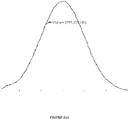
Figure 2(a) and2(b) are illustrations depicting bell curves drawn for colors detected invisible to a partial color blind user, in one other embodiment of the present invention. -
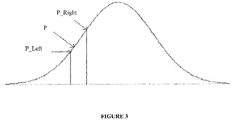
Figure 3 illustrates selection of a user color deficient spectrum, in one of the other possible embodiments of the present invention. - Some embodiments of this invention, illustrating all its features, will now be discussed in detail. The words "comprising," "having," "containing," and "including," and other forms thereof, are intended to be equivalent in meaning and be open ended in that an item or items following any one of these words is not meant to be an exhaustive listing of such item or items, or meant to be limited to only the listed item or items.
- It must also be noted that as used herein and in the appended claims, the singular forms "a," "an," and "the" include plural references unless the context clearly dictates otherwise. Although any systems and methods similar or equivalent to those described herein can be used in the practice or testing of embodiments of the present invention, the preferred, systems and methods are now described.
- In one embodiment, the techniques and invention described herein employs an electronic display device that provides a customized display of image to a partial color blind user enabling him distinguish between various colors, at reduced power consuming rates. More specifically, the systems and methods described herein involve selection of user color deficient spectrum to replace with low power images consisting of darker shades (shades with lower RGB values) of selected color. In one embodiment, the systems and methods described herein detects the entire spectrum of the color to which the user is reported deficient and later modify the color information such that the user is now able to distinguish between colors and at the same time, the device being replaced with low power images, operates at significantly power consumption rates.
- In other preferred embodiment, the dynamically varying range of user's perceptivity to various colors is detected. In response to input received, a mathematical model is approximated for the user taking into consideration his sensitivity to color information. Thereafter, analysis is performed on a pixel by pixel basis to dynamically modify and update the images or wallpapers used on the electronic display devices, without any distortion. The display devices defines all such electronic devices that operates on battery to display colored visual information, including but not limited to mobile devices-smart phones, television receivers or personal computers. By performing this operation, the system is assisted in significantly reducing its power consumption rate besides providing the color blind user flexibility to see images at an approximation.
- Hereinafter, the image display device of the present invention will be referred to as mobile device for simplicity. Furthermore, most of the terminologies used in the description of the present invention are generally known terms. However, in some cases, terminologies specifically chosen by the inventor will also be used herein, the terminologies of which will be fully explained in the detailed description of the present invention. Therefore, the details of the present invention should not be understood based on such terminologies only, but by the meaning of the terms lying within the purpose of the present invention.
- Broadly, the system comprises of three modules: a data memory storing a color space defined by one or more colors associated with the image, wherein each color further comprise of its various shade components; a Color blindness detector to detect the color spectrum which is not perceived by a user with impaired color vision; an analyzer to check on pixel by pixel basis color information associated with an image prior to its display on the display device by making a determination to replace sections of the image not detected by the user with the shades consuming less power, and detected by the user. Finally an image modifier dynamically updates the images to be displayed on the screen in a format and shades that are more easily perceived by the user.
- The systems and methods described herein aid in generating and dynamically detecting and subsequently modifying graphics sub system in response to color-vision impaired individual's perceptivity to color-coded information. The system assists in reducing the battery consumption of the mobile device without changing the device or its display.
- In one embodiment, the system of the present invention stores the color space and shades of various colors which are differentially then revealed and further stores a plurality of shade patterns for testing a user's partial color blindness. The system further deploys a color blindness detector to check for the color sense of the individual. The detector identifies the color band which a user is not able to appreciate by showing a set of images. In an embodiment, the system shows an image with rainbow colors. Further, it shows four images to the user from which user have to select one which is same as the one which system has showed first. The system shows the band of colors based on person's blindness.
- For instance, if a person is detected red color blind, the system shows a set of images to the user to find out the specific range/band of that particular color. The image may be shown to consist of small bubbles of brown color. On these bubbles a number is written with one of the shade of red color bubbles. This would help in finding out the range which person is not able to see. The system now shows images one by one with various shades of red to the user. The user responds whether he is able to see the number or not.
- The shade at which user is not able to see the number becomes the start of spectrum. The system will keep on showing the user the image with increasing intensity of red color. The point at which the user again starts seeing the number on the image would become the end of spectrum. This would provide a range or spectrum which user is not able to see. Other modifications are contemplated. For example, while only a single color scheme has been described herein, the system is able to assess shades of other color as well.
- Next, the analyzer upon receiving the input from the color blindness detector replaces the specified color pixels with color pixels of lower RGB values. Since it will be appreciated by the person skilled in the art that the RGB value of black color is least among all the colors and 000, the replacement can be alternately performed in two ways. In one aspect, the analyzed pixels can be replaced with black color. In yet another aspect, the system preferably replaces the specified pixels with the color of darker shade which doesn't fall under the blind color spectrum of the user.
- The process discussed here-above saves considerable amount of battery consumption. This also enables the picture to be seen by a color blind person in an approximate manner or a distorted manner based on the average or maximum power settings chosen by the user of the phone.
- Referring now to
Figure 1 , a user detected of a specific color deficient is shown a circle embodying plurality of small circles of specific color; say for example yellowish greenish color. Along with these small circle the large circle will also contain few circle, numbered alphabetically or otherwise, like from a to j, with shades of red color, which collaboratively represents some number or alphabet. The user is then asked to tell the number/alphabet written in the large circle via small red color circles. - Every color displayed on screen consists of RGB (Red, Green and Blue) components. It is represented as a triplet where R, G and B are values for Red, Green and Blue color components. Considering that a byte is used to represent each of these components then each of them can take 2^8= 256 values (0 to 255).
- For example,
(0,0,0) Black; (255,0,0) Red; (0,255,0) Green; (0, 0, 255) Blue; (255,255,255) White Hence, there are 256^3 = 2^24 = 1,67,77,216 = (~16.7 million ) possible colors. Since mobile phones are composed of pixels, each pixel can take any value out of these 16.7 million possible values. - In an embodiment, it is assumed that for a given RGB value of a color "C", a series 'S' of RGB values can be calculated, which will represent shades of the color 'C'. Initial triplet of this series would be triplet (255,255,255) representing white color. Then, as traverse the series from start to end, different shades of color 'C' from light to dark can be seen. The last shade (triplet) of the series is black color (0, 0, 0).
- The series S will look like:
(255, 255, 255), (r1, g1, b1), (r2, g2, b2).., (rk-1, gk-1, bk-1), (r, g, b) =C, (rk+1, gk+1, bk+1), (rk+2, gk+2, bk+2), .., (0, 0, 0). - Supposing that there are 'n' triplets in the series, (255, 255, 255) becomes the first element, (r, g, b) is the kth element and (0, 0, 0) is nth element.
- Now if a bell curve is drawn with these values (with mean 0 and variance 1) then,

- Using 'n' equidistant points in an interval [-a, a], where 'a' is some real number, values of 'y(i)' for i = 1 to 'n' using ith triplet in the series is plotted over a bell curve. In this way there would be a point on the bell curve which would be drawn using the color 'C'. For instance, Referring to
Figure 2(a) andFigure 2(b) , the bell curves for color triplet (255, 155, 0) and (15, 191, 191) are drawn for illustrative purposes. The figures suggest the ways to plot the pixels on the curve along with shades accompanying it. - Now, let the color 'C' is assumed to be represented as a triplet (r, g, b). Following method (a code written in matlab) shows how to calculate values of triplets in the series 'S'. max_r_g_b = max(max(r, g), b)


- r_actual =r;
- g_actual = g;
- b_actual =b;
- r1 =r; g1 = g; b1 =b;
- A= [A; r1 g1 b1]
- While (rl>0 | g1>0 | b1 >0)


- r1 = round(r1_actual)
- g1 = round(g1_actual)
- b1 = round(b1_actual)
- A= [A; r1 g1 b1]
- r_actual =r1_actual;
- g_actual = g1_actual;
- b_actual = b1_actual;
- end
- darker_shades = A;
- A= [];
- max_r_g_b = max(max(255-r, 255-g), 255-b)



- r_actual = r;
- g_actual = g;
- b_actual = b;
- r1 = r;
- g1 = g;
- b1 = b;
- A= [A; r1 g1 b1]
- While (r1>0 | g1>0 | b1 >0)


- r1 = round(r1_actual)
- g1 = round(g1_actual)
- b1 = round(b1_actual)
- A = [A; r1 g1 b1]
- r_actual =r1_actual;
- g_actual = g1_actual;
- b_actual =b1_actual;
- end
- lighter_shades = reverse(A);
- color_shades = [lighter_shades; darker_shades]
- S = color_shades;
- For example if C = (255,155,100) then series for 'C' obtained is:
- 255 255 255 - White (255,255,255)
255 254 254; 255 254 253; 255 253 252; 255 252 251; 255 252 250; 255 251 249; 255 250 248; 255 250 247; 255 249 246; 255 249 245; 255 248 244; 255 247 243; 255 247 242; 255 246 241; 255 245 240; 255 245 239; 255 244 238; 255 243 237; 255 243 236; 255 242 235; 255 241 234; 255 241 233; 255 240 232; 255 240 231; 255 239 230; 255 238 229; 255 238 228; 255 237 227; 255 236 226; 255 236 225; 255 235 224; 255 234 223; 255 234 222; 255 233 221; 255 232 220; 255 232 219; 255 231 218; 255 230 217; 255 230 216; 255 229 215; 255 229 214; 255 228 213; 255 227 212; 255 227 211; 255 226 210; 255 225 209; 255 225 208; 255 224 207; 255 223 206; 255 223 205; 255 222 204; 255 221 203; 255 221 202; 255 220 201; 255 220 200; 255 219 199; 255 218 198; 255 218 197; 255 217 196; 255 216 195; 255 216 194; 255 215 193; 255 214 192; 255 214 191; 255 213 190; 255 212 189; 255 212 188; 255 211 187; 255 210 186; 255 210 185; 255 209 184; 255 209 183; 255 208 182; 255 207 181; 255 207 180; 255 206 179; 255 205 177; 255 205 178; 255 204 176; 255 203 175; 255 203 174; 255 202 173; 255 201 172; 255 201 171; 255 200 170; 255 200 169; 255 199 168; 255 198 167; 255 198 166; 255 197 165; 255 196 164; 255 196 163; 255 195 162; 255 194 161; 255 194 160; 255 193 159; 255 192 158; 255 192 157; 255 191 156; 255 190 155; 255 190 154; 255 189 153; 255 189 152; 255 188 151; 255 187 150; 255 187 149; 255 186 148; 255 185 147; 255 185 146; 255 184 145; 255 183 144; 255 183 143; 255 182 142; 255 181 141; 255 181 140; 255 180 139; 255 180 138; 255 179 137; 255 178 136; 255 178 135; 255 177 134; 255 176 133; 255 176 132; 255 175 131; 255 174 130; 255 174 129; 255 173 128; 255 172 127; 255 172 126; 255 171 125; 255 170 124; 255 170 123; 255 169 122; 255 169 121; 255 168 120; 255 167 119; 255 167 118; 255 166 117; 255 165 116; 255 165 115; 255 164 114; 255 163 113; 255 163 112; 255 162 111; 255 161 110; 255 161 109; 255 160 108; 255 160 107; 255 159 106; 255 ; 58 105; 255 158 104; 255 157 103; 255 156 102; 255 156 101; - 255 155 100 - C= (255,155,100)
254 154 100; 253 154 99; 252 153 99; 251 153 98; 250 152 98; 249 ; 51 98; 248 151 97; 247 150 97; 246 150 96; 245 149 96; 244 148 96; ; 43 148 95; 242 147 95; 241 146 95; 240 146 94; 239 145 94; 238 145 93; 237 144 93; 236 143 93; 235 143 92; 234 142 92; 233 142 91; 232 141 91; 231 140 91; 230 140 90; 229 139 90; 228 139 89; 227 138 89; 226 137 89; 225 137 88; 224 136 88; 223 136 87; 222 135 87; 221 134 87; 220 134 86; 219 133 86; 218 133 85; 217 132 85; 216 131 85; 215 131 84; 214 130 84; 213 129 84; 212 129 83; 211 128 83; 210 128 82; 209 127 82; 208 126 82; 207 126 81; 206 125 81; 205 125 80; 204 124 80; 203 123 80; 202 123 79; 201 122 79; 200 122 78; 199 121 78; 198 120 78; 197 120 77; 196 119 77; 195 119 76; 194 118 76; 193 117 76; 192 117 75; 191 116 75; 190 115 75; 189 115 74; 188 114 74; 187 114 73; 186 113 73; 185 112 73; 184 112 72; 183 111 72; 182 111 71; 181 110 71; 180 109 71; 179 109 70; 178 108 70; 177 108 69; 176 107 69; 175 106 69; 174 106 68; 173 105 68; 172 105 67; 171 104 67; 170 103 67; 169 103 66; 168 102 66; 167 102 65; 166 101 65; 165 100 65; 164 100 64; 163 99 64; 162 98 64; 161 98 63; 160 97 63; 159 97 62; 158 96 62; 157 95 62; 156 95 61; 155 94 61; 154 94 60; 153 93 60; 152 92 60; 151 92 59; 150 91 59; 149 91 58; 148 90 58; 147 89 58; 146 89 57; 145 88 57; 144 88 56; 143 87 56; 142 86 56; 141 86 55; 140 85 55; 139 84 55; 138 84 54; 137 83 54; 136 83 53; 135 82 53; 134 81 53; 133 81 52; 132 80 52; 131 80 51; 130 79 51; 129 78 51; 128 78 50; 127 77 50; 126 77 49; 125 76 49; 124 75 49; 123 75 48; 122 74 48; 121 74 47; 120 73 47; 119 72 47; 118 72 46; 117 71 46; 116 71 45; 115 70 45; 114 69 45; 113 69 44; 112 68 44; 111 67 44; 110 67 43; 109 66 43; 108 66 42; 107 65 42; 106 64 42; 105 64 41; 104 63 41; 103 63 40; 102 62 40; 101 61 40; 100 61 39; 99 60 39; 98 60 38; 97 59 38; 96 58 38; 95 58 37; 94 57 37; 93 57 36; 92 56 36; 91 55 36; 90 55 35; 89 54 35; 88 53 35; 87 53 34; 86 52 34; 85 52 33; 84 51 33; 83 50 33; 82 50 32; 81 49 32; 80 49 31; 79 48 31; 78 47 31; 77 47 30; 76 46 30; 75 46 29; 74 45 29; 73 44 29; 72 44 28; 71 43 28; 70 43 27; 69 42 27; 68 41 27; 67 41 26; 66 40 26; 65 40 25; 64 39 25; 63 38 25; 62 38 24; 61 37 24; 60 36 24; 59 36 23; 58 35 23; 57 35 22; 56 34 22; 55 33 22; 54 33 21; 53 32 21; 52 32 20; 51 31 20; 50 30 20; 49 30 19; 48 29 19; 47 29 18; 46 28 18; 45 27 18; 44 27 17; 43 26 17; 42 26 16; 41 25 16; 40 24 16; 39 24 15; 38 23 15; 37 22 15; 36 22 14; 35 21 14; 34 21 13; 33 20 13; 32 19 13; 31 19 12; 30 18 12; 29 18 11; 28 17 11; 27 16 11; 26 16 10; 25 15 10; 24 15 9; 23 14 9; 22 13 9; 21 13 8; 20 12 8; 19 12 7; 18 11 7; 17 10 7; 16 10 6; 15 9 6; 14 9 5; 13 8 5; 12 7 5; 11 7 4; 10 6 4; 9 5 4; 8 5 3; 7 4 3; 6 4 2; 5 3 2; 4 2 2; 3 2 1; 2 1 1; 1 1 0; 0 0 0 - Black= (255,0,0) - In yet another embodiment, the method of present invention identifies all colors with their RGB values, used by an application. This is referred as, for say, colors_used. Now, for each, a curve corresponding to colors in colors_used is drawn. For each color on the curve starting from left end of bell curve to right end of bell curve, image of that color is shown to the user and see whether he is able to identity that color or not. While doing this activity there would be a color which user cannot identify.
- Note the previous color as point P_left (rl, gl, bl). User would not be able to identify some more colors. After showing few more colors there would be a point from which he would be able to identify the color. Note that point as P_right (rr, gr, br). These points respectively denote the start and end of color deficient spectrum.
- Since display of each color will consume some power, let the power consumed to display color P_left is pow_left. Similarly, let the power consumed to display color P_right is pow_right. Say there are B number of colors between P_left and P right. All these colors are not identified by a partially color blind user hence these colors are prevented from being seen to the user. However, the user can see colors up to P_left and colors beyond the point P right.
- Now instead of showing the color out of those B colors color p_left or p_right is shown depending on which color takes less power to display. (Probably p_right should take less power as it would have more black components). It is also noted that color black (K) takes the least power to display. Let a color 'C' is represented as point 'P' on the bell curve, as shown in
Figure 3 , and that let color is not seen by a partially color blind person. Then that color will be one of those 'B' colors mentioned above. Now the replacement of the colors will be as shown: - P_left if pow_P > pow_left
- P right if pow_P > pow_right
- Mostly second condition will always be true as P_right will take less power than P_left and 'P' lies in between P_left and P_right. By this, a power consumption of delta = (pow_P-pow right) will be saved for each color out of those 'B' colors. Hence power up to delta∗B' can be saved where B' = Number of colors out of those B colors which would be present in application/ website. In a nutshell, the present invention determines the color range which would not be identifiable to a color blind person to be replaced with a color of most efficient RGB value of same color. This new shade would consume less power than a pixel drawn on a screen with the original color that will ultimately help in reducing the battery consumption.
- The systems and methods described herein provide an alternate way to visually present information, and in particular color information to a user. These systems have wide applicability, including for providing systems that make it easier for a user to distinguish color coded information presented in any format, including graphics. To this end, the systems and method described herein, inter alai, provide a user with color information in a format that can be perceived by a person with impaired color-vision on a display device that in turn consumes much less power.
Claims (4)
- An image-processing method for generating a customized image for a partial color deficient user over a display device, the image-processing method comprising:detecting a color for which a user is deficient in identifying the color, wherein the color is detected by displaying one or more images comprising a plurality of shades of the color to the user, wherein the plurality of shades comprise an increasing order of intensity of color;determining a spectrum of the color based upon the plurality of shades, wherein the spectrum comprises a start and an end, wherein the start indicates a shade at which the user fails to identify the color, and wherein the end indicates a shade at which the user identifies the color;identifying in an image used on the display device, color pixels corresponding to the spectrum, wherein the color pixels comprise Red Green Blue (RGB) values; andreplacing to generate the customized image, the RGB values of the color pixels with previously computed RGB values corresponding to:a black color; ora darker shade of said color, wherein the darker shade does not fall between the start and the end of the spectrum in order to generate a customized image capable of minimizing an operating power of the display device, wherein the operating power, consumed by the display device, is minimized up to a difference between powers consumed by a lower shade color pixel replacing the user color deficient pixels and the color pixel determining the end of the spectrum;and wherein the previously computed RGB values comprise lower RGB values than the RGB values of the color pixels.
- The method of claim 1, wherein the start and the end of the spectrum facilitate in minimizing power consumption by a display device, wherein the display device displays the customized image, wherein the power consumed by the display device is a difference between power corresponding to the shade at the start and power corresponding to the shade at the end of the spectrum.
- A system configured to generate a customized image to a partial color deficient user over a display device, the system comprising:a detector configured to:detect a color for which a user is deficient in identifying the color, wherein the color is detected by displaying one or more images comprising a plurality of shades of the color to the user, wherein the plurality of shades comprise an increasing order of intensity of the color; anddetermine a spectrum of the color based upon the plurality of shades, wherein the spectrum comprises a start and an end, wherein the start indicates a shade at which the user fails to identify said color, and wherein the end indicates a shade at which the user identifies said color;an analyzer configured to:identify in an image used on the display device,
color pixels corresponding to the spectrum, wherein the color pixels comprise Red Green Blue (RGB) values;replace, to generate the customized image, RGB values of said color pixels with previously computed RGB values corresponding to:a black color; ora darker shade of said color, wherein the darker shade does not fall between the start and the end of the spectrum in order to generate a customized image capable of minimizing an operating power of the display device, wherein the operating power, consumed by the display device, is minimized up to a difference between powers consumed by a lower shade color pixel replacing the color deficient pixels and the color pixel determining the end of the spectrum;and wherein the previously computed RGB values comprise lower RGB values than the RGB values of the color pixels. - The system of claim 3, wherein the start and the end of the spectrum facilitate in minimizing power consumption by a display device, wherein the display device displays the customized image, wherein the power consumed by the display device is a difference between power corresponding to the shade at the start and power corresponding to the shade at the end of the spectrum.
Applications Claiming Priority (1)
| Application Number | Priority Date | Filing Date | Title |
|---|---|---|---|
| IN2487MU2012 | 2012-08-27 |
Publications (2)
| Publication Number | Publication Date |
|---|---|
| EP2704000A1 EP2704000A1 (en) | 2014-03-05 |
| EP2704000B1 true EP2704000B1 (en) | 2022-10-26 |
Family
ID=49080691
Family Applications (1)
| Application Number | Title | Priority Date | Filing Date |
|---|---|---|---|
| EP13181798.3A Active EP2704000B1 (en) | 2012-08-27 | 2013-08-27 | Dynamic image modification for a color deficient user |
Country Status (2)
| Country | Link |
|---|---|
| US (1) | US9418585B2 (en) |
| EP (1) | EP2704000B1 (en) |
Families Citing this family (4)
| Publication number | Priority date | Publication date | Assignee | Title |
|---|---|---|---|---|
| US10102763B2 (en) * | 2014-11-28 | 2018-10-16 | D2L Corporation | Methods and systems for modifying content of an electronic learning system for vision deficient users |
| US10101895B2 (en) * | 2015-10-15 | 2018-10-16 | Lenovo (Singapore) Pte. Ltd. | Presentation of images on display based on user-specific color value(s) |
| US10885676B2 (en) * | 2016-12-27 | 2021-01-05 | Samsung Electronics Co., Ltd. | Method and apparatus for modifying display settings in virtual/augmented reality |
| US12456227B2 (en) | 2022-03-16 | 2025-10-28 | International Business Machines Corporation | Selective color replacement using image recognition |
Family Cites Families (10)
| Publication number | Priority date | Publication date | Assignee | Title |
|---|---|---|---|---|
| GB570699A (en) | 1943-11-09 | 1945-07-18 | Kodak Ltd | Improvements in or relating to apparatus for testing colour blindness |
| US6931151B2 (en) | 2001-11-21 | 2005-08-16 | Intel Corporation | Method and apparatus for modifying graphics content prior to display for color blind use |
| US7145571B2 (en) | 2002-11-01 | 2006-12-05 | Tenebraex Corporation | Technique for enabling color blind persons to distinguish between various colors |
| US7916152B2 (en) | 2002-11-01 | 2011-03-29 | Tenebraex Corporaton | Technique for enabling color blind persons to distinguish between various colors |
| KR100843091B1 (en) * | 2006-11-08 | 2008-07-02 | 삼성전자주식회사 | Character processing apparatus and method |
| TWI403213B (en) * | 2008-11-24 | 2013-07-21 | Young Lighting Technology Corp | Light source control device and method |
| JP5821165B2 (en) * | 2009-09-18 | 2015-11-24 | 富士通株式会社 | Image control apparatus, image control program and method |
| US8847972B2 (en) * | 2010-01-20 | 2014-09-30 | Intellectual Ventures Fund 83 Llc | Adapting display color for low luminance conditions |
| US8816968B2 (en) * | 2010-10-13 | 2014-08-26 | International Business Machines Corporation | Selective monitor control |
| US20120147163A1 (en) * | 2010-11-08 | 2012-06-14 | DAN KAMINSKY HOLDINGS LLC, a corporation of the State of Delaware | Methods and systems for creating augmented reality for color blindness |
-
2013
- 2013-08-27 EP EP13181798.3A patent/EP2704000B1/en active Active
- 2013-08-27 US US14/010,899 patent/US9418585B2/en active Active
Also Published As
| Publication number | Publication date |
|---|---|
| US20140055506A1 (en) | 2014-02-27 |
| EP2704000A1 (en) | 2014-03-05 |
| US9418585B2 (en) | 2016-08-16 |
Similar Documents
| Publication | Publication Date | Title |
|---|---|---|
| JP6592312B2 (en) | Display device, display control device, and display method | |
| US7126610B2 (en) | System and method for image luminance transformation | |
| EP2189971A1 (en) | Display control apparatus and display control method | |
| US20040085327A1 (en) | Technique for enabling color blind persons to distinguish between various colors | |
| Zuffi et al. | Human computer interaction: Legibility and contrast | |
| EP1530379A3 (en) | Method and device for compensating colors in image display device for users with color vision deficiency | |
| CN107945766A (en) | Display device | |
| US9418585B2 (en) | Dynamic image modification for a color deficient user | |
| US8971965B2 (en) | Method for operating a color display of a mobile device | |
| US20180182161A1 (en) | Method and apparatus for modifying display settings in virtual/augmented reality | |
| TW200822033A (en) | Backlight processing system and the method thereof | |
| CN106488219A (en) | Method for displaying image and device | |
| Wu et al. | The composition of visual texture design on surface for color vision deficiency (CVD) | |
| EP2362372A1 (en) | Ambient light-compensated reflective displays devices and methods related thereto | |
| US20090135266A1 (en) | System for scribing a visible label | |
| US11094093B2 (en) | Color processing program, color processing method, color sense inspection system, output system, color vision correction image processing system, and color vision simulation image processing system | |
| JP2011133877A (en) | Image display device, and image processing device | |
| US10895749B2 (en) | Electronic glasses and method operating them | |
| EP2525326B1 (en) | An image processing method and an image processing device | |
| Kunkel et al. | Assessing color discernibility in HDR imaging using adaptation hulls | |
| Kane et al. | System gamma as a function of image-and monitor-dynamic range | |
| US11410622B2 (en) | Display method and device, and storage medium | |
| KR102429596B1 (en) | Color Vision Correction Methods for Providing Digital Maps of Car Navigation | |
| CN116825050A (en) | Screen brightness adjustment method, device, electronic equipment, storage medium and vehicle | |
| EP3503017A1 (en) | Method and display device |
Legal Events
| Date | Code | Title | Description |
|---|---|---|---|
| 17P | Request for examination filed |
Effective date: 20130926 |
|
| AK | Designated contracting states |
Kind code of ref document: A1 Designated state(s): AL AT BE BG CH CY CZ DE DK EE ES FI FR GB GR HR HU IE IS IT LI LT LU LV MC MK MT NL NO PL PT RO RS SE SI SK SM TR |
|
| AX | Request for extension of the european patent |
Extension state: BA ME |
|
| PUAI | Public reference made under article 153(3) epc to a published international application that has entered the european phase |
Free format text: ORIGINAL CODE: 0009012 |
|
| STAA | Information on the status of an ep patent application or granted ep patent |
Free format text: STATUS: EXAMINATION IS IN PROGRESS |
|
| 17Q | First examination report despatched |
Effective date: 20170317 |
|
| GRAP | Despatch of communication of intention to grant a patent |
Free format text: ORIGINAL CODE: EPIDOSNIGR1 |
|
| STAA | Information on the status of an ep patent application or granted ep patent |
Free format text: STATUS: GRANT OF PATENT IS INTENDED |
|
| INTG | Intention to grant announced |
Effective date: 20220506 |
|
| RAP3 | Party data changed (applicant data changed or rights of an application transferred) |
Owner name: TATA CONSULTANCY SERVICES LIMITED |
|
| GRAS | Grant fee paid |
Free format text: ORIGINAL CODE: EPIDOSNIGR3 |
|
| GRAA | (expected) grant |
Free format text: ORIGINAL CODE: 0009210 |
|
| STAA | Information on the status of an ep patent application or granted ep patent |
Free format text: STATUS: THE PATENT HAS BEEN GRANTED |
|
| AK | Designated contracting states |
Kind code of ref document: B1 Designated state(s): AL AT BE BG CH CY CZ DE DK EE ES FI FR GB GR HR HU IE IS IT LI LT LU LV MC MK MT NL NO PL PT RO RS SE SI SK SM TR |
|
| REG | Reference to a national code |
Ref country code: GB Ref legal event code: FG4D |
|
| REG | Reference to a national code |
Ref country code: CH Ref legal event code: EP |
|
| REG | Reference to a national code |
Ref country code: DE Ref legal event code: R096 Ref document number: 602013082730 Country of ref document: DE |
|
| REG | Reference to a national code |
Ref country code: AT Ref legal event code: REF Ref document number: 1527526 Country of ref document: AT Kind code of ref document: T Effective date: 20221115 |
|
| REG | Reference to a national code |
Ref country code: IE Ref legal event code: FG4D |
|
| REG | Reference to a national code |
Ref country code: NL Ref legal event code: FP |
|
| REG | Reference to a national code |
Ref country code: LT Ref legal event code: MG9D |
|
| REG | Reference to a national code |
Ref country code: AT Ref legal event code: MK05 Ref document number: 1527526 Country of ref document: AT Kind code of ref document: T Effective date: 20221026 |
|
| PG25 | Lapsed in a contracting state [announced via postgrant information from national office to epo] |
Ref country code: SE Free format text: LAPSE BECAUSE OF FAILURE TO SUBMIT A TRANSLATION OF THE DESCRIPTION OR TO PAY THE FEE WITHIN THE PRESCRIBED TIME-LIMIT Effective date: 20221026 Ref country code: PT Free format text: LAPSE BECAUSE OF FAILURE TO SUBMIT A TRANSLATION OF THE DESCRIPTION OR TO PAY THE FEE WITHIN THE PRESCRIBED TIME-LIMIT Effective date: 20230227 Ref country code: NO Free format text: LAPSE BECAUSE OF FAILURE TO SUBMIT A TRANSLATION OF THE DESCRIPTION OR TO PAY THE FEE WITHIN THE PRESCRIBED TIME-LIMIT Effective date: 20230126 Ref country code: LT Free format text: LAPSE BECAUSE OF FAILURE TO SUBMIT A TRANSLATION OF THE DESCRIPTION OR TO PAY THE FEE WITHIN THE PRESCRIBED TIME-LIMIT Effective date: 20221026 Ref country code: FI Free format text: LAPSE BECAUSE OF FAILURE TO SUBMIT A TRANSLATION OF THE DESCRIPTION OR TO PAY THE FEE WITHIN THE PRESCRIBED TIME-LIMIT Effective date: 20221026 Ref country code: ES Free format text: LAPSE BECAUSE OF FAILURE TO SUBMIT A TRANSLATION OF THE DESCRIPTION OR TO PAY THE FEE WITHIN THE PRESCRIBED TIME-LIMIT Effective date: 20221026 Ref country code: AT Free format text: LAPSE BECAUSE OF FAILURE TO SUBMIT A TRANSLATION OF THE DESCRIPTION OR TO PAY THE FEE WITHIN THE PRESCRIBED TIME-LIMIT Effective date: 20221026 |
|
| PG25 | Lapsed in a contracting state [announced via postgrant information from national office to epo] |
Ref country code: RS Free format text: LAPSE BECAUSE OF FAILURE TO SUBMIT A TRANSLATION OF THE DESCRIPTION OR TO PAY THE FEE WITHIN THE PRESCRIBED TIME-LIMIT Effective date: 20221026 Ref country code: PL Free format text: LAPSE BECAUSE OF FAILURE TO SUBMIT A TRANSLATION OF THE DESCRIPTION OR TO PAY THE FEE WITHIN THE PRESCRIBED TIME-LIMIT Effective date: 20221026 Ref country code: LV Free format text: LAPSE BECAUSE OF FAILURE TO SUBMIT A TRANSLATION OF THE DESCRIPTION OR TO PAY THE FEE WITHIN THE PRESCRIBED TIME-LIMIT Effective date: 20221026 Ref country code: IS Free format text: LAPSE BECAUSE OF FAILURE TO SUBMIT A TRANSLATION OF THE DESCRIPTION OR TO PAY THE FEE WITHIN THE PRESCRIBED TIME-LIMIT Effective date: 20230226 Ref country code: HR Free format text: LAPSE BECAUSE OF FAILURE TO SUBMIT A TRANSLATION OF THE DESCRIPTION OR TO PAY THE FEE WITHIN THE PRESCRIBED TIME-LIMIT Effective date: 20221026 Ref country code: GR Free format text: LAPSE BECAUSE OF FAILURE TO SUBMIT A TRANSLATION OF THE DESCRIPTION OR TO PAY THE FEE WITHIN THE PRESCRIBED TIME-LIMIT Effective date: 20230127 |
|
| P01 | Opt-out of the competence of the unified patent court (upc) registered |
Effective date: 20230526 |
|
| REG | Reference to a national code |
Ref country code: DE Ref legal event code: R097 Ref document number: 602013082730 Country of ref document: DE |
|
| PG25 | Lapsed in a contracting state [announced via postgrant information from national office to epo] |
Ref country code: SM Free format text: LAPSE BECAUSE OF FAILURE TO SUBMIT A TRANSLATION OF THE DESCRIPTION OR TO PAY THE FEE WITHIN THE PRESCRIBED TIME-LIMIT Effective date: 20221026 Ref country code: RO Free format text: LAPSE BECAUSE OF FAILURE TO SUBMIT A TRANSLATION OF THE DESCRIPTION OR TO PAY THE FEE WITHIN THE PRESCRIBED TIME-LIMIT Effective date: 20221026 Ref country code: EE Free format text: LAPSE BECAUSE OF FAILURE TO SUBMIT A TRANSLATION OF THE DESCRIPTION OR TO PAY THE FEE WITHIN THE PRESCRIBED TIME-LIMIT Effective date: 20221026 Ref country code: DK Free format text: LAPSE BECAUSE OF FAILURE TO SUBMIT A TRANSLATION OF THE DESCRIPTION OR TO PAY THE FEE WITHIN THE PRESCRIBED TIME-LIMIT Effective date: 20221026 Ref country code: CZ Free format text: LAPSE BECAUSE OF FAILURE TO SUBMIT A TRANSLATION OF THE DESCRIPTION OR TO PAY THE FEE WITHIN THE PRESCRIBED TIME-LIMIT Effective date: 20221026 |
|
| PG25 | Lapsed in a contracting state [announced via postgrant information from national office to epo] |
Ref country code: SK Free format text: LAPSE BECAUSE OF FAILURE TO SUBMIT A TRANSLATION OF THE DESCRIPTION OR TO PAY THE FEE WITHIN THE PRESCRIBED TIME-LIMIT Effective date: 20221026 Ref country code: AL Free format text: LAPSE BECAUSE OF FAILURE TO SUBMIT A TRANSLATION OF THE DESCRIPTION OR TO PAY THE FEE WITHIN THE PRESCRIBED TIME-LIMIT Effective date: 20221026 |
|
| PLBE | No opposition filed within time limit |
Free format text: ORIGINAL CODE: 0009261 |
|
| STAA | Information on the status of an ep patent application or granted ep patent |
Free format text: STATUS: NO OPPOSITION FILED WITHIN TIME LIMIT |
|
| 26N | No opposition filed |
Effective date: 20230727 |
|
| PG25 | Lapsed in a contracting state [announced via postgrant information from national office to epo] |
Ref country code: SI Free format text: LAPSE BECAUSE OF FAILURE TO SUBMIT A TRANSLATION OF THE DESCRIPTION OR TO PAY THE FEE WITHIN THE PRESCRIBED TIME-LIMIT Effective date: 20221026 |
|
| PG25 | Lapsed in a contracting state [announced via postgrant information from national office to epo] |
Ref country code: MC Free format text: LAPSE BECAUSE OF FAILURE TO SUBMIT A TRANSLATION OF THE DESCRIPTION OR TO PAY THE FEE WITHIN THE PRESCRIBED TIME-LIMIT Effective date: 20221026 |
|
| PG25 | Lapsed in a contracting state [announced via postgrant information from national office to epo] |
Ref country code: MC Free format text: LAPSE BECAUSE OF FAILURE TO SUBMIT A TRANSLATION OF THE DESCRIPTION OR TO PAY THE FEE WITHIN THE PRESCRIBED TIME-LIMIT Effective date: 20221026 |
|
| PG25 | Lapsed in a contracting state [announced via postgrant information from national office to epo] |
Ref country code: LU Free format text: LAPSE BECAUSE OF NON-PAYMENT OF DUE FEES Effective date: 20230827 |
|
| PG25 | Lapsed in a contracting state [announced via postgrant information from national office to epo] |
Ref country code: LU Free format text: LAPSE BECAUSE OF NON-PAYMENT OF DUE FEES Effective date: 20230827 |
|
| REG | Reference to a national code |
Ref country code: BE Ref legal event code: MM Effective date: 20230831 |
|
| REG | Reference to a national code |
Ref country code: IE Ref legal event code: MM4A |
|
| PG25 | Lapsed in a contracting state [announced via postgrant information from national office to epo] |
Ref country code: IT Free format text: LAPSE BECAUSE OF FAILURE TO SUBMIT A TRANSLATION OF THE DESCRIPTION OR TO PAY THE FEE WITHIN THE PRESCRIBED TIME-LIMIT Effective date: 20221026 |
|
| PG25 | Lapsed in a contracting state [announced via postgrant information from national office to epo] |
Ref country code: IE Free format text: LAPSE BECAUSE OF NON-PAYMENT OF DUE FEES Effective date: 20230827 |
|
| PG25 | Lapsed in a contracting state [announced via postgrant information from national office to epo] |
Ref country code: IE Free format text: LAPSE BECAUSE OF NON-PAYMENT OF DUE FEES Effective date: 20230827 |
|
| PG25 | Lapsed in a contracting state [announced via postgrant information from national office to epo] |
Ref country code: BE Free format text: LAPSE BECAUSE OF NON-PAYMENT OF DUE FEES Effective date: 20230831 |
|
| PG25 | Lapsed in a contracting state [announced via postgrant information from national office to epo] |
Ref country code: BG Free format text: LAPSE BECAUSE OF FAILURE TO SUBMIT A TRANSLATION OF THE DESCRIPTION OR TO PAY THE FEE WITHIN THE PRESCRIBED TIME-LIMIT Effective date: 20221026 |
|
| PG25 | Lapsed in a contracting state [announced via postgrant information from national office to epo] |
Ref country code: BG Free format text: LAPSE BECAUSE OF FAILURE TO SUBMIT A TRANSLATION OF THE DESCRIPTION OR TO PAY THE FEE WITHIN THE PRESCRIBED TIME-LIMIT Effective date: 20221026 |
|
| PG25 | Lapsed in a contracting state [announced via postgrant information from national office to epo] |
Ref country code: CY Free format text: LAPSE BECAUSE OF FAILURE TO SUBMIT A TRANSLATION OF THE DESCRIPTION OR TO PAY THE FEE WITHIN THE PRESCRIBED TIME-LIMIT; INVALID AB INITIO Effective date: 20130827 |
|
| PG25 | Lapsed in a contracting state [announced via postgrant information from national office to epo] |
Ref country code: HU Free format text: LAPSE BECAUSE OF FAILURE TO SUBMIT A TRANSLATION OF THE DESCRIPTION OR TO PAY THE FEE WITHIN THE PRESCRIBED TIME-LIMIT; INVALID AB INITIO Effective date: 20130827 |
|
| PG25 | Lapsed in a contracting state [announced via postgrant information from national office to epo] |
Ref country code: TR Free format text: LAPSE BECAUSE OF FAILURE TO SUBMIT A TRANSLATION OF THE DESCRIPTION OR TO PAY THE FEE WITHIN THE PRESCRIBED TIME-LIMIT Effective date: 20221026 |
|
| REG | Reference to a national code |
Ref country code: CH Ref legal event code: U11 Free format text: ST27 STATUS EVENT CODE: U-0-0-U10-U11 (AS PROVIDED BY THE NATIONAL OFFICE) Effective date: 20260227 |
|
| PGFP | Annual fee paid to national office [announced via postgrant information from national office to epo] |
Ref country code: NL Payment date: 20260227 Year of fee payment: 13 |
|
| PGFP | Annual fee paid to national office [announced via postgrant information from national office to epo] |
Ref country code: GB Payment date: 20260227 Year of fee payment: 13 |
|
| PGFP | Annual fee paid to national office [announced via postgrant information from national office to epo] |
Ref country code: DE Payment date: 20260227 Year of fee payment: 13 |
|
| PGFP | Annual fee paid to national office [announced via postgrant information from national office to epo] |
Ref country code: FR Payment date: 20260227 Year of fee payment: 13 |
|
| PGFP | Annual fee paid to national office [announced via postgrant information from national office to epo] |
Ref country code: CH Payment date: 20260227 Year of fee payment: 13 |