EP2701452A1 - Scrambled transmission method and device thereof - Google Patents
Scrambled transmission method and device thereof Download PDFInfo
- Publication number
- EP2701452A1 EP2701452A1 EP12732064.6A EP12732064A EP2701452A1 EP 2701452 A1 EP2701452 A1 EP 2701452A1 EP 12732064 A EP12732064 A EP 12732064A EP 2701452 A1 EP2701452 A1 EP 2701452A1
- Authority
- EP
- European Patent Office
- Prior art keywords
- subframe
- sequence
- cell
- scrambling
- modulation symbols
- Prior art date
- Legal status (The legal status is an assumption and is not a legal conclusion. Google has not performed a legal analysis and makes no representation as to the accuracy of the status listed.)
- Granted
Links
Images


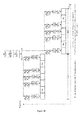


Classifications
-
- H—ELECTRICITY
- H04—ELECTRIC COMMUNICATION TECHNIQUE
- H04B—TRANSMISSION
- H04B1/00—Details of transmission systems, not covered by a single one of groups H04B3/00 - H04B13/00; Details of transmission systems not characterised by the medium used for transmission
- H04B1/69—Spread spectrum techniques
- H04B1/707—Spread spectrum techniques using direct sequence modulation
- H04B1/7097—Interference-related aspects
-
- H—ELECTRICITY
- H04—ELECTRIC COMMUNICATION TECHNIQUE
- H04W—WIRELESS COMMUNICATION NETWORKS
- H04W72/00—Local resource management
- H04W72/04—Wireless resource allocation
- H04W72/044—Wireless resource allocation based on the type of the allocated resource
- H04W72/0446—Resources in time domain, e.g. slots or frames
-
- H—ELECTRICITY
- H04—ELECTRIC COMMUNICATION TECHNIQUE
- H04J—MULTIPLEX COMMUNICATION
- H04J11/00—Orthogonal multiplex systems, e.g. using WALSH codes
- H04J11/0023—Interference mitigation or co-ordination
- H04J11/005—Interference mitigation or co-ordination of intercell interference
-
- H—ELECTRICITY
- H04—ELECTRIC COMMUNICATION TECHNIQUE
- H04K—SECRET COMMUNICATION; JAMMING OF COMMUNICATION
- H04K1/00—Secret communication
-
- H—ELECTRICITY
- H04—ELECTRIC COMMUNICATION TECHNIQUE
- H04L—TRANSMISSION OF DIGITAL INFORMATION, e.g. TELEGRAPHIC COMMUNICATION
- H04L25/00—Baseband systems
- H04L25/02—Details ; arrangements for supplying electrical power along data transmission lines
- H04L25/03—Shaping networks in transmitter or receiver, e.g. adaptive shaping networks
- H04L25/03828—Arrangements for spectral shaping; Arrangements for providing signals with specified spectral properties
- H04L25/03866—Arrangements for spectral shaping; Arrangements for providing signals with specified spectral properties using scrambling
-
- H—ELECTRICITY
- H04—ELECTRIC COMMUNICATION TECHNIQUE
- H04L—TRANSMISSION OF DIGITAL INFORMATION, e.g. TELEGRAPHIC COMMUNICATION
- H04L27/00—Modulated-carrier systems
- H04L27/26—Systems using multi-frequency codes
-
- H—ELECTRICITY
- H04—ELECTRIC COMMUNICATION TECHNIQUE
- H04L—TRANSMISSION OF DIGITAL INFORMATION, e.g. TELEGRAPHIC COMMUNICATION
- H04L27/00—Modulated-carrier systems
- H04L27/26—Systems using multi-frequency codes
- H04L27/2601—Multicarrier modulation systems
- H04L27/2626—Arrangements specific to the transmitter only
- H04L27/2627—Modulators
- H04L27/2634—Inverse fast Fourier transform [IFFT] or inverse discrete Fourier transform [IDFT] modulators in combination with other circuits for modulation
- H04L27/2636—Inverse fast Fourier transform [IFFT] or inverse discrete Fourier transform [IDFT] modulators in combination with other circuits for modulation with FFT or DFT modulators, e.g. standard single-carrier frequency-division multiple access [SC-FDMA] transmitter or DFT spread orthogonal frequency division multiplexing [DFT-SOFDM]
-
- H—ELECTRICITY
- H04—ELECTRIC COMMUNICATION TECHNIQUE
- H04L—TRANSMISSION OF DIGITAL INFORMATION, e.g. TELEGRAPHIC COMMUNICATION
- H04L9/00—Cryptographic mechanisms or cryptographic arrangements for secret or secure communications; Network security protocols
- H04L9/06—Cryptographic mechanisms or cryptographic arrangements for secret or secure communications; Network security protocols the encryption apparatus using shift registers or memories for block-wise or stream coding, e.g. DES systems or RC4; Hash functions; Pseudorandom sequence generators
- H04L9/065—Encryption by serially and continuously modifying data stream elements, e.g. stream cipher systems, RC4, SEAL or A5/3
-
- H—ELECTRICITY
- H04—ELECTRIC COMMUNICATION TECHNIQUE
- H04L—TRANSMISSION OF DIGITAL INFORMATION, e.g. TELEGRAPHIC COMMUNICATION
- H04L9/00—Cryptographic mechanisms or cryptographic arrangements for secret or secure communications; Network security protocols
- H04L9/06—Cryptographic mechanisms or cryptographic arrangements for secret or secure communications; Network security protocols the encryption apparatus using shift registers or memories for block-wise or stream coding, e.g. DES systems or RC4; Hash functions; Pseudorandom sequence generators
- H04L9/065—Encryption by serially and continuously modifying data stream elements, e.g. stream cipher systems, RC4, SEAL or A5/3
- H04L9/0656—Pseudorandom key sequence combined element-for-element with data sequence, e.g. one-time-pad [OTP] or Vernam's cipher
-
- H—ELECTRICITY
- H04—ELECTRIC COMMUNICATION TECHNIQUE
- H04L—TRANSMISSION OF DIGITAL INFORMATION, e.g. TELEGRAPHIC COMMUNICATION
- H04L2209/00—Additional information or applications relating to cryptographic mechanisms or cryptographic arrangements for secret or secure communication H04L9/00
- H04L2209/20—Manipulating the length of blocks of bits, e.g. padding or block truncation
-
- H—ELECTRICITY
- H04—ELECTRIC COMMUNICATION TECHNIQUE
- H04L—TRANSMISSION OF DIGITAL INFORMATION, e.g. TELEGRAPHIC COMMUNICATION
- H04L5/00—Arrangements affording multiple use of the transmission path
- H04L5/0001—Arrangements for dividing the transmission path
- H04L5/0014—Three-dimensional division
- H04L5/0016—Time-frequency-code
-
- H—ELECTRICITY
- H04—ELECTRIC COMMUNICATION TECHNIQUE
- H04L—TRANSMISSION OF DIGITAL INFORMATION, e.g. TELEGRAPHIC COMMUNICATION
- H04L5/00—Arrangements affording multiple use of the transmission path
- H04L5/003—Arrangements for allocating sub-channels of the transmission path
- H04L5/0053—Allocation of signalling, i.e. of overhead other than pilot signals
- H04L5/0055—Physical resource allocation for ACK/NACK
Definitions
- the present invention relates to wireless communication technology, in particular to a scrambling transmission method and device thereof.
- LTE-A Long Term Evolution- Advanced
- CA Carrier Aggregation
- a LTE-A UE User Equipment, namely, user terminal
- ACK acknowledgement
- NACK Non-ACKnowledgement
- PUCCH Physical Uplink Control Channel
- PUCCH format 3 supports to feed back at most 20-bit ACK/NACK and its transmission structure is shown in Figure 1 .
- ACK/NACK feedback bits are encoded using RM (Reed-Muller) coding.
- RM Random-Muller
- RM 32, O + repetition coding method in Rel-8 (Release-8, version 8) system is reused to encode ACK/NACK feedback bits into 48-bit coded bits.
- Dual-RM coding method is used to divide ACK/NACK feedback bits into two groups equally, and RM (32, O) + truncation coding method is adopted for each group to encode ACK/NACK feedback bit in each group into 24-bit coded bits.
- the coded bits sequence after RM encoding will be scrambled at a bit-level and modulated and transmitted in 2 slots of an uplink subframe by spreading the modulated symbols into multiple SC-FDMA (Single Carrier-Frequency Division Multiple Access) symbols in a slot through a time domain OC (Orthogonal Cover) sequence with a SF (Spreading Factor) equal to 5, so as to achieve time domain diversity gain.
- SC-FDMA Single Carrier-Frequency Division Multiple Access
- PUCCH format 3 also supports shortened format for transmitting SRS (Sounding Reference Signal) at the same time.
- SRS Sounding Reference Signal
- the length of SF in the first slot is 5, that of SF in the second slot is 4, the last SC-FDMA symbol in the second slot is reserved for transmitting SRS and its structure is shown in Figure 3 .
- shortened PUCCH format 3 will be used to transmit multi-bit ACK/NACK together with SRS.
- Table 1 shows the OC sequences corresponding to different SF lengths and N SF PUCCH therein represents SF length.
- N RB UL refers to uplink bandwidth (measured through PRB quantity) of the primary carrier
- m ⁇ n PUCCH 3 / N SF , 0 PUCCH ⁇
- N SF , 0 PUCCH refers to the SF length in the first slot and n s is the index of slot in a radio frame
- n OC g n PUCCH 3 , wherein detail form of g ( ) has not been determined yet.
- each RE (Resource Element) in a SC-FDMA symbol in the PUCCH format 3 corresponds to a different modulation symbol, that is, frequency-domain spreading is not used, and different user data are distinguished by orthogonal method only through the time domain OC sequence.
- different UE in the same frequency domain resource in adjacent cells use the same OC sequence, transmitted data of multi-user will interfere with each other, and such adjacent cell interference is very serious particularly to the cell edge users.
- PUCCH demodulation performance of target cell users will be directly influenced if the user's transmit power in interfered cell is great.
- the present invention aims to provide a scrambled transmission method and device thereof for solving inter-cell interference occurring in case UE on the same resource between different cells uses the same time domain spreading sequence.
- the following technical programs are adopted in the embodiments of the present invention:
- a user terminal which comprises:
- a scrambled transmission method which comprises the following steps:
- a base station equipment which comprises:
- using the cell-specific scrambling sequence of a cell to scramble the data modulation symbols generated by UE can reduce the interference among different user terminal data on the same resource in adjacent cells, thus improve the detection performance of uplink control signals.
- LTE-A system defines PUCCH format 3 as an ACK/NACK multiplexing transmission program.
- PUCCH format 3 multiplexing transmission of multiple UE on the same physics resource block can be achieved by configuring different OC sequences for multiple UEs. UEs in different cells but working on the same frequency domain resource may use the same OC sequence, thus causing inter-cell interference, and such inter-cell interference is very serious particularly to the cell edge users. And PUCCH detection performance of the users in the target cell will be directly influenced if user's transmission power in interfered cell is great. To reduce such inter-cell interference, the embodiments of the present invention gives a transmission program for cell-specific scrambling of information transmission via PUCCH format 3.
- UE when UE uses DFT-S-OFDM based transmission structure to transmit uplink control signal via a time domain spreading method, it can adopts cell-specific scrambling transmission method provided in the embodiments of the present invention for scrambling.
- This scrambling operation is developed in a time domain, namely, before the DFT (Discrete Fourier Transform) precoding and after the QPSK (Quadrature Phase Shift Keying) modulation, and it also can be conducted before or after the time domain spreading.
- DFT Discrete Fourier Transform
- QPSK Quadrature Phase Shift Keying
- the method for transmitting uplink control information via a time domain spreading method by utilizing a DFT-S-OFDM transmission structure includes but is not limited to the PUCCH format 3 transmission method.
- This scrambling operation is cell-specific, that is, the scrambling sequence is the cell-specific scrambling sequence and scrambling sequences of different cells are different.
- generation of this scrambling sequence relates to the cell ID N ID cell at least, that is, initialization of the scrambling sequence needs to relate to N ID cell at least.
- the scrambling sequence can be generated not only through cell ID N ID cell , but also through N ID cell and one of the following parameters or according to the cell ID and any combination of the following parameters:
- c init is related to determinant of scrambling sequence initialization, that is to say, initialization parameter thereof is determined through N ID cell or any combination of N ID cell with n f , n s , ⁇ n s ⁇ , l and other parameters.
- N CP ⁇ 1 , normal CP 0 , extended CP .
- the scrambling sequence can be obtained further through deformation or expansion of pseudo-random sequence generated via the aforementioned method. For example, 0 element in the generated pseudo-random sequence is replaced with -1 or e ⁇ j ⁇ /2 to obtain the scrambling sequence; or, the scrambling sequence can be obtained through corresponding x-QAM (Quadrature Amplitude Modulation) by taking every k (the amount) elements in the generated pseudo-random sequence as a group, wherein x represents the scale; for example, every 1 element in the pseudo-random sequence is taken as a group for BPSK (Binary Phase Shift Keying) modulation; or every 2 elements in the pseudo-random sequence is taken as a group for 2-QAM modulation, also known as QPSK modulation; or every 4 elements in the pseudo-random sequence is taken as a group for 4-QAM modulation, also known as 16QAM modulation; or every 6 elements in the pseudo-random sequence is taken as a group for 6-QAM modulation, also known
- UE can adopts the following programs to enable scrambling by using the cell-specific scrambling sequence of a cell:
- the data received at base station side will be descrambled via descrambling methods corresponding to the aforementioned scrambling methods. That is, the base station receives data through PUCCH format 3 transmission program, generates a descrambling sequence using one of methods 1 to 6 of the same UE, and descrambles the received data by utilizing the generated descrambling sequence. To be specific, the base station receives data modulation symbols via a DFT-S-OFDM transmission structure with a time domain despreading, and this symbol is sent by a user terminal. This base station descrambles the received data modulation symbol using the cell-specific descrambling sequence of a cell.
- the base station will generate a descrambling sequence based on the amount of data modulation symbols in a subframe and then descramble the data modulation symbols in the subframe using the descrambling sequence. And descrambling values in the descrambling sequence respectively correspond to corresponding data modulation symbols in the subframe; while if UE uses the aforementioned program II for scrambling, the base station will generate a descrambling sequence based on the amount of SC-FDMA symbols used for data transmission in a subframe and then descramble the data modulation symbols in the subframe using the descrambling sequence. And descrambling values in the descrambling sequence respectively correspond to corresponding SC-FDMA symbols used for data transmission in the subframe. To be specific:
- the cell-specific descrambling sequence of a cell generated by the base station is generated at least according to cell ID N ID cell or according to cell ID and one of the following parameters or according to the cell ID and any combination of the following parameters: index of radio frame ( n f ), index of slot ( n s ) in a radio frame, index of subframe ( ⁇ n s ⁇ ) in a radio frame, and index of SC-FDMA symbol ( l ) in a slot.
- UE generates ACK/NACK feedback information sequence and then scramble the modulated symbols (hereinafter referred to as modulation symbols) via the method provided in the embodiments of the present invention after RM coding, bit-level scrambling, QPSK modulation and time domain spreading spectrum, as shown in Figure 4A or Figure 4B .
- modulation symbols modulated symbols
- UE generates a pseudo-random sequence through Gold sequence with length of 31 and takes every 2 elements in the pseudo-random sequence as a group to develop QPSK modulation to achieve a scrambling sequence.
- the specific process of the cell-specific scrambled transmission by UE through the aforementioned methods 1 to 6 is as follows:
- UE transmits the scrambled modulation symbol sequence using PUCCH format 3 transmission program.
- UE generates ACK/NACK feedback information sequence and then scramble QPSK modulation symbols after RM coding, bit-level scrambling, QPSK modulation and time domain spreading spectrum, as shown in Figure 5 .
- UE generates a pseudo-random sequence through Gold sequence with length of 31 and takes every 2 elements in the pseudo-random sequence as a group to develop QPSK modulation to achieve a scrambling sequence.
- the specific process of the cell-specific scrambled transmission by UE through the aforementioned methods 1 to 6 is as follows:
- UE transmits the scrambled modulation symbol sequence using PUCCH format 3 transmission program.
- the embodiments take QPSK modulation method for example to describe generation of a scrambling sequence through pseudo-random sequence modulation, which is also applicable to the process of generating a scrambling sequences through pseudo-random sequence by using other modulation methods.
- the embodiments of the present invention also provide a kind of UE and a kind of base station that can be applied in the aforementioned process.
- K l - 1; l 0 , 1 , ... , N symb UL - 1 , refers to the index of SC-FDMA symbol in a slot.
- scrambling module 603 can generate the scrambling sequence c l (n) at least according to cell ID N ID cell or at least according to cell ID and SC-FDMA symbol number ( l ).
- Scrambling module 603 among the aforementioned user terminals can generate a scrambling sequence based on the amount of SC-FDMA symbols in a subframe, and use the scrambling sequence to scramble data modulation symbols in the subframe.
- each scrambling value in the scrambling sequence respectively corresponds to a corresponding SC-FDMA symbol in the subframe.
- scrambling module 603 can generate the scrambling sequence c j ( m ) at least according to cell ID N ID cell or at least according to cell ID and the index of subframe ( ⁇ n s /2 ⁇ ).
- scrambling module 603 can generate the scrambling sequence c i ( m ) at least according to cell ID N ID cell or at least according to cell ID and the index of slot ( n s ).
- Scrambling module 603 among the aforementioned user terminals can generate the cell-specific scrambling sequence of a cell at least according to cell ID N ID cell .
- scrambling module 603 can generate the cell-specific scrambling sequence of a cell according to cell ID and one of the following parameters or according to the cell ID and any combination of the following parameters:
- scrambling module 603 can generate the cell-specific scrambling sequence of a cell via the following methods:
- the scrambling sequence can be obtained further through deformation or expansion of pseudo-random sequence generated via the aforementioned method. For example, 0 element in the generated pseudo-random sequence is replaced with -1 or e ⁇ jz /2 to obtain the scrambling sequence; or, the scrambling sequence can be obtained through corresponding x-QAM modulation by taking every k (the amount) elements in the generated pseudo-random sequence as a group; for example, every 1 element in the pseudo-random sequence is taken as a group for BPSK modulation; or every 2 elements in the pseudo-random sequence is taken as a group for QPSK modulation; or every 4 elements in the pseudo-random sequence is taken as a group for 16QAM modulation; or every 6 elements in the pseudo-random sequence is taken as a group for 64QAM modulation.
- Fig. 7 is a structural diagram of base station provided in the embodiments of the present invention. As shown in the figure, this base station can comprise:
- Descrambling module 702 among the aforementioned base stations can generate a descrambling sequence based on the amount of SC-FDMA symbols used for data transmission in a subframe and use the descrambling sequence to descramble data modulation symbols in the subframe. Therein, each descrambling value in the descrambling sequence respectively corresponds to a corresponding SC-FDMA symbol used for data transmission in the subframe.
- Descrambling module 702 among the aforementioned base stations can generate the cell-specific descrambling sequence of a cell according to cell ID N ID cell or generate the cell-specific descrambling sequence of a cell according to cell ID and one of the following parameters or according to the cell ID and any combination of the following parameters:
- descrambling module 702 can generate the descrambling sequence based on a pseudo-random sequence; the pseudo-random sequence is generated at least according to cell ID N ID cell or according to one of index of radio frame ( n f ), index of slot ( n S ) in a radio frame, index of subframe ( ⁇ n S ⁇ ) in a radio frame, and index of SC-FDMA symbol ( l ) in a slot or any combination thereof.
- descrambling module 702 can replace specific elements in the pseudo-random sequence with set values to generate a descrambling sequence, or take every k elements in the pseudo-random sequence as a group and enable QAM modulation for each group of the elements to generate a descrambling sequence, therein, k ⁇ 1.
- the embodiments of the present invention give the method of introducing cell-specific scrambling operation in LTE-A system through PUCCH format 3 to lower mutual interference between adj acent cells, thus improving the detection performance of uplink control signals.
- the technical personnel in this field can understand clearly that the present invention can be implemented by software and necessary general hardware platform or hardware (the former is better in most cases).
- the technical program or the part making contributions to the prior art of the present invention can be embodied by a form of software products essentially which can be stored in a storage medium, including a number of instructions for making a terminal device (such as cellphones, personal computers, servers, or network equipment, etc.) implement the methods described in the embodiments of the present invention.
Landscapes
- Engineering & Computer Science (AREA)
- Computer Networks & Wireless Communication (AREA)
- Signal Processing (AREA)
- Computer Security & Cryptography (AREA)
- Physics & Mathematics (AREA)
- Spectroscopy & Molecular Physics (AREA)
- Power Engineering (AREA)
- Discrete Mathematics (AREA)
- General Physics & Mathematics (AREA)
- Mathematical Physics (AREA)
- Mobile Radio Communication Systems (AREA)
Abstract
Description
- The application requires the priority of Chinese patent application as below:
- the one that should be submitted to the Chinese Patent Office on
January 6, 2011, the application No. 201110001898.0 - the one that should be submitted to the Chinese Patent Office on
January 7, 2011, the application No. 201110002897.8 - The present invention relates to wireless communication technology, in particular to a scrambling transmission method and device thereof.
- Currently LTE-A (Long Term Evolution- Advanced) system can support CA (Carrier Aggregation) of at most 5 carriers and a LTE-A UE (User Equipment, namely, user terminal) needs to submit ACK (ACKnowledgement)/NACK (Non-ACKnowledgement) feedback information of corresponding multiple downlink carriers and downlink subframes in the same uplink subframe. Therefore, LTE-A system defines a new kind of PUCCH (Physical Uplink Control Channel) format, namely, PUCCH format 3 to support transmission with comparatively large ACK /NACK feedback bit number.
- PUCCH format 3 supports to feed back at most 20-bit ACK/NACK and its transmission structure is shown in
Figure 1 . Firstly ACK/NACK feedback bits are encoded using RM (Reed-Muller) coding. In case the number of ACK/NACK feedback bits is not larger than 11 bits, RM (32, O) + repetition coding method in Rel-8 (Release-8, version 8) system is reused to encode ACK/NACK feedback bits into 48-bit coded bits. While in case the number of ACK/NACK feedback bits exceeds 11, Dual-RM coding method is used to divide ACK/NACK feedback bits into two groups equally, and RM (32, O) + truncation coding method is adopted for each group to encode ACK/NACK feedback bit in each group into 24-bit coded bits. The coded bits sequence after RM encoding will be scrambled at a bit-level and modulated and transmitted in 2 slots of an uplink subframe by spreading the modulated symbols into multiple SC-FDMA (Single Carrier-Frequency Division Multiple Access) symbols in a slot through a time domain OC (Orthogonal Cover) sequence with a SF (Spreading Factor) equal to 5, so as to achieve time domain diversity gain. For normal cyclic prefix (Normal CP), there are two columns of RS (Reference Signal, also called pilot frequency) in each slot and they occupy the second SC-FDMA symbol and the six one respectively, as shown inFigure 1 ; for extended cyclic prefix (Extended CP), there is one column of RS, which occupies the fourth SC-FDMA, as shown inFigure 2 . The same information shall be transmitted in two slots using frequency hopping transmission , which means that each slot occupies one of the two marginal parts of frequency band respectively to enable, so as to achieve frequency domain diversity gain. - PUCCH format 3 also supports shortened format for transmitting SRS (Sounding Reference Signal) at the same time. In shortened format, the length of SF in the first slot is 5, that of SF in the second slot is 4, the last SC-FDMA symbol in the second slot is reserved for transmitting SRS and its structure is shown in
Figure 3 . If UE is configured to support simultaneous transmission of ACK/NACK and SRS in the same uplink subframe, shortened PUCCH format 3 will be used to transmit multi-bit ACK/NACK together with SRS. Table 1 shows the OC sequences corresponding to different SF lengths and
Table 1: OC Sequence of PUCCH Format 3 Sequence index n oc Orthogonal sequence 


0 [1 1 1 1 1] [+1 +1 +1 +1] 1 [1 e j2π/5 e j4πl5 e j6π/5 e j8π/5 ] [+1 -1 +1 -1] 2 [1 e j4 πl5 e j8π/ 5 e j2π/5 e j6π/5] [+1 -1 -1 +1] 3 [1 e j6π/5 e j2π/5 e j8π/ 5 e j4π/5 ] [+1 +1 -1 -1] 4 [1 e j8π/5 e j6π/5 e j4π/ 5 e j2π/5 ] - - A base station informs a UE the PUCCH format 3 resource index


- Wherein,


- Different from the PUCCH
format 1/1a/1b in LTE Rel-8 system, each RE (Resource Element) in a SC-FDMA symbol in the PUCCH format 3 corresponds to a different modulation symbol, that is, frequency-domain spreading is not used, and different user data are distinguished by orthogonal method only through the time domain OC sequence. In case different UE in the same frequency domain resource in adjacent cells use the same OC sequence, transmitted data of multi-user will interfere with each other, and such adjacent cell interference is very serious particularly to the cell edge users. And PUCCH demodulation performance of target cell users will be directly influenced if the user's transmit power in interfered cell is great. - In the procedure of realizing the objects of the present invention, at least the following defects existing in the prior art were found:
- Currently in LTE-A system, the existing PUCCH format 3 transmission program cannot solve the inter-cell interference in case of multiple UEs in different cells using the same OC sequence on the same resource.
- The present invention aims to provide a scrambled transmission method and device thereof for solving inter-cell interference occurring in case UE on the same resource between different cells uses the same time domain spreading sequence. The following technical programs are adopted in the embodiments of the present invention:
- A user terminal generating the message to be sent and modulating the message to be sent to generate the data modulation symbols;
- The user terminal scrambling the data modulation symbols using a cell-specific scrambling sequence , to generate the scrambled data modulation symbols;
- The user terminal sending the scrambled data modulation symbols via a DFT-S-OFDM transmission structure with a time domain spreading.
- A user terminal, which comprises:
- Data generation module, used for generating the message to be sent and modulating the message to be sent to generate the data modulation symbols;
- Scrambling module, used for scrambling the data modulation symbols using a cell-specific scrambling sequence, to generate the scrambled data modulation symbols;
- Sending module, used for sending the scrambled data modulation symbols via a DFT-S-OFDM transmission structure with a time domain spreading.
- A scrambled transmission method, which comprises the following steps:
- A base station receiving the data modulation symbols sent by a user terminal via a DFT-S-OFDM transmission structure with a time domain despreading;
- The base station descrambling the received data modulation symbols using a cell-specific descrambling sequence.
- A base station equipment, which comprises:
- Receiving module, used for receiving the data modulation symbols sent by a user terminal via a DFT-S-OFDM transmission structure with a time domain despreading;
- Descrambling module, used for descrambling the received data modulation symbols using a cell-specific descrambling sequence.
- According to the embodiments of the present invention, using the cell-specific scrambling sequence of a cell to scramble the data modulation symbols generated by UE can reduce the interference among different user terminal data on the same resource in adjacent cells, thus improve the detection performance of uplink control signals.
-
-
Fig. 1 is a structural diagram of PUCCH format 3 transmission under Normal CP in the prior art; -
Fig. 2 is a structural diagram of PUCCH format 3 transmission under Extended CP in the prior art; -
Fig. 3 is a structural diagram of PUCCH format 3shortened format transmission in the prior art; -
Fig. 4A is the diagram of scrambling viamethod 1, 2 or 3 provided in Embodiment I of the present invention; -
Fig. 4B is the diagram of scrambling via method 4, 5 or 6 provided in Embodiment I of the present invention; -
Fig. 5A is the diagram of scrambling viamethod 1, 2 or 3 provided in Embodiment II of the present invention; -
Fig. 5B is the diagram of scrambling via method 4, 5 or 6 provided in Embodiment II of the present invention; -
Fig. 6 is a structural diagram of user terminal provided in embodiments of the present invention; -
Fig. 7 is a structural diagram of base station provided in embodiments of the present invention. - As described in the background of the present invention, LTE-A system defines PUCCH format 3 as an ACK/NACK multiplexing transmission program. For PUCCH format 3, multiplexing transmission of multiple UE on the same physics resource block can be achieved by configuring different OC sequences for multiple UEs. UEs in different cells but working on the same frequency domain resource may use the same OC sequence, thus causing inter-cell interference, and such inter-cell interference is very serious particularly to the cell edge users. And PUCCH detection performance of the users in the target cell will be directly influenced if user's transmission power in interfered cell is great. To reduce such inter-cell interference, the embodiments of the present invention gives a transmission program for cell-specific scrambling of information transmission via PUCCH format 3.
- For the embodiments of the present invention in LTE-A system, when UE uses DFT-S-OFDM based transmission structure to transmit uplink control signal via a time domain spreading method, it can adopts cell-specific scrambling transmission method provided in the embodiments of the present invention for scrambling. This scrambling operation is developed in a time domain, namely, before the DFT (Discrete Fourier Transform) precoding and after the QPSK (Quadrature Phase Shift Keying) modulation, and it also can be conducted before or after the time domain spreading.
- Therein, the method for transmitting uplink control information via a time domain spreading method by utilizing a DFT-S-OFDM transmission structure includes but is not limited to the PUCCH format 3 transmission method.
- This scrambling operation is cell-specific, that is, the scrambling sequence is the cell-specific scrambling sequence and scrambling sequences of different cells are different. To ensure the scrambling sequence is cell-specific, generation of this scrambling sequence relates to the cell ID


- The scrambling sequence can be generated not only through cell ID


- nf = 0,1,... refers to the index of radio frame in the system;
- ns = 0,1,...19 refers to the index of slot in a radio frame;
- └ n s┘=0,1,...9 refers to the index of subframe in a radio frame;
- To be specific, the scrambling sequence can be generated on the basis of pseudo-random sequence, which can be generated through Gold sequence with length of 31 based on


- Wherein, NC =1600, initialization parameter of the first m sequence x 1(n) is x 1(0)=1, x 1(n)=0,n =1,2,...,30; definition form of initialization parameter of the second m sequence x 2(n) is





Wherein,
- The scrambling sequence can be obtained further through deformation or expansion of pseudo-random sequence generated via the aforementioned method. For example, 0 element in the generated pseudo-random sequence is replaced with -1 or e ±jπ/2 to obtain the scrambling sequence; or, the scrambling sequence can be obtained through corresponding x-QAM (Quadrature Amplitude Modulation) by taking every k (the amount) elements in the generated pseudo-random sequence as a group, wherein x represents the scale; for example, every 1 element in the pseudo-random sequence is taken as a group for BPSK (Binary Phase Shift Keying) modulation; or every 2 elements in the pseudo-random sequence is taken as a group for 2-QAM modulation, also known as QPSK modulation; or every 4 elements in the pseudo-random sequence is taken as a group for 4-QAM modulation, also known as 16QAM modulation; or every 6 elements in the pseudo-random sequence is taken as a group for 6-QAM modulation, also known as 64QAM modulation.
- To be specific, UE can adopts the following programs to enable scrambling by using the cell-specific scrambling sequence of a cell:
- Program I: scramble based on all data modulation symbols in a subframe, that is, generate a scrambling sequence based on the amount of data modulation symbols in the subframe (including all data modulation symbols on a time domain and a frequency domain), and then use this scrambling sequence to scramble data modulation symbols in the subframe. Therein, scrambling values in the scrambling sequence respectively correspond to corresponding data modulation symbols in the subframe. Total length of the scrambling sequence is


To be specific, any one of the following three methods (1, 2 and 3) can be used in concrete implementations of program I:- Method 1: generate a scrambling sequence based on the total number of data modulation symbols in each uplink subframe and respectively scramble the data in each uplink subframe. That is: firstly generate scrambling sequence cj (n) with length of


- Method 2: generate a scrambling sequence based on the total number of data modulation symbols in each slot and respectively scramble the data in each slot. That is: firstly generate scrambling sequence ci (n) with length of


- Method 3: generate a scrambling sequence based on the total number of data modulation symbols in each SC-FDMA symbol used for data transmission and respectively scramble the data on each SC-FDMA symbol. That is: firstly generate scrambling sequence cl (n) with length of


- Method 1: generate a scrambling sequence based on the total number of data modulation symbols in each uplink subframe and respectively scramble the data in each uplink subframe. That is: firstly generate scrambling sequence cj (n) with length of
- Program II: scramble based on SC-FDMA symbol used for data transmission in a subframe, that is, generate a scrambling sequence based on the amount of SC-FDMA symbols used for data transmission in the subframe and then use this scrambling sequence to scramble data modulation symbols in the subframe. Therein, scrambling values in the scrambling sequence respectively correspond to corresponding SC-FDMA symbols used for data transmission in the subframe, and the same scrambling values are used to scramble


To be specific, any one of the following three methods (4, 5 and 6) can be used in concrete implementations of program II:- Method 4: generate a scrambling sequence based on the total number of SC-FDMA symbols used for data transmission in a subframe and respectively scramble the data in each uplink subframe. That is: firstly generate scrambling sequence cj (m) with length of


- Method 5: generate a scrambling sequence based on the total number of SC-FDMA symbols of transmitted in a slot and respectively scramble the data in each slot. That is: firstly generate scrambling sequence ci (m) with length of Ki = SFi for each slot; and then scramble data modulation symbols in slot i in a subframe, namely,


- Method 6: generate a scrambling sequence for each SC-FDMA symbol used for data transmission and respectively scramble the data on each SC-FDMA symbol used for data transmission. That is: firstly generate scrambling sequence cl with length of Kl =1 for each SC-FDMA symbol used for data transmission; and then scramble data modulation symbols in SC-FDMA symbol l used for data transmission, namely, d̃l (n)=dl (n)·cl (n) , wherein,


- Method 4: generate a scrambling sequence based on the total number of SC-FDMA symbols used for data transmission in a subframe and respectively scramble the data in each uplink subframe. That is: firstly generate scrambling sequence cj (m) with length of
- Correspondingly, the data received at base station side will be descrambled via descrambling methods corresponding to the aforementioned scrambling methods. That is, the base station receives data through PUCCH format 3 transmission program, generates a descrambling sequence using one of
methods 1 to 6 of the same UE, and descrambles the received data by utilizing the generated descrambling sequence. To be specific, the base station receives data modulation symbols via a DFT-S-OFDM transmission structure with a time domain despreading, and this symbol is sent by a user terminal. This base station descrambles the received data modulation symbol using the cell-specific descrambling sequence of a cell. Therein, if UE uses the aforementioned program I for scrambling, the base station will generate a descrambling sequence based on the amount of data modulation symbols in a subframe and then descramble the data modulation symbols in the subframe using the descrambling sequence. And descrambling values in the descrambling sequence respectively correspond to corresponding data modulation symbols in the subframe; while if UE uses the aforementioned program II for scrambling, the base station will generate a descrambling sequence based on the amount of SC-FDMA symbols used for data transmission in a subframe and then descramble the data modulation symbols in the subframe using the descrambling sequence. And descrambling values in the descrambling sequence respectively correspond to corresponding SC-FDMA symbols used for data transmission in the subframe. To be specific: - In case of adopting
method 1, the base station generates descrambling sequence cj (n) with length of
- In case of adopting method 2, the base station generates descrambling sequence cl (n) with length of

- In case of adopting method 3, the base station generates descrambling sequence cl (n) with length of

- In case of adopting method 4, the base station generates descrambling sequence cj (m) with length of

- In case of adopting method 5, based on the amount of SC-FDMA symbols used for data transmission in each slot, the base station generates scrambling sequence ci (m) with length of Ki = SFi for each slot to descramble data modulation symbols in slot i in a subframe;
- In case of adopting method 6, the base station generates descrambling sequence cl with length of Kl =1 for each SC-FDMA symbol used for data transmission to descramble data modulation symbols in SC-FDMA symbol l used for data transmission.
- In the aforementioned process, the cell-specific descrambling sequence of a cell generated by the base station is generated at least according to cell ID

- Two application examples are given below to further explain the embodiments of the present invention.
- Example I: UE transmits ACK/NACK message through PUCCH format 3 normal format, and SFi = 5, i=0, 1 and

Figure 4A orFigure 4B . Therein, UE generates a pseudo-random sequence through Gold sequence with length of 31 and takes every 2 elements in the pseudo-random sequence as a group to develop QPSK modulation to achieve a scrambling sequence. The specific process of the cell-specific scrambled transmission by UE through theaforementioned methods 1 to 6 is as follows: -
- (1) In case of adopting method 1: UE generates a scrambling sequence with length of

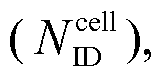


Figure 4A . - (2) In case of adopting method 2: UE generates a scrambling sequence with length of


Figure 4A . - (3) In case of adopting method 3: UE generates a scrambling sequence with length of


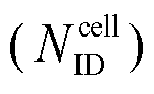

Figure 4A . - (4) In case of adopting method 4: UE generates a scrambling sequence with length of

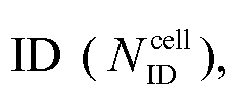


Figure 4B . - (5) In case of adopting method 5: UE generates a scrambling sequence with length of Ki = SFi = 5 for each slot; if the definition of initialization parameter generated by the scrambling sequence only relates to cell ID


Figure 4B . - (6) In case of adopting method 6: UE generates a scrambling sequence with length of Kl =1 for each SC-FDMA symbol; if the definition of initialization parameter generated by the scrambling sequence only relates to cell ID


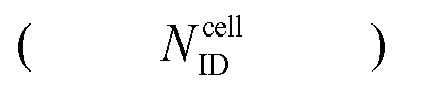

Figure 4B . - Furthermore, UE transmits the scrambled modulation symbol sequence using PUCCH format 3 transmission program.
- It receives data through PUCCH format 3 transmission program, generates a descrambling sequence by adopting one of
methods 1 to 6 the same as UE side and descrambles the received data through the generated descrambling sequence. To be specific: - (1) In case of adopting method 1: the base station generates a descrambling sequence with length of


- (2) In case of adopting method 2: the base station generates a descrambling sequence with length of


- (3) In case of adopting method 3: the base station generates a descrambling sequence with length of


- (4) In case of adopting method 4: the base station generates a descrambling sequence with length of


- (5) In case of adopting method 5: the base station generates a descrambling sequence with length of Ki = SFi = 5 for each slot; if the definition of initialization parameter generated by the descrambling sequence only relates to cell ID


- (6) In case of adopting method 6: the base station generates a descrambling sequence with length of Kl = 1 for each SC-FDMA symbol; if the definition of initialization parameter generated by the descrambling sequence only relates to cell ID such as


- Embodiment II: UE transmits ACK/NACK message through PUCCH format 3 shortened format, and SF 0 = 5, SF 1 = 4 and

Figure 5 . UE generates a pseudo-random sequence through Gold sequence with length of 31 and takes every 2 elements in the pseudo-random sequence as a group to develop QPSK modulation to achieve a scrambling sequence. The specific process of the cell-specific scrambled transmission by UE through theaforementioned methods 1 to 6 is as follows: -
- (1) In case of adopting method 1: UE generates a scrambling sequence with length of

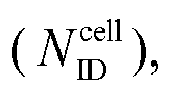



Figure 5A . - (2) In case of adopting method 2: UE generates a scrambling sequence with length of


Figure 5A . - (3) In case of adopting method 3: UE generates a scrambling sequence with length of


Figure 5A . - (4) In case of adopting method 4: UE generates a scrambling sequence with length of


Figure 5B . - (5) In case of adopting method 5: UE generates a scrambling sequence with length of K 0 = SF 0 = 5 for the first slot and a scrambling sequence with length of K 1 = SF 1 = 4 for the second slot; if the definition of initialization parameter generated by the scrambling sequence only relates to cell ID


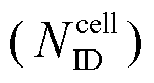

Figure 5B . - (6) In case of adopting method 6: UE generates a scrambling sequence with length of Kl =1 for each SC-FDMA symbol; if the definition of initialization parameter generated by the scrambling sequence only relates to cell ID

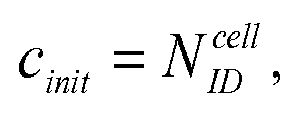


Figure 5B . - Furthermore, UE transmits the scrambled modulation symbol sequence using PUCCH format 3 transmission program.
- It receives data through PUCCH format 3 transmission program, generates a descrambling sequence by adopting one of
methods 1 to 6 the same as UE side and descrambles the received data through the generated descrambling sequence. To be specific: - (1) In case of adopting method 1: the base station generates a descrambling sequence with length of


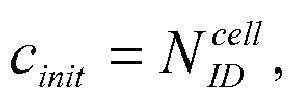


- (2) In case of adopting method 2: the base station generates a descrambling sequence with length of



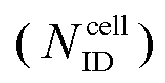

- (3) In case of adopting method 3: the base station generates a descrambling sequence with length of


- (4) In case of adopting method 4: the base station generates a descrambling sequence with length of


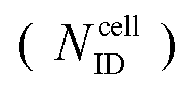


- (5) In case of adopting method 5: the base station generates a descrambling sequence with length of K 0= SF 0 = 5 for the first slot and a descrambling sequence with length of K 1 = SF 1 = 4 for the second slot; if the definition of initialization parameter generated by the descrambling sequence only relates to cell ID


- (6) In case of adopting method 6: the base station generates a descrambling sequence with length of Kl = 1 for each SC-FDMA symbol; if the definition of initialization parameter generated by the descrambling sequence only relates to cell ID


- It should be noted that the embodiments take ACK/NACK transmission for example so as to simplify description, and the embodiments of the present invention are also application the process of transmitting other message through PUCCH format 3.
- It should be noted that the embodiments take QPSK modulation method for example to describe generation of a scrambling sequence through pseudo-random sequence modulation, which is also applicable to the process of generating a scrambling sequences through pseudo-random sequence by using other modulation methods.
- Based on the same technical consideration, the embodiments of the present invention also provide a kind of UE and a kind of base station that can be applied in the aforementioned process.
- As shown in
Figure 6 , user terminal provided in the embodiments of the present invention comprises: -
Data generation module 601, used for generating a message to be sent and modulate the message to be sent to generate a data modulation symbol; -
Scrambling module 602, used for scrambling the data modulation symbol using the cell-specific scrambling sequence, to generate the scrambled data modulation symbols; - Sending
module 603, used for sending the scrambled data modulation symbols via a DFT-S-OFDM transmission structure with a time domain spreading. -
Scrambling module 602 among the aforementioned user terminals can generate a scrambling sequence based on the amount of data modulation symbols in a subframe (including all data modulation symbols on a time domain and a frequency domain), and use the scrambling sequence to scramble data modulation symbols in the subframe. Therein, each scrambling value in the scrambling sequence respectively corresponds to a corresponding data modulation symbol in the subframe. - To be specific, scrambling
module 603 can adopt theaforementioned method 1, that is, it generates scrambling sequence cj (n) with length of

module 603 can generate the scrambling sequence cj (n) at least according to cell ID
-
Scrambling module 603 also can adopt the aforementioned method 2, that is, it generates scrambling sequence ci (n) with length of

module 603 can generate the scrambling sequence ci (n) at least according to cell ID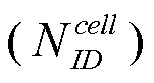
-
Scrambling module 603 also can adopt the aforementioned method 3, that is, it generates scrambling sequence cl(n) with length of


module 603 can generate the scrambling sequence cl(n) at least according to cell ID
-
Scrambling module 603 among the aforementioned user terminals can generate a scrambling sequence based on the amount of SC-FDMA symbols in a subframe, and use the scrambling sequence to scramble data modulation symbols in the subframe. Therein, each scrambling value in the scrambling sequence respectively corresponds to a corresponding SC-FDMA symbol in the subframe. - To be specific, scrambling
module 603 can adopt the aforementioned method 4, that is, it generates scrambling sequence cj (m) with length of


- Furthermore, scrambling
module 603 can generate the scrambling sequence cj (m) at least according to cell ID
-
Scrambling module 603 also can adopt the aforementioned method 5, that is, it generates scrambling sequence ci (m) with length of Ki = SFi for each slot based on the total number of SC-FDMA symbols in each slot, and scrambles data modulation symbols in slot i in a subframe as below:

module 603 can generate the scrambling sequence ci (m) at least according to cell ID
-
Scrambling module 603 also can adopt the aforementioned method 6, that is, it generates scrambling sequence cl with length of Kl = 1 for each SC-FDMA symbol used for data transmission and scramble data modulation symbols in SC-FDMA symbol l used for data transmission as below: d̃l (n) = cl · dl (n); wherein, l refers to the index of SC-FDMA symbol used for data transmission in a slot,
module 603 can generate the scrambling sequence cl at least according to cell ID
-
Scrambling module 603 among the aforementioned user terminals can generate the cell-specific scrambling sequence of a cell at least according to cell ID
module 603 can generate the cell-specific scrambling sequence of a cell according to cell ID and one of the following parameters or according to the cell ID and any combination of the following parameters: - Index of radio frame (nf );
- Index of slot in a radio frame (nS );
- Index of subframe in a radio frame (└nS ┘);
- Index of SC-FDMA symbol in a slot (l).
- To be specific, scrambling
module 603 can generate the cell-specific scrambling sequence of a cell via the following methods: - Firstly generate a pseudo-random sequence:


- Wherein, Nc =1600, initialization parameter of the first m sequence x 1(n) is x 1(0) = 1, x 1 (n) = 0, n =1,2,...,30 ; definition form of initialization parameter of the second m sequence x2 (n) is





- The scrambling sequence can be obtained further through deformation or expansion of pseudo-random sequence generated via the aforementioned method. For example, 0 element in the generated pseudo-random sequence is replaced with -1 or e ±jz/2 to obtain the scrambling sequence; or, the scrambling sequence can be obtained through corresponding x-QAM modulation by taking every k (the amount) elements in the generated pseudo-random sequence as a group; for example, every 1 element in the pseudo-random sequence is taken as a group for BPSK modulation; or every 2 elements in the pseudo-random sequence is taken as a group for QPSK modulation; or every 4 elements in the pseudo-random sequence is taken as a group for 16QAM modulation; or every 6 elements in the pseudo-random sequence is taken as a group for 64QAM modulation.
-
Fig. 7 is a structural diagram of base station provided in the embodiments of the present invention. As shown in the figure, this base station can comprise: - Receiving
module 701, used for receiving data modulation symbol via by utilizing a DFT-S-OFDM transmission structure with a time domain despreading, and this symbol is sent by a user terminal; -
Descrambling module 702, used for descrambling the received data modulation symbol using the cell-specific descrambling sequence of a cell. -
Descrambling module 702 among the aforementioned base stations can generate a descrambling sequence based on the amount of data modulation symbols in a subframe and use the descrambling sequence to descramble data modulation symbols in the subframe. Therein, each descrambling value in the descrambling sequence respectively corresponds to a corresponding data modulation symbol in the subframe. - To be specific,
descrambling module 702 can generate descrambling sequence cj (n) with length of
- It generates descrambling sequence ci (n) with length of

- It generates descrambling sequence cl (n) with length of

-
Descrambling module 702 among the aforementioned base stations can generate a descrambling sequence based on the amount of SC-FDMA symbols used for data transmission in a subframe and use the descrambling sequence to descramble data modulation symbols in the subframe. Therein, each descrambling value in the descrambling sequence respectively corresponds to a corresponding SC-FDMA symbol used for data transmission in the subframe. - To be specific,
descrambling module 702 can generate descrambling sequence cj (m) with length of
- Based on the amount of SC-FDMA symbols used for data transmission in each slot, it generates descrambling sequence ci (m) with length of Ki = SFi for each slot to descramble data modulation symbols in slot i in a subframe; or,
- It generates descrambling sequence cl with length of Kl = 1 for each SC-FDMA symbol used for data transmission to descramble data modulation symbols in SC-FDMA symbol l used for data transmission.
-
Descrambling module 702 among the aforementioned base stations can generate the cell-specific descrambling sequence of a cell according to cell ID
- Index of radio frame (nf );
- Index of slot in a radio frame (nS );
- Index of subframe in a radio frame (└nS ┘);
- Index of SC-FDMA symbol in a slot (l).
- To be specific,
descrambling module 702 can generate the descrambling sequence based on a pseudo-random sequence; the pseudo-random sequence is generated at least according to cell ID
descrambling module 702 can replace specific elements in the pseudo-random sequence with set values to generate a descrambling sequence, or take every k elements in the pseudo-random sequence as a group and enable QAM modulation for each group of the elements to generate a descrambling sequence, therein, k≥1. - To sum up, the embodiments of the present invention give the method of introducing cell-specific scrambling operation in LTE-A system through PUCCH format 3 to lower mutual interference between adj acent cells, thus improving the detection performance of uplink control signals. Through the description of the embodiments above, the technical personnel in this field can understand clearly that the present invention can be implemented by software and necessary general hardware platform or hardware (the former is better in most cases). Based on this understanding, the technical program or the part making contributions to the prior art of the present invention can be embodied by a form of software products essentially which can be stored in a storage medium, including a number of instructions for making a terminal device (such as cellphones, personal computers, servers, or network equipment, etc.) implement the methods described in the embodiments of the present invention.
- The description above only involves the preferential embodiments of the present invention. It should be indicated that common technical personnel in this technical field can make certain improvements and modifications on the premise of not departing from the invention principle and such improvements and modifications also will be as the protection scope of the present invention.


Claims (52)
- A scrambling transmission method, wherein, comprising:a user terminal generating the message to be sent and modulating the message to be sent to generate the data modulation symbols;the user terminal scrambling the data modulation symbols using a cell-specific scrambling sequence, to generate the scrambled data modulation symbols;the user terminal sending the scrambled data modulation symbols via a DFT-S-OFDM transmission structure with a time domain spreading.
- The method according to claim 1, wherein, the user terminal scrambling the data modulation symbols using a cell-specific scrambling sequence, specifically:generating the scrambling sequence based on the amount of data modulation symbols in a subframe and using the scrambling sequence to scramble the data modulation symbols in the subframe;therein, each scrambling value in the scrambling sequence respectively corresponds to a corresponding data modulation symbol in the subframe.
- The method according to claim 2, wherein, generating the scrambling sequence based on the amount of data modulation symbols in a subframe and using the scrambling sequence to scramble the data modulation symbols in the subframe, specifically:generating the scrambling sequence cj (n) with a length of


wherein, S refers to the total number of slots in a subframe,
- The method according to claim 3, wherein, the scrambling sequence cj (n) is generated at least according to the cell ID or at least according to the cell ID and the index of subframe .
- The method according to claim 2, wherein, generating the scrambling sequence based on the amount of data modulation symbols in a subframe and using the scrambling sequence to scramble the data modulation symbols in the subframe, specifically:generating the scrambling sequence ci (n) with a length of for each slot based on the total number of the data modulation symbols in each slot in a subframe, and scrambling the data modulation symbols in slot i in a subframe as below:

wherein,
- The method according to claim 5, wherein, the scrambling sequence ci (n) is generated at least according to the cell ID or at least according to the cell ID and the index of slot.
- The method according to claim 2, wherein, generating the scrambling sequence based on the amount of data modulation symbols in a subframe and using the scrambling sequence to scramble the data modulation symbols in the subframe, specifically:generating the scrambling sequence cl (n) with a length of


wherein,
- The method according to claim 7, wherein, the scrambling sequence cl (n) is generated at least according to the cell ID or at least according to the cell ID and the index of the SC-FDMA symbol.
- The method according to claim 1, wherein, the user terminal scrambles the data modulation symbols using a cell-specific scrambling sequence, specifically:generating the scrambling sequence based on the amount of SC-FDMA symbols used for data transmission in a subframe and using the scrambling sequence to scramble the data modulation symbols in the subframe;therein, each scrambling value in the scrambling sequence respectively corresponds to a corresponding SC-FDMA symbol used for data transmission in the subframe.
- The method according to claim 9, wherein, generating the scrambling sequence based on the amount of SC-FDMA symbols used for data transmission in a subframe and using the scrambling sequence to scramble the data modulation symbols in the subframe, specifically:generating the scrambling sequence cj (m) with a length of


wherein, S refers to the total number of slots in a subframe, SFi refers to the total number of SC-FDMA symbols used for data transmission in the i th slot in a subframe and dj (·) refers to the sequence of data modulation symbols in subframe j; i = 0,...S-1 refers to the index of slot in a subframe and j refers to the index of subframe ; m = 0,...,Kj-1 and
- The method according to claim 10, wherein, the scrambling sequence cj (m) is generated at least according to the cell ID or at least according to the cell ID and the index of subframe .
- The method according to claim 9, wherein, generating the scrambling sequence based on the amount of SC-FDMA symbols used for data transmission in a subframe and using the scrambling sequence to scramble the data modulation symbols in the subframe, specifically:generating the scrambling sequence ci (m) with a length of Ki = SFi for each slot based on the total number of the SC-FDMA symbols used for data transmission in each slot, and scrambling the data modulation symbols in slot i in a subframe as below:

wherein, S refers to the total number of slots in a subframe, SFi refers to the total number of SC-FDMA symbols used for data transmission in the i th slot in a subframe and di (·) refers to the sequence of data modulation symbols in slot i in a subframe; i=0,...S-1 refers to the index of slot in a subframe, m = 0,..., Ki-1 and
- The method according to claim 12, wherein, the scrambling sequence ci (m) is generated at least according to the cell ID or at least according to the cell ID and the index of slot.
- The method according to claim 9, wherein, generating the scrambling sequence based on the amount of SC-FDMA symbols used for data transmission in a subframe and using the scrambling sequence to scramble the data modulation symbols in the subframe, specifically:generating the scrambling sequence cl with a length of Kl =1 for each SC-FDMA symbol used for data transmission, and scrambling the data modulation symbols in SC-FDMA symbol l used for data transmission as below:
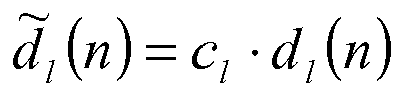
wherein, l refers to the index of SC-FDMA symbol used for data transmission in a slot,
- The method according to claim 14, wherein, the scrambling sequence cl is generated at least according to the cell ID or at least according to the cell ID and the index of SC-FDMA symbol.
- The method according to claim 1, wherein, the cell-specific scrambling sequence is generated at least according to the cell ID or according to the cell ID and one of the following parameters or according to the cell ID and any combination of the following parameters:index of radio frame;index of slot in a radio frame;index of subframe in a radio frame;index of SC-FDMA symbol in a slot.
- The method according to any of claims 1 to 16, wherein, the scrambling sequence is generated based on a pseudo-random sequence; the scrambling sequence is generated at least according to the cell ID or according to the cell ID and one of the following parameters or according to the cell ID and any combination of the following parameters: the index of radio frame, the index of slot in a radio frame, the index of subframe in a radio frame, and the index of SC-FDMA symbol in a slot.
- The method according to claim 17, wherein, the scrambling sequence is generated based on a pseudo-random sequence, specifically:replacing specific elements in the pseudo-random sequence with set values, or taking every k elements in the pseudo-random sequence as a group and modulating each group with QAM modulation, therein, k≥1.
- A user terminal, wherein, comprising:data generation module, used for generating the message to be sent and modulating the message to be sent to generate the data modulation symbols;scrambling module, used for scrambling the data modulation symbols using a cell-specific scrambling sequence, to generate the scrambled data modulation symbols;sending module, used for sending the scrambled data modulation symbols via a DFT-S-OFDM transmission structure with a time domain spreading.
- The user terminal according to claim 19, wherein, the scrambling module is specifically used for generating the scrambling sequence based on the amount of data modulation symbols in a subframe and using the scrambling sequence to scramble the data modulation symbols in the subframe; therein, each scrambling value in the scrambling sequence respectively corresponds to a corresponding data modulation symbol in the subframe.
- The user terminal according to claim 20, wherein, the scrambling module is specifically used for generating the scrambling sequence cj (n) with a length of


wherein, S refers to the total number of slots in a subframe,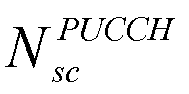
- The user terminal according to claim 21, wherein, the scrambling module is specifically used for generating the scrambling sequence cj (n) at least according to the cell ID or at least according to the cell ID and the index of subframe.
- The user terminal according to claim 20, wherein, the scrambling module is specifically used for generating the scrambling sequence ci (n) with a length of


wherein,
- The user terminal according to claim 23, wherein, the scrambling module is specifically used for generating the scrambling sequence ci (n) at least according to the cell ID or at least according to the cell ID and the index of slot.
- The user terminal according to claim 20, wherein, the scrambling module is specifically used for generating the scrambling sequence cl(n) with a length of


wherein,
- The user terminal according to claim 25, wherein, the scrambling module is specifically used for generating the scrambling sequence cl (n) at least according to the cell ID or at least according to the cell ID and the index of SC-FDMA symbol.
- The user terminal according to claim 19, wherein, the scrambling module is specifically used for generating the scrambling sequence based on the amount of SC-FDMA symbols used for data transmission in a subframe and using the scrambling sequence to scramble the data modulation symbols in the subframe; therein, each scrambling value in the scrambling sequence respectively corresponds to a corresponding SC-FDMA symbol used for data transmission.
- The user terminal according to claim 27, wherein, the scrambling module is specifically used for generating the scrambling sequence cj (m) with a length of


wherein, S refers to the total number of slots in a subframe, SFi refers to the total number of SC-FDMA symbols used for data transmission in the i th slot in a subframe and dj (·) refers to the sequence of data modulation symbols in subframe j; i = 0,...S-1 refers to the index of slot in a subframe and j refers to the index of subframe; m = 0,...,Kj-1 and
- The user terminal according to claim 28, wherein, the scrambling module is specifically used for generating the scrambling sequence cj (m) at least according to the cell ID or at least according to the cell ID and the index of subframe.
- The user terminal according to claim 27, wherein, the scrambling module is specifically used for generating the scrambling sequence ci (m) with a length of Ki = SFi for each slot based on the total number of the SC-FDMA symbols used for data transmission in each slot, and scrambling the data modulation symbols in slot i in a subframe as below:

wherein, S refers to the total number of slots in a subframe, SFi refers to the total number of SC-FDMA symbols used for data transmission in the i th slot in a subframe and di (·) refers to the sequence of data modulation symbols in slot i in a subframe; i= 0,...S-1 refers to the index of slot in a sub frame, m = 0,..., Ki-1 and
- The user terminal according to claim 30, wherein, the scrambling module is specifically used for generating the scrambling sequence ci (m) at least according to the cell ID or at least according to the cell ID and the index of slot.
- The user terminal according to claim 27, wherein, the scrambling module is specifically used for generating the scrambling sequence cl with a length of Kl =1 for each SC-FDMA symbol used for data transmission, and scrambling the data modulation symbols in SC-FDMA symbol l used for data transmission as below:


- The user terminal according to claim 32, wherein, the scrambling module is specifically used for generating the scrambling sequence cl at least according to the cell ID or at least according to the cell ID and the index of SC-FDMA symbol.
- The user terminal according to claim 19, wherein, the scrambling module is specifically used for generating the cell-specific scrambling sequence according to the cell ID or generating the cell-specific scrambling sequence according to the cell ID and one of the following parameters or generating the cell-specific scrambling sequence according to the cell ID and any combination of the following parameters:index of radio frame;index of slot in a radio frame;index of subframe in a radio frame;index of SC-FDMA symbol in a slot.
- The user terminal according to any of claims 19 to 34, wherein, the scrambling module is specifically used for generating the scrambling sequence based on a pseudo-random sequence; the pseudo-random sequence is generated at least according to the cell ID or according to the cell ID and one of the following parameters or according to the cell ID and any combination of the following parameters: the index of radio frame, the index of slot in a radio frame, the index of subframe in a radio frame, and the index of SC-FDMA symbol in a slot.
- The user terminal according to claim 35, wherein, the scrambling module is specifically used for replacing specific elements in the pseudo-random sequence with set values, or taking every k elements in the pseudo-random sequence as a group and modulating each group with QAM modulation, therein, k≥1.
- A scrambling transmission method, wherein, comprising:a base station receiving the data modulation symbols sent by a user terminal via a DFT-S-OFDM transmission structure with a time domain despreading;the base station descrambling the received data modulation symbols using a cell-specific descrambling sequence.
- The method according to claim 37, wherein, the base station descrambling the received the data modulation symbols using a cell-specific descrambling sequence, specifically:generating the descrambling sequence based on the amount of data modulation symbols in a subframe and using the descrambling sequence to descramble the data modulation symbols in the subframe;therein, each descrambling value in the descrambling sequence respectively corresponds to a corresponding data modulation symbol in the subframe.
- The method according to claim 38, wherein, generating the descrambling sequence based on the amount of data modulation symbols in a subframe and using the descrambling sequence to descramble the data modulation symbols in the subframe, specifically:generating the descrambling sequence cj (n) with a length of
 generating the descrambling sequence ci (n) with a length of
 generating the descrambling sequence cl (n) with a length of
- The method according to claim 37, wherein, a base station descrambles the received data modulation symbols using a cell-specific descrambling sequence, specifically:generating the descrambling sequence based on the amount of SC-FDMA symbols used for data transmission in a subframe and using the descrambling sequence to descramble the data modulation symbols in the subframe; therein, each descrambling value in the descrambling sequence respectively corresponds to a corresponding SC-FDMA symbol used for data transmission in the subframe.
- The method according to claim 40, wherein, generating the descrambling sequence based on the amount of SC-FDMA symbols used for data transmission in a subframe and using the descrambling sequence to descramble the data modulation symbols in the subframe, specifically:generating the descrambling sequence cj (m) with a length of
 generating the descrambling sequence ci (m) with a length of Ki = SFi for each slot based on the total number of the SC-FDMA symbols used for data transmission in each slot, and descrambling the data modulation symbols in slot i in a subframe; or,generating the descrambling sequence cl with a length of Kl =1 for each SC-FDMA symbol used for data transmission, and descrambling the data modulation symbols in SC-FDMA symbol l used for data transmission.
 - The method according to any of claims 37 to 41, wherein, the cell-specific descrambling sequence is generated at least according to the cell ID or according to the cell ID and one of the following parameters or according to the cell ID and any combination of the following parameters:index of radio frame;index of slot in a radio frame;index of subframe in a radio frame;index of SC-FDMA symbol in a slot.
- The method according to any of claims 37 to 42, wherein, the descrambling sequence is generated based on a pseudo-random sequence; the pseudo-random sequence is generated at least according to the cell ID or according to one of the following parameters or according to the cell ID and any combination of the following parameters: the index of radio frame, the index of slot in a radio frame, the index of subframe in a radio frame and the index of SC-FDMA symbol in a slot.
- The method according to claim 43, wherein, the descrambling sequence is generated based on a pseudo-random sequence, specifically:replacing specific elements in the pseudo-random sequence with set values, or taking every k elements in the pseudo-random sequence as a group and modulating each group with QAM modulation, therein, k≥1.
- A base equipment, wherein, comprising:receiving module, used for receiving the data modulation symbols sent by a user terminal via a DFT-S-OFDM transmission structure with a time domain despreading;descrambling module, used for descrambling the received data modulation symbols using a cell-specific descrambling sequence.
- The base station according to claim 45, wherein, the descrambling module is specifically used for:generating the descrambling sequence based on the amount of data modulation symbols in a subframe and using the descrambling sequence to descramble the data modulation symbols in the subframe.; therein, each descrambling value in the descrambling sequence respectively corresponds to a corresponding data modulation symbol in the subframe.
- The base station according to claim 46, wherein, the descrambling module is specifically used for:generating the descrambling sequence cj (n) with a length of
 generating the descrambling sequence ci (n) with a length of
 generating the descrambling sequence ci (n) with a length of
- The base station according to claim 45, wherein, the descrambling module is specifically used for:generating the descrambling sequence based on the amount of SC-FDMA symbols used for data transmission in a subframe and using the descrambling sequence to descramble the data modulation symbols in the subframe; therein, each descrambling value in the descrambling sequence respectively corresponds to a corresponding SC-FDMA symbol used for data transmission.
- The base station according to claim 48, wherein, the descrambling module is specifically used for:generating the descrambling sequence cj (m) with a length of
 generating the descrambling sequence ci (m) with a length of Ki = SFi for each slot based on the total number of the SC-FDMA symbols used for data transmission in each slot, and descrambling the data modulation symbols in slot i in a subframe; or,generating the descrambling sequence cl with a length of Kl =1 for each SC-FDMA symbol used for data transmission, and descrambling the data modulation symbols in SC-FDMA symbol l used for data transmission.
 - The base station according to claim 45, wherein, the descrambling module is specifically used for generating the cell-specific descrambling sequence according to the cell ID or generating the cell-specific descrambling sequence according to the cell ID and one of the following parameters or generating the cell-specific descrambling sequence according to the cell ID and any combination of the following parameters:index of radio frame;index of slot in a radio frame;index of subframe in a radio frame;index of SC-FDMA symbol in a slot.
- The base station according to any of claims 45 to 50, wherein, the descrambling module is specifically used for generating the descrambling sequence based on a pseudo-random sequence; the pseudo-random sequence is generated at least according to the cell ID or according to the cell ID and one of the following parameters or according to the cell ID and any combination of the following parameters: the index of radio frame, the index of slot in a radio frame, the index of subframe in a radio frame and the index of SC-FDMA symbol in a slot.
- The base station according to claim 51, wherein, the descrambling module is specifically used for replacing specific elements in the pseudo-random sequence with set values, or taking every k elements in the pseudo-random sequence as a group and modulating each group with QAM modulation, therein, k≥1.
Applications Claiming Priority (3)
| Application Number | Priority Date | Filing Date | Title |
|---|---|---|---|
| CN201110001898 | 2011-01-06 | ||
| CN201110002897.8A CN102065054B (en) | 2011-01-06 | 2011-01-07 | Scrambling transmission method and device |
| PCT/CN2012/070118 WO2012092879A1 (en) | 2011-01-06 | 2012-01-06 | Scrambled transmission method and device thereof |
Publications (3)
| Publication Number | Publication Date |
|---|---|
| EP2701452A1 true EP2701452A1 (en) | 2014-02-26 |
| EP2701452A4 EP2701452A4 (en) | 2017-08-16 |
| EP2701452B1 EP2701452B1 (en) | 2019-09-04 |
Family
ID=44000158
Family Applications (1)
| Application Number | Title | Priority Date | Filing Date |
|---|---|---|---|
| EP12732064.6A Active EP2701452B1 (en) | 2011-01-06 | 2012-01-06 | Scrambled transmission method and device thereof |
Country Status (5)
| Country | Link |
|---|---|
| US (1) | US8948143B2 (en) |
| EP (1) | EP2701452B1 (en) |
| KR (1) | KR101543456B1 (en) |
| CN (1) | CN102065054B (en) |
| WO (1) | WO2012092879A1 (en) |
Cited By (1)
| Publication number | Priority date | Publication date | Assignee | Title |
|---|---|---|---|---|
| CN111699664A (en) * | 2018-02-13 | 2020-09-22 | 高通股份有限公司 | PAPR and inter-cell interference reduction |
Families Citing this family (22)
| Publication number | Priority date | Publication date | Assignee | Title |
|---|---|---|---|---|
| CN102065054B (en) * | 2011-01-06 | 2014-06-04 | 大唐移动通信设备有限公司 | Scrambling transmission method and device |
| CN102957499B (en) * | 2011-08-25 | 2018-07-10 | 深圳市中兴微电子技术有限公司 | A kind of method for scrambling and device |
| WO2014063315A1 (en) * | 2012-10-24 | 2014-05-01 | 华为技术有限公司 | Interference control method, apparatus and system |
| EP2922225B1 (en) * | 2012-11-13 | 2020-01-01 | LG Electronics Inc. | Method and apparatus for transmitting data, and method and apparatus for receiving data |
| WO2015168873A1 (en) * | 2014-05-07 | 2015-11-12 | 华为技术有限公司 | Sending device, receiving device, and wireless communication method and system |
| US9953598B2 (en) | 2014-05-29 | 2018-04-24 | Samsung Electronics Co., Ltd. | Method of controlling display driver IC with improved noise characteristics |
| US10159077B2 (en) | 2015-04-14 | 2018-12-18 | Telefonaktiebolaget Lm Ericsson (Publ) | Methods and arrangements relating to sending information repeatedly from a sending node to a receiving node in a cell of a wireless communication network |
| CN106559101B (en) * | 2015-09-25 | 2019-12-10 | 电信科学技术研究院 | Frequency domain spreading and despreading method and device |
| US10129877B2 (en) * | 2016-03-16 | 2018-11-13 | Qualcomm Incorporated | Paging for machine type communication devices |
| CN107426744A (en) * | 2016-05-23 | 2017-12-01 | 中兴通讯股份有限公司 | The system of selection of cell signal and device |
| CN109792422B (en) * | 2016-09-30 | 2022-08-23 | Lg 电子株式会社 | Method for transmitting or receiving signal in wireless communication system and apparatus therefor |
| WO2018093951A1 (en) * | 2016-11-16 | 2018-05-24 | Intel IP Corporation | COVERAGE ENHANCEMENT FOR UNLICENSED INTERNET OF THINGS (U-IoT) |
| CN109257147B (en) * | 2017-01-24 | 2020-01-17 | 华为技术有限公司 | Transmission method and device |
| US10506586B2 (en) | 2017-03-24 | 2019-12-10 | Qualcomm Incorporated | Slot format indicator (SFI) and slot aggregation level indication in group common PDCCH and SFI conflict handling |
| CN108650001B (en) | 2017-08-11 | 2019-07-19 | 华为技术有限公司 | A kind of signal scrambling, de-scrambling method and device |
| SG11201912344UA (en) * | 2017-11-16 | 2020-05-28 | Guangdong Oppo Mobile Telecommunications Corp Ltd | Time slot indication method, terminal device, network device and computer storage medium |
| CN109802752B (en) | 2017-11-17 | 2022-01-14 | 华为技术有限公司 | Information transmission method and communication equipment |
| JP7213243B2 (en) * | 2017-11-17 | 2023-01-26 | オッポ広東移動通信有限公司 | Slot format indication method and related products |
| WO2019157618A1 (en) * | 2018-02-13 | 2019-08-22 | Qualcomm Incorporated | Techniques and apparatuses for papr and inter-cell interference reduction for non-orthogonal multiple access |
| CN110808752A (en) * | 2018-08-06 | 2020-02-18 | 黎光洁 | Communication method and system of Internet of things |
| CN111385074B (en) * | 2018-12-28 | 2023-10-17 | 中兴通讯股份有限公司 | Reference signal processing method and device |
| CN110380748B (en) * | 2019-07-25 | 2021-10-29 | 东南大学 | A method of generating a scrambled signal |
Family Cites Families (13)
| Publication number | Priority date | Publication date | Assignee | Title |
|---|---|---|---|---|
| US7366200B2 (en) * | 2002-08-26 | 2008-04-29 | Qualcomm Incorporated | Beacon signaling in a wireless system |
| US7379417B2 (en) * | 2003-02-19 | 2008-05-27 | Wipro Limited | Orthogonal frequency division multiplexing transmitter system and VLSI implementation thereof |
| CN102143119B (en) * | 2005-03-30 | 2016-03-16 | 苹果公司 | The transmission method of OFDM multi-channel multiplexing symbols and system |
| US8149969B2 (en) * | 2005-10-07 | 2012-04-03 | Samsung Electronics Co., Ltd. | Apparatus and method for reduced peak-to-average-power ratio in a wireless network |
| US8111731B2 (en) * | 2007-04-04 | 2012-02-07 | Texas Instruments Incorported | Block scrambling for orthogonal frequency division multiple access |
| CN101296021B (en) * | 2007-04-28 | 2012-09-05 | 华为技术有限公司 | Multi-channel multiplexing transmission method and device |
| CN101330671A (en) * | 2007-06-20 | 2008-12-24 | 北京三星通信技术研究有限公司 | Device and method for sending broadcast information |
| US8300651B1 (en) * | 2008-01-30 | 2012-10-30 | Marvell International Ltd. | Channel estimation with co-channel pilots suppression |
| CN101272232B (en) * | 2008-05-14 | 2013-11-06 | 中兴通讯股份有限公司 | Scrambling method of physical mixing retransmission indication channel |
| EP2445286B1 (en) * | 2009-06-15 | 2017-08-09 | Fujitsu Limited | Wireless communication system, base station device, terminal device, and wireless communication method in wireless communication system |
| US8300587B2 (en) * | 2009-08-17 | 2012-10-30 | Nokia Corporation | Initialization of reference signal scrambling |
| RU2680752C2 (en) * | 2010-01-18 | 2019-02-26 | Телефонактиеболагет Лм Эрикссон (Пабл) | Radio base station and user equipment and methods therein |
| CN102065054B (en) * | 2011-01-06 | 2014-06-04 | 大唐移动通信设备有限公司 | Scrambling transmission method and device |
-
2011
- 2011-01-07 CN CN201110002897.8A patent/CN102065054B/en active Active
-
2012
- 2012-01-06 WO PCT/CN2012/070118 patent/WO2012092879A1/en not_active Ceased
- 2012-01-06 EP EP12732064.6A patent/EP2701452B1/en active Active
- 2012-01-06 US US13/978,527 patent/US8948143B2/en active Active
- 2012-01-06 KR KR1020137014776A patent/KR101543456B1/en active Active
Non-Patent Citations (1)
| Title |
|---|
| See references of WO2012092879A1 * |
Cited By (2)
| Publication number | Priority date | Publication date | Assignee | Title |
|---|---|---|---|---|
| CN111699664A (en) * | 2018-02-13 | 2020-09-22 | 高通股份有限公司 | PAPR and inter-cell interference reduction |
| CN111699664B (en) * | 2018-02-13 | 2023-05-02 | 高通股份有限公司 | PAPR and inter-cell interference reduction |
Also Published As
| Publication number | Publication date |
|---|---|
| EP2701452B1 (en) | 2019-09-04 |
| KR20130108415A (en) | 2013-10-02 |
| WO2012092879A1 (en) | 2012-07-12 |
| US20130279485A1 (en) | 2013-10-24 |
| EP2701452A4 (en) | 2017-08-16 |
| CN102065054B (en) | 2014-06-04 |
| KR101543456B1 (en) | 2015-09-18 |
| US8948143B2 (en) | 2015-02-03 |
| CN102065054A (en) | 2011-05-18 |
Similar Documents
| Publication | Publication Date | Title |
|---|---|---|
| EP2701452B1 (en) | Scrambled transmission method and device thereof | |
| US9154270B2 (en) | Method and apparatus for performing HARQ in a wireless communication system | |
| EP3393075B1 (en) | Radio base station and user equipment and methods therein | |
| ES2419079T3 (en) | Return information about spatial information in wireless communication systems | |
| US9036611B2 (en) | Method and device for performing HARQ in a multiple antenna system | |
| EP2615786B1 (en) | Method and device of transmitting control information in a wireless communication system | |
| EP3113382B1 (en) | Method and apparatus for information transmission in wireless communication system | |
| EP2306659B1 (en) | Method for allocating phich in a system using su-mimo with multiple codewords in uplink | |
| US8588166B2 (en) | Method and apparatus for transmitting control information in a wireless communication system | |
| EP2557749B1 (en) | Method and apparatus for transmitting control information in wireless communication system | |
| US20120140716A1 (en) | Method and Arrangement for Transmitting Uplink Control | |
| EP3522662A1 (en) | Base station device, terminal device and communication method therefor | |
| US8824267B2 (en) | Systems and methods for transmit diversity for DFT precoded channels | |
| US9413499B2 (en) | Code multiplexing transmission method, transmission apparatus and reception apparatus | |
| US9148261B2 (en) | Method and apparatus for performing a HARQ in a wireless communication system | |
| US20120320872A1 (en) | Method and apparatus for transmitting uplink control signaling and bearing uplink demodulation reference signal | |
| EP3427432B1 (en) | Transmitting device, receiving device and methods thereof | |
| HK1180845B (en) | Radio base station and user equipment and methods therein |
Legal Events
| Date | Code | Title | Description |
|---|---|---|---|
| PUAI | Public reference made under article 153(3) epc to a published international application that has entered the european phase |
Free format text: ORIGINAL CODE: 0009012 |
|
| 17P | Request for examination filed |
Effective date: 20131112 |
|
| AK | Designated contracting states |
Kind code of ref document: A1 Designated state(s): AL AT BE BG CH CY CZ DE DK EE ES FI FR GB GR HR HU IE IS IT LI LT LU LV MC MK MT NL NO PL PT RO RS SE SI SK SM TR |
|
| DAX | Request for extension of the european patent (deleted) | ||
| RA4 | Supplementary search report drawn up and despatched (corrected) |
Effective date: 20170713 |
|
| RIC1 | Information provided on ipc code assigned before grant |
Ipc: H04K 1/00 20060101ALI20170707BHEP Ipc: H04L 27/26 20060101ALI20170707BHEP Ipc: H04L 25/03 20060101ALI20170707BHEP Ipc: H04J 11/00 20060101ALI20170707BHEP Ipc: H04L 9/06 20060101ALI20170707BHEP Ipc: H04W 88/00 20090101AFI20170707BHEP |
|
| STAA | Information on the status of an ep patent application or granted ep patent |
Free format text: STATUS: EXAMINATION IS IN PROGRESS |
|
| 17Q | First examination report despatched |
Effective date: 20180720 |
|
| REG | Reference to a national code |
Ref country code: DE Ref legal event code: R079 Ref document number: 602012063613 Country of ref document: DE Free format text: PREVIOUS MAIN CLASS: H04W0088000000 Ipc: H04J0011000000 |
|
| GRAP | Despatch of communication of intention to grant a patent |
Free format text: ORIGINAL CODE: EPIDOSNIGR1 |
|
| STAA | Information on the status of an ep patent application or granted ep patent |
Free format text: STATUS: GRANT OF PATENT IS INTENDED |
|
| RIC1 | Information provided on ipc code assigned before grant |
Ipc: H04K 1/00 20060101ALI20190403BHEP Ipc: H04J 11/00 20060101AFI20190403BHEP Ipc: H04L 27/26 20060101ALI20190403BHEP Ipc: H04L 5/00 20060101ALN20190403BHEP Ipc: H04L 25/03 20060101ALI20190403BHEP Ipc: H04L 9/06 20060101ALI20190403BHEP |
|
| INTG | Intention to grant announced |
Effective date: 20190430 |
|
| GRAS | Grant fee paid |
Free format text: ORIGINAL CODE: EPIDOSNIGR3 |
|
| GRAA | (expected) grant |
Free format text: ORIGINAL CODE: 0009210 |
|
| STAA | Information on the status of an ep patent application or granted ep patent |
Free format text: STATUS: THE PATENT HAS BEEN GRANTED |
|
| AK | Designated contracting states |
Kind code of ref document: B1 Designated state(s): AL AT BE BG CH CY CZ DE DK EE ES FI FR GB GR HR HU IE IS IT LI LT LU LV MC MK MT NL NO PL PT RO RS SE SI SK SM TR |
|
| REG | Reference to a national code |
Ref country code: GB Ref legal event code: FG4D |
|
| REG | Reference to a national code |
Ref country code: CH Ref legal event code: EP |
|
| REG | Reference to a national code |
Ref country code: AT Ref legal event code: REF Ref document number: 1176852 Country of ref document: AT Kind code of ref document: T Effective date: 20190915 |
|
| REG | Reference to a national code |
Ref country code: DE Ref legal event code: R096 Ref document number: 602012063613 Country of ref document: DE |
|
| REG | Reference to a national code |
Ref country code: IE Ref legal event code: FG4D |
|
| REG | Reference to a national code |
Ref country code: NL Ref legal event code: MP Effective date: 20190904 |
|
| REG | Reference to a national code |
Ref country code: LT Ref legal event code: MG4D |
|
| PG25 | Lapsed in a contracting state [announced via postgrant information from national office to epo] |
Ref country code: BG Free format text: LAPSE BECAUSE OF FAILURE TO SUBMIT A TRANSLATION OF THE DESCRIPTION OR TO PAY THE FEE WITHIN THE PRESCRIBED TIME-LIMIT Effective date: 20191204 Ref country code: NO Free format text: LAPSE BECAUSE OF FAILURE TO SUBMIT A TRANSLATION OF THE DESCRIPTION OR TO PAY THE FEE WITHIN THE PRESCRIBED TIME-LIMIT Effective date: 20191204 Ref country code: HR Free format text: LAPSE BECAUSE OF FAILURE TO SUBMIT A TRANSLATION OF THE DESCRIPTION OR TO PAY THE FEE WITHIN THE PRESCRIBED TIME-LIMIT Effective date: 20190904 Ref country code: SE Free format text: LAPSE BECAUSE OF FAILURE TO SUBMIT A TRANSLATION OF THE DESCRIPTION OR TO PAY THE FEE WITHIN THE PRESCRIBED TIME-LIMIT Effective date: 20190904 Ref country code: FI Free format text: LAPSE BECAUSE OF FAILURE TO SUBMIT A TRANSLATION OF THE DESCRIPTION OR TO PAY THE FEE WITHIN THE PRESCRIBED TIME-LIMIT Effective date: 20190904 Ref country code: LT Free format text: LAPSE BECAUSE OF FAILURE TO SUBMIT A TRANSLATION OF THE DESCRIPTION OR TO PAY THE FEE WITHIN THE PRESCRIBED TIME-LIMIT Effective date: 20190904 |
|
| PG25 | Lapsed in a contracting state [announced via postgrant information from national office to epo] |
Ref country code: GR Free format text: LAPSE BECAUSE OF FAILURE TO SUBMIT A TRANSLATION OF THE DESCRIPTION OR TO PAY THE FEE WITHIN THE PRESCRIBED TIME-LIMIT Effective date: 20191205 Ref country code: LV Free format text: LAPSE BECAUSE OF FAILURE TO SUBMIT A TRANSLATION OF THE DESCRIPTION OR TO PAY THE FEE WITHIN THE PRESCRIBED TIME-LIMIT Effective date: 20190904 Ref country code: ES Free format text: LAPSE BECAUSE OF FAILURE TO SUBMIT A TRANSLATION OF THE DESCRIPTION OR TO PAY THE FEE WITHIN THE PRESCRIBED TIME-LIMIT Effective date: 20190904 Ref country code: AL Free format text: LAPSE BECAUSE OF FAILURE TO SUBMIT A TRANSLATION OF THE DESCRIPTION OR TO PAY THE FEE WITHIN THE PRESCRIBED TIME-LIMIT Effective date: 20190904 Ref country code: RS Free format text: LAPSE BECAUSE OF FAILURE TO SUBMIT A TRANSLATION OF THE DESCRIPTION OR TO PAY THE FEE WITHIN THE PRESCRIBED TIME-LIMIT Effective date: 20190904 |
|
| REG | Reference to a national code |
Ref country code: AT Ref legal event code: MK05 Ref document number: 1176852 Country of ref document: AT Kind code of ref document: T Effective date: 20190904 |
|
| PG25 | Lapsed in a contracting state [announced via postgrant information from national office to epo] |
Ref country code: NL Free format text: LAPSE BECAUSE OF FAILURE TO SUBMIT A TRANSLATION OF THE DESCRIPTION OR TO PAY THE FEE WITHIN THE PRESCRIBED TIME-LIMIT Effective date: 20190904 Ref country code: PL Free format text: LAPSE BECAUSE OF FAILURE TO SUBMIT A TRANSLATION OF THE DESCRIPTION OR TO PAY THE FEE WITHIN THE PRESCRIBED TIME-LIMIT Effective date: 20190904 Ref country code: RO Free format text: LAPSE BECAUSE OF FAILURE TO SUBMIT A TRANSLATION OF THE DESCRIPTION OR TO PAY THE FEE WITHIN THE PRESCRIBED TIME-LIMIT Effective date: 20190904 Ref country code: PT Free format text: LAPSE BECAUSE OF FAILURE TO SUBMIT A TRANSLATION OF THE DESCRIPTION OR TO PAY THE FEE WITHIN THE PRESCRIBED TIME-LIMIT Effective date: 20200106 Ref country code: EE Free format text: LAPSE BECAUSE OF FAILURE TO SUBMIT A TRANSLATION OF THE DESCRIPTION OR TO PAY THE FEE WITHIN THE PRESCRIBED TIME-LIMIT Effective date: 20190904 Ref country code: AT Free format text: LAPSE BECAUSE OF FAILURE TO SUBMIT A TRANSLATION OF THE DESCRIPTION OR TO PAY THE FEE WITHIN THE PRESCRIBED TIME-LIMIT Effective date: 20190904 Ref country code: IT Free format text: LAPSE BECAUSE OF FAILURE TO SUBMIT A TRANSLATION OF THE DESCRIPTION OR TO PAY THE FEE WITHIN THE PRESCRIBED TIME-LIMIT Effective date: 20190904 |
|
| PG25 | Lapsed in a contracting state [announced via postgrant information from national office to epo] |
Ref country code: IS Free format text: LAPSE BECAUSE OF FAILURE TO SUBMIT A TRANSLATION OF THE DESCRIPTION OR TO PAY THE FEE WITHIN THE PRESCRIBED TIME-LIMIT Effective date: 20200224 Ref country code: SM Free format text: LAPSE BECAUSE OF FAILURE TO SUBMIT A TRANSLATION OF THE DESCRIPTION OR TO PAY THE FEE WITHIN THE PRESCRIBED TIME-LIMIT Effective date: 20190904 Ref country code: SK Free format text: LAPSE BECAUSE OF FAILURE TO SUBMIT A TRANSLATION OF THE DESCRIPTION OR TO PAY THE FEE WITHIN THE PRESCRIBED TIME-LIMIT Effective date: 20190904 Ref country code: CZ Free format text: LAPSE BECAUSE OF FAILURE TO SUBMIT A TRANSLATION OF THE DESCRIPTION OR TO PAY THE FEE WITHIN THE PRESCRIBED TIME-LIMIT Effective date: 20190904 |
|
| REG | Reference to a national code |
Ref country code: DE Ref legal event code: R097 Ref document number: 602012063613 Country of ref document: DE |
|
| PLBE | No opposition filed within time limit |
Free format text: ORIGINAL CODE: 0009261 |
|
| STAA | Information on the status of an ep patent application or granted ep patent |
Free format text: STATUS: NO OPPOSITION FILED WITHIN TIME LIMIT |
|
| PG2D | Information on lapse in contracting state deleted |
Ref country code: IS |
|
| PG25 | Lapsed in a contracting state [announced via postgrant information from national office to epo] |
Ref country code: DK Free format text: LAPSE BECAUSE OF FAILURE TO SUBMIT A TRANSLATION OF THE DESCRIPTION OR TO PAY THE FEE WITHIN THE PRESCRIBED TIME-LIMIT Effective date: 20190904 Ref country code: IS Free format text: LAPSE BECAUSE OF FAILURE TO SUBMIT A TRANSLATION OF THE DESCRIPTION OR TO PAY THE FEE WITHIN THE PRESCRIBED TIME-LIMIT Effective date: 20200105 |
|
| 26N | No opposition filed |
Effective date: 20200605 |
|
| PG25 | Lapsed in a contracting state [announced via postgrant information from national office to epo] |
Ref country code: MC Free format text: LAPSE BECAUSE OF FAILURE TO SUBMIT A TRANSLATION OF THE DESCRIPTION OR TO PAY THE FEE WITHIN THE PRESCRIBED TIME-LIMIT Effective date: 20190904 Ref country code: SI Free format text: LAPSE BECAUSE OF FAILURE TO SUBMIT A TRANSLATION OF THE DESCRIPTION OR TO PAY THE FEE WITHIN THE PRESCRIBED TIME-LIMIT Effective date: 20190904 |
|
| REG | Reference to a national code |
Ref country code: CH Ref legal event code: PL |
|
| REG | Reference to a national code |
Ref country code: BE Ref legal event code: MM Effective date: 20200131 |
|
| PG25 | Lapsed in a contracting state [announced via postgrant information from national office to epo] |
Ref country code: LU Free format text: LAPSE BECAUSE OF NON-PAYMENT OF DUE FEES Effective date: 20200106 |
|
| PG25 | Lapsed in a contracting state [announced via postgrant information from national office to epo] |
Ref country code: CH Free format text: LAPSE BECAUSE OF NON-PAYMENT OF DUE FEES Effective date: 20200131 Ref country code: LI Free format text: LAPSE BECAUSE OF NON-PAYMENT OF DUE FEES Effective date: 20200131 Ref country code: BE Free format text: LAPSE BECAUSE OF NON-PAYMENT OF DUE FEES Effective date: 20200131 |
|
| PG25 | Lapsed in a contracting state [announced via postgrant information from national office to epo] |
Ref country code: IE Free format text: LAPSE BECAUSE OF NON-PAYMENT OF DUE FEES Effective date: 20200106 |
|
| PG25 | Lapsed in a contracting state [announced via postgrant information from national office to epo] |
Ref country code: TR Free format text: LAPSE BECAUSE OF FAILURE TO SUBMIT A TRANSLATION OF THE DESCRIPTION OR TO PAY THE FEE WITHIN THE PRESCRIBED TIME-LIMIT Effective date: 20190904 Ref country code: MT Free format text: LAPSE BECAUSE OF FAILURE TO SUBMIT A TRANSLATION OF THE DESCRIPTION OR TO PAY THE FEE WITHIN THE PRESCRIBED TIME-LIMIT Effective date: 20190904 Ref country code: CY Free format text: LAPSE BECAUSE OF FAILURE TO SUBMIT A TRANSLATION OF THE DESCRIPTION OR TO PAY THE FEE WITHIN THE PRESCRIBED TIME-LIMIT Effective date: 20190904 |
|
| PG25 | Lapsed in a contracting state [announced via postgrant information from national office to epo] |
Ref country code: MK Free format text: LAPSE BECAUSE OF FAILURE TO SUBMIT A TRANSLATION OF THE DESCRIPTION OR TO PAY THE FEE WITHIN THE PRESCRIBED TIME-LIMIT Effective date: 20190904 |
|
| P01 | Opt-out of the competence of the unified patent court (upc) registered |
Effective date: 20230512 |
|
| PGFP | Annual fee paid to national office [announced via postgrant information from national office to epo] |
Ref country code: GB Payment date: 20260123 Year of fee payment: 15 |
|
| PGFP | Annual fee paid to national office [announced via postgrant information from national office to epo] |
Ref country code: DE Payment date: 20260121 Year of fee payment: 15 |
|
| PGFP | Annual fee paid to national office [announced via postgrant information from national office to epo] |
Ref country code: FR Payment date: 20260123 Year of fee payment: 15 |