EP2697207B1 - 3-(2-aryl-cycloalkenylmethyl)-oxazolidin-2-one derivatives as cholesterol ester transfer protein (cetp) inhibitors - Google Patents
3-(2-aryl-cycloalkenylmethyl)-oxazolidin-2-one derivatives as cholesterol ester transfer protein (cetp) inhibitors Download PDFInfo
- Publication number
- EP2697207B1 EP2697207B1 EP12770951.7A EP12770951A EP2697207B1 EP 2697207 B1 EP2697207 B1 EP 2697207B1 EP 12770951 A EP12770951 A EP 12770951A EP 2697207 B1 EP2697207 B1 EP 2697207B1
- Authority
- EP
- European Patent Office
- Prior art keywords
- methyl
- phenyl
- trifluoromethyl
- bis
- enyl
- Prior art date
- Legal status (The legal status is an assumption and is not a legal conclusion. Google has not performed a legal analysis and makes no representation as to the accuracy of the status listed.)
- Active
Links
- 0 CNC(S*)=N* Chemical compound CNC(S*)=N* 0.000 description 23
- IFNYKIOUSCELBI-MHZLTWQESA-N CC(C)(CC1)CC(CN(C([C@@H](c2cc(C(F)(F)F)cc(C(F)(F)F)c2)O2)=C)C2=O)=C1c(cc(c(C(F)(F)F)c1)N(C)C(C)=O)c1OC Chemical compound CC(C)(CC1)CC(CN(C([C@@H](c2cc(C(F)(F)F)cc(C(F)(F)F)c2)O2)=C)C2=O)=C1c(cc(c(C(F)(F)F)c1)N(C)C(C)=O)c1OC IFNYKIOUSCELBI-MHZLTWQESA-N 0.000 description 1
- NUZQVXAJAKAUNX-PAGXJITLSA-N CC(C)c(c(F)c1)cc(C(CC2)=C(CN([C@@H](C)[C@@H](C(C3C)=CC(C(F)(F)F)=CC3C(F)(F)F)O3)C3=O)CC2C(F)(F)F)c1OC Chemical compound CC(C)c(c(F)c1)cc(C(CC2)=C(CN([C@@H](C)[C@@H](C(C3C)=CC(C(F)(F)F)=CC3C(F)(F)F)O3)C3=O)CC2C(F)(F)F)c1OC NUZQVXAJAKAUNX-PAGXJITLSA-N 0.000 description 1
- PRLMUSHZOWBWAM-UHFFFAOYSA-N CC(C)c1nc(C(F)(F)F)c[s]1 Chemical compound CC(C)c1nc(C(F)(F)F)c[s]1 PRLMUSHZOWBWAM-UHFFFAOYSA-N 0.000 description 1
- PQGPYWUIWWYUGU-UHFFFAOYSA-N CC1=CCOCC1 Chemical compound CC1=CCOCC1 PQGPYWUIWWYUGU-UHFFFAOYSA-N 0.000 description 1
- BMVXCPBXGZKUPN-UHFFFAOYSA-N CCCCCCN Chemical compound CCCCCCN BMVXCPBXGZKUPN-UHFFFAOYSA-N 0.000 description 1
- SECXISVLQFMRJM-UHFFFAOYSA-N CN(CCC1)C1=O Chemical compound CN(CCC1)C1=O SECXISVLQFMRJM-UHFFFAOYSA-N 0.000 description 1
- VWIIJDNADIEEDB-UHFFFAOYSA-N CN(CCO1)C1=O Chemical compound CN(CCO1)C1=O VWIIJDNADIEEDB-UHFFFAOYSA-N 0.000 description 1
- MAMHUYTTZBUBSR-LMKMVOKYSA-N C[C@@H]([C@@H](c1cc(C(F)(F)F)cc(C(F)(F)F)c1)O1)N(CC(CC(C)(C)CC2)=C2c(cc(cc2)-c3nnn[n]3C)c2OC)C1=O Chemical compound C[C@@H]([C@@H](c1cc(C(F)(F)F)cc(C(F)(F)F)c1)O1)N(CC(CC(C)(C)CC2)=C2c(cc(cc2)-c3nnn[n]3C)c2OC)C1=O MAMHUYTTZBUBSR-LMKMVOKYSA-N 0.000 description 1
- OHQSKYQLKUJCRS-SOKVYYICSA-N C[C@@H]([C@@H](c1cc(C(F)(F)F)cc(C(F)(F)F)c1)O1)N(CC(CC(C)(C)CC2)=C2c(cc(cc2)N(C)C(CC(F)(F)F)=O)c2OC)C1=O Chemical compound C[C@@H]([C@@H](c1cc(C(F)(F)F)cc(C(F)(F)F)c1)O1)N(CC(CC(C)(C)CC2)=C2c(cc(cc2)N(C)C(CC(F)(F)F)=O)c2OC)C1=O OHQSKYQLKUJCRS-SOKVYYICSA-N 0.000 description 1
- NQKUNRNXUWXORW-OOEFIEHDSA-N C[C@@H]([C@@H](c1cc(C(F)(F)F)cc(C(F)(F)F)c1)O1)N(CC(CC(C)(C)CC2)=C2c(cccc2)c2OC)C1S Chemical compound C[C@@H]([C@@H](c1cc(C(F)(F)F)cc(C(F)(F)F)c1)O1)N(CC(CC(C)(C)CC2)=C2c(cccc2)c2OC)C1S NQKUNRNXUWXORW-OOEFIEHDSA-N 0.000 description 1
- DDYLCWHCIBSECL-HDCTVPNQSA-N C[C@@H]([C@@H](c1cc(C(F)(F)F)cc(C(F)(F)F)c1)O1)N(CC(CCCC2)=C2C(C2)C(OC)=CC=C2NC(C)=O)C1=O Chemical compound C[C@@H]([C@@H](c1cc(C(F)(F)F)cc(C(F)(F)F)c1)O1)N(CC(CCCC2)=C2C(C2)C(OC)=CC=C2NC(C)=O)C1=O DDYLCWHCIBSECL-HDCTVPNQSA-N 0.000 description 1
- HXVDWEMYOFZKIT-JRPXNJEYSA-N C[C@@H]1N(CC(CC(C)(C)CC2)=C2c(cc(CC2(CCCC2)C(OC)=O)cc2)c2OC)[NH+]([O-])O[C@@H]1c1cc(C(F)(F)F)cc(C(F)(F)F)c1 Chemical compound C[C@@H]1N(CC(CC(C)(C)CC2)=C2c(cc(CC2(CCCC2)C(OC)=O)cc2)c2OC)[NH+]([O-])O[C@@H]1c1cc(C(F)(F)F)cc(C(F)(F)F)c1 HXVDWEMYOFZKIT-JRPXNJEYSA-N 0.000 description 1
- PDBBUJOWXXKBFA-MYUZEXMDSA-N C[C@@H]1N(CC(CCCC2)=C2c(cc(cc2)C(N(C3)CC3(F)F)=O)c2OC)COCO[C@@H]1c1cc(C(F)(F)F)cc(C(F)(F)F)c1 Chemical compound C[C@@H]1N(CC(CCCC2)=C2c(cc(cc2)C(N(C3)CC3(F)F)=O)c2OC)COCO[C@@H]1c1cc(C(F)(F)F)cc(C(F)(F)F)c1 PDBBUJOWXXKBFA-MYUZEXMDSA-N 0.000 description 1
- VZWOXDYRBDIHMA-UHFFFAOYSA-N Cc1ncc[s]1 Chemical compound Cc1ncc[s]1 VZWOXDYRBDIHMA-UHFFFAOYSA-N 0.000 description 1
Classifications
-
- C—CHEMISTRY; METALLURGY
- C07—ORGANIC CHEMISTRY
- C07D—HETEROCYCLIC COMPOUNDS
- C07D263/00—Heterocyclic compounds containing 1,3-oxazole or hydrogenated 1,3-oxazole rings
- C07D263/02—Heterocyclic compounds containing 1,3-oxazole or hydrogenated 1,3-oxazole rings not condensed with other rings
- C07D263/08—Heterocyclic compounds containing 1,3-oxazole or hydrogenated 1,3-oxazole rings not condensed with other rings having one double bond between ring members or between a ring member and a non-ring member
- C07D263/16—Heterocyclic compounds containing 1,3-oxazole or hydrogenated 1,3-oxazole rings not condensed with other rings having one double bond between ring members or between a ring member and a non-ring member with hetero atoms or with carbon atoms having three bonds to hetero atoms with at the most one bond to halogen, e.g. ester or nitrile radicals, directly attached to ring carbon atoms
- C07D263/18—Oxygen atoms
- C07D263/20—Oxygen atoms attached in position 2
- C07D263/24—Oxygen atoms attached in position 2 with hydrocarbon radicals, substituted by oxygen atoms, attached to other ring carbon atoms
-
- A—HUMAN NECESSITIES
- A61—MEDICAL OR VETERINARY SCIENCE; HYGIENE
- A61K—PREPARATIONS FOR MEDICAL, DENTAL OR TOILETRY PURPOSES
- A61K31/00—Medicinal preparations containing organic active ingredients
- A61K31/33—Heterocyclic compounds
- A61K31/395—Heterocyclic compounds having nitrogen as a ring hetero atom, e.g. guanethidine or rifamycins
- A61K31/41—Heterocyclic compounds having nitrogen as a ring hetero atom, e.g. guanethidine or rifamycins having five-membered rings with two or more ring hetero atoms, at least one of which being nitrogen, e.g. tetrazole
- A61K31/42—Oxazoles
- A61K31/421—1,3-Oxazoles, e.g. pemoline, trimethadione
-
- A—HUMAN NECESSITIES
- A61—MEDICAL OR VETERINARY SCIENCE; HYGIENE
- A61P—SPECIFIC THERAPEUTIC ACTIVITY OF CHEMICAL COMPOUNDS OR MEDICINAL PREPARATIONS
- A61P3/00—Drugs for disorders of the metabolism
- A61P3/06—Antihyperlipidemics
-
- A—HUMAN NECESSITIES
- A61—MEDICAL OR VETERINARY SCIENCE; HYGIENE
- A61P—SPECIFIC THERAPEUTIC ACTIVITY OF CHEMICAL COMPOUNDS OR MEDICINAL PREPARATIONS
- A61P9/00—Drugs for disorders of the cardiovascular system
-
- A—HUMAN NECESSITIES
- A61—MEDICAL OR VETERINARY SCIENCE; HYGIENE
- A61P—SPECIFIC THERAPEUTIC ACTIVITY OF CHEMICAL COMPOUNDS OR MEDICINAL PREPARATIONS
- A61P9/00—Drugs for disorders of the cardiovascular system
- A61P9/10—Drugs for disorders of the cardiovascular system for treating ischaemic or atherosclerotic diseases, e.g. antianginal drugs, coronary vasodilators, drugs for myocardial infarction, retinopathy, cerebrovascula insufficiency, renal arteriosclerosis
-
- C—CHEMISTRY; METALLURGY
- C07—ORGANIC CHEMISTRY
- C07D—HETEROCYCLIC COMPOUNDS
- C07D263/00—Heterocyclic compounds containing 1,3-oxazole or hydrogenated 1,3-oxazole rings
- C07D263/02—Heterocyclic compounds containing 1,3-oxazole or hydrogenated 1,3-oxazole rings not condensed with other rings
- C07D263/08—Heterocyclic compounds containing 1,3-oxazole or hydrogenated 1,3-oxazole rings not condensed with other rings having one double bond between ring members or between a ring member and a non-ring member
- C07D263/16—Heterocyclic compounds containing 1,3-oxazole or hydrogenated 1,3-oxazole rings not condensed with other rings having one double bond between ring members or between a ring member and a non-ring member with hetero atoms or with carbon atoms having three bonds to hetero atoms with at the most one bond to halogen, e.g. ester or nitrile radicals, directly attached to ring carbon atoms
-
- C—CHEMISTRY; METALLURGY
- C07—ORGANIC CHEMISTRY
- C07D—HETEROCYCLIC COMPOUNDS
- C07D263/00—Heterocyclic compounds containing 1,3-oxazole or hydrogenated 1,3-oxazole rings
- C07D263/02—Heterocyclic compounds containing 1,3-oxazole or hydrogenated 1,3-oxazole rings not condensed with other rings
- C07D263/08—Heterocyclic compounds containing 1,3-oxazole or hydrogenated 1,3-oxazole rings not condensed with other rings having one double bond between ring members or between a ring member and a non-ring member
- C07D263/16—Heterocyclic compounds containing 1,3-oxazole or hydrogenated 1,3-oxazole rings not condensed with other rings having one double bond between ring members or between a ring member and a non-ring member with hetero atoms or with carbon atoms having three bonds to hetero atoms with at the most one bond to halogen, e.g. ester or nitrile radicals, directly attached to ring carbon atoms
- C07D263/18—Oxygen atoms
- C07D263/20—Oxygen atoms attached in position 2
- C07D263/22—Oxygen atoms attached in position 2 with only hydrogen atoms or radicals containing only hydrogen and carbon atoms, directly attached to other ring carbon atoms
-
- C—CHEMISTRY; METALLURGY
- C07—ORGANIC CHEMISTRY
- C07D—HETEROCYCLIC COMPOUNDS
- C07D401/00—Heterocyclic compounds containing two or more hetero rings, having nitrogen atoms as the only ring hetero atoms, at least one ring being a six-membered ring with only one nitrogen atom
- C07D401/02—Heterocyclic compounds containing two or more hetero rings, having nitrogen atoms as the only ring hetero atoms, at least one ring being a six-membered ring with only one nitrogen atom containing two hetero rings
- C07D401/06—Heterocyclic compounds containing two or more hetero rings, having nitrogen atoms as the only ring hetero atoms, at least one ring being a six-membered ring with only one nitrogen atom containing two hetero rings linked by a carbon chain containing only aliphatic carbon atoms
-
- C—CHEMISTRY; METALLURGY
- C07—ORGANIC CHEMISTRY
- C07D—HETEROCYCLIC COMPOUNDS
- C07D413/00—Heterocyclic compounds containing two or more hetero rings, at least one ring having nitrogen and oxygen atoms as the only ring hetero atoms
- C07D413/02—Heterocyclic compounds containing two or more hetero rings, at least one ring having nitrogen and oxygen atoms as the only ring hetero atoms containing two hetero rings
- C07D413/06—Heterocyclic compounds containing two or more hetero rings, at least one ring having nitrogen and oxygen atoms as the only ring hetero atoms containing two hetero rings linked by a carbon chain containing only aliphatic carbon atoms
-
- C—CHEMISTRY; METALLURGY
- C07—ORGANIC CHEMISTRY
- C07D—HETEROCYCLIC COMPOUNDS
- C07D413/00—Heterocyclic compounds containing two or more hetero rings, at least one ring having nitrogen and oxygen atoms as the only ring hetero atoms
- C07D413/02—Heterocyclic compounds containing two or more hetero rings, at least one ring having nitrogen and oxygen atoms as the only ring hetero atoms containing two hetero rings
- C07D413/08—Heterocyclic compounds containing two or more hetero rings, at least one ring having nitrogen and oxygen atoms as the only ring hetero atoms containing two hetero rings linked by a carbon chain containing alicyclic rings
-
- C—CHEMISTRY; METALLURGY
- C07—ORGANIC CHEMISTRY
- C07D—HETEROCYCLIC COMPOUNDS
- C07D413/00—Heterocyclic compounds containing two or more hetero rings, at least one ring having nitrogen and oxygen atoms as the only ring hetero atoms
- C07D413/02—Heterocyclic compounds containing two or more hetero rings, at least one ring having nitrogen and oxygen atoms as the only ring hetero atoms containing two hetero rings
- C07D413/10—Heterocyclic compounds containing two or more hetero rings, at least one ring having nitrogen and oxygen atoms as the only ring hetero atoms containing two hetero rings linked by a carbon chain containing aromatic rings
-
- C—CHEMISTRY; METALLURGY
- C07—ORGANIC CHEMISTRY
- C07D—HETEROCYCLIC COMPOUNDS
- C07D417/00—Heterocyclic compounds containing two or more hetero rings, at least one ring having nitrogen and sulfur atoms as the only ring hetero atoms, not provided for by group C07D415/00
- C07D417/02—Heterocyclic compounds containing two or more hetero rings, at least one ring having nitrogen and sulfur atoms as the only ring hetero atoms, not provided for by group C07D415/00 containing two hetero rings
- C07D417/12—Heterocyclic compounds containing two or more hetero rings, at least one ring having nitrogen and sulfur atoms as the only ring hetero atoms, not provided for by group C07D415/00 containing two hetero rings linked by a chain containing hetero atoms as chain links
Definitions
- the present invention relates to novel cycloalkenyl aryl derivatives, and more particularly to cycloalkenyl aryl derivatives having CETP inhibitory activity, isomers thereof, phamaceutically acceptable salts thereof, hydrates thereof, or solvates thereof, the use thereof for preparing pharmaceutical compositions, pharmaceutical compositions containing the same, these compositions for use in methods of treating disease, and methods for preparing novel cycloalkenyl aryl derivatives.
- Hyperlipidemia refers to high blood cholesterol levels and is asymptomatic. However, hyperlipidemia is a very significant condition, because it causes angina pectoris, myocardial infarction and arteriosclerosis. Statins, drugs that are commonly used to threat hyperlipidemia, exhibit therapeutic effects mainly by lowering LDL-C, but their effects on the prevention of cardiovascular diseases are still very insufficient. A recent study reported that elevated concentration of high-density lipoprotein (HDL-C) is very effective in preventing cardiovascular diseases as effective as lower tow-density lipoprotein cholesterol (LDL-C) ( Goldbourt et al, Arterioscler Thromb Vase Biol, 1997, 17, 107-113 ).
- HDL-C high-density lipoprotein
- Niacin the most effective drug is Niacin.
- this drug needs to be taken in relatively large doses and causes side effects such has facial flushing ( tailor et al, Circulation, 2004, 110, 3512-3517 ).
- CETP cholesterol ester transfer protein
- CETP inhibitors known to date can be divided According to structure into Torcetrapib ( WO 02/088085 ) and Anacetrapib ( WO 2006/014357 ), which are 3.5-bis-trifluoromethylbenzene derivatives, and Dalcetrapib ( WO 98/35937 ) which is a benzenethiol derivative.
- Torcetrapib causes a increases in blood pressure and an increase in mortality, and thus clinical trials thereof were terminated. It was reported that such side effects occur because Torcetrapib increases the levels of hormones, such as aldosterone and cortisol, associated with a significant elevation in blood pressure, and increases the thickness of the vascular wall to cause inflammation, thus increasing mortality ( Ferrest et al. British Journal of Pharmacology, (2008) 154,1465-1473 . The other CETP inhibitor Dalcetrapib has not been reported to cause such side effects, but is known to have insufficient rise in HDL-C ( Hisashi Shinkai. Expert Opinion on Therapeutic Patents, 2009, 19(9), 1229-1237 ).
- Anacetrapib and Dalcetrapib are in clinical trials for the purpose of treating hyperlipidemia and cardiovascular diseases by increasing HDL-C and decreasing LDL-C ( Niesor et al, Journal of lipid Research, 2010, 51, 3443-3453 ).
- WO 2007/081569 A2 relates to compounds having the structure of general formula which are considered CETP inhibitors and useful for raising HDL-cholesterol, reducing LDL-cholesterol, and for treating or preventing atherosclerosis, wherein substituent B is a cyclic group other than phenyl and has a cyclic substituent at a position that is ortho to the position at which B is connected to the remainder of the structure, and the 5-membered ring of the structure has a second cyclic substituent in addition to B.
- Another object of the present invention is to provide novel cycloalkenyl aryl derivatives, which have less side effects and can effectively inhibit CETP. isomers thereof, pharmaceutically acceptable salts thereof, hydrates thereof, or solvates thereof, and preparation methods thereof.
- Still another object of the present invention is to provide methods for preparing novel cycloalkenyl aryl derivatives.
- the present invention provides cycloalkeny) aryl derivatives of the following formula 1, racemates, racemic mixtures, enantiomers, diasteromeric mixtures, diasteromers, atropisomers and mixtures of atropisomers thereof, pharmaceutically acceptable salts thereof hydrates thereof, or solvates thereof, and preparation methods thereof: wherein
- the present invention provides cycloalkenyl aryl derivatives according to the above definition, racemates, racemic mixtures, enantiomers, diasteromeric mixtures, diasteromers, atropisomers and mixtures of atropisomers thereof, pharmaceutically acceptable salts thereof, hydrates thereof, or solvates thereof:
- preferred compounds of formula 1 according to the present invention include: 15 (4S,5R)-5-(3,5-bis(trifluoromethyl)phenyl)-3-((2-(5-isopropyl-2-methoxyphenyl)-5,5-dimethylcyclohex-1-enyl)methyl)-4-methyloxazolidine-2-thione 16 (4S,5R)-5-(3,5-bis(trifluoromethyl)phenyl)-3-((2-(2-methoxyphenyl)-5,5-dimethylcyclohex-1-enyl)methyl)-4-methyloxazolidine-2-thione 17 (4S,5R)-5-(3,5-bis(trifluoromethyl)phenyl)-3-((2-(4-fluoro-5-isopropyl-2-methoxyphenyl)-5,5-dimethylcyclohex-1-enyl)methyl)-4-methyloxazolidine-2-thione 18 (4S,5R)-5-
- Examples of more preferred compounds of formula 1 according to the present invention include: 15 (4S,5R)-5-(3,5-bis(trifluoromethyl)phenyl)-3-((2-(5-isopropyl-2-methoxyphenyl)-5,5-dimethylcyclohex-1-enyl)methyl)-4-methyloxazolidine-2-thione 17 (4S,5R)-5-(3,5-bis(trifluoromethyl)phenyl)-3-((2-(4-fluoro-5-isopropyl-2-methoxyphenyl)-5,5-dimethylcyclohex-1-enyl)methyl)-4-methyloxazolidine-2-thione 18 (4S,5R)-5-(3,5-bis(trifluoromethyl)phenyl)-3-((2-(2-methoxyphenyl)-5,5-dimethylcyclohex-1-enyl)methyl)-4-methyloxazolidin-2-one 19 (4S,5R)-5-
- the compounds of formula I according to the present invention can be prepared according to the methods described in various literatures ( WO 2006/014357 A1 ). Methods for preparing the compounds of formula I will now be described in detail with reference to reaction schemes.
- a 1 , A 2 , A 3 , B 1 , B 2 , R 1 , R 2 , R 3 , R 4 , R 5 , R 6 , R a , p and X are as defined above;
- Y is a leaving group, preferably a halide group (e.g., chloride or bromide) ;
- Q may represent -B(OH) 2 or
- the starting material compound II is allowed to react with phosphorus tribromide (PBr 3 ) or phosphorus oxychloride (POCl 3 ) in dimethylformamide (DMF), which is a Vilsmeier reaction, so as to introduce halogen into compound II.
- PBr 3 phosphorus tribromide
- POCl 3 phosphorus oxychloride
- DMF dimethylformamide
- methylene chloride may be used as a solvent, and the reaction temperature is 0 ⁇ 70 °C, and preferably 0 ⁇ 45 °C.
- Compound V can be prepared by subjecting compound III and compound IV to a Suzuki reaction ( Morris, G. A., et al., Tetrahedron Lett., 2001, 42, 2093 ) or an Ullmann reaction ( Martin G. Banwell et al. Org. Lett. 2004, 6, 2741 ).
- compound IV used in the synthesis process can be prepared according to the method described in the literature ( WO 2006/014357 A1 , Erin F. DiMauro et al., J. Med. Chem. 2006,49, 5671 ).
- reaction for preparing compound V dimethoxyethane (DME), dimethylsulfoxide (DMSO), water or the like is used as a solvent, and the reaction temperature is 80 ⁇ 150 °C, and preferably 80 ⁇ 100 °C.
- the resulting compounds V and III may be subjected to reductive amination with amino alcohol compound VI, prepared according to the method described in the literature ( WO 2006/014357 A1 , Jingjun Yin et al., J. Org. Chem. 2006, 840 ), thereby synthesizing compounds VII and VIII, respectively.
- the resulting compounds VII and VIII can be converted to the desired compounds I and IX, respectively, by reaction with thiophosgen or triphosgen.
- the resulting compound IX may also be converted to the desired compound I by a Suzuki reaction with the compound IV.
- the compounds of formula I are generally prepared according to the method shown in reaction scheme 1.
- compounds of examples of the present invention may also be prepared according to the following reaction schemes 2, 3, 4 and 5.
- Reaction scheme 2 above shows a general process for preparing compounds 15, 16, 17, 18, 36, 41, 51, 56, 97, 115 and 117 of the present invention, and other compounds of the present invention can also be prepared according to reaction scheme 2.
- reaction scheme 2 dimethylformamide (DMF) and phosphorus tribromide (PBr 3 ) are added dropwise to the starting material dimethylcyclohexanone to obtain compound 2 which is then subjected to a Suzuki reaction with commercially available boronic acid derivatives in the presence of a palladium catalyst, thus synthesizing compound 3.
- the obtained compound 3 is converted to compound 5 by reaction with compound 4, prepared according to the method described in the literature ( 2006/014357 A1 , Jingjun Yin et al., J. Org. Chem. 2006, 840 ).
- the obtained compound 5 can be converted into the desired compound 6 by reaction with thiophosgen or triphosgen.
- Reaction scheme 3 above shows a general process for synthesizing compounds 57, 60, 61 and 79 of the present invention, and other compounds of the present invention can also be prepared according to reaction scheme 3 above.
- the starting material compound 7 is allowed to react with compound 4, acetic acid and sodium cyanoborohydride to synthesize compound 8 which is then allowed to react with triphosgen, thereby preparing compound 9.
- the obtained compound 9 can be subjected to a Suzuki reaction ( Morris, G. A., et al., Tetrahedron Lett., 2001, 42, 2093 ) with various boronic acids, thereby preparing desired compounds.
- Reaction scheme 4 above shows a general process for synthesizing compounds 133 and 134 of the present invention, and other compounds of the present invention can also be prepared according to reaction scheme 4 above.
- the starting material compound 10 is allowed to react with iodine (I 2 ) and silver sulfate to synthesize compound 11 which is then allowed to react with bis(pinacolato)diboron in the presence of a palladium catalyst, thus preparing compound 12.
- Compound 9 and boronic acid may be added dropwise to the obtained compound 12, and then subjected to a Suzuki reaction ( Morris, G. A., et al., Tetrahedron Lett., 2001, 42, 2093 ), thereby preparing compound 133.
- the obtained compound 133 can be converted into compound 134 by hydrolysis with lithium hydroxide (LiOH).
- Reaction scheme 5 above shows a general process for synthesizing compounds 110, 112, 128, 136, 137, 138, 141, 163 and 177 of the present invention, and other compounds of the present invention can also be prepared according to reaction scheme 5 above.
- the starting material boronic acid compound 13 is subjected to a Suzuki reaction ( Morris, G. A., et al., Tetrahedron Lett., 2001, 42, 2093 ) with compound 2 to prepare compound 14 which is then nitrated with nitric acid, thus synthesizing compound 15.
- the obtained compound 15 may be subjected to the reactions shown in reaction scheme 2, thus synthesizing compound 16 and compound 52.
- the obtained compound 52 may be treated with a nickel metal to reduce the nitro group thereof, and then allowed to react with various acyl chloride or sulfonyl chloride compounds, thus preparing various compounds.
- the resulting compounds 110, 136 and 137 maybe allowed to react with iodomethane, thus obtaining compounds 112, 128, 138, 141 and 177.
- Reaction scheme 6 above shows a general process for synthesizing compounds 286 and 311 of the present invention, and other compounds of the present invention can also be prepared according to reaction scheme 6 above.
- the staring material 4-methoxyphenethyl bromide or 4-methoxybenzyl chloride is subjected to the reaction described in the paper ( Akio Baba et al., Tetrahedron 2009, 65, 5462 ), thus synthesizing compound 19.
- the obtained compound 19 is allowed to react with iodine (I 2 ) and silver sulfate to synthesize compound 20 which is then allowed to react with bis(pinacolato)diboron in the presence of a palladium catalyst, thus preparing compound 21.
- Reaction scheme 7 above shows a general process for synthesizing compounds 349 and 350 of the present invention, and other compounds of the present invention can also be prepared according to reaction scheme 7 above.
- key intermediate compound 29 can be synthesized in the following manner with reference to the literature ( US 2010/0081673 A1 ).
- the starting material 6-hydroxynicotinic acid is allowed to react with bromine (Br 2 ) to obtain compound 24 which is then esterified, thus synthesizing compound 25.
- the obtained compound 25 is allowed to be reacted with Meerwein's salt ( US 5929094 A1 ) to synthesize compound 26.
- the obtained compound 26 is reduced with diisobutylaluminum hydride (DIBAL-H) to obtain compound 27 which is then chlorinated with titanium chloride (TiCl 4 ), thus synthesizing compound 28.
- the resulting compound 28 is reacted with the reagents described in the paper ( Akio Baba et al., Tetrahedron 2009, 65, 5462 ), thus synthesizing key intermediate compound 29.
- compound 29 are subjected to the reactions shown in reaction schemes 4 and 6, thereby preparing the desired compounds 349 and 350.
- Reaction scheme 8 above shows a general process for synthesizing compound 366 of the present invention, and other compounds of the present invention can also be synthesized according to reaction scheme 8 above.
- the starting material 2-bromo-3-pyridinol is reacted with iodine (I 2 ) to synthesize compound 33 which is then methylated, thus synthesizing compound 34.
- the resulting compound 34 is subjected to a Suzuki reaction ( Morris, G. A., et al., Tetrahedron Lett., 2001, 42, 2093 ) to synthesize compound 35 which is then reacted with intermediate compound 36, thus synthesizing compound 37.
- reaction scheme 6 Indium (In) and a saturated ammonium chloride aqueous solution are added dropwise to and reacted with compound 43, thus preparing compound 366.
- the cycloalkenyl aryl derivatives of formula I may contain one or more asymmetric carbon atoms, and may thus occur as racemates, racemic mixtures, single enantiomers, diastereomeric mixtures, and individual diastereomers. Such isomers can be resolved using the methods of prior arts. For example, isomers of the cycloalkenyl aryl derivatives of formula I can be resolved by column chromatography or HPLC. Alternatively, any enantiomer of a compound of formula I can be obtained by stereospecific synthesis using optically pure starting materials or reagents of known configuration.
- the compounds of formula I according to the present invention can be in the form of pharmaceutically acceptable salts derived from inorganic or organic acids.
- acids which can be used to form pharmaceutically acceptable acid addition salts include hydrochloric acid, hydrobromic acid, sulfuric acid, phosphoric acid, nitric acid, acetic acid, glycolic acid, lactic acid, pyruvic acid, malonic acid, succinic acid, glutaric acid, fumaric acid, malic acid, mandelic acid, tartaric acid, citric acid, ascorbic acid, palmitic acid, maleic acid, hydroxymaleic acid, benzoic acid, hydroxybenzoic acid, phenylacetic acid, cinnamic acid, salicylic acid, methanesulfonic acid, benzenesulfonic acid and toluenesulfonic acid.
- the present invention can provide novel cycloalkenyl aryl derivatives, racemates, racemic mixtures, enantiomers, diasteromeric mixtures, diasteromers, atropisomers and mixtures of atropisomers thereof, pharmaceutically acceptable salts thereof, hydrates thereof, or solvates thereof, and preparation methods thereof.
- the present invention can provide novel cycloalkenyl aryl derivatives, which have less side effects and can effectively inhibit CETP, racemates, racemic mixtures, enantiotners, diasteromeric mixtures, diasteromers, atropisomers and mixtures of atropisomers thereof, pharmaceutically acceptable salts thereof, hydrates thereof, or solvates thereof and preparation methods thereof.
- intermediate 5 was synthesized. Thiophosgene (5 mL) and triethylamine (66 ⁇ l, 0.44 mmol) was added dropwise to the obtained intermediate 5 (53 mg, 0.095 mmol), and then the reaction mixture was refluxed with stirring overnight at 100°C. After the completion, of the reaction, the reaction mixture was diluted with methylene chloride (CH 2 Cl 2 ), washed with saturated sodium hydrogen carbonate solution and brine, dried with anhydrous magnesium sulfate, filtered, and concentrated under reduced pressure. The residue was separated by MPLC (SiO 2 , 5% Hex/EA), thus obtaining Compound 15 (10 mg, 18%).
- intermediate 5 was synthesized.
- the obtained intermediate 5 (43 mg, 0.083 mmol) was dissolved in methylene chloride (3 mL).
- the reaction mixture was diluted with ethyl acetate, washed with brine, dried with anhydrous magnesium sulfate, filtered, and concentrated under reduced pressure. The residue was separated by column chromatography, thus obtaining Compound 18 (36 mg, 80%) as colorless oil.
- intermediate 9 was synthesized.
- the obtained intermediate 9 (0.13 g, 0,20 was subjected to a Suzuki reaction with boronic acid (58 mg, 0.33 mmol), thus obtaining Compound 57 (0.11 g, 75%) has brown oil
- intermediate 17 was synthesized.
- Intermediate 17 (48.0 mg, 0.078 mmol) and diisopropylamine (30.0 ⁇ l, 0.17 mmol) were dissolved in methylene chloride (1.5 mL).
- Acetyl chloride (12.3 ⁇ l, 0.17 mmol) was added dropwise slowly to the obtained solution at room temperature, and stirred at room temperature for 2 hours.
- the reaction was quenched with saturated ammonium solution.
- intermediate 17 was synthesized.
- Intermediate 17 (0.16 g, 0.29 mmol), a starting material, was reacted with di-tert-butyl carboxylate.
- the obtained intermediate compound was subjected to methylation, and then subjected to deprotection using hydrogen chloride, thus obtaining (4S,5R)-5-(bis(trifluoromethyl)phenyl)-3-((2-(2-methoxy-5-(methylamino)phenyl)-5,5-dimethylcyclohex-1-enyl)methyl)-4-methyloxooxazolidin-2-one.
- the obtained compound (40 mg, 0.07 mmol), a starting material, was dissolved in methylene chloride (1.5 mL).
- Trifluoroacetic anhydride (20 ⁇ l, 0.14 mmol) was added dropwise to the obtained solution at room temperature diisopropylamine (37 ⁇ l, 0.21 mmol), and stirred at room temperature for 2 hours. After the completion of the reaction, the reaction was quenched with water. The reaction mixture was extracted with ethyl acetate, washed with brine, dried with anhydrous magnesium sulfate, filtered, and concentrated under reduced pressure. The residue was separated by Prep TLC (silica, 25% hexane/EtOAc), thus obtaining Compound 120 (37 mg, 80%) as yellow oil.
- TFAA Trifluoroacetic anhydride
- 2-Fluoro-4-methoxyacetophenone a starting material, was subjected to several synthesis processes to obtain a pinacolato compound.
- the obtained pinacolato compound was subjected to a Suzuki reaction with Compound 2, thus synthesizing an aldehyde compound.
- the obtained aldehyde compound was reacted with Compound 4 to synthesize an amino alcohol compound, as an intermediate compound.
- the obtained amino alcohol compound was reacted with triphosgene, thus obtaining Compound 132 (24 mg, 68%) as colorless oil.
- pinacolato compound was synthesized.
- the obtained pinacolato compound (0.1 g, 0.33 mmol), Compound 9 (0.17 g, 0.167 mmol), palladium catalyst (10 mg, 0.02 mmol) and sodium carbonate (70 mg, 0.65 mmol) were dissolved in dimethoxyethane/water (5 mL).
- the obtained solution was refluxed with stirring in microvessel at 120°C for 15 minutes. After the completion of the reaction, the reaction was quenched with saturated ammonium chloride solution.
- the reaction product was extracted with ethyl acetate, washed with brine, dried with anhydrous magnesium sulfate, filtered, and concentrated under reduced pressure.
- intermediate 17 was synthesized.
- Intermediate 17 (30 mg, 0.049 mmol) was dissolved in ethanol.
- Isothiocyanato methane an excess amount was added dropwise to the obtained solution, and then refluxed with stirring.
- the reaction mixture was extracted with ethyl acetate, washed with brine, dried with anhydrous magnesium sulfate, filtered, and concentrated under reduced pressure.
- intermediate 17 was synthesized.
- Intermediate 17 50 mg, 0.081 mmol
- 2-bromoethane amine (20 mg, 0.10 mmol)
- the obtained intermediate compound (0.1 g, 0.167 mmol), diisopropylethylamine (43 ⁇ L, 0.25 mmol) and triphosgene (25 mg, 0.08 mmol) were dissolved in methylene chloride (3 mL).
- the obtained solution was stirred at room temperature. After the completion of the reaction, the reaction was quenched with saturated ammonium solution.
- compound 166 was synthesized and then reacted with iodomethane to obtain Compound 145 (10 mg, 45%) as yellow oil.
- intermediate 17 was synthesized.
- Intermediate 17 50 mg, 0.076 mmol
- a starting material was dissolved in chloroform (1.5 mL).
- Dimethyl sulfide (10 ⁇ l, 0.11 mmol) and tert-butyl nitrile (18 ⁇ l, 0.15 mmol) were added dropwise to the obtained solution at room temperature, stirred at room temperature for 30 minutes, and then refluxed with stirring and heating for 3 hours. After the completion of the reaction, the reaction mixture was cooled down to room temperature, diluted with n-hexane, and immediately purified by column chromatography (silica, 20% Hexane/EtOAc), thus obtaining Compound 147 (9 mg, 21 %) as yellow oil.
- intermediate 17 was synthesized.
- Intermediate 17 (70 mg, 0.113 mmol), a starting material, was reacted with diphenyl cyanocarboimidate to synthesize an intermediate compound.
- the obtained intermediate compound (70 mg, 0.1 mmol) and methylamine (13 mg, 0.2 mmol) were dissolved in acetonitrile (3 mL).
- the obtained solution was refluxed with stirring at 80°C.
- the reaction mixture was diluted with methylene chloride, washed with brine, dried with anhydrous magnesium sulfate, filtered, and concentrated under reduced pressure.
- the obtained reaction mixture was refluxed with stirring at 70°C overnight. After the completion of the reaction, saturated sodium thiosulfate solution was added dropwise to the reaction mixture, to quench the reaction. The reaction mixture was extracted with ethyl acetate. The obtained orgarnic layer was dried with anhydrous magnesium sulfate, filtered, and concentrated under reduced pressure. The residue was separated by column chromatography, thus obtaining the intermediate Compound 185 (11 mg, 30%) as white solid.
- reaction scheme 1 4-methoxy-1-nitro-2-(trifluoromethyl)benzene, a starting material, was subjected to iodination using iodine.
- the obtained compound was subjected to Ullmann reaction using Compound 2 ( Martin G. Banwell et al. Org. Lett. 2004, 6, 2741 ), to synthesize a compound, and then according to the same method as the synthesis of compound 52, Compound 206 (0.65 g, 83%) as yellow foam was obtained.
- intermediate 17 was synthesized.
- Intermediate 17 (0.3 g, 0.486 mmol) was dissolved in chloroform/saturated sodium carbonate solution (10 mL, V/V 3:1).
- Thiophosgene (62.5 ⁇ l) was added dropwise to the obtained solution at room temperature, and stirred at room temperature for 2 hours.
- the reaction mixture was diluted with ethyl acetate.
- the obtained organic layer was washed with water and brine.
- the organic layer was dried with anhydrous magnesium sulfate, filtered, and concentrated under reduced pressure to remove the solvent.
- the residue was dissolved in methanol (3 mL).
- the obtained amino alcohol compound was dissolved in methylene chloride (1.5 mL).
- Thiophosgene (2 ⁇ L. 0.02 mmol) and diisopropylamine (0.05 mL, 0.27 mmol) were added dropwise to the obtained solution, and then stirred at room temperature for 2 hours.
- the reaction mixture was diluted with methylene, and washed with water and brine.
- the organic layer was dried with anhydrous magnesium sulfate, filtered, and concentrated under reduced pressure. The residue was separated by MPLC (SiO 2 30% -90% hexane/ EtOAc), thus obtaining Compound 271 (12 mg, 43%) as yellow solid.
- Methyl 6-methoxy-1,2,3,4-tetrahydronaphthalene-2-carboxylate which is an intermediate compound, was synthesized, and then Compound 326 (0.21 g, 65%) as white solid foam was obtained according to the same method as the synthesis of compound 285.
Landscapes
- Chemical & Material Sciences (AREA)
- Organic Chemistry (AREA)
- Health & Medical Sciences (AREA)
- Life Sciences & Earth Sciences (AREA)
- Engineering & Computer Science (AREA)
- Bioinformatics & Cheminformatics (AREA)
- Veterinary Medicine (AREA)
- Public Health (AREA)
- General Health & Medical Sciences (AREA)
- Medicinal Chemistry (AREA)
- Animal Behavior & Ethology (AREA)
- Pharmacology & Pharmacy (AREA)
- Chemical Kinetics & Catalysis (AREA)
- Nuclear Medicine, Radiotherapy & Molecular Imaging (AREA)
- General Chemical & Material Sciences (AREA)
- Heart & Thoracic Surgery (AREA)
- Cardiology (AREA)
- Diabetes (AREA)
- Vascular Medicine (AREA)
- Urology & Nephrology (AREA)
- Hematology (AREA)
- Obesity (AREA)
- Epidemiology (AREA)
- Heterocyclic Carbon Compounds Containing A Hetero Ring Having Nitrogen And Oxygen As The Only Ring Hetero Atoms (AREA)
- Pharmaceuticals Containing Other Organic And Inorganic Compounds (AREA)
- Acyclic And Carbocyclic Compounds In Medicinal Compositions (AREA)
- Organic Low-Molecular-Weight Compounds And Preparation Thereof (AREA)
- Plural Heterocyclic Compounds (AREA)
Description
- The present invention relates to novel cycloalkenyl aryl derivatives, and more particularly to cycloalkenyl aryl derivatives having CETP inhibitory activity, isomers thereof, phamaceutically acceptable salts thereof, hydrates thereof, or solvates thereof, the use thereof for preparing pharmaceutical compositions, pharmaceutical compositions containing the same, these compositions for use in methods of treating disease, and methods for preparing novel cycloalkenyl aryl derivatives.
- Hyperlipidemia refers to high blood cholesterol levels and is asymptomatic. However, hyperlipidemia is a very significant condition, because it causes angina pectoris, myocardial infarction and arteriosclerosis. Statins, drugs that are commonly used to threat hyperlipidemia, exhibit therapeutic effects mainly by lowering LDL-C, but their effects on the prevention of cardiovascular diseases are still very insufficient. A recent study reported that elevated concentration of high-density lipoprotein (HDL-C) is very effective in preventing cardiovascular diseases as effective as lower tow-density lipoprotein cholesterol (LDL-C) (Goldbourt et al, Arterioscler Thromb Vase Biol, 1997, 17, 107-113). Among drugs that are used to increase HDL-C, the most effective drug is Niacin. However, this drug needs to be taken in relatively large doses and causes side effects such has facial flushing (tailor et al, Circulation, 2004, 110, 3512-3517).
- Meanwhile, cholesterol ester transfer protein (CETP) is a protein that participates in reverse cholesterol transport (the reverse transport of cholesterol from peripheral tissue to the liver). When CETP is inhibited, HDL-C can be effectively increased, thus preventing cardiovascular diseases. Accordingly, the development of compounds capable of inhibiting CETP activity is very important (Barter et al., Arterioscler Thromb Vase Biol. 2003, 23, 160-167).
- CETP inhibitors known to date can be divided According to structure into Torcetrapib (
WO 02/088085 WO 2006/014357 ), which are 3.5-bis-trifluoromethylbenzene derivatives, and Dalcetrapib (WO 98/35937 - However, among these CETP inhibitors, Torcetrapib causes a increases in blood pressure and an increase in mortality, and thus clinical trials thereof were terminated. It was reported that such side effects occur because Torcetrapib increases the levels of hormones, such as aldosterone and cortisol, associated with a significant elevation in blood pressure, and increases the thickness of the vascular wall to cause inflammation, thus increasing mortality (Ferrest et al. British Journal of Pharmacology, (2008) 154,1465-1473. The other CETP inhibitor Dalcetrapib has not been reported to cause such side effects, but is known to have insufficient rise in HDL-C (Hisashi Shinkai. Expert Opinion on Therapeutic Patents, 2009, 19(9), 1229-1237). Among such CETP inhibitors, Anacetrapib and Dalcetrapib are in clinical trials for the purpose of treating hyperlipidemia and cardiovascular diseases by increasing HDL-C and decreasing LDL-C (Niesor et al, Journal of lipid Research, 2010, 51, 3443-3453).
-
WO 2007/081569 A2 relates to compounds having the structure of general formula
- It is an object of the present invention to provide novel cycloalkenyl aryl derivatives, isomers thereof, pharmaceutically acceptable salts thereof, thereof, or solvates thereof and preparation Methods thereof.
- Another object of the present invention is to provide novel cycloalkenyl aryl derivatives, which have less side effects and can effectively inhibit CETP. isomers thereof, pharmaceutically acceptable salts thereof, hydrates thereof, or solvates thereof, and preparation methods thereof.
- Still another object of the present invention is to provide methods for preparing novel cycloalkenyl aryl derivatives.
- To achieve the above objects, the present invention provides cycloalkeny) aryl derivatives of the following formula 1, racemates, racemic mixtures, enantiomers, diasteromeric mixtures, diasteromers, atropisomers and mixtures of atropisomers thereof, pharmaceutically acceptable salts thereof hydrates thereof, or solvates thereof, and preparation methods thereof:

- B1 and B2 are each independently N or C, with the proviso that both B1 and B2 cannot be N at the same time, and if one of B1 and B2 is N, R2 or R5 is absent;
- R1 and R2 are each independently H, -F, -OH, -NH2, -C(=O)H, -CH2OH, -OC1-C6 alkyl, -SC1-C6 alkyl, -CH2OC1-C6 alkyl, -NH(C1-C6 alkyl), -NH(C=O)(C1-C6 alkyl), -N(C1-C6alkyl)2, or

- R1 and R2 together with the carbon atoms to which they are bonded may form a 5- or 6-membered heterocyclic aromatic or non-aromatic ring compound having 1 to 3 hetero atoms selected independently from the group consisting of N, O, S, and C(=O), wherein the heterocyclic aromatic or non-aromatic ring compound may optionally be substituted with R8;
- R3 is -H, -F, -OH, -C1-C6 alkyl, or -OC1-C6 alkyl;
- R4 is -H, halogen, -CN, -NO2, -C1-C6 alkyl, -C2-C6 alkenyl, -C3-C6 cycloalkyl,


- Ar or Het; or
- R3 and R4 together with the carbon atoms to which they are bonded may form a 5- or 6-membered cycloalkyl or heterocyclic ring compound having 0 to 3 hetero atoms selected independently from the group consisting of N, O, S, and C(=O), wherein the cycloalkyl or heterocyclic ring compound may optionally be substituted with R8;
- Ar is a C6 monocyclic aromatic compound, which is unsubstituted or optionally substituted with one or more selected from the group consisting of halogen, -OH, -NH2, -C1-C6 alkyl and -OC1-C6 alkyl;
- Het is a 5- or 6-membered heterocyclic ring compound containing 0 to 2 double bonds and having 1 to 4 hetero atoms selected independently from the group consisting of N, O, S, C(=0) and C(=S), and may be unsubstituted or may optionally bye substituted with R8; R5 is -H. -F, -OH, -CF3, -C1-C6alkyl, or -OC1-C6 alkyl;
- R6 is -H or -C1-C6 alkyl;
- R7 is -H, halogen, -C(O)(C1-C3 alkyl), -C1-C6 alkyl, -OC1-C6 alkyl, -C3-C6 cycloalkyl, or -OC(=O)(C1-C3 alkyl);
- R8 is-H, halogen, -OH. -CN, -NH2, -NH(C1-C3 alkyl), -C(=O)NH2, -CO2H,


- -C3-C6 cycloalkyl, -Ph or

- Z is -CH2-,

- Ra is-H, -Cl or -CF3;
- p is an integer ranging from 0 to 2;
- A1 and A2 are each independently -(CR11R12)- , wherein R11 and R12 are each independently -
- H, -F, or -C1-C6 alkyl, or R11 and R12 together form a 3- or 4-membered spirocyclic non-aromatic ring compound;
- A3 is -(CH3)n-;
- X is S or O;
- m is an integer ranging from 0 to 3;
- n is an integer ranging from 0 to 2;
- q is an integer ranging from 1 to 3;
- Preferably, the present invention provides cycloalkenyl aryl derivatives according to the above definition, racemates, racemic mixtures, enantiomers, diasteromeric mixtures, diasteromers, atropisomers and mixtures of atropisomers thereof, pharmaceutically acceptable salts thereof, hydrates thereof, or solvates thereof:
- wherein
- B1 and B2 are each independently N or C, with the proviso that both B1 and B2 cannot be N at the same time, and if any one of B1 and B2 is N, R2 or R5 is absent;
- R1 is -F, -OH, -NH2, -C(-O)H, -CH2OH, -OCH3, -OCF3, -SCH3, -CH2OCH3, -NHCH3,


- R1 and R3 together with the carbon atoms to which they are bonded may form a 5- or 6-membered heterocyclic aromatic or non-aromatic ring compound having 1 to 3 hetero atoms selected independently from the group consisting of N, O, S, and C(=O), wherein the heterocyclic aromatic or non-aromatic ring compound may optionally be substituted with R8;
- R3 is -H, -F, -OH, -CH3, -CF3, -CH2CH3, or -OCH3;
- R4 is -H, -F, -Cl, -CN, -NO2, -CH3, -CH2CH3, -CH(CH3)2, -C(CH3)3, -CF3, -CH(CF3)2, -CH(CH3)(CF3), -C(OCH3)(CF3)2, -CH(OH)CH3, -C(OH)(CH3)2, -C(OH)(CF3)2, -C(=CF2)CF3, -cyclopropyl,


- Ar or Het; or
- R3 and R4 together with the carbon atoms to which they are bonded may form a 5- or 6-membered cycloalkyl or heterocyclic ring compound having 0 to 3 hetero atoms selected independently from the group consisting of N, O, S, and C(=O), wherein the cycloalkyl or heterocyclic ring compound may optionally be substituted with R8;
- Ar is a C6 monocyclic aromatic compound, which is unsubstituted or optionally substituted with one or more selected from the group consisting of -F, -Cl, -OH, -NH2, -CH3 and -OCH3; Het is selected from


- R5 is -H;
- R6 is -H or -CH3;
- R7 is -H, halogen, -C(=O)(C1-C3 alkyl), -C1-C6 alkyl, -OC1-C6 alkyl, -C3-C6 cycloalkyl, or -OC(=O)(C1-C3 alkyl);
- R8 is -H, halogen, -OH, -CN, -NH2, -NH(C1-C3 alkyl), -C(=O)NH2, -CO2H,


- R9 is -H, -CN, -C1-C6 alkyl, -OC1-C6 alkyl, or -C(=O)(C1-C3 alkyl);
- R10 is -NH(C1-C3 alkyl), -N(C1-C3 alkyl)2, or -S(C1-C3 alkyl);
- Z is -CH2-,

- Ra is -H, -Cl or -CF3;
- p is 2;
- A1 is -CH2- or -C(CH3)2-;
- A2 is -(CR11R12)-, wherein R11 and R12 are each independently - H, -F. -CH3, -CF3, -CH2CH3, -CH(CH3)2, or or R11 and R12 together form a 3- or 4-membered spirocyclic non-aromatic ring compounds:
- A3 is -(CH2)n-;
- X is S or O;
- m is an integer ranging from 0 to 3;
- n is an integer ranging from 0 to 2;
- q is an integer ranging from 1 to 3;
- Specific examples of preferred compounds of formula 1 according to the present invention include:
15 (4S,5R)-5-(3,5-bis(trifluoromethyl)phenyl)-3-((2-(5-isopropyl-2-methoxyphenyl)-5,5-dimethylcyclohex-1-enyl)methyl)-4-methyloxazolidine-2-thione 16 (4S,5R)-5-(3,5-bis(trifluoromethyl)phenyl)-3-((2-(2-methoxyphenyl)-5,5-dimethylcyclohex-1-enyl)methyl)-4-methyloxazolidine-2-thione 17 (4S,5R)-5-(3,5-bis(trifluoromethyl)phenyl)-3-((2-(4-fluoro-5-isopropyl-2-methoxyphenyl)-5,5-dimethylcyclohex-1-enyl)methyl)-4-methyloxazolidine-2-thione 18 (4S,5R)-5-(3,5-bis(trifluoromethyl)phenyl)-3-((2-(2-methoxyphenyl)-5,5-dimethylcyclox-1-enyl)methyl)-4-methylloxazolidin-2-one 19 (4S,5R)-5-(3,5-bis(trifluoromethyl)phenyl)-3-((2-(4-fluoro-5-isopropyl-2-methoxyphenyl)-5,5-dimethylcyclohex-1-enyl)methyl)-4-methyloxazolidin-2-one 25 (4S,5R)-5-(3,5-bis(trifluoromethyl)phenyl)-3-((2-(4-fluoro-5-isopropyl-2-methoxyphenyl)-5-methylcyclohex-1-enyl)methyl)-4-methyloxazolidin-2-one 26 (4S,5R)-5-(3,5-bis(trifluoromethyl)phenyl)-3-((2-(4-fluoro-5-isopropyl-2-methoxyphenyl)-5methylcyclohex-1-enyl)methyl)-4-methyloxazolidine-2-thione 27 (4S,5R)-5-(3,5-bis(trifluoromethyl)pheny)-3-((2-(4-fluoro-5-isopropyl-2-methoxyphenyl)cyclohex-1-enyl)methyl)-4-methyloxazolidin-2-one 28 (4S,5R)-5-(3,5-bis(trifluoromethyl)pheny)-3-((2-(4-fluoro-5-isopropyl-2-methoxyphenyl)cyclohex-1-enyl)methyl)-4-methyloxazolidine-2-thione 29 (4S,5R,Z)-5-(3,5-bis(trifluoromethyl)phenyl)-3-((2-(4-fluoro-5-isopropyl-2-methoxyphenyl)cyclohept-1-enyl)methyl)-4-methyloxazolidin-2-one 31 (4S,5R)-5-(3,5-bis(trifluoromethyl)phenyl)-3-((2-(4-fluoro-5-isopropyl-2-methoxyphenyl)cyclopent-enyl)methy)-4-methyloxazolidin-2-one 32 (4S,5R)-5-(3,5-bis(trifluormiethyl)phenyl)-3-((2-(5-isopropyl-2-methoxyphenyl)cyclopent-1-enyl)methyl)-4-methyloxazolidin-2-one 34 3-(2-(((4S,5R)-5-(3,5-bis(trifluoromethyl)phenyl)-4-methyl-2-oxooxazolidin-3-yl)methyl)cyclohex-1-enyl)-4-methoxybenzoic acid 36 methyl 3-(2-(((4S,5R)-5-(3,5-bis(trifluoromethyl)phenyl)-4-methy-2-oxooxazolidin-3-yl)methyl)cyclohex-1-enyl)-4-methoxybenzoate 37 3-(2-(((4S,5R)-5-(3,5-bis(trifluoromethy)phenyl)-4-methyl-2-oxooxazolidin-3-yl)methyl)-4,4-dimethylcyclohex-1-enyl)-4-methoxybenzoic acid 41 methyl 3-(2-(((4S,5R)-5-(3,5-bis(trifluoromethyl)phenyl)-4-methyl-2-oxooxazolidin--yl)methyl)-4,4-dimethylcyclohex-1-enyl)-4-methoxybenzoate 42 (4S,5R,Z)-5-(3,5-bis(trifluoromethyl)phenyl)-3-((2-(5-isopropyl-2-methoxyphenyl)cyclohept-1-enyl)mrthyl)-4-methyloxazolidin-2-one 43 (4S,5R)-5-(3,5-bis(trifluoromethyl)phenyl)-3-((5-ethyl-2-(4-fluoro-5-isopropyl-2-methoxyphenyl)cylohex-1-enyl)methyl)-4-methyloxazolidin-2-one 44 (4S,5R)-5-(3,5-bis(trifluoromethyl)phenyl)-3-((2-(5-isopropyl-2-methoxyphenyl)-4.4-dimethylcyclohex-1-enyl)methyl)-4-methyloxazolidin-2-one 46 (4S,5R)-5-(3,5-bis(trifluoromethyl)phenyl)-3-((2-(5-(hydroxymethyl)-2-methoxyphenyl)cyclohex-1-enyl)methyl)-4-methyloxazolidin-2-one 47 (4S,5R)-5-(3,5-bis(trifluoromethyl)phenyl)-3-((2-(2-methoxy-5-methoxymethyl)phenyl)cyclohex-1-enyl)methyl)-4-methyloxazolidin-2-one 48 (4S,5R)-5-(3,5-bis(trifluoromethyl)phenyl)-3-((2-(4-fluoro-5-isopropyl-2-methoxyphenyl)-5-(trifluoromethyl)cyclohex-1-enyl)-methyl)-4-methyl)-4-methyloxazolidin-2-one 49 (4S,5R)-5-(3,5-bis(trifluoromethyl)phenyl)-3-((2-(3'-chloro-4,6'-dimethoxybiphenyl-3-yl)cyclohex-1-enyl)methyl)-4-methyloxazolidin-2-one 50 (4S,5R)-5-(3,5-bis(trifluommethyl)phenyl)-3-((2-(5-chloro-2-methoxyphenyl(cyclohex-1-enyl(methyl)-4-methyloxazolidin-2-one 51 (4S,5R)-3-((2-(1H-indol-4-yl)-5,5-dimethylcyolohex-1-enyl(methyl)-5-(3,5-bis(trifluoromethyl(phenyl)-4-methyloxazolidin-2-one 52 (4S,5R)-5-(3,5-bis(trifluoromethyl(phenyl)-3-((2-(2-methoxy-5-nitrophenyl)-5,5-dimethylcyclohex-1-enyl)methyl)-4-methyloxazolidin-2-one 56 (4S,5R)-5-(3,5-bis(trifluoromethyl)phenyl)-3-((2-(5-(dimethylamino)-2-methoxyphenyl)-5,5-dimethylcyclohex-1-enyl)methyl)-4-methyloxazolidin-2-one 57 2-(2-(((4S,5R)-5-(3,5-bis(trifluoromethy)phenyl)-4-methyl-2-oxooxazolidin-3-yl)methyl)cyclohex-1-enyl)-5-methoxybenzaldehyde 58 (4S,5R)-5-(3,5-bis(trifluoromethyl)phenyl)-3-((2-(2-(hydroxymethyl)-4-methoxyphenyl)cyclohex-1-enyl)methyl)-4-methyloxazolidin-2-one 59 (4S,5R)-5-(3,5-bis(trifluoromethyl)phenyl)-3-((2-(4-methoxy-2-methoxymethyl)phenyl)cyclohex-1-enyl)methyl)-4-methyloxazolidin-2-one 60 (4S,5R)-5-(3,5-bis(trifluoromethyl)phenyl)-4-methyl-3-((2-(quinolin-8-yl)cyclohex-1-enyl)methyl)oxazolidin-2-one 61 (4S,5R)-5-(3,5-bis(trifluoromethyl)phenyl)-4-methy-3-((2-(trimethyl-1H-indazol-4-yl)cyclohex-1-enyl)methyl)oxazolidin-2-one 62 (4S,5R)-5-(3,5-bis(trifluoromethyl)phenyl)-3-((2-(5-(3-isopropyl-1,2,4-oxadiazol-5-yl)-2-methoxyphenyl)cyclohex-1-enyl(methyl)-4-methyloxazolidin-2-one 63 (4S,5R)-5-(3,5-bis(trifluoromethyl)phenyl)-3-((2-(4-fluoro-2-hydroxy-5-isopropylphenyl)-5,5-dimethylcyclohex-1-enyl(methyl)-4-methyloxazolidin-2-one 64 (4S,5R)-5-(3,5-bis(trifluoromethyl)phenyl)-3-((2-4-fluoro-2-hydroxy-5-isopropylphenyl)-5-methylcyclohex-1-enyl(methyl)-4-methyloxazolidin-2-one 65 (4S,5R)-5-(3,5-bis(trifluoromethyl)phenyl)-3-((2-(4-fluoro-2-hydroxy-5-(isopropylphenyl)-5-(trifluoromethyl)cyclohex-1-enyl)methyl)-4-methyloxazolidin-2-one 66 (4S,5R)-5-(3,5-bis(trifluoromethyl)phenyl)-3-((2-(2-methoxy-5-morpholinophenyl)cyclohex-1-eny)-methyloxazolidin-2-one 67 3-(2-(((4S,5R)-5-(3,5-bis(trifluoromethyl)pheny)-4-methyl-2-oxooxazolidin-3-yl)methyl)cyclohex-1-enyl)-4-methoxy-N-methylbenezamide 68 3-(2-(((4S,5R)-5-(3,5-bis(trifluoromethyl)phenyl)-4-methyl-2-oxooxazolidin-3-yl)methyl(cyclohex-1-enyl)-N-ethyl-4-methoxybenzamide 69 3-(2-(((4S,5R)-5-(3,5-bis(trifluoromethyl)phenyl)-4-methyl-2-oxooxazolidin-3-yl)methyl)cyclohex-1-enyl)-4-methoxy-N-(2.2.2-trifluoroethyl)benzamide 70 3-(2-(((4S,5R)-5-3,5-bis(trifluoromethyl)phenyl)-4-methyl-2-oxooxazolidin-3-yl)methyl)cyclohex-1-enyl)-N-isopropyl-4-methoxybenzamide 71 N-(3-(2-(((4S,5R)-5-(3,5-bis(trifluoromethyl)phenyl)-4-methyl-2-oxooxazolidin-3-yl)methyl)cyclohex-1-enyl)-4-methoxyphenyl)acetamide 72 N-(3-(2-(((4S,5R)-5-(3,5-bis(trifluoromethyl)phenyl)-4-methyl-2-oxooxazolidin-3-yl(methyl(cyclohex-1-enyl)-4-methoxyphenyl)isobutyramide (4S,5R)-5-(3,5-bis(trifluoromethyl)phenyl)-3-((2-(5-(3-cyclopropyl-1,2,4-oxadiazol-5-yl)-2-methoxyphenyl)cyclohex-1-enyl)methy)-4-methyloxazolidin-2-one 79 3-(2-(((4S,5R)-5-(3,5-bis(trifluoromethyl)phenyl)-4-methyl-2-oxooxazolidin-3-yl)methyl)cyclohex-1-enyl)-4-methoxybenzaldehyde 80 (4S,5R)-5-(3,5-bis(trifluoromethyl)phenyl)-3-((2-(5-(1-hydroxyethyl)-2-methoxyphenyl)cyclohex-1-enyl)methyl)-4-methyloxazolidin-2-one 81 (4S,5R)-3-((2-(5-acetyl-2-methoxyphenyl)cyclohex-1-enyl)methyl)-5-(3,5-bis(trifluoromethyl)phenyl)-4-methyloxazolidin-2-one 82 (4S,5R)-5-(3,5-bis(trifluoromethyl)phenyl)-3-((2-(5-(2-hydroxypropan-2-yl)-2-methoxyphenyl)cyclohex-1-enyl)methyl)-4-methyloxazolidin-2-one 83 (4S,5R)-5-(3,5-bis(trifluoromethyl)phenyl)-4-methyl-3-((2-(2-(trifluoromethoxy)phenyl)cyclohex-1-enyl)methyl)oxazolidin-2-one 84 (4S,5R)-5-(3,5-bis(trifluoromethyl)phenyl)-3-((2-(2-fluoro-5-(trifluoromethyl)phenyl)cyclohex-1-enyl)methyl)-4-methyloxazolidin-2-one 85 1-(3-(2-(((4S,5R)-5-(3,5-bis(trifluoromethyl)phenyl)-4-methyl-2-oxooxazolidin-3-yl)methyl)cyclohex-1-enyl)-4-methoxyphenyl)ethyl acetate 86 N-(3-(2-(((4S,5R)-5-(3,5-bis(trifluoromethyl)phenyl)-4-methyl-2-oxooxazolidin-3-yl)methyl)cyclohex-1-enyl)-4-methoxyphenyl)-N-methylisobutyramide 87 3-(2-(((4S,5R)-5-(3,5-bis(trifluoromethyl)phenyl)-4-methyl-2-oxooxazolidin-3-yl)methyl)cyclohex-1-enyl)-N-isopropyl-4-methoxy-N-methylbenzamide 96 (4S,5R)-5-(3,5-bis(trifluoromethyl)phenyl)-3-((2-(2-methoxy-5-(trifluoromethyl)phenyl)-5-methylcyclohex-1-enyl)methyl)-4-methyloxazolidin-2-one 97 (4S,5R)-5-(3,5-bis(trifluoromethyl)phenyl)-3-((2-(2-methoxy-5-(trifluoromethyl)phenyl)-5,5-dimethylcyclohex-1-enyl)methyl)-4-methyloxazolidin-2-one 101 (4S,5R)-5-(3,5-bis(trifluoromethyl)phenyl)-3-((5-tert-butyl-2-(4-fluoro-5-isopropyl-2-methoxyphenyl)cyclohex-1-enyl)methyl)-4-methyloxazolidin-2-one 103 (4S,5R)-5-(3,5-bis(trifluoromethyl)phenyl)-3-((2-(5-(1-hydroxyethyl)-2-methoxyphenyl)-5,5-dimethylcyclohex-1-enyl)methyl)-4-methyloxazolidin-2-one 104 (4S,5R)-5-(3,5-bis(trifluoromethyl)phenyl)-3-((2-(5-(2-hydroxypropan-2-yl)-2-methoxyphenyl)-5,5-dimethylcyclohex-1-enyl)methyl)-4-methyloxazolidin-2-one 107 (4S,5R)-5-(3,5-bis(trifluoromethyl)phenyl)-3-((2-(5-isopropyl-2-methoxyphenyl)-5,5-dimethylcyclohex-1-enyl)methyl)-4-methyloxazolidin-2-one 108 (4S,5R)-5-(3,5-bis(trifluoromethyl)phenyl)-3-((2-(5-isopropyl-2-methoxyphenyl)-5-(trifluoromethyl)cyclohex-1-enyl)methyl)-4-methyloxazolidin-2-one 109 (4S,5R)-5-(3,5-bis(trifluoromethyl)phenyl)-3-((2-(4-fluoro-5-isopropyl-2-methoxyphenyl)-4,4-dimethylcyclohex-1-enyl)methyl)-4-methyloxazolidin-2-one 110 N-(3-(2-(((4S,5R)-5-(3,5-bis(trifluoromethyl)phenyl)-4-methyl-2-oxooxazolidin-3-yl)methyl)-4,4-dimethylcyclohex-1-enyl)-4-methoxyphenyl)acetamide 111 N-(3-(2-(((4S,5R)-5-(3,5-bis(trifluoromethyl)phenyl)-4-methyl-2-oxooxazolidin-3-yl)methyl)-4,4-dimethylcyclohex-1-enyl)-4-methoxyphenyl)isobutyramide 112 N-(3-(2-(((4S,SR)-5-(3,5-bis(trifluoromethyl)phenyl)-4-methyl-2-oxooxazolidin-3-yl)methyl)-4,4-dimethylcyclohex-1-enyl)-4-methoxyphenyl)-N-methylacetamide 113 N-(3-(2-(((4S,5R)-5-(3,5-bis(trifluoromethyl)phenyl)-4-methyl-2-oxooxazolidin-3-yl)methyl)-4,4-dimethylcyclohex-1-enyl)-4-methoxyphenyl)-N-methylisobutyramide 114 (4S,5R)-5-(3,5-bis(trifluoromethyl)phenyl)-3-((2-(2-(methoxymethyl)-4-(trifluoromethyl)phenyl)-5,5-dimethylcyclohex-1-enyl)methyl)-4-methyloxazolidin-2-one 115 (4S,5R)-5-(3,5-bis(trifluoromethyl)phenyl)-3-((2-(5-tert-butyl-2-methoxyphenyl)-5,5-dimethylcyclohex-1-enyl)methyl)-4-methyloxazolidin-2-one 116 N-(3-(2-(((4S,5R)-5-(3,5-bis(trifluoromethyl)phenyl)-4-methyl-2-oxooxazolidin-3-yl)methyl)-4,4-dimethylcyclohex-1-enyl)-4-methoxybenzyl)-N-(2,2,2-trifluoroethyl)acetamide 117 (4S,5R)-5-(3,5-bis(trifluoromethyl)phenyl)-3-((2-(2-methoxy-5-(trifluoromethoxy)phenyl)-5,5-dimethylcyclohex-1-enyl)methyl)-4-methyloxazolidin-2-one 118 N-acetyl-N-(3-(2-(((4S,5R)-5-(3,5-bis(trifluoromethyl)phenyl)-4-methyl-2-oxooxazolidin-3-yl)methyl)-4,4-dimethylcyclohex-1-enyl)-4-methoxyphenyl)acetamide 120 N-(3-(2-(((4S,5R)-5-(3,5-bis(trifluoromethyl)phenyl)-4-methyl-2-oxooxazolidin-3-yl)methyl)-4,4-dimethylcyclohex-1-enyl)-4-methoxyphenyl)-2,2,2-trifluoro-N-methylacetamide 121 (4S,5R)-5-(3,5-bis(trifluoromethyl)phenyl)-3-((2-(2-methoxy-5-(2-oxopyrrolidin-1-yl)phenyl)-5,5-dimethylcyclohex-1-enyl)methyl)-4-methyloxazolidin-2-one 122 (4S,5R)-5-(3,5-bis(trifluoromethyl)phenyl)-3-((2-(2-methoxy-5-(2-oxopipendin-1-yl)phenyl)-5,5-dimethylcyclohex-1-enyl)methyl)-4-methyloxazolidin-2-one 123 (4S,5R)-5-(3,5-bis(trifluoromethyl)phenyl)-3-((5,5-difluoro-2-(4-fluoro-5-isopropyl-2-methoxyphenyl)cyclohex-1-enyl)methyl)-4-methyloxazolidin-2-one 124 methyl 3-(2-(((4S,5R)-5-(3,5-bis(trifluoromethyl)phenyl)-4-methyl-2-oxooxazolidin-3-yl)methyl)-4,4-dimethylcyclohex-1-enyl)-4-methoxyphenyl(methyl)carbamate 128 N-(3-(2-(((4S,SR)-5-(3,5-bis(trifluoromethyl)phenyl)-4-methyl-2-oxooxazolidin-3-yl)methyl)-4,4-dimethylcyclohex-1-enyl)-4-methoxyphenyl)-N-methylmethanesulfonamide 130 N-(3-(2-(((4S,5R)-5-(3,5-bis(trifluoromethyl)phenyl)-4-methyl-2-oxooxazolidin-3-yl)methyl)-4,4-dimethylcyclohex-1-enyl)-4-methoxyphenyl)-3,3,3-trifluoro-N-methylpropanamide 132 (4S,5R)-5-(3,5-bis(trifluoromethyl)phenyl)-3-((2-(4-fluoro-2-methoxy-5-(1,1,1-trifluoropropan-2-yl)phenyl)-5,5-dimethylcyclohex-1-enyl)methyl)-4-methyloxazolidin-2-one 133 methyl 2-(3-(2-(((4S,SR)-5-(3,5-bis(trifluoromethyl)phenyl)-4-methyl-2-oxooxazolidin-3-yl)methyl)-4,4-dimethylcyclohex-1-enyl)-4-methoxyphenyl)acetate 134 2-(3-(2-(((4S,5R)-5-(3,5-bis(trifluoromethyl)phenyl)-4-methyl-2-oxooxazolidin-3-yl)methyl)-4,4-dimethylcyclohex-1-enyl)-4-methoxyphenyl)acetic acid 136 N-(3-(2-(((4S,SR)-5-(3,5-bis(trifluoromethyl)phenyl)-4-methyl-2-oxooxazolidin-3-yl)methyl)-4,4-dimethylcyclohex-1-enyl)-4-methoxyphenyl)cyclopropanesulfonamide 137 N-(3-(2-(((4S,5R)-5-(3,5-bis(trifluoromethyl)phenyl)-4-methyl-2-oxooxazolidin-3-yl)methyl)-4,4-dimethylcyclohex-1-enyl)-4-methoxyphenyl)trifluoromethanesulfonamide 138 N-(3-(2-(((4S,5R)-5-(3,5-bis(trifluoromethyl)phenyl)-4-methyl-2-oxooxazolidin-3-yl)methyl)-4,4-dimethylcyclohex-1-enyl)-4-methoxyphenyl)-N-methylcyclopropanesulfonamide 140 1-(3-(2-(((4S,SR)-5-(3,5-bis(trifluoromethyl)phenyl)-4-methyl-2-oxooxazolidin-3-yl)methyl)-4,4-dimethylcyclohex-1-enyl)-4-methoxyphenyl)-3-methylthiourea 141 N-(3-(2-(((4S,5R)-5-(3,5-bis(trifluoromethyl)phenyl)-4-methyl-2-oxooxazolidin-3-yl)methyl)-4,4-dimethylcyclohex-1-enyl)-4-methoxyphenyl)trifluoro-N-methylmethanesulfonamide 142 (4S,5R)-5-(3,5-bis(trifluoromethyl)phenyl)-3-((2-(2-methoxy-5-(2-oxoimidazolidin-1-yl)phenyl)-5,5-dimethylcyclohex-1-enyl)methyl)-4-methyloxazolidin-2-one 143 (4S,5R)-5-(3,5-bis(trifluoromethyl)phenyl)-3-((2-(2-methoxy-5-(2-oxooxazolidin-3-yl)phenyl)-5,5-dimethylcyclohex-1-enyl)methyl)-4-methyloxazolidin-2-one 144 (4S,5R)-3-((2-(2-amino-5-isopropylphenyl)-5,5-dimethylcyclohex-1-enyl)methyl)-5-(3,5-bis(trifluoromethyl)phenyl)-4-methyloxazolidin-2-one 145 N-(2-(2-(((4S,5R)-5-(3,5-bis(trifluoromethyl)phenyl)-4-methyl-2-oxooxazolidin-3-yl)methyl)-4,4-dimethylcyclohex-1-enyl)-4-isopropylphenyl)-N-methylacetamide 146 3-(3-(2-(((4S,5R)-5-(3,5-bis(trifluoromethyl)phenyl)-4-methyl-2-oxooxazolidin-3-yl)methyl)-4,4-dimethylcyclohex-1-enyl)-4-methoxyphenyl)-1,1-dimethylurea 147 (4S,5R)-5-(3,5-bis(trifluoromethyl)phenyl)-3-((2-(2-methoxy-5-(methylthio)phenyl)-5,5-dimethylcyclohex-1-enyl)methyl)-4-methyloxazolidin-2-one 148 (4S,5R)-5-(3,5-bis(trifluoromethyl)phenyl)-3-((5,5-dimethyl-2-(2-(methylthio)-5-(trifluoromethoxy)phenyl)cyclohex-1-enyl)methyl)-4-methyloxazolidin-2-one 149 (Z)-3-(3-(2-(((4S,5R)-5-(3,5-bis(trifluoromethyl)phenyl)-4-methyl-2-oxooxazolidin-3-yl)methyl)-4,4-dimethylcyclohex-1-enyl)-4-methoxyphenyl)-2-cyano-1,1-dimethylguanidine 151 (E)-1-(3-(2-(((4S,5R)-5-(3,5-bis(trifluoromethyl)phenyl)-4-methyl-2-oxooxazolidin-3-yl)methyl)-4,4-dimethylcyclohex-1-enyl)-4-methoxyphenyl)-2-cyano-3-methylguanidine 153 (E)-1-(3-(2-(((4S,5R)-5-(3,5-bis(trifluoromethyl)phenyl)-4-methyl-2-oxooxazolidin-3-yl)methyl)-4,4-dimethylcyclohex-1-enyl)-4-methoxyphenyl)-2-cyano-1,3,3-trimethylguanidine 156 (Z)-methyl N-3-(2-(((4S,5R)-5-(3,5-bis(trifluoromethyl)phenyl)-4-methyl-2-oxooxazolidin-3-yl)methyl)-4,4-dimethylcyclohex-1-enyl)-4-methoxyphenyl-N'-methylcarbamimidothioate 157 1-(3-(2-(((4S,5R)-5-(3,5-bis(trifluoromethyl)phenyl)-4-methyl-2-oxooxazolidin-3-yl)methyl)-4,4-dimethylcyclohex-1-enyl)-4-methoxyphenyl)-1,3,3-trimethylurea 159 methyl 2-(3-(2-(((4S,5R)-5-(3,5-bis(trifluoromethyl)phenyl)-4-methyl-2-oxooxazolidin-3-yl)methyl)-4,4-dimethylcyclohex-1-enyl)-4-methoxyphenyl)propanoate 160 (4S,5R)-5-(3,5-bis(trifluoromethyl)phenyl)-3-((2-(2-methoxy-5-(1,1,1-trifluoropropan-2-ylamino)phenyl)-5,5-dimethylcyclohex-1-enyl)methyl)-4-methyloxazolidin-2-one 161 (4S,5R)-5-(3,5-bis(trifluoromethyl)phenyl)-3-((2-(2-methoxy-5-(methyl(1,1,1-trifluoropropan-2-yl)amino)phenyl)-5,5-dimethylcyclohex-1-enyl)methyl)-4-methyloxazolidin-2-one 162 N-(3-(2-(((4S,5R)-5-(3,5-bis(trifluoromethyl)phenyl)-4-methyl-2-oxooxazolidin-3-yl)methyl)-4,4-dimethylcyclohex-1-enyl)-4-methoxyphenyl)-2,2,2-trifluoroacetamide 163 N-(3-(2-(((4S,5R)-5-(3,5-bis(trifluoromethyl)phenyl)-4-methyl-2-oxooxazolidin-3-yl)methyl)-4,4-dimethylcyclohex-1-enyl)-4-methoxyphenyl)-2-bromoacetamide 166 N-(2-(2-(((4S,5R)-5-(3,5-bis(trifluoromethyl)phenyl)-4-methyl-2-oxooxazolidin-3-yl)methyl)-4,4-dimethylcyclohex-1-enyl)-4-isopropylphenyl)acetamide 167 (4S,5R)-5-(3,5-bis(trifluoromethyl)phenyl)-3-((2-(5-isopropyl-2-(methylamino)phenyl)-5,5-dimethylcyclohex-1-enyl)methyl)-4-methyloxazolidin-2-one 168 (4S,5R)-5-(3,5-bis(trifluoromethyl)phenyl)-3-((2-(2-(dimethylamino)-5-isopropylphenyl)-5,5-dimethylcyclohex-1-enyl)methyl)-4-methyloxazolidin-2-one 170 (4S,5R)-5-(3,5-bis(trifluoromethyl)phenyl)-3-((2-(2-methoxy-5-(2,2,2-trifluoroacetyl)phenyl)-5,5-dimethylcyclohex-1-enyl)methyl)-4-methyloxazolidin-2-one 171 (4S,5R)-5-(3,5-bis(trifluoromethyl)phenyl)-3-((2-(2-methoxy-5-(perfluoroprop-1-en-2-yl)phenyl)-5,5-dimethylcyclohex-1-enyl)methyl)-4-methyloxazolidin-2-one 172 (4S,5R)-5-(3,5-bis(trifluoromethyl)phenyl)-3-((2-(5-(1,1,1,3,3,3-hexafluoropropan-2-yl)-2-methoxyphenyl)-5,5-dimethylcyclohex-1-enyl)methyl)-4-methyloxazolidin-2-one 173 tert-butyl 3-(2-(((4S,5R)-5-(3,5-bis(trifluoromethyl)phenyl)-4-methyl-2-oxooxazolidin-3-yl)methyl)-4,4-dimethylcyclohex-1-enyl)-4-methoxyphenyl(isopropyl)carbamate 174 tert-butyl 3-(2-(((4S,5R)-5-(3,5-bis(trifluoromethyl)phenyl)-4-methyl-2-oxooxazolidin-3-yl)methyl)-4,4-dimethylcyclohex-1-enyl)-4-methoxyphenyl(ethyl)carbamate 177 N-(3-(2-(((4S,5R)-5-(3,5-bis(trifluoromethyl)phenyl)-4-methyl-2-oxooxazolidin-3-yl)methyl)-4,4-dimethylcyclohex-1-enyl)-4-methoxyphenyl)-N-ethylacetamide 178 (4S,5R,Z)-5-(3,5-bis(trifluoromethyl)phenyl)-3-((2-(2-methoxy-5-(2,2,2-trifluoro-1-(methoxyimino)ethyl)phenyl)-5,5-dimethylcyclohex-1-enyl)methyl)-4-methyloxazolidin-2-one 179 N-(3-(2-(((4S,5R)-5-(3,5-bis(trifluoromethyl)phenyl)-4-methyl-2-oxooxazolidin-3-yl)methyl)-4,4-dimethylcyclohex-1-enyl)-4-methoxyphenyl)-N-(2-hydroxy-2-methylpropyl)acetamide 180 (4S,5R)-5-(3,5-bis(trifluoromethyl)phenyl)-3-((2-(5-(3,3-difluoroazetidine-1-carbonyl)-2-methoxyphenyl)cyclohex-1-enyl)methyl)-4-methyloxazolidin-2-one 181 (4S,5R)-5-(3,5-bis(trifluoromethyl)phenyl)-3-((2-(5-(1,1,1,3,3,3-hexafluoro-2-hydroxypropan-2-yl)-2-methoxyphenyl)-5,5-dimethylcyclohex-1-enyl)methyl)-4-methyloxazolidin-2-one 182 (4S,5R)-5-(3,5-bis(trifluoromethyl)phenyl)-3-((2-(5-(1,1,1,3,3,3-hexafluoro-2-methoxypropan-2-yl)-2-methoxyphenyl)-5,5-dimethylcyclohex-1-enyl)methyl)-4-methyloxazolidin-2-one 183 (4S,5R)-5-(3,5-bis(trifluoromethyl)phenyl)-3-((2-(5-((2-hydroxy-2-methylpropyl)(methyl)amino)-2-methoxyphenyl)-5,5-dimethylcyclohex-1-enyl)methyl)-4-methyloxazolidin-2-one 184 (4S,5R)-3-((2-(5-acetyl-4-fluoro-2-methoxyphenyl)-5,5-dimethylcyclohex-1-enyl)methyl)-5-(3,5-bis(trifluoromethyl)phenyl)-4-methyloxazolidin-2-one 185 (4S,5R)-5-(3,5-bis(trifluoromethyl)phenyl)-3-((2-(5-(4,5-dihydrooxazol-2-yl)-2-methoxyphenyl)-5,5-dimethylcyclohex-1-enyl)methyl)-4-methyloxazolidin-2-one 187 (4S,5R)-5-(3,5-bis(trifluoromethyl)phenyl)-3-((2-(5-(3-hydroxyazetidine-1-carbonyl)-2-methoxyphenyl)-5,5-dimethylcyclohex-1-enyl)methyl)-4-methyloxazolidin-2-one 188 (4S,5R)-5-(3,5-bis(trifluoromethyl)phenyl)-3-((2-(5-((R)-4-isopropyl-4,5-dihydrooxazol-2-yl)-2-methoxyphenyl)-5,5-dimethylcyclohex-1-enyl)methyl)-4-methyloxazolidin-2-one 189 1-(3-(2-(((4S,5R)-5-(3,5-bis(trifluoromethyl)phenyl)-4-methyl-2-oxooxazolidin-3-yl)methyl)-4,4-dimethylcyclohex-1-enyl)-4-methoxyphenyl)cyclopropanecarbonitrile 190 1-(3-(2-(((4S,5R)-5-(3,5-bis(trifluoromethyl)phenyl)-4-methyl-2-oxooxazolidin-3-yl)methyl)-4,4-dimethylcyclohex-1-enyl)-4-methoxyphenyl)cyclopropanecarboxamide 191 (4S,5R)-5-(3,5-bis(trifluoromethyl)phenyl)-3-((2-(4-fluoro-2-methoxy-5-(2,2,2-trifluoroacetyl)phenyl)-5,5-dimethylcyclohex-1-enyl)methyl)-4-methyloxazolidin-2-one 192 (4S,5R)-5-(3,5-bis(trifluoromethyl)phenyl)-3-((2-(5-(cyclopropanecarbonyl)-4-fluoro-2-methoxyphenyl)-5,5-dimethylcyclohex-1-enyl)methyl)-4-methyloxazolidin-2-one 193 (4S,5R)-5-(3,5-bis(trifluoromethyl)phenyl)-3-((2-(2-methoxy-5-(trifluoromethyl)phenyl)-5-(trifluoromethyl)cyclohex-1-enyl)methyl)-4-methyloxazolidin-2-one 194 (4S,5R)-5-(3,5-bis(trifluoromethyl)phenyl)-3-((2-(2-methoxy-5-nitrophenyl)-5-(trifluoromethyl)cyclohex-1-enyl)methyl)-4-methyloxazolidin-2-one 195 (4S,5R)-3-((2-(5-amino-2-methoxyphenyl)-5-(trifluoromethyl)cyclohex-1-enyl)methyl)-5-(3,5-bis(trifluoromethyl)phenyl)-4-methyloxazolidin-2-one 196 N-(3-(2-(((4S,5R)-5-(3,5-bis(trifluoromethyl)phenyl)-4-methyl-2-oxooxazolidin-3-yl)methyl)-4-(trifluoromethyl)cyclohex-1-enyl)-4-methoxyphenyl)acetamide 197 methyl 5-(2-(((4S,5R)-5-(3,5-bis(trifluoromethyl)phenyl)-4-methyl-2-oxooxazolidin-3-yl)methyl)-4,4-dimethylcyclohex-1-enyl)-2-fluoro-4-methoxybenzoate 204 5-(2-(((4S,5R)-5-(3,5-bis(trifluoromethyl)phenyl)-4-methyl-2-oxooxazolidin-3-yl)methyl)-4,4-dimethylcyclohex-1-enyl)-2-fluoro-4-methoxybenzoic acid 206 (4S,5R)-5-(3,5-bis(trifluoromethyl)phenyl)-3-((2-(2-methoxy-5-nitro-4-(trifluoromethyl)phenyl)-5,5-dimethylcyclohex-1-enyl)methyl)-4-methyloxazolidin-2-one 207 (4S,5R)-3-((2-(5-amino-2-methoxy-4-(trifluoromethyl)phenyl)-5,5-dimethylcyclohex-1-enyl)methyl)-5-(3,5-bis(trifluoromethyl)phenyl)-4-methyloxazolidin-2-one 209 N-(5-(2-(((4S,5R)-5-(3,5-bis(trifluoromethyl)phenyl)-4-methyl-2-oxooxazolidin-3-yl)methyl)-4,4-dimethylcyclohex-1-enyl)-4-methoxy-2-(trifluoromethyl)phenyl)trifluoro-N-methylmethanesulfonamide 210 N-(5-(2-(((4S,5R)-5-(3,5-bis(trifluoromethyl)phenyl)-4-methyl-2-oxooxazolidin-3-yl)methyl)-4,4-dimethylcyclohex-1-enyl)-4-methoxy-2-(trifluoromethyl)phenyl)-N-methylacetamide 212 (4S,SR)-5-(3,5-bis(trifluoromethyl)phenyl)-3-((2-(2-methoxy-5-(methyl(4-(trifluoromethyl)thiazol-2-yl)amino)phenyl)-5,5-dimethylcyclohex-1-enyl)methyl)-4-methyloxazolidin-2-one 213 (4S,5R)-5-(3,5-bis(trifluoromethyl)phenyl)-3-((2-(2-methoxy-5-(4-(trifluoromethyl)thiazol-2-ylamino)phenyl)-5,5-dimethylcyclohex-1-enyl)methyl)-4-methyloxazolidin-2-one 215 N-(5-(2-((4S,5R)-5-(3,5-bis(trifluoromethyl)phenyl)-4-methyl-2-oxooxazolidin-3-yl)methyl)-4,4-methylcyclohex-1-enyl)-2-fluoro-4-methoxyphenyl-N-methylacetamide 216 N-(5-(2-(((4S,5R)5-(3,5-bis(trifluoromethyl)phenyl)-4-methyl-2-oxooxazolidin-3-yl)methyl)-4,4-dimethylcyclohex-1-enyl)-2-fluoro-4-methoxyphenyl)acetamide 217 (4S,5R)-3-((2-(5-amino-4-fluoro-2-methoxyphenyl)-5,5-dimethylcyclohex-1-enyl)methyl)-5-(3,5-bis(trifluoromethyl)phenyl)-4-methyloxazolidin-2-one 218 (4S,5R)-5-(3.5-bis(trifluoromethyl)phenyl)-3-((2-(4-fluoro-2-methoxy-5-nitrophenyl)-5,5-dimethylcyclohex-1-enyl)methyl)-4-methyloxazolidin-2-one 222 (4S,5R)-5-(3,5-bis(trifluoromethyl)phenyl)-3-((2-(4-fluoro-2-methoxy-5-(2,2,2-trifluoroethoxy)phenyl)-5.5-dimethylcyclohex-1-enyl)methyl)-4-methyloxazolidin-2-one 223 (4S,5R)-5-(3,5-bis(trifluoromethyl)phenyl)-3-((2-(6-methoxybenzo[d][1,3]dioxol-5-yl)-5,5-dimethylcyclohex-1-eny)methyl)-4-methyloxazolidin-2-one 224 N-(5-(2-(((4S,5R)-5-(3,5-bis(trifluoromethyl)phenyl)4-methyl-2-oxooxazolidin-3-yl)methyl)-4,4-dimethylcyclohex-1-eny)-4-methoxy-2-(trifluoromethyl)phenyl)-N-methylisobutyramide 225 N-(5-(2-(((4S,5R)-5-(3,5-bis(trifluoromethy)phenyl-4-methyl-2-oxooxazolidin-3-yl)methyl)-4,4-dimethylcyclohex-1-enyl)-4-methoxy-2-(tritluoromethyl)phenyl)-N-methylpropionamide 226 N-(5-(2-((4S,5R)-5-(3,5-bis(trifluoromethyl)phenyl)-4-methyl-2-oxooxazolidin-3-yl)methyl)-4,4-dimethylcyclohex-1enyl)-4-methoxy-2-(trifluoromethy)phenyl)-N-methylmethanesulfonamide 227 N-(5-(2-(((4S,5R)-5-(3,5-bis(trifluoromethyl)phenyl)-4-methyl-2-oxooxazolidin-3-yl)methyl)-4,4-dimethylcyclohex-1-enyl)-4-methoxy-2-(trifluoromethyl)phenyl)-2,2,2-trifluoro-N-methylacetamide 228 N-(5(2-(((4S,5R)-5-(3,5-bis(trifluoromethyl)phenyl)-4-methyl-2-oxooxazolidin-3-yl)methyl)-4,4-dimethylcyclohex-1-enyl)-4-methoxy-2-(trilluoromethyl)phenyl)tritluoromethanesulfonamide 229 (4S,5R)-5-(3,5-bis(trifluoromethy)phenyl)-3-((2-(2,4-dimethoxy-5-nitrophenyl)-5,5-dimethylcyclohex-1-enyl)methyl)-4-methyloxazolidin-2-one 230 N-(5-(2-(((4S,5R)-5-(3,5-bis(trifluoromethyl)phenyl)-4-methyl-2-oxooxazolidin-3-yl)methyl)-4,4-dimethylcyclohex-1-enyl)-2,4-dimethoxphenyl)-N-methylacetamide 232 (4S,5R)-5-(3,5-bis(trifluoromethyl)phenyl)-3-((2-(4-hydroxy-2-methoxy-5-nitrophenyl)-5,5-dimethylcyclohex-1-enyl)methyl)-4-methyloxazolidin-2-one 233 (4S,5R)-5-(3,5-bis(trifluoromethyl)phenyl)-3-((2-(4-methoxy-5-(methylamino)-4-(trifluoromethyl)phenyl)-5,5-dimethylcyclohex-1-enyl)methyl)-4-methyloxazolidin-2-one 234 N-(5-(2-(((4S,5R)-3-(3,5-bis(trifuoromethyl)phenyl)-4-methyl-2-oxooxazolidin-3-yl)methyl)-4,4-dimethylcyclohex-1-enyl)-2-ethyl-4-methoxyphenyl)-N-methylacetamide 235 (4S,5R)-5-(3,5-bis(trifluoromethyl)phenyl)-3-((2-(5-((2-hydroxy-2-methylpropyl)(methyl)amino)-2-methoxy-4-(trifluoromethyl)phenyl)-5,5-dimethylcyclohex-1-enyl)methyl)-4-methyloxazolidin-2-one 237 (4S,5R)-5-(3,5-bis(trifluoromethyl)phenyl)-3-((2-(5-cyclopropyl-4-fluoro-2-methoxyphenyl)-5,5-dimethylcyclohex-1-enyl)methyl)-4-methyloxazolidin-2-one 240 1-((5-(2-(((4S,5R)-5-(3,5-bis(trifluoromethyl)phenyl)-4-methyl-2-oxooxazolidin-3-yl)methyl)-4,4-dimethylcyclohex-1-enyl)-4-methoxy-2-(trifluoromethyl)phenyl)(methyl)amino)-2'methyl-1-oxopropan-2-yl acetate 241 (4S,5R)-5-(3,5-bis(trifuoromethyl)phenyl)-3-((2-(4-fluoro-5-isopropoxy-2-methoxyphenyl)-5,5-dimethylcyclohex-1-enyl)methyl)-4-methyloxazolidin-2-one 243 1-((3-(2-(((4S,5R)-5-(3,5-bis(trifluoromethyl)phenyl)-4-methyl-2-oxooxazolidin-3-yl)methyl)-4,4-dimethylcyclohex-1-enyl)-4-methoxyphenyl)(methyl)amino)-2-methyl-1-oxopropan-2-yl acetate 244 N-(3-(2-(((4S,5R)-5-(3,5-bis(trifluoromethyl)phenyl)-4-methyl-2-oxooxazolidin-3-yl)methyl)-4,4-dimethylcyclohex-1-enyl)-4-methoxyphenyl)-2-hydroxy-N,2-dimethylpropanamide 246 (4S,5R)-5-(3,5-bis(trifluoromethyl)phenyl)-3-((2-(2-methoxy-4-methyl-5-nitrophenyl)-5,5-dimethylcyclohex-1-enyl)methyl)-4-methyloxazolidin-2-one 247 (4S,5R)-3-((2-(5-amino-2-methoxy-4-methylphenyl)-5,5-dimethylyclohex-1-eny)methyl)5-(3,5-bis(trifluoromethyl)(phenyl)-4-methyloxazolidin-2-one 248 N-(5-(2-(((4S,5R)-5-(3,5-bis(trifluoromethyl)phenyl)-4-methyl-2-oxooxazolidin-3-yl)methyl)-4,4-dimethylcyclohex-1-enyl)-4-methoxy-2-methylphenyl)acetamide 249 N-(5-(2-(((4S,5R)-5-(3,5-bis(trifluoromethyl)phenyl)-4-methyl-2-oxooxazolidin-3-yl)methyl)-4,4-dimethylcyclohex-1-enyl)-4-methoxy-2-methylphenyl)-N-methylacetamide 250 N-(5-(2-(((4S,5R)-5-(3,5-bis(trifluoromethyl)phenyl)-4-methyl-2-oxooxazolidin-3-yl)methyl)-4,4-dimethylcyclohex-1-enyl)-4-methoxy-2-methylphenyl)trifluoromethanesulfonamide 251 N-(5-(2-(((4S,5R)-5-(3,5-bis(trifluoromethyl)phenyl)-4-methyl-2-oxooxazolidin-3-yl)methyl)-4,4-dimethylcyclohex-1-enyl)-4-methoxy-2-methylphenyl)trifluoro-N-methylmethanesulfonamide 259 N-(3-(2-(((4S,5R)-5-(3,5-bis(trifluoromethyl)phenyl)-4-methyl-2-oxooxazolidin-3-yl)methyl)-4,4-dimethylcyclohex-1-enyl)-4-methoxyphenyl)-N-methylethanethioamide 271 N-(3-(2-(((4S,5R)-5-(3,5-bis(trifluoromethyl)phenyl)-4-methy)-2-thioxooxazolidin-3-yl)methyl)-4,4-dimethylcyclohex-1-enyl)-4-methoxyphenyl)-N-methylacetamide 272 methyl 3-(3-(2-(((4S,5R)-5-(3,5-bis(trifluoromethyl)phenyl)-4-methyl-2-oxooxazolidin-3-yl)methyl)-4,4-dimethylcyclohex-1-enyl)-4-methoxyphenyl)propanoate 273 3-(3-(2-(((4S,5R)-5-(3,5-bis(trifluoromethyl)phenyl)-4-methyl-2-oxooxazolidin-3-yl)methyl)-4,4-dimethylcyclohex-1enyl)-4-methoxyphenyl)propanoic acid 274 (4S,5R)-5-(3,5-bis(trifluoromethyl)phenyl)-3-((6-(4-fluoro-5-isopropyl-2-methoxyphenyl)spiro[2.5]oct-5-en-5-yl)methyl)-4-methyloxazolidin-2-one 275 tert-butyl 6-(2-((4S,5R)-5-(3,5-bis(trifluoromethyl)phenyl)-4-methyl-2-oxooxazolidin-3-yl)methyl)-4,4-dimethylcyclohex-1-enyl)-5-methoxyindoline-1-carboxylate 276 (4S,5R)-5-(3,5-bis(trifluoromethyl)phenyl)-3-((2-(5-methoxyindolin-6-yl)-5,5-dimethylcyclohex-1-enyl)methyl)-4-methyloxazolidin-2-one 277 (4S,5R)-3-((2-(1-acetyl-5-methoxyindolin-6-yl)-5,5-dimethylcyclohex-1-enyl)methyl)-5-(3,5-bis(trifluoromethyl)phenyl)-4-methyloxazolidin-2-one 278 (4S,5R)-5-(3,5-bis(trifluoromethyl)phenyl)-3-((2-(5-methoxy-1-(2,2,2-trifluoromethyl)indolin-6-yl)-5,5-dimethylcyclohex-1-enyl)methyl)-4-methyloxazolidin-2-one 280 (4S,5R)-5-(3,5-bis(trifluoromethyl)phenyl)-3-((2-(5-methoxy-1-(methylsulfonyl)indolin-6-yl)-5,5-dimethylcyclohex-1-enyl)methyl)-4-methyloxazolidin-2-one 285 methyl 3-(3-(2-(((4S,5R)-5-(3,5-bis(trifluoromethyl(phenyl)-4-methyl-2-oxooxazolidin-3-yl)methyl)-4,4-dimethylcyclohex-1-enyl)-4-methoxyphenyl)-2,2-dimethylpropanoate 286 3-(3-(2-(((4S,5R)-5-(3,5-bis(trifluoromethyl)phenyl)-4-methyl-2-oxooxazolidin-3-yl)methyl)-4,4-dimethylcyclohex-1-enyl)-4-methoxyphenyl)-2,2-dimethylpropanoic acid 291 (R)-N-(3-(2-(((4S,5R)-5-(3,5-bis(trifluoromethyl)phenyl)-4-methyl-2-oxooxazolidin-3-yl)methyl)-4,4-dimethylcyclohex-1-enyl)-4-methoxyphenyl)-3,3,3-trifluoro-2-methoxy-2-phenylpropanamide 292 (S)-N-(3-(2-(((4S,5R)-5-(3,5-bis(trifluoromethyl)phenyl)-4-methyl-2-oxooxazolidin-3-yl)methyl)-4,4-dimethylcyclohex-1-enyl)-4-methoxyphenyl)-3,3,3-trifluoro-2-methoxy-2-phenylpropanamide 293 (4S,5R)-5-(3,5-bis(trifluoromethyl)phenyl)-3-((6-(2-methoxyphenyl)spiro[2.5]oct-5-en-5-yl)methyl)-4-methyloxazolidin-2-one 294 (4S,5R)-5-(3,5-bis(trifluoromethyl)phenyl)-3-((6-(2-methoxy-5-nitrophenyl)spiro[2.5]oct-5-en-5-yl)methyl)-4-methyloxazolidin-2-one 295 (4S,5R)-3-((6-(5-amino-2-methoxyphenyl)spiro[2.5]oct-5-en-5-yl)methyl)-5-(3,5-bis(trifluoromethyl)phenyl-4-methyloxazolidin-2-one 296 (R)-N-(3-(5-(((4S,5R)-5-(3,5-bis(trifluoromethyl)phenyl)-4-methyl-2-oxooxazolidin-3-yl)methyl)spiro[2.5]oct-5-en-6-yl)-4-methoxyphenyl)-3,3,3-trifluoro-2-methoxy-2-phenylpropanamide 297 (S)-N-(3-(5-(((4S,5R)-5-(3,5-bis(trifluoromethyl)phenyl)-4-methyl-2-oxooxazolidin-3-yl)methyl)spiro[2.5]oct-5-en-6-yl)-4-methoxyphenyl)-3,3,3-trifluoro-2-methoxy-2-phenylpropanamide 298 (R)-N-(3-(2-(((4S,5R)-5-(3,5-bis(trifluoromethyl)phenyl)-4-methyl-2-oxooxazolidin-3-yl)methyl)-4,4-dimethylcyclohex-1-enyl)-4-methoxyphenyl)-3,3,3-trifluoro-2-methoxy-N-methy1-2-phenylpropanamide 299 3-(3-(2-(((4S,5R)-5-(3,5-bis(trifluoromethyl)phenyl)-4-methyl-2-oxooxazolidin-3-yl)methyl)-4,4-dimethylcyclohex-1-enyl)-4-methoxyphenyl)propanamide 300 3-(3-(2-(((4S,5R)-5-(3,5-bis(trifluoromethyl)phenyl)-4-methyl-2-oxooxazolidin-3-yl)methyl)-4,4-dimethylcyclohex-1-enyl)-4-methoxyphenyl)propanenitrile 301 (4S,5R)-3-((2-(5-(2-(2H-tetrazol-5-yl)ethyl)-2-methoxyphenyl)-5,5-dimethylcyclohex-1-enyl)methyl)-5-(3,5-bis(trifluoromethyl)phenyl)-4-methyloxaxolidin-2-one 302 (4S,5R)-5-(3,5-bis(trifluoromethyl)phenyl)-3-((2-(4-fluoro-2-methoxy-5-(1-methylcyclopropyl)phenyl)-5,5-dimethylcyclohex-1-enyl)methyl)-4-methyloxazolidin-2-one 303 (4S,5R)-5-(3,5-bis(trifluoromethyl)phenyl)-3-((6-(4-fluoro-2-methoxy-5-(1-methylcyclopropyl)phenyl)spiro[2.5]oct-5-en-5-yl)methyl)-4-methyloxazolidin-2-one 304 (4S,5R)-5-(3,5-bis(trifluoromethyl)phenyl)-3-((2-(3',5'-difluoro-4-methoxy-4'-(methoxymethoxy)biphenyl-3-yl)-5,5-dimethylcyclohex-1-enyl)methyl)-4-methyloxazolidin-2-one 305 (4S,5R)-5-(3,5-bis(trifluoromethyl)phenyl)-3-((2-(3',5'-difluoro-4-methoxy-4'-methoxybiphenyl-3-yl)-5,5-dimethylcyclohex-1-enyl)methyl)-4-methyloxazolidin-2-one 306 3-(3-(2-(((4S,5R)-5-(3,5-bis(trifluoromethyl)phenyl)-4-methyl-2-oxooxazolidin-3-yl)methyl)-4,4-dimethylcyclohex-1-enyl)-4-methoxyphenyl)-2,2-dimethylpropanamide 307 3-(3-(2-(((4S,5R)-5-(3,5-bis(trifluoromethyl)phenyl)-4-methyl-2-oxooxazolidin-3-yl)methyl)-4,4-dimethylcyclohex-1-enyl)-4-methoxyphenyl)-2,2-dimethylpropanenitrile 308 methyl 3-(3-(2-(((4S,5R)-5-(3,5-bis(trifluoromethyl)phenyl)-4-methyl-2-oxooxazolidin-3-yl)methyl)-4,4-dimethylcyclohex-1-enyl)-4-methoxyphenyl)-3-methylbutanoate 309 3-(3-(2-(((4S,5R)-5-(3,5-bis(trifluoromethyl)phenyl)-4-methyl-2-oxooxazolidin-3-yl)methyl)-4,4-dimethylcyclohex-1-enyl)-4-methoxyphenyl)-3-methylbutanoic acid 310 methyl 4-(3-(2-(((4S,5R)-5-(3,5-bis(trifluoromethyl)phenyl)-4-methyl-2-oxooxazolidin-3-yl)methyl)-4,4-dimethylcyclohex-1-enyl)-4-methoxyphenyl)-2,2-dimethylbutanoate 311 4-(3-(2-(((4S,5R)-5-(3,5-bis(trifluoromethyl)phenyl)-4-methyl-2-oxooxazolidin-3-yl)methyl)-4,4-dimethylcyclohex-1-enyl)-4-methoxyphenyl)-2,2-dimethylbutanoic acid 312 ethyl 1-(3-(2-(((4S,5R)-5-(3,5-bis(trifluoromethyl)phenyl)-4-methyl-2-oxooxazolidin-3-yl)methyl)-4,4-dimethylcyclohex-1-enyl)-4-methoxybenzyl)cyclobutanecarboxylate 313 1-(3-(2-(((4S,5R)-5-(3,5-bis(trifluoromethyl)phenyl)-4-methyl-2-oxooxazolidin-3-yl)methyl)-4,4-dimethylcyclohex-1-enyl)-4-methoxybenzyl)cyclobutanecarboxylic acid 314 1-(3-(2-(((4S,5R)-5-(3,5-bis(trifluoromethyl)phenyl)-4-methyl-2-oxooxazolidin-3-yl)methyl)-4,4-dimethylcyclohex-1-enyl)-4-methoxybenzyl)cyclobutanecarboxamide 315 methyl 2-(3-(2-(((4S,5R)-5-(3,5-bis(trifluoromethyl)phenyl)-4-methyl-2-oxooxazolidin-3-yl)methyl)-4,4-dimethylcyclohex-1-enyl)-4-methoxyphenyl)-2-methylpropanoate 316 (4S,5R)-5-(3,5-bis(trifluoromethyl)phenyl)-3-((2-(2-methoxy-5-(trifluoromethyl)pyridin-3-yl)-5,5-dimethylcyclohex-1-enyl)methyl)-4-methyloxazolidin-2-one 317 methyl 2-(7-(2-(((4S,5R)-5-(3,5-bis(trifluoromethyl)phenyl)-4-methyl-2-oxooxazolidin-3-yl)methyl)-4,4-dimethylcyclohex-1-enyl)benzo[d][1,3]dioxol-5-yl)acetate 318 2-(7-(2-(((4S,5R)-5-(3,5-bis(trifluoromethyl)phenyl)-4-methyl-2-oxooxazolidin-3-yl)methyl)-4,4-dimethylcyclohex-1-enyl)benzo[d][1,3]dioxol-5-yl)acetic acid 319 2-(7-(2-(((4S,5R)-5-(3,5-bis(trifluoromethyl)phenyl)-4-methyl-2-oxooxazolidin-3-yl)methyl)-4,4-dimethylcyclohex-1-enyl)benzo[d][1,3]dioxol-5-yl)-N-methylacetamide 320 2-(3-(2-(((4S,5R)-5-(3,5-bis(trifluoromethyl)phenyl)-4-methyl-2-oxooxazolidin-3-yl)methyl)-4,4-dimethylcyclohex-1-enyl)-4-methoxyphenyl)-2-methylpropanoic acid 321 3-(3-(2-(((4S,5R)-5-(3,5-bis(trifluoromethyl)phenyl)-4-methyl-2-oxooxazolidin-3-yl)methyl)-4,4-dimethylcyclohex-1-enyl)-4-methoxyphenyl)-N,2,2-trimethylpropanamide 323 methyl 1-(3-(2-(((4S,5R)-5-(3,5-bis(trifluoromethyl)phenyl)-4-methyl-2-oxooxazolidin-3-yl)methyl)-4,4-dimethylcyclohex-1-enyl)-4-methoxybenzyl)cyclopentanecarboxylate 324 1-(3-(2-(((4S,5R)-5-(3,5-bis(trifluoromethyl)phenyl)-4-methyl-2-oxooxazolidin-3-yl)methyl)-4,4-dimethylcyclohex-1-enyl)-4-methoxybenzyl)cyclopentanecarboxylic acid 325 3-(5-(2-(((4S,5R)-5-(3,5-bis(trifluoromethyl)phenyl)-4-methyl-2-oxooxazolidin-3-yl)methyl)-4,4-dimethylcyclohex-1-enyl)-2-fluoro-4-methoxyphenyl)-2,2-dimethylpropanoic acid 326 methyl 7-(2-(((4S,5R)-5-(3,5-bis(trifluoromethyl)phenyl)-4-methyl-2-oxooxazolidin-3-yl)methyl)-4,4-dimethylcyclohex-1-enyl)-6-methoxy-1,2,3,4-tetrahydronaphthalene-2-carboxylate 327 7-(2-(((4S,5R)-5-(3,5-bis(trifluoromethyl)phenyl)-4-methyl-2-oxooxazolidin-3-yl)methyl)-4,4-dimethylcyclohex-1-enyl)-6-methoxy-1,2,3,4-tetrahydronaphthalene-2-carboxylic acid 328 methyl 3-(5-(2-(((4S,5R)-5-(3,5-bis(trifluoromethyl)phenyl)-4-methyl-2-oxooxazolidin-3-yl)methyl)-4,4-dimethylcyclohex-1-enyl)-2-fluoro-4-methoxyphenyl)-2,2-dimethylpropanoate 329 3-(5-(2-(((4S,5R)-5-(3,5-bis(trifluoromethyl)phenyl)-4-methyl-2-oxooxazolidin-3-yl)methyl)-4,4-dimethylcyclohex-1-enyl)-2-fluoro-4-methoxyphenyl)-2,2-dimethylpropanamide 330 ethyl 1-(3-(2-(((4S,5R)-5-(3,5-bis(trifluoromethyl)phenyl)-4-methyl-2-oxooxazolidin-3-yl)methyl)-4,4-dimethylcyclohex-1-enyl)-4-methoxyphenethyl)cyclobutanecarboxylate 331 1-(3-(2-(((4S,5R)-5-(3,5-bis(trifluoromethyl)phenyl)-4-methyl-2-oxooxazolidin-3-yl)methyl)-4,4-dimethylcyclohex-1-enyl)-4-methoxyphenethyl)cyclobutanecarboxylic acid 332 3-(2-(((4S,5R)-5-(3,5-bis(trifluoromethyl)phenyl)-4-methyl-2-oxooxazolidin-3-yl)methyl)-4,4-dimethylcyclohex-1-enyl)-4-methoxybenzonitrile 333 (4S,5R)-5-(3,5-bis(trifluoromethyl)phenyl)-3-((2-(2-methoxy-5-(2H-tetrazol-5-yl)phenyl)-5,5-dimethylcyclohex-1-enyl)methyl)-4-methyloxazolidin-2-one 334 (4R,5R)-5-(3,5-bis(trifluoromethyl)phenyl)-3-((2-(4-fluoro-5-isopropyl-2-methoxyphenyl)-5,5-dimethylcyclohex-1-enyl)methyl)-4-methyloxazolidin-2-one 335 (4S,5S)-5-(3,5-bis(trifluoromethyl)phenyl)-3-((2-(4-fluoro-5-isopropyl-2-methoxyphenyl)-5,5-dimethylcyclohex-1-enyl)methyl)-4-methyloxazolidin-2-one 336 (4R,5S)-5-(3,5-bis(trifluoromethyl)phenyl)-3-((2-(4-fluoro-5-isopropyl-2-methoxyphenyl)-5,5-dimethylcyclohex-1-enyl)methyl)-4-methyloxazolidin-2-one 337 7-(2-(((4S,5R)-5-(3,5-bis(trifluoromethyl)phenyl)-4-methyl-2-oxooxazolidin-3-yl)methyl)-4,4-dimethylcyclohex-1-enyl)-6-methoxy-1,2,3,4-tetrahydronaphthalene-2-carboxamide 338 (4S,5R)-5-(3,5-bis(trifluoromethyl)phenyl)-3-((2-(2-methoxy-5-(2-methyl-2H-tetrazol-5-yl)phenyl)-5,5-dimethylcyclohex-1-enyl)methyl)-4-methyloxazolidin-2-one 339 (4S,5R)-5-(3,5-bis(trifluoromethyl)phenyl)-3-((2-(2-methoxy-5-(1-methyl-1H-tetrazol-5-yl)phenyl)-5,5-dimethylcyclohex-1-enyl)methyl)-4-methyloxazolidin-2-one 340 (4S,5R)-5-(3,5-bis(trifluoromethyl)phenyl)-3-((2-(2-methoxy-5-(2-methyl-2-(2H-tetrazol-5-yl)propyl)phenyl)-5,5-dimethylcyclohex-1-enyl)methyl)-4-methyloxazolidin-2-one 341 (4S,5R)-5-(3,5-bis(trifluoromethyl)phenyl)-3-((2-(2-methoxy-5-(2-methyl-2-(2-methyl-2H-tetrazol-5-yl)propyl)phenyl)-5,5-dimethylcyclohex-1-enyl)methyl)-4-methyloxazolidin-2-one 342 tert-butyl 2-(3-(2-(((4S,5R)-5-(3,5-bis(trifluoromethyl)phenyl)-4-methyl-2-oxooxazolidin-3-yl)methyl)-4,4-dimethylcyclohex-1-enyl)-4-methoxybenzamido)acetate 343 tert-butyl 2-(3-(2-(((4S,5R)-5-(3,5-bis(trifluoromethyl)phenyl)-4-methyl-2-oxooxazolidin-3-yl)methyl)-4,4-dimethylcyclohex-1-enyl)-4-methoxy-N-methylbenzamido)acetate 344 (R)-methyl 2-(3-(2-(((4S,5R)-5-(3,5-bis(trifluoromethyl)phenyl)-4-methyl-2-oxooxazolidin-3-yl)methyl)-4,4-dimethylcyclohex-1-enyl)-4-methoxybenzamido)-3-methylbutanoate 345 (R)-methyl 2-(3-(2-(((4S,5R)-5-(3,5-bis(trifluoromethyl)phenyl)-4-methyl-2-oxooxazolidin-3-yl)methyl)-4,4-dimethylcyclohex-1-enyl)-4-methoxy-N-methylbenzamido)-3-methylbutanoate 346 (R)-2-(3-(2-(((4S,5R)-5-(3,5-bis(trifluoromethyl)phenyl)-4-methyl-2-oxooxazolidin-3-yl)methyl)-4,4-dimethylcyclohex-1-enyl)-4-methoxybenzamido)-3-methylbutanoic acid 347 methyl 1-(3-(2-(((4S,5R)-5-(3,5-bis(trifluoromethyl)phenyl)-4-methyl-2-oxooxazolidin-3-yl)methyl)-4,4-dimethylcyclohex-1-enyl)-4-methoxybenzyl)cyclobutanecarboxylite 348 2-(3-(2-(((4S,5R)-5-(3,5-bis(trifluoromethyl)phenyl)-4-methyl-2-oxooxazolidin-3-yl)methyl)-4,4-dimethylcyclohex-1-enyl)-4-methoxy-N-methylbenzamido)acetic acid 349 methyl 3-(5-(2-(((4S,5R)-5-(3,5-bis(trifluoromethyl)phenyl)-4-methyl-2-oxooxazolidin-3-yl)methyl)-4,4-dimethylcyclohex-1-enyl)-6-methoxypyridin-3-yl)-2,2-dimethylpropanoate 350 3-(5-(2-(((4S,5R)-5-(3,5-bis(trifluoromethyl)phenyl)-4-methyl-2-oxooxazolidin-3-yl)methyl)-4,4-dimethylcyclohex-1-enyl)-6-methoxypyridin-3-yl)-2,2-dimethylpropanoic acid 353 (4S,5R)-5-(3,5-bis(trifluoromethyl)phenyl)-3-((2-(5-chloro-2-methoxyphenyl)-5,5-dimethylcyclohex-1-enyl)methyl)-4-methyloxazolidin-2-one 354 tert-butyl 4-(3-(2-(((4S,5R)-5-(3,5-bis(trifluoromethyl)phenyl)-4-methyl-2-oxooxazolidin-3-yl)methyl)-4,4-dimethylcyclohex-1-enyl)-4-methoxyphenyl)-5,6-dihydropyridine-1(2H)-carboxylate 355 (4S,5R)-5-(3,5-bis(trifluoromethyl)phenyl)-3-((2-(5-(3,6-dihydro-2H-pyran-4-yl)-2-methoxypheny)-5,5-dimethylcyclohex-1-enyl)methyl)-4-methyloxazolidin-2-one 356 (4S,5R)-5-(3,5-bis(trifluoromethyl)phenyl)-3-((2-(5-(hydroxymethyl)-2-methoxyphenyl)-5,5-dimethylcyclohex-1-enyl)methyl)-4-methyloxazolidin-2-one 357 methyl 3-(3-(2-(((4S,5R)-5-(3,5-bis(trifluoromethyl)phenyl)-4-methyl-2-oxooxazolidin-3-yl)methyl)-4,4-dimethylcyclohex-1-enyl)-4-methoxyphenyl)-1,2,4-oxadiazole-5-carboxylate 358 (4S,5R)-5-(3,5-bis(trifluoromethyl)phenyl)-3-((2-(2-methoxy-5-(1,2,3,6-tetrahydropyridin-4-yl)phenyl)-5,5-dimethylcyclohex-1-enyl)methyl)-4-methyloxazolidin-2-one 359 methyl 4-(3-(2-(((4S,5R)-5-(3,5-bis(trifluoromethyl)phenyl)-4-methyl-2-oxooxazolidin-3-yl)methyl)-4,4-dimethylcyclohex-1-enyl)-4-methoxyphenyl)-5,6-dihydropyridine-1(2H)-carboxylate 360 (S)-methyl 1-(3-(2-(((4S,5R)-5-(3,5-bis(trifluoromethyl)phenyl)-4-methyl-2-oxooxazolidin-3-yl)methyl)-4,4-dimethylcyclohex-1-enyl)-4-methoxybenzyl)pyrrolidine-2-carboxylate 361 (R)-methyl 2-(3-(2-(((4S,5R)-5-(3,5-bis(trifluoromethyl)phenyl)-4-methyl-2-oxooxazolidin-3-yl)methyl)-4,4-dimethylcyclohex-1-enyl)-4-methoxybenzylamino)-3-methylbutanoate 362 4-(3-(2-(((4S,5R)-5-(3,5-bis(trifluoromethyl)phenyl)-4-methyl-2-oxooxazolidin-3-yl)methyl)-4,4-dimethylcyclohex-1-enyl)-4-methoxyphenyl)cyclohex-3-enecarboxylic acid 363 (R)-methyl 2-((3-(2-(((4S,5R)-5-(3,5-bis(trifluoromethyl)phenyl)-4-methyl-2-oxooxazolidin-3-yl)methyl)-4,4-dimethylcyclohex-1-enyl)-4-methoxybenzyl)(methyl)amino)-3-methylbutanoate 364 (4S,5R)-5-(3,5-bis(trifluoromethyl)phenyl)-3-((2-(2-methoxy-5-(((R)-2-(trifluoromethyl)pyrrolidin-1-yl)methyl)phenyl)-5,5-dimethylcyclohex-1-enyl)methyl)-4-methyloxazolidin-2-one 366 (4S,5R)-5-(3,5-bis(trifluoromethyl)phenyl)-3-((2-(6-isopropyl-3-methoxypyridin-2-yl)-5,5-dimethylcyclohex-1-enyl)methyl)-4-methyloxazolidin-2-one 367 (4S,5R)-5-(3,5-bis(trifluoromethyl)phenyl)-3-((2-(5-(((S)-3-fluoropyrrolidin-1-yl)methyl)-2-methoxyphenyl)-5,5-dimethylcyclohex-1-enyl)methyl)-4-methyloxazolidin-2-one - Specific examples of more preferred compounds of formula 1 according to the present invention include:
15 (4S,5R)-5-(3,5-bis(trifluoromethyl)phenyl)-3-((2-(5-isopropyl-2-methoxyphenyl)-5,5-dimethylcyclohex-1-enyl)methyl)-4-methyloxazolidine-2-thione 17 (4S,5R)-5-(3,5-bis(trifluoromethyl)phenyl)-3-((2-(4-fluoro-5-isopropyl-2-methoxyphenyl)-5,5-dimethylcyclohex-1-enyl)methyl)-4-methyloxazolidine-2-thione 18 (4S,5R)-5-(3,5-bis(trifluoromethyl)phenyl)-3-((2-(2-methoxyphenyl)-5,5-dimethylcyclohex-1-enyl)methyl)-4-methyloxazolidin-2-one 19 (4S,5R)-5-(3,5-bis(trifluoromethyl)phenyl)-3-((2-(4-fluoro-5-isopropyl-2-methoxyphenyl)-5,5-dimethylcyclohex-1-enyl)methyl)-4-methyloxazolidin-2-one 25 (4S,5R)-5-(3,5-bis(trifluoromethyl)phenyl)-3-((2-(4-fluoro-5-isopropyl-2-methoxyphenyl)-5-methylcyclohex-1-enyl)methyl)-4-methyloxazolidin-2-one 26 (4S,5R)-5-(3,5-bis(trifluoromethyl)phenyl)-3-((2-(4-fluoro-5-isopropyl-2-methoxyphenyl)-5-methylcyclohex-1-enyl)methyl)-4-methyloxazolidine-2-thione 27 (4S,5R)-5-(3,5-bis(trifluoromethyl)phenyl)-3-((2-(4-fluoro-5-isopropyl-2-methoxyphenyl)cyclohex-1-enyl)methyl)-4-methyloxazolidin-2-one 28 (4S,5R)-5-(3,5-bis(trifluoromethyl)phenyl)-3-((2-(4-fluoro-5-isopropyl-2-methoxyphenyl)cyclohex-1-enyl)methyl)-4-methyloxazolidine-2-thione 36 methyl 3-(2-(((4S,5R)-5-(3,5-bis(trifluoromethyl)phenyl)-4-methyl-2-oxooxazolidin-3-yl)methyl)cyclohex-1-enyl)-4-methoxybenzoate 44 (4S,5R)-5-(3,5-bis(trifluoromethyl)phenyl)-3-((2-(5-isopropyl-2-methoxyphenyl)-4,4-dimethylcyclohex-1-enyl)methyl)-4-methyloxazolidin-2-one 48 (4S,5R)-5-(3,5-bis(trifluoromethyl)phenyl)-3-((2-(4-fluoro-5-isopropyl-2-methoxyphenyl)-5-(trifluoromethyl)cyclohex-1-enyl)methyl)-4-methyloxazolidin-2-one 79 3-(2-(((4S,5R)-5-(3,5-bis(trifluoromethyl)phenyl)-4-methyl-2-oxooxazolidin-3-yl)methyl)cyclohex-1-enyl)-4-methoxybenzaldehyde 80 (4S,5R)-5-(3,5-bis(trifluoromethyl)phenyl)-3-((2-(5-(1-hydroxyethyl)-2-methoxyphenyl)cyclohex-1-enyl)methyl)-4-methyloxazolidin-2-one 82 (4S,5R)-5-(3,5-bis(trifluoromethyl)phenyl)-3-((2-(5-(2-hydroxypropan-2-yl)-2-methoxyphenyl)cyclohex-1-enyl)methyl)-4-methyloxazolidin-2-one 86 N-(3-(2-(((4S,5R)-5-(3,5-bis(trifluoromethyl)phenyl)-4-methyl-2-oxooxazolidin-3-yl)methyl)cyclohex-1-enyl)-4-methoxyphenyl)-N-methylisobutyramide 97 (4S,5R)-5-(3,5-bis(trifluoromethyl)phenyl)-3-((2-(2-methoxy-5-(trifluoromethyl)phenyl)-5,5-dimethylcyclohex-1-enyl)methyl)-4-methyloxazolidin-2-one 101 (4S,5R)-5-(3,5-bis(trifluoromethyl)phenyl)-3-((5-tert-butyl-2-(4-fluoro-5-isopropyl-2-methoxyphenyl)cyclohex-1-enyl)methyl)-4-methyloxazolidin-2-one 103 (4S,5R)-5-(3,5-bis(trifluoromethyl)phenyl)-3-((2-(5-(1-hydroxyethyl)-2-methoxyphenyl)-5,5-dimethylcyclohex-1-enyl)methyl)-4-methyloxazolidin-2-one 104 (4S,5R)-5-(3,5-bis(trifluoromethyl)phenyl)-3-((2-(5-(2-hydroxypropan-2-yl)-2-methoxyphenyl)-5,5-dimethylcyclohex-1-enyl)methyl)-4-methyloxazolidin-2-one 107 (4S,5R)-5-(3,5-bis(trifluoromethyl)phenyl)-3-((2-(5-isopropyl-2-methoxyphenyl)-5,5-dimethylcyclohex-1-enyl)methyl)-4-methyloxazolidin-2-one 108 (4S,5R)-5-(3,5-bis(trifluoromethyl)phenyl)-3-((2-(5-isopropyl-2-methoxyphenyl)-5-(trifluoromethyl)cyclohex-1-enyl)methyl)-4-methyloxazolidin-2-one 109 (4S,5R)-5-(3,5-bis(trifluoromethyl)phenyl)-3-((2-(4-fluoro-5-isopropyl-2-methoxyphenyl)-4,4-dimethylcyclohex-1-enyl)methyl)-4-methyloxazolidin-2-one 110 N-(3-(2-(((4S,5R)-5-(3,5-bis(trifluoromethyl)phenyl)-4-methyl-2-oxooxazolidin-3-yl)methyl)-4,4-dimethylcyclohex-1-enyl)-4-methoxyphenyl)acetamide 112 N-(3-(2-(((4S,5R)-5-(3,5-bis(trifluoromethyl)phenyl)-4-methyl-2-oxooxazolidin-3-yl)methyl)-4,4-dimethylcyclohex-1-enyl)-4-methoxyphenyl)-N-methylacetamide 115 (4S,5R)-5-(3,5-bis(trifluoromethyl)phenyl)-3-((2-(5-tert-butyl-2-methoxyphenyl)-5,5-dimethylcyclohex-1-enyl)methyl)-4-methyloxazolidin-2-one 117 (4S,5R)-5-(3,5-bis(trifluoromethyl)phenyl)-3-((2-(2-methoxy-5-(trifluoromethoxy)phenyl)-5,5-dimethylcyclohex-1-enyl)methyl)-4-methyloxazolidin-2-one 123 (4S,5R)-5-(3,5-bis(trifluoromethyl)phenyl)-3-((5,5-difluoro-2-(4-fluoro-5-isopropyl-2-methoxyphenyl)cyclohex-1-enyl)methyl)-4-methyloxazolidin-2-one 124 methyl 3-(2-(((4S,5R)-5-(3,5-bis(trifluoromethyl)phenyl)-4-methyl-2-oxooxazolidin-3-yl)methyl)-4,4-dimethylcyclohex-1-enyl)-4-methoxyphenyl(methyl)carbamate 128 N-(3-(2-(((4S,5R)-5-(3,5-bis(trifluoromethyl)phenyl)-4-methyl-2-oxooxazohdin-3-yl)methyl)-4,4-dimethylcyclohex-1-enyl)-4-methoxyphenyl)-N-methylmethanesulfonamide 130 N-(3-(2-(((4S,5R)-5-(3,5-bis(tnfluoromethyl)phenyl)-4-methyl-2-oxooxazolidin-3-yl)methyl)-4,4-dimethylcyclohex-1-enyl)-4-methoxyphenyl)-3,3,3-trifluoro-N-methylpropanamide 132 (4S,5R)-5-(3,5-bis(trifluoromethyl)phenyl)-3-((2-(4-fluoro-2-methoxy-5-(1,1,1-trifluoropropan-2-yl)phenyl)-5,5-dimethylcyclohex-1-enyl)methyl)-4-methyloxazolidin-2-one 137 N-(3-(2-(((4S,5R)-5-(3,5-bis(trifluoromethyl)phenyl)-4-methyl-2-oxooxazolidin-3-yl)methyl)-4,4-dimethylcyclohex-1-enyl)-4-methoxyphenyl)trifluoromethanesulfonamide 181 (4S,5R)-5-(3,5-bis(trifluoromethyl)phenyl)-3-((2-(5-(1,1,1,3,3,3-hexafluoro-2-hydroxypropan-2-yl)-2-methoxyphenyl)-5,5-dimethylcyclohex-1-enyl)methyl)-4-methyloxazolidin-2-one 182 (4S,5R)-5-(3,5-bis(trifluoromethyl)phenyl)-3-((2-(5-(1,1,1,3,3,3-hexafluoro-2-methoxypropan-2-yl)-2-methoxyphenyl)-5,5-dimethylcyclohex-1-enyl)methyl)-4-methyloxazolidin-2-one 184 (4S,5R)-3-((2-(5-acetyl-4-fluoro-2-methoxyphenyl)-5,5-dimethylcyclohex-1-enyl)methyl)-5-(3,5-bis(trifluoromethyl)phenyl)-4-methyloxazolidin-2-one 185 (4S,5R)-5-(3,5-bis(trifluoromethyl)phenyl)-3-((2-(5-(4,5-dihydrooxazol-2-yl)-2-methoxyphenyl)-5,5-dimethylcyclohex-1-enyl)methyl)-4-methyloxazolidin-2-one 188 (4S,5R)-5-(3,5-bis(trifluoromethyl)phenyl)-3-((2-(5-((R)-4-isopropyl-4,5-dihydrooxazol-2-yl)-2-methoxyphenyl)-5,5-dimethylcyclohex-1-enyl)methyl)-4-methyloxazolidin-2-one 189 1-(3-(2-(((4S,5R)-5-(3,5-bis(trifluoromethyl)phenyl)-4-methyl-2-oxooxazolidin-3-yl)methyl)-4,4-dimethylcyclohex-1-enyl)-4-methoxyphenyl)cyclopropanecarbonitrile 190 1-(3-(2-(((4S,5R)-5-(3,5-bis(trifluoromethyl)phenyl)-4-methyl-2-oxooxazolidin-3-yl)methyl)-4,4-dimethylcyclohex-1-enyl)-4-methoxyphenyl)cyclopropanecarboxamide 191 (4S,5R)-5-(3,5-bis(trifluoromethyl)phenyl)-3-((2-(4-fluoro-2-methoxy-5-(2,2,2-trifluoroacetyl)phenyl)-5,5-dimethylcyclohex-1-enyl)methyl)-4-methyloxazolidin-2-one 192 (4S,5R)-5-(3,5-bis(trifluoromethyl)phenyl)-3-((2-(5-(cyclopropanecarbonyl)-4-fluoro-2-methoxyphenyl)-5,5-dimethylcyclohex-1-enyl)methyl)-4-methyloxazolidin-2-one 193 (4S,5R)-5-(3,5-bis(trifluoromethyl)phenyl)-3-((2-(2-methoxy-5-(trifluoromethyl)phenyl)-5-(trifluoromethyl)cyclohex-1-enyl)methyl)-4-methyloxazolidin-2-one 194 (4S,5R)-5-(3,5-bis(trifluoromethyl)phenyl)-3-((2-(2-methoxy-5-nitrophenyl)-5-(trifluoromethyl)cyclohex-1-enyl)methyl)-4-methyloxazolidin-2-one 195 (4S,5R)-3-((2-(5-amino-2-methoxyphenyl)-5-(trifluoromethyl)cyclohex-1-enyl)methyl)-5-(3,5-bis(trifluoromethyl)phenyl)-4-methyloxazolidin-2-one 196 N-(3-(2-(((4S,5R)-5-(3,5-bis(trifluoromethyl)phenyl)-4-methyl-2-oxooxazolidin-3-yl)methyl)-4-(trifluoromethyl)cyclohex-1-enyl)-4-methoxyphenyl)acetamide 209 N-(5-(2-(((4S,5R)-5-(3,5-bis(trifluoromethyl)phenyl)-4-methyl-2-oxooxazolidin-3-yl)methyl)-4,4-dimethylcyclohex-1-enyl)-4-methoxy-2-(trifluoromethyl)phenyl)trifluoro-N-methylmethanesulfonamide 210 N-(5-(2-(((4S,5R)-5-(3,5-bis(trifluoromethyl)phenyl)-4-methyl-2-oxooxazolidin-3-yl)methyl)-4,4-dimethylcyclohex-1-enyl)-4-methoxy-2-(trifluoromethyl)phenyl)-N-methylacetamide 212 (4S,5R)-5-(3,5-bis(trifluoromethyl)phenyl)-3-((2-(2-methoxy-5-(methyl(4-(trifluoromethyl)thiazol-2-yl)amino)phenyl)-5,5-dimethylcyclohex-1-enyl)methyl)-4-ethyloxazolidin-2-one 215 N-(5-(2-(((4S,5R)-5-(3,5-bis(trifluoromethyl)phenyl)-4-methyl-2-oxooxazolidin-3-yl)methyl)-4,4-dimethylcyclohex-1-enyl)-2-fluoro-4-methoxyphenyl)-N-methylacetamide 222 (4S,5R)-5-(3,5-bis(trifluoromethyl)phenyl)-3-((2-(4-fluoro-2-methoxy-5-(2.2,2-trifluoroethoxy)phenyl)-5,5-dimethylcyclohex-1-enyl)methyl)-4-methyloxazolidin-2-one 223 (4S,5R)-5-(3,5-bis(trifluoromethyl)phenyl)-3(2-(6-methoxybenzo[d][1,3]dioxol-5-yl)-5,5-dimethylcyclohex-1-enyl)methyl)-4-methyloxazolidin-2-one 227 N-(5-(2-(((4S,5R)-5-(3,5-bis(trifluoromethylphenyl)-4-methyl-2-oxooxazolidin-3-yl)methyl)-4,4-dimethylcyclohex-1-enyl)-4-methoxy-2-(trifluoromethyl)phenyl)-2,2,2-trifluoro-N-methylacetamide 234 N-(5-(2-(((4S,5R)-5-(3,5-bis(trifluoromethyl)phenyl)-4-methyl-2-oxooxazolidin-3-yl)methyl)-4,4-dimethylcyclohex-1-enyl)-2-ethyl-4-methoxyphenyl)-N-methylacetamide 237 (4S,5R)-5-(3,5-bis(trifluoromethyl)phenyl)-3-((2-(5-cyclopropyl-4-fluoro-2-methoxyphenyl-5,5-dimethylcyclohex-1-enyl)methyl)-4-methyloxazolidin-2-one 241 (4S,5R)-5-(3,5-bis(trifluoromethyl)phenyl)-3-((2-(4-fluoro-5-isopropoxy-2-methoxyphenyl)-5,5-dimethylcyclohex-1-enyl)methyl)-4-methyloxazolidin-2-one 243 1-((3-(2-(((4S,5R)-5-(3,5-bis(trifluoromethyl)phenyl)-4-methyl-2-oxooxazolidin-3-yl)methyl)-4,4-dimethylcyclohex-1-enyl)-4-methoxyphenyl)(methyl)amino)-2-methyl-1-oxopropan-2-yl acetate 244 N-(3-(2-(((4S,5R)-5-(3,5-bis(trifluoromethyl)phenyl-4-methyl-2-oxooxazolidin-3-yl)methyl)-4,4-dimethylcyclohex-1-enyl)-4-methoxyphenyl)-2-hydroxy-N,2-dimethylpropanamide 249 N-(5-(2-(((4S,5R)-5-(3,5-bis(trifluoromethyl)phenyl)-4-methyl-2-oxooxazolidin-3-yl)methyl)-4A-dimethylcyclohex-1-enyl)-4-methoxy-2-methylphenyl)-N-methylacetamide 251 N-(5-(2-(((4S,5R)-5-(3,5-bis(trifluoromethyl)phenyl)-4-methyl-2-oxooxazolidin-3-yl)methyl)-4,4-dimethylcyclohex-1-enyl)-4-methoxy-2-methylphenyl)trifluoro-N-methylmethanesulfonamide 272 methyl 3-(3-(2-(((4S,5R)-5-(3,5-bis(trifluoromethylphenyl)-4-methyl-2-oxooxazolidin-3-yl)methyl)-4,4-dimethylcyclohex-1-enyl)-4-methoxyphenyl)propanoate 273 3-(3-(2-(((4S,5R)-5-(3,5-bis(trifluoromethyl)phenyl)-4-methyl-2-oxooxazolidin-3-yl)methyl)-4,4-dimethylcyclohex-1-enyl)-4-methoxyphenyl)propanoic acid 274 (4S,5R)-5-(3,5-bis(trifluoromethyl)phenyl)-3-((6-(4-fluoro-5-isopropyl-2-methoxyphenyl)spiro[2.5]oct-5-en-5-yl)methyl)-4-methyloxazolidin-2-one 285 methyl 3-(3-(2-(((4S,5R)-5-(3,5-bis(trifluoromethyl)phenyl)-4-methyl-2-oxooxazolidin-3-yl)methyl)-4,4-dimethylcyclohex-1-enyl)-4-methoxyphenyl)-2,2-dimethylpropanoate 286 3-(3-(2-(((4S,5R)-5-(3,5-bis(trifluoromethy)phenyl)-4-methyl-2-oxooxazolidin-3-yl)methyl)-4,4-dimethylcyclohex-1-enyl)-4-methoxyphenyl)-2,2-dimethylpropanoic acid 300 3-(3-(2-(((4S,5R)-5-(3,5-bis(trifluoromethyl)phenyl)-4-methyl-2-oxooxazolidin-3-yl)methyl)-4,4-dimethylcyclohex-1-enyl)-4-methoxyphenyl)propanenititle 302 (4S,5R)-5-(3,5-bis(trifluoromethyl)phenyl)-3-((2-(4-fluoro-2-methoxy-5-(1-methylcyclopropyl)phenyl)-5,5-dimethylcyclohex-1-enyl)methyl)-4-methyloxazolidin-2-one 303 (4S,5R)-5-(3,5-bis(trifluoromethyl)phenyl)-3-((6-(4-fluoro-2-methoxy-5-(1-methylcyclopropyl)phenyl)spiro[2.5]oct-5-en-5-yl)methyl)-4-methyloxazolidin-2-one 308 methyl 3-(3-(2-(((4S,5R)-5-(3,5-bis(trifluoromethyl)phenyl)-4-methyl-2-oxooxazolidin-3-yl)methyl)-4,4-dimethylcyclohex-1-enyl)-4-methoxyphenyl)-3-methylbutanoate 313 1-(3-(2-(((4S,5R)-5-(3.5-his(trifluoromethyl)phenyl)-4-methyl-2-oxooxzolidin-3-yl)methyl)-4,4-dimethylcyclohex-1-enyl)-4-methoxybenzyl)cyclobutanecarboxylic acid 316 (4S,5R)-5-(3,5-bis(trifluoromethyl)phenyl)-3-((2-(2-methoxy-5-(trifluoromethyl)pyridin-3-yl)-5,5-dimethylcyclohex-1-enyl)methyl)-4-methyloxazolidin-2-one 317 methyl 2(7-(2-(((4S,5R)-5-(3,5-bis(trifluoromethyl)phenyl)-4-methyl-2-oxooxazolidin-3-yl)methyl)4,4-dimethylcyclohex-1-enyl)benzo[d][1,3]dioxol-5-yl)acetate 321 3-(3-(2-(((4S,5R)-5-(3,5-bis(trifluoromethyl)phenyl)-4-methyl-2-oxooxazolidin-3-yl)methyl)-4,4-dimethylcyclohex-1-enyl)-4-methoxyphenyl)-N,2,2-trimethylpropanamide 323 methyl 1-(3-(2-(((4S,5R)-5-(3,5-bis(trifluoromethyl)phenyl)-4-methyl-2-oxooxazolidin-3-yl)methyl)-4,4-dimethylcyclohex-1-enyl)-4-methoxybenzyl)cyclopentanecarboxylate 324 1-(3-(2-(((48,5R)-5-(3,5-bis(trifluoromethyl)phenyl)-4-methyl-2-oxooxazolidin-3-yl)methyl)-4,4-dimethylcyclohex-1-enyl)-4-methoxybenzyl)cyclopentanecarboxylic acid 329 3-(5-(2-(((4S,5R)-5-(3,5-bis(trifluoromethyl)phenyl)-4-methyl-2-oxooxazolidin-3-yl)methyl)-4,4-dimethylcyclohex-1-enyl)-2-fluoro-4-methoxyphenyl)-2,2-dimethylpropanamide 338 (4S,5R)-5-(3,5-bis(trifluoromethyl)phenyl)-3-((2-(2-methoxy-5-(2-methyl-2H-tetrazol-5-yl)phenyl)-5, 5-dimethylcyclohex-1-enyl)methyl)-4-methyloxazolidin-2-one 340 (4S,SR)-5-(3,5-bis(trifluoromethyl)phenyl)-3-((2-(2-methoxy-5-(2-methyl-2-(2H-tetrazol-5-yl)propyl)phenyl)-5,5-dimethylcyclohex-1-enyl)methyl)-4-methyloxazolidin-2-one 341 (4S,5R)-5-(3,5-bis(trifluoromethyl)phenyl)-3-((2-(2-methoxy-5-(2-methyl-2-(2-methyl-2H-tetrazol-5-yl)propyl)phenyl)-5,5-dimethylcyclohex-1-enyl)methyl)-4-methyloxazolidin-2-one 350 3-(5-(2-(((4S,5R)-5-(3,5-bis(trifluoromethyl)phenyl)-4-methyl-2-oxooxazolidin-3-yl)methyl)-4,4-dimethylcyclohex-1-enyl)-6-methoxypyridin-3-yl)-2,2-dimethylpropanoic acid 353 (4S,SR)-5-(3,5-bis(trifluoromethyl)phenyl)-3-((2-(5-chloro-2-methoxyphenyl)-5,5-dimethylcyclohex-1-enyl)methyl)-4-methyloxazolidin-2-one 366 (4S,5R)-5-(3,5-bis(trifluoromethyl)phenyl)-3-((2-(6-isopropyl-3-methoxypyridin-2-yl)-5,5-dimethylcyclohex-1-enyl)methyl)-4-methyloxazolidin-2-one 367 (4S,5R)-5-(3,5-bis(trifluoromethyl)phenyl)-3-((2-(5-(((S)-3-fluoropyrrolidin-1-yl)methyl)-2-methoxyphenyl)-5,5-dimethylcyclohex-1-enyl)methyl)-4-methyloxazolidin-2-one - The compounds of formula I according to the present invention can be prepared according to the methods described in various literatures (
WO 2006/014357 A1 ). Methods for preparing the compounds of formula I will now be described in detail with reference to reaction schemes.

- As shown in reaction scheme 1 above, the starting material compound II is allowed to react with phosphorus tribromide (PBr3) or phosphorus oxychloride (POCl3) in dimethylformamide (DMF), which is a Vilsmeier reaction, so as to introduce halogen into compound II.
- In the reaction for preparing compound II, methylene chloride may be used as a solvent, and the reaction temperature is 0∼70 °C, and preferably 0∼45 °C.
- Compound V can be prepared by subjecting compound III and compound IV to a Suzuki reaction (Morris, G. A., et al., Tetrahedron Lett., 2001, 42, 2093) or an Ullmann reaction (Martin G. Banwell et al. Org. Lett. 2004, 6, 2741). In addition, compound IV used in the synthesis process can be prepared according to the method described in the literature (
WO 2006/014357 A1 , Erin F. DiMauro et al., J. Med. Chem. 2006,49, 5671). - In the reaction for preparing compound V, dimethoxyethane (DME), dimethylsulfoxide (DMSO), water or the like is used as a solvent, and the reaction temperature is 80∼150 °C, and preferably 80∼100 °C. The resulting compounds V and III may be subjected to reductive amination with amino alcohol compound VI, prepared according to the method described in the literature (
WO 2006/014357 A1 , Jingjun Yin et al., J. Org. Chem. 2006, 840), thereby synthesizing compounds VII and VIII, respectively. - The resulting compounds VII and VIII can be converted to the desired compounds I and IX, respectively, by reaction with thiophosgen or triphosgen. In addition, the resulting compound IX may also be converted to the desired compound I by a Suzuki reaction with the compound IV.
- As described above, the compounds of formula I are generally prepared according to the method shown in reaction scheme 1. In addition, compounds of examples of the present invention may also be prepared according to the following reaction schemes 2, 3, 4 and 5.

- Reaction scheme 2 above shows a general process for preparing compounds 15, 16, 17, 18, 36, 41, 51, 56, 97, 115 and 117 of the present invention, and other compounds of the present invention can also be prepared according to reaction scheme 2. As shown in reaction scheme 2, dimethylformamide (DMF) and phosphorus tribromide (PBr3) are added dropwise to the starting material dimethylcyclohexanone to obtain compound 2 which is then subjected to a Suzuki reaction with commercially available boronic acid derivatives in the presence of a palladium catalyst, thus synthesizing compound 3. The obtained compound 3 is converted to compound 5 by reaction with compound 4, prepared according to the method described in the literature (
2006/014357 A1 , Jingjun Yin et al., J. Org. Chem. 2006, 840). The obtained compound 5 can be converted into the desired compound 6 by reaction with thiophosgen or triphosgen.
- Reaction scheme 3 above shows a general process for synthesizing compounds 57, 60, 61 and 79 of the present invention, and other compounds of the present invention can also be prepared according to reaction scheme 3 above. The starting material compound 7 is allowed to react with compound 4, acetic acid and sodium cyanoborohydride to synthesize compound 8 which is then allowed to react with triphosgen, thereby preparing compound 9. The obtained compound 9 can be subjected to a Suzuki reaction (Morris, G. A., et al., Tetrahedron Lett., 2001, 42, 2093) with various boronic acids, thereby preparing desired compounds.

- Reaction scheme 4 above shows a general process for synthesizing compounds 133 and 134 of the present invention, and other compounds of the present invention can also be prepared according to reaction scheme 4 above. As shown in reaction scheme 4, the starting material compound 10 is allowed to react with iodine (I2) and silver sulfate to synthesize compound 11 which is then allowed to react with bis(pinacolato)diboron in the presence of a palladium catalyst, thus preparing compound 12. Compound 9 and boronic acid may be added dropwise to the obtained compound 12, and then subjected to a Suzuki reaction (Morris, G. A., et al., Tetrahedron Lett., 2001, 42, 2093), thereby preparing compound 133. The obtained compound 133 can be converted into compound 134 by hydrolysis with lithium hydroxide (LiOH).

- Reaction scheme 5 above shows a general process for synthesizing compounds 110, 112, 128, 136, 137, 138, 141, 163 and 177 of the present invention, and other compounds of the present invention can also be prepared according to reaction scheme 5 above. As shown in reaction scheme 5 above, the starting material boronic acid compound 13 is subjected to a Suzuki reaction (Morris, G. A., et al., Tetrahedron Lett., 2001, 42, 2093) with compound 2 to prepare compound 14 which is then nitrated with nitric acid, thus synthesizing compound 15. The obtained compound 15 may be subjected to the reactions shown in reaction scheme 2, thus synthesizing compound 16 and compound 52. The obtained compound 52 may be treated with a nickel metal to reduce the nitro group thereof, and then allowed to react with various acyl chloride or sulfonyl chloride compounds, thus preparing various compounds. The resulting compounds 110, 136 and 137 maybe allowed to react with iodomethane, thus obtaining compounds 112, 128, 138, 141 and 177.

- Reaction scheme 6 above shows a general process for synthesizing compounds 286 and 311 of the present invention, and other compounds of the present invention can also be prepared according to reaction scheme 6 above. As shown in reaction scheme 6, the staring material 4-methoxyphenethyl bromide or 4-methoxybenzyl chloride is subjected to the reaction described in the paper (Akio Baba et al., Tetrahedron 2009, 65, 5462), thus synthesizing compound 19. The obtained compound 19 is allowed to react with iodine (I2) and silver sulfate to synthesize compound 20 which is then allowed to react with bis(pinacolato)diboron in the presence of a palladium catalyst, thus preparing compound 21. Compound 2 is added dropwise to the obtained compound 21, and then subjected to a Suzuki reaction (Morris, G. A., et al., Tetrahedron Lett., 2001, 42, 2093), thus synthesizing compound 22. The obtained compound 22 is subjected to the reactions shown in reaction scheme 2 (reductive amination and cyclization) to synthesize compounds 285 and 310 which are then hydrolyzed with lithium hydroxide (LiOH), thus preparing the desired compounds 286 and 311.

- Reaction scheme 7 above shows a general process for synthesizing compounds 349 and 350 of the present invention, and other compounds of the present invention can also be prepared according to reaction scheme 7 above. As shown in reaction scheme 7, key intermediate compound 29 can be synthesized in the following manner with reference to the literature (
US 2010/0081673 A1 ). The starting material 6-hydroxynicotinic acid is allowed to react with bromine (Br2) to obtain compound 24 which is then esterified, thus synthesizing compound 25. The obtained compound 25 is allowed to be reacted with Meerwein's salt (US 5929094 A1 ) to synthesize compound 26. The obtained compound 26 is reduced with diisobutylaluminum hydride (DIBAL-H) to obtain compound 27 which is then chlorinated with titanium chloride (TiCl4), thus synthesizing compound 28. The resulting compound 28 is reacted with the reagents described in the paper (Akio Baba et al., Tetrahedron 2009, 65, 5462), thus synthesizing key intermediate compound 29. Then, compound 29 are subjected to the reactions shown in reaction schemes 4 and 6, thereby preparing the desired compounds 349 and 350.
- Reaction scheme 8 above shows a general process for synthesizing compound 366 of the present invention, and other compounds of the present invention can also be synthesized according to reaction scheme 8 above. As shown in reaction scheme 8, the starting material 2-bromo-3-pyridinol is reacted with iodine (I2) to synthesize compound 33 which is then methylated, thus synthesizing compound 34. The resulting compound 34 is subjected to a Suzuki reaction (Morris, G. A., et al., Tetrahedron Lett., 2001, 42, 2093) to synthesize compound 35 which is then reacted with intermediate compound 36, thus synthesizing compound 37. Then, various reactions (hydroxylation, oxidation (N-oxide)/reduction (DIBAL-H), and oxidation (Dess-Martin)) are carried out to obtain intermediate compound 41. Then, the reactions shown in reaction scheme 6 are carried out to obtain compound 43. Indium (In) and a saturated ammonium chloride aqueous solution are added dropwise to and reacted with compound 43, thus preparing compound 366.
- The cycloalkenyl aryl derivatives of formula I may contain one or more asymmetric carbon atoms, and may thus occur as racemates, racemic mixtures, single enantiomers, diastereomeric mixtures, and individual diastereomers. Such isomers can be resolved using the methods of prior arts. For example, isomers of the cycloalkenyl aryl derivatives of formula I can be resolved by column chromatography or HPLC. Alternatively, any enantiomer of a compound of formula I can be obtained by stereospecific synthesis using optically pure starting materials or reagents of known configuration.
- Some of the compounds of the present invention are observed as mixtures of atropisomers (rotamers) in the NMR spectra. The individual atropisomers as well as mixtures thereof are encompassed with the compounds of the present invention.
- The compounds of formula I according to the present invention can be in the form of pharmaceutically acceptable salts derived from inorganic or organic acids. Preferred examples of acids which can be used to form pharmaceutically acceptable acid addition salts include hydrochloric acid, hydrobromic acid, sulfuric acid, phosphoric acid, nitric acid, acetic acid, glycolic acid, lactic acid, pyruvic acid, malonic acid, succinic acid, glutaric acid, fumaric acid, malic acid, mandelic acid, tartaric acid, citric acid, ascorbic acid, palmitic acid, maleic acid, hydroxymaleic acid, benzoic acid, hydroxybenzoic acid, phenylacetic acid, cinnamic acid, salicylic acid, methanesulfonic acid, benzenesulfonic acid and toluenesulfonic acid.
- Hereinafter, the present invention will be described in further detail with reference to examples, preparation examples and experimental examples. It is to be understood, however, that these examples are for illustrative purposes only and are not intended to limit the scope of the present invention.
- The present invention can provide novel cycloalkenyl aryl derivatives, racemates, racemic mixtures, enantiomers, diasteromeric mixtures, diasteromers, atropisomers and mixtures of atropisomers thereof, pharmaceutically acceptable salts thereof, hydrates thereof, or solvates thereof, and preparation methods thereof.
- In addition, the present invention can provide novel cycloalkenyl aryl derivatives, which have less side effects and can effectively inhibit CETP, racemates, racemic mixtures, enantiotners, diasteromeric mixtures, diasteromers, atropisomers and mixtures of atropisomers thereof, pharmaceutically acceptable salts thereof, hydrates thereof, or solvates thereof and preparation methods thereof.
- Hereinafter, the present invention will be described in further detail with reference to examples. It is to be understood, however, that these examples are illustrative purposes only and are not construed to limit the scope of the present invention.
- As shown in reaction scheme 2, intermediate 5 was synthesized. Thiophosgene (5 mL) and triethylamine (66 µl, 0.44 mmol) was added dropwise to the obtained intermediate 5 (53 mg, 0.095 mmol), and then the reaction mixture was refluxed with stirring overnight at 100°C. After the completion, of the reaction, the reaction mixture was diluted with methylene chloride (CH2Cl2), washed with saturated sodium hydrogen carbonate solution and brine, dried with anhydrous magnesium sulfate, filtered, and concentrated under reduced pressure. The residue was separated by MPLC (SiO2, 5% Hex/EA), thus obtaining Compound 15 (10 mg, 18%).
- 1H NMR (400 MHz. CDCl3): 1:1.5 atropisomer mixture; δ 7.77 (s, 1H), 7.65 (s, 2H), 6.98-6.95 (m, 1H), 6.72-6.62 (m, 2H), 5.63-5.60 (m, 1H), 4.50 (bd, 1H), 4,14-4.11 (m, 0.6H), 4.01-3.97 (m, 0.4H), 3.66 (s, 1H), 3.61 (s, 2H), 2.75-2.67 (m, 1H), 2.46-2.42 (bm, 1H), 2.18-2.16 (bm, 1H), 2.01-1.77 (m, 3H), 1.45-1.36 (m, 2H), 1.11-1.04 (m, 6H), 0.94-0.92 (m, 6H), 0.31 (d, 1.2H, J = 6.6), 0.19 (d, 1.8H, J = 6.6). MS (ESI) m/z 600 (M+ + H).
- Compound 16 (21 mg, 39%) as yellow solid was obtained according to the same method as the synthesis of compound 15.
- 1H NMR (400 MHz, CDCl3); 1:1.7 atropisomer mixture; δ 7.77 (s, 1H), 7.65 (s, 2H), 7.15 (m, 1H), 6.89-6.71 (m, 3H), 5.62 (d, 1H, J = 8.3), 4.52 (s, 0.5H), 4.48 (s, 0.5H), 4.16-3.97 (m, 1H), 3.70 (bd, 0.7H), 3.69-3.64 (bd, 3H), 3.58 (bd, 0.4H), 2.19-2.14 (bm, 1H), 2.01-1.76 (m, 3H), 1.42-1.34 (m, 2H), 0.93 (m, 6H), 0.34 (d, 1.1H, J = 6.6), 0.21 (d, 1.9H, J = 6.6).
- Compound 17 (38 mg, 70%) as yellow solid was obtained according to the same method as the synthesis of compound 15.
- 1H NMR (400 MHz, CDCl3); 1:1.5 atropisomer mixture; δ 7.78 (s, 1H), 7.65 (s, 2H), 6.89-6.67 (m, 1H), 6.43 (m, 1H), 5.63 (d, 1H, J = 8.4), 4.52-4.46 (m, 1H), 4.11-4.07 (m, 0.5H), 4.01-3.97 (m, 0.4H), 3.66 (bd, 0.6H), 3.65 (s, 1H), 3.59 (s, 2H), 3.56 (bd, 0.4H), 3.05-2.99 (m, 1H), 2.20-2.00 (bm, 1H), 1.91-1.77 (m, 2H), 1.42-1.37 (m, 2H), 1.12 (d, 3H, J = 6.9), 1.08 (d, 1.5H, J = 6.9), 1.02 (d, 1.3H, J = 6.9), 0.93 (m, 6H), 0.34 (d, 1.2H, J = 6.6), 0.24 (d, 1.8H, J = 6.6). MS (ESI) m/z 618 (M+ + H).
- As shown in reaction scheme 2, intermediate 5 was synthesized. The obtained intermediate 5 (43 mg, 0.083 mmol) was dissolved in methylene chloride (3 mL). Triphosgene (13 mg, 0.04 mmol) and diisopropylethylamine (0.09 mL, 0.49 mmol) were added dropwise to the obtained reaction mixture, and then stirred at room temperature for 1 hour. After the completion of the reaction, the reaction mixture was diluted with ethyl acetate, washed with brine, dried with anhydrous magnesium sulfate, filtered, and concentrated under reduced pressure. The residue was separated by column chromatography, thus obtaining Compound 18 (36 mg, 80%) as colorless oil.
- 1H NMR (400 MHz, CDCl3); 1:1.5 atropisomer mixture; δ 7.74 (s, 1H), 7.62 (s, 2H), 7.14-7.09 (m, 1H), 6.89-6.71 (m, 3H), 5.50-5.46 (m, 1H), 3.92-3.79 (m, 2H), 3.66 (s, 1.3H), 3.63 (s, 1.8H), 3.48 (bd, 0.6H), 3.33 (bd, 0.4H), 2.20-2.00 (m, 1H), 2.00-1.81 (m, 3H), 1.41-1.35 (m, 2H), 0.94 (d, 3H, J = 6), 0.91 (s, 3H), 0.31 (d, 1.2H, J = 6.6), 0.19 (d, 1.8H, J = 6.5). MS (ESI) m/z 542 (M+ + H).
- Compound 19 (37 mg, 100%) as white solid was obtained according to the same method as the synthesis of compound 18.
- 1H NMR (400 MHz, CDCl3); 1:1.2 atropisomer mixture; δ 7.75 (s, 1H), 7.62 (s, 2H), 6.68 (dd, 1H, J = 8.7, 10.9), 6.42 (dd, 1H, J = 12, 17), 5.50 (t, 1H, J = 6.8), 3.91-3.77 (m, 2H), 3.62 (s, 1.4H), 3.59 (s, 1.7H), 3.44 (bd, 0.6H), 3.31 (bd, 0.4H), 3.09-2.97 (m, 1H), 2.39-2.34 (bm, 0.5H), 2.12-2.01 (bm, 1H), 1.95-1.90 (bm, 0.6H), 1.82-1.80 (m, 2H), 1.43-1.32 (m, 2H), 1.11-1.01 (m, 6H), 0.94 (s, 3H), 0.90 (d, 3H, J = 6.6), 0.31 (d, 1.4H, J = 6.5), 0.22 (d, 1.6H, J = 6.5). MS (ESI) m/z 602.0 (M++H).
- Compound 25 (33 mg, 87%) as white solid was obtained according to the same method as the synthesis of compound 18.
- 1H NMR (400 MHz, CDCl3); 1:1 atropisomer mixture; δ 7.83 (s, 1H), 7.71 (s, 2H), 6.79-6.73 (m, 1H), 6.55-6.47 (m, 1H), 5.62-5.56 (m, 1H), 3.98-3.85 (m, 2H), 3.70 (s, 1.4H), 3.67 (d, 1.6H, J = 3.9), 3.59-3.35 (m, 1H), 3.13-3.07 (m, 1H), 2.25-2.02 (m, 2H), 1.82-1.71 (m, 3H), 1.35-1.28 (m, 1H), 1.19-1.09 (m, 6H), 1.04-1.02 (m, 3H), 0.39 (dd, 1.38H, J= 1.7, 6.5), 0.34 (d, 0.79H, J = 6.5), 0.30 (d, 0.82H, J = 6.5).
- Compound 26 (22 mg, 73%) as yellow solid was obtained according to the same method as the synthesis of compound 15.
- 1H NMR (400 MHz, CDCl3); atropisomer mixture; δ 7.88 (s, 1H), 7.76 (s, 2H), 6.82-6.78 (m, 1H), 6.59-6.49 (m, 1H), 5.78-5.73 (m, 1H), 4.75-4.25 (m, 1H), 4.40-4.07 (m, 1H), 3.82 (d, 0.3H), 3.75 (s, 1.5H), 3.71-3.58 (m, 0.7H), 3.69 (d, 1.5H, J = 4.1), 3.15-3.10 (m, 1H), 2.60-2.05 (bm, 3H), 1.85-1.77 (bm, 3H), 1.43-1.33 (m, 1H), 1.19-1.08 (m, 6H), 1.06 (d, 3H, J = 4.4), 0.46 (m, 1.1H), 0.40 (d, 0.7H, J = 6.6), 0.34 (d, 0.8H, J = 6.6).
- Compound 27 (91 mg, 93%) as colorless oil was obtained according to the same method as the synthesis of compound 18.
- 1H NMR (400 MHz, CDCl3); 1:1.1 atropisomer mixture; δ 7.86 (s, 1H), 7.73 (s, 2H), 6.80 (dd, 1H, J = 11.6, 8.7), 6.54 (dd, 1H, J = 16.9, 12.2), 5.61 (d, 1H, J = 8.1), 4.01-3.87 (m, 2H), 3.73 (s, 1.4H), 3.70 (s, 1.6H), 3.54 (d, 0.6H, J = 14.5), 3.43 (d, 0.4H, J = 14.9), 3.17-3.08 (m, 1H), 2.43-1.99 (bm, 4H), 1.81-1.73 (bm, 4H), 1.24-1.18 (m, 5H), 1.14 (d, 1H, J = 6.9), 0.42 (d, 1.4H, J = 6.5), 0.35 (d, 1.6H, J = 6.5). MS (ESI) m/z 574 (M+ + H).
- Compound 28 (75 mg, 82%) as yellow oil was obtained according to the same method as the synthesis of compound 15.
- 1H NMR (400 MHz, CDCl3); 1:1.3 atropisomer mixture; δ 7.87 (s, 1H), 7.76 (s, 2H), 6.81-6.54 (t, 1H, J = 8.8), 6.54 (dd. 1H, J = 12.2, 21.1), 5.77 (t, 1H, J = 8.7), 4.64-4.56 (bm, 1H), 4.22-4.08 (m, 1H), 3.78-3.68 (m, 1H), 3.75 (s, 1.23H), 3.69 (s, 1.64H), 3.7-3.09 (m, 1H), 2.44-2.00 (bm. 4H), 1.79-1.71 (bm, 4H), 1.31-1.12 (m, 6H), 0.46 (d, 1.3H, J = 6.6), 0.38 (d, 1.7H, J = 6.6). MS (ESI) m/z 590 (M+ + H).
- Compound 29 (99 mg, 62%) as white solid was obtained according to the same method as the synthesis of compound 18.
- 1H NMR (400 MHz, CDCl3); 1:1.7 atropisomer mixture; δ 7.84 (s, 1H), 7.72 (s, 2H). 6.75 (2d, 1H, J = 8.6), 6.52 (2d, 1H, J = 12.2), 5.60 (dd, 1H, J = 8.1, 12.5), 404-3.87 (m, 2H), 3.72 (s, 1H), 3.69 (s, 2H), 3.47 (dd, 1H, J = 14.6), 3.15-3.05 (m, 1H), 2.47-2.24 (m. 4H), 1.84-1.80 (m, 2H), 1.72-1.48 (m, 4H), 1.21-1.11 (m, 6H), 0.40 (d, 1.1H, J = 6.5), 0.27 (d, 1.9H, J = 6.5), MS (ESI) m/z 588 (M+ + H).
- Compound 31 (0.13 g, 81 %) as white solid was obtained according to the same method as the synthesis of compound 18.
- 1H NMR (400 MHz, CDCl3); atropisomer mixture; δ 7.86 (s, 1H), 7.71 (s, 2H), 6.88 (d, J = 8.7, 1H), 6.57 (d, J = 12.2, 1 H), 5.46 (d, J = 8.0, 1 H), 4.20 (d, J = 15.0, 1H), 3.76-3.95 (m, 1H), 3.65 (s, 3H), 3.11-3.17 (m, 1H), 2.53-2.80 (m, 4H), 1.21-1.28 (m, 6H), 0.40 (m, 3H). MS (ESI) m/z 604 (M++45).
- Compound 32 (0.22 g, 89%) as white solid was obtained according to the same method as the synthesis of compound 18.
- 1H NMR (400 MHz, CDCl3) δ 7.85 (s, 1H), 7.69 (s, 2H), 7.08-7.10 (m, 1H), 6.90-6.91 (m, 1H), 6.81 (d, J = 8.4, 1 H), 5.36 (d, J = 8.1, 1H), 4.23 (d, J = 14.8, 1 H), 3.87-3.94 (m, 1H), 3.68 (m, 3H), 2.54-2.87 (m, 5H), 1.97-2.05 (m, 2H), 1.20-1.22 (m, 6H), 0.40 (m, 3H). MS (ESI) m/z 587 (M+ + H).
- Compound 36 (20 mg, 0.035 mmol) was dissolved in tetrahydropuran/water (3 mL, volume/volume 1:1). Lithium hydroxide (an excess amount) was added dropwise to the obtained solution, and then the reaction mixture was refluxed with stirring at room temperature for 2 hours. After the completion of the reaction, the reaction mixture was diluted with ethyl acetate, washed with water and brine, dried with anhydrous magnesium sulfate, filtered, and concentrated under reduced pressure, thus obtaining Compound 34 (16 mg, 60%) as white solid.
- 1H NMR (400 MHz, benzene-d 6); 1:1 atropisomer mixture; δ 8.19-8.14 (m, 1H), 8.03-8.01 (m, 1H), 7.63 (s, 1H), 7.41-7.15 (m, 2H), 6.39-6.3 (m, 1H), 4.78-4.76 (d, J = 8.0, 0.5H), 4.72-4.70 (d, J = 8.0, 0.5H), 4.19-4.16 (d, J = 13.6, 0.5H), 4.04-4.00 (d, J = 13.6,0.5H), 3.49-3.31 (m,2H), 3.14 (s,1.5H), 3.11 (s,1.5H), 2.38-1.98 (m,4H), 1.67-1.56 (m,5H),(-)0.09-(-)0.11 (d, J = 6.5, 1.5H),(-)0.15-(-)0.17 (d, J = 6.5, 1.5H). MS (ESI) m/z 558 (M+ + H).
- Compound 36 (40 mg, 63%) as white solid was obtained according to the same method as the synthesis of compound 18.
- 1H NMR (400 MHz, benzene-d 6); 1:1 atropisomer mixture; δ 8.11-8.05 (m, 1H), 7.96-7.91 (d, J = 2.2, 0.5H), 7.95-7.94 (d, J = 2.2, 0.5H), 7.62 (s, 1H), 7.38-7.36 (d, J = 6.4, 1H), 6.41-6.35 (dd, J= 8.6, 8.6, 1H), 4.76-4.74 (d, J = 8.0, 0.5H), 4.70-4.68 (d, J = 8.0, 0.5H), 4.20-4.16 (d, J = 15.6, 0.5H), 4.01-3.98 (d, J = 15.6, 0.5H), 3.58 (s, 1.5H), 3.52 (s, 1.5H), 3.43-3.30 (m, 3H), 3.16 (s, 1.5H), 3.12 (s, 1.5H), 2.16-2.07 (m, 3H), 1.67-1.55 (m, 4H), (-)0.12-(-)0.13(d, J = 6.5, 1.5H), (-)0.17-(-)0.19 (d, J = 6.5, 1.5H). MS (ESI) m/z 573 (M+ + H).
- Compound 37 (19 mg, 80%) as white solid was obtained according to the same method as the synthesis of compound 34.
- 1H NMR (400 MHz, benzene-d 6); 1:1 atropisomer mixture; δ 8.19-8.14 (m, 1H), 8.03-8.01 (m, 1H), 7.63 (s, 1H), 7.41-7.15 (d, 2H), 6.39-6.35 (m, 1H), 4.83-4.81 (d, J = 8.4, 0.5H), 4.77-4.75 (d, J = 8.4, 0.5H), 4.17-4.13 (d, J = 15.2, 0.5H), 4.00-3.96 (d, J = 15.2, 0.5H), 3.49-3.31 (m, 2H), 3.14 (s, 1.5H), 3.11 (s, 1.5H), 2.42-1.90 (m, 3H), 1.46-1.23 (m, 4H), 1.06-0.83 (m, 6H), (-)0.06-(-)0.08 (d, J = 6.5, 1.5H), (-)0.13-(-)0.15 (d, J = 6.5, 1.5H). MS (ESI) m/z 586 (M+ + H).
- Compound 41 (45 mg, 70%) as white solid was obtained according to the same method as the synthesis of compound 18.
- 1H NMR (400 MHz, benzene-d 6); 1:1 atropisomer mixture; δ 8.11-8.05 (m, 1H), 7.96-7.91 (d, 0.5H), 7.95-7.94 (d, 0.5H), 7.62 (s, 1H), 7.38-7.36 (d, 1H), 6.41-6.35 (dd, J = 8.6, 8.6, 1H), 4.80-4.78 (d, J = 8.0, 0.5H),4.76-4.74 (d, J = 8.0, 0.5H), 4.16-4.13 (d, J = 15.0, 0.5H), 3.98-3.94 (d, J = 15.0, 0.5H), 3.58 (s, 1.5H), 3.52 (s, 1.5H), 3.43-3.30 (m, 2H), 3.16 (s, 1.5H), 3.12 (s, 1.5H), 2.04-1.93 (m, 3H), 1.42-1.22 (m, 4H), 1.02-0.86 (m, 6H), (-)0.09-(-)0.10(d, J = 6.5, 1.5H), (-)0.16-(-)0.18 (d, J = 6.5, 1.5H). MS (ESI) m/z 600 (M+ + H).
- Compound 42 (0.11 g, 75%) as white solid was obtained according to the same method as the synthesis of compound 18.
- 1H NMR (400 MHz, CDCl3); 1:1.9 atropisomer mixture; δ 7.84 (s, 1H), 7.73 (s, 2H), 7.04 (dd, 1H, J = 8.3, 2.0), 6.81-6.71 (m, 2H), 5.58 (2d, 1H, J = 8.0), 4.05-3.90 (m, 2H), 3.73 (d, 3H, J = 11.3), 3.51 (2d, 1H, J = 14.2), 2.85-2.76 (m, 1H), 2.52-2.27 (m, 4H), 1.85-1.82 (m, 2H), 1.71-1.51 (m, 4H), 1.20-1.14 (m, 6H), 0.38 (d, 1H, J = 6.5), 0.23 (d, 1.9H, J = 6.5). MS (ESI) m/z 574 (M+ + H).
- Compound 43 (0.12 g, 80%) as white solid was obtained according to the same method as the synthesis of compound 18.
- 1H NMR (400 MHz, CDCl3); atropisomer mixture; δ 7.86 (s, 1H), 7.74 (s, 2H), 6.76-6.81 (m, 1H), 6.49-6.58 (m, 1H), 3.92-4.14 (m, 2H), 3.69-3.75 (m, 3H), 3.37-3.59 (m, 1H), 3.10-3.15 (m, 1H), 1.82-2.22 (m, 4H), 1.40-1.43 (m, 2H), 0.87-1.00 (m, 6H), 0.40 (m, 3H). MS (ESI) m/z 647 (M+ + H).
- Compound 44 (2 mg, 4%) as colorless oil was obtained according to the same method as the synthesis of compound 18.
- 1H NMR (400 MHz, CDCl3); 1:1.3 atropisomer mixture; δ 7.81 (s, 1H), 7.68 (s, 2H), 7.03-7.00 (m, 1H), 6.76-6.69 (m, 2H), 5.56 (d, 1H, J = 8.2), 3.96-3.83 (m, 2H), 3.69 (d, 3H, J = 11.1), 3.51 (2d, 1H, J = 14.6, 14.7), 2.61-2.74 (m, 1H), 2.18-2.12 (m, 2H), 1.98-1.82 (m, 2H), 1.50-1.45 (m, 5H), 1.18-1.11 (m, 6H), 0.99-0.94 (m, 6H), 0.37 (d, 1.3H, J = 6.6), 0.28 (d, 1.7H, J = 6.5). MS (ESI) m/z 584 (M+ + H).
- Compound 36 (30 mg, 0.052 mmol) was dissolved in anhydrous tetrahydropuran (5 mL). Lithium hydroxide (5 mg, 0.08 mmol) was added dropwise to the obtained solution at - 78°C, and then stirred at room temperature for 5 hours. After the completion of the reaction, the reaction was quenched with 1M HCl (hydrochloride) solution. The reaction mixture was diluted with ethyl acetate, washed with water and brine, dried with anhydrous magnesium sulfate, filtered, and concentrated under reduced pressure, thus obtaining Compound 46 (20 mg, 60%) as white solid.
- 1H NMR (400 MHz, benzene-d 6); 1:1 atropisomer mixture; δ 7.62 (s, 1H), 7.40-7.38 (d, J = 10.7, 2H), 7.10-6.96 (m, 2H), 6.51-6.45 (m, 1H), 4.73-4.71 (d, J = 7.9, 1H), 4.40-4.36 (m, 2H), 4.21-4.15 (m, 1H), 3.49-3.41 (m, 2H), 2.54-2.39 (m, 1H), 2.18-2.05 (m, 3H), 1.73-1.52 (m, 5H), -0.07-(-)0.08 (d, J = 6.5, 1.5H), (-)0.16-(-)0.18(d, J = 6.5, 1.5H). MS (ESI) m/z 544 (M+ + H).
- Compound 46 (6.8 mg, 0.013 mmol) was dissolved in anhydrous tetrahydropuran (2 mL). Sodium hydride (1 mg, 0.03 mmol) was added dropwise to the obtained solution at 0°C, and then stirred at room temperature for 30 minutes. Iodomethane (an excess amount) was added dropwise slowly to the reaction mixture at 0°C, and then stirred at room temperature for 3 hours. After the completion of the reaction, the reaction mixture was diluted with ethyl acetate, washed with brine, dried with anhydrous magnesium sulfate, filtered, and concentrated under reduced pressure. The residue was separated by column chromatography, thus obtaining Compound 47 (5 mg, 97%) as white solid.
- 1H NMR (400 MHz, benzene-d6 ); 1:1 atropisomer mixture; δ 7.61 (s, 1H), 7.39-7.38 (m, 2H), 7.13-7.10 (m, 0.5H), 7.06-7.04 (m, 1H), 6.99-6.98 (m, 0.5H), 6.51-6.44 (m, 1H), 4.75-4.68 (dd, J = 7.9, 7.9, 1H), 4.22-4.13 (m, 3H), 3.53-3.44 (m, 2H), 3.25 (s, 1.5H), 3.23 (s, 1.5H), 3.19 (s, 1.5H), 3.10 (s, 1.5H), 2.51-2.47 (m, 1H), 2.22-2.09 (m, 3H), 1.71-1.61 (m, 4H), (-)0.07-(-)0.09 (d, J = 6.5, 1.5H), (-)0.18-(-)0.20 (d, J = 6.5, 1.5H). MS (ESI) m/z 558 (M+ + H).
- Compound 48 (0.2 g, 79.5%) as colorless oil was obtained according to the same method as the synthesis of compound 18.
- 1H NMR (400 MHz, CDCl3); atropisomer mixture; δ 7.76 (s, 1H), 7.63-7.61 (m, 2H), 7.15-6.64 (m, 1H), 6.49-6.40 (m, 1H), 5.57-5.47 (m, 1H), 3.91-3.77 (m, 2H), 3.63-3.59 (m, 3H), 3.56-3.29 (m, 1H), 3.05-3.00 (m, 1H), 2.35-1.97 (m, 6H), 1.80-1.50 (m, 1H), 1.15-1.00 (m, 6H), 0.34-0.21 (ddd, J = 6.5, 3H). MS (ESI) m/z 642 (M+ + H).
- Compound 49 (2 mg, 33%) as a colorless oil was obtained according to the same method as the synthesis of compound 18.
- 1H NMR (400 MHz, CDCl3); 1:1.5 atropisomer mixture; δ 7.82 (s, 1H), 7.70 (s, 2H), 7.37-7.32 (m, 1H), 7.22-7.11 (m, 3H), 6.90-6.81 (m, 2H), 4.01-3.87 (m, 2H), 3.78-3.70 (m, 6H), 3.68-3.50 (m, 1H), 2.28-2.02 (m, 4H), 1.79-1.72 (m, 4H), 0.41 (d, 1.2H, J = 6.5), 0.34 (d, 1.8H, J = 6.5). MS (ESI) m/z 654 (M+ + H).
- Compound 50 (84 mg, 94%) as white solid was obtained according to the same method as the synthesis of compound 18.
- 1H NMR (400 MHz, CDCl3); 1:1.1 atropisomer mixture; δ 7.83 (s, 1H), 7.73 (d, 2H, J = 4.9), 7.17-7.13 (m, 1H), 6.95 (t, 1H, J = 2.4), 6.76 (dd, 1H, J = 8.8, 16.3), 5.59 (2d, 1H, J = 8.0), 3.98-3.88 (m, 2H), 3,73 (d, 3H,J = 11.8), 3.47 (2d, 1H, J = 14,7), 2.38-2.02 (m, 4H), 1,77-1.67 (m, 4H), 0.45 (d, 1.4H. J = 6.5), 0.36 (d, 1.6H, J = 6.5), MS (ESI) m/z 548(M+ + H).
- Compound 51 (95 mg, 38%) as colorless oil was obtained according to the same method as the synthesis of compound 18.
- 1H NMR (400 MHz, CDCl3): atropisomer mixture: δ 8.29 (bs, 1H), 7.80 (d, 1H, J = 7.4, 7.65 (d. 2H, J = 17), 7.26 (d, 1H, J = 8), 7.18-7.07 (m, 2H), 6.84 (dd, 1H, J = 17.7), 6.36-6.29 (bm, 1H), 5.48 (t, 1H, J = 8.0), 4.00-3.43 (m, 3H), 2.65-2.24 (m, 2H), 2.02-1.94 (m, 2H), 1.07 (t, 6H, J = 13), 0.25 (2d, 3H, J = 6.5).
- As shown in reaction scheme 5. intermediate 16 was reacted with triphosgene, thus obtaining Compound 52 (0.13 g, 62%) as yellow oil.
- 1H NMR (400 MHz, CDCl3); 1:1 atropisomer mixture; δ 8.16-8.20 (m, 1H), 7.90-7.92 (m, 1H), 7.87 (s, 1H), 7.74 (d, J = 8,0, 1H), 6,95 (t, J = 9.2. 1H), 5.67 (d, J = 8.3, 0.51H), 5.58 (d, J = 8.1, 0.43H), 3.91-4.04(m, 2H), 3.54 (d, J = 1.3.9, 0.45H), 3.32 (d, J = 15.0, 0.54H), 2.10-2.27 (m, 2H), 1.89-2.00 (m, 2H), 1.49-1.54 (m, 2H), 1.03-1.10 (m, 6H), 0.42-0.48 (m, 3H). MS (ESI) m/z 633 (M+45).
- Compound 56 (50 mg, 62%) as colorless oil was obtained according to the same method as the synthesis of compound 18.
- 1H NMR (400 MHz, CDCl3); 1:2 atropisomer mixture: δ 7.85 (s, 1H), 7.73 (m, 2H), 6.81 (d, J = 8.9, 0.35H), 6.74 (d, J = 8.9, 0.65H), 6.60-6.66 (m, 1H), 6.44 (d, J = 3.0, 0.35H), 6.41 (d, J = 3.1, 0.65H), 5.57-5.59 (m, 1H), 3.89-4.08 (m, 2H), 3.67-3.70 (m, 3H), 3,51-3.67 (m, 1H), 2.81-2.86 (m, 6H), 2.06-2.51 (m, 2H) 1.93 (s, 2H), 1.43-1.55 (m, 2H), 1.01-1.05 (m, 6H), 0.47 (d. J = 0.6, 1H), 0.32 (d, J = 6.5, 2H), MS (ESI) m/z 630 (M+45).
- As shown in reaction scheme 3, intermediate 9 was synthesized. The obtained intermediate 9 (0.13 g, 0,20 was subjected to a Suzuki reaction with boronic acid (58 mg, 0.33 mmol), thus obtaining Compound 57 (0.11 g, 75%) has brown oil
- 1H NMR (400 MHz, CDCl3); atropisomer mixture: δ 10.05 (s. 0.49H), 10.00 (s, 0.47H). 7.86 (s, 1H), 7.73 (s, 2H), 7.37-7.42 (m, 1H), 7.70-7.17 (m, 2H), 5,62-5.64 (m. 1H), 3.83-4.03 (m, 2H), 3.86 (d, J = 3,0, 3H), 2.15-2.39 (m, 4H), 1.72-1.88 (m, 4H), 3.82 (d. J = 3.4, 3H). 2.03-2.38 (m. 4H), 1.75 (d, J = 3.8, 4H). 0.37-0.42 (m, 3H), MS (ESI) m/z 542 (M+ + H).
- Compound 57 (94 mg, 0.17 mmol) was dissolved in methanol (2 mL). Sodium borohydride (10 mg, 0.19 mmol) was added dropwise slowly to the obtained solution at room temperature, and then stirred at room temperature for 2 hours. After the completion of the reaction, the reaction was quenched with saturated ammonium solution. The reaction mixture was diluted with ethyl acetate, washed with brine, dried with sodium sulfate anhydrous, filtered, and concentrated under reduced pressure. The residue was separated by column chromatography, thus obtaining Compound 58 (85 mg, 90%) as colorless oil.
- 1H NMR (400 MHz, CDCl3); atropisomer mixture; δ 7.87 (s, 1H), 7.74 (d, J = 12.0, 2H), 6.75-7.08 (m, 3H), 5.47-5.68 (m, 1H), 4.53-4.57 (m, 2H), 3.87-4.03 (m, 2H), 3.82 (d, J = 5.4, 3H), 3.62 (d, J = 15.1, 0.37H), 3.31 (d, J = 14.7, 0.61H), 2.09-2.21 (m, 4H), 1.73-1.77 (m, 4H), 0.46-0.57 (m, 3H). MS (ESI) m/z 544 (M+ + H).
- Compound 59 (85 mg, 90%) as yellow oil was obtained according to the same method as the synthesis of compound 47.
- 1H NMR (400 MHz, CDCl3); 1:1.9 atropisomer mixture; δ 7.86 (s, 1H), 7.75 (d, J = 5.9, 2H), 6.75-7.00 (m, 3H), 5.65 (d, J = 8.0, 0.63H), 5.58 (d, J = 8.0, 0.31H), 4.28 (d, J = 5.6, 0.67H), 4.25 (d, J = 3.9, 1.15H), 3.83-4.00 (m, 2H), 3.80-3.81 (m, 3H), 3.78 (d, J = 12.7, 0.32H), 3.40-3.42 (m, 3H), 3.34 (d, J = 14.7, 4H), 2.05-2.25 (m, 4H), 1.70-1.76(m, 4H), 0.54 (d, J = 6.5, 0.95H), 0.40 (d, J = 6.5, 1.9H). MS (ESI) m/z 558 (M+ + H).
- Compound 60 (8 mg, 22%) as yellow oil was obtained according to the same method as the synthesis of compound 57.
- 1H NMR (400 MHz, CDCl3); 1:2 atropisomer mixture; δ 8.94-8.86 (m, 1H), 8.17-8.10 (m, 1H), 7.90 (bd, 1H, J = 14), 7.75-7.72 (m, 1H), 7.67-7.62 (bm, 2H), 7.44-7.31 (m, 3H), 3.52-3.34 (m, 1H), 4.13-3.98 (m, 2H), 3.52-3.34 (m, 1H), 2.85-2.60 (m, 1H), 2.40-2.15 (m, 3H), 1.85-1.62 (m, 4H), 0.46 (d, 1H, J = 6.6), (-)0.34 (d, 2H, J = 6.4). MS (ESI) m/z 535 (M+ + H).
- Compound 61 (16 mg, 46%) as yellow oil was obtained according to the same method as the synthesis of compound 57.
- 1H NMR (400 MHz, CDCl3); atropisomer mixture; δ 7.80 (d, 2H, J = 11), 7.66 (s, 2H), 7.34-7.25 (m, 2H), 6.82 (d, 1H, J = 6.7), 5.53 (d, 1H, J = 15), 3.86 (bs, 1H), 3.8-3.4 (bm, 1H), 2.6-2.18 (brm, 2H), 2.15 (s, 2H), 1.76 (bs, 4H), 0.38-0.11 (brm, 3H).
- Hydroxyisobutylamidine (9 mg, 0.08 mol) was dissolved in tetrahydrofuran (0.5 mL). Sodium hydride (8 mg, 0.17 mmol) was added dropwise to the obtained solution at room temperature, and stirred at 50°C for 2 hours. Compound 36 (25 mg, 0.044 mmol) was added dropwise to the solution, and was refluxed with stirring at 90°C overnight. After the completion of the reaction, the reaction mixture was diluted with ethyl acetate, washed with brine, dried with anhydrous magnesium sulfate, filtered, and concentrated under reduced pressure. The residue was separated by column chromatography, thus obtaining Compound 62 (17 mg, 63%) as white solid.
- 1H NMR (400 MHz, CDCl3); atropisomer mixture; δ 8.03-8.00 (m, 1H), 7.85 (s, 1H), 7.78-7.73 (m, 3H), 6.98 (dd, 1H, J = 11.9, 8.7), 5.63 (m, 1H), 4.05-3.97 (m, 2H), 3.87 (d, 3H, J = 12.4), 3,48 (m, 1H), 3.17-3.05 (m, 1H), 2.25-2.05 (bm, 4H), 1.83-1.75 (bm, 4H), 1.40-1.25 (m, 6H), 0.44-0.39 (m, 3H). MS (ESI) m/z 624 (M+ + H).
- Compound 19 (21 mg, 0.035 mmol) was dissolved in methylene chloride (1 mL). Boron tribromide (0.07 mL, 0.07 mmol) was added dropwise slowly to the obtained solution at -78°C, and stirred at room temperature for 3 hours. After the completion of the reaction, the reaction was quenched with saturated sodium carbonate solution. The reaction mixture was extracted with methylene chloride, washed with water and brine, dried with anhydrous magnesium sulfate, filtered, and concentrated under reduced pressure. The residue was separated by column chromatography, thus obtaining Compound 63 (5 mg, 25%) as colorless oil.
- 1H NMR (400 MHz, CDCl3); 1:1.6 atropisomer mixture; δ 7.89 (d, J = 7.4, 1H), 7.74 (s, 2H), 6.72-6.75 (m, 1H), 6.57-6.64 (m, 1H), 6.04-6.06 (m, 1H), 5.72 (d, J = 8.0, 0.61H), 5.62 (d, J = 8.3, 0.37H), 3.98-4.06 (m, 1.65H), 3.75 (d, J = 14.7, 0.39H), 3.60 (s, 0.38H), 3.37 (d, J = 14.8, 0.61H), 3.10-3.15 (m, 1H), 1.48-2.26 (m, 6H), 0.67 (d, J = 6.5, 1.18H), 0.50 (d, J = 6.6, 1.94H). MS (ESI) m/z 588 (M+ + H).
- Compound 64 (24 mg, 52%) as colorless oil was obtained according to the same method as the synthesis of compound 63.
- 1H NMR (400 MHz, CDCl3); atropisomer mixture; δ 7.89 (d, J = 5.4, 1H), 7.74 (s, 2H), 6.72-6.78 (m, 1H), 6.56-6.64 (m, 1H), 5.65-5.75 (m, 0.8H), 3.94-4.06 (m, 1.46H), 3.69 (m, 0.73H), 3.37 (d, J = 14.8, 0.5H), 3.10-3.13 (m, 1H), 1.29-2.28 (m, 7H), 1.04-1.28 (m, 6H), 0.89 (t, J = 6.7, 1H), 0.67 (t, J = 6.7, 0.99H), 0.47-0.52 (m, 1.5H). MS (ESI) m/z 574 (M+ + H).
- Compound 65 (15 mg, 60%) as colorless oil was obtained according to the same method as the synthesis of compound 63.
- 1H NMR (400 MHz, CDCl3); atropisomer mixture; δ 7.89 (s, 1H), 7.75 (d, J = 9.3, 2H), 6.57-6.78 (m, 3H), 5.66 - 5.86 (m, 1H), 3.96-4.10 (m, 2H), 3.41-3.73 (m, 1H), 2.10-2.48 (m, 6H), 1.75 (m, 1H), 1.15-1.20 (m, 1H), 0.55-0.69 (m, 3H). MS (ESI) m/z 628 (M+ + H).
- Compound 50 (40.0 mg, 0.073 mmol), palladium acetate (0.8 mg, 0.0037 mmol), biphenyl ligand (2.2 mg, 0.007 mmol), sodium tert-butoxide (10.5 mg, 0.11 mmol) and morpholine (10.9 mg, 0.13 mmol) were dissolved in toluene (1.0 mL). The obtained solution was refluxed in microwave-reactor with stirring at 100°C for 20 minutes. After the completion of the reaction, the reaction mixture was diluted with ethyl acetate, washed with water and brine, dried with anhydrous magnesium sulfate, filtered, and concentrated under reduced pressure. The residue was separated by MPLC (4 g silica, 4:1 = hexane : EtOAc), thus obtaining Compound 66 (12.8 mg, 29%) as brown solid.
- 1H NMR (400 MHz, CDCl3); atropisomer mixture; δ 7.87-7.73 (m, 3H), 6.84-6.60 (m, 3H), 5.62, 5.57 (2d, 1H, J = 8.0), 4.05-3.81 (m, 7H), 3.74, 3.70 (2s, 3H), 3.07-2.99 (m, 4H), 2.25-2.03 (m, 4H), 1.84-1.74 (m, 4H), 0.48, 0.34 (2s, 3H). MS(ESI): 599 (M+).
- Compound 34 (20 mg, 0.036 mmol), methylamine (13.5 µl, 0.02 mmol) and 1-hydroxybenzotriazole (5.6 mg, 0.04 mmol) were dissolved in methylene chloride (0.5 mL). 1-Ethyl-3-(3-dimethylpropyl)carbodiimide (7.9 mg, 0.04 mmol) was added dropwise to the obtained solution at 0°C, and stirred at room temperature overnight. After the completion of the reaction, the reaction mixture was neutralized with saturated sodium hydrogen carbonate solution. The reaction mixture was extracted with methylene chloride, washed with water and brine, dried with anhydrous magnesium sulfate, filtered, and concentrated under reduced pressure. The residue was separated by MPLC (silica, 1% ∼ 3% DCM/MeOH, thus obtaining Compound 67 (3 mg, 15%) as colorless oil.
- 1H NMR (400 MHz, CDCl3); atropisomer mixture; δ 7.86 (d, 1H, J = 5.0), 7.75-7.57 (m, 3H), 7.54-7.48 (m, 1H), 6.89 (dd, 1H, J = 8.6, 6.5), 6.30-6.16 (m, 1H), 5.54 (m, 1H), 4.07-3.93 (m, 2H), 3.85 (d, 3H, J = 16.0), 3.48-3.36 (m, 1H), 2.99 (dd, 3H, J = 15.5, 4.8), 2.40-2.01 (bm, 4H), 1.84-1.75 (bm, 4H), 0.45 (t, 3H, J = 6.9).
- Compound 68 (11 mg, 61%) as yellow solid was obtained according to the same method as the synthesis of compound 67.
- 1H NMR (400 MHz, CDCl3); atropisomer mixture; δ 7.86 (d, 1H, J = 4.8), 7.75-7.58 (m, 3H), 7.51 (m, 1H), 6.89 (dd, 1H, J = 8.5, 6.4), 6.27-6.12 (m, 1H), 5.54 (m, 1H), 4.07-4.02 (m, 2H), 3.83 (d, 3H, J = 15.6), 3.52-3.37 (m, 3H), 2.17-2.05 (bm, 4H), 1.82-1.62 (bm, 4H), 1.28-1.20 (m, 2H), 0.47-0.43 (m, 3H).
- Compound 69 (23 mg, 100%) as yellow oil was obtained according to the same method as the synthesis of compound 67.
- 1H NMR (400 MHz, CDCl3); atropisomer mixture; δ 7.87 (d, 1H, J = 6.8), 7.73 (d, 2H, J = 18.8), 7.67 (dd, 1H, J= 8.5, 2.4), 7.58 (dd, 1H, J = 8.3, 2.4), 6.93 (t, 1H, J = 8.8), 6.88-6.55 (m, 1H), 5.65-5.42 (m, 1H), 4.24-3.94 (m, 4H), 3.85 (d, 3H, J = 18.3), 3.39 (dd, 1H, J = 18.0, 15.3), 2.42-2.05 (bm, 4H), 1.83-1.76 (bm, 4H), 0.51-0.46 (m, 3H). MS (ESI) m/z 639 (M+ + H).
- Compound 70 (24 mg, 100%) as yellow solid was obtained according to the same method as the synthesis of compound 67.
- 1H NMR (400 MHz, CDCl3); atropisomer mixture; δ 7.86 (d, 1H, J = 4.0), 7.74 (d, 2H, J = 9.4), 7.71-7.56 (m, 1H), 7.48 (m, 1H), 6.88 (m, 1H), 6.00 (m, 1H), 5.55 (m, 1H), 4.30-4.20 (m, 1H), 4.07-3.93 (m, 2H), 3.83 (d, 3H, J = 15.6), 3.43 (q, 1H, J = 15.0), 2.30-2.04 (bm, 4H), 1.82-1.74 (bm, 4H), 1.28-1.22 (m, 6H), 0.45 (dd, 3H, J = 12.9, 6.5). MS (ESI) m/z 599 (M+ + H).
- As shown in reaction scheme 5, (4S,5R)-3-((2-(5-amico-2-methoxyphenyl)cyclohex-1-enyl)methyl)-5-(3,5-bis(trifluoromethyl)phenyl)-4-oxooxazolidin-2-one (29 mg, 0.05 mmol) and diisopropylamine (0.01 mL, 0.08 mmol) were dissolved in tetrahydropuran (1 mL). Acetyl chloride (5 µl, 0.08 mmol) was added dropwise slowly to the obtained solution at room temperature, and stirred at room temperature for 2 hours. After the completion of the reaction, the reaction was quenched with saturated ammonium solution. The reaction mixture was extracted with ethyl acetate, dried with anhydrous magnesium sulfate, filtered, and concentrated under reduced pressure. The residue was separated by MPLC (12 g silica, 2:1 = Hexane : EtOAc), thus obtaining Compound 71 (21 mg, 68%) as colorless oil.
- 1H NMR (400 MHz, CDCl3); 1:1 atropisomer mixture; δ 7.84 (d, J = 9.8, 2H), 7.79 (s, 1H), 6.77-7.33 (m, 3H), 5.62 (d, J = 7.9, 0.5H), 5.52 (d, J = 8.0, 0.5H) 4.06-4.16 (m, 2H), 3.98 (t, J = 15.0, 1H), 3.76 (d, J = 7.8, 3H), 3.58 (d, J = 14.9, 0.5H), 3.38 (d, J = 14.8, 0.5H), 1.71-2.39 (m, 8H), 2.14 (d, J = 15.9, 3H), 0.44 (d, J = 6.5, 1.5H), 0.32 (d, J = 6.4, 1.5H). MS (ESI) m/z 571 (M+ + H).
- Compound 72 (24 mg, 79%) as colorless oil was obtained according to the same method as the synthesis of compound 71.
- 1H NMR (400 MHz, CDCl3); 1:1.1 atropisomer mixture; δ 7.84 (s, 1H), 7.78 (s, 2H), 7.58 (d, J = 2.6, 0.5H), 7.25 - 7.27 (m, 0.5H), 7.22 (s, 0.5H), 7.13 (s, 0.5H), 7.03 (dd, J = 8.6, 2.7, 0.5H), 6.80 (t, J = 8.3, 1H), 5.63 (d, J = 8.0, 0.44H), 5.51 (d, J = 8.0, 0.54H), 4.04 - 4.15 (m, 2H), 3.76 (d, J = 4.1, 3H), 3.54 (d, J = 14.8, 0.6H), 3.41 (d, J = 14.8, 0.4H), 2.44 - 2.53 (m, 1H), 1.71 - 2.34 (m, 4H), 1.15 - 1.30 (m, 6H), 0.44 (d, J = 6.5, 1.6H), 0.36 (d, J = 6.4, 1.4H). (ESI) m/z 599 (M+ + H).
- Compound 76 (14 mg, 52%) as yellow oil was obtained according to the same method as the synthesis of compound 62.
- 1H NMR (400 MHz, CDCl3); atropisomer mixture; δ 7.99-7.96 (m, 1H), 7.86 (s, 1H), 7.75-7.72 (m, 3H), 6.97 (dd, 1H, J = 8.7, 11.7), 5.62 (2d, 1H, J = 8.0, 8.0), 4.04-3.97 (m, 2H), 3.86 (d, 3H, J = 12.3), 3.47 (2d, 1H, J = 14.8, 14.9), 2.24-2.05 (m, 5H), 1.76-1.75 (m, 4H), 1.60-1.58 (m, 2H), 1.16-0.97 (m, 2H), 0.42-0.39 (m, 3H).
- As shown in reaction scheme 4, a pinacolato compound was synthesized, and then subjected to a Suzuki reaction with Compound 9, thus obtaining Compound 79 (65 mg, 35%) as colorless oil.
- 1H NMR (400 MHz, CDCl3); atropisomer mixture; δ 9.86 (s, 1H), 9.81 (s, 1H), 7.83(s, 1H), 7.82-7.71 (m, 3H), 7.56-7.53 (dd, 1H), 7.00-6.95 (dd, 1H), 5.64-5.54 (dd, 1H), 4.00-3.92 (m, 1H), 3.87 (s, 1.5H), 3.84 (s, 1.5H), 3.52-3.49 (d, 0.5H), 3.35-3.31 (d, 0.5H), 2.20-2.19 (m, 1H), 1.80-1.72 (m, 5H), 0.40-0.37 (m, 3H). MS (ESI) m/z 406 (M+ + H).
- Compound 79 (65 mg, 0.117 mmol) was dissolved in tetrahydropuran (3 mL). Methylmagnesium chloride (56 μL, 0.17 mmol) was added dropwise to the obtained solution at 0°C, and stirred at room temperature for 2 hours. After the completion of the reaction, the reaction mixture was diluted with methylene chloride, washed with water and brine, dried with anhydrous magnesium sulfate, filtered, and concentrated under reduced pressure. The residue was separated by column chromatography (silica gel; Hexane/EtOAC =6:1 ∼ 3:1), thus obtaining Compound 80 (88 mg, 98%) as colorless oil.
- 1H NMR (400 MHz, CDCl3); 1:1 atropisomer mixture; δ 7.83 (s, 1H), 7.73-7.69 (m, 2H), 7.21-7.17 (m, 1H), 7.07 (m, 0.5H), 7.00-6.97 (m, 0.5H), 6.85-6.78 (dd, 1H), 5.59-5.56 (m, 0.5H), 5.50-5.44 (dd, 0.5H), 4.83-4.79 (m, 1H), 4.11-3.94 (m, 2H), 3.78-3.77 (d, 1.5H), 3.72 (s, 1.5H), 3.55-3.39 (m, 1H), 2.17-2.20 (m, 4H), 1.71 (brs, 4H), 1.46-1.39 (m, 3H), 0.43-0.33 (m, 3H). MS (ESI) m/z 557 (M+ + H).
- Compound 80 (88 mg, 0.158 mmol) was dissolved in methylene chloride (2 mL). Dess-Martin periodinane (0.17 mg, 0.35 mmol) was added dropwise to the obtained solution at room temperature, and stirred at room temperature for 1 hour. After the completion of the reaction, the reaction mixture was diluted with ethyl acetate, washed with brine, dried with anhydrous magnesium sulfate, filtered, and concentrated under reduced pressure. The residue was separated by column chromatography (silica gel; hexane/EtOAC = 5:1 ∼ 3:1), thus obtaining Compound 81 (45 mg, 90%) as colorless oil.
- 1H NMR (400 MHz, CDCl3); atropisomer mixture; δ 7.84 (m, 0.5H), 7.78 (m, 0.5H), 7.75-7.72 (m, 0.5H), 7.64-7.58 (m, 1.5H), 7.43-7.41 (m, 2H), 6.42-6.39 (m, 1H), 4.83-4.17 (m, 1H), 4.17-4.02 (dd, 1H), 3.45-3.24 (m, 2H), 3.23 (s, 1.5H), 3.19 (s, 1.5H), 2.41-1.99 (m, 4H), 2.27 (s, 1.5H), 2.23 (s, 1.5H), 1.69-1.57 (m, 4H), (-)0.07-(-)0.12 (m, 3H). MS (ESI) m/z 556 (M+ + H).
- Compound 82 (8.2 mg, 36%) as yellow oil was obtained according to the same method as the synthesis of compound 80.
- 1H NMR (400 MHz, CDCl3); 1:1 atropisomer mixture; δ 7.62-7.61 (m, 1H), 7.40-7.29 (m, 3H), 7.291-7.18 (m, 1H), 6.53-6.49 (m, 1H), 4.74-4.69 (m, 1H), 4.28-4.19 (m, 1H), 3.56-3.33 (m, 2H), 3.30 (s, 1.5H), 3.26 (s, 1.5H), 2.54-2.10 (m, 4H), 1.74-1.65 (m, 4H), 1.42-1.37 (m, 6H), (-)0.07-(-) 0.16 (m, 3H). MS (ESI) m/z 572 (M+ + H).
- Compound 83 (96 mg, 95%) as colorless oil was obtained according to the same method as the synthesis of compound 18.
- 1H NMR (400 MHz, CDCl3); atropisomer mixture; δ 7.86 (s, 1H), 7.75 (s, 2H), 7.33-7.22 (m, 3H), 7.17-7.14 (m, 1H), 5.64 (dd, J = 4.4, 8.0, 1H), 4.04-3.88 (m, 2H), 3.54, 3.42 (2d, J = 15.0, 1H), 2.36-2.04 (m, 4H), 1.81-1.73 (m, 4H), 0.49, 0.43 (2d, J = 6.5, 3H). MS (ESI) m/z 568(M+ + H).
- Compound 84 (0.14 g, 79%) as colorless oil was obtained according to the same method as the synthesis of compound 18.
- 1H NMR (400 MHz, CDCl3); atropisomer mixture; δ 7.87 (s, 1H), 7.75 (s, 2H), 7.55-7.54 (m, 1H), 7.40-7.38 (m, 1H), 7,21-7.14 (m, 1H), 5.64 (d, J = 7.9, 1 H), 4.15-3.92 (m, 2H), 3.51-3.47 (m, 1H), 2.39-2.20 (m, 4H), 1.78 (bs, 4H), 0.46 (d, J = 6.5, 3H). MS (ESI) m/z 570 (M+ + H).
- Compound 80 (65.0 mg, 0.117 mmol) was dissolved in tetrahydropuran (2 mL). Methylmagnesium chloride (56 μL, 0.16 mmol) was added dropwise to the obtained solution at 0°C, and stirred at room temperature for 5 hours. After the completion of the reaction, ethyl acetate was added dropwise to the reaction mixture. And then, the reaction mixture was washed with water and brine, and concentrated under reduced pressure. The residue was separated by MPLC (15% Hexane/EtOAc), thus obtaining Compound 85 (30 mg, 70%) as white foam.
- 1H NMR (400 MHz, CDCl3); atropisomer mixture; δ 7.82 (s, 1H), 7.73 (d, J = 7.3, 1H), 7.25-7.17 (m, 1H), 6.99-6.93 (m, 1H), 6.84-6.77 (m, 1H), 5.82-5.71 (m, 1H), 5.60-5.55 (m, 1H), 3.99-3.87 (m, 2H), 3.75 (s, 1.5H), 3.72 (d, J = 9.4, 1.5H), 3.58-3.39 (m, 1H), 2.41-1.63 (m, 11H), 1.49-1.42 (m, 3H), 0.40-0.31 (m, 3H). MS (ESI) m/z 540.0 (M++H-OAc).
- Compound 86 (5 mg, 35%) as colorless oil was obtained according to the same method as the synthesis of compound 47.
- 1H NMR (400 MHz, CDCl3); 1:1.1 atropisomer mixture; δ 7.87 (s, 1H), 7.75 (d, J = 7.2, 2H), 7.06-6.84 (m, 3H), 5.65-5.60 (m, 1H), 4.06-3.89 (m ,2H), 3.80 (d, J = 13.7, 3H), 3.54-3.44 (m, 1H), 3.18 (d, J = 24.4, 3H), 2.50-2.42 (m, 1H), 2.27-1.75 (m, 4H), 1.03-0.83 (m, 6H), 0.48 (d, J = 6.5, 1.4H), 0.39 (d, J = 6.4, 1.6H). MS (ESI) m/z 613 (M+ + H).
- Compound 87 (11 mg, 79%) as yellow solid was obtained according to the same method as the synthesis of compound 47.
- 1H NMR (400 MHz, CDCl3); atropisomer mixture; δ 7.85 (s, 1H), 7.77 (d, J = 6.7, 2H), 7.29-7.25 (m, 1H), 7.12, 7.07 (2d, J = 2.0, 1H), 6.86 (dd, J = 7.1, 8.4, 1H), 5.63-5.49 (m, 1H), 4.04-3.92 (m, 2H), 3.81 (d, J = 9.4, 3H), 3.53, 3.41 (2d, J = 15.0, 1H), 2.88-2.85 (m, 3H), 2.25-2.05 (m, 4H), 1.74 (bs, 4H), 1.20-1.15 (m, 6H), 0.44 (dd, J = 6.5, 15.2, 3H). MS (ESI) m/z 613 (M+ + H).
- Compound 96 (57 mg, 69%) as colorless oil was obtained according to the same method as the synthesis of compound 18.
- 1H NMR (400 MHz, CDCl3); atropisomer mixture; δ 7.87 (s, 1H,), 7.75-7.73 (m, 2H), 7.52-7.49 (m, 1H), 7.25-7.23 (m, 1H), 6.96-6.90 (m, 1H), 5.67, 5.65, 5.61, 5.49 (4d, J = 7.8, 7.9, 8.1, 8.2, 1H), 4.05-3.89 (m, 2H), 4.05-3.89 (m, 2H), 3.84, 3.82, 3.80 (3s, 3H), 3.55, 3.47, 3.38, 3.32 (4d, J = 15.0, 14.8, 14.9, 14.9, 1H), 2.29-2.19 (m, 3H), 1.87-1.71 (m, 3H), 1.45-1.26 (m, 1H), 1.08-1.06 (m, 3H), 0.42-0.37 (m, 3H). MS (ESI) m/z 596 (M+ + H).
- Compound 97 (77.8 mg, 75%) as colorless oil was obtained according to the same method as the synthesis of compound 18.
- 1H NMR (400 MHz, CDCl3); 1:1 atropisomer mixture; δ 7.87 (s, 1H,), 7.75, 7.73 (2s, 2H), 7.51 (dm, 1H), 7.23 (d, 1H), 6.94 (d, J = 8.7, 0.5H), 6.91 (d, J = 8.7, 0.5H), 5.65 (d, J = 8.1, 0.5H), 5.55 (d, J = 8.2, 0.5H), 3.99-3.89 (m, 2H), 3.50 (d, J = 14.9, 0.5H), 3.33 (d, J = 15.0, 0.5H), 3.84 (s, 1.5H), 3.81 (s, 1.5H), 2.49-2.15 (m, 2H), 1.99-1.88 (m, 2H), 1.55-1.43 (m, 2H), 1.06, 1.02 (2s, 6H3), 0.40 (d, J = 6.6, 1.5H), 0.37 (d, J = 6.5, 1.5H). MS (ESI) m/z 610 (M+ + H).
- Compound 101 (0.31 g, 89%) as yellow solid was obtained according to the same method as the synthesis of compound 18.
- 1H NMR (400 MHz, CDCl3); atropisomer mixture; δ 7.90-7.73 (m, 3H), 6.81-6.75 (m, 1H), 6.58-6.49 (m, 1H), 5.65-5.55 (m, 1H), 4.14-3.91 (m, 2H), 3.74-3.69 (m, 3H), 3.65-3.40 (m, 1H), 3.20-3.10 (m, 1H), 2.58-2.12 (m, 4H), 1.91-1.87 (m, 3H), 1.22-1.18 (m, 6H), 0.95 (d, J = 2.6, 9H), 0.41-0.28 (m, 3H). MS (ESI) m/z 630 (M+ + H).
- Compound 103 (65 mg, 73%) as colorless oil was obtained according to the same method as the synthesis of compound 80.
- 1H NMR (400 MHz, CDCl3); 1:1 atropisomer mixture; δ 7.84 (s, 1H), 7.71 (m, 2H), 7.21-7.06 (m, 1H), 7.05-6.98 (m, 0.5H), 6.97-6.85 (m, 0.5H), 6.83-6.78 (m, 1H), 5.59-5.30 (m, 1H), 4.85-4.78 (m, 1H), 4.04-3.92 (m, 2H), 3.78-3.72 (m, 3H), 3.55-3.49 (m, 1H), 3.41-3.33 (m, 1H), 2.43-1.90 (m, 6H), 147-1.41 (m, 6H), 1.04-1.01 (m, 3H), 0.42-0.30 (m, 3H). MS (ESI) m/z 568.0 (M-OH).
- Compound 104 (6 mg, 53%) as colorless oil was obtained according to the same method as the synthesis of compound 80.
- 1H NMR (400 MHz, CDCl3) 1:1 atropisomer mixture; δ 7.84 (s, 1H), 7.71 (d, J = 8.3, 2H), 7.33-7.30 (m, 1H), 7.18-7.17 (m, 0.5H), 7.078-7.072 (m, 0.5H), 6.82 (d, J = 8.5, 0.5H), 6.77 (d, J = 8.5, 0.5H), 5.57 (d, J = 8.1, 0.5H), 5.48 (d, J = 8.1, 0.5H), 4.05-3.90 (m, 2H), 3.77 (s, 1.5H), 3.72 (s, 1.5H), 3.53 (d, J = 14.5, 0.5H), 3.38 (d, J = 14.5, 0.5H), 2.60-1.70 (m, 6H), 1.55-1.1.51 (m, 6H), 1.04-1.00 (m, 6H), 0.40 (d, J = 6.6, 1.5H), 0.30 (d, J = 6.6, 1.5H). MS (ESI) m/z 583 (M+-OH).
- Compound 107 (34 mg, 48%) as colorless oil was obtained according to the same method as the synthesis of compound 18.
- 1H NMR (400 MHz, CDCl3); atropisomer mixture; δ 7.84 (s, 1H), 7.72 (s; 2H), 7.06 (dd, J = 8.4, 2.2, 1H), 6.82-6.72 (m, 2H), 5.60-5.57 (m, 1H), 4.01-3.89 (m, 2H), 3.73, 3.70 (2s, 3H), 3.58, 3.44 (2d, J = 14.6, 1H), 2.86-2.75 (m, 1H), 2.53-1.86 (m, 4H), 1.54-1.42 (m, 2H), 1.20-1.14 (m, 6H), 1.06-1.01 (m, 6H), 0.38, 0.28 (2d, J = 6.5, 3H). MS (ESI) m/z 584 (M+ + H).
- Compound 108 (80 mg, 55%) as yellow oil was obtained according to the same method as the synthesis of compound 18.
- 1H NMR (400 MHz, CDCl3); 1:1 atropisomer mixture; δ 7.63 (m, 1H), 7.43-7.32 (m,2H), 7.04-6.95 (m, 1H), 6.85-6.78 (m, 1H), 6.57-6.45 (m, 1H), 4.77-4.72 (m, 1H), 4.24-4.15 (m, 0.5H), 4.03-3.93 (m, 0.5H), 3.68-3.62 (m, 0.5H), 3.51-3.43 (m, 1.5H), 3.35-3.28 (m, 1.5H), 3.27-3.19 (m, 1.5H), 2.84-2.63 (m, 1H), 2.54-2.38 (m, 2H), 2.33-2.10 (m, 2H), 1.99-1.65 (m, 2H), 1.53-1.39 (m, 1H), 1.24-1.11 (m, 6H), (-)0.01-(-)0.27 (m, 3H). MS (ESI) m/z 625 (M++ H).
- Compound 109 (87 mg, 93%) as white solid foam was obtained according to the same method as the synthesis of compound 18.
- 1H NMR (400 MHz, CDCl3); atropisomer mixture; δ 7.85 (s, 1H), 7.72 (s, 2H), 6.76 (dd, J = 8.7, 3.6, 1H), 6.54, 6.50 (2d, J = 12.2, 1H), 5.61 (d, J = 8.1, 1H), 3.98-3.87 (m, 2H), 3.70 (d, J = 11.7, 3H), 3.55, 3.46 (2d, J = 14.7, 1H), 3.15-3.07 (m, 1H), 2.21-2.11 (m, 2H), 1.95-1.81 (m, 2H), 1.53-1.46 (m, 2H), 1.20-1.12 (m, 6H), 1.00-0.86 (m, 6H), 0.42, 0.35 (2d, J = 6.5, 3H). MS (ESI) m/z 602 (M+ + H).
- As shown in reaction scheme 5, intermediate 17 was synthesized. Intermediate 17 (48.0 mg, 0.078 mmol) and diisopropylamine (30.0 μl, 0.17 mmol) were dissolved in methylene chloride (1.5 mL). Acetyl chloride (12.3 μl, 0.17 mmol) was added dropwise slowly to the obtained solution at room temperature, and stirred at room temperature for 2 hours. After the completion of the reaction, the reaction was quenched with saturated ammonium solution. The reaction mixture was extracted with ethyl acetate, dried with anhydrous magnesium sulfate, filtered, and concentrated under reduced pressure. The residue was separated by MPLC (4 g silica, 4:1 = hexane/EtOAc), thus obtaining Compound 110 (21.6 mg, 42%) as white solid foam.
- 1H NMR (400 MHz, CDCl3); 1:1 atropisomer mixture; δ 7.85, 7.84 (2s, 1H), 7.82, 7.77 (2s, 2H), 7.49 (d, J = 2.7, 0.5H), 7.35 (dd, J = 8.8, 2.7, 0.5H), 7.13 (d, J = 2.7, 0.5H), 7.12, 7.06 (2brs, 1H), 7.02 (dd, J = 8.8, 2.7, 1H), 6.82-6.78 (m, 1H), 5.61, 5.52 (2d, J = 8.0, 1 H), 4.14-3.92 (m, 2H), 3.76, 3.74 (2s, 3H), 3.57, 3.39 (2d, J = 14.8, 1H), 2.49-2.21 (m, 2H), 2.16-2.12 (2s, 3H3), 1.96-1.92 (brm, 2H), 1.54-1.41 (m, 2H), 1.04, 1.03, 1.02, 1.00 (4s, 0.41, 0.40, 0.35, 0.33 (4s, 3H, CH3, 6H). MS (ESI) m/z 600 (M+ + H).
- Compound 111 (38.8 mg, 72%) as yellow solid foam was obtained according to the same method as the synthesis of compound 110.
- 1H NMR (400 MHz, CDCl3); 1:1 atropisomer mixture; δ 7.85 (s, 1H), 7.79, 7.77 (2s, 2H), 7.56 (d, J = 2.7, 0.5H), 7.32 (dd, J = 8.8, 2.7, 0.5H), 7.22 (d, J = 2.7, 0.5H), 7.08 (brs, 0.5H), 7.04 (dd, J = 8.8, 2.7, 0.5H), 7.02 (brs, 0.5H), 6.82-6.78 (m, 1H), 5.62, 5.51 (2s, 3H), 3.54, 3.41 (2d, J = 14.8, 1H), 2.52-2.08 (m, 3H), 1.94-1.92 (br m, 2H), 1.54-1.41 (m, 2H), 1.24-1.18 (m, 6H), 1.04, 1.03, 1.02, 1.00 (4s, 6H), 0.41, 0.40, 0.38, 0.37 (4s, 3H). MS (ESI) m/z 627 (M+ + H).
- Compound 110 (18 mg, 0.03 mmol) was dissolved in anhydrous tetrahydropuran (1 mL). Sodium hydride (4 mg, 0.09 mmol) was added dropwise to the obtained solution at 0°C, and stirred at room temperature for 30 minutes. Iodomethane (9.4 μl, 0.15 mmol) was added dropwise slowly to the reaction mixture at 0°C, and then stirred at room temperature for 3 hours. After the completion of the reaction, the reaction mixture was diluted with ethyl acetate, washed with brine, dried with anhydrous magnesium sulfate, filtered, and concentrated under reduced pressure. The residue was separated by column chromatography, thus obtaining Compound 112 (14 mg, 76%) as white solid foam.
- 1H NMR (400 MHz, CDCl3); atropisomer mixture; δ 7.88 (s, 1H), 7.74 (s, 2H), 7.08-7.05 (m, 1H), 6.90-6.82 (m, 2H), 5.64 (d, J = 7.9, 1H), 4.05-3.91 (m, 2H), 3.81, 3.78 (2s, 3H), 3.53, 3.43 (2d, J = 14.8, 1H), 3.23, 3.17 (2s, 3H), 2.54-2.19 (m, 2H), 1.85, 1.82 (2s, 3H), 1.57-1.43 (m, 2H), 1.07, 1.05, 1.03, 1.02 (4s, 6H), 0.48, 0.46, 0.36, 0.35 (4s, 3H). MS (ESI) m/z 613 (M+ + H).
- Compound 113 (28 mg, 86%) as yellow foam was obtained according to the same method as the synthesis of compound 112.
- 1H NMR (400 MHz, CDCl3) atropisomer mixture; δ 7.88 (s, 1H), 7.75 (s, 2H), 7.07 (m, 1H), 6.90-6.82 (m, 2H), 5.63 (d, J = 8.1, 1H), 4.06-3.92 (m, 2H), 3.81, 3.78 (2s, 3H), 3.53, 3.43 (2d, J = 14.8, 1H), 3.21, 3.15 (2s, 3H), 2.52-2.15 (m, 3H), 1.99-1.87 (m, 2H), 1.56-1.40 (m, 2H), 1.06-0.94 (m, 12H), 0.47, 0.45, 0.37, 0.35 (4s, 3H). MS (ESI) m/z 641 (M+ + H).
- Compound 9 was subjected to a Suzuki reaction with 6-(trifluoromethyl)benzo[c][1,2]oxaborol-1(3H)-ol, and then, the obtained intermediate compound was used as the same method as the synthesis of Compound 47, to obtain Compound 114 (60 mg, 74%) as white solid.
- 1H NMR (400 MHz, CDCl3); atropisomer mixture; δ 7.86 (s, 1H), 7.73 (s, 3H), 7.55-7.47 (m, 1H), 7.13 (d, J = 7.8, 1H), 5.64, 5.57 (2d, J = 8.1, 1H), 4.36-4.26 (m, 2H), 4.01-3.81 (m, 2H), 3.71-3.21 (m, 1H), 3.43 (d, J = 4.1, 3H), 2.23-2.18 (m, 2H), 1.99-1.90 (m, 2H), 1.55-1.46 (m, 2H), 1.07-0.87 (m, 6H), 0.55, 0.38 (2d, J = 6.5, 3H). MS (ESI) m/z 624 (M+ + H).
- Compound 115 (9 mg, 39%) as a gray solid was obtained according to the same method as the synthesis of compound 18.
- 1H NMR (400 MHz, CDCl3); atropisomer mixture; δ 7.84 (s, 1H), 7.71 (s, 2H), 7.22-7.19 (m, 1H), 6.95 (dd, J = 12.6, 2.5, 1 H), 6.80-6.72 (m, 1H), 5.60-5.54 (m, 1H), 4.00-3.86 (m, 2H), 3.73 (d, J= 9.9, 3H), 3.57, 3.43 (2d, J= 14.7, 1H), 2.55-2.04 (m, 2H), 1.93-1.91 (m, 2H), 1.52-1.42 (m, 2H), 1.28-1.23 (m, 9H), 1.04-1.00 (m, 6H), 0.36, 0.26 (2d, J= 6.5, 3H). MS (ESI) m/z 598 (M+ + H).
- 3-(2-(((4S,5R)-5-(3,5-bis(trifluoromethyl)phenyl)-4-methyl-2-oxooxazolidin-3-yl)methyl)-4,4-dimethylcyclohex-1-enyl)-4-methoxybenzaldehyde (32 mg, 0.06 mmol), which is a starting material, and 2,2,2-trifluoroethane amine (5.4 μl, 0.067 mmol) were dissolved in methylene chloride (2 mL). The obtained solution was stirred at room temperature overnight. Sodium cyanoborohydride (4 mg, 0.056 mmol) and acetic acid (3.2 μl, 0.06 mmol) were added dropwise to the solution, and stirred at room temperature for 1 hour. After the completion of the reaction, the reaction mixture was neutralized with saturated sodium hydrogen carbonate solution, extracted with methylene chloride, washed with water and brine, dried with anhydrous magnesium sulfate, filtered, and concentrated under reduced pressure. The obtained intermediate compound (39 mg, 0.06 mmol) was dissolved in methylene chloride (2 mL). Diisopropylethylamine (26 μl, 0.15 mmol) and acetyl chloride (4.6 μl, 0.06 mmol) were added dropwise carefully to the obtained solution, and stirred at room temperature for 2 hours. The reaction was quenched with water. The reaction mixture was extracted with methylene chloride, washed with brine, dried with anhydrous magnesium sulfate, filtered, and concentrated under reduced pressure. The residue was separated by MPLC (silica, 20 ∼ 50% Hexane/EtOAc), thus obtaining Compound 116 (25 mg, 61%) as colorless oil.
- 1H NMR (400 MHz, CDCl3); atropisomer mixture; δ 7.85 (s, 1H), 7.72 (d, J = 12.2, 2H), 7.08-6.98 (m, 1H), 6.88-6.75 (m, 2H), 5.62-5.54 (m, 1H), 4.67-4.53 (m, 2H), 4.03-3.90 (m, 4H), 3.78-3.69 (m, 3H), 3.50-3.31 (m, 1H), 2.21-2.15 (m, 2H), 2.04 (s, 3H), 1.92-1.88 (m, 2H), 1.52-1.45 (m, 2H), 1.05-1.00 (m, 6H), 0.43, 0.34 (dt, J = 5.9, 6.5, 3H). MS (ESI) m/z 695 (M+ + H).
- Compound 117 (27.8 mg, 67%) as colorless oil was obtained according to the same method as the synthesis of compound 18.
- 1H NMR (400 MHz, CDCl3); atropisomer mixture; δ 7.87 (s, 1H), 7.74 (s, 2H), 7.11-7.08 (m, 1H), 6.89-6.81 (m, 2H), 4.01-3.89 (m, 2H), 3.79, 3.77 (2s, 3H), 3.56, 3.39 (2d, J = 14.8, 1H), 2.50-2.04 (m, 2H), 1.99-1.89 (m, 2H), 1.54-1.45 (m, 2H), 1.05, 1.05, 1.02, 1.019 (4s, 6H), 0.40, 0.39, 0.37, 0.35 (4s, 3H). MS (ESI) m/z 626 (M+ + H).
- Compound 118 (0.15 g, 79%) as yellow solid was obtained according to the same method as the synthesis of compound 71.
- MS (ESI) m/z 641 (M+ + H).
- As shown in reaction scheme 5, intermediate 17 was synthesized. Intermediate 17 (0.16 g, 0.29 mmol), a starting material, was reacted with di-tert-butyl carboxylate. The obtained intermediate compound was subjected to methylation, and then subjected to deprotection using hydrogen chloride, thus obtaining (4S,5R)-5-(bis(trifluoromethyl)phenyl)-3-((2-(2-methoxy-5-(methylamino)phenyl)-5,5-dimethylcyclohex-1-enyl)methyl)-4-methyloxooxazolidin-2-one. The obtained compound (40 mg, 0.07 mmol), a starting material, was dissolved in methylene chloride (1.5 mL). Trifluoroacetic anhydride (TFAA) (20 μl, 0.14 mmol) was added dropwise to the obtained solution at room temperature diisopropylamine (37 μl, 0.21 mmol), and stirred at room temperature for 2 hours. After the completion of the reaction, the reaction was quenched with water. The reaction mixture was extracted with ethyl acetate, washed with brine, dried with anhydrous magnesium sulfate, filtered, and concentrated under reduced pressure. The residue was separated by Prep TLC (silica, 25% hexane/EtOAc), thus obtaining Compound 120 (37 mg, 80%) as yellow oil.
- 1H NMR (400 MHz, CDCl3); atropisomer mixture; δ 7.85 (s, 1H), 7.72 (s, 2H), 7.12-7.09 (m, 1H), 6.89-6.83 (m, 2H), 5.61 (d, J = 8.0, 1H), 4.01-3.84 (m, 2H), 3.81, 3.78 (2s, 3H), 3.54-3.42 (m, 1H), 3.32 (s, 1.8H), 3.27 (s, 1.2H), 2.50-1.90 (m, 4H), 1.53-1.42 (m, 2H), 1.38, 1.29 (2d, J = 6.5, 3H), 1.04-0.99 (m, 6H).
- As shown in reaction scheme 4, 3-iodo-4-methoxyaniline, a starting material, was subjected to acylation using acyl chloride and then reacted with sodium methoxide, a base, to synthesize a compound forming a ring. The obtained compound was reacted with bis(pinacolato)diborane to synthesize a pinacolato intermediate compound. The obtained pinacolato compound (0.05 g, 0.16 mmol) was subjected to a Suzuki reaction with Compound 9 (0.09 g, 0.138 mmol), thus obtaining Compound 121 (29 mg, 30%) as brown oil.
- 1H NMR (400 MHz, CDCl3); atropisomer mixture; δ 7.84 (d, J = 7.4, 2H), 7.77 (m, 1H), 7.09-7.60 (m, 2H), 6.84 (t, J = 1.0, 1H), 5.62 (d, J = 7.9, 0.5H), 5.52 (d, J = 8.0, 0.5H) 3.70-4.12 (m ,4H), 3.80-3.82 (m, 3H), 2.12-2.60 (m, 6H), 2.05-2.11 (m, 2H), 1.45-2.11 (m, 2H), 1.01-1.04 (m ,6H), 0.31-0.42 (m, 3H). MS (ESI) m/z 626 (M+ + H).
- Compound 122 (18 mg, 21%) as brown oil was obtained according to the same method as the synthesis of compound 121.
- 1H NMR (400 MHz, CDCl3); atropisomer mixture; δ 7.83 (s, 1H), 7.81 (s, 2H), 6.82-7.17 (m, 3H), 5.58 (d, J = 8.0, 0.5H), 5.47 (d, J= 7.9, 0.5H), 3.95-4.02 (m, 2H), 3.78 (d, J= 4.6, 3H), 3.44-3.75 (m ,3H), 2.50-2.55 (m, 2H), 2.05-2.15 (m, 2H), 1.91-1.96 (m, 6H), 1.43-1.49 (m, 2H), 0.99-1.03 (m, 6H), 0.37-0.42 (m, 3H). MS (ESI) m/z 640 (M+ + H).
- Compound 123 (45 mg, 58%) as white solid was obtained according to the same method as the synthesis of compound 18.
- 1H NMR (400 MHz, CDCl3); 1:1 atropisomer mixture; δ 7.85 (s, 1H), 7.72 (s, 2H), 6.81-6.77 (m, 1H), 6.59-6.51 (m, 1H), 5.65-5.62 (m, 1H), 3.99-3.86 (m, 3H), 3.73 (s, 1.5H), 3.70 (s, 1.5H), 3.57 (d, J = 14.8, 1H), 3.46 (d, J = 14.8, 1H), 3.15-3.09 (m, 1H), 2.70-2.47 (m, 6H), 1.32-1.13 (m, 6H), 0.40 (d, J = 6.5, 1.5H), 0.33 (d, J = 6.5, 1.5H).
- Compound 124 (18 mg, 55%) as yellow oil was obtained according to the same method as the synthesis of compound 120.
- 1H NMR (400 MHz, CDCl3); atropisomer mixture; δ 7.84 (s, 1H), 7.75 (s, 2H), 7.07-7.03 (m, 1H), 7.00-6.83 (m, 1H), 6.84-6.77 (m, 1H), 5.60-5.51 (m, 1H), 4.00-3.90 (m, 2H), 3.76 (d, J= 5.4, 3H), 3.68-3.57 (m, 3H), 3.55-3.42 (m, 1H), 3.34, 3.25 (2s, 3H), 2.40-2.04 (m, 2H), 1.92-1.88 (m, 2H), 1.52-1.41 (m, 2H), 1.03-1.00 (m, 6H), 0.41, 0.36 (2d, J = 6.0, 3H).
- Compound 128 (30 mg, 59%) as colorless oil was obtained according to the same method as the synthesis of compound 112.
- 1H NMR (400 MHz, CDCl3); atropisomer mixture; δ 7.86 (d, J = 3.8, 1H), 7.76 (d, J = 10.2, 2H), 7.02-7.24 (m, 2H), 6.83-6.88 (m, 1H), 5.58 (t, J = 9.6, 1H), 3.92-4.02 (m ,2H), 3.82 (d, J = 1.0, 3H), 3.38-3.57 (m, 1H), 3.28 (d, J = 13.8, 3H), 2.81 (d, J = 28.0, 3H), 2.10-2.47 (m ,2H), 1.94-2.02 (m, 2H), 1.44-1.51 (m, 2H), 1.02-1.06 (m, 6H), 1.36-1.48 (m, 3H). MS (ESI) m/z 650 (M+ + H).
- Compound 130 (17 mg, 43%) as yellow oil was obtained according to the same method as the synthesis of compound 120.
- 1H NMR (400 MHz, CDCl3); atropisomer mixture; δ 7.86 (s, 1H), 7.72 (d, J = 5.0, 2H), 7.07-7.03 (m, 1H), 6.92-6.83 (m, 2H), 5.61 (t, J = 8.0, 1H), 4.05-3.91 (m, 2H), 3.82, 3.78 (2s, 3H), 3.51-3.35 (m, 1H), 3.26, 3.19 (2s, 3H), 2.98-2.88 (m, 2H), 2.48-1.97 (m, 2H), 1.93-1.86 (m, 2H), 1.55-1.44 (m, 2H), 1.03-0.97 (m, 6H), 0.47, 0.39 (2d, J = 6.0, 3H). MS (ESI) m/z 681, 682 (M++1, M++2).
- 2-Fluoro-4-methoxyacetophenone, a starting material, was subjected to several synthesis processes to obtain a pinacolato compound. The obtained pinacolato compound was subjected to a Suzuki reaction with Compound 2, thus synthesizing an aldehyde compound. The obtained aldehyde compound was reacted with Compound 4 to synthesize an amino alcohol compound, as an intermediate compound. The obtained amino alcohol compound was reacted with triphosgene, thus obtaining Compound 132 (24 mg, 68%) as colorless oil.
- 1H NMR (400 MHz, CDCl3); atropisomer mixture; δ 7.86 (s, 1H), 7.73 (s, 2H), 6.94-6.96 (m, 1H), 6.57-6.64 (m, 2H), 5.53-5.62 (m, 1H), 3.80-3.99 (m ,2H), 3.77-3.78 (m, 3H), 3.75-3.80 (m, 1H), 1.20-2.50 (m, 6H), 1.45-1.52 (m, 3H), 1.00-1.05 (m, 6H), 0.30-0.43 (m, 3H). MS (ESI) m/z 657 (M+ + H).
- As shown in reaction scheme 4, pinacolato compound was synthesized. The obtained pinacolato compound (0.1 g, 0.33 mmol), Compound 9 (0.17 g, 0.167 mmol), palladium catalyst (10 mg, 0.02 mmol) and sodium carbonate (70 mg, 0.65 mmol) were dissolved in dimethoxyethane/water (5 mL). The obtained solution was refluxed with stirring in microvessel at 120°C for 15 minutes. After the completion of the reaction, the reaction was quenched with saturated ammonium chloride solution. The reaction product was extracted with ethyl acetate, washed with brine, dried with anhydrous magnesium sulfate, filtered, and concentrated under reduced pressure. The residue was separated by MPLC (12 g silica, 1:1 = Hexane/EtOAc), thus obtaining Compound 133 (91 mg, 45%) as brown oil.
- 1H NMR (400 MHz, CDCl3); 1:1 atropisomer mixture; δ 7.85 (s, 1H), 7.76 (d, J = 7.0, 2H), 7.09-7.13 (m, 1H), 6.76-6.93 (m, 2H), 5.61 (d, J = 8.1, 0.5H), 5.55 (d, J = 8.0, 0.5H), 3.90-4.03 (m, 2H), 3.75 (d, J = 7.3, 3H), 3.64 (d, J = 38.0, 3H), 3.41-3.68 (m ,2H), 3.41-3.68 (m, 1H), 2.04-2.53 (m, 2H), 1.89-1.98 (m, 2H), 1.42-1.54 (m, 2H), 1.01-1.04 (m, 6H), 0.33-0.37 (m, 3H). MS (ESI) m/z 615 (M+ + H).
- Compound 133 (0.08 g, 0.13 mmol) was dissolved in dioxan/water (5 mL V/V 2:1). Lithium hydroxide (0.06 g, 1.32 mmol) was added dropwise to the obtained solution at room temperature, and stirred at room temperature for 6 hours. After the completion of the reaction, the reaction was quenched with saturated ammonium solution. The reaction mixture was extracted with ethyl acetate, washed with brine, dried with anhydrous magnesium sulfate, filtered, and concentrated under reduced pressure. The residue was separated by MPLC (12 g silica, 1:1 = Hexane/EtOAc), thus obtaining Compound 134 (60 mg, 76%) as brown oil.
- 1H NMR (400 MHz, CDCl3); 1:1.3 atropisomer mixture; δ 7.85 (s, 1H), 7.74 (d, J = 5.4, 2H), 7.09-7.13 (m, 1H), 6.77-6.91 (m, 2H), 5.58 (t, J = 7.7, 1H), 3.92-4.02 (m, 2H), 3.70-3.76 (m, 3H), 3.41-3.60 (m, 2H), 3.41-3.60 (m, 1H), 2.17-2.50 (m, 2H), 1.88-1.97 (m, 2H), 1.41-1.54 (m, 2H), 1.04-1.07 (m, 6H), 0.41 (d, J = 6.5, 1.3H), 0.33 (d, J = 6.5, 1.7H). MS (ESI) m/z 601 (M+ + H).
- Compound 136 (37 mg, 63%) as yellow solid was obtained according to the same method as the synthesis of compound 110.
- 1H NMR (400 MHz, CDCl3); atropisomer mixture; δ 7.84 (s, 1H), 7.74 (d, J = 6.4, 2H), 7.16, 7.08 (2dd, J = 8.7, 2.7, 1H), 7.04, 6.94 (2d, J = 2.7, 1H), 6.83-6.78 (m, 1H), 6.35-6.28 (m, 1H), 5.59 (dd, J = 4.5, 8.0, 1H), 4.04-3.92 (m, 2H), 3.76, 3.74 (2s, 3H), 3.54, 3.39 (2d, J = 14.0, 1H), 2.46-2.01 (m, 3H), 1.92 (bs, 2H), 1.53-1.43 (m, 2H), 1.12-1.06 (m, 2H), 1.06-1.03 (m, 6H), 1.02-0.82 (m, 2H), 0.43, 0.38 (2d, J = 6.5, 3H).
- Compound 137 (43 mg, 98%) as white solid was obtained according to the same method as the synthesis of compound 110.
- 1H NMR (400 MHz, CDCl3); atropisomer mixture; δ 7.85 (s, 1H), 7.72 (d, J = 4.9, 2H), 7.29-7.25 (m, 1H), 7.21-6.99 (m, 1H), 6.96-6.81 (m, 1H), 5.63-5.51 (m, 1H), 3.98-3.87 (m, 2H), 3.84 (d, J = 5.2, 2H), 3.77 (d, J = 8.3, 1H), 3.56, 3.37 (2d, J = 15.0, 1H), 2.46-1.99 (m, 2H), 1.95-1.91 (m, 2H), 1.55-1.40 (m, 2H), 1.04-0.95 (m, 6H), 0.37-0.33 (m, 3H). MS (ESI) m/z 689 (M+ + H).
- Compound 138 (21 mg, 66%) as yellow solid was obtained according to the same method as the synthesis of compound 112.
- 1H NMR (400 MHz, CDCl3); atropisomer mixture; δ 7.84 (s, 1H), 7.75 (d, J = 4.6, 2H), 7.27-7.20 (m, 1H), 7.10, 7.04 (2d, J = 2.7, 1H), 6.83 (dd, J = 12.1, 8.8, 1H), 5.57 (dd, J = 14.9, 8.0, 1H), 4.01-3.91 (m, 2H), 3.77 (d, J = 7.1, 3H), 3.56, 3.41 (2d, J = 14.6, 1H), 3.30, 3.25 (2s, 3H), 2.47-2.22 (m, 3H), 1.92 (bm, 2H), 1.51-1.44 (m, 2H), 1.11-0.84 (m, 4H), 1.02-1.00 (m, 6H), 0.39 (dd, J = 6.5, 2.4, 3H). MS (ESI) m/z 675 (M+ + H).
- As shown in reaction scheme 5, intermediate 17 was synthesized. Intermediate 17 (30 mg, 0.049 mmol) was dissolved in ethanol. Isothiocyanato methane (an excess amount) was added dropwise to the obtained solution, and then refluxed with stirring. After the completion of the reaction, the reaction mixture was extracted with ethyl acetate, washed with brine, dried with anhydrous magnesium sulfate, filtered, and concentrated under reduced pressure. The residue was separated by MPLC (12 g silica, 15% ∼ 35% = hexane/EtOAc), thus obtaining Compound 140 (20 mg, 59%) as white solid.
- 1H NMR (400 MHz, CDCl3); 1:2 atropisomer mixture; δ 7.86 (s, 1H), 7.75 (s, 1H), 7.72 (s, 1H), 7.08-6.96 (m, 1H), 6.92-6.87 (m, 2H), 5.63 (m, 0.5H), 5.42-5.40 (m, 0.5H), 4.32-4.29 (m, 0.5H), 4.18-4.10 (m, 1H), 3.96-3.92 (m, 0.5H), 3.87 (s, 2H), 3.76 (s, 1H), 3.18-3.10 (m, 3H), 2.45-2.39 (m, 1H), 2.2.08-1.87 (m, 2H), 1.80-1.71 (m, 3H), 1.03-1.00 (m, 6H), 0.62-0.60 (d, J = 6.4, 2H), 0.52-0.51 (d, J = 6.4, 1H). MS(ESI) 630 (M+H)+.
- Compound 141 (23 mg, 62%) as colorless oil was obtained according to the same method as the synthesis of compound 112.
- 1H NMR (400 MHz, CDCl3); atropisomer mixture; δ 7.84 (s, 1H), 7.73 (d, J = 4.1, 2H), 7.24-7.17 (m, 1H), 7.03, 6.99 (2d, J = 2.7, 1H), 6.86 (dd, J = 13.4, 8.8, 1H), 5.58, 5.52 (2d, J = 8.0, 1H), 3.97-3.81 (m, 2H), 3.79 (d, J = 7.0, 3H), 3.56 (d, J = 15.0, 0.5H), 3.42 (d, J = 15.3, 3H), 3.36 (d, J = 14.9, 0.5H), 2.46-2.04 (m, 2H), 1.99-1.94 (m, 2H), 1.55-1.42 (m, 2H), 1.02 (d, J = 11.6, 6H), 0.37, 0.32 (2d, J = 6.5, 3H). MS (ESI) m/z 703 (M+ + H).
- As shown in reaction scheme 5, intermediate 17 was synthesized. Intermediate 17 (50 mg, 0.081 mmol) was reacted with 2-bromoethane amine (20 mg, 0.10 mmol) to synthesize an intermediate compound. The obtained intermediate compound (0.1 g, 0.167 mmol), diisopropylethylamine (43 μL, 0.25 mmol) and triphosgene (25 mg, 0.08 mmol) were dissolved in methylene chloride (3 mL). The obtained solution was stirred at room temperature. After the completion of the reaction, the reaction was quenched with saturated ammonium solution. The reaction mixture was extracted with ethyl acetate, washed with brine, dried with anhydrous magnesium sulfate, filtered, and concentrated under reduced pressure. The residue was separated by MPLC (12 g silica, 10% ∼ 20% = hexane/EtOAc), thus obtaining Compound 142 (61.6 mg, 59%) as white solid.
- 1H NMR (400 MHz, CDCl3); atropisomer mixture; δ 7.83 (s, 1H), 7.73 (s, 2H), 7.54-7.53 (m, 0.5H), 7.32-7.25 (m, 0.5H), 7.10-7.07 (m, 0.5H), 6.88-6.83 (m, 1H), 5.59-5.51 (dd, J = 8.2, 23.7, 1H), 5.50-5.48 (d, J = 7.9, 0.5H), 4.09-3.86 (m, 2H), 3.74-3.67 (m, 3H), 3.57-3.53 (d, J = 14.7, 0.5H), 3.41-3.37 (d, J = 4.7, 0.5H), 2.45-2.41 (m, 0.5H), 2.24-2.22 (m, 1H), 2.17-2.13 (m, 0.5H), 1.93-1.91 (m, 3H), 1.61 (brs, 2H), 1.51-1.41 (m, 3H), 1.02-1.00 (m, 6H), 0.39-0.35 (m, 3H). MS (ESI) m/z 626 (M+ + H).
- Compound 143 (10 mg, 32%) as white solid was obtained according to the same method as the synthesis of compound 142.
- 1H NMR (400 MHz, CDCl3); 1:1 atropisomer mixture; δ 7.83 (s, 1H), 7.77-7.72 (m, 2H), 7.29 (m, 0.5H), 7.17-7.16 (m, 0.5H), 7.14-7.07 (m, 0.5H), 6.97-6.94 (0.5H), 6.80-6.75 (m, 1H), 6.49-6.44 (m, 1H), 5.61-5.59 (d, J = 7.9, 0.5H), 5.50-5.48 (d, J = 7.9, 0.5H), 4.09-3.86 (m, 2H), 3.74-3.67 (m, 3H), 3.57-3.53 (d, J = 14.7, 0.5H), 3.41-3.37 (d, J = 14.7, 0.5H), 2.45-2.41 (m, 0.5H), 2.24-2.22 (m, 1H), 2.17-2.13 (m, 0.5H), 1.93-1.91 (m, 3H), 1.61 (brs, 2H), 1.51-1.41 (m, 3H), 1.02-1.00 (m, 6H), 0.39-0.35 (m, 3H). MS (ESI) m/z 627 (M+ + H).
- Compound 144 (54 mg, 50%) as brown oil was obtained according to the same method as the synthesis of compound 132.
- 1H NMR (400 MHz, CDCl3); 1:2 atropisomer mixture; δ 7.86 (s, 1H), 7.73 (s, 2H), 6.63-6.96 (m, 3H), 5.63 (d, J = 8.0, 0.68H), 5.54 (d, J = 8.1, 0.32H), 3.71-4.04 (m, 2H), 3.49 (d, J = 14.6, 1H), 2.70-2.81 (m, 1H), 2.21-2.31 (m, 2H), 1.90-2.05 (m ,2H), 1.48-1.55 (m, 2H), 1.10-1.31 (m, 6H), 1.04-1.09 (m, 6H), 0.57 (d, J = 6.5, 1H), 0.33 (d, J = 6.5, 2H). MS (ESI) m/z 569 (M+ + H).
- According to the same method as the synthesis of compound 110, compound 166 was synthesized and then reacted with iodomethane to obtain Compound 145 (10 mg, 45%) as yellow oil.
- 1H NMR (400 MHz, CDCl3); atropisomer mixture; δ 7.90 (s, 1H), 7.79 (d, J = 15.0, 2H), 6.90-7.20 (m, 3H), 5.70-5.73 (m, 1H), 3.94-4.13 (m, 2H), 3.13-3.41 (m ,1H), 2.87 -3.24 (m, 3H), 2.82-3.00 (m, 1H), 1.62-2.30 (m, 4H), 1.44-1.49 (m, 2H), 1.17-1.29 (m, 6H), 1.00-1.29 (m, 6H), 0.42-0.72 (m, 3H). MS (ESI) m/z 625 (M+ + H).
- Compound 146 (21 mg, 55%) as colorless oil was obtained according to the same method as the synthesis of compound 110.
- 1H NMR (400 MHz, CDCl3) atropisomer mixture; δ 7.82 (s, 1H), 7.79 (d, J= 6.2, 2H), 7.77-7.11 (m, 1H), 7.09-6.92 (m, 1H), 6.76 (t, J = 9.0, 1H), 6.14 (d, J = 14.4, 1H), 5.59, 5.44 (2d, J = 7.9, 1H), 4.05-3.91 (m, 2H), 3.73 (s, 3H), 3.52-3.41 (m, 1H), 3.00 (d, J= 15.4, 6H), 2.42-2.09 (m, 2H), 1.93-1.89 (m, 2H), 1.50-1.41 (m, 2H), 1.01-0.99 (m, 6H), 0.40, 0.36 (2d, J= 6.5, 3H). MS (ESI) m/z 628 (M+ + H).
- As shown in reaction scheme 5, intermediate 17 was synthesized. Intermediate 17 (50 mg, 0.076 mmol), a starting material, was dissolved in chloroform (1.5 mL). Dimethyl sulfide (10 μl, 0.11 mmol) and tert-butyl nitrile (18 μl, 0.15 mmol) were added dropwise to the obtained solution at room temperature, stirred at room temperature for 30 minutes, and then refluxed with stirring and heating for 3 hours. After the completion of the reaction, the reaction mixture was cooled down to room temperature, diluted with n-hexane, and immediately purified by column chromatography (silica, 20% Hexane/EtOAc), thus obtaining Compound 147 (9 mg, 21 %) as yellow oil.
- (ESI) m/z (586.2 neg.(M+ - H).
- Compound 148 (25 mg, 50%) as yellow solid was obtained according to the same method as the synthesis of compound 57.
- 1H NMR (400 MHz, CDCl3); atropisomer mixture; δ 7.85 (s, 1H), 7.73 (s, 2H), 7.12-7.10 (m, 2H), 6.85-6.83 (m, 1H), 5.64, 5.61 (2d, J = 8.0, 1H), 4.10-4.05 (m, 1H), 3.91-3.83 (m, 1H), 3.54, 3.28 (2d, J = 15.0, 1H), 2.60-2.00 (m, 2H), 2.41 (s, 3H), 1.94 (bm, 2H), 1.56-1.46 (m, 2H), 1.08-1.03 (m, 6H), 0.50, 0.37 (2d, J = 6.5, 3H).
- As shown in reaction scheme 5, intermediate 17 was synthesized. Intermediate 17 (70 mg, 0.113 mmol), a starting material, was reacted with diphenyl cyanocarboimidate to synthesize an intermediate compound. The obtained intermediate compound (70 mg, 0.1 mmol) and methylamine (13 mg, 0.2 mmol) were dissolved in acetonitrile (3 mL). The obtained solution was refluxed with stirring at 80°C. After the completion of the reaction, the reaction mixture was diluted with methylene chloride, washed with brine, dried with anhydrous magnesium sulfate, filtered, and concentrated under reduced pressure. The residue was separated by MPLC (12 g silica, 25% ∼ 35% = Hexane/EtOAc), thus obtaining Compound 151 (30 mg, 47%) as white solid.
- 1H NMR (400 MHz, CDCl3); 1:2 atropisomer mixture; δ 7.85 (s, 1H), 7.73 (s, 1H), 7.67 (s, 1H), 7.09-7.05 (m, 1H), 6.95-6.87 (m, 2H), 5.40-5.38 (m, 1H), 4.36-4.32 (m, 0.5H), 4.22-4.18 (m, 1H), 3.94-3.91 (m, 0.5H), 3.88 (s, 2H), 3.76 (s, 1H), 3.08-3.05 (m,1H), 2.84-2.80 (m, 3H), 2.50-2.37 (m, 1H), 2.08-1.91 (m, 3H), 1.69 (brs, 2H), 1.56-1.42 (m, 2H), 1.03-0.97 (m, 6H), 0.64-0.62 (d, J = 6.6, 2H), 0.57-0.56 (d, J = 6.5, 1H). MS (ESI) 638 (M+H)+.
- Compound 149 (20 mg, 51 %) as white solid was obtained according to the same method as the synthesis of compound 151.
- 1H NMR (400 MHz, CDCl3); 1:1 atropisomer mixture; δ 7.85 (s, 1H), 7.74-7.72 (m, 2H), 6.95-6.91 (m, 1H), 6.84-6.75 (m, 1H), 6.70-6.68 (m, 1H), 5.61-5.55 (dd, J = 8.1, 17.2, 1H), 4.07-3.92 (m, 2H), 3.88 (s, 1.5H), 3.76 (s, 1.5H), 3.63-3.59 (d, J = 14.6, 0.5H), 3.51-3.47 (d, J = 14.6, 0.5H), 2.95-2.92 (m, 6H), 2.45-2.22 (m, 2H), 1.92 (s, 2H), 1.65 (brs, 2H), 1.49-1.43 (m, 1H), 1.03-0.94 (m, 6H), 0.52-0.50 (d, J = 6.5, 1.5H), 0.42-0.41 (d, J = 6.5, 1.5H). MS (ESI) m/z 652 (M+ + H).
- Compound 153 (5 mg, 25%) as white solid was obtained according to the same method as the synthesis of compound 47.
- 1H NMR (400 MHz, CDCl3) 1:1 atropisomer mixture; δ 7.85 (s, 1H), 7.74-7.72 (m, 2H), 6.89-6.79 (m, 2H), 6.67-6.62 (m, 1H), 5.63-5.58 (m, 1H), 4.04-3.89 (m, 2H), 3.76-3.73 (m, 3H), 3.55-3.43 (m, 1H), 3.37-3.31 (m, 3H), 2.81-2.79 (m, 6H), 2.40-2.20 (m, 1H), 1.99 (s, 2H), 1.53-1.49 (m, 4H), 1.04-0.96 (m, 6H), 0.49-0.48 (d, J= 6.5, 1.5H), 0.39-0.37 (d, J = 6.5, 1.5H). MS (ESI) m/z 666 (M+ + H).
- Compound 156 (16 mg, 64%) as colorless oil was obtained according to the same method as the synthesis of compound 47.
- 1H NMR (400 MHz, CDCl3); atropisomer mixture; δ 7.85 (s, 1H), 7.72 (d, J = 9.1, 2H), 7.11-7.08 (m, 1H), 6.90-6.83 (m, 2H), 5.60, 5.53 (2d, J = 8.0, 1H), 4.64-4.63 (m, 0.5H), 4.29-4.27 (m, 0.5H), 4.19-3.95 (m, 2H), 3.82, 3.75 (2s, 3H), 3.45, 3.21 (2d, J = 15.0, 1H), 3.21, 3.16 (2s, 3H), 2.71 (dd, J = 14.7, 4.7, 3H), 2.45-2.0 (m, 2 H), 1.92 (s, 2H), 1.51-1.46 (m, 2H), 1.04-1.00 (m, 6H), 0.53, 0.41 (2 d, J = 6.6 Hz, 3H).
- Compound 157 (8 mg, 44%) as colorless oil was obtained according to the same method as the synthesis of compound 112.
- 1H NMR (400 MHz, CDCl3); atropisomer mixture; δ 7.85 (s, 1H), 7.73 (s, 2H), 6.95-6.91 (m, 1H), 6.79, 6.77 (dd, J = 8.8, 1 H), 6.72 (dd, J = 13.0, 2.7, 1 H), 5.61 (dd, J = 4.4, 8.0, 1H), 4.02-3.89 (m, 2H), 3.74 (d, J = 8.9, 3H), 3.53, 3.44 (2d, J = 14.0, 1H), 3.13, 3.06 (2s, 3H), 2.65 (d, J = 12.3, 6H), 2.50-2.00 (m, 2H), 2.07-2.04 (m, 2H), 1.50-1.45 (m, 2H), 1.04-0.99 (m, 6H), 0.43, 0.33 (2d, J = 6.5, 3H). MS (ESI) m/z 642 (M+ + H).
- Compound 159 (30 mg, 32%) as brown oil was obtained according to the same method as the synthesis of compound 133.
- 1H NMR (400 MHz, CDCl3); atropisomer mixture; δ 7.85 (s, 1H), 7.73-7.75 (m, 2H), 7.13-7.16 (m, 1H), 6.77-6.96 (m, 2H), 5.31-5.61 (m, 1H), 3.89-4.00 (m, 2H), 3.73-3.75 (m, 3H), 3.53-3.68 (m, 3H), 3.53-3.68 (m, 1H), 3.37-3.68 (m, 1H), 1.94-2.47 (m, 6H), 1.44-1.59 (m, 3H), 1.01-1.25 (m, 6H), 0.27-0.38 (m, 3H). MS (ESI) m/z 628 (M+ + H).
- According to the same method as the synthesis of Compound 133, 3-iodo-4-methoxyaniline, a starting material, was subjected to several synthesis processes to obtain a pinacolato compound. The obtained pinacolato compound was reacted with Compound 4 to synthesize an amino alcohol compound, which is an intermediate compound. The obtained amino alcohol compound was reacted with triphosgene, thus obtaining Compound 160 (72 mg, 38%) as brown oil.
- 1H NMR (400 MHz, CDCl3); atropisomer mixture; δ 7.85 (s, 1H), 7.73 (m, 2H), 6.67-6.77 (m, 1H), 6.52-6.56 (m, 1H), 6.33-6.36 (m, 1H), 5.57-5.60 (m, 1H), 4.00-4.04 (m, 1H), 3.84-3.99 (m, 2H), 3.69 (d, J= 8.2, 3H), 3.46-3.64 (m, 1H), 3.34 (br s ,1H), 1.43-2.50 (m, 6H), 1.33-1.41 (m, 3H), 0.97-1.04 (m, 6H), 0.32-0.46 (m, 3H), 1.01-1.04 (m, 6H), 0.33-0.37 (m, 3H). MS (ESI) m/z 653 (M+ + H).
- Compound 161 (25 mg, 54%) as yellow oil was obtained according to the same method as the synthesis of compound 112.
- 1H NMR (400 MHz, CDCl3); 1:1 atropisomer mixture; δ 7.86 (s, 1H), 7.73 (s, 2H), 6.69-6.81 (m, 2H), 6.48-6.52 (m, 1H), 5.56-5.60 (m, 1H), 4.10-4.14 (m, 1H), 3.90-4.02 (m, 2H), 3.69-3.72 (m, 3H), 3.43-3.69 (m, 1H), 2.80 (d, J = 15.6, 3H), 2.05-2.48 (m, 2H), 1.93 (s, 2H), 1.47-1.55 (m, 2H), 1.34-1.48 (m, 3H), 1.01-1.05 (m, 6H), 0.31-0.45 (m, 3H). MS (ESI) m/z 666 (M+ + H).
- Compound 162 (0.21 mg, 92%) as yellow foam was obtained according to the same method as the synthesis of compound 18.
- MS (ESI) m/z 653 (M+ + H).
- Compound 163 (44 mg, 100%) as yellow oil was obtained according to the same method as the synthesis of compound 110.
- 1H NMR (400 MHz, CDCl3); atropisomer mixture; δ 8.11, 8.04 (2S, 1H), 7.84 (d, J= 5.5, 1H), 7.79, 7.74 (2S, 1H), 7.43-7.36 (m, 1H), 7.15-7.09 (m, 1H), 6.82 (t, J = 9.1, 1H), 5.60, 5.52 (2d, J = 8.0, 1H), 4.08-3.90 (m, 4H), 3.75 (d, J = 7.3, 3H), 3.57, 3.38 (2d, J = 14.7, 1H), 2.24-2.03 (m, 2H), 1.93 (d, J = 11.2, 2H), 1.51-1.41 (m, 2H), 1.01 (dd, J = 10.0, 4.4, 6H), 0.39, 0.34 (2d, J = 6.5, 3H). MS (ESI) m/z 676.0, 679.0 (M+-1, M++2).
- Compound 166 (25 mg, 44%) as colorless oil was obtained according to the same method as the synthesis of compound 110.
- 1H NMR (400 MHz, CDCl3); 1:1.2 atropisomer mixture; δ 7.88 (s, 1H), 7.78 (s, 2H), 6.98-7.25 (m, 3H), 5.64-5.67 (m, 1H), 3.77-4.02 (m, 2H), 3.41-3.49 (m ,1H), 2.86-2.98 (m, 1H), 2.52 (s, 1H), 2.47 (s, 2H), 2.14-2.22 (m, 2H), 1.83-1.99 (m, 2H), 1.41-1.50 (m, 2H), 1.22 - 1.31 (m, 6H), 0.90-1.03 (m, 6H), 0.71 (d, J= 6.4, 1H), 0.57 (d, J= 6.5, 2H). MS (ESI) m/z 611 (M+ + H).
- Compound 167 (13 mg, 11%) as colorless oil was obtained according to the same method as the synthesis of compound 47.
- 1H NMR (400 MHz, CDCl3); 1:1 atropisomer mixture; δ 7.87 (d, J = 5.2, 1H), 7.72 (d, J = 7.4, 2H), 7.00-7.07 (m, 1H), 6.54-6.70 (m, 2H), 5.63 (d, J = 8.1, 0.5H), 5.49 (d, J = 8.2, 0.5H), 3.98 (d, J = 14.7, 0.5H), 3.83-3.92 (m, 1H), 3.71-3.73 (m, 1H), 3.42 (d, J = 14.6, 0.5H), 2.81 (d, J = 8.4, 3H), 2.72-2.78 (m, 1H), 2.18-2.29 (m, 2H), 1.87-1.98 (m, 2H), 1.47-1.54 (m, 2H), 0.74-1.35 (m, 15H), 0.55 (d, J = 6.5, 1.7H), 0.32 (d, J = 6.5, 1.3H). MS (ESI) m/z 583 (M+ + H).
- Compound 144 (34 mg, 0.06 mmol), paraformaldehyde (1 mL) and sodium cyanoborohydride (7 mg, 0.12 mmol) were dissolved in acetonitrile (2 mL). Acetic acid (7.4 μl, 0.12 mmol) was added dropwise slowly to the obtained solution at room temperature, and stirred at room temperature for 2 hours. After the completion of the reaction, the reaction mixture was diluted with ethyl acetate, washed with brine, dried with anhydrous magnesium sulfate, filtered, and concentrated under reduced pressure. The residue was separated by MPLC (12 g silica, 4:1 = Hexane/EtOAc), thus obtaining Compound 168 (30 mg, 85%) as colorless oil.
- 1H NMR (400 MHz, CDCl3); 1:3.2 atropisomer mixture; δ 7.84 (s, 1H), 7.73 (s, 2H), 6.99-7.02 (m, 1H), 6.80-6.86 (m, 2H), 5.59-5.61 (m, 1H), 3.40-3.82 (m, 3H), 2.75-2.78 (m, 1H), 2.67 (d, J = 10.2, 3H), 2.15-2.25 (m, 2H), 1.88-2.05 (m, 2H), 1.52-1.56 (m, 2H), 1.27-1.33 (m, 6H), 1.12-1.19 (m, 6H), 1.04-1.07 (m, 6H), 0.61 (d, J = 6.6, 0.7H), 0.16 (d, J = 6.5, 2.3H). MS (ESI) m/z 597 (M+ + H).
- (3-(2-(((4S,5R)-5-(3,5-bis(trifluoromethyl)phenyl)-4-methyl-2-oxooxazolidin-3-yl)methyl)-4,4-dimethylcyclohex-1-enyl)-4-methoxybenzaldehyde (0.18 g, 0.32 mmol), a starting material, was dissolved in dimethoxyethane (5.0 mL). Cesium fluoride (5 mg, 0.03 mmol) and trimethylsilyl trifluoride (0.05 mL, 0.36 mmol) were added dropwise slowly to the obtained solution at room temperature, and stirred at room temperature for 2 hours. After the completion of the reaction, the reaction was quenched with 1M HCl (hydrochloride) solution. The reaction mixture was diluted with ethyl acetate, washed with brine, dried with anhydrous magnesium sulfate, filtered, and concentrated under reduced pressure. The residue was separated by MPLC (12 g silica, 4:1 = Hexane/EtOAc), thus obtaining an intermediate compound (0.14 g, 68%) as colorless oil. The obtained intermediate compound (0.14 g, 0.22 mmol) and Dess-Martin periodinane (0.14 mg, 0.33 mmol) were dissolved in methylene chloride (5.0 mL), and stirred at room temperature for 2 hours. After the completion of the reaction, the reaction was quenched with water. The reaction mixture was extracted with methylene chloride. The obtained organic layer was dried with anhydrous sodium sulfate, filtered, and concentrated under reduced pressure. The residue was separated by MPLC (12 g silica, 3:1 = hexane/EtOAc), thus obtaining Compound 170 (0.1 g, 70%), which is an intermediate compound, as colorless oil.
- 1H NMR (400 MHz, CDCl3); 1:1.2 atropisomer mixture; δ 8.03 (d, J= 7.6, 1H), 7.87 (s, 1H), 7.73 (d, J = 7.5, 3H), 6.99 (t, J = 9.0, 1H), 5.66 (d, J = 7.6, 0.55H), 5.55 (d, J = 7.9, 0.45H), 3.91-4.03 (m, 2H), 3.90 (d, J = 10.4, 3H), 3.54 (d, J = 15.0, 0.45H), 3.31 (d, J = 14.8, 0.55H), 2.21-2.26 (m, 2H), 1.52-1.53 (m, 2H), 1.48-1.51 (m, 2H), 1.02-1.06 (m, 6H), 0.39-0.43 (m, 3H). MS (ESI) m/z 638 (M+ + H).
- Compound 170 (0.1 g, 0.149 mmol) was dissolved in dimethylformamide (5 mL). Triphenylphosphine (0.08 g, 0.3 mmol) and sodium chlorodifluoroacetate (0.05 g, 0.3 mmol) were added dropwise in sequence to the obtained solution at room temperature, and then refluxed with stirring at 135°C for 6 hours. After the completion of the reaction, the reaction was quenched with water. The reaction mixture was extracted with ethyl acetate. The obtained organic layer was dried with anhydrous sodium sulfate, filtered, and concentrated under reduced pressure. The residue was separated by MPLC (4 g silica, 3:1 = hexane/EtOAc), thus obtaining the intermediate Compound 171 (17 mg, 20%) as colorless oil.
- 1H NMR (400 MHz, CDCl3); atropisomer mixture; δ 7.86 (s, 1H), 7.72 (s, 2H), 7.18-7.22 (m, 1H), 6.86-6.96 (m, 2H), 5.55-5.62 (m, 1H), 3.84-3.99 (m, 2H), 3.80 (d, J= 8.6, 3H), 3.58 (d, J= 12.2, 0.5H), 3.39 (d, J= 14.9, 0.5H), 2.08-2.51 (m, 2H), 1.88 (s, 2H), 1.49-1.55 (m, 6H), 1.01-1.05 (m, 6H), 0.31-0.34 (m, 3H). MS (ESI) m/z 672 (M+ + H).
- Compound 172 (14 mg, 14%) as yellow oil was obtained according to the same method as the synthesis of compound 171.
- 1H NMR (400 MHz, CDCl3); 1:1 atropisomer mixture; δ 7.86 (s, 1H), 7.72 (s, 2H), 7.24-7.31 (m, 1H), 7.01-7.06 (m, 1H), 6.87-6.92 (m, 1H), 5.55-5.63 (m, 1H), 3.83-4.03 (m, 2H), 3.83-4.03 (m, 1H), 3.80 (d, J= 7.2, 3H), 3.55 (d, J= 14.7, 0.5H), 3.37 (d, J = 14.8, 0.5H), 2.21-2.53 (m, 2H), 1.89-1.99 (m, 2H), 1.44-1.52 (m, 2H), 1.04 (d, J = 13.4, 6H), 0.27-0.33 (m, 3H). MS (ESI) m/z 692 (M+ + H).
- Compound 173 (50 mg, 56%) as colorless oil was obtained according to the same method as the synthesis of compound 112.
- 1H NMR (400 MHz, CDCl3); 1:1.2 atropisomer mixture; δ 7.84 (s, 1H), 7.72 (s, 2H), 6.92-6.90 (m, 1H), 6.81-6.74 (m, 1H), 6.68-6.66 (m, 1H), 5.62-5.56 (m, 1H), 4.47 (brs, 1H), 3.99-3.90 (m, 2H), 3.89-3.87 (m, 3H), 3.60-3.48 (m, 1H), 2.54-2.49 (m, 1H), 2.24-2.02 (m, 1H), 1.92 (s, 2H), 1.53-1.42 (m, 2H), 1.33-1.21 (m, 9H), 1.19-1.00 (m, 12H), 0.46 (d, J = 6.6, 1H), 0.27 (d, J = 6.3, 2H). MS (ESI) m/z 699 (M+ + H).
- Compound 174 (45 mg, 52%) as colorless oil was obtained according to the same method as the synthesis of compound 112.
- 1H NMR (400 MHz, CDCl3); atropisomer mixture; δ 7.84 (s, 1H), 7.79 (s, 2H), 6.95 (s, 1H), 6.81 (m, 2H), 5.57 (m, 1H), 3.99-3.85 (m, 2H), 3.75-3.74 (m, 3H), 3.63-3.41 (m, 3H), 2.47-1.86 (m, 4H), 1.58-1.23 (m, 11H), 1.16-0.88 (m, 9H), 0.44-0.22 (m, 4H). MS (ESI) m/z 684 (M+ + H).
- Compound 177 (15 mg, 79%) as colorless oil was obtained according to the same method as the synthesis of compound 112.
- 1H NMR (400 MHz, CDCl3); 1:1.3 atropisomer mixture; δ 7.85 (s, 1H), 7.72 (s, 2H), 7.03-7.01 (m, 1H), 6.99-6.77 (m, 2H), 5.62-5.60 (d, J = 8.0, 1H), 4.06-3.87 (m, 2H), 3.79 (s, 1.2H), 3.76 (s, 1.8H), 3.74-3.61 (m, 2H), 3.54-3.34 (m, 1H), 2.51-2.47 (m, 0.5H), 2.29-2.08 (m, 1.5H), 2.06-2.01 (m, 1H), 1.93-1.79 (m, 3H), 1.79 (s, 1.5H), 1.75 (s, 1.5H), 1.55-1.43 (m, 2H), 1.17-0.92 (m, 6H), 0.46-0.44 (d, J = 6.2, 1.3H), 0.34-0.32 (d, J = 6.2, 1.7H). MS (ESI) m/z 627 (M+ + H).
- Compound 170 (0.1 g, 0.157 mmol) and methylamine (26 mg, 0.31 mmol) were dissolved in methanol (5 mL). Pyridine (25 μl, 0.31 mmol) was added dropwise slowly to the obtained solution at room temperature, and stirred at 60°C for 12 hours. After the completion of the reaction, the reaction was quenched with water. The reaction mixture was extracted with methylene chloride. The obtained organic layer was dried with anhydrous sodium sulfate, filtered, and concentrated under reduced pressure. The residue was separated by MPLC (12 g silica, 3:1 = hexane/EtOAc), thus obtaining Compound 178 (35 mg, 30%), which is an intermediate compound, as colorless oil.
- 1H NMR (400 MHz, CDCl3); 1:3.2 atropisomer mixture; δ 7.84 (s, 1H), 7.73 (s, 2H), 6.99-7.02 (m, 1H), 6.80-6.86 (m, 2H), 5.59-5.61 (m, 1H), 3.40-3.82 (m, 3H), 2.75-2.78 (m, 1H), 2.67 (d, J = 10.2, 3H), 2.15-2.25 (m, 2H), 1.88-2.05 (m, 2H), 1.52-1.56 (m, 2H), 1.27-1.33 (m, 6H), 1.12-1.19 (m, 6H), 1.04-1.07 (m, 6H), 0.61 (d, J = 6.6, 0.7H), 0.16 (d, J = 6.5, 2.3H). MS (ESI) m/z 685 (M+ + H).
- As the same method as the synthesis of Compound 112, except using isobutylene oxide instead of iodomethane, Compound 179 (10 mg, 50%) as colorless oil was obtaind.
- 1H NMR (400 MHz, CDCl3); atropisomer mixture; δ 7.88 (s, 1H), 7.82-7.78 (m, 1H), 7.48-7.45 (m, 0.5H), 7.24-7.23 (m, 0.5H), 7.17-7.00 (m, 2H), 6.82-6.79 (m, 1H), 4.99-4.98 (d, J = 5.5, 1H), 3.93-3.41 (m, 7H), 2.38-2.32 (m, 1H), 2.17-2.15 (m, 3H), 1.97-1.83 (m, 3H), 1.50-1.42 (m, 2H), 1.38-1.22 (m, 6H), 1.15-1.05 (m, 3H), 0.89-0.86 (m, 3H), 0.69-0.61 (m, 3H). MS (ESI) 671 (M++ H).
- Compound 180 (17 mg, 77%) as colorless oil was obtained according to the same method as the synthesis of compound 67.
- 1H NMR (400 MHz, CDCl3); atropisomer mixture; δ 7.84 (s, 1H), 7.73 (s, 2H), 7.55-7.44 (m, 1H), 7.43-7.33 (m, 1H), 6.88 (dd, J = 8.6, 3.9, 1H), 5.60, 5.53 (2d, J = 8.0, 1H), 4.55-4.47 (m, 4H), 4.01-3.93 (m, 2H), 3.83, 3.80 (2s, 3H), 3.48, 3.35 (2d, J = 14.9, 1H), 2.39-2.01 (m, 4H), 1.80-1.73 (m, 4H), 0.42 (dd, J = 15.7, 6.5, 3H). MS (ESI) m/z 633, 634 (M++H, M++2).
- Compound 181 (37 mg, 72%) as white solid was obtained according to the same method as the synthesis of compound 170.
- 1H NMR (400 MHz, CDCl3); 1:3.2 atropisomer mixture; δ 7.84 (s, 1H), 7.73 (s, 2H), 6.99-7.02 (m, 1H), 6.80-6.86 (m, 2H), 5.59-5.61 (m, 1H), 3.40-3.82 (m, 3H), 2.75-2.78 (m, 1H), 2.67 (d, J = 10.2, 3H), 2.15-2.25 (m, 2H), 1.88-2.05 (m, 2H), 1.52-1.56 (m, 2H), 1.27-1.33 (m, 6H), 1.12-1.19 (m, 6H), 1.04-1.07 (m, 6H), 0.61 (d, J = 6.6, 0.7H), 0.16 (d, J = 6.5, 2.3H). MS (ESI) m/z 708 (M+ + H).
- Compound 182 (12 mg, 47%) as white solid was obtained according to the same method as the synthesis of compound 47.
- 1H NMR (400 MHz, CDCl3); 1:3.2 atropisomer mixture; δ 7.84 (s, 1H), 7.73 (s, 2H), 6.99-7.02 (m, 1H), 6.80-6.86 (m, 2H), 5.59-5.61 (m, 1H), 3.40-3.82 (m, 3H), 2.75-2.78 (m, 1H), 2.67 (d, J = 10.2, 3H), 2.15-2.25 (m, 2H), 1.88-2.05 (m, 2H), 1.52-1.56 (m, 2H), 1.27-1.33 (m, 6H), 1.12-1.19 (m, 6H), 1.04-1.07 (m, 6H), 0.61 (d, J = 6.6, 0.7H), 0.16 (d, J = 6.5, 2.3H). MS (ESI) m/z 722 (M+ + H).
- Compound 183 (8 mg, 24%) as yellow oil was obtained according to the same method as the synthesis of compound 120.
- 1H NMR (400 MHz, CDCl3); atropisomer mixture; δ 7.88 (s, 1H), 7.78 (s, 2H), 6.76-6.72 (m, 1H), 6.52-6.49 (m, 1H), 6.24 (dd, J = 10.1, 2.9, 1 H), 4.99-4.97 (m, 1H), 3.94-3.83 (m, 1H), 3.67-3.61 (2s, 3H), 3.70-3.53 (m, 2H), 2.79, 2.77 (2s, 3H), 2.39-1.91 (m, 4H), 1.86, 1.81 (2s, 1H), 1.60-1.52 (m, 2H), 1.53, 1.49 (2s, 1H), 1.47-1.25 (m, 6H), 1.04-0.97 (m, 6H), 0.79, 0.55 (2s, 3H).
- As shown in reaction scheme 4, Compound 12 was synthesized. The obtained Compound 12 (0.24 g, 0.83 mmol) was subjected to a Suzuki reaction with Compound 9 (0.39 g, 0.756 mmol) to obtain Compound 184 (0.11 g, 25%) as brown oil.
- MS (ESI) m/z 602 (M+ + H).
- (3-(2-(((4S,5R)-5-(3,5-bis(trifluoromethyl)phenyl)-4-methyl-2-oxooxazolidin-3-yl)methyl)-4,4-dimethylcyclohex-1-enyl)-4-methoxybenzaldehyde (35 mg, 0.06 mmol), a starting material, was dissolved in tert-butyl alcohol (2 mL). Ethanolamine (4 μl, 0.07 mmol) was added dropwise to the obtained solution at room temperature, and stirred for 30 minutes at room temperature. Potassium carbonate (25 mg, 0.18 mmol) and iodine (31 mg, 0.12 mmol) were added dropwise to the obtained reaction mixture. The obtained reaction mixture was refluxed with stirring at 70°C overnight. After the completion of the reaction, saturated sodium thiosulfate solution was added dropwise to the reaction mixture, to quench the reaction. The reaction mixture was extracted with ethyl acetate. The obtained orgarnic layer was dried with anhydrous magnesium sulfate, filtered, and concentrated under reduced pressure. The residue was separated by column chromatography, thus obtaining the intermediate Compound 185 (11 mg, 30%) as white solid.
- 1H NMR (400 MHz, CDCl3); atropisomer mixture; δ 7.84 (s, 1H), 7.82-7.77 (m, 1H), 7.74, 7.71 (2s, 2H), 7.61 (dd, J = 13.5, 2.1, 1H), 6.87 (dd, J = 8.6, 11.3, 1H), 5.62, 5.49 (2d, J = 8.1, 1H), 4.42-4.32 (m, 2H), 4.04-3.83 (m, 4H), 3.81, 3.79 (2s, 3H), 3.53, 3.35 (d, J = 14.8, 1H), 2.41-2.04 (m, 2H), 1.91 (bs, 2H), 1.52-1.42 (m, 2H), 1.03-1.00 (m, 6H), 0.35 (dd, J = 8.9, 6.5, 3H). MS (ESI) m/z 611 (M+ + H).
- Compound 187 (16 mg, 52%) as white solid was obtained according to the same method as the synthesis of compound 67.
- 1H NMR (400 MHz, CDCl3); atropisomer mixture; δ 7.85 (s, 1H), 7.74 (d, J = 4.0, 2H), 7.54 (dd, J = 8.5, 2.2, 0.5H), 7.47 (dd, J = 8.5, 2.1, 0.5H), 7.41 (d, J = 2.1, 0.5H), 7.30 (d, J = 2.2, 0.5H), 6.86 (dd, J = 8.6, 4.0, 1H), 5.61, 5.56 (2d, J = 8.0, 1H), 4.69 (bm, 1H), 4.44 (bs, 2H), 4.15-3.93 (m, 3H), 3.82, 3.79 (2s, 3H), 3.52, 3.37 (2d, J = 14.6, 1H), 3.13, 3.03 (2d, J = 5.4, 1H), 2.47-2.08 (m, 2H), 1.92 (bs, 2H), 1.53-1.44 (m, 2H), 1.04-1.01 (m, 6H), 0.44, 0.37 (2d, J = 6.5, 3H). MS (ESI) m/z 642, 663 ((M+H)+, (M+H)++21).
- Compound 188 (14 mg, 40%) as white solid was obtained according to the same method as the synthesis of compound 185.
- 1H NMR (400 MHz, CDCl3); atropisomer mixture; δ 7.84-7.77 (m, 2H), 7.74, 7.71 (2s, 2H), 7.59 (dd, J = 12.1, 2.1, 1H), 6.85 (dd, J = 8.6, 12.4, 1H), 5.63, 5.50 (2d, J = 8.0, 1H), 4.38-4.30 (m, 1H), 4.12-3.93 (m, 4H), 3.80, 3.78 (2s, 3H), 3.52, 3.36 (2d, J = 14.8, 1H), 2.47-2.12 (m, 2H), 1.92 (bs, 2H), 1.87-1.71 (m, 1H), 1.50-1.45 (m, 2H), 1.06-1.01 (m, 7.5H), 0.91-0.89 (m, 3H), 0.80 (d, J = 6.7, 1.5H), 0.36 (2d, J = 6.5, 3H). MS (ESI) m/z 653 (M+ + H).
- According to the same method as the synthesis of Compound 12 in reaction scheme 4, a pinacolato compound was synthesized. And then the systhesis procedure was operated according to the same method as shown in reaction scheme 2, to obtain Compound 189 (0.25 g, 81%) as green foam.
- 1H NMR (400 MHz, CDCl3); atropisomer mixture; δ 7.85 (s, 1H), 7.74 (d, J = 5.7, 2H), 7.16 (dd, J = 8.5, 2.5, 0.5H), 7.07 (d, J = 2.4, 0.5H), 7.02 (dd, J = 8.5, 2.5, 0.5H), 6.90 (d, J = 2.5, 0.5H), 6.81 (dd, J = 8.5, 11.4, 1H), 5.59 (dd, J = 8.3, 10.4, 1H), 4.00-3.94 (m, 2H), 3.76, 3.73 (2s, 3H), 3.50, 3.35 (2d, J = 14.7, 1H), 2.50-2.04 (m, 2H), 1.92 (bs, 2H), 1.68-1.56 (m, 2H), 1.50-1.47 (m, 2H), 1.34-1.23 (m, 2H), 1.04-1.00 (m, 6H), 0.43, 0.36 (2d, J = 6.5, 3H). MS (ESI) m/z 607 (M+ + H).
- Compound 189 (0.1 g, 0.165 mmol), 30% hydrogen peroxide (0.6 mL) and 7M potassium hydroxide (60 μl) were dissolved in ethanol (1 mL). The obtained solution was stirred at 85°C for 4 hours. After the completion of the reaction, the reaction mixture was diluted with ethyl acetate, washed with brine, dried with anhydrous magnesium sulfate, filtered, and concentrated under reduced pressure. The residue was separated by column chromatography, thus obtaining intermediate compound (27 mg, 28%). The obtained intermediate compound (26 mg, 0.04 mmol) was dissolved in anhydrous methylene chloride (1 mL). Diisopropylamine (45 μl, 0.26 mmol) and triphosgene (6 mg, 0.02 mmol) were added dropwise to the obtained solution at 0°C, and stirred at room temperature for 2 hours. After the completion of the reaction, the reaction mixture was diluted with ethyl acetate, washed with brine, dried with anhydrous magnesium sulfate, filtered, and concentrated under reduced pressure. The residue was separated by column chromatography, thus obtaining Compound 190 (19 mg, 70%) as white solid.
- 1H NMR (400 MHz, CDCl3); atropisomer mixture; δ 7.85 (s, 1H), 7.72 (d, J = 7.6, 2H), 7.30-7.27 (m, 1H), 7.07, 7.03 (2d, J = 2.3, 1H), 6.86, 6.81 (2d, J = 8.4, 1H), 5.88 (bs, 0.5H), 5.61, 5.54 (2d, J = 8.3, 1H), 5.52-5.42 (bm, 1.5H), 4.20-3.93 (m, 2H), 3.81 (s, 1.7H), 3.74 (s, 1.3H), 3.44, 3.20 (2d, J = 14.5, 1H), 2.50-2.03 (m, 2H), 1.93 (bs, 2H), 1.59-1.46 (m, 4H), 1.04-1.02 (m, 6H), 1.00-0.94 (m, 2H), 0.53, 0.38 (2d, J = 6.5, 3H). MS (ESI) m/z 625 (M+ + H).
- Compound 191 (33 mg, 55%) as yellow oil was obtained according to the same method as the synthesis of compound 170.
- MS (ESI) m/z 656 (M+ + H).
- According to the same method as the synthesis of Compound 133, 2-bromo-4-fluorophenol, a starting material, was subjected to several synthesis processes to obtain a pinacolato compound. The obtained pinacolato compound was reacted with Compound 4, to synthesize an amino alcohol compound, which is an intermediate compound. The obtained amino alcohol compound was reacted with triphosgene to obtain Compound 192 (4 mg, 48%) as brown oil.
- 1H NMR (400 MHz, CDCl3); atropisomer mixture; δ 7.86 (s, 1H), 7.73 (s, 2H), 6.76-6.79 (m, 1H), 6.50-6.57 (m, 1H), 5.59-5.62 (m, 1H), 3.90-3.98 (m, 2H), 3.73 (s, 3H), 3.53-3.73 (m, 1H), 3.10-3.16 (m, 1H), 2.02-2.45 (m, 2H), 1.91-1.93 (m, 2H), 1.50-1.54 (m, 2H), 1.01-1.05 (m, 6H), 0.32-0.42 (m, 3H). MS (ESI) m/z 628 (M+ + H).
- Compound 193 (1 g, 99%) as yellow solid was obtained according to the same method as the synthesis of compound 18.
- MS (ESI) m/z 560 (M+ + H).
- Compound 194 (0.1 g, 80%) as white solid was obtained according to the same method as the synthesis of compound 52.
- MS (ESI) m/z 627 (M+ + H).
- Compound 194 (0.1 g, 0.16 mmol) was dissolved in methanol (3 mL). Raney-nickel (3 mL) was added dropwise to the obtained solution at room temperature, and stirred at room temperature under hydrogen balloon. After the completion of the reaction, the reaction mixture was filtered with celite, and concentrated under reduced pressure. The reaction mixture was diluted with ethyl acetate, washed with brine, dried with anhydrous magnesium sulfate, filtered, and concentrated under reduced pressure. The residue was separated by MPLC (12 g silica, 1:1 = hexane/EtOAc), thus obtaining Compound 195 (35 g, 35%) as yellow solid.
- MS (ESI) m/z 597 (M+ + H).
- Compound 196 (40 mg, 70%) as yellow oil was obtained according to the same method as the synthesis of compound 110.
- MS (ESI) m/z 640 (M+ + H).
- According to the same method as the synthesis of Compound 133, 2-fluoro-4-methoxybenzoic acid, a starting material, was subjected to several synthesis processes to obtain a pinacolato compound. The obtained pinacolato compound was reacted with Compound 4 to synthesize an amino alcohol compound, which is an intermediate compound. The obtained amino alcohol compound was reacted with triphosgene, thus obtaining Compound 197 (0.21 g, 88%) as yellow oil.
- 1H NMR (400 MHz, CDCl3); atropisomer mixture; δ 7.86 (s, 1H), 7.74 (s, 1H), 7.71 (s, 1H), 7.57 (dd, J = 8.3, 10.2, 1H), 6.61 (dd, J = 8.8, 12.6, 1H), 5.64, 5.55 (2d, J = 8.1, 1H), 3.98-3.89 (m, 2H), 3.84, 3.82 (2s, 3H), 3.80, 3.79 (2s, 3H), 3.53, 3.33 (2d, J = 14.6, 1H), 2.41-2.01 (m, 2H), 1.92-1.87 (bm, 2H), 1.51-1.42 (m, 2H), 1.02 (dd, 13.0, 2.0, 6H), 0.43, 0.39 (2d, J = 6.5, 3H). MS (ESI) m/z 618 (M+ + H).
- Compound 204 (83 mg, 45%) as white solid was obtained according to the same method as the synthesis of compound 34.
- 1H NMR (400 MHz, CDCl3); atropisomer mixture; δ 7.85 (s, 1H), 7.73 (d, J = 8.2, 2H), 7.63 (dd, J = 8.4, 3.9, 1H), 6.65 (dd, J = 9.0, 12.6, 1H), 5.65, 5.56 (2d, J = 8.0, 1H), 4.00-3.92 (m, 2H), 3.83 (d, J = 11.2, 3H), 3.53, 3.31 (2d, J = 14.8, 1H), 2.41-2.04 (m, 2H), 1.97-1.84 (m, 2H), 1.50-1.44 (m, 2H), 1.04-1.00 (m, 6H), 0.43 (t, J = 6.8, 3H). MS (ESI) m/z 604(M+ + H).
- As shown in reaction scheme 1, 4-methoxy-1-nitro-2-(trifluoromethyl)benzene, a starting material, was subjected to iodination using iodine. The obtained compound was subjected to Ullmann reaction using Compound 2 (Martin G. Banwell et al. Org. Lett. 2004, 6, 2741), to synthesize a compound, and then according to the same method as the synthesis of compound 52, Compound 206 (0.65 g, 83%) as yellow foam was obtained.
- 1H NMR (400 MHz, CDCl3); atropisomer mixture; δ 7.87 (s, 1H), 7.74 (d, J = 4.9, 2H), 7.69 (d, J = 2.4, 1H), 7.22 (d, J = 11.4, 1H), 5.66, 5.77 (2d, J = 8.2, 1H), 4.03-3.93 (m, 2H), 3.94, 3.93 (2s, 3H), 3.50, 3.31 (2d, J = 14.9, 1H), 2.40-2.03 (m, 2H), 1.95 (bs, 2H), 1.53-1.47 (m, 2H), 1.05-1.01 (m, 6H), 0.50 (t, J = 6.8, 3H).
- Compound 207 (0.33 mg, 56%) as white foam was obtained according to the same method as the synthesis of compound 195.
- MS (ESI) m/z 625 (M+ + H).
- Compound 209 (27 mg, 56%) as yellow solid was obtained according to the same method as the synthesis of compound 112.
- 1H NMR (400 MHz, CDCl3); atropisomer mixture; δ 7.86 (d, J = 9.6, 1H), 7.74-7.70 (m, 2H), 7.17-7.13 (m, 1H), 7.06 (d, J = 4.8, 1H), 5.65-5.46 (m, 1H), 4.03-3.53 (m, 6H), 3.41-3.29 (m, 3H), 2.22-2.06 (m, 2H), 2.02-1.87 (m, 2H), 1.52-1.46 (m, 2H), 1.04-0.99 (m, 2H), 1.50-0.47 (m, 1H), 0.38 (d, J = 6.5, 1H), 0.32 (d, J = 6.5, 1H). MS (ESI) m/z 771 (M+ + H).
- According to the same method as the synthesis of Compound 112, Compound 210 (31 mg, 84%) as white solid was obtained.
- 1H NMR (400 MHz, CDCl3); atropisomer mixture; δ 7.86 (s, 1H), 7.72 (s, 2H), 7.16-7.13 (m, 1H), 6.95 (d, J = 6.2, 1H), 5.63 (dd, J = 4.4, 8.0, 1H), 4.03-3.91 (m, 2H), 3.86, 3.83 (2s, 3H), 3.45-3.26 (m, 1H), 3.17-3.05 (m, 3H), 2.46-2.03 (m, 2H), 1.97-1.90 (bm, 2H), 1.76-1.71 (m, 3H), 1.53-1.45 (m, 2H), 1.04-0.96 (m, 6H), 0.50-0.36 (m, 3H). MS (ESI) m/z 681 (M+ + H).
- Compound 212 (58.2 mg, 40.3%) as white solid was obtained according to the same method as the synthesis of compound 112.
- 1H NMR (400 MHz, CDCl3); atropisomer mixture; δ 7.86 (s, 1H), 7.73, 7.72 (2s, 2H), 7.22, 7.19 (2dd, J = 2.8, 0.9, 1H), 7.02, 7.00 (2d, J = 2.7, 1H), 6.92, 6.89 (2d, J = 8.8, 1 H), 6.84, 6.79 (2t, J = 1.0, 1H), 5.61 (d, J = 8.1, 1H), 4.01 (m, 2H), 3.81, 3.78 (2s, 3H), 3.59, 3.47 (2d, J = 14.6, 15.0, 1H), 3.50, 3.44 (2s, 3H), 2.55-1.86 (brm, 4H), 1.51 (m, 2H), 1.27 (m, 2H), 1.05, 1.03, 1.00 (3s, 6H). MS (ESI) m/z 766 (M+K)+.
- As shown in reaction scheme 5, intermediate 17 was synthesized. Intermediate 17 (0.3 g, 0.486 mmol) was dissolved in chloroform/saturated sodium carbonate solution (10 mL, V/V 3:1). Thiophosgene (62.5 μl) was added dropwise to the obtained solution at room temperature, and stirred at room temperature for 2 hours. After the completion of the reaction, the reaction mixture was diluted with ethyl acetate. The obtained organic layer was washed with water and brine. The organic layer was dried with anhydrous magnesium sulfate, filtered, and concentrated under reduced pressure to remove the solvent. The residue was dissolved in methanol (3 mL). Ammonia water (0.5 mL) was added dropwise to the obtained solution at room temperature, and stirred at room temperature for 5 hours. After the completion of the reaction, the reaction mixture was concentrated under reduced pressure to remove the solvent. The residue was crystallized, thus obtaining the intermediate Compound (0.3 g, 87.2%) as white solid. The obtained intermediate compound (0.16 g, 0.27 mmol) was dissolved in ethanol (3 mL). 3-bromo-1,1,1-trifluoropropane-2-one (44.6 μl) was added dropwise to the obtained solution at room temperature, and then refluxed with stirring at 90°C for 2 hours. After the completion of the reaction, the reaction mixture was cooled to room temperature. The reaction mixture was diluted with ethyl acetate. And then, the obtained organic layer was washed with saturated sodium hydrogen carbonate solution, water and brine. The organic layer was dried with anhydrous magnesium sulfate, filtered, and concentrated under reduced pressure, thus obtaining Compound 213 (0.18 g, 93.1%) as colorless oil.
- 1H NMR (400 MHz, CDCl3); atropisomer mixture; δ 8.23, 8.06 (2brs, 1H), 7.85, 7.84 (2s, 1H), 7.72 (s, 2H), 7.27-7.15 (m, 1.5H), 6.99-6.84 (m, 2.5H), 5.60 (d, J = 8.1, 1H), 4.01 (m, 2H), 3.80, 3.78 (2s, 3H), 3.68, 3.42 (2d, J = 14.2, 1H), 2.51-1.88 (brm, 6H), 1.50 (m, 2H), 1.04 (m, 6H), 0.42, 0.35 (2d, J = 5.4, 6.5, 3H).
- Compound 215 (21 mg, 31 %) as white foam was obtained according to the same method as the synthesis of compound 112.
- 1H NMR (400 MHz, CDCl3); atropisomer mixture; δ 7.87 (s, 1H), 7.73 (s, 2H), 6.86 (m, 1H), 6.68 (m, 1H), 5.64, 5.62 (2s, 1H), 3.97 (m, 2H), 3.79, 3.76 (2s, 3H), 3.51-3.33 (brm, 2H), 3.19, 3.18, 3.08 (3s, 3H), 2.46-1.62 (brm, 9H), 1.46 (m, 2), 1.00 (m, 6H), 0.49-0.36 (m, 3H). MS (ESI) m/z 631 (M+ + H).
- Compound 216 (82 mg, 79%) as white solid foam was obtained according to the same method as the synthesis of compound 110.
- 1H NMR (400 MHz, CDCl3); atropisomer mixture; δ 7.79-7.76 (m, 4H), 7.21, 7.18 (2s, 1H), 6.64, 6.61 (2d, J = 7.4, 1H), 5.63, 5.46 (2d, J = 7.9, 1H), 4.12 (m, 1H), 3.94(m, 1H), 3.56, 3.30 (2d, J = 15.0, 1H), 2.19, 2.14 (2s, 3H), 1.93, 1.90 (2s, 2H), 1.45 (m, 2H), 1.01, 1.00, 0.99, 0.98 (4s, 6H), 0.46, 0.32 (2d, J = 6.5, 3H). MS (ESI) m/z 617 (M+ + H).
- Compound 217 (0.12 g, 99%) as yellow oil was obtained according to the same method as the synthesis of compound 195.
- 1H NMR (400 MHz, CDCl3); atropisomer mixture; δ 7.85 (s, 1H), 7.73 (s, 2H), 6.58, 6.54 (2d, J = 12.6, 1 H), 6.44, 6.41 (2d, J = 6.1, 1 H), 5.60, 5.58 (2d, J = 2.9, 1 H), 4.0-3.89 (m, 2H), 3.67, 3.64 (2s, 3H), 3.58, 3.47 (2d, J = 14.6, 1H), 3.37 (brs, 2H), 2.42-1.89 (brm, 6H), 1.45 (m, 2H), 0.99 (m, 6H), 0.48, 0.34 (2d, J = 6.6, 6.5, 3H). MS (ESI) m/z 575 (M+ + H).
- Compound 218 (0.3 g, 80%) as white solid was obtained according to the same method as the synthesis of compound 206.
- 1H NMR (400 MHz, CDCl3); atropisomer mixture; δ 7.86 (s, 1H), 7.78, 7.77 (2d, J = 4.4, 1H), 7.72, 7.71 (2s, 2H), 6.74, 6.71 (2d, J = 7.6, 1H), 5.56, 5.59 (2d, J= 5.4, 1H), 3.96 (m, 2H), 3.89, 3.86 (2s, 3H). 3.52, 3.30 (2d, J = 15.0, 1H), 2.38-1.87 (brm, 6H), 1.48 (m, 2H), 1.09, 1.08, 1.00, 0.99 (4s, 6H), 0.47 (t, J = 6.7, 3H). MS (ESI) m/z 649 (M+ + K).
- According to the same method as the synthesis of Compound 133, 2-fluoro-4-methoxyphenol, a starting material, was subjected to several synthesis processes to obtain an iodobenzene compound. The obtained compound was subjected to Ullmann reaction using Compound 2, thus synthesizing an aldehyde compound. The obtained aldehyde compound was reacted with Compound 4 to synthesize an amino alcohol compound, which is an Intermediate compound. The obtained amino alcohol compound was reacted with triphosgene, thus obtaining Compound 222 (7 mg, 47%) as yellow solid.
- 1H NMR (400 MHz, CDCl3); atropisomer mixture; δ 7.86 (s, 1H), 7.72 (s, 2H), 6.75 (dd, J = 15.5, 9.2, 1H), 6.65 (dd, J = 12.7, 11.4, 1H), 5.60 (dd, J = 8.1, 3.0, 1H), 4.38-1.28 (m, 2H), 3.99-3.88 (m. 2H), 3.74, 3.70 (2s, 3H), 3.52, 3.39 (2d, J = 14.6, 1H), 2.45-1.99 (m, 2H), 1.95-1.89 (m, 2H), 1.52-1.41 (m, 2H), 1.03-0.98 (m, 6H), 0.41 (2d, J = 6.5, 3H), MS (ESI) m/z 658 (M+ + H).
- According to the same method as the synthesis of Compound 133, benzo[d][1,3]dioxol-5-ol, a starting material, was subjected to several synthesis processes to obtain a pinacolato compound. The obtained pinacolato compound was subjected to a Suzuki reaction usning Compound 2, thus synthesizing an aldehyde compound. The obtained aldehyde compound was reacted with Compound 4 to synthesize an amino alcohol compound, which is an intermediate compound. The obtained amino alcohol compound was reacted with triphosgene, thus obtaining Compound 223 (4 mg, 49%) as colorless oil.
- 1H NMR (400 MHz, CDCl3); 1:1.5 atropisomer mixture; δ 7.86 (s, 1H), 7.74 (s, 2H), 6.45-6.52 (m, 2H), 5.87-5.92 (m, 2H), 5.62 (t, J= 7.7, 1H), 3.90-4.03 (m, 2H), 3.70 (d, J= 7.6, 3H), 3.65 (d, J = 3.8, 0.6H), 3.50 (d,J= 14.9, 0.4H), 2.01-2.45 (m, 2H), 1.89-1.91 (m, 2H), 1.44-1.49 (m, 2H), 1.00-1.04 (m, 6H), 0.49 (d, J = 6.6, 1.2H), 0.38 (d, J= 6.5, 1.8H). MS (ESI) m/z 586 (M+ + H).
- Compound 224 (49 mg, 74%) as colorless oil was obtained according to the same method as the synthesis of compound 112.
- 1H NMR (400 MHz, CDCl3); atropisomer mixture; δ 7.86 (s, 1H), 7.73 (d, J= 4.5, 2H), 7.17-7.13 (m, 1H), 6.95 (d, J = 10.4, 1 H), 5.64-5.62 (m, 1H), 4.04-3.91 (m, 2H), 3.86-3.81 (m, 3H), 3.46-3.30 (m, 1H), 3.15-3.03 (m, 3H), 2.45-2.03 (m, 3H), 1.97-1.90 (m, 2H), 1.51-1.45 (m, 2H), 1.04-0.87 (m, 12H), 0.56-0.37 (m, 3H). MS (ESI) m/z 709, 710 (M++H, M++2).
- Compound 225 (33 mg, 70%) as colorless oil was obtained according to the same method as the synthesis of compound 112.
- 1H NMR (400 MHz, CDCl3); atropisomer mixture; δ 7.86 (s, 1H), 7.73 (d, J = 4.5, 2H), 7.15 (d, J = 13.2, 1H), 6.92 (d, J = 7.2, 1H), 5.64 (dd, J= 8.0, 3.3, 1H), 4.03-3.91 (m, 2H), 3.85 (2d, J= 12.6, 1.3, 3H), 3.45-3.32 (m, 1H), 3.16 (s, 1H), 3.04 (s, 1H), 2.45-2.02 (m, 2H), 1.97-1.86 (m, 4H), 1.53-1.45 (m, 2H), 1.04-0.96 (m, 9H), 0.50-0.37 (m, 3H). MS (ESI) m/z 695 (M+ + H).
- According to the same method as the synthesis of Compound 112, Compound 226 (20 mg, 39%) as white solid was obtained.
- 1H NMR (400 MHz, CDCl3); atropisomer mixture; δ 7.84 (m, 1H), 7.75 (d, J= 12.1, 2H), 7.45-7.06 (m, 2H), 5.63-5.41 (m, 1H), 4.00-3.70 (m, 2H), 3.88-3.80 (m, 3H), 2.50-3.24 (m, 1H), 3.18-3.02 (m, 3H), 2.98, 2.87 (2s, 3H), 2.40-2.03 (m, 2H), 1.97-1.94 (m, 2H), 1.51-1.42 (m, 2H), 1.03-0.97 (m, 6H), 0.54-0.33 (m, 3H). MS (ESI) m/z 717 (M+ + H).
- Compound 227 (8 mg, 73%) as yellow solid was obtained according to the same method as the synthesis of compound 112.
- 1H NMR (400 MHz, CDCl3); atropisomer mixture; δ 7.87 (s, 1H), 7.76-7.72 (m, 2H), 7.17-7.13 (m, 1H), 7.02-6.95 (m, 1H), 5.66-5.60 (m, 1H), 4.03-3.81 (m, 2H), 3.88-3.84 (m, 3H), 3.52-3.33 (m, 1H), 3.31-3.19 (m, 3H), 2.45-1.99 (m, 2H), 1.97-1.90 (m, 2H), 1.53-1.42 (m, 2H), 1.05-0.89 (m, 6H), 0.53-0.32 (m, 3H). MS (ESI) m/z 735 (M+).
- Compound 228 (61 mg, 73%) as yellow oil was obtained according to the same method as the synthesis of compound 110.
- 1H NMR (400 MHz, CDCl3); atropisomer mixture; δ 7.84 (s. 1H), 7.73 (d, J = 12.2H), 7.32-7.27 (m, 1H), 7.10 (d, J = 9.8, 1H), 5.62, 5.51 (2d, J = 8.0, 1H), 4.00-3.88 (m, 2H), 3.84 (d, J = 5.6, 3H), 3.57, 3.26 (2d, J =14.9, 1H), 2.40-2.07 (m, 2H), 1.93 (bs, 2H), 1.51-1.44 (m, 2H). 1.03-0.98 (m, 6H), 0.44, 0.33 (2d, J = 6.5, 3H). MS (ESI) m/z 757, 758 (M+, M*+H).
- Compound 229 (89 mg, 74%) as colorless oil was obtained according to the same method as the synthesis of compound 110.
- 1H NMR (400 MHz, CDCl3); 1:1.7 atropisomer mixture: δ 7.87 (s, 1H), 7.69-7.78 (m, 2H), 6.49 (d, J = 9.1, 1H), 5,67 (d, J = 7.4, 0.7H), 5.55 (d, J =8.2H), 3.95-4.07 (m, 2H), 4.00-3.97 (m, 3H) 3.86-3.90 (m, 3H), 3.58 (d, J = 14.8, 0.5H), 3.34 (d, J = 14.9, 0.5H), 2,18-2.38 (m, 2H), 1.87, MS (ESI) m/z 617(M+ + H).
- Compound 230 (4 mg, 85%) as colorless oil was obtained according to the same method as the synthesis of compound 112.
- 1H NMR (400 MHz, CDCl3); atropisomer mixture: δ 7.87 (s, 1H), 7.74 (s, 2H), 6.76-6.81 (m, 1H), 6.44-6.48 (m, 1H), 5.61-5.64 (m, 1H), 3.91-4.04 (m, 2H), 3.74-3.85 (m, 6H), 3.40-3.59 (m, 1H), 3.13 (s, 2H), 3.01 (s, 1H), 2.07-2.49 (m, 2H), 1.95-2.10 (m, 3H), 1.78-1.81 (m, 3H), 1.50-1.59 (m, 2H), 1.01-1.08 (m, 6H), 0.07-0.47 (m,3H), MS (ESI) m/z 643 (M+ + H).
- Compound 218 (0.12 g, 0.2 mmol) and 2-(methylsulfonylethanol) (32 mg) were dissolved in dimethylformamide (3 mL). Sodium hydride (15.3 mg) was added dropwise carefully to the obtained solution at room temperature, and stirred at room temperature overnight. After the complexion of the reaction, the reaction mixture was diluted with ethyl acetate, washed with saturated ammonium chloride solution and brine, dried with anhydrous magnesium sulfate, filtered, and concentrated under reduced pressure. The residue was crystallized, thus obtaining Compound 232 (91 mg, 77%) as yellow solid.
- 1H NMR (400 MHz, CDCl3); atropisomer mixture; δ 10.98, 10.96 (2s, 1H), 7.86 (s, 1H), 7.79-7.71 (m, 3H), 6-53, 6.51 (2s, 1H), 5.63 (2d, J = 8.1, 1H), 4.02-3.93 (m, 2H). 3.87, 3.86 (2s, 3H), 3.45 (2d, J = 14.9, 1H), 2.39-1.86 (m. 4H), 1.52-1.43 (m, 2H), 1.01 (2d, J = 3.8, 6H), 0.46 (2d, J = 6.6, 3H), MS (ESI) m/z 603 (M+ + H).
- Compound 233 (46mg, 85%) as yellow oil was obtained according to the same method as the synthesis of compound 120.
- 1H NMR (400 MHz, CDCl3): atropisomer mixture; δ 7.85 (s, 1H), 7.72 (s, 2H), 6.96, 6.89 (2s, 1H), 6.37 (d, J = 8.0, 1H), 5.61 (d, J = 7.2, 1H), 4.03-3.92 (m, 2H), 3.70 (d, J = 7.6, 3H), 3.60-3.49 (m, 1H), 2.84, 2.80 (2s, 3H), 2.49-2.02 (m, 2H), 1.92 (bs, 2H), 1.52-1.46 (m, 2H), 1.04-0.98 (m, 6H), 0.52, 0.36 (2d, J = 0.3, 3H). MS (ESI) m/z 639 (M+ + H).
- Compound 234 (1.4 mg, 74%) as yellow oil was obtained according to the same method as the synthesis of compound 112.
- 1H NMR (400 MHz, CDCl3); 1:1 atropisomer mixture; δ 7.86 (s, 1H), 7.63 (s, 2H), 6.77 (m, 2H), 5.62 (m, 1H), 4.04-3.90 (m, 2H), 3.80, 3.77, 3.76 (3s, 3H), 3.56-3.89 (m, 2H), 3.16, 3.15, 3.03 (3s, 3H), 2.51 (m, 2H), 2.50-1.25 (m, 4H), 1.22 (m, 4H), 1.03 (m, 6H), 0.45-0.33 (m, 3H). MS (ESI) m/z 641 (M+ + H).
- Compound 235 (7 mg, 39%) as yellow solid was obtained according to the same method as the synthesis of compound 120.
- MS (ESI) m/z 639 (M+ + H).
- According to the same method as the synthesis of Compound 133, 3-fluoro-4-bromoanisole, a starting material, was subjected to several synthesis processes to obtain a boronic acid compound. The obtained compound was subjected to a Suzuki reaction with Compound 2. The obtained compound was reacted with Compound 4, to obtain an amino alcohol compound, which is an intermediate compound. The obtained amino alcohol compound was reacted with triphosgene, thus obtaining Compound 237 (2 mg, 22%) as white solid.
- 1H NMR (400 MHz, CDCl3); 1:1.3 atropisomer mixture; δ 7.85 (s, 1H), 7.73-7.72 (m, 2H), 6.57-6.44 (m, 2H), 5.60 (t, J= 8.0, 1H), 3.98-3.88 (m, 2H), 3.71, 3.68 (2s, 3H), 3.50, 3.38 (2d, J = 14.5, 1H), 2.45-1.87 (m, 4H), 1.49-1.40 (m, 2H), 1.02-0.92 (m, 6H), 0.91-0.82 (m, 4H), 0.63-0.59 (m, 1H), 0.40 (d, J = 6.5, 1.3H), 0.32 (d, J = 6.5, 1.7H). MS (ESI) m/z 600 (M+ + H).
- Compound 240 (28 mg, 53%) as white solid was obtained according to the same method as the synthesis of compound 110.
- 1H NMR (400 MHz, CDCl3); atropisomer mixture; δ 7.85-7.74 (m, 3H), 7.11-7.07 (m, 1H), 6.86-6.78 (m, 1H), 5.65, 5.44 (2d, J= 7.6, 1H), 4.12-3.32 (m, 6H), 3.26 (d, J= 9.4, 3H), 2.45-1.88 (m, 7H), 1.49-1.47 (m, 6H), 1.45-1.39 (m, 2H), 1.02-0.97 (m, 6H), 0.65-0.36 (m, 3H). MS (ESI) m/z 767 (M+ + H).
- According to the same method as the synthesis of Compound 133, 2-fluoro-4-methoxyphenol, a starting material, was subjected to several synthesis processes to obtain boronic acid compound. The obtained compound was subjected to a Suzuki reaction with Compound 2. And then the obtained compound was reacted with Compound 4, to obtain an amino alcohol compound, which is an intermediate compound. The obtained amino alcohol compound was reacted with triphosgene, thus obtaining Compound 241 (3 mg, 60%) as white solid.
- 1H NMR (400 MHz, CDCl3); 1:1.5 atropisomer mixture; δ 7.85 (s, 1H), 7.72 (s, 2H), 6.66-6.58 (m, 2H), 5.61 (dd, J= 8.0, 4.6, 1H), 4.39-4.21 (m, 1H), 4.02-3.88 (m, 2H), 3.70, 3.67 (2s, 3H), 3.56, 3.46 (2d, J = 14.5, 1H), 2.47-1.99 (m, 2H), 1.94-1.88 (m, 2H), 1.51-1.40 (m, 2H), 1.31 (d, J= 6.0, 3H), 1.21-1.17 (m, 3H), 1.03-0.98 (m, 6H), 0.44 (d, J = 6.5, 1.2H), 0.33 (d, J = 6.5, 1.8H). MS (ESI) m/z 618 (M+ + H).
- Compound 243 (32 mg, 50%) as yellow solid was obtained according to the same method as the synthesis of compound 110.
- 1H NMR(400 MHz, CDCl3); atropisomer mixture: δ 7.83 (s, 1H), 7.75 (s, 2H), 7.05 (d, J = 8.6, 1H), 6.85-6.78 (m, 2H), 5.62-5.57 (m, 1H), 4.02-3.90 (m, 2H), 3.77, 3.74 (2s, 3H), 3.52 (d, J = 14.7, 0.6H), 3.40 (d, J = 14.7, 0.4H). 3.38-3.00 (bm, 3H), 2.42-2.07 (m, 2H), 2.02-1.87 (m, 2H), 1.70-1.40 (bm, 9H), 1.02-0.98 (m, 6H), 0.44-0.38 (m, 3H), MS (ESI) m/z. 699 (M+ + H).
- Compound 243 (19 mg, 0.027 mmol) was added to methanol (0.8 mL). The solution of potassium carbonate (4 mg. 0.029 mmol) in water (0.2 mL) was added dropwise to the obtained mixture, and stirred at room temperature overnight. After the completion of the reaction, the reaction mixture was concentrated under reduced pressure, diluted with methylene chloride. washed with brine, dried with anhydrous magnesium sulfate, filtered, and concentrated under reduced pressure. The residue was separated by PTLC (silica, 70% Hexane/EtOAc), thus obtaining Compound 244 (11 mg, 65%) as white solid.
- 1H NMR (400 MHz, CDCl3); atropisomer mixture; δ 7.87 (s, 1H), 7.74 (d, J = 5.7, 2H), 7.12-7.09 (m, 1H), 6.91-6.84 (m, 2H), 5.61 (dd, J = 8.0, 2.1, 1H), 4.36 (bs, 1H), 4.06-3.93 (m, 2H), 3.82, 3.79 (2s, 3H), 3.53, 3.42(2d, J = 14.6, 1H), 3.29, 3.22 (2s,3H), 2.47-1.99 (m, 2H), 1.94-1.92 (m, 2H), 1.56-1.46 (m, 2H), 1.20-1.10 (bm, 6H), 1.06-1.02 (m, 6H), 0.50, 0.41 (2d, J = 6.5, 3H), MS (ESI) m/z 657 (M+ + H).
- Compound 246 (0.13 g, 69.1%) as colorless oil was obtained according to the same method as the synthesis of compound 206.
- 1H NMR (400 MHz, CDCl3); atropisomer mixture: δ 7.86 (s, 1H), 7.76 (d, J = 8.0, 1H), 7.73 (d, J = 7.3, 2H), 6.72 (d, J = 10.5, 1H), 5.60 (dd, J = 38.2, 8.1, 1H), 3.97 (m, 2H), 3.87, 3.83 (2s, 3H), 3.55, 3.34 (2d, J = 14.9, 1H), 2.64, 2.63 (2s, 3H), 2.40-1.92 (m, 4H), 1.50 (m, 2H), 1.05, 1.04, 1.01 (3s, 6H), 0.47, 0.45, 0.44, 0.43 (4s, 3H), MS (ESI) m/z 601 (M+ + H),
- Compound 247 (76.6 mg, 73%) as colorless oil was obtained according to the same method as the synthesis of compound 195.
- 1H NMR (400 MHz, CDCl3); atropisomer mixture; δ 7.84 (s, 1H), 7.73 (s, 2H), 6.60, 6.54 (2s, 1H), 6.33, 6.31 (2s, 1H), 5.59, 5.57 (2d, J= 8.0, 1H), 4.05-3.84 (m, 2H), 3.67-3.50 (m, 4H), 3.33 (brs, 2H), 2.49-1.90 (m, 7H), 1.50-1.41 (m, 2H), 1.03, 1.01, 0.99 (3s, 6H), 0.47, 0.31 (2d, J= 6.6, 6.5, 3H). MS (ESI) m/z 571 (M+ + H).
- Compound 248 (28.8 mg, 67.1 %) as colorless oil was obtained according to the same method as the synthesis of compound 110.
- 1H NMR (400 MHz, CDCl3); atropisomer mixture; δ 7.83-7.79 (m, 3H), 7.40, 7.21 (2s, 1H), 6.82, 6.76 (2s, 1H), 6.68, 6.65 (2s, 1H), 5.59, 5.46 (2d, J = 8.0, 1H), 4.07 (m, 1H), 3.94 (m, 1H), 3.74, 3.73 (2s, 3H), 3.61, 3.39 (2d, J= 14.7, 1H), 2.23-1.91 (m, 10H), 1.45 (m, 2H), 1.01, 1.00, 0.98 (3s, 6H), 0.44, 0.31 (2d, J= 6.5, 3H). MS (ESI) m/z 613 (M+ + H).
- Compound 249 (9.2 mg, 45.8%) as colorless oil was obtained according to the same method as the synthesis of compound 112.
- 1H NMR (400 MHz, CDCl3); atropisomer mixture; δ 7.86 (s, 1H), 7.73 (s, 2H), 6.77-6.70 (m, 2H), 5.61 (m, 1H), 4.03-3.91 (m, 2H), 3.78, 3.75, 3.74 (3s, 3H), 3.55-3.27 m, 1H), 3.15, 3.14, 3.03 (3s, 3H), 2.50-1.45 (m, 12H), 1.13-0.96 (m, 6H). 0.48-0.31 (m, 3H). MS (ESI) m/z 627 (M+ + H).
- Compound 250 (24.2 mg, 57.3%) as colorless oil was obtained according to the same method as the synthesis of compound 110.
- 1H NMR (400 MHz, CDCl3); atropisomer mixture; δ 7.84 (d, J= 4.0, 1H), 7.72 (d, J= 6.9, 2H), 7.01, 6.94 (2s, 1H), 6.72, 6.70 (2s, 1H), 5.60, 5.53 (2d, J= 8.0, 1H), 3.93 (m, 2H), 3.77, 3.76 (2s, 3H), 3.57, 3.34 (2d, J = 14.7, 1H), 2.43-1.91 (m, 7H), 1.47 (m, 2H), 1.02, 0.99, 0.98 (3s, 6H), 0.36, 0.29 (2d, J = 6.5, 3H). MS (ESI) m/z 703 (M+ + H).
- Compound 251 (9.5 mg, 42.8%) as colorless oil was obtained according to the same method as the synthesis of compound 112.
- 1H NMR (400 MHz, CDCl3); atropisomer mixture; δ 7.7.86, 7.84 (2s, 1H), 7.74, 7.71 (2s, 2H), 6.90-6.73 (m, 2H), 5.58-5.46 (m, 1H), 4.02-3.25 (m, 9H), 2.41-1.95 (m, 7H), 1.49 (m, 2H), 1.03, 1.01, 1.00 (3s, 6H), 0.44-0.32 (m, 3H). MS (ESI) m/z 717 (M+ + H).
- Compound 112 (35 mg, 0.057 mmol) was dissolved in toluene (1.3 mL). Lawesson's reagent (23 mg, 0.06 mmol) was added dropwise to the solution, and then stirred at 80°C overnight. After the completion of the reaction, the reaction mixture was concentrated under reduced pressure to remove the solvent. The residue was separated by MPLC (10-20% hexane/ EtOAc), thus obtaining Compound 259 (28 mg, 78%) as solid.
- 1H NMR (400 MHz, CDCl3): atropisomer mixture; δ 7.86 (s, 1 H), 7.73 (d, 2 H, J = 4.6 Hz), 7.06 - 7.03 (m, 1 H), 6.91 - 6.86 (m, 1 H), 6.83 (q, 1 H, J = 2.7 Hz), 5.62 (dd, 1 H, J = 4.1, 8.4 Hz), 4.05 - 3.91 (m, 2 H), 3.81, 3.78 (2s, 3 H), 3.70, 3.64 (2s, 3 H), 3.49, 3.39 (2d, 1 H, J = 14.5 Hz), 2.49 - 2.43 (m, 1 H), 2.38, 2.34 (2s, 3 H), 2.29 - 2.00 (m, 2 H), 1.93 - 1.85 (m, 2 H), 1,53 - 1.43 (m, 2 H), 1.05 - 1.01 (m, 6 H), 0.47, 0.36 (2d, 3 H, J = 6.6 Hz): MS (ESI) m/z 629.0 (M++H).
- Compound 112 (60 mg, 0.098 mmol) was dissolved in 2-propanol (0.6 mL). The solution of potassium hydroxide (28 mg) in water (0.1 mL) was added dropwise to the obtained solution at room temperature, and stirred at 80°C overnight. After the completion of the reaction, the reaction mixture was cooled down to room temperature, and concentrated under reduced pressure to remove the solvent. Ethyl acetate was added dropwise to the residue. The obtained mixure was washed with water and brine, and concentrated under reduced pressure. The obtained residue was separated by MPLC (SiO2, 10%-70% Hexane/ EtOAc), thus obtaining an amino alcohol compound (26 mg, 45%) as colorless oil. The obtained amino alcohol compound was dissolved in methylene chloride (1.5 mL). Thiophosgene (2 µL. 0.02 mmol) and diisopropylamine (0.05 mL, 0.27 mmol) were added dropwise to the obtained solution, and then stirred at room temperature for 2 hours. After the completion of the reaction, the reaction mixture was diluted with methylene, and washed with water and brine. The organic layer was dried with anhydrous magnesium sulfate, filtered, and concentrated under reduced pressure. The residue was separated by MPLC (SiO2 30% -90% hexane/ EtOAc), thus obtaining Compound 271 (12 mg, 43%) as yellow solid.
- 1H NMR (400 MHz, CDCl3); atropisomer mixture; δ 7.88 (s, 1H), 7.75 (s, 2 H), 7.06 (dt, 1 H, J= 2.4, 8.6 Hz), 6.90 - 6.81 (m, 2 H), 5.77 - 5.74 (m, 1 H), 4.66 - 4.63 (m, 1 H), 4.25 - 4.09 (m, 1 H), 3.83, 3.79 (2s, 3 H), 3.72, 3.66 (2d, 1 H, J = 14.8 Hz), 3.22, 3.14 (2s, 3 H), 2.53 - 1.89 (m, 4 H), 1.84, 1.79 (2s, 3 H), 1.53 - 1.44 (m, 2 H), 1.05 - 1.02 (m, 6 H), 0.51, 0.37 (2d, 1 H, J= 6.7 Hz); MS (ESI) m/z 628.8 (M+).
- Compound 272 (0.12 g, 95.9%) as white solid foam was obtained according to the same method as the synthesis of compound 133.
- 1H NMR (400 MHz, CDCl3); atropisomer mixture; δ 7.85 (s, 1 H), 7.75 (m, 2 H), 7.27 (2d, 1H, J= 2.12, 2.08 Hz), 6.83 (m, 2H), 5.60 (m, 1 H), 4.05-3.41 (m, 9 H), 2.89 (m, 2 H), 2.6 (m, 2 H), 2.50-2.00 (m, 2 H), 1.89 (m, 2 H), 1.50 (m, 2 H), 1.05 (m, 6 H), 0.40 (m, 3H).
- Compound 273 (2 mg, 1.9%) as colorless oil was obtained according to the same method as the synthesis of compound 134.
- 1H NMR (400 MHz, CDCl3); atropisomer mixture; δ 7.86 (s, 1 H), 7.73 (s, 2H), 7.05 - 7.07 (m, 1 H), 6.74 - 6.85 (m, 2 H), 5.56 - 5.61 (m, 1 H), 3.72 - 3.89 (m, 3 H), 3.42 - 3.58 (m, 1 H), 2.83 - 2.90 (m, 2 H), 2.61 - 2.66 (m, 2 H), 2.26 - 2.59 (m, 2 H), 1.87 - 1.93 (m, 2 H), 1.44 - 1.53 (m, 2 H), 1.01 - 1.05 (m, 6 H), 0.30, 0.45 (2d, 3 H, J = 4.86,4.92 Hz); MS (ESI) m/z 614.2 (M+ + H).
- Compound 274 (0.12 g, 76.5%) as white solid was obtained according to the same method as the synthesis of compound 18.
- 1H NMR (400 MHz, CDCl3); atropisomer mixture; δ 7.86 (s, 1 H), 7.72 (d, J= 0.4 Hz, 2 H), 6.84, 6.80 (2d, J = 8.7 Hz, 1 H), 6.56, 6.52 (2d, J = 12.2 Hz, 1 H), 5.59 (t, J = 8.4 Hz, 1 H), 4.01-3.88 (m, 2 H), 3.73, 3.71 (2s, 3 H), 3.59, 3.46 (2d, J = 14.6 Hz, 1 H), 3.13 (m, 1 H), 2.44-1.13 (m, 16 H), 0.44-0.34 (m, 7H); MS (ESI): 600 (M+ + H).
- tert-Butyl 5-methoxy-6-(4,4,5,5-tetramethyl-1,3,2-dioxaborolane-2-yl)indoline-1-carboxylate was synthesized using 4-methoxyindoline as a starting material, and then Compound 275 (0.24 g, 72.1 %) as white solid foam was obtained according to the similar method to the synthesis of compound 133.
- 1H NMR (400 MHz, CDCl3); atropisomer mixture; δ 7.84, 7.77, 7.73 (3s, 3 H), 7.53-7.05 (brs, 1 H), 6.70, 6.66 (2s, 1 H), 5.65-5.58 (m, 1 H), 4.10-3.88 (m, 4 H), 3.71-3.39 (m, 4 H), 3.07-3.02 (m, 2 H), 2.45-1.85 (m, 4 H), 1.51-1.18 (m, 16 H), 1.02-0.94 (m, 6 H), 0.85 (m, 3 H), 0.43, 0.37 (2d, 3 H, J = 6.5, 6.3 Hz); MS (ESI): 683 (M+ + H).
- Compound 276 (0.13 g, 63.5%) as colorless oil was obtained according to the same method as the synthesis of compound 267.
- 1H NMR (400 MHz, CDCl3); atropisomer mixture; δ 7.84 (s, 1 H), 7.73 (s, 2 H), 6.74, 6.67 (2s, 1 H), 6.31, 6.29 (2s, 1 H), 5.59, 5.58 (2s, 1 H), 4.05-3.87 (m, 2 H), 3.67-3.63 (m, 4 H), 3.55-2.48 (m, 3 H), 3.01-2.97 (m, 2 H), 2.45-1.86 (m, 4 H), 1.45 (m, 2 H), 1.03, 1.01, 0.99 (3s, 6 H), 0.48, 0.33 (2d, 3 H, J = 6.5 Hz); MS (ESI): 583 (M+ + H).
- Compound 277 (18 mg, 64.6%) as colorless oil was obtained according to the same method as the synthesis of compound 261.
- 1H NMR (400 MHz, CDCl3): atropisomer mixture; δ 7.91-7.74 (m, 4 H), 6.71 (d, 1 H, J = 12.7 Hz), 6.54, 5.50 (2d, 1 H, J = 8.08, 8.04 Hz), 4.12-3.91 (m, 4 H), 3.73, 3.72 (2s, 3 H), 3.59, 3.37 (2d, 1 H, J = 14.7 Hz), 3.17 (m, 2 H), 2.37-1.91 (m, 6 H), 1.46 (m, 2 H), 1.02, 1.00. 0.99 (3s, 6 H), 0.41, 0.38 (2d, 3 H, J = 6.5 Hz); MS (ESI): 625 (M" + H).
- Compound 278 (4 mg, 11,3%) as colorless oil was obtained according to the same method as the synthesis of compound 261.
- 1H NMR (400 MHz, CDCl3); atropisomer mixture: δ 7.85 (s, 1H), 7.73 (s, 2 H). 6.74, 6.68 (2s. 1 H), 6.12 (s, 1 H), 5.58, 5.56 (2d, 1 H, J = 4.2 Hz), 4.03-3.85 (m, 2 H), 3.69, 3.67 (2s, 3 H), 3.63-3.38 (m, 5 H) 3.02-2.98 (m, 2 H), 2.47-1.87 (m, 6 H), 1.47 (m, 2 H), 1.25 (m, 6 H), 0.37, 0.35 (2d, 3 H, J = 6.5 Hz): MS (ESI): 665 (M+ + H).
- Compound 280 (19 mg, 64.4%) as colorless oil was obtained according to the same method as the synthesis of compound 261.
- 1H NMR (400 MHz, CDCl3): atropisomer mixture: δ 7.85 (s. 1 H). 7.74 (s. 2 H). 7.06 (d, 1 H, J = 16.2 Hz), 6.75 (d, 1 H, J = 13.6 Hz), 5.59 (2d, 1 H. J = 8.2 Hz). 3.99-3.87 (m, 4 H), 3.75-3.72 (2s, 3 H), 3.52, 3.33 (2d, 1 H, J = 14.9, 14.6 Hz), 3.14-3.09 (m, 2 H), 2.84. 2.79) (2s, 3 H), 2.38-1.91 (m, 4 H), 1.45 (m, 2 H), 1.03, 1.01, 1.00 (2d, 3 H, J = 6.5 Hz): MS (ESI): 661, 683 (M+ + H).
- As shown in reaction scheme 6, Compound 22, an intermediate compound, was synthesized, and then subjected to reductive animation using Compound 4, which is an amino alcohol compound, to synthesize Compound 23. The obtained Compound 23 (0.21 g, 0.34 mmol) was dissolved in methylene chloride (3 mL). Diisopropylamine (0.36 mL) and triphosgene (0.15 g) were added dropwise in sequence to the obtained solution at room temperature, and stirred at room temperature for 2 hours. After the completion of the reaction, the reaction mixture was diluted with ethyl acetate, washed with water and brine, dried with anhydrous magnesium sulfate, filtered, and concentrated under reduced pressure to remove the solvent. The residue was separated by MPLC (12 g silica, 3:1 = n-hexane : EtOAc), thus obtaining Compound 285 (0.1 g, 45%) as white solid foam.
- 1H NMR (400 MHz, DMSO-d6); atropisomer mixture; δ 7.85 (s, 1 H). 7.73 (d, 1 H, J = 9.4 Hz), 6.92- 6.95 (m, 1 H), 6.67 - 6.77 (m, 2 H), 5.58 - 5.61 (m, 1 H), 3.87 - 4.01 (m, 2 H), 3.71, 3.73 (2s, 3 H), 3.63, 3.64 (2s, 3 H), 3.50, 3.59 (2d, 1 H. J = 11.25, 10.86 Hz), 2.73 - 2.77 (m. 2 H), 2.15 - 2.50 (m, 2 H), 1.90 - 2.05 (m, 2 H), 1.45 - 1.50 (m, 2 H), 1.12 - 1.15 (m, 6 H), 0.90 - 1.04 (m, 6 H), 0.28, 0.41 (2d, 3 H, J = 4.86, 4.92 Hz); MS (ESI) m/z 656 (M+ + H).
- Compound 286 (27 mg, 42.4%) as white solid foam was obtained according to the same method as the synthesis of compound 134.
- 1H NMR (400 MHz, DMSO-d6); atropisomer mixture; δ 7.85 (s, 1 H), 7.73 - 7.75 (m, 2 H), 6.99 - 7.02 (m, 1 H), 6.72 - 6.81 (m, 2 H), 5.61 (d, 1 H, J = 8.1 Hz), 3.88 - 4.02 (m, 2 H), 3.71 - 3.74 (m, 3 H), 3.52, 3.58 (2d, 1 H, J = 14.96, 14.52 Hz), 2.72 - 2.87 (m, 2 H), 2.00 - 2.50 (m, 2 H), 1.93 (m, 2 H), 1.14 - 1.17 (m, 6 H), 0.99 - 1.04 (m, 6 H), 0.28, 0.44 (d, 3 H, J= 6.52, 6.56 Hz); MS (ESI) m/z 656, 547 (M+ + H).
- Compound 291 (53 mg, 76%) as white solid foam was obtained according to the same method as the synthesis of compound 110.
- 1H NMR (400 MHz, CDCl3); atropisomer mixture; δ 8.55, 8.53 (2s, 1H), 7.87-6.81 (m, 11H, ArH), 5.60 (d, 0.5H, J = 8.2), 5.53 (d, 0.5H, J = 8.1), 4.08-3.93 (m, 2H), 3.77, 3.76 (2s, 3H), 3.52-3.56 (m, 4H), 2.48-2.08 (m, 3H), 1.92 (broad signal, 2H), 1.55-1.39 (m, 2H), 1.04, 1.01 (2s, 6H), 0.40 (d, 1.5H, J = 6.5), 0.36 (d, 1.5H, J = 6.5); MS (ESI) m/z 773.2 (M+ + H).
- Compound 292 (54 mg, 78%) as white solid foam was obtained according to the same method as the synthesis of compound 110.
- 1H NMR (400 MHz, CDCl3); atropisomer mixture; δ 8.54, 8.50 (2s, 1H), 7.87-6.80 (m, 11H, ArH), 5.59 (d, 0.5H, J = 8.1), 5.55 (d, 0.5H, J = 8.1), 4.06-3.94 (m, 2H), 3.77, 3.76 (2s, 3H), 3.55-3.37 (m, 4H), 2.48-2.06 (m, 3H), 1.91 (broad signal, 2H), 1.54-1.40 (m, 2H), 1.04, 1.03, 1.01 (3s, 6H), 0.39 (d, 1.5H, J = 6.5), 0.33 (d, 1.5H, J = 6.5); MS (ESI) m/z 773.2 (M+ + H).
- Compound 293 (0.73 g, 71 %) as white solid foam was obtained according to the same method as the synthesis of compound 18.
- 1H NMR (400 MHz, CDCl3); atropisomer mixture; δ 7.85 (s, 1 H), 7.72 (s, 2 H), 7.25-7.20 (m, 1 H), 7.04-6.83 (m, 3 H), 5.58 (t, 1 H, J = 8.5 Hz), 4.03-3.90 (m, 2 H), 3.75, 3.74 (2s, 3 H), 3.59, 3.48 (2d, 1 H, J = 15.0, 14.6 Hz), 2.47-1.21 (m, 10H), 0.44-0.31 (m, 7H); MS (ESI): 542 (M+ + H).
- Compound 294 (0.73 g, 71%) as white solid foam was obtained according to the same method as the synthesis of compound 52.
- 1H NMR (400 MHz, CDCl3); atropisomer mixture; δ 8.18-8.14 (m, 1 H), 7.94 (dd, 1 H, J = 9.8, 2.8 Hz), 7.85 (s, 1 H), 7.71 (d, 2 H, J = 4.7 Hz), 6.95 (t, 1 H, J = 9.4 Hz), 5.63, 5.58 (2d, 1 H, J = 8.1 Hz), 4.01-3.94 (m, 2 H), 3.91, 3.88 (2s, 3 H), 3.53, 3.36 (2d, 1 H, J = 15.0 Hz), 2.39-1.31 (m, 7H), 0.46-0.35 (m, 7H); MS (ESI) m/z 585 (M+ + H).
- Compound 294 (0.21 g, 0.36 mmol) was dissolved in methanol (3 mL). Raney-nickel (3 mL) was added dropwise to the obtained solution at room temperature, and stirred under hydrogen gas overnight. After the completion of the reaction, the reaction mixture was filtered with celite, and concentrated under reduced pressure to remove the solvent. The residue was separated by MPLC (25%-60% n-hexane / EtOAc), thus obtaining Compound 295 (0.12 g, 60%) as colorless oil.
- 1H NMR (400 MHz, CDCl3); atropisomer mixture; δ 7.84 (s, 1 H), 7.71 (d, 2 H, J = 4.1 Hz), 6.73-6.46 (m, 2 H), 5.59, 5.53 (2d, 1 H, J = 8.0 Hz), 4.09-3.89 (m, 2 H), 3.74, 3.70 (2s, 3 H), 3.70-3.49 (m, 1 H), 2.47-1.23 (m, 7H), 0.50-0.35 (m, 7H); MS (ESI) m/z 555 (M+ + H).
- Compound 296 (15 mg, 15%) as white solid was obtained according to the same method as the synthesis of compound 110.
- 1H NMR (400 MHz, CDCl3); atropisomer mixture; δ 8.56 (s, 1 H), 7.97-7.94 (m, 1 H), 7.85-7.69 (m, 3 H), 7.51 (m, 2 H), 7.44-7.34 (m, 4 H), 6.84 (t, 1 H, J = 8.6 Hz), 5.56, 5.52 (2d, 1 H, J = 8.2 Hz), 4.11-3.89 (m, 3 H), 3.77, 3.76 (2s, 3 H), 3.56-3.34 (m, 4 H), 2.44-1.24 (m, 11 H), 0.46-0.29 (m, 9H); MS (ESI) m/z 771 (M+ + H).
- Compound 297 (17 mg, 21 %) as white solid was obtained according to the same method as the synthesis of compound 110.
- 1H NMR (400 MHz, CDCl3); atropisomer mixture; δ 8.55, 8.53 (2s, 1 H), 7.84 (s, 1 H), 7.72-7.65 (m, 3 H), 7.56 (m, 1 H), 7.43-7.40 (m, 3 H), 7.33-7.17 (m, 3 H), 6.84, 6.81 (2d, 1 H, J = 8.9 Hz), 5.54 (d, 1 H, J = 8.1 Hz), 4.04-3.89 (m, 3 H), 3.77, 3.76 (2s, 3 H), 3.57-3.39 (m, 4 H), 2.45-1.23 (m, 9H), 0.46-0.34 (m, 8H); MS (ESI) m/z 771 (M+ + H).
- Compound 298 (30 mg, 82%) as white solid was obtained according to the same method as the synthesis of compound 112.
- 1H NMR (400 MHz, CDCl3); atropisomer mixture; δ 7.85 (m, 1 H), 7.72 - 7.78 (m, 2 H), 7.59 - 7.60 (m, 1 H), 7.41 - 7.45 (m, 2 H), 7.30 - 7.36 (m, 2 H), 7.01 - 7.04 (m, 1 H), 6.84 - 6.90 (m, 2 h), 5.57 - 5.59 (m, 1 H), 3.90 - 4.10 (m, 2 H), 3.82 - 3.85 (m, 3 H), 3.47 - 3.65 (m, 3 H), 3.47 - 3.65 (m, 3 H), 2.91 - 3.29 (m, 3 H), 2.10 - 2.50 (m, 2 H), 1.80 - 2.00 (m, 2 H), 1.46 - 1.50 (m, 2 H), 0.94 - 1.04 (m, 6 H), 0.29 - 0.50 (m, 3 H); MS (ESI) m/z 787 (M+ + H).
- Compound 273 (0.48 g, 0.78 mmol) was dissolved in methylene chloride (5 mL). Thionyl chloride (0.1 mL) and dimethylformamide (1 drop) were added dropwise to the obtained solution, and stirred for 5 hours. After the completion of the reaction, the reaction mixture was cooled down to room temperature, and concentrated under reduced pressure to remove the solvent. The residue was dissolved in tetrahydropuran (10 mL). Ammonia water (2 mL) was added dropwise to the obtained solution, and stirred for 1 hour at room temperature. Ethyl acetate was added dropwise to the reaction mixture. And then, the obtained reaction mixture was washed with water and brine, dried with anhydrous magnesium sulfate, filtered, and concentrated under reduced pressure. The residue was separated by MPLC (SiO2, 4:1 hexane/ EtOAc), thus obtaining Compound 299 (0.39 g, 84%) as colorless oil.
- 1H NMR (400 MHz, DMSO-d6); atropisomer mixture; δ 7.86 (s, 1H), 7.73 (d, 1 H, J = 4.6 Hz), 7.04 - 7.08 (m, 1 H), 6.73 - 6.87 (m, 2 H), 5.47 - 5.62 (in, 3 H), 3.93 - 3.97 (m, 2 H), 3.71, 3.77 (2s, 3 H), 3.38, 3.55 (2d, 1 H, J = 11.25, 10.89 Hz), 2.85 - 2.91 (m, 2 H), 2.44 - 2.51 (m, 2 H), 1.90 - 2.30 (m, 4 H), 1.45 - 1.48 (m, 2H), 1.01 - 1.05 (m, 6 H), 0.33, 0.47 (2d, 3 H, J = 4.89,4.92 Hz); MS (ESI) m/z 613.2 (M+ + H).
- Compound 299 (0.19 g, 0.32 mmol) was dissolved in pyridine (5 mL). Phosphoryl chloride (0.12 mL) and imidazole (40 mg) were added dropwise to the obtained solution, and stirred at - 20°C for 1 hour. The reaction was quenched with 1M HCl (hydrochloride) solution. The reaction mixture was extracted with ethyl acetate, washed with water and brine, dried with anhydrous magnesium sulfate, filtered, and concentrated under reduced pressure. The residue was separated by MPLC (SiO2, 4:1 hexane/ EtOAc), thus obtaining Compound 300 (0.14 g, 74%) as white oil.
- 1H NMR (400 MHz, DMSO-d6); atropisomer mixture; δ 7.85 (s, 1 H), 7.74 (s, 2 H), 7.06 - 7.12 (m, 1 H), 6.79 - 6.93 (m, 2 H), 5.58, 5.61 (2d, 1 H, J = 6.18, 6.09 Hz), 3.89 - 4.00 (m, 2 H), 3.74, 3.77 (2s, 3 H), 3.46, 3.60 (2d, 1 H, J = 11.28, 10.98 Hz), 2.82- 2.90 (m, 2 H), 2.60 - 2.62 (m, 2 H), 2.20 - 2.59 (m, 2 H), 1.94 (m, 2 H), 1.47 - 1.51 (m, 2 H), 1.01 - 1.05 (m, 6 H), 0.35, 0.42 (2d, 3 H, J = 4.86, 4.92 Hz); MS (ESI) m/z 595.2 (M+ + H).
- Compound 300 (0.1 g, 0.16 mmol) was dissolved in dimethylformamide (5 mL). Sodium azide (0.04 g) and ammonium chloride (0.04 g, 0.82 mmol) were added dropwise to the obtained solution, and stirred at 120 °C overnight. After the reaction was quenched with 1M HCl (hydrochloride) solution, the reaction mixture was extracted with ethyl acetate, washed with water and brine, dried with anhydrous magnesium sulfate, filtered, and concentrated under reduced pressure. The residue was separated by MPLC (SiO2, 20:1 DCM/MeOH), thus obtaining Compound 301 (11 mg, 11%) as white oil.
- 1H NMR (400 MHz, DMSO-d6); atropisomer mixture; δ 7.88 (s, 1 H), 7.69 - 7.77 (m, 2 H), 6.73 - 6.83 (m, 2 H), 6.60 - 6.67 (m, 1 H), 5.41, 5.74 (2d, 1 H, J = 6.42, 5.97 Hz), 4.49 - 4.95 (m, 1 H), 4.15 - 4.33 (m, 1 H), 3.70, 3.84 (2s, 3 H), 2.90 - 3.36 (m, 4 H), 1.98 - 2.50 (m, 2 H), 1.90 - 1.98 (m, 2 H), 1.46 - 1.50 (m, 2 H), 1.00 - 1.05 (m, 6 H), 0.60 - 0.70 (2d, 3 H, J = 4.92, 4.98 Hz); MS (ESI) m/z 638.2 (M+ + H).
- Compound 302 (0.12 g, 88.4%) as white solid foam was obtained according to the same method as the synthesis of compounds 18.
- 1H NMR (400 MHz, CDCl3); atropisomer mixture; δ 7.86 (s, 1H), 7.73 (d, 1 H, J = 3.6 Hz), 6.86, 6.83 (2d, 1 H, J = 8.7 Hz), 6.53, 6.49 (2d, 1 H, J = 12.2 Hz), 5.60 (t, 1 H, J = 7.5 Hz), 3.99-3.89 (m, 2 H), 3.72, 3.68 (2s, 3H), 3.51, 3.39 (2d, 1 H, J = 14.6 Hz), 2.42-1.89 (m, 4 H), 1.45 (m, 2 H), 1.29-1.23 (m, 6 H), 1.03-0.85 (m, 8 H), 0.73-0.60 (m, 4 H), 0.38, 0.31 (2d, 3 H, J = 6.5 Hz); MS (ESI): 614 (M+ + H).
- Compound 303 (80 mg, 54.7%) as white solid foam was obtained according to the same method as the synthesis of compound 18.
- 1H NMR (400 MHz, CDCl3); atropisomer mixture; δ 7.85 (s, 1 H), 7.72 (s, 2 H), 6.92, 6.88 (2d, 1 H, J = 8.8, 8.7 Hz), 6.55, 6.51 (2d, 1 H, J = 12.2, 12.1 Hz), 5.59 (t, 1 H, J = 7.8 Hz), 4.00-3.95 (m, 2 H), 3.73, 3.70 (2s, 3H), 3.54, 3.44 (2d, 1 H, J = 14.9, 14.6 Hz), 2.42-1.24 (m, 10 H), 0.74-0.61 (m, 4 H), 0.44-0.37 (m, 7 H); MS (ESI): 612 (M+ + H).
- 3'-(2-(Bromomethyl)-4,4-dicyclohex-1-enyl)-3,5-difluoro-4'-methoxy-4-(methoxy methoxy)biphenyl, which is an intermediate compound, was dissolved in dimethylformamide (DMF). (4S,5R)-5-(3,5-bis(trifluoromethyl)phenyl)-4-oxazolidin-2-one and sodium hydride were added dropwise to the obtained solution at room temperature. After the completion of the reaction, the reaction mixture was extracted with ethyl acetate, washed with water and brine, dried with anhydrous magnesium sulfate, filtered, and concentrated under reduced pressure. The residue was separated by MPLC (SiO2, 5:1 n-hexane : EtOAc), thus obtaining Compound 304 (60 mg, 46%) as white oil.
- 1H NMR (400 MHz, DMSO-d6); atropisomer mixture; δ 7.86 (s, 1 H), 7.79 (s, 2 H), 7.36 - 7.39 (m, 1 H), 6.88 - 6.95 (m, 3 H), 5.57 - 5.62 (m, 1 H), 5.17 (d, 1 H, J = 9.9 Hz), 3.96 - 4.04 (m, 2 H), 3.79 - 3.82 (2s, 3 H), 3.58 - 3.62 (m, 3 H), 3.44 - 3.58 (m, 1 H), 2.00 - 2.50 (m, 2 H), 1.93 - 1.95 (m, 2 H), 1.50 - 1.55 (m, 2 H), 1.02 - 1.07 (m, 6 H), 0.37, 0.43 (2d, 3 H, J = 6.6, 6.5 Hz); MS (ESI) m/z 714 (M+ + H).
- Compound 304 (0.03 g, 0.04 mmol), a starting material, was dissolved in methanol (2 mL). The solution (0.5 mL) of hydrogen chloride in methanol was added dropwise to the obtained solution, and stirred at room temperature for 3 hours. After the completion of the reaction, the reaction mixture was extracted with ethyl acetate, washed with water and brine, dried with anhydrous magnesium sulfate, filtered, and concentrated under reduced pressure. The residue was separated by MPLC (SiO2, 5:1 n-hexane : EtOAc), thus obtaining Compound 305 (20 mg, 71%) as white solid.
- 1H NMR (400 MHz, DMSO-d6); atropisomer mixture; δ 7.86 (s, 1 H), 7.72 (s, 2 H), 7.34 - 7.37 (m, 1 H), 6.99 - 7.12 (m, 3 H), 6.89, 6.94 (2d, 1 H, J = 8.60, 8.60 Hz), 5.95 (br s, 1 H), 5.61 (t, 1 H, J = 7.8 Hz), 3.93 - 4.05 (m, 2 H), 3.78, 3.81 (2s, 3 H), 3.49, 3.63 (2d, 1 H, J = 15.04, 14.64 Hz), 2.10 - 2.54 (m, 2 H), 1.95 (m, 2 H), 1.47 - 1.55 (m, 2 H), 1.02 - 1.06 (m, 6 H), 0.37, 0.43 (2d, 3 H, J = 6.48, 6.56 Hz); MS (ESI) m/z 670 (M+ + H).
- Compound 306 (42 mg, 56%) as white solid foam was obtained according to the same method as the synthesis of compound 299.
- 1H NMR (400 MHz, DMSO-d6); atropisomer mixture; δ 7.85 (s, 1 H), 7.73 - 7.74 (m, 2 H), 7.00 - 7.03 (m, 1 H), 6.70 - 6.81 (m, 1 H), 5.52 - 5.60 (m, 3 H), 3.88 - 4.03 (m, 2 H), 3.71, 3.75 (2s, 3 H), 3.39, 3.58 (2d, 1 H, J = 14.84, 14.48 Hz), 2.65 - 2.82 (m, 2 H), 2.00 - 2.50 (m, 2 H), 1.92 (m, 2 H), 1.45 - 1.50 (m, 2 H), 1.14 - 1.18 (m, 6 H), 1.01 - 1.64 (m, 6 H), 0.29, 0.46 (2d, 3 H, J = 6.48, 6.56 Hz); MS (ESI) m/z 641 (M+ + H).
- Compound 307 (12 mg, 48%) as white solid foam was obtained according to the same method as the synthesis of compound 300.
- 1H NMR (400 MHz, DMSO-d6); atropisomer mixture; δ 7.73 - 7.93 (m, 3 H), 6.82 - 7.16 (m, 3 H), 5.58 - 5.60 (m, 1 H), 3.89 - 4.02 (m, 2 H), 3.75 - 3.77 (m, 3 H), 3.43 - 3.67 (m, 1 H), 2.57 - 2.86 (m, 2 H), 1.85 - 2.47 (m, 4 H), 1.94 (m, 2 H), 1.21 - 1.78 (m, 6 H), 0.85 - 0.89 (m, 6 H), 0.30 - 0.40 (m, 3 H); MS (ESI) m/z 623.3 (M+ + H).
- Methyl 3-(4-methoxyphenyl)-3-methylbutanoate, an intermediate compound, was synthesized, and then Compound 308 (0.9 g, 66.5%) as white solid foam was obtained according to the same method as the synthesis of compound 285.
- 1H NMR (400 MHz, DMSO-d6); atropisomer mixture; δ 7.85 (s, 1 H), 7.73 (s, 2 H), 7.18 - 7.21 (m, 1 H), 6.92 - 6.96 (m, 1 H), 6.74 - 6.81 (m, 1 H), 5.58 - 5.61 (m, 1 H), 3.87 - 4.00 (m, 2 H), 3.73, 3.74 (2s, 3 H), 3.47, 3.60 (2d, 1 H, J = 11.22 10.89 Hz), 3.49, 3.50 (2s, 3 H), 2.54 - 2.59 (m, 2 H), 2.00 - 2.30 (m, 2 H), 1.93 - 1.94 (m, 2 H), 1.46 - 1.48 (m, 2 H), 1.38 - 1.41 (m, 6 H), 1.01 - 1.05 (m, 6 H), 0.28, 0.41 (2d, 3 H, J = 4.89, 4.92 Hz); MS (ESI) m/z 656.3 (M+ + H).
- Compound 309 (0.24 g, 32.7%) as white solid foam was obtained according to the same method as the synthesis of compound 134.
- 1H NMR (400 MHz, DMSO-d6); atropisomer mixture; δ 7.85 (s, 1 H), 7.73 (s, 2 H), 7.20 - 7.23 (m, 1 H), 6.94 - 6.98 (m, 1 H), 6.75 - 6.82 (m, 1 H), 5.57 - 5.60 (m, 1 H), 3.85 - 4.01 (m, 2 H), 3.73, 3.75 (2s, 3 H), 3.49,3.58 (2d, 1 H, J = 10.98, 10.83 Hz), 2.55- 2.64 (m, 2 H), 2.05 - 2.08 (m, 2 H), 1.92 - 1.94 (m, 2 H), 1.47 - 1.51 (m, 2 H), 1.43 - 1.44 (m, 6 H), 1.00 - 1.05 (m, 6 H), 0.26, 0.43 (2d, 3 H, J = 4.95, 4.86 Hz); MS (ESI) m/z 642.2 (M+ + H).
- Compound 310 (0.7 g, 96.1 %) as white solid foam was obtained according to the same method as the synthesis of compound 285.
- 1H NMR (400 MHz, DMSO-d6); atropisomer mixture; δ 7.86 (s, 1 H), 7.73 - 7.75 (m, 2 H), 6.99 - 7.02 (m, 1 H), 6.71 - 6.79 (m, 2 H), 5.59 - 5.62 (m, 1 H), 3.91 - 4.02 (m, 2 H), 3.71, 3.74 (2s, 3 H), 3.63, 3.68 (2s, 3 H), 3.47, 3.59 (2d, 1 H, J = 11.10, 10.95 Hz), 2.40 - 2.47 (m, 2 H), 2.00 - 2.38 (m, 2 H), 1.91 - 1.93 (m, 2 H), 1.76 - 1.80 (m, 2 H), 1.46 - 1.49 (m, 2 H), 1.24 - 1.28 (m, 6 H), 1.19 (d, 1 H, J = 3.4 Hz), 1.01- 1.05 (m, 6 H), 0.31, 0.43 (2d, 3 H, J= 4.86, 4.95 Hz); MS (ESI) m/z 670.2 (M+ + H).
- Compound 311 (0.11 g, 20%) as white solid foam was obtained according to the same method as the synthesis of compound 134.
- 1H NMR (400 MHz, DMSO-d6); atropisomer mixture; δ 7.86 (s, 1 H), 7.73 - 7.75 (m, 2 H), 7.70 - 7.04 (m, 1 H), 6.72 - 6.76 (m, 2 H), 5.59 - 5.61 (m, 1 H), 3.95 - 4.00 (m, 2 H), 3.71 - 3.80 (m, 3 H), 3.40 - 3.59 (m, 1 H), 2.46 - 2.54 (m, 2 H), 2.00 - 2.15 (m, 4 H), 1.84 - 1.93 (m, 2 H), 1.70 - 1.84 (m, 2 H), 1.46 - 1.49 (m, 2 H), 1.22 - 1.24 (m, 6 H), 0.31, 0.44 (2d, 3 H, J = 5.01, 4.83 Hz); MS (ESI) m/z 656.3 (M+ + H).
- Compound 312 (0.38 g, 85%) as white solid foam was obtained according to the same method as the synthesis of compound 285.
- 1H NMR (400 MHz, CDCl3); atropisomer mixture; δ 7.84, 7.77, 7.73 (3 brs, 3 H), 7.70-6.95 (m, 1 H), 6.76-6.69 (m, 2 H), 5.58 (t, 1 H, J = 8.0 Hz), 4.13-4.05 (m, 2 H), 3.99-3.85 (m, 2 H), 3.72, 3.70 (2s, 3 H), 3.56, 3.45 (2d, 1 H, J = 14.9, 14.5 Hz), 2.99-2.94 (m, 2 H), 2.37-1.97 (m, 11 H), 1.46 (m, 2 H), 1.27-1.18 (m, 5 H), 1.03-0.86 (m, 6 H), 0.34, 0.25 (2d, 3 H, J = 6.5 Hz); MS (ESI): 726 (M+ + H).
- Compound 313 (0.15 g, 47.4%) as white solid foam was obtained according to the same method as the synthesis of compound 134.
- 1H NMR (400 MHz, CDCl3); atropisomer mixture; δ 7.84, 7.75, 7.72 (3s, 3 H), 7.04-7.01 (m, 1 H), 6.82-6.70 (m, 2 H), 5.58 (d, 1 H, J = 8.1 Hz), 3.99-3.86 (m, 2 H), 3.72, 3.70 (2s, 3 H), 3.56, 3.46 (2d, 1 H, J = 14.9, 14.6 Hz), 3.04-2.96 (m, 2H), 2.47-1.81 (m, 12 H), 1.46 (m, 2 H), 1.03-0.98 (m, 6 H), 0.38, 0.25 (2d, 3 H, J = 6.5 Hz); MS (ESI): 654 (M+ + H).
- Compound 314 (0.04 g, 59.5%) as colorless oil was obtained according to the same method as the synthesis of compound 299.
- 1H NMR (400 MHz, CDCl3); atropisomer mixture; δ 7.85 (s, 1 H), 7.73 (s, 2 H), 7.06, 7.03 (2d, 1 H, J = 7.06, 7.04 Hz), 6.84, 6.79 (2d, 1 H, J = 6.84, 6.79 Hz), 6.77, 6.72 (2d, 1 H, J = 8.4 Hz), 5.58, 5.50 (2d, 1 H, J = 8.1, 8.0 Hz), 5.34-5.26 (brs, 2H), 4.12-3.85 (m, 2 H), 3.77, 3.70 (2s, 3 H), 3.54, 3.30 (2d, 1 H, J = 14.8, 14.5 Hz), 2.96 (d, 2 H, J = 10.6 Hz), 2.75-1.79 (m, 11 H), 1.46 (m, 2 H), 1.02-1.00 (m, 3 H); MS (ESI): 697 (M+ + H).
- Methyl 2-(4-methoxyphenyl)-2-methylpropanoate, an intermediate compound, was synthesized, and then Compound 315 (0.16 g, 76.8%) as colorless oil was obtained according to the same method as the synthesis of compound 285.
- 1H NMR (400 MHz, CDCl3); atropisomer mixture; δ 7.85 (s, 1 H), 7.73 (d, 2 H, J = 4.4 Hz), 7.19, 7.17 (2t, 1 H, J = 2.7 Hz), 6.94, 6.90 (2d, 1 H, J = 2.5 Hz), 6.81, 6.76 (2d, 1 H, J = 8.7 Hz), 5.59, 5.55 (2d, 1 H, J = 8.2 Hz), 3.96-3.88 (m, 2 H), 3.75, 3.73 (2s, 3 H), 3.63, 3.55 (2s, 3 H), 3.54, 3.40 (2d, 1 H, J = 14.8, 13.3 Hz), 2.52-1.93 (m, 5 H), 1.55-1.44 (m, 10 H), 1.04, 1.02, 1.00 (3s, 6 H), 0.35, 0.27 (2d, 3 H, J = 6.7,6.5 Hz); MS (ESI): 642 (M+ + H).
- Compound 316 (0.08 g, 30.6%) as white solid foam was obtained according to the same method as the synthesis of compound 18.
- 1H NMR (400 MHz, CDCl3); atropisomer mixture; δ 8.37 (m, 1 H), 7.88 (s, 1 H), 7.74 (s, 2H), 7.49 (m, 1H), 5.64 (m, 1 H), 4.02-3.94 (m, 5 H), 3.47-3.36 (m, 1 H), 2.60-2.00 (m, 2 H), 1.94 (s, 2 H), 1.55 (m, 2 H), 1.10 (m, 6 H), 0.40 (m, 3 H); MS (ESI): 611.2 (M+H)+.
- Compound 317 (0.2 g, 77%) as white solid foam was obtained according to the same method as the synthesis of compound 18.
- 1H NMR (400 MHz, CDCl3); atropisomer mixture; δ 7.86 (s, 1 H), 7.76 (s, 2 H), 6.67 (m, 1H), 6.50 (m, 1H), 5.95 (2d, 2H, J = 1.04, 1.32 Hz), 5.57 (m, 1 H), 4.09 (m, 1 H), 3.95 (m, 1 H), 3.64 (m, 4 H), 3.50 (s, 2 H), 2.40-2.20 (m, 2 H), 1.95 (s, 2 H), 1.51 (m, 2 H), 1.03 (m, 6 H), 0.41 (m, 3 H); MS (ESI): 628.1 (M+H)+.
- Compound 318 (0.09 g, 76.7%) as colorless oil was obtained according to the same method as the synthesis of compound 134.
- 1H NMR (400 MHz, CDCl3); atropisomer mixture; δ 7.85 (s, 1 H), 7.73 (s, 2 H), 6.65 (m, 1H), 6.46 (m, 1H), 5.93 (m, 2H), 5.59 (m, 1 H), 4.09-3.91 (m, 2 H), 3.66 (m, 1 H), 3.49 (s, 2 H), 2.40-2.18 (m, 2 H), 1.93 (s, 2 H), 1.50 (m, 2 H), 1.03 (m, 6 H), 0.42 (m, 3 H); MS (ESI): 614.1 (M+H)+.
- Compound 318 (0.06 g, 0.1 mmol) was dissolved in methylene chloride (10 mL). Methylamine (0.02 g), 1-(3-dimethylaminopropyl)-3-ethylcarbodiimide (0.04 g) and hydroxybenzotriazole (0.03 g) were added to the obtained solution at room temperature, and stirred at room temperature overnight. After the completion of the reaction, ethyl acetate was added dropwise to the reaction mixture. The obtained reaction mixture was washed with saturated sodium hydrogen carbonate solution and brine, dried with anhydrous magnesium sulfate, filtered, and concentrated under reduced pressure. The residue was separated by MPLC (SiO2, 4:1 hexane/ EtOAc), thus obtaining Compound 319 (0.03 g, 49%) as white solid.
- 1H NMR (400 MHz, CDCl3); atropisomer mixture; δ 7.86 (s, 1 H), 7.75 (s, 2 H), 6.64 (m, 1H), 6.49 (m, 1H), 5.96 (2d, 2H, J = 1.16, 1.28 Hz), 5.69 (br s, 1 H), 5.56 (m, 1 H), 4.17 (m, 1 H), 4.03 (m, 1 H), 3.53 (m, 1 H), 3.34 (s, 2 H), 2.74 (m, 3 H), 2.40-2.20 (m, 2 H), 1.94 (s, 2 H), 1.51 (m, 2 H), 1.02 (m, 6 H), 0.49 (m, 3 H).
- Compound 320 (0.05 g, 31.4%) as white solid foam was obtained according to the same method as the synthesis of compound 134.
- 1H NMR (400 MHz, CDCl3); atropisomer mixture; δ 7.84 (s, 1 H), 7.71 (d, 2 H, J = 4.6 Hz), 7.24-7.21 (m, 1 H), 6.97, 6.96 (2d, 1 H, J = 2.6 Hz), 6.82, 6.77 (2d, 1 H, J = 8.7 Hz), 5.55 (t, 2 H, J = 7.9 Hz), 3.98-3.85 (m, 2 H), 3.75, 3.73 (2s, 3H), 3.54, 3.39 (2d, 1 H, J = 15.0, 14.6 Hz), 2.56-1.92 (m, 5 H), 1.54-1.44 (m, 8 H), 1.04, 1.01, 1.00 (3s, 6 H), 0.38, 0.28 (2d, 3 H, J = 6.6, 6.5 Hz); MS (ESI): 628 (M+ + H).
- Compound 321 (78 mg, 76.4%) as white solid foam was obtained according to the same method as the synthesis of compound 319.
- 1H NMR (400 MHz, DMSO-d6); atropisomer mixture; δ 7.86 (s, 1 H), 7.73 - 7.75 (m, 2 H), 6.94 - 6.98 (m, 1 H), 6.71 - 6.76 (m, 2 H), 5.31 - 5.60 (m, 2 H), 3.88 - 4.06 (m, 2 H), 3.71, 3.76 (2s, 3 H), 3.37, 3.56 (2d, 1 H, J = 14.92, 14.40 Hz), 2.47 - 2.84 (m, 2 H), 2.67 - 2.76 (m, 3 H), 2.00 - 2.50 (m, 2 H), 1.93 (m, 2 H), 1.44 - 1.57 (m, 6 H), 1.11 - 1.14 (m, 6 H), 1.01 - 1.05 (m, 6 H), 0.29, 0.46 (2d, 3 H, J = 6.48, 6.56 Hz); MS (ESI) m/z 655 (M+ + H).
- Compound 323 (81 mg, 51%) as white solid foam was obtained according to the same method as the synthesis of compound 285.
- 1H NMR (400 MHz, CDCl3); atropisomer mixture; δ 7.84 (s, 1 H), 7.77, 7.72 (2s, 2 H), 6.94 - 6.90 (m, 1 H), 6.74 - 6.66 (m, 2 H), 5.59 (t, 1 H, J = 8.0 Hz), 3.99 - 3.84 (m, 2 H), 3.75, 3.70 (2s, 3 H), 3.63, 3.59 (2s, 3 H), 3.57, 3.46 (2d, 1 H, J = 14.5 Hz), 2.85, 2.81 (2d, 1 H, J = 3.7 Hz), 2.53 - 2.42 (m, 1 H), 2.24 - 2.16 (m, 1 H), 2.02 - 1.93 (m, 5 H), 1.64 - 1.44 (m, 7 H), 1.03 - 0.99 (m, 6 H), 0.38, 0.26 (2d, 3 H, J = 6.6 Hz); MS (ESI) m/z 682.2, 704.1 (M++H, M++Na).
- Compound 324 (6 mg, 9.4%) as white solid foam was obtained according to the same method as the synthesis of compound 134.
- 1H NMR (400 MHz, CDCl3); atropisomer mixture; δ 7.84 (s, 1 H), 7.73 (s, 2 H), 7.03 - 6.99 (m, 1 H), 6.84 (dd, 1 H, J = 9.9, 2.2 Hz), 6.73 (dd, 1 H, J = 16.4, 8.4 Hz), 5.62 - 5.58 (m, 1 H), 3.99 - 3.89 (m, 2 H), 3.73, 3.70 (2s, 3 H), 3.54 - 3.50 (m, 1 H), 2.99 - 2.77 (m, 2 H), 2.17 - 1.88 (m, 7 H), 1.66 - 1.32 (m, 7 H), 1.03 - 0.98 (m, 6 H), 0.47, 0.32 (2d, 3 H, J = 6.6 Hz); MS (ESI) m/z 668.1, 690.1 (M++H, M++Na).
- Compound 325 (1.07 g, 90%) as white solid foam was obtained according to the same method as the synthesis of compound 134.
- 1H NMR (400 MHz, CDCl3); atropisomer mixture; δ 7.85 (s, 1 H), 7.74 (d, 2 H, J = 7.0 Hz), 6.92 (t, 0 H, J = 58.5 Hz), 6.57 - 6.51 (m, 1 H), 5.62 (dd, 1 H, J = 8.2, 2.3 Hz), 4.00 - 3.81 (m, 2 H), 3.73, 3.70 (2s, 3 H), 3.51 - 3.47 (m, 1 H), 2.88 - 2.79 (m, 2 H), 2.49 - 2.41 (m, 1 H), 2.14 - 2.11 (m, 1 H), 1.90 - 1.88 (m, 2 H), 1.49 - 1.40 (m, 2 H), 1.29 - 1.10 (m, 6 H), 1.02 - 0.95 (m, 6 H), 0.46 (2d, 3 H, J = 6.6 Hz); MS (ESI) m/z 660.2 (M++H).
- Methyl 6-methoxy-1,2,3,4-tetrahydronaphthalene-2-carboxylate, which is an intermediate compound, was synthesized, and then Compound 326 (0.21 g, 65%) as white solid foam was obtained according to the same method as the synthesis of compound 285.
- 1H NMR (400 MHz, CDCl3); atropisomer mixture; δ 7.85 (d, 1 H, J = 5.0 Hz), 7.73 (d, 2 H, J = 4.5 Hz), 6.67-6.50 (m, 2 H), 5.62-5.58 (m, 1 H), 4.02-3.90 (m, 2 H), 3.72-3.41 (m, 7 H), 2.90-1.78 (m, 10 H), 1.46 (m, 2 H), 1.28 (m, 5 H), 1.03-0.96 (m, 6 H), 0.45 (t, 1.3 H, J = 5.9 Hz), 0.33 (d, 1.7 H, J = 6.5 Hz); MS(ESI): 654 (M+ + H).
- Compound 327 (0.07 g, 38.7%) as white solid foam was obtained according to the same method as the synthesis of compound 134.
- 1H NMR (400 MHz, CDCl3); atropisomer mixture; δ 7.85 (s, 1 H), 7.73 (d, 2 H, J = 4.3 Hz), 6.67, 6.66 (2d, 1 H, J = 2.2, 1.6 Hz), 6.56, 6.51, 6.50 (3s, 1 H), 5.60 (t, 1 H, J = 6.6 Hz), 4.02-3.90 (m, 2 H), 3.71, 3.69, 3.68 (3s, 3 H), 3.62-3.43 (m, 3 H), 2.52-1.81 (m, 4 H), 1.46 (m, 2 H), 1.04, 1.03, 0.99 (3s, 6 H), 0.48-0.33 (m, 3 H); MS(ESI): 640 (M+ + H).
- Compound 328 (1.52 g, 98%) as white solid foam was obtained according to the same method as the synthesis of compound 285.
- 1H NMR (400 MHz, CDCl3) atropisomer mixture; δ 7.85 (s, 1 H), 7.76, 7.72 (2s, 2 H), 6.67 (dd, 1 H, J = 16.1, 8.6 Hz), 6.53 (dd, 1 H, J = 14.7, 11.7 Hz), 5.60 (t, 1 H, J = 7.4 Hz), 3.98 - 3.84 (m, 2 H), 3.72, 3.70 (2s, 3 H), 3.64 (s, 3 H), 3.54, 3.44 (2d, 1 H, J = 14.4 Hz), 2.85 - 2.72 (m, 2 H), 2.47 - 2.41 (m, 1 H), 2.23 - 2.14 (m, 1 H), 2.00 - 1.91 (m, 2 H), 1.52 - 1.41 (m, 2 H), 1.18 - 1.12 (m, 6 H), 1.05 - 0.98 (m, 6 H), 0.41, 0.31 (2d, 3 H, J = 6.6 Hz); MS (ESI) m/z 674 (M++H).
- Compound 329 (23 mg, 23%) as white solid was obtained according to the same method as the synthesis of compound 299.
- 1H NMR (400 MHz, CDCl3); atropisomer mixture; δ 7.84 (s, 1 H), 7.73 (d, 1 H, J = 7.2 Hz), 6.82 (dd, 1 H, J = 17.7, 8.6 Hz), 6.54 (dd, 1 H, J= 15.4, 11.6 Hz), 5.68 (brs, 0.47 H), 5.59 (dd, 1 H, J = 8.1, 3.0 Hz), 5.55 (brs, 0.13 H), 5.41 (brs, 0.4 H), 4.00 - 3.86 (m, 2 H), 3.73, 3.69 (2s, 3 H), 3.53, 3.32 (2d, 1 H, J = 14.6 Hz), 2.88 - 2.72 (m, 2 H), 2.45 - 1.97 (m, 2 H), 1.89 (brs, 2 H), 1.50 - 1.39 (m, 2 H), 1.17 (t, 6 H, J = 9.9 Hz), 1.00 (dd, 6 H, J = 5.3, 12.1 Hz), 0.44, 0.31 (2d, 3 H, J = 6.6 Hz); MS (ESI) m/z 659.1 (M++H).
- Compound 330 (0.03 g, 72.2%) as white solid was obtained according to the same method as the synthesis of compound 285.
- 1H NMR (400 MHz, CDCl3); atropisomer mixture; δ 7.86 (s, 1 H), 7.74 (s, 2 H), 7.03 (m, 1H), 6.79 (m, 2H), 5.62 (m, 1H), 4.20-3.90 (m, 4 H), 3.75 (m, 3 H), 3.60 (m, 1 H), 2.50-1.83 (m, 13 H), 1.50 (m, 2 H), 1.30 (m, 5 H), 1.05 (m, 6 H), 0.44 (2d, 3H, J = 6.56, 6.52 Hz).
- Compound 331 (3 mg, 10.4%) as white solid was obtained according to the same method as the synthesis of compound 286.
- 1H NMR (400 MHz, CDCl3); atropisomer mixture; δ 7.85 (s, 1 H), 7.74 (s, 2 H), 7.05 (m, 1H), 6.80 (m, 2H), 5.62 (m, 1H), 4.04-3.90 (m, 2 H), 3.76 (m, 3 H), 3.60 (m, 1 H), 2.50-1.83 (m, 13 H), 1.50 (m, 2 H), 1.30 (m, 5 H), 1.05 (m, 6 H), 0.46 (m, 3H).
- Compound 332 (0.2 g, 56.1%) as white solid foam was obtained according to the same method as the synthesis of compound 18.
- 1H NMR (400 MHz, CDCl3); atropisomer mixture; δ 7.88 (s, 1 H), 7.75 (m, 2 H), 7.59 (m, 1H), 7.29 (m, 1H), 6.95 (m, 1H), 5.66, 5.60 (2d, 1H, J = 8.20, 8.08 Hz), 4.01-4.90 (m, 2H), 3.85 (m, 3H), 3.52-3.30 (m, 1 H), 2.20-2.04 (m, 2 H), 1.52-1.47 (m, 2 H), 1.05-0.98 (m, 6 H), 1.47 (m, 3H); MS (ESI): 610.1 (M+H)+.
- Compound 333 (0.01 g, 18.6%) as white solid foam was obtained according to the same method as the synthesis of compound 301.
- 1H NMR (400 MHz, CDCl3); atropisomer mixture; δ 8.13 (m, 1 H), 7.92-7.72 (m, 4 H), 7.03-6.99 (m, 1H), 5.77, 5.62 (2d, 1H, J = 8.00, 8.24 Hz), 4.20-4.03 (m, 2H), 3.86 (m, 3H), 3.12 (m, 1 H), 2.60-2.04 (m, 2 H), 1.54-1.41 (m, 2 H), 1.05-0.98 (m, 6 H), 1.52, 0.46 (2d, 3H, J = 6.56, 6.52 Hz); MS (ESI): 610.1 (M+H)+.
- Referring to the published article "Cameron J. Smith et al., J. Med. Chem. 2011 54 4880", (1R,2R)-2-amino-1-(3,5-bis(trifluoromethyl)phenyl)propane-ol was synthesized, and then Compound 334 (0.11 g, 61.1%) as white solid foam was obtained according to the same method as the synthesis of compound 18.
- 1H NMR (400 MHz, DMSO-d6); atropisomer mixture; δ 7.91 (s, 1 H), 7.79 (s, 2 H), 6.74 - 6.78 (m, 2 H), 6.54 - 6.58 (m, 2 H), 5.00 (t, 1 H, J = 5.7 Hz), 3.85 - 3.94 (m, 1 H), 3.66 - 3.73 (2s, 3 H), 3.44 - 3.60 (m, 1 H), 3.34 - 3.50 (m, 1 H), 3.12 - 3.19 (m, 1 H), 2.12 - 2.40 (m, 2 H), 1.85 - 2.07 (m, 2 H), 1.15 - 1.45 (m, 2 H), 1.20 - 1.38 (m, 6 H), 0.95 - 1.19 (m, 3 H), 0.60 - 1.00 (m, 6 H); MS (ESI) m/z 602 (M+ + H).
- Referring to the published article "Cameron J. Smith et al., J. Med. Chem. 2011 54 4880", (1S,2S)-2-amino-1-(3,5-bis(trifluoromethyl)phenyl)propane-ol was synthesized, and then Compound 335 (0.16 g, 86%) as white solid foam was obtained according to the same method as the synthesis of compound 18.
- 1H NMR (400 MHz, CDCl3); atropisomer mixture; δ 7.89 (s, 1 H), 7.78 (s, 2 H), 6.75 (dd, 1 H, J = 5.6, 8.6 Hz), 6.55 (dd, 1 H, J = 12.2, 3.2 Hz), 4.99 (t, 0 H, J = 5.6 Hz), 3.93 - 3.84 (m, 1 H), 3.73, 3.65 (2s, 3 H), 3.59 - 3.32 (m, 2 H), 3.16 - 3.11 (m, 1 H), 2.34 - 2.11 (m, 2 H), 1.94 - 1.84 (m, 2 H), 1.44 - 1.25 (m, 2 H), 1.22 - 1.16 (m, 6 H), 1.09, 0.98 (2d, 3 H, J = 6.2 Hz), 0.94 (s, 1.3 H), 0.90 (s, 1.7 H), 0.77 (s, 1.3 H), 0.59 (s, 1.7 H); MS (ESI) m/z 602.1 (M++H). (ratio = 1 : 1.25).
- Referring to the published article "Cameron J. Smith et al., J. Med. Chem. 2011 54 4880", (1S,2R)-2-amino-1-(3,5-bis(trifluoromethyl)phenyl)propane-ol was synthesized, and then Compound 336 (0.09 g, 57%) as white solid foam was obtained according to the same method as the synthesis of compound 18.
- 1H NMR (400 MHz, CDCl3); atropisomer mixture; δ 7.85 (s, 1 H), 7.73 (s, 2 H), 6,81 (2d, 1H, J = 12.64, 12.68 Hz), 6.56 (2d, 1H, J = 12.24, 12.12 Hz), 5.63 (m, 1H), 4.01-3.90 (m, 2H), 3.72(m, 3 H), 3.56 (m, 1 H), 3.14 (m, 1 H), 2.50-2.00 (m, 2 H), 1.92 (m, 2H), 1.51-1.47 (m, 2H), 1.20 (m, 6H), 1.04 (m, 6H), 0.40 (m, 3H).
- Compound 337 (0.03 g, 79.5%) as white solid foam was obtained according to the same method as the synthesis of compound 299.
- 1H NMR (400 MHz, CDCl3); atropisomer mixture; δ 7.85 (s, 1 H), 7.73 (d, 2 H, J = 4.3 Hz), 6.67, 6.66 (2d, 1 H, J = 2.2, 1.6 Hz), 6.56, 6.51, 6.50 (3s, 1 H), 5.60 (t, 1 H, J = 6.6 Hz), 4.02-3.90 (m, 2 H), 3.71, 3.69, 3.68 (3s, 3 H), 3.62-3.43 (m, 3 H), 2.52-1.81 (m, 4 H), 1.46 (m, 2 H), 1.04, 1.03 (m, 6H).
- Compound 333 (0.03 g, 0.048 mmol) was dissolved in acetonitrile (10 mL). Potassium carbonate (7 mg) and iodomethane (7 mg) were added to the obtained solution, and then stirred at 100°C overnight. After the completion of the reaction, the reaction mixture was concentrated under reduced pressure to remove the solvent. The residue was PTLC (SiO2, Hx:EA = 1:1, thus obtaining Compound 338 (0.01 g, 39.1%) as colorless oil.
- 1H NMR (400 MHz, CDCl3); atropisomer mixture; δ 8.04 (m, 1 H), 7.85-7.71 (m, 4 H), 6.99-6.94 (m, 1H), 5.66, 5.54 (2d, 1H, J = 8.04, 8.04 Hz), 4.40 (m, 3H), 4.03 (m, 2H), 3.83 (m, 3 H), 3.62-3.40 (m, 1 H), 2.53-2.05 (m, 2 H), 1.95 (m, 2 H), 1.50 (m, 2H), 1.06 (m, 6H), 0.38 (m, 3H); MS (ESI): 624.1 (M+H)+.
- Compound 339 (0.01 g, 39.1%) as colorless oil was obtained according to the same method as the synthesis of compound 338.
- 1H NMR (400 MHz, CDCl3); atropisomer mixture; δ 7.85 (s, 1 H), 7.75 (m, 2 H), 7.65-7.48 (m, 2H), 7.06-7.02 (m, 1H), 5.63, 5.57 (2d, 1H, J = 8.24, 8.04 Hz), 4.21 (m, 3H), 4.10-3.95 (m, 2 H), 3.90-3.82 (m, 3 H), 3.58-3.35 (m, 1 H), 2.53-2.05 (m, 2 H), 1.95 (m, 2 H), 1.50 (m, 2H), 1.06 (m, 6H), 0.48, 0.44 (2d, 1H, J = 6.60, 6.62 Hz); MS (ESI): 624.1 (M+H)+.
- Compound 340 (0.04 g, 26.7%) as white solid foam was obtained according to the same method as the synthesis of compound 301.
- 1H NMR (400 MHz, CDCl3); atropisomer mixture; δ 8.00 (s, 1 H), 7.86, 7.84 (2s, 1 H), 7.73, 7.71 (2s, 1 H), 6.72-6.33 (m, 2 H), 5.62, 5.50 (2d, 1 H, J = 8.0 Hz), 4.37-4.04 (m, 2 H), 3.80, 3.66 (2s, 3 H), 3.10, 2.83 (2d, 1 H, J = 15, 8.4 Hz), 2.38-1.89 (m, 4 H), 1.60-1.31 (m, 8 H), 1.03-0.97 (m, 6 H), 0.64, 0.38 (2d, 3 H, J = 6.6 Hz); MS (ESI): 666 (M+ + H).
- Compound 341 (6 mg, 32.6%) as white solid foam was obtained according to the same method as the synthesis of compound 338.
- 1H NMR (400 MHz, CDCl3); atropisomer mixture; δ 7.85 (s, 1 H), 7.76, 7.72 (2s, 2 H), 6.82-6.79 (m, 1 H), 6.68, 6.64 (2d, 1 H, J = 8.4 Hz), 6.43, 6.41 (2d, 1 H, J = 2.2 Hz), 5.60, 5.56 (2d, 1 H, J = 8.2 Hz), 4.27, 4.26 (2s, 3 H), 3.93-3.73 (m, 2 H), 3.70, 3.68 (2s, 3 H), 3.42, 3.35 (2d, 1 H, J = 14.9 Hz), 3.03-2.85 (m, 2 H), 2.48-1.64 (m, 6H), 1.46-1.20 (m, 8 H), 1.06-0.98 (m, 6 H), 0.38, 0.21 (2d, 3 H, J = 6.5 Hz); MS (ESI): 680 (M+ + H).
- Compound 37 (0.1 g, 0.17 mmol) was dissolved in methylene chloride (3 mL). tert-Butyl 2-aminoacetate·HCl (37 mg, 0.22 mmol), diisopropylethylamine (0.09 mL, 0.51 mmol) and hydroxybenzotriazole (46 mg, 0.34 mmol) were added dropwise to the obtained solution, and stirred at room temperature 10 minutes. 1-(3-Dimethylaminopropyl)-3-ethylcarbodiimide (66 mg, 0.34 mmol) was added dropwise to the reaction mixture, and then stirred at room temperature for 1 hour. After the completion of the reaction, the reaction mixture was diluted with methylene chloride, and washed with water and brine. The organic layers were collected, dried with anhydrous magnesium sulfate, filtered, and concentrated under reduced pressure. The residue was separated by MPLC (SiO2, 20%-30% Hexane/ EtOAc), thus obtaining Compound 342 (0.1 g, 87%) as white solid.
- 1H NMR (400 MHz, CDCl3); atropisomer mixture; δ 7.82 (d, 1 H, J = 4.7 Hz), 7.73 - 7.70 (m, 2.5 H), 7.65 (dd, 0.5 H, J = 8.6, 2.3 Hz), 7.53, 7.47 (2d, 1 H, J = 2.4 Hz), 6.86 (t, 1 H, J = 8.6 Hz), 6.67 - 6.60 (m, 1 H), 5.56 (dd, 1 H, J = 16.3, 8.1 Hz), 4.12 - 4.03 (m, 2 H), 3.99 - 3.92 (m, 2 H), 3.80, 3.77 (2s, 3 H), 3.47, 3.32 (2d, 1 H, J = 14.8 Hz), 2.45 - 2.00 (m, 2 H), 1.90 (brs, 2 H), 1.48 - 1.44 (m, 11 H), 1.00 (dd, 6 H, J = 11.0, 2.3 Hz), 0.41, 0.34 (2d, 3 H, J = 6.5 Hz); MS (ESI) m/z 699.1 (M++H).
- Compound 343 (21 mg, 21 %) as white solid was obtained according to the same method as the synthesis of compound 112.
- 1H NMR (400 MHz, CDCl3); atropisomer mixture; δ 7.84 (s, 1 H), 7.74 (s, 2 H), 7.41 - 7.34 (m, 1 H), 7.20 - 7.12 (m, 1 H), 6.86 - 6.83 (m, 1 H), 5.62, 6.83 (2d, 1 H, J = 8.1 Hz), 4.13 - 3.82 (m, 4 H), 3.79, 3.77 (2s, 3 H), 3.52 - 3.34 (m, 1 H), 3.05 - 3.02 (m, 3 H), 2.39 - 2.04 (m, 2 H), 1.92 (brs, 2 H), 1.51 - 1.45 (m, 11 H), 1.03 - 1.00 (m, 6 H), 0.43, 0.37 (d, 3 H, J = 6.6 Hz); MS (ESI) m/z 713.1 (M++H).
- Compound 344 (96 mg, 81 %) as white solid was obtained according to the same method as the synthesis of compound 342.
- 1H NMR (400 MHz, CDCl3); atropisomer mixture; δ 7.84 (s, 1 H), 7.73 (s, 2 H), 7.71 (dd, 0.5 H, J = 8.6, 2.4 Hz), 7.65 (dd, 0.5 H, J = 8.6, 2.4 Hz), 7.53, 7.48 (2d, 1 H, J = 2.3 Hz), 6.89 (t, 1 H, J = 8.8 Hz), 6.58 - 6.54 (m, 1 H), 5.55 (dd, 1 H, J = 19.5, 8.0 Hz), 4.76 - 4.69 (m, 1 H), 4.01 - 3.93 (m, 2 H), 3.83, 3.80 (2s, 3 H), 3.77, 3.74 (2s, 3 H), 3.50, 3.33 (2d, 1 H, J = 15.0 Hz), 2.45 - 2.21 (m, 2 H), 1.93 (brs, 2 H), 1.52 - 1.46 (m, 2 H), 1.04 - 0.89 (m, 12 H), 0.41 (t, 3 H, J = 6.7 Hz); MS (ESI) m/z 699.1 (M++H).
- Compound 345 (50 mg, 55%) as white solid was obtained according to the same method as the synthesis of compound 112.
- 1H NMR (400 MHz, CDCl3); atropisomer mixture; δ 7.84 (s, 1 H), 7.74 (d, 2 H, J = 8.5 Hz), 7.32 (dd, 1 H, J = 8.5, 2.2 Hz), 7.12 (dd, 1 H, J = 10.5, 2.2 Hz), 6.88 - 6.53 (m, 1 H), 5.61 (d, 0.5 H, J = 8.4 Hz), 5.46 (d, 0.5 H, J = 7.2 Hz), 4.08 - 3.90 (m, 3 H), 3.82 - 3.73 (m, 6 H), 3.68 - 3.36 (m, 2 H), 3.01 - 2.96 (m, 3 H), 2.44 - 2.19 (m, 2 H), 1.96 - 1.87 (m, 2 H), 1.53 - 1.41 (m, 2 H), 1.03 - 0.75 (m, 12 H), 0.41, 0.36 (2d, 3 H, J = 6.5 Hz); MS (ESI) m/z 713.2 (M++H).
- Compound 346 (21 mg, 48%) as white solid was obtained according to the same method as the synthesis of compound 134.
- 1H NMR (400 MHz, CDCl3); atropisomer mixture; δ 7.85 (s, 1 H), 7.73 (s, 2 H), 7.43 - 7.37 (m, 1 H), 7.22 - 7.09 (m, 1 H), 6.90 - 6.86 (m, 1 H), 5.63 - 5.48 (m, 1 H), 4.23 - 3.95 (m, 4 H), 3.82, 3.80 (2s, 3 H), 3.51 - 3.32 (m, 1 H), 3.06 (brs, 3 H), 2.56 - 2.17 (m, 2 H), 1.92 - 1.87 (m, 2 H), 1.49 - 1.41 (m, 2 H), 1.10 - 0.84 (m, 12 H), 0.43, 0.38 (2d, 3 H, J = 6.0 Hz); MS (ESI) m/z 699.1 (M++H).
- Compound 313 (0.03g, 0.046 mmol) was dissolved in dimethylformamide (3 mL). Potassium carbonate (8.2 mg) and iodomethane (4.0 µL) were added dropwise to the obtained solution at room temperature, and stirred at room temperature for 2 hours. After the completion of the reaction, the reaction mixture was diluted with ethyl acetate, washed with water and brine, dried with anhydrous magnesium sulfate, filtered, and concentrated under reduced pressure to remove the solvent. The residue was separated by MPLC (SiO2, 5%-20% n-hexane / EtOAc), thus obtaining Compound 347 (0.02 g, 75.1%) as white solid foam.
- 1H NMR (400 MHz, CDCl3); atropisomer mixture; δ 7.84 (s, 1 H), 7.77, 7.73 (2s, 2 H), 6.96-6.93 (m, 1 H), 6.76-6.69 (m, 2 H), 5.58 (t, 1 H, J = 8.2 Hz), 3.98-3.84 (m, 2 H), 3.72, 3.70 (2s, 3 H), 3.63, 3.61 (2s. 3 H), 3.55, 3.46 (2d, 1 H, J = 14.5 Hz), 3.00-2.94 (m, 2 H), 2.39-1.81 (m, 11 H), 1.46 (m, 2 H), 1.03-0.99 (m, 6 H), 0.35, 0.25 (2d, 3 H, J = 6.5 Hz); 668 (M+ + H).
- Compound 348 (1.4 mg, 8%) as white solid was obtained according to the same method as the synthesis of compound 134.
- MS (ESI) m/z 657.1 (M++H).
- As shown in reaction scheme 7, Compound 31, an intermediate compound, was synthesized, and then Compound 349 (0.28 g, 69.5%) as white solid foam was obtained according to the similar method to the synthesis of compound 285.
- 1H NMR (400 MHz, DMSO-d6); atropisomers mixture; δ 7.86 (m, 1 H), 7.81, 7.83 (2d, 1 H, J = 1.77, 1.83 Hz), 7.74 - 7.75 (m, 2 H), 7.02, 7.05 (2d, 1 H, J = 1.77, 1.77 Hz), 5.60, 5.63 (2d, 1 H, J = 5.94, 6.00 Hz), 3.91 - 4.03 (m, 2 H), 3.85, 3.88 (2d, 3 H), 3.64, 3.65 (2s, 3 H), 3.46- 3.52 (m, 1 H), 2.73 - 2.80 (m, 2 H), 1.90 - 1.95 (m, 2 H), 1.43 - 1.48 (m, 2 H), 1.16 - 1.20 (m, 6 H), 1.01 - 1.09 (m, 6 H), 0.28, 0.49 (2d, 3 H, J = 4.89, 4.89 Hz); MS (ESI) m/z 657.2 (M+ + H).
- Compound 350 (75 mg, 54%) as white solid was obtained according to the same method as the synthesis of compound 134.
- 1H NMR (400 MHz, DMSO-d6); atropisomer mixture; δ 7.90, 7.90 (2d, 1 H, J = 2.36, 2.36 Hz), 7.85 - 7.86 (m, 1 H), 7.73 - 7.74 (2s, 2 H), 7.13, 7.15 (2d, 1 H, J = 2.40, 2.36 Hz), 5.60, 5.64 (2d, 1 H, J = 8.16, 8.00 Hz), 3.91 - 4.02 (m, 2 H), 3.85 - 3.88 (2s, 3 H), 3.50, 3.55 (2d, 1 H, J = 14.64, 15.16 Hz), 2.71 - 2.86 (m, 2 H), 2.00 - 2.53 (m, 2H), 1.86 - 1.95 (m, 2 H), 1.46 - 1.49 (m, 2 H), 1.12 - 1.18 (m, 6 H), 1.00 - 1.04 (m, 6 H), 0.30, 0.52 (2d, 3 H, J = 6.52, 6.60 Hz); MS (ESI) m/z 643.2 (M+ + H).
- Compound 353 (1.2 g, 62.6%) as white solid foam was obtained according to the same method as the synthesis of compound 18.
- 1H NMR (400 MHz, CDCl3); atropisomer mixture; δ 7.87 (s, 1 H), 7.75 (m, 2 H), 7.20-7.17 (m, 1H), 6.96 (m, 1H), 6.81, 6.77 (2d, 1H, J = 8.80, 8.80 Hz), 5.65, 5.59 (2d, 1H, J = 8.16, 8.24 Hz), 4.01-3.90 (m, 2H), 3.76(m, 3 H), 3.58-3.38 (m, 1 H), 2.50-2.00 (m, 2 H), 1.92 (m, 2H), 1.50-1.40 (m, 2H), 1.04 (m, 6H), 0.40 (m, 3H); MS (ESI): 576.0 (M+H)+.
- Compound 353 (0.1 g, 0.174 mmol), tert-butyl 4-(4,4,5,5-tetramethyl-1,3,2-dioxaborolane-2-yl)-5,6-dihydropyridine-1(2H)-carboxylate (0.05 g, 0.17 mmol), sodium carbonate (0.06 g) and palladium (0.01 g) were dissolved in dimethoxyethane/ water (0.8 mL, v/v 3:1). The obtained solution in microwave-reactor was stirred at 120°C for 30 minutes. After the completion of the reaction, the reaction mixture was cooled down to room temperature, diluted with EtOAc, washed with water and brine, dried with anhydrous magnesium sulfate, filtered, and concentrated under reduced pressure to remove the solvent. The residue was separated by MPLC (SiO2, 10:1 hexane/EtOAc), thus obtaining Compound 354 (10 mg, 8%) as colorless oil.
- 1H NMR (400 MHz, DMSO-d6); atropisomer mixture; δ 7.85 (s, 1H), 7.73 (s, 2 H), 7.24 (m, 1 H), 7.00 (m, 1H), 6.85, 6.80 (2d, 1H, J = 8.68, 8.68 Hz), 5.90 (m, 1H), 5.59 (m, 1H), 4.10-3.85 (m, 4 H), 3.74 (m, 3 H), 3.60-3.40 (m, 3 H), 2.60-2.03 (m, 5H), 1.92 (m, 2H), 1.44 (m, 9H), 1.03-1.00 (m, 6H), 0.40 (m, 3H).
- Compound 355 (30 mg, 27.7%) as white solid foam was obtained according to the same method as the synthesis of compound 354.
- 1H NMR (400 MHz, CDCl3); atropisomer mixture; δ 7.86 (s, 1 H), 7.73 (s, 2 H), 7.25 (m, 1 H), 7.02 (m, 1H), 6.85, 6.81 (2d, 1H, J = 8.60, 8.64 Hz), 6.04-5.96 (m, 1H), 5.61 (m, 1H), 4.32-4.26 (m, 1 H), 4.00-3.48 (m, 8 H), 2.48 (m, 2 H), 2.40-2.03 (m, 2H), 1.94 (m, 2H), 1.50 (m, 2H), 1.03-1.00 (m, 6H), 0.40, 0.33 (2d, 3H, J= 6.56, 6.52 Hz).
- According to the same method as the synthesis of Compound 79, the aldehyde compound was synthesized. The obtained aldehyde compound (0.03 g, 0.05 mmol) and (s)-3-fluoropyrrolidine (5 mg) were dissolved in methylene chloride (10 mL). Acetic acid (30 µL) was added dropwise to the obtained solution, and stirred for 1 hour at room temperature. Sodium cyanoborohydride (4 mg) was added dropwise to the reaction mixture. The reaction mixture was stirred overnight, diluted with methylene chloride, washed with saturated sodium hydrogen carbonate solution, water and brine, dried with anhydrous magnesium sulfate, filtered, and concentrated under reduced pressure to remove the solvent. The residue was separated by PTLC (SiO2, Hx:EA = 1:1, thus obtaining "by-product" Compound 356 (0.01 g, 33.2%) as white solid foam.
- 1H NMR (400 MHz, CDCl3); atropisomer mixture; δ 7.85 (s, 1 H), 7.73 (m, 2 H), 7.24 (m, 1 H), 7.06-6.98 (m, 1 H), 6.87, 6.82 (2d, 1 H, J= 8.44, 8.40.Hz), 5.59, 5.51 (2d, 1 H, J= 7.96, 8.16 Hz), 4.62-4.53 (m, 2 H), 4.07-3.92 (m, 2 H), 3.79-3.74 (m, 3 H), 3.56-3.37 (m, 1 H), 2.51-2.05 (m, 2 H), 1.93 (m, 2 H), 1.53 (m, 2 H), 1.05-1.02 (m, 6 H), 0.45, 0.34 (2d, 3 H, J= 6.60, 6.52 Hz).
- Compound 332 (0.03 g, 0.053 mmol) was dissolved in ethanol (20 mL). Sodium carbonate (22 mg) and hydroxylamine (11 mg) were added dropwise to the obtained solution at room temperature, and stirred at 90°C overnight. After the completion of the reaction, the reaction mixture was cooled down to room temperature, and concentrated under reduced pressure to remove the solvent. The residue was dissolved in pyridine (5 mL). Methyl 2-chloro-2-oxoacetate (20 mg) was added dropwise to the obtained solution at room temperature, and stirred at 40°C overnight. After the completion of the reaction, the reaction mixture was cooled down to room temperature. The reaction mixture was diluted with EtOAc, washed with saturated ammonium solution and brine, dried with anhydrous magnesium sulfate, filtered, and concentrated under reduced pressure to remove the solvent. The residue was separated by MPLC (SiO2, Hx:EA = 4:1, thus obtaining Compound 357 (5 mg, 45%) as white solid foam.
- 1H NMR (400 MHz, CDCl3); atropisomer mixture; δ 8.07 (m, 1 H), 7.87 (m, 2 H), 7.74 (m, 2 H), 7.00, 6.97 (2d, 1 H, J = 8.64, 8.68 Hz), 5.66, 5.56 (2d, 1 H, J = 8.12, 8.24 Hz), 4.12 (m, 3 H), 4.03 (m, 2 H), 3.86 (m, 3 H), 3.58-3.36 (m, 1 H), 2.45-2.03 (m, 2 H), 1.95 (m, 2 H), 1.55-1.46 (m, 2 H), 1.06-1.01 (m, 6 H), 0.39 (m, 3 H).
- Compound 354 (0.03 g, 0.042 mmol) was dissolved in methanol/HCl solution. The obtained solution was stirred at room temperature overnight. After the completion of the reaction, the reaction mixture was concentrated under reduced pressure. The residue was separated by column chromatography, thus obtaining Compound 358 (0.02 g, 77%) as yellow solid.
- 1H NMR (400 MHz, CDCl3); atropisomer mixture; δ 7.99 (m, 1 H), 7.92 (m, 2 H), 7.40 (m, 1 H), 7.20-6.98 (m, 2 H), 6.10-6.00 (m, 1 H), 5.90-5.80 (m, 1 H), 4.20 (m, 1 H), 3.82-3.78 (m, 5 H), 3.60-3.40 (m, 3 H), 2.80 (m, 2 H), 2.45-1.85 (m, 4 H), 1.55-1.46 (m, 2 H), 1.09-1.01 (m, 6 H), 0.48, 0.38 (2d, 1 H, J= 5.64, 6.40 Hz).
- Compound 359 (20 mg, 62.5%) as white solid was obtained according to the same method as the synthesis of compound 110.
- 1H NMR (400 MHz, CDCl3); atropisomer mixture; δ 7.86 (s, 1 H), 7.73 (s, 2 H), 7.24 (m, 1 H), 7.00 (m, 1 H), 6.85, 6.80 (2d, 1 H, J= 8.68, 8.64 Hz), 6.00-6.84 (m, 1 H), 5.61 (m, 1 H), 4.11-3.90 (m, 4 H), 3.80-3.44 (m, 9 H), 2.52-1.91 (m, 6 H), 1.52-1.45 (m, 2 H), 1.06-1.01 (m, 6 H), 0.39 (2d, 3 H); MS (ESI): 681.1 (M+H)+.
- Compound 360 (65 mg, 54%) as colorless oil was obtained according to the same method as the synthesis of compound 356.
- MS (ESI) m/z 683.2 (M++H).
- Compound 361 (68 mg, 57%) as yellow oil was obtained according to the same method as the synthesis of compound 356.
- 1H NMR (400 MHz, CDCl3); atropisomer mixture; δ 7.84 (s, 1 H), 7.72 (s, 2 H), 7.16 (dd, 1 H, J = 8.4, 2.2 Hz), 6.92 (dd, 1 H, J = 7.4, 2.2 Hz), 6.81 - 6.74 (m, 1 H), 5.60 (dd, 1 H, J = 3.6, 8.1 Hz), 4.03 - 3.86 (m, 2.5 H), 3.75 - 3.68 (m, 7 H), 3.65 - 3.41 (m, 2.5 H), 3.00 - 2.94 (m, 1 H), 2.45 - 2.05 (m, 2 H), 1.91 - 1.81 (m, 2 H), 1.51 - 1.42 (m, 2 H), 1.03 - 1.00 (m, 6 H), 0.94 - 0.83 (m, 6 H), 0.42, 0.30 (2d, 3 H, J = 6.6 Hz); MS (ESI) m/z 685.2 (M++H).
- According to the same method as the synthesis of Compound 354, the obtained methyl 4-(3-(2-(((4S,SR)-5-(3,5-bis(trifluoromethyl) phenyl)-4-methyl-2-oxooxazolidin-3- yl)methyl)-4,4-dimethylcyclohex-1-enyl)-4-methoxyphenyl)cyclohex-3-enecarboxylate was dissolved in dioxan/water (5 mL, v/v 2:1). Lithium hydroxide (10 mg) was added dropwise to the obtained solution at room temperature, and stirred at room temperature for 5 hours. After the completion of the reaction, the reaction mixture was acidified with 2 M HCl solution. The reaction mixture was diluted with EtOAc, was washed with water and brine. The organic layers were collected, dried with anhydrous magnesium sulfate, filtered, and concentrated under reduced pressure to remove the solvent. The residue was separated by MPLC (3:1 hexane:EtOAc), thus obtaining Compound 362 (30 mg, 24%) as white solid foam.
- 1H NMR (400 MHz, DMSO-d6); atropisomer mixture; δ 7.86 (s, 1 H), 7.73 (s, 2 H), 7.21 - 7.25 (m, 1 H), 6.99 - 7.00 (m, 1 H), 6.78, 6.83 (2d, 1 H, J= 8.68, 8.68 Hz), 5.94 - 6.03 (m, 1 H), 5.58, 5.61 (2d, 1 H, J = 8.04, 8.20 Hz), 3.91 - 4.01 (m, 2 H), 3.72 - 3.78 (m, 3 H), 3.49, 3.61 (2d, 1 H, J = 15.08, 14.68 Hz), 2.10 - 2.70 (m, 8 H), 1.90 - 1.93 (m, 2 H), 1.43 - 1.53 (m, 2 H), 1.01 - 1.05 (m, 6 H), 0.32 - 0.43 (2d, 3 H, J= 6.48, 5.76 Hz); MS (ESI) m/z 666 (M+ + H).
- Compound 363 (13 mg, 21%) as colorless oil was obtained according to the same method as the synthesis of compound 112.
- 1H NMR (400 MHz, CDCl3); atropisomer mixture; δ 7.85 (d, 1 H, J= 4.9 Hz), 7.72 (s, 2 H), 7.16 (d, 1 H, J = 8.4 Hz), 6.90 (d, 1 H, J = 2.0 Hz), 6.78 (dd, 1 H, J = 18.2, 8.4 Hz), 5.61 - 5.57 (m, 1 H), 4.03 - 3.88 (m, 2 H), 3.74 - 3.69 (m, 6 H), 3.65 - 3.30 (m, 3 H), 2.79 (dd, 1 H, J= 7.0, 10.7 Hz), 2.52 - 2.18 (m, 3 H), 2.10 - 2.01 (m, 3 H), 1.92 - 1.90 (m, 2 H), 1.51 - 1.44 (m, 2 H), 1.04 - 0.95 (m, 9 H), 0.87 - 0.81 (m, 3 H), 0.40, 0.27 (2d, 3 H, J= 6.6 Hz); MS (ESI) m/z 699.2 (M++H).
- Compound 364 (22 mg, 36%) as colorless oil was obtained according to the same method as the synthesis of compound 356.
- 1H NMR (400 MHz, CDCl3); atropisomer mixture; δ 7.84 (s, 1 H), 7.73 (d, 1 H, J= 4.2 Hz), 7.18 (dd, 0.5 H, J= 8.4, 2.1 Hz), 7.10 (dd, 0.5 H, J= 8.3, 2.0 Hz), 6.94, 6.88 (2d, 1 H, J= 2.0 Hz), 6.77 (d, 1 H, J= 8.4 Hz), 5.60 (dd, 1 H, J= 14.2, 8.1 Hz), 4.08 - 3.88 (m, 3 H), 3.74, 3.72 (2s, 3 H), 3.58, 3.50 (2d, 1 H, J= 14.8 Hz), 3.42 - 3.36 (m, 1 H), 3.23 - 3.18 (m, 1 H), 2.92 - 2.70 (m, 1 H), 2.47 - 2.05 (m, 3 H), 2.07 - 1.76 (m, 6 H), 1.53 - 1.43 (m, 2 H), 1.03 (d, 6 H, J = 12.1 Hz), 0.37, 0.29 (2d, 3 H, J = 6.6 Hz); MS (ESI) m/z 693.1 (M++H).
- As shown in reaction scheme 8, 2-bromopyridin-3-ol, as a starting material, was subjected to the several processes, to synthesize 2-(2-(ethoxycarbonyl)-4,4-dimethylcyclohex-1-enyl)-6-diisopropyl-3-methoxypyridin 1-oxide. The synthesized compound was reacted with diisobutylaluminium hydride (DIBAL-H) and Dess-Martin periodinane (DMP) reagent, thus synthesizing an aldehyde compound. The obtained aldehyde compound was subjected to reductive amination using amino alcohol, thereby an amino alcohol compound was synthesized. 2-(2-(ethoxycarbonyl)-4,4-dimethylcyclohex-1-enyl)-6-diisopropyl-3-methoxypyridin-1-oxide (62 mg, 0.11 mmol), a starting compound, was dissolved in methylene chloride (5 mL). Diisopropylamine (0.11 mL) and triphosgene (0.05 g, 0.16 mmol) were added dropwise to the obtained solution at room temperature, and stirred at room temperature for 2 hours. After the completion of the reaction, the reaction mixture was diluted with EtOAc, washed with water and brine, dried with anhydrous magnesium sulfate, filtered, and concentrated under reduced pressure to remove the solvent. The residue was separated by MPLC (12 g silica, 3:1 = n-hexane : EtOAc, thus obtaining Compound 43 (32 mg, 48.4%) as colorless oil. Compound 43 (32 mg, 0.05 mmol) was dissolved in ethanol (5 mL). Indium (7 mg) and saturated ammonium solution (4 mL) were added dropwise to the obtained solution, and stirred at 80°C overnight. After the completion of the reaction, the reaction mixture was cooled down to room temperature. The reaction mixture was diluted with EtOAc, washed with water and brine, dried with sodium sulfate anhydrous, filtered, and concentrated under reduced pressure to remove the solvent. The residue was separated by MPLC (4 g silica, 1: 1 = n-hexane : EtOAc, thus obtaining Compound 366 (5 mg, 16.1 %) as colorless oil.
- 1H NMR (400 MHz, DMSO-d6); δ 7.85 (s, 1 H), 7.73 (s, 2 H), 7.10 (d, 1 H, J= 8.6 Hz), 7.02 (d, 1 H, J= 8.5 Hz), 5.54 (d, 1 H, J= 7.6 Hz), 3.97 - 4.05 (m, 2 H), 3.77 (m, 3 H), 3.40 (d, 1 H, J = 15.0 Hz), 2.94 - 3.01 (m, 1 H), 2.18 - 2.48 (m, 2 H), 1.95 (m, 2 H), 1.41 - 1.55 (m, 2 H), 1.20 - 1.25 (m, 6 H), 0.33 (d, 3 H, J = 6.5 Hz); MS (ESI) m/z 585 (M+ + H).
- Compound 367 (10 mg, 30%) as white solid foam was obtained according to the same method as the synthesis of compound 356.
- 1H NMR (400 MHz, CDCl3); atropisomer mixture; δ 7.85 (s, 1 H), 7.74 (m, 2 H), 7.21-6.95 (m, 2 H), 6.82 (2d, 1 H, J= 8.52, 8.36 Hz), 5.62 (m, 1 H), 5.30-5.03 (m, 1 H), 4.04-3.91 (m, 2 H), 3.76 (m, 3 H), 3.70-3.42 (m, 3 H), 2.82-2.40 (m, 3 H), 2.30-1.98 (m, 4 H), 1.94 (m, 2 H), 1.53-1.44 (m, 2 H), 1.05-1.01 (m, 6 H), 0.40 (2d, 1 H, J = 6.56, 6.52 Hz); MS (ESI): 643.1 (M+H)+.
- The chemical structures of compounds 15 to 367 as described above are shown in Tables 1 to 45 below.
[Table 1] Compound Structure Compound Structure 15 
16 
17 
18 
19 
25 
[Table 2] Compound Structure Compound Structure 26 
27 
28 
29 
31 
[Table 3] Compound Structure Compound Structure 32 
34 
36 
37 
41 
42 
[Table 4] Compound Structure Compound Structure 43 
44 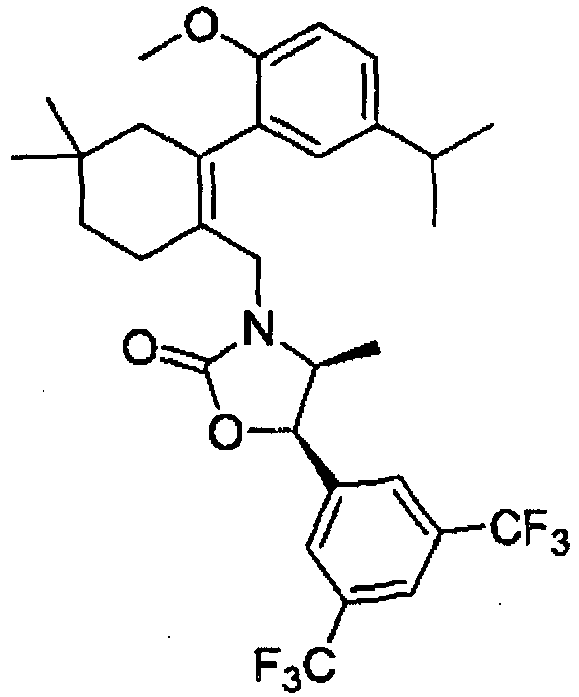
46 
47 
48 
49 
[Table 5] Compound Structure Compound Structure 50 
51 
52 
56 
57 
[Table 6] Compound Structure Compound Structure 58 
59 
60 
61 
62 
63 
[Table 7] Compound Structure Compound Structure 64 
65 
66 
67 
68 
69 
[Table 8] Compound Structure Compound Structure 70 
71 
72 
76 
79 
80 
[Table 9] Compound Structure Compound Structure 81 
82 
83 
84 
85 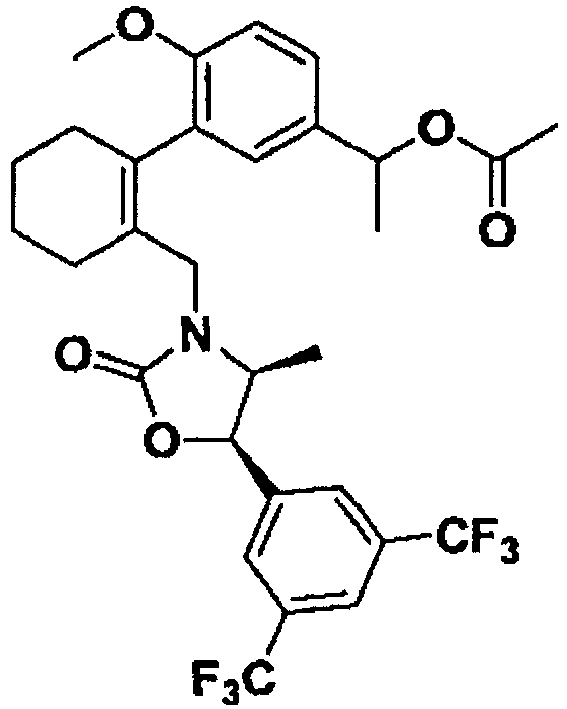
86 
[Table 10] Compound Structure Compound Structure 87 
96 
97 
101 
103 
104 
[Table 11] Compound Structure Compound Structure 107 
108 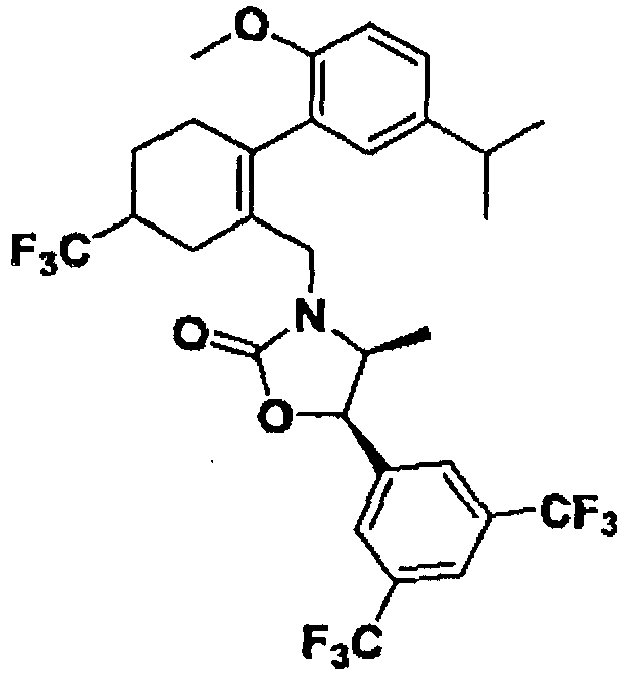
109 
110 
111 
112 
[Table 12] Compound Structure Compound Structure 113 
114 
115 
116 
117 
118 
[Table 13] Compound Structure Compound Structure 120 
121 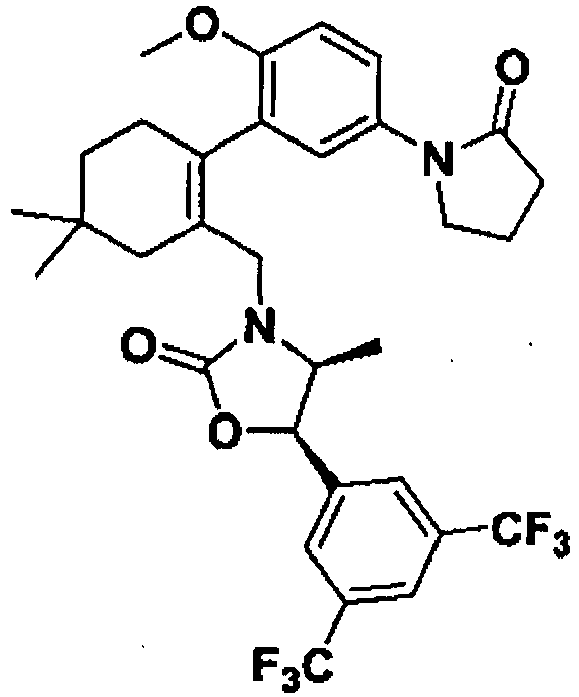
122 
123 
124 
128 
[Table 14] Compound Structure Compound Structure 130 
132 
133 
134 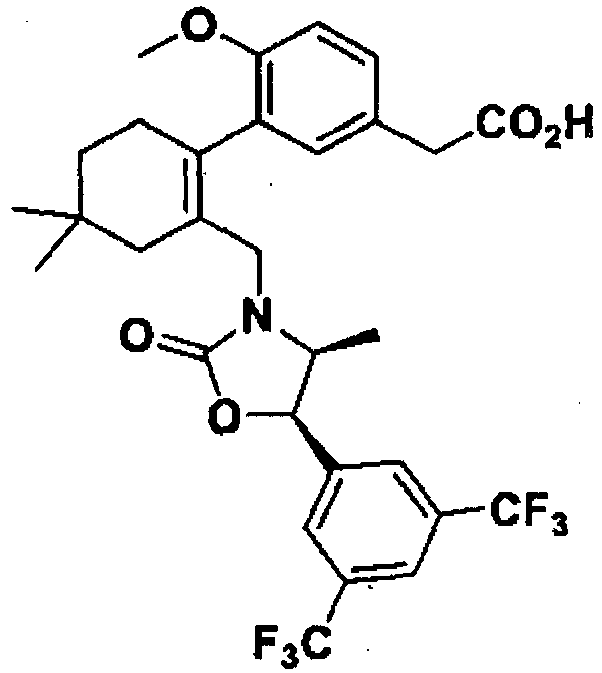
136 
137 
[Table 15] Compound Structure Compound Structure 138 
140 
141 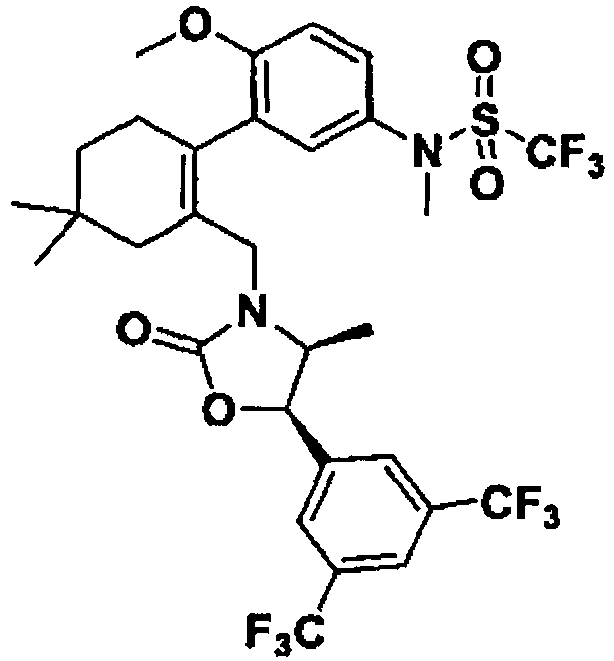
142 
143 
144 
[Table 16] Compound Structure Compound Structure 145 
146 
147 
148 
149 
151 
[Table 17] Compound Structure Compound Structure 153 
156 
157 
159 
160 
161 
[Table 18] Compound Structure Compound Structure 162 
163 
166 
167 
168 
170 
[Table 19] Compound Structure Compound Structure 171 
172 
173 
174 
177 
178 
[Table 20] Compound Structure Compound Structure 179 
180 
181 
182 
183 
184 
[Table 21] Compound Structure Compound Structure 185 
187 
188 
189 
190 
191 
[Table 22] Compound Structure Compound Structure 192 
193 
194 
195 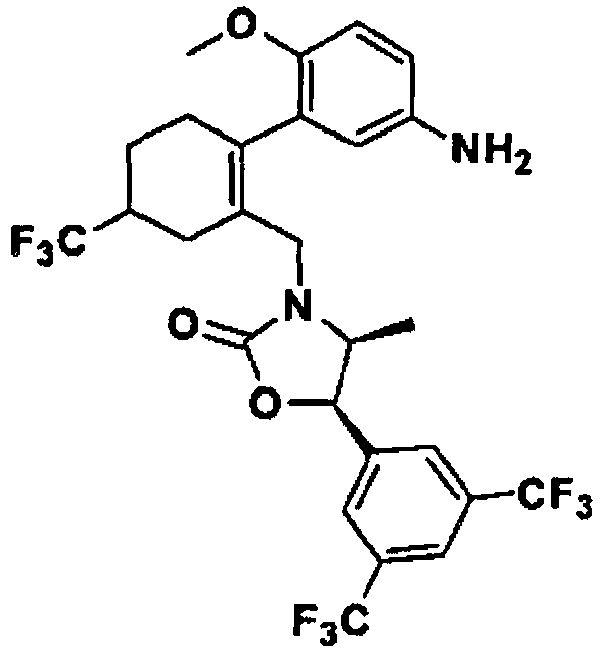
196 
197 
[Table 23] Compound Structure Compound Structure 204 
206 
207 
209 
210 
212 
[Table 24] Compound Structure Compound Structure 213 
215 
216 
217 
218 
[Table 25] Compound Structure Compound Structure 222 
223 
224 
225 
226 
227 
[Table 26] Compound Structure Compound Structure 228 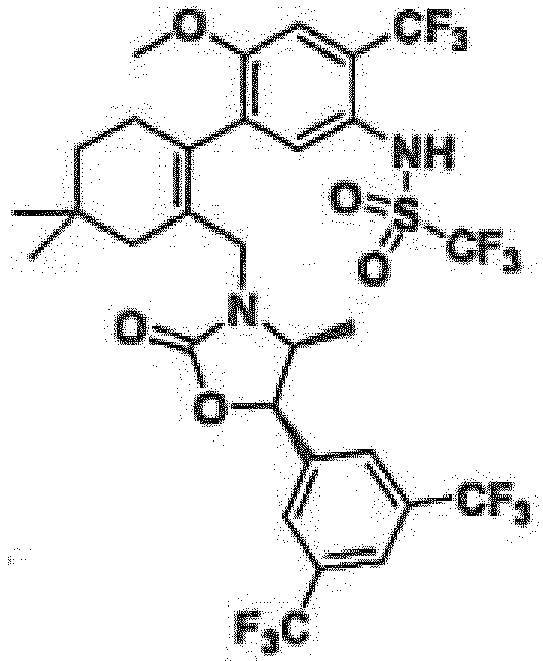
229 
230 
232 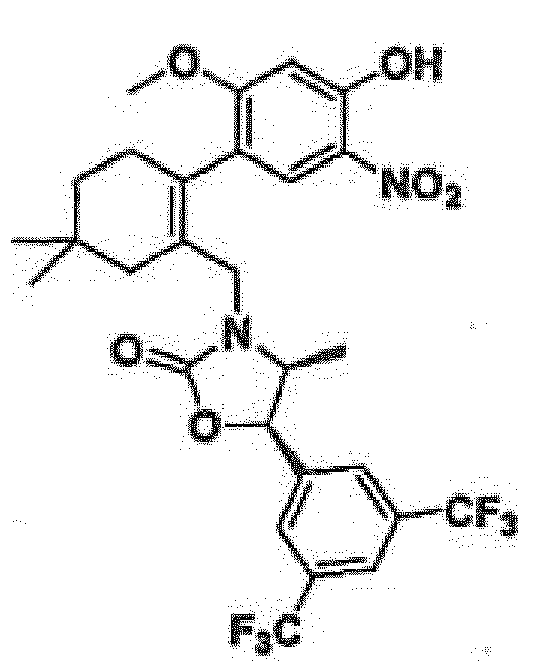
233 
[Table 27] Compound Structure Compound Structure 234 
235 
237 
240 
241 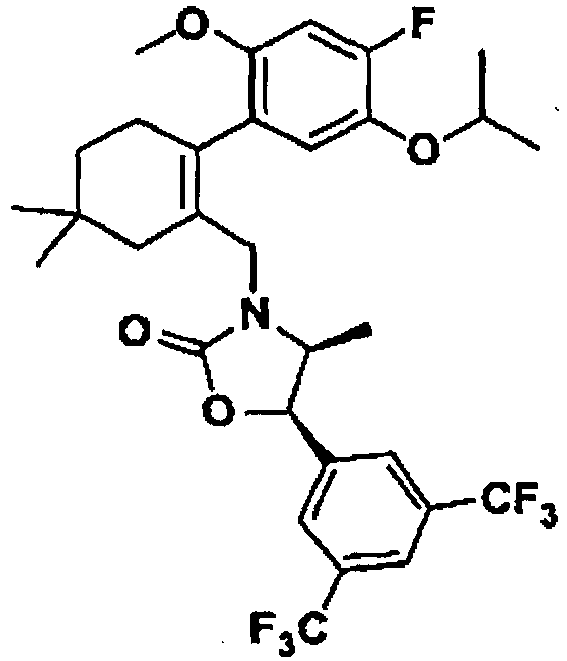
243 
[Table 28] Compound Structure Compound Structure 244 
246 
247 
248 
249 
[Table 29] Compound Structure Compound Structure 250 
251 
259 
[Table 30] Compound Structure Compound Structure 271 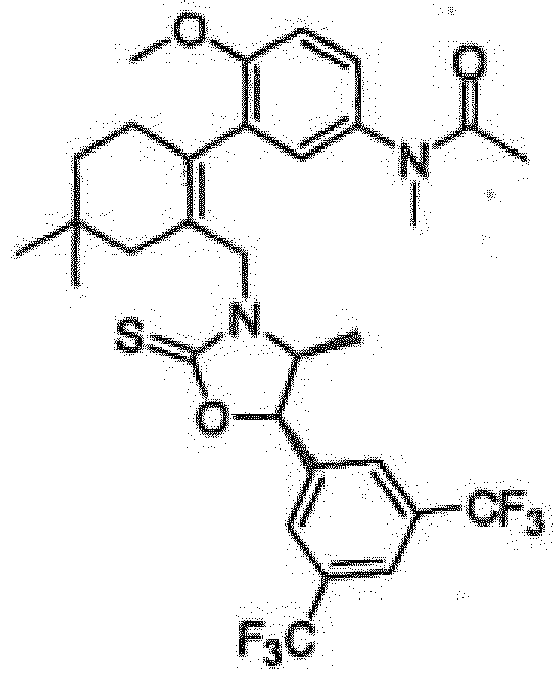
272 
[Table 31] Compound Structure Compound Structure 273 
274 
275 
276 
277 
278 
[Table 32] Compound Structure Compound Structure 280 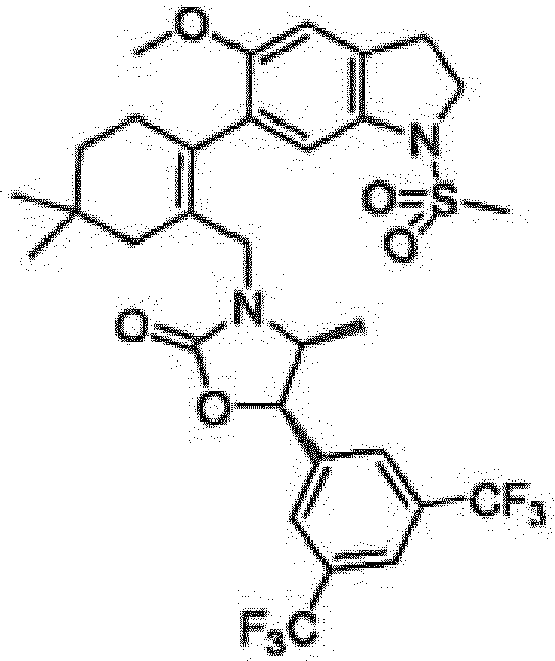
285 
[Table 33] Compound Structure Compound Structure 286 
291 
292 
293 
294 
295 
[Table 34] Compound Structure Compound Structure 296 
297 
298 
299 
300 
301 
[Table 35] Compound Structure Compound Structure 302 
303 
304 
305 
306 
307 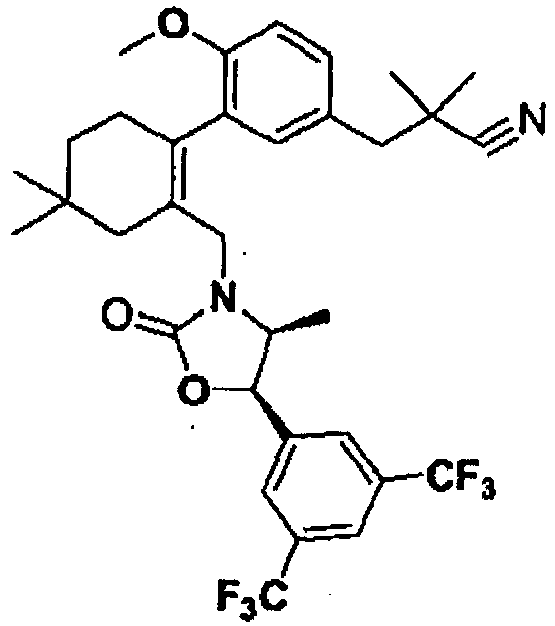
[Table 36] Compound Structure Compound Structure 308 
309 
310 
311 
312 
313 
[Table 37] Compound Structure Compound Structure 314 
315 
316 
317 
318 
319 
[Table 38] Compound Structure Compound Structure 320 
321 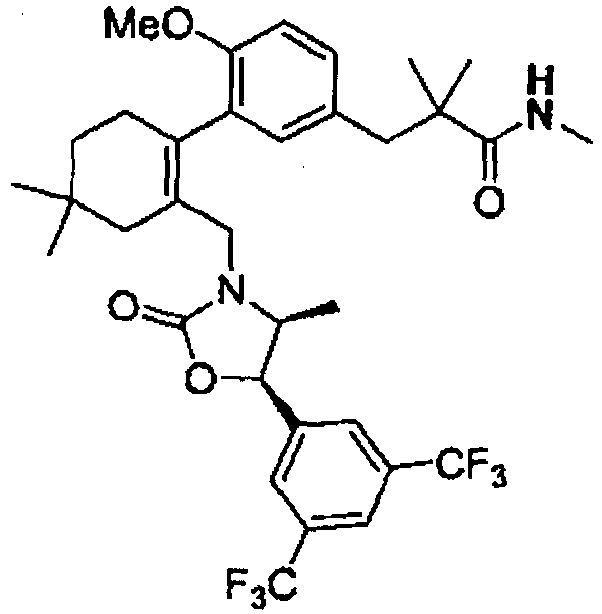
323 
324 
325 
326 
[Table 39] Compound Structure Compound Structure 327 
328 
329 
330 
331 
332 
[Table 40] Compound Structure Compound Structure 333 
334 
335 
336 
337 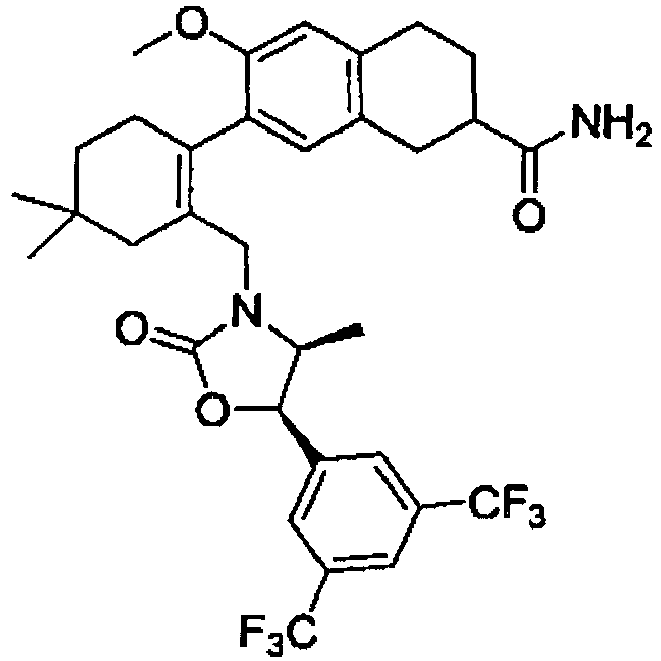
338 
[Table 41] Compound Structure Compound Structure 339 
340 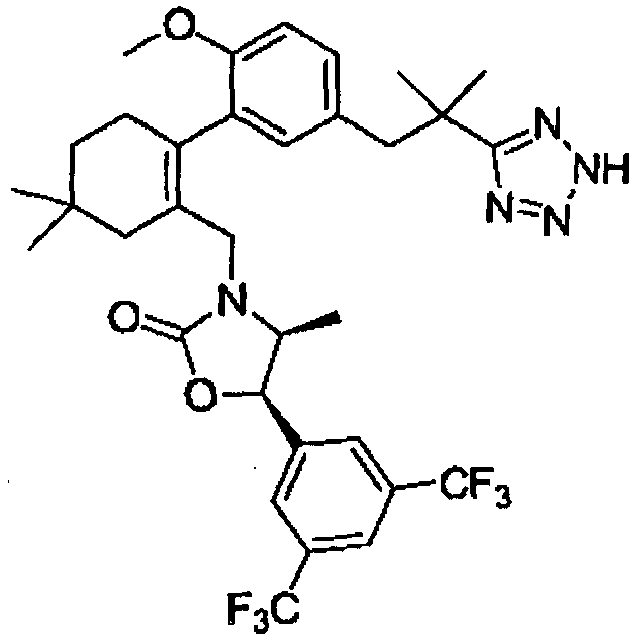
341 
342 
343 
344 
[Table 42] Compound Structure Compound Structure 345 
346 
347 
348 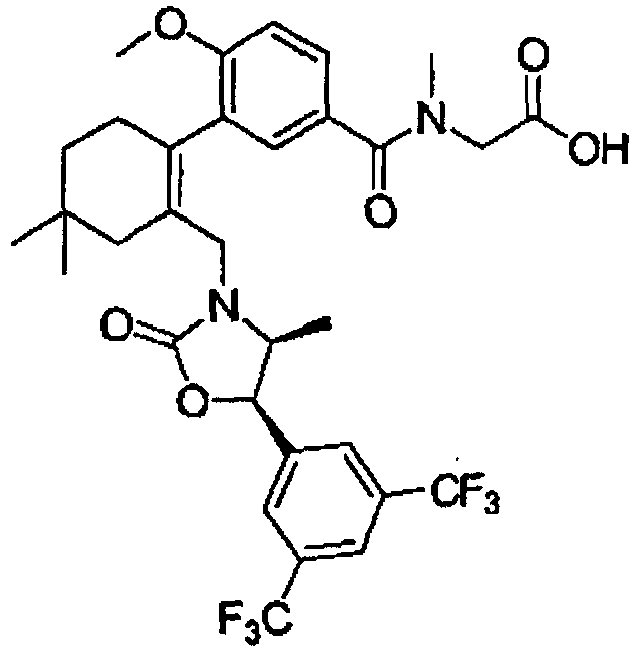
349 
350 
[Table 43] Compound Structure Compound Structure 345 
346 
347 
348 
349 
350 
[Table 44] Compound Structure Compound Structure 359 
360 
361 
362 
363 
364 
[Table 45] Compound Structure Compound Structure 366 
367 
- In order to test the effects of the compounds of formula I of the present invention on the prevention and treatment of arteriosclerosis and hyperlipidemia and the safety thereof, comparative tests were carried out using an existing material as a control.
- In order to prepare a cholesteryl ester donor to be used in the test, a radiolabeled recombinant HDL containing [3H]-cholesteryl oleate (GE healthcare, TRK886, 3.5 µCi/mg of apoA-1) and apoA-1 was synthesized. Then, rHDL-agarose obtained by immobilizing the recombinant HDL with CNBr-activated Sepharose 4B resin (Amersham Biosciences, Sweden) was used in the test.
- As a source of cholesteryl ester transfer protein, plasma from healthy humans was used, and as cholesteryl ester receptor, LDL from healthy humans was used. Each of test compounds was added to be final concentrations of 16, 80, 400, 2000 and 10000 nM and tested in duplicate. In order to test cholesteryl ester transfer, 20 µl of plasma, 50 µl of LDL (0.25 mg/ml) and 50 µl of rHDL-agarose (0.25 mg/ml) were mixed with each other, and a solution of each test compound was added thereto and reacted thereto at 37 °C. Then, the reaction solution was centrifuged at 4 °C for 3 minutes, thereby the reaction was stopped, 150 µl of the supernatant was transferred into a 96-well plate for radioactivity measurement, and the radioactivity thereof was measured with a beta-ray detector.
- The ratio of [1H]-cholesteryl oleate transferred from HDL to LDL was determined, and based on the determined ratio, the IC50 value of each compound was determined using GraphPad Prism 5.0. The results are shown in Table 46 below.
Table 46. Results of cholesteryl ester transfer test Compound IC50 (µM) Compound IC50 (µM) 15 0.60 196 0.49 17 0.51 209 0.01 18 1.36 210 0.008 19 0.002 212 0.08 25 0.20 215 0.02 26 0.92 222 0.04 27 0.24 223 0.1 28 0.39 227 0.14 36 1.09 44 0.43 234 0.02 48 0.005 237 0.009 79 0.89 241 0.39 80 0.10 243 0.009 82 0.08 244 0.02 86 0.11 97 0.02 249 0.001 101 0.07 251 0.69 103 0.03 104 0.18 107 0.004 108 0.02 272 0.222 109 0.02 273 0.217 110 0.23 274 0.014 112 0.008 285 0.033 115 0.01 286 0.012 117 0.08 300 0.001 123 0.02 302 0.006 124 0.02 303 0.005 128 0.06 308 0.007 130 0.02 313 0.020 132 0.05 316 0.030 137 0.08 317 0.054 181 0.05 321 0.104 182 0.05 323 0.058 184 0.02 324 0.097 185 0.18 329 0.009 188 0.12 338 0.035 189 0.02 340 0.008 190 0.01 341 0.013 191 0.09 350 0.051 192 0.06 353 0.030 193 0.04 366 0.006 194 0.1 367 0.083 195 0.84 - As test animals, 8-week-old male golden syrian hamsters were purchased and used in the experimental. The animal facility was kept at constant temperature and constant humidity with a 12-hr dark/12-hr light cycle, and the animals were allowed to access food and water ad libitum.
- The test animals were used in the test after an acclimation of 1 week. The test animals were divided according to body weight into several groups, each consisting of 5-8 animals. 3 mg/kg of each test compound (CETP inhibitor) was administered orally to the animals. Each test compounds was suspended in a solvent vehicle that is a solution of 5% ethanol, 10% solutol and 85% deionized water (DW), to be used. Each of test compounds suspended in a solvent vehicle was administered orally to the mice for 5 days. To the control group, a solvent vehicle itself was administered. And then, after 4 hours from the last administration, blood was collected through the cardiac puncture. The collected blood was centrifuged at 3000 rpm for 15 minutes, and the concentration of HDL-cholesterol (Biosystem) in the separated serum was measured using a biochemical analyzer (ILab 300 plus, Instrumentation Laboratory).
- All the results were expressed as mean ± SEM, and each test group and the control group were compared using one-way ANOVA test (Dunnett's test, p <0. 001) in order to determine the effect of each test group. The results are shown in Table 47 below.
Table 47. Results of measurement of increase in blood HDL-c levels in hamsters Compound HDL-c Increase (%) Compound HDL-c Increase (%) 019 35 112 43 025 33 113 17 036 11 115 29 048 41 132 33 073 17 205 8 093 17 106 17 097 22 274 21 099 16 286 42 108 23 287 22 102 25 289 53 106 26 302 38
Claims (8)
- Cycloalkenyl aryl derivatives of the following formule 1, racemates, racemic mixtures, enantiomers, diasteromeric mixtures, diasteromers, atropisomers and mixtures of atropisomers thereof, pharmaceutically acceptable salts thereof, hydrates thereof or solvates thereof:
 B1 and B2 are each independently N or C, with the proviso that both B1 and B2 cannot be N at the same time, and if one of B1 and B2 is N, R2 or R5 is absent;R1 and R2 are each independently H, -F, -OH, -NH2, -C(=O)H, -CH2OH, -OC1-C6alkyl, -SC1-C6alkyl, -CH2OC1-C6alkyl, -NH(C1-C6alkyl), -NH(C=O)(C1-C6alkyl), -N(C1-C6alkyl)2, or
 R3 is -H, -F, -OH, -C1-C6alkyl, or -OC1-C6alkyl;R4 is -H, halogen, -CN, -NO2, -C1-C6alkyl, -C2-C6alkenyl, -C1-C6cycloalkyl,




 Ar or H et;R3 and R4 together with the carbon atoms to which they are bonded may form a 5- or 6-membered cycloalkyl or heterocyclic ring compound having 0 to 3 hetero atoms selected independently from the group consisting of N, O, S, and C(=O), wherein the cycloalkyl or heterocyclic ring compound may optionally be substituted with R8;Ar is a C6 monocyclic aromatic compound, which is unsubstituted or optionally substituted with one or more selected from the group consisting of halogen, -OH, -NH2, -C1-C6alkyl and -OC1-C6alkyl;Het is a 5- or 6-membered heterocyclic ring compound containing 0 to 2 double bonds and having 1 to 4 hetero atoms selected independently from the group consisting of N, O, S, C(=O) and C(=S), and may be unsubstituted or may optionally be substituted with R8;R5 is -H, -F, -OH, -CF3, -C1-C6alkyl, or -OC1-C6alkyl;R6 is -H or -C1-C6alkyl;R7 is -H, halogen, -C(=O)(C1-C3alkyl), -C1-C6alkyl, -OC1-C6alkyl, -C3-C6cycloalkyl, or -OC(=O)(C1-C3alkyl);R8 is -H, halogen, -OH, -CN, -NH2, -NH(C1-C3alkyl), -C(=O)NH2, -CO2H,

 R9 is -H, -CN, -C1-C6alkyl, -OC1-C6alkyl, or -C(=O)(C1-C3alkyl);R10 is -NH(C1-C3alkyl), -N(C1-C3alkyl)2, or -S(C1-C3alkyl);Z is -CH2-,
 Ra is -H, -Cl or -CF3;p is an integer ranging from 0 to 2;A1 and A2 are each independently -(CR11R12)-, wherein R11 and R12 are each independently-H, -F, or -C1-C6alkyl, or R11 and R12 together form a 3- or 4-membered spirocyclic non-aromatic ring compound;A3 is -(CH2)n-;X is S or O;m is an integer ranging from 0 to 3;n is an integer ranging from 0 to 2;q is an integer ranging from 1 to 3;wherein said -C1-C3alkyl, -C3-C6cycloalkyl-C1-C6alkyl or -C2-C6alkenyl is unsubstituted or substituted with one or more selected from the group consisting of halogen, -OH, -CF3, -CN, -CO2H, -C(=O)CH3, -OC(=O)CH3, -C1-C3alkyl, -OC1-C3alkyl, and -Ph.
 - The cycloalkenyl aryl derivatives of claim 1, racemates, racemic mixtures, enantiomers, diasteromeric mixtures, diasteromers, atropisomers and mixtures of atropisomers thereof, pharmaceutically acceptable salts thereof, hydrates thereof, or solvates thereof,
wherein
B1 and B2 are each independently N or C, with the proviso that both B1 and B2 cannot be N at the same time, and if any one of B1 and B2 is N, R2 or R5 is absent;
R1 is -F, -OH, -NH2, -C(=O)H, -CH2OH, -OCH3, -OCF3, -SCH3, -CH2OCH3, -NHCH3,
 R2 is -H;R1 and R2 together with the carbon atoms to which they are bonded may form a 5- or 6-membered heterocyclic aromatic or non-aromatic ring compound having 1 to 3 hetero atoms selected independently from the group consisting of N, O, S, and C(=O), wherein the heterocyclic aromatic or non-aromatic ring compound may optionally be substituted with R8; R3 is -H, -F, -OH, -CH3, -CF3, -CH2CH3, or -OCH3;R4 is -H, -F, -Cl, -CN, -NO2, -CH3, -CH2CH3, -CH(CH3)2, -C(CH3)3, -CF3, -CH(CF3)2, -CH(CH3)(CF3), -C(OCH3)(CF3)2, -CH(OH)CH3, -C(OH)(CH3)2, -C(OH)(CF3)2, -C(=CF2)CF3, -cyclopropyl,


 Ar or Het;R3 and R4 together with the carbon atoms to which they are bonded may form a 5- or 6-membered cycloalkyl or heterocyclic ring compound having 0 to 3 hetero atoms selected independently from the group consisting of N, O, S, and C(=O), wherein the cycloalkyl or heterocyclic ring compound may optionally be substituted with R8;Ar is a C6 monocyclic aromatic compound, which is unsubstituted or optionally substituted with one or more selected from the group consisting of-F, -Cl, -OH, -NH2, -CH3 and -OCH3;Het is selected from


 R5 is -H;R6 is -H or -CH3;R7 is -H, halogen, -C(=O)(C1-C3alkyl), -C1-C6alkyl, -OC1-C4alkyl, -C3-C6cycloalkyl, or -OC(=O)(C1-C3alkyl);R8 is -H, halogen, -OH, -CN, -NH2, -NH(C1-C3alkyl), -C(=O)NH2, -CO2H,

 R9 is -H, -CN, -C1-C6alkyl, -OC1-C6alkyl, or -C(=O)(C1-C3alkyl);R10 is -NH(C1-C3 alkyl), -N(C1-C3alkyl)2, or -S(C1-C3alkyl);Z is -CH2-,
 Ra is -H, -Cl or -CF3;p is 2;A1 is -CH2- or -C(CH3)2-;A2 is -(CR11R12)-, wherein R11 and R12 are each independently -H, -F, -CH3, -CF3,-CH2CH3, -CH(CH3)2, or -C(CH3)3, or R11 and R12 together form a 3- or 4-membered spirocyclic non-aromatic ring compound;A3 is -(CH2)n-;X is S or O;m is an integer ranging from 0 to 3;n is an integer ranging from 0 to 2;q is an integer ranging from 1 to 3;wherein said -C1-C3alkyl, -C3-C6cycloalkyl, -C1-C6alkyl or -C2-C6alkenyl is unsubstituted or substituted with one or more selected from the group consisting of -F, -Cl, -Br, -OH, -CF3, -CN, -CO2H, -C(=O)CH3, -OC(=O)CH3, -C1-C3alkyl, -OC1-C3alkyl, and -Ph.
 - The cycloalkenyl aryl derivatives, racemates, racemic mixtures, enantiomers, diasteromeric mixtures, diasteromers, atropisomers and mixtures of atropisomers thereof, pharmaeeutically acceptable salts thereof, hydrates thereof or solvates thereof according to claim 1, wherein the cycloalkenyl aryl derivatives are selected from the group consisting of the following compounds:(4S,SR)-5-(3,5-bis(trifluoromethyl)phenyl)-3-((2-(5-isopropyl-2-methoxyphenyl)-5,5-dimethylcyclohex-1-enyl)methyl)-4-methyloxazolidine-2-thione;(4S,5R)-5-(3,5-bis(trifluoromethyl)phenyl)-3-((2-(2-methoxyphenyl)-5,5-dimethylcyclohex-1-enyl)methyl)-4-methyloxazolidine-2-thione;(4S,5R)-5-(3,5-bis(trifluoromethyl)phenyl)-3-((2-(4-fluoro-5-isopropyl-2-methoxyphenyl)-5,5-dimethylcyclohex-1-enyl)methyl)-4-methyloxazolidine-2-thione;(4S,5R)-5-(3,5-bis(trifluoromethyl)phenyl)-3-((2-(2-methoxyphenyl)-5,5-dimethy]cyclohex-1-enyl)methyl)-4-methyloxazolidin-2-one;(4S,5R)-5-(3,5-bis(trifluoromethyl)phenyl)-3-((2-(4-fluoro-5-isopropyl-2-methoxyphenyl)-5,5-dimethylcyclohex-1-enyl)methyl)-4-methyloxazolidin-2-one;(4S,5R)-5-(3,5-bis(trifluoromethyl)phenyl)-3-((2-(4-fluoro-5-isopropyl-2-methoxyphenyl)-5-methylcyclohex-1-enyl)methyl)-4-methyloxazolidin-2-one;(4S,5R)-5-(3,5-bis(trifluoromethyl)phenyl)-3-((2-(4-fluoro-5-isopropyl-2-methoxyphenyl)-5-methylcyclohex-1-enyl)methyl)-4-methyloxazolidine-2-thione;(4S,5R)-5-(3,5-bis(trifluoromethyl)phenyl)-3-((2-(4-fluoro-5-isopropyl-2-methoxyphenyl)cyclohex-1-enyl)methyl)-4-methyloxazolidin-2-one;(4S,5R)-5-(3,5-bis(trifluoromethyl)phenyl)-3-((2-(4-fluoro-5-isopropyl-2-methoxyphenyl)cyclohex-1-enyl)methyl)-4-methyloxazolidine-2-thione;(4S,5R,Z)-5-(3,5-bis(trifluoromethyl)phenyl)-3-((2-(4-fluoro-5-isopropyl-2-methoxyphenyl)cyelohept-1-enyl)methyl)-4-methyloxazolidin-2-one;(4S,5R)-5-(3,5-bis(trifluoromethyl)phenyl)-3-((2-(4-fluoro-5-isopropyl-2-methoxyphenyl)cyclopent-1-enyl)methyl)-4-methyloxazolidin-2-one;(4S,5R)-5-(3,5-bis(trifluoromethyl)phenyl)-3-((2-(5-isopropyl-2-methoxyphenyl)cyclopent-1-enyl)methyl)-4-methyloxazolidin-2-one;3-(2-(((4S,5R)-5-(3,5-bis(trifluoromethyl)phenyl)-4-methyl-2-oxooxazolidin-3-yl)methyl)cyclohex-1-enyl)-4-methoxybenzoic acid;methyl 3-(2-(((4S,5R)-5-(3,5-bis(trifluoromethyl)phenyl)-4-methyl-2-oxooxazolidin-3-yl)methyl)cyclohex-1-enyl)-4-methoxybenzoate;3-(2-(((4S,5R)-5-(3,5-bis(trifluoromethyl)phenyl)-4-methyl-2-oxooxazolidin-3-yl)methyl)-4,4-dimethylcyclohex-1-enyl)-4-methoxybenzoic acid;methyl 3-{2-(((4S,5R)-5-(3,5-bis(trifluoroniethyl)phenyl)-4-methyl-2-oxooxazolidin-3-yl)methyl)-4,4-dimethylcyclohex-1-enyl)-4-methoxybenzoate;(4S,5R,Z)-5-(3,5-bis(trifluoromethyl)phenyl)-3-((2-(5-isopropyl-2-methoxyphenyl)cyclohept-1-enyl)methyl)-4-methyloxazolidin-2-one;(4S,5R)-5-(3,5-bis(trifluoromethyl)phenyl)-3-((5-ethyl-2-(4-fluoro-5-isopropyl-2-methoxyphenyl)cyclohex-1-enyl)methyl)-4-methyloxazolidin-2-one;(4S,5R)-5-(3,5-bis(trifluoromethyl)phenyl)-3-((2-(5-isopropyl-2-methoxyphenyl)-4,4-dimethylcyclohex-1-enyl)methyl)-4-methyloxazolidin-2-one;(4S,5R)-5-(3,5-bis(trifluoromethyl)phenyl)-3-((2-(5-(hydroxymethyl)-2-methoxyphenyl)cyclohex-1-enyl)methyl)-4-methyloxazolidin-2-one;(4S,5R)-5-(3,5-bis(trifluoromethyl)phenyl)-3-((2-(2-methoxy-5-(methoxymethyl)phenyl)cyclohex-1-enyl)methyl)-4-methyloxazolidin-2-one;(4S,5R)-5-(3,5-bis(trifluoromethyl)phenyl)-3-((2-(4-fluoro-5-isopropyl-2-methoxyphenyl)-5-(trifluoromethyl)cyclohex-1-enyl)methyl)-4-methyloxazolidin-2-one;(4S,5R)-5-(3,5-bis(trifluoromethyl)phenyl)-3-((2-(3'-chloro-4,6'-dimethoxybiphenyl-3-yl)cyclohex-1-enyl)methyl)-4-methyloxazolidin-2-one;(4S,5R)-5-(3,5-bis(trifluoromethyl)phenyl)-3-((2-(5-chloro-2-methoxyphenyl)cyclohex-1-enyl)methyl)-4-methyloxazotidin-2-one;(4S,5R)-3-((2-(1H-indol-4-yl)-5,5-dimethylcyclohex-1-enyl)methyl)-5-(3,5-bis(trifluoromethyl)phenyl)-4-methyloxazolidin-2-one;(4S,5R)-5-(3,5-bis(trifluoromethyl)phenyl)-3-((2-(2-methoxy-5-nitrophenyl)-5,5-dimethylcyclohex-1-enyl)methyl)-4-methyloxazolidin-2-one;(4S,5R)-5-(3,5-bis(trifluoromethyl)phenyl)-3-((2-(5-(dimethylamino)-2-methoxyphenyl)-5,5-dimethylcyclohex-1-enyl)methyl)-4-methyloxazolidin-2-one;2-(2-(((4S,5R)-5-(3,5-bis(trifluoromethyl)phenyl)-4-methyl-2-oxooxazolidin-3-yl)methyl)cyclohex-1-enyl)-5-methoxybenzaldehyde;(4S,5R)-5-(3,5-bis(trifluoromethyl)phenyl)-3-((2-(2-(hydroxymethyl)-4-methoxyphenyl)cyclohex-1-enyl)methyl)-4-methyloxazolidin-2-one;(4S,5R)-5-(3,5-bis(trifluoromethyl)phenyl)-3-((2-(4-methoxy-2-(methoxymethyl)phenyl)cyclohex-1-enyl)methyl)-4-methyloxazolidin-2-one;(4S,5R)-5-(3,5-bis(trifluoromethyl)phenyl)-4-methyl-3-((2-(quinolin-8-yl)cyclohex-1-enyl)methyl)oxazolidin-2-one;(4S,5R)-5-(3,5-bis(trifluoromethyl)phenyl)-4-methyl-3-((2-(1-methyl-1H-indazol-4-yl)cyclohex-1-enyl)methyl)oxazolidin-2-one;(4S,5R)-5-(3,5-bis(triflttoromethyl)phenyl)-3-((2-(5-(3-isopropyl-1,2,4-oxadiazol-5-yl)-2-methoxyphenyl)cyclohex-1-enyl)methyl)-4-methyloxazolidin-2-one;(4S,5R)-5-(3,5-bis(trifluoromethyl)phenyl)-3-((2-(4-fluoro-2-hydroxy-5-isopropylphenyl)-5,5-dimethylcyclohex-1-enyl)methyl)-4-methyloxazolidin-2-one;(4S,5R)-5-(3,5-bis(trifluoromethyl)phenyl)-3-((2-(4-fluoro-2-hydroxy-5-isopropylphenyl)-5-methylcyclohex-1-enyl)methyl)-4-methyloxazolidin-2-one;(4S,5R)-5-(3,5-bis(trifluoromethyl)phenyk)-3-((2-(4-fluoro-2-hydroxy-5-isopropylphenyl)-5-(trifluoromethyl)cyclohex-1-enyl)methyl)-4-methyloxazolidin-2-one;(4S,5R)-5-(3,5-bis(trifluoromethyl)phenyl)-3-((2-(2-methoxy-5-morpholinophenyl)cyclohex-1-enyl)methyl)-4-methyloxazolidin-2-one;3-(2-(((4S,5R)-5-(3,5-bis(trifluoromethyl)phenyl)-4-methyl-2-oxooxazolidin-3-yl)methyl)cyclohex-1-enyl)-4-methoxy-N-methylbenzamide;3-(2-(((4S,5R)-5-(3,5-bis(trifluoromethyl)phenyl)-4-methyl-2-oxooxazolidin-3-yl)methyl)cyclohex-1-enyl)-N-ethyl-4-methoxybenzamide;3-(2-(((4S,5R)-5-(3,5-bis(trifluoromethyl)phenyl)-4-methyl-2-oxooxazolidin-3-yl)methyl)cyclohex-1-enyl)-4-methoxy-N-(2,2,2-trifluoroethyl)benzamide;3-(2-(((4S,5R)-5-(3,5-bis(trifluoromethyl)phenyl)-4-methyl-2-oxooxazolidin-3-yl)methyl)cyclohex-1-enyl)-N-isopropyl-4-methoxybenzamide;N-(3-(2-(((4S,5R)-5-(3,5-bis(trifluoromethyl)phenyl)-4-methyl-2-oxooxazolidin-3-yl)methyl)cyclohex-1-enyl)-4-methoxyphenyl)acetamide;N-(3-(2-(((4S,5R)-5-(3,5-bis(trifluoromethyl)phenyl)-4-methyl-2-oxooxazolidin-3-yl)methyl)cyclohex-1-enyl)-4-metboxyphenyl)isobutyramide;(4S,5R)-5-(3,5-bis(trifluoromethyl)phenyl)-3-((2-(5-(3-cyclopropyl-1,2,4-oxadiazol-5-yl)-2-methoxyphenyl)cyclohex-1-enyl)methyl)-4-methyloxazolidin-2-one;3-(2-(((4S,5R)-5-(3,5-bis(trifluoromethyl)phenyl)-4-methyl-2-oxooxazolidin-3-yl)methyl)cyclobex-1-enyl)-4-methoxybenzaldehyde;(4S,5R)-5-(3,5-bis(trifluoromethyl)phenyl)-3-((2-(5-(1-hydroxyethyl)-2-methoxyphenyl)cyclohex-1-enyl)methyl)-4-methyloxazolidin-2-one;(4S,5R)-3-((2-(5-acetyl-2-methoxyphenyl)cyclohex-1-enyl)methyl)-5-(3,5-bis(trifluoromethyl)phenyl)-4-methyloxazolidin-2-one;(4S,5R)-5-(3,5-bis(trifluoromethyl)phenyl)-3-((2-(5-(2-hydroxypropan-2-yl)-2-methoxyphenyl)cyclohex-1-enyl)methyl)-4-methyloxazolidin-2-one;(4S,5R)-5-(3,5-bis(trifluoromethyl)phenyl)-4-methyl-3-((2-(2-(trifluoromethoxy)phenyl)cyclohex-1-enyl)methyl)oxazolidin-2-one;(4S,5R)-5-(3,5-bis(trifluoromethyl)phenyl)-3-((2-(2-fluoro-5-(trifluoromethyl)phenyl)cyclohex-1-enyl)methyl)-4-methyloxazolidin-2-one;1-(3-(2-(((4S,5R)-5-(3,5-bis(trifluoromethyl)phenyl)-4-methyl-2-oxooxazolidin-3-yl)methyl)cyclohex-1-enyl)-4-methoxyphenyl)ethyl acetate,N-(3-(2-(((4S,5R)-5-(3,5-bis(trifluoromethyl)phenyl)-4-methyl-2-oxooxazolidin-3-yl)methyl)cyclohex-1-enyl)-4-methoxyphenyl)-N-methylisobutyramide;3-(2-(((4S,5R)-S-(3,5-bis(trifluoromethyl)phenyl)-4-methyl-2-oxooxazolidin-3-y])methyl)cyelohex-1-enyl)-N-isopropyl-4-methoxy-N-methylbenzamide;(4S,5R)-5-(3,5-bis(trifluoromethyl)phenyl)-3-((2-(2-methoxy-5-(trifluoromethyl)phenyl)-5-methylcyclohex-1-enyl)methyl)-4-methyloxazolidin-2-one;(4S,5R)-5-(3,5-bis(trifluoromethyl)phenyl)-3-((2-(2-methoxy-5-(trifluoromethyl)phenyl)-5,5-dimethylcyclohex-1-enyl)methyl)-4-methyloxazolidin-2-one;(4S,5R)-5-(3,5-bis(trifluoromethyl)phenyl)-3-((5-tert-butyl-2-(4-fluoro-5-isopropyl-2-methoxyphenyl)cyclohex-1-enyl)methyl)-4-methyloxazolidin-2-one;(4S,5R)-5-(3,5-bis(trifluoromethyl)phenyl)-3-((2-(5-(1-hydroxyethyl)-2-methoxyphenyl)-5,5-dimethylcyclohex-1-enyl)methyl)-4-methyloxazolidin-2-one;(4S,5R)-5-(3,5-bis(trifluoromethyl)phenyl)-3-((2-(5-(2-hydroxypropan-2-yl)-2-methoxyphenyl)-5,5-dimethylcyclohex-1-enyl)methyl)-4-methyloxazolidin-2-one;(4S,5R)-5-(3,5-bis(trifluoromethyl)phenyl)-3-((2-(5-isopropyl-2-methoxyphenyl)-5,5-dimethylcyclohex-1-enyl)methyl)-4-methyloxazolidin-2-one;(4S,5R)-5-(3,5-bis(trifluoromethyl)phenyl)-3-((2-(5-isopropyl-2-methoxyphenyl)-5-(trifluoromethyl)cydohex-1-enyl)methyl)-4-methyloxazolidin-2-one;(48,5R)-5-(3,5-bis(trifluoromethyl)phenyl)-3-((2-(4-fluoro-5-isopropyl-2-methoxyphenyl)-4,4-dimethylcyclohex-1-enyl)methyl)-4-methyloxazolidin-2-one;N-(3-(2-(((4S,5R)-5-(3,5-bis(trifluoromethyl)phenyl)-4-methyl-2-oxooxazolidin-3-yl)methyl)-4,4-dimethylcyclohex-1-enyl)-4-methoxyphenyl)acetamide;N-(3-(2-(((4S,5R)-5-(3,5-bis(trifluoromethyl)phenyl)-4-methyl-2-oxooxazolidin-3-yl)methyl)-4,4-dimethylcyclohex-1-enyl)-4-methoxyphenyl)isobutyramide;N-(3-(2-(((4S,5R)-5-(3,5-bis(trifluoromethyl)phenyl)-4-methyl-2-oxooxazolidin-3-yl)methyl)-4,4-dimethylcyclohex-1-enyl)-4-methoxyphenyl)-N-methylacetamide;N-(3-(2-(((4S,5R)-5-(3,5-bis(trifluoromethyl)phenyl)-4-methyl-2-oxooxazolidin-3-yl)methyl)-4,4-dimethyleyclohex-1-enyl)-4-methoxyphenyl)-N-methylisobutyramide (4S,5R)-5-(3,5-bis(trifluoromethyl)phenyl)-3-((2-(2-(methoxymethyl)-4-(tritluoromethyl)phenyl)-5,5-dimethylcyclohex-1-enyl)methyl)-4-methyloxazolidin-2-one;(4S,5R)-5-(3,5-bis(trifluoromethyl)phenyl)-3-((2-(5-tert-butyl-2-methoxyphenyl)-5,5-dimethylcyclohex-1-enyl)methyl)-4-methyloxazolidin-2-one;N-(3-(2-(((4S,5R)-5-(3,5-bis(trifluoromethyl)phenyl)-4-methyl-2-oxooxazolidin-3-yl)methyl)-4,4-dnnethylcyclohex-1-enyl)-4-methoxybenzyl)-N-(2,2,2-trifluoroethyl)acetamide;(4S,5R)-5-(3,5-bis(trifluoromethyl)phenyl)-3-((2-(2-methoxy-5-(trifluoromethoxy)phenyl)-5,5-dimethylcyclohex-1-enyl)methyl)-4-methyloxazolidin-2-one;N-acetyl-N-(3-(2-(((4S,5R)-5-(3,5-bis(trifluoromethyl)phenyl)-4-methyl-2-oxooxazolidin-3-yl)methyl)-4,4-dimethylcyclohex-1-enyl)-4-methoxyphenyl)acetamide;N-(3-(2-(((4S,5R)-5-(3,5-bis(trifluoromethyl)phenyl)-4-methyl-2-oxooxazolidin-3-yl)methyl)-4,4-dimethylcyclohex-1-enyl)-4-methoxyphenyl)-2,2,2-trifluoro-N-methylacetamide;(4S,5R)-5-(3,5-bis(trifluoroinethyl)phenyl)-3-((2-(2-methoxy-5-(2-oxopyrrolidin-1-yl)phenyl)-5,5-dimethylcyclohex-1-enyl)methyl)-4-methyloxazolidin-2-one;(4S,5R)-5-(3,5-bis(trifluoromethyl)phenyl)-3-((2-(2-methoxy-5-(2-oxopiperidin-1-yl)phenyl)-5,5-dimethylcyclohex-1-enyl)methyl)-4-methyloxazolidin-2-one;(48,5R)-5-(3,5-bis(trifluoromethyl)phenyl)-3-((5,5-difluoro-2-(4-fluoro-5-isopropyl-2-methoxyphenyl)cyclohex-1-enyl)methyl)-4-methyloxazolidin-2-one;methyl 3-(2-(((4S,5R)-5-(3,5-bis(trifluoromethyl)phenyl)-4-methyl-2-oxooxazolidin-3-yl)methyl)-4,4-dimethylcyclohex-1-enyl)-4-methoxyphenyl(methyl)carbamate;N-(3-(2-(((4S,5R)-5-(3,5-bis(trifluoromethyl)phenyl)-4-methyl-2-oxooxazolidin-3-yl)methyl)-4,4-dimethylcyclohex-1-enyl)-4-methoxyphenyl)-N-methylmethanesulfonamide;N-(3-(2-(((4S,5R)-5-(3,5-bis(trifluoromethyl)phenyl)-4-methyl-2-oxooxazolidin-3-yl)methyl)-4,4-dimethylcyclohex-1-enyl)-4-methoxyphenyl)-3,3,3-trifluoro-N-methylpropanamide;(4S,5R)-5-(3,5-bis(trifluoromethyl)phenyl)-3-((2-(4-fluoro-2-methoxy-5-(1,1,1-trifluoropropan-2-yl)phenyl)-5,5-dimethylcyclohex-1-enyl)methyl)-4-methyloxazolidin-2-one;methyl2-(3-(2-(((4S,5R)-5-(3,5-bis(trifluoromethyl)phenyl)-4-methyl-2-oxooxazolidin-3-yl)methyl)-4,4-dimethylcyclohex-1-enyl)-4-methoxyphenyl)acetate;2-(3-(2-(((4S,5R)-5-(3,5-bis(trifluoromethyl)phenyl)-4-methyl-2-oxooxazolidin-3-yl)methyl)-4,4-dimethylcyclohex-1-enyl)-4-methoxyphenyl)acetic acid;N-(3-(2-(((4S,5R)-5-(3,S-bis(trifluoromethyl)phenyl)-4-methyl-2-oxooxazolidin-3-yl)methyl)-4,4-dimethylcyclohex-1-enyl)-4-methoxyphenyl)cyclopropanesulfonamide;N-(3-(2-(((4S,5R)-5-(3,5-bis(trifluoromethyl)phenyl)-4-methyl-2-oxooxazolidin-3-yl)methyl)-4,4-dimethylcyclohex-1-enyl)-4-methoxyphenyl)trifluoromethanesulfonamide;N-(3-(2-(((4S,5R)-5-(3,5-bis(trifluoromethyl)phenyl)-4-methyl-2-oxooxazolidin-3-yl)methyl)-4,4-dimethylcyclohex-1-enyl)-4-methoxyphenyl)-N-methylcyclopropanesulfonamide;1-(3-(2-(((4S,5R)-5-(3,5-bis(trifluoromethyl)phenyl)-4-methyl-2-oxooxazolidin-3-yl)methyl)-4,4-dimethylcyclohex-1-enyl)-4-methoxyphenyl)-3-methylthiourea;N-(3-(2-(((4S,5R)-5-(3,5-bis(trifluoromethyl)phenyl)-4-methyl-2-oxooxazolidin-3-yl)methyl)-4,4-dimethylcyclohex-1-enyl)-4-methoxyphenyl)trifluoro-N-methylmethanesulfonamide;(4S,5R)-5-(3,5-bis(trifluoromethyl)phenyl)-3-((2-(2-methoxy-5-(2-oxoimidazolidin-1-yl)phenyl)-5,5-dimethylcyclohex-1-enyl)methyl)-4-methyloxazolidin-2-one;(4S,5R)-5-(3,5-bis(tritluoromethyl)phenyl)-3-((2-(2-methoxy-5-(2-oxooxazolidin-3-yl)phenyl)-5,5-dimethyleyclohex-1-enyl)methyl)-4-methyloxazolidin-2-one;(4S,5R)-3-((2-(2-amino-5-isopropylphenyl)-5,5-dimethylcyclohex-1-enyl)methyl)-5-(3,5-bis(trifluoromethyl)phenyl)-4-methyloxazolidin-2-one;N-(2-(2-(((4S,5R)-5-(3,5-bis(trifluororomethyl)phenyl)-4-methyl-2-oxooxazolidin-3-yl)methyl)-4,4-dimethylcyclohex-1-enyl)-4-isopropylphenyl)-N-methylacetamide;3-(3-(2-(((4S,5R)-5-(3,5-bis(trifluoromethyl)phenyl))4-methyl-2-oxooxazolidin-3-yl)methyl)-4,4-dimethylcyclohex-1-enyl)-4-methoxyphenyl)-1,1-dimethylurea;(4S,5R)-5-(3,5-bis(trifluoromethyl)phenyl)-3-((2-(2-methoxy-5-(nethylthio)phenyl)-5,5-dimethylcyclohex-1-enyl)methyl)-4-methyloxazolidin-2-one;(4S,5R)-5-(3,5-bis(trifluoromethyl)phenyl)-3-((5,5-dimethyl-2-(2-(methylthio)-5-(trifluoromethoxy)phenyl)cyclohex-1-enyl)methyl)-4-methyloxazolidin-2-one;(Z)-3-(3-(2-((4S,5R)-5-(3,5-bis(trifluoromethyl)phenyl)-4-methyl-2-oxooxazolidin-3-yl)methyl)-4,4-dimethylcyclohex-1-enyl)-4-methoxyphenyl)-2-cyano-1,1-dimethylguanidine;(E)-1-(3-(2-(((4S,5R)-5-(3,5-bis(trifluoromethyl)phenyl)-4-methyl-2-oxooxazolidin-3-yl)methyl)-4,4-dimethylcyclohex-1-enyl)-4-methoxyphenyl)-2-cyano-3-methylguanidine;(E)-1-(3-(2-(((4S,5R)-5-(3,5-bis(trifluoromethyl)phenyl)-4-methyl-2-oxooxazolidin-3-yl)methyl)-4,4-dimethylcyclohex-1-enyl)-4-methoxyphenyl)-2-cyano-1,3,3-trimethylguanidine;(Z)-methyl N-3-(2-(((4S,5R)-5-(3,5-bis(trifluoromethyl)phenyl)-4-methyl-2-oxooxazolidin-3-yl)methyl)-4,4-dimethylcyclohex-1-enyl)-4-methoxyphenyl-N'-methylcarbamimidothioate;1-(3-(2-(((4S,5R)- 5-(3,5-bis(trifluoromethyl)phenyl)-4-methyl-2-oxooxazolidin-3-yl)methyl)-4,4-dimethylcyclohex-1-enyl)-4-methoxyphenyl)-1,3,3-trimethylurea;methyl 2-(3-(2-(((4S,5R)-5-(3,5-bis(trifluoromethyl)phenyl)-4-methyl-2-oxooxazolidin-3-yl)methyl)-4,4-dimethylcyclohex-1-enyl)-4-methoxyphenyl)propanoate;(4S,5R)-5-(3,5-bis(trifluoromethyl)phenyl)-3-((2-(2-methoxy-5-(1,1,1-trifluoropropan-2-ylamino)phenyl)-5,5-dimethylcyclohex-1-enyl)methyl)-4-methyloxazolidin-2-one;(4S,5R)-5-(3,5-bis(trifluoromethyl)phenyl)-3-((2-(2-methoxy-5-(methyl(1,1,1-trifluoropropan-2-yl)amino)phenyl)-5,5-dimethylcyclohex-1-enyl)methyl)-4-methyloxazolidin-2-oneN-(3-(2-(((4S,5R)-5-(3,5-bis(trifluoromethyl)phenyl)-4-methyl-2-oxooxazolidin-3-yl)methyl)-4,4-dimethylcycloliex-1-enyl)-4-methoxyphenyl)-2,2,2-trifluoroacetamide;N-(3-(2-(((4S,5R)-5-(3,5-bis(trifluoromethyl)phenyl)-4-methyl-2-oxooxazolidin-3-yl)methyl)-4,4-dimethylcyclohex-1-enyl)-4-methoxyphenyl)-2-bromoacetamide;N-(2-(2-(((4S,5R)-5-(3,5-bis(trifluoromethyl)phenyl)-4-methyl-2-oxooxazolidin-3-yl)methyl)-4,4-dimethylcyclohex-1-enyl)-4-isopropylphenyl)acetamide;(4S,5R)-5-(3,5-bis(trifluoromethyl)pbenyl)-3-((2-(5-isopropyl-2-(methylamino)phenyl)-5,5-dimethylcyclahex-1-enyl)methyl)-4-methyloxazolidin-2-one;(4S,5R)-5-(3,5-bis(trifluoromethyl)phenyl)-3-((2-(2-(dimethylamino)-5-isopropylphenyl)-5,5-dimethylcyclohex-1-enyl)methyl)-4-methyloxazolidin-2-one;(4S,5R)-5-(3,5-bis(trifluoromethyl)phenyl)-3-((2-(2-methoxy-5-(2,2,2-trifluoroacetyl)phenyl)-5,5-dimethylcyclohex-1-enyl)methyl)-4-methyloxazolidin-2-one;(4S,5R)-5-(3,5-bis(trifluoromethyl)phenyl)-3-((2-(2-methoxy-5-(perfluoroprop-1-en-2-yl)phenyl)-5,5-dimethylcyclohex-1-enyl)methyl)-4-methyloxazolidin-2-one;(4S,5R)-5-(3,5-bis(trifluoromethyl)phenyl)-3-((2-(5-(1,1,1,3,3,3-hexafluoropropan-2-yl)-2-methoxyphenyl)-5,5-dimethylcyclohex-1-enyl)methyl)-4-methyloxazolidin-2-one;tert-butyl 3-(2-(((4S,5R)-5-(3,5-bis(trifluoromethyl)phenyl)-4-methyl-2-oxooxazolidin-3-yl)methyl)-4,4-dimethylcyclohex-1-enyl)-4-methoxyphenyl(isopropyl)carbamate;tert-butyl 3-(2-(((4S,5R)-5-(3,5-bis(trifluoromethyl)phenyl)-4-methyl-2-oxooxazolidin-3-yl)methyl)-4,4-dimethylcyclohex-1-enyl)-4-methoxyphenyl(ethyl)carbamate;N-(3-(2-(((4S,5R)-5-(3,5-bis(trifluoromethyl)phenyl)-4-methyl-2-oxooxazolidin-3-yl)methyl)-4,4-dimethylcyclohex-1-enyl)-4-methoxyphenyl)-N-ethylacetamide;(4S,5R,Z)-5-(3,5-bis(trifluoromethyl)phenyl)-3-((2-(2-methoxy-5-(2,2,2-trifluoro-1-(methoxyimino)ethyl)phenyl)-5,5-dimethylcyclohex-1-enyl)methyl)-4-methyloxazolidin-2-one;N-(3-(2-(((4S,5R)-5-(3,5-bis(trifluoromethyl)phenyl)-4-methyl-2-oxooxazolidin-3-yl)methyl)-4,4-dimethylcyclohex-1-enyl)-4-methoxyphenyl)-N-(2-hydroxy-2-methylpropyl)acetamide;(4S,5R)-5-(3,5-bis(trifluoromethyl)phenyl)-3-((2-(5-(3,3-difluoroazetidine-1-carbonyl)-2-methoxyphenyl)cyclohex-1-enyl)methyl)-4-methyloxazolidin-2-one;(4S,5R)-5-(3,5-bis(trifluoromethyl)phenyl)-3-((2-(5-(1,1,1,3,3,3-hexafluoro-2-hydroxypropan-2-yl)-2-methoxyphenyl)-5,5-dimethylcyclohex-1-enyl)methyl)-4-methyloxazolidin-2-one;(4S,5R)-5-(3,5-bis(trifluoromethyl)phenyl)-3-((2-(5-(1,1,1,3,3,3-hexafluoro-2-methoxypropan-2-yl)-2-methoxyphenyl)-5,5-dimethylcyclohex-1-enyl)methyl)-4-methyloxazolidin-2-one;(4S,5R)-5-(3,5-bis(trifluoromethyl)phenyl)-3-((2-(5-((2-hydroxy-2-methylpropyl)(methyl)amino)-2-methoxyphenyl)-5,5-dimethylcyclohex-1-enyl)methyl)-4-methyloxazolidin-2-one;(4S,5R)-3-((2-(5-acetyl-4-fluoro-2-methoxyphenyl)-5,5-dimethylcyclohex-1-enyl)methyl)-5-(3,5-bis(trifluoromethy])phenyl)-4-methyloxazolidin-2-one;(4S,5R)-5-(3,5-bis(trifluoromethyl)phenyl)-3-((2-(5-(4,5-dihydrooxazol-2-yl)-2-methoxyphenyl)-5,5-dimethylcyclohex-3-enyl)methyl)-4-methyloxazolidin-2-one;(4S,5R)-5-(3,5-bis(trifluoromethyl)phenyl)-3-((2-(5-(3-hydroxyazetidine-1-carbonyl)-2-methoxyphenyl)-5,5-dimethylcyclohex-1-enyl)methyl)-4-methyloxazolidin-2-one;(4S,5R)-5-(3,5-bis(trifluoromethyl)phenyl)-3-((2-(5-((R)-4-isopropyl-4,5-dihydrooxazol-2-yl)-2-methoxyphenyl)-5,5-dimethylcyclohex-1-enyl)methyl)-4-methyloxazolidin-2-one;1-(3-(2-(((4S,5R)-5-(3,5-bis(trifluoromethyl)phenyl)-4-methyl-2-oxooxazolidin-3-yl)methyl)-4,4-dimethylcyclohex-1-enyl)-4-methoxyphenyl)cyclopropanecarbonitrile;1-(3-(2-(((4S,5R)-5-(3,5-bis(trifluoromethyl)phenyl)-4-methyl-2-oxooxazolidin-3-yl)methyl)-4,4-dimethylcyclohex-1-enyl)-4-methoxyphenyl)cyclopropanecarboxamide;(4S,5R)-5-(3,5-bis(trifluoromethyl)phenyl)-3-((2-(4-fluoro-2-methoxy-5-(2,2,2-trifluoroacetyl)phenyl)-5,5-dimethylcyclohex-1-enyl)methyl)-4-methyloxazolidin-2-one;(4S,5R)-5-(3,5-bis(trifluoromethyl)phenyl)-3-((2-(5-(cyclopropanecarbonyl)-4-fluoro-2-methoxyphenyl)-5,5-dimethylcyclohex-1-enyl)methyl)-4-methyloxazolidin-2-one;(4S,5R)-5-(3,5-bis(trifluoromethyl)phenyl)-3-((2-(2-methoxy-5-(trifluoromethyl)phenyl)-5-(trifluoromethyl)cyclohex-1-enyl)methyl)-4-methyloxazolidin-2-one;(4S,5R)-5-(3,5-bis(trifluoromethyl)phenyl)-3-((2-(2-methoxy-5-nitrophenyl)-5-(trifluoromethyl)cyclohex-1-enyl)methyl)-4-methyloxazolidin-2-one;(4S,5R)-3-((2-(5-amino-2-methoxyphenyl)-5-(trifluoromethyl)cyclohex-1-enyl)methyl)-5-(3,5-bis(trifluoromethyl)phenyl)-4-methyloxazolidin-2-one;N-(3-(2-(((4S,5R)-5-(3,5-bis(trifluoromethyl)phenyl)-4-methyl-2-oxooxazolidin-3-yl)methyl)-4-(trifluoromethyl)cyclohex-1-enyl)-4-methoxyphenyl)acetamide;methyl 5-(2-(((4S,5R)-5-(3,5-bis(trifluoromethyl)phenyl)-4-methyl-2-oxooxazolidin-3-yl)methyl)-4,4-dimethylcyclohex-1-enyl)-2-fluoro-4-methoxybenzoate;5-(2-(((4S,5R)-5-(3,5-bis(trifluoromethyl)phenyl)-4-methyl-2-oxooxazolidin-3-yl)methyl)-4,4-dimethylcyclohex-1-enyl)-2-fluoro-4-methoxybenzoic acid;(4S,5R)-5-(3,5-bis(trifluoromethyl)phenyl)-3-((2-(2-methoxy-5-nitro-4-(trifluoromethyl)phenyl)-5,5-dimethyleyclohex-1-enyl)methyl)-4-methyloxazolidin-2-one;(4S,5R)-3-((2-(5-amino-2-methoxy-4-(trifluoromethyl)phenyl)-5,5-dimethylcyclohex-1-enyl)methyl)-5-(3,5-bis(trifluoromethyl)phenyl)-4-methyloxazolidin-2-one;N-(5-(2-(((4S,5R)-5-(3,5-bis(trifluoromethyl)phenyl)-4-methyl-2-oxooxazolidin-3-yl)methyl)-4,4-dimethylcyclohex-1-enyl)-4-methoxy-2-(trifluoromethyl)phenyl)trifluoro-N-methylmethanesulfonamide;N-(5-(2-(((4S,5R)-5-(3,5-bis(trifluoromethyl)phenyl)-4-methyl-2-oxooxazolidin-3-yl)methyl)-4,4-dimethylcyclohex-1-enyl)-4-methoxy-2-(trifluoromethyl)phenyl)-N-methylacetamide;(4S,5R)-5-(3,5-bis(trifluoromethyl)phenyl)-3-((2-(2-methoxy-5-(methyl(4-(trifluoromethyl)thiazol-2-yl)amino)phenyl)-5,5-dimethylcyclohex-1-enyl)methyl)-4-methyloxazolidin-2-one;(4S,5R)-5-(3,5-bis(trifluoromethyl)phenyl)-3-((2-(2-methoxy-5-(4-(trifluoromethyl)thiazol-2-ylamino)phenyl)-5,5-dimethylcyclohex-1-enyl)methyl)-4-methyloxazolidin-2-one;N-(5-(2-(((4S,5R)-5-(3,5-bis(trifluoromethyl)phenyl)-4-methyl-2-oxooxazolidin-3-yl)methyl)-4,4-dimethylcyclohex-1-enyl)-2-fluoro-4-methoxyphenyl)-N-methylacetamide;N-(5-(2-(((4S,5R)-5-(3,5-bis(trifluoromethyl)phenyl)-4-methyl-2-oxooxazolidin-3-yl)methyl)-4,4-dimethylcyclohex-1-enyl)-2-fluoro-4-methoxyphenyl)acetamide;(4S,5R)-3-((2-(5-amino-4-fluoro-2-methoxyphenyl)-5,5-dimethylcyclohex-1-enyl)methyl)-5-(3,5-bis(trifluoromethyl)phenyl)-4-methyloxazolidin-2-one;(4S,5R)-5-(3,5-bis(trifluoromethyl)phenyl)-3-((2-(4-fluoro-2-methoxy-5-nitrophenyl)-5,5-dimethylcyclohex-1-enyl)methyl)-4-methyloxazolidin-2-one;(4S,5R)-5-(3,5-bis(trifluoromethyl)phenyl)-3-((2-(4-fluoro-2-methoxy-5-(2,2,2-trifluoroethoxy)phenyl)-5,5-dimethylcyclohex-1-enyl)methyl)-4-methyloxazolidin-2-one;(4S,5R)-5-(3,5-bis(trifluoromethyl)phenyl)-3-2-(6-methoxybenzo[d][1,3]dioxol-5-yl)-5,5-dimethylcyclohex-1-enyl)methyl)-4-methyloxazolidin-2-one;N-(5-(2-(((4S,5R)-5-(3,5-bis(trifluoromethyl)phenyl)-4-methyl-2-oxooxazolidin-3-yl)methyl)-4,4-dimethylcyclohex-1-enyl)-4-methoxy-2-(trifluoromethyl)phenyl)-N-methylisobutyramide;N-(5-(2-(((4S,5R)-5-(3,5-bis(trifluoromethyl)phenyl)-4-methyl-2-oxooxazolidin-3-yl)methyl)-4,4-dimethylcyclohex-1-enyl)-4-methoxy-2-(trifluoromethyl)phenyl)-N-methylpropionamide;N-(5-(2-(((4S,5R)-5-(3,5-bis(trifluoromethyl)phenyl)-4-methyl-2-oxooxazolidin-3-yl)methyl)-4,4-dimethylcyclohex-1-enyl)-4-methoxy-2-(trifluoromethyl)phenyl)-N-methylmethanesulfonamide;N-(5-(2-((4S,5R)-5-(3,5-bis(trifluoromethyl)phenyl)-4-methyl-2-oxooxazolidin-3-yl)methyl)-4,4-dimethylcyclohex-1-enyl)-4-methoxy-2-(trifluoromethyl)phenyl)-2,2,2-trifluoro-N-methylacetamide;N-(5-(2-(((4S,5R)-5-(3,5-bis(trifluoromethyl)phenyl)-4-methyl-2-oxooxazolidin-3-yl)methyl)-4,4-dimethylcyclohex-1-enyl)-4-methoxy-1-(trifluoromethyl)phenyl)trifluoromethanesulfonamide;(4S,5R)-5-(3,5-bis(trifluoromethyl)phenyl)-3-((2-(2,4-dimethoxy-5-nitrophenyl)-5,5-dimethylcyclohex-1-enyl)methyl)-4-methyloxazolidin-2-one;N-(5-(2-((4S,5R)-5-(3,5-bis(trifluoromethyl)phenyl)-4-methyl-2-oxooxazolidin-3-yl)methyl)-4,4-dimethylcyclohex-1-enyl)-2,4-dimethoxyphenyl)-N-methylacetamide (4S,5R)-5-(3,5-bis(trifluoromethyl)phenyl)-3-((2-(4-hydroxy-2-methoxy-5-nitrophenyl)-5,5-dimethylcyclohex-1-enyl)methyl)-4-methyloxazolidin-2-one;(4S,5R)-5-(3,5-bis(trifluoromethyl)phenyl)-3-((2-(2-methoxy-5-(methylamino)-4-(trifluoromethyl)phenyl)-5,5-dimethylcyclohex-1-enyl)methyl)-4-methyloxazolidin-2-one;N-(5-(2-(((4S,5R)-5-(3,5-bis(trifluoromethyl)phenyl)-4-methyl-2-oxooxazolidin-3-yl)methyl)-4,4-dimethylcyclohex-1-enyl)-2-ethyl-4-methoxyphenyl)-N-methylacetamide;(4S,5R)-5-(3,5-bis(trifluoromethyl)phenyl)-3-((2-(5-((2-hydroxy-2-methylpropyl)(methyl)amino)-2-methoxy-4-(trifluoromethyl)phenyl)-5,5-dimethylcyclohex-1-enyl)methyl)-4-methyloxazolidin-2-one;(4S,5R)-5-(3,5-bis(trifluoromethyl)phenyl)-3-((2-(5-cyclopropyl-4-fluoro-2-methoxyphenyl)-5,5-dimethylcyclohex-1-enyl)methyl)-4-methyloxazolidin-2-one;1-((5-(2-(((4S,5R)-5-(3,5-bis(trifluoromethyl)phenyl)-4-methyl-2-oxooxazolidin-3-yl)methyl)-4,4-dimethylcyclohex-1-enyl)-4-methoxy-2-(trifluoromethyl)phenyl)(methyl)amino)-2-methyl-1-oxopropan-2-yl acetate;(4S,5R)-5-(3,5-bis(trifluoromethyl)phenyl)-3-((2-(4-fluoro-5-isopropoxy-2-methoxyphenyl)-5,5-dimethylcyclohex-1-enyl)methyl)-4-methyloxazolidin-2-one;1-((3-(2-(((4S,5R)-5-(3,5-bis(trifluoromethyl)phenyl)-4-methyl-2-oxooxazolidin-3-yl)methyl)-4,4-dimethylcyclohex-1-enyl)-4-methoxyphenyl)(methyl)amino)-2-methyl-1-oxopropan-2-yl acetate;N-(3-(2-(((4S,5R)-5-(3,5-bis(trifluoromethyl)phenyl)-4-methyl-2-oxooxazolidin-3-yl)methyl)-4,4-dimethylcyclohex-1-enyl)-4-methoxyphenyl)-2-hydroxy-N,2-dimethylpropanamide;(4S,5R)-5-(3,5-bis(trifluoromethyl)phenyl)-3-((2-(2-methoxy-4-methyl-5-nitrophenyl)-5,5-dimethylcyclohex-1-enyl)methyl)-4-methyloxazolidin-2-one;(4S,5R)-3-((2-(5-amino-2-methoxy-4-methylphenyl)-5,5-dimethylcyclohex-1-enyl)methyl)-5-(3,5-bis(trifluoromethyl)phenyl)-4-methyloxazolidin-2-one;N-(5-(2-(((4S,5R)-5-(3,5-bis(trifluoromethyl)phenyl)-4-methyl-2-oxooxazolidin-3-yl)methyl)-4,4-dimethylcyclohex-1-enyl)-4-methoxy-2-methylphenyl)acetamide;N-(5-(2-(((4S,5R)-5-(3,5-bis(trifluoromethyl)phenyl)-4-methyl-2-oxooxazolidin-3-yl)methyl)-4,4-dimethylcyclohex-1-enyl)-4-methoxy-2-methylphenyl)-N-methylacetamide;N-(5-(2-(((4S,5R)-5-(3,5-bis(trifluoromethyl)phenyl)-4-methyl-2-oxooxazolidin-3-yl)methyl)-4,4-dimethylcyclohex-1-enyl)-4-methoxy-2-methylphenyl)trifluoromethanesulfonamide;N-(5-(2-(((4S,5R)-5-(3,5-bis(trifluoromethyl)phenyl)-4-methyl-2-oxooxazolidin-3-yl)methyl)-4,4-dimethylcyclohex-1-enyl)-4-methoxy-2-methylphenyl)trifluoro-N-methylmethanesulfonamide;N-(3-(2-(((4S,5R)-S-(3,5-bis(trifluoromethyl)phenyl)-4-methyl-2-oxooxazolidin-3-yl)methyl)-4,4-dimethylcyclohex-1-enyl)-4-methoxyphenyl)-N-methylethanethioamide;N-(3-(2-(((4S,5R)-5-(3,5-bis(trifluoromethyl)phenyl)-4-methyl-2-thioxooxazolidin-3-yl)methyl)-4,4-dimethylcyclohex-1-enyl)-4-methoxyphenyl)-N-methylacetamide;methyl 3-(3-(2-(((4S,5R)-5-(3,5-bis(trifluoromethyl)phenyl)-4-methyl-2-oxooxazolidin-3-yl)methyl)-4,4-dimethylcyclohex-1-enyl)-4-methoxyphenyl)propanoate;3-(3-(2-(((4S,5R)-5-(3,5-bis(trifluoromethyl)phenyl)-4-methyl-2-oxooxazolidin-3-yl)methyl)-4,4-dimethylcyclohex-1-enyl)-4-methoxyphenyl)propanoic acid;(4S,5R)-5-(3,5-bis(trifluoromethyl)phenyl)-3-((6-(4-fluoro-5-isopropyl-2-methoxyphenyl)spiro[2.5]oct-5-en-5-yl)methyl)-4-methyloxazolidin-2-one;tert-butyl 6-(2-(((4S,5R)-5-(3,5-bis(trifluoromethyl)phenyl)-4-methyl-2-oxooxazolidin-3-yl)methyl)-4,4-dimethylcyclohex-1-enyl)-5-methoxyindoline-1-carboxylate;(4S,5R)-5-(3,5-bis(trifluoromethyl)phenyl)-3-((2-(5-methoxyindolin-6-yl)-5,5-dimethylcyclohex-1-enyl)methyl)-4-methyloxazolidin-2-one;(4S,5R)-3-((2-(1-acetyl-5-methoxyindolin-6-yl)-5,5-dimethylcyclohex-1-enyl)methyl)-5-(3,5-bis(trifluoromethyl)phenyl)-4-methyloxazolidin-2-one;(4S,5R)-5-(3,5-bis(trifluoromethyl)phenyl)-3-((2-(5-methoxy-1-(2,2,2-trifluoroethyl)indolin-6-yl)-5,5-dimethylcyclohex-1-enyl)methyl)-4-methyloxazolidin-2-one;(4S,5R)-5-(3,5-bis(trifluoromethyl)phenyl)-3-((2-(5-methoxy-1-(methylsulfonyl)indolin-6-yl)-5,5-dimethylcyclohex-1-enyl)methyl)-4-methyloxazolidin-2-one;methyl 3-(3-(2-(((4S,5R)-5-(3,5-bis(trifluoromethyl)phenyl)-4-methyl-2-oxooxazolidin-3-yl)methyl)-4,4-dimethylcyclohex-1-enyl)-4-methoxyphenyl)-2,2-dimethylpropanoate;3-(3-(2-(((4S,5R)-5-(3,5-bis(trifluoromethyl)phenyl)-4-methyl-2-oxooxazolidin-3-yl)methyl)-4,4-dimethylcyclohex-1-enyl)-4-methoxyphenyl)-2,2-dimethylpropanoic acid;(R)-N-(3-(2-(((4S,5R)-5-(3,5-bis(trifluoromethyl)phenyl)-4-methyl-2-oxooxazolidin-3-yl)methyl)-4.4-dimethylcyclohex-1-enyl)-4-methoxyphenyl)-3,3,3-trifluoro-2-methoxy-2-phenylpropanamide;(S)-N-(3-(2-(((4S,5R)-5-(3,5-bis(trifluoromethyl)phenyl)-4-methyl-2-oxooxazolidin-3-yl)methyl)-4,4-dimethylcyclohex-1-enyl)-4-methoxyphenyl)-3,3,3-trifluoro-2-methoxy-2-phenylpropanamide;(4S,5R)-5-(3,5-bis(trifluoromethyl)phenyl)-3-((6-(2-methoxyphenyl)spiro[2.5]oct-5-en-5-yl)methyl)-4-methyloxazolidin-2-one;(4S,5R)-5-(3,5-bis(trifluoromethyl)phenyl)-3-((6-(2-methoxy-5-nitrophenyl)spiro[2.5]oct-5-En-5-yl)methyl)-4-methyloxazolidin-2-one;(4S,5R)-3-((6-(5-amino-2-methoxyphenyl)spiro[2.5]oct-5-en-5-yl)methyl)-5-(3,5-bis(trifluoromethyl)phenyl)-4-methyloxazolidin-2-one;(R)-N-(3-(5-(((4S,5R)-5-(3,5-bis(trifluoromethyl)phenyl)-4-methyl-2-oxooxazolidin-3-yl)methyl)spiro[2.5]oct-5-en-6-yl)-4-methoxyphenyl)-3,3,3-trifluoro-2-methoxy-2-phenylpropanamide;(S)-N-(3-(5-(((4S,5R)-5-(3,5-bis(trifluoromethyl)phenyl)-4-methyl-2-oxooxazolidin-3-yl)methyl)spiro[2.5]oct-5-en-6-yl)-4-methoxyphenyl)-3,3,3-trifluoro-2-methoxy-2-phenylpropanamide;(R)-N-(3-(2-(((4S,5R)-5-(3,5-bis(trifluoromethyl)phenyl)-4-methyl-2-oxooxazolidin-3-yl)methyl)-4,4-dimethylcyclohex-1-enyl)-4-methoxyphenyl)-3,3,3-trifluoro-2-methoxy-N-methyl-2-phenylpropanamide;3-(3-(2-(((4S,5R)-5-(3,5-bis(trifluoromethyl)phenyl)-4-methyl-2-oxooxazolidin-3-yl)methyl)-4,4-dimethylcyclohex-1-enyl)-4-methoxyphenyl)propanamide;3-(3-(2-(((4S,SR)-5-(3,5-bis(trifluoromethyl)phenyl)-4-methyl-2-oxooxazolidin-3-yl)methyl)-4,4-dimethylcyclohex-1-enyl)-4-methoxyphenyl)propanenitrile;(4S,5R)-3-((2-(5-(2-(2H-tetrazol-5-yl)ethyl)-2-methoxyphenyl)-5,5-dimethylcyclohex-1-enyl)methyl)-5-(3,5-bis(trifuoromethyl)phenyl)-4-methyloxazoildin-2-one:(4S,5R)-5-(3,5-bis(trifluoromethyl)phenyl)-3-((2-(4-fluoro-2-methoxy-5-(1-methylcyclopropyl)phenyl)-5,5-dimethylcyclohex-1-enyl)methyl)-4-methyloxazolidin-2-one;(4S,5R)-5-(3,5-bis(trifluoromethyl)phenyl)-3-((6-(4-fluoro-2-methoxy-5-(1-methylcyclopropyl)phenyl)spiro[2.5]oct-5-en-5-yl)methyl)-4-methyloxazolidin-2-one;;(4S,5R)-5-(3,5-bis(trifluoromethyl)plienyl)-3-((2-(3',5'-difluoro-4-methoxy-4'-(methoxymethoxy)biphenyl-3-yl)-5,5-dimethylcyclohex-1-enyl)methyl)-4-methyloxazolidin-2-one;(4S,5R)-5-(3,5-bis(trifluoromethyl)phenyl)-3-((2-(3',5'-difluoro-4'-hydroxy-4-methoxybiphenyl-3-yl)-5,5-dimethylcyclohex-1-enyl)methyl)-4-methyloxazolidin-2-one;3-(3-(2-(((4S,5R)-5-(3,5-bis(trufluoromethyl)phenyl)-4-methyl-2-oxooxazolidin-3-yl)methyl)-4,4-dimethylcyclohex-1-enyl)-4-methoxyphenyl)-2,2-dimethylpropanamide;3-(3-(2-(((4S,5R)-5-(3,5-bis(trifluoromethyl)phenyl)-4-methyl-2-oxooxazolidin-3-yl)methyl)-4,4-dimethylcyclohex-1-enyl)-4-methoxyphenyl)-2,2-dimethylpropanenitrile;methyl 3-(3-(2-(((4S,5R)-5-(3,5-bis(trifluoromethyl)phenyl)-4-methyl-2-oxooxazolidin-3-yl)methyl)-4,4-dimethylcyclohex-1-enyl)-4-methoxyphenyl)-3-methylbutanoate;3-(3-(2-(((4S,5R)-5-(3,5-bis(trifluoromethyl)phenyl)-4-methyl-2-oxooxazolidin-3-yl)methyl)-4,4-dimethylcyclohex-1-enyl)-4-methoxyphenyl)-3-methylbutanoic acid;methyl 4-(3-(2-(((4S,5R)-5-(3,5-bis(trifluoromethyl)phenyl)-4-methyl-2-oxooxazolidin-3-yl)methyl)-4,4-dimethylcyclohex-1-enyl)-4-methoxyphenyl)-2,2-dimethylbutanoate;4-(3-(2-(((4S,5R)-5-(3,5-bis(trifluoromethyl)phenyl)-4-methyl-2-oxooxazolidin-3-yl)rmethyl)-4,4-dimethylcyclohex-1-enyl)-4-methoxyphenyl)-2,2-dimethylbutanoic acid;;ethyl 1-(3-(2,-(((4S,5R)-5-(3,5-bis(trifluoromethylphenyl)-4-methyl-2-oxooxazolidin-3-yl)methyl)-4,4-dimethylcyclohex-1-enyl)-4-methoxybenzyl)cyclobutanecarboxylate;1-(3-(2-(((4S,5R)-5-(3,5-bis(trifluoromethyl)phenyl)-4-methyl-2-oxooxazolidin-3-yl))methyl)-4,4-dimethylcyclohex-1-enyl)-4-methoxybenzyl)cyclobutanecarboxylic acid;1-(3-(2-(((4S,5R)-5-(3,5-bis(trifluoromethyl)phenyl)-4-methyl-2-oxooxazolidin-3-yl)methyl)-4,4-dimethylcyclohex-1-enyl)-4-methoxybenzyl)cyclobutanecarboxamide;methyl 2-(-(2-(((4S,5R)-5-(3,5-bis(trifluoromethyl)phenyl)-4-methyl-2-oxooxazolidin-3-yl)methyl)-4,4-dimethylcyclohex-1-enyl)-4-methoxyphenyl)-2-methylpropanoate;(4S,5R)-5-(3,5-bis(trifluoromethyl)phenyl)-3-((2-(2-methoxy-5-(trifluoromethyl)pyridin-3-yl)-5,5-dimethylcyclohex-1-enyl)methyl)-4-methyloxazolidin-2-one;methyl 2-(7-(2-(((4S,5R)-5-(3,5-bis(trifluoromethyl)phenyl)4-methyl-2-oxooxazolidin-3-yl)methyl)-4,4-dimethylcyclohex-1-enyl)benzo[d][1,3]dioxol-5-yl)acetate;2-(7-(2-(((4S,5R)-5-(3,5-bis(trifluoromethyl)phenyl)-4-methyl-2-oxooxazolidin-3-yl)methyl)-4,4-dimethylcyclohex-1-enyl)benzo[d][1,3]dioxol-5-yl)acetic acid;2-(7-(2-(((4S,5R)-5-(3,5-bis(trifluoromethyl)phenyl)-4-methyl-2-oxooxazolidin-yl)methyl)-4,4-dimethylcyclohex-1-enyl)benzo[d][1,3]dioxol-5-yl)-N-methyl acetamide;2-(3-(2-(((4S,5R)-5-(3,5-bis(trifluoromethyl)phenyl)-4-methyl-2-oxooxazolidin-3-yl)methyl)-4,4-dimethylcyclohex-1-enyl)-4-methoxyphenyl)-2-methylpropanoic acid;3-(3-(2-(((4S,5R)-5-(3,5-bis(trifluoromethyl)phenyl)-4-methyl-2-oxooxazolidin-3-yl)methyl)-4,4-dimethylcyclohex-1-enyl)-4-methoxyphenyl)-N,2,2-trimethylpropanamide;methyl 1-(3-(2-(((4S,5R)-5-(3,5-bis(trifluoromethyl)phenyl)-4-methyl-2-oxooxazolidin-3-yl)methyl)-4,4-dimethylcyclohex-1-enyl)-4-methoxybenzyl)cyclopentanecarboxylate;1-(3-(2-(((4S,5R)-5-(3,5-bis(trifluoromethyl)phenyl)-4-methyl-2-oxooxazolidin-3-yl)methyl)-4,4-dimethylcyclohex-1-enyl)-4-methoxybenzyl)cyclopentanecarboxylic acid;3-(5-(2-(((4S,5R)-5-(3,5-bis(trifluoromethyl)phenyl)-4-methyl-2-oxooxazolidin-3-yl)methyl)-4,4-dimethylcyclohex-1-enyl)-2-fluoro-4-methoxyphenyl)-2,2-dimethylpropanoic acid;methyl 7-(2-(((4S,5R)-5-(3,5-bis(trifluoromethyl)phenyl)-4-methyl-2-oxooxazolidin-3-yl)methyl)-4,4-dimethylcyclohex-1-enyl)-6-methoxy-1,2,3,4-tetrahydronaphthalene-2-carboxylate;7-(2-(((4S,5R)-5-(3,5-bis(trifluoromethyl)phenyl)-4-methyl-2-oxooxazolidin-3-yl)methyl)-4,4-dimethylcyclohex-1-enyl)-6-methoxy-1,2,3,4-tetrahydronaphthalene-2-carboxylic acid;methyl 3-(5-(2-(((4S,5R)-5-(3,5-bis(trifluoromethyl)phenyl)-4-methyl-2-oxooxazolidin-3-yl)methyl)-4,4-dimethylyolohex-1enyl)-2-fluoro-4-methoxyphenyl)-2,2-dimethylropanoate;3-(5-(2-(((4S,5R)-5-(3,5-bis(trifluoromethyl)phenyl)-4-methyl-2-oxooxazolidin-3-yl)methyl)-4,4-dimethylcyclohex-1-enyl)-2-fluoro-4-methoxyphenyl)-2,2-dimethylpropanamide;ethyl 1-(3-(2-(((4S,5R)-5-(3,5-bis(trifluoromethyl)phenyl)-4-methyl-2-oxooxazolidin-3-yl)methyl)-4,4-dimethylcyclohex-1-enyl)-4-methoxyphenethyl)cyclobutanecarboxylate;1-(3-(2-(((4S,5R)-5-(3,5-bis(trifluoromethylphenyl)-4-methyl-2-oxooxazolidin-3-yl)methyl)-4,4-dimethylcyclohex-1-enyl)-4-methoxyphenethyl)cyclobutanecarboxylic acid;3-(2-(((4S,5R)-5-(3,5-bis(trifluoromethyl)phenyl)-4-methyl-2-oxooxazolidin-3-yl)methyl)-4,4-dimethylcyclohex-1-enyl)-4-methoxybenzonitrile;(4S,5R)-5-(3,5-bis(trifluoromethyl)phenyl)-3-((2-(2-methoxy-5-(2H-tetrazol-5-yl)phenyl)-5,5-dimethylcyclohex-1-enyl)methyl)-4-methyloxazolidin-2-one;(4R,5R)-5-(3,5-bis(trifluoromethyl)phenyl)-3-((2-(4-fluoro-5-isopropyl-2-methoxyphenyl)-5,5-dimethylcyclohex-1-enyl)methyl)-4-methyloxazolidin-2-one;(4S,5S)-5-(3,5-bis(trifluoromethyl)phenyl)-3-((2-(4-fluoro-5-isopropyl-2-methoxyphenyl)-5,5-dimethylcyclohex-1-enyl)methyl)-4-methyloxazolidin-2-one;(4R,5S)-5-(3,5-bis(trifluoromethyl)phenyl)-3-((2-(4-fluoro-5-isopropyl-2-methoxyphenyl)-5,5-dimethylcyclohex-1-enyl)methyl)-4-methyloxazolidin-2-one;7-(2-(((4S,5R)-5-(3,5-bis(trifluoromethyl)phenyl)-4-methyl-2-oxooxazolidin-3-yl)methyl)-4,4-dimethylcyclohex-1-enyl)-6-methoxy-1,2,3,4-tetrahydronaphthalene-2-carboxamide;(4S,5R)-5-(3,5-bis(trifluoromethyl)phenyl)-3-((2-(2-methoxy-5-(2-methyl-2H-tetrazol-5-yl)phenyl)-5,5-dimethylcyclohex-1-enyl)methyl)-4-methyloxazolidin-2-one;(4S,5R)-5-(3,5-bis(trifluoromethyl)phenyl)-3-((2-(2-methoxy-5-(1-methyl-1H-tetrazol-5-yl)phenyl)-5,5-dimethylcyclohex-1-enyl)methyl)-4-methyloxazolidin-2-one;(4S,5R)-5-(3,5-bis(trifluoromethyl)phenyl)-3-((2-(2-methoxy-5-(2-methyl-2-(2H-tetrazol-5-yl)propyl)phenyl)-5,5-dimethylcyclohex-1-enyl)methyl)-4-methyloxazolidin-2-one;(4S,5R)-5-(3,5-bis(trifluoromethyl)phenyl)-3-((2-(2-methoxy-5-(2-methyl-2-(2-methyl-2H-tetrazol-5-yl)propyl)phenyl)-5,5-dimethylcyclohex-1-enyl)methyl)-4-methyloxazolidin-2-one;tert-butyl 2-(3-(2-(((4S,5R)-5-(3,5-bis(trifluoromethyl)phenyl)-4-methyl-2-oxooxazolidin-3-yl)methyl)-4,4-dimethylcyclohex-1-enyl)-4-methoxybenzamido)acetate;tert-butyl 2-(3-(2-(((4S,5R)-5-(3,5-bis(trifluoromethyl)phenyl)-4-methyl-2-oxooxazolidin-3-yl)methyl)-4,4-dimethylcyclohex-1-enyl)-4-methoxy-N-methylbenzamido)acetate;(R)-methyl 2-(3-(2-(((4S,5R)-5-(3,5-bis(trifluoromethyl)phenyl)-4-methyl-2-oxooxazolidin-3-yl)methyl)-4,4-dimethylcyclohex-1-enyl)-4-methoxybenzamido)-3-methylbutanoate;(R)-methyl 2-(3-(2-(((4S,5R)-5-(3,5-bis(trifluoromethyl)phenyl)-4-methyl-2-oxooxazolidin-3-yl)methyl)-4,4-dimethylcyclohex-1-enyl)-4-methoxy-N-methylbenzamido)-3-methylbutanoate;(R)-2-(3-(2-(((4S,5R)-5-(3,5-bis(trifluoromethyl)phenyl)-4-methyl-2-oxooxazolidin-3-yl)methyl)-4,4-dimethylcyclohex-1-enyl)-4-methoxybenzamido)-3-methylbutanoic acid;methyl 1-(3-(2-(((4S,5R)-5-(3,5-bis(trifluoromethyl)phenyl)-4-methyl-2-oxooxazolidin-3-yl)methyl)-4,4-dimethylcyclohex-1-enyl)-4-methoxybenzyl)cyclobutanecarboxylate;2-(3-(2-(((4S,5R)-5-(3,5-bis(trifluoromethyl)phenyl)-4-methyl-2-oxooxazolidin-3-yl)methyl)-4,4-dimethylcyclohex-1-enyl)-4-methoxy-N-methylbenzamido)acetic acid;methyl 3-(5-(2-(((4S,5R)-5-(3,5-bis(trifluoromethyl)phenyl)-4-methyl-2-oxooxazolidin-3-yl)methyl)-4,4-dimethylcyclohex-1-enyl)-6-methoxypyridin-3-yl)-2,2-dimethylpropanoate;3-(5-(2-(((4S,5R)-5-(3,5-bis(trifluoromethyl)phenyl)-4-methyl-2-oxooxazolidin-3-yl)methyl)-4,4-dimethylcyclohex-1-enyl)-6-methoxypyridin-3-yl)-2,2-dimethylpropanoic acid;(4S,5R)-5-(3,5-bis(trifluoromethyl)phenyl)-3-((2-(5-chloro-2-methoxyphenyl)-5,5-dimethylcyclohex-1-enyl)methyl)-4-methyloxazolidin-2-one;tert-butyl 4-(3-(2-(((4S,5R)-5-(3,5-bis(trifluoromethyl)phenyl)-4-methyl-2-oxooxazolidin-3-yl)methyl)-4,4-dimethylcyclohex-1-enyl)-4-methoxyphenyl)-5,6-dihydropyridine-1(2H)-carboxylate;(4S,5R)-5-(3,5-bis(trifluoromethyl)phenyl)-3-((2-(5-(3,6-dihydro-2H-pyran-4-yl)-2-methoxyphenyl)-5,5-dimethylcyclohex-1-enyl)methyl)-4-methyloxazolidin-2-one;(4S,5R)-5-(3,5-bis(trifluoromethyl)phenyl)-3-((2-(5-(hydroxymethyl)-2-methoxyphenyl)-5,5-dimethylcyclohex-1-enyl)methyl)-4-methyloxazolidin-2-one;methyl 3-(3-(2-(((4S,5R)-5-(3,5-bis(trifluoromethyl)phenyl)-4-methyl-2-oxooxazolidin-3-yl)methyl)-4,4-dimethylcyclohex-1-enyl)-4-methoxyphenyl)-1,2,4-oxadiazole-5-carboxylate;(4S,5R)-5-(3,5-bis(trifluoromethyl)phenyl)-3-((2-(2-methoxy-5-(1,2,3,6-tetrahydropyridin-4-yl)phenyl)-5,5-dimethylcyclohex-1-enyl)methyl)-4-methyloxazolidin-2-one;methyl 4-(3-(2-(((4S,5R)-5-(3,5-bis(trifluoromethyl)phenyl)-4-methyl-2-oxooxazolidin-3-yl)methyl)-4,4-dimethylcyclohex-1-enyl)-4-methoxyphenyl)-5,6-dihydropyridine-1(2H)-carboxylate;(S)-methyl 1-(3-(2-(((4S,5R)-S-(3,5-bis(trifluoromethyl)phenyl)-4-methyl-2-oxooxazolidin-3-yl)methyl)-4,4-dimethylcyclohex-1-enyl)-4-methoxybenzyl)pyrrolidine-2-carboxylate;(R)-methyl 2-(3-(2-(((4S,5R)-5-(3,5-bis(trifluoromethyl)phenyl)-4-methyl-2-oxooxazolidin-3-yl)methyl)-4,4-dimethylcyclohex-1-enyl)-4-methoxybenzylamino)-3-methylbutanoate;4-(3-(2-(((4S,5R)-5-(3,5-bis(trifluoromethyl)phenyl)-4-methyl-2-oxooxazolidin-3-yl)methyl)-4,4-dimethylcyclohex-1-enyl)-4-methoxyphenyl)cyclohex-3-enecarboxylic acid;(R)-methyl 2-((3-(2-(((4S,5R)-5-(3,5-bis(trifluoromethyl)phenyl)-4-methyl-2-oxooxazolidin-3-yl)methyl)-4,4-dimethylcyclohex-1-enyl)-4-methoxybenzyl)(methyl)amino)-3-methylbutanoate;(4S,5R)-5-(3,5-bis(trifluoromethyl)phenyl)-3-((2-(2-methoxy-5-(((R)-2-(trifluoromethyl)pyrrolidin-1-yl)methyl)phenyl)-5,5-dimethylcyclohex-1-enyl)methyl)-4-methyloxazolidin-2-one;(4S,5R)-5-(3,5-bis(trifluoromethyl)phenyl)-3-((2-(6-isopropyl-3-methoxypyridin-2-yl)-5,5-dimethylcyclohex-1-enyl)methyl)-4-methyloxazolidin-2-one; and(4S,5R)-5-(3,5-bis(trifluoromethyl)phenyl)-3-((2-(5-(((S)-3-fluoropyrrolidin-1-yl)methyl)-2-methoxyphenyl)-5,5-dimethylcyclohex-1-enyl)methyl)-4-methyloxazolidin-2-one.
- The cycloalkenyl aryl derivatives, racemates, racemic mixtures, enantiomers, diasteromeric mixtures, diasteromers, atropisomers and mixtures of atropisomers thereof, pharmaceutically acceptable salts thereof, hydrates thereof or solvates thereof according to claim 3, wherein the cycloalkenyl aryl derivatives are selected from the group consisting of the following compounds:(4S,5R)-5-(3,5-bis(trifluoromethyl)pheny])-3-((2-(5-isopropyl-2-methoxyphenyl)-5,5-dimethylcyclohex-1-enyl)methyl)-4-methyloxazolidine-2-thione;(4S,5R)-5-(3,5-bis(trifluoromethyl)phenyl)-3-((2-(4-fluoro-5-isopropyl-2-methoxyphenyl)-5,5-dimethylcyclohex-1-enyl)methyl)-4-methyloxazolidine-2-thione;(4S,5R)-5-(3,5-bis(trifluoromethyl)phenyl)-3-((2-(2-methoxyphenyl)-5,5-dimethylcyclohex-1-enyl)methyl)-4-methyloxazolidin-2-one;(4S,5R)-5-(3,5-bis(trifluoromethyl)phenyl)-3-((2-(4-fluoro-5-isopropyl-2-methoxyphenyl)-5,5-dimethylcyclohex-1-enyl)methyl)-4-methyloxazolidin-2-one;(4S,5R)-5-(3,5-bis(trifluoromethyl)phenyl)-3-((2-(4-fluoro-5-isopropyl-2-methoxyphenyl)-5-methylcyclohex-1-enyl)methyl)-4-methyloxazolidin-2-one;(4S,5R)-5-(3,5-bis(trifluoromethyl)phenyl)-3-((2-(4-fluoro-5-isopropyl-2-methoxyphenyl)-5-methylcyclohex-1-enyl)methyl)-4-methyloxazolidine-2-thione;(4S,5R)-5-(3,5-bis(trifluoromethyl)phenyl)-3-((2-(4-fluoro-5-isopropy)-2-methoxyphenyl)cyclohex-1-enyl)methyl)-4-methyloxazolidin-2-one;(4S,5R)-5-(3,5-bis(trifluoromethyl)phenyl)-3-((2-(4-fluoro-5-isopropyl-2-methoxyphenyl)cyclohex-1-enyl)methyl)-4-methyloxazolidine-2-thione;methyl 3-(2-(((4S,5R)-5-(3,5-bis(trifluoromethyl)phenyl)-4-methyl-2-oxooxazolidin-3-yl)methyl)cyclohex-1-enyl)-4-methoxybenzoate;(4S,5 R)-5-(3,5-bis(trifluoromethyl)phenyl)-3-((2-(5-isopropyl-2-methoxyphenyl)-4,4-dimethylcyclohex-1-enyl)methyl)-4-methyloxazolidin-2-one;(4S,5R)-5-(3,5-bis(trifluoromethyl)phenyl)-3-((2-(4-fluoro-5-isopropyl-2-methoxyphenyl)-5-(trifluoromethyl)cyclohex-1-enyl)methyl)-4-methyloxazolidin-2-one;3-(2-(((4S,5R)-5-(3,5-bis(trifluoromethyl)phenyl)-4-methyl-2-oxooxazolidin-3-yl)methyl)cyclohex-1-enyl)-4-methoxybenzaldehyde:(4S,5R)-5-(3,5-bis(trifluoromethyl)phenyl)-3-((2-(5-(1-hydroxyethyl)-2-methoxyphenyl)cyclohex-1-enyl)methyl)-4-methyloxazolidin-2-one;(4S,5R)-5-(3,5-bis(trifluoromethyl)phenyl)-3-((2-(5-(2-hydroxypropan-2-yl)-2-methoxyphenyl)cyclohex-1-enyl)methyl)-4-methyloxazolidin-2-one;N-(3-(2-(((4S,5R)-5-(3,5-bis(trifluoromethyl)phenyl)-4-methyl-2-oxooxazolidin-3-yl)methyl)cyclohex-1-enyl)-4-methoxyphenyl)-N-methylisobutyramide;(4S,5R)-5-(3,5-bis(trifluoromethyl)phenyl)-3-((2-(2-methoxy-5-(trifluoromethyl)phenyl)-5,5-dimethylcyclohex-1-enyl)methyl)-4-methyloxazolidin-2-one;(4S,5R)-5-(3,5-bis(trifluoromethyl)phenyl)-3-((5-tert-butyl-2-(4-fluoro-5-isopropyl-2-methoxyphenyl)cyclohex-1-enyl)methyl)-4-methyloxazolidin-2-one;(4S,5R)-5-(3,5-bis(trifluoromethyl)phenyl)-3-((2-(5-(1-hydroxyethyl)-2-methoxyphenyl)-5,5-dimethylcyclohex-1-enyl)methyl)-4-methyloxazolidin-2-one;(4S,5R)-5-(3,5-bis(trifluoromethyl)phenyl)-3-((2-(5-(2-hydroxypropan-2-yl)-2-methoxyphenyl)-5,5-dimethylcyclohex-1-enyl)methyl)-4-methyloxazolidin-2-one;(4S,5R)-5-(3,5-bis(trifluoromethyl)phenyl)-3-((2-(5-isopropyl-2-methoxyphenyl)-5,5-dimethylcyclohex-1-enyl)methyl)-4-methyloxazolidin-2-one;(4S,5R)-5-(3,5-bis(trifluoromethyl)phenyl)-3-((2-(5-isopropyl-2-methoxyphenyl)-5-(trifluoromethyl)cyclohex-1-enyl)methyl)-4-methyloxazolidin-2-one;(4S,5R)-5-(3,5-bis(trifluoromethyl)phenyl)-3-((2-(4-fluoro-5-isopropyl-2-methoxyphenyl)-4,4-dimethylcyclohex-1-enyl)methyl)-4-methyloxazolidin-2-one;N-(3-(2-(((4S,5R)-5-(3,5-bis(trifluoromethyl)phenyl)-4-methyl-2-oxooxazolidin-3-yl)methyl)-4,4-dimethylcyclohex-1-enyl)-4-methoxyphenyl)acetamide;N-(3-(2-(((4S,5R)-5-(3,5-bis(trifluoromethyl)phenyl)-4-methyl-2-oxooxazolidin-3-yl)methyl)-4,4-dimethylcyclohex-1-enyl)-4-methoxyphenyl)-N-methylacetamide;(4S,5R)-5-(3,5-bis(trifluoromethyl)phenyl)-3-((2-(5-tert-butyl-2-methoxyphenyl)-5,5-dimethylcyclohex-1-enyl)methyl)-4-methyloxazolidin-2-one;(4S,5R)-5-(3,5-bis(trifluoromethyl)phenyl)-3-((2-(2-methoxy-5-(trifluoromethoxy)phenyl)-5,5-dimethylcyclohex-1-enyl)methyl)-4-methyloxazolidin-2-one;(4S,5R)-5-(3,5-bis(tritluoromethyl)phenyl)-3-((5,5-difluoro-2-(4-fluoro-5-isopropyl-2-methoxyphenyl)cyclohex-1-enyl)methyl)-4-methyloxazolidin-2-one;methyl 3-(2-(((4S,5R)-5-(3,5-bis(trifluoromethyl)phenyl)-4-methyl-2-oxooxazolidin-3-yl)methyl)-4,4-dimethylcyclohex-1-enyl)-4-methoxyphenyl(methyl)carbamate;N-(3-(2-(((4S,5R)-5-(3,5-bis(trifluoromethyl)phenyl)-4-methyl-2-oxooxazolidin-3-yl)methyl)-4,4-dimethylcyclohex-1-enyl)-4-methoxyphenyl)-N-methylmethanesulfonamide;N-(3-(2-(((4S,5R)-5-(3,5-bis(trifluoromethyl)phenyl)-4-methyl-2-oxooxazolidin-3-yl)methyl)-4,4-dimethylcyclohex-1-enyl)-4-methoxyphenyl)-3,3,3-trifluoro-N-methylpropanamide;(4S,5R)-5-(3,5-bis(trifluoromethyl)phenyl)-3-((2-(4-fluoro-2-methoxy-5-(1,1,1-trifluoropropan-2-yl)phenyl)-5,5-dimethylcyclohex-1-enyl)methyl)-4-methyloxazolidin-2-one;N-(3-(2-(((4S,5R)-5-(3,5-bis(trifluoromethyl)phenyl)-4-methyl-2-oxooxazolidin-3-yl)methyl)-4,4-dimethylcyclohex-1-enyl)-4-methoxyphenyl)trifluoromethanesulfonamide;(4S,5R)-5-(3,5-b)s(trifluoromethyl)phenyl)-3-((2-(5-(1,1,1,3,3,3-hexafluoro-2-hydroxypropan-2-yl)-2-methoxyphenyl)-5,5-dimethylcyclohex-1-enyl)methyl)-4-methyloxazolidin-2-one;(4S,5R)-5-(3,5-bis(trifluoromethyl)phenyl)-3-((2-(5-(1,1,1,3,3,3-hexafluoro-2-methoxypropan-2-yl)-2-methoxyphenyl)-5,5-dimethylcyclohex-)-enyl)methyl)-4-methyloxazolidin-2-one;(4S,5R)-3-((2-(5-acetyl-4-fluoro-2-methoxyphenyl)-5,5-dimethylcyclolohex-1-enyl)methyl)-5-(3,5-bis(trifluoromethyl)phenyl)-4-methyloxazolidin-2-one;(4S,5R)-5-(3,5-bis(trifluoromethyl)phenyl)-3-((2-(5-(4,5-dihydrooxazol-2-yl)-2-methoxyphenyl)-5,5-dimethylcyclohex-1-enyl)methyl)-4-methyloxazolidin-2-one;(4S,5R)-5-(3,5-bis(trifluoromethyl)phenyl)-3-((2-(5-((R)-4-isopropyl-4,5-dihydrooxazol-2-yl)-2-methoxyphenyl)-5,5-dimethylcyclohex-1-enyl)methyl)-4-methyloxazolidin-2-one;1-(3-(2-(((4S,5R)-5-(3,5-bis(trifluoromethyl)phenyl)-4-methyl-2-oxooxazolidin-3-yl)methyl)-4,4-dimethylcyclohex-1-enyl)-4-methoxyphenyl)cyclopropanecarbonitrile;1-(3-(2-(((4S,5R)-5-(3,5-bis(trifluoromethyl)phenyl)-4-methyl-2-oxooxazolidin-3-yl)methyl)-4,4-dimethylcyclohex-1-enyl)-4-methoxyphenyl)cyclopropanecarboxamide;(4S,5R)-5-(3,5-bis(trifluoromethyl)phenyl)-3-((2-(4-fluoro-2-methoxy-5-(2,2,2-trifluoroacetyl)phenyl)-5,5-dimethylcyclohex-1-enyl)methyl)-4-methyloxazolidin-2-one;(4S,5R)-5-(3,5-bis(trifluoromethyl)phenyl)-3-((2-(5-(cychopropanecarbonyl)-4-fluoro-2-methoxyphenyl)-5,5-dimethylcyclohex-1-enyl)methyl)-4-methyloxazolidin-2-one;(4S,5R)-5-(3,5-bis(trifluoromethyl)phenyl)-3-((2-(2-methoxy-5-(trifluoromethyl)phenyl)-5-(trifluoromethyl)cyclohex-1-enyl)methyl)-4-methyloxazolidin-2-one;(4S,5R)-5-(3,5-bis(trifluoromethyl)phenyl)-3-((2-(2-methoxy-5-nitrophenyl)-5-(trifluoromethyl)cyclohex-1-enyl)methyl)-4-methyloxazolidin-2-one;(4S,5R)-3-((2-(5-amino-2-medioxyphenyl)-5-(trifluoromethyl)cyclohex-1-enyl)methyl)-5-(3,5-bis(trifluoromethyl)phenyl)-4-methyloxazolidin-2-one;N-(3-(2-(((4S,5R)-5-(3,5-bis(trifluoromethyl)phenyl)-4-methyl-2-oxooxazolidin-3-yl)methyl)-4-(trifluoromethyl)cyclohex-1-enyl)-4-methoxyphenyl)acetamide;N-(5-(2-(((4S,5)-5-(3,5-bis(trifluoromethyl)phenyl)-4-methyl-2-oxooxazolidin-3-yl)methyl)-4,4-dimethylcyclohex-1-enyl)-4-methoxy-2-(trifluoromethyl)phenyl)trifluoro-N-methylmethanesulfonamide;N-(5-(2-(((4S,5R)-5-(3,5-bis(trifluoromethyl)phenyl)-4-methyl-2-oxooxazolidin-3-yl)methyl)-4,4-dimethylcyclohex-1-enyl)-4-methoxy-2-(trifluoromethyl)phenyl)-N-methylacetamide;(4S,5R)-5-(3,5-bis(trifluoromethyl)phenyl)-3-((2-(2-methoxy-5-(methyl(4-(trifluoromethyl)thiazol-2-yl)amino)phenyl)-5,5-dimethylcyclohex-1-enyl)methyl)-4-methyloxazolidin-2-one;N-(5-(2-(((4S,5R)-5-(3,5-bis(trifluoromethyl)phenyl)-4-methyl-2-oxooxazolidin-3-yl)methyl)-4,4-dimethylcyclohex-1-enyl)-2-fluoro-4-methoxyphenyl)-N-methylacetamide;(4S,5R)-5-(3,5-bis(trifluoromethyl)phenyl)-3-((2-(4-fluoro-2-methoxy-5-(2,2,2-trifluoroethoxy)phenyl)-5,5-dimethylcyclohex-1-enyl)methyl)-4-methyloxazolidin-2-one;(4S,5R)-5-(3,5-bis(trifluoromethyl)phenyl)-3-((2-(6-methoxybenzo[d][1,3]dioxol-5-yl)-5,5-dimethylcyclohex-1-enyl)methyl)-4-methyloxazolidin-2-one;N-(5-(2-(((4S,5R)-5-(3,5-bis(trifluoromethyl)phenyl)-4-methyl-2-oxooxazolidin-3-yl)methyl)-4,4-dimethylcyclohex-1-enyl)-4-methoxy-2-(trifluoromethyl)phenyl)-2,2,2-trifluoro-N-methylacetamide;N-(5-(2-(((4S,5R)-5-(3,5-bis(trifluoromethyl)phenyl)-4-methyl-2-oxooxazolidin-3-yl)methyl)-4,4-dimethylcyclohex-1-enyl)-2-ethyl-4-methoxyphenyl)-N-methylacetamide;(4S,5R)-5-(3,5-bis(trifluoromethyl)phenyl)-3-((2-(5-cyclopropyl-4-fluoro-2-methoxyphenyl)-5,5-dimethylcyclohex-1-enyl)methyl)-4-methyloxazolidin-2-one;(4S,5R)-5-(3,5-bis(trifluoromethyl)phenyl)-3-((2-(4-fluoro-5-isopropoxy-2-methoxyphenyl)-5,5-dimethylcyclohex-1-enyl)methyl)-4-methyloxazolidin-2-one;1-((3-(2-(((4S,5R)-5-(3,5-bis(trifluoromethyl)phenyl)-4-methyl-2-oxooxazolidin-3-yl)methyl)-4,4-dimethylcyclohex-1-enyl)-4-methoxyphenyl)(methyl)amino)-2-methyl-1-oxopropan-2-yl acetate;N-(3-(2-(((4S,5R)-5-(3,5-bis(trifluoromethyl)phenyl)-4-methyl-2-oxooxazolidin-3-yl)methyl)-4,4-dimethylcyclohex-1-enyl)-4-methoxyphenyl)-2-hydroxy-N,2-dim ethylpropanamide;N-(5-(2-(((4S,5R)-5-(3,5-bis(trifluoromethyl)phenyl)-4-methyl-2-oxooxazolidin-3-yl)methyl)-4,4-dimethylcyclohex-1-enyl)-4-methoxy-2-methylphenyl)-N-methylacetamide;N-(5-(2-(((4S,5R)-5-(3,5-bis(trifluoromethyl)phenyl)-4-methyl-2-oxooxazolidin-3-yl)methyl)-4,4-dimethylcyclohex-1-enyl)-4-methoxy-2-methylphenyl)trifluoro-N-methylmethanesulfonamide;methyl 3-(3-(2-(((4S,5R)-5-(3,5-bis(trifluoromethyl)phenyl)-4-methyl-2-oxooxazolidin-3-yl)methyl)-4,4-dimethylcyclohex-1-enyl)-4-methoxyphenyl)propanoate;3-(3-(2-(((4S,5R)-5-(3,5-bis(trifluoromethyl)phenyl)-4-methyl-2-oxooxazolidin-3-yl)methyl)-4,4-dimethylcyclohex-1-enyl)-4-methoxyphenyl)propanoic acid;(4S,5R)-5-(3,5-bis(trifluoromethyl)phenyl)-3-((6-(4-fluoro-5-isopropyl-2-methoxyphenyl)spiro[2.5]oct-5-en-5-yl)methyl)-4-methyloxazolidin-2-one;methyl 3-(3-(2-(((4S,5R)-5-(3,5-bis(trifluoromethyl)phenyl)-4-methyl-2-oxooxazolidin-3-yl)methyl)-4,4-dimethylcyclohex-1-enyl)-4-methoxyphenyl)-2,2-dimethylpropanoate;3-(3-(2-(((4S,5R)-5-(3,5-bis(trifluoromethyl)phenyl)-4-methyl-2-oxooxazolidin-3-yl)methyl)-4,4-dimethylcyclohex-1-enyl)-4-methoxyphenyl)-2,2-dimethylpropanoic acid;3-(3-(2-(((4S,5R)-5-(3,5-bis(trifluoromethyl)phenyl)-4-methyl-2-oxooxazolidin-3-yl)methyl)-4,4-dimethylcyclohex-1-enyl)-4-methoxyphenyl)propanenitrile;(4S,5R)-5-(3,5-bis(trifluoromethyl)phenyl)-3-((2-(4-fluoro-2-methoxy-5-(1-methylcyclopropyl)phenyl)-5,5-dimethylcyclohex-1-enyl)methyl)-4-methyloxazolidin-2-one;(4S,5R)-5-(3,5-bis(trifluoromethyl)phenyl)-3-((6-(4-fluoro-2-methoxy-5-(1-methylcyclopropyl)phenyl)spiro[2.5]oct-5-en-5-yl)methyl)-4-methyloxazolidin-2-one;methyl 3-(3-(2-(((4S,5R)-5-(3,5-bis(trifluoromethyl)phenyl)-4-methy)-2-oxooxazolidin-3-yl)methyl)-4,4-dimethylcyclohex-1-enyl)-4-methoxyphenyl)-3-methylbutanoate;1-(3-(2-(((4S,5R)-5-(3,S-bis(trifluoromethyl)phenyl)-4-methyl-2-oxooxazolidin-3-yl)methyl)-4,4-dimethylcyclohex-1-enyl)-4-methoxybenzyl)cyclobutanecarboxylic acid;(4S,5R)-5-(3,5-bis(trifluoromethyl)phenyl)-3-((2-(22-methoxy-5-(trifluoromethyl)pyridin-3-yl)-5,5-dimethylcyclohex-1-enyl)methyl)-4-methyloxazalidin-2-one;methyl 2-(7-(2-(((4S,5R)-5-(3,5-bis(trifluoromethyl)phenyl)-4-methyl-2-oxooxazolidin-3-yl)methyl)-4,4-dimethylcyclohex-1-enyl)benzo[d][1,3]dioxol-5-yl)acetate;3-(3-(2-(((4S,5R)-5-(3,5-bis(trifluoromethyl)phenyl)-4-methyl-2-oxooxazolidin-3-yl)methyl)-4,4-dimethylcyclohex-1-enyl)-4-methoxyphenyl)-N,2,2-trimethylpropanamide;methyl 1-(3-(2-(((4S,5R)-5-(3,5-bis(trifluoromethyl)phenyl)-4-methyl-2-oxooxazolidin-3-yl)methyl)-4,4-dimethylcyclohex-1-enyl)-4-methoxybenzyl)cyclopentanecarboxylate;1-(3-(2-(((4S,5R)-5-(3,5-bis(trifluoromethyl)phenyl)-4-methyl-2-oxooxazolidin-3-yl)methyl)-4.4-dimethylcyclohex-1-enyl)-4-methoxybenzyl)cyclopentanecarboxylic acid;3-(5-(2-(((4S,5R)-5-(3,5-bis(trifluoromethyl)phenyl)-4-methyl-2-oxooxazolidin-3-yl)methyl)-4,4-dimethylcyclohex-1-enyl)-2-fluoro-4-methoxyphenyl)-2,2-dimethylpropanamide;(4S,5R)-5-(3,5-bis(trifluoromethyl)phenyl)-3-((2-(2-methoxy-5-(2-methyl-2H-tetrazol-5-yl)phenyl)-5,5-dimethylcyclohex-1-enyl)methyl)-4-methyloxazolidin-2-one;(4S,5R)-5-(3,5-bis(trifluoromethyl)phenyl)-3-((2-(2-methoxy-5-(2-methyl-2-(2H-tetrazol-5-yl)propyl)pheny])-5,5-dimethylcyclohex-1-enyl)methyl)-4-methyloxazolidin-2-one;(4S,5R)-5-(3,5-bis(trifluoromethyl)phenyl)-3-((2-(2-methoxy-5-(2-methyl-2-(2-methyl-2H-tetrazol-5-yl)propyl)phenyl)-5,5-dimethylcyclohex-1-enyl)methyl)-4-methyloxazolidin-2-one;3-(5-(2-(((4S,5R)-5-(3,5-bis(trifluoromethyl)phenyl)-4-methyl-2-oxooxazolidin-3-yl)methyl)-4,4-dimethylcyclohex-1-enyl)-6-methoxypyridin-3-yl)-2,2-dimethylpropanoic acid;(4S,5R)-5-(3,5-bis(trifluoromethyl)phenyl)-3-((2-(5-chloro-2-methoxyphenyl)-5,5-dimethylcyclohex-1-enyl)methyl)-4-methyloxazolidin-2-one; and(4S,5R)-5-(3,5-bis(trifluoromethyl)phenyl)-3-((2-(6-isopropyl-3-methoxypyridin-2-yl)-5,5-dimethylcyclohex-1-enyl)methyl)-4-methyloxazolidin-2-one.(4S,5R)-5-(3,5-bis(trifluoromethyl)phenyl)-3-((2-(5-(((S)-3-fluoropyirolidin-1-yl)methyl)-2-methoxyphenyl)-5,5-dimethylcyclohex-1-enyl)methyl)-4-methyloxazolidin-2-one.
- Pharmaceutical compositions comprising cycloalkenyl aryl derivatives of formula I, racemates, racemic mixtures, enantiomers, diasteromeric mixtures, diasteromers, atropisomers and mixtures of atropisomers thereof, pharmaceutically acceptable salts thereof, hydrates thereof or solvates thereof according to any one of claims 1 to 3 together with pharmaceutically acceptable carriers.
- The pharmaceutical compositions according to claim 5 for use in the prevention or treatment of dyslipidemia and atherosclerosis associated with dyslipidemia, through increasing of High-density Lipoprotein Cholesterol (HDL-C) and decreasing of Low-density Lipoprotein Cholesterol (LDL-C) by CETP activity inhibition.
- A method for preparing cycloalkenyl aryl derivatives of formula 1, the method comprising the steps of:subjecting a compound of the following formula 2 to a Vilsmeier reaction to prepare a compound of the following formula 3;subjecting the obtained compound of the formula 3 to a Suzuki reaction with a compound of the following formula 4 in the presence of palladium to prepare a compound of the following formula 5; andsubjecting the obtained compound of the formula 5 and a compound of the following formula 6 to the reduction to prepare a compound of the following formula 7, and then subjecting the obtained compound of the formula 7 to formation of a ring:


- A method for preparing cycloalkenyl aryl derivatives of formula 1, the method comprising the steps of:subjecting compound of the following formula 3 and a compound of the following formula 6 to the reduction to prepare a compound of the following formula 8, and then subjecting the obtained compound of the formula 8 to formation of a ring; andsubjecting the obtained compound of the formula 9 to a Suzuki reaction with a compound of the following formula 4 in the presence of palladium to prepare a compound of the following formula 1:


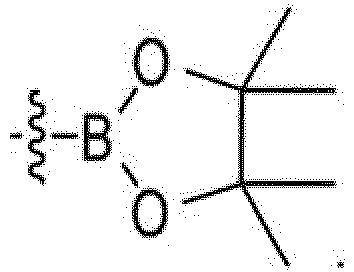
Priority Applications (2)
| Application Number | Priority Date | Filing Date | Title |
|---|---|---|---|
| HRP20170422TT HRP20170422T1 (en) | 2011-04-12 | 2012-04-12 | 3-(2-aryl-cycloalkenylmethyl)-oxazolidin-2-one derivatives as cholesterol ester transfer protein (cetp) inhibitors |
| PL12770951T PL2697207T3 (en) | 2011-04-12 | 2012-04-12 | 3-(2-aryl-cycloalkenylmethyl)-oxazolidin-2-one derivatives as cholesterol ester transfer protein (cetp) inhibitors |
Applications Claiming Priority (2)
| Application Number | Priority Date | Filing Date | Title |
|---|---|---|---|
| KR20110033943 | 2011-04-12 | ||
| PCT/KR2012/002739 WO2012141487A2 (en) | 2011-04-12 | 2012-04-12 | Cycloalkenyl aryl derivatives for cetp inhibitor |
Publications (3)
| Publication Number | Publication Date |
|---|---|
| EP2697207A2 EP2697207A2 (en) | 2014-02-19 |
| EP2697207A4 EP2697207A4 (en) | 2014-11-19 |
| EP2697207B1 true EP2697207B1 (en) | 2016-12-14 |
Family
ID=47009830
Family Applications (1)
| Application Number | Title | Priority Date | Filing Date |
|---|---|---|---|
| EP12770951.7A Active EP2697207B1 (en) | 2011-04-12 | 2012-04-12 | 3-(2-aryl-cycloalkenylmethyl)-oxazolidin-2-one derivatives as cholesterol ester transfer protein (cetp) inhibitors |
Country Status (18)
| Country | Link |
|---|---|
| US (1) | US9371294B2 (en) |
| EP (1) | EP2697207B1 (en) |
| JP (1) | JP5820056B2 (en) |
| KR (1) | KR101442644B1 (en) |
| CN (1) | CN103502226B (en) |
| AU (1) | AU2012243583B2 (en) |
| BR (1) | BR112013026280A2 (en) |
| CA (1) | CA2829676C (en) |
| DK (1) | DK2697207T3 (en) |
| ES (1) | ES2617221T3 (en) |
| HR (1) | HRP20170422T1 (en) |
| HU (1) | HUE032075T2 (en) |
| MX (1) | MX342104B (en) |
| PH (1) | PH12013501829A1 (en) |
| PL (1) | PL2697207T3 (en) |
| PT (1) | PT2697207T (en) |
| RU (1) | RU2597266C2 (en) |
| WO (1) | WO2012141487A2 (en) |
Families Citing this family (18)
| Publication number | Priority date | Publication date | Assignee | Title |
|---|---|---|---|---|
| HUE033790T2 (en) * | 2013-01-31 | 2017-12-28 | Chong Kun Dang Pharmaceutical Corp | CETP inhibitor biaryl or heterocyclic biaryl substituted cyclohexene derivatives |
| WO2016154873A1 (en) * | 2015-03-31 | 2016-10-06 | 华为技术有限公司 | Terminal device and photographing method |
| CN107304174B (en) * | 2016-04-21 | 2019-05-10 | 沈阳药科大学 | N,N-disubstituted cycloalkenyl methylamine derivatives, preparation method and application thereof |
| IL292977A (en) | 2016-09-09 | 2022-07-01 | Incyte Corp | Pyrazolopyridine derivatives as hpk1 modulators and uses thereof for the treatment of cancer |
| AR109595A1 (en) | 2016-09-09 | 2018-12-26 | Incyte Corp | PIRAZOLOPIRIMIDINE COMPOUNDS AND USES OF THESE AS HPK1 INHIBITORS |
| US20180072718A1 (en) | 2016-09-09 | 2018-03-15 | Incyte Corporation | Pyrazolopyridine compounds and uses thereof |
| WO2018152220A1 (en) | 2017-02-15 | 2018-08-23 | Incyte Corporation | Pyrazolopyridine compounds and uses thereof |
| US10722495B2 (en) | 2017-09-08 | 2020-07-28 | Incyte Corporation | Cyanoindazole compounds and uses thereof |
| US10752635B2 (en) | 2018-02-20 | 2020-08-25 | Incyte Corporation | Indazole compounds and uses thereof |
| US10745388B2 (en) | 2018-02-20 | 2020-08-18 | Incyte Corporation | Indazole compounds and uses thereof |
| JP7526673B2 (en) | 2018-02-20 | 2024-08-01 | インサイト・コーポレイション | N-(phenyl)-2-(phenyl)pyrimidine-4-carboxamide derivatives and related compounds as HPK1 inhibitors for treating cancer - Patents.com |
| MD3762368T2 (en) | 2018-03-08 | 2022-07-31 | Incyte Corp | Aminopyrazine diol compounds as pi3k-y inhibitors |
| US11299473B2 (en) | 2018-04-13 | 2022-04-12 | Incyte Corporation | Benzimidazole and indole compounds and uses thereof |
| US11046658B2 (en) | 2018-07-02 | 2021-06-29 | Incyte Corporation | Aminopyrazine derivatives as PI3K-γ inhibitors |
| CN110759860B (en) * | 2018-07-27 | 2022-10-14 | 江苏瑞科医药科技有限公司 | Preparation method of 3-methyl formate-4-methoxy-5-cyanopyridine |
| US10899755B2 (en) | 2018-08-08 | 2021-01-26 | Incyte Corporation | Benzothiazole compounds and uses thereof |
| ES2973117T3 (en) | 2018-09-25 | 2024-06-18 | Incyte Corp | Pyrazolo[4,3-d]pyrimidine compounds as modulators of ALK2 and/or FGFR |
| KR20220059480A (en) | 2019-08-06 | 2022-05-10 | 인사이트 코포레이션 | HPK1 inhibitor in solid form |
Family Cites Families (10)
| Publication number | Priority date | Publication date | Assignee | Title |
|---|---|---|---|---|
| US5929094A (en) | 1996-10-25 | 1999-07-27 | Merck & Co., Inc. | Heteroaryl spiroethercycloalkyl tachykinin receptor antagonists |
| JP2894445B2 (en) | 1997-02-12 | 1999-05-24 | 日本たばこ産業株式会社 | Compounds effective as CETP activity inhibitors |
| ES2256461T3 (en) | 2001-04-30 | 2006-07-16 | Pfizer Products Inc. | USEFUL COMPOUNDS AS INTERMEDIARIES OF 4-AMINOQUINOLINE DERIVATIVES. |
| DOP2005000123A (en) * | 2004-07-02 | 2011-07-15 | Merck Sharp & Dohme | CETP INHIBITORS |
| WO2007079186A2 (en) * | 2005-12-30 | 2007-07-12 | Merck & Co., Inc. | 1, 3-oxazolidin-2-one derivatives useful as cetp inhibitors |
| EP1973546B1 (en) * | 2005-12-30 | 2012-06-13 | Merck Sharp & Dohme Corp. | Cholesteryl ester transfer protein inhibitors |
| US7910592B2 (en) | 2005-12-30 | 2011-03-22 | Merck Sharp & Dohme Corp. | CETP inhibitors |
| CA2681628C (en) * | 2007-03-16 | 2016-10-18 | Concert Pharmaceuticals, Inc. | Inhibitors of cholesterol ester transfer protein |
| GB2463788B (en) | 2008-09-29 | 2010-12-15 | Amira Pharmaceuticals Inc | Heteroaryl antagonists of prostaglandin D2 receptors |
| WO2010039474A1 (en) * | 2008-10-01 | 2010-04-08 | Merck Sharp & Dohme Corp. | Prodrugs of oxazolidinone cetp inhibitors |
-
2012
- 2012-04-12 HR HRP20170422TT patent/HRP20170422T1/en unknown
- 2012-04-12 EP EP12770951.7A patent/EP2697207B1/en active Active
- 2012-04-12 JP JP2014505076A patent/JP5820056B2/en not_active Expired - Fee Related
- 2012-04-12 CN CN201280017898.2A patent/CN103502226B/en not_active Expired - Fee Related
- 2012-04-12 AU AU2012243583A patent/AU2012243583B2/en not_active Ceased
- 2012-04-12 WO PCT/KR2012/002739 patent/WO2012141487A2/en not_active Ceased
- 2012-04-12 DK DK12770951.7T patent/DK2697207T3/en active
- 2012-04-12 MX MX2013011855A patent/MX342104B/en active IP Right Grant
- 2012-04-12 PL PL12770951T patent/PL2697207T3/en unknown
- 2012-04-12 HU HUE12770951A patent/HUE032075T2/en unknown
- 2012-04-12 US US14/110,271 patent/US9371294B2/en not_active Expired - Fee Related
- 2012-04-12 BR BR112013026280A patent/BR112013026280A2/en not_active IP Right Cessation
- 2012-04-12 RU RU2013145418/04A patent/RU2597266C2/en active
- 2012-04-12 KR KR20120037886A patent/KR101442644B1/en not_active Expired - Fee Related
- 2012-04-12 PH PH1/2013/501829A patent/PH12013501829A1/en unknown
- 2012-04-12 CA CA2829676A patent/CA2829676C/en active Active
- 2012-04-12 PT PT127709517T patent/PT2697207T/en unknown
- 2012-04-12 ES ES12770951.7T patent/ES2617221T3/en active Active
Non-Patent Citations (1)
| Title |
|---|
| None * |
Also Published As
| Publication number | Publication date |
|---|---|
| CN103502226B (en) | 2015-08-19 |
| EP2697207A2 (en) | 2014-02-19 |
| US20150119376A2 (en) | 2015-04-30 |
| JP2014510786A (en) | 2014-05-01 |
| HUE032075T2 (en) | 2017-08-28 |
| KR20120116362A (en) | 2012-10-22 |
| EP2697207A4 (en) | 2014-11-19 |
| WO2012141487A2 (en) | 2012-10-18 |
| DK2697207T3 (en) | 2017-03-27 |
| RU2013145418A (en) | 2015-05-20 |
| JP5820056B2 (en) | 2015-11-24 |
| RU2597266C2 (en) | 2016-09-10 |
| AU2012243583B2 (en) | 2015-10-22 |
| CA2829676A1 (en) | 2012-10-18 |
| ES2617221T3 (en) | 2017-06-15 |
| WO2012141487A3 (en) | 2013-01-10 |
| HRP20170422T1 (en) | 2017-06-16 |
| US20140031335A1 (en) | 2014-01-30 |
| CN103502226A (en) | 2014-01-08 |
| MX342104B (en) | 2016-09-13 |
| MX2013011855A (en) | 2013-11-01 |
| NZ615071A (en) | 2015-05-29 |
| PH12013501829A1 (en) | 2015-10-23 |
| BR112013026280A2 (en) | 2024-04-30 |
| CA2829676C (en) | 2017-08-22 |
| PL2697207T3 (en) | 2017-08-31 |
| AU2012243583A1 (en) | 2013-10-03 |
| KR101442644B1 (en) | 2014-09-19 |
| US9371294B2 (en) | 2016-06-21 |
| PT2697207T (en) | 2017-02-14 |
Similar Documents
| Publication | Publication Date | Title |
|---|---|---|
| AU2012243583B2 (en) | Cycloalkenyl aryl derivatives for CETP inhibitor | |
| JP6081354B2 (en) | Therapeutically active compositions and methods of their use | |
| TWI855081B (en) | Compounds, compositions, and methods of use | |
| EP3328843B1 (en) | 1,3,4-oxadiazole sulfonamide derivative compounds as histone deacetylase 6 inhibitor, and the pharmaceutical composition comprising the same | |
| EP2592071B1 (en) | Tricyclic heterocyclic compounds | |
| EP2216330A1 (en) | Oxadiazolidinedione compound | |
| EP2011788A1 (en) | Oxadiazolidinedione compound | |
| EP3438105B1 (en) | Diaryl- -lactam compound and preparation method and pharmaceutical use thereof | |
| EP2017263A1 (en) | Heteroarylamide lower carboxylic acid derivative | |
| CN104125956A (en) | Cyclic amides as inhibitors of 11-beta-hydroxysteroid dehydrogenase and uses thereof | |
| TW202239756A (en) | 1,3,4-oxadiazole thiocarbonyl compounds as histone deacetylase 6 inhibitor, and pharmaceutical composition comprising the same | |
| CA2223011C (en) | Oxazolidinone derivatives, their preparation and therapeutical use | |
| EP2943474B1 (en) | Biaryl- or heterocyclic biaryl-substituted cyclohexene derivative compounds as cetp inhibitors | |
| NZ615071B2 (en) | Cycloalkenyl aryl derivatives for cetp inhibitor | |
| RU2799819C1 (en) | New aminoaryl derivative suitable as a diacylglycerolacyl transferase 2 inhibitor and its application | |
| HK1129887A (en) | Oxadiazolidinedione compound | |
| HK1143811A (en) | Oxadiazolidinedione compound |
Legal Events
| Date | Code | Title | Description |
|---|---|---|---|
| PUAI | Public reference made under article 153(3) epc to a published international application that has entered the european phase |
Free format text: ORIGINAL CODE: 0009012 |
|
| 17P | Request for examination filed |
Effective date: 20130911 |
|
| AK | Designated contracting states |
Kind code of ref document: A2 Designated state(s): AL AT BE BG CH CY CZ DE DK EE ES FI FR GB GR HR HU IE IS IT LI LT LU LV MC MK MT NL NO PL PT RO RS SE SI SK SM TR |
|
| DAX | Request for extension of the european patent (deleted) | ||
| RAP1 | Party data changed (applicant data changed or rights of an application transferred) |
Owner name: CHONG KUN DANG PHARMACEUTICAL CORP. |
|
| A4 | Supplementary search report drawn up and despatched |
Effective date: 20141021 |
|
| RIC1 | Information provided on ipc code assigned before grant |
Ipc: C07D 413/06 20060101ALI20141015BHEP Ipc: A61P 9/00 20060101ALI20141015BHEP Ipc: A61K 31/421 20060101ALI20141015BHEP Ipc: A61P 3/06 20060101ALI20141015BHEP Ipc: C07D 263/16 20060101AFI20141015BHEP Ipc: C07D 263/22 20060101ALI20141015BHEP |
|
| 17Q | First examination report despatched |
Effective date: 20150423 |
|
| REG | Reference to a national code |
Ref country code: DE Ref legal event code: R079 Ref document number: 602012026642 Country of ref document: DE Free format text: PREVIOUS MAIN CLASS: C07D0263160000 Ipc: C07D0413080000 |
|
| GRAP | Despatch of communication of intention to grant a patent |
Free format text: ORIGINAL CODE: EPIDOSNIGR1 |
|
| RIC1 | Information provided on ipc code assigned before grant |
Ipc: A61P 9/10 20060101ALI20160510BHEP Ipc: C07D 413/08 20060101AFI20160510BHEP Ipc: C07D 263/22 20060101ALI20160510BHEP Ipc: A61K 31/421 20060101ALI20160510BHEP Ipc: A61P 3/06 20060101ALI20160510BHEP |
|
| INTG | Intention to grant announced |
Effective date: 20160610 |
|
| GRAJ | Information related to disapproval of communication of intention to grant by the applicant or resumption of examination proceedings by the epo deleted |
Free format text: ORIGINAL CODE: EPIDOSDIGR1 |
|
| GRAR | Information related to intention to grant a patent recorded |
Free format text: ORIGINAL CODE: EPIDOSNIGR71 |
|
| GRAS | Grant fee paid |
Free format text: ORIGINAL CODE: EPIDOSNIGR3 |
|
| GRAA | (expected) grant |
Free format text: ORIGINAL CODE: 0009210 |
|
| INTC | Intention to grant announced (deleted) | ||
| AK | Designated contracting states |
Kind code of ref document: B1 Designated state(s): AL AT BE BG CH CY CZ DE DK EE ES FI FR GB GR HR HU IE IS IT LI LT LU LV MC MK MT NL NO PL PT RO RS SE SI SK SM TR |
|
| INTG | Intention to grant announced |
Effective date: 20161108 |
|
| REG | Reference to a national code |
Ref country code: GB Ref legal event code: FG4D |
|
| REG | Reference to a national code |
Ref country code: CH Ref legal event code: EP |
|
| REG | Reference to a national code |
Ref country code: IE Ref legal event code: FG4D |
|
| REG | Reference to a national code |
Ref country code: AT Ref legal event code: REF Ref document number: 853451 Country of ref document: AT Kind code of ref document: T Effective date: 20170115 |
|
| REG | Reference to a national code |
Ref country code: DE Ref legal event code: R096 Ref document number: 602012026642 Country of ref document: DE |
|
| REG | Reference to a national code |
Ref country code: PT Ref legal event code: SC4A Ref document number: 2697207 Country of ref document: PT Date of ref document: 20170214 Kind code of ref document: T Free format text: AVAILABILITY OF NATIONAL TRANSLATION Effective date: 20170203 |
|
| PG25 | Lapsed in a contracting state [announced via postgrant information from national office to epo] |
Ref country code: LV Free format text: LAPSE BECAUSE OF FAILURE TO SUBMIT A TRANSLATION OF THE DESCRIPTION OR TO PAY THE FEE WITHIN THE PRESCRIBED TIME-LIMIT Effective date: 20161214 |
|
| REG | Reference to a national code |
Ref country code: SE Ref legal event code: TRGR |
|
| REG | Reference to a national code |
Ref country code: FR Ref legal event code: PLFP Year of fee payment: 6 |
|
| REG | Reference to a national code |
Ref country code: HR Ref legal event code: TUEP Ref document number: P20170422 Country of ref document: HR |
|
| REG | Reference to a national code |
Ref country code: NL Ref legal event code: FP |
|
| REG | Reference to a national code |
Ref country code: DK Ref legal event code: T3 Effective date: 20170322 |
|
| REG | Reference to a national code |
Ref country code: CH Ref legal event code: NV Representative=s name: BOHEST AG, CH |
|
| REG | Reference to a national code |
Ref country code: LT Ref legal event code: MG4D |
|
| PG25 | Lapsed in a contracting state [announced via postgrant information from national office to epo] |
Ref country code: LT Free format text: LAPSE BECAUSE OF FAILURE TO SUBMIT A TRANSLATION OF THE DESCRIPTION OR TO PAY THE FEE WITHIN THE PRESCRIBED TIME-LIMIT Effective date: 20161214 |
|
| REG | Reference to a national code |
Ref country code: NO Ref legal event code: T2 Effective date: 20161214 |
|
| PG25 | Lapsed in a contracting state [announced via postgrant information from national office to epo] |
Ref country code: RS Free format text: LAPSE BECAUSE OF FAILURE TO SUBMIT A TRANSLATION OF THE DESCRIPTION OR TO PAY THE FEE WITHIN THE PRESCRIBED TIME-LIMIT Effective date: 20161214 |
|
| REG | Reference to a national code |
Ref country code: ES Ref legal event code: FG2A Ref document number: 2617221 Country of ref document: ES Kind code of ref document: T3 Effective date: 20170615 |
|
| REG | Reference to a national code |
Ref country code: HR Ref legal event code: T1PR Ref document number: P20170422 Country of ref document: HR |
|
| PG25 | Lapsed in a contracting state [announced via postgrant information from national office to epo] |
Ref country code: EE Free format text: LAPSE BECAUSE OF FAILURE TO SUBMIT A TRANSLATION OF THE DESCRIPTION OR TO PAY THE FEE WITHIN THE PRESCRIBED TIME-LIMIT Effective date: 20161214 Ref country code: SK Free format text: LAPSE BECAUSE OF FAILURE TO SUBMIT A TRANSLATION OF THE DESCRIPTION OR TO PAY THE FEE WITHIN THE PRESCRIBED TIME-LIMIT Effective date: 20161214 |
|
| REG | Reference to a national code |
Ref country code: GR Ref legal event code: EP Ref document number: 20170400658 Country of ref document: GR Effective date: 20170804 |
|
| REG | Reference to a national code |
Ref country code: HU Ref legal event code: AG4A Ref document number: E032075 Country of ref document: HU |
|
| PG25 | Lapsed in a contracting state [announced via postgrant information from national office to epo] |
Ref country code: SM Free format text: LAPSE BECAUSE OF FAILURE TO SUBMIT A TRANSLATION OF THE DESCRIPTION OR TO PAY THE FEE WITHIN THE PRESCRIBED TIME-LIMIT Effective date: 20161214 |
|
| REG | Reference to a national code |
Ref country code: DE Ref legal event code: R097 Ref document number: 602012026642 Country of ref document: DE |
|
| REG | Reference to a national code |
Ref country code: RO Ref legal event code: EPE |
|
| PLBE | No opposition filed within time limit |
Free format text: ORIGINAL CODE: 0009261 |
|
| STAA | Information on the status of an ep patent application or granted ep patent |
Free format text: STATUS: NO OPPOSITION FILED WITHIN TIME LIMIT |
|
| 26N | No opposition filed |
Effective date: 20170915 |
|
| PG25 | Lapsed in a contracting state [announced via postgrant information from national office to epo] |
Ref country code: SI Free format text: LAPSE BECAUSE OF FAILURE TO SUBMIT A TRANSLATION OF THE DESCRIPTION OR TO PAY THE FEE WITHIN THE PRESCRIBED TIME-LIMIT Effective date: 20161214 |
|
| REG | Reference to a national code |
Ref country code: FR Ref legal event code: PLFP Year of fee payment: 7 |
|
| PG25 | Lapsed in a contracting state [announced via postgrant information from national office to epo] |
Ref country code: MT Free format text: LAPSE BECAUSE OF NON-PAYMENT OF DUE FEES Effective date: 20170412 |
|
| REG | Reference to a national code |
Ref country code: HR Ref legal event code: ODRP Ref document number: P20170422 Country of ref document: HR Payment date: 20190403 Year of fee payment: 8 |
|
| REG | Reference to a national code |
Ref country code: AT Ref legal event code: UEP Ref document number: 853451 Country of ref document: AT Kind code of ref document: T Effective date: 20161214 |
|
| PG25 | Lapsed in a contracting state [announced via postgrant information from national office to epo] |
Ref country code: CY Free format text: LAPSE BECAUSE OF NON-PAYMENT OF DUE FEES Effective date: 20161214 |
|
| PG25 | Lapsed in a contracting state [announced via postgrant information from national office to epo] |
Ref country code: MK Free format text: LAPSE BECAUSE OF FAILURE TO SUBMIT A TRANSLATION OF THE DESCRIPTION OR TO PAY THE FEE WITHIN THE PRESCRIBED TIME-LIMIT Effective date: 20161214 |
|
| REG | Reference to a national code |
Ref country code: HR Ref legal event code: ODRP Ref document number: P20170422 Country of ref document: HR Payment date: 20200326 Year of fee payment: 9 |
|
| PG25 | Lapsed in a contracting state [announced via postgrant information from national office to epo] |
Ref country code: AL Free format text: LAPSE BECAUSE OF FAILURE TO SUBMIT A TRANSLATION OF THE DESCRIPTION OR TO PAY THE FEE WITHIN THE PRESCRIBED TIME-LIMIT Effective date: 20161214 |
|
| REG | Reference to a national code |
Ref country code: HR Ref legal event code: ODRP Ref document number: P20170422 Country of ref document: HR Payment date: 20210324 Year of fee payment: 10 |
|
| REG | Reference to a national code |
Ref country code: HR Ref legal event code: ODRP Ref document number: P20170422 Country of ref document: HR Payment date: 20220323 Year of fee payment: 11 |
|
| PGFP | Annual fee paid to national office [announced via postgrant information from national office to epo] |
Ref country code: IE Payment date: 20220325 Year of fee payment: 11 Ref country code: GB Payment date: 20220321 Year of fee payment: 11 Ref country code: FI Payment date: 20220321 Year of fee payment: 11 Ref country code: DK Payment date: 20220321 Year of fee payment: 11 Ref country code: CH Payment date: 20220321 Year of fee payment: 11 Ref country code: BG Payment date: 20220324 Year of fee payment: 11 |
|
| PGFP | Annual fee paid to national office [announced via postgrant information from national office to epo] |
Ref country code: IS Payment date: 20220321 Year of fee payment: 11 Ref country code: TR Payment date: 20220328 Year of fee payment: 11 Ref country code: SE Payment date: 20220322 Year of fee payment: 11 Ref country code: RO Payment date: 20220330 Year of fee payment: 11 Ref country code: PT Payment date: 20220322 Year of fee payment: 11 Ref country code: PL Payment date: 20220321 Year of fee payment: 11 Ref country code: NO Payment date: 20220321 Year of fee payment: 11 Ref country code: NL Payment date: 20220322 Year of fee payment: 11 Ref country code: MC Payment date: 20220322 Year of fee payment: 11 Ref country code: LU Payment date: 20220322 Year of fee payment: 11 Ref country code: IT Payment date: 20220322 Year of fee payment: 11 Ref country code: HR Payment date: 20220323 Year of fee payment: 11 Ref country code: GR Payment date: 20220321 Year of fee payment: 11 Ref country code: FR Payment date: 20220325 Year of fee payment: 11 Ref country code: BE Payment date: 20220321 Year of fee payment: 11 |
|
| PGFP | Annual fee paid to national office [announced via postgrant information from national office to epo] |
Ref country code: HU Payment date: 20220410 Year of fee payment: 11 Ref country code: ES Payment date: 20220509 Year of fee payment: 11 Ref country code: DE Payment date: 20220321 Year of fee payment: 11 Ref country code: CZ Payment date: 20220411 Year of fee payment: 11 |
|
| PGFP | Annual fee paid to national office [announced via postgrant information from national office to epo] |
Ref country code: AT Payment date: 20220321 Year of fee payment: 11 |
|
| REG | Reference to a national code |
Ref country code: HR Ref legal event code: PBON Ref document number: P20170422 Country of ref document: HR Effective date: 20230412 |
|
| REG | Reference to a national code |
Ref country code: DE Ref legal event code: R119 Ref document number: 602012026642 Country of ref document: DE |
|
| REG | Reference to a national code |
Ref country code: NO Ref legal event code: MMEP |
|
| REG | Reference to a national code |
Ref country code: DK Ref legal event code: EBP Effective date: 20230430 |
|
| REG | Reference to a national code |
Ref country code: SE Ref legal event code: EUG |
|
| REG | Reference to a national code |
Ref country code: CH Ref legal event code: PL |
|
| REG | Reference to a national code |
Ref country code: NL Ref legal event code: MM Effective date: 20230501 |
|
| REG | Reference to a national code |
Ref country code: AT Ref legal event code: MM01 Ref document number: 853451 Country of ref document: AT Kind code of ref document: T Effective date: 20230412 |
|
| GBPC | Gb: european patent ceased through non-payment of renewal fee |
Effective date: 20230412 |
|
| PG25 | Lapsed in a contracting state [announced via postgrant information from national office to epo] |
Ref country code: LU Free format text: LAPSE BECAUSE OF NON-PAYMENT OF DUE FEES Effective date: 20230412 |
|
| REG | Reference to a national code |
Ref country code: BE Ref legal event code: MM Effective date: 20230430 |
|
| PG25 | Lapsed in a contracting state [announced via postgrant information from national office to epo] |
Ref country code: MC Free format text: LAPSE BECAUSE OF NON-PAYMENT OF DUE FEES Effective date: 20230502 |
|
| PG25 | Lapsed in a contracting state [announced via postgrant information from national office to epo] |
Ref country code: GR Free format text: LAPSE BECAUSE OF NON-PAYMENT OF DUE FEES Effective date: 20231110 Ref country code: GB Free format text: LAPSE BECAUSE OF NON-PAYMENT OF DUE FEES Effective date: 20230412 |
|
| PG25 | Lapsed in a contracting state [announced via postgrant information from national office to epo] |
Ref country code: SE Free format text: LAPSE BECAUSE OF NON-PAYMENT OF DUE FEES Effective date: 20230413 Ref country code: RO Free format text: LAPSE BECAUSE OF NON-PAYMENT OF DUE FEES Effective date: 20230412 Ref country code: PT Free format text: LAPSE BECAUSE OF NON-PAYMENT OF DUE FEES Effective date: 20231012 Ref country code: NO Free format text: LAPSE BECAUSE OF NON-PAYMENT OF DUE FEES Effective date: 20230430 Ref country code: NL Free format text: LAPSE BECAUSE OF NON-PAYMENT OF DUE FEES Effective date: 20230501 Ref country code: MC Free format text: LAPSE BECAUSE OF NON-PAYMENT OF DUE FEES Effective date: 20230502 Ref country code: LI Free format text: LAPSE BECAUSE OF NON-PAYMENT OF DUE FEES Effective date: 20230430 Ref country code: HU Free format text: LAPSE BECAUSE OF NON-PAYMENT OF DUE FEES Effective date: 20230413 Ref country code: HR Free format text: LAPSE BECAUSE OF NON-PAYMENT OF DUE FEES Effective date: 20230412 Ref country code: GR Free format text: LAPSE BECAUSE OF NON-PAYMENT OF DUE FEES Effective date: 20231110 Ref country code: GB Free format text: LAPSE BECAUSE OF NON-PAYMENT OF DUE FEES Effective date: 20230412 Ref country code: FR Free format text: LAPSE BECAUSE OF NON-PAYMENT OF DUE FEES Effective date: 20230430 Ref country code: FI Free format text: LAPSE BECAUSE OF NON-PAYMENT OF DUE FEES Effective date: 20230412 Ref country code: DE Free format text: LAPSE BECAUSE OF NON-PAYMENT OF DUE FEES Effective date: 20231103 Ref country code: CZ Free format text: LAPSE BECAUSE OF NON-PAYMENT OF DUE FEES Effective date: 20230412 Ref country code: CH Free format text: LAPSE BECAUSE OF NON-PAYMENT OF DUE FEES Effective date: 20230430 Ref country code: AT Free format text: LAPSE BECAUSE OF NON-PAYMENT OF DUE FEES Effective date: 20230412 |
|
| PG25 | Lapsed in a contracting state [announced via postgrant information from national office to epo] |
Ref country code: BE Free format text: LAPSE BECAUSE OF NON-PAYMENT OF DUE FEES Effective date: 20230430 |
|
| PG25 | Lapsed in a contracting state [announced via postgrant information from national office to epo] |
Ref country code: IE Free format text: LAPSE BECAUSE OF NON-PAYMENT OF DUE FEES Effective date: 20230412 |
|
| PG25 | Lapsed in a contracting state [announced via postgrant information from national office to epo] |
Ref country code: IT Free format text: LAPSE BECAUSE OF NON-PAYMENT OF DUE FEES Effective date: 20230412 Ref country code: IE Free format text: LAPSE BECAUSE OF NON-PAYMENT OF DUE FEES Effective date: 20230412 Ref country code: DK Free format text: LAPSE BECAUSE OF NON-PAYMENT OF DUE FEES Effective date: 20230430 |
|
| REG | Reference to a national code |
Ref country code: ES Ref legal event code: FD2A Effective date: 20240531 |
|
| PG25 | Lapsed in a contracting state [announced via postgrant information from national office to epo] |
Ref country code: ES Free format text: LAPSE BECAUSE OF NON-PAYMENT OF DUE FEES Effective date: 20230413 |
|
| PG25 | Lapsed in a contracting state [announced via postgrant information from national office to epo] |
Ref country code: ES Free format text: LAPSE BECAUSE OF NON-PAYMENT OF DUE FEES Effective date: 20230413 |
|
| PG25 | Lapsed in a contracting state [announced via postgrant information from national office to epo] |
Ref country code: PL Free format text: LAPSE BECAUSE OF NON-PAYMENT OF DUE FEES Effective date: 20230412 |
|
| PG25 | Lapsed in a contracting state [announced via postgrant information from national office to epo] |
Ref country code: PL Free format text: LAPSE BECAUSE OF NON-PAYMENT OF DUE FEES Effective date: 20230412 |
|
| PG25 | Lapsed in a contracting state [announced via postgrant information from national office to epo] |
Ref country code: BG Free format text: LAPSE BECAUSE OF NON-PAYMENT OF DUE FEES Effective date: 20230412 |
|
| PG25 | Lapsed in a contracting state [announced via postgrant information from national office to epo] |
Ref country code: BG Free format text: LAPSE BECAUSE OF NON-PAYMENT OF DUE FEES Effective date: 20230412 |
|
| PG25 | Lapsed in a contracting state [announced via postgrant information from national office to epo] |
Ref country code: IS Free format text: LAPSE BECAUSE OF NON-PAYMENT OF DUE FEES Effective date: 20231106 |