EP2694443B1 - Process to treat industrial wastewater in an anaerobic reactor and by chemical oxidation - Google Patents
Process to treat industrial wastewater in an anaerobic reactor and by chemical oxidation Download PDFInfo
- Publication number
- EP2694443B1 EP2694443B1 EP12710515.3A EP12710515A EP2694443B1 EP 2694443 B1 EP2694443 B1 EP 2694443B1 EP 12710515 A EP12710515 A EP 12710515A EP 2694443 B1 EP2694443 B1 EP 2694443B1
- Authority
- EP
- European Patent Office
- Prior art keywords
- treatment
- biological
- dosage
- oxidizer
- process according
- Prior art date
- Legal status (The legal status is an assumption and is not a legal conclusion. Google has not performed a legal analysis and makes no representation as to the accuracy of the status listed.)
- Active
Links
Images




Classifications
-
- C—CHEMISTRY; METALLURGY
- C02—TREATMENT OF WATER, WASTE WATER, SEWAGE, OR SLUDGE
- C02F—TREATMENT OF WATER, WASTE WATER, SEWAGE, OR SLUDGE
- C02F3/00—Biological treatment of water, waste water, or sewage
- C02F3/28—Anaerobic digestion processes
- C02F3/286—Anaerobic digestion processes including two or more steps
-
- C—CHEMISTRY; METALLURGY
- C02—TREATMENT OF WATER, WASTE WATER, SEWAGE, OR SLUDGE
- C02F—TREATMENT OF WATER, WASTE WATER, SEWAGE, OR SLUDGE
- C02F1/00—Treatment of water, waste water, or sewage
- C02F1/72—Treatment of water, waste water, or sewage by oxidation
- C02F1/722—Oxidation by peroxides
-
- C—CHEMISTRY; METALLURGY
- C02—TREATMENT OF WATER, WASTE WATER, SEWAGE, OR SLUDGE
- C02F—TREATMENT OF WATER, WASTE WATER, SEWAGE, OR SLUDGE
- C02F3/00—Biological treatment of water, waste water, or sewage
- C02F3/006—Regulation methods for biological treatment
-
- C—CHEMISTRY; METALLURGY
- C02—TREATMENT OF WATER, WASTE WATER, SEWAGE, OR SLUDGE
- C02F—TREATMENT OF WATER, WASTE WATER, SEWAGE, OR SLUDGE
- C02F3/00—Biological treatment of water, waste water, or sewage
- C02F3/28—Anaerobic digestion processes
-
- C—CHEMISTRY; METALLURGY
- C02—TREATMENT OF WATER, WASTE WATER, SEWAGE, OR SLUDGE
- C02F—TREATMENT OF WATER, WASTE WATER, SEWAGE, OR SLUDGE
- C02F2103/00—Nature of the water, waste water, sewage or sludge to be treated
- C02F2103/32—Nature of the water, waste water, sewage or sludge to be treated from the food or foodstuff industry, e.g. brewery waste waters
- C02F2103/322—Nature of the water, waste water, sewage or sludge to be treated from the food or foodstuff industry, e.g. brewery waste waters from vegetable oil production, e.g. olive oil production
-
- C—CHEMISTRY; METALLURGY
- C02—TREATMENT OF WATER, WASTE WATER, SEWAGE, OR SLUDGE
- C02F—TREATMENT OF WATER, WASTE WATER, SEWAGE, OR SLUDGE
- C02F2103/00—Nature of the water, waste water, sewage or sludge to be treated
- C02F2103/32—Nature of the water, waste water, sewage or sludge to be treated from the food or foodstuff industry, e.g. brewery waste waters
- C02F2103/325—Nature of the water, waste water, sewage or sludge to be treated from the food or foodstuff industry, e.g. brewery waste waters from processes relating to the production of wine products
-
- C—CHEMISTRY; METALLURGY
- C02—TREATMENT OF WATER, WASTE WATER, SEWAGE, OR SLUDGE
- C02F—TREATMENT OF WATER, WASTE WATER, SEWAGE, OR SLUDGE
- C02F2209/00—Controlling or monitoring parameters in water treatment
- C02F2209/005—Processes using a programmable logic controller [PLC]
-
- C—CHEMISTRY; METALLURGY
- C02—TREATMENT OF WATER, WASTE WATER, SEWAGE, OR SLUDGE
- C02F—TREATMENT OF WATER, WASTE WATER, SEWAGE, OR SLUDGE
- C02F2209/00—Controlling or monitoring parameters in water treatment
- C02F2209/02—Temperature
-
- C—CHEMISTRY; METALLURGY
- C02—TREATMENT OF WATER, WASTE WATER, SEWAGE, OR SLUDGE
- C02F—TREATMENT OF WATER, WASTE WATER, SEWAGE, OR SLUDGE
- C02F2209/00—Controlling or monitoring parameters in water treatment
- C02F2209/04—Oxidation reduction potential [ORP]
-
- C—CHEMISTRY; METALLURGY
- C02—TREATMENT OF WATER, WASTE WATER, SEWAGE, OR SLUDGE
- C02F—TREATMENT OF WATER, WASTE WATER, SEWAGE, OR SLUDGE
- C02F2209/00—Controlling or monitoring parameters in water treatment
- C02F2209/26—H2S
- C02F2209/265—H2S in the gas phase
-
- C—CHEMISTRY; METALLURGY
- C02—TREATMENT OF WATER, WASTE WATER, SEWAGE, OR SLUDGE
- C02F—TREATMENT OF WATER, WASTE WATER, SEWAGE, OR SLUDGE
- C02F2209/00—Controlling or monitoring parameters in water treatment
- C02F2209/28—CH4
- C02F2209/285—CH4 in the gas phase
-
- C—CHEMISTRY; METALLURGY
- C02—TREATMENT OF WATER, WASTE WATER, SEWAGE, OR SLUDGE
- C02F—TREATMENT OF WATER, WASTE WATER, SEWAGE, OR SLUDGE
- C02F2209/00—Controlling or monitoring parameters in water treatment
- C02F2209/40—Liquid flow rate
-
- C—CHEMISTRY; METALLURGY
- C02—TREATMENT OF WATER, WASTE WATER, SEWAGE, OR SLUDGE
- C02F—TREATMENT OF WATER, WASTE WATER, SEWAGE, OR SLUDGE
- C02F2307/00—Location of water treatment or water treatment device
- C02F2307/08—Treatment of wastewater in the sewer, e.g. to reduce grease, odour
-
- Y—GENERAL TAGGING OF NEW TECHNOLOGICAL DEVELOPMENTS; GENERAL TAGGING OF CROSS-SECTIONAL TECHNOLOGIES SPANNING OVER SEVERAL SECTIONS OF THE IPC; TECHNICAL SUBJECTS COVERED BY FORMER USPC CROSS-REFERENCE ART COLLECTIONS [XRACs] AND DIGESTS
- Y02—TECHNOLOGIES OR APPLICATIONS FOR MITIGATION OR ADAPTATION AGAINST CLIMATE CHANGE
- Y02E—REDUCTION OF GREENHOUSE GAS [GHG] EMISSIONS, RELATED TO ENERGY GENERATION, TRANSMISSION OR DISTRIBUTION
- Y02E50/00—Technologies for the production of fuel of non-fossil origin
- Y02E50/30—Fuel from waste, e.g. synthetic alcohol or diesel
-
- Y—GENERAL TAGGING OF NEW TECHNOLOGICAL DEVELOPMENTS; GENERAL TAGGING OF CROSS-SECTIONAL TECHNOLOGIES SPANNING OVER SEVERAL SECTIONS OF THE IPC; TECHNICAL SUBJECTS COVERED BY FORMER USPC CROSS-REFERENCE ART COLLECTIONS [XRACs] AND DIGESTS
- Y02—TECHNOLOGIES OR APPLICATIONS FOR MITIGATION OR ADAPTATION AGAINST CLIMATE CHANGE
- Y02W—CLIMATE CHANGE MITIGATION TECHNOLOGIES RELATED TO WASTEWATER TREATMENT OR WASTE MANAGEMENT
- Y02W10/00—Technologies for wastewater treatment
- Y02W10/10—Biological treatment of water, waste water, or sewage
Definitions
- the present invention concerns a two step process for treatment of industrial waste water containing organic matter.
- the waste water is treated in an anaerobe bioreactor and the second step is a chemical oxidation step.
- Current standard comprises collection data like measurement results and process parameters and transfer of the data to central database systems which can present data to the user through a network like internet.
- Current standard may also comprise feedback dosage from a remote measurement probe to a dosing controller via radio modem.
- Current standard also provide manual control of treatment and results by the operator. Included in current standard is also the possibility to change treatment parameters manually in accordance with operators demand. It would be desirable to use treatment processes for industrial waste water that can handle easily degradable organic matter in a biological treatment step and biological hardly degradable matter in a chemical treatment step.
- the system as such should be adaptive using process parameters like conductivity and/or hydrogen sulphide (H 2 S) to adjust the dosages not only according to pre-set parameters but also according to production patterns and dynamic demands. Additionally the interaction with the operator should be used to prepare the system for unexpected system changes. Monitoring and adjusting dosage control should be done using an interactive interface, to create a simple, user friendly operating process.
- JP 10-015591 discloses a process wherein the first step in the waste water treatment is ammonia stripping and a biological treatment wherein nitrogen is processed biologically followed by a coagulation sedimentation stage and finally a chemical oxidation step.
- the process is focussing on BOD degradation and not the biological harder degradable matter (COD-BOD).
- US 2006/0196828 and US 2007/0034566 concern methods for treatment of oxidant waste streams, wherein domestic waste water is mixed with the oxidant stream before treatment in a bioreactor.
- the processes disclosed mainly concerns an oxidizer unit in front of the biological treatment. This unfortunately leads to partly degraded matter, such as aromatic compounds e.g. benzene, that cannot be treated biologically either. Thus efficiency as well as the effectiveness in total might be reduced.
- the present invention uses the chemical oxidizer in a second treatment step concerned with non-biological degradable matter.
- JP 58-92498 discloses a method wherein waste water containing ammonia and BOD components is mixed with recycled sludge and a nitrate solution and subjected to biological treatment. Today this is a commonly used process, called the denitrification step. In the present invention the nitrogen addition is used to stimulate anaerobic conditions in the first treatment step.
- a nitrate source may be dosed to a collection tank, such as a wet well, for downstream control of hydrogen sulphide levels in the wastewater.
- a source of a strong oxidizer may also be dosed to the wet well.
- the oxidizer such as chlorite, may temporarily interrupt denitrification processes in the wet well to prevent floatation of undesirable constituents therein.
- the oxidizer dosage may be generally consistent with the nitrate dosage.
- An ORP sensor may facilitate regulation of dosing.
- the nitrate and the oxidizer may be present in a single mixture to be dosed to the wet well.
- US 4 049 545 is concerned with a method of treating domestic, commercial or industrial waste water which includes the steps of mixing the waste water with a coagulant aid so as to bring the pH of the mixture to within a range of about 9.0-10.5, and thereafter adding precipitating agents in at least two successive steps so as to lower the pH of the mixture by about one unit for each step and thereby precipitate solids therefrom until the mixture is approximately neutral. After the addition of each precipitating agent, the precipitated solids are separated from the waste water effluent before the next succeeding precipitating agent is added.
- Preferably two such successive precipitation steps are performed, after which the resultant waste water effluent is treated with an oxidizing and disinfecting agent, filtered, and then treated with a further oxidizing and disinfecting agent to minimize the B.O.D. level.
- a portion of the solids separated from the waste water effluent in the respective steps is preferably recycled into the treatment system by mixing it with new incoming waste water to partially take the place of the original coagulant aid.
- the preferred coagulant aid utilized is portland cement, with aluminium sulphate and copper sulphate preferably being used in sequence as the precipitating agents and potassium permanganate and ozone being used in sequence as the oxidizing and disinfecting agents.
- GB 2 025 922 discloses a multi-step process for treating biodegradable effluents, which employs anaerobic digestion followed by chemical treatment.
- the present invention concerns a process for treatment of industrial waste water containing both easy biodegradable and heavy biodegradable matter according to claim 1.
- the present invention provides a synergetic combination of biological and chemical processes for the treatment of wastewater.
- the biological treatment step will precondition the water before entering the chemical treatment step.
- a single treatment process is not capable of providing efficient and effective treatment of wastewater comprising both easy biodegradable matter and heavy biodegradable matter.
- the present suggested two steps treatment process will provide both efficient and effective treatment of wastewater of such composition.
- the system used in the treatment process described in the following is comprised of two reactors with a clarifier tank providing gravity separation in between.
- the clarifier tank is connected with the two reactors with pipelines.
- the easy degradable matter measured as Biochemical Oxygen Demand (BOD)
- BOD Biochemical Oxygen Demand
- a floating bed bioreactor under anaerobic conditions is used, but other bioreactors known in the art may also be used.
- ORP Oxidation Reduction Potential
- pH value pH value
- the reactor is fed with a micro dosage of nitrate salt solution in order to increase the yield of the methane production.
- the nitrate solution could be calcium nitrate (Ca(NO 3 ) 2 ), sodium nitrate or ferric nitrate .
- Micro aeration and micro nitrate dosage are known improvements for organics removal, (organics measured as the chemical oxygen demand (COD)) in anaerobic digesters.
- the biological treatment process produces sludge, and approximately 50% of degraded organic matter is converted into sludge.
- the wastewater has to be purified before entering the chemical treatment reactor. This may be done for example by use of a settling tank or within a filtration unit.
- the wastewater is treated with an oxidizer to reduce the biologically heavy degradable matter.
- the oxidation treatment is preferably performed by application of sodium permanganate (NaMnO 4 ), but also sodium hypochlorite solution or hydrogen peroxide can be used.
- NaMnO 4 sodium permanganate
- the oxidizer can be used with higher efficiency by pre-treatment in the biological and physical reaction stage, as insolubles as well as easy degradable matter are not available for the chemical oxidation.
- the effluent contamination is monitored using a Spectral Absorption Probe (SAK) to register organic loads, but measuring conductivity or redox potential can be alternatives.
- SAK Spectral Absorption Probe
- the oxidizer dosage is adjusted automatically according to the organic load via signal transfer, because a higher SAK measurement value indicates higher organic load - and thus adjusted oxidizer dosage.
- the system can also use the nitrate solution dosage to prevent further H 2 S formation, too.
- An intelligent dosage control apparatus being a controller with an integrated web based interface, is used in the process. Within the controller all available input signals from probes are monitored and used within a case-specific equation to determine the best dosage of chemicals in both reactors. Generally the BOD is removed by nitrates addition and is monitored through H 2 S formation, i.e. H 2 S is to be limited and if H 2 S occurs the dosage is too low. It is also possible to monitor the Oxidation Reduction Potential (ORP) in order to ensure instance anoxic conditions for the micro biology. The remaining COD is treated by oxidizer addition in a following step. This is monitored by an SAK response and thereby the dosage can be adjusted to keep the remaining COD level low.
- ORP Oxidation Reduction Potential
- the equation result is modified by a pre-defined but preferably auto adjusted profile to obtain best match for a stabilized system.
- a pre-defined but preferably auto adjusted profile to obtain best match for a stabilized system.
- one or several factors - defined and adjusted by the operator - can be used to modify the dosage. All process parameters including the key parameters within the basic equation may be adjusted via the web interface.
- a web interface will allow process control from standard web-browsing clients readily available on personal computers, tablet PCs and smart phones.
- the present invention comprises the use of decentralized controlling units to control a multistep process in an efficient way.
- the present invention provides efficient and effective treatment process for industrial waste water.
- a wide range of COD loads are reduced and additionally H 2 S loads and odour emissions are prevented.
- process monitoring and process controls are included and constitute part of the concept.
- the treatment costs depend strongly on the COD level.
- the cost cutting effect is only depending on the share between BOD and remaining COD, as the BOD can be treated with cheaper chemicals than the COD treatment afterwards. Therefore the costs are given with respect to chemical oxidation only as the 100% reference.
- the results are given in Figure 2 and indicate that the cost can be significantly reduced, especially for waste water with high content of biodegradable matter.
- the present invention relates to a process for treatment of industrial waste water containing both easy biodegradable and heavy biodegradable matter.
- the process comprises the two steps of first treating the waste water in a bioreactor and secondly treating the waste water in a chemical oxidation step.
- a process for treatment of industrial waste water containing both easy biodegradable and heavy biodegradable matter comprises the two steps of first treating the waste water in an anaerobe bioreactor and secondly treating the waste water in a chemical oxidation step.
- a nitrate solution is added in an amount of between 0.4 kg/m 3 and 0.8 kg/m 3 in the biological treatment step and an oxidizer is added in the second step to reduce the amount of non-biological degradable compounds and said oxidizer is permanganate.
- a nitrate solution is added in the biological treatment step.
- the nitrate solution is a calcium nitrate solution with dry material content of 40% to 60%.
- the amount of nitrate added is 0.1 L/m 3 to 1 L/m 3 and is adjusted stepwise until H 2 S concentration in the off-gas is below a pre defined level, for instance 5 ppm.
- the amount of nitrate added may also be expressed as typically being between 0.4 kg/m 3 and 0.8 kg/m 3 , depending on bio degradable contents.
- an oxidizer is added to reduce the amount of non-biological degradable compounds.
- the oxidizer is permanganate, preferably sodium permanganate, NaMnO 4 .
- the amount of permanganate added is typically 0.2 kg/m 3 to 0.8 kg/m 3 .
- the permanganate is adjusted stepwise until SAK measured organics concentration in the effluent is below a pre defined level.
- the process according to the invention is controlled via integrated controlling system.
- the system has a number of analogue and digital inputs to connect all flow signals and probes.
- the system has a sufficient number of outputs to adjust the dosage pumps.
- the system has a data transfer connection to the internet, preferably bidirectional, in order to send data and receive commands from the internet platform.
- the system also contains the possibility to run programs containing the dosage algorithms. Accordingly, the process is controlled via integrated controlling system, wherein the system is capable of handling remote sensors and is programmable. Additionally the system is part of a network incorporating a database server and a web server to communicate with human operators.
- signals of probes for pH value and for ORP value in the biological reactor and/or signals of probes for H 2 S and for CH 4 concentration in the headspace of the biological reactor is used to control and monitor the biological process and modify the dosage of nitrates solution accordingly.
- the measurement is made with standard probes.
- the pH value is monitored kept within neutral level.
- the ORP signal can be used to adjust the dosage of nitrates in the way that a value of -100 mV is always exceeded, if anoxic conditions are favoured.
- the process according to the invention also provides an embodiment wherein signals of probes for H 2 S and for CH 4 concentration in headspace of the biological reactor is used to control and monitor the biological process and modify the dosage of nitrate solution.
- the measurement is made with standard probes.
- the parameters H 2 S and CH 4 concentration are selected as biological H 2 S formation is to be prevented and CH 4 production is supported. Accordingly, the CH 4 concentration is measured for monitoring reasons only.
- the H 2 S signal is being used to adjust the dosage of nitrates in the way that a value of 5 ppm is never exceeded.
- a process is provided wherein signals of a spectral absorption probe for organics (SAK) in the effluent of the second reactor are used to control and monitor the oxidation process and modify the dosage of oxidizer solution.
- the SAK monitors the organic load. As this shall be minimized the dosage must be increased stepwise until the SAK probe generated signal decrease below a predefined value. The higher the remaining organic load measured via SAK probe the more the dosage needs to be increased.
- a process is provided using customer set parameters and auto-adjusted parameters as well as pre-defined parameters to control the biological and the oxidation process in a synergetic way.
- a network based control system is used in this described aspect. Further a comprehensive interface to present data and to adjust the dosage relevant parameters is used.
- the network consists of computer systems owning static IP addresses within a wireless or landline network. The allocation of IP addresses is not part of the invention.
- the communication is for example performed via HTML protocol and HTML server software.
- the software running within each controller manages to process the script code, the HTML in- and output as well as data transfer.
- the controller units mostly calculate dosages, collect data from probes and transfer data to a database server.
- the web server presents data from the database. Additionally the web server sends data filled into the web user interface to the HTML servers on the controller systems by addressing the unique IP addresses.
- a calcium nitrate solution was dosed to stimulate anaerobic digestion and to reduce H 2 S emissions.
- the dosage was calculated according to flow, temperature and expected biological processes in the sewer.
- the dosage was then adjusted according to feedback from the H 2 S measurement after the first section automatically.
- the dosage of nitrates was minimized in order to environmental aspects, as a wastewater treatment plant should not receive any load of nitrate.
- the flow signal was used to calculate the basic value for the dosage of nitrate and oxidizer solution. Those values are modified by temperature compensation terms. Additionally the H 2 S signal was used to adjust the nitrate dosage leaving minimum of H 2 S to prevent over dosage of chemicals. The dosage for the oxidizer was modified by the signal by the SAK probe. As all steps of the dosage system have a certain distance in between it turned out to be necessary to use data transfer via wireless network.
Landscapes
- Life Sciences & Earth Sciences (AREA)
- Microbiology (AREA)
- Water Supply & Treatment (AREA)
- Hydrology & Water Resources (AREA)
- Engineering & Computer Science (AREA)
- Environmental & Geological Engineering (AREA)
- Chemical & Material Sciences (AREA)
- Organic Chemistry (AREA)
- Biodiversity & Conservation Biology (AREA)
- Health & Medical Sciences (AREA)
- Molecular Biology (AREA)
- Treatment Of Water By Oxidation Or Reduction (AREA)
- Purification Treatments By Anaerobic Or Anaerobic And Aerobic Bacteria Or Animals (AREA)
- Biological Treatment Of Waste Water (AREA)
- Separation Using Semi-Permeable Membranes (AREA)
Description
- The present invention concerns a two step process for treatment of industrial waste water containing organic matter. In the first step the waste water is treated in an anaerobe bioreactor and the second step is a chemical oxidation step.
- Industrial waste water, for instance from winery or olive oil production, contains a wide range of organic matter. Such waste water requires treatment according to Chemical Oxygen Demand (COD) level as well as treatment to prevent odour and H2S emissions. Although the availability of organic matter for biological processes is limited the concentration of organic compounds remains too high to use a pure chemical oxidizer system for pre-treatment efficiently.
- State of the art for the treatment of this kind of waste water is the application of heavy oxidizers, like hydroxyl or hydrogen peroxide, in combination with a catalyst, for instance titanium dioxide. At the same time the chemical oxidizer spent is also used to oxidize matter that is easily biological degradable. Hence the chemical oxidizer is used inefficiently since parts of the oxidizer are used to oxidize biological degradable matter. On the other hand, treatment by pure biological steps is generally not able to have an effect on heavy degradable substances like oily or aromatic substances. Therefore a single kind of treatment - whether chemical or biological - remains inefficient or ineffective.
- Additionally industrial processes often follow patterns on one hand and can change production on the other hand spontaneously. For that reason most systems run either on 100% treatment capacity or in manual mode. This kind of treatment may be successful most of the time, but also has unfortunate side effects. At peak emissions odour and H2S as well as COD in the waste water will not be treated sufficiently, and under low emission conditions unnecessary treatment with overdosed chemicals occur. This cause discomfort and contamination under peak emission and additional cost and emission of overdosed chemicals under low emission conditions.
- Current standard comprises collection data like measurement results and process parameters and transfer of the data to central database systems which can present data to the user through a network like internet. Current standard may also comprise feedback dosage from a remote measurement probe to a dosing controller via radio modem. Current standard also provide manual control of treatment and results by the operator. Included in current standard is also the possibility to change treatment parameters manually in accordance with operators demand. It would be desirable to use treatment processes for industrial waste water that can handle easily degradable organic matter in a biological treatment step and biological hardly degradable matter in a chemical treatment step. The system as such should be adaptive using process parameters like conductivity and/or hydrogen sulphide (H2S) to adjust the dosages not only according to pre-set parameters but also according to production patterns and dynamic demands. Additionally the interaction with the operator should be used to prepare the system for unexpected system changes. Monitoring and adjusting dosage control should be done using an interactive interface, to create a simple, user friendly operating process.
- From prior art several methods for the treatment of industrial waste water are known.
-
JP 10-015591 -
US 2006/0196828 andUS 2007/0034566 concern methods for treatment of oxidant waste streams, wherein domestic waste water is mixed with the oxidant stream before treatment in a bioreactor. The processes disclosed mainly concerns an oxidizer unit in front of the biological treatment. This unfortunately leads to partly degraded matter, such as aromatic compounds e.g. benzene, that cannot be treated biologically either. Thus efficiency as well as the effectiveness in total might be reduced. The present invention uses the chemical oxidizer in a second treatment step concerned with non-biological degradable matter. -
JP 58-92498 -
US 2009/188859 concerns systems and methods for wastewater treatment. A nitrate source may be dosed to a collection tank, such as a wet well, for downstream control of hydrogen sulphide levels in the wastewater. A source of a strong oxidizer may also be dosed to the wet well. The oxidizer, such as chlorite, may temporarily interrupt denitrification processes in the wet well to prevent floatation of undesirable constituents therein. The oxidizer dosage may be generally consistent with the nitrate dosage. An ORP sensor may facilitate regulation of dosing. The nitrate and the oxidizer may be present in a single mixture to be dosed to the wet well. -
US 4 049 545 is concerned with a method of treating domestic, commercial or industrial waste water which includes the steps of mixing the waste water with a coagulant aid so as to bring the pH of the mixture to within a range of about 9.0-10.5, and thereafter adding precipitating agents in at least two successive steps so as to lower the pH of the mixture by about one unit for each step and thereby precipitate solids therefrom until the mixture is approximately neutral. After the addition of each precipitating agent, the precipitated solids are separated from the waste water effluent before the next succeeding precipitating agent is added. Preferably two such successive precipitation steps are performed, after which the resultant waste water effluent is treated with an oxidizing and disinfecting agent, filtered, and then treated with a further oxidizing and disinfecting agent to minimize the B.O.D. level. In the course of the process, a portion of the solids separated from the waste water effluent in the respective steps is preferably recycled into the treatment system by mixing it with new incoming waste water to partially take the place of the original coagulant aid. The preferred coagulant aid utilized is portland cement, with aluminium sulphate and copper sulphate preferably being used in sequence as the precipitating agents and potassium permanganate and ozone being used in sequence as the oxidizing and disinfecting agents. -
GB 2 025 922 -
-
Figure 1 shows a sketch of a treatment system including sensor probes and signal lines. -
Figure 2 indicates that especially for waste water with high content of biodegradable matter the cost can be reduced significantly. The cost cutting effect is only depending on the ratio between BOD and remaining COD. Therefore the costs are given with respect to a chemical oxidation only, as the 100% reference. -
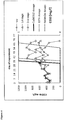
Figure 3 shows results of a blended use of Ca(NO3)2 and NaMnO4. -
Figures 4 and5 shows the results of the system according to the invention in a lab scale experiment as described in Example 2. -
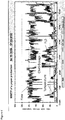
Figure 6 shows the results of a H2S related feed-back dosage of Ca(NO3)2 solution -
Figure 7 shows a sketch of a system controlled and monitored with an internet based interface. - The present invention concerns a process for treatment of industrial waste water containing both easy biodegradable and heavy biodegradable matter according to
claim 1. - The present invention provides a synergetic combination of biological and chemical processes for the treatment of wastewater. The biological treatment step will precondition the water before entering the chemical treatment step. As discussed above, a single treatment process is not capable of providing efficient and effective treatment of wastewater comprising both easy biodegradable matter and heavy biodegradable matter. Whereas the present suggested two steps treatment process will provide both efficient and effective treatment of wastewater of such composition. The system used in the treatment process described in the following is comprised of two reactors with a clarifier tank providing gravity separation in between. The clarifier tank is connected with the two reactors with pipelines.
- In the first reactor the easy degradable matter, measured as Biochemical Oxygen Demand (BOD), is reduced. Preferably a floating bed bioreactor under anaerobic conditions is used, but other bioreactors known in the art may also be used. The process is monitored on Oxidation Reduction Potential (ORP) and pH value (pH) by using commonly available probes. The reactor is fed with a micro dosage of nitrate salt solution in order to increase the yield of the methane production. The nitrate solution could be calcium nitrate (Ca(NO3)2), sodium nitrate or ferric nitrate . Micro aeration and micro nitrate dosage are known improvements for organics removal, (organics measured as the chemical oxygen demand (COD)) in anaerobic digesters.
- The biological treatment process produces sludge, and approximately 50% of degraded organic matter is converted into sludge. To prevent a mass transfer into the chemical treatment step, the wastewater has to be purified before entering the chemical treatment reactor. This may be done for example by use of a settling tank or within a filtration unit.
Entering the chemical treatment step, the wastewater is treated with an oxidizer to reduce the biologically heavy degradable matter. The oxidation treatment is preferably performed by application of sodium permanganate (NaMnO4), but also sodium hypochlorite solution or hydrogen peroxide can be used. The oxidizer can be used with higher efficiency by pre-treatment in the biological and physical reaction stage, as insolubles as well as easy degradable matter are not available for the chemical oxidation. - Thus application of both treatment steps eliminates biological easily and heavy degradable organic compounds and additionally minimises the needed effort to reduce sulphide. This synergistic result could not be achieved by either treatment alone. It is known in the art to add an oxidizer ahead of a biological treatment process. This will partly oxidize organic matter, as the oxidation will not take place specifically for heavy degradable matter - what reduces efficiency of the oxidizer application. By performing a biological treatment and taking out surplus sludge only the non-biodegradable matter remains for the treatment with the chemical oxidizer. Therefore the order of treatment steps is important for the present process.
- The effluent contamination is monitored using a Spectral Absorption Probe (SAK) to register organic loads, but measuring conductivity or redox potential can be alternatives. The oxidizer dosage is adjusted automatically according to the organic load via signal transfer, because a higher SAK measurement value indicates higher organic load - and thus adjusted oxidizer dosage. In order to prevent any hydrogen sulphide (H2S) formation downstream, the system can also use the nitrate solution dosage to prevent further H2S formation, too.
- An intelligent dosage control apparatus, being a controller with an integrated web based interface, is used in the process. Within the controller all available input signals from probes are monitored and used within a case-specific equation to determine the best dosage of chemicals in both reactors. Generally the BOD is removed by nitrates addition and is monitored through H2S formation, i.e. H2S is to be limited and if H2S occurs the dosage is too low. It is also possible to monitor the Oxidation Reduction Potential (ORP) in order to ensure instance anoxic conditions for the micro biology. The remaining COD is treated by oxidizer addition in a following step. This is monitored by an SAK response and thereby the dosage can be adjusted to keep the remaining COD level low.
- The equation result is modified by a pre-defined but preferably auto adjusted profile to obtain best match for a stabilized system. In order to handle changes due to extraordinary situations, one or several factors - defined and adjusted by the operator - can be used to modify the dosage. All process parameters including the key parameters within the basic equation may be adjusted via the web interface. A web interface will allow process control from standard web-browsing clients readily available on personal computers, tablet PCs and smart phones.
- The present invention comprises the use of decentralized controlling units to control a multistep process in an efficient way. The present invention provides efficient and effective treatment process for industrial waste water. By use of the process according to the present invention a wide range of COD loads are reduced and additionally H2S loads and odour emissions are prevented. Additionally process monitoring and process controls are included and constitute part of the concept. These features add to the efficiency and effectiveness of the process treatment. A sketch of a treatment system including sensor probes and signal lines is given in
figure 1 . - The following abbreviations are used:
- Q flow
- pH pH value
- ORP oxygen reduction potential
- SAK spectral absorption probe
- H2S hydrogen sulphide
- CH4 methane
- The treatment costs depend strongly on the COD level. The cost cutting effect is only depending on the share between BOD and remaining COD, as the BOD can be treated with cheaper chemicals than the COD treatment afterwards. Therefore the costs are given with respect to chemical oxidation only as the 100% reference. The results are given in
Figure 2 and indicate that the cost can be significantly reduced, especially for waste water with high content of biodegradable matter. - The present invention relates to a process for treatment of industrial waste water containing both easy biodegradable and heavy biodegradable matter. The process comprises the two steps of first treating the waste water in a bioreactor and secondly treating the waste water in a chemical oxidation step.
- According to the present invention a process for treatment of industrial waste water containing both easy biodegradable and heavy biodegradable matter comprises the two steps of first treating the waste water in an anaerobe bioreactor and secondly treating the waste water in a chemical oxidation step. A nitrate solution is added in an amount of between 0.4 kg/m3 and 0.8 kg/m3 in the biological treatment step and an oxidizer is added in the second step to reduce the amount of non-biological degradable compounds and said oxidizer is permanganate.
- In this process the easy degradable matter is degraded in the first biological treatment step and the heavily biodegradable matter is oxidized in the second chemical treatment step.
- In one embodiment of process a nitrate solution is added in the biological treatment step. Preferably the nitrate solution is a calcium nitrate solution with dry material content of 40% to 60%.
- The amount of nitrate added is 0.1 L/m3 to 1 L/m3 and is adjusted stepwise until H2S concentration in the off-gas is below a pre defined level, for
instance 5 ppm. The amount of nitrate added may also be expressed as typically being between 0.4 kg/m3 and 0.8 kg/m3, depending on bio degradable contents. - In the second treatment step of the process according to the invention an oxidizer is added to reduce the amount of non-biological degradable compounds. According to the invention the oxidizer is permanganate, preferably sodium permanganate, NaMnO4.
- The amount of permanganate added is typically 0.2 kg/m3 to 0.8 kg/m3. The permanganate is adjusted stepwise until SAK measured organics concentration in the effluent is below a pre defined level.
- The process according to the invention is controlled via integrated controlling system. The system has a number of analogue and digital inputs to connect all flow signals and probes. The system has a sufficient number of outputs to adjust the dosage pumps. The system has a data transfer connection to the internet, preferably bidirectional, in order to send data and receive commands from the internet platform. The system also contains the possibility to run programs containing the dosage algorithms. Accordingly, the process is controlled via integrated controlling system, wherein the system is capable of handling remote sensors and is programmable. Additionally the system is part of a network incorporating a database server and a web server to communicate with human operators.
- In an embodiment of the invention signals of probes for pH value and for ORP value in the biological reactor and/or signals of probes for H2S and for CH4 concentration in the headspace of the biological reactor is used to control and monitor the biological process and modify the dosage of nitrates solution accordingly. The measurement is made with standard probes. The pH value is monitored kept within neutral level. The ORP signal can be used to adjust the dosage of nitrates in the way that a value of -100 mV is always exceeded, if anoxic conditions are favoured.
- The process according to the invention also provides an embodiment wherein signals of probes for H2S and for CH4 concentration in headspace of the biological reactor is used to control and monitor the biological process and modify the dosage of nitrate solution. The measurement is made with standard probes. The parameters H2S and CH4 concentration are selected as biological H2S formation is to be prevented and CH4 production is supported. Accordingly, the CH4 concentration is measured for monitoring reasons only. The H2S signal is being used to adjust the dosage of nitrates in the way that a value of 5 ppm is never exceeded.
- According to the invention a process is provided wherein signals of a spectral absorption probe for organics (SAK) in the effluent of the second reactor are used to control and monitor the oxidation process and modify the dosage of oxidizer solution. The SAK monitors the organic load. As this shall be minimized the dosage must be increased stepwise until the SAK probe generated signal decrease below a predefined value.
The higher the remaining organic load measured via SAK probe the more the dosage needs to be increased. - A process is provided using customer set parameters and auto-adjusted parameters as well as pre-defined parameters to control the biological and the oxidation process in a synergetic way.
A network based control system is used in this described aspect. Further a comprehensive interface to present data and to adjust the dosage relevant parameters is used. In this system a wireless network to establish the communication between the control units, the data base and the interactive interface is used. The network consists of computer systems owning static IP addresses within a wireless or landline network. The allocation of IP addresses is not part of the invention. The communication is for example performed via HTML protocol and HTML server software. The software running within each controller manages to process the script code, the HTML in- and output as well as data transfer. The controller units mostly calculate dosages, collect data from probes and transfer data to a database server. The web server presents data from the database. Additionally the web server sends data filled into the web user interface to the HTML servers on the controller systems by addressing the unique IP addresses. - The invention is illustrated by the following non-limiting examples.
- In a full scale test an existing dosing facility for Ca(NO3)2 dosage was upgraded with a dosage system for NaMnO4. Combined dosage with up to 3% of Ca(NO3)2 dosage as NaMnO4 was tested. The effect was neglectable. The simultaneous dosage of two oxidizing chemicals in one dosing spot is not helpful, as the strong oxidizer is not selective and will also be consumed by matter that should be oxidized by the weaker one to achieve higher efficiency of treatment. Thus a combined treatment is not recommended. Further increase of the NaMnO4 dosage was no option with regards to economy, as the application costs were too high. Results of full scale application are shown in
Fig 3 . - In a two stage reactor system on lab scale synthetic waste water (basing on easy degradable matter) and ethylenediaminetetraacetic acid (EDTA; used as biological hardly degradable matter) were treated. The efficiency of the first treatment step was low. The efficiency increased slightly due to Ca(NO3)2 dosage. The EDTA was not reduced in the first treatment step and thus stayed as additional COD load and passed the second reactor. The major improvement was gained with NaMnO4 treatment after the biological treatment. The NaMnO4 was able to reduce also the EDTA load. Additionally it was shown that the Ca(NO3)2 dosage reduced the sulphide production without disturbing the anaerobic digestion in the first treatment stage. In a kind of compact setup as described here a network based system of controllers is not needed, but a sophisticated controller with probes for SAK and H2S would have been beneficial.
- Results of the system are given in
figures 4 and5 . - In full scale test installations the dosing system for Ca(NO3)2 application in wastewater for H2S and odour prevention were equipped with a GPRS (General Packet Radio Service) linked dosing controller. The controller were linked to the flow signal from a waste water pumps, downstream mounted H2S probes and temperature probes for dynamic dosage control. The system was connected to the internet via IP Address using a GPRS based mobile network. Via the system provider website the controller receives updated parameter values by the operator whenever an adaption is done. Additionally the websites were used to present stored data from a server and provide for them for download to have the possibility to monitor dosage and related parameters. These combined systems allow to run an efficient, effective and economical dosing strategy. Results of full scale application are shown in
Fig 6 . Such a system for concentration control is for example described inWO 2007/046705 A1 , Yara International ASA. - In treatment plant for industrial produced sludge H2S occurred on high concentrations. A treatment with Ca(NO3)2 solution was not possible due to surrounding conditions. Therefore a treatment with NaMn04 solution was performed. The treatment was successful in terms of H2S reduction but very costly.
- In a full scale test installation a sewer system was treated. The sewer was used to transfer industrial wastewater including both easy and heavy degradable matter. The process was controlled and monitored with an internet based interface. The success of both chemical applications was monitored at the end of each section. In case of insufficient dosage it was adjusted automatically via feedback.
- In the first sewer section a calcium nitrate solution was dosed to stimulate anaerobic digestion and to reduce H2S emissions. The dosage was calculated according to flow, temperature and expected biological processes in the sewer. The dosage was then adjusted according to feedback from the H2S measurement after the first section automatically. The dosage of nitrates was minimized in order to environmental aspects, as a wastewater treatment plant should not receive any load of nitrate.
- In the second sewer section sodium permanganate solution was applied in order to reduce organic matter. Hereby it was beneficial to minimize the oxidizer dosage due to economical reasons (as described above). This was achieved by minimizing easy biodegradable organic matter as well as sulphide in the first section of application. This kind of in-sewer treatment was only possible regarding both economic and ecologic aspects using a wireless connection between all three positions of sewer network that are involved in the dosage concept, as the distance in between was several kilometres and a land line network was not available. Due to the interaction between both dosing stages synergy was achieved that would not be possible without the two stage treatment system as well as without the interaction via wireless network.
- A sketch of the system is given in
figure 7 . The following abbreviations are used: - Q flow
- T temperature
- SAK spectral absorption probe
- H2S hydrogen sulphide
- The flow signal was used to calculate the basic value for the dosage of nitrate and oxidizer solution. Those values are modified by temperature compensation terms. Additionally the H2S signal was used to adjust the nitrate dosage leaving minimum of H2S to prevent over dosage of chemicals. The dosage for the oxidizer was modified by the signal by the SAK probe. As all steps of the dosage system have a certain distance in between it turned out to be necessary to use data transfer via wireless network.
Claims (9)
- Process for treatment of industrial waste water containing both easy biodegradable matter, measured as Biochemical Oxygen Demand (BOD), and heavy biodegradable matter, measured as the difference between Chemical Oxygen Demand (COD) and BOD, wherein the process comprises the two steps of firstly, treating the waste water in an anaerobe bioreactor, optionally, taking out sludge formed in the biological treatment process, and secondly, treating the waste water in a chemical oxidation step in a second reactor, wherein a nitrate solution is added in the biological treatment step in an amount of between 0.4 kg/m3 and 0.8 kg/m3 and an oxidizer is added in the second step to reduce the amount of non-biological degradable compounds and said oxidizer is permanganate, wherein the process is controlled via an integrated controlling system, wherein the system is capable of handling remote sensors and is programmable, and additionally it must be part of a network, incorporating also a database server and a web server to communicate with humans, and wherein signals of probes for pH value and for ORP value in the biological reactor and/or signals of probes for H2S and for CH4 concentration in headspace of the biological reactor are used to control and monitor the biological process and modify the dosage of nitrates solution accordingly, and wherein signals of a spectral absorption probe for organics in the effluent of the second reactor are used to control and monitor the oxidation process and modify the dosage of oxidizer solution.
- The process according to claim 1, wherein the nitrate solution is a calcium nitrate solution with dry material contents of 40% to 60%.
- The process according to claims 1 or 2, wherein the amount of nitrate added typically is between 0.4 kg/m3 and 0.8 kg/m3, depending on biodegradable contents.
- The process according to claim 1, wherein the oxidizer is sodium permanganate.
- The process according to claim 4 wherein said sodium permanganate is added in an amount of typically between 0.2 kg/m3 to 0.8 kg/m3, depending on oxidisable contents.
- The process according to claim 1, using customer set parameters and auto-adjusted parameters, as well as pre-defined parameters, to control the biological and the oxidation process in a synergetic way
- The process according to any one of claims 1 or 6, wherein a network based control system is used.
- The process according to claim 7, wherein a comprehensive interface to present data and to adjust the dosage relevant parameters is used.
- A process according to claim 8, wherein a wireless network to establish the communication between the control units, the data base and the interactive interface, is used.
Applications Claiming Priority (2)
| Application Number | Priority Date | Filing Date | Title |
|---|---|---|---|
| NO20110527A NO334703B1 (en) | 2011-04-06 | 2011-04-06 | Process for treating industrial wastewater |
| PCT/EP2012/055336 WO2012136505A2 (en) | 2011-04-06 | 2012-03-26 | Process to treat industrial wastewater |
Publications (2)
| Publication Number | Publication Date |
|---|---|
| EP2694443A2 EP2694443A2 (en) | 2014-02-12 |
| EP2694443B1 true EP2694443B1 (en) | 2018-08-22 |
Family
ID=45878958
Family Applications (1)
| Application Number | Title | Priority Date | Filing Date |
|---|---|---|---|
| EP12710515.3A Active EP2694443B1 (en) | 2011-04-06 | 2012-03-26 | Process to treat industrial wastewater in an anaerobic reactor and by chemical oxidation |
Country Status (8)
| Country | Link |
|---|---|
| US (1) | US9376335B2 (en) |
| EP (1) | EP2694443B1 (en) |
| BR (1) | BR112013025750B1 (en) |
| ES (1) | ES2688669T3 (en) |
| MA (1) | MA35146B1 (en) |
| NO (1) | NO334703B1 (en) |
| TN (1) | TN2013000406A1 (en) |
| WO (1) | WO2012136505A2 (en) |
Families Citing this family (5)
| Publication number | Priority date | Publication date | Assignee | Title |
|---|---|---|---|---|
| US9802846B2 (en) | 2013-06-21 | 2017-10-31 | Baker Hughes, A Ge Company, Llc | Treating and recylcing oilfield waste water |
| FR3050199B1 (en) * | 2016-04-18 | 2022-01-21 | Degremont | REGULATION OF A CENTRALIZED AIR PRODUCTION SYSTEM FOR A WASTEWATER TREATMENT PLANT |
| US20200100441A1 (en) * | 2018-09-23 | 2020-04-02 | Marvin Nash | Method of Processing Industrial By-Product Water for Optimal Beneficial Use |
| US12295299B2 (en) * | 2018-09-06 | 2025-05-13 | Marvin Nash | Method of processing by-product water for optimal beneficial use |
| CN109254133A (en) * | 2018-11-16 | 2019-01-22 | 河海大学 | A kind of industrial wastewater discharge real-time monitoring system and method |
Family Cites Families (12)
| Publication number | Priority date | Publication date | Assignee | Title |
|---|---|---|---|---|
| US4049545A (en) * | 1976-07-08 | 1977-09-20 | Rocky Carvalho | Chemical waste water treatment method |
| GB2025922B (en) * | 1978-07-21 | 1982-10-27 | Evers & Ass Ltd | Process for biodegradable effluent treatment |
| JPS5892498A (en) | 1981-11-30 | 1983-06-01 | Ebara Infilco Co Ltd | Biological denitrification of waste water |
| DK71987D0 (en) * | 1987-02-13 | 1987-02-13 | Nordiske Kabel Traad | PROCEDURE FOR CLEANING OIL AND CHEMICAL POLLUTANTS |
| US5200092A (en) | 1992-06-23 | 1993-04-06 | Carus Corporation | Composition and method for sulfide control |
| JP3526143B2 (en) | 1996-07-02 | 2004-05-10 | 環境エンジニアリング株式会社 | Advanced wastewater treatment method |
| JP3272614B2 (en) * | 1996-10-24 | 2002-04-08 | 株式会社大林組 | Sewage treatment equipment |
| ITMI20012119A1 (en) * | 2001-10-12 | 2003-04-12 | Franco Nardi | PROCEDURE FOR THE RECOVERY AND RETURNING OF THE COMPOUNDS CONTAINED IN THE EFFLUENTS OF THE PROCESSES OF DEGLIGNIFICATION AND IMPIANTING OF IMP |
| US7087172B2 (en) * | 2003-03-05 | 2006-08-08 | Usfilter Corporation | Methods for reducing nitrate demands in the reduction of dissolved and/or atmospheric sulfides in wastewater |
| US20060196828A1 (en) | 2005-03-03 | 2006-09-07 | Brown Jess C | Biodestruction of blended residual oxidants |
| EP1945572A1 (en) | 2005-10-17 | 2008-07-23 | YARA International ASA | System for controlling the concentration of a detrimental substance in a sewer network |
| US7799224B2 (en) * | 2008-01-30 | 2010-09-21 | Siemens Water Technologies Corp. | Wastewater treatment methods |
-
2011
- 2011-04-06 NO NO20110527A patent/NO334703B1/en not_active IP Right Cessation
-
2012
- 2012-03-26 WO PCT/EP2012/055336 patent/WO2012136505A2/en not_active Ceased
- 2012-03-26 US US14/009,888 patent/US9376335B2/en active Active
- 2012-03-26 BR BR112013025750-4A patent/BR112013025750B1/en active IP Right Grant
- 2012-03-26 ES ES12710515.3T patent/ES2688669T3/en active Active
- 2012-03-26 EP EP12710515.3A patent/EP2694443B1/en active Active
-
2013
- 2013-10-04 TN TNP2013000406A patent/TN2013000406A1/en unknown
- 2013-11-04 MA MA36386A patent/MA35146B1/en unknown
Non-Patent Citations (1)
| Title |
|---|
| None * |
Also Published As
| Publication number | Publication date |
|---|---|
| EP2694443A2 (en) | 2014-02-12 |
| US9376335B2 (en) | 2016-06-28 |
| TN2013000406A1 (en) | 2015-03-30 |
| BR112013025750B1 (en) | 2020-05-12 |
| NO334703B1 (en) | 2014-05-12 |
| BR112013025750A2 (en) | 2016-12-13 |
| WO2012136505A8 (en) | 2013-06-20 |
| MA35146B1 (en) | 2014-06-02 |
| WO2012136505A2 (en) | 2012-10-11 |
| NO20110527A1 (en) | 2012-10-08 |
| WO2012136505A3 (en) | 2013-01-24 |
| US20140027377A1 (en) | 2014-01-30 |
| ES2688669T3 (en) | 2018-11-06 |
Similar Documents
| Publication | Publication Date | Title |
|---|---|---|
| Amaral-Silva et al. | Ozonation and perozonation on the biodegradability improvement of a landfill leachate | |
| Zhang et al. | Degradation of 4-nitrophenol in aqueous medium by electro-Fenton method | |
| Campos et al. | Ozonation strategies to reduce sludge production of a seafood industry WWTP | |
| Martínez et al. | Techno-economical assessment of coupling Fenton/biological processes for the treatment of a pharmaceutical wastewater | |
| Singh et al. | Fenton treatment of landfill leachate under different COD loading factors | |
| Pérez et al. | Economic evaluation of a combined photo-Fenton/MBR process using pesticides as model pollutant. Factors affecting costs | |
| Lu et al. | Dewatering of activated sludge by Fenton's reagent | |
| Ganigué et al. | Impact of influent characteristics on a partial nitritation SBR treating high nitrogen loaded wastewater | |
| Abu Amr et al. | Application of response surface methodology (RSM) for optimization of semi-aerobic landfill leachate treatment using ozone | |
| Lackner et al. | Influence of seasonal temperature fluctuations on two different partial nitritation-anammox reactors treating mainstream municipal wastewater | |
| de Oliveira Freitas et al. | Chlorine and peracetic acid in decentralized wastewater treatment: disinfection, oxidation and odor control | |
| EP0417098B1 (en) | Method of sewage treatment | |
| García-Morales et al. | Synergy of electrochemical oxidation using boron-doped diamond (BDD) electrodes and ozone (O3) in industrial wastewater treatment | |
| Hauduc et al. | Incorporating sulfur reactions and interactions with iron and phosphorus into a general plant-wide model | |
| US9376335B2 (en) | Process to treat industrial wastewater | |
| Amaral‐Silva et al. | From a lab test to industrial application: scale‐up of Fenton process for real olive mill wastewater treatment | |
| US20200299160A1 (en) | Wastewater treatment apparatus to achieve class b biosolids using chlorine dioxide | |
| Cristóvão et al. | Chemical oxidation of fish canning wastewater by Fenton's reagent | |
| Battistoni et al. | Phosphorus removal from anaerobic supernatants: start-up and steady-state conditions of a fluidized bed reactor full-scale plant | |
| CN104370418A (en) | Treatment method of chemical sewage | |
| Akbari et al. | Managing sulfate ions produced by sulfate radical-advanced oxidation process using sulfate-reducing bacteria for the subsequent biological treatment | |
| Fazelipour et al. | Survey on chlorine application in sequencing batch reactor waste sludge in order to sludge minimization | |
| FI130483B (en) | CONTROL SYSTEM OF THE WASTEWATER TREATMENT PLANT | |
| EP3541756A1 (en) | Method for treating wastewater and wastewater sludge using a percarboxylic acid | |
| Takdastan et al. | Investigation of intermittent chlorination system in biological excess sludge reduction by sequencing batch reactors |
Legal Events
| Date | Code | Title | Description |
|---|---|---|---|
| PUAI | Public reference made under article 153(3) epc to a published international application that has entered the european phase |
Free format text: ORIGINAL CODE: 0009012 |
|
| 17P | Request for examination filed |
Effective date: 20131106 |
|
| AK | Designated contracting states |
Kind code of ref document: A2 Designated state(s): AL AT BE BG CH CY CZ DE DK EE ES FI FR GB GR HR HU IE IS IT LI LT LU LV MC MK MT NL NO PL PT RO RS SE SI SK SM TR |
|
| DAX | Request for extension of the european patent (deleted) | ||
| STAA | Information on the status of an ep patent application or granted ep patent |
Free format text: STATUS: EXAMINATION IS IN PROGRESS |
|
| 17Q | First examination report despatched |
Effective date: 20180131 |
|
| GRAP | Despatch of communication of intention to grant a patent |
Free format text: ORIGINAL CODE: EPIDOSNIGR1 |
|
| STAA | Information on the status of an ep patent application or granted ep patent |
Free format text: STATUS: GRANT OF PATENT IS INTENDED |
|
| INTG | Intention to grant announced |
Effective date: 20180413 |
|
| RAX | Requested extension states of the european patent have changed |
Extension state: BA Extension state: ME |
|
| GRAS | Grant fee paid |
Free format text: ORIGINAL CODE: EPIDOSNIGR3 |
|
| RIN1 | Information on inventor provided before grant (corrected) |
Inventor name: CORBEN, TIM Inventor name: FRANKE, WOLFRAM Inventor name: ETTL, MARINA Inventor name: HILMERS, JAN |
|
| GRAA | (expected) grant |
Free format text: ORIGINAL CODE: 0009210 |
|
| STAA | Information on the status of an ep patent application or granted ep patent |
Free format text: STATUS: THE PATENT HAS BEEN GRANTED |
|
| RAP1 | Party data changed (applicant data changed or rights of an application transferred) |
Owner name: YARA INTERNATIONAL ASA Owner name: ETTL, MARINA |
|
| RAP1 | Party data changed (applicant data changed or rights of an application transferred) |
Owner name: YARA INTERNATIONAL ASA |
|
| AK | Designated contracting states |
Kind code of ref document: B1 Designated state(s): AL AT BE BG CH CY CZ DE DK EE ES FI FR GB GR HR HU IE IS IT LI LT LU LV MC MK MT NL NO PL PT RO RS SE SI SK SM TR |
|
| DAX | Request for extension of the european patent (deleted) | ||
| REG | Reference to a national code |
Ref country code: GB Ref legal event code: FG4D |
|
| REG | Reference to a national code |
Ref country code: CH Ref legal event code: EP |
|
| REG | Reference to a national code |
Ref country code: AT Ref legal event code: REF Ref document number: 1032252 Country of ref document: AT Kind code of ref document: T Effective date: 20180915 |
|
| REG | Reference to a national code |
Ref country code: IE Ref legal event code: FG4D |
|
| REG | Reference to a national code |
Ref country code: DE Ref legal event code: R096 Ref document number: 602012050056 Country of ref document: DE |
|
| REG | Reference to a national code |
Ref country code: NO Ref legal event code: T2 Effective date: 20180822 |
|
| REG | Reference to a national code |
Ref country code: ES Ref legal event code: FG2A Ref document number: 2688669 Country of ref document: ES Kind code of ref document: T3 Effective date: 20181106 |
|
| REG | Reference to a national code |
Ref country code: SE Ref legal event code: TRGR |
|
| REG | Reference to a national code |
Ref country code: NL Ref legal event code: MP Effective date: 20180822 |
|
| REG | Reference to a national code |
Ref country code: LT Ref legal event code: MG4D |
|
| PG25 | Lapsed in a contracting state [announced via postgrant information from national office to epo] |
Ref country code: FI Free format text: LAPSE BECAUSE OF FAILURE TO SUBMIT A TRANSLATION OF THE DESCRIPTION OR TO PAY THE FEE WITHIN THE PRESCRIBED TIME-LIMIT Effective date: 20180822 Ref country code: NL Free format text: LAPSE BECAUSE OF FAILURE TO SUBMIT A TRANSLATION OF THE DESCRIPTION OR TO PAY THE FEE WITHIN THE PRESCRIBED TIME-LIMIT Effective date: 20180822 Ref country code: IS Free format text: LAPSE BECAUSE OF FAILURE TO SUBMIT A TRANSLATION OF THE DESCRIPTION OR TO PAY THE FEE WITHIN THE PRESCRIBED TIME-LIMIT Effective date: 20181222 Ref country code: RS Free format text: LAPSE BECAUSE OF FAILURE TO SUBMIT A TRANSLATION OF THE DESCRIPTION OR TO PAY THE FEE WITHIN THE PRESCRIBED TIME-LIMIT Effective date: 20180822 Ref country code: GR Free format text: LAPSE BECAUSE OF FAILURE TO SUBMIT A TRANSLATION OF THE DESCRIPTION OR TO PAY THE FEE WITHIN THE PRESCRIBED TIME-LIMIT Effective date: 20181123 Ref country code: LT Free format text: LAPSE BECAUSE OF FAILURE TO SUBMIT A TRANSLATION OF THE DESCRIPTION OR TO PAY THE FEE WITHIN THE PRESCRIBED TIME-LIMIT Effective date: 20180822 Ref country code: BG Free format text: LAPSE BECAUSE OF FAILURE TO SUBMIT A TRANSLATION OF THE DESCRIPTION OR TO PAY THE FEE WITHIN THE PRESCRIBED TIME-LIMIT Effective date: 20181122 |
|
| REG | Reference to a national code |
Ref country code: AT Ref legal event code: MK05 Ref document number: 1032252 Country of ref document: AT Kind code of ref document: T Effective date: 20180822 |
|
| PG25 | Lapsed in a contracting state [announced via postgrant information from national office to epo] |
Ref country code: AL Free format text: LAPSE BECAUSE OF FAILURE TO SUBMIT A TRANSLATION OF THE DESCRIPTION OR TO PAY THE FEE WITHIN THE PRESCRIBED TIME-LIMIT Effective date: 20180822 Ref country code: HR Free format text: LAPSE BECAUSE OF FAILURE TO SUBMIT A TRANSLATION OF THE DESCRIPTION OR TO PAY THE FEE WITHIN THE PRESCRIBED TIME-LIMIT Effective date: 20180822 Ref country code: LV Free format text: LAPSE BECAUSE OF FAILURE TO SUBMIT A TRANSLATION OF THE DESCRIPTION OR TO PAY THE FEE WITHIN THE PRESCRIBED TIME-LIMIT Effective date: 20180822 |
|
| PG25 | Lapsed in a contracting state [announced via postgrant information from national office to epo] |
Ref country code: AT Free format text: LAPSE BECAUSE OF FAILURE TO SUBMIT A TRANSLATION OF THE DESCRIPTION OR TO PAY THE FEE WITHIN THE PRESCRIBED TIME-LIMIT Effective date: 20180822 Ref country code: PL Free format text: LAPSE BECAUSE OF FAILURE TO SUBMIT A TRANSLATION OF THE DESCRIPTION OR TO PAY THE FEE WITHIN THE PRESCRIBED TIME-LIMIT Effective date: 20180822 Ref country code: RO Free format text: LAPSE BECAUSE OF FAILURE TO SUBMIT A TRANSLATION OF THE DESCRIPTION OR TO PAY THE FEE WITHIN THE PRESCRIBED TIME-LIMIT Effective date: 20180822 Ref country code: CZ Free format text: LAPSE BECAUSE OF FAILURE TO SUBMIT A TRANSLATION OF THE DESCRIPTION OR TO PAY THE FEE WITHIN THE PRESCRIBED TIME-LIMIT Effective date: 20180822 Ref country code: EE Free format text: LAPSE BECAUSE OF FAILURE TO SUBMIT A TRANSLATION OF THE DESCRIPTION OR TO PAY THE FEE WITHIN THE PRESCRIBED TIME-LIMIT Effective date: 20180822 |
|
| REG | Reference to a national code |
Ref country code: DE Ref legal event code: R097 Ref document number: 602012050056 Country of ref document: DE |
|
| PG25 | Lapsed in a contracting state [announced via postgrant information from national office to epo] |
Ref country code: DK Free format text: LAPSE BECAUSE OF FAILURE TO SUBMIT A TRANSLATION OF THE DESCRIPTION OR TO PAY THE FEE WITHIN THE PRESCRIBED TIME-LIMIT Effective date: 20180822 Ref country code: SM Free format text: LAPSE BECAUSE OF FAILURE TO SUBMIT A TRANSLATION OF THE DESCRIPTION OR TO PAY THE FEE WITHIN THE PRESCRIBED TIME-LIMIT Effective date: 20180822 Ref country code: SK Free format text: LAPSE BECAUSE OF FAILURE TO SUBMIT A TRANSLATION OF THE DESCRIPTION OR TO PAY THE FEE WITHIN THE PRESCRIBED TIME-LIMIT Effective date: 20180822 |
|
| PLBE | No opposition filed within time limit |
Free format text: ORIGINAL CODE: 0009261 |
|
| STAA | Information on the status of an ep patent application or granted ep patent |
Free format text: STATUS: NO OPPOSITION FILED WITHIN TIME LIMIT |
|
| 26N | No opposition filed |
Effective date: 20190523 |
|
| PG25 | Lapsed in a contracting state [announced via postgrant information from national office to epo] |
Ref country code: SI Free format text: LAPSE BECAUSE OF FAILURE TO SUBMIT A TRANSLATION OF THE DESCRIPTION OR TO PAY THE FEE WITHIN THE PRESCRIBED TIME-LIMIT Effective date: 20180822 |
|
| PG25 | Lapsed in a contracting state [announced via postgrant information from national office to epo] |
Ref country code: MC Free format text: LAPSE BECAUSE OF FAILURE TO SUBMIT A TRANSLATION OF THE DESCRIPTION OR TO PAY THE FEE WITHIN THE PRESCRIBED TIME-LIMIT Effective date: 20180822 |
|
| REG | Reference to a national code |
Ref country code: CH Ref legal event code: PL |
|
| PG25 | Lapsed in a contracting state [announced via postgrant information from national office to epo] |
Ref country code: LU Free format text: LAPSE BECAUSE OF NON-PAYMENT OF DUE FEES Effective date: 20190326 |
|
| REG | Reference to a national code |
Ref country code: BE Ref legal event code: MM Effective date: 20190331 |
|
| PG25 | Lapsed in a contracting state [announced via postgrant information from national office to epo] |
Ref country code: IE Free format text: LAPSE BECAUSE OF NON-PAYMENT OF DUE FEES Effective date: 20190326 Ref country code: LI Free format text: LAPSE BECAUSE OF NON-PAYMENT OF DUE FEES Effective date: 20190331 Ref country code: CH Free format text: LAPSE BECAUSE OF NON-PAYMENT OF DUE FEES Effective date: 20190331 |
|
| PG25 | Lapsed in a contracting state [announced via postgrant information from national office to epo] |
Ref country code: BE Free format text: LAPSE BECAUSE OF NON-PAYMENT OF DUE FEES Effective date: 20190331 |
|
| PG25 | Lapsed in a contracting state [announced via postgrant information from national office to epo] |
Ref country code: TR Free format text: LAPSE BECAUSE OF FAILURE TO SUBMIT A TRANSLATION OF THE DESCRIPTION OR TO PAY THE FEE WITHIN THE PRESCRIBED TIME-LIMIT Effective date: 20180822 |
|
| PG25 | Lapsed in a contracting state [announced via postgrant information from national office to epo] |
Ref country code: MT Free format text: LAPSE BECAUSE OF NON-PAYMENT OF DUE FEES Effective date: 20190326 Ref country code: PT Free format text: LAPSE BECAUSE OF FAILURE TO SUBMIT A TRANSLATION OF THE DESCRIPTION OR TO PAY THE FEE WITHIN THE PRESCRIBED TIME-LIMIT Effective date: 20181222 |
|
| PG25 | Lapsed in a contracting state [announced via postgrant information from national office to epo] |
Ref country code: CY Free format text: LAPSE BECAUSE OF FAILURE TO SUBMIT A TRANSLATION OF THE DESCRIPTION OR TO PAY THE FEE WITHIN THE PRESCRIBED TIME-LIMIT Effective date: 20180822 |
|
| PG25 | Lapsed in a contracting state [announced via postgrant information from national office to epo] |
Ref country code: HU Free format text: LAPSE BECAUSE OF FAILURE TO SUBMIT A TRANSLATION OF THE DESCRIPTION OR TO PAY THE FEE WITHIN THE PRESCRIBED TIME-LIMIT; INVALID AB INITIO Effective date: 20120326 |
|
| PG25 | Lapsed in a contracting state [announced via postgrant information from national office to epo] |
Ref country code: MK Free format text: LAPSE BECAUSE OF FAILURE TO SUBMIT A TRANSLATION OF THE DESCRIPTION OR TO PAY THE FEE WITHIN THE PRESCRIBED TIME-LIMIT Effective date: 20180822 |
|
| PGFP | Annual fee paid to national office [announced via postgrant information from national office to epo] |
Ref country code: IT Payment date: 20250211 Year of fee payment: 14 |
|
| PGFP | Annual fee paid to national office [announced via postgrant information from national office to epo] |
Ref country code: ES Payment date: 20250414 Year of fee payment: 14 |
|
| PGFP | Annual fee paid to national office [announced via postgrant information from national office to epo] |
Ref country code: SE Payment date: 20260323 Year of fee payment: 15 |
|
| PGFP | Annual fee paid to national office [announced via postgrant information from national office to epo] |
Ref country code: GB Payment date: 20260317 Year of fee payment: 15 |
|
| PGFP | Annual fee paid to national office [announced via postgrant information from national office to epo] |
Ref country code: NO Payment date: 20260320 Year of fee payment: 15 Ref country code: DE Payment date: 20260320 Year of fee payment: 15 |
|
| PGFP | Annual fee paid to national office [announced via postgrant information from national office to epo] |
Ref country code: FR Payment date: 20260324 Year of fee payment: 15 |