EP2692345A2 - Pharmaceutical composition for preventing or treating macular degeneration - Google Patents
Pharmaceutical composition for preventing or treating macular degeneration Download PDFInfo
- Publication number
- EP2692345A2 EP2692345A2 EP12764888.9A EP12764888A EP2692345A2 EP 2692345 A2 EP2692345 A2 EP 2692345A2 EP 12764888 A EP12764888 A EP 12764888A EP 2692345 A2 EP2692345 A2 EP 2692345A2
- Authority
- EP
- European Patent Office
- Prior art keywords
- amino
- benzopyran
- imidazol
- ylmethyl
- dimethoxymethyl
- Prior art date
- Legal status (The legal status is an assumption and is not a legal conclusion. Google has not performed a legal analysis and makes no representation as to the accuracy of the status listed.)
- Granted
Links
- 0 C[C@@](*)(C1(CN)O)Oc2ccc(*)cc2*C1N(CC1NC(C2)C2N1)/C1=C/*(*)/*=C/*(*)CC1 Chemical compound C[C@@](*)(C1(CN)O)Oc2ccc(*)cc2*C1N(CC1NC(C2)C2N1)/C1=C/*(*)/*=C/*(*)CC1 0.000 description 1
Images




Classifications
-
- A—HUMAN NECESSITIES
- A61—MEDICAL OR VETERINARY SCIENCE; HYGIENE
- A61K—PREPARATIONS FOR MEDICAL, DENTAL OR TOILETRY PURPOSES
- A61K31/00—Medicinal preparations containing organic active ingredients
- A61K31/33—Heterocyclic compounds
- A61K31/395—Heterocyclic compounds having nitrogen as a ring hetero atom, e.g. guanethidine or rifamycins
- A61K31/41—Heterocyclic compounds having nitrogen as a ring hetero atom, e.g. guanethidine or rifamycins having five-membered rings with two or more ring hetero atoms, at least one of which being nitrogen, e.g. tetrazole
- A61K31/4164—1,3-Diazoles
-
- A—HUMAN NECESSITIES
- A61—MEDICAL OR VETERINARY SCIENCE; HYGIENE
- A61K—PREPARATIONS FOR MEDICAL, DENTAL OR TOILETRY PURPOSES
- A61K9/00—Medicinal preparations characterised by special physical form
- A61K9/0012—Galenical forms characterised by the site of application
- A61K9/0048—Eye, e.g. artificial tears
-
- A—HUMAN NECESSITIES
- A61—MEDICAL OR VETERINARY SCIENCE; HYGIENE
- A61K—PREPARATIONS FOR MEDICAL, DENTAL OR TOILETRY PURPOSES
- A61K31/00—Medicinal preparations containing organic active ingredients
- A61K31/33—Heterocyclic compounds
- A61K31/335—Heterocyclic compounds having oxygen as the only ring hetero atom, e.g. fungichromin
- A61K31/35—Heterocyclic compounds having oxygen as the only ring hetero atom, e.g. fungichromin having six-membered rings with one oxygen as the only ring hetero atom
-
- A—HUMAN NECESSITIES
- A61—MEDICAL OR VETERINARY SCIENCE; HYGIENE
- A61K—PREPARATIONS FOR MEDICAL, DENTAL OR TOILETRY PURPOSES
- A61K31/00—Medicinal preparations containing organic active ingredients
- A61K31/33—Heterocyclic compounds
- A61K31/395—Heterocyclic compounds having nitrogen as a ring hetero atom, e.g. guanethidine or rifamycins
- A61K31/41—Heterocyclic compounds having nitrogen as a ring hetero atom, e.g. guanethidine or rifamycins having five-membered rings with two or more ring hetero atoms, at least one of which being nitrogen, e.g. tetrazole
- A61K31/4164—1,3-Diazoles
- A61K31/4178—1,3-Diazoles not condensed 1,3-diazoles and containing further heterocyclic rings, e.g. pilocarpine, nitrofurantoin
-
- A—HUMAN NECESSITIES
- A61—MEDICAL OR VETERINARY SCIENCE; HYGIENE
- A61K—PREPARATIONS FOR MEDICAL, DENTAL OR TOILETRY PURPOSES
- A61K47/00—Medicinal preparations characterised by the non-active ingredients used, e.g. carriers or inert additives; Targeting or modifying agents chemically bound to the active ingredient
- A61K47/06—Organic compounds, e.g. natural or synthetic hydrocarbons, polyolefins, mineral oil, petrolatum or ozokerite
- A61K47/08—Organic compounds, e.g. natural or synthetic hydrocarbons, polyolefins, mineral oil, petrolatum or ozokerite containing oxygen, e.g. ethers, acetals, ketones, quinones, aldehydes, peroxides
- A61K47/10—Alcohols; Phenols; Salts thereof, e.g. glycerol; Polyethylene glycols [PEG]; Poloxamers; PEG/POE alkyl ethers
-
- A—HUMAN NECESSITIES
- A61—MEDICAL OR VETERINARY SCIENCE; HYGIENE
- A61K—PREPARATIONS FOR MEDICAL, DENTAL OR TOILETRY PURPOSES
- A61K47/00—Medicinal preparations characterised by the non-active ingredients used, e.g. carriers or inert additives; Targeting or modifying agents chemically bound to the active ingredient
- A61K47/30—Macromolecular organic or inorganic compounds, e.g. inorganic polyphosphates
- A61K47/32—Macromolecular compounds obtained by reactions only involving carbon-to-carbon unsaturated bonds, e.g. carbomers, poly(meth)acrylates, or polyvinyl pyrrolidone
-
- A—HUMAN NECESSITIES
- A61—MEDICAL OR VETERINARY SCIENCE; HYGIENE
- A61K—PREPARATIONS FOR MEDICAL, DENTAL OR TOILETRY PURPOSES
- A61K9/00—Medicinal preparations characterised by special physical form
- A61K9/08—Solutions
-
- A—HUMAN NECESSITIES
- A61—MEDICAL OR VETERINARY SCIENCE; HYGIENE
- A61K—PREPARATIONS FOR MEDICAL, DENTAL OR TOILETRY PURPOSES
- A61K9/00—Medicinal preparations characterised by special physical form
- A61K9/10—Dispersions; Emulsions
-
- A—HUMAN NECESSITIES
- A61—MEDICAL OR VETERINARY SCIENCE; HYGIENE
- A61P—SPECIFIC THERAPEUTIC ACTIVITY OF CHEMICAL COMPOUNDS OR MEDICINAL PREPARATIONS
- A61P27/00—Drugs for disorders of the senses
- A61P27/02—Ophthalmic agents
Definitions
- the present invention relates to a pharmaceutical composition for preventing or treating macular degeneration, which comprises benzopyran derivatives substituted with secondary amines including imidazole; or pharmaceutically acceptable salts thereof as an active ingredient.
- the nerve tissue located at the center of the retina of the eye is called as a macula.
- the macula includes most of phtoreceptor cells responding to light stimuli; and the appearances of objects are focused at the center of the macula. Therefore, the macular plays an essential role in maintaining eyesight.
- Age-related macular degeneration is a chronic disease characterized by the degenerations in the retinal pigment epithelium and Bruch's membrane in the macular as well as the choroidal capillary.
- the sensory retina is located in front of the retinal pigment epithelium. The nutrition, support, recycling, and treatment of wastes of the sensory retina depend on the retinal pigment epithelium.
- Bruch's membrane having a five-layered structure is sandwiched between the choroid and the retinal pigment epithelium.
- the innermost layer is a basal membrane of the retinal pigment epithelium; and the outermost layer is a basal membrane of the choroidal capillary. That is, the macular degeneration is a degenerative disease occurred in the complex of the retinal pigment epithelium, Bruch's membrane, and the choroidal capillary.
- This disease which occurs primarily in the ages over 50 years old, is the main cause of blindness in the population of more than 60 years old in the Western countries; and the trend thereof is also increasing in Korea.
- the risk factors include age (especially, sharp increase is shown after the age of 75 years old), smoking (most notable environmental risk factor), high blood pressure, obesity, genetic cause, excessive UV exposure, low blood concentration of antioxidant, and the like.
- the macular degeneration there are two types, i.e., dry (non-exudative) macular degeneration and wet (exudative) macular degeneration.
- dry macular degeneration dry AMD, non-exudative AMD, or non-neovascular AMD
- drusen yellow deposits
- the large formation of drusen causes disturbing the blood flow to the retina, especially to the macular, which leads to obscure vision, thereby bring about visual impairment.
- the dry macular degeneration does not cause a sudden loss of vision, it may be developed to a wet macular degeneration.
- the wet macular degeneration (wet AMD, exudative AMD, or neovascular AMD) is associated with the angiogenesis from the choroid area under the retina.
- the burst of these weak neovessels causes hemorrhage and exudation, which leads to degeneration in the macula area of the retina, thereby bring about visual impairment.
- the wet macular degeneration is developed very rapidly, it is known that vision can be deteriorated in several weeks; or that loss of vision can be caused between 2 month and 3 years.
- the photodynamic therapy is a method which comprises injecting a photosensitizer, Visudyne, through the blood vessels, followed by irradiation of the eye with a specific laser reactive only to the photosensitizer at the time when the photosensitizer arrives at neovessels of the retina, so as to selectively destroy the neovessels.
- the photodynamic therapy causes many recurrent cases after the treatment, which requires repetitive treatments. And also, there is a drawback that the repetitive treatments causes damage of the retina itself.
- the antibody injection therapy is a method injecting directly into the retina an anti-VEGF antibody which inhibits the formation and proliferation of neovessels through selectively binding to the vascular endothelial growth factor (VEGF) critical to the formation and progression of neovessels.
- VEGF vascular endothelial growth factor
- Lucentis As a protein drug used in the antibody injection therapy, there are Lucentis and Avastin. Lucentis has been approved by the FDA as a therapeutic agent of wet macular degeneration. Although Avastin is approved to treat cancer, it is being clinically used to treat wet AMD.
- the antibody injection therapy has some drawbacks: for example, it requires high therapeutic cost, local administration (especially direct administration into the eye), and repeated injections. Therefore, in terms of patients' drug compliance, therapeutic cost, etc., there is a need for developing an (non-injectable) eye drop formulation based on a low-molecular weight synthetic compound.
- the present inventors performed various researches for developing effective compounds for preventing and treating macular degeneration. As a result, the present inventors found that certain benzopyran derivatives having therapeutic effects for cancer, rheumatoid arthritis, etc. previously reported by the present inventors can be prepared as an eye drop formulation based on a low-molecular weight material; and usefully applied to the prevention and treatment of macular degeneration, without injecting directly into the affected site as in the antibody injection therapy.
- a pharmaceutical composition for preventing or treating macular degeneration which comprises a certain benzopyran derivative as an active ingredient.
- a pharmaceutical composition for preventing or treating macular degeneration which comprises a compound of Formula 1 or its pharmaceutically acceptable salt as an active ingredient: wherein, R 1 represents H, CN, NO 2 or NH 2 , R 2 represents R 3 and R 4 are independent each other and represent H, Cl, Br, F, C 1 ⁇ C 3 straight or branched alkyl, OR b , CF 3 , OCF 3 , NO 2 or CO 2 R b , R a represents C 1 ⁇ C 4 straight or branched alkyl, R b represents H or C 1 ⁇ C 3 alkyl, and * represents the chiral center,
- a pharmaceutical composition for preventing or treating macular degeneration which comprises (2R,3R,4S)-6-amino-4-[N-(4-chlorophenyl)-N-(1H-imidazol-2-ylmethyl)amino]-3-hydroxy-2-methyl-2-dimethoxymethyl-3,4-dihydro-2H-1-benzopyran or its pharmaceutically acceptable salt as an active ingredient.
- an eye drop formulation for preventing or treating macular degeneration which comprises (2R,3R,4S)-6-amino-4-[N-(4-chlorophenyl)-N-(1H-imidazol-2-ylmethyl)amino]-3-hydroxy-2-methyl-2-dimethoxymethyl-3,4-dihydro-2H-1-benzopyran or its pharmaceutically acceptable salt as an active ingredient.
- the eye drop formulation may have a solution form or a suspension form.
- the compound of Formula 1 or its pharmaceutically acceptable salt may be usefully applied to the prevention and treatment of macular degeneration, the degenerative disease of retinal choroidal capillary.
- the present invention that, when (2R,3R,4S)-6-amino-4-[N-(4-chlorophenyl)-N-(1H-imidazol-2-ylmethyl)amino]-3-hydroxy-2-methyl-2-dimethoxymethyl-3,4-dihydro-2H-1-benzopyran or its pharmaceutically acceptable salt is administered to the cornea in the form of eye drops, it is delivered to the retina without inhibiting normal regeneration of corneal epithelial cells.
- the compound of Formula 1 including (2R,3R,4S)-6-amino-4-[N-(4-chlorophenyl)-N-(1H-imidazol-2-ylmethyl)amino]-3-hydroxy-2-methyl-2-dimethoxymethyl-3,4-dihydro-2H-1-benzopyran, or its pharmaceutically acceptable salt can be usefully applied for preventing or treating macular degeneration in an eye drop formulation.
- a pharmaceutical composition for preventing or treating macular degeneration which comprises a compound of Formula 1 or its pharmaceutically acceptable salt as an active ingredient: wherein, R 1 represents H, CN, NO 2 or NH 2 , R 2 represents R 3 and R 4 are independent each other and represent H, Cl, Br, F, C 1 ⁇ C 3 straight or branched alkyl, OR b , CF 3 , OCF 3 , NO 2 or CO 2 R b , R a represents C 1 ⁇ C 4 straight or branched alkyl, R b represents H or C 1 ⁇ C 3 alkyl, and * represents the chiral center.
- the compound of Formula 1 may be selected from the group consisting of:
- especially preferable compound is (2R,3R,4S)-6-amino-4-[N-(4-chiorophenyl)-N-(1H-imidazol-2-ylmethyl)amino]-3-hydroxy-2-methyl-2-dimethoxymethyl-3,4-dihydro-2H-1-benzopyran or its pharmaceutically acceptable salt.
- a pharmaceutical composition for preventing or treating macular degeneration which comprises (2R,3R,4S)-6-amino-4-[N-(4-chlorophenyl)-N-(1H-imidazol-2-ylmethyl)amino]-3-hydroxy-2-methyl-2-dimethoxymethyl-3,4-dihydro-2H-1-benzopyran or its pharmaceutically acceptable salt as an active ingredient.
- the compound of Formula 1 may be used as a pharmaceutically acceptable salt, including e.g., an acid addition salt derived from pharmaceutically acceptable free acids, an alkali metal salt (sodium salt, potassium salt, etc.), and an alkali earth metal salt (calcium salt, magnesium salt, etc.).
- the free acid includes an inorganic acid and an organic acid.
- the inorganic acid includes hydrochloric acid, hydrobromic acid, nitric acid, sulfuric acid, perchloric acid, phosphoric acid, etc.
- the organic acid includes citric acid, acetic acid, lactic acid, maleic acid, fumaric acid, gluconic acid, methanesulfonic acid, glycolic acid, succinic acid, tartaric acid, galacturonic acid, embonic acid, glutamic acid, aspartic acid, oxalic acid, (D) or (L) malic acid, maleic acid, methanesulfonic acid, ethanesulfonic acid, 4-toluenesulfonic acid, salicylic acid, citric acid, benzoic acid, malonic acid, etc.
- Examples of the pharmaceutically acceptable salt of the compound of Formula 1 include acetate, aspartate, benzoate, besylate, bicarbonate/carbonate, bisulfate/sulfate, borate, camsylate, citrate, edicylate, ecylate, formate, fumarate, gluceptate, gluconate, glucuronate, hexafluorophosphate, hibenzate, hydrochloride/chloride, hydrobromide/bromide, hydroiodide/iodide, isethionate, latate, malate, maleate, malonate, mesylate, methylsulfate, naphthylate, 2-napsylate, nicotinate, nitrate, orotate, oxalate, palmitate, famoate, phosphate/hydrogen phosphate/dihydrogen phosphate, saccharate, stearate, succinate, tartrate, tosylate, trifluoroacetate,
- the pharmaceutically acceptable salt of the compound of Formula 1 may be prepared according to conventional methods.
- the acid addition salt may be prepared by dissolving the compound of Formula 1 in a water-miscible organic solvent, such as acetone, methanol, ethanol, or acetonitrile; and then adding an organic acid in excess or an aqueous solution of an inorganic acid, so as to precipitate or crystallize the resulting salt.
- the acid addition salt may be isolated by evaporating the solvent or the excessive acid and then drying the resulting residue; or by suction-filtering the precipitated salt.
- the compound of Formula 1 or its pharmaceutically acceptable salt includes its isomers, hydrates, and solvates.
- the compound of Formula 1 or its pharmaceutically acceptable salt shows an inhibitory activity against corneal angiogenesis and inhibitory activity against expression of corneal angiogenesis marker, FLK-1 (see FIGs. 1 to 4 ).
- the normal healing ability (regeneration ability) of corneal epithelial cells is not inhibited by the pharmaceutical composition of the present invention (see FIGs. 5 and 6 ).
- the compound of Formula 1 or its pharmaceutically acceptable salt shows excellent activity for preventing or treating macular degeneration, a disease induced by degeneration of the retinal choroidal capillary (see FIGs. 7 to 10 ).
- the compound of Formula 1 or its pharmaceutically acceptable salt may be prepared into a topically administrable external eye drop formulation form, which shows excellent activity for preventing or treating macular degeneration without injecting into the affected site (see FIGs. 11 and 12 ).
- the active ingredient when the eye drop formulation is administered to the cornea, the active ingredient is effectively delivered to the retina, while only a negligible amount is absorbed into the blood (see Table 1).
- the present invention includes, within its scope, an eye drop formulation for preventing or treating macular degeneration, which comprises a compound of Formula 1 or its pharmaceutically acceptable salt as an active ingredient.
- an eye drop formulation for preventing or treating macular degeneration which comprises (2R,3R,4S)-6-amino-4-[N-(4-chlorophenyl)-N-(1H-imidazol-2-ylmethyl)amino]-3-hydroxy-2-methyl-2-dimethoxymethyl-3,4-dihydro-2H-1-benzopyran or its pharmaceutically acceptable salt as an active ingredient.
- the eye drop formulation may have a solution form or a suspension form.
- an eye drop formulation in a solution form may comprises a solubilizer such as polyethylene glycol 400, glycerin, etc.; a stabilizer such as EDTA etc.; a buffering agent such as boric acid etc.; a pH controlling agent such as hydrochloric acid, sodium hydroxide, etc., in addition to the compound of Formula 1 or its pharmaceutically acceptable salt (for example, (2R,3R,4S)-6-amino-4-[N-(4-chlorophenyl)-N-(1H-imidazol-2-ylmethyl)amino]-3-hydroxy-2-methyl-2-dimethoxymethyl-3,4-dihydro-2H-1-benzopyran or its salt).
- a solubilizer such as polyethylene glycol 400, glycerin, etc.
- a stabilizer such as EDTA etc.
- a buffering agent such as boric acid etc.
- a pH controlling agent such as hydrochloric acid, sodium hydroxide, etc.
- an eye drop formulation in a suspension form may comprises a viscosity controlling agent such as cross-linked polyvinylpyrrolidone (for example, povidone K-25) etc.; an isotonic agent such as sodium chloride, etc.; a stabilizer such as EDTA etc.; a buffering agent such as boric acid, Borax, etc.; a pH controlling agent such as hydrochloric acid, sodium hydroxide, etc., in addition to the compound of Formula 1 or its pharmaceutically acceptable salt (for example, (2R,3R,4S)-6-amino-4-[N-(4-chlorophenyl)-N-(1H-imidazol-2-ylmethyl)amino]-3-hydroxy-2-methyl-2-dimethoxymethyl-3,4-dihydro-2H-1-benzopyran or its salt).
- a viscosity controlling agent such as cross-linked polyvinylpyrrolidone (for example, povidone K-25) etc.
- the pharmaceutical composition in the eye drop formulation form may be sterilized according to conventional methods; or further comprise a supplement agent such as a preservative, a hydrating agent, an emulsifier, a solubilizing agent, a salt for controlling osmotic pressure, and/or a buffering agent.
- a supplement agent such as a preservative, a hydrating agent, an emulsifier, a solubilizing agent, a salt for controlling osmotic pressure, and/or a buffering agent.
- the compound of Formula 1 or its pharmaceutically acceptable salt may be administered in an amount of typically about 0.01 to about 100 mg/day, preferably 0.03 to 80 mg/day based on adults having 70 Kg of body weight, although the amount may be changed according to the patient's age, body weight, sex, dosage form, health condition, severity of disease, etc.
- the administration may be carried out in an appropriate interval, e.g., in a single dose or in divided doses per day, according to the doctor's or pharmacist's instruction.
- the present invention includes, within its scope, a use of a compound of Formula 1 or its pharmaceutically acceptable salt for the manufacture of a medicament for preventing or treating macular degeneration: wherein, R 1 , R 2 , R 3 and R 4 are the same as defined in the above; and * represents the chiral center.
- the compound of Formula 1 may be preferably (2R,3R,4S)-6-amino-4-[N-(4-chlorophenyl)-N-(1H-imidazol-2-ylmethyl)amino]-3-hydroxy-2-methyl-2-dimethoxymethyl-3,4-dihydro-2H-1-benzopyran.
- the medicament may have a solution form or a suspension form.
- the compound of Formula 1 or its pharmaceutically acceptable salt may be administered in an amount of typically about 0.01 to about 100 mg/day, preferably 0.03 to 80 mg/day based on adults having 70 Kg of body weight, although the amount may be changed according to the patient's age, body weight, sex, dosage form, health condition, severity of disease, etc.
- the administration can be carried out in an appropriate interval, e.g., in a single dose or in divided doses per day, according to the doctor's or pharmacist's instruction.
- the present invention also includes, within its scope, a method for preventing or treating macular degeneration in a patient, which comprises administering a therapeutically effective amount of the compound of Formula 1 or its pharmaceutically acceptable salt to the patient in need thereof: wherein, R 1 , R 2 , R 3 and R 4 are the same as defined in the above; and * represents the chiral center.
- the compound of Formula 1 may be preferably (2R,3R,4S)-6-amino-4-[N-(4-chlorophenyl)-N-(1H-imidazol-2-ylmethyl)amino]-3-hydroxy-2-methyl-2-dimethoxymethyl-3,4-dihydro-2H-1-benzopyran.
- the compound may be administered in an eye drop formulation having a solution form or a suspension form.
- the compound of Formula 1 or its pharmaceutically acceptable salt may be administered in an amount of typically about 0.01 to about 100 mg/day, preferably 0.03 to 80 mg/day based on adults with 70 Kg of body weight, although the amount may be changed according to the patient's age, body weight, sex, dosage form, health condition, severity of disease, etc.
- the administration can be carried out in an appropriate interval, e.g., in a single dose or in divided doses per day, according to the doctor's or pharmacist's instruction.
- the title compound (76 mg, 34%) was prepared in accordance with the same procedures as in Preparation Example 1, using the epoxide compound, (2S, 3R, 4R)-6-nitro-2-methyl-2-dimethoxymethyl-3,4-epoxy-3,4-dihydro-2H-1-benzopyran (129 mg, 0.46 mmol) and (4-chlorophenyl)(1H-imidazol-2-ylmethyl)amine (95 mg, 0.46 mmol).
- the title compound (2.13 g, 64%) was prepared in accordance with the same procedures as in Preparation Example 1, using the epoxide compound, (2R, 3R, 4R)-6-nitro-2-methyl-2-dimethoxymethyl-3,4-epoxy-3,4-dihydro-2H-1-benzopyran (1.038 g, 3.7 mmol) and (4-chlorophenyl)(1H-imidazol-2-ylmethyl)amine (766 mg, 3.7 mmol).
- the title compound (269 mg, 63%) was prepared in accordance with the same procedures as in Preparation Example 1, using the epoxide compound, (2R, 3S, 4S)-6-nitro-2-methyl-2-dimethoxymethyl-3,4-epoxy-3,4-dihydro-2H-1-benzopyran (250 mg, 0.88 mmol) and (4-chlorophenyl)(1H-imidazol-2-ylmethyl)amine (183 mg, 0.88 mmol).
- the title compound (146 mg, 22%) was prepared in accordance with the same procedures as in Preparation Example 1, using the epoxide compound, (2S, 3S, 4S)-6-nitro-2-methyl-2-dimethoxymethyl-3,4-epoxy-3,4-dihydro-2H-1-benzopyran (356 mg, 1.26 mmol) and (4-trifluoromethylphenyl)(1H-imidazol-2-ylmethyl)amine (305 mg, 1.26 mmol).
- the title compound (280 mg, 28%) was prepared in accordance with the same procedures as in Preparation Example 1, using the epoxide compound, (2S, 3S, 4S)-6-nitro-2-methyl-2-dimethoxymethyl-3,4-epoxy-3,4-dihydro-2H-1-benzopyran (591 mg, 2,10 mmol) and (4-methoxyphenyl)(1H-imidazol-2-ylmethyl)amine (427 mg, 2.10 mmol).
- the title compound (181 mg, 47%) was prepared in accordance with the same procedures as in Preparation Example 1, using the epoxide compound, (2S, 3S, 4S)-6-nitro-2-methyl-2-dimethoxymethyl-3,4-epoxy-3,4-dihydro-2H-1-benzopyran (200 mg, 0.71 mmol) and (4-trifluoromethoxyphenyl)(1H-imidazol-2-ylmethyl)amine (183 mg, 0.71 mmol).
- the title compound (310 mg, 41%) was prepared in accordance with the same procedures as in Preparation Example 1, using the epoxide compound, (2S, 3S, 4S)-6-nitro-2-methyl-2-dimethoxymethy-3,4-epoxy-3,4-dihydro-2H-1-benzopyran (400 mg, 1.42 mmol) and (4-bromophenyl)(1H-imidazol-2-ylmethyl)amine (359 mg, 1.42 mmol).
- the title compound (231 mg, 33%) was prepared in accordance with the same procedures as in Preparation Example 1, using the epoxide compound, (2S, 3S, 4S)-6-nitro-2-methyl-2-dimethoxymethyl-3,4-epoxy-3,4-dihydro-2H-1-benzopyran (400 mg, 1.42 mmol) and (2,4-dimethylphenyl)(1H-imidazol-2-ylmethyl)amine (287 mg, 1.42 mmol).
- the title compound (140 mg, 20%) was prepared in accordance with the same procedures as in Preparation Example 1, using the epoxide compound, (2S, 3S, 4S)-6-nitro-2-methyl-2-dimethoxymethyl-3,4-epoxy-3,4-dihydro-2H-1-benzopyran (400 mg, 1.42 mmol) and (2-isopropylphenyl)(1H-imidazol-2-ylmethyl)amine (306 mg, 1.42 mmol).
- the title compound (253 mg, 37%) was prepared in accordance with the same procedures as in Preparation Example 1, using the epoxide compound, (2S, 3S, 4S)-6-nitro-2-methyl-2-dimethoxymethyl-3,4-epoxy-3,4-dihydro-2H-1-benzopyran (400 mg, 1.42 mmol) and (2,3-dimethylphenyl)(1H-imidazol-2-ylmethyl)amine (287 mg, 1.42 mmol).
- the title compound (416 mg, 49%) was prepared in accordance with the same procedures as in Preparation Example 1, using the epoxide compound, (2R, 3R, 4R)-6-nitro-2-methyl-2-dimethoxymethyl-3,4-epoxy-3,4-dihydro-2H-1-benzopyran (500 mg, 1.77 mmol) and (2,3-dimethylphenyl)(1H-imidazol-2-ylmethyl)amine (358 mg, 1.77 mmol).
- the title compound (570 mg, 60%) was prepared in accordance with the same procedures as in Preparation Example 1, using the epoxide compound, (2R, 3R, 4R)-6-nitro-2-methyl-2-dimethoxymethyl-3,4-epoxy-3,4-dihydro-2H-1-benzopyran (500 mg, 1.78 mmol) and (4-bromophenyl)(1 H-imidazol-2-ylmethyl)amine (450 mg, 1.78 mmol).
- the title compound (446 mg, 86%) was prepared in accordance with the same procedures as in Preparation Example 1, using the epoxide compound, (2R, 3R, 4R)-6-nitro-2-methyl-2-dimethoxymethyl-3,4-epoxy-3,4-dihydro-2H-1-benzopyran (300 mg, 1.06 mmol) and (4-methoxyphenyl)(1 H-imidazol-2-ylmethyl)amine (216 mg, 1.06 mmol).
- the title compound (650 mg, 48%) was prepared in accordance with the same procedures as in Preparation Example 1, using the epoxide compound, (2S, 3S, 4S)-6-nitro-2-methyl-2-dimethoxymethyl-3,4-epoxy-3,4-dihydro-2H-1-benzopyran (800 mg, 2.84 mmol) and (4-fluorophenyl)(1H-imidazol-2-ylmethyl)amine (380 mg, 1.8 mmol).
- the title compound (500 mg, 58%) was prepared in accordance with the same procedures as in Preparation Example 1, using the epoxide compound, (2S, 3S, 4S)-6-nitro-2-methyl-2-dimethoxymethyl-3,4-epoxy-3,4-dihydro-2H-1-benzopyran (500 mg, 1.78 mmol) and (2-methoxyphenyl)(1H-imidazol-2-ylmethyl)amine (253 mg, 1.25 mmol).
- the title compound (72 mg, 42%) was prepared in accordance with the same procedures as in Preparation Example 1, using the epoxide compound, (2R, 3R, 4R)-6-nitro-2-methyl-2-dimethoxymethyl-3,4-epoxy-3,4-dihydro-2H-1-benzopyran (100 mg, 0.35 mmol) and (2-isopropylphenyl)(1H-imidazol-2-ylmethyl)amine (75 mg, 0.35 mmol).
- the title compound (580 mg, 67%) was prepared in accordance with the same procedures as in Preparation Example 1, using the epoxide compound, (2R, 3R, 4R)-6-nitro-2-methyl-2-dimethoxymethyl-3,4-epoxy-3,4-dihydro-2H-1-benzopyran (500 mg, 1.78 mmol) and (2-methoxyphenyl)(1H-imidazol-2-ylmethyl)amine (231 mg, 1.78 mmol).
- the title compound (337 mg, 39%) was prepared in accordance with the same procedures as in Preparation Example 1, using the epoxide compound, (2R, 3R, 4R)-6-nitro-2-methyl-2-dimethoxymethyl-3,4-epoxy-3,4-dihydro-2H-1-benzopyran (500 mg, 1.77 mmol) and (3-chlorophenyl)(1H-imidazol-2-ylmethyl)amine (366 mg, 1.77 mmol).
- the title compound (280 mg, 35%) was prepared in accordance with the same procedures as in Preparation Example 1, using the epoxide compound, (2S, 3S, 4S)-6-nitro-2-methyl-2-dimethoxymethyl-3,4-epoxy-3,4-dihydro-2H-1-benzopyran (450 mg, 1.6 mmol) and (3-chlorophenyl)(1H-imidazol-2-ylmethyl)amine (232 mg, 1.1 mmol).
- the title compound (155 mg, 40%) was prepared in accordance with the same procedures as in Preparation Example 1, using the epoxide compound, (2R, 3R, 4R)-6-nitro-2-methyl-2-dimethoxymethyl-3,4-epoxy-3,4-dihydro-2H-1-benzopyran (200 mg, 0.71 mmol) and (4-trifluoromethoxyphenyl)(1H-imidazol-2-ylmethyl)amine 183 mg (0.71 mmol).
- the title compound (106 mg, 28%) was prepared in accordance with the same procedures as in Preparation Example 1, using the epoxide compound, (2S, 3S, 4S)-6-cyano-2-methyl-2-dimethoxymethyl-3,4-epoxy-3,4-dihydro-2H-1-benzopyran (210 mg, 0.8 mmol) and (4-chlorophenyl)(1H-imidazol-2-ylmethyl)amine (167 mg, 0.8 mmol).
- the nitro compound (177 mg, 0.36 mmol) prepared from Preparation Example 1 was dissolved in methanol (2 mL); and then a 0.4 M aqueous solution of Cu(OAc) 2 (0.38 mL, 0.15 mmol) was added thereto.
- Sodium borohydride (113 mg, 3.0 mmol) was slowly added at room temperature over 10 minutes to the reaction mixture.
- the reaction mixture was stirred for an hour; and then ethyl acetate (5 mL) was added thereto.
- the black precipitates were removed by filtration; and then a saturated aqueous solution of NaHCO 3 (5 mL) was added to the filtrate.
- the mixture was extracted with ethyl acetate (30 mL).
- the tests were performed by using Sprague Dawley rats (8 weeks old, male) as animals having corneal damage (15 rats for the experiment group; and 1 rat for normal group, respectively).
- the corneal damage was induced by applying a cotton swab coated with silver nitrate to the surface of the rat corneas, as as to induce a damage having a diameter of 2 mm in the central cornea.
- the PBS (20 ⁇ l) containing 10% PEG 400 was subconjunctivally injected.
- a solution (20 ⁇ l) prepared by dissolving Avastin (used as an angiogenesis inhibitor) in PBS in the concentration of 10 mg/ml was subconjunctivally injected.
- the evaluations quantifying the photographs of FIG. 1 were performed by using the Image J (NIH, USA) program and the results thereof were shown in FIG. 2 .
- the animal models injected with the compound of the present invention showed lower corneal angiogenesis than the control group injected with PBS and the positive group injected with Avastin.
- the group administered with the compound of the present invention (KR) and the group administered with Avastin (Ava) respectively showed 52.6 ⁇ 10% and 66.4 ⁇ 10.6% of corneal angiogenesis, in comparison with the corneal angiogenesis (100%) of the control group (Cont). Therefore, it can be seen that, even when the compound of the present invention was administered in lower concentration than Avastin, it has superior inhibitory effect against corneal angiogenesis ( FIG. 2 ).
- each solution 50 ⁇ l, one drop prepared by dissolving each drug in PBS containing 30 % by weight of PEG (polyethylene glycol 400) and 10 % by weight of DMSO (dimethyl sulfoxide) in the same concentrations thereof as mentioned in the above; and then adjusting the pH of the resulting solution to pH 7 with hydrochloric acid.
- PBS polyethylene glycol 400
- DMSO dimethyl sulfoxide
- FIG. 3 in comparison with the angiogenesis (100%) of the control group (Cont), 29.3 ⁇ 8.6% of angiogenesis was shown in case of the group administered with Avastin (Ava); and 25.1 ⁇ 10.8% of angiogenesis was shown in case of the group administered with the compound of the present invention (KR). It can be seen that, even when the compound of the present invention was used in lower concentration than Avastin, it has superior inhibitory effect against angiogenesis ( FIG. 3 ), which is the same as in Example 1.
- each corneal tissue obtained from the rats of Example 1.
- Total RNAs were isolated and then cDNAs were prepared by using a reverse transcriptase.
- Each cDNA (5 ⁇ l) was mixed with the primer set of FLK-1 and then PCR amplication was performed in a thermocycler under the following conditions; denaturation at 94 °C for 5 minutes, and then 35 cycles of denaturation at 94 °C for 20 seconds, annealing at 58 °C for 1 minute, and extension at 72 °C for 25 seconds.
- Each PCR product was loaded on 1% agarose gel; and the resulting ethidium bromide fluorescent bands were identified. The results thereof were shown in FIG. 4 .
- the group (KR) subconjunctivally injected with a solution (20 ⁇ l) of the compound of the present invention i.e., (2R,3R,4S)-6-amino-4-[N-(4-chlorophenyl)-N-(1H-imidazol-2-ylmethyl)amino]-3-hydroxy-2-methyl-2-dimethoxymethyl-3,4-dihydro-2H-1-benzopyran in the concentration of 0.3 mg/ml showed remarkably low (about 30%) FLK-1 expression in the cornea, in comparison with the FLK-1 expression in the cornea (100%) in case of the control group (Non) injected with PBS (20 ⁇ l) and the FLK-1 expression in the cornea (about 59%) in case of the group (Avastin) injected with Avastin (20 ⁇ l) in the concentration of 10 mg/ml
- the control group (Control) showed 51 ⁇ 9% of healing rate at 0 hour after the administration, 54 ⁇ 10% of healing rate at 18 hours after the administration, and 92 ⁇ 6% of healing rate at 36 hours after the administration, respectively; and the group (KR eyedrop) administered with the eye drop formulation containing the compound of the present invention, i.e., (2R,3R,4S)-6-amino-4-[N-(4-chlorophenyl)-N-(1H-imidazol-2-ylmethyl)amino]-3-hydroxy-2-methyl-2-dimethoxymethyl-3,4-dihydro-2H-1-benzopyran, showed 52 ⁇ 9% of healing rate at 0 hour after the administration, 55 ⁇ 9% of healing rate at 18 hours after the administration, and 94 ⁇ 8% of healing rate at 36 hours after the administration, respectively. Therefore, it can be seen that the normal healing rate of corneal epithelial cells
- the tests were performed by using Brown Norway rats (8 weeks old, male) as animals having retinal damage (15 rats for the experiment group; and 1 rat for normal group, respectively).
- the retinal Bruch's membrane of each Brown Norway rat was damaged using a Zeiss 532s laser at the intensity of 200mV, 30ms.
- the drug was administered into the vitreous humor in order to observe the retinal vessels.
- the compound of the present invention i.e., (2R,3R,4S)-6-amino-4-[N-(4-chlorophenyl)-N-(1H-imidazol-2-ylmethyl)amino]-3-hydroxy-2-methyl-2-dimethoxymethyl-3,4-dihydro-2H-1-benzopyran was administered with the solutions (10 ⁇ l of each solution) obtained by dissolving in PBS containing 30% PEG 400 and 10% DMSO, in the concentrations of 0.1 mg/ml and 0.3 mg/ml.
- Avastin was administered with the solution (10 ⁇ l) obtained by dissolving in PBS in the concentration of 2.5 mg/ml.
- dextran-FITC was injected into the left ventricle in the dose of 25 mg/kg, followed by enucleating the eye after 5 minutes therefrom; and then fixing in a 10% formalin solution.
- the cornea and the eye lens were removed from the fixed eye, which was then observed under a fluorescence microscope.
- Angiogenesis was identified by the intensity and leakage of dextran-FITC in the laser-induced damage site; and the results thereof were shown in FIG. 7 .
- the evaluations quantifying the photographs of FIG. 7 were performed by using the Image J (NIH, USA) program and the results thereof were shown in FIG. 8 .
- FIG. 8 shows the evaluation results through quantifying the fluorescence intensities in the photographs of FIG. 7 .
- the control group (Control) administered with a sterile saline showed 67 ⁇ 3 of fluorescence intensity
- the group administered with Avastin (Ava) showed 46 ⁇ 3 of fluorescence intensity.
- the 0.1 mg vitreous humor-administered group (0.1 mg/ml, VI) showed 53 ⁇ 2.8 of fluorescence intensity; the 0.3 mg vitreous humor-administered group (0.3 mg/ml, VI) showed 45 ⁇ 3.1 of fluorescence intensity; and the intraperitoneally administered group (25 mg/kg, IP) showed 51 ⁇ 5 of fluorescence intensity. Therefore, it can be seen that the groups administered with the compound of the present invention showed remarkably low fluorescence intensity; and that, even when the compound of the present invention was injected in lower concentration than Avastin known as an angiogenesis inhibitor, it has equivalent or more effects. In addition, from the results that the intraperitoneal administration also showed the therapeutic effects, it can be seen that the efficiency in terms of administration method is higher in comparision with the conventional therapeutic agent.
- the tests were performed by using Yutacan Micro pigs (3 kg, male) as animal models having retinal damage (15 pigs for the experiment group).
- the retinal macular degeneration models were established according to the same procedures as in Brown Norway rats of Example 5.
- the eye drop formulation (100 ⁇ l, 0.9 mg/ml) prepared according to the same procedures as in Example 2 was administered four times per day for 2 weeks.
- the solution of the same compound (20 ⁇ l, 0.3 mg/ml) was injected into the vitreous humor once.
- the compound of the present invention is effective for the treatment of macular degeneration. Especially, it can be seen that, even when the compound of the present invention is administered in the eye drop formulation form, it shows an excellent therapeutic effect of macular degeneration.
- the eye drop formulations (100 ⁇ l of each formulation) of the following Formulation Examples 1 to 3 (i.e., the eye drop formulations in the solution form of Formulation Examples 1 and 2; and the eye drop formulation in the suspension form of Formulation Example 3) were administered four times per day for 2 weeks, respectively.
- the compound was detected in the levels of 1250 ng/ml in the aqueous humor, 195 ng/ml in the vitreous humor, and 846 ng/ml in the retina, respectively, 30 minutes after the administration. 120 minutes after the administration, the compound was detected in the levels of 827 ng/ml in the aqueous humor, 194 ng/ml in the vitreous humor, and 225 ng/ml in the retina, respectively. In the plasma, the compound was not detected, 30 minutes after the administration; and was detected in the level of 0.9 ng/ml, 120 minutes after the administration. Therefore, it can be seen that, when the compound of the present invention was droped on the eye, it is delivered to the retina; and that only a negligible amount is absorbed into the blood.
- the compound of Formula 1 or its salt according to the present invention may be formulated into various dosage forms according to the purposes, preferably into an eye drop formulation form.
- the eye drop formulation may be in a solution form or in a suspension form.
- the following Formulation Examples illustrate representative examples of the eye drop formulations in a solution or suspension form, but the present invention is not limited thereto.
- the eye drop formulations in the solution form were prepared according to the components and amounts shown in Table 2. Each amount of Table 2 represents the amount thereof per 1 ml of total volume.
- the compound of Preparation Example 23 polyethylene glycol 400, glycerin, EDTA, and boric acid were dissolved in sterile water. The pH was adjusted to 6.5 ⁇ 0.5 with diluted hydrochloric acid; and then sterile water was added to the solution, so as to adjust the total volume.
- Component Formulation Example 1 Formulation Example 2
- the compound of Formula 1 (Preparation Example 23) 0.9 mg 0.6 mg Polyethylene glycol 400 150 mg 150 mg Glycerin 120 mg 120 mg EDTA 0.5 mg 0.5 mg Boric acid 10 mg 10 mg Diluted hydrochloric acid q.s. q.s.
- the eye drop formulation in the suspension form was prepared according to the components and amounts shown in Table 3. Each amount of Table 3 represents the amount thereof per 1 ml of total volume.
- the compound of Preparation Example 23, povidone K-25, EDTA, boric acid, Borax, and sodium chloride were dispersed in sterile water. The pH was adjusted to 7.0 ⁇ 0.5 with diluted hydrochloric acid; and then sterile water was added to the suspension, so as to adjust the total volume.
- Component Formulation Example 3 The compound of Formula 1 (Preparation Example 23) 0.6 mg Povidone K-25 20 mg EDTA 0.5 mg Boric acid 10 mg Borax 1 mg Sodium chloride 2 mg Diluted hydrochloric acid q.s.
Landscapes
- Health & Medical Sciences (AREA)
- Chemical & Material Sciences (AREA)
- Animal Behavior & Ethology (AREA)
- General Health & Medical Sciences (AREA)
- Veterinary Medicine (AREA)
- Public Health (AREA)
- Medicinal Chemistry (AREA)
- Pharmacology & Pharmacy (AREA)
- Life Sciences & Earth Sciences (AREA)
- Epidemiology (AREA)
- Ophthalmology & Optometry (AREA)
- Engineering & Computer Science (AREA)
- General Chemical & Material Sciences (AREA)
- Chemical Kinetics & Catalysis (AREA)
- Bioinformatics & Cheminformatics (AREA)
- Nuclear Medicine, Radiotherapy & Molecular Imaging (AREA)
- Organic Chemistry (AREA)
- Oil, Petroleum & Natural Gas (AREA)
- Dispersion Chemistry (AREA)
- Inorganic Chemistry (AREA)
- Pharmaceuticals Containing Other Organic And Inorganic Compounds (AREA)
- Plural Heterocyclic Compounds (AREA)
Abstract
Description
- The present invention relates to a pharmaceutical composition for preventing or treating macular degeneration, which comprises benzopyran derivatives substituted with secondary amines including imidazole; or pharmaceutically acceptable salts thereof as an active ingredient.
- The nerve tissue located at the center of the retina of the eye is called as a macula. The macula includes most of phtoreceptor cells responding to light stimuli; and the appearances of objects are focused at the center of the macula. Therefore, the macular plays an essential role in maintaining eyesight. Age-related macular degeneration (AMD) is a chronic disease characterized by the degenerations in the retinal pigment epithelium and Bruch's membrane in the macular as well as the choroidal capillary. Anatomically, the sensory retina is located in front of the retinal pigment epithelium. The nutrition, support, recycling, and treatment of wastes of the sensory retina depend on the retinal pigment epithelium. Bruch's membrane having a five-layered structure is sandwiched between the choroid and the retinal pigment epithelium. The innermost layer is a basal membrane of the retinal pigment epithelium; and the outermost layer is a basal membrane of the choroidal capillary. That is, the macular degeneration is a degenerative disease occurred in the complex of the retinal pigment epithelium, Bruch's membrane, and the choroidal capillary.
- This disease, which occurs primarily in the ages over 50 years old, is the main cause of blindness in the population of more than 60 years old in the Western countries; and the trend thereof is also increasing in Korea. Although the cause of age-related macular degeneration is not still elucidated, the risk factors include age (especially, sharp increase is shown after the age of 75 years old), smoking (most notable environmental risk factor), high blood pressure, obesity, genetic cause, excessive UV exposure, low blood concentration of antioxidant, and the like.
- In the macular degeneration, there are two types, i.e., dry (non-exudative) macular degeneration and wet (exudative) macular degeneration. The dry macular degeneration (dry AMD, non-exudative AMD, or non-neovascular AMD) is associated with the waste formation of yellow deposits, known as drusen, under the retina. The large formation of drusen causes disturbing the blood flow to the retina, especially to the macular, which leads to obscure vision, thereby bring about visual impairment. Although the dry macular degeneration does not cause a sudden loss of vision, it may be developed to a wet macular degeneration. Under the retina, there are the choroid containing a set of vessels buried within the fibrous tissue and the pigment epithelium covering the choroid layer. The wet macular degeneration (wet AMD, exudative AMD, or neovascular AMD) is associated with the angiogenesis from the choroid area under the retina. The burst of these weak neovessels causes hemorrhage and exudation, which leads to degeneration in the macula area of the retina, thereby bring about visual impairment. Because the wet macular degeneration is developed very rapidly, it is known that vision can be deteriorated in several weeks; or that loss of vision can be caused between 2 month and 3 years.
- As a therapy for macular degeneration, a photodynamic therapy (PDT) and an injection therapy of antibody against angiogenic growth factor are currently being used. The photodynamic therapy is a method which comprises injecting a photosensitizer, Visudyne, through the blood vessels, followed by irradiation of the eye with a specific laser reactive only to the photosensitizer at the time when the photosensitizer arrives at neovessels of the retina, so as to selectively destroy the neovessels. However, the photodynamic therapy causes many recurrent cases after the treatment, which requires repetitive treatments. And also, there is a drawback that the repetitive treatments causes damage of the retina itself. The antibody injection therapy is a method injecting directly into the retina an anti-VEGF antibody which inhibits the formation and proliferation of neovessels through selectively binding to the vascular endothelial growth factor (VEGF) critical to the formation and progression of neovessels. As a protein drug used in the antibody injection therapy, there are Lucentis and Avastin. Lucentis has been approved by the FDA as a therapeutic agent of wet macular degeneration. Although Avastin is approved to treat cancer, it is being clinically used to treat wet AMD.
- The antibody injection therapy has some drawbacks: for example, it requires high therapeutic cost, local administration (especially direct administration into the eye), and repeated injections. Therefore, in terms of patients' drug compliance, therapeutic cost, etc., there is a need for developing an (non-injectable) eye drop formulation based on a low-molecular weight synthetic compound.
- The present inventors performed various researches for developing effective compounds for preventing and treating macular degeneration. As a result, the present inventors found that certain benzopyran derivatives having therapeutic effects for cancer, rheumatoid arthritis, etc. previously reported by the present inventors can be prepared as an eye drop formulation based on a low-molecular weight material; and usefully applied to the prevention and treatment of macular degeneration, without injecting directly into the affected site as in the antibody injection therapy.
- Therefore, it is an object of the present invention to provide a pharmaceutical composition for preventing or treating macular degeneration, which comprises a certain benzopyran derivative as an active ingredient.
- According to an aspect of the present invention, there is provided a pharmaceutical composition for preventing or treating macular degeneration, which comprises a compound of Formula 1 or its pharmaceutically acceptable salt as an active ingredient:


R1 represents H, CN, NO2 or NH2,
R2 represents
Ra represents C1~C4 straight or branched alkyl,
Rb represents H or C1∼C3 alkyl, and
* represents the chiral center, - In an embodiment of the present invention, there is provided a pharmaceutical composition for preventing or treating macular degeneration, which comprises (2R,3R,4S)-6-amino-4-[N-(4-chlorophenyl)-N-(1H-imidazol-2-ylmethyl)amino]-3-hydroxy-2-methyl-2-dimethoxymethyl-3,4-dihydro-2H-1-benzopyran or its pharmaceutically acceptable salt as an active ingredient.
- In another embodiment of the present invention, there is provided an eye drop formulation for preventing or treating macular degeneration, which comprises (2R,3R,4S)-6-amino-4-[N-(4-chlorophenyl)-N-(1H-imidazol-2-ylmethyl)amino]-3-hydroxy-2-methyl-2-dimethoxymethyl-3,4-dihydro-2H-1-benzopyran or its pharmaceutically acceptable salt as an active ingredient. The eye drop formulation may have a solution form or a suspension form.
- It is newly found by the present invention that the compound of Formula 1 or its pharmaceutically acceptable salt may be usefully applied to the prevention and treatment of macular degeneration, the degenerative disease of retinal choroidal capillary. Especially, it is found by the present invention that, when (2R,3R,4S)-6-amino-4-[N-(4-chlorophenyl)-N-(1H-imidazol-2-ylmethyl)amino]-3-hydroxy-2-methyl-2-dimethoxymethyl-3,4-dihydro-2H-1-benzopyran or its pharmaceutically acceptable salt is administered to the cornea in the form of eye drops, it is delivered to the retina without inhibiting normal regeneration of corneal epithelial cells. Therefore, the compound of
Formula 1, including (2R,3R,4S)-6-amino-4-[N-(4-chlorophenyl)-N-(1H-imidazol-2-ylmethyl)amino]-3-hydroxy-2-methyl-2-dimethoxymethyl-3,4-dihydro-2H-1-benzopyran, or its pharmaceutically acceptable salt can be usefully applied for preventing or treating macular degeneration in an eye drop formulation. -
-
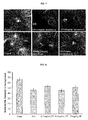
FIG. 1 is the results (photographs) obtained by evaluating inhibitory effects against corneal angiogenesis in animal models with corneal damage. -
FIGs. 2 and3 are the results (graphs) obtained by evaluating inhibitory effects against corneal angiogenesis in animal models with corneal damage, -
FIG. 4 is the results obtained by evaluating inhibitory effects against expression of the VEGF receptor 2 (FLK-1). -
FIG. 5 is the results (photographs) obtained by evaluating effects on normal regeneration of the corneal epithelial cells. -
FIG. 6 is the results (graphs) obtained by evaluating effects on normal regeneration of the corneal epithelial cells. -
FIG. 7 is the results (photographs) obtained by evaluating inhibitory effects against retinal angiogenesis in Brown Norway rats. -
FIG. 8 is the results (graphs) obtained by evaluating inhibitory effects against retinal angiogenesis in Brown Norway rats. -
FIG. 9 is the results (photographs) obtained by evaluating inhibitory effects against retinal angiogenesis in micro pigs. -
FIG. 10 is the results (graphs) obtained by evaluating inhibitory effects against retinal angiogenesis in micro pigs. -
FIG. 11 is the results (photographs) obtained by evaluating inhibitory effects of the eye drop solution and the eye drop suspension against retinal angiogenesis. -
FIG. 12 is the results (graphs) obtained by evaluating inhibitory effects of the eye drop solution and the eye drop suspension against retinal angiogenesis. - There is provided a pharmaceutical composition for preventing or treating macular degeneration, which comprises a compound of Formula 1 or its pharmaceutically acceptable salt as an active ingredient:

R1 represents H, CN, NO2 or NH2,
R2 represents
Ra represents C1∼C4 straight or branched alkyl,
Rb represents H or C1∼C3 alkyl, and
* represents the chiral center. - In the pharmaceutical composition according to the present invention, the compound of
Formula 1 may be selected from the group consisting of: - (2S,3S,4R)-6-nitro-4-[N-(4-chlorophenyl)-N-(1H-imidazol-2-ylmethyl)amino]-3-hydroxy-2-methyl-2-dimethoxymethyl-3,4-dihydro-2H-1-benzopyran;
- (2S,3R,4S)-6-nitro-4-[N-(4-chlorophenyl)-N-(1H-imidazol-2-ylmethyl)amino]-3-hydroxy-2-methyl-2-dimethoxymethyl-3,4-dihydro-2H-1-benzopyran;
- (2R,3R,4S)-6-nitro-4-[N-(4-chlorophenyl)-N-(1H-imidazol-2-ylmethyl)amino]-3-hydroxy-2-methyl-2-dimethoxymethyl-3,4-dihydro-2H-1-benzopyran;
- (2R,3S,4R)-6-nitro-4-[N-(4-chlorophenyl)-N-(1H-imidazol-2-ylmethyl)amino]-3-hydroxy-2-methyl-2-dimethoxymethyl-3,4-dihydro-2H-1-benzopyran;
- (2S,3S,4R)-6-nitro-4-[N-(4-trifluoromethylphenyl)-N-(1H-imidazol-2-ylmethyl)amino]-3-hydroxy-2-methyl-2-dimethoxymethyl-3,4-dihydro-2H-1-benzopyran;
- (2S,3S,4R)-6-nitro-4-[N-(4-methoxyphenyl)-N-(1H-imidazol-2-ylmethyl)amino]-3-hydroxy-2-methyl-2-dimethoxymethyl-3,4-dihydro-2H-1-benzopyran;
- (2S,3S,4R)-6-nitro-4-[N-(4-trifluoromethoxyphenyl)-N-(1H-imidazol-2-ylmethyl)amino]-3-hydroxy-2-methyl-2-dimethoxymethyl-3,4-dihydro-2H-1-benzopyran;
- (2S,3S,4R)-6-nitro-4-[N-(4-bromophenyl)-N-(1H-imidazol-2-ylmethyl)amino]-3-hydroxy-2-methyl-2-dimethoxymethyl-3,4-dihydro-2H-1-benzopyran;
- (2S,3S,4R)-6-nitro-4-[N-(2,4-dimethylphenyl)-N-(1H-imidazol-2-ylmethyl)amino]-3-hydroxy-2-methyl-2-dimethoxymethyl-3,4-dihydro-2H-1-benzopyran;
- (2S,3S,4R)-6-nitro-4-[N-(2-isopropylphenyl)-N-(1H-imidazol-2-ylmethyl)amino]-3-hydroxy-2-methyl-2-dimethoxymethyl-3,4-dihydro-2H-1-benzopyran;
- (2S,3S,4R)-6-nitro-4-[N-(2,3-dimethylphenyl)-N-(1H-imidazol-2-ylmethyl)amino]-3-hydroxy-2-methyl-2-dimethoxymethyl-3,4-dihydro-2H-1-benzopyran;
- (2R,3R,4S)-6-nitro-4-[N-(2,3-dimethylphenyl)-N-(1H-imidazol-2-ylmethyl)amino]-3-hydroxy-2-methyl-2-dimethoxymethyl-3,4-dihydro-2H-1-benzopyran;
- (2R,3R,4S)-6-nitro-4-[N-(4-bromophenyl)-N-(1H-imidazol-2-ylmethyl)amino]-3-hydroxy-2-methyl-2-dimethoxymethyl-3,4-dihydro-2H-1-benzopyran;
- (2R,3R,4S)-6-nitro-4-[N-(4-methoxyphenyl)-N-(1H-imidazol-2-ylmethyl)amino]-3-hydroxy-2-methyl-2-dimethoxymethyl-3,4-dihydro-2H-1-benzopyran;
- (2S,3S,4R)-6-nitro-4-[N-(4-fluorophenyl)-N-(1H-imidazol-2-ylmethyl)amino]-3-hydroxy-2-methyl-2-dimethoxymethyl-3,4-dihydro-2H-1-benzopyran;
- (2S,3S,4R)-6-nitro-4-[N-(2-methoxyphenyl)-N-(1H-imidazol-2-ylmethyl)amino]-3-hydroxy-2-methyl-2-dimethoxymethyl-3,4-dihydro-2H-1-benzopyran;
- (2R,3R,4S)-6-nitro-4-[N-(2-isopropylphenyl)-N-(1H-imidazol-2-ylmethyl)amino]-3-hydroxy-2-methyl-2-dimethoxymethyl-3,4-dihydro-2H-1-benzopyran;
- (2R,3R,4S)-6-nitro-4-[N-(2-methoxyphenyl)-N-(1H-imidazol-2-ylmethyl)amino]-3-hydroxy-2-methyl-2-dimethoxymethyl-3,4-dihydro-2H-1-benzopyran;
- (2R,3R,4S)-6-nitro-4-[N-(3-chlorophenyl)-N-(1H-imidazol-2-ylmethyl)amino]-3-hydroxy-2-methyl-2-dimethoxymethyl-3,4-dihydro-2H-1-benzopyran;
- (2S,3S,4R)-6-nitro-4-[N-(3-chlorophenyl)-N-(1H-imidazol-2-ylmethyl)amino]-3-hydroxy-2-methyl-2-dimethoxymethyl-3,4-dihydro-2H-1-benzopyran;
- (2R,3R,4S)-6-nitro-4-[N-(4-trifluoromethoxyphenyl)-N-(1H-imidazol-2-ylmethyl)amino]-3-hydroxy-2-methyl-2-dimethoxymethyl-3,4-dihydro-2H-1-benzopyran;
- (2S,3S,4R)-6-cyano-4-[N-(4-chlorophenyl)-N-(1H-imidazol-2-ylmethyl)amino]-3-hydroxy-2-methyl-2-dimethoxymethyl-3,4-dihydro-2H-1-benzopyran;
- (2R,3R,4S)-6-amino-4-[N-(4-chlorophenyl)-N-(1H-imidazol-2-ylmethyl)amino]-3-hydroxy-2-methyl-2-dimethoxymethyl-3,4-dihydro-2H-1-benzopyran;
- (2S,3S,4R)-6-amino-4-[N-(4-chlorophenyl)-N-(1H-imidazol-2-ylmethyl)amino]-3-hydroxy-2-methyl-2-dimethoxymethyl-3,4-dihydro-2H-1-benzopyran;
- (2S,3S,4R)-6-amino-4-[N-(4-trifluoromethylphenyl)-N-(1N-imidazol-2-ylmethyl)amino]-3-hydroxy-2-methyl-2-dimethoxymethyl-3,4-dihydro-2H-1-benzopyran;
- (2R,3R,4S)-6-amino-4-[N-(4-trifluoromethoxyphenyl)-N-(1H-imidazol-2-ylmethyl)amino]-3-hydroxy-2-methyl-2-dimethoxymethyl-3,4-dihydro-2H-1-benzopyran;
- (2R,3R,4S)-6-amino-4-[N-(2,3-dimethylphenyl)-N-(1H-imidazol-2-ylmethyl)amino]-3-hydroxy-2-methyl-2-dimethoxymethyl-3,4-dihydro-2H-1-benzopyran;
- (2R,3R,4S)-6-amino-4-[N-(4-metttoxyphenyl)-N-(1H-imidazol-2-ylmethyl)amino]-3-hydroxy-2-methyl-2-dimethoxymethyl-3,4-dihydro-2H-1-benzopyran;
- (2R,3R,4S)-6-amino-4-[N-(4-bromophenyl)-N-(1H-imidazol-2-ylmethyl)amino]-3-hydroxy-2-methyl-2-dimethoxymethyl-3,4-dihydro-2H-1-benzopyran;
- (2S,3S,4R)-6-amino-4-[N-(2,3-dimethylphenyl)-N-(1H-imidazol-2-ylmethyl)amino]-3-hydroxy-2-methyl-2-dimethoxymethyl-3,4-dihydro-2H-1-benzopyran;
- (2S,3S,4R)-6-amino-4-[N-(2-methoxyphenyl)-N-(1H-imidazol-2-ylmethyl)amino]-3-hydroxy-2-methyl-2-dimethoxymethyl-3,4-dihydro-2H-1-benzopyran;
- (2S,3S,4R)-6-amino-4-[N-(4-methoxyphenyl)-N-(1H-imidazol-2-ylmethyl)amino]-3-hydroxy-2-methyl-2-dimethoxymethyl-3,4-dihydro-2H-1-benzopyran;
- (2S,3S,4R)-6-amino-4-[N-(2,4-dimethylphenyl)-N-(1H-imidazol-2-ylmethyl)amino]-3-hydroxy-2-methyl-2-dimethoxymethyl-3,4-dihydro-2H-1-benzopyran;
- (2S,3S,4R)-6-amino-4-[N-(2-isopropylphenyl)-N-(1H-imidazol-2-ylmethyl)amino]-3-hydroxy-2-methyl-2-dimethoxymethyl-3,4-dihydro-2H-1-benzopyran;
- (2S,3S,4R)-6-amino-4-[N-(4-trifluoromethoxyphenyl)-N-(1H-imidazol-2-ylmethyl)amino]-3-hydroxy-2-methyl-2-dimethoxymethyl-3,4-dihydro-2H-1-benzopyran;
- (2S,3S,4R)-6-amino-4-[N-(4-bromophenyl)-N-(1H-imidazol-2-ylmethyl)amino]-3-hydroxy-2-methyl-2-dimethoxymethyl-3,4-dihydro-2H-1-benzopyran; and
- (2S,3S,4R)-6-amino-4-[N-(4-fluorophenyl)-N-(1H-imidazol-2-ylmethyl)amino]-3-hydroxy-2-methyl-2-dimethoxymethyl-3,4-dihydro-2H-1-benzopyran.
- Among the compounds of
Formula 1, especially preferable compound is (2R,3R,4S)-6-amino-4-[N-(4-chiorophenyl)-N-(1H-imidazol-2-ylmethyl)amino]-3-hydroxy-2-methyl-2-dimethoxymethyl-3,4-dihydro-2H-1-benzopyran or its pharmaceutically acceptable salt. Therefore, in an embodiment of the present invention, there is provided a pharmaceutical composition for preventing or treating macular degeneration, which comprises (2R,3R,4S)-6-amino-4-[N-(4-chlorophenyl)-N-(1H-imidazol-2-ylmethyl)amino]-3-hydroxy-2-methyl-2-dimethoxymethyl-3,4-dihydro-2H-1-benzopyran or its pharmaceutically acceptable salt as an active ingredient. - The compound of
Formula 1 may be used as a pharmaceutically acceptable salt, including e.g., an acid addition salt derived from pharmaceutically acceptable free acids, an alkali metal salt (sodium salt, potassium salt, etc.), and an alkali earth metal salt (calcium salt, magnesium salt, etc.). The free acid includes an inorganic acid and an organic acid. The inorganic acid includes hydrochloric acid, hydrobromic acid, nitric acid, sulfuric acid, perchloric acid, phosphoric acid, etc. The organic acid includes citric acid, acetic acid, lactic acid, maleic acid, fumaric acid, gluconic acid, methanesulfonic acid, glycolic acid, succinic acid, tartaric acid, galacturonic acid, embonic acid, glutamic acid, aspartic acid, oxalic acid, (D) or (L) malic acid, maleic acid, methanesulfonic acid, ethanesulfonic acid, 4-toluenesulfonic acid, salicylic acid, citric acid, benzoic acid, malonic acid, etc. Examples of the pharmaceutically acceptable salt of the compound ofFormula 1 include acetate, aspartate, benzoate, besylate, bicarbonate/carbonate, bisulfate/sulfate, borate, camsylate, citrate, edicylate, ecylate, formate, fumarate, gluceptate, gluconate, glucuronate, hexafluorophosphate, hibenzate, hydrochloride/chloride, hydrobromide/bromide, hydroiodide/iodide, isethionate, latate, malate, maleate, malonate, mesylate, methylsulfate, naphthylate, 2-napsylate, nicotinate, nitrate, orotate, oxalate, palmitate, famoate, phosphate/hydrogen phosphate/dihydrogen phosphate, saccharate, stearate, succinate, tartrate, tosylate, trifluoroacetate, aluminium salt, arginine salt, benzathine salt, calcium salt, choline salt, diethylamine salt, diolamine salt, glycine salt, lysine salt, magnesium salt, meglumine salt, olamine salt, potassium salt, sodium salt, tromethamine salt, zinc salt, etc. Among them, hydrochloride and/or trifluoroacetate are preferable. - The pharmaceutically acceptable salt of the compound of
Formula 1 may be prepared according to conventional methods. For example, the acid addition salt may be prepared by dissolving the compound ofFormula 1 in a water-miscible organic solvent, such as acetone, methanol, ethanol, or acetonitrile; and then adding an organic acid in excess or an aqueous solution of an inorganic acid, so as to precipitate or crystallize the resulting salt. Subsequently, the acid addition salt may be isolated by evaporating the solvent or the excessive acid and then drying the resulting residue; or by suction-filtering the precipitated salt. - And also, the compound of
Formula 1 or its pharmaceutically acceptable salt includes its isomers, hydrates, and solvates. - The compound of
Formula 1 or its pharmaceutically acceptable salt shows an inhibitory activity against corneal angiogenesis and inhibitory activity against expression of corneal angiogenesis marker, FLK-1 (seeFIGs. 1 to 4 ). The normal healing ability (regeneration ability) of corneal epithelial cells is not inhibited by the pharmaceutical composition of the present invention (seeFIGs. 5 and 6 ). And also, the compound ofFormula 1 or its pharmaceutically acceptable salt shows excellent activity for preventing or treating macular degeneration, a disease induced by degeneration of the retinal choroidal capillary (seeFIGs. 7 to 10 ). Especially, it is found by the present invention that the compound ofFormula 1 or its pharmaceutically acceptable salt may be prepared into a topically administrable external eye drop formulation form, which shows excellent activity for preventing or treating macular degeneration without injecting into the affected site (seeFIGs. 11 and 12 ). In addition, it is found by the present invention that, when the eye drop formulation is administered to the cornea, the active ingredient is effectively delivered to the retina, while only a negligible amount is absorbed into the blood (see Table 1). - Therefore, the present invention includes, within its scope, an eye drop formulation for preventing or treating macular degeneration, which comprises a compound of
Formula 1 or its pharmaceutically acceptable salt as an active ingredient. In an embodiment of the present invention, there is provided an eye drop formulation for preventing or treating macular degeneration, which comprises (2R,3R,4S)-6-amino-4-[N-(4-chlorophenyl)-N-(1H-imidazol-2-ylmethyl)amino]-3-hydroxy-2-methyl-2-dimethoxymethyl-3,4-dihydro-2H-1-benzopyran or its pharmaceutically acceptable salt as an active ingredient. The eye drop formulation may have a solution form or a suspension form. - For example, an eye drop formulation in a solution form may comprises a solubilizer such as polyethylene glycol 400, glycerin, etc.; a stabilizer such as EDTA etc.; a buffering agent such as boric acid etc.; a pH controlling agent such as hydrochloric acid, sodium hydroxide, etc., in addition to the compound of
Formula 1 or its pharmaceutically acceptable salt (for example, (2R,3R,4S)-6-amino-4-[N-(4-chlorophenyl)-N-(1H-imidazol-2-ylmethyl)amino]-3-hydroxy-2-methyl-2-dimethoxymethyl-3,4-dihydro-2H-1-benzopyran or its salt). And also, an eye drop formulation in a suspension form may comprises a viscosity controlling agent such as cross-linked polyvinylpyrrolidone (for example, povidone K-25) etc.; an isotonic agent such as sodium chloride, etc.; a stabilizer such as EDTA etc.; a buffering agent such as boric acid, Borax, etc.; a pH controlling agent such as hydrochloric acid, sodium hydroxide, etc., in addition to the compound ofFormula 1 or its pharmaceutically acceptable salt (for example, (2R,3R,4S)-6-amino-4-[N-(4-chlorophenyl)-N-(1H-imidazol-2-ylmethyl)amino]-3-hydroxy-2-methyl-2-dimethoxymethyl-3,4-dihydro-2H-1-benzopyran or its salt). If necessary, the pharmaceutical composition in the eye drop formulation form may be sterilized according to conventional methods; or further comprise a supplement agent such as a preservative, a hydrating agent, an emulsifier, a solubilizing agent, a salt for controlling osmotic pressure, and/or a buffering agent. - In the pharmaceutical composition of the present invention, the compound of
Formula 1 or its pharmaceutically acceptable salt may be administered in an amount of typically about 0.01 to about 100 mg/day, preferably 0.03 to 80 mg/day based on adults having 70 Kg of body weight, although the amount may be changed according to the patient's age, body weight, sex, dosage form, health condition, severity of disease, etc. The administration may be carried out in an appropriate interval, e.g., in a single dose or in divided doses per day, according to the doctor's or pharmacist's instruction. - The present invention includes, within its scope, a use of a compound of
Formula 1 or its pharmaceutically acceptable salt for the manufacture of a medicament for preventing or treating macular degeneration:
- In the use of the present invention, the compound of
Formula 1 may be preferably (2R,3R,4S)-6-amino-4-[N-(4-chlorophenyl)-N-(1H-imidazol-2-ylmethyl)amino]-3-hydroxy-2-methyl-2-dimethoxymethyl-3,4-dihydro-2H-1-benzopyran. The medicament may have a solution form or a suspension form. In the use of the present invention, the compound ofFormula 1 or its pharmaceutically acceptable salt may be administered in an amount of typically about 0.01 to about 100 mg/day, preferably 0.03 to 80 mg/day based on adults having 70 Kg of body weight, although the amount may be changed according to the patient's age, body weight, sex, dosage form, health condition, severity of disease, etc. The administration can be carried out in an appropriate interval, e.g., in a single dose or in divided doses per day, according to the doctor's or pharmacist's instruction. - The present invention also includes, within its scope, a method for preventing or treating macular degeneration in a patient, which comprises administering a therapeutically effective amount of the compound of
Formula 1 or its pharmaceutically acceptable salt to the patient in need thereof:

- In the method for preventing or treating macular degeneration of the present invention, the compound of
Formula 1 may be preferably (2R,3R,4S)-6-amino-4-[N-(4-chlorophenyl)-N-(1H-imidazol-2-ylmethyl)amino]-3-hydroxy-2-methyl-2-dimethoxymethyl-3,4-dihydro-2H-1-benzopyran. The compound may be administered in an eye drop formulation having a solution form or a suspension form. In the method for preventing or treating macular degeneration of the present invention, the compound ofFormula 1 or its pharmaceutically acceptable salt may be administered in an amount of typically about 0.01 to about 100 mg/day, preferably 0.03 to 80 mg/day based on adults with 70 Kg of body weight, although the amount may be changed according to the patient's age, body weight, sex, dosage form, health condition, severity of disease, etc. The administration can be carried out in an appropriate interval, e.g., in a single dose or in divided doses per day, according to the doctor's or pharmacist's instruction. - The present invention will be described in further detail with reference to the following preparation examples and examples. These e preparation examples and examples are for illustrative purposes only and are not intended to limit the scope of the present invention.
- The epoxide compound, (2S,3S,4S)-6-nitro-2-methyl-2-dimethoxymethyl-3,4-epoxy-3,4-dihydro-2H-1-benzopyran (437 mg, 1.55 mmol) and (4-chlorophenyl)(1H-imidazol-2-ylmethyl)amine (323 mg, 1.55 mmol) were dissolved in acetonitrile (2 mL). To the resulting solution was added anhydrous cobalt chloride (CoCl2) (202 mg, 1.55 mmol). The reaction mixture was stirred at 60 °C for 10 hours; and then a saturated aqueous solution of NaHCO3 (5 mL) was added to the mixture, which was extracted with ethyl acetate (30 mL). The organic layer was washed with brine, dried over anhydrous Na2SO4, and then concentrated under reduced pressure. The resulting residue was purified with silica gel column chromatography (hexane:ethyl acetate=2:1) to give the title compound (304 mg, 40%).
- 1H NMR (200 MHz, CDCl3) δ 1.49(s, 3H), 3.60(s, 3H), 3.63(s, 3H), 4.32(m,1 H), 4.57(s, 1H), 5.14(br s, 1 H), 6.75(br s, 2H), 6.97(m, 4H), 7.27(m, 2H), 7.93(s, 1 H), 8.08(d, 1H).
- The title compound (76 mg, 34%) was prepared in accordance with the same procedures as in Preparation Example 1, using the epoxide compound, (2S, 3R, 4R)-6-nitro-2-methyl-2-dimethoxymethyl-3,4-epoxy-3,4-dihydro-2H-1-benzopyran (129 mg, 0.46 mmol) and (4-chlorophenyl)(1H-imidazol-2-ylmethyl)amine (95 mg, 0.46 mmol).
- 1H NMR (200 MHz, CDCl3) δ 1.66(s, 3H), 3.60(s, 3H), 3.69(s, 3H), 3.87(br s, 1H), 4.13(m, 1H), 4.29(d, 1 H), 4.43(d, 1 H), 4.64(s, 1 H), 5.64(d, 1H), 6.83(d, 2H), 6.95(m, 4H), 7.15(d, 2H), 7.86(s, 1 H), 8.06(m, 2H), 8.41(s, 1H).
- The title compound (2.13 g, 64%) was prepared in accordance with the same procedures as in Preparation Example 1, using the epoxide compound, (2R, 3R, 4R)-6-nitro-2-methyl-2-dimethoxymethyl-3,4-epoxy-3,4-dihydro-2H-1-benzopyran (1.038 g, 3.7 mmol) and (4-chlorophenyl)(1H-imidazol-2-ylmethyl)amine (766 mg, 3.7 mmol).
- 1H NMR (200 MHz, CDCl3) δ 1.49(s, 3H), 3.60(s, 3H), 4.32(m, 1H), 4.57(s, 1H), 5.14(br s, 1H), 6.75(br s, 2H), 6.97(m, 4H), 7.27(m, 2H), 7.93(s, 1H), 8.08(d, 1H).
- The title compound (269 mg, 63%) was prepared in accordance with the same procedures as in Preparation Example 1, using the epoxide compound, (2R, 3S, 4S)-6-nitro-2-methyl-2-dimethoxymethyl-3,4-epoxy-3,4-dihydro-2H-1-benzopyran (250 mg, 0.88 mmol) and (4-chlorophenyl)(1H-imidazol-2-ylmethyl)amine (183 mg, 0.88 mmol).
- 1H NMR (200 MHz, CDCl3) δ 1.66(s, 3H), 3.60(s, 3H), 3.69(s, 3H), 3.87(br s, 1H), 4.13(m, 1H), 4.29(d, 1H), 4.43(d, 1H), 4.64(s, 1H), 5.64(d, 1H), 6.83(d, 2H), 6.95(m, 4H), 7.15(d, 2H), 7.86(s, 1H), 8.06(m, 2H), 8.41 (s, 1H).
- The title compound (146 mg, 22%) was prepared in accordance with the same procedures as in Preparation Example 1, using the epoxide compound, (2S, 3S, 4S)-6-nitro-2-methyl-2-dimethoxymethyl-3,4-epoxy-3,4-dihydro-2H-1-benzopyran (356 mg, 1.26 mmol) and (4-trifluoromethylphenyl)(1H-imidazol-2-ylmethyl)amine (305 mg, 1.26 mmol).
- 1H NMR (200 MHz, CDCl3) δ 1.51(s, 3H), 3.60(s, 3H), 3.61(s, 3H), 4.32(m, 3H), 4.57(s, 1 H), 5.14(br s, 1H), 6.85(m, 2H), 6.95(m, 4H), 7.38(d, 2H), 7.91 (s, 1H), 8.05(dd, 2H), 8.42(m, 1 H).
- The title compound (280 mg, 28%) was prepared in accordance with the same procedures as in Preparation Example 1, using the epoxide compound, (2S, 3S, 4S)-6-nitro-2-methyl-2-dimethoxymethyl-3,4-epoxy-3,4-dihydro-2H-1-benzopyran (591 mg, 2,10 mmol) and (4-methoxyphenyl)(1H-imidazol-2-ylmethyl)amine (427 mg, 2.10 mmol).
- 1H NMR (200 MHz, CDCl3) δ 1.47(s, 3H), 3.59(d, 6H), 3.68(s, 3H), 4.30(m, 2H), 4.54(m, 2H), 5.02(d, 1H), 6.67-6.78(m, 4H), 6.89-7.26(m, 3H), 8.04(m, 2H).
- The title compound (181 mg, 47%) was prepared in accordance with the same procedures as in Preparation Example 1, using the epoxide compound, (2S, 3S, 4S)-6-nitro-2-methyl-2-dimethoxymethyl-3,4-epoxy-3,4-dihydro-2H-1-benzopyran (200 mg, 0.71 mmol) and (4-trifluoromethoxyphenyl)(1H-imidazol-2-ylmethyl)amine (183 mg, 0.71 mmol).
- 1H NMR (200 MHz, CDCl3) δ 1.50(s, 3H), 3.60(d, 6H), 4.2-4.50(m, 2H), 4.58-5.65(m, 2H), 5.18(s, 1 H), 6.91-6.95(m, 7H), 8.00(s, 1 H), 8.05(dd, 1 H).
- The title compound (310 mg, 41%) was prepared in accordance with the same procedures as in Preparation Example 1, using the epoxide compound, (2S, 3S, 4S)-6-nitro-2-methyl-2-dimethoxymethy-3,4-epoxy-3,4-dihydro-2H-1-benzopyran (400 mg, 1.42 mmol) and (4-bromophenyl)(1H-imidazol-2-ylmethyl)amine (359 mg, 1.42 mmol).
- 1H NMR (200 MHz, CDCl3) δ 1.48(s, 3H), 3.61(d, 6H), 4.10-4.19(m, 2H), 4.20-4.40(m, 2H), 5.13(s, 1 H), 6.70-7.01 (m, 6H), 7.21 (s, 1 H), 7.94(s, 1 H), 8.06(dd, 1 H).
- The title compound (231 mg, 33%) was prepared in accordance with the same procedures as in Preparation Example 1, using the epoxide compound, (2S, 3S, 4S)-6-nitro-2-methyl-2-dimethoxymethyl-3,4-epoxy-3,4-dihydro-2H-1-benzopyran (400 mg, 1.42 mmol) and (2,4-dimethylphenyl)(1H-imidazol-2-ylmethyl)amine (287 mg, 1.42 mmol).
- 1H NMR (200 MHz, CDCl3) δ 1.39(s, 3H), 2.19(s, 3H), 2.47(s, 3H), 3.59(d, 6H), 4.15-4.82(m, 5H), 6.80-6.89(m, 5H), 7.58(d, 1 H), 7.94-7.99(dd, 1H), 8.62(m, 1 H).
- The title compound (140 mg, 20%) was prepared in accordance with the same procedures as in Preparation Example 1, using the epoxide compound, (2S, 3S, 4S)-6-nitro-2-methyl-2-dimethoxymethyl-3,4-epoxy-3,4-dihydro-2H-1-benzopyran (400 mg, 1.42 mmol) and (2-isopropylphenyl)(1H-imidazol-2-ylmethyl)amine (306 mg, 1.42 mmol).
- 1H NMR (200 MHz, CDCl3) δ 1.22-1.29(m, 10H), 3.60(d, 6H), 4.07-4.63(m, 5H), 6.79-7.35(m, 6H), 7.78(m, 1H), 7.99(dd, 1 H), 8.61 (m, 1 H)
- The title compound (253 mg, 37%) was prepared in accordance with the same procedures as in Preparation Example 1, using the epoxide compound, (2S, 3S, 4S)-6-nitro-2-methyl-2-dimethoxymethyl-3,4-epoxy-3,4-dihydro-2H-1-benzopyran (400 mg, 1.42 mmol) and (2,3-dimethylphenyl)(1H-imidazol-2-ylmethyl)amine (287 mg, 1.42 mmol).
- 1H NMR (200 MHz, CDCl3) δ 1.39(s, 3H), 2.17(s, 3H), 2.41(s, 3H), 3.61(d, 6H), 4.26-4.74(m, 5H), 6.76-6.95(m, 4H), 6.98(m, 1 H), 7.58(d, 1 H), 7.95(dd, 1H), 8.63(d, 1 H).
- The title compound (416 mg, 49%) was prepared in accordance with the same procedures as in Preparation Example 1, using the epoxide compound, (2R, 3R, 4R)-6-nitro-2-methyl-2-dimethoxymethyl-3,4-epoxy-3,4-dihydro-2H-1-benzopyran (500 mg, 1.77 mmol) and (2,3-dimethylphenyl)(1H-imidazol-2-ylmethyl)amine (358 mg, 1.77 mmol).
- 1H NMR (200 MHz, CDCl3) δ 1.39(s, 3H), 2.17(s, 3H), 2.41(s, 3H), 3.61(d, 6H), 4.26-4.74(m, 5H), 6.76-6.95(m, 4H), 6.98(m, 1H), 7.58(d, 1H), 7.95(dd, 1H), 8.63(d, 1 H).
- The title compound (570 mg, 60%) was prepared in accordance with the same procedures as in Preparation Example 1, using the epoxide compound, (2R, 3R, 4R)-6-nitro-2-methyl-2-dimethoxymethyl-3,4-epoxy-3,4-dihydro-2H-1-benzopyran (500 mg, 1.78 mmol) and (4-bromophenyl)(1 H-imidazol-2-ylmethyl)amine (450 mg, 1.78 mmol).
- 1H NMR (200 MHz, CDCl3) δ 1.48(s, 3H), 3.61(d, 6H), 4.10-4.19(m, 2H), 4.20-4.40(m, 2H), 5.13(s, 1 H), 6.70-7.01(m, 6H), 7.21(s, 1 H), 7.94(s, 1H), 8.06(dd, 1H).
- The title compound (446 mg, 86%) was prepared in accordance with the same procedures as in Preparation Example 1, using the epoxide compound, (2R, 3R, 4R)-6-nitro-2-methyl-2-dimethoxymethyl-3,4-epoxy-3,4-dihydro-2H-1-benzopyran (300 mg, 1.06 mmol) and (4-methoxyphenyl)(1 H-imidazol-2-ylmethyl)amine (216 mg, 1.06 mmol).
- 1H NMR (200 MHz, CDCl3) δ 1.47(s, 3H), 3.59(d, 6H), 3.68(s, 3H), 4.30(m, 2H), 4.54(m, 2H), 5.02(d, 1H), 6.67-6.78(m, 4H), 6.89-7.26(m, 3H), 8.04(m, 2H).
- The title compound (650 mg, 48%) was prepared in accordance with the same procedures as in Preparation Example 1, using the epoxide compound, (2S, 3S, 4S)-6-nitro-2-methyl-2-dimethoxymethyl-3,4-epoxy-3,4-dihydro-2H-1-benzopyran (800 mg, 2.84 mmol) and (4-fluorophenyl)(1H-imidazol-2-ylmethyl)amine (380 mg, 1.8 mmol).
- 1H NMR (200 MHz, CDCl3) δ 1.49(s, 3H), 3.60(d, 6H), 4.30(m, 2H), 4.60(m, 2H), 5.05(m, 1 H), 6.76-6.97(m, 7H), 7.95(s, 1 H), 8.03(dd, 1 H)
- The title compound (500 mg, 58%) was prepared in accordance with the same procedures as in Preparation Example 1, using the epoxide compound, (2S, 3S, 4S)-6-nitro-2-methyl-2-dimethoxymethyl-3,4-epoxy-3,4-dihydro-2H-1-benzopyran (500 mg, 1.78 mmol) and (2-methoxyphenyl)(1H-imidazol-2-ylmethyl)amine (253 mg, 1.25 mmol).
- 1H NMR (200 MHz, CDCl3) δ 1.38(s, 3H), 3.60(d, 6H), 3.91(s, 3H), 3.97(m, 1H), 4.74(d, 1H), 4.60-4.84(m, 3H), 6.80-7.03(m, 6H), 7.58(m, 1H), 7.99(dd, 1H), 8.86(m, 1 H)
- The title compound (72 mg, 42%) was prepared in accordance with the same procedures as in Preparation Example 1, using the epoxide compound, (2R, 3R, 4R)-6-nitro-2-methyl-2-dimethoxymethyl-3,4-epoxy-3,4-dihydro-2H-1-benzopyran (100 mg, 0.35 mmol) and (2-isopropylphenyl)(1H-imidazol-2-ylmethyl)amine (75 mg, 0.35 mmol).
- 1H NMR (200 MHz, CDCl3) δ 1.22-1.29(m, 10H), 3.60(d, 6H), 4.07-4.63(m, 5H), 6.79-7.35(m, 6H), 7.78(m, 1H), 7.99(dd, 1H), 8.61(m, 1H).
- The title compound (580 mg, 67%) was prepared in accordance with the same procedures as in Preparation Example 1, using the epoxide compound, (2R, 3R, 4R)-6-nitro-2-methyl-2-dimethoxymethyl-3,4-epoxy-3,4-dihydro-2H-1-benzopyran (500 mg, 1.78 mmol) and (2-methoxyphenyl)(1H-imidazol-2-ylmethyl)amine (231 mg, 1.78 mmol).
- 1H NMR (200 MHz, CDCl3) δ 1.38(s, 3H), 3.60(d, 6H), 3.91(s, 3H), 3.97(m, 1H), 4.74(d, 1H), 4.60-4.84(m, 3H), 6.80-7.03(m, 6H), 7.58(m, 1H), 7.99(dd, 1H), 8.86(m, 1H).
- The title compound (337 mg, 39%) was prepared in accordance with the same procedures as in Preparation Example 1, using the epoxide compound, (2R, 3R, 4R)-6-nitro-2-methyl-2-dimethoxymethyl-3,4-epoxy-3,4-dihydro-2H-1-benzopyran (500 mg, 1.77 mmol) and (3-chlorophenyl)(1H-imidazol-2-ylmethyl)amine (366 mg, 1.77 mmol).
- 1H NMR (200 MHz, CDCl3) δ 1.51 (s, 3H), 3.61(d, 6H), 4.20-4.57(m, 2H), 4.57-4.59(m, 2H), 5.17(s, 1H), 6.69-6.73(m, 3H), 6.94-7.01(m, 4H), 7.89(m, 1H), 8.04(dd, 1 H).
- The title compound (280 mg, 35%) was prepared in accordance with the same procedures as in Preparation Example 1, using the epoxide compound, (2S, 3S, 4S)-6-nitro-2-methyl-2-dimethoxymethyl-3,4-epoxy-3,4-dihydro-2H-1-benzopyran (450 mg, 1.6 mmol) and (3-chlorophenyl)(1H-imidazol-2-ylmethyl)amine (232 mg, 1.1 mmol).
- 1H NMR (200 MHz, CDCl3) δ 1.51(s, 3H), 3.61(d, 6H), 4.20-4.57(m, 2H), 4.57-4.59(m, 2H), 5.17(s, 1H), 6.69-6.73(m, 3H), 6.94-7.01 (m, 4H), 7.89(m, 1 H), 8.04(dd, 1 H).
- The title compound (155 mg, 40%) was prepared in accordance with the same procedures as in Preparation Example 1, using the epoxide compound, (2R, 3R, 4R)-6-nitro-2-methyl-2-dimethoxymethyl-3,4-epoxy-3,4-dihydro-2H-1-benzopyran (200 mg, 0.71 mmol) and (4-trifluoromethoxyphenyl)(1H-imidazol-2-ylmethyl)amine 183 mg (0.71 mmol).
- 1H NMR (200 MHz, CDCl3) δ 1.49(s, 3H), 3.60(d, 6H), 4.20-4.50(m, 2H), 4.58-5.65(m, 2H), 5.18(s, 1 H), 6.91-6.95(m, 7H), 7.99(s, 1H), 8.04(dd, 1H).
- The title compound (106 mg, 28%) was prepared in accordance with the same procedures as in Preparation Example 1, using the epoxide compound, (2S, 3S, 4S)-6-cyano-2-methyl-2-dimethoxymethyl-3,4-epoxy-3,4-dihydro-2H-1-benzopyran (210 mg, 0.8 mmol) and (4-chlorophenyl)(1H-imidazol-2-ylmethyl)amine (167 mg, 0.8 mmol).
- 1H NMR (200 MHz, CDCl3) δ 1.47(s, 3H), 3.58(s, 3H), 3.62(s, 3H), 4.35(m, 1H), 4.57(s, 1H), 5.16(br s, 1 H), 6.81-6.93(m, 3H), 7.17(d, 1H), 7.38(s, 1 H), 7.51(dd, 1 H).
- The nitro compound (521 mg, 1.07 mmol) prepared from Preparation Example 3 was dissolved in methanol (3 mL); and then 10% Pd/C (50 mg) was added thereto. The mixture was hydrogenated under 3 atmosphere pressure of H2 for 12 hours. The reaction mixture was filtered through a Celite pad to remove a solid; and the filtrate was concentrated. The resulting residue was purified with silica gel column chromatography (methanol:dichloromethane = 5:95) to give the title compound (368 mg, 75%).
- 1H NMR (200 MHz, CDCl3) δ 1.42(s, 3H), 3.61(s, 6H), 4.27(m, 2H), 4.42(s, 1 H), 4.52(d, 1 H), 5.24(m, 1 H), 6.29(s, 1 H), 6.58(d, 2H), 6.70(d, 2H), 6.98(m, 3H), 7.41(m, 2H).
- The nitro compound (177 mg, 0.36 mmol) prepared from Preparation Example 1 was dissolved in methanol (2 mL); and then a 0.4 M aqueous solution of Cu(OAc)2 (0.38 mL, 0.15 mmol) was added thereto. Sodium borohydride (113 mg, 3.0 mmol) was slowly added at room temperature over 10 minutes to the reaction mixture. The reaction mixture was stirred for an hour; and then ethyl acetate (5 mL) was added thereto. The black precipitates were removed by filtration; and then a saturated aqueous solution of NaHCO3 (5 mL) was added to the filtrate. The mixture was extracted with ethyl acetate (30 mL). The organic layer was washed with brine, dried over anhydrous sodium sulfate, and then concentrated in vacuo to remove the solvent. The resulting residue was purified with silica gel column chromatography (n-hexane:ethyl acetate = 1:4) to give the title compound (58 mg, 35%).
- 1H NMR (200 MHz, CDCl3) δ 1.42(s, 3H), 3.61(s, 6H), 4.27(m, 2H), 4.52(d, 1H), 4.42(s, 1H), 5.24(m, 1 H), 6.29(s, 1H), 6.58(d, 2H), 6.70(d, 2H), 6.98(m, 3H), 7.41(m, 2H).
- The title compound (34 mg, 57%) was prepared in accordance with the same procedures as in Preparation Example 24, using the nitro compound (65 mg, 0.12 mmol) prepared from Preparation Example 5.
- 1H NMR (200 MHz, CDCl3) δ 1.38(s, 3H), 3.60(s, 3H), 4.06-4.85(m, 3H), 4.41 (s, 1H), 5.06(br s, 2H), 6.31 (s, 1H), 6.57(d, 2H), 6.80-7.18(m, 7H)
- The title compound (23 mg, 24%) was prepared in accordance with the same procedures as in Preparation Example 23, using the nitro compound (100 mg, 0.19 mmol) prepared from Preparation Example 21.
- 1H NMR (200 MHz, CDCl3) δ 1.50(s, 3H), 3.60(d, 6H), 4.20-4.50(m, 2H), 4.59(s, 2H), 5.18(s, 1H), 6.30(s, 1 H), 6.60(dd, 2H), 6.70-6.96(m, 6H)
- The title compound (19 mg, 15%) was prepared in accordance with the same procedures as in Preparation Example 23, using the nitro compound (135 mg, 0.28 mmol) prepared from Preparation Example 12.
- 1H NMR (200 MHz, CDCl3) δ 1.29(s, 3H), 2.27(s, 3H), 2.43(s, 3H), 3.60(s, 6H), 4.41-4.63(m, 5H), 6.57(dd, 1H), 6.70-7.19(m, 6H), 7.40(d, 1H)
- The title compound (21 mg, 23%) was prepared in accordance with the same procedures as in Preparation Example 23, using the nitro compound (100 mg, 0.21 mmol) prepared from Preparation Example 14.
- 1H NMR (200 MHz, CDCl3) δ 1.36(s, 3H), 3.60(d, 6H), 3.64(s, 3H), 4.20-4.60(m, 3H), 4.45(s, 1 H), 4.70-4.90(m, 2H), 6.50(m, 1H), 6.70(dd, 1 H), 6.80-7.00(m, 6H), 7.40(d, 1 H).
- The title compound (50 mg, 53%) was prepared in accordance with the same procedures as in Preparation Example 23, using the nitro compound (100 mg, 0.19 mmol) prepared from Preparation Example 13.
- 1H NMR (200 MHz, CDCl3) δ 1.48(s, 3H), 3.61(d, 6H), 4.10-4.19(m, 2H), 4.22(s, 2H), 5.13(s, 1H), 6.33-7.15(m, 9H).
- The title compound (35 mg, 54%) was prepared in accordance with the same procedures as in Preparation Example 23, using the nitro compound (70 mg, 0.14 mmol) prepared from Preparation Example 11.
- 1H NMR (200 MHz, CDCl3) δ 1.29(s, 3H), 2.27(s, 3H), 2.43(s, 3H), 3.60(s, 6H), 4.41-4.63(m, 5H), 6.57(dd, 1 H), 6.70-7.19(m, 6H), 7.40(d, 1 H).
- The title compound (74 mg, 66%) was prepared in accordance with the same procedures as in Preparation Example 23, using the nitro compound (80 mg, 0.16 mmol) prepared from Preparation Example 16.
- 1H NMR (200 MHz, CDCl3) δ 1.30(s, 3H), 3.60(d, 6H), 3.80(s, 3H), 4.10-4.30(m, 2H), 4.45(s, 1H), 4.70-4.90(m, 2H), 6.50(dd, 1H), 6.70-7.00(m, 7H), 7.40(d, 1H).
- The title compound (74 mg, 77%) was prepared in accordance with the same procedures as in Preparation Example 23, using the nitro compound (103 mg, 0.21 mmol) prepared from Preparation Example 6.
- 1H NMR (200 MHz, CDCl3) δ 1.36(s, 3H), 3.60(d, 6H), 3.64(s, 3H), 4.20-4.60(m, 3H), 4.45(s, 1H), 4.70-4.90(m, 2H), 6.50(m, 1H), 6.70(dd, 1H), 6.80-7.00(m, 6H), 7.40(d, 1H).
- The title compound (54 mg, 67%) was prepared in accordance with the same procedures as in Preparation Example 23, using the nitro compound (86 mg, 0.18 mmol) prepared from Preparation Example 9.
- 1H NMR (200 MHz, CDCl3) δ 1.26(s, 3H), 2.20(s, 3H), 2.43(s, 3H), 3.58(s, 6H), 4.36-4.54(m, 3H), 4.60(m, 2H), 6.56(dd, 1H), 6.70(dd, 1 H), 6.80-7.15(m, 6H), 7.36(d, 1H).
- The title compound (30 mg, 73%) was prepared in accordance with the same procedures as in Preparation Example 23, using the nitro compound (45 mg, 0.09 mmol) prepared from Preparation Example 10.
- 1H NMR (200 MHz, CDCl3) δ 1.22-1.29(m, 9H), 3,60(d, 6H), 4.10-4.62(m, 5H), 6.50-6.77(m, 2H), 6.85-7.30(m, 6H), 7.60(m, 1 H).
- The title compound (34 mg, 72%) was prepared in accordance with the same procedures as in Preparation Example 23, using the nitro compound (50 mg, 0.10 mmol) prepared from Preparation Example 7.
- 1H NMR (200 MHz, CDCl3) δ 1.50(s, 3H), 3.60(d, 6H), 4.20-4.50(m, 2H), 4.59(s, 2H), 5.18(s, 1H), 6.30(s, 1H), 6.60(dd, 2H), 6.70-6.96(m, 6H).
- The title compound (41 mg, 88%) was prepared in accordance with the same procedures as in Preparation Example 23, using the nitro compound (50 mg, 0.10 mmol) prepared from Preparation Example 8.
- 1H NMR (200 MHz, CDCl3) δ 1.48(s, 3H), 3.61(d, 6H), 4.10-4.19(m, 2H), 4.22(s, 2H), 5.13(s, 1 H), 6.33-7.15(m, 9H).
- The title compound (44 mg, 95%) was prepared in accordance with the same procedures as in Preparation Example 23, using the nitro compound (50 mg, 0.10 mmol) prepared from Preparation Example 15.
- 1H NMR (200 MHz, CDCl3) δ 1.49(s, 3H), 3.60(d, 6H), 4.30(m, 4H), 4.98(s, 1H), 6.33(s, 1 H), 6.55(dd, 2H), 6.60-6.92(m, 6H).
- The tests were performed by using Sprague Dawley rats (8 weeks old, male) as animals having corneal damage (15 rats for the experiment group; and 1 rat for normal group, respectively). The corneal damage was induced by applying a cotton swab coated with silver nitrate to the surface of the rat corneas, as as to induce a damage having a diameter of 2 mm in the central cornea. On the third day after inducing the corneal damages, we confirmed the establishment of corneal angiogenesis-inducing models and then subconjunctivally injected a solution (20 µℓ) prepared by dissolving the compound of Preparation Example 23, i.e., (2R,3R,4S)-6-amino-4-[N-(4-chlorophenyl)-N-(1H-imidazol-2-ylmethyl)amino]-3-hydroxy-2-methyl-2-dimethoxymethyl-3,4-dihydro-2H-1-benzopyran (KR-31831) in phosphate buffered saline (PBS) containing 10% PEG 400, in the concentration of 0.3 mg/ml. In case of the control group, the PBS (20 µℓ) containing 10% PEG 400 was subconjunctivally injected. As a positive control, a solution (20 µℓ) prepared by dissolving Avastin (used as an angiogenesis inhibitor) in PBS in the concentration of 10 mg/ml was subconjunctivally injected. 1 week after the drug administrations, the photographs of the corneal angiogenesis were shown in
FIG. 1 . The evaluations quantifying the photographs ofFIG. 1 were performed by using the Image J (NIH, USA) program and the results thereof were shown inFIG. 2 . - As shown in
FIG. 1 , the animal models injected with the compound of the present invention showed lower corneal angiogenesis than the control group injected with PBS and the positive group injected with Avastin. And also, as shown inFIG. 2 , the group administered with the compound of the present invention (KR) and the group administered with Avastin (Ava) respectively showed 52.6±10% and 66.4±10.6% of corneal angiogenesis, in comparison with the corneal angiogenesis (100%) of the control group (Cont). Therefore, it can be seen that, even when the compound of the present invention was administered in lower concentration than Avastin, it has superior inhibitory effect against corneal angiogenesis (FIG. 2 ). - Except for performing both the subconjunctival injection and the eye drop-administration of (2R,3R,4S)-6-amino-4-[N-(4-chlorophenyl)-N-(1H-imidazol-2-ylmethyl)amino]-3-hydroxy-2-methyl-2-dimethoxymethyl-3,4-dihydro-2H-1-benzopyran and Avastin, the inhibitory effects against angiogenesis were evaluated according to the same manners as in Example 1. For the subconjunctival injection, we used a solution (20 µℓ) prepared by dissolving (2R,3R,4S)-6-amino-4-[N-(4-chlorophenyl)-N-(1H-imidazol-2-ylmethyl)amino]-3-hydroxy-2-methyl-2-dimethoxymethyl-3,4-dihydro-2H-1-benzopyran in PBS containing 10% PEG 400, in the concentration of 0.3 mg/ml; and a solution (20 µℓ) prepared by dissolving Avastin in PBS in the concentration of 10 mg/ml. And also, for the eye drop-administration, we used each solution (50 µℓ, one drop) prepared by dissolving each drug in PBS containing 30 % by weight of PEG (polyethylene glycol 400) and 10 % by weight of DMSO (dimethyl sulfoxide) in the same concentrations thereof as mentioned in the above; and then adjusting the pH of the resulting solution to pH 7 with hydrochloric acid. The results thereof are shown in
FIG. 3 . - As shown in
FIG. 3 , in comparison with the angiogenesis (100%) of the control group (Cont), 29.3±8.6% of angiogenesis was shown in case of the group administered with Avastin (Ava); and 25.1±10.8% of angiogenesis was shown in case of the group administered with the compound of the present invention (KR). It can be seen that, even when the compound of the present invention was used in lower concentration than Avastin, it has superior inhibitory effect against angiogenesis (FIG. 3 ), which is the same as in Example 1. - The tests were performed for confirming corneal angiogenesis as a marker. To a Trizole™ solution (200 µℓ), were added each corneal tissue obtained from the rats of Example 1. Total RNAs were isolated and then cDNAs were prepared by using a reverse transcriptase. Each cDNA (5 µℓ) was mixed with the primer set of FLK-1 and then PCR amplication was performed in a thermocycler under the following conditions; denaturation at 94 °C for 5 minutes, and then 35 cycles of denaturation at 94 °C for 20 seconds, annealing at 58 °C for 1 minute, and extension at 72 °C for 25 seconds. Each PCR product was loaded on 1% agarose gel; and the resulting ethidium bromide fluorescent bands were identified. The results thereof were shown in
FIG. 4 . - As shown in
FIG. 4 , it can be seen that the group (KR) subconjunctivally injected with a solution (20 µℓ) of the compound of the present invention, i.e., (2R,3R,4S)-6-amino-4-[N-(4-chlorophenyl)-N-(1H-imidazol-2-ylmethyl)amino]-3-hydroxy-2-methyl-2-dimethoxymethyl-3,4-dihydro-2H-1-benzopyran in the concentration of 0.3 mg/ml showed remarkably low (about 30%) FLK-1 expression in the cornea, in comparison with the FLK-1 expression in the cornea (100%) in case of the control group (Non) injected with PBS (20 µℓ) and the FLK-1 expression in the cornea (about 59%) in case of the group (Avastin) injected with Avastin (20 µℓ) in the concentration of 10 mg/ml - Animal models having damage in the corneal epithelial cells were established by anesthetizing rats (8 weeks old, 200 g to 250 g) with a mixed solution of rompun and zoletil (1 ml/kg) and then scraping the corneal epithelial cells at the center of the cornea in a circular form having 2 mm diameter with a surgical knife. The removal of corneal epithelial cells was confirmed with a 1% fluorescein solution. The eye drop formulation (50 µℓ) used in Example 2 was administered twice a day, i.e., every 12 hours. The corneas at 0 hour, 18 hours, 36 hours after the administration were shown in
FIG. 5 . The evaluations quantifying the photographs ofFIG. 5 were performed by using the Image J (NIH, USA) program and the results thereof were shown inFIG. 6 . - As shown in
FIGs. 5 and 6 , when each corneal epithelial damage size was compared with the whole cornea, the control group (Control) showed 51±9% of healing rate at 0 hour after the administration, 54±10% of healing rate at 18 hours after the administration, and 92±6% of healing rate at 36 hours after the administration, respectively; and the group (KR eyedrop) administered with the eye drop formulation containing the compound of the present invention, i.e., (2R,3R,4S)-6-amino-4-[N-(4-chlorophenyl)-N-(1H-imidazol-2-ylmethyl)amino]-3-hydroxy-2-methyl-2-dimethoxymethyl-3,4-dihydro-2H-1-benzopyran, showed 52±9% of healing rate at 0 hour after the administration, 55±9% of healing rate at 18 hours after the administration, and 94±8% of healing rate at 36 hours after the administration, respectively. Therefore, it can be seen that the normal healing rate of corneal epithelial cells is not inhibited by the eye drop formulation containing the compound of the present invention. - The tests were performed by using Brown Norway rats (8 weeks old, male) as animals having retinal damage (15 rats for the experiment group; and 1 rat for normal group, respectively). The retinal Bruch's membrane of each Brown Norway rat was damaged using a Zeiss 532s laser at the intensity of 200mV, 30ms. On the third day after the laser-damaging, the drug was administered into the vitreous humor in order to observe the retinal vessels. The compound of the present invention, i.e., (2R,3R,4S)-6-amino-4-[N-(4-chlorophenyl)-N-(1H-imidazol-2-ylmethyl)amino]-3-hydroxy-2-methyl-2-dimethoxymethyl-3,4-dihydro-2H-1-benzopyran was administered with the solutions (10 µℓ of each solution) obtained by dissolving in PBS containing 30
% PEG 400 and 10% DMSO, in the concentrations of 0.1 mg/ml and 0.3 mg/ml. Avastin was administered with the solution (10 µℓ) obtained by dissolving in PBS in the concentration of 2.5 mg/ml. In case of the control group, the PBS (10 µℓ) was administered. In addition, (2R,3R,4S)-6-amino-4-[N-(4-chlorophenyl)-N-(1H-imidazol-2-ylmethyl)amino]-3-hydroxy-2-methyl-2-dimethoxymethyl-3,4-dihydro-2H-1-benzopyran was intraperitoneally administered with the solution obtained by dissolving in PBS containing 30% PEG 400 and 10% DMSO, in the dose of 25 mg/kg. 2 weeks after the drug administrations, dextran-FITC was injected into the left ventricle in the dose of 25 mg/kg, followed by enucleating the eye after 5 minutes therefrom; and then fixing in a 10% formalin solution. The cornea and the eye lens were removed from the fixed eye, which was then observed under a fluorescence microscope. Angiogenesis was identified by the intensity and leakage of dextran-FITC in the laser-induced damage site; and the results thereof were shown inFIG. 7 . The evaluations quantifying the photographs ofFIG. 7 were performed by using the Image J (NIH, USA) program and the results thereof were shown inFIG. 8 . - As shown in
FIG. 7 , a reticulate form were observed in the normal retinal vessels (Normal) by the dextran-FITC staining, while the leakage of dextran-FITC in the laser-induced damage site was observed in case of the control group (Control). However, it can be seen that, in case of the group administered with the compound of the present invention, the leakage area of dextran-FITC in the laser-induced damage site was reduced in comparison with the control group and the Avastin-administered group. -
FIG. 8 shows the evaluation results through quantifying the fluorescence intensities in the photographs ofFIG. 7 . When the fluorescence intensity of the surrounding vessels was 100, the control group (Control) administered with a sterile saline showed 67±3 of fluorescence intensity; and the group administered with Avastin (Ava) showed 46±3 of fluorescence intensity. In contrast, among the groups administered with the compound of the present invention, the 0.1 mg vitreous humor-administered group (0.1 mg/ml, VI) showed 53±2.8 of fluorescence intensity; the 0.3 mg vitreous humor-administered group (0.3 mg/ml, VI) showed 45±3.1 of fluorescence intensity; and the intraperitoneally administered group (25 mg/kg, IP) showed 51±5 of fluorescence intensity. Therefore, it can be seen that the groups administered with the compound of the present invention showed remarkably low fluorescence intensity; and that, even when the compound of the present invention was injected in lower concentration than Avastin known as an angiogenesis inhibitor, it has equivalent or more effects. In addition, from the results that the intraperitoneal administration also showed the therapeutic effects, it can be seen that the efficiency in terms of administration method is higher in comparision with the conventional therapeutic agent. - The tests were performed by using Yutacan Micro pigs (3 kg, male) as animal models having retinal damage (15 pigs for the experiment group). The retinal macular degeneration models were established according to the same procedures as in Brown Norway rats of Example 5. The eye drop formulation (100 µℓ, 0.9 mg/ml) prepared according to the same procedures as in Example 2 was administered four times per day for 2 weeks. For vitreous injection, the solution of the same compound (20 µℓ, 0.3 mg/ml) was injected into the vitreous humor once. 2 weeks after the administrations, 1% fluorescein was intravenously injected so as to observe the laser-induced damage site; and the effects of the compound of the present invention, i.e., (2R,3R,4S)-6-amino-4-[N-(4-chlorophenyl)-N-(1H-imidazol-2-ylmethyl)amino]-3-hydroxy-2-methyl-2-dimethoxymethyl-3,4-dihydro-2H-1-benzopyran. The results were shown in
FIG. 9 . The evaluations quantifying the photographs ofFIG. 9 were performed by using the Image J (NIH, USA) program and the results thereof were shown inFIG. 10 . - As shown in
FIGs. 9 and 10 , when the intensity of the non-drug administered control group was 1, the eye drop formulation-administered group (4 times per day, 2 weeks) (Eye drop) showed 0.46±0.17 of intensity; and the vitreously-administered group (Vitreous Inj.) showed 0.36±0.14 of intensity. Therefore, the compound of the present invention is effective for the treatment of macular degeneration. Especially, it can be seen that, even when the compound of the present invention is administered in the eye drop formulation form, it shows an excellent therapeutic effect of macular degeneration. - We evaluated whether the eyd drop formulation containing (2R,3R,4S)-6-amino-4-[N-(4-chlorophenyl)-N-(1H-imidazol-2-ylmethyl)amino]-3-hydroxy-2-methyl-2-dimethoxymethyl-3,4-dihydro-2H-1-benzopyran is penetrated through the cornea and then delivered to the retina. Brown Norway rats (8 weeks old) were used in the test; and the animal models were established according to the same procedures as in Example 5. The eye drop formulations (100 µℓ of each formulation) of the following Formulation Examples 1 to 3 (i.e., the eye drop formulations in the solution form of Formulation Examples 1 and 2; and the eye drop formulation in the suspension form of Formulation Example 3) were administered four times per day for 2 weeks, respectively. 2 weeks after the administrations, 1% fluorescein was intravenously injected so as to observe the laser-induced damage site; and the effects of the compound of the present invention, i.e., (2R,3R,4S)-6-amino-4-[N-(4-chlorophenyl)-N-(1H-imidazol-2-ylmethyl)amino]-3-hydroxy-2-methyl-2-dimethoxymethyl-3,4-dihydro-2H-1-benzopyran. The results were shown in
FIG. 11 . The evaluations quantifying the photographs ofFIG. 11 were performed by using the Image J (NIH, USA) program and the results thereof were shown inFIG. 12 . - As shown in
FIGs 11 and 12 , when the intensity of the non-drug administered control group was 100%, the group administered with the eye drop formulation in the solution form having the concentration of 0.9 mg/ml (Eyedrop 0.9 mg/ml) showed 64.3±9.7% of intensity; the group administered with the eye drop formulation in the solution form having the concentration of 0.6 mg/ml (Eyedrop 0.6 mg/ml) showed 75.8±11.6% of intensity; and the group administered with the eye drop formulation in the suspension form having the concentration of 0.6 mg/ml (Suspension 0.6 mg/ml) showed 71.57±11.58% of intensity. Therefore, it can be seen that, even when the eye drop formulations prepared according to the present invention were externally and topically administered, those show excellent therapeutic effects of macular degeneration. - We evaluated whether the eyd drop formulation containing (2R,3R,4S)-6-amino-4-[N-(4-chlorophenyl)-N-(1H-imidazol-2-ylmethyl)amino]-3-hydroxy-2-methyl-2-dimethoxymethyl-3,4-dihydro-2H-1-benzopyran is penetrated through the cornea and then delivered to the retina. Rats (8 weeks old) were used in the test; and the eye drop formulation (50 µℓ) prepared in the following Formulation Example 1 was dropped on each rat's eye. The delivery level of the compound to the retina was measured; and the results thereof are shown in the following table 1.
[Table 1] Time Aqueous humor Vitreous humor Retina Plasma 30 minutes 1250 ng/ml 195 ng/ml 846 ng/ml N.D. 120 minutes 827 ng/ml 194 ng/ml 225 ng/ml 0.9 ng/ml N.D.: not detected - As shown in the above table 1, the compound was detected in the levels of 1250 ng/ml in the aqueous humor, 195 ng/ml in the vitreous humor, and 846 ng/ml in the retina, respectively, 30 minutes after the administration. 120 minutes after the administration, the compound was detected in the levels of 827 ng/ml in the aqueous humor, 194 ng/ml in the vitreous humor, and 225 ng/ml in the retina, respectively. In the plasma, the compound was not detected, 30 minutes after the administration; and was detected in the level of 0.9 ng/ml, 120 minutes after the administration. Therefore, it can be seen that, when the compound of the present invention was droped on the eye, it is delivered to the retina; and that only a negligible amount is absorbed into the blood.
- The compound of
Formula 1 or its salt according to the present invention may be formulated into various dosage forms according to the purposes, preferably into an eye drop formulation form. The eye drop formulation may be in a solution form or in a suspension form. The following Formulation Examples illustrate representative examples of the eye drop formulations in a solution or suspension form, but the present invention is not limited thereto. - The eye drop formulations in the solution form were prepared according to the components and amounts shown in Table 2. Each amount of Table 2 represents the amount thereof per 1 ml of total volume. The compound of Preparation Example 23, polyethylene glycol 400, glycerin, EDTA, and boric acid were dissolved in sterile water. The pH was adjusted to 6.5±0.5 with diluted hydrochloric acid; and then sterile water was added to the solution, so as to adjust the total volume.
[Table 3] Component Formulation Example 1 Formulation Example 2 The compound of Formula 1 (Preparation Example 23) 0.9 mg 0.6 mg Polyethylene glycol 400 150 mg 150 mg Glycerin 120 mg 120 mg EDTA 0.5 mg 0.5 mg Boric acid 10 mg 10 mg Diluted hydrochloric acid q.s. q.s. - The eye drop formulation in the suspension form was prepared according to the components and amounts shown in Table 3. Each amount of Table 3 represents the amount thereof per 1 ml of total volume. The compound of Preparation Example 23, povidone K-25, EDTA, boric acid, Borax, and sodium chloride were dispersed in sterile water. The pH was adjusted to 7.0±0.5 with diluted hydrochloric acid; and then sterile water was added to the suspension, so as to adjust the total volume.
[Table 3] Component Formulation Example 3 The compound of Formula 1 (Preparation Example 23) 0.6 mg Povidone K-25 20 mg EDTA 0.5 mg Boric acid 10 mg Borax 1 mg Sodium chloride 2 mg Diluted hydrochloric acid q.s.
Claims (9)
- A pharmaceutical composition for preventing or treating macular degeneration, which comprises a compound of Formula 1 or its pharmaceutically acceptable salt as an active ingredient:

R1 represents H, CN, NO2 or NH2,
R2 represents
Ra represents C1∼C4 straight or branched alkyl,
Rb represents H or C1∼C3 alkyl, and
* represents the chiral center. - The pharmaceutical composition for preventing or treating macular degeneration of claim 1, wherein the compound of Formula 1 is selected from the group consisting of:(2S,3S,4R)-6-nitro-4-[N-(4-chlorophenyl)-N-(1H-imidazol-2-ylmethyl)amino]-3-hydroxy-2-methyl-2-dimethoxymethyl-3,4-dihydro-2H-1-benzopyran;(2S,3R,4S)-6-nitro-4-[N-(4-chlorophenyl)-N-(1H-imidazol-2-ylmethyl)amino]-3-hydroxy-2-methyl-2-dimethoxymethyl-3,4-dihydro-2H-1-benzopyran;(2R,3R,4S)-6-nitro-4-[N-(4-chlorophenyl)-N-(1H-imidazol-2-ylmethyl)amino]-3-hydroxy-2-methyl-2-dimethoxymethyl-3,4-dihyd ro-2 H-1-benzopyran;(2R,3S,4R)-6-nitro-4-[N-(4-chlorophenyl)-N-(1H-imidazol-2-ylmethyl)amino]-3-hydroxy-2-methyl-2-dimethoxymethyl-3,4-dihydro-2H-1-benzopyran;(2S,3S,4R)-6-nitro-4-[N-(4-trifluoromethylphenyl)-N-(1H-imidazol-2-ylmethyl)amino]-3-hydroxy-2-methyl-2-dimethoxymethyl-3,4-dihydro-2H-1-benzopyran;(2S,3S,4R)-6-nitro-4-[N-(4-methoxyphenyl)-N-(1H-imidazol-2-ylmethyl)amino]-3-hydroxy-2-methyl-2-dimethoxymethyl-3,4-dihydro-2H-1-benzopyran;(2S,3S,4R)-6-nitro-4-[N-(4-trifluoromethoxyphenyl)-N-(1H-imidazol-2-ylmethyl)amino]-3-hydroxy-2-methyl-2-dimethoxymethyl-3,4-dihydro-2H-1-benzopyran;(2S,3S,4R)-6-nitro-4-[N-(4-bromophenyl)-N-(1H-imidazol-2-ylmethyl)amino]-3-hydroxy-2-methyl-2-dimethoxymethyl-3,4-dihydro-2H-1-benzopyran;(2S,3S,4R)-6-nitro-4-[N-(2,4-dimethylphenyl)-N-(1H-imidazol-2-ylmethyl)amino]-3-hydroxy-2-methyl-2-dimethoxymethyl-3,4-dihydro-2H-1-benzopyran;(2S,3S,4R)-6-nitro-4-[N-(2-isopropylphenyl)-N-(1H-imidazol-2-ylmethyl)amino]-3-hydroxy-2-methyl-2-dimethoxymethyl-3,4-dihydro-2H-1-benzopyran;(2S,3S,4R)-6-nitro-4-[N-(2,3-dimethylphenyl)-N-(1H-imidazol-2-ylmethyl)amino]-3-hydroxy-2-methyl-2-dimethoxymethyl-3,4-dihydro-2H-1-benzopyran;(2R,3R,4S)-6-nitro-4-[N-(2,3-dimethylphenyl)-N-(1H-imidazol-2-ylmethyl)amino]-3-hydroxy-2-methyl-2-dimethoxymethyl-3,4-dihydro-2H-1-benzopyran;(2R,3R,4S)-6-nitro-4-[N-(4-bromophenyl)-N-(1H-imidazol-2-ylmethyl)amino]-3-hydroxy-2-methyl-2-dimethoxymethyl-3,4-dihydro-2H-1-benzopyran;(2R,3R,4S)-6-nitro-4-[N-(4-methoxyphenyl)-N-(1H-imidazol-2-ylmethyl)amino]-3-hydroxy-2-methyl-2-dimethoxymethyl-3,4-dihydro-2H-1-benzopyran;(2S,3S,4R)-6-nitro-4-[N-(4-fluorophenyl)-N-(1H-imidazol-2-ylmethyl)amino]-3-hydroxy-2-methyl-2-dimethoxymethyl-3,4-dihydro-2H-1-benzopyran;(2S,3S,4R)-6-nitro-4-[N-(2-methoxyphenyl)-N-(1H-imidazol-2-ylmethyl)amino]-3-hydroxy-2-methyl-2-dimethoxymethyl-3,4-dihydro-2H-1-benzopyran;(2R,3R,4S)-6-nitro-4-[N-(2-isopropylphenyl)-N-(1H-imidazol-2-ylmethyl)amino]-3-hydroxy-2-methyl-2-dimethoxymethyl-3,4-dihydro-2H-1-benzopyran;(2R,3R,4S)-6-nitro-4-[N-(2-methoxyphenyl)-N-(1H-imidazol-2-ylmethyl)amino]-3-hydroxy-2-methyl-2-dimethoxymethyl-3,4-dihydro-2H-1-benzopyran;(2R,3R,4S)-6-nitro-4-[N-(3-chlorophenyl)-N-(1H-imidazol-2-ylmethyl)amino]-3-hydroxy-2-methyl-2-dimethoxymethyl-3,4-dihydro-2H-1-benzopyran;(2S,3S,4R)-6-nitro-4-[N-(3-chlorophenyl)-N-(1H-imidazol-2-ylmethyl)amino]-3-hydroxy-2-methyl-2-dimethoxymethyl-3,4-dihydro-2H-1-benzopyran;(2R,3R,4S)-6-nitro-4-[N-(4-trifluoromethoxyphenyl)-N-(1H-imidazol-2-ylmethyl)amino]-3-hydroxy-2-methyl-2-dimethoxymethyl-3,4-dihydro-2H-1-benzopyran;(2S,3S,4R)-6-cyano-4-[N-(4-chlorophenyl)-N-(1H-imidazol-2-ylmethyl)amino]-3-hydroxy-2-methyl-2-dimethoxymethyl-3,4-dihydro-2H-1-benzopyran;(2R,3R,4S)-6-amino-4-[N-(4-chlorophenyl)-N-(1H-imidazol-2-ylmethyl)amino]-3-hydroxy-2-methyl-2-dimethoxymethyl-3,4-dihydro-2H-1-benzopyran;(2S,3S,4R)-6-amino-4-[N-(4-chlorophenyl)-N-(1H-imidazol-2-ylmethyl)amino]-3-hydroxy-2-methyl-2-dimethoxymethyl-3,4-dihydro-2H-1-benzopyran;(2S,3S,4R)-6-amino-4-[N-(4-trifluoromethylphenyl)-N-(1H-imidazol-2-ylmethyl)amino]-3-hydroxy-2-methyl-2-dimethoxymethyl-3,4-dihydro-2H-1-benzopyran;(2R,3R,4S)-6-amino-4-[N-(4-trifluoromethoxyphenyl)-N-(1H-imidazol-2-ylmethyl)amino]-3-hydroxy-2-methyl-2-dimethoxymethyl-3,4-dihydro-2H-1-benzopyran;(2R,3R,4S)-6-amino-4-[N-(2,3-dimethylphenyl)-N-(1H-imidazol-2-ylmethyl)amino]-3-hydroxy-2-methyl-2-dimethoxymethyl-3,4-dihydro-2H-1-benzopyran;(2R,3R,4S)-6-amino-4-[N-(4-methoxyphenyl)-N-(1H-imidazol-2-ylmethyl)amino]-3-hydroxy-2-methyl-2-dimethoxymethyl-3,4-dihydro-2H-1-benzopyran;(2R,3R,4S)-6-amino-4-[N-(4-bromophenyl)-N-(1H-imidazol-2-ylmethyl)amino]-3-hydroxy-2-methyl-2-dimethoxymethyl-3,4-dihydro-2H-1-benzopyran;(2S,3S,4R)-6-amino-4-[N-(2,3-dimethylphenyl)-N-(1H-imidazol-2-ylmethyl)amino]-3-hydroxy-2-methyl-2-dimethoxymethyl-3,4-dihydro-2H-1-benzopyran;(2S,3S,4R)-6-amino-4-[N-(2-methoxyphenyl)-N-(1H-imidazol-2-ylmethyl)amino]-3-hydroxy-2-methyl-2-dimethoxymethyl-3,4-dihydro-2H-1-benzopyran;(2S,3S,4R)-6-amino-4-[N-(4-methoxyphenyl)-N-(1H-imidazol-2-ylmethyl)amino]-3-hydroxy-2-methyl-2-dimethoxymethyl-3,4-dihydro-2H-1-benzopyran;(2S,3S,4R)-6-amino-4-[N-(2,4-dimethylphenyl)-N-(1H-imidazol-2-ylmethyl)amino]-3-hydroxy-2-methyl-2-dimethoxymethyl-3,4-dihydro-2H-1-benzopyran;(2S,3S,4R)-6-amino-4-[N-(2-isopropylphenyl)-N-(1H-imidazol-2-ylmethyl)amino]-3-hydroxy-2-methyl-2-dimethoxymethyl-3,4-dihydro-2H-1-benzopyran;(2S,3S,4R)-6-amino-4-[N-(4-trifluoromethoxyphenyl)-N-(1H-imidazol-2-ylmethyl)amino]-3-hydroxy-2-methyl-2-dimethoxymethyl-3,4-dihydro-2H-1-benzopyran;(2S,3S,4R)-6-amino-4-[N-(4-bromophenyl)-N-(1H-imidazol-2-ylmethyl)amino]-3-hydroxy-2-methyl-2-dimethoxymethyl-3,4-dihydro-2H-1-benzopyran; and(2S,3S,4R)-6-amino-4-[N-(4-fluorophenyl)-N-(1H-imidazol-2-ylmethyl)amino]-3-hydroxy-2-methyl-2-dimethoxymethyl-3,4-dihydro-2H-1-benzopyran.
- The pharmaceutical composition for preventing or treating macular degeneration of claim 1, wherein the active ingredient is delivered to the retina when the composition is administered to the cornea in an eye drop formulation form.
- The pharmaceutical composition for preventing or treating macular degeneration of claim 1, wherein normal regeneration of corneal epithelial cells is not inhibited by the pharmaceutical composition.
- An eye drop formulation for preventing or treating macular degeneration, which comprises a compound of Formula 1 or its pharmaceutically acceptable salt as an active ingredient.
- The eye drop formulation for preventing or treating macular degeneration of claim 5, having a solution form or a suspension form.
- A pharmaceutical composition for preventing or treating macular degeneration, which comprises (2R,3R,4S)-6-amino-4-[N-(4-chlorophenyl)-N-(1H-imidazol-2-ylmethyl)amino]-3-hydroxy-2-methyl-2-dimethoxymethyl-3,4-dihydro-2H-1-benzopyran or its pharmaceutically acceptable salt as an active ingredient.
- An eye drop formulation for preventing or treating macular degeneration, which comprises (2R,3R,4S)-6-amino-4-[N-(4-chlorophenyl)-N-(1H-imidazol-2-ylmethyl)amino]-3-hydroxy-2-methyl-2-dimethoxymethyl-3,4-dihydro-2H-1-benzopyran or its pharmaceutically acceptable salt as an active ingredient.
- The eye drop formulation for preventing or treating macular degeneration of claim 8, having a solution form or a suspension form.
Priority Applications (1)
| Application Number | Priority Date | Filing Date | Title |
|---|---|---|---|
| PL12764888T PL2692345T3 (en) | 2011-03-30 | 2012-03-29 | Pharmaceutical composition for preventing or treating macular degeneration |
Applications Claiming Priority (2)
| Application Number | Priority Date | Filing Date | Title |
|---|---|---|---|
| KR20110028946 | 2011-03-30 | ||
| PCT/KR2012/002310 WO2012134187A2 (en) | 2011-03-30 | 2012-03-29 | Pharmaceutical composition for preventing or treating macular degeneration |
Publications (3)
| Publication Number | Publication Date |
|---|---|
| EP2692345A2 true EP2692345A2 (en) | 2014-02-05 |
| EP2692345A4 EP2692345A4 (en) | 2014-08-27 |
| EP2692345B1 EP2692345B1 (en) | 2017-07-19 |
Family
ID=46932137
Family Applications (1)
| Application Number | Title | Priority Date | Filing Date |
|---|---|---|---|
| EP12764888.9A Active EP2692345B1 (en) | 2011-03-30 | 2012-03-29 | Pharmaceutical composition for preventing or treating macular degeneration |
Country Status (15)
| Country | Link |
|---|---|
| US (2) | US20140018402A1 (en) |
| EP (1) | EP2692345B1 (en) |
| JP (1) | JP6099209B2 (en) |
| KR (1) | KR101891078B1 (en) |
| CN (2) | CN105380946A (en) |
| AU (1) | AU2012237066B2 (en) |
| BR (1) | BR112013022124A2 (en) |
| CA (1) | CA2831025C (en) |
| DK (1) | DK2692345T3 (en) |
| ES (1) | ES2643377T3 (en) |
| HU (1) | HUE036473T2 (en) |
| PL (1) | PL2692345T3 (en) |
| PT (1) | PT2692345T (en) |
| RU (1) | RU2576380C2 (en) |
| WO (1) | WO2012134187A2 (en) |
Cited By (3)
| Publication number | Priority date | Publication date | Assignee | Title |
|---|---|---|---|---|
| EP3381914A4 (en) * | 2015-11-27 | 2019-05-08 | Hanlim Pharmaceutical Co., Ltd. | Method for purifying benzopyran derivative, crystal form thereof, and method for preparing crystal form |
| EP3760188A4 (en) * | 2018-02-28 | 2021-10-20 | Hanlim Pharmaceutical Co., Ltd. | EYE DROPS IN THE FORM OF A SOLUTION INCLUDING A BENZOPYRANE DERIVATIVE OR A CORRESPONDING PHARMACEUTICALLY ACCEPTABLE SALT |
| RU2778515C2 (en) * | 2018-02-28 | 2022-08-22 | Ханлим Фармасьютикал Ко., Лтд. | Eye drops in form of solution containing benzopyran derivative or its pharmaceutically acceptable salt |
Families Citing this family (2)
| Publication number | Priority date | Publication date | Assignee | Title |
|---|---|---|---|---|
| US20140018402A1 (en) * | 2011-03-30 | 2014-01-16 | Catholic University Industry Academic Cooperation Foundation | Pharmaceutical composition for preventing or treating macular degeneration |
| KR102282535B1 (en) * | 2019-11-21 | 2021-07-27 | 한국화학연구원 | Pharmaceutical composition for preventing or treating of irradiation-induced cell or tissue damage |
Family Cites Families (12)
| Publication number | Priority date | Publication date | Assignee | Title |
|---|---|---|---|---|
| US5837702A (en) * | 1993-10-07 | 1998-11-17 | Bristol-Myers Squibb Co. | 4-arylamino-benzopyran and related compounds |
| RU2260009C2 (en) * | 1999-11-05 | 2005-09-10 | Сосьете Де Консей Де Решерш Э Д'Аппликасьон Сьентифик (С.К.Р.А.С.) | New heterocyclic compounds as pharmaceuticals |
| AU2003218824A1 (en) * | 2002-04-10 | 2003-10-20 | Dongbu Hannong Chemical Co., Ltd | Benzopyran derivatives substituted with secondary amines including tetrazole, method for the preparation thereof and pharmaceutical compositions containing them |
| KR100492252B1 (en) * | 2002-08-09 | 2005-05-30 | 한국화학연구원 | Benzopyran derivatives substituted with secondary amines including imidazole and their preparation |
| AU2005256675A1 (en) * | 2004-06-23 | 2006-01-05 | Neurotec Pharma, S.L. | Compounds for the treatment of inflammation of the central nervous system |
| PL1968594T3 (en) * | 2005-11-29 | 2011-03-31 | Glaxosmithkline Llc | Treatment of ocular neovascular disorders such as macular degeneration, angiod streaks, uveitis and macular edema |
| BRPI0620080A2 (en) * | 2005-12-19 | 2011-11-01 | Comentis Inc | topical mecamylamine formulations for ocular administration and uses thereof |
| WO2008103613A2 (en) * | 2007-02-22 | 2008-08-28 | Othera Holding, Inc. | Hydroxylamine compounds and methods of their use |
| KR20100016140A (en) * | 2007-05-25 | 2010-02-12 | 산텐 세이야꾸 가부시키가이샤 | Prophylactic or therapeutic agent for age-related macular degeneration |
| WO2009116076A2 (en) * | 2008-02-19 | 2009-09-24 | M. J. Biopharm Pvt.Ltd. | Sterile opthalmic preparations and a process for preparation thereof |
| TW201105363A (en) * | 2009-07-14 | 2011-02-16 | Univ Yamagata | Eye drop for macular edema treatment |
| US20140018402A1 (en) * | 2011-03-30 | 2014-01-16 | Catholic University Industry Academic Cooperation Foundation | Pharmaceutical composition for preventing or treating macular degeneration |
-
2011
- 2011-03-29 US US14/008,112 patent/US20140018402A1/en not_active Abandoned
-
2012
- 2012-03-29 CN CN201510780754.8A patent/CN105380946A/en active Pending
- 2012-03-29 WO PCT/KR2012/002310 patent/WO2012134187A2/en not_active Ceased
- 2012-03-29 PL PL12764888T patent/PL2692345T3/en unknown
- 2012-03-29 BR BR112013022124A patent/BR112013022124A2/en not_active Application Discontinuation
- 2012-03-29 AU AU2012237066A patent/AU2012237066B2/en active Active
- 2012-03-29 EP EP12764888.9A patent/EP2692345B1/en active Active
- 2012-03-29 KR KR1020120032161A patent/KR101891078B1/en active Active
- 2012-03-29 CA CA2831025A patent/CA2831025C/en active Active
- 2012-03-29 RU RU2013147449/04A patent/RU2576380C2/en active
- 2012-03-29 JP JP2014502468A patent/JP6099209B2/en active Active
- 2012-03-29 ES ES12764888.9T patent/ES2643377T3/en active Active
- 2012-03-29 DK DK12764888.9T patent/DK2692345T3/en active
- 2012-03-29 HU HUE12764888A patent/HUE036473T2/en unknown
- 2012-03-29 CN CN201280014218.1A patent/CN103501782A/en active Pending
- 2012-03-29 PT PT127648889T patent/PT2692345T/en unknown
-
2018
- 2018-03-30 US US15/941,856 patent/US10485786B2/en active Active
Cited By (5)
| Publication number | Priority date | Publication date | Assignee | Title |
|---|---|---|---|---|
| EP3381914A4 (en) * | 2015-11-27 | 2019-05-08 | Hanlim Pharmaceutical Co., Ltd. | Method for purifying benzopyran derivative, crystal form thereof, and method for preparing crystal form |
| AU2016361026B2 (en) * | 2015-11-27 | 2020-06-11 | Hanlim Pharmaceutical Co., Ltd. | Method for purifying benzopyran derivative, crystal form thereof, and method for preparing crystal form |
| EP3760188A4 (en) * | 2018-02-28 | 2021-10-20 | Hanlim Pharmaceutical Co., Ltd. | EYE DROPS IN THE FORM OF A SOLUTION INCLUDING A BENZOPYRANE DERIVATIVE OR A CORRESPONDING PHARMACEUTICALLY ACCEPTABLE SALT |
| RU2778515C2 (en) * | 2018-02-28 | 2022-08-22 | Ханлим Фармасьютикал Ко., Лтд. | Eye drops in form of solution containing benzopyran derivative or its pharmaceutically acceptable salt |
| AU2019226830B2 (en) * | 2018-02-28 | 2024-01-11 | Hanlim Pharmaceutical Co., Ltd. | Eye drops in form of solution comprising benzopyran derivative or pharmaceutically acceptable salt thereof |
Also Published As
| Publication number | Publication date |
|---|---|
| BR112013022124A2 (en) | 2019-09-10 |
| RU2576380C2 (en) | 2016-03-10 |
| CA2831025A1 (en) | 2012-10-04 |
| RU2013147449A (en) | 2015-05-10 |
| CN105380946A (en) | 2016-03-09 |
| DK2692345T3 (en) | 2017-10-30 |
| PT2692345T (en) | 2017-10-19 |
| WO2012134187A3 (en) | 2012-12-06 |
| US20180221343A1 (en) | 2018-08-09 |
| AU2012237066A1 (en) | 2013-09-26 |
| CN103501782A (en) | 2014-01-08 |
| JP6099209B2 (en) | 2017-03-22 |
| EP2692345A4 (en) | 2014-08-27 |
| PL2692345T3 (en) | 2018-03-30 |
| HUE036473T2 (en) | 2018-07-30 |
| CA2831025C (en) | 2018-09-04 |
| US10485786B2 (en) | 2019-11-26 |
| EP2692345B1 (en) | 2017-07-19 |
| AU2012237066B2 (en) | 2016-08-25 |
| WO2012134187A2 (en) | 2012-10-04 |
| KR101891078B1 (en) | 2018-08-23 |
| JP2014509643A (en) | 2014-04-21 |
| US20140018402A1 (en) | 2014-01-16 |
| ES2643377T3 (en) | 2017-11-22 |
| KR20120112162A (en) | 2012-10-11 |
Similar Documents
| Publication | Publication Date | Title |
|---|---|---|
| RU2470635C2 (en) | Preventive and therapeutic agent for posterior eye diseases | |
| US10485786B2 (en) | Pharmaceutical composition for preventing or treating macular degeneration | |
| JP2013531063A (en) | Bifunctional Rho kinase inhibitory compounds, compositions and uses thereof | |
| ES2836733T3 (en) | Integrin antagonists | |
| EP2319539A1 (en) | Prophylactic or therapeutic agent for axial myopia | |
| JP5875585B2 (en) | Adenosine A1 agonist for the treatment of glaucoma and ocular hypertension | |
| KR20170058385A (en) | Corneal thickness adjustment agent | |
| EP4495122A1 (en) | Artemisinin derivatives, preparation method therefor, and uses thereof | |
| WO2011149012A1 (en) | Prophylactic or therapeutic agent for retinal/choroidal denaturation diseases comprising isoquinolinesulfonyl derivative as active ingredient, prophylactic or therapeutic method for retinal/choroidal denaturation diseases, and isoquinolinesulfonyl derivative or pharmaceutically acceptable salt thereof and use thereof | |
| JPH10101566A (en) | Retinal protective agent | |
| JP2010516716A (en) | Use of catecholamines and related compounds as angiogenesis inhibitors | |
| TWI590827B (en) | Corneal epithelial cell death inhibitor characterized by a combination of hyaluronic acid and flavin adenine dinucleotide | |
| WO2006123675A1 (en) | Protective agent for neurocyte comprising amidino derivative as active ingredient | |
| AU2015360438C1 (en) | 1 -amino-triazolo(1,5-a)pyridine-substituted urea derivative and uses thereof | |
| HK1216233A1 (en) | Agent for preventing or treating diseases of posterior part of the eye and containing tetrahydropyranyl amino cyclopentylcarbonyl tetrahydropyridopyridine derivative as active component | |
| HK40107693A (en) | Trpa1 channel antagonist compound for use in degenerative retinal diseases | |
| WO2021165206A1 (en) | Treatment of dry amd with integrin antagonists | |
| CN106456641A (en) | Prophylactic or therapeutic agent for diseases of posterior segment of eye | |
| HK1232476A1 (en) | Prophylactic or therapeutic agent for diseases of posterior segment of eye |
Legal Events
| Date | Code | Title | Description |
|---|---|---|---|
| PUAI | Public reference made under article 153(3) epc to a published international application that has entered the european phase |
Free format text: ORIGINAL CODE: 0009012 |
|
| 17P | Request for examination filed |
Effective date: 20130926 |
|
| AK | Designated contracting states |
Kind code of ref document: A2 Designated state(s): AL AT BE BG CH CY CZ DE DK EE ES FI FR GB GR HR HU IE IS IT LI LT LU LV MC MK MT NL NO PL PT RO RS SE SI SK SM TR |
|
| DAX | Request for extension of the european patent (deleted) | ||
| RIC1 | Information provided on ipc code assigned before grant |
Ipc: A61K 31/35 20060101ALI20140716BHEP Ipc: A61P 27/02 20060101ALI20140716BHEP Ipc: A61K 31/4164 20060101AFI20140716BHEP |
|
| A4 | Supplementary search report drawn up and despatched |
Effective date: 20140728 |
|
| 17Q | First examination report despatched |
Effective date: 20160706 |
|
| GRAP | Despatch of communication of intention to grant a patent |
Free format text: ORIGINAL CODE: EPIDOSNIGR1 |
|
| STAA | Information on the status of an ep patent application or granted ep patent |
Free format text: STATUS: GRANT OF PATENT IS INTENDED |
|
| INTG | Intention to grant announced |
Effective date: 20170321 |
|
| GRAS | Grant fee paid |
Free format text: ORIGINAL CODE: EPIDOSNIGR3 |
|
| GRAA | (expected) grant |
Free format text: ORIGINAL CODE: 0009210 |
|
| STAA | Information on the status of an ep patent application or granted ep patent |
Free format text: STATUS: THE PATENT HAS BEEN GRANTED |
|
| AK | Designated contracting states |
Kind code of ref document: B1 Designated state(s): AL AT BE BG CH CY CZ DE DK EE ES FI FR GB GR HR HU IE IS IT LI LT LU LV MC MK MT NL NO PL PT RO RS SE SI SK SM TR |
|
| REG | Reference to a national code |
Ref country code: GB Ref legal event code: FG4D |
|
| REG | Reference to a national code |
Ref country code: CH Ref legal event code: EP |
|
| REG | Reference to a national code |
Ref country code: IE Ref legal event code: FG4D |
|
| REG | Reference to a national code |
Ref country code: CH Ref legal event code: NV Representative=s name: ISLER AND PEDRAZZINI AG, CH Ref country code: AT Ref legal event code: REF Ref document number: 909721 Country of ref document: AT Kind code of ref document: T Effective date: 20170815 |
|
| REG | Reference to a national code |
Ref country code: RO Ref legal event code: EPE |
|
| REG | Reference to a national code |
Ref country code: DE Ref legal event code: R096 Ref document number: 602012034742 Country of ref document: DE |
|
| REG | Reference to a national code |
Ref country code: NL Ref legal event code: FP |
|
| REG | Reference to a national code |
Ref country code: PT Ref legal event code: SC4A Ref document number: 2692345 Country of ref document: PT Date of ref document: 20171019 Kind code of ref document: T Free format text: AVAILABILITY OF NATIONAL TRANSLATION Effective date: 20171010 |
|
| REG | Reference to a national code |
Ref country code: SE Ref legal event code: TRGR |
|
| REG | Reference to a national code |
Ref country code: NO Ref legal event code: T2 Effective date: 20170719 Ref country code: DK Ref legal event code: T3 Effective date: 20171024 |
|
| REG | Reference to a national code |
Ref country code: ES Ref legal event code: FG2A Ref document number: 2643377 Country of ref document: ES Kind code of ref document: T3 Effective date: 20171122 |
|
| REG | Reference to a national code |
Ref country code: LT Ref legal event code: MG4D |
|
| PG25 | Lapsed in a contracting state [announced via postgrant information from national office to epo] |
Ref country code: LT Free format text: LAPSE BECAUSE OF FAILURE TO SUBMIT A TRANSLATION OF THE DESCRIPTION OR TO PAY THE FEE WITHIN THE PRESCRIBED TIME-LIMIT Effective date: 20170719 Ref country code: HR Free format text: LAPSE BECAUSE OF FAILURE TO SUBMIT A TRANSLATION OF THE DESCRIPTION OR TO PAY THE FEE WITHIN THE PRESCRIBED TIME-LIMIT Effective date: 20170719 |
|
| REG | Reference to a national code |
Ref country code: FR Ref legal event code: PLFP Year of fee payment: 7 |
|
| PG25 | Lapsed in a contracting state [announced via postgrant information from national office to epo] |
Ref country code: LV Free format text: LAPSE BECAUSE OF FAILURE TO SUBMIT A TRANSLATION OF THE DESCRIPTION OR TO PAY THE FEE WITHIN THE PRESCRIBED TIME-LIMIT Effective date: 20170719 Ref country code: IS Free format text: LAPSE BECAUSE OF FAILURE TO SUBMIT A TRANSLATION OF THE DESCRIPTION OR TO PAY THE FEE WITHIN THE PRESCRIBED TIME-LIMIT Effective date: 20171119 Ref country code: BG Free format text: LAPSE BECAUSE OF FAILURE TO SUBMIT A TRANSLATION OF THE DESCRIPTION OR TO PAY THE FEE WITHIN THE PRESCRIBED TIME-LIMIT Effective date: 20171019 Ref country code: RS Free format text: LAPSE BECAUSE OF FAILURE TO SUBMIT A TRANSLATION OF THE DESCRIPTION OR TO PAY THE FEE WITHIN THE PRESCRIBED TIME-LIMIT Effective date: 20170719 |
|
| REG | Reference to a national code |
Ref country code: GR Ref legal event code: EP Ref document number: 20170402579 Country of ref document: GR Effective date: 20180309 |
|
| REG | Reference to a national code |
Ref country code: DE Ref legal event code: R097 Ref document number: 602012034742 Country of ref document: DE |
|
| PLBE | No opposition filed within time limit |
Free format text: ORIGINAL CODE: 0009261 |
|
| STAA | Information on the status of an ep patent application or granted ep patent |
Free format text: STATUS: NO OPPOSITION FILED WITHIN TIME LIMIT |
|
| PG25 | Lapsed in a contracting state [announced via postgrant information from national office to epo] |
Ref country code: SM Free format text: LAPSE BECAUSE OF FAILURE TO SUBMIT A TRANSLATION OF THE DESCRIPTION OR TO PAY THE FEE WITHIN THE PRESCRIBED TIME-LIMIT Effective date: 20170719 Ref country code: EE Free format text: LAPSE BECAUSE OF FAILURE TO SUBMIT A TRANSLATION OF THE DESCRIPTION OR TO PAY THE FEE WITHIN THE PRESCRIBED TIME-LIMIT Effective date: 20170719 Ref country code: SK Free format text: LAPSE BECAUSE OF FAILURE TO SUBMIT A TRANSLATION OF THE DESCRIPTION OR TO PAY THE FEE WITHIN THE PRESCRIBED TIME-LIMIT Effective date: 20170719 |
|
| 26N | No opposition filed |
Effective date: 20180420 |
|
| REG | Reference to a national code |
Ref country code: HU Ref legal event code: AG4A Ref document number: E036473 Country of ref document: HU |
|
| PG25 | Lapsed in a contracting state [announced via postgrant information from national office to epo] |
Ref country code: SI Free format text: LAPSE BECAUSE OF FAILURE TO SUBMIT A TRANSLATION OF THE DESCRIPTION OR TO PAY THE FEE WITHIN THE PRESCRIBED TIME-LIMIT Effective date: 20170719 |
|
| PG25 | Lapsed in a contracting state [announced via postgrant information from national office to epo] |
Ref country code: MC Free format text: LAPSE BECAUSE OF FAILURE TO SUBMIT A TRANSLATION OF THE DESCRIPTION OR TO PAY THE FEE WITHIN THE PRESCRIBED TIME-LIMIT Effective date: 20170719 |
|
| PG25 | Lapsed in a contracting state [announced via postgrant information from national office to epo] |
Ref country code: LU Free format text: LAPSE BECAUSE OF NON-PAYMENT OF DUE FEES Effective date: 20180329 |
|
| REG | Reference to a national code |
Ref country code: AT Ref legal event code: UEP Ref document number: 909721 Country of ref document: AT Kind code of ref document: T Effective date: 20170719 |
|
| PG25 | Lapsed in a contracting state [announced via postgrant information from national office to epo] |
Ref country code: MT Free format text: LAPSE BECAUSE OF NON-PAYMENT OF DUE FEES Effective date: 20180329 |
|
| PG25 | Lapsed in a contracting state [announced via postgrant information from national office to epo] |
Ref country code: MK Free format text: LAPSE BECAUSE OF NON-PAYMENT OF DUE FEES Effective date: 20170719 Ref country code: CY Free format text: LAPSE BECAUSE OF FAILURE TO SUBMIT A TRANSLATION OF THE DESCRIPTION OR TO PAY THE FEE WITHIN THE PRESCRIBED TIME-LIMIT Effective date: 20170719 |
|
| PG25 | Lapsed in a contracting state [announced via postgrant information from national office to epo] |
Ref country code: AL Free format text: LAPSE BECAUSE OF FAILURE TO SUBMIT A TRANSLATION OF THE DESCRIPTION OR TO PAY THE FEE WITHIN THE PRESCRIBED TIME-LIMIT Effective date: 20170719 |
|
| PGFP | Annual fee paid to national office [announced via postgrant information from national office to epo] |
Ref country code: NL Payment date: 20230215 Year of fee payment: 12 |
|
| PGFP | Annual fee paid to national office [announced via postgrant information from national office to epo] |
Ref country code: RO Payment date: 20230227 Year of fee payment: 12 Ref country code: NO Payment date: 20230309 Year of fee payment: 12 Ref country code: IE Payment date: 20230209 Year of fee payment: 12 Ref country code: FI Payment date: 20230315 Year of fee payment: 12 Ref country code: DK Payment date: 20230314 Year of fee payment: 12 Ref country code: CZ Payment date: 20230316 Year of fee payment: 12 Ref country code: AT Payment date: 20230227 Year of fee payment: 12 |
|
| PGFP | Annual fee paid to national office [announced via postgrant information from national office to epo] |
Ref country code: TR Payment date: 20230328 Year of fee payment: 12 Ref country code: SE Payment date: 20230210 Year of fee payment: 12 Ref country code: PL Payment date: 20230203 Year of fee payment: 12 Ref country code: HU Payment date: 20230213 Year of fee payment: 12 Ref country code: GR Payment date: 20230215 Year of fee payment: 12 Ref country code: BE Payment date: 20230216 Year of fee payment: 12 |
|
| P01 | Opt-out of the competence of the unified patent court (upc) registered |
Effective date: 20230529 |
|
| PGFP | Annual fee paid to national office [announced via postgrant information from national office to epo] |
Ref country code: PT Payment date: 20230404 Year of fee payment: 12 Ref country code: CH Payment date: 20230401 Year of fee payment: 12 |
|
| PG25 | Lapsed in a contracting state [announced via postgrant information from national office to epo] |
Ref country code: FI Free format text: LAPSE BECAUSE OF NON-PAYMENT OF DUE FEES Effective date: 20240329 |
|
| PG25 | Lapsed in a contracting state [announced via postgrant information from national office to epo] |
Ref country code: CZ Free format text: LAPSE BECAUSE OF NON-PAYMENT OF DUE FEES Effective date: 20240329 |
|
| REG | Reference to a national code |
Ref country code: DK Ref legal event code: EBP Effective date: 20240331 |
|
| REG | Reference to a national code |
Ref country code: SE Ref legal event code: EUG |
|
| PG25 | Lapsed in a contracting state [announced via postgrant information from national office to epo] |
Ref country code: RO Free format text: LAPSE BECAUSE OF NON-PAYMENT OF DUE FEES Effective date: 20240329 Ref country code: FI Free format text: LAPSE BECAUSE OF NON-PAYMENT OF DUE FEES Effective date: 20240329 Ref country code: CZ Free format text: LAPSE BECAUSE OF NON-PAYMENT OF DUE FEES Effective date: 20240329 |
|
| REG | Reference to a national code |
Ref country code: CH Ref legal event code: PL |
|
| REG | Reference to a national code |
Ref country code: NL Ref legal event code: MM Effective date: 20240401 |
|
| REG | Reference to a national code |
Ref country code: AT Ref legal event code: MM01 Ref document number: 909721 Country of ref document: AT Kind code of ref document: T Effective date: 20240329 |
|
| PG25 | Lapsed in a contracting state [announced via postgrant information from national office to epo] |
Ref country code: HU Free format text: LAPSE BECAUSE OF NON-PAYMENT OF DUE FEES Effective date: 20240330 |
|
| PG25 | Lapsed in a contracting state [announced via postgrant information from national office to epo] |
Ref country code: HU Free format text: LAPSE BECAUSE OF NON-PAYMENT OF DUE FEES Effective date: 20240330 |
|
| PG25 | Lapsed in a contracting state [announced via postgrant information from national office to epo] |
Ref country code: NL Free format text: LAPSE BECAUSE OF NON-PAYMENT OF DUE FEES Effective date: 20240401 |
|
| REG | Reference to a national code |
Ref country code: BE Ref legal event code: MM Effective date: 20240331 |
|
| PG25 | Lapsed in a contracting state [announced via postgrant information from national office to epo] |
Ref country code: NL Free format text: LAPSE BECAUSE OF NON-PAYMENT OF DUE FEES Effective date: 20240401 |
|
| PG25 | Lapsed in a contracting state [announced via postgrant information from national office to epo] |
Ref country code: NO Free format text: LAPSE BECAUSE OF NON-PAYMENT OF DUE FEES Effective date: 20240331 |
|
| PG25 | Lapsed in a contracting state [announced via postgrant information from national office to epo] |
Ref country code: BE Free format text: LAPSE BECAUSE OF NON-PAYMENT OF DUE FEES Effective date: 20240331 Ref country code: GR Free format text: LAPSE BECAUSE OF NON-PAYMENT OF DUE FEES Effective date: 20241004 |
|
| PG25 | Lapsed in a contracting state [announced via postgrant information from national office to epo] |
Ref country code: AT Free format text: LAPSE BECAUSE OF NON-PAYMENT OF DUE FEES Effective date: 20240329 |
|
| PG25 | Lapsed in a contracting state [announced via postgrant information from national office to epo] |
Ref country code: IE Free format text: LAPSE BECAUSE OF NON-PAYMENT OF DUE FEES Effective date: 20240329 |
|
| PG25 | Lapsed in a contracting state [announced via postgrant information from national office to epo] |
Ref country code: NO Free format text: LAPSE BECAUSE OF NON-PAYMENT OF DUE FEES Effective date: 20240331 Ref country code: IE Free format text: LAPSE BECAUSE OF NON-PAYMENT OF DUE FEES Effective date: 20240329 Ref country code: GR Free format text: LAPSE BECAUSE OF NON-PAYMENT OF DUE FEES Effective date: 20241004 Ref country code: BE Free format text: LAPSE BECAUSE OF NON-PAYMENT OF DUE FEES Effective date: 20240331 Ref country code: AT Free format text: LAPSE BECAUSE OF NON-PAYMENT OF DUE FEES Effective date: 20240329 Ref country code: CH Free format text: LAPSE BECAUSE OF NON-PAYMENT OF DUE FEES Effective date: 20240331 |
|
| PG25 | Lapsed in a contracting state [announced via postgrant information from national office to epo] |
Ref country code: DK Free format text: LAPSE BECAUSE OF NON-PAYMENT OF DUE FEES Effective date: 20240331 |
|
| PG25 | Lapsed in a contracting state [announced via postgrant information from national office to epo] |
Ref country code: PL Free format text: LAPSE BECAUSE OF NON-PAYMENT OF DUE FEES Effective date: 20240329 |
|
| PGFP | Annual fee paid to national office [announced via postgrant information from national office to epo] |
Ref country code: ES Payment date: 20250408 Year of fee payment: 14 |
|
| PG25 | Lapsed in a contracting state [announced via postgrant information from national office to epo] |
Ref country code: PT Free format text: LAPSE BECAUSE OF NON-PAYMENT OF DUE FEES Effective date: 20240329 |
|
| PG25 | Lapsed in a contracting state [announced via postgrant information from national office to epo] |
Ref country code: SE Free format text: LAPSE BECAUSE OF NON-PAYMENT OF DUE FEES Effective date: 20240330 |
|
| PGFP | Annual fee paid to national office [announced via postgrant information from national office to epo] |
Ref country code: GB Payment date: 20260324 Year of fee payment: 15 |
|
| PGFP | Annual fee paid to national office [announced via postgrant information from national office to epo] |
Ref country code: DE Payment date: 20260310 Year of fee payment: 15 |
|
| PGFP | Annual fee paid to national office [announced via postgrant information from national office to epo] |
Ref country code: IT Payment date: 20260320 Year of fee payment: 15 |
|
| PGFP | Annual fee paid to national office [announced via postgrant information from national office to epo] |
Ref country code: FR Payment date: 20260309 Year of fee payment: 15 |