EP2687607A1 - MicroRNA profiles in the diagnosis of multiple sclerosis - Google Patents
MicroRNA profiles in the diagnosis of multiple sclerosis Download PDFInfo
- Publication number
- EP2687607A1 EP2687607A1 EP12005291.5A EP12005291A EP2687607A1 EP 2687607 A1 EP2687607 A1 EP 2687607A1 EP 12005291 A EP12005291 A EP 12005291A EP 2687607 A1 EP2687607 A1 EP 2687607A1
- Authority
- EP
- European Patent Office
- Prior art keywords
- mir
- mirna
- patient
- csf
- sample
- Prior art date
- Legal status (The legal status is an assumption and is not a legal conclusion. Google has not performed a legal analysis and makes no representation as to the accuracy of the status listed.)
- Granted
Links
- 201000006417 multiple sclerosis Diseases 0.000 title claims abstract description 134
- 108700011259 MicroRNAs Proteins 0.000 title abstract description 66
- 238000003745 diagnosis Methods 0.000 title abstract description 10
- 239000002679 microRNA Substances 0.000 claims abstract description 125
- 108091070501 miRNA Proteins 0.000 claims abstract description 61
- 210000001175 cerebrospinal fluid Anatomy 0.000 claims abstract description 59
- 238000000034 method Methods 0.000 claims abstract description 48
- 238000012544 monitoring process Methods 0.000 claims abstract description 15
- 108091036526 miR-633 stem-loop Proteins 0.000 claims description 52
- 108091064825 miR-181c stem-loop Proteins 0.000 claims description 46
- 239000000523 sample Substances 0.000 claims description 41
- 108091069965 miR-922 stem-loop Proteins 0.000 claims description 39
- 230000014509 gene expression Effects 0.000 claims description 34
- 208000007400 Relapsing-Remitting Multiple Sclerosis Diseases 0.000 claims description 30
- 230000001105 regulatory effect Effects 0.000 claims description 25
- 230000000750 progressive effect Effects 0.000 claims description 20
- 208000012902 Nervous system disease Diseases 0.000 claims description 12
- 208000025966 Neurological disease Diseases 0.000 claims description 12
- 238000003556 assay Methods 0.000 claims description 12
- 238000010606 normalization Methods 0.000 claims description 9
- 238000003753 real-time PCR Methods 0.000 claims description 9
- 238000009396 hybridization Methods 0.000 claims description 8
- 230000002441 reversible effect Effects 0.000 claims description 6
- 108020005187 Oligonucleotide Probes Proteins 0.000 claims description 3
- 239000002751 oligonucleotide probe Substances 0.000 claims description 3
- 230000003827 upregulation Effects 0.000 claims description 2
- 230000003828 downregulation Effects 0.000 claims 1
- 208000007118 chronic progressive multiple sclerosis Diseases 0.000 description 36
- 201000008628 secondary progressive multiple sclerosis Diseases 0.000 description 24
- 208000037265 diseases, disorders, signs and symptoms Diseases 0.000 description 20
- 108091032973 (ribonucleotides)n+m Proteins 0.000 description 14
- 201000010099 disease Diseases 0.000 description 14
- 238000012360 testing method Methods 0.000 description 13
- 108091044400 miR-181c-1 stem-loop Proteins 0.000 description 12
- 108091048818 miR-181c-2 stem-loop Proteins 0.000 description 12
- 108091032779 miR-181c-3 stem-loop Proteins 0.000 description 12
- 206010063401 primary progressive multiple sclerosis Diseases 0.000 description 10
- 230000035945 sensitivity Effects 0.000 description 10
- 241000282414 Homo sapiens Species 0.000 description 6
- 238000004458 analytical method Methods 0.000 description 6
- 206010061818 Disease progression Diseases 0.000 description 5
- 206010067063 Progressive relapsing multiple sclerosis Diseases 0.000 description 5
- 238000001514 detection method Methods 0.000 description 5
- 230000005750 disease progression Effects 0.000 description 5
- 108091070482 Caenorhabditis elegans miR-39 stem-loop Proteins 0.000 description 4
- 230000000295 complement effect Effects 0.000 description 4
- 230000002074 deregulated effect Effects 0.000 description 4
- 230000004069 differentiation Effects 0.000 description 4
- 238000002955 isolation Methods 0.000 description 4
- 230000003902 lesion Effects 0.000 description 4
- 150000007523 nucleic acids Chemical class 0.000 description 4
- 238000003752 polymerase chain reaction Methods 0.000 description 4
- 108020004414 DNA Proteins 0.000 description 3
- 208000003926 Myelitis Diseases 0.000 description 3
- 108091028043 Nucleic acid sequence Proteins 0.000 description 3
- 208000018737 Parkinson disease Diseases 0.000 description 3
- 208000032109 Transient ischaemic attack Diseases 0.000 description 3
- 230000001154 acute effect Effects 0.000 description 3
- 238000002820 assay format Methods 0.000 description 3
- 210000004369 blood Anatomy 0.000 description 3
- 239000008280 blood Substances 0.000 description 3
- 210000004027 cell Anatomy 0.000 description 3
- 239000003153 chemical reaction reagent Substances 0.000 description 3
- 238000005516 engineering process Methods 0.000 description 3
- 108020004999 messenger RNA Proteins 0.000 description 3
- 108020004707 nucleic acids Proteins 0.000 description 3
- 102000039446 nucleic acids Human genes 0.000 description 3
- 208000024891 symptom Diseases 0.000 description 3
- 201000010875 transient cerebral ischemia Diseases 0.000 description 3
- 230000007704 transition Effects 0.000 description 3
- 102000040650 (ribonucleotides)n+m Human genes 0.000 description 2
- 208000006740 Aseptic Meningitis Diseases 0.000 description 2
- 102000014461 Ataxins Human genes 0.000 description 2
- 108010078286 Ataxins Proteins 0.000 description 2
- 206010008025 Cerebellar ataxia Diseases 0.000 description 2
- 206010010904 Convulsion Diseases 0.000 description 2
- 206010072572 Haemangioma of bone Diseases 0.000 description 2
- 208000034800 Leukoencephalopathies Diseases 0.000 description 2
- 208000009829 Lewy Body Disease Diseases 0.000 description 2
- 201000002832 Lewy body dementia Diseases 0.000 description 2
- 206010027201 Meningitis aseptic Diseases 0.000 description 2
- 208000019695 Migraine disease Diseases 0.000 description 2
- 208000001089 Multiple system atrophy Diseases 0.000 description 2
- 206010036105 Polyneuropathy Diseases 0.000 description 2
- 208000012545 Psychophysiologic disease Diseases 0.000 description 2
- 238000002123 RNA extraction Methods 0.000 description 2
- 206010038979 Retroperitoneal fibrosis Diseases 0.000 description 2
- 206010039729 Scotoma Diseases 0.000 description 2
- 208000009415 Spinocerebellar Ataxias Diseases 0.000 description 2
- 241000134128 Syncope Species 0.000 description 2
- 206010047513 Vision blurred Diseases 0.000 description 2
- 230000003321 amplification Effects 0.000 description 2
- 201000004562 autosomal dominant cerebellar ataxia Diseases 0.000 description 2
- 210000004556 brain Anatomy 0.000 description 2
- 210000003169 central nervous system Anatomy 0.000 description 2
- 239000002299 complementary DNA Substances 0.000 description 2
- 239000013068 control sample Substances 0.000 description 2
- 201000002491 encephalomyelitis Diseases 0.000 description 2
- 206010015037 epilepsy Diseases 0.000 description 2
- 208000028329 epileptic seizure Diseases 0.000 description 2
- 238000009533 lab test Methods 0.000 description 2
- 238000007477 logistic regression Methods 0.000 description 2
- 108091090568 miR-39 stem-loop Proteins 0.000 description 2
- 108091056739 miR-39-1 stem-loop Proteins 0.000 description 2
- 108091039160 miR-39-2 stem-loop Proteins 0.000 description 2
- 206010027599 migraine Diseases 0.000 description 2
- 230000004770 neurodegeneration Effects 0.000 description 2
- 208000008795 neuromyelitis optica Diseases 0.000 description 2
- 208000000288 neurosarcoidosis Diseases 0.000 description 2
- 201000003077 normal pressure hydrocephalus Diseases 0.000 description 2
- 238000003199 nucleic acid amplification method Methods 0.000 description 2
- 230000007824 polyneuropathy Effects 0.000 description 2
- 238000012545 processing Methods 0.000 description 2
- 201000000980 schizophrenia Diseases 0.000 description 2
- 210000002966 serum Anatomy 0.000 description 2
- 238000007619 statistical method Methods 0.000 description 2
- 206010042772 syncope Diseases 0.000 description 2
- 238000002560 therapeutic procedure Methods 0.000 description 2
- 210000000115 thoracic cavity Anatomy 0.000 description 2
- RWQNBRDOKXIBIV-UHFFFAOYSA-N thymine Chemical compound CC1=CNC(=O)NC1=O RWQNBRDOKXIBIV-UHFFFAOYSA-N 0.000 description 2
- 210000001519 tissue Anatomy 0.000 description 2
- 229930024421 Adenine Natural products 0.000 description 1
- GFFGJBXGBJISGV-UHFFFAOYSA-N Adenine Chemical compound NC1=NC=NC2=C1N=CN2 GFFGJBXGBJISGV-UHFFFAOYSA-N 0.000 description 1
- 241000219194 Arabidopsis Species 0.000 description 1
- 208000010392 Bone Fractures Diseases 0.000 description 1
- 208000028698 Cognitive impairment Diseases 0.000 description 1
- 206010012289 Dementia Diseases 0.000 description 1
- 208000016192 Demyelinating disease Diseases 0.000 description 1
- 208000003164 Diplopia Diseases 0.000 description 1
- 102100031780 Endonuclease Human genes 0.000 description 1
- 102000004190 Enzymes Human genes 0.000 description 1
- 108090000790 Enzymes Proteins 0.000 description 1
- 102000004150 Flap endonucleases Human genes 0.000 description 1
- 108090000652 Flap endonucleases Proteins 0.000 description 1
- 206010017076 Fracture Diseases 0.000 description 1
- 208000024412 Friedreich ataxia Diseases 0.000 description 1
- 101001013648 Homo sapiens Methionine synthase Proteins 0.000 description 1
- 101001120822 Homo sapiens Putative microRNA 17 host gene protein Proteins 0.000 description 1
- 108091061638 Homo sapiens miR-633 stem-loop Proteins 0.000 description 1
- 108091087064 Homo sapiens miR-922 stem-loop Proteins 0.000 description 1
- 208000023105 Huntington disease Diseases 0.000 description 1
- 208000004044 Hypesthesia Diseases 0.000 description 1
- 206010058467 Lung neoplasm malignant Diseases 0.000 description 1
- 108091033773 MiR-155 Proteins 0.000 description 1
- 208000010428 Muscle Weakness Diseases 0.000 description 1
- 206010028372 Muscular weakness Diseases 0.000 description 1
- 102000006386 Myelin Proteins Human genes 0.000 description 1
- 108010083674 Myelin Proteins Proteins 0.000 description 1
- 206010028980 Neoplasm Diseases 0.000 description 1
- 208000036110 Neuroinflammatory disease Diseases 0.000 description 1
- 206010060860 Neurological symptom Diseases 0.000 description 1
- 108091034117 Oligonucleotide Proteins 0.000 description 1
- 238000012408 PCR amplification Methods 0.000 description 1
- 208000037273 Pathologic Processes Diseases 0.000 description 1
- 102100026055 Putative microRNA 17 host gene protein Human genes 0.000 description 1
- 108010092799 RNA-directed DNA polymerase Proteins 0.000 description 1
- 102000006382 Ribonucleases Human genes 0.000 description 1
- 108010083644 Ribonucleases Proteins 0.000 description 1
- 238000000692 Student's t-test Methods 0.000 description 1
- 108010006785 Taq Polymerase Proteins 0.000 description 1
- 206010044565 Tremor Diseases 0.000 description 1
- 229960000643 adenine Drugs 0.000 description 1
- VREFGVBLTWBCJP-UHFFFAOYSA-N alprazolam Chemical compound C12=CC(Cl)=CC=C2N2C(C)=NN=C2CN=C1C1=CC=CC=C1 VREFGVBLTWBCJP-UHFFFAOYSA-N 0.000 description 1
- 238000010171 animal model Methods 0.000 description 1
- 239000011324 bead Substances 0.000 description 1
- 230000031018 biological processes and functions Effects 0.000 description 1
- 210000001124 body fluid Anatomy 0.000 description 1
- 239000010839 body fluid Substances 0.000 description 1
- 201000011510 cancer Diseases 0.000 description 1
- 238000012512 characterization method Methods 0.000 description 1
- 238000006243 chemical reaction Methods 0.000 description 1
- 208000010877 cognitive disease Diseases 0.000 description 1
- 230000002596 correlated effect Effects 0.000 description 1
- 230000000875 corresponding effect Effects 0.000 description 1
- 238000003066 decision tree Methods 0.000 description 1
- 230000001934 delay Effects 0.000 description 1
- 230000003210 demyelinating effect Effects 0.000 description 1
- 238000013461 design Methods 0.000 description 1
- 239000000104 diagnostic biomarker Substances 0.000 description 1
- 238000002405 diagnostic procedure Methods 0.000 description 1
- 238000010586 diagram Methods 0.000 description 1
- 208000029444 double vision Diseases 0.000 description 1
- 208000001848 dysentery Diseases 0.000 description 1
- 230000002526 effect on cardiovascular system Effects 0.000 description 1
- 230000000694 effects Effects 0.000 description 1
- 238000000605 extraction Methods 0.000 description 1
- 239000003365 glass fiber Substances 0.000 description 1
- 230000003394 haemopoietic effect Effects 0.000 description 1
- 230000002008 hemorrhagic effect Effects 0.000 description 1
- 201000007133 hereditary spastic paraplegia 56 Diseases 0.000 description 1
- 208000034783 hypoesthesia Diseases 0.000 description 1
- 230000036737 immune function Effects 0.000 description 1
- 230000003116 impacting effect Effects 0.000 description 1
- 238000000338 in vitro Methods 0.000 description 1
- 208000027866 inflammatory disease Diseases 0.000 description 1
- 230000002757 inflammatory effect Effects 0.000 description 1
- 230000002427 irreversible effect Effects 0.000 description 1
- 230000007774 longterm Effects 0.000 description 1
- 208000018883 loss of balance Diseases 0.000 description 1
- 210000003141 lower extremity Anatomy 0.000 description 1
- 238000009593 lumbar puncture Methods 0.000 description 1
- 201000005202 lung cancer Diseases 0.000 description 1
- 208000020816 lung neoplasm Diseases 0.000 description 1
- 210000000207 lymphocyte subset Anatomy 0.000 description 1
- 210000002540 macrophage Anatomy 0.000 description 1
- ADKOXSOCTOWDOP-UHFFFAOYSA-L magnesium;aluminum;dihydroxide;trihydrate Chemical compound O.O.O.[OH-].[OH-].[Mg+2].[Al] ADKOXSOCTOWDOP-UHFFFAOYSA-L 0.000 description 1
- 230000001404 mediated effect Effects 0.000 description 1
- 208000032184 meralgia paresthetica Diseases 0.000 description 1
- 230000004060 metabolic process Effects 0.000 description 1
- 108091056924 miR-124 stem-loop Proteins 0.000 description 1
- 108091091751 miR-17 stem-loop Proteins 0.000 description 1
- 108091069239 miR-17-2 stem-loop Proteins 0.000 description 1
- 108091049679 miR-20a stem-loop Proteins 0.000 description 1
- 108091042879 miR-326 stem-loop Proteins 0.000 description 1
- 108091029119 miR-34a stem-loop Proteins 0.000 description 1
- 238000003253 miRNA assay Methods 0.000 description 1
- 238000002493 microarray Methods 0.000 description 1
- 210000001616 monocyte Anatomy 0.000 description 1
- 210000002161 motor neuron Anatomy 0.000 description 1
- 210000005012 myelin Anatomy 0.000 description 1
- 210000005036 nerve Anatomy 0.000 description 1
- 230000001537 neural effect Effects 0.000 description 1
- 208000015122 neurodegenerative disease Diseases 0.000 description 1
- 230000000926 neurological effect Effects 0.000 description 1
- 210000002569 neuron Anatomy 0.000 description 1
- 108091027963 non-coding RNA Proteins 0.000 description 1
- 102000042567 non-coding RNA Human genes 0.000 description 1
- 238000007899 nucleic acid hybridization Methods 0.000 description 1
- 239000002773 nucleotide Substances 0.000 description 1
- 125000003729 nucleotide group Chemical group 0.000 description 1
- 230000009054 pathological process Effects 0.000 description 1
- 230000007310 pathophysiology Effects 0.000 description 1
- 210000005259 peripheral blood Anatomy 0.000 description 1
- 239000011886 peripheral blood Substances 0.000 description 1
- 210000002381 plasma Anatomy 0.000 description 1
- 238000002360 preparation method Methods 0.000 description 1
- 208000016800 primary central nervous system lymphoma Diseases 0.000 description 1
- 239000000092 prognostic biomarker Substances 0.000 description 1
- 230000002250 progressing effect Effects 0.000 description 1
- 108090000623 proteins and genes Proteins 0.000 description 1
- 102000004169 proteins and genes Human genes 0.000 description 1
- 238000000746 purification Methods 0.000 description 1
- 238000011002 quantification Methods 0.000 description 1
- 238000011084 recovery Methods 0.000 description 1
- 230000022983 regulation of cell cycle Effects 0.000 description 1
- 238000012421 spiking Methods 0.000 description 1
- 238000010561 standard procedure Methods 0.000 description 1
- 238000012706 support-vector machine Methods 0.000 description 1
- 208000011580 syndromic disease Diseases 0.000 description 1
- 238000012353 t test Methods 0.000 description 1
- 230000001225 therapeutic effect Effects 0.000 description 1
- 229940113082 thymine Drugs 0.000 description 1
- 238000011222 transcriptome analysis Methods 0.000 description 1
- 208000009174 transverse myelitis Diseases 0.000 description 1
- 210000002700 urine Anatomy 0.000 description 1
- 230000000007 visual effect Effects 0.000 description 1
Images

Classifications
-
- C—CHEMISTRY; METALLURGY
- C12—BIOCHEMISTRY; BEER; SPIRITS; WINE; VINEGAR; MICROBIOLOGY; ENZYMOLOGY; MUTATION OR GENETIC ENGINEERING
- C12Q—MEASURING OR TESTING PROCESSES INVOLVING ENZYMES, NUCLEIC ACIDS OR MICROORGANISMS; COMPOSITIONS OR TEST PAPERS THEREFOR; PROCESSES OF PREPARING SUCH COMPOSITIONS; CONDITION-RESPONSIVE CONTROL IN MICROBIOLOGICAL OR ENZYMOLOGICAL PROCESSES
- C12Q1/00—Measuring or testing processes involving enzymes, nucleic acids or microorganisms; Compositions therefor; Processes of preparing such compositions
- C12Q1/68—Measuring or testing processes involving enzymes, nucleic acids or microorganisms; Compositions therefor; Processes of preparing such compositions involving nucleic acids
- C12Q1/6876—Nucleic acid products used in the analysis of nucleic acids, e.g. primers or probes
- C12Q1/6883—Nucleic acid products used in the analysis of nucleic acids, e.g. primers or probes for diseases caused by alterations of genetic material
-
- C—CHEMISTRY; METALLURGY
- C12—BIOCHEMISTRY; BEER; SPIRITS; WINE; VINEGAR; MICROBIOLOGY; ENZYMOLOGY; MUTATION OR GENETIC ENGINEERING
- C12Q—MEASURING OR TESTING PROCESSES INVOLVING ENZYMES, NUCLEIC ACIDS OR MICROORGANISMS; COMPOSITIONS OR TEST PAPERS THEREFOR; PROCESSES OF PREPARING SUCH COMPOSITIONS; CONDITION-RESPONSIVE CONTROL IN MICROBIOLOGICAL OR ENZYMOLOGICAL PROCESSES
- C12Q2561/00—Nucleic acid detection characterised by assay method
- C12Q2561/113—Real time assay
-
- C—CHEMISTRY; METALLURGY
- C12—BIOCHEMISTRY; BEER; SPIRITS; WINE; VINEGAR; MICROBIOLOGY; ENZYMOLOGY; MUTATION OR GENETIC ENGINEERING
- C12Q—MEASURING OR TESTING PROCESSES INVOLVING ENZYMES, NUCLEIC ACIDS OR MICROORGANISMS; COMPOSITIONS OR TEST PAPERS THEREFOR; PROCESSES OF PREPARING SUCH COMPOSITIONS; CONDITION-RESPONSIVE CONTROL IN MICROBIOLOGICAL OR ENZYMOLOGICAL PROCESSES
- C12Q2600/00—Oligonucleotides characterized by their use
- C12Q2600/158—Expression markers
-
- C—CHEMISTRY; METALLURGY
- C12—BIOCHEMISTRY; BEER; SPIRITS; WINE; VINEGAR; MICROBIOLOGY; ENZYMOLOGY; MUTATION OR GENETIC ENGINEERING
- C12Q—MEASURING OR TESTING PROCESSES INVOLVING ENZYMES, NUCLEIC ACIDS OR MICROORGANISMS; COMPOSITIONS OR TEST PAPERS THEREFOR; PROCESSES OF PREPARING SUCH COMPOSITIONS; CONDITION-RESPONSIVE CONTROL IN MICROBIOLOGICAL OR ENZYMOLOGICAL PROCESSES
- C12Q2600/00—Oligonucleotides characterized by their use
- C12Q2600/16—Primer sets for multiplex assays
-
- C—CHEMISTRY; METALLURGY
- C12—BIOCHEMISTRY; BEER; SPIRITS; WINE; VINEGAR; MICROBIOLOGY; ENZYMOLOGY; MUTATION OR GENETIC ENGINEERING
- C12Q—MEASURING OR TESTING PROCESSES INVOLVING ENZYMES, NUCLEIC ACIDS OR MICROORGANISMS; COMPOSITIONS OR TEST PAPERS THEREFOR; PROCESSES OF PREPARING SUCH COMPOSITIONS; CONDITION-RESPONSIVE CONTROL IN MICROBIOLOGICAL OR ENZYMOLOGICAL PROCESSES
- C12Q2600/00—Oligonucleotides characterized by their use
- C12Q2600/178—Oligonucleotides characterized by their use miRNA, siRNA or ncRNA
Definitions
- the invention provides a method of determining if a patient is afflicted with multiple sclerosis (MS) using microRNA (miRNA) profiles of specific miRNAs that are present in the cerebrospinal fluid (CSF). This method can also be used to discriminate different MS disease courses.
- the invention further comprises a kit for diagnosing or monitoring MS based upon the miRNA profiles according to the invention, and also relates to the use of said miRNA profiles in the diagnosis or monitoring of MS.
- miRNAs are small non-coding RNAs (17-24 nucleotides) that regulate gene expression by binding to partly complementary sequences in messenger RNA transcripts (mRNAs) thereby preventing the mRNAs from being translated into protein. Due to their function as regulators of gene expression they play a critical role in fundamental biological processes, including hematopoietic differentiation, cell cycle regulation, metabolism, cardiovascular biology, and immune function, and have been suggested to be involved in pathological processes, such as cancer, inflammatory diseases and neurological diseases, e.g. MS ( Junker, Hohlfeld and Meinl, Nat Rev Neurol 2011; 7: 56-59 ). It has been found that the expression profile (or expression pattern) of miRNAs varies over time and between tissues/cells.
- miRNAs are also detectable outside cells, e.g. in body fluids such as blood, plasma, serum or urine, and thus may serve as novel diagnostic/prognostic biomarkers ( Widera et al., J Mol Cell Cardiol. 2011 Nov;51(5):872-5 ; Lorenzen et al., Clin J Am Soc Nephrol. 2011 Jul;6(7):1540-6 ).
- MS Multiple sclerosis
- CNS central nervous system
- sclerosis also known as “disseminated sclerosis” or “encephalomyelitis disseminata” is an autoreactive immune mediated, inflammatory, demyelinating disease of the central nervous system (CNS) with aspects of neurodegeneration over time.
- CNS central nervous system
- the myelin surrounding nerve cells is damaged or destroyed, impacting the ability of the nerves to conduct electrical impulses to and from the brain. These damaged areas are also known as “plaques” or “lesions”. Neuronal tissue damaged within and aside the lesions will eventually lead to irreversible disease progression and disability.
- MS has a prevalence that ranges between 2 and 150 per 100,000, is almost three times more common in women, and has a wide ranging age of onset, however, with a peak between the ages of 20 and 40years.
- MS patients can suffer almost any neurological symptom or sign, including visual problems (e.g. blurred or double vision, or red-green color distortion), problems in speech, muscle weakness, difficulties with coordination and balance, tremors, fatigue, loss of sensitivity, and cognitive impairments.
- MS takes several forms, with new symptoms occurring either in discrete attacks (relapsing forms) or slowly accumulating over time (progressive forms). Between attacks, symptoms may be completely reversible.
- Neurological and neuro-radiological expert panels have created diagnostic criteria to ease and standardize the diagnostic process, differentiating between the following MS subtypes: relapsing-remitting multiple sclerosis (RRMS), secondary progressive multiple sclerosis (SPMS), primary progressive multiple sclerosis (PPMS). Overlapping subtypes occur regularly and may indicate transition phases, e.g. SPMS with super-imposed relapses.
- RRMS that accounts for the beginning of more than 90% of all MS cases is characterized by clearly-defined, acute attacks (relapses), usually with full or partial recovery; disease progression can occur between attacks.
- SPMS is initially relapsing-remitting but then becomes continuously progressive at a variable rate, with or without occasional relapses along the way.
- Approximately 50% of RRMS eventually transition to SPMS.
- Primary progressive MS may be characterized by disease progression from the beginning with few or no periods of remission.
- Progressive-relapsing MS is characterized by disease progression from the beginning, but with clear, acute relapses along the way.
- miR-17 and miR-20a which belong to the miR-17-92 cluster, were significantly down-regulated in all MS subtypes ( Cox et al., PLoS One 2010; 5:e12132 ), whereas, miRNAs of the same cluster were up-regulated in another study ( Lindberg et al., Eur J Immunol 2010; 40: 888-898 ).
- an aim of the present invention to provide a novel alternative method for a diagnosis of MS.
- Another object of the invention is to provide a method for determining the MS subtype and a kit for diagnosing MS.
- the kit and methods of the invention are preferably more robust, objective, definitive, and rapid as current diagnostic tools thereby improving the lives of the patients. An earlier and/or more precise identification of MS and the MS subtype, respectively, would allow the medical practitioner an earlier and a more effective treatment.
- the present invention was made in view of the prior art and the needs described above, and, therefore, the object of the present invention is to provide a novel alternative method for diagnosing MS.
- miR-181c_5p, miR-633 and miR-922 are differentially expressed in CSF samples of patients afflicted with MS as compared to relevant controls, e.g. other neurological diseases (OND).
- the inventors showed that the expression level of miR-633 is up-regulated, while the expression level of miR-922 is down-regulated in CSF samples of patients afflicted with MS as compared to relevant controls (OND).
- the inventors moreover, showed that the expression level of miR-181c_5p is up-regulated in CSF samples of a patient afflicted with MS compared to relevant controls (OND).
- miR-181c_5p and miR-633 are differentially expressed in RRMS and SPMS thereby allowing to differentiate between MS disease courses. More specifically, the inventors showed that the expression level of miR-181c_5p and miR-633 is down-regulated in RRMS compared to SPMS.
- the invention provides a method of determining if a patient is afflicted with MS using miRNA profiles of specific miRNAs that are present in the cerebrospinal fluid (CSF). The method is based on the determination of specific miRNAs that have altered expression levels in disease state (MS) compared to relevant controls.
- CSF cerebrospinal fluid
- Another objects of the present invention are to provide a method for discriminating different disease courses of MS, to provide a kit for diagnosing or monitoring MS based upon the miRNA profiles according to the invention, and to use said miRNA profiles in the diagnosis of MS.
- the present invention is directed to a method of determining if a patient is afflicted with multiple sclerosis (MS), comprising determining in a cerebrospinal fluid (CSF) sample from the patient the expression profile of miR-633 and miR-922, wherein miR-633 is up-regulated (increased concentration) and miR-922 is down-regulated (lower concentration) in a patient who is afflicted with MS.
- MS multiple sclerosis
- a sample from a patient as used herein means a test sample from a human subject suspected to be affected by a disease.
- the method may also involve obtaining a test sample of cerebrospinal fluid (CSF) from the subject.
- CSF cerebrospinal fluid
- cerebrospinal fluid can be obtained by lumbar puncture.
- determining the expression profile of miRNAs in a sample means assaying a test sample, e.g. a CSF sample from a patient, in vitro to determine the concentration or amount of the miRNAs in the sample. Any convenient qualitative, semi-quantitative or, preferably, quantitative detection method for determining nucleic acids can be used to determine the concentration or amount of the miRNAs in the sample. A variety of methods for determining nucleic acids are well known to those of skill in the art, e.g. determination by nucleic acid hybridization and/or nucleic acid amplification. Exemplary methods to determine the concentration or amount of the miRNAs in the sample are provided below.
- RNA may be extracted from the CSF sample prior to miRNA processing for detection.
- RNA may be purified using a variety of standard procedures as described, for example, in RNA Methodologies, A laboratory guide for isolation and characterization, 2nd edition; 1998, Robert E. Farrell, Jr., Ed., Academic Press .
- miRNeasyTM kit Qiagen
- MagMAXTM kit Life Technologies
- Pure LinkTM kit Life Technologies
- mirVANATM miRNA Isolation Kit Ambion.
- small molecular weight RNAs may be isolated by organic extraction followed by purification on a glass fiber filter.
- Alternative methods for isolating miRNAs include hybridization to magnetic beads.
- the diagnosis or monitoring is based on comparing the patient's expression levels of the miRNAs in the sample with those obtained using relevant controls, e.g. internal standards, samples of CSF from subjects known to be free of the disease or known to suffer from the same or a different disease.
- relevant controls e.g. internal standards, samples of CSF from subjects known to be free of the disease or known to suffer from the same or a different disease.
- the "control" may be test results obtained from the same patient at an earlier time, i.e., the patient may be examined for changes in microRNA levels before and after a certain treatment.
- control i.e., control
- miRNAs or of miRNA ratios
- the comparison between the test and control samples provides a basis for a conclusion as to whether a subject has MS (in cases where the method is being used diagnostically) or whether MS is progressing or regressing in response to therapy (in cases where the method is being used for monitoring).
- the expression levels of the analyzed miRNAs when statistically analyzed will have a threshold whereby expression levels of the individual miRNAs above or below the threshold are indicative for the presence or absence of MS or a MS subtype.
- Threshold miRNA levels for each of the analyzed miRNAs can be determined by any suitable algorithm. Such an algorithm may involve classifying a sample between MS and non-MS groups.
- samples may be classified on the basis of threshold values as indicated, or based upon Mean and/or Median miRNA levels in MS patients versus a non-MS population (e.g., a cohort from the general population or a patient cohort with diseases other than MS).
- a non-MS population e.g., a cohort from the general population or a patient cohort with diseases other than MS.
- Various classification schemes are known for classifying samples between two or more groups, including Decision Trees, Logistic Regression, Principal Components Analysis, Naive Bayes model, Support Vector Machine model, and Nearest Neighbor model.
- the predictions from multiple models can be combined to generate an overall prediction.
- the invention thereby allows a robust, rapid and effective diagnosis or monitoring of MS with a high sensitivity and specificity for the differentiation between MS-afflicted patients (e.g., relapsing-remitting MS patients) and non-MS afflicted patients.
- the method according to the invention distinguishes a MS-afflicted patient from a non-MS afflicted patient with a sensitivity of at least about 50%, 75%, 80%, 85%, or 88%.
- the specificity of the method for distinguishing a MS-afflicted patient from a non-MS afflicted patient may be at least about 50%, 60%, 69%, or greater.
- the sensitivity for the discrimination between MS subtypes e.g.
- RRMS and SPMS in the method according to the invention may be at least about 50%, 60%, 69%, or greater.
- the specificity of the method for discriminating between MS subtypes may be at least about 50%, 75%, 80%, 82%, or greater.
- the method according to this aspect may lend additional or alternative predictive value over standard clinical methods of diagnosing MS, such as for example, absence or presence of lesions on an MRI, testing positive or negative for oligoclonal bands, or the absence or presence of other signs and symptoms of MS such as blurred vision, fatigue, and/or loss of balance.
- the miRNA expression profile (miRNA signature, or miRNA concentration) is generated (determined) from (in) the CSF-samples using any of various methods known in the art for quantifying miRNA levels.
- methods include polymerase-based assays, such as Real-Time PCR (e.g., TaqmanTM), hybridization-based assays, for example using microarrays (e.g.
- miRNome microRNA Profilers QuantiMir Human PCR array (Biocat)), nucleic acid sequence based amplification (NASBA), flap endonuclease-based assays, as well as direct RNA capture with branched DNA (QuantiGeneTM), Hybrid CaptureTM (Digene), or nCounterTM miRNA detection (nanostring).
- the assay format in addition to determining the miRNA levels will also allow for the control of, inter alia, intrinsic signal intensity variation.
- Such controls may include, for example, controls for background signal intensity and/or sample processing, and/or hybridization efficiency, as well as other desirable controls for quantifying miRNA levels across samples (e.g., collectively referred to as "controls").
- the specific CSF-based miRNAs that are tested for in the present invention include miR-181c_5p (sometimes also referred to as miR-181c), miR-633 and miR-922.
- miR-181c_5p sometimes also referred to as miR-181c
- miR-633 miR-922.
- the designations provided are standard in the art and are associated with specific sequences that can be found at the microRNA registry (http://microrna.sanger.ac.uk/sequences/).
- RNA sequences may be reverse transcribed and amplified using the polymerase chain reaction (PCR) in order to facilitate detection. In these cases, it will actually be DNA and not RNA that is directly quantitated.
- PCR polymerase chain reaction
- complement refers to an oligonucleotide that has an exactly complementary sequence, i.e. for each adenine there is a thymine, etc.
- assays may be performed for the miRNAs individually, it is generally preferable to assay several miRNAs or to compare the ratio of two or more of the miRNAs.
- the method of the invention can comprise differentiating between MS and an other neurological disease (OND), wherein miR-633 is up-regulated (increased concentration) and miR-922 is down-regulated (lower concentration) in the CSF from a MS patient compared to a patient with an OND.
- OND neurological disease
- other neurological disease or “OND” as used herein means a disease selected from the group: polyneuropathy, migraine, scotoma, schizophrenia, syncopes, leukoencephalopathy (unclear etiology), fracture 4th lumbal vertebra, normal pressure hydrocephalus, Ormond's disease, psychosomatic disorder, fracture 12th thoracic vertebra, spinal hemangioma, epileptic seizure, transient ischemic attack, spinocerebellar ataxia, multiple system atrophy, Parkinson's disease, Lewy body dementia, and aseptic meningitis.
- the method of the invention can further comprise determining the expression profile of miR-181c in the cerebrospinal fluid (CSF) sample from the patient.
- CSF cerebrospinal fluid
- the method of the invention can further comprise determining the level of one or more normalization control(s) in the sample.
- the sample can be spiked with the normalization control(s).
- the normalization control can be a non-endogenous RNA or miRNA, or a miRNA not expressed in the sample.
- the normalization control may be one or more exogenously added RNA(s) or miRNA(s) that are not naturally present in the patient, e.g. an RNA or miRNA from an other organism, e.g. C. elegans (e.g. C. elegnas miR-39) or Arabidopsis (e.g. ath-miR-159a), and/or one or more human miRNAs not expressed in the CSF-sample undergoing analysis.
- C. elegans e.g. C. elegnas miR-39
- Arabidopsis e.g. ath-miR-159a
- the miRNA profile (or miRNA concentration) is preferably determined by an amplification-and/or hybridization-based assay.
- the amplification- and/or hybridization-based assay can be quantitative miRNA real-time polymerase chain reaction (RT-PCR), e.g. TaqMan.
- RT-PCR quantitative miRNA real-time polymerase chain reaction
- the miRNA profile may also be determined by preparing cDNA, followed by RT-PCR.
- the method of the invention can also be used to monitor a patient with MS or to test for the recurrence or progression of MS, i.e. discriminate between forms (subtypes) of MS based upon the differential expression of miR-181c and miR-633 in the CSF from MS patients with RRMS and patients with progressive forms of MS.
- the method can further comprise discriminating between relapsing remitting multiple sclerosis (RRMS) and a progressive form of MS, wherein miR-181c_5p and miR-633 are down-regulated (lower concentration) in RRMS as compared to the progressive form of MS.
- RRMS relapsing remitting multiple sclerosis
- the progressive form of MS is selected from among secondary progressive multiple sclerosis (SPMS), primary progressive multiple sclerosis (PPMS), and progressive relapsing multiple sclerosis (PRMS).
- SPMS secondary progressive multiple sclerosis
- PPMS primary progressive multiple sclerosis
- PRMS progressive relapsing multiple sclerosis
- the progressive form of MS to be diagnosed or monitored is SPMS but may be extended to other progressive courses of disease.
- the miRNA profile may be prepared with the use of a custom kit or array, e.g., to allow particularly for the profiling of the CSF-based miRNAs associated with MS. Accordingly, the present invention further provides a kit (or test) for diagnosing or monitoring MS based upon the miRNA profiles in the CSF as described herein.
- the kit for diagnosing or monitoring MS of the invention may comprise means for determining the concentration (expression profile) of miR-633 and miR-922; or miR-181c_5p, miR-633 and miR-922; in a cerebrospinal fluid sample from a patient.
- the means for determining the concentration of miR-633, miR-922 and/or miR-181c_5p can be oligonucleotide probes specific for miR-633, miR-922 and/or miR-181c_5p; or miRNA-specific primers for reverse transcribing or amplifying each of miR-633, miR-922 and/or miR-181c_5p.
- the means for determining the concentration of miR-633, miR-922 and/or miR-181c_5p may be TaqMan probes specific for each miRNA of the kit.
- oligonucleotide probes specific for miR-633, miR-922 and/or miR-181c_5p; or miRNA-specific primers for reverse transcribing or amplifying each of miR-633, miR-922 and/or miR-181c_5p to detect their expression levels (concentrations) in accordance with suitable assay formats is well known to those of skill in the art, and appropriate probes and/or primers can be commercially purchased.
- the kit may comprise an enzyme for cDNA preparation (e.g. , reverse transcriptase) and/or PCR amplification (e.g., Taq polymerase), and/or a reagent for detecting and/or quantifying miRNA. Additionally, the kit may further comprise include a reagent for miRNA isolation from samples.
- the kit can also comprise one or more normalization control(s).
- the normalization control(s) can, for example, be provided as one or more separate reagent(s) for spiking samples or reactions.
- the normalization control(s) is/are selected from non-endogenous RNA or miRNA, or a miRNA not expressed in the sample.
- the invention further provides the use of a miRNA expression profile of miR-633 and miR-922 (concentrations of the respective miRNAs) in a CSF sample from a patient for diagnosing or monitoring MS.
- the miRNA profile (concentration) that is used for diagnosing or monitoring MS may further comprise the expression profile (concentration) of miR-181c_5p.
- the miRNA expression profile is indicative of the presence of MS if miR-633 and/or miR-181c_5p is/are up-regulated (increased concentration), and miR-922 is down-regulated (lower concentration) in the CSF sample.
- the miRNA expression profile of miR-633 and miR-922 (concentrations of the respective miRNAs) in a CSF sample from a patient can also be used to differentiate between MS and an other neurological disease (OND).
- the miRNA expression profile that can be used to differentiate between MS and an other neurological disease (OND) may further comprise the expression profile (concentration) of miR-181c_5p.
- the miRNA expression profile (concentrations of the respective miRNAs in the sample) that can be used to differentiate between MS and an other neurological disease (OND) is indicative of the presence of MS if miR-633 and/or miR-181c_5p is/are up-regulated (increased concentration), and miR-922 is down-regulated (lower concentration) in the CSF from a MS patient compared to a patient with an OND.
- the OND is preferably an OND as described herein above.
- the miRNA expression profile of miR-181c_5p and miR-633 (concentrations of the respective miRNAs) in a CSF sample from a patient can also be used to discriminate between relapsing remitting multiple sclerosis (RRMS) and a progressive form of MS, wherein miR-181c_5p and miR-633 are down-regulated (lower concentration) in RRMS as compared to the progressive form of MS.
- the progressive form of MS is selected from among secondary progressive multiple sclerosis (SPMS), primary progressive multiple sclerosis (PPMS), and progressive relapsing multiple sclerosis (PRMS); preferably, the progressive form is SPMS.
- Example 1 miRNAs in the CSF of MS and OND patients
- miR-181c and miR-633 are differentially deregulated in RRMS and SPMS.
- MS CSF revealed deregulated levels of all three miRNAs when compared to OND ( Fig. 1 ).
- the OND cohort tested also included patients with various neuroinflammatory disorders, such as neuromyelitis optica that are among differential diagnoses of MS (Table 3), which supports the potential diagnostic value of these CSF-based miRNAs ( Fig. 2B ).
Landscapes
- Chemical & Material Sciences (AREA)
- Life Sciences & Earth Sciences (AREA)
- Proteomics, Peptides & Aminoacids (AREA)
- Health & Medical Sciences (AREA)
- Organic Chemistry (AREA)
- Wood Science & Technology (AREA)
- Analytical Chemistry (AREA)
- Zoology (AREA)
- Genetics & Genomics (AREA)
- Engineering & Computer Science (AREA)
- Pathology (AREA)
- Immunology (AREA)
- Microbiology (AREA)
- Molecular Biology (AREA)
- Biotechnology (AREA)
- Biophysics (AREA)
- Physics & Mathematics (AREA)
- Biochemistry (AREA)
- Bioinformatics & Cheminformatics (AREA)
- General Engineering & Computer Science (AREA)
- General Health & Medical Sciences (AREA)
- Measuring Or Testing Involving Enzymes Or Micro-Organisms (AREA)
Abstract
Description
- The invention provides a method of determining if a patient is afflicted with multiple sclerosis (MS) using microRNA (miRNA) profiles of specific miRNAs that are present in the cerebrospinal fluid (CSF). This method can also be used to discriminate different MS disease courses. The invention further comprises a kit for diagnosing or monitoring MS based upon the miRNA profiles according to the invention, and also relates to the use of said miRNA profiles in the diagnosis or monitoring of MS.
- miRNAs are small non-coding RNAs (17-24 nucleotides) that regulate gene expression by binding to partly complementary sequences in messenger RNA transcripts (mRNAs) thereby preventing the mRNAs from being translated into protein. Due to their function as regulators of gene expression they play a critical role in fundamental biological processes, including hematopoietic differentiation, cell cycle regulation, metabolism, cardiovascular biology, and immune function, and have been suggested to be involved in pathological processes, such as cancer, inflammatory diseases and neurological diseases, e.g. MS (Junker, Hohlfeld and Meinl, Nat Rev Neurol 2011; 7: 56-59). It has been found that the expression profile (or expression pattern) of miRNAs varies over time and between tissues/cells. These findings make miRNA a potential tool for diagnostics for various types of diseases, e.g. neurological diseases (see, e.g.
WO 2008/153692 ) and lung cancer (see, e.g.WO 2010/139810 ). Interestingly, miRNAs are also detectable outside cells, e.g. in body fluids such as blood, plasma, serum or urine, and thus may serve as novel diagnostic/prognostic biomarkers (Widera et al., J Mol Cell Cardiol. 2011 Nov;51(5):872-5; Lorenzen et al., Clin J Am Soc Nephrol. 2011 Jul;6(7):1540-6). - Multiple sclerosis (MS), also known as "disseminated sclerosis" or "encephalomyelitis disseminata" is an autoreactive immune mediated, inflammatory, demyelinating disease of the central nervous system (CNS) with aspects of neurodegeneration over time. In MS, the myelin surrounding nerve cells is damaged or destroyed, impacting the ability of the nerves to conduct electrical impulses to and from the brain. These damaged areas are also known as "plaques" or "lesions". Neuronal tissue damaged within and aside the lesions will eventually lead to irreversible disease progression and disability.
- MS has a prevalence that ranges between 2 and 150 per 100,000, is almost three times more common in women, and has a wide ranging age of onset, however, with a peak between the ages of 20 and 40years. MS patients can suffer almost any neurological symptom or sign, including visual problems (e.g. blurred or double vision, or red-green color distortion), problems in speech, muscle weakness, difficulties with coordination and balance, tremors, fatigue, loss of sensitivity, and cognitive impairments.
- MS takes several forms, with new symptoms occurring either in discrete attacks (relapsing forms) or slowly accumulating over time (progressive forms). Between attacks, symptoms may be completely reversible. Neurological and neuro-radiological expert panels have created diagnostic criteria to ease and standardize the diagnostic process, differentiating between the following MS subtypes: relapsing-remitting multiple sclerosis (RRMS), secondary progressive multiple sclerosis (SPMS), primary progressive multiple sclerosis (PPMS). Overlapping subtypes occur regularly and may indicate transition phases, e.g. SPMS with super-imposed relapses.
- RRMS that accounts for the beginning of more than 90% of all MS cases is characterized by clearly-defined, acute attacks (relapses), usually with full or partial recovery; disease progression can occur between attacks. SPMS is initially relapsing-remitting but then becomes continuously progressive at a variable rate, with or without occasional relapses along the way. Approximately 50% of RRMS eventually transition to SPMS. However, these numbers are vague and there are no reliable indicators for the transition phase. Primary progressive MS may be characterized by disease progression from the beginning with few or no periods of remission. Progressive-relapsing MS is characterized by disease progression from the beginning, but with clear, acute relapses along the way.
- The putative role of miRNAs in MS emerges from miRNA profiling analyses in active MS lesions, where it was shown that upregulation of three distinct miRNAs - miR-34a, miR-155 and miR-326 - promote macrophage activity (Junker et al., Brain 2009; 132: 3342-3352). Findings from an animal model of MS also support the involvement of miRNAs - in particular miR-124 - in the pathophysiology of MS (Ponomarev et al., Nat Med 2011; 17: 64-70). Human MS studies showed altered miRNA expression patterns in whole blood samples, peripheral blood monocytes, lymphocyte subpopulations, and serum samples of MS patients (Junker, Hohlfeld and Meinl, loc. cit., Otaegui et al., PLoS ONE 2009; 4: e6309;
WO 2011/163214 ). - However, the results of these studies are widespread and in some cases reveal conflicting conclusions. For instance miR-17 and miR-20a, which belong to the miR-17-92 cluster, were significantly down-regulated in all MS subtypes (Cox et al., PLoS One 2010; 5:e12132), whereas, miRNAs of the same cluster were up-regulated in another study (Lindberg et al., Eur J Immunol 2010; 40: 888-898). In a study analyzing miRNAs in CSF of CNS-lymphoma patients high stability of miRNAs has been demonstrated: neither exposure to RNase, nor repeated freeze-thaw cycles and long-term storage of CSF samples affected miRNA levels in the CSF (Baraniskin et al., Blood 2011; 117: 3140-3146).
- The variable clinical presentation of MS and the lack of established diagnostic laboratory tests can lead to delays in the diagnosis of MS. Additionally, there are no clinically established laboratory tests available which allow to distinguish between different MS disease courses. As a result, a need remains to provide easily applicable methods to effectively diagnose MS, especially since early immunomodulatrly therapy is the only available way to prevent gross disease progression and disability.
- It is, therefore, an aim of the present invention to provide a novel alternative method for a diagnosis of MS. Another object of the invention is to provide a method for determining the MS subtype and a kit for diagnosing MS. The kit and methods of the invention are preferably more robust, objective, definitive, and rapid as current diagnostic tools thereby improving the lives of the patients. An earlier and/or more precise identification of MS and the MS subtype, respectively, would allow the medical practitioner an earlier and a more effective treatment.
- The present invention was made in view of the prior art and the needs described above, and, therefore, the object of the present invention is to provide a novel alternative method for diagnosing MS.
- More specifically, the inventors found that miR-181c_5p, miR-633 and miR-922 are differentially expressed in CSF samples of patients afflicted with MS as compared to relevant controls, e.g. other neurological diseases (OND).
- The inventors showed that the expression level of miR-633 is up-regulated, while the expression level of miR-922 is down-regulated in CSF samples of patients afflicted with MS as compared to relevant controls (OND).
- The inventors, moreover, showed that the expression level of miR-181c_5p is up-regulated in CSF samples of a patient afflicted with MS compared to relevant controls (OND).
- Finally, the inventors showed that miR-181c_5p and miR-633 are differentially expressed in RRMS and SPMS thereby allowing to differentiate between MS disease courses. More specifically, the inventors showed that the expression level of miR-181c_5p and miR-633 is down-regulated in RRMS compared to SPMS.
- These surprising and unexpected results for the first time allow a diagnostic and disease monitoring value to be conceived for CSF-based miR-181c_5p, miR-633 and miR-922 in the diagnosis of MS and in the differentiation of MS disease courses.
- Accordingly, the invention provides a method of determining if a patient is afflicted with MS using miRNA profiles of specific miRNAs that are present in the cerebrospinal fluid (CSF). The method is based on the determination of specific miRNAs that have altered expression levels in disease state (MS) compared to relevant controls.
- Other objects of the present invention are to provide a method for discriminating different disease courses of MS, to provide a kit for diagnosing or monitoring MS based upon the miRNA profiles according to the invention, and to use said miRNA profiles in the diagnosis of MS.
- These objects are solved by the subject matter of the attached claims.
- The aspects of the present invention will become apparent upon reference to the following detailed description.
- The present invention is directed to a method of determining if a patient is afflicted with multiple sclerosis (MS), comprising determining in a cerebrospinal fluid (CSF) sample from the patient the expression profile of miR-633 and miR-922, wherein miR-633 is up-regulated (increased concentration) and miR-922 is down-regulated (lower concentration) in a patient who is afflicted with MS.
- A sample from a patient as used herein means a test sample from a human subject suspected to be affected by a disease. The method may also involve obtaining a test sample of cerebrospinal fluid (CSF) from the subject. For example, cerebrospinal fluid can be obtained by lumbar puncture.
- As used herein "determining the expression profile of miRNAs in a sample" means assaying a test sample, e.g. a CSF sample from a patient, in vitro to determine the concentration or amount of the miRNAs in the sample. Any convenient qualitative, semi-quantitative or, preferably, quantitative detection method for determining nucleic acids can be used to determine the concentration or amount of the miRNAs in the sample. A variety of methods for determining nucleic acids are well known to those of skill in the art, e.g. determination by nucleic acid hybridization and/or nucleic acid amplification. Exemplary methods to determine the concentration or amount of the miRNAs in the sample are provided below.
- The concentration or amount of the miRNAs in the sample may be directly determined in the CSF test sample, that is, without an RNA extraction step. Alternatively, RNA may be extracted from the CSF sample prior to miRNA processing for detection. RNA may be purified using a variety of standard procedures as described, for example, in RNA Methodologies, A laboratory guide for isolation and characterization, 2nd edition; 1998, Robert E. Farrell, Jr., Ed., Academic Press. In addition, there are various processes as well as products commercially available for isolation of small molecular weight RNAs, including miRNeasy™ kit (Qiagen), MagMAX™ kit (Life Technologies), Pure Link™ kit (Life Technologies), and mirVANA™ miRNA Isolation Kit (Ambion). For example, small molecular weight RNAs may be isolated by organic extraction followed by purification on a glass fiber filter. Alternative methods for isolating miRNAs include hybridization to magnetic beads.
- The diagnosis or monitoring is based on comparing the patient's expression levels of the miRNAs in the sample with those obtained using relevant controls, e.g. internal standards, samples of CSF from subjects known to be free of the disease or known to suffer from the same or a different disease. In cases where the method is being used to monitor a patient with MS or to test for the recurrence or progression of MS, the "control" may be test results obtained from the same patient at an earlier time, i.e., the patient may be examined for changes in microRNA levels before and after a certain treatment.
- It will be understood that it is not absolutely essential that an actual control sample be run at the same time that assays are being performed on a test sample. Once "normal," i.e., control, levels of the miRNAs (or of miRNA ratios) have been established, these levels can provide a basis for comparison without the need to rerun a new control sample with each assay.
- The comparison between the test and control samples provides a basis for a conclusion as to whether a subject has MS (in cases where the method is being used diagnostically) or whether MS is progressing or regressing in response to therapy (in cases where the method is being used for monitoring). The expression levels of the analyzed miRNAs when statistically analyzed will have a threshold whereby expression levels of the individual miRNAs above or below the threshold are indicative for the presence or absence of MS or a MS subtype. Threshold miRNA levels for each of the analyzed miRNAs can be determined by any suitable algorithm. Such an algorithm may involve classifying a sample between MS and non-MS groups. For example, samples may be classified on the basis of threshold values as indicated, or based upon Mean and/or Median miRNA levels in MS patients versus a non-MS population (e.g., a cohort from the general population or a patient cohort with diseases other than MS). Various classification schemes are known for classifying samples between two or more groups, including Decision Trees, Logistic Regression, Principal Components Analysis, Naive Bayes model, Support Vector Machine model, and Nearest Neighbor model. In addition, the predictions from multiple models can be combined to generate an overall prediction.
- The invention thereby allows a robust, rapid and effective diagnosis or monitoring of MS with a high sensitivity and specificity for the differentiation between MS-afflicted patients (e.g., relapsing-remitting MS patients) and non-MS afflicted patients. For instance, the method according to the invention distinguishes a MS-afflicted patient from a non-MS afflicted patient with a sensitivity of at least about 50%, 75%, 80%, 85%, or 88%. The specificity of the method for distinguishing a MS-afflicted patient from a non-MS afflicted patient may be at least about 50%, 60%, 69%, or greater. The sensitivity for the discrimination between MS subtypes, e.g. RRMS and SPMS, in the method according to the invention may be at least about 50%, 60%, 69%, or greater. The specificity of the method for discriminating between MS subtypes may be at least about 50%, 75%, 80%, 82%, or greater. In this respect, the method according to this aspect may lend additional or alternative predictive value over standard clinical methods of diagnosing MS, such as for example, absence or presence of lesions on an MRI, testing positive or negative for oligoclonal bands, or the absence or presence of other signs and symptoms of MS such as blurred vision, fatigue, and/or loss of balance.
- The miRNA expression profile (miRNA signature, or miRNA concentration) is generated (determined) from (in) the CSF-samples using any of various methods known in the art for quantifying miRNA levels. Such methods include polymerase-based assays, such as Real-Time PCR (e.g., Taqman™), hybridization-based assays, for example using microarrays (e.g. miRNome microRNA Profilers QuantiMir Human PCR array (Biocat)), nucleic acid sequence based amplification (NASBA), flap endonuclease-based assays, as well as direct RNA capture with branched DNA (QuantiGene™), Hybrid Capture™ (Digene), or nCounter™ miRNA detection (nanostring). The assay format, in addition to determining the miRNA levels will also allow for the control of, inter alia, intrinsic signal intensity variation. Such controls may include, for example, controls for background signal intensity and/or sample processing, and/or hybridization efficiency, as well as other desirable controls for quantifying miRNA levels across samples (e.g., collectively referred to as "controls"). Many of the assay formats for amplifying and quantitating miRNA sequences, and thus for generating miRNA profiles are commercially available and/or have been described, e.g. in
WO 2008/153692 ,WO 2010/139810 , andWO 2011/163214 , or references cited therein. - The specific CSF-based miRNAs that are tested for in the present invention include miR-181c_5p (sometimes also referred to as miR-181c), miR-633 and miR-922. The designations provided are standard in the art and are associated with specific sequences that can be found at the microRNA registry (http://microrna.sanger.ac.uk/sequences/).
- In all cases, unless otherwise explicitly specified, they refer to human sequences, which may be indicated with the prefix "hsa" (Homo sapiens), i.e. hsa-miR-181c, hsa-miR-633 and hsa-miR-922, under the standard nomenclature system. Although the miRNAs tested for are indicated as RNA sequences, it will be understood that, when referring to hybridizations or other assays, corresponding DNA sequences can be used as well. For example, RNA sequences may be reverse transcribed and amplified using the polymerase chain reaction (PCR) in order to facilitate detection. In these cases, it will actually be DNA and not RNA that is directly quantitated. It will also be understood that the complement of the reverse transcribed DNA sequences can be analyzed instead of the sequence itself. In this context, the term "complement" refers to an oligonucleotide that has an exactly complementary sequence, i.e. for each adenine there is a thymine, etc. Although assays may be performed for the miRNAs individually, it is generally preferable to assay several miRNAs or to compare the ratio of two or more of the miRNAs.
- The method of the invention can comprise differentiating between MS and an other neurological disease (OND), wherein miR-633 is up-regulated (increased concentration) and miR-922 is down-regulated (lower concentration) in the CSF from a MS patient compared to a patient with an OND.
- The term "other neurological disease" or "OND" as used herein means a disease selected from the group: polyneuropathy, migraine, scotoma, schizophrenia, syncopes, leukoencephalopathy (unclear etiology), fracture 4th lumbal vertebra, normal pressure hydrocephalus, Ormond's disease, psychosomatic disorder, fracture 12th thoracic vertebra, spinal hemangioma, epileptic seizure, transient ischemic attack, spinocerebellar ataxia, multiple system atrophy, Parkinson's disease, Lewy body dementia, and aseptic meningitis.
- Preferably, the method of the invention can further comprise determining the expression profile of miR-181c in the cerebrospinal fluid (CSF) sample from the patient.
- Also preferred, the method of the invention can further comprise determining the level of one or more normalization control(s) in the sample. Preferably, the sample can be spiked with the normalization control(s).
- Preferred according to the invention, the normalization control can be a non-endogenous RNA or miRNA, or a miRNA not expressed in the sample. For example, the normalization control may be one or more exogenously added RNA(s) or miRNA(s) that are not naturally present in the patient, e.g. an RNA or miRNA from an other organism, e.g. C. elegans (e.g. C. elegnas miR-39) or Arabidopsis (e.g. ath-miR-159a), and/or one or more human miRNAs not expressed in the CSF-sample undergoing analysis.
- In the method of the invention, the miRNA profile (or miRNA concentration) is preferably determined by an amplification-and/or hybridization-based assay. The amplification- and/or hybridization-based assay can be quantitative miRNA real-time polymerase chain reaction (RT-PCR), e.g. TaqMan. The miRNA profile may also be determined by preparing cDNA, followed by RT-PCR.
- As discussed above, the method of the invention can also be used to monitor a patient with MS or to test for the recurrence or progression of MS, i.e. discriminate between forms (subtypes) of MS based upon the differential expression of miR-181c and miR-633 in the CSF from MS patients with RRMS and patients with progressive forms of MS. In such cases where the method is being used to monitor a patient with MS or to test for the recurrence or progression of MS, the method can further comprise discriminating between relapsing remitting multiple sclerosis (RRMS) and a progressive form of MS, wherein miR-181c_5p and miR-633 are down-regulated (lower concentration) in RRMS as compared to the progressive form of MS. The progressive form of MS is selected from among secondary progressive multiple sclerosis (SPMS), primary progressive multiple sclerosis (PPMS), and progressive relapsing multiple sclerosis (PRMS). Preferred according to the invention, the progressive form of MS to be diagnosed or monitored is SPMS but may be extended to other progressive courses of disease.
- The miRNA profile may be prepared with the use of a custom kit or array, e.g., to allow particularly for the profiling of the CSF-based miRNAs associated with MS. Accordingly, the present invention further provides a kit (or test) for diagnosing or monitoring MS based upon the miRNA profiles in the CSF as described herein.
- The kit for diagnosing or monitoring MS of the invention may comprise means for determining the concentration (expression profile) of miR-633 and miR-922; or miR-181c_5p, miR-633 and miR-922; in a cerebrospinal fluid sample from a patient. The means for determining the concentration of miR-633, miR-922 and/or miR-181c_5p can be oligonucleotide probes specific for miR-633, miR-922 and/or miR-181c_5p; or miRNA-specific primers for reverse transcribing or amplifying each of miR-633, miR-922 and/or miR-181c_5p. For example, the means for determining the concentration of miR-633, miR-922 and/or miR-181c_5p may be TaqMan probes specific for each miRNA of the kit.
- The design of oligonucleotide probes specific for miR-633, miR-922 and/or miR-181c_5p; or miRNA-specific primers for reverse transcribing or amplifying each of miR-633, miR-922 and/or miR-181c_5p to detect their expression levels (concentrations) in accordance with suitable assay formats is well known to those of skill in the art, and appropriate probes and/or primers can be commercially purchased.
- Further, the kit may comprise an enzyme for cDNA preparation (e.g. , reverse transcriptase) and/or PCR amplification (e.g., Taq polymerase), and/or a reagent for detecting and/or quantifying miRNA. Additionally, the kit may further comprise include a reagent for miRNA isolation from samples. The kit can also comprise one or more normalization control(s). The normalization control(s) can, for example, be provided as one or more separate reagent(s) for spiking samples or reactions. Preferably, the normalization control(s) is/are selected from non-endogenous RNA or miRNA, or a miRNA not expressed in the sample.
- The invention further provides the use of a miRNA expression profile of miR-633 and miR-922 (concentrations of the respective miRNAs) in a CSF sample from a patient for diagnosing or monitoring MS. The miRNA profile (concentration) that is used for diagnosing or monitoring MS may further comprise the expression profile (concentration) of miR-181c_5p. The miRNA expression profile is indicative of the presence of MS if miR-633 and/or miR-181c_5p is/are up-regulated (increased concentration), and miR-922 is down-regulated (lower concentration) in the CSF sample.
- The miRNA expression profile of miR-633 and miR-922 (concentrations of the respective miRNAs) in a CSF sample from a patient can also be used to differentiate between MS and an other neurological disease (OND). The miRNA expression profile that can be used to differentiate between MS and an other neurological disease (OND) may further comprise the expression profile (concentration) of miR-181c_5p. The miRNA expression profile (concentrations of the respective miRNAs in the sample) that can be used to differentiate between MS and an other neurological disease (OND) is indicative of the presence of MS if miR-633 and/or miR-181c_5p is/are up-regulated (increased concentration), and miR-922 is down-regulated (lower concentration) in the CSF from a MS patient compared to a patient with an OND. The OND is preferably an OND as described herein above.
- The miRNA expression profile of miR-181c_5p and miR-633 (concentrations of the respective miRNAs) in a CSF sample from a patient can also be used to discriminate between relapsing remitting multiple sclerosis (RRMS) and a progressive form of MS, wherein miR-181c_5p and miR-633 are down-regulated (lower concentration) in RRMS as compared to the progressive form of MS. The progressive form of MS is selected from among secondary progressive multiple sclerosis (SPMS), primary progressive multiple sclerosis (PPMS), and progressive relapsing multiple sclerosis (PRMS); preferably, the progressive form is SPMS.
- It is especially preferred to combine the preferred embodiments of the present invention in any possible manner.
-
-
Figure 1 . Deregulated CSF based miRNAs in MS patients with relapsing remitting (RRMS), secondary progressive (SPMS) and primary progressive (PPMS) and the whole MS cohort as compared to patients with other neurological diseases (OND). The MS cohort includes RRMS, SPMS and PPMS separately shown on the left side of the diagrams. The y-axis depicts values normalized to spiked-in cel-miR-39 and expressed as (Starting Quantity [microRNA]/Starting Quantity [cel-miR-39]) for miR-181c (A), miR-633 (B) and miR-922 (C); black bars indicate mean values; *p<0.05, **p<0.01, ***p<0.001. -
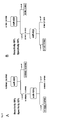
Figure 2 . Diagnostic tree. Combination of candidate miRNAs in a diagnostic tree resulted in considerable specificity and sensitivity values to differentiate (A) relapsing remitting (RRMS) from secondary progressive MS (SPMS) and (B) MS from patients with other neurological diseases (OND). Cut-offs used in the respective trees were: < 0.35 for miR-633 and > 0.47 for miR-181c to differentiate between RRMS and SPMS (A); > 0.73 for miR-633 and < 0.04 for miR-922 (B). - In accordance with the ethics committee of the Ruhr-University Bochum on CSF-sample collection, since February 2009 remaining CSF of samples obtained for routine diagnostic and therapeutic purposes after written informed consent, including MS and OND patients, were collected and stored at -80°C. For this study, we assessed CSF of n=53 MS patients with clinically well-defined disease courses and n=39 OND; hemorrhagic samples were excluded (details of patients' characteristics are summarized in Tables 1 to 3 below).
Table 1 MS Patients Age mean years (range) Gender f : m Disease duration mean years (range) RRMS (n=17) 38.9 (18 - 52) 3.25 : 1 5.5 (1 - 16) SPMS (n=30) 50.8 (35 - 63) 2 : 1 15.6 (2 - 34) PPMS (n=6) 53.8 (48 - 61) 1 : 1 14.7 (7 - 31) Table 2 OND patients Age/ Gender miR-181c_5p miR-633 miR-922 Polyneuropathy 71/f 0.017 0.183 0.781 Migraine 53/f 0.036 0.182 0.425 Scotoma 26/m 0.002 0.147 1.006 Schizophrenia 67/f 0.006 0.076 0.067 Syncopes 48/m 0.023 0.582 1.179 Leukoencephalopathy (unclear etiology) 48/f 0.031 0.094 0.057 Fracture 4th lumbal vertebra 86/f 0.347 0.412 1.422 Normal pressure hydrocephalus 62/m 0.0 0.336 1.204 Ormond's disease 67/m 0.078 0.71 2.481 Psychosomatic disorder 36/f 0.047 0.155 0.007 Fracture 12th thoracic vertebra 68/f 0.0 0.097 0.001 Spinal hemangioma 26/f 0.0 0.1 0.007 Epileptic seizure 88/f 0.001 0.143 0.0 Transient ischemic attack 58/m 0.01 4.71 0.00094 Spinocerebellar ataxia 41/m 0.198 0.347 0.66 Multiple System Atrophy 70/m 0.002 0.175 0.465 Parkinson's disease 71/m 0.0 0.087 0.603 Parkinson's disease 62/f 0.213 0.339 1.242 Lewy body dementia 70/f 0.016 0.247 0.155 Aseptic meningitis 37/m 0.053 0.137 0.001 Table 3 Diagnosis Patients Age/ Gender miR-181c miR-633 miR-922 Dementia (unclear etiology) 69/f 0.0 0.053 0.131 Motoneuron disease 63/m 0.001 0.048 0.019 Hypesthesia lower limbs (MS excluded) 44/m 0.064 0.21 0.007 Friedreich's ataxia 30/f 1.98 7.85 0.06437 Huntington's disease 48/f 0.001 0.067 0.106 Guillain-Barr6 syndrome 53/m 0.246 0.293 1.042 Myelitis 26/f 0.014 0.318 0.689 Neuromyelitis optica 57/m 0.067 0.379 0.448 Acute demyelinating encephalomyelitis 33/m 0.121 0.365 0.201 Myelitis 25/f 0.075 0.075 0.229 Hereditary spastic paraplegia 56/m 0.011 0.205 0.637 Paraneoplastic myelitis (anti-Hu antibodies positive) 51/f 0.005 0.088 0.017 Paraneoplastic cerbellitis 46/m 0.0 0.201 0.204 Neurosarcoidosis 68/m 0.0 0.075 0.184 Myelitis 54/f 1.029 0.079 0.082 Meralgia paraesthetica 21/f 0.025 0.085 0.176 Transient ischemic attack 71/f 0.113 0.069 0.134 Neurosarcoidosis 35/f 0.005 0.113 0.009 Neurovasculitis (positive for anti-double stranded DNA antibody) 59/f 1.37 7.99 0.01672 - After adding spiked-in control C. elegans miR-39 as an internal control, total RNA was isolated from 200µl CSF using the miRNeasy Mini Kit (Qiagen, Hilden, Germany), according to the manufacturer's instructions. A miRNA transcriptome analysis in pooled liquor from n=10 MS patients and n=10 patients with OND was performed by using a miRNome microRNA Profilers QuantiMir Human PCR array (Biocat, Cat.: RA660A-1, Version 15, Heidelberg, Germany) as to the manufacturers instructions and using a robotic-assisted automatic pipetting device (Agilent, Santa Clara, USA).
- Detection and Quantification of miRNAs by Quantitative RT-PCR miR-181c, miR-633 and miR-922 were validated by quantitative miRNA RT-PCR technology (TaqMan MicroRNA Assays, Applied Biosystems) in n=53 MS patients and n=39 OND. Values were normalized to spiked-in cel-miR-39 and are expressed as (Starting Quantity [microRNA]/Starting Quantity [cel-miR-39]).
- Two-sided non-parametric t-test (Mann-Whitney test) was performed for all statistical analyses (GraphPad Prism, La Jolla, USA). P<0.05 (*), p<0.001 (**) and p<0.0001 (***) were considered significant. Receiver operating characteristics curves were generated for spcecificity and sensitivity values (GraphPad), logistic regression was performed for relative risks (RR) and 95% confidence intervals (95% CI) (Stata, Texas, USA).
- The candidate miRNAs identified by miRnome analyses were validated by quantitative miRNA RT-PCR, which revealed the following results: in MS CSF miR-922 (p=0.0001) was downregulated, whereas miR-181c (p=0.0007) and miR-633 (p=0.0014) were upregulated as compared to OND
(Fig. 1A-C). None of the three candidate miRNAs correlated with age or gender. Further analyses of miRNA levels in MS patients with either relapsing remitting (RRMS, n=17) or secondary progressive (SPMS, n=30) showed significantly downregulated levels of miR-633 (p=0.0005) and miR-181c (p=0.02) in RRMS as compared to SPMS (Fig. 1A-C). The candidate miRNAs did not correlate with MS disease duration. - In order to evaluate the diagnostic value of the candidate miRNAs we determined miRNA specific cut-off levels deduced from receiver operating characteristics curves. Combining candidate miRNAs in a diagnostic tree, as shown in
figure 2A and B , resulted in enhanced specificity and sensitivity values. The combination of a cut-off value < 0.35 for miR-633 (RR, 1.9, 95% CI, 1.2 to 2.9; p=0.0065) and > 0.47 for miR-181c (RR, 2.0; 95% CI, 1.1 to 3.7; p=0.011) led to 69% sensitivity and 82% specificity for the discrimination between RRMS and SPMS (Fig. 2A ). Accordingly, the combination of a cut-off value > 0.73 for miR-633 (RR, 6.1; 95% CI 2.0 to 18.2; p<0.0001) and < 0.04 for miR-922 (RR, 2.2; 95% CI, 1.4 to 3.4; p<0.0001) led to 88% sensitivity and 69% specificity for the differentiation between MS and OND (Fig. 2B ). - The examples demonstrate that in the CSF of MS patients three distinct miRNAs are deregulated, namely miR-181c, miR-633 and miR-922 (
Fig. 1 ). The MS patients included in the study had been well characterized with regard to course of disease, allowing a CSF miRNA-based discrimination according to MS disease course. Notably, miR-181c and miR-633 are differentially deregulated in RRMS and SPMS. The combination of the expression patterns found in the analyzed CSF samples by means of a diagnostic tree led to feasible diagnostic specificity and sensitivity levels (Fig. 2A ). In addition, MS CSF revealed deregulated levels of all three miRNAs when compared to OND (Fig. 1 ). Notably, besides neurodegenerative diseases, the OND cohort tested also included patients with various neuroinflammatory disorders, such as neuromyelitis optica that are among differential diagnoses of MS (Table 3), which supports the potential diagnostic value of these CSF-based miRNAs (Fig. 2B ).
Claims (18)
- A method of determining if a patient is afflicted with multiple sclerosis (MS), comprising determining in a cerebrospinal fluid (CSF) sample from the patient the expression profile of miR-633 and miR-922, wherein miR-633 is up-regulated (increased concentration) and miR-922 is down-regulated (lower concentration) in a patient who is afflicted with MS.
- The method of claim 1, further comprising, differentiating between MS and an other neurological disease (OND), wherein miR-633 is up-regulated (increased concentration) and miR-922 is down-regulated (lower concentration) in the CSF from a MS patient compared to a patient with an OND.
- The method of claim 1 or 2, further comprising, determining the expression profile of miR-181c_5p in the cerebrospinal fluid (CSF) sample from the patient.
- The method of claim 3, wherein miR-181c_5p is up-regulated (increased concentration) in the CSF of a patient who is afflicted with MS, or in the CSF of a MS patient compared to a patient with an OND.
- The method of any one of claims 1 to 4, further comprising, determining the level of one or more normalization control(s) in the sample.
- The method of claim 5, wherein the normalization control is a non-endogenous RNA or miRNA, or a miRNA not expressed in the sample.
- The method of any one of claims 1 to 6, wherein the miRNA profile is determined by an amplification- and/or hybridization-based assay.
- The method of claim 7, wherein the amplification- and/or hybridization-based assay is quantitative miRNA real-time polymerase chain reaction (RT-PCR).
- The method of any one of claims 3 to 8, further comprising, discriminating between relapsing remitting multiple sclerosis (RRMS) and a progressive form of MS, wherein miR-181c_5p and miR-633 are down-regulated (lower concentration) in RRMS as compared to the progressive form of MS.
- The method of claim 9, wherein the progressive form of MS is SPMS.
- A kit for diagnosing or monitoring MS comprising means for determining the concentration of miR-633 and miR-922; or miR-181c_5p, miR-633 and miR-922; in a cerebrospinal fluid (CSF) sample from a patient.
- The kit of claim 11, wherein the means for determining the concentration of miR-633, miR-922 and/or miR-181c_5p include oligonucleotide probes specific for miR-633, miR-922 and/or miR-181c_5p; or miRNA-specific primers for reverse transcribing or amplifying each of miR-633, miR-922 and/or miR-181c_5p.
- Use of a miRNA expression profile of miR-633 and miR-922 in a CSF sample from a patient for diagnosing or monitoring MS.
- The use of a miRNA profile according to claim 13, wherein the miRNA profile further comprises the level of miR-181c_5p.
- The use of a miRNA profile according to claim 13 or 14, wherein up-regulation (increased concentration) of miR-181c_5p and/or miR-633, and down-regulation (lower concentration) of miR-922 in the sample is indicative of the presence of MS.
- Use of a miRNA expression profile of miR-633 and/or miR-181c_5p, and miR-922 in a CSF sample from a patient for differentiating between MS and an other neurological disease (OND).
- The use of a miRNA profile according to claim 16, wherein miR-633 and/or miR-181c_5p is/are up-regulated (increased concentration), and miR-922 is down-regulated (lower concentration) in the CSF from a MS patient compared to a patient with an OND.
- Use of a miRNA expression profile of miR-181c_5p and miR-633 in a CSF sample from a patient for discriminating between relapsing remitting multiple sclerosis (RRMS) and a progressive form of MS, wherein miR-181c_5p and miR-633 are down-regulated (lower concentration) in RRMS as compared to the progressive form of MS.
Priority Applications (6)
| Application Number | Priority Date | Filing Date | Title |
|---|---|---|---|
| DK12005291T DK2687607T3 (en) | 2012-07-19 | 2012-07-19 | MicroRNA-profiles in the diagnosis of multiple sclerosis |
| EP12005291.5A EP2687607B1 (en) | 2012-07-19 | 2012-07-19 | MicroRNA profiles in the diagnosis of multiple sclerosis |
| AU2013292729A AU2013292729B2 (en) | 2012-07-19 | 2013-07-05 | MicroRNA profiles in the diagnosis of multiple sclerosis |
| US14/415,468 US20150267254A1 (en) | 2012-07-19 | 2013-07-05 | Microrna profiles in the diagnosis of multiple sclerosis |
| CA2879452A CA2879452A1 (en) | 2012-07-19 | 2013-07-05 | Microrna profiles in the diagnosis of multiple sclerosis |
| PCT/EP2013/001992 WO2014012632A1 (en) | 2012-07-19 | 2013-07-05 | Microrna profiles in the diagnosis of multiple sclerosis |
Applications Claiming Priority (1)
| Application Number | Priority Date | Filing Date | Title |
|---|---|---|---|
| EP12005291.5A EP2687607B1 (en) | 2012-07-19 | 2012-07-19 | MicroRNA profiles in the diagnosis of multiple sclerosis |
Publications (2)
| Publication Number | Publication Date |
|---|---|
| EP2687607A1 true EP2687607A1 (en) | 2014-01-22 |
| EP2687607B1 EP2687607B1 (en) | 2015-03-04 |
Family
ID=48782269
Family Applications (1)
| Application Number | Title | Priority Date | Filing Date |
|---|---|---|---|
| EP12005291.5A Not-in-force EP2687607B1 (en) | 2012-07-19 | 2012-07-19 | MicroRNA profiles in the diagnosis of multiple sclerosis |
Country Status (6)
| Country | Link |
|---|---|
| US (1) | US20150267254A1 (en) |
| EP (1) | EP2687607B1 (en) |
| AU (1) | AU2013292729B2 (en) |
| CA (1) | CA2879452A1 (en) |
| DK (1) | DK2687607T3 (en) |
| WO (1) | WO2014012632A1 (en) |
Citations (4)
| Publication number | Priority date | Publication date | Assignee | Title |
|---|---|---|---|---|
| WO2008153692A2 (en) | 2007-05-22 | 2008-12-18 | The Brigham And Women's Hospital, Inc. | Microrna expression profiling of cerebrospinal fluid |
| WO2010139810A1 (en) | 2009-06-05 | 2010-12-09 | Febit Holding Gmbh | Mirna fingerprint in the diagnosis of lung cancer |
| WO2011003989A1 (en) * | 2009-07-08 | 2011-01-13 | Administración General De La Comunidad Autónoma De Euskadi | Methods for the diagnosis of multiple sclerosis based on its microrna expression profiling |
| WO2011163214A2 (en) | 2010-06-21 | 2011-12-29 | Diogenix, Inc. | Microrna profiles for evaluating multiple sclerosis |
Family Cites Families (3)
| Publication number | Priority date | Publication date | Assignee | Title |
|---|---|---|---|---|
| US20090186353A1 (en) * | 2004-10-04 | 2009-07-23 | Rosetta Genomics Ltd. | Cancer-related nucleic acids |
| CA2743211A1 (en) * | 2008-11-12 | 2010-05-20 | Caris Life Sciences Luxembourg Holdings, S.A.R.L. | Methods and systems of using exosomes for determining phenotypes |
| EP2354246A1 (en) * | 2010-02-05 | 2011-08-10 | febit holding GmbH | miRNA in the diagnosis of ovarian cancer |
-
2012
- 2012-07-19 DK DK12005291T patent/DK2687607T3/en active
- 2012-07-19 EP EP12005291.5A patent/EP2687607B1/en not_active Not-in-force
-
2013
- 2013-07-05 CA CA2879452A patent/CA2879452A1/en not_active Abandoned
- 2013-07-05 WO PCT/EP2013/001992 patent/WO2014012632A1/en not_active Ceased
- 2013-07-05 AU AU2013292729A patent/AU2013292729B2/en not_active Ceased
- 2013-07-05 US US14/415,468 patent/US20150267254A1/en not_active Abandoned
Patent Citations (4)
| Publication number | Priority date | Publication date | Assignee | Title |
|---|---|---|---|---|
| WO2008153692A2 (en) | 2007-05-22 | 2008-12-18 | The Brigham And Women's Hospital, Inc. | Microrna expression profiling of cerebrospinal fluid |
| WO2010139810A1 (en) | 2009-06-05 | 2010-12-09 | Febit Holding Gmbh | Mirna fingerprint in the diagnosis of lung cancer |
| WO2011003989A1 (en) * | 2009-07-08 | 2011-01-13 | Administración General De La Comunidad Autónoma De Euskadi | Methods for the diagnosis of multiple sclerosis based on its microrna expression profiling |
| WO2011163214A2 (en) | 2010-06-21 | 2011-12-29 | Diogenix, Inc. | Microrna profiles for evaluating multiple sclerosis |
Non-Patent Citations (14)
| Title |
|---|
| "RNA Methodologies, A laboratory guide for isolation and characterization", 1998, ACADEMIC PRESS |
| BARANISKIN ET AL., BLOOD, vol. 117, 2011, pages 3140 - 3146 |
| COX ET AL., PLOS ONE, vol. 5, 2010, pages E12132 |
| HAGHIKIA A ET AL.: "Regulated microRNAs in the CSF of patients with multiple sclerosis", NEUROLOGY, vol. 79, 27 November 2012 (2012-11-27), pages 1 - 5, XP002690299 * |
| JUNKER ET AL., BRAIN, vol. 132, 2009, pages 3342 - 3352 |
| JUNKER; HOHLFELD; MEINL, NAT REV NEUROL, vol. 7, 2011, pages 56 - 59 |
| KELLER A ET AL.: "Multiple sclerosis: MicroRNA expression profiles accurately differentiate patients with relapsing-remitting disease from healthy controls", PLOS ONE, vol. 4, no. 10, E7440, October 2009 (2009-10-01), pages 1 - 7, XP002690298 * |
| LINDBERG ET AL., EUR J IMMUNOL, vol. 40, 2010, pages 888 - 898 |
| LORENZEN ET AL., CLIN JAM SOC NEPHROL., vol. 6, no. 7, July 2011 (2011-07-01), pages 1540 - 6 |
| MARTINELLI-BONESCHI F ET AL.: "MicroRNA and mRNAexpression profile screening in multiple sclerosis patients to unravel novel pathogenic steps and identify potential biomarkers", NEUROSCIENCE LETTERS, vol. 508, 2 February 2012 (2012-02-02), pages 4 - 8, XP002690297 * |
| OTAEGUI D ET AL: "Differential Micro RNA Expression in PBMC from Multiple Sclerosis Patients", PLOS ONE, vol. 4, no. 7, E6309, 1 July 2009 (2009-07-01), PUBLIC LIBRARY OF SCIENCE, US, pages 1 - 9, XP002558932, ISSN: 1932-6203, [retrieved on 20090720], DOI: 10.1371/JOURNAL.PONE.0006309 * |
| OTAEGUI ET AL., PLOS ONE, vol. 4, 2009, pages E6309 |
| PONOMAREV ET AL., NAT MED, vol. 17, 2011, pages 64 - 70 |
| WIDERA ET AL., J MOL CELL CARDIOL., vol. 51, no. 5, November 2011 (2011-11-01), pages 872 - 5 |
Also Published As
| Publication number | Publication date |
|---|---|
| CA2879452A1 (en) | 2014-01-23 |
| AU2013292729B2 (en) | 2018-08-02 |
| EP2687607B1 (en) | 2015-03-04 |
| AU2013292729A1 (en) | 2015-02-05 |
| DK2687607T3 (en) | 2015-04-07 |
| WO2014012632A1 (en) | 2014-01-23 |
| US20150267254A1 (en) | 2015-09-24 |
Similar Documents
| Publication | Publication Date | Title |
|---|---|---|
| CN103620057B (en) | Method for early detection and monitoring of mild cognitive impairment (MCI) and Alzheimer's disease (AD) using miRNAs from body fluids | |
| Sharaf-Eldin et al. | Extracellular miR-145, miR-223 and miR-326 expression signature allow for differential diagnosis of immune-mediated neuroinflammatory diseases | |
| ES2993025T3 (en) | Methods of using mirnas from bodily fluids for detection and differentiation of neurodegenerative diseases | |
| EP3356556A2 (en) | A method for diagnosing a disease by detection of circrna in bodily fluids | |
| US20190169690A1 (en) | Methods and compositions for diagnosis of alzheimer's disease | |
| Roth et al. | Differentially regulated miRNAs as prognostic biomarkers in the blood of primary CNS lymphoma patients | |
| US20120015830A1 (en) | Microrna profiles for evaluating multiple sclerosis | |
| CN104480106A (en) | Serum/plasma micro-RNA marker for detecting patients with mild cognitive impairment and application thereof | |
| CN105648088A (en) | AD or MCI detection marker and detection method thereof | |
| US10815528B2 (en) | MiRNAs as non-invasive biomarkers for inflammatory bowel disease | |
| US20180044733A1 (en) | Circulatory MicroRNAs (miRNAs) as Biomarkers for Diabetic Retinopathy (DR) and Age-Related Macular Degeneration | |
| JP2018522558A (en) | MicroRNA biomarkers for traumatic brain injury and methods of use thereof | |
| Agostini et al. | Serum miR-34a-5p, miR-103a-3p, and miR-376a-3p as possible biomarkers of conversion from relapsing-remitting to secondary progressive multiple sclerosis | |
| CN116716389A (en) | Primer group for detecting TRPC6 mRNA level, kit, detection method and application thereof in Alzheimer disease diagnosis | |
| US20120214682A1 (en) | Microrna signatures indicative of immunomodulating therapy for multiple sclerosis | |
| US20120164653A1 (en) | Methods for the diagnosis of multiple sclerosis based on its microrna expression profiling | |
| EP2889383A1 (en) | Diagnosis of rheumatoid arthritis by microrna | |
| Sharaf-Eldin et al. | Potential value of miR-23a for discriminating neuromyelitis optica spectrum disorder from multiple sclerosis | |
| US20150045243A1 (en) | Mirnas as non-invasive biomarkers for diagnosis | |
| EP2687607B1 (en) | MicroRNA profiles in the diagnosis of multiple sclerosis | |
| CN108424962B (en) | miRNA detection markers and diagnostic kits for mesangial proliferative glomerulonephritis | |
| JP2024136284A (en) | Diagnostic aid method and diagnostic kit for depression | |
| WO2012034189A1 (en) | Methods of using mirnas transcribed from the 14q32 region of human chromosome 14 as biomarkers for schizophrenia or symptoms thereof | |
| EP3839072A1 (en) | Bacterial combinations predictive of the activity of multiple sclerosis | |
| KR20200002237A (en) | Biomarker let-7a or let-7f for diagnosing obesity and use thereof |
Legal Events
| Date | Code | Title | Description |
|---|---|---|---|
| PUAI | Public reference made under article 153(3) epc to a published international application that has entered the european phase |
Free format text: ORIGINAL CODE: 0009012 |
|
| AK | Designated contracting states |
Kind code of ref document: A1 Designated state(s): AL AT BE BG CH CY CZ DE DK EE ES FI FR GB GR HR HU IE IS IT LI LT LU LV MC MK MT NL NO PL PT RO RS SE SI SK SM TR |
|
| AX | Request for extension of the european patent |
Extension state: BA ME |
|
| 17P | Request for examination filed |
Effective date: 20140331 |
|
| RBV | Designated contracting states (corrected) |
Designated state(s): AL AT BE BG CH CY CZ DE DK EE ES FI FR GB GR HR HU IE IS IT LI LT LU LV MC MK MT NL NO PL PT RO RS SE SI SK SM TR |
|
| 17Q | First examination report despatched |
Effective date: 20140711 |
|
| GRAP | Despatch of communication of intention to grant a patent |
Free format text: ORIGINAL CODE: EPIDOSNIGR1 |
|
| INTG | Intention to grant announced |
Effective date: 20141001 |
|
| GRAS | Grant fee paid |
Free format text: ORIGINAL CODE: EPIDOSNIGR3 |
|
| GRAA | (expected) grant |
Free format text: ORIGINAL CODE: 0009210 |
|
| AK | Designated contracting states |
Kind code of ref document: B1 Designated state(s): AL AT BE BG CH CY CZ DE DK EE ES FI FR GB GR HR HU IE IS IT LI LT LU LV MC MK MT NL NO PL PT RO RS SE SI SK SM TR |
|
| REG | Reference to a national code |
Ref country code: GB Ref legal event code: FG4D |
|
| REG | Reference to a national code |
Ref country code: CH Ref legal event code: EP |
|
| REG | Reference to a national code |
Ref country code: IE Ref legal event code: FG4D |
|
| REG | Reference to a national code |
Ref country code: DK Ref legal event code: T3 Effective date: 20150330 |
|
| REG | Reference to a national code |
Ref country code: AT Ref legal event code: REF Ref document number: 713970 Country of ref document: AT Kind code of ref document: T Effective date: 20150415 |
|
| REG | Reference to a national code |
Ref country code: DE Ref legal event code: R096 Ref document number: 602012005457 Country of ref document: DE Effective date: 20150416 |
|
| REG | Reference to a national code |
Ref country code: SE Ref legal event code: TRGR |
|
| REG | Reference to a national code |
Ref country code: CH Ref legal event code: NV Representative=s name: E. BLUM AND CO. AG PATENT- UND MARKENANWAELTE , CH |
|
| REG | Reference to a national code |
Ref country code: AT Ref legal event code: MK05 Ref document number: 713970 Country of ref document: AT Kind code of ref document: T Effective date: 20150304 Ref country code: NL Ref legal event code: VDEP Effective date: 20150304 |
|
| PG25 | Lapsed in a contracting state [announced via postgrant information from national office to epo] |
Ref country code: ES Free format text: LAPSE BECAUSE OF FAILURE TO SUBMIT A TRANSLATION OF THE DESCRIPTION OR TO PAY THE FEE WITHIN THE PRESCRIBED TIME-LIMIT Effective date: 20150304 Ref country code: NO Free format text: LAPSE BECAUSE OF FAILURE TO SUBMIT A TRANSLATION OF THE DESCRIPTION OR TO PAY THE FEE WITHIN THE PRESCRIBED TIME-LIMIT Effective date: 20150604 Ref country code: HR Free format text: LAPSE BECAUSE OF FAILURE TO SUBMIT A TRANSLATION OF THE DESCRIPTION OR TO PAY THE FEE WITHIN THE PRESCRIBED TIME-LIMIT Effective date: 20150304 Ref country code: LT Free format text: LAPSE BECAUSE OF FAILURE TO SUBMIT A TRANSLATION OF THE DESCRIPTION OR TO PAY THE FEE WITHIN THE PRESCRIBED TIME-LIMIT Effective date: 20150304 Ref country code: FI Free format text: LAPSE BECAUSE OF FAILURE TO SUBMIT A TRANSLATION OF THE DESCRIPTION OR TO PAY THE FEE WITHIN THE PRESCRIBED TIME-LIMIT Effective date: 20150304 |
|
| REG | Reference to a national code |
Ref country code: LT Ref legal event code: MG4D |
|
| PG25 | Lapsed in a contracting state [announced via postgrant information from national office to epo] |
Ref country code: LV Free format text: LAPSE BECAUSE OF FAILURE TO SUBMIT A TRANSLATION OF THE DESCRIPTION OR TO PAY THE FEE WITHIN THE PRESCRIBED TIME-LIMIT Effective date: 20150304 Ref country code: GR Free format text: LAPSE BECAUSE OF FAILURE TO SUBMIT A TRANSLATION OF THE DESCRIPTION OR TO PAY THE FEE WITHIN THE PRESCRIBED TIME-LIMIT Effective date: 20150605 Ref country code: AT Free format text: LAPSE BECAUSE OF FAILURE TO SUBMIT A TRANSLATION OF THE DESCRIPTION OR TO PAY THE FEE WITHIN THE PRESCRIBED TIME-LIMIT Effective date: 20150304 Ref country code: RS Free format text: LAPSE BECAUSE OF FAILURE TO SUBMIT A TRANSLATION OF THE DESCRIPTION OR TO PAY THE FEE WITHIN THE PRESCRIBED TIME-LIMIT Effective date: 20150304 |
|
| PG25 | Lapsed in a contracting state [announced via postgrant information from national office to epo] |
Ref country code: NL Free format text: LAPSE BECAUSE OF FAILURE TO SUBMIT A TRANSLATION OF THE DESCRIPTION OR TO PAY THE FEE WITHIN THE PRESCRIBED TIME-LIMIT Effective date: 20150304 |
|
| PG25 | Lapsed in a contracting state [announced via postgrant information from national office to epo] |
Ref country code: SK Free format text: LAPSE BECAUSE OF FAILURE TO SUBMIT A TRANSLATION OF THE DESCRIPTION OR TO PAY THE FEE WITHIN THE PRESCRIBED TIME-LIMIT Effective date: 20150304 Ref country code: PT Free format text: LAPSE BECAUSE OF FAILURE TO SUBMIT A TRANSLATION OF THE DESCRIPTION OR TO PAY THE FEE WITHIN THE PRESCRIBED TIME-LIMIT Effective date: 20150706 Ref country code: EE Free format text: LAPSE BECAUSE OF FAILURE TO SUBMIT A TRANSLATION OF THE DESCRIPTION OR TO PAY THE FEE WITHIN THE PRESCRIBED TIME-LIMIT Effective date: 20150304 Ref country code: RO Free format text: LAPSE BECAUSE OF FAILURE TO SUBMIT A TRANSLATION OF THE DESCRIPTION OR TO PAY THE FEE WITHIN THE PRESCRIBED TIME-LIMIT Effective date: 20150304 Ref country code: CZ Free format text: LAPSE BECAUSE OF FAILURE TO SUBMIT A TRANSLATION OF THE DESCRIPTION OR TO PAY THE FEE WITHIN THE PRESCRIBED TIME-LIMIT Effective date: 20150304 |
|
| PG25 | Lapsed in a contracting state [announced via postgrant information from national office to epo] |
Ref country code: PL Free format text: LAPSE BECAUSE OF FAILURE TO SUBMIT A TRANSLATION OF THE DESCRIPTION OR TO PAY THE FEE WITHIN THE PRESCRIBED TIME-LIMIT Effective date: 20150304 Ref country code: IS Free format text: LAPSE BECAUSE OF FAILURE TO SUBMIT A TRANSLATION OF THE DESCRIPTION OR TO PAY THE FEE WITHIN THE PRESCRIBED TIME-LIMIT Effective date: 20150704 |
|
| REG | Reference to a national code |
Ref country code: DE Ref legal event code: R097 Ref document number: 602012005457 Country of ref document: DE |
|
| PG25 | Lapsed in a contracting state [announced via postgrant information from national office to epo] |
Ref country code: IT Free format text: LAPSE BECAUSE OF FAILURE TO SUBMIT A TRANSLATION OF THE DESCRIPTION OR TO PAY THE FEE WITHIN THE PRESCRIBED TIME-LIMIT Effective date: 20150304 |
|
| PLBE | No opposition filed within time limit |
Free format text: ORIGINAL CODE: 0009261 |
|
| STAA | Information on the status of an ep patent application or granted ep patent |
Free format text: STATUS: NO OPPOSITION FILED WITHIN TIME LIMIT |
|
| 26N | No opposition filed |
Effective date: 20151207 |
|
| PG25 | Lapsed in a contracting state [announced via postgrant information from national office to epo] |
Ref country code: SI Free format text: LAPSE BECAUSE OF FAILURE TO SUBMIT A TRANSLATION OF THE DESCRIPTION OR TO PAY THE FEE WITHIN THE PRESCRIBED TIME-LIMIT Effective date: 20150304 Ref country code: MC Free format text: LAPSE BECAUSE OF FAILURE TO SUBMIT A TRANSLATION OF THE DESCRIPTION OR TO PAY THE FEE WITHIN THE PRESCRIBED TIME-LIMIT Effective date: 20150304 |
|
| PG25 | Lapsed in a contracting state [announced via postgrant information from national office to epo] |
Ref country code: LU Free format text: LAPSE BECAUSE OF FAILURE TO SUBMIT A TRANSLATION OF THE DESCRIPTION OR TO PAY THE FEE WITHIN THE PRESCRIBED TIME-LIMIT Effective date: 20150719 |
|
| REG | Reference to a national code |
Ref country code: IE Ref legal event code: MM4A |
|
| REG | Reference to a national code |
Ref country code: FR Ref legal event code: PLFP Year of fee payment: 5 |
|
| PG25 | Lapsed in a contracting state [announced via postgrant information from national office to epo] |
Ref country code: IE Free format text: LAPSE BECAUSE OF NON-PAYMENT OF DUE FEES Effective date: 20150719 |
|
| PG25 | Lapsed in a contracting state [announced via postgrant information from national office to epo] |
Ref country code: BE Free format text: LAPSE BECAUSE OF FAILURE TO SUBMIT A TRANSLATION OF THE DESCRIPTION OR TO PAY THE FEE WITHIN THE PRESCRIBED TIME-LIMIT Effective date: 20150304 |
|
| PG25 | Lapsed in a contracting state [announced via postgrant information from national office to epo] |
Ref country code: MT Free format text: LAPSE BECAUSE OF FAILURE TO SUBMIT A TRANSLATION OF THE DESCRIPTION OR TO PAY THE FEE WITHIN THE PRESCRIBED TIME-LIMIT Effective date: 20150304 |
|
| PG25 | Lapsed in a contracting state [announced via postgrant information from national office to epo] |
Ref country code: HU Free format text: LAPSE BECAUSE OF FAILURE TO SUBMIT A TRANSLATION OF THE DESCRIPTION OR TO PAY THE FEE WITHIN THE PRESCRIBED TIME-LIMIT; INVALID AB INITIO Effective date: 20120719 Ref country code: BG Free format text: LAPSE BECAUSE OF FAILURE TO SUBMIT A TRANSLATION OF THE DESCRIPTION OR TO PAY THE FEE WITHIN THE PRESCRIBED TIME-LIMIT Effective date: 20150304 Ref country code: SM Free format text: LAPSE BECAUSE OF FAILURE TO SUBMIT A TRANSLATION OF THE DESCRIPTION OR TO PAY THE FEE WITHIN THE PRESCRIBED TIME-LIMIT Effective date: 20150304 |
|
| PG25 | Lapsed in a contracting state [announced via postgrant information from national office to epo] |
Ref country code: CY Free format text: LAPSE BECAUSE OF FAILURE TO SUBMIT A TRANSLATION OF THE DESCRIPTION OR TO PAY THE FEE WITHIN THE PRESCRIBED TIME-LIMIT Effective date: 20150304 |
|
| REG | Reference to a national code |
Ref country code: FR Ref legal event code: PLFP Year of fee payment: 6 |
|
| PG25 | Lapsed in a contracting state [announced via postgrant information from national office to epo] |
Ref country code: TR Free format text: LAPSE BECAUSE OF FAILURE TO SUBMIT A TRANSLATION OF THE DESCRIPTION OR TO PAY THE FEE WITHIN THE PRESCRIBED TIME-LIMIT Effective date: 20150304 Ref country code: MK Free format text: LAPSE BECAUSE OF FAILURE TO SUBMIT A TRANSLATION OF THE DESCRIPTION OR TO PAY THE FEE WITHIN THE PRESCRIBED TIME-LIMIT Effective date: 20150304 |
|
| REG | Reference to a national code |
Ref country code: FR Ref legal event code: PLFP Year of fee payment: 7 |
|
| PG25 | Lapsed in a contracting state [announced via postgrant information from national office to epo] |
Ref country code: AL Free format text: LAPSE BECAUSE OF FAILURE TO SUBMIT A TRANSLATION OF THE DESCRIPTION OR TO PAY THE FEE WITHIN THE PRESCRIBED TIME-LIMIT Effective date: 20150304 |
|
| PGFP | Annual fee paid to national office [announced via postgrant information from national office to epo] |
Ref country code: DE Payment date: 20180718 Year of fee payment: 7 Ref country code: FR Payment date: 20180723 Year of fee payment: 7 |
|
| PGFP | Annual fee paid to national office [announced via postgrant information from national office to epo] |
Ref country code: SE Payment date: 20180725 Year of fee payment: 7 Ref country code: GB Payment date: 20180725 Year of fee payment: 7 Ref country code: CH Payment date: 20180725 Year of fee payment: 7 Ref country code: DK Payment date: 20180725 Year of fee payment: 7 |
|
| REG | Reference to a national code |
Ref country code: DE Ref legal event code: R119 Ref document number: 602012005457 Country of ref document: DE |
|
| REG | Reference to a national code |
Ref country code: DK Ref legal event code: EBP Effective date: 20190731 |
|
| REG | Reference to a national code |
Ref country code: CH Ref legal event code: PL |
|
| REG | Reference to a national code |
Ref country code: SE Ref legal event code: EUG |
|
| GBPC | Gb: european patent ceased through non-payment of renewal fee |
Effective date: 20190719 |
|
| PG25 | Lapsed in a contracting state [announced via postgrant information from national office to epo] |
Ref country code: SE Free format text: LAPSE BECAUSE OF NON-PAYMENT OF DUE FEES Effective date: 20190720 Ref country code: DE Free format text: LAPSE BECAUSE OF NON-PAYMENT OF DUE FEES Effective date: 20200201 Ref country code: GB Free format text: LAPSE BECAUSE OF NON-PAYMENT OF DUE FEES Effective date: 20190719 |
|
| PG25 | Lapsed in a contracting state [announced via postgrant information from national office to epo] |
Ref country code: LI Free format text: LAPSE BECAUSE OF NON-PAYMENT OF DUE FEES Effective date: 20190731 Ref country code: CH Free format text: LAPSE BECAUSE OF NON-PAYMENT OF DUE FEES Effective date: 20190731 |
|
| PG25 | Lapsed in a contracting state [announced via postgrant information from national office to epo] |
Ref country code: FR Free format text: LAPSE BECAUSE OF NON-PAYMENT OF DUE FEES Effective date: 20190731 |
|
| PG25 | Lapsed in a contracting state [announced via postgrant information from national office to epo] |
Ref country code: DK Free format text: LAPSE BECAUSE OF NON-PAYMENT OF DUE FEES Effective date: 20190731 |