EP2687600B1 - Pol i promoter derived from vero cells and recombinant vector containing same - Google Patents
Pol i promoter derived from vero cells and recombinant vector containing same Download PDFInfo
- Publication number
- EP2687600B1 EP2687600B1 EP12757721.1A EP12757721A EP2687600B1 EP 2687600 B1 EP2687600 B1 EP 2687600B1 EP 12757721 A EP12757721 A EP 12757721A EP 2687600 B1 EP2687600 B1 EP 2687600B1
- Authority
- EP
- European Patent Office
- Prior art keywords
- promoter
- pol
- recombinant vector
- vero cells
- vero
- Prior art date
- Legal status (The legal status is an assumption and is not a legal conclusion. Google has not performed a legal analysis and makes no representation as to the accuracy of the status listed.)
- Not-in-force
Links
Images


Classifications
-
- C—CHEMISTRY; METALLURGY
- C12—BIOCHEMISTRY; BEER; SPIRITS; WINE; VINEGAR; MICROBIOLOGY; ENZYMOLOGY; MUTATION OR GENETIC ENGINEERING
- C12N—MICROORGANISMS OR ENZYMES; COMPOSITIONS THEREOF; PROPAGATING, PRESERVING, OR MAINTAINING MICROORGANISMS; MUTATION OR GENETIC ENGINEERING; CULTURE MEDIA
- C12N15/00—Mutation or genetic engineering; DNA or RNA concerning genetic engineering, vectors, e.g. plasmids, or their isolation, preparation or purification; Use of hosts therefor
- C12N15/09—Recombinant DNA-technology
- C12N15/11—DNA or RNA fragments; Modified forms thereof; Non-coding nucleic acids having a biological activity
-
- C—CHEMISTRY; METALLURGY
- C12—BIOCHEMISTRY; BEER; SPIRITS; WINE; VINEGAR; MICROBIOLOGY; ENZYMOLOGY; MUTATION OR GENETIC ENGINEERING
- C12N—MICROORGANISMS OR ENZYMES; COMPOSITIONS THEREOF; PROPAGATING, PRESERVING, OR MAINTAINING MICROORGANISMS; MUTATION OR GENETIC ENGINEERING; CULTURE MEDIA
- C12N15/00—Mutation or genetic engineering; DNA or RNA concerning genetic engineering, vectors, e.g. plasmids, or their isolation, preparation or purification; Use of hosts therefor
- C12N15/09—Recombinant DNA-technology
- C12N15/63—Introduction of foreign genetic material using vectors; Vectors; Use of hosts therefor; Regulation of expression
- C12N15/79—Vectors or expression systems specially adapted for eukaryotic hosts
- C12N15/85—Vectors or expression systems specially adapted for eukaryotic hosts for animal cells
-
- C—CHEMISTRY; METALLURGY
- C12—BIOCHEMISTRY; BEER; SPIRITS; WINE; VINEGAR; MICROBIOLOGY; ENZYMOLOGY; MUTATION OR GENETIC ENGINEERING
- C12N—MICROORGANISMS OR ENZYMES; COMPOSITIONS THEREOF; PROPAGATING, PRESERVING, OR MAINTAINING MICROORGANISMS; MUTATION OR GENETIC ENGINEERING; CULTURE MEDIA
- C12N7/00—Viruses; Bacteriophages; Compositions thereof; Preparation or purification thereof
-
- C—CHEMISTRY; METALLURGY
- C12—BIOCHEMISTRY; BEER; SPIRITS; WINE; VINEGAR; MICROBIOLOGY; ENZYMOLOGY; MUTATION OR GENETIC ENGINEERING
- C12N—MICROORGANISMS OR ENZYMES; COMPOSITIONS THEREOF; PROPAGATING, PRESERVING, OR MAINTAINING MICROORGANISMS; MUTATION OR GENETIC ENGINEERING; CULTURE MEDIA
- C12N9/00—Enzymes; Proenzymes; Compositions thereof; Processes for preparing, activating, inhibiting, separating or purifying enzymes
- C12N9/10—Transferases (2.)
- C12N9/12—Transferases (2.) transferring phosphorus containing groups, e.g. kinases (2.7)
- C12N9/1241—Nucleotidyltransferases (2.7.7)
- C12N9/1252—DNA-directed DNA polymerase (2.7.7.7), i.e. DNA replicase
-
- C—CHEMISTRY; METALLURGY
- C12—BIOCHEMISTRY; BEER; SPIRITS; WINE; VINEGAR; MICROBIOLOGY; ENZYMOLOGY; MUTATION OR GENETIC ENGINEERING
- C12Y—ENZYMES
- C12Y207/00—Transferases transferring phosphorus-containing groups (2.7)
- C12Y207/07—Nucleotidyltransferases (2.7.7)
- C12Y207/07007—DNA-directed DNA polymerase (2.7.7.7), i.e. DNA replicase
-
- C—CHEMISTRY; METALLURGY
- C12—BIOCHEMISTRY; BEER; SPIRITS; WINE; VINEGAR; MICROBIOLOGY; ENZYMOLOGY; MUTATION OR GENETIC ENGINEERING
- C12N—MICROORGANISMS OR ENZYMES; COMPOSITIONS THEREOF; PROPAGATING, PRESERVING, OR MAINTAINING MICROORGANISMS; MUTATION OR GENETIC ENGINEERING; CULTURE MEDIA
- C12N2760/00—MICROORGANISMS OR ENZYMES; COMPOSITIONS THEREOF; PROPAGATING, PRESERVING, OR MAINTAINING MICROORGANISMS; MUTATION OR GENETIC ENGINEERING; CULTURE MEDIA ssRNA viruses negative-sense
- C12N2760/00011—Details
- C12N2760/16011—Orthomyxoviridae
- C12N2760/16051—Methods of production or purification of viral material
-
- C—CHEMISTRY; METALLURGY
- C12—BIOCHEMISTRY; BEER; SPIRITS; WINE; VINEGAR; MICROBIOLOGY; ENZYMOLOGY; MUTATION OR GENETIC ENGINEERING
- C12N—MICROORGANISMS OR ENZYMES; COMPOSITIONS THEREOF; PROPAGATING, PRESERVING, OR MAINTAINING MICROORGANISMS; MUTATION OR GENETIC ENGINEERING; CULTURE MEDIA
- C12N2760/00—MICROORGANISMS OR ENZYMES; COMPOSITIONS THEREOF; PROPAGATING, PRESERVING, OR MAINTAINING MICROORGANISMS; MUTATION OR GENETIC ENGINEERING; CULTURE MEDIA ssRNA viruses negative-sense
- C12N2760/00011—Details
- C12N2760/16011—Orthomyxoviridae
- C12N2760/16051—Methods of production or purification of viral material
- C12N2760/16052—Methods of production or purification of viral material relating to complementing cells and packaging systems for producing virus or viral particles
-
- C—CHEMISTRY; METALLURGY
- C12—BIOCHEMISTRY; BEER; SPIRITS; WINE; VINEGAR; MICROBIOLOGY; ENZYMOLOGY; MUTATION OR GENETIC ENGINEERING
- C12N—MICROORGANISMS OR ENZYMES; COMPOSITIONS THEREOF; PROPAGATING, PRESERVING, OR MAINTAINING MICROORGANISMS; MUTATION OR GENETIC ENGINEERING; CULTURE MEDIA
- C12N2760/00—MICROORGANISMS OR ENZYMES; COMPOSITIONS THEREOF; PROPAGATING, PRESERVING, OR MAINTAINING MICROORGANISMS; MUTATION OR GENETIC ENGINEERING; CULTURE MEDIA ssRNA viruses negative-sense
- C12N2760/00011—Details
- C12N2760/16011—Orthomyxoviridae
- C12N2760/16111—Influenzavirus A, i.e. influenza A virus
- C12N2760/16151—Methods of production or purification of viral material
-
- C—CHEMISTRY; METALLURGY
- C12—BIOCHEMISTRY; BEER; SPIRITS; WINE; VINEGAR; MICROBIOLOGY; ENZYMOLOGY; MUTATION OR GENETIC ENGINEERING
- C12N—MICROORGANISMS OR ENZYMES; COMPOSITIONS THEREOF; PROPAGATING, PRESERVING, OR MAINTAINING MICROORGANISMS; MUTATION OR GENETIC ENGINEERING; CULTURE MEDIA
- C12N2760/00—MICROORGANISMS OR ENZYMES; COMPOSITIONS THEREOF; PROPAGATING, PRESERVING, OR MAINTAINING MICROORGANISMS; MUTATION OR GENETIC ENGINEERING; CULTURE MEDIA ssRNA viruses negative-sense
- C12N2760/00011—Details
- C12N2760/16011—Orthomyxoviridae
- C12N2760/16111—Influenzavirus A, i.e. influenza A virus
- C12N2760/16151—Methods of production or purification of viral material
- C12N2760/16152—Methods of production or purification of viral material relating to complementing cells and packaging systems for producing virus or viral particles
-
- C—CHEMISTRY; METALLURGY
- C12—BIOCHEMISTRY; BEER; SPIRITS; WINE; VINEGAR; MICROBIOLOGY; ENZYMOLOGY; MUTATION OR GENETIC ENGINEERING
- C12N—MICROORGANISMS OR ENZYMES; COMPOSITIONS THEREOF; PROPAGATING, PRESERVING, OR MAINTAINING MICROORGANISMS; MUTATION OR GENETIC ENGINEERING; CULTURE MEDIA
- C12N2830/00—Vector systems having a special element relevant for transcription
- C12N2830/80—Vector systems having a special element relevant for transcription from vertebrates
- C12N2830/85—Vector systems having a special element relevant for transcription from vertebrates mammalian
Definitions
- the present invention relates to a pol I promoter derived from Vero cells and a recombinant vector comprising the same.
- Tamiflu as the treatment that is currently in use, is in short supply and is produced at an enormous cost. Moreover, Tamiflu resistant viruses have been recently discovered, with the result that, when a new influenza pandemic arises, the technology for treating it is absent in the world.
- reverse genetic pol I - pol II promoter systems used all around the world employ a human-derived promoter (Hoffmann et al., 2000).
- the thus developed human promoter systems are effectively operated in 293T cells, which are human-derived cell lines, to effectively create viruses, but the recombinant virus to be used for producing human vaccines cannot use cancer cells from human. Therefore, the Food and Drug Administration (FDA) in USA and the WHO have recommended Vero cells derived from African green monkeys (WHO, 2005), e.g. as known from H. Ozaki et al., J. Virol.
- FDA Food and Drug Administration
- Kawaoka's group in the USA succeeded in finding promoters derived from Madin-Darby Canine Kidney (MDCK) cells, and thus obtained research results of increasing the virus recovery rate (Massin et al., 2005; Murakami et al., 2008).
- the present inventors endeavored to provide a reverse genetic method of increasing the recombinant virus recovery rate by using the pol I promoter derived from Vero cells, and as the result, they found the pol I promoter derived from Vero cells and confirmed that the virus recovery rate can be increased by using the vector comprising the Vero pol I promoter, and then completed the present invention.
- an aspect of the present invention is to provide a pol I promoter derived from Vero cells and a recombinant vector comprising the same.
- a promoter having a nucleotide sequence as set forth in SEQ ID NO:1 or SEQ ID NO:2.
- a recombinant vector for producing influenza viruses comprising the promoter having a nucleotide sequence as set forth in SEQ ID NO:1 or SEQ ID NO:2.
- a Vero cell transformed with the recombinant vector.
- a method for producing influenza viruses by incubating Vero cells transformed with the recombinant vector comprising the promoter having a nucleotide sequence as set forth in SEQ ID NO:1 or SEQ ID NO:2.
- the promoter may be a pol I promoter derived from Vero cells.
- the recombinant vector may further include one or more influenza genes selected from the group consisting of PB2, PB1, PA, HA, NP, NA, M, and NS.
- a method for increasing productivity of influenza viruses by culturing Vero cells transfected with a recombinant vector comprising the promoter described above.
- pol I promoter regions derived from Vero cells there are a promoter (SEO ID NO: 1) having 326 nucleotides and a promoter (SEQ ID NO: 2) having 212 nucleotides, upstream from the transcription initiation site (+1).
- the v2pHW recombinant vector was constructed by PCR-amplifying a region corresponding to the obtained pol I promoter derived from Vero cells, removing the human pol I promoter from the existing pHW2000 vector (empty vector of the existing reverse genetic system), and then substituting the pol I promoter-guessable region derived from Vero cells therefor. Then, eight genes of the PR/8/34 virus was inserted into the recombinant vector, and it was confirmed whether or not the pol I promoter derived from Vero cells is effectively operated.
- the existing pHW72-GFP vector developed by Hoffmann was modified to manufacture the v2pHW-GFP/luciferase vector prior to measurement.
- the influenza viruses can be efficiently produced, thereby quickly producing pandemic vaccines as well as seasonal influenza vaccines, and thus, the present invention is useful.
- Vero cells were treated with RNase to extract purely separated genomic DNA, and then various primers were prepared based on the nucleotide sequence of the 18S gene derived from human cells. Then, various combinations of PCR thereof were conducted and similar sizes of PCR products were purified, which were then cloned into the TA vectors (Promega), and then clones showing an insert having the same size as the PCR product were subjected to gene analysis.
- the Vero pol I promoter region was expected by comparing the nucleotide sequence between the analyzed genes and human pol I promoter (GenBank accession no. U13369.1), or comparing the nucleotide sequences of the analyzed genes with the non-human primate Macaca mulatta whole genome shotgun sequence (GenBank accession no. NW_001149581.1) and the Macaca mulatta chromosome 20 genomic scaffold, whole genome shotgun sequence (GenBank accession no. NW_001111333.1) obtained through the blast search in GenBank.
- 326 nucleotides in total upstream from the transcription initiation site was confirmed, as shown in FIG. 2 . This showed to have about 91.1% homology to the human pol I promoter, and about 93% homology to the Macaca mulatta pol I promoter (NW_001149581.1), which is somewhat higher than that of the human pol I promoter.
- the human pol I promoter region was removed by using Kpnl, which is a restriction enzyme region in the pHW2000 vector (St. Jude Children's Research Hospital), and newly prepared BamHI, and then the Vero pol I promoter-guessable region, of which the gene nucleotide sequence was confirmed through PCR amplification, was inserted thereinto, which is then called the vpHW vector.
- influenza virus universal primers proposed by Hoffmann were used to amplify eight genes (PB2, PB1, PA, HA, NP, NA, M, and NS) of the PR/8/34 virus, which is a backbone for producing influenza virus vaccines, by a reverse genetic method, and then the amplified genes were inserted into the newly modified vpHW vector. The inserted genes were analyzed to check whether or not the same virus genes were inserted.
- the primers used are as follows. [Table 1] Primer Sequence Bm HA-1F TATTCGTCTCAGGGAGCAAAAGCAGGGG (SEQ ID NO: 3) Bm NS-1F TATTCGTCTCAGGGAGCAAAAGCAGGGTG (SEQ ID NO: 4) Bm NS-890-R ATATCGTCTCGTATTAGTAGAAACAAGGGTGTTTT (SEQ ID NO: 5) Ba NA-1F TATTGGTCTCAGGGAGCAAAAGCAGGAGT (SEQ ID NO: 6) Ba NA-1413R ATATGGTCTCGTATTAGTAGAAACAAGGAGTTTTTT (SEQ ID NO: 7) Bm M-1F TATTCGTCTCAGGGAGCAAAAGCAGGTAG (SEQ ID NO: 8) Bm M-1027R ATATCGTCTCGTATTAGTAGAAACAAGGTAGTTTTT (SEQ ID NO: 9) Bm NP-1F TATTCGTCTCAGGGAGCAAAAGCAGGGTA (SEQ ID NO:
- the titer (TCID50/ml) of the PR/8/34 virus produced by the Vero pol I promoter developed by the present invention was about 3 to 4 fold higher than that of the existing system on 72 hours post transfection, which showed higher virus production efficiency ( FIG. 6 ).
- the efficiency of the promoter in the Vero cells and 293T cells can be determined by measuring luciferase and Green Fluorescent Protein (GFP) activities under the polymerases of the same virus. Therefore, PB2, PB1, PA, and NP genes of the PR/8/34 virus were cloned into the pcDNA3.1 myc-His(+) vectors, and then the Vero cells and the 293T cells were simultaneously transfected with the v2pHW72-Luciferase/GFP vector in which the four vectors and the Vero pol I promoter were inserted. After 24 to 36 hours, the trasnsfected cells were collected, followed by measurement of luciferase and GFP activities.
- GFP Green Fluorescent Protein
- the luciferase activity in the 293T cells did not show a large difference among 212 and 326 nucleotide-sized Vero pol I promoters (v2pHW72_212 and v2pHW72-326) and the human pol I promoter (pHW72), but the luciferase activity in the Vero cells exhibited 1.7 to 2 fold higher for the Vero pol I promoters than the human pol I promoter.
Landscapes
- Health & Medical Sciences (AREA)
- Life Sciences & Earth Sciences (AREA)
- Genetics & Genomics (AREA)
- Chemical & Material Sciences (AREA)
- Engineering & Computer Science (AREA)
- Organic Chemistry (AREA)
- Zoology (AREA)
- Wood Science & Technology (AREA)
- Bioinformatics & Cheminformatics (AREA)
- General Engineering & Computer Science (AREA)
- Biomedical Technology (AREA)
- Biotechnology (AREA)
- General Health & Medical Sciences (AREA)
- Biochemistry (AREA)
- Molecular Biology (AREA)
- Microbiology (AREA)
- Medicinal Chemistry (AREA)
- Plant Pathology (AREA)
- Biophysics (AREA)
- Physics & Mathematics (AREA)
- Immunology (AREA)
- Virology (AREA)
- Micro-Organisms Or Cultivation Processes Thereof (AREA)
- Medicines Containing Antibodies Or Antigens For Use As Internal Diagnostic Agents (AREA)
- Preparation Of Compounds By Using Micro-Organisms (AREA)
Description
- The present invention relates to a pol I promoter derived from Vero cells and a recombinant vector comprising the same.
- Since human infection by avian influenza occurred in Hong Kong in 1997, outbreaks have been recently increasing in China and Southeast Asian countries such as Vietnam and Indonesia. Besides, at the time of co-infection with both human influenza and avian influenza, there has been high possibility of emergence of influenza virus variants which may infect people due to gene shift between the two influenza viruses (Chen et al., 2008). In recent years, it has been reported all over the world that the new H1N1 influenza virus derived from swine viruses infected and killed people, and the World Health Organization (WHO) also has warned of the outbreak of a new type of epidemic influenza virus and recommended each country to establish countermeasures against this possibility (WHO, 2009; Garten et al., 2009; Smith et al., 2009). There is still no effective preventive vaccine worldwide. Tamiflu, as the treatment that is currently in use, is in short supply and is produced at an enormous cost. Moreover, Tamiflu resistant viruses have been recently discovered, with the result that, when a new influenza pandemic arises, the technology for treating it is absent in the world.
- In the present, reverse genetic pol I - pol II promoter systems used all around the world employ a human-derived promoter (Hoffmann et al., 2000). The thus developed human promoter systems are effectively operated in 293T cells, which are human-derived cell lines, to effectively create viruses, but the recombinant virus to be used for producing human vaccines cannot use cancer cells from human. Therefore, the Food and Drug Administration (FDA) in USA and the WHO have recommended Vero cells derived from African green monkeys (WHO, 2005), e.g. as known from H. Ozaki et al., J. Virol. 79(4):1851-47 (2004), which describes the production of influenza viruses using reverse genetics in Vero cells, where the eight plasmids expressing the eight virus genes are under the control of human RNA polymerase I. Although the human-derived pol I and pol II promoters operate the Vero cells derived from monkeys to some degree, the virus recovery rate is low as compared with for human-derived cells. Due to this low recovery rate, France tried to use. chicken-derived pol I and pol II promoters to increase the virus recovery rate. Dr. Kawaoka's group in the USA succeeded in finding promoters derived from Madin-Darby Canine Kidney (MDCK) cells, and thus obtained research results of increasing the virus recovery rate (Massin et al., 2005; Murakami et al., 2008).
- Hence, the present inventors endeavored to provide a reverse genetic method of increasing the recombinant virus recovery rate by using the pol I promoter derived from Vero cells, and as the result, they found the pol I promoter derived from Vero cells and confirmed that the virus recovery rate can be increased by using the vector comprising the Vero pol I promoter, and then completed the present invention.
- Therefore, the present invention has been made in view of the above-mentioned problems, and an aspect of the present invention is to provide a pol I promoter derived from Vero cells and a recombinant vector comprising the same.
- In accordance with an aspect of the present invention, there is provided a promoter having a nucleotide sequence as set forth in SEQ ID NO:1 or SEQ ID NO:2.
- In accordance with another aspect of the present invention, there is provided a recombinant vector for producing influenza viruses, the recombinant vector comprising the promoter having a nucleotide sequence as set forth in SEQ ID NO:1 or SEQ ID NO:2.
- In accordance with another aspect of the present invention, there is provided a Vero cell transformed with the recombinant vector.
- In accordance with another aspect of the present invention, there is provided a method for producing influenza viruses by incubating Vero cells transformed with the recombinant vector comprising the promoter having a nucleotide sequence as set forth in SEQ ID NO:1 or SEQ ID NO:2.
- The promoter may be a pol I promoter derived from Vero cells.
- The recombinant vector may further include one or more influenza genes selected from the group consisting of PB2, PB1, PA, HA, NP, NA, M, and NS.
- In accordance with another aspect of the present invention, there is provided a method for increasing productivity of influenza viruses by culturing Vero cells transfected with a recombinant vector comprising the promoter described above.
- In the present invention, it was confirmed that, as pol I promoter regions derived from Vero cells, there are a promoter (SEO ID NO: 1) having 326 nucleotides and a promoter (SEQ ID NO: 2) having 212 nucleotides, upstream from the transcription initiation site (+1).
- In the present invention, the v2pHW recombinant vector was constructed by PCR-amplifying a region corresponding to the obtained pol I promoter derived from Vero cells, removing the human pol I promoter from the existing pHW2000 vector (empty vector of the existing reverse genetic system), and then substituting the pol I promoter-guessable region derived from Vero cells therefor. Then, eight genes of the PR/8/34 virus was inserted into the recombinant vector, and it was confirmed whether or not the pol I promoter derived from Vero cells is effectively operated.
- In the present invention, in order to check the protein expression efficiency of the recombinant vector comprising the pol I promoter derived from Vero cells, the existing pHW72-GFP vector developed by Hoffmann was modified to manufacture the v2pHW-GFP/luciferase vector prior to measurement.
- As set forth above, when the pol I promoter derived from Vero cells according to the present invention is used, the influenza viruses can be efficiently produced, thereby quickly producing pandemic vaccines as well as seasonal influenza vaccines, and thus, the present invention is useful.
-
- FIG. 1 simply illustrates ribosomal RNA transcription regions repeated in a mammal, and specifically, FIG. 1A is a diagram showing a promoter region prior to the 18S gene of each repeat unit, and FIG. 1B is a comparative diagram of -8th to +11th nucleotide based on the transcription initiation site (+1) among Vero cells, human cells, and others;
-
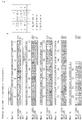
FIG. 2 compares the nucleotide sequence among the Vero pol I promoter (326), and Macaca mulatta pol I promoter (NW_001149581.1) and human pol I promoter, which are registered in GenBank; -
Fig. 3A is a diagram illustrating that the v2pHW72-luci/GFP vector is established by substituting the human pol I promoter with the Vero pol I promoter in the existing pHW72-luci/GFP vector; andFIG. 3B is a diagram illustrating that PB2, PB1,PA, and NP genes of the PR/8/34 virus are cloned into the pcDNA3.1 myc-His(+) vectors and then the v2pHW72-luci/GFP vector is used to measure luciferase and GFP activities by the promoter in the 293T cells and the Vero cells; -
FIG. 4 compares luciferase activities for the human pol I promoter and the Vero pol l promoter, which were measured in the 293T cells and Vero cells; -
FIG. 5 compares GFP activities for the human pol I promoter and the Vero pol l promoter, which were measured in the 293T cells and Vero cells; and -
FIG. 6 shows virus production efficiency between the existing human pol I promoter system and the Vero pol I promoter system in the MDCK cells by the time-specific virus titer TCID50/ml post transfection. - Hereinafter, the present invention will be described in detail with reference to the following examples.
- Vero cells were treated with RNase to extract purely separated genomic DNA, and then various primers were prepared based on the nucleotide sequence of the 18S gene derived from human cells. Then, various combinations of PCR thereof were conducted and similar sizes of PCR products were purified, which were then cloned into the TA vectors (Promega), and then clones showing an insert having the same size as the PCR product were subjected to gene analysis.
- In the present invention, the Vero pol I promoter region was expected by comparing the nucleotide sequence between the analyzed genes and human pol I promoter (GenBank accession no. U13369.1), or comparing the nucleotide sequences of the analyzed genes with the non-human primate Macaca mulatta whole genome shotgun sequence (GenBank accession no. NW_001149581.1) and the Macaca mulatta
chromosome 20 genomic scaffold, whole genome shotgun sequence (GenBank accession no. NW_001111333.1) obtained through the blast search in GenBank. As a result of analyzing the Vero pol I promoter region based on this, 326 nucleotides in total upstream from the transcription initiation site was confirmed, as shown inFIG. 2 . This showed to have about 91.1% homology to the human pol I promoter, and about 93% homology to the Macaca mulatta pol I promoter (NW_001149581.1), which is somewhat higher than that of the human pol I promoter. - The human pol I promoter region was removed by using Kpnl, which is a restriction enzyme region in the pHW2000 vector (St. Jude Children's Research Hospital), and newly prepared BamHI, and then the Vero pol I promoter-guessable region, of which the gene nucleotide sequence was confirmed through PCR amplification, was inserted thereinto, which is then called the vpHW vector.
- Then, influenza virus universal primers proposed by Hoffmann were used to amplify eight genes (PB2, PB1, PA, HA, NP, NA, M, and NS) of the PR/8/34 virus, which is a backbone for producing influenza virus vaccines, by a reverse genetic method, and then the amplified genes were inserted into the newly modified vpHW vector. The inserted genes were analyzed to check whether or not the same virus genes were inserted.
- The primers used are as follows.
[Table 1] Primer Sequence Bm HA-1F TATTCGTCTCAGGGAGCAAAAGCAGGGG (SEQ ID NO: 3) Bm NS-1F TATTCGTCTCAGGGAGCAAAAGCAGGGTG (SEQ ID NO: 4) Bm NS-890-R ATATCGTCTCGTATTAGTAGAAACAAGGGTGTTTT (SEQ ID NO: 5) Ba NA-1F TATTGGTCTCAGGGAGCAAAAGCAGGAGT (SEQ ID NO: 6) Ba NA-1413R ATATGGTCTCGTATTAGTAGAAACAAGGAGTTTTTT (SEQ ID NO: 7) Bm M-1F TATTCGTCTCAGGGAGCAAAAGCAGGTAG (SEQ ID NO: 8) Bm M-1027R ATATCGTCTCGTATTAGTAGAAACAAGGTAGTTTTT (SEQ ID NO: 9) Bm NP-1F TATTCGTCTCAGGGAGCAAAAGCAGGGTA (SEQ ID NO: 10) Bm NP-1565R ATATCGTCTCGTATTAGTAGAAACAAGGGTATTTTT (SEQ ID NO: 11) Bm PA-1F TATTCGTCTCAGGGAGCGAAAGCAGGTAC (SEQ ID NO: 12) Bm PA-2233R ATATCGTCTCGTATTAGTAGAAACAAGGTACTT (SEQ ID NO: 13) Bm PB1-1F TATTCGTCTCAGGGAGCGAAAGCAGGCA (SEQ ID NO: 14) Bm PB1-2341R ATATCGTCTCGTATTAGTAGAAACAAGGCATTT (SEQ ID NO: 15) Ba PB2-1F TATTGGTCTCAGGGAGCGAAAGCAGGTC (SEQ ID NO: 16) Ba PB2-2341R ATATGGTCTCGTATTAGTAGAAACAAGGTCGTTT (SEQ ID NO: 17) - Eight genes, which are to be used in a PR/8/34 virus reverse genetic system containing the existing human pol I promoter and a PR/8/34 virus reverse genetic system containing the newly modified Vero pol I promoter, were identically prepared. After that, three sets of eight genes were prepared for each group having the same amount of Vero cells, followed by transfection under the same conditions, and then the amounts of viruses produced for 48, 72, and 96 hours were measured in MDCK (madin-darby canine kidney) cells by the 50% Tissue Culture Infective Dose (TCID50/ml). As the result, it was confirmed that the titer (TCID50/ml) of the PR/8/34 virus produced by the Vero pol I promoter developed by the present invention was about 3 to 4 fold higher than that of the existing system on 72 hours post transfection, which showed higher virus production efficiency (
FIG. 6 ). - The efficiency of the promoter in the Vero cells and 293T cells can be determined by measuring luciferase and Green Fluorescent Protein (GFP) activities under the polymerases of the same virus. Therefore, PB2, PB1, PA, and NP genes of the PR/8/34 virus were cloned into the pcDNA3.1 myc-His(+) vectors, and then the Vero cells and the 293T cells were simultaneously transfected with the v2pHW72-Luciferase/GFP vector in which the four vectors and the Vero pol I promoter were inserted. After 24 to 36 hours, the trasnsfected cells were collected, followed by measurement of luciferase and GFP activities.
- As the result, as shown in
FIGS. 4 and5 , the luciferase activity in the 293T cells did not show a large difference among 212 and 326 nucleotide-sized Vero pol I promoters (v2pHW72_212 and v2pHW72-326) and the human pol I promoter (pHW72), but the luciferase activity in the Vero cells exhibited 1.7 to 2 fold higher for the Vero pol I promoters than the human pol I promoter. These results confirmed that the use of the pol I promoter derived from the Vero cells can lead to higher virus production efficiency than the existing human pol I promoter. - <110> Korea Center for Disease Control and Prevention
- <120> ribosomal RNA polymerase I promoter derived from Vero cell and recombinant vector comprising the same
- <130> NPDC-39974
- <160> 17
- <170> KopatentIn 1.71
- <210> 1
<211> 326
<212> DNA
<213> African green mokey - <400> 1

- <210> 2
<211> 212
<212> DNA
<213> African green monkey - <400> 2

- <210> 3
<211> 28
<212> DNA
<213> Artificial Sequence - <220>
<223> primer - <400> 3
tattcgtctc agggagcaaa agcagggg 28 - <210> 4
<211> 29
<212> DNA
<213> Artificial Sequence - <220>
<223> primer - <400> 4
tattcgtctc agggagcaaa agcagggtg 29 - <210> 5
<211> 35
<212> DNA
<213> Artificial Sequence - <220>
<223> primer - <400> 5
atatcgtctc gtattagtag aaacaagggt gtttt 35 - <210> 6
<211> 29
<212> DNA
<213> Artificial Sequence - <220>
<223> primer - <400> 6
tattggtctc agggagcaaa agcaggagt 29 - <210> 7
<211> 36
<212> DNA
<213> Artificial Sequence - <220>
<223> primer - <400> 7
atatggtctc gtattagtag aaacaaggag tttttt 36 - <210> 8
<211> 29
<212> DNA
<213> Artificial Sequence - <220>
<223> primer - <400> 8
tattcgtctc agggagcaaa agcaggtag 29 - <210> 9
<211> 36
<212> DNA
<213> Artificial Sequence - <220>
<223> primer - <400> 9
atatcgtctc gtattagtag aaacaaggta gttttt 36 - <210> 10
<211> 29
<212> DNA
<213> Artificial Sequence - <220>
<223> primer - <400> 10
tattcgtctc agggagcaaa agcagggta 29 - <210> 11
<211> 36
<212> DNA
<213> Artificial Sequence - <220>
<223> primer - <400> 11
atatcgtctc gtattagtag aaacaagggt attttt 36 - <210> 12
<211> 29
<212> DNA
<213> Artificial Sequence - <220>
<223> primer - <400> 12
tattcgtctc agggagcgaa agcaggtac 29 - <210> 13
<211> 33
<212> DNA
<213> Artificial Sequence - <220>
<223> primer - <400> 13
atatcgtctc gtattagtag aaacaaggta ctt 33 - <210> 14
<211> 28
<212> DNA
<213> Artificial Sequence - <220>
<223> primer - <400> 14
tattcgtctc agggagcgaa agcaggca 28 - <210> 15
<211> 33
<212> DNA
<213> Artificial Sequence - <220>
<223> primer - <400> 15
atatcgtctc gtattagtag aaacaaggca ttt 33 - <210> 16
<211> 28
<212> DNA
<213> Artificial Sequence - <220>
<223> primer - <400> 16
tattggtctc agggagcgaa agcaggtc 28 - <210> 17
<211> 34
<212> DNA
<213> Artificial Sequence - <220>
<223> primer - <400> 17
atatggtctc gtattagtag aaacaaggtc gttt 34
Claims (15)
- A promoter of a nucleotide sequence as set forth in SEQ ID NO:1.
- A promoter of a nucleotide sequence as set forth in SEQ ID NO:2.
- The promoter of claim 1 or 2, wherein the promoter is a pol I promoter derived from Vero cells.
- A recombinant vector for producing influenza viruses, the recombinant vector comprising the promoter of claim 1 or 2.
- The recombinant vector of claim 4, further comprising one or more influenza genes selected from PB2, PB1, PA, HA, NP, NA, M, and NS.
- The recombinant vector of claim 4, wherein the promoter is a pol I promoter derived from Vero cells.
- A Vero cell transfected with the recombinant vector of any one of claims 4 to 6.
- A method for producing influenza viruses by culturing Vero cells transfected with a recombinant vector comprising the promoter of claim 1.
- The method of claim 8, wherein the promoter is a pol I promoter derived from Vero cells.
- The method of claim 8, wherein the recombinant vector further comprises one or more influenza genes selected from PB2, PB1, PA, HA, NP, NA, M, and NS.
- A method for producing influenza viruses by culturing Vero cells transfected with a recombinant vector comprising the promoter of claim 2.
- The method of claim 11, wherein the promoter is a pol I promoter derived from Vero cells.
- The method of claim 11, wherein the recombinant vector further comprises one or more influenza genes selected from PB2, PB1, PA, HA, NP, NA, M, and NS.
- A method for increasing productivity of influenza viruses by culturing Vero cells transfected with a recombinant vector comprising the promoter of claim 1 or the promoter of claim 2.
- The method of claim 14, wherein(i) the promoter is a pol I promoter derived from Vero cells; or(ii) the recombinant vector further comprises one or more influenza genes selected from PB2, PB1, PA, HA, NP, NA, M, and NS.
Applications Claiming Priority (2)
| Application Number | Priority Date | Filing Date | Title |
|---|---|---|---|
| KR1020110023992A KR101323582B1 (en) | 2011-03-17 | 2011-03-17 | ribosomal RNA polymerase I promoter derived from Vero cell and recombinant vector comprising the same |
| PCT/KR2012/001919 WO2012125005A2 (en) | 2011-03-17 | 2012-03-16 | Pol i promoter derived from vero cells and recombinant vector containing same |
Publications (3)
| Publication Number | Publication Date |
|---|---|
| EP2687600A2 EP2687600A2 (en) | 2014-01-22 |
| EP2687600A4 EP2687600A4 (en) | 2015-05-06 |
| EP2687600B1 true EP2687600B1 (en) | 2018-08-22 |
Family
ID=46831232
Family Applications (1)
| Application Number | Title | Priority Date | Filing Date |
|---|---|---|---|
| EP12757721.1A Not-in-force EP2687600B1 (en) | 2011-03-17 | 2012-03-16 | Pol i promoter derived from vero cells and recombinant vector containing same |
Country Status (4)
| Country | Link |
|---|---|
| US (1) | US9045777B2 (en) |
| EP (1) | EP2687600B1 (en) |
| KR (1) | KR101323582B1 (en) |
| WO (1) | WO2012125005A2 (en) |
Family Cites Families (6)
| Publication number | Priority date | Publication date | Assignee | Title |
|---|---|---|---|---|
| EP1499348B1 (en) * | 2002-04-26 | 2014-10-01 | MedImmune, LLC | Method for producing infectious influenza b virus in cell culture |
| CA2421086A1 (en) * | 2003-02-28 | 2004-08-28 | Institut Pasteur | Chicken rna polymerase i promoter and its use |
| EP1814990A2 (en) * | 2004-11-19 | 2007-08-08 | Wisconsin Alumni Research Foundation | Recombinant influenza vectors with tandem transcription units |
| WO2008156681A2 (en) | 2007-06-14 | 2008-12-24 | Yoshihiro Kawaoka | Adenoviral vectors for influenza virus production |
| EP2401384B1 (en) * | 2009-05-21 | 2012-10-03 | Novartis AG | Reverse genetics using non-endogenous pol i promoters |
| EP2459722B1 (en) * | 2009-07-31 | 2017-09-06 | Seqirus UK Limited | Reverse genetics systems |
-
2011
- 2011-03-17 KR KR1020110023992A patent/KR101323582B1/en active Active
-
2012
- 2012-03-16 WO PCT/KR2012/001919 patent/WO2012125005A2/en not_active Ceased
- 2012-03-16 EP EP12757721.1A patent/EP2687600B1/en not_active Not-in-force
-
2013
- 2013-09-17 US US14/029,465 patent/US9045777B2/en active Active
Non-Patent Citations (1)
| Title |
|---|
| None * |
Also Published As
| Publication number | Publication date |
|---|---|
| EP2687600A4 (en) | 2015-05-06 |
| US9045777B2 (en) | 2015-06-02 |
| WO2012125005A3 (en) | 2012-12-20 |
| KR101323582B1 (en) | 2013-10-30 |
| EP2687600A2 (en) | 2014-01-22 |
| US20140011260A1 (en) | 2014-01-09 |
| KR20120106117A (en) | 2012-09-26 |
| WO2012125005A2 (en) | 2012-09-20 |
Similar Documents
| Publication | Publication Date | Title |
|---|---|---|
| KR101272487B1 (en) | Rescue of influenza virus | |
| Abbott et al. | Development of CRISPR as a prophylactic strategy to combat novel coronavirus and influenza | |
| EP2016194B1 (en) | Methods and compositions for expressing negative-sense viral rna in canine cells | |
| US20140227310A1 (en) | Recombinant influenza virus highly expressing ha protein and preparation method and use thereof | |
| WO2020223699A1 (en) | Improved influenza virus replication for vaccine development | |
| KR20080024212A (en) | Methods and compositions for expressing negative sense virus RNA in dog cells | |
| Mostafa et al. | Improved dual promotor-driven reverse genetics system for influenza viruses | |
| CN113913394B (en) | Artificial recombinant H5N6 influenza virus and preparation method and application thereof | |
| EP1748790B1 (en) | Multi plasmid system for the production of influenza virus | |
| US8956626B2 (en) | Modified viral strains and method for improving the production of vaccine seeds of influenza virus | |
| Bergmann et al. | Mutations in the nonconserved noncoding sequences of the influenza A virus segments affect viral vRNA formation | |
| CN115820638B (en) | An exogenous artificial miRNA that inhibits the replication of avian reovirus derived from waterfowl and its application | |
| CN114381440A (en) | A group of influenza A virus attenuated strains based on synonymous mutation and/or deletion mutation and preparation method and application thereof | |
| US9045777B2 (en) | Pol I promoter derived from Vero cells and recombinant vector containing same | |
| US20100291128A1 (en) | Novel compositions and vaccines against influenza a and influenza b infections | |
| US10383935B2 (en) | Methods of making and using live attenuated viruses | |
| Hartawan et al. | Improving siRNA design targeting nucleoprotein gene as antiviral against the Indonesian H5N1 virus | |
| Giannecchini et al. | Packaging signals in the 5′-ends of influenza virus PA, PB1, and PB2 genes as potential targets to develop nucleic-acid based antiviral molecules | |
| Pachler et al. | A seven plasmid-based system for the rescue of influenza C virus | |
| US20220041997A1 (en) | Method for rescuing influenza virus and composition therefor | |
| Martelli et al. | Small RNAs targeting the 5′ end of the viral polymerase gene segments specifically interfere with influenza type A virus replication | |
| EP3094338B1 (en) | Assay and medicament | |
| CN114350619B (en) | Recombinant influenza virus strain carrying rabies virus gene and preparation method and application thereof | |
| Hein | Cell culture-based production of influenza A virus-derived defective interfering particles | |
| Ambi | Molecular restrictions to influenza virus reassortment |
Legal Events
| Date | Code | Title | Description |
|---|---|---|---|
| PUAI | Public reference made under article 153(3) epc to a published international application that has entered the european phase |
Free format text: ORIGINAL CODE: 0009012 |
|
| 17P | Request for examination filed |
Effective date: 20130916 |
|
| AK | Designated contracting states |
Kind code of ref document: A2 Designated state(s): AL AT BE BG CH CY CZ DE DK EE ES FI FR GB GR HR HU IE IS IT LI LT LU LV MC MK MT NL NO PL PT RO RS SE SI SK SM TR |
|
| DAX | Request for extension of the european patent (deleted) | ||
| A4 | Supplementary search report drawn up and despatched |
Effective date: 20150408 |
|
| RIC1 | Information provided on ipc code assigned before grant |
Ipc: C12N 15/33 20060101ALI20150331BHEP Ipc: C12N 15/85 20060101ALI20150331BHEP Ipc: C12N 7/01 20060101ALI20150331BHEP Ipc: C12N 15/11 20060101AFI20150331BHEP |
|
| 17Q | First examination report despatched |
Effective date: 20160614 |
|
| STAA | Information on the status of an ep patent application or granted ep patent |
Free format text: STATUS: EXAMINATION IS IN PROGRESS |
|
| GRAP | Despatch of communication of intention to grant a patent |
Free format text: ORIGINAL CODE: EPIDOSNIGR1 |
|
| STAA | Information on the status of an ep patent application or granted ep patent |
Free format text: STATUS: GRANT OF PATENT IS INTENDED |
|
| INTG | Intention to grant announced |
Effective date: 20180312 |
|
| GRAS | Grant fee paid |
Free format text: ORIGINAL CODE: EPIDOSNIGR3 |
|
| GRAA | (expected) grant |
Free format text: ORIGINAL CODE: 0009210 |
|
| STAA | Information on the status of an ep patent application or granted ep patent |
Free format text: STATUS: THE PATENT HAS BEEN GRANTED |
|
| AK | Designated contracting states |
Kind code of ref document: B1 Designated state(s): AL AT BE BG CH CY CZ DE DK EE ES FI FR GB GR HR HU IE IS IT LI LT LU LV MC MK MT NL NO PL PT RO RS SE SI SK SM TR |
|
| REG | Reference to a national code |
Ref country code: GB Ref legal event code: FG4D |
|
| REG | Reference to a national code |
Ref country code: CH Ref legal event code: EP |
|
| REG | Reference to a national code |
Ref country code: AT Ref legal event code: REF Ref document number: 1032531 Country of ref document: AT Kind code of ref document: T Effective date: 20180915 |
|
| REG | Reference to a national code |
Ref country code: IE Ref legal event code: FG4D |
|
| REG | Reference to a national code |
Ref country code: DE Ref legal event code: R096 Ref document number: 602012050120 Country of ref document: DE |
|
| REG | Reference to a national code |
Ref country code: CH Ref legal event code: NV Representative=s name: BOHEST AG, CH |
|
| REG | Reference to a national code |
Ref country code: NL Ref legal event code: MP Effective date: 20180822 |
|
| REG | Reference to a national code |
Ref country code: LT Ref legal event code: MG4D |
|
| PG25 | Lapsed in a contracting state [announced via postgrant information from national office to epo] |
Ref country code: SE Free format text: LAPSE BECAUSE OF FAILURE TO SUBMIT A TRANSLATION OF THE DESCRIPTION OR TO PAY THE FEE WITHIN THE PRESCRIBED TIME-LIMIT Effective date: 20180822 Ref country code: NO Free format text: LAPSE BECAUSE OF FAILURE TO SUBMIT A TRANSLATION OF THE DESCRIPTION OR TO PAY THE FEE WITHIN THE PRESCRIBED TIME-LIMIT Effective date: 20181122 Ref country code: IS Free format text: LAPSE BECAUSE OF FAILURE TO SUBMIT A TRANSLATION OF THE DESCRIPTION OR TO PAY THE FEE WITHIN THE PRESCRIBED TIME-LIMIT Effective date: 20181222 Ref country code: RS Free format text: LAPSE BECAUSE OF FAILURE TO SUBMIT A TRANSLATION OF THE DESCRIPTION OR TO PAY THE FEE WITHIN THE PRESCRIBED TIME-LIMIT Effective date: 20180822 Ref country code: FI Free format text: LAPSE BECAUSE OF FAILURE TO SUBMIT A TRANSLATION OF THE DESCRIPTION OR TO PAY THE FEE WITHIN THE PRESCRIBED TIME-LIMIT Effective date: 20180822 Ref country code: GR Free format text: LAPSE BECAUSE OF FAILURE TO SUBMIT A TRANSLATION OF THE DESCRIPTION OR TO PAY THE FEE WITHIN THE PRESCRIBED TIME-LIMIT Effective date: 20181123 Ref country code: BG Free format text: LAPSE BECAUSE OF FAILURE TO SUBMIT A TRANSLATION OF THE DESCRIPTION OR TO PAY THE FEE WITHIN THE PRESCRIBED TIME-LIMIT Effective date: 20181122 Ref country code: NL Free format text: LAPSE BECAUSE OF FAILURE TO SUBMIT A TRANSLATION OF THE DESCRIPTION OR TO PAY THE FEE WITHIN THE PRESCRIBED TIME-LIMIT Effective date: 20180822 Ref country code: LT Free format text: LAPSE BECAUSE OF FAILURE TO SUBMIT A TRANSLATION OF THE DESCRIPTION OR TO PAY THE FEE WITHIN THE PRESCRIBED TIME-LIMIT Effective date: 20180822 |
|
| REG | Reference to a national code |
Ref country code: AT Ref legal event code: MK05 Ref document number: 1032531 Country of ref document: AT Kind code of ref document: T Effective date: 20180822 |
|
| PG25 | Lapsed in a contracting state [announced via postgrant information from national office to epo] |
Ref country code: LV Free format text: LAPSE BECAUSE OF FAILURE TO SUBMIT A TRANSLATION OF THE DESCRIPTION OR TO PAY THE FEE WITHIN THE PRESCRIBED TIME-LIMIT Effective date: 20180822 Ref country code: AL Free format text: LAPSE BECAUSE OF FAILURE TO SUBMIT A TRANSLATION OF THE DESCRIPTION OR TO PAY THE FEE WITHIN THE PRESCRIBED TIME-LIMIT Effective date: 20180822 Ref country code: HR Free format text: LAPSE BECAUSE OF FAILURE TO SUBMIT A TRANSLATION OF THE DESCRIPTION OR TO PAY THE FEE WITHIN THE PRESCRIBED TIME-LIMIT Effective date: 20180822 |
|
| PG25 | Lapsed in a contracting state [announced via postgrant information from national office to epo] |
Ref country code: EE Free format text: LAPSE BECAUSE OF FAILURE TO SUBMIT A TRANSLATION OF THE DESCRIPTION OR TO PAY THE FEE WITHIN THE PRESCRIBED TIME-LIMIT Effective date: 20180822 Ref country code: AT Free format text: LAPSE BECAUSE OF FAILURE TO SUBMIT A TRANSLATION OF THE DESCRIPTION OR TO PAY THE FEE WITHIN THE PRESCRIBED TIME-LIMIT Effective date: 20180822 Ref country code: ES Free format text: LAPSE BECAUSE OF FAILURE TO SUBMIT A TRANSLATION OF THE DESCRIPTION OR TO PAY THE FEE WITHIN THE PRESCRIBED TIME-LIMIT Effective date: 20180822 Ref country code: PL Free format text: LAPSE BECAUSE OF FAILURE TO SUBMIT A TRANSLATION OF THE DESCRIPTION OR TO PAY THE FEE WITHIN THE PRESCRIBED TIME-LIMIT Effective date: 20180822 Ref country code: CZ Free format text: LAPSE BECAUSE OF FAILURE TO SUBMIT A TRANSLATION OF THE DESCRIPTION OR TO PAY THE FEE WITHIN THE PRESCRIBED TIME-LIMIT Effective date: 20180822 Ref country code: RO Free format text: LAPSE BECAUSE OF FAILURE TO SUBMIT A TRANSLATION OF THE DESCRIPTION OR TO PAY THE FEE WITHIN THE PRESCRIBED TIME-LIMIT Effective date: 20180822 Ref country code: IT Free format text: LAPSE BECAUSE OF FAILURE TO SUBMIT A TRANSLATION OF THE DESCRIPTION OR TO PAY THE FEE WITHIN THE PRESCRIBED TIME-LIMIT Effective date: 20180822 |
|
| REG | Reference to a national code |
Ref country code: DE Ref legal event code: R097 Ref document number: 602012050120 Country of ref document: DE |
|
| PG25 | Lapsed in a contracting state [announced via postgrant information from national office to epo] |
Ref country code: SK Free format text: LAPSE BECAUSE OF FAILURE TO SUBMIT A TRANSLATION OF THE DESCRIPTION OR TO PAY THE FEE WITHIN THE PRESCRIBED TIME-LIMIT Effective date: 20180822 Ref country code: SM Free format text: LAPSE BECAUSE OF FAILURE TO SUBMIT A TRANSLATION OF THE DESCRIPTION OR TO PAY THE FEE WITHIN THE PRESCRIBED TIME-LIMIT Effective date: 20180822 Ref country code: DK Free format text: LAPSE BECAUSE OF FAILURE TO SUBMIT A TRANSLATION OF THE DESCRIPTION OR TO PAY THE FEE WITHIN THE PRESCRIBED TIME-LIMIT Effective date: 20180822 |
|
| PLBE | No opposition filed within time limit |
Free format text: ORIGINAL CODE: 0009261 |
|
| STAA | Information on the status of an ep patent application or granted ep patent |
Free format text: STATUS: NO OPPOSITION FILED WITHIN TIME LIMIT |
|
| 26N | No opposition filed |
Effective date: 20190523 |
|
| PG25 | Lapsed in a contracting state [announced via postgrant information from national office to epo] |
Ref country code: SI Free format text: LAPSE BECAUSE OF FAILURE TO SUBMIT A TRANSLATION OF THE DESCRIPTION OR TO PAY THE FEE WITHIN THE PRESCRIBED TIME-LIMIT Effective date: 20180822 |
|
| PG25 | Lapsed in a contracting state [announced via postgrant information from national office to epo] |
Ref country code: MC Free format text: LAPSE BECAUSE OF FAILURE TO SUBMIT A TRANSLATION OF THE DESCRIPTION OR TO PAY THE FEE WITHIN THE PRESCRIBED TIME-LIMIT Effective date: 20180822 |
|
| PG25 | Lapsed in a contracting state [announced via postgrant information from national office to epo] |
Ref country code: LU Free format text: LAPSE BECAUSE OF NON-PAYMENT OF DUE FEES Effective date: 20190316 |
|
| REG | Reference to a national code |
Ref country code: BE Ref legal event code: MM Effective date: 20190331 |
|
| PG25 | Lapsed in a contracting state [announced via postgrant information from national office to epo] |
Ref country code: IE Free format text: LAPSE BECAUSE OF NON-PAYMENT OF DUE FEES Effective date: 20190316 |
|
| PG25 | Lapsed in a contracting state [announced via postgrant information from national office to epo] |
Ref country code: FR Free format text: LAPSE BECAUSE OF NON-PAYMENT OF DUE FEES Effective date: 20190331 Ref country code: BE Free format text: LAPSE BECAUSE OF NON-PAYMENT OF DUE FEES Effective date: 20190331 |
|
| PG25 | Lapsed in a contracting state [announced via postgrant information from national office to epo] |
Ref country code: TR Free format text: LAPSE BECAUSE OF FAILURE TO SUBMIT A TRANSLATION OF THE DESCRIPTION OR TO PAY THE FEE WITHIN THE PRESCRIBED TIME-LIMIT Effective date: 20180822 |
|
| PGFP | Annual fee paid to national office [announced via postgrant information from national office to epo] |
Ref country code: DE Payment date: 20200320 Year of fee payment: 9 Ref country code: GB Payment date: 20200323 Year of fee payment: 9 |
|
| PGFP | Annual fee paid to national office [announced via postgrant information from national office to epo] |
Ref country code: CH Payment date: 20200319 Year of fee payment: 9 |
|
| PG25 | Lapsed in a contracting state [announced via postgrant information from national office to epo] |
Ref country code: PT Free format text: LAPSE BECAUSE OF FAILURE TO SUBMIT A TRANSLATION OF THE DESCRIPTION OR TO PAY THE FEE WITHIN THE PRESCRIBED TIME-LIMIT Effective date: 20181222 Ref country code: MT Free format text: LAPSE BECAUSE OF NON-PAYMENT OF DUE FEES Effective date: 20190316 |
|
| PG25 | Lapsed in a contracting state [announced via postgrant information from national office to epo] |
Ref country code: CY Free format text: LAPSE BECAUSE OF FAILURE TO SUBMIT A TRANSLATION OF THE DESCRIPTION OR TO PAY THE FEE WITHIN THE PRESCRIBED TIME-LIMIT Effective date: 20180822 |
|
| PG25 | Lapsed in a contracting state [announced via postgrant information from national office to epo] |
Ref country code: HU Free format text: LAPSE BECAUSE OF FAILURE TO SUBMIT A TRANSLATION OF THE DESCRIPTION OR TO PAY THE FEE WITHIN THE PRESCRIBED TIME-LIMIT; INVALID AB INITIO Effective date: 20120316 |
|
| REG | Reference to a national code |
Ref country code: DE Ref legal event code: R119 Ref document number: 602012050120 Country of ref document: DE |
|
| REG | Reference to a national code |
Ref country code: CH Ref legal event code: PL |
|
| GBPC | Gb: european patent ceased through non-payment of renewal fee |
Effective date: 20210316 |
|
| PG25 | Lapsed in a contracting state [announced via postgrant information from national office to epo] |
Ref country code: CH Free format text: LAPSE BECAUSE OF NON-PAYMENT OF DUE FEES Effective date: 20210331 Ref country code: LI Free format text: LAPSE BECAUSE OF NON-PAYMENT OF DUE FEES Effective date: 20210331 Ref country code: GB Free format text: LAPSE BECAUSE OF NON-PAYMENT OF DUE FEES Effective date: 20210316 Ref country code: DE Free format text: LAPSE BECAUSE OF NON-PAYMENT OF DUE FEES Effective date: 20211001 |
|
| PG25 | Lapsed in a contracting state [announced via postgrant information from national office to epo] |
Ref country code: MK Free format text: LAPSE BECAUSE OF FAILURE TO SUBMIT A TRANSLATION OF THE DESCRIPTION OR TO PAY THE FEE WITHIN THE PRESCRIBED TIME-LIMIT Effective date: 20180822 |