EP2685765A1 - Mobile station - Google Patents
Mobile station Download PDFInfo
- Publication number
- EP2685765A1 EP2685765A1 EP12755617.3A EP12755617A EP2685765A1 EP 2685765 A1 EP2685765 A1 EP 2685765A1 EP 12755617 A EP12755617 A EP 12755617A EP 2685765 A1 EP2685765 A1 EP 2685765A1
- Authority
- EP
- European Patent Office
- Prior art keywords
- mobile station
- network
- mtc
- predetermined network
- control unit
- Prior art date
- Legal status (The legal status is an assumption and is not a legal conclusion. Google has not performed a legal analysis and makes no representation as to the accuracy of the status listed.)
- Withdrawn
Links
Images


Classifications
-
- H—ELECTRICITY
- H04—ELECTRIC COMMUNICATION TECHNIQUE
- H04W—WIRELESS COMMUNICATION NETWORKS
- H04W48/00—Access restriction; Network selection; Access point selection
- H04W48/08—Access restriction or access information delivery, e.g. discovery data delivery
-
- H—ELECTRICITY
- H04—ELECTRIC COMMUNICATION TECHNIQUE
- H04L—TRANSMISSION OF DIGITAL INFORMATION, e.g. TELEGRAPHIC COMMUNICATION
- H04L67/00—Network arrangements or protocols for supporting network services or applications
- H04L67/01—Protocols
- H04L67/12—Protocols specially adapted for proprietary or special-purpose networking environments, e.g. medical networks, sensor networks, networks in vehicles or remote metering networks
-
- H—ELECTRICITY
- H04—ELECTRIC COMMUNICATION TECHNIQUE
- H04W—WIRELESS COMMUNICATION NETWORKS
- H04W4/00—Services specially adapted for wireless communication networks; Facilities therefor
- H04W4/70—Services for machine-to-machine communication [M2M] or machine type communication [MTC]
Definitions
- the present invention relates to a mobile station.
- a mobile station UE including the MTC function is installed in many devices (for example, a gas detection device, a device in a hospital, a bridge security device, and a device in a taxi).
- a communication frequency of the MTC terminal is less than a communication frequency of the normal mobile station UE.
- RRC Connection Request a connection request signal
- a priority given to a call from the MTC terminal may be set lower than a priority given to a call from the normal mobile station UE.
- the MTC terminal is configured to transmit "RRC Connection Request” including information element "Delay Tolerant Indication” indicating that the MTC terminal is compatible with the MTC function, namely, permission of a communication delay.
- a network that does not support the MTC function for example, an LTE-Release 10 system network or an LTE-Release 8/9 system network, which does not support the MTC function, cannot interpret the information element "Delay Tolerant Indication".
- the present invention has been devised to solve the problems described above, and an object thereof is to provide a mobile station that can prevent the transmission of the connection request signal to the network that does not support the MTC function when the mobile station operates as the MTC terminal.
- a mobile station includes a control unit that is configured not to transmit a connection request signal to a predetermined network when recognizing that the predetermined network is incompatible with a predetermined function based on signaling from the predetermined network.
- the present invention can provide the mobile station that can prevent the transmission of the connection request signal to the network that does not support the MTC function when the mobile station operates as the MTC terminal.
- a mobile communication system according to a first embodiment of the present invention will be described with reference to Figs. 1 to 3 .
- the mobile communication system of the embodiment includes a mobile management node MME (Mobility Management Entity) and a radio base station eNB that is connected under a domination of the mobile management node MME.
- MME Mobility Management Entity
- eNB Radio base station eNB
- the mobile communication system of the embodiment may be an LTE-Release 10 system network that supports an MTC function or an LTE-Release 8/9/10 system network that does not support the MTC function.
- the mobile station UE of the embodiment is configured to operate as an MTC terminal. As illustrated in Fig. 2 , the mobile station UE includes a transmission unit 11, a reception unit 12, and a control unit 13.
- the transmission unit 11 is configured to transmit an AS (Access Stratum) message or an RRC (Radio Resource Control) message to the radio base station eNB, and to transmit an NAS (Non Access Stratum) message to the mobile management node MME.
- AS Access Stratum
- RRC Radio Resource Control
- the reception unit 12 is configured to receive the AS message from the radio base station eNB and to receive the NAS message from the mobile management node MME.
- the control unit 13 is configured to determine whether a predetermined network is compatible with the MTC function based on signaling from the predetermined network.
- control unit 13 may be configured to recognize that the predetermined network is incompatible with the MTC function based on "Attach Accept” that does not include "MTC function compatible Indication” indicating MTC function-compatible.
- control unit 13 is configured not to transmit "RRC Connection Request" to the predetermined network through the transmission unit 11 when recognizing that the predetermined network is incompatible with the MTC function.
- the control unit 13 is also configured to perform an attach process and a detach process through the transmission unit 11 and the reception unit 12.
- control unit 13 is configured to be able to perform the normal attach process as the attach process in order to perform a normal call and an emergency call.
- control unit 13 is configured to be able to perform the emergency call attach process as the attach process in order to perform only the emergency call.
- control unit 13 is configured to perform the normal attach process to the predetermined network when a transition is made from a power-off state to a power-on state.
- control unit 13 is configured to transmit "RRC Connection Setup Complete (the AS message)” including “Attach Request (the NAS message) " to the radio base station eNB through the transmission unit 11 in the attach process.
- the control unit 13 is configured as follows. That is, when "Attach Accept” received in the normal attach process performed to the predetermined network does not include "MTC function compatible Indication” indicating MTC function-compatible, after the detach process is performed to the predetermined network, a standby is performed in an "acceptable cell", and the transition is made to "USIM (Universal Subscriber Identity Module) invalid (a USIM invalid state)/LSS (Limited Service State) state", namely, a state in which the normal call cannot be used until the power is turned on after the power is turned off.
- USIM Universal Subscriber Identity Module
- control unit 13 may be configured to perform the emergency call attach process to the network compatible with the emergency call.
- the control unit 13 is configured as follows. That is, when "Attach Accept” received in the normal attach process performed to the predetermined network does not include "MTC function compatible Indication” indicating MTC function-compatible, after the detach process is performed to the predetermined network, the standby is performed in the "acceptable cell", and the transition is made to "USIM invalid (the USIM invalid state) /LSS state", namely, the state in which the normal call cannot be used until the power is turned on after the power is turned off.
- the mobile station UE cannot use not only the normal call but also the emergency call. However, the mobile station UE can use the reception of an ETWS (Earthquake and Tsunami Warning System) signal.
- ETWS Earthquake and Tsunami Warning System
- Step S1001 the mobile station UE that operates as the MTC terminal transmits "RRC Connection Request" to the radio base station eNB.
- Step S1002 the radio base station eNB transmits "RRC Connection Setup" to the mobile station UE.
- Step S1003 the mobile station UE transmits "RRC Connection Setup Complete” including "Attach Request” for the normal attach process performed to the predetermined network to the radio base station eNB.
- the mobile station UE may include the information element "Delay Tolerant Indication" in "RRC Connection Setup Complete”.
- Step S1004 the radio base station eNB transmits "UL NAS Transport (an S1AP message) " including "Attach Request” to the mobile management node MME.
- the mobile management node MME transmits "DL NAS Transport (S1AP message)", which does not include "MTC function compatible Indication” indicating MTC function-compatible but includes "Attach Accept", to the radio base station eNB in Step S1005.
- S1AP message "DL NAS Transport
- existence or non-existence of the MTC function support may be set in a unit of PLMN (Public Land Mobile Network) or another unit.
- PLMN Public Land Mobile Network
- Step S1006 the radio base station eNB transmits "DL Information Transfer (the AS message)" including "Attach Accept” to the mobile station UE.
- the mobile station UE recognizes that the mobile station UE camps on the domination of the network that does not support the MTC function in Step S1007, performs the detach process to the predetermined network in Step S1008, and performs the standby in the "acceptable cell” to make the transition to "USIM invalid state/LSS state” in Step S1009.
- the emergency call attach process is performed to the network compatible with the emergency call, whereby the emergency call can be performed although the normal call cannot be performed.
- the mobile station UE does not transmit the AS message or the NAS message (for example, "Service Request") to the radio base station eNB and the mobile management node MME until the transition is made to the power-on state after the transition is made to the power-off state.
- AS message or the NAS message for example, "Service Request”
- the transmission of "Service Request" from the MTC terminal can be prevented with no impact on a network function.
- a mobile communication system according to a first modification of the present invention will be described below with reference to Fig. 4 by focusing on a difference with the mobile communication system according to the first embodiment.
- the radio base station eNB transmits a broadcast signal including "MTC function incompatible Indication" indicating MTC function-incompatible through a broadcast channel in the cell under the domination of the radio base station eNB in Step S2001.
- the mobile station UE that operates as the MTC terminal recognizes that the mobile station UE camps on the domination of the network that does not support the MTC function in Step S2002, and the mobile station UE performs the standby in the "acceptable cell” without performing the normal attach process to the predetermined network, and makes the transition to "USIM invalid state/LSS state” in Step S2003.
- the emergency call attach process can be performed to the network compatible with the emergency call.
- the mobile station UE does not transmit the AS message or the NAS message (for example, "Attach Request") to the radio base station eNB and the mobile management node MME until the transition is made to the power-on state after the transition is made to the power-off state.
- AS message or the NAS message for example, "Attach Request”
- the radio base station eNB transmits the broadcast signal that does not include "MTC function incompatible Indication" indicating MTC function-incompatible through the broadcast channel in the cell under the domination of the radio base station eNB in Step S2001.
- the mobile station UE that operates as the MTC terminal recognizes that the mobile station UE camps on the domination of the network supporting the MTC function, and the mobile station UE transmits "Attach Request" to the mobile management node MME after transmitting "RRC Connection Request” to the radio base station eNB.
- the radio base station eNB may transmit the broadcast signal that does not include "MTC function compatible Indication" indicating MTC function-compatible through the broadcast channel in the cell under the domination of the radio base station eNB in Step S2001.
- the mobile station UE that operates as the MTC terminal recognizes that the mobile station UE camps on the domination of the network that does not support the MTC function, and the mobile station UE performs the standby in the "acceptable cell” without performing the normal attach process to the predetermined network, and makes the transition to "USIM invalid state/LSS state” in Step S2003.
- the emergency call attach process can be performed to the network compatible with the emergency call.
- the radio base station eNB may transmit the broadcast signal including "MTC function compatible Indication" indicating MTC function-compatible through the broadcast channel in the cell under the domination of the radio base station eNB in Step S2001.
- the mobile station UE that operates as the MTC terminal recognizes that the mobile station UE camps on the domination of the network supporting the MTC function, and the mobile station UE may transmit "Attach Request" to the mobile management node MME after transmitting "RRC Connection Request” to the radio base station eNB.
- the mobile station UE includes the control unit 13 that is configured not to transmit "RRC Conncetion Request (the connection request signal) " to a predetermined network when recognizing that the predetermined network is incompatible with the MTC function (the predetermined function) based on signaling from the predetermined network.
- control unit 13 may be configured to recognize that the predetermined network is incompatible with the MTC function based on "Attach Accept (the attach response signal)" that does not include "MTC function compatible Indication (the instruction information) " indicating MTC function-compatible.
- control unit 13 may be configured to recognize that the predetermined network is incompatible with the MTC function based on the broadcast signal that is transmitted in the cell of the predetermined network.
- control unit 13 may be configured to perform the standby in the "acceptable cell” after performing the detach process to the predetermined network and to make the transition to "USIM invalid (USIM invalid state)/LSS state” until the power is turned on after the power is turned off, when "Attach Accept” does not include "MTC function compatible Indication".
- control unit 13 may be configured to perform the standby in the "acceptable cell” and to make the transition to "USIM invalid (USIM invalid state)/LSS state” until the power is turned on after the power is turned off, when the broadcast signal does not include "MTC function compatible Indication (first instruction information)" indicating MTC function-compatible, or when the broadcast signal includes "MTC function incompatible Indication (second instruction information)” indicating MTC function-incompatible.
- the operation of the mobile management node MME, the radio base station eNB, the mobile station UE, or the like may be performed by hardware, a software module executed by a processor, or a combination of thereof.
- the software module may be provided in any storage medium such as a RAM (Random Access Memory), a flash memory, a ROM (Read Only Memory), an EPROM (Erasable Programmable ROM), an EEPROM (Electronically Erasable and Programmable ROM), a register, a hard disk, a removable disk, and a CD-ROM.
- RAM Random Access Memory
- flash memory a ROM (Read Only Memory)
- EPROM Erasable Programmable ROM
- EEPROM Electrically Erasable and Programmable ROM
- register a hard disk, a removable disk, and a CD-ROM.
- the storage medium is connected to the processor such that the processor can write and read information in and from the storage medium.
- the storage medium may be integrated in the processor.
- the storage medium and the processor may be provided in an ASIC.
- the ASIC may be provided in the mobile management node MME, the radio base station eNB, the mobile station UE, or the like.
- the storage medium and the processor may be provided as a discrete component in the mobile management node MME, the radio base station eNB, the mobile station UE, or the like.
Landscapes
- Engineering & Computer Science (AREA)
- Computer Networks & Wireless Communication (AREA)
- Signal Processing (AREA)
- Computer Security & Cryptography (AREA)
- Mobile Radio Communication Systems (AREA)
Abstract
Description
- The present invention relates to a mobile station.
- Specifications of an MTC (Machine Type Communication) function are currently drawn up in an LTE (Long Term Evolution)-Release 10 system of 3GPP.
- In the future, it is considered that a mobile station UE (MTC terminal) including the MTC function is installed in many devices (for example, a gas detection device, a device in a hospital, a bridge security device, and a device in a taxi).
- It is considered that a communication frequency of the MTC terminal is less than a communication frequency of the normal mobile station UE. However, possibly networks are congested due to a connection request signal ("RRC Connection Request") from the MTC terminal and the like. Therefore, in 3GPP, it is defined that a priority given to a call from the MTC terminal may be set lower than a priority given to a call from the normal mobile station UE.
-
- Non-Patent Literature 1: 3GPP TS24.301
- Non-Patent Literature 2: 3GPP TS23.112
- Non-Patent Literature 3: 3GPP TS36.304
- At this point, in the existing LTE-Release 10 system, the MTC terminal is configured to transmit "RRC Connection Request" including information element "Delay Tolerant Indication" indicating that the MTC terminal is compatible with the MTC function, namely, permission of a communication delay.
- However, a network that does not support the MTC function, for example, an LTE-Release 10 system network or an LTE-Release 8/9 system network, which does not support the MTC function, cannot interpret the information element "Delay Tolerant Indication".
- Operation is not defined in 3GPP when the network receives "RRC Connection Request" including the information element "Delay Tolerant Indication".
- The present invention has been devised to solve the problems described above, and an object thereof is to provide a mobile station that can prevent the transmission of the connection request signal to the network that does not support the MTC function when the mobile station operates as the MTC terminal.
- In accordance with a first feature of the present invention, a mobile station includes a control unit that is configured not to transmit a connection request signal to a predetermined network when recognizing that the predetermined network is incompatible with a predetermined function based on signaling from the predetermined network.
- As described above, the present invention can provide the mobile station that can prevent the transmission of the connection request signal to the network that does not support the MTC function when the mobile station operates as the MTC terminal.
-
-
Fig. 1 is an entire configuration diagram of a mobile communication system according to a first embodiment of the present invention. -
Fig. 2 is a functional block diagram of a mobile station according to the first embodiment of the present invention. -
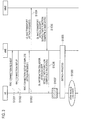
Fig. 3 is a sequence diagram illustrating operation of the mobile communication system according to the first embodiment of the present invention. -
Fig. 4 is a sequence diagram illustrating operation of a mobile communication system according to a first modification of the present invention. - A mobile communication system according to a first embodiment of the present invention will be described with reference to
Figs. 1 to 3 . - As illustrated in
Fig. 1 , the mobile communication system of the embodiment includes a mobile management node MME (Mobility Management Entity) and a radio base station eNB that is connected under a domination of the mobile management node MME. - The mobile communication system of the embodiment may be an LTE-Release 10 system network that supports an MTC function or an LTE-Release 8/9/10 system network that does not support the MTC function.
- The mobile station UE of the embodiment is configured to operate as an MTC terminal. As illustrated in
Fig. 2 , the mobile station UE includes atransmission unit 11, areception unit 12, and acontrol unit 13. - The
transmission unit 11 is configured to transmit an AS (Access Stratum) message or an RRC (Radio Resource Control) message to the radio base station eNB, and to transmit an NAS (Non Access Stratum) message to the mobile management node MME. - The
reception unit 12 is configured to receive the AS message from the radio base station eNB and to receive the NAS message from the mobile management node MME. - The
control unit 13 is configured to determine whether a predetermined network is compatible with the MTC function based on signaling from the predetermined network. - For example, the
control unit 13 may be configured to recognize that the predetermined network is incompatible with the MTC function based on "Attach Accept" that does not include "MTC function compatible Indication" indicating MTC function-compatible. - At this point, the
control unit 13 is configured not to transmit "RRC Connection Request" to the predetermined network through thetransmission unit 11 when recognizing that the predetermined network is incompatible with the MTC function. - The
control unit 13 is also configured to perform an attach process and a detach process through thetransmission unit 11 and thereception unit 12. - At this point, the
control unit 13 is configured to be able to perform the normal attach process as the attach process in order to perform a normal call and an emergency call. - In the case that the mobile station UE is a VoLTE (Voice over LTE) compatible terminal, the
control unit 13 is configured to be able to perform the emergency call attach process as the attach process in order to perform only the emergency call. - For example, the
control unit 13 is configured to perform the normal attach process to the predetermined network when a transition is made from a power-off state to a power-on state. - Specifically, the
control unit 13 is configured to transmit "RRC Connection Setup Complete (the AS message)" including "Attach Request (the NAS message) " to the radio base station eNB through thetransmission unit 11 in the attach process. - For example, in the case that the mobile station UE is the VoLTE compatible terminal, the
control unit 13 is configured as follows. That is, when "Attach Accept" received in the normal attach process performed to the predetermined network does not include "MTC function compatible Indication" indicating MTC function-compatible, after the detach process is performed to the predetermined network, a standby is performed in an "acceptable cell", and the transition is made to "USIM (Universal Subscriber Identity Module) invalid (a USIM invalid state)/LSS (Limited Service State) state", namely, a state in which the normal call cannot be used until the power is turned on after the power is turned off. - In such cases, the
control unit 13 may be configured to perform the emergency call attach process to the network compatible with the emergency call. - On the other hand, in the case that the mobile station UE is a VoLTE incompatible terminal, the
control unit 13 is configured as follows. That is, when "Attach Accept" received in the normal attach process performed to the predetermined network does not include "MTC function compatible Indication" indicating MTC function-compatible, after the detach process is performed to the predetermined network, the standby is performed in the "acceptable cell", and the transition is made to "USIM invalid (the USIM invalid state) /LSS state", namely, the state in which the normal call cannot be used until the power is turned on after the power is turned off. - In such cases, because the
control unit 13 cannot perform the emergency call attach process, the mobile station UE cannot use not only the normal call but also the emergency call. However, the mobile station UE can use the reception of an ETWS (Earthquake and Tsunami Warning System) signal. - An example of operation of the mobile communication system of the embodiment will be described below with reference to
Fig. 3 . - In Step S1001, the mobile station UE that operates as the MTC terminal transmits "RRC Connection Request" to the radio base station eNB.
- In Step S1002, the radio base station eNB transmits "RRC Connection Setup" to the mobile station UE.
- In Step S1003, the mobile station UE transmits "RRC Connection Setup Complete" including "Attach Request" for the normal attach process performed to the predetermined network to the radio base station eNB.
- At this point, the mobile station UE may include the information element "Delay Tolerant Indication" in "RRC Connection Setup Complete".
- In Step S1004, the radio base station eNB transmits "UL NAS Transport (an S1AP message) " including "Attach Request" to the mobile management node MME.
- In the case that the MTC function is not supported in the network including the mobile management node MME and the radio base station eNB, the mobile management node MME transmits "DL NAS Transport (S1AP message)", which does not include "MTC function compatible Indication" indicating MTC function-compatible but includes "Attach Accept", to the radio base station eNB in Step S1005.
- At this point, existence or non-existence of the MTC function support may be set in a unit of PLMN (Public Land Mobile Network) or another unit.
- In Step S1006, the radio base station eNB transmits "DL Information Transfer (the AS message)" including "Attach Accept" to the mobile station UE.
- In the case that the received "Attach Accept" does not include "MTC function compatible Indication", the mobile station UE recognizes that the mobile station UE camps on the domination of the network that does not support the MTC function in Step S1007, performs the detach process to the predetermined network in Step S1008, and performs the standby in the "acceptable cell" to make the transition to "USIM invalid state/LSS state" in Step S1009.
- In the case that the mobile station UE is the VoLTE compatible terminal, the emergency call attach process is performed to the network compatible with the emergency call, whereby the emergency call can be performed although the normal call cannot be performed.
- Then, the mobile station UE does not transmit the AS message or the NAS message (for example, "Service Request") to the radio base station eNB and the mobile management node MME until the transition is made to the power-on state after the transition is made to the power-off state.
- According to the mobile communication system of the first embodiment of the present invention, the transmission of "Service Request" from the MTC terminal can be prevented with no impact on a network function.
- A mobile communication system according to a first modification of the present invention will be described below with reference to
Fig. 4 by focusing on a difference with the mobile communication system according to the first embodiment. - An example of operation of the mobile communication system of the first modification will be described below with reference to
Fig. 4 . - As illustrated in
Fig. 4 , in the case that the MTC function is not supported in the network including the radio base station eNB, the radio base station eNB transmits a broadcast signal including "MTC function incompatible Indication" indicating MTC function-incompatible through a broadcast channel in the cell under the domination of the radio base station eNB in Step S2001. - In the case that the broadcast signal includes "MTC function incompatible Indication", the mobile station UE that operates as the MTC terminal recognizes that the mobile station UE camps on the domination of the network that does not support the MTC function in Step S2002, and the mobile station UE performs the standby in the "acceptable cell" without performing the normal attach process to the predetermined network, and makes the transition to "USIM invalid state/LSS state" in Step S2003.
- In the case that the mobile station UE is the VoLTE compatible terminal, the emergency call attach process can be performed to the network compatible with the emergency call.
- Then, the mobile station UE does not transmit the AS message or the NAS message (for example, "Attach Request") to the radio base station eNB and the mobile management node MME until the transition is made to the power-on state after the transition is made to the power-off state.
- On the other hand, in the case that the MTC function is supported in the network including the radio base station eNB, the radio base station eNB transmits the broadcast signal that does not include "MTC function incompatible Indication" indicating MTC function-incompatible through the broadcast channel in the cell under the domination of the radio base station eNB in Step S2001.
- In the case that the broadcast signal does not include "MTC function incompatible Indication", the mobile station UE that operates as the MTC terminal recognizes that the mobile station UE camps on the domination of the network supporting the MTC function, and the mobile station UE transmits "Attach Request" to the mobile management node MME after transmitting "RRC Connection Request" to the radio base station eNB.
- In the case that the MTC function is not supported in the network including the radio base station eNB, the radio base station eNB may transmit the broadcast signal that does not include "MTC function compatible Indication" indicating MTC function-compatible through the broadcast channel in the cell under the domination of the radio base station eNB in Step S2001.
- In such cases, because the broadcast signal does not include "MTC function compatible Indication", the mobile station UE that operates as the MTC terminal recognizes that the mobile station UE camps on the domination of the network that does not support the MTC function, and the mobile station UE performs the standby in the "acceptable cell" without performing the normal attach process to the predetermined network, and makes the transition to "USIM invalid state/LSS state" in Step S2003.
- In the case that the mobile station UE is the VoLTE compatible terminal, the emergency call attach process can be performed to the network compatible with the emergency call.
- In the case that the MTC function is supported in the network including the radio base station eNB, the radio base station eNB may transmit the broadcast signal including "MTC function compatible Indication" indicating MTC function-compatible through the broadcast channel in the cell under the domination of the radio base station eNB in Step S2001.
- In such cases, because the broadcast signal includes "MTC function compatible Indication", the mobile station UE that operates as the MTC terminal recognizes that the mobile station UE camps on the domination of the network supporting the MTC function, and the mobile station UE may transmit "Attach Request" to the mobile management node MME after transmitting "RRC Connection Request" to the radio base station eNB.
- According to the mobile communication system of the first embodiment of the present invention, not only the transmission of "Service Request" from the MTC terminal but also the transmission of "Attach Request" from the MTC terminal can be prevented.
- The features of the embodiment may be expressed as follows.
- According to a first feature of the embodiment, the mobile station UE includes the
control unit 13 that is configured not to transmit "RRC Conncetion Request (the connection request signal) " to a predetermined network when recognizing that the predetermined network is incompatible with the MTC function (the predetermined function) based on signaling from the predetermined network. - In the first feature of the embodiment, the
control unit 13 may be configured to recognize that the predetermined network is incompatible with the MTC function based on "Attach Accept (the attach response signal)" that does not include "MTC function compatible Indication (the instruction information) " indicating MTC function-compatible. - In the first feature of the embodiment, the
control unit 13 may be configured to recognize that the predetermined network is incompatible with the MTC function based on the broadcast signal that is transmitted in the cell of the predetermined network. - In the first feature of the embodiment, the
control unit 13 may be configured to perform the standby in the "acceptable cell" after performing the detach process to the predetermined network and to make the transition to "USIM invalid (USIM invalid state)/LSS state" until the power is turned on after the power is turned off, when "Attach Accept" does not include "MTC function compatible Indication". - In the first feature of the embodiment, the
control unit 13 may be configured to perform the standby in the "acceptable cell" and to make the transition to "USIM invalid (USIM invalid state)/LSS state" until the power is turned on after the power is turned off, when the broadcast signal does not include "MTC function compatible Indication (first instruction information)" indicating MTC function-compatible, or when the broadcast signal includes "MTC function incompatible Indication (second instruction information)" indicating MTC function-incompatible. - The operation of the mobile management node MME, the radio base station eNB, the mobile station UE, or the like may be performed by hardware, a software module executed by a processor, or a combination of thereof.
- The software module may be provided in any storage medium such as a RAM (Random Access Memory), a flash memory, a ROM (Read Only Memory), an EPROM (Erasable Programmable ROM), an EEPROM (Electronically Erasable and Programmable ROM), a register, a hard disk, a removable disk, and a CD-ROM.
- The storage medium is connected to the processor such that the processor can write and read information in and from the storage medium. The storage medium may be integrated in the processor. The storage medium and the processor may be provided in an ASIC. The ASIC may be provided in the mobile management node MME, the radio base station eNB, the mobile station UE, or the like. The storage medium and the processor may be provided as a discrete component in the mobile management node MME, the radio base station eNB, the mobile station UE, or the like.
- Although the present invention is described in detail using the embodiment, it is clear for those skilled in the art that the present invention is not limited to the embodiment. Various corrections and changes can be made without departing from the scope of the present invention. Accordingly, the description is aimed only at the illustration, and the description has no restrictive meaning to the present invention.
-
- MME
- mobile management node
- eNB
- radio base station
- UE
- mobile station
- 11
- transmission unit
- 12
- reception unit
- 13
- control unit
Claims (5)
- A mobile station comprising a control unit that is configured not to transmit a connection request signal to a predetermined network when recognizing that the predetermined network is incompatible with a predetermined function based on signaling from the predetermined network.
- The mobile station according to claim 1, wherein the control unit is configured to recognize that the predetermined network is incompatible with the predetermined function based on an attach response signal that does not include instruction information indicating the predetermined function-compatible.
- The mobile station according to claim 1, wherein the control unit is configured to recognize that the predetermined network is incompatible with the predetermined function based on a broadcast signal that is transmitted in a cell of the predetermined network.
- The mobile station according to claim 2, wherein the control unit is configured to perform standby in an acceptable cell after performing a detach process to the predetermined network and to make a transition to a USIM invalid state until a power is turned on after the power is turned off, when the attach response signal does not include the instruction information.
- The mobile station according to claim 3, wherein the control unit is configured to perform standby in an acceptable cell and to make a transition to a USIM invalid state until a power is turned on after the power is turned off, when the broadcast signal does not include first instruction information indicating the predetermined function-compatible, or when the broadcast signal includes second instruction information indicating the predetermined function-incompatible.
Applications Claiming Priority (2)
| Application Number | Priority Date | Filing Date | Title |
|---|---|---|---|
| JP2011052015A JP5351917B2 (en) | 2011-03-09 | 2011-03-09 | Mobile station |
| PCT/JP2012/054135 WO2012121004A1 (en) | 2011-03-09 | 2012-02-21 | Mobile station |
Publications (2)
| Publication Number | Publication Date |
|---|---|
| EP2685765A1 true EP2685765A1 (en) | 2014-01-15 |
| EP2685765A4 EP2685765A4 (en) | 2015-10-14 |
Family
ID=46797973
Family Applications (1)
| Application Number | Title | Priority Date | Filing Date |
|---|---|---|---|
| EP12755617.3A Withdrawn EP2685765A4 (en) | 2011-03-09 | 2012-02-21 | Mobile station |
Country Status (4)
| Country | Link |
|---|---|
| US (1) | US9391900B2 (en) |
| EP (1) | EP2685765A4 (en) |
| JP (1) | JP5351917B2 (en) |
| WO (1) | WO2012121004A1 (en) |
Cited By (2)
| Publication number | Priority date | Publication date | Assignee | Title |
|---|---|---|---|---|
| EP2942986A1 (en) * | 2014-05-09 | 2015-11-11 | Alcatel Lucent | Low complexity user equipment and their operation within wireless communication networks |
| EP3338485A4 (en) * | 2015-08-18 | 2018-07-11 | Samsung Electronics Co., Ltd. | Ue access method and apparatus |
Families Citing this family (9)
| Publication number | Priority date | Publication date | Assignee | Title |
|---|---|---|---|---|
| US9077785B2 (en) * | 2013-02-07 | 2015-07-07 | Qualcomm Incorporated | Originator mobile device assisted voice call technology selection |
| US9326122B2 (en) | 2013-08-08 | 2016-04-26 | Intel IP Corporation | User equipment and method for packet based device-to-device (D2D) discovery in an LTE network |
| CN105393470B (en) | 2013-08-08 | 2018-11-02 | 英特尔Ip公司 | The methods, devices and systems adjusted for the electrical tilt angle in multi-input multi-output system |
| US9564958B2 (en) * | 2013-08-08 | 2017-02-07 | Intel IP Corporation | Power saving mode optimizations and related procedures |
| WO2015159574A1 (en) | 2014-04-17 | 2015-10-22 | 日本電気株式会社 | Base station, wireless communication system, and communication method |
| US9699124B2 (en) * | 2014-05-08 | 2017-07-04 | Avaya Inc. | On-demand robot acquisition of communication features |
| JP2016122887A (en) * | 2014-12-24 | 2016-07-07 | 富士通株式会社 | Radio base station, radio device, radio communication system and radio communication control method |
| CN106604356B (en) | 2015-10-15 | 2020-02-14 | 华为终端有限公司 | Wireless communication access method, device, processor and wireless terminal |
| EP3537769B1 (en) * | 2016-11-02 | 2021-10-06 | Ntt Docomo, Inc. | User device and access control method |
Family Cites Families (9)
| Publication number | Priority date | Publication date | Assignee | Title |
|---|---|---|---|---|
| FI106768B (en) | 1998-05-20 | 2001-03-30 | Nokia Networks Oy | Selection of cell in a packet network |
| GB0616992D0 (en) * | 2006-08-29 | 2006-10-04 | Nokia Corp | Evaluating a communication interface |
| NZ575877A (en) * | 2006-10-05 | 2012-02-24 | Eureka S A | Systems and methods for automated wireless authorization for entry into a geographic area |
| JP4729636B2 (en) * | 2007-09-10 | 2011-07-20 | 株式会社エヌ・ティ・ティ・ドコモ | Mobile communication method, mobile switching center and mobile station |
| JP2009253397A (en) * | 2008-04-02 | 2009-10-29 | Nec Corp | Mobile communication system, communication device, and method for notifying of version information of specification for use in them |
| US8942175B2 (en) * | 2010-05-04 | 2015-01-27 | Lg Electronics Inc. | Method for controlling MTC service network overload in mobile communication system and device thereof |
| WO2012013401A1 (en) * | 2010-07-27 | 2012-02-02 | Telefonaktiebolaget L M Ericsson (Publ) | Machine-type communication subscription control |
| US8837443B2 (en) * | 2010-08-13 | 2014-09-16 | Sharp Kabushiki Kaisha | Reducing congestion in wireless communication networks |
| US8868035B2 (en) * | 2010-12-30 | 2014-10-21 | Htc Corporation | Methods for access control with a back-off timer maintained for low priority devices or machine type communication (MTC) devices, and apparatuses using the same |
-
2011
- 2011-03-09 JP JP2011052015A patent/JP5351917B2/en not_active Expired - Fee Related
-
2012
- 2012-02-21 EP EP12755617.3A patent/EP2685765A4/en not_active Withdrawn
- 2012-02-21 US US14/003,961 patent/US9391900B2/en not_active Expired - Fee Related
- 2012-02-21 WO PCT/JP2012/054135 patent/WO2012121004A1/en not_active Ceased
Cited By (4)
| Publication number | Priority date | Publication date | Assignee | Title |
|---|---|---|---|---|
| EP2942986A1 (en) * | 2014-05-09 | 2015-11-11 | Alcatel Lucent | Low complexity user equipment and their operation within wireless communication networks |
| EP3338485A4 (en) * | 2015-08-18 | 2018-07-11 | Samsung Electronics Co., Ltd. | Ue access method and apparatus |
| US10993271B2 (en) | 2015-08-18 | 2021-04-27 | Samsung Electronics Co., Ltd. | UE access method and apparatus |
| US11838958B2 (en) | 2015-08-18 | 2023-12-05 | Samsung Electronics Co., Ltd. | UE access method and apparatus |
Also Published As
| Publication number | Publication date |
|---|---|
| EP2685765A4 (en) | 2015-10-14 |
| JP5351917B2 (en) | 2013-11-27 |
| US20140056135A1 (en) | 2014-02-27 |
| WO2012121004A1 (en) | 2012-09-13 |
| US9391900B2 (en) | 2016-07-12 |
| JP2012191353A (en) | 2012-10-04 |
Similar Documents
| Publication | Publication Date | Title |
|---|---|---|
| US9391900B2 (en) | Mobile station | |
| US8331304B2 (en) | Mobile communication method, mobile station and mobile switching center | |
| US9332530B2 (en) | Mobile communication method and mobile station | |
| CA2745931C (en) | Mobile communication method and radio base station | |
| US9661482B2 (en) | Mobile communication method, radio base station and mobility management node | |
| US20100273511A1 (en) | Method of handling validity of paging and related communication device | |
| US10917826B2 (en) | Processing apparatus and method for network indication and communications system | |
| EP2869637A1 (en) | Mobile communication method, core network device, wireless access network device, and mobile station | |
| US9629069B2 (en) | Communication device and communication control method | |
| EP2865235B1 (en) | Mobile communications system for emergency calls | |
| US8880020B2 (en) | Method, and apparatus for attempting an eCALL regardless of response to a location update request | |
| EP2911450B1 (en) | Cell reselection method and apparatus | |
| US9191820B2 (en) | Mobile communication method, switch, and mobile station | |
| US20110244823A1 (en) | Method To Inform User Equipment To Perform Register Procedure In Wireless Communication System and Related Communication Device | |
| EP2761966B1 (en) | Method and processing system for attempting an emergency call by a wireless device | |
| EP2785110A1 (en) | Mobile communication method and wireless base station | |
| CN111356229B (en) | A paging method and device | |
| US20150138965A1 (en) | Mobile station | |
| EP2469928A1 (en) | Mobile communication method and radio access network device | |
| WO2012115235A1 (en) | Mobile communication method and mobile station |
Legal Events
| Date | Code | Title | Description |
|---|---|---|---|
| PUAI | Public reference made under article 153(3) epc to a published international application that has entered the european phase |
Free format text: ORIGINAL CODE: 0009012 |
|
| 17P | Request for examination filed |
Effective date: 20130923 |
|
| AK | Designated contracting states |
Kind code of ref document: A1 Designated state(s): AL AT BE BG CH CY CZ DE DK EE ES FI FR GB GR HR HU IE IS IT LI LT LU LV MC MK MT NL NO PL PT RO RS SE SI SK SM TR |
|
| DAX | Request for extension of the european patent (deleted) | ||
| RA4 | Supplementary search report drawn up and despatched (corrected) |
Effective date: 20150915 |
|
| RIC1 | Information provided on ipc code assigned before grant |
Ipc: H04W 76/00 20090101ALN20150909BHEP Ipc: H04W 48/08 20090101AFI20150909BHEP |
|
| 17Q | First examination report despatched |
Effective date: 20161216 |
|
| RIC1 | Information provided on ipc code assigned before grant |
Ipc: H04W 48/08 20090101AFI20180109BHEP Ipc: H04W 4/00 20180101ALN20180109BHEP |
|
| GRAP | Despatch of communication of intention to grant a patent |
Free format text: ORIGINAL CODE: EPIDOSNIGR1 |
|
| INTG | Intention to grant announced |
Effective date: 20180219 |
|
| STAA | Information on the status of an ep patent application or granted ep patent |
Free format text: STATUS: THE APPLICATION IS DEEMED TO BE WITHDRAWN |
|
| 18D | Application deemed to be withdrawn |
Effective date: 20180703 |