EP2680661A1 - Mode Switching Method and Device - Google Patents
Mode Switching Method and Device Download PDFInfo
- Publication number
- EP2680661A1 EP2680661A1 EP13167601.7A EP13167601A EP2680661A1 EP 2680661 A1 EP2680661 A1 EP 2680661A1 EP 13167601 A EP13167601 A EP 13167601A EP 2680661 A1 EP2680661 A1 EP 2680661A1
- Authority
- EP
- European Patent Office
- Prior art keywords
- terminal
- processing module
- network
- state
- mode
- Prior art date
- Legal status (The legal status is an assumption and is not a legal conclusion. Google has not performed a legal analysis and makes no representation as to the accuracy of the status listed.)
- Granted
Links
Images


Classifications
-
- H—ELECTRICITY
- H04—ELECTRIC COMMUNICATION TECHNIQUE
- H04B—TRANSMISSION
- H04B1/00—Details of transmission systems, not covered by a single one of groups H04B3/00 - H04B13/00; Details of transmission systems not characterised by the medium used for transmission
- H04B1/38—Transceivers, i.e. devices in which transmitter and receiver form a structural unit and in which at least one part is used for functions of transmitting and receiving
- H04B1/40—Circuits
-
- H—ELECTRICITY
- H04—ELECTRIC COMMUNICATION TECHNIQUE
- H04W—WIRELESS COMMUNICATION NETWORKS
- H04W88/00—Devices specially adapted for wireless communication networks, e.g. terminals, base stations or access point devices
- H04W88/02—Terminal devices
- H04W88/06—Terminal devices adapted for operation in multiple networks or having at least two operational modes, e.g. multi-mode terminals
-
- H—ELECTRICITY
- H04—ELECTRIC COMMUNICATION TECHNIQUE
- H04W—WIRELESS COMMUNICATION NETWORKS
- H04W48/00—Access restriction; Network selection; Access point selection
- H04W48/18—Selecting a network or a communication service
Definitions
- the present invention relates to the field of terminal technologies, and in particular, to a mode switching method and device.
- the user When a user does not want to receive calls or short messages, the user switches the mode of a mobile phone to an offline mode, so as to be free from answering calls or receiving short messages.
- the mobile phone is incapable of performing services in a CS (Circuit Switch, circuit switch) domain and a PS (Packet Switch) domain.
- Voice and short message services are managed in the CS domain
- data services such as Internet access and stream media services, are managed in the PS domain.
- Embodiments of the present invention provide a mode switching method and device, which implement that network data services may be used when a terminal is incapable of receiving calls and short messages, thereby improving service experience of users.
- a mode switching method including:
- a terminal including:
- the working mode of the terminal is switched to the target mode, where the target mode indicates that a circuit switch CS domain service is in a disconnected state, and a packet switch PS domain service is in a connected state.
- the embodiments of the present invention solve the problem in the prior art that when a terminal is switched to an offline mode, in addition to that calls and short messages in a CS domain service cannot be received, network data services in a PS domain service cannot be used as well because the terminal is in a power-off state relative to a network, and implement that the terminal is capable of using network data services when being incapable of receiving calls or short messages, thereby improving service experience of users.
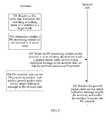
- FIG. 1 is a flow chart of a mode switching method according to Embodiment 1 of the present invention.
- FIG. 2 is a flow chart of another mode switching method according to Embodiment 1 of the present invention.
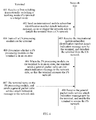
- FIG. 3 is a flow chart of still another mode switching method according to Embodiment 1 of the present invention.
- FIG. 4 is a flow chart of still another mode switching method according to Embodiment 1 of the present invention.
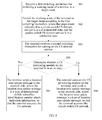
- FIG. 5 is a flow chart of still another mode switching method according to Embodiment 1 of the present invention.
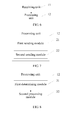
- FIG. 6 is a structural diagram of a terminal according to Embodiment 2 of the present invention.
- FIG. 7 is a structural diagram of a processing unit in a terminal according to Embodiment 2 of the present invention.
- FIG. 8 is a structural diagram of another processing unit in a terminal according to Embodiment 2 of the present invention.
- FIG. 9 is a structural diagram of still another processing unit in a terminal according to Embodiment 2 of the present invention.
- a mode switching method specifically includes the following steps:
- the target mode indicates that a circuit switch CS domain service is in a disconnected state, and a packet switch PS domain service is in a connected state.
- the working mode of the terminal is switched to the target mode, where the target mode indicates that a circuit switch CS domain service is in a disconnected state, and a packet switch PS domain service is in a connected state.
- the embodiment of the present invention solves the problem in the prior art that when a terminal is switched to an offline mode, the terminal is in power-off state relative to a network, so in addition to that calls and short messages in a CS domain service cannot be received, network data services in a PS domain service cannot be used as well, and implements that the terminal is capable of using network data services when being incapable of receiving calls or short messages, thereby improving service experience of users.
- An execution subject of the above method is a mobility management module in the terminal.
- the mobility management module is existing entity hardware on the terminal.
- the first switching instruction in the above method is first received by an application layer of the terminal, and is sent by the application layer of the terminal to the mobility management module of the terminal, so that the mobility management module of the terminal receives the first switching instruction. Then, through a specific operation of the mobility management module of the terminal, the working mode of the terminal is switched to the target mode.
- FIG. 2 shows a mode switching method according to another embodiment of the present invention.
- the mode switching method specifically includes the following steps:
- 201 Receive a first switching instruction for switching a working mode of a terminal to a target mode.
- an option or an icon corresponding to the target mode may be added in a keyboard, a touchscreen or an interface menu of the terminal, where the option or the icon is used to generate a first switching instruction input by a user when the user clicks the option or icon corresponding to the target mode, so that the application layer of the terminal receives the first switching instruction.
- the application layer of the terminal sends the first switching instruction to the mobility management module of the terminal, so that the mobility management module of the terminal receives the first switching instruction, so as to set the working mode of the terminal to the target mode.
- an option may further be added in a setting menu of the terminal, where the option is used to generate a first switching instruction input by a user when the user selects the option, so that the application layer of the terminal receives the first switching instruction.
- the application layer of the terminal sends the first switching instruction to the mobility management module of the terminal, so that the mobility management module of the terminal receives the first switching instruction and detaches the terminal from a CS network.
- a CS domain service of the terminal is in a disconnected state
- a PS domain service is in a connected state, that is, the working mode of the terminal is set to the target mode.
- An execution subject of this step is the mobility management module, which is existing entity hardware on the terminal.
- the terminal sends an international mobile subscriber identification number detach indication message to a network side, so as to trigger the network side to detach the terminal from a CS network.
- the mobility management module of the terminal sends an international mobile subscriber identification number detach indication (International Mobile Subscriber Identification Number Detach Indication, IMSI Detach Indication) message to the network side, so as to trigger the network side to detach the terminal from the CS network.
- IMSI Detach Indication International Mobile Subscriber Identification Number Detach Indication
- the network side receives the international mobile subscriber identification number detach indication message sent by the terminal, and detaches the terminal from the CS network.
- the network side may detach the terminal from the CS network by using an existing technology.
- the terminal when the terminal is switched to an offline mode, while sending an IMSI detach indication message to the network side, the terminal also sends a GPRS (General Packet Radio Service, general packet radio service) detach indication message to the network side, or sends an IMSI and GPRS joint detach indication message to the network side, so that both the CS domain service and the PS domain service of the terminal are in disconnected state, that is, the terminal is incapable of performing the CS domain and PS domain services.
- GPRS General Packet Radio Service, general packet radio service
- steps 202 to 203 may also be replaced by the following step 204:
- the terminal turns off a CS processing module on the terminal, so that the terminal is incapable of accessing a CS network.
- the mobility management module of the terminal turns off the CS processing module on the terminal, and maintains a PS processing module in an on state.
- the terminal does not send an IMSI detach indication message to the network side, so the network side does not know that the terminal is incapable of performing the CS domain service.
- the network side gets a response indicating that the call cannot be answered.
- the terminal sends an international mobile subscriber identification number detach indication message to the network side, or turns off the CS processing module on the terminal, the CS domain service on the terminal is in a disconnected state, and the PS domain service is in a connected state.
- the terminal is incapable of performing the CS domain service such as calls and short messages, but is capable of performing the PS domain service such as web browsing.
- a user is free from answering calls or receiving short messages, but may still use data services, for example, the PS domain service such as Internet access and stream media.
- FIG. 3 shows a mode switching method according to still another embodiment of the present invention.
- the mode switching method specifically includes the following steps:
- an option or an icon corresponding to the target mode may be added in a keyboard, a touchscreen or an interface menu of the terminal, where the option or the icon is used to generate a first switching instruction input by a user when the user clicks the option or icon corresponding to the target mode, so that the application layer of the terminal receives the first switching instruction.
- the application layer of the terminal sends the first switching instruction to the mobility management module of the terminal, so that the mobility management module of the terminal receives the first switching instruction, so as to set the working mode of the terminal to the target mode.
- an option may further be added in a setting menu of the terminal, where the option is used to generate a first switching instruction input by a user when the user selects the option, so that the application layer of the terminal receives the first switching instruction.
- the application layer of the terminal sends the first switching instruction to the mobility management module of the terminal, so that the mobility management module of the terminal receives the first switching instruction and enables the terminal to access a PS network.
- a CS domain service of the terminal is in a disconnected state
- a PS domain service is in a connected state, that is, the working mode of the terminal is switched to the target mode.
- An execution subject of this step is the mobility management module, which is existing entity hardware on the terminal.
- the mobility management module of the terminal determines whether the PS processing module on the terminal is in an on state.
- the terminal When the PS processing module on the terminal is in an on state, the terminal sends a general packet radio service attach indication message to the network side, so that the terminal accesses a PS network.
- the mobility management module of the terminal determines that the PS processing module on the terminal is in an on state
- the mobility management module of the terminal sends a general packet radio service attach indication message to the network side, so that the terminal accesses the PS network.
- the terminal When the PS processing module on the terminal is in an off state, the terminal turns on the PS processing module, and sends a general packet radio service attach indication message to the network side, so that the terminal accesses the PS network.
- the mobility management module of the terminal determines that the PS processing module on the terminal is in an off state
- the mobility management module of the terminal turns on the PS processing module, and sends a general packet radio service attach indication message to the network side, so that the terminal accesses the PS network.
- the network side receives the general packet radio service attach indication message sent by the terminal, and enables the terminal to access the PS network.
- the network side may enable the terminal to access the PS network by using an existing technology.
- the PS processing module on the terminal is in an on state, and a general packet radio service attach indication message is sent to the network device, so that the terminal accesses the PS network, that is, the terminal is capable of performing the PS domain service.
- the terminal is capable of performing the PS domain service such as web browsing but is incapable of performing the CS domain service such as calls and short messages.
- a user is free from answering calls or receiving short messages, but may still use data services, for example, the PS domain service such as Internet access and stream media.
- FIG. 4 shows a mode switching method according to still another embodiment of the present invention.
- the mode switching method specifically includes the following steps:
- an option or an icon corresponding to the target mode may be added in a keyboard, a touchscreen or an interface menu of the terminal, where the option or the icon is used to generate a first switching instruction input by a user when the user clicks the option or icon corresponding to the target mode, so that the application layer of the terminal receives the first switching instruction.
- the application layer of the terminal sends the first switching instruction to the mobility management module of the terminal, so that the mobility management module of the terminal receives the first switching instruction, so as to set the working mode of the terminal to the target mode.
- An execution subject of this step is the mobility management module, which is existing entity hardware on the terminal.
- the terminal sends an international mobile subscriber identification number detach indication message to a network side, so as to trigger the network side to detach the terminal from a CS network.
- the mobility management module of the terminal sends an international mobile subscriber identification number detach indication message to the network side, so as to trigger the network side to detach the terminal from a CS network.
- the network side receives the international mobile subscriber identification number detach indication message sent by the terminal, and detaches the terminal from the CS network.
- the network side may detach the terminal from the CS network using an existing technology.
- step 402 to 403 may be replaced by the following step 404:
- the terminal turns off a CS processing module on the terminal, so that the terminal is incapable of accessing a CS network.
- the mobility management module of the terminal turns off the CS processing module on the terminal, and maintains a PS processing module in an on state.
- the terminal does not send an IMSI detach indication message to the network side, so the network side does not know that the terminal is incapable of performing the CS domain service.
- the network side gets a response indicating that the call cannot be answered.
- the mobility management module of the terminal determines whether the PS processing module on the terminal is in an on state.
- the terminal When the PS processing module on the terminal is in an on state, the terminal sends a general packet radio service attach indication message to the network side, so that the terminal accesses the PS network.
- the mobility management module of the terminal determines that the PS processing module on the terminal is in an on state
- the mobility management module of the terminal sends a general packet radio service attach indication message to the network side, so that the terminal accesses the PS network.
- the terminal When the PS processing module on the terminal is in an off state, the terminal turns on the PS processing module, and sends a general packet radio service attach indication message to the network side, so that the terminal accesses the PS network.
- the mobility management module of the terminal determines that the PS processing module on the terminal is in off state, the mobility management module of the terminal turns on the PS processing module, and sends a general packet radio service attach indication message to the network side, so that the terminal accesses the PS network.
- the network side receives the general packet radio service attach indication message sent by the terminal, and enables the terminal to access the PS network.
- the network side may enable the terminal to access the PS network by using an existing technology.
- the working mode of the terminal When the working mode of the terminal is a third mode, where the third mode indicates that the CS domain service is in a connected state, and the PS domain service is in a disconnected state, by means of the above method, the working mode of the terminal may be switched to the target mode.
- the terminal is capable of performing the PS domain service such as web browsing but is incapable of performing the CS domain service such as calls and short messages.
- a user is free from answering calls or receiving short messages, but may still use data services, for example, the PS domain service, such as Internet access and stream media.
- FIG. 5 shows still another mode switching method according to an embodiment of the present invention, which specifically includes the following steps in specific applications:
- step 501 is the same as that of step 201, step 301 or step 401, and for execution, reference may be made to step 201, step 301 or step 401, which is not described here again.
- An execution subject of this step is the mobility management module, which is existing entity hardware on the terminal.
- the terminal receives a second switching instruction for turning on the CS domain service.
- an option or an icon corresponding to the first mode may be added in a keyboard, a touchscreen or an interface menu of the terminal, where the option or the icon is used to generate a second switching instruction input by a user when the user clicks the option or icon corresponding to the first mode, so that the application layer of the terminal receives the second switching instruction.
- the application layer of the terminal sends the second switching instruction to the mobility management module of the terminal, so that the mobility management module of the terminal receives the second switching instruction, so as to set the working mode of the terminal to the first mode.
- the terminal hence turns on the CS domain service.
- an option may further be added in a setting menu of the terminal, where the option is used to generate a second switching instruction input by a user when the user selects the option, so that the application layer of the terminal receives the second switching instruction.
- the application layer of the terminal sends the second switching instruction to the mobility management module of the terminal, so that the mobility management module of the terminal receives the second switching instruction and enables the terminal to access a CS network.
- the CS domain service of the terminal is in a connected state
- the PS domain service is maintained in a connected state, that is, the working mode of the terminal is set to the first mode.
- An execution subject of this step is the mobility management module, which is existing entity hardware on the terminal.
- the mobility management module of the terminal determines whether the CS processing module on the terminal is in an on state.
- the terminal When the CS processing module on the terminal is in an on state, the terminal sends a location area update message to the network side, where the location area update message is a type of international mobile subscriber identification number attach indication information, so that the terminal accesses the CS network.
- the location area update message is a type of international mobile subscriber identification number attach indication information
- the mobility management module of the terminal sends a location area update message to the network side, where the location area update message is a type of an international mobile subscriber identification number attach indication IMSI Attach Indication message, so that the terminal accesses the CS network.
- the terminal After the location area is successfully updated, the terminal recovers the CS domain service, and may receive calls and short messages.
- the terminal further needs to send a GPRS attach indication message to the network side, so that the terminal is capable of performing the PS domain service.
- the PS domain service is maintained in a connected state, so only the CS domain service needs to be recovered.
- the network side may enable the terminal to access the CS network by using an existing technology.
- the terminal When the CS processing module on the terminal is in an off state, the terminal turns on the CS processing module on the terminal, and sends a location area update message to the network side, where the location area update message is a type of a common location area update message, so that the terminal accesses the circuit switch CS network.
- the mobility management module of the terminal sends a common location area update message to the network side, so that the terminal accesses the CS network.
- the terminal turns on the CS processing module on the terminal, and after the location area is successfully updated, the terminal recovers the CS domain service, thereby being capable of receiving calls and short messages.
- the network side may enable the terminal to access the CS network by using an existing technology.
- FIG. 6 A terminal provided in an embodiment of the present invention is shown in FIG. 6 , which includes a receiving unit 11 and a processing unit 12.
- the receiving unit 11 is configured to receive a first switching instruction for switching a working mode of a terminal to a target mode.
- the processing unit 12 is configured to switch the working mode of the terminal to the target mode according to the first switching instruction, where the target mode indicates that a circuit switch CS domain service is in a disconnected state, and a packet switch PS domain service is in a connected state.
- the receiving unit when the receiving unit receives a first switching instruction for switching a working mode of a terminal to a target mode, the working mode of the terminal is switched to the target mode, where the target mode indicates that a circuit switch CS domain service is in a disconnected state, and a packet switch PS domain service is in a connected state.
- the embodiment of the present invention solves the problem in the prior art that when a terminal is switched to an offline mode, the terminal is in power-off state relative to a network, so in addition to that calls and short messages in a CS domain service cannot be received, network data services in a PS domain service cannot be used as well, and implements that the terminal is capable of using network data services when being incapable of receiving calls or short messages, thereby improving service experience of users.
- the processing unit includes:
- the processing unit includes:
- the first processing module is further configured to: when the PS processing module on the terminal is in an off state, enable the terminal to turn on the PS processing module and send a general packet radio service attach indication message to the network side, so that the terminal accesses the PS network.
- the processing unit includes:
- the third processing module is further configured to: when the PS processing module on the terminal is in an off state, enable the terminal to turn on the PS processing module and send a general packet radio service attach indication message to the network side, so that the terminal accesses the PS network.
- the receiving unit is further configured to receive a second switching instruction for turning on the CS domain service.
- the processing unit is further configured to determine whether the CS processing module on the terminal is in an on state; when the CS processing module on the terminal is in an on state, enable the terminal to send a location area update message to the network side, where the location area update message is a type of international mobile subscriber identification number attach indication information, so that the terminal accesses the CS network; and when the CS processing module on the terminal is in off state, enable the terminal to turn on the CS processing module on the terminal and send a location area update message to the network side, where the location area update message is a type of a common location area update message, so that the terminal accesses the circuit switch CS network.
- the above terminal may be a terminal product such as a mobile phone or a tablet computer.
Landscapes
- Engineering & Computer Science (AREA)
- Computer Networks & Wireless Communication (AREA)
- Signal Processing (AREA)
- Computer Security & Cryptography (AREA)
- Mobile Radio Communication Systems (AREA)
- Telephone Function (AREA)
- Transplanting Machines (AREA)
- Electrotherapy Devices (AREA)
- Diaphragms For Electromechanical Transducers (AREA)
- Telephonic Communication Services (AREA)
Abstract
Description
- The present invention relates to the field of terminal technologies, and in particular, to a mode switching method and device.
- When a user does not want to receive calls or short messages, the user switches the mode of a mobile phone to an offline mode, so as to be free from answering calls or receiving short messages. In this case, the mobile phone is incapable of performing services in a CS (Circuit Switch, circuit switch) domain and a PS (Packet Switch) domain. Voice and short message services are managed in the CS domain, and data services, such as Internet access and stream media services, are managed in the PS domain.
- After research, it is found that, when the mobile phone is switched to an offline mode, the mobile phone is in a power-off state relative to the network, so in addition to that calls and short messages in a CS domain service cannot be received, network data services in a PS domain service cannot be used as well.
- Embodiments of the present invention provide a mode switching method and device, which implement that network data services may be used when a terminal is incapable of receiving calls and short messages, thereby improving service experience of users.
- In order to achieve the above objective, the present invention adopts the following technical solutions:
- A mode switching method, including:
- receiving a first switching instruction for switching a working mode of a terminal to a target mode; and
- switching the working mode of the terminal to the target mode according to the first switching instruction, where the target mode indicates that a circuit switch CS domain service is in a disconnected state, and a packet switch PS domain service is in a connected state.
- A terminal, including:
- a receiving unit, configured to receive a first switching instruction for switching a working mode of a terminal to a target mode; and
- a processing unit, configured to switch the working mode of the terminal to the target mode according to the first switching instruction, where the target mode indicates that a circuit switch CS domain service is in a disconnected state, and a packet switch PS domain service is in a connected state.
- In the mode switching method and device provided in the embodiments of the present invention, when a first switching instruction for switching a working mode of a terminal to a target mode is received, the working mode of the terminal is switched to the target mode, where the target mode indicates that a circuit switch CS domain service is in a disconnected state, and a packet switch PS domain service is in a connected state. The embodiments of the present invention solve the problem in the prior art that when a terminal is switched to an offline mode, in addition to that calls and short messages in a CS domain service cannot be received, network data services in a PS domain service cannot be used as well because the terminal is in a power-off state relative to a network, and implement that the terminal is capable of using network data services when being incapable of receiving calls or short messages, thereby improving service experience of users.
-
FIG. 1 is a flow chart of a mode switching method according to Embodiment 1 of the present invention; -
FIG. 2 is a flow chart of another mode switching method according to Embodiment 1 of the present invention; -
FIG. 3 is a flow chart of still another mode switching method according to Embodiment 1 of the present invention; -
FIG. 4 is a flow chart of still another mode switching method according to Embodiment 1 of the present invention; -
FIG. 5 is a flow chart of still another mode switching method according to Embodiment 1 of the present invention; -
FIG. 6 is a structural diagram of a terminal according to Embodiment 2 of the present invention; -
FIG. 7 is a structural diagram of a processing unit in a terminal according to Embodiment 2 of the present invention; -
FIG. 8 is a structural diagram of another processing unit in a terminal according to Embodiment 2 of the present invention; and -
FIG. 9 is a structural diagram of still another processing unit in a terminal according to Embodiment 2 of the present invention. - A mode switching method and device according to the embodiment of the present invention are described in detail below with reference to the accompanying drawings.
- As shown in
FIG. 1 , a mode switching method according to an embodiment of the present invention specifically includes the following steps: - 101: Receive a first switching instruction for switching a working mode of a terminal to a target mode.
- 102: Switch the working mode of the terminal to the target mode according to the first switching instruction, where the target mode indicates that a circuit switch CS domain service is in a disconnected state, and a packet switch PS domain service is in a connected state.
- In the mode switching method according to an embodiment of the present invention, when a first switching instruction for switching a working mode of a terminal to a target mode is received, the working mode of the terminal is switched to the target mode, where the target mode indicates that a circuit switch CS domain service is in a disconnected state, and a packet switch PS domain service is in a connected state. The embodiment of the present invention solves the problem in the prior art that when a terminal is switched to an offline mode, the terminal is in power-off state relative to a network, so in addition to that calls and short messages in a CS domain service cannot be received, network data services in a PS domain service cannot be used as well, and implements that the terminal is capable of using network data services when being incapable of receiving calls or short messages, thereby improving service experience of users.
- An execution subject of the above method is a mobility management module in the terminal. The mobility management module is existing entity hardware on the terminal. The first switching instruction in the above method is first received by an application layer of the terminal, and is sent by the application layer of the terminal to the mobility management module of the terminal, so that the mobility management module of the terminal receives the first switching instruction. Then, through a specific operation of the mobility management module of the terminal, the working mode of the terminal is switched to the target mode.
-
FIG. 2 shows a mode switching method according to another embodiment of the present invention. In a specific application, for example, before the working mode of the terminal is switched to the target mode, if the working mode of the terminal is a first mode, where the first mode indicates that the CS domain service is in a connected state, and the PS domain service is in a connected state, the mode switching method specifically includes the following steps: - 201: Receive a first switching instruction for switching a working mode of a terminal to a target mode.
- Exemplarily, an option or an icon corresponding to the target mode may be added in a keyboard, a touchscreen or an interface menu of the terminal, where the option or the icon is used to generate a first switching instruction input by a user when the user clicks the option or icon corresponding to the target mode, so that the application layer of the terminal receives the first switching instruction. The application layer of the terminal sends the first switching instruction to the mobility management module of the terminal, so that the mobility management module of the terminal receives the first switching instruction, so as to set the working mode of the terminal to the target mode.
- Optionally, an option may further be added in a setting menu of the terminal, where the option is used to generate a first switching instruction input by a user when the user selects the option, so that the application layer of the terminal receives the first switching instruction. The application layer of the terminal sends the first switching instruction to the mobility management module of the terminal, so that the mobility management module of the terminal receives the first switching instruction and detaches the terminal from a CS network. In other words, a CS domain service of the terminal is in a disconnected state, and a PS domain service is in a connected state, that is, the working mode of the terminal is set to the target mode.
- An execution subject of this step is the mobility management module, which is existing entity hardware on the terminal.
- 202: The terminal sends an international mobile subscriber identification number detach indication message to a network side, so as to trigger the network side to detach the terminal from a CS network.
- Specifically, the mobility management module of the terminal sends an international mobile subscriber identification number detach indication (International Mobile Subscriber Identification Number Detach Indication, IMSI Detach Indication) message to the network side, so as to trigger the network side to detach the terminal from the CS network.
- 203: The network side receives the international mobile subscriber identification number detach indication message sent by the terminal, and detaches the terminal from the CS network.
- After receiving the international mobile subscriber identification number detach indication message sent by the terminal, the network side may detach the terminal from the CS network by using an existing technology.
- In the existing technology, when the terminal is switched to an offline mode, while sending an IMSI detach indication message to the network side, the terminal also sends a GPRS (General Packet Radio Service, general packet radio service) detach indication message to the network side, or sends an IMSI and GPRS joint detach indication message to the network side, so that both the CS domain service and the PS domain service of the terminal are in disconnected state, that is, the terminal is incapable of performing the CS domain and PS domain services. However, in the embodiment of the present invention, only an IMSI detach indication message is sent to the network side, so that the CS domain service of the terminal is in disconnected state, while the PS domain service is in connected state, that is, the terminal is incapable of performing the CS domain service, but is still capable of performing the PS domain service.
- Optionally, the
above steps 202 to 203 may also be replaced by the following step 204: - 204: The terminal turns off a CS processing module on the terminal, so that the terminal is incapable of accessing a CS network.
- The mobility management module of the terminal turns off the CS processing module on the terminal, and maintains a PS processing module in an on state.
- For the network side, the terminal does not send an IMSI detach indication message to the network side, so the network side does not know that the terminal is incapable of performing the CS domain service. When a call is made to the terminal, the network side gets a response indicating that the call cannot be answered.
- Through the above method, no matter the terminal sends an international mobile subscriber identification number detach indication message to the network side, or turns off the CS processing module on the terminal, the CS domain service on the terminal is in a disconnected state, and the PS domain service is in a connected state.
- In this case, the terminal is incapable of performing the CS domain service such as calls and short messages, but is capable of performing the PS domain service such as web browsing. A user is free from answering calls or receiving short messages, but may still use data services, for example, the PS domain service such as Internet access and stream media.
-
FIG. 3 shows a mode switching method according to still another embodiment of the present invention. For example, before the working mode of the terminal is switched to the target mode, if the working mode of the terminal is a second mode (the second mode is the same as the offline mode in the prior art), where the second mode indicates that the CS domain service is in a disconnected state, and the PS domain service is in a disconnected state, the mode switching method specifically includes the following steps: - 301: Receive a first switching instruction for switching a working mode of a terminal to a target mode.
- Exemplarily, an option or an icon corresponding to the target mode may be added in a keyboard, a touchscreen or an interface menu of the terminal, where the option or the icon is used to generate a first switching instruction input by a user when the user clicks the option or icon corresponding to the target mode, so that the application layer of the terminal receives the first switching instruction. The application layer of the terminal sends the first switching instruction to the mobility management module of the terminal, so that the mobility management module of the terminal receives the first switching instruction, so as to set the working mode of the terminal to the target mode.
- Optionally, when a terminal is in offline mode in the prior art, an option may further be added in a setting menu of the terminal, where the option is used to generate a first switching instruction input by a user when the user selects the option, so that the application layer of the terminal receives the first switching instruction. The application layer of the terminal sends the first switching instruction to the mobility management module of the terminal, so that the mobility management module of the terminal receives the first switching instruction and enables the terminal to access a PS network. In other words, a CS domain service of the terminal is in a disconnected state, and a PS domain service is in a connected state, that is, the working mode of the terminal is switched to the target mode.
- An execution subject of this step is the mobility management module, which is existing entity hardware on the terminal.
- 302: Determine whether a PS processing module on the terminal is in an on state.
- Specifically, the mobility management module of the terminal determines whether the PS processing module on the terminal is in an on state.
- 303: When the PS processing module on the terminal is in an on state, the terminal sends a general packet radio service attach indication message to the network side, so that the terminal accesses a PS network.
- Specifically, when the mobility management module of the terminal determines that the PS processing module on the terminal is in an on state, the mobility management module of the terminal sends a general packet radio service attach indication message to the network side, so that the terminal accesses the PS network.
- 304: When the PS processing module on the terminal is in an off state, the terminal turns on the PS processing module, and sends a general packet radio service attach indication message to the network side, so that the terminal accesses the PS network.
- Specifically, when the mobility management module of the terminal determines that the PS processing module on the terminal is in an off state, the mobility management module of the terminal turns on the PS processing module, and sends a general packet radio service attach indication message to the network side, so that the terminal accesses the PS network.
- 305: The network side receives the general packet radio service attach indication message sent by the terminal, and enables the terminal to access the PS network.
- After receiving the general packet radio service attach indication message sent by the terminal, the network side may enable the terminal to access the PS network by using an existing technology.
- In the existing technology, when the terminal is switched to an offline mode, by means of the above method, the PS processing module on the terminal is in an on state, and a general packet radio service attach indication message is sent to the network device, so that the terminal accesses the PS network, that is, the terminal is capable of performing the PS domain service.
- In this case, the terminal is capable of performing the PS domain service such as web browsing but is incapable of performing the CS domain service such as calls and short messages. A user is free from answering calls or receiving short messages, but may still use data services, for example, the PS domain service such as Internet access and stream media.
-
FIG. 4 shows a mode switching method according to still another embodiment of the present invention. In a specific application, for example, before the working mode of the terminal is switched to the target mode, if the working mode of the terminal is a third mode, where the third mode indicates that the CS domain service is in a connected state, and the PS domain service is in a disconnected state, the mode switching method specifically includes the following steps: - 401: Receive a first switching instruction for switching a working mode of a terminal to a target mode.
- Exemplarily, an option or an icon corresponding to the target mode may be added in a keyboard, a touchscreen or an interface menu of the terminal, where the option or the icon is used to generate a first switching instruction input by a user when the user clicks the option or icon corresponding to the target mode, so that the application layer of the terminal receives the first switching instruction. The application layer of the terminal sends the first switching instruction to the mobility management module of the terminal, so that the mobility management module of the terminal receives the first switching instruction, so as to set the working mode of the terminal to the target mode.
- An execution subject of this step is the mobility management module, which is existing entity hardware on the terminal.
- 402: The terminal sends an international mobile subscriber identification number detach indication message to a network side, so as to trigger the network side to detach the terminal from a CS network.
- Specifically, the mobility management module of the terminal sends an international mobile subscriber identification number detach indication message to the network side, so as to trigger the network side to detach the terminal from a CS network.
- 403: The network side receives the international mobile subscriber identification number detach indication message sent by the terminal, and detaches the terminal from the CS network.
- After receiving the international mobile subscriber identification number detach indication message sent by the terminal, the network side may detach the terminal from the CS network using an existing technology.
- Optionally, the
above step 402 to 403 may be replaced by the following step 404: - 404: The terminal turns off a CS processing module on the terminal, so that the terminal is incapable of accessing a CS network.
- The mobility management module of the terminal turns off the CS processing module on the terminal, and maintains a PS processing module in an on state.
- For the network side, the terminal does not send an IMSI detach indication message to the network side, so the network side does not know that the terminal is incapable of performing the CS domain service. When a call is made to the terminal, the network side gets a response indicating that the call cannot be answered.
- 405: Determine whether a PS processing module on the terminal is in an on state.
- Specifically, the mobility management module of the terminal determines whether the PS processing module on the terminal is in an on state.
- 406: When the PS processing module on the terminal is in an on state, the terminal sends a general packet radio service attach indication message to the network side, so that the terminal accesses the PS network.
- Specifically, when the mobility management module of the terminal determines that the PS processing module on the terminal is in an on state, the mobility management module of the terminal sends a general packet radio service attach indication message to the network side, so that the terminal accesses the PS network.
- 407: When the PS processing module on the terminal is in an off state, the terminal turns on the PS processing module, and sends a general packet radio service attach indication message to the network side, so that the terminal accesses the PS network.
- Specifically, when the mobility management module of the terminal determines that the PS processing module on the terminal is in off state, the mobility management module of the terminal turns on the PS processing module, and sends a general packet radio service attach indication message to the network side, so that the terminal accesses the PS network.
- 408: The network side receives the general packet radio service attach indication message sent by the terminal, and enables the terminal to access the PS network.
- After receiving the general packet radio service attach indication message sent by the terminal, the network side may enable the terminal to access the PS network by using an existing technology.
- When the working mode of the terminal is a third mode, where the third mode indicates that the CS domain service is in a connected state, and the PS domain service is in a disconnected state, by means of the above method, the working mode of the terminal may be switched to the target mode.
- In this case, the terminal is capable of performing the PS domain service such as web browsing but is incapable of performing the CS domain service such as calls and short messages. A user is free from answering calls or receiving short messages, but may still use data services, for example, the PS domain service, such as Internet access and stream media.
-
FIG. 5 shows still another mode switching method according to an embodiment of the present invention, which specifically includes the following steps in specific applications: - 501: Receive a first switching instruction for switching a working mode of a terminal to a target mode.
- Specific implementation of
step 501 is the same as that ofstep 201, step 301 or step 401, and for execution, reference may be made to step 201, step 301 or step 401, which is not described here again. - An execution subject of this step is the mobility management module, which is existing entity hardware on the terminal.
- 502: Switch the working mode of the terminal to the target mode according to the first switching instruction, where the target mode indicates that a circuit switch CS domain service is in a disconnected state, and a packet switch PS domain service is in a connected state.
- After the working mode of the terminal is switched to the target mode, the following steps may be performed:
- 503: The terminal receives a second switching instruction for turning on the CS domain service.
- Exemplarily, an option or an icon corresponding to the first mode may be added in a keyboard, a touchscreen or an interface menu of the terminal, where the option or the icon is used to generate a second switching instruction input by a user when the user clicks the option or icon corresponding to the first mode, so that the application layer of the terminal receives the second switching instruction. The application layer of the terminal sends the second switching instruction to the mobility management module of the terminal, so that the mobility management module of the terminal receives the second switching instruction, so as to set the working mode of the terminal to the first mode. The terminal hence turns on the CS domain service.
- Optionally, an option may further be added in a setting menu of the terminal, where the option is used to generate a second switching instruction input by a user when the user selects the option, so that the application layer of the terminal receives the second switching instruction. The application layer of the terminal sends the second switching instruction to the mobility management module of the terminal, so that the mobility management module of the terminal receives the second switching instruction and enables the terminal to access a CS network. In other words, the CS domain service of the terminal is in a connected state, and the PS domain service is maintained in a connected state, that is, the working mode of the terminal is set to the first mode.
- An execution subject of this step is the mobility management module, which is existing entity hardware on the terminal.
- 504: Determine whether a CS processing module is in an on state.
- Specifically, the mobility management module of the terminal determines whether the CS processing module on the terminal is in an on state.
- 505: When the CS processing module on the terminal is in an on state, the terminal sends a location area update message to the network side, where the location area update message is a type of international mobile subscriber identification number attach indication information, so that the terminal accesses the CS network.
- The mobility management module of the terminal sends a location area update message to the network side, where the location area update message is a type of an international mobile subscriber identification number attach indication IMSI Attach Indication message, so that the terminal accesses the CS network.
- After the location area is successfully updated, the terminal recovers the CS domain service, and may receive calls and short messages.
- In the prior art, if the offline mode is turned off, while updating the location area, the terminal further needs to send a GPRS attach indication message to the network side, so that the terminal is capable of performing the PS domain service. Unlike the prior art, in the embodiment of the present invention, the PS domain service is maintained in a connected state, so only the CS domain service needs to be recovered.
- When the network side receives the international mobile subscriber identification number attach indication message sent by the terminal, the network side may enable the terminal to access the CS network by using an existing technology.
- 506: When the CS processing module on the terminal is in an off state, the terminal turns on the CS processing module on the terminal, and sends a location area update message to the network side, where the location area update message is a type of a common location area update message, so that the terminal accesses the circuit switch CS network.
- The mobility management module of the terminal sends a common location area update message to the network side, so that the terminal accesses the CS network. The terminal turns on the CS processing module on the terminal, and after the location area is successfully updated, the terminal recovers the CS domain service, thereby being capable of receiving calls and short messages.
- When the network side receives the common location area update message sent by the terminal, the network side may enable the terminal to access the CS network by using an existing technology.
- A terminal provided in an embodiment of the present invention is shown in
FIG. 6 , which includes a receivingunit 11 and aprocessing unit 12. - The receiving
unit 11 is configured to receive a first switching instruction for switching a working mode of a terminal to a target mode. - The
processing unit 12 is configured to switch the working mode of the terminal to the target mode according to the first switching instruction, where the target mode indicates that a circuit switch CS domain service is in a disconnected state, and a packet switch PS domain service is in a connected state. - In the terminal provided in the embodiment of the present invention, when the receiving unit receives a first switching instruction for switching a working mode of a terminal to a target mode, the working mode of the terminal is switched to the target mode, where the target mode indicates that a circuit switch CS domain service is in a disconnected state, and a packet switch PS domain service is in a connected state. The embodiment of the present invention solves the problem in the prior art that when a terminal is switched to an offline mode, the terminal is in power-off state relative to a network, so in addition to that calls and short messages in a CS domain service cannot be received, network data services in a PS domain service cannot be used as well, and implements that the terminal is capable of using network data services when being incapable of receiving calls or short messages, thereby improving service experience of users.
- As shown in
FIG. 7 , in the terminal provided in an embodiment of the present invention, the processing unit includes: - a
first sending module 21, configured to send an international mobile subscriber identification number detach indication message to a network side, so as to trigger the network side to detach the terminal from a CS network; or, - a
first processing module 22, configured to turn off a CS processing module on the terminal, so that the terminal is incapable of accessing the CS network. - Optionally, as shown in
FIG. 8 , in the terminal provided in an embodiment of the present invention, the processing unit includes: - a first determining
module 31, configured to determine whether a PS processing module on the terminal is in an on state; and - a
first processing module 32, configured to: when the PS processing module on the terminal is in an on state, enable the terminal to send a general packet radio service attach indication message to a network side, so that the terminal accesses a PS network. - The first processing module is further configured to: when the PS processing module on the terminal is in an off state, enable the terminal to turn on the PS processing module and send a general packet radio service attach indication message to the network side, so that the terminal accesses the PS network.
- Optionally, as shown in
FIG. 9 , in the terminal provided in an embodiment of the present invention, the processing unit includes: - a second sending module or a shutdown module, or a combination thereof, where the
second sending module 41 is configured to send an international mobile subscriber identification number detach indication message to a network side, so as to trigger the network side to detach the terminal from a CS network; - the
shutdown module 42 is configured to turn off a CS processing module on the terminal, so that the terminal is incapable of accessing the CS network; - a second determining
module 43, configured to determine whether a PS processing module on the terminal is in an on state; and - a
third processing module 44, configured to: when the PS processing module on the terminal is in an on state, enable the terminal to send a general packet radio service attach indication message to the network side, so that the terminal accesses the PS network. - The third processing module is further configured to: when the PS processing module on the terminal is in an off state, enable the terminal to turn on the PS processing module and send a general packet radio service attach indication message to the network side, so that the terminal accesses the PS network.
- Optionally, in the terminal provided in the embodiment of the present invention, the receiving unit is further configured to receive a second switching instruction for turning on the CS domain service.
- The processing unit is further configured to determine whether the CS processing module on the terminal is in an on state; when the CS processing module on the terminal is in an on state, enable the terminal to send a location area update message to the network side, where the location area update message is a type of international mobile subscriber identification number attach indication information, so that the terminal accesses the CS network; and when the CS processing module on the terminal is in off state, enable the terminal to turn on the CS processing module on the terminal and send a location area update message to the network side, where the location area update message is a type of a common location area update message, so that the terminal accesses the circuit switch CS network.
- For an operation process of the terminal, reference may be made to the implementation process of the mode switching method.
- The above terminal may be a terminal product such as a mobile phone or a tablet computer.
- The foregoing descriptions are merely specific embodiments of the present invention, but are not intended to limit the protection scope of the present invention. Any variation or replacement readily figured out by persons skilled in the art within the technical scope disclosed in the present invention shall fall within the protection scope of the present invention. Therefore, the protection scope of the present invention shall be subject to the protection scope of the claims.
Claims (10)
- A mode switching method, comprising:receiving a first switching instruction for switching a working mode of a terminal to a target mode; andswitching the working mode of the terminal to the target mode according to the first switching instruction, wherein the target mode indicates that a circuit switch CS domain service is in a disconnected state, and a packet switch PS domain service is in a connected state.
- The method according to claim 1, wherein before the working mode of the terminal is switched to the target mode, if the working mode of the terminal is a first mode, and the first mode indicates that the CS domain service is in a connected state, and the PS domain service is in a connected state;
the switching the working mode of the terminal to the target mode according to the first switching instruction comprises:sending, by the terminal, an international mobile subscriber identification number detach indication message to a network side, so as to trigger the network side to detach the terminal from a CS network; or,turning off, by the terminal, a CS processing module on the terminal, so that the terminal is incapable of accessing the CS network. - The method according to claim 1, wherein before the working mode of the terminal is switched to the target mode, if the working mode of the terminal is a second mode, and the second mode indicates that the CS domain service is in a disconnected state, and the PS domain service is in a disconnected state,
the switching the working mode of the terminal to the target mode according to the first switching instruction comprises:determining whether a PS processing module on the terminal is in an on state;if the PS processing module on the terminal is in an on state, sending, by the terminal, a general packet radio service attach indication message to a network side, so that the terminal accesses a PS network; and/or,if the PS processing module on the terminal is in an off state, turning on, by the terminal, the PS processing module, and sending a general packet radio service attach indication message to the network side, so that the terminal accesses the PS network. - The method according to claim 1, wherein before the working mode of the terminal is switched to the target mode, if the working mode of the terminal is a third mode, and the third mode indicates that the CS domain service is in a connected state, and the PS domain service is in a disconnected state,
the switching the working mode of the terminal to the target mode according to the first switching instruction comprises:sending, by the terminal, an international mobile subscriber identification number detach indication message to a network side, so as to trigger the network side to detach the terminal from a CS network; or,turning off, by the terminal, a CS processing module on the terminal, so that the terminal is incapable of accessing the CS network;determining whether a PS processing module on the terminal is in an on state;if the PS processing module on the terminal is in an on state, sending, by the terminal, a general packet radio service attach indication message to the network side, so that the terminal accesses the PS network; and/or,if the PS processing module on the terminal is in an off state, turning on, by the terminal, the PS processing module, and sending a general packet radio service attach indication message to the network side, so that the terminal accesses the PS network. - The method according to any one of claims 1 to 4, after the switching the working mode of the terminal to the target mode, further comprising:receiving, by the terminal, a second switching instruction for turning on the CS domain service;determining whether the CS processing module on the terminal is in an on state;if the CS processing module on the terminal is in an on state, sending, by the terminal, a location area update message to the network side, wherein the location area update message is a type of international mobile subscriber identification number attach indication information, so that the terminal accesses the CS network; and/or,if the CS processing module on the terminal is in an off state, turning on, by the terminal, the CS processing module on the terminal, and sending a location area update message to the network side, wherein the location area update message is a type of a common location area update message, so that the terminal accesses the circuit switch CS network.
- A terminal, comprising:a receiving unit, configured to receive a first switching instruction for switching a working mode of a terminal to a target mode; anda processing unit, configured to switch the working mode of the terminal to the target mode according to the first switching instruction, wherein the target mode indicates that a circuit switch CS domain service is in a disconnected state, and a packet switch PS domain service is in a connected state.
- The terminal according to claim 6, wherein the processing unit comprises:a first sending module, configured to send an international mobile subscriber identification number detach indication message to a network side, so as to trigger the network side to detach the terminal from a CS network; or,a first processing module, configured to turn off a CS processing module on the terminal, so that the terminal is incapable of accessing the CS network.
- The terminal according to claim 6, wherein the processing unit comprises:a first determining module, configured to determine whether a PS processing module on the terminal is in an on state; anda second processing module, configured to: when the PS processing module on the terminal is in an on state, enable the terminal to send a general packet radio service attach indication message to the network side, so that the terminal accesses a PS network;wherein the second processing module is further configured to: when the PS processing module on the terminal is in an off state, enable the terminal to turn on the PS processing module and send a general packet radio service attach indication message to the network side, so that the terminal accesses the PS network.
- The terminal according to claim 6, wherein the processing unit comprises:a second sending module or a shutdown module, or a combination thereof, wherein the second sending module is configured to send an international mobile subscriber identification number detach indication message to a network side, so as to trigger the network side to detach the terminal from a CS network; the shutdown module is configured to turn off a CS processing module on the terminal, so that the terminal is incapable of accessing the CS network;a second determining module, configured to determine whether a PS processing module on the terminal is in an on state; anda third processing module, configured to: when the PS processing module on the terminal is in an on state, enable the terminal to send a general packet radio service attach indication message to the network side, so that the terminal accesses the PS network;wherein the third processing module is further configured to: when the PS processing module on the terminal is in an off state, enable the terminal to turn on the PS processing module and send a general packet radio service attach indication message to the network side, so that the terminal accesses the PS network.
- The terminal according to any one of claims 6 to 9, wherein,
the receiving unit is configured to receive a second switching instruction for turning on the CS domain service;
the processing unit is further configured to determine whether the CS processing module on the terminal is in an on state; when the CS processing module on the terminal is in an on state, enable the terminal to send a location area update message network side, wherein the location area update message is a type of international mobile subscriber identification number attach indication information, so that the terminal accesses the CS network; and when the CS processing module on the terminal is in an off state, enable the terminal to turn on the CS processing module on the terminal and send a location area update message to the network side, wherein the location area update message is a type of a common location area update message, so that the terminal accesses the circuit switch CS network.
Applications Claiming Priority (1)
| Application Number | Priority Date | Filing Date | Title |
|---|---|---|---|
| CN201210153983.3A CN102710851B (en) | 2012-05-17 | 2012-05-17 | Method and device for mode switching |
Publications (2)
| Publication Number | Publication Date |
|---|---|
| EP2680661A1 true EP2680661A1 (en) | 2014-01-01 |
| EP2680661B1 EP2680661B1 (en) | 2022-07-20 |
Family
ID=46903394
Family Applications (1)
| Application Number | Title | Priority Date | Filing Date |
|---|---|---|---|
| EP13167601.7A Active EP2680661B1 (en) | 2012-05-17 | 2013-05-14 | Mode Switching Method and Device |
Country Status (6)
| Country | Link |
|---|---|
| US (1) | US20130324185A1 (en) |
| EP (1) | EP2680661B1 (en) |
| KR (1) | KR101517134B1 (en) |
| CN (1) | CN102710851B (en) |
| ES (1) | ES2925878T3 (en) |
| WO (1) | WO2013170743A1 (en) |
Families Citing this family (8)
| Publication number | Priority date | Publication date | Assignee | Title |
|---|---|---|---|---|
| CN102710851B (en) * | 2012-05-17 | 2015-01-28 | 华为终端有限公司 | Method and device for mode switching |
| CN104427099B (en) * | 2013-08-26 | 2016-12-28 | 联想(北京)有限公司 | The control method of a kind of communication terminal, control device and communication terminal |
| CN104754095A (en) * | 2013-12-30 | 2015-07-01 | 富泰华工业(深圳)有限公司 | Mobile communication device, and address book management system and method |
| CN104320425A (en) * | 2014-08-28 | 2015-01-28 | 海视云(北京)科技有限公司 | Method and device for receiving and sending message |
| CN104601821B (en) * | 2015-01-30 | 2018-09-21 | 江苏中航伟业电子科技发展有限公司 | A method for realizing terminal service control |
| CN105491233A (en) * | 2015-11-27 | 2016-04-13 | 广东欧珀移动通信有限公司 | Method and system for shielding voice call |
| CN108924915B (en) * | 2018-05-30 | 2021-07-09 | 出门问问信息科技有限公司 | Data updating method and device based on flight mode |
| CN113938965A (en) * | 2021-10-09 | 2022-01-14 | 维沃移动通信有限公司 | Network setting method and device |
Citations (3)
| Publication number | Priority date | Publication date | Assignee | Title |
|---|---|---|---|---|
| US6104929A (en) * | 1997-06-20 | 2000-08-15 | Telefonaktiebolaget Lm Ericsson | Data packet radio service with enhanced mobility management |
| EP2182328A1 (en) * | 2008-10-28 | 2010-05-05 | Koninklijke KPN N.V. | Telecommunications network and method of transferring user data in signalling messages from a communication unit to a data processing centre |
| EP2391177A1 (en) * | 2010-05-25 | 2011-11-30 | HTC Corporation | Apparatuses, systems, and methods for handling detachment procedures upon expiration of closed subscriber group (CSG) subscription |
Family Cites Families (10)
| Publication number | Priority date | Publication date | Assignee | Title |
|---|---|---|---|---|
| US6912389B2 (en) * | 2001-01-12 | 2005-06-28 | Lucent Technologies Inc. | Interworking and interoperability of GPRS systems with systems of other technology families |
| US7016342B2 (en) * | 2004-01-23 | 2006-03-21 | Nokia Corporation | Enhancement of dual transfer mode when circuit switched resources are released |
| US20050180382A1 (en) * | 2004-02-18 | 2005-08-18 | Samsung Electronics Co., Ltd. | Method for setting general packet radio service attach mode in mobile station |
| US20070047526A1 (en) * | 2005-08-26 | 2007-03-01 | Bryan Kennedy | Systems and methods for conecting between telecommunications equipment |
| CN100496137C (en) * | 2005-09-26 | 2009-06-03 | 华为技术有限公司 | Device, system and method for realizing inter-switching of circuit domain and packet domain |
| KR100743092B1 (en) * | 2006-07-27 | 2007-07-27 | 주식회사 팬택 | Method for additional use of mobile terminal |
| CN101720082A (en) * | 2008-10-09 | 2010-06-02 | 爱思开电讯投资(中国)有限公司 | Method and device for realizing cloaking of mobile terminal |
| EP2413619B1 (en) * | 2010-07-26 | 2016-09-07 | HTC Corporation | Method of handling emergency session and related communication device |
| CN102404709B (en) * | 2010-09-07 | 2015-11-25 | 中国移动通信集团河南有限公司 | The system of internet-of-things terminal access network, method and relevant apparatus |
| CN102710851B (en) * | 2012-05-17 | 2015-01-28 | 华为终端有限公司 | Method and device for mode switching |
-
2012
- 2012-05-17 CN CN201210153983.3A patent/CN102710851B/en active Active
-
2013
- 2013-05-10 US US13/891,361 patent/US20130324185A1/en not_active Abandoned
- 2013-05-14 ES ES13167601T patent/ES2925878T3/en active Active
- 2013-05-14 WO PCT/CN2013/075612 patent/WO2013170743A1/en not_active Ceased
- 2013-05-14 KR KR1020130054438A patent/KR101517134B1/en active Active
- 2013-05-14 EP EP13167601.7A patent/EP2680661B1/en active Active
Patent Citations (3)
| Publication number | Priority date | Publication date | Assignee | Title |
|---|---|---|---|---|
| US6104929A (en) * | 1997-06-20 | 2000-08-15 | Telefonaktiebolaget Lm Ericsson | Data packet radio service with enhanced mobility management |
| EP2182328A1 (en) * | 2008-10-28 | 2010-05-05 | Koninklijke KPN N.V. | Telecommunications network and method of transferring user data in signalling messages from a communication unit to a data processing centre |
| EP2391177A1 (en) * | 2010-05-25 | 2011-11-30 | HTC Corporation | Apparatuses, systems, and methods for handling detachment procedures upon expiration of closed subscriber group (CSG) subscription |
Also Published As
| Publication number | Publication date |
|---|---|
| EP2680661B1 (en) | 2022-07-20 |
| KR20130129122A (en) | 2013-11-27 |
| CN102710851A (en) | 2012-10-03 |
| WO2013170743A1 (en) | 2013-11-21 |
| CN102710851B (en) | 2015-01-28 |
| ES2925878T3 (en) | 2022-10-20 |
| US20130324185A1 (en) | 2013-12-05 |
| KR101517134B1 (en) | 2015-05-04 |
Similar Documents
| Publication | Publication Date | Title |
|---|---|---|
| US20130324185A1 (en) | Mode Switching Method and Device | |
| AU2017435229B2 (en) | Method for supporting both voice service and data service and terminal | |
| CN106851654B (en) | Pseudo base station identification method, device and terminal | |
| CN108008890B (en) | Double-screen mobile terminal, cross-application quick transmission method thereof and readable storage medium | |
| CN105636136B (en) | A kind of communication terminal is resident method for switching network and communication terminal | |
| CN105050075A (en) | Virtual subscriber identity module (SIM) card based call processing method and device, and wearable device | |
| CN107439024B (en) | Incoming call processing method, user equipment and storage medium | |
| CN103957150A (en) | Notification message synchronization method of electronic device, server and electronic equipment | |
| CN105228119B (en) | Call waiting configuration method and device | |
| EP2840765B1 (en) | Terminal communications display method and terminal | |
| CN106775262A (en) | A kind of method and system of mark display management of not interpreting blueprints | |
| CN107786424A (en) | Audio/video communication method, terminal and server | |
| CN104702782A (en) | Short message management method and mobile terminal thereof | |
| CN102440046B (en) | Location updating method, device and system | |
| CN104348947A (en) | Method and device of managing incoming call of mobile terminal | |
| CN108696854A (en) | A kind of method of calling and terminal | |
| JP7373679B2 (en) | Wi-Fi control method, device and electronic equipment | |
| CN106789307B (en) | Configuration data processing method, device and system | |
| CN112929254A (en) | Message processing method and device and electronic equipment | |
| WO2019237954A1 (en) | Network connection method and device, readable storage medium and intelligent terminal | |
| KR20230155550A (en) | Information processing methods, devices, terminals and network-side devices | |
| CN106792583B (en) | Multimedia message sending method, terminal and computer readable storage medium | |
| CN114173291B (en) | Data processing method and device | |
| CN113365346B (en) | Paging method, paging device, electronic equipment and storage medium | |
| CN102694683B (en) | A kind of business reverse method, NM server and communication system |
Legal Events
| Date | Code | Title | Description |
|---|---|---|---|
| PUAI | Public reference made under article 153(3) epc to a published international application that has entered the european phase |
Free format text: ORIGINAL CODE: 0009012 |
|
| AK | Designated contracting states |
Kind code of ref document: A1 Designated state(s): AL AT BE BG CH CY CZ DE DK EE ES FI FR GB GR HR HU IE IS IT LI LT LU LV MC MK MT NL NO PL PT RO RS SE SI SK SM TR |
|
| AX | Request for extension of the european patent |
Extension state: BA ME |
|
| 17P | Request for examination filed |
Effective date: 20140627 |
|
| RBV | Designated contracting states (corrected) |
Designated state(s): AL AT BE BG CH CY CZ DE DK EE ES FI FR GB GR HR HU IE IS IT LI LT LU LV MC MK MT NL NO PL PT RO RS SE SI SK SM TR |
|
| STAA | Information on the status of an ep patent application or granted ep patent |
Free format text: STATUS: EXAMINATION IS IN PROGRESS |
|
| 17Q | First examination report despatched |
Effective date: 20170717 |
|
| RAP1 | Party data changed (applicant data changed or rights of an application transferred) |
Owner name: HUAWEI DEVICE (DONGGUAN) CO., LTD. |
|
| RAP1 | Party data changed (applicant data changed or rights of an application transferred) |
Owner name: HUAWEI DEVICE CO., LTD. |
|
| RAP1 | Party data changed (applicant data changed or rights of an application transferred) |
Owner name: HONOR DEVICE CO., LTD. |
|
| REG | Reference to a national code |
Ref country code: DE Ref legal event code: R079 Ref document number: 602013082092 Country of ref document: DE Free format text: PREVIOUS MAIN CLASS: H04W0076060000 Ipc: H04W0048180000 |
|
| GRAP | Despatch of communication of intention to grant a patent |
Free format text: ORIGINAL CODE: EPIDOSNIGR1 |
|
| STAA | Information on the status of an ep patent application or granted ep patent |
Free format text: STATUS: GRANT OF PATENT IS INTENDED |
|
| RIC1 | Information provided on ipc code assigned before grant |
Ipc: H04W 88/06 20090101ALI20220301BHEP Ipc: H04W 48/18 20090101AFI20220301BHEP |
|
| INTG | Intention to grant announced |
Effective date: 20220316 |
|
| GRAJ | Information related to disapproval of communication of intention to grant by the applicant or resumption of examination proceedings by the epo deleted |
Free format text: ORIGINAL CODE: EPIDOSDIGR1 |
|
| STAA | Information on the status of an ep patent application or granted ep patent |
Free format text: STATUS: EXAMINATION IS IN PROGRESS |
|
| INTC | Intention to grant announced (deleted) | ||
| GRAP | Despatch of communication of intention to grant a patent |
Free format text: ORIGINAL CODE: EPIDOSNIGR1 |
|
| STAA | Information on the status of an ep patent application or granted ep patent |
Free format text: STATUS: GRANT OF PATENT IS INTENDED |
|
| GRAS | Grant fee paid |
Free format text: ORIGINAL CODE: EPIDOSNIGR3 |
|
| GRAA | (expected) grant |
Free format text: ORIGINAL CODE: 0009210 |
|
| STAA | Information on the status of an ep patent application or granted ep patent |
Free format text: STATUS: THE PATENT HAS BEEN GRANTED |
|
| INTG | Intention to grant announced |
Effective date: 20220610 |
|
| AK | Designated contracting states |
Kind code of ref document: B1 Designated state(s): AL AT BE BG CH CY CZ DE DK EE ES FI FR GB GR HR HU IE IS IT LI LT LU LV MC MK MT NL NO PL PT RO RS SE SI SK SM TR |
|
| REG | Reference to a national code |
Ref country code: GB Ref legal event code: FG4D |
|
| REG | Reference to a national code |
Ref country code: CH Ref legal event code: EP |
|
| REG | Reference to a national code |
Ref country code: DE Ref legal event code: R096 Ref document number: 602013082092 Country of ref document: DE |
|
| REG | Reference to a national code |
Ref country code: AT Ref legal event code: REF Ref document number: 1506375 Country of ref document: AT Kind code of ref document: T Effective date: 20220815 |
|
| REG | Reference to a national code |
Ref country code: IE Ref legal event code: FG4D |
|
| REG | Reference to a national code |
Ref country code: NL Ref legal event code: FP |
|
| REG | Reference to a national code |
Ref country code: ES Ref legal event code: FG2A Ref document number: 2925878 Country of ref document: ES Kind code of ref document: T3 Effective date: 20221020 |
|
| REG | Reference to a national code |
Ref country code: LT Ref legal event code: MG9D |
|
| PG25 | Lapsed in a contracting state [announced via postgrant information from national office to epo] |
Ref country code: SE Free format text: LAPSE BECAUSE OF FAILURE TO SUBMIT A TRANSLATION OF THE DESCRIPTION OR TO PAY THE FEE WITHIN THE PRESCRIBED TIME-LIMIT Effective date: 20220720 Ref country code: RS Free format text: LAPSE BECAUSE OF FAILURE TO SUBMIT A TRANSLATION OF THE DESCRIPTION OR TO PAY THE FEE WITHIN THE PRESCRIBED TIME-LIMIT Effective date: 20220720 Ref country code: PT Free format text: LAPSE BECAUSE OF FAILURE TO SUBMIT A TRANSLATION OF THE DESCRIPTION OR TO PAY THE FEE WITHIN THE PRESCRIBED TIME-LIMIT Effective date: 20221121 Ref country code: NO Free format text: LAPSE BECAUSE OF FAILURE TO SUBMIT A TRANSLATION OF THE DESCRIPTION OR TO PAY THE FEE WITHIN THE PRESCRIBED TIME-LIMIT Effective date: 20221020 Ref country code: LV Free format text: LAPSE BECAUSE OF FAILURE TO SUBMIT A TRANSLATION OF THE DESCRIPTION OR TO PAY THE FEE WITHIN THE PRESCRIBED TIME-LIMIT Effective date: 20220720 Ref country code: LT Free format text: LAPSE BECAUSE OF FAILURE TO SUBMIT A TRANSLATION OF THE DESCRIPTION OR TO PAY THE FEE WITHIN THE PRESCRIBED TIME-LIMIT Effective date: 20220720 Ref country code: FI Free format text: LAPSE BECAUSE OF FAILURE TO SUBMIT A TRANSLATION OF THE DESCRIPTION OR TO PAY THE FEE WITHIN THE PRESCRIBED TIME-LIMIT Effective date: 20220720 |
|
| REG | Reference to a national code |
Ref country code: AT Ref legal event code: MK05 Ref document number: 1506375 Country of ref document: AT Kind code of ref document: T Effective date: 20220720 |
|
| PG25 | Lapsed in a contracting state [announced via postgrant information from national office to epo] |
Ref country code: PL Free format text: LAPSE BECAUSE OF FAILURE TO SUBMIT A TRANSLATION OF THE DESCRIPTION OR TO PAY THE FEE WITHIN THE PRESCRIBED TIME-LIMIT Effective date: 20220720 Ref country code: IS Free format text: LAPSE BECAUSE OF FAILURE TO SUBMIT A TRANSLATION OF THE DESCRIPTION OR TO PAY THE FEE WITHIN THE PRESCRIBED TIME-LIMIT Effective date: 20221120 Ref country code: HR Free format text: LAPSE BECAUSE OF FAILURE TO SUBMIT A TRANSLATION OF THE DESCRIPTION OR TO PAY THE FEE WITHIN THE PRESCRIBED TIME-LIMIT Effective date: 20220720 Ref country code: GR Free format text: LAPSE BECAUSE OF FAILURE TO SUBMIT A TRANSLATION OF THE DESCRIPTION OR TO PAY THE FEE WITHIN THE PRESCRIBED TIME-LIMIT Effective date: 20221021 |
|
| REG | Reference to a national code |
Ref country code: FR Ref legal event code: PLFP Year of fee payment: 11 |
|
| REG | Reference to a national code |
Ref country code: DE Ref legal event code: R097 Ref document number: 602013082092 Country of ref document: DE |
|
| PG25 | Lapsed in a contracting state [announced via postgrant information from national office to epo] |
Ref country code: SM Free format text: LAPSE BECAUSE OF FAILURE TO SUBMIT A TRANSLATION OF THE DESCRIPTION OR TO PAY THE FEE WITHIN THE PRESCRIBED TIME-LIMIT Effective date: 20220720 Ref country code: RO Free format text: LAPSE BECAUSE OF FAILURE TO SUBMIT A TRANSLATION OF THE DESCRIPTION OR TO PAY THE FEE WITHIN THE PRESCRIBED TIME-LIMIT Effective date: 20220720 Ref country code: DK Free format text: LAPSE BECAUSE OF FAILURE TO SUBMIT A TRANSLATION OF THE DESCRIPTION OR TO PAY THE FEE WITHIN THE PRESCRIBED TIME-LIMIT Effective date: 20220720 Ref country code: CZ Free format text: LAPSE BECAUSE OF FAILURE TO SUBMIT A TRANSLATION OF THE DESCRIPTION OR TO PAY THE FEE WITHIN THE PRESCRIBED TIME-LIMIT Effective date: 20220720 Ref country code: AT Free format text: LAPSE BECAUSE OF FAILURE TO SUBMIT A TRANSLATION OF THE DESCRIPTION OR TO PAY THE FEE WITHIN THE PRESCRIBED TIME-LIMIT Effective date: 20220720 |
|
| PLBE | No opposition filed within time limit |
Free format text: ORIGINAL CODE: 0009261 |
|
| STAA | Information on the status of an ep patent application or granted ep patent |
Free format text: STATUS: NO OPPOSITION FILED WITHIN TIME LIMIT |
|
| PG25 | Lapsed in a contracting state [announced via postgrant information from national office to epo] |
Ref country code: SK Free format text: LAPSE BECAUSE OF FAILURE TO SUBMIT A TRANSLATION OF THE DESCRIPTION OR TO PAY THE FEE WITHIN THE PRESCRIBED TIME-LIMIT Effective date: 20220720 Ref country code: EE Free format text: LAPSE BECAUSE OF FAILURE TO SUBMIT A TRANSLATION OF THE DESCRIPTION OR TO PAY THE FEE WITHIN THE PRESCRIBED TIME-LIMIT Effective date: 20220720 |
|
| 26N | No opposition filed |
Effective date: 20230421 |
|
| PG25 | Lapsed in a contracting state [announced via postgrant information from national office to epo] |
Ref country code: AL Free format text: LAPSE BECAUSE OF FAILURE TO SUBMIT A TRANSLATION OF THE DESCRIPTION OR TO PAY THE FEE WITHIN THE PRESCRIBED TIME-LIMIT Effective date: 20220720 |
|
| PG25 | Lapsed in a contracting state [announced via postgrant information from national office to epo] |
Ref country code: SI Free format text: LAPSE BECAUSE OF FAILURE TO SUBMIT A TRANSLATION OF THE DESCRIPTION OR TO PAY THE FEE WITHIN THE PRESCRIBED TIME-LIMIT Effective date: 20220720 |
|
| REG | Reference to a national code |
Ref country code: CH Ref legal event code: PL |
|
| PG25 | Lapsed in a contracting state [announced via postgrant information from national office to epo] |
Ref country code: MC Free format text: LAPSE BECAUSE OF FAILURE TO SUBMIT A TRANSLATION OF THE DESCRIPTION OR TO PAY THE FEE WITHIN THE PRESCRIBED TIME-LIMIT Effective date: 20220720 |
|
| REG | Reference to a national code |
Ref country code: BE Ref legal event code: MM Effective date: 20230531 |
|
| PG25 | Lapsed in a contracting state [announced via postgrant information from national office to epo] |
Ref country code: MC Free format text: LAPSE BECAUSE OF FAILURE TO SUBMIT A TRANSLATION OF THE DESCRIPTION OR TO PAY THE FEE WITHIN THE PRESCRIBED TIME-LIMIT Effective date: 20220720 Ref country code: LU Free format text: LAPSE BECAUSE OF NON-PAYMENT OF DUE FEES Effective date: 20230514 Ref country code: LI Free format text: LAPSE BECAUSE OF NON-PAYMENT OF DUE FEES Effective date: 20230531 Ref country code: CH Free format text: LAPSE BECAUSE OF NON-PAYMENT OF DUE FEES Effective date: 20230531 |
|
| REG | Reference to a national code |
Ref country code: IE Ref legal event code: MM4A |
|
| PG25 | Lapsed in a contracting state [announced via postgrant information from national office to epo] |
Ref country code: IE Free format text: LAPSE BECAUSE OF NON-PAYMENT OF DUE FEES Effective date: 20230514 |
|
| PG25 | Lapsed in a contracting state [announced via postgrant information from national office to epo] |
Ref country code: IE Free format text: LAPSE BECAUSE OF NON-PAYMENT OF DUE FEES Effective date: 20230514 |
|
| PG25 | Lapsed in a contracting state [announced via postgrant information from national office to epo] |
Ref country code: BE Free format text: LAPSE BECAUSE OF NON-PAYMENT OF DUE FEES Effective date: 20230531 |
|
| PG25 | Lapsed in a contracting state [announced via postgrant information from national office to epo] |
Ref country code: BG Free format text: LAPSE BECAUSE OF FAILURE TO SUBMIT A TRANSLATION OF THE DESCRIPTION OR TO PAY THE FEE WITHIN THE PRESCRIBED TIME-LIMIT Effective date: 20220720 |
|
| PG25 | Lapsed in a contracting state [announced via postgrant information from national office to epo] |
Ref country code: BG Free format text: LAPSE BECAUSE OF FAILURE TO SUBMIT A TRANSLATION OF THE DESCRIPTION OR TO PAY THE FEE WITHIN THE PRESCRIBED TIME-LIMIT Effective date: 20220720 |
|
| PGFP | Annual fee paid to national office [announced via postgrant information from national office to epo] |
Ref country code: NL Payment date: 20250409 Year of fee payment: 13 |
|
| PGFP | Annual fee paid to national office [announced via postgrant information from national office to epo] |
Ref country code: DE Payment date: 20250402 Year of fee payment: 13 |
|
| PGFP | Annual fee paid to national office [announced via postgrant information from national office to epo] |
Ref country code: ES Payment date: 20250606 Year of fee payment: 13 |
|
| PGFP | Annual fee paid to national office [announced via postgrant information from national office to epo] |
Ref country code: IT Payment date: 20250422 Year of fee payment: 13 |
|
| PGFP | Annual fee paid to national office [announced via postgrant information from national office to epo] |
Ref country code: FR Payment date: 20250401 Year of fee payment: 13 |
|
| PG25 | Lapsed in a contracting state [announced via postgrant information from national office to epo] |
Ref country code: CY Free format text: LAPSE BECAUSE OF FAILURE TO SUBMIT A TRANSLATION OF THE DESCRIPTION OR TO PAY THE FEE WITHIN THE PRESCRIBED TIME-LIMIT; INVALID AB INITIO Effective date: 20130514 |
|
| PG25 | Lapsed in a contracting state [announced via postgrant information from national office to epo] |
Ref country code: HU Free format text: LAPSE BECAUSE OF FAILURE TO SUBMIT A TRANSLATION OF THE DESCRIPTION OR TO PAY THE FEE WITHIN THE PRESCRIBED TIME-LIMIT; INVALID AB INITIO Effective date: 20130514 |
|
| PG25 | Lapsed in a contracting state [announced via postgrant information from national office to epo] |
Ref country code: TR Free format text: LAPSE BECAUSE OF FAILURE TO SUBMIT A TRANSLATION OF THE DESCRIPTION OR TO PAY THE FEE WITHIN THE PRESCRIBED TIME-LIMIT Effective date: 20220720 |
|
| PGFP | Annual fee paid to national office [announced via postgrant information from national office to epo] |
Ref country code: GB Payment date: 20260324 Year of fee payment: 14 |