EP2670416B1 - A novel high affinity bivalent helically constrained peptide against cancer - Google Patents
A novel high affinity bivalent helically constrained peptide against cancer Download PDFInfo
- Publication number
- EP2670416B1 EP2670416B1 EP12710320.8A EP12710320A EP2670416B1 EP 2670416 B1 EP2670416 B1 EP 2670416B1 EP 12710320 A EP12710320 A EP 12710320A EP 2670416 B1 EP2670416 B1 EP 2670416B1
- Authority
- EP
- European Patent Office
- Prior art keywords
- peptide
- composition
- trtk
- protein
- treatment
- Prior art date
- Legal status (The legal status is an assumption and is not a legal conclusion. Google has not performed a legal analysis and makes no representation as to the accuracy of the status listed.)
- Not-in-force
Links
- 108090000765 processed proteins & peptides Proteins 0.000 title claims description 114
- 206010028980 Neoplasm Diseases 0.000 title claims description 56
- 201000011510 cancer Diseases 0.000 title description 12
- FUOOLUPWFVMBKG-UHFFFAOYSA-N 2-Aminoisobutyric acid Chemical group CC(C)(N)C(O)=O FUOOLUPWFVMBKG-UHFFFAOYSA-N 0.000 claims description 67
- 102100021487 Protein S100-B Human genes 0.000 claims description 58
- 102000004196 processed proteins & peptides Human genes 0.000 claims description 40
- 238000011282 treatment Methods 0.000 claims description 32
- 201000001441 melanoma Diseases 0.000 claims description 21
- 239000000203 mixture Substances 0.000 claims description 21
- 238000000034 method Methods 0.000 claims description 14
- 230000006907 apoptotic process Effects 0.000 claims description 12
- 206010018338 Glioma Diseases 0.000 claims description 9
- 208000032612 Glial tumor Diseases 0.000 claims description 8
- 230000002018 overexpression Effects 0.000 claims description 8
- 230000003828 downregulation Effects 0.000 claims description 7
- 230000001105 regulatory effect Effects 0.000 claims description 6
- 230000037396 body weight Effects 0.000 claims description 5
- 238000001990 intravenous administration Methods 0.000 claims description 5
- 239000008194 pharmaceutical composition Substances 0.000 claims description 5
- 238000010561 standard procedure Methods 0.000 claims description 5
- 206010039491 Sarcoma Diseases 0.000 claims description 3
- 239000004480 active ingredient Substances 0.000 claims description 2
- 239000002246 antineoplastic agent Substances 0.000 claims description 2
- 238000002512 chemotherapy Methods 0.000 claims description 2
- 229940127089 cytotoxic agent Drugs 0.000 claims description 2
- 239000000546 pharmaceutical excipient Substances 0.000 claims description 2
- 238000001959 radiotherapy Methods 0.000 claims description 2
- 239000003381 stabilizer Substances 0.000 claims description 2
- 238000007920 subcutaneous administration Methods 0.000 claims description 2
- 238000001356 surgical procedure Methods 0.000 claims description 2
- 230000001939 inductive effect Effects 0.000 claims 1
- 210000004027 cell Anatomy 0.000 description 39
- 102100025064 Cellular tumor antigen p53 Human genes 0.000 description 38
- 239000004971 Cross linker Substances 0.000 description 15
- 230000037361 pathway Effects 0.000 description 15
- 239000000816 peptidomimetic Substances 0.000 description 14
- SLXKOJJOQWFEFD-UHFFFAOYSA-N 6-aminohexanoic acid Chemical compound NCCCCCC(O)=O SLXKOJJOQWFEFD-UHFFFAOYSA-N 0.000 description 11
- 230000004850 protein–protein interaction Effects 0.000 description 11
- 150000001413 amino acids Chemical class 0.000 description 10
- 230000005764 inhibitory process Effects 0.000 description 9
- 102000004169 proteins and genes Human genes 0.000 description 9
- 108090000623 proteins and genes Proteins 0.000 description 9
- 102000007469 Actins Human genes 0.000 description 8
- 108010085238 Actins Proteins 0.000 description 8
- DTQVDTLACAAQTR-UHFFFAOYSA-N Trifluoroacetic acid Chemical compound OC(=O)C(F)(F)F DTQVDTLACAAQTR-UHFFFAOYSA-N 0.000 description 8
- 238000010172 mouse model Methods 0.000 description 8
- 235000018102 proteins Nutrition 0.000 description 8
- 239000011347 resin Substances 0.000 description 8
- 229920005989 resin Polymers 0.000 description 8
- 230000001225 therapeutic effect Effects 0.000 description 8
- 235000001014 amino acid Nutrition 0.000 description 7
- 229940024606 amino acid Drugs 0.000 description 7
- 230000001640 apoptogenic effect Effects 0.000 description 7
- 230000008859 change Effects 0.000 description 7
- 239000003814 drug Substances 0.000 description 7
- 230000000694 effects Effects 0.000 description 7
- 230000012010 growth Effects 0.000 description 7
- 239000000178 monomer Substances 0.000 description 7
- WFDIJRYMOXRFFG-UHFFFAOYSA-N Acetic anhydride Chemical compound CC(=O)OC(C)=O WFDIJRYMOXRFFG-UHFFFAOYSA-N 0.000 description 6
- WEVYAHXRMPXWCK-UHFFFAOYSA-N Acetonitrile Chemical compound CC#N WEVYAHXRMPXWCK-UHFFFAOYSA-N 0.000 description 6
- KPKZJLCSROULON-QKGLWVMZSA-N Phalloidin Chemical compound N1C(=O)[C@@H]([C@@H](O)C)NC(=O)[C@H](C)NC(=O)[C@H](C[C@@](C)(O)CO)NC(=O)[C@H](C2)NC(=O)[C@H](C)NC(=O)[C@@H]3C[C@H](O)CN3C(=O)[C@@H]1CSC1=C2C2=CC=CC=C2N1 KPKZJLCSROULON-QKGLWVMZSA-N 0.000 description 6
- 239000003112 inhibitor Substances 0.000 description 6
- 150000003384 small molecules Chemical class 0.000 description 6
- 239000007790 solid phase Substances 0.000 description 6
- 239000000243 solution Substances 0.000 description 6
- XLYOFNOQVPJJNP-UHFFFAOYSA-N water Substances O XLYOFNOQVPJJNP-UHFFFAOYSA-N 0.000 description 6
- QVVDVENEPNODSI-BTNSXGMBSA-N (2s)-2-[[(2s)-2-[[(2s)-2-[[(2s)-2-[[(2s)-2-[[(2s)-2-amino-5-(diaminomethylideneamino)pentanoyl]amino]-5-(diaminomethylideneamino)pentanoyl]amino]-5-(diaminomethylideneamino)pentanoyl]amino]-5-(diaminomethylideneamino)pentanoyl]amino]-5-(diaminomethylidene Chemical compound NC(N)=NCCC[C@H](N)C(=O)N[C@@H](CCCN=C(N)N)C(=O)N[C@@H](CCCN=C(N)N)C(=O)N[C@@H](CCCN=C(N)N)C(=O)N[C@@H](CCCN=C(N)N)C(=O)N[C@@H](CCCN=C(N)N)C(O)=O QVVDVENEPNODSI-BTNSXGMBSA-N 0.000 description 5
- 241001465754 Metazoa Species 0.000 description 5
- 241000699670 Mus sp. Species 0.000 description 5
- 230000015572 biosynthetic process Effects 0.000 description 5
- 238000011161 development Methods 0.000 description 5
- 230000018109 developmental process Effects 0.000 description 5
- 239000000835 fiber Substances 0.000 description 5
- 238000001727 in vivo Methods 0.000 description 5
- 229920001184 polypeptide Polymers 0.000 description 5
- 238000003786 synthesis reaction Methods 0.000 description 5
- 231100000419 toxicity Toxicity 0.000 description 5
- 230000001988 toxicity Effects 0.000 description 5
- OISVCGZHLKNMSJ-UHFFFAOYSA-N 2,6-dimethylpyridine Chemical compound CC1=CC=CC(C)=N1 OISVCGZHLKNMSJ-UHFFFAOYSA-N 0.000 description 4
- ZZUZYEMRHCMVTB-UHFFFAOYSA-N 2-phenylethynesulfonamide Chemical compound NS(=O)(=O)C#CC1=CC=CC=C1 ZZUZYEMRHCMVTB-UHFFFAOYSA-N 0.000 description 4
- -1 9-fluorenylmethoxy carbonyl Chemical group 0.000 description 4
- 230000004913 activation Effects 0.000 description 4
- 150000001408 amides Chemical class 0.000 description 4
- 239000003795 chemical substances by application Substances 0.000 description 4
- 125000000151 cysteine group Chemical group N[C@@H](CS)C(=O)* 0.000 description 4
- 238000010494 dissociation reaction Methods 0.000 description 4
- 230000005593 dissociations Effects 0.000 description 4
- 238000002474 experimental method Methods 0.000 description 4
- 230000009629 growth pathway Effects 0.000 description 4
- 230000002401 inhibitory effect Effects 0.000 description 4
- 238000010186 staining Methods 0.000 description 4
- 239000003643 water by type Substances 0.000 description 4
- 125000003088 (fluoren-9-ylmethoxy)carbonyl group Chemical group 0.000 description 3
- BZTDTCNHAFUJOG-UHFFFAOYSA-N 6-carboxyfluorescein Chemical compound C12=CC=C(O)C=C2OC2=CC(O)=CC=C2C11OC(=O)C2=CC=C(C(=O)O)C=C21 BZTDTCNHAFUJOG-UHFFFAOYSA-N 0.000 description 3
- 102000005701 Calcium-Binding Proteins Human genes 0.000 description 3
- 108010045403 Calcium-Binding Proteins Proteins 0.000 description 3
- RTZKZFJDLAIYFH-UHFFFAOYSA-N Diethyl ether Chemical compound CCOCC RTZKZFJDLAIYFH-UHFFFAOYSA-N 0.000 description 3
- DHMQDGOQFOQNFH-UHFFFAOYSA-N Glycine Chemical compound NCC(O)=O DHMQDGOQFOQNFH-UHFFFAOYSA-N 0.000 description 3
- KDXKERNSBIXSRK-UHFFFAOYSA-N Lysine Natural products NCCCCC(N)C(O)=O KDXKERNSBIXSRK-UHFFFAOYSA-N 0.000 description 3
- 108010009711 Phalloidine Proteins 0.000 description 3
- FAPWRFPIFSIZLT-UHFFFAOYSA-M Sodium chloride Chemical compound [Na+].[Cl-] FAPWRFPIFSIZLT-UHFFFAOYSA-M 0.000 description 3
- IQFYYKKMVGJFEH-XLPZGREQSA-N Thymidine Chemical compound O=C1NC(=O)C(C)=CN1[C@@H]1O[C@H](CO)[C@@H](O)C1 IQFYYKKMVGJFEH-XLPZGREQSA-N 0.000 description 3
- 108010040002 Tumor Suppressor Proteins Proteins 0.000 description 3
- 102000001742 Tumor Suppressor Proteins Human genes 0.000 description 3
- 238000006243 chemical reaction Methods 0.000 description 3
- 235000018417 cysteine Nutrition 0.000 description 3
- XUJNEKJLAYXESH-UHFFFAOYSA-N cysteine Natural products SCC(N)C(O)=O XUJNEKJLAYXESH-UHFFFAOYSA-N 0.000 description 3
- 210000004292 cytoskeleton Anatomy 0.000 description 3
- 238000013461 design Methods 0.000 description 3
- 239000000539 dimer Substances 0.000 description 3
- 229940079593 drug Drugs 0.000 description 3
- 230000006870 function Effects 0.000 description 3
- 230000001965 increasing effect Effects 0.000 description 3
- 230000003993 interaction Effects 0.000 description 3
- 238000002372 labelling Methods 0.000 description 3
- 210000003470 mitochondria Anatomy 0.000 description 3
- VLKZOEOYAKHREP-UHFFFAOYSA-N n-Hexane Chemical compound CCCCCC VLKZOEOYAKHREP-UHFFFAOYSA-N 0.000 description 3
- 230000026731 phosphorylation Effects 0.000 description 3
- 238000006366 phosphorylation reaction Methods 0.000 description 3
- 238000000746 purification Methods 0.000 description 3
- 230000008521 reorganization Effects 0.000 description 3
- 238000011160 research Methods 0.000 description 3
- 102000009076 src-Family Kinases Human genes 0.000 description 3
- 108010087686 src-Family Kinases Proteins 0.000 description 3
- 238000006467 substitution reaction Methods 0.000 description 3
- 230000004614 tumor growth Effects 0.000 description 3
- FWBHETKCLVMNFS-UHFFFAOYSA-N 4',6-Diamino-2-phenylindol Chemical compound C1=CC(C(=N)N)=CC=C1C1=CC2=CC=C(C(N)=N)C=C2N1 FWBHETKCLVMNFS-UHFFFAOYSA-N 0.000 description 2
- 108090000672 Annexin A5 Proteins 0.000 description 2
- 102000004121 Annexin A5 Human genes 0.000 description 2
- 108060000903 Beta-catenin Proteins 0.000 description 2
- 102000015735 Beta-catenin Human genes 0.000 description 2
- OYPRJOBELJOOCE-UHFFFAOYSA-N Calcium Chemical compound [Ca] OYPRJOBELJOOCE-UHFFFAOYSA-N 0.000 description 2
- 102000019198 CapZ Actin Capping Protein Human genes 0.000 description 2
- 108010012892 CapZ Actin Capping Protein Proteins 0.000 description 2
- 102000020313 Cell-Penetrating Peptides Human genes 0.000 description 2
- 108010051109 Cell-Penetrating Peptides Proteins 0.000 description 2
- 108050006400 Cyclin Proteins 0.000 description 2
- 102000018832 Cytochromes Human genes 0.000 description 2
- 108010052832 Cytochromes Proteins 0.000 description 2
- 108010051975 Glycogen Synthase Kinase 3 beta Proteins 0.000 description 2
- 102100038104 Glycogen synthase kinase-3 beta Human genes 0.000 description 2
- CKLJMWTZIZZHCS-REOHCLBHSA-N L-aspartic acid Chemical compound OC(=O)[C@@H](N)CC(O)=O CKLJMWTZIZZHCS-REOHCLBHSA-N 0.000 description 2
- AGPKZVBTJJNPAG-WHFBIAKZSA-N L-isoleucine Chemical compound CC[C@H](C)[C@H](N)C(O)=O AGPKZVBTJJNPAG-WHFBIAKZSA-N 0.000 description 2
- ROHFNLRQFUQHCH-YFKPBYRVSA-N L-leucine Chemical compound CC(C)C[C@H](N)C(O)=O ROHFNLRQFUQHCH-YFKPBYRVSA-N 0.000 description 2
- COLNVLDHVKWLRT-QMMMGPOBSA-N L-phenylalanine Chemical compound OC(=O)[C@@H](N)CC1=CC=CC=C1 COLNVLDHVKWLRT-QMMMGPOBSA-N 0.000 description 2
- JGFZNNIVVJXRND-UHFFFAOYSA-N N,N-Diisopropylethylamine (DIPEA) Chemical compound CCN(C(C)C)C(C)C JGFZNNIVVJXRND-UHFFFAOYSA-N 0.000 description 2
- 206010061309 Neoplasm progression Diseases 0.000 description 2
- 108091007960 PI3Ks Proteins 0.000 description 2
- ISWSIDIOOBJBQZ-UHFFFAOYSA-N Phenol Chemical compound OC1=CC=CC=C1 ISWSIDIOOBJBQZ-UHFFFAOYSA-N 0.000 description 2
- 108090000430 Phosphatidylinositol 3-kinases Proteins 0.000 description 2
- 102000003993 Phosphatidylinositol 3-kinases Human genes 0.000 description 2
- 102100036691 Proliferating cell nuclear antigen Human genes 0.000 description 2
- 108010023918 S100 Calcium Binding Protein beta Subunit Proteins 0.000 description 2
- 102000011425 S100 Calcium Binding Protein beta Subunit Human genes 0.000 description 2
- 230000001028 anti-proliverative effect Effects 0.000 description 2
- 230000000259 anti-tumor effect Effects 0.000 description 2
- 210000004899 c-terminal region Anatomy 0.000 description 2
- 239000011575 calcium Substances 0.000 description 2
- 229910052791 calcium Inorganic materials 0.000 description 2
- 238000003776 cleavage reaction Methods 0.000 description 2
- 230000001419 dependent effect Effects 0.000 description 2
- 238000006471 dimerization reaction Methods 0.000 description 2
- HPYNZHMRTTWQTB-UHFFFAOYSA-N dimethylpyridine Natural products CC1=CC=CN=C1C HPYNZHMRTTWQTB-UHFFFAOYSA-N 0.000 description 2
- 230000002222 downregulating effect Effects 0.000 description 2
- 238000007876 drug discovery Methods 0.000 description 2
- 239000003596 drug target Substances 0.000 description 2
- 238000005516 engineering process Methods 0.000 description 2
- 238000000684 flow cytometry Methods 0.000 description 2
- GNBHRKFJIUUOQI-UHFFFAOYSA-N fluorescein Chemical compound O1C(=O)C2=CC=CC=C2C21C1=CC=C(O)C=C1OC1=CC(O)=CC=C21 GNBHRKFJIUUOQI-UHFFFAOYSA-N 0.000 description 2
- 238000004128 high performance liquid chromatography Methods 0.000 description 2
- 238000000338 in vitro Methods 0.000 description 2
- 230000000977 initiatory effect Effects 0.000 description 2
- 230000004048 modification Effects 0.000 description 2
- 238000012986 modification Methods 0.000 description 2
- 230000035772 mutation Effects 0.000 description 2
- 230000009437 off-target effect Effects 0.000 description 2
- 230000035515 penetration Effects 0.000 description 2
- 238000010647 peptide synthesis reaction Methods 0.000 description 2
- 210000003819 peripheral blood mononuclear cell Anatomy 0.000 description 2
- 239000012071 phase Substances 0.000 description 2
- 238000002135 phase contrast microscopy Methods 0.000 description 2
- 230000008569 process Effects 0.000 description 2
- 230000000750 progressive effect Effects 0.000 description 2
- 230000002062 proliferating effect Effects 0.000 description 2
- 108020003175 receptors Proteins 0.000 description 2
- 102000005962 receptors Human genes 0.000 description 2
- 238000004007 reversed phase HPLC Methods 0.000 description 2
- 230000007017 scission Effects 0.000 description 2
- 230000019491 signal transduction Effects 0.000 description 2
- 239000011780 sodium chloride Substances 0.000 description 2
- 230000005945 translocation Effects 0.000 description 2
- 230000005751 tumor progression Effects 0.000 description 2
- BMJRTKDVFXYEFS-XIFFEERXSA-N (2s)-2,6-bis(9h-fluoren-9-ylmethoxycarbonylamino)hexanoic acid Chemical compound C12=CC=CC=C2C2=CC=CC=C2C1COC(=O)N[C@H](C(=O)O)CCCCNC(=O)OCC1C2=CC=CC=C2C2=CC=CC=C21 BMJRTKDVFXYEFS-XIFFEERXSA-N 0.000 description 1
- UMRUUWFGLGNQLI-QFIPXVFZSA-N (2s)-2-(9h-fluoren-9-ylmethoxycarbonylamino)-6-[(2-methylpropan-2-yl)oxycarbonylamino]hexanoic acid Chemical compound C1=CC=C2C(COC(=O)N[C@@H](CCCCNC(=O)OC(C)(C)C)C(O)=O)C3=CC=CC=C3C2=C1 UMRUUWFGLGNQLI-QFIPXVFZSA-N 0.000 description 1
- VYMPLPIFKRHAAC-UHFFFAOYSA-N 1,2-ethanedithiol Chemical compound SCCS VYMPLPIFKRHAAC-UHFFFAOYSA-N 0.000 description 1
- BDNKZNFMNDZQMI-UHFFFAOYSA-N 1,3-diisopropylcarbodiimide Chemical compound CC(C)N=C=NC(C)C BDNKZNFMNDZQMI-UHFFFAOYSA-N 0.000 description 1
- PYVHLZLQVWXBDZ-UHFFFAOYSA-N 1-[6-(2,5-dioxopyrrol-1-yl)hexyl]pyrrole-2,5-dione Chemical compound O=C1C=CC(=O)N1CCCCCCN1C(=O)C=CC1=O PYVHLZLQVWXBDZ-UHFFFAOYSA-N 0.000 description 1
- QKNYBSVHEMOAJP-UHFFFAOYSA-N 2-amino-2-(hydroxymethyl)propane-1,3-diol;hydron;chloride Chemical compound Cl.OCC(N)(CO)CO QKNYBSVHEMOAJP-UHFFFAOYSA-N 0.000 description 1
- YEDUAINPPJYDJZ-UHFFFAOYSA-N 2-hydroxybenzothiazole Chemical compound C1=CC=C2SC(O)=NC2=C1 YEDUAINPPJYDJZ-UHFFFAOYSA-N 0.000 description 1
- WEVYNIUIFUYDGI-UHFFFAOYSA-N 3-[6-[4-(trifluoromethoxy)anilino]-4-pyrimidinyl]benzamide Chemical compound NC(=O)C1=CC=CC(C=2N=CN=C(NC=3C=CC(OC(F)(F)F)=CC=3)C=2)=C1 WEVYNIUIFUYDGI-UHFFFAOYSA-N 0.000 description 1
- 102000004365 Actin Capping Proteins Human genes 0.000 description 1
- 108010017189 Actin Capping Proteins Proteins 0.000 description 1
- 239000004475 Arginine Substances 0.000 description 1
- 238000012935 Averaging Methods 0.000 description 1
- DWRXFEITVBNRMK-UHFFFAOYSA-N Beta-D-1-Arabinofuranosylthymine Natural products O=C1NC(=O)C(C)=CN1C1C(O)C(O)C(CO)O1 DWRXFEITVBNRMK-UHFFFAOYSA-N 0.000 description 1
- HWRYHSGAVPPRHI-UHFFFAOYSA-N CCCCCCC1CC(C)CC1 Chemical compound CCCCCCC1CC(C)CC1 HWRYHSGAVPPRHI-UHFFFAOYSA-N 0.000 description 1
- UXVMQQNJUSDDNG-UHFFFAOYSA-L Calcium chloride Chemical compound [Cl-].[Cl-].[Ca+2] UXVMQQNJUSDDNG-UHFFFAOYSA-L 0.000 description 1
- 125000002038 D-arginyl group Chemical group N[C@@H](C(=O)*)CCCNC(=N)N 0.000 description 1
- 239000004471 Glycine Substances 0.000 description 1
- 102000009465 Growth Factor Receptors Human genes 0.000 description 1
- 108010009202 Growth Factor Receptors Proteins 0.000 description 1
- FFEARJCKVFRZRR-BYPYZUCNSA-N L-methionine Chemical compound CSCC[C@H](N)C(O)=O FFEARJCKVFRZRR-BYPYZUCNSA-N 0.000 description 1
- QIVBCDIJIAJPQS-VIFPVBQESA-N L-tryptophane Chemical compound C1=CC=C2C(C[C@H](N)C(O)=O)=CNC2=C1 QIVBCDIJIAJPQS-VIFPVBQESA-N 0.000 description 1
- 239000005517 L01XE01 - Imatinib Substances 0.000 description 1
- ROHFNLRQFUQHCH-UHFFFAOYSA-N Leucine Natural products CC(C)CC(N)C(O)=O ROHFNLRQFUQHCH-UHFFFAOYSA-N 0.000 description 1
- 239000004472 Lysine Substances 0.000 description 1
- 241000699666 Mus <mouse, genus> Species 0.000 description 1
- 238000005481 NMR spectroscopy Methods 0.000 description 1
- 108091000080 Phosphotransferase Proteins 0.000 description 1
- 239000004743 Polypropylene Substances 0.000 description 1
- 208000007660 Residual Neoplasm Diseases 0.000 description 1
- MTCFGRXMJLQNBG-UHFFFAOYSA-N Serine Natural products OCC(N)C(O)=O MTCFGRXMJLQNBG-UHFFFAOYSA-N 0.000 description 1
- NINIDFKCEFEMDL-UHFFFAOYSA-N Sulfur Chemical compound [S] NINIDFKCEFEMDL-UHFFFAOYSA-N 0.000 description 1
- 239000005864 Sulphur Substances 0.000 description 1
- AYFVYJQAPQTCCC-UHFFFAOYSA-N Threonine Natural products CC(O)C(N)C(O)=O AYFVYJQAPQTCCC-UHFFFAOYSA-N 0.000 description 1
- 239000004473 Threonine Substances 0.000 description 1
- QIVBCDIJIAJPQS-UHFFFAOYSA-N Tryptophan Natural products C1=CC=C2C(CC(N)C(O)=O)=CNC2=C1 QIVBCDIJIAJPQS-UHFFFAOYSA-N 0.000 description 1
- 230000003213 activating effect Effects 0.000 description 1
- 238000004458 analytical method Methods 0.000 description 1
- 239000000427 antigen Substances 0.000 description 1
- 102000036639 antigens Human genes 0.000 description 1
- 108091007433 antigens Proteins 0.000 description 1
- ODKSFYDXXFIFQN-UHFFFAOYSA-N arginine Natural products OC(=O)C(N)CCCNC(N)=N ODKSFYDXXFIFQN-UHFFFAOYSA-N 0.000 description 1
- 235000003704 aspartic acid Nutrition 0.000 description 1
- 238000003556 assay Methods 0.000 description 1
- 230000008901 benefit Effects 0.000 description 1
- IQFYYKKMVGJFEH-UHFFFAOYSA-N beta-L-thymidine Natural products O=C1NC(=O)C(C)=CN1C1OC(CO)C(O)C1 IQFYYKKMVGJFEH-UHFFFAOYSA-N 0.000 description 1
- OQFSQFPPLPISGP-UHFFFAOYSA-N beta-carboxyaspartic acid Natural products OC(=O)C(N)C(C(O)=O)C(O)=O OQFSQFPPLPISGP-UHFFFAOYSA-N 0.000 description 1
- 239000001110 calcium chloride Substances 0.000 description 1
- 229910001628 calcium chloride Inorganic materials 0.000 description 1
- 230000005880 cancer cell killing Effects 0.000 description 1
- 230000008777 canonical pathway Effects 0.000 description 1
- CREMABGTGYGIQB-UHFFFAOYSA-N carbon carbon Chemical compound C.C CREMABGTGYGIQB-UHFFFAOYSA-N 0.000 description 1
- 239000011203 carbon fibre reinforced carbon Substances 0.000 description 1
- 230000030833 cell death Effects 0.000 description 1
- 230000022534 cell killing Effects 0.000 description 1
- 210000000170 cell membrane Anatomy 0.000 description 1
- 230000004663 cell proliferation Effects 0.000 description 1
- 230000003833 cell viability Effects 0.000 description 1
- 230000001413 cellular effect Effects 0.000 description 1
- 238000012512 characterization method Methods 0.000 description 1
- 150000001875 compounds Chemical class 0.000 description 1
- 238000004624 confocal microscopy Methods 0.000 description 1
- 238000010276 construction Methods 0.000 description 1
- 230000008878 coupling Effects 0.000 description 1
- 238000010168 coupling process Methods 0.000 description 1
- 238000005859 coupling reaction Methods 0.000 description 1
- 230000001086 cytosolic effect Effects 0.000 description 1
- 230000001472 cytotoxic effect Effects 0.000 description 1
- 230000003013 cytotoxicity Effects 0.000 description 1
- 231100000135 cytotoxicity Toxicity 0.000 description 1
- 230000007812 deficiency Effects 0.000 description 1
- 230000004069 differentiation Effects 0.000 description 1
- 208000037265 diseases, disorders, signs and symptoms Diseases 0.000 description 1
- 208000035475 disorder Diseases 0.000 description 1
- 238000002330 electrospray ionisation mass spectrometry Methods 0.000 description 1
- 230000012202 endocytosis Effects 0.000 description 1
- 230000002708 enhancing effect Effects 0.000 description 1
- 102000052116 epidermal growth factor receptor activity proteins Human genes 0.000 description 1
- 108700015053 epidermal growth factor receptor activity proteins Proteins 0.000 description 1
- 238000000198 fluorescence anisotropy Methods 0.000 description 1
- 235000013305 food Nutrition 0.000 description 1
- 230000014509 gene expression Effects 0.000 description 1
- ZDXPYRJPNDTMRX-UHFFFAOYSA-N glutamine Natural products OC(=O)C(N)CCC(N)=O ZDXPYRJPNDTMRX-UHFFFAOYSA-N 0.000 description 1
- PCHJSUWPFVWCPO-UHFFFAOYSA-N gold Chemical compound [Au] PCHJSUWPFVWCPO-UHFFFAOYSA-N 0.000 description 1
- 239000010931 gold Substances 0.000 description 1
- 229910052737 gold Inorganic materials 0.000 description 1
- 239000007952 growth promoter Substances 0.000 description 1
- 230000009640 growth promoting pathway Effects 0.000 description 1
- HNDVDQJCIGZPNO-UHFFFAOYSA-N histidine Natural products OC(=O)C(N)CC1=CN=CN1 HNDVDQJCIGZPNO-UHFFFAOYSA-N 0.000 description 1
- NPZTUJOABDZTLV-UHFFFAOYSA-N hydroxybenzotriazole Substances O=C1C=CC=C2NNN=C12 NPZTUJOABDZTLV-UHFFFAOYSA-N 0.000 description 1
- KTUFNOKKBVMGRW-UHFFFAOYSA-N imatinib Chemical compound C1CN(C)CCN1CC1=CC=C(C(=O)NC=2C=C(NC=3N=C(C=CN=3)C=3C=NC=CC=3)C(C)=CC=2)C=C1 KTUFNOKKBVMGRW-UHFFFAOYSA-N 0.000 description 1
- 229960002411 imatinib Drugs 0.000 description 1
- 238000003364 immunohistochemistry Methods 0.000 description 1
- 238000010348 incorporation Methods 0.000 description 1
- 238000002347 injection Methods 0.000 description 1
- 239000007924 injection Substances 0.000 description 1
- 230000003834 intracellular effect Effects 0.000 description 1
- 150000002500 ions Chemical class 0.000 description 1
- AGPKZVBTJJNPAG-UHFFFAOYSA-N isoleucine Natural products CCC(C)C(N)C(O)=O AGPKZVBTJJNPAG-UHFFFAOYSA-N 0.000 description 1
- 229960000310 isoleucine Drugs 0.000 description 1
- 239000003550 marker Substances 0.000 description 1
- 238000004949 mass spectrometry Methods 0.000 description 1
- 108010082117 matrigel Proteins 0.000 description 1
- 238000000816 matrix-assisted laser desorption--ionisation Methods 0.000 description 1
- 238000001840 matrix-assisted laser desorption--ionisation time-of-flight mass spectrometry Methods 0.000 description 1
- 229930182817 methionine Natural products 0.000 description 1
- 230000006667 mitochondrial pathway Effects 0.000 description 1
- 239000012046 mixed solvent Substances 0.000 description 1
- YOHYSYJDKVYCJI-UHFFFAOYSA-N n-[3-[[6-[3-(trifluoromethyl)anilino]pyrimidin-4-yl]amino]phenyl]cyclopropanecarboxamide Chemical compound FC(F)(F)C1=CC=CC(NC=2N=CN=C(NC=3C=C(NC(=O)C4CC4)C=CC=3)C=2)=C1 YOHYSYJDKVYCJI-UHFFFAOYSA-N 0.000 description 1
- 230000001338 necrotic effect Effects 0.000 description 1
- 230000013152 negative regulation of cell migration Effects 0.000 description 1
- 239000012299 nitrogen atmosphere Substances 0.000 description 1
- 231100001160 nonlethal Toxicity 0.000 description 1
- 210000000056 organ Anatomy 0.000 description 1
- COLNVLDHVKWLRT-UHFFFAOYSA-N phenylalanine Natural products OC(=O)C(N)CC1=CC=CC=C1 COLNVLDHVKWLRT-UHFFFAOYSA-N 0.000 description 1
- 102000020233 phosphotransferase Human genes 0.000 description 1
- HAGVCKULCLQGRF-UHFFFAOYSA-N pifithrin Chemical compound [Br-].C1=CC(C)=CC=C1C(=O)CN1[C+](N)SC2=C1CCCC2 HAGVCKULCLQGRF-UHFFFAOYSA-N 0.000 description 1
- 229920001155 polypropylene Polymers 0.000 description 1
- 230000003389 potentiating effect Effects 0.000 description 1
- 238000002360 preparation method Methods 0.000 description 1
- 230000000861 pro-apoptotic effect Effects 0.000 description 1
- 230000001686 pro-survival effect Effects 0.000 description 1
- 230000035755 proliferation Effects 0.000 description 1
- XJMOSONTPMZWPB-UHFFFAOYSA-M propidium iodide Chemical compound [I-].[I-].C12=CC(N)=CC=C2C2=CC=C(N)C=C2[N+](CCC[N+](C)(CC)CC)=C1C1=CC=CC=C1 XJMOSONTPMZWPB-UHFFFAOYSA-M 0.000 description 1
- 230000016314 protein import into mitochondrial matrix Effects 0.000 description 1
- 230000002829 reductive effect Effects 0.000 description 1
- QEVHRUUCFGRFIF-MDEJGZGSSA-N reserpine Chemical compound O([C@H]1[C@@H]([C@H]([C@H]2C[C@@H]3C4=C(C5=CC=C(OC)C=C5N4)CCN3C[C@H]2C1)C(=O)OC)OC)C(=O)C1=CC(OC)=C(OC)C(OC)=C1 QEVHRUUCFGRFIF-MDEJGZGSSA-N 0.000 description 1
- 230000000979 retarding effect Effects 0.000 description 1
- 238000013341 scale-up Methods 0.000 description 1
- 238000000926 separation method Methods 0.000 description 1
- 230000000087 stabilizing effect Effects 0.000 description 1
- 230000000638 stimulation Effects 0.000 description 1
- 238000010254 subcutaneous injection Methods 0.000 description 1
- 239000007929 subcutaneous injection Substances 0.000 description 1
- 239000000126 substance Substances 0.000 description 1
- 230000002194 synthesizing effect Effects 0.000 description 1
- 230000008685 targeting Effects 0.000 description 1
- 238000012360 testing method Methods 0.000 description 1
- 229940104230 thymidine Drugs 0.000 description 1
- 231100000331 toxic Toxicity 0.000 description 1
- 230000002588 toxic effect Effects 0.000 description 1
- 238000013518 transcription Methods 0.000 description 1
- 230000035897 transcription Effects 0.000 description 1
- 230000032258 transport Effects 0.000 description 1
- 210000004881 tumor cell Anatomy 0.000 description 1
- 210000003462 vein Anatomy 0.000 description 1
- 230000035899 viability Effects 0.000 description 1
Images



Classifications
-
- A—HUMAN NECESSITIES
- A61—MEDICAL OR VETERINARY SCIENCE; HYGIENE
- A61K—PREPARATIONS FOR MEDICAL, DENTAL OR TOILETRY PURPOSES
- A61K38/00—Medicinal preparations containing peptides
- A61K38/16—Peptides having more than 20 amino acids; Gastrins; Somatostatins; Melanotropins; Derivatives thereof
-
- A—HUMAN NECESSITIES
- A61—MEDICAL OR VETERINARY SCIENCE; HYGIENE
- A61K—PREPARATIONS FOR MEDICAL, DENTAL OR TOILETRY PURPOSES
- A61K38/00—Medicinal preparations containing peptides
- A61K38/04—Peptides having up to 20 amino acids in a fully defined sequence; Derivatives thereof
- A61K38/10—Peptides having 12 to 20 amino acids
-
- A—HUMAN NECESSITIES
- A61—MEDICAL OR VETERINARY SCIENCE; HYGIENE
- A61K—PREPARATIONS FOR MEDICAL, DENTAL OR TOILETRY PURPOSES
- A61K45/00—Medicinal preparations containing active ingredients not provided for in groups A61K31/00 - A61K41/00
- A61K45/06—Mixtures of active ingredients without chemical characterisation, e.g. antiphlogistics and cardiaca
-
- A—HUMAN NECESSITIES
- A61—MEDICAL OR VETERINARY SCIENCE; HYGIENE
- A61K—PREPARATIONS FOR MEDICAL, DENTAL OR TOILETRY PURPOSES
- A61K9/00—Medicinal preparations characterised by special physical form
- A61K9/0012—Galenical forms characterised by the site of application
- A61K9/0019—Injectable compositions; Intramuscular, intravenous, arterial, subcutaneous administration; Compositions to be administered through the skin in an invasive manner
-
- C—CHEMISTRY; METALLURGY
- C07—ORGANIC CHEMISTRY
- C07K—PEPTIDES
- C07K14/00—Peptides having more than 20 amino acids; Gastrins; Somatostatins; Melanotropins; Derivatives thereof
-
- C—CHEMISTRY; METALLURGY
- C07—ORGANIC CHEMISTRY
- C07K—PEPTIDES
- C07K14/00—Peptides having more than 20 amino acids; Gastrins; Somatostatins; Melanotropins; Derivatives thereof
- C07K14/435—Peptides having more than 20 amino acids; Gastrins; Somatostatins; Melanotropins; Derivatives thereof from animals; from humans
- C07K14/46—Peptides having more than 20 amino acids; Gastrins; Somatostatins; Melanotropins; Derivatives thereof from animals; from humans from vertebrates
- C07K14/47—Peptides having more than 20 amino acids; Gastrins; Somatostatins; Melanotropins; Derivatives thereof from animals; from humans from vertebrates from mammals
Definitions
- the present invention relates to a novel high affinity bivalent helically constrained peptide against cancer and its use in the treatment of human cancers having over-expression of S100B and/or down-regulation of p53. More specifically, it relates to its use in the treatment of several types of tumors including melanoma and glioma with a new high affinity bivalent helically constrained peptide.
- This helix mimetic targeted against S100B induces rapid apoptosis in cancer cells that over-express a calcium binding protein S100B through simultaneous inhibition of key growth pathways including activation of p53.
- S100 family of proteins has been implicated in wide variety of tumors, although their precise role is still unclear. Increased levels of S100B are observed in several tumors (Harpio and Einarsson, 2004) and it has been suggested to contribute to tumor progression by interacting and down-regulating p53 and inhibiting its function as a tumor suppressor (Lin et al., 2001; Rustandi et al., 1999; Rustandi et al., 2000; Rustandi et al., 1998b; Wilder et al., 1998). Recent work suggests that other pro-survival pathways may also be regulated by S100B (Brozzi et al., 2009). Thus, inhibition of S100B may simultaneously regulate several key growth regulatory pathways and exert broad anti-tumor effect.
- Classes of melanomas and gliomas are prime examples of cancers where over-expression of S100B plays a crucial role in cancer development and progression (Markowitz et al., 2005). Thus, there is a real need of agents that block S100B interaction with other proteins.
- Ivanenkov et al. J. Biol. Chem. vol. 270, no. 24, 14651-14658 relates to the characterization of S-100b binding epitopes.
- Inman et al. J. Mol. Biol., vol. 324, no. 5, pages 1003-1014 relates to the solution NMR structure of S100B bound to the high-affinity target peptide TRTK-12.
- WO 03/084475 discloses compounds that bind S100 and inhibit the S100-p53 protein-protein interaction and activate the tumor supressor activity of p53.
- the main object of the present invention is therefore to provide novel high affinity bivalent helically constrained peptides useful as therapeutics for the treatment of cancers.
- Another object of the present invention is to provide an effective therapeutic intervention for use in a method of treatment of several types of tumors in which S100B a calcium binding protein is over-expressed.
- Still another object of the present invention is to provide a peptide that completely inhibits melanoma growth without any significant observable toxicity.
- Yet another object of the present invention is to provide a pharmaceutical composition for the treatment of cancers comprising the novel bi-helical peptidomimetic.
- S100B a calcium-regulated protein is known to play a crucial role in melanoma and glioma cell proliferation.
- the present invention relates to a therapeutic peptide against melanoma, glioma and other types of cancers that over-express S100B, a calcium regulated cell progression and differentiation protein.
- Increased levels of S100B in several tumors contribute to tumor progression by interacting and down regulating p53 and inhibiting its function as a tumor suppressor.
- Development of high affinity bivalent peptidomimetics is achieved through progressive modifications of p53 target sequence using S100B peptide as a guide.
- the present invention provides a high affinity bivalent helically constrained peptide against S100B as claimed in claim 1, which rapidly kills several types of cancer cells that over-express S100B, with high specificity.
- the molecule exerts anti-proliferative action through simultaneous inhibition of key growth pathways including activation of p53.
- the peptide completely inhibits melanoma growth in a mouse model without any significant observable toxicity.
- the invention described here provides an effective drug for cancers that over-express S100B.
- the bivalent helically constrained peptide of the present invention specifically and effectively blocks S100B and causes rapid apoptosis. Comparison with a well-known p53 activating agent suggests that simultaneous inhibition of key growth pathways is a superior anti-tumor strategy. Also reported is in vivo efficacy of the peptide in a mouse model of melanoma.
- the present invention provides a novel high affinity bivalent helically constrained peptide against cancer, as claimed in claim 1.
- the present invention provides a pharmaceutical composition
- a pharmaceutical composition comprising a therapeutically effective amount of bi-helical peptidomimetic as claimed in claim 1, as an active ingredient optionally along with at least one pharmaceutically acceptable peptide stabilizer and pharmaceutically acceptable excipients, which composition may be adapted for the treatment of human cancers in which S100B, a calcium binding protein, is over-expressed resulting in lower level of expression of wild type p53.
- Human cancers having over-expression of S100B and/or down regulation of p53 include but are not limited to melanoma, glioma, and sarcoma.
- bi-helical peptidomimetic comprises of one or more helix stabilizing amino acids and two parallel helices, wherein the polypeptide has enhanced cell penetrability relative to a corresponding unmodified peptide.
- the helix-stabilizing amino acids stabilize an alpha-helix structure.
- the bi-helical polypeptide has a cross-linker linking helices in parallel orientation.
- the bi-helical polypeptide has branching resulting in parallel orientation of the helices such as branched dimeric aib substituted TRTK (pBBD-TRTK), having highest affinity towards S100B, enhanced cell penetrability including enhanced energy-dependent transport across a cell membrane, including enhanced endocytosis.
- pBBD-TRTK branched dimeric aib substituted TRTK
- bi-helical polypeptide comprising a growth retarding, pro-apoptotic polypeptide, such as an alpha-helical domain of Actin capping family protein CapZ or a portion thereof or a S100B binding domain of the protein, p53 or a portion thereof.
- the said composition is formulated for oral, parental, subcutaneous, intravenous or intra-articular administration.
- the said pharmaceutical composition comprises at least one approved chemotherapeutic agent.
- the said composition is adapted for the treatment of human cancers having over-expression of S100B and/or down-regulation of p53 in the dose of approximate 50 mg/kg body weight per day for a period of 1 to 7 days.
- the said composition may also be adapted for inhibiting tumor growth through inhibition of phosphoinositide-3-kinase pathway.
- the phosphoinositide-3-kinase pathway in some forms initiates the stimulation of some growth factor receptors, e.g. EGFR.
- This pathway is one of the most crucial pathways for development of many types of cancers activation of which results phosphorylation of GSK-3-beta, Stat-3 and beta-catenin among others.
- this invention inhibits this pathway and as a result it reduces the phosphorylation of GSK-3-beta and beta-catenin.
- the said composition may be adapted for inhibiting tumor growth through inhibition of Src family kinases.
- the peptides of this invention inhibit Src-kinase and as a result reduce phosphorylation of Stat-3, resulting in complete inhibition of cell migration.
- the said composition may be adapted for raising the wild-type p53 levels by more than about 50% and 100%. The increase occurs in both cytoplasmic and nuclear compartments.
- the said composition may be adapted for including rapid apoptosis in a group of cancers having wild-type p53 which is down-regulated by S100B.
- the rapid apoptosis start in 6 hrs, 2 hrs and 1 hr.
- the said composition comprises 20% to 80% (w/w) of the bi-helical peptidomimetics, which composition may be adapted for the treatment of human cancers having over-expression of S100B and or down-regulation of p53.
- Also disclosed is a method for the treatment of human cancers having over-expression of S100B and/or down-regulation of p53 comprising administering a therapeutically effective amount of the aforesaid composition to a patient in need thereof wherein the said peptidomimetic interacts with S100B.
- the peptidomimetic antagonizes the interaction between S100B and p53.
- the peptidomimetic antagonizes the interaction between S100B and Src-family kinases.
- peptidomimetic is administered in conjunction with a standard method of care.
- the standard method of care may, for example be chemotherapy.
- the standard method of care may be radiation therapy.
- the standard method of care is surgery.
- the peptidomimetic as claimed in claim 1 has enhanced cell penetrability as claimed in claim 2.
- pBDC-TRTK pBM-TRTK dimerised with a properly designed crosslinker [Wild type TRTK peptides bind to two subunits of S100B in a head-to-head fashion. In order to make a dimeric peptide a linker was designed which spans the distance between two C-termini of the peptides. Modeling indicated that addition of GGGCG at the C-terminus along with BMH cross-linker spans this distance.] 6.
- pBBD-TRTK pBM-TRTK branched dimerised with a proper crosslinker 7.
- TRTKIDWNKILS SEQ ID No. 1 TRTKIDW B KIL B GGGCG SEQ ID No. 2 TRTKIDWBKILBKAhx SEQ ID No. 3 RRRRRRTRTKIDWBKILBKAhx SEQ ID No. 4 TRTKADABKILBKAhx SEQ ID No. 5 QSTSRHKKLMFKTEG SEQ ID No. 6 QST B RH B KLMFKT B G SEQ ID No. 7 QST B RH B KLMFKT B GGGCG SEQ ID No. 8 RRRRRRQST B RH B KLMFKT B GGGCG SEQ ID No. 9
- Two target sequences of S100B [TRTK (12 a.a.) and 375-389 of p53 are helical when bound to the receptor ( Figure 1 (A) ].
- Small peptides generally do not have definite structures in solution and hence binding to the receptor involves sacrifice of entropy as the structure becomes more ordered upon binding.
- a constrained helical peptide may have higher affinity due to less sacrifice of entropy upon binding and enhanced in vivo stability as was shown for stapled monomeric helix mimetics (Moellering et al., 2009).
- Binding affinity of aib substituted p53 (pBM-53) (and all other peptides) was estimated by fluorescence anisotropy using N-terminal fluorescein labeled peptides.
- pBM-53 binds to S100B somewhat stronger than the unmodified peptide but the dissociation constant is still in the micromolar range. Since S100B is a dimer, one possible way to enhance the binding is to synthesize a bivalent molecule, which can simultaneously bind to two subunits.
- pBM-53 was dimerized with a properly designed cross-linker through inserted cysteine residues (pBDC-53).
- the C-terminal side of the two peptides comes fairly close and is separated by shallow groove allowing a cross-linker to fit.
- the length of the cross-linker was chosen such that it spans the separation between the two cysteine residues in the predicted structure.
- the dimerization leads to approximately 15 fold increases in affinity. This suggests that proper structure guided dimerization is a tool for enhancing affinity of the therapeutic peptides.
- pBM-TRTK on the other hand binds to S100B with a K d of about 300 nM, significantly tighter than pM-53 and pBM-53.
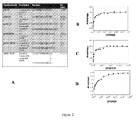
- Binding data of the several of these peptides are shown in Figure 2 (A) and some of the corresponding binding isotherms are shown Figure 2 (B-D).
- pBBD-TRTK the two branched mimetics based on TRTK target sequence
- the selectivity of the bivalent peptide, pBBD-TRTK was demonstrated by approximately 7-fold weaker binding of pBBD-TRTK to S100P, the closest paralog of S100B (Marenholz et al., 2004).
- Also synthesized was a mutant branched peptide (pBBD-TRTK-AA) bearing two mutations in the interacting residues. This peptide binds to S100B with a K d of 135 ⁇ 18.5 nM. This peptide will be used as a control in the cellular experiments to be described later.
- pBBDR-TRTK pBBD-TRTK with six D-arginine residues as cell penetrating peptide in each branch at the N-terminal end
- pBBDR-TRTK induces apoptosis at lowest concentrations among all the peptides and in all melanoma and glioma cell lines tested; henceforth results will be largely described using this molecule and pre-dominantly on SK-MEL5 cells, unless specifically mentioned otherwise.
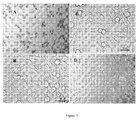
- Figure 3 shows the change of appearance of SK-Mel-5 at 10 ⁇ M concentration of the pBBDR-TRTK.
- the cells change shape within a few minutes after addition of pBBDR-TRTK and shows typical apoptotic changes, such as blebbing within 1 hr.
- pBBDR-TRTK enters the cell within a short period of time.
- pBBDR-TRTK-AA binds to S100B with about 20 fold lower affinities.
- This peptide which is otherwise identical to pBBDR-TRTK, does not show any apoptotic effect at 20 microM, even at 18 hrs.
- pBBD-TRTK which lacks the cell penetration tag, shows no apoptotic effect on SK-MEL5 cell line, suggesting that the effect of pBBDR-TRTK is due to specific inhibition of intracellular S100B.
- Figure 6 (A) shows the effect of pifithrin- ⁇ on the apoptosis induced by p-BDCR-TRTK.
- the cells change shape very quickly, but blebbings are not seen, whereas in its absence both shape change and blebbings are seen, indicating initiation of apoptosis.
- the direct translocation of p53 to mitochondria was also verified by confocal microscopy ( Figure 6(B) ).
- Figure 6(B) shows the effect of pifithrin- ⁇ on the apoptosis induced by p-BDCR-TRTK.
- pBBDR-TRTK The effect of pBBDR-TRTK was tested in a syngenic mouse model of melanoma.
- pBBDR-TRTK was found to be non-lethal and showed no demonstrable toxicity upto a tested concentration of 50 mg/Kg body weight. Histopathology of some key target organs after 8 days of treatment was normal, indicating no significant toxicity. At this dose level the tumor growth was completely inhibited up to 8 days (maximum tested) ( Figure 7 (A) ). Histopathology of tumor sections, when compared to untreated tumors, showed large areas devoid of live cells ( Figure 7(B) ). Immuno-histochemistry of growth marker PCNA indicates complete loss of this antigen in the residual tumor mass upon treatment, indicating complete loss of proliferating cells ( Figure 7(C) ).
- peptides may be better therapeutic molecules than small molecules for certain class of targets.
- the small molecules today are the mainstay of drug discovery research and as tools of chemical genetics. However, they have deficiency as protein-protein interaction inhibitors, a new class of drug targets.
- Peptides are thought to have superior specificity as protein-protein interaction inhibitors, but suffer from disadvantages.
- Constrained secondary structure mimetics are potential drugs but may not have high affinity when the parent protein-protein interactions are weak.
- S100B dimeric protein
- this molecule When this molecule is directed inside the cell by attachment to a cell penetrating peptide, it specifically induces rapid apoptosis in cancer cells that over-express S100B.
- the invented molecule is shown to be effective against implanted melanoma in a mouse model of tumor.
- TRTKIDWNKILS (Weber.et,al 2002) with Aib substituted at N8 and S12 was synthesized on 0.3 mmol scale by using a solid-phase peptide synthesis strategy using 9-fluorenylmethoxy carbonyl chemistry,amino acid/HCTU/DIPEA in the ratio 1:1:2, dry mixed solvent DMF/NMP in the ratio 3:2 and rink amide pega resin (Novabiochem) in (PS3, Protein Technologies Inc.).
- Capping of the undesired coupled product and the desired uncoupled amino acid was performed essentialy after each coupling by using acetic anhydride and lutidine as base (200 ⁇ l acetic anhydride, 300 ⁇ l lutidine mixed with 5ml DMF and coupled for 10 minutes in each capping procedure).
- the crude peptide was purified by reversed-phase high performance liquid chromatography (Waters Associates) with a water reversed-phase C18 column (micro Bondapac) with linear gradients of Water/acetonitrile containing 0.1% trifluoroacetic acid. Peptide masses and purity were checked by positive ion mode electrospray ionization mass spectrometry (Waters Inc.) and MALDI-TOF mass spectrometry.
- the bivalent helically branched peptide was labeled with 5(6)-carboxy Fluorescein in solid phase at both the N-termini.
- Dry resin bound N-terminal deprotected peptide (3 ⁇ mol) was taken in a 2ml polypropylene syringe and reacted with 10 times molar excess of 5(6)-carboxy Fluorescein and HOBT (1:1) in DMF mixed with 2-4 ⁇ l of DIPC. The reaction was incubated for 4-6 hours in dark at 25°C. After completion of the reaction, the resin was washed thoroughly with 20% piperidene solution in DMF until the washed solution becomes colorless.
- Resin was then washed consecutively with DMF and finally with diethyl ether for five times and then dried under nitrogen atmosphere. After labeling, peptide was cleaved using the same protocol as mentioned above and purified by HPLC, which was monitored at 490nm wave length and Masses were checked by Mass Spectrometry.
- S100B is a dimer
- one possible way to enhance the binding is to synthesize a bivalent molecule, which can simultaneously bind to two subunits.
- pBM-53 was dimerized with a properly designed cross-linker through inserted cysteine residues (pBDC-53).
- the cross linker used was BMH (1,6-bismalimeido hexane) which has the carbon-carbon covalent bond distance near about 16.5°A and attached with the sulphur of cysteine of both the limbs of the peptide.
- BMH 1,6-bismalimeido hexane
- mice C57BL/6J female mice (mean initial weight, 20g) were kept in one mice in one cage at 19°C to 23°C with a 12 hour light/12 hour dark cycle. They had free access to water and food.
- 1 X 10 6 B16F10 cells were mixed with Matrigel (BD bioscience) and inoculated S.C. in the right flank of 6 week-old mice. Tumors (typically 2 mm in diameter) were palpable 5 days after subcutaneous injection.
- Peptide treatments 50mg/kg body weight were administered by intravenous tail vein injection on the day tumors became apparent (day 0) and then days 1, 2, 3, 4, 5, 6 and 7.
- Control mice were treated only with saline vehicle. Mice were weighted, and tumor volumes were calculated with the following formula: ⁇ /6 X larger diameter X (smaller diameter) 2 .
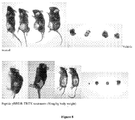
- the tumor sections after only one treatment of pBBDR-TRTK was stained for p53, which exhibited significant enhancement in contrast to a control tumor section ( Figure 8 ).
- the branched peptide pBBDR-TRTK having the sequence D R 6 TRTKIDWAibKILAibKAhxKAhxKAibLIKAibWDIKTRT- D R 6 [SEQ ID No. 4-Lysine-SEQ ID No. 4] and its mutant peptide pBBD-TRTK-AA having the sequence TRTKADAAibKILAibKAhxKAhxKAibLIKAibADAKTRT-(I5A,W7A) [SEQ ID No. 5-Lysine-SEQ ID No.
- the crude peptides were purified by reversed-phase high-performance liquid chromatography (Waters Associates) with a C 18 column (Hypersil gold. Thermo Fisher) with linear gradients of water/acetonitrile containing 0.1% trifluoroacetic acid. Peptides masses and purity (>95%) were checked by ESI (Waters Inc.) and MALDI.
- pBBDR-TRTK pBM-TRTK branched dimerised with a proper crosslinker and tagged with hexa-arginine
- SEQ ID No. 4-Lysine-SEQ ID No. 4 SEQ ID No. 4-Lysine-SEQ ID No. 4 and having the following general formula:
Landscapes
- Health & Medical Sciences (AREA)
- Chemical & Material Sciences (AREA)
- Life Sciences & Earth Sciences (AREA)
- Medicinal Chemistry (AREA)
- General Health & Medical Sciences (AREA)
- Pharmacology & Pharmacy (AREA)
- Epidemiology (AREA)
- Animal Behavior & Ethology (AREA)
- Public Health (AREA)
- Veterinary Medicine (AREA)
- Proteomics, Peptides & Aminoacids (AREA)
- Gastroenterology & Hepatology (AREA)
- Organic Chemistry (AREA)
- Immunology (AREA)
- Bioinformatics & Cheminformatics (AREA)
- Engineering & Computer Science (AREA)
- Biochemistry (AREA)
- Molecular Biology (AREA)
- Genetics & Genomics (AREA)
- Biophysics (AREA)
- Dermatology (AREA)
- Toxicology (AREA)
- Zoology (AREA)
- Medicines That Contain Protein Lipid Enzymes And Other Medicines (AREA)
- Peptides Or Proteins (AREA)
Description
- The present invention relates to a novel high affinity bivalent helically constrained peptide against cancer and its use in the treatment of human cancers having over-expression of S100B and/or down-regulation of p53. More specifically, it relates to its use in the treatment of several types of tumors including melanoma and glioma with a new high affinity bivalent helically constrained peptide. This helix mimetic targeted against S100B induces rapid apoptosis in cancer cells that over-express a calcium binding protein S100B through simultaneous inhibition of key growth pathways including activation of p53.
- Design of specific inhibitors of protein-protein interactions that are capable of turning off specific signaling pathways have an important bearing on the future of therapeutics. Cancer genome project has demonstrated that many, if not all, tumors accumulate multiple mutations resulting in several dysregulated pathways favoring uncontrolled proliferation (Greenman et al., 2007; Weir et al., 2007). These combinations of dysregulated pathways may be necessary to overcome the multiple tumor suppressor functions present in differentiated cells (Bartkova et al., 2006; Jirina Bartkova, 2005; Weir et al., 2007). Specific targeting of multiple dysregulated pathways, either through a single agent or through multiple agents may provide useful advantage. Thus, drug targets that regulate multiple pathways are important. However, selectivity of inhibited pathways may be crucial to avoid off-target toxic effects. A classic example in oncology is that of imatinib, which inhibits Bcr-Abl kinase with significant degree of specificity (Druker, 2008).
- Although small molecules are sometimes known to be protein-protein interaction inhibitors, they rarely exhibit low off-target effects. Secondary structure mimetics have been proposed as effective protein-protein interaction inhibitors (Banerjee et al., 2002; Saraogi and Hamilton, 2008; Walensky et al., 2004). Due to resemblance of the secondary structure mimetics to extant proteins, they may be superior to small molecules in causing lesser undesirable off-target effects. In many situations, a low nanomolar dissociation constant of receptor-drug complex is desirable or even mandatory (Overington et al., 2006). Many protein-protein interactions are weak and attaining high enough affinity for a secondary structure mimetic where the paret protein-protein interaction is weak remains a major challenge. Since many proteins are oligomeric in nature, we propose that properly designed oligomeric secondary structure mimetics (more than one secondary structure mimetic connected by a designed tether) may be a simple way to enhance affinity in such cases.
- S100 family of proteins has been implicated in wide variety of tumors, although their precise role is still unclear. Increased levels of S100B are observed in several tumors (Harpio and Einarsson, 2004) and it has been suggested to contribute to tumor progression by interacting and down-regulating p53 and inhibiting its function as a tumor suppressor (Lin et al., 2001; Rustandi et al., 1999; Rustandi et al., 2000; Rustandi et al., 1998b; Wilder et al., 1998). Recent work suggests that other pro-survival pathways may also be regulated by S100B (Brozzi et al., 2009). Thus, inhibition of S100B may simultaneously regulate several key growth regulatory pathways and exert broad anti-tumor effect. Classes of melanomas and gliomas are prime examples of cancers where over-expression of S100B plays a crucial role in cancer development and progression (Markowitz et al., 2005). Thus, there is a real need of agents that block S100B interaction with other proteins.
- Ivanenkov et al. (J. Biol. Chem. vol. 270, no. 24, 14651-14658) relates to the characterization of S-100b binding epitopes. Inman et al. (J. Mol. Biol., vol. 324, no. 5, pages 1003-1014) relates to the solution NMR structure of S100B bound to the high-affinity target peptide TRTK-12.
WO 03/084475 - Keeping in purview the hitherto reported prior art, it may be summarized that most of the therapeutic efforts have been focused on small molecules. There is a recent surge of interest in peptides, although the market is still small. Recent scientific developments have created tremendous opportunity in the therapeutic field. A number of peptides are now in market, but mostly in different phases of trial. However, none are known against melanoma and certainly not with high efficacy. Consequently, there is a dire need to design specific inhibitors of protein-protein interactions that are capable of turning off specific signaling pathways which have an important bearing on the future of therapeutics.
- The main object of the present invention is therefore to provide novel high affinity bivalent helically constrained peptides useful as therapeutics for the treatment of cancers. Another object of the present invention is to provide an effective therapeutic intervention for use in a method of treatment of several types of tumors in which S100B a calcium binding protein is over-expressed. Still another object of the present invention is to provide a peptide that completely inhibits melanoma growth without any significant observable toxicity. Yet another object of the present invention is to provide a pharmaceutical composition for the treatment of cancers comprising the novel bi-helical peptidomimetic.
- Direct inhibition of protein-protein interaction, particularly between weakly interacting proteins, is a major challenge in drug discovery. S100B, a calcium-regulated protein is known to play a crucial role in melanoma and glioma cell proliferation. The present invention relates to a therapeutic peptide against melanoma, glioma and other types of cancers that over-express S100B, a calcium regulated cell progression and differentiation protein. Increased levels of S100B in several tumors contribute to tumor progression by interacting and down regulating p53 and inhibiting its function as a tumor suppressor. Development of high affinity bivalent peptidomimetics is achieved through progressive modifications of p53 target sequence using S100B peptide as a guide. This high affinity bivalent helically constrained peptide against S100B has got the ability to kill cancer cells rapidly with high specificity by exerting anti-proliferative action through simultaneous inhibition of key growth pathways including activation of p53. At moderate intravenous dose, the peptide completely inhibits melanoma growth in a mouse model without any significant observable toxicity.
- The present invention provides a high affinity bivalent helically constrained peptide against S100B as claimed in claim 1, which rapidly kills several types of cancer cells that over-express S100B, with high specificity. The molecule exerts anti-proliferative action through simultaneous inhibition of key growth pathways including activation of p53. At moderate intravenous dose, the peptide completely inhibits melanoma growth in a mouse model without any significant observable toxicity. The invention described here provides an effective drug for cancers that over-express S100B.
- The bivalent helically constrained peptide of the present invention specifically and effectively blocks S100B and causes rapid apoptosis. Comparison with a well-known p53 activating agent suggests that simultaneous inhibition of key growth pathways is a superior anti-tumor strategy. Also reported is in vivo efficacy of the peptide in a mouse model of melanoma.
- Accordingly, the present invention provides a novel high affinity bivalent helically constrained peptide against cancer, as claimed in claim 1.
- In an embodiment, the present invention provides a pharmaceutical composition comprising a therapeutically effective amount of bi-helical peptidomimetic as claimed in claim 1, as an active ingredient optionally along with at least one pharmaceutically acceptable peptide stabilizer and pharmaceutically acceptable excipients, which composition may be adapted for the treatment of human cancers in which S100B, a calcium binding protein, is over-expressed resulting in lower level of expression of wild type p53. Human cancers having over-expression of S100B and/or down regulation of p53 include but are not limited to melanoma, glioma, and sarcoma.
- Also disclosed is a pharmaceutical composition wherein the bi-helical peptidomimetic comprises of one or more helix stabilizing amino acids and two parallel helices, wherein the polypeptide has enhanced cell penetrability relative to a corresponding unmodified peptide.
- In the present invention, the helix-stabilizing amino acids stabilize an alpha-helix structure. The bi-helical polypeptide has a cross-linker linking helices in parallel orientation. The bi-helical polypeptide has branching resulting in parallel orientation of the helices such as branched dimeric aib substituted TRTK (pBBD-TRTK), having highest affinity towards S100B, enhanced cell penetrability including enhanced energy-dependent transport across a cell membrane, including enhanced endocytosis. Also disclosed is a bi-helical polypeptide comprising a growth retarding, pro-apoptotic polypeptide, such as an alpha-helical domain of Actin capping family protein CapZ or a portion thereof or a S100B binding domain of the protein, p53 or a portion thereof.
- In still another embodiment of the present invention the said composition is formulated for oral, parental, subcutaneous, intravenous or intra-articular administration.
- In yet another embodiment of the present invention, the said pharmaceutical composition comprises at least one approved chemotherapeutic agent.
- In still another embodiment of the present invention, the said composition is adapted for the treatment of human cancers having over-expression of S100B and/or down-regulation of p53 in the dose of approximate 50 mg/kg body weight per day for a period of 1 to 7 days.
- Also disclosed is a process for the preparation of a medicament for the treatment of S100B over-expressing and/or p53 under-expressing human cancers.
- The said composition may also be adapted for inhibiting tumor growth through inhibition of phosphoinositide-3-kinase pathway. The phosphoinositide-3-kinase pathway in some forms initiates the stimulation of some growth factor receptors, e.g. EGFR. This pathway is one of the most crucial pathways for development of many types of cancers activation of which results phosphorylation of GSK-3-beta, Stat-3 and beta-catenin among others. In particular, this invention inhibits this pathway and as a result it reduces the phosphorylation of GSK-3-beta and beta-catenin.
- The said composition may be adapted for inhibiting tumor growth through inhibition of Src family kinases. In particular, the peptides of this invention inhibit Src-kinase and as a result reduce phosphorylation of Stat-3, resulting in complete inhibition of cell migration.
- The said composition may be adapted for raising the wild-type p53 levels by more than about 50% and 100%. The increase occurs in both cytoplasmic and nuclear compartments.
- The said composition may be adapted for including rapid apoptosis in a group of cancers having wild-type p53 which is down-regulated by S100B. The rapid apoptosis start in 6 hrs, 2 hrs and 1 hr.
- In still another embodiment, the said composition comprises 20% to 80% (w/w) of the bi-helical peptidomimetics, which composition may be adapted for the treatment of human cancers having over-expression of S100B and or down-regulation of p53.
- Also disclosed is a method for the treatment of human cancers having over-expression of S100B and/or down-regulation of p53 comprising administering a therapeutically effective amount of the aforesaid composition to a patient in need thereof wherein the said peptidomimetic interacts with S100B.
- In another embodiment, the peptidomimetic antagonizes the interaction between S100B and p53.
- In still another embodiment, the peptidomimetic antagonizes the interaction between S100B and Src-family kinases.
- Also disclosed are methods of treatment indicated herein, wherein the peptidomimetic is administered in conjunction with a standard method of care. The standard method of care may, for example be chemotherapy. Alternatively, the standard method of care may be radiation therapy. In a further embodiment, the standard method of care is surgery.
- In still another embodiment, the peptidomimetic as claimed in claim 1 has enhanced cell penetrability as claimed in claim 2.
-
-
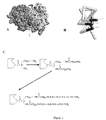
Figure 1 . (A) Structure of S100B-TRTK peptide complex. The two subunits of S100B shaded differently and the bound peptides are shown as blue ribbons. (B) Design strategy for Aib substitutions. One face of the helix primarily interacts with S100B. The Aib substitutions were made on the opposite face. The substituted residues are marked in blue. The peptide shown represents residues 375-389 of human p53 in the conformation bound to S100B (1DT7) and the substituted residues are 378, 381 and 388. (C) Synthesis strategy for pBBDR-TRTK. The details are given in the description of the invention. -
Figure 2 . (A) Table of some representative peptides synthesized and their dissociation constants. Binding isotherm of pBBD-TRTK with (B) S-100B and (C) S100P and (D) pBBD-TRTK-AA with S100B. Fluorescein labeled, 5 nM pBBD-TRTK or pBBD-TRTK-AA was titrated with increasing concentrations of S100B or S100P in 50 mM Tris-HCl buffer, pH 7.5, containing 50 mM NaCl and 10 mM CaCl2 at ambient temperatures which was 25 ± 1degree C. Anisotropy was determined at each point. The each point is averaging of at least three independent experiments. The line is best fit to a single site binding equation given in description of the invention. -
Figure 3 . Phase contrast microscopy of SK-MEL5 cells (A) 2 hrs after treatment with 10 microM pBBDR-TRTK; (B) 18 hrs after treatment with 20 microM pBBDR-TRTK-AA; (C) 2 hr after treatment with pBBD-TRTK (without the cell penetration tag) and (D) control. -
Figure 4 . (A) Assay of cell viability using incorporation of 3H-thymidine after treatment with different concentrations of pBBDR-TRTK for 18 hrs. (B) Flow cytometry of SK-MEL5 cells before and after treatment with 10 microM pBDR-TRTK, using Annexin V and Propidium Iodide (lower panel) and forward/side scatter (upper panel). -
Figure 5 . (A) Confocal Fluorescence microscopic images at 30 minutes of phalloidin (green) and DAPI (blue) stained SK-MEL5 cells; Left: Untreated, Right: Treated with 10 microM pBBDR-TRTK. (B) Confocal Fluorescence microscopic images of Cytochrome C antibody (green) and DAPI (blue) stained SK-MEL5 cells (Left) Control; (Right) 2 h after treatment with 10 microM pBBDR-TRTK. -
Figure 6 . (A) Phase contrast microscopy of SK-MEL5 cells (Upper panel) 10 microM pBDR-TRTK (Lower panel) 10 microM pBDR-TRTK, pre-treated with 10 microM pifithrin-micro, 1 hr after treatment. (B) Confocal microscopic images of merged p53 (green) and mitotracker (red), Top untreated and bottom, 1 h after treatment with pBBDR-TRTK. -
Figure 7 . (A) Kinetics of implanted tumor (B16F10 melanoma cell) growth in syngenic mouse model when treated with 50 mg/kg body wt. i.v. pBBDR-TRTK (black circles) or vehicle control (blue circles). (B) Histopathology of tumor section after sacrifice of the animals after treatment with pBBDR-TRTK (upper panel) or vehicle control (lower panel). (C) Antibody staining for PCNA in tumor sections after treatment with pBBDR-TRTK (lower panel) or vehicle control (upper panel). -
Figure 8 . Efficacy of the peptidomimetic (pBBDR-TRTK) in a C57BL/6J melanoma xenograft model as measured by reduced tumor burden in treated animals. -
Figure 9 . p53 staining of the tumor sections after treatment with 1 dose of 50 mg/Kg body weight of pBBDR-TRTK (left panel) and vehicle control (right panel). -
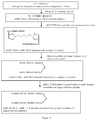
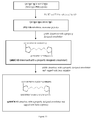
Figure 10 and11 . Flow charts illustrating the process/steps of development of high affinity bivalent peptidomimetics achieved through progressive modifications of p53 target sequence using S100B peptide as a guide. -
Table 1 Chart of Amino Acid with their structure and abbreviation Sl.No Name of Amino Acid Abbreviation used Structure 01 Threonine(Thr) T 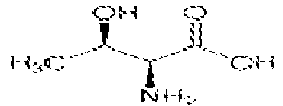
02 Arginine(Arg) R 
03 Lysine(Lys) K 
04 Isoleucine(Ile) I 
05 Leucine(Leu) L 
06 Aminoisobutyric Acid(Aib) B 
07 Aspartic Acid (Asp) D 
08 Tryptophan(Trp) W 
09 Aminohexanoic acid (Ahx) Ahx 
10 Glycine (Gly) G 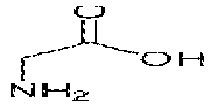
11 Cysteine (Cys) C 
12 Phenylalanine (Phe) F 
13 Methionine (Met) M 
14 Histidine (His) H 
15 Serine (Ser) S 
16 Glutamine (Gln) Q 
Table 2: Details of all the synthesized peptides Sl.No. Name of the peptide/ peptidomimetic What it signifies/ means / pertains to The exact sequence in terms of one letter amino acid codes 1. P53 Wild type P53 peptide QST S RH K KLMFKT E G 2. pBM53 P53 Aib substituted monomer peptide QST B RH B KLMFKT B G 3. pBDC-53 pBM53 dimerised with a properly designed crosslinker 
4. pBM-TRTK Aib substituted TRTK monomer peptide TRTKIDW B KIL B GGGCG 5. pBDC-TRTK pBM-TRTK dimerised with a properly designed crosslinker [Wild type TRTK peptides bind to two subunits of S100B in a head-to-head fashion. In order to make a dimeric peptide a linker was designed which spans the distance between two C-termini of the peptides. Modeling indicated that addition of GGGCG at the C-terminus along with BMH cross-linker spans this distance.] 
6. pBBD-TRTK pBM-TRTK branched dimerised with a proper crosslinker 
7. pBBD-TRTK-AA pBM-TRTK double mutant branched dimer mutated at(Ile-5 and Trp-7) 
8. pBBDR-TRTK pBM-TRTK branched dimerised with a properly designed crosslinker and tagged with hexa-arginine 
9. pBDCR-TRTK pBM-TRTK dimerised with a properl crosslinker and tagged with hexa-arginine 
-
Sequence Sequence ID No. TRTKIDWNKILS SEQ ID No. 1 TRTKIDW B KIL B GGGCG SEQ ID No. 2 TRTKIDWBKILBKAhx SEQ ID No. 3 RRRRRRTRTKIDWBKILBKAhx SEQ ID No. 4 TRTKADABKILBKAhx SEQ ID No. 5 QSTSRHKKLMFKTEG SEQ ID No. 6 QST B RH B KLMFKT B G SEQ ID No. 7 QST B RH B KLMFKT B GGGCG SEQ ID No. 8 RRRRRRQST B RH B KLMFKT B GGGCG SEQ ID No. 9 - Two target sequences of S100B [TRTK (12 a.a.) and 375-389 of p53 are helical when bound to the receptor (
Figure 1 (A) ]. Small peptides generally do not have definite structures in solution and hence binding to the receptor involves sacrifice of entropy as the structure becomes more ordered upon binding. A constrained helical peptide may have higher affinity due to less sacrifice of entropy upon binding and enhanced in vivo stability as was shown for stapled monomeric helix mimetics (Moellering et al., 2009). We have chosen helicogenic alpha-amino-isobutyric acid (Aib) substitution as an alternative due to its simple synthesis methodology and possibly better scaling up potential for bivalent molecules (Vijayalakshmi et al., 2000). Using the structures of the S100B-peptide as a guide, we replaced only those residues in the target peptides that are not interacting with S100B, but are still part of the target sequence (Banerjee et al., 2002) (Figure 1(B) ). Wild type TRTK peptides bind to two subunits of S100B in a head-to-head fashion. In order to make a dimeric peptide a linker was designed which spans the distance between two C-termini of the peptides. Modeling indicated that addition of GGGCG at the C-terminus along with BMH cross-linker spanned this distance. - Binding affinity of aib substituted p53 (pBM-53) (and all other peptides) was estimated by fluorescence anisotropy using N-terminal fluorescein labeled peptides. pBM-53 binds to S100B somewhat stronger than the unmodified peptide but the dissociation constant is still in the micromolar range. Since S100B is a dimer, one possible way to enhance the binding is to synthesize a bivalent molecule, which can simultaneously bind to two subunits. pBM-53 was dimerized with a properly designed cross-linker through inserted cysteine residues (pBDC-53). The C-terminal side of the two peptides (bound to two different subunits) comes fairly close and is separated by shallow groove allowing a cross-linker to fit. The length of the cross-linker was chosen such that it spans the separation between the two cysteine residues in the predicted structure. The dimerization leads to approximately 15 fold increases in affinity. This suggests that proper structure guided dimerization is a tool for enhancing affinity of the therapeutic peptides. pBM-TRTK on the other hand binds to S100B with a Kd of about 300 nM, significantly tighter than pM-53 and pBM-53. When cross-linked through suitably placed cysteine residues (pBDC-TRTK), the dimeric peptide showed approximately an order of magnitude tighter binding. However, the yield of cysteine cross-linked reaction is generally low and hence we have attempted to create a bivalent peptide by synthesizing a branched peptide on solid-phase (pBBD-TRTK) (
Figure 1 (C) ). The synthesis of the branched peptide in solid phase gave much superior yield and even higher affinity, thus making scale-up possible for in vivo work. - Binding data of the several of these peptides are shown in
Figure 2 (A) and some of the corresponding binding isotherms are shownFigure 2 (B-D). Of the two branched mimetics based on TRTK target sequence, pBBD-TRTK, has the highest affinity towards S100B with a dissociation constant of 7.7 ± 3.5 nM. The selectivity of the bivalent peptide, pBBD-TRTK was demonstrated by approximately 7-fold weaker binding of pBBD-TRTK to S100P, the closest paralog of S100B (Marenholz et al., 2004). Also synthesized was a mutant branched peptide (pBBD-TRTK-AA) bearing two mutations in the interacting residues. This peptide binds to S100B with a Kd of 135 ± 18.5 nM. This peptide will be used as a control in the cellular experiments to be described later. - The effect of all the synthesized peptides on several melanoma cell lines which are known to over-express S100B was investigated. The pBBDR-TRTK (pBBD-TRTK with six D-arginine residues as cell penetrating peptide in each branch at the N-terminal end) induces apoptosis at lowest concentrations among all the peptides and in all melanoma and glioma cell lines tested; henceforth results will be largely described using this molecule and pre-dominantly on SK-MEL5 cells, unless specifically mentioned otherwise.
Figure 3 shows the change of appearance of SK-Mel-5 at 10 µM concentration of the pBBDR-TRTK. The cells change shape within a few minutes after addition of pBBDR-TRTK and shows typical apoptotic changes, such as blebbing within 1 hr. pBBDR-TRTK enters the cell within a short period of time. - Specificity of the peptide was tested by using the previously described double mutant peptide pBBDR-TRTK-AA, which binds to S100B with about 20 fold lower affinities. This peptide, which is otherwise identical to pBBDR-TRTK, does not show any apoptotic effect at 20 microM, even at 18 hrs. pBBD-TRTK, which lacks the cell penetration tag, shows no apoptotic effect on SK-MEL5 cell line, suggesting that the effect of pBBDR-TRTK is due to specific inhibition of intracellular S100B.
- The effect of pBBDR-TRTK on viability was also measured by 3H thymidine uptake (
Figure 4 (A) ). The measured IC50 by this method was less than 2 µM. The apoptosis of SK-Mel5 cells was quantitated using flow cytometry. 49 % of cells were determined to be apoptotic and 11 % necrotic at 2 hrs using annexin V stain. Corresponding figures for 6 hrs were 57 % and 14 %, respectively (Figure 4(B) ). From the results presented here and analysis of growth promoting pathways described later-S100B appears to be a generalized growth promoter, when over-expressed. - Treatment with pBBDR-TRTK causes cells to quickly become round. Attempts were made to find out whether this involved reorganization of actin cytoskeleton. Phalloidin staining was used to observe the actin fibers (
Figure 5(A) ). The cells looked elongated in the beginning with distinct fibers of actin visible upon phalloidin staining. Upon treatment with pBBDR-TRTK, the cells changed shape within 30 minutes and the actin fibers reorganized. The massive reorganization of actin fibers was accompanied by cell shape change followed by signs of typical apoptotic changes such as blebbing. Apoptotic nature of cell death was confirmed by release of cytochrome C from mitochondria (Figure 5(B) . - Given the rapidity of apoptosis initiation, the examination of the recently reported direct mitochondrial translocation pathway was also done by the method if Vaseva and Moll, 2009. It has been reported that a small molecule pifithrin-micro blocks this pathway without affecting the canonical transcription-dependent pathway of p53 initiated apoptosis and a close analog, pifithrin-α blocks the canonical pathway without affecting the direct mitochondrial pathway (Strom et al., 2006). In these experiments, pBDCR-TRTK (pBDC-TRTK with DR6 tags at two branches) was used which was nearly as potent as pBBDR-TRTK.
Figure 6 (A) shows the effect of pifithrin-µ on the apoptosis induced by p-BDCR-TRTK. Interestingly in the presence of pifithrin-µ the cells change shape very quickly, but blebbings are not seen, whereas in its absence both shape change and blebbings are seen, indicating initiation of apoptosis. The direct translocation of p53 to mitochondria was also verified by confocal microscopy (Figure 6(B) ). Thus, early shape change of the cells involving actin cytoskeleton may be a p53 independent effect, hypothetically as a result of direct role of S100B on actin cytoskeleton. - The effect of pBBDR-TRTK was tested in a syngenic mouse model of melanoma. pBBDR-TRTK was found to be non-lethal and showed no demonstrable toxicity upto a tested concentration of 50 mg/Kg body weight. Histopathology of some key target organs after 8 days of treatment was normal, indicating no significant toxicity. At this dose level the tumor growth was completely inhibited up to 8 days (maximum tested) (
Figure 7 (A) ). Histopathology of tumor sections, when compared to untreated tumors, showed large areas devoid of live cells (Figure 7(B) ). Immuno-histochemistry of growth marker PCNA indicates complete loss of this antigen in the residual tumor mass upon treatment, indicating complete loss of proliferating cells (Figure 7(C) ). - The significance of this invention relates to the possibility that peptides may be better therapeutic molecules than small molecules for certain class of targets. The small molecules today are the mainstay of drug discovery research and as tools of chemical genetics. However, they have deficiency as protein-protein interaction inhibitors, a new class of drug targets. Peptides are thought to have superior specificity as protein-protein interaction inhibitors, but suffer from disadvantages. Constrained secondary structure mimetics are potential drugs but may not have high affinity when the parent protein-protein interactions are weak. In this study, we have shown that designed construction of bivalent helix mimetic against a dimeric protein, S100B, is an effective way to increase the affinity. The specificity of the bivalent mimetic is high as it is able to discriminate against a close paralog. When this molecule is directed inside the cell by attachment to a cell penetrating peptide, it specifically induces rapid apoptosis in cancer cells that over-express S100B. The invented molecule is shown to be effective against implanted melanoma in a mouse model of tumor.
- The following examples are given by way of illustration and therefore should not be construed to limit the scope of the present invention.
- The bivalent helically branched peptide of TRTK-12, from the actin capping protein CapZ of residues 265-276: TRTKIDWNKILS (Weber.et,al 2002) with Aib substituted at N8 and S12 was synthesized on 0.3 mmol scale by using a solid-phase peptide synthesis strategy using 9-fluorenylmethoxy carbonyl chemistry,amino acid/HCTU/DIPEA in the ratio 1:1:2, dry mixed solvent DMF/NMP in the ratio 3:2 and rink amide pega resin (Novabiochem) in (PS3, Protein Technologies Inc.). Capping of the undesired coupled product and the desired uncoupled amino acid was performed essentialy after each coupling by using acetic anhydride and lutidine as base (200 µl acetic anhydride, 300 µl lutidine mixed with 5ml DMF and coupled for 10 minutes in each capping procedure). First fmoc-lys(fmoc)-OH is attached with the resin mentioned above then both the 9-fluorenylmethoxy carbonyl is cleaved using 20% piperidene in DMF then fmoc ε-aminohexanoic acid is attached with it followed by fmoc-lys(boc)-OH and finally Aib substituted 12 mer TRTK peptide is attached with it using same protocol. Cleavage of the peptide from rink amide pega resin (Novabiochem) and removal of all the side chain-protecting groups were achieved in 87.5% trifluoroacetic acid solution containing 2.5% TIS, 5% EDT and 5% phenol.
- The crude peptide was purified by reversed-phase high performance liquid chromatography (Waters Associates) with a water reversed-phase C18 column (micro Bondapac) with linear gradients of Water/acetonitrile containing 0.1% trifluoroacetic acid. Peptide masses and purity were checked by positive ion mode electrospray ionization mass spectrometry (Waters Inc.) and MALDI-TOF mass spectrometry.
- The bivalent helically branched peptide was labeled with 5(6)-carboxy Fluorescein in solid phase at both the N-termini. Dry resin bound N-terminal deprotected peptide (3 µmol) was taken in a 2ml polypropylene syringe and reacted with 10 times molar excess of 5(6)-carboxy Fluorescein and HOBT (1:1) in DMF mixed with 2-4 µl of DIPC. The reaction was incubated for 4-6 hours in dark at 25°C. After completion of the reaction, the resin was washed thoroughly with 20% piperidene solution in DMF until the washed solution becomes colorless. Resin was then washed consecutively with DMF and finally with diethyl ether for five times and then dried under nitrogen atmosphere. After labeling, peptide was cleaved using the same protocol as mentioned above and purified by HPLC, which was monitored at 490nm wave length and Masses were checked by Mass Spectrometry.

- Since S100B is a dimer, one possible way to enhance the binding is to synthesize a bivalent molecule, which can simultaneously bind to two subunits. pBM-53 was dimerized with a properly designed cross-linker through inserted cysteine residues (pBDC-53).

- The cross linker used was BMH (1,6-bismalimeido hexane) which has the carbon-carbon covalent bond distance near about 16.5°A and attached with the sulphur of cysteine of both the limbs of the peptide. The structure of BMH is as follows

- Experiments were carried out under protocols approved by the Institutional Animal Ethics Committee and institutional guidelines for the proper use of animals in research were followed. National guidelines had been followed. C57BL/6J female mice (mean initial weight, 20g) were kept in one mice in one cage at 19°C to 23°C with a 12 hour light/12 hour dark cycle. They had free access to water and food. To generate tumor, 1
X 106 B16F10 cells were mixed with Matrigel (BD bioscience) and inoculated S.C. in the right flank of 6 week-old mice. Tumors (typically 2 mm in diameter) were palpable 5 days after subcutaneous injection. Peptide treatments (50mg/kg body weight) were administered by intravenous tail vein injection on the day tumors became apparent (day 0) and thendays Figure 8 ). - The branched peptide pBBDR-TRTK having the sequence DR6 TRTKIDWAibKILAibKAhxKAhxKAibLIKAibWDIKTRT-DR6 [SEQ ID No. 4-Lysine-SEQ ID No. 4] and its mutant peptide pBBD-TRTK-AA having the sequence TRTKADAAibKILAibKAhxKAhxKAibLIKAibADAKTRT-(I5A,W7A) [SEQ ID No. 5-Lysine-SEQ ID No. 5] along with their hexa-arginine tagged variety were synthesized on a PS3 Protein Technologies peptide synthesizer at 0.3mmol scale by using a solid-phase peptide synthesis strategy using 9-fluorenylmethoxy carbonyl chemistry and Rink amide PEGA resin .The branching of the peptide starts from α-NH2 as well was δ-NH2 group of (fmoc)Lys(Fmoc) and the linker ε-Aminohexanoic acid to maintain the distance 30A .Cleavage of the peptides from Rink amide PEGA resin and removal of all side chain-protecting groups were achieved in 87.5% trifluoroacetic acid, 2.5% water, 2.5% 1,2-ethanedithiol and 2.5% triisopropyisilan solution 2.5% water. The crude peptides were purified by reversed-phase high-performance liquid chromatography (Waters Associates) with a C18 column (Hypersil gold. Thermo Fisher) with linear gradients of water/acetonitrile containing 0.1% trifluoroacetic acid. Peptides masses and purity (>95%) were checked by ESI (Waters Inc.) and MALDI.
- Peptides labeling The branched peptides and its mutant (I5, W7) along with their hexa-arginine tagged variety were labeled with 5,6-carboxy fluorescein in solid phase and cleaved as unlabeled peptides and purified by HPLC.
- Testing of cytotoxic activity of bi-valent helically constrained peptides on cancer cell lines of different origin which are known to over-express S100B and peripheral blood mononuclear cells of normal individuals was carried out in vitro. The in vitro studies indicated that the bi-valent helically constrained peptides show preferential cytotoxicity towards cancer cell lines of different origin leaving normal human peripheral blood mononuclear cells unaffected. In vivo efficacy of bi-valent helically constrained peptide was evaluated on tumors of syngenic mouse model of melanoma. It was observed that the peptides when administered intravenously were effective in vivo in syngenic mouse by destroying the tumor. Treatment with the prepared peptides caused cells to quickly become round. The massive reorganization of actin fibers was accompanied by cell shape change followed by signs of typical apoptotic changes such as blebbing.
- It was conclude that the bivalent helically constrained peptides described above induced the direct translocation of p53 to mitochondria, which is responsible for cancer cell killing.
- The best peptide/ peptidomimetic having therapeutic significance was observed to be pBBDR-TRTK (pBM-TRTK branched dimerised with a proper crosslinker and tagged with hexa-arginine) represented by SEQ ID No. 4-Lysine-SEQ ID No. 4 and having the following general formula:
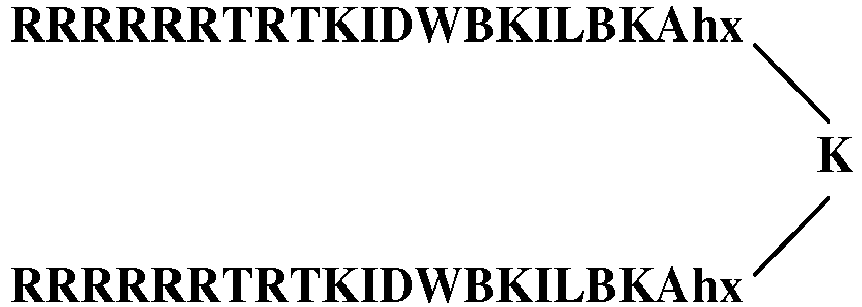
-
- The present disclosure provides an effective therapeutic intervention and treatment of several types of tumor in which S100B a calcium binding protein is over-expressed.
- These proliferative disorders include Melanoma, glioma and other types of cancers in which the wild-type p53 level is lowered.
- The invention presented here demonstrated that certain designed peptide exhibit high efficacy of tumor cell killing with high degree of specificity in above mentioned cancers.
-
- Banerjee, R., Basu, G., Chene, P., and Roy, S. (2002). Aib-based peptide backbone as scaffolds for helical peptide mimics. .
- Bartkova, J., Rezaei, N., Liontos, M., Karakaidos, P., Kletsas, D., Issaeva, N., Vassiliou, L., Kolettas, E., Niforou, K., and Zoumpourlis, V. (2006). Oncogene-induced senescence is part of the tumorigenesis barrier imposed by DNA damage checkpoints. Nature 444, 633-637.
- Brozzi, F., Arcuri, C., Giambanco, I., and Donato, R. (2009). S100B Protein Regulates Astrocyte Shape and Migration via Interaction with Src Kinase: IMPLICATIONS FOR ASTROCYTE DEVELOPMENT, ACTIVATION, AND TUMOR GROWTH. J Biol Chem 284, 8797-8811.
- Chattopadhyay, D., Ghosh, M., Mal, A., and Harter, M. (2001). Inactivation of p21 by E1A leads to the induction of apoptosis in DNA-damaged cells. Journal of Virology 75, 9844.
- Drohat, A., Baldisseri, D., Rustandi, R., and Weber, D. (1998). Solution Structure of Calcium-Bound Rat S100B ([beta][beta]) As Determined by Nuclear Magnetic Resonance Spectroscopy†,‡. Biochemistry 37, 2729-2740.
- Druker, B. (2008). Translation of the Philadelphia chromosome into therapy for CML. Blood 112, 4808-4817.
- Greenman, C., Stephens, P., Smith, R., Dalgliesh, G., Hunter, C., Bignell, G., Davies, H., Teague, J., Butler, A., and Stevens, C. (2007). Patterns of somatic mutation in human cancer genomes. Nature 446, 153-158.
- Harpio, R., and Einarsson, R. (2004). S100 proteins as cancer biomarkers with focus on S100B in malignant melanoma. Clin Biochem 37, 512-518.
- Jirina Bartkova, Z. (2005). DNA damage response as a candidate anti-cancer barrier in early human tumorigenesis. Nature 434, 864-870.
- Komori, H., Ichikawa, S., Hirabayashi, Y., and Ito, M. (1999). Regulation of intracellular ceramide content in B16 melanoma cells. Journal of Biological Chemistry 274, 8981.
- Lin, J., Blake, M., Tang, C., Zimmer, D., Rustandi, R.R., Weber, D.J., and Carrier, F. (2001). Inhibition of p53 transcriptional activity by the S100B calcium-binding protein. J Biol Chem 276, 35037-35041.
- Lin, J., Yang, Q., Wilder, P., Carrier, F., and Weber, D. (2010). The calcium-binding protein S100B down-regulates p53 and apoptosis in malignant melanoma. Journal of Biological Chemistry.
- Lin, J., Yang, Q., Yan, Z., Markowitz, J., Wilder, P.T., Carrier, F., and Weber, D.J. (2004). Inhibiting S100B restores p53 levels in primary malignant melanoma cancer cells. J Biol Chem 279, 34071-34077.
- Lyu, P., Sherman, J., Chen, A., and Kallenbach, N. (1991). Alpha-helix stabilization by natural and unnatural amino acids with alkyl side chains. Proceedings of the National Academy of Sciences of the United States of America 88, 5317.
- Marenholz, I., Heizmann, C., and Fritz, G. (2004). S100 proteins in mouse and man: from evolution to function and pathology (including an update of the nomenclature). Biochemical and biophysical research communications 322, 1111-1122.
- Markowitz, J., Mackerell, A.D., Jr., Carrier, F., Charpentier, T.H., and Weber, D.J. (2005). Design of Inhibitors for S100B. Curr .
- Mauro, M.J. (2006). Defining and managing imatinib resistance. Hematology Am Soc Hematol Educ Program, 219-225.
- Moellering, R.E., Cornejo, M., Davis, T.N., Del Bianco, C., Aster, J.C., Blacklow, S.C., Kung, A.L., Gilliland, D.G., Verdine, G.L., and Bradner, J.E. (2009). Direct inhibition of the NOTCH transcription factor complex. Nature 462, 182-188.
- Overington, J.P., Al-Lazikani, B., and Hopkins, A. (2006). How many drug targets are there? Nat .
- Rust, R., Baldisseri, D., and Weber, D. (2000). Structure of the negative regulatory domain of p53 bound to S100B ( ). Nature Structural & Molecular Biology 7, 570-574.
- Rustandi, R., Drohat, A., Baldisseri, D., Wilder, P., and Weber, D. (1998a). The Ca2+-Dependent Interaction of S100B ([beta][beta]) with a Peptide Derived from p53†. Biochemistry 37, 1951-1960.
- Rustandi, R.R., Baldisseri, D.M., Drohat, A.C., and Weber, D.J. (1999). Structural changes in the C-terminus of Ca2+-bound rat S100B (beta beta) upon binding to a peptide derived from the C-terminal regulatory domain of p53. Protein Sci 8, 1743-1751.
- Rustandi, R.R., Baldisseri, D.M., and Weber, D.J. (2000). Structure of the negative regulatory domain of p53 bound to S100B(betabeta). Nat Struct Biol 7, 570-574.
- Rustandi, R.R., Drohat, A.C., Baldisseri, D.M., Wilder, P.T., and Weber, D.J. (1998b). The Ca(2+)-dependent interaction of S100B(beta beta) with a peptide derived from p53. Biochemistry 37, 1951-1960.
- Saraogi, I., and Hamilton, A.D. (2008). alpha-Helix mimetics as inhibitors of protein-protein interactions. Biochem Soc Trans 36, 1414-1417.
- Senatus, P., Li, Y., Mandigo, C., Nichols, G., Moise, G., Mao, Y., Brown, M., Anderson, R., Parsa, A., and Brandt-Rauf, P. (2006). Restoration of p53 function for selective Fas-mediated apoptosis in human and rat glioma cells in vitro and in vivo by a p53 COOH-terminal peptide. .
- Shangary, S., and Wang, S. (2009). Small-molecule inhibitors of the MDM2-p53 protein-protein interaction to reactivate p53 function: a novel approach for cancer therapy. Annu Rev Pharmacol Toxicol 49, 223-241.
- Sreerama, N., and Woody, R. (2000). Estimation of protein secondary structure from circular dichroism spectra: comparison of CONTIN, SELCON, and CDSSTR methods with an expanded reference set. Analytical biochemistry 287, 252-260.
- Strom, E., Sathe, S., Komarov, P.G., Chernova, O.B., Pavlovska, I., Shyshynova, I., Bosykh, D.A., Burdelya, L.G., Macklis, R.M., Skaliter, R., et al. (2006). Small-molecule inhibitor of p53 binding to mitochondria protects mice from gamma radiation. Nat Chem Biol 2, 474-479.
- Van Maerken, T., Ferdinande, L., Taildeman, J., Lambertz, I., Yigit, N., Vercruysse, L., Rihani, A., Michaelis, M., Cinatl Jr, J., and Cuvelier, C. (2009). Antitumor activity of the selective MDM2 antagonist Nutlin-3 against chemoresistant neuroblastoma with wild-type p53. JNCI Journal of the National Cancer Institute.
- Vaseva, A.V., and Moll, U.M. (2009). The mitochondrial p53 pathway. Biochim Biophys Acta 1787, 414-420.
- Vassilev, L., Vu, B., Graves, B., Carvajal, D., Podlaski, F., Filipovic, Z., Kong, N., Kammlott, U., Lukacs, C., and Klein, C. (2004). In vivo activation of the p53 pathway by small-molecule antagonists of MDM2. Science 303, 844.
- Vijayalakshmi, S., Rao, R.B., Karle, I.L., and Balaram, P. (2000). Comparison of helix-stabilizing effects of alpha,alpha-dialkyl glycines with linear and cycloalkyl side chains. .
- Walensky, L.D., Kung, A.L., Escher, I., Malia, T.J., Barbuto, S., Wright, R.D., Wagner, G., Verdine, G.L., and Korsmeyer, S.J. (2004). Activation of apoptosis in vivo by a hydrocarbon-stapled BH3 helix. Science 305, 1466-1470.
- Weir, B., Woo, M., Getz, G., Perner, S., Ding, L., Beroukhim, R., Lin, W., Province, M., Kraja, A., and Johnson, L. (2007). Characterizing the cancer genome in lung adenocarcinoma. Nature 450, 893-898.
- Wilder, P.T., Rustandi, R.R., Drohat, A.C., and Weber, D.J. (1998). S100B(betabeta) inhibits the protein kinase C-dependent phosphorylation of a peptide derived from p53 in a Ca2+-dependent manner. Protein Sci 7, 794-798.
- Wüthrich, K., Billeter, M., and Braun, W. (1984). Polypeptide secondary structure determination by nuclear magnetic resonance observation of short proton-proton distances* 1. Journal of molecular biology 180, 715-740 .
-
- <110> Council of Scientific & Industrial Research
- <120> A novel high affinity bivalent helically constrained peptide
against cancer - <130> 489.117382
- <140>
EP 12710320.8
<141> 2012-01-30 - <160> 9
- <170> PatentIn version 3.5
- <210> 1
<211> 12
<212> PRT
<213> Artificial Sequence - <220>
<223> TRTK monomer peptide - <400> 1

- <210> 2
<211> 17
<212> PRT
<213> Artificial Sequence - <220>
<223> Aib substituted TRTK monomer peptide - <220>
<221> MOD_RES
<222> (8)..(8)
<223> Xaa at position 8 is Aminoisobutyric acid (Aib) - <220>
<221> MOD_RES
<222> (12)..(12)
<223> Xaa atposition 12 is Aminoisobutyric acid (Aib) - <400> 2

- <210> 3
<211> 14
<212> PRT
<213> Artificial Sequence - <220>
<223> TRTK peptide - <220>
<221> MOD_RES
<222> (8)..(8)
<223> Xaa at position 8 is Aminoisobutyric acid (Aib) - <220>
<221> MOD_RES
<222> (12)..(12)
<223> Xaa atposition 12 is Aminoisobutyric acid (Aib) - <220>
<221> MOD_RES
<222> (14)..(14)
<223> Xaa at position 14 is Aminohexanoic acid (Ahx) - <400> 3

- <210> 4
<211> 20
<212> PRT
<213> Artificial Sequence - <220>
<223> TRTK peptide - <220>
<221> MOD_RES
<222> (14)..(14)
<223> Xaa at position 14 is Aminoisobutyric acid (Aib) - <220>
<221> MOD_RES
<222> (18)..(18)
<223> Xaa at position 18 is Aminoisobutyric acid (Aib) - <220>
<221> MOD_RES
<222> (20)..(20)
<223> Xaa atposition 20 is Ahx (aminohexanoic acid) - <400> 4


- <210> 5
<211> 14
<212> PRT
<213> Artificial Sequence - <220>
<223> TRTK peptide - <220>
<221> MOD_RES
<222> (8)..(8)
<223> Xaa at position 8 is Aminoisobutyric acid (Aib) - <220>
<221> MOD_RES
<222> (12)..(12)
<223> Xaa atposition 12 is Aminoisobutyric acid (Aib) - <220>
<221> MOD_RES
<222> (14)..(14)
<223> Xaa at position 14 is Aminohexanoic acid (Ahx) - <400> 5

- <210> 6
<211> 15
<212> PRT
<213> Artificial Sequence - <220>
<223> Wild type P53 peptide - <400> 6

- <210> 7
<211> 15
<212> PRT
<213> Artificial Sequence - <220>
<223> P53 Aib substituted monomer peptide - <220>
<221> MOD_RES
<222> (4)..(4)
<223> Xaa atposition 4 is Aminoisobutyric acid (Aib) - <220>
<221> MOD_RES
<222> (7)..(7)
<223> Xaa at position 7 is Aminoisobutyric acid (Aib) - <220>
<221> MOD_RES
<222> (14)..(14)
<223> Xaa at position 14 is Aminoisobutyric acid (Aib) - <400> 7

- <210> 8
<211> 19
<212> PRT
<213> Artificial Sequence - <220>
<223> P53 Aib substituted monomer peptide with GGCG tail - <220>
<221> MOD_RES
<222> (4)..(4)
<223> Xaa atposition 4 is Aminoisobutyric acid (Aib) - <220>
<221> MOD_RES
<222> (7)..(7)
<223> Xaa at position 7 is Aminoisobutyric acid (Aib) - <220>
<221> MOD_RES
<222> (14)..(14)
<223> Xaa at position 14 is Aminoisobutyric acid (Aib) - <400> 8
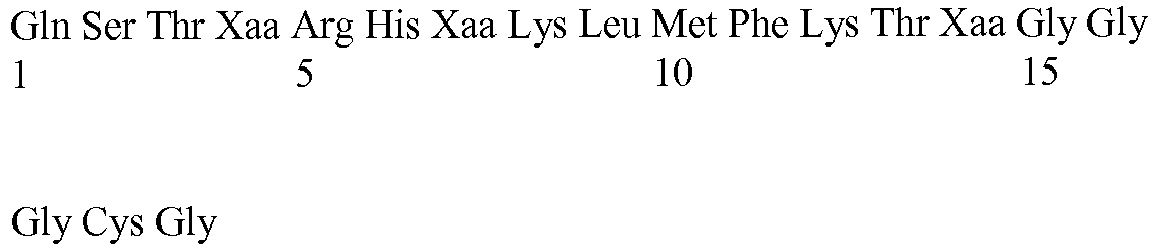
- <210> 9
<211> 25
<212> PRT
<213> Artificial Sequence - <220>
<223> P53 Aib substituted monomer peptide with N terminal RRRRRR and C terminal GGCG - <220>
<221> MOD_RES
<222> (10)..(10)
<223> Xaa atposition 10 is Aminoisobutyric acid (Aib) - <220>
<221> MOD_RES
<222> (13)..(13)
<223> Xaa at position 13 is Aminoisobutyric acid (Aib) - <220>
<221> MOD_RES
<222> (20)..(20)
<223> Xaa atposition 20 is Aminoisobutyric acid (Aib) - <400> 9

Claims (11)
- A peptide having the following general formula:

- A peptide as claimed in claim 1, wherein it has enhanced cell penetrability relative to the corresponding unmodified peptides:


- A peptide as claimed in claim 1, for use in a method of treatment of human cancers having over-expression of S100B and/or down regulation of p53 including but not limited to melanoma, glioma and sarcoma.
- A pharmaceutical composition comprising a therapeutically effective amount of the peptide as claimed in claim 1 as an active ingredient optionally along with at least one pharmaceutically acceptable peptide stabilizer and excipients.
- A composition as claimed in claim 4, further comprising at least one approved chemotherapeutic agent.
- A composition as claimed in claim 4, wherein the composition comprises 20% to 80% (w/w) of the peptide as claimed in claim 1.
- A composition as claimed in claim 4, wherein the composition is formulated for oral, parental, subcutaneous, intravenous or intra-articular administration.
- A composition as claimed in any one of claims 4 to 7, for use in a method of treatment of human cancers having over-expression of S100B and/or down regulation of p53 including but not limited to melanoma, glioma and sarcoma.
- A composition as claimed in claim 8 for use in a method as claimed in claim 8, wherein the composition is administered in the dosage of 50 mg/kg body weight per day for a period of 1 to 7 days.
- A composition as claimed in any one of claims 4 to 7, for use in a method of inducing rapid apoptosis within 1 to 6 hours in a group of cancers having wild-type p53 which is down-regulated by S100B.
- A composition as claimed in claim 8 for use in a method as claimed in claim 8, wherein the composition is administered in conjunction with a standard method of care including chemotherapy, radiation therapy and surgery.
Applications Claiming Priority (2)
| Application Number | Priority Date | Filing Date | Title |
|---|---|---|---|
| IN207DE2011 | 2011-01-31 | ||
| PCT/IB2012/050409 WO2012104766A1 (en) | 2011-01-31 | 2012-01-30 | A novel high affinity bivalent helically constrained peptide against cancer |
Publications (2)
| Publication Number | Publication Date |
|---|---|
| EP2670416A1 EP2670416A1 (en) | 2013-12-11 |
| EP2670416B1 true EP2670416B1 (en) | 2016-11-30 |
Family
ID=45876813
Family Applications (1)
| Application Number | Title | Priority Date | Filing Date |
|---|---|---|---|
| EP12710320.8A Not-in-force EP2670416B1 (en) | 2011-01-31 | 2012-01-30 | A novel high affinity bivalent helically constrained peptide against cancer |
Country Status (4)
| Country | Link |
|---|---|
| US (1) | US9408888B2 (en) |
| EP (1) | EP2670416B1 (en) |
| AU (1) | AU2012213070B2 (en) |
| WO (1) | WO2012104766A1 (en) |
Families Citing this family (1)
| Publication number | Priority date | Publication date | Assignee | Title |
|---|---|---|---|---|
| US9408888B2 (en) * | 2011-01-31 | 2016-08-09 | Council Of Scientific And Industrial Research | High affinity bivalent helically constrained peptide against cancer |
Family Cites Families (2)
| Publication number | Priority date | Publication date | Assignee | Title |
|---|---|---|---|---|
| US8053477B2 (en) * | 2002-03-29 | 2011-11-08 | University Of Maryland, Baltimore | Inhibitors of the S100-p53 protein-protein interaction and method of inhibiting cancer employing the same |
| US9408888B2 (en) * | 2011-01-31 | 2016-08-09 | Council Of Scientific And Industrial Research | High affinity bivalent helically constrained peptide against cancer |
-
2012
- 2012-01-30 US US13/980,701 patent/US9408888B2/en not_active Expired - Fee Related
- 2012-01-30 WO PCT/IB2012/050409 patent/WO2012104766A1/en not_active Ceased
- 2012-01-30 EP EP12710320.8A patent/EP2670416B1/en not_active Not-in-force
- 2012-01-30 AU AU2012213070A patent/AU2012213070B2/en not_active Ceased
Also Published As
| Publication number | Publication date |
|---|---|
| US20140155331A1 (en) | 2014-06-05 |
| AU2012213070A1 (en) | 2013-07-18 |
| US9408888B2 (en) | 2016-08-09 |
| AU2012213070B2 (en) | 2017-06-22 |
| EP2670416A1 (en) | 2013-12-11 |
| WO2012104766A1 (en) | 2012-08-09 |
Similar Documents
| Publication | Publication Date | Title |
|---|---|---|
| AU2024200512B2 (en) | Stabilized peptide-mediated targeted protein degradation | |
| JP6084207B2 (en) | High affinity dimer inhibitor of PSD-95 as an efficient neuroprotective agent for the treatment of ischemic brain injury and pain | |
| ES2395028T3 (en) | Peptides of the cytoplasmic domain of MUC-1 as cancer inhibitors | |
| JP7535549B2 (en) | BCL-W POLYPEPTIDES AND MIMETICS FOR TREATING OR PREVENTING CHEMOTHERAPY-INDUCED PERIPHERAL NEUROPATHY AND HEARING LOSS - Patent application | |
| KR20160005332A (en) | Hepcidin analogues and uses therof | |
| JP2019513696A (en) | Stapled intracellular targeting antimicrobial peptides to treat infections | |
| US11654178B2 (en) | Cyclic prosaposin peptides and uses thereof | |
| CN106687129B (en) | Pharmaceutical composition for injection | |
| KR20160091980A (en) | Fatty acid derivatives of dimeric inhibitors of PSD-95 | |
| US20120045502A1 (en) | Antagonists of muc1 | |
| US10441628B2 (en) | High activity tumour inhibitor and preparation method and use thereof | |
| US11975040B2 (en) | Plexin binding regulator | |
| US10562935B2 (en) | Stapled peptides and uses thereof | |
| US9408888B2 (en) | High affinity bivalent helically constrained peptide against cancer | |
| EP3934763A1 (en) | Tetrameric protein scaffolds as nano-carriers of therapeutic peptides for treating cancer and other diseases | |
| EP2716297B1 (en) | D-glu-fniii14 polypeptide for use in treating cancer | |
| JP2003522116A (en) | Synthetic peptides that disrupt intracellular signaling | |
| HK40126659A (en) | Stabilized peptide-mediated targeted protein degradation | |
| HK1233930B (en) | Cyclic prosaposin peptides and uses thereof | |
| HK1233930A1 (en) | Cyclic prosaposin peptides and uses thereof | |
| HK1235709A1 (en) | Pharmaceutical composition for injection |
Legal Events
| Date | Code | Title | Description |
|---|---|---|---|
| PUAI | Public reference made under article 153(3) epc to a published international application that has entered the european phase |
Free format text: ORIGINAL CODE: 0009012 |
|
| 17P | Request for examination filed |
Effective date: 20130730 |
|
| AK | Designated contracting states |
Kind code of ref document: A1 Designated state(s): AL AT BE BG CH CY CZ DE DK EE ES FI FR GB GR HR HU IE IS IT LI LT LU LV MC MK MT NL NO PL PT RO RS SE SI SK SM TR |
|
| DAX | Request for extension of the european patent (deleted) | ||
| 17Q | First examination report despatched |
Effective date: 20150831 |
|
| GRAP | Despatch of communication of intention to grant a patent |
Free format text: ORIGINAL CODE: EPIDOSNIGR1 |
|
| INTG | Intention to grant announced |
Effective date: 20160608 |
|
| GRAS | Grant fee paid |
Free format text: ORIGINAL CODE: EPIDOSNIGR3 |
|
| GRAA | (expected) grant |
Free format text: ORIGINAL CODE: 0009210 |
|
| AK | Designated contracting states |
Kind code of ref document: B1 Designated state(s): AL AT BE BG CH CY CZ DE DK EE ES FI FR GB GR HR HU IE IS IT LI LT LU LV MC MK MT NL NO PL PT RO RS SE SI SK SM TR |
|
| REG | Reference to a national code |
Ref country code: CH Ref legal event code: EP Ref country code: GB Ref legal event code: FG4D |
|
| REG | Reference to a national code |
Ref country code: AT Ref legal event code: REF Ref document number: 849169 Country of ref document: AT Kind code of ref document: T Effective date: 20161215 |
|
| REG | Reference to a national code |
Ref country code: IE Ref legal event code: FG4D |
|
| REG | Reference to a national code |
Ref country code: DE Ref legal event code: R096 Ref document number: 602012025994 Country of ref document: DE |
|
| REG | Reference to a national code |
Ref country code: FR Ref legal event code: PLFP Year of fee payment: 6 |
|
| PG25 | Lapsed in a contracting state [announced via postgrant information from national office to epo] |
Ref country code: LV Free format text: LAPSE BECAUSE OF FAILURE TO SUBMIT A TRANSLATION OF THE DESCRIPTION OR TO PAY THE FEE WITHIN THE PRESCRIBED TIME-LIMIT Effective date: 20161130 |
|
| REG | Reference to a national code |
Ref country code: LT Ref legal event code: MG4D |
|
| REG | Reference to a national code |
Ref country code: NL Ref legal event code: MP Effective date: 20161130 |
|
| REG | Reference to a national code |
Ref country code: AT Ref legal event code: MK05 Ref document number: 849169 Country of ref document: AT Kind code of ref document: T Effective date: 20161130 |
|
| PG25 | Lapsed in a contracting state [announced via postgrant information from national office to epo] |
Ref country code: NO Free format text: LAPSE BECAUSE OF FAILURE TO SUBMIT A TRANSLATION OF THE DESCRIPTION OR TO PAY THE FEE WITHIN THE PRESCRIBED TIME-LIMIT Effective date: 20170228 Ref country code: GR Free format text: LAPSE BECAUSE OF FAILURE TO SUBMIT A TRANSLATION OF THE DESCRIPTION OR TO PAY THE FEE WITHIN THE PRESCRIBED TIME-LIMIT Effective date: 20170301 Ref country code: LT Free format text: LAPSE BECAUSE OF FAILURE TO SUBMIT A TRANSLATION OF THE DESCRIPTION OR TO PAY THE FEE WITHIN THE PRESCRIBED TIME-LIMIT Effective date: 20161130 Ref country code: SE Free format text: LAPSE BECAUSE OF FAILURE TO SUBMIT A TRANSLATION OF THE DESCRIPTION OR TO PAY THE FEE WITHIN THE PRESCRIBED TIME-LIMIT Effective date: 20161130 |
|
| PG25 | Lapsed in a contracting state [announced via postgrant information from national office to epo] |
Ref country code: PL Free format text: LAPSE BECAUSE OF FAILURE TO SUBMIT A TRANSLATION OF THE DESCRIPTION OR TO PAY THE FEE WITHIN THE PRESCRIBED TIME-LIMIT Effective date: 20161130 Ref country code: PT Free format text: LAPSE BECAUSE OF FAILURE TO SUBMIT A TRANSLATION OF THE DESCRIPTION OR TO PAY THE FEE WITHIN THE PRESCRIBED TIME-LIMIT Effective date: 20170330 Ref country code: AT Free format text: LAPSE BECAUSE OF FAILURE TO SUBMIT A TRANSLATION OF THE DESCRIPTION OR TO PAY THE FEE WITHIN THE PRESCRIBED TIME-LIMIT Effective date: 20161130 Ref country code: HR Free format text: LAPSE BECAUSE OF FAILURE TO SUBMIT A TRANSLATION OF THE DESCRIPTION OR TO PAY THE FEE WITHIN THE PRESCRIBED TIME-LIMIT Effective date: 20161130 Ref country code: ES Free format text: LAPSE BECAUSE OF FAILURE TO SUBMIT A TRANSLATION OF THE DESCRIPTION OR TO PAY THE FEE WITHIN THE PRESCRIBED TIME-LIMIT Effective date: 20161130 Ref country code: BE Free format text: LAPSE BECAUSE OF NON-PAYMENT OF DUE FEES Effective date: 20170131 Ref country code: FI Free format text: LAPSE BECAUSE OF FAILURE TO SUBMIT A TRANSLATION OF THE DESCRIPTION OR TO PAY THE FEE WITHIN THE PRESCRIBED TIME-LIMIT Effective date: 20161130 Ref country code: RS Free format text: LAPSE BECAUSE OF FAILURE TO SUBMIT A TRANSLATION OF THE DESCRIPTION OR TO PAY THE FEE WITHIN THE PRESCRIBED TIME-LIMIT Effective date: 20161130 |
|
| PG25 | Lapsed in a contracting state [announced via postgrant information from national office to epo] |
Ref country code: NL Free format text: LAPSE BECAUSE OF FAILURE TO SUBMIT A TRANSLATION OF THE DESCRIPTION OR TO PAY THE FEE WITHIN THE PRESCRIBED TIME-LIMIT Effective date: 20161130 |
|
| PG25 | Lapsed in a contracting state [announced via postgrant information from national office to epo] |
Ref country code: SK Free format text: LAPSE BECAUSE OF FAILURE TO SUBMIT A TRANSLATION OF THE DESCRIPTION OR TO PAY THE FEE WITHIN THE PRESCRIBED TIME-LIMIT Effective date: 20161130 Ref country code: EE Free format text: LAPSE BECAUSE OF FAILURE TO SUBMIT A TRANSLATION OF THE DESCRIPTION OR TO PAY THE FEE WITHIN THE PRESCRIBED TIME-LIMIT Effective date: 20161130 Ref country code: RO Free format text: LAPSE BECAUSE OF FAILURE TO SUBMIT A TRANSLATION OF THE DESCRIPTION OR TO PAY THE FEE WITHIN THE PRESCRIBED TIME-LIMIT Effective date: 20161130 Ref country code: DK Free format text: LAPSE BECAUSE OF FAILURE TO SUBMIT A TRANSLATION OF THE DESCRIPTION OR TO PAY THE FEE WITHIN THE PRESCRIBED TIME-LIMIT Effective date: 20161130 Ref country code: CZ Free format text: LAPSE BECAUSE OF FAILURE TO SUBMIT A TRANSLATION OF THE DESCRIPTION OR TO PAY THE FEE WITHIN THE PRESCRIBED TIME-LIMIT Effective date: 20161130 |
|
| REG | Reference to a national code |
Ref country code: DE Ref legal event code: R119 Ref document number: 602012025994 Country of ref document: DE |
|
| PG25 | Lapsed in a contracting state [announced via postgrant information from national office to epo] |
Ref country code: IT Free format text: LAPSE BECAUSE OF FAILURE TO SUBMIT A TRANSLATION OF THE DESCRIPTION OR TO PAY THE FEE WITHIN THE PRESCRIBED TIME-LIMIT Effective date: 20161130 Ref country code: SM Free format text: LAPSE BECAUSE OF FAILURE TO SUBMIT A TRANSLATION OF THE DESCRIPTION OR TO PAY THE FEE WITHIN THE PRESCRIBED TIME-LIMIT Effective date: 20161130 Ref country code: BE Free format text: LAPSE BECAUSE OF FAILURE TO SUBMIT A TRANSLATION OF THE DESCRIPTION OR TO PAY THE FEE WITHIN THE PRESCRIBED TIME-LIMIT Effective date: 20161130 Ref country code: BG Free format text: LAPSE BECAUSE OF FAILURE TO SUBMIT A TRANSLATION OF THE DESCRIPTION OR TO PAY THE FEE WITHIN THE PRESCRIBED TIME-LIMIT Effective date: 20170228 |
|
| REG | Reference to a national code |
Ref country code: CH Ref legal event code: PL |
|
| PG25 | Lapsed in a contracting state [announced via postgrant information from national office to epo] |
Ref country code: MC Free format text: LAPSE BECAUSE OF FAILURE TO SUBMIT A TRANSLATION OF THE DESCRIPTION OR TO PAY THE FEE WITHIN THE PRESCRIBED TIME-LIMIT Effective date: 20161130 |
|
| PLBE | No opposition filed within time limit |
Free format text: ORIGINAL CODE: 0009261 |
|
| STAA | Information on the status of an ep patent application or granted ep patent |
Free format text: STATUS: NO OPPOSITION FILED WITHIN TIME LIMIT |
|
| PG25 | Lapsed in a contracting state [announced via postgrant information from national office to epo] |
Ref country code: CH Free format text: LAPSE BECAUSE OF NON-PAYMENT OF DUE FEES Effective date: 20170131 Ref country code: LI Free format text: LAPSE BECAUSE OF NON-PAYMENT OF DUE FEES Effective date: 20170131 |
|
| REG | Reference to a national code |
Ref country code: IE Ref legal event code: MM4A |
|
| 26N | No opposition filed |
Effective date: 20170831 |
|
| PG25 | Lapsed in a contracting state [announced via postgrant information from national office to epo] |
Ref country code: DE Free format text: LAPSE BECAUSE OF NON-PAYMENT OF DUE FEES Effective date: 20170801 Ref country code: LU Free format text: LAPSE BECAUSE OF NON-PAYMENT OF DUE FEES Effective date: 20170130 Ref country code: SI Free format text: LAPSE BECAUSE OF FAILURE TO SUBMIT A TRANSLATION OF THE DESCRIPTION OR TO PAY THE FEE WITHIN THE PRESCRIBED TIME-LIMIT Effective date: 20161130 |
|
| REG | Reference to a national code |
Ref country code: FR Ref legal event code: PLFP Year of fee payment: 7 |
|
| PG25 | Lapsed in a contracting state [announced via postgrant information from national office to epo] |
Ref country code: IE Free format text: LAPSE BECAUSE OF NON-PAYMENT OF DUE FEES Effective date: 20170130 |
|
| PG25 | Lapsed in a contracting state [announced via postgrant information from national office to epo] |
Ref country code: MT Free format text: LAPSE BECAUSE OF NON-PAYMENT OF DUE FEES Effective date: 20170130 |
|
| PG25 | Lapsed in a contracting state [announced via postgrant information from national office to epo] |
Ref country code: HU Free format text: LAPSE BECAUSE OF FAILURE TO SUBMIT A TRANSLATION OF THE DESCRIPTION OR TO PAY THE FEE WITHIN THE PRESCRIBED TIME-LIMIT; INVALID AB INITIO Effective date: 20120130 |
|
| PG25 | Lapsed in a contracting state [announced via postgrant information from national office to epo] |
Ref country code: CY Free format text: LAPSE BECAUSE OF NON-PAYMENT OF DUE FEES Effective date: 20161130 |
|
| PG25 | Lapsed in a contracting state [announced via postgrant information from national office to epo] |
Ref country code: MK Free format text: LAPSE BECAUSE OF FAILURE TO SUBMIT A TRANSLATION OF THE DESCRIPTION OR TO PAY THE FEE WITHIN THE PRESCRIBED TIME-LIMIT Effective date: 20161130 |
|
| PG25 | Lapsed in a contracting state [announced via postgrant information from national office to epo] |
Ref country code: TR Free format text: LAPSE BECAUSE OF FAILURE TO SUBMIT A TRANSLATION OF THE DESCRIPTION OR TO PAY THE FEE WITHIN THE PRESCRIBED TIME-LIMIT Effective date: 20161130 |
|
| PG25 | Lapsed in a contracting state [announced via postgrant information from national office to epo] |
Ref country code: AL Free format text: LAPSE BECAUSE OF FAILURE TO SUBMIT A TRANSLATION OF THE DESCRIPTION OR TO PAY THE FEE WITHIN THE PRESCRIBED TIME-LIMIT Effective date: 20161130 Ref country code: IS Free format text: LAPSE BECAUSE OF FAILURE TO SUBMIT A TRANSLATION OF THE DESCRIPTION OR TO PAY THE FEE WITHIN THE PRESCRIBED TIME-LIMIT Effective date: 20170330 |
|
| PGFP | Annual fee paid to national office [announced via postgrant information from national office to epo] |
Ref country code: FR Payment date: 20210114 Year of fee payment: 10 |
|
| PGFP | Annual fee paid to national office [announced via postgrant information from national office to epo] |
Ref country code: GB Payment date: 20210113 Year of fee payment: 10 |
|
| GBPC | Gb: european patent ceased through non-payment of renewal fee |
Effective date: 20220130 |
|
| PG25 | Lapsed in a contracting state [announced via postgrant information from national office to epo] |
Ref country code: GB Free format text: LAPSE BECAUSE OF NON-PAYMENT OF DUE FEES Effective date: 20220130 |
|
| PG25 | Lapsed in a contracting state [announced via postgrant information from national office to epo] |
Ref country code: FR Free format text: LAPSE BECAUSE OF NON-PAYMENT OF DUE FEES Effective date: 20220131 |