EP2664345B1 - Vaccine for inducing an improved immune reaction - Google Patents
Vaccine for inducing an improved immune reaction Download PDFInfo
- Publication number
- EP2664345B1 EP2664345B1 EP11849214.9A EP11849214A EP2664345B1 EP 2664345 B1 EP2664345 B1 EP 2664345B1 EP 11849214 A EP11849214 A EP 11849214A EP 2664345 B1 EP2664345 B1 EP 2664345B1
- Authority
- EP
- European Patent Office
- Prior art keywords
- cia05
- antigen
- alum
- approximately
- vaccine
- Prior art date
- Legal status (The legal status is an assumption and is not a legal conclusion. Google has not performed a legal analysis and makes no representation as to the accuracy of the status listed.)
- Not-in-force
Links
Images









Classifications
-
- A—HUMAN NECESSITIES
- A61—MEDICAL OR VETERINARY SCIENCE; HYGIENE
- A61K—PREPARATIONS FOR MEDICAL, DENTAL OR TOILETRY PURPOSES
- A61K39/00—Medicinal preparations containing antigens or antibodies
- A61K39/39—Medicinal preparations containing antigens or antibodies characterised by the immunostimulating additives, e.g. chemical adjuvants
-
- A—HUMAN NECESSITIES
- A61—MEDICAL OR VETERINARY SCIENCE; HYGIENE
- A61K—PREPARATIONS FOR MEDICAL, DENTAL OR TOILETRY PURPOSES
- A61K39/00—Medicinal preparations containing antigens or antibodies
- A61K39/0016—Combination vaccines based on diphtheria-tetanus-pertussis
- A61K39/0018—Combination vaccines based on acellular diphtheria-tetanus-pertussis
-
- A—HUMAN NECESSITIES
- A61—MEDICAL OR VETERINARY SCIENCE; HYGIENE
- A61K—PREPARATIONS FOR MEDICAL, DENTAL OR TOILETRY PURPOSES
- A61K39/00—Medicinal preparations containing antigens or antibodies
- A61K39/02—Bacterial antigens
- A61K39/04—Mycobacterium, e.g. Mycobacterium tuberculosis
-
- A—HUMAN NECESSITIES
- A61—MEDICAL OR VETERINARY SCIENCE; HYGIENE
- A61K—PREPARATIONS FOR MEDICAL, DENTAL OR TOILETRY PURPOSES
- A61K39/00—Medicinal preparations containing antigens or antibodies
- A61K39/02—Bacterial antigens
- A61K39/07—Bacillus
-
- A—HUMAN NECESSITIES
- A61—MEDICAL OR VETERINARY SCIENCE; HYGIENE
- A61K—PREPARATIONS FOR MEDICAL, DENTAL OR TOILETRY PURPOSES
- A61K39/00—Medicinal preparations containing antigens or antibodies
- A61K39/02—Bacterial antigens
- A61K39/095—Neisseria
-
- A—HUMAN NECESSITIES
- A61—MEDICAL OR VETERINARY SCIENCE; HYGIENE
- A61K—PREPARATIONS FOR MEDICAL, DENTAL OR TOILETRY PURPOSES
- A61K39/00—Medicinal preparations containing antigens or antibodies
- A61K39/02—Bacterial antigens
- A61K39/102—Pasteurellales, e.g. Actinobacillus, Pasteurella; Haemophilus
-
- A—HUMAN NECESSITIES
- A61—MEDICAL OR VETERINARY SCIENCE; HYGIENE
- A61K—PREPARATIONS FOR MEDICAL, DENTAL OR TOILETRY PURPOSES
- A61K39/00—Medicinal preparations containing antigens or antibodies
- A61K39/12—Viral antigens
-
- A—HUMAN NECESSITIES
- A61—MEDICAL OR VETERINARY SCIENCE; HYGIENE
- A61K—PREPARATIONS FOR MEDICAL, DENTAL OR TOILETRY PURPOSES
- A61K39/00—Medicinal preparations containing antigens or antibodies
- A61K39/12—Viral antigens
- A61K39/145—Orthomyxoviridae, e.g. influenza virus
-
- A—HUMAN NECESSITIES
- A61—MEDICAL OR VETERINARY SCIENCE; HYGIENE
- A61K—PREPARATIONS FOR MEDICAL, DENTAL OR TOILETRY PURPOSES
- A61K39/00—Medicinal preparations containing antigens or antibodies
- A61K39/12—Viral antigens
- A61K39/21—Retroviridae, e.g. equine infectious anemia virus
-
- A—HUMAN NECESSITIES
- A61—MEDICAL OR VETERINARY SCIENCE; HYGIENE
- A61K—PREPARATIONS FOR MEDICAL, DENTAL OR TOILETRY PURPOSES
- A61K39/00—Medicinal preparations containing antigens or antibodies
- A61K39/12—Viral antigens
- A61K39/245—Herpetoviridae, e.g. herpes simplex virus
-
- A—HUMAN NECESSITIES
- A61—MEDICAL OR VETERINARY SCIENCE; HYGIENE
- A61K—PREPARATIONS FOR MEDICAL, DENTAL OR TOILETRY PURPOSES
- A61K39/00—Medicinal preparations containing antigens or antibodies
- A61K39/12—Viral antigens
- A61K39/245—Herpetoviridae, e.g. herpes simplex virus
- A61K39/25—Varicella-zoster virus
-
- A—HUMAN NECESSITIES
- A61—MEDICAL OR VETERINARY SCIENCE; HYGIENE
- A61K—PREPARATIONS FOR MEDICAL, DENTAL OR TOILETRY PURPOSES
- A61K39/00—Medicinal preparations containing antigens or antibodies
- A61K39/12—Viral antigens
- A61K39/29—Hepatitis virus
-
- A—HUMAN NECESSITIES
- A61—MEDICAL OR VETERINARY SCIENCE; HYGIENE
- A61K—PREPARATIONS FOR MEDICAL, DENTAL OR TOILETRY PURPOSES
- A61K39/00—Medicinal preparations containing antigens or antibodies
- A61K39/12—Viral antigens
- A61K39/29—Hepatitis virus
- A61K39/292—Serum hepatitis virus, hepatitis B virus, e.g. Australia antigen
-
- A—HUMAN NECESSITIES
- A61—MEDICAL OR VETERINARY SCIENCE; HYGIENE
- A61P—SPECIFIC THERAPEUTIC ACTIVITY OF CHEMICAL COMPOUNDS OR MEDICINAL PREPARATIONS
- A61P1/00—Drugs for disorders of the alimentary tract or the digestive system
- A61P1/16—Drugs for disorders of the alimentary tract or the digestive system for liver or gallbladder disorders, e.g. hepatoprotective agents, cholagogues, litholytics
-
- A—HUMAN NECESSITIES
- A61—MEDICAL OR VETERINARY SCIENCE; HYGIENE
- A61P—SPECIFIC THERAPEUTIC ACTIVITY OF CHEMICAL COMPOUNDS OR MEDICINAL PREPARATIONS
- A61P31/00—Antiinfectives, i.e. antibiotics, antiseptics, chemotherapeutics
-
- A—HUMAN NECESSITIES
- A61—MEDICAL OR VETERINARY SCIENCE; HYGIENE
- A61P—SPECIFIC THERAPEUTIC ACTIVITY OF CHEMICAL COMPOUNDS OR MEDICINAL PREPARATIONS
- A61P31/00—Antiinfectives, i.e. antibiotics, antiseptics, chemotherapeutics
- A61P31/04—Antibacterial agents
-
- A—HUMAN NECESSITIES
- A61—MEDICAL OR VETERINARY SCIENCE; HYGIENE
- A61P—SPECIFIC THERAPEUTIC ACTIVITY OF CHEMICAL COMPOUNDS OR MEDICINAL PREPARATIONS
- A61P31/00—Antiinfectives, i.e. antibiotics, antiseptics, chemotherapeutics
- A61P31/04—Antibacterial agents
- A61P31/06—Antibacterial agents for tuberculosis
-
- A—HUMAN NECESSITIES
- A61—MEDICAL OR VETERINARY SCIENCE; HYGIENE
- A61P—SPECIFIC THERAPEUTIC ACTIVITY OF CHEMICAL COMPOUNDS OR MEDICINAL PREPARATIONS
- A61P31/00—Antiinfectives, i.e. antibiotics, antiseptics, chemotherapeutics
- A61P31/12—Antivirals
- A61P31/14—Antivirals for RNA viruses
- A61P31/16—Antivirals for RNA viruses for influenza or rhinoviruses
-
- A—HUMAN NECESSITIES
- A61—MEDICAL OR VETERINARY SCIENCE; HYGIENE
- A61P—SPECIFIC THERAPEUTIC ACTIVITY OF CHEMICAL COMPOUNDS OR MEDICINAL PREPARATIONS
- A61P31/00—Antiinfectives, i.e. antibiotics, antiseptics, chemotherapeutics
- A61P31/12—Antivirals
- A61P31/20—Antivirals for DNA viruses
- A61P31/22—Antivirals for DNA viruses for herpes viruses
-
- A—HUMAN NECESSITIES
- A61—MEDICAL OR VETERINARY SCIENCE; HYGIENE
- A61P—SPECIFIC THERAPEUTIC ACTIVITY OF CHEMICAL COMPOUNDS OR MEDICINAL PREPARATIONS
- A61P37/00—Drugs for immunological or allergic disorders
- A61P37/02—Immunomodulators
-
- A—HUMAN NECESSITIES
- A61—MEDICAL OR VETERINARY SCIENCE; HYGIENE
- A61P—SPECIFIC THERAPEUTIC ACTIVITY OF CHEMICAL COMPOUNDS OR MEDICINAL PREPARATIONS
- A61P37/00—Drugs for immunological or allergic disorders
- A61P37/02—Immunomodulators
- A61P37/04—Immunostimulants
-
- A—HUMAN NECESSITIES
- A61—MEDICAL OR VETERINARY SCIENCE; HYGIENE
- A61K—PREPARATIONS FOR MEDICAL, DENTAL OR TOILETRY PURPOSES
- A61K39/00—Medicinal preparations containing antigens or antibodies
- A61K2039/555—Medicinal preparations containing antigens or antibodies characterised by a specific combination antigen/adjuvant
- A61K2039/55511—Organic adjuvants
- A61K2039/55572—Lipopolysaccharides; Lipid A; Monophosphoryl lipid A
-
- C—CHEMISTRY; METALLURGY
- C12—BIOCHEMISTRY; BEER; SPIRITS; WINE; VINEGAR; MICROBIOLOGY; ENZYMOLOGY; MUTATION OR GENETIC ENGINEERING
- C12N—MICROORGANISMS OR ENZYMES; COMPOSITIONS THEREOF; PROPAGATING, PRESERVING, OR MAINTAINING MICROORGANISMS; MUTATION OR GENETIC ENGINEERING; CULTURE MEDIA
- C12N2710/00—MICROORGANISMS OR ENZYMES; COMPOSITIONS THEREOF; PROPAGATING, PRESERVING, OR MAINTAINING MICROORGANISMS; MUTATION OR GENETIC ENGINEERING; CULTURE MEDIA dsDNA viruses
- C12N2710/00011—Details
- C12N2710/16011—Herpesviridae
- C12N2710/16611—Simplexvirus, e.g. human herpesvirus 1, 2
- C12N2710/16634—Use of virus or viral component as vaccine, e.g. live-attenuated or inactivated virus, VLP, viral protein
-
- C—CHEMISTRY; METALLURGY
- C12—BIOCHEMISTRY; BEER; SPIRITS; WINE; VINEGAR; MICROBIOLOGY; ENZYMOLOGY; MUTATION OR GENETIC ENGINEERING
- C12N—MICROORGANISMS OR ENZYMES; COMPOSITIONS THEREOF; PROPAGATING, PRESERVING, OR MAINTAINING MICROORGANISMS; MUTATION OR GENETIC ENGINEERING; CULTURE MEDIA
- C12N2710/00—MICROORGANISMS OR ENZYMES; COMPOSITIONS THEREOF; PROPAGATING, PRESERVING, OR MAINTAINING MICROORGANISMS; MUTATION OR GENETIC ENGINEERING; CULTURE MEDIA dsDNA viruses
- C12N2710/00011—Details
- C12N2710/16011—Herpesviridae
- C12N2710/16711—Varicellovirus, e.g. human herpesvirus 3, Varicella Zoster, pseudorabies
- C12N2710/16734—Use of virus or viral component as vaccine, e.g. live-attenuated or inactivated virus, VLP, viral protein
-
- C—CHEMISTRY; METALLURGY
- C12—BIOCHEMISTRY; BEER; SPIRITS; WINE; VINEGAR; MICROBIOLOGY; ENZYMOLOGY; MUTATION OR GENETIC ENGINEERING
- C12N—MICROORGANISMS OR ENZYMES; COMPOSITIONS THEREOF; PROPAGATING, PRESERVING, OR MAINTAINING MICROORGANISMS; MUTATION OR GENETIC ENGINEERING; CULTURE MEDIA
- C12N2730/00—Reverse transcribing DNA viruses
- C12N2730/00011—Details
- C12N2730/10011—Hepadnaviridae
- C12N2730/10111—Orthohepadnavirus, e.g. hepatitis B virus
- C12N2730/10134—Use of virus or viral component as vaccine, e.g. live-attenuated or inactivated virus, VLP, viral protein
-
- C—CHEMISTRY; METALLURGY
- C12—BIOCHEMISTRY; BEER; SPIRITS; WINE; VINEGAR; MICROBIOLOGY; ENZYMOLOGY; MUTATION OR GENETIC ENGINEERING
- C12N—MICROORGANISMS OR ENZYMES; COMPOSITIONS THEREOF; PROPAGATING, PRESERVING, OR MAINTAINING MICROORGANISMS; MUTATION OR GENETIC ENGINEERING; CULTURE MEDIA
- C12N2740/00—Reverse transcribing RNA viruses
- C12N2740/00011—Details
- C12N2740/10011—Retroviridae
- C12N2740/16011—Human Immunodeficiency Virus, HIV
- C12N2740/16034—Use of virus or viral component as vaccine, e.g. live-attenuated or inactivated virus, VLP, viral protein
-
- C—CHEMISTRY; METALLURGY
- C12—BIOCHEMISTRY; BEER; SPIRITS; WINE; VINEGAR; MICROBIOLOGY; ENZYMOLOGY; MUTATION OR GENETIC ENGINEERING
- C12N—MICROORGANISMS OR ENZYMES; COMPOSITIONS THEREOF; PROPAGATING, PRESERVING, OR MAINTAINING MICROORGANISMS; MUTATION OR GENETIC ENGINEERING; CULTURE MEDIA
- C12N2760/00—MICROORGANISMS OR ENZYMES; COMPOSITIONS THEREOF; PROPAGATING, PRESERVING, OR MAINTAINING MICROORGANISMS; MUTATION OR GENETIC ENGINEERING; CULTURE MEDIA ssRNA viruses negative-sense
- C12N2760/00011—Details
- C12N2760/16011—Orthomyxoviridae
- C12N2760/16111—Influenzavirus A, i.e. influenza A virus
- C12N2760/16134—Use of virus or viral component as vaccine, e.g. live-attenuated or inactivated virus, VLP, viral protein
-
- C—CHEMISTRY; METALLURGY
- C12—BIOCHEMISTRY; BEER; SPIRITS; WINE; VINEGAR; MICROBIOLOGY; ENZYMOLOGY; MUTATION OR GENETIC ENGINEERING
- C12N—MICROORGANISMS OR ENZYMES; COMPOSITIONS THEREOF; PROPAGATING, PRESERVING, OR MAINTAINING MICROORGANISMS; MUTATION OR GENETIC ENGINEERING; CULTURE MEDIA
- C12N2770/00—MICROORGANISMS OR ENZYMES; COMPOSITIONS THEREOF; PROPAGATING, PRESERVING, OR MAINTAINING MICROORGANISMS; MUTATION OR GENETIC ENGINEERING; CULTURE MEDIA ssRNA viruses positive-sense
- C12N2770/00011—Details
- C12N2770/24011—Flaviviridae
- C12N2770/24211—Hepacivirus, e.g. hepatitis C virus, hepatitis G virus
- C12N2770/24234—Use of virus or viral component as vaccine, e.g. live-attenuated or inactivated virus, VLP, viral protein
-
- C—CHEMISTRY; METALLURGY
- C12—BIOCHEMISTRY; BEER; SPIRITS; WINE; VINEGAR; MICROBIOLOGY; ENZYMOLOGY; MUTATION OR GENETIC ENGINEERING
- C12N—MICROORGANISMS OR ENZYMES; COMPOSITIONS THEREOF; PROPAGATING, PRESERVING, OR MAINTAINING MICROORGANISMS; MUTATION OR GENETIC ENGINEERING; CULTURE MEDIA
- C12N2770/00—MICROORGANISMS OR ENZYMES; COMPOSITIONS THEREOF; PROPAGATING, PRESERVING, OR MAINTAINING MICROORGANISMS; MUTATION OR GENETIC ENGINEERING; CULTURE MEDIA ssRNA viruses positive-sense
- C12N2770/00011—Details
- C12N2770/32011—Picornaviridae
- C12N2770/32411—Hepatovirus, i.e. hepatitis A virus
- C12N2770/32434—Use of virus or viral component as vaccine, e.g. live-attenuated or inactivated virus, VLP, viral protein
Definitions
- the present invention relates to a pharmaceutical vaccine composition for use in vaccination to an influenza virus, comprising: (a) influenza virus antigen; (b) a lipooligosaccharide (LOS); (c) an immunoadjuvant which is: alum; and (d) a pharmaceutically acceptable carrier.
- a pharmaceutical vaccine composition for use in vaccination to an influenza virus, comprising: (a) influenza virus antigen; (b) a lipooligosaccharide (LOS); (c) an immunoadjuvant which is: alum; and (d) a pharmaceutically acceptable carrier.
- CpG-ODN synthetic DNA
- CpG 7909 is a phosphothioate oligonucleotide which induces anti-DNA Ab ( Clin Immunol. 2001 Aug;100(2):157-63 ), and is closely associated with autoimmune disorders such as SLE (systemic lupus erythematosus) ( J Clin Immunol. 1986 July;6(4):292-8 ).
- SLE systemic lupus erythematosus
- phosphothioate structure functions as TI Ag, contributing to disturbance of immune protection against infections ( Mol Immunol. 1998 Dec;35(18):1161-70 ).
- Park et al. (Immune Responses of Mice to Influenza Subunit Vaccine in Combination with CIA07 as an Adjuvant, Microbiol. Immunol. 51(11), 1099-1107, 2007 ) discloses a pharmaceutical vaccine composition comprising an influenza virus antigen; a modified LOS as well as a pharmaceutically acceptable carrier. Park et al.
- the present inventors have made intensive studies to develop a novel vaccine composition which may overcome problems of conventional vaccines, and increase the efficacy of vaccines.
- a non-toxic LOS lipooligosaccharide
- LOS lipooligosaccharide
- a pharmaceutical vaccine composition for use in vaccination to an influenza virus comprising:
- the present inventors have made intensive studies to develop a novel vaccine composition which may overcome problems of conventional vaccines, and increase the efficacy of vaccines. As results, they have discovered that a non-toxic LOS (lipooligosaccharide) and aluminum hydroxide may be used as an immunoadjuvant in immunization using influenza virus antigen, whereby immune responses are induced much more notable than those by conventional vaccines, enabling to function as an excellent vaccine for preventing influenza.
- LOS lipooligosaccharide
- aluminum hydroxide may be used as an immunoadjuvant in immunization using influenza virus antigen, whereby immune responses are induced much more notable than those by conventional vaccines, enabling to function as an excellent vaccine for preventing influenza.
- influenza antigen used in the present invention includes various influenza-derived antigens conventionally known.
- a suitable influenza antigen for the present invention is envelope glycoprotein HA or NA, and more preferably envelope glycoprotein HA.
- LOS lipooligosaccharide
- LPS lipopolysaccharide
- LOS has a molecular weight in a range of 5,000-10,000 Da before deacylation.
- deacylated LOS used herein means a form of LOS that a fatty acid linked to glucosamine of lipid A via -C(O)O- bond is eliminated from LOS, resulting in significant reduction of cytotoxicity compared to LOS.
- the fatty acid is linked to glucosamine of lipid A through -C(O)O- bond and -C(O)NH- bond.
- the deacylated LOS of the present invention is a LOS of which the fatty acid linked by - C(O)O- bond is removed by deacylation of lipid A.
- the deacylated non-toxic LOS of the present invention may be prepared according to various methods, for example methods disclosed in previous patents of the present inventors including Korean Patent No. 0456681 ; WO 2004/039413 ; Korean Patent No. 0740237 ; and WO 2006/121232 .
- a portion of fatty acid in LOS is removed and detoxificated from lipid A through deacylation via strong base treatment (e.g., 2 N NaOH) to LPS (lipopolysaccharide).
- the deacylated non-toxic LOS used as an immunoadjuvant in the present invention is detoxificated by deacylation of lipid A via alkaline treatment to LPS (lipopolysaccharide).
- LPS lipopolysaccharide
- the alkaline treatment includes NaOH, KOH, Ba(OH) 2 , CsOH, Sr(OH) 2 , Ca(OH) 2 , LiOH, RbOH and Mg(OH) 2 , more preferably NaOH, KOH, Ba(OH) 2 , Ca(OH) 2 , LiOH and Mg(OH) 2 , much more preferably NaOH, KOH and Mg(OH) 2 , and most preferably NaOH.
- the detoxification extent of LPS may be analyzed according to various methods known to those ordinarily skilled in the art.
- the detoxification may be determined by measuring an amount of TNF- ⁇ (tumor necrosis factor- ⁇ ) secreted in THP-1 (acute monocytic leukemia) treated with LPS.
- TNF- ⁇ tumor necrosis factor- ⁇
- THP-1 acute monocytic leukemia
- the deacylated non-toxic LOS of the present invention has lower molecular weight than conventional LPS to be used in general.
- the deacylated non-toxic LOS used in the present invention has a molecular weight in a range of 1,500-10,000 Da, more preferably 2,000-5,000 Da, much more preferably 2,000-4,000 Da, still much more preferably 3,000-4,000 Da, and most preferably 3,200-3,700 Da. Measurement of molecular weight may be carried out using a conventional method, for example MALDI-MASS.
- the deacylated non-toxic LOS of this invention is derived from Escherichia coli ( E. coli ), and most preferably E. coli EG0021 (KCCM 10374) isolated by the present inventors.
- the deacylated non-toxic LOS used in the present invention is very suitable for the vaccine composition of this invention due to much excellent immunostimulatory effect and significantly low cytotoxicity compared with conventional immunoadjuvants.
- the deacylated non-toxic LOS of this invention has much lower cytotoxicity than monophosphoryl lipid A (MPL) obtained through phosphorylation of lipid A from which a polysaccharide chain of LPS is removed to reduce LPS cytotoxicity.
- MPL monophosphoryl lipid A
- the administration of the deacylated non-toxic LOS of the present invention with antigens of various pathogens also induces the level of immune response, demonstrating that the deacylated non-toxic LOS of the present invention may synergistically induce immune responses together with antigens of various pathogens.
- the vaccine composition of the present invention may contribute to a preventive efficacy on a certain disease only in a fundamental composition containing antigen of pathogen and deacylated non-toxic LOS.
- the immunoadjuvant used in the vaccine composition of the present invention is aluminum hydroxide.
- the pharmaceutically acceptable carrier may be conventional one for formulation, including lactose, dextrose, sucrose, sorbitol, mannitol, starch, rubber arable, potassium phosphate, arginate, gelatin, potassium silicate, microcrystalline cellulose, polyvinylpyrrolidone, cellulose, water, syrups, methyl cellulose, methylhydroxy benzoate, propylhydroxy benzoate, talc, magnesium stearate, and mineral oils, but not limited to.
- the pharmaceutical composition according to the present invention may further include a lubricant, a humectant, a sweetener, a flavoring agent, an emulsifier, a suspending agent, and a preservative. Details of suitable pharmaceutically acceptable carriers and formulations can be found in Remington's Pharmaceutical Sciences (19th ed., 1995 ).
- the pharmaceutical composition according to the present invention may be administered via the oral or parenterally.
- the pharmaceutical composition of the present invention can be done by intravenous, subcutaneous, intramuscular, abdominal and transdermal administration.
- a suitable dose of the pharmaceutical composition of the present invention may vary depending on pharmaceutical formulation methods, administration methods, the patient's age, body weight, sex, severity of diseases, diet, administration time, administration route, an excretion rate and sensitivity for a used pharmaceutical composition.
- the pharmaceutical composition of the present invention is administered with a daily dose of 0.0001-1,000 mg/kg (body weight).
- the pharmaceutical composition may be formulated with pharmaceutically acceptable carrier and/or vehicle as described above, finally providing several forms including a unit dose form and a multi-dose form.
- Formulation may be oil or aqueous media, resuspension or emulsion, extract, powder, granule, tablet and capsule and further comprise dispersant or stabilizer.
- the pharmaceutical vaccine composition of the present invention induces strong immune responses against pathogen, and thus has excellent potency for preventing a certain disease.
- the pharmaceutical vaccine composition of the present invention possesses superior stability because the deacylated non-toxic LOS used as an immunoadjuvant in the present invention has almost no cytotoxicity.
- the deacylated non-toxic LOS used in the present invention has a very excellent immunostimulatory effect in immune response against influenza virus antigen, as demonstrated in Examples below.
- composition for inducing maturation of dendritic cells including a deacylated non-toxic LOS (Lipooligosaccharide).
- a method for preparing maturated dendritic cells comprising incubating immatured dendritic cells with a deacylated non-toxic LOS (Lipooligosaccharide).
- dendritic cells isolated from in vivo have to mature.
- the deacylated non-toxic LOS Lipooligosaccharide
- immatured dendritic cells are derived from monocytes or hematopoietic stem cells, and more preferably monocytes, because dendritic cells with uniform properties from monocytes may be obtained in a faster manner than pluripotent hematopoietic stem/progenitor cells.
- monocytes are collected from peripheral blood.
- the method for obtaining immatured dendritic cells from progenitor cells (e.g ., monocytes or hematopoietic stem cells) in peripheral blood may be conducted with the form of the progenitor cells isolated or unisolated from other cells in peripheral blood.
- monocytes obtained from peripheral blood are induced to differentiate to dendritic cells.
- Monocytes are cultured in media containing suitable cytokines for the differentiation to dendritic cells.
- the cytokines are GM-CSF (Granulocyte macrophage colony stimulating factor), IL-4 (interleukin-4), IL-13 or the combination thereof.
- An appropriate amount of cytokines added is a sufficient amount to differentiate dendritic cells, and it may be selected empirically by researchers in the laboratory.
- the incubation time is commonly more than 5 days, and preferably 6-7 days.
- Dendritic cells are matured by culturing in incubator with media containing the present deacylated non-toxic LOS. Secondary incubation time is commonly more than 10 hrs, and preferably more than 20 hrs, e.g. 1-3 days.
- the present disclosure may prepare effectively matured dendritic cells vaccine.
- Example 1 Manufacturing a very short lipooligosaccharide (LOS) CIA05 as a novel immunoadjuvant
- the inventors screened a strain ( E. coli EG0021) having a very short sugar chain of lipopolysaccharide from Escherichia coli living in the bowls of healthy humans and deposited the strain E. coli EG0021 to the Korean Culture Center of Microorganisms (KCCM) on May 2nd, 2002, its accession number KCCM 10374 (c.f., Republic of Korea Pat. No. 0456681 ; WO 2004/039413 ; Korean Pat. No. 0740237 ; WO 2006/121232 ). Purification of LPS from this strain was done according to the methods disclosed in Korean Pat. No. 0456681 ; WO 2004/039413 ; Korean Pat. No.
- the molecular weight of the LPS was 3,500 Da estimated by MALDI-MASS (Shimadz, Axima-LNR V 2.3.5 (Mode Liner, Power: 106)).
- the toxicity of the purified LPS was removed by following the protocols disclosed in Korean Pat. No. 0456681 ; WO 2004/039413 ; Korean Pat. No. 0740237 ; and WO 2006/121232 .
- coil lipopolysaccharide was adjusted to a concentration of 3 mg/ml, and 2 N NaOH was mixed with the lipopolysaccharide at a mixing ratio of 1:1 (by volume), deacylated for 140 minutes while shaking at 60°C every 10 minute.
- 1 N acetic acid at a volume about 1/5 of the initial 0.2 N NaOH were added to titrate the pH to 7.0. After titration, the resulting mixture was precipitated by ethanol to obtain non-toxic lipooligosaccharide (CIA05).
- Example 2 Comparing the toxicity of the novel adjuvant CIA05 with conventional adjuvant MPL
- the novel adjuvant CIA05 developed in this invention to be used for a vaccine was compared with the conventional MPL (Monophosphoryl lipid A) for its toxicity.
- Human PBMCs Peripheral Blood Mononuclear Cell
- 1 ml of the growth medium (RPMI 1640(Gibco) + 10 % FBS(Gibco)) was added to each well.
- the mixture was treated with conditions as follows: 1) negative control BSS (Balanced salt solution) 100 ⁇ l; 2) deacylated non-toxic LOS (CIA05) 10 ⁇ g/100 ⁇ l; and 3) MPL ( E. coli F583 MPL) 10 ⁇ g/100 ⁇ l.
- TNF- ⁇ secreted by THP-1 acute monocytic leukemia
- ELISA kit R&D system, DY210
- end-point ELISA method Enzyme-Linked Immunosorbent Assay
- 96-well plate was coated with 100 ⁇ l of Ag85A (32-kDa), HspX (16-kDa), Phosphate binding protein 1 (38-kDa) and ESAT-6 (6-kDa) with concentration of 1 ⁇ g/ml, respectively.
- the plate was blocked with 300 ⁇ l of 1% BSA (Bovine Serum Albumin) for 1 hr at room temperature.
- BSA Bovine Serum Albumin
- each well was washed three times with PBS containing 0.05% Tween-20 and incubated with 100 ⁇ l of serum which is obtained after immunization for 2 hrs at 37°C.
- the plate was reacted with horse radish peroxidase-conjugated anti-mouse IgG (Zymed), subsequently added with TMB (tetramethylbenzidine, BD Bio Science, 55555214) and stopped with 1 N H 2 SO 4 .
- TMB tetramethylbenzidine
- the production of Mycobacterium tuberculosis antigen-specific antibody in the Alum group was increased by approximately 4 times (50 ⁇ g of Alum) or approximately 8 times (100 ⁇ g of Alum) as compared to the antigen alone group.
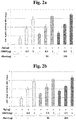
- the production of Mycobacterium tuberculosis antigen-specific antibody in the CIA05 group was increased by approximately 16 times (0.5 ⁇ g of CIA05) or approximately 128 times (1.0 ⁇ g of CIA05) as compared to the antigen alone group ( Fig. 2a ).
- CIA05 the production level of Mycobacterium tuberculosis antigen-specific antibody was remarkably increased in a dose-dependent manner, indicating that CIA05 is a very suitable adjuvant for Mycobacterium tuberculosis antigen Ag85A.
- the adjuvant CIA05 and Alum were used together, the production level of Mycobacterium tuberculosis antigen-specific antibody was increased by approximately 2 times (50 ⁇ g of Alum) or approximately 4 times (100 ⁇ g of Alum) as compared to the 0.5 ⁇ g of CIA05 alone group.
- the production level of Mycobacterium tuberculosis antigen-specific antibody was increased by approximately 2 times (50 ⁇ g of Alum) or approximately 4 times (100 ⁇ g of Alum) as compared to the 1.0 ⁇ g of CIA05 alone group.
- the production of Mycobacterium tuberculosis antigen-specific antibody in the Alum group was increased by approximately 4 times (50 ⁇ g of Alum) or approximately 8 times (100 ⁇ g of Alum) as compared to the antigen alone group.
- the production of Mycobacterium tuberculosis antigen-specific antibody in the CIA05 group was increased by approximately 16 times (0.5 ⁇ g of CIA05) or approximately 128 times (1.0 ⁇ g of CIA05) as compared to the antigen alone group ( Fig. 2b ).
- CIA05 is a very suitable adjuvant for Mycobacterium tuberculosis antigen HspX (16-kDa).
- the adjuvant CIA05 and Alum were used together, the production level of Mycobacterium tuberculosis antigen-specific antibody was increased by approximately 2 times (50 ⁇ g of Alum) or approximately 4 times (100 ⁇ g of Alum) as compared to the 0.5 ⁇ g of CIA05 alone group.
- the production level of Mycobacterium tuberculosis antigen-specific antibody was increased by approximately 2 times (50 ⁇ g of Alum) or approximately 4 times (100 ⁇ g of Alum) as compared to the 1.0 ⁇ g of CIA05 alone group.
- the production of Mycobacterium tuberculosis antigen-specific antibody in the Alum group was increased by approximately 4 times (50 ⁇ g of Alum) or approximately 8 times (100 ⁇ g of Alum) as compared to the antigen alone group.
- the production of Mycobacterium tuberculosis antigen-specific antibody in the CIA05 group was increased by approximately 8 times (0.5 ⁇ g of CIA05) or approximately 64 times (1.0 ⁇ g of CIA05) as compared to the antigen alone group ( Fig. 2c ).
- CIA05 is a very suitable adjuvant for Mycobacterium tuberculosis antigen Phosphate binding protein 1 (38-kDa).
- the production level of Mycobacterium tuberculosis antigen-specific antibody was increased by approximately 2 times (50 ⁇ g of Alum) or approximately 4 times (100 ⁇ g of Alum) as compared to the 0.5 ⁇ g of CIA05 alone group.
- the production level of Mycobacterium tuberculosis antigen-specific antibody was increased by approximately 2 times (50 ⁇ g of Alum) or approximately 4 times (100 ⁇ g of Alum) as compared to the 1.0 ⁇ g of CIA05 alone group.
- ESAT-6 (6-kDa)
- the production of Mycobacterium tuberculosis antigen-specific antibody in the Alum group was increased by approximately 4 times (50 ⁇ g of Alum) or approximately 8 times (100 ⁇ g of Alum) as compared to the antigen alone group.
- the production of Mycobacterium tuberculosis antigen-specific antibody in the CIA05 group was increased by approximately 16 times (0.5 ⁇ g of CIA05) or approximately 128 times (1.0 ⁇ g of CIA05) as compared to the antigen alone group ( Fig. 2d ).
- CIA05 is a very suitable adjuvant for Mycobacterium tuberculosis antigen ESAT-6 (6-kDa).
- the production level of Mycobacterium tuberculosis antigen-specific antibody was increased by approximately 2 times (50 ⁇ g of Alum) or approximately 4 times (100 ⁇ g of Alum) as compared to the 0.5 ⁇ g of CIA05 alone group.
- the production level of Mycobacterium tuberculosis antigen-specific antibody was increased by approximately 2 times (50 ⁇ g of Alum) or approximately 4 times (100 ⁇ g of Alum) as compared to the 1.0 ⁇ g of CIA05 alone group.
- the test was conducted to select the best antigen for immunostimulatory effect among Mycobacterium tuberculosis antigens ( Fig. 2e ). As a result, the best antigen for immunostimulatory effect was Ag85A, HspX, ESAT-6 and 38-kDa in order. Therefore, it would be determined that the most appreciate antigen for the present CIA05 was Ag85A.
- the present Mycobacterium tuberculosis vaccine including adjuvant CIA05 has the excellent immunization efficacy, i.e ., vaccine efficacy and it has more excellent immunostimulatory effect to Mycobacterium tuberculosis antigen than that of the conventional adjuvant Alum.
- Bacillus anthracis is comprised of 3 proteins, PA (protective antigen), LF (lethal antigen) and EA (edema antigen). It produces 2 types of toxin.
- PA has been used for Bacillus anthracis vaccine.
- a recombinant full-length PA antigen was used in this experiment.
- Six-week old male Balb/c mice were intraperitoneally injected for 3-times at 2-week interval with the 10 ⁇ g of Bacillus anthracis PA antigen.
- 10 ⁇ g of PA antigen contained in the final volume of 100 ⁇ l was administered.
- 0.5 ⁇ g or 1.0 ⁇ g of CIA05 contained in the final volume of 100 ⁇ l was administered.
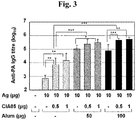
- PA-specific antigen was increased by approximately 10 times (0.5 ⁇ g of CIA05) and approximately 21 times (1.0 ⁇ g of CIA05) as compared to the PA antigen alone immunization, indicating that CIA05 play a role as the adjuvant with Bacillus anthracis antigen PA in Bacillus anthracis vaccine ( Fig. 3 ).
- the adjuvant CIA05 and Alum were used together, it could be determined CIA05 and Alum may improve PA-specific immunization ( Fig. 3 ).
- the present Bacillus anthracis vaccine including adjuvant CIA05 particularly, the Bacillus anthracis vaccine using the combination of PA antigen and CIA05 has the excellent immunization efficacy, i.e ., vaccine efficacy.
- Inactivated HAV cultured in MRC-5 cell line was used as antigen.
- Six-week old male Balb/c mice were intraperitoneally injected for 3-times at 1-week interval with inactivated HAV alone or the mixture including CIA05.
- whole blood were collected from mouse and centrifuged to obtain serum, and HAV-specific antibody titer was measured with end-point ELISA method (Enzyme-Linked Immunosorbent Assay) as the same manner in Example 3.
- the production of HAV antigen-specific antibody in the Alum group was increased by approximately 2 times (50 ⁇ g of Alum) or approximately 4 times (100 ⁇ g of Alum) as compared to the antigen alone group.
- the production of HAV antigen-specific antibody in the CIA05 group was increased by approximately 8 times (0.5 ⁇ g of CIA05) or approximately 32 times (1.0 ⁇ g of CIA05) as compared to the antigen alone group ( Fig. 4 ).
- the production level of HAV antigen-specific antibody was remarkably increased in a dose-dependent manner, indicating that CIA05 is a very suitable adjuvant for HAV antigen (inactivated HAV).
- the production level of HAV antigen-specific antibody was increased by approximately 2 times (50 ⁇ g of Alum) or approximately 4 times (100 ⁇ g of Alum) as compared to the 0.5 ⁇ g of CIA05 alone group.
- the production level of HAV antigen-specific antibody was increased by approximately 2 times (50 ⁇ g of Alum) or approximately 4 times (100 ⁇ g of Alum) as compared to the 1.0 ⁇ g of CIA05 alone group.
- the present HAV vaccine including adjuvant CIA05 particularly, the HAV vaccine using the combination of inactivated HAV and CIA05 has the excellent immunization efficacy, i.e ., vaccine efficacy.
- HBV surface antigen HBsAg ( adr subtype) was expressed in Hansenula polymorpha to obtain recombinant HBsAg.
- the recombinant HBsAg was purified and used as an antigen to HBV vaccine.
- Balb/c mice were injected for 3-times at 1-week interval with 2 ⁇ g of HBV antigen HBsAg alone or the mixture including Alum or CIA05.
- whole blood were collected from mouse and centrifuged to obtain serum, and HBsAg-specific antibody titer was measured with end-point ELISA method (Enzyme-Linked Immunosorbent Assay) as the same manner in Example 3.
- the production of HBsAg antigen-specific antibody in the Alum group was increased by approximately 2 times (50 ⁇ g of Alum) or approximately 4 times (100 ⁇ g of Alum) as compared to the antigen alone group.
- the production of HBsAg antigen-specific antibody in the CIA05 group was increased by approximately 8 times (0.5 ⁇ g of CIA05) or approximately 16 times (1.0 ⁇ g of CIA05) as compared to the antigen alone group ( Fig. 5 ).
- the production level of HBsAg antigen-specific antibody was remarkably increased in a dose-dependent manner, indicating that CIA05 is a very suitable adjuvant for HBsAg antigen.
- the production level of HBsAg antigen-specific antibody was increased by approximately 2 times (50 ⁇ g of Alum) or approximately 4 times (100 ⁇ g of Alum) as compared to the 0.5 ⁇ g of CIA05 alone group.
- the production level of HBsAg antigen-specific antibody was increased by approximately 4 times (50 ⁇ g of Alum) or approximately 8 times (100 ⁇ g of Alum) as compared to the 1.0 ⁇ g of CIA05 alone group.
- the present HBV vaccine including adjuvant CIA05 particularly, the HBV vaccine using the combination of HBsAg antigen and CIA05 has the excellent immunization efficacy, i.e ., vaccine efficacy.
- HCV recombinant NS3 Z00042, GenScrpt was used as antigen.
- mice Six-week old Balb/c mice were injected for 3-times at 1-week interval with 2 ⁇ g of NS3 antigen alone or the mixture including Alum or CIA05. At 1 week after the third injection, whole blood were collected from mouse and centrifuged to obtain serum, and NS3-specific antibody titer was measured with end-point ELISA method (Enzyme-Linked Immunosorbent Assay) as the same manner in Example 3.
- the production of NS3 antigen-specific antibody in the Alum group was increased by approximately 2 times (50 ⁇ g of Alum) or approximately 4 times (100 ⁇ g of Alum) as compared to the antigen alone group.
- the production of NS3 antigen-specific antibody in the CIA05 group was increased by approximately 4 times (0.5 ⁇ g of CIA05) or approximately 16 times (1.0 ⁇ g of CIA05) as compared to the antigen alone group ( Fig. 6 ).
- the production level of NS3 antigen-specific antibody was remarkably increased in a dose-dependent manner, indicating that CIA05 is a very suitable adjuvant for NS3 antigen.
- the production level of NS3 antigen-specific antibody was increased by approximately 2 times (50 ⁇ g of Alum) or approximately 4 times (100 ⁇ g of Alum) as compared to the 0.5 ⁇ g of CIA05 alone group.
- the production level of NS3 antigen-specific antibody was increased by approximately 2 times (50 ⁇ g of Alum) or approximately 4 times (100 ⁇ g of Alum) as compared to the 1.0 ⁇ g of CIA05 alone group.
- the present HCV vaccine including adjuvant CIA05 particularly, the HCV vaccine using the combination of NS3 antigen and CIA05 has the excellent immunization efficacy, i.e ., vaccine efficacy.
- the production of HIV-1 Env antigen-specific antibody in the Alum group was increased by approximately 4 times (50 ⁇ g of Alum) or approximately 8 times (100 ⁇ g of Alum) as compared to the antigen alone group.
- the production of HIV-1 Env antigen-specific antibody in the CIA05 group was increased by approximately 16 times (0.5 ⁇ g of CIA05) or approximately 64 times (1.0 ⁇ g of CIA05) as compared to the antigen alone group ( Fig. 7 ).
- the production level of HIV-1 Env antigen-specific antibody was remarkably increased in a dose-dependent manner, indicating that CIA05 is a very suitable adjuvant for HIV-1 Env antigen.
- the production level of HIV-1 Env antigen-specific antibody was increased by approximately 4 times (50 ⁇ g of Alum) or approximately 8 times (100 ⁇ g of Alum) as compared to the 0.5 ⁇ g of CIA05 alone group.
- the production level of HIV-1 Env antigen-specific antibody was increased by approximately 4 times (50 ⁇ g of Alum) or approximately 8 times (100 ⁇ g of Alum) as compared to the 1.0 ⁇ g of CIA05 alone group.
- the present HIV vaccine including adjuvant CIA05 particularly, the HIV vaccine using the combination of HIV-1 Env antigen and CIA05 has the excellent immunization efficacy, i.e ., vaccine efficacy.
- Example 9 Efficacy analysis on the present vaccine to influenza
- HA subunit obtained from 3 types of influenza virus strains was used as antigen.
- the 3 types of influenza virus strains are A/New Caledonia/20/99 (HIN1), A/Panama/2007/99 (H3N2) and B/Shangdong/7/97.
- Six-week old Balb/c mice were injected for 2-times at 4-week interval with 1.5 ⁇ g of HA subunit antigen alone or the mixture including Alum or CIA05.
- the production of HA subunit antigen-specific antibody in the Alum group was increased by approximately 2 times (50 ⁇ g of Alum) or approximately 4 times (100 ⁇ g of Alum) as compared to the antigen alone group.
- the production of HA subunit antigen-specific antibody in the CIA05 group was increased by approximately 4 times (0.5 ⁇ g of CIA05) or approximately 8 times (1.0 ⁇ g of CIA05) as compared to the antigen alone group ( Fig. 8 ).
- the production level of HA subunit antigen-specific antibody was remarkably increased in a dose-dependent manner, indicating that CIA05 is a very suitable adjuvant for HA subunit antigen.
- the production level of HA subunit antigen-specific antibody was increased by approximately 2 times (50 ⁇ g of Alum) or approximately 8 times (100 ⁇ g of Alum) as compared to the 0.5 ⁇ g of CIA05 alone group.
- the production level of HA subunit antigen-specific antibody was increased by approximately 2 times (50 ⁇ g of Alum) or approximately 8 times (100 ⁇ g of Alum) as compared to the 1.0 ⁇ g of CIA05 alone group.
- the present influenza vaccine including adjuvant CIA05 particularly, the influenza vaccine using the combination of HA subunit antigen and CIA05 has the excellent immunization efficacy, i.e., vaccine efficacy.
- glycoprotein gD and gB of HSV-2 were used as antigen. Glycosylation in 2 types of the antigens were important so that 2 types of the antigens were expressed in mammalian cells (CHO cell line) and purified ( Boucher et al., Detection of antibodies to herpes simplex virus type 2 with a mammalian cell line expressing glycoprotein gG-2. Clin. Diagn. Virol. 1(1):29-38(1993 )).
- Six-week old Balb/c mice were injected for 3-times at 1-week interval with the antigens (each 2 ⁇ g) alone or the mixture including Alum or CIA05.
- the production of gD antigen-specific antibody in the Alum group was increased by approximately 8 times (50 ⁇ g of Alum) or approximately 32 times (100 ⁇ g of Alum) as compared to the antigen alone group.
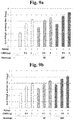
- the production of gD antigen-specific antibody in the CIA05 group was increased by approximately 24 times (0.5 ⁇ g of CIA05) or approximately 128 times (1.0 ⁇ g of CIA05) as compared to the antigen alone group ( Fig. 9a ).
- the production level of gD antigen-specific antibody was remarkably increased in a dose-dependent manner, indicating that CIA05 is a very suitable adjuvant for gD antigen.
- the production level of gD antigen-specific antibody was increased by approximately 4 times (50 ⁇ g of Alum) or approximately 16 times (100 ⁇ g of Alum) as compared to the 0.5 ⁇ g of CIA05 alone group.
- the production level of gD antigen-specific antibody was increased by approximately 2 times (50 ⁇ g of Alum) or approximately 16 times (100 ⁇ g of Alum) as compared to the 1.0 ⁇ g of CIA05 alone group.
- the production of gB antigen-specific antibody in the Alum group was increased by approximately 8 times (50 ⁇ g of Alum) or approximately 32 times (100 ⁇ g of Alum) as compared to the antigen alone group.
- the production of gB antigen-specific antibody in the CIA05 group was increased by approximately 16 times (0.5 ⁇ g of CIA05) or approximately 32 times (1.0 ⁇ g of CIA05) as compared to the antigen alone group ( Fig. 9b ).
- the production level of gB antigen-specific antibody was remarkably increased in a dose-dependent manner, indicating that CIA05 is a very suitable adjuvant for gB antigen.
- the production level of gB antigen-specific antibody was increased by approximately 4 times (50 ⁇ g of Alum) or approximately 16 times (100 ⁇ g of Alum) as compared to the 0.5 ⁇ g of CIA05 alone group.
- the production level of gB antigen-specific antibody was increased by approximately 4 times (50 ⁇ g of Alum) or approximately 16 times (100 ⁇ g of Alum) as compared to the 1.0 ⁇ g of CIA05 alone group.
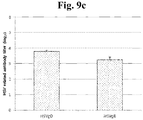
- the test was conducted to select the best antigen for immunostimulatory effect among HSV-2 antigens ( Fig. 9c ). As a result, the best antigen for immunostimulatory effect was gD. Therefore, it would be determined that the most appreciate antigen for the present CIA05 was gD.
- the present HSV-2 vaccine including adjuvant CIA05 particularly, the HSV-2 vaccine using the combination of gD antigen and CIA05 has the excellent immunization efficacy, i.e., vaccine efficacy.
- Reference example 11 Efficacy analysis on the present vaccine to Hib (Haemophilus influenzae type b)
- the production of ActHIB antigen-specific antibody in the Alum group was increased by approximately 4 times (50 ⁇ g of Alum) or approximately 16 times (100 ⁇ g of Alum) as compared to the antigen alone group.
- the production of Hib antigen-specific antibody in the CIA05 group was increased by approximately 16 times (0.5 ⁇ g of CIA05) or approximately 32 times (1.0 ⁇ g of CIA05) as compared to the antigen alone group ( Fig. 10 ).
- the production level of ActHIB antigen-specific antibody was remarkably increased in a dose-dependent manner, indicating that CIA05 is a very suitable adjuvant for ActHIB antigen.
- the production level of ActHIB antigen-specific antibody was increased by approximately 8 times (50 ⁇ g of Alum) or approximately 16 times (100 ⁇ g of Alum) as compared to the 0.5 ⁇ g of CIA05 alone group.
- the production level of ActHIB antigen-specific antibody was increased by approximately 4 times (50 ⁇ g of Alum) or approximately 24 times (100 ⁇ g of Alum) as compared to the 1.0 ⁇ g of CIA05 alone group.
- the present Hib vaccine including adjuvant CIA05 particularly, the Hib vaccine using the combination of ActHIB and CIA05 has the excellent immunization efficacy, i.e., vaccine efficacy.
- Reference example 12 Efficacy analysis on the present vaccine to Neisseria meningitidis
- the production of Neisseria meningitidis proteosome antigen-specific antibody in the Alum group was increased by approximately 4 times (50 ⁇ g of Alum) or approximately 8 times (100 ⁇ g of Alum) as compared to the antigen alone group.
- the production of Neisseria meningitidis proteosome antigen-specific antibody in the CIA05 group was increased by approximately 8 times (0.5 ⁇ g of CIA05) or approximately 16 times (1.0 ⁇ g of CIA05) as compared to the antigen alone group ( Fig. 11 ).
- CIA05 the production level of Neisseria meningitidis proteosome antigen-specific antibody was remarkably increased in a dose-dependent manner, indicating that CIA05 is a very suitable adjuvant for Neisseria meningitidis proteosome antigen.
- the adjuvant CIA05 and Alum were used together, the production level of Neisseria meningitidis proteosome antigen-specific antibody was increased by approximately 4 times (50 ⁇ g of Alum) or approximately 16 times (100 ⁇ g of Alum) as compared to the 0.5 ⁇ g of CIA05 alone group.
- the production level of HA subunit antigen-specific antibody was increased by approximately 4 times (50 ⁇ g of Alum) or approximately 16 times (100 ⁇ g of Alum) as compared to the 1.0 ⁇ g of CIA05 alone group.
- the present Neisseria meningitidis vaccine including adjuvant CIA05 particularly, the Neisseria meningitidis vaccine using the combination of Neisseria meningitidis proteosome and CIA05 has the excellent immunization efficacy, i.e., vaccine efficacy.
- Reference example 13 Efficacy analysis on the present vaccine to diphtheria, pertussis, tetanus (DPT)
- DPT is a vaccine for preventing diseases caused by diphtheria, pertussis and tetanus. Vaccine to these diseases
- the production of Diphtheria toxin antigen-specific antibody in the Alum group was increased by approximately 32 times (50 ⁇ g of Alum) or approximately 64 times (100 ⁇ g of Alum) as compared to the antigen alone group.
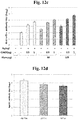
- the production of Diphtheria toxin antigen-specific antibody in the CIA05 group was increased by approximately 32 times (0.5 ⁇ g of CIA05) or approximately 128 times (1.0 ⁇ g of CIA05) as compared to the antigen alone group ( Fig. 12a ).
- CIA05 is a very suitable adjuvant for Diphtheria toxin antigen.
- the adjuvant CIA05 and Alum were used together, the production level of Diphtheria toxin antigen-specific antibody was increased by approximately 8 times (50 ⁇ g of Alum) or approximately 16 times (100 ⁇ g of Alum) as compared to the 0.5 ⁇ g of CIA05 alone group.
- the production level of Diphtheria toxin antigen-specific antibody was increased by approximately 4 times (50 ⁇ g of Alum) or approximately 8 times (100 ⁇ g of Alum) as compared to the 1.0 ⁇ g of CIA05 alone group.
- Pertusis toxin antigen In case of Pertusis toxin antigen, the production of Pertusis toxin antigen-specific antibody in the Alum group was increased by approximately 4 times (50 ⁇ g of Alum) or approximately 16 times (100 ⁇ g of Alum) as compared to the antigen alone group. Moreover, the production of Pertusis toxin antigen-specific antibody in the CIA05 group was increased by approximately 16 times (0.5 ⁇ g of CIA05) or approximately 24 times (1.0 ⁇ g of CIA05) as compared to the antigen alone group ( Fig. 12b ).
- the production level of Pertusis toxin antigen-specific antibody was increased by approximately 8 times (50 ⁇ g of Alum) or approximately 32 times (100 ⁇ g of Alum) as compared to the 1.0 ⁇ g of CIA05 alone group.
- Tetanus toxin antigen In case of Tetanus toxin antigen, the production of Tetanus toxin antigen-specific antibody in the Alum group was increased by approximately 4 times (50 ⁇ g of Alum) or approximately 8 times (100 ⁇ g of Alum) as compared to the antigen alone group. Moreover, the production of Tetanus toxin antigen-specific antibody in the CIA05 group was increased by approximately 16 times (0.5 ⁇ g of CIA05) or approximately 32 times (1.0 ⁇ g of CIA05) as compared to the antigen alone group ( Fig. 12b ).
- the production level of Tetanus toxin antigen-specific antibody was increased by approximately 4 times (50 ⁇ g of Alum) or approximately 8 times (100 ⁇ g of Alum) as compared to the 1.0 ⁇ g of CIA05 alone group.
- the test was conducted to select the best antigen for immunostimulatory effect among DPT antigens ( Fig. 12d ). As a result, the best antigen for immunostimulatory effect was Diphtheria toxin, Pertusis toxin and Tetanus toxin in order. Therefore, it would be determined that the most appreciate antigen for the present CIA05 was Diphtheria toxin.
- the present DPT vaccine including adjuvant CIA05 particularly, the DPT vaccine using the combination of Diphtheria toxin and CIA05 has the excellent immunization efficacy, i.e., vaccine efficacy.
- Reference example 14 Efficacy analysis on the present vaccine to varicella
- VIA Suduvax strain (1VIA Suduvax inj, GREEN CROSS CORP.) was used as antigen.
- the Suduvax strain is a varicella vaccine in the form of live attenuated varicella.
- Six-week old Balb/c mice were injected for 2-times at 2-week interval with the antigen alone or the mixture including Alum or CIA05.
- whole blood were collected from mouse and centrifuged to obtain serum, and Suduvax strain-specific antibody titer was measured with end-point ELISA method (Enzyme-Linked Immunosorbent Assay) as the same manner in Example 3.
- the production of Suduvax strain antigen-specific antibody in the Alum group was increased by approximately 4 times (50 ⁇ g of Alum) or approximately 8 times (100 ⁇ g of Alum) as compared to the antigen alone group.
- the production of Neisseria meningitidis proteosome antigen-specific antibody in the CIA05 group was increased by approximately 16 times (0.5 ⁇ g of CIA05) or approximately 64 times (1.0 ⁇ g of CIA05) as compared to the antigen alone group ( Fig. 13 ).
- the production level of HA subunit antigen-specific antibody was increased by approximately 4 times (50 ⁇ g of Alum) or approximately 32 times (100 ⁇ g of Alum) as compared to the 1.0 ⁇ g of CIA05 alone group.
- the present varicella vaccine including adjuvant CIA05 particularly, the varicella vaccine using the combination of attenuated varicella and CIA05 has the excellent immunization efficacy, i.e., vaccine efficacy.
- Example 15 Efficacy analysis of CIA05 for maturation of dendritic cells
- PBMCs peripheral blood mononuclear cells
- FCS system anti-CD14 microbeads
- IL-4 and GM-CSF peripheral blood mononuclear cells
- Bone marrow cells were isolated from male BALB/c mouse and cultured with medium contained IL-4 and GM-CSF for 6 days to obtain BMDCs. Then, at 7 days, CD11c + cells were isolated using anti-CD11c-coated magnetic beads.
- Human MDDCs (Monocyte-derived DC cells) and mouse BMDC (Bone marrow DCs) were isolated with the method described above, treated respectively with LPS, MPL and CIA05 with 1 ⁇ g/ml of concentration and incubated at 37°C for 24 hrs. After incubation, CD40, CD80 and CD86 were verified in mouse BMDCs surface, and HLA-DR, CD80 and CD86 were verified in human MDDCs by flow cytometry, respectively. In mouse BMDCs, it would be determined that DCs surface marker CD40, CD80 and CD86 were expressed with similar distribution in all of LPS, MPL and CIA05 ( Fig. 14a ).
- CIA05 may solve these problems.
- adjuvant CIA05 acts to increase considerably immunization efficacy, i.e., vaccine efficacy, and particularly, it has the excellent effect for maturation of human dendritic cells.
Landscapes
- Health & Medical Sciences (AREA)
- Life Sciences & Earth Sciences (AREA)
- Chemical & Material Sciences (AREA)
- Animal Behavior & Ethology (AREA)
- Veterinary Medicine (AREA)
- Public Health (AREA)
- General Health & Medical Sciences (AREA)
- Medicinal Chemistry (AREA)
- Pharmacology & Pharmacy (AREA)
- Immunology (AREA)
- Virology (AREA)
- Mycology (AREA)
- Epidemiology (AREA)
- Microbiology (AREA)
- Communicable Diseases (AREA)
- General Chemical & Material Sciences (AREA)
- Chemical Kinetics & Catalysis (AREA)
- Nuclear Medicine, Radiotherapy & Molecular Imaging (AREA)
- Organic Chemistry (AREA)
- Pulmonology (AREA)
- Oncology (AREA)
- Engineering & Computer Science (AREA)
- Bioinformatics & Cheminformatics (AREA)
- Molecular Biology (AREA)
- Hematology (AREA)
- Biotechnology (AREA)
- Gastroenterology & Hepatology (AREA)
- Medicines Containing Antibodies Or Antigens For Use As Internal Diagnostic Agents (AREA)
Description
- The present invention relates to a
pharmaceutical vaccine composition for use in vaccination to an influenza virus, comprising: (a) influenza virus antigen; (b) a lipooligosaccharide (LOS); (c) an immunoadjuvant which is: alum; and (d) a pharmaceutically acceptable carrier. - Recently, immunoadjuvants have been newly focused and utilized in various vaccines such as cervical cancer vaccines and influenza vaccines. Of them, bacterial DNA received attention as an anti-cancer agent since 1960's, and is successively researched up to now. However, bacterial DNA has not been used as an anti-cancer agent due to its low efficacy (Glick, J. L. The specificity of inhibition of tumor cell viability by DNA. CancerRes.27:2338,1967). In spite of this defect, it was demonstrated that bacterial DNA is known to activate various immune cells without serious side effects, and has many advantages as an adjuvant (McCluskie MJ, etal..CpG DNA is a potent enhancer of systemic and mucosal immune responses against hepatitis B surface antigen with intranasal administration to mice. JImmunol.Nov1;161(9):4463-6.1998).
- For these effects of bacterial DNA, Yamamoto et al. in Japan argument that palindromic sequences containing CG play a crucial role in effects of bacterial DNA which are demonstrated by Krieg et al. (Yamamoto S. et al. Unique palindromic sequences in synthetic oligonucleotides are required to induce IFN and augment IFN-mediated natural killer activity. J.Immunol.148:4072,1992 ; Krieg AM, Antitumor applications of stimulating toll-). Based on CpG-related studies from the middle of 1990's, the concern for DNA anti-cancer agent leaded to deduce a probability of synthetic DNA (CpG-ODN) containing unmethylated CG as an anti-cancer agent, for example a study for S substitution in diester bonds to inhibit short synthetic DNA degradation. In this connection, CpG-ODN-related products were utilized in a clinical trial as an anti-cancer agent as well as an adjuvant (http://www.coleypharma.com).
- However, there remains to be solved some problems including immunogenicity and still low anti-cancer activity of S substitution in diester bonds of CpG-ODN. On current clinic, CpG 7909 is a phosphothioate oligonucleotide which induces anti-DNA Ab (Clin Immunol. 2001 Aug;100(2):157-63), and is closely associated with autoimmune disorders such as SLE (systemic lupus erythematosus) (J Clin Immunol. 1986 July;6(4):292-8). In addition, it has been known that phosphothioate structure functions as TI Ag, contributing to disturbance of immune protection against infections (Mol Immunol. 1998 Dec;35(18):1161-70).
- In LPS known to have anti-cancer effect since 1950's, utilization of LPS was difficult because LPS in a range of ng results in death by sepsis. It is general opinion that the link between LPS and DNA causes serious cytotoxicity, and thus the elimination of LPS is understood as very important process in DNA-related medicaments (Gao JJ. et. al, Bacterial DNA and lipopolysaccharide induce synergistic production of TNF-alpha through a post-transcriptional mechanism. J Immunol 166(11):6855-60, 2001). In respect with efficacies, it should be considered that immune responses stimulated by LPS are much stronger than those by DNA whereas are Th2-type responses, not Th1-type which is important to anti-cancer, supposing LPS is not suitable as an anti-cancer agent (Lebman DA et al Interleukin 4 causes isotype switching to IgE in T cell-stimulated clonal B cell cultures. J Exp Med Sep 1;168(3):853-62. 1988). Given that Th2-type immune activity inhibits Th1-type immune activity, it was very difficult to utilize LPS as an anti-cancer agent due to Th2-type immune activity stimulated by LPS (Rengarajan J et al. Transcriptional regulation of Th1/Th2 polarization. Immunol Today. Oct;21(10):479-83. 2000).
- Park et al. (Immune Responses of Mice to Influenza Subunit Vaccine in Combination with CIA07 as an Adjuvant, Microbiol. Immunol. 51(11), 1099-1107, 2007) discloses a pharmaceutical vaccine composition comprising an influenza virus antigen; a modified LOS as well as a pharmaceutically acceptable carrier. Park et al. contains no disclosure of alum added to the pharmaceutical vaccine composition according to the present invention.A variety of attempts to LPS detoxification have been studied, leading to successfully reduce its cytotoxicity through removal of polysaccharide chain or deacylation of lipid A (Katz SS et al Deacylation of lipopolysaccharide in whole Escherichia coli during destruction by cellular and extracellular components of a rabbit peritoneal inflammatory exudate. J Biol Chem. Dec 17;274(51):36579-84 1999). For example, monophosphoryl lipid A (MPL) is obtained by phosphorylation of lipid A in which polysaccharide chain of LPS is eliminated to develop an immunotherapeutic anti-cancer agent. However, its efficacy is known to be quite low (http://www.corixa.com).
- On the other hand, the present applicants have already developed a novel immunoadjuvant to complement drawbacks of the above-mentioned immunoadjuvants (Korean Patent No.
0740237 - The present inventors have made intensive studies to develop a novel vaccine composition which may overcome problems of conventional vaccines, and increase the efficacy of vaccines. As results, they have discovered that a non-toxic LOS (lipooligosaccharide) may be used as an immunoadjuvant in immunization using antigens of various pathogens, whereby immune responses are induced much more notable than those by conventional vaccines, enabling to function as an excellent vaccine for preventing various diseases.
- Other objects and advantages of the present invention will become apparent from the detailed description to follow taken in conjugation with the appended claims and drawings.
- In one aspect of the present invention, there is provided a pharmaceutical vaccine composition for use in vaccination to an influenza virus, comprising:
- (a) influenza virus antigen;
- (b) a lipooligosaccharide (LOS), where LOS is defined as a modified LPS (lipopolysaccharide) with low molecular weight which has glycochains shorter than natural occurring LPS and having a molecular weight in a range of 5,000-10,000 Da before deacylation, where LOS is derived from Escherichia coli having a molecular weight in the range of 2,000-4,000 Da after deacylation, which is deacylated by elimination from LOS of a fatty acid linked to glucosamine of lipid A via -C(O)O- bond resulting in significant reduction of cytotoxicity compared to LOS ; and
- (c) an immunoadjuvant which aluminum hydroxide;
- (d) a pharmaceutically acceptable carrier.
- The present inventors have made intensive studies to develop a novel vaccine composition which may overcome problems of conventional vaccines, and increase the efficacy of vaccines. As results, they have discovered that a non-toxic LOS (lipooligosaccharide) and aluminum hydroxide may be used as an immunoadjuvant in immunization using influenza virus antigen, whereby immune responses are induced much more notable than those by conventional vaccines, enabling to function as an excellent vaccine for preventing influenza.
- The present invention is useful in vaccine to influenza causing influenza. Influenza antigen used in the present invention includes various influenza-derived antigens conventionally known. Preferably, a suitable influenza antigen for the present invention is envelope glycoprotein HA or NA, and more preferably envelope glycoprotein HA.
- It is the most feature of the present pharmaceutical composition to utilize a deacylated non-toxic LOS (lipooligosaccharide) as an immunoadjuvant. The term "LOS (lipooligosaccharide)" adapted first herein refers to a modified LPS (lipopolysaccharide) with low molecular weight which has glycochains shorter than natural occurring LPS. LOS has a molecular weight in a range of 5,000-10,000 Da before deacylation. The term deacylated LOS" used herein means a form of LOS that a fatty acid linked to glucosamine of lipid A via -C(O)O- bond is eliminated from LOS, resulting in significant reduction of cytotoxicity compared to LOS. The fatty acid is linked to glucosamine of lipid A through -C(O)O- bond and -C(O)NH- bond. The deacylated LOS of the present invention is a LOS of which the fatty acid linked by - C(O)O- bond is removed by deacylation of lipid A.
- The deacylated non-toxic LOS of the present invention may be prepared according to various methods, for example methods disclosed in previous patents of the present inventors including Korean Patent No.
0456681 WO 2004/039413 ; Korean Patent No.0740237 WO 2006/121232 . For instance, a portion of fatty acid in LOS is removed and detoxificated from lipid A through deacylation via strong base treatment (e.g., 2 N NaOH) to LPS (lipopolysaccharide). - According to a preferable embodiment, the deacylated non-toxic LOS used as an immunoadjuvant in the present invention is detoxificated by deacylation of lipid A via alkaline treatment to LPS (lipopolysaccharide). Preferred example of the alkaline treatment includes NaOH, KOH, Ba(OH)2, CsOH, Sr(OH)2, Ca(OH)2, LiOH, RbOH and Mg(OH)2, more preferably NaOH, KOH, Ba(OH)2, Ca(OH)2, LiOH and Mg(OH)2, much more preferably NaOH, KOH and Mg(OH)2, and most preferably NaOH.
- The detoxification extent of LPS may be analyzed according to various methods known to those ordinarily skilled in the art. For example, the detoxification may be determined by measuring an amount of TNF-α (tumor necrosis factor-α) secreted in THP-1 (acute monocytic leukemia) treated with LPS. The deacylated non-toxic LOS of the present invention induces a relatively little amount of TNF-α secretion compared with conventional LPS.
- It is another feature that the deacylated non-toxic LOS of the present invention has lower molecular weight than conventional LPS to be used in general. Preferably, the deacylated non-toxic LOS used in the present invention has a molecular weight in a range of 1,500-10,000 Da, more preferably 2,000-5,000 Da, much more preferably 2,000-4,000 Da, still much more preferably 3,000-4,000 Da, and most preferably 3,200-3,700 Da. Measurement of molecular weight may be carried out using a conventional method, for example MALDI-MASS.
- According to a preferable embodiment, the deacylated non-toxic LOS of this invention is derived from Escherichia coli (E. coli), and most preferably E. coli EG0021 (KCCM 10374) isolated by the present inventors.
- The deacylated non-toxic LOS used in the present invention is very suitable for the vaccine composition of this invention due to much excellent immunostimulatory effect and significantly low cytotoxicity compared with conventional immunoadjuvants. As demonstrated in Examples below, the deacylated non-toxic LOS of this invention has much lower cytotoxicity than monophosphoryl lipid A (MPL) obtained through phosphorylation of lipid A from which a polysaccharide chain of LPS is removed to reduce LPS cytotoxicity.
- As shown in Example below, the administration of the deacylated non-toxic LOS of the present invention with antigens of various pathogens also induces the level of immune response, demonstrating that the deacylated non-toxic LOS of the present invention may synergistically induce immune responses together with antigens of various pathogens.
- The vaccine composition of the present invention may contribute to a preventive efficacy on a certain disease only in a fundamental composition containing antigen of pathogen and deacylated non-toxic LOS. The immunoadjuvant used in the vaccine composition of the present invention is aluminum hydroxide.
- In the pharmaceutical vaccine compositions of this invention, the pharmaceutically acceptable carrier may be conventional one for formulation, including lactose, dextrose, sucrose, sorbitol, mannitol, starch, rubber arable, potassium phosphate, arginate, gelatin, potassium silicate, microcrystalline cellulose, polyvinylpyrrolidone, cellulose, water, syrups, methyl cellulose, methylhydroxy benzoate, propylhydroxy benzoate, talc, magnesium stearate, and mineral oils, but not limited to. The pharmaceutical composition according to the present invention may further include a lubricant, a humectant, a sweetener, a flavoring agent, an emulsifier, a suspending agent, and a preservative. Details of suitable pharmaceutically acceptable carriers and formulations can be found in Remington's Pharmaceutical Sciences (19th ed., 1995).
- The pharmaceutical composition according to the present invention may be administered via the oral or parenterally. When the pharmaceutical composition of the present invention is administered parenterally, it can be done by intravenous, subcutaneous, intramuscular, abdominal and transdermal administration.
A suitable dose of the pharmaceutical composition of the present invention may vary depending on pharmaceutical formulation methods, administration methods, the patient's age, body weight, sex, severity of diseases, diet, administration time, administration route, an excretion rate and sensitivity for a used pharmaceutical composition. Preferably, the pharmaceutical composition of the present invention is administered with a daily dose of 0.0001-1,000 mg/kg (body weight). - According to the conventional techniques known to those skilled in the art, the pharmaceutical composition may be formulated with pharmaceutically acceptable carrier and/or vehicle as described above, finally providing several forms including a unit dose form and a multi-dose form. Formulation may be oil or aqueous media, resuspension or emulsion, extract, powder, granule, tablet and capsule and further comprise dispersant or stabilizer.
- The pharmaceutical vaccine composition of the present invention induces strong immune responses against pathogen, and thus has excellent potency for preventing a certain disease. In addition, the pharmaceutical vaccine composition of the present invention possesses superior stability because the deacylated non-toxic LOS used as an immunoadjuvant in the present invention has almost no cytotoxicity.
- Among various antigens of pathogens, the deacylated non-toxic LOS used in the present invention has a very excellent immunostimulatory effect in immune response against influenza virus antigen, as demonstrated in Examples below.
- In another aspect of the present disclosure, there is provided a composition for inducing maturation of dendritic cells, including a deacylated non-toxic LOS (Lipooligosaccharide).
- In still another aspect of the present disclosure, there is provided a method for preparing maturated dendritic cells, comprising incubating immatured dendritic cells with a deacylated non-toxic LOS (Lipooligosaccharide).
- In the preparation of dendritic cell vaccine, dendritic cells isolated from in vivo have to mature. In this process, the deacylated non-toxic LOS (Lipooligosaccharide) may be very useful.
- According to the method for preparing dendritic cell vaccine, immatured dendritic cells are derived from monocytes or hematopoietic stem cells, and more preferably monocytes, because dendritic cells with uniform properties from monocytes may be obtained in a faster manner than pluripotent hematopoietic stem/progenitor cells.
- According to the present disclosure, monocytes are collected from peripheral blood. The method for obtaining immatured dendritic cells from progenitor cells (e.g., monocytes or hematopoietic stem cells) in peripheral blood may be conducted with the form of the progenitor cells isolated or unisolated from other cells in peripheral blood.
- Afterward, monocytes obtained from peripheral blood are induced to differentiate to dendritic cells. Monocytes are cultured in media containing suitable cytokines for the differentiation to dendritic cells. The cytokines are GM-CSF (Granulocyte macrophage colony stimulating factor), IL-4 (interleukin-4), IL-13 or the combination thereof. An appropriate amount of cytokines added is a sufficient amount to differentiate dendritic cells, and it may be selected empirically by researchers in the laboratory.
- Where cytokines are used in first incubation for differentiating dendritic cells from monocytes, the incubation time is commonly more than 5 days, and preferably 6-7 days.
- Finally, maturation process is conducted using immatured dendritic cells obtained from the differentiation process described above. i.e., Dendritic cells are matured by culturing in incubator with media containing the present deacylated non-toxic LOS. Secondary incubation time is commonly more than 10 hrs, and preferably more than 20 hrs, e.g. 1-3 days.
- The present disclosure may prepare effectively matured dendritic cells vaccine.
- The features and advantages of this invention will be summarized as follows:
- (a) The present vaccine composition uses pathogen-derived antigen and a deacylated non-toxic LOS as immunoadjuvant.
- (b) A deacylated non-toxic LOS as immunoadjuvant has a very excellent immunostimulatory effect in immune response against certain pathogen, and possesses superior stability because it has almost no cytotoxicity.
- (c) In addition, a deacylated non-toxic LOS enables to prepare effectively matured dendritic cells vaccine.
-
-
Fig. 1 is a graph showing that the novel adjuvant CIA05 has less cytotoxicity than MPL (TNF-α secretion). -
Figs. 2a-d are results of efficacy analysis on the present vaccine to Mycobacterium tuberculosis InFigs. 2a-d , Ag85A, HspX,Phosphate binding protein 1, and ESAT-6 were used as antigen to Mycobacterium tuberculosis, respectively. -
Fig. 2e is results of comparison on immunostimulatory effect of Ag85A, HspX, ESAT-6 and 38-kDa. CIA05 (0.5 µg) and antigens (each 2 µg) were used. -
Fig. 3 is results of efficacy analysis on the present vaccine to Bacillus anthracis -
Fig. 4 is results of efficacy analysis on the present vaccine to HAV (Hepatitis A virus). -
Fig. 5 is results of efficacy analysis on the present vaccine to HBV (Hepatitis B virus). -
Fig. 6 is results of efficacy analysis on the present vaccine to HCV (Hepatitis C virus). -
Fig. 7 is results of efficacy analysis on the present vaccine to HIV. -
Fig. 8 is results of efficacy analysis on the present vaccine to influenza. -
Figs. 9a-b are results of efficacy analysis on the present vaccine to HSV-2 (Herpes simplex virus 2). InFigs. 9a-b , gD antigen and gB antigen were used as antigen, respectively. -
Fig. 9c is results of comparison on immunostimulatory effect of gD and gB. CIA05 (0.5 µg) and antigens (each 2 µg) were used. -
Fig. 10 is results of efficacy analysis on the present vaccine to Hib (Haemophilus influenzae type b). -
Fig. 11 is results of efficacy analysis on the present vaccine to Neisseria meningitidis. -
Figs. 12a-c are results of efficacy analysis on the present vaccine to DPT. InFigs. 12a-c , Diphtheria toxin, Pertusis toxin and Tetanus toxin were used as antigen, respectively. -
Fig. 12d is results of comparison on immunostimulatory effect of Diphtheria toxin, Pertusis toxin and Tetanus toxin. CIA05 (0.5 µg) and antigens (each 2 µg) were used. -
Fig. 13 is results of efficacy analysis on the present vaccine to Varicella. -
Fig. 14a is results of efficacy analysis on CIA05 (the adjuvant prepared in Example 1) for maturation of dendritic cells in mouse BMDC (Bone marrow DCs). -
Fig. 14b is results of efficacy analysis on CIA05 (the adjuvant prepared in Example 1) for maturation of dendritic cells in human MDDCs (Monocyte-derived DC cells). - The present invention will now be described in further detail by examples.
- The inventors screened a strain (E. coli EG0021) having a very short sugar chain of lipopolysaccharide from Escherichia coli living in the bowls of healthy humans and deposited the strain E. coli EG0021 to the Korean Culture Center of Microorganisms (KCCM) on May 2nd, 2002, its accession number KCCM 10374 (c.f., Republic of Korea Pat. No.
0456681 WO 2004/039413 ; Korean Pat. No.0740237 WO 2006/121232 ). Purification of LPS from this strain was done according to the methods disclosed in Korean Pat. No.0456681 WO 2004/039413 ; Korean Pat. No.0740237 WO 2006/121232 . The molecular weight of the LPS was 3,500 Da estimated by MALDI-MASS (Shimadz, Axima-LNR V 2.3.5 (Mode Liner, Power: 106)). The toxicity of the purified LPS was removed by following the protocols disclosed in Korean Pat. No.0456681 WO 2004/039413 ; Korean Pat. No.0740237 WO 2006/121232 . The purified E. coil lipopolysaccharide was adjusted to a concentration of 3 mg/ml, and 2 N NaOH was mixed with the lipopolysaccharide at a mixing ratio of 1:1 (by volume), deacylated for 140 minutes while shaking at 60°C every 10 minute. 1 N acetic acid at a volume about 1/5 of the initial 0.2 N NaOH were added to titrate the pH to 7.0. After titration, the resulting mixture was precipitated by ethanol to obtain non-toxic lipooligosaccharide (CIA05). - The novel adjuvant CIA05 developed in this invention to be used for a vaccine was compared with the conventional MPL (Monophosphoryl lipid A) for its toxicity. Human PBMCs (Peripheral Blood Mononuclear Cell) from healthy human donors were seeded at 5 X 10⁵ cell/ml in a 24-well tissue culture plate. 1 ml of the growth medium (RPMI 1640(Gibco) + 10 % FBS(Gibco)) was added to each well. The mixture was treated with conditions as follows: 1) negative control BSS (Balanced salt solution) 100 µl; 2) deacylated non-toxic LOS (CIA05) 10 µg/100 µl; and 3) MPL (E. coli F583 MPL) 10 µg/100 µl.
- After 12 hrs, the treated medium were pooled and centrifuged. The level of TNF-α secreted by THP-1 (Acute monocytic leukemia) was quantified using ELISA kit (R&D system, DY210). As shown in
Fig. 1 , CIA05 showed 1/3 lesser toxicity compared to the conventional adjuvant MPL. - In order to verify efficacy of adjuvant CIA05 for Mycobacterium tuberculosis vaccine, 4 antigens of Mycobacterium tuberculosis were used. They were Ag85A (32-kDa), HspX (16-kDa), Phosphate binding protein 1 (38-kDa) and ESAT-6 (6-kDa). Six-week old Balb/c mice (SLC, Japan) were injected for 3-times at 1-week interval with the antigens (each 2 µg) alone or the mixture including Alum (aluminum hydroxide; Brenntag, Germany) or CIA05 in the final volume of 100 µl.
- In order to measure titer of Mycobacterium tuberculosis antigen-specific antibody in serum after immunization, end-point ELISA method (Enzyme-Linked Immunosorbent Assay) was used. 96-well plate was coated with 100 µl of Ag85A (32-kDa), HspX (16-kDa), Phosphate binding protein 1 (38-kDa) and ESAT-6 (6-kDa) with concentration of 1 µg/ml, respectively. Then, the plate was blocked with 300 µl of 1% BSA (Bovine Serum Albumin) for 1 hr at room temperature. After blocking, each well was washed three times with PBS containing 0.05% Tween-20 and incubated with 100 µl of serum which is obtained after immunization for 2 hrs at 37°C. In order to determine Mycobacterium tuberculosis antigen-specific antibody, the plate was reacted with horse radish peroxidase-conjugated anti-mouse IgG (Zymed), subsequently added with TMB (tetramethylbenzidine, BD Bio Science, 55555214) and stopped with 1 N H2SO4. The level of Mycobacterium tuberculosis antigen-specific antibody in serum after immunization was verified by measuring absorbance at 450 nm.
- As a result of analyzing efficacies for 4 antigens of Mycobacterium tuberculosis and adjuvant CIA05, in case of Ag85A (32-kDa), the production of Mycobacterium tuberculosis antigen-specific antibody in the Alum group was increased by approximately 4 times (50 µg of Alum) or approximately 8 times (100 µg of Alum) as compared to the antigen alone group. Moreover, the production of Mycobacterium tuberculosis antigen-specific antibody in the CIA05 group was increased by approximately 16 times (0.5 µg of CIA05) or approximately 128 times (1.0 µg of CIA05) as compared to the antigen alone group (
Fig. 2a ). In addition, where CIA05 was used, the production level of Mycobacterium tuberculosis antigen-specific antibody was remarkably increased in a dose-dependent manner, indicating that CIA05 is a very suitable adjuvant for Mycobacterium tuberculosis antigen Ag85A. Meanwhile, where the adjuvant CIA05 and Alum were used together, the production level of Mycobacterium tuberculosis antigen-specific antibody was increased by approximately 2 times (50 µg of Alum) or approximately 4 times (100 µg of Alum) as compared to the 0.5 µg of CIA05 alone group. Where the adjuvant CIA05 and Alum were used together, the production level of Mycobacterium tuberculosis antigen-specific antibody was increased by approximately 2 times (50 µg of Alum) or approximately 4 times (100 µg of Alum) as compared to the 1.0 µg of CIA05 alone group. - In case of HspX (16-kDa), the production of Mycobacterium tuberculosis antigen-specific antibody in the Alum group was increased by approximately 4 times (50 µg of Alum) or approximately 8 times (100 µg of Alum) as compared to the antigen alone group. Moreover, the production of Mycobacterium tuberculosis antigen-specific antibody in the CIA05 group was increased by approximately 16 times (0.5 µg of CIA05) or approximately 128 times (1.0 µg of CIA05) as compared to the antigen alone group (
Fig. 2b ). In addition, where CIA05 was used, the production level of Mycobacterium tuberculosis antigen-specific antibody was remarkably increased in a dose-dependent manner, indicating that CIA05 is a very suitable adjuvant for Mycobacterium tuberculosis antigen HspX (16-kDa). Meanwhile, where the adjuvant CIA05 and Alum were used together, the production level of Mycobacterium tuberculosis antigen-specific antibody was increased by approximately 2 times (50 µg of Alum) or approximately 4 times (100 µg of Alum) as compared to the 0.5 µg of CIA05 alone group. Where the adjuvant CIA05 and Alum were used together, the production level of Mycobacterium tuberculosis antigen-specific antibody was increased by approximately 2 times (50 µg of Alum) or approximately 4 times (100 µg of Alum) as compared to the 1.0 µg of CIA05 alone group. - In case of Phosphate binding protein 1 (38-kDa), the production of Mycobacterium tuberculosis antigen-specific antibody in the Alum group was increased by approximately 4 times (50 µg of Alum) or approximately 8 times (100 µg of Alum) as compared to the antigen alone group. Moreover, the production of Mycobacterium tuberculosis antigen-specific antibody in the CIA05 group was increased by approximately 8 times (0.5 µg of CIA05) or approximately 64 times (1.0 µg of CIA05) as compared to the antigen alone group (
Fig. 2c ). In addition, where CIA05 was used, the production level of Mycobacterium tuberculosis antigen-specific antibody was remarkably increased in a dose-dependent manner, indicating that CIA05 is a very suitable adjuvant for Mycobacterium tuberculosis antigen Phosphate binding protein 1 (38-kDa). Meanwhile, where the adjuvant CIA05 and Alum were used together, the production level of Mycobacterium tuberculosis antigen-specific antibody was increased by approximately 2 times (50 µg of Alum) or approximately 4 times (100 µg of Alum) as compared to the 0.5 µg of CIA05 alone group. Where the adjuvant CIA05 and Alum were used together, the production level of Mycobacterium tuberculosis antigen-specific antibody was increased by approximately 2 times (50 µg of Alum) or approximately 4 times (100 µg of Alum) as compared to the 1.0 µg of CIA05 alone group. - In case of ESAT-6 (6-kDa), the production of Mycobacterium tuberculosis antigen-specific antibody in the Alum group was increased by approximately 4 times (50 µg of Alum) or approximately 8 times (100 µg of Alum) as compared to the antigen alone group. Moreover, the production of Mycobacterium tuberculosis antigen-specific antibody in the CIA05 group was increased by approximately 16 times (0.5 µg of CIA05) or approximately 128 times (1.0 µg of CIA05) as compared to the antigen alone group (
Fig. 2d ). In addition, where CIA05 was used, the production level of Mycobacterium tuberculosis antigen-specific antibody was remarkably increased in a dose-dependent manner, indicating that CIA05 is a very suitable adjuvant for Mycobacterium tuberculosis antigen ESAT-6 (6-kDa). Meanwhile, where the adjuvant CIA05 and Alum were used together, the production level of Mycobacterium tuberculosis antigen-specific antibody was increased by approximately 2 times (50 µg of Alum) or approximately 4 times (100 µg of Alum) as compared to the 0.5 µg of CIA05 alone group. Where the adjuvant CIA05 and Alum were used together, the production level of Mycobacterium tuberculosis antigen-specific antibody was increased by approximately 2 times (50 µg of Alum) or approximately 4 times (100 µg of Alum) as compared to the 1.0 µg of CIA05 alone group. - The test was conducted to select the best antigen for immunostimulatory effect among Mycobacterium tuberculosis antigens (
Fig. 2e ). As a result, the best antigen for immunostimulatory effect was Ag85A, HspX, ESAT-6 and 38-kDa in order. Therefore, it would be determined that the most appreciate antigen for the present CIA05 was Ag85A. - In conclusion, the present Mycobacterium tuberculosis vaccine including adjuvant CIA05 has the excellent immunization efficacy, i.e., vaccine efficacy and it has more excellent immunostimulatory effect to Mycobacterium tuberculosis antigen than that of the conventional adjuvant Alum.
- Bacillus anthracis is comprised of 3 proteins, PA (protective antigen), LF (lethal antigen) and EA (edema antigen). It produces 2 types of toxin. PA has been used for Bacillus anthracis vaccine. A recombinant full-length PA antigen was used in this experiment. Six-week old male Balb/c mice were intraperitoneally injected for 3-times at 2-week interval with the 10 µg of Bacillus anthracis PA antigen. 10 µg of PA antigen contained in the final volume of 100 µl was administered. 0.5 µg or 1.0 µg of CIA05 contained in the final volume of 100 µl was administered. 50 µg or 100 µg of Alum contained in the final volume of 100 µl was administered. The negative control was administered with PBS (Phosphate-Buffered Saline, pH 7.3) by 100 µl every time. After the third injection, whole blood were collected from mouse and centrifuged to obtain serum. In order to measure a specific antibody titer to PA antigen in serum after immunization, end-point ELISA method (Enzyme-Linked Immunosorbent Assay) was used as the same manner in Example 3.
- As a result of analyzing for PA-specific antigen in serum after immunization, where the adjuvant CIA05 was administered, PA-specific antigen was increased by approximately 10 times (0.5 µg of CIA05) and approximately 21 times (1.0 µg of CIA05) as compared to the PA antigen alone immunization, indicating that CIA05 play a role as the adjuvant with Bacillus anthracis antigen PA in Bacillus anthracis vaccine (
Fig. 3 ). In addition, where the adjuvant CIA05 and Alum were used together, it could be determined CIA05 and Alum may improve PA-specific immunization (Fig. 3 ). In conclusion, the present Bacillus anthracis vaccine including adjuvant CIA05, particularly, the Bacillus anthracis vaccine using the combination of PA antigen and CIA05 has the excellent immunization efficacy, i.e., vaccine efficacy. - Inactivated HAV cultured in MRC-5 cell line was used as antigen. Six-week old male Balb/c mice were intraperitoneally injected for 3-times at 1-week interval with inactivated HAV alone or the mixture including CIA05. At 1 week after the third injection, whole blood were collected from mouse and centrifuged to obtain serum, and HAV-specific antibody titer was measured with end-point ELISA method (Enzyme-Linked Immunosorbent Assay) as the same manner in Example 3.
- As a result, the production of HAV antigen-specific antibody in the Alum group was increased by approximately 2 times (50 µg of Alum) or approximately 4 times (100 µg of Alum) as compared to the antigen alone group. Moreover, the production of HAV antigen-specific antibody in the CIA05 group was increased by approximately 8 times (0.5 µg of CIA05) or approximately 32 times (1.0 µg of CIA05) as compared to the antigen alone group (
Fig. 4 ). In addition, where CIA05 was used, the production level of HAV antigen-specific antibody was remarkably increased in a dose-dependent manner, indicating that CIA05 is a very suitable adjuvant for HAV antigen (inactivated HAV). Meanwhile, where the adjuvant CIA05 and Alum were used together, the production level of HAV antigen-specific antibody was increased by approximately 2 times (50 µg of Alum) or approximately 4 times (100 µg of Alum) as compared to the 0.5 µg of CIA05 alone group. Where the adjuvant CIA05 and Alum were used together, the production level of HAV antigen-specific antibody was increased by approximately 2 times (50 µg of Alum) or approximately 4 times (100 µg of Alum) as compared to the 1.0 µg of CIA05 alone group. - In conclusion, the present HAV vaccine including adjuvant CIA05, particularly, the HAV vaccine using the combination of inactivated HAV and CIA05 has the excellent immunization efficacy, i.e., vaccine efficacy.
- HBV surface antigen HBsAg (adr subtype) was expressed in Hansenula polymorpha to obtain recombinant HBsAg. The recombinant HBsAg was purified and used as an antigen to HBV vaccine. Balb/c mice were injected for 3-times at 1-week interval with 2 µg of HBV antigen HBsAg alone or the mixture including Alum or CIA05. At 1 week after the third injection, whole blood were collected from mouse and centrifuged to obtain serum, and HBsAg-specific antibody titer was measured with end-point ELISA method (Enzyme-Linked Immunosorbent Assay) as the same manner in Example 3.
- As a result, the production of HBsAg antigen-specific antibody in the Alum group was increased by approximately 2 times (50 µg of Alum) or approximately 4 times (100 µg of Alum) as compared to the antigen alone group. Moreover, the production of HBsAg antigen-specific antibody in the CIA05 group was increased by approximately 8 times (0.5 µg of CIA05) or approximately 16 times (1.0 µg of CIA05) as compared to the antigen alone group (
Fig. 5 ). In addition, where CIA05 was used, the production level of HBsAg antigen-specific antibody was remarkably increased in a dose-dependent manner, indicating that CIA05 is a very suitable adjuvant for HBsAg antigen. Meanwhile, where the adjuvant CIA05 and Alum were used together, the production level of HBsAg antigen-specific antibody was increased by approximately 2 times (50 µg of Alum) or approximately 4 times (100 µg of Alum) as compared to the 0.5 µg of CIA05 alone group. Where the adjuvant CIA05 and Alum were used together, the production level of HBsAg antigen-specific antibody was increased by approximately 4 times (50 µg of Alum) or approximately 8 times (100 µg of Alum) as compared to the 1.0 µg of CIA05 alone group. - In conclusion, the present HBV vaccine including adjuvant CIA05, particularly, the HBV vaccine using the combination of HBsAg antigen and CIA05 has the excellent immunization efficacy, i.e., vaccine efficacy.
- In order to verify efficacy of adjuvant CIA05 for HCV vaccine, commercial HCV recombinant NS3 (Z00042, GenScrpt) was used as antigen.
- Six-week old Balb/c mice were injected for 3-times at 1-week interval with 2 µg of NS3 antigen alone or the mixture including Alum or CIA05. At 1 week after the third injection, whole blood were collected from mouse and centrifuged to obtain serum, and NS3-specific antibody titer was measured with end-point ELISA method (Enzyme-Linked Immunosorbent Assay) as the same manner in Example 3.
- As a result, the production of NS3 antigen-specific antibody in the Alum group was increased by approximately 2 times (50 µg of Alum) or approximately 4 times (100 µg of Alum) as compared to the antigen alone group. Moreover, the production of NS3 antigen-specific antibody in the CIA05 group was increased by approximately 4 times (0.5 µg of CIA05) or approximately 16 times (1.0 µg of CIA05) as compared to the antigen alone group (
Fig. 6 ). In addition, where CIA05 was used, the production level of NS3 antigen-specific antibody was remarkably increased in a dose-dependent manner, indicating that CIA05 is a very suitable adjuvant for NS3 antigen. Meanwhile, where the adjuvant CIA05 and Alum were used together, the production level of NS3 antigen-specific antibody was increased by approximately 2 times (50 µg of Alum) or approximately 4 times (100 µg of Alum) as compared to the 0.5 µg of CIA05 alone group. Where the adjuvant CIA05 and Alum were used together, the production level of NS3 antigen-specific antibody was increased by approximately 2 times (50 µg of Alum) or approximately 4 times (100 µg of Alum) as compared to the 1.0 µg of CIA05 alone group. - In conclusion, the present HCV vaccine including adjuvant CIA05, particularly, the HCV vaccine using the combination of NS3 antigen and CIA05 has the excellent immunization efficacy, i.e., vaccine efficacy.
- In order to verify efficacy of adjuvant CIA05 for HIV vaccine, commercial HIV-1 envelope antigen (Env) (H9909, Sigma) was used as antigen. Six-week old Balb/c mice were injected for 3-times at 1-week interval with 2 µg of HIV-1 Env antigen alone or the mixture including Alum or CIA05. At 1 week after the third injection, whole blood were collected from mouse and centrifuged to obtain serum, and HIV-1 Env-specific antibody titer was measured with end-point ELISA method (Enzyme-Linked Immunosorbent Assay) as the same manner in Example 3.
- As a result, the production of HIV-1 Env antigen-specific antibody in the Alum group was increased by approximately 4 times (50 µg of Alum) or approximately 8 times (100 µg of Alum) as compared to the antigen alone group. Moreover, the production of HIV-1 Env antigen-specific antibody in the CIA05 group was increased by approximately 16 times (0.5 µg of CIA05) or approximately 64 times (1.0 µg of CIA05) as compared to the antigen alone group (
Fig. 7 ). In addition, where CIA05 was used, the production level of HIV-1 Env antigen-specific antibody was remarkably increased in a dose-dependent manner, indicating that CIA05 is a very suitable adjuvant for HIV-1 Env antigen. Meanwhile, where the adjuvant CIA05 and Alum were used together, the production level of HIV-1 Env antigen-specific antibody was increased by approximately 4 times (50 µg of Alum) or approximately 8 times (100 µg of Alum) as compared to the 0.5 µg of CIA05 alone group. Where the adjuvant CIA05 and Alum were used together, the production level of HIV-1 Env antigen-specific antibody was increased by approximately 4 times (50 µg of Alum) or approximately 8 times (100 µg of Alum) as compared to the 1.0 µg of CIA05 alone group. - In conclusion, the present HIV vaccine including adjuvant CIA05, particularly, the HIV vaccine using the combination of HIV-1 Env antigen and CIA05 has the excellent immunization efficacy, i.e., vaccine efficacy.
- In order to verify efficacy of adjuvant CIA05 for influenza vaccine, commercial HA subunit (CJ Co., Incheon, Korea) obtained from 3 types of influenza virus strains was used as antigen. The 3 types of influenza virus strains are A/New Caledonia/20/99 (HIN1), A/Panama/2007/99 (H3N2) and B/Shangdong/7/97. Six-week old Balb/c mice were injected for 2-times at 4-week interval with 1.5 µg of HA subunit antigen alone or the mixture including Alum or CIA05. At 4 days after the second injection, whole blood were collected from mouse and centrifuged to obtain serum, and HA subunit-specific antibody titer was measured with end-point ELISA method (Enzyme-Linked Immunosorbent Assay) as the same manner in Example 3.
- As a result, the production of HA subunit antigen-specific antibody in the Alum group was increased by approximately 2 times (50 µg of Alum) or approximately 4 times (100 µg of Alum) as compared to the antigen alone group. Moreover, the production of HA subunit antigen-specific antibody in the CIA05 group was increased by approximately 4 times (0.5 µg of CIA05) or approximately 8 times (1.0 µg of CIA05) as compared to the antigen alone group (
Fig. 8 ). In addition, where CIA05 was used, the production level of HA subunit antigen-specific antibody was remarkably increased in a dose-dependent manner, indicating that CIA05 is a very suitable adjuvant for HA subunit antigen. Meanwhile, where the adjuvant CIA05 and Alum were used together, the production level of HA subunit antigen-specific antibody was increased by approximately 2 times (50 µg of Alum) or approximately 8 times (100 µg of Alum) as compared to the 0.5 µg of CIA05 alone group. Where the adjuvant CIA05 and Alum were used together, the production level of HA subunit antigen-specific antibody was increased by approximately 2 times (50 µg of Alum) or approximately 8 times (100 µg of Alum) as compared to the 1.0 µg of CIA05 alone group. - In conclusion, the present influenza vaccine including adjuvant CIA05, particularly, the influenza vaccine using the combination of HA subunit antigen and CIA05 has the excellent immunization efficacy, i.e., vaccine efficacy.
- In order to verify efficacy of adjuvant CIA05 for HSV-2 vaccine, glycoprotein gD and gB of HSV-2 were used as antigen. Glycosylation in 2 types of the antigens were important so that 2 types of the antigens were expressed in mammalian cells (CHO cell line) and purified (Boucher et al., Detection of antibodies to herpes )). Six-week old Balb/c mice were injected for 3-times at 1-week interval with the antigens (each 2 µg) alone or the mixture including Alum or CIA05. At 1 week after the third injection, whole blood were collected from mouse and centrifuged to obtain serum, and HSV-2 antigen gD- and gB-specific antibody titer were measured with end-point ELISA method (Enzyme-Linked Immunosorbent Assay) as the same manner in Example 3.
- As a result, in case of gD antigen, the production of gD antigen-specific antibody in the Alum group was increased by approximately 8 times (50 µg of Alum) or approximately 32 times (100 µg of Alum) as compared to the antigen alone group. Moreover, the production of gD antigen-specific antibody in the CIA05 group was increased by approximately 24 times (0.5 µg of CIA05) or approximately 128 times (1.0 µg of CIA05) as compared to the antigen alone group (
Fig. 9a ). In addition, where CIA05 was used, the production level of gD antigen-specific antibody was remarkably increased in a dose-dependent manner, indicating that CIA05 is a very suitable adjuvant for gD antigen. Meanwhile, where the adjuvant CIA05 and Alum were used together, the production level of gD antigen-specific antibody was increased by approximately 4 times (50 µg of Alum) or approximately 16 times (100 µg of Alum) as compared to the 0.5 µg of CIA05 alone group. Where the adjuvant CIA05 and Alum were used together, the production level of gD antigen-specific antibody was increased by approximately 2 times (50 µg of Alum) or approximately 16 times (100 µg of Alum) as compared to the 1.0 µg of CIA05 alone group. - In case of gB antigen, the production of gB antigen-specific antibody in the Alum group was increased by approximately 8 times (50 µg of Alum) or approximately 32 times (100 µg of Alum) as compared to the antigen alone group. Moreover, the production of gB antigen-specific antibody in the CIA05 group was increased by approximately 16 times (0.5 µg of CIA05) or approximately 32 times (1.0 µg of CIA05) as compared to the antigen alone group (
Fig. 9b ). In addition, where CIA05 was used, the production level of gB antigen-specific antibody was remarkably increased in a dose-dependent manner, indicating that CIA05 is a very suitable adjuvant for gB antigen. Meanwhile, where the adjuvant CIA05 and Alum were used together, the production level of gB antigen-specific antibody was increased by approximately 4 times (50 µg of Alum) or approximately 16 times (100 µg of Alum) as compared to the 0.5 µg of CIA05 alone group. Where the adjuvant CIA05 and Alum were used together, the production level of gB antigen-specific antibody was increased by approximately 4 times (50 µg of Alum) or approximately 16 times (100 µg of Alum) as compared to the 1.0 µg of CIA05 alone group. - The test was conducted to select the best antigen for immunostimulatory effect among HSV-2 antigens (
Fig. 9c ). As a result, the best antigen for immunostimulatory effect was gD. Therefore, it would be determined that the most appreciate antigen for the present CIA05 was gD. - In conclusion, the present HSV-2 vaccine including adjuvant CIA05, particularly, the HSV-2 vaccine using the combination of gD antigen and CIA05 has the excellent immunization efficacy, i.e., vaccine efficacy.
- In order to verify efficacy of adjuvant CIA05 for Hib vaccine, commercial ActHIB (Haemophilus b conjugate Vaccine, Tetanus Toxoid Conjugate, Sanofi Pasteur SA) was used as antigen. Balb/c mice were injected for 2-times at 2-week interval with the antigen alone or the mixture including Alum or CIA05. At 1 week after the second injection, whole blood were collected from mouse and centrifuged to obtain serum, and Hib-specific antibody titer was measured with end-point ELISA method (Enzyme-Linked Immunosorbent Assay) as the same manner in Example 3.
- As a result, the production of ActHIB antigen-specific antibody in the Alum group was increased by approximately 4 times (50 µg of Alum) or approximately 16 times (100 µg of Alum) as compared to the antigen alone group. Moreover, the production of Hib antigen-specific antibody in the CIA05 group was increased by approximately 16 times (0.5 µg of CIA05) or approximately 32 times (1.0 µg of CIA05) as compared to the antigen alone group (
Fig. 10 ). In addition, where CIA05 was used, the production level of ActHIB antigen-specific antibody was remarkably increased in a dose-dependent manner, indicating that CIA05 is a very suitable adjuvant for ActHIB antigen. Meanwhile, where the adjuvant CIA05 and Alum were used together, the production level of ActHIB antigen-specific antibody was increased by approximately 8 times (50 µg of Alum) or approximately 16 times (100 µg of Alum) as compared to the 0.5 µg of CIA05 alone group. Where the adjuvant CIA05 and Alum were used together, the production level of ActHIB antigen-specific antibody was increased by approximately 4 times (50 µg of Alum) or approximately 24 times (100 µg of Alum) as compared to the 1.0 µg of CIA05 alone group. - In conclusion, the present Hib vaccine including adjuvant CIA05, particularly, the Hib vaccine using the combination of ActHIB and CIA05 has the excellent immunization efficacy, i.e., vaccine efficacy.
- In order to verify efficacy of adjuvant CIA05 for Neisseria meningitidis vaccine, proteosome isolated from attenuated Neisseria meningitidis was used as antigen (Lowell et al., Proteosome-lipopeptide vaccines: enhancement of immunogenicity for malaria CS peptides. Science, 240:800-802(1980)). Six-week old Balb/c mice were injected for 2-times at 2-week interval with the antigen alone or the mixture including Alum or CIA05. At 1 week after the second injection, whole blood were collected from mouse and centrifuged to obtain serum, and Neisseria meningitidis proteosome-specific antibody titer was measured with end-point ELISA method (Enzyme-Linked Immunosorbent Assay) as the same manner in Example 3.
- As a result, the production of Neisseria meningitidis proteosome antigen-specific antibody in the Alum group was increased by approximately 4 times (50 µg of Alum) or approximately 8 times (100 µg of Alum) as compared to the antigen alone group. Moreover, the production of Neisseria meningitidis proteosome antigen-specific antibody in the CIA05 group was increased by approximately 8 times (0.5 µg of CIA05) or approximately 16 times (1.0 µg of CIA05) as compared to the antigen alone group (
Fig. 11 ). In addition, where CIA05 was used, the production level of Neisseria meningitidis proteosome antigen-specific antibody was remarkably increased in a dose-dependent manner, indicating that CIA05 is a very suitable adjuvant for Neisseria meningitidis proteosome antigen. Meanwhile, where the adjuvant CIA05 and Alum were used together, the production level of Neisseria meningitidis proteosome antigen-specific antibody was increased by approximately 4 times (50 µg of Alum) or approximately 16 times (100 µg of Alum) as compared to the 0.5 µg of CIA05 alone group. Where the adjuvant CIA05 and Alum were used together, the production level of HA subunit antigen-specific antibody was increased by approximately 4 times (50 µg of Alum) or approximately 16 times (100 µg of Alum) as compared to the 1.0 µg of CIA05 alone group. - In conclusion, the present Neisseria meningitidis vaccine including adjuvant CIA05, particularly, the Neisseria meningitidis vaccine using the combination of Neisseria meningitidis proteosome and CIA05 has the excellent immunization efficacy, i.e., vaccine efficacy.
- DPT is a vaccine for preventing diseases caused by diphtheria, pertussis and tetanus. Vaccine to these diseases
- In order to verify efficacy of adjuvant CIA05 for vaccine to these diseases, commercial Diphtheria toxin (D0564, Sigma) derived from Corynebacterium diphtheria was used as diphtheria antigen. Commercial Pertusis toxin (P7208, Sigma) derived from Bordetella pertussispertussis was used as pertussis antigen. Commercial Tetanus toxin (T3194, Sigma) derived from Clostridium tetani was used as tetanus antigen. Six-week old Balb/c mice were injected for 2-times at 2-week interval with the antigens (each 2 µg) alone or the mixture including Alum or CIA05. At 1 week after the second injection, whole blood were collected from mouse and centrifuged to obtain serum, and each toxin-specific antibody titer was measured with end-point ELISA method (Enzyme-Linked Immunosorbent Assay) as the same manner in Example 3.
- As a result, in case of Diphtheria toxin antigen, the production of Diphtheria toxin antigen-specific antibody in the Alum group was increased by approximately 32 times (50 µg of Alum) or approximately 64 times (100 µg of Alum) as compared to the antigen alone group. Moreover, the production of Diphtheria toxin antigen-specific antibody in the CIA05 group was increased by approximately 32 times (0.5 µg of CIA05) or approximately 128 times (1.0 µg of CIA05) as compared to the antigen alone group (
Fig. 12a ). In addition, where CIA05 was used, the production level of Diphtheria toxin antigen-specific antibody was remarkably increased in a dose-dependent manner, indicating that CIA05 is a very suitable adjuvant for Diphtheria toxin antigen. Meanwhile, where the adjuvant CIA05 and Alum were used together, the production level of Diphtheria toxin antigen-specific antibody was increased by approximately 8 times (50 µg of Alum) or approximately 16 times (100 µg of Alum) as compared to the 0.5 µg of CIA05 alone group. Where the adjuvant CIA05 and Alum were used together, the production level of Diphtheria toxin antigen-specific antibody was increased by approximately 4 times (50 µg of Alum) or approximately 8 times (100 µg of Alum) as compared to the 1.0 µg of CIA05 alone group. - In case of Pertusis toxin antigen, the production of Pertusis toxin antigen-specific antibody in the Alum group was increased by approximately 4 times (50 µg of Alum) or approximately 16 times (100 µg of Alum) as compared to the antigen alone group. Moreover, the production of Pertusis toxin antigen-specific antibody in the CIA05 group was increased by approximately 16 times (0.5 µg of CIA05) or approximately 24 times (1.0 µg of CIA05) as compared to the antigen alone group (
Fig. 12b ). In addition, where CIA05 was used, the production level of Pertusis toxin antigen-specific antibody was remarkably increased in a dose-dependent manner, indicating that CIA05 is a very suitable adjuvant for Diphtheria toxin antigen. Meanwhile, where the adjuvant CIA05 and Alum were used together, the production level of Pertusis toxin antigen-specific antibody was increased by approximately 4 times (50 µg of Alum) or approximately 32 times (100 µg of Alum) as compared to the 0.5 µg of CIA05 alone group. Where the adjuvant CIA05 and Alum were used together, the production level of Pertusis toxin antigen-specific antibody was increased by approximately 8 times (50 µg of Alum) or approximately 32 times (100 µg of Alum) as compared to the 1.0 µg of CIA05 alone group. - In case of Tetanus toxin antigen, the production of Tetanus toxin antigen-specific antibody in the Alum group was increased by approximately 4 times (50 µg of Alum) or approximately 8 times (100 µg of Alum) as compared to the antigen alone group. Moreover, the production of Tetanus toxin antigen-specific antibody in the CIA05 group was increased by approximately 16 times (0.5 µg of CIA05) or approximately 32 times (1.0 µg of CIA05) as compared to the antigen alone group (
Fig. 12b ). In addition, where CIA05 was used, the production level of Tetanus toxin antigen-specific antibody was remarkably increased in a dose-dependent manner, indicating that CIA05 is a very suitable adjuvant for Diphtheria toxin antigen. Meanwhile, where the adjuvant CIA05 and Alum were used together, the production level of Tetanus toxin antigen-specific antibody was increased by approximately 4 times (50 µg of Alum) or approximately 8 times (100 µg of Alum) as compared to the 0.5 µg of CIA05 alone group. Where the adjuvant CIA05 and Alum were used together, the production level of Tetanus toxin antigen-specific antibody was increased by approximately 4 times (50 µg of Alum) or approximately 8 times (100 µg of Alum) as compared to the 1.0 µg of CIA05 alone group. - The test was conducted to select the best antigen for immunostimulatory effect among DPT antigens (
Fig. 12d ). As a result, the best antigen for immunostimulatory effect was Diphtheria toxin, Pertusis toxin and Tetanus toxin in order. Therefore, it would be determined that the most appreciate antigen for the present CIA05 was Diphtheria toxin. - In conclusion, the present DPT vaccine including adjuvant CIA05, particularly, the DPT vaccine using the combination of Diphtheria toxin and CIA05 has the excellent immunization efficacy, i.e., vaccine efficacy.
- In order to verify efficacy of adjuvant CIA05 for varicella vaccine, VIA Suduvax strain (1VIA Suduvax inj, GREEN CROSS CORP.) was used as antigen. The Suduvax strain is a varicella vaccine in the form of live attenuated varicella. Six-week old Balb/c mice were injected for 2-times at 2-week interval with the antigen alone or the mixture including Alum or CIA05. At 1 week after the second injection, whole blood were collected from mouse and centrifuged to obtain serum, and Suduvax strain-specific antibody titer was measured with end-point ELISA method (Enzyme-Linked Immunosorbent Assay) as the same manner in Example 3.
- As a result, the production of Suduvax strain antigen-specific antibody in the Alum group was increased by approximately 4 times (50 µg of Alum) or approximately 8 times (100 µg of Alum) as compared to the antigen alone group. Moreover, the production of Neisseria meningitidis proteosome antigen-specific antibody in the CIA05 group was increased by approximately 16 times (0.5 µg of CIA05) or approximately 64 times (1.0 µg of CIA05) as compared to the antigen alone group (
Fig. 13 ). In addition, where CIA05 was used, the production level of Suduvax strain antigen-specific antibody was remarkably increased in a dose-dependent manner, indicating that CIA05 is a very suitable adjuvant for Suduvax strain antigen (attenuated varicella). Meanwhile, where the adjuvant CIA05 and Alum were used together, the production level of Neisseria meningitidis proteosome antigen-specific antibody was increased by approximately 4 times (50 µg of Alum) or approximately 8 times (100 µg of Alum) as compared to the 0.5 µg of CIA05 alone group. Where the adjuvant CIA05 and Alum were used together, the production level of HA subunit antigen-specific antibody was increased by approximately 4 times (50 µg of Alum) or approximately 32 times (100 µg of Alum) as compared to the 1.0 µg of CIA05 alone group. - In conclusion, the present varicella vaccine including adjuvant CIA05, particularly, the varicella vaccine using the combination of attenuated varicella and CIA05 has the excellent immunization efficacy, i.e., vaccine efficacy.
- Approximately 80ml of blood from healthy human donors was collected and isolated peripheral blood mononuclear cells (PBMCs) with Ficoll-Paque™ gradient separation method. Monocytes were isolated from PBMCs using anti-CD14 microbeads (MACS system), seeded at 1
X 108 cells/ml in a 24-well plate with RPMI medium contained 10% FBS, IL-4 and GM-CSF and cultured to obtain human MDDCs. Bone marrow cells were isolated from male BALB/c mouse and cultured with medium contained IL-4 and GM-CSF for 6 days to obtain BMDCs. Then, at 7 days, CD11c+ cells were isolated using anti-CD11c-coated magnetic beads. - Human MDDCs (Monocyte-derived DC cells) and mouse BMDC (Bone marrow DCs) were isolated with the method described above, treated respectively with LPS, MPL and CIA05 with 1 µg/ml of concentration and incubated at 37°C for 24 hrs. After incubation, CD40, CD80 and CD86 were verified in mouse BMDCs surface, and HLA-DR, CD80 and CD86 were verified in human MDDCs by flow cytometry, respectively. In mouse BMDCs, it would be determined that DCs surface marker CD40, CD80 and CD86 were expressed with similar distribution in all of LPS, MPL and CIA05 (
Fig. 14a ). However, in human MDDCs, it would be determined that MDDCs surface marker HLA-DR, CD80 and CD86 in CIA05 were more highly expressed than that in the MPL which has been widely used as vaccine adjuvant (Fig. 14b ). It is indicated that efficacy of MPL is maintained with level of LPS in mouse, however, it is limited in human. Therefore, CIA05 may solve these problems. - In conclusion, adjuvant CIA05 acts to increase considerably immunization efficacy, i.e., vaccine efficacy, and particularly, it has the excellent effect for maturation of human dendritic cells.
Claims (4)
- A pharmaceutical vaccine composition for use in vaccination to an influenza virus, comprising:(a) influenza virus antigen;(b) a lipooligosaccharide (LOS), where LOS is defined as a modified LPS (lipopolysaccharide) with low molecular weight which has glycochains shorter than natural occurring LPS and having a molecular weight in a range of 5,000-10,000 Da before deacylation, where LOS is derived from Escherichia coli having a molecular weight in the range of 2,000-4,000 Da after deacylation, which is deacylated by elimination from LOS of a fatty acid linked to glucosamine of lipid A via -C(O)O- bond resulting in significant reduction of cytotoxicity compared to LOS ; and(c) an immunoadjuvant which is aluminum hydroxide;(d) a pharmaceutically acceptable carrier.
- The composition according to claim 1, wherein the influenza virus antigen is envelope glycoprotein HA or NA.
- The composition according to claim 2, wherein the influenza virus antigen is envelope glycoprotein HA.
- The composition according to claim 1, wherein the deacylation of lipooligosaccharide (LOS) is via alkaline treatment to lipopolysaccharide (LPS).
Applications Claiming Priority (2)
| Application Number | Priority Date | Filing Date | Title |
|---|---|---|---|
| KR1020100130357A KR20120068647A (en) | 2010-12-18 | 2010-12-18 | Vaccines capable of inducing enhanced immune responses |
| PCT/KR2011/009759 WO2012081947A2 (en) | 2010-12-18 | 2011-12-17 | Vaccine for inducing an improved immune reaction |
Publications (3)
| Publication Number | Publication Date |
|---|---|
| EP2664345A2 EP2664345A2 (en) | 2013-11-20 |
| EP2664345A4 EP2664345A4 (en) | 2015-07-15 |
| EP2664345B1 true EP2664345B1 (en) | 2018-05-30 |
Family
ID=46245253
Family Applications (1)
| Application Number | Title | Priority Date | Filing Date |
|---|---|---|---|
| EP11849214.9A Not-in-force EP2664345B1 (en) | 2010-12-18 | 2011-12-17 | Vaccine for inducing an improved immune reaction |
Country Status (7)
| Country | Link |
|---|---|
| US (1) | US9572877B2 (en) |
| EP (1) | EP2664345B1 (en) |
| JP (2) | JP5894604B2 (en) |
| KR (4) | KR20120068647A (en) |
| CN (3) | CN106390109A (en) |
| ES (1) | ES2685585T3 (en) |
| WO (1) | WO2012081947A2 (en) |
Families Citing this family (7)
| Publication number | Priority date | Publication date | Assignee | Title |
|---|---|---|---|---|
| KR20140060053A (en) * | 2012-11-09 | 2014-05-19 | 아이진 주식회사 | Immunity reinforcement agent for influenza vaccine |
| US9452213B2 (en) | 2014-07-15 | 2016-09-27 | Inventprise, Llc | Genetically detoxified pertussis vaccine that maintains intrinsic adjuvant activity |
| KR101749165B1 (en) * | 2016-06-07 | 2017-06-23 | 충남대학교산학협력단 | Maturation compositions of dendritic cell containing the Rv2299c protein or Rv2299c fused ESAT-6 protein |
| WO2019191293A1 (en) * | 2018-03-27 | 2019-10-03 | Locus Ip Company, Llc | Materials and methods for diagnosing, preventing and/or treating infections by pathogenic agents |
| KR102193304B1 (en) * | 2019-10-24 | 2020-12-22 | 충남대학교산학협력단 | Boosting composition for BCG vaccine comprising Rv2299c-ESAT6-HspX-RipA fusion protein |
| CN116056716B (en) * | 2020-05-15 | 2025-10-31 | 首尔大学校产学协力团 | Composition for enhancing immune response by activating dendritic cells of stromal vascular fraction isolated from adipose tissue |
| KR102666314B1 (en) * | 2021-05-18 | 2024-05-16 | 한양대학교 에리카산학협력단 | Recombinant MPT protein derived from MPT63 and MPT64 and use thereof |
Citations (1)
| Publication number | Priority date | Publication date | Assignee | Title |
|---|---|---|---|---|
| US20100112013A1 (en) * | 2005-05-10 | 2010-05-06 | Na-Gyong Lee | Adjuvant comprising oligonucleotide and non-toxic lipopolysaccharide |
Family Cites Families (11)
| Publication number | Priority date | Publication date | Assignee | Title |
|---|---|---|---|---|
| US6207157B1 (en) * | 1996-04-23 | 2001-03-27 | The United States Of America As Represented By The Department Of Health And Human Services | Conjugate vaccine for nontypeable Haemophilus influenzae |
| US6531131B1 (en) | 1999-08-10 | 2003-03-11 | The United States Of America As Represented By The Department Of Health And Human Services | Conjugate vaccine for Neisseria meningitidis |
| AU7960101A (en) * | 2000-08-09 | 2002-02-18 | Alk Abello As | Parenteral vaccine formulations and uses thereof |
| KR100456681B1 (en) * | 2002-05-22 | 2004-11-10 | 주식회사 대웅 | Immnune-stimulating and controlling Composition comprising bacterial chromosomal DNA fragments and detoxified lipopolysaccharides |
| US7368537B2 (en) * | 2003-07-15 | 2008-05-06 | Id Biomedical Corporation Of Quebec | Subunit vaccine against respiratory syncytial virus infection |
| CN1997392B (en) * | 2004-05-11 | 2011-06-01 | 荷兰健康、福利与体育部部长代表的荷兰国 | Neisseria meningitidis igtB LOS as adjuvant |
| WO2007050606A2 (en) | 2005-10-24 | 2007-05-03 | The University Of Maryland, Baltimore | Detoxified endotoxin vaccine and adjuvant and uses thereof |
| DE102006035618A1 (en) * | 2006-07-31 | 2008-02-07 | Curevac Gmbh | Nucleic acid of the formula (I): GlXmGn, in particular as immunostimulating adjuvant |
| AU2008340319A1 (en) * | 2007-12-21 | 2009-07-02 | Wyeth Llc | Genetically modified attenuated vesicular stomatitis virus, compositions and methods of use thereof |
| GB0815872D0 (en) * | 2008-09-01 | 2008-10-08 | Pasteur Institut | Novel method and compositions |
| MX2011013566A (en) * | 2009-06-19 | 2012-06-28 | Eyegene Inc | Vaccine for cervical cancer. |
-
2010
- 2010-12-18 KR KR1020100130357A patent/KR20120068647A/en active Pending
-
2011
- 2011-12-17 KR KR1020137014968A patent/KR20130081715A/en not_active Ceased
- 2011-12-17 EP EP11849214.9A patent/EP2664345B1/en not_active Not-in-force
- 2011-12-17 US US13/995,188 patent/US9572877B2/en not_active Expired - Fee Related
- 2011-12-17 KR KR1020147010000A patent/KR101820697B1/en not_active Expired - Fee Related
- 2011-12-17 ES ES11849214.9T patent/ES2685585T3/en active Active
- 2011-12-17 JP JP2013544403A patent/JP5894604B2/en not_active Expired - Fee Related
- 2011-12-17 KR KR1020147010001A patent/KR101820698B1/en not_active Expired - Fee Related
- 2011-12-17 WO PCT/KR2011/009759 patent/WO2012081947A2/en not_active Ceased
- 2011-12-17 CN CN201610534398.6A patent/CN106390109A/en active Pending
- 2011-12-17 CN CN2011800608878A patent/CN103384532A/en active Pending
- 2011-12-17 CN CN201410611960.1A patent/CN104815325B/en not_active Expired - Fee Related
-
2016
- 2016-02-26 JP JP2016035127A patent/JP6067900B2/en not_active Expired - Fee Related
Patent Citations (1)
| Publication number | Priority date | Publication date | Assignee | Title |
|---|---|---|---|---|
| US20100112013A1 (en) * | 2005-05-10 | 2010-05-06 | Na-Gyong Lee | Adjuvant comprising oligonucleotide and non-toxic lipopolysaccharide |
Non-Patent Citations (1)
| Title |
|---|
| PARK SHIN AE ET AL: "Immune responses of mice to influenza subunit vaccine in combination with CIA07 as an adjuvant", MICROBIOLOGY AND IMMUNOLOGY, vol. 51, no. 11, 2007, pages 1099 - 1107, XP009190923, ISSN: 0385-5600 * |
Also Published As
| Publication number | Publication date |
|---|---|
| US9572877B2 (en) | 2017-02-21 |
| WO2012081947A3 (en) | 2012-10-04 |
| JP2016145224A (en) | 2016-08-12 |
| ES2685585T3 (en) | 2018-10-10 |
| KR20140070601A (en) | 2014-06-10 |
| JP5894604B2 (en) | 2016-03-30 |
| EP2664345A4 (en) | 2015-07-15 |
| WO2012081947A2 (en) | 2012-06-21 |
| JP6067900B2 (en) | 2017-01-25 |
| CN104815325A (en) | 2015-08-05 |
| KR101820698B1 (en) | 2018-01-24 |
| CN103384532A (en) | 2013-11-06 |
| JP2013545799A (en) | 2013-12-26 |
| CN106390109A (en) | 2017-02-15 |
| KR20120068647A (en) | 2012-06-27 |
| EP2664345A2 (en) | 2013-11-20 |
| KR20140070600A (en) | 2014-06-10 |
| KR101820697B1 (en) | 2018-01-24 |
| KR20130081715A (en) | 2013-07-17 |
| CN104815325B (en) | 2018-05-15 |
| US20130273101A1 (en) | 2013-10-17 |
Similar Documents
| Publication | Publication Date | Title |
|---|---|---|
| US9572877B2 (en) | Vaccine for inducing an improved immune reaction | |
| JP2025061056A (en) | Novel Th1-inducing adjuvants by combination of different nucleic acid adjuvants and their uses | |
| US9566323B2 (en) | Vaccine for cervical cancer | |
| JP4769481B2 (en) | Poly-γ-glutamic acid-containing immune reinforcing agent composition | |
| JP2023506440A (en) | Immunostimulatory composition and uses thereof | |
| Sun et al. | Enhancement of HIV-1 DNA vaccine immunogenicity by BCG-PSN, a novel adjuvant | |
| KR101509456B1 (en) | Lipopolysaccharide analogue and adjuvant composition comprising the same | |
| JP2024026160A (en) | Human cytomegalovirus immunogenic composition | |
| CN116064548B (en) | A Novel CpG Vaccine Adjuvant and Its Application | |
| Jiang et al. | CRM197-conjugated multi antigen dominant epitope for effective human cytomegalovirus vaccine development | |
| JP2021181454A (en) | Bacterial and viral vaccine strategy | |
| CN118647398A (en) | Immunogenicity of herpes zoster vaccine containing CpG adjuvant | |
| US20220257752A1 (en) | New use of cyclic dinucleotides | |
| KR102889971B1 (en) | An adjuvant composition for vaccine comprising galectin-4 as an active ingridient | |
| US20180228885A1 (en) | Bacterial and viral vaccine strategy | |
| Maeyama et al. | The mucosal adjuvanticity of the oligodeoxynucleotides containing a non-methylated CpG motif on BCG and diphtheria toxoid | |
| EP4206217A1 (en) | Method for inducing immunity to sars-cov-2 | |
| WO2025119932A1 (en) | Nucleic acid construct comprising nucleic acid sequences encoding immunogenic peptides derived from zika virus | |
| KR20260056395A (en) | Composition for Vaccinating Japanese Encephalitis Virus and Geta Virus Infection Disease and Uses Thereof | |
| EA049052B1 (en) | VACCINE COMPOSITION AGAINST STREPTOCOCCUS PNEUMONIAE INFECTION | |
| HK1259511A1 (en) | Bacterial and viral vaccine strategy | |
| HK1259511B (en) | Bacterial and viral vaccine strategy |
Legal Events
| Date | Code | Title | Description |
|---|---|---|---|
| PUAI | Public reference made under article 153(3) epc to a published international application that has entered the european phase |
Free format text: ORIGINAL CODE: 0009012 |
|
| 17P | Request for examination filed |
Effective date: 20130620 |
|
| AK | Designated contracting states |
Kind code of ref document: A2 Designated state(s): AL AT BE BG CH CY CZ DE DK EE ES FI FR GB GR HR HU IE IS IT LI LT LU LV MC MK MT NL NO PL PT RO RS SE SI SK SM TR |
|
| DAX | Request for extension of the european patent (deleted) | ||
| RIC1 | Information provided on ipc code assigned before grant |
Ipc: A61K 39/04 20060101ALI20150211BHEP Ipc: A61P 1/16 20060101ALI20150211BHEP Ipc: A61K 39/095 20060101ALI20150211BHEP Ipc: A61K 39/245 20060101ALI20150211BHEP Ipc: A61K 39/102 20060101ALI20150211BHEP Ipc: A61K 39/145 20060101ALI20150211BHEP Ipc: A61K 39/25 20060101ALI20150211BHEP Ipc: A61K 39/12 20060101ALI20150211BHEP Ipc: A61K 39/29 20060101AFI20150211BHEP Ipc: A61K 39/21 20060101ALI20150211BHEP Ipc: A61K 39/00 20060101ALI20150211BHEP Ipc: A61K 39/39 20060101ALI20150211BHEP Ipc: A61K 39/07 20060101ALI20150211BHEP |
|
| A4 | Supplementary search report drawn up and despatched |
Effective date: 20150616 |
|
| RIC1 | Information provided on ipc code assigned before grant |
Ipc: A61K 39/07 20060101ALI20150610BHEP Ipc: A61K 39/102 20060101ALI20150610BHEP Ipc: A61K 39/12 20060101ALI20150610BHEP Ipc: A61K 39/245 20060101ALI20150610BHEP Ipc: A61K 39/04 20060101ALI20150610BHEP Ipc: A61K 39/145 20060101ALI20150610BHEP Ipc: A61K 39/25 20060101ALI20150610BHEP Ipc: A61K 39/21 20060101ALI20150610BHEP Ipc: A61K 39/095 20060101ALI20150610BHEP Ipc: A61P 1/16 20060101ALI20150610BHEP Ipc: A61K 39/39 20060101ALI20150610BHEP Ipc: A61K 39/29 20060101AFI20150610BHEP Ipc: A61K 39/00 20060101ALI20150610BHEP |
|
| 17Q | First examination report despatched |
Effective date: 20150720 |
|
| 17Q | First examination report despatched |
Effective date: 20150724 |
|
| GRAP | Despatch of communication of intention to grant a patent |
Free format text: ORIGINAL CODE: EPIDOSNIGR1 |
|
| INTG | Intention to grant announced |
Effective date: 20171206 |
|
| RAP1 | Party data changed (applicant data changed or rights of an application transferred) |
Owner name: EYEGENE, INC. |
|
| GRAS | Grant fee paid |
Free format text: ORIGINAL CODE: EPIDOSNIGR3 |
|
| GRAA | (expected) grant |
Free format text: ORIGINAL CODE: 0009210 |
|
| AK | Designated contracting states |
Kind code of ref document: B1 Designated state(s): AL AT BE BG CH CY CZ DE DK EE ES FI FR GB GR HR HU IE IS IT LI LT LU LV MC MK MT NL NO PL PT RO RS SE SI SK SM TR |
|
| REG | Reference to a national code |
Ref country code: GB Ref legal event code: FG4D |
|
| REG | Reference to a national code |
Ref country code: CH Ref legal event code: EP |
|
| REG | Reference to a national code |
Ref country code: AT Ref legal event code: REF Ref document number: 1002914 Country of ref document: AT Kind code of ref document: T Effective date: 20180615 |
|
| REG | Reference to a national code |
Ref country code: IE Ref legal event code: FG4D |
|
| REG | Reference to a national code |
Ref country code: DE Ref legal event code: R096 Ref document number: 602011048938 Country of ref document: DE |
|
| REG | Reference to a national code |
Ref country code: NL Ref legal event code: MP Effective date: 20180530 |
|
| REG | Reference to a national code |
Ref country code: ES Ref legal event code: FG2A Ref document number: 2685585 Country of ref document: ES Kind code of ref document: T3 Effective date: 20181010 Ref country code: LT Ref legal event code: MG4D |
|
| PG25 | Lapsed in a contracting state [announced via postgrant information from national office to epo] |
Ref country code: LT Free format text: LAPSE BECAUSE OF FAILURE TO SUBMIT A TRANSLATION OF THE DESCRIPTION OR TO PAY THE FEE WITHIN THE PRESCRIBED TIME-LIMIT Effective date: 20180530 Ref country code: CY Free format text: LAPSE BECAUSE OF FAILURE TO SUBMIT A TRANSLATION OF THE DESCRIPTION OR TO PAY THE FEE WITHIN THE PRESCRIBED TIME-LIMIT Effective date: 20180530 Ref country code: NO Free format text: LAPSE BECAUSE OF FAILURE TO SUBMIT A TRANSLATION OF THE DESCRIPTION OR TO PAY THE FEE WITHIN THE PRESCRIBED TIME-LIMIT Effective date: 20180830 Ref country code: FI Free format text: LAPSE BECAUSE OF FAILURE TO SUBMIT A TRANSLATION OF THE DESCRIPTION OR TO PAY THE FEE WITHIN THE PRESCRIBED TIME-LIMIT Effective date: 20180530 Ref country code: SE Free format text: LAPSE BECAUSE OF FAILURE TO SUBMIT A TRANSLATION OF THE DESCRIPTION OR TO PAY THE FEE WITHIN THE PRESCRIBED TIME-LIMIT Effective date: 20180530 Ref country code: BG Free format text: LAPSE BECAUSE OF FAILURE TO SUBMIT A TRANSLATION OF THE DESCRIPTION OR TO PAY THE FEE WITHIN THE PRESCRIBED TIME-LIMIT Effective date: 20180830 |
|
| PG25 | Lapsed in a contracting state [announced via postgrant information from national office to epo] |
Ref country code: RS Free format text: LAPSE BECAUSE OF FAILURE TO SUBMIT A TRANSLATION OF THE DESCRIPTION OR TO PAY THE FEE WITHIN THE PRESCRIBED TIME-LIMIT Effective date: 20180530 Ref country code: GR Free format text: LAPSE BECAUSE OF FAILURE TO SUBMIT A TRANSLATION OF THE DESCRIPTION OR TO PAY THE FEE WITHIN THE PRESCRIBED TIME-LIMIT Effective date: 20180831 Ref country code: LV Free format text: LAPSE BECAUSE OF FAILURE TO SUBMIT A TRANSLATION OF THE DESCRIPTION OR TO PAY THE FEE WITHIN THE PRESCRIBED TIME-LIMIT Effective date: 20180530 Ref country code: HR Free format text: LAPSE BECAUSE OF FAILURE TO SUBMIT A TRANSLATION OF THE DESCRIPTION OR TO PAY THE FEE WITHIN THE PRESCRIBED TIME-LIMIT Effective date: 20180530 |
|
| REG | Reference to a national code |
Ref country code: AT Ref legal event code: MK05 Ref document number: 1002914 Country of ref document: AT Kind code of ref document: T Effective date: 20180530 |
|
| PG25 | Lapsed in a contracting state [announced via postgrant information from national office to epo] |
Ref country code: NL Free format text: LAPSE BECAUSE OF FAILURE TO SUBMIT A TRANSLATION OF THE DESCRIPTION OR TO PAY THE FEE WITHIN THE PRESCRIBED TIME-LIMIT Effective date: 20180530 |
|
| PG25 | Lapsed in a contracting state [announced via postgrant information from national office to epo] |
Ref country code: DK Free format text: LAPSE BECAUSE OF FAILURE TO SUBMIT A TRANSLATION OF THE DESCRIPTION OR TO PAY THE FEE WITHIN THE PRESCRIBED TIME-LIMIT Effective date: 20180530 Ref country code: PL Free format text: LAPSE BECAUSE OF FAILURE TO SUBMIT A TRANSLATION OF THE DESCRIPTION OR TO PAY THE FEE WITHIN THE PRESCRIBED TIME-LIMIT Effective date: 20180530 Ref country code: EE Free format text: LAPSE BECAUSE OF FAILURE TO SUBMIT A TRANSLATION OF THE DESCRIPTION OR TO PAY THE FEE WITHIN THE PRESCRIBED TIME-LIMIT Effective date: 20180530 Ref country code: AT Free format text: LAPSE BECAUSE OF FAILURE TO SUBMIT A TRANSLATION OF THE DESCRIPTION OR TO PAY THE FEE WITHIN THE PRESCRIBED TIME-LIMIT Effective date: 20180530 Ref country code: RO Free format text: LAPSE BECAUSE OF FAILURE TO SUBMIT A TRANSLATION OF THE DESCRIPTION OR TO PAY THE FEE WITHIN THE PRESCRIBED TIME-LIMIT Effective date: 20180530 Ref country code: SK Free format text: LAPSE BECAUSE OF FAILURE TO SUBMIT A TRANSLATION OF THE DESCRIPTION OR TO PAY THE FEE WITHIN THE PRESCRIBED TIME-LIMIT Effective date: 20180530 Ref country code: CZ Free format text: LAPSE BECAUSE OF FAILURE TO SUBMIT A TRANSLATION OF THE DESCRIPTION OR TO PAY THE FEE WITHIN THE PRESCRIBED TIME-LIMIT Effective date: 20180530 |
|
| PG25 | Lapsed in a contracting state [announced via postgrant information from national office to epo] |
Ref country code: SM Free format text: LAPSE BECAUSE OF FAILURE TO SUBMIT A TRANSLATION OF THE DESCRIPTION OR TO PAY THE FEE WITHIN THE PRESCRIBED TIME-LIMIT Effective date: 20180530 |
|
| REG | Reference to a national code |
Ref country code: DE Ref legal event code: R097 Ref document number: 602011048938 Country of ref document: DE |
|
| PLBE | No opposition filed within time limit |
Free format text: ORIGINAL CODE: 0009261 |
|
| STAA | Information on the status of an ep patent application or granted ep patent |
Free format text: STATUS: NO OPPOSITION FILED WITHIN TIME LIMIT |
|
| 26N | No opposition filed |
Effective date: 20190301 |
|
| PG25 | Lapsed in a contracting state [announced via postgrant information from national office to epo] |
Ref country code: SI Free format text: LAPSE BECAUSE OF FAILURE TO SUBMIT A TRANSLATION OF THE DESCRIPTION OR TO PAY THE FEE WITHIN THE PRESCRIBED TIME-LIMIT Effective date: 20180530 |
|
| REG | Reference to a national code |
Ref country code: CH Ref legal event code: PL |
|
| PG25 | Lapsed in a contracting state [announced via postgrant information from national office to epo] |
Ref country code: MC Free format text: LAPSE BECAUSE OF FAILURE TO SUBMIT A TRANSLATION OF THE DESCRIPTION OR TO PAY THE FEE WITHIN THE PRESCRIBED TIME-LIMIT Effective date: 20180530 Ref country code: LU Free format text: LAPSE BECAUSE OF NON-PAYMENT OF DUE FEES Effective date: 20181217 |
|
| REG | Reference to a national code |
Ref country code: IE Ref legal event code: MM4A |
|
| REG | Reference to a national code |
Ref country code: BE Ref legal event code: MM Effective date: 20181231 |
|
| PG25 | Lapsed in a contracting state [announced via postgrant information from national office to epo] |
Ref country code: IE Free format text: LAPSE BECAUSE OF NON-PAYMENT OF DUE FEES Effective date: 20181217 |
|
| PG25 | Lapsed in a contracting state [announced via postgrant information from national office to epo] |
Ref country code: BE Free format text: LAPSE BECAUSE OF NON-PAYMENT OF DUE FEES Effective date: 20181231 Ref country code: AL Free format text: LAPSE BECAUSE OF FAILURE TO SUBMIT A TRANSLATION OF THE DESCRIPTION OR TO PAY THE FEE WITHIN THE PRESCRIBED TIME-LIMIT Effective date: 20180530 |
|
| PG25 | Lapsed in a contracting state [announced via postgrant information from national office to epo] |
Ref country code: LI Free format text: LAPSE BECAUSE OF NON-PAYMENT OF DUE FEES Effective date: 20181231 Ref country code: CH Free format text: LAPSE BECAUSE OF NON-PAYMENT OF DUE FEES Effective date: 20181231 |
|
| PG25 | Lapsed in a contracting state [announced via postgrant information from national office to epo] |
Ref country code: MT Free format text: LAPSE BECAUSE OF NON-PAYMENT OF DUE FEES Effective date: 20181217 |
|
| PG25 | Lapsed in a contracting state [announced via postgrant information from national office to epo] |
Ref country code: TR Free format text: LAPSE BECAUSE OF FAILURE TO SUBMIT A TRANSLATION OF THE DESCRIPTION OR TO PAY THE FEE WITHIN THE PRESCRIBED TIME-LIMIT Effective date: 20180530 |
|
| PG25 | Lapsed in a contracting state [announced via postgrant information from national office to epo] |
Ref country code: PT Free format text: LAPSE BECAUSE OF FAILURE TO SUBMIT A TRANSLATION OF THE DESCRIPTION OR TO PAY THE FEE WITHIN THE PRESCRIBED TIME-LIMIT Effective date: 20180530 |
|
| PG25 | Lapsed in a contracting state [announced via postgrant information from national office to epo] |
Ref country code: HU Free format text: LAPSE BECAUSE OF FAILURE TO SUBMIT A TRANSLATION OF THE DESCRIPTION OR TO PAY THE FEE WITHIN THE PRESCRIBED TIME-LIMIT; INVALID AB INITIO Effective date: 20111217 Ref country code: MK Free format text: LAPSE BECAUSE OF NON-PAYMENT OF DUE FEES Effective date: 20180530 |
|
| PG25 | Lapsed in a contracting state [announced via postgrant information from national office to epo] |
Ref country code: IS Free format text: LAPSE BECAUSE OF FAILURE TO SUBMIT A TRANSLATION OF THE DESCRIPTION OR TO PAY THE FEE WITHIN THE PRESCRIBED TIME-LIMIT Effective date: 20180930 |
|
| P01 | Opt-out of the competence of the unified patent court (upc) registered |
Effective date: 20230516 |
|
| PGFP | Annual fee paid to national office [announced via postgrant information from national office to epo] |
Ref country code: GB Payment date: 20231102 Year of fee payment: 13 |
|
| PGFP | Annual fee paid to national office [announced via postgrant information from national office to epo] |
Ref country code: IT Payment date: 20231110 Year of fee payment: 13 Ref country code: FR Payment date: 20231108 Year of fee payment: 13 Ref country code: DE Payment date: 20231031 Year of fee payment: 13 |
|
| PGFP | Annual fee paid to national office [announced via postgrant information from national office to epo] |
Ref country code: ES Payment date: 20240116 Year of fee payment: 13 |
|
| REG | Reference to a national code |
Ref country code: DE Ref legal event code: R119 Ref document number: 602011048938 Country of ref document: DE |
|
| GBPC | Gb: european patent ceased through non-payment of renewal fee |
Effective date: 20241217 |
|
| PG25 | Lapsed in a contracting state [announced via postgrant information from national office to epo] |
Ref country code: DE Free format text: LAPSE BECAUSE OF NON-PAYMENT OF DUE FEES Effective date: 20250701 |
|
| PG25 | Lapsed in a contracting state [announced via postgrant information from national office to epo] |
Ref country code: IT Free format text: LAPSE BECAUSE OF NON-PAYMENT OF DUE FEES Effective date: 20241217 |
|
| PG25 | Lapsed in a contracting state [announced via postgrant information from national office to epo] |
Ref country code: GB Free format text: LAPSE BECAUSE OF NON-PAYMENT OF DUE FEES Effective date: 20241217 |
|
| PG25 | Lapsed in a contracting state [announced via postgrant information from national office to epo] |
Ref country code: FR Free format text: LAPSE BECAUSE OF NON-PAYMENT OF DUE FEES Effective date: 20241231 |
|
| REG | Reference to a national code |
Ref country code: ES Ref legal event code: FD2A Effective date: 20260130 |
|
| PG25 | Lapsed in a contracting state [announced via postgrant information from national office to epo] |
Ref country code: ES Free format text: LAPSE BECAUSE OF NON-PAYMENT OF DUE FEES Effective date: 20241218 |