EP2661959A1 - Composition containing gene encoding abc transporter proteins for increasing size of plant seed and content of fat stored within seed - Google Patents
Composition containing gene encoding abc transporter proteins for increasing size of plant seed and content of fat stored within seed Download PDFInfo
- Publication number
- EP2661959A1 EP2661959A1 EP11854771.0A EP11854771A EP2661959A1 EP 2661959 A1 EP2661959 A1 EP 2661959A1 EP 11854771 A EP11854771 A EP 11854771A EP 2661959 A1 EP2661959 A1 EP 2661959A1
- Authority
- EP
- European Patent Office
- Prior art keywords
- plant
- seed
- gene
- content
- fat
- Prior art date
- Legal status (The legal status is an assumption and is not a legal conclusion. Google has not performed a legal analysis and makes no representation as to the accuracy of the status listed.)
- Withdrawn
Links
Images





Classifications
-
- C—CHEMISTRY; METALLURGY
- C12—BIOCHEMISTRY; BEER; SPIRITS; WINE; VINEGAR; MICROBIOLOGY; ENZYMOLOGY; MUTATION OR GENETIC ENGINEERING
- C12N—MICROORGANISMS OR ENZYMES; COMPOSITIONS THEREOF; PROPAGATING, PRESERVING, OR MAINTAINING MICROORGANISMS; MUTATION OR GENETIC ENGINEERING; CULTURE MEDIA
- C12N15/00—Mutation or genetic engineering; DNA or RNA concerning genetic engineering, vectors, e.g. plasmids, or their isolation, preparation or purification; Use of hosts therefor
- C12N15/09—Recombinant DNA-technology
- C12N15/63—Introduction of foreign genetic material using vectors; Vectors; Use of hosts therefor; Regulation of expression
- C12N15/79—Vectors or expression systems specially adapted for eukaryotic hosts
- C12N15/82—Vectors or expression systems specially adapted for eukaryotic hosts for plant cells, e.g. plant artificial chromosomes (PACs)
- C12N15/8241—Phenotypically and genetically modified plants via recombinant DNA technology
- C12N15/8261—Phenotypically and genetically modified plants via recombinant DNA technology with agronomic (input) traits, e.g. crop yield
-
- C—CHEMISTRY; METALLURGY
- C07—ORGANIC CHEMISTRY
- C07K—PEPTIDES
- C07K14/00—Peptides having more than 20 amino acids; Gastrins; Somatostatins; Melanotropins; Derivatives thereof
- C07K14/415—Peptides having more than 20 amino acids; Gastrins; Somatostatins; Melanotropins; Derivatives thereof from plants
-
- C—CHEMISTRY; METALLURGY
- C12—BIOCHEMISTRY; BEER; SPIRITS; WINE; VINEGAR; MICROBIOLOGY; ENZYMOLOGY; MUTATION OR GENETIC ENGINEERING
- C12N—MICROORGANISMS OR ENZYMES; COMPOSITIONS THEREOF; PROPAGATING, PRESERVING, OR MAINTAINING MICROORGANISMS; MUTATION OR GENETIC ENGINEERING; CULTURE MEDIA
- C12N15/00—Mutation or genetic engineering; DNA or RNA concerning genetic engineering, vectors, e.g. plasmids, or their isolation, preparation or purification; Use of hosts therefor
- C12N15/09—Recombinant DNA-technology
- C12N15/63—Introduction of foreign genetic material using vectors; Vectors; Use of hosts therefor; Regulation of expression
- C12N15/79—Vectors or expression systems specially adapted for eukaryotic hosts
- C12N15/82—Vectors or expression systems specially adapted for eukaryotic hosts for plant cells, e.g. plant artificial chromosomes (PACs)
- C12N15/8216—Methods for controlling, regulating or enhancing expression of transgenes in plant cells
- C12N15/8222—Developmentally regulated expression systems, tissue, organ specific, temporal or spatial regulation
- C12N15/823—Reproductive tissue-specific promoters
- C12N15/8234—Seed-specific, e.g. embryo, endosperm
-
- C—CHEMISTRY; METALLURGY
- C12—BIOCHEMISTRY; BEER; SPIRITS; WINE; VINEGAR; MICROBIOLOGY; ENZYMOLOGY; MUTATION OR GENETIC ENGINEERING
- C12N—MICROORGANISMS OR ENZYMES; COMPOSITIONS THEREOF; PROPAGATING, PRESERVING, OR MAINTAINING MICROORGANISMS; MUTATION OR GENETIC ENGINEERING; CULTURE MEDIA
- C12N15/00—Mutation or genetic engineering; DNA or RNA concerning genetic engineering, vectors, e.g. plasmids, or their isolation, preparation or purification; Use of hosts therefor
- C12N15/09—Recombinant DNA-technology
- C12N15/63—Introduction of foreign genetic material using vectors; Vectors; Use of hosts therefor; Regulation of expression
- C12N15/79—Vectors or expression systems specially adapted for eukaryotic hosts
- C12N15/82—Vectors or expression systems specially adapted for eukaryotic hosts for plant cells, e.g. plant artificial chromosomes (PACs)
- C12N15/8241—Phenotypically and genetically modified plants via recombinant DNA technology
- C12N15/8242—Phenotypically and genetically modified plants via recombinant DNA technology with non-agronomic quality (output) traits, e.g. for industrial processing; Value added, non-agronomic traits
- C12N15/8243—Phenotypically and genetically modified plants via recombinant DNA technology with non-agronomic quality (output) traits, e.g. for industrial processing; Value added, non-agronomic traits involving biosynthetic or metabolic pathways, i.e. metabolic engineering, e.g. nicotine, caffeine
- C12N15/8247—Phenotypically and genetically modified plants via recombinant DNA technology with non-agronomic quality (output) traits, e.g. for industrial processing; Value added, non-agronomic traits involving biosynthetic or metabolic pathways, i.e. metabolic engineering, e.g. nicotine, caffeine involving modified lipid metabolism, e.g. seed oil composition
-
- Y—GENERAL TAGGING OF NEW TECHNOLOGICAL DEVELOPMENTS; GENERAL TAGGING OF CROSS-SECTIONAL TECHNOLOGIES SPANNING OVER SEVERAL SECTIONS OF THE IPC; TECHNICAL SUBJECTS COVERED BY FORMER USPC CROSS-REFERENCE ART COLLECTIONS [XRACs] AND DIGESTS
- Y02—TECHNOLOGIES OR APPLICATIONS FOR MITIGATION OR ADAPTATION AGAINST CLIMATE CHANGE
- Y02A—TECHNOLOGIES FOR ADAPTATION TO CLIMATE CHANGE
- Y02A40/00—Adaptation technologies in agriculture, forestry, livestock or agroalimentary production
- Y02A40/10—Adaptation technologies in agriculture, forestry, livestock or agroalimentary production in agriculture
- Y02A40/146—Genetically Modified [GMO] plants, e.g. transgenic plants
Definitions
- the present invention relates to a composition for increasing the size of a plant seed or the content of fat stored within a plant seed. More particularly, the present invention relates to a composition for increasing the size of a plant seed or the content of fat stored within a plant seed, comprising a gene coding for an ABC (ATP-binding cassette) transporter protein, and the method for increasing the size of a plant seed or the content of fat stored within a plant seed, comprising the step of introducing the gene, and a promoter for overexpressing the gene into a plant body.
- ABC ATP-binding cassette
- the first energy product is in the form of carbohydrate which are later converted and stored into triacylglycerol, a more dense form.
- 1 g of the stored oil is converted into 2.7 g of carbohydrate, which is directly used as an energy source during germination.
- Vegetable oils are more abundant in unsaturated fatty acids compared to animal oils, and plants contain 18:2 and 18:3 fatty acids, and polyunsaturated derivatives thereof, which cannot be synthesized in animals. These fatty acids are called essential fatty acids, since they cannot be synthesized in vivo, and thus could be only ingested through food. In addition to the importance as food, vegetable oils are emerging as an alternative energy source, with extensive attention being paid as biodiesel due to the recent exhaustion of fossil fuel.
- oilseeds in the world amounted to 3.19 billion metric tons in 2001. While some are used directly as food, most of them are used for oil extraction. On average, the content of oil in oilseed accounts for roughly 26 % of its total weight. Globally, the consumption of animal oil has been decreased or maintained since in 1970, while the consumption of vegetable oil has more than doubled between 1980 and 2000 (ca. 670 million tons), with a rapid increase in consumption tendency (refer to USDA food disappearance records, U.S. PUFA Consumption, 1909-2005).
- the technology can be used to produce a greater amount of useful fats when it is applied to a plant producing omega-3 fatty acids or tocopherol or a certain useful fat / fatty acids, together with a technique of increasing the size of seeds and the number of siliques.
- an object of the present invention is to provide a composition for increasing the size of a plant seed or the content of fat stored within a plant seed, comprising more than one selected from the group consisting of an ABC (ATP-binding cassette) transporter protein and a gene encoding the ABC transporter protein.
- an ABC ATP-binding cassette
- Another object of the present invention is to a method for increasing the size of a plant seed or the content of fat stored within a plant seed, comprising the step of introducing a gene coding for ABC (ATP-binding cassette) transporter protein) and a promoter for overexpressing the gene into a plant.
- ABC ATP-binding cassette
- the present inventors confirmed through research that when a gene coding for ABC (ATP-binding cassette) transporter protein is inserted and the gene is overexpressed, not only the size of the seeds of the transgenic plant increases, but also the content of the fat store inside the seeds itself increases, which eventually improves the stored fat store, thereby greatly increasing the productivity of seeds and fat store within seeds, and completed the invention.
- ABC ATP-binding cassette
- the present invention provides a composition for increasing the size of a plant seed or the content of the fat stored within a plant seed, comprising more than one selected from the group consisting of a plant ABC (ATP-binding cassette) transporter protein and a gene coding for the ABC transporter protein.
- a plant ABC ATP-binding cassette
- the present invention provides a method for increasing the size of a plant seed or the content of the fat stored within a plant seed, comprising the step of introducing a gene coding for a plant (ATP-binding cassette) transporter protein, and a promoter for overexpression the gene into a plant.
- a plant ATP-binding cassette
- the present invention provides a transgenic plant which bears seeds improved in size or in the content of the fat stored within the seeds obtained according to the method.
- the present invention provides a seed which is improved in size or in the content of fat stored within obtained according to the method.
- the present invention provides a composition for increasing the size of a plant seed or the content of fat stored within a plant seed, comprising more than one selected from the group consisting of a plant ABC (ATP-binding cassette) transporter protein and a gene coding for the ABC transporter protein.
- a plant ABC ATP-binding cassette
- ABSC ATP-binding cassette transporter protein
- overexpression refers to expressing a gene encoding the ABC (ATP-binding cassette) transporter protein of the present invention at a higher level of that in a wild-type plant, and the method of overexpression may be performed using various well-known techniques, without particular limitations loaded thereto.
- overexpression may be achieved by mutation in a ribosomal binding site, a promoter, or a regulatory region upstream of a structural gene or introduced to increase the number of appropriate gene copies, or an expression cassette introduced upstream from a structural gene can be worked in the same manner.
- expression may be increased by introducing a gene inducible promoter encoding the ABC (ATP-binding cassette) transporter protein of the present invention or by extending the life of mRNA.
- a medium composition and/or changing the culturing technique can also overexpress the above gene.
- transformation in the present invention means a molecular biological technique that changes the genetic trait of a cell by a DNA chain fragment or plasmid that possess a different type of foreign gene from that of the original cell have, penetrate among the cells and combine with the DNA that existed in the original cell.
- transformation means that the above genes along with the overexpression promoter are inserted into the plant body.
- plant body may be selected from the group consisting of a plant, plant tissue, cell, and seed.
- transformants refers to the above plant body whose genetic trait has been altered through the above transformation.
- the "plant cell” can be any cell of a plant.
- the plant cell may be a cultured cell, a cultured tissue, a cultured organ or a whole plant, preferably a cultured cell, a cultured tissue or a cultured organ, and more preferably any form of cultured cell.
- plant tissue is intended to encompass differentiated or undifferentiated plant tissues including, but not limited to, roots, stems, leaves, pollens, seeds, cancer tissue and various type of cells used in culture, that is, single cell, protoplast, sprout, and calluses.
- the plant tissue may be in planta, or may be in the status of organ culture, tissue culture or cell culture.
- the expression “increasing the size of a plant seed ,” as used herein, is intended to preferably include, but not be limited to an increase in a plant seed's weight, volume, number and size of silique, and the increase of yield and productivity thereof.
- the expression “increase the content of fat stored within a plant seed” refers to increasing the content of fat (or oil) stored in plant seed, and “increase the content of fat stored in a plant seed” may preferably expand in meaning to, but not be limited to, an increase to the size of the fat store itself, but also through the increase of seed in size, an increase in productivity of vegetable fat (or oil) as a result.
- triacylglycerols The typical example of fat stored in the above seed is triacylglycerols.
- a triacylglycerol (triacylglyceride; triglyceride) has a structure of one glycerol skeletal structure bound with three fatty acids, and is a principle component for both vegetable oil and animal fat.
- Triacylglycerols are transformed as energy source and used in animals upon scarce carbohydrate, and in plants, triacylglycerols are a representative fat store which is mainly stored in seed and used as nutrient upon seed germination.
- composition for increasing the size of a plant seed or the content of fat stored within a plant seed in accordance with the present invention is characterized by comprising an ABC transport protein, and this ABC transport protein may be preferably a polypeptide having the amino acid sequence of SEQ ID NO: 1 (AtABCA9/AtATH11), but is not limited thereto.
- it may be a polypeptide composed of a homologous sequence with amino acid sequence of SEQ ID NO: 1 (AtABCA9/AtATH11), and the homologous sequence may preferably share a homology of from 65 % to 99 %, more preferably from 80 % to 99 %, far more preferably from 90 % to 99 %, and most preferably from 90 % to 95 % or from 95 % to 99 % with the amino acid sequence of SEQ ID NO: 1.
- the gene encoding the polypeptide having the amino acid sequence of SEQ ID NO: 1 could preferably be, but not limited to the gene consisting of the base sequence of SEQ ID NO: 2 (AtABCA9/AtATH11).
- composition may comprise the gene, a transformation vector inserted with a promoter for overexpressing the gene, or a microorganism transformed by the above transformation vector.
- transformation vector refers to a recombinant DNA molecule comprising the proper nucleic acid sequence which is essential for expressing coding sequence of interest and a coding sequence that is connected only to operate in specific host organism.
- the proper nucleic acid sequence may be a promoter, and may further comprise an enhancer, a transcriptional terminator, and a polyadenylation signal. Promoters, enhancers, transcriptional terminators, and polyadenylation signals which are available in eukaryotic cells are well known.
- the promoter is a promoter for plant expression which can use CaMV (Cauliflower Mosaic Virus) 35S promoter, NOS (nopaline synthase) promoter of Agrobacterium tumefaciens Ti plasmid, OCS (octopine synthase) promoter and MAS (mannopine synthase) promoter, but are not limited thereto.
- CaMV Cauliflower Mosaic Virus
- NOS nopaline synthase promoter of Agrobacterium tumefaciens Ti plasmid
- OCS octopine synthase
- MAS mannopine synthase
- the transcriptional terminator may use typical one examples of which include nopaline synthase (NOS), rice ⁇ -amylase RAmyl A terminator, phaseoline terminator, and a terminator for optopine gene of Agrobacterium tumefaciens, but are not limited thereto.
- NOS nopaline synthase
- rice ⁇ -amylase RAmyl A terminator a terminator for optopine gene of Agrobacterium tumefaciens, but are not limited thereto.
- the transformation vector may further comprise a marker for identifying the gene expression or selecting a transformants.
- the marker is a nucleotide sequence typically having a property based on which it can be selected by a common chemical method, and any gene that is available to differentiate transformed cells from non-transformed cells can be a marker.
- Marker gene may include a gene resistant to an antibiotic such as kanamycin, spectinomycin, or a gene encoding GUS ( ⁇ -glucuronidase), but are not limited thereto.
- the marker is delivered to a plant together with the vector, and is cultivated in a medium which contains a specific antibiotic and allows selecting transformants.
- the transformation vector may be a plant expression vector in which a base sequence of the gene is inserted and be directly introduced into a plant cell or be introduced into a microorganism that trigger infection to a plant.
- a preferred embodiment of the plant expression vector is a Ti-plasmid vector, which can transfer its segment, known as T-region, to plant cell when existing in a proper host such as Agrobacterium tumefaciens.
- T-plasmid vector can transfer its segment, known as T-region, to plant cell when existing in a proper host such as Agrobacterium tumefaciens.
- Agrobacterium tumefaciens There are many strains of Agrobacterium that can be used in this manipulation and are known in the art.
- Another type of T-plasmid vector is used as transferring hybrid DNA sequence, and is a protoplast which can produce a new plant that properly inserts the present plant cell or a hybrid DNA sequence into a plant's genome.
- Ti-plasmid vector is a binary vector disclosed in EP 0120516 B1 and U.S. Pat. No. 4,940,838 .
- Another proper vector which can be used to introduce the gene according to the present invention into a plant host may be selected from among virus vectors that can be derived from double stranded plant viruses including CaMV, single stranded viruses, and geminiviruses, for example, a non-complete plant virus vector. Use of these vectors may be especially advantageous when it is difficult to properly transform a plant host. Most preferred may be a pCAMBIA1302 vector with a cauliflower mosaic virus(CaMV) 35S promoter.
- the vector may be pCAMBIA1302::AtABCA9/AtATH11 which may comprise a 35S promoter, an AtABCA9/AtATH11 gene, and a nophaline synthase transcription terminator.
- any microorganism may be used without limitation in the present invention.
- various viruses or bacteria may be employed, preferably, the soil bacterium, Agrobacterium tumefaciens, which causes crown gall disease in dicotyledonous plant.
- the plants may be, for example, herbaceous plants and/or woody plants and may be flowering plants, garden plants, rice, wheat, barley, corn, soybean, red bean, oat, sorghum, onion, carrot, cucumber, olive, sweet potato, potato, Chinese cabbage, radish, lettuce, broccoli, tobacco, petunia, sunflower, leaf mustard, turf, Arabidopsis, Brassica campestris, B. napus, Betula platyphylla, poplar, hybrid poplar, and Betula schmidtii.
- the present invention provides a method for increasing the size of a plant seed or the content of fat stored within a plant seed, comprising the step of introducing a gene coding for a plant ABC (ATP-binding cassette) transporter protein, and a promoter for overexpressing the gene into a plant body.
- a plant ABC ATP-binding cassette
- the ABC transport protein may be preferably a polypeptide having the amino acid sequence of SEQ ID NO: 1 (AtABCA9/AtATH11), but is not limited thereto.
- SEQ ID NO: 2 AtABCA9/AtATH11 gene which is consisted of base sequence.
- an Agrobacterium tumefaciens-mediated gene transfer method may be preferably used, and more preferably, may use recombinant Agrobacterium dipping method which is produced through selecting the method among electroporation, micro-particle injection and gene gun, but is not limited thereto.
- the present invention provides a plant body which is increased in seed size or content of fat stored in seed obtained according to the method of increasing the size of a plant seed or the content of fat stored within a plant seed.
- the plant body may be preferably selected from the group consisting of a whole plant, a plant tissue, a plant cell, and a plant seed.
- the present invention provides a seed which is increased in size or in the content of fat stored within obtained according to the method of increasing the size of a plantor the content of fat stored within a plant seed.
- composition for increasing the size of a plant seed or the content of fat stored within a plant seed and the method for increasing the size of a plant seed or the content of fat stored within a plant seed according to the present invention can be used to increase the size of the plant seed of course, and the weight, and volume of the seed, the number and size of siliques, and thereby improve seed yield and productivity.
- the composition and method may increase not only the content of stored fat (or oil) in the seed itself, but also the fat store content in the seed through increasing the size of the seed which is a main storage organ of the plant oil as stated, and thus making a significant contribution to the supply of biodiesel and edible plant fats (or oils) in response to the rapidly increasing demand.
- Genomic DNA was extracted using a DNA extraction buffer (50 mM Tris-HCl, 10 mM EDTA, 100 mM NaCl, 1%(v/v) SDS, 10 mM ⁇ -mercaptoethanol) from leaves of Arabidopsis thaliana (wild-type (Columbia-0, SALK institute) and mutant) cultured for 2 weeks in a 1/2 MS medium (Murashige and Skoog, 1962).
- a DNA extraction buffer 50 mM Tris-HCl, 10 mM EDTA, 100 mM NaCl, 1%(v/v) SDS, 10 mM ⁇ -mercaptoethanol
- leaves of Arabidopsis thaliana were homogenously pulverized using liquid nitrogen, and mixed with 750 ⁇ l of the DNA extraction buffer per 1 g of the pulverized sample by vortexing, followed by incubation at 65°C for 30 min. Subsequently, 250 ⁇ l of 5 M potassium acetate was added to the sample and was shaken, cooled for 20 minutes in ice, and centrifugation was processed at 12000 rpm in 4°C for 10 min. The supernatant was transferred to a fresh tube, and 700 ⁇ l of isopropanol was added and shaken slightly.
- EXAMPLE 1 Isolation of Arabidopsis thaliana that cannot express AtABCA9/AtATH11
- the genomic DNA extracted from the Example 1 method was the template and performed the gene (AtABCA9/AtATH11)-specific PCR and T-DNA-specific PCR response, and for the PCR response, the following primers were used.
- the pROKLBb1 primer of 1 was specific for T-DNA while all the primers of 2 to 5 were specific for the gene AtABCA9/AtATH11.
- AtABCA9/AtATH11 gene was amplified by PCR (25 cycles of 95°C 30 sec, 56°C 30 sec, 72°C 2.5 min) using AtATH11-ATG (SEQ ID NO: 8: 5'-ACTAGTATGACTCTGCGAGAAGGCTT-3') and AtATH11-Stop (SEQ ID NO: 9: 5'-ACTAGTTTAATTGTTAGATTCATAATCA-3') primers, and T-blunt vector (Solgent, http://www.solgent.co.kr/) was added, and was recombined in pCAMBIA1302 binary vector (Cambia, http://www.cambia.org/daisy/cambia/585.html using SpeI (Roche, http://www.roche.co.kr/portal/kr ).
- pCAMBIA1302 binary vector was added, and was recombined in pCAMBIA1302 binary vector (Cambia, http://www.cambia.org/d
- Agrobacterium obtained from Cauliflower mosaic virus (CaMV)
- CaMV Cauliflower mosaic virus
- the transformed seed was selected in 1/2 MS (Murashige and Skoog, 1962) medium containing 50 ⁇ g/L kanamycin antibiotics, and the seeds were taken from the surviving plants. Homozygote seeds in the 3 rd generation were used for phenotype analysis.
- samples of each tissue (WS: whole seedling grown for 2 weeks in a medium, L: leaves grown for 2 weeks in a medium and for 2 weeks in soil, S: stems grown for 2 weeks a medium and for 3 weeks in soil, F: flowers grown for 2 weeks in a medium and for 3 weeks in soil, S1: siliques 4 ⁇ 6 DAF, S2: siliques 10 ⁇ 12 DAF, and S3: siliques 16 ⁇ 18 DAF, DAF: Day After Flowering) of wild-type Arabidopsis thaliana(Columbia-0, SALK institute) were done, and were used for RNA isolation and cDNA synthesis.
- the wild-type Arabidopsis thaliana and the Arabidopsis thaliana transformants which was produced according to the Example 4 were cultured for 6 weeks, and samples were taken from each siliques, and were used for total RNA isolation and cDNA synthesis.
- RNA extraction buffer p-aminosalicylic acid 2.7 g, triisopropyl naphthalene sufonic acid 0.45 g, 1.25M Tris HCl pH 9.0, 1.25 M NaCl, 0.25 M EDTA, ⁇ -mercaptoethanol 1 ml, acidic phenol 1.2 ml, DEPC water 36 ml
- 400 ⁇ l of acidic phenol After inserting 400 ⁇ l of chloroform and blending well, samples were placed on ice for 10 min.
- RNA obtained from above was synthesized using Powerscript RT (reverse transcription)-kit (BD Bioscience Clontech) and oligo dT primer according to the manufacturer's instruction.
- Powerscript RT reverse transcription
- oligo dT primer oligo dT primer according to the manufacturer's instruction.
- each cDNA of wild-type and transformants through Example 5-1 were used as template, and quantitative RT-PCR was performed (45 cycles of 94°C 30 sec, 56°C 15 sec, 15°C sec) using the AtABCA9/AtATH11 F1 primer (SEQ ID NO: 10: 5'-ATGACTCTGCGAGAAGGCTT-3') and AtABCA9/AtATH11 R1 primer (SEQ ID NO: 11: 5'-CATGGAAGAATCGGAAGAGA-3').
- AtABCA9/AtATH11 showed a higher expression level in silique compared to other tissues( FIG. 5a ), and according to the level of expression of overexpressing transformants, expression of AtABCA9/AtATH11 gene at overexpressing transformants (T1 ⁇ T12 in FIG. 5b ) is significantly higher compared to the wild-type (WT in FIG. 5b ).
- ubiquitin 1 (AY059080) was used as a control plot.
- Triacylglycerol was scraped off from the TLC plate and after it was dissolved in 3 mL of hexane, the quantity of triacylglycerol which is a main oil constituent was measured using gas chromatography ( FIG. 6b ).
- the seeds from wild-type Arabidopsis thaliana (Columbia-0, SALK institute) and the transformed Arabidopsis thaliana were stored for 2 days after the surfaces were sterilized with ethanol and chlororox, at 4°C in a dark place, and then was cultured in 1/2 MS medium (Murashige and Skoog 1962).
- the medium was cultured horizontally for 2 weeks (16h light/8h dark, 22 °C /18 °C ), they were transferred to soil and were grown for 4 weeks and the growth rate, the number of siliques, the number of seeds per silique, the size and weight of seeds, and the TAG content in seeds were measured and compared from wild-type and transformants.
- the TAG measurement was done by extracting TAG using seeds from wild-type and overexpressing transformants according to the method disclosed in Example 6.
- the seeds in silique became much bigger in size ( FIG. 9a ) compared to wild type, and especially the transformants T8 showed increase up to 123 % ( FIG. 9b ) in seed weight, compared to the wild-type.
- the transformants, particularly T9 contained triactylglycerols (TAG), which is the main fat store of seed, in an amount 132 % higher than that of the wild-type ( FIG. 9c ).
- the transformants that overexpress AtABCA9/AtATH11 gene of the present invention showed significant increase in the number of siliques, the size of seeds in siliques, and the content of TAG, although there has not been much difference in the number of seeds per silique, and thus identified a great improvement in view of total productivity and fat store.
- the present invention can significantly improve the productivity of vegetable fat (or oil) in a limited space since it can increase the content of fat stored in seeds through the increase of the content of the fat store (or oil) itself or the increase in seed size which is a main storage organ of vegetable oil. And thus can make a significant contribution to the supply of biodiesel and edible plant fats (or oils) in response to the rapidly increasing demand therefor.
Landscapes
- Health & Medical Sciences (AREA)
- Genetics & Genomics (AREA)
- Life Sciences & Earth Sciences (AREA)
- Engineering & Computer Science (AREA)
- Chemical & Material Sciences (AREA)
- Organic Chemistry (AREA)
- Biotechnology (AREA)
- Biomedical Technology (AREA)
- Molecular Biology (AREA)
- Bioinformatics & Cheminformatics (AREA)
- General Engineering & Computer Science (AREA)
- Wood Science & Technology (AREA)
- Zoology (AREA)
- Biochemistry (AREA)
- Biophysics (AREA)
- General Health & Medical Sciences (AREA)
- Physics & Mathematics (AREA)
- Cell Biology (AREA)
- Plant Pathology (AREA)
- Microbiology (AREA)
- Nutrition Science (AREA)
- Oil, Petroleum & Natural Gas (AREA)
- Botany (AREA)
- Gastroenterology & Hepatology (AREA)
- Medicinal Chemistry (AREA)
- Proteomics, Peptides & Aminoacids (AREA)
- Developmental Biology & Embryology (AREA)
- Pregnancy & Childbirth (AREA)
- Reproductive Health (AREA)
- Breeding Of Plants And Reproduction By Means Of Culturing (AREA)
Abstract
Description
- The present invention relates to a composition for increasing the size of a plant seed or the content of fat stored within a plant seed. More particularly, the present invention relates to a composition for increasing the size of a plant seed or the content of fat stored within a plant seed, comprising a gene coding for an ABC (ATP-binding cassette) transporter protein, and the method for increasing the size of a plant seed or the content of fat stored within a plant seed, comprising the step of introducing the gene, and a promoter for overexpressing the gene into a plant body.
- Most plants store oil and fat in their seeds, with triacylglycerol being more predominant than other oil and fat forms. In plants, the first energy product is in the form of carbohydrate which are later converted and stored into triacylglycerol, a more dense form. Upon germination, 1 g of the stored oil is converted into 2.7 g of carbohydrate, which is directly used as an energy source during germination.
- Vegetable oils are more abundant in unsaturated fatty acids compared to animal oils, and plants contain 18:2 and 18:3 fatty acids, and polyunsaturated derivatives thereof, which cannot be synthesized in animals. These fatty acids are called essential fatty acids, since they cannot be synthesized in vivo, and thus could be only ingested through food. In addition to the importance as food, vegetable oils are emerging as an alternative energy source, with extensive attention being paid as biodiesel due to the recent exhaustion of fossil fuel.
- The production of oilseeds in the world amounted to 3.19 billion metric tons in 2001. While some are used directly as food, most of them are used for oil extraction. On average, the content of oil in oilseed accounts for roughly 26 % of its total weight. Globally, the consumption of animal oil has been decreased or maintained since in 1970, while the consumption of vegetable oil has more than doubled between 1980 and 2000 (ca. 670 million tons), with a rapid increase in consumption tendency (refer to USDA food disappearance records, U.S. PUFA Consumption, 1909-2005).
- As can be seen, the demand for vegetable oils tends to increase as days go by, while supply cannot catch up the demand. To date, the output of oils from oilseeds has been maximized thanks to the continuous improvement in breeding and crossbreeding, and it is anticipated that with the current breeding and crossbreeding, it is difficult to catch up the demand in a limited cultivation area. As a solution to this limitation, genetically modified organisms have come to the fore. For the production of vegetable oil which is expected for tremendous worldwide demand, it is anticipated that developing genetically modified organisms with high oil output is essential. In this regard, many researchers around the globe are conducting research on increasing the oil content per unit weight of seed and increasing the total amount of oil, but many genes are complicatedly involved in triacylglycerol synthesis in the seed and the control process which take up most of the stored vegetable oil, and thus, the goal is not being accomplished easily.
- In order to improve the stored oil of plant seed, big multinational corporations, such as Monsanto and DuPont are conducting research. But yet, accomplishments have not been reported since although a fat content of a seed increases, there are lots of cases when the overall productivity decreases due to the reduction of overall plant growth and the number of siliques. There is therefore a need to develop a gene that functions to allow an increase in oil content in a seed that mostly stores the vegetable oil, without decreasing the size of seeds or the number of siliques, or more ideally, increases both the size of seeds and the number of siliques. If this technology is developed, it can create higher values when applied in conjunction with other technologies developed in regards of plant fats. For example, the technology can be used to produce a greater amount of useful fats when it is applied to a plant producing omega-3 fatty acids or tocopherol or a certain useful fat / fatty acids, together with a technique of increasing the size of seeds and the number of siliques.
- Accordingly, the present invention has been invented to solve the above problems occurring in the prior art, and an object of the present invention is to provide a composition for increasing the size of a plant seed or the content of fat stored within a plant seed, comprising more than one selected from the group consisting of an ABC (ATP-binding cassette) transporter protein and a gene encoding the ABC transporter protein.
- Another object of the present invention is to a method for increasing the size of a plant seed or the content of fat stored within a plant seed, comprising the step of introducing a gene coding for ABC (ATP-binding cassette) transporter protein) and a promoter for overexpressing the gene into a plant.
- To fulfill the above purpose, the present inventors confirmed through research that when a gene coding for ABC (ATP-binding cassette) transporter protein is inserted and the gene is overexpressed, not only the size of the seeds of the transgenic plant increases, but also the content of the fat store inside the seeds itself increases, which eventually improves the stored fat store, thereby greatly increasing the productivity of seeds and fat store within seeds, and completed the invention.
- In accordance with one aspect thereof, the present invention provides a composition for increasing the size of a plant seed or the content of the fat stored within a plant seed, comprising more than one selected from the group consisting of a plant ABC (ATP-binding cassette) transporter protein and a gene coding for the ABC transporter protein.
- In accordance with another aspect thereof, the present invention provides a method for increasing the size of a plant seed or the content of the fat stored within a plant seed, comprising the step of introducing a gene coding for a plant (ATP-binding cassette) transporter protein, and a promoter for overexpression the gene into a plant.
- In accordance with a further aspect thereof, the present invention provides a transgenic plant which bears seeds improved in size or in the content of the fat stored within the seeds obtained according to the method.
- In accordance with still another aspect thereof, the present invention provides a seed which is improved in size or in the content of fat stored within obtained according to the method.
- A detailed description will be given of the present invention, below.
- In accordance with an aspect thereof, the present invention provides a composition for increasing the size of a plant seed or the content of fat stored within a plant seed, comprising more than one selected from the group consisting of a plant ABC (ATP-binding cassette) transporter protein and a gene coding for the ABC transporter protein.
- As used herein, the term "ABC (ATP-binding cassette) transporter protein" refers to a protein, composed of six biomembrane-spanning domains and one ATP-binding domain and positioned after passing through a biomembrane consisting of lipid bilayer, and is a transporter that carries substances using the energy from ATP disintegration, and also plays a role of absorbing nutrition into the cell or transporting poisonous substance outside of the cell, and especially refers to a protein that is directly or indirectly involved in transporting precursor for the synthesis of a vegetable fat
- (or oil).
- The term "overexpression," as used herein, refers to expressing a gene encoding the ABC (ATP-binding cassette) transporter protein of the present invention at a higher level of that in a wild-type plant, and the method of overexpression may be performed using various well-known techniques, without particular limitations loaded thereto. For example, overexpression may be achieved by mutation in a ribosomal binding site, a promoter, or a regulatory region upstream of a structural gene or introduced to increase the number of appropriate gene copies, or an expression cassette introduced upstream from a structural gene can be worked in the same manner. Also, expression may be increased by introducing a gene inducible promoter encoding the ABC (ATP-binding cassette) transporter protein of the present invention or by extending the life of mRNA. A medium composition and/or changing the culturing technique can also overexpress the above gene.
- The term "transformation" in the present invention means a molecular biological technique that changes the genetic trait of a cell by a DNA chain fragment or plasmid that possess a different type of foreign gene from that of the original cell have, penetrate among the cells and combine with the DNA that existed in the original cell. In the context of the present invention, transformation means that the above genes along with the overexpression promoter are inserted into the plant body.
- The term "plant body," as used herein, may be selected from the group consisting of a plant, plant tissue, cell, and seed.
- As used herein, the term "transformants" refers to the above plant body whose genetic trait has been altered through the above transformation.
- The "plant cell" can be any cell of a plant. The plant cell may be a cultured cell, a cultured tissue, a cultured organ or a whole plant, preferably a cultured cell, a cultured tissue or a cultured organ, and more preferably any form of cultured cell.
- The "plant tissue" is intended to encompass differentiated or undifferentiated plant tissues including, but not limited to, roots, stems, leaves, pollens, seeds, cancer tissue and various type of cells used in culture, that is, single cell, protoplast, sprout, and calluses. The plant tissue may be in planta, or may be in the status of organ culture, tissue culture or cell culture.
- The expression "increasing the size of a plant seed ," as used herein, is intended to preferably include, but not be limited to an increase in a plant seed's weight, volume, number and size of silique, and the increase of yield and productivity thereof. The expression "increase the content of fat stored within a plant seed" refers to increasing the content of fat (or oil) stored in plant seed, and "increase the content of fat stored in a plant seed" may preferably expand in meaning to, but not be limited to, an increase to the size of the fat store itself, but also through the increase of seed in size, an increase in productivity of vegetable fat (or oil) as a result.
- The typical example of fat stored in the above seed is triacylglycerols. A triacylglycerol (triacylglyceride; triglyceride) has a structure of one glycerol skeletal structure bound with three fatty acids, and is a principle component for both vegetable oil and animal fat. Triacylglycerols are transformed as energy source and used in animals upon scarce carbohydrate, and in plants, triacylglycerols are a representative fat store which is mainly stored in seed and used as nutrient upon seed germination.
- The composition for increasing the size of a plant seed or the content of fat stored within a plant seed in accordance with the present invention is characterized by comprising an ABC transport protein, and this ABC transport protein may be preferably a polypeptide having the amino acid sequence of SEQ ID NO: 1 (AtABCA9/AtATH11), but is not limited thereto.
- Preferably, it may be a polypeptide composed of a homologous sequence with amino acid sequence of SEQ ID NO: 1 (AtABCA9/AtATH11), and the homologous sequence may preferably share a homology of from 65 % to 99 %, more preferably from 80 % to 99 %, far more preferably from 90 % to 99 %, and most preferably from 90 % to 95 % or from 95 % to 99 % with the amino acid sequence of SEQ ID NO: 1.
- Moreover, the gene encoding the polypeptide having the amino acid sequence of SEQ ID NO: 1, could preferably be, but not limited to the gene consisting of the base sequence of SEQ ID NO: 2 (AtABCA9/AtATH11).
- In addition to the gene, the composition may comprise the gene, a transformation vector inserted with a promoter for overexpressing the gene, or a microorganism transformed by the above transformation vector.
- The term "transformation vector," as used herein, refers to a recombinant DNA molecule comprising the proper nucleic acid sequence which is essential for expressing coding sequence of interest and a coding sequence that is connected only to operate in specific host organism. The proper nucleic acid sequence may be a promoter, and may further comprise an enhancer, a transcriptional terminator, and a polyadenylation signal. Promoters, enhancers, transcriptional terminators, and polyadenylation signals which are available in eukaryotic cells are well known.
- Examples of the promoter is a promoter for plant expression which can use CaMV (Cauliflower Mosaic Virus) 35S promoter, NOS (nopaline synthase) promoter of Agrobacterium tumefaciens Ti plasmid, OCS (octopine synthase) promoter and MAS (mannopine synthase) promoter, but are not limited thereto.
- The transcriptional terminator may use typical one examples of which include nopaline synthase (NOS), rice α-amylase RAmyl A terminator, phaseoline terminator, and a terminator for optopine gene of Agrobacterium tumefaciens, but are not limited thereto.
- Preferably, the transformation vector may further comprise a marker for identifying the gene expression or selecting a transformants. The marker is a nucleotide sequence typically having a property based on which it can be selected by a common chemical method, and any gene that is available to differentiate transformed cells from non-transformed cells can be a marker. Marker gene may include a gene resistant to an antibiotic such as kanamycin, spectinomycin, or a gene encoding GUS (β-glucuronidase), but are not limited thereto. The marker is delivered to a plant together with the vector, and is cultivated in a medium which contains a specific antibiotic and allows selecting transformants.
- The transformation vector may be a plant expression vector in which a base sequence of the gene is inserted and be directly introduced into a plant cell or be introduced into a microorganism that trigger infection to a plant.
- A preferred embodiment of the plant expression vector is a Ti-plasmid vector, which can transfer its segment, known as T-region, to plant cell when existing in a proper host such as Agrobacterium tumefaciens. There are many strains of Agrobacterium that can be used in this manipulation and are known in the art. Another type of T-plasmid vector is used as transferring hybrid DNA sequence, and is a protoplast which can produce a new plant that properly inserts the present plant cell or a hybrid DNA sequence into a plant's genome.
- Another preferred type of the Ti-plasmid vector is a binary vector disclosed in
EP 0120516 B1 andU.S. Pat. No. 4,940,838 . Another proper vector which can be used to introduce the gene according to the present invention into a plant host may be selected from among virus vectors that can be derived from double stranded plant viruses including CaMV, single stranded viruses, and geminiviruses, for example, a non-complete plant virus vector. Use of these vectors may be especially advantageous when it is difficult to properly transform a plant host. Most preferred may be a pCAMBIA1302 vector with a cauliflower mosaic virus(CaMV) 35S promoter. - More particularly, the vector may be pCAMBIA1302::AtABCA9/AtATH11 which may comprise a 35S promoter, an AtABCA9/AtATH11 gene, and a nophaline synthase transcription terminator.
- So long as it causes an infection in plants, any microorganism may be used without limitation in the present invention. For example, various viruses or bacteria may be employed, preferably, the soil bacterium, Agrobacterium tumefaciens, which causes crown gall disease in dicotyledonous plant.
- The plants may be, for example, herbaceous plants and/or woody plants and may be flowering plants, garden plants, rice, wheat, barley, corn, soybean, red bean, oat, sorghum, onion, carrot, cucumber, olive, sweet potato, potato, Chinese cabbage, radish, lettuce, broccoli, tobacco, petunia, sunflower, leaf mustard, turf, Arabidopsis, Brassica campestris, B. napus, Betula platyphylla, poplar, hybrid poplar, and Betula schmidtii.
- According to another exemplary embodiment of the present invention, the present invention provides a method for increasing the size of a plant seed or the content of fat stored within a plant seed, comprising the step of introducing a gene coding for a plant ABC (ATP-binding cassette) transporter protein, and a promoter for overexpressing the gene into a plant body.
- The ABC transport protein may be preferably a polypeptide having the amino acid sequence of SEQ ID NO: 1 (AtABCA9/AtATH11), but is not limited thereto.
- As for the gene encoding the polypeptide having the amino acid sequence of SEQ ID NO: 1, could preferably be but limited to, SEQ ID NO: 2 (AtABCA9/AtATH11) gene which is consisted of base sequence.
- In order to introduce the gene into a plant body, an Agrobacterium tumefaciens-mediated gene transfer method may be preferably used, and more preferably, may use recombinant Agrobacterium dipping method which is produced through selecting the method among electroporation, micro-particle injection and gene gun, but is not limited thereto.According to further another exemplary embodiment of the present invention, the present invention provides a plant body which is increased in seed size or content of fat stored in seed obtained according to the method of increasing the size of a plant seed or the content of fat stored within a plant seed.
- The plant body may be preferably selected from the group consisting of a whole plant, a plant tissue, a plant cell, and a plant seed.
- According to still another exemplary embodiment of the present invention, the present invention provides a seed which is increased in size or in the content of fat stored within obtained according to the method of increasing the size of a plantor the content of fat stored within a plant seed.
- The composition for increasing the size of a plant seed or the content of fat stored within a plant seed and the method for increasing the size of a plant seed or the content of fat stored within a plant seed according to the present invention can be used to increase the size of the plant seed of course, and the weight, and volume of the seed, the number and size of siliques, and thereby improve seed yield and productivity. Moreover, the composition and method may increase not only the content of stored fat (or oil) in the seed itself, but also the fat store content in the seed through increasing the size of the seed which is a main storage organ of the plant oil as stated, and thus making a significant contribution to the supply of biodiesel and edible plant fats (or oils) in response to the rapidly increasing demand.
-
-
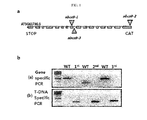
FIG. 1 shows three different mutants according to Example 1, andFig. 1a shows three different alleles (abca9-1/ath11-1. abca9-2/ath11-2, abca9-3/ath11-3) with T-DNA to produce AtABCA9/AtATH11 mutant Arabidopsis thaliana,Fig. 1b shows the result of running gene-specific PCR (a) and T-DNA-specific PCR (b) according to Example 1 to examine the knockout due to the insertion of T-DNA. (WT: wild-type; 1st: abca9-1, 2nd: abca9-2, 3rd: abca9-3). -
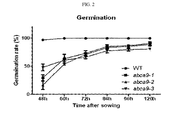
FIG. 2 shows the result of measuring the germination rates of the three different mutants that cannot express AtABCA9/AtATH11 and the wild species in accordance with Example 2-1. -
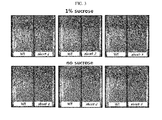
FIG. 3 shows the result of comparing the growth of the three different mutants that cannot express AtABCA9/AtATH11 and the wild species in accordance with Example 2-2. -
FIG. 4a shows the result of comparing wild species and the seeds of three different mutants that cannot express AtABCA9/AtATH11 in accordance with Example 3, andFIG. 4b shows the result of observing the inside of the siliques of the wild species and the three different mutants that cannot express AtABCA9/AtATH11(1st: abca9-1, 2nd: abca9-2, 3rd: abca9-3) as observed every 4 days after flowering (4, 8, 12, 16, and 20 DAF (Day After Flowering)) in accordance with Example 3. -
FIG. 5a is a graph showing the result confirmed through quantitative RT-PCR by classifying the expression of AtABCA9/AtATH11 in organizations (WS: whole seedling), L: leaf, S: stem, F: flower, S1:silique 4 ~ 6 DAF, S2:silique 10 ~ 12 DAF, and S3:silique 16 ~ 18, DAF: (Day After Flowering)), in accordance with Example 5, andFIG. 5b is a graph showing the expression levels of the overexpression transformants through quantitative RT-PCR (WT: wild-type, T1~T12 : overexpression transformants) in accordance with Example 5. -
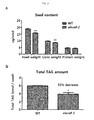
FIGS. 6a and 6b show the result of measuring fat stored in a seed in accordance with Example 6. -
FIG. 7 shows the result of observing the plant growth of wild species and transformants that overexpress AtABCA9/AtATH11 in accordance with Example 7 (WT: wild-type, T5, T7, T9, T11 and T12 : overexpression transformants). -
FIG. 8 shows the result of observing the number of siliques and the number of seeds in the silique of wild species and transformants that overexpress AtABCA9/AtATH11 in accordance with Example 7 (WT: wild-type, T5, T7, T9, T11 and T12 : overexpression transformants). -
FIGS. 9a to 9c each shows the result of measuring siliques (Fig.9a ), the weight of seeds (Fig.9b ), and the content of TAG of the seed(Fig.9c ) inside the silique of wild species and overexpressing transformants in accordance with Example 7 (WT: wild-type, T1~T12 : overexpression transformants). -
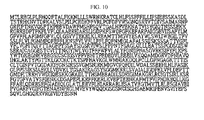
FIG. 10 shows the amino acid of sequence ID No:1 consisting the ABC transporter protein of the present invention. -
FIG. 11 shows the base sequence of sequence ID No:2 consisting the gene encoding ABC transporter protein of the present invention. - Hereinafter, preferred embodiments of the present invention will be presented for a better understanding of the present invention. However, the description proposed herein is just an example for a better understanding, not intended to limit the scope of the invention.
- Genomic DNA was extracted using a DNA extraction buffer (50 mM Tris-HCl, 10 mM EDTA, 100 mM NaCl, 1%(v/v) SDS, 10 mM β-mercaptoethanol) from leaves of Arabidopsis thaliana (wild-type (Columbia-0, SALK institute) and mutant) cultured for 2 weeks in a 1/2 MS medium (Murashige and Skoog, 1962).
- In detail, leaves of Arabidopsis thaliana were homogenously pulverized using liquid nitrogen, and mixed with 750 µl of the DNA extraction buffer per 1 g of the pulverized sample by vortexing, followed by incubation at 65°C for 30 min. Subsequently, 250 µl of 5 M potassium acetate was added to the sample and was shaken, cooled for 20 minutes in ice, and centrifugation was processed at 12000 rpm in 4°C for 10 min. The supernatant was transferred to a fresh tube, and 700 µl of isopropanol was added and shaken slightly. The pellet formed after removing supernatant through centrifugation at 12000 rpm, in 4°C for 10 min, was washed with 80 % (v/v) ethanol and then dried. It was dissolved in 50 µl of a TE buffer and separated genomic DNA and was used in PCR, etc.
- To search for a mutant incapable of expressing AtABCA9/AtATH11 due to the insertion of T-DNA into the AtABCA9/AtATH11 gene, a mutant with T-DNA inserted in three different sites was ordered from SALK Institute (http://signal.salk.edu/) (
FIG. 1a ) The three mutants ordered were SALK_058070: abca9-1, SALK_084342:abca9-2, and SALK_023744:abca9-3, and the three mutants and wild-type (Columbia-0, SALK institute) Arabidopsis thaliana were cultured for 2 weeks in a 1/2 MS medium (Murashige and Skoog, 1962) containing kanamycin and extracted genomic DNA of each and identified the knockout status of genes. - In detail, the genomic DNA extracted from the Example 1 method was the template and performed the gene (AtABCA9/AtATH11)-specific PCR and T-DNA-specific PCR response, and for the PCR response, the following primers were used.
-
- 1. pROKLBb1 (SEQ ID NO: 3: 5'-GCGTGGAACCGCTTGCTGCAACT-3')
- 2. SALK_058070LP (SEQ ID NO: 4: 5'-CTACATATGGCTCGTGGGAAC-3')
- 3. SALK_058070RP (SEQ ID NO: 5: 5'-AAAGAGGTGGAGGTGCTCTTC-3')
- 4. SALK_084342LP (SEQ ID NO: 6: 5'-ATGACTCTGCGAGAAGGCTT-3')
- 5. SALK_084342RP (SEQ ID NO: 7: 5'-GAAAGAGACCAAACCACACC-3'F)
- In this list, the pROKLBb1 primer of 1 was specific for T-DNA while all the primers of 2 to 5 were specific for the gene AtABCA9/AtATH11.
- In SALK_058070: for the gene-specific PCR of abca9-1, no. 2 of the list was used as a forward primer and no. 3 as a reverse primer, and for T-DNA-specific PCR, no.1 was used as a forward primer and no. 3 as a reverse primer.
- In SALK_084342: for the gene-specific PCR of abca9-2, no. 4 of the list was used as a forward primer and no. 5 as a reverse primer, and for T-DNA-specific PCR, no.1 was used as a forward primer and no. 5 as a reverse primer.
- In SALK_023744: for the gene-specific PCR of abca9-3, no. 2 of the list was used as a forward primer and no. 3 as a reverse primer, and for T-DNA-specific PCR, no.2 was used as a forward primer and no. 1 as a reverse primer.
- By performing PCR(35 cycles of 95°C 30 sec, 56°C 30 sec, and 72°C 30 sec) using each primers as described above, a mutant in which T-DNA was inserted as a homozygote into the AtABCA9/AtATH11 gene was excavated (
FIGS. 1a and 1b ). - In detail, as a result of performing gene specific PCR using primer pairs specific for the gene (AtABCA9/AtATH11), band that becomes PCR only in wild-type(WT) was identified((a) of
FIG. 1b ), and as a result of performing T-DNA specific PCR using RP or LP primers specific for each gene (abca9-1, abca9-2: RP, abca9-3: LP) and primers specific for T-DNA, band that only becomes PCR in knockout lanes was identified and excavated mutants in which T-DNA was inserted as a homozygote. - To measure germination rates of Arabidopsis thaliana mutants that cannot express AtABCA9/AtATH11 (abca9-1, abca9-2, abca9-3) identified in Example 1 and the wild-type (Columbia-0, SALK institute), each seeds were planted in a 1/2 MS medium (Murashige and Skoog, 1962), and was monitored after 48 hrs at intervals of 12 hrs by optical microscopy. Germination was determined on the basis of the emergence of radicles.
- The observation result, as shown in
FIG. 2 , while the wild-type was 98 % germinated after 48 hrs since the seed was planted in the medium, the mutant that cannot express AtABCA9/AtATH11 showed late germination comparing to wild-type due to small and crumpled seed, and even if it was germinated, only 20 ~ 40 % were germinated, and roughly 20 % of the mutant did not germinate to the end. - To measure growth rates of Arabidopsis thaliana mutants that cannot express AtABCA9/AtATH11 (abca9-1, abca9-2, abca9-3) identified in Example 1 and the wild-type (Columbia-0, SALK institute), each seeds were planted in rich media containing sucrose and a sucrose-free media of 1/2 MS media (Murashige et al., 1962, Duchefa), and after cultivated for 3 weeks, the growth was observed and measured the effect on the growth of Arabidopsis thaliana
- As a result shown in
FIG. 3 , there were no differences between the wild-type and the three different mutants that cannot express AtABCA9/AtATH11 in the rich media containing 1 % of sucrose, while when there is not a sucrose and should germinate and grow fully using the nutrients in the seed, the mutants that cannot express AtABCA9/AtATH11 showed slow growth and couldn't grow well compared to wild-type. - As a result of observing the seed of Arabidopsis thaliana mutants(abca9-1, abca9-2, abca9-3) that cannot express the AtABCA9/AtATH11 identified in Example 1, it was identified that it produced a far greater number of small and rumpled seeds compared to the wild-type (Columbia-0, SALK institute) (
FIG. 4a ), and when observing the seed inside the siliques of the wild-type and three different mutants that cannot express AtABCA9/AtATH11 at intervals of 4 days after flowering (4, 8, 12, 16, and 20 DAF (Day After Flowering)), three different mutants that cannot express AtABCA9/AtATH11 produced small, pale colored seeds from earlier times compared to the wild-type and eventually produced more small and rumpled seeds which indicated that AtABCA9/AtATH11 gene has an effect from the early time of the formation of siliques that actually form seeds (FIG. 4b ). - In reference of Example 1, using the gDNA that was extracted from the wild-type Arabidopsis thaliana (Columbia-0, SALK institute) as a template, AtABCA9/AtATH11 gene was amplified by PCR (25 cycles of 95°C 30 sec, 56°C 30 sec, 72°C 2.5 min) using AtATH11-ATG (SEQ ID NO: 8: 5'-ACTAGTATGACTCTGCGAGAAGGCTT-3') and AtATH11-Stop (SEQ ID NO: 9: 5'-ACTAGTTTAATTGTTAGATTCATAATCA-3') primers, and T-blunt vector (Solgent, http://www.solgent.co.kr/) was added, and was recombined in pCAMBIA1302 binary vector (Cambia, http://www.cambia.org/daisy/cambia/585.html using SpeI (Roche, http://www.roche.co.kr/portal/kr). pCAMBIA1302 vector was used as plant expression vector to produce Arabidopsis thaliana transformants and this contains a CaMV 35S promoter, a multicloning site, and a nopaline synthetase terminator.
- Using the floral dipping method (Clough and Bent, 1988), Agrobacterium (GV3101) (obtained from Cauliflower mosaic virus (CaMV)) that contains pCAMBIA1302:AtABCA9/AtATH11 gene was used to transform into Arabidopsis thaliana. The transformed seed was selected in 1/2 MS (Murashige and Skoog, 1962) medium containing 50 µg/L kanamycin antibiotics, and the seeds were taken from the surviving plants. Homozygote seeds in the 3rd generation were used for phenotype analysis.
- To measure the expression of AtABCA9/AtATH11 according to tissues, samples of each tissue (WS: whole seedling grown for 2 weeks in a medium, L: leaves grown for 2 weeks in a medium and for 2 weeks in soil, S: stems grown for 2 weeks a medium and for 3 weeks in soil, F: flowers grown for 2 weeks in a medium and for 3 weeks in soil, S1:
siliques 4 ~ 6 DAF, S2:siliques 10 ~ 12 DAF, and S3:siliques 16 ~ 18 DAF, DAF: Day After Flowering) of wild-type Arabidopsis thaliana(Columbia-0, SALK institute) were done, and were used for RNA isolation and cDNA synthesis. - To measure the expression of overexpressing-transformants, the wild-type Arabidopsis thaliana and the Arabidopsis thaliana transformants which was produced according to the Example 4 were cultured for 6 weeks, and samples were taken from each siliques, and were used for total RNA isolation and cDNA synthesis.
- After 100 mg of Arabidopsis thaliana samples of 1) and 2) were evenly pulverized using liquid nitrogen, the pulverized samples were placed in 2 ml tubes, and were well mixed with 800 µl of an RNA extraction buffer (p-aminosalicylic acid 2.7 g, triisopropyl naphthalene sufonic acid 0.45 g, 1.25M Tris HCl pH 9.0, 1.25 M NaCl, 0.25 M EDTA, β-
mercaptoethanol 1 ml, acidic phenol 1.2 ml, DEPC water 36 ml) and 400 µl of acidic phenol. After inserting 400µl of chloroform and blending well, samples were placed on ice for 10 min. After centrifugation at 6000 rpm in 4°C for 10 min, the supernantant was transferred to a fresh tube, and 200 µl of isopropanol was added. After centrifugation at 6000 rpm in 4°C for 15 min, the supernantant was removed and the pellet was dried. - After the dried pellet was treated with DNase (Roche, http://www.roche.co.kr/portal/kr), 50 µl of RNase-free water was inserted to the tube, and the pellet was dissolved to yield RNA.
- To the 2 µg of RNA obtained from above, cDNA was synthesized using Powerscript RT (reverse transcription)-kit (BD Bioscience Clontech) and oligo dT primer according to the manufacturer's instruction.
- To know the expression pattern by tissues of AtABCA9/AtATH11 gene and the level of expression of the overexpressing transformants, each cDNA of wild-type and transformants through Example 5-1 were used as template, and quantitative RT-PCR was performed (45 cycles of 94°C 30 sec, 56°
C 15 sec, 15°C sec) using the AtABCA9/AtATH11 F1 primer (SEQ ID NO: 10: 5'-ATGACTCTGCGAGAAGGCTT-3') and AtABCA9/AtATH11 R1 primer (SEQ ID NO: 11: 5'-CATGGAAGAATCGGAAGAGA-3'). - As a result of measuring the expression patterns according to tissues of AtABCA9/AtATH11 (WS, whole seedling; L, leave; S, stem; F, flower; S1,
siliques 4~6DAF; S2,siliques 10~12 DAF; and S3,siliques 16~18 DAF, DAF; Day After Flowering) AtABCA9/AtATH11 showed a higher expression level in silique compared to other tissues(FIG. 5a ), and according to the level of expression of overexpressing transformants, expression of AtABCA9/AtATH11 gene at overexpressing transformants (T1~T12 inFIG. 5b ) is significantly higher compared to the wild-type (WT inFIG. 5b ). ubiquitin 1 (AY059080) was used as a control plot. - To measure the fat store in the seeds of mutants that cannot express AtABCA9/AtATH11 identified in Example 1 and wild-type (Columbia-0, SALK institute), stored oils were extracted from 300 seeds of each. 300 seeds were put in 1 mL of 2-propanol and were boiled at 80°C for 5 min, and were chilled, and then 2 mL of chloroform was added and were grinded finely with Polytron Homogenizer. And then, after it was centrifuged at 3,000 rpm in room temperature for 10 min, the supernatant was collected, and 0.9 % (v/v) of KCl was added and shaken, followed by centrifugation at 3,000 rpm in room temperature for 10 min.
- When the solvent was evaporated after the lower layer was collected, only the oil remained, and by weighing this the total weight of oil could be measured (
FIG. 6a ), and then was dissolved by chloroform, and 1 mg of the oil was loaded to a TLC plate (Merck 1.05721). In order to observe the triacylglycerol, a main neutral fat of a seed, 90 ml of hexane, 7.5 ml of diethylether, and 1 ml of acetic acid were mixed in a glass tank as a solvent to separate neutral fat, and then deployed inserting TLC plate that loaded samples. After deployment, the TLC plate was stained with primuline and triacylglycerol was observed under UV light. Triacylglycerol was scraped off from the TLC plate and after it was dissolved in 3 mL of hexane, the quantity of triacylglycerol which is a main oil constituent was measured using gas chromatography (FIG. 6b ). - As can be seen in
FIG. 6a and 6b , for mutants that cannot express AtABCA9/AtATH11, the total weight of seed and total fat (or oil) decreased but did not show much difference in protein content compared to wild-type (FIG. 6a ), and for triacylglycerol, which is a main fat store (or oil) of seeds, decreased about 35 % in mutants compared to wild-type (FIG. 6b ). These results indicate that AtABCA9/AtATH11 plays an important role in the fat store of seed. - To compare the productivity of the transformants that overexpresses the AtABCA9/AtATH11 gene produced in Example 4, the seeds from wild-type Arabidopsis thaliana (Columbia-0, SALK institute) and the transformed Arabidopsis thaliana were stored for 2 days after the surfaces were sterilized with ethanol and chlororox, at 4°C in a dark place, and then was cultured in 1/2 MS medium (Murashige and Skoog 1962). After the medium was cultured horizontally for 2 weeks (16h light/8h dark, 22 °C /18 °C ), they were transferred to soil and were grown for 4 weeks and the growth rate, the number of siliques, the number of seeds per silique, the size and weight of seeds, and the TAG content in seeds were measured and compared from wild-type and transformants. The TAG measurement was done by extracting TAG using seeds from wild-type and overexpressing transformants according to the method disclosed in Example 6.
- As a result, the growth of plants were similar between wild type (WT) and overexpressing transformants (T5, T7, T9, T11 and T12) or transformants showed slightly higher growth (
FIG. 7 , and when the number of siliques and the number of seeds in the silique were compared, the number of siliques was increased by 6.2 % on average in the overexpressing transformants, while there was no difference in the number of seeds per silique therebetween (FIG. 8 ). - In addition, for the overexpressing transformants (T5 and T8), the seeds in silique became much bigger in size (
FIG. 9a ) compared to wild type, and especially the transformants T8 showed increase up to 123 % (FIG. 9b ) in seed weight, compared to the wild-type. Also, the transformants, particularly T9, contained triactylglycerols (TAG), which is the main fat store of seed, in an amount 132 % higher than that of the wild-type (FIG. 9c ). - Consequently, the transformants that overexpress AtABCA9/AtATH11 gene of the present invention showed significant increase in the number of siliques, the size of seeds in siliques, and the content of TAG, although there has not been much difference in the number of seeds per silique, and thus identified a great improvement in view of total productivity and fat store.
- The present invention can significantly improve the productivity of vegetable fat (or oil) in a limited space since it can increase the content of fat stored in seeds through the increase of the content of the fat store (or oil) itself or the increase in seed size which is a main storage organ of vegetable oil. And thus can make a significant contribution to the supply of biodiesel and edible plant fats (or oils) in response to the rapidly increasing demand therefor.
-
- SEQ. ID. NO.1: amino acid sequence of AtABCA9/AtATH11


- SEQ. ID. NO.2: AtABCA9/AtATH11 gene


- SEQ. ID. NO.3: pROKLBb1
gcgtggaacc gcttgctgca act - SEQ. ID. NO.4: SALK_058070LP
ctacatatgg ctcgtgggaa c - SEQ. ID. NO.5: SALK_058070RP
aaagaggtgg aggtgctctt c - SEQ. ID. NO. 6 : SALK_084342LP
atgactctgc gagaaggctt - SEQ. ID. NO.7 : SALK_084342RP
gaaagagacc aaaccacacc - SEQ. ID. NO.8 : AtATH11-ATG primer
actagtatga ctctgcgaga aggctt - SEQ. ID. NO. 9 : AtATH11-Stop primer
actagtttaa ttgttagatt cataatca - SEQ. ID. NO. 10 : AtABCA9/AtATH11 F1 primer
atgactctgc gagaaggctt - SEQ. ID. NO. 11 : AtABCA9/AtATH11 R1 primer
catggaagaa tcggaagaga


Claims (14)
- A composition for increasing the size of a plant seed or the content of fat stored within a plant seed, comprising more than one selected from the group consisting of a plant ABC (ATP-binding cassette) transporter protein, and a gene encoding the ABC transport protein.
- The composition of claim 1, wherein the ABC transporter protein is a polypeptide having an amino acid sequence of SEQ ID NO: 1.
- The composition of claim 1, wherein the gene has a base sequence of SEQ ID NO: 2.
- The composition of claim 1, wherein the composition comprises the gene, and a transformation vector inserted with a promoter for overexpressing the gene or a microorganism transformed with the transformation vector.
- The composition of claim 1, wherein the fat stored is a triacylglycerol.
- The composition of claim 1, wherein the plant is rice, wheat, barley, corn, soybean, red bean, oat, sorghum, onion, carrot, cucumber, olive, sweet potato, potato, Chinese cabbage, radish, lettuce, broccoli, tobacco, petunia, sunflower, leaf mustard, turf, Arabidopsis thaliana, Brassica campestris, B. napus, Betula platyphylla, poplar, hybrid poplar, or Betula schmidtii.
- A method for increasing the size of a plant seed or the content of fat stored within a plant seed, comprising the step of introducing a gene coding for a plant ABC (ATP-binding cassette) transporter protein, and a promoter for overexpressing the gene into a plant.
- The method of claim 7, wherein the ABC transporter protein is a polypeptide having an amino acid sequence of SEQ ID NO: 1.
- The method of claim 7, wherein the gene has a nucleotide sequence of SEQ ID NO: 2.
- The method of claim 7, wherein the stored fat is a triacylglycerol.
- The method of claim 7, wherein the plant is rice, wheat, barley, corn, soybean, red bean, oat, sorghum, onion, carrot, cucumber, olive, sweet potato, potato, Chinese cabbage, radish, lettuce, broccoli, tobacco, petunia, sunflower, leaf mustard, turf, Arabidopsis thaliana, Brassica campestris, B. napus, Betula platyphylla, poplar, hybrid poplar, or Betula schmidtii.
- A plant body which is improved in seed size or content of fat stored within seed, obtained according to the method of claim 7.
- The plant body of claim 12, wherein the plant body is selected from the group consisting of a whole plant, a plant tissue, a plant cell, and a plant seed.
- A seed which is improved in size or in content of fat stored within, obtained according to the method of claim 7.
Applications Claiming Priority (2)
| Application Number | Priority Date | Filing Date | Title |
|---|---|---|---|
| KR1020110001531A KR101283857B1 (en) | 2011-01-06 | 2011-01-06 | Composition for increasing seed size, or content of storage lipid in seed, comprising the abc transporter protein-coding gene |
| PCT/KR2011/006826 WO2012093764A1 (en) | 2011-01-06 | 2011-09-16 | Composition containing gene encoding abc transporter proteins for increasing size of plant seed and content of fat stored within seed |
Publications (2)
| Publication Number | Publication Date |
|---|---|
| EP2661959A1 true EP2661959A1 (en) | 2013-11-13 |
| EP2661959A4 EP2661959A4 (en) | 2015-01-07 |
Family
ID=46457602
Family Applications (1)
| Application Number | Title | Priority Date | Filing Date |
|---|---|---|---|
| EP11854771.0A Withdrawn EP2661959A4 (en) | 2011-01-06 | 2011-09-16 | COMPOSITION CONTAINING A GENE ENCODING ABC TRANSPORTER PROTEINS TO INCREASE PLANT SEED SIZE AND FAT CONTENT STORED IN SEEDS |
Country Status (6)
| Country | Link |
|---|---|
| US (1) | US9273323B2 (en) |
| EP (1) | EP2661959A4 (en) |
| KR (1) | KR101283857B1 (en) |
| AU (1) | AU2011354577B2 (en) |
| CA (1) | CA2824015C (en) |
| WO (1) | WO2012093764A1 (en) |
Cited By (1)
| Publication number | Priority date | Publication date | Assignee | Title |
|---|---|---|---|---|
| WO2018215915A1 (en) * | 2017-05-22 | 2018-11-29 | Benson Hill Biosystems, Inc. | Increasing plant growth and yield by using an abc transporter sequence |
Families Citing this family (2)
| Publication number | Priority date | Publication date | Assignee | Title |
|---|---|---|---|---|
| KR101679130B1 (en) * | 2014-12-26 | 2016-11-23 | 포항공과대학교 산학협력단 | Composition for increasing seed size and content of storage lipid in seed, comprising bass2 protein or coding gene thereof |
| CN119162204B (en) * | 2024-11-07 | 2025-08-01 | 禾生创源(北京)生物技术有限公司 | Application of rice gene OsABCA3 in regulation of rice grain type and mutant thereof |
Family Cites Families (3)
| Publication number | Priority date | Publication date | Assignee | Title |
|---|---|---|---|---|
| NL8300698A (en) | 1983-02-24 | 1984-09-17 | Univ Leiden | METHOD FOR BUILDING FOREIGN DNA INTO THE NAME OF DIABIC LOBAL PLANTS; AGROBACTERIUM TUMEFACIENS BACTERIA AND METHOD FOR PRODUCTION THEREOF; PLANTS AND PLANT CELLS WITH CHANGED GENETIC PROPERTIES; PROCESS FOR PREPARING CHEMICAL AND / OR PHARMACEUTICAL PRODUCTS. |
| US6821774B1 (en) | 1999-06-18 | 2004-11-23 | Cv Therapeutics, Inc. | Compositions and methods for increasing cholesterol efflux and raising HDL using ATP binding cassette transporter ABC1 |
| US20090158452A1 (en) * | 2001-12-04 | 2009-06-18 | Johnson Richard G | Transgenic plants with enhanced agronomic traits |
-
2011
- 2011-01-06 KR KR1020110001531A patent/KR101283857B1/en not_active Expired - Fee Related
- 2011-09-16 CA CA2824015A patent/CA2824015C/en not_active Expired - Fee Related
- 2011-09-16 EP EP11854771.0A patent/EP2661959A4/en not_active Withdrawn
- 2011-09-16 US US13/996,343 patent/US9273323B2/en active Active
- 2011-09-16 WO PCT/KR2011/006826 patent/WO2012093764A1/en not_active Ceased
- 2011-09-16 AU AU2011354577A patent/AU2011354577B2/en not_active Ceased
Non-Patent Citations (7)
| Title |
|---|
| DATABASE UniProt [Online] 1 March 2001 (2001-03-01), "RecName: Full=ABC transporter A family member 9; Short=ABC transporter ABCA.9; Short=AtABCA9; AltName: Full=ABC2 homolog 11;", XP002732868, retrieved from EBI accession no. UNIPROT:Q9FLT5 Database accession no. Q9FLT5 & SANCHEZ-FERNANDEZ R ET AL: "The Arabidopsis thaliana ABC protein superfamily, a complete inventory", JOURNAL OF BIOLOGICAL CHEMISTRY, AMERICAN SOCIETY FOR BIOCHEMISTRY AND MOLECULAR BIOLOGY, US, vol. 276, no. 32, 10 August 2001 (2001-08-10), pages 30231-30244, XP003003570, ISSN: 0021-9258, DOI: 10.1074/JBC.M103104200 * |
| S. KIM ET AL: "AtABCA9 transporter supplies fatty acids for lipid synthesis to the endoplasmic reticulum", PROCEEDINGS OF THE NATIONAL ACADEMY OF SCIENCES, vol. 110, no. 2, 8 January 2013 (2013-01-08), pages 773-778, XP055154554, ISSN: 0027-8424, DOI: 10.1073/pnas.1214159110 * |
| See also references of WO2012093764A1 * |
| SLOCOMBE STEVE P ET AL: "Oil accumulation in leaves directed by modification of fatty acid breakdown and lipid synthesis pathways", PLANT BIOTECHNOLOGY JOURNAL, BLACKWELL PUB, vol. 7, no. 7, 1 September 2009 (2009-09-01), pages 694-703, XP009133349, ISSN: 1467-7644, DOI: 10.1111/J.1467-7652.2009.00435.X [retrieved on 2009-08-04] * |
| T. KUROMORI ET AL: "ABC transporter AtABCG25 is involved in abscisic acid transport and responses", PROCEEDINGS OF THE NATIONAL ACADEMY OF SCIENCES, vol. 107, no. 5, 2 February 2010 (2010-02-02), pages 2361-2366, XP55154512, ISSN: 0027-8424, DOI: 10.1073/pnas.0912516107 * |
| VERRIER P J ET AL: "Plant ABC proteins - a unified nomenclature and updated inventory", TRENDS IN PLANT SCIENCE, ELSEVIER SCIENCE, OXFORD, GB, vol. 13, no. 4, 1 April 2008 (2008-04-01), pages 151-159, XP022590964, ISSN: 1360-1385, DOI: 10.1016/J.TPLANTS.2008.02.001 [retrieved on 2008-03-04] * |
| XIU-HONG XU ET AL: "Mutations of the multi-drug resistance-associated protein ABC transporter gene 5 result in reduction of phytic acid in rice seeds", THEORETICAL AND APPLIED GENETICS ; INTERNATIONAL JOURNAL OF PLANT BREEDING RESEARCH, SPRINGER, BERLIN, DE, vol. 119, no. 1, 16 April 2009 (2009-04-16), pages 75-83, XP019698385, ISSN: 1432-2242 * |
Cited By (3)
| Publication number | Priority date | Publication date | Assignee | Title |
|---|---|---|---|---|
| WO2018215915A1 (en) * | 2017-05-22 | 2018-11-29 | Benson Hill Biosystems, Inc. | Increasing plant growth and yield by using an abc transporter sequence |
| CN110799526A (en) * | 2017-05-22 | 2020-02-14 | 本森希尔股份有限公司 | Plant growth and yield enhancement by use of ABC transporter sequences |
| US11535857B2 (en) | 2017-05-22 | 2022-12-27 | Benson Hill, Inc. | Increasing plant growth and yield by using an ABC transporter sequence |
Also Published As
| Publication number | Publication date |
|---|---|
| KR101283857B1 (en) | 2013-07-08 |
| US9273323B2 (en) | 2016-03-01 |
| EP2661959A4 (en) | 2015-01-07 |
| AU2011354577B2 (en) | 2016-03-17 |
| WO2012093764A1 (en) | 2012-07-12 |
| CA2824015C (en) | 2018-04-10 |
| CA2824015A1 (en) | 2012-07-12 |
| US20130283481A1 (en) | 2013-10-24 |
| KR20120080077A (en) | 2012-07-16 |
Similar Documents
| Publication | Publication Date | Title |
|---|---|---|
| US10626407B2 (en) | Materials and method for modifying a biochemical component in a plant | |
| US10077450B2 (en) | Sugarcane bacilliform viral (SCBV) enhancer and its use in plant functional genomics | |
| WO2010009500A1 (en) | Improved vegetable oils and uses therefor | |
| JP6818193B2 (en) | Triglyceride production methods, transgenic plants and kits | |
| WO2016017641A1 (en) | Plant body ideal for high-density planting and use thereof | |
| US9273323B2 (en) | Composition containing gene encoding ABC transporter proteins for increasing size of plant seed and content of fat stored within seed | |
| KR101679130B1 (en) | Composition for increasing seed size and content of storage lipid in seed, comprising bass2 protein or coding gene thereof | |
| CN102127158A (en) | Vegetable oil and fat metabolism related regulatory protein GmMYB73 as well as coding gene and application thereof | |
| CN102532291B (en) | NF-YAI protein and application of coding gene thereof in cultivating plant with improved content of fatty acid | |
| US10006039B2 (en) | Production of oil in vegetative tissues | |
| CN101597329B (en) | Transcription Factors Related to Plant Fatty Acid and Oil Metabolism and Their Encoding Genes and Applications | |
| AU2019336533A1 (en) | Improved method for the production of high levels of PUFA in plants | |
| CN102558324B (en) | Application of NF-YA9 protein and encoding gene thereof in cultivating fatty acid content increased plant | |
| CN102586322B (en) | NF-YA5 protein and aplication of encoding gene thereof to cultivation of plant with increased content of fatty acid | |
| WO2020049159A1 (en) | Improved method for the production of high levels of pufa in plants | |
| CN102604966A (en) | NF-YA6 protein and application of coding gene of NF-YA6 protein in culture of plant with improved fatty acid content | |
| Qi | Using genetic transformation to produce enhanced levels of erucic acid and novel wax esters in Crambe abyssinica |
Legal Events
| Date | Code | Title | Description |
|---|---|---|---|
| PUAI | Public reference made under article 153(3) epc to a published international application that has entered the european phase |
Free format text: ORIGINAL CODE: 0009012 |
|
| 17P | Request for examination filed |
Effective date: 20130806 |
|
| AK | Designated contracting states |
Kind code of ref document: A1 Designated state(s): AL AT BE BG CH CY CZ DE DK EE ES FI FR GB GR HR HU IE IS IT LI LT LU LV MC MK MT NL NO PL PT RO RS SE SI SK SM TR |
|
| RIN1 | Information on inventor provided before grant (corrected) |
Inventor name: KIM, SANGWOO Inventor name: YAMAOKA, YASUYO Inventor name: ONO, HIROFUMI Inventor name: NISHIDA, IKUO Inventor name: LEE, YOUNGSOOK |
|
| DAX | Request for extension of the european patent (deleted) | ||
| RIC1 | Information provided on ipc code assigned before grant |
Ipc: C12N 15/29 20060101ALI20141127BHEP Ipc: A01H 5/00 20060101AFI20141127BHEP Ipc: C07K 14/415 20060101ALI20141127BHEP Ipc: C12N 15/82 20060101ALI20141127BHEP |
|
| A4 | Supplementary search report drawn up and despatched |
Effective date: 20141208 |
|
| 17Q | First examination report despatched |
Effective date: 20160610 |
|
| STAA | Information on the status of an ep patent application or granted ep patent |
Free format text: STATUS: EXAMINATION IS IN PROGRESS |
|
| GRAP | Despatch of communication of intention to grant a patent |
Free format text: ORIGINAL CODE: EPIDOSNIGR1 |
|
| STAA | Information on the status of an ep patent application or granted ep patent |
Free format text: STATUS: GRANT OF PATENT IS INTENDED |
|
| INTG | Intention to grant announced |
Effective date: 20171005 |
|
| STAA | Information on the status of an ep patent application or granted ep patent |
Free format text: STATUS: THE APPLICATION IS DEEMED TO BE WITHDRAWN |
|
| 18D | Application deemed to be withdrawn |
Effective date: 20180216 |