EP2658374B1 - Hepatoprotectant activity of garcinol - Google Patents
Hepatoprotectant activity of garcinol Download PDFInfo
- Publication number
- EP2658374B1 EP2658374B1 EP11852682.1A EP11852682A EP2658374B1 EP 2658374 B1 EP2658374 B1 EP 2658374B1 EP 11852682 A EP11852682 A EP 11852682A EP 2658374 B1 EP2658374 B1 EP 2658374B1
- Authority
- EP
- European Patent Office
- Prior art keywords
- garcinol
- hepatotoxicity
- liver
- induced
- models
- Prior art date
- Legal status (The legal status is an assumption and is not a legal conclusion. Google has not performed a legal analysis and makes no representation as to the accuracy of the status listed.)
- Active
Links
Images




Classifications
-
- A—HUMAN NECESSITIES
- A61—MEDICAL OR VETERINARY SCIENCE; HYGIENE
- A61K—PREPARATIONS FOR MEDICAL, DENTAL OR TOILETRY PURPOSES
- A61K36/00—Medicinal preparations of undetermined constitution containing material from algae, lichens, fungi or plants, or derivatives thereof, e.g. traditional herbal medicines
- A61K36/18—Magnoliophyta (angiosperms)
- A61K36/185—Magnoliopsida (dicotyledons)
-
- A—HUMAN NECESSITIES
- A61—MEDICAL OR VETERINARY SCIENCE; HYGIENE
- A61K—PREPARATIONS FOR MEDICAL, DENTAL OR TOILETRY PURPOSES
- A61K31/00—Medicinal preparations containing organic active ingredients
- A61K31/185—Acids; Anhydrides, halides or salts thereof, e.g. sulfur acids, imidic, hydrazonic or hydroximic acids
- A61K31/19—Carboxylic acids, e.g. valproic acid
- A61K31/194—Carboxylic acids, e.g. valproic acid having two or more carboxyl groups, e.g. succinic, maleic or phthalic acid
-
- A—HUMAN NECESSITIES
- A61—MEDICAL OR VETERINARY SCIENCE; HYGIENE
- A61K—PREPARATIONS FOR MEDICAL, DENTAL OR TOILETRY PURPOSES
- A61K31/00—Medicinal preparations containing organic active ingredients
- A61K31/12—Ketones
- A61K31/122—Ketones having the oxygen directly attached to a ring, e.g. quinones, vitamin K1, anthralin
-
- A—HUMAN NECESSITIES
- A61—MEDICAL OR VETERINARY SCIENCE; HYGIENE
- A61K—PREPARATIONS FOR MEDICAL, DENTAL OR TOILETRY PURPOSES
- A61K36/00—Medicinal preparations of undetermined constitution containing material from algae, lichens, fungi or plants, or derivatives thereof, e.g. traditional herbal medicines
- A61K36/18—Magnoliophyta (angiosperms)
- A61K36/185—Magnoliopsida (dicotyledons)
- A61K36/38—Clusiaceae, Hypericaceae or Guttiferae (Hypericum or Mangosteen family), e.g. common St. Johnswort
-
- A—HUMAN NECESSITIES
- A61—MEDICAL OR VETERINARY SCIENCE; HYGIENE
- A61P—SPECIFIC THERAPEUTIC ACTIVITY OF CHEMICAL COMPOUNDS OR MEDICINAL PREPARATIONS
- A61P1/00—Drugs for disorders of the alimentary tract or the digestive system
- A61P1/16—Drugs for disorders of the alimentary tract or the digestive system for liver or gallbladder disorders, e.g. hepatoprotective agents, cholagogues, litholytics
-
- A—HUMAN NECESSITIES
- A61—MEDICAL OR VETERINARY SCIENCE; HYGIENE
- A61P—SPECIFIC THERAPEUTIC ACTIVITY OF CHEMICAL COMPOUNDS OR MEDICINAL PREPARATIONS
- A61P43/00—Drugs for specific purposes, not provided for in groups A61P1/00-A61P41/00
Definitions
- Nilesh Mehta et al (Drug-Induced Hepatotoxicity- Medscape REFERENCE-Drugs, Diseases and Procedures ) reports that 75% of the idiosyncratic drug reactions lead to liver transplantation or death. The same authors also report that in the United States, approximately 2000 cases of acute liver failure occur annually and 50% of such cases could be attributed to the effects of drugs. The authors further elucidate the pathophysiological mechanisms underlying drug induced hepatotoxicity. These include,
- Alkaline phosphatase activity measurement is based on the ability of the enzyme to hydrolyze p-nitrophenol phosphate under alkaline conditions.
- the cleaved product p-nitrophenol is yellow in alkaline solution and is measured at 400-420 nm (Klaus and Schutt, 1974).
- 2.0 ml of buffered substrate was taken in the tubes 'Test' 'Control' and 'Blank' followed by addition of serum and distilled water (0.1ml) in 'Test' and 'Blank' respectively and incubated in a water bath for 30 minutes at 25°C.
Landscapes
- Health & Medical Sciences (AREA)
- Life Sciences & Earth Sciences (AREA)
- Natural Medicines & Medicinal Plants (AREA)
- General Health & Medical Sciences (AREA)
- Chemical & Material Sciences (AREA)
- Medicinal Chemistry (AREA)
- Veterinary Medicine (AREA)
- Public Health (AREA)
- Pharmacology & Pharmacy (AREA)
- Animal Behavior & Ethology (AREA)
- Epidemiology (AREA)
- Engineering & Computer Science (AREA)
- Medical Informatics (AREA)
- Alternative & Traditional Medicine (AREA)
- Mycology (AREA)
- Microbiology (AREA)
- Botany (AREA)
- Biotechnology (AREA)
- Bioinformatics & Cheminformatics (AREA)
- Chemical Kinetics & Catalysis (AREA)
- General Chemical & Material Sciences (AREA)
- Organic Chemistry (AREA)
- Nuclear Medicine, Radiotherapy & Molecular Imaging (AREA)
- Gastroenterology & Hepatology (AREA)
- Pharmaceuticals Containing Other Organic And Inorganic Compounds (AREA)
- Enzymes And Modification Thereof (AREA)
- Medicines Containing Plant Substances (AREA)
- Micro-Organisms Or Cultivation Processes Thereof (AREA)
- Acyclic And Carbocyclic Compounds In Medicinal Compositions (AREA)
- Medicines Containing Material From Animals Or Micro-Organisms (AREA)
- Medicines That Contain Protein Lipid Enzymes And Other Medicines (AREA)
Description
- This application is a non-provisional application of provisional application
61/428643 filed on December 30, 2010 - The invention in general relates to medicaments for hepatotoxicity (hepatic toxicity) management. More specifically, it relates to the hepatoprotective potential of garcinol.
- The term "hepatotoxicity" refers in general to the chemical induced liver damage. Such damage occurs mainly when the liver discharges its innate function of transformation and clearance of chemicals in the body.
- The close association of the liver to the gastrointestinal tract and the spleen through the portal venous system, as part of its metabolic function further exacerbates the impact of toxicity due to circulating drugs.
- Nilesh Mehta et al (Drug-Induced Hepatotoxicity- Medscape REFERENCE-Drugs, Diseases and Procedures) reports that 75% of the idiosyncratic drug reactions lead to liver transplantation or death. The same authors also report that in the United States, approximately 2000 cases of acute liver failure occur annually and 50% of such cases could be attributed to the effects of drugs. The authors further elucidate the pathophysiological mechanisms underlying drug induced hepatotoxicity. These include,
- (i) Hepatocyte disruption that follows actin fibril disassembly caused due to the covalent binding of the drug to the intracellular proteins and the decrease in ATP levels.
- (ii) Drug induced blockage of transport pumps preventing normal bile excretion to cause cholestasis.
- (iii) Immune response mediated by the binding of the drug to P-450 enzyme.
- (iv) TNF-α mediated apoptosis of hepatocytes.
- (v) Mitochondrial disruption due to decreased ATP production brought about by the drug induced inhibition of NAD and FAD in the beta-oxidation energy production mechanism.
- (vi) Toxic metabolites induced bile duct injury.
- (vii) Activation of liver cell types like the Browicz-Kuppfer cells and receptors like toll-like receptor 4 (TLR4) and CD14 thereof during early ethanol induced liver damage, leading to internalization of the lipopolysaccaride fraction of the cell walls of gram negative bacteria that flourish in the gut in an alcohol rich environment. This then leads to activation of pro-inflammatory cytokines like TNF-α and superoxides which would enter the stellate cells in the liver, leading to collagen synthesis, fibrosis and eventually liver cirrhosis.
- Hepatoprotection as an ongoing therapeutic (both preventive and prophylactic) means, thus assumes tremendous importance in conditions where there is interplay of one or more of the aforesaid mechanisms in causing liver damage. Such conditions include,
- (i) Nonalcoholic steatohepatitis (NASH) which represents fat in the liver and ensuing inflammation thereof. Though it resembles alcoholic liver disease, it occurs in people who are non-alcoholics or who consume very little alcohol. NASH is enigmatic in the sense that it may regress on its own or worsen in a slow manner leading to fibrosis and subsequently life threatening cirrhosis. Further, no specific therapies exist for this condition except life style management methods.
- (ii) Alcohol abuse resulting from habitual or prolonged consumption;
- (iii) Chemotherapy for cancer.
- (iv) Conditions such as non-alcoholic fatty liver disease where there is fat deposition in the liver without signs and symptoms of inflammation or liver damage.
- (v) Viral induced acute or chronic hepatitis, where the latter condition may lead to fibrosis and life threatening cirrhosis/liver cancer.
- Garcinol, isolated from Garcinia sp. fruit rind is known in the art as an antioxidant and chemo protective agent. (Tanaka, T. et.al. Prevention of colonic aberrant crypt foci by dietary feeding of garcinol in male F3444 rats. Carcinogenesis, June 2000: 21 (6): 1183-9). From Cheng, A.-C. et al., Food Funct., 2010, 1, 301-307 it is known that garcinol inhibits cell growth in hepatocellular carcinoma Hep3B cells through induction of ROS-dependent apoptosis.
- Garcinol and isogarcinol were evaluated for their antibacterial activity against methicillin-resistant Staphylococcus aureus (Linuma M et al, Antibacterial activity of some Garcinia benzophenone derivatives against methicillin-resistant Staphylococcus aureus. Biol Pharm Bull 1996 February; 19(2): 311-4).
- Garcinol's role as a potent inhibitor of histone acetyltransferases (HATs) both in vitro and invivo was reported by Tapas et al in 2004 ("Polyisoprenylated Benzophenone, Garcinol, a Natural Histone Acetyl transferase Inhibitor, Represses Chromatin Transcription and Alters Global GeneExpression", The Journal of Biological Chemistry, Vol. 279, No. 32, Issue of August 6, pp.33716-33726, 2004).
- The present inventors add further to the medical potential of garcinol in disclosing the molecule's hepatoprotectant activity through modulation of one or more pathophysiological effects highlighted herein above. In specific, the present inventors have sought to study the effects of garcinol in modulating the biochemical markers associated with hepatotoxicity.
- The present invention discloses the potential of garcinol as a hepatoprotectant. Protection of cultures of Hep-2 cells in the presence of effective concentrations of garcinol has been demonstrated. Also demonstrated is garcinol mediated modulation of biochemical markers in animal models of toxin-CCl4 induced, drug-Paracetamol induced and alcohol induced hepatoxicity.
-
-
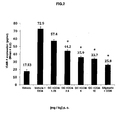
FIG 1 : shows the graphical representation of the effect of different doses of garcinol on TGF-beta 1 expression (pg/ml) in the liver homogenates from toxin (CCl4) induced hepatotoxic animal models. Values are expressed as Mean ± SE, n = 6); P value * : <0.001. -
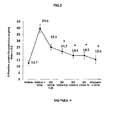
FIG 2 : shows the graphical representation of the effect of different doses of garcinol on Inter-Cellular Adhesion Molecule 1 (ICAM-1 or CD52) expression (pg/ml) in the liver homogenates from toxin (CCl4) induced hepatotoxic animal models. Values are expressed as Mean ± SE, n = 6); P value * : <0.001. -
FIG 3 : shows the graphical representation of the effect of different doses of garcinol on C-reactive protein expression (mg/ml) in the liver homogenates from toxin (CCl4) induced hepatotoxic animal models. Values are expressed as Mean ± SE, n = 6); P value * : <0.001. -
FIG 4 : shows the graphical representation (flow cytometric studies) of the effect of different doses of garcinol on Tumor Necrosis Factor-α (TNF-α) in the blood drawn from toxin (CCl4) induced hepatotoxic animal models. -
FIG 5 : shows the graphical representation (flow cytometric studies) of the effect of different doses of garcinol on Interleukin-2 (IL-2) in the blood drawn from toxin (CCl4) induced hepatotoxic animal models. -
FIG 6 : shows the graphical representation of the effect of different doses of garcinol on Interleukin-4 (IL-4) in the blood drawn from toxin (CCl4) induced hepatotoxic animal models. -
FIG 7 : shows the graphical representation of the effect of different doses of garcinol on TGF-beta 1 expression (pg/ml) in the liver homogenates from drug (Paracetamol) induced hepatotoxic animal models. Values are expressed as Mean ± SE, n = 6); P value * : <0.01., **: <0.001., GC : Garcinol; APAP : Paracetamol. -
FIG 8 : shows the graphical representation of the effect of different doses of garcinol on Inter-Cellular Adhesion Molecule 1 (ICAM-1 or CD52) expression (pg/ml) in the liver homogenates from drug (Paracetamol) induced hepatotoxic animal models. Values are expressed as Mean ± SE, n = 6); P value * : <0.01., **: <0.001., GC : Garcinol; APAP : Paracetamol. -
FIG 9 : shows the graphical representation (flow cytometric studies) of the effect of different doses of garcinol on Tumor Necrosis Factor-α (TNF-α) in the blood drawn from drug (Paracetamol) induced hepatotoxic animal models. -
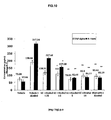
FIG 10 : shows the graphical representation of the effect of different doses of garcinol on Tumor Necrosis Factor-α (TNF-α) and Interleukin-1β (IL-1β) in the serum of alcohol (Ethyl alcohol) induced hepatotoxic animal models. Values are expressed as Mean ± SE, n = 6); P value * : <0.01., **: <0.001., GC : Garcinol. -
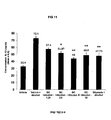
FIG 11 : shows the graphical representation of the effect of different doses of garcinol on Interleukin-12 (IL-12) in the serum of alcohol (Ethyl alcohol) induced hepatotoxic animal models. -
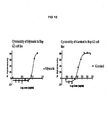
FIG 12 : shows the graphical representation of the cytotoxic potential (% cytotoxicity) of garcinol in Hep G2 liver cancer cell line in comparison with Silymarin, a known hepatoprotective agent. -
FIG 13 : shows the graphical representation of the hepatoprotective effect of garcinol in comparision with the known hepatoprotective agent Silymarin in Hep G2 liver cancer cell line. - In the most preferred embodiment, the present invention pertains to a method of mammalian hepatocyte protection, said method comprising step of bringing into contact mammalian hepatocytes with an effective concentration of garcinol, wherein any method practiced as a method for treatment of the human or animal body by therapy or practiced as a diagnostic method on the human or animal body is excluded. More specifically, the effective concentration of garcinol is from about 0.78 µg/ml to about 6.25 µ/ml (
FIGS. 12 and13 ). In an alternate most preferred embodiment, the present invention relates to garcinol for use as a medicament for providing hepatoprotection, more specifically, hepatoprotection for a mammal. - In another preferred embodiment, the present invention relates to a method of reducing increased levels of cytokine expression in mammalian models of liver damage (hepatotoxicity), said method comprising step of administering an effective amount of garcinol to said models (
FIGS. 1 ,4 ,5 ,6 ,7 ,9 ,10 and11 ). In specific embodiments, the cytokines are Transforming Growth Factor G-β1 (TGF- β1), Tumor Necrosis Factor-α, Interleukin-2 (IL-2), Interleukin-4 (IL-4) and Interleukin-12 (IL-12). In further specific embodiment, hepatotoxicity in mammalian models may be induced by toxin, drug or ethyl alcohol. In an alternate specific embodiment, liver damage is induced by combinations of toxin, drug and ethyl alcohol. - In yet another preferred embodiment, the present invention relates to a method of reducing increased levels of adhesion molecule expression in mammalian models of liver damage (hepatotoxicity) induced by toxins and/or drugs, said method comprising step of administering an effective amount of garcinol to said models (
FIGS.2 and8 ). In a specific embodiment, the adhesion molecule is Intracellular Adhesion Molecule-1 (ICAM-1 or CD 52). - In yet another preferred embodiment, the present invention relates to a method of reducing elevated levels of liver enzymes and/or bile pigments in mammalian models of liver damage (hepatotoxicity), said method comprising step of administering an effective amount of garcinol to said models. In specific embodiments, the liver enzymes are Alanine Transaminase, Aspartate aminotransferase and Alkaline phosphatase (Tables 3, 4 and 5). In another specific embodiment, the bile pigment is bilirubin. In further specific embodiment, liver damage in mammalian models may be induced by toxin, drug or ethyl alcohol. In an alternate specific embodiment, liver damage is induced by combinations of toxin, drug and ethyl alcohol.
- The potential therapeutic value of garcinol as a hepatoprotectant may be understood through examples elucidated herein below.
- Acute Oral Safety of Garcinol: No mortality was observed up to 2000 mg/kg. p. o. in mice up to two weeks of observation. The parameters studied and observations recorded are included in Table 1. (OECD Guidelines for Testing of Chemicals. Guideline 423, Acute Oral Toxicity - Acute Toxic Class Method, Adopted, (1996). Organization for Economic Cooperation and Development).
Table 1: Parameters studied on acute oral safety of garcinol General Behavior Dermal Aggressiveness: Nil Blanching: Nil Fearful: Nil Hyperemia: Nil Passive: Nil Cyanosis: Nil General Movement: Normal General Locomotor Activity: Normal Central Nervous System General Observations Excitation: Nil Muscular Weakness: Nil Motor Activity: Normal Salivation: Normal Tremors: Nil Pilo erection: Nil Clonic convulsions: Nil Diarrhea: Nil Respiratory System Reflexes Respiration rate: Normal Corneal: No Effect Respiration Depth: Normal Pinnal: No Effect Autonomic Nervous System Food and Water (Intake/Excretion) Motor Activity: Normal Fecal Output: Normal Atexia: Nil Urine Output: Normal Respiration Rate: Normal Diarrhea: Nil - Animals used in the experiment: Male Wistar Rats
- Weight of the animals: 140-160 grams
- Doses of Garcinol (GC) used for the study: 1.25, 2.5, 5, 10 mg/kg p.o.
- Standard drug: Silymarin (50 mg/kg) p.o.
- Procedure: Liver injury was induced by administration of carbon tetrachloride (CCl4) mixed with liquid paraffin (5 fold dilution). Animals were given single dose of CCl4 at 1ml/kg, p.o. followed by the administration of garcinol at different time intervals (Table 2). [(i) Bramanti G, Murmann W, Pierini P and Comporti M (1978). Effect of cicloxilic acid on CCl4 - induced liver injury. Drug Research 28: 1112-1217. (ii) B Singh, A K Saxena, B K Chandan, K K Anand (1998). Hepatoprotective activity of Verbenalin on experimental liver damage in rodents. Fitoterapia LXIX 2: 135-140. (iii) B.K. Chandan, A.K. Sharma, K.K. Anand Boerhaavia diffusa: A study of its hepatoprotective activity. Journal of Ethnopharmacology Volume 31, ].
Table 2: provides details of day and time schedule of CCl4 and garcinol administration Day and time Schedule of toxin/drug (GC) Administration Treatment Time elapsed since toxin administration Day 1 10 A.M. CCl4 0h 4 P.M. GC 6h after CCl4 Day 2 10 A.M. GC 24h after CCl4 Day 3 10 A.M. GC 48h after CCl 412 Noon Samples Collection (liver & blood) 50h after CCl4/2h after last treatment of test material (GC) - Liver tissue was homogenized on ice with a polytron and homogenate was centrifuged at 5000 g for 15 min. Aliquots of the supernatant were separated and used for biochemical analysis. Supernatants were stored at -80 °C until cytokine analysis. TGFβ, ICAM-1, C-reactive protein (CRP) were estimated using commercially available kits based on sandwich and competitive ELISA technique according to the manufacturers' instructions. All cytokine concentrations were carried out by means of colorimetric measurement at 450 nm on an ELISA plate reader by interpolation from a standard curve. [(i) Magari K, Miyata S, Ohkubo Y, Mutoh S, (2004). Inflammatory cytokine levels in paw tissues during development of rat collagen-induced arthritis: Effect of FK506, an inhibitor of T cell activation. Inflammation Research. 53: 469-474 (Magari et al., 2004); and (ii) Modulation of Thl/Th2 cytokines and inflammatory mediators by hydroxychavicol in adjuvant induced arthritic tissues. Anjali Pandey, Sarang Bani, Prabhu Dutt, Krishna Avtar Suri. Cytokine 49 (2010)114-121]
- Results : Garcinol inhibited increased levels of TGFβ (
FIG 1 ) ICAM-1 (FIG 2 ), C-reactive protein (CRP) (FIG 3 ) associated with acute hepatitis resulting from carbon tetrachloride induced liver damage in rats. - Animals used in the experiment: Male Wistar Rats
- Weight of the animals: 140-160 grams
- Doses of Garcinol (GC) used for the study: 1.25, 2.5, 5, 10 mg/kg p.o.
- Standard drug: Silymarin (50 mg/kg) p.o.
- Procedure: Liver injury was induced by administration of carbon tetrachloride (CCl4) mixed with liquid paraffin (5 fold dilution). Animals were given single dose of CCl4 at 1ml/kg, p.o. followed by the administration of garcinol (See aforesaid Table 2). [(i) Bramanti G, Murmann W, Pierini P and Comporti M (1978). Effect of cicloxilic acid on CCl4 - induced liver injury. Drug Research 28: 1112-1217. (ii) B Singh, A K Saxena, B K Chandan, K K Anand (1998). Hepatoprotective activity of Verbenalin on experimental liver damage in rodents. Fitoterapia LXIX 2: 135-140. (iii) B.K. Chandan, A.K. Sharma, K.K. Anand Boerhaavia diffusa: A study of its hepatoprotective activity. Journal of Ethnopharmacology, Volume 31, ].
- The animals were bled retro-orbitally and blood was collected in EDTA-coated tubes for the estimation of PE-labeled anti-rat TNF-alpha, IL-2 ad IL-4 monoclonal antibody expression. Analysis was done on flow cytometer (BD-FACS CANTO II). These fluorochrome-labeled monoclonal antibodies were added directly to 100 µl of whole blood, which was then lysed using whole blood lysing reagent. Following the final centrifugation, samples were resuspended in phosphate-buffered saline (pH, 7.4) and analyzed directly on the flow cytometer. A fluorescence trigger was set on the PE (FL2) parameter to collect the events. [(i) Bani S, Kaul A, Khan B, Ahmad SF, Suri KA, Gupta BD, Satti NK, Qazi GN, (2006).Suppression of T lymphocyte activity by lupeol isolated from Crataeva religiosa. Phytotherapy Research; 20(4): 279-287. And (ii) Bani S, Kaul A, Khan B, Ahmad SF, Suri KA, Satti NK, (2005). Immunosuppressive properties of an ethyl acetate fraction from Euphorbia royleana. Journal of Ethnopharmacology; 99: 185-192].
- Results: Garcinol (GC) caused a dose based inhibition of T-Cell immune response marked by inhibition of TNF-α (
FIG 4 ), IL-2 (FIG 5 ) and IL-4 (FIG 6 ) expressed in the blood of carbon tetrachloride induced liver damage in rats. - Animals used in the experiment: Male Wistar Rats
- Weight of the animals: 140-160 grams
- Doses of Garcinol (GC) used for the study: 1.25, 2.5, 5, 10 mg/kg p.o.
- Standard drug: Silymarin (50 mg/kg) p.o.
- Procedure: Liver injury was induced by administration of carbon tetrachloride (CCl4) mixed with liquid paraffin (5 fold dilution). Animals were given single dose of CCl4 at 1ml/kg, p.o. followed by the administration of garcinol (Table 2). [(i) Bramanti G, Murmann W, Pierini P and Comporti M (1978). Effect of cicloxilic acid on CCl4 - induced liver injury. Drug Research 28: 1112-1217. (ii) B Singh, A K Saxena, B K Chandan, K K Anand (1998). Hepatoprotective activity of Verbenalin on experimental liver damage in rodents. Fitoterapia LXIX 2: 135-140. (iii) B.K. Chandan, A.K. Sharma, K.K. Anand Boerhaavia diffusa: A study of its hepatoprotective activity. Journal of Ethnopharmacology, Volume 31, ].
- Blood was collected from the retro-orbital plexus of experimental animals and no anti-coagulant was added. Blood was made to stand at room temperature for 1 hour. It was then centrifuged and clear serum was separated. The serum was then stored for analysis. Reference: (Magari et al., 2004).
- Serum biochemistry I (ASPARTATE AMINOTRANSFERASE and ALANINE AMINOTRANSFERASE), Reference: Ritman S, Frankel S, (1957). A colorimeteric method for the determination of serum glutamic oxaloacetic and glutamic pyruvic transaminases. American Journal of Clinical Pathology; 28: 56-63.
- Procedure: 0.2ml of serum, collected from test and control samples, was mixed with 1.0ml of buffer solution and incubated for 60 min at 37°C in a water bath. After the addition of 1.0ml of chromogen solution, the samples were kept at room temperature for 20minutes for the reaction to proceed and 10ml NaOH was added. The optical density was red at 546nm after 5min. To the blank, serum was added after the addition of chromogen solution.
- Serum Biochemistry II (ALKALINE PHOSPHATASE), Reference: Klaus Walter and Schutt C. (1974). Acid and alkaline phosphatase in serum. In: Methods of Enzymatic Analysis.Eds. Hans Ulrich Bergmeyer, Verlag ChemieWeinheim,Academic press, Inc. New York, 2nd Edition, Vol.2, pp. 855-64.
- Procedure: Alkaline phosphatase activity measurement is based on the ability of the enzyme to hydrolyze p-nitrophenol phosphate under alkaline conditions. The cleaved product p-nitrophenol is yellow in alkaline solution and is measured at 400-420 nm (Klaus and Schutt, 1974). 2.0 ml of buffered substrate was taken in the tubes 'Test' 'Control' and 'Blank' followed by addition of serum and distilled water (0.1ml) in 'Test' and 'Blank' respectively and incubated in a water bath for 30 minutes at 25°C. After incubation sodium hydroxide was added (0.25 N, 2 ml) to all the tubes, which was followed by serum (0.1ml) to the tubes marked 'Control'. The yellow colour formed was measured spectrophotometrically against blank at 410nm.
- Serum Biochemistry III [BILIRUBIN (BRBN)], Reference: Malloy H T and Evelyn K A (1937). The determination of bilirubin with photoelectric colorimeter. Journal of Biological Chemistry 119: 481-490.
- Procedure: Serum bilirubin was estimated by the method of Malloy and Evelyn (1937). In the two sets of test tubes marked 'Test' and 'Control', serum (0.2 ml) and distilled water (1.8 ml) were added. To the tubes marked 'Test' and 'Standard' diazo reagent (0.5 ml) was added. To the test tubes marked 'Control' and 'Blank' diazo blank (0.5 ml) was added. Finally methanol (2.5 ml) was added into each test tube. The tubes were mixed and allowed to stand for 30 minutes in dark. The tubes were read after 10 minutes at 540nm.
- Results: Garcinol reduced increased levels of bilirubin and serum enzymes Alanine Transaminase (ALT), Aspartate Aminotransferase (AST) and Alkaline Phosphatase (ALP) in carbon tetrachloride induced liver damage in rats (Table 3).
Table 3: Effect of Garcinol on bilirubin, ALT, AST and ALP in carbon tetrachloride induced liver damage in rats SERUM PARAMETERS Treatments Dose (mg/kg) ALT µmol/min/lt AST µmol/min/lt ALP µmol/min/lt Bilirubin mg% Average Protection % Vehicle - 110.30±13.70 107.70±14.00 30.90±0.72 0.40±0.05 - Vehicle + CCl4 - 1460.03±78.30 878.10±41.52 87.99±3.35 1.17±0.07 - GC+CCl4 1.25 1272.50±109.1 9(12.84) 746.81±36.93 (14.95) 78.49±6.58 (10.79) 1.03±0.04 (11.96) 12.63 GC+CCl4 2.50 1027.07±68.26 * (29.65) 646.90±50.53* (26.32) 70.32±3.89* (20.08) 0.89±0.05** (23.93) 24.99 GC+CCl4 5.00 828.59±46.56* * (43.24) 500.66±49.22** (42.98) 59.19±4.45** (32.73) 0.78±0.04** (33.33) 38.07 GC+CCl4 10.00 891.36±45.72* * (38.94) 522.43±57.50** (40.50) 59.70±3.69** (32.15) 0.75±0.04** (35.89) 36.87 Silymarin + CCl4 50 744.76±40.16* * (48.99) 460.76±25.60** (47.52) 49.84±2.80** (43.35) 0.64±0.04** (48.71) 47.14 (Values as Mean ± SE, n = 6) ; Percent change in parenthesis; P value * : < 0.01; ** : <0.001. (ALT) Alanine transaminase ; (AST) Aspartate aminotransferase ; (ALP) Alkaline phosphatase. - Animals used in the experiment: Male Wistar Rats
- Weight of the animals: 140-160 grams
- Doses of Garcinol (GC) used for the study: 1.25, 2.5, 5, 10 mg/kg p.o.
- Standard drug: Silymarin (50 mg/kg) p. o.
- Procedure: Experimental animals orally received paracetamol (400 mg/kg body weight) for seven days. The animals from drug treated group received 400 mg/kg body weight of paracetamol dissolved in water orally along with graded doses of test drug Garcinol for seven days. The standard group animals received 50 mg/kg body weight of standard drug silymarin and 400 mg/kg body weight of paracetamol for seven days and served as standard control. [N.Kanchana and A.Mohamed Sadiq, Hepatoprotective effect of Plumbago zeylanica on paracetamol induced liver toxicity in rats, Int J Pharm Pharm Sci, )].
- Liver tissue from experimental animals was homogenized on ice with a polytron and homogenate was centrifuged at 5000 g for 15 min. Aliquots of the supernatant were separated and used for biochemical analysis. Supernatants were stored at -80 °C until cytokine analysis. TGFβ and ICAM-1were estimated using commercially available kits based on sandwich and competitive ELISA technique according to the manufacturers' instructions. All cytokine concentrations were carried out by means of colorimetric measurement at 450 nm on an ELISA plate reader by interpolation from a standard curve. [(i) Magari K, Miyata S, Ohkubo Y, Mutoh S, (2004). Inflammatory cytokine levels in paw tissues during development of rat collagen-induced arthritis: Effect of FK506, an inhibitor of T cell activation. Inflammation Research. 53: 469-474 (Magari et al., 2004); and (ii) Modulation of Th1/Th2 cytokines and inflammatory mediators by hydroxychavicol in adjuvant induced arthritic tissues. Anjali Pandey, Sarang Bani, Prabhu Dutt, Krishna Avtar Suri. Cytokine 49 (2010) 114-121].
- Results: Garcinol caused a dose dependent inhibition of increased levels of TGF-beta and ICAM-1 expressions in the liver associated with paracetamol induced acute hepatitis (
FIG 7 andFIG 8 ). - Animals used in the experiment: Male Wistar Rats
- Weight of the animals: 140-160 grams
- Doses of Garcinol (GC) used for the study: 1.25, 2.5, 5, 10 mg/kg p.o.
- Standard drug: Silymarin (50 mg/kg) p.o.
- Procedure: Experimental animals orally received paracetamol (400 mg/kg body weight) for seven days. The animals from drug treated group received 400 mg/kg body weight ofparacetamol dissolved in water orally along with graded doses of test drug Garcinol for seven days. The standard group animals received 50 mg/kg body weight of standard drug silymarin and 400 mg/kg body weight of paracetamol for seven days and served as standard control. [N.Kanchana and A.Mohamed Sadiq, Hepatoprotective effect of Plumbago zeylanica on paracetamol induced liver toxicity in rats, Int J Pharm Pharm Sci, )].
- Blood was collected from the retro-orbital plexus of experimental animals and no anti-coagulant was added. Blood was made to stand at room temperature for 1 hour. It was then centrifuged and clear serum was separated. The serum was then stored for analysis. Reference: (Magari et al., 2004).
- Serum biochemistry I (ASPARTATE AMINOTRANSFERASE and ALANINE AMINOTRANSFERASE), Reference: Ritman S, Frankel S, (1957). A colorimeteric method for the determination of serum glutamic oxaloacetic and glutamic pyruvic transaminases. American Journal of Clinical Pathology; 28: 56-63.
- Procedure: 0.2ml of serum, collected from test and control samples, was mixed with 1.0ml of buffer solution and incubated for 60 min at 37°C in a water bath. After the addition of 1.0ml of chromogen solution, the samples were kept at room temperature for 20 minutes for the reaction to proceed and 10ml NaOH was added. The optical density was red at 546nm after 5min. To the blank, serum was added after the addition of chromogen solution.
- Serum Biochemistry II (ALKALINE PHOSPHATASE), Reference: Klaus Walter and Schutt C. (1974). Acid and alkaline phosphatase in serum. In: Methods of Enzymatic Analysis.Eds. Hans Ulrich Bergmeyer, Verlag ChemieWeinheim,Academic press, Inc. New York, 2nd Edition, Vol.2, pp. 855-64.
- Procedure: Alkaline phosphatase activity measurement is based on the ability of the enzyme to hydrolyze p-nitrophenol phosphate under alkaline conditions. The cleaved product p-nitrophenol is yellow in alkaline solution and is measured at 400-420 run (Klaus and Schutt, 1974). 2.0 ml of buffered substrate was taken in the tubes 'Test' 'Control' and 'Blank' followed by addition of serum and distilled water (0.1ml) in 'Test' and 'Blank' respectively and incubated in a water bath for 30 minutes at 25°C. After incubation sodium hydroxide was added (0.25 N, 2 ml) to all the tubes, which was followed by serum (0.1ml) to the tubes marked 'Control'. The yellow colour formed was measured spectrophotometrically against blank at 410nm.
- Serum Biochemistry III [BILIRUBIN (BRBN)], Reference: Malloy H T and Evelyn K A (1937). The determination of bilirubin with photoelectric colorimeter. Journal of Biological Chemistry 119: 481-490.
- Procedure: Serum bilirubin was estimated by the method of Malloy and Evelyn (1937). In the two sets of test tubes marked 'Test' and 'Control', serum (0.2 ml) and distilled water (1.8 ml) were added. To the tubes marked 'Test' and 'Standard' diazo reagent (0.5 ml) was added. To the test tubes marked 'Control' and 'Blank' diazo blank (0.5 ml) was added. Finally methanol (2.5 ml) was added into each test tube. The tubes were mixed and allowed to stand for 30 minutes in dark. The tubes were read after 10 minutes at 540nm.
- Results: Garcinol reduced increased levels of bilirubin and serum enzymes Alanine Transaminase (ALT), Aspartate Aminotransferase (AST) and Alkaline Phosphatase (ALP) in paracetamol induced liver damage in rats (Table 4).
Table 4: Effect of Garcinol on bilirubin, ALT, AST and ALP in paracetamol induced liver damage in rats SERUM PARAMETERS Treatments Dose (mg/kg) ALT (µmol min/lt) AST(µmol min/lt) ALP(µmol) min/lt) Average Protection% Vehicle - 98.32±5.20 117.49±8.26 21.42±2.04 - Vehicle+APAP - 1102.10+46.98 839.79±59.17 40.54±3.61 - GC+APAP 1.25 862.97±53.38 (21.69) 761.61±43.96 (9.30) 37.21±3.44 (8.21) 13.06 GC+APAP 2.50 808.64±38.55* (26.62) 650.88±35.84* (22.49) 34.28±1.98 (15.44) 21.51 GC+APAP 5.00 661.67±51.40** (39.96) 463.41±38.56** (44.81) 30.74±2.05** (24.17) 36.31 GC+APAP 10.00 590.22±50.98** (46.44) 536.39±44.13** (36.12) 33.60±1.93* (17.11) 33.22 Silymarin + APAP 50 377.04±14.44** (65.78) 379.64±23.22** (54.79) 26.90±2.24** (33.64) 51.40 (Values as Mean ± SE, n = 6); Percent change in parenthesis; P value *: < 0.01; ** : <0.001. (ALT) Alanine transaminase ; (AST) Aspartate aminotransferase ; (ALP) Alkaline phosphatase - Animals used in the experiment: Male Wistar Rats
- Weight of the animals: 140-160 grams
- Doses of Garcinol (GC) used for the study: 1.25, 2.5, 5, 10 mg/kg p.o.
- Standard drug: Silymarin (50 mg/kg) p.o.
- Procedure: Experimental animals orally received paracetamol (400 mg/kg body weight) for seven days. The animals from drug treated group received 400 mg/kg body weight of paracetamol dissolved in water orally along with graded doses of test drug Garcinol for seven days. The standard group animals received 50 mg/kg body weight of standard drug silymarin and 400 mg/kg body weight of paracetamol for seven days and served as standard control. [N.Kanchana and A.Mohamed Sadiq, Hepatoprotective effect of Plumbago zeylanica on paracetamol induced liver toxicity in rats, Int J Pharm Pharm Sci, )].
- The animals were bled retro-orbitally and blood was collected in EDTA-coated tubes for the estimation of PE-labeled anti-rat TNF-alpha monoclonal antibody expression. Analysis was done on flow cytometer (BD-FACS CANTO II). These fluorochrome-labeled monoclonal antibodies were added directly to 100 µl of whole blood, which was then lysed using whole blood lysing reagent. Following the final centrifugation, samples were resuspended in phosphate-buffered saline (pH, 7.4) and analyzed directly on the flow cytometer. A fluorescence trigger was set on the PE (FL2) parameter to collect the events. [(i) Bani S, Kaul A, Khan B, Ahmad SF, Suri KA, Gupta BD, Satti NK, Qazi GN, (2006).Suppression of T lymphocyte activity by lupeol isolated from Crataeva religiosa. Phytotherapy Research; 20(4): 279-287. And (ii) Bani S, Kaul A, Khan B, Ahmad SF, Suri KA, Satti NK, (2005). Immunosuppressive properties of an ethyl acetate fraction from Euphorbia royleana. Journal of Ethnopharmacology; 99: 185-192].
- Results:
FIG 9 shows that Garcinol causes dose dependant reduction of increased levels of TNF-α in the liver occurring in acute hepatitis caused by drug (paracetamol) induced liver damage. - Animals used in the experiment: Male Wistar Rats
- Weight of the animals: 140-160 grams
- Doses of Garcinol (GC) used for the study: 1.25, 2.5, 5, 10 mg/kg p.o.
- Standard drug: Silymarin (50 mg/kg) p.o.
- Procedure: Male Wistar rats, weighing 180-200g, were given 0.5-0.6ml ethanol orally. The initial dose of ethanol was 6g/kg/day (solutions maximally containing 56% alcohol), and the dose was progressively increased during
week 1 to a maintenance dose of 8 g/kg/day that was continued for 5 more weeks. All rats had regular standard rat chow available throughout the 6-week period. Rats were weighted three times per week. [Guangjin Yuan, Zuojiong Gong *, Xiaorong Zhou, Pin Zhang, Xiaomei Sun and Xi Li. Epigallocatechin-3-Gallate Ameliorates Alcohol-Induced Liver Injury in Rats. Int. J. Mol. Sci. 2006, 7, 204-219]. - Blood was collected from the retro-orbital plexus of the alcohol treated experimental animals and mixed with EDTA for cytokine estimations. For collecting serum no anti-coagulant was added to the blood and it was made to stand at room temperature for 1h. The blood was then centrifuged and clear serum was separated and stored for analysis. TNF-α, IL-1β and IL-12 were estimated using commercially available kits based on sandwich and competitive ELISA technique according to the manufacturers' instructions. All cytokine concentrations were carried out by means of colorimetric measurement at 450 nm on an ELISA plate reader by interpolation from a standard curve.
- Result: Garcinol (GC) inhibited increased levels of TNF-alpha, Interleukin- 1 beta and Interleukin-12 (
FIG 10 andFIG 11 ) induced by TLR-4 activation of Kupffer cells by LPS of gram negative bacteria in the gut the activation and excessive growth of which is due to ethyl alcohol intake. - Animals used in the experiment: Male Wistar Rats
- Weight of the animals: 140-160 grams
- Doses of Garcinol (GC) used for the study: 1.25, 2.5, 5, 10 mg/kg p.o.
- Standard drug: Silymarin (50 mg/kg) p.o.
- Procedure: Male Wistar rats, weighing 180-200g, were given 0.5-0.6ml ethanol orally. The initial dose of ethanol was 6g/kg/day (solutions maximally containing 56% alcohol), and the dose was progressively increased during
week 1 to a maintenance dose of 8 g/kg/day that was continued for 5 more weeks. All rats had regular standard rat chow available throughout the 6-week period. Rats were weighted three times per week. [Guangjin Yuan, Zuojiong Gong *, Xiaorong Zhou, Pin Zhang, Xiaomei Sun and Xi Li. Epigallocatechin-3-Gallate Ameliorates Alcohol-Induced Liver Injury in Rats. Int. J. Mol. Sci. 2006, 7, 204-219].Blood was collected from the retro-orbital plexus of experimental animals and no anti-coagulant was added. Blood was made to stand at room temperature for 1 hour. It was then centrifuged and clear serum was separated. The serum was then stored for analysis. Reference: (Magari et al., 2004). - Serum biochemistry I (ASPARTATE AMINOTRANSFERASE and ALANINA AMINOTRANSFERASE), Reference: Ritman S, Frankel S, (1957). A colorimetric method for the determination of serum glutamic oxaloacetic and glutamic pyruvic transaminases. American Journal of Clinical Pathology; 28: 56-63.
- Procedure: 0.2ml of serum, collected from test and control samples, was mixed with 1.0ml of buffer solution and incubated for 60 min at 37°C in a water bath. After the addition of 1.0ml of chromogen solution, the samples were kept at room temperature for 20minutes for the reaction to proceed and 10ml NaOH was added. The optical density was red at 546nm after 5min. To the blank, serum was added after the addition of chromogen solution.
- Serum Biochemistry II (ALKALINE PHOSPHATASE), Reference: Klaus Walter and Schutt C. (1974). Acid and alkaline phosphatase in serum. In: Methods of Enzymatic Analysis.Eds. Hans Ulrich Bergmeyer, Verlag ChemieWeinheim,Academic press, Inc. New York, 2nd Edition, Vol.2, pp. 855-64.
- Procedure: Alkaline phosphatase activity measurement is based on the ability of the enzyme to hydrolyze p-nitrophenol phosphate under alkaline conditions. The cleaved product p-nitrophenol is yellow in alkaline solution and is measured at 400-420 nm (Klaus and Schutt, 1974). 2.0 ml of buffered substrate was taken in the tubes 'Test' 'Control' and 'Blank' followed by addition of serum and distilled water (0.1ml) in 'Test' and 'Blank' respectively and incubated in a water bath for 30 minutes at 25°C. After incubation sodium hydroxide was added (0.25 N, 2 ml) to all the tubes, which was followed by serum (0.1ml) to the tubes marked 'Control'. The yellow colour formed was measured spectrophotometrically against blank at 410nm.
- Serum Biochemistry III [BILIRUBIN (BRBN)], Reference: Malloy H T and Evelyn K A (1937). The determination of bilirubin with photoelectric colorimeter. Journal of Biological Chemistry 119: 481-490.
- Procedure: Serum bilirubin was estimated by the method of Malloy and Evelyn (1937). In the two sets of test tubes marked 'Test' and 'Control', serum (0.2 ml) and distilled water (1.8 ml) were added. To the tubes marked 'Test' and 'Standard' diazo reagent (0.5 ml) was added. To the test tubes marked 'Control' and 'Blank' diazo blank (0.5 ml) was added. Finally methanol (2.5 ml) was added into each test tube. The tubes were mixed and allowed to stand for 30 minutes in dark. The tubes were read after 10 minutes at 540nm.
Table 5 SERUM PARAMETERS Treatments Dose (mg/kg) ALT (µmol min/lt) AST(µmol min/lt) ALP(µmol min/lt) Bilirubin mg% Average Protectio n% Vehicle - 118.10±10.20 106.40±16.60 32.30±0.52 0.44±0.08 - Vehicle+ EtOH - 1820.08±42.80 1076.32 ±48.22 104.22±8.60 2.08±0.02 - GC + EtOH 1.25 1320.40±52.20* (27.45) 858.80±32.64 (20.20) 88.68 ±8.58 (14.91) 1.94±0.02 (6.73) 17.32 GC + EtOH 2.50 1080.50±48.56** (40.63) 726.78±46.50* (32.47) 76.12±4.88* (26.96) 1.68±0.04* (19.23) 29.82 GC + EtOH 5.00 876.58±76.80** (51.83) 650.26±56.20** (39.58) 68.32±5.60** (34.44) 1.42±0.06** (31.73) 39.39 GC + EtOH 10.00 870.80±48.40** (52.15) 632.48±44.56** (41.23) 69.00±4.82** (33.79) 1.39±0.04** (33.65) 40.20 Silymarin + EtOH 50 854.88±38.46** (53.03) 662.70±38.40** (38.44) 66.54±6.30** (36.15) 1.34±0.02** (35.57) 40.79 (Values as Mean ± SE, n = 6) ; Percent change in parenthesis; P value * : < 0.01; ** : <0.001. (ALT) Alanine transaminase ; (AST) Aspartate aminotransferase ; (ALP) Alkaline phosphatase - Result: Garcinol (GC) reduced the increased levels of AST, ALT, ALP and Bilirubin in ethyl alcohol induced hepatotoxic experimental models.
- Procedure- HEP G2 cells grown in varying concentrations of the material to be checked for cytotoxicity are taken. The medium is then tapped off gently and 100 ml of working stock solution of MTT (150 mg/well) is added into each well. Then the plate is further wrapped in aluminium foil and incubated for 4 hours in CO2 incubator at 37°C. The plate is then washed gently with 100 ml of PBS per well. The washing must be done soon after tapping off the medium to avoid drying, flaking and loss of cells during washing. Solubilize the dye in 100 ml of DMSO per well. The plates are shaken for 5 minutes and absorbance read at 492 nm using a Fluostar optima (BMG) micro plate reader. The absorbance will be directly proportional to the cell viability. The option of reading at 620nm also can be adopted which would deduct the interference of the cell debris in the samples. The data is analyzed by plotting cell number versus absorbance allowing the quantification of changes in cell proliferation. The rate of tetrazolium reduction is proportional to the rate of cell proliferation.
Calculation:
Cytotoxicity of the sample is expressed as IC50 value, the concentration which inhibits 50% of the cell growth.
Where, E = Cell viability in the absence of the sample
T = Cell viability in the presence of the sample.
Hepatoprotective activity of Garcinol in HEP G2 cells
IC 50 = 13.33ug/ml
95%CL = 11.84 to 15.02ug/ml
Hepatoprotective activity of Silymarin in HEP G2 cells
IC 50 = 36.51ug/ml
95%CL = 32.18 to 41.42ug/ml
Lesser the IC50 value, better the efficacy.Table 6: [Cytotoxicity of Silymarin in Hep G2 cell line] Concentration (µg/ml) % Cytotoxicity 100.00 81.77 50.00 64.33 25.00 8.62 12.50 -7.46 6.25 -4.25 3.13 -11.27 1.56 -8.63 0.78 -8.31 0.39 2.34 Sigmoidal Dose Response (variable slope) BOTTOM 0 TOP 100 IC50 36.51 µg/ml 95% CL 32.18 to 41.42 µg/ml R2 0.9545 Table 7: [Cytotoxicity of Garcinol in Hep G2 cell line] Concentration (µg/ml) % Cytotoxicity 200.00 79.50 100.00 83.44 50.00 83.15 25.00 60.90 12.50 35.81 6.25 -1.94 3.13 -14.65 1.56 -12.09 0.78 -3.81 Sigmoidal Dose Response (variable slope) BOTTOM 0 TOP 100 IC50 13.33 µg/ml 95% CL 11.84 to 15.02 µg/ml R2 0.9756 - Results: Garcinol shows comparative hepatoprotective effect like Silymarin at lower concentrations (values below 6.25 µg/ml).
- While the invention has been described with reference to a preferred embodiment, it is to be clearly understood by those skilled in the art that the invention is not limited thereto. Rather, the scope of the invention is to be interpreted only in conjunction with the appended claims.
Claims (15)
- A method of mammalian hepatocyte protection, said method comprising the step of bringing into contact mammalian hepatocytes with an effective concentration of garcinol, wherein any method practiced as a method for treatment of the human or animal body by therapy or practiced as a diagnostic method on the human or animal body is excluded.
- The method according to claim 1, wherein the effective concentration of garcinol is from about 0.78 µg/ml to about 6.25 µg/ml.
- A method of reducing increased levels of cytokine expression in mammalian models of liver damage (hepatotoxicity), said method comprising the step of administering an effective amount of garcinol to said models.
- The method according to claim 3, wherein the cytokine is Transforming Growth Factor G-β1 (TGF-β1), Tumor Necrosis Factor-α, Interleukin-2 (IL-2), Interleukin-4 (IL-4), or Interleukin-12 (IL-12).
- The method according to claim 3, wherein the hepatotoxicity is caused by toxin, by drugs or by ethyl alcohol.
- A method of reducing increased levels of adhesion molecule expression in mammalian models of liver damage (hepatotoxicity), said method comprising the step of administering an effective amount of garcinol to said models.
- The method according to claim 6, wherein the adhesion molecule is Intracellular Adhesion Molecule-1 (ICAM-1 or CD 52).
- The method according to claim 6, wherein the hepatotoxicity is caused by toxin.
- The method according to claim 6, wherein the hepatotoxicity is caused by drugs.
- A method of reducing elevated levels of liver enzymes and/or bile pigments in mammalian models of liver damage (hepatotoxicity), said method comprising the step of administering an effective amount of garcinol to said models.
- The method according to claim 10, wherein the hepatotoxicity is caused by toxin.
- The method according to claim 10, wherein the hepatotoxicity is caused by drugs or by ethyl alcohol.
- The method according to claim 10, wherein the liver enzyme is selected from a group comprising Alanine Transaminase, Aspartate aminotransferase and Alkaline Phosphatase.
- The method according to claim 10, wherein the bile pigment is bilirubin.
- Garcinol for use as a medicament for providing hepatoprotection.
Priority Applications (1)
| Application Number | Priority Date | Filing Date | Title |
|---|---|---|---|
| PL11852682T PL2658374T3 (en) | 2010-12-30 | 2011-12-29 | Hepatoprotectant activity of garcinol |
Applications Claiming Priority (2)
| Application Number | Priority Date | Filing Date | Title |
|---|---|---|---|
| US201061428643P | 2010-12-30 | 2010-12-30 | |
| PCT/US2011/067733 WO2012092430A1 (en) | 2010-12-30 | 2011-12-29 | Hepatoprotectant activity of garcinol |
Publications (3)
| Publication Number | Publication Date |
|---|---|
| EP2658374A1 EP2658374A1 (en) | 2013-11-06 |
| EP2658374A4 EP2658374A4 (en) | 2014-05-21 |
| EP2658374B1 true EP2658374B1 (en) | 2015-11-25 |
Family
ID=46383527
Family Applications (1)
| Application Number | Title | Priority Date | Filing Date |
|---|---|---|---|
| EP11852682.1A Active EP2658374B1 (en) | 2010-12-30 | 2011-12-29 | Hepatoprotectant activity of garcinol |
Country Status (12)
| Country | Link |
|---|---|
| US (1) | US20130281544A1 (en) |
| EP (1) | EP2658374B1 (en) |
| JP (1) | JP5980228B2 (en) |
| KR (1) | KR20130118900A (en) |
| AU (1) | AU2011352073B2 (en) |
| CA (1) | CA2851663C (en) |
| DK (1) | DK2658374T3 (en) |
| NZ (1) | NZ609878A (en) |
| PL (1) | PL2658374T3 (en) |
| PT (1) | PT2658374E (en) |
| RU (1) | RU2585245C2 (en) |
| WO (1) | WO2012092430A1 (en) |
Families Citing this family (6)
| Publication number | Priority date | Publication date | Assignee | Title |
|---|---|---|---|---|
| JP2020523373A (en) * | 2017-06-15 | 2020-08-06 | サミ ラブズ リミテッド | Garcinol's antiobesity potential |
| AU2018290320A1 (en) * | 2017-06-22 | 2020-02-06 | Sami Labs Limited | Garcinol compositions for therapeutic management of endoplasmic reticulum stress |
| US10653643B2 (en) * | 2018-03-23 | 2020-05-19 | Sami Labs Limited | Liver protectant compositions and therapeutic applications |
| WO2021152587A1 (en) | 2020-01-30 | 2021-08-05 | Yeda Research And Development Co. Ltd. | Treating acute liver disease with tlr-mik inhibitors |
| JP7724518B2 (en) * | 2020-02-04 | 2025-08-18 | 株式会社東洋新薬 | Oral Composition |
| US12502415B2 (en) | 2020-02-04 | 2025-12-23 | Toyo Shinyaku Co., Ltd. | Oral composition |
Family Cites Families (6)
| Publication number | Priority date | Publication date | Assignee | Title |
|---|---|---|---|---|
| JPH10121044A (en) * | 1996-08-29 | 1998-05-12 | Kikkoman Corp | Antioxidant, active hydrogen eliminator and their application |
| JP2000355536A (en) * | 1999-06-10 | 2000-12-26 | Kikkoman Corp | Carcinogenesis prophylactic |
| CA2387548A1 (en) * | 2000-08-17 | 2002-02-21 | Sabinsa Corporation | Bioavailable composition of natural and synthetic hca |
| WO2005032462A2 (en) * | 2003-02-27 | 2005-04-14 | Enzo Therapeutics, Inc. | Glucocerebroside treatment of disease |
| KR100877600B1 (en) * | 2006-11-30 | 2009-01-08 | 재단법인서울대학교산학협력재단 | Pharmaceutical composition for the prevention and treatment of alcoholic fatty liver and fatty hepatitis containing metadoxin and garlic oil as active ingredients |
| EP2342569A4 (en) * | 2008-08-28 | 2012-07-04 | Salutria Pharmaceuticals Llc | Screening method for identifying patients at risk of adverse hepatologic events |
-
2011
- 2011-12-29 DK DK11852682.1T patent/DK2658374T3/en active
- 2011-12-29 WO PCT/US2011/067733 patent/WO2012092430A1/en not_active Ceased
- 2011-12-29 PL PL11852682T patent/PL2658374T3/en unknown
- 2011-12-29 EP EP11852682.1A patent/EP2658374B1/en active Active
- 2011-12-29 AU AU2011352073A patent/AU2011352073B2/en not_active Ceased
- 2011-12-29 CA CA2851663A patent/CA2851663C/en active Active
- 2011-12-29 JP JP2013547660A patent/JP5980228B2/en active Active
- 2011-12-29 RU RU2013130918/15A patent/RU2585245C2/en active
- 2011-12-29 US US13/885,781 patent/US20130281544A1/en not_active Abandoned
- 2011-12-29 KR KR1020137014741A patent/KR20130118900A/en not_active Ceased
- 2011-12-29 NZ NZ609878A patent/NZ609878A/en not_active IP Right Cessation
- 2011-12-29 PT PT118526821T patent/PT2658374E/en unknown
Also Published As
| Publication number | Publication date |
|---|---|
| AU2011352073A1 (en) | 2013-05-23 |
| RU2013130918A (en) | 2015-02-10 |
| EP2658374A4 (en) | 2014-05-21 |
| NZ609878A (en) | 2015-08-28 |
| CA2851663C (en) | 2017-12-05 |
| WO2012092430A1 (en) | 2012-07-05 |
| PL2658374T3 (en) | 2016-05-31 |
| JP2014502621A (en) | 2014-02-03 |
| RU2585245C2 (en) | 2016-05-27 |
| AU2011352073B2 (en) | 2015-12-24 |
| DK2658374T3 (en) | 2016-01-25 |
| EP2658374A1 (en) | 2013-11-06 |
| PT2658374E (en) | 2016-03-04 |
| KR20130118900A (en) | 2013-10-30 |
| US20130281544A1 (en) | 2013-10-24 |
| JP5980228B2 (en) | 2016-08-31 |
| CA2851663A1 (en) | 2012-07-05 |
Similar Documents
| Publication | Publication Date | Title |
|---|---|---|
| Pan et al. | Optimization extraction of Ganoderma lucidum polysaccharides and its immunity and antioxidant activities | |
| Ahad et al. | Prophylactic effect of baicalein against renal dysfunction in type 2 diabetic rats | |
| AU2011352073B2 (en) | Hepatoprotectant activity of garcinol | |
| KR101069959B1 (en) | Liver protection compounds of the cyclohexenone type from Antrodia camphorata | |
| Gayathri et al. | Preliminary studies on the immunomodulatory and antioxidant properties of Selaginella species | |
| Sujithra et al. | Allyl methyl sulfide, an organosulfur compound alleviates hyperglycemia mediated hepatic oxidative stress and inflammation in streptozotocin-induced experimental rats | |
| Gioxari et al. | Pistacia lentiscus resin regulates intestinal damage and inflammation in trinitrobenzene sulfonic acid–induced colitis | |
| Mabeku et al. | Toxicological evaluation of ethyl acetate extract of Cylicodiscus gabunensis stem bark (Mimosaceae) | |
| Ige et al. | Role of dietary maize formulations in the healing of experimental acetic acid induced ulcerative colitis in male rats | |
| Vesnina et al. | Quercetin isolated from Hedysarum neglectum Ledeb. as a preventer of metabolic diseases | |
| Bajaj et al. | Fertility suppression in male albino rats by administration of methanolic extract of Opuntia dillenii | |
| Zhang et al. | Involvement of activation of PLIN5-Sirt1 axis in protective effect of glycycoumarin on hepatic lipotoxicity | |
| KR101136742B1 (en) | Extract of Soft Corals and Use Thereof | |
| Itoh et al. | Extract of fermented brown rice induces apoptosis of human colorectal tumor cells by activating mitochondrial pathway | |
| CN116173043A (en) | Pharmaceutical use of phellodendron in the treatment of androgenetic alopecia | |
| Kuo et al. | Effect of garlic oil on neutrophil infiltration in the small intestine of endotoxin-injected rats and its association with levels of soluble and cellular adhesion molecules | |
| Song et al. | Antioxidant and laxative effects of methanol extracts of green pine cones (Pinus densiflora) in sprague-dawley rats with loperamide-induced constipation | |
| Mahapatra et al. | Immunomodulatory Role of Ocimum gratissimum and Ascorbic Acid against Nicotine‐Induced Murine Peritoneal Macrophages In Vitro | |
| Aminabee et al. | Antioxidant and cardioprotective activity of Indigofera barberi on doxorubicin induced toxicity on rats | |
| CN118831093A (en) | Preparation for preventing and treating liver injury and application thereof | |
| CN102038702A (en) | Anti-ageing application of hesperidin | |
| Khan et al. | A Comparative Evaluation Study of Citrus limetta and Metformin against Hyperlipidemia in Diabetic and Non-diabetic rats | |
| CN107890116A (en) | Leucine derivatives, compositions comprising them and uses thereof | |
| RH et al. | Clinical trial on the efficacy of root powder of Asparagus racemosus Willd.(Shatavari) in urinary tract infection | |
| Jiang et al. | Protective effect of maternal exposure to α-lipoic acid during pregnancy and lactation on susceptibility to OVAinduced neonatal asthma |
Legal Events
| Date | Code | Title | Description |
|---|---|---|---|
| PUAI | Public reference made under article 153(3) epc to a published international application that has entered the european phase |
Free format text: ORIGINAL CODE: 0009012 |
|
| 17P | Request for examination filed |
Effective date: 20130508 |
|
| AK | Designated contracting states |
Kind code of ref document: A1 Designated state(s): AL AT BE BG CH CY CZ DE DK EE ES FI FR GB GR HR HU IE IS IT LI LT LU LV MC MK MT NL NO PL PT RO RS SE SI SK SM TR |
|
| DAX | Request for extension of the european patent (deleted) | ||
| REG | Reference to a national code |
Ref country code: DE Ref legal event code: R079 Ref document number: 602011021719 Country of ref document: DE Free format text: PREVIOUS MAIN CLASS: A01N0035000000 Ipc: A61K0031122000 |
|
| A4 | Supplementary search report drawn up and despatched |
Effective date: 20140424 |
|
| RIC1 | Information provided on ipc code assigned before grant |
Ipc: A61P 1/16 20060101ALI20140411BHEP Ipc: A61K 31/122 20060101AFI20140411BHEP Ipc: A01N 35/00 20060101ALI20140411BHEP |
|
| RAP3 | Party data changed (applicant data changed or rights of an application transferred) |
Owner name: MAJEED, MUHAMMED |
|
| GRAP | Despatch of communication of intention to grant a patent |
Free format text: ORIGINAL CODE: EPIDOSNIGR1 |
|
| INTG | Intention to grant announced |
Effective date: 20150601 |
|
| GRAS | Grant fee paid |
Free format text: ORIGINAL CODE: EPIDOSNIGR3 |
|
| GRAR | Information related to intention to grant a patent recorded |
Free format text: ORIGINAL CODE: EPIDOSNIGR71 |
|
| GRAA | (expected) grant |
Free format text: ORIGINAL CODE: 0009210 |
|
| INTG | Intention to grant announced |
Effective date: 20151001 |
|
| AK | Designated contracting states |
Kind code of ref document: B1 Designated state(s): AL AT BE BG CH CY CZ DE DK EE ES FI FR GB GR HR HU IE IS IT LI LT LU LV MC MK MT NL NO PL PT RO RS SE SI SK SM TR |
|
| REG | Reference to a national code |
Ref country code: GB Ref legal event code: FG4D |
|
| REG | Reference to a national code |
Ref country code: CH Ref legal event code: EP |
|
| REG | Reference to a national code |
Ref country code: AT Ref legal event code: REF Ref document number: 762251 Country of ref document: AT Kind code of ref document: T Effective date: 20151215 |
|
| REG | Reference to a national code |
Ref country code: IE Ref legal event code: FG4D |
|
| REG | Reference to a national code |
Ref country code: FR Ref legal event code: PLFP Year of fee payment: 5 |
|
| REG | Reference to a national code |
Ref country code: DE Ref legal event code: R096 Ref document number: 602011021719 Country of ref document: DE |
|
| REG | Reference to a national code |
Ref country code: DK Ref legal event code: T3 Effective date: 20160119 |
|
| REG | Reference to a national code |
Ref country code: SE Ref legal event code: TRGR |
|
| PGFP | Annual fee paid to national office [announced via postgrant information from national office to epo] |
Ref country code: ES Payment date: 20151218 Year of fee payment: 5 |
|
| REG | Reference to a national code |
Ref country code: PT Ref legal event code: SC4A Free format text: AVAILABILITY OF NATIONAL TRANSLATION Effective date: 20160128 |
|
| REG | Reference to a national code |
Ref country code: NL Ref legal event code: FP |
|
| REG | Reference to a national code |
Ref country code: LT Ref legal event code: MG4D |
|
| REG | Reference to a national code |
Ref country code: AT Ref legal event code: MK05 Ref document number: 762251 Country of ref document: AT Kind code of ref document: T Effective date: 20151125 |
|
| PG25 | Lapsed in a contracting state [announced via postgrant information from national office to epo] |
Ref country code: NO Free format text: LAPSE BECAUSE OF FAILURE TO SUBMIT A TRANSLATION OF THE DESCRIPTION OR TO PAY THE FEE WITHIN THE PRESCRIBED TIME-LIMIT Effective date: 20160225 Ref country code: IS Free format text: LAPSE BECAUSE OF FAILURE TO SUBMIT A TRANSLATION OF THE DESCRIPTION OR TO PAY THE FEE WITHIN THE PRESCRIBED TIME-LIMIT Effective date: 20160325 Ref country code: ES Free format text: LAPSE BECAUSE OF FAILURE TO SUBMIT A TRANSLATION OF THE DESCRIPTION OR TO PAY THE FEE WITHIN THE PRESCRIBED TIME-LIMIT Effective date: 20151125 Ref country code: HR Free format text: LAPSE BECAUSE OF FAILURE TO SUBMIT A TRANSLATION OF THE DESCRIPTION OR TO PAY THE FEE WITHIN THE PRESCRIBED TIME-LIMIT Effective date: 20151125 Ref country code: LT Free format text: LAPSE BECAUSE OF FAILURE TO SUBMIT A TRANSLATION OF THE DESCRIPTION OR TO PAY THE FEE WITHIN THE PRESCRIBED TIME-LIMIT Effective date: 20151125 |
|
| PG25 | Lapsed in a contracting state [announced via postgrant information from national office to epo] |
Ref country code: FI Free format text: LAPSE BECAUSE OF FAILURE TO SUBMIT A TRANSLATION OF THE DESCRIPTION OR TO PAY THE FEE WITHIN THE PRESCRIBED TIME-LIMIT Effective date: 20151125 Ref country code: GR Free format text: LAPSE BECAUSE OF FAILURE TO SUBMIT A TRANSLATION OF THE DESCRIPTION OR TO PAY THE FEE WITHIN THE PRESCRIBED TIME-LIMIT Effective date: 20160226 Ref country code: RS Free format text: LAPSE BECAUSE OF FAILURE TO SUBMIT A TRANSLATION OF THE DESCRIPTION OR TO PAY THE FEE WITHIN THE PRESCRIBED TIME-LIMIT Effective date: 20151125 Ref country code: LV Free format text: LAPSE BECAUSE OF FAILURE TO SUBMIT A TRANSLATION OF THE DESCRIPTION OR TO PAY THE FEE WITHIN THE PRESCRIBED TIME-LIMIT Effective date: 20151125 Ref country code: AT Free format text: LAPSE BECAUSE OF FAILURE TO SUBMIT A TRANSLATION OF THE DESCRIPTION OR TO PAY THE FEE WITHIN THE PRESCRIBED TIME-LIMIT Effective date: 20151125 |
|
| PG25 | Lapsed in a contracting state [announced via postgrant information from national office to epo] |
Ref country code: CZ Free format text: LAPSE BECAUSE OF FAILURE TO SUBMIT A TRANSLATION OF THE DESCRIPTION OR TO PAY THE FEE WITHIN THE PRESCRIBED TIME-LIMIT Effective date: 20151125 |
|
| REG | Reference to a national code |
Ref country code: DE Ref legal event code: R097 Ref document number: 602011021719 Country of ref document: DE |
|
| PG25 | Lapsed in a contracting state [announced via postgrant information from national office to epo] |
Ref country code: SK Free format text: LAPSE BECAUSE OF FAILURE TO SUBMIT A TRANSLATION OF THE DESCRIPTION OR TO PAY THE FEE WITHIN THE PRESCRIBED TIME-LIMIT Effective date: 20151125 Ref country code: SM Free format text: LAPSE BECAUSE OF FAILURE TO SUBMIT A TRANSLATION OF THE DESCRIPTION OR TO PAY THE FEE WITHIN THE PRESCRIBED TIME-LIMIT Effective date: 20151125 Ref country code: RO Free format text: LAPSE BECAUSE OF FAILURE TO SUBMIT A TRANSLATION OF THE DESCRIPTION OR TO PAY THE FEE WITHIN THE PRESCRIBED TIME-LIMIT Effective date: 20151125 Ref country code: EE Free format text: LAPSE BECAUSE OF FAILURE TO SUBMIT A TRANSLATION OF THE DESCRIPTION OR TO PAY THE FEE WITHIN THE PRESCRIBED TIME-LIMIT Effective date: 20151125 |
|
| PG25 | Lapsed in a contracting state [announced via postgrant information from national office to epo] |
Ref country code: MC Free format text: LAPSE BECAUSE OF FAILURE TO SUBMIT A TRANSLATION OF THE DESCRIPTION OR TO PAY THE FEE WITHIN THE PRESCRIBED TIME-LIMIT Effective date: 20151125 |
|
| PLBE | No opposition filed within time limit |
Free format text: ORIGINAL CODE: 0009261 |
|
| STAA | Information on the status of an ep patent application or granted ep patent |
Free format text: STATUS: NO OPPOSITION FILED WITHIN TIME LIMIT |
|
| 26N | No opposition filed |
Effective date: 20160826 |
|
| PG25 | Lapsed in a contracting state [announced via postgrant information from national office to epo] |
Ref country code: SI Free format text: LAPSE BECAUSE OF FAILURE TO SUBMIT A TRANSLATION OF THE DESCRIPTION OR TO PAY THE FEE WITHIN THE PRESCRIBED TIME-LIMIT Effective date: 20151125 |
|
| REG | Reference to a national code |
Ref country code: FR Ref legal event code: PLFP Year of fee payment: 6 |
|
| PG25 | Lapsed in a contracting state [announced via postgrant information from national office to epo] |
Ref country code: BG Free format text: LAPSE BECAUSE OF FAILURE TO SUBMIT A TRANSLATION OF THE DESCRIPTION OR TO PAY THE FEE WITHIN THE PRESCRIBED TIME-LIMIT Effective date: 20151125 Ref country code: HU Free format text: LAPSE BECAUSE OF FAILURE TO SUBMIT A TRANSLATION OF THE DESCRIPTION OR TO PAY THE FEE WITHIN THE PRESCRIBED TIME-LIMIT; INVALID AB INITIO Effective date: 20111229 |
|
| PG25 | Lapsed in a contracting state [announced via postgrant information from national office to epo] |
Ref country code: CY Free format text: LAPSE BECAUSE OF FAILURE TO SUBMIT A TRANSLATION OF THE DESCRIPTION OR TO PAY THE FEE WITHIN THE PRESCRIBED TIME-LIMIT Effective date: 20151125 |
|
| PG25 | Lapsed in a contracting state [announced via postgrant information from national office to epo] |
Ref country code: MT Free format text: LAPSE BECAUSE OF FAILURE TO SUBMIT A TRANSLATION OF THE DESCRIPTION OR TO PAY THE FEE WITHIN THE PRESCRIBED TIME-LIMIT Effective date: 20151125 |
|
| PG25 | Lapsed in a contracting state [announced via postgrant information from national office to epo] |
Ref country code: LU Free format text: LAPSE BECAUSE OF NON-PAYMENT OF DUE FEES Effective date: 20151229 |
|
| REG | Reference to a national code |
Ref country code: FR Ref legal event code: PLFP Year of fee payment: 7 |
|
| PG25 | Lapsed in a contracting state [announced via postgrant information from national office to epo] |
Ref country code: MK Free format text: LAPSE BECAUSE OF FAILURE TO SUBMIT A TRANSLATION OF THE DESCRIPTION OR TO PAY THE FEE WITHIN THE PRESCRIBED TIME-LIMIT Effective date: 20151125 |
|
| PG25 | Lapsed in a contracting state [announced via postgrant information from national office to epo] |
Ref country code: TR Free format text: LAPSE BECAUSE OF FAILURE TO SUBMIT A TRANSLATION OF THE DESCRIPTION OR TO PAY THE FEE WITHIN THE PRESCRIBED TIME-LIMIT Effective date: 20151125 Ref country code: AL Free format text: LAPSE BECAUSE OF FAILURE TO SUBMIT A TRANSLATION OF THE DESCRIPTION OR TO PAY THE FEE WITHIN THE PRESCRIBED TIME-LIMIT Effective date: 20151125 |
|
| PGFP | Annual fee paid to national office [announced via postgrant information from national office to epo] |
Ref country code: IE Payment date: 20211220 Year of fee payment: 11 Ref country code: DK Payment date: 20211220 Year of fee payment: 11 Ref country code: PT Payment date: 20211217 Year of fee payment: 11 Ref country code: SE Payment date: 20211220 Year of fee payment: 11 |
|
| PGFP | Annual fee paid to national office [announced via postgrant information from national office to epo] |
Ref country code: PL Payment date: 20211217 Year of fee payment: 11 Ref country code: NL Payment date: 20211217 Year of fee payment: 11 |
|
| P01 | Opt-out of the competence of the unified patent court (upc) registered |
Effective date: 20230507 |
|
| REG | Reference to a national code |
Ref country code: DK Ref legal event code: EBP Effective date: 20221231 |
|
| PG25 | Lapsed in a contracting state [announced via postgrant information from national office to epo] |
Ref country code: PT Free format text: LAPSE BECAUSE OF NON-PAYMENT OF DUE FEES Effective date: 20230629 |
|
| REG | Reference to a national code |
Ref country code: SE Ref legal event code: EUG |
|
| REG | Reference to a national code |
Ref country code: NL Ref legal event code: MM Effective date: 20230101 |
|
| PG25 | Lapsed in a contracting state [announced via postgrant information from national office to epo] |
Ref country code: NL Free format text: LAPSE BECAUSE OF NON-PAYMENT OF DUE FEES Effective date: 20230101 |
|
| PG25 | Lapsed in a contracting state [announced via postgrant information from national office to epo] |
Ref country code: SE Free format text: LAPSE BECAUSE OF NON-PAYMENT OF DUE FEES Effective date: 20221230 Ref country code: IE Free format text: LAPSE BECAUSE OF NON-PAYMENT OF DUE FEES Effective date: 20221229 |
|
| PGFP | Annual fee paid to national office [announced via postgrant information from national office to epo] |
Ref country code: GB Payment date: 20231220 Year of fee payment: 13 |
|
| PG25 | Lapsed in a contracting state [announced via postgrant information from national office to epo] |
Ref country code: DK Free format text: LAPSE BECAUSE OF NON-PAYMENT OF DUE FEES Effective date: 20221231 |
|
| PGFP | Annual fee paid to national office [announced via postgrant information from national office to epo] |
Ref country code: FR Payment date: 20231219 Year of fee payment: 13 |
|
| PGFP | Annual fee paid to national office [announced via postgrant information from national office to epo] |
Ref country code: BE Payment date: 20231218 Year of fee payment: 13 |
|
| PGFP | Annual fee paid to national office [announced via postgrant information from national office to epo] |
Ref country code: CH Payment date: 20240109 Year of fee payment: 13 |
|
| PG25 | Lapsed in a contracting state [announced via postgrant information from national office to epo] |
Ref country code: PL Free format text: LAPSE BECAUSE OF NON-PAYMENT OF DUE FEES Effective date: 20221229 |
|
| PGFP | Annual fee paid to national office [announced via postgrant information from national office to epo] |
Ref country code: IT Payment date: 20231229 Year of fee payment: 13 |
|
| REG | Reference to a national code |
Ref country code: CH Ref legal event code: PL |
|
| GBPC | Gb: european patent ceased through non-payment of renewal fee |
Effective date: 20241229 |
|
| REG | Reference to a national code |
Ref country code: BE Ref legal event code: MM Effective date: 20241231 |
|
| PG25 | Lapsed in a contracting state [announced via postgrant information from national office to epo] |
Ref country code: IT Free format text: LAPSE BECAUSE OF NON-PAYMENT OF DUE FEES Effective date: 20241229 |
|
| PG25 | Lapsed in a contracting state [announced via postgrant information from national office to epo] |
Ref country code: BE Free format text: LAPSE BECAUSE OF NON-PAYMENT OF DUE FEES Effective date: 20241231 Ref country code: GB Free format text: LAPSE BECAUSE OF NON-PAYMENT OF DUE FEES Effective date: 20241229 |
|
| PG25 | Lapsed in a contracting state [announced via postgrant information from national office to epo] |
Ref country code: FR Free format text: LAPSE BECAUSE OF NON-PAYMENT OF DUE FEES Effective date: 20241231 |
|
| PG25 | Lapsed in a contracting state [announced via postgrant information from national office to epo] |
Ref country code: CH Free format text: LAPSE BECAUSE OF NON-PAYMENT OF DUE FEES Effective date: 20241231 |
|
| PGFP | Annual fee paid to national office [announced via postgrant information from national office to epo] |
Ref country code: DE Payment date: 20251222 Year of fee payment: 15 |