EP2657850A2 - Mathematical expression input apparatus, mathematical expression modification method, and storage medium storing program - Google Patents
Mathematical expression input apparatus, mathematical expression modification method, and storage medium storing program Download PDFInfo
- Publication number
- EP2657850A2 EP2657850A2 EP13165349.5A EP13165349A EP2657850A2 EP 2657850 A2 EP2657850 A2 EP 2657850A2 EP 13165349 A EP13165349 A EP 13165349A EP 2657850 A2 EP2657850 A2 EP 2657850A2
- Authority
- EP
- European Patent Office
- Prior art keywords
- mathematical expression
- displayed
- user
- designated
- input
- Prior art date
- Legal status (The legal status is an assumption and is not a legal conclusion. Google has not performed a legal analysis and makes no representation as to the accuracy of the status listed.)
- Granted
Links
Images



Classifications
-
- G—PHYSICS
- G06—COMPUTING OR CALCULATING; COUNTING
- G06F—ELECTRIC DIGITAL DATA PROCESSING
- G06F17/00—Digital computing or data processing equipment or methods, specially adapted for specific functions
- G06F17/10—Complex mathematical operations
- G06F17/11—Complex mathematical operations for solving equations, e.g. nonlinear equations, general mathematical optimization problems
-
- G—PHYSICS
- G06—COMPUTING OR CALCULATING; COUNTING
- G06F—ELECTRIC DIGITAL DATA PROCESSING
- G06F15/00—Digital computers in general; Data processing equipment in general
- G06F15/02—Digital computers in general; Data processing equipment in general manually operated with input through keyboard and computation using a built-in program, e.g. pocket calculators
-
- G—PHYSICS
- G06—COMPUTING OR CALCULATING; COUNTING
- G06F—ELECTRIC DIGITAL DATA PROCESSING
- G06F3/00—Input arrangements for transferring data to be processed into a form capable of being handled by the computer; Output arrangements for transferring data from processing unit to output unit, e.g. interface arrangements
- G06F3/16—Sound input; Sound output
- G06F3/167—Audio in a user interface, e.g. using voice commands for navigating, audio feedback
-
- G—PHYSICS
- G06—COMPUTING OR CALCULATING; COUNTING
- G06F—ELECTRIC DIGITAL DATA PROCESSING
- G06F40/00—Handling natural language data
- G06F40/10—Text processing
- G06F40/103—Formatting, i.e. changing of presentation of documents
- G06F40/111—Mathematical or scientific formatting; Subscripts; Superscripts
-
- G—PHYSICS
- G10—MUSICAL INSTRUMENTS; ACOUSTICS
- G10L—SPEECH ANALYSIS TECHNIQUES OR SPEECH SYNTHESIS; SPEECH RECOGNITION; SPEECH OR VOICE PROCESSING TECHNIQUES; SPEECH OR AUDIO CODING OR DECODING
- G10L15/00—Speech recognition
- G10L15/26—Speech to text systems
Definitions
- the present invention relates to a mathematical expression input apparatus, a mathematical expression modification method, and a storage medium storing a program, capable of enabling various mathematical expressions to be input.
- Voice recognition techniques have developed remarkably and have been put to practical use in various fields. For example, when a keyword is input by voice to a mobile terminal that is connectible to the Internet, voice recognition is carried out and a server on the Internet to which the terminal is connected searches for the keyword to provide information.
- the conventional mathematical expression voice input apparatus recognizes a difference in the length of a pause in the voice input to determine the structure of the mathematical expression.
- the resultant input is far from natural reading of a mathematical expression to be input.
- a mathematical expression input apparatus comprising: a mathematical expression display unit configured to display a mathematical expression; a mathematical expression portion designation unit configured to designate a mathematical expression portion displayed by the mathematical expression display unit in accordance with user operation; and an output unit configured to determine a designation method for the mathematical expression portion designated by the mathematical expression designation unit, modify the mathematical expression in accordance with the designation method, and display the modified mathematical expression.
- FIG. 1 is a block diagram showing a configuration of an electronic circuit in a computer 10 including a touch panel according to an embodiment of a mathematical expression input apparatus of the present invention.
- the electronic circuit in the computer 10 includes a control unit (CPU) 11 that is a computer.
- CPU control unit
- the control unit (CPU) 11 controls the operation of the units of the circuit using a RAM 16 as a work memory in accordance with a system program, computer control program 12a, a voice recognition mathematical expression process program 12b, and a mathematical expression modification process program 12c which are pre-stored in a storage device 12.
- the programs 12a, 12b, and 12c may be read from an external storage medium 13 such as a memory card into a storage device 22 via a storage medium read-in unit 14 or downloaded from a Web server (program server) 20 on a communication network N into the storage device 22 via a communication control unit 15.
- the computer control program 12a controls a process of inputting and displaying various mathematical expressions, a process of carrying out calculations, and the like.
- the voice recognition mathematical expression process program 12b recognizes and converts voice input through a voice input unit 19, into a mathematical expression.
- the mathematical expression modification process program 12c modifies the mathematical expression into which the recognized voice has been converted, in accordance with user operation.
- the programs stored in the storage device 22 are initiated in accordance with a key input signal from a key input unit 17, a touch input signal from a display unit 18 with a touch panel, and a voice input signal from the voice input unit 19.
- the key input unit 17 includes numeric keys, arithmetic operation keys, and function keys for trigonometric functions and the like.
- the voice input unit 19 converts an input voice into a digital signal and outputs the digital signal to the CPU 11.
- the RAM 16 includes a display data memory 16a, a voice recognition mathematical expression data memory 16b, a mathematical expression conversion data memory 16c, a conversion candidate data memory 16d, a mathematical expression calculation data memory 16e, and a work data memory in which various data input to and output from the control unit 11 in connection with various calculation processes are stored as necessary.
- the display data memory 16a is configured to store data on a bitmap pattern generated in a display screen size and which is to be displayed on the display unit 18 with the touch panel.
- the voice recognition mathematical expression data memory 16b is configured to store data on a mathematical expression recognized by voice in accordance with the voice recognition mathematical expression process program 12b, as a mathematical expression with mathematical expression portions (numbers, symbols, and operators) arranged in the order of the voice recognition.
- the mathematical expression conversion data memory 16c is configured to store data on a mathematical expression with a mathematical expression structure in a natural mathematical expression display form into which the data on the mathematical expression stored in the voice recognition mathematical expression data memory 16b has been converted.
- the conversion candidate data memory 16d is configured to store, in accordance with user operation on a mathematical expression obtained by voice recognition, a mathematical expression generated by the mathematical expression modification process program 12c modifying the above-described mathematical expression into a different form, as a mathematical expression as a conversion candidate.
- the mathematical expression calculation data memory 16e is configured to store data on the calculation in progress in and the result of a process of calculating a mathematical expression stored in the mathematical expression conversion data memory 16c or a process of calculating one of the mathematical expressions as conversion candidates stored in the conversion candidate data memory 16d which mathematical expression is determined to be a calculation target.
- the CPU 11 controls the operation of the units of the circuit in accordance with instructions described in the programs so that software and hardware operate cooperatively, thus implementing a voice recognition mathematical expression process function.
- the apparatus is powered on. Then, when a voice recognition mathematical expression calculation mode is selected in an operation mode selection screen (not shown in the drawings) displayed on the display unit 18, the computer control program 12a and the voice recognition mathematical expression process program 12b are initiated. Then, a wait state is entered in which the voice input unit 19 accepts input voice.
- the voice is input through the voice input unit 19 (step S1).
- the input voice is sequentially recognized (step S2).
- the mathematical expression recognized by voice is stored in the voice recognition mathematical expression data memory 16b so that the portions of the mathematical expression, that is, the numbers, symbols, and operators thereof are each sequentially stored.
- the mathematical expression is displayed in a mathematical expression input area (1) of the touch panel display unit 18.
- the mathematical expression structure of the mathematical expression stored in the voice recognition mathematical expression data memory 16b is determined, and the mathematical expression is converted into a natural mathematical expression display form.
- the resultant mathematical expression is stored in the mathematical expression conversion data memory 16c and displayed in a mathematical expression conversion area (2) of the display unit 18 (step S3).
- the voice input is such that a fraction is input in the order of display (numerator, vinculum, and denominator) in accordance with a method of key input in a line mode of an alpha calculator.
- step S4 when the user utters a voice input "calculate” to instruct the computer 10 to execute a calculation (step S4 [Yes]), a process of calculating the mathematical expression 1+(2/5) displayed in the mathematical expression conversion area (2) is carried out. The result of the calculation is stored in the mathematical expression calculation data memory 16e and displayed on the display unit 18 (step S5).
- step SA a mathematical expression modification process shown in FIG. 3 (step SA).
- FIG. 6A and FIG. 6B are diagrams showing the operation of the mathematical expression modification process carried out when an erroneous portion of the mathematical expression is re-input to the computer 10 for modification.
- step A5 the number "2" of the mathematical expression 1+(2/5) displayed in the mathematical expression conversion area (2) of the display unit 18 with the touch panel, to "3"
- a cursor Cu is displayed at the touched number.
- the mathematical expression 1+2/5 stored in the voice recognition mathematical expression data memory 16b is modified to 1+3/5, which is displayed in the mathematical expression input area (1) as shown in FIG. 6B .
- the naturally displayed mathematical expression 1+(2/5) stored in the mathematical expression conversion data memory 16c is also modified to 1+(3/5), which is displayed in the mathematical expression conversion area (2) (step A6).
- FIG. 7A and FIG. 7B are diagrams showing a mathematical expression modification process operation performed when the computer 10 modifies a mathematical expression by displaying candidates for a range to be incorporated by an operator.
- step AB For the mathematical expression 1+(2/5) displayed in the mathematical expression input area (1) as shown in FIG. 5 described above, if the user modifies the part of the mathematical expression which is to be incorporated by the operator "/”, the user touches and designates the division operator "/”, which is the operator of the mathematical expression, as shown in FIG. 7A .
- the cursor Cu is displayed at the touched operator.
- step B1 the type of the designated operator is determined (step B1). In this case, the type of the operator is determined to be the division operator "/”. Then, whether or not the operator incorporates a forward portion of the mathematical expression is determined (step B2).
- the designated operator (division operator) "/" is determined to incorporate the forward portion of the mathematical expression (step B2 [Yes])
- a delimiter present forward of "2", positioned forward of the operator (division operator) is searched for (step B3).
- the mathematical expression portion "1+” is determined to involve a delimiter (B4 [Yes]).
- the delimited "1+” is incorporated into the numerator to obtain a mathematical expression structure (1+2)/5, which is additionally stored in the conversion candidate data memory 16d (step B5).
- step B7 when the mathematical expression portion "1+" with the delimiter found is determined to be the head of the mathematical expression (step B6 [Yes]), whether to end the generation of a candidate is determined (step B7).
- the designated operator (division operator) "/" also incorporates a rearward portion of the mathematical expression, and thus, the process of generating a mathematical expression candidate based on the operator is determined not to be ended (step B7 [No]).
- step B6 If the mathematical expression portion with the delimiter found is determined not to be the head of the mathematical expression (step B6 [No]), the search is repeated for a delimiter for a further forward portion of the mathematical expression as described above (step B3). Every time a new delimiter is found, a mathematical expression determined in association with the delimiter is additionally stored in the conversion candidate data memory 16d as a conversion candidate (step B4 [Yes] ⁇ step B5).
- step B7 when the process of generating a mathematical expression candidate is determined not to be ended (step B7 [No]), a delimiter (a delimiter for a number or a symbol) for a mathematical expression portion present rearward of "5", positioned rearward of the designated operator (division operator) "/”, is searched for (step B8).
- step B9 [No] the mathematical expression portion present rearward of "5" is determined not to involve a delimiter (step B9 [No]).
- the generation of a mathematical expression candidate ends.
- the mathematical expression (1+2)/5 as a conversion candidate stored in the conversion candidate data memory 16d is additionally displayed in the mathematical expression conversion area (2) as shown in FIG. 7A (step B12).
- steps B8 and B9 described above if a delimiter is found for a mathematical expression portion present rearward of the designated operator (step B9 [Yes]), a mathematical expression with a mathematical expression structure determined in association with the delimiter is additionally stored in the conversion candidate data memory 16d as a conversion candidate (step B10).
- step B11 [No] ⁇ step A8 the search for a delimiter is similarly repeated until the mathematical expression portion with the delimiter found is determined to be the end of the mathematical expression.
- step B9 [Yes] ⁇ step B10) a mathematical expression determined in association with the delimiter is additionally stored in the conversion candidate data memory 16d.
- step A7 As shown in FIG. 7A , with a plurality of mathematical expressions displayed in the mathematical expression conversion area (2) as candidates, when the user selects the desired mathematical expression (1+2)/5, the mathematical expression 1+(2/5) initially obtained by voice recognition is modified to (1+2)/5 (step A7).
- a mathematical expression sin30+5 is recognized by voice, and a mathematical expression sin(30)+5 is displayed in the mathematical expression conversion area (2) (steps S1 to S3). Then, if the user modifies the part of the mathematical expression which is to be incorporated by the operator "sin", the user designates the operator "sin". When the operator is determined to have been designated (step A1 [Yes] ⁇ step A3 [Yes]), the process is shifted to a process of generating a mathematical expression candidate based on the operator as shown in FIG. 4 (step AB).
- step B1 the designated operator is determined to be "sin” (step B1), and "sin” is determined not to be an operator that incorporates a forward portion of the mathematical expression (step B2 [No]).
- a delimiter (a delimiter for a number or a symbol) for a mathematical expression portion present rearward of "30", positioned rearward of the operator "sin", is searched for (step B8).
- step B10 a delimiter is found for a mathematical expression portion "+5" (step B8 and step B9 [Yes]).
- a mathematical expression sin(30+5) with a mathematical expression structure determined in association with the delimiter is additionally stored in the conversion candidate data memory 16d as a conversion candidate (step B10).
- step B11 [Yes] the naturally displayed mathematical expression sin(30+5) as a conversion candidate stored in the conversion candidate data memory 16d is displayed in the mathematical expression conversion area (2) in addition to the naturally displayed mathematical expression sin(30)+5 (step B12) already displayed in the mathematical expression conversion area (2), as shown in FIG. 7B .
- step A7 When the user selects the mathematical expression candidate sin(30+5) displayed in the mathematical expression conversion area (2), the mathematical expression sin(30)+5 recognized by voice is modified into the desired mathematical expression (step A7).
- each candidate for the mathematical expression is displayed so as to be scrollable.
- FIG. 8A and FIG. 8B are diagrams showing a mathematical expression modification process operation performed when the computer 10 corrects an error by allowing the user to designate the range of a mathematical expression portion.
- step S3 a mathematical expression 1+2+3/4 recognized by voice is displayed in the mathematical expression input area (1) of the display unit 18, while a mathematical expression 1+2+(3/4) is displayed in the mathematical expression conversion area (2), as shown in FIG. 8A (step S3).
- the user modifies the range of a mathematical expression portion which corresponds to a numerator
- the user designates the part "1+2+3" of the mathematical expression 1+2+3/4 displayed in the mathematical expression input area (1) with the user's finger or a stylus as shown in FIG. 8B . Then, the designated part is highlighted.
- the part to be modified is determined to have been designated (step A1 [Yes] ⁇ step A2 [Yes])
- the part "1+2+3" of the mathematical expression 1+2+3/4 is enclosed in parentheses and determined to be a mathematical expression structure corresponding to a numerator.
- the thus modified mathematical expression (1+2+3)/4 is displayed in the mathematical expression conversion data memory 16c and displayed in the mathematical expression conversion area (2) (step A8).
- FIG. 9A and FIG. 9B are diagrams showing a mathematical expression modification process operation performed when the computer 10 corrects an error in the mathematical expression by specifying the order of evaluation.
- step S3 After the voice input acceptance process (step S1) and the voice recognition process (step S2), a mathematical expression 1+2/3-4 recognized by voice is displayed in the mathematical expression input area (1) of the display unit 18 and that the mathematical expression structure of the mathematical expression 1+2/3-4 is determined and the mathematical expression is converted into a natural display form "1+(2/3)-4)", which is displayed in the mathematical expression conversion area (2), as shown in FIG. 8A (step S3).
- step S6 modifies the structure of the mathematical expression based on the order of evaluation
- step SA the user performs a predetermined operation to specify that the mathematical expression be modified based on the order of evaluation.
- step A1 [No] ⁇ step A9 [Yes] an evaluation order window W is displayed in which operators included in the mathematical expression 1+(2/3)-4 are expressed in association with the order of evaluation (step A10). Then, "1 [/], 2 [+], 3 [-]" is displayed.
- the order of the operators expressed in the evaluation order window W is changed by touching and dragging the operators or designating and overwriting the operators with the cursor Cu. Then, the mathematical expression is converted and modified into a mathematical expression associated with the changed order of the operators (step A11).
- the evaluation order window W is changed to "1 [+], 2 [-], 3 [/]” as shown in FIG. 9B .
- the mathematical expression 1+(2/3)-4 is converted into a mathematical expression (1+2)/(3-4) associated with the changed order of evaluation, which is displayed in the mathematical expression conversion area (2) (step A11).
- the mathematical expression structure of a mathematical expression converted by voice recognition is to be changed based on the order of evaluation for the mathematical expression
- the mathematical expression can be easily modified into a structure associated with the desired order of evaluation simply by changing the order of operators included in the mathematical expression in the evaluation order window W displayed by designating a modification mode.
- FIG. 10A, FIG. 10B, FIG. 10C, and FIG. 10D show a mathematical expression display operation according to another embodiment performed when the computer corrects an error by displaying candidates for the range of incorporation on the computer 10.
- a mathematical expression log[x+ ⁇ (x 2 +1)] is to be input
- a voice input "log x plus root x squared plus one" is uttered.
- a mathematical expression log x + ⁇ x squared + 1 recognized from voice is stored in the voice recognition mathematical expression data memory 16b and displayed in the mathematical expression input area (1).
- the mathematical expression is converted into a natural mathematical expression display form, and a mathematical expression log(x)+[ ⁇ x] 2 +1 is stored in the mathematical expression conversion data memory 16c and displayed in the mathematical expression conversion area (2) (steps S1 to S3).
- the operator " ⁇ " is designated in order to modify a part of the mathematical expression to be incorporated by the operator " ⁇ ".
- the process is shifted to a process of generating a mathematical expression candidate based on the operator as shown in FIG. 4 , as described above (step AB).
- step B1 the designated operator is determined to be " ⁇ " (step B1), and " ⁇ " is determined not to be an operator that incorporates a forward portion of the mathematical expression (step B2 [No]).
- a delimiter (a delimiter for a number or a symbol) for a mathematical expression portion present rearward of "x" being incorporated by " ⁇ " is searched for (step B8).
- a delimiter is found for a mathematical expression portion "2" present rearward of "x" (step B8 and step B9 [Yes]).
- a mathematical expression log(x)+ ⁇ (x 2 )+1 is additionally stored in the conversion candidate data memory 16d as a conversion candidate (step B10).
- a delimiter is found for a mathematical expression portion "+1" present rearward of "x 2 " (step N8 and step B9 [Yes]).
- a mathematical expression log(x)+ ⁇ (x 2 +1) is also additionally stored in the conversion candidate data memory 16d as a conversion candidate (step B10).
- step A7 selects the mathematical expression log(x)+ ⁇ (x 2 +1), in which the mathematical expression portion to be incorporated by " ⁇ ” is modified (step A7), and further touches and designates the operator "log” (steps A1 [Yes] ⁇ step A3 [Yes]). Then, a process of generating mathematical expression candidate based on the operator is carried out as described above (step AB).
- step B1 the designated operator is determined to be "log” (step B1), and "log” is determined not to be an operator that incorporates a forward portion of the mathematical expression (step B2 [No]).
- a rearward delimiter for "x” is searched for (step B8). Then, a delimiter is found for a mathematical expression portion "+ ⁇ (x 2 +1)" (step B8 and step B9 [Yes]).
- a mathematical expression log[x+ ⁇ (x 2 +1)] is additionally stored in the conversion candidate data memory 16d as a conversion candidate (step B10).
- step B11 when the mathematical expression portion + ⁇ (x 2 +1) is determined to be the end of the mathematical expression (step B11 [Yes]), the mathematical expression log[x+ ⁇ (x 2 +1)] is additionally displayed in the mathematical expression conversion area (2) as a conversion candidate, as shown in FIG. 10C (step B12).
- a mathematical expression can not only be easily input by voice recognition, but if the input mathematical expression is erroneous, can also be modified into a correct mathematical expression using an appropriate technique in accordance with the manner of user operation on the mathematical expression.
- the techniques for the processes described in the embodiment and carried out by the computer 10 can be stored, for distribution, in the external storage medium (13) such as a memory card (a ROM card, a RAM card, or the like), a magnetic disk (a floppy disk ®, a hard disk, or the like), an optical disc (CD-ROM, DVD, or the like), or a semiconductor memory, as programs that can be executed by the computer; the techniques involve the voice recognition mathematical expression process shown in the flowchart in FIG. 2 , the mathematical expression modification process included in the voice recognition mathematical expression process and shown in the flowchart in FIG. 3 , the process of operator-based mathematical expression candidate generation included in the mathematical expression modification process and shown in the flowchart in FIG. 4 , and the like.
- the voice recognition mathematical expression process shown in the flowchart in FIG. 2
- the mathematical expression modification process included in the voice recognition mathematical expression process and shown in the flowchart in FIG. 3 the process of operator-based mathematical expression candidate generation included in the mathematical expression modification process and shown in the flowchart in FIG
- the computer (CPU 11) of the electronic computer (10) with the touchpanel display unit (18) and the voice input unit (19) can read any of the programs stored in the external storage medium (13) into the storage device (12) so that the read program controls the operation.
- the mathematical expression modification function associated with the voice recognition mathematical expression process described in the embodiment can be implemented, allowing similar processes based on the above-described techniques to be executed.
- program data used to implement the techniques can be transmitted on the communication network N in the form of program codes.
- the program data can be loaded from the computer apparatus (program server 20) connected to the communication network N into the electronic computer (10) with the touch panel display unit (18) and the voice input unit (19) and stored in the storage device (12).
- the mathematical expression modification function associated with the above-described voice recognition mathematical expression process can be implemented.
- the present invention is not limited to the above-described embodiment, and in practice, the embodiment may be varied without departing from the spirits of the invention.
- the embodiment includes various levels of invention, and various aspects of the invention may be extracted by combining a plurality of the constituent requirements disclosed. For example, the object can be accomplished even when some constituent requirements are deleted from all the constituent requirements illustrated in the embodiment or when some of the constituent requirements are combined together into a different form. Configurations subjected to deletion or combination of the constituent requirements can be extracted as aspects of the invention provided that the configurations exert the effects.
Landscapes
- Engineering & Computer Science (AREA)
- Theoretical Computer Science (AREA)
- Physics & Mathematics (AREA)
- General Physics & Mathematics (AREA)
- General Engineering & Computer Science (AREA)
- Mathematical Physics (AREA)
- Mathematical Optimization (AREA)
- Mathematical Analysis (AREA)
- Pure & Applied Mathematics (AREA)
- General Health & Medical Sciences (AREA)
- Audiology, Speech & Language Pathology (AREA)
- Health & Medical Sciences (AREA)
- Algebra (AREA)
- Computational Mathematics (AREA)
- Data Mining & Analysis (AREA)
- Computing Systems (AREA)
- Human Computer Interaction (AREA)
- Computer Hardware Design (AREA)
- Multimedia (AREA)
- Computational Linguistics (AREA)
- Artificial Intelligence (AREA)
- Operations Research (AREA)
- Databases & Information Systems (AREA)
- Software Systems (AREA)
- Document Processing Apparatus (AREA)
- Machine Translation (AREA)
- Calculators And Similar Devices (AREA)
Abstract
Description
- The present invention relates to a mathematical expression input apparatus, a mathematical expression modification method, and a storage medium storing a program, capable of enabling various mathematical expressions to be input.
- Voice recognition techniques have developed remarkably and have been put to practical use in various fields. For example, when a keyword is input by voice to a mobile terminal that is connectible to the Internet, voice recognition is carried out and a server on the Internet to which the terminal is connected searches for the keyword to provide information.
- Thus, it is expected that when a mathematical expression is input to an electronic device having an alpha calculator or a calculation function, the inputting is carried out based on the voice recognition instead of key operations.
- When a mathematical expression is input by voice, a manner of delimitation presents a problem.
- For example, whether to convert a voice input "sine thirty plus five" into mathematical expression sin(30)+5 or mathematical expression sin(30+5) cannot be determined simply by voice.
- For conventional mathematical expression voice input apparatuses, a technique has been proposed which takes a difference in the length of a silent interval in a voice input into account. For example, if the voice input sounds like "sine thirty-plus-five", the input is converted into the mathematical expression sin(30+5). If the voice input contains a long pause after "thirty" as in "sine thirty ... plus five", the input is converted into sin(30)+5 (see, for example, Jpn. Pat. Appln. KOKAI Publication No.
2003-255978 - The conventional mathematical expression voice input apparatus recognizes a difference in the length of a pause in the voice input to determine the structure of the mathematical expression. However, the resultant input is far from natural reading of a mathematical expression to be input.
- Accordingly, it is an object of the present invention to provide a mathematical expression input apparatus and a mathematical expression modification method, capable of enabling an input mathematical expression to be modified into a correct mathematical expression using a simple technique.
- According to one aspect of the present invention, there is provided a mathematical expression input apparatus comprising: a mathematical expression display unit configured to display a mathematical expression; a mathematical expression portion designation unit configured to designate a mathematical expression portion displayed by the mathematical expression display unit in accordance with user operation; and an output unit configured to determine a designation method for the mathematical expression portion designated by the mathematical expression designation unit, modify the mathematical expression in accordance with the designation method, and display the modified mathematical expression.
- According to the present invention, it is possible to enable an input mathematical expression to be modified into a correct mathematical expression using a simple technique.
- The invention can be more fully understood from the following detailed description when taken in conjunction with the accompanying drawings, in which:
-
FIG. 1 is a block diagram showing a configuration of an electronic device in acomputer 10 including a touch panel according to an embodiment of a mathematical expression input apparatus of the present invention; -
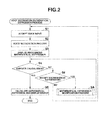
FIG. 2 is a flowchart showing a voice recognition mathematical expression process of thecomputer 10; -
FIG. 3 is a flowchart showing a mathematical expression modification process included in the voice recognition mathematical expression process of thecomputer 10; -
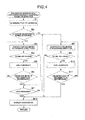
FIG. 4 is a flowchart showing a mathematical expression candidate generation process based on an operator and included in the mathematical expression modification process of thecomputer 10; -
FIG. 5 is a diagram showing a mathematical expression display operation involved in the voice recognition mathematical expression process of thecomputer 10; -
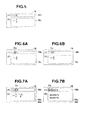
FIGS. 6A and 6B are diagrams showing a mathematical expression display operation performed when an error is corrected by re-inputting a mathematical expression portion in association with the mathematical expression modification process of thecomputer 10; -
FIGS. 7A and 7B are diagrams showing a mathematical expression display operation performed when an error is corrected by allowing candidates for a range to be incorporated by an operator to be displayed in association with the mathematical expression modification process of thecomputer 10; -
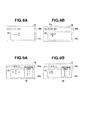
FIGS. 8A and 8B are diagrams showing a mathematical expression display operation performed when an error is corrected by enclosing the range of a mathematical expression portion in parentheses in association with the mathematical expression modification process of thecomputer 10; -
FIGS. 9A and 9B are diagrams showing a mathematical expression display operation performed when an error is corrected by specifying the order of evaluation in association with the mathematical expression modification process of thecomputer 10; and -
FIGS. 10A, 10B, 10C, and 10D are diagrams showing a mathematical expression display operation according to another embodiment performed when an error is corrected by displaying candidates for a range to be incorporated by an operator in association with the mathematical expression modification process of thecomputer 10. - Embodiments of the present invention will be described below with reference to the drawings.
-
FIG. 1 is a block diagram showing a configuration of an electronic circuit in acomputer 10 including a touch panel according to an embodiment of a mathematical expression input apparatus of the present invention. - The electronic circuit in the
computer 10 includes a control unit (CPU) 11 that is a computer. - The control unit (CPU) 11 controls the operation of the units of the circuit using a
RAM 16 as a work memory in accordance with a system program,computer control program 12a, a voice recognition mathematical expression process program 12b, and a mathematical expressionmodification process program 12c which are pre-stored in astorage device 12. Theprograms external storage medium 13 such as a memory card into a storage device 22 via a storage medium read-inunit 14 or downloaded from a Web server (program server) 20 on a communication network N into the storage device 22 via acommunication control unit 15. - The
computer control program 12a controls a process of inputting and displaying various mathematical expressions, a process of carrying out calculations, and the like. The voice recognition mathematical expression process program 12b recognizes and converts voice input through avoice input unit 19, into a mathematical expression. The mathematical expressionmodification process program 12c modifies the mathematical expression into which the recognized voice has been converted, in accordance with user operation. - The programs stored in the storage device 22 are initiated in accordance with a key input signal from a
key input unit 17, a touch input signal from adisplay unit 18 with a touch panel, and a voice input signal from thevoice input unit 19. - The
key input unit 17 includes numeric keys, arithmetic operation keys, and function keys for trigonometric functions and the like. - The
voice input unit 19 converts an input voice into a digital signal and outputs the digital signal to theCPU 11. - The
RAM 16 includes adisplay data memory 16a, a voice recognition mathematicalexpression data memory 16b, a mathematical expressionconversion data memory 16c, a conversioncandidate data memory 16d, a mathematical expressioncalculation data memory 16e, and a work data memory in which various data input to and output from thecontrol unit 11 in connection with various calculation processes are stored as necessary. - The
display data memory 16a is configured to store data on a bitmap pattern generated in a display screen size and which is to be displayed on thedisplay unit 18 with the touch panel. - The voice recognition mathematical
expression data memory 16b is configured to store data on a mathematical expression recognized by voice in accordance with the voice recognition mathematical expression process program 12b, as a mathematical expression with mathematical expression portions (numbers, symbols, and operators) arranged in the order of the voice recognition. - The mathematical expression
conversion data memory 16c is configured to store data on a mathematical expression with a mathematical expression structure in a natural mathematical expression display form into which the data on the mathematical expression stored in the voice recognition mathematicalexpression data memory 16b has been converted. - The conversion
candidate data memory 16d is configured to store, in accordance with user operation on a mathematical expression obtained by voice recognition, a mathematical expression generated by the mathematical expressionmodification process program 12c modifying the above-described mathematical expression into a different form, as a mathematical expression as a conversion candidate. - The mathematical expression
calculation data memory 16e is configured to store data on the calculation in progress in and the result of a process of calculating a mathematical expression stored in the mathematical expressionconversion data memory 16c or a process of calculating one of the mathematical expressions as conversion candidates stored in the conversioncandidate data memory 16d which mathematical expression is determined to be a calculation target. - In the
computer 10 configured as described above, theCPU 11 controls the operation of the units of the circuit in accordance with instructions described in the programs so that software and hardware operate cooperatively, thus implementing a voice recognition mathematical expression process function. - Now, the operation of the
computer 10 configured as described above will be described. - The apparatus is powered on. Then, when a voice recognition mathematical expression calculation mode is selected in an operation mode selection screen (not shown in the drawings) displayed on the
display unit 18, thecomputer control program 12a and the voice recognition mathematical expression process program 12b are initiated. Then, a wait state is entered in which thevoice input unit 19 accepts input voice. - When a user reads a desired mathematical expression, the voice is input through the voice input unit 19 (step S1). The input voice is sequentially recognized (step S2). The mathematical expression recognized by voice is stored in the voice recognition mathematical
expression data memory 16b so that the portions of the mathematical expression, that is, the numbers, symbols, and operators thereof are each sequentially stored. Then, as shown inFIG. 5 , the mathematical expression is displayed in a mathematical expression input area (1) of the touchpanel display unit 18. Furthermore, the mathematical expression structure of the mathematical expression stored in the voice recognition mathematicalexpression data memory 16b is determined, and the mathematical expression is converted into a natural mathematical expression display form. The resultant mathematical expression is stored in the mathematical expressionconversion data memory 16c and displayed in a mathematical expression conversion area (2) of the display unit 18 (step S3). - Now, an example will be described in which the user utters a voice input "one plus two fifths" so that a
mathematical expression 1+2/5 recognized by voice is displayed in the mathematical expression input area (1), while a naturally displayedmathematical expression 1+(2/5) is displayed in the mathematical expression conversion area (2). According to the present embodiment, the voice input is such that a fraction is input in the order of display (numerator, vinculum, and denominator) in accordance with a method of key input in a line mode of an alpha calculator. - Then, when the user utters a voice input "calculate" to instruct the
computer 10 to execute a calculation (step S4 [Yes]), a process of calculating themathematical expression 1+(2/5) displayed in the mathematical expression conversion area (2) is carried out. The result of the calculation is stored in the mathematical expressioncalculation data memory 16e and displayed on the display unit 18 (step S5). - On the other hand, if the
mathematical expression 1+(2/5) displayed in the mathematical expression conversion area (2) has been subjected to an incorrect conversion, the user utters, for example, a voice input "modify". Then, thecomputer 10 determines that thecomputer 10 has been instructed to modify the mathematical expression (step S6 [Yes]). The mathematical expressionmodification process program 12c is initiated, and the process is shifted to a mathematical expression modification process shown inFIG. 3 (step SA). -
FIG. 6A and FIG. 6B are diagrams showing the operation of the mathematical expression modification process carried out when an erroneous portion of the mathematical expression is re-input to thecomputer 10 for modification. - If the user modifies the numeric portion "2" of the
mathematical expression 1+(2/5) displayed in the mathematical expression conversion area (2) of thedisplay unit 18 with the touch panel, to "3", the user touches the number "2", which is a number portion of themathematical expression 1+2/5 displayed in the mathematical expression input area (1), as shown inFIG. 6A . A cursor Cu is displayed at the touched number. When thecomputer 10 determines that the number has been touched for a given time or longer (step A1 [Yes] → step A4 [Yes]), the number "2", touched and held for a certain time, is erased (step A5). - Then, when the user's voice input "three" is uttered through the
voice input unit 19 or a number key "3" is input, themathematical expression 1+2/5 stored in the voice recognition mathematicalexpression data memory 16b is modified to 1+3/5, which is displayed in the mathematical expression input area (1) as shown inFIG. 6B . Concurrently, the naturally displayedmathematical expression 1+(2/5) stored in the mathematical expressionconversion data memory 16c is also modified to 1+(3/5), which is displayed in the mathematical expression conversion area (2) (step A6). - In this case, similar modification may be carried out by directly designating a portion of the mathematical expression displayed in the mathematical expression conversion area (2) instead of displaying a portion of the mathematical expression displayed in the mathematical expression input area (1).
-
FIG. 7A and FIG. 7B are diagrams showing a mathematical expression modification process operation performed when thecomputer 10 modifies a mathematical expression by displaying candidates for a range to be incorporated by an operator. - For the
mathematical expression 1+(2/5) displayed in the mathematical expression input area (1) as shown inFIG. 5 described above, if the user modifies the part of the mathematical expression which is to be incorporated by the operator "/", the user touches and designates the division operator "/", which is the operator of the mathematical expression, as shown inFIG. 7A . The cursor Cu is displayed at the touched operator. When the operator is determined to have been designated (step A1 [Yes] → step A3 [Yes]), the process is shifted to a process of generating a mathematical expression candidate based on the operator as shown inFIG. 4 (step AB). - In the process of generating a mathematical expression candidate based on the operator, first, the type of the designated operator is determined (step B1). In this case, the type of the operator is determined to be the division operator "/". Then, whether or not the operator incorporates a forward portion of the mathematical expression is determined (step B2).
- Then, the designated operator (division operator) "/" is determined to incorporate the forward portion of the mathematical expression (step B2 [Yes]), a delimiter present forward of "2", positioned forward of the operator (division operator) is searched for (step B3). In this case, the mathematical expression portion "1+" is determined to involve a delimiter (B4 [Yes]). Then, the delimited "1+" is incorporated into the numerator to obtain a mathematical expression structure (1+2)/5, which is additionally stored in the conversion
candidate data memory 16d (step B5). - Then, when the mathematical expression portion "1+" with the delimiter found is determined to be the head of the mathematical expression (step B6 [Yes]), whether to end the generation of a candidate is determined (step B7). The designated operator (division operator) "/" also incorporates a rearward portion of the mathematical expression, and thus, the process of generating a mathematical expression candidate based on the operator is determined not to be ended (step B7 [No]).
- If the mathematical expression portion with the delimiter found is determined not to be the head of the mathematical expression (step B6 [No]), the search is repeated for a delimiter for a further forward portion of the mathematical expression as described above (step B3). Every time a new delimiter is found, a mathematical expression determined in association with the delimiter is additionally stored in the conversion
candidate data memory 16d as a conversion candidate (step B4 [Yes] → step B5). - In step B7 described above, when the process of generating a mathematical expression candidate is determined not to be ended (step B7 [No]), a delimiter (a delimiter for a number or a symbol) for a mathematical expression portion present rearward of "5", positioned rearward of the designated operator (division operator) "/", is searched for (step B8).
- Here, the mathematical expression portion present rearward of "5" is determined not to involve a delimiter (step B9 [No]). The generation of a mathematical expression candidate ends. Then, the mathematical expression (1+2)/5 as a conversion candidate stored in the conversion
candidate data memory 16d is additionally displayed in the mathematical expression conversion area (2) as shown inFIG. 7A (step B12). - In steps B8 and B9 described above, if a delimiter is found for a mathematical expression portion present rearward of the designated operator (step B9 [Yes]), a mathematical expression with a mathematical expression structure determined in association with the delimiter is additionally stored in the conversion
candidate data memory 16d as a conversion candidate (step B10). - Then, the search for a delimiter is similarly repeated until the mathematical expression portion with the delimiter found is determined to be the end of the mathematical expression (step B11 [No] → step A8). Every time a mathematical expression determined in association with the delimiter is additionally stored in the conversion
candidate data memory 16d (step B9 [Yes] → step B10). - As shown in
FIG. 7A , with a plurality of mathematical expressions displayed in the mathematical expression conversion area (2) as candidates, when the user selects the desired mathematical expression (1+2)/5, themathematical expression 1+(2/5) initially obtained by voice recognition is modified to (1+2)/5 (step A7). - Furthermore, for example, as shown in
FIG. 7B , a mathematical expression sin30+5 is recognized by voice, and a mathematical expression sin(30)+5 is displayed in the mathematical expression conversion area (2) (steps S1 to S3). Then, if the user modifies the part of the mathematical expression which is to be incorporated by the operator "sin", the user designates the operator "sin". When the operator is determined to have been designated (step A1 [Yes] → step A3 [Yes]), the process is shifted to a process of generating a mathematical expression candidate based on the operator as shown inFIG. 4 (step AB). - In the process of generating a mathematical expression candidate based on the operator, first, the designated operator is determined to be "sin" (step B1), and "sin" is determined not to be an operator that incorporates a forward portion of the mathematical expression (step B2 [No]).
- Then, a delimiter (a delimiter for a number or a symbol) for a mathematical expression portion present rearward of "30", positioned rearward of the operator "sin", is searched for (step B8).
- Then, a delimiter is found for a mathematical expression portion "+5" (step B8 and step B9 [Yes]). A mathematical expression sin(30+5) with a mathematical expression structure determined in association with the delimiter is additionally stored in the conversion
candidate data memory 16d as a conversion candidate (step B10). - Then, when the mathematical expression portion "+5" with the delimiter found is determined to be the end of the mathematical expression (step B11 [Yes]), the naturally displayed mathematical expression sin(30+5) as a conversion candidate stored in the conversion
candidate data memory 16d is displayed in the mathematical expression conversion area (2) in addition to the naturally displayed mathematical expression sin(30)+5 (step B12) already displayed in the mathematical expression conversion area (2), as shown inFIG. 7B . - When the user selects the mathematical expression candidate sin(30+5) displayed in the mathematical expression conversion area (2), the mathematical expression sin(30)+5 recognized by voice is modified into the desired mathematical expression (step A7).
- Thus, if the mathematical expression portion to be incorporated by the operator included in the mathematical expression is to be modified, mathematical expression candidates with different ranges of incorporation are generated and displayed simply by designating the operator to be modified. Therefore, a mathematical expression candidate with the range of incorporation modified to the desired range can be easily selected and entered.
- In the process of generating a mathematical expression candidate based on the operator, if the mathematical expression involves many delimiters for mathematical expression portions present forward and rearward of the designated operator and which can be incorporated by the operator, leading to generation of many conversion candidates for the mathematical expression to preclude all the mathematical expression candidates from being displayed in the mathematical expression conversion area (2), then each candidate for the mathematical expression is displayed so as to be scrollable.
-
FIG. 8A and FIG. 8B are diagrams showing a mathematical expression modification process operation performed when thecomputer 10 corrects an error by allowing the user to designate the range of a mathematical expression portion. - It is assumed that after the voice input acceptance process (step S1) and the voice recognition process (step S2), a
mathematical expression 1+2+3/4 recognized by voice is displayed in the mathematical expression input area (1) of thedisplay unit 18, while amathematical expression 1+2+(3/4) is displayed in the mathematical expression conversion area (2), as shown inFIG. 8A (step S3). - If the user modifies the range of a mathematical expression portion which corresponds to a numerator, the user designates the part "1+2+3" of the
mathematical expression 1+2+3/4 displayed in the mathematical expression input area (1) with the user's finger or a stylus as shown inFIG. 8B . Then, the designated part is highlighted. When the part to be modified is determined to have been designated (step A1 [Yes] → step A2 [Yes]), the part "1+2+3" of themathematical expression 1+2+3/4 is enclosed in parentheses and determined to be a mathematical expression structure corresponding to a numerator. The thus modified mathematical expression (1+2+3)/4 is displayed in the mathematical expressionconversion data memory 16c and displayed in the mathematical expression conversion area (2) (step A8). - Thus, if a part of a mathematical expression converted by voice recognition which part is to be enclosed in parentheses as a mass of mathematical expression portion, simply designating this range of a mathematical expression portion to be enclosed in parentheses allows the mathematical expression to be easily modified so that the designated range of a mathematical expression portion is enclosed in parentheses.
-
FIG. 9A and FIG. 9B are diagrams showing a mathematical expression modification process operation performed when thecomputer 10 corrects an error in the mathematical expression by specifying the order of evaluation. - It is assumed that after the voice input acceptance process (step S1) and the voice recognition process (step S2), a
mathematical expression 1+2/3-4 recognized by voice is displayed in the mathematical expression input area (1) of thedisplay unit 18 and that the mathematical expression structure of themathematical expression 1+2/3-4 is determined and the mathematical expression is converted into a natural display form "1+(2/3)-4)", which is displayed in the mathematical expression conversion area (2), as shown inFIG. 8A (step S3). - Here, if the user modifies the structure of the mathematical expression based on the order of evaluation (step S6 [Yes] → step SA), the user performs a predetermined operation to specify that the mathematical expression be modified based on the order of evaluation. When the modification based on the order of evaluation is specified (step A1 [No] → step A9 [Yes]), an evaluation order window W is displayed in which operators included in the
mathematical expression 1+(2/3)-4 are expressed in association with the order of evaluation (step A10). Then, "1 [/], 2 [+], 3 [-]" is displayed. - The order of the operators expressed in the evaluation order window W is changed by touching and dragging the operators or designating and overwriting the operators with the cursor Cu. Then, the mathematical expression is converted and modified into a mathematical expression associated with the changed order of the operators (step A11).
- For example, when the division symbol "/" is touched and dragged to the bottom line, the evaluation order window W is changed to "1 [+], 2 [-], 3 [/]" as shown in
FIG. 9B . Then, themathematical expression 1+(2/3)-4 is converted into a mathematical expression (1+2)/(3-4) associated with the changed order of evaluation, which is displayed in the mathematical expression conversion area (2) (step A11). - Thus, if the mathematical expression structure of a mathematical expression converted by voice recognition is to be changed based on the order of evaluation for the mathematical expression, the mathematical expression can be easily modified into a structure associated with the desired order of evaluation simply by changing the order of operators included in the mathematical expression in the evaluation order window W displayed by designating a modification mode.
-
FIG. 10A, FIG. 10B, FIG. 10C, and FIG. 10D show a mathematical expression display operation according to another embodiment performed when the computer corrects an error by displaying candidates for the range of incorporation on thecomputer 10. - For example, if a mathematical expression log[x+√(x2+1)] is to be input, a voice input "log x plus root x squared plus one" is uttered. Then, as shown in
FIG. 10A , a mathematical expression log x + √x squared + 1 recognized from voice is stored in the voice recognition mathematicalexpression data memory 16b and displayed in the mathematical expression input area (1). Furthermore, the mathematical expression is converted into a natural mathematical expression display form, and a mathematical expression log(x)+[√x]2+1 is stored in the mathematical expressionconversion data memory 16c and displayed in the mathematical expression conversion area (2) (steps S1 to S3). - First, the operator "√" is designated in order to modify a part of the mathematical expression to be incorporated by the operator "√". When the operator is determined to have been designated (step A1 [Yes] → step A3 [Yes]), the process is shifted to a process of generating a mathematical expression candidate based on the operator as shown in
FIG. 4 , as described above (step AB). - In the process of generating a mathematical expression candidate based on the operator, first, the designated operator is determined to be "√" (step B1), and "√" is determined not to be an operator that incorporates a forward portion of the mathematical expression (step B2 [No]).
- Then, a delimiter (a delimiter for a number or a symbol) for a mathematical expression portion present rearward of "x" being incorporated by "√" is searched for (step B8).
- Then, a delimiter is found for a mathematical expression portion "2" present rearward of "x" (step B8 and step B9 [Yes]). In association with the delimiter, a mathematical expression log(x)+√(x2)+1 is additionally stored in the conversion
candidate data memory 16d as a conversion candidate (step B10). - Moreover, a delimiter is found for a mathematical expression portion "+1" present rearward of "x2" (step N8 and step B9 [Yes]). In association with the delimiter, a mathematical expression log(x)+√(x2+1) is also additionally stored in the conversion
candidate data memory 16d as a conversion candidate (step B10). - As a result, as shown in
FIG. 10B , the two mathematical expressions as conversion candidates "log(x)+√(x2)+1" and "log(x)+√(x2+1)" additionally stored in the conversioncandidate data memory 16d are additionally displayed in the mathematical expression conversion area (2) (step B12). - The user then selects the mathematical expression log(x)+√(x2+1), in which the mathematical expression portion to be incorporated by "√" is modified (step A7), and further touches and designates the operator "log" (steps A1 [Yes] → step A3 [Yes]). Then, a process of generating mathematical expression candidate based on the operator is carried out as described above (step AB).
- That is, the designated operator is determined to be "log" (step B1), and "log" is determined not to be an operator that incorporates a forward portion of the mathematical expression (step B2 [No]). A rearward delimiter for "x" is searched for (step B8). Then, a delimiter is found for a mathematical expression portion "+√(x2+1)" (step B8 and step B9 [Yes]). In association with the delimiter, a mathematical expression log[x+√(x2+1)] is additionally stored in the conversion
candidate data memory 16d as a conversion candidate (step B10). - Then, when the mathematical expression portion +√(x2+1) is determined to be the end of the mathematical expression (step B11 [Yes]), the mathematical expression log[x+√(x2+1)] is additionally displayed in the mathematical expression conversion area (2) as a conversion candidate, as shown in
FIG. 10C (step B12). - When the user subsequently selects the added mathematical expression candidate, the user's desired mathematical expression log[x+√(x2+1)] is obtained in which the mathematical expressions to be incorporated by the designated operators "√" and "log" are modified, as shown in
FIG. 10D (step A7). - Thus, even if mathematical expression portions to be incorporated into a respective plurality of operators in a mathematical expression converted by voice recognition are to be individually modified, simply sequentially designating the modification target operators allows a mathematical expression candidate with a different range of incorporation to be generated and displayed every time a modification target operators is designated. Therefore, a mathematical expression candidate with the range of incorporation modified into the desired range can be selected and entered.
- Thus, a mathematical expression can not only be easily input by voice recognition, but if the input mathematical expression is erroneous, can also be modified into a correct mathematical expression using an appropriate technique in accordance with the manner of user operation on the mathematical expression.
- The techniques for the processes described in the embodiment and carried out by the
computer 10 can be stored, for distribution, in the external storage medium (13) such as a memory card (a ROM card, a RAM card, or the like), a magnetic disk (a floppy disk ®, a hard disk, or the like), an optical disc (CD-ROM, DVD, or the like), or a semiconductor memory, as programs that can be executed by the computer; the techniques involve the voice recognition mathematical expression process shown in the flowchart inFIG. 2 , the mathematical expression modification process included in the voice recognition mathematical expression process and shown in the flowchart inFIG. 3 , the process of operator-based mathematical expression candidate generation included in the mathematical expression modification process and shown in the flowchart inFIG. 4 , and the like. The computer (CPU 11) of the electronic computer (10) with the touchpanel display unit (18) and the voice input unit (19) can read any of the programs stored in the external storage medium (13) into the storage device (12) so that the read program controls the operation. Thus, the mathematical expression modification function associated with the voice recognition mathematical expression process described in the embodiment can be implemented, allowing similar processes based on the above-described techniques to be executed. - Furthermore, program data used to implement the techniques can be transmitted on the communication network N in the form of program codes. The program data can be loaded from the computer apparatus (program server 20) connected to the communication network N into the electronic computer (10) with the touch panel display unit (18) and the voice input unit (19) and stored in the storage device (12). Thus, the mathematical expression modification function associated with the above-described voice recognition mathematical expression process can be implemented.
- The present invention is not limited to the above-described embodiment, and in practice, the embodiment may be varied without departing from the spirits of the invention. Moreover, the embodiment includes various levels of invention, and various aspects of the invention may be extracted by combining a plurality of the constituent requirements disclosed. For example, the object can be accomplished even when some constituent requirements are deleted from all the constituent requirements illustrated in the embodiment or when some of the constituent requirements are combined together into a different form. Configurations subjected to deletion or combination of the constituent requirements can be extracted as aspects of the invention provided that the configurations exert the effects.
Claims (20)
- A mathematical expression input apparatus, characterized by comprising:mathematical expression display means (11; S1-S3) for displaying a mathematical expression;mathematical expression portion designation means (11; SA, A1-A4) for designating a mathematical expression portion displayed by the mathematical expression display means (11; S1-S3) in accordance with user operation; andoutput means (11; SA, S5) for determining a designation method for the mathematical expression portion designated by the mathematical expression designation means, modifying the mathematical expression in accordance with the designation method, and displaying the modified mathematical expression.
- The mathematical expression input apparatus according to claim 1, characterized in that the output means (11; SA, S5) comprises selection means (11; A3, AB, A7) for, when determining that the user has designated an operator included in the mathematical expression as a designation method for the displayed mathematical expression portion, generating candidates for a mathematical expression with different mathematical expression portions to be incorporated by the designated operator and modifying the mathematical expression based on a candidate selected by the user.
- The mathematical expression input apparatus according to claim 2, characterized in that the output means (11; SA, S5) comprises parenthesis process means (11; A2, A8) for, when determining that the user has designated a partial range of the mathematical expression as a designation method for the displayed mathematical expression portion, modifying the mathematical expression by enclosing the designated mathematical expression portion in parentheses.
- The mathematical expression input apparatus according to claim 3, characterized in that the output means (11; SA, S5) comprises re-input means (11; A4-A6) for, when determining that the user has designated a number included in the mathematical expression as a designation method for the displayed mathematical expression portion, allowing the user to re-input a number and modifying a specified number in the mathematical expression to the re-input number.
- The mathematical expression input apparatus according to claim 4, characterized by further comprising:evaluation order change means (11; A9-A11) for changing an order of evaluation for the mathematical expression displayed by the mathematical expression display means (11; S1-S3) in accordance with user operation; andmodification execution means (11; A11) for modifying the mathematical expression in accordance with the order of evaluation changed by the evaluation order change means.
- The mathematical expression input apparatus according to claim 5, characterized in that the evaluation order change means (11; A9-A11) comprises:evaluation order display means (11; A10) for allowing operators included in the mathematical expression displayed by the mathematical expression display means (11; S1-S3) to be displayed in association with an order of evaluation for the operators, andmeans (11; A11) for changing the order of the operators displayed by the evaluation order display means in accordance with user operation.
- The mathematical expression input apparatus according to claim 6, characterized in that the mathematical expression display means (11; S1-S3) comprises means for allowing a mathematical expression input by recognition of the user's voice to be displayed on a display unit.
- A method of modifying a mathematical expression input to an electronic device with a display unit, the method characterized by comprising the steps of:displaying the input mathematical expression on the display unit (S1-S3);designating a portion of the displayed mathematical expression in accordance with user operation (SA, A1-A4);determining a designation method for the mathematical expression portion designated by the user (A1-A4); andmodifying the mathematical expression in accordance with the designation method (A5-A11).
- The method according to claim 8, characterized in that the modification step (A5-A11) comprises the steps of:generating, when it is determined in the determination step (A1-A4) that the user has designated an operator included in the mathematical expression as a designation method for the displayed mathematical expression portion, candidates for a mathematical expression with different mathematical expression portions to be incorporated by the designated operator (AB); andmodifying the mathematical expression based on a candidate selected by the user (A7).
- The method according to claim 9, characterized in that the modification step (A5-A11) comprises a step of modifying, when it is determined in the determination step (A1-A4) that the user has designated a partial range of the mathematical expression as a designation method for the displayed mathematical expression portion, the mathematical expression by enclosing the designated mathematical expression portion in parentheses (A8).
- The method according to claim 10, characterized in that the modification step (A5-A11) comprises:allowing, when it is determined in the determination step (A1-A4) that the user has designated a number included in the mathematical expression as a designation method for the displayed mathematical expression portion, the user to re-input a number (A5, A6); andreplacing a specified number in the mathematical expression with the re-input number for modification (A6).
- The method according to claim 11, characterized by further comprising the steps of:changing an order of evaluation for the displayed mathematical expression in accordance with user operation (A10, A11); andmodifying the mathematical expression in accordance with the changed order of evaluation (A11).
- The method according to claim 12, characterized in that the evaluation order change step (A10, A11) comprises the steps of:allowing operators included in the displayed mathematical expression to be displayed in association with an order of evaluation for the operators (A10), andchanging the order of the displayed operators in accordance with user operation (A11).
- The method according to claim 13, characterized in that the mathematical expression display step (S1-S3) comprises a step of allowing a mathematical expression input by recognition of the user's voice to be displayed on a display unit.
- A storage medium having a program stored thereon which controls a computer of an electronic device equipped with a display unit, to carry out the steps of:displaying an input mathematical expression on the display unit (S1-S3);designating a portion of the displayed mathematical expression in accordance with user operation (SA, A1-A4);determining a designation method for the mathematical expression portion designated by the user (A1-A4); andmodifying the mathematical expression in accordance with the designation method (A4-A11).
- The storage medium according to claim 15, characterized in that the modification step (A5-A11) comprises the steps of:generating, when it is determined in the determination step (A1-A4) that the user has designated an operator included in the mathematical expression as a designation storage medium for the displayed mathematical expression portion, candidates for a mathematical expression with different mathematical expression portions to be incorporated by the designated operator (AB); andmodifying the mathematical expression based on a candidate selected by the user (A7).
- The storage medium according to claim 16, characterized in that the modification step (A5-A11) comprises a step of modifying, when it is determined in the determination step (A1-A4) that the user has designated a partial range of the mathematical expression as a designation storage medium for the displayed mathematical expression portion, the mathematical expression by enclosing the designated mathematical expression portion in parentheses (A8).
- The storage medium according to claim 17, characterized in that the modification step (A5-A11) comprises the steps of:allowing, when it is determined in the determination step (A1-A4) that the user has designated a number included in the mathematical expression as a designation storage medium for the displayed mathematical expression portion, the user to re-input a number (A5, A6), andreplacing a specified number in the mathematical expression with the re-input number for modification (A6).
- The storage medium according to claim 18, characterized by further comprising the steps of:changing an order of evaluation for the displayed mathematical expression in accordance with user operation (A10, A11); andmodifying the mathematical expression in accordance with the changed order of evaluation (A11).
- The storage medium according to claim 19, characterized in that the evaluation order change step comprises the steps of:allowing operators included in the displayed mathematical expression to be displayed in association with an order of evaluation for the operators (A10), andchanging the order of the displayed operators in accordance with user operation (A11).
Applications Claiming Priority (1)
| Application Number | Priority Date | Filing Date | Title |
|---|---|---|---|
| JP2012099920A JP6035843B2 (en) | 2012-04-25 | 2012-04-25 | Formula input device, formula input method and program |
Publications (3)
| Publication Number | Publication Date |
|---|---|
| EP2657850A2 true EP2657850A2 (en) | 2013-10-30 |
| EP2657850A3 EP2657850A3 (en) | 2018-01-31 |
| EP2657850B1 EP2657850B1 (en) | 2025-08-20 |
Family
ID=48190229
Family Applications (1)
| Application Number | Title | Priority Date | Filing Date |
|---|---|---|---|
| EP13165349.5A Active EP2657850B1 (en) | 2012-04-25 | 2013-04-25 | Mathematical expression input apparatus, mathematical expression modification method, and storage medium storing program |
Country Status (4)
| Country | Link |
|---|---|
| US (1) | US9323719B2 (en) |
| EP (1) | EP2657850B1 (en) |
| JP (1) | JP6035843B2 (en) |
| CN (1) | CN103377288A (en) |
Families Citing this family (8)
| Publication number | Priority date | Publication date | Assignee | Title |
|---|---|---|---|---|
| JP2015102955A (en) * | 2013-11-22 | 2015-06-04 | 株式会社アドバンスト・メディア | Information processing apparatus, server, information processing method, and program |
| CN105893338B (en) | 2015-02-17 | 2021-07-09 | 北京三星通信技术研究有限公司 | Method, apparatus and electronic device for entering formula |
| JP6346106B2 (en) * | 2015-02-23 | 2018-06-20 | 富士通フロンテック株式会社 | Scoreboard voice operation system, score operation panel, and scoreboard voice operation method |
| KR101842873B1 (en) * | 2016-09-29 | 2018-03-28 | 조봉한 | A mathematical translator, mathematical translation device and its platform |
| JP7109498B2 (en) * | 2020-04-09 | 2022-07-29 | 励至 鈴木 | voice input device |
| US12124686B2 (en) * | 2020-09-16 | 2024-10-22 | Casio Computer Co., Ltd. | Information processing method, system, information processing device, and program |
| CN112416845A (en) * | 2020-11-05 | 2021-02-26 | 南京创维信息技术研究院有限公司 | Calculator implementation method and device based on voice recognition, intelligent terminal and medium |
| JP7892992B2 (en) * | 2022-03-16 | 2026-07-22 | カシオ計算機株式会社 | Information processing device, display control method, and program |
Citations (1)
| Publication number | Priority date | Publication date | Assignee | Title |
|---|---|---|---|---|
| JP2003255978A (en) | 2002-03-05 | 2003-09-10 | Masakazu Suzuki | Formula speech recognition method and apparatus |
Family Cites Families (11)
| Publication number | Priority date | Publication date | Assignee | Title |
|---|---|---|---|---|
| JP3111120B2 (en) * | 1992-12-28 | 2000-11-20 | シャープ株式会社 | Formula display method |
| US6552719B2 (en) * | 1999-01-07 | 2003-04-22 | Microsoft Corporation | System and method for automatically switching between writing and text input modes |
| JP3705065B2 (en) * | 1999-02-05 | 2005-10-12 | 日本電気株式会社 | Formula processing system, formula processing method, and recording medium recording formula processing program |
| JP2001092788A (en) * | 1999-09-20 | 2001-04-06 | Aiwa Co Ltd | Electronic desk calculator with voice input function |
| US20030145284A1 (en) * | 2002-01-28 | 2003-07-31 | Fortenberry Todd D. | Enforcing an upper bound on the display height of mathematical expressions on a handheld electronic device |
| US20060062470A1 (en) * | 2004-09-22 | 2006-03-23 | Microsoft Corporation | Graphical user interface for expression recognition |
| JP5017679B2 (en) * | 2006-07-31 | 2012-09-05 | カシオ計算機株式会社 | Formula calculator and control program therefor |
| US8073258B2 (en) * | 2007-08-22 | 2011-12-06 | Microsoft Corporation | Using handwriting recognition in computer algebra |
| JP4775462B2 (en) * | 2009-03-12 | 2011-09-21 | カシオ計算機株式会社 | Computer and program |
| JP2011186567A (en) * | 2010-03-05 | 2011-09-22 | Casio Computer Co Ltd | Electronic calculator and program |
| CN102385619A (en) * | 2011-10-19 | 2012-03-21 | 百度在线网络技术(北京)有限公司 | Method and device for providing access advice according to voice input information |
-
2012
- 2012-04-25 JP JP2012099920A patent/JP6035843B2/en active Active
-
2013
- 2013-04-22 US US13/868,051 patent/US9323719B2/en active Active
- 2013-04-25 CN CN201310148357XA patent/CN103377288A/en active Pending
- 2013-04-25 EP EP13165349.5A patent/EP2657850B1/en active Active
Patent Citations (1)
| Publication number | Priority date | Publication date | Assignee | Title |
|---|---|---|---|---|
| JP2003255978A (en) | 2002-03-05 | 2003-09-10 | Masakazu Suzuki | Formula speech recognition method and apparatus |
Also Published As
| Publication number | Publication date |
|---|---|
| JP6035843B2 (en) | 2016-11-30 |
| JP2013228523A (en) | 2013-11-07 |
| CN103377288A (en) | 2013-10-30 |
| EP2657850A3 (en) | 2018-01-31 |
| US9323719B2 (en) | 2016-04-26 |
| US20130290391A1 (en) | 2013-10-31 |
| EP2657850B1 (en) | 2025-08-20 |
Similar Documents
| Publication | Publication Date | Title |
|---|---|---|
| EP2657850B1 (en) | Mathematical expression input apparatus, mathematical expression modification method, and storage medium storing program | |
| US20210073467A1 (en) | Method, System and Apparatus for Entering Text on a Computing Device | |
| KR101474854B1 (en) | Apparatus and method for selecting a control object by voice recognition | |
| CN102591520B (en) | Electronic device having handwritten mathematical formula recognition function | |
| KR101461448B1 (en) | Electronic acoustic signal generating device, electronic acoustic signal generating method, and computer-readable recording medium storing electronic acoustic signal generating program | |
| CN101996029B (en) | Handwritten mathematical expression recognition and editing device and method thereof | |
| EP3096207B1 (en) | Display control method, data process apparatus, and program | |
| JP5832980B2 (en) | Handwriting input support device, method and program | |
| JP2008250374A (en) | Handwriting determination apparatus, method, and program | |
| JP2012069085A (en) | Display controller and program | |
| JP5454783B2 (en) | Variable name input support method in PLC programming, variable name input support device in PLC programming, and computer program | |
| US8214413B2 (en) | Electronic calculator with a formula display function | |
| CN109445675B (en) | Electronic device, mathematical expression display control method, and recording medium | |
| JP2006350686A (en) | Instruction set simulator generating apparatus and simulator generating method | |
| US11694724B2 (en) | Gesture-enabled interfaces, systems, methods, and applications for generating digital music compositions | |
| JP2020181523A (en) | Information processing apparatus and program | |
| JP5965785B2 (en) | Use case scenario creation support device, use case scenario creation support method, and use case scenario creation support program | |
| CN112328096A (en) | Candidate word display method, device and electronic device | |
| JP6837608B1 (en) | Program creation support device, program creation support method and program creation support program | |
| JP4192868B2 (en) | Scientific calculator | |
| JP2015060465A (en) | Display device and display program | |
| JP6862019B1 (en) | Document creation device, document creation method, and document creation program | |
| JP5060539B2 (en) | Document processing apparatus and program | |
| JP2000284886A (en) | Text input system, text input method, menu selection method, and storage medium | |
| JPH01287774A (en) | Japanese data input processor |
Legal Events
| Date | Code | Title | Description |
|---|---|---|---|
| PUAI | Public reference made under article 153(3) epc to a published international application that has entered the european phase |
Free format text: ORIGINAL CODE: 0009012 |
|
| 17P | Request for examination filed |
Effective date: 20130425 |
|
| AK | Designated contracting states |
Kind code of ref document: A2 Designated state(s): AL AT BE BG CH CY CZ DE DK EE ES FI FR GB GR HR HU IE IS IT LI LT LU LV MC MK MT NL NO PL PT RO RS SE SI SK SM TR |
|
| AX | Request for extension of the european patent |
Extension state: BA ME |
|
| PUAL | Search report despatched |
Free format text: ORIGINAL CODE: 0009013 |
|
| AK | Designated contracting states |
Kind code of ref document: A3 Designated state(s): AL AT BE BG CH CY CZ DE DK EE ES FI FR GB GR HR HU IE IS IT LI LT LU LV MC MK MT NL NO PL PT RO RS SE SI SK SM TR |
|
| AX | Request for extension of the european patent |
Extension state: BA ME |
|
| RIC1 | Information provided on ipc code assigned before grant |
Ipc: G06F 17/21 20060101AFI20171222BHEP |
|
| STAA | Information on the status of an ep patent application or granted ep patent |
Free format text: STATUS: EXAMINATION IS IN PROGRESS |
|
| 17Q | First examination report despatched |
Effective date: 20210602 |
|
| REG | Reference to a national code |
Ref country code: DE Ref legal event code: R079 Free format text: PREVIOUS MAIN CLASS: G06F0017210000 Ipc: G06F0040100000 Ref country code: DE Ref legal event code: R079 Ref document number: 602013086971 Country of ref document: DE Free format text: PREVIOUS MAIN CLASS: G06F0017210000 Ipc: G06F0040100000 |
|
| GRAP | Despatch of communication of intention to grant a patent |
Free format text: ORIGINAL CODE: EPIDOSNIGR1 |
|
| STAA | Information on the status of an ep patent application or granted ep patent |
Free format text: STATUS: GRANT OF PATENT IS INTENDED |
|
| RIC1 | Information provided on ipc code assigned before grant |
Ipc: G06F 40/10 20200101AFI20250321BHEP |
|
| INTG | Intention to grant announced |
Effective date: 20250410 |
|
| GRAS | Grant fee paid |
Free format text: ORIGINAL CODE: EPIDOSNIGR3 |
|
| GRAA | (expected) grant |
Free format text: ORIGINAL CODE: 0009210 |
|
| STAA | Information on the status of an ep patent application or granted ep patent |
Free format text: STATUS: THE PATENT HAS BEEN GRANTED |
|
| AK | Designated contracting states |
Kind code of ref document: B1 Designated state(s): AL AT BE BG CH CY CZ DE DK EE ES FI FR GB GR HR HU IE IS IT LI LT LU LV MC MK MT NL NO PL PT RO RS SE SI SK SM TR |
|
| REG | Reference to a national code |
Ref country code: GB Ref legal event code: FG4D |
|
| REG | Reference to a national code |
Ref country code: CH Ref legal event code: EP |
|
| REG | Reference to a national code |
Ref country code: DE Ref legal event code: R096 Ref document number: 602013086971 Country of ref document: DE |
|
| REG | Reference to a national code |
Ref country code: IE Ref legal event code: FG4D |
|
| REG | Reference to a national code |
Ref country code: NL Ref legal event code: MP Effective date: 20250820 |
|
| PG25 | Lapsed in a contracting state [announced via postgrant information from national office to epo] |
Ref country code: IS Free format text: LAPSE BECAUSE OF FAILURE TO SUBMIT A TRANSLATION OF THE DESCRIPTION OR TO PAY THE FEE WITHIN THE PRESCRIBED TIME-LIMIT Effective date: 20251220 |
|
| PG25 | Lapsed in a contracting state [announced via postgrant information from national office to epo] |
Ref country code: NO Free format text: LAPSE BECAUSE OF FAILURE TO SUBMIT A TRANSLATION OF THE DESCRIPTION OR TO PAY THE FEE WITHIN THE PRESCRIBED TIME-LIMIT Effective date: 20251120 |
|
| REG | Reference to a national code |
Ref country code: LT Ref legal event code: MG9D |
|
| PG25 | Lapsed in a contracting state [announced via postgrant information from national office to epo] |
Ref country code: PT Free format text: LAPSE BECAUSE OF FAILURE TO SUBMIT A TRANSLATION OF THE DESCRIPTION OR TO PAY THE FEE WITHIN THE PRESCRIBED TIME-LIMIT Effective date: 20251222 |
|
| PG25 | Lapsed in a contracting state [announced via postgrant information from national office to epo] |
Ref country code: FI Free format text: LAPSE BECAUSE OF FAILURE TO SUBMIT A TRANSLATION OF THE DESCRIPTION OR TO PAY THE FEE WITHIN THE PRESCRIBED TIME-LIMIT Effective date: 20250820 |
|
| PG25 | Lapsed in a contracting state [announced via postgrant information from national office to epo] |
Ref country code: NL Free format text: LAPSE BECAUSE OF FAILURE TO SUBMIT A TRANSLATION OF THE DESCRIPTION OR TO PAY THE FEE WITHIN THE PRESCRIBED TIME-LIMIT Effective date: 20250820 Ref country code: HR Free format text: LAPSE BECAUSE OF FAILURE TO SUBMIT A TRANSLATION OF THE DESCRIPTION OR TO PAY THE FEE WITHIN THE PRESCRIBED TIME-LIMIT Effective date: 20250820 |
|
| PG25 | Lapsed in a contracting state [announced via postgrant information from national office to epo] |
Ref country code: GR Free format text: LAPSE BECAUSE OF FAILURE TO SUBMIT A TRANSLATION OF THE DESCRIPTION OR TO PAY THE FEE WITHIN THE PRESCRIBED TIME-LIMIT Effective date: 20251121 |
|
| PG25 | Lapsed in a contracting state [announced via postgrant information from national office to epo] |
Ref country code: SE Free format text: LAPSE BECAUSE OF FAILURE TO SUBMIT A TRANSLATION OF THE DESCRIPTION OR TO PAY THE FEE WITHIN THE PRESCRIBED TIME-LIMIT Effective date: 20250820 |
|
| PG25 | Lapsed in a contracting state [announced via postgrant information from national office to epo] |
Ref country code: LV Free format text: LAPSE BECAUSE OF FAILURE TO SUBMIT A TRANSLATION OF THE DESCRIPTION OR TO PAY THE FEE WITHIN THE PRESCRIBED TIME-LIMIT Effective date: 20250820 |
|
| PG25 | Lapsed in a contracting state [announced via postgrant information from national office to epo] |
Ref country code: BG Free format text: LAPSE BECAUSE OF FAILURE TO SUBMIT A TRANSLATION OF THE DESCRIPTION OR TO PAY THE FEE WITHIN THE PRESCRIBED TIME-LIMIT Effective date: 20250820 Ref country code: PL Free format text: LAPSE BECAUSE OF FAILURE TO SUBMIT A TRANSLATION OF THE DESCRIPTION OR TO PAY THE FEE WITHIN THE PRESCRIBED TIME-LIMIT Effective date: 20250820 |
|
| PG25 | Lapsed in a contracting state [announced via postgrant information from national office to epo] |
Ref country code: RS Free format text: LAPSE BECAUSE OF FAILURE TO SUBMIT A TRANSLATION OF THE DESCRIPTION OR TO PAY THE FEE WITHIN THE PRESCRIBED TIME-LIMIT Effective date: 20251120 |
|
| PG25 | Lapsed in a contracting state [announced via postgrant information from national office to epo] |
Ref country code: ES Free format text: LAPSE BECAUSE OF FAILURE TO SUBMIT A TRANSLATION OF THE DESCRIPTION OR TO PAY THE FEE WITHIN THE PRESCRIBED TIME-LIMIT Effective date: 20250820 |
|
| REG | Reference to a national code |
Ref country code: AT Ref legal event code: MK05 Ref document number: 1828078 Country of ref document: AT Kind code of ref document: T Effective date: 20250820 |
|
| PG25 | Lapsed in a contracting state [announced via postgrant information from national office to epo] |
Ref country code: SM Free format text: LAPSE BECAUSE OF FAILURE TO SUBMIT A TRANSLATION OF THE DESCRIPTION OR TO PAY THE FEE WITHIN THE PRESCRIBED TIME-LIMIT Effective date: 20250820 |
|
| PGFP | Annual fee paid to national office [announced via postgrant information from national office to epo] |
Ref country code: GB Payment date: 20260313 Year of fee payment: 14 |
|
| PG25 | Lapsed in a contracting state [announced via postgrant information from national office to epo] |
Ref country code: DK Free format text: LAPSE BECAUSE OF FAILURE TO SUBMIT A TRANSLATION OF THE DESCRIPTION OR TO PAY THE FEE WITHIN THE PRESCRIBED TIME-LIMIT Effective date: 20250820 |
|
| PG25 | Lapsed in a contracting state [announced via postgrant information from national office to epo] |
Ref country code: AT Free format text: LAPSE BECAUSE OF FAILURE TO SUBMIT A TRANSLATION OF THE DESCRIPTION OR TO PAY THE FEE WITHIN THE PRESCRIBED TIME-LIMIT Effective date: 20250820 |
|
| PG25 | Lapsed in a contracting state [announced via postgrant information from national office to epo] |
Ref country code: IT Free format text: LAPSE BECAUSE OF FAILURE TO SUBMIT A TRANSLATION OF THE DESCRIPTION OR TO PAY THE FEE WITHIN THE PRESCRIBED TIME-LIMIT Effective date: 20250820 |
|
| PGFP | Annual fee paid to national office [announced via postgrant information from national office to epo] |
Ref country code: FR Payment date: 20260309 Year of fee payment: 14 |
|
| PG25 | Lapsed in a contracting state [announced via postgrant information from national office to epo] |
Ref country code: CZ Free format text: LAPSE BECAUSE OF FAILURE TO SUBMIT A TRANSLATION OF THE DESCRIPTION OR TO PAY THE FEE WITHIN THE PRESCRIBED TIME-LIMIT Effective date: 20250820 |
|
| PG25 | Lapsed in a contracting state [announced via postgrant information from national office to epo] |
Ref country code: EE Free format text: LAPSE BECAUSE OF FAILURE TO SUBMIT A TRANSLATION OF THE DESCRIPTION OR TO PAY THE FEE WITHIN THE PRESCRIBED TIME-LIMIT Effective date: 20250820 Ref country code: SK Free format text: LAPSE BECAUSE OF FAILURE TO SUBMIT A TRANSLATION OF THE DESCRIPTION OR TO PAY THE FEE WITHIN THE PRESCRIBED TIME-LIMIT Effective date: 20250820 |
|
| REG | Reference to a national code |
Ref country code: DE Ref legal event code: R097 Ref document number: 602013086971 Country of ref document: DE |
|
| PLBE | No opposition filed within time limit |
Free format text: ORIGINAL CODE: 0009261 |
|
| STAA | Information on the status of an ep patent application or granted ep patent |
Free format text: STATUS: NO OPPOSITION FILED WITHIN TIME LIMIT |
|
| PG25 | Lapsed in a contracting state [announced via postgrant information from national office to epo] |
Ref country code: LT Free format text: LAPSE BECAUSE OF FAILURE TO SUBMIT A TRANSLATION OF THE DESCRIPTION OR TO PAY THE FEE WITHIN THE PRESCRIBED TIME-LIMIT Effective date: 20250820 |
|
| REG | Reference to a national code |
Ref country code: CH Ref legal event code: L10 Free format text: ST27 STATUS EVENT CODE: U-0-0-L10-L00 (AS PROVIDED BY THE NATIONAL OFFICE) Effective date: 20260701 |
|
| PGFP | Annual fee paid to national office [announced via postgrant information from national office to epo] |
Ref country code: DE Payment date: 20260305 Year of fee payment: 14 |
|
| 26N | No opposition filed |
Effective date: 20260521 |