EP2657245B1 - Fructosylated mangiferin and preparation method therefor and use thereof - Google Patents
Fructosylated mangiferin and preparation method therefor and use thereof Download PDFInfo
- Publication number
- EP2657245B1 EP2657245B1 EP12807633.8A EP12807633A EP2657245B1 EP 2657245 B1 EP2657245 B1 EP 2657245B1 EP 12807633 A EP12807633 A EP 12807633A EP 2657245 B1 EP2657245 B1 EP 2657245B1
- Authority
- EP
- European Patent Office
- Prior art keywords
- mangiferin
- fructosylated
- fermentation
- fermentation liquor
- preparation
- Prior art date
- Legal status (The legal status is an assumption and is not a legal conclusion. Google has not performed a legal analysis and makes no representation as to the accuracy of the status listed.)
- Not-in-force
Links
- AEDDIBAIWPIIBD-ZJKJAXBQSA-N mangiferin Chemical compound O[C@@H]1[C@@H](O)[C@H](O)[C@@H](CO)O[C@H]1C1=C(O)C=C(OC=2C(=CC(O)=C(O)C=2)C2=O)C2=C1O AEDDIBAIWPIIBD-ZJKJAXBQSA-N 0.000 title claims description 246
- 229940043357 mangiferin Drugs 0.000 title claims description 157
- YWQSXCGKJDUYTL-UHFFFAOYSA-N Mangiferin Natural products CC(CCC=C(C)C)C1CC(C)C2C3CCC4C(C)(C)CCCC45CC35CCC12C YWQSXCGKJDUYTL-UHFFFAOYSA-N 0.000 title claims description 122
- 238000002360 preparation method Methods 0.000 title claims description 13
- OKKJLVBELUTLKV-UHFFFAOYSA-N Methanol Chemical compound OC OKKJLVBELUTLKV-UHFFFAOYSA-N 0.000 claims description 45
- 238000000855 fermentation Methods 0.000 claims description 36
- 230000004151 fermentation Effects 0.000 claims description 36
- 230000009466 transformation Effects 0.000 claims description 36
- 108090000790 Enzymes Proteins 0.000 claims description 32
- 102000004190 Enzymes Human genes 0.000 claims description 32
- 238000006243 chemical reaction Methods 0.000 claims description 30
- 239000007788 liquid Substances 0.000 claims description 21
- 239000006228 supernatant Substances 0.000 claims description 21
- LFQSCWFLJHTTHZ-UHFFFAOYSA-N Ethanol Chemical compound CCO LFQSCWFLJHTTHZ-UHFFFAOYSA-N 0.000 claims description 18
- 229930006000 Sucrose Natural products 0.000 claims description 16
- CZMRCDWAGMRECN-UGDNZRGBSA-N Sucrose Chemical compound O[C@H]1[C@H](O)[C@@H](CO)O[C@@]1(CO)O[C@@H]1[C@H](O)[C@@H](O)[C@H](O)[C@@H](CO)O1 CZMRCDWAGMRECN-UGDNZRGBSA-N 0.000 claims description 16
- 229960004793 sucrose Drugs 0.000 claims description 16
- 230000000694 effects Effects 0.000 claims description 15
- 239000000348 glycosyl donor Substances 0.000 claims description 15
- 238000000034 method Methods 0.000 claims description 13
- CSCPPACGZOOCGX-UHFFFAOYSA-N Acetone Chemical compound CC(C)=O CSCPPACGZOOCGX-UHFFFAOYSA-N 0.000 claims description 12
- 239000000243 solution Substances 0.000 claims description 12
- XLYOFNOQVPJJNP-UHFFFAOYSA-N water Chemical compound O XLYOFNOQVPJJNP-UHFFFAOYSA-N 0.000 claims description 12
- 206010028980 Neoplasm Diseases 0.000 claims description 10
- 201000010099 disease Diseases 0.000 claims description 10
- 208000037265 diseases, disorders, signs and symptoms Diseases 0.000 claims description 10
- 239000003814 drug Substances 0.000 claims description 10
- 239000000843 powder Substances 0.000 claims description 10
- 239000000126 substance Substances 0.000 claims description 10
- 241001524188 Glutamicibacter nicotianae Species 0.000 claims description 9
- 230000036983 biotransformation Effects 0.000 claims description 9
- 244000005700 microbiome Species 0.000 claims description 9
- 241000894006 Bacteria Species 0.000 claims description 8
- 239000011347 resin Substances 0.000 claims description 8
- 229920005989 resin Polymers 0.000 claims description 8
- WEVYAHXRMPXWCK-UHFFFAOYSA-N Acetonitrile Chemical compound CC#N WEVYAHXRMPXWCK-UHFFFAOYSA-N 0.000 claims description 7
- 239000013078 crystal Substances 0.000 claims description 7
- 239000012153 distilled water Substances 0.000 claims description 7
- 238000010828 elution Methods 0.000 claims description 7
- 239000008363 phosphate buffer Substances 0.000 claims description 7
- 229930091371 Fructose Natural products 0.000 claims description 6
- 239000005715 Fructose Substances 0.000 claims description 6
- 239000007836 KH2PO4 Substances 0.000 claims description 6
- 229910000402 monopotassium phosphate Inorganic materials 0.000 claims description 6
- 239000003960 organic solvent Substances 0.000 claims description 6
- GNSKLFRGEWLPPA-UHFFFAOYSA-M potassium dihydrogen phosphate Chemical compound [K+].OP(O)([O-])=O GNSKLFRGEWLPPA-UHFFFAOYSA-M 0.000 claims description 6
- 238000001179 sorption measurement Methods 0.000 claims description 6
- 239000001888 Peptone Substances 0.000 claims description 5
- 108010080698 Peptones Proteins 0.000 claims description 5
- 230000002255 enzymatic effect Effects 0.000 claims description 5
- SQQMAOCOWKFBNP-UHFFFAOYSA-L manganese(II) sulfate Chemical compound [Mn+2].[O-]S([O-])(=O)=O SQQMAOCOWKFBNP-UHFFFAOYSA-L 0.000 claims description 5
- 229910000357 manganese(II) sulfate Inorganic materials 0.000 claims description 5
- 235000019319 peptone Nutrition 0.000 claims description 5
- 238000009423 ventilation Methods 0.000 claims description 5
- UXVMQQNJUSDDNG-UHFFFAOYSA-L Calcium chloride Chemical compound [Cl-].[Cl-].[Ca+2] UXVMQQNJUSDDNG-UHFFFAOYSA-L 0.000 claims description 4
- ZHNUHDYFZUAESO-UHFFFAOYSA-N Formamide Chemical compound NC=O ZHNUHDYFZUAESO-UHFFFAOYSA-N 0.000 claims description 4
- RFSUNEUAIZKAJO-ARQDHWQXSA-N Fructose Chemical compound OC[C@H]1O[C@](O)(CO)[C@@H](O)[C@@H]1O RFSUNEUAIZKAJO-ARQDHWQXSA-N 0.000 claims description 4
- 108010051210 beta-Fructofuranosidase Proteins 0.000 claims description 4
- 239000001110 calcium chloride Substances 0.000 claims description 4
- 229910001628 calcium chloride Inorganic materials 0.000 claims description 4
- 102000004169 proteins and genes Human genes 0.000 claims description 4
- 108090000623 proteins and genes Proteins 0.000 claims description 4
- 230000003519 ventilatory effect Effects 0.000 claims description 4
- 238000013019 agitation Methods 0.000 claims description 3
- 229910052799 carbon Inorganic materials 0.000 claims description 3
- 230000008014 freezing Effects 0.000 claims description 3
- 238000007710 freezing Methods 0.000 claims description 3
- 238000002390 rotary evaporation Methods 0.000 claims description 3
- 125000000218 acetic acid group Chemical group C(C)(=O)* 0.000 claims description 2
- 125000003275 alpha amino acid group Chemical group 0.000 claims description 2
- 239000007853 buffer solution Substances 0.000 claims description 2
- 125000001495 ethyl group Chemical group [H]C([H])([H])C([H])([H])* 0.000 claims description 2
- 238000001704 evaporation Methods 0.000 claims description 2
- 230000008020 evaporation Effects 0.000 claims description 2
- 125000002485 formyl group Chemical group [H]C(*)=O 0.000 claims description 2
- BJHIKXHVCXFQLS-UYFOZJQFSA-N fructose group Chemical group OCC(=O)[C@@H](O)[C@H](O)[C@H](O)CO BJHIKXHVCXFQLS-UYFOZJQFSA-N 0.000 claims description 2
- 229910052739 hydrogen Inorganic materials 0.000 claims description 2
- 239000001257 hydrogen Substances 0.000 claims description 2
- 125000004435 hydrogen atom Chemical class [H]* 0.000 claims description 2
- 125000002496 methyl group Chemical group [H]C([H])([H])* 0.000 claims description 2
- 125000000250 methylamino group Chemical group [H]N(*)C([H])([H])[H] 0.000 claims description 2
- 238000000746 purification Methods 0.000 claims description 2
- QAOWNCQODCNURD-UHFFFAOYSA-L sulfate group Chemical group S(=O)(=O)([O-])[O-] QAOWNCQODCNURD-UHFFFAOYSA-L 0.000 claims description 2
- 150000003462 sulfoxides Chemical class 0.000 claims description 2
- IAZDPXIOMUYVGZ-UHFFFAOYSA-N Dimethylsulphoxide Chemical compound CS(C)=O IAZDPXIOMUYVGZ-UHFFFAOYSA-N 0.000 claims 3
- 241000186063 Arthrobacter Species 0.000 claims 1
- 210000004027 cell Anatomy 0.000 description 14
- 239000000047 product Substances 0.000 description 13
- 238000001228 spectrum Methods 0.000 description 10
- 230000001629 suppression Effects 0.000 description 10
- 238000001644 13C nuclear magnetic resonance spectroscopy Methods 0.000 description 9
- 238000005160 1H NMR spectroscopy Methods 0.000 description 9
- 230000001279 glycosylating effect Effects 0.000 description 9
- 239000001963 growth medium Substances 0.000 description 9
- 238000004128 high performance liquid chromatography Methods 0.000 description 7
- 238000002474 experimental method Methods 0.000 description 6
- 239000000203 mixture Substances 0.000 description 6
- 230000000144 pharmacologic effect Effects 0.000 description 6
- 239000000758 substrate Substances 0.000 description 5
- QTBSBXVTEAMEQO-UHFFFAOYSA-N Acetic acid Chemical compound CC(O)=O QTBSBXVTEAMEQO-UHFFFAOYSA-N 0.000 description 4
- 229940079593 drug Drugs 0.000 description 4
- 238000005516 engineering process Methods 0.000 description 4
- 230000004048 modification Effects 0.000 description 4
- 238000012986 modification Methods 0.000 description 4
- 210000002966 serum Anatomy 0.000 description 4
- 239000002904 solvent Substances 0.000 description 4
- 241000192130 Leuconostoc mesenteroides Species 0.000 description 3
- 238000004458 analytical method Methods 0.000 description 3
- 238000004113 cell culture Methods 0.000 description 3
- 239000003153 chemical reaction reagent Substances 0.000 description 3
- 150000001875 compounds Chemical class 0.000 description 3
- 238000006073 displacement reaction Methods 0.000 description 3
- 238000004090 dissolution Methods 0.000 description 3
- 238000001819 mass spectrum Methods 0.000 description 3
- 239000002609 medium Substances 0.000 description 3
- 230000001105 regulatory effect Effects 0.000 description 3
- 230000001954 sterilising effect Effects 0.000 description 3
- 238000004659 sterilization and disinfection Methods 0.000 description 3
- 208000032791 BCR-ABL1 positive chronic myelogenous leukemia Diseases 0.000 description 2
- 208000010833 Chronic myeloid leukaemia Diseases 0.000 description 2
- 238000002965 ELISA Methods 0.000 description 2
- 206010061218 Inflammation Diseases 0.000 description 2
- KFZMGEQAYNKOFK-UHFFFAOYSA-N Isopropanol Chemical compound CC(C)O KFZMGEQAYNKOFK-UHFFFAOYSA-N 0.000 description 2
- 241000124008 Mammalia Species 0.000 description 2
- 208000033761 Myelogenous Chronic BCR-ABL Positive Leukemia Diseases 0.000 description 2
- 239000012980 RPMI-1640 medium Substances 0.000 description 2
- KEAYESYHFKHZAL-UHFFFAOYSA-N Sodium Chemical class [Na] KEAYESYHFKHZAL-UHFFFAOYSA-N 0.000 description 2
- UIIMBOGNXHQVGW-UHFFFAOYSA-M Sodium bicarbonate Chemical compound [Na+].OC([O-])=O UIIMBOGNXHQVGW-UHFFFAOYSA-M 0.000 description 2
- FAPWRFPIFSIZLT-UHFFFAOYSA-M Sodium chloride Chemical compound [Na+].[Cl-] FAPWRFPIFSIZLT-UHFFFAOYSA-M 0.000 description 2
- 229960000583 acetic acid Drugs 0.000 description 2
- 230000009471 action Effects 0.000 description 2
- 230000008901 benefit Effects 0.000 description 2
- 239000011942 biocatalyst Substances 0.000 description 2
- 230000015572 biosynthetic process Effects 0.000 description 2
- 244000309466 calf Species 0.000 description 2
- 230000004663 cell proliferation Effects 0.000 description 2
- 238000005100 correlation spectroscopy Methods 0.000 description 2
- 230000007812 deficiency Effects 0.000 description 2
- 238000011161 development Methods 0.000 description 2
- 230000018109 developmental process Effects 0.000 description 2
- 238000001914 filtration Methods 0.000 description 2
- -1 flavonoid compound Chemical class 0.000 description 2
- 239000012362 glacial acetic acid Substances 0.000 description 2
- 238000000990 heteronuclear single quantum coherence spectrum Methods 0.000 description 2
- 238000004896 high resolution mass spectrometry Methods 0.000 description 2
- 238000000338 in vitro Methods 0.000 description 2
- 238000009776 industrial production Methods 0.000 description 2
- 208000032839 leukemia Diseases 0.000 description 2
- 239000012528 membrane Substances 0.000 description 2
- 239000000049 pigment Substances 0.000 description 2
- 239000011148 porous material Substances 0.000 description 2
- 230000035755 proliferation Effects 0.000 description 2
- 238000011160 research Methods 0.000 description 2
- 159000000000 sodium salts Chemical class 0.000 description 2
- UCSJYZPVAKXKNQ-HZYVHMACSA-N streptomycin Chemical compound CN[C@H]1[C@H](O)[C@@H](O)[C@H](CO)O[C@H]1O[C@@H]1[C@](C=O)(O)[C@H](C)O[C@H]1O[C@@H]1[C@@H](NC(N)=N)[C@H](O)[C@@H](NC(N)=N)[C@H](O)[C@H]1O UCSJYZPVAKXKNQ-HZYVHMACSA-N 0.000 description 2
- 230000002194 synthesizing effect Effects 0.000 description 2
- 238000012360 testing method Methods 0.000 description 2
- JNELGWHKGNBSMD-UHFFFAOYSA-N xanthone Chemical compound C1=CC=C2C(=O)C3=CC=CC=C3OC2=C1 JNELGWHKGNBSMD-UHFFFAOYSA-N 0.000 description 2
- HNSDLXPSAYFUHK-UHFFFAOYSA-N 1,4-bis(2-ethylhexyl) sulfosuccinate Chemical compound CCCCC(CC)COC(=O)CC(S(O)(=O)=O)C(=O)OCC(CC)CCCC HNSDLXPSAYFUHK-UHFFFAOYSA-N 0.000 description 1
- WEEMDRWIKYCTQM-UHFFFAOYSA-N 2,6-dimethoxybenzenecarbothioamide Chemical compound COC1=CC=CC(OC)=C1C(N)=S WEEMDRWIKYCTQM-UHFFFAOYSA-N 0.000 description 1
- 244000144725 Amygdalus communis Species 0.000 description 1
- 235000011437 Amygdalus communis Nutrition 0.000 description 1
- 241000186073 Arthrobacter sp. Species 0.000 description 1
- OKTJSMMVPCPJKN-UHFFFAOYSA-N Carbon Chemical compound [C] OKTJSMMVPCPJKN-UHFFFAOYSA-N 0.000 description 1
- 206010011224 Cough Diseases 0.000 description 1
- 241000196324 Embryophyta Species 0.000 description 1
- 241001071795 Gentiana Species 0.000 description 1
- 102000000340 Glucosyltransferases Human genes 0.000 description 1
- 108010055629 Glucosyltransferases Proteins 0.000 description 1
- 206010018473 Glycosuria Diseases 0.000 description 1
- 206010062717 Increased upper airway secretion Diseases 0.000 description 1
- 240000007228 Mangifera indica Species 0.000 description 1
- 235000014826 Mangifera indica Nutrition 0.000 description 1
- 238000005481 NMR spectroscopy Methods 0.000 description 1
- 229910019142 PO4 Inorganic materials 0.000 description 1
- 229930182555 Penicillin Natural products 0.000 description 1
- JGSARLDLIJGVTE-MBNYWOFBSA-N Penicillin G Chemical compound N([C@H]1[C@H]2SC([C@@H](N2C1=O)C(O)=O)(C)C)C(=O)CC1=CC=CC=C1 JGSARLDLIJGVTE-MBNYWOFBSA-N 0.000 description 1
- 238000000692 Student's t-test Methods 0.000 description 1
- 102000004142 Trypsin Human genes 0.000 description 1
- 108090000631 Trypsin Proteins 0.000 description 1
- 239000004480 active ingredient Substances 0.000 description 1
- 230000029936 alkylation Effects 0.000 description 1
- 238000005804 alkylation reaction Methods 0.000 description 1
- 235000020224 almond Nutrition 0.000 description 1
- 230000003698 anagen phase Effects 0.000 description 1
- 230000003178 anti-diabetic effect Effects 0.000 description 1
- 230000003064 anti-oxidating effect Effects 0.000 description 1
- 230000000259 anti-tumor effect Effects 0.000 description 1
- 230000009286 beneficial effect Effects 0.000 description 1
- FCPVYOBCFFNJFS-LQDWTQKMSA-M benzylpenicillin sodium Chemical compound [Na+].N([C@H]1[C@H]2SC([C@@H](N2C1=O)C([O-])=O)(C)C)C(=O)CC1=CC=CC=C1 FCPVYOBCFFNJFS-LQDWTQKMSA-M 0.000 description 1
- 230000004071 biological effect Effects 0.000 description 1
- 239000012620 biological material Substances 0.000 description 1
- 229960000074 biopharmaceutical Drugs 0.000 description 1
- 239000006227 byproduct Substances 0.000 description 1
- 238000004364 calculation method Methods 0.000 description 1
- 230000007541 cellular toxicity Effects 0.000 description 1
- 230000008859 change Effects 0.000 description 1
- 239000003795 chemical substances by application Substances 0.000 description 1
- 238000007796 conventional method Methods 0.000 description 1
- 230000007547 defect Effects 0.000 description 1
- 229940000406 drug candidate Drugs 0.000 description 1
- 229940126534 drug product Drugs 0.000 description 1
- 239000003684 drug solvent Substances 0.000 description 1
- 238000001035 drying Methods 0.000 description 1
- 239000003777 experimental drug Substances 0.000 description 1
- 229930003935 flavonoid Natural products 0.000 description 1
- 235000017173 flavonoids Nutrition 0.000 description 1
- 210000001035 gastrointestinal tract Anatomy 0.000 description 1
- 125000003147 glycosyl group Chemical group 0.000 description 1
- 230000013595 glycosylation Effects 0.000 description 1
- 238000006206 glycosylation reaction Methods 0.000 description 1
- 230000003832 immune regulation Effects 0.000 description 1
- 230000006872 improvement Effects 0.000 description 1
- 238000011534 incubation Methods 0.000 description 1
- 230000004054 inflammatory process Effects 0.000 description 1
- 230000031700 light absorption Effects 0.000 description 1
- 238000004519 manufacturing process Methods 0.000 description 1
- 239000002547 new drug Substances 0.000 description 1
- 230000010355 oscillation Effects 0.000 description 1
- 229940049954 penicillin Drugs 0.000 description 1
- 208000026435 phlegm Diseases 0.000 description 1
- 230000008569 process Effects 0.000 description 1
- 238000012545 processing Methods 0.000 description 1
- 239000002994 raw material Substances 0.000 description 1
- 238000011084 recovery Methods 0.000 description 1
- 230000029058 respiratory gaseous exchange Effects 0.000 description 1
- 229920006395 saturated elastomer Polymers 0.000 description 1
- 238000007873 sieving Methods 0.000 description 1
- 239000011734 sodium Substances 0.000 description 1
- 229910000030 sodium bicarbonate Inorganic materials 0.000 description 1
- 239000011780 sodium chloride Substances 0.000 description 1
- NESLWCLHZZISNB-UHFFFAOYSA-M sodium phenolate Chemical compound [Na+].[O-]C1=CC=CC=C1 NESLWCLHZZISNB-UHFFFAOYSA-M 0.000 description 1
- 238000003860 storage Methods 0.000 description 1
- 229960005322 streptomycin Drugs 0.000 description 1
- 229960002385 streptomycin sulfate Drugs 0.000 description 1
- 231100000820 toxicity test Toxicity 0.000 description 1
- 239000012588 trypsin Substances 0.000 description 1
- 210000004881 tumor cell Anatomy 0.000 description 1
Images





Classifications
-
- C—CHEMISTRY; METALLURGY
- C07—ORGANIC CHEMISTRY
- C07H—SUGARS; DERIVATIVES THEREOF; NUCLEOSIDES; NUCLEOTIDES; NUCLEIC ACIDS
- C07H15/00—Compounds containing hydrocarbon or substituted hydrocarbon radicals directly attached to hetero atoms of saccharide radicals
- C07H15/26—Acyclic or carbocyclic radicals, substituted by hetero rings
-
- A—HUMAN NECESSITIES
- A61—MEDICAL OR VETERINARY SCIENCE; HYGIENE
- A61P—SPECIFIC THERAPEUTIC ACTIVITY OF CHEMICAL COMPOUNDS OR MEDICINAL PREPARATIONS
- A61P35/00—Antineoplastic agents
-
- A—HUMAN NECESSITIES
- A61—MEDICAL OR VETERINARY SCIENCE; HYGIENE
- A61P—SPECIFIC THERAPEUTIC ACTIVITY OF CHEMICAL COMPOUNDS OR MEDICINAL PREPARATIONS
- A61P35/00—Antineoplastic agents
- A61P35/02—Antineoplastic agents specific for leukemia
-
- C—CHEMISTRY; METALLURGY
- C12—BIOCHEMISTRY; BEER; SPIRITS; WINE; VINEGAR; MICROBIOLOGY; ENZYMOLOGY; MUTATION OR GENETIC ENGINEERING
- C12P—FERMENTATION OR ENZYME-USING PROCESSES TO SYNTHESISE A DESIRED CHEMICAL COMPOUND OR COMPOSITION OR TO SEPARATE OPTICAL ISOMERS FROM A RACEMIC MIXTURE
- C12P17/00—Preparation of heterocyclic carbon compounds with only O, N, S, Se or Te as ring hetero atoms
- C12P17/02—Oxygen as only ring hetero atoms
- C12P17/06—Oxygen as only ring hetero atoms containing a six-membered hetero ring, e.g. fluorescein
-
- C—CHEMISTRY; METALLURGY
- C12—BIOCHEMISTRY; BEER; SPIRITS; WINE; VINEGAR; MICROBIOLOGY; ENZYMOLOGY; MUTATION OR GENETIC ENGINEERING
- C12P—FERMENTATION OR ENZYME-USING PROCESSES TO SYNTHESISE A DESIRED CHEMICAL COMPOUND OR COMPOSITION OR TO SEPARATE OPTICAL ISOMERS FROM A RACEMIC MIXTURE
- C12P19/00—Preparation of compounds containing saccharide radicals
-
- C—CHEMISTRY; METALLURGY
- C12—BIOCHEMISTRY; BEER; SPIRITS; WINE; VINEGAR; MICROBIOLOGY; ENZYMOLOGY; MUTATION OR GENETIC ENGINEERING
- C12P—FERMENTATION OR ENZYME-USING PROCESSES TO SYNTHESISE A DESIRED CHEMICAL COMPOUND OR COMPOSITION OR TO SEPARATE OPTICAL ISOMERS FROM A RACEMIC MIXTURE
- C12P19/00—Preparation of compounds containing saccharide radicals
- C12P19/14—Preparation of compounds containing saccharide radicals produced by the action of a carbohydrase (EC 3.2.x), e.g. by alpha-amylase, e.g. by cellulase, hemicellulase
Definitions
- This invention is related to a fructosylated mangiferin, a preparation method therefor and a use thereof, and falls in the field of bio-pharmaceutical technology.
- Mangiferin is a carbon ketoside of tetrahydroxy pyrrones, as a flavonoid compound of xanthone, existing in a variety of plants, such as mango tree, almond tree, gentiana manchurica and rhizome anemarrhenae, and so on.
- Mangiferin molecular formula C 19 H 18 O 11 , molecular weight: 422.3.
- Mangiferin has many biological activity and pharmacologic actions, such as antioxidation, antitumor, immune regulation, anti-glycosuria and anti-inflammation ( Deng Jiagang and Xun Lilan, Journal of Changchun University of Traditional Chinese Medicine, 2008, 24(4): 463-464 .).
- Mangiferin converted into sodium salt has improved water dissolvability, and can be easily absorbed in gastrointestinal tract, with improved bioavailability and curative effect; experiments have shown that mangiferin and its sodium salt have the function to relieve cough, reduce phlegm and resist inflammation, with good water dissolvability, the monosodium salt of mangiferin has better action than mangiferin, therefore monosodium salt of mangiferin can be expected to develop into a medicine for respiration system.
- Hu et la Hu H G, Wang M J, Zhao Q J.
- Cantagrel et la (Europe Patent File No.: FR20050002223 20050304; Publishing No.: FR 2882762 (A1 )) modified mangiferin by glycosylating the mangiferin with glucosyltransferase originated from two strains of leuconostoc mesenteroides, and obtained glucosyl- ⁇ -(1,6)-mangiferin, with mangiferin as glycosyl receptor and cane sugar as glycosyl donor (CASRN:908570-23-0).
- the purpose of this invention is to provide a fructosylated mangiferin for the treatment or tumor-related diseases with good curative effect, with respect to the present deficiency that the mangiferin concentration is generally low before glycosylating reaction and transformation, and the mole transformation rate of product is also low, unable to obtain sufficient product for the treatment of tumor-related diseases.
- Another purpose of this invention is to provide the preparation method of the said fructosylated mangiferin.
- a more purpose of this invention is to provide the use of the said fructosylated mangiferin in preparing medicine for the treatment of tumor-related diseases.
- this invention provides a fructosylated mangiferin, the said fructosylated mangiferin has the structure as shown in formula (I) below:
- R 1 , R 2 , R 3 and R 4 are selected respectively as one of the hydrogen, methyl, ethyl, formyl group, acetyl, methylamino and sulfate group;
- R is a monoglysosyl of fructose or an oligosaccharyl of 2 fructose molecules linked together, in the structure as shown in formula (II):
- n 0-1.
- this invention provides a preparation method for fructosylated mangiferin, which includes adding a substance with fructosylating enzymatic activity into a transformed liquid containing mangiferin for biotransformation reaction, so as to convert the mangiferin into the fructosylated mangiferin, wherein the transformed liquid contains the mangiferin and a glycosyl donor, preferably, the said glycosyl donor is fructose or cane sugar.
- the said method also includes removing the bacteria cells or bacteria protein from the transformed liquid after the completion of transformation reaction, purifying it with resin and then obtain fructosylated mangiferin powder or crystal from the resin-purified fructosylated mangiferin fraction by drying it with rotary evaporation or freezing.
- the said substance with fructosylating enzymatic activity includes fermentation liquor with fructosylating enzymatic activity, the fermentation liquor supernatant, purified fructosylating enzyme and fructosylating enzyme recombined expression protein.
- the said fructosylating enzyme is ⁇ -D-fructofuranosidase.
- the said ⁇ -D-fructofuranosidase is originated from bacteria of Arthrobacter sp., with a molecular weight of about 60kDa, and the first 5 amino acid sequences at the N end being respectively ATEPV.
- the said fermentation liquor or fermentation liquor supernatant is obtained by fermenting microorganisms with fructosylating enzymatic activity.
- the said microorganism is Arthrobacter nicotianae, its collection No. is CCTCC M2010164 (scientific name in Latin: Arthrobacter nicotianae XM6, classification nomenclature: Arthrobacter nicotianae XM6, collection No.: CCTCC No.: M2010164, preserved at China Typical Culture Collection Center on June 29, 2010, address: Wuhan University, Wuhan, China, Zip: 430072).
- CCTCC M2010164 scientific name in Latin: Arthrobacter nicotianae XM6, classification nomenclature: Arthrobacter nicotianae XM6, collection No.: CCTCC No.: M2010164, preserved at China Typical Culture Collection Center on June 29, 2010, address: Wuhan University, Wuhan, China, Zip: 430072).
- the fermentation of the said microorganism was conducted with fermentation medium containing: cane sugar of 5 ⁇ 80g/L, peptone of 5 ⁇ 50g/L, KH 2 PO 4 0.4 ⁇ 4g/L, CaCl 2 0.5 ⁇ 5g/L, MnSO 4 0.1 ⁇ 2g/L, pH 6-8, which is put in a shake flask at 25 ⁇ 40°C, and oscillating at 10 ⁇ 400 rpm, or in a fermenting tank for agitating with ventilation, at a speed and ventilatory capacity of 1 ⁇ 6vvm, 10 ⁇ 400 rpm, to ferment for 6-48 hours.
- fermentation medium containing: cane sugar of 5 ⁇ 80g/L, peptone of 5 ⁇ 50g/L, KH 2 PO 4 0.4 ⁇ 4g/L, CaCl 2 0.5 ⁇ 5g/L, MnSO 4 0.1 ⁇ 2g/L, pH 6-8, which is put in a shake flask at 25 ⁇ 40°C, and oscillating at 10 ⁇ 400 rpm, or
- the fermentation of the said microorganism was conducted with fermentation medium containing cane sugar of 15g/L, peptone of 25g/L, KH 2 PO 4 2g/L, CaCl 2 2g/L, MnSO 4 0.2g/L, pH 7.5, which is put in a shake flask at 30°C, and oscillating at 240 rpm for 16 hours, or in a fermenting tank for agitating with ventilation, at a speed and ventilatory capacity of 4vvm, 300 rpm, to ferment for 6 hours.
- the transformation reaction of the said microorganism took place in a nonaqueous phase condition.
- the said nonaqueous phase reaction condition is: oscillating in a shake flask at 10 ⁇ 400rpm or agitating in a fermenting tank, in 5 ⁇ 50% hydrophilic organic solvent, with mangiferin concentration of 0.1 ⁇ 70g/L, the mangiferin to glycosyl donor at a mole ratio 1:1 ⁇ 1:200, and added with 10% ⁇ 50% fermentation liquor or fermentation liquor supernatant, the said fermentation liquor or fermentation liquor supernatant containing fructosylated enzyme 10 ⁇ 100U/mL, and the reaction lasted 6-400 hours at 25 ⁇ 40°C, in a buffer solution of pH4-8. °C
- the said hydrophilic organic solvent is one or several selected from dimentyl sulfoxide (DMSO), dimentyl formamide (DMF), acetonitrile, methanol, acetone or ethanol.
- the said nonaqueous phase reaction condition is: a solution with 20% of DMSO, 62.7g/L of mangiferin and 200g/L of cane sugar as glycosyl donor, added with 20% of fermentation liquor supernatant, the said fermentation liquor supernatant containing fructosylating enzyme at 30U/mL, and it was put into a 5L fermenting tank containing phosphate buffer at 1/15 mol/L and pH6.86, for transformation with agitation at 300rpm at 30°C for 360 hours.
- the said resin purification is passing the transformed liquid containing fructosylated mangiferin through AB-8 macroporous resin for adsorption; after the adsorption, the remaining glycosyl donor is washed off with eluant, followed by gradient or stage elution with the eluant, to obtain the fructosylated mangiferin.
- distilled water with pH 4 ⁇ 4.5 in a quantity 10 times the column bed volume is used to remove the remaining glycosyl donor, then methanol or ethanol solution at 5 ⁇ 30% is used for gradient or stage elution, to obtain fructosylated mangiferin.
- this adsorption should be conducted under the condition that the organic solvent in the transformed liquid has been removed by evaporation at low temperature or has been diluted to less than 2% volumetric ratio.
- the said method also includes elution and recovery of remaining mangiferin with the eluant.
- 100% methanol or ethanol is used to elute and recover the remaining mangiferin.
- this invention provides the use of the fructosylated mangiferin in preparing medicine for the treatment of tumor-related diseases.
- this invention provides a fructosylated mangiferin mentioned in this invention for the treatment of tumor-related diseases.
- a method to treat tumor-related diseases including giving the subjects with the said fructosylated mangiferin in this invention at a dosage effective for the treatment, and preferably, the said subjects being mammal, and the said mammal being preferably human being.
- the inventor has invented a new fructosylated mangiferin, and experiments have proved that this new type mangiferin derivative has substantial suppression effect in vitro on human chronic myelogenous leukemia cell strain K562, so it can be used to treat tumor-related diseases, and this has enriched the fructosylated derivatives of mangiferin as sources of medicine, but for existing fructosylated derivatives of mangiferin, no report on pharmacological activity has been seen.
- this new type fructosylated mangiferin has better dissolvability, making up a defect of mangiferin product, increasing the safety in medicine application and improving curative effect, therefore it is a new drug product with good prospects of development.
- the inventor has provided the biotransformation of this new type fructosylated mangiferin.
- the mangiferin concentration before transformation is generally low (not exceeding 0.5g/L), and the mole transformation rate of product is also low (not exceeding 30%)
- the biotransformation method in this invention in the 20% DMSO transformation system, with 62.7g/L mangiferin as transformation substrate, the concentration of monofructosyl- ⁇ -(2,6)-mangiferin obtained can be 63.0g/L, and the transformation rate of fructosylated mangiferin is 87%, thus solving the technical difficulty with existing technologies, conducive to using this product in pharmacological tests for tumor-related diseases and subsequent industrial production.
- Arthrobacter nicotianae XM6 classified name: Arthrobacter nicotianae XM6, collection No.: CCTCC No.: M2010164, preserved at China Typical Culture Collection Center on June 29, 2010, address: Wuhan University, Wuhan, China, Zip: 430072.
- culture medium 2 cultured by fermentation (the culture medium composition as shown in Table 2) into a 250mL trianglar flask, after sterilization with high pressure steam at 121°C for 20min, inoculate the Arthrobacter nicotianae XM6 (CCTCC M2010164),ferment and culture it by oscillating at 30°C and 180 rpm for 16 hours, and inoculate as seed liquor into a 5L fermentation tank, at an amount of 5 volumetric percentage, the fermentation tank is loaded with 3L of liquid, and is sterilized in the same way as the shake flask.
- the transformed liquid is determined with HPLC as: containing monofructosyl- ⁇ -(2,6)-mangiferin of 63.0 g/L, and bifructosyl- ⁇ -(2,6)-mangiferin of 15.7g/L, so the fructosylated mangiferin transformation rate is as high as 87%.
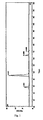
- Fig. 1 it is mangiferin with a retaining time of 14.781min, monofructosyl- ⁇ -(2,6)-mangiferin with a retaining time of 8.95 1 min and bifructosyl- ⁇ -(2,6)-mangiferin with a retaining time of 5.541 min.
- the said transformed liquid containing fructosylated mangiferin is absorbed with AB-8 macroporous resin (with a chromatographic column of 40 ⁇ 600mm, at a flow rate of 10 mL/min), then the remaining glycosyl donor is washed off with pH4-4.5 distilled water (the pH regulated with glacial acetic acid) at a volume 10 times the column bed volume, followed by gradient elution with 5%-30% methanol solution, to obtain fructosylated mangiferin (with purity >97%), and finally the pigment and mangiferin are washed off with 100% methanol.
- the fructosylated mangiferin with purity >97% is dried by rotary evaporation at 45°C or freezing, to obtain monofructosyl- ⁇ -(2,6)-mangiferin powder or crystal of 158.5g, and bifructosyl- ⁇ -(2,6)-mangiferin powder or crystal of 39.1g.
- the dissolvability of monofructosyl- ⁇ -(2,6)-mangiferin is 350 g/L
- that of bifructosyl- ⁇ -(2,6)-mangiferin is 1200g/L, respectively 3.5 ⁇ 10 3 times and 1.2 ⁇ 10 4 times that of mangiferin (0.1 g/L) under the same condition.
- culture medium 2 cultured by fermentation (the culture medium composition as shown in Table 2) into a 250mL trianglar flask, after sterilization with high pressure steam at 121°C for 20min, inoculate the Arthrobacter nicotianae XM6 (CCTCC M2010164), ferment and culture it by oscillating at 30°C and 180 rpm for 6 hours (with OD at about 10), then it is centrifuged at 8000rpm for 20min, the supernatant enzyme liquor is collected, to determine that the supernatant enzyme liquor contains fructosylating enzyme of 30U/mL.
- the culture medium composition as shown in Table 2 Put 40mL of culture medium 2 cultured by fermentation (the culture medium composition as shown in Table 2) into a 250mL trianglar flask, after sterilization with high pressure steam at 121°C for 20min, inoculate the Arthrobacter nicotianae XM6 (CCTCC M2010164), ferment and culture it by oscillating at 30°C and
- the said transformed liquid containing fructosylated mangiferin is diluted 10 times and absorbed with AB-8 macroporous resin (with a chromatographic column of 40 ⁇ 600mm, at a flow rate of 10 mL/min), then the remaining glycosyl donor is washed off with pH4-4.5 distilled water (the pH regulated with glacial acetic acid) at times the column bed volume, followed by gradient elution with 5%-30% methanol solution, to obtain fructosylated mangiferin (with purity >97%), and finally the pigment and mangiferin are washed off with 100% methanol.
- the fructosylated mangiferin with purity >97% is rotary evaporated at 45°C or frozen dried, to obtain monofructosyl- ⁇ -(2,6)-mangiferin powder or crystal of 0.364g, and bifructosyl- ⁇ -(2,6)-mangiferin powder or crystal of 0.136g.
- Tables 2 and 3 show the changes in mole transformation rate of the main products monofructosylated mangiferin and bifructosylated mangiferin in mangiferin glycosylating reaction under different conditions.
- the advantage of nonaqueous phase transformation lies in that the mangiferin concentration in the transformation system can be raised to 70g/L.
- the transformation rate can be as high as 87%, the concentration of transformed product is substantially increased (with 62.7g/L mangiferin, the total transformed product can be 78.7 g/L), and the transformed products can be regulated and controlled by selection and proportion of solvent.
- Human chronic myelogenous leukemia cell strain K562 purchased from the cell bank of Shanghai Cell Research Institute of Chinese Academy of Sciences; mangiferin, purchased from Nanjing Zelang Medical Science and Technology Co., Ltd.; monofructosyl- ⁇ (2,6)-mangiferin is prepared with the method described in this invention, with purity over 99% as determined by high performance liquid chromatography.
- Drug liquid and its storage weigh 8.44mg mangiferin powder and dissolve it in 2mL DMSO to prepare it into 10mmol/L mangiferin; weigh 11.68mg monofructosyl- ⁇ (2,6)-mangiferin powder and dissolve it in 2mL DMSO to prepare it into 10mmol/L monofructosyl- ⁇ (2,6)-mangiferin; they are filtered with a 0.22 ⁇ m filter, packed in 1000 ⁇ L/doff and stored at -20°C, meanwhile, high concentration DMSO is filtered with a 0.22 ⁇ m filter for use as control.
- Cell culture liquor take 1 pack of RPM 1-1640 culture medium (powder) and dissolve it into 800mL triple-distilled water, agitate it with a magnetic agitator for at least half an hour to complete dissolution, add 2g of NaHCO 3 , after sufficient dissolution, bring it to a constant volume of 1L. Filter it with a filtration membrane of 0.22pm pore size to remove bacteria, add the serum to a final serum concentration of 10%, and store it at 4°C.
- PBS phosphate buffer dissolve in 800mL of distilled water 8g NaCl, 0.2g KCL, 1.44g Na 2 PO 4 and 0.24g KH 2 PO 4 , regulate the pH of the solution to 7.4 with HCl, add water to a constant volume of 1L, sterilize it with high pressure steam for 20min. and store it a low temperature.
- MTT application liquid weight 500mg MTT powder, dissolve it in 100mL PBS, after dissolving it with agitation, filter it with a filtration membrane of 0.22pm pore size to remove bacteria, separate it and stored it at a dark place at 4°C for later use.
- Triple liquid take SDS 25g, isopropanol 12.5mL and concentrated HCl 2.5mL and add triple distilled water to a constant volume of 1L, and store it at low temperature.
- HPLC instrument DIONEX model: P600
- ELISA instrument Molecular Devices Company Model: spectra MAX 190/GEMINIXS
- CO 2 incubator Forma Company Model: 3111
- low speed centrifuge Thermostat Model: PICO-17
- inverted microscope Leica Company Model: DMIL
- horizontal rockers Najing University Instruments Company Model: TY-80S
- calf serum Gibco Company
- Penicillin G Sodium Salt ARESCO Company
- Streptomycin Sulfate ARESCO Company
- Trypsin ARESCO Company
- MTT MTT
- the K-562 cells are cultured in RPMI-1640 complete culture medium containing inactivated calf serum at volume fraction of 10%, 100U penicillin and streptomycin, in an incubating box at 37°C, with 5% CO 2 and at saturated humidity.
Landscapes
- Chemical & Material Sciences (AREA)
- Organic Chemistry (AREA)
- Life Sciences & Earth Sciences (AREA)
- Engineering & Computer Science (AREA)
- Health & Medical Sciences (AREA)
- Wood Science & Technology (AREA)
- Zoology (AREA)
- General Health & Medical Sciences (AREA)
- Biochemistry (AREA)
- Genetics & Genomics (AREA)
- Biotechnology (AREA)
- General Chemical & Material Sciences (AREA)
- Chemical Kinetics & Catalysis (AREA)
- General Engineering & Computer Science (AREA)
- Bioinformatics & Cheminformatics (AREA)
- Microbiology (AREA)
- Molecular Biology (AREA)
- Nuclear Medicine, Radiotherapy & Molecular Imaging (AREA)
- Veterinary Medicine (AREA)
- Public Health (AREA)
- Animal Behavior & Ethology (AREA)
- Pharmacology & Pharmacy (AREA)
- Medicinal Chemistry (AREA)
- Oncology (AREA)
- Hematology (AREA)
- Pharmaceuticals Containing Other Organic And Inorganic Compounds (AREA)
- Preparation Of Compounds By Using Micro-Organisms (AREA)
- Saccharide Compounds (AREA)
Description
- This invention is related to a fructosylated mangiferin, a preparation method therefor and a use thereof, and falls in the field of bio-pharmaceutical technology.
- Mangiferin is a carbon ketoside of tetrahydroxy pyrrones, as a flavonoid compound of xanthone, existing in a variety of plants, such as mango tree, almond tree, gentiana manchurica and rhizome anemarrhenae, and so on. Mangiferin molecular formula: C19H18O11, molecular weight: 422.3. Mangiferin has many biological activity and pharmacologic actions, such as antioxidation, antitumor, immune regulation, anti-glycosuria and anti-inflammation (Deng Jiagang and Xun Lilan, Journal of Changchun University of Traditional Chinese Medicine, 2008, 24(4): 463-464.).
- Although with extensive pharmacologic activity, the dissolvability of mangiferin is very low, and this seriously restricts its development as a medical agent, therefore, to facilitate its use, improvement should be made to the dissolvability and bioavailability of mangiferin. Deng Jiagang et la (Deng Jiagang and Yuan Ye, Western China Pharmacy Journal, 2008, 23 (1):17-18.) converted mangiferin 3-phenolic hydroxyl into a phenol sodium salt, and the mangiferin monosodium salt has a mass yield of 92.8%. Mangiferin converted into sodium salt has improved water dissolvability, and can be easily absorbed in gastrointestinal tract, with improved bioavailability and curative effect; experiments have shown that mangiferin and its sodium salt have the function to relieve cough, reduce phlegm and resist inflammation, with good water dissolvability, the monosodium salt of mangiferin has better action than mangiferin, therefore monosodium salt of mangiferin can be expected to develop into a medicine for respiration system. Hu et la (Hu H G, Wang M J, Zhao Q J. Chin Chem Lett, 2007, 18:1323 - 1326.) obtained a series of 3, 6, 7-O-trisubstituted mangiferin derivatives after alkylation with mangiferin as raw material, and their structures were all confirmed by H NMR spectroscopy, with
compounds 2∼1 all being new compounds; preliminary in vitro antidiabetic activity sieving result showed that, at the same concentration, the suppression rate ofcompounds - For natural active ingredients with complicated structure, structural modification with chemical synthesizing has the disadvantages of low yield, poor reaction specificity and many by-products, especially, some reaction can hardly be realized with chemical means at present, but biological transformation can make up the deficiency of chemical synthesizing. Cantagrel et la (Europe Patent File No.:
FR20050002223 FR 2882762 (A1 - After glycosylation of mangiferin, its water dissolvability is substantially improved, but till today, no relevant research report has been available on whether the change in molecular structure after glycosylating modification will affect the pharmacological activity of mangiferin. Due to the low water dissolvability of mangiferin, in glycosylating modification of mangiferin with biotransformation method, the mangiferin concentration before transformation is generally low (not exceeding 0.5g/L), and the mole transformation rate of product is also low (not exceeding 30%), and such restrictions have made it quite difficult to obtain sufficient product for pharmacological experiments on tumor-related diseases and the subsequent industrialized production.
- Therefore, the purpose of this invention is to provide a fructosylated mangiferin for the treatment or tumor-related diseases with good curative effect, with respect to the present deficiency that the mangiferin concentration is generally low before glycosylating reaction and transformation, and the mole transformation rate of product is also low, unable to obtain sufficient product for the treatment of tumor-related diseases.
- Another purpose of this invention is to provide the preparation method of the said fructosylated mangiferin.
- A more purpose of this invention is to provide the use of the said fructosylated mangiferin in preparing medicine for the treatment of tumor-related diseases.
- For the above purposes, the technical plan of this invention is as follows:
- On one hand, this invention provides a fructosylated mangiferin, the said fructosylated mangiferin has the structure as shown in formula (I) below:

- Where R1, R2, R3 and R4 are selected respectively as one of the hydrogen, methyl, ethyl, formyl group, acetyl, methylamino and sulfate group; R is a monoglysosyl of fructose or an oligosaccharyl of 2 fructose molecules linked together, in the structure as shown in formula (II):

- Where n=0-1.
- On the other hand, this invention provides a preparation method for fructosylated mangiferin, which includes adding a substance with fructosylating enzymatic activity into a transformed liquid containing mangiferin for biotransformation reaction, so as to convert the mangiferin into the fructosylated mangiferin, wherein the transformed liquid contains the mangiferin and a glycosyl donor, preferably, the said glycosyl donor is fructose or cane sugar.
- Preferably, the said method also includes removing the bacteria cells or bacteria protein from the transformed liquid after the completion of transformation reaction, purifying it with resin and then obtain fructosylated mangiferin powder or crystal from the resin-purified fructosylated mangiferin fraction by drying it with rotary evaporation or freezing.
- Preferably, the said substance with fructosylating enzymatic activity includes fermentation liquor with fructosylating enzymatic activity, the fermentation liquor supernatant, purified fructosylating enzyme and fructosylating enzyme recombined expression protein.
- Preferably, the said fructosylating enzyme is β-D-fructofuranosidase.
- More preferably, the said β-D-fructofuranosidase is originated from bacteria of Arthrobacter sp., with a molecular weight of about 60kDa, and the first 5 amino acid sequences at the N end being respectively ATEPV.
- Preferably, the said fermentation liquor or fermentation liquor supernatant is obtained by fermenting microorganisms with fructosylating enzymatic activity.
- Preferably, the said microorganism is Arthrobacter nicotianae, its collection No. is CCTCC M2010164 (scientific name in Latin: Arthrobacter nicotianae XM6, classification nomenclature: Arthrobacter nicotianae XM6, collection No.: CCTCC No.: M2010164, preserved at China Typical Culture Collection Center on June 29, 2010, address: Wuhan University, Wuhan, China, Zip: 430072).
- Preferably, the fermentation of the said microorganism was conducted with fermentation medium containing: cane sugar of 5∼80g/L, peptone of 5∼50g/L, KH2PO4 0.4∼4g/L, CaCl2 0.5∼5g/L, MnSO4 0.1∼2g/L, pH 6-8, which is put in a shake flask at 25∼40°C, and oscillating at 10∼400 rpm, or in a fermenting tank for agitating with ventilation, at a speed and ventilatory capacity of 1∼6vvm, 10∼400 rpm, to ferment for 6-48 hours.
- Preferably, the fermentation of the said microorganism was conducted with fermentation medium containing cane sugar of 15g/L, peptone of 25g/L, KH2PO4 2g/L, CaCl2 2g/L, MnSO4 0.2g/L, pH 7.5, which is put in a shake flask at 30°C, and oscillating at 240 rpm for 16 hours, or in a fermenting tank for agitating with ventilation, at a speed and ventilatory capacity of 4vvm, 300 rpm, to ferment for 6 hours. Preferably, the transformation reaction of the said microorganism took place in a nonaqueous phase condition.
- Preferably, the said nonaqueous phase reaction condition is: oscillating in a shake flask at 10∼400rpm or agitating in a fermenting tank, in 5∼50% hydrophilic organic solvent, with mangiferin concentration of 0.1∼70g/L, the mangiferin to glycosyl donor at a mole ratio 1:1∼1:200, and added with 10%∼50% fermentation liquor or fermentation liquor supernatant, the said fermentation liquor or fermentation liquor supernatant containing
fructosylated enzyme 10∼100U/mL, and the reaction lasted 6-400 hours at 25∼40°C, in a buffer solution of pH4-8. °C - More preferably, the said hydrophilic organic solvent is one or several selected from dimentyl sulfoxide (DMSO), dimentyl formamide (DMF), acetonitrile, methanol, acetone or ethanol.
- Preferably, the said nonaqueous phase reaction condition is: a solution with 20% of DMSO, 62.7g/L of mangiferin and 200g/L of cane sugar as glycosyl donor, added with 20% of fermentation liquor supernatant, the said fermentation liquor supernatant containing fructosylating enzyme at 30U/mL, and it was put into a 5L fermenting tank containing phosphate buffer at 1/15 mol/L and pH6.86, for transformation with agitation at 300rpm at 30°C for 360 hours.
- Preferably, the said resin purification is passing the transformed liquid containing fructosylated mangiferin through AB-8 macroporous resin for adsorption; after the adsorption, the remaining glycosyl donor is washed off with eluant, followed by gradient or stage elution with the eluant, to obtain the fructosylated mangiferin.
- Preferably, distilled water with
pH 4∼4.5 in aquantity 10 times the column bed volume is used to remove the remaining glycosyl donor, then methanol or ethanol solution at 5∼30% is used for gradient or stage elution, to obtain fructosylated mangiferin. - Preferably, in the transformation reaction under nonaqueous phase reaction condition, this adsorption should be conducted under the condition that the organic solvent in the transformed liquid has been removed by evaporation at low temperature or has been diluted to less than 2% volumetric ratio.
- Preferably, the said method also includes elution and recovery of remaining mangiferin with the eluant.
- Preferably, 100% methanol or ethanol is used to elute and recover the remaining mangiferin.
- On the other hand, this invention provides the use of the fructosylated mangiferin in preparing medicine for the treatment of tumor-related diseases.
- Moreover, this invention provides a fructosylated mangiferin mentioned in this invention for the treatment of tumor-related diseases.
- Furthermore, disclosed is a method to treat tumor-related diseases, including giving the subjects with the said fructosylated mangiferin in this invention at a dosage effective for the treatment, and preferably, the said subjects being mammal, and the said mammal being preferably human being.
- As compared with existing technologies, the beneficial effects of this invention are:
- First, the inventor has invented a new fructosylated mangiferin, and experiments have proved that this new type mangiferin derivative has substantial suppression effect in vitro on human chronic myelogenous leukemia cell strain K562, so it can be used to treat tumor-related diseases, and this has enriched the fructosylated derivatives of mangiferin as sources of medicine, but for existing fructosylated derivatives of mangiferin, no report on pharmacological activity has been seen.
- Second, as compared with mangiferin, this new type fructosylated mangiferin has better dissolvability, making up a defect of mangiferin product, increasing the safety in medicine application and improving curative effect, therefore it is a new drug product with good prospects of development.
- Furthermore, the inventor has provided the biotransformation of this new type fructosylated mangiferin. When existing biotransformation methods are used in glycosylating modification of mangiferin, due to the low water dissolvability of mangiferin, the mangiferin concentration before transformation is generally low (not exceeding 0.5g/L), and the mole transformation rate of product is also low (not exceeding 30%), while with the biotransformation method in this invention, in the 20% DMSO transformation system, with 62.7g/L mangiferin as transformation substrate, the concentration of monofructosyl-β-(2,6)-mangiferin obtained can be 63.0g/L, and the transformation rate of fructosylated mangiferin is 87%, thus solving the technical difficulty with existing technologies, conducive to using this product in pharmacological tests for tumor-related diseases and subsequent industrial production.
- In the following, the embodiments of this invention are described in detail with drawings, in which:
-
Fig. 1 shows the HPLC spectrum of nonaqueous phase biotransformed mangiferin. -
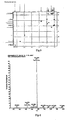
Fig. 2 shows the 1HNMR spectrum of monofructosyl-β-(2,6)-mangiferin; -
Fig. 3 shows the 13CNMR spectrum of monofructosyl-β-(2,6)-mangiferin; -
Fig. 4 shows the H-H COSY spectrum of monofructosyl-β-(2,6)-mangiferin; -
Fig. 5 shows the C-H HSQC spectrum of monofructosyl-β-(2,6)-mangiferin; -
Fig. 6 shows the high resolution mass spectrum of monofructosyl-β-(2,6)-mangiferin; -
Fig. 7 shows the 1HNMR spectrum of mangiferin; -
Fig. 8 shows the 13CNMR spectrum of mangiferin; -
Fig. 9 shows the 1HNMR spectrum of bifructosyl-β-(2,6)-mangiferin; -
Fig. 10 shows the 13CNMR spectrum of bifructosyl-β-(2,6)-mangiferin; -
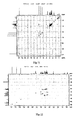
Fig. 11 shows the H-H COSY spectrum of bifructosyl-β-(2,6)-mangiferin; -
Fig. 12 shows the C-H HSQC spectrum of bifructosyl-β-(2,6)-mangiferin; -
Fig. 13 shows the high resolution mass spectrum of bifructosyl-β-(2,6)-mangiferin. - Latin name: Arthrobacter nicotianae XM6, classified name: Arthrobacter nicotianae XM6, collection No.: CCTCC No.: M2010164, preserved at China Typical Culture Collection Center on June 29, 2010, address: Wuhan University, Wuhan, China, Zip: 430072.
- It can be understood that, the specific implementation methods described here are presented in the form of embodiments, which do not constitute restrictions to this invention.
- In the following embodiments, processes and methods not described in detail are generally known conventional methods in this field. The sources and trade names of the reagents used and their components necessarily to be listed are indicated when first appeared, and all identical reagents used subsequently are identical to those indicated first unless specially noted.
- Put 40mL of
culture medium 2 cultured by fermentation (the culture medium composition as shown in Table 2) into a 250mL trianglar flask, after sterilization with high pressure steam at 121°C for 20min, inoculate the Arthrobacter nicotianae XM6 (CCTCC M2010164),ferment and culture it by oscillating at 30°C and 180 rpm for 16 hours, and inoculate as seed liquor into a 5L fermentation tank, at an amount of 5 volumetric percentage, the fermentation tank is loaded with 3L of liquid, and is sterilized in the same way as the shake flask. It is fermented and cultured at 30°C and 300 rpm, with ventilation rate of 3vvm, for 6 hours (with OD at about 10), then it is centrifuged at 8000rpm for 20min, the supernatant enzyme liquor is collected, to determine that the supernatant enzyme liquor contains fructosylating enzyme of 30U/mL. For this, the following method is adopted in determining the enzyme activity: - Preparation of substrate solution: 0.01g mangiferin and 1g cane sugar are fully dissolved in 100mL of 1/15 mol/L phosphate buffer (pH6.86). Reaction system: take 2mL of 1/15 mol/L phosphate buffer (pH6.86) and add it into 182mL of substrate solution, and let it react at 30°C for 10min, then immediately take out 100µL and add it into 900µL of methanol to terminate the reaction, as a blank control. Meanwhile take 2mL of enzyme liquor and add it into 18mL of substrate solution, and let it react at 30°C for 10min, then immediately take out 100µL and add it into 900µL of methanol to terminate the reaction, as a sample. Then determination is performed with HPLC. The enzyme activity unit is defined as: the amount of enzyme required to transform 1µmol of mangiferin at 30°C is one activity unit (1U is 1µmol/min). Definition of specific activity (U/mL): the enzyme activity (U) number in unit volume (mL) of enzyme liquor.
- Add 600mL of supernatant enzyme liquor into a 5L fermenting tank with total volume of 3000mL of 1/15 mol/L phosphate buffer (pH6.86) containing 62.7 g/L of mangiferin (purchased from Nanjing Zelang Medical Science and Technology Co., Ltd.), 200g/L of cane sugar, for mangiferin glycosylating reaction at 30°C and 300 rpm, after 360 hours, heat it for 2 hours at 45°C to terminate the transformation reaction. The transformed liquid is determined with HPLC as: containing monofructosyl-β-(2,6)-mangiferin of 63.0 g/L, and bifructosyl-β-(2,6)-mangiferin of 15.7g/L, so the fructosylated mangiferin transformation rate is as high as 87%. As shown in
Fig. 1 , it is mangiferin with a retaining time of 14.781min, monofructosyl-β-(2,6)-mangiferin with a retaining time of 8.95 1 min and bifructosyl-β-(2,6)-mangiferin with a retaining time of 5.541 min. - The said transformed liquid containing fructosylated mangiferin is absorbed with AB-8 macroporous resin (with a chromatographic column of 40×600mm, at a flow rate of 10 mL/min), then the remaining glycosyl donor is washed off with pH4-4.5 distilled water (the pH regulated with glacial acetic acid) at a
volume 10 times the column bed volume, followed by gradient elution with 5%-30% methanol solution, to obtain fructosylated mangiferin (with purity >97%), and finally the pigment and mangiferin are washed off with 100% methanol. - The fructosylated mangiferin with purity >97% is dried by rotary evaporation at 45°C or freezing, to obtain monofructosyl-β-(2,6)-mangiferin powder or crystal of 158.5g, and bifructosyl-β-(2,6)-mangiferin powder or crystal of 39.1g.
- As determined, at 25°C, the dissolvability of monofructosyl-β-(2,6)-mangiferin is 350 g/L, and that of bifructosyl-β-(2,6)-mangiferin is 1200g/L, respectively 3.5 × 10³ times and 1.2 × 10⁴ times that of mangiferin (0.1 g/L) under the same condition.
- The said monofructosyl-β-(2,6)-mangiferin: HR-MS: m/z583.1303[M-H]-, element composition is C25H27O16 (
Fig. 6 ), M-H calculated value 583.1299; the 1H-NMR and 13C-NMR chemical displacement features in DMSO are respectively as follows: - 1H-NMR(500MHz, DMS0-d6) δ: 13.75(1H, s, 1-OH), 7.38(1H, s, H-8), 6.86(1H, s, H-5), 6.36(1H, s, H-4), 4.59(1H, d, J=9.8 Hz, H-1'), 3.92-4.00(2H, m, H-2'/H-4"), 3.77-3.89(2H, m, H-5'/H-6"), 3.50-3.56(3H, m, H-5", H-6', H-6"), 3.20-3.42(7H, m, H-2', H-3', H-4', H-6', 2H-1", H-3") (
Fig. 2 ,Fig. 4 ,Fig. 5 ). - 13C-NMR(500MHz, DMS0-d6) δ: 179.1, 163.8, 161.7, 156.3, 154.1, 150.8, 143.7, 111.7, 108.1, 107.4, 104.2(C-2"), 102.6, 101.3, 93.4, 82.1(C-5"), 79.6, 78.7, 76.7, 75.2(C-5'), 73.1, 70.7, 70.2, 62.4(C-6'), 61.9(C-6"), 61.3(
Fig. 3 ). - The 1H-NMR and 13C-NMR chemical displacement features in DMSO of mangiferin are respectively as follows:
- 1H-NMR (500MHz, DMS0-d6) δ: 13.75(1H, s, 1-OH), 10.63(1H, s, 6-OH), 10.52(1H, s, 3-OH), 9.74 (1H, s, 7-OH), 7.38 (1H, s, H-8), 6.86 (1H, s, H-5), 6.37(1H, s, H-4), 4.60(1H, d, J=9.8 Hz, H-1'), 4.04(1H, m, H-2'), 3.42, 3.70(2H, m, H-6'), 3.12-3.23(3H, m, H-3', H-4', H-5') (
Fig. 7 ). - 13C-NMR(500MHz, DMS0-d6) δ: 179.0, 163.8, 161.7, 156.2, 153.9, 150.7, 143.7, 111.7, 108.1, 107.6, 102.6, 101.3, 93.3, 81.5(C-5'), 78.9, 73.1, 70.6, 70.2, 61.5(C-6')(
Fig. 8 ). - Single mass analysis is performed for bifructosyl-β-(2,6)-mangiferin, as shown in
Fig. 13 , HR-MS: Deviation =20.0PPM/ DBE: min=-1.5, max=20.0, without selecting filter, single element and even electricion mass spectrum, and the elements used are C: 0-50, H:0-100, 0:0-50, calculation is performed in the limited four results (Table 1) (each element has nearly 30 close results) to obtain formula 202, m/z 745.1818[M-H]-, the element composition is C31H37O21, and M-H calculated value 745.1827;Table 1 Limited four results used to calculate formulas Mass Calculated mass mPa PPM DBE i-FIT Formula 745.1818 745.1827 -0.9 -1.2 13.5 0.2 C31H37O21 745.1886 -6.9 -9.1 4.5 11.8 C24H41O26 745.1734 8.4 11.3 0.5 32.5 C20H41O29 745.1675 14.3 19.2 9.5 7.0 C27H37O24 - The 1H-NMR and 13C-NMR chemical displacement features in DMSO are respectively as follows:
- 1H-NMR(500MHz, DMS0-d6) δ: 13.75(1H, s, 1-OH), 7.38(1H, s, H-8), 6.86(1H, s, H-5), 6.37(1H, s, H-4), 4.60(1H, d, J=9.8 Hz, H-1'), 3.94-4.02(3H, m, H-2', H-4", H-4"'), 3.71-3.85(4H, m, H-5', H-6', H-5", H-6"'), 3.48-3.61(5H, m, H-6', H-3", H-6", H-5"', H-6"'), 3.18-3.43(9H, m, H-3', H-4', 2H-1", H-3", H-6", 2H-1"', H-3"') (
Fig. 9 ,Fig. 11 and Fig. 12 ). - 13C-NMR(500MHz, DMS0-d6) δ: 179.1, 163.7, 161.7, 156.3, 154.1, 150.8, 143.7, 111.7, 108.1, 107.3, 104.3(C-2"), 104.2(C-2"'), 102.6, 101.4, 93.4, 80.3, 82.0(C-5"'), 79.6, 78.3, 76.5, 76.3, 75.7(C-5"), 75.2(C-5'), 73.2, 70.8, 70.3, 62.9(C-6'), 62.5(C-6"), 62.2(C-6"'), 61.3, 60.9 (
Fig. 10 ). - Put 40mL of
culture medium 2 cultured by fermentation (the culture medium composition as shown in Table 2) into a 250mL trianglar flask, after sterilization with high pressure steam at 121°C for 20min, inoculate the Arthrobacter nicotianae XM6 (CCTCC M2010164), ferment and culture it by oscillating at 30°C and 180 rpm for 6 hours (with OD at about 10), then it is centrifuged at 8000rpm for 20min, the supernatant enzyme liquor is collected, to determine that the supernatant enzyme liquor contains fructosylating enzyme of 30U/mL. - Move 4mL of supernatant into a 250mL triangular flask with plug with a total of 20mL phosphate buffer (pH6.86) containing 20.9g/L mangiferin, 200g/L cane sugar and 20% DMSO, for transformation with oscillation at 30°C and 180rpm, and after 96 hours, heat it for 2 hours at 45°C to terminate the transformation reaction. The transformed liquid is determined with HPLC as: containing monofructosyl-β-(2,6)-mangiferin of 21.9g/L, and bifructosyl-β-(2,6)-mangiferin of 8.2g/L, so the fructosylated mangiferin transformation rate is as high as 97.8%.
- The said transformed liquid containing fructosylated mangiferin is diluted 10 times and absorbed with AB-8 macroporous resin (with a chromatographic column of 40×600mm, at a flow rate of 10 mL/min), then the remaining glycosyl donor is washed off with pH4-4.5 distilled water (the pH regulated with glacial acetic acid) at times the column bed volume, followed by gradient elution with 5%-30% methanol solution, to obtain fructosylated mangiferin (with purity >97%), and finally the pigment and mangiferin are washed off with 100% methanol. The fructosylated mangiferin with purity >97% is rotary evaporated at 45°C or frozen dried, to obtain monofructosyl-β-(2,6)-mangiferin powder or crystal of 0.364g, and bifructosyl-β-(2,6)-mangiferin powder or crystal of 0.136g.
- Put 40mL of culture medium cultured by fermentation (the culture medium composition as shown in Table 2) into a 250mL trianglar flask, after sterilization with high pressure steam at 121°C for 20min, inoculate the Arthrobacter nicotianae XM6 (CCTCC M2010164), and ferment and culture it by oscillating under different fermenting conditions (refer to Table 2 for fermenting conditions), then it is centrifuged at 8000rpm for 20min, the supernatant enzyme liquor is collected, to determine that the supernatant enzyme liquor contains fructosylating enzyme of 10-100U/mL. Add 20% supernatant enzyme liquor into the transformation system, after oscillating transformation under different transformation conditions (refer to Table 3 for transformation conditions), heat it for 2 hours at 45°C to terminate the transformation reaction, and the transformed liquid is determined with HPLC.
- Different culture fermentation conditions and transformation conditions produce different effect on the formation of fructosylated mangiferin product, Tables 2 and 3 show the changes in mole transformation rate of the main products monofructosylated mangiferin and bifructosylated mangiferin in mangiferin glycosylating reaction under different conditions.
Table 2 Different proportions of culture components Culture medium composition Cane sugar (g/L) peptone (g/L) KH2PO4 (g/L) CaCl2 (g/L) MnSO4 (g/L) PH 1 5 5 0.4 0.5 0.1 6 2 35 25 2 2 0.5 7 3 80 50 4 5 2 8 4 5 25 2 2 0.5 7 5 35 50 0.4 0.5 0.1 6 6 80 5 4 5 28 Table 3 Mole transformation rate of monofructosyl-β-(2,6)- mangiferin (M1) and bifructosyl-β-(2,6)- mangiferin (M2) under different conditions Ferm. time (h) Ferm. temp. (°C) Medium comp. Conv. time (h) Conv. temp. (°C) Cov. scale (mL) Substrate concentration (g/L) Molar ratio of substate and cane sugar Solvent Solvent prop. (%) M1 (%) M2 (%) 6 25 1 6 25 20 0.1 1:1 DMF 10 60 10 12 30 2 12 30 300 5 1:5 Methanol 20 84 3 18 40 3 400 35 3000 70 1: 10 DMSO 40 45 0 36 30 4 24 25 20 0.1 1:1 Acetone 50 0 0 12 25 5 204 30 3000 50 1:10 DMSO 20 74 16 48 40 6 48 40 500 5 1:5 Acetonitril 20 20 0 6 30 6 36 25 500 5 1:5 Ethanol 20 30 0 12 40 2 36 30 3000 30 1:10 DMSO 30 40 5 24 25 3 24 40 20 10 1:1 Methanol 30 45 0 8 40 1 180 30 3000 40 1:8 DMSO 20 74 18 12 30 5 6 30 20 0.1 1:1 Acetone 10 48 5 18 25 1 24 40 200 0.5 1:10 Methanol 10 0 0 6 40 3 400 25 3000 5 1:10 Methanol 40 10 0 12 25 2 24 30 500 70 1:5 DMSO 50 5 0 48 30 1 240 40 20 0.1 1:1 DMF 40 0 0 - It can be seen from the results in Table 3 that, the advantage of nonaqueous phase transformation lies in that the mangiferin concentration in the transformation system can be raised to 70g/L. Under the preferable nonaqueous phase transformation conditions, the transformation rate can be as high as 87%, the concentration of transformed product is substantially increased (with 62.7g/L mangiferin, the total transformed product can be 78.7 g/L), and the transformed products can be regulated and controlled by selection and proportion of solvent. These advantages of nonaqueous phase transformation are conducive to industrial production.
- Human chronic myelogenous leukemia cell strain K562, purchased from the cell bank of Shanghai Cell Research Institute of Chinese Academy of Sciences; mangiferin, purchased from Nanjing Zelang Medical Science and Technology Co., Ltd.; monofructosyl-β(2,6)-mangiferin is prepared with the method described in this invention, with purity over 99% as determined by high performance liquid chromatography.
- Drug liquid and its storage: weigh 8.44mg mangiferin powder and dissolve it in 2mL DMSO to prepare it into 10mmol/L mangiferin; weigh 11.68mg monofructosyl-β(2,6)-mangiferin powder and dissolve it in 2mL DMSO to prepare it into 10mmol/L monofructosyl-β(2,6)-mangiferin; they are filtered with a 0.22µm filter, packed in 1000µL/doff and stored at -20°C, meanwhile, high concentration DMSO is filtered with a 0.22µm filter for use as control.
- Cell culture liquor: take 1 pack of RPM 1-1640 culture medium (powder) and dissolve it into 800mL triple-distilled water, agitate it with a magnetic agitator for at least half an hour to complete dissolution, add 2g of NaHCO3, after sufficient dissolution, bring it to a constant volume of 1L. Filter it with a filtration membrane of 0.22pm pore size to remove bacteria, add the serum to a final serum concentration of 10%, and store it at 4°C.
- PBS phosphate buffer: dissolve in 800mL of distilled water 8g NaCl, 0.2g KCL, 1.44g Na2PO4 and 0.24g KH2PO4, regulate the pH of the solution to 7.4 with HCl, add water to a constant volume of 1L, sterilize it with high pressure steam for 20min. and store it a low temperature.
- MTT application liquid: weight 500mg MTT powder, dissolve it in 100mL PBS, after dissolving it with agitation, filter it with a filtration membrane of 0.22pm pore size to remove bacteria, separate it and stored it at a dark place at 4°C for later use.
- Triple liquid: take SDS 25g, isopropanol 12.5mL and concentrated HCl 2.5mL and add triple distilled water to a constant volume of 1L, and store it at low temperature.
- HPLC instrument (DIONEX model: P600); ELISA instrument (Molecular Devices Company Model: spectra MAX 190/GEMINIXS); CO2 incubator (Forma Company Model: 3111); low speed centrifuge (Thermostat Model: PICO-17); inverted microscope (Leica Company Model: DMIL); horizontal rockers (Nanjing University Instruments Company Model: TY-80S); calf serum (Gibaco BRL Company); RPMI1640 (US Gibco Company); Penicillin G Sodium Salt (AMRESCO Company); Streptomycin Sulfate (AMRESCO Company); Trypsin (AMRESCO Company); and MTT (AMRESCO Company).
- The K-562 cells are cultured in RPMI-1640 complete culture medium containing inactivated calf serum at volume fraction of 10%, 100U penicillin and streptomycin, in an incubating box at 37°C, with 5% CO2 and at saturated humidity.
- Take K-562 cells in logarithmic growing phase, adjust its concentration to 1
X 105/mL, and inoculate them in a 96-hole culture plate, each hole with 90µL of suspended cell liquid, the experimental group is treated with mangiferin and monofructosyl-β(2,6)-mangiferin at different end concentration (1, 5, 10, 20, 50, 100, 150 and 200 µ mol/L), with 10uL in each hole, the DMSO solvent control group is added with 20 µL PBS containing the corresponding drug solvent, and the blank group is added with 20µL PBS. For each drug concentration, 6 repeating holes are provided. The culture plate is put back into the cell culture box, add 20µL MTT (5mg/mL) solution after 48h, and after further incubation of 4h in the culture box, add triple liquid 100µL into each hole, put it still overnight to allow full dissolution of crystal. Vibrate it with oscillator for 20min and determine the light absorption at 490nm with a fully automatic ELISA instrument, and calculate the average suppression rate, the suppression rate (%) = (control group A490- test group A490) /control group A490), the experiment was repeated three times. - Relevant analysis and Student t tests in Microsoft Excel 2003 were used, and data are presented in.
-
Table 4 Effect of mangiferin and monofructosyl-β(2,6)- mangiferin in different concentration on K562 cell proliferation after acting for 48h Group Mangiferin Monofructosyl-β(2,6)-mangiferin OD value Average suppression rate (%) OD value Average suppression rate (%) Control group 1.032±0.072 1.029±0.026 1µmol/L group 0.952±0.034* 7.74 0.982±0.039* 4.53 5µmol/L group 0.945±0.041* 8.39 0.938±0.102 8.79 10µmol/L group 0.921±0.036* 10.75 0.944±0.053** 8.19 20µmol/L group 0.995±0.086 3.52 0.941±0.040** 8.56 50µmol/L group 1.096±0.143 -3.9 0.938±0.041** 8.87 100µmol/L group 1.198±0.048* -16.08 0.790±0.098** 23.19 150µmol/L group 1.141±0.049 -10.61 0.653±0.026*** 36.53 200µmol/L group 1.182±0.175* -14.56 0.602±0.021*** 41.48 Note: Compared with control group, *P <0.05, **P <0.01, ***P <0.001. - The statistic results after analysis with MTT method show that (see Table 4), both mangiferin and monofructosyl-β (2,6)-mangiferin can substantially reduce the number of K562 cells after acting for 48h.As compared with the control group during the same time period, there is substantial difference with low dosage of monofructosyl-β(2,6)-mangiferin at 1 µmol/L (P<0.05), and this difference becomes extremely apparent (P<0.001) when the dosage reaches 150 and 200µmol/L, the suppression rate of K562 cell is respectively 36.53% and 41.48%, indicating that monofructosyl-β (2,6)-mangiferin can markedly suppress the proliferation of human chronmyelogenors leukemia cell strain K562, its suppression effect on K562 cell is substantially higher than that of mangiferin, and the suppression rate increases with the increase of dosage.
Claims (9)
- A fructosylated mangiferin having the structure as shown in formula (I) below:


- A preparation method for fructosylated mangiferin as described in claim 1, wherein the method includes
adding a substance with fructosylating enzymatic activity into a transformed liquid containing mangiferin for biotransformation reaction, so as to convert the mangiferin into the fructosylated mangiferin, wherein the transformed liquid contains the mangiferin and a glycosyl donor, preferably, the said glycosyl donor is fructose or cane sugar; and
after the completion of the transformation reaction, bacteria cells or bacteria protein are removed from the transformed liquid, which is purified with resin and then the resin-purified fructosylated mangiferin fraction is dried by rotary evaporation or freezing, to obtain fructosylated mangiferin powder or crystal. - The preparation method of the fructosylated mangiferin as mentioned in claim 2, wherein said substances with fructosylating enzyme activity include fermentation liquor with fructosylating enzyme activity, fermentation liquor supernatant, purified fructosylating enzyme and fructosylating enzyme recombined expression protein, preferably, fructosylating enzyme is β-D-fructofuranosidase, and more preferably, the said β-D-fructofuranosidase is originated from bacteria of Arthrobacter, with a molecular weight of about 60kDa, and the first 5 amino acid sequences at the N end being respectively ATEPV.
- The preparation method of the fructosylated mangiferin as mentioned in either of claims 2 and 3, wherein said fermentation liquor or fermentation liquor supernatant is obtained from fermentation of microorganism with fructosylating enzyme activity. Preferably, the said microorganism is Arthrobacter nicotianae XM6 (CCTCC M2010164). Preferably, the fermentation of the said microorganism was conducted with fermentation medium containing: cane sugar of 5∼80g/L, peptone of 5∼50g/L, KH2PO4 0.4∼4g/L, Catch 0.5∼5g/L, MnSO4 0.1∼2g/L, pH 68, which is put in a shake flask at 25∼40°C, and oscillating at 10∼400 rpm, or in a fermenting tank for agitating with ventilation, at a speed and ventilatory capacity of 1∼6vvm, 10∼400 rpm, to ferment for 6∼48 hours. Preferably, the fermentation of the said microorganism was conducted with fermentation medium containing cane sugar of 15g/L, peptone of 25g/L, KH2PO4 2g/L, CaCl2 2g/L, MnSO4 0.2g/L, pH 7.5, which is put in a shake flask at 30°C, and oscillating at 240 rpm for 16 hours, or in a fermenting tank for agitating with ventilation, at a speed and ventilatory capacity of 4vvm, 300 rpm, to ferment for 6 hours.
- The preparation method for fructosylated mangiferin as described in any of claims 2 to 4, wherein said biotransformation reaction takes place in a nonaqueous reaction condition; the said nonaqueous phase reaction condition is: oscillating in a shake flask at 10∼400rpm or agitating in a fermenting tank, in 5∼50% hydrophilic organic solvent, with mangiferin concentration of 0.1 ∼70g/L, the mangiferin to glycosyl donor at a mole ratio 1:1 1:200, and added with 10%∼50% fermentation liquor or fermentation liquor supernatant, the said fermentation liquor or fermentation liquor supernatant containing fructosylated enzyme 10∼100U/mL, and the reaction lasted 6∼400 hours at 25∼40°C, in a buffer solution of pH4∼8.
- The preparation method for fructosylated mangiferin as described in claim 5, wherein said hydrophilic organic solvent is one or several selected from dimentyl sulfoxide, dimentyl formamide, acetonitrile, methanol, acetone or ethanol; preferably, the said nonaqueous phase reaction condition is: a solution with 20% of DMSO, 62.7g/L of mangiferin and 200g/L of cane sugar as glycosyl donor, added with 20% of fermentation liquor supernatant, the said fermentation liquor supernatant containing fructosylating enzyme at 30U/mL, and it was put into a 5L fermenting tank containing phosphate buffer at 1/15 mol/L and pH6.86, for transformation with agitation at 300rpm at 30°C for 360 hours.
- The preparation method for fructosylated mangiferin as described in any of claims 2 to 6, wherein said resin purification is passing the transformed liquid containing fructosylated mangiferin through AB-8 macroporous resin for adsorption; after the adsorption, the remaining glycosyl donor is washed off with eluant, followed by gradient or stage elution with the eluant, to obtain the fructosylated mangiferin; preferably, distilled water with pH 4~4.5 in a quantity 10 times the column bed volume is used to remove the remaining glycosyl donor, then methanol or ethanol solution at 5∼30% is used for gradient or stage elution, to obtain fructosylated mangiferin.
- The preparation method for fructosylated mangiferin as described in any of claims 2 to 7, wherein in the transformation reaction under nonaqueous phase reaction condition, this adsorption should be conducted under the condition that the organic solvent in the transformed liquid has been removed by evaporation at low temperature or has been diluted to less than 2% volumetric ratio.
- The use of the fructosylated mangiferin as described in claim 1 in preparing medicine for the treatment of tumor-related diseases.
Applications Claiming Priority (2)
| Application Number | Priority Date | Filing Date | Title |
|---|---|---|---|
| CN201110188224.6A CN102863484B (en) | 2011-07-06 | 2011-07-06 | Fructosyl mangiferin, preparation method and application thereof |
| PCT/CN2012/072084 WO2013004086A1 (en) | 2011-07-06 | 2012-03-08 | Fructosylated mangiferin and preparation method therefor and use thereof |
Publications (3)
| Publication Number | Publication Date |
|---|---|
| EP2657245A4 EP2657245A4 (en) | 2013-10-30 |
| EP2657245A1 EP2657245A1 (en) | 2013-10-30 |
| EP2657245B1 true EP2657245B1 (en) | 2014-06-18 |
Family
ID=47436481
Family Applications (1)
| Application Number | Title | Priority Date | Filing Date |
|---|---|---|---|
| EP12807633.8A Not-in-force EP2657245B1 (en) | 2011-07-06 | 2012-03-08 | Fructosylated mangiferin and preparation method therefor and use thereof |
Country Status (6)
| Country | Link |
|---|---|
| US (1) | US8946407B2 (en) |
| EP (1) | EP2657245B1 (en) |
| JP (1) | JP5934348B2 (en) |
| KR (1) | KR101653586B1 (en) |
| CN (1) | CN102863484B (en) |
| WO (1) | WO2013004086A1 (en) |
Families Citing this family (6)
| Publication number | Priority date | Publication date | Assignee | Title |
|---|---|---|---|---|
| JP6488264B2 (en) * | 2015-07-30 | 2019-03-20 | 学校法人近畿大学 | NIK inhibitor |
| TWI626313B (en) * | 2017-03-08 | 2018-06-11 | 財團法人食品工業發展研究所 | Method for increasing content of fructosylized mangiferin in plant extract |
| CN108715823B (en) * | 2018-06-15 | 2021-08-06 | 南京中医药大学 | A strain for preparing mangiferin glycosides and application thereof |
| CN110195028B (en) * | 2019-03-08 | 2022-03-01 | 大连理工大学 | A kind of preparation method and application of compost low-temperature compound fermentation inoculum |
| CN117843824A (en) * | 2024-01-08 | 2024-04-09 | 中国科学院昆明植物研究所 | A method for synthesizing Achyranthes bidentata polysaccharide ABW90-1 and/or ABW50-1 |
| CN120507391B (en) * | 2025-07-22 | 2025-10-28 | 天府永兴实验室 | Online nuclear magnetic resonance detection system and detection method for organic liquid hydrogen storage and dehydrogenation products |
Family Cites Families (6)
| Publication number | Priority date | Publication date | Assignee | Title |
|---|---|---|---|---|
| MX9602837A (en) * | 1994-11-25 | 1997-06-28 | Rocher Yves Biolog Vegetale | Cosmetic or pharmaceutical compositions containing mangiferin or derivatives thereof. |
| FR2882762B1 (en) * | 2005-03-04 | 2007-06-15 | Biolog Vegetale Yves Rocher Sa | SYNTHESIS OF A MANGIFERIN SUGAR DERIVATIVE |
| CN101585858A (en) | 2007-04-25 | 2009-11-25 | 南京师范大学 | Application of glycosylated puerarin derivate and its combination for preventing and treating cardiovascular and cerebrovascular disease |
| FR2929945B1 (en) | 2008-04-11 | 2010-09-03 | Inst Rech Developpement Ird | PROCESS FOR EXTRACTING MANGIFERIN AND ISOMANFIGERIN |
| CN101723997A (en) | 2008-10-24 | 2010-06-09 | 南京师范大学 | Puerarin glycosylation derivative, medicine compound, preparation method and application thereof |
| CN101919839A (en) * | 2009-06-12 | 2010-12-22 | 海南德泽药物研究有限公司 | Usage of mangiferin calcium salt taken as AMPK agonist |
-
2011
- 2011-07-06 CN CN201110188224.6A patent/CN102863484B/en not_active Expired - Fee Related
-
2012
- 2012-03-08 US US14/001,173 patent/US8946407B2/en not_active Expired - Fee Related
- 2012-03-08 EP EP12807633.8A patent/EP2657245B1/en not_active Not-in-force
- 2012-03-08 KR KR1020137026512A patent/KR101653586B1/en not_active Expired - Fee Related
- 2012-03-08 WO PCT/CN2012/072084 patent/WO2013004086A1/en not_active Ceased
- 2012-03-08 JP JP2014513036A patent/JP5934348B2/en not_active Expired - Fee Related
Also Published As
| Publication number | Publication date |
|---|---|
| KR20140027139A (en) | 2014-03-06 |
| US8946407B2 (en) | 2015-02-03 |
| EP2657245A4 (en) | 2013-10-30 |
| US20140221643A1 (en) | 2014-08-07 |
| CN102863484B (en) | 2014-04-23 |
| CN102863484A (en) | 2013-01-09 |
| EP2657245A1 (en) | 2013-10-30 |
| JP2014516976A (en) | 2014-07-17 |
| WO2013004086A1 (en) | 2013-01-10 |
| JP5934348B2 (en) | 2016-06-15 |
| KR101653586B1 (en) | 2016-09-02 |
Similar Documents
| Publication | Publication Date | Title |
|---|---|---|
| EP2615100B1 (en) | Fructosylated puerarin, and preparation method therefor and use thereof | |
| EP2657245A1 (en) | Fructosylated mangiferin and preparation method therefor and use thereof | |
| Lin et al. | Production of podophyllotoxin using cross‐species coculture of Linum flavum hairy roots and Podophyllum hexandrum cell suspensions | |
| CN110218200B (en) | Cyclic depsipeptide compound in a mangrove endophyte fungus and its preparation method and application | |
| CN109134574B (en) | Steroid compound, preparation method and application thereof, and anti-tumor drug | |
| CN114573537B (en) | Compound with anti-neurodegenerative change activity, preparation method and application thereof | |
| CN117003806B (en) | Steroid compound with anti-parkinsonism activity and preparation method and application thereof | |
| CN103146594B (en) | Sorangiumcellulosum strain and application thereof to synthesis of epothilone | |
| CN115584330B (en) | Nocardiopsis, compound nocardiopsis, and preparation method and application thereof | |
| CN102703352B (en) | Strain and method for preparing glucosyl apigenin through glycosylation in nonaqueous phase | |
| CN110669800A (en) | Application of iso-Penicillium xanthone A from Penicillium oxalicum and adriamycin resistance | |
| CN108676013B (en) | Flavonol ketone compound with autophagy activation activity, preparation method and pharmaceutical application thereof | |
| CN114940693B (en) | Thiobenzoate glycoside compounds and their preparation methods and applications | |
| CN109134417B (en) | Selenolonic acid I from penicillium oxalicum and application of medicine for resisting human cervical cancer | |
| CN116178463B (en) | Anthracene ketone glycoside compound and preparation method and application thereof | |
| CN102741243A (en) | Novel compound amycolatopsis derivative, and production process and use of same | |
| CN116947941A (en) | Sesquiterpene glycoside compound and preparation method and application thereof | |
| CN120271600A (en) | Compound with osteoporosis resisting effect and preparation method and application thereof | |
| CN121930244A (en) | A novel bird's nest alkyl diterpenoid compound, its preparation method and application | |
| CN121045116A (en) | A sesquiterpene compound of the irimophenol type, its preparation method and application | |
| CN106008301A (en) | 26-methyl-25-hydroxyvitamin D3 compound and its preparation method and application | |
| CN118956994A (en) | A method for simultaneously fermenting and producing two dihydroquercetin derivatives and its use | |
| CN118480051A (en) | Compound with osteoporosis resisting effect and preparation method and application thereof | |
| CN116903596A (en) | Natural active compound moenofuran, preparation method and application thereof | |
| JPS6061590A (en) | Anthracycline compound argomycin derivative |
Legal Events
| Date | Code | Title | Description |
|---|---|---|---|
| PUAI | Public reference made under article 153(3) epc to a published international application that has entered the european phase |
Free format text: ORIGINAL CODE: 0009012 |
|
| 17P | Request for examination filed |
Effective date: 20130721 |
|
| A4 | Supplementary search report drawn up and despatched |
Effective date: 20130925 |
|
| AK | Designated contracting states |
Kind code of ref document: A1 Designated state(s): AL AT BE BG CH CY CZ DE DK EE ES FI FR GB GR HR HU IE IS IT LI LT LU LV MC MK MT NL NO PL PT RO RS SE SI SK SM TR |
|
| 17Q | First examination report despatched |
Effective date: 20131025 |
|
| GRAP | Despatch of communication of intention to grant a patent |
Free format text: ORIGINAL CODE: EPIDOSNIGR1 |
|
| DAX | Request for extension of the european patent (deleted) | ||
| INTG | Intention to grant announced |
Effective date: 20140228 |
|
| GRAS | Grant fee paid |
Free format text: ORIGINAL CODE: EPIDOSNIGR3 |
|
| GRAA | (expected) grant |
Free format text: ORIGINAL CODE: 0009210 |
|
| AK | Designated contracting states |
Kind code of ref document: B1 Designated state(s): AL AT BE BG CH CY CZ DE DK EE ES FI FR GB GR HR HU IE IS IT LI LT LU LV MC MK MT NL NO PL PT RO RS SE SI SK SM TR |
|
| REG | Reference to a national code |
Ref country code: GB Ref legal event code: FG4D |
|
| REG | Reference to a national code |
Ref country code: CH Ref legal event code: EP |
|
| REG | Reference to a national code |
Ref country code: AT Ref legal event code: REF Ref document number: 673301 Country of ref document: AT Kind code of ref document: T Effective date: 20140715 |
|
| REG | Reference to a national code |
Ref country code: IE Ref legal event code: FG4D |
|
| REG | Reference to a national code |
Ref country code: DE Ref legal event code: R096 Ref document number: 602012002163 Country of ref document: DE Effective date: 20140807 |
|
| PG25 | Lapsed in a contracting state [announced via postgrant information from national office to epo] |
Ref country code: GR Free format text: LAPSE BECAUSE OF FAILURE TO SUBMIT A TRANSLATION OF THE DESCRIPTION OR TO PAY THE FEE WITHIN THE PRESCRIBED TIME-LIMIT Effective date: 20140919 Ref country code: NO Free format text: LAPSE BECAUSE OF FAILURE TO SUBMIT A TRANSLATION OF THE DESCRIPTION OR TO PAY THE FEE WITHIN THE PRESCRIBED TIME-LIMIT Effective date: 20140918 Ref country code: FI Free format text: LAPSE BECAUSE OF FAILURE TO SUBMIT A TRANSLATION OF THE DESCRIPTION OR TO PAY THE FEE WITHIN THE PRESCRIBED TIME-LIMIT Effective date: 20140618 Ref country code: LT Free format text: LAPSE BECAUSE OF FAILURE TO SUBMIT A TRANSLATION OF THE DESCRIPTION OR TO PAY THE FEE WITHIN THE PRESCRIBED TIME-LIMIT Effective date: 20140618 Ref country code: CY Free format text: LAPSE BECAUSE OF FAILURE TO SUBMIT A TRANSLATION OF THE DESCRIPTION OR TO PAY THE FEE WITHIN THE PRESCRIBED TIME-LIMIT Effective date: 20140618 |
|
| REG | Reference to a national code |
Ref country code: AT Ref legal event code: MK05 Ref document number: 673301 Country of ref document: AT Kind code of ref document: T Effective date: 20140618 |
|
| REG | Reference to a national code |
Ref country code: LT Ref legal event code: MG4D |
|
| REG | Reference to a national code |
Ref country code: NL Ref legal event code: T3 |
|
| PG25 | Lapsed in a contracting state [announced via postgrant information from national office to epo] |
Ref country code: RS Free format text: LAPSE BECAUSE OF FAILURE TO SUBMIT A TRANSLATION OF THE DESCRIPTION OR TO PAY THE FEE WITHIN THE PRESCRIBED TIME-LIMIT Effective date: 20140618 Ref country code: HR Free format text: LAPSE BECAUSE OF FAILURE TO SUBMIT A TRANSLATION OF THE DESCRIPTION OR TO PAY THE FEE WITHIN THE PRESCRIBED TIME-LIMIT Effective date: 20140618 Ref country code: SE Free format text: LAPSE BECAUSE OF FAILURE TO SUBMIT A TRANSLATION OF THE DESCRIPTION OR TO PAY THE FEE WITHIN THE PRESCRIBED TIME-LIMIT Effective date: 20140618 Ref country code: LV Free format text: LAPSE BECAUSE OF FAILURE TO SUBMIT A TRANSLATION OF THE DESCRIPTION OR TO PAY THE FEE WITHIN THE PRESCRIBED TIME-LIMIT Effective date: 20140618 |
|
| PG25 | Lapsed in a contracting state [announced via postgrant information from national office to epo] |
Ref country code: RO Free format text: LAPSE BECAUSE OF FAILURE TO SUBMIT A TRANSLATION OF THE DESCRIPTION OR TO PAY THE FEE WITHIN THE PRESCRIBED TIME-LIMIT Effective date: 20140618 Ref country code: ES Free format text: LAPSE BECAUSE OF FAILURE TO SUBMIT A TRANSLATION OF THE DESCRIPTION OR TO PAY THE FEE WITHIN THE PRESCRIBED TIME-LIMIT Effective date: 20140618 Ref country code: EE Free format text: LAPSE BECAUSE OF FAILURE TO SUBMIT A TRANSLATION OF THE DESCRIPTION OR TO PAY THE FEE WITHIN THE PRESCRIBED TIME-LIMIT Effective date: 20140618 Ref country code: CZ Free format text: LAPSE BECAUSE OF FAILURE TO SUBMIT A TRANSLATION OF THE DESCRIPTION OR TO PAY THE FEE WITHIN THE PRESCRIBED TIME-LIMIT Effective date: 20140618 Ref country code: PT Free format text: LAPSE BECAUSE OF FAILURE TO SUBMIT A TRANSLATION OF THE DESCRIPTION OR TO PAY THE FEE WITHIN THE PRESCRIBED TIME-LIMIT Effective date: 20141020 Ref country code: SK Free format text: LAPSE BECAUSE OF FAILURE TO SUBMIT A TRANSLATION OF THE DESCRIPTION OR TO PAY THE FEE WITHIN THE PRESCRIBED TIME-LIMIT Effective date: 20140618 |
|
| PG25 | Lapsed in a contracting state [announced via postgrant information from national office to epo] |
Ref country code: PL Free format text: LAPSE BECAUSE OF FAILURE TO SUBMIT A TRANSLATION OF THE DESCRIPTION OR TO PAY THE FEE WITHIN THE PRESCRIBED TIME-LIMIT Effective date: 20140618 Ref country code: IS Free format text: LAPSE BECAUSE OF FAILURE TO SUBMIT A TRANSLATION OF THE DESCRIPTION OR TO PAY THE FEE WITHIN THE PRESCRIBED TIME-LIMIT Effective date: 20141018 Ref country code: AT Free format text: LAPSE BECAUSE OF FAILURE TO SUBMIT A TRANSLATION OF THE DESCRIPTION OR TO PAY THE FEE WITHIN THE PRESCRIBED TIME-LIMIT Effective date: 20140618 |
|
| REG | Reference to a national code |
Ref country code: DE Ref legal event code: R097 Ref document number: 602012002163 Country of ref document: DE |
|
| PLBE | No opposition filed within time limit |
Free format text: ORIGINAL CODE: 0009261 |
|
| STAA | Information on the status of an ep patent application or granted ep patent |
Free format text: STATUS: NO OPPOSITION FILED WITHIN TIME LIMIT |
|
| PG25 | Lapsed in a contracting state [announced via postgrant information from national office to epo] |
Ref country code: IT Free format text: LAPSE BECAUSE OF FAILURE TO SUBMIT A TRANSLATION OF THE DESCRIPTION OR TO PAY THE FEE WITHIN THE PRESCRIBED TIME-LIMIT Effective date: 20140618 Ref country code: DK Free format text: LAPSE BECAUSE OF FAILURE TO SUBMIT A TRANSLATION OF THE DESCRIPTION OR TO PAY THE FEE WITHIN THE PRESCRIBED TIME-LIMIT Effective date: 20140618 |
|
| 26N | No opposition filed |
Effective date: 20150319 |
|
| PG25 | Lapsed in a contracting state [announced via postgrant information from national office to epo] |
Ref country code: BE Free format text: LAPSE BECAUSE OF FAILURE TO SUBMIT A TRANSLATION OF THE DESCRIPTION OR TO PAY THE FEE WITHIN THE PRESCRIBED TIME-LIMIT Effective date: 20140618 |
|
| PG25 | Lapsed in a contracting state [announced via postgrant information from national office to epo] |
Ref country code: SI Free format text: LAPSE BECAUSE OF FAILURE TO SUBMIT A TRANSLATION OF THE DESCRIPTION OR TO PAY THE FEE WITHIN THE PRESCRIBED TIME-LIMIT Effective date: 20140618 |
|
| PG25 | Lapsed in a contracting state [announced via postgrant information from national office to epo] |
Ref country code: LU Free format text: LAPSE BECAUSE OF FAILURE TO SUBMIT A TRANSLATION OF THE DESCRIPTION OR TO PAY THE FEE WITHIN THE PRESCRIBED TIME-LIMIT Effective date: 20150308 Ref country code: MC Free format text: LAPSE BECAUSE OF FAILURE TO SUBMIT A TRANSLATION OF THE DESCRIPTION OR TO PAY THE FEE WITHIN THE PRESCRIBED TIME-LIMIT Effective date: 20140618 |
|
| REG | Reference to a national code |
Ref country code: CH Ref legal event code: PL |
|
| REG | Reference to a national code |
Ref country code: IE Ref legal event code: MM4A |
|
| PG25 | Lapsed in a contracting state [announced via postgrant information from national office to epo] |
Ref country code: IE Free format text: LAPSE BECAUSE OF NON-PAYMENT OF DUE FEES Effective date: 20150308 Ref country code: LI Free format text: LAPSE BECAUSE OF NON-PAYMENT OF DUE FEES Effective date: 20150331 Ref country code: CH Free format text: LAPSE BECAUSE OF NON-PAYMENT OF DUE FEES Effective date: 20150331 |
|
| REG | Reference to a national code |
Ref country code: FR Ref legal event code: PLFP Year of fee payment: 5 |
|
| PG25 | Lapsed in a contracting state [announced via postgrant information from national office to epo] |
Ref country code: MT Free format text: LAPSE BECAUSE OF FAILURE TO SUBMIT A TRANSLATION OF THE DESCRIPTION OR TO PAY THE FEE WITHIN THE PRESCRIBED TIME-LIMIT Effective date: 20140618 |
|
| REG | Reference to a national code |
Ref country code: FR Ref legal event code: PLFP Year of fee payment: 6 |
|
| PGFP | Annual fee paid to national office [announced via postgrant information from national office to epo] |
Ref country code: FR Payment date: 20170331 Year of fee payment: 6 |
|
| PG25 | Lapsed in a contracting state [announced via postgrant information from national office to epo] |
Ref country code: SM Free format text: LAPSE BECAUSE OF FAILURE TO SUBMIT A TRANSLATION OF THE DESCRIPTION OR TO PAY THE FEE WITHIN THE PRESCRIBED TIME-LIMIT Effective date: 20140618 Ref country code: BG Free format text: LAPSE BECAUSE OF FAILURE TO SUBMIT A TRANSLATION OF THE DESCRIPTION OR TO PAY THE FEE WITHIN THE PRESCRIBED TIME-LIMIT Effective date: 20140618 Ref country code: HU Free format text: LAPSE BECAUSE OF FAILURE TO SUBMIT A TRANSLATION OF THE DESCRIPTION OR TO PAY THE FEE WITHIN THE PRESCRIBED TIME-LIMIT; INVALID AB INITIO Effective date: 20120308 |
|
| PGFP | Annual fee paid to national office [announced via postgrant information from national office to epo] |
Ref country code: GB Payment date: 20170331 Year of fee payment: 6 |
|
| PGFP | Annual fee paid to national office [announced via postgrant information from national office to epo] |
Ref country code: NL Payment date: 20170331 Year of fee payment: 6 |
|
| PGFP | Annual fee paid to national office [announced via postgrant information from national office to epo] |
Ref country code: DE Payment date: 20170401 Year of fee payment: 6 |
|
| PG25 | Lapsed in a contracting state [announced via postgrant information from national office to epo] |
Ref country code: TR Free format text: LAPSE BECAUSE OF FAILURE TO SUBMIT A TRANSLATION OF THE DESCRIPTION OR TO PAY THE FEE WITHIN THE PRESCRIBED TIME-LIMIT Effective date: 20140618 |
|
| PG25 | Lapsed in a contracting state [announced via postgrant information from national office to epo] |
Ref country code: MK Free format text: LAPSE BECAUSE OF FAILURE TO SUBMIT A TRANSLATION OF THE DESCRIPTION OR TO PAY THE FEE WITHIN THE PRESCRIBED TIME-LIMIT Effective date: 20140618 |
|
| REG | Reference to a national code |
Ref country code: DE Ref legal event code: R119 Ref document number: 602012002163 Country of ref document: DE |
|
| PG25 | Lapsed in a contracting state [announced via postgrant information from national office to epo] |
Ref country code: AL Free format text: LAPSE BECAUSE OF FAILURE TO SUBMIT A TRANSLATION OF THE DESCRIPTION OR TO PAY THE FEE WITHIN THE PRESCRIBED TIME-LIMIT Effective date: 20140618 |
|
| REG | Reference to a national code |
Ref country code: NL Ref legal event code: MM Effective date: 20180401 |
|
| GBPC | Gb: european patent ceased through non-payment of renewal fee |
Effective date: 20180308 |
|
| PG25 | Lapsed in a contracting state [announced via postgrant information from national office to epo] |
Ref country code: NL Free format text: LAPSE BECAUSE OF NON-PAYMENT OF DUE FEES Effective date: 20180401 |
|
| PG25 | Lapsed in a contracting state [announced via postgrant information from national office to epo] |
Ref country code: DE Free format text: LAPSE BECAUSE OF NON-PAYMENT OF DUE FEES Effective date: 20181002 |
|
| PG25 | Lapsed in a contracting state [announced via postgrant information from national office to epo] |
Ref country code: GB Free format text: LAPSE BECAUSE OF NON-PAYMENT OF DUE FEES Effective date: 20180308 |
|
| PG25 | Lapsed in a contracting state [announced via postgrant information from national office to epo] |
Ref country code: FR Free format text: LAPSE BECAUSE OF NON-PAYMENT OF DUE FEES Effective date: 20180331 |