EP2651430B1 - Biological activity of placental protein 13 - Google Patents
Biological activity of placental protein 13 Download PDFInfo
- Publication number
- EP2651430B1 EP2651430B1 EP11848091.2A EP11848091A EP2651430B1 EP 2651430 B1 EP2651430 B1 EP 2651430B1 EP 11848091 A EP11848091 A EP 11848091A EP 2651430 B1 EP2651430 B1 EP 2651430B1
- Authority
- EP
- European Patent Office
- Prior art keywords
- administration
- human
- use according
- compound
- preeclampsia
- Prior art date
- Legal status (The legal status is an assumption and is not a legal conclusion. Google has not performed a legal analysis and makes no representation as to the accuracy of the status listed.)
- Not-in-force
Links
Images
Classifications
-
- A—HUMAN NECESSITIES
- A61—MEDICAL OR VETERINARY SCIENCE; HYGIENE
- A61K—PREPARATIONS FOR MEDICAL, DENTAL OR TOILETRY PURPOSES
- A61K38/00—Medicinal preparations containing peptides
- A61K38/16—Peptides having more than 20 amino acids; Gastrins; Somatostatins; Melanotropins; Derivatives thereof
- A61K38/17—Peptides having more than 20 amino acids; Gastrins; Somatostatins; Melanotropins; Derivatives thereof from animals; from humans
- A61K38/1703—Peptides having more than 20 amino acids; Gastrins; Somatostatins; Melanotropins; Derivatives thereof from animals; from humans from vertebrates
- A61K38/1709—Peptides having more than 20 amino acids; Gastrins; Somatostatins; Melanotropins; Derivatives thereof from animals; from humans from vertebrates from mammals
-
- A—HUMAN NECESSITIES
- A61—MEDICAL OR VETERINARY SCIENCE; HYGIENE
- A61P—SPECIFIC THERAPEUTIC ACTIVITY OF CHEMICAL COMPOUNDS OR MEDICINAL PREPARATIONS
- A61P15/00—Drugs for genital or sexual disorders; Contraceptives
-
- A—HUMAN NECESSITIES
- A61—MEDICAL OR VETERINARY SCIENCE; HYGIENE
- A61P—SPECIFIC THERAPEUTIC ACTIVITY OF CHEMICAL COMPOUNDS OR MEDICINAL PREPARATIONS
- A61P9/00—Drugs for disorders of the cardiovascular system
- A61P9/12—Antihypertensives
-
- C—CHEMISTRY; METALLURGY
- C07—ORGANIC CHEMISTRY
- C07K—PEPTIDES
- C07K14/00—Peptides having more than 20 amino acids; Gastrins; Somatostatins; Melanotropins; Derivatives thereof
- C07K14/435—Peptides having more than 20 amino acids; Gastrins; Somatostatins; Melanotropins; Derivatives thereof from animals; from humans
- C07K14/46—Peptides having more than 20 amino acids; Gastrins; Somatostatins; Melanotropins; Derivatives thereof from animals; from humans from vertebrates
- C07K14/47—Peptides having more than 20 amino acids; Gastrins; Somatostatins; Melanotropins; Derivatives thereof from animals; from humans from vertebrates from mammals
- C07K14/4701—Peptides having more than 20 amino acids; Gastrins; Somatostatins; Melanotropins; Derivatives thereof from animals; from humans from vertebrates from mammals not used
- C07K14/4715—Pregnancy proteins, e.g. placenta proteins, alpha-feto-protein, pregnancy specific beta glycoprotein
Definitions
- the present invention relates to the biological, physiological, immunological and pharmacological effect of placental protein 13 (PP-13), its fractions, derivatives and gene expressions.
- the invention relates to compositions for use in methods for preventing preeclampsia of pregnant female mammal, especially pregnant women. This facilitates and makes possible early clinical intervention when a preeclamptic condition or the risk to develop it is determined with the purpose to cure, reverse or reduce the severity of the pathological disease conditions associated with the disorder.
- Preeclampsia is a syndrome defined by hypertension and proteinuria developed after twenty (20) weeks of gestation that also may be associated with myriad other signs and symptoms, such as oedema, visual disturbances, elevated liver enzyme, hemolysis, low platelets, headaches, and epigastric pain [1].
- This disease complicates 3-7% of all pregnancies and is a multisystem maternal disorder that is the most common cause of death for both children and mothers during pregnancy. While the clinical manifestations appear from week 20, the underlying mechanisms may begin as early as at the time of implantation. As the disease progresses the disease may develop into its severe type called eclampsia, caused by angiospasmus in the brain and brain oedema that may result in severe epileptic seizures, stroke and death.
- the etiology for preeclampsia is unknown but it is believed that during placentation, the invasion by the placental cells, the trophoblasts, into the uterus wall layer of the spiral arteries appears to be incomplete [2-3] and the severity of hypertension may be related to the degree of trophoblastic invasion [4].
- Vasoconstriction and elevated resistance to blood flow follows as a consequence.
- the etiology is also described as decreased placental perfusion (or placental insufficiency), in combination with oxidative stress that causes general endothelial cell damage within the placenta which may result in endothelial inflammation, affecting the maternal vascular system and the vascularization of the kidneys.
- preeclampsia is a leading cause of maternal mortality and morbidity accounting for about 12-18% of all pregnancy-related maternal deaths. It is also associated with a high perinatal mortality and morbidity.
- the only curative treatment for preeclampsia today is to deliver the fetus and removal of the placenta.
- Reduced uterine perfusion associated with increased vascular resistance can be detected with Doppler ultrasound of the maternal uterine arteries.
- the increased impedance to the uterine artery perfusion, or increased pulsatility index and Doppler notch indicates that the mother may have a higher risk of developing preeclampsia, resulting in various endothelial problems such as a general endothelial inflammation.
- the symptoms of preeclampsia typically appear in the third trimester of pregnancy and are usually detected by routine monitoring of the woman's blood pressure and urine proteins
- preeclampsia can vary in severity from mild to life threatening. A mild form of preeclampsia can remain mild with bed rest and frequent monitoring. For moderate to severe cases, hospitalization is necessary and blood pressure medication and anticonvulsant medications to prevent seizures are prescribed. If the condition becomes life-threatening to the mother or the baby, the only cure is to terminate the pregnancy often resulting in a prematurity of the newborn due to the pre-term delivery.
- PP-13 placental protein 13
- the concentration of PP-13 has been shown to be altered in maternal blood in pregnancy disorders such as preeclampsia. More recent studies have shown that the serum levels of PP-13 are significantly reduced at 6-13 weeks in cases developing early, as well as late-onset preeclampsia [7].
- PP13 is a member of the ⁇ -galactoside binding S-type galectin superfamily and is only expressed in placental tissues of higher primates, and within the villous trophoblast it can only be found in the multinucleated syncytiotrophoblast [8].
- PP-13 is expressed and released into the intervillous space, where it enters the maternal circulation and can be detected in maternal blood. While in unaffected pregnancies serum concentrations of PP-13 rise moderately from the first to the third trimester of pregnancy, women who develop preeclampsia start with a lower than normal PP-13 level in the first trimester, and a diagnostic test was develop to use the lower PP-13 level as a measure to predict high risk for preeclampsia. PP-13 levels sharply increase between the first to the third trimester in women who enter the active phase of the disease. This stip change in the level of PP-13 is further assisting in predicting the risk to develop the disorder
- the present invention provides such prevention which has been shown to provide necessary biological effect that will influence the pathophysiology of the disease such as preventing the development of preeclampsia or reducing its severity, when administered into the maternal circulatory system in pregnant women who have been identified to be at risk of suffering from preeclampsia or delivered to the pregnancy in a different way. The best outcome will occur if the pregnant women will receive the treatment, according to the invention, before week 20.
- the present invention is based on the inventors' studies on placental protein 13 (PP-13).
- PP-13 belongs to a group of sugar binding proteins called galectins and they have not been shown to be associated with having cardiovascular, renal or any other biological effect on the stress level.
- this protein or galectin offers more hope of meaningful treatment than any other treatment suggestions available today.
- Numerous studies on PP-13 have never suggested or associated this protein with recovering the pathophysiology of preeclampsia.
- the method for diagnosis of pregnant women at risk of developing preeclampsia according to the present invention is very important for this invention.
- the method for monitoring the progression or regression of the risk factor before week 20 is also important for this invention, in order to help pregnant women to avoid preeclampsia or eclampsia with all the serious risks involved both for the women and/or the fetus.
- PP-13 has been found to cause dilation of arteries and veins, resulting in reduced vascular resistance and preconditioning of the arteries as well as local angiogenesis in uterine arteries and decrease the stress level following administration to a female mammal. Unexpectedly, this is exactly what is needed or what is missing in those women diagnosed with preeclampsia not the active stage of the disease but also in its pre-clinical stage when the underlying pathology is developed. Interestingly, this vasodilation occurs already in the first trimester, forming the connection between low PP-13 and high Doppler impedance as were identified in women at risk to develop preeclampsia.
- a drug or a treatment that may be used as soon as early signs of elevated risk of developing preeclampsia are identified, preferentially as soon as pregnancy is detected, after conception.
- the optimal start of treatment should occur as soon as low levels of PP-13 has been detected e.g. in week 5-20, preferably in week 6-18 or more preferably in week 7-16.
- the invention provides a compound for use as a medicament to affect the pathophysiology of pregnancy to prevent pregnancy associated disease in humans (women) such as preeclampsia and/or eclampsia, wherein the compound is human placental protein 13 (PP-13), most preferably the native full-length protein (as expressed in human tissue) but can also be an active subunit thereof.
- PP-13 human placental protein 13
- the pathophysiology affected by the invention can be the physiology of the disease related but not limited to any of the cardiovascular system, renal system, immune system and/or psychology of the disease.
- the compound affects physiology associated with uterine vascularization.
- PP-13 to be used according to the invention can be derived from a suitable source, such as human placenta tissue, or over expressed in human or animal cell culture or transgenic organisms or cells expressing human PP-13.
- PP-13 protein and its encoding nucleotide sequence, and teach how the protein can be overexpressed in bacterial cell culture, and isolated and purified.
- other cell cultures are used for the overexpression of PP-13, such as but not limited to cells of human origin, animal cells, fungal cells, or plant cells, or in transgenic organisms such as transgenic animals including mice, pigs, cows, or transgenic plants.
- the protein is expressed and isolated from BeWo cells, which are regularly used as a cell culture model to mimic in vivo syncytialisation of placental villous trophoblast.
- the protein comprises 139 amino acids and has a molecular weight of about 16 kDa (calculated 15.6 kDa).
- the protein sequence is depicted in the enclosed sequence listing as SEQ ID NO:1 and its encoding cDNA sequence as SEQ ID NO:2 (starting codon at position 15).
- the PP-13 protein is found in the body as a 32 kDa dimer protein, secreted to the extracellular fluid of the placenta and reaching the maternal blood circulation the amniotic fluid and urine. Both the monomer and dimer as well as oligomers can be used in accordance with the present invention.
- the protein is expressed in and may be isolated from the placenta and its various layers, from syncytiotrophoblasts, extravillous trophoblasts and chorionic villus from the placenta.
- glycosylated forms are used in the present invention, i.e. glycosylated monomer, dimer or fragment; however non-glycosylated forms are also useful and within the scope of this invention, such as those forms that are expressed in expression systems not capable of protein glycolysation.
- non-glycosylated PP-13 is used, expressed in bacterial expression systems, and these forms exhibit activity in accordance with the invention.
- PEGylated native PP-13 protein is used, in useful embodiments of the invention.
- PEGylation refers to the covalent attachment of polyethylene glycol polymer chains to the protein.
- Methods for PEGylating proteins are well known to the skilled person, see e.g. Fee [10].
- the compound and methods of the present invention provide for various routes of administration in accordance with the present invention. These include but are not limited to injections (intravenous, intradermal, subcutaneous, or uterine injections), infusions, nasal, pulmonal, rectal, vaginal delivery or administered via cervix or any transdermal or under-dermal device.
- routes of administration include but are not limited to injections (intravenous, intradermal, subcutaneous, or uterine injections), infusions, nasal, pulmonal, rectal, vaginal delivery or administered via cervix or any transdermal or under-dermal device.
- Administration of PP-13 will, according to the invention, provide a preconditioning of arteries and angiogenesis as well as an endothelial effect and/or neuronal effect on the uterine vascularization, arteries and/or veins, causing them to dilate and provide and prepare the uterus for the need of receiving increased flow of blood to support, among others, the rapid fetal growth after week 20 in pregnancy.
- Administration of PP-13 will, according to the invention, provide a preconditioning of arteries and angiogenesis, an endothelial effect and/or neuronal effect on the systemic vascularization, arteries and/or veins, causing them to dilate, resulting in lower vascular resistance and lower the systemic blood pressure, both systolic as well as diastolic blood pressure, to provide the optimal blood pressure for the placenta, kidneys as well as other organs to function properly during pregnancy.
- the vasodilation in the kidney and other nonreproductive organs is one of the earliest maternal adaptation's to occur during pregnancy.
- PP-13 provides an endothelial effect and/or neuronal effect on the kidney vascularization, arteries and/or veins, causing them to dilate, which is very important to occur before the end of the first trimester.
- the low level or lack of PP-13, according to the invention cannot provide the necessary changes in glomerular filtration rate or in the tubular re-absorption before the week 20 after conception unless the maternal body is provided with external administration of PP-13 to prepare the kidneys for the necessary changes.
- administration of PP-13 affects the stress level of the mother, by causing central nervous system (CNS) effect and/or affecting the adrenal gland that produces glucocorticoids making the pregnant women more relaxed and prepared for the remaining pregnancy time.
- CNS central nervous system
- Administration of PP-13 should occur as often as necessary, such as once or more often, and up to unlimited times.
- a regimen range from a daily dose to a weekly basis, to provide the maternal body with the necessary amount of the protein.
- the mammal is a human (women).
- the compound of the invention is administered in doses that provide a serum concentration of PP-13 in the range of 100-600 pg/mL, preferably in the range of about 150-300 pg/mL and more preferably a concentration in the range of about 175-260 pg/mL.
- the compound is administered in a dose that provides equivalent serum concentrations of PP-13 in the range of about 100-600 pg/mL, preferably in the range of about 150-300 pg/mL placental protein 13.
- Administration of PP-13according to the invention may be carried out alone or in combination with other biologically active compounds such as, but not limited to, relaxin, 17 ⁇ -estradiol, and/or progesterone.
- Such concentrations can be suitably obtained with dose concentrations in injection solutions in the range of about 1-10 ⁇ g/mL, such as in the range 2-6 ⁇ g/mL, such as about 2, 3, or 5 ⁇ g/mL.
- Suitable injection doses of such injection formulations would be in the range of 200 ⁇ L - 2 mL, such as in the range 0.5-1 mL.
- doses in the range of 50-200 ⁇ L, such as about 100 ⁇ L can be suitable delivered in one or two puffs, as illustrated in the accompanying examples.
- doses in the range of 5-200 ⁇ L, such as about 50 ⁇ L can be mixed with a vaginal gel to be suitable for being delivered in one, two or daily use, similar to the way progesterone is used to prevent preterm delivery.
- administration of PP-13 may be used in accordance with this invention to preconditioning of arteries in general, especially arteries such as in the heart in both males and female as well as to use PP13 or its derivatives to induce angiogenesis in specific regions of the body such as the brain or the heart in both males and females.
- PP-13 used in each experiments was a purified human PP-13, expressed in cell culture and/or bacterial culture (E. coli), produced (isolated and purified) by Hy-Labs, Ltd. Rehovot, Israel (www.hylabs.co.il).
- Results The volume of distribution was found to be 221,9 mL/kg and the half-life was found to be 10,6 hours. Within 5 minutes from the beginning of the intravenous drug administration the behavior of the animals changed from being very alert to being relaxed, calm and did not run away when approached for the next blood sample.
- PP-13 affects the stress levels and makes the animals relaxed and peaceful, which is an important function of PP-13 during pregnancy.
- Formulations of PP-13 are produced using purified PP-13 (3,0 ⁇ g/mL) and PEGylatedPP-13 (equivalent to 3,0 ⁇ g/mL of pure PP-13) in saline. About 1 mL of these solutions was administered slowly intravenously to pregnant women in week 11, having the PP-13 levels around 20 pg/mL. Subsequent blood sampling showed that the final serum concentration, 1 hour after the administration is about 200 pg/mL. The women having purified PP-13 require additional doses daily until week 20 from conception, whereas the women receiving PEGylatedPP-13 required additional doses on weekly intervals.
- a formulation of PP-13 is produced using purified PP-13 (60 ⁇ g/mL) and PEGylatedPP-13 (equivalent to 60 ⁇ g/mL of pure PP-13) in saline containing 2% methoxypolyethyleneglycole (mPEG 350).
- the formulation is placed into a multidose nasal spray bottle. Twice daily, the pregnant women who has low serum PP-13 or carry at least one major risk factors to preeclampsia (or two mild ones, stratified according to the WHO) use one puff (about 0,1 mL or 6 ⁇ g) of these solutions in week 11, having the PP-13 levels around 20 pg/mL.
- Samples are collected from pregnant women.
- the pregnant woman may be an individual who has been determined to have a high risk of preeclampsia based on her personal or family history or other risk factors as defined by the WHO and/or after determination of the woman's low level PP-13.
- a formulation of PP-13 is produced and administered to cervix using pharmaceutically acceptable techniques and formulations in such a way that PP-13 is absorbed through cervix into the uterus.
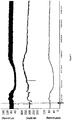
- Figure 1 illustrating a blood pressure lowering effects of PP-13according to the invention, where the top line shows the blood pressure, the middle line show the pulse and the lowest (dotted) line shows the mean arterial pressure.
- PP-13 was placed into an Alzet osmotic pump system releasing about 0.14 ng/min.
- the pumps were placed surgically into gravid female 15 week old Sprague-Dawley rats where the controls received the pumps with saline. Blood PP-13 periodically determined on blood samples and urine collection.
- the PP-13 group had significantly lower systolic and diastolic blood pressure than the control animals. At the same time the heart rate increased significantly in the PP-13 group indicating that a general vasodilatation had occurred, reducing the peripheral resistance by about 35%. The placenta also showed angiogenesis.
Landscapes
- Health & Medical Sciences (AREA)
- Life Sciences & Earth Sciences (AREA)
- Chemical & Material Sciences (AREA)
- Medicinal Chemistry (AREA)
- General Health & Medical Sciences (AREA)
- Organic Chemistry (AREA)
- Proteomics, Peptides & Aminoacids (AREA)
- Gastroenterology & Hepatology (AREA)
- Zoology (AREA)
- Pharmacology & Pharmacy (AREA)
- Engineering & Computer Science (AREA)
- Animal Behavior & Ethology (AREA)
- Bioinformatics & Cheminformatics (AREA)
- Public Health (AREA)
- Veterinary Medicine (AREA)
- Reproductive Health (AREA)
- Immunology (AREA)
- Epidemiology (AREA)
- Marine Sciences & Fisheries (AREA)
- Biochemistry (AREA)
- Biophysics (AREA)
- Molecular Biology (AREA)
- Genetics & Genomics (AREA)
- Gynecology & Obstetrics (AREA)
- Pregnancy & Childbirth (AREA)
- Toxicology (AREA)
- Nuclear Medicine, Radiotherapy & Molecular Imaging (AREA)
- Chemical Kinetics & Catalysis (AREA)
- General Chemical & Material Sciences (AREA)
- Heart & Thoracic Surgery (AREA)
- Cardiology (AREA)
- Endocrinology (AREA)
- Medicines That Contain Protein Lipid Enzymes And Other Medicines (AREA)
- Peptides Or Proteins (AREA)
- Medicines Containing Material From Animals Or Micro-Organisms (AREA)
- Pharmaceuticals Containing Other Organic And Inorganic Compounds (AREA)
Description
- The present invention relates to the biological, physiological, immunological and pharmacological effect of placental protein 13 (PP-13), its fractions, derivatives and gene expressions. In particular, the invention relates to compositions for use in methods for preventing preeclampsia of pregnant female mammal, especially pregnant women. This facilitates and makes possible early clinical intervention when a preeclamptic condition or the risk to develop it is determined with the purpose to cure, reverse or reduce the severity of the pathological disease conditions associated with the disorder.
- Preeclampsia is a syndrome defined by hypertension and proteinuria developed after twenty (20) weeks of gestation that also may be associated with myriad other signs and symptoms, such as oedema, visual disturbances, elevated liver enzyme, hemolysis, low platelets, headaches, and epigastric pain [1]. One sub-form of the disease, denoted HELLP, standing for hemolysis, elevated enzyme liver and low platelets, can occur with or without hypertension, and the term preeclampsia include this sub-form throughout this document. This disease complicates 3-7% of all pregnancies and is a multisystem maternal disorder that is the most common cause of death for both children and mothers during pregnancy. While the clinical manifestations appear from week 20, the underlying mechanisms may begin as early as at the time of implantation. As the disease progresses the disease may develop into its severe type called eclampsia, caused by angiospasmus in the brain and brain oedema that may result in severe epileptic seizures, stroke and death.
- The etiology for preeclampsia is unknown but it is believed that during placentation, the invasion by the placental cells, the trophoblasts, into the uterus wall layer of the spiral arteries appears to be incomplete [2-3] and the severity of hypertension may be related to the degree of trophoblastic invasion [4]. Vasoconstriction and elevated resistance to blood flow follows as a consequence. The etiology is also described as decreased placental perfusion (or placental insufficiency), in combination with oxidative stress that causes general endothelial cell damage within the placenta which may result in endothelial inflammation, affecting the maternal vascular system and the vascularization of the kidneys.
- About one third of cases develop in the first pregnancies. Other risk factors include multifetal gestations, conceiving through in-vitro fertilization, particularly oocyte donation, preeclampsia and hypertension disorders in a previous pregnancy, family history of preeclampsia, chronic hypertension, pregestational diabetes, vascular and connective tissue disease, nephropathy, antiphospholipid antibody syndrome, systemic lupus erythematosus (SLE), obesity, age 35 years and older, teenagers and African-American race [5]. Preeclampsia is a leading cause of maternal mortality and morbidity accounting for about 12-18% of all pregnancy-related maternal deaths. It is also associated with a high perinatal mortality and morbidity. The only curative treatment for preeclampsia today is to deliver the fetus and removal of the placenta.
- Mothers who develop preeclampsia at pregnancy are at increased risk for cardiovascular diseases and diabetes, and their offsprings are at risk for obesity and diabetes, in addition to developmental disorders such as motor and cognitive disorders and blindness.
- Reduced uterine perfusion associated with increased vascular resistance can be detected with Doppler ultrasound of the maternal uterine arteries. The increased impedance to the uterine artery perfusion, or increased pulsatility index and Doppler notch indicates that the mother may have a higher risk of developing preeclampsia, resulting in various endothelial problems such as a general endothelial inflammation. The symptoms of preeclampsia typically appear in the third trimester of pregnancy and are usually detected by routine monitoring of the woman's blood pressure and urine proteins
- Currently, there are no known cures for preeclampsia except for delivery of the fetus. However, the decision to deliver a patient with preeclampsia must balance both maternal and fetal risks. Preeclampsia can vary in severity from mild to life threatening. A mild form of preeclampsia can remain mild with bed rest and frequent monitoring. For moderate to severe cases, hospitalization is necessary and blood pressure medication and anticonvulsant medications to prevent seizures are prescribed. If the condition becomes life-threatening to the mother or the baby, the only cure is to terminate the pregnancy often resulting in a prematurity of the newborn due to the pre-term delivery. There are two main goals of management of women with preeclampsia: prevention of seizures or eclampsia and control of hypertension. Magnesium sulfate has been used for the prevention of seizures, usually as an intravenous delivery. Daily calcium supplementation and early use of Aspirin may reduce the frequency of the disorder particularly if administered before 16 weeks. Antioxidant vitamins have not been shown to prevent preeclampsia. The management of blood pressure levels with the drugs labetalol or hydralazine has shown benefits although to a limited time. Novel biomarkers have been found that may be used to detect the syndrome. One such is expressed in the placenta already during the first trimester and may be used to predict pregnancies at risk, a protein called placental protein 13 (PP-13) [6]. The concentration of PP-13 has been shown to be altered in maternal blood in pregnancy disorders such as preeclampsia. More recent studies have shown that the serum levels of PP-13 are significantly reduced at 6-13 weeks in cases developing early, as well as late-onset preeclampsia [7]. PP13 is a member of the β-galactoside binding S-type galectin superfamily and is only expressed in placental tissues of higher primates, and within the villous trophoblast it can only be found in the multinucleated syncytiotrophoblast [8]. PP-13 is expressed and released into the intervillous space, where it enters the maternal circulation and can be detected in maternal blood. While in unaffected pregnancies serum concentrations of PP-13 rise moderately from the first to the third trimester of pregnancy, women who develop preeclampsia start with a lower than normal PP-13 level in the first trimester, and a diagnostic test was develop to use the lower PP-13 level as a measure to predict high risk for preeclampsia. PP-13 levels sharply increase between the first to the third trimester in women who enter the active phase of the disease. This stip change in the level of PP-13 is further assisting in predicting the risk to develop the disorder
- As shown above, there is a need to identify the pregnant subjects at risk of developing pregnancy associated diseases, preferably those at risk of developing preeclampsia and eclampsia, and provide them with the appropriate management regimens. The present invention provides such prevention which has been shown to provide necessary biological effect that will influence the pathophysiology of the disease such as preventing the development of preeclampsia or reducing its severity, when administered into the maternal circulatory system in pregnant women who have been identified to be at risk of suffering from preeclampsia or delivered to the pregnancy in a different way. The best outcome will occur if the pregnant women will receive the treatment, according to the invention, before week 20.
- The present invention is based on the inventors' studies on placental protein 13 (PP-13). PP-13 belongs to a group of sugar binding proteins called galectins and they have not been shown to be associated with having cardiovascular, renal or any other biological effect on the stress level. However, this protein or galectin offers more hope of meaningful treatment than any other treatment suggestions available today. Numerous studies on PP-13 have never suggested or associated this protein with recovering the pathophysiology of preeclampsia. Also, the method for diagnosis of pregnant women at risk of developing preeclampsia according to the present invention is very important for this invention. Furthermore, the method for monitoring the progression or regression of the risk factor before week 20 is also important for this invention, in order to help pregnant women to avoid preeclampsia or eclampsia with all the serious risks involved both for the women and/or the fetus.
- Surprisingly, PP-13 has been found to cause dilation of arteries and veins, resulting in reduced vascular resistance and preconditioning of the arteries as well as local angiogenesis in uterine arteries and decrease the stress level following administration to a female mammal. Unexpectedly, this is exactly what is needed or what is missing in those women diagnosed with preeclampsia not the active stage of the disease but also in its pre-clinical stage when the underlying pathology is developed. Interestingly, this vasodilation occurs already in the first trimester, forming the connection between low PP-13 and high Doppler impedance as were identified in women at risk to develop preeclampsia. There is a need for a drug or a treatment that may be used as soon as early signs of elevated risk of developing preeclampsia are identified, preferentially as soon as pregnancy is detected, after conception. The optimal start of treatment should occur as soon as low levels of PP-13 has been detected e.g. in week 5-20, preferably in week 6-18 or more preferably in week 7-16.
- In a first aspect, the invention provides a compound for use as a medicament to affect the pathophysiology of pregnancy to prevent pregnancy associated disease in humans (women) such as preeclampsia and/or eclampsia, wherein the compound is human placental protein 13 (PP-13), most preferably the native full-length protein (as expressed in human tissue) but can also be an active subunit thereof.
- The pathophysiology affected by the invention can be the physiology of the disease related but not limited to any of the cardiovascular system, renal system, immune system and/or psychology of the disease. Preferably, the compound affects physiology associated with uterine vascularization.
- PP-13 to be used according to the invention can be derived from a suitable source, such as human placenta tissue, or over expressed in human or animal cell culture or transgenic organisms or cells expressing human PP-13.
- Burger et al. [9] disclose the full sequence of human PP-13 protein and its encoding nucleotide sequence, and teach how the protein can be overexpressed in bacterial cell culture, and isolated and purified. In useful embodiments of the invention other cell cultures are used for the overexpression of PP-13, such as but not limited to cells of human origin, animal cells, fungal cells, or plant cells, or in transgenic organisms such as transgenic animals including mice, pigs, cows, or transgenic plants. In one embodiment the protein is expressed and isolated from BeWo cells, which are regularly used as a cell culture model to mimic in vivo syncytialisation of placental villous trophoblast.
- The protein comprises 139 amino acids and has a molecular weight of about 16 kDa (calculated 15.6 kDa). The protein sequence is depicted in the enclosed sequence listing as SEQ ID NO:1 and its encoding cDNA sequence as SEQ ID NO:2 (starting codon at position 15). The PP-13 protein is found in the body as a 32 kDa dimer protein, secreted to the extracellular fluid of the placenta and reaching the maternal blood circulation the amniotic fluid and urine. Both the monomer and dimer as well as oligomers can be used in accordance with the present invention. The protein is expressed in and may be isolated from the placenta and its various layers, from syncytiotrophoblasts, extravillous trophoblasts and chorionic villus from the placenta.
- The protein as found in the human body is glycosylated and in preferred embodiments, glycosylated forms are used in the present invention, i.e. glycosylated monomer, dimer or fragment; however non-glycosylated forms are also useful and within the scope of this invention, such as those forms that are expressed in expression systems not capable of protein glycolysation. In some of the accompanying examples, non-glycosylated PP-13 is used, expressed in bacterial expression systems, and these forms exhibit activity in accordance with the invention.
- In useful embodiments of the invention, PEGylated native PP-13 protein is used,. PEGylation refers to the covalent attachment of polyethylene glycol polymer chains to the protein. Methods for PEGylating proteins are well known to the skilled person, see e.g. Fee [10].
- The compound and methods of the present invention provide for various routes of administration in accordance with the present invention. These include but are not limited to injections (intravenous, intradermal, subcutaneous, or uterine injections), infusions, nasal, pulmonal, rectal, vaginal delivery or administered via cervix or any transdermal or under-dermal device.
- Administration of PP-13 will, according to the invention, provide a preconditioning of arteries and angiogenesis as well as an endothelial effect and/or neuronal effect on the uterine vascularization, arteries and/or veins, causing them to dilate and provide and prepare the uterus for the need of receiving increased flow of blood to support, among others, the rapid fetal growth after week 20 in pregnancy.
- Administration of PP-13 will, according to the invention, provide a preconditioning of arteries and angiogenesis, an endothelial effect and/or neuronal effect on the systemic vascularization, arteries and/or veins, causing them to dilate, resulting in lower vascular resistance and lower the systemic blood pressure, both systolic as well as diastolic blood pressure, to provide the optimal blood pressure for the placenta, kidneys as well as other organs to function properly during pregnancy. The vasodilation in the kidney and other nonreproductive organs is one of the earliest maternal adaptation's to occur during pregnancy. The administration of PP-13, according to the invention, provides an endothelial effect and/or neuronal effect on the kidney vascularization, arteries and/or veins, causing them to dilate, which is very important to occur before the end of the first trimester. The low level or lack of PP-13, according to the invention, cannot provide the necessary changes in glomerular filtration rate or in the tubular re-absorption before the week 20 after conception unless the maternal body is provided with external administration of PP-13 to prepare the kidneys for the necessary changes.
- According to the invention, administration of PP-13 affects the stress level of the mother, by causing central nervous system (CNS) effect and/or affecting the adrenal gland that produces glucocorticoids making the pregnant women more relaxed and prepared for the remaining pregnancy time.
- Administration of PP-13 should occur as often as necessary, such as once or more often, and up to unlimited times. Preferably regularly, in a regimen range from a daily dose to a weekly basis, to provide the maternal body with the necessary amount of the protein. The dose should preferably be calculated according, but not limited to following formula:

- In a preferred embodiment, the mammal is a human (women).
- In certain embodiments, the compound of the invention is administered in doses that provide a serum concentration of PP-13 in the range of 100-600 pg/mL, preferably in the range of about 150-300 pg/mL and more preferably a concentration in the range of about 175-260 pg/mL. Preferably the compound is administered in a dose that provides equivalent serum concentrations of PP-13 in the range of about 100-600 pg/mL, preferably in the range of about 150-300 pg/mL placental protein 13. Administration of PP-13according to the invention may be carried out alone or in combination with other biologically active compounds such as, but not limited to, relaxin, 17β-estradiol, and/or progesterone.
- Such concentrations can be suitably obtained with dose concentrations in injection solutions in the range of about 1-10 µg/mL, such as in the range 2-6 µg/mL, such as about 2, 3, or 5 µg/mL. Suitable injection doses of such injection formulations would be in the range of 200 µL - 2 mL, such as in the range 0.5-1 mL.
In embodiments using nasal spray devices, doses in the range of 50-200 µL, such as about 100 µL can be suitable delivered in one or two puffs, as illustrated in the accompanying examples.
In embodiments using vaginal pasery, doses in the range of 5-200 µL, such as about 50 µL can be mixed with a vaginal gel to be suitable for being delivered in one, two or daily use, similar to the way progesterone is used to prevent preterm delivery. - Furthermore, administration of PP-13 may be used in accordance with this invention to preconditioning of arteries in general, especially arteries such as in the heart in both males and female as well as to use PP13 or its derivatives to induce angiogenesis in specific regions of the body such as the brain or the heart in both males and females.
- PP-13 used in each experiments was a purified human PP-13, expressed in cell culture and/or bacterial culture (E. coli), produced (isolated and purified) by Hy-Labs, Ltd. Rehovot, Israel (www.hylabs.co.il).
- A group of rabbits received 15 ng/kg PP-13 diluted in saline. The administration occurred into the marginal ear vein, slowly over 30 seconds. The animals were observed and sampled for blood samples over the following hours.
- Results: The volume of distribution was found to be 221,9 mL/kg and the half-life was found to be 10,6 hours. Within 5 minutes from the beginning of the intravenous drug administration the behavior of the animals changed from being very alert to being relaxed, calm and did not run away when approached for the next blood sample.
- Discussion: PP-13 affects the stress levels and makes the animals relaxed and peaceful, which is an important function of PP-13 during pregnancy.
- Formulations of PP-13 are produced using purified PP-13 (3,0 µg/mL) and PEGylatedPP-13 (equivalent to 3,0µg/mL of pure PP-13) in saline. About 1 mL of these solutions was administered slowly intravenously to pregnant women in week 11, having the PP-13 levels around 20 pg/mL. Subsequent blood sampling showed that the final serum concentration, 1 hour after the administration is about 200 pg/mL. The women having purified PP-13 require additional doses daily until week 20 from conception, whereas the women receiving PEGylatedPP-13 required additional doses on weekly intervals.
- A formulation of PP-13 is produced using purified PP-13 (60 µg/mL) and PEGylatedPP-13 (equivalent to 60 µg/mL of pure PP-13) in saline containing 2% methoxypolyethyleneglycole (mPEG 350). The formulation is placed into a multidose nasal spray bottle. Twice daily, the pregnant women who has low serum PP-13 or carry at least one major risk factors to preeclampsia (or two mild ones, stratified according to the WHO) use one puff (about 0,1 mL or 6 µg) of these solutions in week 11, having the PP-13 levels around 20 pg/mL. Subsequent blood sampling showed that the final serum concentration, 1 hour after the administration is about 200 pg/mL. The women having PEGylatedPP-13 needed only one puff per day until week 20 from conception, pregnancy age predefined by last menstrual period or ultrasound dating of pregnancy.
- Samples are collected from pregnant women. The pregnant woman may be an individual who has been determined to have a high risk of preeclampsia based on her personal or family history or other risk factors as defined by the WHO and/or after determination of the woman's low level PP-13.
- A formulation of PP-13 is produced and administered to cervix using pharmaceutically acceptable techniques and formulations in such a way that PP-13 is absorbed through cervix into the uterus.
- A 244g rat was anaesthetized with Brietal (50 mg/kg) followed by Inactin (110 mg/kg). After anesthesia the rat was prepared and equipped with blood pressure meter (intra-arterial) on a temperature controlled plate to keep her temperature around 37°C. When the blood pressure was stable (about 45 -60 min) the rat received IV dose of 0.1 ml of PP-13 solution (Dose=15 ng). The results obtained are shown in
Figure 1 , illustrating a blood pressure lowering effects of PP-13according to the invention, where the top line shows the blood pressure, the middle line show the pulse and the lowest (dotted) line shows the mean arterial pressure. - PP-13 was placed into an Alzet osmotic pump system releasing about 0.14 ng/min. The pumps were placed surgically into gravid female 15 week old Sprague-Dawley rats where the controls received the pumps with saline. Blood PP-13 periodically determined on blood samples and urine collection.
- The PP-13 group had significantly lower systolic and diastolic blood pressure than the control animals. At the same time the heart rate increased significantly in the PP-13 group indicating that a general vasodilatation had occurred, reducing the peripheral resistance by about 35%. The placenta also showed angiogenesis.
-
- 1. ACOG Practical Bulletin. Clinical Management Guidelines for Obstetrician-Gynecologists: Diagnosis and management of preeclampsia and eclampsia, Number 33, Jan 2002 p. 159-167.
- 2. Zhou Y, Fisher SJ, Janatpour M, Genbacev O, Dejana E, Wheelock M et al. Human cytotrophoblasts adopt a vascular phenotype as they differentiate: a strategy for successful endovascular invasion? J Clin Invest 1997; 99: 2139-2151.
- 3. Fox H. The placenta in pregancy hypertension. In: Rubin PC ed handgook of hypertension, volume 10: hypertension in pregnancy. New York: Elsevier 1988: 16-37.
- 4. Madazli R, Budak E, Calay Z, Aksu MF. Correlation between placental bed biopsy findings, vascular cell adhesion molecule and fibronectin levels in pre-eclampsia. BJOG 2000, 107, 514-518.
- 5. Walker JJ. Pre-eclampsia. Lancet 2000; 356, 1260-1265.
- 6. Than NG, Sumegi B, Than GN, Berente Z, Bohn H. Isolation and sequence analysis of a cDNA encoding human placental tissue protein 13 (PP13), a new lysophospholipase, homologue of human eosinophil Charcot-Leyden crystal protein. Placenta 1999; 20, 703-710.
- 7. Huppertz B, Sammar M, Chefetz I, Neumaier-Wagner P, Bartz C, Meiri H. Longitudinal determination of serum placental protein 13 during development of preeclampsia. Fetal Diagn Ther 2008; 24, 230-236.
- 8. Than NG, Romero R, Goodman M, Weckle A, Xing J, Dong Z et al. A primate subfamily of galectins expresssed at the maternal-fetal interface that promote immune cell death. Proc Natl Acad Sci USA 2009; 106, 9731-9736.
- 9. Burger O, Pick E, Zwickel J, Klayman, M, Meiri H, Slotky R, Mandle S, Rabinovitch L, Paltieli Y, Admon A, Gonen, R. Placental Proten 13 (PP-13): Effects on Cultured Trophoblasts, and Its Detection in Human Bodu Fluids in normal and Pathological Pregnancies. Placenta 2004, 25, 608-622.
- 10. Fee, C. J.(2009), "Protein conjugates purification and characterization", PEGylated Protein Drugs: Basic Science and Clinical Applications, Veronese, F. M., Ed. Birkhauser Publishing: Basel, 113-125.
-
- <110> Hananja ehf. University of Iceland GIZURARSON, Sveinbjorn MEIRI, Hamutal
- <120> BIOLOGICAL ACTIVITY OF PLACENTAL PROTEIN 13
- <130> P8727PC00
- <150>
IS8940
<151> 2010-12-14 - <160> 2
- <170> BiSSAP 1.0
- <210> 1
<211> 139
<212> PRT
<213> Homo sapiens - <220>
<221> SOURCE
<222> 1..139
<223> /mol_type="protein" /organism="Homo sapiens" - <400> 1

- <210> 2
<211> 578
<212> DNA
<213> Homo sapiens - <220>
<221> source
<222> 1..578
<223> /mol_type="DNA" /organism="Homo sapiens" - <400> 2

Claims (7)
- Placental Protein-13 (PP-13) which is selected from human native PP-13 and an active subunit of human PP-13, for use to prevent pregnancy associated disease in a pregnant woman selected from one or more from the group consisting of hypertension disorders such as preeclampsia, HELLP and eclampsia.
- PP-13 for use according to claim 1, wherein the compound is PEGylated human PP-13.
- PP-13 for use according to claim 1, wherein the compound is administered into the body using a method selected from injections, infusions, nasal, pulmonal, rectal, vaginal or administered via cervixor any transdermal or under-dermal device.
- PP-13 for use according to any of claims 1, 2 or 3, wherein the compound is derived from a source selected from human placenta, human cell culture, placental stem cells or any other stem cell system, transgenic cell culture over-expressing human PP-13 including bacterial cell culture, mammalian cell culture and plant cell culture, transgenic organisms overexpressing human PP-13 including transgenic animals and transgenic plants.
- PP-13 for use according to claim 1, wherein said compound is glycosylated protein.
- PP-13 for use according to claim 1, which compound is formulated for administration selected from injection, infusion, nasal administration, pulmonal administration, rectal administration, vaginal administration, administration via cervixor, and administration through transdermal or under-dermal device.
- PP-13 for use according to claim 1, which is formulated in an injection formulation, and preferably in a concentration in the range from about 1 to about 10 µg/mL.
Applications Claiming Priority (2)
| Application Number | Priority Date | Filing Date | Title |
|---|---|---|---|
| IS8940 | 2010-12-14 | ||
| PCT/IS2011/050014 WO2012081040A1 (en) | 2010-12-14 | 2011-12-14 | Biological activity of placental protein 13 |
Publications (3)
| Publication Number | Publication Date |
|---|---|
| EP2651430A1 EP2651430A1 (en) | 2013-10-23 |
| EP2651430A4 EP2651430A4 (en) | 2014-05-28 |
| EP2651430B1 true EP2651430B1 (en) | 2018-06-06 |
Family
ID=46244187
Family Applications (1)
| Application Number | Title | Priority Date | Filing Date |
|---|---|---|---|
| EP11848091.2A Not-in-force EP2651430B1 (en) | 2010-12-14 | 2011-12-14 | Biological activity of placental protein 13 |
Country Status (5)
| Country | Link |
|---|---|
| US (1) | US9168284B2 (en) |
| EP (1) | EP2651430B1 (en) |
| DK (1) | DK2651430T3 (en) |
| ES (1) | ES2677699T3 (en) |
| WO (1) | WO2012081040A1 (en) |
Family Cites Families (6)
| Publication number | Priority date | Publication date | Assignee | Title |
|---|---|---|---|---|
| US5198366A (en) | 1986-03-23 | 1993-03-30 | Technion Research & Development Foundation Ltd. | Method for the detection of pregnancy disorders |
| WO2001055321A2 (en) * | 2000-01-31 | 2001-08-02 | Human Genome Sciences, Inc. | Nucleic acids, proteins, and antibodies |
| US20050255114A1 (en) | 2003-04-07 | 2005-11-17 | Nuvelo, Inc. | Methods and diagnosis for the treatment of preeclampsia |
| CA2641898A1 (en) * | 2006-02-02 | 2007-08-09 | Diagnostic Technologies Ltd. | A method for determining the effectiveness of a treatment for preeclampsia |
| KR20090007872A (en) * | 2007-07-16 | 2009-01-21 | 인제대학교 산학협력단 | Screening methods for placental proteins specifically expressed in preeclampsia and markers for early diagnosis and prediction of preeclampsia |
| CA2751679C (en) * | 2009-02-06 | 2018-02-27 | Women & Infants' Hospital Of Rhode Island | Compositions for treating preeclampsia-type disorders of pregnancy comprising transthyretin |
-
2011
- 2011-12-14 DK DK11848091.2T patent/DK2651430T3/en active
- 2011-12-14 EP EP11848091.2A patent/EP2651430B1/en not_active Not-in-force
- 2011-12-14 ES ES11848091.2T patent/ES2677699T3/en active Active
- 2011-12-14 US US13/994,642 patent/US9168284B2/en active Active
- 2011-12-14 WO PCT/IS2011/050014 patent/WO2012081040A1/en not_active Ceased
Non-Patent Citations (1)
| Title |
|---|
| None * |
Also Published As
| Publication number | Publication date |
|---|---|
| WO2012081040A1 (en) | 2012-06-21 |
| US9168284B2 (en) | 2015-10-27 |
| EP2651430A4 (en) | 2014-05-28 |
| DK2651430T3 (en) | 2018-08-27 |
| EP2651430A1 (en) | 2013-10-23 |
| ES2677699T3 (en) | 2018-08-06 |
| US20140031274A1 (en) | 2014-01-30 |
Similar Documents
| Publication | Publication Date | Title |
|---|---|---|
| Sava et al. | Hypertension in pregnancy: Taking cues from pathophysiology for clinical practice | |
| De Leo et al. | Genetic, hormonal and metabolic aspects of PCOS: an update | |
| Murphy et al. | Endocrine regulation of human fetal growth: the role of the mother, placenta, and fetus | |
| KR20110106316A (en) | Prediction and prevention of preeclampsia | |
| Gizurarson et al. | Effects of placental protein 13 on the cardiovascular system in gravid and non-gravid rodents | |
| Bismuth et al. | Management of pregnancy in women with type 1 diabetes mellitus: guidelines of the French-Speaking Diabetes Society (Societe francophone du diabete [SFD]) | |
| Dines et al. | Hypertensive disorders of pregnancy | |
| Tobin et al. | Human fetal insulin response after acute maternal glucose administration during labor | |
| Guo et al. | Altered molecular pathways and biomarkers of endometrial receptivity in infertile women with polycystic ovary syndrome | |
| Piccoli et al. | Vegetarian supplemented low-protein diets. A safe option for pregnant CKD patients: report of 12 pregnancies in 11 patients | |
| Al Sayyab et al. | Pregnancy in autosomal dominant polycystic kidney disease | |
| Nikolov et al. | Serum galectin-3 levels are unlikely to be a useful predictive marker for early-onset preeclampsia development | |
| US9168284B2 (en) | Biological activity of placental protein 13 | |
| Krampl et al. | Maternal serum insulin-like growth factor binding protein-1 in pregnancy at high altitude | |
| Vitoratos et al. | Fetoplacental leptin levels and their relation to birth weight and insulin in gestational diabetic pregnant women | |
| CN1688337B (en) | Use of Digoxin Immune FAB for Modulating Sodium/Potassium ATPase Activity in Preeclampsia Patients and Eclampsia Patients | |
| Davis et al. | Glucose turnover in pregnant women with acute malaria | |
| Loukovaara et al. | The insulin-like growth factor system and Type 1 diabetic retinopathy during pregnancy | |
| Su et al. | Case report: A case of permanent neonatal diabetes mellitus caused by a novel c. 71C> A (p. Ala24Asp) variant in the INS gene | |
| CN115873943B (en) | Application of bone morphogenetic protein 2 in the diagnosis, prevention and treatment of preeclampsia | |
| Liu et al. | Effect and Predictive Value of Blood HbA1c, FBG, 2hPBG, and FINS on the Pregnancy Outcome in Patients with Gestational Diabetes Mellitus. | |
| Ackerman et al. | 477: Preeclampsia (PE) and global dysregulation of placental alternative RNA splicing events | |
| Sigurðardóttir | The effects of placental protein 13 and its mutant in vivo in gravid rats | |
| Sosa Garcia et al. | Overview and expression of GLUT in gestational diabetes mellitus: A literature review | |
| Abdel Aziz Amin et al. | Impact Of Fetal Modified Myocardial Performance Index In Evaluating Cardiac Function In cases Of Diabetic Pregnancies And Preeclampsia |
Legal Events
| Date | Code | Title | Description |
|---|---|---|---|
| PUAI | Public reference made under article 153(3) epc to a published international application that has entered the european phase |
Free format text: ORIGINAL CODE: 0009012 |
|
| 17P | Request for examination filed |
Effective date: 20130703 |
|
| AK | Designated contracting states |
Kind code of ref document: A1 Designated state(s): AL AT BE BG CH CY CZ DE DK EE ES FI FR GB GR HR HU IE IS IT LI LT LU LV MC MK MT NL NO PL PT RO RS SE SI SK SM TR |
|
| DAX | Request for extension of the european patent (deleted) | ||
| A4 | Supplementary search report drawn up and despatched |
Effective date: 20140430 |
|
| RIC1 | Information provided on ipc code assigned before grant |
Ipc: A61P 9/12 20060101ALI20140424BHEP Ipc: A61K 38/17 20060101AFI20140424BHEP Ipc: A61P 15/00 20060101ALI20140424BHEP Ipc: C07K 14/47 20060101ALI20140424BHEP |
|
| 17Q | First examination report despatched |
Effective date: 20151209 |
|
| GRAP | Despatch of communication of intention to grant a patent |
Free format text: ORIGINAL CODE: EPIDOSNIGR1 |
|
| STAA | Information on the status of an ep patent application or granted ep patent |
Free format text: STATUS: GRANT OF PATENT IS INTENDED |
|
| INTG | Intention to grant announced |
Effective date: 20171215 |
|
| GRAS | Grant fee paid |
Free format text: ORIGINAL CODE: EPIDOSNIGR3 |
|
| GRAA | (expected) grant |
Free format text: ORIGINAL CODE: 0009210 |
|
| STAA | Information on the status of an ep patent application or granted ep patent |
Free format text: STATUS: THE PATENT HAS BEEN GRANTED |
|
| AK | Designated contracting states |
Kind code of ref document: B1 Designated state(s): AL AT BE BG CH CY CZ DE DK EE ES FI FR GB GR HR HU IE IS IT LI LT LU LV MC MK MT NL NO PL PT RO RS SE SI SK SM TR |
|
| REG | Reference to a national code |
Ref country code: GB Ref legal event code: FG4D |
|
| REG | Reference to a national code |
Ref country code: CH Ref legal event code: EP Ref country code: AT Ref legal event code: REF Ref document number: 1005307 Country of ref document: AT Kind code of ref document: T Effective date: 20180615 |
|
| REG | Reference to a national code |
Ref country code: IE Ref legal event code: FG4D |
|
| REG | Reference to a national code |
Ref country code: DE Ref legal event code: R096 Ref document number: 602011049120 Country of ref document: DE |
|
| REG | Reference to a national code |
Ref country code: ES Ref legal event code: FG2A Ref document number: 2677699 Country of ref document: ES Kind code of ref document: T3 Effective date: 20180806 |
|
| REG | Reference to a national code |
Ref country code: DK Ref legal event code: T3 Effective date: 20180820 |
|
| REG | Reference to a national code |
Ref country code: SE Ref legal event code: TRGR |
|
| REG | Reference to a national code |
Ref country code: NL Ref legal event code: MP Effective date: 20180606 |
|
| REG | Reference to a national code |
Ref country code: LT Ref legal event code: MG4D |
|
| PG25 | Lapsed in a contracting state [announced via postgrant information from national office to epo] |
Ref country code: NO Free format text: LAPSE BECAUSE OF FAILURE TO SUBMIT A TRANSLATION OF THE DESCRIPTION OR TO PAY THE FEE WITHIN THE PRESCRIBED TIME-LIMIT Effective date: 20180906 Ref country code: CY Free format text: LAPSE BECAUSE OF FAILURE TO SUBMIT A TRANSLATION OF THE DESCRIPTION OR TO PAY THE FEE WITHIN THE PRESCRIBED TIME-LIMIT Effective date: 20180606 Ref country code: LT Free format text: LAPSE BECAUSE OF FAILURE TO SUBMIT A TRANSLATION OF THE DESCRIPTION OR TO PAY THE FEE WITHIN THE PRESCRIBED TIME-LIMIT Effective date: 20180606 Ref country code: FI Free format text: LAPSE BECAUSE OF FAILURE TO SUBMIT A TRANSLATION OF THE DESCRIPTION OR TO PAY THE FEE WITHIN THE PRESCRIBED TIME-LIMIT Effective date: 20180606 Ref country code: BG Free format text: LAPSE BECAUSE OF FAILURE TO SUBMIT A TRANSLATION OF THE DESCRIPTION OR TO PAY THE FEE WITHIN THE PRESCRIBED TIME-LIMIT Effective date: 20180906 |
|
| PG25 | Lapsed in a contracting state [announced via postgrant information from national office to epo] |
Ref country code: GR Free format text: LAPSE BECAUSE OF FAILURE TO SUBMIT A TRANSLATION OF THE DESCRIPTION OR TO PAY THE FEE WITHIN THE PRESCRIBED TIME-LIMIT Effective date: 20180907 Ref country code: RS Free format text: LAPSE BECAUSE OF FAILURE TO SUBMIT A TRANSLATION OF THE DESCRIPTION OR TO PAY THE FEE WITHIN THE PRESCRIBED TIME-LIMIT Effective date: 20180606 Ref country code: LV Free format text: LAPSE BECAUSE OF FAILURE TO SUBMIT A TRANSLATION OF THE DESCRIPTION OR TO PAY THE FEE WITHIN THE PRESCRIBED TIME-LIMIT Effective date: 20180606 Ref country code: HR Free format text: LAPSE BECAUSE OF FAILURE TO SUBMIT A TRANSLATION OF THE DESCRIPTION OR TO PAY THE FEE WITHIN THE PRESCRIBED TIME-LIMIT Effective date: 20180606 |
|
| REG | Reference to a national code |
Ref country code: AT Ref legal event code: MK05 Ref document number: 1005307 Country of ref document: AT Kind code of ref document: T Effective date: 20180606 |
|
| PG25 | Lapsed in a contracting state [announced via postgrant information from national office to epo] |
Ref country code: NL Free format text: LAPSE BECAUSE OF FAILURE TO SUBMIT A TRANSLATION OF THE DESCRIPTION OR TO PAY THE FEE WITHIN THE PRESCRIBED TIME-LIMIT Effective date: 20180606 |
|
| PG25 | Lapsed in a contracting state [announced via postgrant information from national office to epo] |
Ref country code: CZ Free format text: LAPSE BECAUSE OF FAILURE TO SUBMIT A TRANSLATION OF THE DESCRIPTION OR TO PAY THE FEE WITHIN THE PRESCRIBED TIME-LIMIT Effective date: 20180606 Ref country code: RO Free format text: LAPSE BECAUSE OF FAILURE TO SUBMIT A TRANSLATION OF THE DESCRIPTION OR TO PAY THE FEE WITHIN THE PRESCRIBED TIME-LIMIT Effective date: 20180606 Ref country code: SK Free format text: LAPSE BECAUSE OF FAILURE TO SUBMIT A TRANSLATION OF THE DESCRIPTION OR TO PAY THE FEE WITHIN THE PRESCRIBED TIME-LIMIT Effective date: 20180606 Ref country code: EE Free format text: LAPSE BECAUSE OF FAILURE TO SUBMIT A TRANSLATION OF THE DESCRIPTION OR TO PAY THE FEE WITHIN THE PRESCRIBED TIME-LIMIT Effective date: 20180606 Ref country code: PL Free format text: LAPSE BECAUSE OF FAILURE TO SUBMIT A TRANSLATION OF THE DESCRIPTION OR TO PAY THE FEE WITHIN THE PRESCRIBED TIME-LIMIT Effective date: 20180606 Ref country code: AT Free format text: LAPSE BECAUSE OF FAILURE TO SUBMIT A TRANSLATION OF THE DESCRIPTION OR TO PAY THE FEE WITHIN THE PRESCRIBED TIME-LIMIT Effective date: 20180606 |
|
| PG25 | Lapsed in a contracting state [announced via postgrant information from national office to epo] |
Ref country code: IT Free format text: LAPSE BECAUSE OF FAILURE TO SUBMIT A TRANSLATION OF THE DESCRIPTION OR TO PAY THE FEE WITHIN THE PRESCRIBED TIME-LIMIT Effective date: 20180606 Ref country code: SM Free format text: LAPSE BECAUSE OF FAILURE TO SUBMIT A TRANSLATION OF THE DESCRIPTION OR TO PAY THE FEE WITHIN THE PRESCRIBED TIME-LIMIT Effective date: 20180606 |
|
| REG | Reference to a national code |
Ref country code: DE Ref legal event code: R097 Ref document number: 602011049120 Country of ref document: DE |
|
| PLBE | No opposition filed within time limit |
Free format text: ORIGINAL CODE: 0009261 |
|
| STAA | Information on the status of an ep patent application or granted ep patent |
Free format text: STATUS: NO OPPOSITION FILED WITHIN TIME LIMIT |
|
| 26N | No opposition filed |
Effective date: 20190307 |
|
| PG25 | Lapsed in a contracting state [announced via postgrant information from national office to epo] |
Ref country code: SI Free format text: LAPSE BECAUSE OF FAILURE TO SUBMIT A TRANSLATION OF THE DESCRIPTION OR TO PAY THE FEE WITHIN THE PRESCRIBED TIME-LIMIT Effective date: 20180606 |
|
| PG25 | Lapsed in a contracting state [announced via postgrant information from national office to epo] |
Ref country code: LU Free format text: LAPSE BECAUSE OF NON-PAYMENT OF DUE FEES Effective date: 20181214 Ref country code: MC Free format text: LAPSE BECAUSE OF FAILURE TO SUBMIT A TRANSLATION OF THE DESCRIPTION OR TO PAY THE FEE WITHIN THE PRESCRIBED TIME-LIMIT Effective date: 20180606 |
|
| PG25 | Lapsed in a contracting state [announced via postgrant information from national office to epo] |
Ref country code: AL Free format text: LAPSE BECAUSE OF FAILURE TO SUBMIT A TRANSLATION OF THE DESCRIPTION OR TO PAY THE FEE WITHIN THE PRESCRIBED TIME-LIMIT Effective date: 20180606 |
|
| PG25 | Lapsed in a contracting state [announced via postgrant information from national office to epo] |
Ref country code: MT Free format text: LAPSE BECAUSE OF NON-PAYMENT OF DUE FEES Effective date: 20181214 |
|
| PG25 | Lapsed in a contracting state [announced via postgrant information from national office to epo] |
Ref country code: TR Free format text: LAPSE BECAUSE OF FAILURE TO SUBMIT A TRANSLATION OF THE DESCRIPTION OR TO PAY THE FEE WITHIN THE PRESCRIBED TIME-LIMIT Effective date: 20180606 |
|
| PG25 | Lapsed in a contracting state [announced via postgrant information from national office to epo] |
Ref country code: PT Free format text: LAPSE BECAUSE OF FAILURE TO SUBMIT A TRANSLATION OF THE DESCRIPTION OR TO PAY THE FEE WITHIN THE PRESCRIBED TIME-LIMIT Effective date: 20180606 |
|
| PG25 | Lapsed in a contracting state [announced via postgrant information from national office to epo] |
Ref country code: HU Free format text: LAPSE BECAUSE OF FAILURE TO SUBMIT A TRANSLATION OF THE DESCRIPTION OR TO PAY THE FEE WITHIN THE PRESCRIBED TIME-LIMIT; INVALID AB INITIO Effective date: 20111214 Ref country code: MK Free format text: LAPSE BECAUSE OF NON-PAYMENT OF DUE FEES Effective date: 20180606 |
|
| PGFP | Annual fee paid to national office [announced via postgrant information from national office to epo] |
Ref country code: FR Payment date: 20201210 Year of fee payment: 10 Ref country code: SE Payment date: 20201216 Year of fee payment: 10 Ref country code: GB Payment date: 20201218 Year of fee payment: 10 Ref country code: DK Payment date: 20201216 Year of fee payment: 10 Ref country code: CH Payment date: 20201218 Year of fee payment: 10 Ref country code: IE Payment date: 20201216 Year of fee payment: 10 |
|
| PGFP | Annual fee paid to national office [announced via postgrant information from national office to epo] |
Ref country code: BE Payment date: 20201222 Year of fee payment: 10 Ref country code: IS Payment date: 20201221 Year of fee payment: 10 |
|
| PGFP | Annual fee paid to national office [announced via postgrant information from national office to epo] |
Ref country code: ES Payment date: 20210102 Year of fee payment: 10 Ref country code: DE Payment date: 20201221 Year of fee payment: 10 |
|
| REG | Reference to a national code |
Ref country code: DE Ref legal event code: R119 Ref document number: 602011049120 Country of ref document: DE |
|
| REG | Reference to a national code |
Ref country code: DK Ref legal event code: EBP Effective date: 20211231 |
|
| REG | Reference to a national code |
Ref country code: CH Ref legal event code: PL |
|
| REG | Reference to a national code |
Ref country code: SE Ref legal event code: EUG |
|
| GBPC | Gb: european patent ceased through non-payment of renewal fee |
Effective date: 20211214 |
|
| REG | Reference to a national code |
Ref country code: BE Ref legal event code: MM Effective date: 20211231 |
|
| PG25 | Lapsed in a contracting state [announced via postgrant information from national office to epo] |
Ref country code: SE Free format text: LAPSE BECAUSE OF NON-PAYMENT OF DUE FEES Effective date: 20211215 Ref country code: IE Free format text: LAPSE BECAUSE OF NON-PAYMENT OF DUE FEES Effective date: 20211214 Ref country code: GB Free format text: LAPSE BECAUSE OF NON-PAYMENT OF DUE FEES Effective date: 20211214 Ref country code: DE Free format text: LAPSE BECAUSE OF NON-PAYMENT OF DUE FEES Effective date: 20220701 |
|
| PG25 | Lapsed in a contracting state [announced via postgrant information from national office to epo] |
Ref country code: FR Free format text: LAPSE BECAUSE OF NON-PAYMENT OF DUE FEES Effective date: 20211231 Ref country code: BE Free format text: LAPSE BECAUSE OF NON-PAYMENT OF DUE FEES Effective date: 20211231 |
|
| PG25 | Lapsed in a contracting state [announced via postgrant information from national office to epo] |
Ref country code: LI Free format text: LAPSE BECAUSE OF NON-PAYMENT OF DUE FEES Effective date: 20211231 Ref country code: CH Free format text: LAPSE BECAUSE OF NON-PAYMENT OF DUE FEES Effective date: 20211231 |
|
| PG25 | Lapsed in a contracting state [announced via postgrant information from national office to epo] |
Ref country code: DK Free format text: LAPSE BECAUSE OF NON-PAYMENT OF DUE FEES Effective date: 20211231 |
|
| REG | Reference to a national code |
Ref country code: ES Ref legal event code: FD2A Effective date: 20230306 |
|
| PG25 | Lapsed in a contracting state [announced via postgrant information from national office to epo] |
Ref country code: ES Free format text: LAPSE BECAUSE OF NON-PAYMENT OF DUE FEES Effective date: 20211215 |
|
| PG25 | Lapsed in a contracting state [announced via postgrant information from national office to epo] |
Ref country code: IS Free format text: LAPSE BECAUSE OF NON-PAYMENT OF DUE FEES Effective date: 20220707 |