EP2650284A1 - Heterocyclic derivatives as metabotropic glutamate receptor modulators - Google Patents
Heterocyclic derivatives as metabotropic glutamate receptor modulators Download PDFInfo
- Publication number
- EP2650284A1 EP2650284A1 EP12163604.7A EP12163604A EP2650284A1 EP 2650284 A1 EP2650284 A1 EP 2650284A1 EP 12163604 A EP12163604 A EP 12163604A EP 2650284 A1 EP2650284 A1 EP 2650284A1
- Authority
- EP
- European Patent Office
- Prior art keywords
- alkyl
- phenylethynyl
- rac
- dihydro
- ring
- Prior art date
- Legal status (The legal status is an assumption and is not a legal conclusion. Google has not performed a legal analysis and makes no representation as to the accuracy of the status listed.)
- Ceased
Links
- 125000000623 heterocyclic group Chemical group 0.000 title claims abstract description 24
- 102000016193 Metabotropic glutamate receptors Human genes 0.000 title description 16
- 108010010914 Metabotropic glutamate receptors Proteins 0.000 title description 16
- 150000001875 compounds Chemical class 0.000 claims abstract description 321
- 150000003839 salts Chemical class 0.000 claims abstract description 36
- 230000002265 prevention Effects 0.000 claims abstract description 10
- 125000004169 (C1-C6) alkyl group Chemical group 0.000 claims description 119
- IJGRMHOSHXDMSA-UHFFFAOYSA-N Atomic nitrogen Chemical group N#N IJGRMHOSHXDMSA-UHFFFAOYSA-N 0.000 claims description 110
- -1 amino, hydroxy Chemical group 0.000 claims description 92
- 125000001424 substituent group Chemical group 0.000 claims description 65
- 125000004454 (C1-C6) alkoxycarbonyl group Chemical group 0.000 claims description 62
- 125000001072 heteroaryl group Chemical group 0.000 claims description 59
- 125000003118 aryl group Chemical group 0.000 claims description 58
- 229910052757 nitrogen Chemical group 0.000 claims description 55
- 229910052717 sulfur Inorganic materials 0.000 claims description 55
- 125000004432 carbon atom Chemical group C* 0.000 claims description 54
- 125000004093 cyano group Chemical group *C#N 0.000 claims description 53
- NINIDFKCEFEMDL-UHFFFAOYSA-N Sulfur Chemical group [S] NINIDFKCEFEMDL-UHFFFAOYSA-N 0.000 claims description 52
- QVGXLLKOCUKJST-UHFFFAOYSA-N atomic oxygen Chemical group [O] QVGXLLKOCUKJST-UHFFFAOYSA-N 0.000 claims description 51
- 125000003917 carbamoyl group Chemical group [H]N([H])C(*)=O 0.000 claims description 51
- 125000005842 heteroatom Chemical group 0.000 claims description 51
- 239000001301 oxygen Chemical group 0.000 claims description 51
- 229910052760 oxygen Inorganic materials 0.000 claims description 51
- 239000011593 sulfur Substances 0.000 claims description 51
- SMWDFEZZVXVKRB-UHFFFAOYSA-N Quinoline Chemical compound N1=CC=CC2=CC=CC=C21 SMWDFEZZVXVKRB-UHFFFAOYSA-N 0.000 claims description 48
- 125000004191 (C1-C6) alkoxy group Chemical group 0.000 claims description 46
- 229920006395 saturated elastomer Polymers 0.000 claims description 45
- 229910052736 halogen Inorganic materials 0.000 claims description 43
- 150000002367 halogens Chemical class 0.000 claims description 43
- 125000004890 (C1-C6) alkylamino group Chemical group 0.000 claims description 41
- 125000006619 (C1-C6) dialkylamino group Chemical group 0.000 claims description 41
- 125000000876 trifluoromethoxy group Chemical group FC(F)(F)O* 0.000 claims description 41
- 125000002023 trifluoromethyl group Chemical group FC(F)(F)* 0.000 claims description 41
- 125000001028 difluoromethyl group Chemical group [H]C(F)(F)* 0.000 claims description 38
- 125000004216 fluoromethyl group Chemical group [H]C([H])(F)* 0.000 claims description 38
- 208000037265 diseases, disorders, signs and symptoms Diseases 0.000 claims description 37
- 125000004043 oxo group Chemical group O=* 0.000 claims description 35
- UFKLGWNENRWDAI-UHFFFAOYSA-N 5-methoxy-3-(2-phenylethynyl)-5,6,7,8-tetrahydroquinoline Chemical compound C1=C2C(OC)CCCC2=NC=C1C#CC1=CC=CC=C1 UFKLGWNENRWDAI-UHFFFAOYSA-N 0.000 claims description 34
- 125000001997 phenyl group Chemical group [H]C1=C([H])C([H])=C(*)C([H])=C1[H] 0.000 claims description 32
- 201000010099 disease Diseases 0.000 claims description 31
- 239000008194 pharmaceutical composition Substances 0.000 claims description 31
- 208000012661 Dyskinesia Diseases 0.000 claims description 24
- 239000003814 drug Substances 0.000 claims description 24
- 239000012453 solvate Substances 0.000 claims description 23
- 230000003287 optical effect Effects 0.000 claims description 21
- 238000010992 reflux Methods 0.000 claims description 20
- 125000002252 acyl group Chemical group 0.000 claims description 19
- 125000004429 atom Chemical group 0.000 claims description 17
- 229910052799 carbon Inorganic materials 0.000 claims description 17
- 239000000651 prodrug Substances 0.000 claims description 17
- 229940002612 prodrug Drugs 0.000 claims description 17
- 229910052739 hydrogen Inorganic materials 0.000 claims description 16
- 125000004076 pyridyl group Chemical group 0.000 claims description 16
- 206010012289 Dementia Diseases 0.000 claims description 15
- 239000000546 pharmaceutical excipient Substances 0.000 claims description 15
- WTDRDQBEARUVNC-LURJTMIESA-N L-DOPA Chemical compound OC(=O)[C@@H](N)CC1=CC=C(O)C(O)=C1 WTDRDQBEARUVNC-LURJTMIESA-N 0.000 claims description 13
- WTDRDQBEARUVNC-UHFFFAOYSA-N L-Dopa Natural products OC(=O)C(N)CC1=CC=C(O)C(O)=C1 WTDRDQBEARUVNC-UHFFFAOYSA-N 0.000 claims description 13
- 208000002193 Pain Diseases 0.000 claims description 13
- 125000003277 amino group Chemical group 0.000 claims description 13
- 230000003291 dopaminomimetic effect Effects 0.000 claims description 13
- 125000005945 imidazopyridyl group Chemical group 0.000 claims description 13
- 239000003703 n methyl dextro aspartic acid receptor blocking agent Substances 0.000 claims description 13
- RHCHSDMKQMUFQI-FCHUYYIVSA-N (4as,10br)-9-(2-phenylethynyl)-4-propyl-2,3,4a,5,6,10b-hexahydropyrido[2,3-h][1,4]benzoxazine Chemical compound C([C@H]1[C@@H](C2=C3)OCCN1CCC)CC2=NC=C3C#CC1=CC=CC=C1 RHCHSDMKQMUFQI-FCHUYYIVSA-N 0.000 claims description 12
- 208000019901 Anxiety disease Diseases 0.000 claims description 12
- 230000007278 cognition impairment Effects 0.000 claims description 12
- 229940079593 drug Drugs 0.000 claims description 12
- 229940099433 NMDA receptor antagonist Drugs 0.000 claims description 11
- 125000000217 alkyl group Chemical group 0.000 claims description 11
- 210000003169 central nervous system Anatomy 0.000 claims description 11
- 201000000980 schizophrenia Diseases 0.000 claims description 11
- 239000000126 substance Substances 0.000 claims description 11
- 208000018737 Parkinson disease Diseases 0.000 claims description 10
- 206010041250 Social phobia Diseases 0.000 claims description 10
- 208000010877 cognitive disease Diseases 0.000 claims description 10
- 208000019906 panic disease Diseases 0.000 claims description 10
- 125000004205 trifluoroethyl group Chemical group [H]C([H])(*)C(F)(F)F 0.000 claims description 10
- 125000000725 trifluoropropyl group Chemical group [H]C([H])(*)C([H])([H])C(F)(F)F 0.000 claims description 10
- 206010028980 Neoplasm Diseases 0.000 claims description 9
- 229910052731 fluorine Inorganic materials 0.000 claims description 9
- 150000004677 hydrates Chemical class 0.000 claims description 9
- 125000004916 (C1-C6) alkylcarbonyl group Chemical group 0.000 claims description 8
- 208000023105 Huntington disease Diseases 0.000 claims description 8
- 208000008589 Obesity Diseases 0.000 claims description 8
- 208000021302 gastroesophageal reflux disease Diseases 0.000 claims description 8
- LNEPOXFFQSENCJ-UHFFFAOYSA-N haloperidol Chemical compound C1CC(O)(C=2C=CC(Cl)=CC=2)CCN1CCCC(=O)C1=CC=C(F)C=C1 LNEPOXFFQSENCJ-UHFFFAOYSA-N 0.000 claims description 8
- 239000001257 hydrogen Substances 0.000 claims description 8
- 208000002551 irritable bowel syndrome Diseases 0.000 claims description 8
- 208000004296 neuralgia Diseases 0.000 claims description 8
- 208000021722 neuropathic pain Diseases 0.000 claims description 8
- 235000020824 obesity Nutrition 0.000 claims description 8
- 206010012601 diabetes mellitus Diseases 0.000 claims description 7
- 208000024891 symptom Diseases 0.000 claims description 7
- 238000002560 therapeutic procedure Methods 0.000 claims description 7
- 208000024827 Alzheimer disease Diseases 0.000 claims description 6
- YHDSOMWPNRNIJL-UHFFFAOYSA-N COC(=O)N1C(CC2=NC=3)CCC1C2=CC=3C#CC1=CC=CC=C1 Chemical compound COC(=O)N1C(CC2=NC=3)CCC1C2=CC=3C#CC1=CC=CC=C1 YHDSOMWPNRNIJL-UHFFFAOYSA-N 0.000 claims description 6
- 201000011240 Frontotemporal dementia Diseases 0.000 claims description 6
- 208000009205 Tinnitus Diseases 0.000 claims description 6
- 210000004556 brain Anatomy 0.000 claims description 6
- 208000035475 disorder Diseases 0.000 claims description 6
- 210000003027 ear inner Anatomy 0.000 claims description 6
- 230000005764 inhibitory process Effects 0.000 claims description 6
- 208000024714 major depressive disease Diseases 0.000 claims description 6
- 239000003176 neuroleptic agent Substances 0.000 claims description 6
- 230000000701 neuroleptic effect Effects 0.000 claims description 6
- 208000028173 post-traumatic stress disease Diseases 0.000 claims description 6
- 206010041823 squamous cell carcinoma Diseases 0.000 claims description 6
- 208000011580 syndromic disease Diseases 0.000 claims description 6
- 231100000886 tinnitus Toxicity 0.000 claims description 6
- 125000004738 (C1-C6) alkyl sulfinyl group Chemical group 0.000 claims description 5
- 125000004739 (C1-C6) alkylsulfonyl group Chemical group 0.000 claims description 5
- 208000000094 Chronic Pain Diseases 0.000 claims description 5
- 125000004397 aminosulfonyl group Chemical group NS(=O)(=O)* 0.000 claims description 5
- 125000004391 aryl sulfonyl group Chemical group 0.000 claims description 5
- 208000014679 binge eating disease Diseases 0.000 claims description 5
- 230000006735 deficit Effects 0.000 claims description 5
- 125000004435 hydrogen atom Chemical group [H]* 0.000 claims description 5
- 208000027061 mild cognitive impairment Diseases 0.000 claims description 5
- 210000001428 peripheral nervous system Anatomy 0.000 claims description 5
- ZBJQZGWZLLLZSY-UHFFFAOYSA-N (3-methyloxetan-3-yl)-[3-(2-phenylethynyl)-7,8-dihydro-5h-1,6-naphthyridin-6-yl]methanone Chemical compound C1CC2=NC=C(C#CC=3C=CC=CC=3)C=C2CN1C(=O)C1(C)COC1 ZBJQZGWZLLLZSY-UHFFFAOYSA-N 0.000 claims description 4
- YAHPJCURMXOEJL-XZOQPEGZSA-N (4as,10br)-4-(2-methylpropyl)-9-(2-phenylethynyl)-2,3,4a,5,6,10b-hexahydropyrido[2,3-h][1,4]benzoxazine Chemical compound C([C@H]1[C@@H](C2=C3)OCCN1CC(C)C)CC2=NC=C3C#CC1=CC=CC=C1 YAHPJCURMXOEJL-XZOQPEGZSA-N 0.000 claims description 4
- WRTYJGIJOIZDIG-LEWJYISDSA-N (4as,10br)-4-ethyl-9-(2-phenylethynyl)-2,3,4a,5,6,10b-hexahydropyrido[2,3-h][1,4]benzoxazine Chemical compound C([C@H]1[C@@H](C2=C3)OCCN1CC)CC2=NC=C3C#CC1=CC=CC=C1 WRTYJGIJOIZDIG-LEWJYISDSA-N 0.000 claims description 4
- FXZIXRIRPQSABW-VQTJNVASSA-N (4as,10br)-9-(2-phenylethynyl)-4-(2,2,2-trifluoroethyl)-2,3,4a,5,6,10b-hexahydropyrido[2,3-h][1,4]benzoxazine Chemical compound C([C@H]1[C@@H](C2=C3)OCCN1CC(F)(F)F)CC2=NC=C3C#CC1=CC=CC=C1 FXZIXRIRPQSABW-VQTJNVASSA-N 0.000 claims description 4
- KBRFJESCBAQANO-LEWJYISDSA-N (4as,10br)-9-(2-phenylethynyl)-4-(3,3,3-trifluoropropyl)-2,3,4a,5,6,10b-hexahydropyrido[2,3-h][1,4]benzoxazine Chemical compound C([C@H]1[C@@H](C2=C3)OCCN1CCC(F)(F)F)CC2=NC=C3C#CC1=CC=CC=C1 KBRFJESCBAQANO-LEWJYISDSA-N 0.000 claims description 4
- LIYWUAIFHAYPLY-FCHUYYIVSA-N (4as,10br)-9-[2-(3-fluorophenyl)ethynyl]-4-propyl-2,3,4a,5,6,10b-hexahydropyrido[2,3-h][1,4]benzoxazine Chemical compound C([C@H]1[C@@H](C2=C3)OCCN1CCC)CC2=NC=C3C#CC1=CC=CC(F)=C1 LIYWUAIFHAYPLY-FCHUYYIVSA-N 0.000 claims description 4
- NVVXNFXZSVLWFF-XZOQPEGZSA-N (4as,10br)-9-[2-(3-methylphenyl)ethynyl]-4-propyl-2,3,4a,5,6,10b-hexahydropyrido[2,3-h][1,4]benzoxazine Chemical compound C([C@H]1[C@@H](C2=C3)OCCN1CCC)CC2=NC=C3C#CC1=CC=CC(C)=C1 NVVXNFXZSVLWFF-XZOQPEGZSA-N 0.000 claims description 4
- AMLPLQCUYBWHND-FCHUYYIVSA-N (4as,10br)-9-[2-(4-fluorophenyl)ethynyl]-4-propyl-2,3,4a,5,6,10b-hexahydropyrido[2,3-h][1,4]benzoxazine Chemical compound C([C@H]1[C@@H](C2=C3)OCCN1CCC)CC2=NC=C3C#CC1=CC=C(F)C=C1 AMLPLQCUYBWHND-FCHUYYIVSA-N 0.000 claims description 4
- FFJRLCRPBHSCMP-LEWJYISDSA-N (4as,10br)-n,n-dimethyl-9-(2-phenylethynyl)-2,3,4a,5,6,10b-hexahydropyrido[2,3-h][1,4]benzoxazine-4-carboxamide Chemical compound C([C@H]1[C@@H](C2=C3)OCCN1C(=O)N(C)C)CC2=NC=C3C#CC1=CC=CC=C1 FFJRLCRPBHSCMP-LEWJYISDSA-N 0.000 claims description 4
- RHCHSDMKQMUFQI-VXKWHMMOSA-N (4as,10bs)-9-(2-phenylethynyl)-4-propyl-2,3,4a,5,6,10b-hexahydropyrido[2,3-h][1,4]benzoxazine Chemical compound C([C@H]1[C@H](C2=C3)OCCN1CCC)CC2=NC=C3C#CC1=CC=CC=C1 RHCHSDMKQMUFQI-VXKWHMMOSA-N 0.000 claims description 4
- DYYCIHXJDQEJCD-UHFFFAOYSA-N 1-[3-[2-(6-aminopyridin-2-yl)ethynyl]-7,8-dihydro-5h-1,6-naphthyridin-6-yl]-2,2-dimethylpropan-1-one Chemical compound C1=C2CN(C(=O)C(C)(C)C)CCC2=NC=C1C#CC1=CC=CC(N)=N1 DYYCIHXJDQEJCD-UHFFFAOYSA-N 0.000 claims description 4
- PIHMNZZPGHZXKS-UHFFFAOYSA-N 1-methyl-8-(2-phenylethynyl)-4,5-dihydropyrazolo[3,4-f]quinoline Chemical compound C1=C2C=3N(C)N=CC=3CCC2=NC=C1C#CC1=CC=CC=C1 PIHMNZZPGHZXKS-UHFFFAOYSA-N 0.000 claims description 4
- RECQYEMMXHDUKW-UHFFFAOYSA-N 2,2-dimethyl-1-[3-(2-phenylethynyl)-7,8-dihydro-5h-1,6-naphthyridin-6-yl]propan-1-one Chemical compound C1=C2CN(C(=O)C(C)(C)C)CCC2=NC=C1C#CC1=CC=CC=C1 RECQYEMMXHDUKW-UHFFFAOYSA-N 0.000 claims description 4
- QJLSKCQUISEYQG-UHFFFAOYSA-N 2-methyl-1-[3-(2-phenylethynyl)-7,8-dihydro-5h-1,6-naphthyridin-6-yl]propan-1-one Chemical compound C1=C2CN(C(=O)C(C)C)CCC2=NC=C1C#CC1=CC=CC=C1 QJLSKCQUISEYQG-UHFFFAOYSA-N 0.000 claims description 4
- IQZRRBUEPOUQBA-UHFFFAOYSA-N 2-methylpropyl 3-(2-phenylethynyl)-7,8-dihydro-5h-1,6-naphthyridine-6-carboxylate Chemical compound C1=C2CN(C(=O)OCC(C)C)CCC2=NC=C1C#CC1=CC=CC=C1 IQZRRBUEPOUQBA-UHFFFAOYSA-N 0.000 claims description 4
- LDROUKQWNWAVCX-UHFFFAOYSA-N 3'-(2-phenylethynyl)-3-propylspiro[1,3-oxazolidine-5,5'-7,8-dihydro-6h-quinoline]-2-one Chemical compound O1C(=O)N(CCC)CC11C2=CC(C#CC=3C=CC=CC=3)=CN=C2CCC1 LDROUKQWNWAVCX-UHFFFAOYSA-N 0.000 claims description 4
- CLVJMINLPXGBEG-UHFFFAOYSA-N 3'-(2-phenylethynyl)spiro[1,3-oxazolidine-5,5'-7,8-dihydro-6h-quinoline]-2-one Chemical compound O1C(=O)NCC11C2=CC(C#CC=3C=CC=CC=3)=CN=C2CCC1 CLVJMINLPXGBEG-UHFFFAOYSA-N 0.000 claims description 4
- ZZUQOFHLYRSYCW-UHFFFAOYSA-N 3'-[2-(3-fluorophenyl)ethynyl]-3-phenylspiro[1,3-oxazolidine-5,5'-7,8-dihydro-6h-quinoline]-2-one Chemical compound FC1=CC=CC(C#CC=2C=C3C4(OC(=O)N(C4)C=4C=CC=CC=4)CCCC3=NC=2)=C1 ZZUQOFHLYRSYCW-UHFFFAOYSA-N 0.000 claims description 4
- NRCISHKYJACFQM-UHFFFAOYSA-N 3'-[2-(3-fluorophenyl)ethynyl]-3-propylspiro[1,3-oxazolidine-5,5'-7,8-dihydro-6h-quinoline]-2-one Chemical compound O1C(=O)N(CCC)CC11C2=CC(C#CC=3C=C(F)C=CC=3)=CN=C2CCC1 NRCISHKYJACFQM-UHFFFAOYSA-N 0.000 claims description 4
- PRRWNIONWSHBGM-UHFFFAOYSA-N 3'-[2-(3-methylphenyl)ethynyl]-3-propylspiro[1,3-oxazolidine-5,5'-7,8-dihydro-6h-quinoline]-2-one Chemical compound O1C(=O)N(CCC)CC11C2=CC(C#CC=3C=C(C)C=CC=3)=CN=C2CCC1 PRRWNIONWSHBGM-UHFFFAOYSA-N 0.000 claims description 4
- VZZPGDWQYSKIJL-UHFFFAOYSA-N 3-(2-imidazo[1,2-a]pyridin-2-ylethynyl)-5-methoxy-7,7-dimethyl-6,8-dihydro-5h-quinoline Chemical compound C1=CC=CC2=NC(C#CC3=CN=C4CC(C)(C)CC(C4=C3)OC)=CN21 VZZPGDWQYSKIJL-UHFFFAOYSA-N 0.000 claims description 4
- AGAWMZXJGVAQDG-UHFFFAOYSA-N 3-(2-phenylethynyl)-6-piperidin-1-ylsulfonyl-7,8-dihydro-5h-1,6-naphthyridine Chemical compound C1CC2=NC=C(C#CC=3C=CC=CC=3)C=C2CN1S(=O)(=O)N1CCCCC1 AGAWMZXJGVAQDG-UHFFFAOYSA-N 0.000 claims description 4
- SGTKTOXAEQBXCS-UHFFFAOYSA-N 3-(2-phenylethynyl)-6-propan-2-ylsulfonyl-7,8-dihydro-5h-1,6-naphthyridine Chemical compound C1=C2CN(S(=O)(=O)C(C)C)CCC2=NC=C1C#CC1=CC=CC=C1 SGTKTOXAEQBXCS-UHFFFAOYSA-N 0.000 claims description 4
- HLGOKMZNTMUMBQ-UHFFFAOYSA-N 3-(2-phenylethynyl)-6-pyrrolidin-1-ylsulfonyl-7,8-dihydro-5h-1,6-naphthyridine Chemical compound C1CC2=NC=C(C#CC=3C=CC=CC=3)C=C2CN1S(=O)(=O)N1CCCC1 HLGOKMZNTMUMBQ-UHFFFAOYSA-N 0.000 claims description 4
- QSNHNADSPWYHPP-UHFFFAOYSA-N 3-[2-(3-methylphenyl)ethynyl]-7,8-dihydro-5h-thiopyrano[4,3-b]pyridine 6,6-dioxide Chemical compound CC1=CC=CC(C#CC=2C=C3CS(=O)(=O)CCC3=NC=2)=C1 QSNHNADSPWYHPP-UHFFFAOYSA-N 0.000 claims description 4
- RATDZBJLAJXFIS-UHFFFAOYSA-N 3-[2-[6-(piperidine-1-carbonyl)-7,8-dihydro-5h-1,6-naphthyridin-3-yl]ethynyl]benzonitrile Chemical compound C1CC2=NC=C(C#CC=3C=C(C=CC=3)C#N)C=C2CN1C(=O)N1CCCCC1 RATDZBJLAJXFIS-UHFFFAOYSA-N 0.000 claims description 4
- QIMPOHAAOZQLFF-UHFFFAOYSA-N 3-cyclopropyl-3'-(2-phenylethynyl)spiro[1,3-oxazolidine-5,5'-7,8-dihydro-6h-quinoline]-2-one Chemical compound O=C1OC2(C3=CC(=CN=C3CCC2)C#CC=2C=CC=CC=2)CN1C1CC1 QIMPOHAAOZQLFF-UHFFFAOYSA-N 0.000 claims description 4
- ALCKSNNOVKKKPZ-UHFFFAOYSA-N 3-cyclopropyl-3'-[2-(3-fluorophenyl)ethynyl]spiro[1,3-oxazolidine-5,5'-7,8-dihydro-6h-quinoline]-2-one Chemical compound FC1=CC=CC(C#CC=2C=C3C4(OC(=O)N(C5CC5)C4)CCCC3=NC=2)=C1 ALCKSNNOVKKKPZ-UHFFFAOYSA-N 0.000 claims description 4
- MDAROJODXSQYNH-UHFFFAOYSA-N 3-methyl-3'-(2-phenylethynyl)spiro[1,3-oxazolidine-5,5'-7,8-dihydro-6h-quinoline]-2-one Chemical compound O1C(=O)N(C)CC11C2=CC(C#CC=3C=CC=CC=3)=CN=C2CCC1 MDAROJODXSQYNH-UHFFFAOYSA-N 0.000 claims description 4
- FSAOCOPTVDEOCD-UHFFFAOYSA-N 3-phenyl-3'-(2-phenylethynyl)spiro[1,3-oxazolidine-5,5'-7,8-dihydro-6h-quinoline]-2-one Chemical compound O=C1OC2(C3=CC(=CN=C3CCC2)C#CC=2C=CC=CC=2)CN1C1=CC=CC=C1 FSAOCOPTVDEOCD-UHFFFAOYSA-N 0.000 claims description 4
- XFKKBKFLHZRUEC-UHFFFAOYSA-N 4-[[3-(2-phenylethynyl)-7,8-dihydro-5h-1,6-naphthyridin-6-yl]sulfonyl]morpholine Chemical compound C1CC2=NC=C(C#CC=3C=CC=CC=3)C=C2CN1S(=O)(=O)N1CCOCC1 XFKKBKFLHZRUEC-UHFFFAOYSA-N 0.000 claims description 4
- GNLFLBLCJPKAEH-UHFFFAOYSA-N 5,5-dimethyl-3-(2-phenylethynyl)-7,8-dihydrothiopyrano[4,3-b]pyridine 6,6-dioxide Chemical compound C=1N=C2CCS(=O)(=O)C(C)(C)C2=CC=1C#CC1=CC=CC=C1 GNLFLBLCJPKAEH-UHFFFAOYSA-N 0.000 claims description 4
- RHXWJCXRBNRKDK-UHFFFAOYSA-N 5-methoxy-7,7-dimethyl-3-(2-phenylethynyl)-6,8-dihydro-5h-quinoline Chemical compound C1=C2C(OC)CC(C)(C)CC2=NC=C1C#CC1=CC=CC=C1 RHXWJCXRBNRKDK-UHFFFAOYSA-N 0.000 claims description 4
- MMZSFAHCNHOPLX-UHFFFAOYSA-N 6-(2-imidazo[1,2-a]pyridin-2-ylethynyl)-4-methoxy-2,2-dimethyl-3,4-dihydropyrano[2,3-b]pyridine Chemical compound C1=CC=CC2=NC(C#CC3=CN=C4OC(C)(C)CC(C4=C3)OC)=CN21 MMZSFAHCNHOPLX-UHFFFAOYSA-N 0.000 claims description 4
- MNFOIGDOOVUASN-UHFFFAOYSA-N 6-(4-methylpiperazin-1-yl)sulfonyl-3-(2-phenylethynyl)-7,8-dihydro-5h-1,6-naphthyridine Chemical compound C1CN(C)CCN1S(=O)(=O)N1CC2=CC(C#CC=3C=CC=CC=3)=CN=C2CC1 MNFOIGDOOVUASN-UHFFFAOYSA-N 0.000 claims description 4
- LWMPHYDWZKSTEJ-UHFFFAOYSA-N 6-(azepan-1-ylsulfonyl)-3-(2-phenylethynyl)-7,8-dihydro-5h-1,6-naphthyridine Chemical compound C1CCCCCN1S(=O)(=O)N(CC1=C2)CCC1=NC=C2C#CC1=CC=CC=C1 LWMPHYDWZKSTEJ-UHFFFAOYSA-N 0.000 claims description 4
- APXIOKBPLGWSIZ-UHFFFAOYSA-N 6-[2-(5-methoxy-5,6,7,8-tetrahydroquinolin-3-yl)ethynyl]pyridin-2-amine Chemical compound C1=C2C(OC)CCCC2=NC=C1C#CC1=CC=CC(N)=N1 APXIOKBPLGWSIZ-UHFFFAOYSA-N 0.000 claims description 4
- MVVPJGFFGSEZEE-UHFFFAOYSA-N 6-[2-(5-methoxy-7,7-dimethyl-6,8-dihydro-5h-quinolin-3-yl)ethynyl]pyridin-2-amine Chemical compound C1=C2C(OC)CC(C)(C)CC2=NC=C1C#CC1=CC=CC(N)=N1 MVVPJGFFGSEZEE-UHFFFAOYSA-N 0.000 claims description 4
- GBFODBCTSVITIP-UHFFFAOYSA-N 6-cyclopropylsulfonyl-3-(2-phenylethynyl)-7,8-dihydro-5h-1,6-naphthyridine Chemical compound C1CC2=NC=C(C#CC=3C=CC=CC=3)C=C2CN1S(=O)(=O)C1CC1 GBFODBCTSVITIP-UHFFFAOYSA-N 0.000 claims description 4
- ZJLVVFJRFNDNEW-UHFFFAOYSA-N 6-tert-butylsulfinyl-3-(2-phenylethynyl)-7,8-dihydro-5h-1,6-naphthyridine Chemical compound C1=C2CN(S(=O)C(C)(C)C)CCC2=NC=C1C#CC1=CC=CC=C1 ZJLVVFJRFNDNEW-UHFFFAOYSA-N 0.000 claims description 4
- MVNCUHYTENZRJC-UHFFFAOYSA-N 8-methyl-3-(2-phenylethynyl)-9,10,10a,11-tetrahydro-5h-pyrimido[1,6-g][1,6]naphthyridin-7-one Chemical compound C1=C2CN3C(=O)N(C)CCC3CC2=NC=C1C#CC1=CC=CC=C1 MVNCUHYTENZRJC-UHFFFAOYSA-N 0.000 claims description 4
- 206010065040 AIDS dementia complex Diseases 0.000 claims description 4
- 208000007848 Alcoholism Diseases 0.000 claims description 4
- 208000029197 Amphetamine-Related disease Diseases 0.000 claims description 4
- 241001115070 Bornavirus Species 0.000 claims description 4
- 208000014644 Brain disease Diseases 0.000 claims description 4
- HPGJIMOYEHGERB-UHFFFAOYSA-N COC(=O)N1C(CC2=NC=3)CCC1C2=CC=3C#CC1=CC=CC(F)=C1 Chemical compound COC(=O)N1C(CC2=NC=3)CCC1C2=CC=3C#CC1=CC=CC(F)=C1 HPGJIMOYEHGERB-UHFFFAOYSA-N 0.000 claims description 4
- 206010058019 Cancer Pain Diseases 0.000 claims description 4
- 208000022497 Cocaine-Related disease Diseases 0.000 claims description 4
- 208000028698 Cognitive impairment Diseases 0.000 claims description 4
- 206010009944 Colon cancer Diseases 0.000 claims description 4
- 206010010904 Convulsion Diseases 0.000 claims description 4
- 206010013654 Drug abuse Diseases 0.000 claims description 4
- 206010052804 Drug tolerance Diseases 0.000 claims description 4
- 208000014094 Dystonic disease Diseases 0.000 claims description 4
- 208000030814 Eating disease Diseases 0.000 claims description 4
- 208000032274 Encephalopathy Diseases 0.000 claims description 4
- 208000019454 Feeding and Eating disease Diseases 0.000 claims description 4
- 208000018522 Gastrointestinal disease Diseases 0.000 claims description 4
- 208000011688 Generalised anxiety disease Diseases 0.000 claims description 4
- 208000004454 Hyperalgesia Diseases 0.000 claims description 4
- 206010065390 Inflammatory pain Diseases 0.000 claims description 4
- 208000006264 Korsakoff syndrome Diseases 0.000 claims description 4
- 208000019695 Migraine disease Diseases 0.000 claims description 4
- 208000001089 Multiple system atrophy Diseases 0.000 claims description 4
- 208000026251 Opioid-Related disease Diseases 0.000 claims description 4
- 208000028017 Psychotic disease Diseases 0.000 claims description 4
- 208000005793 Restless legs syndrome Diseases 0.000 claims description 4
- 208000032859 Synucleinopathies Diseases 0.000 claims description 4
- 206010043118 Tardive Dyskinesia Diseases 0.000 claims description 4
- 208000018756 Variant Creutzfeldt-Jakob disease Diseases 0.000 claims description 4
- 201000004810 Vascular dementia Diseases 0.000 claims description 4
- 201000008485 Wernicke-Korsakoff syndrome Diseases 0.000 claims description 4
- ILPJOSRGBHIOCT-FCHUYYIVSA-N [(4aS,10bR)-9-(2-phenylethynyl)-2,3,4a,5,6,10b-hexahydropyrido[2,3-h][1,4]benzoxazin-4-yl]-(azetidin-1-yl)methanone Chemical compound N1(CCC1)C(=O)N1CCO[C@@H]2C=3C=C(C=NC=3CC[C@@H]21)C#CC1=CC=CC=C1 ILPJOSRGBHIOCT-FCHUYYIVSA-N 0.000 claims description 4
- LNXQEPOUGAJEHX-UHFFFAOYSA-N [3-(2-phenylethynyl)-7,8-dihydro-5h-1,6-naphthyridin-6-yl]-piperidin-1-ylmethanone Chemical compound C1CC2=NC=C(C#CC=3C=CC=CC=3)C=C2CN1C(=O)N1CCCCC1 LNXQEPOUGAJEHX-UHFFFAOYSA-N 0.000 claims description 4
- 206010002026 amyotrophic lateral sclerosis Diseases 0.000 claims description 4
- 230000036506 anxiety Effects 0.000 claims description 4
- 125000005161 aryl oxy carbonyl group Chemical group 0.000 claims description 4
- 208000006673 asthma Diseases 0.000 claims description 4
- 208000005881 bovine spongiform encephalopathy Diseases 0.000 claims description 4
- 230000036461 convulsion Effects 0.000 claims description 4
- 235000014632 disordered eating Nutrition 0.000 claims description 4
- 206010015037 epilepsy Diseases 0.000 claims description 4
- WWDRVTILJHTTDQ-UHFFFAOYSA-N ethyl 2-oxo-2-[3-(2-phenylethynyl)-7,8-dihydro-5h-1,6-naphthyridin-6-yl]acetate Chemical compound C1=C2CN(C(=O)C(=O)OCC)CCC2=NC=C1C#CC1=CC=CC=C1 WWDRVTILJHTTDQ-UHFFFAOYSA-N 0.000 claims description 4
- VLHNDBZUBRTXIY-UHFFFAOYSA-N ethyl 3-(2-phenylethynyl)-7,8-dihydro-5h-1,6-naphthyridine-6-carboxylate Chemical compound C1=C2CN(C(=O)OCC)CCC2=NC=C1C#CC1=CC=CC=C1 VLHNDBZUBRTXIY-UHFFFAOYSA-N 0.000 claims description 4
- 208000030533 eye disease Diseases 0.000 claims description 4
- 208000029364 generalized anxiety disease Diseases 0.000 claims description 4
- 125000005843 halogen group Chemical group 0.000 claims description 4
- 229960003878 haloperidol Drugs 0.000 claims description 4
- 210000003128 head Anatomy 0.000 claims description 4
- 208000014674 injury Diseases 0.000 claims description 4
- 208000028867 ischemia Diseases 0.000 claims description 4
- 210000000111 lower esophageal sphincter Anatomy 0.000 claims description 4
- 201000001441 melanoma Diseases 0.000 claims description 4
- IYTKODFPJILCQK-XLIONFOSSA-N methyl (3ar,9bs)-7-(2-phenylethynyl)-2,3,3a,4,5,9b-hexahydropyrrolo[3,2-h]quinoline-1-carboxylate Chemical compound C([C@@H]1CCN([C@@H]1C1=NC=2)C(=O)OC)CC1=CC=2C#CC1=CC=CC=C1 IYTKODFPJILCQK-XLIONFOSSA-N 0.000 claims description 4
- VXXAXPRWNCDTPG-VQTJNVASSA-N methyl (4aS,10bR)-9-(2-phenylethynyl)-2,3,4a,5,6,10b-hexahydropyrido[2,3-h][1,4]benzoxazine-4-carboxylate Chemical compound C1(=CC=CC=C1)C#CC=1C=NC=2CC[C@H]3[C@@H](C=2C=1)OCCN3C(=O)OC VXXAXPRWNCDTPG-VQTJNVASSA-N 0.000 claims description 4
- PTTGAKZNHKMTQY-AEFFLSMTSA-N methyl (5as,8ar)-3-[2-(3-fluorophenyl)ethynyl]-5a,6,8,8a-tetrahydro-5h-pyrrolo[5,6]cyclopenta[1,2-b]pyridine-7-carboxylate Chemical compound C([C@@H]1CN(C[C@@H]1C1=NC=2)C(=O)OC)C1=CC=2C#CC1=CC=CC(F)=C1 PTTGAKZNHKMTQY-AEFFLSMTSA-N 0.000 claims description 4
- ASCQHVOZJVWGPH-VQTJNVASSA-N methyl (6ar,10as)-3-(2-phenylethynyl)-6a,7,8,9,10,10a-hexahydro-5h-benzo[h][1,6]naphthyridine-6-carboxylate Chemical compound COC(=O)N([C@@H]1CCCC[C@@H]1C1=NC=2)CC1=CC=2C#CC1=CC=CC=C1 ASCQHVOZJVWGPH-VQTJNVASSA-N 0.000 claims description 4
- RQYLLFSDBSYPEZ-VQTJNVASSA-N methyl (6ar,10as)-3-[2-(3-fluorophenyl)ethynyl]-6a,7,8,9,10,10a-hexahydro-5h-benzo[h][1,6]naphthyridine-6-carboxylate Chemical compound COC(=O)N([C@@H]1CCCC[C@@H]1C1=NC=2)CC1=CC=2C#CC1=CC=CC(F)=C1 RQYLLFSDBSYPEZ-VQTJNVASSA-N 0.000 claims description 4
- ZBHUOSQOUJQFIQ-RTBURBONSA-N methyl (6ar,9ar)-3-(2-phenylethynyl)-5,6,6a,8,9,9a-hexahydropyrrolo[2,3-h]quinoline-7-carboxylate Chemical compound C([C@@H]1[C@H](C2=NC=3)CCN1C(=O)OC)CC2=CC=3C#CC1=CC=CC=C1 ZBHUOSQOUJQFIQ-RTBURBONSA-N 0.000 claims description 4
- XKXPYUNJNCNQSO-RTBURBONSA-N methyl (6ar,9ar)-3-[2-(3-fluorophenyl)ethynyl]-5,6,6a,8,9,9a-hexahydropyrrolo[2,3-h]quinoline-7-carboxylate Chemical compound C([C@@H]1[C@H](C2=NC=3)CCN1C(=O)OC)CC2=CC=3C#CC1=CC=CC(F)=C1 XKXPYUNJNCNQSO-RTBURBONSA-N 0.000 claims description 4
- RROORMWVEOREKB-RBUKOAKNSA-N methyl (6ar,9as)-3-[2-(3-fluorophenyl)ethynyl]-5,6a,7,8,9,9a-hexahydrocyclopenta[h][1,6]naphthyridine-6-carboxylate Chemical compound COC(=O)N([C@@H]1CCC[C@@H]1C1=NC=2)CC1=CC=2C#CC1=CC=CC(F)=C1 RROORMWVEOREKB-RBUKOAKNSA-N 0.000 claims description 4
- XNSHXUTVVAZXEH-MJGOQNOKSA-N methyl (6as,9ar)-3-[2-(3-fluorophenyl)ethynyl]-5,6,6a,7,9,9a-hexahydropyrrolo[3,4-h]quinoline-8-carboxylate Chemical compound C([C@@H]1CN(C[C@@H]1C1=NC=2)C(=O)OC)CC1=CC=2C#CC1=CC=CC(F)=C1 XNSHXUTVVAZXEH-MJGOQNOKSA-N 0.000 claims description 4
- CHBZQCDYFWFRGN-UHFFFAOYSA-N methyl 3-(2-phenylethynyl)-5a,6,8,8a-tetrahydro-5h-pyrrolo[5,6]cyclopenta[1,2-b]pyridine-7-carboxylate Chemical compound C=1N=C2C3CN(C(=O)OC)CC3CC2=CC=1C#CC1=CC=CC=C1 CHBZQCDYFWFRGN-UHFFFAOYSA-N 0.000 claims description 4
- DTRFLMCEKULTOX-UHFFFAOYSA-N methyl 8-(2-phenylethynyl)-1,3,3a,4,5,9b-hexahydropyrrolo[3,4-f]quinoline-2-carboxylate Chemical compound C1=C2C3CN(C(=O)OC)CC3CCC2=NC=C1C#CC1=CC=CC=C1 DTRFLMCEKULTOX-UHFFFAOYSA-N 0.000 claims description 4
- WTYWGONVQSNJCI-UHFFFAOYSA-N methyl 8-[2-(3-fluorophenyl)ethynyl]-1,3,3a,4,5,9b-hexahydropyrrolo[3,4-f]quinoline-2-carboxylate Chemical compound C1=C2C3CN(C(=O)OC)CC3CCC2=NC=C1C#CC1=CC=CC(F)=C1 WTYWGONVQSNJCI-UHFFFAOYSA-N 0.000 claims description 4
- 206010027599 migraine Diseases 0.000 claims description 4
- 201000006417 multiple sclerosis Diseases 0.000 claims description 4
- YZJQGAWQWDSRRT-UHFFFAOYSA-N n,n-dimethyl-3-(2-phenylethynyl)-7,8-dihydro-5h-1,6-naphthyridine-6-carboxamide Chemical compound C1=C2CN(C(=O)N(C)C)CCC2=NC=C1C#CC1=CC=CC=C1 YZJQGAWQWDSRRT-UHFFFAOYSA-N 0.000 claims description 4
- GFMAGHRVIIQWNN-UHFFFAOYSA-N n,n-dimethyl-3-(2-phenylethynyl)-7,8-dihydro-5h-1,6-naphthyridine-6-sulfonamide Chemical compound C1=C2CN(S(=O)(=O)N(C)C)CCC2=NC=C1C#CC1=CC=CC=C1 GFMAGHRVIIQWNN-UHFFFAOYSA-N 0.000 claims description 4
- QPPXOAYMMXJEAS-UHFFFAOYSA-N phenyl 3-(2-phenylethynyl)-7,8-dihydro-5h-1,6-naphthyridine-6-carboxylate Chemical compound C1CC2=NC=C(C#CC=3C=CC=CC=3)C=C2CN1C(=O)OC1=CC=CC=C1 QPPXOAYMMXJEAS-UHFFFAOYSA-N 0.000 claims description 4
- 201000002212 progressive supranuclear palsy Diseases 0.000 claims description 4
- 208000019116 sleep disease Diseases 0.000 claims description 4
- 201000009032 substance abuse Diseases 0.000 claims description 4
- GCIJOOGYJFZROS-UHFFFAOYSA-N tert-butyl 3-(2-phenylethynyl)-7,8-dihydro-5h-1,6-naphthyridine-6-carboxylate Chemical compound C1=C2CN(C(=O)OC(C)(C)C)CCC2=NC=C1C#CC1=CC=CC=C1 GCIJOOGYJFZROS-UHFFFAOYSA-N 0.000 claims description 4
- 230000008733 trauma Effects 0.000 claims description 4
- 230000009385 viral infection Effects 0.000 claims description 4
- JPIFVDQKODKXNN-UHFFFAOYSA-N 3-[2-(3-fluorophenyl)ethynyl]-7,8-dihydro-5h-thiopyrano[4,3-b]pyridine 6,6-dioxide Chemical compound FC1=CC=CC(C#CC=2C=C3CS(=O)(=O)CCC3=NC=2)=C1 JPIFVDQKODKXNN-UHFFFAOYSA-N 0.000 claims description 3
- ISFXVHJHBRDOEQ-UHFFFAOYSA-N 3-[2-(4-fluorophenyl)ethynyl]-7,8-dihydro-5h-thiopyrano[4,3-b]pyridine 6,6-dioxide Chemical compound C1=CC(F)=CC=C1C#CC1=CN=C(CCS(=O)(=O)C2)C2=C1 ISFXVHJHBRDOEQ-UHFFFAOYSA-N 0.000 claims description 3
- MIHNWHHBIPEBKS-UHFFFAOYSA-N 4-methoxy-1-methyl-6-(2-phenylethynyl)-3,4-dihydro-2h-1,8-naphthyridine Chemical compound C1=C2C(OC)CCN(C)C2=NC=C1C#CC1=CC=CC=C1 MIHNWHHBIPEBKS-UHFFFAOYSA-N 0.000 claims description 3
- GIDNBWVROIAWNE-UHFFFAOYSA-N 6-(benzenesulfonyl)-3-(2-phenylethynyl)-7,8-dihydro-5h-1,6-naphthyridine Chemical compound C=1C=CC=CC=1S(=O)(=O)N(CC1=C2)CCC1=NC=C2C#CC1=CC=CC=C1 GIDNBWVROIAWNE-UHFFFAOYSA-N 0.000 claims description 3
- SWPAVQCUPGRYAT-UHFFFAOYSA-N 6-[2-(4-methoxy-2,2-dimethyl-3,4-dihydropyrano[2,3-b]pyridin-6-yl)ethynyl]pyridin-2-amine Chemical compound C1=C2C(OC)CC(C)(C)OC2=NC=C1C#CC1=CC=CC(N)=N1 SWPAVQCUPGRYAT-UHFFFAOYSA-N 0.000 claims description 3
- 206010019663 Hepatic failure Diseases 0.000 claims description 3
- 206010020575 Hyperammonaemia Diseases 0.000 claims description 3
- 201000011510 cancer Diseases 0.000 claims description 3
- 208000009985 drug-induced dyskinesia Diseases 0.000 claims description 3
- 208000007903 liver failure Diseases 0.000 claims description 3
- 231100000835 liver failure Toxicity 0.000 claims description 3
- XUGSEALGNKXPQH-XLIONFOSSA-N methyl (3aR,9bS)-8-(2-phenylethynyl)-2,3,3a,4,5,9b-hexahydropyrrolo[2,3-f]quinoline-1-carboxylate Chemical compound C1(=CC=CC=C1)C#CC=1C=NC=2CC[C@H]3[C@@H](C=2C=1)N(CC3)C(=O)OC XUGSEALGNKXPQH-XLIONFOSSA-N 0.000 claims description 3
- ZVVCPJSYXKFRAT-RBUKOAKNSA-N methyl (6ar,9as)-3-(2-phenylethynyl)-5,6a,7,8,9,9a-hexahydrocyclopenta[h][1,6]naphthyridine-6-carboxylate Chemical compound COC(=O)N([C@@H]1CCC[C@@H]1C1=NC=2)CC1=CC=2C#CC1=CC=CC=C1 ZVVCPJSYXKFRAT-RBUKOAKNSA-N 0.000 claims description 3
- 230000002093 peripheral effect Effects 0.000 claims description 3
- 210000001519 tissue Anatomy 0.000 claims description 3
- 231100000419 toxicity Toxicity 0.000 claims description 3
- 208000030507 AIDS Diseases 0.000 claims description 2
- 208000010507 Adenocarcinoma of Lung Diseases 0.000 claims description 2
- 208000008811 Agoraphobia Diseases 0.000 claims description 2
- 102000013455 Amyloid beta-Peptides Human genes 0.000 claims description 2
- 108010090849 Amyloid beta-Peptides Proteins 0.000 claims description 2
- 206010003571 Astrocytoma Diseases 0.000 claims description 2
- 208000009017 Athetosis Diseases 0.000 claims description 2
- 208000006096 Attention Deficit Disorder with Hyperactivity Diseases 0.000 claims description 2
- 206010003805 Autism Diseases 0.000 claims description 2
- 208000020706 Autistic disease Diseases 0.000 claims description 2
- 208000020925 Bipolar disease Diseases 0.000 claims description 2
- 208000003174 Brain Neoplasms Diseases 0.000 claims description 2
- 206010006187 Breast cancer Diseases 0.000 claims description 2
- 208000026310 Breast neoplasm Diseases 0.000 claims description 2
- 206010006550 Bulimia nervosa Diseases 0.000 claims description 2
- 208000011691 Burkitt lymphomas Diseases 0.000 claims description 2
- 201000009030 Carcinoma Diseases 0.000 claims description 2
- 206010008025 Cerebellar ataxia Diseases 0.000 claims description 2
- 206010008748 Chorea Diseases 0.000 claims description 2
- 208000001333 Colorectal Neoplasms Diseases 0.000 claims description 2
- 208000011990 Corticobasal Degeneration Diseases 0.000 claims description 2
- 206010012218 Delirium Diseases 0.000 claims description 2
- 208000024254 Delusional disease Diseases 0.000 claims description 2
- 206010012335 Dependence Diseases 0.000 claims description 2
- 201000010374 Down Syndrome Diseases 0.000 claims description 2
- 206010058314 Dysplasia Diseases 0.000 claims description 2
- 208000020564 Eye injury Diseases 0.000 claims description 2
- 208000010235 Food Addiction Diseases 0.000 claims description 2
- 208000001914 Fragile X syndrome Diseases 0.000 claims description 2
- 208000010412 Glaucoma Diseases 0.000 claims description 2
- 208000032612 Glial tumor Diseases 0.000 claims description 2
- 206010018338 Glioma Diseases 0.000 claims description 2
- 208000031886 HIV Infections Diseases 0.000 claims description 2
- 208000010496 Heart Arrest Diseases 0.000 claims description 2
- 208000017604 Hodgkin disease Diseases 0.000 claims description 2
- 208000010747 Hodgkins lymphoma Diseases 0.000 claims description 2
- 241000713772 Human immunodeficiency virus 1 Species 0.000 claims description 2
- 208000035154 Hyperesthesia Diseases 0.000 claims description 2
- 208000013016 Hypoglycemia Diseases 0.000 claims description 2
- 206010021143 Hypoxia Diseases 0.000 claims description 2
- 201000008197 Laryngitis Diseases 0.000 claims description 2
- 208000009829 Lewy Body Disease Diseases 0.000 claims description 2
- 201000002832 Lewy body dementia Diseases 0.000 claims description 2
- 208000019693 Lung disease Diseases 0.000 claims description 2
- 206010058467 Lung neoplasm malignant Diseases 0.000 claims description 2
- 206010025323 Lymphomas Diseases 0.000 claims description 2
- 208000000172 Medulloblastoma Diseases 0.000 claims description 2
- 208000021891 Micturition disease Diseases 0.000 claims description 2
- 208000003445 Mouth Neoplasms Diseases 0.000 claims description 2
- 208000016285 Movement disease Diseases 0.000 claims description 2
- 208000007101 Muscle Cramp Diseases 0.000 claims description 2
- 208000008238 Muscle Spasticity Diseases 0.000 claims description 2
- 208000036572 Myoclonic epilepsy Diseases 0.000 claims description 2
- 208000037212 Neonatal hypoxic and ischemic brain injury Diseases 0.000 claims description 2
- 208000034179 Neoplasms, Glandular and Epithelial Diseases 0.000 claims description 2
- 206010029260 Neuroblastoma Diseases 0.000 claims description 2
- 208000002537 Neuronal Ceroid-Lipofuscinoses Diseases 0.000 claims description 2
- 206010057852 Nicotine dependence Diseases 0.000 claims description 2
- 208000001294 Nociceptive Pain Diseases 0.000 claims description 2
- 208000021384 Obsessive-Compulsive disease Diseases 0.000 claims description 2
- 208000027089 Parkinsonian disease Diseases 0.000 claims description 2
- 206010034010 Parkinsonism Diseases 0.000 claims description 2
- 206010034912 Phobia Diseases 0.000 claims description 2
- 208000000609 Pick Disease of the Brain Diseases 0.000 claims description 2
- 206010035226 Plasma cell myeloma Diseases 0.000 claims description 2
- 102000029797 Prion Human genes 0.000 claims description 2
- 108091000054 Prion Proteins 0.000 claims description 2
- 206010060862 Prostate cancer Diseases 0.000 claims description 2
- 208000000236 Prostatic Neoplasms Diseases 0.000 claims description 2
- 208000003251 Pruritus Diseases 0.000 claims description 2
- 206010067171 Regurgitation Diseases 0.000 claims description 2
- 206010057190 Respiratory tract infections Diseases 0.000 claims description 2
- 208000017442 Retinal disease Diseases 0.000 claims description 2
- 206010038923 Retinopathy Diseases 0.000 claims description 2
- 206010039491 Sarcoma Diseases 0.000 claims description 2
- 208000020186 Schizophreniform disease Diseases 0.000 claims description 2
- 208000021386 Sjogren Syndrome Diseases 0.000 claims description 2
- 208000000453 Skin Neoplasms Diseases 0.000 claims description 2
- 208000005392 Spasm Diseases 0.000 claims description 2
- 208000000102 Squamous Cell Carcinoma of Head and Neck Diseases 0.000 claims description 2
- 206010042008 Stereotypy Diseases 0.000 claims description 2
- 208000005718 Stomach Neoplasms Diseases 0.000 claims description 2
- 208000011963 Substance-induced psychotic disease Diseases 0.000 claims description 2
- 231100000393 Substance-induced psychotic disorder Toxicity 0.000 claims description 2
- 201000009594 Systemic Scleroderma Diseases 0.000 claims description 2
- 206010042953 Systemic sclerosis Diseases 0.000 claims description 2
- 208000034799 Tauopathies Diseases 0.000 claims description 2
- 208000025569 Tobacco Use disease Diseases 0.000 claims description 2
- 206010043903 Tobacco abuse Diseases 0.000 claims description 2
- 206010044074 Torticollis Diseases 0.000 claims description 2
- 208000000323 Tourette Syndrome Diseases 0.000 claims description 2
- 208000016620 Tourette disease Diseases 0.000 claims description 2
- 206010044565 Tremor Diseases 0.000 claims description 2
- 206010044688 Trisomy 21 Diseases 0.000 claims description 2
- 206010046543 Urinary incontinence Diseases 0.000 claims description 2
- 206010047700 Vomiting Diseases 0.000 claims description 2
- 208000005298 acute pain Diseases 0.000 claims description 2
- 206010001584 alcohol abuse Diseases 0.000 claims description 2
- 208000025746 alcohol use disease Diseases 0.000 claims description 2
- 206010053552 allodynia Diseases 0.000 claims description 2
- 201000002472 amphetamine abuse Diseases 0.000 claims description 2
- 206010005159 blepharospasm Diseases 0.000 claims description 2
- 230000000744 blepharospasm Effects 0.000 claims description 2
- 208000029028 brain injury Diseases 0.000 claims description 2
- 230000021164 cell adhesion Effects 0.000 claims description 2
- 230000010261 cell growth Effects 0.000 claims description 2
- 230000004709 cell invasion Effects 0.000 claims description 2
- 230000012292 cell migration Effects 0.000 claims description 2
- 230000007541 cellular toxicity Effects 0.000 claims description 2
- 208000012601 choreatic disease Diseases 0.000 claims description 2
- 210000000349 chromosome Anatomy 0.000 claims description 2
- 201000009243 chronic laryngitis Diseases 0.000 claims description 2
- 201000001272 cocaine abuse Diseases 0.000 claims description 2
- 201000006145 cocaine dependence Diseases 0.000 claims description 2
- 208000029742 colonic neoplasm Diseases 0.000 claims description 2
- 201000010989 colorectal carcinoma Diseases 0.000 claims description 2
- 208000035250 cutaneous malignant susceptibility to 1 melanoma Diseases 0.000 claims description 2
- 208000017004 dementia pugilistica Diseases 0.000 claims description 2
- 206010013663 drug dependence Diseases 0.000 claims description 2
- 201000006549 dyspepsia Diseases 0.000 claims description 2
- 208000010118 dystonia Diseases 0.000 claims description 2
- 201000009028 early myoclonic encephalopathy Diseases 0.000 claims description 2
- 230000001037 epileptic effect Effects 0.000 claims description 2
- 208000010932 epithelial neoplasm Diseases 0.000 claims description 2
- 201000006517 essential tremor Diseases 0.000 claims description 2
- 201000002904 focal dystonia Diseases 0.000 claims description 2
- 210000001652 frontal lobe Anatomy 0.000 claims description 2
- 206010017758 gastric cancer Diseases 0.000 claims description 2
- 230000007160 gastrointestinal dysfunction Effects 0.000 claims description 2
- 201000002886 generalized dystonia Diseases 0.000 claims description 2
- 208000005017 glioblastoma Diseases 0.000 claims description 2
- 208000007386 hepatic encephalopathy Diseases 0.000 claims description 2
- 208000037119 hereditary cerebellar ataxia Diseases 0.000 claims description 2
- 208000029824 high grade glioma Diseases 0.000 claims description 2
- 208000013403 hyperactivity Diseases 0.000 claims description 2
- 206010020718 hyperplasia Diseases 0.000 claims description 2
- 230000007954 hypoxia Effects 0.000 claims description 2
- 208000015181 infectious disease Diseases 0.000 claims description 2
- 208000018197 inherited torticollis Diseases 0.000 claims description 2
- 208000032839 leukemia Diseases 0.000 claims description 2
- 208000012987 lip and oral cavity carcinoma Diseases 0.000 claims description 2
- 201000007270 liver cancer Diseases 0.000 claims description 2
- 208000014018 liver neoplasm Diseases 0.000 claims description 2
- 201000005249 lung adenocarcinoma Diseases 0.000 claims description 2
- 201000005202 lung cancer Diseases 0.000 claims description 2
- 208000020816 lung neoplasm Diseases 0.000 claims description 2
- 208000002780 macular degeneration Diseases 0.000 claims description 2
- 208000030883 malignant astrocytoma Diseases 0.000 claims description 2
- 238000013508 migration Methods 0.000 claims description 2
- 230000004065 mitochondrial dysfunction Effects 0.000 claims description 2
- 208000005264 motor neuron disease Diseases 0.000 claims description 2
- 201000000050 myeloid neoplasm Diseases 0.000 claims description 2
- 230000009826 neoplastic cell growth Effects 0.000 claims description 2
- 210000000944 nerve tissue Anatomy 0.000 claims description 2
- 230000004770 neurodegeneration Effects 0.000 claims description 2
- 201000007601 neurodegeneration with brain iron accumulation Diseases 0.000 claims description 2
- 208000015122 neurodegenerative disease Diseases 0.000 claims description 2
- 230000000626 neurodegenerative effect Effects 0.000 claims description 2
- 208000018360 neuromuscular disease Diseases 0.000 claims description 2
- 201000008051 neuronal ceroid lipofuscinosis Diseases 0.000 claims description 2
- 206010029864 nystagmus Diseases 0.000 claims description 2
- 208000031237 olivopontocerebellar atrophy Diseases 0.000 claims description 2
- 201000005040 opiate dependence Diseases 0.000 claims description 2
- 229940005483 opioid analgesics Drugs 0.000 claims description 2
- 201000002740 oral squamous cell carcinoma Diseases 0.000 claims description 2
- 208000002851 paranoid schizophrenia Diseases 0.000 claims description 2
- 208000033300 perinatal asphyxia Diseases 0.000 claims description 2
- 208000019899 phobic disease Diseases 0.000 claims description 2
- 230000002980 postoperative effect Effects 0.000 claims description 2
- 230000001823 pruritic effect Effects 0.000 claims description 2
- 201000009410 rhabdomyosarcoma Diseases 0.000 claims description 2
- 201000003068 rheumatic fever Diseases 0.000 claims description 2
- 208000022610 schizoaffective disease Diseases 0.000 claims description 2
- 210000004927 skin cell Anatomy 0.000 claims description 2
- 208000022925 sleep disturbance Diseases 0.000 claims description 2
- 208000018198 spasticity Diseases 0.000 claims description 2
- 210000000278 spinal cord Anatomy 0.000 claims description 2
- 208000020431 spinal cord injury Diseases 0.000 claims description 2
- 201000011549 stomach cancer Diseases 0.000 claims description 2
- 201000000596 systemic lupus erythematosus Diseases 0.000 claims description 2
- 201000008914 temporal lobe epilepsy Diseases 0.000 claims description 2
- 208000008732 thymoma Diseases 0.000 claims description 2
- 208000016686 tic disease Diseases 0.000 claims description 2
- 210000004881 tumor cell Anatomy 0.000 claims description 2
- 210000001635 urinary tract Anatomy 0.000 claims description 2
- 230000002792 vascular Effects 0.000 claims description 2
- 230000008673 vomiting Effects 0.000 claims description 2
- 238000000034 method Methods 0.000 abstract description 128
- 238000002360 preparation method Methods 0.000 abstract description 44
- 108010065028 Metabotropic Glutamate 5 Receptor Proteins 0.000 abstract description 36
- 230000008569 process Effects 0.000 abstract description 4
- 208000012902 Nervous system disease Diseases 0.000 abstract description 2
- 208000025966 Neurological disease Diseases 0.000 abstract description 2
- 230000001154 acute effect Effects 0.000 abstract description 2
- 230000001684 chronic effect Effects 0.000 abstract description 2
- 102000012777 Metabotropic Glutamate 5 Receptor Human genes 0.000 abstract 1
- XEKOWRVHYACXOJ-UHFFFAOYSA-N Ethyl acetate Chemical compound CCOC(C)=O XEKOWRVHYACXOJ-UHFFFAOYSA-N 0.000 description 173
- YMWUJEATGCHHMB-UHFFFAOYSA-N Dichloromethane Chemical compound ClCCl YMWUJEATGCHHMB-UHFFFAOYSA-N 0.000 description 153
- 239000000203 mixture Substances 0.000 description 148
- 239000000243 solution Substances 0.000 description 117
- VLKZOEOYAKHREP-UHFFFAOYSA-N n-Hexane Chemical compound CCCCCC VLKZOEOYAKHREP-UHFFFAOYSA-N 0.000 description 102
- ZMANZCXQSJIPKH-UHFFFAOYSA-N Triethylamine Chemical compound CCN(CC)CC ZMANZCXQSJIPKH-UHFFFAOYSA-N 0.000 description 99
- HEDRZPFGACZZDS-MICDWDOJSA-N Trichloro(2H)methane Chemical compound [2H]C(Cl)(Cl)Cl HEDRZPFGACZZDS-MICDWDOJSA-N 0.000 description 98
- VYPSYNLAJGMNEJ-UHFFFAOYSA-N Silicium dioxide Chemical compound O=[Si]=O VYPSYNLAJGMNEJ-UHFFFAOYSA-N 0.000 description 95
- 238000004895 liquid chromatography mass spectrometry Methods 0.000 description 83
- 235000019439 ethyl acetate Nutrition 0.000 description 81
- 238000005160 1H NMR spectroscopy Methods 0.000 description 79
- RIOQSEWOXXDEQQ-UHFFFAOYSA-N triphenylphosphine Chemical compound C1=CC=CC=C1P(C=1C=CC=CC=1)C1=CC=CC=C1 RIOQSEWOXXDEQQ-UHFFFAOYSA-N 0.000 description 77
- IMNFDUFMRHMDMM-UHFFFAOYSA-N N-Heptane Chemical compound CCCCCCC IMNFDUFMRHMDMM-UHFFFAOYSA-N 0.000 description 74
- 239000007787 solid Substances 0.000 description 63
- XLYOFNOQVPJJNP-UHFFFAOYSA-N water Substances O XLYOFNOQVPJJNP-UHFFFAOYSA-N 0.000 description 62
- LFQSCWFLJHTTHZ-UHFFFAOYSA-N Ethanol Chemical compound CCO LFQSCWFLJHTTHZ-UHFFFAOYSA-N 0.000 description 60
- WYURNTSHIVDZCO-UHFFFAOYSA-N Tetrahydrofuran Chemical compound C1CCOC1 WYURNTSHIVDZCO-UHFFFAOYSA-N 0.000 description 56
- IAZDPXIOMUYVGZ-WFGJKAKNSA-N Dimethyl sulfoxide Chemical compound [2H]C([2H])([2H])S(=O)C([2H])([2H])[2H] IAZDPXIOMUYVGZ-WFGJKAKNSA-N 0.000 description 54
- ZMXDDKWLCZADIW-UHFFFAOYSA-N N,N-Dimethylformamide Chemical compound CN(C)C=O ZMXDDKWLCZADIW-UHFFFAOYSA-N 0.000 description 53
- PMZURENOXWZQFD-UHFFFAOYSA-L Sodium Sulfate Chemical compound [Na+].[Na+].[O-]S([O-])(=O)=O PMZURENOXWZQFD-UHFFFAOYSA-L 0.000 description 48
- 239000003921 oil Substances 0.000 description 48
- 235000019198 oils Nutrition 0.000 description 48
- 229910052938 sodium sulfate Inorganic materials 0.000 description 48
- 239000011541 reaction mixture Substances 0.000 description 47
- 239000007832 Na2SO4 Substances 0.000 description 46
- UEXCJVNBTNXOEH-UHFFFAOYSA-N Ethynylbenzene Chemical compound C#CC1=CC=CC=C1 UEXCJVNBTNXOEH-UHFFFAOYSA-N 0.000 description 45
- 238000003818 flash chromatography Methods 0.000 description 45
- OKKJLVBELUTLKV-UHFFFAOYSA-N Methanol Chemical compound OC OKKJLVBELUTLKV-UHFFFAOYSA-N 0.000 description 39
- 239000004480 active ingredient Substances 0.000 description 38
- 230000002829 reductive effect Effects 0.000 description 38
- 239000000741 silica gel Substances 0.000 description 38
- 229910002027 silica gel Inorganic materials 0.000 description 38
- 239000012043 crude product Substances 0.000 description 35
- 102100038357 Metabotropic glutamate receptor 5 Human genes 0.000 description 34
- UIIMBOGNXHQVGW-UHFFFAOYSA-M Sodium bicarbonate Chemical compound [Na+].OC([O-])=O UIIMBOGNXHQVGW-UHFFFAOYSA-M 0.000 description 32
- 238000004440 column chromatography Methods 0.000 description 32
- 238000009472 formulation Methods 0.000 description 30
- 229910002666 PdCl2 Inorganic materials 0.000 description 29
- PIBWKRNGBLPSSY-UHFFFAOYSA-L palladium(II) chloride Chemical compound Cl[Pd]Cl PIBWKRNGBLPSSY-UHFFFAOYSA-L 0.000 description 29
- WEVYAHXRMPXWCK-UHFFFAOYSA-N Acetonitrile Chemical compound CC#N WEVYAHXRMPXWCK-UHFFFAOYSA-N 0.000 description 27
- 239000012044 organic layer Substances 0.000 description 26
- 239000000377 silicon dioxide Substances 0.000 description 26
- 239000012074 organic phase Substances 0.000 description 24
- IAZDPXIOMUYVGZ-UHFFFAOYSA-N Dimethylsulphoxide Chemical compound CS(C)=O IAZDPXIOMUYVGZ-UHFFFAOYSA-N 0.000 description 23
- XOMGIQNNQWEWFB-UHFFFAOYSA-N 3-(2-phenylethynyl)-5,6,7,8-tetrahydro-1,6-naphthyridine Chemical compound C1=C2CNCCC2=NC=C1C#CC1=CC=CC=C1 XOMGIQNNQWEWFB-UHFFFAOYSA-N 0.000 description 22
- 239000000725 suspension Substances 0.000 description 22
- 241001465754 Metazoa Species 0.000 description 20
- RDLFRTZUNLRFQB-UHFFFAOYSA-N 3-bromospiro[7,8-dihydro-6h-quinoline-5,2'-oxirane] Chemical compound C12=CC(Br)=CN=C2CCCC21CO2 RDLFRTZUNLRFQB-UHFFFAOYSA-N 0.000 description 19
- 230000000694 effects Effects 0.000 description 19
- 239000000543 intermediate Substances 0.000 description 19
- GQHTUMJGOHRCHB-UHFFFAOYSA-N 2,3,4,6,7,8,9,10-octahydropyrimido[1,2-a]azepine Chemical compound C1CCCCN2CCCN=C21 GQHTUMJGOHRCHB-UHFFFAOYSA-N 0.000 description 18
- HEMHJVSKTPXQMS-UHFFFAOYSA-M Sodium hydroxide Chemical compound [OH-].[Na+] HEMHJVSKTPXQMS-UHFFFAOYSA-M 0.000 description 18
- 125000002496 methyl group Chemical group [H]C([H])([H])* 0.000 description 18
- 241000282414 Homo sapiens Species 0.000 description 17
- 239000013067 intermediate product Substances 0.000 description 17
- 238000000746 purification Methods 0.000 description 17
- 229910000030 sodium bicarbonate Inorganic materials 0.000 description 17
- WHUUTDBJXJRKMK-VKHMYHEASA-N L-glutamic acid Chemical compound OC(=O)[C@@H](N)CCC(O)=O WHUUTDBJXJRKMK-VKHMYHEASA-N 0.000 description 16
- DTQVDTLACAAQTR-UHFFFAOYSA-N Trifluoroacetic acid Chemical compound OC(=O)C(F)(F)F DTQVDTLACAAQTR-UHFFFAOYSA-N 0.000 description 16
- 150000002576 ketones Chemical class 0.000 description 16
- BWHMMNNQKKPAPP-UHFFFAOYSA-L potassium carbonate Chemical compound [K+].[K+].[O-]C([O-])=O BWHMMNNQKKPAPP-UHFFFAOYSA-L 0.000 description 16
- 239000012300 argon atmosphere Substances 0.000 description 15
- UQWUIRUUIMHHEM-UHFFFAOYSA-N 3-bromo-7,8-dihydro-6h-quinolin-5-one Chemical compound C1CCC(=O)C2=CC(Br)=CN=C21 UQWUIRUUIMHHEM-UHFFFAOYSA-N 0.000 description 14
- KFZMGEQAYNKOFK-UHFFFAOYSA-N Isopropanol Chemical compound CC(C)O KFZMGEQAYNKOFK-UHFFFAOYSA-N 0.000 description 14
- 229930195712 glutamate Natural products 0.000 description 14
- 229940049906 glutamate Drugs 0.000 description 14
- 239000000556 agonist Substances 0.000 description 13
- 230000003281 allosteric effect Effects 0.000 description 13
- 239000012267 brine Substances 0.000 description 13
- 239000007788 liquid Substances 0.000 description 13
- 102000005962 receptors Human genes 0.000 description 13
- 108020003175 receptors Proteins 0.000 description 13
- HPALAKNZSZLMCH-UHFFFAOYSA-M sodium;chloride;hydrate Chemical compound O.[Na+].[Cl-] HPALAKNZSZLMCH-UHFFFAOYSA-M 0.000 description 13
- 239000003826 tablet Substances 0.000 description 13
- BWHDROKFUHTORW-UHFFFAOYSA-N tritert-butylphosphane Chemical compound CC(C)(C)P(C(C)(C)C)C(C)(C)C BWHDROKFUHTORW-UHFFFAOYSA-N 0.000 description 13
- PTRUTZFCVFUTMW-UHFFFAOYSA-N 1-ethynyl-3-fluorobenzene Chemical compound FC1=CC=CC(C#C)=C1 PTRUTZFCVFUTMW-UHFFFAOYSA-N 0.000 description 12
- RTZKZFJDLAIYFH-UHFFFAOYSA-N Diethyl ether Chemical compound CCOCC RTZKZFJDLAIYFH-UHFFFAOYSA-N 0.000 description 12
- 125000002820 allylidene group Chemical group [H]C(=[*])C([H])=C([H])[H] 0.000 description 12
- 239000000706 filtrate Substances 0.000 description 12
- 230000004112 neuroprotection Effects 0.000 description 12
- KDLHZDBZIXYQEI-UHFFFAOYSA-N palladium Substances [Pd] KDLHZDBZIXYQEI-UHFFFAOYSA-N 0.000 description 12
- IRZFIOXYROEMPD-UHFFFAOYSA-N 3-bromo-5,6,7,8-tetrahydro-1,6-naphthyridine Chemical compound C1CNCC2=CC(Br)=CN=C21 IRZFIOXYROEMPD-UHFFFAOYSA-N 0.000 description 11
- 150000000475 acetylene derivatives Chemical group 0.000 description 11
- 230000015572 biosynthetic process Effects 0.000 description 11
- 239000011575 calcium Substances 0.000 description 11
- 229940093499 ethyl acetate Drugs 0.000 description 11
- 239000010410 layer Substances 0.000 description 11
- QSRRZKPKHJHIRB-UHFFFAOYSA-N methyl 4-[(2,5-dichloro-4-methylthiophen-3-yl)sulfonylamino]-2-hydroxybenzoate Chemical compound C1=C(O)C(C(=O)OC)=CC=C1NS(=O)(=O)C1=C(Cl)SC(Cl)=C1C QSRRZKPKHJHIRB-UHFFFAOYSA-N 0.000 description 11
- PVNWRMWPETYUEL-UHFFFAOYSA-N 3-bromo-7,8-dihydro-5h-thiopyrano[4,3-b]pyridine 6,6-dioxide Chemical compound C1CS(=O)(=O)CC2=CC(Br)=CN=C21 PVNWRMWPETYUEL-UHFFFAOYSA-N 0.000 description 10
- QTBSBXVTEAMEQO-UHFFFAOYSA-N Acetic acid Chemical compound CC(O)=O QTBSBXVTEAMEQO-UHFFFAOYSA-N 0.000 description 10
- 229910052791 calcium Inorganic materials 0.000 description 10
- 150000001721 carbon Chemical group 0.000 description 10
- 210000004027 cell Anatomy 0.000 description 10
- 230000037410 cognitive enhancement Effects 0.000 description 10
- 235000019441 ethanol Nutrition 0.000 description 10
- 125000000956 methoxy group Chemical group [H]C([H])([H])O* 0.000 description 10
- 238000003756 stirring Methods 0.000 description 10
- UHOVQNZJYSORNB-UHFFFAOYSA-N Benzene Chemical compound C1=CC=CC=C1 UHOVQNZJYSORNB-UHFFFAOYSA-N 0.000 description 9
- OYPRJOBELJOOCE-UHFFFAOYSA-N Calcium Chemical compound [Ca] OYPRJOBELJOOCE-UHFFFAOYSA-N 0.000 description 9
- PEDCQBHIVMGVHV-UHFFFAOYSA-N Glycerine Chemical compound OCC(O)CO PEDCQBHIVMGVHV-UHFFFAOYSA-N 0.000 description 9
- RWRDLPDLKQPQOW-UHFFFAOYSA-N Pyrrolidine Chemical group C1CCNC1 RWRDLPDLKQPQOW-UHFFFAOYSA-N 0.000 description 9
- FAPWRFPIFSIZLT-UHFFFAOYSA-M Sodium chloride Chemical compound [Na+].[Cl-] FAPWRFPIFSIZLT-UHFFFAOYSA-M 0.000 description 9
- 239000002585 base Substances 0.000 description 9
- 239000002775 capsule Substances 0.000 description 9
- 239000003054 catalyst Substances 0.000 description 9
- 238000006243 chemical reaction Methods 0.000 description 9
- 239000000460 chlorine Substances 0.000 description 9
- 238000001914 filtration Methods 0.000 description 9
- 239000003446 ligand Substances 0.000 description 9
- XMJHPCRAQCTCFT-UHFFFAOYSA-N methyl chloroformate Chemical compound COC(Cl)=O XMJHPCRAQCTCFT-UHFFFAOYSA-N 0.000 description 9
- 238000003786 synthesis reaction Methods 0.000 description 9
- YHHBKPWMEXGLKE-UHFFFAOYSA-N 7,8-dihydro-6h-quinolin-5-one Chemical class C1=CC=C2C(=O)CCCC2=N1 YHHBKPWMEXGLKE-UHFFFAOYSA-N 0.000 description 8
- HBAQYPYDRFILMT-UHFFFAOYSA-N 8-[3-(1-cyclopropylpyrazol-4-yl)-1H-pyrazolo[4,3-d]pyrimidin-5-yl]-3-methyl-3,8-diazabicyclo[3.2.1]octan-2-one Chemical class C1(CC1)N1N=CC(=C1)C1=NNC2=C1N=C(N=C2)N1C2C(N(CC1CC2)C)=O HBAQYPYDRFILMT-UHFFFAOYSA-N 0.000 description 8
- XTHFKEDIFFGKHM-UHFFFAOYSA-N Dimethoxyethane Chemical compound COCCOC XTHFKEDIFFGKHM-UHFFFAOYSA-N 0.000 description 8
- 230000002159 abnormal effect Effects 0.000 description 8
- 239000003085 diluting agent Substances 0.000 description 8
- 239000002552 dosage form Substances 0.000 description 8
- 239000007924 injection Substances 0.000 description 8
- 238000002347 injection Methods 0.000 description 8
- 229910000027 potassium carbonate Inorganic materials 0.000 description 8
- 238000002953 preparative HPLC Methods 0.000 description 8
- 230000005062 synaptic transmission Effects 0.000 description 8
- 230000001225 therapeutic effect Effects 0.000 description 8
- BRXWJQKRZSDABL-UHFFFAOYSA-N 2,3-dihydropyrano[2,3-b]pyridin-4-one Chemical class C1=CC=C2C(=O)CCOC2=N1 BRXWJQKRZSDABL-UHFFFAOYSA-N 0.000 description 7
- BCHZICNRHXRCHY-UHFFFAOYSA-N 2h-oxazine Chemical group N1OC=CC=C1 BCHZICNRHXRCHY-UHFFFAOYSA-N 0.000 description 7
- HGINCPLSRVDWNT-UHFFFAOYSA-N Acrolein Chemical class C=CC=O HGINCPLSRVDWNT-UHFFFAOYSA-N 0.000 description 7
- 125000000882 C2-C6 alkenyl group Chemical group 0.000 description 7
- 238000003477 Sonogashira cross-coupling reaction Methods 0.000 description 7
- 239000000443 aerosol Substances 0.000 description 7
- PFKFTWBEEFSNDU-UHFFFAOYSA-N carbonyldiimidazole Chemical compound C1=CN=CN1C(=O)N1C=CN=C1 PFKFTWBEEFSNDU-UHFFFAOYSA-N 0.000 description 7
- 125000001153 fluoro group Chemical group F* 0.000 description 7
- 239000001866 hydroxypropyl methyl cellulose Substances 0.000 description 7
- 235000010979 hydroxypropyl methyl cellulose Nutrition 0.000 description 7
- 229920003088 hydroxypropyl methyl cellulose Polymers 0.000 description 7
- YNESATAKKCNGOF-UHFFFAOYSA-N lithium bis(trimethylsilyl)amide Chemical compound [Li+].C[Si](C)(C)[N-][Si](C)(C)C YNESATAKKCNGOF-UHFFFAOYSA-N 0.000 description 7
- BUGYDGFZZOZRHP-UHFFFAOYSA-N memantine Chemical compound C1C(C2)CC3(C)CC1(C)CC2(N)C3 BUGYDGFZZOZRHP-UHFFFAOYSA-N 0.000 description 7
- 239000012528 membrane Substances 0.000 description 7
- 239000002244 precipitate Substances 0.000 description 7
- 229910000104 sodium hydride Inorganic materials 0.000 description 7
- 239000002904 solvent Substances 0.000 description 7
- 238000012360 testing method Methods 0.000 description 7
- PVLKSJIUOKAUMV-UHFFFAOYSA-N 3-oxohexanal Chemical class CCCC(=O)CC=O PVLKSJIUOKAUMV-UHFFFAOYSA-N 0.000 description 6
- WGOLHUGPTDEKCF-UHFFFAOYSA-N 5-bromopyridin-2-amine Chemical compound NC1=CC=C(Br)C=N1 WGOLHUGPTDEKCF-UHFFFAOYSA-N 0.000 description 6
- CSCPPACGZOOCGX-UHFFFAOYSA-N Acetone Chemical compound CC(C)=O CSCPPACGZOOCGX-UHFFFAOYSA-N 0.000 description 6
- XKRFYHLGVUSROY-UHFFFAOYSA-N Argon Chemical compound [Ar] XKRFYHLGVUSROY-UHFFFAOYSA-N 0.000 description 6
- 0 CC1C(C(*)(*)**(*)*2)=C2N=CC1C#* Chemical compound CC1C(C(*)(*)**(*)*2)=C2N=CC1C#* 0.000 description 6
- OKKJLVBELUTLKV-MZCSYVLQSA-N Deuterated methanol Chemical compound [2H]OC([2H])([2H])[2H] OKKJLVBELUTLKV-MZCSYVLQSA-N 0.000 description 6
- YXFVVABEGXRONW-UHFFFAOYSA-N Toluene Chemical compound CC1=CC=CC=C1 YXFVVABEGXRONW-UHFFFAOYSA-N 0.000 description 6
- 239000002253 acid Substances 0.000 description 6
- 210000001130 astrocyte Anatomy 0.000 description 6
- PXBRQCKWGAHEHS-UHFFFAOYSA-N dichlorodifluoromethane Chemical compound FC(F)(Cl)Cl PXBRQCKWGAHEHS-UHFFFAOYSA-N 0.000 description 6
- 239000003937 drug carrier Substances 0.000 description 6
- 229960003943 hypromellose Drugs 0.000 description 6
- INQOMBQAUSQDDS-UHFFFAOYSA-N iodomethane Chemical compound IC INQOMBQAUSQDDS-UHFFFAOYSA-N 0.000 description 6
- HQKMJHAJHXVSDF-UHFFFAOYSA-L magnesium stearate Chemical compound [Mg+2].CCCCCCCCCCCCCCCCCC([O-])=O.CCCCCCCCCCCCCCCCCC([O-])=O HQKMJHAJHXVSDF-UHFFFAOYSA-L 0.000 description 6
- 229960004640 memantine Drugs 0.000 description 6
- 239000002105 nanoparticle Substances 0.000 description 6
- 239000012071 phase Substances 0.000 description 6
- 239000000843 powder Substances 0.000 description 6
- 239000008213 purified water Substances 0.000 description 6
- 239000002287 radioligand Substances 0.000 description 6
- 230000009467 reduction Effects 0.000 description 6
- 238000006722 reduction reaction Methods 0.000 description 6
- STDHINPODVHROK-UHFFFAOYSA-N 2-[2-(3-methoxyphenyl)ethynyl]-6-methylpyridine Chemical compound COC1=CC=CC(C#CC=2N=C(C)C=CC=2)=C1 STDHINPODVHROK-UHFFFAOYSA-N 0.000 description 5
- ZNJXVCPFQSXVQF-UHFFFAOYSA-N 6-ethynylpyridin-2-amine Chemical compound NC1=CC=CC(C#C)=N1 ZNJXVCPFQSXVQF-UHFFFAOYSA-N 0.000 description 5
- USFZMSVCRYTOJT-UHFFFAOYSA-N Ammonium acetate Chemical compound N.CC(O)=O USFZMSVCRYTOJT-UHFFFAOYSA-N 0.000 description 5
- YIIMEMSDCNDGTB-UHFFFAOYSA-N Dimethylcarbamoyl chloride Chemical compound CN(C)C(Cl)=O YIIMEMSDCNDGTB-UHFFFAOYSA-N 0.000 description 5
- 239000006144 Dulbecco’s modified Eagle's medium Substances 0.000 description 5
- CZMRCDWAGMRECN-UGDNZRGBSA-N Sucrose Chemical compound O[C@H]1[C@H](O)[C@@H](CO)O[C@@]1(CO)O[C@@H]1[C@H](O)[C@@H](O)[C@H](O)[C@@H](CO)O1 CZMRCDWAGMRECN-UGDNZRGBSA-N 0.000 description 5
- 229930006000 Sucrose Natural products 0.000 description 5
- 150000007513 acids Chemical class 0.000 description 5
- 239000005557 antagonist Substances 0.000 description 5
- 239000008346 aqueous phase Substances 0.000 description 5
- 238000003556 assay Methods 0.000 description 5
- 239000000969 carrier Substances 0.000 description 5
- 238000004296 chiral HPLC Methods 0.000 description 5
- 239000012230 colorless oil Substances 0.000 description 5
- 230000001086 cytosolic effect Effects 0.000 description 5
- 238000006073 displacement reaction Methods 0.000 description 5
- 238000011156 evaluation Methods 0.000 description 5
- 230000001976 improved effect Effects 0.000 description 5
- 238000004519 manufacturing process Methods 0.000 description 5
- 239000002609 medium Substances 0.000 description 5
- 125000001160 methoxycarbonyl group Chemical group [H]C([H])([H])OC(*)=O 0.000 description 5
- SQDFHQJTAWCFIB-UHFFFAOYSA-N n-methylidenehydroxylamine Chemical compound ON=C SQDFHQJTAWCFIB-UHFFFAOYSA-N 0.000 description 5
- 150000005054 naphthyridines Chemical class 0.000 description 5
- 231100000252 nontoxic Toxicity 0.000 description 5
- 230000003000 nontoxic effect Effects 0.000 description 5
- 230000004044 response Effects 0.000 description 5
- 239000011780 sodium chloride Substances 0.000 description 5
- 229960004793 sucrose Drugs 0.000 description 5
- BWCWLVFPHPFTEW-UHFFFAOYSA-N tert-butyl 3-bromo-7,8-dihydro-5h-1,6-naphthyridine-6-carboxylate Chemical compound C1=C(Br)C=C2CN(C(=O)OC(C)(C)C)CCC2=N1 BWCWLVFPHPFTEW-UHFFFAOYSA-N 0.000 description 5
- 239000003981 vehicle Substances 0.000 description 5
- 125000004844 (C1-C6) alkoxyimino group Chemical group 0.000 description 4
- NEWKHUASLBMWRE-UHFFFAOYSA-N 2-methyl-6-(phenylethynyl)pyridine Chemical compound CC1=CC=CC(C#CC=2C=CC=CC=2)=N1 NEWKHUASLBMWRE-UHFFFAOYSA-N 0.000 description 4
- FZANBVBQQNZHBU-UHFFFAOYSA-N 3-(2-phenylethynyl)-7,8-dihydro-6h-quinolin-5-one Chemical compound C1=C2C(=O)CCCC2=NC=C1C#CC1=CC=CC=C1 FZANBVBQQNZHBU-UHFFFAOYSA-N 0.000 description 4
- ZZMRPOAHZITKBV-UHFFFAOYSA-N 3-aminocyclohex-2-en-1-one Chemical compound NC1=CC(=O)CCC1 ZZMRPOAHZITKBV-UHFFFAOYSA-N 0.000 description 4
- YYROPELSRYBVMQ-UHFFFAOYSA-N 4-toluenesulfonyl chloride Chemical compound CC1=CC=C(S(Cl)(=O)=O)C=C1 YYROPELSRYBVMQ-UHFFFAOYSA-N 0.000 description 4
- PAYRUJLWNCNPSJ-UHFFFAOYSA-N Aniline Chemical compound NC1=CC=CC=C1 PAYRUJLWNCNPSJ-UHFFFAOYSA-N 0.000 description 4
- CKDWPUIZGOQOOM-UHFFFAOYSA-N Carbamyl chloride Chemical class NC(Cl)=O CKDWPUIZGOQOOM-UHFFFAOYSA-N 0.000 description 4
- HEDRZPFGACZZDS-UHFFFAOYSA-N Chloroform Chemical compound ClC(Cl)Cl HEDRZPFGACZZDS-UHFFFAOYSA-N 0.000 description 4
- FBPFZTCFMRRESA-KVTDHHQDSA-N D-Mannitol Chemical compound OC[C@@H](O)[C@@H](O)[C@H](O)[C@H](O)CO FBPFZTCFMRRESA-KVTDHHQDSA-N 0.000 description 4
- 102000003688 G-Protein-Coupled Receptors Human genes 0.000 description 4
- 108090000045 G-Protein-Coupled Receptors Proteins 0.000 description 4
- WQZGKKKJIJFFOK-GASJEMHNSA-N Glucose Natural products OC[C@H]1OC(O)[C@H](O)[C@@H](O)[C@@H]1O WQZGKKKJIJFFOK-GASJEMHNSA-N 0.000 description 4
- UFHFLCQGNIYNRP-UHFFFAOYSA-N Hydrogen Chemical compound [H][H] UFHFLCQGNIYNRP-UHFFFAOYSA-N 0.000 description 4
- WTDHULULXKLSOZ-UHFFFAOYSA-N Hydroxylamine hydrochloride Chemical compound Cl.ON WTDHULULXKLSOZ-UHFFFAOYSA-N 0.000 description 4
- 229930195725 Mannitol Natural products 0.000 description 4
- 150000001263 acyl chlorides Chemical class 0.000 description 4
- 150000001412 amines Chemical class 0.000 description 4
- 239000012131 assay buffer Substances 0.000 description 4
- WQZGKKKJIJFFOK-VFUOTHLCSA-N beta-D-glucose Chemical compound OC[C@H]1O[C@@H](O)[C@H](O)[C@@H](O)[C@@H]1O WQZGKKKJIJFFOK-VFUOTHLCSA-N 0.000 description 4
- 125000002619 bicyclic group Chemical group 0.000 description 4
- 230000027455 binding Effects 0.000 description 4
- FJDQFPXHSGXQBY-UHFFFAOYSA-L caesium carbonate Chemical compound [Cs+].[Cs+].[O-]C([O-])=O FJDQFPXHSGXQBY-UHFFFAOYSA-L 0.000 description 4
- 208000015114 central nervous system disease Diseases 0.000 description 4
- 239000003153 chemical reaction reagent Substances 0.000 description 4
- 238000004587 chromatography analysis Methods 0.000 description 4
- KRKNYBCHXYNGOX-UHFFFAOYSA-N citric acid Chemical compound OC(=O)CC(O)(C(O)=O)CC(O)=O KRKNYBCHXYNGOX-UHFFFAOYSA-N 0.000 description 4
- 125000000113 cyclohexyl group Chemical group [H]C1([H])C([H])([H])C([H])([H])C([H])(*)C([H])([H])C1([H])[H] 0.000 description 4
- 125000001511 cyclopentyl group Chemical group [H]C1([H])C([H])([H])C([H])([H])C([H])(*)C1([H])[H] 0.000 description 4
- 231100000673 dose–response relationship Toxicity 0.000 description 4
- 125000001495 ethyl group Chemical group [H]C([H])([H])C([H])([H])* 0.000 description 4
- 239000006260 foam Substances 0.000 description 4
- 150000003840 hydrochlorides Chemical class 0.000 description 4
- NUJOXMJBOLGQSY-UHFFFAOYSA-N manganese dioxide Chemical compound O=[Mn]=O NUJOXMJBOLGQSY-UHFFFAOYSA-N 0.000 description 4
- 239000000594 mannitol Substances 0.000 description 4
- 235000010355 mannitol Nutrition 0.000 description 4
- 230000004048 modification Effects 0.000 description 4
- 238000012986 modification Methods 0.000 description 4
- 239000002858 neurotransmitter agent Substances 0.000 description 4
- 235000013855 polyvinylpyrrolidone Nutrition 0.000 description 4
- 239000001267 polyvinylpyrrolidone Substances 0.000 description 4
- 239000012279 sodium borohydride Substances 0.000 description 4
- 229910000033 sodium borohydride Inorganic materials 0.000 description 4
- 238000007920 subcutaneous administration Methods 0.000 description 4
- 125000000472 sulfonyl group Chemical group *S(*)(=O)=O 0.000 description 4
- 239000000454 talc Substances 0.000 description 4
- 235000012222 talc Nutrition 0.000 description 4
- 229910052623 talc Inorganic materials 0.000 description 4
- DYHSDKLCOJIUFX-UHFFFAOYSA-N tert-butoxycarbonyl anhydride Chemical compound CC(C)(C)OC(=O)OC(=O)OC(C)(C)C DYHSDKLCOJIUFX-UHFFFAOYSA-N 0.000 description 4
- LSWKLRIGJGNXMR-FCHUYYIVSA-N (4as,10br)-9-[2-(2-fluorophenyl)ethynyl]-4-propyl-2,3,4a,5,6,10b-hexahydropyrido[2,3-h][1,4]benzoxazine Chemical compound C([C@H]1[C@@H](C2=C3)OCCN1CCC)CC2=NC=C3C#CC1=CC=CC=C1F LSWKLRIGJGNXMR-FCHUYYIVSA-N 0.000 description 3
- OTPDWCMLUKMQNO-UHFFFAOYSA-N 1,2,3,4-tetrahydropyrimidine Chemical group C1NCC=CN1 OTPDWCMLUKMQNO-UHFFFAOYSA-N 0.000 description 3
- RYHBNJHYFVUHQT-UHFFFAOYSA-N 1,4-Dioxane Chemical compound C1COCCO1 RYHBNJHYFVUHQT-UHFFFAOYSA-N 0.000 description 3
- RENYIDZOAFFNHC-UHFFFAOYSA-N 1-ethynyl-3-methylbenzene Chemical compound CC1=CC=CC(C#C)=C1 RENYIDZOAFFNHC-UHFFFAOYSA-N 0.000 description 3
- QKNYBSVHEMOAJP-UHFFFAOYSA-N 2-amino-2-(hydroxymethyl)propane-1,3-diol;hydron;chloride Chemical compound Cl.OCC(N)(CO)CO QKNYBSVHEMOAJP-UHFFFAOYSA-N 0.000 description 3
- RGVRMHOSCFWBDN-UHFFFAOYSA-N 2-methyl-3,4,4a,5,7,8-hexahydropyrido[1,2-c]pyrimidine-1,6-dione Chemical compound C1C(=O)CCN2C(=O)N(C)CCC21 RGVRMHOSCFWBDN-UHFFFAOYSA-N 0.000 description 3
- DSZSIRIAOUJREB-UHFFFAOYSA-N 3'-bromo-3-propylspiro[1,3-oxazolidine-5,5'-7,8-dihydro-6h-quinoline]-2-one Chemical compound O1C(=O)N(CCC)CC11C2=CC(Br)=CN=C2CCC1 DSZSIRIAOUJREB-UHFFFAOYSA-N 0.000 description 3
- MBMQYTQCUCQJEH-UHFFFAOYSA-N 3,5-dibromo-2-methoxypyridine Chemical compound COC1=NC=C(Br)C=C1Br MBMQYTQCUCQJEH-UHFFFAOYSA-N 0.000 description 3
- DLKMYHDXCCHDJV-UHFFFAOYSA-N 3-[2-(5,6,7,8-tetrahydro-1,6-naphthyridin-3-yl)ethynyl]benzonitrile Chemical compound N#CC1=CC=CC(C#CC=2C=C3CNCCC3=NC=2)=C1 DLKMYHDXCCHDJV-UHFFFAOYSA-N 0.000 description 3
- ZVTIMCOUQASVAE-UHFFFAOYSA-N 3-bromo-5-methoxy-7,7-dimethyl-6,8-dihydro-5h-quinoline Chemical compound C1=C(Br)C=C2C(OC)CC(C)(C)CC2=N1 ZVTIMCOUQASVAE-UHFFFAOYSA-N 0.000 description 3
- UMFKTIUTEWJJSK-UHFFFAOYSA-N 3-bromo-7,7-dimethyl-6,8-dihydroquinolin-5-one Chemical compound BrC1=CN=C2CC(C)(C)CC(=O)C2=C1 UMFKTIUTEWJJSK-UHFFFAOYSA-N 0.000 description 3
- OFXNEEFXYBSZJQ-UHFFFAOYSA-N 3-ethynylbenzonitrile Chemical compound C#CC1=CC=CC(C#N)=C1 OFXNEEFXYBSZJQ-UHFFFAOYSA-N 0.000 description 3
- GJYJPLUPXIMCAZ-UHFFFAOYSA-N 6-bromo-4-methoxy-2,2-dimethyl-3,4-dihydropyrano[2,3-b]pyridine Chemical compound C1=C(Br)C=C2C(OC)CC(C)(C)OC2=N1 GJYJPLUPXIMCAZ-UHFFFAOYSA-N 0.000 description 3
- 239000005695 Ammonium acetate Substances 0.000 description 3
- OKTJSMMVPCPJKN-UHFFFAOYSA-N Carbon Chemical compound [C] OKTJSMMVPCPJKN-UHFFFAOYSA-N 0.000 description 3
- CURLTUGMZLYLDI-UHFFFAOYSA-N Carbon dioxide Chemical compound O=C=O CURLTUGMZLYLDI-UHFFFAOYSA-N 0.000 description 3
- ASNFTDCKZKHJSW-UHFFFAOYSA-N DL-Quisqualic acid Natural products OC(=O)C(N)CN1OC(=O)NC1=O ASNFTDCKZKHJSW-UHFFFAOYSA-N 0.000 description 3
- WSFSSNUMVMOOMR-UHFFFAOYSA-N Formaldehyde Chemical compound O=C WSFSSNUMVMOOMR-UHFFFAOYSA-N 0.000 description 3
- GUBGYTABKSRVRQ-QKKXKWKRSA-N Lactose Natural products OC[C@H]1O[C@@H](O[C@H]2[C@H](O)[C@@H](O)C(O)O[C@@H]2CO)[C@H](O)[C@@H](O)[C@H]1O GUBGYTABKSRVRQ-QKKXKWKRSA-N 0.000 description 3
- 241000124008 Mammalia Species 0.000 description 3
- 229920000168 Microcrystalline cellulose Polymers 0.000 description 3
- SJRJJKPEHAURKC-UHFFFAOYSA-N N-Methylmorpholine Chemical compound CN1CCOCC1 SJRJJKPEHAURKC-UHFFFAOYSA-N 0.000 description 3
- 239000002202 Polyethylene glycol Substances 0.000 description 3
- 229920000954 Polyglycolide Polymers 0.000 description 3
- DNIAPMSPPWPWGF-UHFFFAOYSA-N Propylene glycol Chemical compound CC(O)CO DNIAPMSPPWPWGF-UHFFFAOYSA-N 0.000 description 3
- ASNFTDCKZKHJSW-REOHCLBHSA-N Quisqualic acid Chemical compound OC(=O)[C@@H](N)CN1OC(=O)NC1=O ASNFTDCKZKHJSW-REOHCLBHSA-N 0.000 description 3
- VSRVQIQJPBCDTP-UHFFFAOYSA-N [(3-bromo-7,8-dihydro-6H-quinolin-5-ylidene)amino] 4-methylbenzenesulfonate Chemical compound S(=O)(=O)(C1=CC=C(C)C=C1)ON=C1C=2C=C(C=NC2CCC1)Br VSRVQIQJPBCDTP-UHFFFAOYSA-N 0.000 description 3
- 239000013543 active substance Substances 0.000 description 3
- HSFWRNGVRCDJHI-UHFFFAOYSA-N alpha-acetylene Natural products C#C HSFWRNGVRCDJHI-UHFFFAOYSA-N 0.000 description 3
- 235000019257 ammonium acetate Nutrition 0.000 description 3
- 229940043376 ammonium acetate Drugs 0.000 description 3
- 239000007864 aqueous solution Substances 0.000 description 3
- 229910052786 argon Inorganic materials 0.000 description 3
- 230000009286 beneficial effect Effects 0.000 description 3
- 230000008499 blood brain barrier function Effects 0.000 description 3
- 210000001218 blood-brain barrier Anatomy 0.000 description 3
- AOGYCOYQMAVAFD-UHFFFAOYSA-N chlorocarbonic acid Chemical class OC(Cl)=O AOGYCOYQMAVAFD-UHFFFAOYSA-N 0.000 description 3
- 238000001816 cooling Methods 0.000 description 3
- 125000001559 cyclopropyl group Chemical group [H]C1([H])C([H])([H])C1([H])* 0.000 description 3
- 235000013681 dietary sucrose Nutrition 0.000 description 3
- 125000004786 difluoromethoxy group Chemical group [H]C(F)(F)O* 0.000 description 3
- UAOMVDZJSHZZME-UHFFFAOYSA-N diisopropylamine Chemical compound CC(C)NC(C)C UAOMVDZJSHZZME-UHFFFAOYSA-N 0.000 description 3
- 230000002500 effect on skin Effects 0.000 description 3
- 239000000839 emulsion Substances 0.000 description 3
- 238000002474 experimental method Methods 0.000 description 3
- 125000004785 fluoromethoxy group Chemical group [H]C([H])(F)O* 0.000 description 3
- 239000004615 ingredient Substances 0.000 description 3
- 238000001990 intravenous administration Methods 0.000 description 3
- 125000001449 isopropyl group Chemical group [H]C([H])([H])C([H])(*)C([H])([H])[H] 0.000 description 3
- 239000008101 lactose Substances 0.000 description 3
- 235000019359 magnesium stearate Nutrition 0.000 description 3
- 239000000463 material Substances 0.000 description 3
- 230000007246 mechanism Effects 0.000 description 3
- DOHRILWMZURESD-GHMZBOCLSA-N methyl (6ar,9ar)-3-bromo-5,6,6a,8,9,9a-hexahydropyrrolo[2,3-h]quinoline-7-carboxylate Chemical compound BrC1=CN=C2[C@@H]3CCN(C(=O)OC)[C@@H]3CCC2=C1 DOHRILWMZURESD-GHMZBOCLSA-N 0.000 description 3
- ROGVTYSBRPWHHI-UHFFFAOYSA-N methyl 3-bromo-5a,6,8,8a-tetrahydro-5h-pyrrolo[5,6]cyclopenta[1,2-b]pyridine-7-carboxylate Chemical compound C1C2=CC(Br)=CN=C2C2C1CN(C(=O)OC)C2 ROGVTYSBRPWHHI-UHFFFAOYSA-N 0.000 description 3
- KLGQFIXRGDNAAB-UHFFFAOYSA-N methyl 8-bromo-1,3,3a,4,5,9b-hexahydropyrrolo[3,4-f]quinoline-2-carboxylate Chemical compound C1CC2=NC=C(Br)C=C2C2C1CN(C(=O)OC)C2 KLGQFIXRGDNAAB-UHFFFAOYSA-N 0.000 description 3
- 238000007069 methylation reaction Methods 0.000 description 3
- 229940016286 microcrystalline cellulose Drugs 0.000 description 3
- 235000019813 microcrystalline cellulose Nutrition 0.000 description 3
- 239000008108 microcrystalline cellulose Substances 0.000 description 3
- 239000002480 mineral oil Substances 0.000 description 3
- 235000010446 mineral oil Nutrition 0.000 description 3
- 125000002950 monocyclic group Chemical group 0.000 description 3
- 125000002757 morpholinyl group Chemical group 0.000 description 3
- PVWOIHVRPOBWPI-UHFFFAOYSA-N n-propyl iodide Chemical compound CCCI PVWOIHVRPOBWPI-UHFFFAOYSA-N 0.000 description 3
- 229940126662 negative allosteric modulator Drugs 0.000 description 3
- 125000000449 nitro group Chemical group [O-][N+](*)=O 0.000 description 3
- 230000009871 nonspecific binding Effects 0.000 description 3
- 239000008188 pellet Substances 0.000 description 3
- RGSFGYAAUTVSQA-UHFFFAOYSA-N pentamethylene Natural products C1CCCC1 RGSFGYAAUTVSQA-UHFFFAOYSA-N 0.000 description 3
- 239000002953 phosphate buffered saline Substances 0.000 description 3
- 125000003386 piperidinyl group Chemical group 0.000 description 3
- 229920001223 polyethylene glycol Polymers 0.000 description 3
- 239000004633 polyglycolic acid Substances 0.000 description 3
- 229920000036 polyvinylpyrrolidone Polymers 0.000 description 3
- 150000003141 primary amines Chemical class 0.000 description 3
- 125000001436 propyl group Chemical group [H]C([*])([H])C([H])([H])C([H])([H])[H] 0.000 description 3
- WGYKZJWCGVVSQN-UHFFFAOYSA-N propylamine Chemical compound CCCN WGYKZJWCGVVSQN-UHFFFAOYSA-N 0.000 description 3
- QELSKZZBTMNZEB-UHFFFAOYSA-N propylparaben Chemical class CCCOC(=O)C1=CC=C(O)C=C1 QELSKZZBTMNZEB-UHFFFAOYSA-N 0.000 description 3
- 125000003226 pyrazolyl group Chemical group 0.000 description 3
- 125000000719 pyrrolidinyl group Chemical group 0.000 description 3
- 230000002285 radioactive effect Effects 0.000 description 3
- 238000007363 ring formation reaction Methods 0.000 description 3
- 235000010356 sorbitol Nutrition 0.000 description 3
- 239000000600 sorbitol Substances 0.000 description 3
- 239000000829 suppository Substances 0.000 description 3
- 230000009466 transformation Effects 0.000 description 3
- CWMFRHBXRUITQE-UHFFFAOYSA-N trimethylsilylacetylene Chemical group C[Si](C)(C)C#C CWMFRHBXRUITQE-UHFFFAOYSA-N 0.000 description 3
- 238000010792 warming Methods 0.000 description 3
- 239000008215 water for injection Substances 0.000 description 3
- LSEDRFQJBNJVQV-VQTJNVASSA-N (4as,10br)-4-methyl-9-(2-phenylethynyl)-2,3,4a,5,6,10b-hexahydropyrido[2,3-h][1,4]benzoxazine Chemical compound C([C@H]1[C@@H](C2=C3)OCCN1C)CC2=NC=C3C#CC1=CC=CC=C1 LSEDRFQJBNJVQV-VQTJNVASSA-N 0.000 description 2
- UFKLGWNENRWDAI-SFHVURJKSA-N (5s)-5-methoxy-3-(2-phenylethynyl)-5,6,7,8-tetrahydroquinoline Chemical compound C([C@@H](C1=C2)OC)CCC1=NC=C2C#CC1=CC=CC=C1 UFKLGWNENRWDAI-SFHVURJKSA-N 0.000 description 2
- 125000006700 (C1-C6) alkylthio group Chemical group 0.000 description 2
- ULIYQAUQKZDZOX-UHFFFAOYSA-N 1,1,1-trifluoro-3-iodopropane Chemical compound FC(F)(F)CCI ULIYQAUQKZDZOX-UHFFFAOYSA-N 0.000 description 2
- WBIWWKUNYVKPSU-UHFFFAOYSA-N 1-(5-bromo-2-methoxypyridin-3-yl)-3-methylbut-2-en-1-ol Chemical compound COC1=NC=C(Br)C=C1C(O)C=C(C)C WBIWWKUNYVKPSU-UHFFFAOYSA-N 0.000 description 2
- NZGSGVJIVZKUJL-UHFFFAOYSA-N 1-(5-bromo-2-methoxypyridin-3-yl)-3-methylbut-2-en-1-one Chemical compound COC1=NC=C(Br)C=C1C(=O)C=C(C)C NZGSGVJIVZKUJL-UHFFFAOYSA-N 0.000 description 2
- HLVFKOKELQSXIQ-UHFFFAOYSA-N 1-bromo-2-methylpropane Chemical compound CC(C)CBr HLVFKOKELQSXIQ-UHFFFAOYSA-N 0.000 description 2
- QXSWHQGIEKUBAS-UHFFFAOYSA-N 1-ethynyl-4-fluorobenzene Chemical compound FC1=CC=C(C#C)C=C1 QXSWHQGIEKUBAS-UHFFFAOYSA-N 0.000 description 2
- JVSFQJZRHXAUGT-UHFFFAOYSA-N 2,2-dimethylpropanoyl chloride Chemical compound CC(C)(C)C(Cl)=O JVSFQJZRHXAUGT-UHFFFAOYSA-N 0.000 description 2
- SMZOUWXMTYCWNB-UHFFFAOYSA-N 2-(2-methoxy-5-methylphenyl)ethanamine Chemical compound COC1=CC=C(C)C=C1CCN SMZOUWXMTYCWNB-UHFFFAOYSA-N 0.000 description 2
- NIXOWILDQLNWCW-UHFFFAOYSA-N 2-Propenoic acid Natural products OC(=O)C=C NIXOWILDQLNWCW-UHFFFAOYSA-N 0.000 description 2
- BWGVEMBFNIKUJU-UHFFFAOYSA-N 2-[2-(3-methoxyphenyl)ethynyl]-6-methylpyridine;hydrochloride Chemical compound Cl.COC1=CC=CC(C#CC=2N=C(C)C=CC=2)=C1 BWGVEMBFNIKUJU-UHFFFAOYSA-N 0.000 description 2
- JKMHFZQWWAIEOD-UHFFFAOYSA-N 2-[4-(2-hydroxyethyl)piperazin-1-yl]ethanesulfonic acid Chemical compound OCC[NH+]1CCN(CCS([O-])(=O)=O)CC1 JKMHFZQWWAIEOD-UHFFFAOYSA-N 0.000 description 2
- SURMYNZXHKLDFO-UHFFFAOYSA-N 2-bromopropanedial Chemical compound O=CC(Br)C=O SURMYNZXHKLDFO-UHFFFAOYSA-N 0.000 description 2
- BPJPVHAKYLVWAH-UHFFFAOYSA-N 2-ethynylimidazo[1,2-a]pyridine Chemical compound C1=CC=CC2=NC(C#C)=CN21 BPJPVHAKYLVWAH-UHFFFAOYSA-N 0.000 description 2
- IFEQIPNCYHPHRR-UHFFFAOYSA-N 2-imidazo[1,2-a]pyridin-2-ylethynyl(trimethyl)silane Chemical compound C1=CC=CC2=NC(C#C[Si](C)(C)C)=CN21 IFEQIPNCYHPHRR-UHFFFAOYSA-N 0.000 description 2
- SDSBDQCXPSOHTP-UHFFFAOYSA-N 2-iodoimidazo[1,2-a]pyridine Chemical compound C1=CC=CC2=NC(I)=CN21 SDSBDQCXPSOHTP-UHFFFAOYSA-N 0.000 description 2
- PXGLOJNXGXVDTP-UHFFFAOYSA-N 3'-bromo-3-cyclopropylspiro[1,3-oxazolidine-5,5'-7,8-dihydro-6h-quinoline]-2-one Chemical compound C12=CC(Br)=CN=C2CCCC1(OC1=O)CN1C1CC1 PXGLOJNXGXVDTP-UHFFFAOYSA-N 0.000 description 2
- NCVSXGVLJLMFQK-UHFFFAOYSA-N 3'-bromo-3-phenylspiro[1,3-oxazolidine-5,5'-7,8-dihydro-6h-quinoline]-2-one Chemical compound C12=CC(Br)=CN=C2CCCC1(OC1=O)CN1C1=CC=CC=C1 NCVSXGVLJLMFQK-UHFFFAOYSA-N 0.000 description 2
- NARRXENCHLNNRH-UHFFFAOYSA-N 3'-bromospiro[1,3-oxazolidine-5,5'-7,8-dihydro-6h-quinoline]-2-one Chemical compound C12=CC(Br)=CN=C2CCCC21CNC(=O)O2 NARRXENCHLNNRH-UHFFFAOYSA-N 0.000 description 2
- WKKIHOZDCJUXMB-UHFFFAOYSA-N 3-(2-phenylethynyl)-5,6,7,8-tetrahydroquinolin-5-ol Chemical compound C1=C2C(O)CCCC2=NC=C1C#CC1=CC=CC=C1 WKKIHOZDCJUXMB-UHFFFAOYSA-N 0.000 description 2
- ANSJHTLQTJLHPN-UHFFFAOYSA-N 3-(2-phenylethynyl)-n,n-bis(2,2,2-trifluoroethyl)-7,8-dihydro-5h-1,6-naphthyridine-6-carboxamide Chemical compound C1=C2CN(C(=O)N(CC(F)(F)F)CC(F)(F)F)CCC2=NC=C1C#CC1=CC=CC=C1 ANSJHTLQTJLHPN-UHFFFAOYSA-N 0.000 description 2
- QUXHUSWHPDPBAI-UHFFFAOYSA-N 3-(aziridin-1-yl)cyclohexan-1-one Chemical compound C1C(=O)CCCC1N1CC1 QUXHUSWHPDPBAI-UHFFFAOYSA-N 0.000 description 2
- YYVCBPHQIJYBJZ-UHFFFAOYSA-N 3-[2-(3-cyanophenyl)ethynyl]-n,n-diethyl-7,8-dihydro-5h-1,6-naphthyridine-6-carboxamide Chemical compound C1=C2CN(C(=O)N(CC)CC)CCC2=NC=C1C#CC1=CC=CC(C#N)=C1 YYVCBPHQIJYBJZ-UHFFFAOYSA-N 0.000 description 2
- TUOMBETVTQCJRF-UHFFFAOYSA-N 3-[2-(3-cyanophenyl)ethynyl]-n,n-dimethyl-7,8-dihydro-5h-1,6-naphthyridine-6-carboxamide Chemical compound C1=C2CN(C(=O)N(C)C)CCC2=NC=C1C#CC1=CC=CC(C#N)=C1 TUOMBETVTQCJRF-UHFFFAOYSA-N 0.000 description 2
- RHPGGJCCMXQPSV-UHFFFAOYSA-N 3-[2-(3-fluorophenyl)ethynyl]-n,n-dimethyl-7,8-dihydro-5h-1,6-naphthyridine-6-carboxamide Chemical compound C1=C2CN(C(=O)N(C)C)CCC2=NC=C1C#CC1=CC=CC(F)=C1 RHPGGJCCMXQPSV-UHFFFAOYSA-N 0.000 description 2
- RXCZNPGDDYVSCW-UHFFFAOYSA-N 3-[2-(6-aminopyridin-2-yl)ethynyl]-n,n-dimethyl-7,8-dihydro-5h-1,6-naphthyridine-6-carboxamide Chemical compound C1=C2CN(C(=O)N(C)C)CCC2=NC=C1C#CC1=CC=CC(N)=N1 RXCZNPGDDYVSCW-UHFFFAOYSA-N 0.000 description 2
- ZNMCQRFCGAGLAP-UHFFFAOYSA-N 3-aminocyclohex-2-en-1-one;hydrobromide Chemical compound Br.NC1=CC(=O)CCC1 ZNMCQRFCGAGLAP-UHFFFAOYSA-N 0.000 description 2
- AKLFRYJBJORAIN-UHFFFAOYSA-N 3-bromo-5,5-dimethyl-7,8-dihydrothiopyrano[4,3-b]pyridine 6,6-dioxide Chemical compound BrC1=CN=C2CCS(=O)(=O)C(C)(C)C2=C1 AKLFRYJBJORAIN-UHFFFAOYSA-N 0.000 description 2
- UUACVTJISTUWRW-UHFFFAOYSA-N 3-bromo-5,6,7,8-tetrahydroquinolin-5-ol Chemical compound C1=C(Br)C=C2C(O)CCCC2=N1 UUACVTJISTUWRW-UHFFFAOYSA-N 0.000 description 2
- SXKHGZCHSWIYDK-UHFFFAOYSA-N 3-bromo-5-methoxy-5,6,7,8-tetrahydroquinoline Chemical compound C1=C(Br)C=C2C(OC)CCCC2=N1 SXKHGZCHSWIYDK-UHFFFAOYSA-N 0.000 description 2
- XQYIMNZQCLEMJO-UHFFFAOYSA-N 3-bromo-5-oxo-7,8-dihydro-6h-quinoline-6-carbaldehyde Chemical compound C1CC(C=O)C(=O)C2=CC(Br)=CN=C21 XQYIMNZQCLEMJO-UHFFFAOYSA-N 0.000 description 2
- NRWQGUQNJLZRJO-UHFFFAOYSA-N 3-bromo-7,8-dihydro-5h-thiopyrano[4,3-b]pyridine Chemical compound C1CSCC2=CC(Br)=CN=C21 NRWQGUQNJLZRJO-UHFFFAOYSA-N 0.000 description 2
- QJQQYNBLMUCFDC-UHFFFAOYSA-N 3-bromo-8-methyl-9,10,10a,11-tetrahydro-5h-pyrimido[1,6-g][1,6]naphthyridin-7-one Chemical compound C1C2=NC=C(Br)C=C2CN2C1CCN(C)C2=O QJQQYNBLMUCFDC-UHFFFAOYSA-N 0.000 description 2
- NIXKOVQWCHFDEG-UHFFFAOYSA-N 3-but-3-enyl-1-(3,3-diethoxypropyl)-1-methylurea Chemical compound CCOC(OCC)CCN(C)C(=O)NCCC=C NIXKOVQWCHFDEG-UHFFFAOYSA-N 0.000 description 2
- VHYFNPMBLIVWCW-UHFFFAOYSA-N 4-Dimethylaminopyridine Chemical compound CN(C)C1=CC=NC=C1 VHYFNPMBLIVWCW-UHFFFAOYSA-N 0.000 description 2
- BSRXZQDTVZOEDY-UHFFFAOYSA-N 6-(2-phenylethynyl)-1,2,3,4-tetrahydro-1,8-naphthyridin-4-ol Chemical compound C1=C2C(O)CCNC2=NC=C1C#CC1=CC=CC=C1 BSRXZQDTVZOEDY-UHFFFAOYSA-N 0.000 description 2
- ZVCUHOJEMHNZIO-UHFFFAOYSA-N 6-bromo-2,3-dihydro-1h-1,8-naphthyridin-4-one Chemical compound N1CCC(=O)C2=CC(Br)=CN=C21 ZVCUHOJEMHNZIO-UHFFFAOYSA-N 0.000 description 2
- MTNGHOQOLSYMIT-UHFFFAOYSA-N 6-hydroxy-2-methyl-4,4a,5,6,7,8-hexahydro-3h-pyrido[1,2-c]pyrimidin-1-one Chemical compound C1C(O)CCN2C(=O)N(C)CCC21 MTNGHOQOLSYMIT-UHFFFAOYSA-N 0.000 description 2
- PLDJYAPFITXCEM-UHFFFAOYSA-N 8-bromo-1-methyl-4,5-dihydropyrazolo[3,4-f]quinoline Chemical compound C1CC2=NC=C(Br)C=C2C2=C1C=NN2C PLDJYAPFITXCEM-UHFFFAOYSA-N 0.000 description 2
- 241000416162 Astragalus gummifer Species 0.000 description 2
- VGCXGMAHQTYDJK-UHFFFAOYSA-N Chloroacetyl chloride Chemical compound ClCC(Cl)=O VGCXGMAHQTYDJK-UHFFFAOYSA-N 0.000 description 2
- 229920002261 Corn starch Polymers 0.000 description 2
- HTJDQJBWANPRPF-UHFFFAOYSA-N Cyclopropylamine Chemical compound NC1CC1 HTJDQJBWANPRPF-UHFFFAOYSA-N 0.000 description 2
- FBPFZTCFMRRESA-FSIIMWSLSA-N D-Glucitol Natural products OC[C@H](O)[C@H](O)[C@@H](O)[C@H](O)CO FBPFZTCFMRRESA-FSIIMWSLSA-N 0.000 description 2
- KDXKERNSBIXSRK-RXMQYKEDSA-N D-lysine Chemical compound NCCCC[C@@H](N)C(O)=O KDXKERNSBIXSRK-RXMQYKEDSA-N 0.000 description 2
- 230000005526 G1 to G0 transition Effects 0.000 description 2
- 108010010803 Gelatin Proteins 0.000 description 2
- 102000053171 Glial Fibrillary Acidic Human genes 0.000 description 2
- 101710193519 Glial fibrillary acidic protein Proteins 0.000 description 2
- 239000007995 HEPES buffer Substances 0.000 description 2
- 241000282412 Homo Species 0.000 description 2
- 235000010643 Leucaena leucocephala Nutrition 0.000 description 2
- 240000007472 Leucaena leucocephala Species 0.000 description 2
- TWRXJAOTZQYOKJ-UHFFFAOYSA-L Magnesium chloride Chemical compound [Mg+2].[Cl-].[Cl-] TWRXJAOTZQYOKJ-UHFFFAOYSA-L 0.000 description 2
- CSNNHWWHGAXBCP-UHFFFAOYSA-L Magnesium sulfate Chemical compound [Mg+2].[O-][S+2]([O-])([O-])[O-] CSNNHWWHGAXBCP-UHFFFAOYSA-L 0.000 description 2
- DQNYBILJJJZZSI-UHFFFAOYSA-N N-(3-bromo-7,8-dihydro-6H-quinolin-5-ylidene)hydroxylamine Chemical compound BrC=1C=NC=2CCCC(C2C1)=NO DQNYBILJJJZZSI-UHFFFAOYSA-N 0.000 description 2
- OFBQJSOFQDEBGM-UHFFFAOYSA-N Pentane Chemical compound CCCCC OFBQJSOFQDEBGM-UHFFFAOYSA-N 0.000 description 2
- NBIIXXVUZAFLBC-UHFFFAOYSA-N Phosphoric acid Chemical compound OP(O)(O)=O NBIIXXVUZAFLBC-UHFFFAOYSA-N 0.000 description 2
- 229920002730 Poly(butyl cyanoacrylate) Polymers 0.000 description 2
- WCUXLLCKKVVCTQ-UHFFFAOYSA-M Potassium chloride Chemical compound [Cl-].[K+] WCUXLLCKKVVCTQ-UHFFFAOYSA-M 0.000 description 2
- ZTHYODDOHIVTJV-UHFFFAOYSA-N Propyl gallate Chemical compound CCCOC(=O)C1=CC(O)=C(O)C(O)=C1 ZTHYODDOHIVTJV-UHFFFAOYSA-N 0.000 description 2
- JUJWROOIHBZHMG-UHFFFAOYSA-N Pyridine Chemical compound C1=CC=NC=C1 JUJWROOIHBZHMG-UHFFFAOYSA-N 0.000 description 2
- 241000700159 Rattus Species 0.000 description 2
- KEAYESYHFKHZAL-UHFFFAOYSA-N Sodium Chemical compound [Na] KEAYESYHFKHZAL-UHFFFAOYSA-N 0.000 description 2
- QAOWNCQODCNURD-UHFFFAOYSA-N Sulfuric acid Chemical compound OS(O)(=O)=O QAOWNCQODCNURD-UHFFFAOYSA-N 0.000 description 2
- 229920001615 Tragacanth Polymers 0.000 description 2
- 230000004913 activation Effects 0.000 description 2
- 125000003342 alkenyl group Chemical group 0.000 description 2
- 150000001350 alkyl halides Chemical class 0.000 description 2
- 230000002152 alkylating effect Effects 0.000 description 2
- 150000001414 amino alcohols Chemical class 0.000 description 2
- 238000010171 animal model Methods 0.000 description 2
- 206010003246 arthritis Diseases 0.000 description 2
- 230000008901 benefit Effects 0.000 description 2
- 230000037396 body weight Effects 0.000 description 2
- 229910000024 caesium carbonate Inorganic materials 0.000 description 2
- FUFJGUQYACFECW-UHFFFAOYSA-L calcium hydrogenphosphate Chemical compound [Ca+2].OP([O-])([O-])=O FUFJGUQYACFECW-UHFFFAOYSA-L 0.000 description 2
- OSGAYBCDTDRGGQ-UHFFFAOYSA-L calcium sulfate Chemical compound [Ca+2].[O-]S([O-])(=O)=O OSGAYBCDTDRGGQ-UHFFFAOYSA-L 0.000 description 2
- 229910002092 carbon dioxide Inorganic materials 0.000 description 2
- 125000002915 carbonyl group Chemical group [*:2]C([*:1])=O 0.000 description 2
- 235000010980 cellulose Nutrition 0.000 description 2
- 229920002678 cellulose Polymers 0.000 description 2
- 239000001913 cellulose Substances 0.000 description 2
- 238000012512 characterization method Methods 0.000 description 2
- HVYWMOMLDIMFJA-DPAQBDIFSA-N cholesterol Chemical compound C1C=C2C[C@@H](O)CC[C@]2(C)[C@@H]2[C@@H]1[C@@H]1CC[C@H]([C@H](C)CCCC(C)C)[C@@]1(C)CC2 HVYWMOMLDIMFJA-DPAQBDIFSA-N 0.000 description 2
- 229940075614 colloidal silicon dioxide Drugs 0.000 description 2
- 239000003086 colorant Substances 0.000 description 2
- 238000013270 controlled release Methods 0.000 description 2
- 229920001577 copolymer Polymers 0.000 description 2
- GBRBMTNGQBKBQE-UHFFFAOYSA-L copper;diiodide Chemical compound I[Cu]I GBRBMTNGQBKBQE-UHFFFAOYSA-L 0.000 description 2
- 125000004122 cyclic group Chemical group 0.000 description 2
- 125000001995 cyclobutyl group Chemical group [H]C1([H])C([H])([H])C([H])(*)C1([H])[H] 0.000 description 2
- 230000001419 dependent effect Effects 0.000 description 2
- NKLCNNUWBJBICK-UHFFFAOYSA-N dess–martin periodinane Chemical compound C1=CC=C2I(OC(=O)C)(OC(C)=O)(OC(C)=O)OC(=O)C2=C1 NKLCNNUWBJBICK-UHFFFAOYSA-N 0.000 description 2
- 235000019700 dicalcium phosphate Nutrition 0.000 description 2
- HPNMFZURTQLUMO-UHFFFAOYSA-N diethylamine Chemical compound CCNCC HPNMFZURTQLUMO-UHFFFAOYSA-N 0.000 description 2
- LOKCTEFSRHRXRJ-UHFFFAOYSA-I dipotassium trisodium dihydrogen phosphate hydrogen phosphate dichloride Chemical compound P(=O)(O)(O)[O-].[K+].P(=O)(O)([O-])[O-].[Na+].[Na+].[Cl-].[K+].[Cl-].[Na+] LOKCTEFSRHRXRJ-UHFFFAOYSA-I 0.000 description 2
- 238000004090 dissolution Methods 0.000 description 2
- 238000009826 distribution Methods 0.000 description 2
- 125000000816 ethylene group Chemical group [H]C([H])([*:1])C([H])([H])[*:2] 0.000 description 2
- 230000005284 excitation Effects 0.000 description 2
- 230000001747 exhibiting effect Effects 0.000 description 2
- 239000012467 final product Substances 0.000 description 2
- 239000000796 flavoring agent Substances 0.000 description 2
- 239000011888 foil Substances 0.000 description 2
- 125000000524 functional group Chemical group 0.000 description 2
- 239000008273 gelatin Substances 0.000 description 2
- 229920000159 gelatin Polymers 0.000 description 2
- 235000019322 gelatine Nutrition 0.000 description 2
- 235000011852 gelatine desserts Nutrition 0.000 description 2
- 210000005046 glial fibrillary acidic protein Anatomy 0.000 description 2
- 239000008103 glucose Substances 0.000 description 2
- 239000001963 growth medium Substances 0.000 description 2
- 238000001727 in vivo Methods 0.000 description 2
- 238000001802 infusion Methods 0.000 description 2
- 238000007912 intraperitoneal administration Methods 0.000 description 2
- BPHPUYQFMNQIOC-NXRLNHOXSA-N isopropyl beta-D-thiogalactopyranoside Chemical compound CC(C)S[C@@H]1O[C@H](CO)[C@H](O)[C@H](O)[C@H]1O BPHPUYQFMNQIOC-NXRLNHOXSA-N 0.000 description 2
- JVTAAEKCZFNVCJ-UHFFFAOYSA-N lactic acid Chemical compound CC(O)C(O)=O JVTAAEKCZFNVCJ-UHFFFAOYSA-N 0.000 description 2
- 239000002502 liposome Substances 0.000 description 2
- 239000012280 lithium aluminium hydride Substances 0.000 description 2
- 230000001404 mediated effect Effects 0.000 description 2
- VXGCVDQEWWZDCR-RKDXNWHRSA-N methyl (4aR,8aR)-4-oxo-2,3,4a,5,6,7,8,8a-octahydroquinoline-1-carboxylate Chemical compound O=C1CCN([C@@H]2CCCC[C@@H]12)C(=O)OC VXGCVDQEWWZDCR-RKDXNWHRSA-N 0.000 description 2
- KUCDLUCZRQBVCR-UHFFFAOYSA-N methyl 4-oxo-1,3,3a,5,6,6a-hexahydrocyclopenta[c]pyrrole-2-carboxylate Chemical compound C1CC(=O)C2CN(C(=O)OC)CC21 KUCDLUCZRQBVCR-UHFFFAOYSA-N 0.000 description 2
- BTLYFZJNEAIQRO-UHFFFAOYSA-N methyl 6-oxo-3,3a,4,5,7,7a-hexahydro-1h-isoindole-2-carboxylate Chemical compound C1CC(=O)CC2CN(C(=O)OC)CC21 BTLYFZJNEAIQRO-UHFFFAOYSA-N 0.000 description 2
- IBUVHPYGRASSPP-UHFFFAOYSA-N methyl 7-bromo-2,3,3a,4,5,9b-hexahydropyrrolo[3,2-h]quinoline-1-carboxylate Chemical compound BrC1=CN=C2C3N(C(=O)OC)CCC3CCC2=C1 IBUVHPYGRASSPP-UHFFFAOYSA-N 0.000 description 2
- SSYZUHKZYTYIMU-UHFFFAOYSA-N methyl 7-hydroxy-2,3,3a,4,5,6,7,7a-octahydroindole-1-carboxylate Chemical compound C1CCC(O)C2N(C(=O)OC)CCC21 SSYZUHKZYTYIMU-UHFFFAOYSA-N 0.000 description 2
- HAYZAKFROTUBGS-UHFFFAOYSA-N methyl 7-oxo-3,3a,4,5,6,7a-hexahydro-2h-indole-1-carboxylate Chemical compound C1CCC(=O)C2N(C(=O)OC)CCC21 HAYZAKFROTUBGS-UHFFFAOYSA-N 0.000 description 2
- YVMXJWRBYIZHRL-UHFFFAOYSA-N methyl 8-bromo-2,3,3a,4,5,9b-hexahydropyrrolo[2,3-f]quinoline-1-carboxylate Chemical compound C1=C(Br)C=C2C3N(C(=O)OC)CCC3CCC2=N1 YVMXJWRBYIZHRL-UHFFFAOYSA-N 0.000 description 2
- FDHSIYMXCHABPD-UHFFFAOYSA-N methyl N-(2-chloroethyl)-N-(3-oxocyclohexyl)carbamate Chemical compound COC(=O)N(CCCl)C1CCCC(=O)C1 FDHSIYMXCHABPD-UHFFFAOYSA-N 0.000 description 2
- TZIHFWKZFHZASV-UHFFFAOYSA-N methyl formate Chemical compound COC=O TZIHFWKZFHZASV-UHFFFAOYSA-N 0.000 description 2
- 235000010270 methyl p-hydroxybenzoate Nutrition 0.000 description 2
- LXCFILQKKLGQFO-UHFFFAOYSA-N methylparaben Chemical compound COC(=O)C1=CC=C(O)C=C1 LXCFILQKKLGQFO-UHFFFAOYSA-N 0.000 description 2
- TVNSEGMCJRLNJR-UHFFFAOYSA-M n-(3,3-diethoxypropyl)-n,3-dimethylimidazol-3-ium-1-carboxamide;iodide Chemical compound [I-].CCOC(OCC)CCN(C)C(=O)N1C=C[N+](C)=C1 TVNSEGMCJRLNJR-UHFFFAOYSA-M 0.000 description 2
- FKOJGRXJCVDTHU-UHFFFAOYSA-N n-(3-bromo-5-hydroxy-5,6,7,8-tetrahydroquinolin-6-yl)-2-chloroacetamide Chemical compound C1=C(Br)C=C2C(O)C(NC(=O)CCl)CCC2=N1 FKOJGRXJCVDTHU-UHFFFAOYSA-N 0.000 description 2
- ZZZUEBVTPBQBEB-UHFFFAOYSA-N n-(3-bromo-5-oxo-7,8-dihydro-6h-quinolin-6-yl)-2-chloroacetamide Chemical compound C1=C(Br)C=C2C(=O)C(NC(=O)CCl)CCC2=N1 ZZZUEBVTPBQBEB-UHFFFAOYSA-N 0.000 description 2
- 125000001624 naphthyl group Chemical group 0.000 description 2
- 230000001537 neural effect Effects 0.000 description 2
- 230000000926 neurological effect Effects 0.000 description 2
- 210000002569 neuron Anatomy 0.000 description 2
- 125000001715 oxadiazolyl group Chemical group 0.000 description 2
- CTSLXHKWHWQRSH-UHFFFAOYSA-N oxalyl chloride Chemical compound ClC(=O)C(Cl)=O CTSLXHKWHWQRSH-UHFFFAOYSA-N 0.000 description 2
- 229910052763 palladium Inorganic materials 0.000 description 2
- 239000002245 particle Substances 0.000 description 2
- 230000000144 pharmacologic effect Effects 0.000 description 2
- 125000004193 piperazinyl group Chemical group 0.000 description 2
- BIFDXOOJPDHKJH-UHFFFAOYSA-N piperidine-1-carbonyl chloride Chemical compound ClC(=O)N1CCCCC1 BIFDXOOJPDHKJH-UHFFFAOYSA-N 0.000 description 2
- 229920000747 poly(lactic acid) Polymers 0.000 description 2
- 239000004626 polylactic acid Substances 0.000 description 2
- 229920000642 polymer Polymers 0.000 description 2
- CHKVPAROMQMJNQ-UHFFFAOYSA-M potassium bisulfate Chemical compound [K+].OS([O-])(=O)=O CHKVPAROMQMJNQ-UHFFFAOYSA-M 0.000 description 2
- 229910000343 potassium bisulfate Inorganic materials 0.000 description 2
- LPNYRYFBWFDTMA-UHFFFAOYSA-N potassium tert-butoxide Chemical compound [K+].CC(C)(C)[O-] LPNYRYFBWFDTMA-UHFFFAOYSA-N 0.000 description 2
- 229920001592 potato starch Polymers 0.000 description 2
- 239000003755 preservative agent Substances 0.000 description 2
- 235000010232 propyl p-hydroxybenzoate Nutrition 0.000 description 2
- 238000000159 protein binding assay Methods 0.000 description 2
- NGVDGCNFYWLIFO-UHFFFAOYSA-N pyridoxal 5'-phosphate Chemical compound CC1=NC=C(COP(O)(O)=O)C(C=O)=C1O NGVDGCNFYWLIFO-UHFFFAOYSA-N 0.000 description 2
- 238000010956 selective crystallization Methods 0.000 description 2
- 235000017557 sodium bicarbonate Nutrition 0.000 description 2
- 239000012312 sodium hydride Substances 0.000 description 2
- DAEPDZWVDSPTHF-UHFFFAOYSA-M sodium pyruvate Chemical compound [Na+].CC(=O)C([O-])=O DAEPDZWVDSPTHF-UHFFFAOYSA-M 0.000 description 2
- 235000011152 sodium sulphate Nutrition 0.000 description 2
- 239000003381 stabilizer Substances 0.000 description 2
- 239000007858 starting material Substances 0.000 description 2
- 239000005720 sucrose Substances 0.000 description 2
- 239000006228 supernatant Substances 0.000 description 2
- 239000002511 suppository base Substances 0.000 description 2
- 239000000375 suspending agent Substances 0.000 description 2
- 239000007916 tablet composition Substances 0.000 description 2
- LMBFAGIMSUYTBN-MPZNNTNKSA-N teixobactin Chemical compound C([C@H](C(=O)N[C@@H]([C@@H](C)CC)C(=O)N[C@@H](CO)C(=O)N[C@H](CCC(N)=O)C(=O)N[C@H]([C@@H](C)CC)C(=O)N[C@@H]([C@@H](C)CC)C(=O)N[C@@H](CO)C(=O)N[C@H]1C(N[C@@H](C)C(=O)N[C@@H](C[C@@H]2NC(=N)NC2)C(=O)N[C@H](C(=O)O[C@H]1C)[C@@H](C)CC)=O)NC)C1=CC=CC=C1 LMBFAGIMSUYTBN-MPZNNTNKSA-N 0.000 description 2
- 238000010998 test method Methods 0.000 description 2
- FPGGTKZVZWFYPV-UHFFFAOYSA-M tetrabutylammonium fluoride Chemical compound [F-].CCCC[N+](CCCC)(CCCC)CCCC FPGGTKZVZWFYPV-UHFFFAOYSA-M 0.000 description 2
- 125000000383 tetramethylene group Chemical group [H]C([H])([*:1])C([H])([H])C([H])([H])C([H])([H])[*:2] 0.000 description 2
- 231100001274 therapeutic index Toxicity 0.000 description 2
- 229940098465 tincture Drugs 0.000 description 2
- 235000010487 tragacanth Nutrition 0.000 description 2
- 239000000196 tragacanth Substances 0.000 description 2
- 229940116362 tragacanth Drugs 0.000 description 2
- FAQYAMRNWDIXMY-UHFFFAOYSA-N trichloroborane Chemical compound ClB(Cl)Cl FAQYAMRNWDIXMY-UHFFFAOYSA-N 0.000 description 2
- ITMCEJHCFYSIIV-UHFFFAOYSA-N triflic acid Chemical compound OS(=O)(=O)C(F)(F)F ITMCEJHCFYSIIV-UHFFFAOYSA-N 0.000 description 2
- WJKHJLXJJJATHN-UHFFFAOYSA-N triflic anhydride Chemical compound FC(F)(F)S(=O)(=O)OS(=O)(=O)C(F)(F)F WJKHJLXJJJATHN-UHFFFAOYSA-N 0.000 description 2
- 125000003258 trimethylene group Chemical group [H]C([H])([*:2])C([H])([H])C([H])([H])[*:1] 0.000 description 2
- 239000002691 unilamellar liposome Substances 0.000 description 2
- 238000010626 work up procedure Methods 0.000 description 2
- HUWSZNZAROKDRZ-RRLWZMAJSA-N (3r,4r)-3-azaniumyl-5-[[(2s,3r)-1-[(2s)-2,3-dicarboxypyrrolidin-1-yl]-3-methyl-1-oxopentan-2-yl]amino]-5-oxo-4-sulfanylpentane-1-sulfonate Chemical compound OS(=O)(=O)CC[C@@H](N)[C@@H](S)C(=O)N[C@@H]([C@H](C)CC)C(=O)N1CCC(C(O)=O)[C@H]1C(O)=O HUWSZNZAROKDRZ-RRLWZMAJSA-N 0.000 description 1
- NXLNNXIXOYSCMB-UHFFFAOYSA-N (4-nitrophenyl) carbonochloridate Chemical compound [O-][N+](=O)C1=CC=C(OC(Cl)=O)C=C1 NXLNNXIXOYSCMB-UHFFFAOYSA-N 0.000 description 1
- OPJHVAXBXZRPJF-OALUTQOASA-N (4as,10bs)-9-(2-phenylethynyl)-3,4,4a,5,6,10b-hexahydro-2h-pyrido[2,3-h][1,4]benzoxazine Chemical compound C([C@H]1[C@H](C2=C3)OCCN1)CC2=NC=C3C#CC1=CC=CC=C1 OPJHVAXBXZRPJF-OALUTQOASA-N 0.000 description 1
- LVGUZGTVOIAKKC-UHFFFAOYSA-N 1,1,1,2-tetrafluoroethane Chemical compound FCC(F)(F)F LVGUZGTVOIAKKC-UHFFFAOYSA-N 0.000 description 1
- DDMOUSALMHHKOS-UHFFFAOYSA-N 1,2-dichloro-1,1,2,2-tetrafluoroethane Chemical compound FC(F)(Cl)C(F)(F)Cl DDMOUSALMHHKOS-UHFFFAOYSA-N 0.000 description 1
- NNUCTLUDLJBRHH-UHFFFAOYSA-N 1-(3-bromo-7,8-dihydro-5h-1,6-naphthyridin-6-yl)-2,2-dimethylpropan-1-one Chemical compound C1=C(Br)C=C2CN(C(=O)C(C)(C)C)CCC2=N1 NNUCTLUDLJBRHH-UHFFFAOYSA-N 0.000 description 1
- OKMWKBLSFKFYGZ-UHFFFAOYSA-N 1-behenoylglycerol Chemical compound CCCCCCCCCCCCCCCCCCCCCC(=O)OCC(O)CO OKMWKBLSFKFYGZ-UHFFFAOYSA-N 0.000 description 1
- RYYJVQBXJYQDHF-UHFFFAOYSA-N 1-benzyl-3,4a,5,6,7,7a-hexahydro-2h-cyclopenta[b]pyridin-4-one;hydrochloride Chemical compound Cl.C12CCCC2C(=O)CCN1CC1=CC=CC=C1 RYYJVQBXJYQDHF-UHFFFAOYSA-N 0.000 description 1
- YFPQIXUNBPQKQR-UHFFFAOYSA-N 1-ethynyl-2-fluorobenzene Chemical compound FC1=CC=CC=C1C#C YFPQIXUNBPQKQR-UHFFFAOYSA-N 0.000 description 1
- IIZPXYDJLKNOIY-JXPKJXOSSA-N 1-palmitoyl-2-arachidonoyl-sn-glycero-3-phosphocholine Chemical compound CCCCCCCCCCCCCCCC(=O)OC[C@H](COP([O-])(=O)OCC[N+](C)(C)C)OC(=O)CCC\C=C/C\C=C/C\C=C/C\C=C/CCCCC IIZPXYDJLKNOIY-JXPKJXOSSA-N 0.000 description 1
- ORVPXPKEZLTMNW-UHFFFAOYSA-N 1h-indol-7-ol Chemical compound OC1=CC=CC2=C1NC=C2 ORVPXPKEZLTMNW-UHFFFAOYSA-N 0.000 description 1
- VZTBFFGJFFYFRT-UHFFFAOYSA-N 2,3,4a,5,6,7,8,8a-octahydro-1h-quinolin-4-one Chemical compound C1CCCC2C(=O)CCNC21 VZTBFFGJFFYFRT-UHFFFAOYSA-N 0.000 description 1
- NFJXWSGDBZJYSN-UHFFFAOYSA-N 2-benzyl-3,3a,4,6,7,7a-hexahydro-1h-isoindol-5-one Chemical compound C1C2CC(=O)CCC2CN1CC1=CC=CC=C1 NFJXWSGDBZJYSN-UHFFFAOYSA-N 0.000 description 1
- GZMVKXPKVWQQLO-UHFFFAOYSA-N 2-bromoimidazo[1,2-a]pyridine Chemical compound C1=CC=CC2=NC(Br)=CN21 GZMVKXPKVWQQLO-UHFFFAOYSA-N 0.000 description 1
- BESOFIKWDIREKO-UHFFFAOYSA-N 2-chloro-n-[5-oxo-3-(2-phenylethynyl)-7,8-dihydro-6h-quinolin-6-yl]acetamide Chemical compound C1=C2C(=O)C(NC(=O)CCl)CCC2=NC=C1C#CC1=CC=CC=C1 BESOFIKWDIREKO-UHFFFAOYSA-N 0.000 description 1
- SDTMFDGELKWGFT-UHFFFAOYSA-N 2-methylpropan-2-olate Chemical compound CC(C)(C)[O-] SDTMFDGELKWGFT-UHFFFAOYSA-N 0.000 description 1
- ZLJKQOWJEZSNBE-UHFFFAOYSA-N 2-methylpropane-2-sulfinyl chloride Chemical compound CC(C)(C)S(Cl)=O ZLJKQOWJEZSNBE-UHFFFAOYSA-N 0.000 description 1
- DGMOBVGABMBZSB-UHFFFAOYSA-N 2-methylpropanoyl chloride Chemical compound CC(C)C(Cl)=O DGMOBVGABMBZSB-UHFFFAOYSA-N 0.000 description 1
- BFHPQYWUDNCXEP-UHFFFAOYSA-N 2h-pyrido[2,3-h][1,4]benzoxazine Chemical class C1=CC=C2C(OCC=N3)=C3C=CC2=N1 BFHPQYWUDNCXEP-UHFFFAOYSA-N 0.000 description 1
- KDOZFYGHEXVKSO-UHFFFAOYSA-N 3'-bromo-3-methylspiro[1,3-oxazolidine-5,5'-7,8-dihydro-6h-quinoline]-2-one Chemical compound O1C(=O)N(C)CC11C2=CC(Br)=CN=C2CCC1 KDOZFYGHEXVKSO-UHFFFAOYSA-N 0.000 description 1
- YCVDPBWJLBQWJH-UHFFFAOYSA-N 3,3-diethoxy-n-methylpropan-1-amine Chemical compound CCOC(OCC)CCNC YCVDPBWJLBQWJH-UHFFFAOYSA-N 0.000 description 1
- APQILGTXHJLAGH-UHFFFAOYSA-N 3,4,4a,5,6,10b-hexahydro-2h-pyrido[2,3-h][1,4]benzoxazine Chemical class C1=CC=C2C3OCCNC3CCC2=N1 APQILGTXHJLAGH-UHFFFAOYSA-N 0.000 description 1
- XJMBKPSCIGUUEH-UHFFFAOYSA-N 3-(2-imidazo[1,2-a]pyridin-2-ylethynyl)-7,7-dimethyl-6,8-dihydroquinolin-5-one Chemical compound C1=CC=CC2=NC(C#CC=3C=C4C(=O)CC(CC4=NC=3)(C)C)=CN21 XJMBKPSCIGUUEH-UHFFFAOYSA-N 0.000 description 1
- SEUXSHQYDZZDGW-UHFFFAOYSA-N 3-[(5-bromopyridin-2-yl)amino]propanoic acid Chemical compound OC(=O)CCNC1=CC=C(Br)C=N1 SEUXSHQYDZZDGW-UHFFFAOYSA-N 0.000 description 1
- QXEVQQZDTYTVOU-UHFFFAOYSA-N 3-[2-(3-fluorophenyl)ethynyl]-5,6,7,8-tetrahydro-1,6-naphthyridine Chemical compound FC1=CC=CC(C#CC=2C=C3CNCCC3=NC=2)=C1 QXEVQQZDTYTVOU-UHFFFAOYSA-N 0.000 description 1
- MTJGVAJYTOXFJH-UHFFFAOYSA-N 3-aminonaphthalene-1,5-disulfonic acid Chemical compound C1=CC=C(S(O)(=O)=O)C2=CC(N)=CC(S(O)(=O)=O)=C21 MTJGVAJYTOXFJH-UHFFFAOYSA-N 0.000 description 1
- FMTVNQAFQYPPSZ-UHFFFAOYSA-N 3-bromo-5,5,7-trimethyl-7,8-dihydrothiopyrano[4,3-b]pyridine 6,6-dioxide Chemical compound C1=C(Br)C=C2C(C)(C)S(=O)(=O)C(C)CC2=N1 FMTVNQAFQYPPSZ-UHFFFAOYSA-N 0.000 description 1
- XKXVHUUBDCPNBV-UHFFFAOYSA-N 3-bromo-5,5-diethoxy-7,8-dihydro-6h-quinolin-6-amine Chemical compound C1=C(Br)C=C2C(OCC)(OCC)C(N)CCC2=N1 XKXVHUUBDCPNBV-UHFFFAOYSA-N 0.000 description 1
- DTJHUKOKWMHWEI-UHFFFAOYSA-N 3-bromo-5,6,6a,7,9,9a-hexahydropyrrolo[3,4-h]quinoline-8-carboxylic acid Chemical compound C1CC2=C(C3C1CN(C3)C(=O)O)N=CC(=C2)Br DTJHUKOKWMHWEI-UHFFFAOYSA-N 0.000 description 1
- OGNWFMOFWLJOAC-UHFFFAOYSA-N 3-bromo-6,6a,7,8,9,9a-hexahydro-5h-pyrrolo[3,4-h]quinoline;2,2,2-trifluoroacetic acid Chemical compound OC(=O)C(F)(F)F.C1CC2=CC(Br)=CN=C2C2CNCC21 OGNWFMOFWLJOAC-UHFFFAOYSA-N 0.000 description 1
- ASVKKRLMJCWVQF-UHFFFAOYSA-N 3-buten-1-amine Chemical compound NCCC=C ASVKKRLMJCWVQF-UHFFFAOYSA-N 0.000 description 1
- QUEFXYZWAXXPOR-UHFFFAOYSA-N 3-ethynyl-7,7-dimethyl-6,8-dihydroquinolin-5-one Chemical compound C#CC1=CN=C2CC(C)(C)CC(=O)C2=C1 QUEFXYZWAXXPOR-UHFFFAOYSA-N 0.000 description 1
- SEPQTYODOKLVSB-UHFFFAOYSA-N 3-methylbut-2-enal Chemical compound CC(C)=CC=O SEPQTYODOKLVSB-UHFFFAOYSA-N 0.000 description 1
- ISULZYQDGYXDFW-UHFFFAOYSA-N 3-methylbutanoyl chloride Chemical compound CC(C)CC(Cl)=O ISULZYQDGYXDFW-UHFFFAOYSA-N 0.000 description 1
- IYZPZPBJKKFZTQ-UHFFFAOYSA-N 3-methyloxetane-3-carbonyl chloride Chemical compound ClC(=O)C1(C)COC1 IYZPZPBJKKFZTQ-UHFFFAOYSA-N 0.000 description 1
- 229960000549 4-dimethylaminophenol Drugs 0.000 description 1
- GDYYZWFHNRVHCC-UHFFFAOYSA-N 4-methylpiperazine-1-sulfonyl chloride Chemical compound CN1CCN(S(Cl)(=O)=O)CC1 GDYYZWFHNRVHCC-UHFFFAOYSA-N 0.000 description 1
- HESJPHOOGDBABM-UHFFFAOYSA-N 5-methyl-2-(2-phenylethynyl)pyridine Chemical compound N1=CC(C)=CC=C1C#CC1=CC=CC=C1 HESJPHOOGDBABM-UHFFFAOYSA-N 0.000 description 1
- MXWIFSFJHMUTHX-UHFFFAOYSA-N 6-(2-phenylethynyl)-2,3-dihydro-1h-1,8-naphthyridin-4-one Chemical compound C1=C2C(=O)CCNC2=NC=C1C#CC1=CC=CC=C1 MXWIFSFJHMUTHX-UHFFFAOYSA-N 0.000 description 1
- CJNBNTULQKJSGE-UHFFFAOYSA-N 6-[2-(5,6,7,8-tetrahydro-1,6-naphthyridin-3-yl)ethynyl]pyridin-2-amine Chemical compound NC1=CC=CC(C#CC=2C=C3CNCCC3=NC=2)=N1 CJNBNTULQKJSGE-UHFFFAOYSA-N 0.000 description 1
- MDYCRYYFGJSHGM-UHFFFAOYSA-N 6-amino-3-bromo-7,8-dihydro-6h-quinolin-5-one Chemical compound C1=C(Br)C=C2C(=O)C(N)CCC2=N1 MDYCRYYFGJSHGM-UHFFFAOYSA-N 0.000 description 1
- WLTZIZOGSMAWLX-UHFFFAOYSA-N 6-bromo-2,2-dimethyl-3h-pyrano[2,3-b]pyridin-4-one Chemical compound BrC1=CN=C2OC(C)(C)CC(=O)C2=C1 WLTZIZOGSMAWLX-UHFFFAOYSA-N 0.000 description 1
- ZCYVEMRRCGMTRW-UHFFFAOYSA-N 7553-56-2 Chemical group [I] ZCYVEMRRCGMTRW-UHFFFAOYSA-N 0.000 description 1
- CVDLBKMNONQOHJ-UHFFFAOYSA-N 8-azabicyclo[3.2.1]octan-3-one Chemical compound C1C(=O)CC2CCC1N2 CVDLBKMNONQOHJ-UHFFFAOYSA-N 0.000 description 1
- CDJXQNLPIPVTDL-UHFFFAOYSA-N 8-bromo-2-methyl-4,5-dihydropyrazolo[3,4-f]quinoline Chemical compound C1=C(Br)C=C2C3=NN(C)C=C3CCC2=N1 CDJXQNLPIPVTDL-UHFFFAOYSA-N 0.000 description 1
- 235000019489 Almond oil Nutrition 0.000 description 1
- GUBGYTABKSRVRQ-XLOQQCSPSA-N Alpha-Lactose Chemical compound O[C@@H]1[C@@H](O)[C@@H](O)[C@@H](CO)O[C@H]1O[C@@H]1[C@@H](CO)O[C@H](O)[C@H](O)[C@H]1O GUBGYTABKSRVRQ-XLOQQCSPSA-N 0.000 description 1
- NLXLAEXVIDQMFP-UHFFFAOYSA-N Ammonia chloride Chemical compound [NH4+].[Cl-] NLXLAEXVIDQMFP-UHFFFAOYSA-N 0.000 description 1
- 238000012371 Aseptic Filling Methods 0.000 description 1
- NOWKCMXCCJGMRR-UHFFFAOYSA-N Aziridine Chemical compound C1CN1 NOWKCMXCCJGMRR-UHFFFAOYSA-N 0.000 description 1
- WKBOTKDWSSQWDR-UHFFFAOYSA-N Bromine atom Chemical group [Br] WKBOTKDWSSQWDR-UHFFFAOYSA-N 0.000 description 1
- COVZYZSDYWQREU-UHFFFAOYSA-N Busulfan Chemical compound CS(=O)(=O)OCCCCOS(C)(=O)=O COVZYZSDYWQREU-UHFFFAOYSA-N 0.000 description 1
- 239000004255 Butylated hydroxyanisole Substances 0.000 description 1
- 239000004322 Butylated hydroxytoluene Substances 0.000 description 1
- NLZUEZXRPGMBCV-UHFFFAOYSA-N Butylhydroxytoluene Chemical compound CC1=CC(C(C)(C)C)=C(O)C(C(C)(C)C)=C1 NLZUEZXRPGMBCV-UHFFFAOYSA-N 0.000 description 1
- LVQZCPFRVWBHSX-UHFFFAOYSA-N C12=CC(Br)=CN=C2CC2N(C(=O)OC)C1CC2 Chemical compound C12=CC(Br)=CN=C2CC2N(C(=O)OC)C1CC2 LVQZCPFRVWBHSX-UHFFFAOYSA-N 0.000 description 1
- RXGPIABSFWUMKB-UHFFFAOYSA-N C1CCCC2N(C(=O)O)CC3=CC(Br)=CN=C3C21 Chemical compound C1CCCC2N(C(=O)O)CC3=CC(Br)=CN=C3C21 RXGPIABSFWUMKB-UHFFFAOYSA-N 0.000 description 1
- BHPQYMZQTOCNFJ-UHFFFAOYSA-N Calcium cation Chemical compound [Ca+2] BHPQYMZQTOCNFJ-UHFFFAOYSA-N 0.000 description 1
- UXVMQQNJUSDDNG-UHFFFAOYSA-L Calcium chloride Chemical compound [Cl-].[Cl-].[Ca+2] UXVMQQNJUSDDNG-UHFFFAOYSA-L 0.000 description 1
- 239000004215 Carbon black (E152) Substances 0.000 description 1
- 229920002134 Carboxymethyl cellulose Polymers 0.000 description 1
- BOHCMQZJWOGWTA-UHFFFAOYSA-N Cc1cccc(C#N)c1 Chemical compound Cc1cccc(C#N)c1 BOHCMQZJWOGWTA-UHFFFAOYSA-N 0.000 description 1
- ZAMOUSCENKQFHK-UHFFFAOYSA-N Chlorine atom Chemical group [Cl] ZAMOUSCENKQFHK-UHFFFAOYSA-N 0.000 description 1
- 244000183685 Citrus aurantium Species 0.000 description 1
- 235000007716 Citrus aurantium Nutrition 0.000 description 1
- 240000002319 Citrus sinensis Species 0.000 description 1
- 235000005976 Citrus sinensis Nutrition 0.000 description 1
- 229940126639 Compound 33 Drugs 0.000 description 1
- RYGMFSIKBFXOCR-UHFFFAOYSA-N Copper Chemical compound [Cu] RYGMFSIKBFXOCR-UHFFFAOYSA-N 0.000 description 1
- 229910021595 Copper(I) iodide Inorganic materials 0.000 description 1
- FBPFZTCFMRRESA-JGWLITMVSA-N D-glucitol Chemical compound OC[C@H](O)[C@@H](O)[C@H](O)[C@H](O)CO FBPFZTCFMRRESA-JGWLITMVSA-N 0.000 description 1
- 239000004338 Dichlorodifluoromethane Substances 0.000 description 1
- 241000208713 Dionaea Species 0.000 description 1
- 241000792859 Enema Species 0.000 description 1
- 102000016359 Fibronectins Human genes 0.000 description 1
- 108010067306 Fibronectins Proteins 0.000 description 1
- 239000012586 G-5 Supplement Substances 0.000 description 1
- 102000038630 GPCRs class A Human genes 0.000 description 1
- 108091007907 GPCRs class A Proteins 0.000 description 1
- CEAZRRDELHUEMR-URQXQFDESA-N Gentamicin Chemical compound O1[C@H](C(C)NC)CC[C@@H](N)[C@H]1O[C@H]1[C@H](O)[C@@H](O[C@@H]2[C@@H]([C@@H](NC)[C@@](C)(O)CO2)O)[C@H](N)C[C@@H]1N CEAZRRDELHUEMR-URQXQFDESA-N 0.000 description 1
- 229930182566 Gentamicin Natural products 0.000 description 1
- 239000012981 Hank's balanced salt solution Substances 0.000 description 1
- 229920002971 Heparan sulfate Polymers 0.000 description 1
- 239000004354 Hydroxyethyl cellulose Substances 0.000 description 1
- 229920000663 Hydroxyethyl cellulose Polymers 0.000 description 1
- 206010020559 Hyperacusis Diseases 0.000 description 1
- 102000004310 Ion Channels Human genes 0.000 description 1
- 108090000862 Ion Channels Proteins 0.000 description 1
- 102000006541 Ionotropic Glutamate Receptors Human genes 0.000 description 1
- 108010008812 Ionotropic Glutamate Receptors Proteins 0.000 description 1
- 206010022998 Irritability Diseases 0.000 description 1
- ONIBWKKTOPOVIA-BYPYZUCNSA-N L-Proline Chemical compound OC(=O)[C@@H]1CCCN1 ONIBWKKTOPOVIA-BYPYZUCNSA-N 0.000 description 1
- 229930195714 L-glutamate Natural products 0.000 description 1
- 229930182821 L-proline Natural products 0.000 description 1
- 229910010084 LiAlH4 Inorganic materials 0.000 description 1
- 235000019759 Maize starch Nutrition 0.000 description 1
- 102100038352 Metabotropic glutamate receptor 3 Human genes 0.000 description 1
- 102100038354 Metabotropic glutamate receptor 4 Human genes 0.000 description 1
- 102100038300 Metabotropic glutamate receptor 6 Human genes 0.000 description 1
- 102100038294 Metabotropic glutamate receptor 7 Human genes 0.000 description 1
- 102100037636 Metabotropic glutamate receptor 8 Human genes 0.000 description 1
- HSHXDCVZWHOWCS-UHFFFAOYSA-N N'-hexadecylthiophene-2-carbohydrazide Chemical compound CCCCCCCCCCCCCCCCNNC(=O)c1cccs1 HSHXDCVZWHOWCS-UHFFFAOYSA-N 0.000 description 1
- MZRVEZGGRBJDDB-UHFFFAOYSA-N N-Butyllithium Chemical compound [Li]CCCC MZRVEZGGRBJDDB-UHFFFAOYSA-N 0.000 description 1
- 230000006181 N-acylation Effects 0.000 description 1
- 238000007126 N-alkylation reaction Methods 0.000 description 1
- 229940127523 NMDA Receptor Antagonists Drugs 0.000 description 1
- 229910004879 Na2S2O5 Inorganic materials 0.000 description 1
- GRYLNZFGIOXLOG-UHFFFAOYSA-N Nitric acid Chemical compound O[N+]([O-])=O GRYLNZFGIOXLOG-UHFFFAOYSA-N 0.000 description 1
- 229940127307 Noncompetitive NMDA Receptor Antagonists Drugs 0.000 description 1
- 239000004677 Nylon Substances 0.000 description 1
- BVGIZVLEAODWSR-UHFFFAOYSA-N OC(=O)N1CC2=CC(Br)=CN=C2C2C1CCC2 Chemical compound OC(=O)N1CC2=CC(Br)=CN=C2C2C1CCC2 BVGIZVLEAODWSR-UHFFFAOYSA-N 0.000 description 1
- BVGIZVLEAODWSR-VHSXEESVSA-N OC(N(C1)[C@H](CCC2)[C@H]2C(N=C2)=C1C=C2Br)=O Chemical compound OC(N(C1)[C@H](CCC2)[C@H]2C(N=C2)=C1C=C2Br)=O BVGIZVLEAODWSR-VHSXEESVSA-N 0.000 description 1
- RXGPIABSFWUMKB-WDEREUQCSA-N OC(N(C1)[C@H](CCCC2)[C@H]2C(N=C2)=C1C=C2Br)=O Chemical compound OC(N(C1)[C@H](CCCC2)[C@H]2C(N=C2)=C1C=C2Br)=O RXGPIABSFWUMKB-WDEREUQCSA-N 0.000 description 1
- REYJJPSVUYRZGE-UHFFFAOYSA-N Octadecylamine Chemical compound CCCCCCCCCCCCCCCCCCN REYJJPSVUYRZGE-UHFFFAOYSA-N 0.000 description 1
- YNHIGQDRGKUECZ-UHFFFAOYSA-L PdCl2(PPh3)2 Substances [Cl-].[Cl-].[Pd+2].C1=CC=CC=C1P(C=1C=CC=CC=1)C1=CC=CC=C1.C1=CC=CC=C1P(C=1C=CC=CC=1)C1=CC=CC=C1 YNHIGQDRGKUECZ-UHFFFAOYSA-L 0.000 description 1
- 235000019483 Peanut oil Nutrition 0.000 description 1
- RGCVKNLCSQQDEP-UHFFFAOYSA-N Perphenazine Chemical compound C1CN(CCO)CCN1CCCN1C2=CC(Cl)=CC=C2SC2=CC=CC=C21 RGCVKNLCSQQDEP-UHFFFAOYSA-N 0.000 description 1
- OAICVXFJPJFONN-UHFFFAOYSA-N Phosphorus Chemical compound [P] OAICVXFJPJFONN-UHFFFAOYSA-N 0.000 description 1
- RVGRUAULSDPKGF-UHFFFAOYSA-N Poloxamer Chemical compound C1CO1.CC1CO1 RVGRUAULSDPKGF-UHFFFAOYSA-N 0.000 description 1
- 229920001710 Polyorthoester Polymers 0.000 description 1
- 241000700157 Rattus norvegicus Species 0.000 description 1
- PNUZDKCDAWUEGK-CYZMBNFOSA-N Sitafloxacin Chemical compound C([C@H]1N)N(C=2C(=C3C(C(C(C(O)=O)=CN3[C@H]3[C@H](C3)F)=O)=CC=2F)Cl)CC11CC1 PNUZDKCDAWUEGK-CYZMBNFOSA-N 0.000 description 1
- VMHLLURERBWHNL-UHFFFAOYSA-M Sodium acetate Chemical compound [Na+].CC([O-])=O VMHLLURERBWHNL-UHFFFAOYSA-M 0.000 description 1
- DBMJMQXJHONAFJ-UHFFFAOYSA-M Sodium laurylsulphate Chemical compound [Na+].CCCCCCCCCCCCOS([O-])(=O)=O DBMJMQXJHONAFJ-UHFFFAOYSA-M 0.000 description 1
- 239000004141 Sodium laurylsulphate Substances 0.000 description 1
- 229920002472 Starch Polymers 0.000 description 1
- 239000005864 Sulphur Substances 0.000 description 1
- 239000004809 Teflon Substances 0.000 description 1
- 229920006362 Teflon® Polymers 0.000 description 1
- 102000003929 Transaminases Human genes 0.000 description 1
- 108090000340 Transaminases Proteins 0.000 description 1
- RHQDFWAXVIIEBN-UHFFFAOYSA-N Trifluoroethanol Chemical compound OCC(F)(F)F RHQDFWAXVIIEBN-UHFFFAOYSA-N 0.000 description 1
- OKJPEAGHQZHRQV-UHFFFAOYSA-N Triiodomethane Natural products IC(I)I OKJPEAGHQZHRQV-UHFFFAOYSA-N 0.000 description 1
- YZCKVEUIGOORGS-NJFSPNSNSA-N Tritium Chemical group [3H] YZCKVEUIGOORGS-NJFSPNSNSA-N 0.000 description 1
- 102000014384 Type C Phospholipases Human genes 0.000 description 1
- 108010079194 Type C Phospholipases Proteins 0.000 description 1
- QXHXMALPRIXDEU-UHFFFAOYSA-P [3-(dimethylamino)-2-[(dimethylazaniumyl)methyl]prop-2-enyl]-dimethylazanium Chemical class CN(C)C=C(C[NH+](C)C)C[NH+](C)C QXHXMALPRIXDEU-UHFFFAOYSA-P 0.000 description 1
- 229960000583 acetic acid Drugs 0.000 description 1
- 230000002378 acidificating effect Effects 0.000 description 1
- 150000001266 acyl halides Chemical class 0.000 description 1
- 230000010933 acylation Effects 0.000 description 1
- 238000005917 acylation reaction Methods 0.000 description 1
- 102000030621 adenylate cyclase Human genes 0.000 description 1
- 108060000200 adenylate cyclase Proteins 0.000 description 1
- 239000000853 adhesive Substances 0.000 description 1
- 230000001070 adhesive effect Effects 0.000 description 1
- 239000002671 adjuvant Substances 0.000 description 1
- 238000005054 agglomeration Methods 0.000 description 1
- 230000002776 aggregation Effects 0.000 description 1
- 230000001270 agonistic effect Effects 0.000 description 1
- 125000003158 alcohol group Chemical group 0.000 description 1
- 150000001298 alcohols Chemical class 0.000 description 1
- 150000001299 aldehydes Chemical class 0.000 description 1
- 235000010443 alginic acid Nutrition 0.000 description 1
- 229920000615 alginic acid Polymers 0.000 description 1
- 239000003513 alkali Substances 0.000 description 1
- 125000003545 alkoxy group Chemical group 0.000 description 1
- 150000001351 alkyl iodides Chemical class 0.000 description 1
- 229940125516 allosteric modulator Drugs 0.000 description 1
- 239000008168 almond oil Substances 0.000 description 1
- 229910052782 aluminium Inorganic materials 0.000 description 1
- XAGFODPZIPBFFR-UHFFFAOYSA-N aluminium Chemical compound [Al] XAGFODPZIPBFFR-UHFFFAOYSA-N 0.000 description 1
- PNEYBMLMFCGWSK-UHFFFAOYSA-N aluminium oxide Inorganic materials [O-2].[O-2].[O-2].[Al+3].[Al+3] PNEYBMLMFCGWSK-UHFFFAOYSA-N 0.000 description 1
- 229910000147 aluminium phosphate Inorganic materials 0.000 description 1
- 150000001408 amides Chemical group 0.000 description 1
- 229940024606 amino acid Drugs 0.000 description 1
- 150000001413 amino acids Chemical class 0.000 description 1
- 230000003321 amplification Effects 0.000 description 1
- 108010038083 amyloid fibril protein AS-SAM Proteins 0.000 description 1
- 230000000648 anti-parkinson Effects 0.000 description 1
- 239000003963 antioxidant agent Substances 0.000 description 1
- 235000006708 antioxidants Nutrition 0.000 description 1
- 239000000939 antiparkinson agent Substances 0.000 description 1
- 238000013459 approach Methods 0.000 description 1
- 239000008135 aqueous vehicle Substances 0.000 description 1
- 150000001499 aryl bromides Chemical class 0.000 description 1
- 125000005129 aryl carbonyl group Chemical group 0.000 description 1
- 230000003140 astrocytic effect Effects 0.000 description 1
- 239000012298 atmosphere Substances 0.000 description 1
- 239000012752 auxiliary agent Substances 0.000 description 1
- XLZNMEMFFRNANZ-UHFFFAOYSA-N azepane-1-sulfonyl chloride Chemical compound ClS(=O)(=O)N1CCCCCC1 XLZNMEMFFRNANZ-UHFFFAOYSA-N 0.000 description 1
- HGQULGDOROIPJN-UHFFFAOYSA-N azetidin-1-ium;chloride Chemical compound Cl.C1CNC1 HGQULGDOROIPJN-UHFFFAOYSA-N 0.000 description 1
- 239000011324 bead Substances 0.000 description 1
- CSKNSYBAZOQPLR-UHFFFAOYSA-N benzenesulfonyl chloride Chemical compound ClS(=O)(=O)C1=CC=CC=C1 CSKNSYBAZOQPLR-UHFFFAOYSA-N 0.000 description 1
- 125000003785 benzimidazolyl group Chemical group N1=C(NC2=C1C=CC=C2)* 0.000 description 1
- 125000004618 benzofuryl group Chemical group O1C(=CC2=C1C=CC=C2)* 0.000 description 1
- 125000001164 benzothiazolyl group Chemical group S1C(=NC2=C1C=CC=C2)* 0.000 description 1
- 125000004196 benzothienyl group Chemical group S1C(=CC2=C1C=CC=C2)* 0.000 description 1
- 125000004541 benzoxazolyl group Chemical group O1C(=NC2=C1C=CC=C2)* 0.000 description 1
- 239000011230 binding agent Substances 0.000 description 1
- 238000012742 biochemical analysis Methods 0.000 description 1
- 229920002988 biodegradable polymer Polymers 0.000 description 1
- 239000004621 biodegradable polymer Substances 0.000 description 1
- 229920001400 block copolymer Polymers 0.000 description 1
- 230000000903 blocking effect Effects 0.000 description 1
- 230000036760 body temperature Effects 0.000 description 1
- GDTBXPJZTBHREO-UHFFFAOYSA-N bromine Chemical group BrBr GDTBXPJZTBHREO-UHFFFAOYSA-N 0.000 description 1
- 229910052794 bromium Inorganic materials 0.000 description 1
- OZVBMTJYIDMWIL-AYFBDAFISA-N bromocriptine Chemical compound C1=CC(C=2[C@H](N(C)C[C@@H](C=2)C(=O)N[C@]2(C(=O)N3[C@H](C(N4CCC[C@H]4[C@]3(O)O2)=O)CC(C)C)C(C)C)C2)=C3C2=C(Br)NC3=C1 OZVBMTJYIDMWIL-AYFBDAFISA-N 0.000 description 1
- 229960002802 bromocriptine Drugs 0.000 description 1
- 239000000872 buffer Substances 0.000 description 1
- 239000000337 buffer salt Substances 0.000 description 1
- 235000019282 butylated hydroxyanisole Nutrition 0.000 description 1
- 235000010354 butylated hydroxytoluene Nutrition 0.000 description 1
- 239000006227 byproduct Substances 0.000 description 1
- 239000001110 calcium chloride Substances 0.000 description 1
- 229910001628 calcium chloride Inorganic materials 0.000 description 1
- 229910001424 calcium ion Inorganic materials 0.000 description 1
- CJZGTCYPCWQAJB-UHFFFAOYSA-L calcium stearate Chemical compound [Ca+2].CCCCCCCCCCCCCCCCCC([O-])=O.CCCCCCCCCCCCCCCCCC([O-])=O CJZGTCYPCWQAJB-UHFFFAOYSA-L 0.000 description 1
- 235000013539 calcium stearate Nutrition 0.000 description 1
- 239000008116 calcium stearate Substances 0.000 description 1
- 229940078456 calcium stearate Drugs 0.000 description 1
- 235000011132 calcium sulphate Nutrition 0.000 description 1
- 238000004364 calculation method Methods 0.000 description 1
- 244000309466 calf Species 0.000 description 1
- 239000007963 capsule composition Substances 0.000 description 1
- 239000001569 carbon dioxide Substances 0.000 description 1
- 229960004424 carbon dioxide Drugs 0.000 description 1
- 239000001768 carboxy methyl cellulose Substances 0.000 description 1
- 235000010948 carboxy methyl cellulose Nutrition 0.000 description 1
- 239000008112 carboxymethyl-cellulose Substances 0.000 description 1
- 210000000170 cell membrane Anatomy 0.000 description 1
- 239000006285 cell suspension Substances 0.000 description 1
- 238000005119 centrifugation Methods 0.000 description 1
- 239000003795 chemical substances by application Substances 0.000 description 1
- 210000004978 chinese hamster ovary cell Anatomy 0.000 description 1
- 229910052801 chlorine Inorganic materials 0.000 description 1
- FZFAMSAMCHXGEF-UHFFFAOYSA-N chloro formate Chemical compound ClOC=O FZFAMSAMCHXGEF-UHFFFAOYSA-N 0.000 description 1
- ZPEIMTDSQAKGNT-UHFFFAOYSA-N chlorpromazine Chemical compound C1=C(Cl)C=C2N(CCCN(C)C)C3=CC=CC=C3SC2=C1 ZPEIMTDSQAKGNT-UHFFFAOYSA-N 0.000 description 1
- 229960001076 chlorpromazine Drugs 0.000 description 1
- 235000012000 cholesterol Nutrition 0.000 description 1
- 125000000259 cinnolinyl group Chemical group N1=NC(=CC2=CC=CC=C12)* 0.000 description 1
- 229960004106 citric acid Drugs 0.000 description 1
- 235000015165 citric acid Nutrition 0.000 description 1
- 238000003776 cleavage reaction Methods 0.000 description 1
- 229960004170 clozapine Drugs 0.000 description 1
- QZUDBNBUXVUHMW-UHFFFAOYSA-N clozapine Chemical compound C1CN(C)CCN1C1=NC2=CC(Cl)=CC=C2NC2=CC=CC=C12 QZUDBNBUXVUHMW-UHFFFAOYSA-N 0.000 description 1
- 229940110456 cocoa butter Drugs 0.000 description 1
- 235000019868 cocoa butter Nutrition 0.000 description 1
- 229910052681 coesite Inorganic materials 0.000 description 1
- 238000004040 coloring Methods 0.000 description 1
- 238000007796 conventional method Methods 0.000 description 1
- 229910052802 copper Inorganic materials 0.000 description 1
- 239000010949 copper Substances 0.000 description 1
- LSXDOTMGLUJQCM-UHFFFAOYSA-M copper(i) iodide Chemical compound I[Cu] LSXDOTMGLUJQCM-UHFFFAOYSA-M 0.000 description 1
- 239000008120 corn starch Substances 0.000 description 1
- 238000012937 correction Methods 0.000 description 1
- 230000001054 cortical effect Effects 0.000 description 1
- 229910052593 corundum Inorganic materials 0.000 description 1
- 239000006071 cream Substances 0.000 description 1
- 229910052906 cristobalite Inorganic materials 0.000 description 1
- 239000013078 crystal Substances 0.000 description 1
- FWFSEYBSWVRWGL-UHFFFAOYSA-N cyclohex-2-enone Chemical compound O=C1CCCC=C1 FWFSEYBSWVRWGL-UHFFFAOYSA-N 0.000 description 1
- HJSLFCCWAKVHIW-UHFFFAOYSA-N cyclohexane-1,3-dione Chemical compound O=C1CCCC(=O)C1 HJSLFCCWAKVHIW-UHFFFAOYSA-N 0.000 description 1
- 125000000596 cyclohexenyl group Chemical group C1(=CCCCC1)* 0.000 description 1
- 125000002433 cyclopentenyl group Chemical group C1(=CCCC1)* 0.000 description 1
- PFWWSGFPICCWGU-UHFFFAOYSA-N cyclopropanesulfonyl chloride Chemical compound ClS(=O)(=O)C1CC1 PFWWSGFPICCWGU-UHFFFAOYSA-N 0.000 description 1
- 238000007405 data analysis Methods 0.000 description 1
- 238000010511 deprotection reaction Methods 0.000 description 1
- 238000001212 derivatisation Methods 0.000 description 1
- 239000008121 dextrose Substances 0.000 description 1
- 229940095079 dicalcium phosphate anhydrous Drugs 0.000 description 1
- 235000019404 dichlorodifluoromethane Nutrition 0.000 description 1
- 229940042935 dichlorodifluoromethane Drugs 0.000 description 1
- 229940087091 dichlorotetrafluoroethane Drugs 0.000 description 1
- 238000009792 diffusion process Methods 0.000 description 1
- 229940043279 diisopropylamine Drugs 0.000 description 1
- 238000010790 dilution Methods 0.000 description 1
- 239000012895 dilution Substances 0.000 description 1
- BADXJIPKFRBFOT-UHFFFAOYSA-N dimedone Chemical compound CC1(C)CC(=O)CC(=O)C1 BADXJIPKFRBFOT-UHFFFAOYSA-N 0.000 description 1
- XBDQKXXYIPTUBI-UHFFFAOYSA-N dimethylselenoniopropionate Natural products CCC(O)=O XBDQKXXYIPTUBI-UHFFFAOYSA-N 0.000 description 1
- 208000037765 diseases and disorders Diseases 0.000 description 1
- 239000007884 disintegrant Substances 0.000 description 1
- 239000002270 dispersing agent Substances 0.000 description 1
- 238000010494 dissociation reaction Methods 0.000 description 1
- 230000005593 dissociations Effects 0.000 description 1
- 239000012153 distilled water Substances 0.000 description 1
- 239000012154 double-distilled water Substances 0.000 description 1
- 238000009510 drug design Methods 0.000 description 1
- 230000008030 elimination Effects 0.000 description 1
- 238000003379 elimination reaction Methods 0.000 description 1
- 239000003480 eluent Substances 0.000 description 1
- 239000003995 emulsifying agent Substances 0.000 description 1
- 238000007720 emulsion polymerization reaction Methods 0.000 description 1
- JJJFUHOGVZWXNQ-UHFFFAOYSA-N enbucrilate Chemical compound CCCCOC(=O)C(=C)C#N JJJFUHOGVZWXNQ-UHFFFAOYSA-N 0.000 description 1
- 229950010048 enbucrilate Drugs 0.000 description 1
- 239000007920 enema Substances 0.000 description 1
- 229940079360 enema for constipation Drugs 0.000 description 1
- 230000002255 enzymatic effect Effects 0.000 description 1
- 230000007071 enzymatic hydrolysis Effects 0.000 description 1
- 238000006047 enzymatic hydrolysis reaction Methods 0.000 description 1
- 150000002148 esters Chemical class 0.000 description 1
- BEFDCLMNVWHSGT-UHFFFAOYSA-N ethenylcyclopentane Chemical compound C=CC1CCCC1 BEFDCLMNVWHSGT-UHFFFAOYSA-N 0.000 description 1
- OWZFULPEVHKEKS-UHFFFAOYSA-N ethyl 2-chloro-2-oxoacetate Chemical compound CCOC(=O)C(Cl)=O OWZFULPEVHKEKS-UHFFFAOYSA-N 0.000 description 1
- YSSHJUOTMJDPEL-UHFFFAOYSA-N ethyl 3-bromo-7,8-dihydro-5h-1,6-naphthyridine-6-carboxylate Chemical compound C1=C(Br)C=C2CN(C(=O)OCC)CCC2=N1 YSSHJUOTMJDPEL-UHFFFAOYSA-N 0.000 description 1
- MVPICKVDHDWCJQ-UHFFFAOYSA-N ethyl 3-pyrrolidin-1-ylpropanoate Chemical compound CCOC(=O)CCN1CCCC1 MVPICKVDHDWCJQ-UHFFFAOYSA-N 0.000 description 1
- RIFGWPKJUGCATF-UHFFFAOYSA-N ethyl chloroformate Chemical compound CCOC(Cl)=O RIFGWPKJUGCATF-UHFFFAOYSA-N 0.000 description 1
- 125000002534 ethynyl group Chemical group [H]C#C* 0.000 description 1
- 230000002964 excitative effect Effects 0.000 description 1
- 239000000284 extract Substances 0.000 description 1
- 238000000605 extraction Methods 0.000 description 1
- 239000003925 fat Substances 0.000 description 1
- 235000019197 fats Nutrition 0.000 description 1
- 230000002349 favourable effect Effects 0.000 description 1
- 239000000945 filler Substances 0.000 description 1
- 239000007888 film coating Substances 0.000 description 1
- 238000009501 film coating Methods 0.000 description 1
- 239000012065 filter cake Substances 0.000 description 1
- 238000000799 fluorescence microscopy Methods 0.000 description 1
- 239000011737 fluorine Substances 0.000 description 1
- 235000013355 food flavoring agent Nutrition 0.000 description 1
- 235000003599 food sweetener Nutrition 0.000 description 1
- 239000012458 free base Substances 0.000 description 1
- 238000002825 functional assay Methods 0.000 description 1
- 125000002541 furyl group Chemical group 0.000 description 1
- 239000007789 gas Substances 0.000 description 1
- 239000000499 gel Substances 0.000 description 1
- 239000007903 gelatin capsule Substances 0.000 description 1
- 239000012362 glacial acetic acid Substances 0.000 description 1
- 239000003365 glass fiber Substances 0.000 description 1
- 235000001727 glucose Nutrition 0.000 description 1
- WHUUTDBJXJRKMK-VKHMYHEASA-L glutamate group Chemical group N[C@@H](CCC(=O)[O-])C(=O)[O-] WHUUTDBJXJRKMK-VKHMYHEASA-L 0.000 description 1
- 229960002989 glutamic acid Drugs 0.000 description 1
- ZDXPYRJPNDTMRX-UHFFFAOYSA-N glutamine Natural products OC(=O)C(N)CCC(N)=O ZDXPYRJPNDTMRX-UHFFFAOYSA-N 0.000 description 1
- 125000005456 glyceride group Chemical group 0.000 description 1
- 229940049654 glyceryl behenate Drugs 0.000 description 1
- PCHJSUWPFVWCPO-UHFFFAOYSA-N gold Chemical compound [Au] PCHJSUWPFVWCPO-UHFFFAOYSA-N 0.000 description 1
- 229910052737 gold Inorganic materials 0.000 description 1
- 239000010931 gold Substances 0.000 description 1
- 239000008187 granular material Substances 0.000 description 1
- 229940093915 gynecological organic acid Drugs 0.000 description 1
- 238000010438 heat treatment Methods 0.000 description 1
- 125000005223 heteroarylcarbonyl group Chemical group 0.000 description 1
- 125000005226 heteroaryloxycarbonyl group Chemical group 0.000 description 1
- 125000006517 heterocyclyl carbonyl group Chemical group 0.000 description 1
- 230000036571 hydration Effects 0.000 description 1
- 238000006703 hydration reaction Methods 0.000 description 1
- 229930195733 hydrocarbon Natural products 0.000 description 1
- 150000002430 hydrocarbons Chemical class 0.000 description 1
- 239000000017 hydrogel Substances 0.000 description 1
- 235000019447 hydroxyethyl cellulose Nutrition 0.000 description 1
- 238000003384 imaging method Methods 0.000 description 1
- 125000002632 imidazolidinyl group Chemical group 0.000 description 1
- 125000002636 imidazolinyl group Chemical group 0.000 description 1
- 125000002883 imidazolyl group Chemical group 0.000 description 1
- 238000003365 immunocytochemistry Methods 0.000 description 1
- 238000012744 immunostaining Methods 0.000 description 1
- 238000000338 in vitro Methods 0.000 description 1
- 238000010348 incorporation Methods 0.000 description 1
- 125000003453 indazolyl group Chemical group N1N=C(C2=C1C=CC=C2)* 0.000 description 1
- 125000003387 indolinyl group Chemical group N1(CCC2=CC=CC=C12)* 0.000 description 1
- 125000003406 indolizinyl group Chemical group C=1(C=CN2C=CC=CC12)* 0.000 description 1
- 125000001041 indolyl group Chemical group 0.000 description 1
- 239000000411 inducer Substances 0.000 description 1
- 230000001939 inductive effect Effects 0.000 description 1
- 230000036512 infertility Effects 0.000 description 1
- 229940102223 injectable solution Drugs 0.000 description 1
- 230000003993 interaction Effects 0.000 description 1
- 230000003834 intracellular effect Effects 0.000 description 1
- 238000000185 intracerebroventricular administration Methods 0.000 description 1
- 238000007918 intramuscular administration Methods 0.000 description 1
- 150000004694 iodide salts Chemical class 0.000 description 1
- 229910052740 iodine Chemical group 0.000 description 1
- 239000011630 iodine Chemical group 0.000 description 1
- HVTICUPFWKNHNG-UHFFFAOYSA-N iodoethane Chemical compound CCI HVTICUPFWKNHNG-UHFFFAOYSA-N 0.000 description 1
- 230000001057 ionotropic effect Effects 0.000 description 1
- 125000000959 isobutyl group Chemical group [H]C([H])([H])C([H])(C([H])([H])[H])C([H])([H])* 0.000 description 1
- 125000000904 isoindolyl group Chemical group C=1(NC=C2C=CC=CC12)* 0.000 description 1
- 238000002955 isolation Methods 0.000 description 1
- QXJSBBXBKPUZAA-UHFFFAOYSA-N isooleic acid Natural products CCCCCCCC=CCCCCCCCCC(O)=O QXJSBBXBKPUZAA-UHFFFAOYSA-N 0.000 description 1
- JMMWKPVZQRWMSS-UHFFFAOYSA-N isopropanol acetate Natural products CC(C)OC(C)=O JMMWKPVZQRWMSS-UHFFFAOYSA-N 0.000 description 1
- 229940011051 isopropyl acetate Drugs 0.000 description 1
- 125000002183 isoquinolinyl group Chemical group C1(=NC=CC2=CC=CC=C12)* 0.000 description 1
- 125000001786 isothiazolyl group Chemical group 0.000 description 1
- 230000000155 isotopic effect Effects 0.000 description 1
- GWYFCOCPABKNJV-UHFFFAOYSA-M isovalerate Chemical compound CC(C)CC([O-])=O GWYFCOCPABKNJV-UHFFFAOYSA-M 0.000 description 1
- 125000000842 isoxazolyl group Chemical group 0.000 description 1
- 239000004310 lactic acid Substances 0.000 description 1
- 235000014655 lactic acid Nutrition 0.000 description 1
- 239000000787 lecithin Substances 0.000 description 1
- 235000010445 lecithin Nutrition 0.000 description 1
- 229940067606 lecithin Drugs 0.000 description 1
- 231100000518 lethal Toxicity 0.000 description 1
- 230000001665 lethal effect Effects 0.000 description 1
- 230000000670 limiting effect Effects 0.000 description 1
- XMGQYMWWDOXHJM-UHFFFAOYSA-N limonene Chemical compound CC(=C)C1CCC(C)=CC1 XMGQYMWWDOXHJM-UHFFFAOYSA-N 0.000 description 1
- 238000004811 liquid chromatography Methods 0.000 description 1
- 239000008297 liquid dosage form Substances 0.000 description 1
- 239000012160 loading buffer Substances 0.000 description 1
- 231100000053 low toxicity Toxicity 0.000 description 1
- 239000000314 lubricant Substances 0.000 description 1
- 229910001629 magnesium chloride Inorganic materials 0.000 description 1
- 229910052943 magnesium sulfate Inorganic materials 0.000 description 1
- 235000019341 magnesium sulphate Nutrition 0.000 description 1
- 230000014759 maintenance of location Effects 0.000 description 1
- 239000000155 melt Substances 0.000 description 1
- 108010038445 metabotropic glutamate receptor 3 Proteins 0.000 description 1
- 108010038422 metabotropic glutamate receptor 4 Proteins 0.000 description 1
- 108010038450 metabotropic glutamate receptor 6 Proteins 0.000 description 1
- 108010038449 metabotropic glutamate receptor 7 Proteins 0.000 description 1
- 108010038448 metabotropic glutamate receptor 8 Proteins 0.000 description 1
- 229910052751 metal Inorganic materials 0.000 description 1
- 239000002184 metal Substances 0.000 description 1
- NZYYBAHLELETLF-HTQZYQBOSA-N methyl (3ar,7ar)-4-oxo-3,3a,5,6,7,7a-hexahydro-2h-indole-1-carboxylate Chemical compound C1CCC(=O)[C@H]2[C@@H]1N(C(=O)OC)CC2 NZYYBAHLELETLF-HTQZYQBOSA-N 0.000 description 1
- ORFZFCBAYRXUBE-SFYZADRCSA-N methyl (4aR,7aS)-4-oxo-3,4a,5,6,7,7a-hexahydro-2H-cyclopenta[b]pyridine-1-carboxylate Chemical compound O=C1[C@H]2[C@@H](N(CC1)C(=O)OC)CCC2 ORFZFCBAYRXUBE-SFYZADRCSA-N 0.000 description 1
- VXGCVDQEWWZDCR-BDAKNGLRSA-N methyl (4aR,8aS)-4-oxo-2,3,4a,5,6,7,8,8a-octahydroquinoline-1-carboxylate Chemical compound O=C1CCN([C@H]2CCCC[C@@H]12)C(=O)OC VXGCVDQEWWZDCR-BDAKNGLRSA-N 0.000 description 1
- UBAJWMKBORJTHO-NWDGAFQWSA-N methyl (6aR,10aS)-3-bromo-6a,7,8,9,10,10a-hexahydro-5H-benzo[h][1,6]naphthyridine-6-carboxylate Chemical compound BrC=1C=NC=2[C@@H]3[C@H](N(CC=2C=1)C(=O)OC)CCCC3 UBAJWMKBORJTHO-NWDGAFQWSA-N 0.000 description 1
- SCRKRZJLNUYVOA-UHFFFAOYSA-N methyl 3-bromo-5,6,6a,7,9,9a-hexahydropyrrolo[3,4-h]quinoline-8-carboxylate Chemical compound C1CC2=CC(Br)=CN=C2C2C1CN(C(=O)OC)C2 SCRKRZJLNUYVOA-UHFFFAOYSA-N 0.000 description 1
- FKOVWUVGZHHSNH-UHFFFAOYSA-N methyl 3-bromo-5,6a,7,8,9,9a-hexahydrocyclopenta[h][1,6]naphthyridine-6-carboxylate Chemical compound COC(=O)N1CC2=CC(Br)=CN=C2C2C1CCC2 FKOVWUVGZHHSNH-UHFFFAOYSA-N 0.000 description 1
- RDUCFWUJNNWZLR-UHFFFAOYSA-N methyl 3-oxo-8-azabicyclo[3.2.1]octane-8-carboxylate Chemical compound C1C(=O)CC2CCC1N2C(=O)OC RDUCFWUJNNWZLR-UHFFFAOYSA-N 0.000 description 1
- VXGCVDQEWWZDCR-UHFFFAOYSA-N methyl 4-oxo-2,3,4a,5,6,7,8,8a-octahydroquinoline-1-carboxylate Chemical compound C1CCCC2N(C(=O)OC)CCC(=O)C21 VXGCVDQEWWZDCR-UHFFFAOYSA-N 0.000 description 1
- NZYYBAHLELETLF-UHFFFAOYSA-N methyl 4-oxo-3,3a,5,6,7,7a-hexahydro-2h-indole-1-carboxylate Chemical compound C1CCC(=O)C2C1N(C(=O)OC)CC2 NZYYBAHLELETLF-UHFFFAOYSA-N 0.000 description 1
- ORFZFCBAYRXUBE-UHFFFAOYSA-N methyl 4-oxo-3,4a,5,6,7,7a-hexahydro-2h-cyclopenta[b]pyridine-1-carboxylate Chemical compound COC(=O)N1CCC(=O)C2CCCC12 ORFZFCBAYRXUBE-UHFFFAOYSA-N 0.000 description 1
- ZPTINGLJOAONDZ-UHFFFAOYSA-N methyl 6-bromo-2,3,3a,4,9,9a-hexahydropyrrolo[3,2-g]quinoline-1-carboxylate Chemical compound BrC1=CN=C2CC3N(C(=O)OC)CCC3CC2=C1 ZPTINGLJOAONDZ-UHFFFAOYSA-N 0.000 description 1
- 239000004292 methyl p-hydroxybenzoate Substances 0.000 description 1
- NQMRYBIKMRVZLB-UHFFFAOYSA-N methylamine hydrochloride Chemical compound [Cl-].[NH3+]C NQMRYBIKMRVZLB-UHFFFAOYSA-N 0.000 description 1
- 230000011987 methylation Effects 0.000 description 1
- 229960002216 methylparaben Drugs 0.000 description 1
- TTWJBBZEZQICBI-UHFFFAOYSA-N metoclopramide Chemical compound CCN(CC)CCNC(=O)C1=CC(Cl)=C(N)C=C1OC TTWJBBZEZQICBI-UHFFFAOYSA-N 0.000 description 1
- 229960004503 metoclopramide Drugs 0.000 description 1
- 239000003094 microcapsule Substances 0.000 description 1
- 210000000274 microglia Anatomy 0.000 description 1
- 239000004005 microsphere Substances 0.000 description 1
- 150000007522 mineralic acids Chemical class 0.000 description 1
- HDZGCSFEDULWCS-UHFFFAOYSA-N monomethylhydrazine Chemical compound CNN HDZGCSFEDULWCS-UHFFFAOYSA-N 0.000 description 1
- KXIBCCFSAMRWIC-UHFFFAOYSA-N morpholine-4-sulfonyl chloride Chemical compound ClS(=O)(=O)N1CCOCC1 KXIBCCFSAMRWIC-UHFFFAOYSA-N 0.000 description 1
- PMOHCPXREIEFHF-UHFFFAOYSA-N n,n-bis(2,2,2-trifluoroethyl)carbamoyl chloride Chemical compound FC(F)(F)CN(C(Cl)=O)CC(F)(F)F PMOHCPXREIEFHF-UHFFFAOYSA-N 0.000 description 1
- OFCCYDUUBNUJIB-UHFFFAOYSA-N n,n-diethylcarbamoyl chloride Chemical compound CCN(CC)C(Cl)=O OFCCYDUUBNUJIB-UHFFFAOYSA-N 0.000 description 1
- JFCHSQDLLFJHOA-UHFFFAOYSA-N n,n-dimethylsulfamoyl chloride Chemical compound CN(C)S(Cl)(=O)=O JFCHSQDLLFJHOA-UHFFFAOYSA-N 0.000 description 1
- DWALIKJBFONSMA-UHFFFAOYSA-N n-(3,3-diethoxypropyl)-n-methylimidazole-1-carboxamide Chemical compound CCOC(OCC)CCN(C)C(=O)N1C=CN=C1 DWALIKJBFONSMA-UHFFFAOYSA-N 0.000 description 1
- DUWWHGPELOTTOE-UHFFFAOYSA-N n-(5-chloro-2,4-dimethoxyphenyl)-3-oxobutanamide Chemical compound COC1=CC(OC)=C(NC(=O)CC(C)=O)C=C1Cl DUWWHGPELOTTOE-UHFFFAOYSA-N 0.000 description 1
- 125000004108 n-butyl group Chemical group [H]C([H])([H])C([H])([H])C([H])([H])C([H])([H])* 0.000 description 1
- 125000004123 n-propyl group Chemical group [H]C([H])([H])C([H])([H])C([H])([H])* 0.000 description 1
- 125000004593 naphthyridinyl group Chemical group N1=C(C=CC2=CC=CN=C12)* 0.000 description 1
- 239000006199 nebulizer Substances 0.000 description 1
- 210000000478 neocortex Anatomy 0.000 description 1
- 230000007935 neutral effect Effects 0.000 description 1
- 229910017604 nitric acid Inorganic materials 0.000 description 1
- 239000012299 nitrogen atmosphere Substances 0.000 description 1
- 239000002687 nonaqueous vehicle Substances 0.000 description 1
- 238000010899 nucleation Methods 0.000 description 1
- 238000003199 nucleic acid amplification method Methods 0.000 description 1
- 229920001778 nylon Polymers 0.000 description 1
- QIQXTHQIDYTFRH-UHFFFAOYSA-N octadecanoic acid Chemical compound CCCCCCCCCCCCCCCCCC(O)=O QIQXTHQIDYTFRH-UHFFFAOYSA-N 0.000 description 1
- 239000002674 ointment Substances 0.000 description 1
- 229960005017 olanzapine Drugs 0.000 description 1
- KVWDHTXUZHCGIO-UHFFFAOYSA-N olanzapine Chemical compound C1CN(C)CCN1C1=NC2=CC=CC=C2NC2=C1C=C(C)S2 KVWDHTXUZHCGIO-UHFFFAOYSA-N 0.000 description 1
- 210000004248 oligodendroglia Anatomy 0.000 description 1
- 229940100688 oral solution Drugs 0.000 description 1
- 239000007968 orange flavor Substances 0.000 description 1
- 150000007524 organic acids Chemical class 0.000 description 1
- 235000005985 organic acids Nutrition 0.000 description 1
- 230000002746 orthostatic effect Effects 0.000 description 1
- 230000003204 osmotic effect Effects 0.000 description 1
- 125000000160 oxazolidinyl group Chemical group 0.000 description 1
- 125000002971 oxazolyl group Chemical group 0.000 description 1
- 125000003566 oxetanyl group Chemical group 0.000 description 1
- 150000002924 oxiranes Chemical class 0.000 description 1
- YJVFFLUZDVXJQI-UHFFFAOYSA-L palladium(ii) acetate Chemical compound [Pd+2].CC([O-])=O.CC([O-])=O YJVFFLUZDVXJQI-UHFFFAOYSA-L 0.000 description 1
- 125000001312 palmitoyl group Chemical group O=C([*])C([H])([H])C([H])([H])C([H])([H])C([H])([H])C([H])([H])C([H])([H])C([H])([H])C([H])([H])C([H])([H])C([H])([H])C([H])([H])C([H])([H])C([H])([H])C([H])([H])C([H])([H])[H] 0.000 description 1
- 239000004031 partial agonist Substances 0.000 description 1
- 230000001575 pathological effect Effects 0.000 description 1
- 230000035778 pathophysiological process Effects 0.000 description 1
- 239000000312 peanut oil Substances 0.000 description 1
- 238000003359 percent control normalization Methods 0.000 description 1
- 229960004851 pergolide Drugs 0.000 description 1
- YEHCICAEULNIGD-MZMPZRCHSA-N pergolide Chemical compound C1=CC([C@H]2C[C@@H](CSC)CN([C@@H]2C2)CCC)=C3C2=CNC3=C1 YEHCICAEULNIGD-MZMPZRCHSA-N 0.000 description 1
- 229960000762 perphenazine Drugs 0.000 description 1
- 239000003208 petroleum Substances 0.000 description 1
- 238000005191 phase separation Methods 0.000 description 1
- AHWALFGBDFAJAI-UHFFFAOYSA-N phenyl carbonochloridate Chemical compound ClC(=O)OC1=CC=CC=C1 AHWALFGBDFAJAI-UHFFFAOYSA-N 0.000 description 1
- 150000008105 phosphatidylcholines Chemical class 0.000 description 1
- 150000003904 phospholipids Chemical class 0.000 description 1
- 229910052698 phosphorus Inorganic materials 0.000 description 1
- 239000011574 phosphorus Substances 0.000 description 1
- 125000004592 phthalazinyl group Chemical group C1(=NN=CC2=CC=CC=C12)* 0.000 description 1
- 230000035790 physiological processes and functions Effects 0.000 description 1
- 239000000049 pigment Substances 0.000 description 1
- QQJYAXDCMMXECR-UHFFFAOYSA-N piperidine-1-sulfonyl chloride Chemical compound ClS(=O)(=O)N1CCCCC1 QQJYAXDCMMXECR-UHFFFAOYSA-N 0.000 description 1
- 229920003023 plastic Polymers 0.000 description 1
- 239000004033 plastic Substances 0.000 description 1
- 229960000502 poloxamer Drugs 0.000 description 1
- 229920001983 poloxamer Polymers 0.000 description 1
- 229920001610 polycaprolactone Polymers 0.000 description 1
- 229920002721 polycyanoacrylate Polymers 0.000 description 1
- 229920000656 polylysine Polymers 0.000 description 1
- 229920006324 polyoxymethylene Polymers 0.000 description 1
- 239000011148 porous material Substances 0.000 description 1
- 230000001242 postsynaptic effect Effects 0.000 description 1
- 239000001103 potassium chloride Substances 0.000 description 1
- 235000011164 potassium chloride Nutrition 0.000 description 1
- GHKGUEZUGFJUEJ-UHFFFAOYSA-M potassium;4-methylbenzenesulfonate Chemical compound [K+].CC1=CC=C(S([O-])(=O)=O)C=C1 GHKGUEZUGFJUEJ-UHFFFAOYSA-M 0.000 description 1
- 230000003389 potentiating effect Effects 0.000 description 1
- 238000012746 preparative thin layer chromatography Methods 0.000 description 1
- 230000002335 preservative effect Effects 0.000 description 1
- 125000002924 primary amino group Chemical group [H]N([H])* 0.000 description 1
- 239000000047 product Substances 0.000 description 1
- 229960002429 proline Drugs 0.000 description 1
- DRINJBFRTLBHNF-UHFFFAOYSA-N propane-2-sulfonyl chloride Chemical compound CC(C)S(Cl)(=O)=O DRINJBFRTLBHNF-UHFFFAOYSA-N 0.000 description 1
- 239000003380 propellant Substances 0.000 description 1
- 235000019260 propionic acid Nutrition 0.000 description 1
- 239000000473 propyl gallate Substances 0.000 description 1
- 235000010388 propyl gallate Nutrition 0.000 description 1
- 229940075579 propyl gallate Drugs 0.000 description 1
- 239000004405 propyl p-hydroxybenzoate Substances 0.000 description 1
- 229960004063 propylene glycol Drugs 0.000 description 1
- 235000013772 propylene glycol Nutrition 0.000 description 1
- 229960003415 propylparaben Drugs 0.000 description 1
- 230000001681 protective effect Effects 0.000 description 1
- 102000004169 proteins and genes Human genes 0.000 description 1
- 108090000623 proteins and genes Proteins 0.000 description 1
- 125000001042 pteridinyl group Chemical group N1=C(N=CC2=NC=CN=C12)* 0.000 description 1
- 230000002685 pulmonary effect Effects 0.000 description 1
- 125000000561 purinyl group Chemical group N1=C(N=C2N=CNC2=C1)* 0.000 description 1
- 125000003373 pyrazinyl group Chemical group 0.000 description 1
- 125000003072 pyrazolidinyl group Chemical group 0.000 description 1
- 125000002755 pyrazolinyl group Chemical group 0.000 description 1
- 125000002098 pyridazinyl group Chemical group 0.000 description 1
- UMJSCPRVCHMLSP-UHFFFAOYSA-N pyridine Natural products COC1=CC=CN=C1 UMJSCPRVCHMLSP-UHFFFAOYSA-N 0.000 description 1
- 235000007682 pyridoxal 5'-phosphate Nutrition 0.000 description 1
- 239000011589 pyridoxal 5'-phosphate Substances 0.000 description 1
- 229960001327 pyridoxal phosphate Drugs 0.000 description 1
- 125000000714 pyrimidinyl group Chemical group 0.000 description 1
- JRIQCVWTPGVBBH-UHFFFAOYSA-N pyrrolidine-1-sulfonyl chloride Chemical compound ClS(=O)(=O)N1CCCC1 JRIQCVWTPGVBBH-UHFFFAOYSA-N 0.000 description 1
- 125000001422 pyrrolinyl group Chemical group 0.000 description 1
- 125000000168 pyrrolyl group Chemical group 0.000 description 1
- 229940076788 pyruvate Drugs 0.000 description 1
- 125000002294 quinazolinyl group Chemical group N1=C(N=CC2=CC=CC=C12)* 0.000 description 1
- 125000002943 quinolinyl group Chemical group N1=C(C=CC2=CC=CC=C12)* 0.000 description 1
- 125000001567 quinoxalinyl group Chemical group N1=C(C=NC2=CC=CC=C12)* 0.000 description 1
- 150000003254 radicals Chemical class 0.000 description 1
- 238000006268 reductive amination reaction Methods 0.000 description 1
- 230000001105 regulatory effect Effects 0.000 description 1
- 229910052703 rhodium Inorganic materials 0.000 description 1
- 239000010948 rhodium Substances 0.000 description 1
- MHOVAHRLVXNVSD-UHFFFAOYSA-N rhodium atom Chemical compound [Rh] MHOVAHRLVXNVSD-UHFFFAOYSA-N 0.000 description 1
- 238000007142 ring opening reaction Methods 0.000 description 1
- 229960001534 risperidone Drugs 0.000 description 1
- RAPZEAPATHNIPO-UHFFFAOYSA-N risperidone Chemical compound FC1=CC=C2C(C3CCN(CC3)CCC=3C(=O)N4CCCCC4=NC=3C)=NOC2=C1 RAPZEAPATHNIPO-UHFFFAOYSA-N 0.000 description 1
- UHSKFQJFRQCDBE-UHFFFAOYSA-N ropinirole Chemical compound CCCN(CCC)CCC1=CC=CC2=C1CC(=O)N2 UHSKFQJFRQCDBE-UHFFFAOYSA-N 0.000 description 1
- 229960001879 ropinirole Drugs 0.000 description 1
- KFQYTPMOWPVWEJ-INIZCTEOSA-N rotigotine Chemical compound CCCN([C@@H]1CC2=CC=CC(O)=C2CC1)CCC1=CC=CS1 KFQYTPMOWPVWEJ-INIZCTEOSA-N 0.000 description 1
- 229960003179 rotigotine Drugs 0.000 description 1
- 239000012047 saturated solution Substances 0.000 description 1
- 230000007017 scission Effects 0.000 description 1
- 238000012216 screening Methods 0.000 description 1
- 125000002914 sec-butyl group Chemical group [H]C([H])([H])C([H])([H])C([H])(*)C([H])([H])[H] 0.000 description 1
- 238000004062 sedimentation Methods 0.000 description 1
- 239000008299 semisolid dosage form Substances 0.000 description 1
- 230000035945 sensitivity Effects 0.000 description 1
- 210000002265 sensory receptor cell Anatomy 0.000 description 1
- 238000000926 separation method Methods 0.000 description 1
- 210000002966 serum Anatomy 0.000 description 1
- 239000008159 sesame oil Substances 0.000 description 1
- 235000011803 sesame oil Nutrition 0.000 description 1
- 238000007086 side reaction Methods 0.000 description 1
- 150000003384 small molecules Chemical class 0.000 description 1
- 239000001632 sodium acetate Substances 0.000 description 1
- 235000017281 sodium acetate Nutrition 0.000 description 1
- PPASLZSBLFJQEF-RKJRWTFHSA-M sodium ascorbate Substances [Na+].OC[C@@H](O)[C@H]1OC(=O)C(O)=C1[O-] PPASLZSBLFJQEF-RKJRWTFHSA-M 0.000 description 1
- 235000010378 sodium ascorbate Nutrition 0.000 description 1
- 229960005055 sodium ascorbate Drugs 0.000 description 1
- HRZFUMHJMZEROT-UHFFFAOYSA-L sodium disulfite Chemical compound [Na+].[Na+].[O-]S(=O)S([O-])(=O)=O HRZFUMHJMZEROT-UHFFFAOYSA-L 0.000 description 1
- 235000019333 sodium laurylsulphate Nutrition 0.000 description 1
- 229940054269 sodium pyruvate Drugs 0.000 description 1
- 239000008109 sodium starch glycolate Substances 0.000 description 1
- 229940079832 sodium starch glycolate Drugs 0.000 description 1
- 229920003109 sodium starch glycolate Polymers 0.000 description 1
- 229940045902 sodium stearyl fumarate Drugs 0.000 description 1
- AKHNMLFCWUSKQB-UHFFFAOYSA-L sodium thiosulfate Chemical compound [Na+].[Na+].[O-]S([O-])(=O)=S AKHNMLFCWUSKQB-UHFFFAOYSA-L 0.000 description 1
- PPASLZSBLFJQEF-RXSVEWSESA-M sodium-L-ascorbate Chemical compound [Na+].OC[C@H](O)[C@H]1OC(=O)C(O)=C1[O-] PPASLZSBLFJQEF-RXSVEWSESA-M 0.000 description 1
- 239000007909 solid dosage form Substances 0.000 description 1
- 239000004334 sorbic acid Substances 0.000 description 1
- 235000010199 sorbic acid Nutrition 0.000 description 1
- 229940075582 sorbic acid Drugs 0.000 description 1
- 239000003549 soybean oil Substances 0.000 description 1
- 235000012424 soybean oil Nutrition 0.000 description 1
- 238000001228 spectrum Methods 0.000 description 1
- 238000013222 sprague-dawley male rat Methods 0.000 description 1
- 239000007921 spray Substances 0.000 description 1
- 230000000087 stabilizing effect Effects 0.000 description 1
- 239000008107 starch Substances 0.000 description 1
- 229940032147 starch Drugs 0.000 description 1
- 235000019698 starch Nutrition 0.000 description 1
- 239000008174 sterile solution Substances 0.000 description 1
- 230000004936 stimulating effect Effects 0.000 description 1
- 230000000638 stimulation Effects 0.000 description 1
- 229910052682 stishovite Inorganic materials 0.000 description 1
- 238000012916 structural analysis Methods 0.000 description 1
- 235000000346 sugar Nutrition 0.000 description 1
- 150000008163 sugars Chemical class 0.000 description 1
- 239000003765 sweetening agent Substances 0.000 description 1
- 239000006188 syrup Substances 0.000 description 1
- 235000020357 syrup Nutrition 0.000 description 1
- 230000002123 temporal effect Effects 0.000 description 1
- SGPWUVURFSJYQO-ZJUUUORDSA-N tert-butyl (3as,7ar)-7-oxo-3,3a,4,5,6,7a-hexahydro-1h-isoindole-2-carboxylate Chemical compound C1CCC(=O)[C@H]2CN(C(=O)OC(C)(C)C)C[C@H]21 SGPWUVURFSJYQO-ZJUUUORDSA-N 0.000 description 1
- QOELHNWGZDFNSC-UHFFFAOYSA-N tert-butyl 3'-bromo-2-oxospiro[1,3-oxazolidine-5,5'-7,8-dihydro-6h-quinoline]-3-carboxylate Chemical compound O1C(=O)N(C(=O)OC(C)(C)C)CC11C2=CC(Br)=CN=C2CCC1 QOELHNWGZDFNSC-UHFFFAOYSA-N 0.000 description 1
- GRSQKNRPBPKIAE-UHFFFAOYSA-N tert-butyl 3-bromo-5,6,6a,7,9,9a-hexahydropyrrolo[3,4-h]quinoline-8-carboxylate Chemical compound C1CC2=CC(Br)=CN=C2C2C1CN(C(=O)OC(C)(C)C)C2 GRSQKNRPBPKIAE-UHFFFAOYSA-N 0.000 description 1
- MZQZNAQWIOWKSR-UHFFFAOYSA-N tert-butyl 4-oxo-1,3,3a,5,6,6a-hexahydrocyclopenta[c]pyrrole-2-carboxylate Chemical compound C1CC(=O)C2CN(C(=O)OC(C)(C)C)CC21 MZQZNAQWIOWKSR-UHFFFAOYSA-N 0.000 description 1
- GNPSHMMSVMSBQM-UHFFFAOYSA-N tert-butyl 6-bromo-2,3,3a,4,9,9a-hexahydropyrrolo[3,2-g]quinoline-1-carboxylate Chemical compound BrC1=CN=C2CC3N(C(=O)OC(C)(C)C)CCC3CC2=C1 GNPSHMMSVMSBQM-UHFFFAOYSA-N 0.000 description 1
- HHJWMLQAHUBDKW-UHFFFAOYSA-N tert-butyl 6-oxo-3,3a,4,5,7,7a-hexahydro-2h-indole-1-carboxylate Chemical compound C1CC(=O)CC2N(C(=O)OC(C)(C)C)CCC21 HHJWMLQAHUBDKW-UHFFFAOYSA-N 0.000 description 1
- IMFNOVMLJOKTPL-UHFFFAOYSA-N tert-butyl 8-bromo-2,3,3a,4,5,9b-hexahydropyrrolo[2,3-f]quinoline-1-carboxylate Chemical compound C1=C(Br)C=C2C3N(C(=O)OC(C)(C)C)CCC3CCC2=N1 IMFNOVMLJOKTPL-UHFFFAOYSA-N 0.000 description 1
- 125000000999 tert-butyl group Chemical group [H]C([H])([H])C(*)(C([H])([H])[H])C([H])([H])[H] 0.000 description 1
- XCAQIUOFDMREBA-UHFFFAOYSA-N tert-butyl n-[(2-methylpropan-2-yl)oxycarbonyl]carbamate Chemical compound CC(C)(C)OC(=O)NC(=O)OC(C)(C)C XCAQIUOFDMREBA-UHFFFAOYSA-N 0.000 description 1
- YLQBMQCUIZJEEH-UHFFFAOYSA-N tetrahydrofuran Natural products C=1C=COC=1 YLQBMQCUIZJEEH-UHFFFAOYSA-N 0.000 description 1
- 125000003831 tetrazolyl group Chemical group 0.000 description 1
- 125000001113 thiadiazolyl group Chemical group 0.000 description 1
- OVRJVKCZJCNSOW-UHFFFAOYSA-N thian-4-one Chemical compound O=C1CCSCC1 OVRJVKCZJCNSOW-UHFFFAOYSA-N 0.000 description 1
- 125000000335 thiazolyl group Chemical group 0.000 description 1
- 125000001544 thienyl group Chemical group 0.000 description 1
- 125000004149 thio group Chemical group *S* 0.000 description 1
- 125000004568 thiomorpholinyl group Chemical group 0.000 description 1
- 238000004448 titration Methods 0.000 description 1
- 230000000699 topical effect Effects 0.000 description 1
- 231100000331 toxic Toxicity 0.000 description 1
- 230000002588 toxic effect Effects 0.000 description 1
- 230000001988 toxicity Effects 0.000 description 1
- 238000000844 transformation Methods 0.000 description 1
- 125000004306 triazinyl group Chemical group 0.000 description 1
- 125000001425 triazolyl group Chemical group 0.000 description 1
- CYRMSUTZVYGINF-UHFFFAOYSA-N trichlorofluoromethane Chemical compound FC(Cl)(Cl)Cl CYRMSUTZVYGINF-UHFFFAOYSA-N 0.000 description 1
- 229940029284 trichlorofluoromethane Drugs 0.000 description 1
- 229910052905 tridymite Inorganic materials 0.000 description 1
- ITMCEJHCFYSIIV-UHFFFAOYSA-M triflate Chemical compound [O-]S(=O)(=O)C(F)(F)F ITMCEJHCFYSIIV-UHFFFAOYSA-M 0.000 description 1
- 150000008648 triflates Chemical class 0.000 description 1
- 125000004044 trifluoroacetyl group Chemical group FC(C(=O)*)(F)F 0.000 description 1
- VFJYIHQDILEQNR-UHFFFAOYSA-M trimethylsulfanium;iodide Chemical compound [I-].C[S+](C)C VFJYIHQDILEQNR-UHFFFAOYSA-M 0.000 description 1
- NRZWQKGABZFFKE-UHFFFAOYSA-N trimethylsulfonium Chemical compound C[S+](C)C NRZWQKGABZFFKE-UHFFFAOYSA-N 0.000 description 1
- 229910052722 tritium Inorganic materials 0.000 description 1
- 235000015112 vegetable and seed oil Nutrition 0.000 description 1
- 239000008158 vegetable oil Substances 0.000 description 1
- 235000013311 vegetables Nutrition 0.000 description 1
- 239000001993 wax Substances 0.000 description 1
- 239000000080 wetting agent Substances 0.000 description 1
- 229910001845 yogo sapphire Inorganic materials 0.000 description 1
Classifications
-
- C—CHEMISTRY; METALLURGY
- C07—ORGANIC CHEMISTRY
- C07D—HETEROCYCLIC COMPOUNDS
- C07D215/00—Heterocyclic compounds containing quinoline or hydrogenated quinoline ring systems
- C07D215/02—Heterocyclic compounds containing quinoline or hydrogenated quinoline ring systems having no bond between the ring nitrogen atom and a non-ring member or having only hydrogen atoms or carbon atoms directly attached to the ring nitrogen atom
- C07D215/16—Heterocyclic compounds containing quinoline or hydrogenated quinoline ring systems having no bond between the ring nitrogen atom and a non-ring member or having only hydrogen atoms or carbon atoms directly attached to the ring nitrogen atom with hetero atoms or with carbon atoms having three bonds to hetero atoms with at the most one bond to halogen, e.g. ester or nitrile radicals, directly attached to ring carbon atoms
- C07D215/20—Oxygen atoms
- C07D215/24—Oxygen atoms attached in position 8
-
- A—HUMAN NECESSITIES
- A61—MEDICAL OR VETERINARY SCIENCE; HYGIENE
- A61P—SPECIFIC THERAPEUTIC ACTIVITY OF CHEMICAL COMPOUNDS OR MEDICINAL PREPARATIONS
- A61P25/00—Drugs for disorders of the nervous system
-
- A—HUMAN NECESSITIES
- A61—MEDICAL OR VETERINARY SCIENCE; HYGIENE
- A61P—SPECIFIC THERAPEUTIC ACTIVITY OF CHEMICAL COMPOUNDS OR MEDICINAL PREPARATIONS
- A61P31/00—Antiinfectives, i.e. antibiotics, antiseptics, chemotherapeutics
-
- A—HUMAN NECESSITIES
- A61—MEDICAL OR VETERINARY SCIENCE; HYGIENE
- A61P—SPECIFIC THERAPEUTIC ACTIVITY OF CHEMICAL COMPOUNDS OR MEDICINAL PREPARATIONS
- A61P35/00—Antineoplastic agents
-
- C—CHEMISTRY; METALLURGY
- C07—ORGANIC CHEMISTRY
- C07D—HETEROCYCLIC COMPOUNDS
- C07D401/00—Heterocyclic compounds containing two or more hetero rings, having nitrogen atoms as the only ring hetero atoms, at least one ring being a six-membered ring with only one nitrogen atom
- C07D401/02—Heterocyclic compounds containing two or more hetero rings, having nitrogen atoms as the only ring hetero atoms, at least one ring being a six-membered ring with only one nitrogen atom containing two hetero rings
- C07D401/04—Heterocyclic compounds containing two or more hetero rings, having nitrogen atoms as the only ring hetero atoms, at least one ring being a six-membered ring with only one nitrogen atom containing two hetero rings directly linked by a ring-member-to-ring-member bond
-
- C—CHEMISTRY; METALLURGY
- C07—ORGANIC CHEMISTRY
- C07D—HETEROCYCLIC COMPOUNDS
- C07D471/00—Heterocyclic compounds containing nitrogen atoms as the only ring hetero atoms in the condensed system, at least one ring being a six-membered ring with one nitrogen atom, not provided for by groups C07D451/00 - C07D463/00
- C07D471/02—Heterocyclic compounds containing nitrogen atoms as the only ring hetero atoms in the condensed system, at least one ring being a six-membered ring with one nitrogen atom, not provided for by groups C07D451/00 - C07D463/00 in which the condensed system contains two hetero rings
- C07D471/04—Ortho-condensed systems
-
- C—CHEMISTRY; METALLURGY
- C07—ORGANIC CHEMISTRY
- C07D—HETEROCYCLIC COMPOUNDS
- C07D491/00—Heterocyclic compounds containing in the condensed ring system both one or more rings having oxygen atoms as the only ring hetero atoms and one or more rings having nitrogen atoms as the only ring hetero atoms, not provided for by groups C07D451/00 - C07D459/00, C07D463/00, C07D477/00 or C07D489/00
- C07D491/02—Heterocyclic compounds containing in the condensed ring system both one or more rings having oxygen atoms as the only ring hetero atoms and one or more rings having nitrogen atoms as the only ring hetero atoms, not provided for by groups C07D451/00 - C07D459/00, C07D463/00, C07D477/00 or C07D489/00 in which the condensed system contains two hetero rings
- C07D491/04—Ortho-condensed systems
-
- C—CHEMISTRY; METALLURGY
- C07—ORGANIC CHEMISTRY
- C07D—HETEROCYCLIC COMPOUNDS
- C07D497/00—Heterocyclic compounds containing in the condensed system at least one hetero ring having oxygen and sulfur atoms as the only ring hetero atoms
- C07D497/02—Heterocyclic compounds containing in the condensed system at least one hetero ring having oxygen and sulfur atoms as the only ring hetero atoms in which the condensed system contains two hetero rings
- C07D497/04—Ortho-condensed systems
-
- C—CHEMISTRY; METALLURGY
- C07—ORGANIC CHEMISTRY
- C07D—HETEROCYCLIC COMPOUNDS
- C07D498/00—Heterocyclic compounds containing in the condensed system at least one hetero ring having nitrogen and oxygen atoms as the only ring hetero atoms
- C07D498/02—Heterocyclic compounds containing in the condensed system at least one hetero ring having nitrogen and oxygen atoms as the only ring hetero atoms in which the condensed system contains two hetero rings
- C07D498/04—Ortho-condensed systems
Definitions
- the present invention relates to heterocyclic derivatives, which may act as novel metabotropic glutamate receptor (mGluR) modulators, methods for their synthesis and the treatment and/or prevention of various diseases and disorders, including neurological disorders, by administration of such derivatives.
- mGluR metabotropic glutamate receptor
- Neuronal stimuli are transmitted by the central nervous system (CNS) through the interaction of a neurotransmitter released by a neuron, which neurotransmitter has a specific effect on a neuroreceptor of another neuron.
- L-Glutamic acid is considered to be a major excitatory neurotransmitter in the mammalian CNS, consequently playing a critical role in a large number of physiological processes.
- Glutamate-dependent stimulus receptors are divided into two main groups. The first group comprises ligand-controlled ion channels whereas the other comprises metabotropic glutamate receptors (mGluR). Metabotropic glutamate receptors are a subfamily of G-protein-coupled receptors (GPCR). There is increasing evidence for a peripheral role of both ionotropic and metabotropic glutamate receptors outside the CNS e.g, in chronic pain states.
- MGluR1 and mGluR5 belong to Group I which are positively coupled to phospholipase C and their activation leads to a mobilization of intracellular calcium ions.
- MGluR2 and mGluR3 belong to Group II and mGluR4, mGluR6, mGluR7 and mGluR8 belong to Group III, both of which are negatively coupled to adenylyl cyclase, i.e., their activation causes a reduction in second messenger cAMP and thus a dampening of neuronal activity.
- the orthosteric ligand e.g. glutamate
- the venus fly trap module Bockaert, et al., The EMBO Journal, 1999, 18, 1723-1729 .
- MPEP a binding site for allosteric ligands
- the mGluR5 modulators have been shown to modulate the effects of the presynaptically released neurotransmitter glutamate via postsynaptic mechanisms (receptors). Moreover, as these modulators may be both positive and/or negative mGluR5 modulators, such modulators may increase or inhibit the effects mediated through these metabotropic glutamate receptors.
- Modulators which are negative mGluR5 modulators decrease the effects mediated through metabotropic glutamate receptors. Since a variety of patho-physiological processes and disease states affecting the CNS are thought to be related to abnormal glutamate neurotransmission, and mGluR5 receptors are shown to be expressed in many areas of the CNS and in PNS (peripheral nervous system), modulators of these receptors could be therapeutically beneficial in the treatment of diseases involving CNS and PNS.
- mGluR5 positive or negative modulators may be administered to provide neuroprotection and/or disease modification in the following acute or chronic pathological conditions or to provide a symptomatological effect on the following conditions: Alzheimer's disease, Creutzfeld-Jakob's syndrome/disease, bovine spongiform encephalopathy (BSE), prion related infections, diseases involving mitochondrial dysfunction, diseases involving ⁇ -amyloid and/or tauopathy, Down's syndrome, hepatic encephalopathy, Huntington's disease, motor neuron diseases, amyotrophic lateral sclerosis (ALS), multiple system atrophy, olivoponto-cerebellar atrophy, synucleinopathies, alpha-synucleinopathies, Lewy body dementia, neurodegeneration with Brain Iron Accumulation, Parkinson-plus syndrome, Pick's disease, progressive supranuclear palsy (PSP), frontotemporal dementia and parkinsonism linked to chromosome 17 (FTDP-17), neurodegenerative diseases,
- mGluR5 negative or positive modulators may also be administered to provide inhibition of tumour cell growth, migration, invasion, adhesion and toxicity in the peripheral tissues, peripheral nervous system and CNS.
- mGluR5 modulators may be administered to provide therapeutic intervention in neoplasia, hyperplasia, dysplasia, cancer, carcinoma, sarcoma, oral cancer, squamous cell carcinoma (SCC), oral squamous cell carcinoma (SCC), lung cancer, lung adenocarcinoma, breast cancer, prostate cancer, gastric cancer, liver cancer, colon cancer, colorectal carcinoma, rhabdomyosarcoma, brain tumour, tumour of a nerve tissue, glioma, malignant glioma, astroglioma, neuroglioma, neuroblastoma, glioblastoma, medulloblastoma, cancer of skin cells, melanoma, malignant melanoma, epithelial neoplasm, lymphom
- mGluR5 positive or negative modulators may also be administered to provide disease modification and/or to provide a symptomatological effect on the following conditions: diabetes, hyperammonemia and liver failure.
- mGluR5 negative or positive modulators include those indications wherein a particular condition does not necessarily exist but wherein a particular physiological parameter may be improved through administration of the instant compounds, for example cognitive enhancement, learning impairment and/or neuroprotection.
- Positive modulators may be particularly useful in the treatment of positive and negative symptoms and cognitive deficits in schizophrenia as well as cognitive deficits in various forms of dementia and mild cognitive impairment.
- Silent modulators may be useful for attenuation of disease states emerging from disregulation of a natural ligand for the allosteric site.
- mGluR modulators may have activity when administered in combination with other substances exhibiting neurological effects via different mechanisms.
- Simultaneous administration of Group I mGluR modulators and compounds such as L-DOPA, dopaminomimetics, and/or neuroleptics may be useful in treating various conditions including drug induced dyskinesias, neuroleptic-induced dyskinesias, haloperidol-induced dyskinesias, dopaminomimetic-induced dyskinesias.
- heterocyclic derivatives are potent mGluR5 modulators. Therefore, these substances may be therapeutically beneficial in the treatment of conditions which involve abnormal glutamate neurotransmission or in which modulation of mGluR5 receptors results in therapeutic benefit.
- These substances may be administered in the form of a pharmaceutical composition, wherein they are present together with one or more pharmaceutically acceptable diluents, carriers, or excipients.
- An additional object of the invention is the provision of processes for producing the heterocyclic derivatives.
- a further aspect of the invention relates to a compound of Formula I, wherein R 1 represents aryl or heteroaryl.
- Such a compound of Formula I wherein R 2 represents H, OH, C 1-6 alkyl, or C 1-6 alkoxy and R 3 represents H or C 1-6 alkyl or R 2 and R 3 together with the carbon atom to which they are attached form a 5-membered ring containing one or two heteroatoms selected from sulfur, oxygen, and nitrogen, wherein the ring may be optionally substituted by one or more substituents selected from C 1-6 alkyl, oxo, phenyl, and cycloC 3-7 alkyl.
- Such a compound of Formula I wherein R 2 represents H, OH, methyl, or methoxy and R 3 represents H or methyl or R 2 and R 3 together with the carbon atom to which they are attached form an oxazolidine ring substituted by an oxo group and a methyl, propyl, phenyl or cyclopropyl group.
- Such a compound of Formula I wherein X represents NR 10 and R 10 represents C 1-6 alkylcarbonyl, cycloC 3-12 alkylcarbonyl, C 1-6 alkoxycarbonyl, aryloxycarbonyl, di-(C 1-6 alkyl)aminocarbonyl (wherein the alkyl moieties may be optionally substituted by one or more halogen atoms), -C(O)-C(O)-C 1-6 alkoxy, C 1-6 alkylsulfinyl, C 1-6 alkylsulfonyl, cycloC 3-7 alkylsulfonyl, arylsulfonyl, heterocyclylsulfonyl, or di-(C 1-6 alkyl)aminosulfonyl.
- Such a compound of Formula I wherein X represents NR 10 and R 4 and R 10 together with the atoms to which they are attached form a 6-membered ring optionally containing one or two additional heteroatoms selected from sulfur, oxygen, and nitrogen, wherein the ring may be optionally substituted by one or more substituents selected from oxo and C 1-6 alkyl.
- Such a compound of Formula I wherein R 4 and R 10 together with the atoms to which they are attached form a tetrahydropyrimidine ring optionally substituted by one or more substituents selected from oxo and C 1-6 alkyl.
- Such a compound of Formula I wherein X represents CR 8 R 9 and R 2 and R 8 together with the carbon atoms to which they are attached form a 5 or 6 membered ring optionally containing one or two heteroatoms selected from sulfur, oxygen, and nitrogen, wherein the ring may be optionally substituted by one or more substituents selected from C 1-6 alkyl, trifluoroethyl, trifluoropropyl, C 1-6 alkoxycarbonyl, and di-(C 1-6 alkyl)aminocarbonyl or R 2 and R 8 together with the carbon atoms to which they are attached form a 5-membered heteroaromatic ring optionally substituted by one or more C 1-6 alkyl groups.
- Such a compound of Formula I wherein X represents CR 8 R 9 and R 2 and R 8 together with the carbon atoms to which they are attached form an oxazine ring optionally substituted by one or more substituents selected from C 1-6 alkyl, trifluoroethyl, trifluoropropyl, C 1-6 alkoxycarbonyl, and di-(C 1-6 alkyl)aminocarbonyl; R 2 and R 8 together with the carbon atoms to which they are attached form a pyrrolidine ring optionally substituted by one or more C 1-6 alkoxycarbonyl groups; or R 2 and R 8 together with the carbon atoms to which they are attached form a pyrazole ring optionally substituted by one or more C 1-6 alkyl groups.
- Such a compound of Formula I wherein X represents CR 8 R 9 and R 4 and R 8 together with the carbon atoms to which they are attached form a 5 membered ring optionally containing one or two heteroatoms selected from sulfur, oxygen, and nitrogen, wherein the ring may be optionally substituted by one or more C 1-6 alkoxycarbonyl groups.
- Such a compound of Formula I wherein Y represents -CR 11 R 12 , O, NR 17 , or a bond.
- Such a compound of Formula I wherein Y represents NR 17 and R 17 represents C 1-6 alkyl; or Y represents -CR 11 R 12 and R 11 and R 12 each represent H or R 4 and R 11 together with the carbon atoms to which they are attached form a 5 or 6 membered ring optionally containing one or two heteroatoms selected from sulfur, oxygen, and nitrogen, wherein the ring may be optionally substituted by one or more C 1-6 alkoxycarbonyl groups.
- Such a compound of Formula I wherein R 4 and R 11 together with the carbon atoms to which they are attached form a pyrrolidine ring optionally substituted by C 1-6 alkoxycarbonyl, a cyclopentane ring, or a cyclohexane ring.
- R 1 represents phenyl optionally substituted by one or more substituents selected from F, C 1-6 alkyl, and cyano; pyridyl optionally substituted by one or more amino groups; or imidazopyridyl.
- a further aspect of the invention relates to a compound of Formula I , which is selected from those of Formula IA wherein R 1 -R 5 , R 8 -R 9 , and Y are as defined above for Formula I, and optical isomers, prodrugs, pharmaceutically acceptable salts, hydrates, solvates, and polymorphs thereof.
- a further aspect of the invention relates to a compound of Formula IA , wherein R 1 represents aryl or heteroaryl.
- a further aspect of the invention relates to a compound of Formula IA , wherein R 1 represents aryl or heteroaryl; R 3 -R 5 and R 9 each represent hydrogen; Y represents CH 2 ; and R 2 and R 8 together with the carbon atoms to which they are attached form a 5 or 6 membered ring optionally containing one or two heteroatoms selected from sulfur, oxygen, and nitrogen, wherein the ring may be optionally substituted by one or more substituents selected from C 1-6 alkyl, trifluoroethyl, trifluoropropyl, C 1-6 alkoxycarbonyl, and di-(C 1-6 alkyl)aminocarbonyl.
- Such a compound of Formula IA wherein R 2 and R 8 together with the carbon atoms to which they are attached form an oxazine ring optionally substituted by one or more substituents selected from C 1-6 alkyl, trifluoroethyl, trifluoropropyl, C 1-6 alkoxycarbonyl, and di-(C 1-6 alkyl)aminocarbonyl; or R 2 and R 8 together with the carbon atoms to which they are attached form a pyrrolidine ring optionally substituted by one or more C 1-6 alkoxycarbonyl groups.
- Such a compound of Formula IA wherein wherein R 2 and R 8 together with the carbon atoms to which they are attached form an oxazine ring substituted by one or more C 1-6 alkyl (e.g., methyl, ethyl, propyl, isopropyl) groups.
- C 1-6 alkyl e.g., methyl, ethyl, propyl, isopropyl
- Such a compound of Formula IA wherein R 2 and R 8 together with the carbon atoms to which they are attached form an oxazine ring substituted by one or more trifluoroethyl groups.
- Such a compound of Formula IA wherein R 2 and R 8 together with the carbon atoms to which they are attached form an oxazine ring substituted by one or more trifluoropropyl groups.
- Such a compound of Formula IA wherein R 2 and R 8 together with the carbon atoms to which they are attached form an oxazine ring substituted by one or more C 1-6 alkoxycarbonyl (e.g., methoxycarbonyl) groups.
- C 1-6 alkoxycarbonyl e.g., methoxycarbonyl
- Such a compound of Formula IA wherein R 2 and R 8 together with the carbon atoms to which they are attached form an oxazine ring substituted by one or more di-(C 1-6 alkyl)aminocarbonyl (e.g., dimethylaminocarbonyl) groups.
- Such a compound of Formula IA wherein R 2 and R 8 together with the carbon atoms to which they are attached form a pyrrolidine ring substituted by one or more C 1-6 alkoxycarbonyl (e.g., methoxycarbonyl) groups.
- R 1 represents phenyl optionally substituted by one or more substituents selected from F, C 1-6 alkyl, and cyano; pyridyl optionally substituted by one or more amino groups; or imidazopyridyl.
- Such a compound of Formula IA wherein R 1 represents pyridyl substituted by one or more amino groups.
- a further aspect of the invention relates to a compound of Formula IA, wherein R 1 represents aryl or heteroaryl; R 2 , R 3 , R 5 and R 9 each represent hydrogen; Y represents a bond; and R 4 and R 8 together with the carbon atoms to which they are attached form a 5 membered ring optionally containing one or two heteroatoms selected from sulfur, oxygen, and nitrogen, wherein the ring may be optionally substituted by one or more C 1-6 alkoxycarbonyl groups.
- Such a compound of Formula IA wherein R 4 and R 8 together with the carbon atoms to which they are attached form a pyrrolidine ring optionally substituted by one or more C 1-6 alkoxycarbonyl (e.g., methoxycarbonyl) groups.
- C 1-6 alkoxycarbonyl e.g., methoxycarbonyl
- R 1 represents phenyl optionally substituted by one or more substituents selected from F, C 1-6 alkyl, and cyano; pyridyl optionally substituted by one or more amino groups; or imidazopyridyl.
- a further aspect of the invention relates to a compound of Formula I, which is selected from those of Formula IB wherein R 1 -R 5 , R 11 -R 12 , and X are as defined above for Formula I , and optical isomers, prodrugs, pharmaceutically acceptable salts, hydrates, solvates, and polymorphs thereof.
- a further aspect of the invention relates to a compound of Formula IB, wherein R 1 represents aryl or heteroaryl.
- a further aspect of the invention relates to a compound of Formula IB, wherein X represents CR 8 R 9 or NR 10 , wherein R 8 -R 10 are as defined above for Formula I, and R 4 and R 11 together with the carbon atoms to which they are attached form a 5 or 6 membered ring optionally containing one or two heteroatoms selected from sulfur, oxygen, and nitrogen, wherein the ring may be optionally substituted by one or more C 1-6 alkoxycarbonyl groups.
- Such a compound of Formula IB wherein X represents CR 8 R 9 , wherein R 8 and R 9 each represent H or X represents NR 10 wherein R 10 represents C 1-6 alkoxycarbonyl (e.g., methoxycarbonyl).
- Such a compound of Formula IB wherein R 4 and R 11 together with the carbon atoms to which they are attached form a pyrrolidine ring optionally substituted by one or more C 1-6 alkoxycarbonyl (e.g., methoxycarbonyl) groups, a cyclopentane ring, or a cyclohexane ring.
- C 1-6 alkoxycarbonyl e.g., methoxycarbonyl
- R 1 represents phenyl optionally substituted by one or more substituents selected from F, C 1-6 alkyl, and cyano; pyridyl optionally substituted by one or more amino groups; or imidazopyridyl.
- a further aspect of the invention relates to a compound of Formula I, which is selected from those of Formula IC wherein R 1 -R 5 and R 10 -R 12 are as defined above for Formula I, and optical isomers, prodrugs, pharmaceutically acceptable salts, hydrates, solvates, and polymorphs thereof.
- a further aspect of the invention relates to a compound of Formula IC, wherein R 1 represents aryl or heteroaryl.
- a further aspect of the invention relates to a compound of Formula IC, wherein R 1 represents aryl or heteroaryl and R 10 represents C 1-6 alkylcarbonyl, cycloC 3-12 alkylcarbonyl, C 1-6 alkoxycarbonyl, aryloxycarbonyl, di-(C 1-6 alkyl)aminocarbonyl (wherein the alkyl moieties may be optionally substituted by one or more halogen atoms), -C(O)-C(O)-C 1-6 alkoxy, C 1-6 alkylsulfinyl, C 1-6 alkylsulfonyl, cycloC 3-7 alkylsulfonyl, arylsulfonyl, heterocyclylsulfonyl, or di-(C 1-6 alkyl)aminosulfonyl.
- a further aspect of the invention relates to a compound of Formula IC , wherein R 1 represents aryl or heteroaryl and R 4 and R 10 together with the atoms to which they are attached form a 6-membered ring optionally containing one or two additional heteroatoms selected from sulfur, oxygen, and nitrogen, wherein the ring may be optionally substituted by one or more substituents selected from oxo and C 1-6 alkyl.
- Such a compound of Formula IC wherein R 4 and R 10 together with the atoms to which they are attached form a tetrahydropyrimidine ring optionally substituted by one or more substituents selected from oxo and C 1-6 alkyl (e.g., methyl).
- Such a compound of Formula IC wherein R 4 and R 10 together with the atoms to which they are attached form a tetrahydropyrimidine ring substituted by two or more substituents selected from oxo and C 1-6 alkyl (e.g., methyl).
- R 1 represents phenyl optionally substituted by one or more substituents selected from F, C 1-6 alkyl, and cyano; pyridyl optionally substituted by one or more amino groups; or imidazopyridyl.
- Such a compound of Formula IC wherein R 1 represents phenyl substituted by one or more fluorine atoms.
- Such a compound of Formula IC wherein R 1 represents phenyl substituted by one or more C 1-6 alkyl (e.g., methyl) groups.
- Such a compound of Formula IC wherein R 1 represents phenyl substituted by one or more cyano groups.
- Such a compound of Formula IC wherein R 1 represents pyridyl substituted by one or more amino groups.
- a further aspect of the invention relates to a compound of Formula I, which is selected from those of Formula ID , wherein R 2 , R 4 -R 5 , R 8 , and Y are as defined above for Formula I , and optical isomers, prodrugs, pharmaceutically acceptable salts, hydrates, solvates, and polymorphs thereof.
- a further aspect of the invention relates to a compound of Formula ID , wherein R 1 represents aryl or heteroaryl.
- a further aspect of the invention relates to a compound of Formula ID, wherein R 2 and R 8 together with the carbon atoms to which they are attached form a 5-membered heteroaromatic ring optionally substituted by C 1-6 alkyl.
- Such a compound of Formula ID wherein R 2 and R 8 together with the carbon atoms to which they are attached form a pyrazole ring optionally substituted by one or more C 1-6 alkyl (e.g., methyl) groups.
- R 1 represents phenyl optionally substituted by one or more substituents selected from F, C 1-6 alkyl, and cyano; pyridyl optionally substituted by one or more amino groups; or imidazopyridyl.
- the invention relates to a compound of Formula I as defined above or an optical isomer, pharmaceutically acceptable salt, hydrate, solvate or polymorph thereof for use in therapy.
- the invention relates to a compound of Formula I as defined above or an optical isomer, pharmaceutically acceptable salt, hydrate, solvate or polymorph thereof for the treatment and/or prevention of a condition or disease associated with abnormal glutamate neurotransmission, including a condition or disease which is affected or facilitated by modulation of the mGluR5 receptor, including for the conditions or diseases selected from those described earlier in the description.
- the invention relates to a compound of Formula I as defined above or an optical isomer, pharmaceutically acceptable salt, hydrate, solvate or polymorph thereof for the treatment and/or prevention of a CNS disorder.
- the invention relates to a compound of Formula I as defined above or an optical isomer, pharmaceutically acceptable salt, hydrate, solvate or polymorph thereof for the treatment and/or prevention of abnormal glutamate neurotransmission.
- the invention additionally relates to a compound of Formula I as defined above or an optical isomer, pharmaceutically acceptable salt, hydrate, solvate or polymorph thereof for modulation of the mGluR5 receptor.
- the invention furthermore relates to such a compound for treatment, prevention and or modulation of a condition or disease selected from those described earlier in the description.
- the invention still further relates to such a compound for treatment, prevention and or modulation of a a physiological parameter, such as cognitive disorder, whether or not a specific identifiable condition exists.
- a further aspect of the invention relates to a compound of Formula I as defined above or an optical isomer, pharmaceutically acceptable salt, hydrate, solvate or polymorph thereof for the treatment and/or prevention of a condition associated with abnormal glutamate neurotransmission or in which modulation of mGluR5 receptors results in therapeutic benefit.
- the conditions which may be treated have already been described above. Such conditions and indications include:
- a further aspect of the invention relates to a compound of Formula I as defined above or an optical isomer, pharmaceutically acceptable salt, hydrate, solvate or polymorph thereof for the treatment of binge eating disorders.
- the invention relates to the use of a compound of Formula I as defined above or an optical isomer, pharmaceutically acceptable salt, hydrate, solvate or polymorph thereof for the preparation of a medicament for treating or preventing a condition or disease associated with abnormal glutamate neurotransmission.
- a use includes the use of such a compound for the preparation of a medicament for the prevention and/or treatment of a condition or disease in an animal including a human being which condition or disease is affected or facilitated by modulation of the mGluR5 receptor.
- the invention relates to a method for treating or preventing a condition associated or disease associated with abnormal glutamate neurotransmission, including a condition or disease which is affected or facilitated by modulation of the mGluR5 receptor, including for the conditions or diseases selected from those described earlier in the description.
- a further aspect of the invention relates to the use of isotopic derivatives of the compounds of Formula I as PET ligands.
- the invention relates to a pharmaceutical composition
- a pharmaceutical composition comprising as active ingredient at least one compound of Formula I as defined above or an optical isomer, pharmaceuctically acceptable salt, hydrate, solvate or polymorph thereof, together with one or more pharmaceutically acceptable excipients.
- the mGluR modulators as described above are expected to have a high activity when administered in combination with other substances exhibiting neurological effects via different mechanisms.
- the invention thus relates to a compound of Formula I as defined above or an optical isomer, pharmaceutically acceptable salt, hydrate, solvate or polymorph thereof for neuroprotection and/or for cognitive enhancement in combination with at least one NMDA receptor antagonist such as Memantine.
- a further aspect of the invention relates to a pharmaceutical composition
- a pharmaceutical composition comprising at least two different active ingredients, selected from least one compound of Formula I as defined above, and, additionally, at least one NMDA-antagonist, together with one or more pharmaceutically acceptable excipients.
- These compositions may be used for the treatment of CNS-related diseases, cognitive enhancement and for neuro-protection.
- the invention thus additionally provides a composition comprising at least two different active ingredients, selected from least one compound of Formula I as defined above, and, additionally, at least one NMDA-antagonist for the treatment of any of the conditions indicated herein, including CNS-related diseases, cognitive enhancement and for neuro-protection.
- This invention also relates to a pharmaceutical composition
- a pharmaceutical composition comprising a combination of a compound of Formula I as described above and an NMDA receptor antagonist, including compositions wherein the NMDA receptor antagonist is e.g. Memantine and pharmaceutically acceptable salts, polymorphs, hydrates and solvates thereof.
- the NMDA receptor antagonist is e.g. Memantine and pharmaceutically acceptable salts, polymorphs, hydrates and solvates thereof.
- the invention also relates to a pharmaceutical composition
- a pharmaceutical composition comprising at least two different active ingredients, selected from at least one compound of Formula I as defined above, and, additionally, at least one active ingredient selected from L-DOPA, other dopaminomimetics (such as antiparkinsonian dopaminomimetics, including bromocriptine, cabergolin, ropinirole, pramiperole, pergolide, rotigotine), and neuroleptics (such as classical neuroleptics, including haloperidol, perphenazin, chlorpromazine, metoclopramide or atypicals such as clozapine, risperidone or olanzapine).
- dopaminomimetics such as antiparkinsonian dopaminomimetics, including bromocriptine, cabergolin, ropinirole, pramiperole, pergolide, rotigotine
- neuroleptics such as classical neuroleptics, including haloperidol, perphenazin
- the invention also relates to a method of providing neuroprotection in a living animal, including a human, comprising the step of administering to a living animal, including a human, a therapeutically effective amount of a composition as described above.
- the invention relates to the use of a composition as described above for the manufacture of a medicament to provide neuroprotection in an animal, including a human.
- the invention also relates to a process for the synthesis or preparation of a compound of Formula I or an optical isomer, prodrug, pharmaceutically acceptable salt, hydrate, solvate, or polymorph thereof, wherein a compound of Formula II is treated with a substituted acetylene of Formula III in the presence of a suitable catalyst, such as Pd[PPh 3 ] 2 Cl 2 , to yield a compound of Formula I , which may be converted to a prodrug, pharmaceutically acceptable salt, hydrate, solvate, or polymorph.
- a suitable catalyst such as Pd[PPh 3 ] 2 Cl 2
- the invention also relates to a process for the synthesis or preparation of a compound of Formula I or an optical isomer, prodrug, pharmaceutically acceptable salt, hydrate, solvate, or polymorph thereof, wherein a compound of Formula II is treated with trimethylacetylene to yield, after removal of the TMS group under appropriate conditions, a compound of Formula IV which is reacted with a compound of Formula V R 1 -X V , in the presence of a suitable catalyst, such as PdCl 2 (PPh 3 ) 2 , to yield a compound of Formula I, which may be converted to a prodrug, pharmaceutically acceptable salt, hydrate, solvate, or polymorph.
- a suitable catalyst such as PdCl 2 (PPh 3 ) 2
- the carbon atom content of various hydrocarbon-containing moieties is indicated by a prefix designating the minimum and maximum number of carbon atoms in the moiety, i.e., the prefix C i-j indicates a moiety of the integer "i" to the integer "j" carbon atoms, inclusive.
- (C 1-3 )alkyl refers to alkyl of one to three carbon atoms (i.e.
- C 1-6 refers to a radical of one to six carbon atoms (i.e. 1, 2, 3, 4, 5 or 6 carbon atoms).
- C 1-6 alkyl represents straight or branched chain alkyl groups. Examples of such alkyl groups include methyl, ethyl, n-propyl, isopropyl, n-butyl, isobutyl, sec -butyl, and tert -butyl.
- C 2-6 alkenyl represents straight or branched chain alkenyl groups.
- C 1-6 alkoxy represents straight or branched chain -O-C 1-6 alkyl groups. Examples of such alkoxy groups include methoxy, ethoxy, n-propoxy, and isopropoxy, sec-butoxy, tert -butoxy.
- acyl represents C 1-6 alkylcarbonyl, trifluoroacetyl, hydroxy-C 1-6 alkylcarbonyl, C 1-6 alkoxycarbonyl, N -C 1-6 alkylaminocarbonyl, N,N -di-(C 1-6 alkyl)aminocarbonyl (wherein the alkyl moieties may be optionally substituted by one or more halogen atoms), C 1-6 alkoxy-C 1-6 alkylcarbonyl, arylcarbonyl, heteroarylcarbonyl, cycloC 3-12 alkylcarbonyl, aryloxycarbonyl, heteroaryloxycarbonyl, aryl-C 1-6 alkylcarbonyl, heteroaryl-C 1-6 alkylcarbonyl, arylamino-C 1-6 alkylcarbonyl, heteroarylamino-C 1-6 alkylcarbonyl, heterocyclylcarbonyl and heterocyclyl-C 1-6 alkylcarbonyl
- cycloC 3-12 alkyl represents monocyclic or bicyclic, or tricyclic alkyl groups, including cyclopropyl, cyclobutyl, cyclopentyl, cyclohexyl, bicyclo[2.2.1]heptyl and adamantanyl, which may be optionally substituted by one or more (e.g., 1, 2, 3, 4, or 5) substituents, which may be the same or different, selected independently from halogen, trifluoromethyl, trifluoromethoxy, C 1-6 alkyl, C 2-6 alkenyl, C 1-6 alkoxy, amino, hydroxy, cyano, C 1-6 alkoxycarbonyl, C 1-6 alkylamino, and di-(C 1-6 alkyl)amino, C 1-6 alkylcarbonylamino, oxo, C 1-6 alkoxyimino, N -C 1-6 alkylaminocarbonyl, N,N -di-(C 1-6 alkyl
- cycloC 3-7 alkyl represents monocyclic alkyl groups, including cyclopropyl, cyclobutyl, cyclopentyl, and cyclohexyl, which may be optionally substituted by one or more (e.g., 1, 2, 3, 4, or 5) substituents, which may be the same or different, selected independently from halogen, trifluoromethyl, trifluoromethoxy, C 1-6 alkyl, C 2-6 alkenyl, C 1-6 alkoxy, amino, hydroxy, cyano, C 1-6 alkoxycarbonyl, C 1-6 alkylcarbonyl, C 1-6 alkylamino, and di-(C 1-6 alkyl)amino, C 1-6 alkylcarbonylamino, oxo, C 1-6 alkoxyimino, N -C 1-6 alkylaminocarbonyl, N , N -di-(C 1-6 alkyl)aminocarbonyl, arylC 1-6
- cycloC 5-12 alkenyl represents monocyclic or bicyclic, or tricyclic alkenyl groups, including cyclopentenyl, cyclohexenyl, and bicyclo[2.2.1]heptenyl, which may be optionally substituted by one or more (e.g., 1, 2, 3, 4, or 5) substituents, which may be the same or different, selected independently from halogen, fluoromethyl, difluoromethyl, trifluoromethyl, trifluoromethoxy, C 1-6 alkyl, C 2-6 alkenyl, C 1-6 alkoxy, amino, hydroxy, cyano, C 1-6 alkoxycarbonyl, C 1-6 alkylamino, and di-(C 1-6 alkyl)amino, C 1-6 alkylcarbonylamino, oxo, C 1-6 alkoxyimino, C 1-6 alkylaminocarbonyl, arylC 1-6 alkoxycarbonyl, and C 1-6 alkylened
- aryl represents phenyl or naphthyl, wherein the phenyl or naphthyl group is optionally substituted by one or more (e.g., 1, 2, 3, 4, or 5) substituents, which may be the same or different, selected independently from halogen, fluoromethyl, difluoromethyl, trifluoromethyl, fluoromethoxy, difluoromethoxy, trifluoromethoxy, C 1-6 alkyl, hydroxyC 1-6 alkyl, C 2-6 alkenyl, C 1-6 alkoxy, C 1-6 alkylthio, C 1-6 alkoxyC 1-6 alkyl, amino, hydroxy, nitro, cyano, formyl, C 1-6 alkylcarbonyl, C 1-6 alkoxycarbonyl, C 1-6 alkylcarbonyloxy, C 1-6 alkylcarbonyloxyC 1-6 alkyl, C 1-6 alkylamino, di-(C 1-6 alkyl)amino, cycloC 3
- heteroaryl represents an aromatic 5-6 membered ring containing from one to four heteroatoms selected from oxygen, sulfur and nitrogen, or a bicyclic group comprising a 5-6 membered ring containing from one to four heteroatoms selected from oxygen, sulfur and nitrogen fused with a benzene ring or a 5-6 membered ring containing from one to four heteroatoms selected from oxygen, sulfur and nitrogen, wherein the heteroaryl group may be optionally substituted by one or more (e.g., 1, 2, 3, 4, or 5) substituents, which may be the same or different, selected independently from halogen, fluoromethyl, difluoromethyl, trifluoromethyl, fluoromethoxy, difluoromethoxy, trifluoromethoxy, C 1-6 alkyl, hydroxyC 1-6 alkyl, C 2-6 alkenyl, C 1-6 alkoxy, C 1-6 alkylthio, amino, hydroxy, nitro, cyano, C 1-6 alkylcarbonyl
- heteroaryl groups include furyl, thienyl, pyrrolyl, oxazolyl, isoxazolyl, isothiazolyl, oxadiazolyl, pyrazolyl, triazolyl, thiadiazolyl, thiazolyl, imidazolyl, oxadiazolyl, tetrazolyl, pyridyl, pyrimidyl, pyridazinyl, pyrazinyl, triazinyl, purinyl, benzofuryl, benzothienyl, indolyl, indolizinyl, isoindolyl, indolinyl, indazolyl, benzimidazolyl, benzoxazolyl, benzothiazolyl, quinolinyl, quinazolinyl, quinoxalinyl, cinnolinyl, naphthyridinyl, isoquinolinyl, quinolizin
- heterocyclyl represents a saturated or unsaturated non-aromatic 3 to 12 membered ring comprising one to four heteroatoms selected from oxygen, sulfur and nitrogen, and a saturated or unsaturated non-aromatic bicyclic ring system having 3 to 12 members comprising one to six heteroatoms selected from oxygen, sulfur and nitrogen, wherein the heterocyclic ring or ring system may be optionally substituted by one or more (e.g., 1, 2, 3, 4, or 5) substituents, which may be the same or different, selected independently from halogen, trifluoromethyl, fluoromethoxy, difluoromethoxy, trifluoromethoxy, C 1-6 alkyl, C 2-6 alkenyl, C 1-6 alkoxy, amino, hydroxy, nitro, cyano, C 1-6 alkoxycarbonyl, C 1-6 alkylcarbonyl, C 1-6 alkylamino, and di-(C 1-6 alkyl)amino, C 1-6 alkylcarbonylamin
- halogen represents fluorine, chlorine, bromine and iodine.
- the compounds of the present invention are usually named according to the IUPAC or CAS nomenclature system. Abbreviations which are well known to one of ordinary skill in the art may be used (e.g. "Ph” for phenyl, “Me” for methyl, “Et” for ethyl, “min” for minute or minutes, “h” for hour or hours, and “rt” for room temperature).
- Memantine also known as 1-amino-3,5-dimethyladamantane, is disclosed, U.S. Patent Nos. 4,122,193 ; 4,273,774 ; and 5,061,703 , the subject matter of which patents is hereby incorporated by reference.
- Memantine is a systemically-active noncompetitive NMDA receptor antagonists having moderate affinity for the receptor. It exhibits strong voltage dependent characteristics and fast blocking/unblocking kinetics (see e.g. Görtelmeyer et al., Arzneim-Forsch/Drug Res., 1992, 42:904-913 ; Winblad et al., Int. J. Geriat. Psychiatry, 1999, 14:135-146 ; Rogawski, Amino Acids, 2000, 19: 133-49 ; Danysz et al., Curr. Pharm. Des., 2002, 8:835-43 ; Jirgensons et. al. Eur. J. Med. Chem., 2000, 35: 555-565 ).
- analog or “derivative” is used herein in the conventional pharmaceutical sense, to refer to a molecule that structurally resembles a reference molecule, but has been modified in a targeted and controlled manner to replace one or more specific substituents of the reference molecule with an alternate substituent, thereby generating a molecule which is structurally similar to the reference molecule.
- Synthesis and screening of analogs e.g., using structural and/or biochemical analysis, to identify slightly modified versions of a known compound which may have improved or biased traits (such as higher potency and/or selectivity at a specific targeted receptor type, greater ability to penetrate blood-brain barriers, fewer side effects, etc.) is a drug design approach that is well known in pharmaceutical chemistry.
- analogs and derivatives of the compounds of the invention may be created which have improved therapeutic efficacy, i.e., higher potency and/or selectivity at a specific targeted receptor type, either greater or lower ability to penetrate mammalian blood-brain barriers (e.g., either higher or lower blood-brain barrier permeation rate), fewer side effects, etc.
- prodrug is used herein in the conventional pharmaceutical sense, to refer to a molecule which undergoes a transformation in vivo (e.g., an enzymatic or chemical transformation) to release an active parent drug.
- Prodrugs of the compounds of Formula I of the present invention may be prepared by chemically modifying a functional group present in the compound of Formula I such that the chemically modified compound may undergo a transformation in vivo (e.g., enzymatic hydrolysis) to provide the compound of Formula I .
- Examples of functional groups present in the compounds of Formula I which may be modified to produce prodrugs include carboxy, hydroxy, amino, and thio groups.
- Prodrugs of the compounds of Formula I of the present invention may be prepared according to conventional techniques which have been described in the art (see, for example, Stella V., et al., Prodrugs: Challenges and Rewards, AAPS Press/Springer, New York, 2007 ).
- compositions of the invention refers to molecular entities and other ingredients of such compositions that are physiologically tolerable and do not typically produce untoward reactions when administered to a mammal (e.g., human).
- pharmaceutically acceptable may also mean approved by a regulatory agency of the Federal or a state government or listed in the U.S. Pharmacopeia or other generally recognized pharmacopeia for use in mammals, and more particularly in humans.
- compositions of the present invention may be in the form of pharmaceutically acceptable salts.
- “Pharmaceutically acceptable salts” refers to those salts which possess the biological effectiveness and properties of the parent compound and which are not biologically or otherwise undesirable. The nature of the salt is not critical, provided that it is non-toxic and does not substantially interfere with the desired pharmacological activity.
- Compounds of general Formula I are prepared by Sonogashira coupling of fused bicyclic 3-bromopyridine derivatives 1 with substituted acetylenes in the presence of a suitable catalyst, such as Pd[PPh 3 ] 2 Cl 2 .
- a suitable catalyst such as Pd[PPh 3 ] 2 Cl 2
- fused bicyclic 3-bromopyridine derivatives 1 can be reacted with trimethylsilylacetylene in the presence of a suitable catalyst, such as Pd[PPh 3 ] 2 Cl 2 , to provide, after cleavage of TMS group, terminal acetylenes of general formula 2 .
- Terminal acetylenes 2 can be reacted with aryl or heteroaryl bromides, iodides or triflates in Sonogashira coupling reactions in the presence of a suitable catalyst, such as Pd[PPh 3 ] 2 Cl 2 , to provide compounds of general Formula I .
- a suitable catalyst such as Pd[PPh 3 ] 2 Cl 2
- Fused bicyclic 3-bromopyridine derivatives 1 are either commercially available, prepared according to published procedures, or synthesized according to schemes depicted below.
- fused bicyclic 3-bromopyridine derivatives 1 are conveniently prepared, e.g., by treament of ketones 3 with bromovinamidinium reagent 4 in the presence of an appropriate base, such as LiHMDS.
- Substituted 7,8-dihydroquinolin-5(6 H )-ones 8 are synthetically accessible from hexane-1,3-dione derivatives 5 which are reacted with ammonium acetate to form 3-aminocyclohex-2-enone 6. This intermediate is converted to the desired 7,8-dihydroquinolin-5(6 H )-one 8 using 2-bromomalonaldehyde 7 .
- Substituted 2 H -pyrano[2,3- b ]pyridin-4(3H)-one 13 may be prepared from 3,5-dibromo-2-methoxypyridine in three steps. Reaction with acrolein derivative 10 leads to the formation of alcohol 11 which is oxidized to the corresponding ketone 12 by means of manganese(IV) oxide. In the last step boron trichloride is used to furnish the desired 2 H -pyrano[2,3- b ]pyridin-4(3 H )-one derivative 13 .
- Respective bicyclic 1-aza analogs 19 are synthesized starting from N- alkylation of 2-amino-5-bromopyridine 14 which is treated with acrylic acid to form intermediate 16 . Ring formation is accomplished by means of trifluoromethylsulfonic acid which leads to naphthyridine derivative 17 that can be further modified in 1-position by reaction with alkyl halides, acyl halides, chloroformates, sulfonyl or carbamoyl chlorides ( 18 ) to provide compounds of formula 19 .
- Fused bicyclic 3-bromopyridines 20 are treated with sodium borohydride to provide corresponding alcohols 21 , which are subsequently methylated by means of methyl iodide in the presence of a suitable base, such as sodium hydride.
- the final product 25 is formed in a Sonogashira coupling reaction using substituted acetylenes, a suitable palladium catalyst (e.g., Pd[PPh 3 ] 2 Cl 2 ), copper iodide, and tri- tert- butylphosphine.
- reduction of the carbonyl group and methylation of the alcohol moiety may be performed after Sonogashira coupling towards acetylenes 23 to provide compounds of general formula 25.
- 3-bromo-5,6,7,8-tetrahydro-1,6-naphthyridine 26 is acylated using acyl chlorides, chloroformates, sulfonyl or carbamoyl chlorides to provide derivatives 27 which are used for Sonogashira coupling with substituted acetylenes in the presence of a suitable catalyst, such as Pd[PPh 3 ] 2 Cl 2 , to yield compounds of general formula 30 .
- 3-bromo-5,6,7,8-tetrahydro-1,6-naphthyridine 26 is protected with Boc group and coupled with substituted acetylenes in the presence of a suitable catalyst, such as Pd[PPh 3 ] 2 Cl 2 , to provide derivatives 28 .
- the Boc group is cleaved with trifluoroacetic acid (TFA), and the obtained amines 29 are acylated using acyl chlorides, chloroformates, sulfonyl, or carbamoyl chlorides to provide compounds of general formula 30 .
- 3-Bromo-7,8-dihydroquinolin-5(6 H )-one 31 is treated with trimethylsulfonium ylide to provide 3'-bromo-7',8'-dihydro-6' H -spiro[oxirane-2,5'-quinoline] 32 , treatment of which with Boc 2 O in the presence of a base provides 3'-bromo-7',8'-dihydro-6' H -spiro[oxazolidine-5,5'-quinolin]-2-one 33.
- the free NH group in compound 33 can be alkylated with alkyl halides 34 in the presence of a base, such as NaH, to provide N -substituted derivatives 37 .
- the epoxide in 3'-bromo-7',8'-dihydro-6' H -spiro[oxirane-2,5'-quinoline] 32 can be opened with primary amines 35 to give aminoalcohols 36 , which can be cyclized to N -substituted 3'-bromo-7',8'-dihydro-6' H -spiro[oxazolidine-5,5'-quinolin]-2-one derivatives 37 by treatment with carbonyldiimidazole (CDI).
- CDI carbonyldiimidazole
- 3-Bromo-7,8-dihydroquinolin-5(6 H )-one 31 is treated with hydroxylamine hydrochloride to form oxime 38 which is subsequently reacted with tosyl chloride towards intermediate product 39 .
- the O -tosyl oxime moiety of 39 is rearranged to ⁇ -amino ketal 40 using a strong base, such as tert -butoxide.
- the primary amino group of compound 40 is acylated with chloroacetyl chloride ( 41 ), and ring formation is accomplished by means of sodium hydroxide after reduction of the carbonyl group using L-selectride to provide tricyclic intermediate 43 .
- the amide function of 43 is reduced by, e.g., lithium aluminium hydride to furnish [1,4]oxazino[2,3- f ]quinoline derivative 44 , which can be N -derivatized to compounds of general structure 45 by means of alkylating or acylating reagents, such as alkyl iodides or acyl chlorides.
- aryl bromide 31 may be directly converted to the corresponding acetylene employing Sonogashira conditions followed by subsequent steps described in Scheme 7 to provide racemic compounds 46 .
- Diastereomers may be separated by physical separation methods such as selective crystallization and chromatographic techniques, e.g. liquid chromatography using chiral stationary phases.
- Enantiomers (optically active isomers) may be separated from each other by selective crystallization of their diastereomeric salts with optically active acids.
- enantiomers may be separated by chromatographic techniques using chiral stationary phases.
- Pure stereoisomeric forms may also be derived from the corresponding pure stereoisomeric form of appropriate starting materials, provided that the reaction occur stereoselectively.
- Stereoisomeric forms of Formula I are included within the scope of this invention.
- Compounds of Formula I which are marked by radioactive atoms may be obtained using art-known procedures. Typical compounds include those where one or more hydrogens are substituted by tritium, where one or more 12 C are substituted by 14 C where one or more fluor atoms are substituted by 18 F or other isotopes. These may be used for the treatment of diseases (e.g. cancer) but also for diagnostic purposes.
- the radioactive atoms exchanged in the molecule are often isotopes of carbon, hydrogen, halogen, sulphur or phosphorus.
- Compounds of the Formula I which are marked by radioactive atoms are included within the scope of this invention.
- salts of the compounds of Formula I are those wherein the counterion is pharmaceutically acceptable.
- salts of acids and bases which are non-pharmaceutically acceptable, may also find use, for example, in the preparation and purification of pharmaceutically acceptable compounds. All salts whether pharmaceutically acceptable or not are included within the ambit of the present invention.
- the pharmaceutically acceptable salts as mentioned above are meant to comprise the therapeutically active non-toxic salt forms, which the compounds of Formula I are able to form. The latter may conveniently be obtained by treating the base form with such appropriate acids as inorganic acids, e.g.
- hydrohalic acids such as hydrochloric, hydrobromic and the like; sulfuric acid; nitric acid; phosphoric acid and the like; or organic acids such as acetic, propanoic, hydroxyacetic, 2-hydroxypropanoic, oxopropanoic, oxalic, malonic, succinic, maleic, fumaric, malic, tartaric, 2-hydroxy-1,2,3-propanetricarboxylic, methanesulfonic, ethanesulfonic, benzenesulfonic, 4-methylbenzenesulfonic, cyclohexanesulfonic, 2-hydroxybenzoic, 4-amino-2-hydroxybenzoic and the like acids.
- the salt form may be converted by treatment with alkali into the free base form.
- the active ingredients of the compounds of the invention may be placed into the form of pharmaceutical compositions, unit dosages or dosage forms.
- the pharmaceutical compositions may be employed as solid dosage forms, such as powders, granules, pellets, coated or uncoated tablets or filled capsules, or liquid dosage forms, such as solutions, suspensions, emulsions, or capsules filled with the same, or semi solid dosage forms, such as gels, creams and ointments.
- the active ingredient(s) dissolution and release profiles of the pharmaceutical dosage forms may be varied from seconds to months.
- compositions are designed for the use in animals and humans and may be applied via all application routes.
- Preferred application routes will be the oral route, the dermal route, the pulmonary route, the nasal route, the rectal route, the parenteral route.
- Such pharmaceutical compositions and unit dosage forms thereof may comprise conventional or new ingredients in conventional or special proportions, with or without additional active compounds or principles, and such unit dosage forms may contain any suitable effective amount of the active ingredient commensurate with the intended daily dosage range to be employed.
- Tablets containing one (1) to one hundred (100) milligrams of active ingredient or, more broadly, zero point five (0.5) to five hundred (500) milligrams per tablet, are accordingly suitable representative unit dosage forms.
- carrier applied to pharmaceutical compositions of the invention refers to a diluent, excipient, or vehicle with which an active compound is administered.
- Such pharmaceutical carriers may be sterile liquids, such as water, saline solutions, aqueous dextrose solutions, aqueous glycerol solutions, and oils, including those of petroleum, animal, vegetable or synthetic origin, such as peanut oil, soybean oil, mineral oil, sesame oil and the like.
- A.R. Gennaro, 20th Edition describes suitable pharmaceutical carriers in “Remington: The Science and Practice of Pharmacy ".
- the active principles of the invention may be administered to a subject, e.g., a living animal (including a human) body, in need thereof, for the treatment, alleviation, or amelioration, palliation, or elimination of an indication or condition which is susceptible thereto, or representatively of an indication or condition set forth elsewhere in this application, preferably concurrently, simultaneously, or together with one or more pharmaceutically-acceptable excipients, carriers, or diluents, especially and preferably in the form of a pharmaceutical composition thereof, whether by oral, rectal, or parental (including intravenous and subcutaneous) or in some cases even topical route, in an effective amount.
- Suitable dosage ranges are 1-1000 mg daily, optionally 10-500 mg daily, and optionally 50-500 mg daily, depending as usual upon the exact mode of administration, form in which administered, the indication toward which the administration is directed, the subject involved and the body weight of the subject involved, and the preference and experience of the physician or veterinarian in charge.
- treat is used herein to mean to relieve or alleviate at least one symptom of a disease in a subject.
- the term “treat” also denotes to arrest, delay the onset (i.e., the period prior to clinical manifestation of a disease) and/or reduce the risk of developing or worsening a disease.
- compositions comprising a compound of the present invention and a second active ingredient (e.g., an NMDA receptor antagonist, L-DOPA, a dopaminomimetic, or a neuroleptic), in a formulation known in the art, or two separate pharmaceutical compositions (formulations), one comprising a compound of the present invention as formulated above and one comprising a second active ingredient (e.g., an NMDA receptor antagonist, L-DOPA, a dopaminomimetic, or a neuroleptic) in a formulation known in the art, to be administered conjointly.
- a second active ingredient e.g., an NMDA receptor antagonist, L-DOPA, a dopaminomimetic, or a neuroleptic
- the term “conjoint administration” is used to refer to administration of a compound of the present invention and a second active ingredient (e.g., an NMDA receptor antagonist, L-DOPA, a dopaminomimetic, or a neuroleptic) in one composition, or simultaneously in different compositions, or sequentially.
- a second active ingredient e.g., an NMDA receptor antagonist, L-DOPA, a dopaminomimetic, or a neuroleptic
- the sequential administration to be considered “conjoint”
- the compound of the present invention and the NMDA receptor antagonist must be administered separated by a time interval that still permits the resultant beneficial effect in a mammal.
- the compound of the present invention and the NMDA receptor antagonist must be administered on the same day (e.g., each - once or twice daily), including within an hour of each other, and including simultaneously.
- terapéuticaally effective applied to dose or amount refers to that quantity of a compound or pharmaceutical composition that is sufficient to result in a desired activity upon administration to a living animal body in need thereof.
- Compounds of the present invention may be administered orally, topically, parenterally, or mucosally (e.g., buccally, by inhalation, or rectally) in dosage unit formulations containing conventional non-toxic pharmaceutically acceptable carriers. It is usually desirable to use the oral route.
- the active agents may be administered orally in the form of a capsule, a tablet, or the like (see Remington: The Science and Practice of Pharmacy, 20th Editi on).
- the orally administered pharmaceutical compositions may be administered in the form of a time-controlled release vehicle, including diffusion-controlled systems, osmotic devices, dissolution-controlled matrices, and erodible/degradable matrices.
- the active drug component of Formula I may be combined with non-toxic, pharmaceutically acceptable excipients such as binding agents (e.g., pregelatinized maize starch, polyvinylpyrrolidone or hydroxypropyl methylcellulose); fillers (e.g., lactose, sucrose, glucose, mannitol, sorbitol and other reducing and non-reducing sugars, microcrystalline cellulose, calcium sulfate, or calcium hydrogen phosphate); lubricants (e.g., magnesium stearate, talc, or silica, steric acid, sodium stearyl fumarate, glyceryl behenate, calcium stearate, and the like); disintegrants (e.g., potato starch or sodium starch glycolate); and/or wetting agents (e.g., sodium lauryl sulphate), coloring and flavoring agents, gelatin, sweeteners, natural and synthetic gums (such as acacia), e.g., acacia,
- the drug components may be combined with non-toxic, pharmaceutically acceptable inert carriers (e.g., ethanol, glycerol, water), suspending agents (e.g., sorbitol syrup, cellulose derivatives or hydrogenated edible fats), emulsifying agents (e.g., lecithin or acacia), non-aqueous vehicles (e.g., almond oil, oily esters, ethyl alcohol or fractionated vegetable oils), preservatives (e.g., methyl or propyl-p-hydroxybenzoates or sorbic acid), and the like.
- Stabilizing agents such as antioxidants (BHA, BHT, propyl gallate, sodium ascorbate, citric acid) may also be added to stabilize the dosage forms.
- compositions of the invention containing as active compound a compound of Formula I may be also introduced in beads, microspheres or microcapsules, e.g., fabricated from polyglycolic acid/lactic acid (PGLA).
- Liquid preparations for oral administration may take the form of, for example, solutions, syrups, emulsions or suspensions, or they may be presented as a dry product for reconstitution with water or other suitable vehicle before use. Preparations for oral administration may be suitably formulated to give controlled or postponed release of the active compound.
- Liposome delivery systems such as small unilamellar vesicles, large unilamellar vesicles and multilamellar vesicles.
- Liposomes may be formed from a variety of phospholipids, such as cholesterol, stearylamine or phosphatidylcholines, as is well known.
- Compounds of the present invention may also be delivered by the use of monoclonal antibodies as individual carriers to which the compound molecules are coupled.
- Active drugs may also be coupled with soluble polymers as targetable drug carriers.
- Such polymers include polyvinyl-pyrrolidone, pyran copolymer, polyhydroxy-propyl methacrylamide-phenol, polyhydroxy-ethyl-aspartamide-phenol, or polyethyleneoxide-polylysine substituted with palmitoyl residues.
- active drug may be coupled to a class of biodegradable polymers useful in achieving controlled release of a drug, for example, polylactic acid, polyglycolic acid, copolymers of polylactic and polyglycolic acid, polyepsilon caprolactone, polyhydroxybutyric acid, polyorthoesters, polyacetals, polyhydropyrans, polycyanoacrylates, and cross-linked or amphipathic block copolymers of hydrogels.
- biodegradable polymers useful in achieving controlled release of a drug, for example, polylactic acid, polyglycolic acid, copolymers of polylactic and polyglycolic acid, polyepsilon caprolactone, polyhydroxybutyric acid, polyorthoesters, polyacetals, polyhydropyrans, polycyanoacrylates, and cross-linked or amphipathic block copolymers of hydrogels.
- the therapeutics according to the present invention containing as active compound a compound of Formula I may be conveniently delivered in the form of an aerosol spray presentation from pressurized packs or a nebulizer, with the use of a suitable propellant, e.g., dichlorodifluoromethane, trichlorofluoromethane, dichlorotetra-fluoroethane, carbon dioxide, or other suitable gas.
- a suitable propellant e.g., dichlorodifluoromethane, trichlorofluoromethane, dichlorotetra-fluoroethane, carbon dioxide, or other suitable gas.
- the dosage unit may be determined by providing a valve to deliver a metered amount.
- Capsules and cartridges of, e.g., gelatin for use in an inhaler or insufflator may be formulated containing a powder mix of the compound and a suitable powder base such as lactose or starch.
- Formulations comprising compounds of the present invention may be delivered parenterally, i.e., by intravenous (i.v.), intracerebroventricular (i.c.v.), subcutaneous (s.c.), intraperitoneal (i.p.), intramuscular (i.m.), subdermal (s.d.), or intradermal (i.d.) administration, by direct injection, via, for example, bolus injection or continuous infusion.
- Formulations for injection may be presented in unit dosage form, e.g., in ampoules or in multi-dose containers, with an added preservative.
- compositions may take such forms as excipients, suspensions, solutions, or emulsions in oily or aqueous vehicles, and may contain formulatory agents such as suspending, stabilizing and/or dispersing agents.
- the active ingredient may be in powder form for reconstitution with a suitable vehicle, e.g., sterile pyrogen-free water, before use.
- Compounds of the present invention may also be formulated for rectal administration, e.g., as suppositories or retention enemas (e.g., containing conventional suppository bases such as cocoa butter or other glycerides).
- rectal administration e.g., as suppositories or retention enemas (e.g., containing conventional suppository bases such as cocoa butter or other glycerides).
- compositions containing a compound of Formula I may, if desired, be presented in a pack or dispenser device, which may contain one or more unit dosage forms containing the active ingredient and/or may contain different dosage levels to facilitate dosage titration.
- the pack may, for example, comprise metal or plastic foil, such as a blister pack.
- the pack or dispenser device may be accompanied by instructions for administration.
- Compositions of the invention formulated in a compatible pharmaceutical carrier may also be prepared, placed in an appropriate container, and labeled for treatment of an indicated condition.
- the dose of the components in the compositions of the present invention is determined to ensure that the dose administered continuously or intermittently will not exceed an amount determined after consideration of the results in test animals and the individual conditions of a patient.
- a specific dose naturally varies depending on the dosage procedure, the conditions of a patient or a subject animal such as age, body weight, sex, sensitivity, feed, dosage period, drugs used in combination, seriousness of the disease.
- the appropriate dose and dosage times under certain conditions may be determined by the test based on the above-described indices but may be refined and ultimately decided according to the judgment of the practitioner and each patient's circumstances (age, general condition, severity of symptoms, sex, etc.) according to standard clinical techniques.
- Toxicity and therapeutic efficacy of the compositions of the invention may be determined by standard pharmaceutical procedures in experimental animals, e.g., by determining the LD 50 (the dose lethal to 50% of the population) and the ED 50 (the dose therapeutically effective in 50% of the population).
- the dose ratio between therapeutic and toxic effects is the therapeutic index and it may be expressed as the ratio LD 50 /ED 50 .
- Compositions that exhibit large therapeutic indices are preferred.
- the instant compounds of Formula I represent a novel class of mGluR5 modulators. In view of their potency, they will be useful therapeutics in a wide range of disorders, in particular CNS disorders, which involve excessive glutamate induced excitation.
- Neuroprotection as well as cognitive enhancement may also be achieved by administration of the instant compounds in combination with a NMDA receptor antagonist like Memantine.
- the method-of-treating a living animal body with a compound of the invention, for the inhibition of progression or alleviation of the selected ailment therein, is as previously stated by any normally-accepted pharmaceutical route, employing the selected dosage which is effective in the alleviation of the particular ailment desired to be alleviated.
- Use of the compounds of the present invention in the manufacture of a medicament for the treatment of a living animal for inhibition of progression or alleviation of selected ailments or conditions, particularly ailments or conditions susceptible to treatment with a Group I mGluR modulator is carried out in the usual manner comprising the step of admixing an effective amount of a compound of the invention with a pharmaceutically-acceptable diluent, excipient, or carrier, and the method-of-treating, pharmaceutical compositions, and use of a compound of the present invention in the manufacture of a medicament.
- compositions prepared by admixing the active ingredient with a suitable pharmaceutically-acceptable excipient, diluent, or carrier include tablets, capsules, solutions for injection, liquid oral formulations, aerosol formulations, TDS formulations, and nanoparticle formulations, thus to produce medicaments for oral, injectable, or dermal use, also in accord with the foregoing.
- MeCN is defined as acetonitrile, "CDI” as 1,1'-carbonyldiimidazole, “DBU” as 1,8-diazabicyclo[5.4.0]undec-7-ene, "DCM” as dichloromethane, “DME” as 1,2-dimethoxyethane, “DMF” as N,N -dimethylformamide, “EtOAc” as ethyl acetate, “LiHMDS” as lithium bis(trimethylsilyl)amide, "MeOH” as methanol, “TEA” as triethylamine, “TFA” as trifluoroacetic acid, and “THF” as tetrahydrofuran.
- CDI 1,1'-carbonyldiimidazole
- DBU 1,8-diazabicyclo[5.4.0]undec-7-ene
- DCM dichloromethane
- DME 1,2-dimethoxyethane
- DMF 1,2-dime
- 3-Bromo-5-methoxy-7,7-dimethyl-5,6,7,8-tetrahydroquinoline is prepared in close analogy to the procedure described above starting with 3-bromo-7,7-dimethyl-7,8-dihydroquinolin-5(6 H )-one.
- a fused bicyclic 3-bromopyridine derivative (5.75 mmol, 1.0 eq), optionally substituted acetylene (8.62 mmol, 1.5 eq), copper( I )iodide (54 mg, 0.29 mmol, 0.05 eq), and, optionally, triphenylphosphine (45 mg, 0.17 mmol, 0.03 eq) are dissolved in 25 mL of anhydrous DMF.
- the mixture is flushed thoroughly with argon.
- PdCl 2 (Ph 3 P) 2 (121 mg, 0.17 mmol, 0.03 eq) and 3 mL of TEA are added, and the reaction mixture is stirred at 60 °C for 4 h (if not otherwise stated).
- the reaction mixture is then diluted with water and extracted with chloroform. The organic extracts are combined, dried over anhydrous Na 2 SO 4 , and the solvent is evaporated.
- the residue is purified by flash column chromatography or preparative HP
- acyl chloride, chloroformate, sulfonyl or carbamoyl chloride (0.3 mmol) is slowly added to a solution of 3-(phenylethynyl)-5,6,7,8-tetrahydro-1,6-naphthyridine (35 mg, 0.15 mmol) or 3-bromo-5,6,7,8-tetrahydro-1,6-naphthyridine (32 mg, 0.15 mmol) and TEA (46 mg, 0.45 mmol) in dry DCM (2 mL).
- reaction mixture is stirred at rt for 3 to 5 h, then diluted with NaHCO 3 solution, the organic phase is separated, dried over Na 2 SO 4 and concentrated in vacuo. The residue is purified by flash column chromatography on silica gel or preparative HPLC to provide title compound.
- Trimethylsulfonium iodide (1.354 g, 6.63 mmol) is suspended in 15 mL THF, cooled to 0 °C, potassium tert -butylate (0.645 g, 5.76 mmol) solution in 15 mL THF is added, and the mixture is stirred at 0 °C for 10 min. Then a solution of 3-bromo-7,8-dihydroquinolin-5(6 H )-one (1.0 g, 4.42 mmol) in THF (15 mL) is added dropwise. The reaction mixture is stirred for additional 30 min at 0 °C, then allowed to warm to rt and stirred overnight. Water is added, and the mixture is extracted with EtOAc. The organic layer is washed with brine, dried over anhydrous Na 2 SO 4 , filtered and evaporated. The residue is purified by flash column chromatography to give the title compound (680 mg, 64%).
- a primary amine (13.75 mmol) is added to a solution of 3'-bromo-7',8'-dihydro-6' H -spiro[oxirane-2,5'-quinoline] (660 mg, 2.75 mmol) in EtOH (5 mL), and the reaction mixture is heated in a closed vial to 80 °C for 15 h. The solvent is evaporated, and the residue is dissolved in dry THF (25 mL). CDI (2.23 g, 13.75 mmol) and TEA (1.40 g, 13.75 mmol) are added, and the mixture is stirred at rt for 15 h. Water is then added, and the mixture is extracted with EtOAc. The organic layer is washed with brine, dried over anhydrous Na 2 SO 4 , filtered and evaporated. The residue is purified by flash column chromatography to provide the title compound.
- the obtained beige solid is dissolved in acetone (300 mL), diluted with water (100 mL) and treated with concentrated aqueous HCl solution (30 mL). The mixture is stirred at rt for 12 h and neutralized with an aqueous NaOH solution (10%). Acetone is removed at reduced pressure. The formed precipitate is collected by filtration, washed with water and crystallized from EtOAc/hexane to give N -(3-bromo-5-oxo-5,6,7,8-tetrahydroquinolin-6-yl)-2-chloroacetamide (8.69 g, 37%) as brownish solid.
- LiAlH 4 (570 mg, 15.40 mmol) is added portionwise to a suspension of cis-9-bromo-4,4a,5,6-tetrahydro-2 H -[1,4]oxazino[2,3-f]quinolin-3(10b H )-one (2.40 g, 8.48 mmol) in dry THF (150 mL), and the resulting mixture is stirred at rt for 2 h. Then EtOAc (5 mL), EtOH (2 mL) and water (2 mL) are added to the mixture carefully. The reaction mixture is stirred for 30 min. The formed precipitate is filtered off and washed with DCM. The filtrate is concentrated at reduced pressure.
- the obtained residue is purified by column chromatography (silica gel, DCM/EtOH, 20:1).
- the resulting brown oil is diluted with MeCN (50 mL).
- the insoluble by-product is filtered off and washed with cold MeCN (10 mL).
- the filtrate is concentrated at reduced pressure and the residue is dried to yield the title compound (800 mg, 35%) as brown oil.
- 9-Substituted 3,4,4a,5,6,10b-hexahydro-2 H -[1,4]oxazino[2,3-flquinolines are N- derivatized by means of an appropriate alkylating or acylating reagent, such as alkyl halogenides or carboxylic acid chlorides, in the presence of a suitable base, such as K 2 CO 3 or TEA ( Nozulak et al., J. Med. Chem. 1992, 35, 480-489 ), or by reductive amination methods using an appropriate aldehyde or ketone in the presence of NaBH(OAc) 3 ( Abdel-Magid et al., J. Org. Chem. 1996, 61, 3849-3862 ).
- an appropriate alkylating or acylating reagent such as alkyl halogenides or carboxylic acid chlorides
- a suitable base such as K 2 CO 3 or TEA
- reaction mixture is allowed to reach rt, and the solution is stirred at 80 °C for 18 h. Then the mixture is allowed to cool to rt and partitioned between Et 2 O and a saturated aqueous NaHCO 3 solution (1:1). The layers are separated, and the aqueous layer is extracted with additional Et 2 O. The combined organic layers are washed with brine (2x), dried over Na 2 SO 4 and concentrated to give the crude product which is further purified by means of column chromatography or preparative HPLC, if necessary, to provide the final product.
- 3-bromo-5-methoxy-7,7-dimethyl-5,6,7,8-tetrahydroquinoline (200 mg, 0.74 mmol) is reacted with 6-ethynylbenzene (163 ⁇ L, 1.48 mmol) in the presence of PdCl 2 [PPh 3 ] 2 (16 mg, 0.02 mmol), Cul (8 mg, 0.04 mmol), t-Bu 3 P (18 ⁇ L, 0.07 mmol), and TEA (1.50 mL, 10.70 mmol) in anhydrous MeCN (1.5 mL) under argon atmosphere at 80 °C for 1.5 h.
- 3-bromo-5-methoxy-7,7-dimethyl-5,6,7,8-tetrahydroquinoline (396 mg, 1.46 mmol) is reacted with 6-ethynylpyridin-2-amine (293 mg, 2.46 mmol) in the presence of PdCl 2 [PPh 3 ] 2 (31 mg, 0.04 mmol), t -Bu 3 P (36 ⁇ L, 0.15 mmol), DBU (24 ⁇ L, 0.15 mmol), and Cs 2 CO 3 (482 mg, 1.48 mmol) in DMF (5 mL) under argon atmosphere at 200 °C for 1 h.
- intermediate A 360 mg, 1.80 mmol
- intermediate B 480 mg, 1.98 mmol
- PdCl 2 [PPh 3 ] 2 63 mg, 0.09 mmol
- t -Bu 3 P 18 mg, 0.09 mmol
- DBU 27 mg, 0.18 mmol
- TEA 2 mL
- the crude product is purified by column chromatography (silica gel, hexane/EtOAc) to provide 3-(imidazo[1,2-a]pyridin-2-ylethynyl)-7,7-dimethyl-7,8-dihydroquinolin-5(6 H )-one (210 mg, 37%) as a yellowish solid, which is converted to the title compound in close analogy to the procedure described in Example 1 (yields: 95% after reduction, 17% after O-methylation).
- 6-bromo-4-methoxy-2,2-dimethyl-3,4-dihydro-2 H -pyrano[2,3-b]pyridine 360 mg, 1.32 mmol
- 6-ethynylpyridin-2-amine 172 mg, 1.45 mmol
- PdCl 2 [PPh 3 ] 2 46 mg, 0.07 mmol
- t-Bu 3 P 13 mg, 0.07 mmol
- DBU 20 mg, 0.13 mmol
- TEA 2 mL
- the obtained residue is purified by column chromatography (silica gel, EtOAc/hexane) to yield the intermediate product 2-((trimethylsilyl)ethynyl)imidazo[1,2- a ]pyridine (1.23 g, 70%) as a light brown oil which is used on the next stage without further purification.
- Acrylic acid (8.33 g, 115.6 mmol) is carefully added dropwise to a refluxing solution of 5-bromopyridin-2-amine (10.00 g, 57.80 mmol) in toluene (25 mL). The mixture is stirred at reflux for 3 days, concentrated at reduced pressure and diluted with aqueous KOH (6.47 g, 115.6 mmol) solution (150 mL). The formed solid is filtered, and the filtrate is extracted with DCM (3x). The aqueous phase is acidified to pH 5. The formed solid is collected by filtration, washed with water and dried to provide 3-((5-bromopyridin-2-yl)amino)propanoic acid (12.75 g, 90%) as beige solid.
- t-Bu 3 P (51 mg, 0.25 mmol) is added to a solution of 6-bromo-2,3-dihydro-1,8-naphthyridin-4(1 H )-one (551 mg, 2.43 mmol) and TEA (3.7 mL) in DMF (3.5 mL) under argon atmosphere. The solution is stirred at rt for 5 min. Then PdCl 2 [PPh 3 ] 2 (51 mg, 0.07 mmol) is added, and the resulting mixture is stirred for 10 min.
- the crude product is purified by column chromatography (silica gel, ethyl acetate/hexane, 1:2) to give intermediate cis -9-bromo-4-propyl-3,4,4a,5,6,10b-hexahydro-2 H -[1,4]oxazino[2,3- f ]quinoline (640 mg, 69%) as yellowish oil.
- the title compound (110 mg, 61 %, yellow oil) is prepared according to the method described in Example 18 using cis -9-bromo-4-propyl-3,4,4a,5,6,10b-hexahydro-2 H -[1,4]oxazino[2,3- f ]quinoline (160 mg, 0.51 mmol) in the presence of TEA (0.5 mL), PdCl 2 [PPh 3 ] 2 (11 mg, 0.02 mmol), DBU (8 mg, 0.05 mmol), t -Bu 3 P (6 mg, 0.03 mmol), 1-ethynyl-3-fluorobenzene (101 mg, 0.84 mmol) and Cul (2 mg, 0.01 mmol) in MeCN (3 mL).
- the title compound (69 mg, 39%, yellowish oil) is prepared according to the method described in Example 18 using cis -9-bromo-4-propyl-3,4,4a,5,6,10b-hexahydro-2 H -[1,4]oxazino[2,3- f ]quinoline (160 mg, 0.51 mmol) in the presence of TEA (0.5 mL), PdCl 2 [PPh 3 ] 2 (11 mg, 0.02 mmol), DBU (8 mg, 0.05 mmol), t -Bu 3 P (6 mg, 0.03 mmol), 1-ethynyl-4-fluorobenzene (101 mg, 0.84 mmol) and Cul (2 mg, 0.01 mmol) in MeCN (3 mL).
- the reaction mixture is stirred at reflux for 5 h, cooled down to rt and concentrated at reduced pressure.
- the residue is dissolved in EtOAc (10 mL) and hexane (20 mL) and washed with an aqueous HCl solution (5%, 3x30 mL).
- the aqueous phases are combined, neutralized with KOH and extracted with DCM (3x30 mL).
- the combined organic layers are dried over Na 2 SO 4 and concentrated at reduced pressure.
- the residue is purified by column chromatography (silica gel, ethyl acetate/hexane, 1:3) followed by preparative HPLC (C18, MeCN/water) to provide the title compound (83 mg, 47%) as a yellowish oil.
- the title compound (obtained as off-white solid HCl salt) is prepared in close analogy to the procedure described in Example 15 starting with trans -9-(phenylethynyl)-3,4,4a,5,6,10b-hexahydro-2 H -[1,4]oxazino[2,3- f ]quinoline which is accessible via the method described in Preparation 5 and 6 using NaBH 4 in MeOH instead of L-selectride for the reduction of the ketone intermediate 2-chloro- N -(5-oxo-3-(phenylethynyl)-5,6,7,8-tetrahydroquinolin-6-yl)acetamide.
- Trifluoromethanesulfonic anhydride (3.29 mL, 19.60 mmol) is added dropwise to a mixture of 2,2,2-trifluoroethanol (1.24 mL, 17.00 mmol) and pyridine (1.36 mL, 19.60 mmol) in anhydrous DCM (10 mL) at 0 °C over 15 min. The resulting mixture is stirred at 0 °C for 1 h and diluted with water (5 mL). The organic layer is separated and dried over Na 2 SO 4 . The obtained solution of 2,2,2-triluoroethyl trifluoromethanesulfonate (1.00 mL, approx.
- N -Methyl morpholine (0.17 mL, 1.50 mmol) and methyl chloroformate (97 mg, 1.03 mmol) are added dropwise to a solution of cis -9-(phenylethynyl)-3,4,4a,5,6,10b-hexahydro-2 H -[1,4]oxazino[2,3- f ]quinoline (200 mg, 0.69 mmol) in anhydrous DCM (7 mL).
- the reaction mixture is stirred at rt for 1 h and diluted with water (30 mL) and DCM (50 mL). The organic layer is separated, dried over Na 2 SO 4 and concentrated at reduced pressure.
- Methyl formate (159 mg, 2.65 mmol, 2 eq.) is added to a suspension of 120 mg of NaH (80% in mineral oil) (95 mg, 3.98 mmol, 3 eq.) in 6 mL of dry Et 2 O. The resulting mixture is heated to reflux and 3-bromo-7,8-dihydroquinolin-5(6 H )-one (300 mg, 1.33 mmol, 1 eq.), followed by a drop of methanol are added. The mixture is refluxed for 6 h and then stirred at rt overnight. The reaction mixture is diluted with DCM and water and AcOH is added to pH ⁇ 5. The organic layer is separated, and the aqueous layer is extracted with DCM (2 times).
- tert -butyl 6-oxooctahydro-1 H -indole-1-carboxylate (1.00 g, 4.18 mmol) is reacted with N -(2-bromo-3-(dimethylamino)allylidene)- N -methylmethanaminium hexafluorophosphate, and the crude product is purified by flash column chromatography (silica, gradient 20% to 70% EtOAc/heptane) to yield a mixture of tert -butyl 8-bromo-2,3,3a,4,5,9b-hexahydro-1 H- pyrrolo[2,3- f ]quinoline-1-carboxylate and tert -butyl 6-bromo-2,3,3a,4,9,9a-hexahydro-1 H -pyrrolo[3,2- g ]quinoline-1-carboxylate which is used as such in the next reaction step.
- Boc-deprotection is accomplished according to the procedure described in Example 29. Then, TEA (0.317 mL, 2.271 mmol) is added to a cooled solution (0 °C) of the obtained crude intermediate 3-bromo-6,6a,7,8,9,9a-hexahydro-5 H -pyrrolo[3,4- h ]quinoline 2,2,2-trifluoroacetate in DCM (3 mL), immediately followed by the addition of methyl chloroformate (0.070 mL, 0.909 mmol). After stirring at 0 °C for 3 h a saturated aqueous solution of NaHCO 3 (10 mL) is added, and the mixture is stirred for 0.5 h.
- the crude product is purified by flash column chromatography (Grace pre-packed column, silica 4 g, gradient 25% to 75% EtOAc/heptane) to give an oil, which is crystallized from pentane/Et 2 O to provide the title compound (26 mg, 41 %) as brown crystals.
- 3-bromo-5,6,7,8-tetrahydro-1,6-naphthyridine is acylated with pivaloyl chloride to provide 1-(3-bromo-7,8-dihydro-1,6-naphthyridin-6(5 H )-yl)-2,2-dimethylpropan-1-one, which is coupled with 6-ethynylpyridin-2-amine according to General Procedure 1 to provide the title compound as a colorless solid.
- 3-bromo-5,6,7,8-tetrahydro-1,6-naphthyridine (213 mg, 1.00 mmol) is acylated with ethyl chloroformate (163 mg, 1.50 mmol) in the presence of TEA (347 mg, 3.43 mmol) and DMAP (15 mg, 0.12 mmol) to provide ethyl 3-bromo-7,8-dihydro-1,6-naphthyridine-6(5 H )-carboxylate which is coupled with ethynylbenzene in the presence of TEA (1.6 mL), t -Bu 3 P (17 mg, 0.084 mmol) and PdCl 2 [PPh 3 ] 2 (17 mg, 0.024 mmol) in anhydrous MeCN (10 mL) according to General Procedure 1 to provide the title compound (67 mg, 28%) as a yellowish solid.
- tert-butyl 3-bromo-7,8-dihydro-1,6-naphthyridine-6(5H)-carboxylate is coupled with 1-ethynyl-3-fluorobenzene to provide, after removal of the Boc group, 3-((3-fluorophenyl)ethynyl)-5,6,7,8-tetrahydro-1,6-naphthyridine, which is then acylated with dimethylcarbamic chloride according to General Procedure 2, to provide the title compound as a colorless solid.
- tert -butyl 3-bromo-7,8-dihydro-1,6-naphthyridine-6(5 H )-carboxylate is coupled with 3-ethynylbenzonitrile to provide, after removal of the Boc group, 3-((5,6,7,8-tetrahydro-1,6-naphthyridin-3-yl)ethynyl)benzonitrile, which is then acylated with dimethylcarbamic chloride according to General Procedure 2, to provide the title compound as a colorless solid.
- tert-butyl 3-bromo-7,8-dihydro-1,6-naphthyridine-6(5 H )-carboxylate is coupled with 6-ethynylpyridin-2-amine to provide, after removal of the Boc group, 6-((5,6,7,8-tetrahydro-1,6-naphthyridin-3-yl)ethynyl)pyridin-2-amine, which is then acylated with dimethylcarbamic chloride according to General Procedure 2, to provide the title compound as a colorless solid.
- tert -butyl 3-bromo-7,8-dihydro-1,6-naphthyridine-6(5 H )-carboxylate is coupled with 3-ethynylbenzonitrile to provide, after removal of the Boc group, 3-((5,6,7,8-tetrahydro-1,6-naphthyridin-3-yl)ethynyl)benzonitrile, which is then acylated with diethylcarbamic chloride according to General Procedure 2, to provide the title compound as a colorless solid.
- tert -butyl 3-bromo-7,8-dihydro-1,6-naphthyridine-6(5 H )-carboxylate is coupled with 3-ethynylbenzonitrile to provide, after removal of the Boc group, 3-((5,6,7,8-tetrahydro-1,6-naphthyridin-3-yl)ethynyl)benzonitrile, which is then acylated with piperidine-1-carbonyl chloride according to General Procedure 2, to provide the title compound as a colorless solid.
- CDI (2.80g, 17.24 mmol) is suspended in 15 mL of dry DCM, the mixture is cooled in the ice bath and 3,3-diethoxy- N -methylpropan-1-amine ( Synthesis 1995; 1995(5), p. 592-604 ), (2,78 g, 17,24 mmol) is added. After 30 min the ice bath is removed and the mixture is stirred overnight. The mixture is partitioned between DCM and water, the organic layer is separated, dried over anhydrous Na 2 SO 4 , filtered and evaporated to give 3.55 g (80%) of sufficiently pure N -(3,3-diethoxypropyl)- N -methyl-1 H -imidazole-1-carboxamide as red oil.
- But-3-en-1-amine (492 mg, 6.92 mmol) is dissolved in DCM (20 mL), and this solution is added to a suspension of 1-((3,3-diethoxypropyl)(methyl)carbamoyl)-3-methyl-1 H -imidazol-3-ium iodide (5.50 g, 13.85 mmol) in DCM (10 mL), followed by addition of TEA (3.50 g, 34.61 mmol). The mixture is stirred overnight at rt, then partitioned between DCM and sat. aq. NaHCO 3 solution. The organic phase is separated, dried over anhydrous Na 2 SO 4 , filtered and evaporated. The residue is purified by flash column chromatography on silica gel to give 3-(but-3-en-1-yl)-1-(3,3-diethoxypropyl)-1-methylurea (820 mg, 46%) as a yellow oil.
- methyl 3-oxo-8-azabicyclo[3.2.1]octane-8-carboxylate (accessible by acylation of 8-azabicyclo[3.2.1]octan-3-one with methyl chloroformate or as described by Kamogawa et al., Heterocycles 2010, 82, 325-332 ) (250 mg, 1.365 mmol) is reacted with N -(2-bromo-3-(dimethylamino)allylidene)- N- methylmethanaminium hexafluorophosphate, and the crude product is purified by flash column chromatography (silica, gradient 20% to 70% EtOAc/heptane) to provide the intermediate product methyl 3-(phenylethynyl)-6,7,8,9-tetrahydro-5 H -5,8-epiminocyclohepta-[ b ]pyridine-10-carboxylate (179 mg, 44%) as a yellow oil.
- the black suspension is flushed with hydrogen (3 evacuate/refill cycles) and stirred at rt under hydrogen (balloon) for 18 h, followed by 3 h at 40 °C.
- the reaction mixture is flushed with nitrogen for 30 min and filtered over kieselguhr.
- the filter cake is rinsed with EtOH (2x50 mL).
- reaction mixture is diluted with DCM (50 mL) and washed with a saturated aqueous NaHCO 3 solution (50 mL) and brine (50 mL).
- the organic phase is dried over Na 2 SO 4 , filtered and concentrated to give a yellow oil.
- Purification by flash column chromatography (silica, gradient 5% to 25% EtOAc/heptane) affords the intermediate product rac- cis methyl 4-oxooctahydro-1 H -cyclopenta[b]pyridine-1-carboxylate (398 mg, 53% over two steps) as a light yellow oil.
- the crude product is purified by flash column chromatography (silica, first gradient 2% to 20% DME/heptane, followed by gradient 2% to 20% EtOAc/heptane) to provide the title compound (35 mg, 42%) as a colorless viscous oil.
- the crude product is purified by flash column chromatography (silica, first gradient 2% to 20% EtOAc/heptane, followed by a second gradient of 2% to 20% DME/heptane) to provide the title compound (55 mg, 56%) as a light yellow viscous oil.
- the crude product is purified by flash column chromatography (silica, first gradient 2% to 20% EtOAc/heptane, followed by a second gradient of 2% to 20% DME/heptane) to provide the title compound (65 mg, 70%) as a light yellow viscous oil.
- 4-Nitrophenyl chloroformate (103 mg, 0.51 mmol) is added dropwise to a mixture of cis-9-(phenylethynyl)-3,4,4a,5,6,10b-hexahydro-2 H -[1,4]oxazino[2,3- f ]quinoline (135 mg, 0.46 mmol) and TEA (0.84 mL, 6.00 mmol) in dry THF (3 mL) at rt. The mixture is stirred at rt for 30 min. Then azetidine hydrochloride (300 mg, 3.19 mmol) is added.
- the reaction mixture is stirred at 50 °C for 4 h, allowed to stand at rt for 16 h, diluted with water and extracted with EtOAc (3x50 mL). The combined organic phases are washed with a saturated aqueous K 2 CO 3 solution (3x30 mL), dried over Na 2 SO 4 and concentrated at reduced pressure. The obtained residue is purified by column chromatography (silica gel, EtOAc/EtOH, 30:1) to provide the title compound (82 mg, 48%) as a brownish oil.
- reaction mixture is stirred at rt for 30 min, then transferred to a mixture of NH 4 OAc (3.31 g, 43.0 mmol), AcOH (2.46 mL, 43.0 mmol) and THF (1mL).
- the reaction mixture is then heated to reflux for 4h, then allowed to cool to rt and partitioned between Et 2 O and saturated aqueous NaHCO 3 solution.
- Et 2 O saturated aqueous NaHCO 3 solution
- the layers are separated, and the aqueous layer is extracted with additional Et 2 O.
- the combined organic layers are washed with brine, dried over Na 2 SO 4 and concentrated.
- the residue is purified by flash column chromatography, to give 0.67 g (34 %) of 3-bromo-7,8-dihydro-5H-thiopyrano[4,3-b]pyridine as a brown oil.
- Aziridine (16.9 g, 0.39 mol) is dissolved in MeOH (500 mL) and treated with cyclohex-2-enone (45.4 g, 0.47 mol) at rt. Copper (25.0 g, 0.39 mol) is added, and the solution is stirred for 3 h, filtered and evaporated to dryness.
- the crude intermediate product is purified by column chromatography (silica gel, petrol ether/EtOAc 1:1) to give 3-(aziridin-1-yl)cyclohexanone (39.3 g, 72%) as a yellow oil.
- TEA 35 mL, 252 mmol
- methyl chloroformate 2.4 mL, 31.1 mmol
- the mixture is concentrated in vacuo and dissolved in DCM (100 mL).
- the organic layer is washed with a mixture of saturated aqueous NaHCO 3 solution and water (1:1, 100 mL).
- the aqueous layer is then extracted with DCM (2x75 mL).
- the organic layers are combined, washed with brine (100 mL), dried over Na 2 SO 4 and concentrated in vacuo.
- Methyl 7-hydroxyoctahydro-1 H -indole-1-carboxylate (1.19 g, 5.97 mmol) is dissolved in DCM (100 mL), followed by the addition of Dess-Martin periodinane (3.04 g, 7.17 mmol), and the dark brown solution is stirred at rt. After stirring for 30 min, 10% aqueous Na 2 S 2 O 3 solution (100 mL) is added, and the mixture is vigorously stirred for another 30 min. The layers are separated, and the organic layer is diluted with DCM (50 mL), washed with brine (100 mL), dried over Na 2 SO 4 and concentrated in vacuo.
- the crude product is purified by flash column chromatography (adsorbed onto hydromatrix, silica, gradient 100% heptane to 80% EtOAc/heptane) to provide the title compound (103 mg, 80%) as a brown paste.
- the instant compounds may be processed into tablets, coated tablets, capsules, drip solutions, suppositories, injection and infusion preparations, and the like and may be therapeutically applied by the oral, rectal, parenteral, and additional routes.
- Representative pharmaceutical compositions according to the present invention follow:
- a suitable formulation for a tablet containing 10 milligrams of active ingredient is as follows: mg Active Ingredient 10 Lactose 61 Microcrystalline Cellulose 25 Talcum 2 Magnesium stearate 1 Colloidal silicon dioxide 1
- Another suitable formulation for a tablet containing 100 mg is as follows: mg Active Ingredient 100 Polyvinylpyrrolidone, crosslinked 10 Potato starch 20 Polyvinylpyrrolidone 19 Magnesium stearate 1 Microcrystalline Cellulose 50 Film coated and colored.
- the film coating material consists of: Hypromellose 10 Microcryst. Cellulose 5 Talcum 5 Polyethylene glycol 2 Color pigments 5
- a suitable formulation for a capsule containing 50 milligrams of active ingredient is as follows: mg Active Ingredient 50 Corn starch 26 Dibasic calcium phosphate 50 Talcum 2 Colloidal silicon dioxide 2 filled in a gelatin capsule.
- a suitable formulation for an injectable solution is as follows: Active Ingredient mg 10 Sodium chloride mg q.s. Water for Injection mL add 1.0
- a suitable formulation for 1 liter of a an oral solution containing 2 milligrams of active ingredient in one milliliter of the mixture is as follows: mg Active Ingredient 2 Saccharose 250 Glucose 300 Sorbitol 150 Orange flavor 10 Colorant q.s. Purified water add 1000 mL
- Another suitable formulation for 1 liter of a liquid mixture containing 20 milligrams of active ingredient in one milliliter of the mixture is as follows: G Active Ingredient 20.00 Tragacanth 7.00 Glycerol 50.00 Saccharose 400.00 Methylparaben 0.50 Propylparaben 0.05 Black currant-flavor 10.00 Soluble Red color 0.02 Purified water add 1000 mL
- Another suitable formulation for 1 liter of a liquid mixture containing 2 milligrams of active ingredient in one milliliter of the mixture is as follows: G Active Ingredient 2 Saccharose 400 Bitter orange peel tincture 20 Sweet orange peel tincture 15 Purified water add 1000 mL
- 180 g aerosol solution contain: G Active Ingredient 10 Oleic acid 5 Ethanol 81 Purified Water 9 Tetrafluoroethane 75 15 ml of the solution are filled into aluminum aerosol cans, capped with a dosing valve, purged with 3.0 bar.
- 100 g solution contain: G Active Ingredient 10.0 Ethanol 57.5 Propyleneglycol 7.5 Dimethylsulfoxide 5.0 Hydroxyethylcellulose 0.4 Purified water 19.6 1.8 ml of the solution are placed on a fleece covered by an adhesive backing foil. The system is closed by a protective liner which will be removed before use.
- polybutylcyanoacrylate nanoparticles contain: G Active Ingredient 1.00 Poloxamer 0.10 Butylcyanoacrylate 8.75 Mannitol 0.10 Sodium chloride 0.05
- Polybutylcyanoacrylate nanoparticles are prepared by emulsion polymerization in a water/0.1 N HCl/ethanol mixture as polymerizsation medium. The nanoparticles in the suspension are finally lyophilized under vacuum.
- 1.0 g of the suspension contains the following: g Active Ingredient 0.10 Hypromellose 0.01 Purified water Ad 1.0 g
- Hypromellose is dispersed in water homogeneously with a high speed mixer/blender. After about one hour of hydration time of the hypromellose, the active ingredient is blended homogeneously into the hypromellose solution. The viscosity of the suspension may be adjusted by the amount of hypromellose, resulting in a very stable suspension with a very slow tendency of particle sedimentation and particle agglomeration.
- 1.0 ml of solution contain: g Active Ingredient 0.05 Mannitol q.s. DMSO 0.10 Water for injection Ad 1.0 ml
- the active ingredient is dissolved in DMSO by stirring and heating (solution 1).
- the mannitol is dissolved in WFI (solution 2).
- solution 1 After cooling down to rt solution 1 is mixed with solution 2 by continuous stirring.
- the solution is sterilized by filtration of by autoclaving.
- the active principles of the present invention, and pharmaceutical compositions containing them and method of treating therewith, are characterized by unique and advantageous properties.
- the compounds and pharmaceutical compositions thereof exhibit, in standard accepted reliable test procedures, the following valuable properties and characteristics.
- Tissue preparation is performed according to Foster & Wong (Br. J. Pharmacol., 1987, 91, 403-409 ) with some modifications.
- Anaesthetised male Sprague-Dawley rats (200-250 g, Janvier, Le Genest-Isle, France) are decapitated and their brains are removed rapidly.
- the cortex is dissected out and processed as described by Parsons, et al. (J. Pharmacol. Exp. Ther., 1997, 283(3): 1264-1275 ).
- the cortices are homogenized in 20 volumes of ice-cold 0.32 M sucrose (Sigma-Aldrich, Taufkirchen, Germany) using a glass-Teflon homogenizer.
- the homogenate is centrifuged at 1000 x g for 10 minutes, the pellet is discarded and the supernatant centrifuged at 20,000 x g for 20 minutes.
- the resulting pellet is resuspended in 20 volumes of distilled water and centrifuged for 20 minutes at 8000 x g.
- the supernatant and the buffy coat are then centrifuged six times (48,000 x g for 20 minutes) in the presence of 5 mM Tris-HCl, pH 7.5. All centrifugation steps are carried out at 4°C. After resuspension in 5 volumes of 5 mM Tris-HCl, pH 7.5, the membrane suspension is frozen rapidly at -80°C.
- the membrane suspensions are thawed, centrifuged (48,000 x g for 20 minutes) and then resuspended in 50 mM Tris-HCl, pH 7.5 (assay buffer).
- the amount of protein in the final membrane preparation is determined according to the method of Lowry, et al. (J. Biol. Chem., 1951, 193, 256-275 ).
- the final concentration used for our studies is 400 ⁇ g / ml.
- the Tecan robotic system designed for binding assays is loaded with the membrane solution, a 96 well stock plate containing the solutions for bound control (buffer/DMSO 10%), unlabeled MPEP (10 ⁇ M) for evaluation of non-specific binding, all compounds to be tested (at 20-fold concentrations), various empty 96-well plates for dilutions and the final assay plates, as well as a 96-well plate filled with the radioligand.
- the assay plates are loaded with membrane solution and are shaken at 4°C.
- the compounds are added (including the non-specific binding control containing MPEP).
- the final DMSO concentration is always 1 %.
- the assay plates are incubated and shaken at 4°C for 1 h, before the mixture is exhausted as rapidly as possible via a vacuum manifold using the Multiscreen HTS glass fibre (type B) high flow filter plates (Millipore, Schwalbach, Germany) under a constant vacuum of 450 mbar.
- the membranes are washed four times with cold assay buffer (100 ⁇ L).
- the measured radioactivity of the radioligand alone was set as 100% bound control and the non-specific binding of the radioligand represented the 0% control.
- the residual radioactivity after displacement of the test compound was then corrected with respect to the set controls. Data are given as median IC 50 and K i , respectively.
- CHO-K1 cells Chinese hamster ovary cells (CHO-K1 cells), stably transfected for inducible expression of a human metabotropic glutamate receptor mGluR5 to form a cell line called h5CHO, are seeded into black clear bottom 96 well plates at a density of 35.000 cells per well.
- the standard growth medium used (Dulbecco's modified Eagle Medium, DMEM plus L-proline) contains the appropriate inducer isopropyl- ⁇ -D-thiogalactopyranosid (IPTG) to achieve optimal receptor expression.
- IPTG inducer isopropyl- ⁇ -D-thiogalactopyranosid
- One day after seeding the growth medium is exchanged for reconstituted Ca-Kit (Molecular Devices, USA) and incubated for one hour.
- Ca-Kit is reconstituted in an assay buffer containing 20 mM HEPES pH 7.4, glutamic-pyruvate transaminase, pyridoxal phosphate and sodium pyruvate in Hank's balanced salt solution (HBBS).
- HBBS Hank's balanced salt solution
- Agonistic compounds to the receptor elicit increases in cytosolic calcium which can be measured as increases in fluorescence signals by use of a fluorescence imaging plate reader (Molecular Devices).
- a fluorescence imaging plate reader Molecular Devices.
- To analyze their potency to negatively modulate the Ca-response test compounds dissolved in a final DMSO concentration of 0.5%, are added on-line 5 minutes before the agonist to the receptor (L-quisqualic acid at a concentration giving ⁇ 80% of the maximal signal).
- EC 50 values for positive allosteric modulators were determined by stimulating the cells which have been preincubated the modulators by an EC 20 concentration of L-glutamate.
- astrocyte cultures are prepared from cortices of newborn rats as described by Booher and Sensenbrenner (1972, Neurobiology 2(3):97-105 ). Briefly, Sprague-Dawley rat pups (2 - 4 d old) are decapitated and neocortices are dissected, disintegrated with a nylon filter (pore size 80 ⁇ m) and carefully triturated.
- the cell suspension is plated on poly-D-lysine pre-coated flasks (Costar, Netherlands) and cultivated in Dulbecco's Modified Eagle's Medium (DMEM, Invitrogen, Germany) supplemented with 10% foetal calf serum (FCS, Sigma, Germany), 4 mM glutamine and 50 ⁇ g/ml gentamycin (both Biochrom, Germany) at 37°C in a humidified atmosphere of 5% CO 2 / 95% air for 7 days with exchanging the medium at day 2 and 6.
- DMEM Dulbecco's Modified Eagle's Medium
- FCS foetal calf serum
- FCS foetal calf serum
- 4 mM glutamine 50 ⁇ g/ml gentamycin (both Biochrom, Germany) at 37°C in a humidified atmosphere of 5% CO 2 / 95% air for 7 days with exchanging the medium at day 2 and 6.
- astrocytes are rinsed twice with CMF-PBS (calcium- and magnesium-free phosphate buffered saline, Biochrom, Germany), trypsinized and subplated on poly-D-lysine pre-coated 96-well plates (Greiner, Germany) at a density of 40,000 cells/well.
- CMF-PBS calcium- and magnesium-free phosphate buffered saline, Biochrom, Germany
- astrocytes are rinsed with PBS ++ (phosphate buffered saline, Biochrom, Germany) and fed with astrocyte-defined medium (ADM) consisting of DMEM containing 1x G5-supplement (Invitrogen, Germany), 0.5 ⁇ g/ml heparan sulfate, and 1.5 ⁇ g/ml fibronectin (both Sigma, Germany) ( Miller et al., (1993) Brain Res. 618(1):175-8 ). 3 days later the medium is exchanged and the cells incubated for another 2-3 days, so that at the time of experiments astrocytes are 14-15 DIV.
- ADM astrocyte-defined medium
- Immunostaining is performed to confirm the presence of astrocytic markers such as the glial fibrillary acidic protein (GFAP) as well as to monitor the expression of mGluR5 receptors.
- astrocytic markers such as the glial fibrillary acidic protein (GFAP) as well as to monitor the expression of mGluR5 receptors.
- the increase of cytosolic calcium after stimulation with the mGluR5 agonist L-quisqualate is measured using a fluorometric imaging plate reader (FLIPR) and the Ca-Kit (both Molecular Devices).
- FLIPR fluorometric imaging plate reader
- the medium Prior to addition of agonist or antagonist the medium is aspirated and cells are loaded for 2 h at RT with 150 ⁇ l of loading buffer consisting of Ca-sensitive dye reconstituted in sodium chloride (123 mM), potassium chloride (5.4 mM), magnesium chloride (0.8 mM), calcium chloride (1.8 mM), D-glucose (15 mM), and HEPES (20 mM), pH 7.3.
- concentration-response curves for quisqualate are performed in the presence and absence of 10 ⁇ M modulator to determine the extent of potentiation / agonist potency increase. Thereafter, concentration-response curves for the positive modulator are performed in the presence of a fixed concentration of quisqualate showing the biggest window for potentiation (normally 10-30 nM).
- MaxMin maximum minus minimum
- EC 50 and IC 50 are calculated according the logistic equation using XLFit (IDBS, UK) or Prism 4.0 (GraphPad Software, USA).
- the compounds of the present invention have a potency (EC 50 or IC 50 ) within a range of about 0.5 nM to about 100 ⁇ M.
- the left shifts for positive or slient allosteric modulators (PAMs or SAMs, respectively) are determined by comparison of EC 50 values from agonist dose response curves run in the presence of 10 ⁇ M modulator or vehicle ( Vanejevs et al., J. Med. Chem., 2008, 51, 634-647 ).
- the compounds of the present invention show show an affinity to the allosteric site, i.e., the MPEP site, shown by the displacement of the radioligand [ 3 H]-MMPEP.
- Negative allosteric modulators which inhibit the calcium signals of mGluR5 orthostatic ligands
- PAMs positive allosteric modulators
- SAMs silent allosteric modulators
- Tables A1-A3 Compound Chemical Name hEC 50 [ ⁇ M] h left shift rEC 50 [ ⁇ M] r left shift
- Example 1 ( rac )-5-Methoxy-3-(phenylethynyl)-5,6,7,8-tetrahydroquinoline 0.0321 2.6-fold 0.0227 4.9-fold
- Example 2 ( R )- or (S)-5-Methoxy-3-(phenylethynyl)-5,6,7,8-tetrahydroquinoline 0.0209 2.3-fold 0.0125 4.4-fold
- Example 10 ( rac )-3'-(Phenylethynyl)-7',8'dihydro-6' H -spiro[oxazolidine-5,5'-quinolin]-2-one n.d.
- Example 11 ( rac )-3-Methyl-3'-(phenylethynyl)-7',8'-dihydro-6' H -spiro[oxazolidine-5,5'-quinolin]-2-one 0.0537 1.8-fold 0.0586 2.9-fold
- Example 12 ( rac )-3-Phenyl-3'-(phenylethynyl)-7',8'-dihydro-6' H -spiro[oxazolidine-5,5'-quinolin]-2-one 0.966 1.9-fold 0.856 n.d.
- Example 14 ( rac )- cis -4-Ethyl-9-(phenylethynyl)-3,4,4a,5,6,10b-hexahydro-2 H -[1,4]oxazino[2,3- f ]quinoline 0.659 2.2-fold 0.580 3.6-fold
- Example 15 (rac)-cis-9- (Phenylethynyl)-4-propyl-3,4,4a,5,6,10b-hexahydro-2 H -[1,4]oxazino[2,3- f ]quinoline 0.0886 3.2-fold 0.175 5.2-fold
- Example 16 cis -9-(Phenylethynyl)-4-propyl-3,4,4a,5,6,10b-hexahydro-2 H -[1,4]oxazino[2,3- f ]quinoline 0.047 3.8-fold 0.453 6.0-fold
- Example 17 cis -9-(
- Example 49 3-(Phenylethynyl)- N,N -bis(2,2,2-trifluoroethyl)-7,8-dihydro-1,6-naphthyridine-6(5 H )-carboxamide n.d. 1.7-fold 0.0118 2.3-fold
- Example 50 (3-(Phenylethynyl)-7,8-dihydro-1,6-naphthyridin-6(5 H )-yl)(piperidin-1-yl)methanone 0.843 2.1-fold n.d.
- Example 67 ( rac )-3'-((3-Fluorophenyl)ethynyl)-3-phenyl-7',8'-dihydro-6' H -spiro[oxazolidine-5,5'-quinolin]-2-one 1.31 2.1-fold 0.0883 1.7-fold
- Example 71 (6a R ,9a R )-Methyl 3-(phenylethynyl)-6,6a,9,9a-tetrahydro-5 H -pyrrolo[2,3- h ]quinoline-7(8 H )-carboxylate 0.241 2.2-fold 0.0327 1.3-fold
- Example 72 (6a R ,9a R )-Methyl 3-((3-fluorophenyl)ethynyl)-6,6a,9,9a-tetrahydro-5 H -pyrrolo[2,3- h ]quinoline-7(8 H )-carboxylate
- Example 73 ( rac )- cis -Methyl 3-((3-fluorophenyl)ethynyl)-5a,6,8,8a-tetrahydropyrrolo[3',4':4 ,5]cyclopenta[1,2- b ]pyridine-7(5 H )-carboxylate 0.546 2.7-fold 0.219 2.7-fold
- Example 74 ( rac )-3-Cyclopropyl-3'-(phenylethynyl)-7',8'-dihydro-6' H -spiro[oxazolidine-5,5'-quinolin]-2-one n.d.
- Example 77 Ethyl 2-oxo-2-(3-(phenylethynyl)-7,8-dihydro-1,6-naphthyridin-6(5 H )-yl)acetate 0.0254 2.8-fold 0.0221 2.8-fold
- Example 78 6-((4-Methylpiperazin-1-yl)sulfonyl)-3-(phenylethynyl)-5,6,7,8-tetrahydro-1,6-naphthyridine 2.02 1.7-fold 2.05 n.d.
- Example 79 ( rac )-Methyl 3-(phenylethynyl)-5a,6,8,8a-tetrahydropyrrolo[3',4':4 ,5]cyclopenta[1,2-b]pyridine-7(5 H )-carboxylate 0.0647 2.6-fold 0.167 4.1-fold
- Example 82 ( rac )-3'-(Phenylethynyl)-3-propyl-7',8'-dihydro-6' H -spiro[oxazolidine-5,5'-quinolin]-2-one 0.727 1.9-fold 0.233 1.6-fold Table A2 Compound Chemical Name hIC 50 [ ⁇ M] rIC 50 [ ⁇ M]
- Example 3 ( rac )-6-((5-Methoxy-5,6,7,8-tetrahydroquinolin-3-yl)ethynyl)pyridin-2-amine 4.23 n.d.
- Example 4 ( rac )-5-Methoxy-7,7-dimethyl-3-(phenylethynyl)-5,6,7,8-tetrahydroquinoline 0.341 n.d.
- Example 5 ( rac )-6-((5-Methoxy-7,7-dimethyl-5,6,7,8-tetrahydroquinolin-3-yl)ethynyl)pyridin-2-amine 0.0667 0.0457
- Example 6 ( rac )-3-(Imidazo[1,2- a ]pyridin-2-ylethynyl)-5-methoxy-7,7-dimethyl-5,6,7,8-tetrahydroquinoline 0.695 n.d.
- Example 7 ( rac )-6-((4-Methoxy-2,2-dimethyl-3,4-dihydro-2 H -pyrano[2,3- b ]pyridin-6-yl)ethynyl)pyridin-2-amine 0.203 n.d.
- Example 8 ( rac )-6-(Imidazo[1,2- a ]pyridin-2-ylethynyl)-4-methoxy-2,2-dimethyl-3,4-dihydro-2 H -pyrano[2,3-b]pyridine 0.225 n.d.
- Example 35 1-(3-((6-Aminopyridin-2-yl)ethynyl)-7,8-dihydro-1,6-naphthyridin-6(5 H )-yl)-2,2-dimethylpropan-1-one 0.617 n.d.
- Example 44 N,N -Dimethyl-3-(phenylethynyl)-7,8-dihydro-1,6-naphthyridine-6(5 H )-carboxamide 0.247 n.d.
- Example 45 3-((3-Fluorophenyl)ethynyl)- N,N -dimethyl-7,8-dihydro-1,6-naphthyridine-6(5 H )-carboxamide 0.114 0.0559
- Example 46 3-((3-Cyanophenyl)ethynyl)- N,N -dimethyl-7,8-dihydro-1,6-naphthyridine6(5 H )-carboxamide 0.0508 0.0208
- Example 47 3-((6-Aminopyridin-2-yl)ethynyl)- N,N -dimethyl-7,8-dihydro-1,6-naphthyridine-6(5 H )-carboxamide 0.261 n.d.
- Example 51 3-((6-(Piperidine-1-carbonyl)-5,6,7,8-tetrahydro-1,6-naphthyridin-3-yl)ethynyl)benzonitrile 0.740 2.33
- Example 57 ( rac )-8-Methyl-3-(phenylethynyl)-9,10,10a,11-tetrahydro-5 H -pyrimido[1,6- g ][1,6]naphthyridin-7(8 H )-one 0.190 n.d.
- Example 61 ( rac )- cis -Methyl 3-((3-fluorophenyl)ethynyl)-7,8,9,9a-tetrahydro-5 H -cyclopenta[ h ][1,6]naphthyridine-6(6a H )-carboxylate 0.132 n.d.
- Example 62 ( rac )- cis -Methyl 3-(phenylethynyl)-6a,7,8,9,10,10a-hexahydrobenzo[ h ][1,6]naphthyridine-6(5 H )-carboxylate 1.40 n.d.
- Example 63 ( rac )- cis -Methyl 3-((3-fluorophenyl)ethynyl)-6a,7,8,9,10,10a-hexahydrobenzo[ h ][1,6]naphthyridine-6(5 H )-carboxylate 1.32 n.d.
- Example 68 3-( m -Tolylethynyl)-7,8-dihydro-5 H -thiopyrano[4,3- b ]pyridine 6,6-dioxide 0.0755 n.d.
- Example 33 2-Methyl-1-(3-(phenylethynyl)-7,8-dihydro-1,6-naphthyridin-6(5 H )-yl)propan-1-one 1.4-fold 1.3-fold 0.395
- Example 40 Ethyl 3-(phenylethynyl)-7, 8-dihydro-1,6-naphthyridine-6(5 H )-carboxylate 1.3-fold 1.6-fold 0.0565
- Example 64 ( rac )-3-Propyl-3'-( m -tolylethynyl)-7',8'-dihydro-6' H -spiro[oxazolidine-5,5'-quinolin]-2-one 1.2-fold 0.9-fold 0.399
- Example 66 ( rac )-3'-((3-Fluorophenyl)ethynyl)-3-propyl-7',8'-di
- Example 80 (rac )-cis-Methyl 7-(phenylethynyl)-2,3,3a,4,5,9b-hexahydro-1 H -pyrrolo[3,2- h ]quinoline-1-carboxylate 1.5-fold 1.8-fold n.d. (r EC 50 : 0.0355)
- Example 81 6-(Isopropylsulfonyl)-3-(phenylethynyl)-5,6,7,8-tetrahydro-1,6-naphthyridine 1.5-fold 1.5-fold n.d.
- the present invention provides novel and valuable applications and uses of the compounds of the present invention, which compounds comprise the active principle according to the present invention, as well as novel pharmaceutical compositions thereof and methods of preparation thereof and of treating therewith.
- the instant compounds of Formula I represent a novel class of mGluR5 modulators. In view of their potency, they will be useful therapeutics in a wide range of disorders, in particular CNS disorders, which involve excessive glutamate induced excitation.
- Neuroprotection as well as cognitive enhancement may also be achieved by administration of the instant compounds in combination with a NMDA receptor antagonist like Memantine.
- the method-of-treating a living animal body with a compound of the invention, for the inhibition of progression or alleviation of the selected ailment therein, is as previously stated by any normally-accepted pharmaceutical route, employing the selected dosage which is effective in the alleviation of the particular ailment desired to be alleviated.
- Use of the compounds of the present invention in the manufacture of a medicament for the treatment of a living animal for inhibition of progression or alleviation of selected ailments or conditions, particularly ailments or conditions susceptible to treatment with a Group I mGluR modulator is carried out in the usual manner comprising the step of admixing an effective amount of a compound of the invention with a pharmaceutically-acceptable diluent, excipient, or carrier, and the method-of-treating, pharmaceutical compositions, and use of a compound of the present invention in the manufacture of a medicament.
- compositions prepared by admixing the active ingredient with a suitable pharmaceutically-acceptable excipient, diluent, or carrier include tablets, capsules, solutions for injection, liquid oral formulations, aerosol formulations, TDS formulations, and nanoparticle formulations, thus to produce medicaments for oral, injectable, or dermal use, also in accord with the foregoing.
Landscapes
- Organic Chemistry (AREA)
- Chemical & Material Sciences (AREA)
- Health & Medical Sciences (AREA)
- General Health & Medical Sciences (AREA)
- Veterinary Medicine (AREA)
- Nuclear Medicine, Radiotherapy & Molecular Imaging (AREA)
- General Chemical & Material Sciences (AREA)
- Pharmacology & Pharmacy (AREA)
- Life Sciences & Earth Sciences (AREA)
- Animal Behavior & Ethology (AREA)
- Chemical Kinetics & Catalysis (AREA)
- Public Health (AREA)
- Medicinal Chemistry (AREA)
- Communicable Diseases (AREA)
- Oncology (AREA)
- Engineering & Computer Science (AREA)
- Bioinformatics & Cheminformatics (AREA)
- Biomedical Technology (AREA)
- Neurology (AREA)
- Neurosurgery (AREA)
- Nitrogen Condensed Heterocyclic Rings (AREA)
- Pharmaceuticals Containing Other Organic And Inorganic Compounds (AREA)
Abstract
The invention relates to heterocyclic derivatives of formula I as well as their pharmaceutically acceptable salts. The invention further relates to a process for the preparation of such compounds. The compounds of the invention are mGluR5 modulators and are therefore useful for the control and prevention of acute and/or chronic neurological disorders.
Description
- The present invention relates to heterocyclic derivatives, which may act as novel metabotropic glutamate receptor (mGluR) modulators, methods for their synthesis and the treatment and/or prevention of various diseases and disorders, including neurological disorders, by administration of such derivatives.
- Neuronal stimuli are transmitted by the central nervous system (CNS) through the interaction of a neurotransmitter released by a neuron, which neurotransmitter has a specific effect on a neuroreceptor of another neuron. L-Glutamic acid is considered to be a major excitatory neurotransmitter in the mammalian CNS, consequently playing a critical role in a large number of physiological processes. Glutamate-dependent stimulus receptors are divided into two main groups. The first group comprises ligand-controlled ion channels whereas the other comprises metabotropic glutamate receptors (mGluR). Metabotropic glutamate receptors are a subfamily of G-protein-coupled receptors (GPCR). There is increasing evidence for a peripheral role of both ionotropic and metabotropic glutamate receptors outside the CNS e.g, in chronic pain states.
- At present, eight different members of these mGluRs are known. On the basis of structural parameters such as sequence homology, the second messenger system utilized by these receptors and their different affinity to low-molecular weight compounds, these eight receptors may be divided into three groups. MGluR1 and mGluR5 belong to Group I which are positively coupled to phospholipase C and their activation leads to a mobilization of intracellular calcium ions. MGluR2 and mGluR3 belong to Group II and mGluR4, mGluR6, mGluR7 and mGluR8 belong to Group III, both of which are negatively coupled to adenylyl cyclase, i.e., their activation causes a reduction in second messenger cAMP and thus a dampening of neuronal activity.
- In contrast to class A GPCRs (rhodopsin like receptors) where orthosteric ligands bind to a site within the transmembrane helix bundle, for class C GPCRs (the class to which mGluR5 belongs) the orthosteric ligand (e.g. glutamate) binds to a distinct module at the N-terminus of the receptor, the venus fly trap module (Bockaert, et al., The EMBO Journal, 1999, 18, 1723-1729). Moreover, within the helix bundle of mGluR5 a binding site for allosteric ligands, exemplified by MPEP, exists.
- In analogy to ligands to the orthosteric site of class A receptors, where full agonists, partial agonists, neutral antagonists, and inverse agonists can be described (Seifert, et al., Naunyn Schmiedebergs Arch Pharmacol., 2002, 366, 381-416), a spectrum of ligands to the allosteric site (i.e., negative allosteric modulators, positive allosteric modulators, and silent allosteric modulators) may be observed. The first example of a silent allosteric modulator for mGluR5 (5-MPEP) was reported by Rodriguez, et al. (Molecular Pharmacology, 2005, 68, 1793-1802).
- The mGluR5 modulators have been shown to modulate the effects of the presynaptically released neurotransmitter glutamate via postsynaptic mechanisms (receptors). Moreover, as these modulators may be both positive and/or negative mGluR5 modulators, such modulators may increase or inhibit the effects mediated through these metabotropic glutamate receptors.
- Modulators which are negative mGluR5 modulators decrease the effects mediated through metabotropic glutamate receptors. Since a variety of patho-physiological processes and disease states affecting the CNS are thought to be related to abnormal glutamate neurotransmission, and mGluR5 receptors are shown to be expressed in many areas of the CNS and in PNS (peripheral nervous system), modulators of these receptors could be therapeutically beneficial in the treatment of diseases involving CNS and PNS.
- Therefore, mGluR5 positive or negative modulators may be administered to provide neuroprotection and/or disease modification in the following acute or chronic pathological conditions or to provide a symptomatological effect on the following conditions: Alzheimer's disease, Creutzfeld-Jakob's syndrome/disease, bovine spongiform encephalopathy (BSE), prion related infections, diseases involving mitochondrial dysfunction, diseases involving β-amyloid and/or tauopathy, Down's syndrome, hepatic encephalopathy, Huntington's disease, motor neuron diseases, amyotrophic lateral sclerosis (ALS), multiple system atrophy, olivoponto-cerebellar atrophy, synucleinopathies, alpha-synucleinopathies, Lewy body dementia, neurodegeneration with Brain Iron Accumulation, Parkinson-plus syndrome, Pick's disease, progressive supranuclear palsy (PSP), frontotemporal dementia and parkinsonism linked to chromosome 17 (FTDP-17), neurodegenerative diseases, post-operative cognitive deficit (POCD), systemic lupus erythematosus, systemic sclerosis, Sjogren's syndrome, neuronal ceroid lipofuscinosis, neurodegenerative cerebellar ataxias, Parkinson's disease, Parkinson's dementia, mild cognitive impairment, cognitive deficits in various forms of mild cognitive impairment, cognitive deficits in various forms of dementia, dementia pugilistica, vascular and frontal lobe dementia, cognitive impairment, learning impairment, eye injuries, eye diseases, eye disorders, glaucoma, retinopathy, macular degeneration, head or brain or spinal cord injuries, head or brain or spinal cord trauma, trauma, hypoglycaemia, hypoxia, perinatal hypoxia, ischaemia, ischaemia resulting from cardiac arrest or stroke or bypass operations or transplants, convulsions, epileptic convulsions, epilepsy, temporal lobe epilepsy, myoclonic epilepsy, inner ear insult, inner ear insult in tinnitus, tinnitus, sound- or drug-induced inner ear insult, sound- or drug-induced tinnitus, hyperacusis, L-DOPA-induced dyskinesias, L-DOPA-induced dyskinesias in Parkinson's disease therapy, dyskinesias, dyskinesia in Huntington's disease, drug induced dyskinesias, neuroleptic-induced dyskinesias, haloperidol-induced dyskinesias, dopaminomimetic-induced dyskinesias, chorea, Huntington's chorea, athetosis, dystonia, stereotypy, ballism, tardive dyskinesias, neuroleptics-induced dyskinesia, tic disorder, torticollis spasmodicus, blepharospasm, focal and generalized dystonia, nystagmus, hereditary cerebellar ataxias, corticobasal degeneration, tremor, essential tremor, abuse, addiction, nicotine addiction, nicotine abuse, alcohol addiction, alcohol abuse, opiate addiction, opiate abuse, cocaine addiction, cocaine abuse, amphetamine addiction, amphetamine abuse, anxiety disorders, panic disorders, anxiety and panic disorders, social anxiety disorder (SAD), attention deficit hyperactivity disorder (ADHD), attention deficit syndrome (ADS), restless leg syndrome (RLS), hyperactivity in children, autism, dementia, dementia in Alzheimer's disease, dementia in Korsakoff syndrome, Korsakoff syndrome, vascular dementia, dementia related to HIV infections, HIV-1 encephalopathy, AIDS encephalopathy, AIDS dementia complex, AIDS-related dementia, major depressive disorder, major depression, depression, depression resulting from Borna virus infection, major depression resulting from Borna virus infection, bipolar manic-depressive disorder, drug tolerance, drug tolerance to opioids, movement disorders, fragile-X syndrome, irritable bowel syndrome (IBS), migraine, multiple sclerosis (MS), muscle spasms, pain, chronic pain, acute pain, inflammatory pain, neuropathic pain, diabetic neuropathic pain (DNP), pain related to rheumatic arthritis, allodynia, hyperalgesia, nociceptive pain, cancer pain, posttraumatic stress disorder (PTSD), schizophrenia, positive or negative symptoms of schizophrenia, cognitive deficits of schizophrenia, spasticity, Tourette's syndrome, urinary incontinence, vomiting, pruritic conditions, pruritis, sleep disorders, micturition disorders, neuromuscular disorder in the lower urinary tract, gastroesophageal reflux disease (GERD), gastrointestinal dysfunction, lower esophageal sphincter (LES) disease, functional gastrointestinal disorders, dyspepsia, regurgitation, respiratory tract infection, bulimia nervosa, chronic laryngitis, asthma, reflux-related asthma, lung disease, eating disorders, obesity, obesity-related disorders, obesity abuse, food addiction, binge eating disorders, agoraphobia, generalized anxiety disorder, obsessive-compulsive disorder, panic disorder, posttraumatic stress disorder, social phobia, phobic disorders, substance-induced anxiety disorder, delusional disorder, schizoaffective disorder, schizophreniform disorder, substance-induced psychotic disorder, or delirium, diabetes, hyperammonemia and liver failure and sleep disturbances.
- mGluR5 negative or positive modulators may also be administered to provide inhibition of tumour cell growth, migration, invasion, adhesion and toxicity in the peripheral tissues, peripheral nervous system and CNS. mGluR5 modulators may be administered to provide therapeutic intervention in neoplasia, hyperplasia, dysplasia, cancer, carcinoma, sarcoma, oral cancer, squamous cell carcinoma (SCC), oral squamous cell carcinoma (SCC), lung cancer, lung adenocarcinoma, breast cancer, prostate cancer, gastric cancer, liver cancer, colon cancer, colorectal carcinoma, rhabdomyosarcoma, brain tumour, tumour of a nerve tissue, glioma, malignant glioma, astroglioma, neuroglioma, neuroblastoma, glioblastoma, medulloblastoma, cancer of skin cells, melanoma, malignant melanoma, epithelial neoplasm, lymphoma, myeloma, Hodgkin's disease, Burkitt's lymphoma, leukemia, thymoma, and other tumours.
- mGluR5 positive or negative modulators may also be administered to provide disease modification and/or to provide a symptomatological effect on the following conditions: diabetes, hyperammonemia and liver failure.
- Further indications for mGluR5 negative or positive modulators include those indications wherein a particular condition does not necessarily exist but wherein a particular physiological parameter may be improved through administration of the instant compounds, for example cognitive enhancement, learning impairment and/or neuroprotection.
- Positive modulators may be particularly useful in the treatment of positive and negative symptoms and cognitive deficits in schizophrenia as well as cognitive deficits in various forms of dementia and mild cognitive impairment.
- Silent modulators may be useful for attenuation of disease states emerging from disregulation of a natural ligand for the allosteric site.
- Moreover, mGluR modulators may have activity when administered in combination with other substances exhibiting neurological effects via different mechanisms.
- Simultaneous administration of Group I mGluR modulators and NMDA receptor antagonists has also been shown to provide neuroprotection in animal models (Zieminska et al. Acta Neurobiol. Exp., 2006, 66, 301-309; Zieminska et al. Neurochemistry International, 2003, 43, 481-492; and Zieminska et al. Neurochemistry International, 2006, 48, 491-497).
- Simultaneous administration of Group I mGluR modulators and compounds such as L-DOPA, dopaminomimetics, and/or neuroleptics may be useful in treating various conditions including drug induced dyskinesias, neuroleptic-induced dyskinesias, haloperidol-induced dyskinesias, dopaminomimetic-induced dyskinesias.
- In the literature, several types of modulators of mGluR5 have already been described.
- It now has been found that certain heterocyclic derivatives are potent mGluR5 modulators. Therefore, these substances may be therapeutically beneficial in the treatment of conditions which involve abnormal glutamate neurotransmission or in which modulation of mGluR5 receptors results in therapeutic benefit. These substances may be administered in the form of a pharmaceutical composition, wherein they are present together with one or more pharmaceutically acceptable diluents, carriers, or excipients.
- It is an object of the present invention to provide novel pharmaceutical compounds which are mGluR5 modulators and pharmaceutical compositions thereof. It is a further object of the invention to provide a novel method of treating, eliminating, alleviating, palliating, modifying, or ameliorating undesirable CNS disorders which involve abnormal glutamate neurotransmission, and/or to provide symptomological effects, by employing a compound of the invention or a pharmaceutical composition containing the same.
- An additional object of the invention is the provision of processes for producing the heterocyclic derivatives.
- What we therefore believe to be comprised by our invention may be summarized inter alia in the following words:
A compound selected from those of Formula I
R1 represents aryl, heteroaryl, cycloC3-12alkyl, cycloC5-12alkenyl, or heterocyclyl;
R2 represents H, F, OH, C1-6alkyl, C1-6alkoxy, heterocyclyl, or NR6R7;
R3 represents H, F, or C1-6alkyl;
or R2 and R3 together with the carbon atom to which they are attached form a 3-7 membered ring which may be saturated or unsaturated, wherein the ring may optionally contain one or two heteroatoms selected from sulfur, oxygen, and nitrogen, wherein the ring may be optionally substituted by one or more substituents selected from halogen, fluoromethyl, difluoromethyl, trifluoromethyl, trifluoromethoxy, C1-6alkyl, aryl, heteroaryl, cycloC3-7alkyl, C1-6alkoxy, amino, hydroxy, cyano, C1-6alkoxycarbonyl, C1-6alkylamino, di-(C1-6alkyl)amino, C1-6alkylcarbonylamino, oxo, C1-6alkylaminocarbonyl, and di-(C1-6alkyl)aminocarbonyl;
R4 represents H, F, or C1-6alkyl;
or R2 and R4 together with the carbon atoms to which they are attached form a 4-7 membered ring which may be saturated or unsaturated, wherein the ring may optionally contain one or two heteroatoms selected from sulfur, oxygen, and nitrogen, wherein the ring may be optionally substituted by one or more substituents selected from halogen, fluoromethyl, difluoromethyl, trifluoromethyl, trifluoromethoxy, C1-6alkyl, aryl, heteroaryl, cycloC3-7alkyl, C1-6alkoxy, amino, hydroxy, cyano, C1-6alkoxycarbonyl, C1-6alkylamino, di-(C1-6alkyl)amino, C1-6alkylcarbonylamino, oxo, C1-6alkylaminocarbonyl, and di-(C1-6alkyl)aminocarbonyl;
R5 represents H, F, or C1-6alkyl;
or R4 and R5 together with the carbon atom to which they are attached form a 3-7 membered ring which may be saturated or unsaturated, wherein the ring may optionally contain one or two heteroatoms selected from sulfur, oxygen, and nitrogen, wherein the ring may be optionally substituted by one or more substituents selected from halogen, fluoromethyl, difluoromethyl, trifluoromethyl, trifluoromethoxy, C1-6alkyl, aryl, heteroaryl, cycloC3-7alkyl, C1-6alkoxy, amino, hydroxy, cyano, C1-6alkoxycarbonyl, C1-6alkylamino, di-(C1-6alkyl)amino, C1-6alkylcarbonylamino, oxo, C1-6alkylaminocarbonyl, and di-(C1-6alkyl)aminocarbonyl;
R6 represents H, C1-6alkyl, or acyl;
R7 represents H or C1-6alkyl;
X represents CR8R9, NR10, S, S=O, or SO2;
Y represents a bond, CR11R12, -CR13R14-CH2-, O, -CR15R16-O-, NR17, or -CR18R19-NR20-;
R8 represents H, C1-6alkyl, acyl, heterocyclyl, heterocyclylsulfinyl;
or R2 and R8 together with the carbon atoms to which they are attached form a 3-7 membered ring which may be saturated or unsaturated, wherein the ring may optionally contain one or two heteroatoms selected from sulfur, oxygen, and nitrogen, wherein the ring may be optionally substituted by one or more substituents selected from halogen, fluoromethyl, difluoromethyl, trifluoromethyl, trifluoroethyl, trifluoropropyl, trifluoromethoxy, C1-6alkyl, aryl, heteroaryl, cycloC3-7alkyl, C1-6alkoxy, amino, hydroxy, cyano, C1-6alkoxycarbonyl, C1-6alkylamino, di-(C1-6alkyl)amino, C1-6alkylcarbonylamino, oxo, C1-6alkylaminocarbonyl, and di-(C1-6alkyl)aminocarbonyl;
or R2 and R8 together with the carbon atoms to which they are attached form a 5-6 membered aromatic or heteroaromatic ring, wherein the ring may be optionally substituted by one or more substituents selected from halogen, fluoromethyl, difluoromethyl, trifluoromethyl, trifluoroethyl, trifluoropropyl, trifluoromethoxy, C1-6alkyl, C1-6alkoxy, amino, hydroxy, cyano, C1-6alkoxycarbonyl, C1-6alkylamino, di-(C1-6alkyl)amino, C1-6alkylcarbonylamino, oxo, C1-6alkylaminocarbonyl, and di-(C1-6alkyl)aminocarbonyl, in which case the R3 and R9 substituents are absent;
or R4 and R8 together with the carbon atoms to which they are attached form a 3-7 membered ring which may be saturated or unsaturated, wherein the ring may optionally contain one or two heteroatoms selected from sulfur, oxygen, and nitrogen, wherein the ring may be optionally substituted by one or more substituents selected from halogen, fluoromethyl, difluoromethyl, trifluoromethyl, trifluoromethoxy, C1-6alkyl, aryl, heteroaryl, cycloC3-7alkyl, C1-6alkoxy, amino, hydroxy, cyano, C1-6alkoxycarbonyl, C1-6alkylamino, di-(C1-6alkyl)amino, C1-6alkylcarbonylamino, oxo, C1-6alkylaminocarbonyl, and di-(C1-6alkyl)aminocarbonyl;
R9 represents hydrogen or C1-6alkyl;
or R8 and R9 together with the carbon atom to which they are attached form a 3-7 membered ring which may be saturated or unsaturated, wherein the ring may optionally contain one or two heteroatoms selected from sulfur, oxygen, and nitrogen, wherein the ring may be optionally substituted by one or more substituents selected from halogen, fluoromethyl, difluoromethyl, trifluoromethyl, trifluoromethoxy, C1-6alkyl, aryl, heteroaryl, cycloC3-7alkyl, C1-6alkoxy, amino, hydroxy, cyano, C1-6alkoxycarbonyl, C1-6alkylamino, di-(C1-6alkyl)amino, C1-6alkylcarbonylamino, oxo, C1-6alkylaminocarbonyl, and di-(C1-6alkyl)aminocarbonyl;
R10 represents H, C1-6alkyl, acyl, -C(O)-C(O)-C1-6alkoxy, C1-6alkylsulfinyl, C1-6alkylsulfonyl, cycloC3-7alkylsulfonyl, heterocyclylsulfonyl, arylsulfonyl, di-(C1-6alkyl)aminosulfonyl, aryl, or heteroaryl;
or R2 and R10 together with the atoms to which they are attached form a 3-7 membered ring which may be saturated or unsaturated, wherein the ring may optionally contain one or two additional heteroatoms selected from sulfur, oxygen, and nitrogen, wherein the ring may be optionally substituted by one or more substituents selected from halogen, fluoromethyl, difluoromethyl, trifluoromethyl, trifluoromethoxy, C1-6alkyl, aryl, heteroaryl, cycloC3-7alkyl, C1-6alkoxy, amino, hydroxy, cyano, C1-6alkoxycarbonyl, C1-6alkylamino, di-(C1-6alkyl)amino, C1-6alkylcarbonylamino, oxo, C1-6alkylaminocarbonyl, and di-(C1-6alkyl)aminocarbonyl;
or R4 and R10 together with the atoms to which they are attached form a 3-7 membered ring which may be saturated or unsaturated, wherein the ring may optionally contain one or two additional heteroatoms selected from sulfur, oxygen, and nitrogen, wherein the ring may be optionally substituted by one or more substituents selected from halogen, fluoromethyl, difluoromethyl, trifluoromethyl, trifluoromethoxy, C1-6alkyl, aryl, heteroaryl, cycloC3-7alkyl, C1-6alkoxy, amino, hydroxy, cyano, C1-6alkoxycarbonyl, C1-6alkylamino, di-(C1-6alkyl)amino, C1-6alkylcarbonylamino, oxo, C1-6alkylaminocarbonyl, and di-(C1-6alkyl)aminocarbonyl;
R11 represents H, C1-6alkyl, acyl or heterocyclyl;
or R4 and R11 together with the carbon atoms to which they are attached form a 3-7 membered ring which may be saturated or unsaturated, wherein the ring may optionally contain one or two heteroatoms selected from sulfur, oxygen, and nitrogen, wherein the ring may be optionally substituted by one or more substituents selected from halogen, fluoromethyl, difluoromethyl, trifluoromethyl, trifluoromethoxy, C1-6alkyl, aryl, heteroaryl, cycloC3-7alkyl, C1-6alkoxy, amino, hydroxy, cyano, C1-6alkoxycarbonyl, C1-6alkylamino, di-(C1-6alkyl)amino, C1-6alkylcarbonylamino, oxo, C1-6alkylaminocarbonyl, and di-(C1-6alkyl)aminocarbonyl;
or R2 and R11 together with the carbon atoms to which they are attached form a 5-7 membered ring which may be saturated or unsaturated, wherein the ring may optionally contain one or two heteroatoms selected from sulfur, oxygen, and
nitrogen, wherein the ring may be optionally substituted by one or more substituents selected from halogen, fluoromethyl, difluoromethyl, trifluoromethyl, trifluoromethoxy, C1-6alkyl, aryl, heteroaryl, cycloC3-7alkyl, C1-6alkoxy, amino, hydroxy, cyano, C1-6alkoxycarbonyl, C1-6alkylamino, di-(C1-6alkyl)amino, C1-6alkylcarbonylamino, oxo, C1-6alkylaminocarbonyl, and di-(C1-6alkyl)aminocarbonyl;
or R8 and R11 together with the carbon atoms to which they are attached form a 4-7 membered ring which may be saturated or unsaturated, wherein the ring may optionally contain one or two heteroatoms selected from sulfur, oxygen, and nitrogen, wherein the ring may be optionally substituted by one or more substituents selected from halogen, fluoromethyl, difluoromethyl, trifluoromethyl, trifluoromethoxy, C1-6alkyl, aryl, heteroaryl, cycloC3-7alkyl, C1-6alkoxy, amino, hydroxy, cyano, C1-6alkoxycarbonyl, C1-6alkylamino, di-(C1-6alkyl)amino, C1-6alkylcarbonylamino, oxo, C1-6alkylaminocarbonyl, and di-(C1-6alkyl)aminocarbonyl;
or R10 and R11 together with the atoms to which they are attached form a 4-7 membered ring which may be saturated or unsaturated, wherein the ring may optionally contain one or two additional heteroatoms selected from sulfur, oxygen, and nitrogen, wherein the ring may be optionally substituted by one or more substituents selected from halogen, fluoromethyl, difluoromethyl, trifluoromethyl, trifluoromethoxy, C1-6alkyl, aryl, heteroaryl, cycloC3-7alkyl, C1-6alkoxy, amino, hydroxy, cyano, C1-6alkoxycarbonyl, C1-6alkylamino, di-(C1-6alkyl)amino, C1-6alkylcarbonylamino, oxo, C1-6alkylaminocarbonyl, and di-(C1-6alkyl)aminocarbonyl;
R12 represents H or C1-6alkyl;
or R11 and R12 together with the carbon atom to which they are attached form a 3-7 membered ring which may be saturated or unsaturated, wherein the ring may optionally contain one or two heteroatoms selected from sulfur, oxygen, and nitrogen, wherein the ring may be optionally substituted by one or more substituents selected from halogen, fluoromethyl, difluoromethyl, trifluoromethyl, trifluoromethoxy, C1-6alkyl, aryl, heteroaryl, cycloC3-7alkyl, C1-6alkoxy, amino, hydroxy, cyano, C1-6alkoxycarbonyl, C1-6alkylamino, di-(C1-6alkyl)amino, C1-6alkylcarbonylamino, oxo, C1-6alkylaminocarbonyl, and di-(C1-6alkyl)aminocarbonyl;
R13 represents H, C1-6alkyl, acyl or heterocyclyl;
or R4 and R13 together with the carbon atoms to which they are attached form a 3-7 membered ring which may be saturated or unsaturated, wherein the ring may optionally contain one or two heteroatoms selected from sulfur, oxygen, and nitrogen, wherein the ring may be optionally substituted by one or more substituents selected from halogen, fluoromethyl, difluoromethyl, trifluoromethyl, trifluoromethoxy, C1-6alkyl, aryl, heteroaryl, cycloC3-7alkyl, C1-6alkoxy, amino, hydroxy, cyano, C1-6alkoxycarbonyl, C1-6alkylamino, di-(C1-6alkyl)amino, C1-6alkylcarbonylamino, oxo, C1-6alkylaminocarbonyl, and di-(C1-6alkyl)aminocarbonyl;
R14 represents H or C1-6alkyl;
or R13 and R14 together with the carbon atom to which they are attached form a 3-7 membered ring which may be saturated or unsaturated, wherein the ring may optionally contain one or two heteroatoms selected from sulfur, oxygen, and nitrogen, wherein the ring may be optionally substituted by one or more substituents selected from halogen, fluoromethyl, difluoromethyl, trifluoromethyl, trifluoromethoxy, C1-6alkyl, aryl, heteroaryl, cycloC3-7alkyl, C1-6alkoxy, amino, hydroxy, cyano, C1-6alkoxycarbonyl, C1-6alkylamino, di-(C1-6alkyl)amino, C1-6alkylcarbonylamino, oxo, C1-6alkylaminocarbonyl, and di-(C1-6alkyl)aminocarbonyl;
R15 represents H, C1-6alkyl, acyl or heterocyclyl;
or R4 and R15 together with the carbon atoms to which they are attached form a 3-7 membered ring which may be saturated or unsaturated, wherein the ring may optionally contain one or two heteroatoms selected from sulfur, oxygen, and nitrogen, wherein the ring may be optionally substituted by one or more substituents selected from halogen, fluoromethyl, difluoromethyl, trifluoromethyl, trifluoromethoxy, C1-6alkyl, aryl, heteroaryl, cycloC3-7alkyl, C1-6alkoxy, amino, hydroxy, cyano, C1-6alkoxycarbonyl, C1-6alkylamino, di-(C1-6alkyl)amino, C1-6alkylcarbonylamino, oxo, C1-6alkylaminocarbonyl, and di-(C1-6alkyl)aminocarbonyl;
R16 represents H or C1-6alkyl;
or R15 and R16 together with the carbon atom to which they are attached form a 3-7 membered ring which may be saturated or unsaturated, wherein the ring may optionally contain one or two heteroatoms selected from sulfur, oxygen, and nitrogen, wherein the ring may be optionally substituted by one or more substituents selected from halogen, fluoromethyl, difluoromethyl, trifluoromethyl, trifluoromethoxy, C1-6alkyl, aryl, heteroaryl, cycloC3-7alkyl, C1-6alkoxy, amino, hydroxy, cyano, C1-6alkoxycarbonyl, C1-6alkylamino, di-(C1-6alkyl)amino, C1-6alkylcarbonylamino, oxo, C1-6alkylaminocarbonyl, and di-(C1-6alkyl)aminocarbonyl;
R17 represents H, C1-6alkyl, acyl, aryl, or heteroaryl;
or R2 and R17 together with the atoms to which they are attached form a 5-7 membered ring which may be saturated or unsaturated, wherein the ring may optionally contain one or two additional heteroatoms selected from sulfur, oxygen, and nitrogen, wherein the ring may be optionally substituted by one or more substituents selected from halogen, fluoromethyl, difluoromethyl, trifluoromethyl, trifluoromethoxy, C1-6alkyl, aryl, heteroaryl, cycloC3-7alkyl, C1-6alkoxy, amino, hydroxy, cyano, C1-6alkoxycarbonyl, C1-6alkylamino, di-(C1-6alkyl)amino, C1-6alkylcarbonylamino, oxo, C1-6alkylaminocarbonyl, and di-(C1-6alkyl)aminocarbonyl;
or R4 and R17 together with the atoms to which they are attached form a 3-7 membered ring which may be saturated or unsaturated, wherein the ring may optionally contain one or two additional heteroatoms selected from sulfur, oxygen, and nitrogen, wherein the ring may be optionally substituted by one or more substituents selected from halogen, fluoromethyl, difluoromethyl, trifluoromethyl, trifluoromethoxy, C1-6alkyl, aryl, heteroaryl, cycloC3-7alkyl, C1-6alkoxy, amino, hydroxy, cyano, C1-6alkoxycarbonyl, C1-6alkylamino, di-(C1-6alkyl)amino, C1-6alkylcarbonylamino, oxo, C1-6alkylaminocarbonyl, and di-(C1-6alkyl)aminocarbonyl;
or R8 and R17 together with the atoms to which they are attached form a 4-7 membered ring which may be saturated or unsaturated, wherein the ring may optionally contain one or two additional heteroatoms selected from sulfur, oxygen, and nitrogen, wherein the ring may be optionally substituted by one or more substituents selected from halogen, fluoromethyl, difluoromethyl, trifluoromethyl, trifluoromethoxy, C1-6alkyl, aryl, heteroaryl, cycloC3-7alkyl, C1-6alkoxy, amino, hydroxy, cyano, C1-6alkoxycarbonyl, C1-6alkylamino, di-(C1-6alkyl)amino, C1-6alkylcarbonylamino, oxo, C1-6alkylaminocarbonyl, and di-(C1-6alkyl)aminocarbonyl;
R18 represents H, C1-6alkyl, acyl or heterocyclyl;
or R4 and R18 together with the carbon atoms to which they are attached form a 3-7 membered ring which may be saturated or unsaturated, wherein the ring may optionally contain one or two heteroatoms selected from sulfur, oxygen, and nitrogen, wherein the ring may be optionally substituted by one or more substituents selected from halogen, fluoromethyl, difluoromethyl, trifluoromethyl, trifluoromethoxy, C1-6alkyl, aryl, heteroaryl, cycloC3-7alkyl, C1-6alkoxy, amino, hydroxy, cyano, C1-6alkoxycarbonyl, C1-6alkylamino, di-(C1-6alkyl)amino, C1-6alkylcarbonylamino, oxo, C1-6alkylaminocarbonyl, and di-(C1-6alkyl)aminocarbonyl;
R19 represents H or C1-6alkyl;
R20 represents H, C1-6alkyl, acyl, aryl, or heteroaryl;
and optical isomers, prodrugs, pharmaceutically acceptable salts, hydrates, solvates, and polymorphs thereof. - A further aspect of the invention relates to a compound of Formula I, wherein R1 represents aryl or heteroaryl.
- Such a compound of Formula I, wherein R2 represents H, OH, C1-6alkyl, or C1-6alkoxy and R3 represents H or C1-6alkyl or R2 and R3 together with the carbon atom to which they are attached form a 5-membered ring containing one or two heteroatoms selected from sulfur, oxygen, and nitrogen, wherein the ring may be optionally substituted by one or more substituents selected from C1-6alkyl, oxo, phenyl, and cycloC3-7alkyl.
- Such a compound of Formula I, wherein R2 represents H, OH, methyl, or methoxy and R3 represents H or methyl or R2 and R3 together with the carbon atom to which they are attached form an oxazolidine ring substituted by an oxo group and a methyl, propyl, phenyl or cyclopropyl group.
- Such a compound of Formula I, wherein R4 and R5 each independently represent H or C1-6alkyl.
- Such a compound of Formula I, wherein R4 and R5 each independently represent H or methyl.
- Such a compound of Formula I, wherein X represents CR8R9, NR10, or SO2.
- Such a compound of Formula I, wherein X represents NR10 and R10 represents C1-6alkylcarbonyl, cycloC3-12alkylcarbonyl, C1-6alkoxycarbonyl, aryloxycarbonyl, di-(C1-6alkyl)aminocarbonyl (wherein the alkyl moieties may be optionally substituted by one or more halogen atoms), -C(O)-C(O)-C1-6alkoxy, C1-6alkylsulfinyl, C1-6alkylsulfonyl, cycloC3-7alkylsulfonyl, arylsulfonyl, heterocyclylsulfonyl, or di-(C1-6alkyl)aminosulfonyl.
- Such a compound of Formula I, wherein X represents NR10 and R4 and R10 together with the atoms to which they are attached form a 6-membered ring optionally containing one or two additional heteroatoms selected from sulfur, oxygen, and nitrogen, wherein the ring may be optionally substituted by one or more substituents selected from oxo and C1-6alkyl.
- Such a compound of Formula I, wherein R4 and R10 together with the atoms to which they are attached form a tetrahydropyrimidine ring optionally substituted by one or more substituents selected from oxo and C1-6alkyl.
- Such a compound of Formula I, wherein X represents CR8R9 and R2 and R8 together with the carbon atoms to which they are attached form a 5 or 6 membered ring optionally containing one or two heteroatoms selected from sulfur, oxygen, and nitrogen, wherein the ring may be optionally substituted by one or more substituents selected from C1-6alkyl, trifluoroethyl, trifluoropropyl, C1-6alkoxycarbonyl, and di-(C1-6alkyl)aminocarbonyl or R2 and R8 together with the carbon atoms to which they are attached form a 5-membered heteroaromatic ring optionally substituted by one or more C1-6alkyl groups.
- Such a compound of Formula I, wherein X represents CR8R9 and R2 and R8 together with the carbon atoms to which they are attached form an oxazine ring optionally substituted by one or more substituents selected from C1-6alkyl, trifluoroethyl, trifluoropropyl, C1-6alkoxycarbonyl, and di-(C1-6alkyl)aminocarbonyl; R2 and R8 together with the carbon atoms to which they are attached form a pyrrolidine ring optionally substituted by one or more C1-6alkoxycarbonyl groups; or R2 and R8 together with the carbon atoms to which they are attached form a pyrazole ring optionally substituted by one or more C1-6alkyl groups.
- Such a compound of Formula I, wherein X represents CR8R9 and R4 and R8 together with the carbon atoms to which they are attached form a 5 membered ring optionally containing one or two heteroatoms selected from sulfur, oxygen, and nitrogen, wherein the ring may be optionally substituted by one or more C1-6alkoxycarbonyl groups.
- Such a compound of Formula I, wherein Y represents -CR11R12, O, NR17, or a bond.
- Such a compound of Formula I, wherein Y represents NR17 and R17 represents C1-6alkyl; or Y represents -CR11R12 and R11 and R12 each represent H or R4 and R11 together with the carbon atoms to which they are attached form a 5 or 6 membered ring optionally containing one or two heteroatoms selected from sulfur, oxygen, and nitrogen, wherein the ring may be optionally substituted by one or more C1-6alkoxycarbonyl groups.
- Such a compound of Formula I, wherein R4 and R11 together with the carbon atoms to which they are attached form a pyrrolidine ring optionally substituted by C1-6alkoxycarbonyl, a cyclopentane ring, or a cyclohexane ring.
- Such a compound of Formula I, wherein R1 represents phenyl optionally substituted by one or more substituents selected from F, C1-6alkyl, and cyano; pyridyl optionally substituted by one or more amino groups; or imidazopyridyl.
- Such a compound of Formula I, wherein R1 represents phenyl substituted by one or more fluorine atoms.
- Such a compound of Formula I, wherein R1 represents phenyl substituted by one or more C1-6alkyl (e.g., methyl) groups.
- Such a compound of Formula I, wherein R1 represents phenyl substituted by one or more cyano groups.
- Such a compound of Formula I, wherein R1 represents pyridyl substituted by one or more amino groups.
- Such a compound of Formula I, wherein R1 represents imidazopyridyl.
- A further aspect of the invention relates to a compound of Formula I, which is selected from those of Formula IA

R1-R5, R8-R9, and Y are as defined above for Formula I,
and optical isomers, prodrugs, pharmaceutically acceptable salts, hydrates, solvates, and polymorphs thereof. - A further aspect of the invention relates to a compound of Formula IA, wherein R1 represents aryl or heteroaryl.
- A further aspect of the invention relates to a compound of Formula IA, wherein R1 represents aryl or heteroaryl; R3-R5 and R9 each represent hydrogen; Y represents CH2; and R2 and R8 together with the carbon atoms to which they are attached form a 5 or 6 membered ring optionally containing one or two heteroatoms selected from sulfur, oxygen, and nitrogen, wherein the ring may be optionally substituted by one or more substituents selected from C1-6alkyl, trifluoroethyl, trifluoropropyl, C1-6alkoxycarbonyl, and di-(C1-6alkyl)aminocarbonyl.
- Such a compound of Formula IA, wherein R2 and R8 together with the carbon atoms to which they are attached form an oxazine ring optionally substituted by one or more substituents selected from C1-6alkyl, trifluoroethyl, trifluoropropyl, C1-6alkoxycarbonyl, and di-(C1-6alkyl)aminocarbonyl; or R2 and R8 together with the carbon atoms to which they are attached form a pyrrolidine ring optionally substituted by one or more C1-6alkoxycarbonyl groups.
- Such a compound of Formula IA, wherein wherein R2 and R8 together with the carbon atoms to which they are attached form an oxazine ring substituted by one or more C1-6alkyl (e.g., methyl, ethyl, propyl, isopropyl) groups.
- Such a compound of Formula IA, wherein R2 and R8 together with the carbon atoms to which they are attached form an oxazine ring substituted by one or more trifluoroethyl groups.
- Such a compound of Formula IA, wherein R2 and R8 together with the carbon atoms to which they are attached form an oxazine ring substituted by one or more trifluoropropyl groups.
- Such a compound of Formula IA, wherein R2 and R8 together with the carbon atoms to which they are attached form an oxazine ring substituted by one or more C1-6alkoxycarbonyl (e.g., methoxycarbonyl) groups.
- Such a compound of Formula IA, wherein R2 and R8 together with the carbon atoms to which they are attached form an oxazine ring substituted by one or more di-(C1-6alkyl)aminocarbonyl (e.g., dimethylaminocarbonyl) groups.
- Such a compound of Formula IA, wherein R2 and R8 together with the carbon atoms to which they are attached form a pyrrolidine ring substituted by one or more C1-6alkoxycarbonyl (e.g., methoxycarbonyl) groups.
- Such a compound of Formula IA, wherein R1 represents phenyl optionally substituted by one or more substituents selected from F, C1-6alkyl, and cyano; pyridyl optionally substituted by one or more amino groups; or imidazopyridyl.
- Such a compound of Formula IA, wherein R1 represents phenyl substituted by one or more fluorine atoms.
- Such a compound of Formula IA, wherein R1 represents phenyl substituted by one or more C1-6alkyl (e.g., methyl) groups.
- Such a compound of Formula IA, wherein R1 represents phenyl substituted by one or more cyano groups.
- Such a compound of Formula IA, wherein R1 represents pyridyl substituted by one or more amino groups.
- Such a compound of Formula IA, wherein R1 represents imidazopyridyl.
- A further aspect of the invention relates to a compound of Formula IA, wherein R1 represents aryl or heteroaryl; R2, R3, R5 and R9 each represent hydrogen; Y represents a bond; and R4 and R8 together with the carbon atoms to which they are attached form a 5 membered ring optionally containing one or two heteroatoms selected from sulfur, oxygen, and nitrogen, wherein the ring may be optionally substituted by one or more C1-6alkoxycarbonyl groups.
- Such a compound of Formula IA, wherein R4 and R8 together with the carbon atoms to which they are attached form a pyrrolidine ring optionally substituted by one or more C1-6alkoxycarbonyl (e.g., methoxycarbonyl) groups.
- Such a compound of Formula IA, wherein R1 represents phenyl optionally substituted by one or more substituents selected from F, C1-6alkyl, and cyano; pyridyl optionally substituted by one or more amino groups; or imidazopyridyl.
- Such a compound of Formula IA, wherein R1 represents phenyl substituted by one or more fluorine atoms.
- Such a compound of Formula IA, wherein R1 represents phenyl substituted by one or more C1-6alkyl (e.g., methyl) groups.
- Such a compound of Formula IA, wherein R1 represents phenyl substituted by one or more cyano groups.
- Such a compound of Formula IA, wherein R1 represents pyridyl substituted by one or more amino groups.
- Such a compound of Formula IA, wherein R1 represents imidazopyridyl.
- A further aspect of the invention relates to a compound of Formula I, which is selected from those of Formula IB

R1-R5, R11-R12, and X are as defined above for Formula I,
and optical isomers, prodrugs, pharmaceutically acceptable salts, hydrates, solvates, and polymorphs thereof. - A further aspect of the invention relates to a compound of Formula IB, wherein R1 represents aryl or heteroaryl.
- A further aspect of the invention relates to a compound of Formula IB, wherein X represents CR8R9 or NR10, wherein R8-R10 are as defined above for Formula I, and R4 and R11 together with the carbon atoms to which they are attached form a 5 or 6 membered ring optionally containing one or two heteroatoms selected from sulfur, oxygen, and nitrogen, wherein the ring may be optionally substituted by one or more C1-6alkoxycarbonyl groups.
- Such a compound of Formula IB, wherein X represents CR8R9, wherein R8 and R9 each represent H or X represents NR10 wherein R10 represents C1-6alkoxycarbonyl (e.g., methoxycarbonyl).
- Such a compound of Formula IB, wherein R4 and R11 together with the carbon atoms to which they are attached form a pyrrolidine ring optionally substituted by one or more C1-6alkoxycarbonyl (e.g., methoxycarbonyl) groups, a cyclopentane ring, or a cyclohexane ring.
- Such a compound of Formula IB, wherein R1 represents phenyl optionally substituted by one or more substituents selected from F, C1-6alkyl, and cyano; pyridyl optionally substituted by one or more amino groups; or imidazopyridyl.
- Such a compound of Formula IB, wherein R1 represents phenyl substituted by one or more fluorine atoms.
- Such a compound of Formula IB, wherein R1 represents phenyl substituted by one or more C1-6alkyl (e.g., methyl) groups.
- Such a compound of Formula IB, wherein R1 represents phenyl substituted by one or more cyano groups.
- Such a compound of Formula IB, wherein R1 represents pyridyl substituted by one or more amino groups.
- Such a compound of Formula IB, wherein R1 represents imidazopyridyl.
- A further aspect of the invention relates to a compound of Formula I, which is selected from those of Formula IC

R1-R5 and R10-R12 are as defined above for Formula I,
and optical isomers, prodrugs, pharmaceutically acceptable salts, hydrates, solvates, and polymorphs thereof. - A further aspect of the invention relates to a compound of Formula IC, wherein R1 represents aryl or heteroaryl.
- A further aspect of the invention relates to a compound of Formula IC, wherein R1 represents aryl or heteroaryl and R10 represents C1-6alkylcarbonyl, cycloC3-12alkylcarbonyl, C1-6alkoxycarbonyl, aryloxycarbonyl, di-(C1-6alkyl)aminocarbonyl (wherein the alkyl moieties may be optionally substituted by one or more halogen atoms), -C(O)-C(O)-C1-6alkoxy, C1-6alkylsulfinyl, C1-6alkylsulfonyl, cycloC3-7alkylsulfonyl, arylsulfonyl, heterocyclylsulfonyl, or di-(C1-6alkyl)aminosulfonyl.
- A further aspect of the invention relates to a compound of Formula IC, wherein R1 represents aryl or heteroaryl and R4 and R10 together with the atoms to which they are attached form a 6-membered ring optionally containing one or two additional heteroatoms selected from sulfur, oxygen, and nitrogen, wherein the ring may be optionally substituted by one or more substituents selected from oxo and C1-6alkyl.
- Such a compound of Formula IC, wherein R4 and R10 together with the atoms to which they are attached form a tetrahydropyrimidine ring optionally substituted by one or more substituents selected from oxo and C1-6alkyl (e.g., methyl).
- Such a compound of Formula IC, wherein R4 and R10 together with the atoms to which they are attached form a tetrahydropyrimidine ring substituted by two or more substituents selected from oxo and C1-6alkyl (e.g., methyl).
- Such a compound of Formula IC, wherein R1 represents phenyl optionally substituted by one or more substituents selected from F, C1-6alkyl, and cyano; pyridyl optionally substituted by one or more amino groups; or imidazopyridyl.
- Such a compound of Formula IC, wherein R1 represents phenyl substituted by one or more fluorine atoms.
- Such a compound of Formula IC, wherein R1 represents phenyl substituted by one or more C1-6alkyl (e.g., methyl) groups.
- Such a compound of Formula IC, wherein R1 represents phenyl substituted by one or more cyano groups.
- Such a compound of Formula IC, wherein R1 represents pyridyl substituted by one or more amino groups.
- Such a compound of Formula IC, wherein R1 represents imidazopyridyl.
- A further aspect of the invention relates to a compound of Formula I, which is selected from those of Formula ID,

R2, R4-R5, R8, and Y are as defined above for Formula I,
and optical isomers, prodrugs, pharmaceutically acceptable salts, hydrates, solvates, and polymorphs thereof. - A further aspect of the invention relates to a compound of Formula ID, wherein R1 represents aryl or heteroaryl.
- A further aspect of the invention relates to a compound of Formula ID, wherein R2 and R8 together with the carbon atoms to which they are attached form a 5-membered heteroaromatic ring optionally substituted by C1-6alkyl.
- Such a compound of Formula ID, wherein R2 and R8 together with the carbon atoms to which they are attached form a pyrazole ring optionally substituted by one or more C1-6alkyl (e.g., methyl) groups.
- Such a compound of Formula ID, wherein R1 represents phenyl optionally substituted by one or more substituents selected from F, C1-6alkyl, and cyano; pyridyl optionally substituted by one or more amino groups; or imidazopyridyl.
- Such a compound of Formula ID, wherein R1 represents phenyl substituted by one or more fluorine atoms.
- Such a compound of Formula ID, wherein R1 represents phenyl substituted by one or more C1-6alkyl (e.g., methyl) groups.
- Such a compound of Formula ID, wherein R1 represents phenyl substituted by one or more cyano groups.
- Such a compound of Formula ID, wherein R1 represents pyridyl substituted by one or more amino groups.
- Such a compound of Formula ID, wherein R1 represents imidazopyridyl.
- Specific compounds of Formula I within the present invention include, but are not limited to, the following compounds:
- (rac)-5-Methoxy-3-(phenylethynyl)-5,6,7,8-tetrahydroquinoline,
- 5-Methoxy-3-(phenylethynyl)-5,6,7,8-tetrahydroquinoline,
- (rac)-6-((5-Methoxy-5,6,7,8-tetrahydroquinolin-3-yl)ethynyl)pyridin-2-amine,
- (rac)-5-Methoxy-7,7-dimethyl-3-(phenylethynyl)-5,6,7,8-tetrahydroquinoline,
- (rac)-6-((5-Methoxy-7,7-dimethyl-5,6,7,8-tetrahydroquinolin-3-yl)ethynyl)pyridin-2-amine,
- (rac)-3-(Imidazo[1,2-a]pyridin-2-ylethynyl)-5-methoxy-7,7-dimethyl-5,6,7,8-tetrahydroquinoline,
- (rac)-6-((4-Methoxy-2,2-dimethyl-3,4-dihydro-2H-pyrano[2,3-b]pyridin-6-yl)ethynyl)pyridin-2-am ine,
- (rac)- 6-(Imidazo[1,2-a]pyridin-2-ylethynyl)-4-methoxy-2,2-dimethyl-3,4-dihydro-2H-pyrano[2,3-b]pyridine,
- 4-Methoxy-1-methyl-6-(phenylethynyl)-1,2,3,4-tetrahydro-1,8-naphthyridine,
- (rac)-3'-(Phenylethynyl)-7',8'-dihydro-6'H-spiro[oxazolidine-5,5'-quinolin]-2-one,
- (rac)-3-Methyl-3'-(phenylethynyl)-7',8'-dihydro-6'H-spiro[oxazolidine-5,5'-quinolin]-2-one,
- (rac)-3-Phenyl-3'-(phenylethynyl)-7',8'-dihydro-6'H-spiro[oxazolidine-5,5'-quinolin]-2-one,
- (rac)-cis-4-Methyl-9-(phenylethynyl)-3,4,4a,5,6,1 0b-hexahydro-2H-[1,4]oxazino[2,3-f]quinoline,
- (rac)-cis-4-Ethyl-9-(phenylethynyl)-3,4,4a,5,6,10b-hexahydro-2H-[1,4]oxazino[2,3-f]quinoline,
- (rac)-cis-9-(Phenylethynyl)-4-propyl-3,4,4a,5,6,10b-hexahydro-2H-[1,4]oxazino[2,3-f]quinoline,
- cis-9-(Phenylethynyl)-4-propyl-3,4,4a,5,6,10b-hexahydro-2H-[1,4]oxazino[2,3-f]quinoline,
- cis-9-(Phenylethynyl)-4-propyl-3,4,4a,5,6,10b-hexahydro-2H-[1,4]oxazino[2,3-f]quinoline,
- (rac)-cis-9-((2-Fluorophenyl)ethynyl)-4-propyl-3,4,4a,5,6,10b-hexahydro-2H-[1,4]oxazino[2,3-f]quinoline,
- (rac)-cis-9-((3-Fluorophenyl)ethynyl)-4-propyl-3,4,4a,5,6,10b-hexahydro-2H-[1,4]oxazino[2,3-f]quinoline,
- (rac)-cis-9-((4-Fluorophenyl)ethynyl)-4-propyl-3,4,4a,5,6,10b-hexahydro-2H-[1,4]oxazino[2,3-f]quinoline,
- (rac)-cis-4-Propyl-9-(m-tolylethynyl)-3,4,4a,5,6,10b-hexahydro-2H-[1,4]oxazino[2,3-f]quinoline,
- (rac)-trans-9-(Phenylethynyl)-4-propyl-3,4,4a,5,6,10b-hexahydro-2H-[1,4]oxazino[2,3-f]quinoline,
- (rac)-cis-4-Isobutyl-9-(phenylethynyl)-3,4,4a,5,6,10b-hexahydro-2H-[1,4]oxazino[2,3-f]quinoline,
- (rac)-cis-9-(Phenylethynyl)-4-(2,2,2-trifluoroethyl)-3,4,4a,5,6,10b-hexahydro-2H-[1,4]oxazino[2,3-f]quinoline,
- (rac)-cis-9-(Phenylethynyl)-4-(3,3,3-trifluoropropyl)-3,4,4a,5,6,10b-hexahydro-2H-[1,4]oxazino[2,3-f]quinoline,
- (rac)-cis-Methyl 9-(phenylethynyl)-4a,5,6,10b-tetrahydro-2H-[1,4]oxazino[2,3-f]quinoline-4(3H)-carboxylate,
- (rac)-cis-N,N-Dimethyl-9-(phenylethynyl)-4a,5,6,10b-tetrahydro-2H-[1,4]oxazino[2,3-f]quinoline-4(3H)-carboxamide,
- 1-Methyl-8-(phenylethynyl)-4,5-dihydro-1H-pyrazolo[3,4-f]quinoline,
- (rac)-cis-Methyl 8-(phenylethynyl)-2,3,3a,4,5,9b-hexahydro-1H-pyrrolo[2,3-f]quinoline-1-carboxylate,
- Methyl 8-(phenylethynyl)-3,3a,4,5-tetrahydro-1H-pyrrolo[3,4-f]quinoline-2(9bH)-carboxylate,
- Methyl 8-((3-fluorophenyl)ethynyl)-3,3a,4,5-tetrahydro-1H-pyrrolo[3,4-f]quinoline-2(9bH)-carboxylate,
- (rac)-cis-Methyl 3-((3-fluorophenyl)ethynyl)-6a,7,9,9a-tetrahydro-5H-pyrrolo[3,4-h]quinoline-8(6H)-carboxylate,
- 2-Methyl-1-(3-(phenylethynyl)-7,8-dihydro-1,6-naphthyridin-6(5H)-yl)propan-1-one,
- 2,2-Dimethyl-1-(3-(phenylethynyl)-7,8-dihydro-1,6-naphthyridin-6(5H)-yl)propan-1-one,
- 1-(3-((6-Aminopyridin-2-yl)ethynyl)-7,8-dihydro-1,6-naphthyridin-6(5H)-yl)-2,2-dimethylpropan-1-one,
- (3-Methyloxetan-3-yl)(3-(phenylethynyl)-7,8-dihydro-1,6-naphthyridin-6(5H)-yl)methanone,
- (rac)-6-(tert-Butylsulfinyl)-3-(phenylethynyl)-5,6,7,8-tetrahydro-1,6-naphthyridine,
- 6-(Cyclopropylsulfonyl)-3-(phenylethynyl)-5,6,7,8-tetrahydro-1,6-naphthyridine,
- 3-(Phenylethynyl)-6-(phenylsulfonyl)-5,6,7,8-tetrahydro-1,6-naphthyridine,
- Ethyl 3-(phenylethynyl)-7,8-dihydro-1,6-naphthyridine-6(5H)-carboxylate,
- Isobutyl 3-(phenylethynyl)-7,8-dihydro-1,6-naphthyridine-6(5H)-carboxylate,
- tert-Butyl 3-(phenylethynyl)-7,8-dihydro-1,6-naphthyridine-6(5H)-carboxylate,
- Phenyl 3-(phenylethynyl)-7,8-dihydro-1,6-naphthyridine-6(5H)-carboxylate,
- N,N-Dimethyl-3-(phenylethynyl)-7,8-dihydro-1,6-naphthyridine-6(5H)-carboxamide,
- 3-((3-Fluorophenyl)ethynyl)-N,N-dimethyl-7,8-dihydro-1,6-naphthyridine-6(5H)-carboxam ide,
- 3-((3-Cyanophenyl)ethynyl)-N,N-dimethyl-7,8-dihydro-1,6-naphthyridine-6(5H)-carboxam ide,
- 3-((6-Aminopyridin-2-yl)ethynyl)-N,N-dimethyl-7,8-dihydro-1,6-naphthyridine-6(5H)-carboxam ide,
- 3-((3-Cyanophenyl)ethynyl)-N,N-diethyl-7,8-dihydro-1,6-naphthyridine-6(5H)-carboxam ide,
- 3-(Phenylethynyl)-N,N-bis(2,2,2-trifluoroethyl)-7,8-dihydro-1,6-naphthyridine-6(5H)-carboxam ide,
- (3-(Phenylethynyl)-7,8-dihydro-1,6-naphthyridin-6(5H)-yl)(piperidin-1-yl)methanone, 3-((6-(Piperidine-1-carbonyl)-5,6,7,8-tetrahydro-1,6-naphthyridin-3-yl)ethynyl)benzonitrile,
- N,N-Dimethyl-3-(phenylethynyl)-7,8-dihydro-1,6-naphthyridine-6(5H)-sulfonamide,
- 3-(Phenylethynyl)-6-(pyrrolidin-1-ylsulfonyl)-5,6,7,8-tetrahydro-1,6-naphthyridine,
- 3-(Phenylethynyl)-6-(piperidin-1-ylsulfonyl)-5,6,7,8-tetrahydro-1,6-naphthyridine,
- 4-((3-(Phenylethynyl)-7,8-dihydro-1,6-naphthyridin-6(5H)-yl)sulfonyl)morpholine,
- 6-(Azepan-1-ylsulfonyl)-3-(phenylethynyl)-5,6,7,8-tetrahydro-1,6-naphthyridine,
- (rac)-8-Methyl-3-(phenylethynyl)-9,10,10a,11-tetrahydro-5H-pyrimido[1,6-g][1,6]naphthyridin-7(8H)-one,
- (rac)-Methyl 3-(phenylethynyl)-6,7,8,9-tetrahydro-5H-5,8-epiminocyclohepta[b]pyridine-10-carboxylate,
- (rac)-Methyl 3-((3-fluorophenyl)ethynyl)-6,7,8,9-tetrahydro-5H-5,8-epiminocyclohepta[b]pyridine-10-carboxylate,
- (rac)-cis-Methyl 3-(phenylethynyl)-7,8,9,9a-tetrahydro-5H-cyclopenta[h][1,6]naphthyridine-6(6aH)-carboxylate,
- (rac)-cis-Methyl 3-((3-fluorophenyl)ethynyl)-7,8,9,9a-tetrahydro-5H-cyclopenta[h][1,6]naphthyridine-6(6aH)-carboxylate,
- (rac)-cis-Methyl 3-(phenylethynyl)-6a,7,8,9,10,10a-hexahydrobenzo[h][1,6]naphthyridine-6(5H)-carboxylate,
- (rac)-cis-Methyl 3-((3-fluorophenyl)ethynyl)-6a,7,8,9,10,10a-hexahydrobenzo[h][1,6]naphthyridine-6(5H)-carboxylate,
- (rac)-3-Propyl-3'-(m-tolylethynyl)-7',8'-dihydro-6'H-spiro[oxazolidine-5,5'-quinolin]-2-one,
- (rac)-cis-Azetidin-1-yl-(9-(phenylethynyl)-5,6-dihydro-2H-[1,4]oxazino[2,3-f]quinolin-4(3H,4aH,10bH)-yl)methanone,
- (rac)-3'-((3-Fluorophenyl)ethynyl)-3-propyl-7',8'-dihydro-6'H-spiro[oxazolidine-5,5'-quinolin]-2-one,
- (rac)-3'-((3-Fluorophenyl)ethynyl)-3-phenyl-7',8'-dihydro-6'H-spiro[oxazolidine-5,5'-quinolin]-2-one,
- 3-(m-Tolylethynyl)-7,8-dihydro-5H-thiopyrano[4,3-b]pyridine 6,6-dioxide,
- 3-((3-Fluorophenyl)ethynyl)-7,8-dihydro-5H-thiopyrano[4,3-b]pyridine 6,6-dioxide,
- 3-((4-Fluorophenyl)ethynyl)-7,8-dihydro-5H-thiopyrano[4,3-b]pyridine 6,6-dioxide,
- (6aR,9aR)-Methyl 3-(phenylethynyl)-6,6a,9,9a-tetrahydro-5H-pyrrolo[2,3-h]quinoline-7(8H)-carboxylate,
- (6aR,9aR)-Methyl 3-((3-fluorophenyl)ethynyl)-6,6a,9,9a-tetrahydro-5H-pyrrolo[2,3-h]quinoline-7(8H)-carboxylate,
- (rac)-cis-Methyl 3-((3-fluorophenyl)ethynyl)-5a,6,8,8a-tetrahydropyrrolo[3',4':4,5]cyclopenta[1,2-b]pyridine-7(5H)-carboxylate,
- (rac)-3-Cyclopropyl-3'-(phenylethynyl)-7',8'-dihydro-6'H-spiro[oxazolidine-5,5'-quinolin]-2-one,
- 5,5-Dimethyl-3-(phenylethynyl)-7,8-dihydro-5H-thiopyrano[4,3-b]pyridine-6,6-dioxide, (rac)-3-Cyclopropyl-3'-((3-fluorophenyl)ethynyl)-7',8'-dihydro-6'H-spiro[oxazolidine-5,5'-quinolin]-2-one,
- Ethyl 2-oxo-2-(3-(phenylethynyl)-7,8-dihydro-1,6-naphthyridin-6(5H)-yl)acetate, 6-((4-Methylpiperazin-1-yl)sulfonyl)-3-(phenylethynyl)-5,6,7,8-tetrahydro-1,6-naphthyridine,
- (rac)-Methyl 3-(phenylethynyl)-5a,6,8,8a-tetrahydropyrrolo[3',4':4,5]cyclopenta[1,2-b]pyridine-7(5H)-carboxylate,
- (rac)-cis-Methyl 7-(phenylethynyl)-2,3,3a,4,5,9b-hexahydro-1H-pyrrolo[3,2-h]quinoline-1-carboxylate,
- 6-(Isopropylsulfonyl)-3-(phenylethynyl)-5,6,7,8-tetrahydro-1,6-naphthyridine, (rac)-3'-(Phenylethynyl)-3-propyl-7',8'-dihydro-6'H-spiro[oxazolidine-5,5'-quinolin]-2-one
- In a further aspect, the invention relates to a compound of Formula I as defined above or an optical isomer, pharmaceutically acceptable salt, hydrate, solvate or polymorph thereof for use in therapy.
- Moreover, the invention relates to a compound of Formula I as defined above or an optical isomer, pharmaceutically acceptable salt, hydrate, solvate or polymorph thereof for the treatment and/or prevention of a condition or disease associated with abnormal glutamate neurotransmission, including a condition or disease which is affected or facilitated by modulation of the mGluR5 receptor, including for the conditions or diseases selected from those described earlier in the description.
- In a further aspect, the invention relates to a compound of Formula I as defined above or an optical isomer, pharmaceutically acceptable salt, hydrate, solvate or polymorph thereof for the treatment and/or prevention of a CNS disorder. Moreover, the invention relates to a compound of Formula I as defined above or an optical isomer, pharmaceutically acceptable salt, hydrate, solvate or polymorph thereof for the treatment and/or prevention of abnormal glutamate neurotransmission. The invention additionally relates to a compound of Formula I as defined above or an optical isomer, pharmaceutically acceptable salt, hydrate, solvate or polymorph thereof for modulation of the mGluR5 receptor. The invention furthermore relates to such a compound for treatment, prevention and or modulation of a condition or disease selected from those described earlier in the description. The invention still further relates to such a compound for treatment, prevention and or modulation of a a physiological parameter, such as cognitive disorder, whether or not a specific identifiable condition exists.
- A further aspect of the invention relates to a compound of Formula I as defined above or an optical isomer, pharmaceutically acceptable salt, hydrate, solvate or polymorph thereof for the treatment and/or prevention of a condition associated with abnormal glutamate neurotransmission or in which modulation of mGluR5 receptors results in therapeutic benefit. The conditions which may be treated have already been described above. Such conditions and indications include:
- a) For mGluR5 modulators: chronic pain, neuropathic pain, diabetic neuropathic pain (DNP), cancer pain, pain related to rheumathic arthritis, inflammatory pain, L-DOPA-induced dyskinesias, dopaminomimetic-induced dyskinesias, L-DOPA-induced dyskinesias in Parkinson's disease therapy, dopaminomimetic-induced dyskinesias in Parkinson's disease therapy, tardive dyskinesias, Parkinson's disease, anxiety disorders, panic disorders, anxiety and panic disorders, social anxiety disorder (SAD), generalized anxiety disorder, substance-induced anxiety disorder, eating disorders, obesity, binge eating disorders, Huntington's chorea, epilepsy, Alzheimer's disease, positive and negative symptoms of schizophrenia, cognitive deficits of schizophrenia, cognitive impairment, functional gastrointestinal disorders, gastroesophageal reflux disease (GERD), migraine, irritable bowel syndrome (IBS), or for cognitive enhancement and/or neuroprotection.
- b) Negative modulation of mGluR5 may be particularly useful for: chronic pain, neuropathic pain, diabetic neuropathic pain (DNP), cancer pain, pain related to rheumathic arthritis, inflammatory pain, L-DOPA-induced dyskinesias, dopaminomimetic-induced dyskinesias, L-DOPA-induced dyskinesias in Parkinson's disease therapy, dopaminomimetic-induced dyskinesias in Parkinson's disease therapy, tardive dyskinesias, Parkinson's disease, anxiety disorders, panic disorders, anxiety and panic disorders, social anxiety disorder (SAD), generalized anxiety disorder, substance-induced anxiety disorder, eating disorders, obesity, binge eating disorders, migraine, irritable bowel syndrome (IBS), functional gastrointestinal disorders, gastroesophageal reflux disease (GERD), Huntington's chorea and/or epilepsy.
- c) Positive modulation of mGluR5 may be particularly useful for: Alzheimer's disease, positive and/or negative symptoms of schizophrenia, cognitive deficits of schizophrenia, cognitive impairment, or for cognitive enhancement and/or neuroprotection.
- A further aspect of the invention relates to a compound of Formula I as defined above or an optical isomer, pharmaceutically acceptable salt, hydrate, solvate or polymorph thereof for the treatment of binge eating disorders.
- Further, the invention relates to the use of a compound of Formula I as defined above or an optical isomer, pharmaceutically acceptable salt, hydrate, solvate or polymorph thereof for the preparation of a medicament for treating or preventing a condition or disease associated with abnormal glutamate neurotransmission. Such a use includes the use of such a compound for the preparation of a medicament for the prevention and/or treatment of a condition or disease in an animal including a human being which condition or disease is affected or facilitated by modulation of the mGluR5 receptor.
- Moreover, the invention relates to a method for treating or preventing a condition associated or disease associated with abnormal glutamate neurotransmission, including a condition or disease which is affected or facilitated by modulation of the mGluR5 receptor, including for the conditions or diseases selected from those described earlier in the description.
- A further aspect of the invention relates to the use of isotopic derivatives of the compounds of Formula I as PET ligands.
- Further, the invention relates to a pharmaceutical composition comprising as active ingredient at least one compound of Formula I as defined above or an optical isomer, pharmaceuctically acceptable salt, hydrate, solvate or polymorph thereof, together with one or more pharmaceutically acceptable excipients.
- Moreover, the mGluR modulators as described above are expected to have a high activity when administered in combination with other substances exhibiting neurological effects via different mechanisms.
- In a yet further aspect, the invention thus relates to a compound of Formula I as defined above or an optical isomer, pharmaceutically acceptable salt, hydrate, solvate or polymorph thereof for neuroprotection and/or for cognitive enhancement in combination with at least one NMDA receptor antagonist such as Memantine.
- A further aspect of the invention relates to a pharmaceutical composition comprising at least two different active ingredients, selected from least one compound of Formula I as defined above, and, additionally, at least one NMDA-antagonist, together with one or more pharmaceutically acceptable excipients. These compositions may be used for the treatment of CNS-related diseases, cognitive enhancement and for neuro-protection. The invention thus additionally provides a composition comprising at least two different active ingredients, selected from least one compound of Formula I as defined above, and, additionally, at least one NMDA-antagonist for the treatment of any of the conditions indicated herein, including CNS-related diseases, cognitive enhancement and for neuro-protection.
- This invention also relates to a pharmaceutical composition comprising a combination of a compound of Formula I as described above and an NMDA receptor antagonist, including compositions wherein the NMDA receptor antagonist is e.g. Memantine and pharmaceutically acceptable salts, polymorphs, hydrates and solvates thereof.
- The invention also relates to a pharmaceutical composition comprising at least two different active ingredients, selected from at least one compound of Formula I as defined above, and, additionally, at least one active ingredient selected from L-DOPA, other dopaminomimetics (such as antiparkinsonian dopaminomimetics, including bromocriptine, cabergolin, ropinirole, pramiperole, pergolide, rotigotine), and neuroleptics (such as classical neuroleptics, including haloperidol, perphenazin, chlorpromazine, metoclopramide or atypicals such as clozapine, risperidone or olanzapine).
- The invention also relates to a method of providing neuroprotection in a living animal, including a human, comprising the step of administering to a living animal, including a human, a therapeutically effective amount of a composition as described above.
- Furthermore, the invention relates to the use of a composition as described above for the manufacture of a medicament to provide neuroprotection in an animal, including a human.
- The invention also relates to a process for the synthesis or preparation of a compound of Formula I


- The invention also relates to a process for the synthesis or preparation of a compound of Formula I


R1-X V
,
in the presence of a suitable catalyst, such as PdCl2(PPh3)2, to yield a compound of Formula I, which may be converted to a prodrug, pharmaceutically acceptable salt, hydrate, solvate, or polymorph. - For the purpose of the present invention, in the compounds of Formula I the carbon atom content of various hydrocarbon-containing moieties is indicated by a prefix designating the minimum and maximum number of carbon atoms in the moiety, i.e., the prefix Ci-j indicates a moiety of the integer "i" to the integer "j" carbon atoms, inclusive. Thus, for example, (C1-3)alkyl refers to alkyl of one to three carbon atoms (i.e. 1, 2 or 3 carbon atoms), inclusive, (i.e., methyl, ethyl, propyl, and isopropyl), straight and branched forms thereof, (C1-6) for instance refers to a radical of one to six carbon atoms (i.e. 1, 2, 3, 4, 5 or 6 carbon atoms).
- As used herein, the following definitions are applicable unless otherwise described, the term "C1-6alkyl" represents straight or branched chain alkyl groups. Examples of such alkyl groups include methyl, ethyl, n-propyl, isopropyl, n-butyl, isobutyl, sec-butyl, and tert-butyl.
- The term "C2-6alkenyl" represents straight or branched chain alkenyl groups.
- The term "C1-6alkoxy" represents straight or branched chain -O-C1-6alkyl groups. Examples of such alkoxy groups include methoxy, ethoxy, n-propoxy, and isopropoxy, sec-butoxy, tert-butoxy.
- The term "acyl" represents C1-6alkylcarbonyl, trifluoroacetyl, hydroxy-C1-6alkylcarbonyl, C1-6alkoxycarbonyl, N-C1-6alkylaminocarbonyl, N,N-di-(C1-6alkyl)aminocarbonyl (wherein the alkyl moieties may be optionally substituted by one or more halogen atoms), C1-6alkoxy-C1-6alkylcarbonyl, arylcarbonyl, heteroarylcarbonyl, cycloC3-12alkylcarbonyl, aryloxycarbonyl, heteroaryloxycarbonyl, aryl-C1-6alkylcarbonyl, heteroaryl-C1-6alkylcarbonyl, arylamino-C1-6alkylcarbonyl, heteroarylamino-C1-6alkylcarbonyl, heterocyclylcarbonyl and heterocyclyl-C1-6alkylcarbonyl.
- The term "cycloC3-12alkyl" represents monocyclic or bicyclic, or tricyclic alkyl groups, including cyclopropyl, cyclobutyl, cyclopentyl, cyclohexyl, bicyclo[2.2.1]heptyl and adamantanyl, which may be optionally substituted by one or more (e.g., 1, 2, 3, 4, or 5) substituents, which may be the same or different, selected independently from halogen, trifluoromethyl, trifluoromethoxy, C1-6alkyl, C2-6alkenyl, C1-6alkoxy, amino, hydroxy, cyano, C1-6alkoxycarbonyl, C1-6alkylamino, and di-(C1-6alkyl)amino, C1-6alkylcarbonylamino, oxo, C1-6alkoxyimino, N-C1-6alkylaminocarbonyl, N,N-di-(C1-6alkyl)aminocarbonyl, arylC1-6alkoxycarbonyl, and C1-6alkylenedioxy.
- The term "cycloC3-7alkyl" represents monocyclic alkyl groups, including cyclopropyl, cyclobutyl, cyclopentyl, and cyclohexyl, which may be optionally substituted by one or more (e.g., 1, 2, 3, 4, or 5) substituents, which may be the same or different, selected independently from halogen, trifluoromethyl, trifluoromethoxy, C1-6alkyl, C2-6alkenyl, C1-6alkoxy, amino, hydroxy, cyano, C1-6alkoxycarbonyl, C1-6alkylcarbonyl, C1-6alkylamino, and di-(C1-6alkyl)amino, C1-6alkylcarbonylamino, oxo, C1-6alkoxyimino, N-C1-6alkylaminocarbonyl, N,N-di-(C1-6alkyl)aminocarbonyl, arylC1-6alkoxycarbonyl, and C1-6alkylenedioxy.
- The term "cycloC5-12alkenyl" represents monocyclic or bicyclic, or tricyclic alkenyl groups, including cyclopentenyl, cyclohexenyl, and bicyclo[2.2.1]heptenyl, which may be optionally substituted by one or more (e.g., 1, 2, 3, 4, or 5) substituents, which may be the same or different, selected independently from halogen, fluoromethyl, difluoromethyl, trifluoromethyl, trifluoromethoxy, C1-6alkyl, C2-6alkenyl, C1-6alkoxy, amino, hydroxy, cyano, C1-6alkoxycarbonyl, C1-6alkylamino, and di-(C1-6alkyl)amino, C1-6alkylcarbonylamino, oxo, C1-6alkoxyimino, C1-6alkylaminocarbonyl, arylC1-6alkoxycarbonyl, and C1-6alkylenedioxy.
- The term "aryl" represents phenyl or naphthyl, wherein the phenyl or naphthyl group is optionally substituted by one or more (e.g., 1, 2, 3, 4, or 5) substituents, which may be the same or different, selected independently from halogen, fluoromethyl, difluoromethyl, trifluoromethyl, fluoromethoxy, difluoromethoxy, trifluoromethoxy, C1-6alkyl, hydroxyC1-6alkyl, C2-6alkenyl, C1-6alkoxy, C1-6alkylthio, C1-6alkoxyC1-6alkyl, amino, hydroxy, nitro, cyano, formyl, C1-6alkylcarbonyl, C1-6alkoxycarbonyl, C1-6alkylcarbonyloxy, C1-6alkylcarbonyloxyC1-6alkyl, C1-6alkylamino, di-(C1-6alkyl)amino, cycloC3-12alkylamino, C1-6alkylcarbonylamino, phenylcarbonylamino, aminocarbonyl, N-C1-6alkylaminocarbonyl, N,N-di-(C1-6alkyl)aminocarbonyl, pyrrolidinyl, piperidinyl, morpholinyl, piperazinyl, cycloC3-12alkyl, pyridyl, and C1-6alkylenedioxy.
- The term "heteroaryl" represents an aromatic 5-6 membered ring containing from one to four heteroatoms selected from oxygen, sulfur and nitrogen, or a bicyclic group comprising a 5-6 membered ring containing from one to four heteroatoms selected from oxygen, sulfur and nitrogen fused with a benzene ring or a 5-6 membered ring containing from one to four heteroatoms selected from oxygen, sulfur and nitrogen, wherein the heteroaryl group may be optionally substituted by one or more (e.g., 1, 2, 3, 4, or 5) substituents, which may be the same or different, selected independently from halogen, fluoromethyl, difluoromethyl, trifluoromethyl, fluoromethoxy, difluoromethoxy, trifluoromethoxy, C1-6alkyl, hydroxyC1-6alkyl, C2-6alkenyl, C1-6alkoxy, C1-6alkylthio, amino, hydroxy, nitro, cyano, C1-6alkylcarbonyl, C1-6alkoxycarbonyl, C1-6alkoxycarbonyloxy, C1-6alkylamino, di-(C1-6alkyl)amino, cycloC3-12alkylamino, C1-6alkylcarbonylamino, aminocarbonyl, N-C1-6alkylaminocarbonyl, N,N-di-(C1-6alkyl)aminocarbonyl, pyrrolidinyl, piperidinyl, morpholinyl, cycloC3-12alkyl, C1-6alkylenedioxy, aryl, and pyridyl. Representative heteroaryl groups include furyl, thienyl, pyrrolyl, oxazolyl, isoxazolyl, isothiazolyl, oxadiazolyl, pyrazolyl, triazolyl, thiadiazolyl, thiazolyl, imidazolyl, oxadiazolyl, tetrazolyl, pyridyl, pyrimidyl, pyridazinyl, pyrazinyl, triazinyl, purinyl, benzofuryl, benzothienyl, indolyl, indolizinyl, isoindolyl, indolinyl, indazolyl, benzimidazolyl, benzoxazolyl, benzothiazolyl, quinolinyl, quinazolinyl, quinoxalinyl, cinnolinyl, naphthyridinyl, isoquinolinyl, quinolizinyl, phthalazinyl, and pteridinyl.
- The term "heterocyclyl" represents a saturated or unsaturated non-aromatic 3 to 12 membered ring comprising one to four heteroatoms selected from oxygen, sulfur and nitrogen, and a saturated or unsaturated non-aromatic bicyclic ring system having 3 to 12 members comprising one to six heteroatoms selected from oxygen, sulfur and nitrogen, wherein the heterocyclic ring or ring system may be optionally substituted by one or more (e.g., 1, 2, 3, 4, or 5) substituents, which may be the same or different, selected independently from halogen, trifluoromethyl, fluoromethoxy, difluoromethoxy, trifluoromethoxy, C1-6alkyl, C2-6alkenyl, C1-6alkoxy, amino, hydroxy, nitro, cyano, C1-6alkoxycarbonyl, C1-6alkylcarbonyl, C1-6alkylamino, and di-(C1-6alkyl)amino, C1-6alkylcarbonylamino, oxo, C1-6alkoxyimino, N-C1-6alkylaminocarbonyl, N,N-di-(C1-6alkyl)aminocarbonyl, arylC1-6alkoxycarbonyl, and C1-6alkylenedioxy; examples of such heterocyclyl groups include oxetanyl, piperidinyl, morpholinyl, thiomorpholinyl, imidazolinyl, imidazolidinyl, pyrazolinyl, pyrazolidinyl, pyrrolinyl, pyrrolidinyl, or piperazinyl, wherein the heterocyclic ring or ring system is linked to the group to which it is attached optionally via nitrogen or a carbon atom.
- The term "halogen" represents fluorine, chlorine, bromine and iodine.
- The compounds of the present invention are usually named according to the IUPAC or CAS nomenclature system. Abbreviations which are well known to one of ordinary skill in the art may be used (e.g. "Ph" for phenyl, "Me" for methyl, "Et" for ethyl, "min" for minute or minutes, "h" for hour or hours, and "rt" for room temperature).
- Memantine, also known as 1-amino-3,5-dimethyladamantane, is disclosed,
U.S. Patent Nos. 4,122,193 ;4,273,774 ; and5,061,703 , the subject matter of which patents is hereby incorporated by reference. - Memantine is a systemically-active noncompetitive NMDA receptor antagonists having moderate affinity for the receptor. It exhibits strong voltage dependent characteristics and fast blocking/unblocking kinetics (see e.g. Görtelmeyer et al., Arzneim-Forsch/Drug Res., 1992, 42:904-913; Winblad et al., Int. J. Geriat. Psychiatry, 1999, 14:135-146; Rogawski, Amino Acids, 2000, 19: 133-49; Danysz et al., Curr. Pharm. Des., 2002, 8:835-43; Jirgensons et. al. Eur. J. Med. Chem., 2000, 35: 555-565).
- The term "analog" or "derivative" is used herein in the conventional pharmaceutical sense, to refer to a molecule that structurally resembles a reference molecule, but has been modified in a targeted and controlled manner to replace one or more specific substituents of the reference molecule with an alternate substituent, thereby generating a molecule which is structurally similar to the reference molecule. Synthesis and screening of analogs (e.g., using structural and/or biochemical analysis), to identify slightly modified versions of a known compound which may have improved or biased traits (such as higher potency and/or selectivity at a specific targeted receptor type, greater ability to penetrate blood-brain barriers, fewer side effects, etc.) is a drug design approach that is well known in pharmaceutical chemistry.
- In addition, using methods known to those skilled in the art, analogs and derivatives of the compounds of the invention may be created which have improved therapeutic efficacy, i.e., higher potency and/or selectivity at a specific targeted receptor type, either greater or lower ability to penetrate mammalian blood-brain barriers (e.g., either higher or lower blood-brain barrier permeation rate), fewer side effects, etc.
- The term "prodrug" is used herein in the conventional pharmaceutical sense, to refer to a molecule which undergoes a transformation in vivo (e.g., an enzymatic or chemical transformation) to release an active parent drug. Prodrugs of the compounds of Formula I of the present invention may be prepared by chemically modifying a functional group present in the compound of Formula I such that the chemically modified compound may undergo a transformation in vivo (e.g., enzymatic hydrolysis) to provide the compound of Formula I. Examples of functional groups present in the compounds of Formula I which may be modified to produce prodrugs include carboxy, hydroxy, amino, and thio groups. Prodrugs of the compounds of Formula I of the present invention may be prepared according to conventional techniques which have been described in the art (see, for example, Stella V., et al., Prodrugs: Challenges and Rewards, AAPS Press/Springer, New York, 2007).
- The phrase "pharmaceutically acceptable", as used in connection with compositions of the invention, refers to molecular entities and other ingredients of such compositions that are physiologically tolerable and do not typically produce untoward reactions when administered to a mammal (e.g., human). The term "pharmaceutically acceptable" may also mean approved by a regulatory agency of the Federal or a state government or listed in the U.S. Pharmacopeia or other generally recognized pharmacopeia for use in mammals, and more particularly in humans.
- Compounds of the present invention may be in the form of pharmaceutically acceptable salts. "Pharmaceutically acceptable salts" refers to those salts which possess the biological effectiveness and properties of the parent compound and which are not biologically or otherwise undesirable. The nature of the salt is not critical, provided that it is non-toxic and does not substantially interfere with the desired pharmacological activity.
- It will be appreciated by those skilled in the art that compounds of the invention having a chiral center may exist in and be isolated in optically active and racemic forms. Some compounds may exhibit polymorphism. It is to be understood that the present invention encompasses any racemic, optically active, polymorphic, tautomeric, or stereoisomeric form, or mixture thereof, of a compound of the invention, which possesses the useful properties described herein.
- The following Schemes 1-7 describe the preparation of compounds of Formula I of the present invention. All of the starting materials may be prepared by procedures described in these schemes, by procedures well known to one of ordinary skill in organic chemistry, or may be obtained commercially. All of the final compounds of the present invention may be prepared by procedures described in these charts or by procedures analogous thereto, which would be well known to one of ordinary skill in organic chemistry. All of the variables used in Schemes 1-7 are as defined below or as in the claims. Compounds containing one or more chiral centers may be prepared as racemates or mixtures of various stereoisomers and then separated. However, they also may be prepared by a special enantioselective synthesis. For several of the chiral compounds, the enantiomers differ in pharmacological activity.

- Compounds of general Formula I are prepared by Sonogashira coupling of fused bicyclic 3-bromopyridine derivatives 1 with substituted acetylenes in the presence of a suitable catalyst, such as Pd[PPh3]2Cl2. Alternatively, fused bicyclic 3-bromopyridine derivatives 1 can be reacted with trimethylsilylacetylene in the presence of a suitable catalyst, such as Pd[PPh3]2Cl2, to provide, after cleavage of TMS group, terminal acetylenes of general formula 2. Terminal acetylenes 2 can be reacted with aryl or heteroaryl bromides, iodides or triflates in Sonogashira coupling reactions in the presence of a suitable catalyst, such as Pd[PPh3]2Cl2, to provide compounds of general Formula I.
- Fused bicyclic 3-bromopyridine derivatives 1 are either commercially available, prepared according to published procedures, or synthesized according to schemes depicted below.

- If not commercially available, fused bicyclic 3-bromopyridine derivatives 1 are conveniently prepared, e.g., by treament of ketones 3 with bromovinamidinium reagent 4 in the presence of an appropriate base, such as LiHMDS.

- Substituted 7,8-dihydroquinolin-5(6H)-ones 8 are synthetically accessible from hexane-1,3-dione derivatives 5 which are reacted with ammonium acetate to form 3-aminocyclohex-2-enone 6. This intermediate is converted to the desired 7,8-dihydroquinolin-5(6H)-one 8 using 2-bromomalonaldehyde 7.

- Substituted 2H-pyrano[2,3-b]pyridin-4(3H)-one 13 may be prepared from 3,5-dibromo-2-methoxypyridine in three steps. Reaction with acrolein derivative 10 leads to the formation of alcohol 11 which is oxidized to the corresponding ketone 12 by means of manganese(IV) oxide. In the last step boron trichloride is used to furnish the desired 2H-pyrano[2,3-b]pyridin-4(3H)-one derivative 13.

- Respective bicyclic 1-aza analogs 19 are synthesized starting from N-alkylation of 2-amino-5-bromopyridine 14 which is treated with acrylic acid to form intermediate 16. Ring formation is accomplished by means of trifluoromethylsulfonic acid which leads to naphthyridine derivative 17 that can be further modified in 1-position by reaction with alkyl halides, acyl halides, chloroformates, sulfonyl or carbamoyl chlorides (18) to provide compounds of formula 19.

- Fused bicyclic 3-bromopyridines 20 are treated with sodium borohydride to provide corresponding alcohols 21, which are subsequently methylated by means of methyl iodide in the presence of a suitable base, such as sodium hydride. The final product 25 is formed in a Sonogashira coupling reaction using substituted acetylenes, a suitable palladium catalyst (e.g., Pd[PPh3]2Cl2), copper iodide, and tri-tert-butylphosphine.
- Alternatively, reduction of the carbonyl group and methylation of the alcohol moiety may be performed after Sonogashira coupling towards acetylenes 23 to provide compounds of general formula 25.

- Commercially available 3-bromo-5,6,7,8-tetrahydro-1,6-naphthyridine 26 is acylated using acyl chlorides, chloroformates, sulfonyl or carbamoyl chlorides to provide derivatives 27 which are used for Sonogashira coupling with substituted acetylenes in the presence of a suitable catalyst, such as Pd[PPh3]2Cl2, to yield compounds of general formula 30.
- Alternatively, 3-bromo-5,6,7,8-tetrahydro-1,6-naphthyridine 26 is protected with Boc group and coupled with substituted acetylenes in the presence of a suitable catalyst, such as Pd[PPh3]2Cl2, to provide derivatives 28. The Boc group is cleaved with trifluoroacetic acid (TFA), and the obtained amines 29 are acylated using acyl chlorides, chloroformates, sulfonyl, or carbamoyl chlorides to provide compounds of general formula 30.

- 3-Bromo-7,8-dihydroquinolin-5(6H)-one 31 is treated with trimethylsulfonium ylide to provide 3'-bromo-7',8'-dihydro-6'H-spiro[oxirane-2,5'-quinoline] 32, treatment of which with Boc2O in the presence of a base provides 3'-bromo-7',8'-dihydro-6'H-spiro[oxazolidine-5,5'-quinolin]-2-one 33. The free NH group in compound 33 can be alkylated with alkyl halides 34 in the presence of a base, such as NaH, to provide N-substituted derivatives 37.
- Alternatively, the epoxide in 3'-bromo-7',8'-dihydro-6'H-spiro[oxirane-2,5'-quinoline] 32 can be opened with primary amines 35 to give aminoalcohols 36, which can be cyclized to N-substituted 3'-bromo-7',8'-dihydro-6'H-spiro[oxazolidine-5,5'-quinolin]-2-one derivatives 37 by treatment with carbonyldiimidazole (CDI).

- 3-Bromo-7,8-dihydroquinolin-5(6H)-one 31 is treated with hydroxylamine hydrochloride to form oxime 38 which is subsequently reacted with tosyl chloride towards intermediate product 39. The O-tosyl oxime moiety of 39 is rearranged to α-amino ketal 40 using a strong base, such as tert-butoxide. The primary amino group of compound 40 is acylated with chloroacetyl chloride (41), and ring formation is accomplished by means of sodium hydroxide after reduction of the carbonyl group using L-selectride to provide tricyclic intermediate 43. The amide function of 43 is reduced by, e.g., lithium aluminium hydride to furnish [1,4]oxazino[2,3-f]quinoline derivative 44, which can be N-derivatized to compounds of general structure 45 by means of alkylating or acylating reagents, such as alkyl iodides or acyl chlorides. In the last step compounds 45 are reacted with substituted acetylenes in a Sonogashira coupling reaction using a suitable catalyst, such as Pd[PPh3]2Cl2, and copper iodide to yield final compounds 46 which may be chirally separated (e.g., by chiral HPLC) to isolate single enantiomers 47 and 48.
- Alternatively, aryl bromide 31 may be directly converted to the corresponding acetylene employing Sonogashira conditions followed by subsequent steps described in Scheme 7 to provide racemic compounds 46.
- It will be appreciated that in the above transformations it may be necessary or desirable to protect any sensitive groups in the molecule of the compound in question in order to avoid undesirable side reactions.
- Pure stereoisomeric forms (including optical isomers) of the compounds and the intermediates of this invention may be obtained by the application of art-known procedures. Diastereomers may be separated by physical separation methods such as selective crystallization and chromatographic techniques, e.g. liquid chromatography using chiral stationary phases. Enantiomers (optically active isomers) may be separated from each other by selective crystallization of their diastereomeric salts with optically active acids. Alternatively, enantiomers may be separated by chromatographic techniques using chiral stationary phases.
- Pure stereoisomeric forms may also be derived from the corresponding pure stereoisomeric form of appropriate starting materials, provided that the reaction occur stereoselectively. Stereoisomeric forms of Formula I are included within the scope of this invention.
- Compounds of Formula I which are marked by radioactive atoms may be obtained using art-known procedures. Typical compounds include those where one or more hydrogens are substituted by tritium, where one or more 12C are substituted by 14C where one or more fluor atoms are substituted by 18F or other isotopes. These may be used for the treatment of diseases (e.g. cancer) but also for diagnostic purposes. The radioactive atoms exchanged in the molecule are often isotopes of carbon, hydrogen, halogen, sulphur or phosphorus. Compounds of the Formula I which are marked by radioactive atoms are included within the scope of this invention.
- For therapeutic use, salts of the compounds of Formula I are those wherein the counterion is pharmaceutically acceptable. However, salts of acids and bases, which are non-pharmaceutically acceptable, may also find use, for example, in the preparation and purification of pharmaceutically acceptable compounds. All salts whether pharmaceutically acceptable or not are included within the ambit of the present invention. The pharmaceutically acceptable salts as mentioned above are meant to comprise the therapeutically active non-toxic salt forms, which the compounds of Formula I are able to form. The latter may conveniently be obtained by treating the base form with such appropriate acids as inorganic acids, e.g. hydrohalic acids such as hydrochloric, hydrobromic and the like; sulfuric acid; nitric acid; phosphoric acid and the like; or organic acids such as acetic, propanoic, hydroxyacetic, 2-hydroxypropanoic, oxopropanoic, oxalic, malonic, succinic, maleic, fumaric, malic, tartaric, 2-hydroxy-1,2,3-propanetricarboxylic, methanesulfonic, ethanesulfonic, benzenesulfonic, 4-methylbenzenesulfonic, cyclohexanesulfonic, 2-hydroxybenzoic, 4-amino-2-hydroxybenzoic and the like acids. Conversely, the salt form may be converted by treatment with alkali into the free base form.
- The active ingredients of the compounds of the invention, together with one or more excipients such as adjuvants, carriers, or diluents, may be placed into the form of pharmaceutical compositions, unit dosages or dosage forms. The pharmaceutical compositions may be employed as solid dosage forms, such as powders, granules, pellets, coated or uncoated tablets or filled capsules, or liquid dosage forms, such as solutions, suspensions, emulsions, or capsules filled with the same, or semi solid dosage forms, such as gels, creams and ointments. The active ingredient(s) dissolution and release profiles of the pharmaceutical dosage forms may be varied from seconds to months.
- The pharmaceutical compositions are designed for the use in animals and humans and may be applied via all application routes. Preferred application routes will be the oral route, the dermal route, the pulmonary route, the nasal route, the rectal route, the parenteral route. Such pharmaceutical compositions and unit dosage forms thereof may comprise conventional or new ingredients in conventional or special proportions, with or without additional active compounds or principles, and such unit dosage forms may contain any suitable effective amount of the active ingredient commensurate with the intended daily dosage range to be employed. Tablets containing one (1) to one hundred (100) milligrams of active ingredient or, more broadly, zero point five (0.5) to five hundred (500) milligrams per tablet, are accordingly suitable representative unit dosage forms.
- The term "carrier" applied to pharmaceutical compositions of the invention refers to a diluent, excipient, or vehicle with which an active compound is administered. Such pharmaceutical carriers may be sterile liquids, such as water, saline solutions, aqueous dextrose solutions, aqueous glycerol solutions, and oils, including those of petroleum, animal, vegetable or synthetic origin, such as peanut oil, soybean oil, mineral oil, sesame oil and the like. A.R. Gennaro, 20th Edition, describes suitable pharmaceutical carriers in "Remington: The Science and Practice of Pharmacy".
- Due to their high degree of activity and their low toxicity, together presenting a most favorable therapeutic index, the active principles of the invention may be administered to a subject, e.g., a living animal (including a human) body, in need thereof, for the treatment, alleviation, or amelioration, palliation, or elimination of an indication or condition which is susceptible thereto, or representatively of an indication or condition set forth elsewhere in this application, preferably concurrently, simultaneously, or together with one or more pharmaceutically-acceptable excipients, carriers, or diluents, especially and preferably in the form of a pharmaceutical composition thereof, whether by oral, rectal, or parental (including intravenous and subcutaneous) or in some cases even topical route, in an effective amount. Suitable dosage ranges are 1-1000 mg daily, optionally 10-500 mg daily, and optionally 50-500 mg daily, depending as usual upon the exact mode of administration, form in which administered, the indication toward which the administration is directed, the subject involved and the body weight of the subject involved, and the preference and experience of the physician or veterinarian in charge.
- The term "treat" is used herein to mean to relieve or alleviate at least one symptom of a disease in a subject. Within the meaning of the present invention, the term "treat" also denotes to arrest, delay the onset (i.e., the period prior to clinical manifestation of a disease) and/or reduce the risk of developing or worsening a disease.
- The term "combination" is used herein to define a single pharmaceutical composition (formulation) comprising a compound of the present invention and a second active ingredient (e.g., an NMDA receptor antagonist, L-DOPA, a dopaminomimetic, or a neuroleptic), in a formulation known in the art, or two separate pharmaceutical compositions (formulations), one comprising a compound of the present invention as formulated above and one comprising a second active ingredient (e.g., an NMDA receptor antagonist, L-DOPA, a dopaminomimetic, or a neuroleptic) in a formulation known in the art, to be administered conjointly.
- Within the meaning of the present invention, the term "conjoint administration" is used to refer to administration of a compound of the present invention and a second active ingredient (e.g., an NMDA receptor antagonist, L-DOPA, a dopaminomimetic, or a neuroleptic) in one composition, or simultaneously in different compositions, or sequentially. For the sequential administration to be considered "conjoint", however, the compound of the present invention and the NMDA receptor antagonist must be administered separated by a time interval that still permits the resultant beneficial effect in a mammal. For example, the compound of the present invention and the NMDA receptor antagonist must be administered on the same day (e.g., each - once or twice daily), including within an hour of each other, and including simultaneously.
- The term "therapeutically effective" applied to dose or amount refers to that quantity of a compound or pharmaceutical composition that is sufficient to result in a desired activity upon administration to a living animal body in need thereof.
- Compounds of the present invention may be administered orally, topically, parenterally, or mucosally (e.g., buccally, by inhalation, or rectally) in dosage unit formulations containing conventional non-toxic pharmaceutically acceptable carriers. It is usually desirable to use the oral route. The active agents may be administered orally in the form of a capsule, a tablet, or the like (see Remington: The Science and Practice of Pharmacy, 20th Edition). The orally administered pharmaceutical compositions may be administered in the form of a time-controlled release vehicle, including diffusion-controlled systems, osmotic devices, dissolution-controlled matrices, and erodible/degradable matrices.
- For oral administration in the form of a tablet or capsule, the active drug component of Formula I may be combined with non-toxic, pharmaceutically acceptable excipients such as binding agents (e.g., pregelatinized maize starch, polyvinylpyrrolidone or hydroxypropyl methylcellulose); fillers (e.g., lactose, sucrose, glucose, mannitol, sorbitol and other reducing and non-reducing sugars, microcrystalline cellulose, calcium sulfate, or calcium hydrogen phosphate); lubricants (e.g., magnesium stearate, talc, or silica, steric acid, sodium stearyl fumarate, glyceryl behenate, calcium stearate, and the like); disintegrants (e.g., potato starch or sodium starch glycolate); and/or wetting agents (e.g., sodium lauryl sulphate), coloring and flavoring agents, gelatin, sweeteners, natural and synthetic gums (such as acacia, tragacanth or alginates), buffer salts, carboxymethylcellulose, polyethyleneglycol, waxes, and the like. For oral administration in liquid form, the drug components may be combined with non-toxic, pharmaceutically acceptable inert carriers (e.g., ethanol, glycerol, water), suspending agents (e.g., sorbitol syrup, cellulose derivatives or hydrogenated edible fats), emulsifying agents (e.g., lecithin or acacia), non-aqueous vehicles (e.g., almond oil, oily esters, ethyl alcohol or fractionated vegetable oils), preservatives (e.g., methyl or propyl-p-hydroxybenzoates or sorbic acid), and the like. Stabilizing agents such as antioxidants (BHA, BHT, propyl gallate, sodium ascorbate, citric acid) may also be added to stabilize the dosage forms.
- Tablets may be coated by methods well known in the art. Compositions of the invention containing as active compound a compound of Formula I may be also introduced in beads, microspheres or microcapsules, e.g., fabricated from polyglycolic acid/lactic acid (PGLA). Liquid preparations for oral administration may take the form of, for example, solutions, syrups, emulsions or suspensions, or they may be presented as a dry product for reconstitution with water or other suitable vehicle before use. Preparations for oral administration may be suitably formulated to give controlled or postponed release of the active compound.
- Compounds of the present invention may also be administered in the form of liposome delivery systems, such as small unilamellar vesicles, large unilamellar vesicles and multilamellar vesicles. Liposomes may be formed from a variety of phospholipids, such as cholesterol, stearylamine or phosphatidylcholines, as is well known.
- Compounds of the present invention may also be delivered by the use of monoclonal antibodies as individual carriers to which the compound molecules are coupled. Active drugs may also be coupled with soluble polymers as targetable drug carriers. Such polymers include polyvinyl-pyrrolidone, pyran copolymer, polyhydroxy-propyl methacrylamide-phenol, polyhydroxy-ethyl-aspartamide-phenol, or polyethyleneoxide-polylysine substituted with palmitoyl residues. Furthermore, active drug may be coupled to a class of biodegradable polymers useful in achieving controlled release of a drug, for example, polylactic acid, polyglycolic acid, copolymers of polylactic and polyglycolic acid, polyepsilon caprolactone, polyhydroxybutyric acid, polyorthoesters, polyacetals, polyhydropyrans, polycyanoacrylates, and cross-linked or amphipathic block copolymers of hydrogels.
- For administration by inhalation, the therapeutics according to the present invention containing as active compound a compound of Formula I may be conveniently delivered in the form of an aerosol spray presentation from pressurized packs or a nebulizer, with the use of a suitable propellant, e.g., dichlorodifluoromethane, trichlorofluoromethane, dichlorotetra-fluoroethane, carbon dioxide, or other suitable gas. In the case of a pressurized aerosol, the dosage unit may be determined by providing a valve to deliver a metered amount. Capsules and cartridges of, e.g., gelatin for use in an inhaler or insufflator may be formulated containing a powder mix of the compound and a suitable powder base such as lactose or starch.
- Formulations comprising compounds of the present invention may be delivered parenterally, i.e., by intravenous (i.v.), intracerebroventricular (i.c.v.), subcutaneous (s.c.), intraperitoneal (i.p.), intramuscular (i.m.), subdermal (s.d.), or intradermal (i.d.) administration, by direct injection, via, for example, bolus injection or continuous infusion. Formulations for injection may be presented in unit dosage form, e.g., in ampoules or in multi-dose containers, with an added preservative. The compositions may take such forms as excipients, suspensions, solutions, or emulsions in oily or aqueous vehicles, and may contain formulatory agents such as suspending, stabilizing and/or dispersing agents. Alternatively, the active ingredient may be in powder form for reconstitution with a suitable vehicle, e.g., sterile pyrogen-free water, before use.
- Compounds of the present invention may also be formulated for rectal administration, e.g., as suppositories or retention enemas (e.g., containing conventional suppository bases such as cocoa butter or other glycerides).
- Compositions containing a compound of Formula I may, if desired, be presented in a pack or dispenser device, which may contain one or more unit dosage forms containing the active ingredient and/or may contain different dosage levels to facilitate dosage titration. The pack may, for example, comprise metal or plastic foil, such as a blister pack. The pack or dispenser device may be accompanied by instructions for administration. Compositions of the invention formulated in a compatible pharmaceutical carrier may also be prepared, placed in an appropriate container, and labeled for treatment of an indicated condition.
- As disclosed herein, the dose of the components in the compositions of the present invention is determined to ensure that the dose administered continuously or intermittently will not exceed an amount determined after consideration of the results in test animals and the individual conditions of a patient. A specific dose naturally varies depending on the dosage procedure, the conditions of a patient or a subject animal such as age, body weight, sex, sensitivity, feed, dosage period, drugs used in combination, seriousness of the disease. The appropriate dose and dosage times under certain conditions may be determined by the test based on the above-described indices but may be refined and ultimately decided according to the judgment of the practitioner and each patient's circumstances (age, general condition, severity of symptoms, sex, etc.) according to standard clinical techniques.
- Toxicity and therapeutic efficacy of the compositions of the invention may be determined by standard pharmaceutical procedures in experimental animals, e.g., by determining the LD50 (the dose lethal to 50% of the population) and the ED50 (the dose therapeutically effective in 50% of the population). The dose ratio between therapeutic and toxic effects is the therapeutic index and it may be expressed as the ratio LD50/ED50. Compositions that exhibit large therapeutic indices are preferred.
- From the Examples described herein below, it is apparent that the present invention provides novel and valuable applications and uses of the compounds of the present invention, which compounds comprise the active principle according to the present invention, as well as novel pharmaceutical compositions thereof and methods of preparation thereof and of treating therewith.
- The high order of activity of the active agent of the present invention and compositions thereof, as evidenced by the tests reported, is indicative of utility based on its valuable activity in human beings as well as in lower animals. Clinical evaluation in human beings has not been completed. It will be clearly understood that the distribution and marketing of any compound or composition falling within the scope of the present invention for use in human beings will of course have to be predicated upon prior approval by governmental agencies which are responsible for and authorized to pass judgment on such questions.
- The instant compounds of Formula I represent a novel class of mGluR5 modulators. In view of their potency, they will be useful therapeutics in a wide range of disorders, in particular CNS disorders, which involve excessive glutamate induced excitation.
- These compounds accordingly find application in the treatment of the disorders of a living animal body, especially a human, as listed earlier in the description.
- These compounds also find application in the treatment of indications in a living animal body, especially a human, wherein a particular condition does not necessarily exist but wherein a particular physiological parameter may be improved through administration of the instant compounds, including cognitive enhancement.
- Neuroprotection as well as cognitive enhancement may also be achieved by administration of the instant compounds in combination with a NMDA receptor antagonist like Memantine.
- The method-of-treating a living animal body with a compound of the invention, for the inhibition of progression or alleviation of the selected ailment therein, is as previously stated by any normally-accepted pharmaceutical route, employing the selected dosage which is effective in the alleviation of the particular ailment desired to be alleviated. Use of the compounds of the present invention in the manufacture of a medicament for the treatment of a living animal for inhibition of progression or alleviation of selected ailments or conditions, particularly ailments or conditions susceptible to treatment with a Group I mGluR modulator is carried out in the usual manner comprising the step of admixing an effective amount of a compound of the invention with a pharmaceutically-acceptable diluent, excipient, or carrier, and the method-of-treating, pharmaceutical compositions, and use of a compound of the present invention in the manufacture of a medicament.
- Representative pharmaceutical compositions prepared by admixing the active ingredient with a suitable pharmaceutically-acceptable excipient, diluent, or carrier, include tablets, capsules, solutions for injection, liquid oral formulations, aerosol formulations, TDS formulations, and nanoparticle formulations, thus to produce medicaments for oral, injectable, or dermal use, also in accord with the foregoing.
- The compounds and their preparation of the present invention will be better understood in connection with the following examples, which are intended as an illustration of and not a limitation upon the scope of the invention.
- Hereinafter, "MeCN" is defined as acetonitrile, "CDI" as 1,1'-carbonyldiimidazole, "DBU" as 1,8-diazabicyclo[5.4.0]undec-7-ene, "DCM" as dichloromethane, "DME" as 1,2-dimethoxyethane, "DMF" as N,N-dimethylformamide, "EtOAc" as ethyl acetate, "LiHMDS" as lithium bis(trimethylsilyl)amide, "MeOH" as methanol, "TEA" as triethylamine, "TFA" as trifluoroacetic acid, and "THF" as tetrahydrofuran.
- A mixture of cyclohexane-1,3-dione (30.00 g, 267.6 mmol), ammonium acetate (44.49 g, 535.1 mmol), glacial acetic acid (one drop), and benzene (150 mL) is stirred at reflux under Dean-Stark conditions for 7 h, cooled down to rt, and concentrated at reduced pressure. To the obtained residue EtOH and NaHC03 (2 eq.) are added. The formed precipitate is collected by filtration. The filtrate is concentrated, treated with dioxane and filtered. The solid on filter is washed with dioxane, and the combined filtrates are diluted with EtOAc. The formed solid is collected by filtration and dried to yield 3-aminocyclohex-2-enone (16.04 g, 54%) as a white solid.
- A solution of 3-aminocyclohex-2-enone (798 mg, 7.18 mmol) and 49% aqueous HBr solution (0.79 mL, 7.17 mmol) in EtOH (17 mL) is concentrated, the obtained residue is washed with MeCN and dried to give 3-aminocyclohex-2-enone hydrobromide (582 mg, 42%) as a brownish solid.
- A mixture of 3-aminocyclohex-2-enone hydrobromide (5.87 g, 30.5 mmol) and 2-bromomalonaldehyde (6.04 g, 40.0 mmol) in EtOH (100 mL) is stirred at reflux for 9 h. Then the solution is cooled down to rt and concentrated at reduced pressure. The obtained residue is treated with 1 N aqueous NaOH solution and extracted with hexane. The organic phases are concentrated, and the obtained residue is purified by column chromatography (silica gel, EtOAc/hexane, 1:7) to provide the title compound (2.20 g, 32%) as a yellowish oil.
- 3-Bromo-7,7-dimethyl-7,8-dihydroquinolin-5(6H)-one is prepared in close analogy to the procedure described above starting with 5,5-dimethylcyclohexane-1,3-dione.
- A mixture of 3-bromo-7,8-dihydroquinolin-5(6H)-one (2.18 g, 9.6 mmol), NaBH4 (0.73 g, 19.3 mmol) and 2-propanol (25 mL) is stirred at rt for 1.5 h and concentrated at reduced pressure. The obtained residue is purified by column chromatography (silica gel, EtOAc/hexane) to yield the intermediate 3-bromo-5,6,7,8-tetrahydroquinolin-5-ol (2.17 g, 99%) as a colorless oil.
- To a solution of 3-bromo-5,6,7,8-tetrahydroquinolin-5-ol (2.17 g, 9.5 mmol) in anhydrous THF (17 mL) NaH (60% suspension in oil, 420 mg, 10.5 mmol) is added portionwise, and the resulting mixture is stirred at rt for 30 min. Then methyl iodide (0.71 mL, 11.4 mmol) is added, and the reaction mixture is stirred for 17.5 h. An additional portion of sodium hydride (60% suspension in oil, 105 mg, 2.6 mmol) is added. The mixture is stirred at rt for 30 min, then additional methyl iodide (0.18 mL, 2.9 mmol) is added. The reaction mixture is stirred at rt for 1 h, poured into water and extracted with EtOAc. The combined organic phases are concentrated at reduced pressure. The obtained residue is purified by column chromatography (silica gel, EtOAc/hexane) to provide the title compound (1.85 g, 80%) as an oil.
- 3-Bromo-5-methoxy-7,7-dimethyl-5,6,7,8-tetrahydroquinoline is prepared in close analogy to the procedure described above starting with 3-bromo-7,7-dimethyl-7,8-dihydroquinolin-5(6H)-one.
- A fused bicyclic 3-bromopyridine derivative (5.75 mmol, 1.0 eq), optionally substituted acetylene (8.62 mmol, 1.5 eq), copper(I)iodide (54 mg, 0.29 mmol, 0.05 eq), and, optionally, triphenylphosphine (45 mg, 0.17 mmol, 0.03 eq) are dissolved in 25 mL of anhydrous DMF. The mixture is flushed thoroughly with argon. PdCl2(Ph3P)2 (121 mg, 0.17 mmol, 0.03 eq) and 3 mL of TEA are added, and the reaction mixture is stirred at 60 °C for 4 h (if not otherwise stated). The reaction mixture is then diluted with water and extracted with chloroform. The organic extracts are combined, dried over anhydrous Na2SO4, and the solvent is evaporated. The residue is purified by flash column chromatography or preparative HPLC to give the title compound.
- 3-Bromo-5,6,7,8-tetrahydro-1,6-naphthyridine (600 mg, 2.82 mmol) is dissolved in DCM (15 mL), Boc2O (676 mg, 3.10 mmol) and TEA (570 mg, 5.63 mmol) are added and the mixture is stirred at rt for 1 h. The reaction mixture is washed with KHSO4 (5% aq.), the organic phase is separated, dried over Na2SO4, and concentrated to give sufficiently pure N-Boc protected intermediate (832 mg, 94%) as a brown oil. The N-Boc protected 3-(phenylethynyl)-5,6,7,8-tetrahydro-1,6-naphthyridine (500 mg, 1.60 mmol), PdCl2(Ph3P)2 (112 mg, 0.16 mmol), Cul (30 mg, 0.16 mmol), and ethynylbenzene (244 mg, 2.39 mmol) are dissolved in dry DMF (7 mL) under argon. Then dry TEA (807 mg 7.98 mmol) is added, and the reaction mixture is heated at 80 °C for 3 h. The reaction mixture is concentrated, diluted with DCM, washed with NaHCO3 solution, the organic phase is dried over Na2SO4 and concentrated in vacuo. The residue is purified by flash column chromatography on silica gel to give N-Boc protected title compound (510 mg, 95%). This material is dissolved in DCM (10 mL), the solution is cooled to 0 °C, and TFA (1 mL) is added. The mixture is allowed to warm to rt and stirred for 3 h, then evaporated to dryness. The residue is partitioned between EtOAc and NaHCO3 solution, and the organic phase is separated, dried over Na2SO4 and concentrated in vacuo to give the title compound (343 mg, 96%).
- An acyl chloride, chloroformate, sulfonyl or carbamoyl chloride (0.3 mmol) is slowly added to a solution of 3-(phenylethynyl)-5,6,7,8-tetrahydro-1,6-naphthyridine (35 mg, 0.15 mmol) or 3-bromo-5,6,7,8-tetrahydro-1,6-naphthyridine (32 mg, 0.15 mmol) and TEA (46 mg, 0.45 mmol) in dry DCM (2 mL). The reaction mixture is stirred at rt for 3 to 5 h, then diluted with NaHCO3 solution, the organic phase is separated, dried over Na2SO4 and concentrated in vacuo. The residue is purified by flash column chromatography on silica gel or preparative HPLC to provide title compound.
- Trimethylsulfonium iodide (1.354 g, 6.63 mmol) is suspended in 15 mL THF, cooled to 0 °C, potassium tert-butylate (0.645 g, 5.76 mmol) solution in 15 mL THF is added, and the mixture is stirred at 0 °C for 10 min. Then a solution of 3-bromo-7,8-dihydroquinolin-5(6H)-one (1.0 g, 4.42 mmol) in THF (15 mL) is added dropwise. The reaction mixture is stirred for additional 30 min at 0 °C, then allowed to warm to rt and stirred overnight. Water is added, and the mixture is extracted with EtOAc. The organic layer is washed with brine, dried over anhydrous Na2SO4, filtered and evaporated. The residue is purified by flash column chromatography to give the title compound (680 mg, 64%).
- A primary amine (13.75 mmol) is added to a solution of 3'-bromo-7',8'-dihydro-6'H-spiro[oxirane-2,5'-quinoline] (660 mg, 2.75 mmol) in EtOH (5 mL), and the reaction mixture is heated in a closed vial to 80 °C for 15 h. The solvent is evaporated, and the residue is dissolved in dry THF (25 mL). CDI (2.23 g, 13.75 mmol) and TEA (1.40 g, 13.75 mmol) are added, and the mixture is stirred at rt for 15 h. Water is then added, and the mixture is extracted with EtOAc. The organic layer is washed with brine, dried over anhydrous Na2SO4, filtered and evaporated. The residue is purified by flash column chromatography to provide the title compound.
- Sodium acetate (9.02 g, 110 mmol) and a solution of hydroxylamine hydrochloride (6.95 g, 100 mmol) in water (25 mL) are added to a solution of 3-bromo-7,8-dihydroquinolin-5(6H)-one (see Preparation 1) (20.00 g, 88.5 mmol) in 2-propanol (250 mL). The reaction mixture is stirred at reflux for 5 h. Water (200 mL) is added to the hot reaction mixture. Then the mixture is allowed to cool down to rt at stirring within 30 min. The formed precipitate is collected by filtration, washed with water and hexane and dried to give intermediate 3-bromo-7,8-dihydroquinolin-5(6H)-one oxime (18.60 g, 87%) as beige solid.
- DMF (50 mL) and TEA (13.13 g, 130 mmol) are added to a suspension of 3-bromo-7,8-dihydroquinolin-5(6H)-one oxime (18.60 g, 77.18 mmol) and tosyl chloride (16.21 g, 85.00 mmol) in DCM (300 mL). The mixture is stirred at 40-50 °C for 6 h, allowed to stand at rt for 6 h, diluted with DCM (300 mL), washed with water, dried over Na2SO4 and concentrated at reduced pressure. The obtained residue is crystallized from EtOAc/hexane to provide 3-bromo-7,8-dihydroquinolin-5(6H)-one O-tosyl oxime (29.50 g, 97%) as brownish solid.
- 3-Bromo-7,8-dihydroquinolin-5(6H)-one O-tosyl oxime (29.50 g, 74.63 mmol) is added to a solution of potassium tert-butylate (10.10 g, 90.00 mmol) in EtOH (abs., 70 mL) and benzene (200 mL) at 0 °C. Then the mixture is stirred at rt for 3 h. The formed precipitate of potassium tosylate is filtered off and washed with EtOAc (50 mL). The combined filtrate is treated with a solution of HCl in dioxane (18%, 100 mL) and concentrated aqueous HCl solution (10 mL). The resulting mixture is concentrated to dryness. The obtained residue is crystallized from EtOH/EtOAc to give a mixture of hydrochloride salts of 3-bromo-5,5-diethoxy-5,6,7,8-tetrahydroquinolin-6-amine and 6-amino-3-bromo-7,8-dihydroquinolin-5(6H)-one (27.50 g, 99%) as brownish solid (ratio 2:1 according to LCMS analysis).
- To the obtained mixture (27.50 g, 74.63 mmol) suspended in DCM (500 mL) a solution of NaOH (24.00 g, 600 mmol) in water (90 mL) is added at rt. Then chloroacetyl chloride (18.52 g, 164 mmol) is added dropwise to the formed mixture at 0 °C. The resulting mixture is stirred at rt for 1 h. The organic phase is separated, and the aqueous phase is extracted with DCM (3x200 mL). The combined organic phases are dried over Na2SO4 and concentrated at reduced pressure. The obtained beige solid is dissolved in acetone (300 mL), diluted with water (100 mL) and treated with concentrated aqueous HCl solution (30 mL). The mixture is stirred at rt for 12 h and neutralized with an aqueous NaOH solution (10%). Acetone is removed at reduced pressure. The formed precipitate is collected by filtration, washed with water and crystallized from EtOAc/hexane to give N-(3-bromo-5-oxo-5,6,7,8-tetrahydroquinolin-6-yl)-2-chloroacetamide (8.69 g, 37%) as brownish solid.
- A solution of L-selectride in THF (1M, 35.64 mL, 35.64 mmol) is added dropwise to a solution of N-(3-bromo-5-oxo-5,6,7,8-tetrahydroquinolin-6-yl)-2-chloroacetamide (8.69 g, 27.41 mmol) in dry THF (400 mL) under argon atmosphere at -60 °C. The formed mixture is stirred at the same temperature for 40 min, quenched with water (10 mL), warmed up to rt, concentrated at reduced pressure, diluted with DCM (700 mL), washed with water, dried over Na2SO4 and concentrated at reduced pressure. The obtained residue is purified by column chromatography (silica gel, DCM/EtOH, 30:1) and crystallized from EtOAc/hexane to yield racemic cis N-(3-bromo-5-hydroxy-5,6,7,8-tetrahydroquinolin-6-yl)-2-chloroacetamide (4.20 g, 48%) as brown solid.
- A solution of NaOH (1.20 g, 30.00 mmol) in water (15 mL) is added to a solution of racemic cis N-(3-bromo-5-hydroxy-5,6,7,8-tetrahydroquinolin-6-yl)-2-chloroacetamide (4.20 g, 13.14 mmol) in 2-propanol (200 mL). The resulting mixture is stirred at rt for 16 h, concentrated at reduced pressure, diluted with DCM (300 mL), washed with water (150 mL), dried over Na2SO4 and concentrated at reduced pressure. The residue is crystallized from EtOAc/hexane to provide cis-9-bromo-4,4a,5,6-tetrahydro-2H-[1,4]oxazino[2,3-f]quinolin-3(10bH)-one (2.40 g, 65%) as beige solid. An additional amount may be isolated from the mother liquid by column chromatography (silica gel, DCM/EtOH, 30:1).
- LiAlH4 (570 mg, 15.40 mmol) is added portionwise to a suspension of cis-9-bromo-4,4a,5,6-tetrahydro-2H-[1,4]oxazino[2,3-f]quinolin-3(10bH)-one (2.40 g, 8.48 mmol) in dry THF (150 mL), and the resulting mixture is stirred at rt for 2 h. Then EtOAc (5 mL), EtOH (2 mL) and water (2 mL) are added to the mixture carefully. The reaction mixture is stirred for 30 min. The formed precipitate is filtered off and washed with DCM. The filtrate is concentrated at reduced pressure. The obtained residue is purified by column chromatography (silica gel, DCM/EtOH, 20:1). The resulting brown oil is diluted with MeCN (50 mL). The insoluble by-product is filtered off and washed with cold MeCN (10 mL). The filtrate is concentrated at reduced pressure and the residue is dried to yield the title compound (800 mg, 35%) as brown oil.
- The title compound is prepared in close analogy to the procedure described in Preparation 5 starting from 3-(phenylethynyl)-7,8-dihydroquinolin-5(6H)-one which is synthesized according to the procedure described below.
- A mixture of 3-bromo-7,8-dihydroquinolin-5(6H)-one (100.00 g, 0.442 mol, synthesis described in Preparation 1), K2CO3 (61.06 g, 0.442 mol), Pd(OAc)2 (2.96 g, 13.2 mmol), and Ph3P (13.65 g, 52.0 mmol) in degassed MeCN (850 mL) is stirred under argon atmosphere at rt for 15-20 min. Then ethynylbenzene (59.16 g, 0.580 mol) is added. The reaction mixture is stirred at reflux under argon atmosphere for 4 h. The formed precipitate is collected by filtration and washed with DCM. The filtrate is concentrated at reduced pressure. The obtained residue is purified by column chromatography (silica gel, DCM) to give the intermediate product 3-(phenylethynyl)-7,8-dihydroquinolin-5(6H)-one (85.14 g, 78%) as a brown solid.
- 9-Substituted 3,4,4a,5,6,10b-hexahydro-2H-[1,4]oxazino[2,3-flquinolines are N-derivatized by means of an appropriate alkylating or acylating reagent, such as alkyl halogenides or carboxylic acid chlorides, in the presence of a suitable base, such as K2CO3 or TEA (Nozulak et al., J. Med. Chem. 1992, 35, 480-489), or by reductive amination methods using an appropriate aldehyde or ketone in the presence of NaBH(OAc)3 (Abdel-Magid et al., J. Org. Chem. 1996, 61, 3849-3862).
- To a solution of an appropriate ketone (1 eq.) in dry THF is added LiHMDS (1 M in THF, 1.05 eq) at -8 °C. The reaction mixture is stirred while warming to rt for 60 min. The solution is cooled to -78 °C and N-(2-bromo-3-(dimethylamino)allylidene)-N-methylmethanaminium hexafluorophosphate (1.02 eq) dissolved in dry DMF is added dropwise. The reaction mixture is stirred at -78 °C for 20 min, after which at -78 °C AcOH (1.5 eq) is added, followed by NH4OAc (2.8 eq). The reaction mixture is allowed to reach rt, and the solution is stirred at 80 °C for 18 h. Then the mixture is allowed to cool to rt and partitioned between Et2O and a saturated aqueous NaHCO3 solution (1:1). The layers are separated, and the aqueous layer is extracted with additional Et2O. The combined organic layers are washed with brine (2x), dried over Na2SO4 and concentrated to give the crude product which is further purified by means of column chromatography or preparative HPLC, if necessary, to provide the final product.
- According to General procedure 1, 3-bromo-7,8-dihydroquinolin-5(6H)-one (see Preparation 1) is reacted with ethynylbenzene in the presence of PdCl2[PPh3]2, Cul and TEA in DMF at ambient temperature to provide the intermediate product 3-(phenylethynyl)-7,8-dihydroquinolin-5(6H)-one.
- NaBH4 (45 mg, 1.20 mmol) is added to a solution of 3-(phenylethynyl)-7,8-dihydroquinolin-5(6H)-one (300 mg, 1.20 mmol) in a mixture of MeOH (1 mL) and THF (5 mL) at -5 °C. The resulting mixture is stirred at 0 °C for 1 h, poured into aqueous solution of potassium carbonate and extracted with DCM (2x50 mL). The combined organic phases are dried over sodium sulfate and concentrated. The obtained residue is purified by column chromatography (silica gel, ethyl acetate/hexane), triturated with hexane and dried to give intermediate product 3-(phenylethynyl)-5,6,7,8-tetrahydroquinolin-5-ol (160 mg, 53%) as white solid.
- NaH (60% in mineral oil, 80 mg, 2.20 mmol) is added to a solution of 3-(phenylethynyl)-5,6,7,8-tetrahydroquinolin-5-ol (200 mg, 0.80 mmol) in anhydrous THF (10 mL) at 0 °C, and the resulting mixture is stirred at the same temperature for 15 min. Then methyl iodide (285 mg, 2.00 mmol) is added dropwise, and the reaction mixture is stirred at 0 °C for 1 h and at rt overnight, diluted with water and extracted with DCM (2x40 mL), the combined organic phases are dried over sodium sulfate and concentrated. The obtained residue is purified by column chromatography (silica gel, EtOAc/hexane, 1:4) to provide the title compound (64 mg, 32%) as beige solid.
1H NMR (DMSO-d6), δH, 1.68-2.00 (m, 4H), 2.72-2.94 (m, 2H), 3.37 (s, 3H), 4.32-4.42 (m, 1 H), 7.38-7.48 (m, 3H), 7.56 (d, 2H), 7.85 (s, 1 H), 8.55 (s, 1 H). LC/MS (M+H)+ = 264 - The title compound is separated from the racemic mixture (rac)-5-methoxy-3-(phenylethynyl)-5,6,7,8-tetrahydroquinoline (Example 1) by means of chiral HPLC (first-eluting enantiomer, CHIRALPAK® AD-H 5 µm - 250 x 30 mm, mobile phase: MeCN / 2-propanol 95:5). LC/MS (M+H)+ = 264
- According to General Procedure 1, 3-bromo-5-methoxy-5,6,7,8-tetrahydroquinoline (400 mg, 1.64 mmol) is reacted with 6-ethynylpyridin-2-amine (288 mg, 2.48 mmol) in the presence of PdCl2[PPh3]2 (36 mg, 0.05 mmol), t-Bu3P (40 µL, 0.16 mmol), TEA (460 µL, 3.28 mmol), Cs2CO3 (810 mg, 2.48 mmol) in MeCN (4 mL) under argon atmosphere at 80 °C for 6 h. The crude product is purified by column chromatography (silica gel, ethyl acetate/ethanol, 50:1) to provide the title compound (109 mg, 24%) as a yellowish solid.
1H NMR (DMSO-d6), δH, 1.72-1.99 (m, 4H), 2.77-2.96 (m, 2H), 3.38 (s, 3H), 4.36 (s, 1 H), 6.05 (s, 2H), 6.47 (d, 1 H), 6.76 (d, 1 H), 7.39 (t, 1 H), 7.83 (s, 1 H), 8.54 (s, 1 H). LC/MS (M+H)+ = 280, 246 - According to General Procedure 1, 3-bromo-5-methoxy-7,7-dimethyl-5,6,7,8-tetrahydroquinoline (200 mg, 0.74 mmol) is reacted with 6-ethynylbenzene (163 µL, 1.48 mmol) in the presence of PdCl2[PPh3]2 (16 mg, 0.02 mmol), Cul (8 mg, 0.04 mmol), t-Bu3P (18 µL, 0.07 mmol), and TEA (1.50 mL, 10.70 mmol) in anhydrous MeCN (1.5 mL) under argon atmosphere at 80 °C for 1.5 h. The crude product is purified by column chromatography (silica gel, EtOAc/hexane, 1:5) to provide the title compound (117 mg, 54%) as a colorless oil.
1H NMR (DMSO-d6), δH, 1.00 (s, 3H)., 1.15 (s, 3H), 1.58-1.67 (dd, 1 H), 1.99-2.07 (m, 1 H), 2.76 (q, 2H), 3.50 (s, 3H), 4.45 (t, 1 H), 7.25 (d, 3H), 7.53 (d, 2H), 7.93 (s, 1 H), 8.59 (s, 1 H). LC/MS (M+H)+ = 292, 260 - According to General Procedure 1, 3-bromo-5-methoxy-7,7-dimethyl-5,6,7,8-tetrahydroquinoline (396 mg, 1.46 mmol) is reacted with 6-ethynylpyridin-2-amine (293 mg, 2.46 mmol) in the presence of PdCl2[PPh3]2 (31 mg, 0.04 mmol), t-Bu3P (36 µL, 0.15 mmol), DBU (24 µL, 0.15 mmol), and Cs2CO3 (482 mg, 1.48 mmol) in DMF (5 mL) under argon atmosphere at 200 °C for 1 h. The crude product is purified by column chromatography (silica gel, DCM/ethanol) to provide the title compound (54 mg, 12%) as a white solid.
1H NMR (DMSO-d6), δH, 1.00 (s, 3H)., 1.15 (s, 3H), 1.57-1.66 (dd, 1 H), 1.97-2.06 (m, 1 H), 2.76 (q, 2H), 3.49 (s, 3H), 4.44 (t, 1 H), 4.51 (s, 2H), 6.47(d, 1 H), 6.93 (d, 1 H), 7.42 (t, 1 H), 7.99 (s, 1H), 8.63 (s, 1 H). LC/MS (M+H)+ = 308 - A mixture of 3-bromo-7,7-dimethyl-7,8-dihydroquinolin-5(6H)-one (see Preparation 1) (2.00 g, 7.87 mmol), PdCl2[PPh3]2 (0.18 g, 0.25 mmol), Cul (0.05 g, 0.25 mmol), diisopropylamine (5 mL) and MeCN (10 mL) is stirred under argon for 5 min. Ethynyltrimethylsilane (1.54 g, 15.75 mmol) is added, and the resulting mixture is refluxed for 4 h, cooled down to rt, diluted with water and extracted with EtOAc. The organic layer is dried over Na2SO4 and concentrated under reduced pressure. To a solution of the crude intermediate in THF (20 mL) 1M solution of TBAF in THF (8.5 mL) is added dropwise at -10 °C. The mixture is stirred at 0 °C for 1 h, diluted with water and extracted with DCM. The organic layer is dried over Na2SO4 and concentrated at reduced pressure. The residue is purified by chromatography (silica gel, DCM) to give 3-ethynyl-7,7-dimethyl-7,8-dihydroquinolin-5(6H)-one (1.36 g, 87% for two steps) as intermediate product A.
- To a solution of 2-bromoimidazo[1,2-a]pyridine (14.22 g, 72.18 mmol) in MeCN (300 mL) Nal (28.00 g, 185.55 mmol) and an aqueous HI solution (57% wt, 30 mL) are added. The mixture is stirred at reflux for 6 h, and the second portion of an aqueous HI solution (57% wt, 20 mL) is added. The resulting mixture is stirred at reflux for 6 h, cooled down to rt, diluted with water, neutralized with 10% aqueous NaOH solution, and extracted with DCM (2×300 mL). The combined organic phase is washed with saturated aqueous Na2S2O5 solution, dried over Na2SO4 and concentrated at reduced pressure. The obtained residue is crystallized from EtOAc/hexane to give 2-iodoimidazo[1,2-a]pyridine (13.90 g, 79%) as intermediate product B.
- According to General Procedure 1, intermediate A (360 mg, 1.80 mmol) is reacted with intermediate B (480 mg, 1.98 mmol) in the presence of PdCl2[PPh3]2 (63 mg, 0.09 mmol), t-Bu3P (18 mg, 0.09 mmol), DBU (27 mg, 0.18 mmol), and TEA (2 mL) in MeCN (10 mL) under argon atmosphere at reflux for 6 h. The crude product is purified by column chromatography (silica gel, hexane/EtOAc) to provide 3-(imidazo[1,2-a]pyridin-2-ylethynyl)-7,7-dimethyl-7,8-dihydroquinolin-5(6H)-one (210 mg, 37%) as a yellowish solid, which is converted to the title compound in close analogy to the procedure described in Example 1 (yields: 95% after reduction, 17% after O-methylation).
1H NMR (CDCl3), δH, 0.99 (s, 3H), 1.14 (s, 3H), 1.62 (dd, 1 H), 2.01 (dd, 1 H), 2.76 (q, 2H), 3.49 (s, 3H), 4.44 (t, 1 H), 6.80 (dd, 1 H), 7.19 (dd, 1 H), 7.57 (d, 1 H), 7.77 (s, 1 H), 7.98 (s, 1 H), 8.07 (d, 1 H), 8.63 (s, 1 H).
LC/MS (M+H)+ = 332 - A solution of 3,5-dibromo-2-methoxypyridine (11.4 g, 42.7 mmol) in dry diethyl ether is cooled to -65 °C and treated with BuLi (19 mL 2.5 M solution in hexane, 47.5 mmol) under argon atmosphere. The mixture is stirred at -70 °C for 0.5 h. A solution of 3-methylbut-2-enal (3.44 g, 40.9 mmol) in dry THF (10 mL) is added to the mixture, and stirring is continued for another 0.5 h at -70 °C. Then the reaction mixture is warmed to rt and quenched with a saturated solution of sodium bicarbonate (100 mL). After extraction with DCM (3x100 mL) the combined organic layers are dried over Na2SO4 and concentrated under reduced pressure to yield the intermediate 1-(5-bromo-2-methoxypyridin-3-yl)-3-methylbut-2-en-1-ol (11 g, 95%).
- MnO2 (18 g, 207 mmol) is added to a solution of 1-(5-bromo-2-methoxypyridin-3-yl)-3-methylbut-2-en-1-ol (3 g, 11 mmol) in dry DCM (500 mL) in one portion. The mixture is stirred for 3 days and filtered. The filtrate is concentrated under reduced pressure, and the residue is purified by preparative TLC chromatography (SiO2, eluent - hexane-ethylacetate 4:1) to give the intermediate 1-(5-bromo-2-methoxypyridin-3-yl)-3-methylbut-2-en-1-one (2.4 g, 81 %).
- To a solution of 1-(5-bromo-2-methoxypyridin-3-yl)-3-methylbut-2-en-1-one (1.2 g, 4.4 mmol) in dry DCM (50 mL) a mixture of boron trichloride (2 g, 17.1 mmol) in dry DCM (50 mL) is added dropwise at -45 to -50 °C. After the addition the mixture is stirred for 0.5 h at -45 °C, allowed to warm to rt, and stirred for another 0.5 h. Then the reaction mixture is quenched by a saturated aqueous sodium bicarbonate solution. The organic layer is separated, dried over magnesium sulfate, and concentrated in vacuum to obtain 6-bromo-2,2-dimethyl-2H-pyrano[2,3-b]pyridin-4(3H)-one (0.5 g, 44%) which is converted to 6-bromo-4-methoxy-2,2-dimethyl-3,4-dihydro-2H-pyrano[2,3-b]pyridine in close analogy to the procedure described in Preparation 1 (yields: 95% after reduction, 80% after O-methylation).
- According to General Procedure 1, 6-bromo-4-methoxy-2,2-dimethyl-3,4-dihydro-2H-pyrano[2,3-b]pyridine (360 mg, 1.32 mmol) is reacted with 6-ethynylpyridin-2-amine (172 mg, 1.45 mmol) in the presence of PdCl2[PPh3]2 (46 mg, 0.07 mmol), t-Bu3P (13 mg, 0.07 mmol), DBU (20 mg, 0.13 mmol), and TEA (2 mL) in MeCN (10 mL) under argon atmosphere at reflux for 6 h. The crude product is purified by column chromatography (silica gel, hexane/EtOAc) to provide the title compound (40 mg, 10%) as a light beige solid.
1H NMR (CDCl3), δH, 1.38 (s, 3H), 1.50 (s, 3H), 1.91 (dd, 1 H), 2.14 (dd, 1 H), 3.46 (s, 3H), 4.41 (dd, 1 H), 4.56 (s, 2H), 6.44 (d, 1 H), 6.86 (s, 1 H), 7.37 (dd, 1 H), 7.91 (s, 1 H), 8.34 (s, 1 H).
LC/MS (M+H)+ = 310 - A mixture of 2-iodoimidazo[1,2-a]pyridine (for preparation see Example 6, 2.00 g, 8.20 mmol), ethynyltrimethylsilane (1.21 g, 12.30 mmol), PdCl2[PPh3]2 (190 mg, 0.27 mmol), Cul (150 mg, 0.80 mmol) and TEA (3.4 mL, 24.0 mmol) in benzene (15 mL) is stirred at 50 °C under argon atmosphere for 12 h, cooled down to rt and concentrated at reduced pressure. The obtained residue is purified by column chromatography (silica gel, EtOAc/hexane) to yield the intermediate product 2-((trimethylsilyl)ethynyl)imidazo[1,2-a]pyridine (1.23 g, 70%) as a light brown oil which is used on the next stage without further purification.
- TBAF solution in THF (1M, 0.20 mL, 0.20 mmol) is added slowly to a solution of 2-((trimethylsilyl)ethynyl)imidazo[1,2-a]pyridine (636 mg, 2.90 mmol) in THF (10 mL) at 0 °C. The resulting mixture is stirred at 0 °C for 1 h, diluted with water and extracted with DCM (3×10 mL). The combined organic phases are dried over Na2SO4 and concentrated at reduced pressure. The obtained residue is purified by column chromatography (silica gel, EtOAc/hexane) to give 2-ethynylimidazo[1,2-a]pyridine (230 mg, 55%) as a brown oil.
- According to General Procedure 1, 6-bromo-4-methoxy-2,2-dimethyl-3,4-dihydro-2H-pyrano[2,3-b]pyridine (for preparation see Example 7, 160 mg, 0.59 mmol) is reacted with 2-ethynylimidazo[1,2-a]pyridine (93 mg, 0.65 mmol) in the presence of PdCl2[PPh3]2 (20 mg, 0.03 mmol), t-Bu3P (6 mg, 0.03 mmol), DBU (9 mg, 0.6 mmol), and TEA (2 mL) in MeCN (10 mL) under argon atmosphere at reflux for 6 h. The crude product is purified by column chromatography (silica gel, hexane/EtOAc) to provide the title compound (25 mg, 13%) as a light yellow oil.
1H NMR (CDCl3), δH, 1.41 (s, 3H), 1.53 (s, 3H), 1.95 (dd, 1 H), 2.17 (dd, 1 H), 3.49 (s, 3H), 4.45 (t, 1 H), 6.80 (dd, 1 H), 7.19 (dd, 1 H), 7.57 (d, 1 H), 7.75 (s, 1 H), 7.94 (s, 1 H), 8.06 (d, 1H), 8.39 (s, 1 H).
LC/MS (M+H)+ = 334 - Acrylic acid (8.33 g, 115.6 mmol) is carefully added dropwise to a refluxing solution of 5-bromopyridin-2-amine (10.00 g, 57.80 mmol) in toluene (25 mL). The mixture is stirred at reflux for 3 days, concentrated at reduced pressure and diluted with aqueous KOH (6.47 g, 115.6 mmol) solution (150 mL). The formed solid is filtered, and the filtrate is extracted with DCM (3x). The aqueous phase is acidified to pH 5. The formed solid is collected by filtration, washed with water and dried to provide 3-((5-bromopyridin-2-yl)amino)propanoic acid (12.75 g, 90%) as beige solid.
- A mixture of the propanoic acid intermediate (5.50 g, 22.44 mmol) and CF3SO3H (50 mL) is stirred at 90 °C for 3 h, cooled down to rt and poured onto crushed ice (300 g). Then KOH is added to reach pH 12. The resulting mixture is extracted with DCM. The organic phase is concentrated at reduced pressure, and the obtained residue is purified by column chromatography (silica gel, EtOAc/hexane, 1:5), recrystallized from EtOH and dried to provide the intermediate product 6-bromo-2,3-dihydro-1,8-naphthyridin-4(1H)-one (1.02 g, 20%) as a yellow solid.
- t-Bu3P (51 mg, 0.25 mmol) is added to a solution of 6-bromo-2,3-dihydro-1,8-naphthyridin-4(1H)-one (551 mg, 2.43 mmol) and TEA (3.7 mL) in DMF (3.5 mL) under argon atmosphere. The solution is stirred at rt for 5 min. Then PdCl2[PPh3]2 (51 mg, 0.07 mmol) is added, and the resulting mixture is stirred for 10 min. Finally ethynylbenzene (498 mg, 4.88 mmol) is added dropwise, and the reaction mixture is stirred at 75 °C for 1.5 h, cooled down to rt, diluted with water (20 mL), and extracted with EtOAc. The organic phase is dried over Na2SO4 and concentrated at reduced pressure. The obtained residue is purified by column chromatography (silica gel, EtOAc/hexane, 1:2) and by preparative HPLC (C18, MeCN/water) to give intermediate compound 6-(phenylethynyl)-2,3-dihydro-1,8-naphthyridin-4(1H)-one (486 mg, 80%) as a yellow solid, which is converted to 6-(phenylethynyl)-1,2,3,4-tetrahydro-1,8-naphthyridin-4-ol (140 mg, 73%) in close analogy to the procedure described in Example 1.
- NaH (60% in oil, 28 mg, 0.70 mmol) is added to a solution of 6-(phenylethynyl)-1,2,3,4-tetrahydro-1,8-naphthyridin-4-ol (130 mg, 0.52 mmol) in DMF (3 mL) under argon atmosphere at 0 °C, and the mixture is stirred at 0 °C for 30 min. Then a solution of Mel (148 mg, 1.04 mmol) in DMF (0.5 mL) is added dropwise, and the reaction mixture is stirred at 0 °C for 30 min and at rt for 2.5 h, diluted with water and extracted with EtOAc. The organic phase is dried over Na2SO4 and concentrated at reduced pressure. The obtained residue is purified by column chromatography (silica gel, ethyl acetate/hexane, 1:1) to provide the title compound (54 mg, 37%) as a yellowish oil.
1H NMR (CDCl3), δH, 1.85-1.95 (m, 1 H), 2.05-2.15 (m, 1 H), 3.17 (s, 3H), 3.22-3.32 (m, 1 H), 3.37 (s, 1 H), 3.53-3.63 (m, 1 H), 4.16-4.22 (m, 1 H), 7.25-7.35 (m, 3H), 7.40 (s, 1 H), 7.48 (d, 2H), 8.27 (s, 1 H). LC/MS (M+H)+ = 279 - According to General Procedure 3, 3'-bromo-7',8'-dihydro-6'H-spiro[oxirane-2,5'-quinoline] is reacted with Boc2NH to provide tert-butyl 3'-bromo-2-oxo-7',8'-dihydro-6'H-spiro[oxazolidine-5,5'-quinoline]-3-carboxylate, which is coupled with ethynylbenzene according to General Procedure 1. An acidic aqueous workup effects the removal of Boc group, and purification of the crude product by flash column chromatography provides the title compound as a colorless solid.
1H NMR (CDCl3), δH, 1.76-2.00 (m, 2H), 2.14-2.25 (m, 2H), 3.01 (t, 2H), 3.70 (AB m, 2H), 5.60 (s, 1 H), 7.26-7.38 (m, 3H), 7.53-7.57 (m, 2H), 7.96 (d, 1 H), 8.65 (d, 1 H). LC/MS (M+H)+ = 305 - According to General Procedure 3, 3'-bromo-7',8'-dihydro-6'H-spiro[oxirane-2,5'-quinoline] is reacted with methylamine hydrochloride in the presence of TEA to provide 3'-bromo-3-methyl-7',8'-dihydro-6'H-spiro[oxazolidine-5,5'-quinolin]-2-one, which is coupled with ethynylbenzene according to General Procedure 1. Purification of the crude product by flash column chromatography provides the title compound as a colorless solid.
1H NMR (CDCl3), δH, 1.77-1.97 (m, 2H), 2.09-2.25 (m, 2H), 2.98-3.02 (m, 5H), 3.59 (AB m, 2H), 7.35-7.38 (m, 3H), 7.52-7.57 (m, 2H), 7.86 (d, 1 H), 8.63 (d, 1 H). LC/MS (M+H)+ = 319 - According to General Procedure 3, 3'-bromo-7',8'-dihydro-6'H-spiro[oxirane-2,5'-quinoline] is reacted with aniline to provide 3'-bromo-3-phenyl-7',8'-dihydro-6'H-spiro[oxazolidine-5,5'-quinolin]-2-one, which is coupled with ethynylbenzene according to General Procedure 1. Purification of the crude product by flash column chromatography provides the title compound as a colorless solid.
1H NMR (CDCl3), δH, 1.82-2.04 (m, 2H), 2.20-2.31 (m, 2H), 3.07 (t, 2H), 4.10 (AB m, 2H), 7.14-7.62 (m, 10H), 7.94 (d, 1H), 8.67 (d, 1H). LC/MS (M+H)+ = 381 - According to General Procedure 4, cis-9-(phenylethynyl)-3,4,4a,5,6,10b-hexahydro-2H-[1,4]oxazino[2,3-f]quinoline is reacted with formaldehyde in the presence of NaBH(OAc)3 to provide the title compound as HCl salt.
1H NMR (CD3OD), δH, 2.42-2.88 (m, 2H), 3.05-3.49 (m, 8H), 3.94-4.22 (m, 3H), 5.08-5.40 (2 s, 1 H), 7.41-7.48 (m, 3H), 7.61-7.68 (dd, 2H), 8.68 (s, 1H), 9.00 (s, 1H). LC/MS (M+H)+ = 305 - According to General Procedure 4, cis-9-(phenylethynyl)-3,4,4a,5,6,10b-hexahydro-2H-[1,4]oxazino[2,3-f]quinoline is reacted with iodoethane to provide the title compound as HCl salt.
1H NMR (CD3OD), δH, 1.46 (t, 3H), 2.36-2.76 (m, 2H), 3.25-3.57 (m, 7H), 4.02-4.23 (m, 3H), 5.10-5.38 (2 s, 1 H), 7.41-7.50 (m, 3H), 7.60-7.63 (dd, 2H), 8.64 (s, 1 H), 8.98 (s, 1H). LC/MS (M+H)+ = 319 - According to General Procedure 4, cis-9-(phenylethynyl)-3,4,4a,5,6,10b-hexahydro-2H-[1,4]oxazino[2,3-f]quinoline (2.28 g, 7.85 mmol) is reacted with 1-iodopropane (1.74 g, 10.24 mmol) in the presence of NaHCO3 (1.32 g, 15.70 mmol) at rt for 24 h. An additional amount of 1-iodopropane (260 mg, 1.53 mmol) is added, and the reaction mixture is stirred for 6 h. Then the mixture is diluted with water and extracted with EtOAc (3x80 mL). The combined organic layers are dried over Na2SO4 and concentrated at reduced pressure. The obtained residue is purified by column chromatography (silica gel, ethyl acetate/hexane, 1:3) to provide the title compound (1.26 g, 48%) as yellowish oil.
1H NMR (DMSO-d6), δH, 0.84 (t, 3H), 1.41 (m, 2H), 1.76 (m, 1 H), 2.14 (m, 1 H), 2.33 (m, 2H), 2.38-3.00 (m, 5H), 3.59 (m, 2H), 4.62 (s, 1H), 7.41 (br s, 3H), 7.59 (br s, 2H), 7.83 (s, 1 H), 8.55 (s, 1H). LC/MS (M+H)+ = 333 - The title compound is separated from the racemic mixture (rac)-cis-9-(phenylethynyl)-4-propyl-3,4,4a,5,6,10b-hexahydro-2H-[1,4]oxazino[2,3-f]quinoline (Example 15) by means of chiral HPLC (first-eluting enantiomer, CHIRALPAK® IA 5 µm - 250 x 4.6 mm, mobile phase: EtOH / MeOH, diethylamine 50:50:0.1). LC/MS (M+H)+ = 333
- The title compound is separated from the racemic mixture (rac)-cis-9-(phenylethynyl)-4-propyl-3,4,4a,5,6,10b-hexahydro-2H-[1,4]oxazino[2,3-f]quinoline (Example 15) by means of chiral HPLC (second-eluting enantiomer, CHIRALPAK® IA 5 µm - 250 x 4.6 mm, mobile phase: EtOH / MeOH, diethylamine 50:50:0.1). LC/MS (M+H)+ = 333
- According to General Procedure 4, cis-9-bromo-3,4,4a,5,6,10b-hexahydro-2H-[1,4]oxazino[2,3-f]quinoline (800 mg, 2.97 mmol) is reacted with 1-iodopropane (761 mg, 4.50 mmol) in the presence of NaHCO3 (504 mg, 6.00 mmol) in DMF (10 mL) at rt for 48 h. The crude product is purified by column chromatography (silica gel, ethyl acetate/hexane, 1:2) to give intermediate cis-9-bromo-4-propyl-3,4,4a,5,6,10b-hexahydro-2H-[1,4]oxazino[2,3-f]quinoline (640 mg, 69%) as yellowish oil.
- TEA (0.5 mL), PdCl2[PPh3]2 (11 mg, 0.02 mmol), DBU (8 mg, 0.05 mmol),and t-Bu3P (6 mg, 0.03 mmol) are added to a solution of cis-9-bromo-4-propyl-3,4,4a,5,6,10b-hexahydro-2H-[1,4]oxazino[2,3-f]quinoline (160 mg, 0.51 mmol, 1.0 eq.) in MeCN (3 mL) under argon atmosphere at rt. The mixture is stirred at rt for 5 min. Then 1-ethynyl-2-fluorobenzene (101 mg, 0.84 mmol) and Cul (2 mg, 0.01 mmol) are added, and the reaction mixture is stirred at reflux for 3.5 h, cooled down to rt and concentrated at reduced pressure. The residue is dissolved in EtOAc (15 mL) and hexane (35 mL) and washed with an aqueous HCl solution (5%, 3×30 mL). The aqueous phases are combined, neutralized with KOH and extracted with DCM (3x50 mL). The combined organic layers are dried over Na2SO4 and concentrated at reduced pressure. The residue is purified by column chromatography (silica gel, ethyl acetate/hexane, 1:2) to provide the title compound (105 mg, 59%) as a beige solid.
1H NMR (DMSO-d6), δH, 0.87 (t, 3H), 1.37-1.54 (m, 2H), 1.73-1.84 (m, 1 H), 2.11-2.24 (m, 1 H), 2.30-2.41 (m, 2H), 2.54-2.66 (m, 2H), 2.68-2.81 (m, 1 H), 2.86 (dd, 1 H), 2.91-3.04 (m, 1 H), 3.54-3.62 (m, 1 H), 3.63-3.71 (m, 1 H), 4.65 (d, 1 H), 7.25-7.39 (m, 2H), 7.47-7.54 (m, 1 H), 7.64-7.70 (m, 1 H), 7.85 (d, 1 H), 8.59 (d, 1 H). LC/MS (M+H)+ = 351 - The title compound (110 mg, 61 %, yellow oil) is prepared according to the method described in Example 18 using cis-9-bromo-4-propyl-3,4,4a,5,6,10b-hexahydro-2H-[1,4]oxazino[2,3-f]quinoline (160 mg, 0.51 mmol) in the presence of TEA (0.5 mL), PdCl2[PPh3]2 (11 mg, 0.02 mmol), DBU (8 mg, 0.05 mmol), t-Bu3P (6 mg, 0.03 mmol), 1-ethynyl-3-fluorobenzene (101 mg, 0.84 mmol) and Cul (2 mg, 0.01 mmol) in MeCN (3 mL).
1H NMR (DMSO-d6), δH, 0.87 (t, 3H), 1.38-1.52 (m, 2H), 1.73-1.83 (m, 1 H), 2.11-2.23 (m, 1 H), 2.30-2.40 (m, 2H), 2.54-2.66 (m, 2H), 2.69-2.80 (m, 1 H), 2.85 (dd, 1 H), 2.91-3.02 (m, 1 H), 3.54-3.61 (m, 1 H), 3.62-3.70 (m, 1 H), 4.65 (d, 1 H), 7.30 (dd, 1 H), 7.41-7.55 (m, 3H), 7.86 (s, 1 H), 8.59 (s, 1 H). LC/MS (M+H)+ = 351 - The title compound (69 mg, 39%, yellowish oil) is prepared according to the method described in Example 18 using cis-9-bromo-4-propyl-3,4,4a,5,6,10b-hexahydro-2H-[1,4]oxazino[2,3-f]quinoline (160 mg, 0.51 mmol) in the presence of TEA (0.5 mL), PdCl2[PPh3]2 (11 mg, 0.02 mmol), DBU (8 mg, 0.05 mmol), t-Bu3P (6 mg, 0.03 mmol), 1-ethynyl-4-fluorobenzene (101 mg, 0.84 mmol) and Cul (2 mg, 0.01 mmol) in MeCN (3 mL).
1H NMR (DMSO-d6), δH, 0.87 (t, 3H), 1.39-1.51 (m, 2H), 1.73-1.83 (m, 1 H), 2.11-2.23 (m, 1 H), 2.31-2.41 (m, 2H), 2.55-2.67 (m, 2H), 2.69-2.78 (m, 1 H), 2.85 (dd, 1 H), 2.91-3.02 (m, 1H), 3.54-3.62 (m, 1 H), 3.63-3.70 (m, 1 H), 4.64 (d, 1 H), 7.29 (dd, 2H), 7.65 (dd, 2H), 7.84 (s, 1H), 8.57 (s, 1 H). LC/MS (M+H)+ = 351 - A mixture of cis-9-bromo-4-propyl-3,4,4a,5,6,10b-hexahydro-2H-[1,4]oxazino[2,3-f]quinoline (160 mg, 0.51 mmol, for preparation see Example 18), PdCl2[PPh3]2 (11 mg, 0.02 mmol), Cul (2 mg, 0.01 mmol), and TEA (97 mg, 0.96 mmol) in MeCN (3 mL) is stirred under argon atmosphere at rt for 5 min. Then 1-ethynyl-3-methylbenzene (98 mg, 0.84 mmol) is added. The reaction mixture is stirred at reflux for 5 h, cooled down to rt and concentrated at reduced pressure. The residue is dissolved in EtOAc (10 mL) and hexane (20 mL) and washed with an aqueous HCl solution (5%, 3x30 mL). The aqueous phases are combined, neutralized with KOH and extracted with DCM (3x30 mL). The combined organic layers are dried over Na2SO4 and concentrated at reduced pressure. The residue is purified by column chromatography (silica gel, ethyl acetate/hexane, 1:3) followed by preparative HPLC (C18, MeCN/water) to provide the title compound (83 mg, 47%) as a yellowish oil. 1H NMR (DMSO-d6), δH, 0.87 (t, 3H), 1.37-1.53 (m, 2H), 1.72-1.83 (m, 1 H), 2.12-2.23 (m, 1 H), 2.30-2.40 (m, 2H), 2.33 (s, 3H), 2.54-2.66 (m, 2H), 2.69-2.79 (m, 1 H), 2.85 (dd, 1 H), 2.91-3.01 (m, 1 H), 3.54-3.62 (m, 1 H), 3.63-3.70 (m, 1 H), 4.64 (d, 1 H), 7.23-7.46 (m, 4H), 7.83 (s, 1 H), 8.56 (s, 1 H). LC/MS (M+H)+ = 347
- The title compound (obtained as off-white solid HCl salt) is prepared in close analogy to the procedure described in Example 15 starting with trans-9-(phenylethynyl)-3,4,4a,5,6,10b-hexahydro-2H-[1,4]oxazino[2,3-f]quinoline which is accessible via the method described in Preparation 5 and 6 using NaBH4 in MeOH instead of L-selectride for the reduction of the ketone intermediate 2-chloro-N-(5-oxo-3-(phenylethynyl)-5,6,7,8-tetrahydroquinolin-6-yl)acetamide.
1H NMR (CD3OD), δH, 1.09 (t, 3H), 1.79-1.95 (m, 2H), 2.18-2.36 (m, 1 H), 2.79-2.83 (m, 1 H), 3.13-3.20 (m, 1 H), 3.30-3.59 (m, 6H), 3.73-3.77 (m, 1 H), 4.32-4.42 (m, 2H), 5.05-5.08 (2 s, 1 H), 7.41 (m, 3H), 7.61 (dd, 2H), 8.61 (s, 1 H), 8.95 (s, 1 H). LC/MS (M+H)+ = 333 - According to General Procedure 4, cis-9-(phenylethynyl)-3,4,4a,5,6,10b-hexahydro-2H-[1,4]oxazino[2,3-f]quinoline (200 mg, 0.69 mmol) is reacted with 1-bromo-2-methylpropane (283 mg, 2.07 mmol) in the presence of K2CO3 (414 mg, 3.00 mmol) and Nal (450 mg, 3.00 mmol) in MeCN (5 mL) at reflux for 24 h. Additional amounts of 1-bromo-2-methylpropane (283 mg, 2.07 mmol), K2CO3 (414 mg, 3.00 mmol) and Nal (450 mg, 3.00 mmol) are added. The reaction mixture is stirred at reflux for 48 h, cooled down to rt, diluted with water and extracted with DCM. The organic layer is dried over Na2SO4 and concentrated at reduced pressure. The obtained residue is purified by column chromatography (silica gel, ethyl acetate/hexane, 1:3) to provide the title compound (75 mg, 31 %) as yellow oil.
1H NMR (DMSO-d6), δH, 0.87 (dd, 6H), 1.72-1.83 (m, 2H), 2.11-2.23 (m, 2H), 2.25-2.32 (m, 1H), 2.34-2.43 (m, 1H), 2.60-2.84 (m, 3H), 2.93-3.02 (m, 1H), 3.58-3.73 (m, 2H), 4.62 (d, 1H), 7.42-7.50 (m, 3H), 7.56-7.63 (m, 2H), 7.84 (s, 1H), 8.57 (s, 1H). LC/MS (M+H)+ = 347 - Trifluoromethanesulfonic anhydride (3.29 mL, 19.60 mmol) is added dropwise to a mixture of 2,2,2-trifluoroethanol (1.24 mL, 17.00 mmol) and pyridine (1.36 mL, 19.60 mmol) in anhydrous DCM (10 mL) at 0 °C over 15 min. The resulting mixture is stirred at 0 °C for 1 h and diluted with water (5 mL). The organic layer is separated and dried over Na2SO4. The obtained solution of 2,2,2-triluoroethyl trifluoromethanesulfonate (1.00 mL, approx. 1.7 mmol) is added to a mixture of cis-9-(phenylethynyl)-3,4,4a,5,6,10b-hexahydro-2H-[1,4]oxazino[2,3-f]quinoline (200 mg, 0.69 mmol) and TEA (0.5 mL) in MeCN (3 mL). The resulting mixture is stirred at 50-60 °C for 20 h, cooled down to rt, diluted with water and extracted with DCM (100 mL). The organic layer is dried over Na2SO4 and concentrated at reduced pressure. The obtained residue is purified by column chromatography (silica gel, ethyl acetate/hexane, 1:2) to provide the title compound (118 mg, 46%) as a yellow oil. 1H NMR (DMSO-d6), δH, 1.77-1.86 (m, 1H), 2.18-2.30 (m, 1H), 2.56-2.64 (m, 1H), 2.74-2.92 (m, 2H), 2.94-3.08 (m, 2H), 3.27-3.48 (m, 2H), 3.66-3.75 (m, 2H), 4.64 (d, 1H), 7.43-7.48 (m, 3H), 7.56-7.62 (m, 2H), 7.85 (d, 1H), 8.60 (d, 1H). LC/MS (M+H)+ = 373
- A mixture of cis-9-(phenylethynyl)-3,4,4a,5,6,10b-hexahydro-2H-[1,4]oxazino[2,3-f]quinoline (200 mg, 0.69 mmol), 1,1,1-trifluoro-3-iodopropane (202 mg, 0.90 mmol), and NaHCO3 (126 mg, 1.50 mmol) in DMF (3 mL) is stirred at 50-60 °C for 6 hours. Then an additional amount of 1,1,1-trifluoro-3-iodopropane (100 mg, 0.45 mmol) is added, and the mixture is stirred at the same temperature for 16 h, cooled down to rt, diluted with water (50 mL) and extracted with EtOAc (2×50 mL). The combined organic layers are dried over Na2SO4 and concentrated at reduced pressure. The obtained residue is purified by column chromatography (silica gel, EtOAc/hexane, 1:2) to provide the title compound (75 mg, 28%) as a yellowish oil.
1H NMR (DMSO-d6), δH, 1.75-1.84 (m, 1H), 2.12-2.23 (m, 1H), 2.40-2.54 (m, 3H), 2.61-2.89 (m, 4H), 2.91-3.01 (m, 2H), 3.58-3.71 (m, 2H), 4.64 (d, 1H), 7.43-7.49 (m, 3H), 7.56-7.62 (m, 2H), 7.84 (d, 1H), 8.58 (d, 1H). LC/MS (M+H)+ = 387 - N-Methyl morpholine (0.17 mL, 1.50 mmol) and methyl chloroformate (97 mg, 1.03 mmol) are added dropwise to a solution of cis-9-(phenylethynyl)-3,4,4a,5,6,10b-hexahydro-2H-[1,4]oxazino[2,3-f]quinoline (200 mg, 0.69 mmol) in anhydrous DCM (7 mL). The reaction mixture is stirred at rt for 1 h and diluted with water (30 mL) and DCM (50 mL). The organic layer is separated, dried over Na2SO4 and concentrated at reduced pressure. The obtained residue is purified by column chromatography (silica gel, EtOAc/DCM, 1:2) and crystallized from hexane to provide the title compound (118 mg, 49%) as a white solid.
1H NMR (DMSO-d6), δH, 1.65-1.73 (m, 1 H), 2.25-2.39 (m, 1 H), 2.89-3.20 (m, 3H), 3.62-3.78 (m, 5H), 3.91 (dd, 1 H), 4.18 (m, 1 H), 4.49 (d, 1 H), 7.43-7.49 (m, 3H), 7.56-7.63 (m, 2H), 7.88 (d, 1 H), 8.64 (d, 1H). LC/MS (M+H)+ = 349, 390 - According to General Procedure 4, cis-9-(phenylethynyl)-3,4,4a,5,6,10b-hexahydro-2H-[1,4]oxazino[2,3-f]quinoline (170 mg, 0.59 mmol) is reacted with dimethylcarbamoyl chloride (0.5 mL) in the presence of TEA (0.8 mL) in dry DCM (7 mL). The crude product is purified by column chromatography (silica gel, EtOAc/EtOH, 30:1) followed by preparative HPLC (C18, MeCN/water) to provide the title compound (98 mg, 46%) as a colorless oil which solidifies upon standing at rt.
1H NMR (DMSO-d6), δH, 1.67-1.76 (m, 1 H), 2.32-2.48 (m, 1 H), 2.78 (s, 6H), 2.93-3.05 (m, 2H), 3.13-3.30 (m, 2H), 3.64-3.75 (m, 1 H), 3.80-3.90 (m, 2H), 4.51 (d, 1 H), 7.43-7.50 (m, 3H), 7.56-7.62 (m, 2H), 7.87 (d, 1 H), 8.64 (d, 1 H). LC/MS (M+H)+ = 362 - Methyl formate (159 mg, 2.65 mmol, 2 eq.) is added to a suspension of 120 mg of NaH (80% in mineral oil) (95 mg, 3.98 mmol, 3 eq.) in 6 mL of dry Et2O. The resulting mixture is heated to reflux and 3-bromo-7,8-dihydroquinolin-5(6H)-one (300 mg, 1.33 mmol, 1 eq.), followed by a drop of methanol are added. The mixture is refluxed for 6 h and then stirred at rt overnight. The reaction mixture is diluted with DCM and water and AcOH is added to pH ~5. The organic layer is separated, and the aqueous layer is extracted with DCM (2 times). The combined organic phase is dried over anhydrous Na2SO4, filtered and evaporated to give 310 mg (92%) of sufficiently pure 3-bromo-5-oxo-5,6,7,8-tetrahydroquinoline-6-carbaldehyde as a yellow oil.
- 3-Bromo-5-oxo-5,6,7,8-tetrahydroquinoline-6-carbaldehyde (100 mg, 0.39 mmol, 1 eq.) is dissolved in 2 mL of MeOH and methylhydrazine (36 mg, 0.79 mmol, 2 eq.) is added. The mixture is stirred overnight at rt, then evaporated to dryness, and the residue is purified by flash column chromatography to give 80 mg (78%) of a ca. 1:1 mixture of 8-bromo-2-methyl-4,5-dihydro-2H-pyrazolo[3,4-f]quinoline and 8-bromo-1-methyl-4,5-dihydro-1H-pyrazolo[3,4-f]quinoline. The isomers are separated by preparative HPLC.
8-Bromo-1-methyl-4,5-dihydro-1H-pyrazolo[3,4-f]quinoline is coupled with ethynylbenzene according to General Procedure 1 to provide the title compound.
1H NMR (CDCl3), δH, 2.83 (t, 2H), 3.15 (t, 2H), 4.18 (s, 2H), 7.36-7.40 (m, 4H), 7.51-7.61 (m, 2H), 7.90 (d, 1 H), 8.55 (d, 1 H). LC/MS (M+H)+ = 286 - According to General Procedure 5, tert-butyl 6-oxooctahydro-1H-indole-1-carboxylate (1.00 g, 4.18 mmol) is reacted with N-(2-bromo-3-(dimethylamino)allylidene)-N-methylmethanaminium hexafluorophosphate, and the crude product is purified by flash column chromatography (silica, gradient 20% to 70% EtOAc/heptane) to yield a mixture of tert-butyl 8-bromo-2,3,3a,4,5,9b-hexahydro-1H-pyrrolo[2,3-f]quinoline-1-carboxylate and tert-butyl 6-bromo-2,3,3a,4,9,9a-hexahydro-1H-pyrrolo[3,2-g]quinoline-1-carboxylate which is used as such in the next reaction step.
- To remove the Boc group TFA (2.3 mL, 6.49 mmol) is added to a solution of the obtained mixture (727 mg in total, 2.06 mmol) in DCM (2.3 mL). The reaction mixture is stirred at rt for 3 h, then concentrated in vacuo and co-evaporated with DCM (3x4 mL). The crude residue is used without further purification. Next, TEA (1.43 mL, 10.3 mmol) is added to a cooled solution (0 °C) of the crude reaction mixture of the intermediates in DCM (10 mL), immediately followed by the addition of methyl chloroformate (0.319 mL, 0.412 mmol). After stirring at 0 °C for 1 h a saturated aqueous solution of NaHCO3 (10 mL) is added, and the mixture is stirred for approximately 0.5 h. The layers are separated with a phase separator, and the organic layer is concentrated in vacuo. Purification by flash column chromatography (gradient 25% to 75% EtOAc/heptane) provides the desired regioisomer methyl 8-bromo-2,3,3a,4,5,9b-hexahydro-1H-pyrrolo[2,3-f]quinoline-1-carboxylate as a solid (205 mg, 30% over 2 steps), and the second regioisomer methyl 6-bromo-2,3,3a,4,9,9a-hexahydro-1H-pyrrolo[3,2-g]quinoline-1-carboxylate, which is recrystallized from heptane/EtOAc (284 mg, 44% over 2 steps).
- According to General Procedure 1, methyl 8-bromo-2,3,3a,4,5,9b-hexahydro-1H-pyrrolo[2,3-f]quinoline-1-carboxylate (90 mg, 0.289 mmol) is reacted with ethynylbenzene (64 µL, 0.578 mmol) in the presence of PdCl2[PPh3]2 (10.2 mg, 14 µmol), Cul (2.8 mg, 14 µmol) and TEA (0.161 mL, 1.16 mmol) in dry DMF (2 mL) at 100 °C for 2 h. The crude product is purified by flash column chromatography (Grace pre-packed column, silica 12 g, gradient 25% to 75% EtOAc/heptane) to provide the title compound (41 mg, 42%) as a brown glass-like solid.
1H NMR (DMSO-d6), δH, 1.47-1.82 (m, 2H), 1.91-1.98 (m, 1 H), 2.05-2.18 (m, 1 H), 2.59-2.69 (m, 1H), 2.76-2.94 (m, 2H), 3.24-3.34 (m, 1H), 3.39-3.52 (m, 1H), 3.70 (br s, 3H), 4.94-5.02 (m, 1H), 7.42-7.47 (m, 3H), 7.57-7.62 (m, 2H), 7.73-7.81 and 8.00-8.05 (2 x m, rotamers, 1H), 8.54-8.57 (m, 1H). LC/MS (M+H)+ = 333 - Under a nitrogen atmosphere, 2-benzylhexahydro-1H-isoindol-5(6H)-one (1 g, 4.36 mmol) is dissolved in DCM (12 mL). At 0 °C, methyl chloroformate (1.5 mL, 19.41 mmol) is added dropwise. The reaction mixture is stirred at ambient temperature for 48 h and then concentrated to dryness. Purification by flash column chromatography (silica, gradient 100% heptane to 75% EtOAc/heptane) yields the intermediate product methyl 5-oxohexahydro-1H-isoindole-2(3H)-carboxylate (402 mg, 46%) as a colourless oil.
- According to General Procedure 5, methyl 5-oxohexahydro-1H-isoindole-2(3H)-carboxylate (395 mg, 2.0 mmol) is reacted with N-(2-bromo-3-(dimethylamino)allylidene)-N-methylmethanaminium hexafluorophosphate, and the crude product is purified by flash column chromatography (silica, gradient 100% heptane to 70% EtOAc/heptane) to give methyl 8-bromo-3,3a,4,5-tetrahydro-1H-pyrrolo[3,4-f]quinoline-2(9bH)-carboxylate (399 mg, 64%) as a brown oil, which solidifies upon standing.
- According to General Procedure 1, methyl 8-bromo-3,3a,4,5-tetrahydro-1H-pyrrolo[3,4-f]quinoline-2(9bH)-carboxylate (120 mg, 0.386 mmol) is reacted with ethynylbenzene (0.085 mL, 0.771 mmol) in the presence of PdCl2[PPh3]2 (13.53 mg, 0.019 mmol), Cul (2.94 mg, 0.015 mmol) and TEA (0.215 mL, 1.543 mmol) in dry DMF (3 m L) at 100 °C for 16 h. The crude reaction mixture is filtered over a pad of kieselguhr, which is thoroughly rinsed with EtOAc (150 mL). The filtrate is concentrated to dryness, then dissolved again in EtOAc (25 mL) and washed with brine (3x25 mL), dried over Na2SO4, filtered, and the filtrate is evaporated to dryness. Purification by flash column chromatography (adsorbed onto hydromatrix, silica, gradient 20% to 60% EtOAc/heptane) provides the title compound 52 mg (40%).
1H NMR (CDCl3), δH, 1.70-1.88 (m, 1 H), 1.86-2.05 (m, 1 H), 2.45-2.60 (m, 1 H), 2.85-3.10 (m, 2H), 3.18-3-50 (m, 3H), 3.64-3.76 (m, 4H), 3.87-4.05 (m, 1 H), 7.32-7.42 (m, 3H), 7.50-7.60 (m, 3H), 8.53-8.62 (m, 1 H). LC/MS (M+H)+ = 333 - According to General Procedure 1, methyl 8-bromo-3,3a,4,5-tetrahydro-1H-pyrrolo[3,4-f]quinoline-2(9bH)-carboxylate (120 mg, 0.386 mmol, for preparation see Example 30) is reacted with 1-ethynyl-3-fluorobenzene (0.089 mL, 0.771 mmol) in the presence of PdC2[PPh3]2 (13.53 mg, 0.019 mmol), Cul (2.94 mg, 0.015 mmol) and TEA (0.215 mL, 1.543 mmol) in dry DMF (3 mL) at 100 °C for 16 h. The crude reaction mixture is purified according to the work-up procedure described in Example 30 to provide the title compound (54 mg, 40%).
1H NMR (CDCl3), δH, 1.71-1.88 (m, 1 H), 1.93-2.03 (m, 1 H), 2.48-2.61 (m, 1 H), 2.88-3.10 (m, 2H), 3.19-3.51 (m, 3H), 3.64-3.77 (m, 4H), 3.87-4.05 (m, 1 H), 7.03-7.13 (m, 1 H), 7.20-7.25 (m, 1 H), 7.29-7.38 (m, 2H), 7.51-7.59 (m, 1 H), 8.54-8.59 (m, 1 H). LC/MS (M+H)+ = 351 - According to General Procedure 5, rac-cis tert-butyl 4-oxohexahydro-1H-isoindole-2(3H)-carboxylate (250 mg, 1.045 mmol) is reacted with N-(2-bromo-3-(dimethylamino)allylidene)-N-methylmethanaminium hexafluorophosphate, and the crude product is purified by flash column chromatography (silica, gradient 20% to 70% EtOAc/heptane) to provide the intermediate product tert-butyl 3-bromo-6a,7,9,9a-tetrahydro-5H-pyrrolo[3,4-h]quinoline-8(6H)-carboxylate (89 mg, 24%).
- Boc-deprotection is accomplished according to the procedure described in Example 29. Then, TEA (0.317 mL, 2.271 mmol) is added to a cooled solution (0 °C) of the obtained crude intermediate 3-bromo-6,6a,7,8,9,9a-hexahydro-5H-pyrrolo[3,4-h]quinoline 2,2,2-trifluoroacetate in DCM (3 mL), immediately followed by the addition of methyl chloroformate (0.070 mL, 0.909 mmol). After stirring at 0 °C for 3 h a saturated aqueous solution of NaHCO3 (10 mL) is added, and the mixture is stirred for 0.5 h. The layers are separated with a phase separator, and the organic layer is concentrated in vacuo. Purification by flash column chromatography (gradient 20% to 75% EtOAc/heptane) provides methyl 3-bromo-6a,7,9,9a-tetrahydro-5H-pyrrolo[3,4-h]quinoline-8(6H)-carboxylate (122 mg, 86% over 2 steps) as a slightly yellow oil.
- According to General Procedure 1, 3-bromo-6a,7,9,9a-tetrahydro-5H-pyrrolo[3,4-h]quinoline-8(6H)-carboxylate (61 mg, 0.196 mmol) is reacted with ethynylbenzene (43 µL, 0.392 mmol) in the presence of PdCl2[PPh3]2 (6.9 mg, 9.80 µmol), Cul (1.9 mg, 9.80 µmol) and TEA (0.11 mL, 0.784 mmol) in dry DMF (2 mL) at 100 °C for 2 h. The crude product is purified by flash column chromatography (Grace pre-packed column, silica 4 g, gradient 25% to 75% EtOAc/heptane) to give an oil, which is crystallized from pentane/Et2O to provide the title compound (26 mg, 41 %) as brown crystals.
1H NMR (DMSO-d6), δH, 1.52-1.63 (m, 1 H), 1.81-1.88 (m, 1 H), 2.56-2.67 (m, 1 H), 2.73-2.88 (m, 2H), 3.24-3.37 (m, 2H), 3.46-3.63 (m, 2H), 3.56 and 3.57 (2 x s, rotamers, 3H), 3.79-3.84 (m, 1 H), 7.43-7.48 (m, 3H), 7.55-7.60 (m, 2H), 7.73-7.76 (m, 1 H), 8.53-8.56 (m, 1 H). LC/MS (M+H)+ = 333 - According to General Procedure 2, 3-(phenylethynyl)-5,6,7,8-tetrahydro-1,6-naphthyridine is acylated with isobutyryl chloride to provide the title compound as a colorless solid.
1H NMR (CDCl3), δH, 1.15 and 1.26 (both d, 3H total), 2.90 (m, 1 H), 3.05 and 3.09 (both t, 2H total), 3.85 and 3.95 (both t, 2h total), 4.67 and 4.77 (both s, 2H total), 7.36-7.40 (m, 3H), 7.50-7.59 (m, 2H), 7.60 (d, 1 H), 8.58 (d, 1 H). LC/MS (M+H)+ = 305 - According to General Procedure 2, 3-(phenylethynyl)-5,6,7,8-tetrahydro-1,6-naphthyridine is acylated with pivaloyl chloride to provide the title compound as a colorless solid.
1H NMR (CDCl3), δH, 1.34 (s, 9H), 3.06 (t, 2H), 3.97 (t, 2H), 4.76 (s, 2H), 7.34-7.36 (m, 3H), 7.51-7.56 (m, 2H), 7.58 (d, 1 H), 8.59 (d, 1 H). LC/MS (M+H)+ = 319 - According to General Procedure 2, 3-bromo-5,6,7,8-tetrahydro-1,6-naphthyridine is acylated with pivaloyl chloride to provide 1-(3-bromo-7,8-dihydro-1,6-naphthyridin-6(5H)-yl)-2,2-dimethylpropan-1-one, which is coupled with 6-ethynylpyridin-2-amine according to General Procedure 1 to provide the title compound as a colorless solid.
1H NMR (CDCl3), δH, 1.31 (s, 9H), 3.04 (t, 2H), 3.94 (t, 2H), 4.72 (s, 2H), 6.48 (d, 1 H), 6.90 (d, 1 H), 7.40 (t, 1 H), 7.57 (d, 1 H), 8.57 (d, 1H). LC/MS (M+H)+ = 335 - According to General Procedure 2, 3-(phenylethynyl)-5,6,7,8-tetrahydro-1,6-naphthyridine is acylated with 3-methyloxetane-3-carbonyl chloride to provide the title compound as a colorless solid. 1H NMR (CDCl3), δH, 1.60 (s, 3H), 3.07 (t, 2H), 3.37 (t, 2H), 4.42 (m, 2H), 4.76 (s, 2H), 5.05 (m, 2H), 7.35-7.38 (m, 3H), 7.50-7.53 (m, 2H), 7.61 (d, 1 H), 8.58 (d, 1 H). LC/MS (M+H)+ = 333
- According to General Procedure 2, 3-(phenylethynyl)-5,6,7,8-tetrahydro-1,6-naphthyridine is acylated with 2-methylpropane-2-sulfinic chloride to provide the title compound as a colorless solid.
1H NMR (CDCl3), δH, 1.22 (s, 9H), 3.09 (t, 2H), 3.37-3.63 (m, 2H), 4.28 (AB m, 2H), 7.34-7.38 (m, 3H), 7.50-7.55 (m, 3H), 8.57 (d, 1 H).
LC/MS (M+H)+ = 339 - According to General Procedure 2, 3-(phenylethynyl)-5,6,7,8-tetrahydro-1,6-naphthyridine is acylated with cyclopropanesulfonyl chloride to provide the title compound as a colorless solid.
1H NMR (CDCl3), δH, 1.01 (m, 2H), 1.23 (m, 2H), 2.30 (m, 1 H), 3.16 (t, 2H), 3.74 (t, 2H), 4.53 (s, 2H), 7.35-7.39 (m, 3H), 7.51-7.55 (m, 3H), 8.61 (d, 1 H).
LC/MS (M+H)+ = 339 - According to General Procedure 2, 3-(phenylethynyl)-5,6,7,8-tetrahydro-1,6-naphthyridine is acylated with benzenesulfonyl chloride to provide the title compound as a colorless solid.
1H NMR (CDCl3), δH, 3.10 (t, 2H), 3.49 (t, 2H), 4.29 (s, 2H), 7.35-7.38 (m, 3H), 7.50-7.62 (m, 6H), 7.83-7.87 (m, 2H), 8.55 (d, 1 H).
LC/MS (M+H)+ = 375 - According to General Procedure 2, 3-bromo-5,6,7,8-tetrahydro-1,6-naphthyridine (213 mg, 1.00 mmol) is acylated with ethyl chloroformate (163 mg, 1.50 mmol) in the presence of TEA (347 mg, 3.43 mmol) and DMAP (15 mg, 0.12 mmol) to provide ethyl 3-bromo-7,8-dihydro-1,6-naphthyridine-6(5H)-carboxylate which is coupled with ethynylbenzene in the presence of TEA (1.6 mL), t-Bu3P (17 mg, 0.084 mmol) and PdCl2[PPh3]2 (17 mg, 0.024 mmol) in anhydrous MeCN (10 mL) according to General Procedure 1 to provide the title compound (67 mg, 28%) as a yellowish solid.
1H NMR (DMSO-d6), δH, 1.23 (t, 3H), 2.93 (t, 2H), 3.72 (t, 2H), 4.11 (q, 2H), 4.62 (s, 2H), 7.42-7.47 (m, 3H), 7.54-7.60 (m, 2H), 7.82 (d, 1 H), 8.55 (d, 1 H).
LC/MS (M+H)+ = 307, 231 - According to General Procedure 2, 3-(phenylethynyl)-5,6,7,8-tetrahydro-1,6-naphthyridine is acylated with 3-methylbutanoyl chloride to provide the title compound as a colorless solid.
1H NMR (CDCl3), δH, 0.96 (d, 6H), 1.97 (m, 1 H), 3.04 (t, 2H), 3.82 (t, 2H), 3.92 (d, 2H), 4.65 (s, 2H), 7.35-7.39 (m, 3H), 7.51-7.57 (m, 3H), 8.58 (d, 1 H).
LC/MS (M+H)+ = 335 - Synthesis of the title compound is given in Preparation 3.
1H NMR (CDCl3), δH, 1.49 (s, 9H), 3.02 (t, 2H), 3.76 (t, 2H), 4.60 (s, 2H), 7.35-7.39 (m, 3H), 7.51-7.57 (m, 3H), 8.57 (d, 1 H).
LC/MS (M+H)+ = 335 - According to General Procedure 2, 3-(phenylethynyl)-5,6,7,8-tetrahydro-1,6-naphthyridine is acylated with phenyl carbonochloridate to provide the title compound as a colorless solid.
1H NMR (CDCl3), δH, 3.08 (t, 2H), 3.85 and 3.95 (both t, 2H total), 4.68 and 4.79 (both s, 2H total), 7.07 (d, 2H), 7.15 (t, 2H), 7.29-7.33 (m, 4H), 7.46-7.49 (m, 2H), 7.53 (d, 1 H), 8.55 (d, 1H).
LC/MS (M+H)+ = 355 - According to General Procedure 2, 3-(phenylethynyl)-5,6,7,8-tetrahydro-1,6-naphthyridine is acylated with dimethylcarbamic chloride to provide the title compound as a colorless solid.
1H NMR (CDCl3), δH, 2.90 (s, 6H), 3.09 (t, 2H), 3.57 (t, 2H), 4.40 (s, 2H), 7.34-7.38 (m, 3H), 7.51-7.55 (m, 3H), 8.57 (d, 1 H).
LC/MS (M+H)+ = 306 - According to Preparation 3, tert-butyl 3-bromo-7,8-dihydro-1,6-naphthyridine-6(5H)-carboxylate is coupled with 1-ethynyl-3-fluorobenzene to provide, after removal of the Boc group, 3-((3-fluorophenyl)ethynyl)-5,6,7,8-tetrahydro-1,6-naphthyridine, which is then acylated with dimethylcarbamic chloride according to General Procedure 2, to provide the title compound as a colorless solid.
1H NMR (CDCl3), δH, 2.90 (s, 6H), 3.09 (t, 2H), 3.57 (t, 2H), 4.40 (s, 2H), 7.07 (m, 1H), 7.21-7.35 (m, 3H), 7.55 (d, 1 H), 8.57 (d, 1 H).
LC/MS (M+H)+ = 324 - According to Preparation 3, tert-butyl 3-bromo-7,8-dihydro-1,6-naphthyridine-6(5H)-carboxylate is coupled with 3-ethynylbenzonitrile to provide, after removal of the Boc group, 3-((5,6,7,8-tetrahydro-1,6-naphthyridin-3-yl)ethynyl)benzonitrile, which is then acylated with dimethylcarbamic chloride according to General Procedure 2, to provide the title compound as a colorless solid.
1H NMR (CDCl3), δH, 2.90 (s, 6H), 3.10 (t, 2H), 3.56 (t, 2H), 4.40 (s, 2H), 7.44-7.81 (m, 5H), 8.58 (d, 1H).
LC/MS (M+H)+ = 331 - According to Preparation 3, tert-butyl 3-bromo-7,8-dihydro-1,6-naphthyridine-6(5H)-carboxylate is coupled with 6-ethynylpyridin-2-amine to provide, after removal of the Boc group, 6-((5,6,7,8-tetrahydro-1,6-naphthyridin-3-yl)ethynyl)pyridin-2-amine, which is then acylated with dimethylcarbamic chloride according to General Procedure 2, to provide the title compound as a colorless solid.
1H NMR (CDCl3), δH, 2.90 (s, 6H), 3.09 (t, 2H), 3.56 (t, 2H), 4.39 (s, 2H), 4.93 (br. s, 2H), 6.50 (d, 1 H), 6.91 (d, 1 H), 7.44 (t, 1 H), 7.60 (d, 1 H), 8.62 (d, 1H).
LC/MS (M+H)+ = 322 - According to Preparation 3, tert-butyl 3-bromo-7,8-dihydro-1,6-naphthyridine-6(5H)-carboxylate is coupled with 3-ethynylbenzonitrile to provide, after removal of the Boc group, 3-((5,6,7,8-tetrahydro-1,6-naphthyridin-3-yl)ethynyl)benzonitrile, which is then acylated with diethylcarbamic chloride according to General Procedure 2, to provide the title compound as a colorless solid.
1H NMR (CDCl3), δH, 1.17 (t, 6H), 3.09 (t, 2H), 3.28 (q, 4H), 3.55 (t, 2H), 4.38 (s, 2H), 7.45-7.65 (m, 3H), 7.74 (d, 1 H), 7.82 (d, 1 H), 8.58 (d, 1 H).
LC/MS (M+H)+ = 359 - According to General Procedure 2, 3-(phenylethynyl)-5,6,7,8-tetrahydro-1,6-naphthyridine is acylated with bis(2,2,2-trifluoroethyl)carbamic chloride to provide the title compound as a colorless solid.
1H NMR (CDCl3), δH, 3.11 (t, 2H), 3.67 (t, 2H), 3.99 (q, 4H), 4.83 (s, 2H), 7.35-7.38 (m, 3H), 7.51-7.57 (m, 3H), 8.60 (d, 1 H).
LC/MS (M+H)+ = 442 - According to General Procedure 2, 3-(phenylethynyl)-5,6,7,8-tetrahydro-1,6-naphthyridine is acylated with piperidine-1-carbonyl chloride to provide the title compound as a colorless solid.
1H NMR (CDCl3), δH, 1.59 (m, 6H), 3.08 (t, 2H), 3.26 (m, 4H), 3.56 (t, 2H), 4.40 (s, 2H), 7.35-7.38 (m, 3H), 7.51-7.55 (m, 3H), 8.57 (d, 1 H).
LC/MS (M+H)+ = 346 - According to Preparation 3, tert-butyl 3-bromo-7,8-dihydro-1,6-naphthyridine-6(5H)-carboxylate is coupled with 3-ethynylbenzonitrile to provide, after removal of the Boc group, 3-((5,6,7,8-tetrahydro-1,6-naphthyridin-3-yl)ethynyl)benzonitrile, which is then acylated with piperidine-1-carbonyl chloride according to General Procedure 2, to provide the title compound as a colorless solid.
1H NMR (CDCl3), δH, 1.55 (m, 6H), 3.03 (t, 2H), 3.21 (m, 4H), 3.50 (t, 2H), 4.35 (s, 2H), 7.42 (t, 1H), 7.49 (s, 1H), 7.56 (d, 1H), 7.67 (d, 1 H), 7.75 (d, 1 H), 8.51 (d, 1 H).
LC/MS (M+H)+ = 371 - According to General Procedure 2, 3-(phenylethynyl)-5,6,7,8-tetrahydro-1,6-naphthyridine is acylated with dimethylsulfamoyl chloride to provide the title compound as a colorless solid.
1H NMR (CDCl3), δH, 2.86 (s, 6H), 3.12 (t, 2H), 3.63 (t, 2H), 4.43 (s, 2H), 7.35-7.39 (m, 3H), 7.51-7.56 (m, 3H), 8.59 (d, 1 H).
LC/MS (M+H)+ = 342 - According to General Procedure 2, 3-(phenylethynyl)-5,6,7,8-tetrahydro-1,6-naphthyridine is acylated with pyrrolidine-1-sulfonyl chloride to provide the title compound as a colorless solid.
1H NMR (CDCl3), δH, 1.89-1.94 (m, 4H), 3.11 (t, 2H), 3.33-3.38 (m, 4H), 3.63 (t, 2H), 4.43 (s, 2H), 7.35-7.39 (m, 3H), 7.51-7.55 (m, 3H), 8.58 (d, 1 H).
LC/MS (M+H)+ = 368 - According to General Procedure 2, 3-(phenylethynyl)-5,6,7,8-tetrahydro-1,6-naphthyridine is acylated with piperidine-1-sulfonyl chloride to provide the title compound as a colorless solid.
1H NMR (CDCl3), δH, 1.49-1.59 (m, 6H), 3.04 (t, 2H), 3.17 (m, 4H), 3.55 (t, 2H), 4.36 (s, 2H), 7.29-7.31 (m, 3H), 7.46-7.48 (m, 3H), 8.52 (d, 1 H).
LC/MS (M+H)+ = 382 - According to General Procedure 2, 3-(phenylethynyl)-5,6,7,8-tetrahydro-1,6-naphthyridine is acylated with morpholine-4-sulfonyl chloride to provide the title compound as a colorless solid.
1H NMR (CDCl3), δH, 3.12 (t, 2H), 3.24 (m, 4H), 3.67 (t, 2H), 3.74 (m, 4H), 4.46 (s, 2H), 7.35-7.38 (m, 3H), 7.51-7.56 (m, 3H), 8.60 (d, 1 H).
LC/MS (M+H)+ = 384 - According to General Procedure 2, 3-(phenylethynyl)-5,6,7,8-tetrahydro-1,6-naphthyridine is acylated with azepane-1-sulfonyl chloride to provide the title compound as a colorless solid.
1H NMR (CDCl3), δH, 1.65 (m, 4H), 1.74 (m, 4H), 3.11 (t, 2H), 3.40 (m, 4H), 3.56 (t, 2H), 4.37 (s, 2H), 7.35-7.38 (m, 3H), 7.51-7.56 (m, 3H), 8.58 (d, 1 H).
LC/MS (M+H)+ = 396 - CDI (2.80g, 17.24 mmol) is suspended in 15 mL of dry DCM, the mixture is cooled in the ice bath and 3,3-diethoxy-N-methylpropan-1-amine (Synthesis 1995; 1995(5), p. 592-604), (2,78 g, 17,24 mmol) is added. After 30 min the ice bath is removed and the mixture is stirred overnight. The mixture is partitioned between DCM and water, the organic layer is separated, dried over anhydrous Na2SO4, filtered and evaporated to give 3.55 g (80%) of sufficiently pure N-(3,3-diethoxypropyl)-N-methyl-1H-imidazole-1-carboxamide as red oil. This intermediate is dissolved in MeCN (25 mL) and methyl iodide (7.89 g, 55.62 mmol) is added. The mixture is stirred at rt overnight, the solvent is evaporated and the residue is dried under reduced pressure to give sufficiently pure 1-((3,3-diethoxypropyl)(methyl)carbamoyl)-3-methyl-1H-imidazol-3-ium iodide.
- But-3-en-1-amine (492 mg, 6.92 mmol) is dissolved in DCM (20 mL), and this solution is added to a suspension of 1-((3,3-diethoxypropyl)(methyl)carbamoyl)-3-methyl-1H-imidazol-3-ium iodide (5.50 g, 13.85 mmol) in DCM (10 mL), followed by addition of TEA (3.50 g, 34.61 mmol). The mixture is stirred overnight at rt, then partitioned between DCM and sat. aq. NaHCO3 solution. The organic phase is separated, dried over anhydrous Na2SO4, filtered and evaporated. The residue is purified by flash column chromatography on silica gel to give 3-(but-3-en-1-yl)-1-(3,3-diethoxypropyl)-1-methylurea (820 mg, 46%) as a yellow oil.
- 3-(But-3-en-1-yl)-1-(3,3-diethoxypropyl)-1-methylurea (530 mg, 2.05 mmol) is dissolved in DCM (5 mL), then TFA (5 mL) is added, and the mixture is stirred for 2 h at rt, then evaporated to dryness. The residue is dissolved MeOH (5 mL), and potassium carbonate (284 mg, 2.05 mmol) is added. The mixture is stirred for 3 h at rt, then evaporated to 0.5 mL volume and directly purified by flash column chromatography on silica gel to give 6-hydroxy-2-methyloctahydro-1H-pyrido[1,2-c]pyrimidin-1-one (320 mg, 85%) as a yellow oil.
- A solution of oxalyl chloride (558 mg, 4.39 mmol) in dry DCM (20 mL) is cooled to -78 °C, and DMSO (687 mg, 8.79 mmol) is added dropwise. The mixture is stirred for 1 h at -78 °C, then a solution of 6-hydroxy-2-methyloctahydro-1H-pyrido[1,2-c]pyrimidin-1-one (270 mg, 1.46 mmol) in dry DCM (3 mL) is added dropwise. The solution is stirred for 1 h at -78 °C, then TEA (1779 mg, 17.58 mmol) is added, and the mixture is allowed to warm to ambient temperature. Saturated aq. NaHCO3 solution is added, the organic layer is separated and the aqueous layer is washed with DCM (2x). The combined organic phase is dried over anhydrous Na2SO4, filtered and evaporated. The residue is purified by flash column chromatography on silica gel to give 2-methylhexahydro-1H-pyrido[1,2-c]pyrimidine-1,6(2H)-dione (156 mg, 49%) as a red oil.
- In close analogy to General Procedure 5, 2-methylhexahydro-1H-pyrido[1,2-c]pyrimidine-1,6(2H)-dione (71 mg, 0.39 mmol) is dissolved in dry THF (2 mL), and a solution of LiHMDS (0.43 mmol, 0.43 mL of 1M THF solution) is added dropwise at 0 °C. The mixture is stirred for 1 h at rt and then added to a suspension of N-(2-bromo-3-(dimethylamino)allylidene)-N-methylmethanaminium hexafluorophosphate (150 mg, 0.43 mmol) in dry THF (0.5 mL) at -20 °C. The resulting mixture is stirred for 1 h at -20 °C, then AcOH (90 mg, 1.17 mmol) is added and the cooling bath is removed. After 1 h, ammonium acetate (90 mg, 1.17 mmol) is added, and the mixture is heated at reflux for 3 h. The reaction mixture is then cooled, diluted with brine, extracted with DCM, the organic phase is separated, dried over anhydrous Na2SO4, filtred and evaporated. The residue is purified by flash column chromatography on silica gel to give 3-bromo-8-methyl-9,10,10a,11-tetrahydro-5H-pyrimido[1,6-g][1,6]naphthyridin-7(8H)-one (14 mg, 12%), which is coupled with ethynylbenzene according to General Procedure 1 to provide the title compound.
1H NMR (CDCl3), δH, 1.95-2.06 (m. 1 H), 2.45 (dq, 1 H), 2.90-2.97 (m, 2H), 3.00 (s, 3H), 3.08-3.17 (m, 1 H), 3.23-3.28 (m, 1 H), 3.51 (td, 1 H), 4.64 (dd, 1 H), 4.86 (dd, 1 H), 7.35-7.38 (m, 3H), 7.52-7.55 (m, 2H), 7.62 (d, 1 H), 8.60 (d, 1 H).
LC/MS (M+H)+ = 318 - According to General Procedure 5, methyl 3-oxo-8-azabicyclo[3.2.1]octane-8-carboxylate (accessible by acylation of 8-azabicyclo[3.2.1]octan-3-one with methyl chloroformate or as described by Kamogawa et al., Heterocycles 2010, 82, 325-332)
(250 mg, 1.365 mmol) is reacted with N-(2-bromo-3-(dimethylamino)allylidene)-N-methylmethanaminium hexafluorophosphate, and the crude product is purified by flash column chromatography (silica, gradient 20% to 70% EtOAc/heptane) to provide the intermediate product methyl 3-(phenylethynyl)-6,7,8,9-tetrahydro-5H-5,8-epiminocyclohepta-[b]pyridine-10-carboxylate (179 mg, 44%) as a yellow oil. - According to General Procedure 1, methyl 3-(phenylethynyl)-6,7,8,9-tetrahydro-5H-5,8-epiminocyclohepta-[b]pyridine-10-carboxylate (89 mg, 0.30 mmol) is reacted with ethynylbenzene (0.066 mL, 0.599 mmol) in the presence of PdCl2[PPh3]2 (10.51 mg, 0.015 mmol), Cul (2.85 mg, 0.015 mmol) and TEA (0.167 mL, 1.198 mmol) in dry DMF (2 mL) at 100 °C for 1 h. The crude product is purified by flash column chromatography (Grace pre-packed column, 12 g, gradient 20% to 75% EtOAc/heptane) provides the title compound (82 mg, 86%) as a sticky orange foam.
1H NMR (DMSO-d6), δH, 1.65-1.75 (m, 1 H), 1.81-1.86 (m, 1 H), 2.08-2.29 (m, 2H), 2.77 (d, 1 H), 3.23-3.29 (m, 1 H), 3.58 (br s, 3H), 4.52-4.57 (m, 1 H), 5.04 (d, 1 H), 7.43-7.47 (m, 3H), 7.60-7.65 (m, 2H), 7.83-7.85 (m, 1 H), 8.54-8.56 (m, 1 H).
LC/MS (M+H)+ = 319 - According to General Procedure 1, methyl 3-bromo-6,7,8,9-tetrahydro-5H-5,8-epiminocyclohepta[b]pyridine-10-carboxylate (for preparation see Example 58) (89 mg, 0.300 mmol) is reacted with 1-ethynyl-3-fluorobenzene (0.069 mL, 0.599 mmol) in the presence of PdCl2[PPh3]2 (10.51 mg, 0.015 mmol), Cul (2.85 mg, 0.015 mmol) and TEA (0.167 mL, 1.198 mmol) in dry DMF (2 mL) at 100 °C for 1 h. The crude product is purified by flash column chromatography (Grace pre-packed column, 12 g, gradient 20% to 75% EtOAc/heptane) provides the title compound (64 mg, 64%) as a sticky orange foam.
1H NMR (DMSO-d6), δH, 1.65-1.75 (m, 1 H), 1.80-1.88 (m, 1 H), 2.09-2.29 (m, 2H), 2.78 (d, 1 H), 3.22-3.30 (m, 1 H), 3.58 (br s, 3H), 4.52-4.57 (m, 1 H), 5.05 (d, 1 H), 7.24-7.35 (m, 1 H), 7.40-7.54 (m, 3H), 7.84-7.87 (m, 1 H), 8.55-8.58 (m, 1 H).
LC/MS (M+H)+ = 337 - A suspension of 1-benzylhexahydro-1H-cyclopenta[b]pyridin-4(4aH)-one hydrochloride (1.006 g, 3.79 mmol) in EtOH (20 mL) is purged with nitrogen (3x), after which palladium (10% on activated carbon, 0.403 g, 0.379 mmol) is added. The black suspension is flushed with hydrogen (3 evacuate/refill cycles) and stirred at rt under hydrogen (balloon) for 18 h, followed by 3 h at 40 °C. The reaction mixture is flushed with nitrogen for 30 min and filtered over kieselguhr. The filter cake is rinsed with EtOH (2x50 mL). The filtrate is concentrated, and the residue is dissolved in 5% MeOH/DCM (95:5) and dried over Na2SO4. Filtration and concentration gives an off-white foam, which is stripped with Et2O (3x50 mL) to afford 785 mg of a sticky foam. This is dissolved in DCM (20 mL) and cooled in an ice bath. To the chilled solution is added TEA (1.87 mL, 13.4 mmol) and dropwise methyl chloroformate (0.519 mL, 6.70 mmol). The cooling bath is removed, and the slightly turbid yellow solution is stirred for one hour while reaching rt. The reaction mixture is diluted with DCM (50 mL) and washed with a saturated aqueous NaHCO3 solution (50 mL) and brine (50 mL). The organic phase is dried over Na2SO4, filtered and concentrated to give a yellow oil. Purification by flash column chromatography (silica, gradient 5% to 25% EtOAc/heptane) affords the intermediate product rac-cis methyl 4-oxooctahydro-1H-cyclopenta[b]pyridine-1-carboxylate (398 mg, 53% over two steps) as a light yellow oil.
- According to General Procedure 5, methyl 4-oxooctahydro-1H-cyclopenta[b]pyridine-1-carboxylate (398 mg, 2.018 mmol) is reacted with N-(2-bromo-3-(dimethylamino)allylidene)-N-methylmethanaminium hexafluorophosphate, and the crude product is purified by flash column chromatography (silica, gradient 2% to 20% EtOAc/heptane) to provide the intermediate product methyl 3-bromo-7,8,9,9a-tetrahydro-5H-cyclopenta[h][1,6]naphthyridine-6(6aH)-carboxylate (155 mg, 24%) as a yellow oil.
- According to General Procedure 1, 3-bromo-7,8,9,9a-tetrahydro-5H-cyclopenta[h][1,6]naphthyridine-6(6aH)-carboxylate (77 mg, 0.247 mmol) is reacted with ethynylbenzene (50.5 mg, 0.495 mmol) in the presence of PdCl2[PPh3]2 (8.7 mg, 0.012 mmol), Cul (1.9 mg, 9.9 µmol) and TEA (0.138 mL, 0.990 mmol) in dry DMF (3 mL) at 100 °C for 2 h. The crude product is purified by flash column chromatography (silica, first gradient 2% to 20% DME/heptane, followed by gradient 2% to 20% EtOAc/heptane) to provide the title compound (35 mg, 42%) as a colorless viscous oil.
1H NMR (DMSO-d6), δH, 1.48-1.60 (m, 3H), 1.83-1.99 (m, 2H), 2.04-2.13 (m, 1 H), 3.36 (m, 1 H), 3.64 (s, 3H), 4.28 (d, 1 H), 4.73 (br m, 1 H), 4.88 (d, 1 H), 7.43-7.48 (m, 3H), 7.48-7.60 (m, 2H), 7.87 (d, 1 H), 8.61 (d, 1 H).
LC/MS (M+H)+ = 333 - According to General Procedure 1, rac-cis 3-bromo-7,8,9,9a-tetrahydro-5H-cyclopenta[h][1,6]naphthyridine-6(6aH)-carboxylate (for preparation see Example 60) (77 mg, 0.247 mmol) is reacted with 1-ethynyl-3-fluorobenzene (59.4 mg, 0.495 mmol) in the presence of PdCl2[PPh3]2 (8.7 mg, 0.012 mmol), Cul (1.9 mg, 9.9 µmol) and TEA (0.138 mL, 0.990 mmol) in dry DMF (3 mL) at 100 °C for 2 h. The crude product is purified by flash column chromatography (silica, gradient 2% to 20% DME/heptane) to provide the title compound (62 mg, 71 %) as a colorless viscous oil.
1H NMR (DMSO-d6), δH, 1.48-1.60 (m, 3H), 1.83-1.99 (m, 2H), 2.05-2.13 (m, 1 H), 3.36 (m, 1 H), 3.64 (s, 3H), 4.25 (d, 1 H), 4.73 (br m, 1 H), 4.88 (d, 1 H), 7.29-7.34 (m, 1 H), 7.41-7.52 (m, 3H), 7.88 (d, 1 H), 8.63 (d, 1 H). - To a chilled (ice bath) solution of octahydroquinolin-4(1H)-one (947 mg, 6.18 mmol) in DCM (25 mL) is added TEA (1.72 mL, 12.4 mmol) and dropwise methyl chloroformate (0.72 mL, 9.3 mmol). The yellow solution is allowed to reach rt and stirred for 18 h. The reaction mixture is diluted with DCM (50 mL) and washed with brine (50 mL). The organic phase is dried over Na2SO4, filtered and concentrated to give rac-trans methyl 4-oxooctahydroquinoline-1 (2H)-carboxylate (1.28 g, 94%) as a yellow oil, which is used in the next step without further purification.
- To a solution of trans-methyl 4-oxooctahydroquinoline-1(2H)-carboxylate (510 mg, 2.41 mmol) in MeOH (11 mL) is added K2CO3 (1.00 g, 7.24 mmol), and the light yellow suspension is stirred at rt for 3 days. The reaction mixture is filtered and concentrated, and the residue is partitioned between DCM (50 mL) and water (50 mL). The layers are separated, and the aqueous phase is extracted with additional DCM (2x50 mL). The combined organic fractions are washed with brine (100 mL), dried over Na2SO4, filtered and concentrated in vacuo. Purification by flash column chromatography (silica, gradient 2% to 20% DME/heptane) affords rac-cis methyl 4-oxooctahydroquinoline-1 (2H)-carboxylate (372 mg, 72%) as a colorless oil.
- According to General Procedure 5, methyl 4-oxooctahydroquinoline-1 (2H)-carboxylate (372 mg, 1.76 mmol) is reacted with N-(2-bromo-3-(dimethylamino)allylidene)-N-methylmethanaminium hexafluorophosphate, and the crude product is purified by flash column chromatography (silica, gradient 2% to 20% EtOAc/heptane)) to provide the intermediate product rac-cis methyl 3-bromo-6a,7,8,9,10,10a-hexahydrobenzo[h][1,6]naphthyridine-6(5H)-carboxylate (176 mg, 26%, corrected for the purity of 87%) as a colorless oil.
- According to General Procedure 1, 3-bromo-6a,7,8,9,10,10a-hexahydrobenzo[h][1,6]naphthyridine-6(5H)-carboxylate (92 mg, 0.28 mmol) is reacted with ethynylbenzene (0.062 mL, 0.57 mmol) in the presence of PdCl2[PPh3]2 (9.9 mg, 0.014 mmol), Cul (2.2 mg, 0.011 mmol) and TEA (0.158 mL, 1.13 mmol) in dry DMF (3 mL) at 100 °C for 2 h. The crude product is purified by flash column chromatography (silica, first gradient 2% to 20% EtOAc/heptane, followed by a second gradient of 2% to 20% DME/heptane) to provide the title compound (55 mg, 56%) as a light yellow viscous oil.
1H NMR (DMSO-d6), δH, 0.83-0.94 (m, 1 H), 1.08-1.40 (m, 3H), 1.55-1.62 (m, 3H), 2.87 (br d, 1 H), 3.22 (br s, 1 H), 3.67 (s, 3H), 4.26-4.49 (br m, 2H), 4.81 (d, 1 H), 7.45-7.47 (m, 3H), 7.56-7.70 (m, 2H), 7.83 (s, 1 H), 8.65 (d, 1 H).
LC/MS (M+H)+ = 347 - According to General Procedure 1, rac-cis 3-bromo-6a,7,8,9,10,10a-hexahydrobenzo[h][1,6]naphthyridine-6(5H)-carboxylate (for preparation see Example 62) (88 mg, 0.271 mmol) is reacted with 1-ethynyl-3-fluorobenzene (65 mg, 0.54 mmol) in the presence of PdCl2[PPh3]2 (9.5 mg, 0.014 mmol), Cul (2.1 mg, 0.011 mmol) and TEA (0.151 mL, 1.08 mmol) in dry DMF (3 mL) at 100 °C for 2 h. The crude product is purified by flash column chromatography (silica, first gradient 2% to 20% EtOAc/heptane, followed by a second gradient of 2% to 20% DME/heptane) to provide the title compound (65 mg, 70%) as a light yellow viscous oil.
1H NMR (DMSO-d6), δH, 0.82-0.94 (m, 1 H), 1.06-1.40 (m, 3H), 1.52-1.65 (m, 3H), 2.86 (br d, 1 H), 3.22 (br s, 1 H), 3.67 (s, 3H), 4.29-4.49 (br m, 2H), 4.81 (d, 1 H), 7.29-7.35 (m, 1 H), 7.42-7.53 (m, 3H), 7.84 (s, 1 H), 8.66 (d, 1 H).
LC/MS (M+H)+ = 365 - According to General Procedure 3, 3'-bromo-7',8'-dihydro-6'H-spiro[oxirane-2,5'-quinoline] is reacted with propan-1-amine to provide 3'-bromo-3-propyl-7',8'-dihydro-6'H-spiro[oxazolidine-5,5'-quinolin]-2-one, which is coupled with 1-ethynyl-3-methylbenzene according to General Procedure 1 to provide the title compound.
1H NMR (CDCl3), δH, 0.98 (t, 3H), 1.62 (m, 2H), 1.81-1.93 (m, 1 H), 2.10-2.25 (m, 3H), 2.35 (s, 3H), 2.97-3.03 (m, 2H), 3.25-3.38 (m, 2H), 3.58 (s, 2H), 7.15-7.37 (m, 4H), 7.85 (d, 1H), 8.62 (d, 1H).
LC/MS (M+H)+ = 361 - 4-Nitrophenyl chloroformate (103 mg, 0.51 mmol) is added dropwise to a mixture of cis-9-(phenylethynyl)-3,4,4a,5,6,10b-hexahydro-2H-[1,4]oxazino[2,3-f]quinoline (135 mg, 0.46 mmol) and TEA (0.84 mL, 6.00 mmol) in dry THF (3 mL) at rt. The mixture is stirred at rt for 30 min. Then azetidine hydrochloride (300 mg, 3.19 mmol) is added. The reaction mixture is stirred at 50 °C for 4 h, allowed to stand at rt for 16 h, diluted with water and extracted with EtOAc (3x50 mL). The combined organic phases are washed with a saturated aqueous K2CO3 solution (3x30 mL), dried over Na2SO4 and concentrated at reduced pressure. The obtained residue is purified by column chromatography (silica gel, EtOAc/EtOH, 30:1) to provide the title compound (82 mg, 48%) as a brownish oil.
1H NMR (DMSO-d6), δH, 1.64-1.73 (m, 1 H), 2.10-2.22 (m, 2H), 2.31-2.43 (m, 1 H), 2.93-3.14 (m, 3H), 3.49 (d, 1 H), 3.58-3.68 (m, 1 H), 3.77-4.02 (m, 6H), 4.44 (d, 1 H), 7.42-7.49 (m, 3H), 7.55-7.62 (m, 2H), 7.86 (d, 1 H), 8.64 (d, 1 H).
LC/MS (M+H)+ = 374 - According to General Procedure 3, 3'-bromo-7',8'-dihydro-6'H-spiro[oxirane-2,5'-quinoline] is reacted with propan-1-amine to provide 3'-bromo-3-propyl-7',8'-dihydro-6'H-spiro[oxazolidine-5,5'-quinolin]-2-one, which is coupled with 1-ethynyl-3-fluorobenzene according to General Procedure 1 to provide the title compound.
1H NMR (CDCl3), δH, 0.98 (t, 3H), 1.62 (m, 2H), 1.81-1.96 (m, 1 H), 2.04-2.26 (m, 3H), 2.98-3.03 (m, 2H), 3.25-3.38 (m, 2H), 3.58 (s, 2H), 7.02-7.12 (m, 1 H), 7.20-7.36 (m, 3H), 7.86 (d, 1H), 8.63 (d, 1H).
LC/MS (M+H)+ = 365 - According to General Procedure 3, 3'-bromo-7',8'-dihydro-6'H-spiro[oxirane-2,5'-quinoline] is reacted with aniline to provide 3'-bromo-3-phenyl-7',8'-dihydro-6'H-spiro[oxazolidine-5,5'-quinolin]-2-one, which is coupled with 1-ethynyl-3-fluorobenzene according to General Procedure 1. Purification of the crude product by flash column chromatography provides the title compound as a colorless solid.
1H NMR (CDCl3), δH, 1.86-2.05 (m, 2H), 2.19-2.31 (m, 2H), 3.06 (t, 2H), 4.09 (AB m, 2H), 7.00-7.45 (m, 7H), 7.59 (d, 2H), 7.93 (d, 1 H), 8.66 (d, 1 H).
LC/MS (M+H)+ = 399 - To a solution of tetrahydro-thiopyran-4-one (1.00 g, 9.0 mmol) in dry THF (25 mL) is added a solution of LiHMDS (1M in THF, 13 mL, 13 mmol) at -10 °C. The reaction mixture is stirred while warming to rt for 60 min. Then N-(2-bromo-3-(dimethylamino)allylidene)-N-methylmethanaminium hexafluorophosphate (3.32 g, 10 mmol) is added. The reaction mixture is stirred at rt for 30 min, then transferred to a mixture of NH4OAc (3.31 g, 43.0 mmol), AcOH (2.46 mL, 43.0 mmol) and THF (1mL). The reaction mixture is then heated to reflux for 4h, then allowed to cool to rt and partitioned between Et2O and saturated aqueous NaHCO3 solution. The layers are separated, and the aqueous layer is extracted with additional Et2O. The combined organic layers are washed with brine, dried over Na2SO4 and concentrated. The residue is purified by flash column chromatography, to give 0.67 g (34 %) of 3-bromo-7,8-dihydro-5H-thiopyrano[4,3-b]pyridine as a brown oil.
- To a solution of 3-bromo-7,8-dihydro-5H-thiopyrano[4,3-b]pyridine (0.66 g, 2.87 mmol) in DCM (40 mL) is added mCPBA (1.42 g, 5.74 mmol) and the resulting mixture is stirred for 18h at rt The reaction mixture is quenched with water, extracted with ethyl acetate and the organic phase is dried over anhydrous Na2SO4, filtered and evaporated. The residue is purified by flash column chromatography to give 0.417 g (55 %) of 3-bromo-7,8-dihydro-5H-thiopyrano[4,3-b]pyridine 6,6-dioxide as a white powder. 3-Bromo-7,8-dihydro-5H-thiopyrano[4,3-b]pyridine 6,6-dioxide is coupled with 1-ethynyl-3-methylbenzene according to General Procedure 1 to provide the title compound.
1H NMR (CDCl3), δH, 2.36 (s, 3H), 3.42 (t, 2H), 3.62 (t, 2H), 4.30 (s, 2H), 7.17-7.36 (m, 4H), 7.55 (d, 1H), 8.66 (d, 1H).
LC/MS (M+H)+ = 298 - 3-Bromo-7,8-dihydro-5H-thiopyrano[4,3-b]pyridine 6,6-dioxide (Example 68) is coupled with 1-ethynyl-3-fluorobenzene according to General Procedure 1 to provide the title compound.
1H NMR (CDCl3), δH, 3.43 (t, 2H), 3.63 (t, 2H), 4.30 (s, 2H), 7.03-7.36 (m, 4H), 7.57 (d, 1 H), 8.67 (d, 1H).
LC/MS (M+H)+ = 302 - 3-Bromo-7,8-dihydro-5H-thiopyrano[4,3-b]pyridine 6,6-dioxide (Example 68) is coupled with 1-ethynyl-4-fluorobenzene according to General Procedure 1 to provide the title compound.
1H NMR (CDCl3), δH, 3.43 (t, 2H), 3.63 (t, 2H), 4.30 (s, 2H), 7.06 (t, 2H), 7.48-7.55 (m, 3H), 8.65 (d, 1H).
LC/MS (M+H)+ = 302 - Aziridine (16.9 g, 0.39 mol) is dissolved in MeOH (500 mL) and treated with cyclohex-2-enone (45.4 g, 0.47 mol) at rt. Copper (25.0 g, 0.39 mol) is added, and the solution is stirred for 3 h, filtered and evaporated to dryness.The crude intermediate product is purified by column chromatography (silica gel, petrol ether/EtOAc 1:1) to give 3-(aziridin-1-yl)cyclohexanone (39.3 g, 72%) as a yellow oil.
- 3-(Aziridin-1-yl)cyclohexanone (22.4 g, 0.18 mol) is dissolved in dry toluene (130 mL) and cooled down to 0 °C. To the clear solution is added alkyl chloroformate (0.18 mol) within 30 min. The temperature is kept between 0-10 °C. Then the solution is warmed up to rt and stirred for 1 h. Solvent and excess of reagents are removed in vacuo to yield methyl (2-chloroethyl)(3-oxocyclohexyl)carbamate (40.1 g, 98%) as a red oil.
- To the solution of methyl (2-chloroethyl)(3-oxocyclohexyl)carbamate (40.1 g, 0.17 mol) in DCM (170 mL) is added pyrrolidine (12.2 g, 0.17 mmol) and TEA (17.4 g, 0.17 mmol). The reaction mixture is stirred overnight at rt and finally diluted with isopropyl acetate (510 mL) and water (340 mL). Under stirring the pH is adjusted to 2 and stirring is continued for further 30 min. After phase separation the organic phase is washed three times with water (200 mL), dried over Na2SO4, filtered and evaporated to furnish methyl 4-oxooctahydro-1H-indole-1-carboxylate (23.8 g, 70%, crude product) as a red oil. The obtained isomers are separated by means of chiral HPLC (column: CHIRALPAK AD-H, 0.46 cm A.D. x 15 cm L, mobile phase: hexane / isopropanol / MeOH 90:7.5:2.5 (v/v/v), flow rate = 1.0 mL/min).
Peak 1 ((S, S)-isomer), Rt = 6.8 min
Peak 2 ((R, R)-isomer), Rt = 8.9 min (see alsoWO-2010/018154 ) - According to General Procedure 5, (3aR,7aR)-methyl 4-oxooctahydro-1H-indole-1-carboxylate (284 mg, 1.44 mmol) is reacted with N-(2-bromo-3-(dimethylamino)allylidene)-N-methylmethanaminium hexafluorophosphate, and the crude product is purified by flash column chromatography (silica, gradient 3% to 25% EtOAc/heptane) to give (6aR,9aR)-methyl 3-bromo-6,6a,9,9a-tetrahydro-5H-pyrrolo[2,3-h]quinoline-7(8H)-carboxylate (83 mg, 18%) as a light yellow oil.
- According to General Procedure 1, (6aR,9aR)-methyl 3-bromo-6,6a,9,9a-tetrahydro-5H-pyrrolo[2,3-h]quinoline-7(8H)-carboxylate (47 mg, 0.151 mmol) is reacted with ethynylbenzene (0.033 mL, 0.30 mmol) in the presence of PdCl2[PPh3]2 (5.3 mg, 7.6 µmol), Cul (1.2 mg, 6.0 µmol) and TEA (0.084 mL, 0.60 mmol) in dry DMF (3 mL) at 100 °C for 16 h. The crude product is purified by flash column chromatography (silica, gradient 2% to 20% EtOAc/heptane) to provide the title compound (29 mg, 57%) as a brown waxy solid.
1H NMR (CDCl3), δH, 1.61-1.74 (m, 1 H), 1.94-1.98 (m, 1 H), 2.13-2.34 (m, 1 H), 2.47-2.55 (m, 1 H), 2.71-2.78 (m, 2H), 3.43-3.53 (m, 3H), 3.72 (s, 3H), 4.08-4.26 (m, 1 H), 7.33-7.37 (m, 3H), 7.50-7.56 (m, 3H), 8.56 (d, 1 H).
LC/MS (M+H)+ = 333 - According to General Procedure 1 and the procedure described in Example 71, (6aR,9aR)-methyl 3-bromo-6,6a,9,9a-tetrahydro-5H-pyrrolo[2,3-h]quinoline-7(8H)-carboxylate (34 mg, 0.109 mmol, for preparation see Example 71) is reacted with 1-ethynyl-3-fluorobenzene (2 eq.) to provide the title compound (26 mg, 67%) as a brown sticky solid.
1H NMR (CDCl3), δH, 1.61-1.74 (m, 1 H), 1.91-2.05 (m, 1 H), 2.12-2.36 (m, 1 H), 2.46-2.56 (m, 1 H), 2.71-2.79 (m, 2H), 3.40-3.57 (m, 3H), 3.72 (s, 3H), 4.08-4.26 (m, 1 H), 7.03-7.09 (m, 1 H), 7.19-7.24 (m, 1 H), 7.28-7.36 (m, 2H), 7.54 (br d, 1 H), 8.55 (d, 1 H). LC/MS (M+H)+ = 351 - A mixture of tert-butyl 4-oxohexahydrocyclopenta[c]pyrrole-2(1H)-carboxylate (4.63 g, 20.57 mmol) and trifluoroacetic acid (20 mL, 269 mmol) in DCM (20 mL) is stirred at rt for 1 h. The solvent is removed under reduced pressure, and the residue is co-evaporated with DCM (3x20 mL). The crude product is dissolved in DCM (100 mL). TEA (35 mL, 252 mmol) is then added at 0 °C, followed by the dropwise addition of methyl chloroformate (2.4 mL, 31.1 mmol), resulting in the formation of a white precipitate. After stirring for additional 10 min at 0 °C the mixture is allowed to warm to rt overnight. The mixture is concentrated in vacuo and dissolved in DCM (100 mL). The organic layer is washed with a mixture of saturated aqueous NaHCO3 solution and water (1:1, 100 mL). The aqueous layer is then extracted with DCM (2x75 mL). The organic layers are combined, washed with brine (100 mL), dried over Na2SO4 and concentrated in vacuo. Purification by flash column chromatography (silica, gradient 40% EtOAc/heptane to 100% EtOAc) yields methyl 4-oxohexahydrocyclopenta[c]pyrrole-2(1H)-carboxylate (1.23 g, 32% over 2 steps) of the title compound as a yellow oil, which crystallized upon standing.
- According to General Procedure 5, methyl 4-oxohexahydrocyclopenta[c]pyrrole-2(1H)-carboxylate (226 mg, 1.234 mmol) is reacted with N-(2-bromo-3-(dimethylamino)allylidene)-N-methylmethanaminium hexafluorophosphate, and the crude product is purified by flash column chromatography (silica, gradient 100% heptane to 75% EtOAc/heptane) to give the intermediate product methyl 3-bromo-5a,6,8,8a-tetrahydropyrrolo[3',4':4,5]cyclopenta[1,2-b]pyridine-7(5H)-carboxylate (60 mg, 16%) as a white solid.
- According to General Procedure 1, methyl 3-bromo-5a,6,8,8a-tetrahydropyrrolo[3',4':4,5]cyclopenta[1,2-b]pyridine-7(5H)-carboxylate (85 mg, 0.286 mmol) is reacted with 1-ethynyl-3-fluorobenzene (0.066 mL, 0.572 mmol) in the presence of PdCl2[PPh3]2 (10.04 mg, 0.014 mmol), Cul (2.179 mg, 0.011 mmol) and TEA (0.159 mL, 1.144 mmol) in dry DMF (3 mL) at 100 °C for 16 h. The crude product is purified by flash column chromatography (silica, gradient 10% to 70% EtOAc/heptane) to provide the title compound (27.5 mg, 28%).
1H NMR (DMSO-d6), δH, 2.77-2.86 (m, 2H), 3.10-3.23 (m, 2H), 3.52 (s, 3H), 3.64-3.84 (m, 4H), 7.28-7.35 (m, 1 H), 7.40-7.53 (m, 3H), 7.85-7.88 (m, 1 H), 8.58-8.62 (m, 1 H). LC/MS (M+H)+ = 337 - According to General Procedure 3, 3'-bromo-7',8'-dihydro-6'H-spiro[oxirane-2,5'-quinoline] is reacted with cyclopropanamine to provide 3'-bromo-3-cyclopropyl-7',8'-dihydro-6'H-spiro[oxazolidine-5,5'-quinolin]-2-one, which is coupled with ethynylbenzene according to General Procedure 1 to provide the title compound.
1H NMR (CDCl3), δH, 0.78-0.85 (m, 4H), 1.78-1.92 (m, 1 H), 2.09-2.20 (m, 3H), 2.64 (m, 1 H), 2.98 (t, 2H), 3.57 (AB m, 2H), 7.35-7.38 (m, 3H), 7.52-7.57 (m, 2H), 7.83 (d, 1 H), 8.63 (d, 1H).
LC/MS (M+H)+ = 345 - To a stirred solution of 3-bromo-7,8-dihydro-5H-thiopyrano[4,3-b]pyridine 6,6-dioxide (Example 68), (0.10 g, 0.38 mmol) and iodomethane (0.22 g, 1.53 mmol) in THF (3 mL) is added LiHMDS solution (1M in THF, 0.84 mL, 0.84 mmol) over 5 minutes at -78°C. The resulting orange solution is stirred for 16h, while slowly warming to ambient temperature. The reaction mixture is quenched with sat. NH4Cl solution (3 drops), diluted with chloroform (50 mL), dried over anhydrous Na2SO4, filtered and evaporated. The residue is purified by preparative HPLC to give 35 mg (32 %) of 3-bromo-5,5-dimethyl-7,8-dihydro-5H-thiopyrano[4,3-b]pyridine 6,6-dioxide and 30 mg (26%) of 3-bromo-5,5,7-trimethyl-7,8-dihydro-5H-thiopyrano[4,3-b]pyridine 6,6-dioxide both as a white powders.
- 3-Bromo-5,5-dimethyl-7,8-dihydro-5H-thiopyrano[4,3-b]pyridine 6,6-dioxide is coupled with ethynylbenzene according to General Procedure 1 to provide the title compound.
1H NMR (CDCl3), δH, 1.78 (s, 6H), 3.46 (t, 2H), 3.64 (t, 2H), 7.35-7.42 (m, 3H), 7.53-7.58 (m, 2H), 7.74 (d, 1 H), 8.63 (d, 1 H).
LC/MS (M+H)+ = 312 - According to General Procedure 3, 3'-bromo-7',8'-dihydro-6'H-spiro[oxirane-2,5'-quinoline] is reacted with cyclopropanamine to provide 3'-bromo-3-cyclopropyl-7',8'-dihydro-6'H-spiro[oxazolidine-5,5'-quinolin]-2-one, which is coupled with 1-ethynyl-3-fluorobenzene according to General Procedure 1 to provide the title compound.
1H NMR (CDCl3), δH, 0.78-0.86 (m, 4H), 1.79-1.94 (m, 1 H), 2.09-2.20 (m, 3H), 2.65 (m, 1 H), 2.98 (t, 2H), 3.57 (AB m, 2H), 7.03-7.14 (m, 1 H), 7.21-7.40 (m, 3H), 7.83 (d, 1 H), 8.63 (d, 1H).
LC/MS (M+H)+ = 363 - According to General Procedure 2, 3-(phenylethynyl)-5,6,7,8-tetrahydro-1,6-naphthyridine is acylated with ethyl 2-chloro-2-oxoacetate to provide the title compound as a colorless solid.
1H NMR (CDCl3), δH, 1.31-1.34 (m, 3H), 3.02-3.09 (m, 2H), 3.73 and 3.92 (both t, 2H in total), 4.28-4.34 (m, 2H), 4.61 and 4.71 (both s, 2H in total), 7.29-7.32 (m, 3H), 7.44-7.51 (m, 2H), 7.53 (d, 1 H), 8.54 (d, 1 H).
LC/MS (M+H)+ = 335 - According to General Procedure 2, 3-(phenylethynyl)-5,6,7,8-tetrahydro-1,6-naphthyridine is acylated with 4-methylpiperazine-1-sulfonyl chloride to provide the title compound as a colorless solid.
1H NMR (CDCl3), δH, 2.28 (s, 3H), 2.44 (m, 4H), 3.06 (t, 2H), 3.28 (m, 4H), 3.59 (t, 2H), 4.39 (s, 2H), 7.29-7.32 (m, 3H), 7.44-7.51 (m, 3H), 8.54 (d, 1 H).
LC/MS (M+H)+ = 397 - According to General Procedure 1 and the procedure described in Example 73, methyl 3-bromo-5a,6,8,8a-tetrahydropyrrolo[3',4':4,5]cyclopenta[1,2-b]pyridine-7(5H)-carboxylate (60 mg, 0.202 mmol, for preparation see Example 73) is reacted with ethynylbenzene (2 eq.) to provide the title compound (47 mg, 30%) as an off-white solid. 1H NMR (DMSO-d6), δH, 2.76-2.87 (m, 2H), 3.09-3.24 (m, 2H), 3.53 (s, 3H), 3.64-3.84 (m, 4H), 7.42-7.48 (m, 3H), 7.55-7.60 (m, 2H), 7.83-7.87 (m, 1 H), 8.57-8.61 (m, 1 H). LC/MS (M+H)+ = 319
- In a 250 mL autoclave, 7-hydroxyindole (4.01 g, 30.1 mmol) is suspended in ethanol (96%) (75 mL) and water (25 mL). Rhodium (5 wt% on activated Al2O3) (1.25 g, 0.305 mmol, 0.01 eq) is added, and the black suspension is stirred under 50 bar of hydrogen pressure at 50 °C for 5 days. The reaction mixture is allowed to cool to rt and flushed with nitrogen for 30 min. The black suspension is filtered over kieselguhr, which is rinsed with 3 portions of EtOH (100 mL). The filtrate is concentrated, and the brown oil is dissolved in DCM (500 mL). The organic layer is washed with brine (500 mL), dried over Na2SO4, filtered and concentrated in vacuo. The residue is dissolved in DCM (100 mL) followed by the addition of TEA (4.40 mL, 31.8 mmol) and the dropwise addition of methyl chloroformate (1.72 mL, 22.2 mmol) (caution, slightly exothermic). The dark brown solution is stirred for 2 h at rt. The reaction mixture is diluted with DCM (100 mL) and successively washed with an aqueous 0.5 M KHSO4 solution (100 mL) and brine (100 mL). The organic layer is dried over Na2SO4 and concentrated in vacuo. Purification by flash column chromatography (silica, gradient 6% to 60% EtOAc/heptane) affords methyl 7-hydroxyoctahydro-1H-indole-1-carboxylate (1.19 g, 19% over two steps) as a brown liquid.
- Methyl 7-hydroxyoctahydro-1H-indole-1-carboxylate (1.19 g, 5.97 mmol) is dissolved in DCM (100 mL), followed by the addition of Dess-Martin periodinane (3.04 g, 7.17 mmol), and the dark brown solution is stirred at rt. After stirring for 30 min, 10% aqueous Na2S2O3 solution (100 mL) is added, and the mixture is vigorously stirred for another 30 min. The layers are separated, and the organic layer is diluted with DCM (50 mL), washed with brine (100 mL), dried over Na2SO4 and concentrated in vacuo. Purification by flash column chromatography (gradient 7% to 70% EtOAc/heptane) provides methyl 7-oxooctahydro-1H-indole-1-carboxylate (0.92 g, 78%) as a light brown oil.
- According to General Procedure 5, methyl 7-oxooctahydro-1H-indole-1-carboxylate (510 mg, 2.59 mmol) is reacted with N-(2-bromo-3-(dimethylamino)allylidene)-N-methylmethanaminium hexafluorophosphate, and the crude product is purified by flash column chromatography (silica, gradient 100% heptane to 100% EtOAc) to give the intermediate product methyl 7-bromo-2,3,3a,4,5,9b-hexahydro-1H-pyrrolo[3,2-h]quinoline-1-carboxylate (264 mg, 32%).
- According to General Procedure 1, methyl 7-bromo-2,3,3a,4,5,9b-hexahydro-1H-pyrrolo[3,2-h]quinoline-1-carboxylate (120 mg, 0.386 mmol) is reacted with ethynylbenzene (0.085 mL, 0.771 mmol) in the presence of PdCl2[PPh3]2 (13.53 mg, 0.019 mmol), Cul (2.94 mg, 0.015 mmol) and TEA (0.215 mL, 1.543 mmol) in dry DMF (6 mL) at 100 °C for 16 h. The crude product is purified by flash column chromatography (adsorbed onto hydromatrix, silica, gradient 100% heptane to 80% EtOAc/heptane) to provide the title compound (103 mg, 80%) as a brown paste.
1H NMR (DMSO-d6), δH, 1.48-1.62 (m, 1 H), 1.81-1.99 (m, 1 H), 2.05-2.19 (m, 1 H), 2.32-2.43 (m, 1 H), 2.70-2.79 (m, 2H), 3.35-3.42 (m, 2H, overlap with solvent peak), 3.43-3.53 (m, 1 H), 3.58-3.68 (m, 3H), 4.05-4.14 (m, 1 H), 7.42-7.47 (m, 3H), 7.54-7.60 (m, 2H), 7.73-7.76 (m, 1 H), 8.54-8.58 (m, 1 H).
LC/MS (M+H)+ = 333 - According to General Procedure 2, 3-(phenylethynyl)-5,6,7,8-tetrahydro-1,6-naphthyridine is acylated with propane-2-sulfonyl chloride to provide the title compound as a colorless solid.
1H NMR (CDCl3), δH, 1.31 (d, 3H), 3.05 (t, 2H), 3.20 (m, 1 H), 3.67 (t, 2H), 4.48 (s, 2H), 7.29-7.32 (m, 3H), 7.46-7.51 (m, 3H), 8.54 (d, 1 H).
LC/MS (M+H)+ = 341 - According to General Procedure 3, 3'-bromo-7',8'-dihydro-6'H-spiro[oxirane-2,5'-quinoline] is reacted with propan-1-amine to provide 3'-bromo-3-propyl-7',8'-dihydro-6'H-spiro[oxazolidine-5,5'-quinolin]-2-one, which is coupled with ethynylbenzene according to General Procedure 1 to provide the title compound.
1H NMR (CDCl3), δH, 0.97 (t, 3H), 1.62 (m, 2H), 1.81-1.94 (m, 1 H), 2.09-2.26 (m, 3H), 2.97-3.03 (m, 2H), 3.25-3.41 (m, 2H), 3.59 (s, 2H), 7.35-7.38 (m, 3H), 7.52-7.57 (m, 2H), 7.86 (d, 1H), 8.63 (d, 1H).
LC/MS (M+H)+ = 347Table 1 
Example No. R1 R3 R2 R4 R5 X Y 1 Ph H OMe H H CH2 CH2 2 Ph H OMe H H CH2 CH2 3 
H OMe H H CH2 CH2 4 Ph H OMe Me Me CH2 CH2 5 
H OMe Me Me CH2 CH2 6 
H OMe Me Me CH2 CH2 7 
H OMe Me Me CH2 O 8 
H OMe Me Me CH2 O 9 Ph H OMe H H CH2 NMe 10 Ph 
H H CH2 CH2 11 Ph 
H H CH2 CH2 12 Ph 
H H CH2 CH2 33 Ph H H H H 
CH2 34 Ph H H H H 
CH2 35 
H H H H 
CH2 36 Ph H H H H 
CH2 37 Ph H H H H 
CH2 38 Ph H H H H 
CH2 39 Ph H H H H 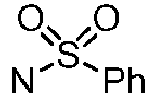
CH2 40 Ph H H H H 
CH2 41 Ph H H H H 
CH2 42 Ph H H H H 
CH2 43 Ph H H H H 
CH2 44 Ph H H H H 
CH2 45 
H H H H 
CH2 46 
H H H H 
CH2 47 
H H H H 
CH2 48 
H H H H 
CH2 49 Ph H H H H 
CH2 50 Ph H H H H 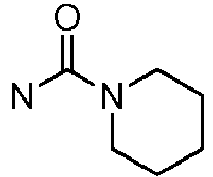
CH2 51 
H H H H 
CH2 52 Ph H H H H 
CH2 53 Ph H H H H 
CH2 54 Ph H H H H 
CH2 55 Ph H H H H 
CH2 56 Ph H H H H 
CH2 58 Ph H CH2CH2 H 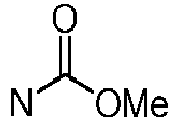
CH2 59 
H CH2CH2 H 
CH2 64 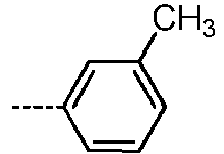

H H CH2 CH2 66 

H H CH2 CH2 67 

H H CH2 CH2 68 
H H H H SO2 CH2 69 
H H H H SO2 CH2 70 
H H H H SO2 CH2 74 Ph 
H H CH2 CH2 75 Ph Me Me H H SO2 CH2 76 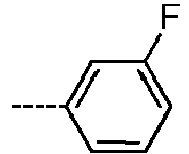

H H CH2 CH2 77 Ph H H H H 
CH2 78 Ph H H H H 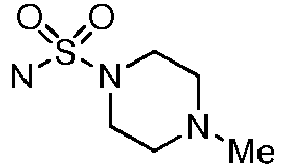
CH2 81 Ph H H H H 
CH2 82 Ph 
H H CH2 CH2 Table 2 
Example No. R1 R3 R2 R8 R4 R9 R5 Y 13 Ph H 
H H H CH2 14 Ph H 
H H H CH2 15 Ph H 
H H H CH2 16 Ph H 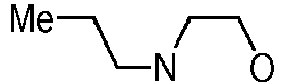
H H H CH2 17 Ph H 
H H H CH2 18 
H 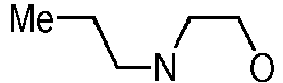
H H H CH2 19 
H 
H H H CH2 20 
H 
H H H CH2 21 
H 
H H H CH2 22 Ph H 
H H H CH2 23 Ph H 
H H H CH2 24 Ph H 
H H H CH2 25 Ph H 
H H H CH2 26 Ph H 
H H H CH2 27 Ph H 
H H H CH2 29 Ph H 
H H H CH2 30 Ph H 
H H H CH2 31 
H 
H H H CH2 73 
H H 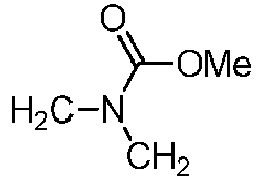
H H bond 79 Ph H H 
H H bond Table 3 
Example No. R1 R3 R2 R5 R4 R11 R12 X 32 
H H H 
H CH2 60 Ph H H H CH2CH2CH2 H 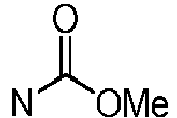
61 
H H H CH2CH2CH2 H 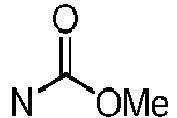
62 Ph H H H CH2CH2CH2CH2 H 
63 
H H H CH2CH2CH2CH2 H 
71 Ph H H H 
H CH2 72 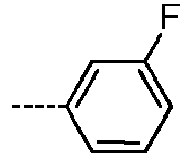
H H H 
H CH2 80 Ph H H H 
H CH2 Table 4 
Example No. R1 R2 R3 R10 R4 R5 R11 R12 57 Ph H H 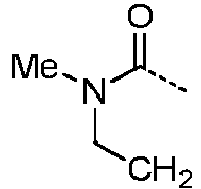
H H H Table 5 
Example No. R1 R2 R8 R4 R5 Y 28 Ph 
H H CH2 - In combination with commonly used solvents, excipients, auxiliary agents and carriers, the instant compounds may be processed into tablets, coated tablets, capsules, drip solutions, suppositories, injection and infusion preparations, and the like and may be therapeutically applied by the oral, rectal, parenteral, and additional routes. Representative pharmaceutical compositions according to the present invention follow:
- (a) Tablets suitable for oral administration which contain the active ingredient, may be prepared by conventional tabletting techniques.
- (b) For suppositories, any usual suppository base may be employed for incorporation thereinto by usual procedure of the active ingredient, such as a polyethyleneglycol which is a solid at normal room temperature, but which melts at or about body temperature.
- (c) For parenteral (including intravenous and subcutaneous) sterile solutions, the active ingredient together with conventional ingredients in usual amounts are employed, such as for example sodium chloride and double-distilled water q.s., according to conventional procedure, such as filtration, aseptic filling into ampoules or IV-drip bottles, and autoclaving for sterility.
- Other suitable pharmaceutical compositions will be immediately apparent to one skilled in the art.
- The following examples are again given by way of illustration only and are not to be construed as limiting.
- A suitable formulation for a tablet containing 10 milligrams of active ingredient is as follows:
mg Active Ingredient 10 Lactose 61 Microcrystalline Cellulose 25 Talcum 2 Magnesium stearate 1 Colloidal silicon dioxide 1 - Another suitable formulation for a tablet containing 100 mg is as follows:
mg Active Ingredient 100 Polyvinylpyrrolidone, crosslinked 10 Potato starch 20 Polyvinylpyrrolidone 19 Magnesium stearate 1 Microcrystalline Cellulose 50 Film coated and colored. The film coating material consists of: Hypromellose 10 Microcryst. Cellulose 5 Talcum 5 Polyethylene glycol 2 Color pigments 5 - A suitable formulation for a capsule containing 50 milligrams of active ingredient is as follows:
mg Active Ingredient 50 Corn starch 26 Dibasic calcium phosphate 50 Talcum 2 Colloidal silicon dioxide 2 - A suitable formulation for an injectable solution is as follows:
Active Ingredient mg 10 Sodium chloride mg q.s. Water for Injection mL add 1.0 - A suitable formulation for 1 liter of a an oral solution containing 2 milligrams of active ingredient in one milliliter of the mixture is as follows:
mg Active Ingredient 2 Saccharose 250 Glucose 300 Sorbitol 150 Orange flavor 10 Colorant q.s. Purified water add 1000 mL - Another suitable formulation for 1 liter of a liquid mixture containing 20 milligrams of active ingredient in one milliliter of the mixture is as follows:
G Active Ingredient 20.00 Tragacanth 7.00 Glycerol 50.00 Saccharose 400.00 Methylparaben 0.50 Propylparaben 0.05 Black currant-flavor 10.00 Soluble Red color 0.02 Purified water add 1000 mL - Another suitable formulation for 1 liter of a liquid mixture containing 2 milligrams of active ingredient in one milliliter of the mixture is as follows:
G Active Ingredient 2 Saccharose 400 Bitter orange peel tincture 20 Sweet orange peel tincture 15 Purified water add 1000 mL - 180 g aerosol solution contain:
G Active Ingredient 10 Oleic acid 5 Ethanol 81 Purified Water 9 Tetrafluoroethane 75 - 100 g solution contain:
G Active Ingredient 10.0 Ethanol 57.5 Propyleneglycol 7.5 Dimethylsulfoxide 5.0 Hydroxyethylcellulose 0.4 Purified water 19.6 - 10 g of polybutylcyanoacrylate nanoparticles contain:
G Active Ingredient 1.00 Poloxamer 0.10 Butylcyanoacrylate 8.75 Mannitol 0.10 Sodium chloride 0.05 - Polybutylcyanoacrylate nanoparticles are prepared by emulsion polymerization in a water/0.1 N HCl/ethanol mixture as polymerizsation medium. The nanoparticles in the suspension are finally lyophilized under vacuum.
- 1.0 g of the suspension contains the following:
g Active Ingredient 0.10 Hypromellose 0.01 Purified water Ad 1.0 g - Hypromellose is dispersed in water homogeneously with a high speed mixer/blender. After about one hour of hydration time of the hypromellose, the active ingredient is blended homogeneously into the hypromellose solution. The viscosity of the suspension may be adjusted by the amount of hypromellose, resulting in a very stable suspension with a very slow tendency of particle sedimentation and particle agglomeration.
- 1.0 ml of solution contain:
g Active Ingredient 0.05 Mannitol q.s. DMSO 0.10 Water for injection Ad 1.0 ml - The active ingredient is dissolved in DMSO by stirring and heating (solution 1). The mannitol is dissolved in WFI (solution 2). After cooling down to rt solution 1 is mixed with solution 2 by continuous stirring. The solution is sterilized by filtration of by autoclaving.
- The active principles of the present invention, and pharmaceutical compositions containing them and method of treating therewith, are characterized by unique and advantageous properties. The compounds and pharmaceutical compositions thereof exhibit, in standard accepted reliable test procedures, the following valuable properties and characteristics.
- Tissue preparation is performed according to Foster & Wong (Br. J. Pharmacol., 1987, 91, 403-409) with some modifications. Anaesthetised male Sprague-Dawley rats (200-250 g, Janvier, Le Genest-Isle, France) are decapitated and their brains are removed rapidly. The cortex is dissected out and processed as described by Parsons, et al. (J. Pharmacol. Exp. Ther., 1997, 283(3): 1264-1275). For isolation of the cell membranes, the cortices are homogenized in 20 volumes of ice-cold 0.32 M sucrose (Sigma-Aldrich, Taufkirchen, Germany) using a glass-Teflon homogenizer. The homogenate is centrifuged at 1000 x g for 10 minutes, the pellet is discarded and the supernatant centrifuged at 20,000 x g for 20 minutes. The resulting pellet is resuspended in 20 volumes of distilled water and centrifuged for 20 minutes at 8000 x g. The supernatant and the buffy coat are then centrifuged six times (48,000 x g for 20 minutes) in the presence of 5 mM Tris-HCl, pH 7.5. All centrifugation steps are carried out at 4°C. After resuspension in 5 volumes of 5 mM Tris-HCl, pH 7.5, the membrane suspension is frozen rapidly at -80°C.
- On the day of assay, the membrane suspensions are thawed, centrifuged (48,000 x g for 20 minutes) and then resuspended in 50 mM Tris-HCl, pH 7.5 (assay buffer). The amount of protein in the final membrane preparation is determined according to the method of Lowry, et al. (J. Biol. Chem., 1951, 193, 256-275). The final concentration used for our studies is 400 µg / ml.
- The Tecan robotic system designed for binding assays is loaded with the membrane solution, a 96 well stock plate containing the solutions for bound control (buffer/DMSO 10%), unlabeled MPEP (10 µM) for evaluation of non-specific binding, all compounds to be tested (at 20-fold concentrations), various empty 96-well plates for dilutions and the final assay plates, as well as a 96-well plate filled with the radioligand.
- Before performing displacement studies, saturation experiments are performed to determine the equilibrium dissociation constant (Kd, Cheng and Prussoff, Biochem. Pharmacol., 1973, 22: 3099-3108) of [3H]-M-MPEP, which is a parameter for the affinity of the radioligand to the binding site. On the basis of the saturation experiments, a final [3H]-M-MPEP concentration of 2 nM was selected.
- Firstly, the assay plates are loaded with membrane solution and are shaken at 4°C. The mother plates were then prepared by pipetting the compounds (n = 5) into assay buffer/10% DMSO to obtain the desired final concentrations. After transferring radioligand into the assay plates, the compounds are added (including the non-specific binding control containing MPEP). The final DMSO concentration is always 1 %. The assay plates are incubated and shaken at 4°C for 1 h, before the mixture is exhausted as rapidly as possible via a vacuum manifold using the Multiscreen HTS glass fibre (type B) high flow filter plates (Millipore, Schwalbach, Germany) under a constant vacuum of 450 mbar. The membranes are washed four times with cold assay buffer (100 µL). 50 µL of Ultima Gold scintillation cocktail (PerkinElmer) is added to the wet filter plates and incubated at rt overnight before counting the disintegration per minutes using a liquid scintillation counter (MicroBeta, PerkinElmer).
- For the evaluation of the test compound binding affinity to the mGluR5 binding site and its potency to displace [3H]-M-MPEP, the measured radioactivity of the radioligand alone was set as 100% bound control and the non-specific binding of the radioligand represented the 0% control. The residual radioactivity after displacement of the test compound was then corrected with respect to the set controls. Data are given as median IC50 and Ki, respectively.
- Chinese hamster ovary cells (CHO-K1 cells), stably transfected for inducible expression of a human metabotropic glutamate receptor mGluR5 to form a cell line called h5CHO, are seeded into black clear bottom 96 well plates at a density of 35.000 cells per well. The standard growth medium used (Dulbecco's modified Eagle Medium, DMEM plus L-proline) contains the appropriate inducer isopropyl-β-D-thiogalactopyranosid (IPTG) to achieve optimal receptor expression. One day after seeding the growth medium is exchanged for reconstituted Ca-Kit (Molecular Devices, USA) and incubated for one hour. Ca-Kit is reconstituted in an assay buffer containing 20 mM HEPES pH 7.4, glutamic-pyruvate transaminase, pyridoxal phosphate and sodium pyruvate in Hank's balanced salt solution (HBBS). Agonistic compounds to the receptor elicit increases in cytosolic calcium which can be measured as increases in fluorescence signals by use of a fluorescence imaging plate reader (Molecular Devices). To analyze their potency to negatively modulate the Ca-response test compounds, dissolved in a final DMSO concentration of 0.5%, are added on-line 5 minutes before the agonist to the receptor (L-quisqualic acid at a concentration giving ~80% of the maximal signal). EC50 values for positive allosteric modulators were determined by stimulating the cells which have been preincubated the modulators by an EC20 concentration of L-glutamate.
- Primary astrocyte cultures are prepared from cortices of newborn rats as described by Booher and Sensenbrenner (1972, Neurobiology 2(3):97-105). Briefly, Sprague-Dawley rat pups (2 - 4 d old) are decapitated and neocortices are dissected, disintegrated with a nylon filter (pore size 80 µm) and carefully triturated. The cell suspension is plated on poly-D-lysine pre-coated flasks (Costar, Netherlands) and cultivated in Dulbecco's Modified Eagle's Medium (DMEM, Invitrogen, Germany) supplemented with 10% foetal calf serum (FCS, Sigma, Germany), 4 mM glutamine and 50 µg/ml gentamycin (both Biochrom, Germany) at 37°C in a humidified atmosphere of 5% CO2/ 95% air for 7 days with exchanging the medium at day 2 and 6.
- After 7 days in vitro (DIV), cells are shaken overnight at 250 rpm to remove oligodendrocytes and microglia. The next day, astrocytes are rinsed twice with CMF-PBS (calcium- and magnesium-free phosphate buffered saline, Biochrom, Germany), trypsinized and subplated on poly-D-lysine pre-coated 96-well plates (Greiner, Germany) at a density of 40,000 cells/well. 24 h after establishing the secondary culture the astrocytes are rinsed with PBS++ (phosphate buffered saline, Biochrom, Germany) and fed with astrocyte-defined medium (ADM) consisting of DMEM containing 1x G5-supplement (Invitrogen, Germany), 0.5 µg/ml heparan sulfate, and 1.5 µg/ml fibronectin (both Sigma, Germany) (Miller et al., (1993) Brain Res. 618(1):175-8). 3 days later the medium is exchanged and the cells incubated for another 2-3 days, so that at the time of experiments astrocytes are 14-15 DIV.
- Immunostaining is performed to confirm the presence of astrocytic markers such as the glial fibrillary acidic protein (GFAP) as well as to monitor the expression of mGluR5 receptors.
- The increase of cytosolic calcium after stimulation with the mGluR5 agonist L-quisqualate is measured using a fluorometric imaging plate reader (FLIPR) and the Ca-Kit (both Molecular Devices). Prior to addition of agonist or antagonist the medium is aspirated and cells are loaded for 2 h at RT with 150 µl of loading buffer consisting of Ca-sensitive dye reconstituted in sodium chloride (123 mM), potassium chloride (5.4 mM), magnesium chloride (0.8 mM), calcium chloride (1.8 mM), D-glucose (15 mM), and HEPES (20 mM), pH 7.3. Subsequently, plates are transferred to FLIPR to detect calcium increase with the addition of L-quisqualate (100 nM) measured as relative fluorescence units (RFU). If antagonists are tested, these compounds are pre-incubated for 10 minutes at RT before addition of the respective agonist.
- For positive modulators, concentration-response curves for quisqualate are performed in the presence and absence of 10 µM modulator to determine the extent of potentiation / agonist potency increase. Thereafter, concentration-response curves for the positive modulator are performed in the presence of a fixed concentration of quisqualate showing the biggest window for potentiation (normally 10-30 nM).
- The fluorescence signal increase after addition of agonist reflects the increase of cytosolic calcium. Inconsistencies in the amount of cells per well are normalised by using the spatial uniformity correction of the FLIPR operating software Screenworks. The mean of replicated temporal data (n=3-5) is calculated and used for graphical representation. For the evaluation of the pharmacology, the calcium changes in response to different concentrations of agonist or antagonist are determined using a maximum minus minimum (MaxMin) calculation.
- All responses (RFU-values) are determined as percentage of control (= maximum response). EC50 and IC50 are calculated according the logistic equation using XLFit (IDBS, UK) or Prism 4.0 (GraphPad Software, USA). The compounds of the present invention have a potency (EC50 or IC50) within a range of about 0.5 nM to about 100 µM. The left shifts for positive or slient allosteric modulators (PAMs or SAMs, respectively) are determined by comparison of EC50 values from agonist dose response curves run in the presence of 10 µM modulator or vehicle (Vanejevs et al., J. Med. Chem., 2008, 51, 634-647).
- The compounds of the present invention show show an affinity to the allosteric site, i.e., the MPEP site, shown by the displacement of the radioligand [3H]-MMPEP.
- Various functional consequences associated with this affinity are observed. Negative allosteric modulators (NAMs), which inhibit the calcium signals of mGluR5 orthostatic ligands, and positive allosteric modulators (PAMs), which modulate by amplification of small glutamate signals and thereby yield a left shift in agonist concentration response curves, (they might be classified into weak PAMs with a shift above 1.5-fold and strong PAMs with a shift above 3-fold) are observed. Moreover silent allosteric modulators (SAMs), which bind to the allosteric site (i.e., have the capacity to displace MMPEP) but do not or only moderately influence the calcium signal of orthosteric agonists, are also observed.
- Results for representative compounds of the invention are shown in Tables A1-A3.
Table A1 Compound Chemical Name hEC50 [µM] h left shift rEC50 [µM] r left shift Example 1 (rac)-5-Methoxy-3-(phenylethynyl)-5,6,7,8-tetrahydroquinoline 0.0321 2.6-fold 0.0227 4.9-fold Example 2 (R)- or (S)-5-Methoxy-3-(phenylethynyl)-5,6,7,8-tetrahydroquinoline 0.0209 2.3-fold 0.0125 4.4-fold Example 10 (rac)-3'-(Phenylethynyl)-7',8'dihydro-6'H-spiro[oxazolidine-5,5'-quinolin]-2-one n.d. 1.8-fold n.d. n.d. Example 11 (rac)-3-Methyl-3'-(phenylethynyl)-7',8'-dihydro-6'H-spiro[oxazolidine-5,5'-quinolin]-2-one 0.0537 1.8-fold 0.0586 2.9-fold Example 12 (rac)-3-Phenyl-3'-(phenylethynyl)-7',8'-dihydro-6'H-spiro[oxazolidine-5,5'-quinolin]-2-one 0.966 1.9-fold 0.856 n.d. Example 13 (rac)-cis-4-Methyl-9-(phenylethynyl)-3,4,4a,5,6,10b-hexahydro-2H-[1,4]oxazino[2,3-f]quinoline 0.425 1.7-fold n.d. 1.7-fold Example 14 (rac)-cis-4-Ethyl-9-(phenylethynyl)-3,4,4a,5,6,10b-hexahydro-2H-[1,4]oxazino[2,3-f]quinoline 0.659 2.2-fold 0.580 3.6-fold Example 15 (rac)-cis-9-(Phenylethynyl)-4-propyl-3,4,4a,5,6,10b-hexahydro-2H-[1,4]oxazino[2,3-f]quinoline 0.0886 3.2-fold 0.175 5.2-fold Example 16 cis-9-(Phenylethynyl)-4-propyl-3,4,4a,5,6,10b-hexahydro-2H-[1,4]oxazino[2,3-f]quinoline 0.047 3.8-fold 0.453 6.0-fold Example 17 cis-9-(Phenylethynyl)-4-propyl-3,4,4a,5,6,10b-hexahydro-2H-[1,4]oxazino[2,3-f]quinoline 0.388 2.3-fold 0.067 3.5-fold Example 18 (rac)-cis-9-((2-Fluorophenyl)ethynyl)-4-propyl-3,4,4a,5,6,10b-hexahydro-2H- [1,4]oxazino[2,3-f]quinoline 0.247 2.6-fold 0.613 2.6-fold Example 19 (rac)-cis-9-((3-Fluorophenyl)ethynyl)-4-propyl-3,4,4a,5,6,10b-hexahydro-2H-[1,4]oxazino[2,3-f]quinoline 0.188 1.9-fold 0.323 2.6-fold Example 20 (rac)-cis-9-((4-Fluorophenyl)ethynyl)-4-propyl-3,4,4a,5,6,10b-hexahydro-2H-[1,4]oxazino[2,3-f]quinoline 0.394 1.8-fold 1.35 3.3-fold Example 22 (rac)-trans-9-(Phenylethynyl)-4-propyl-3,4,4a,5,6,10b-hexahydro-2H-[1,4]oxazino[2,3-f]quinoline 1.80 2.2-fold n.d. 1.8-fold Example 23 (rac)-cis-4-Isobutyl-9-(phenylethynyl)-3,4,4a,5,6,10b-hexahydro-2H-[1,4]oxazino[2,3-f]quinoline 0.00400 5.3-fold 0.132 11.7-fold Example 24 (rac)-cis-9-(Phenylethynyl)-4-(2,2,2-trifluoroethyl)-3,4,4a,5,6,10b-hexahydro-2H-[1,4]oxazino[2,3-f]quinoline 0.0653 2.1-fold 0.134 4.2-fold Example 25 (rac)-cis-9-(Phenylethynyl)-4-(3,3,3-trifluoropropyl)-3,4,4a,5,6,10b-hexahydro-2H-[1,4]oxazino[2,3-f]quinoline 0.0369 2.0-fold 0.136 3.6-fold Example 26 (rac)-cis-Methyl 9-(phenylethynyl)-4a,5,6,10b-tetrahydro-2H-[1,4]oxazino[2,3-f]quinoline-4(3H)-carboxylate 0.958 2.9-fold 0.599 4.4-fold Example 27 (rac)-cis-N,N-Dimethyl-9-(phenylethynyl)-4a,5,6,10b-tetrahydro-2H-[1,4]oxazino[2,3-f]quinoline-4(3H)-carboxamide 0.884 2.4-fold 0.427 3.3-fold Example 28 1-Methyl-8-(phenylethynyl)-4,5-dihydro-1H-pyrazolo[3,4-f]quinoline 0.0192 2.4-fold n.d. 2.2-fold Example 30 Methyl 8-(phenylethynyl)-3,3a,4,5-tetrahydro-1H-pyrrolo[3,4-f]quinoline-2(9bH)-carboxylate 0.345 2.5-fold 0.256 3.0-fold Example 31 Methyl 8-((3-fluorophenyl)ethynyl)-3,3a,4,5-tetrahydro-1H-pyrrolo[3,4-f]quinoline-2(9bH)-carboxylate 0.333 2.6-fold 0.261 1.5-fold Example 34 2,2-Dimethyl-1-(3-(phenylethynyl)-7,8-dihydro-1,6-naphthyridin-6(5H)-yl)propan-1-one 0.171 2.3-fold 0.0679 2.8-fold Example 36 (3-Methyloxetan-3-yl)(3-(phenylethynyl)-7,8-dihydro-1,6-naphthyridin-6(5H)-yl)methanone 0.917 2.4-fold 4.04 2.7-fold Example 37 (rac)-6-(tert-Butylsulfinyl)-3-(phenylethynyl)-5,6,7,8-tetrahydro-1,6-naphthyridine 0.472 2.5-fold 0.508 3.3-fold Example 38 6-(Cyclopropylsulfonyl)-3-(phenylethynyl)-5,6,7,8-tetrahydro-1,6-naphthyridine n.d. 1.7-fold 0.481 2.5-fold Example 41 Isobutyl 3-(phenylethynyl)-7,8-dihydro-1,6-naphthyridine-6(5H)-carboxylate 0.146 2.2-fold 0.00436 1.2-fold Example 42 tert-Butyl 3-(phenylethynyl)-7,8-dihydro-1,6-naphthyridine-6(5H)-carboxylate 0.281 3.1-fold 0.131 1.9-fold Example 43 Phenyl 3-(phenylethynyl)-7,8-dihydro-1,6-naphthyridine-6(5H)-carboxylate 0.381 2.4-fold 0.0380 n.d. Example 49 3-(Phenylethynyl)-N,N-bis(2,2,2-trifluoroethyl)-7,8-dihydro-1,6-naphthyridine-6(5H)-carboxamide n.d. 1.7-fold 0.0118 2.3-fold Example 50 (3-(Phenylethynyl)-7,8-dihydro-1,6-naphthyridin-6(5H)-yl)(piperidin-1-yl)methanone 0.843 2.1-fold n.d. 1.9-fold Example 52 N,N-Dimethyl-3-(phenylethynyl)-7,8-dihydro-1,6-naphthyridine-6(5H)-sulfonamide 0.240 2.0-fold 0.0831 1.8-fold Example 53 3-(Phenylethynyl)-6-(pyrrolidin-1-ylsulfonyl)-5,6,7,8-tetrahydro-1,6-naphthyridine n.d. 1.6-fold 0.152 2.8-fold Example 54 3-(Phenylethynyl)-6-(piperidin-1-ylsulfonyl)-5,6,7,8-tetrahydro-1,6-naphthyridine 0.726 2.0-fold 0.472 2.5-fold Example 55 4-((3-(Phenylethynyl)-7,8-dihydro-1,6-naphthyridin-6(5H)-yl)sulfonyl)morpholine 0.440 2.7-fold 0.325 3.8-fold Example 56 6-(Azepan-1-ylsulfonyl)-3-(phenylethynyl)-5,6,7,8-tetrahydro-1,6-naphthyridine 0.499 3.0-fold 0.296 3.3-fold Example 58 (rac)-Methyl 3-(phenylethynyl)-6,7,8,9-tetrahydro-5H-5,8-epiminocyclohepta[b]py ridine-10-carboxylate 0.201 2.3-fold 0.113 3.9-fold Example 59 (rac)-Methyl 3-((3-fluorophenyl)ethynyl)-6,7,8,9-tetrahydro-5H-5,8-epiminocyclohepta[b]py ridine-10-carboxylate 0.277 1.8-fold 0.102 3.3-fold Example 65 (rac)-cis-Azetidin-1-yl-(9-(phenylethynyl)-5,6-dihydro-2H-[1,4]oxazino[2,3-f]quinolin-4(3H,4aH,10bH)-yl)methanone n.d. 1.8-fold 3.20 n.d. Example 67 (rac)-3'-((3-Fluorophenyl)ethynyl)-3-phenyl-7',8'-dihydro-6'H-spiro[oxazolidine-5,5'-quinolin]-2-one 1.31 2.1-fold 0.0883 1.7-fold Example 71 (6aR,9aR)-Methyl 3-(phenylethynyl)-6,6a,9,9a-tetrahydro-5H-pyrrolo[2,3-h]quinoline-7(8H)-carboxylate 0.241 2.2-fold 0.0327 1.3-fold Example 72 (6aR,9aR)-Methyl 3-((3-fluorophenyl)ethynyl)-6,6a,9,9a-tetrahydro-5H-pyrrolo[2,3-h]quinoline-7(8H)-carboxylate n.d. 1.7-fold 0.0273 1.3-fold Example 73 (rac)-cis-Methyl 3-((3-fluorophenyl)ethynyl)-5a,6,8,8a-tetrahydropyrrolo[3',4':4 ,5]cyclopenta[1,2-b]pyridine-7(5H)-carboxylate 0.546 2.7-fold 0.219 2.7-fold Example 74 (rac)-3-Cyclopropyl-3'-(phenylethynyl)-7',8'-dihydro-6'H-spiro[oxazolidine-5,5'-quinolin]-2-one n.d. 1.6-fold 0.0101 1.5-fold Example 75 5,5-Dimethyl-3-(phenylethynyl)-7,8-dihydro-5H-thiopyrano[4,3-b]pyridine 6,6-dioxide 0.971 1.6-fold n.d. n.d. Example 77 Ethyl 2-oxo-2-(3-(phenylethynyl)-7,8-dihydro-1,6-naphthyridin-6(5H)-yl)acetate 0.0254 2.8-fold 0.0221 2.8-fold Example 78 6-((4-Methylpiperazin-1-yl)sulfonyl)-3-(phenylethynyl)-5,6,7,8-tetrahydro-1,6-naphthyridine 2.02 1.7-fold 2.05 n.d. Example 79 (rac)-Methyl 3-(phenylethynyl)-5a,6,8,8a-tetrahydropyrrolo[3',4':4 ,5]cyclopenta[1,2-b]pyridine-7(5H)-carboxylate 0.0647 2.6-fold 0.167 4.1-fold Example 82 (rac)-3'-(Phenylethynyl)-3-propyl-7',8'-dihydro-6'H-spiro[oxazolidine-5,5'-quinolin]-2-one 0.727 1.9-fold 0.233 1.6-fold Table A2 Compound Chemical Name hIC50 [µM] rIC50 [µM] Example 3 (rac)-6-((5-Methoxy-5,6,7,8-tetrahydroquinolin-3-yl)ethynyl)pyridin-2-amine 4.23 n.d. Example 4 (rac)-5-Methoxy-7,7-dimethyl-3-(phenylethynyl)-5,6,7,8-tetrahydroquinoline 0.341 n.d. Example 5 (rac)-6-((5-Methoxy-7,7-dimethyl-5,6,7,8-tetrahydroquinolin-3-yl)ethynyl)pyridin-2-amine 0.0667 0.0457 Example 6 (rac)-3-(Imidazo[1,2-a]pyridin-2-ylethynyl)-5-methoxy-7,7-dimethyl-5,6,7,8-tetrahydroquinoline 0.695 n.d. Example 7 (rac)-6-((4-Methoxy-2,2-dimethyl-3,4-dihydro-2H-pyrano[2,3-b]pyridin-6-yl)ethynyl)pyridin-2-amine 0.203 n.d. Example 8 (rac)-6-(Imidazo[1,2-a]pyridin-2-ylethynyl)-4-methoxy-2,2-dimethyl-3,4-dihydro-2H-pyrano[2,3-b]pyridine 0.225 n.d. Example 35 1-(3-((6-Aminopyridin-2-yl)ethynyl)-7,8-dihydro-1,6-naphthyridin-6(5H)-yl)-2,2-dimethylpropan-1-one 0.617 n.d. Example 44 N,N-Dimethyl-3-(phenylethynyl)-7,8-dihydro-1,6-naphthyridine-6(5H)-carboxamide 0.247 n.d. Example 45 3-((3-Fluorophenyl)ethynyl)-N,N-dimethyl-7,8-dihydro-1,6-naphthyridine-6(5H)-carboxamide 0.114 0.0559 Example 46 3-((3-Cyanophenyl)ethynyl)-N,N-dimethyl-7,8-dihydro-1,6-naphthyridine6(5H)-carboxamide 0.0508 0.0208 Example 47 3-((6-Aminopyridin-2-yl)ethynyl)-N,N-dimethyl-7,8-dihydro-1,6-naphthyridine-6(5H)-carboxamide 0.261 n.d. Example 48 3-((3-Cyanophenyl)ethynyl)-N,N-diethyl-7,8-dihydro-1,6-naphthyridine-6(5H)-carboxamide 0.194 n.d. Example 51 3-((6-(Piperidine-1-carbonyl)-5,6,7,8-tetrahydro-1,6-naphthyridin-3-yl)ethynyl)benzonitrile 0.740 2.33 Example 57 (rac)-8-Methyl-3-(phenylethynyl)-9,10,10a,11-tetrahydro-5H-pyrimido[1,6-g][1,6]naphthyridin-7(8H)-one 0.190 n.d. Example 61 (rac)-cis-Methyl 3-((3-fluorophenyl)ethynyl)-7,8,9,9a-tetrahydro-5H-cyclopenta[h][1,6]naphthyridine-6(6aH)-carboxylate 0.132 n.d. Example 62 (rac)-cis-Methyl 3-(phenylethynyl)-6a,7,8,9,10,10a-hexahydrobenzo[h][1,6]naphthyridine-6(5H)-carboxylate 1.40 n.d. Example 63 (rac)-cis-Methyl 3-((3-fluorophenyl)ethynyl)-6a,7,8,9,10,10a-hexahydrobenzo[h][1,6]naphthyridine-6(5H)-carboxylate 1.32 n.d. Example 68 3-(m-Tolylethynyl)-7,8-dihydro-5H-thiopyrano[4,3-b]pyridine 6,6-dioxide 0.0755 n.d. Table A3 Compound Chemical Name h left shift r left shift K i (MMPEP) [µM] Example 21 (rac)-cis-4-Propyl-9-(m-tolylethynyl)-3,4,4a,5,6,10b-hexahydro-2H-[1,4]oxazino[2,3-f]quinoline 1.3-fold 1.9-fold 1.72 Example 29 (rac)-cis-Methyl 8-(phenylethynyl)-2,3,3a,4,5,9b-hexahydro-1H-pyrrolo[2,3-f]quinoline-1-carboxylate 1.3-fold 0.8-fold 0.289 Example 32 (rac)-cis-Methyl 3-((3-fluorophenyl)ethynyl)-6a,7,9,9a-tetrahydro-5H-pyrrolo[3,4-h]quinoline-8(6H)-carboxylate 0.9-fold n.d. 0.0493 Example 33 2-Methyl-1-(3-(phenylethynyl)-7,8-dihydro-1,6-naphthyridin-6(5H)-yl)propan-1-one 1.4-fold 1.3-fold 0.395 Example 40 Ethyl 3-(phenylethynyl)-7, 8-dihydro-1,6-naphthyridine-6(5H)-carboxylate 1.3-fold 1.6-fold 0.0565 Example 64 (rac)-3-Propyl-3'-(m-tolylethynyl)-7',8'-dihydro-6'H-spiro[oxazolidine-5,5'-quinolin]-2-one 1.2-fold 0.9-fold 0.399 Example 66 (rac)-3'-((3-Fluorophenyl)ethynyl)-3-propyl-7',8'-dihydro-6'H-spiro[oxazolidine-5,5'-quinolin]-2-one 1.6-fold 1.3-fold 0.857 Example 76 (rac)-3-Cyclopropyl-3'-((3-fluorophenyl)ethynyl)-7',8'-dihydro-6'H-spiro[oxazolidine-5,5'-quinolin]-2-one 1.6-fold 1.4-fold n.d. (r EC50: 0.0505) Example 80 (rac)-cis-Methyl 7-(phenylethynyl)-2,3,3a,4,5,9b-hexahydro-1H-pyrrolo[3,2-h]quinoline-1-carboxylate 1.5-fold 1.8-fold n.d. (r EC50: 0.0355) Example 81 6-(Isopropylsulfonyl)-3-(phenylethynyl)-5,6,7,8-tetrahydro-1,6-naphthyridine 1.5-fold 1.5-fold n.d. (r EC50: 0.0511) Example 2* (R)- or (S)-5-Methoxy-3-(phenylethynyl)-5,6,7,8-tetrahydroquinoline 2.3-fold 4.4-fold 0.204 Example 17* cis-9-(Phenylethynyl)-4-propyl-3,4,4a,5,6,10b-hexahydro-2H-[1,4]oxazino[2,3-f]quinoline 2.3-fold 3.5-fold 3.62 *Examples 2 and 17 (both PAMs) are listed here to show exemplarily the displacement of [3H]-MMPEP by PAMs. - A few examples show a very limited effect on the agonist response curve of the receptor mGluR5 (i.e., a left shift close to 1). Nevertheless, they bind to the allosteric site and displace [3H]-MMPEP from this site. Therefore these compounds are classified as as SAMs (silent allosteric modulators) or as very weak PAMs, with the distinction between SAMs and weak PAMs being somewhat arbitrary.
- In conclusion, from the foregoing, it is apparent that the present invention provides novel and valuable applications and uses of the compounds of the present invention, which compounds comprise the active principle according to the present invention, as well as novel pharmaceutical compositions thereof and methods of preparation thereof and of treating therewith.
- The high order of activity of the active agent of the present invention and compositions thereof, as evidenced by the tests reported, is indicative of utility based on its valuable activity in human beings as well as in lower animals. Clinical evaluation in human beings has not been completed. It will be clearly understood that the distribution and marketing of any compound or composition falling within the scope of the present invention for use in human beings will of course have to be predicated upon prior approval by governmental agencies which are responsible for and authorized to pass judgment on such questions.
- The instant compounds of Formula I represent a novel class of mGluR5 modulators. In view of their potency, they will be useful therapeutics in a wide range of disorders, in particular CNS disorders, which involve excessive glutamate induced excitation.
- These compounds accordingly find application in the treatment of the disorders of a living animal body, especially a human, as listed earlier in the description.
- These compounds also find application in the treatment of indications in a living animal body, especially a human, wherein a particular condition does not necessarily exist but wherein a particular physiological parameter may be improved through administration of the instant compounds, including cognitive enhancement.
- Neuroprotection as well as cognitive enhancement may also be achieved by administration of the instant compounds in combination with a NMDA receptor antagonist like Memantine.
- The method-of-treating a living animal body with a compound of the invention, for the inhibition of progression or alleviation of the selected ailment therein, is as previously stated by any normally-accepted pharmaceutical route, employing the selected dosage which is effective in the alleviation of the particular ailment desired to be alleviated. Use of the compounds of the present invention in the manufacture of a medicament for the treatment of a living animal for inhibition of progression or alleviation of selected ailments or conditions, particularly ailments or conditions susceptible to treatment with a Group I mGluR modulator is carried out in the usual manner comprising the step of admixing an effective amount of a compound of the invention with a pharmaceutically-acceptable diluent, excipient, or carrier, and the method-of-treating, pharmaceutical compositions, and use of a compound of the present invention in the manufacture of a medicament.
- Representative pharmaceutical compositions prepared by admixing the active ingredient with a suitable pharmaceutically-acceptable excipient, diluent, or carrier, include tablets, capsules, solutions for injection, liquid oral formulations, aerosol formulations, TDS formulations, and nanoparticle formulations, thus to produce medicaments for oral, injectable, or dermal use, also in accord with the foregoing.
- The present invention is not to be limited in scope by the specific embodiments described herein. Indeed, various modifications of the invention in addition to those described herein will become apparent to those skilled in the art from the foregoing description.
- All patents, applications, publications, test methods, literature, and other materials cited herein are hereby incorporated by reference.
Claims (15)
- A compound selected from those of Formula I

R1 represents aryl, heteroaryl, cycloC3-12alkyl, cycloC5-12alkenyl, or heterocyclyl; R2 represents H, F, OH, C1-6alkyl, C1-6alkoxy, heterocyclyl, or NR6R7;
R3 represents H, F, or C1-6alkyl;
or R2 and R3 together with the carbon atom to which they are attached form a 3-7 membered ring which may be saturated or unsaturated, wherein the ring may optionally contain one or two heteroatoms selected from sulfur, oxygen, and nitrogen, wherein the ring may be optionally substituted by one or more substituents selected from halogen, fluoromethyl, difluoromethyl, trifluoromethyl, trifluoromethoxy, C1-6alkyl, aryl, heteroaryl, cycloC3-7alkyl, C1-6alkoxy, amino, hydroxy, cyano, Cl-6alkoxycarbonyl, C1-6alkylamino, di-(C1-6alkyl)amino, C1-6alkylcarbonylamino, oxo, C1-6alkylaminocarbonyl, and di-(C1-6alkyl)aminocarbonyl;
R4 represents H, F, or C1-6alkyl;
or R2 and R4 together with the carbon atoms to which they are attached form a 3-7 membered ring which may be saturated or unsaturated, wherein the ring may optionally contain one or two heteroatoms selected from sulfur, oxygen, and nitrogen, wherein the ring may be optionally substituted by one or more substituents selected from halogen, fluoromethyl, difluoromethyl, trifluoromethyl, trifluoromethoxy, C1-6alkyl, aryl, heteroaryl, cycloC3-7alkyl, C1-6alkoxy, amino, hydroxy, cyano, C1-6alkoxycarbonyl, C1-6alkylamino, di-(C1-6alkyl)amino, C1-6alkylcarbonylamino, oxo, C1-6alkylaminocarbonyl, and di-(C1-6alkyl)aminocarbonyl;
R5 represents H, F, or C1-6alkyl;
or R4 and R5 together with the carbon atom to which they are attached form a 3-7 membered ring which may be saturated or unsaturated, wherein the ring may optionally contain one or two heteroatoms selected from sulfur, oxygen, and nitrogen, wherein the ring may be optionally substituted by one or more substituents selected from halogen, fluoromethyl, difluoromethyl, trifluoromethyl, trifluoromethoxy, C1-6alkyl, aryl, heteroaryl, cycloC3-7alkyl, C1-6alkoxy, amino, hydroxy, cyano, C1-6alkoxycarbonyl, C1-6alkylamino, di-(C1-6alkyl)amino, C1-6alkylcarbonylamino, oxo, C1-6alkylaminocarbonyl, and di-(C1-6alkyl)aminocarbonyl;
R6 represents H, C1-6alkyl, or acyl;
R7 represents H or C1-6alkyl;
X represents CR8R9, NR10, S, S=O, or SO2;
Y represents a bond, -CR11R12-, -CR13R14-CH2-, O, -CR15R16-O-, NR17, or -CR18R19-NR20-;
R8 represents H, C1-6alkyl, acyl, heterocyclyl, heterocyclylsulfinyl;
or R2 and R8 together with the carbon atoms to which they are attached form a 3-7 membered ring which may be saturated or unsaturated, wherein the ring may optionally contain one or two heteroatoms selected from sulfur, oxygen, and nitrogen, wherein the ring may be optionally substituted by one or more substituents selected from halogen, fluoromethyl, difluoromethyl, trifluoromethyl, trifluoroethyl, trifluoropropyl, trifluoromethoxy, C1-6alkyl, aryl, heteroaryl,
cycloC3-7alkyl, C1-6alkoxy, amino, hydroxy, cyano, C1-6alkoxycarbonyl, C1-6alkylamino, di-(C1-6alkyl)amino, C1-6alkylcarbonylamino, oxo, C1-6alkylaminocarbonyl, and di-(C1-6alkyl)aminocarbonyl;
or R2 and R8 together with the carbon atoms to which they are attached form a 5-6 membered aromatic or heteroaromatic ring, wherein the ring may be optionally substituted by one or more substituents selected from halogen, fluoromethyl, difluoromethyl, trifluoromethyl, trifluoroethyl, trifluoropropyl, trifluoromethoxy, C1-6alkyl, C1-6alkoxy, amino, hydroxy, cyano, C1-6alkoxycarbonyl, C1-6alkylamino, di-(C1-6alkyl)amino, C1-6alkylcarbonylamino, oxo, C1-6alkylaminocarbonyl, and di-(C1-6alkyl)aminocarbonyl, in which case the R3 and R9 substituents are absent;
or R4 and R8 together with the carbon atoms to which they are attached form a 3-7 membered ring which may be saturated or unsaturated, wherein the ring may optionally contain one or two heteroatoms selected from sulfur, oxygen, and nitrogen, wherein the ring may be optionally substituted by one or more substituents selected from halogen, fluoromethyl, difluoromethyl, trifluoromethyl, trifluoromethoxy, C1-6alkyl, aryl, heteroaryl, cycloC3-7alkyl, C1-6alkoxy, amino, hydroxy, cyano, C1-6alkoxycarbonyl, C1-6alkylamino, di-(C1-6alkyl)amino, C1-6alkylcarbonylamino, oxo, C1-6alkylaminocarbonyl, and di-(C1-6alkyl)aminocarbonyl;
R9 represents H or C1-6alkyl;
or R8 and R9 together with the carbon atom to which they are attached form a 3-7 membered ring which may be saturated or unsaturated, wherein the ring may optionally contain one or two heteroatoms selected from sulfur, oxygen, and nitrogen, wherein the ring may be optionally substituted by one or more substituents selected from halogen, fluoromethyl, difluoromethyl, trifluoromethyl, trifluoromethoxy, C1-6alkyl, aryl, heteroaryl, cycloC3-7alkyl, C1-6alkoxy, amino, hydroxy, cyano, C1-6alkoxycarbonyl, C1-6alkylamino, di-(C1-6alkyl)amino, C1-6alkylcarbonylamino, oxo, C1-6alkylaminocarbonyl, and di-(C1-6alkyl)aminocarbonyl;
R10 represents hydrogen, C1-6alkyl, acyl, -C(O)-C(O)-C1-6alkoxy, C1-6alkylsulfinyl, C1-6alkylsulfonyl, cycloC3-7alkylsulfonyl, heterocyclylsulfonyl, arylsulfonyl, di-(C1-6alkyl)aminosulfonyl, aryl, or heteroaryl;
or R2 and R10 together with the atoms to which they are attached form a 3-7 membered ring which may be saturated or unsaturated, wherein the ring may optionally contain one or two additional heteroatoms selected from sulfur, oxygen, and nitrogen, wherein the ring may be optionally substituted by one or more substituents selected from halogen, fluoromethyl, difluoromethyl, trifluoromethyl, trifluoromethoxy, C1-6alkyl, aryl, heteroaryl, cycloC3-7alkyl, C1-6alkoxy, amino, hydroxy, cyano, C1-6alkoxycarbonyl, C1-6alkylamino, di-(C1-6alkyl)amino, C1-6alkylcarbonylamino, oxo, C1-6alkylaminocarbonyl, and di-(C1-6alkyl)aminocarbonyl;
or R4 and R10 together with the atoms to which they are attached form a 3-7 membered ring which may be saturated or unsaturated, wherein the ring may optionally contain one or two additional heteroatoms selected from sulfur, oxygen, and nitrogen, wherein the ring may be optionally substituted by one or more substituents selected from halogen, fluoromethyl, difluoromethyl, trifluoromethyl, trifluoromethoxy, C1-6alkyl, aryl, heteroaryl, cycloC3-7alkyl, C1-6alkoxy, amino, hydroxy, cyano, C1-6alkoxycarbonyl, C1-6alkylamino, di-(C1-6alkyl)amino, C1-6alkylcarbonylamino, oxo, C1-6alkylaminocarbonyl, and di-(C1-6alkyl)aminocarbonyl;
R11 represents H, C1-6alkyl, acyl or heterocyclyl;
or R4 and R11 together with the carbon atoms to which they are attached form a 3-7 membered ring which may be saturated or unsaturated, wherein the ring may optionally contain one or two heteroatoms selected from sulfur, oxygen, and nitrogen, wherein the ring may be optionally substituted by one or more substituents selected from halogen, fluoromethyl, difluoromethyl, trifluoromethyl, trifluoromethoxy, C1-6alkyl, aryl, heteroaryl, cycloC3-7alkyl, C1-6alkoxy, amino, hydroxy, cyano, C1-6alkoxycarbonyl, C1-6alkylamino, di-(C1-6alkyl)amino, C1-6alkylcarbonylamino, oxo, C1-6alkylaminocarbonyl, and di-(C1-6alkyl)aminocarbonyl-,
or R2 and R11 together with the carbon atoms to which they are attached form a 5-7 membered ring which may be saturated or unsaturated, wherein the ring may optionally contain one or two heteroatoms selected from sulfur, oxygen, and nitrogen, wherein the ring may be optionally substituted by one or more substituents selected from halogen, fluoromethyl, difluoromethyl, trifluoromethyl, trifluoromethoxy, C1-6alkyl, aryl, heteroaryl, cycloC3-7alkyl, C1-6alkoxy, amino, hydroxy, cyano, C1-6alkoxycarbonyl, C1-6alkylamino, di-(C1-6alkyl)amino, C1-6alkylcarbonylamino, oxo, C1-6alkylaminocarbonyl, and di-(C1-6alkyl)aminocarbonyl;
or R8 and R11 together with the carbon atoms to which they are attached form a 4-7 membered ring which may be saturated or unsaturated, wherein the ring may optionally contain one or two heteroatoms selected from sulfur, oxygen, and nitrogen, wherein the ring may be optionally substituted by one or more substituents selected from halogen, fluoromethyl, difluoromethyl, trifluoromethyl, trifluoromethoxy, C1-6alkyl, aryl, heteroaryl, cycloC3-7alkyl, C1-6alkoxy, amino, hydroxy, cyano, C1-6alkoxycarbonyl, C1-6alkylamino, di-(C1-6alkyl)amino, C1-6alkylcarbonylamino, oxo, C1-6alkylaminocarbonyl, and di-(C1-6alkyl)aminocarbonyl;
R12 represents H or C1-6alkyl;
or R11 and R12 together with the carbon atom to which they are attached form a 3-7 membered ring which may be saturated or unsaturated, wherein the ring may optionally contain one or two heteroatoms selected from sulfur, oxygen, and nitrogen, wherein the ring may be optionally substituted by one or more substituents selected from halogen, fluoromethyl, difluoromethyl, trifluoromethyl, trifluoromethoxy, C1-6alkyl, aryl, heteroaryl, cycloC3-7alkyl, C1-6alkoxy, amino, hydroxy, cyano, C1-6alkoxycarbonyl, C1-6alkylamino, di-(C1-6alkyl)amino, C1-6alkylcarbonylamino, oxo, C1-6alkylaminocarbonyl, and di-(C1-6alkyl)aminocarbonyl;
R13 represents H, C1-6alkyl, acyl or heterocyclyl;
R14 represents H or C1-6alkyl;
R15 represents H, C1-6alkyl, acyl or heterocyclyl;
R16 represents H or C1-6alkyl;
R17 represents H, C1-6alkyl, acyl, aryl, or heteroaryl;
R18 represents H, C1-6alkyl, acyl or heterocyclyl;
R19 represents H or C1-6alkyl;
R20 represents H, C1-6alkyl, acyl, aryl, or heteroaryl;
and optical isomers, prodrugs, pharmaceutically acceptable salts, hydrates, solvates, and polymorphs thereof. - The compound as claimed in Claim 1, wherein R1 represents aryl or heteroaryl.
- The compound as claimed in Claim 2, wherein R1 represents phenyl optionally substituted by one or more substituents selected from F, C1-6alkyl, and cyano; pyridyl optionally substituted by one or more amino groups; or imidazopyridyl.
- The compound as claimed in any preceding claim, wherein R2 represents H, C1-6alkyl, OH, or C1-6alkoxy and R3 represents H or C1-6alkyl.
- The compound as claimed in any of Claims 1 to 3, wherein R2 and R3 together with the carbon atom to which they are attached form a 5-membered ring containing one or two heteroatoms selected from sulfur, oxygen, and nitrogen, wherein the ring may be optionally substituted by one or more substituents selected from C1-6alkyl, oxo, phenyl, and cycloC3-7alkyl.
- The compound as claimed in any preceding claim, wherein X represents CR8R9, NR10, or SO2.
- The compound as claimed in Claim 6, wherein X represents NR10 and R10 represents C1-6alkylcarbonyl, cycloC3-12alkylcarbonyl, C1-6alkoxycarbonyl, aryloxycarbonyl, di-(C1-6alkyl)aminocarbonyl (wherein the alkyl moieties may be optionally substituted by one or more halogen atoms), -C(O)-C(O)-C1-6alkoxy, C1-6alkylsulfinyl, C1-6alkylsulfonyl, cycloC3-7alkylsulfonyl, arylsulfonyl, heterocyclylsulfonyl, or di-(C1-6alkyl)aminosulfonyl; or R4 and R10 together with the atoms to which they are attached form a 6-membered ring optionally containing one or two additional heteroatoms selected from sulfur, oxygen, and nitrogen, wherein the ring may be optionally substituted by one or more substituents selected from oxo and C1-6alkyl.
- The compound as claimed in any of Claims 1 to 3, wherein X represents CR8R9 and R2 and R8 together with the carbon atoms to which they are attached form a 5 or 6 membered ring optionally containing one or two heteroatoms selected from sulfur, oxygen, and nitrogen, wherein the ring may be optionally substituted by one or more substituents selected from C1-6alkyl, trifluoroethyl, trifluoropropyl, C1-6alkoxycarbonyl, and di-(C1-6alkyl)aminocarbonyl or R2 and R8 together with the carbon atoms to which they are attached form a 5-membered heteroaromatic ring optionally substituted by one or more C1-6alkyl groups.
- The compound as claimed in any preceding claim, wherein Y represents -CR11R12, O, NR17, or a bond.
- The compound as claimed in any of Claims 1 to 5, wherein Y represents -CR11R12 and R11 and R12 each represent H or R4 and R11 together with the carbon atoms to which they are attached form a 5 or 6 membered ring optionally containing one or two heteroatoms selected from sulfur, oxygen, and nitrogen, wherein the ring may be optionally substituted by one or more C1-6alkoxycarbonyl groups.
- The compound as claimed in any of Claims 1 to 5, or 8, wherein R4 and R5 each independently represent H or C1-6alkyl.
- The compound as claimed in Claim 1, which is selected from:(rac)-5-Methoxy-3-(phenylethynyl)-5,6,7,8-tetrahydroquinoline, 5-Methoxy-3-(phenylethynyl)-5,6,7,8-tetrahydroquinoline,(rac)-6-((5-Methoxy-5,6,7,8-tetrahydroquinolin-3-yl)ethynyl)pyridin-2-amine, (rac)-5-Methoxy-7,7-dimethyl-3-(phenylethynyl)-5,6,7,8-tetrahydroquinoline, (rac)-6-((5-Methoxy-7,7-dimethyl-5,6,7,8-tetrahydroquinolin-3-yl)ethynyl)pyridin-2-amine,(rac)-3-(Imidazo[1,2-a]pyridin-2-ylethynyl)-5-methoxy-7, 7-dimethyl-5,6,7, 8-tetrahydroquinoline,(rac)-6-((4-Methoxy-2,2-dimethyl-3,4-dihydro-2H-pyrano[2,3-b]pyridin-6-yl)ethynyl)pyridin-2-amine,(rac)- 6-(Imidazo[1,2-a]pyridin-2-ylethynyl)-4-methoxy-2,2-dimethyl-3,4-dihydro-2H-pyrano[2,3-b]pyridine,4-Methoxy-1-methyl-6-(phenylethynyl)-1,2,3,4-tetrahydro-1,8-naphthyridine, (rac)-3'-(Phenylethynyl)-7',8'-dihydro-6'H-spiro[oxazolidine-5,5'-quinolin]-2-one, (rac)-3-Methyl-3'-(phenylethynyl)-7',8'-dihydro-6'H-spiro[oxazolidine-5,5'-quinolin]-2-one,(rac)-3-Phenyl-3'-(phenylethynyl)-7',8'-dihydro-6'H-spiro[oxazolidine-5,5'-quinolin]-2-one,(rac)-cis+-4-Methyl-9-(phenylethynyl)-3,4,4a,5,6,10b-hexahydro-2H-[1,4]oxazino[2,3-f]quinoline,(rac)-cis-4-Ethyl-9-(phenylethynyl)-3,4,4a,5,6,10b-hexahydro-2H-[1,4]oxazino[2,3-f]quinoline,(rac)-cis-9-(Phenylethynyl)-4-propyl-3,4,4a,5,6,10b-hexahydro-2H-[1,4]oxazino[2,3-f]quinoline,cis-9-(Phenylethynyl)-4-propyl-3,4,4a,5,6,10b-hexahydro-2H-[1,4]oxazino[2,3-f]quinoline,cis-9-(Phenylethynyl)-4-propyl-3,4,4a,5,6,10b-hexahydro-2H-[1,4]oxazino[2,3-f]quinoline,(rac)-cis-9-((2-Fluorophenyl)ethynyl)-4-propyl-3,4,4a,5,6,1Ob-hexahydro-2H-[1,4]oxazino[2,3-f]quinoline,(rac)-cis-9-((3-Fluorophenyl)ethynyl)-4-propyl-3,4,4a,5,6,10b-hexahydro-2H-[1,4]oxazino[2,3-f]quinoline,(rac)-cis-9-((4-Fluorophenyl)ethynyl)-4-propyl-3,4,4a,5,6,10b-hexahydro-2H-[1,4]oxazino[2,3-f]quinoline,(rac)-cis-4-Propyl-9-(m-tolylethynyl)-3,4,4a,5,6,10b-hexahydro-2H-[1,4]oxazino[2,3-f]quinoline,(rac)-trans-9-(Phenylethynyl)-4-propyl-3,4,4a,5,6,10b-hexahydro-2H-[1,4]oxazino[2,3-f]quinoline,(rac)-cis-4-Isobutyl-9-(phenylethynyl)-3,4,4a,5,6,10b-hexahydro-2H-[1,4]oxazino[2,3-f]quinoline,(rac)-cis-9-(Phenylethynyl)-4-(2,2,2-trifluoroethyl)-3,4,4a,5,6,10b-hexahydro-2H-[1,4]oxazino[2,3-f]quinoline,(rac)-cis-9-(Phenylethynyl)-4-(3,3,3-trifluoropropyl)-3,4,4a,5,6,10b-hexahydro-2H-[1,4]oxazino[2,3-f]quinoline,(rac)-cis-Methyl 9-(phenylethynyl)-4a,5,6,10b-tetrahydro-2H-[1,4]oxazino[2,3-f]quinoline-4(3H)-carboxylate,(rac)-cis-N,N-Dimethyl-9-(phenylethynyl)-4a,5,6,10b-tetrahydro-2H-[1,4]oxazino[2,3-f]quinoline-4(3H)-carboxamide,1-Methyl-8-(phenylethynyl)-4,5-dihydro-1H-pyrazolo[3,4-f]quinoline,(rac)-cis-Methyl 8-(phenylethynyl)-2,3,3a,4,5,9b-hexahydro-1H-pyrrolo[2,3-f]quinoline-1-carboxylate,Methyl 8-(phenylethynyl)-3,3a,4,5-tetrahydro-1H-pyrrolo[3,4-f]quinoline-2(9bH)-carboxylate,Methyl 8-((3-fluorophenyl)ethynyl)-3,3a,4,5-tetrahydro-1H-pyrrolo[3,4-f]quinoline-2(9bH)-carboxylate,(rac)-cis-Methyl 3-((3-fluorophenyl)ethynyl)-6a,7,9,9a-tetrahydro-5H-pyrrolo[3,4-h]quinoline-8(6H)-carboxylate,2-Methyl-1-(3-(phenylethynyl)-7,8-dihydro-1,6-naphthyridin-6(5H)-yl)propan-1-one,2,2-Dimethyl-1-(3-(phenylethynyl)-7,8-dihydro-1,6-naphthyridin-6(5H)-yl)propan-1-one,1-(3-((6-Aminopyridin-2-yl)ethynyl)-7,8-dihydro-1,6-naphthyridin-6(5H)-yl)-2,2-dimethylpropan-1-one,(3-Methyloxetan-3-yl)(3-(phenylethynyl)-7,8-dihydro-1,6-naphthyridin-6(5H)-yl)methanone,(rac)-6-(tert-Butylsulfinyl)-3-(phenylethynyl)-5,6,7,8-tetrahydro-1,6-naphthyridine,6-(Cyclopropylsulfonyl)-3-(phenylethynyl)-5,6,7,8-tetrahydro-1,6-naphthyridine,3-(Phenylethynyl)-6-(phenylsulfonyl)-5,6,7,8-tetrahydro-1,6-naphthyridine,Ethyl 3-(phenylethynyl)-7,8-dihydro-1,6-naphthyridine-6(5H)-carboxylate,Isobutyl 3-(phenylethynyl)-7,8-dihydro-1,6-naphthyridine-6(5H)-carboxylate,tert-Butyl 3-(phenylethynyl)-7,8-dihydro-1,6-naphthyridine-6(5H)-carboxylate,Phenyl 3-(phenylethynyl)-7,8-dihydro-1,6-naphthyridine-6(5H)-carboxylate,N,N-Dimethyl-3-(phenylethynyl)-7,8-dihydro-1,6-naphthyridine-6(5H)-carboxamide,3-((3-Fluorophenyl)ethynyl)-N,N-dimethyl-7,8-dihydro-1,6-naphthyridine-6(5H)-carboxam ide,3-((3-Cyanophenyl)ethynyl)-N,N-dimethyl-7,8-dihydro-1,6-naphthyridine-6(5H)-carboxam ide,3-((6-Aminopyridin-2-yl)ethynyl)-N,N-dimethyl-7,8-dihydro-1,6-naphthyridine-6(5H)-carboxam ide,3-((3-Cyanophenyl)ethynyl)-N,N-diethyl-7,8-dihydro-1,6-naphthyridine-6(5H)-carboxam ide,3-(Phenylethynyl)-N,N-bis(2,2,2-trifluoroethyl)-7,8-dihydro-1,6-naphthyridine-6(5H)-carboxam ide,(3-(Phenylethynyl)-7,8-dihydro-1,6-naphthyridin-6(5H)-yl)(piperidin-1-yl)methanone,3-((6-(Piperidine-1-carbonyl)-5,6,7,8-tetrahydro-1,6-naphthyridin-3-yl)ethynyl)benzonitrile,N,N-Dimethyl-3-(phenylethynyl)-7,8-dihydro-1,6-naphthyridine-6(5H)-sulfonamide,3-(Phenylethynyl)-6-(pyrrolidin-1-ylsulfonyl)-5,6,7,8-tetrahydro-1,6-naphthyridine,3-(Phenylethynyl)-6-(piperidin-1-ylsulfonyl)-5,6,7,8-tetrahydro-1,6-naphthyridine,4-((3-(Phenylethynyl)-7,8-dihydro-1,6-naphthyridin-6(5H)-yl)sulfonyl)morpholine,6-(Azepan-1-ylsulfonyl)-3-(phenylethynyl)-5,6,7,8-tetrahydro-1,6-naphthyridine,(rac)-8-Methyl-3-(phenylethynyl)-9,10,10a,11-tetrahydro-5H-pyrimido[1,6-g][1,6]naphthyridin-7(8H)-one,(rac)-Methyl 3-(phenylethynyl)-6,7,8,9-tetrahydro-5H-5,8-epiminocyclohepta[b]pyridine-10-carboxylate,(rac)-Methyl 3-((3-fluorophenyl)ethynyl)-6,7,8,9-tetrahydro-5H-5,8-epiminocyclohepta[b]pyridine-10-carboxylate,(rac)-cis-Methyl 3-(phenylethynyl)-7,8,9,9a-tetrahydro-5H-cyclopenta[h][1,6]naphthyridine-6(6aH)-carboxylate,(rac)-cis-Methyl 3-((3-fluorophenyl)ethynyl)-7,8,9,9a-tetrahydro-5H-cyclopenta[h][1,6]naphthyridine-6(6aH)-carboxylate,(rac)-cis-Methyl 3-(phenylethynyl)-6a,7,8,9,10,10a-hexahydrobenzo[h][1,6]naphthyridine-6(5H)-carboxylate,(rac)-cis-Methyl 3-((3-fluorophenyl)ethynyl)-6a,7,8,9,10,10a-hexahydrobenzo[h][1,6]naphthyridine-6(5H)-carboxylate,(rac)-3-Propyl-3'-(m-tolylethynyl)-7',8'-dihydro-6'H-spiro[oxazolidine-5,5'-quinolin]-2-one,(rac)-cis-Azetidin-1-yl-(9-(phenylethynyl)-5,6-dihydro-2H-[1,4]oxazino[2,3-f]quinolin-4(3H,4aH,10bH)-yl)methanone,(rac)-3'-((3-Fluorophenyl)ethynyl)-3-propyl-7',8'-dihydro-6'H-spiro[oxazolidine-5,5'-quinolin]-2-one,(rac)-3'-((3-Fluorophenyl)ethynyl)-3-phenyl-7',8'-dihydro-6'H-spiro[oxazolidine-5,5'-quinolin]-2-one,3-(m-Tolylethynyl)-7,8-dihydro-5H-thiopyrano[4,3-b]pyridine 6,6-dioxide,3-((3-Fluorophenyl)ethynyl)-7,8-dihydro-5H-thiopyrano[4,3-b]pyridine 6,6-dioxide,3-((4-Fluorophenyl)ethynyl)-7,8-dihydro-5H-thiopyrano[4,3-b]pyridine 6,6-dioxide,(6aR, 9aR)-Methyl 3-(phenylethynyl)-6,6a,9,9a-tetrahydro-5H-pyrrolo[2,3-h]quinoline-7(8H)-carboxylate,(6aR,9aR)-Methyl 3-((3-fluorophenyl)ethynyl)-6,6a,9,9a-tetrahydro-5H-pyrrolo[2,3-h]quinoline-7(8H)-carboxylate,(rac)-cis-Methyl 3-((3-fluorophenyl)ethynyl)-5a,6,8,8a-tetrahydropyrrolo[3',4':4,5]cyclopenta[1,2-b]pyridine-7(5H)-carboxylate, (rac)-3-Cyclopropyl-3'-(phenylethynyl)-7',8'-dihydro-6'H-spiro[oxazolidine-5,5'-quinolin]-2-one,5,5-Dimethyl-3-(phenylethynyl)-7,8-dihydro-5H-thiopyrano[4,3-b]pyridine-6,6-dioxide,(rac)-3-Cyclopropyl-3'-((3-fluorophenyl)ethynyl)-7',8'-dihydro-6'H-spiro[oxazolidine-5,5'-quinolin]-2-one,Ethyl 2-oxo-2-(3-(phenylethynyl)-7,8-dihydro-1,6-naphthyridin-6(5H)-yl)acetate, 6-((4-Methylpiperazin-1-yl)sulfonyl)-3-(phenylethynyl)-5,6,7,8-tetrahydro-1,6-naphthyridine,(rac)-Methyl 3-(phenylethynyl)-5a,6,8,8a-tetrahydropyrrolo[3',4':4,5]cyclopenta[1,2-b]pyridine-7(5H)-carboxylate,(rac)-cis-Methyl 7-(phenylethynyl)-2,3,3a,4,5,9b-hexahydro-1H-pyrrolo[3,2-h]quinoline-1-carboxylate,6-(Isopropylsulfonyl)-3-(phenylethynyl)-5,6,7,8-tetrahydro-1,6-naphthyridine, (rac)-3'-(Phenylethynyl)-3-propyl-7',8'-dihydro-6'H-spiro[oxazolidine-5,5'-quinolin]-2-oneand optical isomers, prodrugs, pharmaceutically acceptable salts, hydrates, solvates, and polymorphs thereof.
- A pharmaceutical composition comprising a compound as claimed in any preceding claim, together with one or more pharmaceutically acceptable excipients.
- A compound as claimed in any of Claims 1 to 12, for use in the prevention and/or treatment of a condition or disease selected from Alzheimer's disease, Creutzfeld-Jakob's syndrome/disease, bovine spongiform encephalopathy (BSE), prion related infections, diseases involving mitochondrial dysfunction, diseases involving
β-amyloid and/or tauopathy, Down's syndrome, hepatic encephalopathy, Huntington's disease, motor neuron diseases, amyotrophic lateral sclerosis (ALS), multiple system atrophy, olivoponto-cerebellar atrophy, synucleinopathies, alpha-synucleinopathies, Lewy body dementia, neurodegeneration with Brain Iron Accumulation, Parkinson-plus syndrome, Pick's disease, progressive supranuclear palsy (PSP), frontotemporal dementia and parkinsonism linked to chromosome 17 (FTDP-17), neurodegenerative diseases, post-operative cognitive deficit (POCD), systemic lupus erythematosus, systemic sclerosis, Sjogren's syndrome, Neuronal Ceroid Lipofuscinosis, neurodegenerative cerebellar ataxias, Parkinson's disease, Parkinson's dementia, mild cognitive impairment, cognitive deficits in various forms of mild cognitive impairment, cognitive deficits in various forms of dementia, dementia pugilistica, vascular and frontal lobe dementia, cognitive impairment, learning impairment, eye injuries, eye diseases, eye disorders, glaucoma, retinopathy, macular degeneration, head or brain or spinal cord injuries, head or brain or spinal cord trauma, trauma, hypoglycaemia, hypoxia, perinatal hypoxia, ischaemia, ischaemia resulting from cardiac arrest or stroke or bypass operations or transplants, convulsions, epileptic convulsions, epilepsy, temporal lobe epilepsy, myoclonic epilepsy, inner ear insult, inner ear insult in tinnitus, tinnitus, sound- or drug-induced inner ear insult, sound- or drug-induced tinnitus, L-DOPA-induced dykinesias, L-DOPA-induced dykinesias in Parkinson's disease therapy, dyskinesias, dyskinesia in Huntington's disease, drug induced dyskinesias, neuroleptic-induced dyskinesias, haloperidol-induced dyskinesias, dopaminomimetic-induced dyskinesias, chorea, Huntington's chorea, athetosis, dystonia, stereotypy, ballism, tardive dyskinesias, tic disorder, torticollis spasmodicus, blepharospasm, focal and generalized dystonia, nystagmus, hereditary cerebellar ataxias, corticobasal degeneration, tremor, essential tremor, abuse, addiction, nicotine addiction, nicotine abuse, alcohol addiction, alcohol abuse, opiate addiction, opiate abuse, cocaine addiction, cocaine abuse, amphetamine addiction, amphetamine abuse, anxiety disorders, panic disorders, anxiety and panic disorders, social anxiety disorder (SAD), attention deficit hyperactivity disorder (ADHD), attention deficit syndrome (ADS), restless leg syndrome (RLS), hyperactivity in children, autism, dementia, dementia in Alzheimer's disease, dementia in Korsakoff syndrome, Korsakoff syndrome, vascular dementia, dementia related to HIV infections, HIV-1 encephalopathy, AIDS encephalopathy, AIDS dementia complex, AIDS-related dementia, major depressive disorder, major depression, depression, depression resulting from Borna virus infection, major depression resulting from Borna virus infection, bipolar manic-depressive disorder, drug tolerance, drug tolerance to opioids, movement disorders, fragile-X syndrome, irritable bowel syndrome (IBS), migraine, multiple sclerosis (MS), muscle spasms, pain, chronic pain, acute pain, inflammatory pain, neuropathic pain, diabetic neuropathic pain (DNP), pain related to rheumatic arthritis, allodynia, hyperalgesia, nociceptive pain, cancer pain, posttraumatic stress disorder (PTSD), schizophrenia, positive or negative symptoms of schizophrenia, cognitive deficits of schizophrenia, spasticity, Tourette's syndrome, urinary incontinence, vomiting, pruritic conditions, pruritis, sleep disorders, micturition disorders, neuromuscular disorder in the lower urinary tract, gastroesophageal reflux disease (GERD), gastrointestinal dysfunction, lower esophageal sphincter (LES) disease, functional gastrointestinal disorders, dyspepsia, regurgitation, respiratory tract infection, bulimia nervosa, chronic laryngitis, asthma, reflux-related asthma, lung disease, eating disorders, obesity, obesity-related disorders, obesity abuse, food addiction, binge eating disorders, agoraphobia, generalized anxiety disorder, obsessive-compulsive disorder, panic disorder, posttraumatic stress disorder, social phobia, phobic disorders, substance-induced anxiety disorder, delusional disorder, schizoaffective disorder, schizophreniform disorder, substance-induced psychotic disorder, or delirium; inhibition of tumour cell growth, migration, invasion, adhesion and toxicity in the peripheral tissues, peripheral nervous system and CNS; neoplasia, hyperplasia, dysplasia, cancer, carcinoma, sarcoma, oral cancer, squamous cell carcinoma (SCC), oral squamous cell carcinoma (SCC), lung cancer, lung adenocarcinoma, breast cancer, prostate cancer, gastric cancer, liver cancer, colon cancer, colorectal carcinoma, rhabdomyosarcoma, brain tumour, tumour of a nerve tissue, glioma, malignant glioma, astroglioma, neuroglioma, neuroblastoma, glioblastoma, medulloblastoma, cancer of skin cells, melanoma, malignant melanoma, epithelial neoplasm, lymphoma, myeloma, Hodgkin's disease, Burkitt's lymphoma, leukemia, thymoma, tumours, diabetes, hyperammonemia and liver failure and sleep disturbances. - A pharmaceutical composition comprising a combination of at least one compound as claimed in any of Claims 1 to 12 and at least one NMDA receptor antagonist, together with one or more pharmaceutically acceptable excipients.
Priority Applications (1)
| Application Number | Priority Date | Filing Date | Title |
|---|---|---|---|
| EP12163604.7A EP2650284A1 (en) | 2012-04-10 | 2012-04-10 | Heterocyclic derivatives as metabotropic glutamate receptor modulators |
Applications Claiming Priority (1)
| Application Number | Priority Date | Filing Date | Title |
|---|---|---|---|
| EP12163604.7A EP2650284A1 (en) | 2012-04-10 | 2012-04-10 | Heterocyclic derivatives as metabotropic glutamate receptor modulators |
Publications (1)
| Publication Number | Publication Date |
|---|---|
| EP2650284A1 true EP2650284A1 (en) | 2013-10-16 |
Family
ID=45937078
Family Applications (1)
| Application Number | Title | Priority Date | Filing Date |
|---|---|---|---|
| EP12163604.7A Ceased EP2650284A1 (en) | 2012-04-10 | 2012-04-10 | Heterocyclic derivatives as metabotropic glutamate receptor modulators |
Country Status (1)
| Country | Link |
|---|---|
| EP (1) | EP2650284A1 (en) |
Cited By (4)
| Publication number | Priority date | Publication date | Assignee | Title |
|---|---|---|---|---|
| WO2016029454A1 (en) * | 2014-08-29 | 2016-03-03 | Merck Sharp & Dohme Corp. | TETRAHYDRONAPHTHYRIDINE DERIVATIVES AS mGluR2-NEGATIVE ALLOSTERIC MODULATORS, COMPOSITIONS, AND THEIR USE |
| WO2017036978A1 (en) * | 2015-08-28 | 2017-03-09 | Abbvie Inc. | Fused heterocyclic compounds as s1p modulators |
| CN107021965A (en) * | 2017-05-16 | 2017-08-08 | 无锡捷化医药科技有限公司 | A kind of method for synthesizing the amine of 5,6,7,8 tetrahydrochysene, 1,6 naphthyridines 2 |
| RU2858762C1 (en) * | 2025-06-20 | 2026-03-24 | Федеральное Государственное Бюджетное Образовательное Учреждение Высшего Образования "Красноярский Государственный Медицинский Университет Имени Профессора В.Ф. Войно-Ясенецкого" Министерства Здравоохранения Российской Федерации | Method for ultrasound examination of lungs and pleural cavities in postoperative period in children of cardiac surgery profile |
Citations (10)
| Publication number | Priority date | Publication date | Assignee | Title |
|---|---|---|---|---|
| US4122193A (en) | 1972-04-20 | 1978-10-24 | Merz & Co. | Drugs or medicines for influencing the central nervous system |
| US4273774A (en) | 1978-12-27 | 1981-06-16 | Merz & Co. | Central nervous system compositions and method |
| US5061703A (en) | 1989-04-14 | 1991-10-29 | Merz + Co. Gmbh & Co. | Adamantane derivatives in the prevention and treatment of cerebral ischemia |
| WO2007023242A1 (en) * | 2005-08-24 | 2007-03-01 | Merz Pharma Gmbh & Co. Kgaa | Tetrahydroquinolinones and their use as modulators of metabotropic glutamate receptors |
| WO2008071646A1 (en) * | 2006-12-11 | 2008-06-19 | Boehringer Ingelheim International Gmbh | New pyridazine derivatives with mch antagonistic activity and medicaments comprising these compounds |
| WO2010018154A1 (en) | 2008-08-12 | 2010-02-18 | Novartis Ag | Processes for the preparation of 4-oxo-octahydro-indole-1-carbocylic acid methyl ester and derivatives thereof |
| WO2010030954A1 (en) * | 2008-09-11 | 2010-03-18 | Amgen Inc. | Spiro-tetracyclic ring compounds as betasecretase modulators and methods of use |
| WO2011115938A1 (en) * | 2010-03-15 | 2011-09-22 | Amgen Inc. | Spiro-tetracyclic ring compounds as beta - secretase modulators |
| WO2011115928A1 (en) * | 2010-03-15 | 2011-09-22 | Amgen Inc. | Amino -dihydrooxazine and amino - dihydrothiazine spiro compounds as beta - secretase modulators and their medical use |
| WO2012052451A1 (en) * | 2010-10-18 | 2012-04-26 | Merz Pharma Gmbh & Co. Kgaa | Metabotropic glutamate receptor modulators |
-
2012
- 2012-04-10 EP EP12163604.7A patent/EP2650284A1/en not_active Ceased
Patent Citations (10)
| Publication number | Priority date | Publication date | Assignee | Title |
|---|---|---|---|---|
| US4122193A (en) | 1972-04-20 | 1978-10-24 | Merz & Co. | Drugs or medicines for influencing the central nervous system |
| US4273774A (en) | 1978-12-27 | 1981-06-16 | Merz & Co. | Central nervous system compositions and method |
| US5061703A (en) | 1989-04-14 | 1991-10-29 | Merz + Co. Gmbh & Co. | Adamantane derivatives in the prevention and treatment of cerebral ischemia |
| WO2007023242A1 (en) * | 2005-08-24 | 2007-03-01 | Merz Pharma Gmbh & Co. Kgaa | Tetrahydroquinolinones and their use as modulators of metabotropic glutamate receptors |
| WO2008071646A1 (en) * | 2006-12-11 | 2008-06-19 | Boehringer Ingelheim International Gmbh | New pyridazine derivatives with mch antagonistic activity and medicaments comprising these compounds |
| WO2010018154A1 (en) | 2008-08-12 | 2010-02-18 | Novartis Ag | Processes for the preparation of 4-oxo-octahydro-indole-1-carbocylic acid methyl ester and derivatives thereof |
| WO2010030954A1 (en) * | 2008-09-11 | 2010-03-18 | Amgen Inc. | Spiro-tetracyclic ring compounds as betasecretase modulators and methods of use |
| WO2011115938A1 (en) * | 2010-03-15 | 2011-09-22 | Amgen Inc. | Spiro-tetracyclic ring compounds as beta - secretase modulators |
| WO2011115928A1 (en) * | 2010-03-15 | 2011-09-22 | Amgen Inc. | Amino -dihydrooxazine and amino - dihydrothiazine spiro compounds as beta - secretase modulators and their medical use |
| WO2012052451A1 (en) * | 2010-10-18 | 2012-04-26 | Merz Pharma Gmbh & Co. Kgaa | Metabotropic glutamate receptor modulators |
Non-Patent Citations (26)
| Title |
|---|
| "Remington: The Science and Practice of Pharmacy" |
| A.R. GENNARO: "Remington: The Science and Practice of Pharmacy" |
| ABDEL-MAGID ET AL., J. ORG. CHEM., vol. 61, 1996, pages 3849 - 3862 |
| BOCKAERT ET AL., THE EMBO JOURNAL, vol. 18, 1999, pages 1723 - 1729 |
| BOOHER; SENSENBRENNER, NEUROBIOLOGY, vol. 2, no. 3, 1972, pages 97 - 105 |
| DANYSZ ET AL., CURR. PHARM. DES., vol. 8, 2002, pages 835 - 43 |
| FOSTER; WONG, BR. J. PHARMACOL., vol. 91, 1987, pages 403 - 409 |
| GORTELMEYER ET AL., ARZNEIM-FORSCH/DRUG RES., vol. 42, 1992, pages 904 - 913 |
| JIRGENSONS, EUR. J. MED. CHEM., vol. 35, 2000, pages 555 - 565 |
| KAMOGAWA ET AL., HETEROCYCLES, vol. 82, 2010, pages 325 - 332 |
| KD, CHENG; PRUSSOFF, BIOCHEM. PHARMACOL., vol. 22, 1973, pages 3099 - 3108 |
| LOWRY ET AL., J. BIOL. CHEM., vol. 193, 1951, pages 256 - 275 |
| MAKSIMS VANEJEVS ET AL: "Positive and negative modulation of group I metabotropic glutamate receptors", JOURNAL OF MEDICINAL CHEMISTRY, AMERICAN CHEMICAL SOCIETY, US, vol. 51, no. 3, 14 February 2008 (2008-02-14), pages 634 - 647, XP002626404, ISSN: 0022-2623, [retrieved on 20080104], DOI: 10.1021/JM0611298 * |
| MILLER ET AL., BRAIN RES., vol. 618, no. 1, 1993, pages 175 - 8 |
| NOZULAK ET AL., J. MED. CHEM., vol. 35, 1992, pages 480 - 489 |
| PARSONS ET AL., J. PHARMACOL. EXP. THER., vol. 283, no. 3, 1997, pages 1264 - 1275 |
| RODRIGUEZ ET AL., MOLECULAR PHARMACOLOGY, vol. 68, 2005, pages 1793 - 1802 |
| ROGAWSKI, AMINO ACIDS, vol. 19, 2000, pages 133 - 49 |
| SEIFERT ET AL., NAUNYN SCHMIEDEBERGS ARCH PHARMACOL., vol. 366, 2002, pages 381 - 416 |
| STELLA V. ET AL.: "Prodrugs: Challenges and Rewards", 2007, AAPS PRESS/SPRINGER, NEW YORK |
| SYNTHESIS 1995, 1995, pages 592 - 604 |
| VANEJEVS ET AL., J. MED. CHEM., vol. 51, 2008, pages 634 - 647 |
| WINBLAD ET AL., INT. J. GERIAT. PSYCHIATRY, vol. 14, 1999, pages 135 - 146 |
| ZIEMINSKA ET AL., ACTA NEUROBIOL. EXP., vol. 66, 2006, pages 301 - 309 |
| ZIEMINSKA ET AL., NEUROCHEMISTRY INTERNATIONAL, vol. 43, 2003, pages 481 - 492 |
| ZIEMINSKA ET AL., NEUROCHEMISTRY INTERNATIONAL, vol. 48, 2006, pages 491 - 497 |
Cited By (8)
| Publication number | Priority date | Publication date | Assignee | Title |
|---|---|---|---|---|
| WO2016029454A1 (en) * | 2014-08-29 | 2016-03-03 | Merck Sharp & Dohme Corp. | TETRAHYDRONAPHTHYRIDINE DERIVATIVES AS mGluR2-NEGATIVE ALLOSTERIC MODULATORS, COMPOSITIONS, AND THEIR USE |
| US10072003B2 (en) | 2014-08-29 | 2018-09-11 | Merck Sharp & Dohme Corp. | Tetrahydronaphthyridine derivatives as mGluR2-negative allosteric modulators, compositions, and their use |
| WO2017036978A1 (en) * | 2015-08-28 | 2017-03-09 | Abbvie Inc. | Fused heterocyclic compounds as s1p modulators |
| CN108368107A (en) * | 2015-08-28 | 2018-08-03 | 艾伯维公司 | Condensed heterocyclic compouds as S1P conditioning agents |
| US10556907B2 (en) | 2015-08-28 | 2020-02-11 | AbbVie Deutschland GmbH & Co. KG | Fused heterocyclic compounds as S1P modulators |
| CN107021965A (en) * | 2017-05-16 | 2017-08-08 | 无锡捷化医药科技有限公司 | A kind of method for synthesizing the amine of 5,6,7,8 tetrahydrochysene, 1,6 naphthyridines 2 |
| CN107021965B (en) * | 2017-05-16 | 2019-08-13 | 无锡捷化医药科技有限公司 | A method of synthesis -2 amine of 5,6,7,8- tetrahydro -1,6- naphthyridines |
| RU2858762C1 (en) * | 2025-06-20 | 2026-03-24 | Федеральное Государственное Бюджетное Образовательное Учреждение Высшего Образования "Красноярский Государственный Медицинский Университет Имени Профессора В.Ф. Войно-Ясенецкого" Министерства Здравоохранения Российской Федерации | Method for ultrasound examination of lungs and pleural cavities in postoperative period in children of cardiac surgery profile |
Similar Documents
| Publication | Publication Date | Title |
|---|---|---|
| EP2054421B1 (en) | Pyrazolopyrimidines, a process for their preparation and their use as medicine | |
| US20120178742A1 (en) | Metabotropic glutamate receptor modulators | |
| WO2009095253A1 (en) | 6-halo-pyrazolo[1, 5-a]pyridines, a process for their preparation and their use as metabotropic glutamate receptor (mglur) modulators | |
| WO2009095254A1 (en) | Pyrazolopyrimidines, a process for their preparation and their use as medicine | |
| JP5584352B2 (en) | Amino-dihydrooxazine and amino-dihydrothiazine spiro compounds as β-secretase modulators and their medical use | |
| CA3091486A1 (en) | Oxadiazole transient receptor potential channel inhibitors | |
| SK7032003A3 (en) | Substituted pyrroloquinolines and pyridoquinolines as serotonin agonists and antagonists | |
| WO2012085167A1 (en) | Metabotropic glutamate receptor modulators | |
| KR20160065950A (en) | Fused 1,4-dihydrodioxin derivatives as inhibitors of heat shock transcription factor 1 | |
| AU2021356875A1 (en) | HETEROCYCLIC SUBSTITUTED FUSED γ-CARBOLINE DERIVATIVE, PREPARATION METHOD THEREFOR, INTERMEDIATE THEREOF AND USE THEREOF | |
| WO2012052451A1 (en) | Metabotropic glutamate receptor modulators | |
| WO2012172093A1 (en) | Dihydroindolizine derivate as metabotropic glutamate receptor modulators | |
| WO2012085166A1 (en) | Metabotropic glutamate receptor modulators | |
| CA3238577A1 (en) | Pad4 inhibitors and use thereof | |
| ES2359447T3 (en) | REPLACED PIRAZOLOPIRIMIDINES, A PROCESS FOR PREPARATION AND USE AS A MEDICINE. | |
| KR20160003752A (en) | Pyrazino[1,2-a]indole compounds, their preparation and use in medicaments | |
| WO2012152854A1 (en) | Metabotropic glutamate receptor modulators | |
| TW201305110A (en) | Metabotropic glutamate receptor modulators | |
| NZ716609B2 (en) | Fused piperidine amides as modulators of ion channels |
Legal Events
| Date | Code | Title | Description |
|---|---|---|---|
| PUAI | Public reference made under article 153(3) epc to a published international application that has entered the european phase |
Free format text: ORIGINAL CODE: 0009012 |
|
| AK | Designated contracting states |
Kind code of ref document: A1 Designated state(s): AL AT BE BG CH CY CZ DE DK EE ES FI FR GB GR HR HU IE IS IT LI LT LU LV MC MK MT NL NO PL PT RO RS SE SI SK SM TR |
|
| AX | Request for extension of the european patent |
Extension state: BA ME |
|
| STAA | Information on the status of an ep patent application or granted ep patent |
Free format text: STATUS: THE APPLICATION HAS BEEN REFUSED |
|
| 18R | Application refused |
Effective date: 20140310 |