EP2647390A1 - Peptide vaccines for the prevention of foot-and-mouth disease - Google Patents
Peptide vaccines for the prevention of foot-and-mouth disease Download PDFInfo
- Publication number
- EP2647390A1 EP2647390A1 EP12382135.7A EP12382135A EP2647390A1 EP 2647390 A1 EP2647390 A1 EP 2647390A1 EP 12382135 A EP12382135 A EP 12382135A EP 2647390 A1 EP2647390 A1 EP 2647390A1
- Authority
- EP
- European Patent Office
- Prior art keywords
- fmdv
- formula
- dendrimeric
- group
- epitope
- Prior art date
- Legal status (The legal status is an assumption and is not a legal conclusion. Google has not performed a legal analysis and makes no representation as to the accuracy of the status listed.)
- Withdrawn
Links
- 241000710198 Foot-and-mouth disease virus Species 0.000 title claims abstract description 70
- 208000007212 Foot-and-Mouth Disease Diseases 0.000 title claims abstract description 11
- 230000002265 prevention Effects 0.000 title claims abstract description 7
- 229940023041 peptide vaccine Drugs 0.000 title 1
- 108090000765 processed proteins & peptides Proteins 0.000 claims abstract description 63
- 241001465754 Metazoa Species 0.000 claims abstract description 19
- 125000005647 linker group Chemical group 0.000 claims abstract description 16
- 125000003277 amino group Chemical group 0.000 claims abstract description 14
- 125000003588 lysine group Chemical group [H]N([H])C([H])([H])C([H])([H])C([H])([H])C([H])([H])C([H])(N([H])[H])C(*)=O 0.000 claims abstract description 14
- KDXKERNSBIXSRK-UHFFFAOYSA-N Lysine Natural products NCCCCC(N)C(O)=O KDXKERNSBIXSRK-UHFFFAOYSA-N 0.000 claims abstract description 11
- 210000004899 c-terminal region Anatomy 0.000 claims abstract description 9
- 125000002252 acyl group Chemical group 0.000 claims abstract description 5
- NINIDFKCEFEMDL-UHFFFAOYSA-N Sulfur Chemical group [S] NINIDFKCEFEMDL-UHFFFAOYSA-N 0.000 claims abstract description 4
- 150000001875 compounds Chemical class 0.000 claims description 23
- 101710118046 RNA-directed RNA polymerase Proteins 0.000 claims description 17
- FWMNVWWHGCHHJJ-SKKKGAJSSA-N 4-amino-1-[(2r)-6-amino-2-[[(2r)-2-[[(2r)-2-[[(2r)-2-amino-3-phenylpropanoyl]amino]-3-phenylpropanoyl]amino]-4-methylpentanoyl]amino]hexanoyl]piperidine-4-carboxylic acid Chemical compound C([C@H](C(=O)N[C@H](CC(C)C)C(=O)N[C@H](CCCCN)C(=O)N1CCC(N)(CC1)C(O)=O)NC(=O)[C@H](N)CC=1C=CC=CC=1)C1=CC=CC=C1 FWMNVWWHGCHHJJ-SKKKGAJSSA-N 0.000 claims description 13
- 125000003275 alpha amino acid group Chemical group 0.000 claims description 11
- 239000000203 mixture Substances 0.000 claims description 10
- 239000002671 adjuvant Substances 0.000 claims description 8
- 238000006243 chemical reaction Methods 0.000 claims description 8
- 230000000890 antigenic effect Effects 0.000 claims description 7
- 125000000539 amino acid group Chemical group 0.000 claims description 6
- 238000004519 manufacturing process Methods 0.000 claims description 6
- 101710197658 Capsid protein VP1 Proteins 0.000 claims description 5
- 239000003085 diluting agent Substances 0.000 claims description 5
- 101710159910 Movement protein Proteins 0.000 claims description 4
- 239000003814 drug Substances 0.000 claims description 4
- 101710197665 Capsid protein VP2 Proteins 0.000 claims description 2
- 101800001319 Capsid protein VP3 Proteins 0.000 claims description 2
- 101710188642 Non-structural protein 3b Proteins 0.000 claims description 2
- 101710188643 Non-structural protein 3c Proteins 0.000 claims description 2
- 101800000440 Non-structural protein NS3A Proteins 0.000 claims description 2
- 230000002163 immunogen Effects 0.000 abstract description 7
- 241000700605 Viruses Species 0.000 description 11
- 230000000875 corresponding effect Effects 0.000 description 10
- 102000004196 processed proteins & peptides Human genes 0.000 description 10
- 238000004128 high performance liquid chromatography Methods 0.000 description 8
- 238000000034 method Methods 0.000 description 8
- 239000000243 solution Substances 0.000 description 8
- KDXKERNSBIXSRK-YFKPBYRVSA-N L-lysine Chemical compound NCCCC[C@H](N)C(O)=O KDXKERNSBIXSRK-YFKPBYRVSA-N 0.000 description 7
- 239000007787 solid Substances 0.000 description 7
- 229960005486 vaccine Drugs 0.000 description 7
- WEVYAHXRMPXWCK-UHFFFAOYSA-N Acetonitrile Chemical compound CC#N WEVYAHXRMPXWCK-UHFFFAOYSA-N 0.000 description 6
- XUJNEKJLAYXESH-REOHCLBHSA-N L-Cysteine Chemical compound SC[C@H](N)C(O)=O XUJNEKJLAYXESH-REOHCLBHSA-N 0.000 description 6
- 235000001014 amino acid Nutrition 0.000 description 6
- 238000001840 matrix-assisted laser desorption--ionisation time-of-flight mass spectrometry Methods 0.000 description 6
- 239000002904 solvent Substances 0.000 description 6
- 102100031974 CMP-N-acetylneuraminate-beta-galactosamide-alpha-2,3-sialyltransferase 4 Human genes 0.000 description 5
- 102100034274 Diamine acetyltransferase 1 Human genes 0.000 description 5
- 101000703754 Homo sapiens CMP-N-acetylneuraminate-beta-galactosamide-alpha-2,3-sialyltransferase 4 Proteins 0.000 description 5
- 101000641077 Homo sapiens Diamine acetyltransferase 1 Proteins 0.000 description 5
- 101000713305 Homo sapiens Sodium-coupled neutral amino acid transporter 1 Proteins 0.000 description 5
- 101000640813 Homo sapiens Sodium-coupled neutral amino acid transporter 2 Proteins 0.000 description 5
- 101000716973 Homo sapiens Thialysine N-epsilon-acetyltransferase Proteins 0.000 description 5
- 102100020926 Thialysine N-epsilon-acetyltransferase Human genes 0.000 description 5
- 229940024606 amino acid Drugs 0.000 description 5
- 150000001413 amino acids Chemical class 0.000 description 5
- 239000000872 buffer Substances 0.000 description 5
- 230000021615 conjugation Effects 0.000 description 5
- 150000002500 ions Chemical class 0.000 description 5
- BMJRTKDVFXYEFS-XIFFEERXSA-N (2s)-2,6-bis(9h-fluoren-9-ylmethoxycarbonylamino)hexanoic acid Chemical compound C12=CC=CC=C2C2=CC=CC=C2C1COC(=O)N[C@H](C(=O)O)CCCCNC(=O)OCC1C2=CC=CC=C2C2=CC=CC=C21 BMJRTKDVFXYEFS-XIFFEERXSA-N 0.000 description 4
- UIIMBOGNXHQVGW-UHFFFAOYSA-M Sodium bicarbonate Chemical compound [Na+].OC([O-])=O UIIMBOGNXHQVGW-UHFFFAOYSA-M 0.000 description 4
- 210000004027 cell Anatomy 0.000 description 4
- 230000008878 coupling Effects 0.000 description 4
- 238000010168 coupling process Methods 0.000 description 4
- 238000005859 coupling reaction Methods 0.000 description 4
- 208000015181 infectious disease Diseases 0.000 description 4
- 230000008569 process Effects 0.000 description 4
- 238000004007 reversed phase HPLC Methods 0.000 description 4
- 125000003088 (fluoren-9-ylmethoxy)carbonyl group Chemical group 0.000 description 3
- BDNKZNFMNDZQMI-UHFFFAOYSA-N 1,3-diisopropylcarbodiimide Chemical compound CC(C)N=C=NC(C)C BDNKZNFMNDZQMI-UHFFFAOYSA-N 0.000 description 3
- RTZKZFJDLAIYFH-UHFFFAOYSA-N Diethyl ether Chemical compound CCOCC RTZKZFJDLAIYFH-UHFFFAOYSA-N 0.000 description 3
- 102100037850 Interferon gamma Human genes 0.000 description 3
- 108010074328 Interferon-gamma Proteins 0.000 description 3
- 230000005875 antibody response Effects 0.000 description 3
- 238000013459 approach Methods 0.000 description 3
- 230000000903 blocking effect Effects 0.000 description 3
- 125000004432 carbon atom Chemical group C* 0.000 description 3
- FOCAUTSVDIKZOP-UHFFFAOYSA-N chloroacetic acid Chemical compound OC(=O)CCl FOCAUTSVDIKZOP-UHFFFAOYSA-N 0.000 description 3
- 229940106681 chloroacetic acid Drugs 0.000 description 3
- 238000010511 deprotection reaction Methods 0.000 description 3
- 238000007306 functionalization reaction Methods 0.000 description 3
- 238000000338 in vitro Methods 0.000 description 3
- 238000010647 peptide synthesis reaction Methods 0.000 description 3
- 235000018102 proteins Nutrition 0.000 description 3
- 102000004169 proteins and genes Human genes 0.000 description 3
- 108090000623 proteins and genes Proteins 0.000 description 3
- 238000006467 substitution reaction Methods 0.000 description 3
- 150000003568 thioethers Chemical class 0.000 description 3
- HBENZIXOGRCSQN-VQWWACLZSA-N (1S,2S,6R,14R,15R,16R)-5-(cyclopropylmethyl)-16-[(2S)-2-hydroxy-3,3-dimethylpentan-2-yl]-15-methoxy-13-oxa-5-azahexacyclo[13.2.2.12,8.01,6.02,14.012,20]icosa-8(20),9,11-trien-11-ol Chemical compound N1([C@@H]2CC=3C4=C(C(=CC=3)O)O[C@H]3[C@@]5(OC)CC[C@@]2([C@@]43CC1)C[C@@H]5[C@](C)(O)C(C)(C)CC)CC1CC1 HBENZIXOGRCSQN-VQWWACLZSA-N 0.000 description 2
- MTCFGRXMJLQNBG-REOHCLBHSA-N (2S)-2-Amino-3-hydroxypropansäure Chemical compound OC[C@H](N)C(O)=O MTCFGRXMJLQNBG-REOHCLBHSA-N 0.000 description 2
- 0 *=NCCCC[C@@](C(NC(CCCCN)C(N[C@@](CCCCN)C=O)=O)=O)N Chemical compound *=NCCCC[C@@](C(NC(CCCCN)C(N[C@@](CCCCN)C=O)=O)=O)N 0.000 description 2
- QTBSBXVTEAMEQO-UHFFFAOYSA-N Acetic acid Chemical compound CC(O)=O QTBSBXVTEAMEQO-UHFFFAOYSA-N 0.000 description 2
- 241000283690 Bos taurus Species 0.000 description 2
- 238000002965 ELISA Methods 0.000 description 2
- DHMQDGOQFOQNFH-UHFFFAOYSA-N Glycine Chemical compound NCC(O)=O DHMQDGOQFOQNFH-UHFFFAOYSA-N 0.000 description 2
- DCXYFEDJOCDNAF-REOHCLBHSA-N L-asparagine Chemical compound OC(=O)[C@@H](N)CC(N)=O DCXYFEDJOCDNAF-REOHCLBHSA-N 0.000 description 2
- CKLJMWTZIZZHCS-REOHCLBHSA-N L-aspartic acid Chemical compound OC(=O)[C@@H](N)CC(O)=O CKLJMWTZIZZHCS-REOHCLBHSA-N 0.000 description 2
- WHUUTDBJXJRKMK-VKHMYHEASA-N L-glutamic acid Chemical compound OC(=O)[C@@H](N)CCC(O)=O WHUUTDBJXJRKMK-VKHMYHEASA-N 0.000 description 2
- ZDXPYRJPNDTMRX-VKHMYHEASA-N L-glutamine Chemical compound OC(=O)[C@@H](N)CCC(N)=O ZDXPYRJPNDTMRX-VKHMYHEASA-N 0.000 description 2
- AYFVYJQAPQTCCC-GBXIJSLDSA-N L-threonine Chemical compound C[C@@H](O)[C@H](N)C(O)=O AYFVYJQAPQTCCC-GBXIJSLDSA-N 0.000 description 2
- OUYCCCASQSFEME-QMMMGPOBSA-N L-tyrosine Chemical compound OC(=O)[C@@H](N)CC1=CC=C(O)C=C1 OUYCCCASQSFEME-QMMMGPOBSA-N 0.000 description 2
- 241000699670 Mus sp. Species 0.000 description 2
- 101710172711 Structural protein Proteins 0.000 description 2
- 241000282887 Suidae Species 0.000 description 2
- 210000001744 T-lymphocyte Anatomy 0.000 description 2
- 108010067390 Viral Proteins Proteins 0.000 description 2
- 238000004458 analytical method Methods 0.000 description 2
- 239000000969 carrier Substances 0.000 description 2
- 239000007795 chemical reaction product Substances 0.000 description 2
- 239000000412 dendrimer Substances 0.000 description 2
- 229920000736 dendritic polymer Polymers 0.000 description 2
- 201000010099 disease Diseases 0.000 description 2
- 208000037265 diseases, disorders, signs and symptoms Diseases 0.000 description 2
- 230000000694 effects Effects 0.000 description 2
- 238000010828 elution Methods 0.000 description 2
- 230000036541 health Effects 0.000 description 2
- 238000002649 immunization Methods 0.000 description 2
- 238000011534 incubation Methods 0.000 description 2
- 230000002458 infectious effect Effects 0.000 description 2
- 210000004698 lymphocyte Anatomy 0.000 description 2
- 235000018977 lysine Nutrition 0.000 description 2
- 235000013336 milk Nutrition 0.000 description 2
- 239000008267 milk Substances 0.000 description 2
- 210000004080 milk Anatomy 0.000 description 2
- 239000002952 polymeric resin Substances 0.000 description 2
- 238000000746 purification Methods 0.000 description 2
- 229920005989 resin Polymers 0.000 description 2
- 239000011347 resin Substances 0.000 description 2
- 210000002966 serum Anatomy 0.000 description 2
- 229910000030 sodium bicarbonate Inorganic materials 0.000 description 2
- 210000004988 splenocyte Anatomy 0.000 description 2
- 229920003002 synthetic resin Polymers 0.000 description 2
- 238000000825 ultraviolet detection Methods 0.000 description 2
- XLYOFNOQVPJJNP-UHFFFAOYSA-N water Substances O XLYOFNOQVPJJNP-UHFFFAOYSA-N 0.000 description 2
- FANCTJAFZSYTIS-IQUVVAJASA-N (1r,3s,5z)-5-[(2e)-2-[(1r,3as,7ar)-7a-methyl-1-[(2r)-4-(phenylsulfonimidoyl)butan-2-yl]-2,3,3a,5,6,7-hexahydro-1h-inden-4-ylidene]ethylidene]-4-methylidenecyclohexane-1,3-diol Chemical compound C([C@@H](C)[C@@H]1[C@]2(CCCC(/[C@@H]2CC1)=C\C=C\1C([C@@H](O)C[C@H](O)C/1)=C)C)CS(=N)(=O)C1=CC=CC=C1 FANCTJAFZSYTIS-IQUVVAJASA-N 0.000 description 1
- CTYHQVFFQRDJSN-LHEWISCISA-N (2s)-2-(9h-fluoren-9-ylmethoxycarbonylamino)-6-[[(4-methoxyphenyl)-diphenylmethyl]amino]hexanoic acid Chemical group C1=CC(OC)=CC=C1C(C=1C=CC=CC=1)(C=1C=CC=CC=1)NCCCC[C@@H](C(O)=O)NC(=O)OCC1C2=CC=CC=C2C2=CC=CC=C21 CTYHQVFFQRDJSN-LHEWISCISA-N 0.000 description 1
- UAIUNKRWKOVEES-UHFFFAOYSA-N 3,3',5,5'-tetramethylbenzidine Chemical compound CC1=C(N)C(C)=CC(C=2C=C(C)C(N)=C(C)C=2)=C1 UAIUNKRWKOVEES-UHFFFAOYSA-N 0.000 description 1
- IUTPJBLLJJNPAJ-UHFFFAOYSA-N 3-(2,5-dioxopyrrol-1-yl)propanoic acid Chemical compound OC(=O)CCN1C(=O)C=CC1=O IUTPJBLLJJNPAJ-UHFFFAOYSA-N 0.000 description 1
- AECGEIVNZGQBJT-UHFFFAOYSA-N 3-tritylsulfanylpropanoic acid Chemical compound C=1C=CC=CC=1C(C=1C=CC=CC=1)(SCCC(=O)O)C1=CC=CC=C1 AECGEIVNZGQBJT-UHFFFAOYSA-N 0.000 description 1
- 241000272827 Anser caerulescens Species 0.000 description 1
- 239000004475 Arginine Substances 0.000 description 1
- DCXYFEDJOCDNAF-UHFFFAOYSA-N Asparagine Natural products OC(=O)C(N)CC(N)=O DCXYFEDJOCDNAF-UHFFFAOYSA-N 0.000 description 1
- 241000283726 Bison Species 0.000 description 1
- 241000282817 Bovidae Species 0.000 description 1
- 125000001433 C-terminal amino-acid group Chemical group 0.000 description 1
- 241000283707 Capra Species 0.000 description 1
- 241000282994 Cervidae Species 0.000 description 1
- 241000710777 Classical swine fever virus Species 0.000 description 1
- 108090000695 Cytokines Proteins 0.000 description 1
- 102000004127 Cytokines Human genes 0.000 description 1
- 229920002307 Dextran Polymers 0.000 description 1
- 239000004471 Glycine Substances 0.000 description 1
- ONIBWKKTOPOVIA-BYPYZUCNSA-N L-Proline Chemical compound OC(=O)[C@@H]1CCCN1 ONIBWKKTOPOVIA-BYPYZUCNSA-N 0.000 description 1
- QNAYBMKLOCPYGJ-REOHCLBHSA-N L-alanine Chemical compound C[C@H](N)C(O)=O QNAYBMKLOCPYGJ-REOHCLBHSA-N 0.000 description 1
- ODKSFYDXXFIFQN-BYPYZUCNSA-P L-argininium(2+) Chemical compound NC(=[NH2+])NCCC[C@H]([NH3+])C(O)=O ODKSFYDXXFIFQN-BYPYZUCNSA-P 0.000 description 1
- HNDVDQJCIGZPNO-YFKPBYRVSA-N L-histidine Chemical compound OC(=O)[C@@H](N)CC1=CN=CN1 HNDVDQJCIGZPNO-YFKPBYRVSA-N 0.000 description 1
- AGPKZVBTJJNPAG-WHFBIAKZSA-N L-isoleucine Chemical compound CC[C@H](C)[C@H](N)C(O)=O AGPKZVBTJJNPAG-WHFBIAKZSA-N 0.000 description 1
- ROHFNLRQFUQHCH-YFKPBYRVSA-N L-leucine Chemical compound CC(C)C[C@H](N)C(O)=O ROHFNLRQFUQHCH-YFKPBYRVSA-N 0.000 description 1
- FFEARJCKVFRZRR-BYPYZUCNSA-N L-methionine Chemical compound CSCC[C@H](N)C(O)=O FFEARJCKVFRZRR-BYPYZUCNSA-N 0.000 description 1
- COLNVLDHVKWLRT-QMMMGPOBSA-N L-phenylalanine Chemical compound OC(=O)[C@@H](N)CC1=CC=CC=C1 COLNVLDHVKWLRT-QMMMGPOBSA-N 0.000 description 1
- QIVBCDIJIAJPQS-VIFPVBQESA-N L-tryptophane Chemical compound C1=CC=C2C(C[C@H](N)C(O)=O)=CNC2=C1 QIVBCDIJIAJPQS-VIFPVBQESA-N 0.000 description 1
- KZSNJWFQEVHDMF-BYPYZUCNSA-N L-valine Chemical compound CC(C)[C@H](N)C(O)=O KZSNJWFQEVHDMF-BYPYZUCNSA-N 0.000 description 1
- ROHFNLRQFUQHCH-UHFFFAOYSA-N Leucine Natural products CC(C)CC(N)C(O)=O ROHFNLRQFUQHCH-UHFFFAOYSA-N 0.000 description 1
- 239000004472 Lysine Substances 0.000 description 1
- JGFZNNIVVJXRND-UHFFFAOYSA-N N,N-Diisopropylethylamine (DIPEA) Chemical compound CCN(C(C)C)C(C)C JGFZNNIVVJXRND-UHFFFAOYSA-N 0.000 description 1
- 125000000729 N-terminal amino-acid group Chemical group 0.000 description 1
- 239000002033 PVDF binder Substances 0.000 description 1
- 241001494479 Pecora Species 0.000 description 1
- 108010033276 Peptide Fragments Proteins 0.000 description 1
- 102000007079 Peptide Fragments Human genes 0.000 description 1
- 241000709664 Picornaviridae Species 0.000 description 1
- 206010035148 Plague Diseases 0.000 description 1
- 108010076039 Polyproteins Proteins 0.000 description 1
- ONIBWKKTOPOVIA-UHFFFAOYSA-N Proline Natural products OC(=O)C1CCCN1 ONIBWKKTOPOVIA-UHFFFAOYSA-N 0.000 description 1
- MTCFGRXMJLQNBG-UHFFFAOYSA-N Serine Natural products OCC(N)C(O)=O MTCFGRXMJLQNBG-UHFFFAOYSA-N 0.000 description 1
- QAOWNCQODCNURD-UHFFFAOYSA-N Sulfuric acid Chemical compound OS(O)(=O)=O QAOWNCQODCNURD-UHFFFAOYSA-N 0.000 description 1
- 241000282898 Sus scrofa Species 0.000 description 1
- AYFVYJQAPQTCCC-UHFFFAOYSA-N Threonine Natural products CC(O)C(N)C(O)=O AYFVYJQAPQTCCC-UHFFFAOYSA-N 0.000 description 1
- 239000004473 Threonine Substances 0.000 description 1
- QIVBCDIJIAJPQS-UHFFFAOYSA-N Tryptophan Natural products C1=CC=C2C(CC(N)C(O)=O)=CNC2=C1 QIVBCDIJIAJPQS-UHFFFAOYSA-N 0.000 description 1
- KZSNJWFQEVHDMF-UHFFFAOYSA-N Valine Natural products CC(C)C(N)C(O)=O KZSNJWFQEVHDMF-UHFFFAOYSA-N 0.000 description 1
- 108700022715 Viral Proteases Proteins 0.000 description 1
- 241000607479 Yersinia pestis Species 0.000 description 1
- 238000002835 absorbance Methods 0.000 description 1
- 125000002777 acetyl group Chemical group [H]C([H])([H])C(*)=O 0.000 description 1
- 230000002378 acidificating effect Effects 0.000 description 1
- 230000009471 action Effects 0.000 description 1
- 230000004913 activation Effects 0.000 description 1
- 125000002015 acyclic group Chemical group 0.000 description 1
- 235000004279 alanine Nutrition 0.000 description 1
- 125000000217 alkyl group Chemical group 0.000 description 1
- WNROFYMDJYEPJX-UHFFFAOYSA-K aluminium hydroxide Chemical compound [OH-].[OH-].[OH-].[Al+3] WNROFYMDJYEPJX-UHFFFAOYSA-K 0.000 description 1
- 229910021502 aluminium hydroxide Inorganic materials 0.000 description 1
- ODKSFYDXXFIFQN-UHFFFAOYSA-N arginine Natural products OC(=O)C(N)CCCNC(N)=N ODKSFYDXXFIFQN-UHFFFAOYSA-N 0.000 description 1
- 229960001230 asparagine Drugs 0.000 description 1
- 235000009582 asparagine Nutrition 0.000 description 1
- 229940009098 aspartate Drugs 0.000 description 1
- 238000003556 assay Methods 0.000 description 1
- 210000003719 b-lymphocyte Anatomy 0.000 description 1
- 230000004071 biological effect Effects 0.000 description 1
- 230000015572 biosynthetic process Effects 0.000 description 1
- 210000004369 blood Anatomy 0.000 description 1
- 239000008280 blood Substances 0.000 description 1
- OSVHLUXLWQLPIY-KBAYOESNSA-N butyl 2-[(6aR,9R,10aR)-1-hydroxy-9-(hydroxymethyl)-6,6-dimethyl-6a,7,8,9,10,10a-hexahydrobenzo[c]chromen-3-yl]-2-methylpropanoate Chemical compound C(CCC)OC(C(C)(C)C1=CC(=C2[C@H]3[C@H](C(OC2=C1)(C)C)CC[C@H](C3)CO)O)=O OSVHLUXLWQLPIY-KBAYOESNSA-N 0.000 description 1
- 210000000234 capsid Anatomy 0.000 description 1
- 125000002915 carbonyl group Chemical group [*:2]C([*:1])=O 0.000 description 1
- 150000003857 carboxamides Chemical class 0.000 description 1
- 239000003153 chemical reaction reagent Substances 0.000 description 1
- 238000003776 cleavage reaction Methods 0.000 description 1
- 230000002596 correlated effect Effects 0.000 description 1
- 125000004122 cyclic group Chemical group 0.000 description 1
- 235000018417 cysteine Nutrition 0.000 description 1
- XUJNEKJLAYXESH-UHFFFAOYSA-N cysteine Natural products SCC(N)C(O)=O XUJNEKJLAYXESH-UHFFFAOYSA-N 0.000 description 1
- 238000012217 deletion Methods 0.000 description 1
- 230000037430 deletion Effects 0.000 description 1
- 238000001212 derivatisation Methods 0.000 description 1
- 238000010790 dilution Methods 0.000 description 1
- 239000012895 dilution Substances 0.000 description 1
- 239000000539 dimer Substances 0.000 description 1
- 230000008030 elimination Effects 0.000 description 1
- 238000003379 elimination reaction Methods 0.000 description 1
- 238000003114 enzyme-linked immunosorbent spot assay Methods 0.000 description 1
- 238000009313 farming Methods 0.000 description 1
- 210000003608 fece Anatomy 0.000 description 1
- 238000009472 formulation Methods 0.000 description 1
- 239000012634 fragment Substances 0.000 description 1
- 230000002068 genetic effect Effects 0.000 description 1
- 229930195712 glutamate Natural products 0.000 description 1
- ZDXPYRJPNDTMRX-UHFFFAOYSA-N glutamine Natural products OC(=O)C(N)CCC(N)=O ZDXPYRJPNDTMRX-UHFFFAOYSA-N 0.000 description 1
- 125000005842 heteroatom Chemical group 0.000 description 1
- HNDVDQJCIGZPNO-UHFFFAOYSA-N histidine Natural products OC(=O)C(N)CC1=CN=CN1 HNDVDQJCIGZPNO-UHFFFAOYSA-N 0.000 description 1
- 125000001183 hydrocarbyl group Chemical group 0.000 description 1
- 230000002209 hydrophobic effect Effects 0.000 description 1
- 230000028993 immune response Effects 0.000 description 1
- 230000036039 immunity Effects 0.000 description 1
- 230000003053 immunization Effects 0.000 description 1
- 230000005847 immunogenicity Effects 0.000 description 1
- 238000010324 immunological assay Methods 0.000 description 1
- 238000010348 incorporation Methods 0.000 description 1
- 238000003780 insertion Methods 0.000 description 1
- 230000037431 insertion Effects 0.000 description 1
- 238000007918 intramuscular administration Methods 0.000 description 1
- 238000001990 intravenous administration Methods 0.000 description 1
- 229960000310 isoleucine Drugs 0.000 description 1
- AGPKZVBTJJNPAG-UHFFFAOYSA-N isoleucine Natural products CCC(C)C(N)C(O)=O AGPKZVBTJJNPAG-UHFFFAOYSA-N 0.000 description 1
- 239000002502 liposome Substances 0.000 description 1
- 230000004807 localization Effects 0.000 description 1
- 125000005439 maleimidyl group Chemical group C1(C=CC(N1*)=O)=O 0.000 description 1
- 239000003550 marker Substances 0.000 description 1
- 235000013372 meat Nutrition 0.000 description 1
- 229930182817 methionine Natural products 0.000 description 1
- 239000002480 mineral oil Substances 0.000 description 1
- 238000002156 mixing Methods 0.000 description 1
- 238000012986 modification Methods 0.000 description 1
- 230000004048 modification Effects 0.000 description 1
- 238000009448 modified atmosphere packaging Methods 0.000 description 1
- 238000012544 monitoring process Methods 0.000 description 1
- 235000019837 monoammonium phosphate Nutrition 0.000 description 1
- 229940035036 multi-peptide vaccine Drugs 0.000 description 1
- GVOISEJVFFIGQE-YCZSINBZSA-N n-[(1r,2s,5r)-5-[methyl(propan-2-yl)amino]-2-[(3s)-2-oxo-3-[[6-(trifluoromethyl)quinazolin-4-yl]amino]pyrrolidin-1-yl]cyclohexyl]acetamide Chemical compound CC(=O)N[C@@H]1C[C@H](N(C)C(C)C)CC[C@@H]1N1C(=O)[C@@H](NC=2C3=CC(=CC=C3N=CN=2)C(F)(F)F)CC1 GVOISEJVFFIGQE-YCZSINBZSA-N 0.000 description 1
- 239000013642 negative control Substances 0.000 description 1
- 230000007935 neutral effect Effects 0.000 description 1
- 239000002773 nucleotide Substances 0.000 description 1
- 125000003729 nucleotide group Chemical group 0.000 description 1
- 239000003921 oil Substances 0.000 description 1
- 235000019198 oils Nutrition 0.000 description 1
- 230000003287 optical effect Effects 0.000 description 1
- 125000000962 organic group Chemical group 0.000 description 1
- 239000002245 particle Substances 0.000 description 1
- 230000000737 periodic effect Effects 0.000 description 1
- COLNVLDHVKWLRT-UHFFFAOYSA-N phenylalanine Natural products OC(=O)C(N)CC1=CC=CC=C1 COLNVLDHVKWLRT-UHFFFAOYSA-N 0.000 description 1
- 239000008363 phosphate buffer Substances 0.000 description 1
- 229920005862 polyol Polymers 0.000 description 1
- 150000003077 polyols Chemical class 0.000 description 1
- 229920001184 polypeptide Polymers 0.000 description 1
- 229920000136 polysorbate Polymers 0.000 description 1
- 229920002981 polyvinylidene fluoride Polymers 0.000 description 1
- 230000003389 potentiating effect Effects 0.000 description 1
- 239000002243 precursor Substances 0.000 description 1
- 238000002360 preparation method Methods 0.000 description 1
- 238000002953 preparative HPLC Methods 0.000 description 1
- 125000006239 protecting group Chemical group 0.000 description 1
- 230000002797 proteolythic effect Effects 0.000 description 1
- 239000001397 quillaja saponaria molina bark Substances 0.000 description 1
- RWWYLEGWBNMMLJ-YSOARWBDSA-N remdesivir Chemical compound NC1=NC=NN2C1=CC=C2[C@]1([C@@H]([C@@H]([C@H](O1)CO[P@](=O)(OC1=CC=CC=C1)N[C@H](C(=O)OCC(CC)CC)C)O)O)C#N RWWYLEGWBNMMLJ-YSOARWBDSA-N 0.000 description 1
- 238000011160 research Methods 0.000 description 1
- 238000012770 revaccination Methods 0.000 description 1
- 238000012552 review Methods 0.000 description 1
- 210000003296 saliva Anatomy 0.000 description 1
- 229930182490 saponin Natural products 0.000 description 1
- 150000007949 saponins Chemical class 0.000 description 1
- 230000007017 scission Effects 0.000 description 1
- 230000003248 secreting effect Effects 0.000 description 1
- 238000000926 separation method Methods 0.000 description 1
- 230000000405 serological effect Effects 0.000 description 1
- 239000007790 solid phase Substances 0.000 description 1
- 238000001228 spectrum Methods 0.000 description 1
- 230000000638 stimulation Effects 0.000 description 1
- 238000007920 subcutaneous administration Methods 0.000 description 1
- 239000000126 substance Substances 0.000 description 1
- 239000001117 sulphuric acid Substances 0.000 description 1
- 235000011149 sulphuric acid Nutrition 0.000 description 1
- 238000003786 synthesis reaction Methods 0.000 description 1
- 230000002194 synthesizing effect Effects 0.000 description 1
- 125000003396 thiol group Chemical group [H]S* 0.000 description 1
- OUYCCCASQSFEME-UHFFFAOYSA-N tyrosine Natural products OC(=O)C(N)CC1=CC=C(O)C=C1 OUYCCCASQSFEME-UHFFFAOYSA-N 0.000 description 1
- 210000002700 urine Anatomy 0.000 description 1
- 238000002255 vaccination Methods 0.000 description 1
- 239000004474 valine Substances 0.000 description 1
- 235000015112 vegetable and seed oil Nutrition 0.000 description 1
- 239000008158 vegetable oil Substances 0.000 description 1
- 230000003612 virological effect Effects 0.000 description 1
- 238000005406 washing Methods 0.000 description 1
Images


Classifications
-
- A—HUMAN NECESSITIES
- A61—MEDICAL OR VETERINARY SCIENCE; HYGIENE
- A61K—PREPARATIONS FOR MEDICAL, DENTAL OR TOILETRY PURPOSES
- A61K39/00—Medicinal preparations containing antigens or antibodies
- A61K39/12—Viral antigens
-
- A—HUMAN NECESSITIES
- A61—MEDICAL OR VETERINARY SCIENCE; HYGIENE
- A61K—PREPARATIONS FOR MEDICAL, DENTAL OR TOILETRY PURPOSES
- A61K47/00—Medicinal preparations characterised by the non-active ingredients used, e.g. carriers or inert additives; Targeting or modifying agents chemically bound to the active ingredient
- A61K47/50—Medicinal preparations characterised by the non-active ingredients used, e.g. carriers or inert additives; Targeting or modifying agents chemically bound to the active ingredient the non-active ingredient being chemically bound to the active ingredient, e.g. polymer-drug conjugates
- A61K47/51—Medicinal preparations characterised by the non-active ingredients used, e.g. carriers or inert additives; Targeting or modifying agents chemically bound to the active ingredient the non-active ingredient being chemically bound to the active ingredient, e.g. polymer-drug conjugates the non-active ingredient being a modifying agent
- A61K47/62—Medicinal preparations characterised by the non-active ingredients used, e.g. carriers or inert additives; Targeting or modifying agents chemically bound to the active ingredient the non-active ingredient being chemically bound to the active ingredient, e.g. polymer-drug conjugates the non-active ingredient being a modifying agent the modifying agent being a protein, peptide or polyamino acid
- A61K47/64—Drug-peptide, drug-protein or drug-polyamino acid conjugates, i.e. the modifying agent being a peptide, protein or polyamino acid which is covalently bonded or complexed to a therapeutically active agent
- A61K47/641—Branched, dendritic or hypercomb peptides
-
- A—HUMAN NECESSITIES
- A61—MEDICAL OR VETERINARY SCIENCE; HYGIENE
- A61P—SPECIFIC THERAPEUTIC ACTIVITY OF CHEMICAL COMPOUNDS OR MEDICINAL PREPARATIONS
- A61P31/00—Antiinfectives, i.e. antibiotics, antiseptics, chemotherapeutics
- A61P31/12—Antivirals
- A61P31/14—Antivirals for RNA viruses
-
- A—HUMAN NECESSITIES
- A61—MEDICAL OR VETERINARY SCIENCE; HYGIENE
- A61K—PREPARATIONS FOR MEDICAL, DENTAL OR TOILETRY PURPOSES
- A61K39/00—Medicinal preparations containing antigens or antibodies
- A61K2039/55—Medicinal preparations containing antigens or antibodies characterised by the host/recipient, e.g. newborn with maternal antibodies
- A61K2039/552—Veterinary vaccine
-
- A—HUMAN NECESSITIES
- A61—MEDICAL OR VETERINARY SCIENCE; HYGIENE
- A61K—PREPARATIONS FOR MEDICAL, DENTAL OR TOILETRY PURPOSES
- A61K39/00—Medicinal preparations containing antigens or antibodies
- A61K2039/555—Medicinal preparations containing antigens or antibodies characterised by a specific combination antigen/adjuvant
- A61K2039/55511—Organic adjuvants
- A61K2039/55566—Emulsions, e.g. Freund's adjuvant, MF59
-
- A—HUMAN NECESSITIES
- A61—MEDICAL OR VETERINARY SCIENCE; HYGIENE
- A61K—PREPARATIONS FOR MEDICAL, DENTAL OR TOILETRY PURPOSES
- A61K39/00—Medicinal preparations containing antigens or antibodies
- A61K2039/64—Medicinal preparations containing antigens or antibodies characterised by the architecture of the carrier-antigen complex, e.g. repetition of carrier-antigen units
- A61K2039/645—Dendrimers; Multiple antigen peptides
-
- C—CHEMISTRY; METALLURGY
- C12—BIOCHEMISTRY; BEER; SPIRITS; WINE; VINEGAR; MICROBIOLOGY; ENZYMOLOGY; MUTATION OR GENETIC ENGINEERING
- C12N—MICROORGANISMS OR ENZYMES; COMPOSITIONS THEREOF; PROPAGATING, PRESERVING, OR MAINTAINING MICROORGANISMS; MUTATION OR GENETIC ENGINEERING; CULTURE MEDIA
- C12N2770/00—MICROORGANISMS OR ENZYMES; COMPOSITIONS THEREOF; PROPAGATING, PRESERVING, OR MAINTAINING MICROORGANISMS; MUTATION OR GENETIC ENGINEERING; CULTURE MEDIA ssRNA viruses positive-sense
- C12N2770/00011—Details
- C12N2770/32011—Picornaviridae
- C12N2770/32111—Aphthovirus, e.g. footandmouth disease virus
- C12N2770/32134—Use of virus or viral component as vaccine, e.g. live-attenuated or inactivated virus, VLP, viral protein
Definitions
- the invention relates to dendrimeric peptide constructs based on a lysine core that comprise both B and T epitopes of foot-and-mouth disease virus (FMDV).
- FMDV foot-and-mouth disease virus
- the invention also refers to a process for preparing these constructs, to compositions comprising the same and to their use in the prevention of foot-and-mouth disease in an animal.
- the foot-and-mouth disease virus (FMDV) is a picornavirus that produces a highly transmissible and devastating disease in cloven-hoofed animals. Foot-and-mouth disease is a severe plague for animal farming, since it is highly infectious. Its containment demands considerable efforts in vaccination, strict monitoring, trade restrictions and quarantines, and occasionally the elimination of millions of animals.
- the FMDV particle contains a positive-strand RNA molecule of approximately 8500 nucleotides, enclosed within an icosahedral capsid comprising 60 copies of each of the four viral proteins, VP1-4.
- the genomic RNA encodes a single polyprotein from which the different viral proteins are generated, through a proteolitic process, due to the action of different viral proteases, which include nine mature non-structural proteins (NSPs).
- NSPs non-structural proteins
- Each of these NSPs, as well as some of the precursor polypeptides, are involved in functions relevant to the life cycle multiplication of a virus in infected cells.
- FMDV shows a high genetic and antigenic variability, which is reflected in the existence of the seven serotypes (O, A, C, SAT1, SAT2, SAT3 or ASIA1) and the numerous variants.
- the antigenic structure of the FMDV, as recognized by B lymphocytes, has been characterized in detail.
- the main epitope B which is considered to be the virus' main immunogen, is continuous and immunodominant (Site A) and is located in the GH loop, around positions 140 to 160 of protein VP1 (e.g. Bittle et al, Nature 1982, vol. 298, p. 30-33 ).
- This epitope has been widely used as an immunogen in various studies (e.g. Brown F., Vaccine 1992, vol. 10(14), p. 1022-1026 ).
- DiMarchi and colleagues DiMarchi et al., Science 1986, vol. 232, p.
- T-cell epitopes recognised by lymphocytes from FMDV infected pigs have been identified in non-structural proteins (e.g. Blanco E. et al., Journal of Virology 2001, vol. 75, p. 3164-3174 ).
- epitope T of protein 3A [21-35] synthesised colinearly with epitope B of VP1 [137-156] was able to efficiently stimulate lymphocytes from an infected animal and induced significant levels of serotype-specific anti-FMDV activity in vitro.
- the problem with the foot-and-mouth disease virus which has prompted such health concerns, is that it is very contagious.
- the infected animals release the virus through their saliva (which is produced in abundance as a result of the disease), their urine and faeces: when the blisters burst, the virus is also released from inside. Milk and meat contain the virus, too. This means that anything which is contact with the infected animal will be easily contaminated.
- the virus is very resistant under particular conditions. Therefore, it is necessary to take strict precautionary measures to avoid the contagion and spread of this illness which, although not being dangerous for human health, can cause severe economic losses.
- Peptide dendrimers containing epitopes of FMDV have been disclosed.
- Francis et al. (Immunology 1991, 73, 249-254 ) refer to multiple antigenic peptide (MAP) systems, having dimeric, tetrametic or octameric structure, comprising a B epitope of FMDV (amino acids 141-160 of protein VP1).
- EP 2 053 056 describes tetrameric peptide constructs based on a lysine core comprising both B and T epitopes of FMDV.
- dimeric peptide constructs based on a lysine core and containing a T epitope bound to the C-terminal residue of the lysine core and two B epitopes bound to the N-terminal residues of the lysine core are easier to obtain and purify than the corresponding tetrameric peptide construct.
- Lysine units in the lysine core are bound to each other through an amide bond between the ⁇ -amino group of a Lys and the ⁇ -carboxyl group of another Lys.
- the invention is directed to a dendrimeric peptide construct of formula (l) wherein
- the invention is directed to a process for preparing a dendrimeric peptide construct of formula (l).
- the invention refers to a composition comprising a dendrimeric peptide construct of formula (l) and a veterinarilly acceptable adjuvant, carrier or diluent.
- Further aspects of the invention are directed to a dendrimeric peptide construct of formula (l) for use in medicine, and to a dendrimeric peptide construct of formula (l) for use in the prevention of foot-and-mouth disease in an animal.
- the invention is directed to a dendrimeric peptide construct of formula (l) wherein
- the core of lysines represented by corresponds to the following chemical structure: wherein the amino groups marked with (1) are linked to the linker group W and the carbonyl group marked with (2) forms part of the peptidic bond linking with epitope T.
- T and B epitopes of the FMDV are well known in the art (e.g. Veterinary Research 2001, 32:1-30 ), or they can be identified empirically (e.g. using PEPSCAN or similar methods, Geysen et al. (1984) PNAS USA 81:3998 , Carter (1994) Methods Mol Biol 36:207 ), or can be predicted ( International Journal of Biotechnology Applications 2009, 1:1-3 ; Journal of General Virology 2011, 2297 ; BMC Bioinformatics 2009, 10:302 ).
- T epitope of the FMDV is a T epitope of the non-structural protein 3A, 3B or 3C of the FMDV.
- T epitope of the FMDV comprises residues 21-35 of protein 3A of FMDV serotype C (CS8 strain), or the corresponding amino acid residues of another strain of serotype C or of another serotype of FMDV, such as serotypes A, C, SAT1, SAT2, SAT3 or ASIA1.
- T epitope comprises the amino acid sequence AAIEFFEGMVHDSIK (SEQ ID NO: 1).
- T epitopes may be identified using in vitro T-cell stimulation techniques of component proteins, protein fragments and peptides to identify appropriate sequences ( Ann. Rev. Immunol., 1, 465, (1983 ); " The Year in Immunology, vol. 2", 1986, p. 151 ; Ann. Rev. Immunol., 5, 477, (1987 )).
- the T epitope is capped at the C-terminus as a carboxamide.
- B epitope of the FMDV is a B epitope of the capsid protein VP1, VP2 or VP3 of the FMDV.
- the main B epitope of FMDV has been identified as a region called GH loop or antigenic site, which is located approximately between residues 140-160 of VP1.
- B epitope of the FMDV comprises antigenic site A of protein VP1.
- B epitope of the FMDV comprises residues 141-159 of protein VP1 of FMDV serotype O (O/UK/01, O1Campos, O1BFS strains), or residues 139-158 of protein VP1 of FMDV serotype A (A2001 TrenqueLauquen, A24Cruz strains), or residues 136-153 of protein VP1 of FMDV serotype C (CS8 strain) or the corresponding amino acid residues of another strain of the same serotype or of another serotype of FMDV, such as serotypes SAT1, SAT2, SAT3 or ASIA1.
- B epitope comprises an amino acid sequence selected from the group consisting of PVTNVRGDLQVLAQKAART (SEQ ID NO: 2), AVPNVRGDLQVLAQKVVRT (SEQ ID NO: 3), SGLSRRGDLGSLAARVAKAL (SEQ ID NO: 4), GGSGRRGDMGSLAARVVKQL (SEQ ID NO: 5) and VPNLRGDLQVLAQKVARTLP (SEQ ID NO: 6). More preferably, B epitope comprises an amino acid sequence selected from the group consisting of PVTNVRGDLQVLAQKAART (SEQ ID NO: 2).
- T and B epitopes of the FMDV include peptides that, compared to the sequences disclosed herein, include one or more (e.g. 1, 2, 3, 4, 5, 6, 7, 8, 9, 10, etc.) conservative amino acid substitutions i.e. replacements of the amino acid with another which has a related side chain. Such substitutions and modifications are generally well-known to those skilled in the art of peptide chemistry.
- amino acids are generally divided into four families: acidic (aspartate, glutamate), basic (lysine, arginine, histidine), non-polar (alanine, valine, leucine, isoleucine, proline, phenylalanine, methionine, tryptophan), and uncharged polar (glycine, asparagine, glutamine, cysteine, serine, threonine, tyrosine).
- substitution of single amino acids within these families does not have a major effect on the biological activity.
- the peptides may have one or more (e.g. 1, 2, 3, 4, 5, 6, 7, 8, 9, 10, etc.) single amino acid deletions relative to the sequences disclosed herein.
- the peptides may include one or more (e.g. 1, 2, 3, 4, 5, 6, 7, 8, 9, 10, etc.) insertions relative to the sequences disclosed herein.
- linker group refers to a bi-functional unit that makes possible to link covalently the sulphydryl or the ⁇ -amino groups of Z with the amino groups of the lysine core.
- W is an organic group having from 1 to 20, preferably from 1 to 10, carbon atoms and optionally containing at least one, preferably 1, 2, 3 or 4, heteroatoms selected from N, O and S.
- W is a cyclic or acyclic hydrocarbon group having from 1 to 20, preferably from 1 to 10, carbon atoms wherein optionally one or more, preferably 1, 2, 3 or 4, -CH 2 - or -CH- groups are replaced by - CO-, -S-, -O-, -N H- or More preferably, W is selected from a group of formula: -(CH 2 ) n -CO-, -CO-(CH 2 ) n -S-(CH 2 ) m -CO-, or wherein n and m are independently selected from 1, 2, 3, 4, 5 and 6.
- W is selected from a group of formula: -CH 2 -CO-, -CO-CH 2 -S-(CH 2 ) 2 -CO-, or
- Z is Cys bound to the linker group through the -SH group.
- Lys is bound to the linker group through the ⁇ amino group.
- B is bound to the ⁇ -amino group of Z by its C-terminal end and X is an acyl group, i.e. a group of formula R-CO- wherein R is an alkyl group having 1 to 6, preferably 1 to 3, carbon atoms. More preferably, X is an acetyl group (abbreviated as Ac).
- peptide construct of formula (l) is a construct of formula (la), (lb), (lc) or (ld): wherein B and T are as defined herein.
- Formula (lb) refers to a construct wherein B is bound to the carboxylic group of Z (Cys) by its N-terminal end and formulae (la), (lc) and (ld) refer to constructs wherein B is bound to the amino group of Z by its C-terminal end and the N-terminal is acetylated.
- peptide construct of formula (l) is a construct of formula (la), (lb), (lc) or (ld) wherein T is a T epitope of the FMDV comprising residues 21-35 of protein 3A of FMDV serotype C (CS8 strain), or the corresponding amino acid residues of another strain of serotype C or of another serotype of FMDV, such as serotypes A, C, SAT1, SAT2, SAT3 or ASIA1. More preferably, it is a construct of formula (la), (lb), (lc) or (ld) wherein T is a T epitope comprising the amino acid sequence AAIEFFEGMVHDSIK (SEQ ID NO: 1).
- peptide construct of formula (l) is a construct of formula (la), (lb), (lc) or (ld) wherein B is a B epitope of the FMDV comprising antigenic site A of protein VP1, preferably, residues 141-159 of protein VP1 of FMDV serotype O (O/UK/01, O1Campos, 01BFS strains), or residues 139-158 of protein VP1 of FMDV serotype A (A2001 TrenqueLauquen, A24Cruz strains), or residues 136-153 of protein VP1 of FMDV serotype C (CS8 strain) or the corresponding amino acid residues of another strain of the same serotype or of another serotype of FMDV, such as serotypes SAT1, SAT2, SAT3 or ASIA1.
- B is a B epitope comprising an amino acid sequence selected from the group consisting of PVTNVRGDLQVLAQKAART (SEQ ID NO: 2), AVPNVRGDLQVLAQKVVRT (SEQ ID NO: 3), SGLSRRGDLGSLAARVAKAL (SEQ ID NO: 4), GGSGRRGDMGSLAARVVKQL (SEQ ID NO: 5), VPNLRGDLQVLAQKVARTLP (SEQ ID NO: 6).
- PVTNVRGDLQVLAQKAART SEQ ID NO: 2
- AVPNVRGDLQVLAQKVVRT SEQ ID NO: 3
- SGLSRRGDLGSLAARVAKAL SEQ ID NO: 4
- GGSGRRGDMGSLAARVVKQL SEQ ID NO: 5
- VPNLRGDLQVLAQKVARTLP SEQ ID NO: 6
- peptide construct of formula (l) is a construct of formula (la), (lb), (lc) or (ld) wherein T is a T epitope comprising the amino acid sequence AAIEFFEGMVHDSIK (SEQ ID NO: 1) and B is a B epitope comprising an amino acid sequence selected from the group consisting of PVTNVRGDLQVLAQKAART (SEQ ID NO: 2), AVPNVRGDLQVLAQKVVRT (SEQ ID NO: 3), SGLSRRGDLGSLAARVAKAL (SEQ ID NO: 4), GGSGRRGDMGSLAARVVKQL (SEQ ID NO: 5), VPNLRGDLQVLAQKVARTLP (SEQ ID NO: 6), preferably, an amino acid sequence selected from the group consisting of PVTNVRGDLQVLAQKAART (SEQ ID NO: 2).
- the invention refers to a process for preparing a dendrimeric peptide construct of formula (la) or (lb) which comprises the reaction of a compound of formula (II) with a compound of formula (III) wherein T, B and X are as defined previously, at a pH between 6 and 7.5.
- constructs of formula (lc) can be obtained by a process which comprises the reaction of a compound of formula (IV) with a compound of formula (V) wherein T and B are as defined previously, at a pH between 6 and 7.5.
- constructs of formula (ld) can be obtained by a process which comprises the reaction of a compound of formula (VI) with a compound of formula (III), wherein T and B are as defined previously, at a pH between 6 and 7.
- the compound of formula (III) is in a molar excess of from 2 to 25, preferably from 5 to 20, in respect of the compound of formula (II) or of formula (VI). In an embodiment, the compound of formula (V) is in a molar excess of from 2 to 25, preferably from 5 to 20, in respect of the compound of formula (IV).
- the compound of formula (II) can be obtained by first synthesizing the T epitope on a solid support, preferably a polymeric resin, using Fmoc chemistry in an automated synthesizer, then the lysine core is introduced by coupling with Fmoc-Lys(Fmoc)-OH and then the ⁇ and ⁇ amino groups are deprotected and functionalized with a -W-Cl group.
- the resulting peptide is deprotected and cleaved from the solid support.
- W is a -CH 2 -CO- group
- the deprotected and cleaved peptide is chloroacetylated at ⁇ and ⁇ amino groups, preferably by treatment with chloroacetic acid.
- compound of formula (IV) can be obtained in a similar way as described for compound (II) where, after coupling with Fmoc-Lys(Fmoc)-OH and deprotection, the resulting peptide is functionalized at ⁇ and ⁇ amino groups with a -CO-(CH 2 ) 2 -SH group, preferably by treatment with S-trityl-3-mercaptopropionic acid, and cleaved from the solid support.
- compound of formula (VI) can be obtained in a similar way as described for compound (II) where, after coupling with Fmoc-Lys(Fmoc)-OH and deprotection, the resulting peptide is functionalized at ⁇ and ⁇ amino groups by using N-maleoyl- ⁇ -alanine, and cleaved from the solid support.
- compound of formula (III) can be obtained by peptide synthesis on a solid support, preferably a polymeric resin, using Fmoc chemistry in an automated synthesizer.
- the resulting peptide can be acylated or not at the N-terminal end, then deprotected and cleaved from the solid support.
- compound of formula (V) can be obtained in a similar way as described for compound (III) but wherein the C-terminal Lys is deprotected at its ⁇ amino group, then chloroacetylated, preferably by treatment with chloroacetic acid. The resulting peptide is deprotected and cleaved from the solid support.
- the invention refers to a veterinary composition that comprises at least a dendrimeric peptide construct of formula (I) as defined herein and a veterinarilly acceptable adjuvant, carrier or diluent.
- a veterinarilly acceptable adjuvant, carrier or diluent Conventional formulations, adjuvants, carriers and diluents may be employed. Suitable carriers and diluents are known in the art (e.g. McKercher PD et al., "A review of the current status of oil adjuvants in foot-and-mouth disease", Dev. Biol. Stand. 1976, vol. 35, p.
- Dong XN et al. "Candidate multi-peptide-vaccine against classical swine fever virus induced potent immunity with serological marker", Vaccine 2005, vol. 23, p. 3630-3633 ) and include, for example, Freund's complete and incomplete adjuvant, aluminium hydroxide, saponin, dextrans, mineral oils, neutral oils, vegetable oils, liposomes, polyols, etc.
- compositions may be suitable as immunogenic compositions or as vaccines.
- the compositions can be administered by any convenient route including any oral or parenteral route, such as subcutaneous, intravenous or intramuscular.
- the invention refers to a dendrimeric peptide construct of formula (l) for use in medicine.
- the invention refers to a dendrimeric peptide construct of formula (l) for use in the prevention of foot-and-mouth disease in an animal.
- the invention also describes the use of a dendrimeric peptide construct of formula (l) in the preparation of a medicament for the prevention of foot-and-mouth disease in an animal.
- the invention also discloses a method of preventing foot-and-mouth disease in an animal comprising administering an effective amount of a dendrimeric peptide construct of formula (l).
- Animals to be treated include both domestic and wild animals, such as cattle, pigs, sheep, goats, buffalo, antelope, deer, wild boar, bison or any other cloven-hoofed animal.
- the linear peptides were synthesized by automated synthesis Fmoc (FastMoc) protocols performed in an AB1433 peptide synthesizer (Applied Biosystems, Foster City, CA) at 0.1 mmol scale on Fmoc-Rink-amide ChemMatrix resin.
- the side chain functionalities were protected with t Bu (Asp, Glu, Ser, Thr, Tyr), Boc (Lys, Trp), Pbf (Arg) and Trt (Asn, Gln, His) groups.
- Eight-fold excess of Fmoc-L-amino acids and HBTU, in the presence of double molar amount of DIEA, were used for the coupling steps, with DMF as solvent.
- Branching was introduced by the incorporation of Fmoc-Lys(Fmoc)-OH at the appropriate points.
- peptides were fully deprotected and cleaved with TFA/H 2 O/TIS (95:2.5:2.5 v/v, 90 min, RT), and precipitated by addition of chilled diethyl ether, taken up in aqueous AcOH (10% v/v), and lyophilized. Then, they were purified and characterised by analytical HPLC and MALDI-TOF MS as detailed below.
- Conjugates 1 and 2 correspond to constructs of formula (la) and (lb), respectively, wherein T is SEQ ID NO: 1 and B is SEQ ID NO: 2. These molecules were synthesized using standard thioether ligation.
- Moiety 1a has a Cys residue at the C end of the peptide and N-terminal is acetylated.
- the Cys residue is placed in the N-terminal part of the peptide.
- the branched compound 1b was obtained by chloracetylation at the ⁇ and ⁇ amino groups of the Lys placed in the N-terminal part of the peptide, using 10 fold excess of chloroacetic acid and DIPCI (1:1). All compounds (1a, 1b and 2a) were cleaved and purified by HPLC before subsequent conjugation.
- Conjugates 1 and 2 were obtained by dissolving 3.5 mg of the chloroacetylated core (1b) in 10 mL of a 0.02 M solution of NaHCO 3 , pH 7.5, at 50 °C. Then, 8-fold molar excess of the compound 1a or 1b was added portion wise to the previous solution and the pH was adjusting to 7.5. The reaction was monitored by HPLC and MALDI-TOF, analyzing aliquots of the mixtures every hour.
- Conjugate 3 corresponds to constructs of formula (lc), wherein T is SEQ ID NO: 1 and B is SEQ ID NO: 2. This molecule was obtained by reverse thioether approach.
- the B epitope was synthesized with a Fmoc-Lys(Mmt) residue in the C terminal part of the sequence, then it was acetylated, the protecting group Mmt was selectively removed using 1%TFA in DCM and finally the C terminal Lys residue was chloracetylated as described for peptide 1b, to yield compound 3a.
- Compound 3b was obtained by thio-functionalization with Trt-MPA in DIPCI (1:1).
- Compounds 3a and 3b were removed from the resin and purified, as previously described, and conjugated. The conjugation was performed in the same solution as in standard thioether approach (0.02 M solution of NaHCO 3 , pH 7.5).
- Conjugate 4 corresponds to constructs of formula (ld), wherein T is SEQ ID NO: 1 and B is SEQ ID NO: 2.
- reaction product was purified by RP-HPLC and conjugate 4 was characterized by HPLC and MALDI-TOF (Conjugate 4: Average mass for the [MH] + ion (Da), Calculated: 6739.5; Found: 6737.1).
- Preparative HPLC was performed on C18 (21.2 x 250 mm, 10 ⁇ m, Phenomenex) or on C8 column (10 x 250 mm, 10 ⁇ m, Phenomenex) in a Shimadzu LC-8A instrument.
- Solvents A and B were 0.1% TFA (v/v) in water and acetonitrile, respectively, and elution was again with linear gradients of solvent B into A over 35 min, at 25 or 5 mL/min flow rate for C18 or C8 separations, respectively, with UV detection at 220 nm.
- Preparative fractions of satisfactory purity (>95%) by analytical HPLC were pooled and lyophilized.
- the purified peptides and MAPs were characterized by MALDI-TOF MS in a Voyager DE-STR instrument (Applied Biosystems), R-hydroxycinnamic acid matrixes. MS spectra were performed in the reflector mode for the linear peptide epitopes and the divalent Lys core; for larger-sized analytes, the linear mode was used.
- mice immunization and Ab production Groups of 5 Swiss mice were subcutaneously immunized with 100 ⁇ g of each conjugate in Freund's adjuvant. One identical boost emulsified in incomplete Freund's adjuvant was administered after 20 days. The animals were sacrificed after 39 days of the first dose. Blood samples were taken at 0, 15, 20 and 39 days to study antibody responses to FMDV in sera by ELISA. ELISA plates were coated with purified virus (OUK2001), incubated at 4 °C overnight with 1/320 in PBS (50 ⁇ l/well). Free active sites were blocked using blocking buffer (PBS buffer with 0.05% Tween and 5% milk) incubating at 37 °C for 1 h.
- Sera diluted in blocking buffer were preincubated at room temperature for 15 min and added to the plate (50 ⁇ l/well) leaving it for 1 h at 37 °C. After further washing, 50 ⁇ L/well of zymed anti-mouse antibodies in blocking buffer was added and plates incubated for 45 min more The amount of coupled conjugate was determined by incubation with 100 ⁇ l/well of soluble 3,3',5,5'-tetramethylbenzidine for 15 min. at room temperature. Finally, the reaction was stopped with 100 ⁇ L/well of 1M sulphuric acid and the absorbance was determined at 450 nm. Antibody titres are expressed as the log10 of serum dilutions giving an optical density value (OD) equal to the mean plus 2 standard deviations recorded for the negative control (serum collected at day 0). In all cases the standard deviations were ⁇ 1.0.
- OD optical density value
Landscapes
- Health & Medical Sciences (AREA)
- Life Sciences & Earth Sciences (AREA)
- Pharmacology & Pharmacy (AREA)
- General Health & Medical Sciences (AREA)
- Veterinary Medicine (AREA)
- Public Health (AREA)
- Chemical & Material Sciences (AREA)
- Virology (AREA)
- Animal Behavior & Ethology (AREA)
- Medicinal Chemistry (AREA)
- Bioinformatics & Cheminformatics (AREA)
- Molecular Biology (AREA)
- Proteomics, Peptides & Aminoacids (AREA)
- Engineering & Computer Science (AREA)
- Epidemiology (AREA)
- Microbiology (AREA)
- Organic Chemistry (AREA)
- Immunology (AREA)
- Oncology (AREA)
- Nuclear Medicine, Radiotherapy & Molecular Imaging (AREA)
- Communicable Diseases (AREA)
- General Chemical & Material Sciences (AREA)
- Mycology (AREA)
- Chemical Kinetics & Catalysis (AREA)
- Peptides Or Proteins (AREA)
- Medicines Containing Antibodies Or Antigens For Use As Internal Diagnostic Agents (AREA)
Abstract
The invention relates to a dendrimeric peptide construct of formula (I) wherein: T is a T epitope of the FMDV, bound to the lysine core by its N-terminal end, B is a B epitope of the FMDV, W is a linker group, Z is Cys bound to the linker group W through its sulphur atom or Lys bound to the linker group W through its ε amino group, X is absent when B is bound to the α-carboxylic group of Z by its N-terminal end or is an acyl group when B is bound to the α-amino group of Z by its C-terminal end. The invention also refers to the use of said constructs as an immunogen for the prevention of foot-and-mouth disease in an animal.
Description
- The invention relates to dendrimeric peptide constructs based on a lysine core that comprise both B and T epitopes of foot-and-mouth disease virus (FMDV). The invention also refers to a process for preparing these constructs, to compositions comprising the same and to their use in the prevention of foot-and-mouth disease in an animal.
- The foot-and-mouth disease virus (FMDV) is a picornavirus that produces a highly transmissible and devastating disease in cloven-hoofed animals. Foot-and-mouth disease is a severe plague for animal farming, since it is highly infectious. Its containment demands considerable efforts in vaccination, strict monitoring, trade restrictions and quarantines, and occasionally the elimination of millions of animals.
- The FMDV particle contains a positive-strand RNA molecule of approximately 8500 nucleotides, enclosed within an icosahedral capsid comprising 60 copies of each of the four viral proteins, VP1-4. The genomic RNA encodes a single polyprotein from which the different viral proteins are generated, through a proteolitic process, due to the action of different viral proteases, which include nine mature non-structural proteins (NSPs). Each of these NSPs, as well as some of the precursor polypeptides, are involved in functions relevant to the life cycle multiplication of a virus in infected cells. FMDV shows a high genetic and antigenic variability, which is reflected in the existence of the seven serotypes (O, A, C, SAT1, SAT2, SAT3 or ASIA1) and the numerous variants.
- On the other hand, the antigenic structure of the FMDV, as recognized by B lymphocytes, has been characterized in detail. The main epitope B, which is considered to be the virus' main immunogen, is continuous and immunodominant (Site A) and is located in the GH loop, around positions 140 to 160 of protein VP1 (e.g. Bittle et al, Nature 1982, vol. 298, p. 30-33). This epitope has been widely used as an immunogen in various studies (e.g. Brown F., Vaccine 1992, vol. 10(14), p. 1022-1026). In 1986, DiMarchi and colleagues (DiMarchi et al., Science 1986, vol. 232, p. 639-641) reported protection against viral challenge infection in cattle immunised with a peptide in which the VP1 residues 140-160 were colinearly synthesised with the residues corresponding to positions 200-213 of the same protein. However, further studies involving a significant number of animals have pointed out that this peptide epitope provides limited protection in natural FMDV hosts (e.g. Barteling S.J, Adv. Biotechnol. Processes 1988, vol. 10, p. 25-60).
- Furthermore, several T-cell epitopes recognised by lymphocytes from FMDV infected pigs have been identified in non-structural proteins (e.g. Blanco E. et al., Journal of Virology 2001, vol. 75, p. 3164-3174). Among these epitopes, epitope T of protein 3A [21-35], synthesised colinearly with epitope B of VP1 [137-156], was able to efficiently stimulate lymphocytes from an infected animal and induced significant levels of serotype-specific anti-FMDV activity in vitro.
- On one hand, the problem with the foot-and-mouth disease virus, which has prompted such health concerns, is that it is very contagious. The infected animals release the virus through their saliva (which is produced in abundance as a result of the disease), their urine and faeces: when the blisters burst, the virus is also released from inside. Milk and meat contain the virus, too. This means that anything which is contact with the infected animal will be easily contaminated. Likewise, the virus is very resistant under particular conditions. Therefore, it is necessary to take strict precautionary measures to avoid the contagion and spread of this illness which, although not being dangerous for human health, can cause severe economic losses.
- Currently, foot-and-mouth disease is mainly controlled through the use of vaccines based on the inactivated virus. Both FMDV infections and the immunisation based on these vaccines usually elicit high levels of specific circulating antibodies that are correlated with the protection from the related homologous virus and antigenically related virus.
- Despite the progress in recent years, the vaccines known and used until now show several disadvantages, such as the requirement of a cold chain to preserve their stability, the need for periodic revaccinations, the risk of infectious virus release during its production, and its non-identifying nature, in other words, the difficulty of serologically distinguishing infected animals from those that have been vaccinated.
- Peptide dendrimers containing epitopes of FMDV have been disclosed. Francis et al. (Immunology 1991, 73, 249-254) refer to multiple antigenic peptide (MAP) systems, having dimeric, tetrametic or octameric structure, comprising a B epitope of FMDV (amino acids 141-160 of protein VP1).
EP 2 053 056 - Despite the above prior art, further FMD vaccines are still needed. Specially, systems with improved immunogenicity, easier to synthesized or easier to purify would be desirable.
- Inventors have found that dimeric peptide constructs based on a lysine core and containing a T epitope bound to the C-terminal residue of the lysine core and two B epitopes bound to the N-terminal residues of the lysine core are easier to obtain and purify than the corresponding tetrameric peptide construct. Lysine units in the lysine core are bound to each other through an amide bond between the α-amino group of a Lys and the α-carboxyl group of another Lys.
- In addition, the inventors have surprisingly found that these dimeric peptide constructs present improved immunogenic activity compared to the corresponding tetrameric peptide construct as disclosed in
EP 2 053 056Figures 1 and 2 ). This is remarkable, especially in view of Francis et al. (Immunology 1991, 73, 249-254) where tetrameric structures are disclosed as having an optimal immune response, being five- to ten-fold more immunogenic than the corresponding dimer. - Thus, in a first aspect, the invention is directed to a dendrimeric peptide construct of formula (l)

- T
- is a T epitope of the FMDV, bound to the lysine core by its N-terminal end;
- B
- is a B epitope of the FMDV;
- W
- is a linker group;
- Z
- is Cys bound to the linker group W through its sulphur atom or Lys bound to the linker group W through its amino group,
- X
- is absent when B is bound to the α-carboxylic group of Z by its N-terminal end or is an acyl group when B is bound to the α-amino group of Z by its C-terminal end.
- In a second aspect, the invention is directed to a process for preparing a dendrimeric peptide construct of formula (l).
- In a third aspect, the invention refers to a composition comprising a dendrimeric peptide construct of formula (l) and a veterinarilly acceptable adjuvant, carrier or diluent.
- Further aspects of the invention are directed to a dendrimeric peptide construct of formula (l) for use in medicine, and to a dendrimeric peptide construct of formula (l) for use in the prevention of foot-and-mouth disease in an animal.
-
-
Figure 1 shows the antibody response induced by the dimeric peptide construct of the invention (B2T) compared to the corresponding tetrameric peptide construct (B4T), linear peptide (BT) and epitope B alone. B2T refers to a construct of formula (I) according to the present invention, wherein X is Ac, B is SEQ ID NO: 2, Z is Cys, W is - CH2-CO- and T is SEQ ID NO: 1. B4T refers to a tetrameric peptide construct as described inEP 2053056 wherein X, B, Z, W and T are as defined for B2T. BT refers to a linear peptide formed by SEQ ID NO: 2 bonded to SEQ ID NO: 1. B refers to SEQ ID NO: 2. -
Figure 2 represents the IFN-γ expression induced by the dimeric peptide construct of the invention (B2T) compared to the corresponding tetrameric peptide construct (B4T), linear peptide (BT) and epitope B alone. B2T, B4T, BT and B are as defined forFigure 1 . -
Figure 3 shows the antibody response induced by constructs 1-4 of the invention. -
Figure 4 shows represents the IFN-γ expression induced by constructs 1-4 of the invention. - In a first aspect, the invention is directed to a dendrimeric peptide construct of formula (l)

- T
- is a T epitope of the FMDV, bound to the lysine core by its N-terminal end;
- B
- is a B epitope of the FMDV;
- W
- is a linker group;
- Z
- is Cys bound to the linker group W through its sulphur atom or Lys bound to the linker group W through its amino group,
- X
- is absent when B is bound to the α-carboxylic group of Z by its N-terminal end or is an acyl group when B is bound to the α-amino group of Z by its C-terminal end.
- The core of lysines represented by
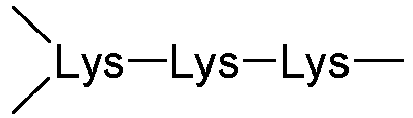

- T and B epitopes of the FMDV are well known in the art (e.g. Veterinary Research 2001, 32:1-30), or they can be identified empirically (e.g. using PEPSCAN or similar methods, Geysen et al. (1984) PNAS USA 81:3998, Carter (1994) Methods Mol Biol 36:207), or can be predicted (International Journal of Biotechnology Applications 2009, 1:1-3; Journal of General Virology 2011, 2297; BMC Bioinformatics 2009, 10:302).
- In a particular embodiment, T epitope of the FMDV is a T epitope of the non-structural protein 3A, 3B or 3C of the FMDV.
- In a further embodiment, T epitope of the FMDV comprises residues 21-35 of protein 3A of FMDV serotype C (CS8 strain), or the corresponding amino acid residues of another strain of serotype C or of another serotype of FMDV, such as serotypes A, C, SAT1, SAT2, SAT3 or ASIA1.
- In a preferred embodiment, T epitope comprises the amino acid sequence AAIEFFEGMVHDSIK (SEQ ID NO: 1).
- Further T epitopes may be identified using in vitro T-cell stimulation techniques of component proteins, protein fragments and peptides to identify appropriate sequences (Ann. Rev. Immunol., 1, 465, (1983); "The Year in Immunology, vol. 2", 1986, p. 151; Ann. Rev. Immunol., 5, 477, (1987)).
- Preferably, the T epitope is capped at the C-terminus as a carboxamide.
- In a particular embodiment, B epitope of the FMDV is a B epitope of the capsid protein VP1, VP2 or VP3 of the FMDV.
- The main B epitope of FMDV has been identified as a region called GH loop or antigenic site, which is located approximately between residues 140-160 of VP1. In a further embodiment, B epitope of the FMDV comprises antigenic site A of protein VP1.
- In a further embodiment, B epitope of the FMDV comprises residues 141-159 of protein VP1 of FMDV serotype O (O/UK/01, O1Campos, O1BFS strains), or residues 139-158 of protein VP1 of FMDV serotype A (A2001 TrenqueLauquen, A24Cruz strains), or residues 136-153 of protein VP1 of FMDV serotype C (CS8 strain) or the corresponding amino acid residues of another strain of the same serotype or of another serotype of FMDV, such as serotypes SAT1, SAT2, SAT3 or ASIA1.
- In a preferred embodiment, B epitope comprises an amino acid sequence selected from the group consisting of PVTNVRGDLQVLAQKAART (SEQ ID NO: 2), AVPNVRGDLQVLAQKVVRT (SEQ ID NO: 3), SGLSRRGDLGSLAARVAKAL (SEQ ID NO: 4), GGSGRRGDMGSLAARVVKQL (SEQ ID NO: 5) and VPNLRGDLQVLAQKVARTLP (SEQ ID NO: 6). More preferably, B epitope comprises an amino acid sequence selected from the group consisting of PVTNVRGDLQVLAQKAART (SEQ ID NO: 2).
- T and B epitopes of the FMDV include peptides that, compared to the sequences disclosed herein, include one or more (e.g. 1, 2, 3, 4, 5, 6, 7, 8, 9, 10, etc.) conservative amino acid substitutions i.e. replacements of the amino acid with another which has a related side chain. Such substitutions and modifications are generally well-known to those skilled in the art of peptide chemistry. Genetically-encoded amino acids are generally divided into four families: acidic (aspartate, glutamate), basic (lysine, arginine, histidine), non-polar (alanine, valine, leucine, isoleucine, proline, phenylalanine, methionine, tryptophan), and uncharged polar (glycine, asparagine, glutamine, cysteine, serine, threonine, tyrosine). In general, substitution of single amino acids within these families does not have a major effect on the biological activity. Moreover, the peptides may have one or more (e.g. 1, 2, 3, 4, 5, 6, 7, 8, 9, 10, etc.) single amino acid deletions relative to the sequences disclosed herein. Furthermore, the peptides may include one or more (e.g. 1, 2, 3, 4, 5, 6, 7, 8, 9, 10, etc.) insertions relative to the sequences disclosed herein.
- In the present invention, the term "linker group" refers to a bi-functional unit that makes possible to link covalently the sulphydryl or the ε-amino groups of Z with the amino groups of the lysine core.
- In a particular embodiment, W is an organic group having from 1 to 20, preferably from 1 to 10, carbon atoms and optionally containing at least one, preferably 1, 2, 3 or 4, heteroatoms selected from N, O and S. Preferably, W is a cyclic or acyclic hydrocarbon group having from 1 to 20, preferably from 1 to 10, carbon atoms wherein optionally one or more, preferably 1, 2, 3 or 4, -CH2- or -CH- groups are replaced by - CO-, -S-, -O-, -N H- or
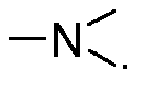

-(CH2)n-CO-,
-CO-(CH2)n-S-(CH2)m-CO-, or

- In a further embodiment, W is selected from a group of formula:
-CH2-CO-,
-CO-CH2-S-(CH2)2-CO-, or

- In a particular embodiment, Z is Cys bound to the linker group through the -SH group. In another embodiment, Lys is bound to the linker group through the ε amino group.
- In a particular embodiment, B is bound to the α-amino group of Z by its C-terminal end and X is an acyl group, i.e. a group of formula R-CO- wherein R is an alkyl group having 1 to 6, preferably 1 to 3, carbon atoms. More preferably, X is an acetyl group (abbreviated as Ac).
- In an embodiment, peptide construct of formula (l) is a construct of formula (la), (lb), (lc) or (ld):


- In a particular embodiment, peptide construct of formula (l) is a construct of formula (la), (lb), (lc) or (ld) wherein T is a T epitope of the FMDV comprising residues 21-35 of protein 3A of FMDV serotype C (CS8 strain), or the corresponding amino acid residues of another strain of serotype C or of another serotype of FMDV, such as serotypes A, C, SAT1, SAT2, SAT3 or ASIA1. More preferably, it is a construct of formula (la), (lb), (lc) or (ld) wherein T is a T epitope comprising the amino acid sequence AAIEFFEGMVHDSIK (SEQ ID NO: 1).
- In a particular embodiment, peptide construct of formula (l) is a construct of formula (la), (lb), (lc) or (ld) wherein B is a B epitope of the FMDV comprising antigenic site A of protein VP1, preferably, residues 141-159 of protein VP1 of FMDV serotype O (O/UK/01, O1Campos, 01BFS strains), or residues 139-158 of protein VP1 of FMDV serotype A (A2001 TrenqueLauquen, A24Cruz strains), or residues 136-153 of protein VP1 of FMDV serotype C (CS8 strain) or the corresponding amino acid residues of another strain of the same serotype or of another serotype of FMDV, such as serotypes SAT1, SAT2, SAT3 or ASIA1. More preferably, it is a construct of formula (la), (lb), (lc) or (ld) wherein B is a B epitope comprising an amino acid sequence selected from the group consisting of PVTNVRGDLQVLAQKAART (SEQ ID NO: 2), AVPNVRGDLQVLAQKVVRT (SEQ ID NO: 3), SGLSRRGDLGSLAARVAKAL (SEQ ID NO: 4), GGSGRRGDMGSLAARVVKQL (SEQ ID NO: 5), VPNLRGDLQVLAQKVARTLP (SEQ ID NO: 6).
- In a further embodiment, peptide construct of formula (l) is a construct of formula (la), (lb), (lc) or (ld) wherein T is a T epitope comprising the amino acid sequence AAIEFFEGMVHDSIK (SEQ ID NO: 1) and B is a B epitope comprising an amino acid sequence selected from the group consisting of PVTNVRGDLQVLAQKAART (SEQ ID NO: 2), AVPNVRGDLQVLAQKVVRT (SEQ ID NO: 3), SGLSRRGDLGSLAARVAKAL (SEQ ID NO: 4), GGSGRRGDMGSLAARVVKQL (SEQ ID NO: 5), VPNLRGDLQVLAQKVARTLP (SEQ ID NO: 6), preferably, an amino acid sequence selected from the group consisting of PVTNVRGDLQVLAQKAART (SEQ ID NO: 2).
- In a second aspect, the invention refers to a process for preparing a dendrimeric peptide construct of formula (la) or (lb) which comprises the reaction of a compound of formula (II)

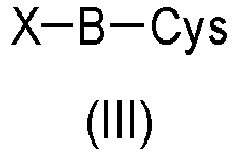
at a pH between 6 and 7.5. - Alternatively, constructs of formula (lc) can be obtained by a process which comprises the reaction of a compound of formula (IV)


at a pH between 6 and 7.5. - Alternatively, constructs of formula (ld) can be obtained by a process which comprises the reaction of a compound of formula (VI)

- In another embodiment, the compound of formula (III) is in a molar excess of from 2 to 25, preferably from 5 to 20, in respect of the compound of formula (II) or of formula (VI). In an embodiment, the compound of formula (V) is in a molar excess of from 2 to 25, preferably from 5 to 20, in respect of the compound of formula (IV).
- Compounds of formula (II), (III), (IV), (V) and (VI) can be obtained by solid phase peptide synthesis.
- In a particular embodiment, the compound of formula (II) can be obtained by first synthesizing the T epitope on a solid support, preferably a polymeric resin, using Fmoc chemistry in an automated synthesizer, then the lysine core is introduced by coupling with Fmoc-Lys(Fmoc)-OH and then the α and ε amino groups are deprotected and functionalized with a -W-Cl group. The resulting peptide is deprotected and cleaved from the solid support. Preferably, when W is a -CH2-CO- group, the deprotected and cleaved peptide is chloroacetylated at α and ε amino groups, preferably by treatment with chloroacetic acid.
- In a particular embodiment, compound of formula (IV) can be obtained in a similar way as described for compound (II) where, after coupling with Fmoc-Lys(Fmoc)-OH and deprotection, the resulting peptide is functionalized at α and ε amino groups with a -CO-(CH2)2-SH group, preferably by treatment with S-trityl-3-mercaptopropionic acid, and cleaved from the solid support.
- In a particular embodiment, compound of formula (VI) can be obtained in a similar way as described for compound (II) where, after coupling with Fmoc-Lys(Fmoc)-OH and deprotection, the resulting peptide is functionalized at α and ε amino groups by using N-maleoyl-β-alanine, and cleaved from the solid support.
- In a particular embodiment, compound of formula (III) can be obtained by peptide synthesis on a solid support, preferably a polymeric resin, using Fmoc chemistry in an automated synthesizer. The resulting peptide can be acylated or not at the N-terminal end, then deprotected and cleaved from the solid support.
- In a particular embodiment, compound of formula (V) can be obtained in a similar way as described for compound (III) but wherein the C-terminal Lys is deprotected at its ε amino group, then chloroacetylated, preferably by treatment with chloroacetic acid. The resulting peptide is deprotected and cleaved from the solid support.
- In another aspect, the invention refers to a veterinary composition that comprises at least a dendrimeric peptide construct of formula (I) as defined herein and a veterinarilly acceptable adjuvant, carrier or diluent. Conventional formulations, adjuvants, carriers and diluents may be employed. Suitable carriers and diluents are known in the art (e.g. McKercher PD et al., "A review of the current status of oil adjuvants in foot-and-mouth disease", Dev. Biol. Stand. 1976, vol. 35, p. 107-112; Dong XN et al., "Candidate multi-peptide-vaccine against classical swine fever virus induced potent immunity with serological marker", Vaccine 2005, vol. 23, p. 3630-3633) and include, for example, Freund's complete and incomplete adjuvant, aluminium hydroxide, saponin, dextrans, mineral oils, neutral oils, vegetable oils, liposomes, polyols, etc.
- These compositions may be suitable as immunogenic compositions or as vaccines. The compositions can be administered by any convenient route including any oral or parenteral route, such as subcutaneous, intravenous or intramuscular.
- Constructs of formula (l) have been found to present immunogenic properties. Therefore, in another aspect, the invention refers to a dendrimeric peptide construct of formula (l) for use in medicine.
- In another aspect, the invention refers to a dendrimeric peptide construct of formula (l) for use in the prevention of foot-and-mouth disease in an animal.
- The invention also describes the use of a dendrimeric peptide construct of formula (l) in the preparation of a medicament for the prevention of foot-and-mouth disease in an animal.
- The invention also discloses a method of preventing foot-and-mouth disease in an animal comprising administering an effective amount of a dendrimeric peptide construct of formula (l).
- Animals to be treated include both domestic and wild animals, such as cattle, pigs, sheep, goats, buffalo, antelope, deer, wild boar, bison or any other cloven-hoofed animal.
- The following examples illustrate the invention and should not be considered as limitative of the invention.
- The linear peptides were synthesized by automated synthesis Fmoc (FastMoc) protocols performed in an AB1433 peptide synthesizer (Applied Biosystems, Foster City, CA) at 0.1 mmol scale on Fmoc-Rink-amide ChemMatrix resin. The side chain functionalities were protected with tBu (Asp, Glu, Ser, Thr, Tyr), Boc (Lys, Trp), Pbf (Arg) and Trt (Asn, Gln, His) groups. Eight-fold excess of Fmoc-L-amino acids and HBTU, in the presence of double molar amount of DIEA, were used for the coupling steps, with DMF as solvent. Branching was introduced by the incorporation of Fmoc-Lys(Fmoc)-OH at the appropriate points. After derivatization, peptides were fully deprotected and cleaved with TFA/H2O/TIS (95:2.5:2.5 v/v, 90 min, RT), and precipitated by addition of chilled diethyl ether, taken up in aqueous AcOH (10% v/v), and lyophilized. Then, they were purified and characterised by analytical HPLC and MALDI-TOF MS as detailed below.
-
Conjugates Conjugates 
- Moiety 1a has a Cys residue at the C end of the peptide and N-terminal is acetylated. In the case of 2a, the Cys residue is placed in the N-terminal part of the peptide. The branched compound 1b was obtained by chloracetylation at the α and ε amino groups of the Lys placed in the N-terminal part of the peptide, using 10 fold excess of chloroacetic acid and DIPCI (1:1). All compounds (1a, 1b and 2a) were cleaved and purified by HPLC before subsequent conjugation.
Conjugates Conjugate 3.Conjugate 3 corresponds to constructs of formula (lc), wherein T is SEQ ID NO: 1 and B is SEQ ID NO: 2. This molecule was obtained by reverse thioether approach.
- In this case, the B epitope was synthesized with a Fmoc-Lys(Mmt) residue in the C terminal part of the sequence, then it was acetylated, the protecting group Mmt was selectively removed using 1%TFA in DCM and finally the C terminal Lys residue was chloracetylated as described for peptide 1b, to yield compound 3a. Compound 3b was obtained by thio-functionalization with Trt-MPA in DIPCI (1:1). Compounds 3a and 3b were removed from the resin and purified, as previously described, and conjugated. The conjugation was performed in the same solution as in standard thioether approach (0.02 M solution of NaHCO3, pH 7.5). In this approach, 3.5 mg of 3b were dissolved in 10 mL of said solution and 8-fold molar excess of the 3a were then added portionwise and the solution stirred at 50 °C. The reaction was monitored and stopped as described above. The mixture was purified by RP-HPLC and
dendrimer 3 was characterized by HPLC and MALDI-TOF, as detailed below (Conjugate 3: Average mass for the [MH]+ ion (Da), Calculated: 6749.81; Found: 6746.4). -
Conjugate 4.Conjugate 4 corresponds to constructs of formula (ld), wherein T is SEQ ID NO: 1 and B is SEQ ID NO: 2.
- Conjugation was done via a maleimide group. The maleimide-functionalization to obtain 4b, was carried out incorporating N-maleoyl-β-Ala in DIPCI (1:1) at N α and ε of the N terminal Lys residue. Deprotection, cleavage and purification were performed in the same way as before. For the conjugation of both peptide fragments, 4.5 mg of compound 4b, were dissolved in 1 mL of 50 mM phosphate buffer pH 6 and added to a solution in the same buffer containing stoichiometric amount (double molar) of 1a. After mixing the solutions, analysis of a small aliquot revealed the total completion of the reaction. Then, the reaction product was purified by RP-HPLC and
conjugate 4 was characterized by HPLC and MALDI-TOF (Conjugate 4: Average mass for the [MH]+ ion (Da), Calculated: 6739.5; Found: 6737.1). - Analytical reversed-phase HPLC was performed on C18 or C8 columns (4.6 x 50 mm, 3 µm, Phenomenex, Torrance, CA) in a model LC-2010A system (Shimadzu, Kyoto, Japan). Solvent A was 0.045% (v/v) TFA in water, solvent B was 0.036% (v/v) TFA in acetonitrile. Elution was done with linear gradients of solvent B into A over 15 min at 1 mL/min flow rate, with UV detection at 220 nm. Preparative HPLC was performed on C18 (21.2 x 250 mm, 10 µm, Phenomenex) or on C8 column (10 x 250 mm, 10 µm, Phenomenex) in a Shimadzu LC-8A instrument. Solvents A and B were 0.1% TFA (v/v) in water and acetonitrile, respectively, and elution was again with linear gradients of solvent B into A over 35 min, at 25 or 5 mL/min flow rate for C18 or C8 separations, respectively, with UV detection at 220 nm. Preparative fractions of satisfactory purity (>95%) by analytical HPLC were pooled and lyophilized. The purified peptides and MAPs were characterized by MALDI-TOF MS in a Voyager DE-STR instrument (Applied Biosystems), R-hydroxycinnamic acid matrixes. MS spectra were performed in the reflector mode for the linear peptide epitopes and the divalent Lys core; for larger-sized analytes, the linear mode was used.
- Mice immunization and Ab production. Groups of 5 Swiss mice were subcutaneously immunized with 100 µg of each conjugate in Freund's adjuvant. One identical boost emulsified in incomplete Freund's adjuvant was administered after 20 days. The animals were sacrificed after 39 days of the first dose. Blood samples were taken at 0, 15, 20 and 39 days to study antibody responses to FMDV in sera by ELISA. ELISA plates were coated with purified virus (OUK2001), incubated at 4 °C overnight with 1/320 in PBS (50 µl/well). Free active sites were blocked using blocking buffer (PBS buffer with 0.05% Tween and 5% milk) incubating at 37 °C for 1 h. Sera diluted in blocking buffer were preincubated at room temperature for 15 min and added to the plate (50 µl/well) leaving it for 1 h at 37 °C. After further washing, 50 µL/well of zymed anti-mouse antibodies in blocking buffer was added and plates incubated for 45 min more The amount of coupled conjugate was determined by incubation with 100 µl/well of soluble 3,3',5,5'-tetramethylbenzidine for 15 min. at room temperature. Finally, the reaction was stopped with 100 µL/well of 1M sulphuric acid and the absorbance was determined at 450 nm. Antibody titres are expressed as the log10 of serum dilutions giving an optical density value (OD) equal to the
mean plus 2 standard deviations recorded for the negative control (serum collected at day 0). In all cases the standard deviations were < 1.0. - Freshly splenocytes were stimulated in vitro with autologous synthetic peptides or FMDV. After 24 hours of incubation, cells were harvested and their activation was analyzed by IFN-y ELISPOT. For this purpose the splenocytes were isolated and transferred to Immobilon-P hydrophobic PVDF plates from Millipore (S2EM004M99) which had been coated with 100 µl of 5 µg/ml anti-mouse Mab BD-51-2525KZ. The cells were incubated for 48 hrs at 37°C and the assay continued using reagents supply by BD Biosciences and following their technical recommendations. Spots appeared at the sites of cytokine localization, with each individual spot representing an individual IFN-y secreting cell. The number of spots was quantified.


Claims (15)
- A dendrimeric peptide construct of formula (l)
 T is a T epitope of the FMDV, bound to the lysine core by its N-terminal end;B is a B epitope of the FMDV;W is a linker group;Z is Cys bound to the linker group W through its sulphur atom or Lys bound to the linker group W through its ε amino group,X is absent when B is bound to the α-carboxylix group of Z by its N-terminal end or is an acyl group when B is bound to the α-amino group of Z by its C-terminal end.
 - The dendrimeric construct according to claim 1, wherein W is selected from a group of formula:
-(CH2)n-CO-,
-CO-(CH2)n-S-(CH2)m-CO-, or

- The dendrimeric construct according to any previous claim, wherein T is a T epitope of the non-structural protein 3A, 3B or 3C of the FMDV.
- The dendrimeric construct according to claim 3, wherein T is a T epitope of the FMDV comprising residues 21-35 of protein 3A of FMDV serotype C, or the corresponding amino acid residues of another serotype of FMDV.
- The dendrimeric construct according to claim 4, wherein T comprises the amino acid sequence AAIEFFEGMVHDSIK (SEQ ID NO: 1).
- The dendrimeric construct according to any previous claim, wherein B is a B epitope of the capsid protein VP1, VP2 or VP3 of the FMDV.
- The dendrimeric construct according claim 6, wherein B is a B epitope of the FMDV comprising antigenic site A of protein VP1.
- The dendrimeric construct according claim 7, wherein B is a B epitope of the FMDV comprising residues 141-159 of protein VP1 of FMDV serotype O, or residues 139-158 of protein VP1 of FMDV serotype A, or residues 136-153 of protein VP1 of FMDV serotype C or the corresponding amino acid residues of another serotype of FMDV.
- The dendrimeric construct according claim 8, wherein B comprises an amino acid sequence selected from the group consisting of PVTNVRGDLQVLAQKAART (SEQ ID NO: 2), AVPNVRGDLQVLAQKVVRT (SEQ ID NO: 3), SGLSRRGDLGSLAARVAKAL (SEQ ID NO: 4), GGSGRRGDMGSLAARVVKQL (SEQ ID NO: 5) and VPNLRGDLQVLAQKVARTLP (SEQ ID NO: 6).
- The dendrimeric construct according to any previous claim which is selected from a construct of formula (la), (lb), (lc) or (ld):

- The dendrimeric construct according to claim 10 which is selected from a construct of formula (la), (lb), (lc) or (ld) wherein T is SEQ ID NO: 1 and B is SEQ ID NO: 2.
- A process for preparing a dendrimeric peptide construct of formula (la) or (lb) as defined in any of claim 10, which comprises the reaction of a compound of formula (II)

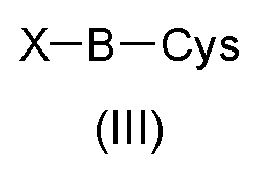
at a pH between 6 and 7.5. - A veterinary composition that comprises a dendrimeric peptide construct of formula (l) as defined in any of claims 1 to 11 and a veterinarilly acceptable adjuvant, carrier or diluent.
- A dendrimeric peptide construct of formula (l) as defined in any of claims 1 to 11 for use in medicine.
- A dendrimeric peptide construct of formula (l) as defined in any of claims 1 to 11 for use in the prevention of foot-and-mouth disease in an animal.
Priority Applications (4)
| Application Number | Priority Date | Filing Date | Title |
|---|---|---|---|
| EP12382135.7A EP2647390A1 (en) | 2012-04-02 | 2012-04-02 | Peptide vaccines for the prevention of foot-and-mouth disease |
| PCT/EP2013/056843 WO2013149974A1 (en) | 2012-04-02 | 2013-04-01 | Peptide vaccines for the prevention of foot-and-mouth disease |
| CN201380028912.3A CN104363925B (en) | 2012-04-02 | 2013-04-01 | Prevent the peptide vaccine of aftosa |
| ARP130101063A AR094132A1 (en) | 2012-04-02 | 2013-04-03 | PEPTIDIC VACCINES FOR THE PREVENTION OF AFTOSE FEVER |
Applications Claiming Priority (1)
| Application Number | Priority Date | Filing Date | Title |
|---|---|---|---|
| EP12382135.7A EP2647390A1 (en) | 2012-04-02 | 2012-04-02 | Peptide vaccines for the prevention of foot-and-mouth disease |
Publications (1)
| Publication Number | Publication Date |
|---|---|
| EP2647390A1 true EP2647390A1 (en) | 2013-10-09 |
Family
ID=48095811
Family Applications (1)
| Application Number | Title | Priority Date | Filing Date |
|---|---|---|---|
| EP12382135.7A Withdrawn EP2647390A1 (en) | 2012-04-02 | 2012-04-02 | Peptide vaccines for the prevention of foot-and-mouth disease |
Country Status (4)
| Country | Link |
|---|---|
| EP (1) | EP2647390A1 (en) |
| CN (1) | CN104363925B (en) |
| AR (1) | AR094132A1 (en) |
| WO (1) | WO2013149974A1 (en) |
Families Citing this family (2)
| Publication number | Priority date | Publication date | Assignee | Title |
|---|---|---|---|---|
| EP3909970A1 (en) * | 2020-05-14 | 2021-11-17 | Consejo Superior De Investigaciones Científicas | Peptide vaccines for the prevention of foot-and-mouth disease |
| CN116063408B (en) * | 2023-03-01 | 2026-03-24 | 申联生物医药(上海)股份有限公司 | Foot-and-mouth disease virus type A ELISA antibody detection kit, its preparation method and application |
Citations (3)
| Publication number | Priority date | Publication date | Assignee | Title |
|---|---|---|---|---|
| US813998A (en) | 1903-10-31 | 1906-02-27 | Rail Joint Co | Insulated rail-joint. |
| EP2053056A1 (en) | 2006-08-02 | 2009-04-29 | Instituto Nacional De Investigacion y Tecnologia agraria y Alimentaria (INIA) | Dendrimeric peptide construct for the prevention of foot-and-mouth disease in animals |
| CN102168088A (en) * | 2010-12-23 | 2011-08-31 | 中国农业科学院兰州兽医研究所 | T cell immunogen gene TI and applications thereof in foot-and-mouth disease protein subunit vaccine and inactivated vaccine |
-
2012
- 2012-04-02 EP EP12382135.7A patent/EP2647390A1/en not_active Withdrawn
-
2013
- 2013-04-01 WO PCT/EP2013/056843 patent/WO2013149974A1/en not_active Ceased
- 2013-04-01 CN CN201380028912.3A patent/CN104363925B/en not_active Expired - Fee Related
- 2013-04-03 AR ARP130101063A patent/AR094132A1/en unknown
Patent Citations (3)
| Publication number | Priority date | Publication date | Assignee | Title |
|---|---|---|---|---|
| US813998A (en) | 1903-10-31 | 1906-02-27 | Rail Joint Co | Insulated rail-joint. |
| EP2053056A1 (en) | 2006-08-02 | 2009-04-29 | Instituto Nacional De Investigacion y Tecnologia agraria y Alimentaria (INIA) | Dendrimeric peptide construct for the prevention of foot-and-mouth disease in animals |
| CN102168088A (en) * | 2010-12-23 | 2011-08-31 | 中国农业科学院兰州兽医研究所 | T cell immunogen gene TI and applications thereof in foot-and-mouth disease protein subunit vaccine and inactivated vaccine |
Non-Patent Citations (18)
| Title |
|---|
| ANN. REV. IMMUNOL., vol. 1, 1983, pages 465 |
| ANN. REV. IMMUNOL., vol. 5, 1987, pages 477 |
| BARTELING S.J, ADV. BIOTECHNOL. PROCESSES, vol. 10, 1988, pages 25 - 60 |
| BITTLE ET AL., NATURE, vol. 298, 1982, pages 30 - 33 |
| BLANCO E. ET AL., JOURNAL OF VIROLOGY, vol. 75, 2001, pages 3164 - 3174 |
| BMC BIOINFORMATICS, vol. 10, 2009, pages 302 |
| BROWN F., VACCINE, vol. 10, no. 14, 1992, pages 1022 - 1026 |
| CARTER, METHODS MOL BIOL, vol. 36, 1994, pages 207 |
| CUBILLOS CAROLINA ET AL: "Enhanced mucosal immunoglobulin a response and solid protection against foot-and-mouth disease virus challenge induced by a novel dendrimeric peptide", JOURNAL OF VIROLOGY, vol. 82, no. 14, July 2008 (2008-07-01), pages 7223 - 7230+SUPPL, XP002677353, ISSN: 0022-538X * |
| DIMARCHI ET AL., SCIENCE, vol. 232, 1986, pages 639 - 641 |
| DONG XN ET AL.: "Candidate multi-peptide-vaccine against classical swine fever virus induced potent immunity with serological marker", VACCINE, vol. 23, 2005, pages 3630 - 3633, XP004887021, DOI: doi:10.1016/j.vaccine.2005.02.008 |
| FRANCIS ET AL., IMMUNOLOGY, vol. 73, 1991, pages 249 - 254 |
| FRANCIS M J ET AL: "Immunological evaluation of the multiple antigen peptide (MAP) system using the major immunogenic site of foot-and-mouth disease virus", IMMUNOLOGY, vol. 73, no. 3, 1 July 1991 (1991-07-01), BLACKWELL PUBLISHING, OXFORD, GB, pages 249 - 254, XP009136280, ISSN: 0019-2805 * |
| INTERNATIONAL JOURNAL OF BIOTECHNOLOGY APPLICATIONS, vol. 1, 2009, pages 1 - 3 |
| JOURNAL OF GENERAL VIROLOGY, 2011, pages 2297 |
| MCKERCHER PD ET AL.: "A review of the current status of oil adjuvants in foot-and-mouth disease", DEV. BIOL. STAND., vol. 35, 1976, pages 107 - 112 |
| THE YEAR IN IMMUNOLOGY, vol. 2, 1986, pages 151 |
| VETERINARY RESEARCH, vol. 32, 2001, pages 1 - 30 |
Also Published As
| Publication number | Publication date |
|---|---|
| CN104363925A (en) | 2015-02-18 |
| AR094132A1 (en) | 2015-07-15 |
| CN104363925B (en) | 2018-02-13 |
| WO2013149974A1 (en) | 2013-10-10 |
Similar Documents
| Publication | Publication Date | Title |
|---|---|---|
| US9938337B2 (en) | Reimmunization and antibody design | |
| CA2793087C (en) | Peptides, conjugates and method for increasing immunogenicity of a vaccine | |
| EP2027158B1 (en) | Method for immunizing an avian species | |
| JP2002518461A (en) | Synthetic peptide vaccine for foot-and-mouth disease | |
| TW201420114A (en) | Foot-and-mouth disease synthetic peptide emergency vaccine | |
| Monso et al. | Peptide vaccine candidates against classical swine fever virus: T cell and neutralizing antibody responses of dendrimers displaying E2 and NS2–3 epitopes | |
| EP0450715B1 (en) | Immunogenic compounds, the process for their synthesis and their use in the preparation of antimalaria vaccines | |
| CA2602654A1 (en) | Method for shielding functional sites or epitopes on proteins | |
| RU2358981C2 (en) | Universal avian influenza virus vaccine | |
| CN104363925B (en) | Prevent the peptide vaccine of aftosa | |
| JP2837866B2 (en) | Synthetic vaccine against foot-and-mouth disease and production method thereof | |
| JP2019501964A (en) | Polypeptide compounds and methods for their preparation and applications | |
| CN116063407B (en) | A group of antigenic peptides of porcine Seneca virus and their applications | |
| JP7747273B2 (en) | Amino acid sequences derived from SARS-CoV-2 and uses thereof | |
| EP2053056B1 (en) | Dendrimeric peptide construct for the prevention of foot-and-mouth disease in animals | |
| JPH02223594A (en) | Human rhinovirus peptide | |
| EP3909970A1 (en) | Peptide vaccines for the prevention of foot-and-mouth disease | |
| CN111803626A (en) | Bivalent synthetic peptide vaccine for O-type and A-type pig foot-and-mouth disease and preparation method and application thereof | |
| Cruz et al. | Linear polymerization of a synthetic peptide of the V3 region from HIV-1 JY1 isolate using acetamidomethyl-protected thiol groups of cysteine residues | |
| Chen et al. | Artificial proteins as candidate AIDS vaccines | |
| CN114057847A (en) | Polypeptide for preventing novel coronavirus pneumonia COVID-19, immunogenic conjugate and application thereof | |
| CN114057843A (en) | Polypeptide for preventing novel coronavirus pneumonia COVID-19, immunogenic conjugate and application thereof | |
| CN114057849A (en) | Polypeptide for preventing novel coronavirus pneumonia COVID-19, immunogenic conjugate and application thereof | |
| Puig | Lipopeptide vaccines against foot and mouth disease | |
| Maugeri | Synthesis of new adjuvants and carriers for foot and mouth disease virus (fmdv) |
Legal Events
| Date | Code | Title | Description |
|---|---|---|---|
| PUAI | Public reference made under article 153(3) epc to a published international application that has entered the european phase |
Free format text: ORIGINAL CODE: 0009012 |
|
| AK | Designated contracting states |
Kind code of ref document: A1 Designated state(s): AL AT BE BG CH CY CZ DE DK EE ES FI FR GB GR HR HU IE IS IT LI LT LU LV MC MK MT NL NO PL PT RO RS SE SI SK SM TR |
|
| AX | Request for extension of the european patent |
Extension state: BA ME |
|
| STAA | Information on the status of an ep patent application or granted ep patent |
Free format text: STATUS: THE APPLICATION IS DEEMED TO BE WITHDRAWN |
|
| 18D | Application deemed to be withdrawn |
Effective date: 20140410 |