EP2645776A1 - Change of Primary Cell During Carrier Aggregation - Google Patents
Change of Primary Cell During Carrier Aggregation Download PDFInfo
- Publication number
- EP2645776A1 EP2645776A1 EP13167526.6A EP13167526A EP2645776A1 EP 2645776 A1 EP2645776 A1 EP 2645776A1 EP 13167526 A EP13167526 A EP 13167526A EP 2645776 A1 EP2645776 A1 EP 2645776A1
- Authority
- EP
- European Patent Office
- Prior art keywords
- primary cell
- mobile station
- uplink control
- transmitting
- change
- Prior art date
- Legal status (The legal status is an assumption and is not a legal conclusion. Google has not performed a legal analysis and makes no representation as to the accuracy of the status listed.)
- Granted
Links
Images


Classifications
-
- H—ELECTRICITY
- H04—ELECTRIC COMMUNICATION TECHNIQUE
- H04W—WIRELESS COMMUNICATION NETWORKS
- H04W36/00—Hand-off or reselection arrangements
- H04W36/0005—Control or signalling for completing the hand-off
- H04W36/0011—Control or signalling for completing the hand-off for data sessions of end-to-end connection
- H04W36/0033—Control or signalling for completing the hand-off for data sessions of end-to-end connection with transfer of context information
- H04W36/0044—Control or signalling for completing the hand-off for data sessions of end-to-end connection with transfer of context information of quality context information
-
- H—ELECTRICITY
- H04—ELECTRIC COMMUNICATION TECHNIQUE
- H04W—WIRELESS COMMUNICATION NETWORKS
- H04W24/00—Supervisory, monitoring or testing arrangements
- H04W24/04—Arrangements for maintaining operational condition
-
- H—ELECTRICITY
- H04—ELECTRIC COMMUNICATION TECHNIQUE
- H04W—WIRELESS COMMUNICATION NETWORKS
- H04W36/00—Hand-off or reselection arrangements
- H04W36/0005—Control or signalling for completing the hand-off
- H04W36/0055—Transmission or use of information for re-establishing the radio link
- H04W36/0077—Transmission or use of information for re-establishing the radio link of access information of target access point
-
- H—ELECTRICITY
- H04—ELECTRIC COMMUNICATION TECHNIQUE
- H04W—WIRELESS COMMUNICATION NETWORKS
- H04W72/00—Local resource management
- H04W72/04—Wireless resource allocation
- H04W72/044—Wireless resource allocation based on the type of the allocated resource
- H04W72/0446—Resources in time domain, e.g. slots or frames
-
- H—ELECTRICITY
- H04—ELECTRIC COMMUNICATION TECHNIQUE
- H04W—WIRELESS COMMUNICATION NETWORKS
- H04W72/00—Local resource management
- H04W72/20—Control channels or signalling for resource management
- H04W72/21—Control channels or signalling for resource management in the uplink direction of a wireless link, i.e. towards the network
Definitions
- the present disclosure relates generally to wireless communications, and more specifically to carrier aggregation.
- Carrier Aggregation will be used in 3GPP LTE networks to provide improved data rates to users, which are also referred to as a mobile station or as user equipment (UE).
- Carrier aggregation consists of transmitting data to or receiving data from a UE on multiple carrier frequencies ("component carriers"). The wider bandwidth enables higher data rates.
- the present disclosure considers the problem of change of the primary cell of a mobile station.
- a UE can be configured with a set of serving cells. Each of the serving cells has a downlink frequency and may also have an uplink frequency. The downlink frequencies of the different serving cells of a UE are distinct and the uplink frequencies of a UE are distinct.
- the downlink and uplink frequencies of a serving cell are distinct.
- TDD time division duplex
- the downlink and uplink frequencies of a serving cell are the same.
- Carrier aggregation operation can also be described in terms of "component carriers” or "serving frequencies”.
- the mobile station has a set of "downlink component carriers” or “downlink serving frequencies” (corresponding to the downlink frequencies of the serving cells) and "uplink component carriers” or “uplink serving frequencies” (corresponding to the uplink frequencies of the serving cells).
- all the serving cells of a mobile station belong to the same base station (that is, all the downlink frequencies are transmitted from the same base station).
- a base station can transmit one or more downlink serving frequencies, while the remaining downlink serving frequencies are transmitted are transmitted by one or more remote base station equipments.
- One of the serving cells is designated as a "primary cell”.
- primary cell One of the serving cells is designated as a "primary cell”.
- downlink primary frequency and “downlink primary component carrier” which refer to the downlink frequency of the primary cell
- uplink primary frequency and "uplink primary component carrier” which refer to the uplink frequency of the primary cell.
- secondary cell A serving cell that is not a primary cell.
- the communication link between the mobile station and the primary cell is a primary link in the communication between the mobile station and the network. Specifically, at the time of connection establishment between the mobile station and the network, a bi-directional communication link between the mobile station and the primary cell is established before any communication link is established between the mobile station and a secondary cell.
- Carrier Aggregation procedures are designed such that the mobile station transmits the uplink control channel only to the primary cell (i.e., only on the uplink primary frequency).
- the uplink control channel carries various control information such as ACK/NACK indicators for downlink transmission from all serving cells, Channel Quality Indicator (CQI) information for all serving cells and scheduling requests (SR).
- CQI Channel Quality Indicator
- SR scheduling requests
- the communication between the mobile station and the primary cell fails even if the communication link between the mobile station and a secondary cell is sustained.
- the primary cell provides security and encryption related information to the mobile station.
- the mobile station performs radio link monitoring of the primary cell but not of the secondary cells. If the radio link monitoring of the primary cell indicates that there is a radio link problem, the mobile station suspends all reception and transmission of signals. If there is no recovery from the radio link problem, the mobile station declares a radio link failure, breaks the connection to the serving cells and attempts to reestablish the connection to the network through a suitable cell. Such actions can result in significant interruptions of the communication link and also in irrecoverable failure of the communication link.
- the handover procedure is designed for mobility - that is, for transferring a mobile station from a cell at a first base station (source cell) to a cell at a second base station (target cell).
- source cell source cell
- target cell second base station
- the synchronization is performed by a random access procedure, i.e., transmitting on a random access channel and receiving a random access response.
- the synchronization procedure results in a significant interruption. Since the interruption includes an interruption of uplink transmission to the primary cell, it results in interruption or suspension of all downlink data between the network and the mobile station (as described above).
- the various communication protocols such as medium access control and radio link control
- the security key is also changed at the handover. The re-establishment of the protocols and the change of the security key can result in loss of any buffered packets at both the base station and the mobile station.
- PCT patent application publication no. WO 2010/056949 describes a method for switching radio frequency (RF) carriers that serve communication between a base station (BS) and a mobile station (MS).
- the switching of carriers can be viewed as a handoff procedure between two different RF carriers within the same BS.
- a simplified handoff procedure for switching of RF carriers can be applied when the MS switches its physical connection from a primary RF carrier to a secondary RF carrier, as well as in the case when the BS decides to move the MS from one primary RF carrier to another primary RF carrier.
- US patent application publication no. US2009/310563 describes a solution for multi-carrier scanning and handover operations in OFDM wireless systems.
- a multi-carrier scanning is any scanning operation that involves multi-carrier radio frequency carriers.
- a mobile station communicates with a serving base station over a primary carrier, and performs scanning over one or more determined carriers. Handover procedures are discussed including multi-carrier handover procedures.
- a multi-carrier handover is any handover operation that involves multiple radio frequency carriers.
- FIG. 1 shows the use of the handover procedure for change of the primary cell.
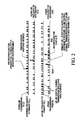
- FIG. 2 illustrates a method for change of primary cell during carrier aggregation operation using a random access channel transmission.
- FIG. 3 illustrates a method for change of primary cell during carrier aggregation operation without using a random access channel transmission.
- a method for change of primary cell during carrier aggregation operation is disclosed that overcomes the deficiencies described above.
- the embodiments are described in terms of a 3GPP Long term Evolution (LTE) system. However, it should be clear that the invention and the embodiments are equally applicable to other wireless communication systems.
- LTE Long term Evolution
- the base station transmits to the mobile station a primary cell change message instructing it to change the primary cell from the current primary cell to a new primary cell.
- the message can be a Radio Resource Control (RRC) message such as an RRC Connection Reconfiguration message, or any other suitable message.
- RRC Radio Resource Control
- the message can indicate an identity of the new primary cell and can be addressed to the mobile station using a unique mobile station identifier. It can also be addressed to a group of mobile stations using an identifier for the group of mobile stations.
- the message can also include a configuration of a new uplink control channel to be used for transmitting uplink control information to the new primary cell.
- the mobile station can use a default configuration for a new uplink control channel to be used for transmitting uplink control information to the new primary cell.
- the message can also include a random access channel preamble to use for the primary cell change procedure.
- the primary cell change message can also include a new mobile station identifier.
- the new primary cell and the mobile station can use the new mobile station identifier for communication upon the changing the primary cell.
- the base station can determine that the mobile station identifier used by the mobile station prior to the change of primary cell is not used for communication between the new primary cell and another mobile station, the mobile station can continue to use the same mobile station identifier before and after the primary cell change.
- the mobile station identifier can be a Cell Radio Network Temporary Identifier (C-RNTI) or another mobile station specific identifier.
- C-RNTI Cell Radio Network Temporary Identifier
- the uplink control channel can be the physical uplink control channel or any other uplink control channel.
- the uplink control information can include one or more of ACK/NACK indicators for downlink transmission from one or more serving cells, Channel Quality Indicator (CQI) information for one or more serving cells and scheduling requests (SR).
- CQI Channel Quality Indicator
- SR scheduling requests
- the mobile station can transmit on a random access channel to the new primary cell, i.e., it can transmit on a random access channel on the uplink frequency of the new primary cell.
- the transmission on the random access channel can further include transmission of the random access channel preamble indicated in the primary cell change message.
- the base station can transmit a random access response message and the mobile station can receive the random access response message.
- the mobile station can start transmitting the uplink control channel on the uplink frequency of the new primary cell.
- the mobile station can send a response message to the primary cell change message indicating completion of the primary cell change procedure.
- the response message can be an RRC message such as an RRC Connection Reconfiguration Complete message, or any other suitable message.
- the base station can select a suitable new primary cell from the set of serving cells. Alternatively, the base station can select a suitable new primary cell from among cells that are not serving cells. The selection of the new primary cell can be based on signal quality information available at the base station. For example, the base station can utilize measurement reports including Radio Resource Management (RRM) measurements sent by the mobile station. The selection of the new primary cell can also be based on the location of the mobile station. For example, if the base station is aware that at the location of the mobile station, a cell different from the current primary cell would provide a more reliable communication link, it can select such a cell as the new primary cell.
- RRM Radio Resource Management
- the mobile station Upon receiving the primary cell change message, the mobile station can continue transmission on the uplink control channel to the (current) primary cell until the mobile station receives the random access response message. Upon receiving the random access response message, the mobile station can stop transmission of the uplink control channel to the (current) primary cell and start transmission of the uplink control channel to the new primary cell. This ensures that there is no interruption of the uplink control information transfer and consequently there is no interruption of the downlink transmissions from any of the serving cells.
- the mobile station can receive a downlink transmission subsequent to the reception of the primary cell change message.
- Such a downlink transmission can include user data, signaling data or any other data requiring the transmission of uplink control information (such as a HARQ ACK/NACK indication) by the mobile station.
- the mobile station can transmit, subsequent to receiving the random access response, an uplink control channel to the new primary cell in response to the downlink transmission received subsequent to the reception of the primary cell change message.
- the transmission of the uplink control channel can include the transmission of the HARQ ACK/NACK indication corresponding to the downlink transmission received subsequent to the reception of the primary cell change message.
- the mobile station can stop transmission of the uplink control channel to the (current) primary cell when it receives the primary cell change message. It can resume transmission of the uplink control channel to the new primary cell upon reception of the random access response message. Although this causes an interruption of the uplink control information transfer, the interruption is significantly smaller than in the case of the handover procedure.
- the base station can start monitoring the uplink frequency of the new primary channel for the uplink control channel transmission from the mobile station to the new primary cell.
- the base station can continue to monitor the uplink frequency of the (current) primary channel for the uplink control channel transmission from the mobile station to the (current) primary cell. If the base station does not detect valid transmissions of an uplink control channel from the mobile station to the new primary cell, or if the base station does not receive a message indicating successful completion of the primary cell change procedure, it can continue to use the (current) primary cell as the primary cell.
- the base station can start monitoring the uplink frequency of the new primary channel for the uplink control channel transmission from the mobile station to the new primary cell and stop monitoring the uplink frequency of the (current) primary channel for the uplink control channel transmission from the mobile station to the (current) primary cell.
- the base station If the base station does not detect a valid uplink control channel transmission from the mobile station to the new primary cell, it can retransmit the random access response. Alternatively, if the base station does not detect a valid uplink control channel transmission from the mobile station to the new primary cell, it can retransmit the primary cell change message to the mobile station.
- the base station transmits to the mobile station a primary cell change message instructing it to change the primary cell from the current primary cell to a new primary cell.
- the message can be a Radio Resource Control (RRC) message such as an RRC Connection Reconfiguration message, or any other suitable message.
- RRC Radio Resource Control
- the message can indicate an identity of the new primary cell and can be addressed to the mobile station using a unique mobile station identifier. It can also be addressed to a group of mobile stations using an identifier for the group of mobile stations.
- the message can also include a configuration of a new uplink control channel to be used for transmitting uplink control information to the new primary cell.
- the mobile station can use a default configuration for a new uplink control channel to be used for transmitting uplink control information to the new primary cell.
- the primary cell change message can also include a new mobile station identifier.
- the new primary cell and the mobile station can use the new mobile station identifier for communication upon the changing the primary cell.
- the base station can determine that the mobile station identifier used by the mobile station prior to the change of primary cell is not used for communication between the new primary cell and another mobile station, the mobile station can continue to use the same mobile station identifier before and after the primary cell change.
- the mobile station identifier can be a Cell Radio Network Temporary Identifier (C-RNTI) or another mobile station specific identifier.
- C-RNTI Cell Radio Network Temporary Identifier
- the mobile station can release a configuration of an uplink control channel.
- the release of the configuration of the uplink control channel can include at least one of release of any time-frequency resources associated with the uplink control channel, and resetting of any stored parameters associated with the uplink control channel.
- the release of the configuration of the uplink control channel can also include modifying the configuration of the mobile station such that the uplink control channel cannot be transmitted.
- the release of the configuration of the uplink control channel can also include modifying the configuration of the mobile station such that the uplink control channel is transmitted at a very low power level or a zero power level.
- the release of the uplink control channel can also include suspension of transmission of part or all of the uplink control information using the resources associated with the uplink control channel.
- the uplink control channel can be the physical uplink control channel or any other uplink control channel.
- the uplink control channel can be the physical uplink control channel or any other uplink control channel.
- no uplink control channel resources are transmitted during this interval.
- Uplink control information must be sent on an uplink shared channel.
- the eNB must ensure that in any subframe where uplink control information is expected there is at least one uplink shared channel resource grant on any of the serving cells. For example, in each subframe with a downlink transmission to the UE there must be a shared uplink resource channel grant on one of the uplink control channels.
- the mobile station can transmit uplink control information on an uplink shared channel.
- the uplink control information can include one or more of ACK/NACK indicators for downlink transmission from one or more serving cells, Channel Quality Indicator (CQI) information for one or more serving cells and scheduling requests (SR).
- CQI Channel Quality Indicator
- SR scheduling requests
- the mobile station can configure a new uplink control channel for transmission to the new primary cell.
- the configuration of the new uplink control channel can be according to a configuration of a new uplink control channel indicated in the primary cell change message.
- the configuration of the new uplink control channel can be according to a default uplink control channel configuration.
- the default uplink channel configuration can be a copy of the uplink control channel configuration at the primary cell before the primary cell change message transmission.
- the mobile station can send a response message to the primary cell change message indicating completion of the primary cell change procedure.
- the response message can be an RRC message such as an RRC Connection Reconfiguration Complete message, or any other suitable message.
- the mobile station can then start transmission of the new uplink control channel to the new primary cell.
- the transmission of the new uplink control channel can include transmission of one or more of ACK/NACK indicators for downlink transmission from one or more serving cells, Channel Quality Indicator (CQI) information for one or more serving cells and scheduling requests (SR).
- CQI Channel Quality Indicator
- the base station can ensure that the mobile station is provided resources for transmission of an uplink shared channel whenever uplink control information is expected from the mobile station.
- the base station can provide such resources until a message indicating completion of the primary cell change procedure is received from the mobile station.
- the base station can provide such resources by means of an "uplink resource grant" or an "uplink grant”.
- the uplink resource grant can be signaled to the mobile station whenever any uplink control information is expected from the mobile station.
- an uplink resource grant can be signaled to the mobile station whenever a HARQ ACK/NACK indication in response to a downlink transmission to the mobile station is expected from the mobile station.
- the base station can signal the uplink resource grant in conjunction with any downlink data transmission for the mobile station, such any physical downlink shared channel transmission to the mobile station.
- the uplink resource grant can signal resources on the uplink of any of the serving cells.
- the uplink resource grant can signal a set of persistent time frequency resources.
- processors such as microprocessors, digital signal processors, customized processors and field programmable gate arrays (FPGAs) and unique stored program instructions (including both software and firmware) that control the one or more processors to implement, in conjunction with certain non-processor circuits, some, most, or all of the functions of the method and/or apparatus described herein.
- processors or “processing devices”
- FPGAs field programmable gate arrays
- unique stored program instructions including both software and firmware
- some or all functions could be implemented by a state machine that has no stored program instructions, or in one or more application specific integrated circuits (ASICs), in which each function or some combinations of certain of the functions are implemented as custom logic.
- ASICs application specific integrated circuits
- an embodiment can be implemented as a computer-readable storage medium having computer readable code stored thereon for programming a computer (e.g., comprising a processor) to perform a method as described and claimed herein.
- Examples of such computer-readable storage mediums include, but are not limited to, a hard disk, a CD-ROM, an optical storage device, a magnetic storage device, a ROM (Read Only Memory), a PROM (Programmable Read Only Memory), an EPROM (Erasable Programmable Read Only Memory), an EEPROM (Electrically Erasable Programmable Read Only Memory) and a Flash memory.
Landscapes
- Engineering & Computer Science (AREA)
- Computer Networks & Wireless Communication (AREA)
- Signal Processing (AREA)
- Mobile Radio Communication Systems (AREA)
Abstract
Description
- The present application claims benefits under 35 U.S.C. 119(e) to
U.S. Provisional Application No 61/374,534 filed on 17 August 2010 - The present disclosure relates generally to wireless communications, and more specifically to carrier aggregation.
- Carrier Aggregation will be used in 3GPP LTE networks to provide improved data rates to users, which are also referred to as a mobile station or as user equipment (UE). Carrier aggregation consists of transmitting data to or receiving data from a UE on multiple carrier frequencies ("component carriers"). The wider bandwidth enables higher data rates. The present disclosure considers the problem of change of the primary cell of a mobile station. For carrier aggregation (CA) operation, a UE can be configured with a set of serving cells. Each of the serving cells has a downlink frequency and may also have an uplink frequency. The downlink frequencies of the different serving cells of a UE are distinct and the uplink frequencies of a UE are distinct. In the case of a frequency division duplex (FDD) system, the downlink and uplink frequencies of a serving cell are distinct. In the case of a time division duplex (TDD) system, the downlink and uplink frequencies of a serving cell are the same. Carrier aggregation operation can also be described in terms of "component carriers" or "serving frequencies". The mobile station has a set of "downlink component carriers" or "downlink serving frequencies" (corresponding to the downlink frequencies of the serving cells) and "uplink component carriers" or "uplink serving frequencies" (corresponding to the uplink frequencies of the serving cells). In general, all the serving cells of a mobile station belong to the same base station (that is, all the downlink frequencies are transmitted from the same base station). However, there can be exceptions to this rule. For example, in a base station can transmit one or more downlink serving frequencies, while the remaining downlink serving frequencies are transmitted are transmitted by one or more remote base station equipments.
- One of the serving cells is designated as a "primary cell". Correspondingly there are "downlink primary frequency" and "downlink primary component carrier" which refer to the downlink frequency of the primary cell, and "uplink primary frequency" and "uplink primary component carrier" which refer to the uplink frequency of the primary cell. A serving cell that is not a primary cell is referred to as a secondary cell.
- The communication link between the mobile station and the primary cell is a primary link in the communication between the mobile station and the network. Specifically, at the time of connection establishment between the mobile station and the network, a bi-directional communication link between the mobile station and the primary cell is established before any communication link is established between the mobile station and a secondary cell.
- Carrier Aggregation procedures are designed such that the mobile station transmits the uplink control channel only to the primary cell (i.e., only on the uplink primary frequency). The uplink control channel carries various control information such as ACK/NACK indicators for downlink transmission from all serving cells, Channel Quality Indicator (CQI) information for all serving cells and scheduling requests (SR). Thus any interruption of uplink transmissions from the mobile station to the primary cell effectively results in interruption of almost all downlink communication (including all user data communication) through all of the serving cells.
- If the communication link between the mobile station and the primary cell isinterrupted, the communication between the mobile station and the network fails even if the communication link between the mobile station and a secondary cell is sustained. The primary cell provides security and encryption related information to the mobile station. Furthermore, the mobile station performs radio link monitoring of the primary cell but not of the secondary cells. If the radio link monitoring of the primary cell indicates that there is a radio link problem, the mobile station suspends all reception and transmission of signals. If there is no recovery from the radio link problem, the mobile station declares a radio link failure, breaks the connection to the serving cells and attempts to reestablish the connection to the network through a suitable cell. Such actions can result in significant interruptions of the communication link and also in irrecoverable failure of the communication link.
- Given the importance of the link between the mobile station and the primary cell, in order to minimize problems associated with radio link quality, it is necessary to ensure that the primary cell is the best cell of the serving cells. Such a requirement then makes it necessary to change the primary cell when the primary cell is no longer the best cell. Change of the primary cell can be achieved by emulating a handover procedure, wherein the source cell is the current primary cell and the target cell is the new primary cell. However, such a procedure has significant drawbacks. The handover procedure is designed for mobility - that is, for transferring a mobile station from a cell at a first base station (source cell) to a cell at a second base station (target cell). Thus, the mobile station has to perform synchronization to the target cell before communication via the target cell can resume. In 3GPP LTE, the synchronization is performed by a random access procedure, i.e., transmitting on a random access channel and receiving a random access response. The synchronization procedure results in a significant interruption. Since the interruption includes an interruption of uplink transmission to the primary cell, it results in interruption or suspension of all downlink data between the network and the mobile station (as described above). Furthermore, the various communication protocols (such as medium access control and radio link control) and in the mobile station have to be reset and re-established before communication can resume through the target cell. The security key is also changed at the handover. The re-establishment of the protocols and the change of the security key can result in loss of any buffered packets at both the base station and the mobile station.
- Therefore it is beneficial to have procedures for change of primary cell that remedy the deficiencies outlined above.
PCT patent application publication no. WO 2010/056949 describes a method for switching radio frequency (RF) carriers that serve communication between a base station (BS) and a mobile station (MS). The switching of carriers can be viewed as a handoff procedure between two different RF carriers within the same BS. A simplified handoff procedure for switching of RF carriers can be applied when the MS switches its physical connection from a primary RF carrier to a secondary RF carrier, as well as in the case when the BS decides to move the MS from one primary RF carrier to another primary RF carrier.
US patent application publication no.US2009/310563 describes a solution for multi-carrier scanning and handover operations in OFDM wireless systems. A multi-carrier scanning is any scanning operation that involves multi-carrier radio frequency carriers. In one embodiment, a mobile station communicates with a serving base station over a primary carrier, and performs scanning over one or more determined carriers. Handover procedures are discussed including multi-carrier handover procedures. A multi-carrier handover is any handover operation that involves multiple radio frequency carriers. -
FIG. 1 shows the use of the handover procedure for change of the primary cell. -
FIG. 2 illustrates a method for change of primary cell during carrier aggregation operation using a random access channel transmission. -
FIG. 3 illustrates a method for change of primary cell during carrier aggregation operation without using a random access channel transmission. - A method for change of primary cell during carrier aggregation operation is disclosed that overcomes the deficiencies described above. The embodiments are described in terms of a 3GPP Long term Evolution (LTE) system. However, it should be clear that the invention and the embodiments are equally applicable to other wireless communication systems.
- According to a first embodiment, illustrated in
FIG 2 , the base station transmits to the mobile station a primary cell change message instructing it to change the primary cell from the current primary cell to a new primary cell. The message can be a Radio Resource Control (RRC) message such as an RRC Connection Reconfiguration message, or any other suitable message. The message can indicate an identity of the new primary cell and can be addressed to the mobile station using a unique mobile station identifier. It can also be addressed to a group of mobile stations using an identifier for the group of mobile stations. The message can also include a configuration of a new uplink control channel to be used for transmitting uplink control information to the new primary cell. Alternatively, the mobile station can use a default configuration for a new uplink control channel to be used for transmitting uplink control information to the new primary cell. The message can also include a random access channel preamble to use for the primary cell change procedure. The primary cell change message can also include a new mobile station identifier. The new primary cell and the mobile station can use the new mobile station identifier for communication upon the changing the primary cell. Alternatively, if the base station can determine that the mobile station identifier used by the mobile station prior to the change of primary cell is not used for communication between the new primary cell and another mobile station, the mobile station can continue to use the same mobile station identifier before and after the primary cell change. The mobile station identifier can be a Cell Radio Network Temporary Identifier (C-RNTI) or another mobile station specific identifier. - The uplink control channel can be the physical uplink control channel or any other uplink control channel. The uplink control information can include one or more of ACK/NACK indicators for downlink transmission from one or more serving cells, Channel Quality Indicator (CQI) information for one or more serving cells and scheduling requests (SR).
- The mobile station can transmit on a random access channel to the new primary cell, i.e., it can transmit on a random access channel on the uplink frequency of the new primary cell. The transmission on the random access channel can further include transmission of the random access channel preamble indicated in the primary cell change message. In response to the random access channel transmission, the base station can transmit a random access response message and the mobile station can receive the random access response message. Upon receiving the random access response message, the mobile station can start transmitting the uplink control channel on the uplink frequency of the new primary cell. The mobile station can send a response message to the primary cell change message indicating completion of the primary cell change procedure. The response message can be an RRC message such as an RRC Connection Reconfiguration Complete message, or any other suitable message.
- The base station can select a suitable new primary cell from the set of serving cells. Alternatively, the base station can select a suitable new primary cell from among cells that are not serving cells. The selection of the new primary cell can be based on signal quality information available at the base station. For example, the base station can utilize measurement reports including Radio Resource Management (RRM) measurements sent by the mobile station. The selection of the new primary cell can also be based on the location of the mobile station. For example, if the base station is aware that at the location of the mobile station, a cell different from the current primary cell would provide a more reliable communication link, it can select such a cell as the new primary cell.
- Upon receiving the primary cell change message, the mobile station can continue transmission on the uplink control channel to the (current) primary cell until the mobile station receives the random access response message. Upon receiving the random access response message, the mobile station can stop transmission of the uplink control channel to the (current) primary cell and start transmission of the uplink control channel to the new primary cell. This ensures that there is no interruption of the uplink control information transfer and consequently there is no interruption of the downlink transmissions from any of the serving cells. The mobile station can receive a downlink transmission subsequent to the reception of the primary cell change message. Such a downlink transmission can include user data, signaling data or any other data requiring the transmission of uplink control information (such as a HARQ ACK/NACK indication) by the mobile station. The mobile station can transmit, subsequent to receiving the random access response, an uplink control channel to the new primary cell in response to the downlink transmission received subsequent to the reception of the primary cell change message. The transmission of the uplink control channel can include the transmission of the HARQ ACK/NACK indication corresponding to the downlink transmission received subsequent to the reception of the primary cell change message.
- Alternatively, the mobile station can stop transmission of the uplink control channel to the (current) primary cell when it receives the primary cell change message. It can resume transmission of the uplink control channel to the new primary cell upon reception of the random access response message. Although this causes an interruption of the uplink control information transfer, the interruption is significantly smaller than in the case of the handover procedure.
- Upon transmitting the random access response message, the base station can start monitoring the uplink frequency of the new primary channel for the uplink control channel transmission from the mobile station to the new primary cell. The base station can continue to monitor the uplink frequency of the (current) primary channel for the uplink control channel transmission from the mobile station to the (current) primary cell. If the base station does not detect valid transmissions of an uplink control channel from the mobile station to the new primary cell, or if the base station does not receive a message indicating successful completion of the primary cell change procedure, it can continue to use the (current) primary cell as the primary cell. Alternatively, upon transmitting the random access response message, the base station can start monitoring the uplink frequency of the new primary channel for the uplink control channel transmission from the mobile station to the new primary cell and stop monitoring the uplink frequency of the (current) primary channel for the uplink control channel transmission from the mobile station to the (current) primary cell.
- If the base station does not detect a valid uplink control channel transmission from the mobile station to the new primary cell, it can retransmit the random access response. Alternatively, if the base station does not detect a valid uplink control channel transmission from the mobile station to the new primary cell, it can retransmit the primary cell change message to the mobile station.
- According to another embodiment, illustrated in
FIG. 3 , the base station transmits to the mobile station a primary cell change message instructing it to change the primary cell from the current primary cell to a new primary cell. The message can be a Radio Resource Control (RRC) message such as an RRC Connection Reconfiguration message, or any other suitable message. The message can indicate an identity of the new primary cell and can be addressed to the mobile station using a unique mobile station identifier. It can also be addressed to a group of mobile stations using an identifier for the group of mobile stations. The message can also include a configuration of a new uplink control channel to be used for transmitting uplink control information to the new primary cell. Alternatively, the mobile station can use a default configuration for a new uplink control channel to be used for transmitting uplink control information to the new primary cell. The primary cell change message can also include a new mobile station identifier. The new primary cell and the mobile station can use the new mobile station identifier for communication upon the changing the primary cell. Alternatively, if the base station can determine that the mobile station identifier used by the mobile station prior to the change of primary cell is not used for communication between the new primary cell and another mobile station, the mobile station can continue to use the same mobile station identifier before and after the primary cell change. The mobile station identifier can be a Cell Radio Network Temporary Identifier (C-RNTI) or another mobile station specific identifier. - Upon receiving the primary cell change message, the mobile station can release a configuration of an uplink control channel. The release of the configuration of the uplink control channel can include at least one of release of any time-frequency resources associated with the uplink control channel, and resetting of any stored parameters associated with the uplink control channel. The release of the configuration of the uplink control channel can also include modifying the configuration of the mobile station such that the uplink control channel cannot be transmitted. The release of the configuration of the uplink control channel can also include modifying the configuration of the mobile station such that the uplink control channel is transmitted at a very low power level or a zero power level. The release of the uplink control channel can also include suspension of transmission of part or all of the uplink control information using the resources associated with the uplink control channel. The uplink control channel can be the physical uplink control channel or any other uplink control channel. In
FIG. 3 , at 310, no uplink control channel resources are transmitted during this interval. Uplink control information must be sent on an uplink shared channel. The eNB must ensure that in any subframe where uplink control information is expected there is at least one uplink shared channel resource grant on any of the serving cells. For example, in each subframe with a downlink transmission to the UE there must be a shared uplink resource channel grant on one of the uplink control channels. - The mobile station can transmit uplink control information on an uplink shared channel. The uplink control information can include one or more of ACK/NACK indicators for downlink transmission from one or more serving cells, Channel Quality Indicator (CQI) information for one or more serving cells and scheduling requests (SR). The mobile station can configure a new uplink control channel for transmission to the new primary cell. The configuration of the new uplink control channel can be according to a configuration of a new uplink control channel indicated in the primary cell change message. Alternatively, the configuration of the new uplink control channel can be according to a default uplink control channel configuration. The default uplink channel configuration can be a copy of the uplink control channel configuration at the primary cell before the primary cell change message transmission.
- Upon configuring the new uplink control channel, the mobile station can send a response message to the primary cell change message indicating completion of the primary cell change procedure. The response message can be an RRC message such as an RRC Connection Reconfiguration Complete message, or any other suitable message. The mobile station can then start transmission of the new uplink control channel to the new primary cell. The transmission of the new uplink control channel can include transmission of one or more of ACK/NACK indicators for downlink transmission from one or more serving cells, Channel Quality Indicator (CQI) information for one or more serving cells and scheduling requests (SR).
- Upon transmitting the primary cell change message, the base station can ensure that the mobile station is provided resources for transmission of an uplink shared channel whenever uplink control information is expected from the mobile station. The base station can provide such resources until a message indicating completion of the primary cell change procedure is received from the mobile station. The base station can provide such resources by means of an "uplink resource grant" or an "uplink grant". The uplink resource grant can be signaled to the mobile station whenever any uplink control information is expected from the mobile station. For example, an uplink resource grant can be signaled to the mobile station whenever a HARQ ACK/NACK indication in response to a downlink transmission to the mobile station is expected from the mobile station. The base station can signal the uplink resource grant in conjunction with any downlink data transmission for the mobile station, such any physical downlink shared channel transmission to the mobile station. The uplink resource grant can signal resources on the uplink of any of the serving cells. Furthermore, the uplink resource grant can signal a set of persistent time frequency resources.
- In the foregoing specification, specific embodiments have been described. However, one of ordinary skill in the art will appreciate that various modifications and changes can be made without departing from the scope of the invention as set forth in the claims below. Accordingly, the specification and figures are to be regarded in an illustrative rather than a restrictive sense, and all such modifications are intended to be included within the scope of present teachings.
- The benefits, advantages, solutions to problems, and any element(s) that may cause any benefit, advantage, or solution to occur or become more pronounced are not to be construed as a critical, required, or essential features or elements of any or all the claims. The invention is defined solely by the appended claims including any amendments made during the pendency of this application and all equivalents of those claims as issued.
- It will be appreciated that some embodiments may utilize one or more generic or specialized processors (or "processing devices") such as microprocessors, digital signal processors, customized processors and field programmable gate arrays (FPGAs) and unique stored program instructions (including both software and firmware) that control the one or more processors to implement, in conjunction with certain non-processor circuits, some, most, or all of the functions of the method and/or apparatus described herein. Alternatively, some or all functions could be implemented by a state machine that has no stored program instructions, or in one or more application specific integrated circuits (ASICs), in which each function or some combinations of certain of the functions are implemented as custom logic. Of course, a combination of the two approaches could be used.
- Moreover, an embodiment can be implemented as a computer-readable storage medium having computer readable code stored thereon for programming a computer (e.g., comprising a processor) to perform a method as described and claimed herein. Examples of such computer-readable storage mediums include, but are not limited to, a hard disk, a CD-ROM, an optical storage device, a magnetic storage device, a ROM (Read Only Memory), a PROM (Programmable Read Only Memory), an EPROM (Erasable Programmable Read Only Memory), an EEPROM (Electrically Erasable Programmable Read Only Memory) and a Flash memory. Further, it is expected that one of ordinary skill, notwithstanding possibly significant effort and many design choices motivated by, for example, available time, current technology, and economic considerations, when guided by the concepts and principles disclosed herein will be readily capable of generating such software instructions and programs and ICs with minimal experimentation.
- The Abstract of the Disclosure is provided to allow the reader to quickly ascertain the nature of the technical disclosure. It is submitted with the understanding that it will not be used to interpret or limit the scope or meaning of the claims. In addition, in the foregoing Detailed Description, it can be seen that various features are grouped together in various embodiments for the purpose of streamlining the disclosure. This method of disclosure is not to be interpreted as reflecting an intention that the claimed embodiments require more features than are expressly recited in each claim. Rather, as the following claims reflect, inventive subject matter lies in less than all features of a single disclosed embodiment. Thus the following clauses are hereby incorporated into the Detailed Description, with each clause standing on its own as a separately claimed subject matter.
- Other aspects of embodiments of the inventions are defined in the following numbered clauses.
- 1. A method in a mobile station for transmitting uplink control information, the method comprising:
- configuring a first uplink control channel for transmitting uplink control information from the mobile station to a first primary cell;
- configuring one or more uplink shared channels for transmitting uplink data;
- receiving a message directing a change of primary cell to a second primary cell, the second primary cell distinct from the first primary cell;
- releasing the first uplink control channel configuration and transmitting uplink control information using the one or more uplink shared channels after having released the first uplink control channel configuration;
- transmitting a message indicating successful change of the primary cell; and
- configuring a second uplink control channel for transmitting uplink control information from the mobile station to the second primary cell.
- 2. The method according to clause 1, wherein uplink control information includes at least one of ACK/NACK indicators for downlink transmissions, Channel Quality Indicator information, or scheduling requests.
- 3. The method according to clause 1 wherein configuring an uplink control channel comprises
configuring time-frequency resources for transmission of the uplink control channel; and
transmitting uplink control information using the configured time-frequency resources. - 4. The method according to clause 1 wherein the release of the configuration of the uplink control channel comprises performing at least one of following:
- release of any time-frequency resources associated with the uplink control channel;
- resetting of any stored parameters associated with the uplink control channel;
- modifying the configuration of the mobile station such that the uplink control channel cannot be transmitted;
- modifying the configuration of the mobile station such that the uplink control channel is transmitted at a zero power level; or
- suspension of transmission of part or all of the uplink control information using the resources associated with the uplink control channel.
- 5. The method according to clause 1 wherein the message indicating the change of primary cell further includes at least one of the following: configuration information for an uplink control channel for transmitting uplink control information from the mobile station to the new primary channel; or a new mobile station identifier.
- 6. A method in a base station for receiving uplink control information from a mobile station, the method comprising:
- configuring a first uplink control channel for transmitting uplink control information from the mobile station to a first primary cell;
- configuring one or more uplink shared channels for receiving uplink data;
- transmitting a message to the mobile station indicating a change of primary cell to a second primary cell;
- monitoring uplink control information from the mobile station exclusively on the one or more uplink shared channels;
- receiving a message from the mobile station indicating successful change of the primary cell; and
- monitoring, in response to receiving the message indicating successful change of the primary cell, an uplink control channel from the mobile station to the second primary cell.
- 7. The method according to clause 6 further comprising:
- determining, subsequent to transmitting the message indicating a change of primary cell, that uplink control information is expected from the mobile station in a particular time slot; and
- signaling an uplink resource grant, the uplink resource grant assigning resources to the mobile station for use in the particular time slot, on one of the one or more uplink shared channels.
- 8. The method according to clause 6 further comprising suspending, subsequent to transmitting the message indicating a change of primary cell, monitoring of the uplink control channel from the mobile station to the first primary cell.
- 9. The method according to clause 6 wherein the message indicating the change of primary cell further includes at least one of the following:
- configuration information for an uplink control channel for transmitting uplink control information from the mobile station to the second primary channel; or
- a new mobile station identifier.
- 10. A method in a mobile station for transmitting uplink control information, the method comprising:
- receiving a message indicating a change of primary cell from a first primary cell to a second primary cell;
- transmitting on a random access channel to the second primary cell;
- receiving a random access response message from the second primary cell;
- receiving a downlink transmission subsequent to receiving the message indicating a change of primary cell, wherein the downlink transmission requires the transmission of uplink control information by the mobile station; and
- transmitting, subsequent to receiving the random access response, on an uplink control channel to the second primary cell in response to receiving the downlink transmission.
- 11. The method according to clause 10 wherein uplink control information includes at least one of ACK/NACK indicators for downlink transmissions, Channel Quality Indicator information, or scheduling requests.
- 12. The method according to clause 10 further comprising transmitting, prior to receiving the message indicating a change of primary cell, an uplink control channel to the first primary cell.
- 13. The method according to clause 10 wherein the message indicating the change of primary cell further includes at least one of the following:
- configuration information for an uplink control channel for transmitting uplink control information from the mobile station to the new primary channel; or
- a random access channel preamble; and
- a new mobile station identifier.
- 14. A method in a base station for receiving uplink control information from a mobile station, the method comprising:
- transmitting a message indicating a change of primary cell from a first primary cell to a second primary cell;
- receiving a transmission on a random access channel at the second primary cell;
- transmitting a random access response message from the second primary cell;
- transmitting a downlink transmission subsequent to transmitting the message indicating a change of primary cell, wherein the downlink transmission requires the transmission of uplink control information by the mobile station; and
- receiving, subsequent to transmitting the random access response message, an uplink control channel transmission at the second primary cell in response to transmitting the downlink transmission.
- 15. The method according to clause 14 further comprising: monitoring, prior to transmitting the random access response message, uplink control channel transmissions from the mobile station at the first primary cell; and
monitoring, subsequent to transmitting the random access response message, uplink control channel transmission from the mobile station at the second primary cell. - 16. The method according to clause 14 further comprising monitoring, subsequent to transmitting the message indicating a change of primary cell, uplink control channel transmissions from the mobile station at both the first and the second primary cell.
Claims (9)
- A method in a mobile station for transmitting uplink control information, the method comprising:receiving a message indicating a change of primary cell from a first primary cell to a second primary cell;transmitting on a random access channel to the second primary cell;receiving a random access response message from the second primary cell;receiving a downlink transmission subsequent to receiving the message indicating a change of primary cell, wherein the downlink transmission requires the transmission of uplink control information by the mobile station; andtransmitting, subsequent to receiving the random access response, on an uplink control channel to the second primary cell in response to receiving the downlink transmission.
- The method according to claim 1 wherein uplink control information includes at least one of ACK/NACK indicators for downlink transmissions, Channel Quality Indicator information, or scheduling requests.
- The method according to claim 1 further comprising transmitting, prior to receiving the message indicating a change of primary cell, an uplink control channel to the first primary cell.
- The method according to claim 1 wherein the message indicating the change of primary cell further includes at least one of the following:configuration information for an uplink control channel for transmitting uplink control information from the mobile station to the new primary channel; ora random access channel preamble; anda new mobile station identifier.
- A mobile station adapted to perform the method of any preceding claim.
- A method in a base station for receiving uplink control information from a mobile station, the method comprising:transmitting a message indicating a change of primary cell from a first primary cell to a second primary cell;receiving a transmission on a random access channel at the second primary cell;transmitting a random access response message from the second primary cell;transmitting a downlink transmission subsequent to transmitting the message indicating a change of primary cell, wherein the downlink transmission requires the transmission of uplink control information by the mobile station; andreceiving, subsequent to transmitting the random access response message, an uplink control channel transmission at the second primary cell in response to transmitting the downlink transmission.
- The method according to claim 6 further comprising:monitoring, prior to transmitting the random access response message, uplink control channel transmissions from the mobile station at the first primary cell; andmonitoring, subsequent to transmitting the random access response message, uplink control channel transmission from the mobile station at the second primary cell.
- The method according to claim 6 further comprising monitoring, subsequent to transmitting the message indicating a change of primary cell, uplink control channel transmissions from the mobile station at both the first and the second primary cell.
- A base station adapted to perform the method of any one of claims 6-8.
Priority Applications (1)
| Application Number | Priority Date | Filing Date | Title |
|---|---|---|---|
| PL13167526T PL2645776T3 (en) | 2010-08-17 | 2011-07-13 | Change of Primary Cell During Carrier Aggregation |
Applications Claiming Priority (3)
| Application Number | Priority Date | Filing Date | Title |
|---|---|---|---|
| US37453410P | 2010-08-17 | 2010-08-17 | |
| US13/178,441 US9210624B2 (en) | 2010-08-17 | 2011-07-07 | Method and apparatus for change of primary cell during carrier aggregation |
| EP11746341.4A EP2606674B1 (en) | 2010-08-17 | 2011-07-13 | Change of primary cell during carrier aggregation |
Related Parent Applications (3)
| Application Number | Title | Priority Date | Filing Date |
|---|---|---|---|
| EP11746341.4 Division | 2011-07-13 | ||
| EP11746341.4A Division-Into EP2606674B1 (en) | 2010-08-17 | 2011-07-13 | Change of primary cell during carrier aggregation |
| EP11746341.4A Division EP2606674B1 (en) | 2010-08-17 | 2011-07-13 | Change of primary cell during carrier aggregation |
Publications (2)
| Publication Number | Publication Date |
|---|---|
| EP2645776A1 true EP2645776A1 (en) | 2013-10-02 |
| EP2645776B1 EP2645776B1 (en) | 2014-06-11 |
Family
ID=44584621
Family Applications (2)
| Application Number | Title | Priority Date | Filing Date |
|---|---|---|---|
| EP13167526.6A Active EP2645776B1 (en) | 2010-08-17 | 2011-07-13 | Change of Primary Cell During Carrier Aggregation |
| EP11746341.4A Active EP2606674B1 (en) | 2010-08-17 | 2011-07-13 | Change of primary cell during carrier aggregation |
Family Applications After (1)
| Application Number | Title | Priority Date | Filing Date |
|---|---|---|---|
| EP11746341.4A Active EP2606674B1 (en) | 2010-08-17 | 2011-07-13 | Change of primary cell during carrier aggregation |
Country Status (6)
| Country | Link |
|---|---|
| US (2) | US9210624B2 (en) |
| EP (2) | EP2645776B1 (en) |
| CN (1) | CN103081531B (en) |
| ES (2) | ES2488631T3 (en) |
| PL (1) | PL2645776T3 (en) |
| WO (1) | WO2012024035A1 (en) |
Families Citing this family (28)
| Publication number | Priority date | Publication date | Assignee | Title |
|---|---|---|---|---|
| CN102238552B (en) * | 2010-04-30 | 2015-08-05 | 索尼公司 | Method for selecting component carrier, base station, terminal and communication system |
| KR101789327B1 (en) * | 2011-01-04 | 2017-10-24 | 엘지전자 주식회사 | Method and apparatus of uplink transmission in wireless communication system |
| US8953443B2 (en) | 2011-06-01 | 2015-02-10 | At&T Intellectual Property I, L.P. | Method and apparatus for providing congestion management for a wireless communication network |
| JP5927901B2 (en) * | 2011-12-26 | 2016-06-01 | シャープ株式会社 | Mobile station apparatus, base station apparatus, communication system, uplink transmission control method, and integrated circuit |
| US9788251B2 (en) | 2012-03-30 | 2017-10-10 | Nokia Solutions And Networks Oy | Devices, methods and computer program products for an improved handover in inter-site carrier aggregation scenarios |
| CN103517355B (en) * | 2012-06-28 | 2017-05-24 | 华为技术有限公司 | Adjustment method of auxiliary primary cell and base station |
| WO2014005258A1 (en) | 2012-07-02 | 2014-01-09 | Qualcomm Incorporated | Methods and apparatuses for enabling fast early termination of voice frames on the uplink |
| WO2014017869A1 (en) * | 2012-07-27 | 2014-01-30 | 엘지전자 주식회사 | Method and apparatus for cell switching |
| JP6014263B2 (en) * | 2012-08-28 | 2016-10-25 | エルジー エレクトロニクス インコーポレイティド | Method and apparatus for transmitting and receiving signals in a wireless communication system to which a carrier aggregation technique is applied |
| JP2014090396A (en) * | 2012-10-04 | 2014-05-15 | Ntt Docomo Inc | Mobile station and wireless base station |
| US9872123B2 (en) * | 2012-12-03 | 2018-01-16 | Sony Corporation | Group based PDCCH capability for LTE |
| CN104025649B (en) * | 2012-12-27 | 2018-02-23 | 华为技术有限公司 | Method for controlling uplink carrier aggregation, user equipment and base station |
| US10375606B2 (en) | 2012-12-28 | 2019-08-06 | Nec Corporation | Radio communication system, radio station, radio terminal, communication control method, and computer-readable medium |
| US20150373744A1 (en) * | 2013-03-04 | 2015-12-24 | Nokia Technologies Oy | Synchronized physical layer reconfiguration among user equipment, macrocell, and small cell in macrocell-assisted small cell deployments |
| EP2981140A4 (en) * | 2013-03-27 | 2016-12-07 | Kyocera Corp | MOBILE COMMUNICATION SYSTEM, BASE STATION AND USER TERMINAL |
| CN105393615A (en) * | 2013-09-29 | 2016-03-09 | 富士通株式会社 | Method for reporting auxiliary information and device thereof and communication system |
| CN105376812B (en) * | 2014-08-29 | 2019-05-24 | 电信科学技术研究院 | Uplink transmission primary carrier switching and its control method, device, base station and UE |
| CN107409383B (en) * | 2015-03-20 | 2020-04-14 | 华为技术有限公司 | A carrier configuration method and device |
| WO2017014716A1 (en) * | 2015-07-23 | 2017-01-26 | Intel IP Corporation | Layer 2 relay protocols and mobility relay method |
| KR20200133017A (en) * | 2016-05-18 | 2020-11-25 | 텔레폰악티에볼라겟엘엠에릭슨(펍) | Methods of resuming a radio bearer and related wireless terminals and network nodes |
| EP4152822A1 (en) | 2016-08-03 | 2023-03-22 | Telefonaktiebolaget LM ERICSSON (PUBL) | Method, device and computer program for primary cell change |
| CN108243450B (en) * | 2016-12-27 | 2021-07-16 | 中国移动通信集团浙江有限公司 | A kind of network switching method and device |
| WO2018174184A1 (en) * | 2017-03-24 | 2018-09-27 | 京セラ株式会社 | Wireless terminal, processor, and base station |
| CN113163508B (en) * | 2018-01-31 | 2022-08-16 | 中兴通讯股份有限公司 | Information transmission method, base station, terminal and computer readable storage medium |
| EP4199595A4 (en) * | 2020-08-11 | 2024-05-15 | Beijing Xiaomi Mobile Software Co., Ltd. | Channel switching method and communication device |
| JP7333839B2 (en) * | 2021-01-22 | 2023-08-25 | 深▲せん▼市科思科技股▲ふん▼有限公司 | Wireless intelligent decision-making communication method, apparatus and system |
| US12192779B2 (en) * | 2021-11-30 | 2025-01-07 | Qualcomm Incorporated | Fast primary cell switching in carrier aggregation |
| WO2023184441A1 (en) * | 2022-03-31 | 2023-10-05 | Oppo广东移动通信有限公司 | Primary cell configuration or reconfiguration method and apparatus, device, and medium |
Citations (3)
| Publication number | Priority date | Publication date | Assignee | Title |
|---|---|---|---|---|
| US20090310563A1 (en) | 2008-06-11 | 2009-12-17 | Media Tek Inc. | Scanning and handover operation in multi-carrier wireless communications systems |
| US20100056949A1 (en) * | 2008-08-29 | 2010-03-04 | Christy George M | Retractable neurosensory evaluation tool |
| WO2010056949A2 (en) | 2008-11-14 | 2010-05-20 | Qualcomm Incorporated | Methods and systems using same base station carrier handoff for multicarrier support |
Family Cites Families (12)
| Publication number | Priority date | Publication date | Assignee | Title |
|---|---|---|---|---|
| KR100984819B1 (en) | 2005-10-07 | 2010-10-04 | 인터디지탈 테크날러지 코포레이션 | Method and system for providing control information to support high speed downlink and uplink |
| US8131295B2 (en) | 2006-06-20 | 2012-03-06 | Interdigital Technology Corporation | Methods and system for performing handover in a wireless communication system |
| KR20090015778A (en) | 2007-08-08 | 2009-02-12 | 엘지전자 주식회사 | Scheduling Request Signal Transmission Method |
| US20100142485A1 (en) | 2007-08-13 | 2010-06-10 | Eun Jong Lee | Method for performing handover in wireless communication system |
| CN101505208A (en) | 2008-02-04 | 2009-08-12 | 三星电子株式会社 | Method for allocating uplink ACK/NACK channel |
| US8223808B2 (en) | 2008-02-05 | 2012-07-17 | Texas Instruments Incorporated | Data and control multiplexing in PUSCH in wireless networks |
| US9532288B2 (en) * | 2008-06-19 | 2016-12-27 | Interdigital Patent Holdings, Inc. | Optimized serving dual cell change |
| KR101402801B1 (en) * | 2008-06-27 | 2014-06-02 | 삼성전자주식회사 | Method and apparatus for the reduction of serving cell change delay in mobile telecommunication system supporting hsdpa |
| US8611313B2 (en) | 2008-08-27 | 2013-12-17 | Qualcomm Incorporated | Multiplexing of control information and data for wireless communication |
| CN101686534A (en) | 2008-09-23 | 2010-03-31 | 华为技术有限公司 | Method, terminal and system for selecting downlink main carrier to carry out data transmission |
| WO2010151190A1 (en) * | 2009-06-25 | 2010-12-29 | Telefonaktiebolaget Lm Ericsson (Publ) | Handover support in radio communications |
| WO2011132993A2 (en) * | 2010-04-22 | 2011-10-27 | 엘지전자 주식회사 | Method and apparatus for transmitting uplink control information in a carrier aggregation system |
-
2011
- 2011-07-07 US US13/178,441 patent/US9210624B2/en not_active Expired - Fee Related
- 2011-07-13 EP EP13167526.6A patent/EP2645776B1/en active Active
- 2011-07-13 ES ES11746341.4T patent/ES2488631T3/en active Active
- 2011-07-13 PL PL13167526T patent/PL2645776T3/en unknown
- 2011-07-13 WO PCT/US2011/043775 patent/WO2012024035A1/en not_active Ceased
- 2011-07-13 ES ES13167526.6T patent/ES2476221T3/en active Active
- 2011-07-13 CN CN201180039483.0A patent/CN103081531B/en active Active
- 2011-07-13 EP EP11746341.4A patent/EP2606674B1/en active Active
-
2015
- 2015-10-13 US US14/881,378 patent/US9883424B2/en active Active
Patent Citations (3)
| Publication number | Priority date | Publication date | Assignee | Title |
|---|---|---|---|---|
| US20090310563A1 (en) | 2008-06-11 | 2009-12-17 | Media Tek Inc. | Scanning and handover operation in multi-carrier wireless communications systems |
| US20100056949A1 (en) * | 2008-08-29 | 2010-03-04 | Christy George M | Retractable neurosensory evaluation tool |
| WO2010056949A2 (en) | 2008-11-14 | 2010-05-20 | Qualcomm Incorporated | Methods and systems using same base station carrier handoff for multicarrier support |
Non-Patent Citations (3)
| Title |
|---|
| "PRIMARY CELL CHANGE", 3GPP DRAFT; R2-104319 PRIMARY CELL CHANGE, 3RD GENERATION PARTNERSHIP PROJECT (3GPP), MOBILE COMPETENCE CENTRE ; 650, ROUTE DES LUCIOLES ; F-06921 SOPHIA-ANTIPOLIS CEDEX ; FRANCE, vol. RAN WG2, no. Madrid, Spain; 20100823, 16 August 2010 (2010-08-16), XP050451682 * |
| CATT: "Additional Approach for PCell Change", 3GPP DRAFT; R2-104509, 3RD GENERATION PARTNERSHIP PROJECT (3GPP), MOBILE COMPETENCE CENTRE ; 650, ROUTE DES LUCIOLES ; F-06921 SOPHIA-ANTIPOLIS CEDEX ; FRANCE, vol. RAN WG2, no. Madrid, Spain; 20100823, 16 August 2010 (2010-08-16), XP050451702 * |
| NOKIA SIEMENS NETWORKS ET AL: "PCell and REL8/9 serving cell", 3GPP DRAFT; R2-103254 PCELL AND SERVING CELL, 3RD GENERATION PARTNERSHIP PROJECT (3GPP), MOBILE COMPETENCE CENTRE ; 650, ROUTE DES LUCIOLES ; F-06921 SOPHIA-ANTIPOLIS CEDEX ; FRANCE, vol. RAN WG2, no. Montreal, Canada; 20100510, 4 May 2010 (2010-05-04), XP050423317 * |
Also Published As
| Publication number | Publication date |
|---|---|
| US9883424B2 (en) | 2018-01-30 |
| ES2488631T3 (en) | 2014-08-28 |
| CN103081531A (en) | 2013-05-01 |
| PL2645776T3 (en) | 2014-11-28 |
| EP2606674A1 (en) | 2013-06-26 |
| CN103081531B (en) | 2016-01-20 |
| US20120044812A1 (en) | 2012-02-23 |
| EP2606674B1 (en) | 2014-06-25 |
| US9210624B2 (en) | 2015-12-08 |
| US20160037395A1 (en) | 2016-02-04 |
| WO2012024035A1 (en) | 2012-02-23 |
| ES2476221T3 (en) | 2014-07-14 |
| EP2645776B1 (en) | 2014-06-11 |
Similar Documents
| Publication | Publication Date | Title |
|---|---|---|
| EP2645776B1 (en) | Change of Primary Cell During Carrier Aggregation | |
| JP6904394B2 (en) | Communications system | |
| EP3442304B1 (en) | Method of handling radio link failure and related communication device | |
| US11246154B2 (en) | Configured grant and dynamic grant transmission | |
| EP3288310B1 (en) | Random access method in a handover involving carrier aggregation | |
| KR102156886B1 (en) | Method and apparatus to utilizing a plurality of cells in a communication system | |
| US9560556B2 (en) | Method of handling handover for network of wireless communication system and communication device thereof | |
| KR101443235B1 (en) | Method and apparatus for secondary cell release during handover in a wireless communication system | |
| KR102123434B1 (en) | Method and apparatus for scheduling request in wirelee cellular communication systems | |
| US10244450B2 (en) | Handover for coverage enhancement | |
| EP2429239B1 (en) | Method of configuring secondary cells and related communication device | |
| MX2014001529A (en) | Controlling random access failure on a secondary cell. | |
| JP6343682B2 (en) | User equipment and base station | |
| CN107079490A (en) | User terminal, wireless base station, wireless communication system and wireless communications method | |
| CN110830172A (en) | Indication and sending method and device for HARQ feedback of unlicensed frequency band, storage medium, base station and terminal | |
| CN101668340A (en) | Method and device for switching uplink multiple access modes | |
| EP3089392B1 (en) | Device and method of handling harq operation for unlicensed band | |
| CN102845119B (en) | Method and device for processing physical random access channel transmission based on carrier aggregation | |
| EP3076739B1 (en) | Device and network of handling data transmission in unlicensed band | |
| CN104025649A (en) | Method for controlling uplink carrier aggregation, user equipment and base station | |
| EP2890195B1 (en) | Data transmission method, base station and user equipment | |
| EP2696639B1 (en) | Handover in multi-flow HSDPA | |
| KR20240070779A (en) | Method and apparatus of transmitting and receiving signal in wireless communication system |
Legal Events
| Date | Code | Title | Description |
|---|---|---|---|
| PUAI | Public reference made under article 153(3) epc to a published international application that has entered the european phase |
Free format text: ORIGINAL CODE: 0009012 |
|
| AC | Divisional application: reference to earlier application |
Ref document number: 2606674 Country of ref document: EP Kind code of ref document: P |
|
| AK | Designated contracting states |
Kind code of ref document: A1 Designated state(s): AL AT BE BG CH CY CZ DE DK EE ES FI FR GB GR HR HU IE IS IT LI LT LU LV MC MK MT NL NO PL PT RO RS SE SI SK SM TR |
|
| 17P | Request for examination filed |
Effective date: 20131015 |
|
| RBV | Designated contracting states (corrected) |
Designated state(s): AL AT BE BG CH CY CZ DE DK EE ES FI FR GB GR HR HU IE IS IT LI LT LU LV MC MK MT NL NO PL PT RO RS SE SI SK SM TR |
|
| GRAP | Despatch of communication of intention to grant a patent |
Free format text: ORIGINAL CODE: EPIDOSNIGR1 |
|
| INTG | Intention to grant announced |
Effective date: 20140107 |
|
| GRAS | Grant fee paid |
Free format text: ORIGINAL CODE: EPIDOSNIGR3 |
|
| GRAA | (expected) grant |
Free format text: ORIGINAL CODE: 0009210 |
|
| AC | Divisional application: reference to earlier application |
Ref document number: 2606674 Country of ref document: EP Kind code of ref document: P |
|
| AK | Designated contracting states |
Kind code of ref document: B1 Designated state(s): AL AT BE BG CH CY CZ DE DK EE ES FI FR GB GR HR HU IE IS IT LI LT LU LV MC MK MT NL NO PL PT RO RS SE SI SK SM TR |
|
| REG | Reference to a national code |
Ref country code: GB Ref legal event code: FG4D |
|
| REG | Reference to a national code |
Ref country code: CH Ref legal event code: EP |
|
| REG | Reference to a national code |
Ref country code: IE Ref legal event code: FG4D |
|
| REG | Reference to a national code |
Ref country code: NL Ref legal event code: T3 |
|
| REG | Reference to a national code |
Ref country code: ES Ref legal event code: FG2A Ref document number: 2476221 Country of ref document: ES Kind code of ref document: T3 Effective date: 20140714 |
|
| REG | Reference to a national code |
Ref country code: AT Ref legal event code: REF Ref document number: 672744 Country of ref document: AT Kind code of ref document: T Effective date: 20140715 |
|
| REG | Reference to a national code |
Ref country code: DE Ref legal event code: R096 Ref document number: 602011007681 Country of ref document: DE Effective date: 20140717 |
|
| REG | Reference to a national code |
Ref country code: SE Ref legal event code: TRGR |
|
| PG25 | Lapsed in a contracting state [announced via postgrant information from national office to epo] |
Ref country code: NO Free format text: LAPSE BECAUSE OF FAILURE TO SUBMIT A TRANSLATION OF THE DESCRIPTION OR TO PAY THE FEE WITHIN THE PRESCRIBED TIME-LIMIT Effective date: 20140911 Ref country code: LT Free format text: LAPSE BECAUSE OF FAILURE TO SUBMIT A TRANSLATION OF THE DESCRIPTION OR TO PAY THE FEE WITHIN THE PRESCRIBED TIME-LIMIT Effective date: 20140611 Ref country code: FI Free format text: LAPSE BECAUSE OF FAILURE TO SUBMIT A TRANSLATION OF THE DESCRIPTION OR TO PAY THE FEE WITHIN THE PRESCRIBED TIME-LIMIT Effective date: 20140611 Ref country code: GR Free format text: LAPSE BECAUSE OF FAILURE TO SUBMIT A TRANSLATION OF THE DESCRIPTION OR TO PAY THE FEE WITHIN THE PRESCRIBED TIME-LIMIT Effective date: 20140912 |
|
| REG | Reference to a national code |
Ref country code: AT Ref legal event code: MK05 Ref document number: 672744 Country of ref document: AT Kind code of ref document: T Effective date: 20140611 |
|
| REG | Reference to a national code |
Ref country code: LT Ref legal event code: MG4D |
|
| PG25 | Lapsed in a contracting state [announced via postgrant information from national office to epo] |
Ref country code: HR Free format text: LAPSE BECAUSE OF FAILURE TO SUBMIT A TRANSLATION OF THE DESCRIPTION OR TO PAY THE FEE WITHIN THE PRESCRIBED TIME-LIMIT Effective date: 20140611 Ref country code: LV Free format text: LAPSE BECAUSE OF FAILURE TO SUBMIT A TRANSLATION OF THE DESCRIPTION OR TO PAY THE FEE WITHIN THE PRESCRIBED TIME-LIMIT Effective date: 20140611 Ref country code: RS Free format text: LAPSE BECAUSE OF FAILURE TO SUBMIT A TRANSLATION OF THE DESCRIPTION OR TO PAY THE FEE WITHIN THE PRESCRIBED TIME-LIMIT Effective date: 20140611 |
|
| REG | Reference to a national code |
Ref country code: PL Ref legal event code: T3 |
|
| PG25 | Lapsed in a contracting state [announced via postgrant information from national office to epo] |
Ref country code: EE Free format text: LAPSE BECAUSE OF FAILURE TO SUBMIT A TRANSLATION OF THE DESCRIPTION OR TO PAY THE FEE WITHIN THE PRESCRIBED TIME-LIMIT Effective date: 20140611 Ref country code: RO Free format text: LAPSE BECAUSE OF FAILURE TO SUBMIT A TRANSLATION OF THE DESCRIPTION OR TO PAY THE FEE WITHIN THE PRESCRIBED TIME-LIMIT Effective date: 20140611 Ref country code: SK Free format text: LAPSE BECAUSE OF FAILURE TO SUBMIT A TRANSLATION OF THE DESCRIPTION OR TO PAY THE FEE WITHIN THE PRESCRIBED TIME-LIMIT Effective date: 20140611 Ref country code: CZ Free format text: LAPSE BECAUSE OF FAILURE TO SUBMIT A TRANSLATION OF THE DESCRIPTION OR TO PAY THE FEE WITHIN THE PRESCRIBED TIME-LIMIT Effective date: 20140611 Ref country code: PT Free format text: LAPSE BECAUSE OF FAILURE TO SUBMIT A TRANSLATION OF THE DESCRIPTION OR TO PAY THE FEE WITHIN THE PRESCRIBED TIME-LIMIT Effective date: 20141013 |
|
| PG25 | Lapsed in a contracting state [announced via postgrant information from national office to epo] |
Ref country code: IS Free format text: LAPSE BECAUSE OF FAILURE TO SUBMIT A TRANSLATION OF THE DESCRIPTION OR TO PAY THE FEE WITHIN THE PRESCRIBED TIME-LIMIT Effective date: 20141011 Ref country code: AT Free format text: LAPSE BECAUSE OF FAILURE TO SUBMIT A TRANSLATION OF THE DESCRIPTION OR TO PAY THE FEE WITHIN THE PRESCRIBED TIME-LIMIT Effective date: 20140611 |
|
| REG | Reference to a national code |
Ref country code: CH Ref legal event code: PL |
|
| REG | Reference to a national code |
Ref country code: DE Ref legal event code: R097 Ref document number: 602011007681 Country of ref document: DE |
|
| PG25 | Lapsed in a contracting state [announced via postgrant information from national office to epo] |
Ref country code: MC Free format text: LAPSE BECAUSE OF FAILURE TO SUBMIT A TRANSLATION OF THE DESCRIPTION OR TO PAY THE FEE WITHIN THE PRESCRIBED TIME-LIMIT Effective date: 20140611 |
|
| PLBE | No opposition filed within time limit |
Free format text: ORIGINAL CODE: 0009261 |
|
| STAA | Information on the status of an ep patent application or granted ep patent |
Free format text: STATUS: NO OPPOSITION FILED WITHIN TIME LIMIT |
|
| REG | Reference to a national code |
Ref country code: IE Ref legal event code: MM4A |
|
| PG25 | Lapsed in a contracting state [announced via postgrant information from national office to epo] |
Ref country code: CH Free format text: LAPSE BECAUSE OF NON-PAYMENT OF DUE FEES Effective date: 20140731 Ref country code: LI Free format text: LAPSE BECAUSE OF NON-PAYMENT OF DUE FEES Effective date: 20140731 Ref country code: DK Free format text: LAPSE BECAUSE OF FAILURE TO SUBMIT A TRANSLATION OF THE DESCRIPTION OR TO PAY THE FEE WITHIN THE PRESCRIBED TIME-LIMIT Effective date: 20140611 |
|
| 26N | No opposition filed |
Effective date: 20150312 |
|
| REG | Reference to a national code |
Ref country code: DE Ref legal event code: R097 Ref document number: 602011007681 Country of ref document: DE Effective date: 20150312 |
|
| PG25 | Lapsed in a contracting state [announced via postgrant information from national office to epo] |
Ref country code: BE Free format text: LAPSE BECAUSE OF FAILURE TO SUBMIT A TRANSLATION OF THE DESCRIPTION OR TO PAY THE FEE WITHIN THE PRESCRIBED TIME-LIMIT Effective date: 20140611 |
|
| PG25 | Lapsed in a contracting state [announced via postgrant information from national office to epo] |
Ref country code: SI Free format text: LAPSE BECAUSE OF FAILURE TO SUBMIT A TRANSLATION OF THE DESCRIPTION OR TO PAY THE FEE WITHIN THE PRESCRIBED TIME-LIMIT Effective date: 20140611 |
|
| PG25 | Lapsed in a contracting state [announced via postgrant information from national office to epo] |
Ref country code: IE Free format text: LAPSE BECAUSE OF NON-PAYMENT OF DUE FEES Effective date: 20140713 |
|
| PG25 | Lapsed in a contracting state [announced via postgrant information from national office to epo] |
Ref country code: SM Free format text: LAPSE BECAUSE OF FAILURE TO SUBMIT A TRANSLATION OF THE DESCRIPTION OR TO PAY THE FEE WITHIN THE PRESCRIBED TIME-LIMIT Effective date: 20140611 |
|
| PG25 | Lapsed in a contracting state [announced via postgrant information from national office to epo] |
Ref country code: CY Free format text: LAPSE BECAUSE OF FAILURE TO SUBMIT A TRANSLATION OF THE DESCRIPTION OR TO PAY THE FEE WITHIN THE PRESCRIBED TIME-LIMIT Effective date: 20140611 Ref country code: BG Free format text: LAPSE BECAUSE OF FAILURE TO SUBMIT A TRANSLATION OF THE DESCRIPTION OR TO PAY THE FEE WITHIN THE PRESCRIBED TIME-LIMIT Effective date: 20140611 Ref country code: MT Free format text: LAPSE BECAUSE OF FAILURE TO SUBMIT A TRANSLATION OF THE DESCRIPTION OR TO PAY THE FEE WITHIN THE PRESCRIBED TIME-LIMIT Effective date: 20140611 |
|
| REG | Reference to a national code |
Ref country code: FR Ref legal event code: PLFP Year of fee payment: 6 |
|
| PG25 | Lapsed in a contracting state [announced via postgrant information from national office to epo] |
Ref country code: LU Free format text: LAPSE BECAUSE OF NON-PAYMENT OF DUE FEES Effective date: 20140713 Ref country code: HU Free format text: LAPSE BECAUSE OF FAILURE TO SUBMIT A TRANSLATION OF THE DESCRIPTION OR TO PAY THE FEE WITHIN THE PRESCRIBED TIME-LIMIT; INVALID AB INITIO Effective date: 20110713 |
|
| REG | Reference to a national code |
Ref country code: FR Ref legal event code: PLFP Year of fee payment: 7 |
|
| REG | Reference to a national code |
Ref country code: NL Ref legal event code: PD Owner name: GOOGLE TECHNOLOGY HOLDINGS LLC; US Free format text: DETAILS ASSIGNMENT: CHANGE OF OWNER(S), ASSIGNMENT; FORMER OWNER NAME: MOTOROLA MOBILITY LLC Effective date: 20170626 |
|
| REG | Reference to a national code |
Ref country code: GB Ref legal event code: 732E Free format text: REGISTERED BETWEEN 20170831 AND 20170906 |
|
| REG | Reference to a national code |
Ref country code: ES Ref legal event code: PC2A Owner name: GOOGLE TECHNOLOGY HOLDING LLC Effective date: 20171121 |
|
| REG | Reference to a national code |
Ref country code: FR Ref legal event code: TP Owner name: GOOGLE TECHNOLOGY HOLDINGS LLC, US Effective date: 20171214 |
|
| REG | Reference to a national code |
Ref country code: DE Ref legal event code: R082 Ref document number: 602011007681 Country of ref document: DE Representative=s name: BETTEN & RESCH PATENT- UND RECHTSANWAELTE PART, DE Ref country code: DE Ref legal event code: R081 Ref document number: 602011007681 Country of ref document: DE Owner name: GOOGLE TECHNOLOGY HOLDINGS LLC, MOUNTAIN VIEW, US Free format text: FORMER OWNER: MOTOROLA MOBILITY LLC, LIBERTYVILLE, ILL., US |
|
| PG25 | Lapsed in a contracting state [announced via postgrant information from national office to epo] |
Ref country code: MK Free format text: LAPSE BECAUSE OF FAILURE TO SUBMIT A TRANSLATION OF THE DESCRIPTION OR TO PAY THE FEE WITHIN THE PRESCRIBED TIME-LIMIT Effective date: 20140611 |
|
| REG | Reference to a national code |
Ref country code: FR Ref legal event code: PLFP Year of fee payment: 8 |
|
| PG25 | Lapsed in a contracting state [announced via postgrant information from national office to epo] |
Ref country code: AL Free format text: LAPSE BECAUSE OF FAILURE TO SUBMIT A TRANSLATION OF THE DESCRIPTION OR TO PAY THE FEE WITHIN THE PRESCRIBED TIME-LIMIT Effective date: 20140611 |
|
| PGFP | Annual fee paid to national office [announced via postgrant information from national office to epo] |
Ref country code: PL Payment date: 20190619 Year of fee payment: 9 |
|
| PGFP | Annual fee paid to national office [announced via postgrant information from national office to epo] |
Ref country code: NL Payment date: 20190726 Year of fee payment: 9 |
|
| PGFP | Annual fee paid to national office [announced via postgrant information from national office to epo] |
Ref country code: ES Payment date: 20190801 Year of fee payment: 9 Ref country code: IT Payment date: 20190726 Year of fee payment: 9 Ref country code: FR Payment date: 20190725 Year of fee payment: 9 |
|
| PGFP | Annual fee paid to national office [announced via postgrant information from national office to epo] |
Ref country code: TR Payment date: 20150713 Year of fee payment: 5 |
|
| REG | Reference to a national code |
Ref country code: NL Ref legal event code: MM Effective date: 20200801 |
|
| PG25 | Lapsed in a contracting state [announced via postgrant information from national office to epo] |
Ref country code: FR Free format text: LAPSE BECAUSE OF NON-PAYMENT OF DUE FEES Effective date: 20200731 Ref country code: NL Free format text: LAPSE BECAUSE OF NON-PAYMENT OF DUE FEES Effective date: 20200801 |
|
| PG25 | Lapsed in a contracting state [announced via postgrant information from national office to epo] |
Ref country code: IT Free format text: LAPSE BECAUSE OF NON-PAYMENT OF DUE FEES Effective date: 20200713 |
|
| REG | Reference to a national code |
Ref country code: ES Ref legal event code: FD2A Effective date: 20211228 |
|
| PG25 | Lapsed in a contracting state [announced via postgrant information from national office to epo] |
Ref country code: ES Free format text: LAPSE BECAUSE OF NON-PAYMENT OF DUE FEES Effective date: 20200714 |
|
| PG25 | Lapsed in a contracting state [announced via postgrant information from national office to epo] |
Ref country code: TR Free format text: LAPSE BECAUSE OF NON-PAYMENT OF DUE FEES Effective date: 20200713 |
|
| PG25 | Lapsed in a contracting state [announced via postgrant information from national office to epo] |
Ref country code: PL Free format text: LAPSE BECAUSE OF NON-PAYMENT OF DUE FEES Effective date: 20200713 |
|
| P01 | Opt-out of the competence of the unified patent court (upc) registered |
Effective date: 20230512 |
|
| PGFP | Annual fee paid to national office [announced via postgrant information from national office to epo] |
Ref country code: DE Payment date: 20250729 Year of fee payment: 15 |
|
| PGFP | Annual fee paid to national office [announced via postgrant information from national office to epo] |
Ref country code: GB Payment date: 20250728 Year of fee payment: 15 |
|
| PGFP | Annual fee paid to national office [announced via postgrant information from national office to epo] |
Ref country code: SE Payment date: 20250727 Year of fee payment: 15 |