EP2632277B1 - Milk product and preparation method - Google Patents
Milk product and preparation method Download PDFInfo
- Publication number
- EP2632277B1 EP2632277B1 EP11785712.8A EP11785712A EP2632277B1 EP 2632277 B1 EP2632277 B1 EP 2632277B1 EP 11785712 A EP11785712 A EP 11785712A EP 2632277 B1 EP2632277 B1 EP 2632277B1
- Authority
- EP
- European Patent Office
- Prior art keywords
- milk
- lactose
- protein
- retentate
- milk product
- Prior art date
- Legal status (The legal status is an assumption and is not a legal conclusion. Google has not performed a legal analysis and makes no representation as to the accuracy of the status listed.)
- Active
Links
Images


Classifications
-
- A—HUMAN NECESSITIES
- A23—FOODS OR FOODSTUFFS; TREATMENT THEREOF, NOT COVERED BY OTHER CLASSES
- A23C—DAIRY PRODUCTS, e.g. MILK, BUTTER OR CHEESE; MILK OR CHEESE SUBSTITUTES; PREPARATION THEREOF
- A23C9/00—Milk preparations; Milk powder or milk powder preparations
- A23C9/15—Reconstituted or recombined milk products containing neither non-milk fat nor non-milk proteins
-
- A—HUMAN NECESSITIES
- A23—FOODS OR FOODSTUFFS; TREATMENT THEREOF, NOT COVERED BY OTHER CLASSES
- A23J—PROTEIN COMPOSITIONS FOR FOODSTUFFS; WORKING-UP PROTEINS FOR FOODSTUFFS; PHOSPHATIDE COMPOSITIONS FOR FOODSTUFFS
- A23J3/00—Working-up of proteins for foodstuffs
- A23J3/30—Working-up of proteins for foodstuffs by hydrolysis
- A23J3/32—Working-up of proteins for foodstuffs by hydrolysis using chemical agents
- A23J3/34—Working-up of proteins for foodstuffs by hydrolysis using chemical agents using enzymes
- A23J3/341—Working-up of proteins for foodstuffs by hydrolysis using chemical agents using enzymes of animal proteins
- A23J3/343—Working-up of proteins for foodstuffs by hydrolysis using chemical agents using enzymes of animal proteins of dairy proteins
-
- A—HUMAN NECESSITIES
- A23—FOODS OR FOODSTUFFS; TREATMENT THEREOF, NOT COVERED BY OTHER CLASSES
- A23C—DAIRY PRODUCTS, e.g. MILK, BUTTER OR CHEESE; MILK OR CHEESE SUBSTITUTES; PREPARATION THEREOF
- A23C9/00—Milk preparations; Milk powder or milk powder preparations
- A23C9/12—Fermented milk preparations; Treatment using microorganisms or enzymes
- A23C9/1203—Addition of, or treatment with, enzymes or microorganisms other than lactobacteriaceae
- A23C9/1206—Lactose hydrolysing enzymes, e.g. lactase, beta-galactosidase
-
- A—HUMAN NECESSITIES
- A23—FOODS OR FOODSTUFFS; TREATMENT THEREOF, NOT COVERED BY OTHER CLASSES
- A23C—DAIRY PRODUCTS, e.g. MILK, BUTTER OR CHEESE; MILK OR CHEESE SUBSTITUTES; PREPARATION THEREOF
- A23C9/00—Milk preparations; Milk powder or milk powder preparations
-
- A—HUMAN NECESSITIES
- A23—FOODS OR FOODSTUFFS; TREATMENT THEREOF, NOT COVERED BY OTHER CLASSES
- A23C—DAIRY PRODUCTS, e.g. MILK, BUTTER OR CHEESE; MILK OR CHEESE SUBSTITUTES; PREPARATION THEREOF
- A23C9/00—Milk preparations; Milk powder or milk powder preparations
- A23C9/12—Fermented milk preparations; Treatment using microorganisms or enzymes
-
- A—HUMAN NECESSITIES
- A23—FOODS OR FOODSTUFFS; TREATMENT THEREOF, NOT COVERED BY OTHER CLASSES
- A23C—DAIRY PRODUCTS, e.g. MILK, BUTTER OR CHEESE; MILK OR CHEESE SUBSTITUTES; PREPARATION THEREOF
- A23C9/00—Milk preparations; Milk powder or milk powder preparations
- A23C9/12—Fermented milk preparations; Treatment using microorganisms or enzymes
- A23C9/1203—Addition of, or treatment with, enzymes or microorganisms other than lactobacteriaceae
- A23C9/1209—Proteolytic or milk coagulating enzymes, e.g. trypsine
-
- A—HUMAN NECESSITIES
- A23—FOODS OR FOODSTUFFS; TREATMENT THEREOF, NOT COVERED BY OTHER CLASSES
- A23C—DAIRY PRODUCTS, e.g. MILK, BUTTER OR CHEESE; MILK OR CHEESE SUBSTITUTES; PREPARATION THEREOF
- A23C9/00—Milk preparations; Milk powder or milk powder preparations
- A23C9/12—Fermented milk preparations; Treatment using microorganisms or enzymes
- A23C9/1203—Addition of, or treatment with, enzymes or microorganisms other than lactobacteriaceae
- A23C9/1216—Other enzymes
-
- A—HUMAN NECESSITIES
- A23—FOODS OR FOODSTUFFS; TREATMENT THEREOF, NOT COVERED BY OTHER CLASSES
- A23C—DAIRY PRODUCTS, e.g. MILK, BUTTER OR CHEESE; MILK OR CHEESE SUBSTITUTES; PREPARATION THEREOF
- A23C9/00—Milk preparations; Milk powder or milk powder preparations
- A23C9/14—Milk preparations; Milk powder or milk powder preparations in which the chemical composition of the milk is modified by non-chemical treatment
- A23C9/142—Milk preparations; Milk powder or milk powder preparations in which the chemical composition of the milk is modified by non-chemical treatment by dialysis, reverse osmosis or ultrafiltration
-
- A—HUMAN NECESSITIES
- A23—FOODS OR FOODSTUFFS; TREATMENT THEREOF, NOT COVERED BY OTHER CLASSES
- A23C—DAIRY PRODUCTS, e.g. MILK, BUTTER OR CHEESE; MILK OR CHEESE SUBSTITUTES; PREPARATION THEREOF
- A23C9/00—Milk preparations; Milk powder or milk powder preparations
- A23C9/14—Milk preparations; Milk powder or milk powder preparations in which the chemical composition of the milk is modified by non-chemical treatment
- A23C9/142—Milk preparations; Milk powder or milk powder preparations in which the chemical composition of the milk is modified by non-chemical treatment by dialysis, reverse osmosis or ultrafiltration
- A23C9/1422—Milk preparations; Milk powder or milk powder preparations in which the chemical composition of the milk is modified by non-chemical treatment by dialysis, reverse osmosis or ultrafiltration by ultrafiltration, microfiltration or diafiltration of milk, e.g. for separating protein and lactose; Treatment of the UF permeate
-
- A—HUMAN NECESSITIES
- A23—FOODS OR FOODSTUFFS; TREATMENT THEREOF, NOT COVERED BY OTHER CLASSES
- A23C—DAIRY PRODUCTS, e.g. MILK, BUTTER OR CHEESE; MILK OR CHEESE SUBSTITUTES; PREPARATION THEREOF
- A23C9/00—Milk preparations; Milk powder or milk powder preparations
- A23C9/14—Milk preparations; Milk powder or milk powder preparations in which the chemical composition of the milk is modified by non-chemical treatment
- A23C9/142—Milk preparations; Milk powder or milk powder preparations in which the chemical composition of the milk is modified by non-chemical treatment by dialysis, reverse osmosis or ultrafiltration
- A23C9/1425—Milk preparations; Milk powder or milk powder preparations in which the chemical composition of the milk is modified by non-chemical treatment by dialysis, reverse osmosis or ultrafiltration by ultrafiltration, microfiltration or diafiltration of whey, e.g. treatment of the UF permeate
-
- A—HUMAN NECESSITIES
- A23—FOODS OR FOODSTUFFS; TREATMENT THEREOF, NOT COVERED BY OTHER CLASSES
- A23C—DAIRY PRODUCTS, e.g. MILK, BUTTER OR CHEESE; MILK OR CHEESE SUBSTITUTES; PREPARATION THEREOF
- A23C9/00—Milk preparations; Milk powder or milk powder preparations
- A23C9/14—Milk preparations; Milk powder or milk powder preparations in which the chemical composition of the milk is modified by non-chemical treatment
- A23C9/142—Milk preparations; Milk powder or milk powder preparations in which the chemical composition of the milk is modified by non-chemical treatment by dialysis, reverse osmosis or ultrafiltration
- A23C9/1427—Milk preparations; Milk powder or milk powder preparations in which the chemical composition of the milk is modified by non-chemical treatment by dialysis, reverse osmosis or ultrafiltration by dialysis, reverse osmosis or hyperfiltration, e.g. for concentrating or desalting
-
- A—HUMAN NECESSITIES
- A23—FOODS OR FOODSTUFFS; TREATMENT THEREOF, NOT COVERED BY OTHER CLASSES
- A23C—DAIRY PRODUCTS, e.g. MILK, BUTTER OR CHEESE; MILK OR CHEESE SUBSTITUTES; PREPARATION THEREOF
- A23C9/00—Milk preparations; Milk powder or milk powder preparations
- A23C9/14—Milk preparations; Milk powder or milk powder preparations in which the chemical composition of the milk is modified by non-chemical treatment
- A23C9/146—Milk preparations; Milk powder or milk powder preparations in which the chemical composition of the milk is modified by non-chemical treatment by ion-exchange
- A23C9/1465—Chromatographic separation of protein or lactose fraction; Adsorption of protein or lactose fraction followed by elution
-
- A—HUMAN NECESSITIES
- A23—FOODS OR FOODSTUFFS; TREATMENT THEREOF, NOT COVERED BY OTHER CLASSES
- A23J—PROTEIN COMPOSITIONS FOR FOODSTUFFS; WORKING-UP PROTEINS FOR FOODSTUFFS; PHOSPHATIDE COMPOSITIONS FOR FOODSTUFFS
- A23J3/00—Working-up of proteins for foodstuffs
- A23J3/04—Animal proteins
- A23J3/08—Dairy proteins
-
- A—HUMAN NECESSITIES
- A23—FOODS OR FOODSTUFFS; TREATMENT THEREOF, NOT COVERED BY OTHER CLASSES
- A23J—PROTEIN COMPOSITIONS FOR FOODSTUFFS; WORKING-UP PROTEINS FOR FOODSTUFFS; PHOSPHATIDE COMPOSITIONS FOR FOODSTUFFS
- A23J3/00—Working-up of proteins for foodstuffs
- A23J3/30—Working-up of proteins for foodstuffs by hydrolysis
- A23J3/32—Working-up of proteins for foodstuffs by hydrolysis using chemical agents
- A23J3/34—Working-up of proteins for foodstuffs by hydrolysis using chemical agents using enzymes
-
- C—CHEMISTRY; METALLURGY
- C12—BIOCHEMISTRY; BEER; SPIRITS; WINE; VINEGAR; MICROBIOLOGY; ENZYMOLOGY; MUTATION OR GENETIC ENGINEERING
- C12P—FERMENTATION OR ENZYME-USING PROCESSES TO SYNTHESISE A DESIRED CHEMICAL COMPOUND OR COMPOSITION OR TO SEPARATE OPTICAL ISOMERS FROM A RACEMIC MIXTURE
- C12P21/00—Preparation of peptides or proteins
- C12P21/06—Preparation of peptides or proteins produced by the hydrolysis of a peptide bond, e.g. hydrolysate products
-
- C—CHEMISTRY; METALLURGY
- C12—BIOCHEMISTRY; BEER; SPIRITS; WINE; VINEGAR; MICROBIOLOGY; ENZYMOLOGY; MUTATION OR GENETIC ENGINEERING
- C12Y—ENZYMES
- C12Y302/00—Hydrolases acting on glycosyl compounds, i.e. glycosylases (3.2)
- C12Y302/01—Glycosidases, i.e. enzymes hydrolysing O- and S-glycosyl compounds (3.2.1)
- C12Y302/01023—Beta-galactosidase (3.2.1.23), i.e. exo-(1-->4)-beta-D-galactanase
-
- C—CHEMISTRY; METALLURGY
- C12—BIOCHEMISTRY; BEER; SPIRITS; WINE; VINEGAR; MICROBIOLOGY; ENZYMOLOGY; MUTATION OR GENETIC ENGINEERING
- C12Y—ENZYMES
- C12Y304/00—Hydrolases acting on peptide bonds, i.e. peptidases (3.4)
Definitions
- the invention relates to a milk product that is suitable for persons suffering from lactose intolerance and/or adverse effects of milk protein. More particularly, the invention relates to a low lactose milk product where the milk protein is hydrolyzed by a protease without negatively affecting the organoleptic properties of the milk product. The invention also relates to a process for preparing a protein hydrolyzed milk product with a low lactose content.
- Intolerance is caused by insufficient cleavage of a substrate such as lactose by lactase enzyme in intestines and is typically increased along with aging whereas milk allergy is caused by adverse immune reaction to the proteins of the milk of animals, typical of cow, and normally appears in infants but is generally over by the school age. Said symptoms are avoided by providing low lactose or lactose-free milk products for lactose intolerant persons and protein-modified products for infants, like infant formulations. For adults, lactose intolerancy is the main reason to avoid milk products.
- lactose intolerance and those of milk protein hypersensitivity can vary individually but are greatly similar to each other.
- the principal symptoms are gastrointestinal, including flatulence, rumbling, bloating, abdominal pain etc.
- Hughes et al. have shown that undigested proteins in colon causes gas formation by deamination and fermentation ( Hughes, R., Magee, E.A.M., Bingham, S., Protein degradation in the large intestine, Curr. Issues Intest. Microbiol. 1(2) (2000): 51:58 ).
- JP 2002-000291 discloses a method for producing a milk protein hydrolyzate having a low lactose content where milk protein raw material is treated with lactase and proteolytic enzyme.
- a milk sugar decomposition product having low lactose content is recovered by nanofiltration.
- Lactose hydrolysis and proteolysis can be accomplished either simultaneously or one after the other in a desired order, nanofiltration being performed in each case after the lactose hydrolysis.
- the milk protein hydrolyzate is reported to be suitable for lactose intolerant and food allergic persons.
- US 2002/0192333 A1 discloses acid coagulation-resistant milk that is treated with protease to enhance calcium bioavailability of milk in an animal. Appearance and taste of the protease-treated milk remain unchanged.
- US 2005/0244542 A1 discloses acid coagulation-resistant milk having increased absorbability of calcium with the unchanged organoleptic properties. Milk is first heated to a temperature of about 40°C and 90°C and then treated with protease enzyme.
- CN 101185475 discloses a process for preparing a milk peptide preparation for infant powder wherein skim milk is treated with lactase and protease, decolorized, refined and filtered to obtain a clear solution.
- RU 2193327 discloses low-lactose buttermilk which is proteolyzed by chymotrypsin.
- US 2009/123602 A1 discloses a method for removing lactose from milk in which milk is degreased, precipitated, ultrafiltered, re-dissolved, mixed and restored.
- US 2005/214409 A1 discloses a process for producing a low-lactose milk by ultrafiltration, nanofiltration and reverse osmosis.
- US 2010/055286 A1 discloses a process for the production of a low-lactose milk product, wherein a lactose-hydrolysed milk raw material is subjected to membrane filtration(s) to separate protein, sugars and minerals into different fractions. The separated fractions are recombined to produce a low-lactose milk product.
- US 2005/0170044 A1 discloses a process for making lactose-free milk in which milk is filtered, such as ultrafiltered, to produce a permeate and a retentate containing solids. The retentate is then diluted with water to reduce the percentage of solids therein. After dilution, lactose of the resultant milk product can be enzymatically hydrolyzed.
- An aspect of the invention provides a protein hydrolyzed milk product with a low lactose content having a ratio of protein to carbohydrates in the range of 0.5 to 5 by weight, a ratio of protein to ash in the range of 3 to 9 by weight, and a lactose content of less than 1% by weight, wherein the degree of protein hydrolysis is at least 60 mg tyrosine/liter of the protein hydrolyzed milk.
- the milk products of the invention lack the typical flaws in taste of protein hydrolyzed milk products, caused by proteolytic enzymes, but have appearance and organoleptic properties, such as taste and mouth-feel, similar to those of an ordinary milk product.
- Another aspect of the invention provides a method for producing a protein hydrolyzed milk product with a low lactose content having a ratio of protein to carbohydrates in the range of 0.5 to 5 by weight, a ratio of protein to ash in the range of 3 to 9 by weight, and a lactose content of less than 1% by weight, wherein the degree of protein hydrolysis is at least 60 mg tyrosine/liter of the protein hydrolyzed milk product, comprising subjecting a milk raw material to lactose removal and protease treatment.
- proteolyzed and “protein hydrolyzed” are used synonymously.
- proteolysis and “protein hydrolysis” are used synonymously.
- milk raw material means milk, and combinations of milk and whey as such or as a concentrate or pretreated as a desired manner, such as heat-treated.
- the milk raw material may be supplemented with ingredients generally used in the preparation of milk products, such as fat, protein, ash (minerals), or sugar fractions, or the like.
- the milk raw material may thus be, for instance, full-fat milk, cream, low-fat milk or skim milk, ultrafiltered milk, diafiltered milk, microfiltered milk, whey protein depleted milk, recombined milk from milk powder, organic milk or a combination of these, or a dilution of any of these.
- Milk can originate from a cow, sheep, goat, camel, horse or any other animal producing milk suitable for nourishment.
- the milk raw material is preferably low-fat or skim milk, more preferably skim milk.
- the milk raw material may be heat-treated to enhance denaturation of whey proteins and thus splitting of milk proteins.
- milk product means a product of milk origin, comprising casein and whey protein.
- low lactose means a lactose content of less than 1% in the protein hydrolyzed milk product.
- lactose free means that the lactose content of the milk product is 0.5 g/serving (e.g. for liquid milks 0.5 g/ 244 g, the lactose content being at most 0.21%), however not more than 0.5%.
- An aspect of the invention provides a protein hydrolyzed milk product with a low lactose content having a ratio of protein to carbohydrates in the range of 0.5 to 5 by weight, a ratio of protein to ash in the range of 3 to 9 by weight, and a lactose content of less than 1% by weight, wherein the degree of protein hydrolysis is at least 60 mg tyrosine/liter of the protein hydrolyzed milk product measured according to the modified method of Matsubara et al., Crystalline bacterial proteinase II. General properties of crystalline proteinase of Bacillus subtilis N', J. Biochem. 45 (4) (1958) 251-258 .
- the ratio of protein to carbohydrates is in the range of 0.5 to 3.
- the ratio of protein to carbohydrates is about 1. Said ratio of 0.5 to 5 by weight provides a protein hydrolyzed milk product with a low lactose content with good organoleptic properties. More specifically, the milk product of the invention has no watery but a full taste, and structure of ordinary milk product.
- the ratio of protein to ash of the milk product of the invention is in the range of 3.5 to 7.5 by weight.
- the ratio of protein:carbohydrates:ash of the milk product of the invention is about 1.12:1:0.26.
- Said ratios of protein to ash, and protein:carbohydrates:ash provide a protein hydrolysed milk product of the invention, which has good organoleptic properties and a full taste of normal milk.
- Preparations of low lactose and lactose-free milk products are generally known.
- Several processes have been presented for removing lactose from milk.
- a conventional enzymatic process for the splitting of lactose is generally known in the field, the process comprising the step of adding lactase from fungus or yeast into milk in such a manner that lactose is split into monosaccharides, i.e. glucose and galactose, in over 80%.
- Lactose can also be removed from milk raw material, for example, by using membrane techniques.
- membrane techniques Four basic membrane filtration processes are generally used: reverse osmosis (RO), nanofiltration (NF), ultrafiltration (UF), and microfiltration (MF).
- RO reverse osmosis
- NF nanofiltration
- UF ultrafiltration
- MF microfiltration
- Reverse osmosis is generally applied to concentration, ultra- and microfiltration to fractionation, and nanofiltration to both concentration and fractionation.
- a chromatographic separation process is known for lactose removal from milk, for example Harju, M., EP 0226035 .
- milk is fractionated in such a manner that the lactose fraction is separated and the salts are in the protein fraction or protein-fat fraction.
- the process is characterised by balancing cation exchange resin by making its cation composition correspond to that of milk, and milk is chromatographed in a column with the balanced cation exchange resin at a temperature of approximately 50 to 80°C by using water in elution.
- lactose can be precipitated from milk fractions.
- literature relating to lactose crystallisation and separation processes.
- lactose can be removed from milk in any manner known in the art, such as by membrane techniques using one or more various membrane filtrations including microfiltration, ultrafiltration, nanofiltration, diafiltration and reverse osmosis, by lactose hydrolysis, chromatography, precipitation, or any combination of these in one or more phases.
- Any lactase enzyme for lactose hydrolysis known in the art can be used in the present invention.
- lactose is removed by membrane techniques.
- the lactose content of the milk product of the invention is less than 1% by weight, preferably less than 0.1% by weight, more preferably less than 0.01% by weight.
- protein hydrolysis of milk can be accomplished in any manner known in the art. Any suitable protease enzyme can be used in the hydrolysis. Enzymatic splitting of protein is generally known in the field, the process comprising a step of adding protease enzyme or mixtures thereof from generally known enzyme sources i.e. plants and microorganisms, into milk in such a manner that protein is split into peptides and amino acids.
- the degree of protein hydrolysis of the protein hydrolyzed milk product with low lactose content is 60 mg to 500 mg tyrosine per liter of the protein hydrolyzed milk having protein content of about 3.5% (w/w). Said tyrosine range equals a low degree of proteolysis.
- the protein hydrolyzed milk product with low lactose content has soluble tyrosine content of up to 500 mg/ liter of the product having protein content of about 3.5% (w/w).
- the soluble tyrosine per liter is 70 mg, 80 mg, 90 mg, 100 mg, 110 mg, 120 mg, 130 mg, 140 mg, 150 mg, 160 mg, 170 mg, 180 mg, 200 mg, 220 mg, 240 mg, 260 mg, 280 mg, 300 mg, 320 mg, 340 mg, 360 mg, 380 mg, 400 mg, 420 mg, 440 mg, 460 mg, 480 mg and 500 mg.
- Another aspect of the invention provides a method for producing a protein hydrolyzed milk product with a low lactose content having a ratio of protein to carbohydrates in the range of 0.5 to 5 by weight, a ratio of protein to ash in the range of 3 to 9 by weight, and a lactose content of less than 1% by weight, wherein the degree of protein hydrolysis is at least 60 mg tyrosine/liter of the protein hydrolyzed milk product measured according to the modified method of Matsubara et al., Crystalline bacterial proteinase II.
- Matsubara et al. Crystalline bacterial proteinase II.
- lactose removal and protease treatment can be performed simultaneously, or one after the other, i.e. the lactose removal is accomplished prior to, during or subsequent to the protease treatment. In an embodiment, the lactose removal is performed prior to the protease treatment.
- lactose is removed from the milk raw material by means of a lactase enzyme treatment.
- step b) residual lactose in the low lactose milk product is hydrolyzed in step b) into monosaccharides as is well known in the field. This can be performed with commercially available lactase enzymes in a manner known per se. In an embodiment, the lactase and protease treatments of steps b) and c), respectively, are carried out simultaneously.
- the low lactose milk product is produced by the steps of:
- the low lactose milk product is produced by the steps of:
- the milk raw material is subjected to microfiltration to produce a low lactose milk product as a microfiltration retentate.
- microfiltration whey proteins including mainly ⁇ -lactoglobulin and ⁇ -lactalbumin are concentrated into a microfiltration permeate and casein into a microfiltration retentate.
- Microfiltration thus enables to modify the proportions of ⁇ -lactoglobulin and ⁇ -lactalbumin in the milk raw material to a desired extent, and to adjust the total whey protein content in the milk product.
- Microfiltration can be performed at an elevated temperature, such as at about 50°C, or at a reduced temperature, like at about 10°C.
- Diafiltration medium can also originate from separate processes.
- the processes of the invention enable that all the natural ingredients present in milk except for lactose can be retained or returned to the the milk product.
- the appearance and organoleptic properties, such as taste and mouth-feel, of the milk product remain similar to those of ordinary milk product.
- the milk product of the invention can be supplemented by other ingredients, like milk or various natural components of milk such as milk minerals, also water, vitamins, etc.
- Various milk components can be provided by any suitable separation method like membrane filtrations, chromatography etc. These components can be introduced to the milk product of the invention to provide the milk product with desired fat, protein and lactose contents.
- the supplementary ingredients can be introduced to the final proteolyzed milk product of the invention, or at one or more stages of the methods for producing the product of the invention.
- the milk raw material is subjected to a heat treatment, for example at a temperature range of 65°C to 95°C, for 15 seconds to 10 minutes prior to lactose removal to denaturate at least part of the whey proteins and selectively separate the whey proteins.
- whey protein separation is accomplished by membrane techniques, more preferably by microfiltration.
- the protein hydrolyzed milk product is subjected to a protease inactivation treatment.
- Inactivation conditions depend on the enzyme used in the method. For example, heating at 85 oC for 1 minute is sufficient to inactivate most of the enzymes.
- the inactivation treatment can be carried out at any suitable stage of the preparation process of the product.
- the inactivation treatment can be accomplished simultaneously with a conventional heat treatment conditions generally used for destruction of pathogens in milk.
- heat treatments to be used in the invention are pasteurization, high pasteurization, or heating at a temperature lower than the pasteurization temperature for a sufficiently long time.
- UHT treatment e.g. milk at 138°C, 2 to 4 s
- ESL treatment e.g. milk at 130°C, 1 to 2 s
- pasteurization e.g. milk at 72°C, 15 s
- high pasteurization e.g. milk at 72°C, 15 s
- the heat treatment may be either direct (vapour to milk, milk to vapour) or indirect (tube heat exchanger, plate heat exchanger, scraped-surface heat exchanger). Heat treatment of the product must be sufficient to inactivate the protease enzymes to avoid any adverse effects on organoleptic properties.
- Test results of Figures 1 and 2 surprisingly show that even a low degree of hydrolysis of milk proteins in the milk of the invention lowered the severity of stomach symptoms with sensitive individuals compared to regular lactose free milk.
- Organoleptic properties such as taste and mouth-feel and appearance of the milk product of the invention are unexpectedly retained excellent, corresponding to those of normal milk products.
- the products of the invention have no bitter taste typical for protein hydrolyzed milk products, caused by peptides formed in proteolysis.
- the protein hydrolyzed milk product having low lactose content of the invention can be used as a raw material in the preparation of all kinds of sour milk products and/or acidified fresh products, typically yoghurt, fermented milk, viili and fermented cream, sour cream, crème fraiche, quark, butter milk, kefir, dairy shot drinks, other sour milk products, and in the preparation of all kinds of powders.
- sour milk products and/or acidified fresh products typically yoghurt, fermented milk, viili and fermented cream, sour cream, crème fraiche, quark, butter milk, kefir, dairy shot drinks, other sour milk products, and in the preparation of all kinds of powders.
- the method of the invention is suitable for modern component preparation in which milk components having different fat, protein, and lactose contents are combined in a known manner only just before aseptic packaging.
- the method of the invention may be applied to both batch and continuous production.
- the process of the invention is performed as a batch process.
- Soluble tyrosine of the milk products of the invention was analyzed according to the modified method of Matsubara et al. ( Matsubara, H., Hagihara, B., Nakai, M., Komaki, T., Yonetani, T., Okunuki, K., Crystalline bacterial proteinase II. General properties of crystalline proteinase of Bacillus subtilis N', J. Biochem. 45 (4) (1958) 251-258 ). Analysis was performed for samples which were boiled for 4 min at 100°C, and centrifuged. Soluble tyrosine was determined for the supernatant after centrifugation (3000 rcf (relative centrifucal force), 15 min).
- the UF permeate including mainly lactose (10L) was further nanofiltered at the room temperature by concentration coefficient 4 through Millipore Nanomax-50 nanofiltration membranes, whereby lactose was retained in a NF retentate (2.5L) and univalent ions passed through the membrane (NaCl retention ⁇ 65%) and collected into a NF permeate (7.5L).
- the nanofiltration retentate is suitable for further use as a low mineral lactose fraction.
- the nanofiltration permeate (7.5L) was concentrated at the room temperature using reverse osmosis membranes Nanomax-95 (Millipore) by concentration coefficient 10, whereby the minerals contained in the nanofiltration permeate were concentrated into a reverse osmosis (RO) retentate (NaCl retention > 94%).
- the RO retentate is usable in the production of lactose-free milk in terms of the restoration of minerals or supplementing/completion mineral composition.
- Table 1 shows the compositions of the UF retentate and the RO retentate produced as described above.
- the composition and organoleptic properties of the proteolyzed milk product is similar to that of ordinary semi-skimmed milk and tastes like semi-skimmed milk, except that the proteolyzed milk product is completely lactose-free (lactose ⁇ 0.01%) and the soluble tyrosine content thereof is increased (150 mg/L).
- the ratio of protein:carbohydrates:ash in the milk product of the invention was 3.35:3.0:0.79, i.e. 1.12:1:0.26. Table 1.
- the proteolyzed milk product obtained was heat-treated (125°C, 4 s) and packaged aseptically in order to assure shelf-life and inactivate enzymes.
- the proteolyzed milk product was cooled to 6°C.
- the organoleptic properties were excellent.
- Skimmed milk was processed as described in Example 1 except that skimmed milk was ultrafiltered at a concentration ratio of 3.7, and a UF permeate was further nanofiltered by a concentration coefficient of 4. 266 g of the UF retentate and 369 g of the NF permeate obtained, and 364 g of skimmed milk were mixed.
- the lactase and protease enzyme treatments were performed in a similar manner as described in Example 1.
- the composition and organoleptic properties of the proteolyzed milk product having a content of non-fat total solids of about 8.4 wt% were similar to those of the product obtained in Example 1.
- the soluble tyrosine content is increased (148 mg/L). Table 2.
- Skimmed milk was processed as described in Example 1 except that the protease treatment at 6°C was performed after the lactase treatment.
- the composition and organoleptic properties of the proteolyzed milk product were similar to those of the product obtained in Example 1.
- Skimmed milk was processed as described in Example 1 except that the protease treatment at 6°C was performed prior to the lactase treatment.
- the composition and organoleptic properties of the proteolyzed milk product were similar to those of the product obtained in Example 1.
- the temperature of standardized milk (10 kg) having a fat content of 1.5% was adjusted to 6°C.
- 0.8 g of HA lactase (Chr. Hansen A/S, Denmark) and 47 mg of Alcalase 2.4L FG protease (Novozymes Inc., Denmark) together with 8.1 mg of Flavourzyme 1000 L (Novozymes Inc., Denmark) were added to the standardized milk.
- the mixture obtained was allowed to hydrolyze at 6°C for 24 hours.
- the proteolyzed milk product was then heat-treated as described in Example 1.
- the proteolyzed milk product is similar to ordinary semi-skimmed low lactose milk and tastes like low lactose milk, but is slightly sweeter as compared to ordinary milk.
- the soluble tyrosine content is increased (147 mg/L).
- Skimmed milk was microfiltrated at a filtration temperature of 50°C using 0.1 ⁇ m membrane (Synder FR, Synder Filtration, USA) by a concentration factor of 3 times by volume. The major part of whey proteins was removed to a microfiltration permeate.
- the MF retentate produced in the microfiltration was diafiltrated using a milk UF permeate (DSS GR61 PP, Alfa Laval AS, Denmark) by feeding the ultrafiltration permeate to the MF retentate at the same rate at which the MF permeate was removed from the diafiltration. The amount of the UF permeate was equal to the amount of the skimmed milk at feed.
- the ultrafiltration permeate was added to the milk concentrate obtained as a MF retentate to adjust the protein content of the milk concentrate so as to correspond to that of original milk.
- the milk was diluted so as to correspond to the original protein content of the original milk.
- the microfiltration system 78% of the ⁇ -lactoglobulin of the milk was removed.
- the milk product i.e. MF retentate standardized with UF permeate (Table 3), was lactase and protease treated and heat-treated as in Example 1.
- the composition and organoleptic properties of the proteolyzed milk product of the invention were close to ordinary skimmed milk.
- the proteolyzed milk product tastes like skimmed milk but is completely lactose-free (lactose ⁇ 0.01%), has an increased content of soluble tyrosine (>150 mg/L) and a low content of whey protein (the ratio of ⁇ -lactalbumin to ⁇ -lactoglobulin ⁇ 1).
- Skimmed milk was processed as described in Example 6 except that skimmed milk was microfiltrated at a filtration temperature of 10°C by a concentration factor of 3.3 times by volume, and produced MF retentate was diafiltrated using hydrolyzed 3% UF permeate of milk.
- the hydrolyzed ultrafiltration permeate of the milk and milk minerals were added to the milk concentrate obtained as the MF retentate to adjust the protein content of the milk concentrate so as to correspond to that of the original milk.
- the milk product i.e. MF retentate standardized with hydrolyzed UF permeate and milk minerals (Table 4), was enzyme treated and heat-treated as in Example 1. Table 4.
- the composition and organoleptic properties of the proteolyzed milk product of the invention were close to ordinary skimmed milk.
- the proteolyzed milk product tastes like slightly sweet skimmed milk and has an increased content of soluble tyrosine (>150 mg/L) and a low content of whey protein (the ratio of ⁇ -lactalbumin to ⁇ -lactoglobulin ⁇ 1).
- Proteolyzed milk product of the invention produced in Example 1 was used in consumer trial, where the proteolyzed milk product of the invention was compared to the lactose-free semi-skimmed milk (control).
- Total number of participants (N) was 90, of which 48 subjects (consumers) in proteolyzed milk group (lactose ⁇ 0.01% and the soluble tyrosine content >150 mg/L) and 42 subjects (consumers) in control milk group (lactose ⁇ 0.01%). All subjects used the milk product daily at least 2 dL during 10 d trial (blinded test). The symptoms were followed and reported by symptom diary. The intensity of each symptom, flatulence, bloating, abdominal pain and rumbling was measured on a scale of '0' (absence of symptoms) to '7' (severe symptoms).
Landscapes
- Life Sciences & Earth Sciences (AREA)
- Chemical & Material Sciences (AREA)
- Engineering & Computer Science (AREA)
- Food Science & Technology (AREA)
- Polymers & Plastics (AREA)
- Organic Chemistry (AREA)
- Microbiology (AREA)
- Health & Medical Sciences (AREA)
- Water Supply & Treatment (AREA)
- Biochemistry (AREA)
- Zoology (AREA)
- Wood Science & Technology (AREA)
- Bioinformatics & Cheminformatics (AREA)
- General Engineering & Computer Science (AREA)
- General Health & Medical Sciences (AREA)
- Genetics & Genomics (AREA)
- General Chemical & Material Sciences (AREA)
- Chemical Kinetics & Catalysis (AREA)
- Nutrition Science (AREA)
- Molecular Biology (AREA)
- Biotechnology (AREA)
- Analytical Chemistry (AREA)
- Dairy Products (AREA)
- Coloring Foods And Improving Nutritive Qualities (AREA)
Description
- The invention relates to a milk product that is suitable for persons suffering from lactose intolerance and/or adverse effects of milk protein. More particularly, the invention relates to a low lactose milk product where the milk protein is hydrolyzed by a protease without negatively affecting the organoleptic properties of the milk product. The invention also relates to a process for preparing a protein hydrolyzed milk product with a low lactose content.
- Milk's favourable intricate influences on mammals' health is widely recognized and established. For example, a strong reverse correlation has been observed between regular and high consumption of milk products and the development of metabolic syndrome in overweight adults. Also, milk is an outstanding source of calcium which can contribute to proper bone formation during youth. Milk is not consumed only for its valuable nutritional composition but milk has established itself as a beverage commonly consumed at daily meals, especially among children. However, there are increasing amount of people who suffer from gastrointestinal problems when consuming milk products. Problems can be derived from two main causes, i.e. lactose intolerance and adverse effects of milk protein (divided into immune-mediated hypersensitivity = milk allergy, and non-immune mediated intolerance = milk protein intolerance). Intolerance is caused by insufficient cleavage of a substrate such as lactose by lactase enzyme in intestines and is typically increased along with aging whereas milk allergy is caused by adverse immune reaction to the proteins of the milk of animals, typical of cow, and normally appears in infants but is generally over by the school age. Said symptoms are avoided by providing low lactose or lactose-free milk products for lactose intolerant persons and protein-modified products for infants, like infant formulations. For adults, lactose intolerancy is the main reason to avoid milk products.
- The symptoms of lactose intolerance and those of milk protein hypersensitivity can vary individually but are greatly similar to each other. The principal symptoms are gastrointestinal, including flatulence, rumbling, bloating, abdominal pain etc. For example Hughes et al. have shown that undigested proteins in colon causes gas formation by deamination and fermentation (Hughes, R., Magee, E.A.M., Bingham, S., Protein degradation in the large intestine, Curr. Issues Intest. Microbiol. 1(2) (2000): 51:58).
-
JP 2002-000291 -
US 2002/0192333 A1 discloses acid coagulation-resistant milk that is treated with protease to enhance calcium bioavailability of milk in an animal. Appearance and taste of the protease-treated milk remain unchanged. -
US 2005/0244542 A1 discloses acid coagulation-resistant milk having increased absorbability of calcium with the unchanged organoleptic properties. Milk is first heated to a temperature of about 40°C and 90°C and then treated with protease enzyme. -
CN 101185475 discloses a process for preparing a milk peptide preparation for infant powder wherein skim milk is treated with lactase and protease, decolorized, refined and filtered to obtain a clear solution. -
RU 2193327 -
US 2009/123602 A1 discloses a method for removing lactose from milk in which milk is degreased, precipitated, ultrafiltered, re-dissolved, mixed and restored. -
US 2005/214409 A1 discloses a process for producing a low-lactose milk by ultrafiltration, nanofiltration and reverse osmosis. -
US 2010/055286 A1 discloses a process for the production of a low-lactose milk product, wherein a lactose-hydrolysed milk raw material is subjected to membrane filtration(s) to separate protein, sugars and minerals into different fractions. The separated fractions are recombined to produce a low-lactose milk product. -
US 2005/0170044 A1 discloses a process for making lactose-free milk in which milk is filtered, such as ultrafiltered, to produce a permeate and a retentate containing solids. The retentate is then diluted with water to reduce the percentage of solids therein. After dilution, lactose of the resultant milk product can be enzymatically hydrolyzed. - Low lactose or lactose-free milk products have already been available in the market for many years. However, it has been proved that milk products having very low lactose content of less than 0.01% are not suitable for all lactose intolerant persons but still cause gastrointestinal problems to some consumers. Thus, there is still a need for milk products where the typical gastrointestinal symptoms caused by milk products are avoided.
- We have now surprisingly found that the symptoms caused by low lactose milk products can be reduced by modifying the milk proteins of the low lactose milk products with proteolytic enzymes. More particularly, it was surprisingly found that even a low degree of hydrolysis of milk proteins in low lactose milk reduced the severity of stomach symptoms compared to regular lactose free milk.
- An aspect of the invention provides a protein hydrolyzed milk product with a low lactose content having a ratio of protein to carbohydrates in the range of 0.5 to 5 by weight, a ratio of protein to ash in the range of 3 to 9 by weight, and a lactose content of less than 1% by weight, wherein the degree of protein hydrolysis is at least 60 mg tyrosine/liter of the protein hydrolyzed milk. Surprisingly, the milk products of the invention lack the typical flaws in taste of protein hydrolyzed milk products, caused by proteolytic enzymes, but have appearance and organoleptic properties, such as taste and mouth-feel, similar to those of an ordinary milk product.
- Another aspect of the invention provides a method for producing a protein hydrolyzed milk product with a low lactose content having a ratio of protein to carbohydrates in the range of 0.5 to 5 by weight, a ratio of protein to ash in the range of 3 to 9 by weight, and a lactose content of less than 1% by weight, wherein the degree of protein hydrolysis is at least 60 mg tyrosine/liter of the protein hydrolyzed milk product, comprising subjecting a milk raw material to lactose removal and protease treatment.
-
-
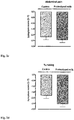
Fig. 1a shows bowel symptoms reported by testees before consumer trial. -
Fig. 1b shows the change in bowel symptoms after 10 d trial (p=0.039). -
Fig. 2a shows the change in symptom score (1-7) in flatulence (p=0.014). -
Fig. 2b shows the change in symptom score (1-7) in bloating (p=0.076). -
Fig 2c shows the change in symptom score (1-7) in abdominal pain (p=0.47). -
Fig. 2d shows the change in symptom score (1-7) in rumbling (p=0.039). - As used herein, the term "proteolyzed" and "protein hydrolyzed" are used synonymously.
- As used herein, the term "proteolysis" and "protein hydrolysis" are used synonymously.
- As used herein, the term "milk raw material" means milk, and combinations of milk and whey as such or as a concentrate or pretreated as a desired manner, such as heat-treated. The milk raw material may be supplemented with ingredients generally used in the preparation of milk products, such as fat, protein, ash (minerals), or sugar fractions, or the like. The milk raw material may thus be, for instance, full-fat milk, cream, low-fat milk or skim milk, ultrafiltered milk, diafiltered milk, microfiltered milk, whey protein depleted milk, recombined milk from milk powder, organic milk or a combination of these, or a dilution of any of these. Milk can originate from a cow, sheep, goat, camel, horse or any other animal producing milk suitable for nourishment. The milk raw material is preferably low-fat or skim milk, more preferably skim milk.
- The milk raw material may be heat-treated to enhance denaturation of whey proteins and thus splitting of milk proteins.
- As used herein, the term "milk product" means a product of milk origin, comprising casein and whey protein.
- As used herein, "low lactose" means a lactose content of less than 1% in the protein hydrolyzed milk product. "Lactose free" means that the lactose content of the milk product is 0.5 g/serving (e.g. for liquid milks 0.5 g/ 244 g, the lactose content being at most 0.21%), however not more than 0.5%.
- An aspect of the invention provides a protein hydrolyzed milk product with a low lactose content having a ratio of protein to carbohydrates in the range of 0.5 to 5 by weight, a ratio of protein to ash in the range of 3 to 9 by weight, and a lactose content of less than 1% by weight, wherein the degree of protein hydrolysis is at least 60 mg tyrosine/liter of the protein hydrolyzed milk product measured according to the modified method of Matsubara et al., Crystalline bacterial proteinase II. General properties of crystalline proteinase of Bacillus subtilis N', J. Biochem. 45 (4) (1958) 251-258. Preferably, the ratio of protein to carbohydrates is in the range of 0.5 to 3. In an embodiment, the ratio of protein to carbohydrates is about 1. Said ratio of 0.5 to 5 by weight provides a protein hydrolyzed milk product with a low lactose content with good organoleptic properties. More specifically, the milk product of the invention has no watery but a full taste, and structure of ordinary milk product.
- Preferably, the ratio of protein to ash of the milk product of the invention is in the range of 3.5 to 7.5 by weight.
- In an embodiment, the ratio of protein:carbohydrates:ash of the milk product of the invention is about 1.12:1:0.26.
- Said ratios of protein to ash, and protein:carbohydrates:ash provide a protein hydrolysed milk product of the invention, which has good organoleptic properties and a full taste of normal milk.
- Preparations of low lactose and lactose-free milk products are generally known. Several processes have been presented for removing lactose from milk. A conventional enzymatic process for the splitting of lactose is generally known in the field, the process comprising the step of adding lactase from fungus or yeast into milk in such a manner that lactose is split into monosaccharides, i.e. glucose and galactose, in over 80%.
- Lactose can also be removed from milk raw material, for example, by using membrane techniques. Four basic membrane filtration processes are generally used: reverse osmosis (RO), nanofiltration (NF), ultrafiltration (UF), and microfiltration (MF). Of these, UF is mainly suitable for separating lactose from milk. Reverse osmosis is generally applied to concentration, ultra- and microfiltration to fractionation, and nanofiltration to both concentration and fractionation. There is a lot of literature relating to lactose removal from milk with various membrane techniques.
- Also, a chromatographic separation process is known for lactose removal from milk, for example
Harju, M., EP 0226035 . In a process known in the art, for example, milk is fractionated in such a manner that the lactose fraction is separated and the salts are in the protein fraction or protein-fat fraction. The process is characterised by balancing cation exchange resin by making its cation composition correspond to that of milk, and milk is chromatographed in a column with the balanced cation exchange resin at a temperature of approximately 50 to 80°C by using water in elution. An advantage of the process is that all compounds essential to taste remain in the milk. - Further, lactose can be precipitated from milk fractions. There is a lot of literature relating to lactose crystallisation and separation processes.
- In the present invention, lactose can be removed from milk in any manner known in the art, such as by membrane techniques using one or more various membrane filtrations including microfiltration, ultrafiltration, nanofiltration, diafiltration and reverse osmosis, by lactose hydrolysis, chromatography, precipitation, or any combination of these in one or more phases. Any lactase enzyme for lactose hydrolysis known in the art can be used in the present invention. In an embodiment of the invention, lactose is removed by membrane techniques.
- The lactose content of the milk product of the invention is less than 1% by weight, preferably less than 0.1% by weight, more preferably less than 0.01% by weight.
- In the invention, protein hydrolysis of milk can be accomplished in any manner known in the art. Any suitable protease enzyme can be used in the hydrolysis. Enzymatic splitting of protein is generally known in the field, the process comprising a step of adding protease enzyme or mixtures thereof from generally known enzyme sources i.e. plants and microorganisms, into milk in such a manner that protein is split into peptides and amino acids.
- The degree of protein hydrolysis of the protein hydrolyzed milk product with low lactose content is 60 mg to 500 mg tyrosine per liter of the protein hydrolyzed milk having protein content of about 3.5% (w/w). Said tyrosine range equals a low degree of proteolysis.
- In accordance with the invention, the protein hydrolyzed milk product with low lactose content has soluble tyrosine content of up to 500 mg/ liter of the product having protein content of about 3.5% (w/w). In further embodiments, the soluble tyrosine per liter is 70 mg, 80 mg, 90 mg, 100 mg, 110 mg, 120 mg, 130 mg, 140 mg, 150 mg, 160 mg, 170 mg, 180 mg, 200 mg, 220 mg, 240 mg, 260 mg, 280 mg, 300 mg, 320 mg, 340 mg, 360 mg, 380 mg, 400 mg, 420 mg, 440 mg, 460 mg, 480 mg and 500 mg.
- Another aspect of the invention provides a method for producing a protein hydrolyzed milk product with a low lactose content having a ratio of protein to carbohydrates in the range of 0.5 to 5 by weight, a ratio of protein to ash in the range of 3 to 9 by weight, and a lactose content of less than 1% by weight, wherein the degree of protein hydrolysis is at least 60 mg tyrosine/liter of the protein hydrolyzed milk product measured according to the modified method of Matsubara et al., Crystalline bacterial proteinase II. General properties of crystalline proteinase of Bacillus subtilis N', J. Biochem. 45 (4) (1958) 251-258, comprising subjecting a milk raw material to lactose removal and protease treatment.
- The lactose removal and protease treatment can be performed simultaneously, or one after the other, i.e. the lactose removal is accomplished prior to, during or subsequent to the protease treatment. In an embodiment, the lactose removal is performed prior to the protease treatment.
- In an embodiment of the invention, lactose is removed from the milk raw material by means of a lactase enzyme treatment.
- Another embodiment of the method of the invention comprises the steps of:
- a) subjecting the milk raw material to one or more membrane filtrations to produce a low lactose milk product,
- b) if desired, hydrolyzing the low lactose milk product by lactase to produce a lactose-free milk product,
- c) subjecting the low lactose milk product or the lactose-free milk product to a protease treatment to produce a protein hydrolyzed milk product with a low lactose content.
- In an embodiment of the invention, residual lactose in the low lactose milk product is hydrolyzed in step b) into monosaccharides as is well known in the field. This can be performed with commercially available lactase enzymes in a manner known per se. In an embodiment, the lactase and protease treatments of steps b) and c), respectively, are carried out simultaneously.
- In another embodiment of the invention, the low lactose milk product is produced by the steps of:
- a) subjecting the milk raw material to ultrafiltration to produce an ultrafiltration retentate and an ultrafiltration permeate,
- b) subjecting the ultrafiltration permeate to nanofiltration to produce a nanofiltration permeate and a nanofiltration retentate,
- c) returning the NF permeate to the UF retentate to produce a low lactose milk product.
- In a further embodiment, the low lactose milk product is produced by the steps of:
- a) subjecting the milk raw material to ultrafiltration to produce an ultrafiltration retentate and an ultrafiltration permeate,
- b) subjecting the ultrafiltration permeate to nanofiltration to produce a nanofiltration permeate and a nanofiltration retentate,
- c) concentrating the NF permeate by reverse osmosis (RO) to produce a RO retentate and a RO permeate,
- d) returning the RO retentate to the UF retentate to produce a low lactose milk product.
- In a still further embodiment, the milk raw material is subjected to microfiltration to produce a low lactose milk product as a microfiltration retentate. In microfiltration, whey proteins including mainly β-lactoglobulin and α-lactalbumin are concentrated into a microfiltration permeate and casein into a microfiltration retentate. Microfiltration thus enables to modify the proportions of β-lactoglobulin and α-lactalbumin in the milk raw material to a desired extent, and to adjust the total whey protein content in the milk product. Microfiltration can be performed at an elevated temperature, such as at about 50°C, or at a reduced temperature, like at about 10°C. In diafiltration of microfiltration, it is possible to use tap water or fractions from different membrane processes of milk, such as NF permeate, UF permeate, RO retentate, chromatographically separated fraction or a combination of these, or a dilution of any of these. Diafiltration medium (diawater) can also originate from separate processes.
- The processes of the invention enable that all the natural ingredients present in milk except for lactose can be retained or returned to the the milk product. Thus, the appearance and organoleptic properties, such as taste and mouth-feel, of the milk product remain similar to those of ordinary milk product.
- The milk product of the invention can be supplemented by other ingredients, like milk or various natural components of milk such as milk minerals, also water, vitamins, etc. Various milk components can be provided by any suitable separation method like membrane filtrations, chromatography etc. These components can be introduced to the milk product of the invention to provide the milk product with desired fat, protein and lactose contents. The supplementary ingredients can be introduced to the final proteolyzed milk product of the invention, or at one or more stages of the methods for producing the product of the invention.
- In an embodiment of the invention, the milk raw material is subjected to a heat treatment, for example at a temperature range of 65°C to 95°C, for 15 seconds to 10 minutes prior to lactose removal to denaturate at least part of the whey proteins and selectively separate the whey proteins. Preferably, whey protein separation is accomplished by membrane techniques, more preferably by microfiltration.
- In an embodiment of the invention, the protein hydrolyzed milk product is subjected to a protease inactivation treatment. Inactivation conditions depend on the enzyme used in the method. For example, heating at 85 ºC for 1 minute is sufficient to inactivate most of the enzymes.
- The inactivation treatment can be carried out at any suitable stage of the preparation process of the product. For example, the inactivation treatment can be accomplished simultaneously with a conventional heat treatment conditions generally used for destruction of pathogens in milk. Examples of heat treatments to be used in the invention are pasteurization, high pasteurization, or heating at a temperature lower than the pasteurization temperature for a sufficiently long time. Specifically, UHT treatment (e.g. milk at 138°C, 2 to 4 s), ESL treatment (e.g. milk at 130°C, 1 to 2 s), pasteurization (e.g. milk at 72°C, 15 s), or high pasteurization (95°C, 5 min) can be mentioned. The heat treatment may be either direct (vapour to milk, milk to vapour) or indirect (tube heat exchanger, plate heat exchanger, scraped-surface heat exchanger). Heat treatment of the product must be sufficient to inactivate the protease enzymes to avoid any adverse effects on organoleptic properties.
- Test results of
Figures 1 and2 surprisingly show that even a low degree of hydrolysis of milk proteins in the milk of the invention lowered the severity of stomach symptoms with sensitive individuals compared to regular lactose free milk. Organoleptic properties such as taste and mouth-feel and appearance of the milk product of the invention are unexpectedly retained excellent, corresponding to those of normal milk products. For example, the products of the invention have no bitter taste typical for protein hydrolyzed milk products, caused by peptides formed in proteolysis. - The protein hydrolyzed milk product having low lactose content of the invention can be used as a raw material in the preparation of all kinds of sour milk products and/or acidified fresh products, typically yoghurt, fermented milk, viili and fermented cream, sour cream, crème fraiche, quark, butter milk, kefir, dairy shot drinks, other sour milk products, and in the preparation of all kinds of powders.
- The method of the invention is suitable for modern component preparation in which milk components having different fat, protein, and lactose contents are combined in a known manner only just before aseptic packaging.
- The method of the invention may be applied to both batch and continuous production. Preferably, the process of the invention is performed as a batch process.
- The following examples are presented for further illustration of the invention without limiting the invention thereto. Soluble tyrosine of the milk products of the invention was analyzed according to the modified method of Matsubara et al. (Matsubara, H., Hagihara, B., Nakai, M., Komaki, T., Yonetani, T., Okunuki, K., Crystalline bacterial proteinase II. General properties of crystalline proteinase of Bacillus subtilis N', J. Biochem. 45 (4) (1958) 251-258). Analysis was performed for samples which were boiled for 4 min at 100°C, and centrifuged. Soluble tyrosine was determined for the supernatant after centrifugation (3000 rcf (relative centrifucal force), 15 min).
- 30 liters of pasteurized (72°C, 15 s.) milk having a fat content of 1.5% were ultrafiltered at 50°C with a laboratory scale Labstak ultrafilter at a concentration ratio of 1.5 using GR61PP membranes having a cut off value of 20.000 Da. Both the obtained UF retentate (20L) and the obtained UF permeate (10L) were recovered.
- The UF permeate including mainly lactose (10L) was further nanofiltered at the room temperature by concentration coefficient 4 through Millipore Nanomax-50 nanofiltration membranes, whereby lactose was retained in a NF retentate (2.5L) and univalent ions passed through the membrane (NaCl retention < 65%) and collected into a NF permeate (7.5L). The nanofiltration retentate is suitable for further use as a low mineral lactose fraction.
- The nanofiltration permeate (7.5L) was concentrated at the room temperature using reverse osmosis membranes Nanomax-95 (Millipore) by
concentration coefficient 10, whereby the minerals contained in the nanofiltration permeate were concentrated into a reverse osmosis (RO) retentate (NaCl retention > 94%). The RO retentate is usable in the production of lactose-free milk in terms of the restoration of minerals or supplementing/completion mineral composition. - 692 g of the UF retentate and 105 g of the RO retentate, produced above, and 203 g of water were mixed. 4 g of HA lactase (Chr. Hansen A/S, Denmark) and 4.7 mg of Alcalase 2.4L FG protease (Novozymes Inc., Denmark) together with 0.81 mg of Flavourzyme 1000 L (Novozymes Inc., Denmark) were added to the mixture. The mixture was allowed to hydrolyze at 6°C for 24 hours, during which time the lactose content drops below 0.01 % and the soluble tyrosine content of the mixture is increased to 150 mg/L milk.
- Table 1 shows the compositions of the UF retentate and the RO retentate produced as described above. The composition and organoleptic properties of the proteolyzed milk product is similar to that of ordinary semi-skimmed milk and tastes like semi-skimmed milk, except that the proteolyzed milk product is completely lactose-free (lactose <0.01%) and the soluble tyrosine content thereof is increased (150 mg/L). The ratio of protein:carbohydrates:ash in the milk product of the invention was 3.35:3.0:0.79, i.e. 1.12:1:0.26.
Table 1. Production of proteolyzed lactose-free milk (non-fat total solids, NFTS, about 7.3 wt%) Component UF retentate k=1.5 RO retentate Proteolyzed lactose-free milk of the invention Semi-Skimmed milk Total protein, % 4.79 0.34 3.35 3.3 Lactose, % 4.37 0.15 <0.01 4.64 Glucose+galactose, % n.m. n.m. 3.0 n.m. Fat, % 2.22 0 1.5 1.5 Ash, % 0.91 1.52 0.79 0.79 Dry matter, % 12.49 1.90 8.84 10.39 (n.m. = not measured) - The proteolyzed milk product obtained was heat-treated (125°C, 4 s) and packaged aseptically in order to assure shelf-life and inactivate enzymes. The proteolyzed milk product was cooled to 6°C. The organoleptic properties were excellent.
- Skimmed milk was processed as described in Example 1 except that skimmed milk was ultrafiltered at a concentration ratio of 3.7, and a UF permeate was further nanofiltered by a concentration coefficient of 4. 266 g of the UF retentate and 369 g of the NF permeate obtained, and 364 g of skimmed milk were mixed. The lactase and protease enzyme treatments were performed in a similar manner as described in Example 1. The composition and organoleptic properties of the proteolyzed milk product having a content of non-fat total solids of about 8.4 wt% were similar to those of the product obtained in Example 1. The soluble tyrosine content is increased (148 mg/L).
Table 2. Production of proteolyzed lactose-free milk (NFTS > 8.25wt%) from skimmed milk (36.4%), UF retentate (26.6%) and NF permeate (36.9%) Component UF retentate k=3.7 NF permeate Skimmed milk Proteolyzed lactose-free milk of the invention Total protein, % 12.5 0 3.5 4.6 Lactose, % 5.1 0.14 4.6 <0.01 Glucose+galactose, % n.m. n.m. n.m. 3.1 Fat,% 0.2 0 0.05 0.07 Ash, % 1.6 0.24 0.77 0.78 Dry matter, % 18.5 0.3 9.6 8.5 (n.m. = not measured) - Skimmed milk was processed as described in Example 1 except that the protease treatment at 6°C was performed after the lactase treatment. The composition and organoleptic properties of the proteolyzed milk product were similar to those of the product obtained in Example 1.
- Skimmed milk was processed as described in Example 1 except that the protease treatment at 6°C was performed prior to the lactase treatment. The composition and organoleptic properties of the proteolyzed milk product were similar to those of the product obtained in Example 1.
- The temperature of standardized milk (10 kg) having a fat content of 1.5% was adjusted to 6°C. 0.8 g of HA lactase (Chr. Hansen A/S, Denmark) and 47 mg of Alcalase 2.4L FG protease (Novozymes Inc., Denmark) together with 8.1 mg of Flavourzyme 1000 L (Novozymes Inc., Denmark) were added to the standardized milk. The mixture obtained was allowed to hydrolyze at 6°C for 24 hours. The proteolyzed milk product was then heat-treated as described in Example 1. The proteolyzed milk product is similar to ordinary semi-skimmed low lactose milk and tastes like low lactose milk, but is slightly sweeter as compared to ordinary milk. The soluble tyrosine content is increased (147 mg/L).
- Skimmed milk was microfiltrated at a filtration temperature of 50°C using 0.1µm membrane (Synder FR, Synder Filtration, USA) by a concentration factor of 3 times by volume. The major part of whey proteins was removed to a microfiltration permeate. The MF retentate produced in the microfiltration was diafiltrated using a milk UF permeate (DSS GR61 PP, Alfa Laval AS, Denmark) by feeding the ultrafiltration permeate to the MF retentate at the same rate at which the MF permeate was removed from the diafiltration. The amount of the UF permeate was equal to the amount of the skimmed milk at feed. With the amount of the UF permeate used in diafiltration it is possible to regulate the whey protein content of the final MF retentate. After the diafiltration step, the ultrafiltration permeate was added to the milk concentrate obtained as a MF retentate to adjust the protein content of the milk concentrate so as to correspond to that of original milk. In other words, the milk was diluted so as to correspond to the original protein content of the original milk. With the microfiltration system, 78% of the β-lactoglobulin of the milk was removed.
- The milk product, i.e. MF retentate standardized with UF permeate (Table 3), was lactase and protease treated and heat-treated as in Example 1.
Table 3. Production of milk having low content of whey proteins (MF retentate standardized with UF-permeate) using microfiltration Component Skimmed milk (MF feed) Milk (MF retentate standardized with UF permeate) Milk (UF permeate) Total protein, % 3.4 3.5 0.24 Lactose, % 4.7 4.3 4.8 Fat, % 0.1 0.1 0.02 Ash, % 0.75 0.77 0.49 Dry matter, % 9.1 9.0 5.8 β-lactoglobulin, g/L 3.2 0.7 n.m. α-lactalbumin, g/L 1.2 0.37 n.m. (n.m. = not measured) - The composition and organoleptic properties of the proteolyzed milk product of the invention were close to ordinary skimmed milk. The proteolyzed milk product tastes like skimmed milk but is completely lactose-free (lactose <0.01%), has an increased content of soluble tyrosine (>150 mg/L) and a low content of whey protein (the ratio of α-lactalbumin to β-lactoglobulin < 1).
- Skimmed milk was processed as described in Example 6 except that skimmed milk was microfiltrated at a filtration temperature of 10°C by a concentration factor of 3.3 times by volume, and produced MF retentate was diafiltrated using hydrolyzed 3% UF permeate of milk. After the diafiltration step, the hydrolyzed ultrafiltration permeate of the milk and milk minerals were added to the milk concentrate obtained as the MF retentate to adjust the protein content of the milk concentrate so as to correspond to that of the original milk. The milk product, i.e. MF retentate standardized with hydrolyzed UF permeate and milk minerals (Table 4), was enzyme treated and heat-treated as in Example 1.
Table 4. Production of milk having low content of whey protein (MF retentate standardized with UF-permeate) using microfiltration Component Skimmed milk (MF feed) Milk (MF retentate standardized with hydrolyzed UF permeate and milk minerals) Hydrolyzed milk (UF permeate) Total protein, % 3.4 3.5 0.24 Lactose, % 4.7 0.1 0.01 Glucose + galactose, % n.m. 3.5 4.7 Fat, % 0.1 0.1 0.02 Ash, % 0.75 0.8 0.49 Dry matter, % 9.1 8.5 5.8 β-lactoglobulin, g/L 3.2 0.4 n.m α-lactalbumin, g/L 1.2 0.15 n.m (n.m. = not measured) - The composition and organoleptic properties of the proteolyzed milk product of the invention were close to ordinary skimmed milk. The proteolyzed milk product tastes like slightly sweet skimmed milk and has an increased content of soluble tyrosine (>150 mg/L) and a low content of whey protein (the ratio of α-lactalbumin to β-lactoglobulin < 1).
- Proteolyzed milk product of the invention produced in Example 1 was used in consumer trial, where the proteolyzed milk product of the invention was compared to the lactose-free semi-skimmed milk (control). Total number of participants (N) was 90, of which 48 subjects (consumers) in proteolyzed milk group (lactose < 0.01% and the soluble tyrosine content >150 mg/L) and 42 subjects (consumers) in control milk group (lactose < 0.01%). All subjects used the milk product daily at least 2 dL during 10 d trial (blinded test). The symptoms were followed and reported by symptom diary. The intensity of each symptom, flatulence, bloating, abdominal pain and rumbling was measured on a scale of '0' (absence of symptoms) to '7' (severe symptoms).
- As shown in
Figure 1b , the change in abdominal adverse effects (total symptom score) was higher in proteolyzed milk group than in control group (p=0.039). The change in the intensity of each symptom is shown inFigures 2a to 2d . The proteolyzed milk product of invention significantly decreased flatulence (p=0.014) (Figure 2a ) and rumbling (p=0.039) (Figure 2d ). Also less bloating (p=0.076) (Figure 2b ) and abdominal pain (p=0.47) (Figure 2c ) were observed.
Claims (17)
- A protein hydrolyzed milk product with a low lactose content having a ratio of protein to carbohydrates in the range of 0.5 to 5 by weight, preferably 0.5 to 3, a ratio of protein to ash in the range of 3 to 9 by weight, preferably 3.5 to 7.5 by weight, and a lactose content of less than 1% by weight, preferably less than 0.1% by weight, more preferably less than 0.01% by weight, wherein the degree of protein hydrolysis is at least 60 mg tyrosine/liter of the protein hydrolyzed milk.
- The protein hydrolyzed milk product of claim 1, wherein the ratio of protein to carbohydrates is about 1.
- The protein hydrolyzed milk product of any one of the preceding claims, wherein the ratio of protein:carbohydrates:ash is about 1.12:1:0.26.
- A method for producing a protein hydrolyzed milk product with a low lactose content having a ratio of protein to carbohydrates in the range of 0.5 to 5 by weight, a ratio of protein to ash in the range of 3 to 9 by weight, and a lactose content of less than 1% by weight, wherein the degree of protein hydrolysis is at least 60 mg tyrosine/liter of the protein hydrolyzed milk product.
- The method of claim 4, wherein the lactose removal is accomplished prior to, during or subsequent to the protease treatment, preferably prior to the protease treatment.
- The method of claim 4 or 5, wherein the lactose removal is accomplished by means of membrane techniques, lactose hydrolysis, chromatography, precipitation or any combination of these, preferably by membrane techniques.
- The method of claim 6, wherein the milk raw material is subjected to a lactase enzyme treatment.
- The method of claim 6, whereina) the milk raw material is subjected to one or more membrane filtrations to produce a low lactose milk product,b) optionally, the low lactose milk product is hydrolyzed by lactase to produce a lactose-free milk product,c) subjecting the low lactose milk product or the lactose-free milk product to a protease treatment to produce a protein hydrolyzed milk product with a low lactose content.
- The method of claim 8, whereina) the milk raw material is subjected to ultrafiltration to produce an ultrafiltration retentate and an ultrafiltration permeate,b) the ultrafiltration permeate is subjected to nanofiltration to produce a nanofiltration permeate and a nanofiltration retentate,c) the NF permeate is returned to the UF retentate to produce a low lactose milk product.
- The method of claim 9, wherein milk minerals are added, preferably to the protein hydrolyzed milk product or the UF retentate.
- The method of claim 8, whereina) the milk raw material is subjected to ultrafiltration to produce an ultrafiltration retentate and an ultrafiltration permeate,b) the ultrafiltration permeate is subjected to nanofiltration to produce a nanofiltration permeate and a nanofiltration retentate,c) the NF permeate is concentrated by reverse osmosis (RO) to produce a RO retentate and a RO permeate,d) the RO retentate is returned to the UF retentate to produce a low lactose milk product.
- The method of claim 11, wherein water and milk minerals are added, preferably to the protein hydrolyzed milk product or the UF retentate.
- The method of claim 8, wherein the milk raw material is subjected to microfiltration to produce a low lactose milk product as a microfiltration retentate.
- The method of claim 13, wherein milk minerals are added to the MF retentate.
- The method of claim 8, wherein steps b) and c) are accomplished simultaneously.
- The method of any one of claims 4 to 15, wherein the milk raw material is heat-treated prior to lactose removal and/or protease treatment.
- The method of any one of claims 4 to 16, wherein the protein hydrolyzed milk product is subjected to a protease inactivation treatment.
Priority Applications (1)
| Application Number | Priority Date | Filing Date | Title |
|---|---|---|---|
| PL11785712T PL2632277T3 (en) | 2010-10-29 | 2011-10-26 | Milk product and preparation method |
Applications Claiming Priority (2)
| Application Number | Priority Date | Filing Date | Title |
|---|---|---|---|
| FI20106137A FI123201B (en) | 2010-10-29 | 2010-10-29 | Milk based product and production process |
| PCT/FI2011/050934 WO2012056106A1 (en) | 2010-10-29 | 2011-10-26 | Milk product and preparation method |
Publications (2)
| Publication Number | Publication Date |
|---|---|
| EP2632277A1 EP2632277A1 (en) | 2013-09-04 |
| EP2632277B1 true EP2632277B1 (en) | 2018-03-21 |
Family
ID=43064292
Family Applications (1)
| Application Number | Title | Priority Date | Filing Date |
|---|---|---|---|
| EP11785712.8A Active EP2632277B1 (en) | 2010-10-29 | 2011-10-26 | Milk product and preparation method |
Country Status (13)
| Country | Link |
|---|---|
| US (1) | US11039626B2 (en) |
| EP (1) | EP2632277B1 (en) |
| JP (2) | JP2013540447A (en) |
| KR (1) | KR101882038B1 (en) |
| CN (2) | CN103188942A (en) |
| AU (1) | AU2011322448B2 (en) |
| DK (1) | DK2632277T3 (en) |
| ES (1) | ES2666293T3 (en) |
| FI (1) | FI123201B (en) |
| LT (1) | LT2632277T (en) |
| PL (1) | PL2632277T3 (en) |
| RU (1) | RU2585236C2 (en) |
| WO (1) | WO2012056106A1 (en) |
Cited By (1)
| Publication number | Priority date | Publication date | Assignee | Title |
|---|---|---|---|---|
| WO2024236225A1 (en) | 2023-05-12 | 2024-11-21 | Valio Ltd | A milk product comprising milk fat globule membranes and a method for manufacturing thereof |
Families Citing this family (29)
| Publication number | Priority date | Publication date | Assignee | Title |
|---|---|---|---|---|
| FI125332B (en) * | 2011-11-11 | 2015-08-31 | Valio Oy | Process for the preparation of a milk product |
| DK2730170T3 (en) | 2012-11-13 | 2016-05-30 | Dmk Deutsches Milchkontor Gmbh | Allergen-free food compositions |
| DE102013103541A1 (en) * | 2013-04-09 | 2014-10-09 | Growth Finance Plus Ag | Liquid pet food for domestic cats or dogs and process for its preparation |
| ES2684367T3 (en) * | 2013-07-17 | 2018-10-02 | Compagnie Gervais Danone | Process for preparing a fermented milk product with a reduced amount of lactose and improved nutritional and organoleptic properties |
| SG11201605104QA (en) | 2013-12-23 | 2016-07-28 | Goodman Fielder New Zealand Ltd | An improved beverage and method of manufacture |
| MX360129B (en) * | 2014-12-18 | 2018-09-24 | Com De Lacteos Y Derivados S A De C V | Process for separating lactose from milk and producing lactose-free milk and using byproducts thereof. |
| CN107205412A (en) | 2015-01-23 | 2017-09-26 | 古德曼菲尔德新西兰有限公司 | The milk-based composition of denaturation retentate comprising newborn source |
| BR112017020808B8 (en) * | 2015-04-06 | 2024-02-15 | Dupont Nutrition Biosci Aps | Fermented milk product and its method of production and use of an exogenous subtilisin protease, serine protease, or a metalloprotease |
| EP3123868B1 (en) * | 2015-07-25 | 2018-09-12 | DMK Deutsches Milchkontor GmbH | Process for making dairy products with defined lactose content |
| DK3158871T3 (en) * | 2015-10-19 | 2018-08-06 | Dmk Deutsches Milchkontor Gmbh | PROCEDURE FOR THE MANUFACTURE OF LACTOSE-FREE MILK PRODUCTS |
| MX376007B (en) * | 2016-01-07 | 2025-03-07 | Com De Lacteos Y Derivados S A De C V | PROCESS FOR THE PRODUCTION OF LACTOSE-FREE MILK WITH HIGH PROTEIN AND CALCIUM CONTENT AND UNSWEETENED MILK. |
| WO2017144730A1 (en) | 2016-02-26 | 2017-08-31 | Danmarks Tekniske Universitet | Milk allergy prevention and treatment |
| RU2642496C2 (en) * | 2016-06-14 | 2018-01-25 | Федеральное государственное бюджетное образовательное учреждение высшего профессионального образования "Астраханский государственный технический университет" | Method for obtaining fat from fish entrails |
| CN106857819A (en) * | 2016-10-21 | 2017-06-20 | 帝斯曼知识产权资产管理有限公司 | Milk easy to digest and preparation method thereof |
| WO2018079762A1 (en) * | 2016-10-31 | 2018-05-03 | 株式会社明治 | Method for producing whey protein hydrolysate having superior flavor |
| CA3043392A1 (en) | 2016-12-02 | 2018-06-07 | Fairlife, Llc | Non-browning lactose-free milk powder and methods of making same |
| IT201600132159A1 (en) * | 2016-12-29 | 2018-06-29 | Granarolo S P A | Preparation process of a lactose-free milk |
| KR102174320B1 (en) * | 2018-11-26 | 2020-11-04 | 주식회사 푸드마스터그룹 | Preparing method of milk for companion animals |
| CN109548872A (en) * | 2018-12-07 | 2019-04-02 | 新疆旺源生物科技集团有限公司 | A kind of preparation method of Low lactose milk camel cream |
| US11109604B2 (en) | 2019-05-09 | 2021-09-07 | Memtec LLC | Dairy processing systems and methods |
| CN112088942A (en) * | 2019-06-17 | 2020-12-18 | 内蒙古蒙牛乳业(集团)股份有限公司 | Strained dairy product added with quinoa particles and preparation method thereof |
| CN112088941A (en) * | 2019-06-17 | 2020-12-18 | 内蒙古蒙牛乳业(集团)股份有限公司 | De-lactose dairy product and preparation method thereof |
| JP2023528657A (en) * | 2020-06-12 | 2023-07-05 | ビーエーエスエフ ソシエタス・ヨーロピア | Improved desalting of fermentation broths and fine chemical purification of e.g. oligosaccharides |
| EP4379049A4 (en) * | 2021-07-27 | 2025-07-23 | Godo Shusei Kk | ENZYME-CONTAINING COMPOSITION, METHOD FOR PRODUCING MILK AND METHOD FOR PRODUCING FERMENTED MILK |
| CN118510405A (en) | 2021-09-30 | 2024-08-16 | 国际营养与健康丹麦私人有限公司 | Method for reducing sugar in foodstuff |
| CN115989830A (en) * | 2021-10-20 | 2023-04-21 | 内蒙古伊利实业集团股份有限公司 | Low lactose high activity protein dairy product and preparation method thereof |
| CN115989831A (en) * | 2021-10-20 | 2023-04-21 | 内蒙古伊利实业集团股份有限公司 | Low lactose dairy product with active protein nutrition and preparation method thereof |
| CN120957606A (en) | 2023-03-29 | 2025-11-14 | 国际营养与健康丹麦有限公司 | Methods for altering food texture through the selection of in-situ α-glucan |
| WO2026015598A2 (en) | 2024-07-11 | 2026-01-15 | International N&H Denmark Aps | Method to provide improved texture and stable sucrose levels in foodstuff with glucosyltransferase |
Citations (10)
| Publication number | Priority date | Publication date | Assignee | Title |
|---|---|---|---|---|
| JP2002000291A (en) | 2000-06-27 | 2002-01-08 | Morinaga Milk Ind Co Ltd | Method for producing milk protein hydrolyzate with low lactose content |
| RU2193327C2 (en) | 2000-07-04 | 2002-11-27 | Вологодская государственная молочно-хозяйственная академия им. Н.В.Верещагина | Method of producing low-lactose buttermilk with hydrolyzed protein |
| US20020192333A1 (en) | 2001-04-27 | 2002-12-19 | Christensen Jorge Florin | Milk resistant to acid coagulation, method and milk-based product |
| US6787168B1 (en) | 2003-03-18 | 2004-09-07 | James W. Sawhill | Peptide product |
| US20050170044A1 (en) * | 2004-02-03 | 2005-08-04 | Michel Lange | Lactose-free milk and process for making same |
| US20050214409A1 (en) | 2002-05-14 | 2005-09-29 | Olli Tossavainen | Process for producing a lactose-free milk product |
| CN101185475A (en) | 2007-12-03 | 2008-05-28 | 黄磊 | Milk peptide preparation method |
| WO2009043356A1 (en) | 2007-10-03 | 2009-04-09 | Arla Foods Amba | Process for producing lactose-free milk |
| US20090123602A1 (en) | 2006-07-17 | 2009-05-14 | Shanghai Shanglong Dairy Co.,Ltd. | Method for making lactose-removing milk |
| US20100055286A1 (en) * | 2008-08-29 | 2010-03-04 | Valio Ltd. | Low-lactose and lactose-free milk product and process for production thereof |
Family Cites Families (14)
| Publication number | Priority date | Publication date | Assignee | Title |
|---|---|---|---|---|
| FI73000C (en) | 1985-11-14 | 1987-08-10 | Valio Meijerien | Procedure for specific separation of lactose from milk. |
| DK589785A (en) | 1985-12-18 | 1987-06-19 | Samuelsson Ernst Gunnar | PEPTIDE PREPARATION, METHOD OF PREPARING THEREOF AND USE OF THE PEPTIDE PREPARATION |
| DK0922392T3 (en) | 1997-12-12 | 2003-06-23 | Nestle Sa | Process for Preparing a Nutrient Based on Protein Hydrolyzate |
| NZ508867A (en) | 1998-06-17 | 2003-11-28 | New Zealand Dairy Board | Bioactive whey protein hydrolysate |
| JP3290145B2 (en) * | 1998-09-30 | 2002-06-10 | 雪印乳業株式会社 | Milk material and method for producing the same |
| EP1062873A1 (en) | 1999-12-13 | 2000-12-27 | N.V. Nutricia | Improved infant formula, protein hydrolysate for use in such an infant formula, and method for producing such a hydrolysate |
| US6365218B1 (en) * | 2000-02-04 | 2002-04-02 | Abbott Laboratories | Pediatric formula and methods for providing nutrition and improving tolerance |
| US20070166447A1 (en) * | 2002-08-27 | 2007-07-19 | Select Milk Producers, Inc. | Dairy compositions and method of making |
| US7070825B2 (en) * | 2002-09-10 | 2006-07-04 | Abbott Laboratories | Infant formula |
| JP4580138B2 (en) * | 2002-09-17 | 2010-11-10 | 雪印乳業株式会社 | Sterilized soft natural cheese and method for producing the same |
| NZ539110A (en) | 2002-10-02 | 2008-04-30 | Chr Hansen As | Milk improved by treatment with proteases and methods for its preparation |
| US7618669B2 (en) | 2005-06-01 | 2009-11-17 | Mead Johnson Nutrition Company | Low-lactose partially hydrolyzed infant formula |
| FI120953B (en) * | 2007-06-26 | 2010-05-31 | Valio Oy | Process for producing lactose-low or lactose-free milk product with good shelf life |
| AU2009286575B2 (en) * | 2008-08-29 | 2015-04-30 | Valio Ltd. | Low-lactose and lactose-free milk product and process for production thereof |
-
2010
- 2010-10-29 FI FI20106137A patent/FI123201B/en active IP Right Grant
-
2011
- 2011-10-26 CN CN2011800521287A patent/CN103188942A/en active Pending
- 2011-10-26 US US13/880,453 patent/US11039626B2/en active Active
- 2011-10-26 KR KR1020137013650A patent/KR101882038B1/en active Active
- 2011-10-26 WO PCT/FI2011/050934 patent/WO2012056106A1/en not_active Ceased
- 2011-10-26 JP JP2013535474A patent/JP2013540447A/en active Pending
- 2011-10-26 PL PL11785712T patent/PL2632277T3/en unknown
- 2011-10-26 AU AU2011322448A patent/AU2011322448B2/en active Active
- 2011-10-26 CN CN201710242072.0A patent/CN106962480A/en active Pending
- 2011-10-26 LT LTEP11785712.8T patent/LT2632277T/en unknown
- 2011-10-26 DK DK11785712.8T patent/DK2632277T3/en active
- 2011-10-26 RU RU2013124801/10A patent/RU2585236C2/en active
- 2011-10-26 ES ES11785712.8T patent/ES2666293T3/en active Active
- 2011-10-26 EP EP11785712.8A patent/EP2632277B1/en active Active
-
2016
- 2016-05-23 JP JP2016102305A patent/JP6693807B2/en active Active
Patent Citations (10)
| Publication number | Priority date | Publication date | Assignee | Title |
|---|---|---|---|---|
| JP2002000291A (en) | 2000-06-27 | 2002-01-08 | Morinaga Milk Ind Co Ltd | Method for producing milk protein hydrolyzate with low lactose content |
| RU2193327C2 (en) | 2000-07-04 | 2002-11-27 | Вологодская государственная молочно-хозяйственная академия им. Н.В.Верещагина | Method of producing low-lactose buttermilk with hydrolyzed protein |
| US20020192333A1 (en) | 2001-04-27 | 2002-12-19 | Christensen Jorge Florin | Milk resistant to acid coagulation, method and milk-based product |
| US20050214409A1 (en) | 2002-05-14 | 2005-09-29 | Olli Tossavainen | Process for producing a lactose-free milk product |
| US6787168B1 (en) | 2003-03-18 | 2004-09-07 | James W. Sawhill | Peptide product |
| US20050170044A1 (en) * | 2004-02-03 | 2005-08-04 | Michel Lange | Lactose-free milk and process for making same |
| US20090123602A1 (en) | 2006-07-17 | 2009-05-14 | Shanghai Shanglong Dairy Co.,Ltd. | Method for making lactose-removing milk |
| WO2009043356A1 (en) | 2007-10-03 | 2009-04-09 | Arla Foods Amba | Process for producing lactose-free milk |
| CN101185475A (en) | 2007-12-03 | 2008-05-28 | 黄磊 | Milk peptide preparation method |
| US20100055286A1 (en) * | 2008-08-29 | 2010-03-04 | Valio Ltd. | Low-lactose and lactose-free milk product and process for production thereof |
Non-Patent Citations (17)
| Title |
|---|
| "Chapter 3 lactose content of milk and milk products", THE AMERICAN JOURNAL OF CLINICAL NUTRITION, vol. 48, 1988, pages 1099 - 1104, XP055548822 |
| "Dairy Chemistry and Physics", 1984, article "Nutritive value of milks", pages: 457, XP055548832 |
| "Letmælk, konventionel (ikke økologisk", DTU FODEVAREINSTITUTTET, pages 1 - 4 |
| "Lowry protein assay", WIKIPEDIA, XP055548875, Retrieved from the Internet <URL:https://en.wikipedia.org/wiki/Lowry> |
| "Methodology for determining degree of hydrolysis of proteins in Hydrolysates: a review", JOURNAL OF AOAC INTERNATIONAL, vol. 93, no. 5, 1 September 2010 (2010-09-01), Arlington, VA, US, pages 1515 - 1522, XP009169709 |
| ALICIA NOELLE JONES: "Density of milk", THE PHYSICS FACTBOOK, pages 1 - 2, XP055548854, Retrieved from the Internet <URL:https://hypetextbook.com/facts/2002/ AliciaNoelleJones.shtm l> |
| CAROLINA MORONI SILVA ET AL: "Comparing the hydrolysis degree of industrialization byproducts of Withemouth croaker (Micropogonias furnieri) using microbial enzymes", INTERNATIONAL FOOD RESEARCH JOURNAL, vol. 21, no. 5, 1 January 2014 (2014-01-01), pages 1757 - 1761, XP055204146 * |
| CAROLINA MORONI SILVA; ET AL: "Comparing the hydrolysis degree of industrialization by products of Withemouth croaker (Micropogonias furnieri) using microbial enzymes", INTERNATIONAL FOOD RESEARCH JOURNAL, vol. 21, no. 5, 2014, pages 1757 - 1761, XP055204146 |
| HAGIHARA B. ET AL.: "Crystalline Bacterial Proteinase", THE JOURNAL OF BIOCHEMISTRY, vol. 45, no. 3, 1958, pages 185 - 195, XP055548870 |
| HANS SEJR: "Enzymes and food proteins", FOOD TECHNOLOGY, pages 245 - 250, XP003033552 |
| MATSUBARA H. ET AL.: "Crystalline Bacterial Proteinase", THE JOURNAL OF BIOCHEMISTRY, vol. 45, no. 4, 1958, pages 251 - 258, XP009194900 |
| MATSUBARA HIROSHI ET AL: "CRYSTALLINE BACTERIAL PROTEINASE: II. GENERAL PROPERTIES OF CRYSTALLINE PROTEINASE OF BACILLUS SUBTILIS N'", J BIOCHEM,, vol. 45, no. 4, 1 January 1958 (1958-01-01), pages 251 - 258, XP009194900 * |
| NIELSON P. M., ET AL: "Improved method for determining food protein degree of hydrolysis", FOOD CHEMISTRY AND TOXILOGY, vol. 66, no. 5, 2001, pages 542 - 646, XP055548842 |
| NUTRIENT CONTENT OF MILK VARIETIES, pages 1 - 12, Retrieved from the Internet <URL:https://www.milkfacts.info/Nutrition%20Facts/Nutrient%20Content.htm> |
| RUTHERFURD SHANE M: "Methodology for determining degree of hydrolysis of proteins in Hydrolysates: a review", JOURNAL OF AOAC INTERNATIONAL, AOAC INTERNATIONAL, ARLINGTON, VA, US, vol. 93, no. 5, 1 September 2010 (2010-09-01), pages 1515 - 1522, XP009169709, ISSN: 1060-3271 * |
| WALSTRA PIETER, ET AL.: "Dairy Chemistry and Physics", 1984, article "Composition of some milk products", pages: 416, XP055548835 |
| WHEY PROTEIN PRODUCTS, 2007, XP002511773, Retrieved from the Internet <URL:http://daviscofoods.com/HW P> |
Cited By (2)
| Publication number | Priority date | Publication date | Assignee | Title |
|---|---|---|---|---|
| WO2024236225A1 (en) | 2023-05-12 | 2024-11-21 | Valio Ltd | A milk product comprising milk fat globule membranes and a method for manufacturing thereof |
| FI131520B1 (en) * | 2023-05-12 | 2025-06-06 | Valio Ltd | A milk product and a method for manufacturing thereof |
Also Published As
| Publication number | Publication date |
|---|---|
| AU2011322448B2 (en) | 2014-07-03 |
| JP6693807B2 (en) | 2020-05-13 |
| JP2013540447A (en) | 2013-11-07 |
| FI123201B (en) | 2012-12-14 |
| RU2585236C2 (en) | 2016-05-27 |
| FI20106137L (en) | 2012-04-30 |
| LT2632277T (en) | 2018-06-11 |
| JP2016182124A (en) | 2016-10-20 |
| EP2632277A1 (en) | 2013-09-04 |
| CN103188942A (en) | 2013-07-03 |
| FI20106137A7 (en) | 2012-04-30 |
| AU2011322448A1 (en) | 2013-05-02 |
| CN106962480A (en) | 2017-07-21 |
| KR20140067955A (en) | 2014-06-05 |
| FI20106137A0 (en) | 2010-10-29 |
| ES2666293T3 (en) | 2018-05-03 |
| PL2632277T3 (en) | 2018-07-31 |
| RU2013124801A (en) | 2014-12-10 |
| DK2632277T3 (en) | 2018-05-28 |
| KR101882038B1 (en) | 2018-07-25 |
| WO2012056106A1 (en) | 2012-05-03 |
| US20130230623A1 (en) | 2013-09-05 |
| US11039626B2 (en) | 2021-06-22 |
Similar Documents
| Publication | Publication Date | Title |
|---|---|---|
| EP2632277B1 (en) | Milk product and preparation method | |
| JP6932815B2 (en) | Dairy formulation and its manufacturing method | |
| US10993454B2 (en) | Milk-based product and a method for its preparation | |
| EP2493325B1 (en) | Whey protein product and a method for its preparation | |
| AU2009286575B2 (en) | Low-lactose and lactose-free milk product and process for production thereof | |
| US20120232023A1 (en) | Whey protein product and a method for its preparation | |
| EP3496543B1 (en) | Process for producing infant formula products and dairy products | |
| EP2166866A1 (en) | Process for producing well-preserving low-lactose or lactose-free milk product | |
| EP4480316A2 (en) | Method for producing a milk-based product | |
| FI20255078A1 (en) | Low sugar acidified product | |
| FI20215074A1 (en) | Low sugar acidified product |
Legal Events
| Date | Code | Title | Description |
|---|---|---|---|
| PUAI | Public reference made under article 153(3) epc to a published international application that has entered the european phase |
Free format text: ORIGINAL CODE: 0009012 |
|
| 17P | Request for examination filed |
Effective date: 20130422 |
|
| AK | Designated contracting states |
Kind code of ref document: A1 Designated state(s): AL AT BE BG CH CY CZ DE DK EE ES FI FR GB GR HR HU IE IS IT LI LT LU LV MC MK MT NL NO PL PT RO RS SE SI SK SM TR |
|
| DAX | Request for extension of the european patent (deleted) | ||
| 17Q | First examination report despatched |
Effective date: 20150223 |
|
| TPAC | Observations filed by third parties |
Free format text: ORIGINAL CODE: EPIDOSNTIPA |
|
| GRAP | Despatch of communication of intention to grant a patent |
Free format text: ORIGINAL CODE: EPIDOSNIGR1 |
|
| INTG | Intention to grant announced |
Effective date: 20171009 |
|
| RIN1 | Information on inventor provided before grant (corrected) |
Inventor name: SIBAKOV, TIMO Inventor name: TOSSAVAINEN, OLLI |
|
| GRAJ | Information related to disapproval of communication of intention to grant by the applicant or resumption of examination proceedings by the epo deleted |
Free format text: ORIGINAL CODE: EPIDOSDIGR1 |
|
| GRAR | Information related to intention to grant a patent recorded |
Free format text: ORIGINAL CODE: EPIDOSNIGR71 |
|
| GRAS | Grant fee paid |
Free format text: ORIGINAL CODE: EPIDOSNIGR3 |
|
| GRAA | (expected) grant |
Free format text: ORIGINAL CODE: 0009210 |
|
| INTC | Intention to grant announced (deleted) | ||
| INTG | Intention to grant announced |
Effective date: 20180208 |
|
| AK | Designated contracting states |
Kind code of ref document: B1 Designated state(s): AL AT BE BG CH CY CZ DE DK EE ES FI FR GB GR HR HU IE IS IT LI LT LU LV MC MK MT NL NO PL PT RO RS SE SI SK SM TR |
|
| REG | Reference to a national code |
Ref country code: GB Ref legal event code: FG4D |
|
| REG | Reference to a national code |
Ref country code: CH Ref legal event code: EP |
|
| REG | Reference to a national code |
Ref country code: AT Ref legal event code: REF Ref document number: 980118 Country of ref document: AT Kind code of ref document: T Effective date: 20180415 |
|
| REG | Reference to a national code |
Ref country code: IE Ref legal event code: FG4D |
|
| REG | Reference to a national code |
Ref country code: DE Ref legal event code: R096 Ref document number: 602011046743 Country of ref document: DE |
|
| REG | Reference to a national code |
Ref country code: ES Ref legal event code: FG2A Ref document number: 2666293 Country of ref document: ES Kind code of ref document: T3 Effective date: 20180503 |
|
| REG | Reference to a national code |
Ref country code: DK Ref legal event code: T3 Effective date: 20180524 |
|
| REG | Reference to a national code |
Ref country code: NL Ref legal event code: FP |
|
| REG | Reference to a national code |
Ref country code: CH Ref legal event code: NV Representative=s name: GEVERS SA, CH |
|
| REG | Reference to a national code |
Ref country code: SE Ref legal event code: TRGR |
|
| PG25 | Lapsed in a contracting state [announced via postgrant information from national office to epo] |
Ref country code: FI Free format text: LAPSE BECAUSE OF FAILURE TO SUBMIT A TRANSLATION OF THE DESCRIPTION OR TO PAY THE FEE WITHIN THE PRESCRIBED TIME-LIMIT Effective date: 20180321 Ref country code: HR Free format text: LAPSE BECAUSE OF FAILURE TO SUBMIT A TRANSLATION OF THE DESCRIPTION OR TO PAY THE FEE WITHIN THE PRESCRIBED TIME-LIMIT Effective date: 20180321 Ref country code: CY Free format text: LAPSE BECAUSE OF FAILURE TO SUBMIT A TRANSLATION OF THE DESCRIPTION OR TO PAY THE FEE WITHIN THE PRESCRIBED TIME-LIMIT Effective date: 20180321 |
|
| REG | Reference to a national code |
Ref country code: EE Ref legal event code: FG4A Ref document number: E015556 Country of ref document: EE Effective date: 20180620 Ref country code: AT Ref legal event code: MK05 Ref document number: 980118 Country of ref document: AT Kind code of ref document: T Effective date: 20180321 |
|
| REG | Reference to a national code |
Ref country code: NO Ref legal event code: T2 Effective date: 20180321 |
|
| PG25 | Lapsed in a contracting state [announced via postgrant information from national office to epo] |
Ref country code: GR Free format text: LAPSE BECAUSE OF FAILURE TO SUBMIT A TRANSLATION OF THE DESCRIPTION OR TO PAY THE FEE WITHIN THE PRESCRIBED TIME-LIMIT Effective date: 20180622 Ref country code: RS Free format text: LAPSE BECAUSE OF FAILURE TO SUBMIT A TRANSLATION OF THE DESCRIPTION OR TO PAY THE FEE WITHIN THE PRESCRIBED TIME-LIMIT Effective date: 20180321 Ref country code: BG Free format text: LAPSE BECAUSE OF FAILURE TO SUBMIT A TRANSLATION OF THE DESCRIPTION OR TO PAY THE FEE WITHIN THE PRESCRIBED TIME-LIMIT Effective date: 20180621 |
|
| REG | Reference to a national code |
Ref country code: FR Ref legal event code: PLFP Year of fee payment: 8 |
|
| PG25 | Lapsed in a contracting state [announced via postgrant information from national office to epo] |
Ref country code: RO Free format text: LAPSE BECAUSE OF FAILURE TO SUBMIT A TRANSLATION OF THE DESCRIPTION OR TO PAY THE FEE WITHIN THE PRESCRIBED TIME-LIMIT Effective date: 20180321 Ref country code: AL Free format text: LAPSE BECAUSE OF FAILURE TO SUBMIT A TRANSLATION OF THE DESCRIPTION OR TO PAY THE FEE WITHIN THE PRESCRIBED TIME-LIMIT Effective date: 20180321 |
|
| PG25 | Lapsed in a contracting state [announced via postgrant information from national office to epo] |
Ref country code: SK Free format text: LAPSE BECAUSE OF FAILURE TO SUBMIT A TRANSLATION OF THE DESCRIPTION OR TO PAY THE FEE WITHIN THE PRESCRIBED TIME-LIMIT Effective date: 20180321 Ref country code: SM Free format text: LAPSE BECAUSE OF FAILURE TO SUBMIT A TRANSLATION OF THE DESCRIPTION OR TO PAY THE FEE WITHIN THE PRESCRIBED TIME-LIMIT Effective date: 20180321 Ref country code: CZ Free format text: LAPSE BECAUSE OF FAILURE TO SUBMIT A TRANSLATION OF THE DESCRIPTION OR TO PAY THE FEE WITHIN THE PRESCRIBED TIME-LIMIT Effective date: 20180321 Ref country code: AT Free format text: LAPSE BECAUSE OF FAILURE TO SUBMIT A TRANSLATION OF THE DESCRIPTION OR TO PAY THE FEE WITHIN THE PRESCRIBED TIME-LIMIT Effective date: 20180321 |
|
| REG | Reference to a national code |
Ref country code: DE Ref legal event code: R026 Ref document number: 602011046743 Country of ref document: DE |
|
| PG25 | Lapsed in a contracting state [announced via postgrant information from national office to epo] |
Ref country code: PT Free format text: LAPSE BECAUSE OF FAILURE TO SUBMIT A TRANSLATION OF THE DESCRIPTION OR TO PAY THE FEE WITHIN THE PRESCRIBED TIME-LIMIT Effective date: 20180723 |
|
| PLBI | Opposition filed |
Free format text: ORIGINAL CODE: 0009260 |
|
| PLAX | Notice of opposition and request to file observation + time limit sent |
Free format text: ORIGINAL CODE: EPIDOSNOBS2 |
|
| 26 | Opposition filed |
Opponent name: ARLA FOODS AMBA Effective date: 20181221 |
|
| PLBB | Reply of patent proprietor to notice(s) of opposition received |
Free format text: ORIGINAL CODE: EPIDOSNOBS3 |
|
| PG25 | Lapsed in a contracting state [announced via postgrant information from national office to epo] |
Ref country code: SI Free format text: LAPSE BECAUSE OF FAILURE TO SUBMIT A TRANSLATION OF THE DESCRIPTION OR TO PAY THE FEE WITHIN THE PRESCRIBED TIME-LIMIT Effective date: 20180321 |
|
| REG | Reference to a national code |
Ref country code: CH Ref legal event code: NV Representative=s name: BOVARD SA NEUCHATEL CONSEILS EN PROPRIETE INTE, CH |
|
| PG25 | Lapsed in a contracting state [announced via postgrant information from national office to epo] |
Ref country code: MC Free format text: LAPSE BECAUSE OF FAILURE TO SUBMIT A TRANSLATION OF THE DESCRIPTION OR TO PAY THE FEE WITHIN THE PRESCRIBED TIME-LIMIT Effective date: 20180321 Ref country code: LU Free format text: LAPSE BECAUSE OF NON-PAYMENT OF DUE FEES Effective date: 20181026 |
|
| REG | Reference to a national code |
Ref country code: IE Ref legal event code: MM4A |
|
| PG25 | Lapsed in a contracting state [announced via postgrant information from national office to epo] |
Ref country code: IE Free format text: LAPSE BECAUSE OF NON-PAYMENT OF DUE FEES Effective date: 20181026 |
|
| PG25 | Lapsed in a contracting state [announced via postgrant information from national office to epo] |
Ref country code: MT Free format text: LAPSE BECAUSE OF NON-PAYMENT OF DUE FEES Effective date: 20181026 |
|
| PLCK | Communication despatched that opposition was rejected |
Free format text: ORIGINAL CODE: EPIDOSNREJ1 |
|
| PG25 | Lapsed in a contracting state [announced via postgrant information from national office to epo] |
Ref country code: TR Free format text: LAPSE BECAUSE OF FAILURE TO SUBMIT A TRANSLATION OF THE DESCRIPTION OR TO PAY THE FEE WITHIN THE PRESCRIBED TIME-LIMIT Effective date: 20180321 |
|
| REG | Reference to a national code |
Ref country code: DE Ref legal event code: R100 Ref document number: 602011046743 Country of ref document: DE |
|
| PG25 | Lapsed in a contracting state [announced via postgrant information from national office to epo] |
Ref country code: HU Free format text: LAPSE BECAUSE OF FAILURE TO SUBMIT A TRANSLATION OF THE DESCRIPTION OR TO PAY THE FEE WITHIN THE PRESCRIBED TIME-LIMIT; INVALID AB INITIO Effective date: 20111026 Ref country code: MK Free format text: LAPSE BECAUSE OF NON-PAYMENT OF DUE FEES Effective date: 20180321 |
|
| PLAG | Information modified related to despatch of communication that opposition is rejected |
Free format text: ORIGINAL CODE: EPIDOSCREJ1 |
|
| PLBN | Opposition rejected |
Free format text: ORIGINAL CODE: 0009273 |
|
| PG25 | Lapsed in a contracting state [announced via postgrant information from national office to epo] |
Ref country code: IS Free format text: LAPSE BECAUSE OF FAILURE TO SUBMIT A TRANSLATION OF THE DESCRIPTION OR TO PAY THE FEE WITHIN THE PRESCRIBED TIME-LIMIT Effective date: 20180721 |
|
| 27O | Opposition rejected |
Effective date: 20200404 |
|
| PGFP | Annual fee paid to national office [announced via postgrant information from national office to epo] |
Ref country code: LT Payment date: 20250929 Year of fee payment: 15 |
|
| PGFP | Annual fee paid to national office [announced via postgrant information from national office to epo] |
Ref country code: PL Payment date: 20250929 Year of fee payment: 15 |
|
| REG | Reference to a national code |
Ref country code: CH Ref legal event code: U11 Free format text: ST27 STATUS EVENT CODE: U-0-0-U10-U11 (AS PROVIDED BY THE NATIONAL OFFICE) Effective date: 20251101 |
|
| PGFP | Annual fee paid to national office [announced via postgrant information from national office to epo] |
Ref country code: NL Payment date: 20251021 Year of fee payment: 15 |
|
| PGFP | Annual fee paid to national office [announced via postgrant information from national office to epo] |
Ref country code: DE Payment date: 20251021 Year of fee payment: 15 |
|
| PGFP | Annual fee paid to national office [announced via postgrant information from national office to epo] |
Ref country code: GB Payment date: 20251022 Year of fee payment: 15 |
|
| PGFP | Annual fee paid to national office [announced via postgrant information from national office to epo] |
Ref country code: NO Payment date: 20251024 Year of fee payment: 15 |
|
| PGFP | Annual fee paid to national office [announced via postgrant information from national office to epo] |
Ref country code: DK Payment date: 20251027 Year of fee payment: 15 Ref country code: IT Payment date: 20251024 Year of fee payment: 15 |
|
| PGFP | Annual fee paid to national office [announced via postgrant information from national office to epo] |
Ref country code: FR Payment date: 20251030 Year of fee payment: 15 |
|
| PGFP | Annual fee paid to national office [announced via postgrant information from national office to epo] |
Ref country code: BE Payment date: 20251021 Year of fee payment: 15 |
|
| PGFP | Annual fee paid to national office [announced via postgrant information from national office to epo] |
Ref country code: CH Payment date: 20251101 Year of fee payment: 15 Ref country code: SE Payment date: 20251021 Year of fee payment: 15 |
|
| PGFP | Annual fee paid to national office [announced via postgrant information from national office to epo] |
Ref country code: LV Payment date: 20251015 Year of fee payment: 15 |
|
| PGFP | Annual fee paid to national office [announced via postgrant information from national office to epo] |
Ref country code: EE Payment date: 20251106 Year of fee payment: 15 |
|
| PGFP | Annual fee paid to national office [announced via postgrant information from national office to epo] |
Ref country code: ES Payment date: 20251210 Year of fee payment: 15 |
|
| REG | Reference to a national code |
Ref country code: CH Ref legal event code: R18 Free format text: ST27 STATUS EVENT CODE: U-0-0-R10-R18 (AS PROVIDED BY THE NATIONAL OFFICE) Effective date: 20260209 |
|
| REG | Reference to a national code |
Ref country code: CH Ref legal event code: R18 Free format text: ST27 STATUS EVENT CODE: U-0-0-R10-R18 (AS PROVIDED BY THE NATIONAL OFFICE) Effective date: 20260320 |