EP2631647A1 - Method for measuring calcineurin activity - Google Patents
Method for measuring calcineurin activity Download PDFInfo
- Publication number
- EP2631647A1 EP2631647A1 EP12305231.8A EP12305231A EP2631647A1 EP 2631647 A1 EP2631647 A1 EP 2631647A1 EP 12305231 A EP12305231 A EP 12305231A EP 2631647 A1 EP2631647 A1 EP 2631647A1
- Authority
- EP
- European Patent Office
- Prior art keywords
- calcineurin
- activity
- substrate
- measuring
- biological sample
- Prior art date
- Legal status (The legal status is an assumption and is not a legal conclusion. Google has not performed a legal analysis and makes no representation as to the accuracy of the status listed.)
- Withdrawn
Links
- 102000004631 Calcineurin Human genes 0.000 title claims abstract description 66
- 108010042955 Calcineurin Proteins 0.000 title claims abstract description 66
- 230000000694 effects Effects 0.000 title claims abstract description 53
- 238000000034 method Methods 0.000 title claims abstract description 36
- 239000012472 biological sample Substances 0.000 claims abstract description 32
- 229940043355 kinase inhibitor Drugs 0.000 claims abstract description 30
- 239000003757 phosphotransferase inhibitor Substances 0.000 claims abstract description 28
- 239000011541 reaction mixture Substances 0.000 claims abstract description 21
- 239000000758 substrate Substances 0.000 claims description 45
- 108090000765 processed proteins & peptides Proteins 0.000 claims description 43
- 229940122907 Phosphatase inhibitor Drugs 0.000 claims description 13
- 238000001294 liquid chromatography-tandem mass spectrometry Methods 0.000 claims description 8
- QNDVLZJODHBUFM-WFXQOWMNSA-N okadaic acid Chemical group C([C@H](O1)[C@H](C)/C=C/[C@H]2CC[C@@]3(CC[C@H]4O[C@@H](C([C@@H](O)[C@@H]4O3)=C)[C@@H](O)C[C@H](C)[C@@H]3[C@@H](CC[C@@]4(OCCCC4)O3)C)O2)C(C)=C[C@]21O[C@H](C[C@@](C)(O)C(O)=O)CC[C@H]2O QNDVLZJODHBUFM-WFXQOWMNSA-N 0.000 claims description 8
- VEFJHAYOIAAXEU-UHFFFAOYSA-N okadaic acid Natural products CC(CC(O)C1OC2CCC3(CCC(O3)C=CC(C)C4CC(=CC5(OC(CC(C)(O)C(=O)O)CCC5O)O4)C)OC2C(O)C1C)C6OC7(CCCCO7)CCC6C VEFJHAYOIAAXEU-UHFFFAOYSA-N 0.000 claims description 8
- 238000004811 liquid chromatography Methods 0.000 claims description 7
- 239000000523 sample Substances 0.000 claims description 7
- 238000004587 chromatography analysis Methods 0.000 claims description 5
- 238000004885 tandem mass spectrometry Methods 0.000 claims description 5
- 230000001225 therapeutic effect Effects 0.000 claims description 4
- 210000000601 blood cell Anatomy 0.000 claims 1
- 210000005259 peripheral blood Anatomy 0.000 claims 1
- 239000011886 peripheral blood Substances 0.000 claims 1
- 238000003556 assay Methods 0.000 abstract description 16
- 210000003819 peripheral blood mononuclear cell Anatomy 0.000 description 23
- 239000000284 extract Substances 0.000 description 19
- 235000018102 proteins Nutrition 0.000 description 16
- 102000004169 proteins and genes Human genes 0.000 description 16
- 108090000623 proteins and genes Proteins 0.000 description 16
- 102000008130 Cyclic AMP-Dependent Protein Kinases Human genes 0.000 description 12
- 108010049894 Cyclic AMP-Dependent Protein Kinases Proteins 0.000 description 12
- 238000006243 chemical reaction Methods 0.000 description 12
- 239000003112 inhibitor Substances 0.000 description 11
- 238000005259 measurement Methods 0.000 description 11
- 102000004160 Phosphoric Monoester Hydrolases Human genes 0.000 description 9
- 108090000608 Phosphoric Monoester Hydrolases Proteins 0.000 description 9
- 108091000080 Phosphotransferase Proteins 0.000 description 9
- 102000020233 phosphotransferase Human genes 0.000 description 9
- 102000000584 Calmodulin Human genes 0.000 description 8
- 108010041952 Calmodulin Proteins 0.000 description 8
- 238000001514 detection method Methods 0.000 description 8
- 238000006911 enzymatic reaction Methods 0.000 description 8
- 102000004196 processed proteins & peptides Human genes 0.000 description 8
- 230000001413 cellular effect Effects 0.000 description 7
- 239000012634 fragment Substances 0.000 description 7
- 230000001506 immunosuppresive effect Effects 0.000 description 7
- 150000002500 ions Chemical class 0.000 description 7
- NBIIXXVUZAFLBC-UHFFFAOYSA-K phosphate Chemical compound [O-]P([O-])([O-])=O NBIIXXVUZAFLBC-UHFFFAOYSA-K 0.000 description 7
- 229910019142 PO4 Inorganic materials 0.000 description 6
- 239000010452 phosphate Substances 0.000 description 6
- 229940043437 protein kinase A inhibitor Drugs 0.000 description 6
- 108010001441 Phosphopeptides Proteins 0.000 description 5
- 238000006209 dephosphorylation reaction Methods 0.000 description 5
- 239000012656 protein kinase A inhibitor Chemical group 0.000 description 5
- 108010065251 protein kinase modulator Chemical group 0.000 description 5
- 230000007704 transition Effects 0.000 description 5
- 206010062016 Immunosuppression Diseases 0.000 description 4
- 108010089430 Phosphoproteins Proteins 0.000 description 4
- 102000007982 Phosphoproteins Human genes 0.000 description 4
- 125000000539 amino acid group Chemical group 0.000 description 4
- 230000003197 catalytic effect Effects 0.000 description 4
- 150000001875 compounds Chemical class 0.000 description 4
- 229940042399 direct acting antivirals protease inhibitors Drugs 0.000 description 4
- 238000002474 experimental method Methods 0.000 description 4
- BDAGIHXWWSANSR-UHFFFAOYSA-N methanoic acid Natural products OC=O BDAGIHXWWSANSR-UHFFFAOYSA-N 0.000 description 4
- 239000000137 peptide hydrolase inhibitor Substances 0.000 description 4
- 238000002553 single reaction monitoring Methods 0.000 description 4
- 238000002798 spectrophotometry method Methods 0.000 description 4
- 230000001629 suppression Effects 0.000 description 4
- QKNYBSVHEMOAJP-UHFFFAOYSA-N 2-amino-2-(hydroxymethyl)propane-1,3-diol;hydron;chloride Chemical compound Cl.OCC(N)(CO)CO QKNYBSVHEMOAJP-UHFFFAOYSA-N 0.000 description 3
- WEVYAHXRMPXWCK-UHFFFAOYSA-N Acetonitrile Chemical compound CC#N WEVYAHXRMPXWCK-UHFFFAOYSA-N 0.000 description 3
- DHMQDGOQFOQNFH-UHFFFAOYSA-N Glycine Chemical compound NCC(O)=O DHMQDGOQFOQNFH-UHFFFAOYSA-N 0.000 description 3
- BZQFBWGGLXLEPQ-UHFFFAOYSA-N O-phosphoryl-L-serine Natural products OC(=O)C(N)COP(O)(O)=O BZQFBWGGLXLEPQ-UHFFFAOYSA-N 0.000 description 3
- QJJXYPPXXYFBGM-LFZNUXCKSA-N Tacrolimus Chemical compound C1C[C@@H](O)[C@H](OC)C[C@@H]1\C=C(/C)[C@@H]1[C@H](C)[C@@H](O)CC(=O)[C@H](CC=C)/C=C(C)/C[C@H](C)C[C@H](OC)[C@H]([C@H](C[C@H]2C)OC)O[C@@]2(O)C(=O)C(=O)N2CCCC[C@H]2C(=O)O1 QJJXYPPXXYFBGM-LFZNUXCKSA-N 0.000 description 3
- 239000007983 Tris buffer Substances 0.000 description 3
- 230000001154 acute effect Effects 0.000 description 3
- 238000013459 approach Methods 0.000 description 3
- 239000000872 buffer Substances 0.000 description 3
- 210000004899 c-terminal region Anatomy 0.000 description 3
- 210000004027 cell Anatomy 0.000 description 3
- 230000001419 dependent effect Effects 0.000 description 3
- 230000030609 dephosphorylation Effects 0.000 description 3
- 229950006137 dexfosfoserine Drugs 0.000 description 3
- DEFVIWRASFVYLL-UHFFFAOYSA-N ethylene glycol bis(2-aminoethyl)tetraacetic acid Chemical compound OC(=O)CN(CC(O)=O)CCOCCOCCN(CC(O)=O)CC(O)=O DEFVIWRASFVYLL-UHFFFAOYSA-N 0.000 description 3
- 239000011521 glass Substances 0.000 description 3
- 238000004128 high performance liquid chromatography Methods 0.000 description 3
- 230000014759 maintenance of location Effects 0.000 description 3
- 230000003285 pharmacodynamic effect Effects 0.000 description 3
- BZQFBWGGLXLEPQ-REOHCLBHSA-N phosphoserine Chemical compound OC(=O)[C@@H](N)COP(O)(O)=O BZQFBWGGLXLEPQ-REOHCLBHSA-N 0.000 description 3
- USRGIUJOYOXOQJ-GBXIJSLDSA-N phosphothreonine Chemical compound OP(=O)(O)O[C@H](C)[C@H](N)C(O)=O USRGIUJOYOXOQJ-GBXIJSLDSA-N 0.000 description 3
- 229920001184 polypeptide Polymers 0.000 description 3
- 230000001105 regulatory effect Effects 0.000 description 3
- 229960001967 tacrolimus Drugs 0.000 description 3
- QJJXYPPXXYFBGM-SHYZHZOCSA-N tacrolimus Natural products CO[C@H]1C[C@H](CC[C@@H]1O)C=C(C)[C@H]2OC(=O)[C@H]3CCCCN3C(=O)C(=O)[C@@]4(O)O[C@@H]([C@H](C[C@H]4C)OC)[C@@H](C[C@H](C)CC(=C[C@@H](CC=C)C(=O)C[C@H](O)[C@H]2C)C)OC QJJXYPPXXYFBGM-SHYZHZOCSA-N 0.000 description 3
- 238000002054 transplantation Methods 0.000 description 3
- 238000011282 treatment Methods 0.000 description 3
- YNJBWRMUSHSURL-UHFFFAOYSA-N trichloroacetic acid Chemical compound OC(=O)C(Cl)(Cl)Cl YNJBWRMUSHSURL-UHFFFAOYSA-N 0.000 description 3
- LENZDBCJOHFCAS-UHFFFAOYSA-N tris Chemical compound OCC(N)(CO)CO LENZDBCJOHFCAS-UHFFFAOYSA-N 0.000 description 3
- 238000000825 ultraviolet detection Methods 0.000 description 3
- OSWFIVFLDKOXQC-UHFFFAOYSA-N 4-(3-methoxyphenyl)aniline Chemical compound COC1=CC=CC(C=2C=CC(N)=CC=2)=C1 OSWFIVFLDKOXQC-UHFFFAOYSA-N 0.000 description 2
- SMPNJFHAPJOHPP-JOILOJCLSA-N Adenosine, cyclic 3',5'-[hydrogen [p(s)]-phosphorothioate] Chemical compound C([C@H]1O2)OP(O)(=S)O[C@H]1[C@@H](O)[C@@H]2N1C(N=CN=C2N)=C2N=C1 SMPNJFHAPJOHPP-JOILOJCLSA-N 0.000 description 2
- 108010088751 Albumins Proteins 0.000 description 2
- 102000009027 Albumins Human genes 0.000 description 2
- USFZMSVCRYTOJT-UHFFFAOYSA-N Ammonium acetate Chemical compound N.CC(O)=O USFZMSVCRYTOJT-UHFFFAOYSA-N 0.000 description 2
- 239000005695 Ammonium acetate Substances 0.000 description 2
- 239000002126 C01EB10 - Adenosine Substances 0.000 description 2
- 229940122739 Calcineurin inhibitor Drugs 0.000 description 2
- 101710192106 Calcineurin-binding protein cabin-1 Proteins 0.000 description 2
- 102100024123 Calcineurin-binding protein cabin-1 Human genes 0.000 description 2
- UXVMQQNJUSDDNG-UHFFFAOYSA-L Calcium chloride Chemical compound [Cl-].[Cl-].[Ca+2] UXVMQQNJUSDDNG-UHFFFAOYSA-L 0.000 description 2
- PMATZTZNYRCHOR-CGLBZJNRSA-N Cyclosporin A Chemical compound CC[C@@H]1NC(=O)[C@H]([C@H](O)[C@H](C)C\C=C\C)N(C)C(=O)[C@H](C(C)C)N(C)C(=O)[C@H](CC(C)C)N(C)C(=O)[C@H](CC(C)C)N(C)C(=O)[C@@H](C)NC(=O)[C@H](C)NC(=O)[C@H](CC(C)C)N(C)C(=O)[C@H](C(C)C)NC(=O)[C@H](CC(C)C)N(C)C(=O)CN(C)C1=O PMATZTZNYRCHOR-CGLBZJNRSA-N 0.000 description 2
- 108010036949 Cyclosporine Proteins 0.000 description 2
- WHUUTDBJXJRKMK-UHFFFAOYSA-N Glutamic acid Natural products OC(=O)C(N)CCC(O)=O WHUUTDBJXJRKMK-UHFFFAOYSA-N 0.000 description 2
- DCXYFEDJOCDNAF-REOHCLBHSA-N L-asparagine Chemical compound OC(=O)[C@@H](N)CC(N)=O DCXYFEDJOCDNAF-REOHCLBHSA-N 0.000 description 2
- KDXKERNSBIXSRK-UHFFFAOYSA-N Lysine Natural products NCCCCC(N)C(O)=O KDXKERNSBIXSRK-UHFFFAOYSA-N 0.000 description 2
- 229910021380 Manganese Chloride Inorganic materials 0.000 description 2
- GLFNIEUTAYBVOC-UHFFFAOYSA-L Manganese chloride Chemical compound Cl[Mn]Cl GLFNIEUTAYBVOC-UHFFFAOYSA-L 0.000 description 2
- NBIIXXVUZAFLBC-UHFFFAOYSA-N Phosphoric acid Chemical compound OP(O)(O)=O NBIIXXVUZAFLBC-UHFFFAOYSA-N 0.000 description 2
- 229920001213 Polysorbate 20 Polymers 0.000 description 2
- 229940124639 Selective inhibitor Drugs 0.000 description 2
- MTCFGRXMJLQNBG-UHFFFAOYSA-N Serine Natural products OCC(N)C(O)=O MTCFGRXMJLQNBG-UHFFFAOYSA-N 0.000 description 2
- 229960005305 adenosine Drugs 0.000 description 2
- 150000001408 amides Chemical class 0.000 description 2
- 229940043376 ammonium acetate Drugs 0.000 description 2
- 235000019257 ammonium acetate Nutrition 0.000 description 2
- 238000004458 analytical method Methods 0.000 description 2
- 210000004369 blood Anatomy 0.000 description 2
- 239000008280 blood Substances 0.000 description 2
- 239000001110 calcium chloride Substances 0.000 description 2
- 229910001628 calcium chloride Inorganic materials 0.000 description 2
- 125000003178 carboxy group Chemical group [H]OC(*)=O 0.000 description 2
- 229960001265 ciclosporin Drugs 0.000 description 2
- 125000004122 cyclic group Chemical group 0.000 description 2
- 229930182912 cyclosporin Natural products 0.000 description 2
- 230000001086 cytosolic effect Effects 0.000 description 2
- VHJLVAABSRFDPM-QWWZWVQMSA-N dithiothreitol Chemical compound SC[C@@H](O)[C@H](O)CS VHJLVAABSRFDPM-QWWZWVQMSA-N 0.000 description 2
- 229940079593 drug Drugs 0.000 description 2
- 239000003814 drug Substances 0.000 description 2
- 238000010828 elution Methods 0.000 description 2
- 235000019253 formic acid Nutrition 0.000 description 2
- 238000002347 injection Methods 0.000 description 2
- 239000007924 injection Substances 0.000 description 2
- FDZZZRQASAIRJF-UHFFFAOYSA-M malachite green Chemical compound [Cl-].C1=CC(N(C)C)=CC=C1C(C=1C=CC=CC=1)=C1C=CC(=[N+](C)C)C=C1 FDZZZRQASAIRJF-UHFFFAOYSA-M 0.000 description 2
- 229940107698 malachite green Drugs 0.000 description 2
- 239000011565 manganese chloride Substances 0.000 description 2
- 238000004519 manufacturing process Methods 0.000 description 2
- 238000012544 monitoring process Methods 0.000 description 2
- 239000006199 nebulizer Substances 0.000 description 2
- 210000000056 organ Anatomy 0.000 description 2
- 239000006174 pH buffer Substances 0.000 description 2
- 239000002245 particle Substances 0.000 description 2
- YBYRMVIVWMBXKQ-UHFFFAOYSA-N phenylmethanesulfonyl fluoride Chemical compound FS(=O)(=O)CC1=CC=CC=C1 YBYRMVIVWMBXKQ-UHFFFAOYSA-N 0.000 description 2
- 125000002467 phosphate group Chemical group [H]OP(=O)(O[H])O[*] 0.000 description 2
- 235000010486 polyoxyethylene sorbitan monolaurate Nutrition 0.000 description 2
- 239000000256 polyoxyethylene sorbitan monolaurate Substances 0.000 description 2
- 238000002360 preparation method Methods 0.000 description 2
- 239000003909 protein kinase inhibitor Substances 0.000 description 2
- 239000000243 solution Substances 0.000 description 2
- 239000007921 spray Substances 0.000 description 2
- 239000011550 stock solution Substances 0.000 description 2
- 239000006228 supernatant Substances 0.000 description 2
- 238000012360 testing method Methods 0.000 description 2
- XLYOFNOQVPJJNP-UHFFFAOYSA-N water Substances O XLYOFNOQVPJJNP-UHFFFAOYSA-N 0.000 description 2
- OIXLLKLZKCBCPS-RZVRUWJTSA-N (2s)-2-azanyl-5-[bis(azanyl)methylideneamino]pentanoic acid Chemical compound OC(=O)[C@@H](N)CCCNC(N)=N.OC(=O)[C@@H](N)CCCNC(N)=N OIXLLKLZKCBCPS-RZVRUWJTSA-N 0.000 description 1
- NWUYHJFMYQTDRP-UHFFFAOYSA-N 1,2-bis(ethenyl)benzene;1-ethenyl-2-ethylbenzene;styrene Chemical compound C=CC1=CC=CC=C1.CCC1=CC=CC=C1C=C.C=CC1=CC=CC=C1C=C NWUYHJFMYQTDRP-UHFFFAOYSA-N 0.000 description 1
- WEEFNMFMNMASJY-UHFFFAOYSA-M 1,2-dimethoxy-12-methyl-[1,3]benzodioxolo[5,6-c]phenanthridin-12-ium;chloride Chemical compound [Cl-].C1=C2OCOC2=CC2=CC=C3C4=CC=C(OC)C(OC)=C4C=[N+](C)C3=C21 WEEFNMFMNMASJY-UHFFFAOYSA-M 0.000 description 1
- CNNRZOUCQVLOST-RBHZDPOXSA-N 113873-67-9 Chemical compound N([C@@H]([C@@H](C)CC)C(=O)N1[C@@H](CCC1)C(=O)NCC(=O)N[C@@H](CCCNC(N)=N)C(=O)N[C@@H](CC=1C=CC=CC=1)C(=O)N[C@@H](CC(O)=O)C(=O)N[C@@H](CCCNC(N)=N)C(=O)N[C@@H](CCCNC(N)=N)C(=O)N[C@@H](C(C)C)C(=O)N[C@@H](CO)C(=O)N[C@@H](C(C)C)C(=O)N[C@@H](C)C(=O)N[C@@H](C)C(=O)N[C@@H](CCC(O)=O)C(O)=O)C(=O)[C@@H]1CCCN1C(=O)[C@@H](NC(=O)[C@H](CC(O)=O)NC(=O)[C@H](CC(C)C)NC(=O)[C@@H](N)CC(O)=O)C(C)C CNNRZOUCQVLOST-RBHZDPOXSA-N 0.000 description 1
- JKMHFZQWWAIEOD-UHFFFAOYSA-N 2-[4-(2-hydroxyethyl)piperazin-1-yl]ethanesulfonic acid Chemical compound OCC[NH+]1CCN(CCS([O-])(=O)=O)CC1 JKMHFZQWWAIEOD-UHFFFAOYSA-N 0.000 description 1
- YVOOPGWEIRIUOX-UHFFFAOYSA-N 2-azanyl-3-sulfanyl-propanoic acid Chemical compound SCC(N)C(O)=O.SCC(N)C(O)=O YVOOPGWEIRIUOX-UHFFFAOYSA-N 0.000 description 1
- 108010039627 Aprotinin Proteins 0.000 description 1
- DCXYFEDJOCDNAF-UHFFFAOYSA-N Asparagine Natural products OC(=O)C(N)CC(N)=O DCXYFEDJOCDNAF-UHFFFAOYSA-N 0.000 description 1
- 101000611262 Caenorhabditis elegans Probable protein phosphatase 2C T23F11.1 Proteins 0.000 description 1
- 101000741929 Caenorhabditis elegans Serine/threonine-protein phosphatase 2A catalytic subunit Proteins 0.000 description 1
- OYPRJOBELJOOCE-UHFFFAOYSA-N Calcium Chemical compound [Ca] OYPRJOBELJOOCE-UHFFFAOYSA-N 0.000 description 1
- 241000282465 Canis Species 0.000 description 1
- LLEJIEBFSOEYIV-UHFFFAOYSA-N Chelerythrine Natural products C1=C2OCOC2=CC2=CC=C3C4=CC=C(OC)C(OC)=C4C=[N+](C)C3=C21 LLEJIEBFSOEYIV-UHFFFAOYSA-N 0.000 description 1
- RATMHCJTVBHJSU-UHFFFAOYSA-N Dihydrochelerythrine Natural products C1=C2OCOC2=CC2=C(N(C)C(O)C=3C4=CC=C(C=3OC)OC)C4=CC=C21 RATMHCJTVBHJSU-UHFFFAOYSA-N 0.000 description 1
- 208000030453 Drug-Related Side Effects and Adverse reaction Diseases 0.000 description 1
- KCXVZYZYPLLWCC-UHFFFAOYSA-N EDTA Chemical compound OC(=O)CN(CC(O)=O)CCN(CC(O)=O)CC(O)=O KCXVZYZYPLLWCC-UHFFFAOYSA-N 0.000 description 1
- 102000004190 Enzymes Human genes 0.000 description 1
- 108090000790 Enzymes Proteins 0.000 description 1
- 241000282324 Felis Species 0.000 description 1
- 239000004471 Glycine Substances 0.000 description 1
- ONIBWKKTOPOVIA-BYPYZUCNSA-N L-Proline Chemical compound OC(=O)[C@@H]1CCCN1 ONIBWKKTOPOVIA-BYPYZUCNSA-N 0.000 description 1
- QNAYBMKLOCPYGJ-REOHCLBHSA-N L-alanine Chemical compound C[C@H](N)C(O)=O QNAYBMKLOCPYGJ-REOHCLBHSA-N 0.000 description 1
- 150000008575 L-amino acids Chemical group 0.000 description 1
- CKLJMWTZIZZHCS-REOHCLBHSA-N L-aspartic acid Chemical compound OC(=O)[C@@H](N)CC(O)=O CKLJMWTZIZZHCS-REOHCLBHSA-N 0.000 description 1
- AGPKZVBTJJNPAG-WHFBIAKZSA-N L-isoleucine Chemical compound CC[C@H](C)[C@H](N)C(O)=O AGPKZVBTJJNPAG-WHFBIAKZSA-N 0.000 description 1
- ROHFNLRQFUQHCH-YFKPBYRVSA-N L-leucine Chemical compound CC(C)C[C@H](N)C(O)=O ROHFNLRQFUQHCH-YFKPBYRVSA-N 0.000 description 1
- FFEARJCKVFRZRR-BYPYZUCNSA-N L-methionine Chemical compound CSCC[C@H](N)C(O)=O FFEARJCKVFRZRR-BYPYZUCNSA-N 0.000 description 1
- COLNVLDHVKWLRT-QMMMGPOBSA-N L-phenylalanine Chemical compound OC(=O)[C@@H](N)CC1=CC=CC=C1 COLNVLDHVKWLRT-QMMMGPOBSA-N 0.000 description 1
- QIVBCDIJIAJPQS-VIFPVBQESA-N L-tryptophane Chemical compound C1=CC=C2C(C[C@H](N)C(O)=O)=CNC2=C1 QIVBCDIJIAJPQS-VIFPVBQESA-N 0.000 description 1
- OUYCCCASQSFEME-QMMMGPOBSA-N L-tyrosine Chemical compound OC(=O)[C@@H](N)CC1=CC=C(O)C=C1 OUYCCCASQSFEME-QMMMGPOBSA-N 0.000 description 1
- KZSNJWFQEVHDMF-BYPYZUCNSA-N L-valine Chemical compound CC(C)[C@H](N)C(O)=O KZSNJWFQEVHDMF-BYPYZUCNSA-N 0.000 description 1
- 101000688229 Leishmania chagasi Protein phosphatase 2C Proteins 0.000 description 1
- ROHFNLRQFUQHCH-UHFFFAOYSA-N Leucine Natural products CC(C)CC(N)C(O)=O ROHFNLRQFUQHCH-UHFFFAOYSA-N 0.000 description 1
- GDBQQVLCIARPGH-UHFFFAOYSA-N Leupeptin Natural products CC(C)CC(NC(C)=O)C(=O)NC(CC(C)C)C(=O)NC(C=O)CCCN=C(N)N GDBQQVLCIARPGH-UHFFFAOYSA-N 0.000 description 1
- 208000030289 Lymphoproliferative disease Diseases 0.000 description 1
- 239000004472 Lysine Substances 0.000 description 1
- 241000124008 Mammalia Species 0.000 description 1
- 102000035195 Peptidases Human genes 0.000 description 1
- 108091005804 Peptidases Proteins 0.000 description 1
- 102000045595 Phosphoprotein Phosphatases Human genes 0.000 description 1
- 108700019535 Phosphoprotein Phosphatases Proteins 0.000 description 1
- 241000288906 Primates Species 0.000 description 1
- ONIBWKKTOPOVIA-UHFFFAOYSA-N Proline Natural products OC(=O)C1CCCN1 ONIBWKKTOPOVIA-UHFFFAOYSA-N 0.000 description 1
- 239000004365 Protease Substances 0.000 description 1
- 108010029485 Protein Isoforms Proteins 0.000 description 1
- 102000001708 Protein Isoforms Human genes 0.000 description 1
- 102000005569 Protein Phosphatase 1 Human genes 0.000 description 1
- 108010059000 Protein Phosphatase 1 Proteins 0.000 description 1
- 102000006478 Protein Phosphatase 2 Human genes 0.000 description 1
- 108010058956 Protein Phosphatase 2 Proteins 0.000 description 1
- 241000283984 Rodentia Species 0.000 description 1
- 101710189648 Serine/threonine-protein phosphatase Proteins 0.000 description 1
- VYPSYNLAJGMNEJ-UHFFFAOYSA-N Silicium dioxide Chemical compound O=[Si]=O VYPSYNLAJGMNEJ-UHFFFAOYSA-N 0.000 description 1
- 241000907663 Siproeta stelenes Species 0.000 description 1
- AYFVYJQAPQTCCC-UHFFFAOYSA-N Threonine Natural products CC(O)C(N)C(O)=O AYFVYJQAPQTCCC-UHFFFAOYSA-N 0.000 description 1
- 239000004473 Threonine Substances 0.000 description 1
- GWEVSGVZZGPLCZ-UHFFFAOYSA-N Titan oxide Chemical compound O=[Ti]=O GWEVSGVZZGPLCZ-UHFFFAOYSA-N 0.000 description 1
- 206010052779 Transplant rejections Diseases 0.000 description 1
- QIVBCDIJIAJPQS-UHFFFAOYSA-N Tryptophan Natural products C1=CC=C2C(CC(N)C(O)=O)=CNC2=C1 QIVBCDIJIAJPQS-UHFFFAOYSA-N 0.000 description 1
- KZSNJWFQEVHDMF-UHFFFAOYSA-N Valine Natural products CC(C)C(N)C(O)=O KZSNJWFQEVHDMF-UHFFFAOYSA-N 0.000 description 1
- 235000004279 alanine Nutrition 0.000 description 1
- 229910000147 aluminium phosphate Inorganic materials 0.000 description 1
- 235000001014 amino acid Nutrition 0.000 description 1
- 229940024606 amino acid Drugs 0.000 description 1
- 150000001413 amino acids Chemical class 0.000 description 1
- 125000003277 amino group Chemical group 0.000 description 1
- 238000000540 analysis of variance Methods 0.000 description 1
- 229960004405 aprotinin Drugs 0.000 description 1
- 239000007864 aqueous solution Substances 0.000 description 1
- 235000009582 asparagine Nutrition 0.000 description 1
- 229960001230 asparagine Drugs 0.000 description 1
- 235000003704 aspartic acid Nutrition 0.000 description 1
- 239000012131 assay buffer Substances 0.000 description 1
- 238000003149 assay kit Methods 0.000 description 1
- 229940090047 auto-injector Drugs 0.000 description 1
- 230000001908 autoinhibitory effect Effects 0.000 description 1
- OQFSQFPPLPISGP-UHFFFAOYSA-N beta-carboxyaspartic acid Natural products OC(=O)C(N)C(C(O)=O)C(O)=O OQFSQFPPLPISGP-UHFFFAOYSA-N 0.000 description 1
- 230000015572 biosynthetic process Effects 0.000 description 1
- 230000036765 blood level Effects 0.000 description 1
- 108010044481 calcineurin phosphatase Proteins 0.000 description 1
- 239000011575 calcium Substances 0.000 description 1
- 229910052791 calcium Inorganic materials 0.000 description 1
- 230000015556 catabolic process Effects 0.000 description 1
- 239000003729 cation exchange resin Substances 0.000 description 1
- 238000004113 cell culture Methods 0.000 description 1
- 238000005119 centrifugation Methods 0.000 description 1
- 210000001175 cerebrospinal fluid Anatomy 0.000 description 1
- 239000007795 chemical reaction product Substances 0.000 description 1
- 239000003153 chemical reaction reagent Substances 0.000 description 1
- 238000007398 colorimetric assay Methods 0.000 description 1
- 230000002860 competitive effect Effects 0.000 description 1
- 230000009260 cross reactivity Effects 0.000 description 1
- 108010073357 cyanoginosin LR Proteins 0.000 description 1
- 238000013480 data collection Methods 0.000 description 1
- 238000006731 degradation reaction Methods 0.000 description 1
- 238000011161 development Methods 0.000 description 1
- 238000010790 dilution Methods 0.000 description 1
- 239000012895 dilution Substances 0.000 description 1
- 201000010099 disease Diseases 0.000 description 1
- 208000037265 diseases, disorders, signs and symptoms Diseases 0.000 description 1
- 238000007824 enzymatic assay Methods 0.000 description 1
- 235000013922 glutamic acid Nutrition 0.000 description 1
- 239000004220 glutamic acid Substances 0.000 description 1
- ZDXPYRJPNDTMRX-UHFFFAOYSA-N glutamine Natural products OC(=O)C(N)CCC(N)=O ZDXPYRJPNDTMRX-UHFFFAOYSA-N 0.000 description 1
- 239000000833 heterodimer Substances 0.000 description 1
- HNDVDQJCIGZPNO-UHFFFAOYSA-N histidine Natural products OC(=O)C(N)CC1=CN=CN1 HNDVDQJCIGZPNO-UHFFFAOYSA-N 0.000 description 1
- 230000003301 hydrolyzing effect Effects 0.000 description 1
- 125000002887 hydroxy group Chemical group [H]O* 0.000 description 1
- 208000015181 infectious disease Diseases 0.000 description 1
- 238000001802 infusion Methods 0.000 description 1
- 230000005764 inhibitory process Effects 0.000 description 1
- ZPNFWUPYTFPOJU-LPYSRVMUSA-N iniprol Chemical compound C([C@H]1C(=O)NCC(=O)NCC(=O)N[C@H]2CSSC[C@H]3C(=O)N[C@@H](CCCCN)C(=O)N[C@@H](C)C(=O)N[C@@H](CCCNC(N)=N)C(=O)N[C@H](C(N[C@H](C(=O)N[C@@H](CCCNC(N)=N)C(=O)N[C@@H](CC=4C=CC(O)=CC=4)C(=O)N[C@@H](CC=4C=CC=CC=4)C(=O)N[C@@H](CC=4C=CC(O)=CC=4)C(=O)N[C@@H](CC(N)=O)C(=O)N[C@@H](C)C(=O)N[C@@H](CCCCN)C(=O)N[C@@H](C)C(=O)NCC(=O)N[C@@H](CC(C)C)C(=O)N[C@@H](CSSC[C@H](NC(=O)[C@H](CC(O)=O)NC(=O)[C@H](CCC(O)=O)NC(=O)[C@H](C)NC(=O)[C@H](CO)NC(=O)[C@H](CCCCN)NC(=O)[C@H](CC=4C=CC=CC=4)NC(=O)[C@H](CC(N)=O)NC(=O)[C@H](CC(N)=O)NC(=O)[C@H](CCCNC(N)=N)NC(=O)[C@H](CCCCN)NC(=O)[C@H](C)NC(=O)[C@H](CCCNC(N)=N)NC2=O)C(=O)N[C@@H](CCSC)C(=O)N[C@@H](CCCNC(N)=N)C(=O)N[C@@H]([C@@H](C)O)C(=O)N[C@@H](CSSC[C@H](NC(=O)[C@H](CC=2C=CC=CC=2)NC(=O)[C@H](CC(O)=O)NC(=O)[C@H]2N(CCC2)C(=O)[C@@H](N)CCCNC(N)=N)C(=O)N[C@@H](CC(C)C)C(=O)N[C@@H](CCC(O)=O)C(=O)N2[C@@H](CCC2)C(=O)N2[C@@H](CCC2)C(=O)N[C@@H](CC=2C=CC(O)=CC=2)C(=O)N[C@@H]([C@@H](C)O)C(=O)NCC(=O)N2[C@@H](CCC2)C(=O)N3)C(=O)NCC(=O)NCC(=O)N[C@@H](C)C(O)=O)C(=O)N[C@@H](CCC(N)=O)C(=O)N[C@H](C(=O)N[C@@H](CC=2C=CC=CC=2)C(=O)N[C@H](C(=O)N1)C(C)C)[C@@H](C)O)[C@@H](C)CC)=O)[C@@H](C)CC)C1=CC=C(O)C=C1 ZPNFWUPYTFPOJU-LPYSRVMUSA-N 0.000 description 1
- 229910052816 inorganic phosphate Inorganic materials 0.000 description 1
- AGPKZVBTJJNPAG-UHFFFAOYSA-N isoleucine Natural products CCC(C)C(N)C(O)=O AGPKZVBTJJNPAG-UHFFFAOYSA-N 0.000 description 1
- 229960000310 isoleucine Drugs 0.000 description 1
- 238000002372 labelling Methods 0.000 description 1
- 108010052968 leupeptin Proteins 0.000 description 1
- GDBQQVLCIARPGH-ULQDDVLXSA-N leupeptin Chemical compound CC(C)C[C@H](NC(C)=O)C(=O)N[C@@H](CC(C)C)C(=O)N[C@H](C=O)CCCN=C(N)N GDBQQVLCIARPGH-ULQDDVLXSA-N 0.000 description 1
- 238000004949 mass spectrometry Methods 0.000 description 1
- 239000000463 material Substances 0.000 description 1
- 229930182817 methionine Natural products 0.000 description 1
- ZYZCGGRZINLQBL-GWRQVWKTSA-N microcystin-LR Chemical group C([C@H](OC)[C@@H](C)\C=C(/C)\C=C\[C@H]1[C@@H](C(=O)N[C@H](CCC(=O)N(C)C(=C)C(=O)N[C@H](C)C(=O)N[C@@H](CC(C)C)C(=O)N[C@H]([C@H](C)C(=O)N[C@@H](CCCNC(N)=N)C(=O)N1)C(O)=O)C(O)=O)C)C1=CC=CC=C1 ZYZCGGRZINLQBL-GWRQVWKTSA-N 0.000 description 1
- DIDLWIPCWUSYPF-UHFFFAOYSA-N microcystin-LR Natural products COC(Cc1ccccc1)C(C)C=C(/C)C=CC2NC(=O)C(NC(CCCNC(=N)N)C(=O)O)NC(=O)C(C)C(NC(=O)C(NC(CC(C)C)C(=O)O)NC(=O)C(C)NC(=O)C(=C)N(C)C(=O)CCC(NC(=O)C2C)C(=O)O)C(=O)O DIDLWIPCWUSYPF-UHFFFAOYSA-N 0.000 description 1
- 239000000203 mixture Substances 0.000 description 1
- 210000005087 mononuclear cell Anatomy 0.000 description 1
- 108010091212 pepstatin Proteins 0.000 description 1
- 229950000964 pepstatin Drugs 0.000 description 1
- FAXGPCHRFPCXOO-LXTPJMTPSA-N pepstatin A Chemical compound OC(=O)C[C@H](O)[C@H](CC(C)C)NC(=O)[C@H](C)NC(=O)C[C@H](O)[C@H](CC(C)C)NC(=O)[C@H](C(C)C)NC(=O)[C@H](C(C)C)NC(=O)CC(C)C FAXGPCHRFPCXOO-LXTPJMTPSA-N 0.000 description 1
- COLNVLDHVKWLRT-UHFFFAOYSA-N phenylalanine Natural products OC(=O)C(N)CC1=CC=CC=C1 COLNVLDHVKWLRT-UHFFFAOYSA-N 0.000 description 1
- 229940085991 phosphate ion Drugs 0.000 description 1
- ZLKNTGQAQQSIFV-HQAKDUOCSA-N pkip Chemical compound C([C@@H](C(=O)N[C@H](C(=O)N[C@@H](C)C(=O)N[C@@H](CO)C(=O)NCC(=O)N[C@@H](CCCNC(N)=N)C(=O)N[C@H](C(=O)NCC(=O)N[C@@H](CCCNC(N)=N)C(=O)N[C@@H](CCCNC(N)=N)C(=O)N[C@@H](CC(N)=O)C(=O)N[C@@H](C)C(=O)N[C@@H]([C@@H](C)CC)C(O)=O)[C@@H](C)O)[C@@H](C)CC)NC(=O)[C@H](CC(O)=O)NC(=O)[C@H](C)NC(=O)[C@H](CC=1C=CC(O)=CC=1)NC(=O)[C@@H](NC(=O)[C@@H](N)[C@@H](C)O)[C@@H](C)O)C1=CC=CC=C1 ZLKNTGQAQQSIFV-HQAKDUOCSA-N 0.000 description 1
- 229920001467 poly(styrenesulfonates) Polymers 0.000 description 1
- 239000013641 positive control Substances 0.000 description 1
- 230000003389 potentiating effect Effects 0.000 description 1
- 230000002265 prevention Effects 0.000 description 1
- 125000002924 primary amino group Chemical group [H]N([H])* 0.000 description 1
- 230000008569 process Effects 0.000 description 1
- 239000000047 product Substances 0.000 description 1
- 108010086868 protein kinase inhibitor peptide Proteins 0.000 description 1
- 238000003908 quality control method Methods 0.000 description 1
- 239000011535 reaction buffer Substances 0.000 description 1
- 239000011347 resin Substances 0.000 description 1
- 229920005989 resin Polymers 0.000 description 1
- 230000000717 retained effect Effects 0.000 description 1
- 150000003839 salts Chemical class 0.000 description 1
- 230000035945 sensitivity Effects 0.000 description 1
- 125000003607 serino group Chemical group [H]N([H])[C@]([H])(C(=O)[*])C(O[H])([H])[H] 0.000 description 1
- 239000002924 silencing RNA Substances 0.000 description 1
- ILHHHOJPVCBSBI-GLVVJEGASA-M sodium;(4ar,6r,7r,7as)-6-(6-amino-8-piperidin-1-ylpurin-9-yl)-2-oxido-2-sulfanylidene-4a,6,7,7a-tetrahydro-4h-furo[3,2-d][1,3,2]dioxaphosphinin-7-ol Chemical compound [Na+].N=1C=2C(N)=NC=NC=2N([C@H]2[C@@H]([C@@H]3OP([O-])(=S)OC[C@H]3O2)O)C=1N1CCCCC1 ILHHHOJPVCBSBI-GLVVJEGASA-M 0.000 description 1
- 210000000130 stem cell Anatomy 0.000 description 1
- 125000000341 threoninyl group Chemical group [H]OC([H])(C([H])([H])[H])C([H])(N([H])[H])C(*)=O 0.000 description 1
- OGIDPMRJRNCKJF-UHFFFAOYSA-N titanium oxide Inorganic materials [Ti]=O OGIDPMRJRNCKJF-UHFFFAOYSA-N 0.000 description 1
- OUYCCCASQSFEME-UHFFFAOYSA-N tyrosine Natural products OC(=O)C(N)CC1=CC=C(O)C=C1 OUYCCCASQSFEME-UHFFFAOYSA-N 0.000 description 1
- 238000010200 validation analysis Methods 0.000 description 1
- 239000004474 valine Substances 0.000 description 1
Images



Classifications
-
- C—CHEMISTRY; METALLURGY
- C12—BIOCHEMISTRY; BEER; SPIRITS; WINE; VINEGAR; MICROBIOLOGY; ENZYMOLOGY; MUTATION OR GENETIC ENGINEERING
- C12Q—MEASURING OR TESTING PROCESSES INVOLVING ENZYMES, NUCLEIC ACIDS OR MICROORGANISMS; COMPOSITIONS OR TEST PAPERS THEREFOR; PROCESSES OF PREPARING SUCH COMPOSITIONS; CONDITION-RESPONSIVE CONTROL IN MICROBIOLOGICAL OR ENZYMOLOGICAL PROCESSES
- C12Q1/00—Measuring or testing processes involving enzymes, nucleic acids or microorganisms; Compositions therefor; Processes of preparing such compositions
- C12Q1/34—Measuring or testing processes involving enzymes, nucleic acids or microorganisms; Compositions therefor; Processes of preparing such compositions involving hydrolase
- C12Q1/42—Measuring or testing processes involving enzymes, nucleic acids or microorganisms; Compositions therefor; Processes of preparing such compositions involving hydrolase involving phosphatase
-
- G—PHYSICS
- G01—MEASURING; TESTING
- G01N—INVESTIGATING OR ANALYSING MATERIALS BY DETERMINING THEIR CHEMICAL OR PHYSICAL PROPERTIES
- G01N2560/00—Chemical aspects of mass spectrometric analysis of biological material
-
- G—PHYSICS
- G01—MEASURING; TESTING
- G01N—INVESTIGATING OR ANALYSING MATERIALS BY DETERMINING THEIR CHEMICAL OR PHYSICAL PROPERTIES
- G01N2800/00—Detection or diagnosis of diseases
- G01N2800/52—Predicting or monitoring the response to treatment, e.g. for selection of therapy based on assay results in personalised medicine; Prognosis
Definitions
- the present invention relates to a method for measuring the activity of calcineurin in a biological sample.
- the standard for the prevention of rejection in transplant patients consists in immunosuppressive regimens including a calcineurin inhibitor such as cyclosporine (CsA) or tacrolimus (TAC).
- CsA cyclosporine
- TAC tacrolimus
- CsA cyclosporine
- TAC tacrolimus
- the usual practice consists, for the physicians, in establishing the treatment with fixed doses, then in adjusting the drug doses according to their blood levels or, even more frequently, according to the occurrence of either an acute rejection or adverse drug event.
- this strategy is associated with a frequent failure as illustrated by the fact that 30 to 50% of the patients develop acute rejection after transplantation.
- CN calcineurin
- CN is part of the family of the serine/threonine phosphatase enzyme including PP1, PP2A, PP2B or calcineurin and PP2C (Ingebritsen & Cohen, 1983).
- calcineurin assays are generally performed in cell extracts obtained from blood mononuclear cells (PBMC, peripheral blood mononuclear cells) from transplant patients (Fruman et al, 1996; Sanquer et al, 2004; Fukudo et al, 2005). These tests are based on the dephosphorylation of a phosphorylated substrate of calcineurin in the presence of calcium and calmodulin which are essential to the activity of the enzyme (Pallen & Wang, 1983). The addition of okadaic acid at a concentration of 500 nM (that inhibits all the phosphatases except CN) avoids the potential cross-reactivity for the phosphorylated substrate.
- PBMC blood mononuclear cells
- P-RII phosphorylated peptide RII
- PPA protein kinase A
- the P-RII peptide can be labelled or not, and the labelling is either performed with a radioelement (32P) or a fluorophore.
- the invention stems from the observation that biological samples, such as peripheral blood mononuclear cell extracts, contain a kinase activity which can compete with the phosphatase activity of calcineurin. This kinase activity, which was never reported before in the methods for measuring calcineurin activity of the prior art, should be inhibited in order to obtain more specific results.
- the inventors have observed that the specificity of the calcineurin activity assay can be significantly increased by adding at least one kinase inhibitor to the reaction mix.
- the present invention relates to a method for measuring the activity of calcineurin in a biological sample comprising the steps of:
- the present invention also relates to a kit for measuring the activity of calcineurin in a biological sample comprising a substrate, at least one phosphatase inhibitor and at least one kinase inhibitor.
- Another aspect of the invention relates to the use of kinase inhibitor in a method for measuring the activity of calcineurin.
- the invention relates to a method for predicting the therapeutic outcome of a transplant patient comprising measuring the activity of calcineurin in a biological sample obtained from said patient as described above.
- the present invention relates to a method for measuring the activity of calcineurin in a biological sample comprising the steps of:
- calcineurin is used interchangeably with “CaN”, “phosphatase 2B” or “PP-2B”, and refers to the Ca 2+ /calmodulin-dependent Serine /Threonine protein phosphatase.
- This protein catalyses the removal of a phosphate group from its substrate by hydrolysing phosphoric acid monoesters into a phosphate ion and a molecule with a free hydroxyl group. More specifically, calcineurin removes a phosphate group from a phosphorylated serine residue (phospho-serine, or "pS”) or a phosphorylated threonine residue (phospho-threonine, or "pT").
- Calcineurin is a heterodimer consisting of a catalytic A subunit (57-61 kDa) and a regulatory subunit B (19 kDa).
- the catalytic A subunit is composed of four functional domains: the catalytic core with sequence homology to PP-1 and PP-2A; binding sites for both calmodulin and the CaN-regulatory subunit, and C-terminal autoinhibitory domain.
- substrate or "calcineurin substrate” refers to a phosphoprotein or phosphopeptide which can be hydrolysed by calcineurin. It therefore refers to a phosphoprotein or phosphopeptide having at least one phosphoserine and/or phosphothreonine residue.
- amino acid residues described herein are preferred to be in the "L" isomeric form.
- residues in the "D" isomeric form can be substituted for any L-amino acid residue, as long as the ability of the substrate to be hydrolysed by calcineurin is retained.
- NH3 refers to the free amino group present at the amino terminus of a polypeptide.
- COOH refers to the free carboxy group present at the carboxy terminus of a polypeptide.
- pX refers to a phosphorylated amino acid residue X.
- the substrate according to the invention comprises at least one phosphoserine or phosphothreonine residue.
- Preferred substrates according to the invention are calcineurin-specific substrates.
- the substrate according to the invention is typically recognized and hydrolysed by calcineurin more efficiently than by other types of phosphatases.
- the substrate according to the invention can be selected from the group consisting of the phosphopeptides described in Table I of Donella-Deana et al. ( Donella-Deana et al., 1994, Eur J Biochem 219, 109-117 ).
- a preferred substrate is a fragment of the regulatory subunit of cAMP-dependent protein kinase type II (RII).
- the substrate is DLDVPIPGRFDRRVpSVAAE (SEQ ID NO:1).
- the substrate of the invention can be obtained by any suitable method in the art: it can be a recombinant phosphoprotein or fragment thereof, a purified phosphoprotein or fragment thereof, or a synthetic phosphopeptide.
- the substrate is a synthetic phosphopeptide.
- the substrate according to the invention can be labelled, or unlabelled.
- condition suitable for the activity of calcineurin has its general meaning in the art and refers to the overall physicochemical conditions in which the dephosphorylation reaction catalyzed by calcineurin takes place.
- the reaction is carried out at a temperature comprised between 20°C and 40°C, preferably between 25°C and 38°C, even more preferably around 30°C, 31°C, 32°C, 33°C, 34°C, 35°C, 36°C or 37°C.
- the reaction is carried out for a period of time comprised between 5 minutes and 60 minutes, preferably between 10 and 45 minutes, between 15 and 40 minutes, even more preferably about 30 minutes.
- the reaction is carried out by incubating the biological sample and the reaction mix at 37°C for 30 minutes.
- the reaction can be stopped after a predetermined amount of time by placing the reaction tube at +4°C and addition of trichloroacetic acid (TCA).
- TCA trichloroacetic acid
- reaction mix or "assay reaction mix” has its general meaning in the art. In refers to the solution in which the enzymatic reaction to be quantified is carried out.
- assay reaction mix according to the invention is an aqueous solution comprising all the necessary reagents for the enzymatic reaction to take place.
- the reaction mix comprises water, a pH buffer and salts.
- Suitable pH buffers according to the invention are phosphate-free buffers, such as Tris-HCl.
- the pH of the reaction mix is comprised between 6.0 and 8.0, preferably around 7.0.
- the reaction buffer comprises Ca 2+ and calmodulin.
- the phosphatase activity of native calcineurin is dependent on the presence of Ca 2+ and calmodulin.
- the assay reaction mix can comprise a final concentration of calmodulin comprised between 0.01 and 0.06 units, preferably about 0.03 units.
- the assay reaction mix comprises a final concentration of Ca 2+ comprised between 30 ⁇ M and 90 ⁇ M, preferably about 50 ⁇ M.
- protease inhibitors are added to the biological sample and/or to the reaction mix. Indeed, the presence of such inhibitors avoids the degradation of the calcineurin present in the biological sample by endogenous proteases.
- Suitable protease inhibitors include, but are not limited to PMSF, EDTA, EGTA, aprotinin, leupeptin, pepstatin and mixtures thereof.
- the reaction according to the invention is carried out in the presence of at least one phosphatase inhibitor.
- phosphatase inhibitor has its general meaning in the art. It refers to a compound that inhibits at least one phosphatase. Typically, the phosphatase inhibitor according to the invention is not a calcineurin inhibitor at the selected concentration.
- Suitable phosphatase inhibitors according to the invention include phosphatase-specific inhibitors and broad spectrum inhibitors.
- the phosphatase inhibitor according to the invention is okadaic acid.
- okadaic acid is used at a final concentration ranging from 100 to 1000 nM, preferably about 500 nM.
- microcystin-LR Another suitable phosphatase inhibitor is microcystin-LR.
- the reaction according to the present invention is carried out in the presence of at least one kinase inhibitor.
- kinase inhibitor refers to a compound which inhibits the activity of at least one kinase.
- the kinase inhibitor is a selective inhibitor of Protein Kinase A (PKA).
- PKA Protein Kinase A
- Suitable selective inhibitors of PKA according to the invention can be 1) structural analogs of cAMP, the Rp-cAMPs family, that are competitive inhibitors of the cAMP-binding site, 2) endogeneous inhibitors of the activity of PKA: the protein kinase inhibitor peptide (Murray, 2008) and 3) silencing RNA targeted to at least the two isoforms ( ⁇ and ⁇ ) of the catalytic subunit of PKA (Murray, 2008; Dumaz et al, 2003; Rudolph et al, 2007; Monagham et al, 2008).
- Rp-adenosine-3',5'-cyclic monophosphorothioate Wang et al, 1991
- Rp-8-Bromoadenosine 3',5'-cyclic Monophosphorothioate Gjertsen et al, 1995
- Rp-8-bromo-2'-O-monobutyryladenosine-3',5'-cyclic monophosphorothioate Ruiz-Velasco et al, 1998
- Rp-8-chloroadenosine-3',5'-cyclic monophosphorothioate Yamazaki et al, 1992
- Rp-8-(4-chlorophenylthio)adenosine-3',5'-cyclic monophosphorothioate Weisskupf et al, 1994
- Rp-8-hexylaminoadenosine-3',5'-cyclic monophosphorothioate Gr-8-hexylaminoaden
- the PKA inhibitor is Rp-adenosine 3'-5' cyclic monophosphorothioate, which can be purchased from Sigma-Aldrich under reference A165.
- Rp-adenosine 3'-5' cyclic monophosphorothioate can be used at a final concentration of 10 ⁇ M.
- the kinase inhibitor is a non-selective kinase inhibitor.
- Suitable non-selective kinase inhibitors include, but are not limited to H89 (Murray, 2008); KT5720 (Murray, 2008); chelerythrine (Freemerman et al, 1996); H7 (Qiu et al, 2010); H8 (Hidaka et al, 1984); protein kinase inhibitor from porcine heart.
- the non-selective kinase inhibitor can be H89, which can be purchased from Sigma-Aldrich under reference B 1427.
- H89 can be used at a final concentration of 20 ⁇ M.
- the assay reaction mix comprises several kinase inhibitors.
- the amount of dephosphorylated substrate is quantified, either directly or indirectly.
- the results can be expressed as an absolute measure (such as pmol/mg protein/min), or in arbitrary units.
- This step of "measuring the amount of dephosphorylated substrate” can be performed either indirectly (by measuring the amount of free phosphate released by the reaction) or directly (by measured the dephosphorylated substrate itself).
- Any method for measuring the amount of dephosphorylated substrate can be used.
- Suitable methods include, but are not limited to:
- the amount of free phosphate is measured using a colorimetric assay and spectrophotometry (Sellar et al., 2006).
- a colorimetric assay and spectrophotometry Sellar et al., 2006.
- the calcineurin cellular activity assay kit commercialized by Calbiochem under catalogue number 207007 relies on the detection of free phosphate based on the malachite green assay.
- the amount of dephosphorylated substrate is measured by liquid chromatography.
- This document describes a method for quantifying simultaneously phosphorylated and non-phosphorylated peptides by HPLC coupled with UV detection.
- the experiments disclosed in this document were carried out using purified calcineurin.
- Sanquer et al., (2004) also describe a detection method based on HPLC coupled with UV detection for measuring the activity of calcineurin in PBMC samples obtained from transplant patients.
- the amount of dephosphorylated substrate is measured by liquid chromatography coupled with tandem mass spectrometry (LC-MS/MS).
- LC-MS/MS tandem mass spectrometry
- the step of measuring the amount of dephosphorylated substrate is carried out by liquid chromatography coupled with tandem mass spectrometry (LC-MS/MS) as described in the Examples below.
- biological sample refers to any biological sample suspected of containing calcineurin activity.
- the biological sample can be a blood sample, a peripheral blood mononuclear cell (PBMC) sample, a cerebrospinal fluid sample or cellular extracts prepared from cell cultures.
- PBMC peripheral blood mononuclear cell
- the biological sample is a PBMC sample.
- the biological sample according to the invention can be either freshly obtained or kept at +4°C or +20°C prior to analysis.
- the biological sample is used within maximum 7 days from its collection, preferably within 4, 3, 2 or 1 day from collection when kept at +4°C or within the day of collection when kept at +20°C.
- a "patient” denotes a mammal, such as a rodent, a feline, a canine, and a primate.
- a patient according to the invention is a human.
- a patient according to the invention is an immunosuppressed patient, such as a patient having received an organ or stem-cell transplant.
- the present invention also relates to a kit for measuring the activity of calcineurin in a biological sample comprising a substrate, at least one phosphatase inhibitor and at least one kinase inhibitor.
- the substrate, the phosphatase inhibitor and the kinase inhibitor are as described above.
- the kit according to the invention can further comprise:
- Another aspect of the invention relates to the use of kinase inhibitor in a method for measuring the activity of calcineurin.
- the method for quantifying calcineurin activity in a biological sample has many applications.
- the method can be used to monitor the activity of calcineurin in a biological sample obtained from a patient who has been administered an immunosuppressive treatment.
- immunosuppressive treatments such as tacrolimus or cyclosporine.
- the invention also relates to a method for predicting the therapeutic outcome of a transplant patient comprising measuring the activity of calcineurin in a biological sample obtained from said patient as described above.
- the expression "predicting the therapeutic outcome” encompasses both monitoring the level of calcineurin activity in a biological sample of a given patient over time (in a first and second biological sample obtained at two distinct time points) and comparing the level of calcineurin activity in a biological sample obtained from said patient with a reference value.
- the reference value may be a value obtained from a population displaying a similar disease to said patient.
- the reference value may be a value obtained from a healthy population.
- These cellular extracts were sonicated on ice, and centrifuged for 30 minutes at 10.000g at 4°C. The supernatants corresponding primarily to the cytosolic fractions were recovered and their protein content was determined.
- These cellular extracts can be stored at -80°C for later measurement of CN activity.
- RII peptide Stock solutions of the RII peptide, its phosphorylated form and internal standard (stable isotope-RII peptide) were prepared at a concentration of 0.5 g/L in Hepes buffer and were stored at -40°C. Calibrators were prepared by dilution of the stock solutions in Tris-HCl to yield a final calibration range of 0.16, 0.32, 0.63, 0.95, 1.58, 4.74 and 7.9 ⁇ M.
- LC-MS/MS was performed using Agilent 1100 series HPLC system connected to an Applied Biosystems API3000 tandem quadrupole mass spectrometer, operated in the electrospray positive ion mode with selected reaction monitoring (SRM).
- SRM reaction monitoring
- a 24- ⁇ L injection was routinely used, and chromatography was achieved with an Agilent Zorbax 300Extend-C18 3.5- ⁇ m particle size, 4.6 x 100 mm column and 5 ⁇ m particle size, 4.6 x 12.5 mm analytical guard column. The flow rate was 0.2 mL/min.
- Mobile phase A was 5 mM ammonium acetate and 0.1 % formic acid in water and mobile phase B, 5 mM ammonium acetate and 0.1% formic acid in acetonitrile.
- a programmed mobile-phase gradient was used during the 20 min run: 0 min, 2% B; 10 min, 100% B, 15 min, 100% B; 15.5 min 2% B, 20 min, 2% B.
- Di-charged ion peptides were selected for both P-RII, DP-RII and internal standard as the most intense ionized peptides after electrospray positive ionization mode.
- the MS/MS instrument and data collection parameters are shown in Table 1.
- Table 1a MS/MS instrument parameters Ion spray voltage (V) 5500 Entrance potential 10 Temperature (°C) 50 Curtain gas 10 Nebulizer gas 8 Collision gas 4 Q1 resolution unit Q3 resolution unit Dwell time (ms) 300 scan type SRM Ion spray voltage (V) 5500 Entrance potential 10 Temperature (°C) 50 Curtain gas 10 Nebulizer gas 8 Collision gas 4 Q1 resolution unit Q3 resolution unit Dwell time (ms) 300 scan type SRM Table 1.b : Transitions parameters compound m/z Q1 m/z Q3 CE CXP DP FP retention time P-RII peptide (substrate) 732.4 201.2 70 10 100 400 14.5 732.4 70.1 90 10 46 320 DP-RII peptide (product) 705.8 70.1 95 8 51 370 14.6 705.8 201.2 59 20 51 370 internal standard 708.5 70.1 89 8 96 370 14.6 708.5 201.2 55 18 96 370 CE: collision energy (eV) CXP: collision cell exit
- FIG. 3 The chromatographic profiles for blank PBMC protein extracts and PBMC protein extracts containing either P-RII peptide, DP-RII peptide or internal standard are shown in Figure 3 .
- the selected transitions for each peptide of interest is specific of a given peptide, and none of them are found in blank PBMC protein extracts.
- Phosphorylated RII peptide had a retention time of 14.5 min and both DP-RII peptide and internal standard had similar retention times of 14.6 min.
- the inventors assessed the kinetics of calcineurin in the presence or not of 2 different kinase inhibitors: H89, an unspecific inhibitor and Rp-adenosine 3',5'-cyclic monophosphorothioate, a specific inhibitor of PKA.
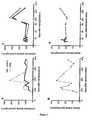
- the inventors assayed PBMCs from transplant patients in the presence or absence of H89 kinase inhibitor, in a second set of experiments. As shown in Figure 2 , a strong variation in kinase activity was observed among patients and over time. Furthermore, the kinase activity was able to alter the measurement of CN activity, reflecting the relevance of our approach.
Landscapes
- Chemical & Material Sciences (AREA)
- Organic Chemistry (AREA)
- Life Sciences & Earth Sciences (AREA)
- Zoology (AREA)
- Wood Science & Technology (AREA)
- Proteomics, Peptides & Aminoacids (AREA)
- Health & Medical Sciences (AREA)
- Engineering & Computer Science (AREA)
- Microbiology (AREA)
- Biochemistry (AREA)
- Physics & Mathematics (AREA)
- Molecular Biology (AREA)
- Biotechnology (AREA)
- Biophysics (AREA)
- Analytical Chemistry (AREA)
- Immunology (AREA)
- Bioinformatics & Cheminformatics (AREA)
- General Engineering & Computer Science (AREA)
- General Health & Medical Sciences (AREA)
- Genetics & Genomics (AREA)
- Enzymes And Modification Thereof (AREA)
- Measuring Or Testing Involving Enzymes Or Micro-Organisms (AREA)
Abstract
Description
- The present invention relates to a method for measuring the activity of calcineurin in a biological sample.
- The standard for the prevention of rejection in transplant patients consists in immunosuppressive regimens including a calcineurin inhibitor such as cyclosporine (CsA) or tacrolimus (TAC). However, the optimal balance between a too strong or a too weak immunosuppression is difficult to achieve following transplantation. An inadequate immunosuppression can provoke a transplant rejection and, on the other hand, an excessive immunosuppression facilitates the development of severe complications such as infections or lymphoproliferative disorders. The usual practice consists, for the physicians, in establishing the treatment with fixed doses, then in adjusting the drug doses according to their blood levels or, even more frequently, according to the occurrence of either an acute rejection or adverse drug event. Unfortunately, this strategy is associated with a frequent failure as illustrated by the fact that 30 to 50% of the patients develop acute rejection after transplantation.
- A pharmacodynamic approach, based on the measurement of the effect of the drugs on their cellular targets, has been developed with the aim to reduce the incidence and severity of acute rejection. This pharmacodynamic approach is based on the measurement of the activity of calcineurin (CN), a calcium-calmodulin-dependent phosphatase. CN is part of the family of the serine/threonine phosphatase enzyme including PP1, PP2A, PP2B or calcineurin and PP2C (Ingebritsen & Cohen, 1983).
- Current calcineurin assays are generally performed in cell extracts obtained from blood mononuclear cells (PBMC, peripheral blood mononuclear cells) from transplant patients (Fruman et al, 1996; Sanquer et al, 2004; Fukudo et al, 2005). These tests are based on the dephosphorylation of a phosphorylated substrate of calcineurin in the presence of calcium and calmodulin which are essential to the activity of the enzyme (Pallen & Wang, 1983). The addition of okadaic acid at a concentration of 500 nM (that inhibits all the phosphatases except CN) avoids the potential cross-reactivity for the phosphorylated substrate.
- An especially preferred substrate is the phosphorylated peptide RII (P-RII), derived from the regulatory subunit of protein kinase A (PKA, Donella-Deana et al, 1994). This peptide is characterized by the following sequence: DLDVPIPGRFDRRVpSVAAE (SEQ ID No :1).
- In the different assays described so far, the P-RII peptide can be labelled or not, and the labelling is either performed with a radioelement (32P) or a fluorophore.
- Most methods used for measuring CN phosphatase activity are based on the detection of free phosphate released during the enzymatic reaction. These methods use radiometric measurements in the case of P-RII peptide labelled with 32P (Fruman et al, 1996; Koefoed-Nielsen et al, 2004). They use spectrophotometric measurements in the case of unlabelled R-RII peptide. The latter requires the implementation of a second reaction with green malachite to color the free inorganic phosphate (Sellar et al, 2006).
- More specific methods based on the direct measurement of the formation of the dephosphorylated peptide RII (DP-RII) by CN have been developed. These methods were originally based on liquid chromatography coupled with UV detection (Enz et al, 1994; Sanquer et al, 2004). These methods were developed for unlabelled P-RII peptide. More recently, a fluorimetric method was described to measure CN activity by using P-RII peptide labelled with a fluorophore (Roberts et al, 2008).
- The invention stems from the observation that biological samples, such as peripheral blood mononuclear cell extracts, contain a kinase activity which can compete with the phosphatase activity of calcineurin. This kinase activity, which was never reported before in the methods for measuring calcineurin activity of the prior art, should be inhibited in order to obtain more specific results.
- Indeed, the inventors have observed that the specificity of the calcineurin activity assay can be significantly increased by adding at least one kinase inhibitor to the reaction mix.
- Therefore, the present invention relates to a method for measuring the activity of calcineurin in a biological sample comprising the steps of:
- providing a reaction mix comprising a substrate, at least one phosphatase inhibitor and at least one kinase inhibitor;
- incubating said biological sample with the reaction mix under conditions suitable for the activity of calcineurin;
- measuring the amount of dephosphorylated substrate.
- The present invention also relates to a kit for measuring the activity of calcineurin in a biological sample comprising a substrate, at least one phosphatase inhibitor and at least one kinase inhibitor.
- Another aspect of the invention relates to the use of kinase inhibitor in a method for measuring the activity of calcineurin.
- In yet another aspect, the invention relates to a method for predicting the therapeutic outcome of a transplant patient comprising measuring the activity of calcineurin in a biological sample obtained from said patient as described above.
- The present invention relates to a method for measuring the activity of calcineurin in a biological sample comprising the steps of:
- providing a reaction mix comprising a substrate, at least one phosphatase inhibitor and at least one kinase inhibitor;
- incubating said biological sample with the reaction mix under conditions suitable for the activity of calcineurin;
- measuring the amount of dephosphorylated substrate.
- As used herein, the term "calcineurin", is used interchangeably with "CaN", "phosphatase 2B" or "PP-2B", and refers to the Ca2+/calmodulin-dependent Serine /Threonine protein phosphatase. This protein catalyses the removal of a phosphate group from its substrate by hydrolysing phosphoric acid monoesters into a phosphate ion and a molecule with a free hydroxyl group. More specifically, calcineurin removes a phosphate group from a phosphorylated serine residue (phospho-serine, or "pS") or a phosphorylated threonine residue (phospho-threonine, or "pT").
- Calcineurin is a heterodimer consisting of a catalytic A subunit (57-61 kDa) and a regulatory subunit B (19 kDa). The catalytic A subunit is composed of four functional domains: the catalytic core with sequence homology to PP-1 and PP-2A; binding sites for both calmodulin and the CaN-regulatory subunit, and C-terminal autoinhibitory domain.
- As used herein, the term "substrate" or "calcineurin substrate" refers to a phosphoprotein or phosphopeptide which can be hydrolysed by calcineurin. It therefore refers to a phosphoprotein or phosphopeptide having at least one phosphoserine and/or phosphothreonine residue.
- The amino acid residues described herein are preferred to be in the "L" isomeric form. However, residues in the "D" isomeric form can be substituted for any L-amino acid residue, as long as the ability of the substrate to be hydrolysed by calcineurin is retained. NH3 refers to the free amino group present at the amino terminus of a polypeptide. COOH refers to the free carboxy group present at the carboxy terminus of a polypeptide.
- In keeping with standard polypeptide nomenclature, J. Biol. Chem., 243:3552-59 (1969), abbreviations for amino acid residues are shown in the following Table of Correspondence:
One-letter code Three-letter code Amino acid Y Tyr tyrosine G Gly glycine F Phe phenylalanine M Met methionine A Ala alanine S Ser serine I Ile isoleucine L Leu leucine T Thr threonine V Val valine P Pro proline K Lys lysine H His histidine Q Gln glutamine E Glu glutamic acid W Trp tryptophan R Arg arginine D Asp aspartic acid N Asn asparagine C Cys cysteine - All amino-acid residue sequences are represented herein by formulae whose left and right orientation is in the conventional direction of amino-terminus to carboxy-terminus.
- The term "pX", or "phosphoX", as used herein, refers to a phosphorylated amino acid residue X.
- Typically, the substrate according to the invention comprises at least one phosphoserine or phosphothreonine residue.
- Preferred substrates according to the invention are calcineurin-specific substrates. In other terms, the substrate according to the invention is typically recognized and hydrolysed by calcineurin more efficiently than by other types of phosphatases.
- Typically, the substrate according to the invention can be selected from the group consisting of the phosphopeptides described in Table I of Donella-Deana et al. (Donella-Deana et al., 1994, Eur J Biochem 219, 109-117).
- Typically, a preferred substrate is a fragment of the regulatory subunit of cAMP-dependent protein kinase type II (RII).
- In a still preferred embodiment, the substrate is DLDVPIPGRFDRRVpSVAAE (SEQ ID NO:1).
- The substrate of the invention can be obtained by any suitable method in the art: it can be a recombinant phosphoprotein or fragment thereof, a purified phosphoprotein or fragment thereof, or a synthetic phosphopeptide.
- In one embodiment of the invention, the substrate is a synthetic phosphopeptide.
- The substrate according to the invention can be labelled, or unlabelled.
- Detection of the dephosphorylation reaction product will then be carried out by different means, according to the type of substrate that was used (see below)
- As used herein, the expression "conditions suitable for the activity of calcineurin" has its general meaning in the art and refers to the overall physicochemical conditions in which the dephosphorylation reaction catalyzed by calcineurin takes place.
- According to one embodiment, the reaction is carried out at a temperature comprised between 20°C and 40°C, preferably between 25°C and 38°C, even more preferably around 30°C, 31°C, 32°C, 33°C, 34°C, 35°C, 36°C or 37°C.
- According to one embodiment, the reaction is carried out for a period of time comprised between 5 minutes and 60 minutes, preferably between 10 and 45 minutes, between 15 and 40 minutes, even more preferably about 30 minutes.
- In one embodiment of the invention, the reaction is carried out by incubating the biological sample and the reaction mix at 37°C for 30 minutes.
- Typically, the reaction can be stopped after a predetermined amount of time by placing the reaction tube at +4°C and addition of trichloroacetic acid (TCA).
- According to the invention, the dephosphorylation of the substrate by calcineurin is carried out in a reaction mix. As used herein, the expression "reaction mix" or "assay reaction mix" has its general meaning in the art. In refers to the solution in which the enzymatic reaction to be quantified is carried out. Typically, the assay reaction mix according to the invention is an aqueous solution comprising all the necessary reagents for the enzymatic reaction to take place.
- Typically, the reaction mix comprises water, a pH buffer and salts.
- Suitable pH buffers according to the invention are phosphate-free buffers, such as Tris-HCl.
- Typically, the pH of the reaction mix is comprised between 6.0 and 8.0, preferably around 7.0.
- In one embodiment, the reaction buffer comprises Ca2+ and calmodulin. Indeed, the phosphatase activity of native calcineurin is dependent on the presence of Ca2+ and calmodulin.
- Typically, the assay reaction mix can comprise a final concentration of calmodulin comprised between 0.01 and 0.06 units, preferably about 0.03 units.
- Typically, the assay reaction mix comprises a final concentration of Ca2+ comprised between 30 µM and 90 µM, preferably about 50 µM.
- In one embodiment of the invention, protease inhibitors are added to the biological sample and/or to the reaction mix. Indeed, the presence of such inhibitors avoids the degradation of the calcineurin present in the biological sample by endogenous proteases. Suitable protease inhibitors include, but are not limited to PMSF, EDTA, EGTA, aprotinin, leupeptin, pepstatin and mixtures thereof.
- The reaction according to the invention is carried out in the presence of at least one phosphatase inhibitor.
- As used herein, the expression "phosphatase inhibitor" has its general meaning in the art. It refers to a compound that inhibits at least one phosphatase. Typically, the phosphatase inhibitor according to the invention is not a calcineurin inhibitor at the selected concentration.
- Suitable phosphatase inhibitors according to the invention include phosphatase-specific inhibitors and broad spectrum inhibitors.
- Typically, the phosphatase inhibitor according to the invention is okadaic acid. Okadaic acid (9,10-Deepithio-9,10-didehydroacanthifolicin) is a potent inhibitor of protein phosphatase 1 (PP-1; IC50 = 20-100 nM), protein phosphatase 2A (PP-2A; IC50 = 0.1-1 nM) and protein phosphatase 2B (PP-2B; IC50>5000 nM).
- Typically, okadaic acid is used at a final concentration ranging from 100 to 1000 nM, preferably about 500 nM.
- Another suitable phosphatase inhibitor is microcystin-LR.
- The reaction according to the present invention is carried out in the presence of at least one kinase inhibitor.
- Indeed, the inventors have demonstrated, for the first time, that biological samples contained a kinase activity which competes with the calcineurin phosphatase activity, leading to loss of specificity of the previously described assays.
- Therefore, carrying out the calcineurin activity assay in the presence of at least one kinase inhibitor leads to improved specificity of the method.
- As used herein, the expression "kinase inhibitor" refers to a compound which inhibits the activity of at least one kinase.
- According to one embodiment of the invention, the kinase inhibitor is a selective inhibitor of Protein Kinase A (PKA).
- It falls within the ability of the skilled person in the art to select appropriate PKA inhibitors.
- Suitable selective inhibitors of PKA according to the invention can be 1) structural analogs of cAMP, the Rp-cAMPs family, that are competitive inhibitors of the cAMP-binding site, 2) endogeneous inhibitors of the activity of PKA: the protein kinase inhibitor peptide (Murray, 2008) and 3) silencing RNA targeted to at least the two isoforms (α and β) of the catalytic subunit of PKA (Murray, 2008; Dumaz et al, 2003; Rudolph et al, 2007; Monagham et al, 2008). These compounds include, but are not limited to Rp-adenosine-3',5'-cyclic monophosphorothioate (Wang et al, 1991); Rp-8-Bromoadenosine 3',5'-cyclic Monophosphorothioate (Gjertsen et al, 1995); Rp-8-bromo-2'-O-monobutyryladenosine-3',5'-cyclic monophosphorothioate (Ruiz-Velasco et al, 1998); Rp-8-chloroadenosine-3',5'-cyclic monophosphorothioate (Yokozaki et al, 1992); Rp-8-(4-chlorophenylthio)adenosine-3',5'-cyclic monophosphorothioate (Weisskupf et al, 1994); Rp-8-hexylaminoadenosine-3',5'-cyclic monophosphorothioate (Gjertsen et al, 1995); Rp-8-hydroxyadenosine-3',5'- cyclic monophosphorothioate (Gjertsen et al, 1995); Rp-8-PIP-cAMPs (Ogreid et al, 1994); PKA inhibitor fragment 14-22 myristoylated (Zhang et al, 2004); PKA inhibitor fragment 6-22 amide (Glass et al, 1989); PKA inhibitor fragment 5-22 amide (Cheng et al, 1986); cAMP-dependent protein kinase inhibitor fragment 5-24, (Cheng et al, 1986).
- It falls within the ability of the skilled person to determine the optimal concentration of the PKA inhibitor in the final reaction mix.
- In one embodiment, the PKA inhibitor is Rp-adenosine 3'-5' cyclic monophosphorothioate, which can be purchased from Sigma-Aldrich under reference A165.
- Typically, Rp-adenosine 3'-5' cyclic monophosphorothioate, can be used at a final concentration of 10 µM.
- According to another embodiment of the invention the kinase inhibitor is a non-selective kinase inhibitor. Suitable non-selective kinase inhibitors include, but are not limited to H89 (Murray, 2008); KT5720 (Murray, 2008); chelerythrine (Freemerman et al, 1996); H7 (Qiu et al, 2010); H8 (Hidaka et al, 1984); protein kinase inhibitor from porcine heart.
- Typically, the non-selective kinase inhibitor can be H89, which can be purchased from Sigma-Aldrich under reference B 1427.
- H89 can be used at a final concentration of 20 µM.
- In yet another embodiment, the assay reaction mix comprises several kinase inhibitors.
- After the dephosphorylation of the substrate by the calcineurin present in the biological sample has been carried out, the amount of dephosphorylated substrate is quantified, either directly or indirectly. The results can be expressed as an absolute measure (such as pmol/mg protein/min), or in arbitrary units.
- This step of "measuring the amount of dephosphorylated substrate" can be performed either indirectly (by measuring the amount of free phosphate released by the reaction) or directly (by measured the dephosphorylated substrate itself).
- Any method for measuring the amount of dephosphorylated substrate can be used.
- Suitable methods include, but are not limited to:
- radiometric measurements in the case of a substrate labelled with 32P (Fruman et al. 1996; Koefoed-Nielsen et al., 2004);
- fluorescence measurements in the case of a substrate labelled with a fluorophore (Roberts et al., 2008);
- spectrophotometric measurements in the case of unlabelled substrate (Sellar et al., 2006).
- In one embodiment, the amount of free phosphate is measured using a colorimetric assay and spectrophotometry (Sellar et al., 2006). For example, the calcineurin cellular activity assay kit commercialized by Calbiochem under catalogue number 207007 relies on the detection of free phosphate based on the malachite green assay.
- In the above described detection techniques, it is necessary to physically separate:
- either the free phosphate from the unmetabolized phosphorylated substrate, for instance, by dowex cation-exchange resin chromatography colums (see Fruman et al. 1996);
- or the dephosphorylated peptide from the unmetabolized phosphorylated substrate, for instance using titanium oxide resins (see Roberts et al., 2008) or using liquid chromatography (see Enz et al, 1994) prior to the measurement step itself.
- In another embodiment, the amount of dephosphorylated substrate is measured by liquid chromatography.
- Suitable chromatography methods are described for instance in Enz et al. (1994).
- This document describes a method for quantifying simultaneously phosphorylated and non-phosphorylated peptides by HPLC coupled with UV detection. The experiments disclosed in this document were carried out using purified calcineurin. Sanquer et al., (2004) also describe a detection method based on HPLC coupled with UV detection for measuring the activity of calcineurin in PBMC samples obtained from transplant patients.
- In yet another embodiment, the amount of dephosphorylated substrate is measured by liquid chromatography coupled with tandem mass spectrometry (LC-MS/MS). Advantageously, this detection method further improves the sensitivity and specificity of the assay.
- In a preferred embodiment, the step of measuring the amount of dephosphorylated substrate is carried out by liquid chromatography coupled with tandem mass spectrometry (LC-MS/MS) as described in the Examples below.
- As used herein, the term "biological sample" refers to any biological sample suspected of containing calcineurin activity.
- Typically, the biological sample can be a blood sample, a peripheral blood mononuclear cell (PBMC) sample, a cerebrospinal fluid sample or cellular extracts prepared from cell cultures.
- In a preferred embodiment, the biological sample is a PBMC sample.
- The biological sample according to the invention can be either freshly obtained or kept at +4°C or +20°C prior to analysis.
- In a preferred embodiment, the biological sample is used within maximum 7 days from its collection, preferably within 4, 3, 2 or 1 day from collection when kept at +4°C or within the day of collection when kept at +20°C.
- Typically, a "patient" denotes a mammal, such as a rodent, a feline, a canine, and a primate. Preferably, a patient according to the invention is a human.
- Typically, a patient according to the invention is an immunosuppressed patient, such as a patient having received an organ or stem-cell transplant.
- The present invention also relates to a kit for measuring the activity of calcineurin in a biological sample comprising a substrate, at least one phosphatase inhibitor and at least one kinase inhibitor.
- In the kit according to the invention, the substrate, the phosphatase inhibitor and the kinase inhibitor are as described above.
- The kit according to the invention can further comprise:
- recombinant calcineurin, to be used as positive control;
- quality controls
- calibrators
- assay buffer
- a leaflet explaining that the reaction should be carried in the presence of at least one kinase inhibitor for optimal results;
- and/or means for detecting the amount of free phosphate released by the reaction, such as malachite green (for detection by spectrophotometry).
- and/or an internal standard (for detection by liquid chromatography coupled to mass spectrometry).
- Another aspect of the invention relates to the use of kinase inhibitor in a method for measuring the activity of calcineurin.
- The method for quantifying calcineurin activity in a biological sample has many applications.
- For instance, the method can be used to monitor the activity of calcineurin in a biological sample obtained from a patient who has been administered an immunosuppressive treatment.
- Typically, patients receiving an organ transplant are given immunosuppressive treatments such as tacrolimus or cyclosporine.
- Thus, the invention also relates to a method for predicting the therapeutic outcome of a transplant patient comprising measuring the activity of calcineurin in a biological sample obtained from said patient as described above.
- As used herein, the expression "predicting the therapeutic outcome" encompasses both monitoring the level of calcineurin activity in a biological sample of a given patient over time (in a first and second biological sample obtained at two distinct time points) and comparing the level of calcineurin activity in a biological sample obtained from said patient with a reference value. In one embodiment, the reference value may be a value obtained from a population displaying a similar disease to said patient. Alternatively, the reference value may be a value obtained from a healthy population.
-
-
Figure 1 : Calcineurin kinetic experiments were performed in the presence or absence of two different kinase inhibitors. The production of DP-RII peptide was quantified using LC-MS/MS analysis. -
Figure 2 : Longitudinal follow-up of calcineurin and kinase activities in 2 transplant patients. A,B : Patient 1 ; C,D : Patient 2 ; A,C : Influence of H89 on calcineurin activity ; B,D : kinase activity was quantified by means of LC-MS/MS. -
Figure 3 : Chromatographic profiles of P-RII peptide, DP-RII peptide and stable isotope-RII peptide in PBMC protein extract. A,B,C : 1 mg/L RII peptide in PBMC protein extracts ; D,E,F : 1 mg/L P-RII in PBMC protein extracts ; G,H,I : 1 mg/L stable isotope-RII peptide in PBMC protein extracts ; J,K,L: blank PBMC protein extracts ; A,D,G,J : transition 732.4>70.1 (P-RII peptide) ; B,E,H,K: transition 705.8>70.1 (DP-RII peptide) ; C,F,I,L : transition 708.3>70.1 (stable isotope-RII peptide). -
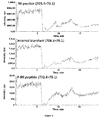
Figure 4 : Ion suppression profiles for postcolumn infusion of PBMC protein extracts. -
Figure 5 : Reproducibility for calibrations over a 12-day period. - PBMCs obtained from either healthy volunteers or transplant patients were resuspended in a buffer containing 50 mM Tris, pH=7.0, 0.1 mM EGTA, 0.05 mM dithiothreitol, 0.1
% tween 20, 0.3 mg/mL albumin, 1 mM MnCl2, 1 mM CaCl2 and protease inhibitors. These cellular extracts were sonicated on ice, and centrifuged for 30 minutes at 10.000g at 4°C. The supernatants corresponding primarily to the cytosolic fractions were recovered and their protein content was determined. These cellular extracts can be stored at -80°C for later measurement of CN activity. - Stock solutions of the RII peptide, its phosphorylated form and internal standard (stable isotope-RII peptide) were prepared at a concentration of 0.5 g/L in Hepes buffer and were stored at -40°C. Calibrators were prepared by dilution of the stock solutions in Tris-HCl to yield a final calibration range of 0.16, 0.32, 0.63, 0.95, 1.58, 4.74 and 7.9 µM.
- One to 5 µg of proteins obtained from PBMC, prepared as described above, were used for measuring calcineurin activity in a reaction mixture containing 500 nM okadaic acid, 1 mg/L internal standard, 20 µM H89, 8 mg/L phosphorylated RII peptide and 0.03 units calmodulin in 15 µL 50 mM Tris-HCl, pH=7.0. Enzymatic reaction was carried out at 37°C for 30 min and then, the reaction tubes were cooled on ice and the enzymatic reaction was stopped by addition of 15 µL of a solution of 5% trichloroacetic acid. After centrifugation for 5 minutes at 12.000g at 4°C, supernatants were transferred to 200-µL glass inserts into 1.5 mL glass autoinjector vials and kept at 4°C in autosampler before injection.
- LC-MS/MS was performed using Agilent 1100 series HPLC system connected to an Applied Biosystems API3000 tandem quadrupole mass spectrometer, operated in the electrospray positive ion mode with selected reaction monitoring (SRM). A 24-µL injection was routinely used, and chromatography was achieved with an Agilent Zorbax 300Extend-C18 3.5-µm particle size, 4.6 x 100 mm column and 5 µm particle size, 4.6 x 12.5 mm analytical guard column. The flow rate was 0.2 mL/min. Mobile phase A was 5 mM ammonium acetate and 0.1 % formic acid in water and mobile phase B, 5 mM ammonium acetate and 0.1% formic acid in acetonitrile. A programmed mobile-phase gradient was used during the 20 min run: 0 min, 2% B; 10 min, 100% B, 15 min, 100% B; 15.5 min 2% B, 20 min, 2% B. Di-charged ion peptides were selected for both P-RII, DP-RII and internal standard as the most intense ionized peptides after electrospray positive ionization mode. The MS/MS instrument and data collection parameters are shown in Table 1.
Table 1a: MS/MS instrument parameters Ion spray voltage (V) 5500 Entrance potential 10 Temperature (°C) 50 Curtain gas 10 Nebulizer gas 8 Collision gas 4 Q1 resolution unit Q3 resolution unit Dwell time (ms) 300 scan type SRM Ion spray voltage (V) 5500 Entrance potential 10 Temperature (°C) 50 Curtain gas 10 Nebulizer gas 8 Collision gas 4 Q1 resolution unit Q3 resolution unit Dwell time (ms) 300 scan type SRM Table 1.b: Transitions parameters compound m/z Q1 m/z Q3 CE CXP DP FP retention time P-RII peptide (substrate) 732.4 201.2 70 10 100 400 14.5 732.4 70.1 90 10 46 320 DP-RII peptide (product) 705.8 70.1 95 8 51 370 14.6 705.8 201.2 59 20 51 370 internal standard 708.5 70.1 89 8 96 370 14.6 708.5 201.2 55 18 96 370 CE: collision energy (eV) CXP: collision cell exit potential (eV); DP: declustering potential (eV) FP: focusing potential (eV). - The chromatographic profiles for blank PBMC protein extracts and PBMC protein extracts containing either P-RII peptide, DP-RII peptide or internal standard are shown in
Figure 3 . As can be seen inFigure 3 , the selected transitions for each peptide of interest is specific of a given peptide, and none of them are found in blank PBMC protein extracts. Phosphorylated RII peptide had a retention time of 14.5 min and both DP-RII peptide and internal standard had similar retention times of 14.6 min. - Representative ion suppression profiles for a PBMC protein extract analyzed by LC-MS/MS are shown in
Figure 4 . Suppression effects occurred mainly between 6 and 11 minutes of the chromatography, then the signal stabilized gradually. The small ion suppression effect observed at the elution times of the peptides of interest can be neglected due to co-elution of internal standard. - The reproducibility of the assay was verified on 7 separate calibrations run over a period of 12 days as shown in
Figure 5 . Each individual calibration had an R2 of 0.9966 or greater. The mean regression equation for the 7 calibrations, where regression coefficient are expressed as mean (SD), was as follows: y=[0.1863 (0.055)]x-[0.0007 (0.00421]. - The precision of the assay was examined in PBMC protein extracts with known calcineurin activities ranging from 90 to 500 pmol/mg/min. Maximum intraassay and interassay variability was 11.5% and 16%, respectively (Table 2).
Table 2: Imprecision data for calcineurin activity measured in PBMC protein extracts Intraassay Interassay sample name mean measured pmol/mg/min CV,% sample name mean measured pmol/mg/min CV,% 1 92 6.6 7 337 10.5 2 232 4.6 8 91 8.7 3 333 10.6 9 160 11.5 4 132 8.6 10 375 8.0 5 221 11.5 11 362 5.6 6 116 4.3 12 454 13.5 13 452 11.7 14 356 12.8 15 140 12.3 16 179 16.0 - None of the methods described above discussed the possibility of rephosphorylation of DP-RII peptide during the CN enzymatic reaction process by kinases present in the cellular extracts.
- The inventors assessed the kinetics of calcineurin in the presence or not of 2 different kinase inhibitors: H89, an unspecific inhibitor and Rp-adenosine 3',5'-cyclic monophosphorothioate, a specific inhibitor of PKA.
- A first set of experiments was performed using 5 µg of PBMC cytosolic proteins issued from healthy volunteers. Cells were resuspended in a buffer containing 50 mM Tris, pH=7.0, 0.1 mM EGTA, 0.05 mM dithiothreitol, 0.1
% Tween 20, 0.3 mg/mL albumin, 1 mM MnCl2, 1 mM CaCl2 and protease inhibitors. Enzymatic reactions were processed at 37°C in the 50 mM Tris buffer, pH=7.0, supplemented with 8 mg/L RII-P peptide, 0.03 units calmodulin, 500 nM okadaic acid and 1 mg/L stable isotope-RII peptide as an internal standard. The enzymatic reactions were stopped at the indicated time points (up to 120 min) and peptide amounts were quantified by LC-MS/MS. - As shown in
Figure 1 , the production of DP-RII peptide was significantly higher in the presence of the kinase inhibitors (PKA specific inhibitor vs control, p=0.0008; H89 vs control, p=0.0007, ANOVA test). In addition, the inhibition obtained with H89 was significantly higher than that obtained with the PKA specific inhibitor (p=0.0163). - To examine the importance of such an influence on a pharmacodynamic strategy for monitoring the extent of immunosuppression following transplantation, the inventors assayed PBMCs from transplant patients in the presence or absence of H89 kinase inhibitor, in a second set of experiments. As shown in
Figure 2 , a strong variation in kinase activity was observed among patients and over time. Furthermore, the kinase activity was able to alter the measurement of CN activity, reflecting the relevance of our approach. - This finding demonstrates that the measurement of CN activity must be performed in the presence of a kinase inhibitor, in order to obtain a more specific measurement.
- Throughout this application, various references describe the state of the art to which this invention pertains. The disclosures of these references are hereby incorporated by reference into the present disclosure.
- Donella-Deana A, Krinks MH, Ruzzene M, Klee C, Pinna LA. Dephosphorylation of phosphopeptides by calcineurin (protein phosphatase 2B). Eur J Biochem 1994, 219 : 109-17.
- Dumaz N, Marais R: Protein kinase A bloks Raf-1 activity by stimulating 14-3-3 binding and blocking Raf-1 interaction with Ras. J Biol Chem 2003; 278: 29819-23.Enz A, Shapiro G, Chappuis A, Dattler A. Non radioactive assay for protein phosphatase 2B (calcineurin) activity using a partial sequence of the subunit of cAMP-dependent protein kinase as substrate. Anal Biochem 1994, 216 : 147-53.
- Freemerman AJ, Turner AJ, Birrer MJ, Szabo E, Valerie K, Grant S: Role of c-jun in human myeloid leukaemia cell apoptosis induced by pharmacological inhibitors of protein kinase C. Mol Pharmacol 1996; 49: 788-95.
- Fruman DA, Pai SY, Klee CB, Burakoff SJ, Bierer BE. Measurement of calcineurin phosphatase activity in cell extracts. Methods 1996, 9 : 146-54.
- Fukudo M, Yano I, Masuda S, Fukatsu S, Katsura T, Ogura Y, Oike F, Takada Y, Tanaka K, Inui KI. Pharmacodynamic analysis of tacrolimus and cyclosporine in living-donor liver transplant patients. Clin Pharmacol Therap 2005, 78 : 168-81.
- Gjertsen BT, Mellgren G, Otten A, Maronde E, Genieser HG, Jastorff B, Vintermyr OK, McKnight GS, Doskeland SO: Novel (Rp)-cAMPS analogs as tools for inhibition of camp-kinase in cell culture. J Biol Chem 1995; 270:20599-607.
- Glass DB, Lundquist LJ, Katz BM, Walsh DA: Protein kinase inhibitor-(6-22)-amide peptide analogs with standard and non-standard amino acid substitutions for .
- Hidaka H, Inagaki M, Kawamoto S, Saaki Y: Isoquinolinesulfonamides, novel and potent inhibitors of cyclic nucleotide dependent protein kinase and protein kinase C. Biochemistry 1984; 23: 5036-41.
- Ingebritsen TS, Cohen P. Protein phosphatases : Properties and role in cellular regulation. Science 1983, 221 : 331-8.
- Monaghan TK, MacKenzie CJ, Plevin R, Ltz EM: PACAP-38 induces neuronal differentiation of human SH-SY5Y neuroblastoma cells via camp-mediated activation of ERK and p38 MAP kinases. J Neurochem 2008; 104: 74-88.
- Murray AJ: Pharmacological PKA inhibition: all may not be what it seems. Sci Signal 2008; 1(22):re4.
- Ogreid D, Dostmann W, Genieser HG, Niemann P, Doskeland SO, Jastorff B: (Rp)- and (Sp)-8-piperidino-adenosine 3',5'-(cyclic)thiophosphates discriminate completely between site A and B of the regulatory subunits of camp-dependent protein kinase type I and II. Eur J Biochem 1994; 221: 1089-94.
- Pallen CJ, Wang JH. Calmodulin-stimulated dephosphorylation of p-nitrophenyl phosphate and free phosphotyrosine by calcineurin. J Biol Chem 1983, 258 : 8550-3.
- Qiu LB, Ding GR, Li KC, Wang XW, Zhou Y, Zhou YC, Li YR, Guo GZ: The role of protein kinase C in the opening of blood-brain barrier induced by electromagnetic pulse. Toxicology 2010; 273: 29-34.
- Roberts B, Pohl J, Gooch JL. A fluorimetric method for determination of calcineurin activity. Cell Calcium 2008, 43 : 515-9.
- Rudolph JA, Pratt J, Mourya R, Steinbrecher KA, Cohen MB: Novel mechanism of cyclic AMP mediated extracellular signal regulated kinase activation in an intestinal cell line. Cell Signal 2007; 19: 1221-8.
- Ruiz-Velasco V, Zhong J, Hume JR, Keef KD: Modulation of Ca2+ channels by cyclic nucleotide cross activation of opposing protein kinases in rabbit portal vein. Circ Res 1998; 82: 557-65.
- Sanquer S, Schwarzinger M, Maury S, Yakouben K, Rafi H, Pautas C, Kuentz M, Barouki R, Cordonnier C. Calcineurin activity as a functional index of immunosuppression after allogeneic stem-cell transplantation. Transplantation 2004, 77 : 854-8.
- Sellar KJ, van Rossum HH, Romijn FP, Smit NP, de Fijter JW, van Pelt J. Spectrophotometric assay for calcineurin activity in leukocytes isolated from human blood. Anal Biochem 2006, 358 : 104-10.
- Wang LY, Salter MW, MacDonald JF: Regulation of kainite receptors by cAMPD-dependent protein kinase and phosphatases.. Science 1991; 253: 1132-35. Weisskopf MG, Castillo PE, Zalutsky RA, Nicoll RA: Mediation of hippocampal mossy fiber long-term potentiation by cyclic AMP. Science 1994; 265: 1878-82.
- Yokozaki H, Tortora G, Pepe S, Maronde E, Genieser HG, Jastorff B, Cho-Chung YS: Unhydrolyzable alalogues of adenosine 3':5'-monophosphate demonstrating growth inhibition and differentiation in human cancer cells. Cancer Res 1992; 52: 2504-8.
- Zhang B, Zhang Y, Shacter E: Racl inhibits apoptosis in human lymphoma cells by stimulating Bad phosphorylation on Ser-75. Mol C.

Claims (10)
- A method for measuring the activity of calcineurin in a biological sample comprising the steps of:- providing a reaction mix comprising a substrate, at least one phosphatase inhibitor and at least one kinase inhibitor;- incubating said biological sample with the reaction mix under conditions suitable for the activity of calcineurin;- measuring the amount of dephosphorylated substrate.
- A method according to claim 1, wherein the substrate is the phosphorylated peptide DLDVPIPGRFDRRVpSVAAE (SEQ ID NO:1).
- A method according to any of the above claims, wherein the phosphatase inhibitor is okadaic acid.
- A method according to any of the above claims, wherein the kinase inhibitor is H89.
- A method according to any of the above claims, wherein the biological sample is a peripheral blood mononuclear blood cell (PBMC) sample.
- A method according to any of the above claims, wherein the step of measuring the amount of dephosphorylated substrate is carried out by chromatography.
- A method according to claim 6, wherein the step of measuring the amount of dephosphorylated substrate is carried out by liquid chromatography coupled with tandem mass spectrometry (LC-MS/MS).
- A kit for measuring the activity of calcineurin in a biological sample comprising a calcineurine substrate, at least one phosphatase inhibitor and at least one kinase inhibitor.
- Use of kinase inhibitor in a method for measuring the activity of calcineurin.
- A method for predicting the therapeutic outcome of a transplant patient comprising measuring the activity of calcineurin in a biological sample obtained from said patient according to any one of claims 1 to 7.
Priority Applications (5)
| Application Number | Priority Date | Filing Date | Title |
|---|---|---|---|
| EP12305231.8A EP2631647A1 (en) | 2012-02-27 | 2012-02-27 | Method for measuring calcineurin activity |
| ES13703836.0T ES2564087T3 (en) | 2012-02-27 | 2013-02-14 | Method to measure calcineurin activity |
| PCT/EP2013/052943 WO2013127636A1 (en) | 2012-02-27 | 2013-02-14 | Method for measuring calcineurin activity |
| US14/381,533 US9290792B2 (en) | 2012-02-27 | 2013-02-14 | Method for measuring calcineurin activity |
| EP13703836.0A EP2820416B1 (en) | 2012-02-27 | 2013-02-14 | Method for measuring calcineurin activity |
Applications Claiming Priority (1)
| Application Number | Priority Date | Filing Date | Title |
|---|---|---|---|
| EP12305231.8A EP2631647A1 (en) | 2012-02-27 | 2012-02-27 | Method for measuring calcineurin activity |
Publications (1)
| Publication Number | Publication Date |
|---|---|
| EP2631647A1 true EP2631647A1 (en) | 2013-08-28 |
Family
ID=47710176
Family Applications (2)
| Application Number | Title | Priority Date | Filing Date |
|---|---|---|---|
| EP12305231.8A Withdrawn EP2631647A1 (en) | 2012-02-27 | 2012-02-27 | Method for measuring calcineurin activity |
| EP13703836.0A Not-in-force EP2820416B1 (en) | 2012-02-27 | 2013-02-14 | Method for measuring calcineurin activity |
Family Applications After (1)
| Application Number | Title | Priority Date | Filing Date |
|---|---|---|---|
| EP13703836.0A Not-in-force EP2820416B1 (en) | 2012-02-27 | 2013-02-14 | Method for measuring calcineurin activity |
Country Status (4)
| Country | Link |
|---|---|
| US (1) | US9290792B2 (en) |
| EP (2) | EP2631647A1 (en) |
| ES (1) | ES2564087T3 (en) |
| WO (1) | WO2013127636A1 (en) |
Citations (3)
| Publication number | Priority date | Publication date | Assignee | Title |
|---|---|---|---|---|
| WO2003102133A2 (en) * | 2002-05-13 | 2003-12-11 | The Regents Of The University Of California | Chemical modifications to polymer surfaces and the application of polymer grafting to biomaterials |
| WO2009018424A2 (en) * | 2007-08-01 | 2009-02-05 | Emory University | Methods for determination of protein phosphatase activity, and uses in predicting therapeutic outcomes |
| WO2011085176A2 (en) * | 2010-01-08 | 2011-07-14 | Emory University | Fret-based method for the determination of protein phosphatase and kinase activity |
Family Cites Families (1)
| Publication number | Priority date | Publication date | Assignee | Title |
|---|---|---|---|---|
| EP1943351A4 (en) * | 2005-11-10 | 2009-12-16 | Perkinelmer Life & Analytical Sciences | Planar electrochromatography/thin layer chromatography separations systems |
-
2012
- 2012-02-27 EP EP12305231.8A patent/EP2631647A1/en not_active Withdrawn
-
2013
- 2013-02-14 US US14/381,533 patent/US9290792B2/en active Active
- 2013-02-14 EP EP13703836.0A patent/EP2820416B1/en not_active Not-in-force
- 2013-02-14 ES ES13703836.0T patent/ES2564087T3/en active Active
- 2013-02-14 WO PCT/EP2013/052943 patent/WO2013127636A1/en not_active Ceased
Patent Citations (3)
| Publication number | Priority date | Publication date | Assignee | Title |
|---|---|---|---|---|
| WO2003102133A2 (en) * | 2002-05-13 | 2003-12-11 | The Regents Of The University Of California | Chemical modifications to polymer surfaces and the application of polymer grafting to biomaterials |
| WO2009018424A2 (en) * | 2007-08-01 | 2009-02-05 | Emory University | Methods for determination of protein phosphatase activity, and uses in predicting therapeutic outcomes |
| WO2011085176A2 (en) * | 2010-01-08 | 2011-07-14 | Emory University | Fret-based method for the determination of protein phosphatase and kinase activity |
Non-Patent Citations (27)
| Title |
|---|
| DONELLA-DEANA A; KRINKS MH; RUZZENE M; KLEE C; PINNA LA.: "Dephosphorylation of phosphopeptides by calcineurin (protein phosphatase 2B", EUR J BIOCHEM, vol. 219, 1994, pages 109 - 17, XP002342018, DOI: doi:10.1111/j.1432-1033.1994.tb19920.x |
| DONELLA-DEANA ET AL., EUR J BIOCHEM, vol. 219, 1994, pages 109 - 117 |
| DUMAZ N; MARAIS R: "Protein kinase A bloks Raf-1 activity by stimulating 14-3-3 binding and blocking Raf-1 interaction with Ras", J BIOL CHEM, vol. 278, 2003, pages 29819 - 23 |
| ENZ A; SHAPIRO G; CHAPPUIS A; DATTLER A.: "Non radioactive assay for protein phosphatase 2B (calcineurin) activity using a partial sequence of the subunit of cAMP-dependent protein kinase as substrate", ANAL BIOCHEM, vol. 216, 1994, pages 147 - 53 |
| FREEMERMAN AJ; TURNER AJ; BIRRER MJ; SZABO E; VALERIE K; GRANT S: "Role of c-jun in human myeloid leukaemia cell apoptosis induced by pharmacological inhibitors of protein kinase C", MOL PHARMACOL, vol. 49, 1996, pages 788 - 95 |
| FRUMAN DA; PAI SY; KLEE CB; BURAKOFF SJ; BIERER BE: "Measurement of calcineurin phosphatase activity in cell extracts", METHODS, vol. 9, 1996, pages 146 - 54 |
| FUKUDO M; YANO I; MASUDA S; FUKATSU S; KATSURA T; OGURA Y; OIKE F; TAKADA Y; TANAKA K; INUI KI: "Pharmacodynamic analysis of tacrolimus and cyclosporine in living-donor liver transplant patients", CLIN PHARMACOL THERAP, vol. 78, 2005, pages 168 - 81, XP005080179, DOI: doi:10.1016/j.clpt.2005.04.008 |
| GJERTSEN BT; MELLGREN G; OTTEN A; MARONDE E; GENIESER HG; JASTORFF B; VINTERMYR OK; MCKNIGHT GS; DOSKELAND SO: "Novel (Rp)-cAMPS analogs as tools for inhibition of camp-kinase in cell culture", J BIOL CHEM, vol. 270, 1995, pages 20599 - 607 |
| GLASS DB; LUNDQUIST LJ; KATZ BM; WALSH DA: "Protein kinase inhibitor-(6-22)-amide peptide analogs with standard and non-standard amino acid substitutions for phenylalanine 10", J BIOL CHEM, vol. 264, 1989, pages 14579 - 84 |
| HIDAKA H; INAGAKI M; KAWAMOTO S; SAAKI Y: "Isoquinolinesulfonamides, novel and potent inhibitors of cyclic nucleotide dependent protein kinase and protein kinase C", BIOCHEMISTRY, vol. 23, 1984, pages 5036 - 41, XP000985100, DOI: doi:10.1021/bi00316a032 |
| INGEBRITSEN TS; COHEN P.: "Protein phosphatases : Properties and role in cellular regulation", SCIENCE, vol. 221, 1983, pages 331 - 8 |
| J. BIOL. CHEM., vol. 243, 1969, pages 3552 - 59 |
| MONAGHAN TK; MACKENZIE CJ; PLEVIN R; LTZ EM: "PACAP-38 induces neuronal differentiation of human SH-SY5Y neuroblastoma cells via camp-mediated activation of ERK and p38 MAP kinases", J NEUROCHEM, vol. 104, 2008, pages 74 - 88 |
| MURRAY AJ: "Pharmacological PKA inhibition: all may not be what it seems", SCI SIGNAL, vol. 1, no. 22, 2008, pages RE4 |
| OGREID D; DOSTMANN W; GENIESER HG; NIEMANN P; DOSKELAND SO; JASTORFF B: "Rp)-and (Sp)-8-piperidino-adenosine 3',5'-(cyclic)thiophosphates discriminate completely between site A and B of the regulatory subunits of camp-dependent protein kinase type I and II", EUR J BIOCHEM, vol. 221, 1994, pages 1089 - 94, XP001156723, DOI: doi:10.1111/j.1432-1033.1994.tb18828.x |
| PALLEN CJ; WANG JH: "Calmodulin-stimulated dephosphorylation of p-nitrophenyl phosphate and free phosphotyrosine by calcineurin", J BIOL CHEM, vol. 258, 1983, pages 8550 - 3 |
| QIU LB; DING GR; LI KC; WANG XW; ZHOU Y; ZHOU YC; LI YR; GUO GZ: "The role of protein kinase C in the opening of blood-brain barrier induced by electromagnetic pulse", TOXICOLOGY, vol. 273, 2010, pages 29 - 34, XP027065775, DOI: doi:10.1016/j.tox.2010.04.013 |
| ROBERTS B ET AL: "A fluorimetric method for determination of calcineurin activity", CELL CALCIUM (EDINBURGH), CHURCHILL LIVINGSTONE MEDICAL JOURNALS, EDINBURGH, GB, vol. 43, no. 5, 1 May 2008 (2008-05-01), pages 515 - 519, XP022617112, ISSN: 0143-4160, [retrieved on 20080420], DOI: 10.1016/J.CECA.2007.08.004 * |
| ROBERTS B; POHL J; GOOCH JL: "A fluorimetric method for determination of calcineurin activity", CELL CALCIUM, vol. 43, 2008, pages 515 - 9, XP022617112, DOI: doi:10.1016/j.ceca.2007.08.004 |
| RUDOLPH JA; PRATT J; MOURYA R; STEINBRECHER KA; COHEN MB: "Novel mechanism of cyclic AMP mediated extracellular signal regulated kinase activation in an intestinal cell line", CELL SIGNAL, vol. 19, 2007, pages 1221 - 8, XP022032290, DOI: doi:10.1016/j.cellsig.2007.01.002 |
| RUIZ-VELASCO V; ZHONG J; HUME JR; KEEF KD: "Modulation of Ca2+ channels by cyclic nucleotide cross activation of opposing protein kinases in rabbit portal vein", CIRC RES, vol. 82, 1998, pages 557 - 65 |
| SANQUER S; SCHWARZINGER M; MAURY S; YAKOUBEN K; RAFI H; PAUTAS C; KUENTZ M; BAROUKI R; CORDONNIER C: "Calcineurin activity as a functional index of immunosuppression after allogeneic stem-cell transplantation", TRANSPLANTATION, vol. 77, 2004, pages 854 - 8 |
| SELLAR KJ; VAN ROSSUM HH; ROMIJN FP; SMIT NP; DE FIJTER JW; VAN PELT J.: "Spectrophotometric assay for calcineurin activity in leukocytes isolated from human blood", ANAL BIOCHEM, vol. 358, 2006, pages 104 - 10, XP024942316, DOI: doi:10.1016/j.ab.2006.08.013 |
| WANG LY; SALTER MW; MACDONALD JF: "Regulation of kainite receptors by cAMPD- dependent protein kinase and phosphatases", SCIENCE, vol. 253, 1991, pages 1132 - 35 |
| WEISSKOPF MG; CASTILLO PE; ZALUTSKY RA; NICOLL RA: "Mediation of hippocampal mossy fiber long-term potentiation by cyclic AMP", SCIENCE, vol. 265, 1994, pages 1878 - 82 |
| YOKOZAKI H; TORTORA G; PEPE S; MARONDE E; GENIESER HG; JASTORFF B; CHO-CHUNG YS: "Unhydrolyzable alalogues of adenosine 3':5'-monophosphate demonstrating growth inhibition and differentiation in human cancer cells", CANCER RES, vol. 52, 1992, pages 2504 - 8 |
| ZHANG B; ZHANG Y; SHACTER E: "Racl inhibits apoptosis in human lymphoma cells by stimulating Bad phosphorylation on Ser-75", MOL C. |
Also Published As
| Publication number | Publication date |
|---|---|
| US9290792B2 (en) | 2016-03-22 |
| WO2013127636A1 (en) | 2013-09-06 |
| US20150050681A1 (en) | 2015-02-19 |
| EP2820416A1 (en) | 2015-01-07 |
| EP2820416B1 (en) | 2015-12-02 |
| ES2564087T3 (en) | 2016-03-17 |
Similar Documents
| Publication | Publication Date | Title |
|---|---|---|
| Nichols et al. | Calcineurin-mediated protein dephosphorylation in brain nerve terminals regulates the release of glutamate. | |
| US7273715B2 (en) | Methods and compositions for identifying therapeutic compounds with GS-9005 ester hydrolase A | |
| JP2023153949A (en) | Inhibitors of human EZH2 and methods of use thereof | |
| Kaatz et al. | Mechanisms of fluoroquinolone resistance in genetically related strains of Staphylococcus aureus | |
| Nakada et al. | Mechanism of inhibition of DNA gyrase by cyclothialidine, a novel DNA gyrase inhibitor | |
| US6875581B1 (en) | Method for screening of modulators of calcineurin activity | |
| US8816046B2 (en) | Compositions and methods for CaMKII inhibitors and uses thereof | |
| EP0750681B1 (en) | Assays for immunosuppressants | |
| Rankin et al. | E3 ubiquitin-protein ligase activity of Parkin is dependent on cooperative interaction of RING finger (TRIAD) elements | |
| Smith et al. | Two apparent molecular weight forms of human and monkey phenylalanine hydroxylase are due to phosphorylation. | |
| EP2820416B1 (en) | Method for measuring calcineurin activity | |
| Fontova et al. | Measurement of calcineurin activity in peripheral blood mononuclear cells by ultra-high performance liquid chromatography-tandem mass spectrometry. Renal transplant recipients application (pharmacodynamic monitoring) | |
| US8748119B2 (en) | Methods for determining calcineurin activity, and uses in predicting therapeutic outcomes | |
| Class et al. | Patent application title: METHOD FOR MEASURING CALCINEURIN ACTIVITY Inventors: Sylvia Sanquer (Sevres, FR) Robert Barouki (Sevres, FR) Laurence Herry (Issy Les Moulineaux, FR) Assignees: Universite Paris Descartes | |
| US9775876B2 (en) | Compositions and methods for CaMKII inhibitors and uses thereof | |
| WO2002038743A2 (en) | Deaminase catalyzing the removal of the cyclopropyl moiety from abacavir-mp | |
| EP3635128B1 (en) | Continuous spectrometric assays for measuring meprin activity using an auxiliary enzyme | |
| US20060234327A1 (en) | Methods for identifying enzyme inhibitors and protein kinases | |
| L Emmons et al. | Differential kinetics and inhibition of purified recombinant tyrosine kinase 2 (TYK-2) and its catalytic domain JH-1 | |
| Zhao et al. | Proteomics analysis of cerebral cortex in Wistar rats | |
| US20030092071A1 (en) | Interaction of NMDA receptor with protein tyrosine phosphatase | |
| US20050118644A1 (en) | Interaction of NMDA receptor with protein tyrosine phosphatase | |
| US20070134752A1 (en) | Smooth muscle myosin phosphatase associated kinase | |
| WO2004082575A2 (en) | Diagnostics and therapeutics for diseases associated with phosphodiesterase 6b (pde6b) |
Legal Events
| Date | Code | Title | Description |
|---|---|---|---|
| PUAI | Public reference made under article 153(3) epc to a published international application that has entered the european phase |
Free format text: ORIGINAL CODE: 0009012 |
|
| AK | Designated contracting states |
Kind code of ref document: A1 Designated state(s): AL AT BE BG CH CY CZ DE DK EE ES FI FR GB GR HR HU IE IS IT LI LT LU LV MC MK MT NL NO PL PT RO RS SE SI SK SM TR |
|
| AX | Request for extension of the european patent |
Extension state: BA ME |
|
| 17P | Request for examination filed |
Effective date: 20140228 |
|
| RBV | Designated contracting states (corrected) |
Designated state(s): AL AT BE BG CH CY CZ DE DK EE ES FI FR GB GR HR HU IE IS IT LI LT LU LV MC MK MT NL NO PL PT RO RS SE SI SK SM TR |
|
| GRAJ | Information related to disapproval of communication of intention to grant by the applicant or resumption of examination proceedings by the epo deleted |
Free format text: ORIGINAL CODE: EPIDOSDIGR1 |
|
| GRAP | Despatch of communication of intention to grant a patent |
Free format text: ORIGINAL CODE: EPIDOSNIGR1 |
|
| INTG | Intention to grant announced |
Effective date: 20140717 |
|
| RAP1 | Party data changed (applicant data changed or rights of an application transferred) |
Owner name: ASSISTANCE PUBLIQUE - HOPITAUX DE PARIS Owner name: UNIVERSITE PARIS DESCARTES |
|
| STAA | Information on the status of an ep patent application or granted ep patent |
Free format text: STATUS: THE APPLICATION IS DEEMED TO BE WITHDRAWN |
|
| 18D | Application deemed to be withdrawn |
Effective date: 20141128 |