EP2629572A1 - Method and device of data interaction - Google Patents
Method and device of data interaction Download PDFInfo
- Publication number
- EP2629572A1 EP2629572A1 EP11841564.5A EP11841564A EP2629572A1 EP 2629572 A1 EP2629572 A1 EP 2629572A1 EP 11841564 A EP11841564 A EP 11841564A EP 2629572 A1 EP2629572 A1 EP 2629572A1
- Authority
- EP
- European Patent Office
- Prior art keywords
- required time
- target
- data interaction
- valid
- unit
- Prior art date
- Legal status (The legal status is an assumption and is not a legal conclusion. Google has not performed a legal analysis and makes no representation as to the accuracy of the status listed.)
- Granted
Links
Images




Classifications
-
- H—ELECTRICITY
- H04—ELECTRIC COMMUNICATION TECHNIQUE
- H04L—TRANSMISSION OF DIGITAL INFORMATION, e.g. TELEGRAPHIC COMMUNICATION
- H04L65/00—Network arrangements, protocols or services for supporting real-time applications in data packet communication
- H04L65/40—Support for services or applications
-
- H—ELECTRICITY
- H04—ELECTRIC COMMUNICATION TECHNIQUE
- H04L—TRANSMISSION OF DIGITAL INFORMATION, e.g. TELEGRAPHIC COMMUNICATION
- H04L67/00—Network arrangements or protocols for supporting network services or applications
- H04L67/01—Protocols
- H04L67/10—Protocols in which an application is distributed across nodes in the network
-
- H—ELECTRICITY
- H04—ELECTRIC COMMUNICATION TECHNIQUE
- H04L—TRANSMISSION OF DIGITAL INFORMATION, e.g. TELEGRAPHIC COMMUNICATION
- H04L67/00—Network arrangements or protocols for supporting network services or applications
- H04L67/50—Network services
- H04L67/60—Scheduling or organising the servicing of application requests, e.g. requests for application data transmissions using the analysis and optimisation of the required network resources
- H04L67/62—Establishing a time schedule for servicing the requests
-
- H—ELECTRICITY
- H04—ELECTRIC COMMUNICATION TECHNIQUE
- H04W—WIRELESS COMMUNICATION NETWORKS
- H04W52/00—Power management, e.g. Transmission Power Control [TPC] or power classes
- H04W52/02—Power saving arrangements
- H04W52/0209—Power saving arrangements in terminal devices
- H04W52/0251—Power saving arrangements in terminal devices using monitoring of local events, e.g. events related to user activity
-
- H—ELECTRICITY
- H04—ELECTRIC COMMUNICATION TECHNIQUE
- H04W—WIRELESS COMMUNICATION NETWORKS
- H04W52/00—Power management, e.g. Transmission Power Control [TPC] or power classes
- H04W52/02—Power saving arrangements
- H04W52/0209—Power saving arrangements in terminal devices
- H04W52/0261—Power saving arrangements in terminal devices managing power supply demand, e.g. depending on battery level
- H04W52/0264—Power saving arrangements in terminal devices managing power supply demand, e.g. depending on battery level by selectively disabling software applications
-
- H—ELECTRICITY
- H04—ELECTRIC COMMUNICATION TECHNIQUE
- H04W—WIRELESS COMMUNICATION NETWORKS
- H04W76/00—Connection management
- H04W76/20—Manipulation of established connections
- H04W76/28—Discontinuous transmission [DTX]; Discontinuous reception [DRX]
-
- Y—GENERAL TAGGING OF NEW TECHNOLOGICAL DEVELOPMENTS; GENERAL TAGGING OF CROSS-SECTIONAL TECHNOLOGIES SPANNING OVER SEVERAL SECTIONS OF THE IPC; TECHNICAL SUBJECTS COVERED BY FORMER USPC CROSS-REFERENCE ART COLLECTIONS [XRACs] AND DIGESTS
- Y02—TECHNOLOGIES OR APPLICATIONS FOR MITIGATION OR ADAPTATION AGAINST CLIMATE CHANGE
- Y02D—CLIMATE CHANGE MITIGATION TECHNOLOGIES IN INFORMATION AND COMMUNICATION TECHNOLOGIES [ICT], I.E. INFORMATION AND COMMUNICATION TECHNOLOGIES AIMING AT THE REDUCTION OF THEIR OWN ENERGY USE
- Y02D30/00—Reducing energy consumption in communication networks
-
- Y—GENERAL TAGGING OF NEW TECHNOLOGICAL DEVELOPMENTS; GENERAL TAGGING OF CROSS-SECTIONAL TECHNOLOGIES SPANNING OVER SEVERAL SECTIONS OF THE IPC; TECHNICAL SUBJECTS COVERED BY FORMER USPC CROSS-REFERENCE ART COLLECTIONS [XRACs] AND DIGESTS
- Y02—TECHNOLOGIES OR APPLICATIONS FOR MITIGATION OR ADAPTATION AGAINST CLIMATE CHANGE
- Y02D—CLIMATE CHANGE MITIGATION TECHNOLOGIES IN INFORMATION AND COMMUNICATION TECHNOLOGIES [ICT], I.E. INFORMATION AND COMMUNICATION TECHNOLOGIES AIMING AT THE REDUCTION OF THEIR OWN ENERGY USE
- Y02D30/00—Reducing energy consumption in communication networks
- Y02D30/70—Reducing energy consumption in communication networks in wireless communication networks
Definitions
- the present invention relates to the field of mobile communication technologies, and in particular, to a method and an apparatus for data interaction.
- a terminal for example, the campus network, Twitter, Microsoft chat tool windows live message, mailbox email, and Tencent QQ.
- the applications run in the background application mode, the applications perform data interaction with the network once at regular required times according to respective timers to update data information.
- the terminal when the prior art is used to perform data interaction between each application in the background application mode and the network, because each application independently sends PDP activation to establish the corresponding data link to perform data interaction with the network, the terminal generates plenty of power consumption repeatedly in the process of continuously independently sending PDP activation requests, electricity consumption of the terminal is increased, and the standby time of the terminal is shortened.
- the present invention provides a method and an apparatus for data interaction, so as to overcome the following problems in the prior art: Because the applications in the background application mode continuously independently activate PDP, the terminal continuously generates plenty of power consumption repeatedly, electricity consumption of the terminal is increased, and the standby time of the terminal is shortened.
- An apparatus for data interaction includes:
- the frequency of data interaction between each application running on the background and the network is synchronized, and after PDP is activated once, the data link of each application is established to perform data interaction with the network, which, while satisfying each valid APP in the background application mode, reduces the number of times of activating PDP, and achieves the purpose of decreasing power consumption, reducing electricity consumption of the terminal, and prolonging the standby time of the terminal.
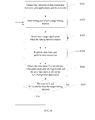
- FIG. 1 is a flowchart of a method for data interaction according to a first embodiment of the present invention
- FIG. 3 is a flowchart of a method for data interaction according to a second embodiment of the present invention.
- FIG. 4 is a schematic diagram illustrating a data interaction process according to the second embodiment
- FIG. 5 is a schematic diagram illustrating another data interaction process according to the second embodiment
- FIG. 6 is a flowchart of a method for data interaction according to a third embodiment of the present invention.
- FIG. 7 is a schematic diagram illustrating a data interaction process according to the third embodiment.
- FIG. 8 is another schematic diagram illustrating a data interaction process according to the third embodiment.
- FIG. 9 is a schematic structural diagram of an apparatus for data interaction according to the present invention.
- FIG. 10 is a schematic structural diagram of another apparatus for data interaction according to the present invention.
- FIG. 11 is a schematic structural diagram of another apparatus for data interaction according to the present invention.
- APPs such as twitter (twitter), windows live message (Microsoft chat tool), email (mailbox), and QQ (Tencent chat tool) are in the background application mode (for example, when QQ is in the user-visible state, that is, a user uses QQ for chatting, QQ is in the foreground application mode; when QQ is minimized to the notification area, QQ exists in a user-invisible form, that is, QQ is in the background application mode), each APP needs to respectively activate PDP when the respective RT of interacting with the network expires, and establishes a link with the network, and performs data interaction continuously.
- APPs such as twitter (twitter), windows live message (Microsoft chat tool), email (mailbox), and QQ (Tencent chat tool) are in the background application mode
- each APP needs to respectively activate PDP when the respective RT of interacting with the network expires, and establishes a link with the network, and performs data interaction continuously.
- the present invention uses the following mode to decrease the number of times of activating PDP, and achieve the purpose of decreasing power consumption, reducing electricity consumption of the terminal, and prolonging the standby time of the terminal:
- each APP for example, QQ and other applications, submits its RT of interacting with the network to the DM, and the DM uniformly manages the trigger time point of interaction between the APP and the network, so that the frequency of data interaction between each APP and the network is synchronized, that is, after PDP is activated, each APP starts establishing a data link after receiving a notification from the DM.
- this embodiment mainly includes the following steps:
- Step S101 Obtain RTs of data interaction between each valid APP in the background application mode and the network.
- step S101 the DM obtains RTs of data interaction between each valid APP in the background application mode and the network.
- the valid APP refers to an APP whose running state is in the user-invisible form after the terminal starts each APP, that is, the APP currently in the background application mode submits registration to the DM, and the APP submitting registration to the DM is the current valid APP.
- step S102 When step S102 is executed, the minimum RT is selected from the required time RTs received by the DM in step S101 as a target required time of the timer of the DM.
- Step S103 Use a time point when the target required time expires as a time point for triggering data interaction; when the target required time expires, obtain each valid APP whose current required time is between two consecutive target required times, and determine the valid APP as a target APP.
- step S103 the time point when the current target required time expires is determined as a time point for triggering data interaction; in step S102, the timer of the DM is started according to the target required time, that is, the timer of the DM is set to a target required time.
- the DM determines the valid APPs requiring data interaction as target APPs, and sends a notification for data interaction with the network to each target APP.
- the determining, by the DM, the target APPs requiring data interaction means that each valid APP also performs countdown based on the RT according to its timer when the DM performs cyclic timing based on the minimum RT. Every time when the timer of the DM expires, the DM judges whether the RT in the timer of each valid APP is currently between the previous target required time and the current target required time, and obtains valid APPs whose current RT is between the two consecutive target required times, and the valid APPs are target APPs suitable for performing data interaction.
- the countdown or countup mode may be used.
- the mode used by the embodiment of the present invention is not limited thereto.
- Step S104 Activate PDP, establish data links between the target APPs and the network, and perform data interaction.
- step S104 is executed.
- PDP is activated; then the respective data link between the network and each target APP is established, so that each target APP establishes its data link based on the activated PDP, and completes the data interaction with the network.
- step S103 to step S104 are cyclically executed until there is no target APP.
- each valid APP can submit the RT of data interaction with the network to the DM; the DM synchronizes the frequency of data interaction between each valid APP and the network, and on the basis of activating PDP only once, each valid APP establishes its data link to perform data interaction with the network, which, while satisfying each valid application, decreases the number of times of activating PDP to establish data links, and achieves the purpose of decreasing power consumption, reducing electricity consumption of the terminal, and prolonging the standby time of the terminal.
- the terminal currently three applications need to run on the background, and need to interact with the network.
- the three applications are respectively: email, twitter, and QQ.
- the RT of email is 10 minutes
- the RT of twitter is 15 minutes
- the RT of QQ is 40 minutes.
- the terminal is powered on; after the three applications enter the background application mode, the three applications uniformly submit RTs to the DM, and the DM uses 10 minutes as its timer time.
- the first RT of the timer of the DM expires and the DM performs broadcasting, the email and twitter send requests at the same time for establishing a data link after receiving the notification, and complete the data interaction with the server in the network.
- the RT of twitter which is 15 minutes, is between two target required times, and the RT of QQ, which is 40 minutes, does not satisfy the interaction condition, and the same case occurs even at the 20 th and 30 th minute, but at the 40 th minute, the RT of QQ satisfies the condition of data interaction.
- the three applications all establish data links to complete data interaction with the server.
- the method disclosed by the present invention uses the DM in the terminal to perform coordinated control for each APP, so that the terminal activates PDP only four times and establishes data links, thereby decreasing the number of times of activating PDP. Therefore, power consumption of the terminal is reduced, plenty of electricity is saved, and the standby time of the terminal is prolonged.
- the DM broadcast refers to an interaction mode between applications.
- the DM may send the same information to multiple registered applications simultaneously, that is, send a notification (interaction instruction) for interaction between the APP and the network.
- the specific execution process is shown in FIG. 2 , where A is a time point for performing data interaction (namely, a time point for activating PDP), RT is a required time, and email, twitter, and QQ are valid APPs currently running in the background application mode.
- step S103 in the first embodiment when step S103 in the first embodiment is executed, many cases may occur.
- the following describes by way of example the case that may occur when the step is executed, and the corresponding case arising therefrom.
- this embodiment specifically includes the following steps:
- Step S101 Obtain RTs of data interaction between each valid APP in the background application mode and the network.
- Step S102 Select a minimum RT from the current RTs as a target required time of data interaction, and start the timer in the DM to perform timing.
- Step S103 Use a time point when the target required time expires as a time point for triggering data interaction; when the target required time expires, obtain each valid APP whose current required time of data interaction is between two consecutive target required times, and determine the valid APP as a target APP.
- the specific process of determining each valid APP as a target APP is as follows:
- Step S1031 Use the target required time as a time point for triggering data interaction.
- Step S1032 Before the target required time expires, detect whether any invalid APP occurs in the valid APPs between two consecutive target required times, and if an invalid APP occurs, execute step S1033, or if no invalid APP occurs, execute step S1034.
- the invalid APP means that a valid APP in the background application mode submits deregistration to the DM when the work mode of the valid APP is changed to the foreground application (the foreground application is relative to the background application, and at this time, the APP is in the state of active use by the user, that is, the APP is in the user-visible state), and the valid APP currently submitting deregistration becomes an invalid APP.
- Step S1033 When the target required time expires, determine other valid APPs as target APPs for performing data interaction with the network.
- determining the target APP whose required time of data interaction is between two consecutive target required times further requires each valid APP to determine whether to perform data interaction after receiving the notification, that is, determine whether each valid APP itself is still valid and is still in the background application mode.
- the target APPs need to satisfy the following condition: During the time period from the start of the timer to expiry of the required time, each valid APP between the previous target required time and the expiry of the current target required time has never been invalid.
- step S104 the RT in each valid APP also needs to be detected, that is, step S105 (the dotted line part in the flowchart) is executed.
- Step S105 Detect whether the target required time is the RT of the invalid APP, and if so, return to step S102, or if not, return to step S1031.
- the RT of email which is 40 minutes, is between the two target required times.
- the two APPs it is determined that both the two APPs may perform data interaction with the network, that is, the corresponding step S 104 is executed.
- step S1032 before an RT expires, that is, before the target required time of 30 minutes expires, if the QQ submitting the 30-minute RT cancels registration, because the APP corresponding to the target required time RT of 30 minutes cancels registration, after the current required time of 30 minutes, after the data interaction between the email not canceling registration and the network is completed, step S105 is correspondingly executed, and the procedure returns to step S102 to re-determine a target required time.
- the present invention further includes an execution process after a new APP submitting registration is detected, and the specific process is described in the third embodiment disclosed by the present invention.
- this embodiment specifically includes steps S101 to S107.
- the processes of executing step S101 to step S104 are consistent with the corresponding step S101 to step S104 in the first embodiment, and are not further described herein.
- the difference between the third embodiment and the first embodiment lies in whether the DM has obtained the registration information of the new valid APP, that is, whether the DM has received the new RT submitted by the new APP, at a time point T after the target required time is restarted or reset (that is, after data interaction is completed) and before the next target required time expires.
- the following steps are further included:
- Step S106 Obtain the time point T when the new valid APP submits registration and the new RT of the new valid APP.
- the problem of submitting registration information by new valid APPs is further solved, that is, the new RT obtained by the DM is compared with the previously obtained RT, so that the minimum RT, namely, the required time of the DM, is determined, which ensures completion of data interaction with the network when the accurate target required time expires.
- the minimum RT namely, the required time of the DM
- the first case is that when an RT (the target required time is 40 minutes at this time) expires (at this time, data interaction is completed and the timer is restarted or reset) and at the 5 th minute (herein the 5 th minute is the time point T when the valid APP2 submits registration) after the broadcast of the DM, another valid APP2 submits registration information to the DM, where the RT2 of the valid APP2 is 30 minutes.
- the frequency of data interaction between each application running on the background and the network is synchronized, and the DM in the terminal is used to perform coordinated control for each valid APP, and on the basis of activating PDP only once, the respective data link is established to perform data interaction with the network, which, while satisfying each valid APP in the background application mode, reduces the number of times of activating PDP to establish data links, and achieves the purpose of decreasing power consumption, reducing electricity consumption of the terminal, and prolonging the standby time of the terminal.
- the DM When an actively initiated PS instruction is detected, the DM sends a data interaction instruction (DM broadcast) to each valid APP, so that each valid APP performs data interaction with the network.
- DM broadcast data interaction instruction
- the three applications After power-on of the terminal, the three applications uniformly submit RTs to the DM, and the DM uses 10 minutes as its timer time. If the user uses a browser to open a web page (the user actively initiates a PS service) at the 5 th minute after power-on, PDP is activated. In the case, the DM sends a notification to the three applications, and the three applications simultaneously initiate data links and obtain data from the server. Thereby, the occasion of the PDP activation actively initiated by the user is used to complete interaction between all applications and the network, and at the same time, all timers need to be reset.
- the three applications are always under the management of the DM to perform data interaction with the network.
- the timer of the DM expires for the first time and the DM performs broadcasting, and the email and twitter send requests at the same time for establishing a data link after receiving a notification, and complete the data interaction with the network server.
- the same case occurs at the 20 th minute and 30 th minutes.
- the RT of QQ satisfies data interaction conditions, and after the DM performs broadcasting, all the three applications establish data links and complete data interaction with the server.
- the selecting unit 202 is configured to select a minimum RT from the current RTs as a target required time of data interaction.
- the timing unit 203 is configured to start the target required time and reset the target required time.
- the first detecting unit 206 is configured to detect whether an invalid APP occurs in valid APPs, and if so, shield the invalid APP and then trigger the timing comparing unit 207, or if not, directly trigger the determining unit 204.
- the timing comparing unit 207 is configured to judge whether the RT of the invalid APP is the current target required time, and if so, trigger the selecting unit 202, or if not, trigger the determining unit 204.
- the difference from the above disclosed apparatus lies in that: after the timing unit 203 starts timing, the first detecting unit 206 detects each valid APP, and if no invalid APP occurs, the timing unit 203 directly triggers the determining unit 204 to continue the next cycle.
- the monitoring unit is configured to monitor whether any packet switched instruction is actively initiated, and when detecting an actively initiated packet switched instruction, send a data interaction instruction to the interacting unit.
- the added monitoring unit when the terminal enters the DCH state, the great power generated because the terminal enters the state can be used properly, and on the basis of activated PDP, the process of establishing data links between valid APPs and the network for performing data interaction is completed, thereby decreasing the number of times of activating PDP by the valid APPs in the background application mode, saving power resources, and further saving the electricity of the terminal.
- the frequency of data interaction between each application running on the background and the network is synchronized, and on the basis of activating PDP only once, the data link of each application is established to perform data interaction with the network, which, while satisfying each valid APP in the background application mode, decreases the number of times of activating PDP to establish data links, and achieves the purpose of decreasing power consumption, reducing electricity consumption of the terminal, and prolonging the standby time of the terminal.
- the steps of the method or algorithm described herein may be implemented by using hardware directly or by using a software module executed by a processor, or by using both of them.
- the software module may be located in a Random Access Memory (RAM), a computer memory, a Read Only Memory (ROM), an Electrically Programmable ROM, an Electrically Erasable Programmable ROM, a register, a hard disk, a removable disk, a CD-ROM, or any other storage media well-known in the art.
Landscapes
- Engineering & Computer Science (AREA)
- Computer Networks & Wireless Communication (AREA)
- Signal Processing (AREA)
- Multimedia (AREA)
- Mobile Radio Communication Systems (AREA)
- Telephone Function (AREA)
- Communication Control (AREA)
Abstract
Description
- This application claims priority to Chinese Patent Application No.
201010551204.6 - The present invention relates to the field of mobile communication technologies, and in particular, to a method and an apparatus for data interaction.
- With the rapid development of mobile communications and terminals, more and more software used in social activities or instant messaging can be integrated into a terminal, for example, the campus network, Twitter, Microsoft chat tool windows live message, mailbox email, and Tencent QQ. When the applications run in the background application mode, the applications perform data interaction with the network once at regular required times according to respective timers to update data information.
- In the prior art, when multiple applications (such as QQ, twitter, and email) run on the background simultaneously and perform interaction with the network according to respective timers, after respective required times expire, respectively activate PDP (Packet Data Protocol, packet data protocol), establish data links, and cause the terminal to generate inherent power consumption in the respective PDP activation process. For example, QQ initiates a request to a server at an interval of 30 minutes to obtain the latest state of current online friends; email actively initiates a data link at an interval of 35 minutes, and downloads emails from the server; when running on the background, the twitter initiates a data link at an interval of 45 minutes to obtain data from the server. To conclude, the terminal integrating or loading the applications activates PDP three times within 15 minutes to establish respective data links, and cause the terminal to generate inherent power consumption three times respectively.
- Therefore, when the prior art is used to perform data interaction between each application in the background application mode and the network, because each application independently sends PDP activation to establish the corresponding data link to perform data interaction with the network, the terminal generates plenty of power consumption repeatedly in the process of continuously independently sending PDP activation requests, electricity consumption of the terminal is increased, and the standby time of the terminal is shortened.
- In view of this, the present invention provides a method and an apparatus for data interaction, so as to overcome the following problems in the prior art: Because the applications in the background application mode continuously independently activate PDP, the terminal continuously generates plenty of power consumption repeatedly, electricity consumption of the terminal is increased, and the standby time of the terminal is shortened.
- To meet the preceding purpose, the present invention provides the following technical solutions:
- A method for data interaction includes:
- obtaining required times of data interaction between valid applications in a background application mode and a network;
- selecting a minimum required time from the required times as a target required time of data interaction, and starting timing; and
- when the target required time expires, obtaining each valid application whose current required time is between two consecutive target required times, and determining the valid application as a target application; and activating a packet data protocol PDP, establishing a data link between the target application and the network, and performing data interaction.
- An apparatus for data interaction includes:
- an obtaining unit, configured to obtain required times of data interaction between valid applications in a background application mode and a network;
- a selecting unit, configured to select a minimum required time from the required times as a target required time of data interaction;
- a timing unit, configured to start the target required time and reset the target required time;
- a determining unit, configured to: when the target required time expires, obtain each valid application whose current required time of data interaction is between two consecutive target required times, and determine the valid application as a target application; and
- an interacting unit, configured to activate a packet data protocol PDP, establish a data link between the target application and the network, and return to the selecting unit after performing data interaction.
- As seen from the above technical solutions, compared with the prior art, the present invention discloses a method and an apparatus for data interaction, including: obtaining required times of data interaction between valid applications in a background application mode and a network; selecting a minimum required time from the current required times as a target required time of data interaction; when the target required time expires, determining valid applications suitable for performing data interaction, so that the valid applications establish respective data links after activating the packet data protocol at the same time to perform data interaction with the network and obtain corresponding data; and if valid applications exist, when the target required time expires, cyclically performing data interaction between the valid applications and the network. With the method and apparatus for data interaction disclosed by the present invention, the frequency of data interaction between each application running on the background and the network is synchronized, and after PDP is activated once, the data link of each application is established to perform data interaction with the network, which, while satisfying each valid APP in the background application mode, reduces the number of times of activating PDP, and achieves the purpose of decreasing power consumption, reducing electricity consumption of the terminal, and prolonging the standby time of the terminal.
- To illustrate the technical solutions in the embodiments of the present invention or in the prior art more clearly, the following briefly describes the accompanying drawings required for describing the embodiments or the prior art. Apparently, the accompanying drawings in the following description merely show some embodiments of the present invention, and a person of ordinary skill in the art can derive other drawings from these accompanying drawings without creative efforts.
-
FIG. 1 is a flowchart of a method for data interaction according to a first embodiment of the present invention; -
FIG. 2 is a schematic diagram illustrating a specific data interaction process according to the first embodiment; -
FIG. 3 is a flowchart of a method for data interaction according to a second embodiment of the present invention; -
FIG. 4 is a schematic diagram illustrating a data interaction process according to the second embodiment; -
FIG. 5 is a schematic diagram illustrating another data interaction process according to the second embodiment; -
FIG. 6 is a flowchart of a method for data interaction according to a third embodiment of the present invention; -
FIG. 7 is a schematic diagram illustrating a data interaction process according to the third embodiment; -
FIG. 8 is another schematic diagram illustrating a data interaction process according to the third embodiment; -
FIG. 9 is a schematic structural diagram of an apparatus for data interaction according to the present invention; -
FIG. 10 is a schematic structural diagram of another apparatus for data interaction according to the present invention; and -
FIG. 11 is a schematic structural diagram of another apparatus for data interaction according to the present invention. - For the purpose of citation and clarity, the description and abbreviations or acronyms of technical terms used herein are listed as follows:
- DCH: dedicated channel;
- PS: package switch, packet switched;
- PDP: Packet Data Protocol, packet data protocol;
- DM: background application, background application;
- RT: required time, required time;
- APP: application, which refers to all applications in a broad sense.
- The technical solutions in the embodiments of the present invention will be clearly and fully described in the following with reference to the accompanying drawings. It is obvious that the embodiments to be described are only a part rather than all of the embodiments of the present invention. All other embodiments obtained by a person skilled in the art without creative efforts based on the embodiments of the present invention are fall within the protection scope of the present invention.
- When APPs such as twitter (twitter), windows live message (Microsoft chat tool), email (mailbox), and QQ (Tencent chat tool) are in the background application mode (for example, when QQ is in the user-visible state, that is, a user uses QQ for chatting, QQ is in the foreground application mode; when QQ is minimized to the notification area, QQ exists in a user-invisible form, that is, QQ is in the background application mode), each APP needs to respectively activate PDP when the respective RT of interacting with the network expires, and establishes a link with the network, and performs data interaction continuously. Because plenty of power consumption is generated in the process of interaction between the APPs in the background application mode and the network, the electricity consumption of the terminal is increased, and the standby time of the terminal is shortened. To avoid the preceding problems, while satisfying each valid APP in the background application mode, the present invention uses the following mode to decrease the number of times of activating PDP, and achieve the purpose of decreasing power consumption, reducing electricity consumption of the terminal, and prolonging the standby time of the terminal: After each application enters the background application mode, each APP, for example, QQ and other applications, submits its RT of interacting with the network to the DM, and the DM uniformly manages the trigger time point of interaction between the APP and the network, so that the frequency of data interaction between each APP and the network is synchronized, that is, after PDP is activated, each APP starts establishing a data link after receiving a notification from the DM. The specific implementation is described in detail through the following embodiments.
- Referring to
FIG. 1 , this embodiment mainly includes the following steps: - Step S101: Obtain RTs of data interaction between each valid APP in the background application mode and the network.
- In step S101, the DM obtains RTs of data interaction between each valid APP in the background application mode and the network.
- The valid APP refers to an APP whose running state is in the user-invisible form after the terminal starts each APP, that is, the APP currently in the background application mode submits registration to the DM, and the APP submitting registration to the DM is the current valid APP.
- Step S102: Select a minimum RT from the RTs as a target required time of data interaction, and start the timer in the DM to perform timing.
- When step S102 is executed, the minimum RT is selected from the required time RTs received by the DM in step S101 as a target required time of the timer of the DM.
- Step S103: Use a time point when the target required time expires as a time point for triggering data interaction; when the target required time expires, obtain each valid APP whose current required time is between two consecutive target required times, and determine the valid APP as a target APP.
- In step S103, the time point when the current target required time expires is determined as a time point for triggering data interaction; in step S102, the timer of the DM is started according to the target required time, that is, the timer of the DM is set to a target required time. When the target required time expires, the DM determines the valid APPs requiring data interaction as target APPs, and sends a notification for data interaction with the network to each target APP.
- The determining, by the DM, the target APPs requiring data interaction means that each valid APP also performs countdown based on the RT according to its timer when the DM performs cyclic timing based on the minimum RT. Every time when the timer of the DM expires, the DM judges whether the RT in the timer of each valid APP is currently between the previous target required time and the current target required time, and obtains valid APPs whose current RT is between the two consecutive target required times, and the valid APPs are target APPs suitable for performing data interaction.
- It should be noted that after the timer is started, when whether the target required time expires is determined, the countdown or countup mode may be used. However, the mode used by the embodiment of the present invention is not limited thereto.
- Step S104: Activate PDP, establish data links between the target APPs and the network, and perform data interaction.
- After step S103 is executed, it is determined that each target APP has received a notification for data interaction with the network, and then step S104 is executed. Before the first target APP performs data interaction with the network, PDP is activated; then the respective data link between the network and each target APP is established, so that each target APP establishes its data link based on the activated PDP, and completes the data interaction with the network.
- It should be noted that, when each target APP performs data interaction with the network, the timers of all target APPs are reset, and the timer of the DM is also reset. In the case that the minimum RT is not changed, the timer of each target APP and the timer of the DM are restarted, that is, step S103 to step S104 are cyclically executed until there is no target APP. With the method disclosed by the present invention, each valid APP can submit the RT of data interaction with the network to the DM; the DM synchronizes the frequency of data interaction between each valid APP and the network, and on the basis of activating PDP only once, each valid APP establishes its data link to perform data interaction with the network, which, while satisfying each valid application, decreases the number of times of activating PDP to establish data links, and achieves the purpose of decreasing power consumption, reducing electricity consumption of the terminal, and prolonging the standby time of the terminal.
- To embody the method disclosed by the present invention more clearly, an example is described herein. For example, in the implementation of the terminal, currently three applications need to run on the background, and need to interact with the network. The three applications are respectively: email, twitter, and QQ. The RT of email is 10 minutes, the RT of twitter is 15 minutes, and the RT of QQ is 40 minutes.
- The terminal is powered on; after the three applications enter the background application mode, the three applications uniformly submit RTs to the DM, and the DM uses 10 minutes as its timer time.
- At the 10th minute after power-on, the first RT of the timer of the DM expires and the DM performs broadcasting, the email and twitter send requests at the same time for establishing a data link after receiving the notification, and complete the data interaction with the server in the network. The RT of twitter, which is 15 minutes, is between two target required times, and the RT of QQ, which is 40 minutes, does not satisfy the interaction condition, and the same case occurs even at the 20th and 30th minute, but at the 40th minute, the RT of QQ satisfies the condition of data interaction. After the DM performs broadcasting, the three applications all establish data links to complete data interaction with the server. Thereby, compared with the method of the prior art that causes the terminal to activate PDP seven times and establish data links, the method disclosed by the present invention uses the DM in the terminal to perform coordinated control for each APP, so that the terminal activates PDP only four times and establishes data links, thereby decreasing the number of times of activating PDP. Therefore, power consumption of the terminal is reduced, plenty of electricity is saved, and the standby time of the terminal is prolonged.
- The DM broadcast refers to an interaction mode between applications. The DM may send the same information to multiple registered applications simultaneously, that is, send a notification (interaction instruction) for interaction between the APP and the network. The specific execution process is shown in
FIG. 2 , where A is a time point for performing data interaction (namely, a time point for activating PDP), RT is a required time, and email, twitter, and QQ are valid APPs currently running in the background application mode. - In addition, when step S103 in the first embodiment is executed, many cases may occur. The following describes by way of example the case that may occur when the step is executed, and the corresponding case arising therefrom.
- Referring to
FIG. 3 , this embodiment specifically includes the following steps: - Step S101: Obtain RTs of data interaction between each valid APP in the background application mode and the network.
- Step S102: Select a minimum RT from the current RTs as a target required time of data interaction, and start the timer in the DM to perform timing.
- Step S103: Use a time point when the target required time expires as a time point for triggering data interaction; when the target required time expires, obtain each valid APP whose current required time of data interaction is between two consecutive target required times, and determine the valid APP as a target APP. In step S103, the specific process of determining each valid APP as a target APP is as follows:
- Step S1031: Use the target required time as a time point for triggering data interaction.
- Step S1032: Before the target required time expires, detect whether any invalid APP occurs in the valid APPs between two consecutive target required times, and if an invalid APP occurs, execute step S1033, or if no invalid APP occurs, execute step S1034.
- The invalid APP means that a valid APP in the background application mode submits deregistration to the DM when the work mode of the valid APP is changed to the foreground application (the foreground application is relative to the background application, and at this time, the APP is in the state of active use by the user, that is, the APP is in the user-visible state), and the valid APP currently submitting deregistration becomes an invalid APP.
- Step S1033: When the target required time expires, determine other valid APPs as target APPs for performing data interaction with the network.
- Step S1034: Determine each valid APP as a target APP when the target required time expires.
- As seen from the specific process of executing step S103, determining the target APP whose required time of data interaction is between two consecutive target required times further requires each valid APP to determine whether to perform data interaction after receiving the notification, that is, determine whether each valid APP itself is still valid and is still in the background application mode.
- Therefore, in executing step S103 to determine target APPs that may perform data interaction with the network, the target APPs need to satisfy the following condition: During the time period from the start of the timer to expiry of the required time, each valid APP between the previous target required time and the expiry of the current target required time has never been invalid.
- Step S104: Activate PDP, establish data links between the target APPs and the network, and perform data interaction.
- Step S104 is executed to activate PDP before the first target APP performs data interaction with the network, and then data links between the network and each target APP are established, so that each target APP may establish its own data link on the basis of activating PDP only once, and complete data interaction with the network.
- In the second embodiment, the processes of executing step S101 to step S102 and step S104 are consistent with the counterpart in the first embodiment, and are not further described herein. However, it is determined through judgment in step S103 that an invalid APP occurs; in this case, based on the target required time, step S104 is executed so that each target APP performs data interaction with the network. After the timers maintained by all target APPs performing data interaction with the network are reset, that is, the RT of each target APP is reset, and the minimum RT in the timer maintained by the DM is also reset, to ensure accuracy of the next target required time, that is, to determine that the minimum RT is not changed, when step S104 is executed, the RT in each valid APP also needs to be detected, that is, step S105 (the dotted line part in the flowchart) is executed.
- Step S105: Detect whether the target required time is the RT of the invalid APP, and if so, return to step S102, or if not, return to step S1031.
- Therefore, when each target APP performs data interaction with the network, the timers of all target APPs are reset, and the timer of the DM is also reset. When the minimum RT is changed, the procedure may return to step S102: Reselect a minimum RT from the current RTs as a target required time, then restart the timer, and continue to execute following steps.
- To describe the technical solution of the second embodiment more clearly, herein an example is described for the case of judging whether the APPs in the background application mode are valid.
- For example, two APPs (QQ and email) in the background application mode submit registration information to the DM, which corresponds to step S101: The DM receives the RT in the registration information submitted by two APPs. The RT submitted by QQ is 30 minutes, and the RT submitted by email is 40 minutes. Corresponding to step S102, in this case, the timer of the DM is set to 30 minutes. Corresponding to step S103, in this case, the target required time is set to 30 minutes.
- When one RT expires, that is, when the target required time of 30 minutes expires, the RT of email, which is 40 minutes, is between the two target required times. When it is determined that the two APPs exist, it is determined that both the two APPs may perform data interaction with the network, that is, the
corresponding step S 104 is executed. - Corresponding to step S1032, before an RT expires, that is, before the target required time of 30 minutes expires, if email submitting the 40-minute RT deregisters (cancels registration), that is, email becomes an invalid APP, valid APPs at this time only include QQ; therefore, after the RT expires, QQ executes step S104 to complete data interaction with the network and obtain the data on the network server. Corresponding to step S105, because the RT submitted by the invalid APP (email) is 40 minutes and is not the target required time, the procedure returns to step S1031 to wait for expiry of the next RT (30 minutes). The specific data interaction process is shown in
FIG. 4 , where QQ and email are APPs, A is the time point of data interaction between the APP and the network, B is the time point for canceling registration by the APP, and RT is a required time. - Corresponding to step S1032, before an RT expires, that is, before the target required time of 30 minutes expires, if the QQ submitting the 30-minute RT cancels registration, because the APP corresponding to the target required time RT of 30 minutes cancels registration, after the current required time of 30 minutes, after the data interaction between the email not canceling registration and the network is completed, step S105 is correspondingly executed, and the procedure returns to step S102 to re-determine a target required time. In the current actual application, after the return, only one email application whose RT is 40 minutes exists; therefore, in this case, the timer of the DM is set to 40 minutes and is validated when the next RT expires, that is, related steps are executed after the next target required time 40 expires. The specific data interaction process is shown in
FIG. 5 , where QQ and email are APPs, A is the time point of data interaction between the APP and the network, B is the time point for canceling registration by the APP, and RT is a required time. - With the method disclosed by the second embodiment of the present invention, optional solutions are provided for the case that may occur in the actual application. When there is no invalid APP, the technical solution same as the first embodiment is executed. The DM synchronizes the frequency of data interaction between each valid APP and the network according to the determined target required time, and the opportunity of activating PDP once is used to establish a data link to interact with the network, which, while satisfying each valid APP, reduces the number of times of activating PDP to establish data links, and achieves the purpose of decreasing power consumption, reducing electricity consumption of the terminal, and prolonging the standby time of the terminal.
- In addition, on the basis of the first embodiment disclosed by the present invention, the present invention further includes an execution process after a new APP submitting registration is detected, and the specific process is described in the third embodiment disclosed by the present invention.
- Referring to
FIG. 6 , this embodiment specifically includes steps S101 to S107. The processes of executing step S101 to step S104 are consistent with the corresponding step S101 to step S104 in the first embodiment, and are not further described herein. The difference between the third embodiment and the first embodiment lies in whether the DM has obtained the registration information of the new valid APP, that is, whether the DM has received the new RT submitted by the new APP, at a time point T after the target required time is restarted or reset (that is, after data interaction is completed) and before the next target required time expires. To be specific, after step S104, the following steps are further included: - Step S106: Obtain the time point T when the new valid APP submits registration and the new RT of the new valid APP.
- Step S107: Detect whether the sum of the new RT and the time point T is smaller than the target required time, and if so, determine the new RT as a target required time and return to step
S 103, or if not, re-execute step S103 and step S104 and then return to step S102 (the return process is indicated by a dotted line in the flowchart). - By executing the method disclosed by the third embodiment, on the basis of the first embodiment, the problem of submitting registration information by new valid APPs is further solved, that is, the new RT obtained by the DM is compared with the previously obtained RT, so that the minimum RT, namely, the required time of the DM, is determined, which ensures completion of data interaction with the network when the accurate target required time expires. Herein an example is described for the two cases in step S107, using the actual application of the method in the terminal.
- For example, only one valid APP1 in the background application mode in the current terminal submits registration information to the DM, where the RT1 of the valid APP is 40 minutes.
- The first case is that when an RT (the target required time is 40 minutes at this time) expires (at this time, data interaction is completed and the timer is restarted or reset) and at the 5th minute (herein the 5th minute is the time point T when the valid APP2 submits registration) after the broadcast of the DM, another valid APP2 submits registration information to the DM, where the RT2 of the valid APP2 is 30 minutes.
- Because the sum of the time point T and RT2 is smaller than the target required time (5 + 30 = 35 < 40), the RT corresponding to the current valid APP2 is determined as a target required time. In this case, when being reset, the timer of the DM is reset to 30 minutes, and after the RT reset by the DM expires (after 30 minutes),
step S 103 to step S104 are cyclically executed. For the specific data interaction process, refer toFIG. 7 , where A is a time point of data interaction between the APP1 and the network, B is a time point of data interaction between APP1 and APP2 and the network, T is a time point when the valid APP2 submits registration, and RT is a required time. - The second case is that when an RT (the target required time is 40 minutes at this time) expires and at the 6th minute (corresponding to step S106, where the 6th minute is the time point T when the valid APP2 submits registration) after the broadcast of the DM, another valid APP2 submits registration information to the DM, where the RT2 of the valid APP2 is 35 minutes.
- Because the sum of the time point T and RT2 is greater than the target required time (6 + 35 = 41 > 40), execution continues until the current target required time expires so that the valid APP and the valid APP2 simultaneously complete data interaction with the network server, and then the minimum RT is selected from the RTs corresponding to the current valid APP1 and valid APP2 as a target required time of data interaction. In this case, when being reset (reset), the timer of the DM should be set to 35 minutes. Therefore, after the RT reset by the DM expires (35 minutes),
step S 103 to step S104 are cyclically executed. For the specific data interaction process, refer toFIG. 8 . InFIG. 8 , A is a time point of data interaction between the valid APP1 and the network, B is a time point of data interaction between the valid APP1 and valid APP2 and the network, T is a time point when the valid APP2 submits registration, and RT is a required time. - It should be noted that the description about the time point T in this embodiment is not limited to the minutes in the example, and that the range of the time point depends on the target required time so long as the time point is between the current target required time and the next target required time.
- Through the example described in the third embodiment of the present invention, on the basis of solving the problem of synchronizing the frequency of data interaction between the valid APP in the background application mode in the terminal and the network, the problem of determining an accurate target required time after the terminal receives the registration information of the new valid APP is further solved. With the method disclosed by the present invention, the DM in the terminal can ensure coordinated control for each valid APP while receiving the registration information of a new valid APP, and use the minimum RT in the current RTs as a target required time. Therefore, power consumption of the terminal is reduced, plenty of electricity is saved, and the standby time of the terminal is prolonged.
- It should be noted that if an invalid APP occurs when the third embodiment is executed, the problem can also be solved according to the method disclosed by the third embodiment. Therefore, using the method for data interaction disclosed by the third embodiment of the present invention not only can solve the problem of determining an accurate target required time after the terminal receives the registration information of the new valid APP, but also can solve the problem caused by occurrence of an invalid APP. Finally, the frequency of data interaction between each application running on the background and the network is synchronized, and the DM in the terminal is used to perform coordinated control for each valid APP, and on the basis of activating PDP only once, the respective data link is established to perform data interaction with the network, which, while satisfying each valid APP in the background application mode, reduces the number of times of activating PDP to establish data links, and achieves the purpose of decreasing power consumption, reducing electricity consumption of the terminal, and prolonging the standby time of the terminal.
- With the method disclosed by the fourth embodiment, on the basis of executing steps of the first embodiment, second embodiment, or third embodiment disclosed by the present invention, the DM monitors the terminal in real time. The DM sends DM broadcast to each valid APP when receiving a PS service instruction actively initiated by the user, so that each valid APP establishes a data link to complete data interaction with the network and that the current resources are not wasted. The specific process is as follows:
- The DM monitors in real time whether any PS instruction is actively initiated.
- When an actively initiated PS instruction is detected, the DM sends a data interaction instruction (DM broadcast) to each valid APP, so that each valid APP performs data interaction with the network.
- When no actively initiated PS instruction is detected, the step that should be currently executed in each embodiment continues to be executed.
- Therefore, when the user actively initiates a PS service and the terminal enters the DCH state, using the method disclosed by the embodiment may solve the problem of resource waste caused by improper use and great power when the terminal enters the DCH state.
- To be specific, when the DM detects a PS instruction actively initiated by the user, the terminal has entered the DCH state, and PDP has been activated. In this case, the DM sends a data interaction instruction to each valid APP, even if the timer of the valid APP or DM does not expire at this time. For example, the required time of QQ is 40 minutes and expires after 10 minutes; after the DM broadcast, QQ also uses the current occasion to complete data interaction with the network, and resets the timer of the DM (because data interaction between QQ and the network is performed within the maximum required time of 40 minutes). If several applications similar to QQ currently run on the background, the method disclosed by this embodiment can reduce the number of times of activating PDP, and at the same time, achieve the purpose of saving electricity and prolonging the standby time of the terminal.
- To embody the method disclosed by the embodiment of the present invention more clearly, an example is described herein. For example, in the actual application of the terminal, currently three applications need to run on the background, and need to interact with the network. The three applications are respectively: email, twitter, and QQ. The RT of email is 10 minutes, the RT of twitter is 15 minutes, and the RT of QQ is 40 minutes.
- After power-on of the terminal, the three applications uniformly submit RTs to the DM, and the DM uses 10 minutes as its timer time. If the user uses a browser to open a web page (the user actively initiates a PS service) at the 5th minute after power-on, PDP is activated. In the case, the DM sends a notification to the three applications, and the three applications simultaneously initiate data links and obtain data from the server. Thereby, the occasion of the PDP activation actively initiated by the user is used to complete interaction between all applications and the network, and at the same time, all timers need to be reset.
- If the DM has not detected any PS service instruction actively initiated by the user, the three applications are always under the management of the DM to perform data interaction with the network. At the 10th minute after power-on of the terminal, the timer of the DM expires for the first time and the DM performs broadcasting, and the email and twitter send requests at the same time for establishing a data link after receiving a notification, and complete the data interaction with the network server. The same case occurs at the 20th minute and 30th minutes. However, at the 40th minutes, the RT of QQ satisfies data interaction conditions, and after the DM performs broadcasting, all the three applications establish data links and complete data interaction with the server. Thereby, compared with the method of the prior art that causes the terminal to activate PDP seven times and establish data links, the method disclosed by the present invention uses the MD in the terminal to perform coordinated control for each APP, so that the terminal activates PDP only four times and establishes data links. Therefore, not only power consumption of the terminal is reduced, but also plenty of electricity is saved, and the standby time of the terminal is prolonged.
- A method for data interaction is described in detail in the above embodiments disclosed by the present invention. The method of the present invention may be implemented by using multiple forms of apparatuses. Therefore, the present invention also discloses an apparatus for data interaction, and the following is a detailed description of specific embodiments.
-
FIG. 9 is a schematic structural diagram of an apparatus for data interaction according to the present invention, mainly including: an obtainingunit 201, a selectingunit 202, atiming unit 203, a determiningunit 204, and an interactingunit 205. - The obtaining
unit 201 is configured to obtain RTs of data interaction between valid APPs in the background application mode and the network. - The selecting
unit 202 is configured to select a minimum RT from the current RTs as a target required time of data interaction. - The
timing unit 203 is configured to start the target required time and reset the target required time. - The determining
unit 204 is configured to: when the target required time expires, obtain each valid APP whose current required time of data interaction is between two consecutive target required times, and determine the valid APP as a target APP. - The interacting
unit 205 is configured to activate PDP, establish a data link between the target APP and the network, and return to the selecting unit after performing data interaction. - When the data interaction between the valid APPs in the terminal and the network is controlled, first, the obtaining
unit 201 obtains the RTs of data interaction with the network that are submitted by the valid APPs to the DM; then the selectingunit 202 selects the minimum RT from the RTs submitted by one or more valid APPs as a target required time of the DM, that is, used for the DM to send broadcast to control the required time of data interaction between each valid APP and the network; then after the target required time is determined, thetiming unit 203 starts timing, and when the required time expires, the determiningunit 204 determines that the RT in the timer of each current valid APP is between two consecutive target required times of the DM, and determines the valid APPs satisfying the above condition as target APPs; finally, the interactingunit 205 activates PDP, and enables the determined target APPs to establish data links for data interaction with the network, and at the same time, thetiming unit 203 restarts timing after resetting the target required time, and triggers the selectingunit 202 to continue the next cycle. - With the units in the apparatus disclosed by the present invention, the DM can complete uniform management for each valid APP, so that the frequency of data interaction between each valid APP satisfying the condition and the network is synchronized, which, while satisfying each APP, decreases the number of times of activating PDP to establish data links, and achieves the purpose of decreasing power consumption, reducing electricity consumption of the terminal, and prolonging the standby time of the terminal.
-
FIG. 10 is a schematic structural diagram of another apparatus for data interaction according to the present invention, mainly including: an obtainingunit 201, a selectingunit 202, atiming unit 203, a determiningunit 204, an interactingunit 205, a first detectingunit 206, and atiming comparing unit 207. - As seen from
FIG. 10 , on the basis of the apparatus shown inFIG. 9 , the apparatus disclosed by the present invention adds a first detectingunit 206 connected between thetiming unit 203 and the determiningunit 204, and atiming comparing unit 207 respectively connected to the first detectingunit 206, the selectingunit 202, and the determiningunit 204. - The first detecting
unit 206 is configured to detect whether an invalid APP occurs in valid APPs, and if so, shield the invalid APP and then trigger thetiming comparing unit 207, or if not, directly trigger the determiningunit 204. - The
timing comparing unit 207 is configured to judge whether the RT of the invalid APP is the current target required time, and if so, trigger the selectingunit 202, or if not, trigger the determiningunit 204. - In the apparatus disclosed by
FIG. 10 , functions of the obtainingunit 201, selectingunit 202,timing unit 203, determiningunit 204, and interactingunit 205 are consistent with those of the obtainingunit 201, selectingunit 202,timing unit 203, determiningunit 204, and interactingunit 205 in the apparatus shown inFIG. 9 , and are not further described herein. - However, the difference from the above disclosed apparatus lies in that: after the
timing unit 203 starts timing, the first detectingunit 206 detects each valid APP, and if no invalid APP occurs, thetiming unit 203 directly triggers the determiningunit 204 to continue the next cycle. - If an invalid APP occurs, the
timing comparing unit 207 is triggered to judge whether the RT corresponding to the current invalid APP is the current target required time, and if not, directly trigger the determiningunit 204 and continue to execute the cycle, or if so, return to the selectingunit 202 to reselect the current minimum RT as a target required time and continue to execute the cycle. Therefore, the apparatus disclosed by the present invention is further improved. -
FIG. 11 is a schematic structural diagram of another apparatus for data interaction according to the present invention, mainly including: an obtainingunit 201, a selectingunit 202, atiming unit 203, a determiningunit 204, an interactingunit 205, and atiming updating unit 208. Thetiming updating unit 208 is connected between the determiningunit 204 and the selectingunit 202. - The
timing updating unit 208 includes: a second detectingunit 2081 and anupdating unit 2082. - The second detecting
unit 2081 is configured to detect a new RT of a new valid APP obtained at a time point after the target required time is reset and before the next target required time expires. - The
updating unit 2082 is configured to judge whether the sum of the new RT and the time point is smaller than the current target required time, and if so, update the current target required time, and trigger the determiningunit 204 after determining the new RT as the target required time, or if not, directly trigger the determiningunit 204. - It should be noted that in the apparatus disclosed by
FIG. 11 , functions of the obtainingunit 201, selectingunit 202,timing unit 203, determiningunit 204, and interactingunit 205 are consistent with those of the obtainingunit 201, selectingunit 202,timing unit 203, determiningunit 204, and interactingunit 205 in the apparatus shown inFIG. 9 , and are not further described herein. - As seen from
FIG. 11 , when thetiming unit 203 is restarted or reset, the second detectingunit 2081 in the updatingunit 208 detects whether there is a new APP submitting registration, and if not, directly triggers the determiningunit 204 and continues to execute the cycle. - If it is determined that there is a new APP, the
updating unit 2082 judges whether the sum of the new RT and the time point T of receiving the new APP is smaller than the current target required time, and if smaller, updates the current target required time to the new RT, and then directly triggers the determiningunit 204 and continues to execute the cycle, or if greater, directly triggers the determiningunit 204 and returns to the selectingunit 202 through the interactingunit 205. - It should be noted that the interacting
unit 205 may also be directly connected to the selecting unit, and after theupdating unit 2082 determines that the sum of the new RT and the time point T of receiving the new APP is greater than the current target required time, may directly trigger the determiningunit 204, and return to thetiming unit 203. - In a schematic structural diagram of another apparatus for data interaction according to the present invention, the apparatus additionally includes a monitoring unit on the basis of the above disclosed apparatuses.
- The monitoring unit is configured to monitor whether any packet switched instruction is actively initiated, and when detecting an actively initiated packet switched instruction, send a data interaction instruction to the interacting unit.
- With the added monitoring unit, when the terminal enters the DCH state, the great power generated because the terminal enters the state can be used properly, and on the basis of activated PDP, the process of establishing data links between valid APPs and the network for performing data interaction is completed, thereby decreasing the number of times of activating PDP by the valid APPs in the background application mode, saving power resources, and further saving the electricity of the terminal.
- To conclude:
- With the method and apparatus for data interaction disclosed by the present invention, the frequency of data interaction between each application running on the background and the network is synchronized, and on the basis of activating PDP only once, the data link of each application is established to perform data interaction with the network, which, while satisfying each valid APP in the background application mode, decreases the number of times of activating PDP to establish data links, and achieves the purpose of decreasing power consumption, reducing electricity consumption of the terminal, and prolonging the standby time of the terminal.
- In addition, by means of real-time monitoring, the DM monitors whether any PS service is actively initiated, and uses the activated PDP to establish data links, so that each valid APP performs data interaction with the network, thereby further decreasing power consumption of the terminal, reducing the number of times of activating PDP to establish data links, and achieving the purpose of reducing electricity consumption of the terminal and prolonging the standby time of the terminal.
- All embodiments describe the present invention by using the progressive method. Each embodiment describes only the difference from other embodiments. For the similar parts among all embodiments, reference may be made to the relevant parts. The apparatus disclosed in the embodiment is related to the method disclosed in the embodiments, and is therefore outlined. For the associated part, reference may be made to the description in the method embodiments.
- The steps of the method or algorithm described herein may be implemented by using hardware directly or by using a software module executed by a processor, or by using both of them. The software module may be located in a Random Access Memory (RAM), a computer memory, a Read Only Memory (ROM), an Electrically Programmable ROM, an Electrically Erasable Programmable ROM, a register, a hard disk, a removable disk, a CD-ROM, or any other storage media well-known in the art.
- The preceding description disclosed in the embodiments allows a person skilled in the art to implement or use the present invention. Multiple modifications to these embodiments are apparent for a person skilled in the art. The general principle defined in the present invention may be implemented in other embodiments without departing from the scope of the present invention. Therefore, the present invention will not be limited to the embodiments described in the document but extends to the widest scope that complies with the principle and novelty disclosed in the document.
Claims (13)
- A method for data interaction, comprising:obtaining required times of data interaction between valid applications in a background application mode and a network;selecting a minimum required time from the current required times as a target required time of data interaction, and starting timing;when the target required time expires, obtaining each valid application whose current required time of data interaction is between two consecutive target required times, and determining the valid application as a target application; andactivating a packet data protocol PDP, establishing a data link between the target application and the network, and performing data interaction.
- The method according to claim 1, further comprising: restarting timing after the target application performs data interaction with the network.
- The method according to claim 1, further comprising:monitoring in real time whether any packet switched instruction is actively initiated, and when detecting an actively initiated packet switched instruction, sending a data interaction instruction to each valid application, executing the step of activating the packet data protocol, and completing data interaction between the valid application and the network.
- The method according to claim 1, wherein the determining each valid application whose current required time of data interaction is between two consecutive target required times comprises:detecting whether any invalid application occurs in the valid applications, and if so, determining other valid applications as target applications, or if not, determining the valid applications as target applications.
- The method according to claim 3, wherein after the target application performs data interaction with the network, when a required time of an invalid application is a current target required time, returning to the step of obtaining required times of data interaction between valid applications and the network.
- The method according to claim 3, wherein after the target application performs data interaction with the network, when a required time of an invalid application is not a current target required time, returning to the step executed when the target required time expires.
- The method according to claim 1, further comprising: if a new required time of a new valid application is obtained at a time point after timing is restarted and before a next target required time expires:when a sum of the new required time and the time point is smaller than a target required time, determining the new required time as a target required time, and returning to the step executed when the target required time expires.
- The method according to claim 7, comprising: when the sum of the new required time and the time point is greater than the target required time, after executing one target required time, returning to the step of selecting the minimum required time from the current required times.
- The method according to claim 7 or 8, wherein the time point is between restarting of the target required time and expiry of the next target required time.
- An apparatus for data interaction, comprising:an obtaining unit, configured to obtain required times of data interaction between valid applications in a background application mode and a network;a selecting unit, configured to select a minimum required time from the current required times as a target required time of data interaction;a timing unit, configured to start the timer of the target required time interval and reset the target required time;a determining unit, configured to: when the target required time expires, obtain each valid application whose current required time of data interaction is between two consecutive target required times, and determine the valid application as a target application; andan interacting unit, configured to activate a packet data protocol PDP, establish a data link between the target application and the network, and return to the selecting unit after performing data interaction.
- The apparatus according to claim 10, further comprising a monitoring unit, wherein:the monitoring unit is configured to monitor whether any packet switched instruction is actively initiated, and when detecting an actively initiated packet switched instruction, send a data interaction instruction to the interacting unit.
- The apparatus according to claim 10, further comprising a first detecting unit connected between the timing unit and the determining unit, and a timing comparing unit respectively connected to the first detecting unit, the selecting unit, and the determining unit, wherein:the first detecting unit is configured to detect whether any invalid application occurs in the valid applications, and if so, shield the invalid application and trigger the timing comparing unit, or if not, directly trigger the determining unit; andthe timing comparing unit is configured to judge whether a required time of an invalid application is a current target required time, and if so, trigger the selecting unit, or if not, trigger the determining unit.
- The apparatus according to claim 10, further comprising a timing updating unit connected to the determining unit and the selecting unit, wherein the timing updating unit comprises:a second detecting unit, configured to detect a new required time of a new valid application obtained at a time point after the target required time is reset or restarted and before a next target required time expires; andan updating unit, configured to judge whether a sum of the new required time and the time point is smaller than the target required time, and if so, update a current target required time and trigger the determining unit, or if not, directly trigger the determining unit.
Applications Claiming Priority (2)
| Application Number | Priority Date | Filing Date | Title |
|---|---|---|---|
| CN2010105512046A CN102076065B (en) | 2010-11-19 | 2010-11-19 | Method and device of data interaction |
| PCT/CN2011/082177 WO2012065537A1 (en) | 2010-11-19 | 2011-11-15 | Method and device of data interaction |
Publications (3)
| Publication Number | Publication Date |
|---|---|
| EP2629572A1 true EP2629572A1 (en) | 2013-08-21 |
| EP2629572A4 EP2629572A4 (en) | 2013-12-25 |
| EP2629572B1 EP2629572B1 (en) | 2019-01-02 |
Family
ID=44034367
Family Applications (1)
| Application Number | Title | Priority Date | Filing Date |
|---|---|---|---|
| EP11841564.5A Active EP2629572B1 (en) | 2010-11-19 | 2011-11-15 | Method and device of data interaction |
Country Status (6)
| Country | Link |
|---|---|
| US (2) | US9203896B2 (en) |
| EP (1) | EP2629572B1 (en) |
| JP (1) | JP2014504059A (en) |
| KR (1) | KR101480321B1 (en) |
| CN (1) | CN102076065B (en) |
| WO (1) | WO2012065537A1 (en) |
Cited By (2)
| Publication number | Priority date | Publication date | Assignee | Title |
|---|---|---|---|---|
| WO2014159232A1 (en) * | 2013-03-28 | 2014-10-02 | Alcatel Lucent | Communication device data channel access |
| EP2720498A4 (en) * | 2011-06-15 | 2015-01-07 | Huawei Tech Co Ltd | Communication method, radio user equipment and access netwrok equipment |
Families Citing this family (6)
| Publication number | Priority date | Publication date | Assignee | Title |
|---|---|---|---|---|
| CN102076065B (en) * | 2010-11-19 | 2013-04-24 | 华为终端有限公司 | Method and device of data interaction |
| ES2739024T3 (en) * | 2012-08-31 | 2020-01-28 | Huawei Device Co Ltd | Procedure and apparatus for intelligent terminal activation control |
| US9781676B2 (en) * | 2012-10-24 | 2017-10-03 | Blackberry Limited | System and method for reducing power consumption based on data activity sensitive timers |
| EP2785082B1 (en) * | 2013-03-27 | 2021-06-16 | Sony Corporation | Method for operating a terminal device |
| US10149343B2 (en) * | 2015-05-11 | 2018-12-04 | Apple Inc. | Use of baseband triggers to coalesce application data activity |
| CN108541050A (en) * | 2018-03-29 | 2018-09-14 | 广东欧珀移动通信有限公司 | Information processing method, device, mobile terminal and computer readable storage medium |
Family Cites Families (27)
| Publication number | Priority date | Publication date | Assignee | Title |
|---|---|---|---|---|
| JP4278146B2 (en) * | 2002-10-10 | 2009-06-10 | パナソニック株式会社 | Communication terminal, power saving processing method performed in communication terminal, program for executing the method, and recording medium |
| DE03729744T1 (en) * | 2002-11-04 | 2006-04-13 | Research In Motion Ltd., Waterloo | METHOD AND SYSTEM FOR MAINTAINING A WIRELESS DATA CONNECTION |
| JP3701663B2 (en) * | 2003-09-30 | 2005-10-05 | シャープ株式会社 | COMMUNICATION SYSTEM, TERMINAL STATION, COMMUNICATION MANAGEMENT METHOD, CONTROL PROGRAM, AND COMPUTER-READABLE RECORDING MEDIUM CONTAINING THE SAME |
| US7586864B2 (en) * | 2003-09-30 | 2009-09-08 | Sharp Kabushiki Kaisha | Communication system, base station, terminal, communication device, communication management method, control program, and computer-readable recording medium containing the same |
| CN100358295C (en) * | 2005-07-06 | 2007-12-26 | 华为技术有限公司 | Timer scheduling method |
| CA2517526A1 (en) * | 2005-08-30 | 2007-02-28 | Oz Communications | Method and system for communicating message notifications to mobile devices |
| CN1870767A (en) * | 2005-12-14 | 2006-11-29 | 华为技术有限公司 | Method for managing timer task |
| CN1960355A (en) * | 2006-08-24 | 2007-05-09 | 中兴通讯股份有限公司 | Method of logic channel in periodic monitoring system |
| CN100444174C (en) * | 2006-09-25 | 2008-12-17 | 北京中搜在线软件有限公司 | Method for picking-up, and aggregating micro content of web page, and automatic updating system |
| US8923852B2 (en) * | 2006-11-01 | 2014-12-30 | Seven Networks, Inc. | System, method, and computer-readable medium for user equipment decision-making criteria for connectivity and handover |
| US7961703B2 (en) * | 2006-11-30 | 2011-06-14 | Research In Motion Limited | System and method for maintaining packet protocol context |
| US8064390B2 (en) * | 2007-04-27 | 2011-11-22 | Research In Motion Limited | Uplink scheduling and resource allocation with fast indication |
| JP4512115B2 (en) * | 2007-05-21 | 2010-07-28 | パナソニック株式会社 | Intermittent communication method, communication terminal device, and wireless communication system |
| GB2451661B (en) * | 2007-08-08 | 2012-09-19 | Vodafone Plc | Mobile communications device and associated application for use thereon |
| DE102008019287B4 (en) * | 2008-04-16 | 2010-07-22 | Eads Deutschland Gmbh | A method for automatically generating a time scheme for distributed applications or processes of a digital network communicating over a timed common data bus |
| US8589541B2 (en) * | 2009-01-28 | 2013-11-19 | Headwater Partners I Llc | Device-assisted services for protecting network capacity |
| CN101754183B (en) * | 2008-12-19 | 2013-02-13 | 北大方正集团有限公司 | Method, device and system for mobile device to automatically download digital content |
| US9270559B2 (en) * | 2009-01-28 | 2016-02-23 | Headwater Partners I Llc | Service policy implementation for an end-user device having a control application or a proxy agent for routing an application traffic flow |
| US9351193B2 (en) * | 2009-01-28 | 2016-05-24 | Headwater Partners I Llc | Intermediate networking devices |
| US8606911B2 (en) * | 2009-03-02 | 2013-12-10 | Headwater Partners I Llc | Flow tagging for service policy implementation |
| US9253663B2 (en) * | 2009-01-28 | 2016-02-02 | Headwater Partners I Llc | Controlling mobile device communications on a roaming network based on device state |
| US9858559B2 (en) * | 2009-01-28 | 2018-01-02 | Headwater Research Llc | Network service plan design |
| US8688826B2 (en) * | 2009-11-30 | 2014-04-01 | Motorola Mobility Llc | Mobile computing device and method with intelligent pushing management |
| US8904206B2 (en) * | 2010-01-26 | 2014-12-02 | Motorola Mobility Llc | Mobile computing device and method for maintaining application continuity |
| US8793320B2 (en) * | 2010-02-19 | 2014-07-29 | Blackberry Limited | Communications system with polling server providing dynamic record ID polling and related methods |
| US8537674B2 (en) * | 2010-11-16 | 2013-09-17 | At&T Mobility Ii Llc | Data bundling and fast dormancy based upon interactivity |
| CN102076065B (en) | 2010-11-19 | 2013-04-24 | 华为终端有限公司 | Method and device of data interaction |
-
2010
- 2010-11-19 CN CN2010105512046A patent/CN102076065B/en active Active
-
2011
- 2011-11-15 WO PCT/CN2011/082177 patent/WO2012065537A1/en not_active Ceased
- 2011-11-15 KR KR1020137013646A patent/KR101480321B1/en not_active Expired - Fee Related
- 2011-11-15 EP EP11841564.5A patent/EP2629572B1/en active Active
- 2011-11-15 JP JP2013539125A patent/JP2014504059A/en active Pending
-
2013
- 2013-05-14 US US13/894,142 patent/US9203896B2/en active Active
-
2015
- 2015-10-29 US US14/927,253 patent/US9686376B2/en active Active
Cited By (2)
| Publication number | Priority date | Publication date | Assignee | Title |
|---|---|---|---|---|
| EP2720498A4 (en) * | 2011-06-15 | 2015-01-07 | Huawei Tech Co Ltd | Communication method, radio user equipment and access netwrok equipment |
| WO2014159232A1 (en) * | 2013-03-28 | 2014-10-02 | Alcatel Lucent | Communication device data channel access |
Also Published As
| Publication number | Publication date |
|---|---|
| EP2629572A4 (en) | 2013-12-25 |
| EP2629572B1 (en) | 2019-01-02 |
| KR20140051106A (en) | 2014-04-30 |
| JP2014504059A (en) | 2014-02-13 |
| CN102076065B (en) | 2013-04-24 |
| US20160050293A1 (en) | 2016-02-18 |
| US9203896B2 (en) | 2015-12-01 |
| WO2012065537A1 (en) | 2012-05-24 |
| CN102076065A (en) | 2011-05-25 |
| US20130254256A1 (en) | 2013-09-26 |
| US9686376B2 (en) | 2017-06-20 |
| KR101480321B1 (en) | 2015-01-08 |
Similar Documents
| Publication | Publication Date | Title |
|---|---|---|
| US9686376B2 (en) | Method and apparatus for data interaction | |
| US9954787B2 (en) | Intelligent terminal power-saving management method and apparatus | |
| EP3439236B1 (en) | Configuration information push method and device | |
| US10425318B2 (en) | Method for heartbeat packet processing by using proxy, apparatus, and communications system | |
| KR101537043B1 (en) | Method and system for maintaining connection between terminal and server in communication system | |
| CN107919994B (en) | Method and server for realizing hot standby of network service dual-computer | |
| JP2018515017A (en) | Terminal control method and apparatus, and terminal | |
| CN112740638B (en) | Packet Data Unit (PDU) session control method and device | |
| EP3190771B1 (en) | Method and device for managing instant communication application program, and mobile terminal thereof | |
| CN104521278A (en) | Method and apparatus for network assisted data transfer scheduling | |
| CN114071687B (en) | Method, device and terminal for processing uplink Timing Advance (TA) value | |
| CN105229989A (en) | For the Energy-saving Data process of mobile device | |
| US10687283B2 (en) | Status changing apparatus and method | |
| CN116709473A (en) | Determination method, terminal and network side equipment of non-connected state terminal | |
| CN107132905A (en) | Terminal communication control method and terminal | |
| WO2022022637A1 (en) | Method and apparatus for monitoring paging message, and terminal and readable storage medium | |
| CN103973766A (en) | Electronic device and data synchronization method thereof | |
| JPWO2008084541A1 (en) | Reception device and activation control method for reception device | |
| CN113225727A (en) | Processing method and device and electronic equipment | |
| WO2022148431A1 (en) | Discontinuous reception (drx) configuration switching method and apparatus, terminal | |
| US8918519B1 (en) | Delayed network interface selection | |
| CN110768740B (en) | Time synchronization method and device | |
| CN116133166A (en) | Radio resource control state control method and device, communication equipment | |
| CN108574974B (en) | Wireless access method, related equipment and system | |
| WO2025167786A1 (en) | Transmission processing method and apparatus, and terminal and network-side device |
Legal Events
| Date | Code | Title | Description |
|---|---|---|---|
| PUAI | Public reference made under article 153(3) epc to a published international application that has entered the european phase |
Free format text: ORIGINAL CODE: 0009012 |
|
| 17P | Request for examination filed |
Effective date: 20130517 |
|
| AK | Designated contracting states |
Kind code of ref document: A1 Designated state(s): AL AT BE BG CH CY CZ DE DK EE ES FI FR GB GR HR HU IE IS IT LI LT LU LV MC MK MT NL NO PL PT RO RS SE SI SK SM TR |
|
| A4 | Supplementary search report drawn up and despatched |
Effective date: 20131126 |
|
| RIC1 | Information provided on ipc code assigned before grant |
Ipc: H04L 29/08 20060101ALI20131120BHEP Ipc: H04W 76/04 20090101ALI20131120BHEP Ipc: H04W 52/02 20090101AFI20131120BHEP |
|
| DAX | Request for extension of the european patent (deleted) | ||
| 17Q | First examination report despatched |
Effective date: 20160623 |
|
| STAA | Information on the status of an ep patent application or granted ep patent |
Free format text: STATUS: EXAMINATION IS IN PROGRESS |
|
| RAP1 | Party data changed (applicant data changed or rights of an application transferred) |
Owner name: HUAWEI DEVICE (DONGGUAN) CO., LTD. |
|
| GRAP | Despatch of communication of intention to grant a patent |
Free format text: ORIGINAL CODE: EPIDOSNIGR1 |
|
| STAA | Information on the status of an ep patent application or granted ep patent |
Free format text: STATUS: GRANT OF PATENT IS INTENDED |
|
| RIC1 | Information provided on ipc code assigned before grant |
Ipc: H04W 52/02 20090101AFI20180529BHEP Ipc: H04L 29/08 20060101ALI20180529BHEP |
|
| INTG | Intention to grant announced |
Effective date: 20180622 |
|
| GRAS | Grant fee paid |
Free format text: ORIGINAL CODE: EPIDOSNIGR3 |
|
| GRAA | (expected) grant |
Free format text: ORIGINAL CODE: 0009210 |
|
| STAA | Information on the status of an ep patent application or granted ep patent |
Free format text: STATUS: THE PATENT HAS BEEN GRANTED |
|
| AK | Designated contracting states |
Kind code of ref document: B1 Designated state(s): AL AT BE BG CH CY CZ DE DK EE ES FI FR GB GR HR HU IE IS IT LI LT LU LV MC MK MT NL NO PL PT RO RS SE SI SK SM TR |
|
| REG | Reference to a national code |
Ref country code: GB Ref legal event code: FG4D |
|
| REG | Reference to a national code |
Ref country code: CH Ref legal event code: EP Ref country code: AT Ref legal event code: REF Ref document number: 1086065 Country of ref document: AT Kind code of ref document: T Effective date: 20190115 |
|
| REG | Reference to a national code |
Ref country code: IE Ref legal event code: FG4D |
|
| REG | Reference to a national code |
Ref country code: DE Ref legal event code: R096 Ref document number: 602011055447 Country of ref document: DE |
|
| REG | Reference to a national code |
Ref country code: NL Ref legal event code: FP |
|
| REG | Reference to a national code |
Ref country code: LT Ref legal event code: MG4D |
|
| RAP2 | Party data changed (patent owner data changed or rights of a patent transferred) |
Owner name: HUAWEI DEVICE CO., LTD. |
|
| REG | Reference to a national code |
Ref country code: AT Ref legal event code: MK05 Ref document number: 1086065 Country of ref document: AT Kind code of ref document: T Effective date: 20190102 |
|
| REG | Reference to a national code |
Ref country code: NL Ref legal event code: HC Owner name: HUAWEI DEVICE CO., LTD.; CN Free format text: DETAILS ASSIGNMENT: CHANGE OF OWNER(S), CHANGE OF OWNER(S) NAME; FORMER OWNER NAME: HUAWEI DEVICE (DONGGUAN) CO., LTD. Effective date: 20190514 |
|
| REG | Reference to a national code |
Ref country code: DE Ref legal event code: R081 Ref document number: 602011055447 Country of ref document: DE Owner name: HUAWEI DEVICE CO., LTD., DONGGUAN, CN Free format text: FORMER OWNER: HUAWEI DEVICE (DONGGUAN) CO., LTD., DONGGUAN, GUANGDONG, CN |
|
| PG25 | Lapsed in a contracting state [announced via postgrant information from national office to epo] |
Ref country code: FI Free format text: LAPSE BECAUSE OF FAILURE TO SUBMIT A TRANSLATION OF THE DESCRIPTION OR TO PAY THE FEE WITHIN THE PRESCRIBED TIME-LIMIT Effective date: 20190102 Ref country code: NO Free format text: LAPSE BECAUSE OF FAILURE TO SUBMIT A TRANSLATION OF THE DESCRIPTION OR TO PAY THE FEE WITHIN THE PRESCRIBED TIME-LIMIT Effective date: 20190402 Ref country code: LT Free format text: LAPSE BECAUSE OF FAILURE TO SUBMIT A TRANSLATION OF THE DESCRIPTION OR TO PAY THE FEE WITHIN THE PRESCRIBED TIME-LIMIT Effective date: 20190102 Ref country code: PL Free format text: LAPSE BECAUSE OF FAILURE TO SUBMIT A TRANSLATION OF THE DESCRIPTION OR TO PAY THE FEE WITHIN THE PRESCRIBED TIME-LIMIT Effective date: 20190102 Ref country code: ES Free format text: LAPSE BECAUSE OF FAILURE TO SUBMIT A TRANSLATION OF THE DESCRIPTION OR TO PAY THE FEE WITHIN THE PRESCRIBED TIME-LIMIT Effective date: 20190102 Ref country code: PT Free format text: LAPSE BECAUSE OF FAILURE TO SUBMIT A TRANSLATION OF THE DESCRIPTION OR TO PAY THE FEE WITHIN THE PRESCRIBED TIME-LIMIT Effective date: 20190502 Ref country code: SE Free format text: LAPSE BECAUSE OF FAILURE TO SUBMIT A TRANSLATION OF THE DESCRIPTION OR TO PAY THE FEE WITHIN THE PRESCRIBED TIME-LIMIT Effective date: 20190102 |
|
| PG25 | Lapsed in a contracting state [announced via postgrant information from national office to epo] |
Ref country code: LV Free format text: LAPSE BECAUSE OF FAILURE TO SUBMIT A TRANSLATION OF THE DESCRIPTION OR TO PAY THE FEE WITHIN THE PRESCRIBED TIME-LIMIT Effective date: 20190102 Ref country code: RS Free format text: LAPSE BECAUSE OF FAILURE TO SUBMIT A TRANSLATION OF THE DESCRIPTION OR TO PAY THE FEE WITHIN THE PRESCRIBED TIME-LIMIT Effective date: 20190102 Ref country code: BG Free format text: LAPSE BECAUSE OF FAILURE TO SUBMIT A TRANSLATION OF THE DESCRIPTION OR TO PAY THE FEE WITHIN THE PRESCRIBED TIME-LIMIT Effective date: 20190402 Ref country code: IS Free format text: LAPSE BECAUSE OF FAILURE TO SUBMIT A TRANSLATION OF THE DESCRIPTION OR TO PAY THE FEE WITHIN THE PRESCRIBED TIME-LIMIT Effective date: 20190502 Ref country code: GR Free format text: LAPSE BECAUSE OF FAILURE TO SUBMIT A TRANSLATION OF THE DESCRIPTION OR TO PAY THE FEE WITHIN THE PRESCRIBED TIME-LIMIT Effective date: 20190403 Ref country code: HR Free format text: LAPSE BECAUSE OF FAILURE TO SUBMIT A TRANSLATION OF THE DESCRIPTION OR TO PAY THE FEE WITHIN THE PRESCRIBED TIME-LIMIT Effective date: 20190102 |
|
| REG | Reference to a national code |
Ref country code: DE Ref legal event code: R097 Ref document number: 602011055447 Country of ref document: DE |
|
| PG25 | Lapsed in a contracting state [announced via postgrant information from national office to epo] |
Ref country code: DK Free format text: LAPSE BECAUSE OF FAILURE TO SUBMIT A TRANSLATION OF THE DESCRIPTION OR TO PAY THE FEE WITHIN THE PRESCRIBED TIME-LIMIT Effective date: 20190102 Ref country code: AT Free format text: LAPSE BECAUSE OF FAILURE TO SUBMIT A TRANSLATION OF THE DESCRIPTION OR TO PAY THE FEE WITHIN THE PRESCRIBED TIME-LIMIT Effective date: 20190102 Ref country code: EE Free format text: LAPSE BECAUSE OF FAILURE TO SUBMIT A TRANSLATION OF THE DESCRIPTION OR TO PAY THE FEE WITHIN THE PRESCRIBED TIME-LIMIT Effective date: 20190102 Ref country code: AL Free format text: LAPSE BECAUSE OF FAILURE TO SUBMIT A TRANSLATION OF THE DESCRIPTION OR TO PAY THE FEE WITHIN THE PRESCRIBED TIME-LIMIT Effective date: 20190102 Ref country code: CZ Free format text: LAPSE BECAUSE OF FAILURE TO SUBMIT A TRANSLATION OF THE DESCRIPTION OR TO PAY THE FEE WITHIN THE PRESCRIBED TIME-LIMIT Effective date: 20190102 Ref country code: RO Free format text: LAPSE BECAUSE OF FAILURE TO SUBMIT A TRANSLATION OF THE DESCRIPTION OR TO PAY THE FEE WITHIN THE PRESCRIBED TIME-LIMIT Effective date: 20190102 Ref country code: IT Free format text: LAPSE BECAUSE OF FAILURE TO SUBMIT A TRANSLATION OF THE DESCRIPTION OR TO PAY THE FEE WITHIN THE PRESCRIBED TIME-LIMIT Effective date: 20190102 Ref country code: SK Free format text: LAPSE BECAUSE OF FAILURE TO SUBMIT A TRANSLATION OF THE DESCRIPTION OR TO PAY THE FEE WITHIN THE PRESCRIBED TIME-LIMIT Effective date: 20190102 |
|
| PLBE | No opposition filed within time limit |
Free format text: ORIGINAL CODE: 0009261 |
|
| STAA | Information on the status of an ep patent application or granted ep patent |
Free format text: STATUS: NO OPPOSITION FILED WITHIN TIME LIMIT |
|
| PG25 | Lapsed in a contracting state [announced via postgrant information from national office to epo] |
Ref country code: SM Free format text: LAPSE BECAUSE OF FAILURE TO SUBMIT A TRANSLATION OF THE DESCRIPTION OR TO PAY THE FEE WITHIN THE PRESCRIBED TIME-LIMIT Effective date: 20190102 |
|
| 26N | No opposition filed |
Effective date: 20191003 |
|
| PG25 | Lapsed in a contracting state [announced via postgrant information from national office to epo] |
Ref country code: SI Free format text: LAPSE BECAUSE OF FAILURE TO SUBMIT A TRANSLATION OF THE DESCRIPTION OR TO PAY THE FEE WITHIN THE PRESCRIBED TIME-LIMIT Effective date: 20190102 |
|
| PG25 | Lapsed in a contracting state [announced via postgrant information from national office to epo] |
Ref country code: TR Free format text: LAPSE BECAUSE OF FAILURE TO SUBMIT A TRANSLATION OF THE DESCRIPTION OR TO PAY THE FEE WITHIN THE PRESCRIBED TIME-LIMIT Effective date: 20190102 |
|
| REG | Reference to a national code |
Ref country code: CH Ref legal event code: PL |
|
| PG25 | Lapsed in a contracting state [announced via postgrant information from national office to epo] |
Ref country code: LI Free format text: LAPSE BECAUSE OF NON-PAYMENT OF DUE FEES Effective date: 20191130 Ref country code: CH Free format text: LAPSE BECAUSE OF NON-PAYMENT OF DUE FEES Effective date: 20191130 Ref country code: MC Free format text: LAPSE BECAUSE OF FAILURE TO SUBMIT A TRANSLATION OF THE DESCRIPTION OR TO PAY THE FEE WITHIN THE PRESCRIBED TIME-LIMIT Effective date: 20190102 Ref country code: LU Free format text: LAPSE BECAUSE OF NON-PAYMENT OF DUE FEES Effective date: 20191115 |
|
| REG | Reference to a national code |
Ref country code: BE Ref legal event code: MM Effective date: 20191130 |
|
| PG25 | Lapsed in a contracting state [announced via postgrant information from national office to epo] |
Ref country code: IE Free format text: LAPSE BECAUSE OF NON-PAYMENT OF DUE FEES Effective date: 20191115 |
|
| PG25 | Lapsed in a contracting state [announced via postgrant information from national office to epo] |
Ref country code: BE Free format text: LAPSE BECAUSE OF NON-PAYMENT OF DUE FEES Effective date: 20191130 |
|
| PG25 | Lapsed in a contracting state [announced via postgrant information from national office to epo] |
Ref country code: CY Free format text: LAPSE BECAUSE OF FAILURE TO SUBMIT A TRANSLATION OF THE DESCRIPTION OR TO PAY THE FEE WITHIN THE PRESCRIBED TIME-LIMIT Effective date: 20190102 |
|
| PG25 | Lapsed in a contracting state [announced via postgrant information from national office to epo] |
Ref country code: HU Free format text: LAPSE BECAUSE OF FAILURE TO SUBMIT A TRANSLATION OF THE DESCRIPTION OR TO PAY THE FEE WITHIN THE PRESCRIBED TIME-LIMIT; INVALID AB INITIO Effective date: 20111115 Ref country code: MT Free format text: LAPSE BECAUSE OF FAILURE TO SUBMIT A TRANSLATION OF THE DESCRIPTION OR TO PAY THE FEE WITHIN THE PRESCRIBED TIME-LIMIT Effective date: 20190102 |
|
| PG25 | Lapsed in a contracting state [announced via postgrant information from national office to epo] |
Ref country code: MK Free format text: LAPSE BECAUSE OF FAILURE TO SUBMIT A TRANSLATION OF THE DESCRIPTION OR TO PAY THE FEE WITHIN THE PRESCRIBED TIME-LIMIT Effective date: 20190102 |
|
| PGFP | Annual fee paid to national office [announced via postgrant information from national office to epo] |
Ref country code: GB Payment date: 20250930 Year of fee payment: 15 |
|
| PGFP | Annual fee paid to national office [announced via postgrant information from national office to epo] |
Ref country code: FR Payment date: 20250930 Year of fee payment: 15 |
|
| PGFP | Annual fee paid to national office [announced via postgrant information from national office to epo] |
Ref country code: NL Payment date: 20251003 Year of fee payment: 15 |
|
| PGFP | Annual fee paid to national office [announced via postgrant information from national office to epo] |
Ref country code: DE Payment date: 20250930 Year of fee payment: 15 |